New Drug Approvals

Home » 2018 (Page 19)

Yearly Archives: 2018

DRUG APPROVALS BY DR ANTHONY MELVIN CRASTO .....FOR BLOG HOME CLICK HERE

Blog Stats

  • 4,801,709 hits

Flag and hits

Flag Counter

Enter your email address to follow this blog and receive notifications of new posts by email.

Join 37.9K other subscribers
Follow New Drug Approvals on WordPress.com

Archives

Categories

Recent Posts

Flag Counter

ORGANIC SPECTROSCOPY

Read all about Organic Spectroscopy on ORGANIC SPECTROSCOPY INTERNATIONAL 

Enter your email address to follow this blog and receive notifications of new posts by email.

Join 37.9K other subscribers
DR ANTHONY MELVIN CRASTO Ph.D

DR ANTHONY MELVIN CRASTO Ph.D

DR ANTHONY MELVIN CRASTO, Born in Mumbai in 1964 and graduated from Mumbai University, Completed his Ph.D from ICT, 1991,Matunga, Mumbai, India, in Organic Chemistry, The thesis topic was Synthesis of Novel Pyrethroid Analogues, Currently he is working with AFRICURE PHARMA, ROW2TECH, NIPER-G, Department of Pharmaceuticals, Ministry of Chemicals and Fertilizers, Govt. of India as ADVISOR, earlier assignment was with GLENMARK LIFE SCIENCES LTD, as CONSUlTANT, Retired from GLENMARK in Jan2022 Research Centre as Principal Scientist, Process Research (bulk actives) at Mahape, Navi Mumbai, India. Total Industry exp 32 plus yrs, Prior to joining Glenmark, he has worked with major multinationals like Hoechst Marion Roussel, now Sanofi, Searle India Ltd, now RPG lifesciences, etc. He has worked with notable scientists like Dr K Nagarajan, Dr Ralph Stapel, Prof S Seshadri, etc, He did custom synthesis for major multinationals in his career like BASF, Novartis, Sanofi, etc., He has worked in Discovery, Natural products, Bulk drugs, Generics, Intermediates, Fine chemicals, Neutraceuticals, GMP, Scaleups, etc, he is now helping millions, has 9 million plus hits on Google on all Organic chemistry websites. His friends call him Open superstar worlddrugtracker. His New Drug Approvals, Green Chemistry International, All about drugs, Eurekamoments, Organic spectroscopy international, etc in organic chemistry are some most read blogs He has hands on experience in initiation and developing novel routes for drug molecules and implementation them on commercial scale over a 32 PLUS year tenure till date Feb 2023, Around 35 plus products in his career. He has good knowledge of IPM, GMP, Regulatory aspects, he has several International patents published worldwide . He has good proficiency in Technology transfer, Spectroscopy, Stereochemistry, Synthesis, Polymorphism etc., He suffered a paralytic stroke/ Acute Transverse mylitis in Dec 2007 and is 90 %Paralysed, He is bound to a wheelchair, this seems to have injected feul in him to help chemists all around the world, he is more active than before and is pushing boundaries, He has 100 million plus hits on Google, 2.5 lakh plus connections on all networking sites, 100 Lakh plus views on dozen plus blogs, 227 countries, 7 continents, He makes himself available to all, contact him on +91 9323115463, email amcrasto@gmail.com, Twitter, @amcrasto , He lives and will die for his family, 90% paralysis cannot kill his soul., Notably he has 38 lakh plus views on New Drug Approvals Blog in 227 countries......https://newdrugapprovals.wordpress.com/ , He appreciates the help he gets from one and all, Friends, Family, Glenmark, Readers, Wellwishers, Doctors, Drug authorities, His Contacts, Physiotherapist, etc He has total of 32 International and Indian awards

Verified Services

View Full Profile →

Archives

Categories

Flag Counter

FDA alerts health care professionals and patients not to use compounded drugs from Cantrell Drug Company; agency seeks action to stop production and distribution


DR ANTHONY MELVIN CRASTO Ph.D's avatarDRUG REGULATORY AFFAIRS INTERNATIONAL

FDA alerts health care professionals and patients not to use compounded drugs from Cantrell Drug Company; agency seeks action to stop production and distribution

The U.S. Food and Drug Administration is alerting health care professionals and patients not to use drug products produced by Cantrell Drug Company of Little Rock, Arkansas, including opioid products and other drugs intended for sterile injection, that were produced by the company and distributed nationwide. The agency is concerned about serious deficiencies in Cantrell’s compounding operations, including its processes to ensure quality and sterility assurance that put patient safety at risk. Administration of contaminated or otherwise poor quality drug products can result in serious and life-threatening injury or death. Continue reading.

View original post

FDA warns of fraudulent and unapproved flu products


DR ANTHONY MELVIN CRASTO Ph.D's avatarDRUG REGULATORY AFFAIRS INTERNATIONAL

Image result for fluFDA warns of fraudulent and unapproved flu products

As part of the U.S. Food and Drug Administration’s ongoing efforts to protect consumers from health fraud, the agency is reminding consumers to be wary of unapproved products claiming to prevent, treat or cure influenza, or flu. This year’s severe flu season raises new concerns about the potential for consumers to be lured into buying unproven flu treatments, and even worse, buying counterfeit antivirals online from websites that appear to be legitimate online pharmacies. Continue Reading

View original post

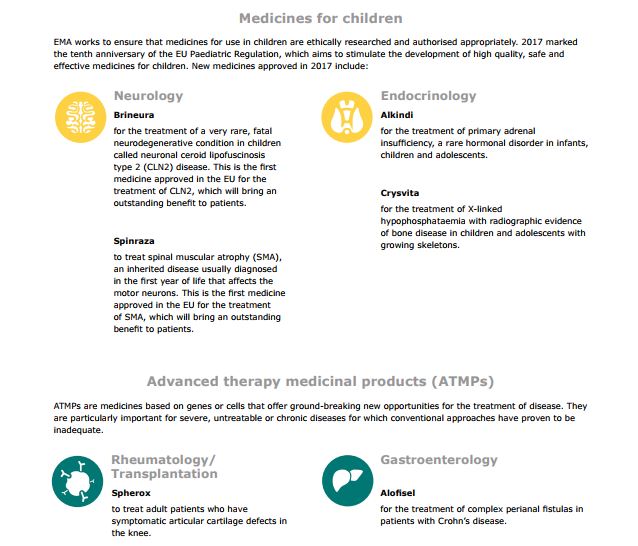
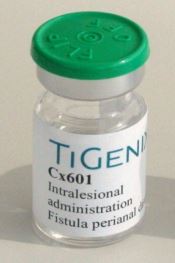
ALOFISEL, darvadstrocel Cx-601


ALOFISEL

darvadstrocel

Cx-601

On 14 December 2017, the Committee for Medicinal Products for Human Use (CHMP) adopted a positive opinion, recommending the granting of a marketing authorisation for the medicinal product Alofisel, intended for the treatment of complex perianal fistulas in patients with Crohn’s disease. As Alofisel is an advanced therapy medicinal product, the CHMP positive opinion is based on an assessment by the Committee for Advanced Therapies. Alofisel was designated as an orphan medicinal product on 8 October 2009. The applicant for this medicinal product is Tigenix, S.A.U.

Alofisel will be available as a suspension for injection (5 million cells/ml). The active substance of Alofisel is darvadstrocel. Darvadstrocel contains expanded adipose stem cells which, once activated, impair proliferation of lymphocytes and reduce the release of pro-inflammatory cytokines at inflammation sites. This immunoregulatory activity reduces inflammation and may allow the tissues around the fistula tract to heal.

The benefits with Alofisel are its ability to improve the healing process of complex perianal fistulas in patients with Crohn’s disease. The most commonly reported side effects include anal abscess and fistula, as well as procedural pain and proctalgia.

The full indication is: “Alofisel is indicated for the treatment of complex perianal fistulas in adult patients with non-active/mildly active luminal Crohn’s disease, when fistulas have shown an inadequate response to at least one conventional or biologic therapy. Alofisel should be used after conditioning of fistula, see section 4.2.”

It is proposed that Alofisel be administered by specialist physicians experienced in the diagnosis and treatment of conditions for which Alofisel is indicated.

Detailed recommendations for the use of this product will be described in the summary of product characteristics (SmPC), which will be published in the European public assessment report (EPAR) and made available in all official European Union languages after the marketing authorisation has been granted by the European Commission.

Name Alofisel
INN or common name darvadstrocel
Therapeutic area Rectal Fistula
Active substance darvadstrocel
Date opinion adopted 14/12/2017
Company name Tigenix, S.A.U.
Status Positive
Application type Initial authorisation

New medicine to treat perianal fistulas in patients with Crohn’s disease

CHMP summary of positive opinion for Alofisel

Image result for ALOFISEL

Cx601

Cx601 is a local administration of expanded adipose-derived stem cells (eASCs) for the treatment of complex perianal fistulas in Crohn’s disease patients. The treatment is administered as a single dose and has been proven to have long-term efficacy in the healing of complex perianal fistulas in Crohn’s disease patients (ADMIRE-CD study completed in 2015 with positive 2 year follow-up data). The 24-week results of this trial were published in The Lancet in July 2016.

Cx601 has been designated as an orphan drug by the EMA and SwissMedic, in Switzerland.

On 4th July 2016, Takeda Pharmaceuticals acquired an exclusive right to develop and commercialize Cx601 for complex perianal fistulas in Crohn’s disease patients outside of the U.S. Takeda is a leading pharmaceutical company in the gastroenterology space. TiGenix retains full rights to the product in the US as well as to the development of Cx601 in other indications.

  • OriginatorCellerix
  • DeveloperLa Fundacion para la Investigacion Biomedica del Hospital Universitario La Paz; Takeda; TiGenix
  • ClassStem cell therapies
  • Mechanism of ActionCell replacements
  • Orphan Drug StatusYes – Rectal fistula
  • New Molecular EntityNo

Highest Development Phases

  • PreregistrationRectal fistula
  • No development reportedRectovaginal fistula

Most Recent Events

  • 15 Dec 2017Committee for Medicinal Products for Human Use (CHMP) and Committee for Advanced Therapies (CAT) recommend approval for darvadstrocel for Rectal fistula in European Union
  • 14 Dec 2017TiGenix in-licenses patents related to adipose-derived mesenchymal stem cells from Mesoblast
  • 16 Nov 2017Cx 601 is now called darvadstrocel

15/12/2017

New medicine to treat perianal fistulas in patients with Crohn’s disease

Alofisel is the tenth advanced therapy recommended for marketing authorisation

The European Medicines Agency (EMA) has recommended granting a marketing authorisation in the European Union (EU) for a new advanced therapy medicinal product (ATMP) for the treatment of complex perianal fistulas in patients with Crohn’s disease. Alofisel is the tenth ATMP that has received a positive opinion from the Agency’s Committee for Medicinal Products for Human Use (CHMP).

Crohn’s disease is a long-term condition that causes inflammation of the digestive system or gut. Apart from affecting the lining of the bowel, inflammation may also go deeper into the bowel wall. Perianal fistulas are common complications of Crohn’s disease and occur when an abnormal passageway develops between the rectum and the outside of the body. These can lead to incontinence (a lack of control over the opening of the bowels) and sepsis (blood infection). Complex fistulas are known to be more treatment resistant than simple fistulas. There is currently no cure for Crohn’s disease, so the aim of treatment is to stop the inflammatory process, relieve symptoms and avoid surgery wherever possible. Crohn’s disease can affect people of all ages, with a higher incidence in the younger population.

The active substance of Alofisel is darvadstrocel. Darvadstrocel contains expanded adipose stem cells which, once activated, impair proliferation of lymphocytes and reduce the release of pro-inflammatory cytokines at inflammation sites. This immunoregulatory activity reduces inflammation and may allow the tissues around the fistula tract to heal.

The benefits of Alofisel were studied in a main phase III clinical trial involving 212 patients. After 24 weeks of treatment, half of the patients treated with Alofisel (49.5%) were in remission, compared to a third of the patients under placebo. An extended ongoing follow-up study, which will cover a period of up to 104 weeks of treatment, has supported this result to date.

Although there is a moderate difference between the treatment groups, the effect is considered to be clinically meaningful when other treatment options for fistulas have failed. The most common side effects observed include anal abscess and fistula, as well as procedural pain and proctalgia.

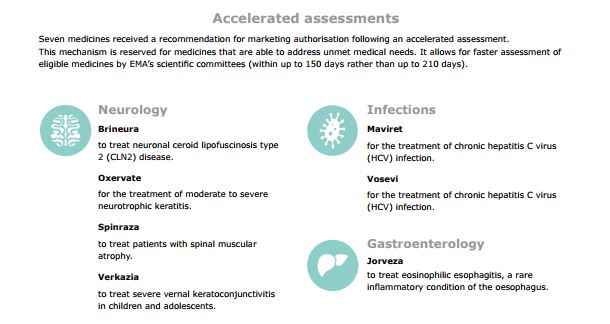
Alofisel was assessed by the Committee for Advanced Therapies (CAT), EMA’s specialised scientific committee for ATMPs, such as gene or cell therapies. At its December 2017 meeting, the CAT recommended a positive opinion for Alofisel to the CHMP. The CHMP agreed with the CAT’s recommendation and adopted a positive opinion for the authorisation of Alofisel across the EU at its 11-14 December 2017 meeting.

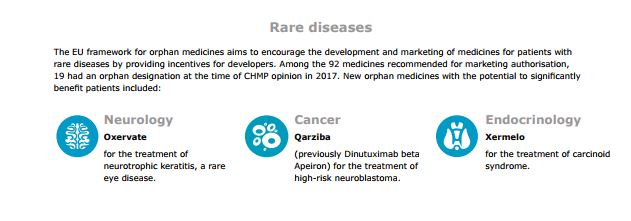
Because complex perianal fistulas are rare, Alofisel was granted an orphan designation. As always at time of approval, this orphan designation will now be reviewed by EMA’s Committee for Orphan Medicinal Products (COMP) to determine whether the information available to date allows maintaining Alofisel’s orphan status and granting this medicine ten years of market exclusivity.

The opinion adopted by the CHMP is an intermediary step on Alofisel’s path to patient access. The CHMP opinion will now be sent to the European Commission for the adoption of a decision on an EU-wide marketing authorisation. Once a marketing authorisation has been granted, decisions about price and reimbursement will take place at the level of each Member State, taking into account the potential role/use of this medicine in the context of the national health system of that country.

Takeda and TiGenix announce that Cx601 (darvadstrocel) has received a positive CHMP opinion to treat complex perianal fistulas in Crohn’s disease

December 15, 2017 Osaka, Japan and Leuven, Belgium
  • First allogeneic stem cell therapy to receive positive CHMP opinion in Europe 
  • Cx601 offers potential new treatment option for patients who do not respond to current available therapies and are subject to numerous invasive surgeries1

Takeda Pharmaceutical Company Limited (TSE: 4502) (“Takeda”) and TiGenix NV (Euronext Brussels and NASDAQ: TIG) (“TiGenix”) today announced that the Committee for Medicinal Products for Human Use (CHMP) of the European Medicines Agency (EMA), in conjunction with the Committee for Advanced Therapies (CAT), has adopted a positive opinion recommending a marketing authorization (MA) for investigational compound Cx601 (darvadstrocel). Cx601 is expected to be indicated for the treatment of complex perianal fistulas in adult patients with non-active/mildly active luminal Crohn’s disease, when fistulas have shown an inadequate response to at least one conventional or biologic therapy.2 This recommendation marks the first allogeneic stem cell therapy to receive a positive CHMP opinion in Europe.


“Following today’s news, physicians and surgeons in Europe can look forward to offering these Crohn’s disease patients a novel and minimally invasive alternative treatment option in the future, which in clinical trials achieved higher combined remission and lower relapse rates* than the current standard of care,” said Professor Julian Panés, Head of the Gastroenterology Department at the Hospital Clinic of Barcelona (Spain) and President of the European Crohn’s and Colitis Organisation (ECCO). “Perianal fistulas are estimated to affect up to 28% of patients in the first two decades after Crohn’s disease diagnosis and Cx601 offers new hope for those suffering from this severe and debilitating condition.”

Cx601 was assessed by the CAT, the EMA’s specialized scientific committee for Advanced Therapy Medicinal Products (ATMP), such as gene or cell therapies. The positive CHMP opinion was based on results from TiGenix’s Phase III ADMIRE-CD pivotal trial. The ADMIRE-CD trial is a randomized, double-blind, controlled, Phase III trial designed to investigate the efficacy and safety of investigational compound Cx601.3 24-week results were published in The Lancet and showed that Cx601 achieved statistically significant superiority versus the control group in the primary efficacy endpoint of combined remission.**,1 In addition, the rates and types of treatment related adverse events (non-serious and serious) and number of discontinuations due to adverse events were comparable between Cx601 and control arms, the most common of which were anal abscess and proctalgia.1Further follow-up data indicated that Cx601 maintained long-term remission of treatment refractory complex perianal fistulas in patients with Crohn’s disease over 52 weeks.4

Dr. María Pascual, VP Regulatory Affairs and Corporate Quality at TiGenix, said, “We believe that this first approval recommendation for an allogeneic stem cell therapy in Europe reflects the maturity of our technology and its potential to offer new approaches for difficult to treat conditions. We have worked closely with the EMA and provided a robust data package from a well-designed clinical trial with challenging endpoints. In parallel, we will continue working hard to obtain regulatory approval in the U.S. and to develop Cx601 for additional indications, to fulfil our aim of allowing patients to benefit from the full potential of Cx601 across multiple geographies and diseases.”

The opinion will now be referred to the European Commission with a decision anticipated in the coming months. An MA will allow Cx601 to be marketed in all 28 member states of the EU, plus Norway, Iceland and Lichtenstein.


Cx601 has been licensed to Takeda for the exclusive development and commercialization outside of the U.S. Receipt of the MA will trigger a milestone payment from Takeda to TiGenix of €15 million. The companies have been working closely together to advance preparations for commercialization, with a potential start of the commercial launch by Takeda anticipated after MA is transferred from TiGenix to Takeda.


“Today’s positive CHMP opinion is a crucial step to bringing a new treatment option to patients with complex perianal fistulas in Crohn’s disease,” said Dr. Asit Parikh, Head of Takeda’s Gastroenterology Therapeutic Area Unit. “We would like to thank the scientific community and patients involved in the ADMIRE-CD trial for their support in helping us reach this important milestone. We remain committed to delivering innovative, therapeutic options for patients suffering from gastrointestinal disorders.”

Complex perianal fistulas are considered one of the most disabling complications of Crohn’s disease5 and can cause intense pain6 and swelling, infection and incontinence.1 Despite available therapies and surgical advancements, they currently remain challenging for clinicians to treat7 and have a significant negative impact on patient quality of life.6


* Relapse defined as reopening of any of the treated external openings with active drainage as clinically assessed, or development of perianal collection ≥2cm of the treated perianal fistula confirmed by centrally blinded pelvic MRI assessment in patients with clinical remission at any previous visit

** Combined remission defined as clinical assessment of closure of all treated external openings draining at baseline, despite gentle finger compression, and absence of collections >2cm confirmed by pelvic MRI

About TiGenix

TiGenix NV (Euronext Brussels and NASDAQ: TIG) is an advanced biopharmaceutical company developing novel therapies for serious medical conditions by exploiting the anti-inflammatory properties of allogeneic, or donor-derived, stem cells.


TiGenix´ lead product, Cx601, has successfully completed a European Phase III clinical trial for the treatment of complex perianal fistulas – a severe, debilitating complication of Crohn’s disease. Cx601 has been filed for regulatory approval in Europe and a global Phase III trial intended to support a future U.S. Biologic License Application (BLA) started in 2017. TiGenix has entered into a licensing agreement with Takeda, a global pharmaceutical company active in gastroenterology, under which Takeda acquired the exclusive right to develop and commercialize Cx601 for complex perianal fistulas outside the U.S. TiGenix’ second adipose-derived product, Cx611, is undergoing a Phase I/II trial in severe sepsis – a major cause of mortality in the developed world. Finally, AlloCSC-01, targeting acute ischemic heart disease, has demonstrated positive results in a Phase I/II trial in acute myocardial infarction (AMI). TiGenix is headquartered in Leuven (Belgium) and has operations in Madrid (Spain) and Cambridge, MA (USA). For more information, please visit http://www.tigenix.com.


About Cx601

Cx601 is a local administration of allogeneic (or donor derived) expanded adipose-derived stem cells (eASCs) for the treatment of complex perianal fistulas in adult Crohn’s disease patients that have previously shown an inadequate response to at least one conventional therapy or biologic therapy. Crohn’s disease is a chronic inflammatory disease of the intestine and complex perianal fistulas are a severe and debilitating complication for which there is currently no effective treatment. Cx601 was granted orphan drug designation by the European Commission in 2009 and by the U.S Food and Drug Administration (FDA) in 2017. TiGenix completed a European Phase III clinical trial (ADMIRE-CD) in August 2015 in which both the primary endpoint and the safety and efficacy profile were met, with patients receiving Cx601 showing a 44% greater probability of achieving combined remission compared to control (placebo).1 A follow-up analysis was completed at 52 weeks4 and 104 weeks post-treatment, confirming the sustained efficacy and safety profile of the product. The 24-week results of the Phase III ADMIRE-CD trial were published in The Lancet  in July 2016.1 Based on the positive 24 weeks Phase III study results, TiGenix submitted a Marketing Authorization Application to the European Medicines Agency (EMA). A global Phase III clinical trial (ADMIRE-CD II) intended to support a future U.S. Biologic License Application (BLA) started in 2017, based on a trial protocol that has been agreed with the FDA through a special protocol assessment procedure (SPA) (clinicaltrials.gov; NCT03279081). ADMIRE-CD II is a randomized, double-blind, placebo-controlled study designed to confirm the efficacy and safety of a single administration of Cx601 for the treatment of complex perianal fistulas in Crohn’s disease patients. In July 2016, TiGenix entered into a licensing agreement with Takeda, a global pharmaceutical company active in gastroenterology, under which Takeda acquired exclusive rights to develop and commercialize Cx601 for complex perianal fistulas in Crohn’s patients outside of the U.S.


Forward-looking information

This press release may contain forward-looking statements and estimates with respect to the anticipated future performance of TiGenix and the market in which it operates. Certain of these statements, forecasts and estimates can be recognised by the use of words such as, without limitation, “believes”, “anticipates”, “expects”, “intends”, “plans”, “seeks”, “estimates”, “may”, “will” and “continue” and similar expressions. They include all matters that are not historical facts. Such statements, forecasts and estimates are based on various assumptions and assessments of known and unknown risks, uncertainties and other factors, which were deemed reasonable when made but may or may not prove to be correct. Actual events are difficult to predict and may depend upon factors that are beyond the Company’s control. Therefore, actual results, the financial condition, performance or achievements of TiGenix, or industry results, may turn out to be materially different from any future results, performance or achievements expressed or implied by such statements, forecasts and estimates. Given these uncertainties, no representations are made as to the accuracy or fairness of such forward-looking statements, forecasts and estimates. Furthermore, forward-looking statements, forecasts and estimates only speak as of the date of the publication of this press release. TiGenix disclaims any obligation to update any such forward-looking statement, forecast or estimates to reflect any change in the Company’s expectations with regard thereto, or any change in events, conditions or circumstances on which any such statement, forecast or estimate is based, except to the extent required by Belgian law.


References

1 Panés J, García-Olmo D, Van Assche G, et al., Expanded allogeneic adipose-derived mesenchymal stem cells (Cx601) for complex perianal fistulas in Crohn’s disease: a phase 3 randomized, double-blind controlled trial. The Lancet. 2016; 388(10051): 1281-1290.

2 European Medicines Agency. Available at: http://www.ema.europa.eu/ema/. Accessed December 15, 2017.

3 Clinicaltrials.gov. Adipose Derived Mesenchymal Stem Cells for Induction of Remission in Perianal Fistulizing Crohn’s Disease (ADMIRE-CD). Available at: https://clinicaltrials.gov/ct2/show/NCT01541579?term=cx601 &rank=2. Published February 2012. Accessed December 15, 2017.

4 Panés J, García-Olmo D, Van Assche G, et al., Long-term efficacy and safety of Cx601, allogeneic expanded adipose-derived mesenchymal stem cells, for complex perianal fistulas in Crohn’s Disease: 52-week results of a phase III randomized controlled trial. ECCO 2017; Barcelona: Abstract OP009.

5 Marzo M, Felice C, Pugliese D, et al., Management of perianal fistulas in Crohn’s disease: An up-to-date review. World J Gastroenterol. 2015; 21(5): 1394-1395.

6 Mahadev S, Young JM, Selby W, et al., Quality of life in perianal Crohn’s disease: what do patients consider important? Dis Colon Rectum. 2011; 54(5): 579-585.

7 Geltzeiler C, Wieghard N and Tsikitis V. Recent developments in the surgical management of perianal fistula for Crohn’s disease. Ann Gastroenterol. 2014; 27(4): 320-330.

Notes

  • The applicant for Alofisel is Tigenix, S.A.U.
  1. AGA technical review on perianal Crohn’s disease 2003; 125(5):1508-1530
  2. TiGenix company presentation, June 2017 (http://tigenix.com/wp-content/themes/tigenix/images/TiGenix_Corporate_Presentation.pdf , accessed on June 22nd, 2017).
  3. Panes J et al. Long-term efficacy and safety of Cx601, allogeneic expanded adipose-derived mesenchymal stem cells, for complex perianal fistulas in Crohn’s disease: 52-week results of a Phase III randomized controlled trial. The 12th Congress of ECCO, February 15-18, 2017, Barcelona, Spain
  4. Cohen RD et al, 2008. Effects of fistula on healthcare costs and utilization for patients with Crohn’s disease treated in a managed care environment.
  5. nice.org.uk
  6. Gene therapy: understanding the science, assessing the evidence, and paying for the value: a report from the 2016 ICER membership policy summit. March 2017.
  7. Chaparro M. et al., 2013 Health care costs of complex perianal fistula in Crohn’s disease.
  8. Takeda’s press release, January 5, 2018.
  9. http://tigenix.com/wp-content/themes/tigenix/images/TiGenix_Corporate_Presentation.pdf

/////////////////ALOFISEL, darvadstrocel, Cx-601, eu 2017, ema 2017

PADELIPORFIN


Padeliporfin.png

2D chemical structure of 759457-82-4

PADELIPORFIN

759457-82-4; 457P824,

RN: 759457-82-4
UNII: EEO29FZT86

3-[(2S,3S,12R,13R)-8-acetyl-13-ethyl-20-(2-methoxy-2-oxoethyl)-3,7,12,17-tetramethyl-18-(2-sulfoethylcarbamoyl)-2,3,12,13-tetrahydroporphyrin-22,24-diid-2-yl]propanoic acid;palladium(2+)

 (SP-4-2)-[(7S,8S,17R,18R)-13-acetyl-18-ethyl-5-(2-methoxy-2-oxoethyl)-2,8,12,17-tetramethyl-3-[[(2-sulfoethyl)amino]carbonyl]-21H,23H-porphine-7-propanoato (4-)-kN21,kN22,kN23,kN24] palladate(2-)

Palladate(2-​)​, [(7S,​8S,​17R,​18R)​-​13-​acetyl-​18-​ethyl-​7,​8-​dihydro-​5-​(2-​methoxy-​2-​oxoethyl)​-​2,​8,​12,​17-​tetramethyl-​3-​[[(2-​sulfoethyl)​amino]​carbonyl]​-​21H,​23H-​porphine-​7-​propanoato(4-​)​-​κN21,​κN22,​κN23,​κN24]​-​, (SP-​4-​2)​-
Coordination Compound

Other Names

  • (SP-4-2)-[(7S,8S,17R,18R)-13-Acetyl-18-ethyl-7,8-dihydro-5-(2-methoxy-2-oxoethyl)-2,8,12,17-tetramethyl-3-[[(2-sulfoethyl)amino]carbonyl]-21H,23H-porphine-7-propanoato(4-)-κN21,κN22,κN23,κN24]palladate(2-)
Molecular Formula: C37H43N5O9PdS
Molecular Weight: 840.257 g/mol

img

Chemical Formula: C37H41K2N5O9PdS
Molecular Weight: 916.43

cas 698393-30-5

WST11; WST-11; WST 11; Stakel; padeliporfin; palladiumbacteriopheophorbide monolysine taurine.

Palladate(2-​)​, [(7S,​8S,​17R,​18R)​-​13-​acetyl-​18-​ethyl-​7,​8-​dihydro-​5-​(2-​methoxy-​2-​oxoethyl)​-​2,​8,​12,​17-​tetramethyl-​3-​[[(2-​sulfoethyl)​amino]​carbonyl]​-​21H,​23H-​porphine-​7-​propanoato(4-​)​-​κN21,​κN22,​κN23,​κN24]​-​, potassium (1:2)​, (SP-​4-​2)​-

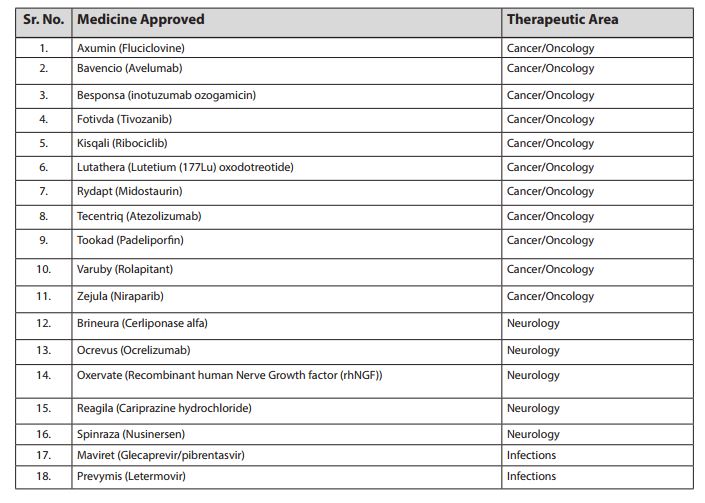
Tookad : EPAR -Product Information

Tookad : EPAR – Summary for the public (English only) 29/11/2017

Product details

Pharmacotherapeutic group

Antineoplastic agents

Therapeutic indication

Tookad is indicated as monotherapy for adult patients with previously untreated, unilateral, low risk, adenocarcinoma of the prostate with a life expectancy ≥ 10 years and:

  • Clinical stage T1c or T2a;
  • Gleason Score ≤ 6, based on high-resolution biopsy strategies;
  • PSA ≤ 10 ng/mL;
  • 3 positive cancer cores with a maximum cancer core length of 5 mm in any one core or 1-2 positive cancer cores with ≥ 50 % cancer involvement in any one core or a PSA density ≥ 0.15 ng/mL/cm³.
Name Tookad
Agency product number EMEA/H/C/004182
Active substance padeliporfin di-potassium
International non-proprietary name(INN) or common name padeliporfin
Therapeutic area Prostatic Neoplasms
Anatomical therapeutic chemical (ATC) code L01XD07
Additional monitoring This medicine is under additional monitoring. This means that it is being monitored even more intensively than other medicines. For more information, see medicines under additional monitoring.
Marketing-authorisation holder STEBA Biotech S.A
Revision 0
Date of issue of marketing authorisation valid throughout the European Union 10/11/2017

Contact address:

STEBA Biotech S.A
7 place du theatre
L-2613 Luxembourg
Luxembourg

Padeliporfin is a vascular-acting photosensitizer consisting of a water-soluble, palladium-substituted bacteriochlorophyll derivative with potential antineoplastic activity. Upon administration, paldeliporfin is activated locally when the tumor bed is exposed to low-power laser light; reactive oxygen species (ROS) are formed upon activation and ROS-mediated necrosis may occur at the site of interaction between the photosensitizer, light and oxygen. Vascular-targeted photodynamic therapy (VTP) with padeliporfin may allow tumor-site specific cytotoxicity while sparing adjacent normal tissues.

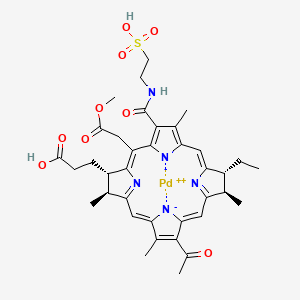
WST-11 (Stakel) is a water-soluble bacteriochlorophyll (chemical structure shown below) derivative coordinated with palldium, which has maximum absorption wavelength in the near infrared (753 nm) and rapid clearance from the body ( t 1/2 = 0.37 hour for a 10-mg/kg drug dose in the rat and t 1/2 = 0.51 hour, 1 hour, and 2.65 hours for 1.25-, 2.5-, and 5-mg/kg drug doses, respectively. It binds to serum albumin and has potent antivascular activity through the generation of hydroxyl radicals when stimulated by the proper light wavelength.

Image result for PADELIPORFIN

Photodynamic therapy (PDT) is a non-surgical treatment of tumors in which non-toxic drugs and non-hazardous photosensitizing irradiation are combined to generate cytotoxic reactive oxygen species in situ. This technique is more selective than the commonly used tumor chemotherapy and radiotherapy. To date, porphyrins have been employed as the primary photosensitizing agents in clinics. However, current sensitizers suffer from several deficiencies that limit their application, including mainly: (1) relatively weak absorption in the visible spectral range which limits the treatment to shallow tumors; (2) accumulation and long retention of the sensitizer in the patient skin, leading to prolonged (days to months) skin phototoxicity; and (3) small or even no differentiation between the PDT effect on illuminated tumor and non-tumor tissues. The drawbacks of current drugs inspired an extensive search for long wavelength absorbing second-generation sensitizers that exhibit better differentiation between their retention in tumor cells and skin or other normal tissues.

In order to optimize the performance of the porphyrin drugs in therapeutics and diagnostics, several porphyrin derivatives have been proposed in which, for example, there is a central metal atom (other than Mg) complexed to the four pyrrole rings, and/or the peripheral substituents of the pyrrole rings are modified and/or the macrocycle is dihydrogenated to chlorophyll derivatives (chlorins) or tetrahydrogenated to bacteriochlorophyll derivatives (bacteriochlorins).

Due to their intense absorption in favorable spectral regions (650-850 nm) and their ready degradation after treatment, chlorophyll and bacteriochlorophyll derivatives have been identified as excellent sensitizers for PDT of tumors and to have superior properties in comparison to porphyrins, but they are less readily available and more difficult to handle.

Bacteriochlorophylls are of potential advantage compared to the chlorophylls because they show intense near-infrared bands, i.e. at considerably longer wavelengths than chlorophyll derivatives.

The spectra, photophysics, and photochemistry of native bacteriochlorophylls (Bchls) have made them optimal light-harvesting molecules with clear advantages over other sensitizers presently used in PDT. In particular, these molecules have a very high extinction coefficient at long wavelengths (λmax=760-780 nm, ε=(4-10)xl04 M-1cm-1), where light penetrates deeply into tissues. They also generate reactive oxygen species (ROS) at a high quantum yield (depending on the central metal).

Under normal delivery conditions, i.e. in the presence of oxygen at room temperature and under normal light conditions, the BChl moieties are labile and have somewhat lower quantum yields for triplet state formation, when compared with, e.g., hematoporphyrin derivative (HPD). However, their possible initiation of biological redox reactions, favorable spectral characteristics and their ready degradation in vivo result in the potential superiority of bacteriochlorophylls over other compounds, e.g. porphyrins and chlorophylls, for PDT therapy and diagnostics and for killing of cells, viruses and bacteria in samples and in living tissue. Chemical modification of bacteriochlorophylls is expected to further improve their properties, but this has been very limited due to lack of suitable methods for the preparation of such modified bacteriochlorophylls .

The biological uptake and PDT efficacy of metal-free derivatives of Bchl have been studied with the objective to manipulate the affinity of the sensitizers to the tumor cellular compartment. Cardinal to this approach is the use of highly lipophilic drugs that may increase the accumulation of the drug in the tumor cells, but also renders its delivery difficult. In addition, the reported biodistribution shows significant phototoxic drug levels in non-tumor tissues over prolonged periods (at least days) after administering the drug.

In applicant’s previous Israel Patent No. 102645 and corresponding EP 0584552, US 5,726,169, US 5,726,169, US 5,955,585 and US 6,147,195, a different approach was taken by the inventors. Highly efficient anti- vascular sensitizers that do not extravasate from the circulation after administration and have short lifetime in the blood were studied. It was expected that the inherent difference between vessels of normal and abnormal tissues such as tumors or other tissues that rely on neovessels, would enable relatively selective destruction of the abnormal tissue. Hence, it was aimed to synthesize Bchl derivatives that are more polar and, hence, have better chance to stay in the vascular compartment, where they convey the primary photodynamic effect. To this end, the geranylgeranyl residue at the C-17 position of Bchl a (Compound 1, depicted in Scheme 1 herein) has been replaced by various residues such as amino acids, peptides, or proteins, which enhance the sensitizer hydrophilicity. One particular derivative, Bchl-Ser (Scheme 1, Compound 1, wherein R is seryl), was found to be water-soluble and highly phototoxic in cell cultures. Following infraperitoneal injection, the Bchl-Ser cleared from the mouse blood and tissues bi-exponentially in a relatively short time (t1/2~2 and 16 h, respectively). Clearance from the circulation was even faster following intravenous injection. Under the selected treatment protocol (light application within minutes after drug injection), phototoxicity was predominantly conferred to the tumor vasculature (Rosenbach-

Belkin et al., 1996; Zilberstein et al., 2001 and 1997). However, unfortunately, like native Bchl, the Bchl-Ser derivative undergoes rapid photo-oxidation, forming the corresponding 2-desvinyl-2-acetyl-chlorophyllide ester and other products.

To increase the stability of the Bchl derivatives, the central Mg atom was replaced by Pd in the later applicant’s PCT Publication WO 00/33833 and US 6,569,846. This heavy atom was previously shown to markedly increase the oxidation potential of the Bchl macrocycle and, at the same time, to greatly enhance the intersystem-crossing (ISC) rate of the molecule to its triplet state. The metal replacement was performed by direct incorporation of Pd2+ ion into a Bpheid molecule, as described in WO 00/33833. Based on the pigment biodistribution and pharmacokinetics, it was assumed that the derivative Pd-Bpheid remained in the circulation for a very short time with practically no extravasation to other tissues, and is therefore a good candidate for vascular-targeting PDT that avoids skin phototoxicity. The treatment effect on the blood vessels was demonstrated by intravital microscopy of treated blood vessels and staining with Evans-Blue. Using a treatment protocol with a minimal drug-to-light interval, Pd-Bpheid (also designated Tookad) was found to be effective in the eradication of different tumors in mice, rats and other animal models and is presently entering Phase I/II clinical trials in patients with prostate cancer that failed radiation therapy (Chen et al, 2002; Schreiber et al., 2002; Koudinova et al., 2003).

Because of its low solubility in aqueous solutions, the clinical use of Pd-Bpheid requires the use of solubilizing agents such as Cremophor that may cause side effects at high doses. It would be highly desirable to render the Pd-Bpheid water-soluble while retaining its physico-chemical properties. Alternatively, it would be desirable to prepare Bchl derivatives that are cytophototoxic and, at the same time, more water-soluble than Pd-Bpheid itself. Such water solubility is expected to further enhance the drug retention in the circulation and, thereby, the aforementioned selectivity. In addition, having no need to use carriers such as detergents or lyposomes, may prevent side effects.

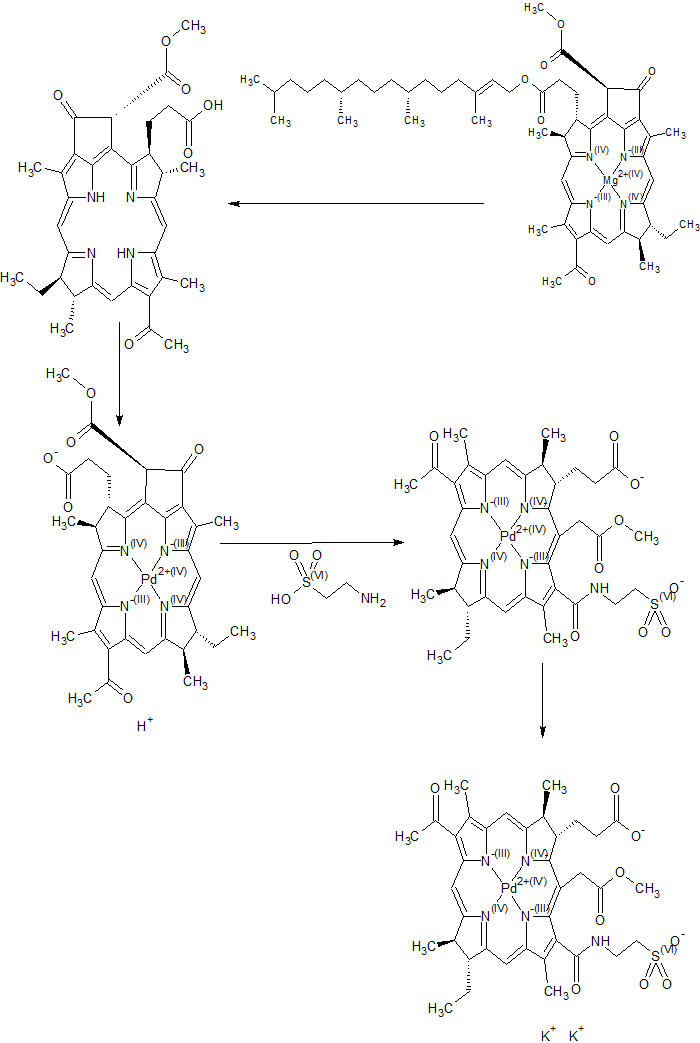
SYNTHESIS

START FROM CAS 17499-98-8, Phorbine, magnesium deriv., Bacteriochlorophyll aP

STR1

PADELIPORFIN

Paper

Novel water-soluble bacteriochlorophyll derivatives for vascular-targeted photodynamic therapy: Synthesis, solubility, phototoxicity and the effect of serum proteins
Photochemistry and Photobiology (2005), 81, (July/Aug.), 983-993

PAPER

Journal of Medicinal Chemistry (2014), 57(1), 223-237

Abstract Image

With the knowledge that the dominant photodynamic therapy (PDT) mechanism of 1a (WST09) switched from type 2 to type 1 for 1b (WST11) upon taurine-driven E-ring opening, we hypothesized that taurine-driven E-ring opening of bacteriochlorophyll derivatives and net-charge variations would modulate reactive oxygen species (ROS) photogeneration. Eight bacteriochlorophyll a derivatives were synthesized with varying charges that either contained the E ring (2a5a) or were synthesized by taurine-driven E-ring opening (2b5b). Time-dependent density functional theory (TDDFT) modeling showed that all derivatives would be type 2 PDT-active, and ROS-activated fluorescent probes were used to investigate the photogeneration of a combination of type 1 and type 2 PDT ROS in organic- and aqueous-based solutions. These investigations validated our predictive modeling calculations and showed that taurine-driven E-ring opening and increasing negative charge generally enhanced ROS photogeneration in aqueous solutions. We propose that these structure–activity relationships may provide simple strategies for designing bacteriochlorins that efficiently generate ROS upon photoirradiation.

Modulation of Reactive Oxygen Species Photogeneration of Bacteriopheophorbide a Derivatives by Exocyclic E-Ring Opening and Charge Modifications

 Department of Pharmaceutical Sciences, Leslie L. Dan Faculty of Pharmacy, University of Toronto, 144 College Street, Toronto, Ontario M5S 3M2, Canada
 Ontario Cancer Institute and Techna Institute, UHN, 101 College Street, Toronto, Ontario M5G 1L7, Canada
§ Department of Chemical Engineering and Applied Chemistry, University of Toronto, 200 College Street, Toronto, Ontario M5S 3E5, Canada
J. Med. Chem.201457 (1), pp 223–237
DOI: 10.1021/jm401538h
*Tel: 416-581-7666. Fax 416-581-7667. E-mail: gzheng@uhnresearch.ca.
Palladium 31-Oxo-15-methoxycarbonylmethyl-rhodobacteriochlorin 13′-(2-Sulfethyl)amide (1b)
……………… The dried crude product was dissolved in 200 μL of DMSO and purified by reverse-phase HPLC. The product was quantified spectrophotometrically, the identity was characterized using ESI+MS and UV–vis spectroscopy, and the purity was found to be >95% using HPLC–MS. This yielded 0.21 mg (250 nmol) of 1b(0.7% yield). ESI+MS: [M]+ = 840 m/z. UV–vis (MeOH, λmax): 748, 517, 385, 332 nm.
PATENT

CHEMICAL EXAMPLES

Example 1. Palladium 31-oxo-15-methoxycarbonylmethyl-Rhodobacteriochlorin 131-(2-sulfoethyl)amide dipotassium salt ( Compound 4)

Nine hundred and thirty five (935) mg of Pd-Bpheid (3) were dissolved in a 1 L round bottom flask with 120 ml of DMSO while stirring under Argon (bubbled in the solution). Taurine (1288 mg) was dissolved in 40 ml of 1M K2HPO4 buffer, and the pH of the solution was adjusted to 8.2 (with HCl ). This aqueous solution was added into the DMSO solution while stirring, and the Argon was bubbled in the solution for another 20 minutes. Then the reaction mixture was evaporated at 30°C for 3.5 hours under ~2 mbar and then for another 2 hours at 37°C to a complete dryness. The dry solids were dissolved in 300 ml of MeOH and the colored solution was filtered through cotton wool to get rid of buffer salts and taurine excess.

The progress of the reaction was determined by TLC (Rf of unreacted Pd- Bpheid is 0.8-0.85 and of the reaction (aminolysis) product is 0.08-0.1) and by following the optical absorption spectrum of the reaction mixture after liophylization and resolubihzation in MeOH. The absorption spectrum was characterized by a Qytransition shift from 756 nm (for Pd-Bpheid) to 747 nm (for the product 4) and by Qx shift from 534 nm of Pd-Bpheid to 519 nm (of the product 4). The MeOH was evaporated and the product 4 was purified by HPLC with ODS-A 250X20 S10P μm column (YMC, Japan). Solvent A: 95% 0.005 M phosphate buffer, pH 8.0 and 5% MeOH. Solvent B: 100% MeOH. The dry solid was dissolved in 42 ml of distilled water and injected in portions of 1.5 ml each .

The elution profile is described in Table 1. The product 4_(Scheme 1, see below) was eluted and collected at ~ 9-11 minutes. The main impurities, collected after at 4-7 min (ca 5-10%), corresponded to byproduct(s) with the proposed structure 7. Peaks at 22-25 min (ca 2-5%) possibly corresponded to the iso-form of the main product 4 and untreated Pd-Bpheid residues.

The solvent (aqueous methanol) was evaporated under reduced pressure. Then, the purified product 4 ]was re-dissolved in ~150 ml MeOH and filtered through cotton wool. The solvent was evaporated again and the solid pigment 4 was stored under Ar in the dark at -20°C. The reaction yield: ~90% (by weight, relative to 3).

The structure of product 4 was confirmed by electrospray mass spectroscopy. (ESI-MS, negative mode, Fig.2), (peaks at 875 (M–K-H), 859 (M–2K-H+Na), 837 (M–2K), 805 (M2K-H-OMe), 719) and 1H-NMR spectrum (Fig. 4 in MeOH-d4). Table 4 provides the shifts (in ppm units) of the major NMR peaks.

Optical absorption (UN-VIS) spectrum (MeOH): λ, 747 (1.00), 516 (0.13), 384 (0.41), 330 (0.50); ε747 (MeOH) is 1.2 x 10⁵ mol-1 cm _1.

ΝMR (MeOH-d4): 9.38 (5-H, s), 8.78 (10-H, s), 8.59 (20-H, s), 5.31 and 4.95 (151-CH2, dd), 4.2-4.4 (7,8,17,18-H, m), 3.88 (153-Me, s), 3.52 (21-Me, s), 3.19 (121 -Me, s), 3.09 (32-Me, s), 1.92-2.41, 1.60-1.75 (171, 172-CH2, m), 2.19 (81-CH2, m), 1.93 (71-Me, d), 1.61 (181-Me, d), 1.09 (82-Me, t), 3.62, 3.05 (CH2‘s of taurine).

Octanol/water partition ratio is 40:60.

Example 2. Preparation of 31-oxo-15-methoxycarbonylmethyl- Rhodobacteriochlorin 131-(2-sulfoethyl)amide dipotassium salt (Compound 5) One hundred and sixty (160) mg of taurine were dissolved in 5 ml of 1M

K2HPO4 buffer, and the pH of the solution was adjusted to 8.2. This solution was added to 120 mg of compound 2 dissolved in 15 ml of DMSO, and the reaction and following purification were analogous to those described in previous Example.

Absorption spectrum (MeOH): λ, 750 (1.00), 519 (0.30), 354 (1.18) nm.

ESI-MS (-): 734 (M–2K).

ΝMR (MeOH-d4): 9.31 (5-H, s), 8.88 (10-H, s), 8.69 (20-H, s), 5.45 and 5.25 (151-CH2, dd), 4.35 (7,18-H, m), 4.06 (8,17-H, m), 4.20 and 3.61 (2-CH2, m of taurine), 3.83 (153-Me, s), 3.63 (21-Me, s), 3.52 (3-CH2, m oftaurine), 3.33 (121-Me, s), 3.23 (32-Me, s), 2.47 and 2.16 (171-CH2, m), 2.32 and 2.16 (81-CH2, m), 2.12 and 1.65 (172-CH2, m), 1.91 (71-Me, d), 1.66 (181– Me, d), 1.07 (82-Me, t).

Octanol/water partition ratio is 60:40.

Example 3. Preparation of copper(II) 31-oxo-15-methoxycarbonylmethyl- Rhodobacteriochlorin 131-(2-sulfoethyl)amide dipotassium salt (Compound 10)

Fifty (50) mg of compound 5 of Example 2 and 35 mg of copper (II) acetate were dissolved in 40 ml of methanol, and argon was bubbled into solution for 10 minutes. Then 500 mg of palmitoyl ascorbate was added, and the solution was stirred for 30 min. The absorption spectrum was characterized by a Qy transition shift from 750 nm (for 5) to 768 nm (for the product 10) and by Qx shift from 519 nm of 5 to 537 nm (of the product 10). Then the reaction mixture was evaporated, re-dissolved in acetone and filtered through cotton wool to get rid of acetate salt excess. The acetone was evaporated and the product was additionally purified by HPLC at the conditions mentioned above with the elution profile, described in Table 2.

The solvent (aqueous methanol) was evaporated under reduced pressure. Then, the purified pigment 10 was re-dissolved in methanol and filtered through cotton wool. The solvent was evaporated again and the solid pigment 10 was stored under Ar in the dark at -20°C. Reaction yield: -90%.

Absorption spectrum (MeOH): λ, 768 (1.00), 537 (0.22), 387 (0.71) and 342 (0.79) nm.

ESI-MS (-): 795 (M–2K).

Octanol/water partition ratio is 40:60.

Example 4. Preparation of zinc 31-oxo-15-methoxycarbonylmethyl-Rhodobacteriochlorin 131-(2-sulfoethyl)amide dipotassium salt (Compound 11)

Zn insertion into compound 5 was carried out with Zn acetate in acetic acid as previously described (US Patent No. 5,726,169). Final purification was carried out by HPLC in the same conditions as for compound 5 in Example 2 above.

Absorption spectrum (MeOH): λ, 762 (1.00), 558 (0.26), 390 (0.62) and 355 (0.84) nm.

Octanol/water partition ratio is 50:50.

Example 5. Preparation of manganese(III) 31-oxo-15-methoxycarbonylmethyl-Rhodobacteriochlorin 131-(2-sulfoethyl)amide dipotassium salt (Compound 12)

Mn insertion into compound 5 was carried out with Zn acetate in acetic acid as previously described (WO 97/19081; US 6,333,319) with some modifications. Thus, fifty (50) mg of compound 5 in 10 ml of DMF were stirred with 220 mg of cadmium acetate and heated under argon atmosphere at 110°C about 15 min (Cd-complex formation is monitored by shifting Qx transition absorption band from 519 to 585 nm in acetone). Then the reaction mixture was cooled and evaporated. The dry residue was re-dissolved in 15 ml of acetone and stirred with manganese (II) chloride to form the Mn(III)-product 12. The product formation is monitored by shifting Qx transition band from 585 to 600 nm and Qy transition band from 768 to 828 nm in acetone. The acetone was evaporated and the product 12 was additionally purified by HPLC in the conditions mentioned in Example 2 above with the elution profile described in Table 3 below where the] solvent system consists of: A – 5% aqueous methanol, B -methanol.

The solvent (aqueous methanol) was evaporated under reduced pressure and the solid pigment 12 was stored under Ar in the dark at -20°C.

Absorption spectrum (MeOH): λ, 828 (1.00), 588 (0.32) and 372 (0.80) nm. Octanol/water partition ratio is 5:95.

Example 6. Preparation of palladium bacteriopheophorbide a 17 -(3-sulfo-1-oxy- succinimide)ester sodium salt (Compound 6)

Fifty (50) mg of Pd-Bpheid (compound 2), 80 mg of N-hydroxy- sulfosuccinimide (sulfoNHS) and 65 mg of 1-(3-dimethylaminopropyl)-3- ethylcarbodiimide (EDC) were mixed in 7 ml of dry DMSO for overnight at room temperature. Then the solvent was evacuated under reduced pressure. The dry residue was re-dissolved in chloroform (ca. 50 ml), filtered from insoluble material, and evaporated. The conversion was ab. 95%) (TLC). The product 6 was used later on without further chromatographic purification. ESI-MS (-): 890 (M–Na).

NMR (CDCl3): 9.19 (5-H, s), 8.49 (10-H, s), 8.46 (20-H, s), 5.82 (132-H, s), 4.04- 4.38 (7,8,17,18-H, m), 3.85 (134-Me, s), 3.47 (21-Me, s), 3.37 (^-Me, s), 3.09 (32– Me, s), 1.77 (71-Me, d), 1.70 (lδ’-Me, d), 1.10 (82-Me, t), 4.05 (CH2 of sNHS), 3.45 (CH ofs NHS).

Example 7. Preparation of palladium bacteriopheophorbide a 173-(3-sulfopropyl) amide potassium salt (Compound 7)

Ten (10) mg of compound 6 in 1 ml of DMSO was mixed with 20 mg of homotaurine (3-amino-1-propane-sulfonic acid) in 1 ml of 0.1 M K-phosphate buffer, pH 8.0 for overnight. Then the reaction mixture was partitioned in chloroform/water. The organic layer was dried over anhydrous sodium sulfate and evaporated. The dry residue was re-dissolved in chloroform-methanol (19:1) and applied to a chromatographic column with silica. The product 7 was obtained with chloroform-methanol (4:1) elution. The yield was about 80-90%.

ESI-MS (-): 834 (M-K) m/z.

NMR (MeOH-d4): 9.16 (5-H, s), 8.71 (10-H, s), 8.60 (20-H, s), 6.05 (132-H, s), 4.51, 4.39, 4.11, 3.98 (7,8,17,18-H, all m), 3.92 (134-Me, s), 3.48 (21-Me, s), 3.36 (121-Me, s), 3.09 (32-Me, s), 2.02-2.42 (171 arid 172-CH2, m), 2.15 ( 81-CH2, q), 1.81 (71-Me, d), 1.72 (181-Me, d), 1.05 (82-Me, t), 3.04, 2.68, and 2.32 (CH2‘s of homotaurine, m).

Example 8. Preparation of palladium 31-oxo-15-methoxycarbonylmethyl-Rhodo-bacteriochlorin 13 ,17 -di(3-sulfopropyl)amide dipotassium salt (Compound 8)

Ten (10) mg of compound 6 or 7 were dissolved in 3 ml of DMSO, mixed with 100 mg of homotaurine in 1 ml of 0.5 M K-phosphate buffer, pH 8.2, and incubated overnight at room temperature. The solvent was then evacuated under reduced pressure as described above, and the product 8 was purified on HPLC. Yield: 83%.

Absorption spectrum (MeOH): 747 (1.00), 516 (0.13), 384 (0.41), 330 (0.50), ε747 =1.3×10⁵ modern-1.

ESI-MS(-):1011 (M–K), 994 (M–2K+Na),972 (M–2K), 775 (M–2K-CO2Me-homotaurineNHCH2CH2CH2SO3), 486 ([M-2K]/2)

NMR (MeOH-d4): 9.35 (5-H, s), 8.75 (10-H, s), 8.60 (20-H, s), 5.28 and 4.98 (15-1-CH2, dd), 4.38, 4.32, 4.22, 4.15 (7,8,17,18-H, all m), 3.85 (15~3-Me, s), 3.51 (21-Me, s), 3.18 (121-Me, s), 3.10 (32-Me, s 2.12-2.41 (171-CH2, m), 2.15-2.34 (81-CR2, m), 1.76-2.02 (172-CH2, m), 1.89 (71-Me, d), 1.61 (lδ^Me, d), 1.07 (82-Me, t). 3.82, 3.70,

3.20, 3.10, 2.78, 2.32, 1.90 (CH2‘s of homotaurine at C-131 and C-173)

Example 9. Palladium 31-(3-sulfopropylimino)-15-methoxycarbonylmethyl-Rhodo-bacteriochlorin 131,173-di(3-sulfopropyl)amide tripotassium salt (Compound 9)

Compound 9 was obtained from HPLC as a minor product during synthesis of 8.

Absorption spectrum (MeOH): 729 (1.00), 502 (0.10), 380 (0.69), 328 (0.57).

ESI-MS (30.4.2000): 1171 (M-K+H), 1153 (M–2K-H+Na), 1131 (M-2K), 566 ([M-K]/2), 364 ([M-3K]/3).

NMR (MeOH-d4): 8.71 (1H), 8.63 (1.5H), 8.23 (0.5H) (5-, 10- and 20-H, all-m), 5.30 and 4.88 (151-CH2, dd), 4.43 and 4.25 (7,8,17,18-H, m), 3.85 (15~3-Me, s), 3.31 (21-Me, s), 3.22 (121-Me, s), 3.17 (32-Me, m), 1.89-2.44 (171 and 172-CH2, m), 2.25 (81-CH2, m), 1.91 (71-Me, s), 1.64 (181– Me, s), 1.08 (82-Me, t), 4.12, 3.56, 3.22, 3.16, 2.80 and 2.68 (CH2‘s of homotaurine).

Example 10. Palladium 31-oxo-15-methoxycarbonylmethyl-Rhodobacteriochlorin 131-(2-sulfoethyl)amide, 173-(N-immunoglobulin G)amide potassium salt (Compound 13)

Ten (10) mg of compound 4 were reacted with 20 mg of sulfo-NHS and 15 mg of EDC in 1 ml of dry DMSO for 1 hour at room temperature, then rabbit IgG (0.6 mg) in PBS (2.5 ml) was added, and the mixture was further incubated overnight at room temperature. The mixture was evaporated to dryness, then re-dissolved in 1 ml of PBS and loaded on Sephadex G-25 column equilibrated with PBS. A colored band was eluted with 4-5 ml of PBS. The pigment/protein ratio in the obtained conjugate 13 was determined by optical density at 753 and 280 mn, respectively, and varied between 0.5/1 to 1/1 of pigment 13/protein.

Example 11. Preparation of palladium 31-oxo-15-methoxycarbonylmethyl-Rhodobacteriochlorin 131-(2-carboxyethyl)amide dipotassium salt (Compound

M)

The preparation and purification of the title compound 14 were carried out as described in Example 2, by reaction of compound 2 with 3-aminopropionic acid (β-alanine) (150 mg) instead of taurine. Yield: 85%.

Example 12. Preparation of palladium 31-oxo-15-methoxycarbonylmethyl-Rhodobacteriochlorin 131-(3-phosphopropyl)amide tripotassium salt (Compound

15)

The preparation and purification of the title compound 15 were carried out as described in Example 2, by reaction of compound 2 with 3 -amino- 1-propanephosphonic acid (180 mg) instead of taurine. Yield: 68%.

Example 13. Palladium 31-(3-sulfopropylamino)-15-methoxycarbonylmethyl-Rhodobacteriochlorin 131,173-di(3-sulfopropyl)amide tripotassium salt (Compound 16)

For reduction of the imine group in 31-(3-sulfopropylimino) to the correspondent 31-(3-sulfopropylamino) group, compound 9 (8 mg) was reacted by stirring with sodium cyanoborohydride (15 mg) in 5 ml of methanol overnight at room temperature. Then the reaction mixture was treated with 0.05 M HCl (5 ml), neutralized with 0.01 M KOH, and evaporated. The title product 16 was purified using HPLC conditions as described in Example 2. Yield: 80-90%).

PATENT
US 7947672

REFERENCES

1: Kessel D, Price M. Evaluation of DADB as a Probe for Singlet Oxygen Formation during Photodynamic Therapy. Photochem Photobiol. 2012 Feb 2. doi: 10.1111/j.1751-1097.2012.01106.x. [Epub ahead of print] PubMed PMID: 22296586.

2: Betrouni N, Lopes R, Puech P, Colin P, Mordon S. A model to estimate the outcome of prostate cancer photodynamic therapy with TOOKAD Soluble WST11. Phys Med Biol. 2011 Aug 7;56(15):4771-83. Epub 2011 Jul 13. PubMed PMID: 21753234.

3: Chevalier S, Anidjar M, Scarlata E, Hamel L, Scherz A, Ficheux H, Borenstein N, Fiette L, Elhilali M. Preclinical study of the novel vascular occluding agent, WST11, for photodynamic therapy of the canine prostate. J Urol. 2011 Jul;186(1):302-9. Epub 2011 May 20. PubMed PMID: 21600602.

4: Dandler J, Wilhelm B, Scheer H. Photochemistry of bacteriochlorophylls in human blood plasma: 1. Pigment stability and light-induced modifications of lipoproteins. Photochem Photobiol. 2010 Mar-Apr;86(2):331-41. Epub 2009 Nov 23. PubMed PMID: 19947966.

5: Dandler J, Scheer H. Inhibition of aggregation of [Pd]-bacteriochlorophyllides in mesoporous silica. Langmuir. 2009 Oct 20;25(20):11988-92. PubMed PMID: 19772311.

6: Ashur I, Goldschmidt R, Pinkas I, Salomon Y, Szewczyk G, Sarna T, Scherz A. Photocatalytic generation of oxygen radicals by the water-soluble bacteriochlorophyll derivative WST11, noncovalently bound to serum albumin. J Phys Chem A. 2009 Jul 16;113(28):8027-37. PubMed PMID: 19545111.

7: Moore CM, Pendse D, Emberton M. Photodynamic therapy for prostate cancer–a review of current status and future promise. Nat Clin Pract Urol. 2009 Jan;6(1):18-30. Review. PubMed PMID: 19132003.

8: Preise D, Oren R, Glinert I, Kalchenko V, Jung S, Scherz A, Salomon Y. Systemic antitumor protection by vascular-targeted photodynamic therapy involves cellular and humoral immunity. Cancer Immunol Immunother. 2009 Jan;58(1):71-84. Epub 2008 May 17. PubMed PMID: 18488222.

9: Fleshker S, Preise D, Kalchenko V, Scherz A, Salomon Y. Prompt assessment of WST11-VTP outcome using luciferase transfected tumors enables second treatment and increase in overall therapeutic rate. Photochem Photobiol. 2008 Sep-Oct;84(5):1231-7. Epub 2008 Apr 8. PubMed PMID: 18399928.

10: Berdugo M, Bejjani RA, Valamanesh F, Savoldelli M, Jeanny JC, Blanc D, Ficheux H, Scherz A, Salomon Y, BenEzra D, Behar-Cohen F. Evaluation of the new photosensitizer Stakel (WST-11) for photodynamic choroidal vessel occlusion in rabbit and rat eyes. Invest Ophthalmol Vis Sci. 2008 Apr;49(4):1633-44. PubMed PMID: 18385085.

11: Fabre MA, Fuseau E, Ficheux H. Selection of dosing regimen with WST11 by Monte Carlo simulations, using PK data collected after single IV administration in healthy subjects and population PK modeling. J Pharm Sci. 2007 Dec;96(12):3444-56. PubMed PMID: 17854075.

12: Brandis A, Mazor O, Neumark E, Rosenbach-Belkin V, Salomon Y, Scherz A. Novel water-soluble bacteriochlorophyll derivatives for vascular-targeted photodynamic therapy: synthesis, solubility, phototoxicity and the effect of serum proteins. Photochem Photobiol. 2005 Jul-Aug;81(4):983-93. PubMed PMID: 15839743.

13: Mazor O, Brandis A, Plaks V, Neumark E, Rosenbach-Belkin V, Salomon Y, Scherz A. WST11, a novel water-soluble bacteriochlorophyll derivative; cellular uptake, pharmacokinetics, biodistribution and vascular-targeted photodynamic activity using melanoma tumors as a model. Photochem Photobiol. 2005 Mar-Apr;81(2):342-51. PubMed PMID: 15623318.

14: Plaks V, Posen Y, Mazor O, Brandis A, Scherz A, Salomon Y. Homologous adaptation to oxidative stress induced by the photosensitized Pd-bacteriochlorophyll derivative (WST11) in cultured endothelial cells. J Biol Chem. 2004 Oct 29;279(44):45713-20. Epub 2004 Aug 31. PubMed PMID: 15339936.

////////PADELIPORFIN,  WST11, WST-11, WST 11, Stakel, padeliporfin, palladiumbacteriopheophorbide monolysine taurine, EU 2017, EMA 2017

CCC1C(C2=NC1=CC3=C(C(=C([N-]3)C(=C4C(C(C(=N4)C=C5C(=C(C(=C2)[N-]5)C(=O)C)C)C)CCC(=O)O)CC(=O)OC)C(=O)NCCS(=O)(=O)O)C)C.[Pd+2]

SOFOSBUVIR, NEW PATENT, WO 2018032356, Pharmaresources (Shanghai) Co Ltd


Image result for PHARMARESOURCES (SHANGHAI) CO., LTD

SOFOSBUVIR, NEW PATENT, WO 2018032356, Pharmaresources (Shanghai) Co Ltd

WO-2018032356, Pharmaresources (Shanghai) Co Ltd

CHEN, Ping; (CN).
PENG, Shaoping; (CN).
LI, Yinqiang; (CN).
LI, Dafeng; (CN).
DONG, Xuejun; (CN)

Process for the preparation of lactone derivatives and their intermediates are important precursors for the synthesis of anti-hepatitis C virus agents, including sofosbuvir . Represents a first filing from Pharmaresources (Shanghai) Co Ltd and the inventors on this API. Gilead Sciences , following its acquisition of Pharmasset , has developed and launched sofosbuvir, a pure chiral isomer of PSI-7851, a next-generation HCV uracil nucleotide analog polymerase inhibitor prodrug for once-daily oral use.

Hepatitis C virus (HCV) infection represents a global health thereat in need of more effective treatment options. The World Health Organization (WHO) estimates that 130-170 million of individuals worldwide have detectable antibodies to HCV and approximately 60-85%of this population develops into chronic disease, leading to liver cirrhosis (5-25%) and hepatocellular carcinoma (1-3%) and liver failure. While there were existing therapeutics including pegylated interferon- (Peg-IFN) and ribavirin (RBV) , they are suboptimal due to various adverse effects, intolerability, low efficacy and slow response in reducing the viral loads across the multiple genotypes (1-6) of HCV. Therefore, there is an urgent and enormous need to develop more effective and efficacious novel anti-HCV therapies.
During the past decade, there have been a variety of small molecule agents as direct-acting antivirals (DAAs) targeting HCV viral replication via action on both structural and nonstructural proteins (NS3-5) have been launched inmarket or in late-stage clinical development. Among the DAAs reported, Soforsbuvir (brand name Sovaldi) targeting NS5B protein from Gilead was approved by FDA in 2003 for HCV genotypes 2 and 3 (in combination with Ribavin) . In 2014, a combination of Sofosbuvir with viral NS5A inhibitor Ledipasvir (brand name Harvoni) was approved. This combination provides high cure rates in people infected with HCV genotype 1, the most common subtype in the US, Japan, and much of the Europe, without the use of interferon, and irrespective of prior treatment failure or the presence of cirrhosis. Compared to previous treatment, Sofosbuvir-based regimens provide a higher cure rate, fewer side effects, and a 2-4 fold reduced duration of therapy.
Sofosbuvir is a prodrug using the ProTide biotechnology strategy. It is metabolized to the active antiviral agent 2′-deoxy-2′-α-fluoro-β-C-methyluridine-5′-triphosphate. The triphosphate serves as a defective substrate for the NS5B protein, which is the viral RNA polymerase, thus acts as an inhibitor of viral RNA synthesis.
Due to the tremendous success in Sorosbuvir-based oral therapy, there remains a need for a more efficient method for making sofosbuvir-like anti-hepatitis C virus agents, including sofosbuvir and intermediates thereof. A variety of methods describing different synthetic approaches for substituted lactone (VI) shown below, a key intermediate for Sofosbuvir and its like anti-viral drugs have been published.
WO2008045419 reported a seven-step synthesis (Scheme 1) for the γ-lactone intermediate. When chiral glyceraldehyde used as the starting material, two new chiral centers were generated following Witting reaction and dihydoxylation. After cyclic sulfonate formed, the fluoro subsititution was introduced stereospecifically by a SN2 reaction with HF-Et3N. Lactonization was achieved under the acid conditions followed by hydroxy protecting step to give the desired intermediate. The main disadvantage of this approach is that considerable quantities of both solid and acidic liquid wastes were produced during the process which is very difficult to handle with (e.x. filtration) and/or contributes to the enviroment pollution upon disposal.
Scheme 1
In a similar process reported in CN105418547A (Scheme 2) , the Witting product was epoxidized followed by ring-opening fluorolation by HF-Et3N or other fluoro-containing reagents, significant amount of regioisomer was observed which was difficult to remove from the oily mixture.
Scheme 2
US20080145901 reported an enzymetic approach to the γ-lactone intermediate (scheme 3) . Treatment of ethyl 2-fluoro-propinate with chiral glyceraldehyde to form the aldol adducts consisting the mixture of four disteroisomers. The disteroisomers were selectively hydrolyzed by enzyme and the major isomer was obtained. After lactonization and hydroxyl protecting, other two isomers were removed by recrystallization.
WO2008090046 reported a similar synthesis as described in Scheme 3.2-fluoro-propionic acid was converted to diffirent bulky ester or amide and reacted with chiral glyceraldehydes. The mixture of the disteroisomers were purified by recrystallization to obtain the pure isomer. By using the method described in Scheme 3, the γ-lactone can be scale up to kilogram quantities but the de value of the final product can not achieve desired level.
Scheme 3
In WO2014108525, WO2014056442 and CN105111169, diffirent auxiliaries were used in the Aldol Reaction to improve the disteroisomeric selectivity (Scheme 4) . The process was shortened to 3~4 steps and the de value was increase significantly.
Scheme 4
Examples
Example 1: preparation of 2-fluoropropanoyl chloride (3)
Chlorosulfonic acid (660 mL, 10 mol, 20 eq) was added to a solution of phthaloyl dichloride (1.4 L, 10 mol, 20 eq) and ethyl-2-fluoropropanoate (600 g, 5 mol) at room temperature. The solution was heated at 120 ℃ for 4 hs. 2- (R) -fluoropropanoyl chloride was distilled from the reaction mixture under reduced pressure and recovered as a colourless oil (320 g, 58.2%) . 1H-NMR (CDCl3, 400 MHz) : δ 5.08 (dq, J = 48.8, 6.8 Hz, 1 H) , 1.63 (dd, J =22.8, 6.8 Hz, 3 H) .
Example 2: preparation of (4R) -3- (2-fluoropropanoyl) -4-isopropyloxazolidin-2-one (4)
n-Butyl lithium (2.5 M in hexane, 30 mL, 75 mmol, 1.1 eq) was added to a solution of 4-(R) -4-isopropyl-2-oxazolidinone (8.8 g, 68.2 mmol, 1 eq) in dry THF (80 mL) at -50 ℃ under N2 atomosphere. After 30 min, 2-fuoropropanoyl chloride (6.8 mL, 0.9 eq) was added, and the solution was stirred for 4 hs at -50 ℃. The reaction was then quenched with a saturated solution of NH4Cl (50 mL) , extracted with MTBE (80 mL *2) , washed with brine and dried over MgSO4. Solvents were removed under reduced pressure. The product was purified over silica (Hexane/EtOAc= 10/1) and recovered as a brown oil (9 g, 74.8%) . 1H-NMR (CDCl3, 400 MHz) : δ 6.00 (dm, J = 49.2Hz, 1 H) , 4.27 -4.53 (m, 3 H) , 2.43 (dm, J = 52.6 Hz, 1 H) , 1.63 (td, J = 23.2Hz, 3 H) , 0.92 (dq, J = 17.8 Hz, 6 H) .

[0206]
Example 3: preparation of (4S) -3- (2-fluoropropanoyl) -4-isopropyloxazolidin-2-one (5)

[0207]
n-Butyl lithium (2.5 M in hexane, 75 mL, 187 mmol, 1.1eq) was added to a solution of 4- (S) -4-isopropyl-2-oxazolidinone (22 g, 170 mmol, 1 eq) in dry THF (200 mL) at -50 ℃ under N2 atomosphere. After 30 min 2-fuoropropanoyl chloride (17 mL, 153 mmol, 0.9 eq) was added, and the solution was stirred for 1 h at -50 ℃. After the starting material was completely consumed, the reaction was then quenched with a saturated solution of NH4Cl (125 mL) , extracted with MTBE (200 mL *2) , washed with brine and dried over MgSO4. Solvents were removed under reduced pressure. The product was purified over silica (hexane/EtOAc= 10/1) and recovered as a brown oil (34 g, 83.3%) . 1H-NMR (CDCl3, 400 MHz) : δ 5.93 (dm, J = 48.8 Hz, 1 H) , 4.19 -4.17 (m, 3H) , 2.35 (dm, J = 52.8 Hz , 1 H) , 1.55 (td, J = 23.6 Hz, 3 H) , 0.85 (dq, J = 18 Hz, 6 H) .
Example 4: preparation of (4R) -3- (2-fluoropropanoyl) -4-phenyloxazolidin-2-one (6)
n-Butyl lithium (2.5 M in hexane, 13.5 mL, 33.74 mmol, 1.1 eq) was added to a solution of (R) -4-phenyloxazolidin-2-one (5 g, 30.67 mmol, 1 eq) in dry THF (75 mL) at -50 ℃ under N2 atomosphere. After 30 minutes, 2-fuoropropanoyl chloride (3.75 g, 33.74 mmol) was added, and the solution was stirred for 1 h at -50 ℃ to -60 ℃. The reaction was then quenched with a saturated solution of NH4Cl, extracted with EtOAc, washed with NaHCO3(sat) , brine and dried over MgSO4. Solvents were removed under reduced pressure. The product was purified over silica (hexane /EtOAc) and recovered as a brown oil (4 g, 55%) . 1H-NMR (CDCl3, 400 MHz) : δ 7.35-7.21 (m, 5 H) , 5.99-5.84 (md, 1 H) , 5.42-5.33 (dd, 1 H) , 4.72 (dd, 1 H) , 4.31 (m, 1 H) , 1.50 (m, 3 H) .
Example 5: preparation of (4s) -3- (2-fluoropropanoyl) -4-phenyloxazolidin-2-one (7)
n-Butyl lithium (2.5 M in hexane, 67.5 mL, 169 mmol, 1.1 eq) was added to a solution of (s) -4-phenyloxazolidin-2-one (25 g, 153 mmol, 1 eq) in dry THF (375 mL) at -60 ℃ under N2 atomosphere. After 30 min, 2-fuoropropanoyl chloride (18.7 g, 169 mmol) was added, and the solution was stirred for 1h at -50 ℃ to -60 ℃. The reaction was then quenched with a saturated solution of NH4Cl, extracted with EtOAc, washed with NaHCO3 (sat) , brine and dried over MgSO4. Solvents were removed under reduced pressure. The product was purified over silica (hexane /EtOAc) and recovered as a brown oil (16.5 g, 45.4%) . 1H-NMR (CDCl3, 400 MHz) : δ 7.36-7.20 (m, 5 H) , 5.95-5.80 (md, 1 H) , 5.42-5.30 (dd, 1 H) , 4.71 (dd, 1 H) , 4.30 (m, 1 H) , 1.51 (m, 3 H) .
Example 6: preparation of (4S) -4-benzyl-3- (2-fluoropropanoyl) oxazolidin-2-one (8)
n-Butyl lithium (2.5 M in hexane, 54.7 mL, 137 mmol, 1.1eq) was added to a solution of (S) -4-benzyloxazolidin-2-one (22 g, 124 mmol, 1eq) in dry THF (220 mL) at -60 ℃ under N2 atomosphere. After stirring 30 min at -60 ℃, 2-fuoropropanoyl chloride (15.2 g, 137 mmol) was added dropwisely below -50 ℃ , after adding the solution was stirred for 1h at -50 ℃ to -60 ℃. The reaction was then quenched with a saturated solution of NH4Cl, extracted with EtOAc, washed with NaHCO3 (sat) , brine and dried over MgSO4. Solvents were removed under reduced pressure. The product was purified over silica (hexane/EtOAc) and recovered as a brown oil (25.8 g, 82.7%) . 1H-NMR(400 MHz, CDCl3 ) : δ 7.29-7.13 (m, 5 H) , 6.01-5.81 (qd, 1 H) , 4.71-4.58 (md, 1 H) , 4.29-4.04 (m, 2 H) , 3.32-3.16 (dd, 1 H) , 2.79-2.74 (m, 1 H) , 1.51 (m, 3 H) .
Example 7: preparation of (4R) -4-benzyl-3- (2-fluoropropanoyl) oxazolidin-2-one (9)
Use the procedure described in Example 6, (R) -4-benzyloxazolidin-2-one as the start material to give the desired compound (4R) -4-benzyl-3- (2-fluoropropanoyl) oxazolidin-2-one (yield: 85%) . 1H-NMR (400 MHz, CDCl3 ) : δ 7.27 -7.12 (m, 5 H) , 6.00-5.83 (qd, 1 H) , 4.72-4.55 (md, 1 H) , 4.27-4.03 (m, 2 H) , 3.32 -3.16 (dd, 1 H) , 2.79 -2.72 (m, 1 H) , 1.53 (m, 3 H) .

[0221]
Example 8: preparation of (4R) -3- (2-fluoropropanoyl) -4-isopropyl-5, 5-diphenyloxazolidin-2-one (10)

[0222]

[0223]
n-Butyl lithium (2.5 M in hexane, 48 mL) was added to a solution of (R) -4-isopropyl-5,5-diphenyloxazolidin-2-one (28.1 g) in dry THF (150 mL) at -65 ℃ under N2 atomosphere. After stirring 30 min at -60 ℃, 2-fuoropropanoyl chloride (16.4 g, 1.5 eq) was added dropwisely below -60 ℃. After adding the solution was stirred for 2 h at -60 ℃. The reaction was then quenched with a saturated solution of NH4Cl, extracted with EtOAc, washed with NaHCO3 (sat) , brine and dried over MgSO4. Solvents were removed under reduced pressure. The crude product was recrystalized in (DCM/PE) to give (4R) -3- (2-fluoropropanoyl) -4-isopropyl-5, 5-diphenyloxazolidin-2-one (30 g, 85%) . 1H-NMR (CDCl3, 400 MHz) : δ 7.50 -7.26 (m, 10 H) , 5.89 (ddq, J = 64.4, 49.3, 6.6 Hz, 1 H) , 5.37 (dd, J = 70.8, 3.4 Hz, 1 H) , 2.00 (dd, J = 7.3, 3.3 Hz, 1 H) , 1.70 (dd, J = 23.4, 6.7 Hz, 1.5 H) , 1.12 (dd, J = 23.8, 6.6 Hz, 1.5 H) , 0.83 (ddd, J = 28.0, 16.7, 6.9 Hz, 6 H) .

[0224]
Example 9: preparation of (4S) -3- (2-fluoropropanoyl) -4-isopropyl-5, 5-diphenyloxazolidin-2-one (11)

[0225]

[0226]
Use the procedure described in Example 8 and (S) -4-isopropyl-5, 5-diphenyloxazolidin-2-one as the start material to give the desired compound (4S) -3- (2-fluoropropanoyl) -4-isopropyl- 5,5-diphenyl oxazolidin-2-one (yield: 82%) . 1H-NMR (CDCl3, 400 MHz) : δ 7.51 -7.27 (m, 10 H) , 5.90 (ddq, J = 64.4, 49.3, 6.6 Hz, 1 H) , 5.38 (dd, J = 70.8, 3.4 Hz, 1H) , 2.01 (dd, J = 7.3, 3.3 Hz, 1 H) , 1.71 (dd, J = 23.4, 6.7 Hz, 1.5 H) , 1.13 (dd, J = 23.8, 6.6 Hz, 1.5 H) , 0.84 (ddd, J = 28.0, 16.7, 6.9 Hz, 6 H) .

[0227]
Example 10: preparation of (R) -3- ( (2R, 3R) -2-fluoro-3-hydroxy-2-methylpent-4-enoyl) -4-isopropyloxazolidin-2-one (12)

[0228]

[0229]
Method A: TiCl4 (1 M in DCM, 50 mL, 50 mmol, 1.1 eq) was added to a solution of (4R) -3- (2-fluoropropanoy l ) -4-isopropyloxazolidin-2-one (4) (10 g, 49.2 mmol, 1 eq) in dry DCM (170 mL) at -78 ℃ under N2 atomosphere. After 10 min, diisopropylethyl amine (10.3 mL, 1.26 eq) was added and the solution was stirred for 2 hs at-78 ℃, then the second batch of TiCl4 (1 M in DCM, 50 mL, 50 mmol, 1.1 eq) was added. After 10 min, acrylaldehyde (7 mL, 2 eq) was added and the solution was stirred for 1 h at -78 ℃. Then the reaction was quenched with a saturated solution of NH4Cl (50 mL) . The products were extracted into DCM (20 mL *2) , washed with brine and dried over MgSO4. Solvents were removed under reduced pressure and the product was recrystalized in toluene to give the desired compound as a white solid (10.2 g, yield: 80%, purity: 97.2%) . 1H-NMR (400 MHz, CDCl3) : δ 5.89 (dddd, J = 17.1, 10.5, 6.5, 0.8 Hz, 1 H) , 5.42 (d, J =17.2 Hz, 1 H) , 5.30 (d, J = 10.1 Hz, 1 H) , 4.68 (dd, J = 14.8, 6.5 Hz, 1 H) , 4.44 (d, J = 4.0 Hz, 1 H) , 4.32 (t, J = 8.5 Hz, 1 H) , 4.24 (dd, J = 9.1, 3.4 Hz, 1 H) , 3.61 (d, J = 6.5 Hz, 1 H) , 2.37 (dd, J = 7.0, 4.1 Hz, 1 H) , 1.73 (s, 1.5 H) , 1.67 (s, 1.5 H) , 0.92 (ddd, J = 7.8, 5.6, 2.4 Hz, 6 H) ; 19F-NMR (400 MHz, CDCl3) : -158.3 ppm.

[0230]
Method B: TiCl4 (1 M in DCM, 50 mL, 50mmol, 1.1 eq) was added to a solution of (4R) -3- (2-fluoropropanoy l ) -4-isopropyloxazolidin-2-one (10 g, 49.2 mmol, 1 eq) in dry DCM (170 mL) at -78 ℃ under N2 atomosphere. After 10 min, (-) -spartein (14.5 g, 1.26 eq) was added and the solution was stirred for 2 hs at-78 ℃, then the second batch of TiCl4 (1 M in DCM, 50 mL, 50 mmol, 1.1eq) was added. After 10 min, acrylaldehyde (7 mL, 2 eq) was added and the solution was stirred for 1 h at -78 ℃. Then the reaction was quenched with NH4Cl (sat 50 mL) . The products were extracted into DCM (20 mL *2) , washed with brine and dried over MgSO4. Solvents were removed under reduced pressure and the product was recrystalized in toluene to give the desired compound as a white solid (9.4 g, yield: 75%, purity: 96.5%) .

[0231]
Example 11: preparation of (S) -3- ( (2R, 3R) -2-fluoro-3-hydroxy-2-methylpent-4-enoyl) -4-isopropyloxazolidin-2-one (13)

[0232]

[0233]
TiCl4 (1 M in DCM, 50 mL, 50 mmol, 1.1 eq) was added to a solution of (4S) -3- (2-fluoropropanoy l ) -4-isopropyloxazolidin-2-one (4) (10 g, 49.2 mmol, 1 eq) in dry DCM (170 mL) at -78 ℃ under N2 atomosphere. After 10 min, diisopropylethyl amine (15.9 g, 2.5 eq) was added and the solution was stirred for 2 hs at-78 ℃. Then acrylaldehyde (7 mL, 2eq) was added and the solution was stirred for 1 h at -78 ℃. Then the reaction was quenched with a saturated solution of NH4Cl (50 mL) . The products were extracted into DCM (20 mL *2) , washed with brine and dried over MgSO4. Solvents were removed under reduced pressure and the product was recrystalized in toluene to give the desired compound as a white solid (10.4 g, yield: 83%, purity: 92.8%) . 1H-NMR (400 MHz, CDCl3) : δ 5.92 (d, J = 1.1 Hz, 1 H) , 5.44 (d, J = 17.2 Hz, 1 H) , 5.34 -5.28 (m, 1 H) , 4.73 (dd, J = 13.9, 6.2 Hz, 1 H) , 4.43 (m, 1 H) , 4.37 -4.30 (m, 1H) , 4.27 -4.21 (m, 1 H) , 2.43 -2.31 (m, 1H) , 1.77 (s, 1.5 H) , 1.71 (s, 1.5 H) , 0.91 (dd, J = 12.1, 7.0 Hz, 6 H) ; 19F-NMR (400 MHz, CDCl3) : δ -159.1ppm.

[0234]
Example 12: preparation of (S) -4-benzyl-3- ( (2R, 3R) -2-fluoro-3-hydroxy-2-methylpent-4-enoyl) oxazolidin-2-one

[0235]

[0236]
TiCl4 (1 M in DCM, 50 mL, 50mmol, 1.1 eq) was added to a solution of (4S) -4-benzyl-3-(2-fluoro propanoyl) oxazolidin-2-one (8) (12.3 g, 49.2 mmol, 1 eq) in dry DCM (170 mL) at -78 ℃ under N2 atomosphere. After 10 min, TMEDA (15.9 g, 2.5 eq) was added and the solution was stirred for 2 hs at -78 ℃. Then acrylaldehyde (7 mL, 2 eq) was added and the solution was stirred for 1 h at -78 ℃. Then the reaction was quenched with a saturated solution of NH4Cl (50 mL) . The products were extracted into DCM (20 mL*2) , washed with brine and dried over MgSO4. Solvents were removed under reduced pressure and the product was recrystalized in toluene to give the desired compound as a white solid (13 g, yield: 86%, purity: 91.5%) . 1H-NMR (400 MHz, CDCl3) : δ 7.38 -7.27 (m, 3 H) , 7.22 (d, J = 6.8 Hz, 2 H) , 5.96 (dddd, J = 17.0, 10.5, 6.2, 1.2 Hz, 1 H) , 5.47 (d, J = 17.2 Hz, 1 H) , 5.35 (d, J = 10.5 Hz, 1 H) , 4.75 (dd, J = 13.9, 6.2 Hz, 1 H) , 4.66 (td, J = 7.1, 3.6 Hz, 1 H) , 4.23 (dd, J = 16.3, 5.0 Hz, 2 H) , 3.33 (dd, J = 13.3, 3.3 Hz, 1 H) , 2.76 (dd, J =13.3, 10.0 Hz, 1 H) , 1.81 (s, 1.5 H) , 1.76 (s, 1.5 H) ; 19F-NMR (400 MHz, CDCl3) : δ -158.47 ppm.

[0237]
Example 13: preparation of (S) -3- ( (2R, 3R) -2-fluoro-3-hydroxy-2-methylpent-4-enoyl) -4-phenyloxazolidin-2-one

[0238]

[0239]
TiCl4 (1 M in DCM, 50 mL, 50 mmol, 1.1 eq) was added to a solution of (4S) -3- (2-fluoropropanoyl) -4-phenyloxazolidin-2-one (7) (11.6 g, 49.2 mmol, 1 eq) in dry DCM (170 mL) at -78 ℃ under N2 atomosphere. After 10 min, Et3N (12.5 g, 2.5 eq) was added and the solution was stirred for 2 hs at-78 ℃. Then acrylaldehyde (7 mL, 2 eq) was added and the solution was stirred for 1 h at -78 ℃. Then the reaction was quenched with a saturated solution of NH4Cl (50 mL) . The products were extracted into DCM (20 mL *2) , washed with brine and dried over MgSO4. Solvents were removed under reduced pressure and the product was recrystalized in toluene to give the desired compound as a white solid (12 g, yield: 83%, purity: 90.5%) . 1H-NMR (400 MHz, CDCl3) : δ 7.43 -7.30 (m, 5 H) , 5.81 (dddd, J = 17.0, 10.5, 6.3, 1.1 Hz, 1 H) , 5.46 (dd, J = 8.4, 5.1 Hz, 1 H) , 5.37 (dt, J = 17.2, 1.2 Hz, 1 H) , 5.23 (d, J = 10.4 Hz, 1 H) , 4.74 (t, J = 8.7 Hz, 1 H) , 4.64 (dd, J = 13.5, 6.3 Hz, 1 H) , 4.31 (dd, J = 8.9, 5.2 Hz, 1 H) , 1.60 (s, 1.5H) , 1.55 (s, 1.5 H) ; 19F-NMR (400 MHz, CDCl3) : δ -158.47 ppm.

[0240]
Example 14: preparation of (R) -3- ( (2R, 3R) -2-fluoro-3-hydroxy-2-methylpent-4-enoyl) -4-phenyloxazolidin-2-one

[0241]

[0242]
TiCl4 (1 M in DCM, 50 mL, 50mmol, 1.1 eq) was added to a solution of (4R) -3- (2-fluoro propan oyl) -4-phenyloxazolidin-2-one (6) (11.6 g, 49.2 mmol, 1 eq) in dry DCM (170 mL) at -78 ℃ under N2 atomosphere. After 10 min, DIPEA (15.9 g, 2.5 eq) was added and the solution was stirred for 2 hs at-78 ℃. Then acrylaldehyde (7 mL, 2 eq) was added and the solution was stirred for 1 h at -78℃. Then the reaction was quenched with a saturated solution of NH4Cl (50 mL) . The products were extracted into DCM (20 mL *2) , washed with brine and dried over MgSO4. Solvents were removed under reduced pressure and the product was recrystalized in toluene to give the desired compound as a white solid (11.1 g, yield: 77%, purity: 91.5%) . 1H-NMR (400 MHz, CDCl3) : δ 7.44 -7.29 (m, 5 H) , 5.74 -5.63 (m, 1 H) , 5.48 (dd, J = 8.4, 5.3 Hz, 1 H) , 5.35 -5.26 (m, 1 H) , 5.15 (d, J = 10.5 Hz, 1 H) , 4.73 (t, 1 H) , 4.52 (dd, J = 14.8, 6.2 Hz, 1 H) , 4.28 (dd, J = 8.9, 5.3 Hz, 1 H) , 1.68 (s, 1.5 H) , 1.63 (s, 1.5 H) ; 19F-NMR (400 MHz, CDCl3) : δ -161.93 ppm.

[0243]
Example 15: preparation of (S) -3- ( (2R, 3R) -2-fluoro-3-hydroxy-2-methylpent-4-enoyl) -4-isopropyl-5, 5-diphenyloxazolidin-2-one

[0244]

[0245]
Method 1: LiHMDS (1 M in THF, 50 mL, 50 mmol, 1.1 eq) was added to a solution of (4S) -3- (2-fluoro propanoyl) -4-isopropyl-5, 5-diphenyloxazolidin-2-one (11) (17.4 g, 49.2 mmol, 1 eq) in dry THF (100 mL) at -20 ℃ under N2 atomosphere. After 1.5 hs, acrylaldehyde (7 mL, 2 eq) was added and the solution was stirred for 1 h at -20 ℃. Then the reaction was quenched with a saturated solution of NH4Cl (50 mL) . The products were extracted into EA (50 mL *2) , washed with brine and dried over MgSO4. Solvents were removed under reduced pressure and the crude product was used directly in the next step. m/z (ES+) : 412 [M+H] +.

[0246]
Method 2: (n-Bu) 2BOTf (1 M in DCM, 50 mL, 50 mmol, 1.1 eq) was added to a solution of (4S) -3- (2-fluoro propanoyl) -4-isopropyl-5, 5-diphenyloxazolidin-2-one (11) (17.4 g, 49.2 mmol, 1 eq) in dry DCM (100 mL) at 0 ℃ under N2 atomosphere. After 15 min, 2, 6-lutidine (10.5g, 2eq) was added and the solution was stirred for 2 hs at 0 ℃. Then acrylaldehyde (7 mL, 2 eq) was added and the solution was stirred for 1 h at 0 ℃. Then the reaction was quenched with a saturated solution of NH4Cl (100 mL) . The products were extracted into DCM (40 mL *2) , washed with brine and dried over MgSO4. Solvents were removed under reduced pressure and the crude product was used directly in the next step (17.82 g, yield: 88% (Internal standard yield) .

[0247]
Method 3: (n-Bu) 2BOTf (1 M in DCM, 50 mL, 50 mmol, 1.1 eq) was added to a solution of (4S) -3- (2-fluoro propanoyl) -4-isopropyl-5, 5-diphenyloxazolidin-2-one (11) (17.4 g, 49.2 mmol, 1 eq) in dry DCM (100 mL) at 0 ℃ under N2 atomosphere. After 15 min, DIPEA (13 g, 2 eq) was added and the solution was stirred for 2 hs at 0 ℃. Then acrylaldehyde (7 mL, 2 eq) was added and the solution was stirred for 1 h at 0 ℃. Then the reaction was quenched with a saturated solution of NH4Cl (100 mL) . The products were extracted into EA (50 mL *2) , washed with brine and dried over MgSO4. Solvents were removed under reduced pressure and the crude product was used directly in the next step (16.2 g, yield: 80% (Internal standard yield ) .

[0248]
Method 4: (C6H122BOTf (1 M in DCM, 50 mL, 50 mmol, 1.1 eq) was added to a solution of (4S) -3- (2-fluoro propanoyl) -4-isopropyl-5, 5-diphenyloxazolidin-2-one (11) (17.4 g, 49.2 mmol, 1 eq) in dry DCM (100 mL) at 0 ℃ under N2 atomosphere. After 15 min, 2, 6-lutidine (10.5 g, 2 eq) was added and the solution was stirred for 2 hs at 0 ℃. Then acrylaldehyde (7 mL, 2 eq) was added and the solution was stirred for 1 h at 0 ℃. Then the reaction was quenched with a saturated solution of NH4Cl (100 mL) . The products were extracted into DCM (50 mL *2) , washed with brine and dried over MgSO4. Solvents were removed under reduced pressure and the crude product was used directly in the next step (14.6 g, yield: 80% (Internal standard yield ) .

[0249]
Example 16: preparation of (3R, 4R, 5R) -3-fluoro-4-hydroxy-5- (hydroxymethyl) -3-methyl dihydro furan-2 (3H) -one

[0250]
Method 1:

[0251]

[0252]
N-Bromosuccinimide (19.6 g, 1.1 eq) was added portionwisely to a solution of (R) -3- ( (2R, 3R) -2-fluoro-3-hydroxy-2-methylpent-4-enoyl) -4-isopropyloxazolidin-2-one (12) (25.9 g, 100 mmol, 1 eq) in DME/H2O (4: 1, 130ml) at -5 ℃, and stirred for 2 hs . After the reaction was complete, NaHCO3 (sat, 20 mL) was added and stirred for 0.5 h at rt. The mixture were extracted by DCM (50 mL *2) , washed with brine and dried over MgSO4. Solvents were removed, the residue dissolved by MTBE (1V) , the solid was filtered off to recover the auxiliary, the filtrate was concentrated to dryness to obtained the (3R, 4R, 5R) -5- (bromomethyl) -3-fluoro-4-hydroxy-3-methyldihydrofuran-2 (3H) -one (18a) . 1H-NMR (400 MHz, CDCl3) : δ 4.62 -4.53 (m, 1 H) , 4.37 (dd, J = 3.0, 1.9 Hz, 1 H) , 3.73 (dd, J = 10.1, 8.7 Hz, 1 H) , 3.60 (ddd, J = 10.1, 5.8, 1.9 Hz, 1 H) , 2.59 (dd, J = 2.5, 1.7 Hz, 1 H) , 1.67 (d, J = 22.7 Hz, 3 H) ; 19F-NMR (400 MHz, CDCl3) : δ -172.248 ppm.

[0253]
Alternative Method 1a: Br2 (17.6 g, 1.1 eq) was added portionwisely to a solution of (R) -3- ( (2R, 3R) -2-fluoro-3-hydroxy-2-methylpent-4-enoyl) -4-isopropyloxazolidin-2-one (12) (25.9 g, 100 mmol, 1 eq) in MeCN/H2O (4: 1, 130 mL) between -5 ℃ to -10 ℃ and stirred for 2 hs . After the reaction was complete, Na2S2O3 (10%, 20 ml) was added and stirred for 0.5 h at rt then separated . The water phase was re-extracted by DCM (50 mL *2) , the combine organic phase was concentrated, dissolved by MTBE (1V) , the solid was filtered off to recover the auxiliary, the filtrate was concentrated to dryness to used in the next step.

[0254]
Alternative Method 1b: N-chlorosuccinimide (13.3 g, 1.1 eq) was added portionwisely to a solution of (R) -3- ( (2R, 3R) -2-fluoro-3-hydroxy-2-methylpent-4-enoyl) -4-isopropyloxazolidin-2-one (12) (25.9 g, 100 mmol, 1 eq) in 100ml CH3CN at -5 ℃, and stirred for 2 hs . After the reaction was complete, NaHCO3 (sat, 20 mL) was added and stirred for 0.5 h at rt. The mixture were extracted by DCM (50 mL *2) , washed with brine and dried over MgSO4. Solvents were removed, the residue dissolved by MTBE (1V) , the solid was filtered off to recover the auxiliary, the filtrate was concentrated to dryness to obtained the (3R, 4R, 5R) -5- (chloromethyl) -3-fluoro-4-hydroxy-3-methyldihydrofuran-2 (3H) -one (18b) , m/z (ES+) : 183 [M+H] +.

[0255]
The related lactone 18a or 18b (0.14eq) was dissolved in EtOH (104 mL) , then KOH (30%in H2O, 50 mL) was added into, the result mixture was reflux for 4 hs. Then HCl (16.7 mL, 12 M) was added into the mixture and reflux for another 2 hs. The solvent was removed and the residue was recrystalized in toluene to give the desired compound as a white solid (yield: 80~85%) . m/z (ES+) : 165 [M+H] +. 1H-NMR (400 MHz, MeOD) : δ 4.34 (ddd, J = 8.0, 4.2, 2.3 Hz, 1 H) , 4.02 (ddd, J = 17.6, 15.2, 5.1 Hz, 2 H) , 3.74 (dd, J = 13.0, 4.2 Hz, 1 H) , 1.60 (s, 1.5 H) , 1.54 (s, 1.5 H) ; 19F-NMR (400 MHz, MeOD) : -172.47 ppm.

[0256]
Method 2:

[0257]

[0258]
Osmium tetroxide (OsO4) (0.1 equiv) was added in one portion to a stirring solution of the (R) -3- ( (2R, 3R) -2-fluoro-3-hydroxy-2-methylpent-4-enoyl) -4-isopropyloxazolidin-2-one (12) (25.9 g, 100 mmol, 1 eq) in acetone/water (8: 1 ratio) under nitrogen. After 5 min, NMO (N-methylmorpholine N-oxide, 60%by weight in water, 1.1 equiv) was added in one portion and stirred for 24 h. The resulting reaction mixture was concentrated under reduced pressure and immediately purified via column chromatography to obtain the desired lactone (3R, 4R, 5S) -3-fluoro-4-hydroxy-5- (hydroxymethyl) -3-methyldihydrofuran-2 (3H) -one (21) , yield: 87%, m/z (ES+) : 165 [M+H] +.

[0259]
15.1 g (92.3 mmol) (3R, 4R, 5S) -3-fluoro-4-hydroxy-5- (hydroxymethyl) -3-methyl dihydrofuran-2 (3H) -one (21) was dissolved in 25 mL pyridine and 11.1 g (96.9 mmol) methanesulfonyl chloride was slowly added dropwise at -25 degC. It was stirred for a day at -25 deg and a day at -10 deg. After adding 20 mL of ethyl acetate and 20 mL water, the solvent was removed on a rotary evaporator. After neutralization with dilute sodium hydrogen carbonate solution, the solvent was removed in vacuo again, the residue was digested with ethyl acetate, the eluate was dried with magnesium sulfate and concentrated in vacuo to dryness. Recrystallization from ethyl acetate/diethyl ether gave a colorless crystalline product ( (2S, 3R, 4R) -4-fluoro-3-hydroxy-4-methyl-5-oxotetrahydrofuran-2-yl) methyl methanesulfonate (18c) . Yield: 31 %.

[0260]
33.8g of ( (2S, 3R, 4R) -4-fluoro-3-hydroxy-4-methyl-5-oxotetrahydrofuran-2-yl) methyl methanesulfonate was disslolved in EtOH (104 mL) , then KOH (16.8 g , 3 eq) in H2O (52 mL) was added into, the result mixture was reflux for 4 hs. Then HCl (16.7 mL, 12 M) was added into, the mixture was reflux for another 2 hs. The solvent was removed and the residue was recrystalized in toluene to give the desired compound as a white solid (10.5 g, yield: 45%) .

[0261]
Alternative reagents and reactions to those disclosed above can also be employed. For example, 4-methylbenzene-1-sulfonyl chloride can be used instead of methanesulfonyl chloride. Moreover, primary alcohol can be converted to chloro or bromo by using Ph3P/CCl4, PPh3P/CBr4, PPh3/NCS, PPh3/NBS, or PPh3/C2Cl6 as a halogenation reagent. The desired product can be obtained in good yields using these reagents and reactions.

[0262]
Method 3: Using a method analogous to that described as hereinabove and (S) -3- ( (2R, 3R) -2-fluoro-3-hydroxy-2-methyl pent-4-enoyl) -4-isopropyloxazolidin-2-one (13) as starting material provides the desired compound 19 (yield: 63.2%)

[0263]
Method 4: Using a method analogous to that described as hereinabove and (S) -4-benzyl-3- ( (2R, 3R) -2-fluoro-3-hydroxy-2-methylpent-4-enoyl) oxazolidin-2-one (14) as starting material provides the desired compound 19 (yield: 71.8%)

[0264]
Method 5: Using a method analogous to that described as hereinabove and (S) -3- ( (2R, 3R) -2-fluoro-3-hydroxy-2-methylpent-4-enoyl) -4-phenyloxazolidin-2-one (15) as the start material gives the desired compound 19 (yield: 65.7%)

[0265]
Method 6: Using a method analogous to that described as hereinabove and (R) -3- ( (2R, 3R) -2-fluoro-3-hydroxy-2-methylpent-4-enoyl) -4-phenyloxazolidin-2-oneas (16) starting material provides the desired compound 19 (yield: 59.5%)

[0266]
Method 7: Using a method analogous to that described as hereinabove and (S) -3- ( (2R, 3R) -2-fluoro-3-hydroxy-2-methylpent-4-enoyl) -4-isopropyl-5, 5-diphenyloxazolidin-2-one (17) as starting material gives the desired compound 19 (yield: 66.7%)

[0267]
Example 17: preparation of ( (3R, 4R) -3- (benzoyloxy) -4-fluoro-4-methyl-5-oxotetra hydro fur an-2-yl) methyl benzoate

[0268]

[0269]
(3R, 4R) -3-fluoro-4-hydroxy-5- (hydroxymethyl) -3-methyldihydrofuran-2 (3H) -one (19) (25.4 g, 0.154 mol) obtained from example 3 was dissolved in 200 ml of THF. 4- (Dimethylamino) -pyridine (8.2 g, 0.066 mol) and triethylamine (35 g, 0.35 mol) were added and the reaction mixture was cooled to 0 ℃. Benzoyl chloride (46.0 g, 0.33 mol) was added, and the mixture was warmed to 35-40 ℃ in the course of 2 hs. Upon completion of the reaction, water (100 mL) was charged and the mixture was stirred for 30 min. Phases were separated and to the aqueous phase methyl-tert-butyl ether (100 mL) was added and the mixture was stirred for 30 min. Phases were separated and the organic phase was washed with saturated NaCl solution (100 mL) . The combined organic phases were dried over Na2SO4 (20 g) filtered and the filtrate was evaporated to dryness. The residue was taken up in iso-propanol (250 mL) and the mixture was warmed to 50 ℃ and stirred for 60 min, then cooled down to 0 ℃ and further stirred for 60 min. The solid was filtered and the wet cake was washed with i-propanol (50 mL) and then dried under vacuum. The title compound ( (3R, 4R) -3- (benzoyloxy) -4-fluoro-4-methyl-5-oxotetrahydrofuran-2-yl) methyl benzoate (47.5 g, 82.6 %yield) was obtained. ‘H-NMR (CDCl3, 400 MHz) : 8.10 (d, 7=7.6 Hz, 2H) , 8.00 (d, 7=7.6 Hz, 2H) , 7.66 (t, 7=7.6 Hz, IH) , 7.59 (t, 7=7.6 Hz, IH) , 7.50 (m, 2H) , 7.43 (m, 2H) , 5.53 (dd, 7=17.6, 5.6 Hz, IH) , 5.02 (m, IH) , 4.77 (dd, 7=12.8, 3.6 Hz, IH) , 4.62 (dd, 7=12.8, 5.2 Hz, IH) , 1.77 (d, 7=23.2 Hz, 3H) .

///////////////////

Tivozanib, ティボザニブ塩酸塩水和物


Tivozanib.svg

ChemSpider 2D Image | Tivozanib | C22H19ClN4O5

Tivozanib

  • Molecular FormulaC22H19ClN4O5
  • Average mass454.863 Da
AV951
AV951 (KRN951, Tivozanib)
AV-951; AV951;AV 951
AV-951|KRN-951|VEGFR tyrosine kinase inhibitor IV
KRN 951
1-{2-Chloro-4-[(6,7-diméthoxy-4-quinoléinyl)oxy]phényl}-3-(5-méthyl-1,2-oxazol-3-yl)urée
1-{2-Chloro-4-[(6,7-dimethoxy-4-quinolinyl)oxy]phenyl}-3-(5-methyl-1,2-oxazol-3-yl)urea
475108-18-0 [RN] FREE FORM
AV 951
N-(2-chloro-4-((6,7-dimethoxy-4-quinolyl)oxy)phenyl)-N’-(5-methyl-3-isoxazolyl)urea
  • N-[2-Chloro-4-[(6,7-dimethoxy-4-quinolinyl)oxy]phenyl]-N’-(5-methyl-3-isoxazolyl)urea
  • AV 951
  • KRN 951
  • Kil 8951
  • N-[2-Chloro-4-[(6,7-dimethoxy-4-quinolyl)oxy]phenyl]-N’-(5-methyl-3-isoxazolyl)urea
  • CAS HCL HYDRATE 682745-41-1
  • 682745-43-3  HCL

Tivozanib (AV-951) is an oral VEGF receptor tyrosine kinase inhibitor. It has completed a pivotal Phase 3 investigation for the treatment of first line (treatment naive) patients with renal cell carcinoma.[1] The results from this first line study did not lead to FDA approval, but Tivozanib was approved by the EMA in August 2017[2]

Originally developed at Kirin Brewery, in January 2007 AVEO Pharmaceuticals acquired an exclusive license to develop and commercialize tivozanib in all territories outside of Asia.

In 2010, orphan drug designation was assigned in the E.U. for the treatment of renal cell carcinoma. In 2011, the compound was licensed to Astellas Pharma and AVEO Pharmaceuticals on a worldwide basis for the treatment of cancer

Tivozanib is an orally bioavailable inhibitor of vascular endothelial growth factor receptors (VEGFRs) 1, 2 and 3 with potential antiangiogenic and antineoplastic activities. Tivozanib binds to and inhibits VEGFRs 1, 2 and 3, which may result in the inhibition of endothelial cell migration and proliferation, inhibition of tumor angiogenesis and tumor cell death. VEGFR tyrosine kinases, frequently overexpressed by a variety of tumor cell types, play a key role in angiogenesis.

Tivozanib was originally developed by Kyowa Hakko Kirin and in 2007 AVEO Pharmaceutical acquired all the rights of the compound outside Asia. In December 2015, AVEO reached an agreement with EUSA Pharma, which acquired exclusive rights to tivozanib for advanced renal cell carcinoma in Europe, South America, Asia, parts of the Middle East and South Africa.

Tivozanib is an inhibitor of vascular endothelial growth factor (VEGF) receptors 1, 2, and 3 for first-line treatment of patients with advanced renal cell carcinoma in advanced disease or without VEGFR and mTOR inhibitors and progression after cytokine therapy Advanced renal cell carcinoma patients. Fotivda® is an oral capsule containing 890 μg and 1340 μg of Tivozanib per tablet. The recommended dose is 1 day, each 1340μg, taking three weeks, withdrawal for a week.
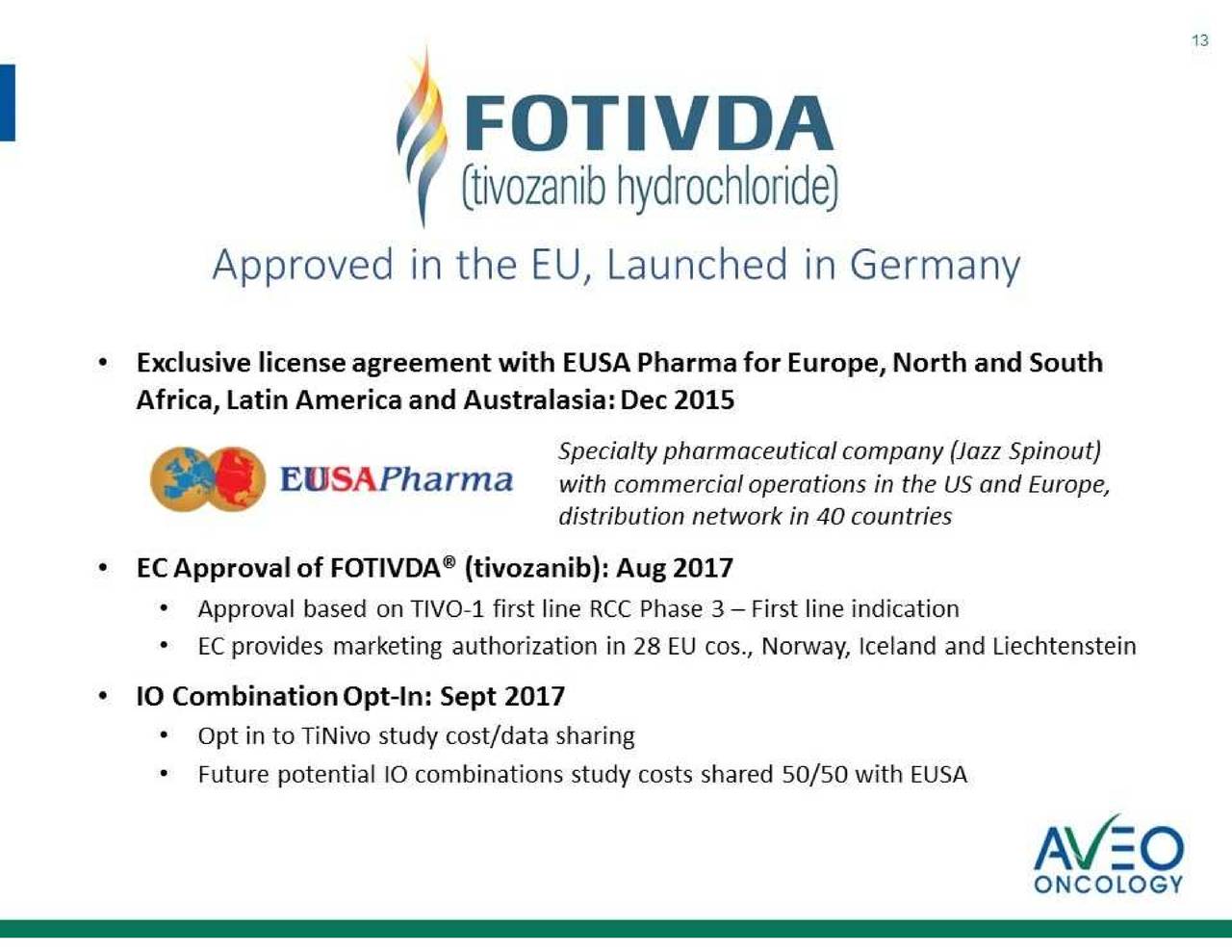
Image result for tivozanib

Image result for TIVOZANIB EMAImage result for TIVOZANIB EMA

  • CAS HCL HYDRATE 682745-41-1

ティボザニブ塩酸塩水和物;

Pharmacotherapeutic group

Antineoplastic agents

Therapeutic indication

Fotivda is indicated for the first line treatment of adult patients with advanced renal cell carcinoma (RCC) and for adult patients who are VEGFR and mTOR pathway inhibitor-naïve following disease progression after one prior treatment with cytokine therapy for advanced RCC.

Treatment of advanced renal cell carcinoma

Fotivda : EPAR -Product Information

http://www.ema.europa.eu/ema/index.jsp?curl=pages/medicines/human/medicines/004131/human_med_002146.jsp&mid=WC0b01ac058001d124

http://www.ema.europa.eu/docs/en_GB/document_library/EPAR_-_Public_assessment_report/human/004131/WC500239035.pdf

str6

Tivozanib is synthesized in three main steps using well defined starting materials with acceptable specifications.
Adequate in-process controls are applied during the synthesis. The specifications and control methods for intermediate products, starting materials and reagents have been presented. The critical process parameters are duly justified, methodology is presented and control is adequate.
The characterisation of the active substance and its impurities are in accordance with the EU guideline on chemistry of new active substances. Potential and actual impurities were well discussed with regards to their origin and characterised.
The active substance is packaged in a low-density polyethylene (LDPE) bag which complies with the EC
directive 2002/72/EC and EC 10/2011 as amended.

Product details

NAME Fotivda
AGENCY PRODUCT NUMBER EMEA/H/C/004131
ACTIVE SUBSTANCE tivozanib
INTERNATIONAL NON-PROPRIETARY NAME(INN) OR COMMON NAME tivozanib hydrochloride monohydrate
THERAPEUTIC AREA Carcinoma, Renal Cell
ANATOMICAL THERAPEUTIC CHEMICAL (ATC) CODE L01XE

Publication details

MARKETING-AUTHORISATION HOLDER EUSA Pharma (UK) Limited
REVISION 0
DATE OF ISSUE OF MARKETING AUTHORISATION VALID THROUGHOUT THE EUROPEAN UNION 24/08/2017

Contact address:

EUSA Pharma (UK) Limited
Breakspear Park, Breakspear Way
Hemel Hempstead, HP2 4TZ
United Kingdom

Mechanism

An oral quinoline urea derivative, tivozanib suppresses angiogenesis by being selectively inhibitory against vascular endothelial growth factor.[3] It was developed by AVEO Pharmaceuticals.[4] It is designed to inhibit all three VEGF receptors.[5]

Results

Phase III results on advanced renal cell carcinoma suggested a 30% or 3 months improvement in median PFS compared to sorafenibbut showed an inferior overall survival rate of the experimental arm versus the control arm.[5][6] The Food and Drug Administration‘s Oncologic Drugs Advisory Committee voted in May 2013 13 to 1 against recommending approval of tivozanib for renal cell carcinoma. The committee felt the drug failed to show a favorable risk-benefit ratio and questioned the equipose of the trial design, which allowed control arm patients who used sorafenib to transition to tivozanib following progression disease but not those on the experimental arm using tivozanib to transition to sorafenib. The application was formally rejected by the FDA in June 2013, saying that approval would require additional clinical studies.[6]

In 2016 AVEO Oncology published data in conjunction with the ASCO meeting showing a geographical location effect on Overall Survival in the Pivotal PhIII trial[7]

In 2016 AVEO Oncology announced the start of a second Pivotal PhIII clinical study in Third Line advanced RCC patients. [8]

In 2016 EUSA Pharma and AVEO Oncology announced that Tivozanib had been submitted to the European Medicines Agency for review under the Centralised Procedure. [9]

In June 2017 the EMA Scientific Committee recommended Tivozanib for approval in Europe, with approval expected in September.[10]

In August 2017 the European Commission (EC) formally approved Tivozanib in Europe.[11]

SYNTHESIS

Heterocycles, 92(10), 1882-1887; 2016

STR1

CLIP


Paper

Heterocycles (2016), 92(10), 1882-1887

Short Paper | Regular issue | Vol 92, No. 10, 2016, pp. 1882 – 1887
Published online: 5th September, 2016

DOI: 10.3987/COM-16-13555
■ A New and Practical Synthesis of Tivozanib

Chunping Zhu, Yongjun Mao,* Han Wang, and Jingli Xu

*College of Chemistry and Chemical Engineering, Shanghai University of Engineering Science, 333 Longteng Rd., Songjiang, Shanghai, 201620, China

Abstract

New and improved synthetic route of tivozanib is described on a hectogram scale. An reduction cyclization process to prepare the key intermediate 6,7-dimethoxyquinolin-4-ol from the 3-(dimethylamino)-1-(2-nitrophenyl)prop-2- en-1-one compound at H2/Ni condition is adopted in good result. Commercial available materials, simple reaction and operation are used, including nitration, condensation, hydrogenation, chlorination and so on, to give the final product in 28.7% yield over six steps and 98.9% purity (HPLC).

Image result for tivozanib

PAPER

https://www.sciencedirect.com/science/article/pii/S0960894X15003054

Bioorganic & Medicinal Chemistry Letters

Volume 25, Issue 11, 1 June 2015, Pages 2425-2428
STR1
HC-1144 (yield: 69.0% ) as a white solid. 1H NMR (400 MHz, CD3OD): δ 8.33 (d, J=5.2 Hz, 1H,), 8.17(d, J=9.2 Hz, 1H), 7.47 (s, 1H), 7.29 (d, J=2.4 Hz, 1H), 7.23 (s, 1H), 7.10(m, 1H), 6.47(d, J=5.2 Hz, 1H), 6.28 (brs, 1H), 2.30 (s, 3H). MS (ESI, m/z): 461 [M+H]+.

PAPER

J MED CHEM 2005 48 1359

STR1 STR2 str3

PATENT

WO 2002088110

KUBO, Kazuo; (JP).
SAKAI, Teruyuki; (JP).
NAGAO, Rika; (JP).
FUJIWARA, Yasunari; (JP).
ISOE, Toshiyuki; (JP).
HASEGAWA, Kazumasa; (JP)

Scheme 1 and Scheme 2

Skiing

PATENT

WO 2004035572

MATSUNAGA, Naoki; (JP).
YOSHIDA, Satoshi; (JP).
YOSHINO, Ayako; (JP).
NAKAJIMA, Tatsuo; (JP)

Preparation example: Preparation of N- {2-chloro-1- [(6,7-dimethoxy- 14 1 quinolyl) oxyl] phenyI} – N, – (5-methyl- 3 -isoxazolyl) urea ) Nitration process:

3, 4-Dimethoxyacetophenone (1 500 g) was dissolved in 5:: L 0 ° C of 17% nitric acid (1400 g), and 67% nitric acid (843 0 g) and sodium nitrite g) at a temperature of 5 to 10 ° C. over a period of 2 to 3 hours. After completion of dropping, the mixture was stirred at 5 to 10 ° C. for 1 to 2 hours. Cold water (7. 5 L) was added and after stirring for 30 minutes, filtration and washing with water (30 L). The filtrate was added to water (7. 5 L), neutralized with sodium bicarbonate water, filtered, and washed with water (7 L). The filtrate was dried under reduced pressure to obtain 3, 4-dimethoxy-6-nitroacetophenone (2164 g) (yield = 87.9%).

‘H-NMR (400 MHz, CD C 1 3 / p pm); 62. 5 0 (s, 3 H), 3. 9 7 (s, 3H), 3. 9 9 (s, 3 H), 6. 76 (s, 1 H), 7.6 2 (s, 1 H)

(2) Reduction process:

Methanol (5. 4 L), acetic acid (433 g:), 5% palladium / power monobonn (162 g) was added to 3, 4-dimethoxy-6-nitroacetophenone (1082 g) and hydrogen gas The mixture was stirred for 8 hours under pressure (2 Kg / cm 2, 40 ° C. The reaction solution was filtered, washed with methanol (1 L), and the filtrate was neutralized with aqueous sodium hydroxide solution and concentrated under reduced pressure Water (10 L) was added to the concentrate, stirred overnight, filtered and washed with water (7 L) Toluene (4 L) was added to the filtrate, heated to 80 ° C., 1 After stirring for a while, the residue was concentrated under reduced pressure and the residue was filtered, washed with toluene (300 mL), dried under reduced pressure to give 2-amino-4,5-dimethoxa Cetophenone (576 g) was obtained (yield = 6.1%).

‘H-NM (400 MHz, CD C 1 3 / p pm); 62. 5 6 (s, 3 H), 3. 84 (s, 3H), 3. 88 (s, 3 H), 6. 10 ( s, 1 H), 7.11 (s, 1 H)

(3) Cyclization step:

Tetrahydrofuran (THF) (5. 3 L) and sodium methoxide (3 1 3 g) were added to 2-amino-4, 5-dimethoxyacetophenone (33 7 g) and the mixture was stirred at 20 ° C for 30 minutes. At 0 ° C, ethyl formate (858 g) was added and stirred at 20 ° C for 1 hour. Water (480 mL) was added at 0 ° C. and neutralized with 1 N hydrochloric acid. After filtering the precipitate, the filtrate was washed with slurry with water (2 L). After filtration, the filtrate was dried under reduced pressure to obtain 6, 7-dimethoxy-141 quinolone (3 52 g) (yield = 8.15%).

‘H-NMR (400 MHz, DMS 0 – d 6 / ppm); 63. 8 1 (s, 3 H), 3. 84 (s, 3 H), 5. 94 (d, 1 H), 7. 0 1 (s, 1 H), 7. 43 (s, 1 H), 7. 76 (d, 1 H)

(4) Clovalization process

Toluene (3 L) and phosphorus oxychloride (1300 g) were added to 6, 7-dimethoxy-1-quinolone (105 g), and the mixture was stirred under heating reflux for 1 hour. It was neutralized with aqueous sodium hydroxide solution at 0 ° C. The precipitate was filtered, and then the filtrate was washed with water (10 L) for slurry. After filtering, the filtrate was dried under reduced pressure to obtain 4 1 -chloro- 16, 7-dimethoxyquinoline (928 g) (yield – 87.6 %) c ‘H-NMR (400 MHz, DMS 0 – d 6 / ppm); 63. 9 5 (s, 3 H), 3. 9 6 (s, 3 H), 7. 3 5 (s, 1 H), 7. 43 (s, 1 H) , 7. 54 (d, 1 H), 8. 59 (d, 1 H)

(5) Phenol site introduction step:

4-Amino-3-chlorophenol · HC 1 (990 g) was added to N, N-dimethylacetamide (6. 6 L). Potassium t-butoxide (145 2 g) was added at 0 ° C. and the mixture was stirred at 20 ° C. for 30 minutes. 4-Chloro-6, 7-dimethoxyquinoline (82 5 g) was added thereto, followed by stirring at 115 ° C for 5 hours. After cooling the reaction solution to room temperature, water (8. 3 L) and methanol (8.3 L) were added and the mixture was stirred for 2 hours. After filtration of the precipitate, the filtrate was washed with slurry with water (8. 3 L), filtered, and the filtrate was dried under reduced pressure to give 4- [(4-amino-3-chlorophenol) 6, 7-Dimethoxyquinoline (8 52 g) was obtained (yield = 6 9. 9%).

‘H-NMR (400MH z, DMS 0 – d 6 / ppm); 63. 9 2 (s, 3 H), 3. 93 (s, 3 H), 5. 4 1 (s, 2 H), 6 (D, 1 H), 6. 89 (d, 1 H), 6. 98 (dd, 1 H), 7. 19 (d, 1 H), 7. 36 (s, 1 H) , 7. 48 (s, 1 H), 8. 43 (d, 1 H)

(6) Ureaization process:

To 3 – amino – 5 – methylisoxazole (377 g), pyridine (1 2 1 5:), N, N – dimethylacetamide (4 L) at 0 ° C was added chlorobutyl carbonate phenyl

(60 1 g) was added dropwise and the mixture was stirred at 20 ° C. for 2 hours. 4- [(4-amino-1-chlorophenol) oxy] -6, 7-dimethoxyquinoline (84 7 g) was added to the reaction solution, and the mixture was stirred at 80 ° C. for 5 hours. The reaction solution was cooled to 5 ° C, then added with MeOH (8. 5 L) and water (8. 5 L) and neutralized with aqueous sodium hydroxide solution. After filtering the precipitate, the filtrate was washed with water (8. 5 L) for slurry. After filtration, the filtrate was dried under reduced pressure to give N- {2-chloro-4- [(6,7-dimethoxy-4-quinolyl) oxy] phenyl] – N, 1- -isoxazolyl) urea (1002 g) was obtained (yield = 86.1%).

‘H-NMR (400 MHz, DMS 0 – d 6 / ppm); 62.37 (s, 3 H), 3. 92 (s, 3 H), 3. 94 (s, 3 H), 6. 7 (s, 1 H), 7. 48 (s, 1 H), 7 (s, 1 H), 6. 54 (d, . 5 1 (d, 1 H), 8. 2 3 (d, 1 H), 8. 49

(d, 1 H), 8. 77 (s, 1 H), 1 0.16 (s, 1 H)

PATENT

WO 2011060162

WO 2017037220

CN 106967058

CN 104072492

CN 102532116

CN 102408418

PAPER

Advanced Materials Research Vols. 396-398 (2012) pp 1490-1492

STR1

Synthesis of the compounds

The synthesis of 6,7-Dimethoxy-4-quinolinone (2a) The 33.7g (0.173mol) of 2-amino-4,5-dimethoxy acetophenone, 150 ml of methanol and 95.5g (0.69mol) of anhydrous potassium carbonate were added to the 500 ml flask and stirred about 1 h at room temperature. Then, the ethyl formate (75.8g, 0.861mol) was dropped the admixture and reactioned about 2 h in the same temperature. The admixture was filtrated and the 35.2 g white powder compound 2a (C11H11NO3) was obtained with the yield of 81.5% and m.p. 124-125. 1H-NMR (DMSO-d6/ppm): δ 3.81 (s, 3H), 3.84 (s,3H), 5.94 (d,1H), 7.01 (s,1H), 7.43 (s,1H), 7.76 (d,1H). ESI-MS: 206 (M+ +1).

The synthesis of 4-chloro-6,7-dimethoxy-quinoline (2b)The 100 ml of toluene, 15 g (0.103 mol) of phosphorus trichloride and 10.6 g (0.52 mol) compound 2a were added to the 250 ml of three bottles, the obtained mixture was refluxed about 2 h. Then, the reaction mixture was cooled to the room temperature, filtrated and the solid was dried. The 9.3 g similar white powder compound 2b (C11H10ClNO2 ) was obtained with the yield of 96.9% and m.p.138-140 ℃ . 1H-NMR (DMSO-d6/ppm): δ 3.95 (s,3H) , 3.96 (s,3H), 7.35 (s,1H), 7.43 (s,1H), 7.54 (d,1H), 8.59(d,1H). ESI-MS: 225 (M+ +1).

The synthesis of 4-[(4-Amino-3-phenol) oxy]-6,7-dimethoxy-quinoline (2c) The 60 ml of N, N-dimethylformamide, 8.9g (0.05 mol) of 4-amino-3-chlorophenol hydrochloride, 14.5g (0.105 mol) of potassium carbonate and 8.3 g (0.037 mol) compounds 2b were added to the 250 ml of three bottles, the obtained mixture was refluxed about 2 h. Then, the reaction mixture was cooled to the room temperature and the 100 ml of anhydrous ethanol was added. The obtained mixture was stirred about 1 h and filtrated. The filtered product was then dried under the reduced pressure to give the 8.5 g similar white powder compound 2c (C17H15ClN2O3) with the yield of 69.9%. 1H-NMR (DMSO-d6/ppm): δ 3.92 (s,3H), 3.93 (s,3H), 5.41 (s,2H), 6.41 (d,1H), 6.89 (d,1H), 6.98 (dd,1H), 7.19 (d,1H), 7.36 (s,1H), 7.48 (s,1H), 8.43(d,1H). ESI-MS: 331 (M+ +1).

The synthesis of N-{2-chloro-4-[(6,7-dimethoxy-4-quinolyl)oxy]phenyl} -N’- (5-methyl-3- isoxazole-yl) urea (2d) The 100 ml of N,N-dimethylformamide, 5.0g (0.051mol) of 3-amino-5- methylisoxa -zole, 7.98 g (0.051mol) of phenyl chloroformate and 17g (0.051mol) compound 2c were added to the 250 ml of three bottles. The mixture was refluxed about 5 h, cooled to room temperature, added the 100 ml of anhydrous ethanol. The obtained mixture was stirred 1 h and filtrated. The filtered product was slurried in water for washing. The slurry was filtered, and the filtered product was then dried under the reduced pressure to give the 20.0g white crystal compound 2d (C22H19ClN4O5) with the yield of 86.1% and the purity of more than 98.5 %. 1H-NMR (DMSO-d6/ppm): δ 2.37 (s,3H), 3.92 (s,3H), 3.94 (s,3H), 6.50 (s,1H), 6.54 (d,1H), 7.26 (dd,1H), 7.39 (s,1H), 7.48 (s,1H), 7.51 (d,1H), 8.23 (d,1H), 8.49 (d,1H), 8.77 (s,1H), 10.16(s,1H). ESI-MS: 456 (M+ +1).

Conclusions Tivozanib was synthesized through the cyclization, chlorinated, condensation reaction with 2-amino-4,5-dimethoxy acetophenone as the starting material. The total yield was 47.5% and the product purity of more than 98.5 %. The synthetic routs and methods of tivozanib are feasible to industrial production owing to the cheap raw materials, mild reaction conditions, stable technology and high yield.

PATENT

https://patents.google.com/patent/CN102532116B/en

Example

Figure CN102532116BD00063

[0035] In 250ml three-neck flask, 80ml of chloroform and 22. 0g (0. 16mol) of anhydrous aluminum chloride at room temperature were successively added dropwise l〇.2g (0. 13mol) acetyl chloride, 13.8g (0. i mole) phthalic dimethyl ether, dropwise, stirred at room temperature until the reaction end point (GLC trace). The reaction solution was poured into 500ml diluted hydrochloric acid, with stirring, the organic phase was separated, the aqueous phase was extracted with chloroform and the combined organic phases were dried over anhydrous sodium sulfate, and concentrated under reduced pressure to give 15. Og of white powder Compound Ia (CltlH12O3), mp 48-52 ° C, 83% yield. HKcnT1): 1673,1585,1515,1418 1H-NMR (CDCl3 / ppm):! S 2. 55 (s, 3H), 3.73 (s, 3H), 3.73 (s, 3H), 6.77 (s, lH) , 7.26 (s, lH), 7.31 (s, lH).

[0036] The two 3 Synthesis of 4-dimethoxy-6-nitroacetophenone (Compound lb) Example

[0037] CN 102532116 B specification 4/6

Figure CN102532116BD00071

[0038] In 500ml three-neck flask, was added IOOml formic acid and 18g (0 • lmol) compound la, KTC hereinafter 60ml of concentrated nitric acid was added dropwise, dropwise, warmed to 60-70 ° C, stirred for 30min. The reaction mixture was poured into 500ml ice water bath and stirred, suction filtered to give a pale yellow powder 36.9g Compound lb (CltlH11NO5), mp 135-137 ° C, in 82% yield. 1H-NMR (CDCl3 / ppm): S 2. 50 (s, 3H), 3 97 (s, 3H), 3 99 (s, 3H), 6 76 (s, 1H), 7. 62 (… s, 1H).

Example tri-2-amino-4, Synthesis of 5-dimethoxy acetophenone (Compound Ic), [0039] Embodiment

Figure CN102532116BD00072

[0041] In 250ml three-neck flask, 36ml of water was added and 7g (0. 125mol) of reduced iron powder was heated and refluxed for LH, was slowly added 5. 6g (0. 025mol) LB compound, stirred for 3h, filtered off with suction, the filtrate is cooled, to give a yellow powder 7g compound Ic (C10H13NO3), mp 106-108 ° C, in 96% yield.1H-NMR (CDCl3Zppm): S 2. 56 (s, 3H), 3.84 (s, 3H), 3.88 (s, 3H), 6.10 (s, lH), 7.11 (s, lH).

Synthesis of four 6, 7-dimethoxy-4-quinolinone (Compound Id), [0042] Example

Figure CN102532116BD00073

[0045] A 33. 7g (0 • 173mol) Compound lc, 150ml methanol and 95. 5g (0 • 69mol) of anhydrous potassium carbonate were added to a 500ml three-necked flask, LH stirred at room temperature, was added dropwise 75. 8g (0. 861mol) ethyl, the reaction incubated 2h. Suction filtration and dried, to give 35. 2g of a white powder compound Id (C11H11NO3), mp 124-125 ° C, yield 81.5%. 1H-NMR (DMSO-Cl6Zppm): 8 3.81 (s, 3H), 3.84 (s, 3H), 5.94 (d, 1H), 7.01 (s, 1H), 7.43 (s, lH), 7.76 (d, lH ).

[0046] Example 4- five-chloro-6, 7-dimethoxy-quinoline (compound Ie) Synthesis of

[0047] CN 102532116 B specification 5/6

Figure CN102532116BD00081

[0049] The IOOml toluene, 10. 6g (0 • 52mol) Compound Id and 15g (0 • 103mol) phosphorus trichloride force the opening into a 250ml three-necked flask and heated at reflux for 2h, cooled suction filtration and dried to give 9 . 3g white powder compound Ie (C11H10ClNO2), mp 138-14 (TC, yield 87. 6% .1H-NMR (DMS〇-d6 / ppm): 8 3. 95 (s, 3H), 3.96 ( s, 3H), 7.35 (s, lH), 7.43 (s, lH), 7.54 (d, lH), 8.59 (d, lH).

Six 4 [0050] Example – [(4-amino-phenol) oxy] -6, 7-dimethoxy-quinoline (compound If) Synthesis of

Figure CN102532116BD00082

[0053] In 250ml three-neck flask, was added 60ml of N, N- dimethylformamide, 8. 9g (0 • 05mol) 4- amino-3-chlorophenol hydrochloride, 14.5g (0.105mol) of potassium carbonate and (0.037 mol) compound le 8.3g, was heated refluxed for 2h. Cooled to room temperature, IOOml ethanol, stirred, filtered off with suction, and dried to give compound 8. 5g If (C17H15ClN2O3), a yield of 69. gQ / jH-NMlUDMSO-dyppm): S 3.92 (s, 3H), 3.93 ( s, 3H), 5.41 (s, 2H), 6.41 (d, 1H), 6.89 (d, 1H), 6.98 (dd, 1H), 7.19 (d, 1H), 7.36 (s, 1H), 7.48 (s , 1H), 8.43 (d, 1H).

-N’- (5- methyl-3-isobutyl – [0054] Example seven N- {[(6,7- dimethoxy-4-quinolyl) oxy] phenyl} -42- chloro oxazolyl) urea (compound Ig) synthesis of

Figure CN102532116BD00083

[0056] The IOOml of N, N- dimethylformamide, 5. Og (0.051mol) of 3-amino-5-methylisoxazole, 7. 98g (0 • 051mol) and phenyl chloroformate 17g (0 • 051mol) If a compound was added to 250ml three-necked flask, the reaction was heated at reflux for 5h, cooled to room temperature, ethanol was added IOOml, stirring, filtration, and dried to give 20. Og compound Ig (C22H19ClN4O5), yield 86 . 1%. 1H-NMR (DMS0-d6 / ppm): S 2.37 (s, 3H), 3.92 (s, 3H), 3.94 (s, 3H), 6.50 (s, lH), 6.54 (d, lH), 7.26 (dd , lH), 7.39 (s, lH), 7.48 (s, lH), 7.51 (d, lH), 8.23 ​​(d, lH), 8.49 (d, lH), 8.77 (s, lH), 10.16 (s, lH).

Claims (3)
translated from Chinese
1. An antitumor drugs Si tivozanib to synthesis, the method as follows: The lOOmL of N, N- dimethylformamide, 5 Og of 3-amino-5-methylisoxazole, 7 . 98g phenyl chloroformate and 17g 4- [(4- amino-3-chlorophenol) oxy] -6, 7-dimethoxy-quinoline was added to 250mL three-necked flask, the reaction was heated at reflux for 5h, cooled to rt, lOOmL ethanol was added, stirred, filtered off with suction, and dried to give 20. Og tivozanib, yield 86.1%, the reaction is:
Figure CN102532116BC00021
Wherein the 4- [(4-amino-3-chlorophenol) oxy] -6, 7-dimethoxy-quinoline is obtained by the following synthesis method: in 250mL three-neck flask, was added 60mL of N, N- dimethylformamide, 8. 9g 4- amino-3-chloro-phenol hydrochloride, 14. 5g of potassium carbonate and 8. 3g 4- chloro-6, 7-dimethoxy quinoline, was heated at reflux for 2h cooled to room temperature, 100mL of absolute ethanol was added, stirred, filtered off with suction, and dried to obtain 8. 5g 4 – [(4_-amino-3-chlorophenol) oxy] -6, 7-dimethoxy quinoline, close was 69.9%, the reaction is:
Figure CN102532116BC00022
Said 4-chloro-6, 7-dimethoxy-quinoline is obtained by the following synthesis method: A mixture of 100mL of toluene, 10 6g 6, 7- dimethoxy-4-quinolone and 15g trichloride phosphorus is added to 250mL three-necked flask and heated at reflux for 2h, cooled suction filtration, and dried to give an off-white powder 9. 3g 4- chloro-6, 7-dimethoxy quinoline, a yield of 87.6%, the reaction formula:
Figure CN102532116BC00023
6, 7-dimethoxy-4-quinolone was synthesized by the following method: 33. 7g 2- amino-4, 5-dimethoxy acetophenone, 150 mL of methanol, and 95. 5g anhydrous potassium carbonate was added to the 500mL three-necked flask, stirred at room temperature LH, 75. 8g of ethyl dropwise, the reaction incubated 2h, filtered off with suction, and dried to give 35. 2g of white powder 6, 7-dimethoxy-4 – quinolinone, a yield of 81.5%, the reaction is:
Figure CN102532116BC00031
The 2-amino-4,5-dimethoxy acetophenone is synthesized by the following method: In the 250mL three-neck flask, was added 36mL of water and 7g reduced iron powder was heated and refluxed for LH, was slowly added 5. 6g 3, 4-dimethoxy-6-nitroacetophenone, stirred for 3h, filtered off with suction, the filtrate was cooled to give a yellow powder 7g of 2-amino-4,5-dimethoxy acetophenone, yield 96 %, the reaction is:
Figure CN102532116BC00032
2. The synthesis method according to claim 1, wherein: said 3,4-dimethoxy-6-nitroacetophenone is 3, 4-dimethoxy acetophenone nitration obtained by a reaction of reaction formula:
Figure CN102532116BC00033
3. The method of synthesis according to claim 2, wherein: said 3,4-dimethoxy acetophenone in the catalyst, to give the phthalimido ether is reacted with acetyl chloride by Friedel The reaction is:

References

  1.  Tivozanib is currently being evaluated in the pivotal Phase 3 TIVO-3 trial, a randomized, controlled, multi-center, open-label study to compare tivozanib to sorafenib in subjects with refractory advanced RCC. FDA approval is expected in 2018. A Study of Tivozanib (AV-951), an Oral VEGF Receptor Tyrosine Kinase Inhibitor, in the Treatment of Renal Cell Carcinoma, clinicaltrials.gov
  2.  http://www.ema.europa.eu/ema/index.jsp?curl=pages/medicines/human/medicines/004131/human_med_002146.jsp&mid=WC0b01ac058001d124.
  3.  Campas, C., Bolos, J., Castaner, R (2009). “Tivozanib”Drugs Fut34 (10): 793.
  4.  Aveo Kidney Cancer Drug Shows Success; Shares Up, By John Kell, Dow Jones Newswires[dead link]
  5.  “Phase III Results Lead Aveo and Astellas to Plan Regulatory Submissions for Tivozanib”. 3 Jan 2012.
  6. “FDA Rejects Renal Cancer Drug Tivozanib”. MedPage Today. June 30, 2013.
  7.  http://meetinglibrary.asco.org/content/165081-176
  8.  http://investor.aveooncology.com/phoenix.zhtml?c=219651&p=irol-newsArticle&ID=2172669
  9.  http://www.eusapharma.com/files/EUSA-Pharma-file-tivozanib-in-EU-March-2016.pdf
  10.  “AVEO Pharma surges 48% on recommendation for European approval of its cancer drug”Market Watch. June 28, 2017. Retrieved June 28, 2017.
  11.  “AVEO Oncology Announces FOTIVDA® (tivozanib) Approved in the European Union for the Treatment of Advanced Renal Cell Carcinoma” (PDF). AVEO Oncology. August 28, 2017. Retrieved February 9, 2018.
Patent ID

Patent Title

Submitted Date

Granted Date

US2017112821 Multi-Tyrosine Kinase Inhibitors Derivatives and Methods of Use
2017-01-09
US2014275183 AGENT FOR REDUCING SIDE EFFECTS OF KINASE INHIBITOR
2014-05-29
2014-09-18
US8969344 Method for assay on the effect of vascularization inhibitor
2012-09-21
2015-03-03
US2012252829 TIVOZANIB AND CAPECITABINE COMBINATION THERAPY
2012-03-30
2012-10-04
US8815241 Use of Combination of Anti-Angiogenic Substance and c-kit Kinase Inhibitor
2011-12-01
Patent ID

Patent Title

Submitted Date

Granted Date

US2009053236 USE OF COMBINATION OF ANTI-ANGIOGENIC SUBSTANCE AND c-kit KINASE INHIBITOR
2009-02-26
US7166722 N-{2-chloro-4-[(6, 7-dimethoxy-4-quinolyl)oxy]phenyl}-n’-(5-methyl-3-isoxazolyl)urea salt in crystalline form
2006-03-09
2007-01-23
US7211587 Quinoline derivatives and quinazoline derivatives having azolyl group
2004-11-18
2007-05-01
US6821987 Quinoline derivatives and quinazoline derivatives having azolyl group
2003-05-08
2004-11-23
US2017191137 Method For Predicting Effectiveness Of Angiogenesis Inhibitor
2017-03-16
Patent ID

Patent Title

Submitted Date

Granted Date

US9006256 ANTITUMOR AGENT FOR THYROID CANCER
2011-08-25
US2015168424 IGFBP2 Biomarker
2014-12-01
2015-06-18
US7998973 Tivozanib and Temsirolimus in Combination
2011-05-19
2011-08-16
US8216571 FULLY HUMAN ANTI-VEGF ANTIBODIES AND METHODS OF USING
2011-04-28
2012-07-10
US2011014117 ANTI-IGF1R
2011-01-20
ivozanib
Tivozanib.svg
Names
IUPAC name

1-{2-Chloro-4-[(6,7-dimethoxyquinolin-4-yl)oxy]phenyl}-3-(5-methylisoxazol-3-yl)urea
Other names

AV-951
Identifiers
3D model (JSmol)
ChEMBL
ChemSpider
KEGG
PubChem CID
UNII
Properties
C22H19ClN4O5
Molar mass 454.87 g·mol−1
Pharmacology
L01XE34 (WHO)
Except where otherwise noted, data are given for materials in their standard state (at 25 °C [77 °F], 100 kPa).

////////Tivozanib, ema 2017, ASP-4130, AV-951, KRN-951, Kil-8951, Fotivda, Tivopath, orphan drug, ティボザニブ塩酸塩水和物,

CC1=CC(=NO1)NC(=O)NC2=C(C=C(C=C2)OC3=C4C=C(C(=CC4=NC=C3)OC)OC)Cl

One hundred percent fruit juice does not alter blood sugar levels — Med-Chemist


The results are consistent with prior studies which have shown that consumption of 100% fruit juice is not linked to increasing risk of developing type 2 diabetes. It also supports a growing body of evidence that fruit juice has no significant impact on glycemic control.The study involved comprehensive data analysis that quantitatively evaluated the correlation between…

via One hundred percent fruit juice does not alter blood sugar levels — Med-Chemist


Entecavir, энтекавир , إينتيكافير , 恩替卡韦 , エンテカビル


Entecavir structure.svg

ChemSpider 2D Image | entecavir | C12H15N5O3Entecavir.png

Entecavir

  • Molecular FormulaC12H15N5O3
  • Average mass277.279 Da
NNU2O4609D
QA-0464
SQ 34,676
SQ34676
Teviral
UNII:NNU2O4609D
Entecavir; 142217-69-4; Baraclude; BMS 200475; Anhydrous entecavir; UNII-NNU2O4609D
энтекавир [Russian] [INN]
إينتيكافير [Arabic] [INN]
恩替卡韦 [Chinese] [INN]
エンテカビル  JAPANESE
2-amino-9-[(1S,3R,4S)-4-hydroxy-3-(hydroxymethyl)-2-methylidenecyclopentyl]-9H-purin-6-ol
6H-Purin-6-one, 2-amino-1,9-dihydro-9-((1S,3R,4S)-4-hydroxy-3-(hydroxymethyl)-2-methylenecyclopentyl)-
6H-Purin-6-one, 2-amino-1,9-dihydro-9-[(1S,3R,4S)-4-hydroxy-3-(hydroxymethyl)-2-methylenecyclopentyl]-
9H-purin-6-ol, 2-amino-9-[(1S,3R,4S)-4-hydroxy-3-(hydroxymethyl)-2-methylenecyclopentyl]-
Baraclude[Trade name]
CAS 142217-69-4

Baraclude (Entecavir) Film Coated Tablets & Oral Solution
Company:  Bristol-Myers Squibb Pharmaceutical Co.
Application No.:  021797 & 021798
Approval Date: 03/29/2005

STR1

BARACLUDE® is the tradename for entecavir, a guanosine nucleoside analogue with selective activity against HBV. The chemical name for entecavir is 2-amino-1,9-dihydro-9-[(1S,3R,4S)-4-hydroxy-3-(hydroxymethyl)-2-methylenecyclopentyl]-6H-purin-6-one, monohydrate. Its molecular formula is C12H15N5O3•H2O, which corresponds to a molecular weight of 295.3. Entecavir has the following structural formula:

BARACLUDE® (entecavir) Structural Formula Illustration

Entecavir is a white to off-white powder. It is slightly soluble in water (2.4 mg/mL), and the pH of the saturated solution in water is 7.9 at 25° C ± 0.5° C.

BARACLUDE film-coated tablets are available for oral administration in strengths of 0.5 mg and 1 mg of entecavir. BARACLUDE 0.5 mg and 1 mg film-coated tablets contain the following inactive ingredients: lactose monohydrate, microcrystalline cellulose, crospovidone, povidone, and magnesium stearate. The tablet coating contains titanium dioxide, hypromellose, polyethylene glycol 400, polysorbate 80 (0.5 mg tablet only), and iron oxide red (1 mg tablet only). BARACLUDE Oral Solution is available for oral administration as a ready-to-use solution containing 0.05 mg of entecavir per milliliter. BARACLUDE Oral Solution contains the following inactive ingredients: maltitol, sodium citrate, citric acid, methylparaben, propylparaben, and orange flavor.

Entecavir 
Title: Entecavir
CAS Registry Number: 142217-69-4
CAS Name: 2-Amino-1,9-dihydro-9-[(1S,3R,4S)-4-hydroxy-3-(hydroxymethyl)-2-methylenecyclopentyl]-6H-purin-6-one
Molecular Formula: C12H15N5O3
Molecular Weight: 277.28
Percent Composition: C 51.98%, H 5.45%, N 25.26%, O 17.31%
Literature References: Deoxyguanine nucleoside analog; inhibits hepatitis B virus (HBV) DNA polymerase. Prepn: R. Zahler, W. A. Slusarchyk, EP481754eidem,US5206244 (1992, 1993 both to Squibb); G. S. Bisacchi et al.,Bioorg. Med. Chem. Lett.7, 127 (1997). In vitro antiviral activity: S. F. Innaimo et al,Antimicrob. Agents Chemother.41, 1444 (1997). Review of pharmacology and clinical experience: P. Honkoop, R. A. de Man, Expert Opin. Invest. Drugs12, 683-688 (2003); T. Shaw, S. Locarnini, Expert Rev. Anti Infect. Ther.2, 853-871 (2004). Clinical comparisons with lamivudine in chronic hepatitis B: T.-T. Chang et al., N. Engl. J. Med.354, 1001 (2006); C.-L. Lai et al., ibid. 1011.
Derivative Type: Monohydrate
CAS Registry Number: 209216-23-9
Manufacturers’ Codes: BMS-200475; SQ-200475
Trademarks: Baraclude (BMS)
Molecular Formula: C12H15N5O3.H2O
Molecular Weight: 295.29
Percent Composition: C 48.81%, H 5.80%, N 23.72%, O 21.67%
Properties: White to off-white powder, mp >220°. [a]D +35.0° (c = 0.38 in water). Soly in water: 2.4 mg/ml. pH of saturated soln in water is 7.9 at 25°±0.5°.
Melting point: mp >220°
Optical Rotation: [a]D +35.0° (c = 0.38 in water)
Therap-Cat: Antiviral.
Keywords: Antiviral; Purines/Pyrimidinones.
Figure
Antiviral agents used against HBV

Entecavir is an oral antiviral drug used in the treatment of hepatitis B infection. It is marketed under the trade name Baraclude (BMS).

Entecavir is a guanine analogue that inhibits all three steps in the viral replication process, and the manufacturer claims that it is more efficacious than previous agents used to treat hepatitis B (lamivudine and adefovir). It was approved by the U.S. Food and Drug Administration (FDA) in March 2005.

For the treatment of chronic hepatitis B virus infection in adults with evidence of active viral replication and either evidence of persistent elevations in serum aminotransferases (ALT or AST) or histologically active disease.

Entecavir (ETV), sold under the brand name Baraclude, is an antiviral medication used in the treatment of hepatitis B virus (HBV) infection.[1] In those with both HIV/AIDS and HBV antiretroviral medication should also be used.[1] Entecavir is taken by mouth as a tablet or solution.[1]

Common side effects include headache, nausea, high blood sugar, and decreased kidney function.[1] Severe side effects include enlargement of the liverhigh blood lactate levels, and liver inflammation if the medication is stopped.[1] While there appears to be no harm from use during pregnancy, this use has not been well studied.[4] Entecavir is in the nucleoside reverse transcriptase inhibitors(NRTIs) family of medications.[1] It prevents the hepatitis B virus from multiplying by blocking reverse transcriptase.[1]

Entecavir was approved for medical use in 2005.[1] It is on the World Health Organization’s List of Essential Medicines, the most effective and safe medicines needed in a health system.[5] In the United States as of 2015 it is not available as a generic medication.[6]The wholesale price is about 392 USD for a typical month supply as of 2016 in the United States.[7]

Medical uses

Entecavir is mainly used to treat chronic hepatitis B infection in adults and children 2 years and older with active viral replication and evidence of active disease with elevations in liver enzymes.[2] It is also used to prevent HBV reinfection after liver transplant[8] and to treat HIV patients infected with HBV. Entecavir is weakly active against HIV, but is not recommended for use in HIV-HBV co-infected patients without a fully suppressive anti-HIV regimen[9] as it may select for resistance to lamivudine and emtricitabine in HIV.[10]

The efficacy of entecavir has been studied in several randomized, double-blind, multicentre trials. Entecavir by mouth is effective and generally well tolerated treatment.[11]

Pregnancy and breastfeeding

It is considered pregnancy category C in the United States, and currently no adequate and well-controlled studies exist in pregnant women.[12]

Side effects

The majority of people who use entecavir have little to no side effects.[13] The most common side effects include headache, fatigue, dizziness, and nausea.[2] Less common effects include trouble sleeping and gastrointestinal symptoms such as sour stomach, diarrhea, and vomiting.[14]

Serious side effects from entecavir include lactic acidosis, liver problemsliver enlargement, and fat in the liver.[15]

Laboratory tests may show an increase in alanine transaminase (ALT), hematuriaglycosuria, and an increase in lipase.[16] Periodic monitoring of hepatic function and hematology are recommended.[2]

Mechanism of action

Entecavir is a nucleoside analog,[17] or more specifically, a deoxyguanosine analogue that belongs to a class of carbocyclic nucleosidesand inhibits reverse transcriptionDNA replication and transcription in the viral replication process. Other nucleoside and nucleotide analogues include lamivudinetelbivudineadefovir dipivoxil, and tenofovir.

Entecavir reduces the amount of HBV in the blood by reducing its ability to multiply and infect new cells.[18]

Administration

Entecavir is take by mouth as a tablet or solution. Doses are based on a person’s weight.[15] The solution is recommended for children more than 2 years old who weigh up to 30 kg. Entecavir is recommended on an empty stomach at least 2 hours before or after a meal, generally at the same time every day. It is not used in children less than 2 years old. Dose adjustments are also recommended for people with decreased kidney function.[15]

History

  • 1992: SQ-34676 at Squibb as part of anti-herpes virus program[19]
  • 1997: BMS 200475 developed at BMS pharmaceutical research institute as antiviral nucleoside analogue à Activity demonstrated against HBV, HSV-1, HCMV, VZV in cell lines & no or little activity against HIV or influenza[20]
  • Superior activity observed against HBV pushed research towards BMS 200475, its base analogues and its enantiomer against HBV in HepG2.2.15 cell line[20]
  • Comparison to other NAs, proven more selective potent inhibitor of HBV by virtue of being Guanine NA[21]
  • 1998: Inhibition of hepadnaviral polymerases was demonstrated in vitro in comparison to a number of NAs-TP[22]
  • Metabolic studies showed more efficient phosphorylation to triphosphate active form[23]
  • 3-year treatment of woodchuck model of CHB à sustained antiviral efficacy and prolonged life spans without detectable emergence of resistance[24]
  • Efficacy # LVD resistant HBV replication in vitro[25]
  • Superior activity compared to LVD in vivo for both HBeAg+ & HBeAg− patients[26][27]
  • Efficacy in LVD refractory CHB patients[28]
  • Entecavir was approved by the U.S. FDA in March 2005.

Patent information

Bristol-Myers Squibb was the original patent holder for Baraclude, the brand name of entecavir in the US and Canada. The drug patent expiration for Baraclude was in 2015.[29][30]On August 26, 2014, Teva Pharmaceuticals USA gained FDA approval for generic equivalents of Baraclude 0.5 mg and 1 mg tablets;[31] Hetero Labs received such approval on August 21, 2015;[32] and Aurobindo Pharma on August 26, 2015.[33]

Chronic hepatitis B virus infection is one of the most severe liver diseases in morbidity and death rate in the worldwide range. At present, pharmaceuticals for treating chronic hepatitis B (CHB) virus infection are classified to interferon α and nucleoside/nucleotide analogue, i.e. Lamivudine and Adefovir. However, these pharmaceuticals can not meet needs for doctors and patients in treating chronic hepatitis B virus infection because of their respective limitation. Entecavir (ETV) is referred to as 2′-cyclopentyl deoxyguanosine (BMS2000475) which belongs to analogues of Guanine nucleotide and is phosphorylated to form an active triple phosphate in vivo. The triple phosphate of entecavir inhibits HBV polymerase by competition with 2′-deoxyguanosine-5′-triphosphate as a nature substrate of HBV polymerase, so as to achieve the purpose of effectively treating chronic hepatitis B virus infection and have strong anti-HBV effects. Entecavir, [1S-(1α,3α,4β)]-2-amino-1,9-dihydro-9-[4-hydroxy-3-hydroxymethyl]-2-methylenecyclopentyl]-6H-purin-6-one, monohydrate, and has the molecular formula of C12H15N5O3.H2O and the molecular weight of 295.3. Its structural formula is as follows:

Figure US20140220120A1-20140807-C00001

Entecavir was successfully developed by Bristol-Myers Squibb Co. of USA first and the trademark of the product formulation is Baraclude™, including two types of formulations of tablet and oral solution having 0.5 mg and 1 mg of dosage. Chinese publication No. CN1310999 made by COLONNO, Richard, J. et al discloses a low amount of entecavir and uses of the composition containing entecavir in combination with other pharmaceutically active substances for treating hepatitis B virus infection, however, the entecavir is non-crystal. In addition, its oral formulations such as tablet and capsule are made by a boiling granulating process. The process is too complicated to control quality of products during humidity heat treatment even though ensuring uniform distribution of the active ingredients.

Entecavir, [1-S-(1α,3α,4β)]-2-amino-1,9-dihydro-9-[4-hydroxy-3-(hydroxymethyl)-2-methylenecyclopentyl]-6H-purin-6-one, is currently used for treating hepatitis B virus infection, whose structure is composed of a cyclopentane ring having purine, exomethylene, hydroxymethyl, and hydroxy substituents at the 1S-, 2-, 3R-, and 4S-positions, respectively. There have been conducted a number of studies to develop methods for preparing entecavir.

For example, U.S. Pat. No. 5,206,244 and WO 98/09964 disclose a method for preparing entecavir shown in Reaction Scheme 1:Figure imgb0001

The above method, however, has difficulties in that: i) the cyclopentadiene monomer must be maintained at a temperature lower than -30 °C in order to prevent its conversion to dicyclopentadiene; ii) residual sodium after the reaction as well as the sensitivity of the reaction toward moisture cause problems; iii) the process to obtain the intermediate of formula a) must be carried out at an extremely low temperature of below -70 °C in order to prevent the generation of isomers; iv) a decantation method is required when (-)-Ipc2BH (diisopinocampheylborane) is used for hydroboration; v) the process of the intermediate of formula a) does not proceed smoothly; and, vi) separation by column chromatography using CHP-20P resin is required to purify entecavir.

WO 2004/52310 and U.S. Pat. Publication No. 2005/0272932 disclose a method for preparing entecavir using the intermediate of formula (66), which is prepared as shown in Reaction Scheme 2:

Figure imgb0002

The above preparation method of the intermediate of formula (66) must be carried out at an extremely low temperature of -70 °C or less, and the yield of the desired product in the optical resolution step is less than 50%.

PATENT

https://patents.google.com/patent/EP2382217B1

Image result for Entecavir

(3-4) Preparation of [1-S-(1α,3α,4β)]-2-amino-1,9-dihydro-9-[4-hydroxy-3-(hydroxymethyl)-2-methylenecyclopentyl]-6H-purine-6-one (a compound of formula (1))

34 mg (0.115 mmol) of 4-(2-amino-6-chloro-purine-9-yl)-2-hydroxymethyl-3-methylene-cyclopentanol (a compound of formula (5)) obtained in (3-3) was added to 0.7 ml of 2N aqueous sodium hydroxide, and the resulting mixture was stirred. The solution thus obtained was heated to 72 °C and stirred for 3.5 hrs. After completion of the reaction, the resulting mixture was cooled to 0 °C, controlled to pH 6.3 by adding 2N aqueous hydrochloric acid and 1N aqueous hydrochloric acid, and condensed to obtain 24 mg of the title compound (yield: 70 %, purity: 99 %).

NMR(300MHz, DMSO-d6): δ 10.58 (s, 1H), 7.67 (s, 1H), 6.42 (s, 2H), 5.36 (t, 1H), 5.11 (s, 1H), 4.86 (d, 1H), 4.83 (t, 1H), 4.57 (s, 1H), 4.24 (s, 1H), 3.54 (t, 2H), 2.53(s, 1H), 2.27-2.18 (m, 1H), 2.08-2.01(m, 1H).

PAPER

https://www.sciencedirect.com/science/article/pii/S0040403911020144

Image result for Entecavir

Image result for Entecavir NMR

Image result for Entecavir NMR

PAPER

https://www.sciencedirect.com/science/article/pii/S0040402017313029

Image result for Entecavir NMR

Image result for Entecavir NMR

PAPER

Total Synthesis of Entecavir: A Robust Route for Pilot Production

Launch-Pharma Technologies, Ltd., 188 Kaiyuan Boulevard, Building D, Fifth Floor, The Science Park of Guangzhou, Guangzhou 510530, China
Org. Process Res. Dev., Article ASAP
DOI: 10.1021/acs.oprd.8b00007
Publication Date (Web): February 12, 2018
Copyright © 2018 American Chemical Society
Abstract Image

A practical synthetic route for pilot production of entecavir is described. It is safe, robust, and scalable to kilogram scale. Starting from (S)-(+)-carvone, this synthetic route consists of a series of highly efficient reactions including a Favorskii rearrangement-elimination-epimerization sequence to establish the cyclopentene skeleton, the Baeyer–Villiger oxidation/rearrangement to afford the correct configuration of the secondary alcohol, and a directed homoallylic epoxidation followed by epoxide ring-opening to introduce the hydroxyl group suitable for the Mitsunobu reaction. In addition, the synthesis contains only four brief chromatographic purifications.

 1: white crystalline solid; HRMS (m/z) calcd for C12H16N5O3 [M + H]+ 278.1253, found 278.1255; [α]D +27.2° [c 1.07, DMF/H2O (1:1)];

1H NMR (500 MHz, DMSO) δ 10.55 (s, 1H), 7.65 (s, 1H), 6.40 (s, 2H), 5.36 (dd, J = 10.3, 8.0 Hz, 1H), 5.10 (s, 1H), 4.85 (d, J = 3.1 Hz, 1H), 4.81 (t, J = 5.3 Hz, 1H), 4.56 (s, 1H), 4.23 (s, 1H), 3.54 (t, J = 6.1 Hz, 2H), 2.55–2.50 (m, 1H), 2.26–2.17 (m, 1H), 2.04 (dd, J = 12.5, 7.8 Hz, 1H);

13C NMR (126 MHz, DMSO) δ 156.8, 153.4, 151.4, 151.3, 135.9, 116.2, 109.2, 70.4, 63.0, 55.1, 54.1, 39.2.

 STR1 STR2

Clips

EP 0481754; JP 1992282373; US 5206244, WO 9809964

The regioselective reaction of cyclopentadiene (I) and sodium or commercial sodium cyclopentadienide (II) with benzyl chloromethyl ether (III) by means of the chiral catalyst (-)-diisopinocampheylborane in THF, followed by hydroxylation with H2O2/NaOH, gives (1S-trans)-2-(benzyloxymethyl)-3-cyclopenten-1-ol (IV), which is regioselectively epoxidized with tert-butyl hydroperoxide and vanadyl acetylacetonate in 2,2,4-trimethylpentane, yielding [1S-(1alpha,2alpha,3beta,5alpha)-2-(benzyloxymethyl)-6-oxabicyclo[3.1.0]hexan-3-ol (V). The protection of (V) with benzyl bromide and NaH affords the corresponding ether (VI), which is condensed with 6-O-benzylguanine (VII) by means of LiH in DMF to give the guanine derivative (VIII). The protection of the amino group of (VIII) with 4-methoxyphenyl(diphenyl)chloromethane (IX), TEA and DMAP in dichloromethane gives intermediate (X), which is oxidized at the free hydroxyl group with methylphosphonic acid, DCC and oxalic acid in DMSO or Dess Martin periodinane in dichloromethane, yielding the cyclopentanone derivative (XI). The reaction of (XI) with (i) Zn/TiCl4/CH2Br2 complex in THF/CH2Cl2, (ii) activated Zn/PbCl2/CH2I2/TiCl4 in THF/CH2Cl2 (2), (iii) Nysted reagent/TiCl4 in THF/CH2Cl2 or (iv) Tebbe reagent in toluene affords the corresponding methylene derivative (XII), which is partially deprotected with 3N HCl in hot THF, providing the dibenzylated compound (XI). Finally, this compound is treated with BCl3 in dichloromethane

PAPER

Bioorg Med Chem Lett 1997,7(2),127

BMS-200475, a novel carbocyclic 2′-deoxyguanosine analog with potent and selective anti-hepatitis B virus activity in vitro

BMS-200475, a novel carbocyclic analog of 2′-deoxyguanosine, is a potent inhibitor of hepatitis B virus in vitro (ED50 = 3 nM) with relatively low cytotoxicity (CC50 = 21–120 μM). A practical 10-step asymmetric synthesis was developed affording BMS-200475 in 18% overall chemical yield and >99% optical purity. The enantiomer of BMS-200475 as well as the adenine, thymine, and iodouracil analogs are much less active.

BMS-200475, a novel carbocyclic analog of 2′-deoxyguanosine, is a potent inhibitor of hepatitis B virus in vitro (ED50 = 3nM) with relatively low cytotoxicity (CC50 = 21–120 μM).

PATENT

https://patents.google.com/patent/US20140220120

Fourier transform infrared (FTIR) spectrogram: The range of wave numbers is measured by using the Nicolet NEXUS 670 FT-IR spectrometer with KBr pellet method, and the range of wave numbers is about 400 to 4000 cm−1. FIG. 3 is a Fourier transform infrared spectrogram of the sample. The infrared spectrogram shows that there are groups in the molecular structure of the sample, such as NH, NH2, HN—C═O, C═C, OH.

PAPER

Total Synthesis of Entecavir

 Departament de Química Orgànica and Institut de Biomedicina de la Universitat de Barcelona (IBUB), Facultat de Química, Universitat de Barcelona, Martí i Franquès 1, 08028-Barcelona, Spain
 R&D Department, Esteve Química S.A., Caracas 17-19, 08030-Barcelona, Spain
§ CIBER Fisiopatología de la Obesidad y la Nutrición (CIBERobn), Instituto de Salud Carlos III, Madrid, Spain
J. Org. Chem.201378 (11), pp 5482–5491
DOI: 10.1021/jo400607v
*Tel.: +34 934021248. Fax: +34 933397878. E-mail: jfarras@ub.eduxariza@ub.edu.
Abstract Image

Entecavir (BMS-200475) was synthesized from 4-trimethylsilyl-3-butyn-2-one and acrolein. The key features of its preparation are: (i) a stereoselective boron–aldol reaction to afford the acyclic carbon skeleton of the methylenecylopentane moiety; (ii) its cyclization by a Cp2TiCl-catalyzed intramolecular radical addition of an epoxide to an alkyne; and (iii) the coupling with a purine derivative by a Mitsunobu reaction.

STR1

2-Amino-9-((1S,3R,4S)-4-hydroxy-3-(hydroxymethyl)-2-methylenecyclopentyl)-1H-purin-6(9H)-one Monohydrate (1)

1 (2.102 g, 64% overall yield, 99.47% HPLC purity) with a 6.7% water content (as determined by Karl Fischer titration). Mp 248 °C. [α]D25 +35.0 (c 0.4, H2O). IR (ATR): 3445, 3361, 3296, 3175, 3113, 2951, 2858, 2626, 1709 cm–1.

1H NMR (DMSO-d6, 400 MHz) δ: 10.59 (s, 1H), 7.66 (s, 1H), 6.42 (bs, 2H), 5.36 (ddt, J = 10.6, 7.8, 2.7 Hz, 1H), 5.10 (dd, J = 2.7, 2.2 Hz, 1H), 4.87 (d, J = 3.1 Hz, 1H), 4.84 (t, J = 5.3 Hz, 1H), 4.56 (t, J = 2.4 Hz, 1H), 4.23 (m, 1H), 3.53 (m, 2H), 2.52 (m, 1H), 2.22 (ddd, J = 12.6, 10.8, 4.6 Hz, 1H), 2.04 (ddt, J = 12.6, 7.7, 1.9 Hz, 1H).

13C NMR (DMSO-d6, 101 MHz) δ: 156.9, 153.5, 151.5, 151.3, 136.0, 116.2, 109.3, 70.4, 63.1, 55.2, 54.1, 39.2. HRMS (ESI): m/z calcd for C12H16N5O3+ [M + H]+ 278.1253; found 278.1262.

PATENTS

JP5788398B2 *2009-10-122015-09-30ハンミ・サイエンス・カンパニー・リミテッドNovel production methods and intermediates used to entecavir
US8481728B22010-02-162013-07-09Scinopharm Taiwan, Ltd.Process for preparing entecavir and its intermediates
CA2705953A1 *2010-05-312011-11-30Alphora Research Inc.Carbanucleoside synthesis and intermediate compounds useful therein
CN106928227A2010-07-152017-07-07浙江奥翔药业股份有限公司Synthetic method of entecavir and intermediate compound thereof
EP2474548A12010-12-232012-07-11Esteve Química, S.A.Preparation process of an antiviral drug and intermediates thereof
EP2597096A12011-11-242013-05-29Esteve Química, S.A.Process for preparing entecavir and intermediates thereof
WO2014175974A32013-03-132015-04-09Elitech Holding B.V.Artificial nucleic acids derived from 2-((nucleobase)methyl)butane-1,3-diol
WO2015051900A12013-10-082015-04-16Pharmathen S.A.Process for the preparation of entecavir through novel intermediates
WO2015051903A1 *2013-10-082015-04-16Pharmathen S.A.A novel process for the preparation of chiral cyclopentanone intermediates
CN103675185B *2013-12-102015-10-07上海景峰制药股份有限公司The method of one kind TU entecavir tablet all-trans isomer by high performance liquid chromatography
KR101647061B12014-04-022016-08-10서강대학교산학협력단Path Generation Method and apparatus for Unmanned Autonomous Vehicle
CN105037363B *2015-07-132016-08-24山东罗欣药业集团股份有限公司En one kind of new synthetic method of compound entecavir
* Cited by examiner, † Cited by third party, ‡ Family to family citation

PublicationPublication DateTitle

US6700025B22004-03-02Process for stereoselective synthesis of prostacyclin derivatives
US6384230B12002-05-07Thiazole derivatives, method for their production and use
US5334740A1994-08-02Cyclohexanetriol derivatives
EP0391652A11990-10-10Interphenylène 7-oxabicycloheptyl substituted heterocyclic amide prostaglandin analogs useful in the treatment of thrombotic and vasopastic disease
US5220003A1993-06-15Process for the synthesis of 2',3'-dideoxynucleosides
US5684153A1997-11-04Process for the preparation of purine derivatives
EP1626045A12006-02-15Processes for producing 3-substituted 2-chloro-5-fluoropyridine or salt thereof
WO1996017816A11996-06-13Processes and intermediates for preparing macrocycles
US20060211855A12006-09-21Method for the production of oh protected{4-(2.6-diamino-9h-purine-9-yl)-1.3-dioxolane-2-yl] methanol derivatives
Corey et al.1991An effective system for epoxide-initiated cation-olefin cyclization
EP2186815A12010-05-19Method for producing pyripyropene derivative and production intermediate thereof
Oikawa et al.1986Highly stereoselective synthesis of methynolide, the aglycone of the 12-membered ring macrolide methymycin, from D-glucose
Just et al.1980C-Nucleosides and related compounds. XV. The synthesis of d, l-2′-epi-showdomycin and d, l-showdomycin
EP0675123A11995-10-04Cyclopropane derivatives and method of preparing the same
EP0277599A21988-08-10Fluorine containing cyclopentane derivatives and processes for their production
Tulshian et al.1984Out-of-ring Claisen rearrangements are highly stereoselective in pyranoses: routes to gem-dialkylated sugars
CN101050216A2007-10-10Method for synthesizing medication Entecavir of anti hepatitis B
Iwakawa et al.1978Synthetic routes to nucleoside analogs of N-substituted 1, 3-thiazolidines
Corey et al.1984Methods for the interconversion of protective groups. Transformation of mem ethers into isopropylthiomethyl ethers or cyanomethyl ethers
WO2009125841A12009-10-15Process for production of ethynylthymidine compound using 5-methyluridine as starting raw material
US5565565A1996-10-15Preparation of N-9 substituted guanine compounds
US5336770A1994-08-09Transglycosilation process for producing acyclic nucleosides
US5608064A1997-03-04Purinyl salts useful for preparing guanine containing antiviral agents
EP0516411A11992-12-02Intermediates for the synthesis of 19-nor vitamin D compounds
JPH0680670A1994-03-22Cyclopropane derivative and its production
ApplicationPriority dateFiling dateTitle
KR20080134756A2008-12-262008-12-26Process for preparing entecavir and intermediates used therein
PCT/KR2009/0077862008-12-262009-12-24Novel intermediate and process for preparing entecavir using same

References

  1.  “Entecavir”. The American Society of Health-System Pharmacists. Archived from the original on 20 December 2016. Retrieved 28 November 2016.
  2. Baraclude (entecavir) Tablets for Oral Use & Oral Solution. U.S. Full Prescribing Information. Archived 2014-02-22 at the Wayback Machine.” Bristol-Myers Squibb Company, 2005. Revised December 2013.
  3.  The Merck Index (14th ed.). 2006. p. 613. ISBN 978-0-911910-00-1.
  4.  “Entecavir (Baraclude) Use During Pregnancy”http://www.drugs.comArchived from the original on 7 November 2016. Retrieved 6 December 2016.
  5.  “WHO Model List of Essential Medicines (19th List)” (PDF). World Health Organization. April 2015. Archived (PDF) from the original on 13 December 2016. Retrieved 8 December 2016.
  6.  Hamilton, Richart (2015). Tarascon Pocket Pharmacopoeia 2015 Deluxe Lab-Coat Edition. Jones & Bartlett Learning. p. 76. ISBN 9781284057560.
  7.  “NADAC as of 2016-11-30 | Data.Medicaid.gov”Centers for Medicare and Medicaid ServicesArchived from the original on 30 November 2016. Retrieved 6 December 2016.
  8.  Fung, J; Cheung, C; Chan, SC; et al. (2011). “Entecavir Monotherapy is Effective in Suppressing Hepatitis B Virus After Liver Transplantation”. Gastroenterology141 (4): 1212–9. doi:10.1053/j.gastro.2011.06.083PMID 21762659.
  9.  “Guidelines for the use of antiretroviral agents in HIV-1-infected adults and adolescents” (PDF). Panel on Antiretroviral Guidelines for Adults and Adolescents. Archived (PDF) from the original on 1 November 2016. Retrieved 15 March 2015.
  10.  McMahon, Moira (21 June 2007). “The Anti-Hepatitis B Drug Entecavir Inhibits HIV-1 Replication and Can Select HIV-1 Variants Resistant to Antiretroviral Drugs”N Engl J Med356 (25): 2614–2621. doi:10.1056/NEJMoa067710PMC 3069686Freely accessiblePMID 17582071Archived from the original on 2 April 2015. Retrieved 15 March 2015.
  11.  Scott, LJ; Keating, GM (2009). “Entecavir”Drugs69 (8): 1003–1033. doi:10.2165/00003495-200969080-00005Archived from the original on 2011-10-08.
  12. Jump up^ “Entecavir (Baraclude) Use During Pregnancy”http://www.drugs.comArchived from the original on 2016-11-07. Retrieved 2016-11-07.
  13. Jump up^ “Entecavir: Indications, Side Effects, Warnings – Drugs.com”http://www.drugs.comArchived from the original on 2016-11-07. Retrieved 2016-11-10.
  14. Jump up^ “Entecavir Side Effects in Detail – Drugs.com”http://www.drugs.comArchived from the original on 2016-11-10. Retrieved 2016-11-10.
  15. Jump up to:a b c “DailyMed – BARACLUDE- entecavir tablet, film coated BARACLUDE- entecavir solution”dailymed.nlm.nih.govArchived from the original on 2016-11-08. Retrieved 2016-11-09.
  16. Jump up^ “DailyMed – BARACLUDE- entecavir tablet, film coated BARACLUDE- entecavir solution”dailymed.nlm.nih.govArchived from the original on 2016-11-09. Retrieved 2016-11-10.
  17. Jump up^ Sims KA, Woodland AM (December 2006). “Entecavir: a new nucleoside analog for the treatment of chronic hepatitis B infection”Pharmacotherapy26 (12): 1745–57. doi:10.1592/phco.26.12.1745PMID 17125436.[permanent dead link]closed access publication – behind paywall
  18. Jump up^ “Entecavir: Indications, Side Effects, Warnings – Drugs.com”http://www.drugs.comArchived from the original on 2016-11-07. Retrieved 2016-11-07.
  19. Jump up^ Slusarchyk, W. A., A. K. Field, J. A. Greytok, P. Taunk, A. V. Tooumari, M. G. Young, and R. Zahler. 4-Hydroxy-3-(hydroxymethyl)-2-methylcyclopentyl purines and pyrimidines, a novel class of anti-herpesvirus agents. Abstract from the Fifth International Conference on Antiviral Research. Antivir Res 1992.17(Suppl. 1):98
  20. Jump up to:a b Bisacchi, G. S.; Chao, S. T.; Bachard, C.; Daris, J. P.; Innaimo, S. F.; Jacobs, J. A.; Kocy, O.; Lapointe, P.; Martel, A.; Merchant, Z.; Slusarchyk, W. A.; Sundeen, J. E.; Young, M. G.; Colonno, R.; Zahler, R. (1997). “BMS-200475, a novel carbocyclic 29-deoxyguanosine analog with potent and selective antihepatitis B virus activity in vitro”. Bioorg. Med. Chem. Lett7: 127–132. doi:10.1016/s0960-894x(96)00594-x.
  21. Jump up^ Innaimo, S F; Seifer, M; Bisacchi, G S; Standring, D N; Zahler, R; Colonno, R J (1997). “Identification of BMS-200475 as a Potent and Selective Inhibitor of Hepatitis B Virus. Antimicrob”. Agents Chemother41 (7): 1444–1448.
  22. Jump up^ Seifer, M.; Hamatake, R. K.; Colonno, R. J.; Standring, D. N. (1998). “In vitro inhibition of hepadnavirus polymerases by the triphosphates of BMS-200475 and lobucavir. Antimicrob”. Agents Chemother42: 3200–3208.
  23. Jump up^ Yamanaka, G.; Wilson, T.; Innaimo, S.; Bisacchi, G. S.; Egli, P.; Rinehart, J. K.; Zahler, R.; Colonno, R. J. (1999). “Metabolic studies on BMS-200475, a new antiviral compound active against hepatitis B virus. Antimicrob”. Agents Chemother43: 190–193.
  24. Jump up^ Colonno, R. J.; Genovesi, E. V.; Medina, I.; Lamb, L.; Durham, S. K.; Huang, M. L.; Corey, L.; Littlejohn, M.; Locarnini, S.; Tennant, B. C.; Rose, B.; Clark, J. M. (2001). “Long-term entecavir treatment results in sustained antiviral efficacy and prolonged life span in the woodchuck model of chronic hepatitis infection”. J. Infect. Dis184: 1236–1245. doi:10.1086/324003.
  25. Jump up^ Levine, S.; Hernandez, D.; Yamanaka, G.; Zhang, S.; Rose, R.; Weinheimer, S.; Colonno, R. J. (2002). “Efficacies of entecavir against lamivudine-resistant hepatitis B virus replication and recombinant polymerases in vitro. Antimicrob”. Agents Chemother46: 2525–2532. doi:10.1128/aac.46.8.2525-2532.2002.
  26. Jump up^ Chang, T. T. (2006). “A comparison of entecavir and lamivudine for HBeAg-positive chronic hepatitis B”. N. Engl. J. Med354: 1001–1010. doi:10.1056/nejmoa051285.
  27. Jump up^ Lai CL, Shouval D, Lok AS, Chang TT, Cheinquer H, Goodman Z, DeHertogh D, Wilber R, Zink RC, Cross A, Colonno R, Fernandes L (9 March 2006). “Entecavir versus Lamivudine for Patients with HBeAg-Negative Chronic Hepatitis B”. The New England Journal of Medicine354 (10): 1011–20. doi:10.1056/NEJMoa051287PMID 16525138.
  28. Jump up^ Sherman, M.; Yurdaydin, C.; Sollano, J.; Silva, M.; Liaw, Y. F.; Cianciara, J.; Boron-Kaczmarska, A.; Martin, P.; Goodman, Z.; Colonno, R. J.; Cross, A.; Denisky, G.; Kreter, B.; Hindes, R. (2006). “Entecavir for the treatment of lamivudine-refractory, HBeAg-positive chronic hepatitis B”. Gastroenterology130: 2039–2049. doi:10.1053/j.gastro.2006.04.007.
  29. Jump up^ “Orange Book: Approved Drug Products with Therapeutic Equivalence Evaluations”http://www.accessdata.fda.gov. Archived from the original on 4 March 2016. Retrieved 2015-08-29.
  30. Jump up^ “Orange Book: Approved Drug Products with Therapeutic Equivalence Evaluations”Orange Book. Patent and Exclusivity for: N021798. Archived from the original on 15 November 2016. Retrieved 14 November 2016.
  31. Jump up^ “Orange Book: Approved Drug Products with Therapeutic Equivalence Evaluations”http://www.accessdata.fda.gov. Search results from the “OB_Rx” table for query on “202122.”. Archived from the original on 22 December 2015. Retrieved 2015-08-29.
  32. Jump up^ “Orange Book: Approved Drug Products with Therapeutic Equivalence Evaluations”http://www.accessdata.fda.gov. Search results from the “OB_Rx” table for query on “205740.”. Archived from the original on 4 March 2016. Retrieved 2015-08-29.
  33. Jump up^ “Orange Book: Approved Drug Products with Therapeutic Equivalence Evaluations”http://www.accessdata.fda.gov. Search results from the “OB_Rx” table for query on “206217.”. Archived from the original on 4 March 2016. Retrieved 2015-08-29.

External links

Entecavir
Entecavir structure.svg
Entecavir ball-and-stick model.png
Clinical data
Pronunciation /ɛnˈtɛkəvɪər/ en-TEK-a-vir or en-TE-ka-veer
Trade names Baraclude[1]
AHFS/Drugs.com Monograph
MedlinePlus a605028
License data
Pregnancy
category
  • AU: B3
  • US: C (Risk not ruled out)
Routes of
administration
by mouth
ATC code
Legal status
Legal status
Pharmacokinetic data
Bioavailability n/a (≥70)[2]
Protein binding 13% (in vitro)
Metabolism negligible/nil
Biological half-life 128–149 hours
Excretion Renal 62–73%
Identifiers
CAS Number
PubChem CID
DrugBank
ChemSpider
UNII
KEGG
ChEBI
ChEMBL
ECHA InfoCard 100.111.234
Chemical and physical data
Formula C12H15N5O3
Molar mass 277.279 g/mol
3D model (JSmol)
Melting point 220 °C (428 °F) value applies to entecavir monohydrate and is a minimum value[3]

///////////////Entecavir, энтекавир إينتيكافير 恩替卡韦 , BMS-200475,  SQ-200475, エンテカビル, 

NC1=NC(=O)C2=C(N1)N(C=N2)[C@H]1C[C@H](O)[C@@H](CO)C1=C

NMR PREDICT

1H NMR AND 13C NMR

STR1

STR2 str3

13C PREDICT VALUES

Novel Drug Approvals for 2017, A Review/Compilation


CDSCOImage result for FDA EMA

DRUG APPROVALS BY DR ANTHONY MELVIN CRASTO, Novel Drug Approvals for 2017, A Review Compilation (USFDA, EMA, PMDA, CDSCO).

Any errors in this compilation, email  amcrasto@gmail.com, Call +919323115463

Some gaps will be filled up soon keep watching……………..
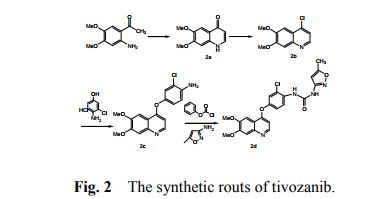
INDEX, NAME (click on the title,  it contains link)

SECTION A; USFDA Approvals

1 Abaloparatide

2 Abemaciclib

3 ACALABRUTINIB

4 ANGIOTENSIN II

5 AVELUMAB

6 BENRALIZUMAB

7 BENZNIDAZOLE

8 BETRIXABAN

9 BRIGATINIB

10 BRODALUMAB

11 CERLIPONASE ALPA

12 COPANLISIB

13 DEFLAZACORT

14 Delafloxacin

15 Deutetrabenazine

16DUPILUMAB

17 DURVALUMAB

18 EDAVARONE

19 EMICIZUMAB

20 Enasidenib

21 ERTUGLIFLOZIN

22 ETELCALCETIDE

23 GLECAPREVIR

24 GUSELKUMAB

25 INOTUZUMAB OZOGAMICIN

26 LATANOPROSTENE

27 LETERMOVIR

28 MACIMORELIN ACETATE

29 MEROPENEM

30 MIDOSTAURIN

31 NALDEMEDINE

32 NERATINIB

33 NETARSUDIL

34 NIRAPARIB

35 Ocrelizumab

36 OZENOXACIN

37 PIBRENTASVIR

38 PLECANATIDE

39 RIBOCICLIB

40  SARILUMAB

41 SECNIDAZOLE

42 SAFINAMIDE

43 SEMAGLUTIDE

44 SOFOSBUVIR

45 TELOTRISTAT ETHYL

46 VABORBACTAM

47 VALBENAZINE

48 VESTRONIDASE ALFA-VJBK

49 VELPATASVIR

50 VOXILAPREVIR

INDEX, FORMULATION NAME

USFDA

•Aliqopa (COPANLISIBto treat adults with relapsed follicular lymphoma — a slow-growing type of nonHodgkin lymphoma (a cancer of the lymph system) — who have received at least two prior systemic therapies;

• ALUNBRIG, BRIGATINIBTo treat patients with anaplastic lymphoma kinase (ALK)-positive metastatic non-small cell lung cancer (NSCLC) who have progressed on or are intolerant to crizotinib

• Austedo, Deutetrabenazine For the treatment of chorea associated with Huntington’s disease

• Bavencio (avelumab) for the treatment of patients 12 years and older with a rare and aggressive form of cancer called metastatic Merkel cell carcinoma, including those who have not received prior chemotherapy;

•BAXDELLA, Delafloxacin, BACTERIAL INFECTIONS

• Benznidazole to treat children ages 2 to 12 years with Chagas disease, a parasitic infection that can cause serious heart illness after years of infection, and can also affect swallowing and digestion. This is the first treatment approved in the United States for this rare disease;

• Besponsa (inotuzumab ozogamicin) for the treatment of adults with a type of cancer of the blood called relapsed or refractory B-cell precursor acute lymphoblastic leukemia;

BEVYXXA, BETRIXABAN, For the prophylaxis of venous thromboembolism (VTE) in adult patients hospitalized for an acute medical illness
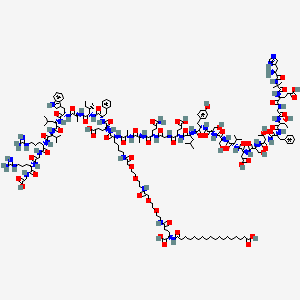
• BRINEURA, CERLIPONASE ALFATo treat a specific form of Batten disease

• Calquence (ACALABRUTINIB) to treat adults with mantle cell lymphoma who have received at least one prior therapy. Mantle cell lymphoma is a particularly aggressive cancer;

• DUPIXENT, (DUPILUMAB) To treat adults with moderate-to-severe eczema (atopic dermatitis)

• Emflaza (deflazacort) to treat patients age 5 years and older with Duchenne muscular dystrophy, a rare genetic disorder that causes progressive muscle deterioration and weakness;

• FASENRA, BENRALIZUMAB, For add-on maintenance treatment of patients with severe asthma aged 12 years and older, and with an eosinophilic phenotype

• Giapreza (angiotensin II), for the treatment of hypotension in adults with distributive or vasodilatory shock (dangerously low blood pressure despite adequate heart function) whose blood pressure remains low despite receiving fluids and treatment with drugs called vasopressors;

•  HEMLIBRA EMICIZUMAB To prevent or reduce the frequency of bleeding episodes in adult and pediatric patients with hemophilia A who have developed antibodies called Factor VIII (FVIII) inhibitors.

• Idhifa (enasidenibfor the treatment of adults with relapsed or refractory acute myeloid leukemia, a form of blood cancer, who have a specific genetic mutation;

• IMFINZI, DURVALUMAB To treat patients with locally advanced or metastatic urothelial carcinoma

• Ingrezza (valbenazineto treat adults with tardive dyskinesia, a side effect of some antipsychotic medications whereby patients can experience uncontrollable stiff, jerky movements of their face and body, and other uncontrolled movements such as eye-blinking, sticking out the tongue, and arm-waving;

•  KEVZARA SARILUMAB, RHEUMATOID ARTHRITIS

• KISQALI, RIBOCICLIB, To treat postmenopausal women with a type of advanced breast cancer

• Macrilen  macimorelin acetate, For the diagnosis of adult growth hormone deficiency

• Mavyret (glecaprevir and pibrentasvir) to treat adults with chronic hepatitis C virus genotypes 1-6 without cirrhosis (liver disease) or with mild cirrhosis, including patients with moderate to severe kidney disease, as well as those who are on hemodialysis;

• Mepsevii (vestronidase alfa-vjbk) to treat patients with Sly syndrome or mucopolysaccharidosis type 7 – a rare genetic disorder where an enzyme deficiency results in skeletal abnormalities, developmental delay, enlarged liver and spleen, and narrowed airways, which can lead to respiratory infections;

 Nerlynx (neratinib) for the extended adjuvant treatment — a form of therapy administered after an initial treatment to further lower the risk of the cancer coming back — of early-stage, human epidermal growth factor receptor 2 (HER2)-positive breast cancer;

 OCREVUS, OCRELIZUMAB, To treat patients with relapsing and primary progressive forms of multiple sclerosis

 OZEMPIC SEMAGLUTIDE To improve glycemic control in adults with type 2 diabetes mellitus

PARSABIV, ETELCALCETIDE, To treat secondary hyperparathyroidism in adult patients with chronic kidney disease undergoing dialysis

• Prevymis (letermovir) for prevention of an infection called cytomegalovirus (CMV) in patients who are receiving a bone marrow transplant. CMV disease can cause serious health issues in these patients;

 Radicava (edaravoneto treat patients with amyotrophic lateral sclerosis, commonly referred to as Lou Gehrig’s disease, a rare disease that attacks and kills the nerve cells that control voluntary muscles;

• RHOPRESSA, NETARSUDIL To treat glaucoma or ocular hypertension

• Rydapt (midostaurin) to treat adults newly diagnosed with a form of blood cancer known as acute myeloid leukemia who have a specific genetic mutation called FLT3, in combination with chemotherapy;

• Siliq (brodalumab) to treat adults with moderate-to-severe plaque psoriasis, a chronic disorder in which the body’s immune system sends out faulty signals that speed growth of skin cells that then accumulate, causing red, flaky patches that can appear anywhere on the body;

•SOLOSEC, SECNIDAZOLE To treat bacterial vaginosis

•  STEGLATRO ERTUGLIFLOZIN To improve glycemic control in adults with type 2 diabetes mellitus

• Symproic (Naldemedine) for the treatment of opioid-induced constipation in adults with chronic noncancer pain; • Tremfya (guselkumab) for the treatment of adults with moderate-to-severe plaque psoriasis;

• Trulance (plecanatide) to treat adults with chronic idiopathic constipation, which is a persistent condition of constipation due to unknown origin;

• TYMLOS, Abaloparatide, To treat osteoporosis in postmenopausal women at high risk of fracture or those who have failed other therapies

• Vabomere (vaborbactam and meropenem) for treatment of adults with complicated urinary tract infections, including pyelonephritis (kidney infection) caused by bacteria;

• Verzenio (abemaciclib) to treat adults who have hormone receptor (HR)-positive, HER2-negative advanced or metastatic breast cancer that has progressed after taking therapy that alters a patient’s hormones (endocrine therapy);

• Vosevi (sofosbuvir/velpatasvir/voxilaprevir) to treat adults with chronic hepatitis C virus genotypes 1-6 without cirrhosis (liver disease) or with mild cirrhosis;

• VYZULTA LATANOPROSTENE To treat intraocular pressure in patients with open-angle glaucoma or ocular hypertension.

• Xadago (safinamide) as an add-on treatment for patients with Parkinson’s disease who are currently taking levodopa/carbidopa and experiencing “off” episodes;

XERMELO, TELOTRISTAT ETHYL combined with somatostatin analog (SSA) therapy to treat adults with carcinoid syndrome diarrhea that SSA therapy alone has inadequately controlled, and;

• XEPI OZENOXACIN TO TREAT IMPETIGO

XERMELO, TELOTRISTAT ETHYL, To treat carcinoid syndrome diarrhea

• Zejula (niraparib) for the maintenance treatment (intended to delay cancer growth) of adults with recurrent epithelial ovarian, fallopian tube or primary peritoneal cancer, whose tumors have completely or partially shrunk (complete or partial response, respectively) in response to platinum-based chemotherapy

USFDA

No. Drug
Name
Active Ingredient Approval Date FDA-approved use on approval date
46. Giapreza angiotensin II 12/21/2017

Press Release
Drug Trials Snapshot

To increase blood pressure in adults with septic or other distributive shock
45. Macrilen macimorelin acetate 12/20/2017

Drug Trials Snapshot

For the diagnosis of adult growth hormone deficiency
44. Steglatro ertugliflozin 12/19/2017

Drug Trials Snapshot

To improve glycemic control in adults with type 2 diabetes mellitus
43. Rhopressa netarsudil 12/18/2017

Drug Trials Snapshot

To treat glaucoma or ocular hypertension
42. Xepi ozenoxacin 12/11/2017 To treat impetigo
Drug Trials Snapshot
41. Ozempic semaglutide 12/5/2017

Drug Trials Snapshot

To improve glycemic control in adults with type 2 diabetes mellitus
40. Hemlibra emicizumab 11/16/2017

Press Release
Drug Trials Snapshot

To prevent or reduce the frequency of bleeding episodes in adult and pediatric patients with hemophilia A who have developed antibodies called Factor VIII (FVIII) inhibitors.
39. Mepsevii vestronidase alfa-vjbk 11/15/2017

Press Release
Drug Trials Snapshot

To treat pediatric and adult patients with an inherited metabolic condition called mucopolysaccharidosis type VII (MPS VII), also known as Sly syndrome.
38. Fasenra  benralizumab 11/14/2017 For add-on maintenance treatment of patients with severe asthma aged 12 years and older, and with an eosinophilic phenotype
Drug Trials Snapshot
37. Prevymis letermovir 11/8/2017 To prevent infection after bone marrow transplant
Drug Trials Snapshot
36. Vyzulta latanoprostene bunod ophthalmic solution 11/2/2017 To treat intraocular pressure in patients with open-angle glaucoma or ocular hypertension.
Drug Trials Snapshot
35. Calquence acalabrutinib 10/31/2017 To treat adults with mantle cell lymphoma
Press Release
Drug Trials Snapshot
34. Verzenio abemaciclib 9/28/2017 To treat certain advanced or metastatic breast cancers
Press Release
Drug Trials Snapshot
33. Solosec secnidazole 9/15/2017 To treat bacterial vaginosis
Drug Trials Snapshot
32. Aliqopa copanlisib 9/14/2017 To treat adults with relapsed follicular lymphoma
Press Release
Drug Trials Snapshot
31. benznidazole benznidazole 8/29/2017 To treat children ages 2 to 12 years old with Chagas disease
Press Release
Drug Trials Snapshot
30. Vabomere meropenem and vaborbactam 8/29/2017 To treat adults with complicated urinary tract infections
Press Release
Drug Trials Snapshot
29. Besponsa inotuzumab ozogamicin 8/17/2017 To treat adults with relapsed or refractory acute lymphoblastic leukemia
Press Release
Drug Trials Snapshot
28. Mavyret glecaprevir and pibrentasvir 8/3/2017 To treat adults with chronic hepatitis C virus
Press Release
Drug Trials Snapshot
27. Idhifa enasidenib 8/1/2017 To treat relapsed or refractory acute myeloid leukemia
Press Release
Drug Trials Snapshot
26. Vosevi sofosbuvirvelpatasvir and voxilaprevir 7/18/2017 To treat adults with chronic hepatitis C virus
Press Release
Drug Trials Snapshot
25. Nerlynx neratinib maleate 7/17/2017 To reduce the risk of breast cancer returning
Press Release
Drug Trials Snapshot
24. Tremfya guselkumab 7/13/2017 For the treatment of adult patients with moderate-to-severe plaque psoriasis
Drug Trials Snapshot
23. Bevyxxa betrixaban 6/23/2017 For the prophylaxis of venous thromboembolism (VTE) in adult patients hospitalized for an acute medical illness
Drug Trials Snapshot
22. Baxdela delafloxacin 6/19/2017 To treat patients with acute bacterial skin infections
Drug Trials Snapshot
21. Kevzara sarilumab 5/22/2017 To treat adult rheumatoid arthritis
Drug Trials Snapshot
20. Radicava edaravone 5/5/2017 To treat patients with amyotrophic lateral sclerosis (ALS)
Press Release
Drug Trials Snapshot
19. Imfinzi durvalumab 5/1/2017 To treat patients with locally advanced or metastatic urothelial carcinoma
Web Post
Drug Trials Snapshot
18. Tymlos abaloparatide 4/28/2017 To treat osteoporosis in postmenopausal women at high risk of fracture or those who have failed other therapies
Drug Trials Snapshot
17. Rydapt midostaurin 4/28/2017 To treat acute myeloid leukemia
Press Release Chemistry Review(s) (PDF)
Drug Trials Snapshot
16. Alunbrig brigatinib 4/28/2017 To treat patients with anaplastic lymphoma kinase (ALK)-positive metastatic non-small cell lung cancer (NSCLC) who have progressed on or are intolerant to crizotinib
Drug Trials Snapshot
15. Brineura cerliponase alfa 4/27/2017 To treat a specific form of Batten disease
Press Release
Drug Trials Snapshot
14. Ingrezza valbenazine 4/11/2017 To treat adults with tardive dyskinesia
Press Release Chemistry Review(s) (PDF)Drug Trials Snapshot
13. Austedo deutetrabenazine 4/3/2017 For the treatment of chorea associated with Huntington’s disease
Drug Trials Snapshot,  Chemistry Review(s) (PDF)
12. Ocrevus ocrelizumab 3/28/2017 To treat patients with relapsing and primary progressive forms of multiple sclerosis
Press Release
Drug Trials Snapshot
11. Dupixent dupilumab 3/28/2017 To treat adults with moderate-to-severe eczema (atopic dermatitis)
Press Release
Drug Trials Snapshot
10. Zejula niraparib 3/27/2017 For the maintenance treatment for recurrent epithelial ovarian, fallopian tube or primary peritoneal cancers
Press Release
Drug Trials Snapshot
9. Symproic naldemedine 3/23/2017

For the treatment of opioid-induced constipation
Drug Trials Snapshot

8. Bavencio avelumab 3/23/2017 To treat metastatic Merkel cell carcinoma
Press Release
Drug Trials Snapshot
7. Xadago safinamide 3/21/2017 To treat Parkinson’s disease
Press Release
Drug Trials SnapshotChemistry Review(s) (PDF)
6. Kisqali ribociclib 3/13/2017 To treat postmenopausal women with a type of advanced breast cancer
Drug Trials Snapshot
5. Xermelo telotristat ethyl 2/28/2017 To treat carcinoid syndrome diarrhea
Press Release
Drug Trials Snapshot
4. Siliq brodalumab 2/15/2017 To treat adults with moderate-to-severe plaque psoriasis
Press Release
Drug Trials Snapshot
3. Emflaza deflazacort 2/9/2017 To treat patients age 5 years and older with Duchenne muscular dystrophy (DMD)
Press Release
Drug Trials Snapshot
2. Parsabiv etelcalcetide 2/7/2017 To treat secondary hyperparathyroidism in adult patients with chronic kidney disease undergoing dialysis
Drug Trials Snapshot
1. Trulance plecanatide 1/19/2017 To treat Chronic Idiopathic Constipation (CIC) in adult patients.
Press Release
Drug Trials Snapshot

* This information is currently accurate. In rare instances, it may be necessary for FDA to change a drug’s new molecular entity (NME) designation or the status of its application as a novel new biologics license application (BLA).  For instance, new information may become available which could lead to a reconsideration of the original designation or status.  If changes must be made to a drug’s designation or the status of an application as a novel BLA, the Agency intends to communicate the nature of, and the reason for, any revisions as appropriate.

USFDA 2017
2017/12/21 Angiotensin II Giapreza La Jolla Pharmaceutical
2017/12/20 Ertugliflozin Steglatro Merck Sharp Dohme
2017/12/20 Macimorelin acetate Macrilen Aeterna Zentaris GmbH
2017/12/18 Netarsudil mesylate Rhopressa Aerie Pharmaceuticals
2017/12/11 Ozenoxacin Xepi Ferrer Internacional S.A.
2017/12/5 Semaglutide Ozempic Novo Nordisk Inc
2017/11/16 Emicizumab Hemlibra Genentech BLA
2017/11/15 Vestronidase alfa Mepsevii Ultragenyx Pharmaceutical BLA
2017/11/14 Benralizumab Fasenra AstraZeneca AB BLA
2017/11/8 Letermovir Prevymis Merck Sharp Dohme
2017/11/2 Latanoprostene bunod Vyzulta Bausch & Lomb Incorporated
2017/10/31 Acalabrutinib Calquence AstraZeneca Pharmaceuticals LP
2017/9/28 Abemaciclib Verzenio Eli Lilly
2017/9/15 Secnidazole Solosec Symbiomix Therapeutics
2017/9/14 Copanlisib Aliqopa Bayer Healthcare Pharmaceuticals
2017/8/29 Benznidazole Chemo Research
2017/8/29 Meropenem – Vaborbactam Vabomere Rempex Pharmaceuticals
2017/8/17 Inotuzumab ozogamicin Besponsa Wyeth Pharmaceuticals BLA
2017/8/3 Glecaprevir – Pibrentasvir Mavyret AbbVie
2017/8/1 Enasidenib Idhifa Celgene Corporation
2017/7/18 Sofosbuvir – Velpatasvir – Voxilaprevir Vosevi Gilead Sciences
2017/7/17 Neratinib maleate Nerlynx Puma Biotechnology
2017/7/13 Guselkumab Tremfya Janssen Biotech BLA
2017/6/23 Betrixaban Bevyxxa Portola Pharmaceuticals
2017/6/19 Delafloxacin meglumine Baxdela Melinta Therapeutics
2017/5/22 Sarilumab Kevzara Sanofi Synthelabo BLA
2017/5/5 Edaravone Radicava Mitsubishi Tanabe Pharma America
2017/5/1 Durvalumab Imfinzi AstraZeneca UK BLA
2017/4/28 Abaloparatide Tymlos Radius Health
2017/4/28 Midostaurin Rydapt Novartis Pharmaceuticals
2017/4/28 Brigatinib Alunbrig Ariad Pharmaceuticals
2017/4/27 Cerliponase alfa Brineura BioMarin Pharmaceutical BLA
2017/4/11 Valbenazine Ingrezza Neurocrine Biosciences
2017/4/3 Deutetrabenazine Austedo Teva Pharmaceuticals
2017/3/28 Ocrelizumab Ocrevus Genentech BLA
2017/3/28 Dupilumab Dupixent Regeneron Pharmaceuticals BLA
2017/3/27 Niraparib Zejula Tesaro
2017/3/23 Naldemedine tosylate Symproic Shionogi
2017/3/23 Avelumab Bavencio EMD Serono BLA
2017/3/23 Safinamide mesylate Xadago Newron Pharmaceuticals
2017/3/21 Ribociclib Kisqali Novartis Pharmaceuticals
2017/2/28 Telotristat ethyl Xermelo Lexicon Pharmaceuticals
2017/2/15 Brodalumab Siliq Valeant Pharmaceuticals BLA
2017/2/9 Deflazacort Emflaza Marathon Pharmaceuticals
2017/2/8 Etelcalcetide hydrochloride Parsavib KAI Pharmaceuticals
2017/1/19 Plecanatide Trulance Synergy Pharmaceuticals

1 Abaloparatide

RADIUS

str1

Tymlos

FDA 4/28/2017

To treat osteoporosis in postmenopausal women at high risk of fracture or those who have failed other therapies
Drug Trials Snapshot

Image result for AbaloparatideImage result for Abaloparatide

link……..https://newdrugapprovals.org/2018/02/13/abaloparatide-%D0%B0%D0%B1%D0%B0%D0%BB%D0%BE%D0%BF%D0%B0%D1%80%D0%B0%D1%82%D0%B8%D0%B4-%D8%A3%D8%A8%D8%A7%D9%84%D9%88%D8%A8%D8%A7%D8%B1%D8%A7%D8%AA%D9%8A%D8%AF-%E5%B7%B4%E7%BD%97%E6%97%81/

2 Abemaciclib

ELI LILLY

Verzenio abemaciclib FDA 9/28/2017 To treat certain advanced or metastatic breast cancers
Press Release
Drug Trials Snapshot

LINK https://newdrugapprovals.org/2015/10/19/abemaciclib-bemaciclib/

Image result for abemaciclibImage result for abemaciclib

3 Acalabrutinib

Calquence FDA APPROVED

10/31/2017

To treat adults with mantle cell lymphoma
Press Release
Drug Trials Snapshot

Image result for AcalabrutinibImage result for AcalabrutinibImage result for Acalabrutinib

LINK……….https://newdrugapprovals.org/2018/02/02/acalabrutinib-acp-196-%D0%B0%D0%BA%D0%B0%D0%BB%D0%B0%D0%B1%D1%80%D1%83%D1%82%D0%B8%D0%BD%D0%B8%D0%B1-%D8%A3%D9%83%D8%A7%D9%84%D8%A7%D8%A8%D8%B1%D9%88%D8%AA%D9%8A%D9%86%D9%8A%D8%A8-%E9%98%BF/

4 Angiotensin II

LA JOLLA

Giapreza angiotensin II 12/21/2017 To increase blood pressure in adults with septic or other distributive shock
Press Release
Drug Trials Snapshot

Image result for angiotensin IIImage result for GIAPREZA

LINK https://newdrugapprovals.org/2017/12/22/fda-approves-drug-giapreza-angiotensin-ii-to-treat-dangerously-low-blood-pressure/

5 AVELUMAB

MERCK

Image result for AVELUMABImage result for AVELUMAB

Bavencio FDA 3/23/2017 To treat metastatic Merkel cell carcinoma
Press Release
Drug Trials Snapshot

LINK…..https://newdrugapprovals.org/2017/03/24/fda-approves-first-treatment-bavencio-avelumabfor-rare-form-of-skin-cancer/

6 BENRALIZUMAB

ASTRA ZENECA

Fasenra benralizumab

FDA 11/14/2017

For add-on maintenance treatment of patients with severe asthma aged 12 years and older, and with an eosinophilic phenotype
Drug Trials Snapshot

Image result for BENRALIZUMAB

7 Benznidazole

CHEMO RESEARCH

Image result for BENZNIDAZOLE

Image result for BENZNIDAZOLEImage result for BENZNIDAZOLE

benznidazole FDA

8/29/2017

To treat children ages 2 to 12 years old with Chagas disease
Press Release
Drug Trials Snapshot

LINK…https://newdrugapprovals.org/2017/08/30/fda-approves-first-u-s-treatment-benznidazole-for-chagas-disease/

8 BETRIXABAN

PORTOLA PHARMA

Image result for betrixaban

Bevyxxa FDA

6/23/2017

For the prophylaxis of venous thromboembolism (VTE) in adult patients hospitalized for an acute medical illness
Drug Trials Snapshot

Image result for betrixabanImage result for betrixaban

STR2STR1

LINK…….https://newdrugapprovals.org/2013/03/05/phase-3-portola-pharma-betrixaban-long-acting-oral-direct-factor-xa-inhibitor/

9 BRIGATINIB

Figure imgf000127_0001

TAKEDA

Image result for BRIGATINIBImage result for BRIGATINIB

Alunbrig FDA

4/28/2017

To treat patients with anaplastic lymphoma kinase (ALK)-positive metastatic non-small cell lung cancer (NSCLC) who have progressed on or are intolerant to crizotinib
Drug Trials Snapshot

LINK..https://newdrugapprovals.org/2017/01/20/brigatinib-%D0%B1%D1%80%D0%B8%D0%B3%D0%B0%D1%82%D0%B8%D0%BD%D0%B8%D0%B1-%D8%A8%D8%B1%D9%8A%D8%BA%D8%A7%D8%AA%D9%8A%D9%86%D9%8A%D8%A8-%E5%B8%83%E6%A0%BC%E6%9B%BF%E5%B0%BC/

10 BRODALUMAB

VALEANT PHARMA

Siliq FDA

2/15/2017

To treat adults with moderate-to-severe plaque psoriasis
Press Release
Drug Trials Snapshot

Image result for BRODALUMAB

LINK ,,,,https://newdrugapprovals.org/2017/02/16/fda-approves-new-psoriasis-drug-siliq-brodalumab/

11 CERLIPONASE ALFA

Image resultImage result for cerliponase alfaImage result for cerliponase alfa

Brineura FDA 4/27/2017 To treat a specific form of Batten disease
Press Release
Drug Trials Snapshot

LINK….https://newdrugapprovals.org/2017/04/28/fda-approves-first-treatment-for-a-form-of-batten-disease-brineura-cerliponase-alfa/

12 Copanlisib

Aliqopa FDA APPROVED

9/14/2017

To treat adults with relapsed follicular lymphoma
Press Release
Drug Trials Snapshot

Copanlisib dihydrochloride.png

Image result for copanlisibImage result for copanlisib

LINK…..https://newdrugapprovals.org/2017/11/20/copanlisib/

13  DEFLAZACORT

MARATHON PHARMA

Image result for deflazacort

Emflaza FDA 2/9/2017 To treat patients age 5 years and older with Duchenne muscular dystrophy (DMD)
Press Release
Drug Trials Snapshot

LINK……https://newdrugapprovals.org/2017/02/17/deflazacort/

14 DELAFLOXACIN

Baxdela FDA APPROVED

6/19/2017

To treat patients with acute bacterial skin infections

Image result for delafloxacin

Image result for delafloxacinImage result for delafloxacin

LINK……..https://newdrugapprovals.org/2018/01/25/delafloxacin/

15 Deutetrabenazine

TEVA

Deutetrabenazine.svg

Image result for deutetrabenazineImage result for deutetrabenazineImage result for deutetrabenazine

LINK……………https://newdrugapprovals.org/2015/08/15/sd-809-deutetrabenazine-nda-submitted-by-teva/

Austedo FDA 4/3/2017 For the treatment of chorea associated with Huntington’s disease
Drug Trials Snapshot   Chemistry Review(s) (PDF)

STR1STR2str3

16 DUPILUMAB

SANOFI/REGENERON

Image result for DUPILUMABImage result for DUPILUMAB

Dupixent FDA 3/28/2017 To treat adults with moderate-to-severe eczema (atopic dermatitis)
Press Release
Drug Trials Snapshot

LINK…….https://newdrugapprovals.org/2017/03/29/fda-approves-new-eczema-drug-dupixent-dupilumab/

17 DURVALUMAB

ASTRA ZENECA

Image result for DURVALUMAB

Imfinzi

durvalumab FDA 5/1/2017To treat patients with locally advanced or metastatic urothelial carcinoma
Web Post
Drug Trials Snapshot

18 EDAVARONE

Image result for EDARAVONE

MITSUBISHI TANABE

Radicava FDA 5/5/2017 To treat patients with amyotrophic lateral sclerosis (ALS)
Press Release
Drug Trials Snapshot

Image result for EDARAVONEImage result for EDARAVONE

LINK………https://newdrugapprovals.org/2017/05/06/fda-approves-drug-to-treat-als-radicava-edaravone-%D1%8D%D0%B4%D0%B0%D1%80%D0%B0%D0%B2%D0%BE%D0%BD-%D8%A5%D9%8A%D8%AF%D8%A7%D8%B1%D8%A7%D9%81%D9%88%D9%86-%E4%BE%9D%E8%BE%BE%E6%8B%89%E5%A5%89/

19 EMICIZUMAB

ROCHE

Image result for EMICIZUMAB

Hemlibra emicizumab FDA 11/16/2017 To prevent or reduce the frequency of bleeding episodes in adult and pediatric patients with hemophilia A who have developed antibodies called Factor VIII (FVIII) inhibitors.
Press Release

Drug Trials Snapshot

LINK https://newdrugapprovals.org/2017/11/17/fda-approves-new-treatment-hemlibra-emicizumab-kxwh-to-prevent-bleeding-in-certain-patients-with-hemophilia-a/

Image result for EMICIZUMAB

20 Enasidenib

Enasidenib.png

Image result for EnasidenibImage result for Enasidenib

Idhifa FDA

8/1/2017

To treat relapsed or refractory acute myeloid leukemia
Press Release
Drug Trials Snapshot

Image result for Enasidenib

LINK……https://newdrugapprovals.org/2017/08/02/enasidenib-%D1%8D%D0%BD%D0%B0%D1%81%D0%B8%D0%B4%D0%B5%D0%BD%D0%B8%D0%B1-%D8%A5%D9%8A%D9%86%D8%A7%D8%B3%D9%8A%D8%AF%D9%8A%D9%86%D9%8A%D8%A8-%E4%BC%8A%E9%82%A3%E5%B0%BC%E5%B8%83/

21 Ertugliflozin

MERCK

Image result for ERTUGLIFLOZIN

Steglatro ertugliflozin FDA

12/19/2017

To improve glycemic control in adults with type 2 diabetes mellitus
Drug Trials Snapshot

LINK https://newdrugapprovals.org/2014/02/10/ertugliflozin/

Image result for ERTUGLIFLOZIN

22 ETELCALCETIDE

Amgen

Parsabiv FDA APPROVED

2/7/2017

To treat secondary hyperparathyroidism in adult patients with chronic kidney disease undergoing dialysis
Drug Trials SnapshotSYNTHESIS LINK……..https://cen.acs.org/articles/96/i4/the-year-in-new-drugs-2018.html

Image result for ETELCALCETIDEImage result for ETELCALCETIDE

SYNTHESIS LINK……..https://cen.acs.org/articles/96/i4/the-year-in-new-drugs-2018.html

23 GLECAPREVIR

ABBVIE

Image result for GLECAPREVIR

Mavyret glecaprevir and pibrentasvir FDA 8/3/2017 To treat adults with chronic hepatitis C virus
Press Release
Drug Trials Snapshot

LINK https://newdrugapprovals.org/2016/10/05/glecaprevir-abt-493/

Image result for GLECAPREVIRImage result for GLECAPREVIRImage result for GLECAPREVIR

24 GUSELKUMAB

JOHNSON AND JOHNSON

Tremfya

guselkumab

FDA 7/13/2017

For the treatment of adult patients with moderate-to-severe plaque psoriasis
Drug Trials Snapshot

Image result for GUSELKUMABImage result for GUSELKUMAB

25 Inotuzumab ozogamicin

PFIZER

Image result for inotuzumab ozogamicin

Image result for inotuzumab ozogamicinImage result for inotuzumab ozogamicin

Besponsa FDA

8/17/2017

To treat adults with relapsed or refractory acute lymphoblastic leukemia
Press Release
Drug Trials Snapshot

LINK….https://newdrugapprovals.org/2015/10/23/fda-grants-breakthrough-status-for-pfizers-leukaemia-drug-inotuzumab-ozogamicin/

26 LATANOPROSTENE

VALEANT

Image result for LATANOPROSTENE

latanoprostene bunod ophthalmic solution

FDA 11/2/2017

To treat intraocular pressure in patients with open-angle glaucoma or ocular hypertension.
Drug Trials Snapshot

Image result for LATANOPROSTENE

LINK https://newdrugapprovals.org/2014/09/27/nicox-stock-leaps-on-positive-ph-iii-glaucoma-drug-data-%E8%8B%B1%E6%96%87%E5%90%8D%E7%A7%B0/

27 LETERMOVIR

MERCK

Image result for LETERMOVIR

Prevymis FDA 11/8/2017 To prevent infection after bone marrow transplant
Drug Trials Snapshot

LINK https://newdrugapprovals.org/2016/05/16/letermovir-aic-246/

Image result for LETERMOVIRImage result for LETERMOVIR


28 Macimorelin acetate

AETERNA ZENTARIS

Macrilen macimorelin acetate FDA

12/20/2017

For the diagnosis of adult growth hormone deficiency
Drug Trials Snapshot

LINK https://newdrugapprovals.org/2014/01/07/aeterna-zentaris-submits-new-drug-application-to-fda-for-macimorelin-acetate-aezs-130-for-evaluation-of-aghd-2/

 Image result for macimorelin acetate

29 MEROPENEM

Image result for MEROPENEM


30 MIDOSTAURIN

NOVARTIS

Image result for MIDOSTAURIN

Rydapt FDA

4/28/2017

To treat acute myeloid leukemia
Press Release
Drug Trials Snapshot

STR1 STR2

LINK…….https://newdrugapprovals.org/2017/04/29/fda-approves-new-combination-treatment-for-acute-myeloid-leukemia-rydapt-midostaurin/

31 Naldemedine

FDA 3/23/2017, Symproic, For the treatment of opioid-induced constipation

Image result for naldemedine

Image result for naldemedineImage result for naldemedine

LINK……..https://newdrugapprovals.org/2018/01/24/naldemedine-%E3%83%8A%E3%83%AB%E3%83%87%E3%83%A1%E3%82%B8%E3%83%B3%E3%83%88%E3%82%B7%E3%83%AB%E9%85%B8%E5%A1%A9/

32 NERATINIB MALEATE

PUMA BIOTECH

Image result for NERATINIB

Image result for NERATINIBImage result for NERATINIBImage result for NERATINIB

Nerlynx FDA 7/17/2017 To reduce the risk of breast cancer returning
Press Release
Drug Trials Snapshot

LINK…https://newdrugapprovals.org/2014/04/11/neratinib-hki-272-puma-presents-positive-results-from-phase-ii-trial-of-its-investigational-drug-pb272/

33 NETARSUDIL

Rhopressa FDA APPROVED

12/18/2017

To treat glaucoma or ocular hypertension

Image result for Netarsudil

Image result for Netarsudil

LINK……https://newdrugapprovals.org/2018/01/29/netarsudil/

34 NIRAPARIB

TESARO

Zejula FDA 3/27/2017 For the maintenance treatment for recurrent epithelial ovarian, fallopian tube or primary peritoneal cancers
Press Release
Drug Trials Snapshot

Figure imgf000023_0001Image result for TESARO

Image result for NIRAPARIB

LINK…https://newdrugapprovals.org/2016/12/22/niraparib-mk-4827/

35 OCRELIZUMAB

ROCHE

Ocrevus FDA 3/28/2017 To treat patients with relapsing and primary progressive forms of multiple sclerosis
Press Release
Drug Trials Snapshot

Image result for ocrelizumabImage result for ocrelizumab

LINK..https://newdrugapprovals.org/2017/03/30/fda-approves-new-drug-to-treat-multiple-sclerosis-ocrevus-ocrelizumab/

36 OZENOXACIN

MEDIMETRIX

Image result for ozenoxacin

LINK https://newdrugapprovals.org/2014/03/28/ozenoxacin-in-phase-3-topical-formulation-in-the-treatment-of-impetigo/

Image result for ozenoxacin

Xepi ozenoxacin FDA

12/11/2017

To treat impetigo
Drug Trials Snapshot

37 Pibrentasvir

ABBVIE

Image result for PIBRENTASVIR

Mavyret glecaprevir and pibrentasvir FDA 8/3/2017 To treat adults with chronic hepatitis C virus
Press Release
Drug Trials Snapshot

LINK https://newdrugapprovals.org/2016/06/08/abt-530-pibrentasvir/

Image result for PIBRENTASVIRImage result for PIBRENTASVIR

38 PLECANATIDE

Plecanatide 普卡那肽 ليكاناتيد плеканатид

SYNERGY PHARMA

Image result for PLECANATIDEImage result for PLECANATIDE

Trulance FDA APPROVED

1/19/2017

To treat Chronic Idiopathic Constipation (CIC) in adult patients.
Press Release
Drug Trials Snapshot

LINK ….https://newdrugapprovals.org/2016/04/21/plecanatide-%E6%99%AE%E5%8D%A1%E9%82%A3%E8%82%BD-%D9%84%D9%8A%D9%83%D8%A7%D9%86%D8%A7%D8%AA%D9%8A%D8%AF-%D0%BF%D0%BB%D0%B5%D0%BA%D0%B0%D0%BD%D0%B0%D1%82%D0%B8%D0%B4/

39 RIBOCICLIB

NOVARTIS

2D chemical structure of 1374639-75-4

Structure..link for correct structure

Kisqali FDA 3/13/2017 To treat postmenopausal women with a type of advanced breast cancer
Drug Trials Snapshot

Image result for RIBOCICLIB

LINK https://newdrugapprovals.org/2015/10/19/ribociclib/

40  SARILUMAB

SANOFI /REGENERON

Kevzara sarilumab FDA 5/22/2017 To treat adult rheumatoid arthritis
Drug Trials Snapshot

LINK https://newdrugapprovals.org/2013/11/25/late-stage-success-for-sanofiregeneron-ra-drug-sarilumab/

Image result for SARILUMABImage result for SARILUMAB

41 SECNIDAZOLE

SYMBIOMIX

Secnidazole.svg

Solosec FDA 9/15/2017 To treat bacterial vaginosis
Drug Trials Snapshot

Image result for SECNIDAZOLE

link….https://newdrugapprovals.org/2017/11/03/secnidazole-%D1%81%D0%B5%D0%BA%D0%BD%D0%B8%D0%B4%D0%B0%D0%B7%D0%BE%D0%BB-%D8%B3%D9%8A%D9%83%D9%86%D9%8A%D8%AF%D8%A7%D8%B2%D9%88%D9%84-%E5%A1%9E%E5%85%8B%E7%A1%9D%E5%94%91/

42 SAFINAMIDE

NEWRON PHARMA

Image result for safinamide

Image result for safinamideImage result for safinamide

STR1

Xadago FDA 3/21/2017 To treat Parkinson’s disease
Press Release
Drug Trials Snapshot

LINK…https://newdrugapprovals.org/2017/03/22/fda-approves-drug-xadago-safinamide-%D1%81%D0%B0%D1%84%D0%B8%D0%BD%D0%B0%D0%BC%D0%B8%D0%B4-%D8%B3%D8%A7%D9%81%D9%8A%D9%86%D8%A7%D9%85%D9%8A%D8%AF-%E6%B2%99%E9%9D%9E%E8%83%BA-to-treat-parkins/

43 Semaglutide

NOVO NORDISK

Image result for SEMAGLUTIDE

Ozempic semaglutide FDA

12/5/2017

To improve glycemic control in adults with type 2 diabetes mellitus
Drug Trials Snapshot

LINK https://newdrugapprovals.org/2013/07/22/a-survey-of-promising-late-stage-diabetes-drugs/

Image result for SEMAGLUTIDE

44 SOFOSBUVIR

LINK https://newdrugapprovals.org/2013/12/11/us-approves-breakthrough-hepatitis-c-drug-sofosbuvir-all-about-drugs/

45 TELOTRISTAT ETHYL

LEXICON

LX1606 Hippurate.png

Xermelo FDA

2/28/2017

To treat carcinoid syndrome diarrhea
Press Release
Drug Trials Snapshot

Image result for Lexicon Pharmaceuticals, Inc.STR1

46 VABORBACTAM

THE MEDICINES CO

Image result for Vaborbactam

Vabomere meropenem and vaborbactam FDA

8/29/2017

To treat adults with complicated urinary tract infections
Press Release
Drug Trials Snapshot

Image result for VABOMERE

LINK     https://newdrugapprovals.org/2017/09/05/vaborbactam-%D0%B2%D0%B0%D0%B1%D0%BE%D1%80%D0%B1%D0%B0%D0%BA%D1%82%D0%B0%D0%BC-%D9%81%D8%A7%D8%A8%D9%88%D8%B1%D8%A8%D8%A7%D9%83%D8%AA%D8%A7%D9%85-%E6%B3%95%E7%A1%BC%E5%B7%B4%E5%9D%A6/

47 VALBENAZINE

NEUROCRINE

Image result for valbenazine

Image result for VALBENAZINEImage result for VALBENAZINEImage result for VALBENAZINE

Ingrezza FDA

4/11/2017

To treat adults with tardive dyskinesia
Press Release
Drug Trials Snapshot

LINK…………..https://newdrugapprovals.org/2017/04/12/fda-approves-first-drug-ingrezza-valbenazine-to-treat-tardive-dyskinesia/

48 Vestronidase alfa-vjbk

ULTRAGENYX

Mepsevii vestronidase alfa-vjbk FDA 11/15/2017 To treat pediatric and adult patients with an inherited metabolic condition called mucopolysaccharidosis type VII (MPS VII), also known as Sly syndrome.
Press Release
Drug Trials Snapshot

Image result for vestronidase alfa-vjbkImage result for vestronidase alfa-vjbk

LINK…https://newdrugapprovals.org/2017/11/16/fda-approves-mepsevii-vestronidase-alfa-vjbk-for-treatment-for-rare-genetic-enzyme-disorder/

49 VELPATASVIR

LINK https://newdrugapprovals.org/2016/07/30/velpatasvir-gs-5816-gilead-sciences-%D0%B2%D0%B5%D0%BB%D0%BF%D0%B0%D1%82%D0%B0%D1%81%D0%B2%D0%B8%D1%80-%D9%81%D8%A7%D9%84%D8%A8%D8%A7%D8%AA%D8%A7%D8%B3%D9%81%D9%8A%D8%B1-%E7%BB%B4%E5%B8%95/

50 VOXILAPREVIR

GILEAD

Image result for VOXILAPREVIR

Image result for VOXILAPREVIR

Vosevi sofosbuvir, velpatasvir and voxilaprevir FDA 7/18/2017 To treat adults with chronic hepatitis C virus
Press Release
Drug Trials Snapshot

LINK https://newdrugapprovals.org/2017/07/19/voxilaprevir-%D9%81%D9%88%D9%83%D8%B3%D9%8A%D9%84%D8%A7%D8%A8%D8%B1%D9%8A%D9%81%D9%8A%D8%B1-%E4%BC%8F%E8%A5%BF%E7%91%9E%E9%9F%A6-%D0%B2%D0%BE%D0%BA%D1%81%D0%B8%D0%BB%D0%B0%D0%BF%D1%80%D0%B5%D0%B2/

SECTION B; EMA approvals

European Medicines Agency’s – Human medicines: Highlights of 2017

Advances in medicines authorizations are essential for public health as they have the potential to improve treatment of diseases. In 2017, EMA recommended 92 medicines for marketing authorization. Of these, 35 had a new active substance, which has never been authorized in the European Union (EU) before. Many of these medicines represent a significant improvement in their therapeutic areas; they include medicines for children, for rare diseases and advanced therapies42. Amongst the 35 new active substances (NAS) that EMA recommended, 11 were new drugs and biologics to treat cancer, 05 to treat neurological disorders, 04 for infectious diseases, 04 for immunology/rheumatology, 03 for endocrinology, 02 each for Uro-nephrology, haematology, and dermatology, 01 for Pneumonology, and 01 for hepatology/gastroenterology class of drugs.

STR1 STR2 str3 str4 str5

STR1 STR2

EUROPE

2017/11/16 Niraparib Zejula Tesaro UK Limited O NME
2017/11/10 Adalimumab Cyltezo Boehringer Ingelheim International GmbH B
2017/11/10 Miglustat Miglustat Gen.Orph Gen.Orph G
2017/11/10 Ritonavir Ritonavir Mylan MYLAN S.A.S G
2017/11/10 Padeliporfin Tookad STEBA Biotech S.A
2017/11/10 Guselkumab Tremfya Janssen-Cilag International N.V. BLA
2017/9/27 Dupilumab Dupixent sanofi-aventis groupe BLA
2017/9/21 Darunavir / Cobicistat / Emtricitabine / Tenofovir alafenamide Symtuza Janssen-Cilag International N.V.
2017/9/21 Atezolizumab Tecentriq Roche Registration Limited BLA
2017/9/18 Avelumab Bavencio Merck Serono Europe Limited O BLA
2017/9/18 Entecavir Entecavir Mylan Mylan S.A.S G
2017/9/18 Lacosamide Lacosamide Accord Accord Healthcare Ltd G
2017/9/18 Midostaurin Rydapt Novartis Europharm Ltd O NME
2017/9/18 Telotristat ethyl Xermelo Ipsen Pharma O NME
2017/9/5 Trientine Cuprior GMP-Orphan SA
2017/9/5 Efavirenz / Emtricitabine / Tenofovir disoproxil Efavirenz/Emtricitabine/Tenofovir disoproxil Mylan Mylan S.A.S G
2017/8/24 Tivozanib hydrochloride monohydrate Fotivda EUSA Pharma (UK) Limited NME
2017/8/24 Adalimumab Imraldi Samsung Bioepis UK Limited (SBUK) B
2017/8/24 Nitisinone Nitisinone MDK (previously Nitisinone MendeliKABS) MendeliKABS Europe Ltd G
2017/8/22 Ribociclib Kisqali Novartis Europharm Ltd NME
2017/8/22 Cladribine Mavenclad Merck Serono Europe Limited
2017/7/26 Glecaprevir / Pibrentasvir Maviret AbbVie Limited NME
2017/7/26 Sofosbuvir / Velpatasvir / Voxilaprevi Vosevi Gilead Sciences International Ltd NME
2017/7/19 Insulin lispro Insulin lispro Sanofi sanofi-aventis groupe B
2017/7/19 Patiromer sorbitex calcium Veltassa Vifor Fresenius Medical Care Renal Pharma France NME
2017/7/17 Efavirenz / Emtricitabine / Tenofovir disoproxil Efavirenz/Emtricitabine/Tenofovir disoproxil Zentiva Zentiva k.s. G
2017/7/17 Brodalumab Kyntheum LEO Pharma A/S BLA
2017/7/17 beclometasone / formoterol / glycopyrronium bromide Trimbow Chiesi Farmaceutici S.p.A.
2017/7/13 Rituximab Blitzima Celltrion Healthcare Hungary Kft. B
2017/7/13 Cariprazine Reagila Gedeon Richter
2017/7/10 Spheroids of human autologous matrix-associated chondrocytes Spherox CO.DON AG
2017/7/6 Cenegermin Oxervate Dompe farmaceutici s.p.a. O BLA
2017/6/29 Inotuzumab ozogamicin Besponsa Pfizer Limited O BLA
2017/6/23 Etanercept Erelzi Sandoz GmbH
2017/6/23 Sarilumab Kevzara Sanofi-Aventis Groupe NME
2017/6/23 Dimethyl fumarate Skilarence Almirall S.A
2017/6/23 Carglumic acid Ucedane Lucane Pharma G
2017/6/15 Rituximab Rixathon, Riximyo B Sandoz GmbH
2017/6/2 Pentosan polysulfate sodium Elmiron bene-Arzneimittel GmbH
2017/6/2 Nonacog beta pegol Refixia Novo Nordisk A/S BLA
2017/5/30 Cerliponase alfa Brineura BioMarin International Limited O E BLA
2017/5/30 Nusinersen Spinraza Biogen Idec Ltd O NME
2017/5/24 Meningococcal group b vaccine (recombinant, adsorbed) Trumenba Pfizer Limited
2017/5/22 Ivabradine Ivabradine Accord Accord Healthcare Ltd G
2017/5/8 Dinutuximab beta Dinutuximab beta Apeiron Apeiron Biologics AG O E
2017/4/28 Emtricitabine – tenofovir disoproxil mixt Emtricitabine/Tenofovir disoproxil Krka d.d. KRKA, d.d., Novo mesto G
2017/4/24 Parathyroid hormone Natpar Shire Pharmaceuticals Ireland Ltd O C BLA
2017/4/20 Edoxaban Roteas Daiichi Sankyo Europe GmbH
2017/3/22 Tofacitinib citrate Xeljanz Pfizer Limited NME
2017/3/20 Umeclidinium Rolufta GlaxoSmithKline Trading Services Limited
2017/3/3 Chlormethine Ledaga Actelion Registration Ltd. O
2017/2/27 Pregabalin Pregabalin Zentiva Zentiva k.s. G
2017/2/17 Rituximab Truxima Celltrion Healthcare Hungary Kft. B
2017/2/13 Etanercept Lifmior Pfizer Limited
2017/2/13 Baricitinib Olumiant Eli Lilly Nederland B.V. NME
2017/1/19 Mercaptamine Cystadrops Orphan Europe S.A.R.L. O
2017/1/18 Bezlotoxumab Zinplava Merck Sharp & Dohme Limited NME
2017/1/11 Teriparatide Movymia STADA Arzneimittel AG B
2017/1/11 Insulin glargine / lixisenatide Suliqua Sanofi-Aventis Groupe
2017/1/9 Insulin aspart Fiasp Novo Nordisk A/S
2017/1/9 Tadalafil Tadalafil Mylan S.A.S G
2017/1/9 Tenofovir alafenamide Vemlidy Gilead Sciences International Ltd
2017/1/4 Lonoctocog alfa Afstyla CSL Behring GmbH BLA
2017/1/4 Darunavir Darunavir Mylan Mylan S.A.S. G
2017/1/4 Insulin glargine Lusduna Merck Sharp & Dohme Limited B
2017/1/4 Teriparatide Terrosa Gedeon Richter Plc. B

SECTION B; EMA Approvals

Combined drugs  USFDA+EMA +PMDA  list are listed below. trying to simplify search

1 Abaloparatide   USFDA

2 Abemaciclib  USFDA

3 ACALABRUTINIB USFDA

3A ALOFISEL        EMA

3B AMENAMEVIR  JAPAN

4 ANGIOTENSIN II USFDA

4A Atezolizumab            EMA

5 AVELUMAB      USFDA+EMA

6 BENRALIZUMAB     USFDA+EMA

6A BARICITINIB   JAPAN

7 BENZNIDAZOLE USFDA

8 BETRIXABAN USFDA

9 BRIGATINIB USFDA

10 BRODALUMAB    USFDA+EMA

10A BUROSUMAB           EMA

10B CARIPRAZINE HYDROCHLORIDE        EMA

11 CERLIPONASE ALPA    USFDA+EMA

12 COPANLISIB USFDA

13 DEFLAZACORT USFDA

14 Delafloxacin USFDA

15 Deutetrabenazine USFDA

16DUPILUMAB    USFDA+EMA

17 DURVALUMAB   USFDA

18 EDAVARONE   USFDA

19 EMICIZUMAB USFDA

20 Enasidenib USFDA

21 ERTUGLIFLOZIN USFDA

22 ETELCALCETIDE USFDA

22A FORODESINE   JAPAN

22B FLUCICLOVINE  EMA

23 GLECAPREVIR    USFDA+EMA

24 GUSELKUMAB    USFDA+EMA

25 INOTUZUMAB OZOGAMICIN     USFDA+EMA

26 LATANOPROSTENE USFDA

27 LETERMOVIR    USFDA+EMA

27A Utetium lu 177 dotatate        EMA

28 MACIMORELIN ACETATE USFDA

29 MEROPENEM USFDA

30 MIDOSTAURIN     USFDA+EMA

31 NALDEMEDINE USFDA

32 NERATINIB USFDA

33 NETARSUDIL USFDA

34 NIRAPARIB    USFDA+EMA

34A NONACOG        EMA

34B NUCINERSEN        EMA   +Japan

35 Ocrelizumab    USFDA+EMA

35A OXERVATE         EMA

36 OZENOXACIN USFDA

36A PATIROMER        EMA

36B PADELIPORFIN        EMA

36C PEMAFIBRATE  JAPAN

37 PIBRENTASVIR     USFDA+EMA

38 PLECANATIDE USFDA

38A PRALATREXATE    JAPAN

39 RIBOCICLIB      USFDA+EMA

39A ROLAPITANT         EMA

39BRURLOCTOCOG        EMA

40  SARILUMAB    USFDA+EMA

41 SECNIDAZOLE USFDA

42 SAFINAMIDE USFDA

43 SEMAGLUTIDE    USFDA+EMA

43A SODIUM ZIRCONIUM CYCLOCYLICATE        EMA

44 SOFOSBUVIR    USFDA+EMA

44A SPHEROX       EMA

45 TELOTRISTAT ETHYL    USFDA+EMA

45A TIVOZANIB        EMA

45B TOFACITINIB      EMA

45C TRUMENBA        EMA

46 VABORBACTAM USFDA

47 VALBENAZINE  USFDA

48 VESTRONIDASE ALFA-VJBK USFDA

49 VELPATASVIR    USFDA+EMA

50 VOXILAPREVIR     USFDA+EMA

Drugs EMA list missed out in usfda list

3A ALOFISEL

link………https://newdrugapprovals.org/2018/03/02/alofisel-darvadstrocel-cx-601/

4A Atezolizumab

WILL BE UPDATED

10A BUROSUMAB

WILL BE UPDATED

10B CARIPRAZINE HYDROCHLORIDE

WILL BE UPDATED

22B FLUCICLOVINE

Image result for FLUCICLOVINE

LINK https://newdrugapprovals.org/2016/05/28/fda-approves-new-diagnostic-imaging-agent-fluciclovine-f-18-to-detect-recurrent-prostate-cancer/

SEE EMA

Axumin : EPAR – Summary for the public EN = English 06/07/2017

http://www.ema.europa.eu/ema/index.jsp?curl=pages/medicines/human/medicines/004197/human_med_002100.jsp&mid=WC0b01ac058001d124

Marketing-authorisation holder Blue Earth Diagnostics Ltd
Revision 0
Date of issue of marketing authorisation valid throughout the European Union 22/05/2017

Contact address:

Blue Earth Diagnostics Ltd
215 Euston Road
London NW1 2BE
United Kingdom

27A Lutetium lu 177 dotatate

WILL BE UPDATED

34A NONACOG

WILL BE UPDATED

34B NUCINERSEN

EMA AND JAPAN 2017 APPROVED

Nusinersen sodium colored.svg

Image result for Nusinersen sodium

LINK …….https://newdrugapprovals.org/2018/03/14/nusinersen-sodium-%E3%83%8C%E3%82%B7%E3%83%8D%E3%83%AB%E3%82%BB%E3%83%B3%E3%83%8A%E3%83%88%E3%83%AA%E3%82%A6%E3%83%A0/

35A OXERVATE

WILL BE UPDATED

36A PATIROMER

WILL BE UPDATED

36B PADELIPORFIN

img

NAME Tookad
AGENCY PRODUCT NUMBER EMEA/H/C/004182
ACTIVE SUBSTANCE padeliporfin di-potassium
INTERNATIONAL NON-PROPRIETARY NAME(INN) OR COMMON NAME padeliporfin
THERAPEUTIC AREA Prostatic Neoplasms
ANATOMICAL THERAPEUTIC CHEMICAL (ATC) CODE L01XD07
ADDITIONAL MONITORING This medicine is under additional monitoring. This means that it is being monitored even more intensively than other medicines. For more information, see medicines under additional monitoring.
MARKETING-AUTHORISATION HOLDER STEBA Biotech S.A
REVISION 0
DATE OF ISSUE OF MARKETING AUTHORISATION VALID THROUGHOUT THE EUROPEAN UNION 10/11/2017

Contact address:

STEBA Biotech S.A
7 place du theatre
L-2613 Luxembourg
Luxembourg

Image result for PADELIPORFIN

38A PRALATREXATE 

Pralatrexate.png

Japan approved 2017

2017/7/3 PMDA JAPAN Pralatrexate Difolta Mundipharma NME

LINK https://newdrugapprovals.org/2018/03/16/pralatrexate-%E3%83%97%E3%83%A9%E3%83%A9%E3%83%88%E3%83%AC%E3%82%AD%E3%82%B5%E3%83%BC%E3%83%88/

39A ROLAPITANT

WILL BE UPDATED

39B RURLOCTOCOG

WILL BE UPDATED

 43A SODIUM ZIRCONIUM

WILL BE UPDATED

 44A SPHEROX

WILL BE UPDATED

45A TIVOZANIB

Image result for TIVOZANIB EMAImage result for TIVOZANIB EMA

Pharmacotherapeutic group

Antineoplastic agents

Therapeutic indication

Fotivda is indicated for the first line treatment of adult patients with advanced renal cell carcinoma (RCC) and for adult patients who are VEGFR and mTOR pathway inhibitor-naïve following disease progression after one prior treatment with cytokine therapy for advanced RCC.

Treatment of advanced renal cell carcinoma

Fotivda : EPAR -Product Information

http://www.ema.europa.eu/ema/index.jsp?curl=pages/medicines/human/medicines/004131/human_med_002146.jsp&mid=WC0b01ac058001d124

http://www.ema.europa.eu/docs/en_GB/document_library/EPAR_-_Public_assessment_report/human/004131/WC500239035.pdf

str6

Tivozanib is synthesized in three main steps using well defined starting materials with acceptable
specifications.
Adequate in-process controls are applied during the synthesis. The specifications and control methods for
intermediate products, starting materials and reagents have been presented. The critical process
parameters are duly justified, methodology is presented and control is adequate.
The characterisation of the active substance and its impurities are in accordance with the EU guideline on
chemistry of new active substances. Potential and actual impurities were well discussed with regards to
their origin and characterised.
The active substance is packaged in a low-density polyethylene (LDPE) bag which complies with the EC
directive 2002/72/EC and EC 10/2011 as amended.

Product details

Name Fotivda
Agency product number EMEA/H/C/004131
Active substance tivozanib
International non-proprietary name(INN) or common name tivozanib hydrochloride monohydrate
Therapeutic area Carcinoma, Renal Cell
Anatomical therapeutic chemical (ATC) code L01XE

Publication details

Marketing-authorisation holder EUSA Pharma (UK) Limited
Revision 0
Date of issue of marketing authorisation valid throughout the European Union 24/08/2017

Contact address:

EUSA Pharma (UK) Limited
Breakspear Park, Breakspear Way
Hemel Hempstead, HP2 4TZ
United Kingdom

LINK………https://newdrugapprovals.org/2018/02/26/tivozanib-%E3%83%86%E3%82%A3%E3%83%9C%E3%82%B6%E3%83%8B%E3%83%96%E5%A1%A9%E9%85%B8%E5%A1%A9%E6%B0%B4%E5%92%8C%E7%89%A9/

45B TOFACITINIB

WILL BE UPDATED

45C TRUMENBA

WILL BE UPDATED

SECTION C JAPANFORODOS

STR1

SECTION C  New Drugs JAPAN

https://www.pmda.go.jp/english/review-services/reviews/approved-information/drugs/0002.html

STR1

STR1

STR2

JAPAN 2017

2017/9/27 Avelumab (genetical recombination) Bavencio Merck Serono BLA
2017/9/27 Glecaprevir – pibrentasvir mixt Maviret Abbvie NME
2017/9/27 Daratumumab (genetical recombination) Darzalex Janssen Pharmaceutical BLA
2017/9/27 Belimumab (genetical recombination) Benlysta GlaxoSmithKline BLA
2017/9/27 Bezlotoxumab (genetical recombination) Zinplava MDS BLA
2017/9/27 Palbociclib Ibrance Pfizer NME
2017/9/27 Lonoctocog alfa (genetical recombination) Afstyla CSL Behring BLA
2017/9/27 Rupatadine fumarate Rupafin Teikoku seiyaku NME
2017/9/27 Sarilumab (genetical receombination) Kevzara Sanofi BLA
2017/9/27 Flutemetamol (18F) Vizamyl Nihon Medi-Physics NME
2017/7/3 Nusinersen sodium Spinraza Biogen Japan
2017/7/3 Romidepsin Istodax Celgene NME
2017/7/3 Pralatrexate Difolta Mundipharma NME
2017/7/3 Amenamevir Amenalief Maruho NME
2017/7/3 Baricitinib Olumiant Lilly NME
2017/7/3 Pemafibrate Parmodia Kowa NME
2017/3/30 Human prothrombin complex, freeze-dried concentrated Kcentra CSL Behring
2017/3/30 Ixazomib citrate Ninlaro Takeda NME
2017/3/30 Forodesine hydrochloride Mundesine Mundipharma
2017/3/30 Aflibercept beta (genetical recombination) Zaltrap Sanofi
2017/3/30 Hydromorphone hydrochloride Narusus, Narurapid DaiichiSankyo-pp
2017/3/30 Naldemedine tosylate Symproic Shionogi NME
2017/3/30 Guanfacine hydrochloride Intuniv Shionogi

3B AMENAMEVIR

Originally developed by Astellas, the drug was licensed to Maruho. Amenamevir treats herpes zoster by inhibiting the activity of the helicase-primer enzyme during viral DNA replication and blocking the virus’s proliferation.

Amenalief® is an oral film-coated tablet containing 200 mg of amenamevir per tablet. Recommended dose of 1 day, 400mg each time, after meals.

LINK https://newdrugapprovals.org/2018/03/12/amenamevir-%E3%82%A2%E3%83%A1%E3%83%8A%E3%83%A1%E3%83%93%E3%83%AB/

22A FORODESINE HYDROCHLORIDE

LINK  https://newdrugapprovals.org/2018/03/06/forodesine-hydrochloride/

6A BARICITINIB   JAPAN

Originally developed by Incyte, Baricitinib was later licensed to and for sale by Lilly under the trade name Olumiant®. Baricitinib is an irreversible inhibitor of Janus kinase 1 (JAK1) and Janus kinase 2 (JAK2). Olumiant® is approved for the treatment of mild to moderate rheumatoid arthritis in adult patients who are not responsive or intolerant to other anti-arthritic drugs. This product can be used alone or in combination with methotrexate.

Olumiant® is a film-coated tablet containing 2 mg or 4 mg per tablet. Recommended oral dose is 4mg daily, with meals or fasting food, you can take any time period.

2017/7/3PMDA   Baricitinib Olumiant Lilly

LINK https://newdrugapprovals.org/2013/06/17/lilly-and-partner-incyte-corp-have-presented-more-promising-data-on-their-investigational-jak-inhibitor-baricitinib-for-rheumatoid-arthritis/

36C PEMAFIBRATE 

LINK   https://newdrugapprovals.org/2016/04/24/pemafibrate/

SECTION D

CDSCO INDIA


http://www.cdsco.nic.in/forms/list.aspx?lid=2034&Id=11 http://www.cdsco.nic.in/forms/list.aspx?lid=2034&Id=11

str1


KEEP WATCHING UNDER CONSTRUCTION AND WILL BE PASTED SOON………………………………………..

KEEP WATCHING UNDER CONSTRUCTION AND WILL BE PASTED SOON………………………………………..

KEEP WATCHING UNDER CONSTRUCTION AND WILL BE PASTED SOON………………………………………..

KEEP WATCHING UNDER CONSTRUCTION AND WILL BE PASTED SOON………………………………………..

REFERENCES

http://www.ema.europa.eu/ema/index.jsp?curl=pages/news_and_events/news/2018/01/news_detail_002886.jsp&mid=WC0b01ac058004d5c1

http://www.ema.europa.eu/docs/en_GB/document_library/Report/2018/01/WC500242079.pdf

“NEW DRUG APPROVALS” CATERS TO EDUCATION GLOBALLY, No commercial exploits are done or advertisements added by me. This is a compilation for educational purposes only. P.S. : The views expressed are my personal and in no-way suggest the views of the professional body or the company that I represent

Join me on Linkedin

View Anthony Melvin Crasto Ph.D's profile on LinkedIn

Join me on Facebook FACEBOOK

Join me on twitterFollow amcrasto on Twitter
Join me on google plus Googleplus

Join me on Researchgate

Anthony Melvin Crasto Dr.

amcrasto@gmail.com

I , Dr A.M.Crasto is writing this blog to share the knowledge/views, after reading Scientific Journals/Articles/News Articles/Wikipedia. My views/comments are based on the results /conclusions by the authors(researchers). I do mention either the link or reference of the article(s) in my blog and hope those interested can read for details. I am briefly summarising the remarks or conclusions of the authors (researchers). If one believe that their intellectual property right /copyright is infringed by any content on this blog, please contact or leave message at below email address amcrasto@gmail.com. It will be removed ASAP

////////EMA APPROVALS, USFDA Approvals, ACALABRUTINIBAVELUMABBETRIXABANBRODALUMABCOPANLISIBDEFLAZACORTDelafloxacinDeutetrabenazineDUPILUMABETELCALCETIDENaldemedineNETARSUDILNIRAPARIBOcrelizumabPLECANATIDERIBOCICLIBSAFINAMIDETELOTRISTAT ETHYL, VALBENAZINE, CERLIPONASE, BRIGATINIB, MIDOSTAURIN, Abaloparatide, BENZNIDAZOLENERATINIBinotuzumab ozogamicinEnasidenib, LETERMOVIR, GLECAPREVIR, PIBRENTASVIR, VOXILAPREVIR, SOFOSBUVIR, EDAVARONE, abemaciclib, ANGIOTENSIN II, VESTRONIDASE, macimorelin acetate, ERTUGLIFLOZIN, SEMAGLUTIDE, EMICIZUMAB, eu 2017, fda 2017, BENRALIZUMAB, DURVALUMAB, GUSELKUMAB, LATANOPROSTENE, OZENOXACIN, SARILUMAB, SECNIDAZOLE, BENRALIZUMAB, TIVOZANIB, SARILUMAB, FLUCICLOVINE, 

NKTR 214


Image result for NKTR 214

CAS  946414-94-4

  • BMS 936558
  • MDX 1106
  • NKTR 214
  • ONO 4538
  • Opdivio
  • NIVOLUMAB

Pegylated engineered interleukin-2 (IL-2) with altered receptor binding

NKTR-214 is a cytokine (investigational agent) that is designed to target CD122, a protein which is found on certain immune cells (known as CD8+ T Cells and Natural Killer Cells) to expand these cells to promote their anti-tumor effects. Nivolumab is a full human monoclonal antibody that binds to a molecule called PD-1 (programmed cell death protein 1) on immune cells and promotes anti-tumor effects.

Protein Sequence

Sequence Length: 1308, 440, 440, 214, 214multichain; modified (modifications unspecified)

NKTR-214 is a CD122-biased cytokine in phase II clinical trials at the M.D. Anderson Cancer Center for the treatment of advanced sarcoma in combination with nivolumab.


M.D. Anderson Cancer Center, PHASE 2, SARCOMA

NKTR-214 in combination with OPDIVO® (nivolumab)

RESEARCH FOCUS: Immuno-oncology

DISCOVERED AND WHOLLY OWNED BY NEKTAR

In clinical collaboration withCollaborator

About NKTR-214, Nektar’s Lead Immuno-oncology Candidate

NKTR-214 is a CD122-biased agonist designed to stimulate the patient’s own immune system to fight cancer. NKTR-214 is designed to grow specific cancer-killing T cells and natural killer (NK) cell populations in the body which fight cancer, which are known as endogenous tumor-infiltrating lymphocytes (TILs). NKTR-214 stimulates these cancer-killing immune cells in the body by targeting CD122 specific receptors found on the surface of these immune cells, known as CD8+ effector T cells and Natural Killer (NK) cells. CD122, which is also known as the Interleukin-2 receptor beta subunit, is a key signaling receptor that is known to increase proliferation of these effector T cells.1 In preclinical studies, treatment with NKTR-214 results in a rapid expansion of these cells and mobilization into the tumor micro-environment. NKTR-214 has an antibody-like dosing regimen similar to the existing checkpoint inhibitor class of approved medicines.

In preclinical studies, NKTR-214 demonstrated a mean ratio of 450:1 within the tumor micro-environment of CD8-positive effector T cells, which promote tumor destruction, compared with CD4-positive regulatory T cells, which are a type of cell that can suppress tumor-killing T cells.2Furthermore, a single dose of NKTR-214 resulted in a 500-fold AUC exposure within the tumor compared with an equivalent dose of the existing IL-2 therapy, enabling, for the first time, an antibody-like dosing regimen for a cytokine.2 In dosing studies in non-human primates, there was no evidence of severe side effects such as low blood pressure or vascular leak syndrome with NKTR-214 at predicted clinical therapeutic doses.2 NKTR-214 has a range of potential uses against multiple tumor types, including melanoma (the most serious type of skin cancer), kidney cancer and non-small cell lung cancer (the most common form of lung cancer).

A Phase 1 study evaluating NKTR-214 as a single agent in patients with locally recurrent or metastatic solid tumors including melanoma, renal cell carcinoma (RCC), bladder, colorectal and other solid tumors is ongoing with patient enrollment complete. Results from this Phase 1 trial were presented at the Society for Immunotherapy of Cancer (SITC) 2016 Annual Meeting and showed encouraging evidence of anti-tumor activity, and a favorable safety and tolerability profile. (Poster #387)

In September 2016, Nektar entered into a clinical collaboration with Bristol-Myers Squibb to evaluate NKTR-214 as a potential combination treatment regimen with Opdivo (nivolumab) in five tumor types and eight potential indications. The Phase 1/2 PIVOT clinical trials, known as PIVOT-02 and PIVOT-04 will enroll up to 260 patients and will evaluate the potential for the combination of Opdivo (nivolumab) and NKTR-214 to show improved and sustained efficacy and tolerability above the current standard of care in melanoma, kidney, triple-negative breast cancer, bladder and non-small cell lung cancer patients.

In May 2017, Nektar entered into a research collaboration with Takeda to explore the combination of NKTR-214 with five oncology compounds from Takeda’s cancer portfolio including a SYK-inhibitor and a proteasome inhibitor. The collaboration will explore the anti-cancer activity of NKTR-214 combined with five different targeted mechanisms in preclinical tumor models of lymphoma, melanoma and colorectal cancer to identify which combination treatment regimens show the most promise for possible advancement into the clinic.

Under the terms of the collaboration, the companies will share costs related to the preclinical studies and each will contribute their respective compounds to the research collaboration. Nektar and Takeda will each maintain global commercial rights to their respective drugs and/or drug candidates.

Additional development plans for NKTR-214 include combination studies with additional checkpoint inhibitors, cell therapies and vaccines.

About the Excel NKTR-214 Phase 1/2 Study

The dose-escalation stage of the Excel Phase 1/2 study is designed to evaluate safety, efficacy, and define the recommended Phase 2 dose of NKTR-214 in approximately 20 patients with solid tumors. In addition to a determination of the recommended Phase 2 dose, the study will assess preliminary anti-tumor activity, including objective response rate (ORR). The immunologic effect of NKTR-214 on tumor-infiltrating lymphocytes (TILs) and other immune infiltrating cells in both blood and tumor tissue will also be assessed. Enrollment in the dose escalation study is completed. More information on the Excel Phase 1/2 study can be found on clinicaltrials.gov.

About the PIVOT Phase 1/2 Program: NKTR-214 in combination with OPDIVO® (nivolumab)

The dose escalation stage of the PIVOT program (PIVOT-02 Phase 1/2 study) is underway and will determine the recommended Phase 2 dose of NKTR-214 administered in combination with nivolumab. The study is first evaluating the clinical benefit, safety, and tolerability of combining NKTR-214 with nivolumab in approximately 30 patients with melanoma, renal cell carcinoma or non-small cell lung cancer. Once the recommended Phase 2 dose is achieved, the study will expand into additional patients for each tumor type. The second phase of the expansion cohorts in the PIVOT program (PIVOT-04 Phase 2 study) will evaluate safety and efficacy of the combination in up to 260 patients, in five tumor types and eight indications, including first and second-line melanoma, second-line renal cell carcinoma in immune-oncology therapy (IO) naïve and IO-relapsed patients, second-line non-small cell lung cancer in IO-naïve and IO-relapsed patients, first-line urothelial carcinoma, and second-line triple negative breast cancer. This study is expected to initiate in the second quarter of 2017.

Information on the PIVOT-02 study can be found on clinicaltrials.gov.

Pivot

About the PROPEL Phase 1/2 Program: NKTR-214 in combination with TECENTRIQ® (atezolizumab) or KEYTRUDA®(pembrolizumab)

The dose escalation stage of the PROPEL program will determine the recommended Phase 2 dose of NKTR-214 administered in combination with anti-PD-L1 agent, atezolizumab or anti-PD-1 agent, pembrolizumab. The study will evaluate the clinical benefit, safety and tolerability of combining NKTR-214 with atezolizumab or pembrolizumab and will enroll patients into two separate arms concurrently. The first arm will evaluate an every three-week dose regimen of NKTR-214 in combination with atezolizumab in up to 30 patients in approved treatment settings of atezolizumab, including patients with non-small cell lung cancer or bladder cancer. The second arm will evaluate an every three-week dose regimen of NKTR-214 in combination with pembrolizumab in up to 30 patients in approved treatment settings of pembrolizumab, including patients with melanoma, non-small cell lung cancer or bladder cancer.

Information on the PROPEL study can be found on clinicaltrials.gov.

References

1Boyman, J., et al., Nature Reviews Immunology, 2012, 12, 180-190.

2Charych, D., et al., Clin Can Res; 22(3) February 1, 2016

http://www.nektar.com/application/files/7714/7887/7212/2016_SITC_NKTR-214-clinical_poster.pdf

https://www.google.co.in/patents/WO2015125159A1?cl=en

Inventors Murali Krishna AddepalliDeborah H. CharychSeema KantakSteven Robert Lee
Applicant Nektar Therapeutics (India) Pvt. Ltd.Nektar Therapeutics

////////////946414-94-4, BMS 936558, MDX 1106, NKTR 214, ONO 4538, Opdivio, NIVOLUMAB, PHASE 2