
 DRUG APPROVALS BY DR ANTHONY MELVIN CRASTO
.....
DRUG APPROVALS BY DR ANTHONY MELVIN CRASTO
.....


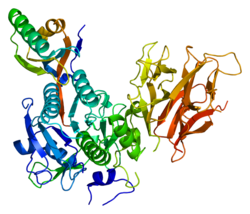
AMG 145
Amgen Limited.
AMG 145 is a fully-human monoclonal antibody which targets proprotein convertase subtilisin/kexin type 9 (PCSK9).
It is intended for use in the reduction of elevated total cholesterol (TC), low-density lipoprotein cholesterol (LDL-C), apolipoprotein B (apo-B), non-high density lipoprotein cholesterol (non-HDL-C) and lipoprotein A (Lp(a)) in patients with primary hyperlipidaemia and mixed dyslipidaemia.
It is also intended for use as an adjunct to other lipid lowering therapies in patients with primary Ho-FH.
Dyslipidaemias include a wide range of lipid abnormalities and disturbances in lipid metabolism that lead to changes in plasma lipoprotein function and/or levels. Along with other cardiovascular risk factors, this may lead to the development of atherosclerosis. TC and LDL-C levels constitute the primary targets of therapy as evidence showing that reducing TC and LDL-C can prevent cardiovascular disease (CVD) is strong and compelling(1). However, other dyslipidaemias also predispose to premature CVD. The atherogenic lipid triad consisting of increased very low density lipoprotein (VLDL) remnants manifested as mildly elevated triglycerides (TG), increased small dense low-density lipoprotein (LDL) particles, and reduced high-density lipoprotein-cholesterol (HDL-C) levels is a common pattern found in premature CVD.
Hypercholesterolaemia is defined as the presence of high concentrations of cholesterol in the blood(2). Blood cholesterol has a log-linear relationship to the risk of CVD and is a key modifiable risk factor. In high-income countries, blood cholesterol levels >3.8mmol/L(b) are estimated to be responsible for more than 50% of CVD associated events(3). Primary hypercholesterolaemia is associated with an underlying genetic cause. This may be a specific genetic defect, as in familial hypercholesterolaemia (FH), or the interaction of multiple genes with dietary and other risk factors (non-familial hypercholesterolaemia).
FH is often transmitted as a codominant trait, with two principle forms described: homozygous-FH (Ho-FH) and heterozygous-FH (He-FH) in which either both or one of the pair of LDL-C receptor genes is defective or mutated with reduced activity. FH results in markedly elevated LDL-C levels, with other forms of cholesterol remaining normal. He-FH is often clinically silent and may be diagnosed at any age following a complete lipid analysis. Untreated, He-FH typically leads to symptomatic CVD by the fourth or fifth decade of life(2,4). The more severe homozygous form may be manifest from an early age, and is characterised by extravascular cholesterol deposits, cutaneous or tendon xanthomas, LDL-C levels >3.3 g/L(b) and arteriopathy.


Reblogged this on Organic Reactions in Medchem.
LikeLike
Reblogged this on GREEN MED CHEMISTRY.
LikeLike