
Home » Posts tagged 'EU 2017'
Tag Archives: EU 2017
 DRUG APPROVALS BY DR ANTHONY MELVIN CRASTO
.....FOR BLOG HOME CLICK HERE
DRUG APPROVALS BY DR ANTHONY MELVIN CRASTO
.....FOR BLOG HOME CLICK HEREFlag and hits
ORGANIC SPECTROSCOPY

SUBSCRIBE

 Subscribe in a reader
Enter your email address:
Delivered by FeedBurner
Subscribe to New Drug Approvals by Email


Recent Comments
 | shivkr2 on SPSR Excellence Award 2025 – S… |
 | Bonkasaurus on Infigratinib phosphate |
 | PALOVAROTENE | ORGAN… on Palovarotene |
| Pfizer just purchase… on Temanogrel | |
| Pfizer To Cash In On… on Temanogrel |
Cenegermin


| Cenegermin sequence: | |
 |
SSSHPIFHRGEFSVCDSVSVWVGDKTTATDIKGKEVMVLGEVNIN |
|
NSVFKQYFFETKCRDPNPVDSGCRGIDSKHWNSYCTTTHTFVKAL |
|
TMDGKQAAWRFIRIDTACVCVLSRKAVR |
- OriginatorAnabasis Pharma
- DeveloperDompe Farmaceutici; Ospedale San Raffaele
- ClassEye disorder therapies; Nerve growth factors; Neuroprotectants; Proteins
- Mechanism of ActionNerve growth factor receptor agonists; Neuron stimulants
- Orphan Drug StatusYes – Keratitis; Retinitis pigmentosa
- Highest Development Phases
- RegisteredKeratitis
- Phase II Dry eyes; Glaucoma; Retinitis pigmentosa
- APPROVED FDA AUG 2018
Most Recent Events
- 28 Jul 2018No recent reports of development identified for phase-I development in Glaucoma in Italy (Ophthalmic, Drops)
- 29 May 2018Phase-II clinical trials in Glaucoma (Ophthalmic) (http://www.dompe.com/RnD-Pipeline/)
- 01 May 2018Dompé Farmaceutici completes a phase I trial in Glaucoma in USA (Ophthalmic) (NCT02855450)

August 22, 2018
Release
The U.S. Food and Drug Administration today approved the first drug, Oxervate (cenegermin), for the treatment of neurotrophic keratitis, a rare disease affecting the cornea (the clear layer that covers the colored portion of the front of the eye).
“While the prevalence of neurotrophic keratitis is low, the impact of this serious condition on an individual patient can be devastating,” said Wiley Chambers, M.D., an ophthalmologist in the FDA’s Center for Drug Evaluation and Research. “In the past, it has often been necessary to turn to surgical interventions; these treatments are usually only palliative in this disease. Today’s approval provides a novel topical treatment and a major advance that offers complete corneal healing for many of these patients.”
Neurotrophic keratitis is a degenerative disease resulting from a loss of corneal sensation. The loss of corneal sensation impairs corneal health causing progressive damage to the top layer of the cornea, including corneal thinning, ulceration, and perforation in severe cases. The prevalence of neurotrophic keratitis has been estimated to be less than five in 10,000 individuals.
The safety and efficacy of Oxervate, a topical eye drop containing cenegermin, was studied in a total of 151 patients with neurotrophic keratitis in two, eight-week, randomized controlled multi-center, double-masked studies. In the first study, patients were randomized into three different groups. One group received Oxervate, a second group received an eye drop with a different concentration of cenegermin, and the third group received an eye drop without cenegermin. In the second study, patients were randomized into two groups. One group was treated with Oxervate eye drops and the other group was treated with an eye drop without cenegermin. All eye drops in both studies were given six times daily in the affected eye(s) for eight weeks. In the first study, only patients with the disease in one eye were enrolled, while in the second study, patients with the disease in both eyes were treated in both eyes (bilaterally). Across both studies, complete corneal healing in eight weeks was demonstrated in 70 percent of patients treated with Oxervate compared to 28 percent of patients treated without cenegermin (the active ingredient in Oxervate).
The most common adverse reactions in patients taking Oxervate are eye pain, ocular hyperemia (enlarged blood vessels in the white of the eyes), eye inflammation and increased lacrimation (watery eyes).
Oxervate was granted Priority Review designation, under which the FDA’s goal is to take action on an application within six months of application filing where the agency determines that the drug, if approved, would provide a significant improvement in the safety or effectiveness of the treatment, diagnosis or prevention of a serious condition. Oxervate also received Orphan Drug designation, which provides incentives to assist and encourage the development of drugs for rare diseases.
The FDA granted approval of Oxervate to Dompé farmaceutici SpA.
| Clinical data | |
|---|---|
| Trade names | Oxervate, Sentinel |
| Synonyms | Recombinant human nerve growth factor; rhNGF; human beta-nerve growth factor (beta-NGF)-(1-118) peptide (non-covalent dimer) produced in Escherichia coli[1] |
| Routes of administration |
Eye drops |
| ATC code | |
| Identifiers | |
| CAS Number | |
| DrugBank | |
| ChemSpider |
|
| UNII | |
| KEGG | |
| Chemical and physical data | |
| Formula | C583H908N166O173S8 |
| Molar mass | 13266.94 g/mol |
References
- ^ Jump up to:a bhttp://www.who.int/medicines/publications/druginformation/issues/77_INN_Recommended_List.pdf
- Jump up^ “Authorisation details”. European Medicines Agency. Retrieved 19 February 2018.
- ^ Jump up to:a b c d http://adisinsight.springer.com/drugs/800035751
External links
Nusinersen sodium, ヌシネルセンナトリウム

ヌシネルセンナトリウム
Nusinersen Sodium

C234H323N61Na17O128P17S17 : 7500.89
[1258984-36-9 , ヌシネルセン]
Nusinersen sodium
C234H323N61O128P17S17.17Na, 7500.8854
UNII 4CHB7QQU1Q
ISIS 396443
Nusinersen sodium was approved by the US Food and Drug Administration (FDA) on Dec 23, 2016, and approved by the European Medicines Agency’s (EMA) on May 30, 2017, and approved by Pharmaceuticals and Medical Devices Agency of Japan (PMDA) on July 3, 2017.
JAPAN APPROVAL
| 2017/7/3 | Nusinersen sodium | Spinraza | Biogen Japan |
An antisense oligonucleotide that induces survival motor neuron (SMN) protein expression, it was approved by the U.S. FDA in December, 2016 as Spinraza for the treatment of children and adults with spinal muscular atrophy (SMA). It is adminstrated as direct intrathecal injection.
FREE FORM CAS: 1258984-36-9
CAS1258984-36-9
MFC234H340N61O128P17S17
ISIS-396443, ISIS-SMNRx, IONIS-SMNRx
RNA, (2′-0-(2-methoxyethyi))(p-thio)(m5u-c-a-c-m5u-m5u-m5u-c-a-m5ua- a-m5 u-g-c-m5u-g-g)
RNA, (2′-0-(2-METHOXYETHYI))(P-THIO)(M5U-C-A-C-M5U-M5U-M5U-C-A-M5UA- A-M5 U-G-C-M5U-G-G)
All-P-ambo-2′-O-(2-methoxyethyl)-5-methyl-P-thiouridylyl-(3’¨5′)-2′-O-(2-methoxyethyl)-5-methyl-P-thiocytidylyl-(3’¨5′)-2′-O-(2-methoxyethyl)-P-thioadenylyl-(3’¨5′)-2′-O-(2-methoxyethyl)-5-methyl-P-thiocytidylyl-(3’¨5′)-2′-O-(2-methoxyethyl)-5-methyl-P-thiouridylyl-(3’¨5′)-2′-O-(2-methoxyethyl)-5-methyl-P-thiouridylyl-(3’¨5′)-2′-O-(2-methoxyethyl)-5-methyl-P-thiouridylyl-(3’¨5′)-2′-O-(2-methoxyethyl)-5-methyl-P-thiocytidylyl-(3’¨5′)-2′-O-(2-methoxyethyl)-P-thioadenylyl-(3’¨5′)-2′-O-(2-methoxyethyl)-5-methyl-P-thiouridylyl-(3’¨5′)-2′-O-(2-methoxyethyl)-P-thioadenylyl-(3’¨5′)-2′-O-(2-methoxyethyl)-P-thioadenylyl-(3’¨5′)-2′-O-(2-methoxyethyl)-5-methyl-P-thiouridylyl-(3’¨5′)-2′-O-(2-methoxyethyl)-P-thioguanylyl-(3’¨5′)-2′-O-(2-methoxyethyl)-5-methyl-P-thiocytidylyl-(3’¨5′)-2′-O-(2-methoxyethyl)-5-methyl-P-thiouridylyl-(3’¨5′)-2′-O-(2-methoxyethyl)-P-thioguanylyl-(3’¨5′)-2′-O-(2-methoxyethyl)guanosine
ISIS-SMNRx is a drug that is designed to modulate the splicing of the SMN2 gene to significantly increase the production of functional SMN protein. The US regulatory agency has granted Orphan Drug Designation with Fast Track Status to nusinersen for the treatment of patients with SMA. The European regulatory agency has granted Orphan Drug Designation to nusinersen for the treatment of patients with SMA.
Nusinersen,[1] marketed as Spinraza,[3] is a medication used in treating spinal muscular atrophy (SMA),[4] a rare neuromuscular disorder. In December 2016, it became the first approved drug used in treating this disorder. Nusinersen has orphan drugdesignation in the United States and the European Union.[5]

FDA
FDA approves first drug for spinal muscular atrophy
New therapy addresses unmet medical need for rare disease
The U.S. Food and Drug Administration today approved Spinraza (nusinersen), the first drug approved to treat children and adults with spinal muscular atrophy (SMA), a rare and often fatal genetic disease affecting muscle strength and movement. Spinraza is an injection administered into the fluid surrounding the spinal cord.
For Immediate Release
December 23, 2016
The U.S. Food and Drug Administration today approved Spinraza (nusinersen), the first drug approved to treat children and adults with spinal muscular atrophy (SMA), a rare and often fatal genetic disease affecting muscle strength and movement. Spinraza is an injection administered into the fluid surrounding the spinal cord.
“There has been a long-standing need for a treatment for spinal muscular atrophy, the most common genetic cause of death in infants, and a disease that can affect people at any stage of life,” said Billy Dunn, M.D., director of the Division of Neurology Products in the FDA’s Center for Drug Evaluation and Research. “As shown by our suggestion to the sponsor to analyze the results of the study earlier than planned, the FDA is committed to assisting with the development and approval of safe and effective drugs for rare diseases and we worked hard to review this application quickly; we could not be more pleased to have the first approved treatment for this debilitating disease.”
SMA is a hereditary disease that causes weakness and muscle wasting because of the loss of lower motor neurons controlling movement. There is wide variability in age of onset, symptoms and rate of progression. Spinraza is approved for use across the range of spinal muscular atrophy patients.
The FDA worked closely with the sponsor during development to help design and implement the analysis upon which this approval was based. The efficacy of Spinraza was demonstrated in a clinical trial in 121 patients with infantile-onset SMA who were diagnosed before 6 months of age and who were less than 7 months old at the time of their first dose. Patients were randomized to receive an injection of Spinraza, into the fluid surrounding the spinal cord, or undergo a mock procedure without drug injection (a skin prick). Twice the number of patients received Spinraza compared to those who underwent the mock procedure. The trial assessed the percentage of patients with improvement in motor milestones, such as head control, sitting, ability to kick in supine position, rolling, crawling, standing and walking.
The FDA asked the sponsor to conduct an interim analysis as a way to evaluate the study results as early as possible; 82 of 121 patients were eligible for this analysis. Forty percent of patients treated with Spinraza achieved improvement in motor milestones as defined in the study, whereas none of the control patients did.
Additional open-label uncontrolled clinical studies were conducted in symptomatic patients who ranged in age from 30 days to 15 years at the time of the first dose, and in presymptomatic patients who ranged in age from 8 days to 42 days at the time of first dose. These studies lacked control groups and therefore were more difficult to interpret than the controlled study, but the findings appeared generally supportive of the clinical efficacy demonstrated in the controlled clinical trial in infantile-onset patients.
The most common side effects found in participants in the clinical trials on Spinraza were upper respiratory infection, lower respiratory infection and constipation. Warnings and precautions include low blood platelet count and toxicity to the kidneys (renal toxicity). Toxicity in the nervous system (neurotoxicity) was observed in animal studies.
The FDA granted this application fast track designation and priority review. The drug also received orphan drug designation, which provides incentives to assist and encourage the development of drugs for rare diseases.
The sponsor is receiving a rare pediatric disease priority review voucher under a program intended to encourage development of new drugs and biologics for the prevention and treatment of rare pediatric diseases. A voucher can be redeemed by a sponsor at a later date to receive priority review of a subsequent marketing application for a different product. This is the eighth rare pediatric disease priority review voucher issued by the FDA since the program began.
Spinraza is marketed by Biogen of Cambridge, Massachusetts and was developed by Ionis Pharmaceuticals of Carlsbad, California.
Medical use
The drug is used to treat spinal muscular atrophy associated with a mutation in the SMN1 gene. It is administered directly to the central nervous system (CNS) using intrathecal injection.[2]
In clinical trials, the drug halted the disease progression. In around 60% of infants affected by type 1 spinal muscular atrophy, the drug also significantly improved motor function.[2]

Side effects
Like other antisense drugs, there is a risk of abnormalities in blood clotting and a reduction in platelets as well as a risk of kidney damage.[2]
In clinical trials, people treated with nusinersen had an increased risk of upper and lower respiratory infections and congestion, ear infections, constipation, pulmonary aspiration, teething, and scoliosis. One infant in a clinical trial had severe lowering of salt levels and several had rashes. There is a risk that growth of infants and children might be stunted. In older clinical trial subjects, the most common adverse events were headache, back pain, and adverse effects from the spinal injection.[2]
Some people may develop antibodies against the drug; as of December 2016 it was unclear what effect this might have on efficacy or safety.[2]
Pharmacology
Spinal muscular atrophy is caused by loss-of-function mutations in the SMN1 gene which codes for survival motor neuron (SMN) protein. Patients survive owing to low amounts of the SMN protein produced from the SMN2 gene. Nusinersen modulates alternate splicing of the SMN2 gene, functionally converting it into SMN1 gene, thus increasing the level of SMN protein in the CNS.[6]
The drug distributes to CNS and to peripheral tissues.[2]
The half-life is estimated to be 135 to 177 days in CSF and 63 to 87 days in blood plasma. The drug is metabolized via exonuclease (3’- and 5’)-mediated hydrolysis and does not interact with CYP450 enzymes.[2] The primary route of elimination is likely by urinary excretion for nusinersen and its metabolites.[2]
Chemistry
Nusinersen is an antisense oligonucleotide in which the 2’-hydroxy groups of the ribofuranosyl rings are replaced with 2’-O-2-methoxyethyl groups and the phosphate linkages are replaced with phosphorothioate linkages.[2][6]
History
Nusinersen was discovered in a collaboration between Adrian Krainer at Cold Spring Harbor Laboratory and Ionis Pharmaceuticals (formerly called Isis Pharmaceuticals).[7][8][9][10] Partial work was done at the University of Massachusetts Medical School funded by Cure SMA.[11]
Starting in 2012, Ionis partnered with Biogen on development and in 2015 Biogen acquired an exclusive license to the drug for a US$75 million license fee, milestone payments up to US$150 million, and tiered royalties thereafter; Biogen also paid the costs of development subsequent to taking the license.[12] The license to Biogen included licenses to intellectual property that Ionis had acquired from Cold Spring Harbor Laboratory and University of Massachusetts.[13]
In November 2016, the new drug application was accepted under the FDA’s priority review process on the strength of the Phase III trial and the unmet need, and was also accepted for review at the European Medicines Agency (EMA) at that time.[14][15] It was approved by the FDA in December 2016 and by EMA in May 2017 as the first drug to treat spinal muscular atrophy.[16][17] Subsequently, nusinersen was approved to treat SMA in Canada (July 2017),[18] Japan (July 2017),[19] Brasil (August 2017)[20] and Switzerland (September 2017).[21]
Controversy
Spinraza list price is US$125,000 per injection which puts the treatment cost at US$750,000 in the first year and US$375,000 annually after that. According to the New York Times, this places Spinraza “among the most expensive drugs in the world”.[15]
As of October 2017, Spinraza is reimbursed by health insurance providers in the United States and by the public healthcare systems in France (SMA type 1 and 2 patients only), Germany (all patients), Iceland (all patients), Italy (all patients) and Japan (SMA type 1 only).[3]
In October 2017, the authorities in Denmark recommended Spinraza for use only in a small subset of patients with SMA type 1 (young babies) and refused to offer it as a standard treatment in all other SMA patients quoting an “unreasonably high price” compared to the clinical effect.[22] Norwegian authorities rejected the funding in October 2017 because the price of the medicine was “unethically high”.[23] In February 2018 the funding was approved for patients under 18 years old.[23]
In January 2018 public funding of Spinraza was approved in Israel.
Nusinersen (formerly, IONIS-SMNRx, ISIS-SMNRx), intended to be marketed as Spinraza,[1] is an investigational drug for spinal muscular atrophy developed by Ionis Pharmaceuticals and Biogen with financial support from SMA Foundation and Cure SMA. It is a proprietary antisense oligonucleotide that modulates alternate splicing of the SMN2 gene, functionally converting it into SMN1 gene.
The drug is administered directly to the central nervous system using intrathecal injection once every 3–4 months.
Nusinersen has orphan drug designation in the United States and the European Union.[2]
In August 2016, a phase III trial in type 1 SMA patients was ended early due to positive efficacy data, with Biogen deciding to file for regulatory approval for the drug.[3]Consequently, the company submitted a New Drug Application to the FDA in September 2016[4] and a marketing authorisation application to the European Medicines Agency, under the centralised procedure,[5] in the following month. The company also announced an expanded access programme of nusinersen in type 1 SMA in selected countries.
In November 2016, a phase III clinical trial in type 2 SMA patients was halted after an interim analysis indicated the drug’s efficacy also in this SMA type.[6]


P.S. : The views expressed are my personal and in no-way suggest the views of the professional body or the company that I represent.
References
- ^ Jump up to:a b “International Nonproprietary Names for Pharmaceutical Substances (INN). Recommended International Nonproprietary Names: List 74” (PDF). World Health Organization. pp. 413–14. Retrieved 13 March 2017.
- ^ Jump up to:a b c d e f g h i j k “Nusinersen US Label” (PDF). FDA. December 2016. For updates see FDA index page for NDA 209531
- ^ Jump up to:a b “Nusinersen”. AdisInsight. Retrieved 1 January 2017.
- Jump up^ Ottesen, Eric W. (2017-01-01). “ISS-N1 makes the first FDA-approved drug for spinal muscular atrophy”. Translational Neuroscience. 8 (1): 1–6. doi:10.1515/tnsci-2017-0001. ISSN 2081-6936. PMC 5382937
 . PMID 28400976.
 - Jump up^ “Nusinersen”. UK Specialist Pharmacy Service. Retrieved 31 December 2016.
- ^ Jump up to:a b Zanetta, C; Nizzardo, M; Simone, C; Monguzzi, E; Bresolin, N; Comi, GP; Corti, S (1 January 2014). “Molecular Therapeutic Strategies for Spinal Muscular Atrophies: Current and Future Clinical Trials”. Clinical Therapeutics. 36 (1): 128–40. doi:10.1016/j.clinthera.2013.11.006. PMID 24360800.
- Jump up^ Garber, K (11 October 2016). “Big win possible for Ionis/Biogen antisense drug in muscular atrophy”. Nature Biotechnology. 34 (10): 1002–1003. doi:10.1038/nbt1016-1002. PMID 27727217.
- Jump up^ Wadman, Meredith (23 December 2016). “Updated: FDA approves drug that rescues babies with fatal neurodegenerative disease”. Science.
- Jump up^ Offord, Catherine (December 1, 2016). “Oligonucleotide Therapeutics Near Approval”. The Scientist.
- Jump up^ Tarr, Peter (24 December 2016). “CSHL FDA approval of life-saving SMA drug is hailed by its researcher-inventor at CSHL”. Cold Spring Harbor Laboratory.
- Jump up^ “Therapeutic Approaches”. http://www.curesma.org. Cure SMA. Retrieved 1 January 2017.
- Jump up^ “Biogen Shells Out $75M to Develop Ionis’ Nusinersen after Positive Phase III Results”, Genetic Engineering News, August 1, 2016
- Jump up^ “Press release: Biogen and Ionis Pharmaceuticals Report Nusinersen Meets Primary Endpoint at Interim Analysis of Phase 3 ENDEAR Study in Infantile-Onset Spinal Muscular Atrophy | Biogen Media”. Biogen. August 1, 2016.
- Jump up^ “Regulatory Applications for SMA Therapy Nusinersen Accepted in US, EU”. BioNews Services, LLC. Retrieved 2016-11-15.
- ^ Jump up to:a b Katie Thomas (December 30, 2016). “Costly Drug for Fatal Muscular Disease Wins F.D.A. Approval”. New York Times.
- Jump up^ Grant, Charley (2016-12-27). “Surprise Drug Approval Is Holiday Gift for Biogen”. Wall Street Journal. ISSN 0099-9660. Retrieved 2016-12-27.
- Jump up^ “Spinraza (nusinersen)”. European Medicines Agency. Retrieved 2017-10-27.
- Jump up^ “Biogen’s SPINRAZA™ (nusinersen) Receives Notice of Compliance from Health Canada for the Treatment of 5q Spinal Muscular Atrophy (SMA)”. Cision. 2017-07-04.
- Jump up^ “Biogen to launch Spinraza in Japan soon”. 2017-07-10.
- Jump up^ “Remédio inédito para atrofia muscular espinhal é liberado” (in Portuguese). 2017-08-25.
- Jump up^ “Spinraza – Zulassung nun auch in der Schweiz” (in German). SMA Schweiz. 2017-09-30.
- Jump up^ Medicinrådet siger nej til lægemiddel til børn med muskelsvind: ‘Urimeligt’ dyrt Retrieved October 13 2017.
- ^ Jump up to:a b Dette er uforståelig og utrolig urettferdig
Further reading
- Finkel, Richard S; Chiriboga, Claudia A; Vajsar, Jiri; Day, John W; Montes, Jacqueline; De Vivo, Darryl C; Yamashita, Mason; Rigo, Frank; Hung, Gene; Schneider, Eugene; Norris, Daniel A; Xia, Shuting; Bennett, C Frank; Bishop, Kathie M (2016). “Treatment of infantile-onset spinal muscular atrophy with nusinersen: A phase 2, open-label, dose-escalation study”. The Lancet. 388 (10063): 3017. doi:10.1016/S0140-6736(16)31408-8.
 |
|
| Clinical data | |
|---|---|
| Trade names | Spinraza |
| Synonyms | IONIS-SMNRx, ISIS-SMNRx |
| AHFS/Drugs.com | Multum Consumer Information |
| License data | |
| Routes of administration |
Injection into cerebrospinal fluid |
| ATC code | |
| Legal status | |
| Legal status |
|
| Pharmacokinetic data | |
| Metabolism | Exonuclease (3’- and 5’)-mediated hydrolysis |
| Biological half-life | 135–177 days (in CSF), 63–87 days (in plasma) |
| Identifiers | |
| CAS Number | |
| PubChem CID | |
| DrugBank | |
| ChemSpider | |
| UNII | |
| KEGG | |
| Chemical and physical data | |
| Formula | C234H323N61Na17O128P17S17[2] |
| Molar mass | 7501 Da[2] |
| 3D model (JSmol) | |
////////////////Nusinersen sodium, Spinraza, ヌシネルセンナトリウム, FDA 2016, EU 2017, JAPAN 2017
CC1=CN(C(=O)NC1=O)C2C(C(C(O2)CO)OP(=S)(O)OCC3C(C(C(O3)N4C=C(C(=NC4=O)N)C)OCCOC)OP(=S)(O)OCC5C(C(C(O5)N6C=NC7=C6N=CN=C7N)OCCOC)OP(=S)(O)OCC8C(C(C(O8)N9C=C(C(=NC9=O)N)C)OCCOC)OP(=S)(O)OCC1C(C(C(O1)N1C=C(C(=O)NC1=O)C)OCCOC)OP(=S)(O)OCC1C(C(C(O1)N1C=C(C(=O)NC1=O)C)OCCOC)OP(=S)(O)OCC1C(C(C(O1)N1C=C(C(=O)NC1=O)C)OCCOC)OP(=S)(O)OCC1C(C(C(O1)N1C=C(C(=NC1=O)N)C)OCCOC)OP(=S)(O)OCC1C(C(C(O1)N1C=NC2=C1N=CN=C2N)OCCOC)OP(=S)(O)OCC1C(C(C(O1)N1C=C(C(=O)NC1=O)C)OCCOC)OP(=S)(O)OCC1C(C(C(O1)N1C=NC2=C1N=CN=C2N)OCCOC)OP(=S)(O)OCC1C(C(C(O1)N1C=NC2=C1N=CN=C2N)OCCOC)OP(=S)(O)OCC1C(C(C(O1)N1C=C(C(=O)NC1=O)C)OCCOC)OP(=S)(O)OCC1C(C(C(O1)N1C=NC2=C1N=C(NC2=O)N)OCCOC)OP(=S)(O)OCC1C(C(C(O1)N1C=C(C(=NC1=O)N)C)OCCOC)OP(=S)(O)OCC1C(C(C(O1)N1C=C(C(=O)NC1=O)C)OCCOC)OP(=O)(OCC1C(C(C(O1)N1C=NC2=C1N=C(NC2=O)N)OCCOC)OP(=S)(O)OCC1C(C(C(O1)N1C=NC2=C1N=C(NC2=O)N)OCCOC)O)S)OCCOC
ALOFISEL, darvadstrocel Cx-601

ALOFISEL
darvadstrocel
Cx-601
On 14 December 2017, the Committee for Medicinal Products for Human Use (CHMP) adopted a positive opinion, recommending the granting of a marketing authorisation for the medicinal product Alofisel, intended for the treatment of complex perianal fistulas in patients with Crohn’s disease. As Alofisel is an advanced therapy medicinal product, the CHMP positive opinion is based on an assessment by the Committee for Advanced Therapies. Alofisel was designated as an orphan medicinal product on 8 October 2009. The applicant for this medicinal product is Tigenix, S.A.U.
Alofisel will be available as a suspension for injection (5 million cells/ml). The active substance of Alofisel is darvadstrocel. Darvadstrocel contains expanded adipose stem cells which, once activated, impair proliferation of lymphocytes and reduce the release of pro-inflammatory cytokines at inflammation sites. This immunoregulatory activity reduces inflammation and may allow the tissues around the fistula tract to heal.
The benefits with Alofisel are its ability to improve the healing process of complex perianal fistulas in patients with Crohn’s disease. The most commonly reported side effects include anal abscess and fistula, as well as procedural pain and proctalgia.
The full indication is: “Alofisel is indicated for the treatment of complex perianal fistulas in adult patients with non-active/mildly active luminal Crohn’s disease, when fistulas have shown an inadequate response to at least one conventional or biologic therapy. Alofisel should be used after conditioning of fistula, see section 4.2.”
It is proposed that Alofisel be administered by specialist physicians experienced in the diagnosis and treatment of conditions for which Alofisel is indicated.
Detailed recommendations for the use of this product will be described in the summary of product characteristics (SmPC), which will be published in the European public assessment report (EPAR) and made available in all official European Union languages after the marketing authorisation has been granted by the European Commission.
| Name | Alofisel |
|---|---|
| INN or common name | darvadstrocel |
| Therapeutic area | Rectal Fistula |
| Active substance | darvadstrocel |
| Date opinion adopted | 14/12/2017 |
| Company name | Tigenix, S.A.U. |
| Status | Positive |
| Application type | Initial authorisation |
New medicine to treat perianal fistulas in patients with Crohn’s disease
CHMP summary of positive opinion for Alofisel

Cx601
Cx601 is a local administration of expanded adipose-derived stem cells (eASCs) for the treatment of complex perianal fistulas in Crohn’s disease patients. The treatment is administered as a single dose and has been proven to have long-term efficacy in the healing of complex perianal fistulas in Crohn’s disease patients (ADMIRE-CD study completed in 2015 with positive 2 year follow-up data). The 24-week results of this trial were published in The Lancet in July 2016.
Cx601 has been designated as an orphan drug by the EMA and SwissMedic, in Switzerland.
On 4th July 2016, Takeda Pharmaceuticals acquired an exclusive right to develop and commercialize Cx601 for complex perianal fistulas in Crohn’s disease patients outside of the U.S. Takeda is a leading pharmaceutical company in the gastroenterology space. TiGenix retains full rights to the product in the US as well as to the development of Cx601 in other indications.
- OriginatorCellerix
- DeveloperLa Fundacion para la Investigacion Biomedica del Hospital Universitario La Paz; Takeda; TiGenix
- ClassStem cell therapies
- Mechanism of ActionCell replacements
- Orphan Drug StatusYes – Rectal fistula
- New Molecular EntityNo
Highest Development Phases
- PreregistrationRectal fistula
- No development reportedRectovaginal fistula
Most Recent Events
- 15 Dec 2017Committee for Medicinal Products for Human Use (CHMP) and Committee for Advanced Therapies (CAT) recommend approval for darvadstrocel for Rectal fistula in European Union
- 14 Dec 2017TiGenix in-licenses patents related to adipose-derived mesenchymal stem cells from Mesoblast
- 16 Nov 2017Cx 601 is now called darvadstrocel
15/12/2017
New medicine to treat perianal fistulas in patients with Crohn’s disease
Alofisel is the tenth advanced therapy recommended for marketing authorisation
The European Medicines Agency (EMA) has recommended granting a marketing authorisation in the European Union (EU) for a new advanced therapy medicinal product (ATMP) for the treatment of complex perianal fistulas in patients with Crohn’s disease. Alofisel is the tenth ATMP that has received a positive opinion from the Agency’s Committee for Medicinal Products for Human Use (CHMP).
Crohn’s disease is a long-term condition that causes inflammation of the digestive system or gut. Apart from affecting the lining of the bowel, inflammation may also go deeper into the bowel wall. Perianal fistulas are common complications of Crohn’s disease and occur when an abnormal passageway develops between the rectum and the outside of the body. These can lead to incontinence (a lack of control over the opening of the bowels) and sepsis (blood infection). Complex fistulas are known to be more treatment resistant than simple fistulas. There is currently no cure for Crohn’s disease, so the aim of treatment is to stop the inflammatory process, relieve symptoms and avoid surgery wherever possible. Crohn’s disease can affect people of all ages, with a higher incidence in the younger population.
The active substance of Alofisel is darvadstrocel. Darvadstrocel contains expanded adipose stem cells which, once activated, impair proliferation of lymphocytes and reduce the release of pro-inflammatory cytokines at inflammation sites. This immunoregulatory activity reduces inflammation and may allow the tissues around the fistula tract to heal.
The benefits of Alofisel were studied in a main phase III clinical trial involving 212 patients. After 24 weeks of treatment, half of the patients treated with Alofisel (49.5%) were in remission, compared to a third of the patients under placebo. An extended ongoing follow-up study, which will cover a period of up to 104 weeks of treatment, has supported this result to date.
Although there is a moderate difference between the treatment groups, the effect is considered to be clinically meaningful when other treatment options for fistulas have failed. The most common side effects observed include anal abscess and fistula, as well as procedural pain and proctalgia.
Alofisel was assessed by the Committee for Advanced Therapies (CAT), EMA’s specialised scientific committee for ATMPs, such as gene or cell therapies. At its December 2017 meeting, the CAT recommended a positive opinion for Alofisel to the CHMP. The CHMP agreed with the CAT’s recommendation and adopted a positive opinion for the authorisation of Alofisel across the EU at its 11-14 December 2017 meeting.
Because complex perianal fistulas are rare, Alofisel was granted an orphan designation. As always at time of approval, this orphan designation will now be reviewed by EMA’s Committee for Orphan Medicinal Products (COMP) to determine whether the information available to date allows maintaining Alofisel’s orphan status and granting this medicine ten years of market exclusivity.
The opinion adopted by the CHMP is an intermediary step on Alofisel’s path to patient access. The CHMP opinion will now be sent to the European Commission for the adoption of a decision on an EU-wide marketing authorisation. Once a marketing authorisation has been granted, decisions about price and reimbursement will take place at the level of each Member State, taking into account the potential role/use of this medicine in the context of the national health system of that country.
Takeda and TiGenix announce that Cx601 (darvadstrocel) has received a positive CHMP opinion to treat complex perianal fistulas in Crohn’s disease
- First allogeneic stem cell therapy to receive positive CHMP opinion in Europe
- Cx601 offers potential new treatment option for patients who do not respond to current available therapies and are subject to numerous invasive surgeries1
Takeda Pharmaceutical Company Limited (TSE: 4502) (“Takeda”) and TiGenix NV (Euronext Brussels and NASDAQ: TIG) (“TiGenix”) today announced that the Committee for Medicinal Products for Human Use (CHMP) of the European Medicines Agency (EMA), in conjunction with the Committee for Advanced Therapies (CAT), has adopted a positive opinion recommending a marketing authorization (MA) for investigational compound Cx601 (darvadstrocel). Cx601 is expected to be indicated for the treatment of complex perianal fistulas in adult patients with non-active/mildly active luminal Crohn’s disease, when fistulas have shown an inadequate response to at least one conventional or biologic therapy.2 This recommendation marks the first allogeneic stem cell therapy to receive a positive CHMP opinion in Europe.
“Following today’s news, physicians and surgeons in Europe can look forward to offering these Crohn’s disease patients a novel and minimally invasive alternative treatment option in the future, which in clinical trials achieved higher combined remission and lower relapse rates* than the current standard of care,” said Professor Julian Panés, Head of the Gastroenterology Department at the Hospital Clinic of Barcelona (Spain) and President of the European Crohn’s and Colitis Organisation (ECCO). “Perianal fistulas are estimated to affect up to 28% of patients in the first two decades after Crohn’s disease diagnosis and Cx601 offers new hope for those suffering from this severe and debilitating condition.”
Cx601 was assessed by the CAT, the EMA’s specialized scientific committee for Advanced Therapy Medicinal Products (ATMP), such as gene or cell therapies. The positive CHMP opinion was based on results from TiGenix’s Phase III ADMIRE-CD pivotal trial. The ADMIRE-CD trial is a randomized, double-blind, controlled, Phase III trial designed to investigate the efficacy and safety of investigational compound Cx601.3 24-week results were published in The Lancet and showed that Cx601 achieved statistically significant superiority versus the control group in the primary efficacy endpoint of combined remission.**,1 In addition, the rates and types of treatment related adverse events (non-serious and serious) and number of discontinuations due to adverse events were comparable between Cx601 and control arms, the most common of which were anal abscess and proctalgia.1Further follow-up data indicated that Cx601 maintained long-term remission of treatment refractory complex perianal fistulas in patients with Crohn’s disease over 52 weeks.4
Dr. María Pascual, VP Regulatory Affairs and Corporate Quality at TiGenix, said, “We believe that this first approval recommendation for an allogeneic stem cell therapy in Europe reflects the maturity of our technology and its potential to offer new approaches for difficult to treat conditions. We have worked closely with the EMA and provided a robust data package from a well-designed clinical trial with challenging endpoints. In parallel, we will continue working hard to obtain regulatory approval in the U.S. and to develop Cx601 for additional indications, to fulfil our aim of allowing patients to benefit from the full potential of Cx601 across multiple geographies and diseases.”
The opinion will now be referred to the European Commission with a decision anticipated in the coming months. An MA will allow Cx601 to be marketed in all 28 member states of the EU, plus Norway, Iceland and Lichtenstein.
Cx601 has been licensed to Takeda for the exclusive development and commercialization outside of the U.S. Receipt of the MA will trigger a milestone payment from Takeda to TiGenix of €15 million. The companies have been working closely together to advance preparations for commercialization, with a potential start of the commercial launch by Takeda anticipated after MA is transferred from TiGenix to Takeda.
“Today’s positive CHMP opinion is a crucial step to bringing a new treatment option to patients with complex perianal fistulas in Crohn’s disease,” said Dr. Asit Parikh, Head of Takeda’s Gastroenterology Therapeutic Area Unit. “We would like to thank the scientific community and patients involved in the ADMIRE-CD trial for their support in helping us reach this important milestone. We remain committed to delivering innovative, therapeutic options for patients suffering from gastrointestinal disorders.”
Complex perianal fistulas are considered one of the most disabling complications of Crohn’s disease5 and can cause intense pain6 and swelling, infection and incontinence.1 Despite available therapies and surgical advancements, they currently remain challenging for clinicians to treat7 and have a significant negative impact on patient quality of life.6
* Relapse defined as reopening of any of the treated external openings with active drainage as clinically assessed, or development of perianal collection ≥2cm of the treated perianal fistula confirmed by centrally blinded pelvic MRI assessment in patients with clinical remission at any previous visit
** Combined remission defined as clinical assessment of closure of all treated external openings draining at baseline, despite gentle finger compression, and absence of collections >2cm confirmed by pelvic MRI
About TiGenix
TiGenix NV (Euronext Brussels and NASDAQ: TIG) is an advanced biopharmaceutical company developing novel therapies for serious medical conditions by exploiting the anti-inflammatory properties of allogeneic, or donor-derived, stem cells.
TiGenix´ lead product, Cx601, has successfully completed a European Phase III clinical trial for the treatment of complex perianal fistulas – a severe, debilitating complication of Crohn’s disease. Cx601 has been filed for regulatory approval in Europe and a global Phase III trial intended to support a future U.S. Biologic License Application (BLA) started in 2017. TiGenix has entered into a licensing agreement with Takeda, a global pharmaceutical company active in gastroenterology, under which Takeda acquired the exclusive right to develop and commercialize Cx601 for complex perianal fistulas outside the U.S. TiGenix’ second adipose-derived product, Cx611, is undergoing a Phase I/II trial in severe sepsis – a major cause of mortality in the developed world. Finally, AlloCSC-01, targeting acute ischemic heart disease, has demonstrated positive results in a Phase I/II trial in acute myocardial infarction (AMI). TiGenix is headquartered in Leuven (Belgium) and has operations in Madrid (Spain) and Cambridge, MA (USA). For more information, please visit http://www.tigenix.com.
About Cx601
Cx601 is a local administration of allogeneic (or donor derived) expanded adipose-derived stem cells (eASCs) for the treatment of complex perianal fistulas in adult Crohn’s disease patients that have previously shown an inadequate response to at least one conventional therapy or biologic therapy. Crohn’s disease is a chronic inflammatory disease of the intestine and complex perianal fistulas are a severe and debilitating complication for which there is currently no effective treatment. Cx601 was granted orphan drug designation by the European Commission in 2009 and by the U.S Food and Drug Administration (FDA) in 2017. TiGenix completed a European Phase III clinical trial (ADMIRE-CD) in August 2015 in which both the primary endpoint and the safety and efficacy profile were met, with patients receiving Cx601 showing a 44% greater probability of achieving combined remission compared to control (placebo).1 A follow-up analysis was completed at 52 weeks4 and 104 weeks post-treatment, confirming the sustained efficacy and safety profile of the product. The 24-week results of the Phase III ADMIRE-CD trial were published in The Lancet in July 2016.1 Based on the positive 24 weeks Phase III study results, TiGenix submitted a Marketing Authorization Application to the European Medicines Agency (EMA). A global Phase III clinical trial (ADMIRE-CD II) intended to support a future U.S. Biologic License Application (BLA) started in 2017, based on a trial protocol that has been agreed with the FDA through a special protocol assessment procedure (SPA) (clinicaltrials.gov; NCT03279081). ADMIRE-CD II is a randomized, double-blind, placebo-controlled study designed to confirm the efficacy and safety of a single administration of Cx601 for the treatment of complex perianal fistulas in Crohn’s disease patients. In July 2016, TiGenix entered into a licensing agreement with Takeda, a global pharmaceutical company active in gastroenterology, under which Takeda acquired exclusive rights to develop and commercialize Cx601 for complex perianal fistulas in Crohn’s patients outside of the U.S.
Forward-looking information
This press release may contain forward-looking statements and estimates with respect to the anticipated future performance of TiGenix and the market in which it operates. Certain of these statements, forecasts and estimates can be recognised by the use of words such as, without limitation, “believes”, “anticipates”, “expects”, “intends”, “plans”, “seeks”, “estimates”, “may”, “will” and “continue” and similar expressions. They include all matters that are not historical facts. Such statements, forecasts and estimates are based on various assumptions and assessments of known and unknown risks, uncertainties and other factors, which were deemed reasonable when made but may or may not prove to be correct. Actual events are difficult to predict and may depend upon factors that are beyond the Company’s control. Therefore, actual results, the financial condition, performance or achievements of TiGenix, or industry results, may turn out to be materially different from any future results, performance or achievements expressed or implied by such statements, forecasts and estimates. Given these uncertainties, no representations are made as to the accuracy or fairness of such forward-looking statements, forecasts and estimates. Furthermore, forward-looking statements, forecasts and estimates only speak as of the date of the publication of this press release. TiGenix disclaims any obligation to update any such forward-looking statement, forecast or estimates to reflect any change in the Company’s expectations with regard thereto, or any change in events, conditions or circumstances on which any such statement, forecast or estimate is based, except to the extent required by Belgian law.
References
1 Panés J, García-Olmo D, Van Assche G, et al., Expanded allogeneic adipose-derived mesenchymal stem cells (Cx601) for complex perianal fistulas in Crohn’s disease: a phase 3 randomized, double-blind controlled trial. The Lancet. 2016; 388(10051): 1281-1290.
2 European Medicines Agency. Available at: http://www.ema.europa.eu/ema/. Accessed December 15, 2017.
3 Clinicaltrials.gov. Adipose Derived Mesenchymal Stem Cells for Induction of Remission in Perianal Fistulizing Crohn’s Disease (ADMIRE-CD). Available at: https://clinicaltrials.gov/ct2/show/NCT01541579?term=cx601 &rank=2. Published February 2012. Accessed December 15, 2017.
4 Panés J, García-Olmo D, Van Assche G, et al., Long-term efficacy and safety of Cx601, allogeneic expanded adipose-derived mesenchymal stem cells, for complex perianal fistulas in Crohn’s Disease: 52-week results of a phase III randomized controlled trial. ECCO 2017; Barcelona: Abstract OP009.
5 Marzo M, Felice C, Pugliese D, et al., Management of perianal fistulas in Crohn’s disease: An up-to-date review. World J Gastroenterol. 2015; 21(5): 1394-1395.
6 Mahadev S, Young JM, Selby W, et al., Quality of life in perianal Crohn’s disease: what do patients consider important? Dis Colon Rectum. 2011; 54(5): 579-585.
7 Geltzeiler C, Wieghard N and Tsikitis V. Recent developments in the surgical management of perianal fistula for Crohn’s disease. Ann Gastroenterol. 2014; 27(4): 320-330.
Notes
- The applicant for Alofisel is Tigenix, S.A.U.
- AGA technical review on perianal Crohn’s disease 2003; 125(5):1508-1530
- TiGenix company presentation, June 2017 (http://tigenix.com/wp-content/themes/tigenix/images/TiGenix_Corporate_Presentation.pdf , accessed on June 22nd, 2017).
- Panes J et al. Long-term efficacy and safety of Cx601, allogeneic expanded adipose-derived mesenchymal stem cells, for complex perianal fistulas in Crohn’s disease: 52-week results of a Phase III randomized controlled trial. The 12th Congress of ECCO, February 15-18, 2017, Barcelona, Spain
- Cohen RD et al, 2008. Effects of fistula on healthcare costs and utilization for patients with Crohn’s disease treated in a managed care environment.
- nice.org.uk
- Gene therapy: understanding the science, assessing the evidence, and paying for the value: a report from the 2016 ICER membership policy summit. March 2017.
- Chaparro M. et al., 2013 Health care costs of complex perianal fistula in Crohn’s disease.
- Takeda’s press release, January 5, 2018.
- http://tigenix.com/wp-content/themes/tigenix/images/TiGenix_Corporate_Presentation.pdf
/////////////////ALOFISEL, darvadstrocel, Cx-601, eu 2017, ema 2017
PADELIPORFIN
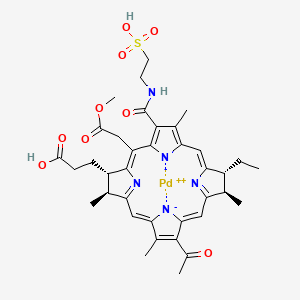
PADELIPORFIN
759457-82-4; 457P824,
RN: 759457-82-4
UNII: EEO29FZT86
3-[(2S,3S,12R,13R)-8-acetyl-13-ethyl-20-(2-methoxy-2-oxoethyl)-3,7,12,17-tetramethyl-18-(2-sulfoethylcarbamoyl)-2,3,12,13-tetrahydroporphyrin-22,24-diid-2-yl]propanoic acid;palladium(2+)
(SP-4-2)-[(7S,8S,17R,18R)-13-acetyl-18-ethyl-5-(2-methoxy-2-oxoethyl)-2,8,12,17-tetramethyl-3-[[(2-sulfoethyl)amino]carbonyl]-21H,23H-porphine-7-propanoato (4-)-kN21,kN22,kN23,kN24] palladate(2-)
Other Names
- (SP-4-2)-[(7S,8S,17R,18R)-13-Acetyl-18-ethyl-7,8-dihydro-5-(2-methoxy-2-oxoethyl)-2,8,12,17-tetramethyl-3-[[(2-sulfoethyl)amino]carbonyl]-21H,23H-porphine-7-propanoato(4-)-κN21,κN22,κN23,κN24]palladate(2-)
| Molecular Formula: | C37H43N5O9PdS |
|---|---|
| Molecular Weight: | 840.257 g/mol |

Chemical Formula: C37H41K2N5O9PdS
Molecular Weight: 916.43
cas 698393-30-5
WST11; WST-11; WST 11; Stakel; padeliporfin; palladiumbacteriopheophorbide monolysine taurine.
Palladate(2-), [(7S,8S,17R,18R)-13-acetyl-18-ethyl-7,8-dihydro-5-(2-methoxy-2-oxoethyl)-2,8,12,17-tetramethyl-3-[[(2-sulfoethyl)amino]carbonyl]-21H,23H-porphine-7-propanoato(4-)-κN21,κN22,κN23,κN24]-, potassium (1:2), (SP-4-2)-
Tookad : EPAR -Product Information
| Tookad : EPAR – Summary for the public | (English only) | 29/11/2017 |
Product details
Pharmacotherapeutic group
Antineoplastic agents
Therapeutic indication
Tookad is indicated as monotherapy for adult patients with previously untreated, unilateral, low risk, adenocarcinoma of the prostate with a life expectancy ≥ 10 years and:
- Clinical stage T1c or T2a;
- Gleason Score ≤ 6, based on high-resolution biopsy strategies;
- PSA ≤ 10 ng/mL;
- 3 positive cancer cores with a maximum cancer core length of 5 mm in any one core or 1-2 positive cancer cores with ≥ 50 % cancer involvement in any one core or a PSA density ≥ 0.15 ng/mL/cm³.
| Name | Tookad |
|---|---|
| Agency product number | EMEA/H/C/004182 |
| Active substance | padeliporfin di-potassium |
| International non-proprietary name(INN) or common name | padeliporfin |
| Therapeutic area | Prostatic Neoplasms |
| Anatomical therapeutic chemical (ATC) code | L01XD07 |
| Additional monitoring | This medicine is under additional monitoring. This means that it is being monitored even more intensively than other medicines. For more information, see medicines under additional monitoring. |
| Marketing-authorisation holder | STEBA Biotech S.A |
|---|---|
| Revision | 0 |
| Date of issue of marketing authorisation valid throughout the European Union | 10/11/2017 |
Contact address:
STEBA Biotech S.A
7 place du theatre
L-2613 Luxembourg
Luxembourg
Padeliporfin is a vascular-acting photosensitizer consisting of a water-soluble, palladium-substituted bacteriochlorophyll derivative with potential antineoplastic activity. Upon administration, paldeliporfin is activated locally when the tumor bed is exposed to low-power laser light; reactive oxygen species (ROS) are formed upon activation and ROS-mediated necrosis may occur at the site of interaction between the photosensitizer, light and oxygen. Vascular-targeted photodynamic therapy (VTP) with padeliporfin may allow tumor-site specific cytotoxicity while sparing adjacent normal tissues.
WST-11 (Stakel) is a water-soluble bacteriochlorophyll (chemical structure shown below) derivative coordinated with palldium, which has maximum absorption wavelength in the near infrared (753 nm) and rapid clearance from the body ( t 1/2 = 0.37 hour for a 10-mg/kg drug dose in the rat and t 1/2 = 0.51 hour, 1 hour, and 2.65 hours for 1.25-, 2.5-, and 5-mg/kg drug doses, respectively. It binds to serum albumin and has potent antivascular activity through the generation of hydroxyl radicals when stimulated by the proper light wavelength.

Photodynamic therapy (PDT) is a non-surgical treatment of tumors in which non-toxic drugs and non-hazardous photosensitizing irradiation are combined to generate cytotoxic reactive oxygen species in situ. This technique is more selective than the commonly used tumor chemotherapy and radiotherapy. To date, porphyrins have been employed as the primary photosensitizing agents in clinics. However, current sensitizers suffer from several deficiencies that limit their application, including mainly: (1) relatively weak absorption in the visible spectral range which limits the treatment to shallow tumors; (2) accumulation and long retention of the sensitizer in the patient skin, leading to prolonged (days to months) skin phototoxicity; and (3) small or even no differentiation between the PDT effect on illuminated tumor and non-tumor tissues. The drawbacks of current drugs inspired an extensive search for long wavelength absorbing second-generation sensitizers that exhibit better differentiation between their retention in tumor cells and skin or other normal tissues.
In order to optimize the performance of the porphyrin drugs in therapeutics and diagnostics, several porphyrin derivatives have been proposed in which, for example, there is a central metal atom (other than Mg) complexed to the four pyrrole rings, and/or the peripheral substituents of the pyrrole rings are modified and/or the macrocycle is dihydrogenated to chlorophyll derivatives (chlorins) or tetrahydrogenated to bacteriochlorophyll derivatives (bacteriochlorins).
Due to their intense absorption in favorable spectral regions (650-850 nm) and their ready degradation after treatment, chlorophyll and bacteriochlorophyll derivatives have been identified as excellent sensitizers for PDT of tumors and to have superior properties in comparison to porphyrins, but they are less readily available and more difficult to handle.
Bacteriochlorophylls are of potential advantage compared to the chlorophylls because they show intense near-infrared bands, i.e. at considerably longer wavelengths than chlorophyll derivatives.
The spectra, photophysics, and photochemistry of native bacteriochlorophylls (Bchls) have made them optimal light-harvesting molecules with clear advantages over other sensitizers presently used in PDT. In particular, these molecules have a very high extinction coefficient at long wavelengths (λmax=760-780 nm, ε=(4-10)xl04 M-1cm-1), where light penetrates deeply into tissues. They also generate reactive oxygen species (ROS) at a high quantum yield (depending on the central metal).
Under normal delivery conditions, i.e. in the presence of oxygen at room temperature and under normal light conditions, the BChl moieties are labile and have somewhat lower quantum yields for triplet state formation, when compared with, e.g., hematoporphyrin derivative (HPD). However, their possible initiation of biological redox reactions, favorable spectral characteristics and their ready degradation in vivo result in the potential superiority of bacteriochlorophylls over other compounds, e.g. porphyrins and chlorophylls, for PDT therapy and diagnostics and for killing of cells, viruses and bacteria in samples and in living tissue. Chemical modification of bacteriochlorophylls is expected to further improve their properties, but this has been very limited due to lack of suitable methods for the preparation of such modified bacteriochlorophylls .
The biological uptake and PDT efficacy of metal-free derivatives of Bchl have been studied with the objective to manipulate the affinity of the sensitizers to the tumor cellular compartment. Cardinal to this approach is the use of highly lipophilic drugs that may increase the accumulation of the drug in the tumor cells, but also renders its delivery difficult. In addition, the reported biodistribution shows significant phototoxic drug levels in non-tumor tissues over prolonged periods (at least days) after administering the drug.
In applicant’s previous Israel Patent No. 102645 and corresponding EP 0584552, US 5,726,169, US 5,726,169, US 5,955,585 and US 6,147,195, a different approach was taken by the inventors. Highly efficient anti- vascular sensitizers that do not extravasate from the circulation after administration and have short lifetime in the blood were studied. It was expected that the inherent difference between vessels of normal and abnormal tissues such as tumors or other tissues that rely on neovessels, would enable relatively selective destruction of the abnormal tissue. Hence, it was aimed to synthesize Bchl derivatives that are more polar and, hence, have better chance to stay in the vascular compartment, where they convey the primary photodynamic effect. To this end, the geranylgeranyl residue at the C-17 position of Bchl a (Compound 1, depicted in Scheme 1 herein) has been replaced by various residues such as amino acids, peptides, or proteins, which enhance the sensitizer hydrophilicity. One particular derivative, Bchl-Ser (Scheme 1, Compound 1, wherein R is seryl), was found to be water-soluble and highly phototoxic in cell cultures. Following infraperitoneal injection, the Bchl-Ser cleared from the mouse blood and tissues bi-exponentially in a relatively short time (t1/2~2 and 16 h, respectively). Clearance from the circulation was even faster following intravenous injection. Under the selected treatment protocol (light application within minutes after drug injection), phototoxicity was predominantly conferred to the tumor vasculature (Rosenbach-
Belkin et al., 1996; Zilberstein et al., 2001 and 1997). However, unfortunately, like native Bchl, the Bchl-Ser derivative undergoes rapid photo-oxidation, forming the corresponding 2-desvinyl-2-acetyl-chlorophyllide ester and other products.
To increase the stability of the Bchl derivatives, the central Mg atom was replaced by Pd in the later applicant’s PCT Publication WO 00/33833 and US 6,569,846. This heavy atom was previously shown to markedly increase the oxidation potential of the Bchl macrocycle and, at the same time, to greatly enhance the intersystem-crossing (ISC) rate of the molecule to its triplet state. The metal replacement was performed by direct incorporation of Pd2+ ion into a Bpheid molecule, as described in WO 00/33833. Based on the pigment biodistribution and pharmacokinetics, it was assumed that the derivative Pd-Bpheid remained in the circulation for a very short time with practically no extravasation to other tissues, and is therefore a good candidate for vascular-targeting PDT that avoids skin phototoxicity. The treatment effect on the blood vessels was demonstrated by intravital microscopy of treated blood vessels and staining with Evans-Blue. Using a treatment protocol with a minimal drug-to-light interval, Pd-Bpheid (also designated Tookad) was found to be effective in the eradication of different tumors in mice, rats and other animal models and is presently entering Phase I/II clinical trials in patients with prostate cancer that failed radiation therapy (Chen et al, 2002; Schreiber et al., 2002; Koudinova et al., 2003).
Because of its low solubility in aqueous solutions, the clinical use of Pd-Bpheid requires the use of solubilizing agents such as Cremophor that may cause side effects at high doses. It would be highly desirable to render the Pd-Bpheid water-soluble while retaining its physico-chemical properties. Alternatively, it would be desirable to prepare Bchl derivatives that are cytophototoxic and, at the same time, more water-soluble than Pd-Bpheid itself. Such water solubility is expected to further enhance the drug retention in the circulation and, thereby, the aforementioned selectivity. In addition, having no need to use carriers such as detergents or lyposomes, may prevent side effects.
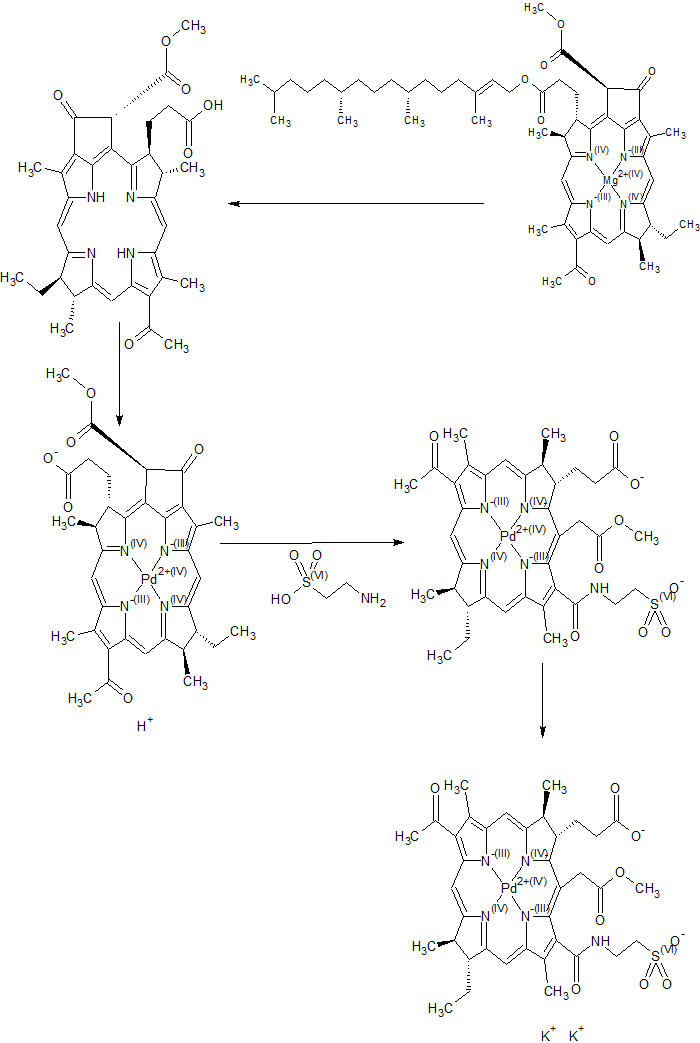
SYNTHESIS
START FROM CAS 17499-98-8, Phorbine, magnesium deriv., Bacteriochlorophyll aP
PADELIPORFIN
Paper
Novel water-soluble bacteriochlorophyll derivatives for vascular-targeted photodynamic therapy: Synthesis, solubility, phototoxicity and the effect of serum proteins
Photochemistry and Photobiology (2005), 81, (July/Aug.), 983-993
PAPER
Journal of Medicinal Chemistry (2014), 57(1), 223-237

With the knowledge that the dominant photodynamic therapy (PDT) mechanism of 1a (WST09) switched from type 2 to type 1 for 1b (WST11) upon taurine-driven E-ring opening, we hypothesized that taurine-driven E-ring opening of bacteriochlorophyll derivatives and net-charge variations would modulate reactive oxygen species (ROS) photogeneration. Eight bacteriochlorophyll a derivatives were synthesized with varying charges that either contained the E ring (2a–5a) or were synthesized by taurine-driven E-ring opening (2b–5b). Time-dependent density functional theory (TDDFT) modeling showed that all derivatives would be type 2 PDT-active, and ROS-activated fluorescent probes were used to investigate the photogeneration of a combination of type 1 and type 2 PDT ROS in organic- and aqueous-based solutions. These investigations validated our predictive modeling calculations and showed that taurine-driven E-ring opening and increasing negative charge generally enhanced ROS photogeneration in aqueous solutions. We propose that these structure–activity relationships may provide simple strategies for designing bacteriochlorins that efficiently generate ROS upon photoirradiation.
Modulation of Reactive Oxygen Species Photogeneration of Bacteriopheophorbide a Derivatives by Exocyclic E-Ring Opening and Charge Modifications
CHEMICAL EXAMPLES
Example 1. Palladium 31-oxo-15-methoxycarbonylmethyl-Rhodobacteriochlorin 131-(2-sulfoethyl)amide dipotassium salt ( Compound 4)
Nine hundred and thirty five (935) mg of Pd-Bpheid (3) were dissolved in a 1 L round bottom flask with 120 ml of DMSO while stirring under Argon (bubbled in the solution). Taurine (1288 mg) was dissolved in 40 ml of 1M K2HPO4 buffer, and the pH of the solution was adjusted to 8.2 (with HCl ). This aqueous solution was added into the DMSO solution while stirring, and the Argon was bubbled in the solution for another 20 minutes. Then the reaction mixture was evaporated at 30°C for 3.5 hours under ~2 mbar and then for another 2 hours at 37°C to a complete dryness. The dry solids were dissolved in 300 ml of MeOH and the colored solution was filtered through cotton wool to get rid of buffer salts and taurine excess.
The progress of the reaction was determined by TLC (Rf of unreacted Pd- Bpheid is 0.8-0.85 and of the reaction (aminolysis) product is 0.08-0.1) and by following the optical absorption spectrum of the reaction mixture after liophylization and resolubihzation in MeOH. The absorption spectrum was characterized by a Qytransition shift from 756 nm (for Pd-Bpheid) to 747 nm (for the product 4) and by Qx shift from 534 nm of Pd-Bpheid to 519 nm (of the product 4). The MeOH was evaporated and the product 4 was purified by HPLC with ODS-A 250X20 S10P μm column (YMC, Japan). Solvent A: 95% 0.005 M phosphate buffer, pH 8.0 and 5% MeOH. Solvent B: 100% MeOH. The dry solid was dissolved in 42 ml of distilled water and injected in portions of 1.5 ml each .
The elution profile is described in Table 1. The product 4_(Scheme 1, see below) was eluted and collected at ~ 9-11 minutes. The main impurities, collected after at 4-7 min (ca 5-10%), corresponded to byproduct(s) with the proposed structure 7. Peaks at 22-25 min (ca 2-5%) possibly corresponded to the iso-form of the main product 4 and untreated Pd-Bpheid residues.

The solvent (aqueous methanol) was evaporated under reduced pressure. Then, the purified product 4 ]was re-dissolved in ~150 ml MeOH and filtered through cotton wool. The solvent was evaporated again and the solid pigment 4 was stored under Ar in the dark at -20°C. The reaction yield: ~90% (by weight, relative to 3).
The structure of product 4 was confirmed by electrospray mass spectroscopy. (ESI-MS, negative mode, Fig.2), (peaks at 875 (M–K-H), 859 (M–2K-H+Na), 837 (M–2K), 805 (M2K-H-OMe), 719) and 1H-NMR spectrum (Fig. 4 in MeOH-d4). Table 4 provides the shifts (in ppm units) of the major NMR peaks.
Optical absorption (UN-VIS) spectrum (MeOH): λ, 747 (1.00), 516 (0.13), 384 (0.41), 330 (0.50); ε747 (MeOH) is 1.2 x 10⁵ mol-1 cm _1.
ΝMR (MeOH-d4): 9.38 (5-H, s), 8.78 (10-H, s), 8.59 (20-H, s), 5.31 and 4.95 (151-CH2, dd), 4.2-4.4 (7,8,17,18-H, m), 3.88 (153-Me, s), 3.52 (21-Me, s), 3.19 (121 -Me, s), 3.09 (32-Me, s), 1.92-2.41, 1.60-1.75 (171, 172-CH2, m), 2.19 (81-CH2, m), 1.93 (71-Me, d), 1.61 (181-Me, d), 1.09 (82-Me, t), 3.62, 3.05 (CH2‘s of taurine).
Octanol/water partition ratio is 40:60.
Example 2. Preparation of 31-oxo-15-methoxycarbonylmethyl- Rhodobacteriochlorin 131-(2-sulfoethyl)amide dipotassium salt (Compound 5) One hundred and sixty (160) mg of taurine were dissolved in 5 ml of 1M
K2HPO4 buffer, and the pH of the solution was adjusted to 8.2. This solution was added to 120 mg of compound 2 dissolved in 15 ml of DMSO, and the reaction and following purification were analogous to those described in previous Example.
Absorption spectrum (MeOH): λ, 750 (1.00), 519 (0.30), 354 (1.18) nm.
ESI-MS (-): 734 (M–2K).
ΝMR (MeOH-d4): 9.31 (5-H, s), 8.88 (10-H, s), 8.69 (20-H, s), 5.45 and 5.25 (151-CH2, dd), 4.35 (7,18-H, m), 4.06 (8,17-H, m), 4.20 and 3.61 (2-CH2, m of taurine), 3.83 (153-Me, s), 3.63 (21-Me, s), 3.52 (3-CH2, m oftaurine), 3.33 (121-Me, s), 3.23 (32-Me, s), 2.47 and 2.16 (171-CH2, m), 2.32 and 2.16 (81-CH2, m), 2.12 and 1.65 (172-CH2, m), 1.91 (71-Me, d), 1.66 (181– Me, d), 1.07 (82-Me, t).
Octanol/water partition ratio is 60:40.
Example 3. Preparation of copper(II) 31-oxo-15-methoxycarbonylmethyl- Rhodobacteriochlorin 131-(2-sulfoethyl)amide dipotassium salt (Compound 10)
Fifty (50) mg of compound 5 of Example 2 and 35 mg of copper (II) acetate were dissolved in 40 ml of methanol, and argon was bubbled into solution for 10 minutes. Then 500 mg of palmitoyl ascorbate was added, and the solution was stirred for 30 min. The absorption spectrum was characterized by a Qy transition shift from 750 nm (for 5) to 768 nm (for the product 10) and by Qx shift from 519 nm of 5 to 537 nm (of the product 10). Then the reaction mixture was evaporated, re-dissolved in acetone and filtered through cotton wool to get rid of acetate salt excess. The acetone was evaporated and the product was additionally purified by HPLC at the conditions mentioned above with the elution profile, described in Table 2.
The solvent (aqueous methanol) was evaporated under reduced pressure. Then, the purified pigment 10 was re-dissolved in methanol and filtered through cotton wool. The solvent was evaporated again and the solid pigment 10 was stored under Ar in the dark at -20°C. Reaction yield: -90%.

Absorption spectrum (MeOH): λ, 768 (1.00), 537 (0.22), 387 (0.71) and 342 (0.79) nm.
ESI-MS (-): 795 (M–2K).
Octanol/water partition ratio is 40:60.
Example 4. Preparation of zinc 31-oxo-15-methoxycarbonylmethyl-Rhodobacteriochlorin 131-(2-sulfoethyl)amide dipotassium salt (Compound 11)
Zn insertion into compound 5 was carried out with Zn acetate in acetic acid as previously described (US Patent No. 5,726,169). Final purification was carried out by HPLC in the same conditions as for compound 5 in Example 2 above.
Absorption spectrum (MeOH): λ, 762 (1.00), 558 (0.26), 390 (0.62) and 355 (0.84) nm.
Octanol/water partition ratio is 50:50.
Example 5. Preparation of manganese(III) 31-oxo-15-methoxycarbonylmethyl-Rhodobacteriochlorin 131-(2-sulfoethyl)amide dipotassium salt (Compound 12)
Mn insertion into compound 5 was carried out with Zn acetate in acetic acid as previously described (WO 97/19081; US 6,333,319) with some modifications. Thus, fifty (50) mg of compound 5 in 10 ml of DMF were stirred with 220 mg of cadmium acetate and heated under argon atmosphere at 110°C about 15 min (Cd-complex formation is monitored by shifting Qx transition absorption band from 519 to 585 nm in acetone). Then the reaction mixture was cooled and evaporated. The dry residue was re-dissolved in 15 ml of acetone and stirred with manganese (II) chloride to form the Mn(III)-product 12. The product formation is monitored by shifting Qx transition band from 585 to 600 nm and Qy transition band from 768 to 828 nm in acetone. The acetone was evaporated and the product 12 was additionally purified by HPLC in the conditions mentioned in Example 2 above with the elution profile described in Table 3 below where the] solvent system consists of: A – 5% aqueous methanol, B -methanol.

The solvent (aqueous methanol) was evaporated under reduced pressure and the solid pigment 12 was stored under Ar in the dark at -20°C.
Absorption spectrum (MeOH): λ, 828 (1.00), 588 (0.32) and 372 (0.80) nm. Octanol/water partition ratio is 5:95.
Example 6. Preparation of palladium bacteriopheophorbide a 17 -(3-sulfo-1-oxy- succinimide)ester sodium salt (Compound 6)
Fifty (50) mg of Pd-Bpheid (compound 2), 80 mg of N-hydroxy- sulfosuccinimide (sulfoNHS) and 65 mg of 1-(3-dimethylaminopropyl)-3- ethylcarbodiimide (EDC) were mixed in 7 ml of dry DMSO for overnight at room temperature. Then the solvent was evacuated under reduced pressure. The dry residue was re-dissolved in chloroform (ca. 50 ml), filtered from insoluble material, and evaporated. The conversion was ab. 95%) (TLC). The product 6 was used later on without further chromatographic purification. ESI-MS (-): 890 (M–Na).
NMR (CDCl3): 9.19 (5-H, s), 8.49 (10-H, s), 8.46 (20-H, s), 5.82 (132-H, s), 4.04- 4.38 (7,8,17,18-H, m), 3.85 (134-Me, s), 3.47 (21-Me, s), 3.37 (^-Me, s), 3.09 (32– Me, s), 1.77 (71-Me, d), 1.70 (lδ’-Me, d), 1.10 (82-Me, t), 4.05 (CH2 of sNHS), 3.45 (CH ofs NHS).
Example 7. Preparation of palladium bacteriopheophorbide a 173-(3-sulfopropyl) amide potassium salt (Compound 7)
Ten (10) mg of compound 6 in 1 ml of DMSO was mixed with 20 mg of homotaurine (3-amino-1-propane-sulfonic acid) in 1 ml of 0.1 M K-phosphate buffer, pH 8.0 for overnight. Then the reaction mixture was partitioned in chloroform/water. The organic layer was dried over anhydrous sodium sulfate and evaporated. The dry residue was re-dissolved in chloroform-methanol (19:1) and applied to a chromatographic column with silica. The product 7 was obtained with chloroform-methanol (4:1) elution. The yield was about 80-90%.
ESI-MS (-): 834 (M-K) m/z.
NMR (MeOH-d4): 9.16 (5-H, s), 8.71 (10-H, s), 8.60 (20-H, s), 6.05 (132-H, s), 4.51, 4.39, 4.11, 3.98 (7,8,17,18-H, all m), 3.92 (134-Me, s), 3.48 (21-Me, s), 3.36 (121-Me, s), 3.09 (32-Me, s), 2.02-2.42 (171 arid 172-CH2, m), 2.15 ( 81-CH2, q), 1.81 (71-Me, d), 1.72 (181-Me, d), 1.05 (82-Me, t), 3.04, 2.68, and 2.32 (CH2‘s of homotaurine, m).
Example 8. Preparation of palladium 31-oxo-15-methoxycarbonylmethyl-Rhodo-bacteriochlorin 13 ,17 -di(3-sulfopropyl)amide dipotassium salt (Compound 8)
Ten (10) mg of compound 6 or 7 were dissolved in 3 ml of DMSO, mixed with 100 mg of homotaurine in 1 ml of 0.5 M K-phosphate buffer, pH 8.2, and incubated overnight at room temperature. The solvent was then evacuated under reduced pressure as described above, and the product 8 was purified on HPLC. Yield: 83%.
Absorption spectrum (MeOH): 747 (1.00), 516 (0.13), 384 (0.41), 330 (0.50), ε747 =1.3×10⁵ modern-1.
ESI-MS(-):1011 (M–K), 994 (M–2K+Na),972 (M–2K), 775 (M–2K-CO2Me-homotaurineNHCH2CH2CH2SO3), 486 ([M-2K]/2)
NMR (MeOH-d4): 9.35 (5-H, s), 8.75 (10-H, s), 8.60 (20-H, s), 5.28 and 4.98 (15-1-CH2, dd), 4.38, 4.32, 4.22, 4.15 (7,8,17,18-H, all m), 3.85 (15~3-Me, s), 3.51 (21-Me, s), 3.18 (121-Me, s), 3.10 (32-Me, s 2.12-2.41 (171-CH2, m), 2.15-2.34 (81-CR2, m), 1.76-2.02 (172-CH2, m), 1.89 (71-Me, d), 1.61 (lδ^Me, d), 1.07 (82-Me, t). 3.82, 3.70,
3.20, 3.10, 2.78, 2.32, 1.90 (CH2‘s of homotaurine at C-131 and C-173)
Example 9. Palladium 31-(3-sulfopropylimino)-15-methoxycarbonylmethyl-Rhodo-bacteriochlorin 131,173-di(3-sulfopropyl)amide tripotassium salt (Compound 9)
Compound 9 was obtained from HPLC as a minor product during synthesis of 8.
Absorption spectrum (MeOH): 729 (1.00), 502 (0.10), 380 (0.69), 328 (0.57).
ESI-MS (30.4.2000): 1171 (M-K+H), 1153 (M–2K-H+Na), 1131 (M-2K), 566 ([M-K]/2), 364 ([M-3K]/3).
NMR (MeOH-d4): 8.71 (1H), 8.63 (1.5H), 8.23 (0.5H) (5-, 10- and 20-H, all-m), 5.30 and 4.88 (151-CH2, dd), 4.43 and 4.25 (7,8,17,18-H, m), 3.85 (15~3-Me, s), 3.31 (21-Me, s), 3.22 (121-Me, s), 3.17 (32-Me, m), 1.89-2.44 (171 and 172-CH2, m), 2.25 (81-CH2, m), 1.91 (71-Me, s), 1.64 (181– Me, s), 1.08 (82-Me, t), 4.12, 3.56, 3.22, 3.16, 2.80 and 2.68 (CH2‘s of homotaurine).
Example 10. Palladium 31-oxo-15-methoxycarbonylmethyl-Rhodobacteriochlorin 131-(2-sulfoethyl)amide, 173-(N-immunoglobulin G)amide potassium salt (Compound 13)
Ten (10) mg of compound 4 were reacted with 20 mg of sulfo-NHS and 15 mg of EDC in 1 ml of dry DMSO for 1 hour at room temperature, then rabbit IgG (0.6 mg) in PBS (2.5 ml) was added, and the mixture was further incubated overnight at room temperature. The mixture was evaporated to dryness, then re-dissolved in 1 ml of PBS and loaded on Sephadex G-25 column equilibrated with PBS. A colored band was eluted with 4-5 ml of PBS. The pigment/protein ratio in the obtained conjugate 13 was determined by optical density at 753 and 280 mn, respectively, and varied between 0.5/1 to 1/1 of pigment 13/protein.
Example 11. Preparation of palladium 31-oxo-15-methoxycarbonylmethyl-Rhodobacteriochlorin 131-(2-carboxyethyl)amide dipotassium salt (Compound
M)
The preparation and purification of the title compound 14 were carried out as described in Example 2, by reaction of compound 2 with 3-aminopropionic acid (β-alanine) (150 mg) instead of taurine. Yield: 85%.
Example 12. Preparation of palladium 31-oxo-15-methoxycarbonylmethyl-Rhodobacteriochlorin 131-(3-phosphopropyl)amide tripotassium salt (Compound
15)
The preparation and purification of the title compound 15 were carried out as described in Example 2, by reaction of compound 2 with 3 -amino- 1-propanephosphonic acid (180 mg) instead of taurine. Yield: 68%.
Example 13. Palladium 31-(3-sulfopropylamino)-15-methoxycarbonylmethyl-Rhodobacteriochlorin 131,173-di(3-sulfopropyl)amide tripotassium salt (Compound 16)
For reduction of the imine group in 31-(3-sulfopropylimino) to the correspondent 31-(3-sulfopropylamino) group, compound 9 (8 mg) was reacted by stirring with sodium cyanoborohydride (15 mg) in 5 ml of methanol overnight at room temperature. Then the reaction mixture was treated with 0.05 M HCl (5 ml), neutralized with 0.01 M KOH, and evaporated. The title product 16 was purified using HPLC conditions as described in Example 2. Yield: 80-90%).
REFERENCES
1: Kessel D, Price M. Evaluation of DADB as a Probe for Singlet Oxygen Formation during Photodynamic Therapy. Photochem Photobiol. 2012 Feb 2. doi: 10.1111/j.1751-1097.2012.01106.x. [Epub ahead of print] PubMed PMID: 22296586.
2: Betrouni N, Lopes R, Puech P, Colin P, Mordon S. A model to estimate the outcome of prostate cancer photodynamic therapy with TOOKAD Soluble WST11. Phys Med Biol. 2011 Aug 7;56(15):4771-83. Epub 2011 Jul 13. PubMed PMID: 21753234.
3: Chevalier S, Anidjar M, Scarlata E, Hamel L, Scherz A, Ficheux H, Borenstein N, Fiette L, Elhilali M. Preclinical study of the novel vascular occluding agent, WST11, for photodynamic therapy of the canine prostate. J Urol. 2011 Jul;186(1):302-9. Epub 2011 May 20. PubMed PMID: 21600602.
4: Dandler J, Wilhelm B, Scheer H. Photochemistry of bacteriochlorophylls in human blood plasma: 1. Pigment stability and light-induced modifications of lipoproteins. Photochem Photobiol. 2010 Mar-Apr;86(2):331-41. Epub 2009 Nov 23. PubMed PMID: 19947966.
5: Dandler J, Scheer H. Inhibition of aggregation of [Pd]-bacteriochlorophyllides in mesoporous silica. Langmuir. 2009 Oct 20;25(20):11988-92. PubMed PMID: 19772311.
6: Ashur I, Goldschmidt R, Pinkas I, Salomon Y, Szewczyk G, Sarna T, Scherz A. Photocatalytic generation of oxygen radicals by the water-soluble bacteriochlorophyll derivative WST11, noncovalently bound to serum albumin. J Phys Chem A. 2009 Jul 16;113(28):8027-37. PubMed PMID: 19545111.
7: Moore CM, Pendse D, Emberton M. Photodynamic therapy for prostate cancer–a review of current status and future promise. Nat Clin Pract Urol. 2009 Jan;6(1):18-30. Review. PubMed PMID: 19132003.
8: Preise D, Oren R, Glinert I, Kalchenko V, Jung S, Scherz A, Salomon Y. Systemic antitumor protection by vascular-targeted photodynamic therapy involves cellular and humoral immunity. Cancer Immunol Immunother. 2009 Jan;58(1):71-84. Epub 2008 May 17. PubMed PMID: 18488222.
9: Fleshker S, Preise D, Kalchenko V, Scherz A, Salomon Y. Prompt assessment of WST11-VTP outcome using luciferase transfected tumors enables second treatment and increase in overall therapeutic rate. Photochem Photobiol. 2008 Sep-Oct;84(5):1231-7. Epub 2008 Apr 8. PubMed PMID: 18399928.
10: Berdugo M, Bejjani RA, Valamanesh F, Savoldelli M, Jeanny JC, Blanc D, Ficheux H, Scherz A, Salomon Y, BenEzra D, Behar-Cohen F. Evaluation of the new photosensitizer Stakel (WST-11) for photodynamic choroidal vessel occlusion in rabbit and rat eyes. Invest Ophthalmol Vis Sci. 2008 Apr;49(4):1633-44. PubMed PMID: 18385085.
11: Fabre MA, Fuseau E, Ficheux H. Selection of dosing regimen with WST11 by Monte Carlo simulations, using PK data collected after single IV administration in healthy subjects and population PK modeling. J Pharm Sci. 2007 Dec;96(12):3444-56. PubMed PMID: 17854075.
12: Brandis A, Mazor O, Neumark E, Rosenbach-Belkin V, Salomon Y, Scherz A. Novel water-soluble bacteriochlorophyll derivatives for vascular-targeted photodynamic therapy: synthesis, solubility, phototoxicity and the effect of serum proteins. Photochem Photobiol. 2005 Jul-Aug;81(4):983-93. PubMed PMID: 15839743.
13: Mazor O, Brandis A, Plaks V, Neumark E, Rosenbach-Belkin V, Salomon Y, Scherz A. WST11, a novel water-soluble bacteriochlorophyll derivative; cellular uptake, pharmacokinetics, biodistribution and vascular-targeted photodynamic activity using melanoma tumors as a model. Photochem Photobiol. 2005 Mar-Apr;81(2):342-51. PubMed PMID: 15623318.
14: Plaks V, Posen Y, Mazor O, Brandis A, Scherz A, Salomon Y. Homologous adaptation to oxidative stress induced by the photosensitized Pd-bacteriochlorophyll derivative (WST11) in cultured endothelial cells. J Biol Chem. 2004 Oct 29;279(44):45713-20. Epub 2004 Aug 31. PubMed PMID: 15339936.
////////PADELIPORFIN, WST11, WST-11, WST 11, Stakel, padeliporfin, palladiumbacteriopheophorbide monolysine taurine, EU 2017, EMA 2017
CCC1C(C2=NC1=CC3=C(C(=C([N-]3)C(=C4C(C(C(=N4)C=C5C(=C(C(=C2)[N-]5)C(=O)C)C)C)CCC(=O)O)CC(=O)OC)C(=O)NCCS(=O)(=O)O)C)C.[Pd+2]
Novel Drug Approvals for 2017, A Review/Compilation
CDSCO
DRUG APPROVALS BY DR ANTHONY MELVIN CRASTO, Novel Drug Approvals for 2017, A Review Compilation (USFDA, EMA, PMDA, CDSCO).
Any errors in this compilation, email amcrasto@gmail.com, Call +919323115463
Some gaps will be filled up soon keep watching……………..
INDEX, NAME (click on the title, it contains link)
SECTION A; USFDA Approvals
6 BENRALIZUMAB
17 DURVALUMAB
24 GUSELKUMAB
36 OZENOXACIN
40 SARILUMAB
41 SECNIDAZOLE
INDEX, FORMULATION NAME
USFDA
•Aliqopa (COPANLISIB) to treat adults with relapsed follicular lymphoma — a slow-growing type of nonHodgkin lymphoma (a cancer of the lymph system) — who have received at least two prior systemic therapies;
• ALUNBRIG, BRIGATINIB, To treat patients with anaplastic lymphoma kinase (ALK)-positive metastatic non-small cell lung cancer (NSCLC) who have progressed on or are intolerant to crizotinib
• Austedo, Deutetrabenazine For the treatment of chorea associated with Huntington’s disease
• Bavencio (avelumab) for the treatment of patients 12 years and older with a rare and aggressive form of cancer called metastatic Merkel cell carcinoma, including those who have not received prior chemotherapy;
•BAXDELLA, Delafloxacin, BACTERIAL INFECTIONS
• Benznidazole to treat children ages 2 to 12 years with Chagas disease, a parasitic infection that can cause serious heart illness after years of infection, and can also affect swallowing and digestion. This is the first treatment approved in the United States for this rare disease;
• Besponsa (inotuzumab ozogamicin) for the treatment of adults with a type of cancer of the blood called relapsed or refractory B-cell precursor acute lymphoblastic leukemia;
•BEVYXXA, BETRIXABAN, For the prophylaxis of venous thromboembolism (VTE) in adult patients hospitalized for an acute medical illness
• BRINEURA, CERLIPONASE ALFA, To treat a specific form of Batten disease
• Calquence (ACALABRUTINIB) to treat adults with mantle cell lymphoma who have received at least one prior therapy. Mantle cell lymphoma is a particularly aggressive cancer;
• DUPIXENT, (DUPILUMAB) To treat adults with moderate-to-severe eczema (atopic dermatitis)
• Emflaza (deflazacort) to treat patients age 5 years and older with Duchenne muscular dystrophy, a rare genetic disorder that causes progressive muscle deterioration and weakness;
• FASENRA, BENRALIZUMAB, For add-on maintenance treatment of patients with severe asthma aged 12 years and older, and with an eosinophilic phenotype
• Giapreza (angiotensin II), for the treatment of hypotension in adults with distributive or vasodilatory shock (dangerously low blood pressure despite adequate heart function) whose blood pressure remains low despite receiving fluids and treatment with drugs called vasopressors;
• HEMLIBRA EMICIZUMAB To prevent or reduce the frequency of bleeding episodes in adult and pediatric patients with hemophilia A who have developed antibodies called Factor VIII (FVIII) inhibitors.
• Idhifa (enasidenib) for the treatment of adults with relapsed or refractory acute myeloid leukemia, a form of blood cancer, who have a specific genetic mutation;
• IMFINZI, DURVALUMAB To treat patients with locally advanced or metastatic urothelial carcinoma
• Ingrezza (valbenazine) to treat adults with tardive dyskinesia, a side effect of some antipsychotic medications whereby patients can experience uncontrollable stiff, jerky movements of their face and body, and other uncontrolled movements such as eye-blinking, sticking out the tongue, and arm-waving;
• KEVZARA SARILUMAB, RHEUMATOID ARTHRITIS
• KISQALI, RIBOCICLIB, To treat postmenopausal women with a type of advanced breast cancer
• Macrilen macimorelin acetate, For the diagnosis of adult growth hormone deficiency
• Mavyret (glecaprevir and pibrentasvir) to treat adults with chronic hepatitis C virus genotypes 1-6 without cirrhosis (liver disease) or with mild cirrhosis, including patients with moderate to severe kidney disease, as well as those who are on hemodialysis;
• Mepsevii (vestronidase alfa-vjbk) to treat patients with Sly syndrome or mucopolysaccharidosis type 7 – a rare genetic disorder where an enzyme deficiency results in skeletal abnormalities, developmental delay, enlarged liver and spleen, and narrowed airways, which can lead to respiratory infections;
• Nerlynx (neratinib) for the extended adjuvant treatment — a form of therapy administered after an initial treatment to further lower the risk of the cancer coming back — of early-stage, human epidermal growth factor receptor 2 (HER2)-positive breast cancer;
• OCREVUS, OCRELIZUMAB, To treat patients with relapsing and primary progressive forms of multiple sclerosis
• OZEMPIC SEMAGLUTIDE To improve glycemic control in adults with type 2 diabetes mellitus
•PARSABIV, ETELCALCETIDE, To treat secondary hyperparathyroidism in adult patients with chronic kidney disease undergoing dialysis
• Prevymis (letermovir) for prevention of an infection called cytomegalovirus (CMV) in patients who are receiving a bone marrow transplant. CMV disease can cause serious health issues in these patients;
• Radicava (edaravone) to treat patients with amyotrophic lateral sclerosis, commonly referred to as Lou Gehrig’s disease, a rare disease that attacks and kills the nerve cells that control voluntary muscles;
• RHOPRESSA, NETARSUDIL, To treat glaucoma or ocular hypertension
• Rydapt (midostaurin) to treat adults newly diagnosed with a form of blood cancer known as acute myeloid leukemia who have a specific genetic mutation called FLT3, in combination with chemotherapy;
• Siliq (brodalumab) to treat adults with moderate-to-severe plaque psoriasis, a chronic disorder in which the body’s immune system sends out faulty signals that speed growth of skin cells that then accumulate, causing red, flaky patches that can appear anywhere on the body;
•SOLOSEC, SECNIDAZOLE To treat bacterial vaginosis
• STEGLATRO ERTUGLIFLOZIN To improve glycemic control in adults with type 2 diabetes mellitus
• Symproic (Naldemedine) for the treatment of opioid-induced constipation in adults with chronic noncancer pain; • Tremfya (guselkumab) for the treatment of adults with moderate-to-severe plaque psoriasis;
• Trulance (plecanatide) to treat adults with chronic idiopathic constipation, which is a persistent condition of constipation due to unknown origin;
• TYMLOS, Abaloparatide, To treat osteoporosis in postmenopausal women at high risk of fracture or those who have failed other therapies
• Vabomere (vaborbactam and meropenem) for treatment of adults with complicated urinary tract infections, including pyelonephritis (kidney infection) caused by bacteria;
• Verzenio (abemaciclib) to treat adults who have hormone receptor (HR)-positive, HER2-negative advanced or metastatic breast cancer that has progressed after taking therapy that alters a patient’s hormones (endocrine therapy);
• Vosevi (sofosbuvir/velpatasvir/voxilaprevir) to treat adults with chronic hepatitis C virus genotypes 1-6 without cirrhosis (liver disease) or with mild cirrhosis;
• Xadago (safinamide) as an add-on treatment for patients with Parkinson’s disease who are currently taking levodopa/carbidopa and experiencing “off” episodes;
• XERMELO, TELOTRISTAT ETHYL combined with somatostatin analog (SSA) therapy to treat adults with carcinoid syndrome diarrhea that SSA therapy alone has inadequately controlled, and;
• XEPI OZENOXACIN TO TREAT IMPETIGO
•XERMELO, TELOTRISTAT ETHYL, To treat carcinoid syndrome diarrhea
• Zejula (niraparib) for the maintenance treatment (intended to delay cancer growth) of adults with recurrent epithelial ovarian, fallopian tube or primary peritoneal cancer, whose tumors have completely or partially shrunk (complete or partial response, respectively) in response to platinum-based chemotherapy
USFDA
| No. | Drug Name |
Active Ingredient | Approval Date | FDA-approved use on approval date |
|---|---|---|---|---|
| 46. | Giapreza | angiotensin II | 12/21/2017 | To increase blood pressure in adults with septic or other distributive shock |
| 45. | Macrilen | macimorelin acetate | 12/20/2017 | For the diagnosis of adult growth hormone deficiency |
| 44. | Steglatro | ertugliflozin | 12/19/2017 | To improve glycemic control in adults with type 2 diabetes mellitus |
| 43. | Rhopressa | netarsudil | 12/18/2017 | To treat glaucoma or ocular hypertension |
| 42. | Xepi | ozenoxacin | 12/11/2017 | To treat impetigo Drug Trials Snapshot |
| 41. | Ozempic | semaglutide | 12/5/2017 | To improve glycemic control in adults with type 2 diabetes mellitus |
| 40. | Hemlibra | emicizumab | 11/16/2017 | To prevent or reduce the frequency of bleeding episodes in adult and pediatric patients with hemophilia A who have developed antibodies called Factor VIII (FVIII) inhibitors. |
| 39. | Mepsevii | vestronidase alfa-vjbk | 11/15/2017 | To treat pediatric and adult patients with an inherited metabolic condition called mucopolysaccharidosis type VII (MPS VII), also known as Sly syndrome. |
| 38. | Fasenra | benralizumab | 11/14/2017 | For add-on maintenance treatment of patients with severe asthma aged 12 years and older, and with an eosinophilic phenotype Drug Trials Snapshot |
| 37. | Prevymis | letermovir | 11/8/2017 | To prevent infection after bone marrow transplant Drug Trials Snapshot |
| 36. | Vyzulta | latanoprostene bunod ophthalmic solution | 11/2/2017 | To treat intraocular pressure in patients with open-angle glaucoma or ocular hypertension. Drug Trials Snapshot |
| 35. | Calquence | acalabrutinib | 10/31/2017 | To treat adults with mantle cell lymphoma Press Release Drug Trials Snapshot |
| 34. | Verzenio | abemaciclib | 9/28/2017 | To treat certain advanced or metastatic breast cancers Press Release Drug Trials Snapshot |
| 33. | Solosec | secnidazole | 9/15/2017 | To treat bacterial vaginosis Drug Trials Snapshot |
| 32. | Aliqopa | copanlisib | 9/14/2017 | To treat adults with relapsed follicular lymphoma Press Release Drug Trials Snapshot |
| 31. | benznidazole | benznidazole | 8/29/2017 | To treat children ages 2 to 12 years old with Chagas disease Press Release Drug Trials Snapshot |
| 30. | Vabomere | meropenem and vaborbactam | 8/29/2017 | To treat adults with complicated urinary tract infections Press Release Drug Trials Snapshot |
| 29. | Besponsa | inotuzumab ozogamicin | 8/17/2017 | To treat adults with relapsed or refractory acute lymphoblastic leukemia Press Release Drug Trials Snapshot |
| 28. | Mavyret | glecaprevir and pibrentasvir | 8/3/2017 | To treat adults with chronic hepatitis C virus Press Release Drug Trials Snapshot |
| 27. | Idhifa | enasidenib | 8/1/2017 | To treat relapsed or refractory acute myeloid leukemia Press Release Drug Trials Snapshot |
| 26. | Vosevi | sofosbuvir, velpatasvir and voxilaprevir | 7/18/2017 | To treat adults with chronic hepatitis C virus Press Release Drug Trials Snapshot |
| 25. | Nerlynx | neratinib maleate | 7/17/2017 | To reduce the risk of breast cancer returning Press Release Drug Trials Snapshot |
| 24. | Tremfya | guselkumab | 7/13/2017 | For the treatment of adult patients with moderate-to-severe plaque psoriasis Drug Trials Snapshot |
| 23. | Bevyxxa | betrixaban | 6/23/2017 | For the prophylaxis of venous thromboembolism (VTE) in adult patients hospitalized for an acute medical illness Drug Trials Snapshot |
| 22. | Baxdela | delafloxacin | 6/19/2017 | To treat patients with acute bacterial skin infections Drug Trials Snapshot |
| 21. | Kevzara | sarilumab | 5/22/2017 | To treat adult rheumatoid arthritis Drug Trials Snapshot |
| 20. | Radicava | edaravone | 5/5/2017 | To treat patients with amyotrophic lateral sclerosis (ALS) Press Release Drug Trials Snapshot |
| 19. | Imfinzi | durvalumab | 5/1/2017 | To treat patients with locally advanced or metastatic urothelial carcinoma Web Post Drug Trials Snapshot |
| 18. | Tymlos | abaloparatide | 4/28/2017 | To treat osteoporosis in postmenopausal women at high risk of fracture or those who have failed other therapies Drug Trials Snapshot |
| 17. | Rydapt | midostaurin | 4/28/2017 | To treat acute myeloid leukemia Press Release Chemistry Review(s) (PDF) Drug Trials Snapshot |
| 16. | Alunbrig | brigatinib | 4/28/2017 | To treat patients with anaplastic lymphoma kinase (ALK)-positive metastatic non-small cell lung cancer (NSCLC) who have progressed on or are intolerant to crizotinib Drug Trials Snapshot |
| 15. | Brineura | cerliponase alfa | 4/27/2017 | To treat a specific form of Batten disease Press Release Drug Trials Snapshot |
| 14. | Ingrezza | valbenazine | 4/11/2017 | To treat adults with tardive dyskinesia Press Release Chemistry Review(s) (PDF)Drug Trials Snapshot |
| 13. | Austedo | deutetrabenazine | 4/3/2017 | For the treatment of chorea associated with Huntington’s disease Drug Trials Snapshot, Chemistry Review(s) (PDF) |
| 12. | Ocrevus | ocrelizumab | 3/28/2017 | To treat patients with relapsing and primary progressive forms of multiple sclerosis Press Release Drug Trials Snapshot |
| 11. | Dupixent | dupilumab | 3/28/2017 | To treat adults with moderate-to-severe eczema (atopic dermatitis) Press Release Drug Trials Snapshot |
| 10. | Zejula | niraparib | 3/27/2017 | For the maintenance treatment for recurrent epithelial ovarian, fallopian tube or primary peritoneal cancers Press Release Drug Trials Snapshot |
| 9. | Symproic | naldemedine | 3/23/2017 |
For the treatment of opioid-induced constipation |
| 8. | Bavencio | avelumab | 3/23/2017 | To treat metastatic Merkel cell carcinoma Press Release Drug Trials Snapshot |
| 7. | Xadago | safinamide | 3/21/2017 | To treat Parkinson’s disease Press Release Drug Trials SnapshotChemistry Review(s) (PDF) |
| 6. | Kisqali | ribociclib | 3/13/2017 | To treat postmenopausal women with a type of advanced breast cancer Drug Trials Snapshot |
| 5. | Xermelo | telotristat ethyl | 2/28/2017 | To treat carcinoid syndrome diarrhea Press Release Drug Trials Snapshot |
| 4. | Siliq | brodalumab | 2/15/2017 | To treat adults with moderate-to-severe plaque psoriasis Press Release Drug Trials Snapshot |
| 3. | Emflaza | deflazacort | 2/9/2017 | To treat patients age 5 years and older with Duchenne muscular dystrophy (DMD) Press Release Drug Trials Snapshot |
| 2. | Parsabiv | etelcalcetide | 2/7/2017 | To treat secondary hyperparathyroidism in adult patients with chronic kidney disease undergoing dialysis Drug Trials Snapshot |
| 1. | Trulance | plecanatide | 1/19/2017 | To treat Chronic Idiopathic Constipation (CIC) in adult patients. Press Release Drug Trials Snapshot |
* This information is currently accurate. In rare instances, it may be necessary for FDA to change a drug’s new molecular entity (NME) designation or the status of its application as a novel new biologics license application (BLA). For instance, new information may become available which could lead to a reconsideration of the original designation or status. If changes must be made to a drug’s designation or the status of an application as a novel BLA, the Agency intends to communicate the nature of, and the reason for, any revisions as appropriate.
| USFDA 2017 | ||||||
| 2017/12/21 | Angiotensin II | Giapreza | La Jolla Pharmaceutical | |||
| 2017/12/20 | Ertugliflozin | Steglatro | Merck Sharp Dohme | |||
| 2017/12/20 | Macimorelin acetate | Macrilen | Aeterna Zentaris GmbH | |||
| 2017/12/18 | Netarsudil mesylate | Rhopressa | Aerie Pharmaceuticals | |||
| 2017/12/11 | Ozenoxacin | Xepi | Ferrer Internacional S.A. | |||
| 2017/12/5 | Semaglutide | Ozempic | Novo Nordisk Inc | |||
| 2017/11/16 | Emicizumab | Hemlibra | Genentech | BLA | ||
| 2017/11/15 | Vestronidase alfa | Mepsevii | Ultragenyx Pharmaceutical | BLA | ||
| 2017/11/14 | Benralizumab | Fasenra | AstraZeneca AB | BLA | ||
| 2017/11/8 | Letermovir | Prevymis | Merck Sharp Dohme | |||
| 2017/11/2 | Latanoprostene bunod | Vyzulta | Bausch & Lomb Incorporated | |||
| 2017/10/31 | Acalabrutinib | Calquence | AstraZeneca Pharmaceuticals LP | |||
| 2017/9/28 | Abemaciclib | Verzenio | Eli Lilly | |||
| 2017/9/15 | Secnidazole | Solosec | Symbiomix Therapeutics | |||
| 2017/9/14 | Copanlisib | Aliqopa | Bayer Healthcare Pharmaceuticals | |||
| 2017/8/29 | Benznidazole | Chemo Research | ||||
| 2017/8/29 | Meropenem – Vaborbactam | Vabomere | Rempex Pharmaceuticals | |||
| 2017/8/17 | Inotuzumab ozogamicin | Besponsa | Wyeth Pharmaceuticals | BLA | ||
| 2017/8/3 | Glecaprevir – Pibrentasvir | Mavyret | AbbVie | |||
| 2017/8/1 | Enasidenib | Idhifa | Celgene Corporation | |||
| 2017/7/18 | Sofosbuvir – Velpatasvir – Voxilaprevir | Vosevi | Gilead Sciences | |||
| 2017/7/17 | Neratinib maleate | Nerlynx | Puma Biotechnology | |||
| 2017/7/13 | Guselkumab | Tremfya | Janssen Biotech | BLA | ||
| 2017/6/23 | Betrixaban | Bevyxxa | Portola Pharmaceuticals | |||
| 2017/6/19 | Delafloxacin meglumine | Baxdela | Melinta Therapeutics | |||
| 2017/5/22 | Sarilumab | Kevzara | Sanofi Synthelabo | BLA | ||
| 2017/5/5 | Edaravone | Radicava | Mitsubishi Tanabe Pharma America | |||
| 2017/5/1 | Durvalumab | Imfinzi | AstraZeneca UK | BLA | ||
| 2017/4/28 | Abaloparatide | Tymlos | Radius Health | |||
| 2017/4/28 | Midostaurin | Rydapt | Novartis Pharmaceuticals | |||
| 2017/4/28 | Brigatinib | Alunbrig | Ariad Pharmaceuticals | |||
| 2017/4/27 | Cerliponase alfa | Brineura | BioMarin Pharmaceutical | BLA | ||
| 2017/4/11 | Valbenazine | Ingrezza | Neurocrine Biosciences | |||
| 2017/4/3 | Deutetrabenazine | Austedo | Teva Pharmaceuticals | |||
| 2017/3/28 | Ocrelizumab | Ocrevus | Genentech | BLA | ||
| 2017/3/28 | Dupilumab | Dupixent | Regeneron Pharmaceuticals | BLA | ||
| 2017/3/27 | Niraparib | Zejula | Tesaro | |||
| 2017/3/23 | Naldemedine tosylate | Symproic | Shionogi | |||
| 2017/3/23 | Avelumab | Bavencio | EMD Serono | BLA | ||
| 2017/3/23 | Safinamide mesylate | Xadago | Newron Pharmaceuticals | |||
| 2017/3/21 | Ribociclib | Kisqali | Novartis Pharmaceuticals | |||
| 2017/2/28 | Telotristat ethyl | Xermelo | Lexicon Pharmaceuticals | |||
| 2017/2/15 | Brodalumab | Siliq | Valeant Pharmaceuticals | BLA | ||
| 2017/2/9 | Deflazacort | Emflaza | Marathon Pharmaceuticals | |||
| 2017/2/8 | Etelcalcetide hydrochloride | Parsavib | KAI Pharmaceuticals | |||
| 2017/1/19 | Plecanatide | Trulance | Synergy Pharmaceuticals |
1 Abaloparatide
RADIUS

FDA 4/28/2017
To treat osteoporosis in postmenopausal women at high risk of fracture or those who have failed other therapies
Drug Trials Snapshot
2 Abemaciclib
ELI LILLY
| Verzenio | abemaciclib | FDA 9/28/2017 | To treat certain advanced or metastatic breast cancers Press Release Drug Trials Snapshot |
LINK https://newdrugapprovals.org/2015/10/19/abemaciclib-bemaciclib/
3 Acalabrutinib
| Calquence | FDA APPROVED
10/31/2017 |
To treat adults with mantle cell lymphoma Press Release Drug Trials Snapshot |


-Facebook.png)
4 Angiotensin II
LA JOLLA
| Giapreza | angiotensin II | 12/21/2017 | To increase blood pressure in adults with septic or other distributive shock Press Release Drug Trials Snapshot |

5 AVELUMAB
MERCK
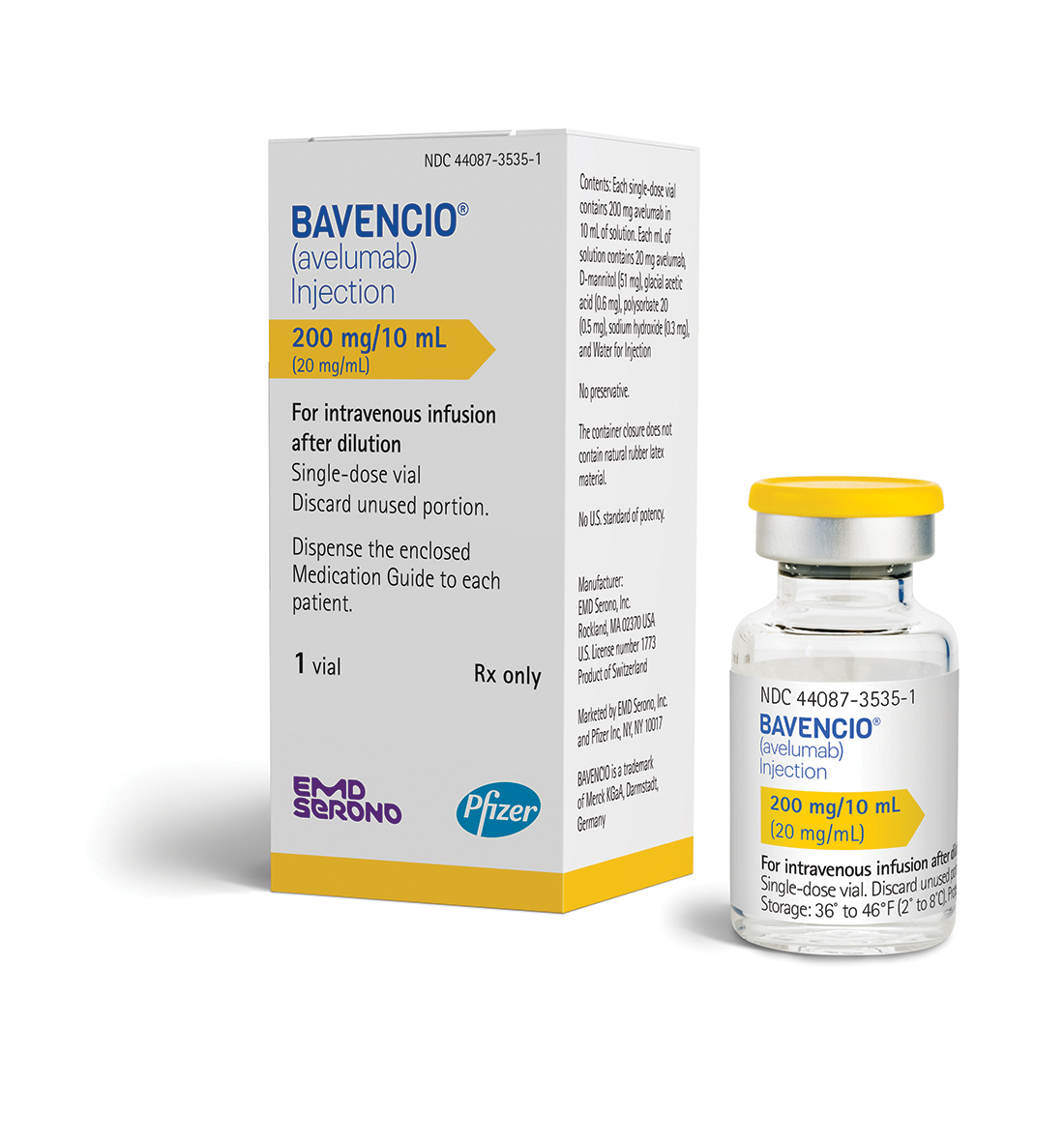
| Bavencio | FDA 3/23/2017 | To treat metastatic Merkel cell carcinoma Press Release Drug Trials Snapshot |
6 BENRALIZUMAB
ASTRA ZENECA
Fasenra benralizumab
FDA 11/14/2017
For add-on maintenance treatment of patients with severe asthma aged 12 years and older, and with an eosinophilic phenotype
Drug Trials Snapshot

7 Benznidazole
CHEMO RESEARCH


| benznidazole | FDA
8/29/2017 |
To treat children ages 2 to 12 years old with Chagas disease Press Release Drug Trials Snapshot |
8 BETRIXABAN
PORTOLA PHARMA

| Bevyxxa | FDA
6/23/2017 |
For the prophylaxis of venous thromboembolism (VTE) in adult patients hospitalized for an acute medical illness Drug Trials Snapshot
|


9 BRIGATINIB
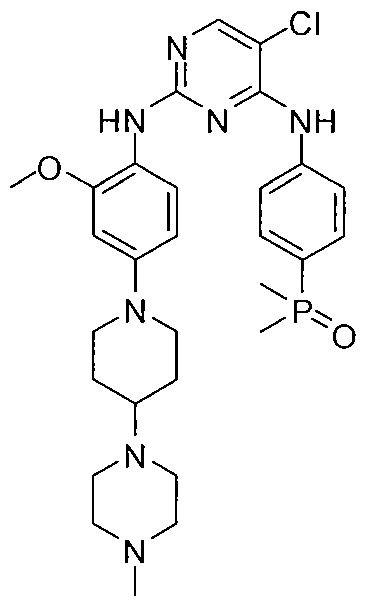
TAKEDA


| Alunbrig | FDA
4/28/2017 |
To treat patients with anaplastic lymphoma kinase (ALK)-positive metastatic non-small cell lung cancer (NSCLC) who have progressed on or are intolerant to crizotinib Drug Trials Snapshot |
10 BRODALUMAB
VALEANT PHARMA
| Siliq | FDA
2/15/2017 |
To treat adults with moderate-to-severe plaque psoriasis Press Release Drug Trials Snapshot |

LINK ,,,,https://newdrugapprovals.org/2017/02/16/fda-approves-new-psoriasis-drug-siliq-brodalumab/
11 CERLIPONASE ALFA


| Brineura | FDA 4/27/2017 | To treat a specific form of Batten disease Press Release Drug Trials Snapshot |
12 Copanlisib
| Aliqopa | FDA APPROVED
9/14/2017 |
To treat adults with relapsed follicular lymphoma Press Release Drug Trials Snapshot |
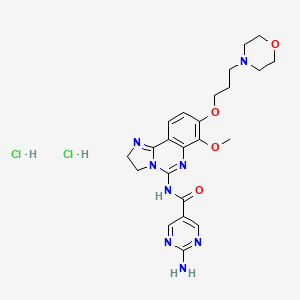

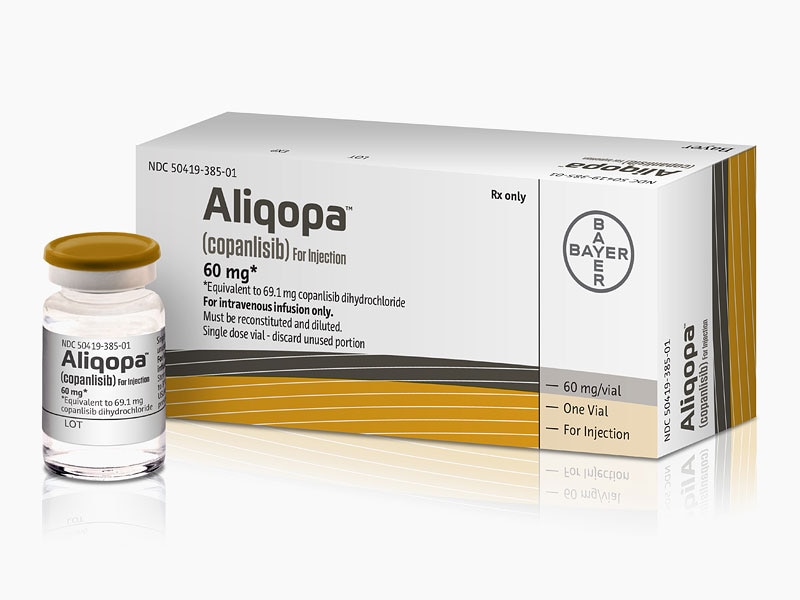
LINK…..https://newdrugapprovals.org/2017/11/20/copanlisib/
13 DEFLAZACORT
MARATHON PHARMA

| Emflaza | FDA 2/9/2017 | To treat patients age 5 years and older with Duchenne muscular dystrophy (DMD) Press Release Drug Trials Snapshot |
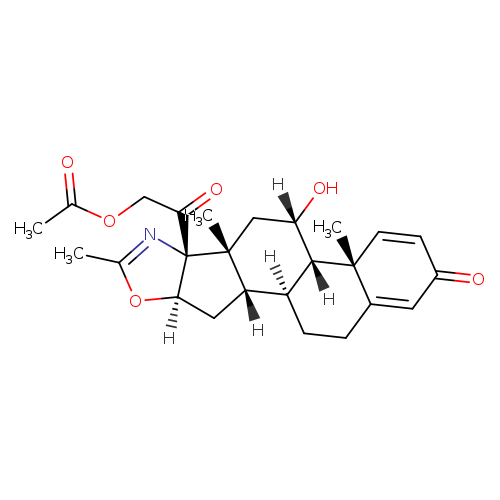
LINK……https://newdrugapprovals.org/2017/02/17/deflazacort/
14 DELAFLOXACIN
| Baxdela | FDA APPROVED
6/19/2017 |
To treat patients with acute bacterial skin infections |
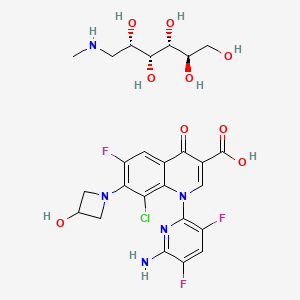


LINK……..https://newdrugapprovals.org/2018/01/25/delafloxacin/
15 Deutetrabenazine
TEVA

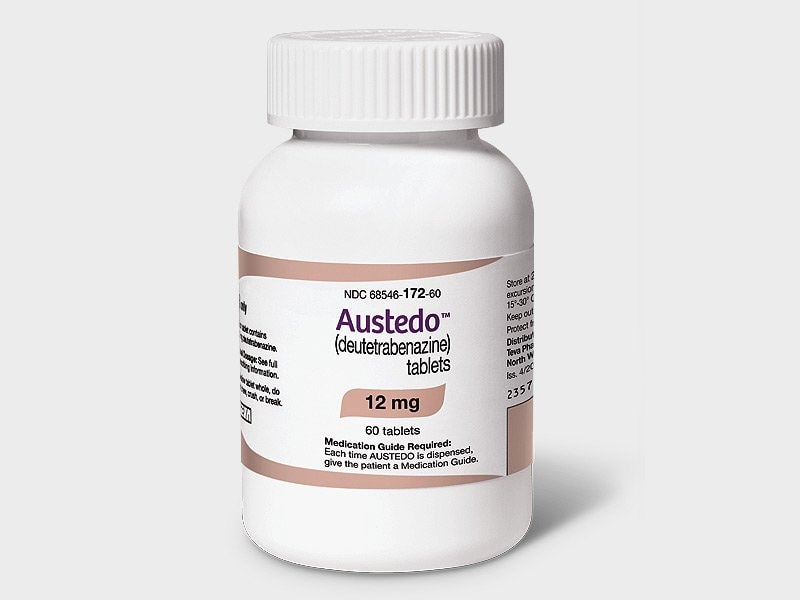

LINK……………https://newdrugapprovals.org/2015/08/15/sd-809-deutetrabenazine-nda-submitted-by-teva/
| Austedo | FDA 4/3/2017 | For the treatment of chorea associated with Huntington’s disease Drug Trials Snapshot Chemistry Review(s) (PDF) |
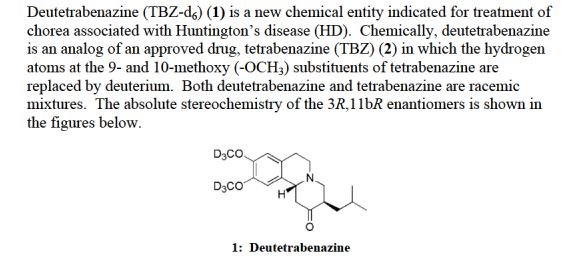
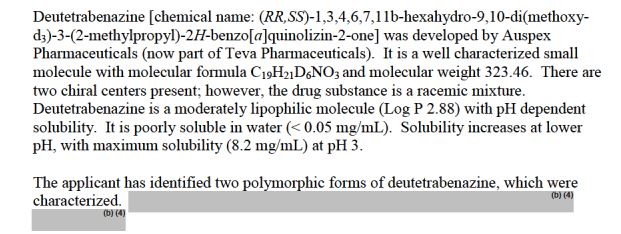
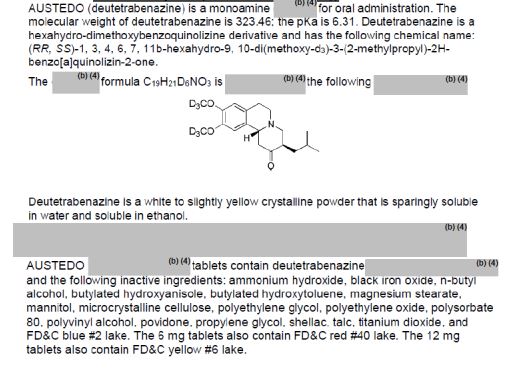
16 DUPILUMAB
SANOFI/REGENERON


| Dupixent | FDA | 3/28/2017 | To treat adults with moderate-to-severe eczema (atopic dermatitis) Press Release Drug Trials Snapshot |
LINK…….https://newdrugapprovals.org/2017/03/29/fda-approves-new-eczema-drug-dupixent-dupilumab/
17 DURVALUMAB
ASTRA ZENECA
durvalumab FDA 5/1/2017To treat patients with locally advanced or metastatic urothelial carcinoma
Web Post
Drug Trials Snapshot
18 EDAVARONE

MITSUBISHI TANABE
| Radicava | FDA 5/5/2017 | To treat patients with amyotrophic lateral sclerosis (ALS) Press Release Drug Trials Snapshot |


19 EMICIZUMAB
ROCHE

| Hemlibra | emicizumab | FDA 11/16/2017 | To prevent or reduce the frequency of bleeding episodes in adult and pediatric patients with hemophilia A who have developed antibodies called Factor VIII (FVIII) inhibitors. Press Release Drug Trials Snapshot |
20 Enasidenib
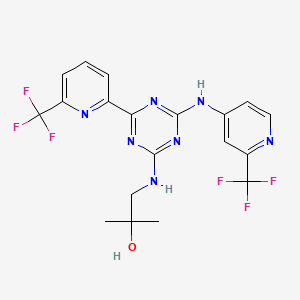


| Idhifa | FDA
8/1/2017 |
To treat relapsed or refractory acute myeloid leukemia Press Release Drug Trials Snapshot |

21 Ertugliflozin
MERCK

| Steglatro | ertugliflozin | FDA
12/19/2017 |
To improve glycemic control in adults with type 2 diabetes mellitus Drug Trials Snapshot |
LINK https://newdrugapprovals.org/2014/02/10/ertugliflozin/

22 ETELCALCETIDE
Amgen
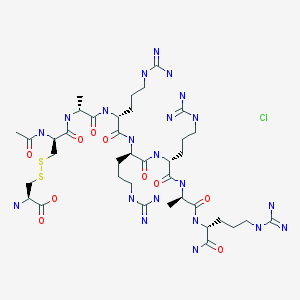
| Parsabiv | FDA APPROVED
2/7/2017 |
To treat secondary hyperparathyroidism in adult patients with chronic kidney disease undergoing dialysis Drug Trials SnapshotSYNTHESIS LINK……..https://cen.acs.org/articles/96/i4/the-year-in-new-drugs-2018.html |


SYNTHESIS LINK……..https://cen.acs.org/articles/96/i4/the-year-in-new-drugs-2018.html
23 GLECAPREVIR
ABBVIE

| Mavyret | glecaprevir and pibrentasvir | FDA 8/3/2017 | To treat adults with chronic hepatitis C virus Press Release Drug Trials Snapshot |
LINK https://newdrugapprovals.org/2016/10/05/glecaprevir-abt-493/

24 GUSELKUMAB
JOHNSON AND JOHNSON
guselkumab
FDA 7/13/2017
For the treatment of adult patients with moderate-to-severe plaque psoriasis
Drug Trials Snapshot


25 Inotuzumab ozogamicin
PFIZER


| Besponsa | FDA
8/17/2017 |
To treat adults with relapsed or refractory acute lymphoblastic leukemia Press Release Drug Trials Snapshot |
26 LATANOPROSTENE
VALEANT
latanoprostene bunod ophthalmic solution
FDA 11/2/2017
To treat intraocular pressure in patients with open-angle glaucoma or ocular hypertension.
Drug Trials Snapshot

27 LETERMOVIR
MERCK
| Prevymis | FDA 11/8/2017 | To prevent infection after bone marrow transplant Drug Trials Snapshot |
LINK https://newdrugapprovals.org/2016/05/16/letermovir-aic-246/


28 Macimorelin acetate
AETERNA ZENTARIS

| Macrilen | macimorelin acetate | FDA
12/20/2017 |
For the diagnosis of adult growth hormone deficiency Drug Trials Snapshot |
29 MEROPENEM

30 MIDOSTAURIN
NOVARTIS
- Chemistry Review(s) (PDF)
| Rydapt | FDA
4/28/2017 |
To treat acute myeloid leukemia Press Release Drug Trials Snapshot |
31 Naldemedine
FDA 3/23/2017, Symproic, For the treatment of opioid-induced constipation


32 NERATINIB MALEATE
PUMA BIOTECH
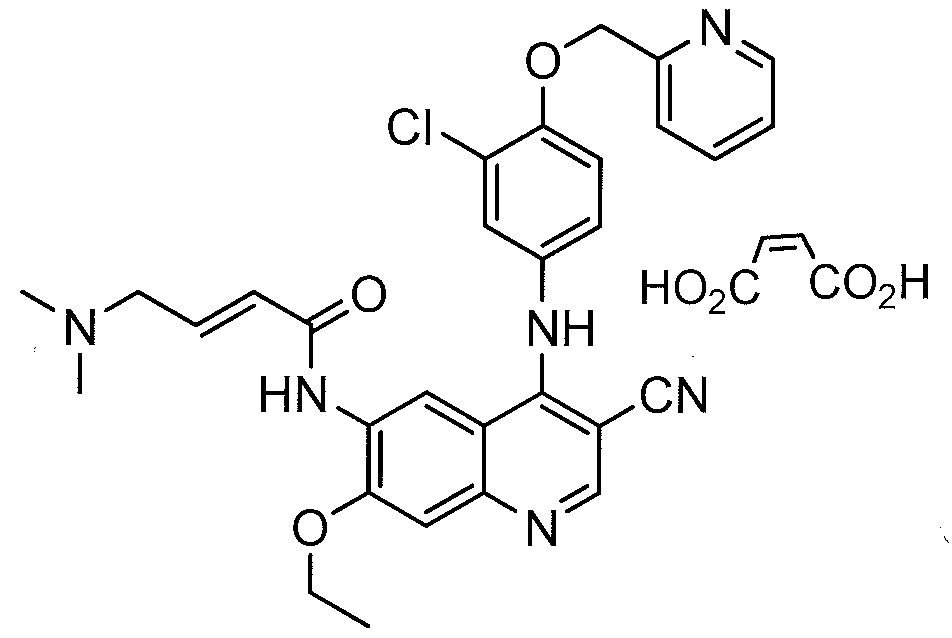

| Nerlynx | FDA | 7/17/2017 | To reduce the risk of breast cancer returning Press Release Drug Trials Snapshot |
33 NETARSUDIL
| Rhopressa | FDA APPROVED
12/18/2017 |
To treat glaucoma or ocular hypertension |

LINK……https://newdrugapprovals.org/2018/01/29/netarsudil/
34 NIRAPARIB
TESARO
| Zejula | FDA | 3/27/2017 | For the maintenance treatment for recurrent epithelial ovarian, fallopian tube or primary peritoneal cancers Press Release Drug Trials Snapshot |


LINK…https://newdrugapprovals.org/2016/12/22/niraparib-mk-4827/
35 OCRELIZUMAB
ROCHE
| Ocrevus | FDA | 3/28/2017 | To treat patients with relapsing and primary progressive forms of multiple sclerosis Press Release Drug Trials Snapshot |


36 OZENOXACIN
MEDIMETRIX
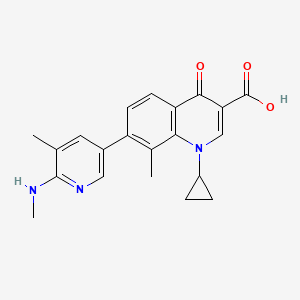
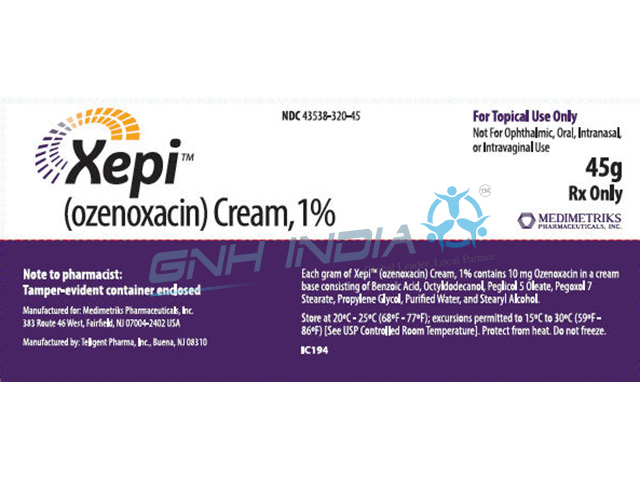
| Xepi | ozenoxacin | FDA
12/11/2017 |
To treat impetigo Drug Trials Snapshot |
37 Pibrentasvir
ABBVIE

| Mavyret | glecaprevir and pibrentasvir | FDA 8/3/2017 | To treat adults with chronic hepatitis C virus Press Release Drug Trials Snapshot |
LINK https://newdrugapprovals.org/2016/06/08/abt-530-pibrentasvir/
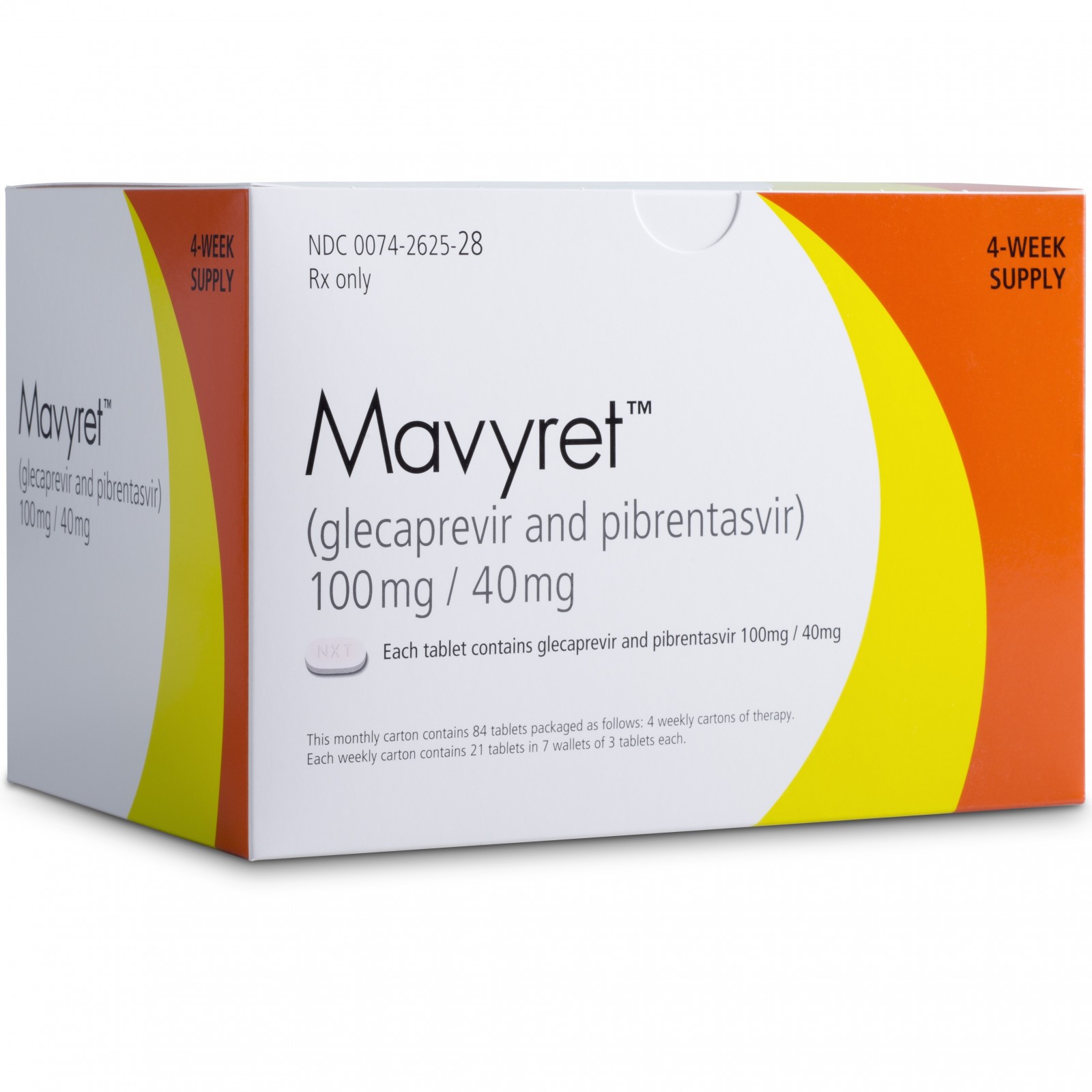

38 PLECANATIDE
Plecanatide 普卡那肽 ليكاناتيد плеканатид
SYNERGY PHARMA

| Trulance | FDA APPROVED
1/19/2017 |
To treat Chronic Idiopathic Constipation (CIC) in adult patients. Press Release Drug Trials Snapshot |
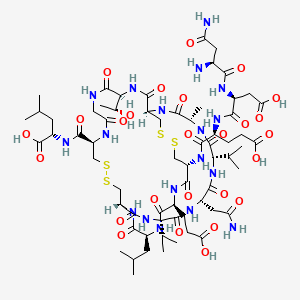
39 RIBOCICLIB
NOVARTIS
Structure..link for correct structure
| Kisqali | FDA 3/13/2017 | To treat postmenopausal women with a type of advanced breast cancer Drug Trials Snapshot |

LINK https://newdrugapprovals.org/2015/10/19/ribociclib/
40 SARILUMAB
SANOFI /REGENERON

| Kevzara | sarilumab | FDA 5/22/2017 | To treat adult rheumatoid arthritis Drug Trials Snapshot |
LINK https://newdrugapprovals.org/2013/11/25/late-stage-success-for-sanofiregeneron-ra-drug-sarilumab/
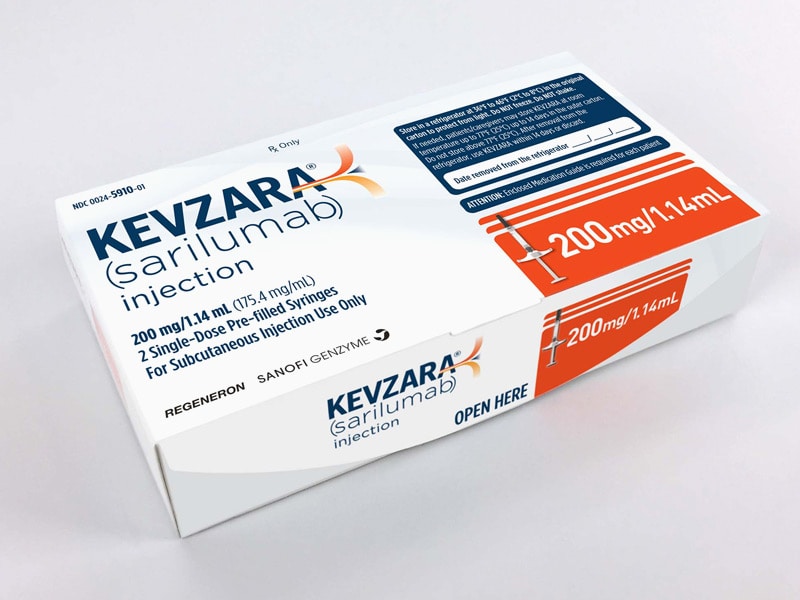

41 SECNIDAZOLE
SYMBIOMIX

| Solosec | FDA | 9/15/2017 | To treat bacterial vaginosis Drug Trials Snapshot |
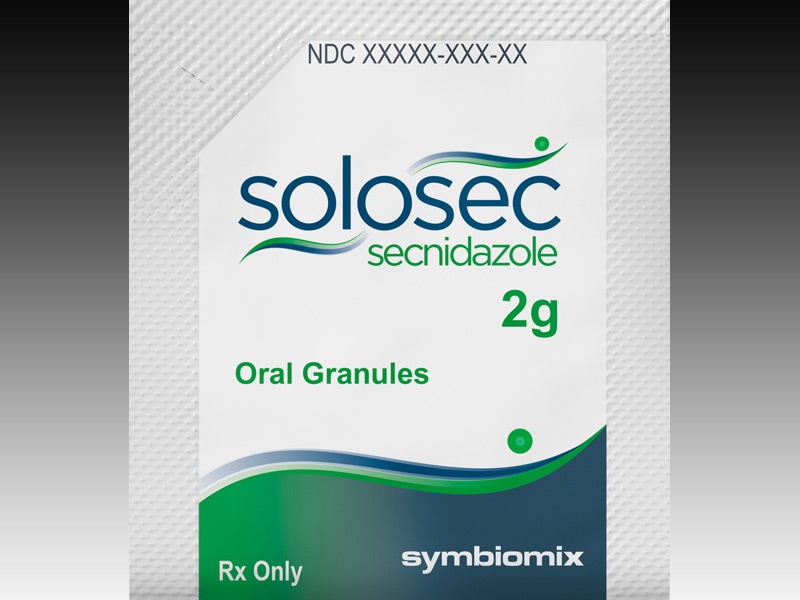
42 SAFINAMIDE
NEWRON PHARMA



- Chemistry Review(s) (PDF) for correct structure
| Xadago | FDA 3/21/2017 | To treat Parkinson’s disease Press Release Drug Trials Snapshot |
43 Semaglutide
NOVO NORDISK
| Ozempic | semaglutide | FDA
12/5/2017 |
To improve glycemic control in adults with type 2 diabetes mellitus Drug Trials Snapshot |
LINK https://newdrugapprovals.org/2013/07/22/a-survey-of-promising-late-stage-diabetes-drugs/
44 SOFOSBUVIR
45 TELOTRISTAT ETHYL
LEXICON
| Xermelo | FDA
2/28/2017 |
To treat carcinoid syndrome diarrhea Press Release Drug Trials Snapshot |


46 VABORBACTAM
THE MEDICINES CO

| Vabomere | meropenem and vaborbactam | FDA
8/29/2017 |
To treat adults with complicated urinary tract infections Press Release Drug Trials Snapshot |

47 VALBENAZINE
NEUROCRINE
- Chemistry Review(s) (PDF)

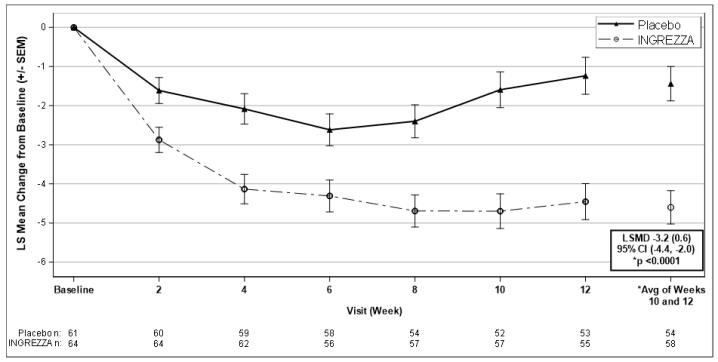
| Ingrezza | FDA
4/11/2017 |
To treat adults with tardive dyskinesia Press Release Drug Trials Snapshot |
48 Vestronidase alfa-vjbk
ULTRAGENYX
| Mepsevii | vestronidase alfa-vjbk | FDA 11/15/2017 | To treat pediatric and adult patients with an inherited metabolic condition called mucopolysaccharidosis type VII (MPS VII), also known as Sly syndrome. Press Release Drug Trials Snapshot |

49 VELPATASVIR
50 VOXILAPREVIR
GILEAD

| Vosevi | sofosbuvir, velpatasvir and voxilaprevir | FDA 7/18/2017 | To treat adults with chronic hepatitis C virus Press Release Drug Trials Snapshot |
SECTION B; EMA approvals
European Medicines Agency’s – Human medicines: Highlights of 2017
Advances in medicines authorizations are essential for public health as they have the potential to improve treatment of diseases. In 2017, EMA recommended 92 medicines for marketing authorization. Of these, 35 had a new active substance, which has never been authorized in the European Union (EU) before. Many of these medicines represent a significant improvement in their therapeutic areas; they include medicines for children, for rare diseases and advanced therapies42. Amongst the 35 new active substances (NAS) that EMA recommended, 11 were new drugs and biologics to treat cancer, 05 to treat neurological disorders, 04 for infectious diseases, 04 for immunology/rheumatology, 03 for endocrinology, 02 each for Uro-nephrology, haematology, and dermatology, 01 for Pneumonology, and 01 for hepatology/gastroenterology class of drugs.
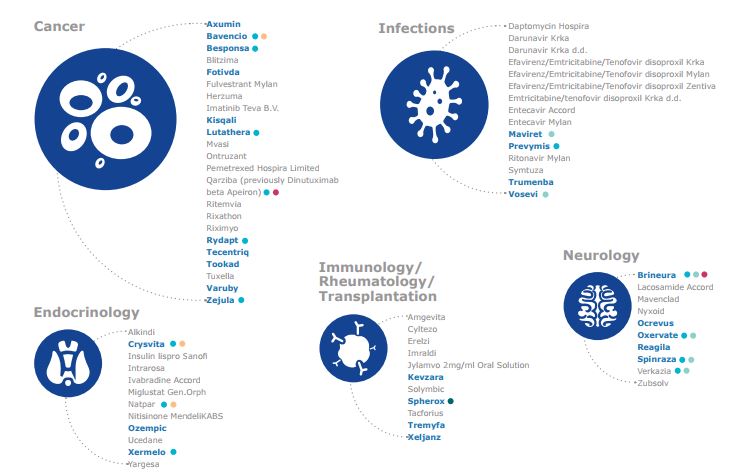
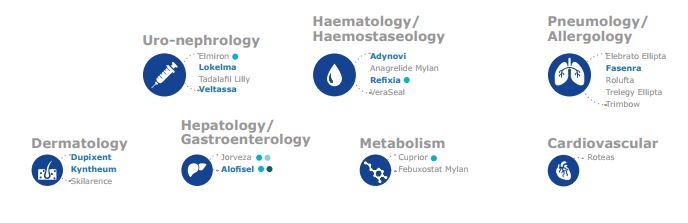
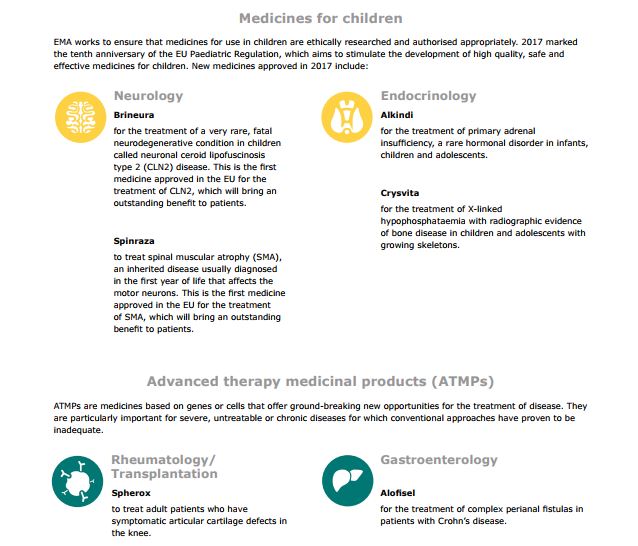
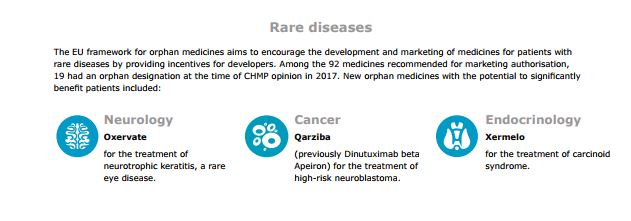
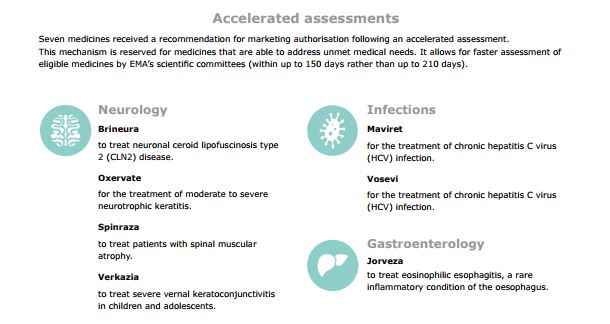
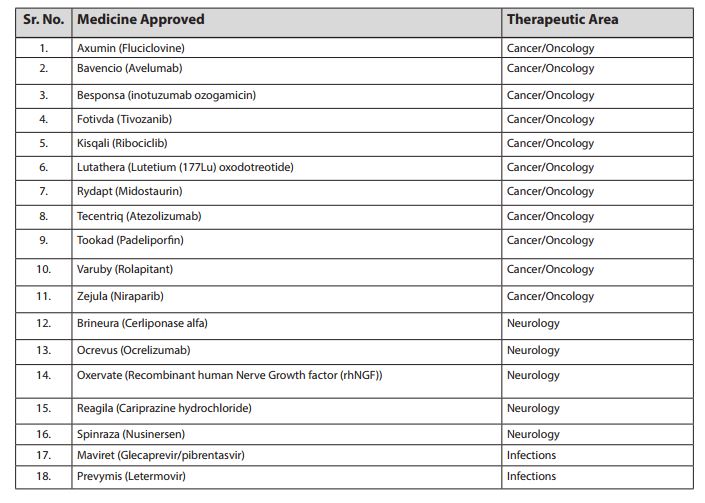
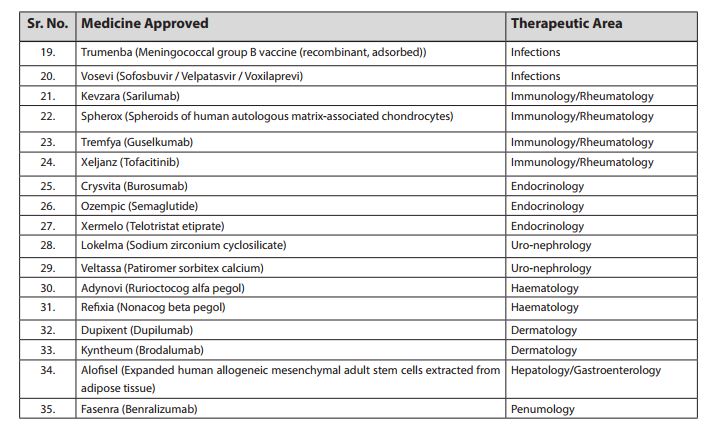
EUROPE
| 2017/11/16 | Niraparib | Zejula | Tesaro UK Limited | O | NME | ||
| 2017/11/10 | Adalimumab | Cyltezo | Boehringer Ingelheim International GmbH | B | |||
| 2017/11/10 | Miglustat | Miglustat Gen.Orph | Gen.Orph | G | |||
| 2017/11/10 | Ritonavir | Ritonavir Mylan | MYLAN S.A.S | G | |||
| 2017/11/10 | Padeliporfin | Tookad | STEBA Biotech S.A | ||||
| 2017/11/10 | Guselkumab | Tremfya | Janssen-Cilag International N.V. | BLA | |||
| 2017/9/27 | Dupilumab | Dupixent | sanofi-aventis groupe | BLA | |||
| 2017/9/21 | Darunavir / Cobicistat / Emtricitabine / Tenofovir alafenamide | Symtuza | Janssen-Cilag International N.V. | ||||
| 2017/9/21 | Atezolizumab | Tecentriq | Roche Registration Limited | BLA | |||
| 2017/9/18 | Avelumab | Bavencio | Merck Serono Europe Limited | O | BLA | ||
| 2017/9/18 | Entecavir | Entecavir Mylan | Mylan S.A.S | G | |||
| 2017/9/18 | Lacosamide | Lacosamide Accord | Accord Healthcare Ltd | G | |||
| 2017/9/18 | Midostaurin | Rydapt | Novartis Europharm Ltd | O | NME | ||
| 2017/9/18 | Telotristat ethyl | Xermelo | Ipsen Pharma | O | NME | ||
| 2017/9/5 | Trientine | Cuprior | GMP-Orphan SA | ||||
| 2017/9/5 | Efavirenz / Emtricitabine / Tenofovir disoproxil | Efavirenz/Emtricitabine/Tenofovir disoproxil Mylan | Mylan S.A.S | G | |||
| 2017/8/24 | Tivozanib hydrochloride monohydrate | Fotivda | EUSA Pharma (UK) Limited | NME | |||
| 2017/8/24 | Adalimumab | Imraldi | Samsung Bioepis UK Limited (SBUK) | B | |||
| 2017/8/24 | Nitisinone | Nitisinone MDK (previously Nitisinone MendeliKABS) | MendeliKABS Europe Ltd | G | |||
| 2017/8/22 | Ribociclib | Kisqali | Novartis Europharm Ltd | NME | |||
| 2017/8/22 | Cladribine | Mavenclad | Merck Serono Europe Limited | ||||
| 2017/7/26 | Glecaprevir / Pibrentasvir | Maviret | AbbVie Limited | NME | |||
| 2017/7/26 | Sofosbuvir / Velpatasvir / Voxilaprevi | Vosevi | Gilead Sciences International Ltd | NME | |||
| 2017/7/19 | Insulin lispro | Insulin lispro Sanofi | sanofi-aventis groupe | B | |||
| 2017/7/19 | Patiromer sorbitex calcium | Veltassa | Vifor Fresenius Medical Care Renal Pharma France | NME | |||
| 2017/7/17 | Efavirenz / Emtricitabine / Tenofovir disoproxil | Efavirenz/Emtricitabine/Tenofovir disoproxil Zentiva | Zentiva k.s. | G | |||
| 2017/7/17 | Brodalumab | Kyntheum | LEO Pharma A/S | BLA | |||
| 2017/7/17 | beclometasone / formoterol / glycopyrronium bromide | Trimbow | Chiesi Farmaceutici S.p.A. | ||||
| 2017/7/13 | Rituximab | Blitzima | Celltrion Healthcare Hungary Kft. | B | |||
| 2017/7/13 | Cariprazine | Reagila | Gedeon Richter | ||||
| 2017/7/10 | Spheroids of human autologous matrix-associated chondrocytes | Spherox | CO.DON AG | ||||
| 2017/7/6 | Cenegermin | Oxervate | Dompe farmaceutici s.p.a. | O | BLA | ||
| 2017/6/29 | Inotuzumab ozogamicin | Besponsa | Pfizer Limited | O | BLA | ||
| 2017/6/23 | Etanercept | Erelzi | Sandoz GmbH | ||||
| 2017/6/23 | Sarilumab | Kevzara | Sanofi-Aventis Groupe | NME | |||
| 2017/6/23 | Dimethyl fumarate | Skilarence | Almirall S.A | ||||
| 2017/6/23 | Carglumic acid | Ucedane | Lucane Pharma | G | |||
| 2017/6/15 | Rituximab | Rixathon, Riximyo B | Sandoz GmbH | ||||
| 2017/6/2 | Pentosan polysulfate sodium | Elmiron | bene-Arzneimittel GmbH | ||||
| 2017/6/2 | Nonacog beta pegol | Refixia | Novo Nordisk A/S | BLA | |||
| 2017/5/30 | Cerliponase alfa | Brineura | BioMarin International Limited | O E | BLA | ||
| 2017/5/30 | Nusinersen | Spinraza | Biogen Idec Ltd | O | NME | ||
| 2017/5/24 | Meningococcal group b vaccine (recombinant, adsorbed) | Trumenba | Pfizer Limited | ||||
| 2017/5/22 | Ivabradine | Ivabradine Accord | Accord Healthcare Ltd | G | |||
| 2017/5/8 | Dinutuximab beta | Dinutuximab beta Apeiron | Apeiron Biologics AG | O E | |||
| 2017/4/28 | Emtricitabine – tenofovir disoproxil mixt | Emtricitabine/Tenofovir disoproxil Krka d.d. | KRKA, d.d., Novo mesto | G | |||
| 2017/4/24 | Parathyroid hormone | Natpar | Shire Pharmaceuticals Ireland Ltd | O C | BLA | ||
| 2017/4/20 | Edoxaban | Roteas | Daiichi Sankyo Europe GmbH | ||||
| 2017/3/22 | Tofacitinib citrate | Xeljanz | Pfizer Limited | NME | |||
| 2017/3/20 | Umeclidinium | Rolufta | GlaxoSmithKline Trading Services Limited | ||||
| 2017/3/3 | Chlormethine | Ledaga | Actelion Registration Ltd. | O | |||
| 2017/2/27 | Pregabalin | Pregabalin Zentiva | Zentiva k.s. | G | |||
| 2017/2/17 | Rituximab | Truxima | Celltrion Healthcare Hungary Kft. | B | |||
| 2017/2/13 | Etanercept | Lifmior | Pfizer Limited | ||||
| 2017/2/13 | Baricitinib | Olumiant | Eli Lilly Nederland B.V. | NME | |||
| 2017/1/19 | Mercaptamine | Cystadrops | Orphan Europe S.A.R.L. | O | |||
| 2017/1/18 | Bezlotoxumab | Zinplava | Merck Sharp & Dohme Limited | NME | |||
| 2017/1/11 | Teriparatide | Movymia | STADA Arzneimittel AG | B | |||
| 2017/1/11 | Insulin glargine / lixisenatide | Suliqua | Sanofi-Aventis Groupe | ||||
| 2017/1/9 | Insulin aspart | Fiasp | Novo Nordisk A/S | ||||
| 2017/1/9 | Tadalafil | Tadalafil | Mylan S.A.S | G | |||
| 2017/1/9 | Tenofovir alafenamide | Vemlidy | Gilead Sciences International Ltd | ||||
| 2017/1/4 | Lonoctocog alfa | Afstyla | CSL Behring GmbH | BLA | |||
| 2017/1/4 | Darunavir | Darunavir Mylan | Mylan S.A.S. | G | |||
| 2017/1/4 | Insulin glargine | Lusduna | Merck Sharp & Dohme Limited | B | |||
| 2017/1/4 | Teriparatide | Terrosa | Gedeon Richter Plc. | B |
SECTION B; EMA Approvals
Combined drugs USFDA+EMA +PMDA list are listed below. trying to simplify search
1 Abaloparatide USFDA
2 Abemaciclib USFDA
3 ACALABRUTINIB USFDA
3A ALOFISEL EMA
3B AMENAMEVIR JAPAN
4 ANGIOTENSIN II USFDA
4A Atezolizumab EMA
5 AVELUMAB USFDA+EMA
6 BENRALIZUMAB USFDA+EMA
6A BARICITINIB JAPAN
7 BENZNIDAZOLE USFDA
8 BETRIXABAN USFDA
9 BRIGATINIB USFDA
10 BRODALUMAB USFDA+EMA
10A BUROSUMAB EMA
10B CARIPRAZINE HYDROCHLORIDE EMA
11 CERLIPONASE ALPA USFDA+EMA
12 COPANLISIB USFDA
13 DEFLAZACORT USFDA
14 Delafloxacin USFDA
15 Deutetrabenazine USFDA
16DUPILUMAB USFDA+EMA
17 DURVALUMAB USFDA
18 EDAVARONE USFDA
19 EMICIZUMAB USFDA
20 Enasidenib USFDA
21 ERTUGLIFLOZIN USFDA
22 ETELCALCETIDE USFDA
22A FORODESINE JAPAN
22B FLUCICLOVINE EMA
23 GLECAPREVIR USFDA+EMA
24 GUSELKUMAB USFDA+EMA
25 INOTUZUMAB OZOGAMICIN USFDA+EMA
26 LATANOPROSTENE USFDA
27 LETERMOVIR USFDA+EMA
27A Utetium lu 177 dotatate EMA
28 MACIMORELIN ACETATE USFDA
29 MEROPENEM USFDA
30 MIDOSTAURIN USFDA+EMA
31 NALDEMEDINE USFDA
32 NERATINIB USFDA
33 NETARSUDIL USFDA
34A NONACOG EMA
34B NUCINERSEN EMA +Japan
35 Ocrelizumab USFDA+EMA
35A OXERVATE EMA
36 OZENOXACIN USFDA
36A PATIROMER EMA
36B PADELIPORFIN EMA
36C PEMAFIBRATE JAPAN
37 PIBRENTASVIR USFDA+EMA
38 PLECANATIDE USFDA
39A ROLAPITANT EMA
39BRURLOCTOCOG EMA
40 SARILUMAB USFDA+EMA
41 SECNIDAZOLE USFDA
42 SAFINAMIDE USFDA
43 SEMAGLUTIDE USFDA+EMA
43A SODIUM ZIRCONIUM CYCLOCYLICATE EMA
44 SOFOSBUVIR USFDA+EMA
44A SPHEROX EMA
45 TELOTRISTAT ETHYL USFDA+EMA
45A TIVOZANIB EMA
45B TOFACITINIB EMA
45C TRUMENBA EMA
46 VABORBACTAM USFDA
47 VALBENAZINE USFDA
48 VESTRONIDASE ALFA-VJBK USFDA
49 VELPATASVIR USFDA+EMA
50 VOXILAPREVIR USFDA+EMA
Drugs EMA list missed out in usfda list
3A ALOFISEL
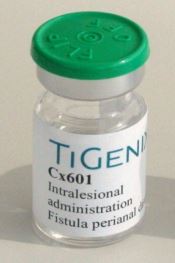
link………https://newdrugapprovals.org/2018/03/02/alofisel-darvadstrocel-cx-601/
4A Atezolizumab
WILL BE UPDATED
10A BUROSUMAB
WILL BE UPDATED
10B CARIPRAZINE HYDROCHLORIDE
WILL BE UPDATED
22B FLUCICLOVINE

SEE EMA
| Axumin : EPAR – Summary for the public | EN = English | 06/07/2017 |
27A Lutetium lu 177 dotatate
WILL BE UPDATED
34A NONACOG
WILL BE UPDATED
34B NUCINERSEN
EMA AND JAPAN 2017 APPROVED
35A OXERVATE
WILL BE UPDATED
36A PATIROMER
WILL BE UPDATED
36B PADELIPORFIN
| NAME | Tookad |
|---|---|
| AGENCY PRODUCT NUMBER | EMEA/H/C/004182 |
| ACTIVE SUBSTANCE | padeliporfin di-potassium |
| INTERNATIONAL NON-PROPRIETARY NAME(INN) OR COMMON NAME | padeliporfin |
| THERAPEUTIC AREA | Prostatic Neoplasms |
| ANATOMICAL THERAPEUTIC CHEMICAL (ATC) CODE | L01XD07 |
| ADDITIONAL MONITORING | This medicine is under additional monitoring. This means that it is being monitored even more intensively than other medicines. For more information, see medicines under additional monitoring. |
| MARKETING-AUTHORISATION HOLDER | STEBA Biotech S.A |
|---|---|
| REVISION | 0 |
| DATE OF ISSUE OF MARKETING AUTHORISATION VALID THROUGHOUT THE EUROPEAN UNION | 10/11/2017 |
Contact address:
STEBA Biotech S.A
7 place du theatre
L-2613 Luxembourg
Luxembourg
38A PRALATREXATE

Japan approved 2017
| 2017/7/3 | PMDA | JAPAN | Pralatrexate | Difolta | Mundipharma | NME |
39A ROLAPITANT
WILL BE UPDATED
39B RURLOCTOCOG
WILL BE UPDATED
43A SODIUM ZIRCONIUM
WILL BE UPDATED
44A SPHEROX
WILL BE UPDATED
45A TIVOZANIB

Pharmacotherapeutic group
Antineoplastic agents
Therapeutic indication
Fotivda is indicated for the first line treatment of adult patients with advanced renal cell carcinoma (RCC) and for adult patients who are VEGFR and mTOR pathway inhibitor-naïve following disease progression after one prior treatment with cytokine therapy for advanced RCC.
Treatment of advanced renal cell carcinoma
Fotivda : EPAR -Product Information
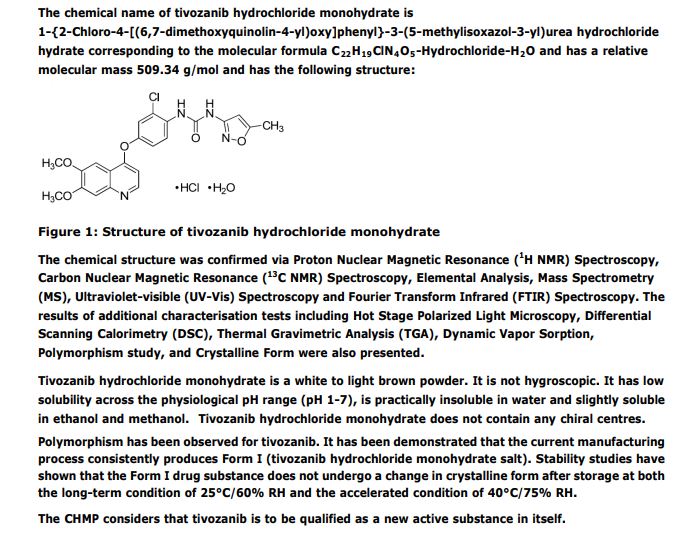
Tivozanib is synthesized in three main steps using well defined starting materials with acceptable
specifications.
Adequate in-process controls are applied during the synthesis. The specifications and control methods for
intermediate products, starting materials and reagents have been presented. The critical process
parameters are duly justified, methodology is presented and control is adequate.
The characterisation of the active substance and its impurities are in accordance with the EU guideline on
chemistry of new active substances. Potential and actual impurities were well discussed with regards to
their origin and characterised.
The active substance is packaged in a low-density polyethylene (LDPE) bag which complies with the EC
directive 2002/72/EC and EC 10/2011 as amended.
Product details
| Name | Fotivda |
|---|---|
| Agency product number | EMEA/H/C/004131 |
| Active substance | tivozanib |
| International non-proprietary name(INN) or common name | tivozanib hydrochloride monohydrate |
| Therapeutic area | Carcinoma, Renal Cell |
| Anatomical therapeutic chemical (ATC) code | L01XE |
Publication details
| Marketing-authorisation holder | EUSA Pharma (UK) Limited |
|---|---|
| Revision | 0 |
| Date of issue of marketing authorisation valid throughout the European Union | 24/08/2017 |
Contact address:
EUSA Pharma (UK) Limited
Breakspear Park, Breakspear Way
Hemel Hempstead, HP2 4TZ
United Kingdom
45B TOFACITINIB
WILL BE UPDATED
45C TRUMENBA
WILL BE UPDATED
SECTION C JAPANFORODOS

SECTION C New Drugs JAPAN
https://www.pmda.go.jp/english/review-services/reviews/approved-information/drugs/0002.html
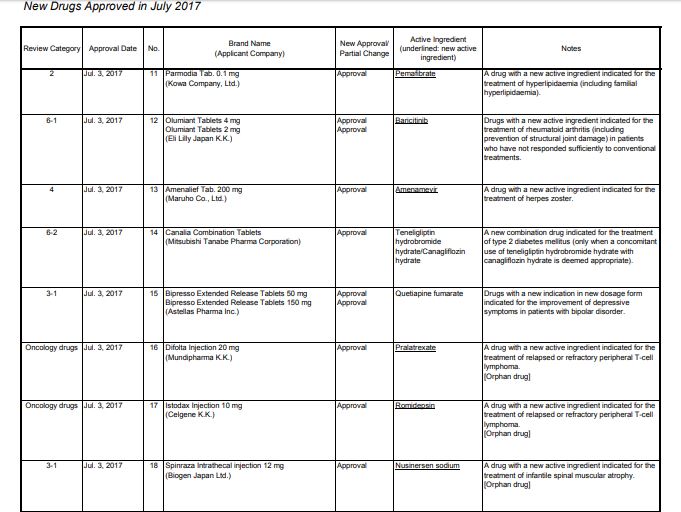
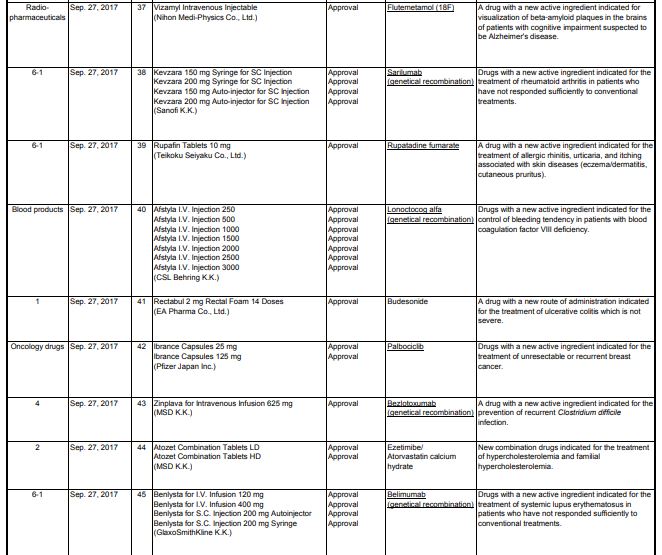
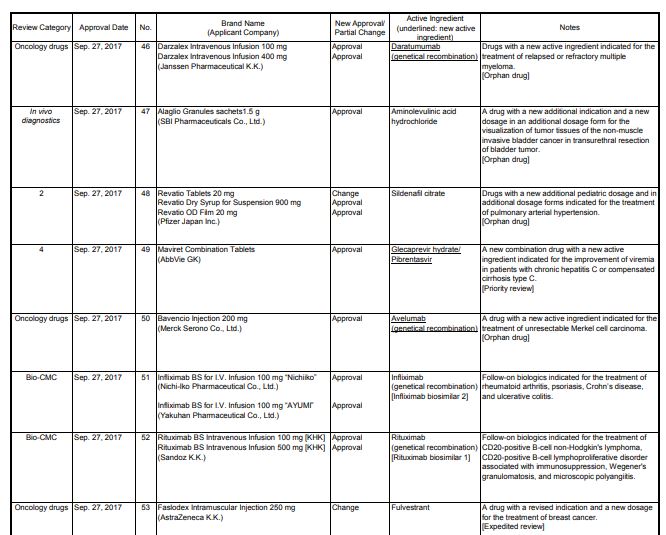
JAPAN 2017
| 2017/9/27 | Avelumab (genetical recombination) | Bavencio | Merck Serono | BLA |
| 2017/9/27 | Glecaprevir – pibrentasvir mixt | Maviret | Abbvie | NME |
| 2017/9/27 | Daratumumab (genetical recombination) | Darzalex | Janssen Pharmaceutical | BLA |
| 2017/9/27 | Belimumab (genetical recombination) | Benlysta | GlaxoSmithKline | BLA |
| 2017/9/27 | Bezlotoxumab (genetical recombination) | Zinplava | MDS | BLA |
| 2017/9/27 | Palbociclib | Ibrance | Pfizer | NME |
| 2017/9/27 | Lonoctocog alfa (genetical recombination) | Afstyla | CSL Behring | BLA |
| 2017/9/27 | Rupatadine fumarate | Rupafin | Teikoku seiyaku | NME |
| 2017/9/27 | Sarilumab (genetical receombination) | Kevzara | Sanofi | BLA |
| 2017/9/27 | Flutemetamol (18F) | Vizamyl | Nihon Medi-Physics | NME |
| 2017/7/3 | Nusinersen sodium | Spinraza | Biogen Japan | |
| 2017/7/3 | Romidepsin | Istodax | Celgene | NME |
| 2017/7/3 | Pralatrexate | Difolta | Mundipharma | NME |
| 2017/7/3 | Amenamevir | Amenalief | Maruho | NME |
| 2017/7/3 | Baricitinib | Olumiant | Lilly | NME |
| 2017/7/3 | Pemafibrate | Parmodia | Kowa | NME |
| 2017/3/30 | Human prothrombin complex, freeze-dried concentrated | Kcentra | CSL Behring | |
| 2017/3/30 | Ixazomib citrate | Ninlaro | Takeda | NME |
| 2017/3/30 | Forodesine hydrochloride | Mundesine | Mundipharma | |
| 2017/3/30 | Aflibercept beta (genetical recombination) | Zaltrap | Sanofi | |
| 2017/3/30 | Hydromorphone hydrochloride | Narusus, Narurapid | DaiichiSankyo-pp | |
| 2017/3/30 | Naldemedine tosylate | Symproic | Shionogi | NME |
| 2017/3/30 | Guanfacine hydrochloride | Intuniv | Shionogi |
3B AMENAMEVIR

Originally developed by Astellas, the drug was licensed to Maruho. Amenamevir treats herpes zoster by inhibiting the activity of the helicase-primer enzyme during viral DNA replication and blocking the virus’s proliferation.
Amenalief® is an oral film-coated tablet containing 200 mg of amenamevir per tablet. Recommended dose of 1 day, 400mg each time, after meals.
22A FORODESINE HYDROCHLORIDE

LINK https://newdrugapprovals.org/2018/03/06/forodesine-hydrochloride/
6A BARICITINIB JAPAN

Originally developed by Incyte, Baricitinib was later licensed to and for sale by Lilly under the trade name Olumiant®. Baricitinib is an irreversible inhibitor of Janus kinase 1 (JAK1) and Janus kinase 2 (JAK2). Olumiant® is approved for the treatment of mild to moderate rheumatoid arthritis in adult patients who are not responsive or intolerant to other anti-arthritic drugs. This product can be used alone or in combination with methotrexate.
Olumiant® is a film-coated tablet containing 2 mg or 4 mg per tablet. Recommended oral dose is 4mg daily, with meals or fasting food, you can take any time period.
2017/7/3PMDA Baricitinib Olumiant Lilly
36C PEMAFIBRATE

LINK https://newdrugapprovals.org/2016/04/24/pemafibrate/
SECTION D
CDSCO INDIA

http://www.cdsco.nic.in/forms/list.aspx?lid=2034&Id=11 http://www.cdsco.nic.in/forms/list.aspx?lid=2034&Id=11



KEEP WATCHING UNDER CONSTRUCTION AND WILL BE PASTED SOON………………………………………..
KEEP WATCHING UNDER CONSTRUCTION AND WILL BE PASTED SOON………………………………………..
KEEP WATCHING UNDER CONSTRUCTION AND WILL BE PASTED SOON………………………………………..
KEEP WATCHING UNDER CONSTRUCTION AND WILL BE PASTED SOON………………………………………..
REFERENCES
2 http://www.ema.europa.eu/docs/en_GB/document_library/Report/2018/01/WC500242079.pdf
“NEW DRUG APPROVALS” CATERS TO EDUCATION GLOBALLY, No commercial exploits are done or advertisements added by me. This is a compilation for educational purposes only. P.S. : The views expressed are my personal and in no-way suggest the views of the professional body or the company that I represent



 amcrasto@gmail.com
I , Dr A.M.Crasto is writing this blog to share the knowledge/views, after reading Scientific Journals/Articles/News Articles/Wikipedia. My views/comments are based on the results /conclusions by the authors(researchers). I do mention either the link or reference of the article(s) in my blog and hope those interested can read for details. I am briefly summarising the remarks or conclusions of the authors (researchers). If one believe that their intellectual property right /copyright is infringed by any content on this blog, please contact or leave message at below email address amcrasto@gmail.com. It will be removed ASAP
////////EMA APPROVALS, USFDA Approvals, ACALABRUTINIB, AVELUMAB, BETRIXABAN, BRODALUMAB, COPANLISIB, DEFLAZACORT, Delafloxacin, Deutetrabenazine, DUPILUMAB, ETELCALCETIDE, Naldemedine, NETARSUDIL, NIRAPARIB, Ocrelizumab, PLECANATIDE, RIBOCICLIB, SAFINAMIDE, TELOTRISTAT ETHYL, VALBENAZINE, CERLIPONASE, BRIGATINIB, MIDOSTAURIN, Abaloparatide, BENZNIDAZOLE, NERATINIB, inotuzumab ozogamicin, Enasidenib, LETERMOVIR, GLECAPREVIR, PIBRENTASVIR, VOXILAPREVIR, SOFOSBUVIR, EDAVARONE, abemaciclib, ANGIOTENSIN II, VESTRONIDASE, macimorelin acetate, ERTUGLIFLOZIN, SEMAGLUTIDE, EMICIZUMAB, eu 2017, fda 2017, BENRALIZUMAB, DURVALUMAB, GUSELKUMAB, LATANOPROSTENE, OZENOXACIN, SARILUMAB, SECNIDAZOLE, BENRALIZUMAB, TIVOZANIB, SARILUMAB, FLUCICLOVINE,


 New Drug Approvals