New Drug Approvals

Home » Posts tagged 'GMP' (Page 13)

Tag Archives: GMP

DRUG APPROVALS BY DR ANTHONY MELVIN CRASTO .....FOR BLOG HOME CLICK HERE

Blog Stats

  • 4,845,995 hits

Flag and hits

Flag Counter

Enter your email address to follow this blog and receive notifications of new posts by email.

Join 37.9K other subscribers
Follow New Drug Approvals on WordPress.com

Archives

Categories

Recent Posts

Flag Counter

ORGANIC SPECTROSCOPY

Read all about Organic Spectroscopy on ORGANIC SPECTROSCOPY INTERNATIONAL 

Enter your email address to follow this blog and receive notifications of new posts by email.

Join 37.9K other subscribers
DR ANTHONY MELVIN CRASTO Ph.D

DR ANTHONY MELVIN CRASTO Ph.D

DR ANTHONY MELVIN CRASTO, Born in Mumbai in 1964 and graduated from Mumbai University, Completed his Ph.D from ICT, 1991,Matunga, Mumbai, India, in Organic Chemistry, The thesis topic was Synthesis of Novel Pyrethroid Analogues, Currently he is working with AFRICURE PHARMA, ROW2TECH, NIPER-G, Department of Pharmaceuticals, Ministry of Chemicals and Fertilizers, Govt. of India as ADVISOR, earlier assignment was with GLENMARK LIFE SCIENCES LTD, as CONSUlTANT, Retired from GLENMARK in Jan2022 Research Centre as Principal Scientist, Process Research (bulk actives) at Mahape, Navi Mumbai, India. Total Industry exp 32 plus yrs, Prior to joining Glenmark, he has worked with major multinationals like Hoechst Marion Roussel, now Sanofi, Searle India Ltd, now RPG lifesciences, etc. He has worked with notable scientists like Dr K Nagarajan, Dr Ralph Stapel, Prof S Seshadri, etc, He did custom synthesis for major multinationals in his career like BASF, Novartis, Sanofi, etc., He has worked in Discovery, Natural products, Bulk drugs, Generics, Intermediates, Fine chemicals, Neutraceuticals, GMP, Scaleups, etc, he is now helping millions, has 9 million plus hits on Google on all Organic chemistry websites. His friends call him Open superstar worlddrugtracker. His New Drug Approvals, Green Chemistry International, All about drugs, Eurekamoments, Organic spectroscopy international, etc in organic chemistry are some most read blogs He has hands on experience in initiation and developing novel routes for drug molecules and implementation them on commercial scale over a 32 PLUS year tenure till date Feb 2023, Around 35 plus products in his career. He has good knowledge of IPM, GMP, Regulatory aspects, he has several International patents published worldwide . He has good proficiency in Technology transfer, Spectroscopy, Stereochemistry, Synthesis, Polymorphism etc., He suffered a paralytic stroke/ Acute Transverse mylitis in Dec 2007 and is 90 %Paralysed, He is bound to a wheelchair, this seems to have injected feul in him to help chemists all around the world, he is more active than before and is pushing boundaries, He has 100 million plus hits on Google, 2.5 lakh plus connections on all networking sites, 100 Lakh plus views on dozen plus blogs, 227 countries, 7 continents, He makes himself available to all, contact him on +91 9323115463, email amcrasto@gmail.com, Twitter, @amcrasto , He lives and will die for his family, 90% paralysis cannot kill his soul., Notably he has 38 lakh plus views on New Drug Approvals Blog in 227 countries......https://newdrugapprovals.wordpress.com/ , He appreciates the help he gets from one and all, Friends, Family, Glenmark, Readers, Wellwishers, Doctors, Drug authorities, His Contacts, Physiotherapist, etc He has total of 32 International and Indian awards

Verified Services

View Full Profile →

Archives

Categories

Flag Counter

Flow synthesis for Novartis anticancer drug, Gleevec, Imatinib


flow synthesis

The flow-based route required minimal manual intervention and was achieved despite poor solubility of many reaction components

21 January 2013Michael Parkin

UK chemists have used a combination of flow chemistry methods with solid-supported scavengers and reagents to synthesise the active pharmaceutical ingredient, imatinib, of the anticancer drug Gleevec. The method avoids the need for any manual handling of intermediates and allows the drug to be synthesised in high purity in less than a day.

Gleevec, developed by Novartis, is a tyrosine kinase inhibitor used for the treatment of chronic myeloid leukaemia and gastrointestinal stromal tumours.

READ ALL AT

http://www.rsc.org/chemistryworld/2013/01/flow-synthesis-anticancer-drug

IMATINIB

CREDIT

http://www.veomed.com/va041542042010

‘Wrapping’ Gleevec Fights Drug-Resistant Cancer, Study Shows

 http://www.sciencedaily.com/releases/2007/05/070501115127.htm

The anti-cancer drug Gleevec® is far more effective against a drug-resistant strain of cancer when the drug wraps the target with a molecular bandage that seals out water from a critical area. This image shows the bandage (black box) on the modified version of the drug, WBZ-7. (Credit: Image courtesy of Rice University)

A new study in Cancer Research finds that the anti-cancer drug Gleevec® is far more effective against a drug-resistant strain of cancer when the drug wraps the target with a molecular bandage that seals out water from a critical area.

FDA has granted tentative approval to India-based Strides Arcolab’s HIV drug emtricitabine and tenofovir disoproxil fumarate tablets, 200 mg/300 mg.


http://www.stridesarco.com/

chief executive and vice chairman Arun Kumar –Strides arcolab

deepak

Deepak Vaidya, chaiman

Headquartered in India, Strides Arcolab is a pharmaceutical company with a key focus on the development and manufacture of IP-led niche products, particularly sterile injectables. It is among the world’s largest manufacturers of soft gelatin capsules. With 14 world-class manufacturing facilities, an innovative R&D hub and a marketing network in 70 countries, Strides is well positioned to meet the demands of the global pharmaceutical industry and has partnered with several of the world’s leading pharmaceutical companies.

2 August 2013

Strides Arcolab’s HIV drug, which is generic version of Gilead Sciences’ Truvada, gets tentative approval from the US FDA.

Tentative approval implies that the drug has met all standards but cannot be marketed in the US due to existing patent protections Good news for HIV AIDS patients

FDA has granted tentative approval to India-based Strides Arcolab’s HIV drug emtricitabine and tenofovir disoproxil fumarate tablets, 200 mg/300 mg. The drug is a generic version of Truvada, 200 mg/300 mg tablets, which is manufactured by Gilead Sciences.

The product is indicated for use in combination with other antiretroviral agents for the treatment of human immunodeficiency virus (HIV)-1

………………

………….

…………..

EMTRICITABINE

credit-chemdrug

The selective tosylation of L-gulose with tosyl chloride in pyridine, followed by complete acetylation with acetic anhydride gives tetraacetyl-6-O-tosyl-L-gulose (II), which is treated with HBr in AcOH to yield the bromo derivative (III ). The reaction of (III) with potassium O-ethylxanthate in refluxing acetone, followed by deacetylation with NH4OH in methanol affords 1,6-thioanhydro-L-gulopyranose (IV). The selective oxidative cleavage of (IV) by means of NaIO4 , followed by reduction with NaBH4 and protection of the resulting diol with acetone and TsOH provides the acetonide (V), which is silylated at the primary OH group with TBDMS-Cl giving the silyl ether (VI). Elimination of the acetonide group with TsOH in methanol yields the diol (VII), which is cleaved with Pb (OAc) 4 and oxidized with PDC in DMF to afford the carboxylic acid (VIII). The treatment of (VII) with Pb (OAc) 4/pyridine in THF furnishes the diacetate (IX), which is condensed with N4-acetyl-5-fluoro-O-(trimethylsilyl) cytosine (X) by means of TBDMS-OTf in dichloromethane yielding a mixture of the desired (-) (2R, 5S) – isomer (XI) along with its (+) – (2R, 5R)-isomer that is separated by column chromatography. Finally, deacetylation of (XI) with ammonia in methanol, followed by desilylation with TBAF in THF afforded the target compound.
Jeong, LS; et al.; Asymmetric synthesis and biological evaluation of beta-L-(2R, 5S) – and alpha-L-(2R, 5R) -1, 3-oxathiolane-pyrimidine and-purine nucleosides as potential anti- HIV agents. J Med Chem 1993, 36, 2, 181
………………………………….
TENOFOVIR

DONEPEZIL SYNTHESIS


Donepezil, marketed under the trade name Aricept by its developer Eisai and partnerPfizer, is a centrally acting reversible acetylcholinesterase inhibitor. Its main therapeutic use is in the palliative treatment of Alzheimer’s disease.Common side effects include gastrointestinal upset. It has an oral bioavailability of 100% and easily crosses the blood–brain barrier. Because it has a biological half-life of about 70 hours, it can be taken once a day.

Currently, no definitive proof shows the use of donepezil or other similar agents alters the course or progression of Alzheimer’s disease (AD). However, 6 to 12-month controlled studies have shown modest benefits in cognition and/or behavior.Pilot studies have reported donepezil therapy may potentially have effects on markers of disease progression, such as hippocampal volume. Therefore, many neurologists, psychiatrists, and primary-care physicians use donepezil in patients with Alzheimer’s disease. In 2005, the UK National Institute for Clinical Excellence (NICE) withdrew its recommendation for use of the drug for mild-to-moderate AD, on the basis of no significant improvement in functional outcome, quality of life, or behavioral symptoms. However, NICE revised its guidelines to suggest donepezil be used in moderate-stage patients for whom the evidence is strongest.

While the drug is currently indicated for mild to moderate Alzheimer’s, evidence from two clinical trials also indicates it may be effective for moderate to severe disease. An example of this is a Karolinska Institute paper published in The Lancet in early 2006, which states donepezil improves cognitive function even in patients with severe AD symptoms. In Oct. 2006 the U.S. Food and Drug Administration also approved Aricept for treatment of severe dementia.

【通用名】 Donepezil hydrochloride, BNAG, E-2020, Eranz, Memorit, Memac, Aricept
【化学名】 (?-1-Benzyl-4-(5,6-dimethoxy-1-oxoindan-2-ylmethyl)piperidine hydrochloride; (?-2-(1-Benzylpiperidin-4-ylmethyl)-5,6-dimethoxyindan-1-one hydrochloride
【CAS登记号】 120011-70-3, 123958-79-2 ([2-14C]-labeled), 142057-77-0 (deleted CAS), 120014-06-4 (free base)
【分子式】 C24-H29-N-O3.Cl-H
【分子量】 415.958
【化学活性】 Alzheimer’s Dementia, Treatment of , Analgesic and Anesthetic Drugs, Antimigraine Drugs, Attention Deficit Hyperactivity Disorder (ADHD), Treatment of, Autism, Treatment of, Cognition Disorders, Treatment of, Immunologic Neuromuscular Disorders, Treatment of, Migraine, Prophylactic Treatment of, Multiple Sclerosis, Agents for, Neurologic Drugs, Psychopharmacologic Drugs, Vascular Dementia, Treatment of, Acetylcholinesterase Inhibitors
【开发阶段】 Launched-1997
【研究机构】 Eisai (Originator), National Institute of Mental Health (Not Determined), Bracco (Licensee), Pfizer (Licensee)

File:AChE inhibited by donepezil 1EVE.png

Donepezil inhibiting Torpedo californicaacetylcholinesterase. See Proteopedia1eve.

Research leading to the development of donepezil began in 1983 at Eisai, and the first Phase I clinical trial took place in 1989. In 1996, Eisai received approval from the United States Food and Drug Administration (USFDA) for donepezil under the brand Aricept, which it co-marketed with Pfizer. As of 2011, Aricept was the world’s best-selling Alzheimer’s disease treatment. The first generic donepezil became available in November 2010 with the USFDA approval of a formulation prepared by Ranbaxy Labs. In April 2011 a second generic formulation, from Wockhardt, received tentative USFDA marketing approval

 
标题: Cyclic amine cpd., its use and pharmaceutical compsns. comprising it
作者: Sugimoto, H.; Tsuchiya, Y.; Higurashi, K.; Karibe, N.; Iimura, Y.; Sasaki, A.; Yamanashi, Y.; Ogura, H.; Araki, S.; Kosasa, T.; Kusota, A.; Kozasa, M.; Yamatsu, K. (Eisai Co., Ltd.)
来源: AU 8818216; EP 0296560; EP 0673927; EP 0742207; JP 1989079151; JP 1998067739; US 4895841; US 5100901
合成路线图解说明:The condensation of 5,6-dimethoxy-1-indanone (I) with 1-benzylpiperidine-4-carboxaldehyde (II) by means of butyllithium and diisopropylamine in THF gives 1-benzyl-4-(5,6-dimethoxy-1-oxoindan-2-ylidenemethyl)piperidine (III), which is reduced with H2 over Pd/C in THF and treated with HCl in dichloromethane – ethyl acetate.
 
标题: Synthesis of 1-benzyl-4-[(5,6-dimethoxy[2-14C]-1-indanon)-2-yl]methylpiperidine hydrochloride (E-2020-14C)
作者: Sugimoto, H.; Mishima, M.; Iimura, Y.
来源: J Label Compd Radiopharm 1989,27(7),835-9
合成路线图解说明:The condensation of 5,6-dimethoxy-1-indanone (I) with 1-benzylpiperidine-4-carboxaldehyde (II) by means of butyllithium and diisopropylamine in THF gives 1-benzyl-4-(5,6-dimethoxy-1-oxoindan-2-ylidenemethyl)piperidine (III), which is reduced with H2 over Pd/C in THF and treated with HCl in dichloromethane – ethyl acetate.
 
作者: Casta馿r, J.; Prous, J.
来源: Drugs Fut 1991,16(1),16
合成路线图解说明:The condensation of 5,6-dimethoxy-1-indanone (I) with 1-benzylpiperidine-4-carboxaldehyde (II) by means of butyllithium and diisopropylamine in THF gives 1-benzyl-4-(5,6-dimethoxy-1-oxoindan-2-ylidenemethyl)piperidine (III), which is reduced with H2 over Pd/C in THF and treated with HCl in dichloromethane – ethyl acetate.
 
标题: Synthesis of 1-benzyl-4-[(5,[C-11]6-dimethoxy-1-oxoindan-2-yl)methyl]piperidine: A promising ligand for visualisation of acetylcholine esterase by PET
作者: Santens, P.; DeReuck, J.; Dierckx, R.A.; Siegers, G.; Vermeirsch, H.; De Vos, F.
来源: J Label Compd Radiopharm 2000,43(6),595
合成路线图解说明:11C-Labeled donepezil was prepared by methylation of 2-(1-benzylpiperidin-4-ylmethyl)-6-hydroxy-5-methoxyindan-1-one (I) with 11CH3I by means of tetrabutylammonium hydroxide in DMF.

……………………………..

………………..

……………………….

……………………

……………………….

Donepezil hydrochloride is a useful memory enhancer introduced by the Japanese pharmaceutical company Eisai. Its preparation was described in patent no. EP 296560. In this patent Donepezil was produced by reaction of 5,6-dimethoxy-1- indanone with 1 -benzyl-4-formylpiperidine in the presence of a strong base, such as lithium diisopropylamide followed by reduction of the double bond. According to this method, Donepezil was obtained (Scheme 1).Figure 00010001Patent application WO 99/36405 describes another process for the synthesis of Donepezil. According to this patent, 2-alkoxycarbonyl-1-indanones are reacted with (4-pyridinyl) methyl halide moiety followed by hydrolysis and decarboxylation to give the 2-(4-pyridinyl)methyl-1-indanone derivative. This is followed by reaction with benzyl halides to obtain the corresponding quaternary ammonium salt, and followed by hydrogenation of the pyridine ring to obtain Donepezil (Scheme 2).Figure 00020001Patent application WO 97/22584 describes the preparation of Donepezil by reaction of pyridine-4-carboxyaldehyde with malonic acid to give 3-(pyridin-4-yl)-2- propenoic acid, followed by hydrogenation of the double bond to give 3-(piperidin-4-yl)-2-propionic acid. Reaction of this intermediate with methyl chloroformate afforded 3-[N-(methyloxycarbonyl) piperidin-4-yl]propionic acid. This was followed by reaction with oxalyl chloride to give methyl 4-(2-chlorocarbonylethyl)piperidin-1-carboxylate. Reaction with 1,2-dimethoxybenzene in the presence of aluminum chloride afforded methyl 4-[3-(3,4-dimethoxyphenyl)-3-oxopropyl]piperidin-1 -carboxylate. Reaction with tetramethyldiaminomethane afforded 4-[2-(3,4-dimethoxybenzoyl)allyl] piperidin-1-carboxylate. Reaction with sulfuric acid afforded methyl 4-(5,6-dimethoxy-1-oxoindan-2-yl)methylpiperidin-1- carboxylate. This was followed by treatment with base to give 5,6-dimethoxy-2-(piperidin-4-ylmethyl) indan-1-one, then reaction with benzyl bromide afforded Donepezil (Scheme 3).

Figure 00030001Patent application EP 711756 describes the preparation of Donepezil by reaction of 5,6-dimethoxy-1- indanone with pyridin-4-aldehyde to give 5,6-dimethoxy-2-(pyridin-4-yl)methylene indan-1-one. Reaction with benzyl bromide afforded 1-benzyl-4-(5,6-dimethoxyindan-1-on-2-ylidene)methylpyridinium bromide. Hydrogenation in the presence of platinum oxide afforded Donepezil (Scheme 4).Figure 00040001

United States Patent 6844440

EP 1386607 A1


Novavax announces positive preclinical data for vaccine against influenza


Influenza

Novavax announces positive preclinical data for vaccine against influenza

Novavax has announced positive preclinical results for its virus-like particle (VLP) vaccine candidate against A (H7N9) influenza.

The study examined the immunogenicity, the ability to provoke an immune response, and efficacy of two doses of its A(H7N9) VLP vaccine candidate against a lethal wild-type challenge mouse model.

There were three control groups, including Novavax’ non-homologous A(H7N3) VLP vaccine candidate, its A(H5N1) VLP vaccine candidate, and a placebo. All vaccine candidates were administered with or without Iscomatrix, a saponin-based adjuvant.

read all at

http://www.pharmaceutical-technology.com/news/newsnovavax-announces-positive-preclinical-data-for-vaccine-against-influenza?WT.mc_id=DN_News


………….

………….

Gene Therapy for Melanoma: Progress and Perspectives


media/image1.jpeg

FIGURE 1.

http://www.intechopen.com/books/recent-advances-in-the-biology-therapy-and-management-of-melanoma/gene-therapy-for-melanoma-progress-and-perspectives

Schematic representation of the wild type counterpart of the typically used recombinant viral vectors. (A) Gammaretroviruses and (B) lentiviruses share similar structures, but differ greatly in their genomes and their impact on cellular function. Gag, pro, pol and env genes encode structural proteins of the capsid, protease, reverse transcriptase and envelope proteins, respectively. The additional lentiviral genes perform regulatory functions as well as alter cellular function. (C) The serotype 5 adenovirus has a protein capsid (non-enveloped) and a large, complex genome that encodes critical genes for viral replication (E1a, E1b) as well as structural and functional genes that regulate both viral and cellular activities.

 Introduction

Gene therapy, the therapeutic transfer of genetic information to a target cell, continues to be a promising alternative in the fight against cancer. In the case of melanoma, the use of an experimental treatment is justified since this disease is incurable in its advanced stages. Is gene therapy a viable option for the treatment of melanoma patients? In this chapter, we will attempt to answer this question by exploring the intersection between the technology of gene therapy and the biology of melanoma, a point at which opportunities for intervention are revealed.

Gene Therapy for Melanoma: Progress and Perspectives

Bryan E. Strauss1 and Eugenia Costanzi-Strauss2

[1] Cancer Institute of Sao Paulo, University of Sao Paulo School of Medicine, Brazil

[2] University of Sao Paulo, Biomedical Sciences Institute, Brazil

http://www.intechopen.com/books/recent-advances-in-the-biology-therapy-and-management-of-melanoma/gene-therapy-for-melanoma-progress-and-perspectives


……………….

Indian Pharma Market Needs Strong Regulatory Set-up: Kiran Mazumdar-Shaw


Kiran Mazumdar Shaw

Kiran Mazumdar-Shaw, MD, BIOCON

Indian Pharma Market Needs Strong Regulatory Set-up:   Kiran Mazumdar-Shaw, MD, BIOCON

Biocon is looking at gaining market share and improving its margins with a greater focus on its product mixes and organizational efficiencies. Biocon Chairman and Managing Director Kiran Mazumdar-Shaw tells Financial Express that the company has outpaced the market, despite various challenges and that the pharmaceutical market needs to have a more robust regulatory set-up. Edited excerpts:

READ ALL AT

http://kiranmazumdarshaw.blogspot.in/2013/07/indian-pharma-market-needs-strong.html

………………

UK regulator approves access to Revolade drug after three-year process


25 July 2013

The National Institute for Health and Care Excellence (NICE) in the UK has recommended immune disorder drug Revolade for use on the NHS after a process of three and a half years.

The GSK once-daily oral treatment is now available to adult patients in England and Wales living with chronic immune (idiopathic) thrombocytopenic purpura (cITP), an immune disorder associated with low-blood platelet counts.

In patients with cITP, the immune system prematurely destroys platelets or impairs their production so that platelets are lost from the circulation faster than they can be replaced from the bone marrow, where they are made.

This results in patients developing mild bruising or serious bleeding, which affects their quality of life and, in some instances, may be fatal.

It is estimated that cITP currently affects 50 in 100,000 people in the UK.

The only other licensed TPO-RA recommended by NICE is romiplostim, which is given in the form of a weekly injection.

The Royal London Hospital’s clinical director for pathology Prof Adrian Newland said: “I was very pleased to see that NICE has recognised the clinical value and cost-effectiveness of eltrombopag in their guidance.

“We now have an important addition to the treatment options for patients with severe or refractory disease.”

“With eltrombopag, we hope to ultimately make a meaningful difference in the quality of life of cITP patients and contribute to potential savings for the NHS.”

Revolade is an oral thrombopoietin receptor agonist (TPO-RA) that stimulates the growth and maturation of cells in the bone marrow (megakaryocytes) that produce platelets, increasing platelet production.

When added to conventional immunosuppressive therapy, Revolade, also known as eltrombopag, increases response rates compared with placebo and in some patients.

GlaxoSmithKline UK general manager Erik Van Snippenberg said: “This has been a lengthy three and a half year long appraisal process. We are pleased that NICE has recommended eltrombopag and that the small number of cITP patients in England and Wales are granted access to an alternative treatment option offering the benefit of oral convenience.

“With eltrombopag, we hope to ultimately make a meaningful difference in the quality of life of cITP patients and contribute to potential savings for the NHS.”


Compound Suffocates Tumors


Scientists have discovered a new molecule that prevents cancer cells from responding and surviving when starved of oxygen and which could be developed into new treatments for the disease, according to new research published in the Journal of the American Chemical Society.

Cancer Research UK scientists at the University of Southampton found that this molecule targets the master switch—HIF-1—that cancer cells use to adapt to low oxygen levels, a common feature in the disease.

read all at

http://www.dddmag.com/news/2013/07/compound-suffocates-tumors?et_cid=3389792&et_rid=523035093&type=cta

http://www.pharmaceutical-technology.com/news/newsnew-molecule-that-can-suffocate-cancer-cells-discovered?WT.mc_id=DN_News

Find out more:

Hepatitis B


Hepatitis B


Key facts

  • Hepatitis B is a viral infection that attacks the liver and can cause both acute and chronic disease.
  • The virus is transmitted through contact with the blood or other body fluids of an infected person.
  • About 600 000 people die every year due to the consequences of hepatitis B.
  • Hepatitis B is an important occupational hazard for health workers.
  • Hepatitis B is preventable with the currently available safe and effective vaccine.


Hepatitis B is a potentially life-threatening liver infection caused by the hepatitis B virus. It is a major global health problem. It can cause chronic liver disease and chronic infection and puts people at high risk of death from cirrhosis of the liver and liver cancer.

More than 240 million people have chronic (long-term) liver infections. About 600 000 people die every year due to the acute or chronic consequences of hepatitis B.

A vaccine against hepatitis B has been available since 1982. Hepatitis B vaccine is 95% effective in preventing infection and its chronic consequences, and was the first vaccine against a major human cancer.

Geographical distribution

Hepatitis B virus can cause an acute illness with symptoms that last several weeks, including yellowing of the skin and eyes (jaundice), dark urine, extreme fatigue, nausea, vomiting and abdominal pain. Hepatitis B prevalence is highest in sub-Saharan Africa and East Asia. Most people in these regions become infected with the hepatitis B virus during childhood and between 5–10% of the adult population is chronically infected.

High rates of chronic infections are also found in the Amazon and the southern parts of eastern and central Europe. In the Middle East and the Indian subcontinent, an estimated 2–5% of the general population is chronically infected. Less than 1% of the population in western Europe and North America is chronically infected.

Transmission

In highly endemic areas, HBV is most commonly spread from mother to child at birth, or from person to person in early childhood.

Perinatal or early childhood transmission may also account for more than one third of chronic infections in areas of low endemicity, although in those settings, sexual transmission and the use of contaminated needles, especially among injecting drug users, are the major routes of infection.

The hepatitis B virus can survive outside the body for at least seven days. During this time, the virus can still cause infection if it enters the body of a person who is not protected by the vaccine.
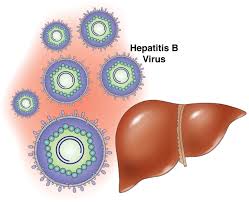
The hepatitis B virus is not spread by contaminated food or water, and cannot be spread casually in the workplace.

The incubation period of the hepatitis B virus is 75 days on average, but can vary from 30 to 180 days. The virus may be detected 30 to 60 days after infection and persists for variable periods of time.

Symptoms

Most people do not experience any symptoms during the acute infection phase. However, some people have acute illness with symptoms that last several weeks, including yellowing of the skin and eyes (jaundice), dark urine, extreme fatigue, nausea, vomiting and abdominal pain.

In some people, the hepatitis B virus can also cause a chronic liver infection that can later develop into cirrhosis of the liver or liver cancer.

More than 90% of healthy adults who are infected with the hepatitis B virus will recover and be completely rid of the virus within six months.

Who is at risk for chronic disease?

The likelihood that infection with the hepatitis B virus becomes chronic depends upon the age at which a person becomes infected. Children less than 6 years of age who become infected with the hepatitis B virus are the most likely to develop chronic infections:

  • 80–90% of infants infected during the first year of life develop chronic infections;
  • 30–50%% of children infected before the age of 6 years develop chronic infections.

In adults:

  • <5% of otherwise healthy adults who are infected will develop chronic infection;
  • 15–25% of adults who become chronically infected during childhood die from hepatitis B-related liver cancer or cirrhosis.

Diagnosis

It is not possible, on clinical grounds, to differentiate hepatitis B from hepatitis caused by other viral agents and, hence, laboratory confirmation of the diagnosis is essential. A number of blood tests are available to diagnose and monitor people with hepatitis B. They can be used to distinguish acute and chronic infections.

Laboratory diagnosis of hepatitis B infection centres on the detection of the hepatitis B surface antigen HBsAg. WHO recommends that all blood donations are tested for this marker to avoid transmission to recipients.

  • Acute HBV infection is characterized by the presence of HBsAg and immunoglobulin M (IgM) antibody to the core antigen, HBcAg. During the initial phase of infection, patients are also seropositive for HBeAg.
  • Chronic infection is characterized by the persistence (>6 months) of HBsAg (with or without concurrent HBeAg). Persistence of HBsAg is the principal marker of risk for developing chronic liver disease and hepatocellullar carcinoma (HCC) later in life.
  • The presence of HBeAg indicates that the blood and body fluids of the infected individual are highly contagious
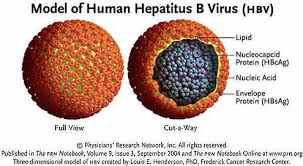
Treatment

There is no specific treatment for acute hepatitis B. Care is aimed at maintaining comfort and adequate nutritional balance, including replacement of fluids that are lost from vomiting and diarrhoea.

Some people with chronic hepatitis B can be treated with drugs, including interferon and antiviral agents. Treatment can slow the progression of cirrhosis, reduce incidence of HCC and improve long term survival. Treatment, however, is not readily accessible in many resource-constrained settings.

Liver cancer is almost always fatal and often develops in people at an age when they are most productive and have family responsibilities. In developing countries, most people with liver cancer die within months of diagnosis. In high-income countries, surgery and chemotherapy can prolong life for up to a few years.

People with cirrhosis are sometimes given liver transplants, with varying success.
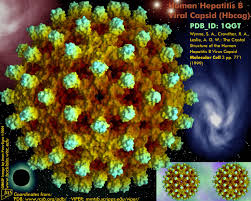
Prevention

The hepatitis B vaccine is the mainstay of hepatitis B prevention. WHO recommends that all infants receive the hepatitis B vaccine as soon as possible after birth, preferably within 24 hours.

The birth dose should be followed by 2 or 3 doses to complete the primary series. In most cases, 1 of the following 2 options is considered appropriate:

  • a 3-dose schedule of hepatitis B vaccine, with the first dose (monovalent) being given at birth and the second and third (monovalent or combined vaccine) given at the same time as the first and third doses of DTP vaccine; or
  • 4 doses, where a monovalent birth dose is followed by 3 monovalent or combined vaccine doses, usually given with other routine infant vaccines.

The complete vaccine series induces protective antibody levels in more than 95% of infants, children and young adults. Protection lasts at least 20 years and is possibly lifelong.

All children and adolescents younger than 18 years old and not previously vaccinated should receive the vaccine if they live in countries where there is low or intermediate endemicity. In those settings it is possible that more people in high risk groups may acquire the infection and they should also be vaccinated. They include:

  • people who frequently require blood or blood products, dialysis patients, recipients of solid organ transplantations;
  • people interned in prisons;
  • injecting drug users;
  • household and sexual contacts of people with chronic HBV infection;
  • people with multiple sexual partners, as well as health-care workers and others who may be exposed to blood and blood products through their work; and
  • travellers who have not completed their hepatitis B vaccination series should be offered the vaccine before leaving for endemic areas.

The vaccine has an excellent record of safety and effectiveness. Since 1982, over one billion doses of hepatitis B vaccine have been used worldwide. In many countries, where 8–15% of children used to become chronically infected with the hepatitis B virus, vaccination has reduced the rate of chronic infection to less than 1% among immunized children.

As of July 2011, 179 Member States vaccinate infants against hepatitis B as part of their vaccination schedules. This is a major increase compared with 31 countries in 1992, the year that the World Health Assembly passed a resolution to recommend global vaccination against hepatitis B. Furthermore, as of July 2011, 93 Member States have introduced the hepatitis B birth dose.

In addition, implementation of blood safety strategies, including quality-assured screening of all donated blood and blood components used for transfusion can prevent transmission of HBV. Safe injection – unnecessary as well as unsafe injections – practices can protect against HBV transmission. Furthermore, safer sex practices, including minimizing the number of partners and using barrier protective measures (condoms), protect against transmission.

WHO response

WHO is working in the following areas to prevent and control viral hepatitis:

  • raising awareness, promoting partnerships and mobilizing resources;
  • formulating evidence-based policy and data for action;
  • preventing of transmission; and
  • executing screening, care and treatment.

WHO also organizes World Hepatitis Day on July 28 every year to increase awareness and understanding of viral hepatitis.


 

Cabergoline therapy for cushing disease throughout pregnancy


CABERGOLINE

Obstet Gynecol. 2013 Aug;122(2 Pt 2):485-7. doi: 10.1097/AOG.0b013e31829e398a.

http://www.ncbi.nlm.nih.gov/pubmed/23884269
.
Woo I, Ehsanipoor RM.
Source
Department of Gynecology and Obstetrics and Division of Maternal-Fetal Medicine, Department of Gynecology and Obstetrics, Johns Hopkins University School of Medicine, Baltimore, Maryland.
Abstract
BACKGROUND:
Cushing disease during pregnancy is rare and is associated with significant maternal and fetal morbidity and mortality. Transsphenoidal pituitary surgery is the first-line therapy; however, in cases of failed surgery or in patients who are not surgical candidates, medical therapy has been used to control symptoms.
CASE:
A 29-year-old woman with Cushing disease and a noncurative transsphenoidal pituitary surgery was successfully treated with cabergoline, a dopamine agonist. After approximately 1 year of therapy, she became pregnant. She was maintained on high-dose cabergoline throughout her pregnancy and had an uncomplicated antenatal course. She went into spontaneous labor at 38 weeks of gestation and delivered a healthy female neonate.
CONCLUSION:
Cabergoline can be used to manage Cushing disease successfully during pregnancy with an opportunity for a favorable outcome.

Cabergoline (brand names Dostinex and Cabaser), an ergot derivative, is a potent dopamine receptor agonist on D2 receptors. In vitro, rat studies show cabergoline has a direct inhibitory effect on pituitary lactotroph (prolactin) cells.[1] It is frequently used as a first-line agent in the management of prolactinomas due to higher affinity for D2 receptor sites, less severe side effects, and more convenient dosing schedule than the older bromocriptine.

History

Cabergoline was invented by scientists working for the Italian drug company Farmitalia-Carlo Erba SpA in Milan in 1981/82,[2] who were experimenting with semisynthetic derivatives of the ergot alkaloids. Farmitalia-Carlo Erba was acquired by Pharmacia in 1992, which in turn was acquired by Pfizer in 2002. The drug was approved by the FDA on December 23, 1996. It went generic in late 2005 following US patent expiration.

Intellectual property

Farmitalia filed a patent application for Cabergoline in 1982, and U.S. Patent 4,526,892 issued in July 1985.

Pharmacology

Although cabergoline is commonly described principally as a dopamine D2 receptor agonist, it also possesses significant affinity for the D3, D4, 5-HT1A, 5-HT2A, 5-HT2B, 5-HT2C, α2B receptors, and moderate/low affinity for the D1 and 5-HT7 receptors. Cabergoline functions as an agonist at all of these receptors except for 5-HT7 and α2B, where it acts as an antagonist.[3]

Following a single oral dose, resorption of cabergoline from the gastrointestinal (GI) tract is highly variable, typically occurring within 0.5 to 4 hours. Ingestion with food does not alter its absorption rate. Human bioavailability has not been determined since the drug is intended for oral use only. In mice and rats the absolute bioavailability has been determined to be 30 and 63 percent, respectively. Cabergoline is rapidly and extensively metabolized in the liver and excreted in bile and to a lesser extent in urine. All metabolites are less active than the parental drug or inactive altogether. The human elimination half-life is estimated to be 63 to 68 hours in patients with Parkinson’s disease and 79 to 115 hours in patients with pituitary tumors. Average elimination half-life is 80 hours.

The therapeutic effect in treatment of hyperprolactinemia will typically persist for at least 4 weeks after cessation of treatment.

Mechanism of action

Cabergoline is a long-acting dopamine D2 receptor agonist and in vitro rat studies show a direct inhibitory effect on the prolactin secretion in the pituitary’s lactotroph cells. Cabergoline decreased serum prolactin levels in reserpinized rats.

Receptor binding studies indicate a low affinity for dopamine D1 receptors, α1-adrenergic receptors, and α2-adrenergic receptors.[1]

  • Dostinex at www.rxlist.com”. Retrieved 2007-04-27.
  • 2 US Patent 4526892 – Dimethylaminoalkyl-3-(ergoline-8′.beta.carbonyl)-ureas
  • 3  Sharif NA, McLaughlin MA, Kelly CR, Katoli P, Drace C, Husain S, Crosson C, Toris C, Zhan GL, Camras C (March 2009). “Cabergoline: Pharmacology, ocular hypotensive studies in multiple species, and aqueous humor dynamic modulation in the Cynomolgus monkey eyes”. Experimental Eye Research 88 (3): 386–97. doi:10.1016/j.exer.2008.10.003. PMID 18992242.
  • National Institute ofMental Health. PDSD Ki Database (Internet) [cited 2013 Jul 24]. ChapelHill (NC): University of North Carolina. 1998-2013. Available from: http://pdsp.med.unc.edu/pdsp.php
  •  Sayyah-Melli, M; Tehrani-Gadim, S; Dastranj-Tabrizi, A; Gatrehsamani, F; Morteza, G; Ouladesahebmadarek, E; Farzadi, L; Kazemi-Shishvan, M (2009). “Comparison of the effect of gonadotropin-releasing hormone agonist and dopamine receptor agonist on uterine myoma growth. Histologic, sonographic, and intra-operative changes”. Saudi medical journal 30 (8): 1024–33. PMID 19668882edit

Sankaran, S.; Manyonda, I. (2008). “Medical management of fibroids”. Best Practice & Research Clinical Obstetrics & Gynaecology 22 (4): 655. doi:10.1016/j.bpobgyn.2008.03.001. PMID 18468953. edit http://www.britishfibroidtrust.org.uk/journals/bft_Sankaran.pdf

CUSHING DISEASE VIDEO