
FLAGS AND HITS
 DRUG APPROVALS BY DR ANTHONY MELVIN CRASTO
 FACEBOOK
...................................................................Join me on twitter
FACEBOOK
...................................................................Join me on twitter
 ..................................................................Join me on google plus
 Googleplus
MYSELF



Semagacestat (LY450139)

(2S)-2-hydroxy-3-methyl-N-((1S)-1-methyl-2-{[(1S)-3-methyl-2-oxo-2,3,4,5-tetrahydro-1H-3-benzazepin-1-yl]amino}-2-oxoethyl)butanamide
Semagacestat (LY450139) was a candidate drug
CEP-26401 Irdabisant; Histamine H3 Receptor Antagonists
1005402-19-6
313.3941, C18 H23 N3 O2
Histamine H3 Receptor Antagonists in phase 1
6-[4-[3-[2(R)-Methylpyrrolidin-1-yl]propoxy]phenyl]pyridazin-3(2H)-one
3(2H)-Pyridazinone, 6-[4-[3-[(2R)-2-methyl-1-pyrrolidinyl]propoxy]phenyl]-
6-(4-{3-[(2R)-2-methylpyrrolidin-1-yl]propoxy}phenyl)pyridazin-3(2H)-one
6-[4-[3-[(2R)-2-methyl-1-pyrrolidinyl]propoxy]phenyl]-3(2H)-pyridazinone
irdabisant
Cephalon Inc, innovator

CEP-26401 is a histamine H3 receptor antagonist in phase I clinical development at Cephalon to improve cognition in Alzheimer’s disease patients and for the treatment of schizophrenia. Cephalon was acquired by Teva in October 2011.
CEP-26401 [irdabisant; 6-{4-[3-((R)-2-methyl-pyrrolidin-1-yl)-propoxy]-phenyl}-2H-pyridazin-3-one HCl] is a novel, potent histamine H3 receptor (H3R) antagonist/inverse agonist with drug-like properties. High affinity of CEP-26401 for H3R was demonstrated in radioligand binding displacement assays in rat brain membranes (Ki = 2.7 ± 0.3 nM) and recombinant rat and human H3R-expressing systems (Ki = 7.2 ± 0.4 and 2.0 ± 1.0 nM, respectively).
CEP-26401 displayed potent antagonist and inverse agonist activities in [35S]guanosine 5′-O-(γ-thio)triphosphate binding assays. After oral dosing of CEP-26401, occupancy of H3R was estimated by the inhibition of ex vivo binding in rat cortical slices (OCC50 = 0.1 ± 0.003 mg/kg), and antagonism of the H3R agonist R-α-methylhistamine- induced drinking response in the rat dipsogenia model was demonstrated in a similar dose range (ED50 = 0.06 mg/kg).
CEP-26401 improved performance in the rat social recognition model of short-term memory at doses of 0.01 to 0.1 mg/kg p.o. and was wake-promoting at 3 to 30 mg/kg p.o. In DBA/2NCrl mice, CEP-26401 at 10 and 30 mg/kg i.p. increased prepulse inhibition (PPI), whereas the antipsychotic risperidone was effective at 0.3 and 1 mg/kg i.p. Coadministration of CEP-26401 and risperidone at subefficacious doses (3 and 0.1 mg/kg i.p., respectively) increased PPI. These results demonstrate potent behavioral effects of CEP-26401 in rodent models and suggest that this novel H3R antagonist may have therapeutic utility in the treatment of cognitive and attentional disorders.
CEP-26401 may also have therapeutic utility in treating schizophrenia or as adjunctive therapy to approved antipsychotics
. …………………………. str revealed by
By Carmen Drahl • Posted in http://cenblog.org/the-haystack/2011/03/drug-candidate-structures-revealed-at-acsanaheim/

……………………
WO 2008013838 or http://www.google.com/patents/EP2502918A1?cl=en
Example 11

Step 1.
-
[0174]

-
A mixture of 1-(4-hydroxyphenyl)ethanone (20.4 g, 150 mmol), K2CO3 (62.1 g, 3.0 eq.), and 3-bromo-1-chloropropane (29.6 mL, 2.0 eq.) in CH3COCH3 (200 mL) was heated to 65 °C overnight. The mixture was filtered, washed with acetone, and concentrated to dryness. The crude product was dissolved in 150 mL of CH2Cl2, and washed with saturated NaHCO3, NaCl solution and dried over Na2SO4. Concentration to dryness under vaccum afforded product (31.5 g, 99 % yield): MS m/z 213 (M + H).

Step 2.
-

-
A mixture of the product from step 1 1 (4.6 g, 1.0 eq.) and glyoxalic acid monohydrate (4.6g, 1.0 eq.) was stirred in 15 mL of acetic acid at 100 °C for 2 h. The solvent was evaporated and to the residue was added 25 mL of water, and cooled to 0 °C while conc. aqueous NH4OH was added to pH 8. To this mixture, hydrazine hydrate (4.76 mL, 2 eq.) was added and heated to 100 °C for 1 h. The resulting solid was filtered, washed with water. The crude material was dissolved in CH2Cl2/MeOH and purified by column chromatography with CH2Cl2 to 10 % MeOH in CH2Cl2; Mp 191-3 °C; MS m/z 265 (M + H).

Step 3.
-

-
A mixture of the product from step 2 (5.5 g, 21 mmol), K2CO3 (3.5 eq, 10.1g), 100 mg ofNaI, and R-2-methylpyrrolidine hydrochloride (2 eq., 5.1 g) in 250 mL of acetonitrile was heated to 80 °C for 2 days. The reaction mixture was then filtered, washed with CH2Cl2 (2 x 50mL), and concentrated. The residue was dissolved in 200 mL of CH2Cl2, and washed with saturated NaHCO3, saturated NaCl, dried with Na2SO4 and concentrated. The residue was purified by ISCO graduate chromatography with 100% CH2Cl2 to 5%MeOH: 95% CH2Cl2:0.5 mL of 2-aminopropane and then to 10%MeOH: 90% CH2Cl2:0.5 mL of 2-aminopropane to give the product. The product was dissolved in 15 mL of MeOH and then added 30 mL of 0.5 N HCl in EtOH. Evaporation of the solvent, and crystallization from MeOH: Et2O afforded the example 11 as the HCl salt (2.65g, 41 %): Mp 240-2 °C; MS m/z 314 (M + H).

……………….
Bioorg Med Chem Lett. 2012 Jun 15;22(12):4198-202. doi: 10.1016/j.bmcl.2012.04.001. http://www.sciencedirect.com/science/article/pii/S0960894X12004404
…………
Bioorganic and Medicinal Chemistry Letters, 2014 , vol. 24, 5 p. 1303 – 1306
http://www.sciencedirect.com/science/article/pii/S0960894X14000912

……………
Journal of Medicinal Chemistry, 2011 , vol. 54, 13 p. 4781 – 4792
http://pubs.acs.org/doi/full/10.1021/jm200401v

HTL-9936 is a selective muscarinic M1 agonist designed to improve cognitive function in patients with AD and other diseases

(2)

GENERAL STR
HTL-9936
PRE CLINICAL
Selective muscarinic acetylcholine receptor M1 (CHRM1; HM1) agonist
MolecularTargetMuscarinic acetylcholine receptor M1 (CHRM1) (HM1)
Mechanism of ActionMuscarinic acetylcholine receptor M1 agonist
Heptares Therapeutics was founded in 2007 to develop drugs against GPCRs. Its lead candidate,HTL-9936, is a selective muscarinic M1 agonist designed to improve cognitive function in patients with AD and other diseases, which recently entered the clinic for the first time.
Heptares Therapeutics, the leading GPCR structure-guided drug discovery and development company, announces that it has initiated a Phase 1 clinical study of HTL9936, the first fully selective muscarinic M1 receptor agonist to enter clinical development. HTL9936 is an orally available, small molecule drug candidate discovered using the Heptares GPCR structure-based drug design (SBDD) platform. Heptares plans to develop HTL9936 as a novel treatment for improving cognitive function (memory and thinking abilities) in patients with Alzheimer’s disease and other diseases associated with dementia and cognitive impairment.
“We are excited to initiate clinical development of HTL9936, a first-in-class agent with the potential to become an important new medicine for improving cognitive function in patients with Alzheimer’s disease and other potential indications including schizophrenia and Lewy body dementia,” said Malcolm Weir, CEO of Heptares. “In addition, the initiation of this clinical trial with HTL9936 marks an important milestone for Heptares, as we evolve into a clinical-stage business with a rich portfolio of novel GPCR-targeted agents advancing through Phase 1 and 2a clinical trials in the near-term.”
M1 receptor agonism is a well-validated mechanism of action for treating cognitive impairment and a valuable pharmacological profile that the pharmaceutical industry has endeavored to create for decades. The principal challenge has been to engineer selective compounds that activate the M1 receptor subtype without also activating the M2 or M3 receptors, which are associated with undesirable side effects. All previous compounds have been discontinued due to inadequate selectivity. Using a new structure-guided approach, Heptares scientists determined the x-ray crystal structure of the M1 receptor for the first time and leveraged unique insights into the receptor to identify new chemistries with fully selective M1 agonist profiles.
The Phase 1 study will evaluate the safety, tolerability and pharmacokinetics of HTL9936. In addition, the clinical pharmacodynamics of the drug will be investigated in a series of studies over the next year. This study aims to recruit more than 100 healthy volunteers including elderly people at a single clinical centre in the UK. Initial results are expected in mid-2014
About Alzheimer’s Disease and Other Disorders of Cognitive Impairment
Today there is significant unmet medical need and heavy economic burden across multiple diseases characterised by cognitive impairment and dementia. In Alzheimer’s disease, currently available drugs provide limited and transient effects on cognition. Healthcare costs associated with the epidemic of AD, including nursing home care, continue to grow dramatically and new therapies with better and more durable efficacy are urgently needed. In addition, an estimated 80% of schizophrenics suffer from cognitive impairment and 1.3 million patients in the US suffer from Lewy body dementia. Currently there are no approved therapies for treating cognitive impairment in schizophrenia or for treating Lewy body dementia.
About Heptares Therapeutics
Heptares creates new medicines targeting clinically important, yet historically challenging, GPCRs (G protein-coupled receptors), a superfamily of drug receptors linked to a wide range of human diseases. Leveraging our proprietary structure-based drug design technology platform, we have built an exciting pipeline of novel drug candidates with the potential to transform the treatment of serious diseases, including Alzheimer’s disease, ADHD, diabetes, schizophrenia, and migraine. Our pharmaceutical partners include Cubist, MorphoSys, Takeda, AstraZeneca and MedImmune, and we are backed by Clarus Ventures, MVM Life Science Partners, Novartis Venture Fund, the Stanley Family Foundation and Takeda Ventures. To learn more about Heptares, please visit http://www.heptares.com
…………………….
WO 2013072705
http://www.google.com/patents/WO2013072705A1?cl=en
Scheme 3 below.


Scheme 3
………………………………………….
WO 2014045031
http://www.google.com/patents/WO2014045031A1?cl=en
Muscarinic acetylcholine receptors (mAChRs) are members of the G protein-coupled receptor superfamily which mediate the actions of the neurotransmitter acetylcholine in both the central and peripheral nervous system. Five mAChR subtypes have been cloned, to M5. The mAChR is predominantly expressed post-synaptically in the cortex, hippocampus, striatum and thalamus; M2 mAChRs are located predominantly in the brainstem and thalamus, though also in the cortex, hippocampus and striatum where they reside on cholinergic synaptic terminals (Langmead et al., 2008 Br J
Pharmacol). However, M2 mAChRs are also expressed peripherally on cardiac tissue (where they mediate the vagal innervation of the heart) and in smooth muscle and exocrine glands. M3 mAChRs are expressed at relatively low level in the CNS but are widely expressed in smooth muscle and glandular tissues such as sweat and salivary glands (Langmead et al, 2008 Br J Pharmacol).
Muscarinic receptors in the central nervous system, especially the mAChR, play a critical role in mediating higher cognitive processing. Diseases associated with cognitive impairments, such as Alzheimer’s disease, are accompanied by loss of cholinergic neurons in the basal forebrain (Whitehouse et al, 1982 Science). In schizophrenia, which is also characterised by cognitive impairments, mAChR density is reduced in the pre-frontal cortex, hippocampus and caudate putamen of
schizophrenic subjects (Dean et al, 2002 Mol Psychiatry). Furthermore, in animal models, blockade or lesion of central cholinergic pathways results in profound cognitive deficits and non-selective mAChR antagonists have been shown to induce psychotomimetic effects in psychiatric patients. Cholinergic replacement therapy has largely been based on the use of acetylcholinesterase inhibitors to prevent the breakdown of endogenous acetylcholine. These compounds have shown efficacy versus symptomatic cognitive decline in the clinic, but give rise to dose-limiting side effects resulting from stimulation of peripheral M2 and M3mAChRs including disturbed gastrointestinal motility, bradycardia, nausea and vomiting
(http ://www. d rugs . com/pro/donepezi 1. htm I ;
http://yvww.drugs.com/pro/rivastigmine.html).
Scheme 1 below.
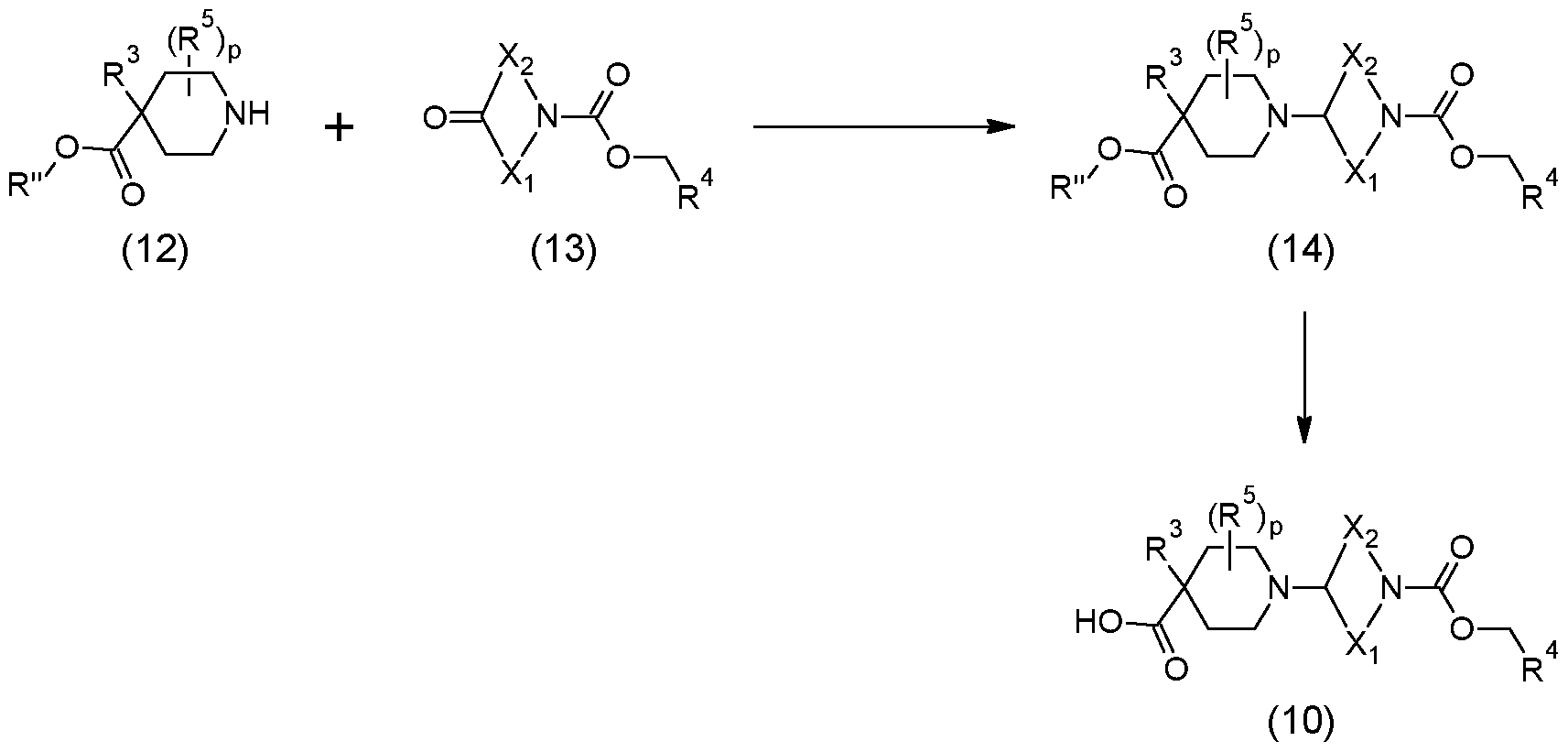
Scheme 1
Scheme 2 below.

(1 1)
Scheme 2
REF
March 2012, data were presented at the 243rd ACS meeting in San Diego, CA
April 2013, similar data were presented at the 245th ACS Meeting in New Orleans, LA.
September 2012, preclinical data were presented at the Fourth RSC/SCI GPCRs in Medicinal Chemistry Symposium in Windlesham, UK.
‘Achilles heel’ of pancreatic cancer identified

A research team at Georgetown Lombardi Comprehensive Cancer Center reports that inhibiting a single protein completely shuts down growth of pancreatic cancer, a highly lethal disease with no effective therapy.
Their study, published online today in Science Signaling, demonstrates in animal models and in human cancer cells that while suppressing Yes-associated protein (Yap) did not prevent pancreatic cancer from first developing, it stopped any further growth.
“We believe this is the true Achilles heel of pancreatic cancer, because knocking out Yap crushes this really aggressive cancer. This appears to be the critical switch that promotes cancer growth and progression,” says the study’s senior investigator, Chunling Yi, PhD, an assistant professor of oncology at Georgetown Lombardi.
Yi added that because Yap is over-expressed in other cancers, such as lung, liver and stomach tumors, researchers are already working on small molecule drugs that will inhibit activity of the protein and its…
View original post 229 more words
Kidney disease gene controls cancer highway
University of Queensland researchers have discovered that a gene that causes kidney disease also controls growth of the lymphatic system, a key route through which cancer spreads.
Pkd1 is the most frequently mutated gene in autosomal dominant polycystic kidney disease, which causes cysts to develop on kidneys and can lead to renal failure.
Researchers, led by Dr Ben Hogan from UQ’s Institute for Molecular Bioscience, (IMB) discovered that Pkd1 also controls lymphatic vessel development.
“Lymphatic vessels are used by tumours as a ‘highway’ through which they can metastasise, or spread, to other tissues,” Dr Hogan said.
“Most cancer deaths occur as a result of metastasis, so it is vital that we gain a better understanding of how lymphatic vessels grow and develop into a network.
“Pkd1 is a highly studied gene, so its unique role in lymphatic vessel formation is unexpected and gives us a unique entry point to…
View original post 120 more words
US confirms first case of Mers coronavirus

http://www.bbc.com/news/world-us-canada-27264460
Health officials have reported the first case of Mers coronavirus in the US after a man fell ill following travel to Saudi Arabia.
The unidentified patient has been hospitalised in Indiana with the Middle East respiratory syndrome (Mers).
Saudi Arabia says more than 100 people infected with Mers have died since an outbreak began in 2012.
Mers, unusually lethal and found in camels, causes symptoms including fever, pneumonia and kidney failure.
Local Indiana health officials, along with members of the Centers for Disease Control and Prevention, are investigating the case.
The man, said to be a health care worker from Saudi Arabia, fell ill about a week ago after arriving in the US.
He reportedly stopped in London before landing in Chicago and taking a bus to Indiana.
Concerns grow in Europe over threat from deadly pig virus
http://www.bbc.com/news/science-environment-27256466
France is expected to suspend pig-related imports from a number of countries as worries grow over the spread of a deadly swine virus.
Porcine Epidemic Diarrhoea Virus (PEDv) has killed some seven million piglets in the US in the past year.
The disease has also been found in Canada, Mexico and Japan.
While the virus isn’t harmful to humans or food, France is concerned over the potential economic impact and is set to suspend imports of live pigs and sperm.
PEDv is spread in faecal matter and attacks the guts of pigs, preventing them from absorbing liquids and nutrients.
Older animals can survive but fatality rates among piglets run between 80% and 100%.
So virulent is the agent that one expert estimated that a spoonful of infected manure would be enough to sicken the entire US herd.
The disease is believed…
View original post 671 more words

Orphan Drugs: FDA April 2014 Approvals

.
.
The chart below identifies orphan drug designated products receiving FDA approval in April 2014 (as of 05/03/14) in ascending “Approval Date” order.
FDA April 2014 Orphan Drugs Receiving Approval
| # | Generic Name/Approval Date | Sponsor Company | Indication |
| 1 | ethiodized oil injection (Lipiodol)/ 04.04 | Guerbet LLC | Imaging tumors in adults with known hepatocellular carcinoma (HCC) |
| 2 | Ramucirumab (Cyramza)/ 04.21 | Eli Lilly and Company | Gastric Cancer or gastro-esophageal junction adenocarcinoma |
| 3 | Siltuximab (Sylvant)/ 04.23 | Janssen Biotech | Multicentric Castleman’s Disease (MCD) |
| 4 | Mercaptopurine/ 04.28 | Nova Laboratories Limited (UK) | Acute Lymphoblastic Leukemia (ALL) |
| 5 | Ceritinib (Zykadia)/ 04.29 | Novartis Pharmaceuticals Corp | ALK+ metastatic non-small cell lung cancer (NSCLC) who have progressed onor are intolerant
to crizotinib |
.
Please Note: FDA Official Logo from FDA website.
Copyright © 2012-2014, Orphan Druganaut Blog. All rights reserved.
‘Achilles heel’ of pancreatic cancer identified
A research team at Georgetown Lombardi Comprehensive Cancer Center reports that inhibiting a single protein completely shuts down growth of pancreatic cancer, a highly lethal disease with no effective therapy.
Their study, published online today in Science Signaling, demonstrates in animal models and in human cancer cells that while suppressing Yes-associated protein (Yap) did not prevent pancreatic cancer from first developing, it stopped any further growth.
“We believe this is the true Achilles heel of pancreatic cancer, because knocking out Yap crushes this really aggressive cancer. This appears to be the critical switch that promotes cancer growth and progression,” says the study’s senior investigator, Chunling Yi, PhD, an assistant professor of oncology at Georgetown Lombardi.
Yi added that because Yap is over-expressed in other cancers, such as lung, liver and stomach tumors, researchers are already working on small molecule drugs that will inhibit activity of the protein and its…
View original post 229 more words
30-year puzzle in breast cancer solved
In a new study published today in Cell Reports, scientists at the Fred Hutchinson Cancer Research Center demonstrate that mice lacking one copy of a gene called CTCF have abnormal DNA methylation and are markedly predisposed to cancer. CTCF is a very well-studied DNA binding protein that exerts a major influence on the architecture of the human genome, but had not been previously linked to cancer.
Over 30 years ago, frequent loss of one copy of chromosome 16 was first reported in breast cancer but the gene or genes responsible remained to be identified. Dr. Gala Filippova, staff scientist at Fred Hutch and co-author of the study, originally cloned the human CTCF gene and mapped it to chromosome 16, within the same region that is frequently lost in human cancers. That same year, Dr. Chris Kemp of the Human Biology Division at Fred Hutch, co-authored a paper demonstrating that…
View original post 234 more words
DR ANTHONY MELVIN CRASTO

ORGANIC SPECTROSCOPY


 New Drug Approvals