PROUD Indian WORLD RECORD VIEWS holder on THIS BLOG, ………live, by DR ANTHONY MELVIN CRASTO, Worldpeaceambassador, Worlddrugtracker, Helping millions, 100 million hits on google, pushing boundaries,2.5 lakh plus connections worldwide, 45 lakh plus VIEWS on this blog in 227 countries, 7 CONTINENTS ……A 90 % paralysed man in action for you, I am suffering from transverse mylitis and bound to a wheel chair, [THIS BLOG HOLDS WORLD RECORD VIEWS ] A PROUD INDIAN
Join me on Facebook
FACEBOOK
...................................................................Join me on twitter
..................................................................Join me on google plus
Googleplus
MYSELF
DR ANTHONY MELVIN CRASTO Ph.D ( ICT, Mumbai)
, INDIA
36Yrs Exp. in the feld of Organic Chemistry,Working for AFRICURE PHARMA as ADVISOR earlier with GLENMARK PHARMA at Navi Mumbai, INDIA. Serving chemists around the world. Helping them with websites on Chemistry.Million hits on google,
NO ADVERTISEMENTS , ACADEMIC , NON COMMERCIAL SITE, world acclamation from industry, academia, drug authorities for websites, blogs and educational contribution, ........amcrasto@gmail.com..........+91 9323115463, Skype amcrasto64
DR ANTHONY MELVIN CRASTO, Born in Mumbai in 1964 and graduated from Mumbai University, Completed his Ph.D from ICT, 1991,Matunga, Mumbai, India, in Organic Chemistry, The thesis topic was Synthesis of Novel Pyrethroid Analogues, Currently he is working with AFRICURE PHARMA, ROW2TECH, NIPER-G, Department of Pharmaceuticals, Ministry of Chemicals and Fertilizers, Govt. of India as ADVISOR, earlier assignment was
with GLENMARK LIFE SCIENCES LTD, as CONSUlTANT, Retired from GLENMARK in Jan2022 Research Centre as Principal Scientist, Process Research (bulk actives) at Mahape, Navi Mumbai, India. Total Industry exp 32 plus yrs, Prior to joining Glenmark, he has worked with major multinationals like Hoechst Marion Roussel, now Sanofi, Searle India Ltd, now RPG lifesciences, etc. He has worked with notable scientists like Dr K Nagarajan, Dr Ralph Stapel, Prof S Seshadri, etc, He did custom synthesis for major multinationals in his career like BASF, Novartis, Sanofi, etc., He has worked in Discovery, Natural products, Bulk drugs, Generics, Intermediates, Fine chemicals, Neutraceuticals, GMP, Scaleups, etc, he is now helping millions, has 9 million plus hits on Google on all Organic chemistry websites. His friends call him Open superstar worlddrugtracker. His New Drug Approvals, Green Chemistry International, All about drugs, Eurekamoments, Organic spectroscopy international,
etc in organic chemistry are some most read blogs He has hands on experience in initiation and developing novel routes for drug molecules
and implementation them on commercial scale over a 32 PLUS year tenure till date Feb 2023, Around 35 plus products in his career. He has good knowledge of IPM, GMP, Regulatory aspects, he has several International patents published worldwide . He has good proficiency in Technology transfer, Spectroscopy, Stereochemistry, Synthesis, Polymorphism etc., He suffered a paralytic stroke/ Acute Transverse mylitis in Dec 2007 and is 90 %Paralysed, He is bound to a wheelchair, this seems to have injected feul in him to help chemists all around the world, he is more active than before and is pushing boundaries, He has 100 million plus hits on Google, 2.5 lakh plus connections on all networking sites, 100 Lakh plus views on dozen plus blogs, 227 countries, 7 continents, He makes himself available to all, contact him on +91 9323115463, email amcrasto@gmail.com, Twitter, @amcrasto , He lives and will die for his family, 90% paralysis cannot kill his soul., Notably he has 38 lakh plus views on New Drug Approvals Blog in 227 countries......https://newdrugapprovals.wordpress.com/ , He appreciates the help he gets from one and all, Friends, Family, Glenmark, Readers, Wellwishers, Doctors, Drug authorities, His Contacts, Physiotherapist, etc
He has total of 32 International and Indian awards
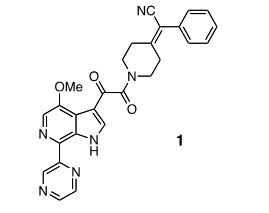
1 (DS003, BMS-599793) is a small molecule entry inhibitor that interferes with HIV infection by binding to the gp120 protein.1 The International Partnership for Microbicides (IPM) licensed 1 from Bristol-Myers Squibb (BMS) with the goal to develop it as a topical microbicide for use in resource-poor countries. Microbicides are vaginal dosage forms of potent inhibitors of HIV that women can use to prevent sexual transmission of HIV from male partners.
1 (a) Maddon, P. J.; Dalgleish, A. G.; McDougal, J. S.; Clapham, P. R.; Weiss, R. A.; Axel. R. Cell 1986, 47, 333-348. (b) McDougal, J. S.; Kennedy, M. S.; Sligh, J. M.; Cort, S. P.; Mawle, A.; Nicholson, J. K. Science 1986, 231, 382-385. (c) Moore, J. P.; Jameson, B. A.; Weiss, R. A.; Sattentau, Q. J. in Viral fusion mechanisms. ed. J. Bentz, CRC Press, Boca Raton, Fla. 1993, p. 233-289.
The discovery and development of new therapeutic strategies against HIV has extended and improved the quality of life of infected patients. Thus far, 30 antiretroviral drugs have been approved by the Food and Drug Administration to treat individuals infected with HFV. These drugs fall into three major classes: reverse transcriptase inhibitors, protease inhibitors, and entry inhibitors, including fusion inhibitors. Unfortunately, currently available therapies have several limitations.
For example, as HIV reproduces itself, different strains of the virus emerge, some of which are resistant to antiretroviral drugs. Therefore, doctors recommend patients infected with HIV take a combination of antiretroviral drugs known as highly active antiretroviral therapy (HAART). This strategy, which typically combines at least three effective antiretroviral drugs from at least two different classes, has been shown to effectively suppress the virus when used properly.
Patients taking antiretroviral drugs, however, often have low adherence to complicated drug regimens. The currently recommended HAART regimen involves taking several antiretroviral drugs each day, some of which may require fasting and cause unpleasant side effects such as nausea and vomiting. In addition, antiretroviral drugs may cause more serious medical problems, including metabolic changes such as abnormal fat distribution, abnormal lipid and glucose metabolism, and bone loss. Additional problems associated with current therapies include drug-drug interactions, toxicity, poor tolerability, inconvenient dosing frequency, and food interactions, Thus, simpler, less toxic, and more effective drag regimens would be beneficial.
Entry inhibitors represent the newest generation of antivirals for the treatment of HIV. These inhibitors may prove beneficial for the growing number of HIV-infected individuals who have developed resistance to the currently available reverse transcriptase inhibitors and protease inhibitors. These compounds act by interfering with attachment of HIV gpl20 to either the CD4 T cell receptor or the CCR5/CXCR4, thereby blocking entry of the vims into the host cell (Biia «t al, J, Antinύcrβb, Chemother. 57(4):619 (2006)). Maraviroc and enfuvirtide are currently the only entry inhibitors that have been approved by the Food and Drug Administration (FDA). Thus, new entry inhibitors and efficient and effective methods for synthesizing them are needed in the art.
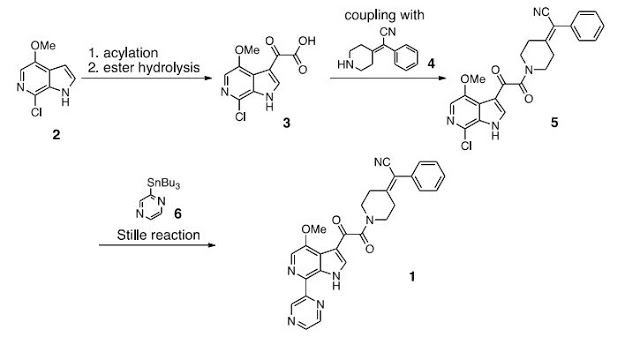
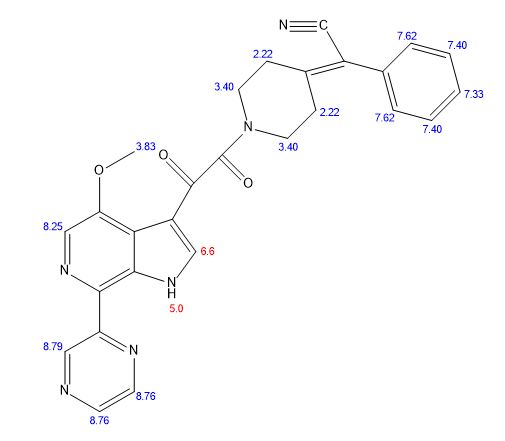
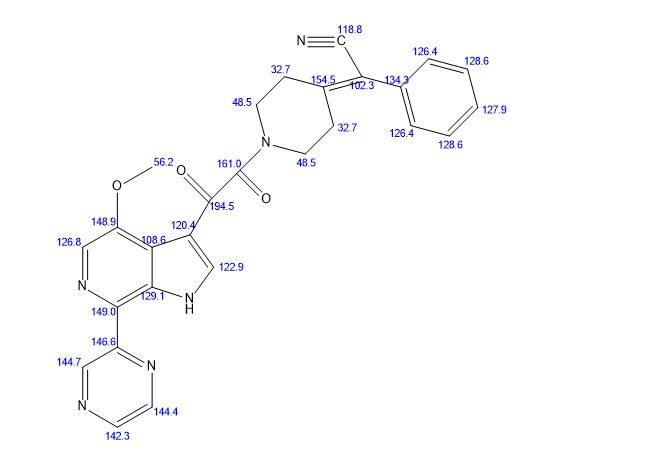
2-(1-(2-(4-methoxy-7-(pyrazin-2-yl)-1H-pyrrolo[2,3-c]pyridin-3-yl)-2-oxoethanoyl)piperidin-4- ylidene)-2-phenylethanenitrile (1, laboratory scale process). A flask was charged with acid 11 (9.29 g, 31.2 mmol), DIPEA (12.9 mL, 78 mmol), 4 (7.18 g, 36.3 mmol) and DMF (95 mL) subsequently. HATU (13.66 g, 35.9 mmol) was added to the reaction mixture over 10 minutes, which was accompanied by increase of internal temperature from 19 0C to 27 0C. After the reaction mixture was stirred at 25 0C for 3.5 h the HPLC analysis showed complete disappearance of acid 11. Ethanol (950 mL) was added and the resulting suspension was heated at reflux for 1 h. The mixture was then cooled to 25 0C and 1 was isolated by filtration and washed with ethanol (50 mL). The material was dried under vaccum at 50 0C to afford 10.58 g (71% yield) of 1 as a colorless solid.
LCMS: m/e 479.3 (M+H)+. Analysis by ICP-MS showed 16 ppm Pd, 79 ppm Fe, 102 ppm Zn. This material was found to be a mixture of two polymorphs: Form 1 and Form 2.
kilo-lab scale process including polymorph conversion
1 (84% yield) and 99.6% purity by HPLC. This material was a pure Form 1 polymorph.
10 Example 1: Synthesis of Iodopyrazine (1) from Chloropyrazine
NaI, HOAc, H2SO4, MeCN, f N reflux,4-6h, ca. 58% f Υ
A reaction mixture of chloropyrazine (7.5 ml, 83 mmol), NaI (30.3 g, 202 15 mmol), HOAc (9.6 ml, 168 mmol) and H2SO4(0.5 ml) in MeCN (105 ml) was heated at reflux for 4.5 hours. The solvent was removed and water (120 ml) was added. After the solution was basified with saturated NaHCO3, it was extracted with dichloromethane (DCM) (2 x 125 ml). The DCM layers were combined, washed with saturated Na2S2O3, brine and dried. The removal of solvent gave crude iodopyrazine as an oil (12.33 g, 20 71%). Analysis by 1H NMR showed there was less than about 10 mol% of chloropyrazine in the oil. Another batch of chloropyrazine (50 g, 437 mmol) was also converted into crude iodopyrazine (about 65 g) by the same procedure. These two batches of crude iodopyrazine were combined and distillation of the crude iodopyrazine under reduced pressure (about 0.75 torr, bp 47°C) gave pure compound 64 g (60%). 25
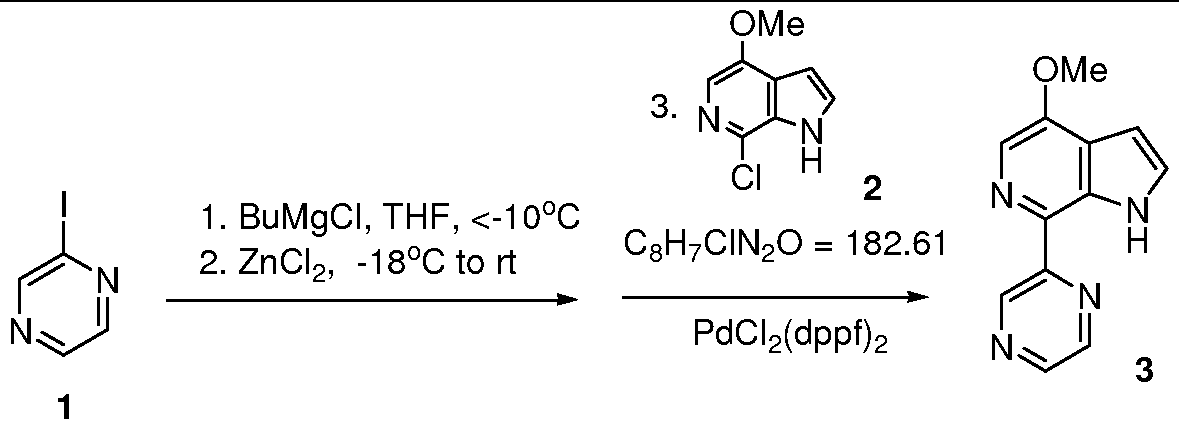
Example 2: Synthesis of Coupled Azaindole (3) from Iodopyrazine (1)
O Q C4H3IN2 = 205.98 C12H10N4O = 226.23 To a solution of iodopyrazine 1 (45.8 g, 0.222 mol) in tetrahydrofuran (THF) (460 ml) at -18°C, BuMgCl (2 M in THF, 108 ml, 216 mmol) was added dropwise via an addition funnel over 20 minutes. The internal temperature of the resulting suspension was raised to -1O0C after addition. The mixture was stirred for another 40 minutes during which time the internal temperature dropped to -180C. Then, ZnCl2 (0.5 M in THF, 220 mmol) was added via addition funnel over 15 minutes. The NaCl-ice bath was removed after addition and the mixture was warmed up to room temperature over 2 hours and was stirred at room temperature for another 0.5 hours. Chloroazaindole 2 (12.95 g, 71 mmol) and PdCl2(dppf)2 (5.8 g, 7.1 mmol) were added into the mixture and mixture heated at 58°C for 6 hours, then stirred at room temperature overnight. Analysis by HPLC showed >20:l ratio of product to starting material.
The reaction was quenched with NH4Cl (36 N aqueous, 25 ml) and the resulting inorganic salt was filtered off and washed with THF. The filtrate was concentrated to about 200 ml and IL of dichloromethane was added. The solution was washed with brine (3×500 ml) and dried (Na2SO4). The solution was concentrated and the residue was absorbed onto silica gel (25 g), then put on top of a silica gel (105 g) column and eluted with hexanes and EtOAc(hexanes:EtOAc=3:l to 0:1). Removal of the solvent gave crude coupled azaindole 3 which was then heated in refluxing EtOAc (350 ml) for about 0.5 hours. After an insoluble sparkling dark red solid was filtered off, and EtOAc was removed, a brown solid (14.86 g) was obtained, which was then dissolved in a refluxing solution of hexanes (40 ml) and EtOAc (120 ml). The resulting solution was cooled to room temperature and the product isolated by filtration to give a brown solid 3 (9.56 g, >99% pure by HPLC, 60% yield).
Example 3: Synthesis of Acylated Azaindole (4) from Coupled Azaindole (3)
C12H10N4O = 226.23 C15H12N4O4 = 312.28
3 4
To a solution of dichloromethane and nitromethane (4:1, 200 ml) in a 500 ml 3- neck flask cooled with ice-water bath, was added AlCl3 (22.3g, 168 mmoles) in portions. Then, 3 (4.75 g, 21.0 mmol) was added into the solution in portions. The internal temperature was raised from 1°C to 60C then back tol°C. ClCOCO2Me (3.9ml, 41.1 mmoles) was added into the solution dropwise using a syringe in over about 5 minutes. The resulting homogeneous solution was stirred at 00C for 10 minutes and then put in the cold room (about 00C ) for 15 hours without stirring. Analysis by HPLC after 15 hours showed that the ratio of 3:4:5 was 0:92:3. The reaction solution was then poured into cold 25% aqueous NH4OAc solution (500 ml) in portions. The organic layer was separated and the aqueous layer was extracted with DCM (300 ml, then 2×150 ml). The combined organic layers were washed with brine (2×300 ml) and dried (Na2SO4). Removal of solvent in vacuo gave ester 4 as a solid (4.85 g, 74%).
Analysis by ICP-MS showed
Example 4: Synthesis of Acylated Azaindole (5) from Acylated Azaindole (4)
C15H12N4O4 = 312.28 C14H10N4O4 = 298.25 4 5
To suspension of ester 4 (10.00 g, 32.1 mmol) in methanol (150 ml), K2CO3 (1
M, 150 ml, 150 mmol) was added. After the reaction mixture was stirred at room temperature for 1 hour methanol was removed in vacuo. The remaining reaction mixture was diluted with water to 1.2 L and washed with MTBE (2×400 ml). The aqueous phase was acidified with HCl (2 M, 185 ml, 370 mmol) to pH=l. The acid 5 (a grey solid) thus formed was filtered off and dried (9.29 g, 97% yield).
Analysis by ICP-MS showed
Example 5: Synthesis of Nitrile 6 from l-Boc-4-piperidone
1 ) NaHMDS, THF,
2) TFA, 3)NaHCO3,
Boc-N >=O 4) HCI . HHCCII
6
NaHMDS (2 M in THF, 8.6 ml, 17.2 mmol) was added into a solution of 1-Boc- 4-piperidone (3.0 g, 14.4 mmol) and benzyl cyanide (2.0 ml, 17.2 mmol) in THF (60 ml) at room temperature. The reaction mixture was heated at 50-600C (oil bath) until benzyl cyanide was consumed (as monitored by HPLC). The reaction was quenched by the addition of methanol (12 ml), and the solvent was removed in vacuo. TFA (30 ml, 402 mmol) was added to the residue and the resulting mixture was stirred at room temperature overnight. Most of the TFA was removed in vacuo and saturated NaHCO3 (100 ml) was added. The mixture was extracted with EtOAc (80 ml, 3×30 ml). The organic layers were combined and washed with brine, and dried (Na2SO4). After removal of the EtOAc, the remaining residue was dissolved in DCM (20 ml). The DCM solution was added dropwise to HCl (0.5 M in ether, 40 ml of 2M diluted to 160 ml with ether) at room temperature to form the hydrochloride salt of nitrile 6. The hydrochloride salt of nitrile 6 was then filtered off and was washed with ether (3×10 ml), and dried to afford 2.75 g of a yellow solid (81% yield).
xample 6: Synthesis of DS003 from Acylated Azaindole 5 and Nitrile 6
5 DS003
A 2 L flask was charged with acid 5 (9.29 g, 31.2 mmol), DIPEA (12.9 ml, 78 mmol), nitrile 6 (7.18 g, 36.3 mmol) and DMF (95 ml) subsequently. HATU (13.66 g, 35.9 mmol) was added the reaction mixture in portions over 10 minutes. The internal temperature rose to 27°C from 19°C. After the reaction mixture was stirred at room temperature for 3.5 hours, analysis by HPLC showed that the starting material was completely consumed. Ethanol (950 ml) was added and the resulting suspension was heated at reflux for lhour. The mixture was then cooled to room temperature and
DS003 was isolated by filtration and washed with ethanol (50 ml). The material was dried on a rotovap at 40-500C then by using an oil pump at room temperature to afford 10.58 g of DS003 (71% yield, >99% purity by HPLC).
A new approach to the synthesis of 1 (DS003, BMS-599793), a small-molecule HIV entry inhibitor, is described. The initial medical chemistry route has been modified by rearranging the sequence of synthetic steps followed by replacement of the Suzuki coupling step by the Negishi conditions. Acylation of the resulting azaindole 7 under the Friedel–Crafts conditions is studied using monoesters of chlorooxalic acid in the presence of aluminum chloride. Polymorphism of 1is also investigated to develop conditions suitable for preparation of the desired Form 1 of the target compound. The new route is further optimized and scaled up to establish a new process that is applied to the synthesis of kilogram quantites of the target active pharmaceutical ingredient.
Elem. Anal: Found: C 59.87, H 5.20, N 12.38; Calcd for C57H60N10O12S2: C 59.99, H 5.30, N 12.27
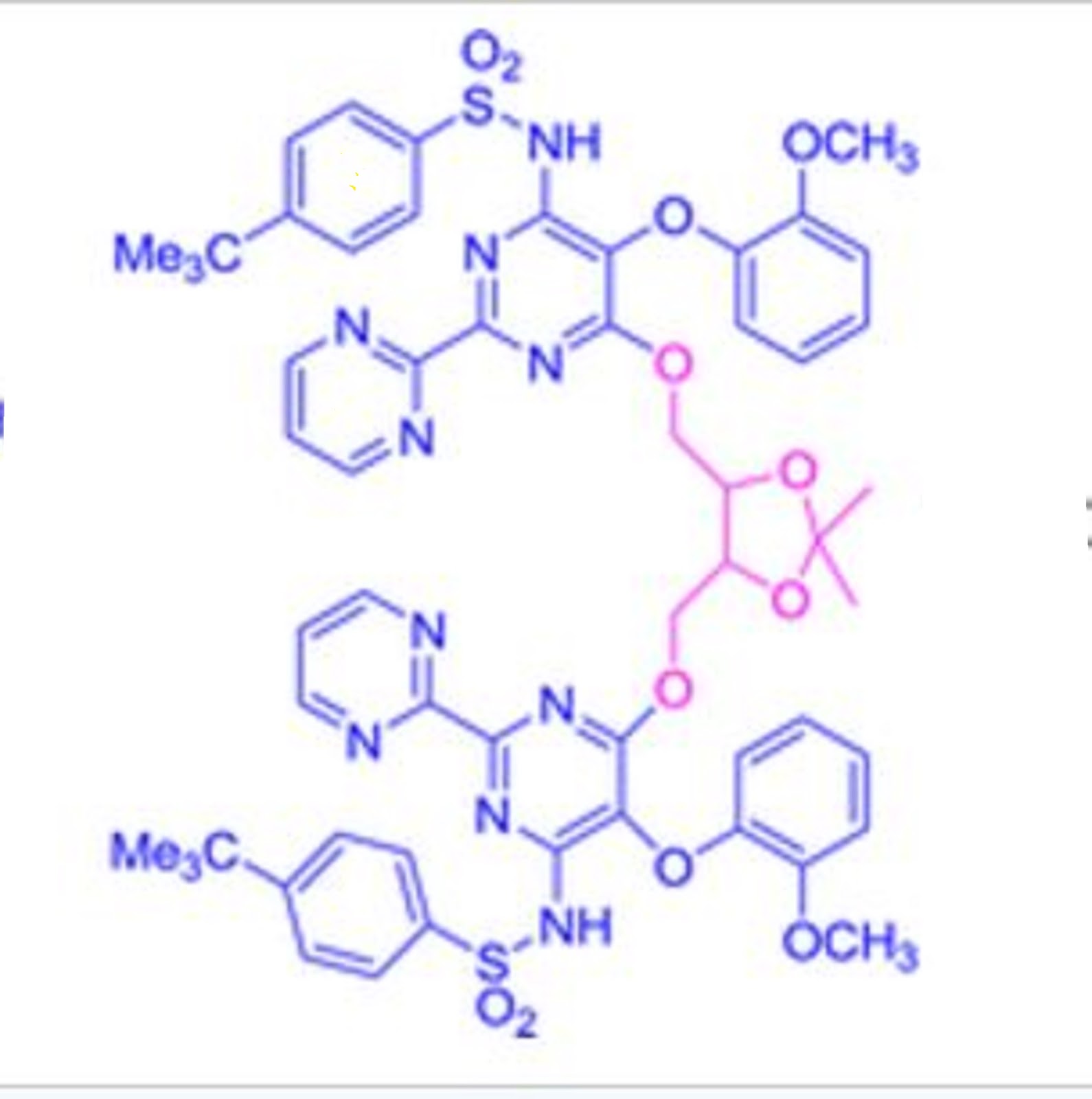
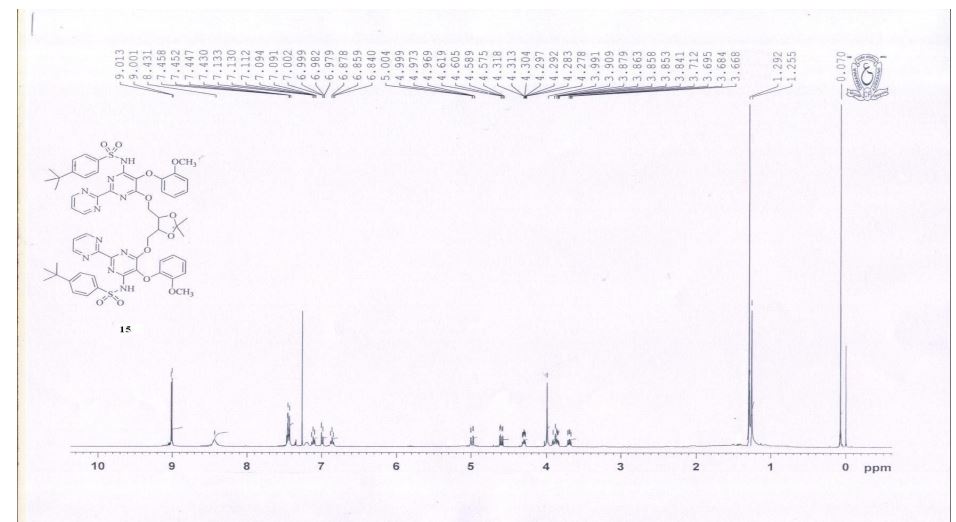
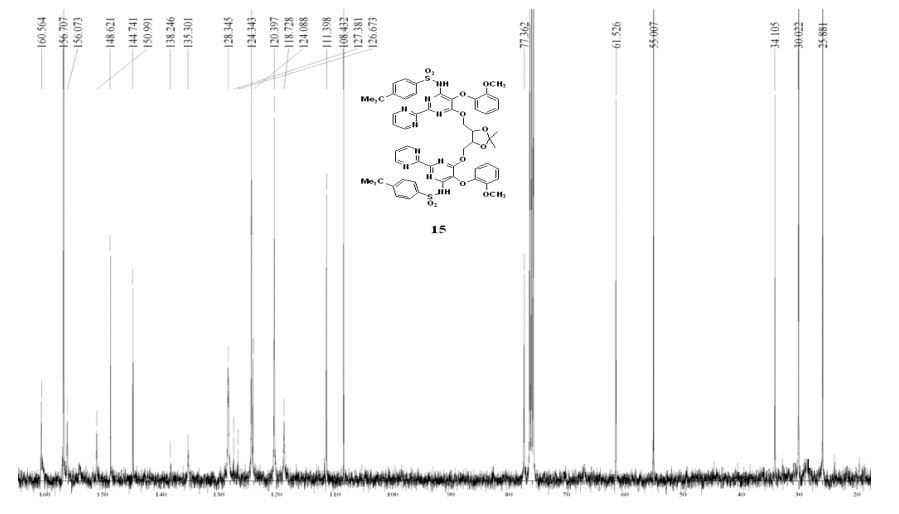
A new and efficient synthetic process for the synthesis of an endothelin receptor antagonist, bosentan monohydrate, involves the coupling of p–tert-butyl-N-(6-chloro-5-(2-methoxy phenoxy)-2,2′-bipyrimidin-4-yl)benzenesulfonamide (7) with (2,2-dimethyl-1,3-dioxolane-4,5-diyl)dimethanol (14) as a key step. This new process provides desired bosentan monohydrate (1) with better quality and yields. Our new methodology consists of technical innovations/improvements which totally eliminate the probability for the formation of critical impurities such as pyrimidinone 8, dimer impurity 9, and N-alkylated impurity 13 in the final drug substance.
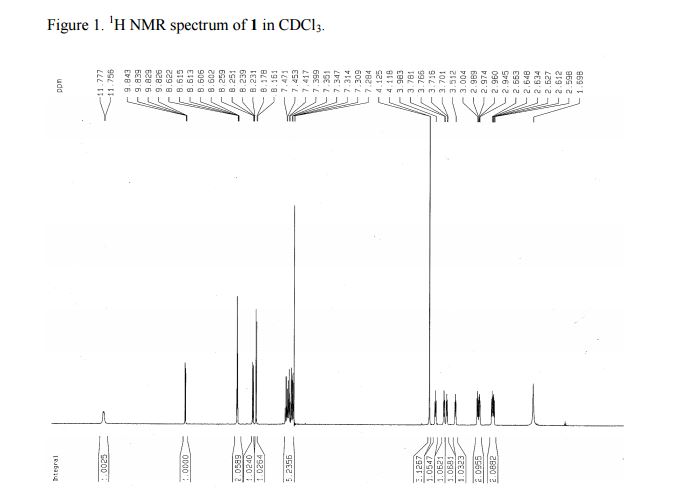
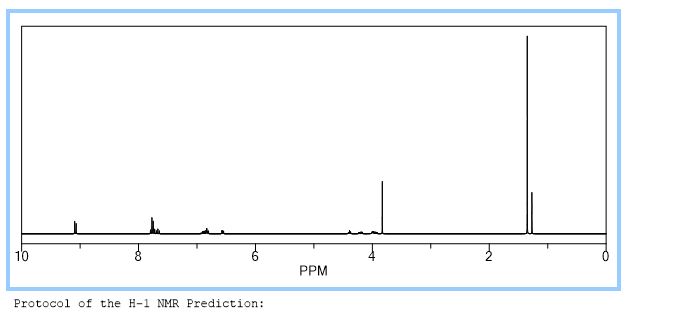
1H NMR PREDICT
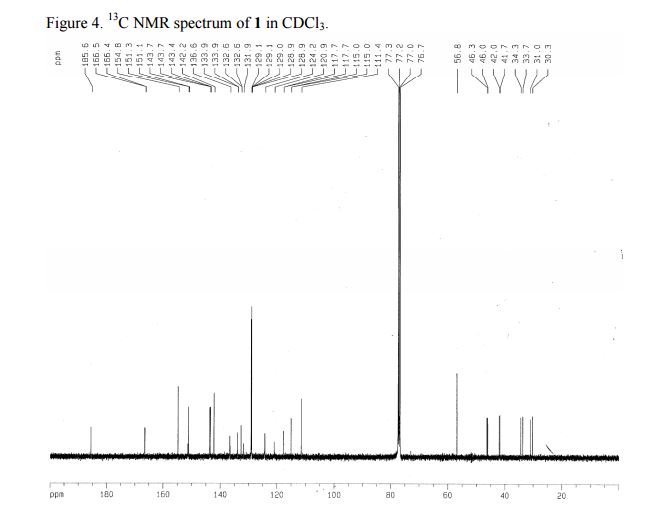
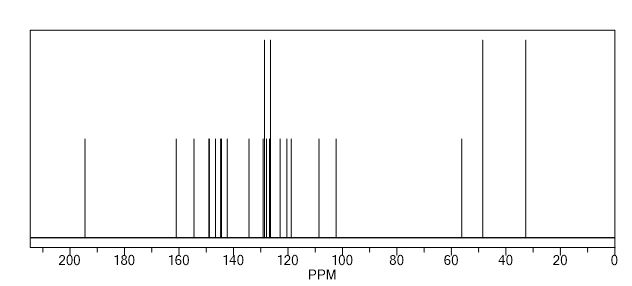
13 C NMR PREDICT
Org. Process Res. Dev., 2013, 17 (8), pp 1021–1026
The transamination-chemistry-based process for sitagliptin is a through-process, which challenges the crystallization of the active pharmaceutical ingredient (API) in a batch stream composed of multiple components. Risk-assessment-based design of experiment (DoE) studies of particle size distribution (PSD) and crystallization showed that the final API PSD strongly depends on the seeding-point temperature, which in turn relies on…
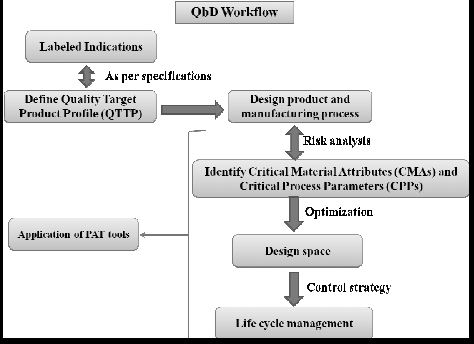
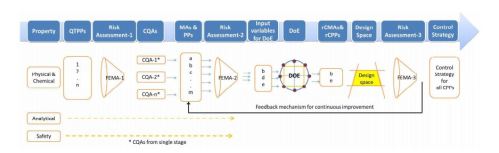
The importance of Quality by Design (QbD) is being realized gradually, as it is gaining popularity among the generic companies. However, the major hurdle faced by these industries is the lack of common guidelines or format for performing a risk-based assessment of the manufacturing process. This article tries to highlight a possible sequential pathway for performing QbD with the help of a case study. The main focus of this article is on the usage of failure mode and effect analysis (FMEA) as a tool for risk assessment, which helps in the identification of critical process parameters (CPPs) and critical material attributes (CMAs) and later on becomes the unbiased input for the design of experiments (DoE). In this case study, the DoE was helpful in establishing a risk-based relationship between critical quality attributes (CQAs) and CMAs/CPPs. Finally, a control strategy was established for all of the CPPs and CMAs…
An International Journal for Reviews and Communications in Heterocyclic Chemistry
Web Edition ISSN: 1881-0942
Published online: 11th October, 2016
Paper | Regular issue | Prepress
DOI: 10.3987/COM-16-13538
■ A Concise and Highly Efficient Synthesis of Praziquantel as an Anthelmintic Drug
Zhezhou Yang, Lin Zhang, Huirong Jiao, Rusheng Bao, Weiwei Xu, and Fuli Zhang*
*Shanghai Institute of Pharmaceutical Industry, China State Institute of Pharmaceutical Industry, 285 Gebaini Road, Shanghai 201203, China
Abstract
A concise and practical synthesis of praziquantel as anthelmintic drug is described. The key steps include a monoalkylation of ethanolamine for the preparation of 2-(2-hydroxyethylamino)-N-phenethylacetamide and a mild oxidation protocol with SO3-Py/DMSO as oxidant to transform alcohol into the corresponding aza-acetal. The telescoped synthesis is composed of five steps without purification of the intermediates, providing an overall yield of 80% with 99.8% purity after crystallization.
Enzalutamide was approved by the U.S. Food and Drug Administration (FDA) on August 31, 2012, then approved by European Medicine Agency (EMA) on June 21, 2013, and approved by Pharmaceuticals and Medical Devices Agency of Japan (PMDA) on March 24, 2014. It was developed by Medivation and Astellas and marketed as Xtandi® by Astellas.
Enzalutamide is an androgen receptor inhibitor that decreases proliferation and induces death of prostate cancer cells. It is indicated for the treatment of patients with metastatic castration-resistant prostate cancer who have previously received docetaxel.
Xtandi® is available as capsule for oral use, containing 40 mg of free Enzalutamide, and the recommended doe is 160 mg once daily.
Prostate cancer, one of the most malignant tumors worldwide, is the second leading cause of cancer deaths among men in America . Although androgen deprivation therapy (ADT) has been proved to be effective initially, the tumor will eventually progress and develop into the lethal castration resistant prostate cancer (CRPC) . The androgen receptor (AR) is a ligand-dependent transcription factor belonging to the nuclear receptor superfamily and plays a critical role in the progression of normal prostate cells. However, overexpression of AR was found in most CRPC, which is essential for CRPC to adapt to the low levels of androgens. As AR contributes significantly to the resistance to castration, it has been recognized as an attractive target for the treatment of CRPC
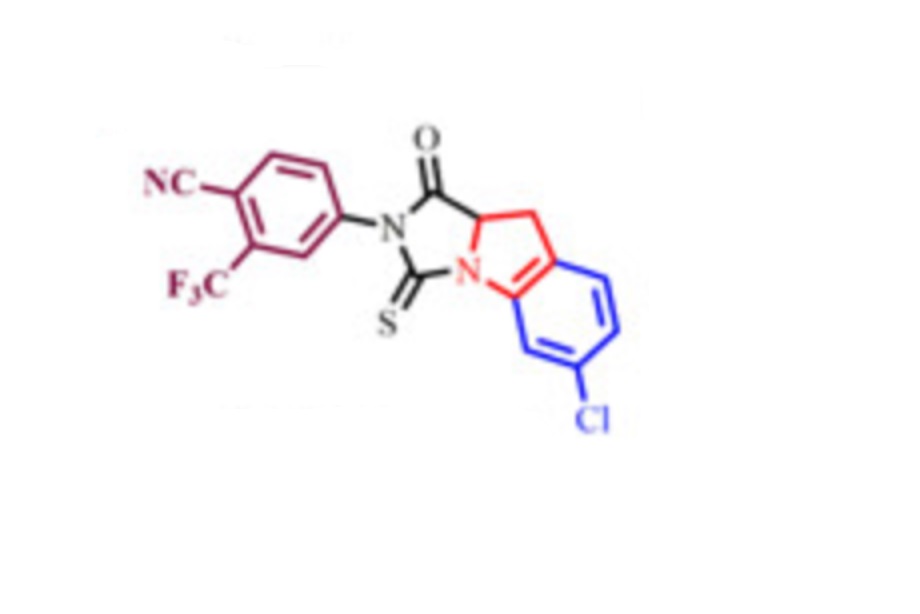
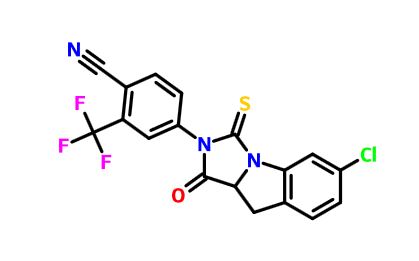
HRMS (ESI): m/z, calculated for C18H9ClF3N3OS 408.0180 (M + H)+ , found 408.0173.
Paper
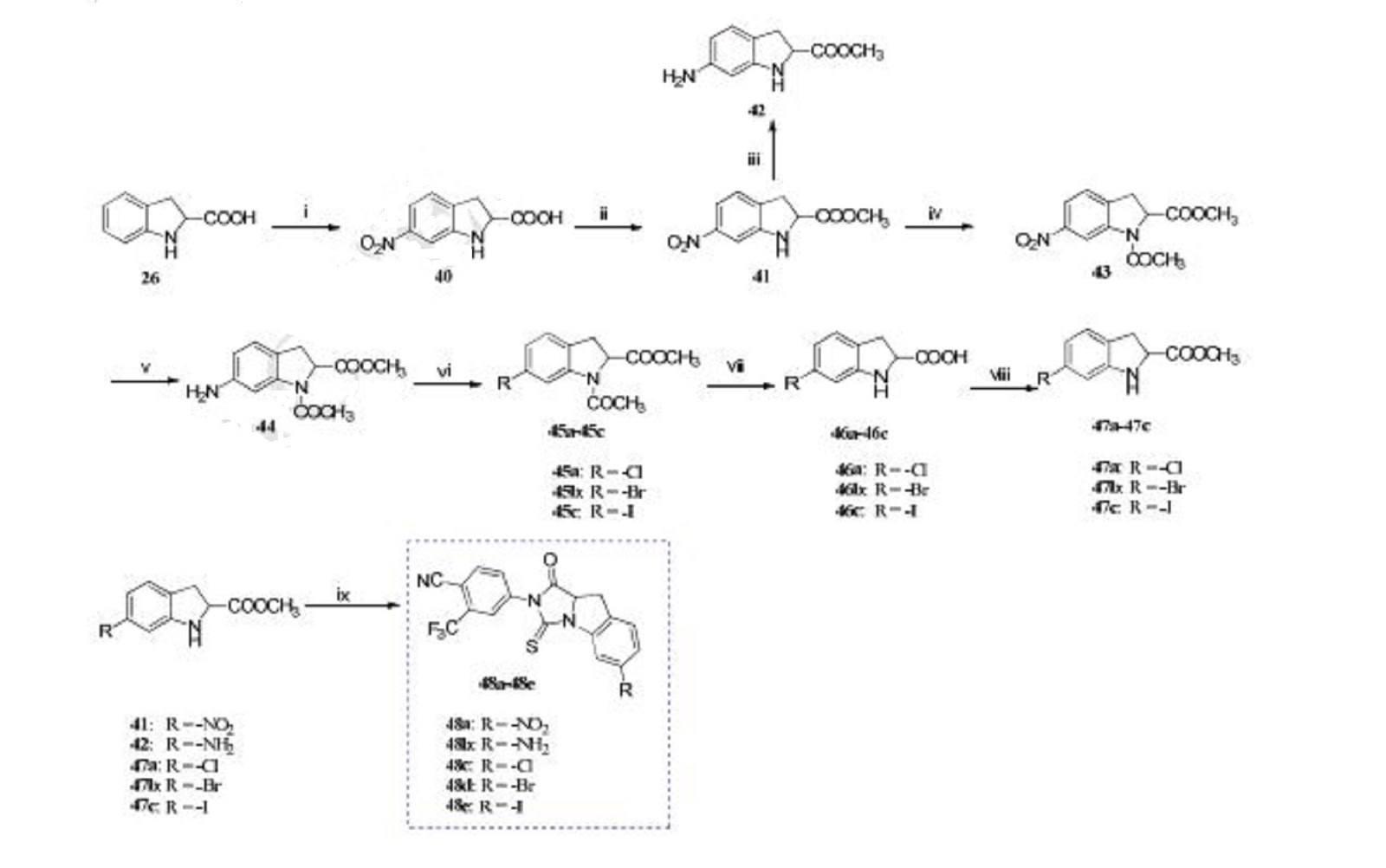
A series of indoline thiohydantoin derivatives were synthesized and evaluated in vitro.The most potent compound 48c shows comparable ability with enzalutamide in proliferation inhibition of LNCaP cells.Compound 48c has less cytotoxic to AR-negative cells compared with Enzalutamide.
The bicalutamide-resistant mechanism was clarified and overcome by compound 48c.
Abstract
A novel scaffold of indoline thiohydantoin was discovered as potent androgen receptor (AR) antagonist through rational drug designation. Several compounds showed good biological profiles in AR binding and higher selective toxicity than enzalutamide toward LNCaP cells (AR-rich) versus DU145 cells (AR-deficient). In addition, the docking studies supported the rationalization of the biological evaluation. Among these compounds, the representative compound 48c exhibited the strongest inhibitory effect on LNCaP growth and also acted as a competitive AR antagonist. Further preliminary mechanism study confirmed that 48c exerted its AR antagonistic activity through impairing AR nuclear translocation. All these results indicated that the novel scaffold compounds demonstrated AR antagonistic behaviour and promising candidates for future development were identified.
The quality of the source water used to produce pharmaceutical water plays an important role for both the design of the treatment and the validation of the water system. FDA Warning Letters over the past few years have shown that compliance with the specification of pharmaceutical water is not enough. A validation of the treatment process is expected. This includes documentation of the process capacity to produce pharmaceutical water according to specification. If we do not know the quality of the source water, however, the purification capacity is not known either. As a consequence, fluctuations of the quality of the source (feed) water quality may lead to water that does not comply with the specification after purification. Or it is not known up to which quality level of the source water pharmaceutical water that complies with the specification can be produced. Therefore, it is important to know the impurities respectively their concentration…
Dr Stephen Langille from the US FDA gave a talk on the FDA’s current thinking with regard to the visual inspection of medicinal products for parenteral use. In his presentation he showed the number of recalls caused by visible particulate matter over the last 11 years. For him, most of the recalls were justified when the types of particles found were taken into consideration. He also emphasized that something is possibly wrong in the visual inspection process if particles found in the market are bigger than 1000 µm.
The prevention of particles is very important to him. From his perspective the best particle is one which is not in the product. Also important to him…
The FDA draft guidance for combination products has a substantial impact on the development of Oral Inhalation and Nasal Drug Products (OINDPs) as it requires that the manufacturers have to be compliant not only with CGMPs for the drugs (21 CFR Parts 210 and 211) but also with the quality system (QS) regulations for devices (21 CFR Part 820). Find out more about the FDA Draft Guidance for Combination Products.
Based on the CGMP requirements for single-entity and co-packaged combination products (21 CFR Part 4) the manufacturers of Oral Inhalation and Nasal Drug Products (OINDPs) have to be compliant with CGMPs for the drug constituent part(s) (21 CFR Parts 210 and 211) and the quality system (QS) regulations for device constituent part(s) (21 CFR Part 820).
This can be achieved either by a drug CGMP-based streamlined approach (21 CFR 4.4(a)) or a QS regulation-based streamlined approach (21 CFR 4.4(b)). Following the…
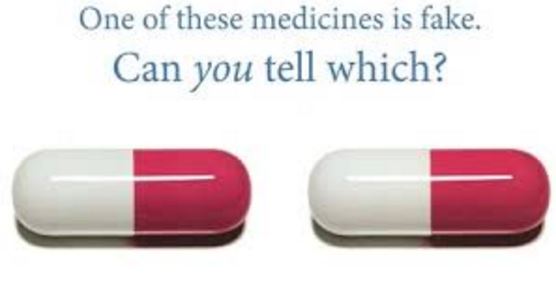
Counterfeit medicine is an increasing problem for public health and economy. This is no longer a problem of certain regions such as Asia and Africa. It has now also become an issue in the EU and US. The European Union Intellectual Property Office (EUIPO) published a press release on 29 September 2016 in which they state that fake medicines cost the EU pharmaceutical sector 10.2 billion Euro every year. Read more about the latest figures on counterfeit medicines
Counterfeit medicine is an increasing problem for public health and economy. This is no longer a problem of certain regions such as Asia and Africa. It has now also become an issue in the EU and the US. In the past, counterfeit medicines could not enter the legal supply chain in the EU and US. But the problem has now also been arising in western countries. A number ofcases of counterfeit medicines were…
Balomenib CAS 2939850-17-4 MF C33H34F3N7O2 MW617.7 g/mol 4-methyl-1-[[(2S)-5-oxomorpholin-2-yl]methyl]-5-[[2-[6-(2,2,2-trifluoroethyl)quinazolin-4-yl]-2,7-diazaspiro[3.5]nonan-7-yl]methyl]indole-2-carbonitrile 4-methyl-1-{[(2S)-5-oxomorpholin-2-yl]methyl}-5-({2-[6-(2,2,2-trifluoroethyl)quinazolin-4-yl]-2,7-diazaspiro[3.5]nonan-7-yl}methyl)-1H-indole-2-carbonitrilemenin inhibitor, antineoplastic, ZE63-0302, 3BEG4BWN8E Balomenib (also known as ZE63-0302) is an oral, small-molecule menin inhibitor currently in clinical development for metabolic and…
Anvumetostat CAS 2790567-82-5 MF C22H19F3N4O3 MW444.4 g/mol (4-amino-1,3-dihydrofuro[3,4-c][1,7]naphthyridin-8-yl)-[(3S)-3-[4-(trifluoromethyl)phenyl]morpholin-4-yl]methanone (4-amino-1,3-dihydrofuro[3,4-c][1,7]naphthyridin-8-yl){(3S)-3-[4-(trifluoromethyl)phenyl]morpholin-4-yl}methanoneantineoplastic, AMG 193, QAT649EJ5E, PRMT5-IN-27, Anvumetostat (also known as AMG 193) is an orally available, small-molecule inhibitor of protein arginine methyltransferase…
Alnodesertib CAS 2267316-76-5 MF C18H24N6O2S MW388.49 4-[4-[(cyclopropyl-methyl-oxo-λ6-sulfanylidene)amino]-6-[(3R)-3-methylmorpholin-4-yl]pyrimidin-2-yl]pyridin-2-amine 4-[4-[(cyclopropyl-methyl-oxo-lambda6-sulfanylidene)amino]-6-[(3R)-3-methylmorpholin-4-yl]pyrimidin-2-yl]pyridin-2-amine (S)-({2-(2-aminopyridin-4-yl)-6-[(3R)-3-methylmorpholin-4-yl]pyrimidin-4-yl}imino)(cyclopropyl)(methyl)-λ6-sulfanoneserine/threonine kinase inhibitor, antineoplastic, ART 0380, EX-A9085 Alnodesertib (formerly known as ART0380) is an investigational, orally administered drug designed to…
Zelebrudomide CAS 2416131-46-7 MF C39H45N9O5 MW 719.8 g/mol 3-[4-[1-[[(3S)-1-[2-(2,6-dioxopiperidin-3-yl)-1,3-dioxoisoindol-5-yl]pyrrolidin-3-yl]methyl]piperidin-4-yl]anilino]-5-piperidin-1-ylpyrazine-2-carboxamide 3-[[4-[1-[[(3S)-1-[2-(2,6-Dioxo-3-piperidyl)-1,3-dioxo-5-isoindolinyl]-3-pyrrolidinyl]methyl]-4-piperidyl]phenyl]amino]-5-(1-piperidyl)pyrazine-2-carboxamide protein degrader, antineoplastic, NX 2127, LSC67HA8DE, NX-2127, BTK Degrader NX-2127 Zelebrudomide (NX-2127) is an investigational new drug that is…
I , Dr A.M.Crasto is writing this blog to share the knowledge/views, after reading Scientific Journals/Articles/News Articles/Wikipedia. My views/comments are based on the results /conclusions by the authors(researchers). I do mention either the link or reference of the article(s) in my blog and hope those interested can read for details. I am briefly summarising the remarks or conclusions of the authors (researchers). If one believe that their intellectual property right /copyright is infringed by any content on this blog, please contact or leave message at below email address amcrasto@gmail.com. It will be removed ASAP

 DRUG APPROVALS BY DR ANTHONY MELVIN CRASTO





















 New Drug Approvals