
Home » Regulatory (Page 2)
Category Archives: Regulatory
 DRUG APPROVALS BY DR ANTHONY MELVIN CRASTO
.....FOR BLOG HOME CLICK HERE
DRUG APPROVALS BY DR ANTHONY MELVIN CRASTO
.....FOR BLOG HOME CLICK HEREFlag and hits
ORGANIC SPECTROSCOPY

SUBSCRIBE

 Subscribe in a reader
Enter your email address:
Delivered by FeedBurner
Subscribe to New Drug Approvals by Email


Recent Comments
 | shivkr2 on SPSR Excellence Award 2025 – S… |
 | Bonkasaurus on Infigratinib phosphate |
 | PALOVAROTENE | ORGAN… on Palovarotene |
| Pfizer just purchase… on Temanogrel | |
| Pfizer To Cash In On… on Temanogrel |
Frequent Asked Question: Which Level of Ozone is Required in a Hot- or Cold-Stored WFI System?

Ozone can be used for the sanitisation of water systems. Which level of concentration is required in water – i.e. in WFI – depends on different factors. Read more about the sanitisation of water systems with ozone.
The usage of ozone is only senseful in cold water systems. But the decisive question is whether ozone is used for a short-term (1-2 hours) or for a long term (> 6 hours) prevention of microbial growth. In the first case, > 50 ppb ozone is generally sufficient whereas in the second case at least 20 ppb are required.
One should keep in mind that WFI cold systems have basically a higher risk of microbial contamination. The need for ozone in large ring systems or in areas difficult to access may be higher. The ozone levels mentioned should thus be achieved in the return flow. Setting the correct ozone concentration for the system must be done within the scope of the PQ – i.e. validation of the water system.
In contrast, ozonisation of hot-stored WFI systems doesn’t make sense. Indeed, the half-life of ozone considerably decreases at temperatures over 40° Celsius. Moreover, the heat in hot WFI system causes sanitisation itself; the usage of additional ozone wouldn’t be meaningful. The risk of biofilm formation in hot-stored WFI systems is considerably lower.


/////
What are “complex manufacturing processes”? A recent reply from the EMA
The Variations Regulation (EC) no. 1234/2008 of the European Commission defines the procedure for variations of existing marketing authorisations. The “detailed guidelines for the various categories of variations“, which were published in the consolidated version in August 2013 in the European Official Journal, explain the interpretation and application of this Variations Regulation.
Although the “detailed guidelines” describe a number of scenarios of possible variations in some detail, there are formulations in the Guideline text which require clarification due to their blur. The EMA adopted such a case in a recent update of itsquestions and answers collection “Quality of Medicines Questions and Answers: Part 1” to concretise the case through a statement.
It is about the term “complex manufacturing processes”, which is used in two scenarios associated with type II variations (found in the “detailed guidelines” p 40ff):
- Replacement or addition of a manufacturing site for part or all of the manufacturing process of the finished product (Guideline change code B.II.b.1)
…
c) Site where any manufacturing operation(s) take place, except batch release, batch control, and secondary packaging, for biological/immunological medicinal products, or for pharmaceutical forms manufactured by complex manufacturing processes. - Change in the batch size (including batch size ranges) of the finished product (Guideline change code B.II.b.4)
…
d) The change relates to all other pharmaceutical forms manufactured by complex manufacturing processes .
The EMA now clarified this term as follows:
- Guideline Change Code B.II.b.1: Complex manufacturing processes are given when the understanding of the relation between quality characteristics of the product and its in vivo efficacy is lacking. This is often the case in innovative medicines such as products of nanomedicine.
- Guideline Change Code B.II.b.4: Complex manufacturing processes are those which contain one or more sub-steps, where a scale-up can lead to problems.
In both scenarios, the approving authority will decide on a case by case basis. If the applicant submits the variation as a Type IB, he must provide a valid justification that the production process is not “complex”. However, in doubt the authority may upgrade the variation to a Type II. Therefore, the EMA recommends that the applicant clarifies the situation with the authority before submitting the variation.
What are “complex manufacturing processes”? A recent reply from the EMA………..http://www.gmp-compliance.org/enews_05072_What-are-%22complex-manufacturing-processes%22-A-recent-reply-from-the-EMA.html
Statistics and Process Validation: current Findings of the FDA

The “new” FDA’s process validation guideline has been effective since January 2011. One considerable change was made to the original validation guideline from 1987 to put a significantly greater emphasis on statistics in the context of process validation. So far, relatively few inspection deficiencies had been observed by the FDA with regard to statistics. At a conference in September 2015 co-sponsored by the FDA, Grace McNally – Senior FDA official – reported about current “findings” in the 483s deficiency reports and in Establishment Inspection Reports (EIR). Now, deficiencies regarding statistical problematics can also be found here.
For example, it has been criticised that a (statistical) sampling plan had be misinterpreted. Wrong AQL values with regard to the number of samples have been noted based on MIL-STD-105D. Moreover, it has been criticised that the company didn’t know the operation characteristics of its sampling plan.
Another criticised “finding” was that PPQ batches had been considered as “accepted” when all in-process controls and release specifications were met. It has also been criticised that no intra-batch variabilities have been examined. In addition, it has been noticed that there was no information available in the validation plan concerning the assessment of the process itself. There was also no indication about the objective of the determination of inter-batch variabilities.
Although OOS results had been found in 2 out of 4 PPQ batches, reduced IPC tests have been recommended in the PPQ report giving the justification that this was a standard procedure. Regarding this point, the FDA criticises the lack of scientific rationales for reduced sampling and monitoring. Interestingly, Grace McNally mentions possibilities for rationales of IPC sampling plans and the adaptation to a reduced size. In this context, she refers to the ANSI/ASQ Z1.4 norm and ISO 2859 whereby it is expressly pointed out that the ANSI norm recommends the production of at least 10 successful batches before reducing testing. According to the ISO norm even 15 successful batches are necessary.
The FDA notified a tablet process, criticising the fact that no rationales for warning and action limits were available. Furthermore, it has been criticised that no analyses on variabilities were available although they had been required internally and no capacity indices had been determined. There have been no analyses on the distribution of data, neither planned nor performed. The FDA also remarked that the calculation of variabilities is necessary to be able to make statements about process capacities.
Conclusion: Reinforcing the emphasis on statistics in the US FDA Process Validation Guideline from 2011 hasn’t been really often addressed in the official deficiencies reports. This seems to be changing.


////////////Statistics, Process Validation, current Findings, FDA
FDA gives Advice on the Use of Control Charts

In our News entitled “Statistics and Process Validation: current Findings of the FDA“, we pointed out that the FDA has been observing more and more deficiencies in the area of statistics with regard to process validation. One of the “statistical methods” – also stated in FDA’s Process Validation Guidance – is the use of control charts in the context of a statistical process control (SPC). A SPC can be a valuable resource, particularly in stage 3 of the process validation lifecycle (continued/ongoing process verification).
During an event with the Product Quality Research Institute (PQRI), Dr Daniel Peng from CDER’s Office of Processes and Facilities (OPF) presented his views on the use of SPC under the heading “Using Control Charts to Evaluate Process Variability”. He began with the history of control charts and their fields of application. He furthermore considered the most important rules to create and manage control charts, including types of control charts, sampling and evaluation rules according to the Western Electric Rules.
He concluded his presentation with examples of control charts for evaluating intra and inter-batch variabilities and site performance monitoring.
The slides of the presentation “Using Control Charts to Evaluate Process Variability” are very easy to read and available for free.
Are you interested in SPC and control charts? On 18/19 February, the ECA organises the Education Course “Statistical Process Control – A key tool for process understanding in the process validation life cycle” in Heidelberg, Germany.
Regulation of Herbal (Traditional) Medicinal Products in the European Union

Regulation of Herbal (Traditional) Medicinal Products in the European Union
| Introduction | |
| The European Union (EU) regulatory framework for medicinal products is complex and is based on the need of a marketing authorization before placing medicines in the market. The main objective is to protect public health by assuring quality, efficacy and safety. The requirements and procedures to obtain a marketing authorization are laid down in regulations, directives and scientific guidelines which are contained in the “Rules Governing Medicinal Products in the European Union”. Several volumes are included which are supported by other publications with complementary information such as scientific or Good Manufacturing Practice (GMP) guidelines, between others [1]. | |
 |
|
| Medicinal plants have been used since Ancient times in all parts of the world. Nonetheless, regulation of herbal medicines in a legal environment was introduced in the 20th century. The EU regulatory framework includes specific requirements for herbal medicinal products (HMP) which are independent from their legal status: traditional herbal medicinal product (THMP) or products based on clinical evidence – well established use (WEU). | |
| Before a HMP is placed in the market, it must be approved by a MS or by the European Commission by one of the existing types of application: full marketing authorization application, well-established use marketing authorization application or Traditional use marketing registration (Table 1).
|
|
| The applicant has to submit adequate quality, non-clinical and clinical documentation of the product, irrespectively of the procedure used. Quality requirements of the pharmaceutical product are the same, regardless of the type of application, while efficacy documentation differs between them. The full marketing application is chosen for new medicinal products (new chemical entity) and it has to be completed with the results of pharmaceutical tests (quality documentation), nonclinical (toxicological and pharmacological) studies and clinical trials. Safety data have to be of sufficient size according the existing guidelines; efficacy is demonstrated by results from the clinical trials which have to be in conformity with the guidelines of the corresponding therapeutic area. This type of application is open for HMP, but only a few examples of herbal products have obtained a marketing authorization in the EU in this way. | |
| EU Pharmaceutical Legislation for Herbal Medicinal Products for Human Use | |
 |
|
| Quality requirements | |
| The principles to assure quality of medicinal products are defined mainly in two Directives of volume 1: Directive 2001/83/EC (which was emended by Directive 2004/24/EC) and Directive 2003/63/EC. | |
| The basic legislation lay down in Directive 2001/83/EC describes the general requirements and provides legal definitions of herbal substances, herbal preparations and herbal medicinal products (Table 2). These concepts are essential for setting quality standards for HMP, as they are by definition complex in nature and so quality requirements set for purified compounds are not suitable for herbal products. | |
| According to the Directive 2001/83/EC, monographs in the European Pharmacopoeia (Eur. Ph.) are legally binding and applicable to all substances which are included in it. For substances which do not have a Eur. Ph. monograph, each Member State (MS) may apply its own national pharmacopoeia. Constituents which are not given in any pharmacopoeia shall be described in the form of a monograph under the same headings included in any monograph in the Eur. Ph., i.e., the name of the substance supplemented by any trade or scientific synonyms; the definition of the substance, set down in a form similar to that used in the European Pharmacopoeia; methods of identification and purity tests. | |
| Moreover, all medicinal products have to be manufactured according to the principles and guidelines of GMP for medicinal products. GMP are applicable to both finished HMP and active substances and, according to Article 46 (f) of Directive 2001/83/EC as amended, marketing authorization holders are required to use as starting materials only active substances which have been manufactured in accordance with the guidelines on the GMP for starting materials as adopted by the Community and distributed in accordance with good distribution practices for active substances. | |
| |
|
| Additional requirements are found in the Directive 2003/63/EC, as Herbal medicinal products differ substantially from conventional medicinal products in so far as they are intrinsically associated with the very particular notion of herbal substances and herbal preparations. It is therefore appropriate to determine specific requirements in respect of these products with regards to the standardized marketing authorization requirements. Then, detailed information on the herbal medicinal product, herbal substances and herbal preparations has to be included, such as the name, address and responsibility of each herbal substance supplier or description of the plant production process, geographical source or drying and storage conditions. The application dossier of a HMP should include specifications and details of all the analytical methods used for testing herbal substances and herbal preparations, results of batch analyses and analytical validation, together with the justification for the specifications. | |
| Most of the quality requirements for HMP are laid down in soft laws (considered as EU measures such as scientific guidelines) which do not have legal force but provide practical harmonization between the MS and the European Medicines Agency (EMA). | |
| The guideline on quality of HMP/THMP covers the general quality aspects of HMP for human and veterinary use, including THMP for human use (EMA, 2014) and indicates which information has to be included in the application dossier. It provides definitions to be taken in account such as genuine (native) herbal preparations, markers, drug to extract ratio (DER) and specifications. Which is more important, it states that the herbal substance or herbal preparation is considered as the whole active substance. In consequence, the quality control of these products has to include appropriate fingerprint analysis to cover not only the content of markers or constituents with known therapeutic activity but also a wider range of chemical constituents. | |
| |
|
| Efficacy requirements | |
| Before a HMP is placed in the market, it must be approved by a MS or by the European Commission by one of the existing types of application: full authorization application, well-established use authorization application or Traditional use registration (Table 3). | |
| The applicant has to submit adequate quality, non-clinical and clinical documentation of the product, irrespectively of the procedure used. Quality requirements of the pharmaceutical product are the same, regardless of the type of application, while efficacy documentation differs between them. The full marketing application is chosen for new medicinal products (new chemical entity) and it has to be completed with the results of pharmaceutical tests (quality documentation), nonclinical (toxicological and pharmacological) studies and clinical trials. Safety data have to be of sufficient size according the existing guidelines; efficacy is demonstrated by results from the clinical trials which have to be in conformity with the guidelines of the corresponding therapeutic area. This type of application is open for HMP, but only a few examples of herbal products have obtained a marketing authorization in the EU in this way. | |
| The well-established medicinal use (WEU) in the EU can be applied to medicinal products for which there exists a wide clinical experience within the EU (not only HMP). The assessment may be based in published controlled clinical trials, non-clinical studies and epidemiological studies. In this type of application, there are no limitations to the therapeutic indication, as this will be derived from the available documentation. | |
| |
|
| (Traditional) Herbal Medicinal Products | |
| Under the Traditional use registration for herbal medicinal product (article 16e), there exist some herbal products that not fulfill the efficacy requirements for a marketing authorization but are endorsed with a long tradition of use. In this case, no clinical trials on these products have been conducted and the efficacy is based on the long-standing use and experience. This simplified registration procedure is limited to products which are intended for use without medical supervision, with a specified strength and posology, to be used by oral, external or inhalation ways, and which can demonstrate a period of use equal or superior to 30 years, including at least 15 years within the EU. In this case, therapeutic indications are limited to those which can be considered safe for use without the supervision of a physician such as minor disorders or symptoms that are benign or self- limiting. In case the applicant should consider another kind of indication, the product must be documented with results of clinical and non-clinical studies, so a full application would be necessary. | |
| Simplified registration of THMP is described in Chapter 2a of Directive 2004/24/EC with three main objectives: a) to protect public health by allowing access to safe and high-quality HMP; b) to allow European citizens the access to medicines of their choice, even those HMP with a long tradition of use and which efficacy hasn’t been proved by clinical trials performed according the modern standards; c) to facilitate movement of medicinal products on the European market. | |
| Directive 2004/24/EC has two different dimensions: the evaluation by National Competent Authorities (NCA) of applications submitted by companies at any MS in the EU and at the EMA, and the establishment of advisory scientific opinions on the medicinal use of herbal substances or preparations. The directive on THMP also established a new scientific committee, the Herbal Medicinal Products Committee (HMPC) at the EMA in London, in 2004, to replace the previous Working Party on Herbal Medicinal Products (CPMP) with the following aims: to elaborate Community monographs and List entries for herbal substances/preparations; to publish scientific guidelines useful for the application of European legal framework; to publish its scientific opinion on questions related to herbal medicinal products and coordinate its work with the European Quality group. The HMPC is made up by 33 members, one member (and one alternate) nominated by each MS of the EU and by Iceland and Norway (the EFAEFTA states). Among them, also five experts are included, representing specific fields of expertise as clinical and non-clinical pharmacology, toxicology or pediatrician medicine. | |
| The guidelines and the monographs developed and approved by the HMPC are accepted by both companies and NCAs and are used for TUR and WEU marketing authorizations. This committee plays a key role in the harmonization of the regulation of HMP whereby Community herbal monographs have a fundamental role. | |
| Usage of Community herbal monographs in the EU regulation of traditional HMP | |
| These documents are established for HMP with regards to bibliographic applications (art. 10 a Directive 2001/83/EC) as well as THPMs. Community monographs reflect the scientific opinion of the HMPC on safety and efficacy data concerning a herbal substance. Any single plant or herbal preparation is assessed individually, according to the available information and includes qualitative and quantitative composition, pharmaceutical form(s), therapeutic indication(s), posology and method of administration, contraindications, special warnings and precautions of use, interactions, use in special population (pregnancy, lactation), effects on ability to drive and use machines, undesirable effects, overdose, pharmacological,pharmacodynamics, pharmacokinetic properties and preclinical safety data. | |
| Community list entry | |
| In the EU, a community list of herbal substances, preparations and combinations thereof for use in THMPs has been established. This list is based in the proposals form HMPC and is gradually developed. Substances or preparations which are included in the list have the main advantage that applicants do not need to provide evidence on the safe or traditional use for its registration at the NCA in the intended use and indication. | |
| A Public statement for one herbal substance/preparation is published because of safety reasons or lack of data to comply with the conditions in the Directive 2004/24/EC (the assessment work didn’t allow a monograph to be published) [2]. | |
| Community monographs are published by the EMA while list entries are approved and published by the European Commission because they are endorsed with a wider legal status: list entries are legally binding and NCAs should not request additional data on safety and traditional use. | |
| The establishment of monographs and list entries is based on the assessment of the published scientific data, together with the existing products in the market. Most of the assessment work is developed by the Monograph and List Working Party (MLWP) at the HMPC, which was established in 2006. In this working group, a member is designed as rapporteur and is responsible of drafting a monograph and/or list entry which will be later on considered and approved by the HPC and then, by the EMA. The documents are published on the EMA website: Community monographs have to be taken in account by the MS when assessing the application of any company. Monographs are note legally binding and MS are not obliged to follow the monographs. | |
| More than 100 species are included in the priority list with the following data: a) scientific data being assessed (R- Rapporteur assigned); b) evaluation report in progress and discussion in the MLWP (D- Draft under discussion); c) scientific opinion under public consultation (PDraft Published); d) comments after public consultation period being evaluated (PF- Assessment close to finalization – pre-final); e) final opinion adopted (F- Final opinion adopted). | |
| MLWP is also responsible of developing guidelines related to legal requirements for TU and WEU, as well as evaluating hazards and problems related to HMP. For the latter, coordination is established with the Safety Working Party (SWP) from the Committee for Medicinal Products for Human Use (CHMP). | |
| Community herbal monographs to support HMPC authorization | |
| A community monograph reflects the scientific opinion from the HMPC in relation to safety and efficacy of one herbal substance/ preparation for medicinal use. AS stated before, a community monograph may be used by a company for a TU or WEU application. That’s the reason why monographs are divided in to two columns: Well Established Use and Traditional Use (simplified application) (Figure 1). WEU is based in the existence of safety data of sufficient size and efficacy data derived from good-quality clinical trials. Traditional use is accepted for those applications which fulfill the criteria shown in the Directive 2004/24/EC. | |
| Each herbal substance/preparation is assessed individually, as the available information may be different for each one. As a result, some substances/preparations may be included in the WEU side, while others will be included in the TU side. If no enough data are available for the substance/preparation, it won’t be included in the monograph. | |
| The approved draft art he HMPC is published for public consultation for 3 month at the EMA website. Comments received are discussed and taken in account when necessary to achieve the final version of the monograph which will be finally published at the MA website. | |
| By the end of 2014, 126 monographs have been adopted and published by the EMA: 104 of them for TU only; 9 of the monographs refer only to WEU (Aloe vera, Cimicifuga racemosa, Rhamnus frangula, Plantago ovata – seed and tegumentum-, Plantago afra, Rheum palmatum, Cassia senna – leaves and fruits-.among them 13 monograph include both TU and WEU. | |
| The main application of a community monograph is to serve as a reference material for the marketing application, both for TU or WEU. Simplified registration is carried on at a national level, so the company gives the dossier to the NCA. With the aim of improving harmonization, the other MSs should recognize the first authorization granted in the first MS, considering that this is based in the European list. | |
| Directive 2004/24/CE established an adaptation period for those herbal products which were on the European market at the moment the Directive was approved. This seven-year period finalized last April 30th, 2011 and implies that nowadays those herbal preparations that not fulfill the actual legislation will not be marketed any more. | |
| In the public report form the EMA last June 2014, the status of updating the medicines registration in the EU was shown. The number Traditional use registrations (TUR) and Well-established use marketing authorizations (WEU) grouped for mono component and combination products has increased in the last years (Figure 2). | |
| The European market for HMP is increasing during the last years and even exceeds prescription medicines. The indications approved cover a wide range of therapeutic areas, most of them characteristic of self-medication diseases: the main therapeutic areas are respiratory tract disorders (cough and cold), mental stress and mood disorders, urinary tract and gynecology disorders, sleep disorders and temporary insomnia (Figure 3). Most of the approved THMP until now were updates of existing authorizations and were based on Community monographs. The Summary of Product Characteristics (SoPC) reflects the items in the corresponding monograph [3]. | |
| A good correlation between the HMPC work and the evaluation of the dossiers from the companies was detected. The relevance of these documents (as shown by the accepted dossiers) is reflected in the HMPC working plan; as an example, last December 2012, 54 among the 56 species with more than 3 marketing authorizations were listed in the priority list. | |
| Conclusión | |
| European legal framework for medicinal products does also include herbal medicinal products to assure their quality, efficacy and safety. The specific characteristics of these products led to the development of a simplified procedure to assure pharmaceutical quality, while keeping safety and efficacy criteria according to marketing authorization granted. | |
| Although the starting point was quite different for the MS, nowadays there exist Community monographs for most of the herbal substances/ preparations that are used in the European market and which form the basis for a harmonization scenario. Moreover, HMPC acts as an International Regulatory Body for herbal medicinal products in order to achieve global standards for this type of medicines, according to other International organization such as the International Conference on Harmonization (ICH). The main tasks the HMPC has to face are those related to herbal medicinal products which have been previously marketed abroad the EU and the increasing existence of combination products within the MS. | |
| References | |
|
|
|
|
||||||||||||
| Table 1: Types of applications for marketing authorization for a HMP in the EU according the Directive 2001/83/EC. |
|
||||||
| Table 2: Definitions applicable to herbal medicinal products (Directive 2001/83/EC). |
|
||||||
| Table 3: Definitions applicable to herbal medicinal products (Directive 2001/83/EC). |
 |
| Figure 1: European Community Monograph for Valeriana officinalis L., radix, for WEU and TU |
Ruiz-Poveda OMP*
Department of Pharmacology, Faculty of Pharmacy, Universidad Complutense de Madrid, 28040 Madrid, Spain
Ruiz-Poveda OMP
Department of Pharmacology, Faculty of Pharmacy
Universidad Complutense de Madrid, Madrid
Ciudad Universitaria s/n. 28040 Madrid, Spain
Tel: 913 941 767
Fax: 913 941 726
E-mail: olgapalomino@farm.ucm.es
Citation: Ruiz-Poveda OMP (2015) Regulation of Herbal (Traditional) Medicinal Products in the European Union. Pharmaceut Reg Affairs 4:142. doi: 10.4172/2167-7689.1000142
/////////Herbal medicines, Good manufacturing practices, Traditional uses
EMA: European Medicines Agency; DER: Drug to Extract Ratio; HMP: Herbal Medicinal Products; THMP: Traditional Herbal Medicinal Products
Finally published: new Annex 16 on QP Certification and Batch Release


Finally published: new Annex 16 on QP Certification and Batch Release
The European Commission finally has published the new EU-GMP Guideline Annex 16 “Certification by a Qualified Person and Batch Release“.
The European Commission has published the final version of the revised EU-GMP Guideline Annex 16 “Certification by a Qualified Person and Batch Release”. Deadline for coming into operation is 15 April 2016.
As one important topic, it has been pointed out that the major task of a Qualified Person (QP) is the certification of a batch for its release. In this context, the QP must personally ensure the responsibilities listed in chapter 1.6 are fulfilled. In chapter 1.7 a lot of additional responsibilities are listed which need to be secured by the QP. The work can be delegated and the QP can rely on the respective Quality Management Systems. However “the QP should have on-going assurance that this reliance is well founded” (1.7). Amongst these twenty-one tasks are for example:
- Starting materials comply and the supply chain is secured, including GMP assessments by third parties
- The necessary audits have been performed and the audit reports are available
- Manufacturing and testing performance are compliant with the MA
- Manufacturing and testing processes are validated
- Changes have been evaluated and investigations completed

It is important to mention in this context that “the ultimate responsibility for the performance of an authorised medicinal product over its lifetime; its safety, quality and efficacy lies with the marketing authorisation holder (MAH). However “the QP is responsible for ensuring that each individual batch has been manufactured and checked in compliance with laws in force (…), in accordance with the requirements of the marketing authorisation (MA) and with Good Manufacturing Practice (GMP)” (see General Principles).
In the case that the QP has to rely on the correct functioning of the quality management system of other sites, the QP “should ensure that a written final assessment and approval of third party audit reports has been made”. The QP should also “be aware of the outcome of an audit with critical impact on the product quality before certifying the relevant batches.”
Another important section clarifies the role of the QP when it comes to deviations, implementing main features of the EMA Position Paper on QP Discretion (which was issued in February 2006 and updated January 2008). Chapter 3 of the draft describes the “handling of unexpected deviations”. A batch with an unexpected deviation from details contained within the Marketing Authorisation and/or GMP may be certified if a risk assessment is performed, evaluating a “potential impact of the deviation on quality, safety or efficacy of the batch(es) concerned and conclusion that the impact is negligible.” Depending on the outcome of the investigation and the root cause, the submission of a variation to the MA for the continued manufacture of the product might be required.
During the consultation phase, stakeholders expressed their concerns regarding the sampling of imported products. Now the new annex is clear on this: “Samples may either be taken after arrival in the EU, or be taken at the manufacturing site in the third country in accordance with a technically justified approach which is documented within the company’s quality system. (…) Any samples taken outside the EU should be shipped under equivalent transport conditions as the batch that they represent.”
The new annex is rather short on other importation requirements. These requirements will probably be defined in the new Annex 21

.////////////published, new Annex 16, QP Certification and Batch Release
The new APIC Guidance on Handling of Insoluble Matter and Foreign Particles in the Manufacture of Active Pharmaceutical Ingredients

The new APIC Guidance on Handling of Insoluble Matter and Foreign Particles in the Manufacture of Active Pharmaceutical Ingredients
The occurrence of foreign particles in the manufacture of active pharmaceutical ingredients is always undesirable. For the responsible QA departments it involves an increased effort as concerns the search for the root causes and for CAPA measures. A new APIC Guidance offers concrete recommendations for the GMP compliant handling of foreign particles in APIs, intermediates and raw materials.
Foreign particles in APIs or medicinal preparations are undesirable and sometimes lead to a recall of the batches concerned. Depending on the type of particles their presence in active pharmaceutical ingredients may be harmless; in many cases they are inevitable. In any case the manufacturer must find an adequate way how to handle those impurities visible to the human eye. The search for a guideline or another official document in the relevant regulations is in vain. Visible particles or fibres are only mentioned in the USP chapter <790>, in chapter 2.9.20 of the European Pharmacopoeia as well as in the United States Food, Drug and Cosmetic Act (FD&C Act).
In order to remedy this lack of guidance or recommendations a group of experts within APIC has drawn up a guidance on the handling of foreign particles. This “Guidance on Handling of insoluble Matter and Foreign Particles in APIs” describes in detail
- the types of particles which can often occur during the manufacture of APIs, API intermediates and raw materials (including packaging materials),
- suitable measures to minimize the presence of particles or to remove them,
- how to determine them analytically
- how to identify the source and to carry out subsequent CAPA measures and an adequate risk management.
This APIC guidance offers valuable assistance for all API manufacturers that are confronted with the problem of the occurrence of foreign particles in their products, intermediates or raw materials. The implementation of the very concrete and practicable recommendations in this guidance offers also valuable supporting arguments for GMP inspections or audits and can help to avoid unpleasant surprises.
///////APIC Guidance, Handling of Insoluble Matter and Foreign Particles, Manufacture, Active Pharmaceutical Ingredients
Pharma Regulations for Generic Drug Products in India and US: Case Studies and Future Prospectives

Dr. Suryakanta Swain
Introduction
The Indian pharmaceutical industry has come a long way from being non-existent before independence to a prominent provider of medicines and health care products in the current decade. The Indian pharmaceutical industry at present is the global leader of growing pharmaceutical manufacturing companies, providing wide range capabilities in the complex field of technology and drug manufacturing. Indian pharma market growing at a rapid pace currently providing Indian pharmaceutical industry third rank all over the world in terms of volume and fourteen ranks, according to market value [1]. The major strength of currently growing Indian pharmaceutical sector is its capability to manufacture wide range of simple analgesic pills to complicated antibiotics, cardiac compounds with peer quality and efficacy and altogether exporting them to developed world. The industry bulk profit comes from exporting generics and API to the developed market mainly US followed by UK, Germany, Brazil etc. The total share of generics accounts in export is 58% providing the major boost, the Indian commerce ministry has set an ambitious export target of $ 25 billion by 2013-14, which can be achieved only by major contribution from generics market [2]. The Indian generics market is growing day by day with Indian pharmaceutical companies seeking more Abbreviated New Drug Application approvals (ANDAs) in US in major segments such as cardiovascular, antibiotics and other groups. The major force for the development of generics market in US came in the form of enacting the Drug Price Competition and Patent Restoration Act of 1984, public law 98-417 better known as “The Hatch- Waxman Act” which created opportunities for developing and marketing generics or better called as abbreviated new drug applications for 180 days. Under ANDAs a pharmaceutical manufacturer can develop and market low price generic version of previously approved innovator drugs, thus providing the same product to patient in pregnable price with safety and efficacy. A generic or biosimilar drug product is one that is comparable to an innovators drug product in dosage form, strength and route of administration, quality, performance characteristics and intended use. All approved products, both innovator and generics, are enlisted in FDA’s orange book. Generic drug application are termed as “abbreviated” because they are generally not required to include preclinical (animal) and clinical (human) data to establish safety and efficacy instead, generics applicant must demonstrate that there product is bioequivalent (i.e., performs in similar manner to innovator products). India has its unique position all over the world generics market, providing drugs at low cost to the developed world, this is because of its rigid and flexible pharma regulations, patent act which is updated from time to time, thus Indian generics market is playing a major role in growth of Indian economy as it provides a major share in export, mainly exporting generics to US, therefore a proper set of rules and regulations is required in future for producing generics and exporting them, so that Indian pharmaceutical sector and economy maintains its growth and becomes leaders globally.
|
|||||||
| Table 1: Regulatory requirements for generic drugs. |
Pharma Regulations for Generic Product in India and US
Generics have an important role to play in public health as they are well known to medical community and usually more affordable due to competition. They are formulated when patent and other exclusivity rights expire. The key for generic medicines is their therapeutic interchangeability with originator products. To ensure the therapeutic efficacy generic products must be pharmaceutically interchangeable (contain the same amount of active ingredient and have the same dosage form) and bioequivalent to the originator product. Bioequivalence is usually established using comparative in-vivo pharmacokinetic studies with originator products. The detailed description how it is carried out is described in respective WHO document and national regulatory guidelines. Well resourced regulatory authorities require that a generic medicine must meet certain regulatory criteria [3,4]. The major regulatory requirement for generic drug is presented in Table 1. For applying the ANDA’s in US, application is submitted under any of the below subsections of 505(j) of Federal act, it is important to comply with rule and regulations of US because it’s the major export destination for Indian generics manufacturers [5], the various application which can be applied for ANDAs in US is depicted in Table 2. The ANDAs review process is most important for developing generics, the review by FDA and CDER is done for generic applicant to compare its therapeutic bioequivalent with brand drugs after its approval for equivalency generic version of drug can be marketed (Figure 1). The review for equivalency is done by taking into account the bioavailability of product with branded drug, its microbiology, chemistry and labeling of product, this are current regulation to follow for generic approvals given by respective FDA.
|
||||||||||
| Table 2: Different types of ANDA applications in US. |
 |
| Figure 1: Explain the ANDA reviews process for development of generic drugs. |
Future Generic Products in India and US
It is seen that there is an upward swing in the generic market. It has reached 100 billion dollars in the past and is estimated to be three times higher than the overall growth of drugs. The current trend exhibits that blockbuster drugs are scheduled to lose their patent protection, opening the doors to cheaper generic drugs between 2013 and 2015 with the total market value in billions. It is expected that the percentage of generic drugs in the US market will rise from 14 to 21. This growth will enhance the export prospect of India and it will be doubled every year. It will be due to increase in the number of low cost workers and degree of innovation. Recent success in track record in design operation of high tech manufacturing, testing, quality control, research, clinical testing and biotechnology also contribute to this higher growth. Indian pharmaceutical industries those who have USFDA (United States Food and Drug Administration) affiliations and approval of ANDA (Abbreviated New Drug Applications) will stand benefited. Now India’s global share in the field of generic market is stipulated at 35% which is very high [6,7]. Table 3 describes list of various drugs going to get off-patent in 2015. To make the situation more favorable the Indian government has also introduced scheme of providing generic drugs to patient in hospitals with various Jan-aushadhi Kendra (Facilitation Centre). Thus future prospects of generics in India and US are very high as they are the next big thing in health care scenario. Consistent with prior research, MEPs (Market Exclusivity Periods) for drugs experiencing initial generic entry in 2011-2012 was 12.6 years for New Molecular Entities (NMEs) with sales greater than $100 million in the year prior to generic entry, and 12.9 years for all NMEs. Further research may reveal variation by type of NME, whether defined by molecule type or other classification. Generic competition has intensified over the past 10-15 years, and the MEP has become an even more important indicator of the economics of brand-name drugs. The MEP is critical to manufacturers’ ability to earn profits on brand-name drugs to fund future research and development activities, and brand-name drug shares rapidly drop following initial generic entry. Over 80% of brandname drugs experiencing initial generic entry in 2012 had faced at least one Paragraph IV patent challenge from a generic manufacturer, up from only 9% for drugs experiencing initial generic entry in 1995. These challenges are filed relatively early in the brand drug life cycle, on average within 7 years of brand launch. Developments for the generic pharmaceutical industry are encouraging as more brand-name drugs come off patent and payers push for cost cuts in health care. In addition, due to increasing FDA budget and staffing should begin to cut the backlog of branded and generic drug applications and increase the ability of the FDA to inspect facilities here and overseas as generic biologics get to market in the next few years [8].
|
|||||||||||||||||||||||||||||||||||||||||||||||||||||||
| Table 3: List of some important drugs going to be off-patents |
Upcoming Challenges for Indian Generics Manufacturers in Global Market
The generic drug companies in India have broad technological and diversified market capabilities. As more and more patents expire, the generic portion of the pharmaceutical market is expected to continue to have increased sales. The scientific capability for manufacturing and supplying generic drugs of these companies will give them an edge over others and make them major players in the international generics market. Fortunately India has the best subject skills to galvanize foreign investors. The encouraging scenario of basic research and drug discovery will also support the changed dynamics. But their future sustainable growth depends on sustaining in competitive markets of developed world. The major challenges for generic manufactures are strengthening the existing regulatory system especially for enabling more detailed and universal classification of drugs and chemicals between branded generic and generics. High R&D cost and investment in research is also a major stumbling block in this direction [9].
|
||||||||||||||||||||||||||||||||||||||||
| Table 4: Describes list of various new ANDAs approval in the year 2013. |
Amendments in the Pharma Regulations for Generic Products
The Hatch-Waxman Act enacted 1984 is a landmark act. It allows generic drugs to enter the market without repeating expensive clinical trials required for their branded drugs. The legislation is meant for balancing the world of generic and branded drug industries. It provides accessibility to lower-cost generic drugs while still encouraging innovation and development of new drugs. Nevertheless, the legislation created unintended legal barriers that have slowed the entry of generic drugs into the market due to significant legal loopholes. The generic drug companies are allowed to market the drug after the patent and certain exclusivities expire. It has led to the prolific growth of generic drugs in the market. Thus some changes are required so that the loopholes can be filled and the regulation can be strengthened and selling of low cost drugs can be achieved. The change in rule related to alleged abuse of the 30-months stay provision is to be taken care were the ANDA applicant informs the original patent holder about the generic version filing, where they have 45 days to file a patent infringement suit against the generic applicant. If an infringement suit is filed within the 45-days period, FDA approval to market the generic version is automatically postponed for 30 months. These stays are extremely advantageous to innovating companies, because they provide over 2 years of additional market sales. Company takes profit by utilizing this route and delays the entry of generic drug in market; many steps have been taken by amending act of Greater Access to Affordable Pharmaceuticals Act passed in 2003 by American government. Extending the extensions by alleged abuse of the 30-month stay provision is done by many companies that holds patent, the companies are able to further delay the market entry of generic drugs is through multiple patent listings in the Orange Book, which is the FDA’s official listing of all the approved products. There are instances in which brand-name companies listed related patents in the Orange Book after an ANDA had already been filed by a generic manufacturer. The effect of these “later-listings” is that the generic applicant is then required to re-certify that the laterlisted patent is also invalid or not infringed and notify the patent holder of the re-certification. Thus more delay occurs in generic drug to reach market [10]( Figure 2).
Recent Cases and Incidents of Generic Products Regulation in India and US
The future prospects of generic product regulation in India and US are of great importance as they will decide the direction of growth of Indian Pharmaceutical Industries. Based on the recent cases and incidents that have occurred in India and US related to the generic product utilization, the new crucial roles will be implemented. The list of a few recent cases and incidents that happened in connection with generics in India & US are discussed in detail below (Figure 3).
 |
| Figure 2: Schematic overview for the benefits of Hatch-Waxman Act. |
 |
| Figure 3: Steps for the launching of generic drugs |
The Karen L. Bartlett case
In December-2004, Physician of Karen L. Bartlett was prescribed Clinoril, the brand-name version of the Non-Steroidal Anti- Inflammatory Drug (NSAID) sulindac, for shoulder pain of Karen L. Bartlett. Her pharmacist dispensed a generic form of sulindac manufactured by petitioner Mutual Pharmaceutical. Karen L. Bartlett soon developed an acute case of toxic epidermal necrolysis. She is severely disfigured, has physical disabilities, and is nearly blind. At the time of the prescription, sulindacs label did not specifically refer to toxic epidermal necrolysis. By 2005, however, the FDA had recommended changing all NSAID labeling to contain a more explicit toxic epidermal necrolysis warning. Respondent sued Mutualin New Hampshire state court. A jury found Mutual liable on respondent’s design-defect claim and awarded her over $21 million. The First Circuit gets ratified. As relevant, it found that neither the FDCA nor the FDA’s regulations pre-empted respondent’s design-defect claim. It distinguished PLIVA, Inc. v. Mensing, 564 U.S in which the Court held that failure-to-warn claims against generic manufacturers are pre-empted by the FDCA’s prohibition on changes to generic drug labels by arguing that generic manufacturers facing design-defect claims could comply with both federal and state law simply by choosing not to make the drug at all. This case is being closely watched by pharmaceutical companies, federal regulators and others, the Supreme Court will decide on whether Mutual can be held responsible for Ms. Bartlett’s injuries. The outcome is likely to further clarify the legal recourse for patients who take generic drugs, which now account for 80 percent of all prescriptions in the US. The verdict on both the sides will be playing a crucial role in drafting future pharma regulations as if the court agrees with Mutual and rules that generic companies cannot be sued for defective products, trial lawyers warn that patients will be left with very few options if they are injured by a generic drug whereas manufacturers of generic drugs and other business groups have said that if the court sides with Ms. Bartlett, the decisions of individual juries could trump the authority of federal agencies like the Food and Drug Administration and potentially lead drug makers to remove valuable medicines from the market. Thus this case will be important for the future of generics drug market in US and India [11,12].
Pay to delay pharmaceutical case
The question of whether the manufacturer of a branded drug can pay another drug manufacturer to keep a generic version of the drug off the market was heard by the United States Supreme Court on 25th March, 2013. The court will decide whether “pay-to-delay” or reverse settlements arrangements, in which the manufacturer of a branded medication pays another company to keep a generic version off the market, are legal or not, the outcome of the case is very important because it will decide for how many patients pay for medications. Federal Trade Commission challenges the payments. It sees these arrangements as collusion, design to stop competition in the market place and is meant for violation of antitrust laws of the nations. The drug makers, in contrast, see the settlements as a routine way of settling a legal dispute, with each side getting something it wants. The Hatch- Waxman Act 1984 has some loophole. Payments are made possible by using these loopholes. Certain amendments are made in the last decade to encourage generic manufacturers to challenge patents held by branded manufacturers before they are set to expire. Typically, the generic manufacturer files for FDA approval to market a generic version of a branded medication that is still under patent protection, and the branded manufacturer sues the generic manufacturer for patent infringement. An increasing number of such cases end in “payto- delay” agreements according to which the generic manufacturer agrees to hold off on introducing the generic version in exchange for payment from the branded manufacturer. The case in point is Androgen (testosterone gel), produced by Solvay Pharmaceuticals whose patent is set to expire in 2020. The bone of contention between Actavis (formerly Watson Pharmaceuticals) and Solvay Pharmaceuticals was Andro Gel. Actavis filed for FDA approval to market a generic version of Andro Gel in 2003, and Solvay sued. In 2006, the FDA approved the generic version for marketing of Actavis, but the suit remained status quo. Later in 2006, the companies came to a settlement according to which Solvay would pay Actavis $20 to $30 million per year in exchange for help with marketing and an agreement to keep its generic version of Andro Gel off the market until 2015. The FTC (Federal Trade Commission) contends that the drug companies colluded to maintain Solvay’s monopoly on Andro Gel because, without the settlement, the generic version would have become available in 2006. A federal district court dismissed the FTC’s argument in this case, but another district court in a similar case decided the opposite way, so it is now up to the Supreme Court to decide and decision is expected. Moreover the best verdict according to many experienced federal judges that supreme court should not generalize the law, where as it should be implemented on case to case basis, thus this case should be great importance for Pharma regulators to draw guidelines for future regulations of generics in India and US and it will be important for patients to decide whether they will opt for cheaper or expensive medicines [13,14].
The Ranbaxy saga case
The criminal fraud that Ranbaxy has done with US FDA has let down many but it’s the fellow generics drug maker of India that will face the heat, this will be a very important incident which will decide fate of generics drug market of India in US and its regulation. Ranbaxy pharmaceutical of India is charged with producing low quality generic drugs in US and manipulating data’s required for filing NDA and ANDA approvals in US, thus cheating their counter parts in many ways to be first in the race of producing generic version. Ranbaxy pleaded guilty to seven federal criminal counts of selling adulterated drugs with intent to defraud, failing to report that its drugs did not meet specifications, and making intentionally false statements to the government. Ranbaxy agreed to pay $500 million in fines, forfeitures, and penalties-the most ever levied against a generic-drug company. The company, now majority owned by Japanese drug maker Daiichi Sankyo, sells its products in more than 150 countries and has 14,600 employees. It also came to light that even Ranbaxy scientist adulterated there generic testing drug with branded drugs for manipulating bioequivalence study.
Thus these serious allegations on one of the top India pharmaceutical company could be a major setback for generic manufactures and Indian Pharma regulator as they have failed to, therefore some strict regulations could be implemented by US FDA in future for Indian generics producers which could be a serious issue as it will lead to effect the generics drug market in India. Thus this will be the major factor which will decide the fate of future regulation of generics in India and US [15,16].
Miscellaneous cases and incidents
The study discusses the case of Swiss drug maker Novartis plea overruled recently by the Supreme Court was an attempt to win patent protection for its cancer drug Glivec. This was a serious blow to Western pharmaceutical firms who are increasingly focusing on India to drive sales and it also affects Indian and US generic market. Glivec (ß-polymorphic form of imatinib mesylate) is indicated for treatment of certain blood and stomach cancers. The Supreme Court decision implies that a clutch of Indian companies, including Cipla, Ranbaxy and Natco, could continue marketing generic versions of the drug at a fraction of the cost of Novartis’ product. While Novartis’ Glivec costs over one lakh a month, local companies sell versions of the drug at roughly ten thousand a month. Supreme Court’s ruling states that the drug has failed in “both the tests of invention and patentability” under Indian law. On the other hand, Glivec is widely recognized as one of the most important medical discoveries in decades, but it lost the battle on innovative quality grounds. The verdict can be interpreted as a battle between research and innovation on one side and public health and affordability on the other. It is true that the prospect of producing cheaper generic versions of lifesaving drugs in the country, thus sale of generics will increase and generic market will be boosted up. Thus the case study suggests that the future of generics in India is bright and this case will be a benchmark for it. The well documented Novartis case in the ‘Glivec’ matter has brought the Indian patent system into sharp focus, whereas Indian regulatory authority should reform new rules for granting patent so that bigger MNCs should be attracted to India in future for better business [18–20].
Recent patents
With expiration of patent branded drugs are applied for generics version, some of the new ANDAs approval in year 2013 [17] are described briefly in Table 4.
CONCLUSION
In situations where demand for medicines exceeds supply, and cost effective drug in demand with minimum expenditure, generic drug are best choice fulfilling this demand. The current and future prospective of generics in India and US is very bright as Indian government looking towards generic drugs for providing better health care to public. Indian pharmaceutical industries grow rapidly all over the world and one of largest generic exporter in world where as, US being the major destination for export. Thus, the proper validated regulation is required for manufacturing generic drugs in India and US which requires proper symbiotic relation between India and US. Some amendments are warranted in Hatch Waxman Act 1984 for developing generic drug in better way, where as re-election of Barack Obama in US provides positive increase in generic market as his government extending health care insurance for additional 30 million Americans in the health care ambit, creating increased demand for generics.
REFERENCES
- http://www.financial express.com/news/Indian-pharma-exports-may-grow-by-20 pct/8397241.
- Ramesh T, Saravanan V, Khullar D (2011) Regulatory perspective for entering global pharmamarkets. Pharma-time 43.
- Gattani; “Branded to generic drugs”. The Indian pharmacist, June 2012.
- Indian Pharma Industry: SWOT Analysis; Internet report, June, 2009.
- Yourlegalhelp.com/generic-drug…liability…/1879.
- NYTimes.com/pharmaceutical/justices-to-take-up-case-on-generic-drug-makers- liability.html.
- http://www.npr.org/Nina Totenberg/Supreme Court Hears ‘Pay to Delay’ Pharmaceutical Case.
- Katherine Eban /Dirty medicine-Fortune Features.htm.
Pharma Regulations for Generic Drug Products in India and US: Case Studies and Future Prospectives
Suryakanta Swain*, Ankita Dey, Chinam Niranjan Patra and Muddana Eswara Bhanoji Rao
Roland Institute of Pharmaceutical Sciences, Department of Pharmaceutics, Berhampur, Odisha, India
Suryakanta Swain
Assistant Professor
Roland Institute of Pharmaceutical Sciences
Department of Pharmaceutics
P.O.: Khodasingi, Berhampur-7600 10, Odisha, India
Tel: 91-943-803-8643; 909-037-4275
E-mail: swain_suryakant@yahoo.co.in
Citation: Swain S, Dey A, Patra CN, Bhanoji Rao ME (2014) Pharma Regulations for Generic Drug Products in India and US: Case Studies and Future Prospectives. Pharmaceut Reg Affairs 3:119. doi: 10.4172/2167-7689.1000119
|
Suryakanta Swain |
|
| Biography | |
| Dr. Suryakanta Swain was born on 8th June 1980 in Debendrapur, Balasore, Odisha (INDIA). After completing his B. Pharm with 79.37% from Berhampur University, Odisha, India and join in to M. Pharm (Pharmaceutics) by qualifying GATE and N.I.P.E.R with All India entrance examinations with C.G.P.A 8.89 from Biju Patnaik University of Technology, Rourkela, Odisha, India. He is completed his Ph.D in Pharmacy from Berhampur University on 09.12.2013. He started his career as a Research Trainee Executive in Formulation Research & Development in Medley Pharmaceuticals Pvt. Ltd, Daman, India. Presently he is working as Asst. Professor-cum-Placement Officer in Department of Pharmaceutics at Roland Institute of Pharmaceutical Sciences, Berhampur, Odisha, India. So far he has published thirty articles of reputed national & international journals with high indexing or impact factor. He has edited one book, authored four books & one book chapter an international level. He has filled One Indian patent. He has permanent Editor, Advisary, Editorial board members and reviewers in more than 15 national & international journals. | |
| Research Interest | |
| Mucoadhesive DDS, Transdermal DDS, Liposomal DDS, Selfemulsifying DDS, Micro and Nanoparticulate DDS, Gastro-Intestinal DDS, Colon Specific DDS and Controlled DDS. | |
| Publications | |
| Solid Lipid Nanoparticle: An Overview | |
| Suryakanta Swain and Sitty Manohar Babu | |
| Editorial: Pharmaceut Reg Affairs 2015, 4: e154 | |
| doi: 10.4172/2167-7689.1000e154 | |
| Pharmaceutical Impurities and Degradation Products: An Overview | |
| Prafulla Kumar Sahu, Suryakanta Swain and Manohar Babu S | |
| Editorial: Pharmaceut Reg Affairs 2015, 4: e146 | |
| doi: 10.4172/2167-7689.1000e146 | |
| Impact of Pharmacovigilance in Healthcare System: Regulatory Perspective | |
| Suryakanta Swain and Chinam Niranjan Patra | |
| Editorial: Pharmaceut Reg Affairs 2014, 3: e143 | |
| doi: 10.4172/2167-7689.1000e143 | |
| Bio-Relevant and Bioequivalence Studies: An Overview | |
| Suryakanta Swain and Nerella Nagadivya | |
| Editorial: Pharmaceut Reg Affairs 2014, 3: e140 | |
| doi: 10.4172/2167-7689.1000e140 | |
Roland Institute of Pharmaceutical Sciences, Department of Pharmaceutics, Berhampur, Odisha, India


 /////////Abbreviated new drug application approvals, Cases and incidents, Pharma regulations, Recent patents, Roland Institute of Pharmaceutical Sciences, Department of Pharmaceutics, Berhampur, Odisha, India
Acceptability of Draft Labeling to Support ANDA Approval Guidance for Industry
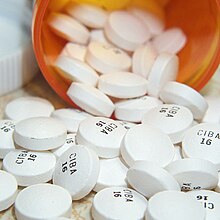
Acceptability of Draft Labeling to Support ANDA Approval Guidance for Industry
INTRODUCTION This guidance provides recommendations and information related to the submission of proposed labeling with abbreviated new drug applications (ANDAs) under section 505(j)(2)(A)(v) of the Federal Food, Drug, and Cosmetic Act (the Act) and FDA’s implementing regulations (21 CFR 314.94(a)(8)). This guidance is intended to assist applicants submitting ANDAs under section 505(j) of the Act to the Office of Generic Drugs (OGD) in the Center for Drug Evaluation and Research (CDER). It explains FDA’s interpretation of the regulatory provision related to the submission of copies of applicants’ proposed labeling in ANDAs and clarifies that OGD will accept draft labeling and does not require the submission of final printed labeling (FPL) in order to approve an ANDA. FDA is implementing this guidance without prior public comment because the Agency has determined that prior public participation is not feasible or appropriate (see 21 CFR 10.115(g)(2) and (g)(3)). FDA made this determination because this guidance presents a less burdensome policy that is consistent with the public health. In general, FDA’s guidance documents, including this guidance, do not establish legally enforceable responsibilities. Instead, guidances describe the Agency’s current thinking on a topic and should be viewed only as recommendations, unless specific regulatory or statutory requirements are cited. The use of the word should in Agency guidances means that something is suggested or recommended, but not required.
DISCUSSION OGD is issuing this guidance to provide regulated industry and other interested persons with our current thinking on the requirement that ANDA applicants submit copies of proposed labeling in their applications. Specifically, OGD is clarifying whether submission of FPL as opposed to draft labeling is required in order for OGD to approve an ANDA…………http://www.fda.gov/ucm/groups/fdagov-public/@fdagov-drugs-gen/documents/document/ucm465628.pdf
//////
FDA Inspections at API Manufacturers – current Warning Letter Trends
The Warning Letters the FDA sent to active ingredient manufacturers last fiscal year, show similar patterns. Find out more about the frequent deficiencies found in the area of responsibility of quality assurance and in the handling of electronic data in production facilities for active pharmaceutical ingredients.
Taking a look at the Warning Letters the FDA issued after inspections of activesubstance manufacturers in the 2015 fiscal year, which ended on 30 September 2015, it is first of all striking that only non-American companies are among the addressees. Almost half of them are Indian companies. Overall the numbers look like this: India (3 WLs); China (2 WLs); Canada (1 WL); Thailand (1 WL); Czech Republic (1 WL).
The top issue in the Warning Letters is the non-GMP compliant handling of electronic data or missing data integrity. Each of the 8 warning letters contains the following comment in the same wording:
“Failure to prevent unauthorized access or changes to data and to provide adequate controls to prevent omission of data.”
The lack of access control on electronic (raw) data is an issue the FDA investigators have been observing for a long time, especially during inspections in pharmaceutical companies. In this as well as in the last fiscal year there were significant deficiencies in several companies – medicinal product as well as API manufacturers – as the comments in the appropriate Warning Letters show. For more information also see the GMP news Another FDA Warning Letter with Focus on “Data Integrity” and FDA Warning Letter on Data Integrity.
Ultimately these deficiencies can be traced back to a failure of the quality assurance unit which also affects other areas. In the Warning Letters, the following examples can be found for this:
- “Failure of your quality unit to ensure that materials are appropriately tested and the results are reported.”
“Failure of your quality unit to exercise its responsibility to ensure the APIs manufactured at your facility are in compliance with CGMP, and meet established specifications for quality and purity.”
Data were manipulated by laboratory staff (change of the file name), to fake results from identity tests in batches which in reality were not performed. Quality assurance was not able to uncover this manipulation.
Despite an unknown peak in the examination for residual solvents the relevant batches were released. Upon receipt of a complaint regarding this peak an examination was conducted with the result that the contamination originated in the production process itself. Preventive control measures to avoid this contamination were not established. - “Failure to adequately investigate complaints and extend the investigations to other batches that may have been affected.”
As a result of a complaint (bad smell), a cause study was initiated which was completed prior to implementation of the preventive measures again. The CAPA measures subsequently carried out were obviously not associated with the reason for the complaint. - “Failure to have appropriate controls for issuance of batch records”.
The use of document templates for batch records is out of control. These can be printed out from the production staff’s personal computers. Although there is an SOP for the control of batch records there are no appropriate training records. - “Failure to have appropriate documentation and record controls.”
Data for tracing raw materials are not available. Log entries are without date/visa and partly corrected with Tippex. There is an SOP prohibiting the use of correction fluid, however this was not trained. - “Failure to record activities at the time they are performed and destruction of original records.”
Original records of critical process data on uncontrolled memos were transferred subsequently in new report templates (after batch approvals) and then destroyed.
This selection of examples shows the lack of fundamental GMP principles which leads to a blatant misconduct of staff and ultimately to quality defects in the final product. The main responsibility usually has the quality unit, which task it actually would be to ensure a thorough training in production and quality control and to monitor compliance with the appropriate regulations. These examples of non-GMP-compliant behavior are not limited to active ingredient manufacturers; there are very similar findings in Warning Letters issued to medicinal product manufacturers. An analysis of these Warning Letters issued in the fiscal year 2015 will be part of one the coming newsletters.

/////Warning Letters, FDA, active ingredient manufacturers


 New Drug Approvals