New Drug Approvals

Home » Posts tagged 'PHASE 1' (Page 6)

Tag Archives: PHASE 1

DRUG APPROVALS BY DR ANTHONY MELVIN CRASTO .....FOR BLOG HOME CLICK HERE

Blog Stats

  • 4,802,280 hits

Flag and hits

Flag Counter

Enter your email address to follow this blog and receive notifications of new posts by email.

Join 37.9K other subscribers
Follow New Drug Approvals on WordPress.com

Archives

Categories

Recent Posts

Flag Counter

ORGANIC SPECTROSCOPY

Read all about Organic Spectroscopy on ORGANIC SPECTROSCOPY INTERNATIONAL 

Enter your email address to follow this blog and receive notifications of new posts by email.

Join 37.9K other subscribers
DR ANTHONY MELVIN CRASTO Ph.D

DR ANTHONY MELVIN CRASTO Ph.D

DR ANTHONY MELVIN CRASTO, Born in Mumbai in 1964 and graduated from Mumbai University, Completed his Ph.D from ICT, 1991,Matunga, Mumbai, India, in Organic Chemistry, The thesis topic was Synthesis of Novel Pyrethroid Analogues, Currently he is working with AFRICURE PHARMA, ROW2TECH, NIPER-G, Department of Pharmaceuticals, Ministry of Chemicals and Fertilizers, Govt. of India as ADVISOR, earlier assignment was with GLENMARK LIFE SCIENCES LTD, as CONSUlTANT, Retired from GLENMARK in Jan2022 Research Centre as Principal Scientist, Process Research (bulk actives) at Mahape, Navi Mumbai, India. Total Industry exp 32 plus yrs, Prior to joining Glenmark, he has worked with major multinationals like Hoechst Marion Roussel, now Sanofi, Searle India Ltd, now RPG lifesciences, etc. He has worked with notable scientists like Dr K Nagarajan, Dr Ralph Stapel, Prof S Seshadri, etc, He did custom synthesis for major multinationals in his career like BASF, Novartis, Sanofi, etc., He has worked in Discovery, Natural products, Bulk drugs, Generics, Intermediates, Fine chemicals, Neutraceuticals, GMP, Scaleups, etc, he is now helping millions, has 9 million plus hits on Google on all Organic chemistry websites. His friends call him Open superstar worlddrugtracker. His New Drug Approvals, Green Chemistry International, All about drugs, Eurekamoments, Organic spectroscopy international, etc in organic chemistry are some most read blogs He has hands on experience in initiation and developing novel routes for drug molecules and implementation them on commercial scale over a 32 PLUS year tenure till date Feb 2023, Around 35 plus products in his career. He has good knowledge of IPM, GMP, Regulatory aspects, he has several International patents published worldwide . He has good proficiency in Technology transfer, Spectroscopy, Stereochemistry, Synthesis, Polymorphism etc., He suffered a paralytic stroke/ Acute Transverse mylitis in Dec 2007 and is 90 %Paralysed, He is bound to a wheelchair, this seems to have injected feul in him to help chemists all around the world, he is more active than before and is pushing boundaries, He has 100 million plus hits on Google, 2.5 lakh plus connections on all networking sites, 100 Lakh plus views on dozen plus blogs, 227 countries, 7 continents, He makes himself available to all, contact him on +91 9323115463, email amcrasto@gmail.com, Twitter, @amcrasto , He lives and will die for his family, 90% paralysis cannot kill his soul., Notably he has 38 lakh plus views on New Drug Approvals Blog in 227 countries......https://newdrugapprovals.wordpress.com/ , He appreciates the help he gets from one and all, Friends, Family, Glenmark, Readers, Wellwishers, Doctors, Drug authorities, His Contacts, Physiotherapist, etc He has total of 32 International and Indian awards

Verified Services

View Full Profile →

Archives

Categories

Flag Counter

VT 1129, QUILSECONAZOLE


str1

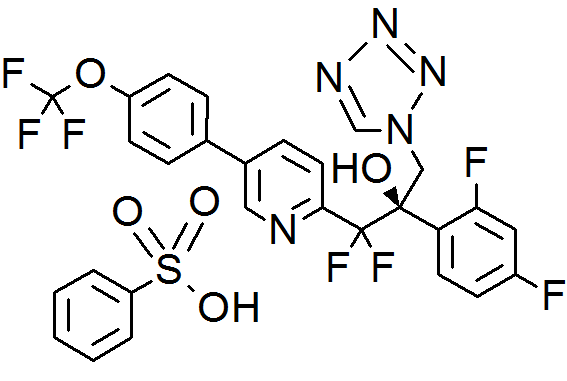
VT 1129 BENZENE SULFONATE

CAS 1809323-18-9

Image result for VT1129

str1

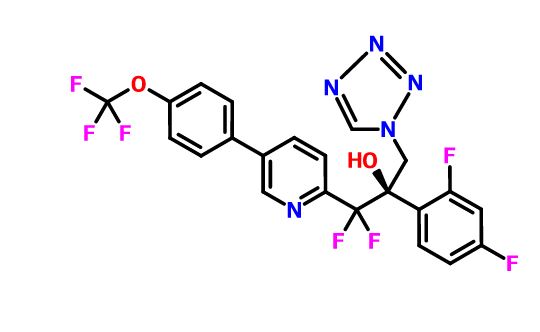
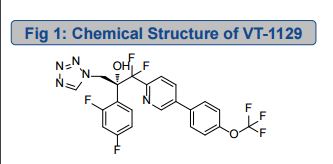
VT 1129

QUILSECONAZOLE

1340593-70-5 CAS

MF C22 H14 F7 N5 O2, MW 513.37
2-Pyridineethanol, α-(2,4-difluorophenyl)-β,β-difluoro-α-(1H-tetrazol-1-ylmethyl)-5-[4-(trifluoromethoxy)phenyl]-, (αR)-
R ISOMER
ROTATION +
  • Originator Viamet Pharmaceuticals
  • Class Antifungals; Small molecules
  • Mechanism of Action 14-alpha demethylase inhibitors
  • Orphan Drug Status Yes – Cryptococcosis
  • On Fast track Cryptococcosis
  • Phase I Cryptococcosis
  • Most Recent Events

    • 01 Jun 2016 VT 1129 receives Fast Track designation for Cryptococcosis [PO] (In volunteers) in USA
    • 30 May 2016 Viamet Pharmaceuticals plans a phase II trial for Cryptococcal meningitis in USA (Viamet Pharmaceuticals pipeline; May 2016)
    • 27 May 2016 Phase-I clinical trials in Cryptococcosis (In volunteers) in USA (PO) before May 2016 (Viamet Pharmaceuticals pipeline; May 2016)

Image result for Viamet Pharmaceuticals Holdings LLC

William J. Hoekstra, Stephen William Rafferty,Robert J. Schotzinger
Applicant Viamet Pharmaceuticals, Inc.

Image result for VT1129

Viamet, in collaboration with Therapeutics for Rare and Neglected diseases, is investigating VT-1129, a small-molecule lanosterol demethylase inhibitor, developed using the company’s Metallophile technology, for treating fungal infections, including Cryptococcus neoformans meningitis.

VT-1129 is a novel oral agent that we are developing for the treatment of cryptococcal meningitis, a life-threatening fungal infection of the brain and the spinal cord that occurs most frequently in patients with HIV infection, transplant recipients and oncology patients. Without treatment, the disease is almost always fatal.

VT-1129VT-1129 has shown high potency and selectivity in in vitro studies and is an orally administered inhibitor of fungal CYP51, ametalloenzyme important in fungal cell wall synthesis. In preclinical studies, VT-1129 has demonstrated substantial potency against Cryptococcus species, the fungal pathogens that cause cryptoccocal meningitis, and has also been shown to accumulate to high concentrations within the central nervous system, the primary site of infection.

In in vitro studies, VT-1129 was significantly more potent against Cryptococcus isolates than fluconazole, which is commonly used for maintenance therapy of cryptococcal meningitis in the United States and as a primary therapy in the developing world. Oral VT-1129 has also been studied in a preclinical model of cryptococcal meningitis, where it was compared to fluconazole.  At the conclusion of the study, there was no detectable evidence of Cryptococcus in the brain tissue of the high dose VT-1129 treated groups, in contrast to those groups treated with fluconazole. To our knowledge, this ability to reduce the Cryptococcus pathogen in the central nervous system to undetectable levels in this preclinical model is unique to VT-1129.

Opportunity

An estimated 3,400 hospitalizations related to cryptococcal meningitis occur annually in the United States and the FDA has granted orphan drug designation to VT-1129 for the treatment of this life-threatening disease. In addition, the FDA has granted Qualified Infectious Disease Product designation to VT-1129 for the treatment of Cryptococcus infections, which further underscores the unmet medical need. In developing regions such as Africa, cryptococcal meningitis is a major public health problem, with approximately one million cases and mortality rates estimated to be as high as 55-70%.

Current Status

VT-1129 has received orphan drug and Fast Track designations for the treatment of cryptococcal meningitis and has been designated a Qualified Infectious Disease Product (QIDP) by the U.S. Fod and Drug Administration.  We are currently conducting a Phase 1 single-ascending dose study of VT-1129 in healthy volunteers.

str1 str2

Conclusions

• VT-1129 has robust activity against Cryptococcus isolates with elevated fluconazole MICs and may be a viable option in persons infected with such strains.

• A Phase 1 study of VT-1129 in healthy volunteers is scheduled to begin by the end of 2015. Phase 2 trials in persons with cryptococcal meningitis are targeted to begin by the end of 2016.

Image result for VT 1129

Living organisms have developed tightly regulated processes that specifically import metals, transport them to intracellular storage sites and ultimately transport them to sites of use. One of the most important functions of metals such as zinc and iron in biological systems is to enable the activity of metalloenzymes. Metalloenzymes are enzymes that incorporate metal ions into the enzyme active site and utilize the metal as a part of the catalytic process. More than one-third of all characterized enzymes are metalloenzymes.

The function of metalloenzymes is highly dependent on the presence of the metal ion in the active site of the enzyme. It is well recognized that agents which bind to and inactivate the active site metal ion dramatically decrease the activity of the enzyme. Nature employs this same strategy to decrease the activity of certain metalloenzymes during periods in which the enzymatic activity is undesirable. For example, the protein TIMP (tissue inhibitor of metalloproteases) binds to the zinc ion in the active site of various matrix metalloprotease enzymes and thereby arrests the enzymatic activity. The pharmaceutical industry has used the same strategy in the design of therapeutic agents. For example, the azole antifungal agents fluconazole and voriconazole contain a l-(l,2,4-triazole) group that binds to the heme iron present in the active site of the target enzyme lanosterol demethylase and thereby inactivates the enzyme.

In the design of clinically safe and effective metalloenzyme inhibitors, use of the most appropriate metal-binding group for the particular target and clinical indication is critical. If a weakly binding metal-binding group is utilized, potency may be suboptimal. On the other

hand, if a very tightly binding metal-binding group is utilized, selectivity for the target enzyme versus related metalloenzymes may be suboptimal. The lack of optimal selectivity can be a cause for clinical toxicity due to unintended inhibition of these off-target metalloenzymes. One example of such clinical toxicity is the unintended inhibition of human drug metabolizing enzymes such as CYP2C9, CYP2C19 and CYP3A4 by the currently- available azole antifungal agents such as fluconazole and voriconazole. It is believed that this off-target inhibition is caused primarily by the indiscriminate binding of the currently utilized l-(l,2,4-triazole) to iron in the active site of CYP2C9, CYP2C19 and CYP3A4. Another example of this is the joint pain that has been observed in many clinical trials of matrix metalloproteinase inhibitors. This toxicity is considered to be related to inhibition of off-target metalloenzymes due to indiscriminate binding of the hydroxamic acid group to zinc in the off-target active sites.

Therefore, the search for metal-binding groups that can achieve a better balance of potency and selectivity remains an important goal and would be significant in the realization of therapeutic agents and methods to address currently unmet needs in treating and preventing diseases, disorders and symptoms thereof. Similarly, methods of synthesizing such therapeutic agents on the laboratory and, ultimately, commercial scale is needed. Addition of metal-based nucleophiles (Zn, Zr, Ce, Ti, Mg, Mn, Li) to azole-methyl substituted ketones have been effected in the synthesis of voriconazole (M. Butters, Org. Process Res. Dev.2001, 5, 28-36). The nucleophile in these examples was an ethyl-pyrimidine substrate. Similarly, optically active azole-methyl epoxide has been prepared as precursor electrophile toward the synthesis of ravuconazole (A. Tsuruoka, Chem. Pharm. Bull.1998, 46, 623-630). Despite this, the development of methodology with improved efficiency and selectivity is desirable.

PATENT

https://patentscope.wipo.int/search/en/detail.jsf?docId=WO2011133875

Scheme 1

EXAMPLE 7

2-(2, 4-Difluorophenyl)-l, l-difluoro-3-(lH-tetrazol-l-yl)-l-(5-(4- (trifluoromethoxy) phenyl) pyridin-2-yl) propan-2-ol (7)

To a stirred solution of bromo epoxide C (0.5 g, 1.38 mmol) in THF (30 mL) and water (14 mL) were added 4-(trifluoromethoxy) phenylboronic acid (0.22 g, 1.1 mmol), Na2C03 (0.32 g, 3.1 mmol) and Pd(dppf)2Cl2 (0.28 g, 0.34 mmol) at RT under inert atmosphere. After purged with argon for a period of 30 min, the reaction mixture was heated to 75°C and stirring was continued for 4 h. Progress of the reaction was monitored by TLC. The reaction mixture was cooled to RT and filtered through a pad of celite. The filtrate was concentrated under reduced pressure; obtained residue was dissolved in ethyl acetate (30 mL). The organic layer was washed with water, brine and dried over anhydrous Na2S04 and concentrated under reduced pressure. The crude compound was purified by column chromatography to afford the coupled product (0.45 g, 1.0 mmol, 73%) as solid. 1H NMR (200 MHz, CDC13): δ 8.87 (s, 1 H), 7.90 (dd, / = 8.2, 2.2 Hz, 1 H), 7.66-7.54 (m, 3 H), 7.49-7.34 (m, 3 H), 6.90-6.70 (m, 2 H), 3.49 (d, / = 5.0 Hz, 1 H), 3.02-2.95 (m, 1 H). Mass: m/z 444 [M++l].

To a stirred solution of the coupled product (0.45 g, 1.0 mmol) in DMF (10 mL) was added K2C03 (70 mg, 0.5 mmol) followed by IH-tetrazole (70 mg, 1.0 mmol) at RT under inert atmosphere. The reaction mixture was stirred for 4 h at 80 °C. The volatiles were removed under reduced pressure and obtained residue was dissolved in water (15 mL) and extracted with ethyl acetate (2 x 20 mL). The combined organic layers were washed with water, brine and dried over anhydrous Na2S04 and concentrated under reduced pressure. The crude compound was purified by column chromatography to afford 7 (0.19 g, 0.37 mmol, 36 %) as white solid. 1H NMR (500 MHz, CDC13): δ 8.76 (s, 1 H), 8.70 (s, 1 H), 7.97 (dd, / = 8.0, 2.0 Hz, 1 H), 7.68 (d, / = 8.5 Hz, 1 H), 7.60-7.56 (m, 3 H), 7.43-7.36 (m, 3 H), 6.80-6.76 (m, 1 H), 6.70-6.67 (m, 1 H), 5.57 (d, / = 14.5 Hz, 1 H), 5.17 (d, / = 14.5 Hz, 1 H). HPLC: 98.3%. Mass: m/z 513.9 [M++l].

Chiral preparative HPLC of enantiomers:

The enantiomers of 7 (17.8 g, 34.6 mmol) were separated by normal-phase preparative high performance liquid chromatography (Chiralpak AD-H, 250 x 21.2 mm, 5μ; using (A) n-hexane – (B) IPA (A:B : 70:30) as a mobile phase; Flow rate: 15 mL/min) to obtain 7(+) (6.0 g) and 7(-) (5.8 g).

Analytical data for 7 (+):

HPLC: 99.8%.

Chiral HPLC: Rt = 9.88 min (Chiralpak AD-H, 250 x 4.6mm, 5μ; mobile phase (A) n-Hexane (B) IPA (7/3): A: B (70:30); flow Rate: 1.00 mL/min)

Optical rotation [a]D25: + 19° (C = 0.1 % in MeOH).

Patent

WO2015143137,

https://patentscope.wipo.int/search/ko/detail.jsf;jsessionid=61AAA66F887FDBB9CFC3F752AFF04016.wapp2nC?docId=WO2015143137&recNum=303&office=&queryString=&prevFilter=%26fq%3DICF_M%3A%22C07D%22&sortOption=%EA%B3%B5%EA%B0%9C%EC%9D%BC(%EB%82%B4%EB%A6%BC%EC%B0%A8%EC%88%9C)&maxRec=58609

Examples

The present invention will now be demonstrated using specific examples that are not to be construed as limiting.

General Experimental Procedures

Definitions of variables in the structures in schemes herein are commensurate with those of corresponding positions in the formulae delineated herein.

Synthesis of 1 or la

A process to prepare enantiopure compound 1 or la is disclosed. Syntheses of 1 or la may be accomplished using the example syntheses that are shown below (Schemes 1-9). The preparation of precursor ketone 8 is performed starting with reaction of dibromo-pyridine 2-Br with ethyl 2-bromo-difluoroacetate to produce ester 3-Br. This ester is reacted with tetrazole reagent 4 via Claisen reaction to furnish 5-Br. Decarboxylation of 5-Br via a two-step process produces compound 6-Br. Suzukin coupling of 6-Br with boronate 7 furnishes 8.

Scheme 1. Synthesis of ketone 8

Ketone 8 may be prepared in an analogous fashion as described in Scheme 1 starting from corresponding substituted 2-bromo-pyridines, which can be prepared using according to synthetic transformations known in the art and contained in the references cited herein (Scheme 2).

Scheme 2. Synthesis of ketone 8

= halo, -0(C=0)-alkyl, -0(C=0)-substituted alkyl, -0(C=0)-aryl, -0(C=0)-substituted aryl, -0(C=0)-0-alkyl, – 0(C=0)-0-substituted alkyl, -0(C=0)-0-aryl, -0(C=0)-0-substituted aryl, -0(S02)-alkyl, -0(S02)-substituted alkyl, – 0(S02)-aryl, or -0(S02)-substituted aryl.

Compounds 6 or 8 may be reacted with a series of metallated derivatives of 2,4-difluoro-bromobenzene and chiral catalysts/reagents (e.g. BINOL) to effect enantiofacial-selective addition to the carbonyl group of 6 or 8 (Scheme 3). These additions can be performed on 6 or 8 to furnish 9 (or 9a, the enantiomer of 9, or mixtures thereof) or 1 (or la, the enantiomer of 1, or mixtures thereof), respectively.

Scheme 3. Synthesis of 1 or la

R-i = halo, -0(C=0)-alkyl, -0(C=0)-substituted alkyl, -0(C=0)-aryl, -0(C=0)-substituted aryl, -0(C=0)-0-alkyl, -0(C=0)-0-substituted alkyl, -0(C=0)-0-aryl, -0(C=0)-0-substituted aryl, -0(S02)-alkyl, -0(S02)-substituted alkyl, -0(S02)-aryl, or -0(S02)-substituted aryl.

Alternatively, ketone 8 can be synthesized from aldehyde 10 (Scheme 4). Aldehyde 10 is coupled with 7 to produce 11. Compound 11 is then converted to 12 via treatment with diethylaminosulfurtrifluoride (DAST).

Scheme 4. Alternate synthesis of ketone 8

Scheme 5 outlines the synthesis of precursor ketone 15-Br. The ketone is prepared by conversion of 2-Br to 3-Br as described above. Next, ester 3-Br is converted to 15-Br by treatment via lithiation of 2,4-difluoro-bromobenzene.

Scheme 5. Synthesis of ketone 15-Br

Ketone 15 may be prepared in an analogous fashion as described for 15-Br in Scheme 5 starting from corresponding substituted 2-bromo-pyridines, which can be prepared using according to synthetic transformations known in the art and contained in the references cited herein (Scheme 6).

Scheme 6. Synthesis of ketone 15

F = halo, -0(C=0)-alkyl, -0(C=0)-substituted alkyl, -0(C=0)-aryl, -0(C=0)-substituted aryl, -0(C=0)-0-alkyl, – 0(C=0)-0-substituted alkyl, -0(C=0)-0-aryl, -0(C=0)-0-substituted aryl, -0(S02)-alkyl, -0(S02)-substituted alkyl, – 0(S02)-aryl, or -0(S02)-substituted aryl.

Ketone 15 may be used to prepare 9 (or 9a, the enantiomer of 9, or mixtures thereof) or 1 (or la, the enantiomer of 1, or mixtures thereof) by the following three-step process (Scheme 7). In the presence of a chiral catalyst/reagent (e.g. proline derivatives), base-treated nitromethane is added to 15 or 16 to furnish 17 (or 17a, the enantiomer of 17, or mixtures thereof) or 18 (or 18a, the enantiomer of 18, or mixtures thereof), respectively. Reduction of 17 (or 17a, the enantiomer of 17, or mixtures thereof) or 18 (or 18a, the enantiomer of 18, or mixtures thereof) (e.g. lithium aluminum hydride) produces 19 (or 19a, the enantiomer of 19, or mixtures thereof) or 20 (or 20a, the enantiomer of 20, or mixtures thereof). Annulation of 19 (or 19a, the enantiomer of 19, or mixtures thereof) or 20 (or 20a, the enantiomer of 20, or mixtures thereof) by treatment with sodium azide/triethylorthoformate furnishes tetrazoles 9 (or 9a, the enantiomer of 9, or mixtures thereof) or 1 (or la, the enantiomer of 1, or mixtures thereof). Suzuki coupling of 9 (or 9a, the enantiomer of 9, or mixtures thereof) with 4-trifluoromethoxyphenyl-boronic acid produces 1 (or la, the enantiomer of 1, or mixtures thereof).

Scheme 7. Asymmetric Henry reaction

R-ι = halo, -0(C=0)-alkyl, -0(C=0)-substituted alkyl, -0(C=0)-aryl, -0(C=0)-substituted aryl, -0(C=0)-0-alkyl, 0(C=0)-0-substituted alkyl, -0(C=0)-0-aryl, -0(C=0)-0-substituted aryl, -0(S02)-alkyl, -0(S02)-substituted a 0(S02)-aryl, or -0(S02)-substituted aryl.

Ketone 21 may be employed to prepare optically-active epoxides via Horner-Emmons reaction of a difluoromethyl substrate to produce 22 or 22a. Ketones related to 21 have been prepared (M. Butters, Org. Process Res. Dev. 2001, 5, 28-36). Nucleophilic addition of metalated 5-(4-trifluoromethoxy)phenyl-2-pyridine (M = metal) to epoxide 22 or 22a may furnish compound

1 or la.

Scheme 8. Enantioselective epoxidation strategy

Ketone 15 or 16 may be used to prepare 9 (or 9a, the enantiomer of 9, or mixtures thereof) or 1 (or la, the enantiomer of 1, or mixtures thereof) by an alternative three-step process to Scheme 7 (Scheme 9). In the presence of a chiral catalyst/reagent, trimethylsilyl-cyanide is added to 15 or 16 to furnish 23 (or 23a, the enantiomer of 23, or mixtures thereof) or 24 (or 24a, the enantiomer of 24, or mixtures thereof), respectively (S.M. Dankwardt, Tetrahedron Lett. 1998, 39, 4971-4974). Reduction of 23 (or 23a, the enantiomer of 23, or mixtures thereof) or 24 (or 24a, the enantiomer of 24, or mixtures thereof) (e.g. lithium aluminum hydride) produces 19 (or 19a, the enantiomer of 19, or mixtures thereof) or 20 (or 20a, the enantiomer of 20, or mixtures thereof). Annulation of 19 (or 19a, the enantiomer of 19, or mixtures thereof) or 20 (or 20a, the enantiomer of 20, or mixtures thereof) by treatment with sodium azide/triethylorthoformate furnishes tetrazoles 9 (or 9a, the enantiomer of 9, or mixtures thereof) or 1 (or la, the enantiomer of 1, or mixtures thereof). Suzuki coupling of 9 (or 9a, the enantiomer of 9, or mixtures thereof) with 4-trifluoromethoxyphenyl-boronic acid produces 1 (or la, the enantiomer of 1, or mixtures thereof).

Scheme 9. Asymmetric cyanohydrin strategy

R’ = H or trimethylsilyl

Suzuki

R-i = halo, -0(C=0)-alkyl, -0(C=0)-substituted alkyl, -0(C=0)-aryl, -0(C=0)-substituted aryl, -0(C=0)-0-alkyl, -0(C=0)-0-substituted alkyl, -0(C=0)-0-aryl, -0(C=0)-0-substituted aryl, -0(S02)-alkyl, -0(S02)-substituted alkyl, -0(S02)-aryl, or -0(S02)-substituted aryl.

1

2-(2, 4-Difluorophenyl)-l, l-difluoro-3-(lH-tetrazol-l-yl)-l-(5-(4-(trifluoromethoxy) phenyl) pyridin-2-yl) propan-2-ol (1 or la)

White powder: *H NMR (500 MHz, CDC13): δ 8.76 (s, 1 H), 8.70 (s, 1 H), 7.97 (dd, J = 8.0, 2.0 Hz, 1 H), 7.68 (d, / = 8.5 Hz, 1 H), 7.60-7.56 (m, 3 H), 7.43-7.36 (m, 3 H), 6.80-6.76 (m, 1 H), 6.70-6.67 (m, 1 H), 5.57 (d, J = 14.5 Hz, 1 H), 5.17 (d, J = 14.5 Hz, 1 H). HPLC: 98.3%. Mass: m/z 513.9 [M++l]. HPLC: 99.8%. Optical rotation [a]D25: + 19° (C = 0.1 % in MeOH).

INTERMEDIATE 3-Br Ri = Br)

To a clean and dry 100 L jacketed reactor was added copper powder (1375 g, 2.05 equiv, 10 micron, sphereoidal, SAFC Cat # 326453) and DMSO (17.5 L, 7 vol). Next, ethyl bromodifluoroacetate (2.25 kg, 1.05 equiv, Apollo lot # 102956) was added and the resulting slurry stirred at 20-25 °C for 1-2 hours. Then 2,5-dibromopyridine (2-Br, 2.5 kg, 1.0 equiv, Alfa Aesar lot # F14P38) was added to the batch and the mixture was immediately heated (using the glycol jacket) to 35 °C. After 70 hours at 35 °C, the mixture was sampled for CG/MS analysis. A sample of the reaction slurry was diluted with 1/1 CH3CN/water, filtered (0.45 micron), and the filtrate analyzed directly. Ideally, the reaction is deemed complete if <5% (AUC) of 2,5-dibromopyridine remains. In this particular batch, 10% (AUC) of 2,5-dibromopyridine remained. However due to the already lengthy reaction time, we felt that prolonging the batch would not help the conversion any further. The reaction was then deemed complete and diluted with EtOAc (35 L). The reaction mixture was stirred at 20-35 °C for 1 hour and then the solids (copper salts) were removed by filtration through a pad of Celite. The residual solids inside the reactor were rinsed forward using EtOAc (2 x 10 L) and then this was filtered through the Celite. The filter cake was washed with additional EtOAc (3 x 10 L) and the EtOAc filtrates were combined. A buffer solution was prepared by dissolving NH4CI (10 kg) in DI water (100 L), followed by the addition of aqueous 28% NH4OH (2.0 L) to reach pH = 9. Then the combined EtOAc filtrates were added slowly to a pre-cooled (0 to 15 °C) solution of NH4C1 and NH4OH (35 L, pH = 9) buffer while maintaining T<30 °C. The mixture was then stirred for 15-30 minutes and the phases were allowed to separate. The aqueous layer (blue in color) was removed and the organic layer was washed with the buffer solution until no blue color was discernable in the aqueous layer. This experiment required 3 x 17.5 L washes. The organic layer was then washed with a 1/1 mixture of Brine (12.5 L) and the pH = 9 NH4C1 buffer solution (12.5 L), dried over MgS04, filtered, and concentrated to dryness. This provided crude compound 3-Br [2.29 kg, 77% yield, 88% (AUC) by GC/MS] as a yellow oil. The major impurity present in crude 3-Br was unreacted 2,5-dibromopyridine [10% (AUC) by GC/MS]. ‘ll NMR (CDC13) was consistent with previous lots of crude compound 3-Br. Crude compound 3-Br was then combined with similar purity lots and purified by column chromatography (5/95 EtO Ac/heptane on S1O2 gel).

INTERMEDIATE 15-Br (R, = Br)

To a clean and dry 72 L round bottom flask was added l-bromo-2,4-difluorobenzene (1586 g,

1.15 equiv, Oakwood lot # H4460) and MTBE (20 L, 12.6 vol). This solution was cooled to -70 to -75 °C and treated with n-BuLi (3286 mL, 1.15 equiv, 2.5 M in hexanes, SAFC lot # 32799MJ), added as rapidly as possible while maintaining -75 to -55 °C. This addition typically required 35-45 minutes to complete. (NOTE: If the n-BuLi is added slowly, an white slurry will form and this typically gives poor results). After stirring at -70 to -65 °C for 45 minutes, a solution of compound 3-Br (2000 g, 1.0 equiv, AMRI lot # 15CL049A) in MTBE (3 vol) was added rapidly (20-30 min) by addition funnel to the aryl lithium solution while maintaining -75 to -55 °C. After stirring for 30-60 minutes at -75 to -55 °C, the reaction was analyzed by GC/MS and showed only trace (0.5% AUC) l-bromo-2,4-difluorobenzene present. The reaction was slowly quenched with aqueous 2 M HC1 (3.6 L) and allowed to warm to room temperature. The mixture was adjusted to pH = 6.5 to 8.5 using NaHCC>3 (4 L), and the organic layer was separated. The MTBE layer was washed with brine (5% NaCl in water, 4 L), dried over MgS04, filtered, and concentrated. In order to convert the intermediate hemi-acetal to 4-Br, the crude mixture was heated inside the 20 L rotovap flask at 60-65 °C for 3 hours (under vacuum), at this point all the hemi-acetal was converted to the desired ketone 4 by !Η NMR (CDC13). This provided crude compound 4-Br [2.36 kg, 75% (AUC) by HPLC] as a brown oil that solidified upon standing. This material can then be used “as-is” in the next step without further purification.

Image result for VT1129

PATENT FOR VT1161    SIMILAR TO VT 1129

https://patentscope.wipo.int/search/en/detail.jsf?docId=WO2016149486&recNum=1&maxRec=&office=&prevFilter=&sortOption=&queryString=&tab=PCTDescription

Synthesis of 1 or la

EXAMPLE 1

Preparation of Compound 1 X-Hydrate

Compound 1 and its preparation are described in the art, including in US Patent 8,236,962 (incorporated by reference herein). Compound 1 can then be partitioned between ethanol and water to afford Compound 1 X-hydrate.

EXAMPLE 2

Compound 1 Anhydrous Form Recrystallization

Compound 1 X-hydrate (29.1 g, 28.0 g contained 1) was suspended in 2-propanol (150 ml) and heated to 56 °C. The solution was filtered through a 0.45 μιη Nylon membrane with 2-propanol rinses. The combined filtrate was concentrated to 96.5 g of a light amber solution. The solution was transferred to a 1-L flask equipped with overhead stirring, thermocouple and addition funnel, using 2-propanol (30 ml total) to complete the transfer. The combined solution contained about 116 ml 2-propanol.

The solution was heated to 50 °C and n-heptane (234 ml) was added over 22 minutes. The resulting hazy mixture was seeded with 1 anhydrous form. After about 1 hour a good

suspension had formed. Additional n-heptane (230 ml) was added over 48 minutes. Some granular material separated but most of the suspension was a finely divided pale beige solid. After about ½ hour at 50 °C the suspension was cooled at 10 °C/h to room temperature and stirred overnight. The product was collected at 22 °C on a vacuum filter and washed with 1:4 (v/v) 2-PrOH/ n-heptane (2 x 50 ml). After drying on the filter for 1-2 hours the weight of product was 25.5 g. The material was homogenized in a stainless steel blender to pulverize and blend the more granular solid component. The resulting pale beige powder (25.37 g) was dried in a vacuum oven at 50 °C. The dry weight was 25.34 g. The residual 2-propanol and n- heptane were estimated at <0.05 wt% each by 1H NMR analysis. The yield was 90.5% after correcting the X-hydrate for solvent and water content. Residual Pd was 21 ppm. The water content was 209 ppm by KF titration. The melting point was 100.7 °C by DSC analysis.

Table 1: Data for the isolated and dried Compound 1 – X-hydrate and anhydrous forms

M.P. by DSC; Pd by ICP; Purity by the API HPLC method; Chiral purity by HPLC; water content by KF titration; residual solvent estimated from :H NMR.

Table 2: Characterisation Data for Compounds 1 (X-hydrate) and 1 (anhydrous)

Needle like crystals Needle like crystals and agglomerates

PLM

particle size >100μιη particle size range from 5μπι-100μιη

0.59%w/w water uptake at 90%RH. 0.14%w/w water uptake at 90%RH.

GVS

No sample hysteresis No sample hysteresis

XRPD

No form change after GVS experiment No form change after GVS experiment post GVS

KF 2.4%w/w H20 Not obtained

<0.001mg/ml <0.001mg/ml

Solubility

pH of saturated solution = 8.6 pH of saturated solution = 8.7

Spectral Pattern 1 Spectral Pattern 2

Charcteristic bands/ cm“1: Charcteristic bands/ cm 1:

FT-IR 3499, 3378, 3213, 3172 3162

1612, 1598, 1588, 1522, 1502 1610, 1518, 1501 931, 903, 875, 855, 828, 816 927, 858, 841, 829, 812

The structure solution of Compound 1 anhydrous form was obtained by direct methods, full-matrix least-squares refinement on F 2 with weighting w‘1 = <52{F02) + (0.0474P)2 + (0.3258P), where P = (F02+2F 2)/3, anisotropic displacement parameters, empirical absorption correction using spherical harmonics, implemented in SCALE3 ABSPACK scaling algorithm. Final wR2

= {∑[w(F02-Fc2)2]/∑[w(F02)2]m} = 0.0877 for all data, conventional Ri = 0.0343 on F values of 8390 reflections with F0 > 4a( F0), S = 1.051 for all data and 675 parameters. Final Δ/a (max) 0.001, A/a(mean), 0.000. Final difference map between +0.311 and -0.344 e A“3.

Below shows a view of two molecules of Compound 1 in the asymmetric unit of the anhydrous form showing the numbering scheme employed. Anisotropic atomic displacement ellipsoids for the non-hydrogen atoms are shown at the 50% probability level. Hydrogen atoms are displayed with an arbitrarily small radius. The absolute configuration of the molecules has been determined to be R.

EXAMPLE 3

Compound 1 Ethanol Solvate Recrystallization

Compound 1 X-hydrate (50 mg) was suspended in -40 volumes of 15% H20/EtOH. The suspension was then placed in an incubation chamber for maturation. The maturation protocol involved treating the suspension to a two-temperature cycle of 50 °C/ ambient temperature at 8 hours per cycle for 3 days with constant agitation. After maturation, the suspension was cooled in a fridge at 4°C for up to 2 days to encourage the formation of crystals. Then, the solvent was removed at RT and the sample was vacuum dried at 30°C -35°C for up to 1 day. Suitable crystals formed on cooling were harvested and characterized.

Table 4: Single Crystal Structure of 1 Ethanol solvate

Molecular formula C25H22F7N5O3

The structure solution of Compound 1 ethanol solvate was obtained by direct methods, full-matrix least-squares refinement on F 2 with weighting w‘1 = σ2^2) + (0.0450P)2 + (0.5000P), where P = (F02+2F 2)/3, anisotropic displacement parameters, empirical absorption correction using spherical harmonics, implemented in SCALE3 ABSPACK scaling algorithm. Final wR2 = {∑[w(F02-F 2)2]/∑[w(F02)2]m} = 0.0777 for all data, conventional Ri = 0.0272 on F values of 4591 reflections with F0 > 4σ( F0), S = 1.006 for all data and 370 parameters. Final Δ/σ (max) 0.000, A/a(mean), 0.000. Final difference map between +0.217 and -0.199 e A“3.

Below shows a view of the asymmetric unit of the ethanol solvate from the crystal structure showing the numbering scheme employed. Anisotropic atomic displacement ellipsoids for the non-hydrogen atoms are shown at the 50% probability level. Hydrogen atoms are displayed with an arbitrarily small radius. The asymmetric unit shows stoichiometry of 1 : 1 for solvent of crystallisation to Compound 1.

EXAMPLE 4

Compound 1 1.5 Hydrate Recrystallization

Compound 1 X-hydrate (50 mg) was suspended in -40 volumes of 15% Η20/ΙΡΑ. The suspension was then placed in an incubation chamber for maturation. The maturation protocol involved treating the suspension to a two-temperature cycle of 50 °C/ ambient temperature at 8 hours per cycle for 3 days with constant agitation. After maturation, the suspension was cooled in a fridge at 4°C for up to 2 days to encourage the formation of crystals. Then, the solvent was removed at RT and the sample was vacuum dried at 30°C -35°C for up to 1 day. Suitable crystals formed on cooling were harvested and characterized.

Table 5: Single Crystal Structure of 1 1.5 Hydrate

The structure solution of Compound 1 1.5 hydrate was obtained by direct methods, full-matrix least-squares refinement on F 2 with weighting w‘1 = ^(F 2) + (0.1269P)2 + (0.0000P), where P = (F02+2F 2)/3, anisotropic displacement parameters, empirical absorption correction using spherical harmonics, implemented in SCALE3 ABSPACK scaling algorithm. Final wR2 = {∑[w(F 2-F 2)2]/∑[w(F 2)2] m} = 0.1574 for all data, conventional Ri = 0.0668 on F values of 2106 reflections with F0 > 4σ( F0), S = 1.106 for all data and 361 parameters. Final Δ/σ (max) 0.000, A/a(mean), 0.000. Final difference map between +0.439 and -0.598 e A“3.

Below shows a view of the asymmetric unit of the 1.5 hydrate from the crystal structure showing the numbering scheme employed. Anisotropic atomic displacement ellipsoids for the non-hydrogen atoms are shown at the 50% probability level. Hydrogen atoms are displayed with an arbitrarily small radius. The asymmetric unit shows stoichiometry of 1.5: 1 for water to Compound 1.

EXAMPLE 5

Human Pharmacokinetic Comparison of Compound 1 X-Hydrate and Compound 1 Anhydrous Form

Table 6 compares human multiple-dose pharmacokinetic (PK) parameters between dosing with Compound 1 X-hydrate and Compound 1 Anhydrous form. Compound 1 X-hydrate was dosed at 600 mg twice daily (bid) for three days followed by dosing at 300 mg once daily (qd) for 10 days. Compound 1 Anhydrous form was dosed at 300 mg qd for 14 days. Despite the higher initial dosing amount and frequency (i.e., 600 mg bid) of Compound 1 X-hydrate, Compound 1 Anhydrous form surprisingly displayed higher maximal concentration (Cmax) and higher area-under-the-curve (AUC) than Compound 1 X-hydrate.

Table 6. Comparison of Multiple Dose PK between Compound 1 X-Hydrate and Compound 1

Anhydrous Polymorph

Further characterization of the various polymorph forms of compound 1 are detailed in the accompanying figures.

PATENT

https://patentscope.wipo.int/search/en/detail.jsf?docId=WO2015143154

Examples

General Experimental Procedures

Definitions of variables in the structures in schemes herein are commensurate with those of corresponding positions in the formulae delineated herein.

Synthesis of 1 or la

la

A process to prepare enantiopure compound 1 or la is disclosed. Syntheses of lor la may be accomplished using the example syntheses that are shown below (Schemes 1-4). The preparation of precursor ketone 3-Br is performed starting with reaction of 2,5-dibromo-pyridine with ethyl 2-bromo-difluoroacetate to produce ester 2-Br. This ester is reacted with morpholine to furnish morpholine amide 2b-Br, followed by arylation to provide ketone 3-Br.

Scheme 1. Synthesis of ketone 3-Br

Ketone 3 may be prepared in an analogous fashion as described in Scheme 1 starting from corresponding substituted 2-bromo-pyridines, which can be prepared using according to synthetic transformations known in the art and contained in the references cited herein (Scheme 2).

Scheme 2. Synthesis of ketone 3

R1 = halo, -0(C=0)-alkyl, -0(C=0)-substituted alkyl, -0(C=0)-aryl, -0(C=0)-substituted aryl, -0(C=0)-0-alkyl, – 0(C=0)-0-substituted alkyl, -0(C=0)-0-aryl, -0(C=0)-0-substituted aryl, -0(S02)-alkyl, -0(S02)-substituted alkyl, 0(S02)-aryl, or -0(S02)-substituted aryl.

Alternatively, compound 1 (or la, the enantiomer of 1, or mixtures thereof) can be prepared according to Scheme 3 utilizing amino-alcohols ±4b or ±1-6. Epoxides 4 and 5 can be prepared by reacting ketones 3 and 1-4 with trimethylsulfoxonium iodide (TMSI) in the presence of a base (e.g., potassium i-butoxide) in a suitable solvent or a mixture of solvents (e.g., DMSO or THF). Also, as indicated in Scheme 3, any of pyridine compounds, 3, 4, ±4b, 4b, or 6, can be converted to the corresponding 4-CF3O-PI1 analogs (e.g., 1-4, 5, ±1-6, 1-6*, or 1 or the corresponding enantiomers, or mixtures thereof) by cross-coupling with (4-trifluoromethoxyphenyl)boronic acid (or the corresponding alkyl boronates or pinnacol boronates or the like), in a suitable solvent system (e.g., an organic-aqueous solvent mixture), in the presence of a transition metal catalyst (e.g., (dppf)PdCl2; dppf = 1,1′-(diphenylphosphino)ferrocene), and in the presence of a base (e.g., KHCO3, K2CO3, CS2CO3, or Na2CC>3, or the like). Epoxides 4 and 5 can then be converted into amino-alcohols ±4b and ±1-6 through ammonia-mediated epoxide opening using ammonia in a suitable solvent (e.g., MeOH, EtOH, or water). Racemic amino-alcohols ±4b and ±1-6 can then be enantio-enriched by exposure to a chiral acid (e.g., tartaric acid, di-benzoyltartaric acid, or di-p-toluoyltartaric acid or the like) in a suitable solvent (e.g., acetonitrile, isopropanol, EtOH, or mixtures thereof, or a mixture of any of these with water or MeOH; preferably acetonitrile or a mixture of acetonitrile and MeOH, such as 90:10, 85: 15, or 80:20 mixture) to afford compounds 4b (or 4c, the enantiomer of 4b, or mixtures thereof) or 1-6* (or 1-7*, the enantiomer of 1-6*, or mixtures thereof). Subsequent treatment with TMS-azide in the presence of trimethylorthoformate and sodium acetate in acetic acid would yield compounds 20 (or 20a, the enantiomer of 20, or mixtures thereof) or 1 (or la, the enantiomer of 1, or mixtures thereof) (US 4,426,531).

Scheme 3. Synthesis of 1 or la via TMSI Epoxidation Method

R-ι = halo, -0(C=0)-alkyl, -0(C=0)-substituted alkyl, -0(C=0)-aryl, -0(C=0)- substituted aryl, -0(C=0)-0-alkyl, -0(C=0)-0-substituted alkyl, -0(C=0)-0- aryl, -0(C=0)-0-substituted aryl, -0(S02)-alkyl, -0(S02)-substituted alkyl, – 0(S02)-aryl, or -0(S02)-substituted aryl.

Compound 1 (or la, the enantiomer of 1, or mixtures thereof) prepared by any of the methods presented herein can be converted to a sulfonic salt of formula IX (or IXa, the enantiomer of

IX, or mixtures thereof), as shown in Scheme 4. This can be accomplished by a) combining compound 1 (or la, the enantiomer of 1, or mixtures thereof), a crystallization solvent or crystallization solvent mixture (e.g., EtOAc, iPrOAc, EtOH, MeOH, or acetonitrile, or o

Z-S-OH

combinations thereof), and a sulfonic acid o (e.g., Z = Ph, p-tolyl, Me, or Et), b) diluting the mixture with an appropriate crystallization co-solvent or crystallization co-solvent mixture (e.g., pentane, methyl i-butylether, hexane, heptane, or toluene, or combinations thereof), and c) filtering the mixture to obtain a sulfonic acid salt of formula IX (or IXa, the enantiomer of IX, or mixtures thereof).

Scheme 4. Synthesis of a Sulfonic Acid Salt of Compound 1 or la

EXAMPLE 1: Preparation of l-(2,4-difluorophenyl)-2,2-difluoro-2-(5-(4- (trifluoromethoxy)phenyl)pyridin-2-yl)ethanone (1-4).

la. ethyl 2-(5-bromopyridin-2-yl)-2,2-difluoroacetate (2)

2-Br
Typical Procedure for Preparing 2-Br

Copper ( 45μιη, 149g, 0.198moles, 2.5 equiv) was placed into a 3L, 3-neck round bottom flask equipped with a condenser, thermocouple, and an overhead stirrer. DMSO (890 mL, 4.7 vol. based on ethyl 2-bromo-2,2-difluoroacetate) and 14mL of concentrated sulfuric acid was added and the mixture stirred for 30 minutes. The mixture self-heated to about 31°C during the stir time. After cooling the contents to 23°C, 2,5-dibromopyridine 1 (277g, 1.17 moles, 1.5 eq) was added to the reaction mixture. The temperature of the contents decreased to 16°C during a 10 minute stir time. 2-bromo-2,2-difluoroacetate (190 g, 0.936 moles, 1.0 eq) was added in one portion and the mixture stirred for 10 min. The flask contents were warmed to 35°C and the internal temperature was maintained between 35-38° for 18 h. In-process HPLC showed 72% desired 2-Br. The warm reaction mixture was filtered through filter paper and the collected solids washed with 300mL of 35°C DMSO. The solids were then washed with 450mL of n-heptane and 450mL of MTBE. The collected filtrate was cooled to about 10°C and was slowly added 900mL of a cold 20% aqueous NH4C1 solution, maintaining an internal temperature of <16°C during the addition. After stirring for 15 minutes, the layers were settled and separated. The aqueous layer was extracted 2 X 450mL of a 1: 1 MTBE: n-heptane mixture. The combined organic layers were washed 2 X 450mL of aqueous 20% NH4CI and with 200mL of aqueous 20% NaCl. The organic layer was dried with 50g MgS04 and the solvent removed to yield 2-Br as a dark oil. Weight of oil = 183g ( 70% yield by weight) HPLC purity ( by area %) = 85%. *H NMR (400 MHz, d6-DMSO) : 58.86 (m, 1H), 8.35 ( dd, J= 8.4, 2.3Hz, 1H), 7.84 (dd, J= 8.3, 0.6Hz, 1H), 4.34 ( q, J= 7.1Hz, 2H), 1.23 ( t, J= 7.1Hz, 3H). MS m/z 280 ( M+H+), 282 (M+2+H+).

lb. 2-(5-bromopyridin-2-yl)-2,2-difluoro-l-morpholinoethanone (2b-Br)

Table 2 illustrates the effects of the relative proportions of each of the reagents and reactants, and the effect of varying the solvent had on the overall performance of the transformation as measured by the overall yield and purity of the reaction.

Table 2. Process Development for the Preparation of compound 2b-Br

Note: All reactions were conducted at 22- 25°C

Typical Procedure for Converting 2-Br to 2b-Br

Crude ester 2-Br (183g, 0.65moles) was dissolved in 1.5L of n-heptane and transferred to a 5L 3-neck round bottom flask equipped with a condenser, an overhead stirrer and a thermocouple. Morpholine ( 248g, 2.85 moles, 4.4 equiv.) was charged to the flask and the mixture warmed to 60°C and stirred for 16 hours. In-process HPLC showed <1 % of ester 2-Br. The reaction mixture was cooled to 22-25 °C and 1.5L of MTBE was added with continued cooling of the mixture to 4°C and slowly added 700mL of a 30%, by weight, aqueous citric acid solution. The temperature of the reaction mixture was kept < 15°C during the addition. The reaction was stirred at about 14°C for one hour and then the layers were separated. The organic layer was washed with 400mL of 30%, by weight, aqueous citric acid solution and then with 400mL of aqueous 9% NaHC03. The solvent was slowly removed until 565g of the reaction mixture

remained. This mixture was stirred with overhead stirring for about 16 hours. The slurry was filtered and the solids washed with 250mL of n-heptane. Weight of 2b-Br = 133g. HPLC purity (by area %) 98%.

This is a 44% overall yield from 2,5-dibromopyridine.

*H NMR (400 MHz, d6-DMSO): 58.86 (d, J= 2.3Hz, 1H), 8.34 (dd, J= 8.5, 2.3Hz, 1H), 7.81 (dd, J = 8.5, 0.5Hz, 1H), 3.63-3.54 ( m, 4H), 3.44-3.39 (m, 2H), 3.34-3.30 ( m, 2H). MS m/z 321 (M+H+), 323 (M+2+H+).

lc. 2-(5-bromopyridin-2-yl)-l-(2,4-difluorophenyl)-2,2-difluoroethanone (3-Br)

Process Development

Table 3 illustrates the effects of the relative proportions of each of the reagents and reactants, and the effect of varying the temperature had on the overall performance of the transformation as measured by the overall yield and purity of the reaction.

Table 3. Process Development for the Preparation of bromo-pyridine 3-Br

Typical Procedure for Converting 2b-Br to 3-Br

Grignard formation:

Magnesium turnings (13.63 g, 0.56 moles) were charged to a 3-neck round bottom flask equipped with a condenser, thermocouple, addition funnel, and a stir bar. 540 mL of anhydrous tetrahydrofuran was added followed by l-Bromo-2,4-difluorobenzene (16.3 mL, 0.144 moles). The contents were stirred at 22-25°C and allowed to self -heat to 44°C. 1- Bromo-2,4-difluorobenzene ( 47mL, 0.416 moles) was added to the reaction mixture at a rate that maintained the internal temperature between 40-44°C during the addition. Once the addition was complete, the mixture was stirred for 2 hours and allowed to cool to about 25° during the stir time.

This mixture was held at 22-25°C and used within 3-4 hours after the addition of l-bromo-2,4-difluorobenzene was completed.

Coupling Reaction

Compound 2b-Br (120 g, 0.0374 moles) was charged to a 3-neck round bottom flask equipped with a condenser, thermocouple, and an overhead stirrer. 600 mL of anhydrous

tetrahydrofuran was added. The flask contents were stirred at 22°C until a clear solution was obtained. The solution was cooled to 0-5°C. The previously prepared solution of the Grignard reagent was then added slowly while maintaining the reaction temperature at 0-2°C. Reaction progress was monitored by HPLC. In-process check after 45 minutes showed <1% amide 2b-Br remaining. 2 N aqueous HC1 (600 mL, 3 vol) was added slowly maintaining the temperature below 18°C during the addition. The reaction was stirred for 30 minutes and the layers were separated. The aqueous layer was extracted with 240mL MTBE. The combined organic layers were washed with 240mL of aqueous 9% NaHCC>3 and 240mL of aqueous 20% NaCl. The organic layer was dried over 28g of MgS04 and removed the solvent to yield 3-Br (137g) as an amber oil.

HPLC purity ( by area %) = -90%; *H NMR (400 MHz, d6-DMSO) : 58.80 (d, J= 2.2Hz, 1H), 8.41 ( dd, J= 8.3, 2.3Hz, 1H), 8.00 (m, 2H), 7.45 ( m, 1H), 7.30 ( m, 1H). MS m/z 348 (M+H+), 350 (M+2+H+).

Id. l-(2,4-difluorophenyl)-2,2-difluoro-2-(5-(4-(trifluoromethoxy)phenyl)pyridin-2-yl)ethanone (1-4)

Typical Procedure for Converting 3-Br to 1-4

Into a 250 mL reactor were charged THF (45 mL), water (9.8 mL), bromo-pyridine 3-Br (6.0 g, 17.2 mmoles), 4-(trifluoromethoxy)phenylboronic acid (3.57 g, 17.3 mmoles), and Na2CC>3 (4.55 g, 42.9 mmoles). The stirred mixture was purged with nitrogen for 15 min. The catalyst (Pd(dppf)Cl2 as a CH2C12 adduct, 0.72 g, 0.88 mmoles) was added, and the reaction mixture was heated to 65 °C and held for 2.5 h. The heat was shut off and the reaction mixture was allowed to cool to 20-25 °C and stir overnight. HPLC analysis showed -90% ketone 1-4/hydrate and no unreacted bromo-pyridine 3-Br. MTBE (45 mL) and DI H20 (20 mL) were added, and the quenched reaction was stirred for 45 min. The mixture was passed through a plug of Celite (3 g) to remove solids and was rinsed with MTBE (25 mL). The filtrate was transferred to a separatory funnel, and the aqueous layer drained. The organic layer was washed with 20% brine (25 mL). and split into two portions. Both were concentrated by rotovap to give oils (7.05 g and 1.84 g, 8.89 g total, >100% yield, HPLC purity -90%). The larger aliquot was used to generate hetone 1-4 as is. The smaller aliquot was dissolved in DCM (3.7 g, 2 parts) and placed on a pad of Si02 (5.5 g, 3 parts). The flask was rinsed with DCM (1.8 g), and the rinse added to the pad. The pad was eluted with DCM (90 mL), and the collected filtrate concentrated to give an oil (1.52 g). To this was added heptanes (6 g, 4 parts) and the mixture stirred. The oil crystallized, resulting in a slurry. The slurry was stirred at 20-25 °C overnight. The solid was isolated by vacuum filtration, and the cake washed with heptanes (-1.5 mL). The cake was dried in the vacuum oven (40-45 °C) with a N2 sweep. 0.92 g of ketone 1-4 was obtained, 60.1% yield (corrected for aliquot size), HPLC purity = 99.9%.

TMSI Epoxidation Method

3d. 2-((2-(2,4-difluorophenyl)oxiran-2-yl)difluoromethyl)-5-(4-(trifluoromethoxy)phenyl)pyridine (5)

Typical Procedure for Converting 1-4 to 5

i-BuOK (2.22 g, 19.9 mmoles), TMSI (4.41 g, 20.0 mmoles), and THF (58.5 mL) were charged to a reaction flask, and the cloudy mixture was stirred. DMSO (35.2 mL) was added, and the clearing mixture was stirred at 20-25°C for 30 min before being cooled to 1-2°C.

Ketone 1-4 (crude, 5.85 g, 13.6 mmoles) was dissolved in THF (7.8 mL), and the 1-4 solution was added to the TMSI mixture over 12.75 min, maintaining the temperature between 1.5 and 2.0°C. The reaction was held at 0-2°C. After 1 h a sample was taken for HPLC analysis, which showed 77.6% epoxide 5, and no unreacted ketone 1-4. The reaction was quenched by the slow addition of 1 N HC1 (17.6 mL), keeping the temperature below 5°C. After 5 min 8% NaHCC>3 (11.8 mL) was added slowly below 5°C to afford a pH of 8. The reaction mixture was transferred to a separatory funnel, and the layers were separated. The aqueous layer was extracted with MTBE (78 mL), and the combined organic layers were washed with 20% NaCl (2 x 20 mL). After concentration, 7.36 g of a dark oil was obtained. HPLC of the crude oil shows it contained 75% epoxide 5. The oil was dissolved in DCM (14.7 g, 2 parts) and the solution placed on a pad of Si02 (22 g, 3 parts). The flask was rinsed with DCM (7.4 g, 1 part) and the rinse placed on the pad. The pad was eluted with DCM (350 mL) to give an amber filtrate. The filtrate was concentrated by rotovap, and when space in the flask allowed, heptane (100 mL) was added. The mixture was concentrated until 39.4 g remained in the flask, causing solid to form. The suspension was stirred for 70 min at 20-25°C. Solid was isolated by vacuum filtration, and the cake washed with heptane (10 mL) and pulled dry on the funnel. After drying in a vacuum oven (40-45 °C) with a N2 sweep, 3.33 g solid was obtained, 55.1% yield from bromo-pyridine 3, HPLC purity = 99.8%.

3e. 3-amino-2-(2,4-difluorophenyl)-l,l-difluoro-l-(5-(4-(trifluoromethoxy)phenyl)pyridin-2-yl)propan-2-ol (±1-6)

Process Development

Table 8 illustrates the effects of the relative proportions of each of the reagents and reactants, the effect of varying the solvent, and the effect of varying the temperature had on the overall performance of the transformation as measured by the overall yield and purity of the reaction. Table 8. Process Development for the Preparation of ±1-6

Typical Procedure for Converting 5 to +1-6

Epoxide 5 (2.17 g, 4.89 mmoles) was combined in a glass pressure tube with methanol (48 mL) and aqueous ammonia (19.5 mL). The tube was sealed and placed in an oil bath held at 54°C, with stirring. After 15 h the tube was removed from the bath, cooled, and the reaction sampled for HPLC, which showed 93.6% amino-alcohol ±1-6 and 6.0% di-adducts. To the reaction were added MTBE (48 mL) and 20% NaCl (20 mL). The layers were separated and the aqueous layer extracted with MTBE (20 mL). The combined organic layers were washed with H20 (20 mL) and transferred to a rotovap flask. Heptane (20 mL) was added, and the solution was concentrated until 16.9 g remained in the flask. An H20 layer appeared in the flask, and was pipetted out, leaving 12.8 g. Compound 1-6 seed was added, and the crystallizing mixture was stirred at 20-25 °C overnight. The flask was cooled in an ice bath for 2 h prior to filtration, and the isolated solid was washed with cold heptane (5 mL), and pulled dry on the funnel. After drying in a vacuum oven (40-45°C) for several hours 1.37 g of amino-alcohol ±1-6 was obtained, 60.8% yield, HPLC purity = 98.0%.

3f . 3-amino-2-(2,4-difluorophenyl)- 1 , 1-difluoro- 1 -(5-(4-(trifluoromethoxy)phenyl)pyridin-2- yl)propan-2-ol (1-6* or 1-7*)

Process Development

Table 9 illustrates the initial screen performed surveying various chiral acid/solvent combinations. All entries in Table 9 were generated using 0.1 mmoles of amino-alcohol ±1-6, 1 equivalent of the chiral acid, and 1ml of solvent.

Table 9. Resolution of ±1-6 (Initial Screen)

Since the best results from Table 9 were generated using tartaric acid and di-p-toluoyltartaric acid, Table 10 captures the results from a focused screen using these two chiral acids and various solvent combinations. All entries in Table 10 were performed with 0.2 mmoles of amino-alcohol ±1-6, 87 volumes of solvent, and each entry was exposed to heating at 51 °C for lh, cooled to RT, and stirred at RT for 24h.

Table 10. Resolution of ±1-6 (Focused Screen)

Each of the three entries using di-p-toluoyltartaric acid in Table 10 resulted in higher levels of enantio-enrichment when compared to tartaric acid. As such, efforts to further optimize the enantio-enrichment were focusing on conditions using di-p-toluoyltartaric acid (Table 11).

Ό.6 equivalents used

ee sense was opposite from the other entries in the table (i.e., enantiomer of 1-6*)

Typical Procedure for Converting +1-6 to 1-6* or 1-7*

(This experimental procedure describes resolution of ±1-6, but conditions used for DPPTA resolution of 1-6 or 1-7 are essentially the same.)

Amino-alcohol ±1-6 (7.0 g, 15 mmoles) was dissolved in a mixture of acetonitrile (84 mL) and methanol (21 mL). (D)-DPTTA (5.89 g, 15 mmoles) was added, and the reaction was warmed to 50°C and held for 2.5 h. The heat was then removed and the suspension was allowed to cool and stir at 20-25 °C for 65 h. The suspension was cooled in an ice bath and stirred for an additional 2 h. Solid was isolated by vacuum filtration, and the cake was washed with cold 8:2 ACN/MeOH (35 mL). After drying at 50°C, 5.18 g of 1-6* or l-7*/DPPTA salt was isolated, HPLC purity = 99.0, ee = 74.

The 1-6* or l-7*/DPPTA salt (5.18 g) was combined with 8:2 ACN/MeOH (68 mL) and the suspension was heated to 50°C and held for 20 min. After cooling to 20-25 °C the mixture was stirred for 16 h. Solids were isolated by vacuum filtration, and the cake washed with cold 8:2 ACN/MeOH (30 mL), and pulled dry on the funnel. 2.82 g of 1-6* or l-7*/DPPTA salt was obtained, 44.4% yield (from crude ±1-6), ee = 97.5. The resulting solids were freebased to provide 1-6* or 1-7* with the same achiral and chiral purity as the DPPTA salt.

EXAMPLE 4: Preparation of 2-(2.4-difluorophenyl -l.l-difluoro-3-(lH-tetrazol-l-yl -l-(5-(4-(trifluoromethoxy)phenyl)pyridin-2-yl)propan-2-ol (1 or la).

The procedure used to generate compound 1 or la is as described in US 4,426,531. Table 13 illustrates the efficient and quantitative nature of this procedure as performed on amino- alcohol 1-6* or 1-7* produced from both the TMS-cyanohydrin method and the TMSI- epoxidation method.

Table 13. Formation of Compound 1 or la

EXAMPLE 5: 2-(2.4-difluorophenyl -l.l-difluoro-3-(lH-tetrazol-l-yl -l-(5-(4- (trifluoromethoxy)phenyl)pyridin-2-yl)propan-2-ol benzenesulfonate (1 or la-BSA).

Typical Procedure for Converting 1 or la to 1 or la-BSA

46.6 g of compound 1 or la was dissolved in ethylacetate (360ml). The solution was filtered through a glass microfiber filter and placed in a 2 L reaction flask equipped with an overhead stirrer, condenser, and a J-Kem thermocouple. Pharma-grade benzenesulfonic acid (BSA, 14.39g, leq) was dissolved in ethyl acetate (100ml). The BSA solution was filtered through a glass microfiber filter and added to the stirred 1 or la solution in one portion. The mixture was warmed to 60-65 °C; precipitation of the 1 or la/BSA salt occurred during the warm up period. The slurry was held for 60 minutes at 60-65 °C. The suspension was allowed to slowly cool to 22 °C and was stirred at 20-25 °C for 16 hours. n-Heptane (920ml) was charged in one portion and the suspension was stirred at 22 °C for an additional 90 minutes. The slurry was filtered and the collected solids washed with n-heptane (250ml). The isolated solids were placed in a vacuum oven at 50 °C for 16 hours. 52.26g (86% yield) of 1 or la

benzenesulfonate was obtained.

*H NMR (400 MHz, DMSO-d6 + D20): 89.16 (s, 1H), 8.95 (d, J = 2.1 Hz, 1H), 8.26 (dd, J = 8.2, 2.3 Hz, 1H), 7.96-7.89 (m, 2H), 7.66-7.61 (m, 2H), 7.59 (dd, J = 8.3, 0.4 Hz, 1H), 7.53 (br d, J = 8.0 Hz, 2H), 7.38-7.15 (m, 5H), 6.90 (dt, J = 8.3, 2.5 Hz, 1H), 5.69 (d, J = 14.8 Hz, 1H), 5.15 (d, J = 15.2 Hz, 1H).

Further results are in Table 14.

Table 14. Formation of 1 or la-BSA

( ) (%ee) Yield Purity (%) ee

97.9 95.9 84% 98.2 97.1

Figures 1-2 contain the analytical data for 1 or la-BSA prepared by the TMSI-epoxidation process.

EXAMPLE 6: 5-bromo-2-((2-(2,4-difluorophenyl)oxiran-2-yl)difluoromethyl)pyridine -Br).

Typical Procedure for Converting 3-Br to 4-Br

KOtBu ( 41.7g, 0.372moles, 1.05 equiv) and trimethylsulfoxonium iodide ( 85.7g,

0.389moles, 1.1 equiv) were charged to a 3L 3-neck round bottom flask equipped with an overhead stirrer, a thermocouple and an addition funnel. 1.2L of anhydrous THF and 740mL of DMSO were added to the flask and stirred at 22-25 °C for 70 minutes. The contents were cooled to 0°C. Crude ketone 3 was dissolved in 250mL of anhydrous THF and slowly added the ketone 3-Br solution to the reaction mixture over 20 minutes while maintaining a reaction temperature at < 3°C during the addition and stirred at 0°C for one hour. In-process HPLC showed <1% ketone 3-Br remaining. 200mL of IN HC1 was slowly added maintaining a reaction temperature of < 6°C during the addition. After stirring for 30 minutes the layers were separated and the aqueous layer was extracted with 375mL of MTBE. The combined organic layers were washed with 375mL of aqueous 9% NaHCC>3 and with 375mL of aqueous 20% NaCl. The solvent was removed to yield 4-Br as a brown waxy solid.

Weight of crude epoxide 4-Br = 124.6g; *H NMR (400 MHz, d6-DMSO) : 58.82 (d, J= 2.3Hz, 1H), 8.21 ( dd, J= 8.3, 2.3Hz, 1H), 7.50 (dd, J= 8.3, 0.5Hz, 1H), 7.41 ( m, 1H), 7.25 ( m, 1H), 7.10 (m,lH), 3.40 ( d, J= 4.5Hz, 1H), 3.14 ( m, 1H). MS m/z 362 (M+H+), 364 (M+2+H+).

EXAMPLE 7: 3-amino-l-(5-bromopyridin-2-yl)-2-(2,4-difluorophenyl)-l,l-difluoropropan-2-ol (4b-Br).

Typical Procedure for Converting 4-Br to 4b-Br

Crude epoxide 4-Br ( 54.4g, 0.15moles) was placed into a Schott autoclave bottle equipped with a stir bar. 550mL of MeOH was added to the bottle and stirred for 90 minutes at 22-25 °C. Concentrated NH4OH ( 550mL, 7.98 moles, 53 equiv) was added to the epoxide 4-Br

solution. The bottle was sealed and placed in an oil bath at 55 °C. The mixture was stirred at 55°C for 17 hours. The bottle was removed from the oil bath and cooled to 22-25°C. In-process HPLC showed <1% epoxide 4-Br remaining. The solvent was removed via rotary evaporation until 362g ( 37%) of the reaction mass remained. 500mL of MTBE was added and cooled the mixture to 8°C. 500mL of 6N HCl was slowly added maintaining the reaction temperature between 8 – 12°C during the addition. After stirring for 10 minutes, the layers were separated. The MTBE layer was extracted with 350mL of 6N HCl. The combined aqueous layers were washed with 250mL MTBE and 2 X 250mL heptane. MTBE, 250mL, was added to the aqueous layer and the mixture was cooled to 2°C. 344g of KOH was dissolved in 500mL of water. The KOH solution was slowly added to the reaction mixture over one hour while maintaining the temperature at <19°C. After stirring for 15 minutes, the layers were separated. The aqueous layer was extracted with 250mL MTBE. The combined organic layers were washed with 250mL of aqueous 20% NaCl and the solvent was removed to yield ±4b-Br as a dark oil. Weight of crude amino alcohol ±4b-Br = 46.0g. HPLC purity ( by area %) = 92%; *H NMR (400 MHz, d6-DMSO) : 58.67 (d, J= 2.2Hz, 1H), 8.15 ( dd, J= 8.6, 2.4Hz, 1H), 7.46 (m, 1H), 7.40 ( dd, J= 8.5, 0.7Hz, 1H), 7.10 ( m, 1H), 7.00 (m,lH), 3.37 (dd, J= 13.7, 2.1Hz, 1H), 3.23 ( dd, J= 13.7, 2.7, 1H). MS m/z 379 (M+H+), 381 (M+2+H+).

EXAMPLE 8: 3-amino-l-(5-bromopyridin-2-yl -2-(2.4-difluorophenyl -l.l-difluoropropan-2-ol (4b-Br or 4c-Br).

Typical Procedure for Converting 4-Br to 4b-Br or 4c-Br

Crude amino alcohol ±4b-Br ( 42.4, O. llmoles) was dissolved in 425mL of 8:2 IPA: CH3CN. The solution was charged to a 1L 3-neck round bottom flask equipped with a condenser, overhead stirrer and a thermocouple. Charged di-p-toluoyl-L-tartaric acid ( 21.6g, 0.056moles, 0.5 equiv) to the flask and warmed the contents to 52°C. The reaction mixture was stirred at 52°C for 5 hours, cooled to 22-25°C and stirred for 12 hours. The slurry was cooled to 5-10°C and stirred for 90 minutes. The mixture was filtered and collected solids washed with 80mL of cold CH3CN. The solids were dried in a vacuum oven 45-50°C. Weight of amino alcohol/ DPTTA salt = 17.4g

Chemical purity by HPLC ( area %) = 98.5%; Chiral HPLC= 98.0% ee.

13.60g of the amino alcohol/ DPTTA salt was placed into a 250mL flask with a stir bar and to this was added lOOmL of MTBE and lOOmL of 10% aqueous K2CO3solution. The reaction was stirred until complete dissolution was observed. The layers were separated and the aqueous layer was extracted with 50mL of MTBE. The combined MTBE layers were washed with 50mL of 20% aqueous NaCl and the solvent removed to yield 8.84 (98%) of 4b-Br or 4c-Br as a light yellow oil.

EXAMPLE 9: 3-amino-2-(2,4-difluorophenyl)-l J-difluoro-l-(5-(4-(trifluoromethoxy)phenyl)pyridin-2-yl)propan-2-ol (1-6* or 1-7*).

Typical Procedure for Converting 4b-Br or 4c-Br to 1-6* or 1-7*

Amino alcohol 4b-Br or 4c-Br (8.84g, 0.023moles, 1 equiv) was dissolved in 73mL of n-propanol. The solution was transferred to a 250mL 3-neck round bottom flask equipped with a condenser, thermocouple, stir bar and septum. 17mL of water was added and stirred at 22-25°C for 5 minutes. To the reaction was added K2CO3 ( 9.67g, 0.07moles, 3 equiv), 4-(trifluoromethoxy)phenylboronic acid ( 5.76g, 0.028moles, 1.2 equiv.) and Pd(dppf)Cl2 as a CH2Cl2 adduct ( 0.38g, 0.47mmoles, 0.02 equiv) to the flask. After the mixture was purged with nitrogen for 10 minutes, the reaction was then warmed to 85-87°C and stirred at 85-87°C for 16 hours. HPLC analysis showed < 1% of the amino alcohol 4b-Br or 4c-Br remaining. The mixture was cooled to 22-25 °C, then 115mL of MTBE and 115mL of water were added and stirred for 30 minutes. The layers were separated and the organic layer was washed with 2 X 60mL of 20% aqueous NaCl. The solvent was removed to yield 12.96g ( 121% yield) of 1-6* or 1-7* as a crude dark oil. It should be noted that the oil contains residual solvent, Pd and boronic acid impurity.

‘ll NMR (400 MHz, d6-DMSO) : 58.90 (d, J= 2.2Hz, 1H), 8.22 ( dd, J= 8.3, 2.3Hz, 1H), 7.91 (m, 2H), 7.54 ( m, 4H), 7.14 ( m, 1H), 7.02 (m,lH), 3.41 (m, 1H), 3.27 ( dd, J= 14.0, 2.7, 1H). MS m/z 461 (M+H+)

CLIP

Med. Chem. Commun., 2016,7, 1285-1306

DOI: 10.1039/C6MD00222F

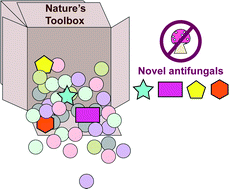
Fungal infections directly affect millions of people each year. In addition to the invasive fungal infections of humans, the plants and animals that comprise our primary food source are also susceptible to diseases caused by these eukaryotic microbes. The need for antifungals, not only for our medical needs, but also for use in agriculture and livestock causes a high demand for novel antimycotics. Herein, we provide an overview of the most commonly used antifungals in medicine and agriculture. We also present a summary of the recent progress (from 2010–2016) in the discovery/development of new agents against fungal strains of medical/agricultural relevance, as well as information related to their biological activity, their mode(s) of action, and their mechanism(s) of resistance.


Graphical abstract: A complex game of hide and seek: the search for new antifungals
CLIP
Design and optimization of highly-selective fungal CYP51 inhibitors
  • Viamet Pharmaceuticals Inc., Durham, NC 27703, USA

Image for figure Scheme 1

able 3.Antifungal activity of difluoromethyl-pyridyl-benzenes

Antifungal activity of difluoromethyl-pyridyl-benzenes
Compound R C. albicans MICa T. rubrum MICa CYP3A4 IC50b Selectivity indexc
7a Cl ⩽0.001 0.004 36 9000
7b CF3 ⩽0.001 0.002 54 27,000
7c

VT 1129

OCF3 ⩽0.001 ⩽0.001 79 >79,000
7d

VT 1161

OCH2CF3 ⩽0.001 ⩽0.001 65 >65,000
Itraconazole 0.016 0.062 0.07 1.1
aMinimum concentration that achieved 50% inhibition of fungal growth; MIC units in μg/mL.5
bInhibition of CYP3A4 measured in microsomes obtained from pooled human hepatocytes, IC50 units in μM.8
cIn vitro selectivity calculated as CYP3A4 IC50/T. rubrum MIC.
(R)-(+)-Enantiomers (7a7d) were isolated from racemates using chiral chromatography.
16 Hoekstra, W.J.; Schotzinger, R.J.; Rafferty, S.W. U.S. Patent 8,236,962 issued Aug. 7, 2012.

update………….

QUILSECONAZOLE, VT 1129, New Patent, WO, 2017049080, Viamet

str1 Figure imgf000002_0001

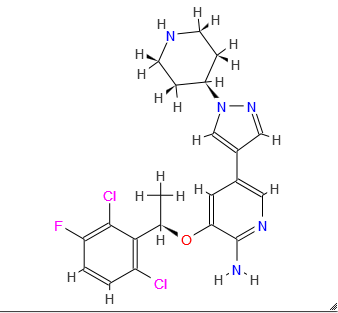
<p>Formula (I)</p> <p>Crizotinib is a potent small-molecule inhibitor of c-Met/HGFR (hepatocyte growth factor receptor) kinase and ALK (anaplastic lymphoma kinase) activity. Enantiomerically pure compound of formula I was first disclosed in US Patent No. 7,858,643. Additionally, the racemate of compound of formula I was disclosed in U.S. patent application 2006/0128724, both of these references discloses similar methods for the synthesis of Compound of Formula I.</p> <p>Conventionally, the compounds of formula I are prepared by reacting Bis(pinacolato)diboron with protected 5-bromo-3-[l-(2,6-dichloro-3-fluoro-phenyl)-ethoxy]-pyridin-2-ylamine in the presence of Pd catalyst. The obtained product after deprotection is reacted with N- protected 4-(4-bromo-pyrazol-l-yl)-piperidine in the presence of Pd Catalyst. The obtained product is filtered through celite pad and purified by Column Chromatography. The final product of formula I was obtained by deprotection of the purified compound by using HCl/dioxane. US Patent No. 7,858,643 provides enantiomerically pure aminoheteroaryl compounds, particularly aminopyridines and aminopyrazines, having protein tyrosine kinase activity. More particularly, US 7,858,643 describes process for the preparation of 3-[(lR)-l-(2,6- dichloro-3-fluorophenyl)ethoxy]-5-(l-piperidin-4-ylpyrazol-4-yl)pyridin-2-amine. The Scheme is summarized below in Scheme- 1 :</p>

<p>Scheme-1</p> <p>wherein, “Boc” means tert-butoxycarbonyl; and a) (Boc)<sub>2</sub>, DMF, Dimethylaminopyridine b) Pd(dppf)Cl<sub>2</sub>, KOAc, Dichloromethane; c) HC1, Dioxane, Dichloromethane; d) Pd(PPh<sub>3</sub>)<sub>2</sub>Cl<sub>2</sub>, Na<sub>2</sub>C0<sub>3</sub>, DME/H<sub>2</sub>0; e) 4M HCl/Dioxane, Dichloromethane</p> <p>A similar process has been disclosed in the U.S. patent application 2006/0128724 for the preparation of Crizotinib. J. Jean Cui et. al. in J. Med. Chem. 2011, 54, 6342-6363, also provides a similar process for the preparation of Crizotinib and its derivatives.</p> <p>However, above mentioned synthetic process requires stringent operational conditions such as filtration at several steps through celite pad. Also column chromatography is required at various steps which is not only tedious but also results in significant yield loss. Another disadvantage of above process involves extensive use of palladium catalysts, hence metal scavengers are required to remove palladium content from the desired product at various steps which makes this process inefficient for commercial scale.</p> <p>Yet another disadvantage of above process is the cost of Bis(pinacolato)diboron. This reagent is used in excess in the reaction mixture resulting in considerable cost, especially during large-scale syntheses.</p> <p>US Patent No. 7,825,137 also discloses a process for the preparation of Crizotinib where Boc protected 4-(4-iodo-pyrazol-l-yl)-piperidine is first reacted with Bis(pinacolato)diboron in the presence of Pd catalyst. The reaction mixture is filtered through a bed of celite and the obtained filtrate is concentrated and purified by silica gel chromatography to give to form tert-butyl-4-[4-(4,4,5,5-tetramethyl-l,3,2-dioxaborolan-2-yl)-lH-pyrazol-l-yl]piperidine-l- carboxylate. To this compound, 5-bromo-3-[l-(2,6-dichloro-3-fluoro-phenyl)-ethoxy]- pyridin-2-ylamine is added in the presence of a Pd catalyst. The reaction mixture is stirred for 16h at 87°C. The reaction mixture is filtered through celite pad and the concentrated filtrate is purified on silica gel column to obtain (4-{6-amino-5-[(R)-l-(2,6-dichloro-3-fluoro- phenyl)-ethoxy]-pyri- din-3-yl}-pyrazol-l-yl)-piperidine-l-carboxylic acid tert-butyl ester of 95% purity. To the solution of resulting compound in dichloromethane 4N HCl/Dioxane is added and thereby getting the reaction suspension is filtered in Buchner funnel lined with filter paper. The obtained solid is dissolved in HPLC water and pH is adjusted to 10 with the addition of Na<sub>2</sub>C0<sub>3</sub> Compound is extracted using dichloroform and is purified on a silica gel column by eluting with CH<sub>2</sub>Cl<sub>2</sub> MeOH/NEt<sub>3</sub> system to obtain Crizotinib. The scheme is summarized below in scheme 2:</p>

<p>Formula (i) Formula (ii)</p>

<p>Formula (iii) Formula (ii) ula (iv)</p>

<p>Formula (v) Formula (I)</p> <p>Scheme-2</p> <p><span style=”color:#ff0000;”>Preparation of Crizotinib:</span></p> <p>To a stirred solution of Tert-butyl 4-(4-{ 6-amino-5-[(li?)-l-(2,6-dichloro-3- fluorophenyl)ethoxy]pyridin-3 -yl } – lH-pyrazol- 1 -yl)piperidine- 1 -carboxylate (material obtained in Example 3) (l.Og, 0.00181 moles) in dichloromethane (-13 ml) at 0°C was added 4.0 M dioxane HQ (6.7 ml, 0.0272 moles). Reaction mixture was stirred at room temperature for 4h. After the completion of reaction monitored by TLC, solid was filtered and washed with dichloromethane (10 ml). The obtained solid was dissolved in water (20 ml); aqueous layer was extracted with dichloromethane (10×2). The pH of aqueous layer was adjusted to 9-10 with Na<sub>2</sub>C03 and compound was extracted with dichloromethane (10 x 3), combined organic layers were washed with water (20 ml), evaporated under vacuum to get solid product. The solid was stirred with ether (10 ml), filtered off, washed well with ether, dried under vacuum to get <span style=”color:#ff0000;”>Crizotinib.</span></p> <p>Yield: 0.45g (55 %)</p> <p>HPLC Purity: 99.35 %</p> <p><span style=”color:#ff0000;”>1HNMR (400 MHz, CDC1<sub>3</sub>) δ: 7.76 (d, J = 1.6 Hz, 1H), 7.56 (s, 1H), 7.49 (s, 1H), 7.30 (dd, J = 9.2 Hz), 7.0 (m, 1H), 6.86 (d, J = 1.6 Hz, 1H), 6.09 ( q, J= 6.8 Hz, 1H), 4.75 (brs, 1H), 4.19 (m, 1H), 3.25 (m, 2H), 2.76 (m, 2H), 2.16 (m, 2H), 1.92 (m, 2H), 1.85 (d, J= 6.8 Hz, 3H), 1.67 (brs, 1H)</span></p> <p>…………………………</p> <p><a href=”http://www.sciencedirect.com/science/article/pii/S0040403914000872″>http://www.sciencedirect.com/science/article/pii/S0040403914000872</a></p&gt;

Abstract

A novel approach for the synthesis of Crizotinib (1) is described. In addition, new efficient procedures have been developed for the preparation of (S)-1-(2,6-dichloro-3-fluorophenyl)ethanol (2) and tert-butyl 4-(4-(4,4,5,5-tetramethyl-1,3,2-dioxaborolan-2-yl)-1H-pyrazol-1-yl)piperidine-1-carboxylate (4), the key intermediates required for the synthesis of Crizotinib.

<hr id=”absgraphicalab0051″ class=”artHeader” />

Graphical abstract

textboxdefaultfig

“>

Full-size image (16 K)
…………………
http://www.sciencedirect.com/science/article/pii/S0040403911021745

Abstract

4-(4-Iodo-1H-pyrazol-1-yl)piperidine is a key intermediate in the synthesis of Crizotinib. We report a robust three-step synthesis that has successfully delivered multi-kilogram quantities of the key intermediate. The process includes nucleophilic aromatic substitution of 4-chloropyridine with pyrazole, followed by hydrogenation of the pyridine moiety and subsequent iodination of the pyrazole which all required optimization to ensure successful scale-up.

<hr id=”absgraphical1″ class=”artHeader” />

Graphical abstract

textboxdefaultfig

“>

Full-size image (6 K)

</div> </div> </dt> </dl> </div> </div> </div> <p>……………………</p>

Org. Process Res. Dev., 2011, 15 (5), pp 1018–1026
DOI: 10.1021/op200131n
Abstract Image

<p class=”articleBody_abstractText”>A robust six-step process for the synthesis of crizotinib, a novel c-Met/ALK inhibitor currently in phase III clinical trials, has been developed and used to deliver over 100 kg of API. The process includes a Mitsunobu reaction, a chemoselective reduction of an arylnitro group, and a Suzuki coupling, all of which required optimization to ensure successful scale-up. Conducting the Mitsunobu reaction in toluene and then crystallizing the product from ethanol efficiently purged the reaction byproduct. A chemoselective arylnitro reduction and subsequent bromination reaction afforded the key intermediate <b>6</b>. A highly selective Suzuki reaction between <b>6</b> and pinacol boronate <b>8</b>, followed by Boc deprotection, completed the synthesis of crizotinib <b>1</b>.</p> </div> <p><span id=”d43162769e1806″ class=”title2″>3-[(1<i>R</i>)-1-(2,6-Dichloro-3-fluorophenyl)ethoxy]-5-[1-(piperidin-4-yl)-1<i>H</i>-pyrazol-4-yl]pyridin-2-amine <b>1</b></span></p> <p><span style=”color:#ff0000;”> <i>crizotinib</i><b>1</b> (20.7 kg, 80%) as a white solid. </span></p> <p><span style=”color:#ff0000;”>Mp 192 °C;</span></p> <p><span style=”color:#ff0000;”><sup>1</sup>H NMR (400 MHz, CDCl<sub>3</sub>) δ: 7.78 (d, <i>J</i> = 1.8 Hz, 1H), 7.58 (s, 1H), 7.52 (s, 1H), 7.31 (dd, <i>J</i> = 9.0, 4.9 Hz, 1H), 7.06 (m, 1H), 6.89 (d, <i>J</i> = 1.7 Hz, 1H), 6.09 (q, 1H), 4.79 (br s, 2H), 4.21 (m, 1H), 3.26 (m, 2H), 2.78 (m, 2H), 2.17 (m, 2H), 1.90 (m, 2H), 1.87 (d, <i>J</i> = 6.7 Hz, 3H), 1.63 (br s, 1H).</span></p> <p><span style=”color:#ff0000;”> <sup>13</sup>C NMR (100.6 MHz, CDCl<sub>3</sub>) δ: 157.5 (d, <i>J</i> = 250.7 Hz), 148.9, 139.8, 137.0, 135.7, 135.6, 129.9, 129.0 (d, <i>J</i> = 3.7 Hz), 122.4, 122.1 (d, <i>J</i> = 19.0 Hz), 119.9, 119.3, 116.7 (d, <i>J</i> = 23.3 Hz), 115.0, 72.4, 59.9, 45.7, 34.0, 18.9.</span></p> <p><span style=”color:#ff0000;”> LC-MS: found <i>m</i>/<i>z</i> 450.0, 451.0, 452.0, 453.0, 454.0, 455.0. </span></p> <p><span style=”color:#ff0000;”>Anal. Calcd for C<sub>21</sub>H<sub>22</sub>Cl<sub>2</sub>FN<sub>5</sub>O: C, 56.01; H, 4.92; N, 15.55. Found: C, 56.08; H, 4.94; N, 15.80.</span></p>

Cui, J. J.; Botrous, I.; Shen, H.; Tran-Dube, M. B.; Nambu, M. D.; Kung, P.-P.; Funk, L. A.; Jia, L.; Meng, J. J.; Pairish, M. A.; McTigue, M.; Grodsky, N.; Ryan, K.; Alton, G.; Yamazaki, S.; Zou, H.; Christensen, J. G.; Mroczkowski, B.Abstracts of Papers; 235th ACS National Meeting, New Orleans, LA, United States, April 6–10, 2008.

</div>

Cui, J. J.; Funk, L. A.; Jia, L.; Kung, P.-P.; Meng, J. J.; Nambu, M. D.; Pairish, M. A.; Shen, H.; Tran-Dube, M. B. U.S. Pat. Appl. U. S. 2006/0046991 A1, 2006.

textboxdefaultfig

“>

textboxdefaultfig

“>

WO2010048131A1 * Oct 20, 2009 Apr 29, 2010 Vertex Pharmaceuticals Incorporated C-met protein kinase inhibitors
WO2011042389A2 * Oct 4, 2010 Apr 14, 2011 Bayer Cropscience Ag Phenylpyri(mi)dinylazoles
US7825137 Nov 23, 2006 Nov 2, 2010 Pfizer Inc. Method of treating abnormal cell growth
US7858643 Aug 26, 2005 Dec 28, 2010 Agouron Pharmaceuticals, Inc. Crizotinib, a c-Met protein kinase inhibitor anticancer agent; 3-[(R)-1-(2,6-dichloro-3-fluoro-phenyl)-ethoxy]-5-(1-piperidin-4-yl-1H-pyrazol-4-yl)-pyridin-2-ylamine is crizotinib
US20060128724 Aug 26, 2005 Jun 15, 2006 Agouron Pharmaceuticals, Inc. Pyrazole-substituted aminoheteroaryl compounds as protein kinase inhibitors
1 J. JEAN CUI J. MED. CHEM. vol. 54, 2011, pages 6342 – 6363
2 ORG. PROCESS RES. DEV. vol. 15, 2011, pages 1018 – 1026
3 * PIETER D. DE KONING ET AL: “Fit-for-Purpose Development of the Enabling Route to Crizotinib (PF-02341066)“, ORGANIC PROCESS RESEARCH & DEVELOPMENT, vol. 15, no. 5, 16 September 2011 (2011-09-16), pages 1018-1026, XP055078841, ISSN: 1083-6160, DOI: 10.1021/op200131n


str1


VT 1129 BENZENE SULFONATE

CAS 1809323-18-9

Image result for VT1129

VT 1129

1340593-70-5 CAS
MF C22 H14 F7 N5 O2, MW 513.37
2-Pyridineethanol, α-(2,4-difluorophenyl)-β,β-difluoro-α-(1H-tetrazol-1-ylmethyl)-5-[4-(trifluoromethoxy)phenyl]-, (αR)-
R ISOMER
ROTATION +

QUILSECONAZOLE, VT-1129

Viamet, in collaboration with Therapeutics for Rare and Neglected diseases, is investigating quilseconazole benzenesulfonate (VT-1129), a small-molecule lanosterol demethylase (CYP51) inhibitor, developed using the company’s Metallophile technology, for treating fungal infections, including Cryptococcus neoformans meningitis.

WO-2017049080


////////VT 1129,  VIAMET, WO 2016149486,  Viamet Pharmaceuticals,  Antifungals,  Small molecules,  14-alpha demethylase inhibitors, Orphan Drug Status, Cryptococcosis, On Fast track, PHASE 1, VT-1129, QUILSECONAZOLE

O[C@@](Cn1cnnn1)(c2ccc(F)cc2F)C(F)(F)c3ccc(cn3)c4ccc(OC(F)(F)F)cc4

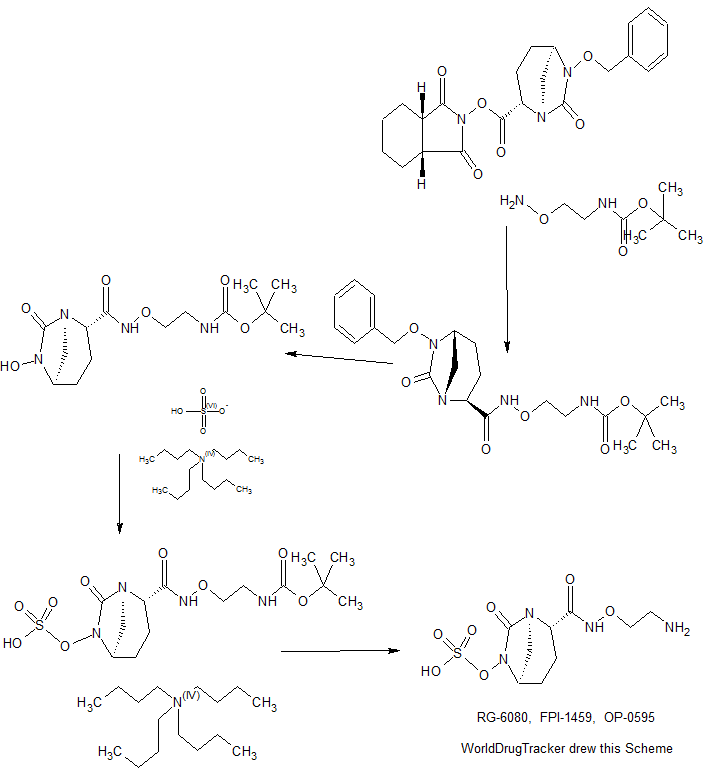
Nacubactam, A diazabicyclooctane beta-lactamase inhibitor, for treating bacterial infection


Nacubactam

RG-6080,  FPI-1459,  OP-0595, WK ?, WK-?, WK?

 CAS 1452458-86-4,  MF C9 H16 N4 O7 S, MW 324.31
Sulfuric acid, mono[(1R,2S,5R)-2-[[(2-aminoethoxy)amino]carbonyl]-7-oxo-1,6-diazabicyclo[3.2.1]oct-6-yl] ester,

(2S,5R)-N-(2-amino ethoxy)-6-(sulfooxy)-7-oxo-1,6-diazabicyclo[3.2.1]octane-2-carboxamide

Beta lactamase inhibitor

Roche, under license from Meiji Seika Pharma and Fedora Pharmaceuticals is developing nacubactam hydrate

Meiji Seika Pharma Co., Ltd., Meiji Seikaファルマ株式会社

A diazabicyclooctane beta-lactamase inhibitor, for treating bacterial infection. In July 2016, nacubactam was reported to be in phase 1 clinical development

PATENTS , IN2015MU287, WO2016116878WO 2016120752, INDICATE INTEREST FROM WOCKHARDT


Sulfuric acid, mono[(1R,2S,5R)-2-[[(2-aminoethoxy)amino]carbonyl]-7-oxo-1,6-diazabicyclo[3.2.1]oct-6-yl] ester

A β-lactamase inhibitor potentially for the treatment of bacterial infections.

RG-6080; FPI-1459; OP-0595

CAS No. 1452458-86-4

Molecular Formula C9 H16 N4 O7 S
Formula Weight 324.31
  • Originator Fedora Pharmaceuticals
  • Developer Meiji Seika Pharma
  • Class Antibacterials; Azabicyclo compounds
  • Mechanism of Action Beta lactamase inhibitors
  • Phase I Bacterial infections

Most Recent Events

  • 13 Jan 2015  OP 0595 licensed to Roche worldwide, except Japan ,
  • 30 Nov 2014 Meiji Seika Pharma completes a phase I trial in Healthy volunteers in Australia (NCT02134834)
  • 01 May 2014 Phase-I clinical trials in Bacterial infections (in volunteers) in Australia (IV)

In September 2014, preclinical data were presented at the 54th ICAAC Meeting in Washington, DC. Nacubactam hydratedemonstrated Ki values of 0.24, 3 and 0.79 microM against AmpC P99 derived from Enterobacter cloacae, KPC-3, and CTX-M-15 enzymes, respectively; the Ki values were lower than that of cefepime

Bacterial infections continue to remain one of the major causes contributing towards human diseases. One of the key challenges in treatment of bacterial infections is the ability of bacteria to develop resistance to one or more antibacterial agents over time. Examples of such bacteria that have developed resistance to typical antibacterial agents include: Penicillin-resistant Streptococcus pneumoniae, Vancomycin-resistant Enterococci, and Methicillin-resistant Staphylococcus aureus. The problem of emerging drug-resistance in bacteria is often tackled by switching to newer antibacterial agents, which can be more expensive and sometimes more toxic. Additionally, this may not be a permanent solution as the bacteria often develop resistance to the newer antibacterial agents as well in due course. In general, bacteria are particularly efficient in developing resistance, because of their ability to multiply very rapidly and pass on the resistance genes as they replicate.

The persistent exposure of bacterial strains to a multitude of beta- lactam antibacterial agents has led to overproduction and mutation of beta-lactamases. These new extended spectrum beta-lactamases (ESBL) are capable of hydrolyzing penicillins, cephalosporins, monobactams and even carbapenems. Such a wide spread resistance to many of the existing beta-lactam antibacterial agents, either used alone or in combination with other agents, is posing challenges in treating serious bacterial infections.

Due to various reasons, the oral therapeutic options for treating bacterial infections (including those caused by ESBL strains) are limited. For example, a combination of amoxicillin and clavulanic acid is effective against Class A ESBLs producing bacteria. However, the usefulness of this combination is compromised against bacteria producing multiple or mixed beta-lactamase enzymes (such as, for example, bacteria producing Class A and Class C ESBLs concurrently), and Klebsiella pneumoniae carbapenemases (KPCs). Therefore, oral antibacterial agents or combinations with activity against a range of bacterial strains (including those producing multiple ESBLs and KPCs) are urgently desired.

Cephalosporin antibacterial agents are known for treatment for various bacterial infections. Surprisingly, it has been found that pharmaceutical compositions comprising a cephalosporin antibacterial agent and certain nitrogen containing bicyclic compound (disclosed in PCT/IB2013/053092, PCT/JP2013/064971 and PCT/IB 2012/002675) exhibit unexpectedly synergistic antibacterial activity, even against highly resistant bacterial strains.

SYNTHESIS

WO 2015046207,

STR1

CONTD…………………..

STR1

CONTD………………………………..

STR1

Patent

The novel heterocyclic compound in Japanese Patent 4515704 (Patent Document 1), preparation and shown for their pharmaceutical use, sodium trans-7-oxo-6- (sulfooxy) as a representative compound 1,6-diazabicyclo [3 .2.1] discloses an octane-2-carboxamide (NXL104). Preparation in regard to certain piperidine derivatives which are intermediates Patent 2010-138206 (Patent Document 2) and JP-T 2010-539147 (Patent Document 3) are shown at further WO2011 / 042560 (Patent Document 4) NXL104 to disclose a method for producing the crystals.

 In Patent 5038509 (Patent Document 5) (2S, 5R) -7- oxo -N- (piperidin-4-yl) -6- (sulfooxy) 1,6-diazabicyclo [3.2.1] octane – 2- carboxamide (MK7655) is shown, discloses the preparation of certain piperidine derivatives with MK7655 at Patent 2011-207900 (Patent Document 6) and WO2010 / 126820 (Patent Document 7).

 The present inventors also disclose the novel diazabicyclooctane derivative represented by the following formula (VII) in Japanese Patent Application 2012-122603 (Patent Document 8).

Patent Document 1: Japanese Patent No. 4515704 Pat

Patent Document 2: Japanese Patent Publication 2010-138206 Pat

Patent Document 3: Japanese patent publication 2010-539147 Pat

Patent Document 4: International Publication No. WO2011 / 042560 Patent

Patent Document 5: Japanese Patent No. 5038509 Pat

Patent Document 6: Japanese Patent Publication 2011-207900 Pat

Patent Document 7: International Publication No. WO2010 / 126820 Patent

Patent Document 8: Japanese Patent application 2012-122603 Pat.

[Chemical formula 1] (In the formula, R 3 are the same as those described below)

Reference Example

5 of 5 (2S, 5R)-N- (2-aminoethoxy) -7-oxo-6- (sulfooxy) 1,6-diazabicyclo [3.2.1] octane-2-carboxamide (VII-1)

Formula 43]

step 1 tert-butyl {2 – [({[( 2S, 5R) -6- benzyloxy-7-oxo-1,6-diazabicyclo [3.2.1] oct-2-yl] carbonyl } amino) oxy] ethyl} carbamate  (IV-1)(2S, 5R)-6-(benzyloxy) -7-oxo-1,6-diazabicyclo [3.2.1] octane-2-carboxylic acid (4 .30g, dehydrated ethyl acetate (47mL) solution of 15.56mmol) was cooled to -30 ℃, isobutyl chloroformate (2.17g, washing included dehydration ethyl acetate 1mL), triethylamine (1.61g, washing included dehydration ethyl acetate 1 mL), successively added dropwise, and the mixture was stirred 1 hour at -30 ° C.. To the reaction solution tert- butyl 2-dehydration of ethyl acetate (amino-oxy) ethyl carbamate (3.21g) (4mL) was added (washing included dehydration ethyl acetate 1mL), raising the temperature over a period of 1.5 hours to 0 ℃, It was further stirred overnight. The mixture of 8% aqueous citric acid (56 mL), saturated aqueous sodium bicarbonate solution (40 mL), sequentially washed with saturated brine (40 mL), dried over anhydrous magnesium sulfate, filtered, concentrated to 5 mL, up to 6mL further with ethanol (10 mL) It was replaced concentrated. Ethanol to the resulting solution (3mL), hexane the (8mL) in addition to ice-cooling, and the mixture was stirred inoculated for 15 minutes. The mixture was stirred overnight dropwise over 2 hours hexane (75 mL) to. Collected by filtration the precipitated crystals, washing with hexane to give the title compound 5.49g and dried in vacuo (net 4.98 g, 74% yield). HPLC: COSMOSIL 5C18 MS-II 4.6 × 150 mm, 33.3 mM phosphate buffer / MeCN = 50/50, 1.0 mL / min, UV 210 nm, Retweeted 4.4 min; 1 H NMR (400 MHz, CDCl 3 ) [delta] 1.44 (s, 9H), 1.56-1.70 (m, 1H), 1.90-2.09 (m, 2H), 2.25-2.38 (m, 1H), 2.76 (d, J = 11.6 Hz, 1H), 3.03 (br.d., J = 11.6 Hz , 1H), 3.24-3.47 (m, 3H), 3.84-4.01 (m, 3H), 4.90 (d, J = 11.6 Hz, 1H), 5.05 (d, J = 11.6 Hz, 1H), 5.44 (br. . s, 1H), 7.34-7.48 (yd, 5H), 9.37 (Br.S., 1H); MS yd / z 435 [M + H] + .

Step 2

tert-butyl {2 – [({[( 2S, 5R) -6- hydroxy-7-oxo-1,6-diazabicyclo [3.2.1] oct-2-yl] carbonyl} amino) oxy] ethyl} carbamate

(V-1) tert-butyl {2 – [({[( 2S, 5R) -6- benzyloxy-7-oxo-1,6-diazabicyclo [3.2.1] oct-2-yl ] carbonyl} amino) oxy] ethyl} carbamate (3.91 g, to a methanol solution (80 mL) of 9.01mmol), 10% palladium on carbon catalyst (50% water, 803 mg) was added, under hydrogen atmosphere and stirred for 45 minutes . The reaction mixture was filtered through Celite, after concentrated under reduced pressure to give 3.11g of the title compound (quantitative).

HPLC: COSMOSIL 5C18 MS-II 4.6 × 150 mm, 33.3 mM phosphate buffer / MeCN = 75/25, 1.0 mL / min, UV 210 nm, Retweeted 3.9 from min; 1 H NMR (400 MHz, CD 3 OD) [delta] 1.44 (s, 9H) , 1.73-1.83 (m, 1H), 1.86-1.99 (m, 1H), 2.01-2.12 (m, 1H), 2.22 (br.dd., J = 15.0, 7.0 Hz, 1H), 3.03 (d, J= 12.0 Hz, 1H), 3.12 (br.d., J = 12.0 Hz, 1H), 3.25-3.35 (m, 2H), 3.68-3.71 (m, 1H), 3.82-3.91 (m, 3H); MS M / Z 345 [M Tasu H] Tasu .

Step 3

Tetrabutylammonium tert- butyl {2 – [({[( 2S, 5R) -7- oxo-6 (sulfooxy) 1,6-diazabicyclo [3.2.1] oct-2-yl] carbonyl } amino) oxy] ethyl} carbamate

(VI-1) tert-butyl {2 – [({[( 2S, 5R) -6- hydroxy-7-oxo-1,6-diazabicyclo [3.2.1] oct 2-yl] carbonyl} amino) oxy] ethyl} carbamate (3.09g, in dichloromethane (80mL) solution of 8.97mmol), 2,6- lutidine (3.20mL), sulfur trioxide – pyridine complex (3 .58g) was added, and the mixture was stirred overnight at room temperature. The reaction mixture was poured into half-saturated aqueous sodium bicarbonate solution, washed the aqueous layer with chloroform, tetrabutylammonium hydrogen sulfate to the aqueous layer and (3.47 g) chloroform (30 mL) was added and stirred for 10 minutes. The aqueous layer was extracted with chloroform, drying the obtained organic layer with anhydrous sodium sulfate, filtered, and concentrated in vacuo to give the title compound 5.46g (91% yield).

HPLC: COSMOSIL 5C18 MS-II 4.6X150mm, 33.3MM Phosphate Buffer / MeCN = 80/20, 1.0ML / Min, UV210nm, RT 2.0 Min; 1 H NMR (400 MHz, CDCl 3 ) Deruta 1.01 (T, J = 7.4 Hz, 12H), 1.37-1.54 (m , 8H), 1.45 (s, 9H), 1.57-1.80 (m, 9H), 1.85-1.98 (m, 1H), 2.14-2.24 (m, 1H), 2.30- 2.39 (m, 1H), 2.83 (d, J = 11.6 Hz, 1H), 3.20-3.50 (m, 11H), 3.85-3.99 (m, 3H), 4.33-4.38 (m, 1H), 5.51 (br s , 1H), 9.44 (Br.S., 1H); MS yd / z 425 [M-Bu 4 N + 2H] + .

Step 4 (2S, 5R)-N- (2-aminoethoxy) -7-oxo-6- (sulfooxy) 1,6-diazabicyclo [3.2.1] octane-2-carboxamide (VII-1)

tetra butylammonium tert- butyl {2 – [({[( 2S, 5R) -7- oxo-6 (sulfooxy) 1,6-diazabicyclo [3.2.1] oct-2-yl] carbonyl} amino) oxy] ethyl} carbamate (5.20g, 7.82mmol) in dichloromethane (25mL) solution of ice-cold under trifluoroacetic acid (25mL), and the mixture was stirred for 1 hour at 0 ℃. The reaction mixture was concentrated under reduced pressure, washed the resulting residue with diethyl ether, adjusted to pH7 with aqueous sodium bicarbonate, subjected to an octadecyl silica gel column chromatography (water), after freeze drying, 1.44 g of the title compound obtained (57% yield).

HPLC: COSMOSIL 5C18 MS-II 4.6X150mm, 33.3MM Phosphate Buffer / MeCN = 99/1, 1.0ML / Min, UV210nm, RT 3.1 Min; 1 H NMR (400 MHz, D 2O) Deruta 1.66-1.76 (M, 1H), 1.76-1.88 (m, 1H ), 1.91-2.00 (m, 1H), 2.00-2.08 (m, 1H), 3.02 (d, J = 12.0 Hz, 1H), 3.15 (t, J = 5.0 Hz , 2H), 3.18 (br d , J = 12.0 Hz, 1H), 3.95 (dd, J = 7.8, 2.2 Hz, 1H), 4.04 (t, J = 5.0 Hz, 2H), 4.07 (dd, J = 6.4 3.2 Hz &, 1H); MS yd / z 325 [M + H] + .

PATENT

Example 

64 tert-butyl {2 – [({[( 2S, 5R) -6- hydroxy-7-oxo-1,6-diazabicyclo [3.2.1] oct-2-yl] carbonyl} amino) oxy ] ethyl} carbamate (V-1) 

[of 124] 

tert- butyl {2 – [({[(2S, 5R) -6- benzyloxy-7-oxo-1,6-diazabicyclo [3.2.1] oct-2-yl] carbonyl} amino) oxy] ethyl } carbamate (example 63q, net 156.42g, 360mmol) in methanol solution (2.4L) of 10% palladium carbon catalyst (50% water, 15.64g) was added, under an atmosphere of hydrogen, stirred for 1.5 hours did. The catalyst was filtered through celite, filtrate was concentrated under reduced pressure until 450mL, concentrated to 450mL by adding acetonitrile (1.5 L), the mixture was stirred ice-cooled for 30 minutes, collected by filtration the precipitated crystals, washing with acetonitrile, and vacuum dried to obtain 118.26g of the title compound (net 117.90g, 95% yield). Equipment data of the crystals were the same as those of the step 2 of Reference Example 3.

Example

65 (2S, 5R)-N- (2-aminoethoxy) -7-oxo-6- (sulfooxy) 1,6-diazabicyclo [3.2.1] octane-2-carboxamide (VI-1)


 tert- butyl {2 – [({[(2S, 5R) -1,6- -6- hydroxy-7-oxo-diazabicyclo [3.2.1] oct-2-yl] carbonyl} amino) oxy] ethyl} carbamate (example 64,537.61g, 1.561mol) in acetonitrile (7.8L) solution of 2,6-lutidine (512.08g), sulfur trioxide – pyridine complex (810.3g) was added, at room temperature in the mixture was stirred overnight. Remove insolubles and the mixture was filtered, the filtrate concentrated to 2.5 L, diluted with ethyl acetate (15.1L). The mixture was extracted with 20% phosphoric acid 2 hydrogencarbonate aqueous solution (7.8L), the resulting aqueous layer into ethyl acetate (15.1L), added tetrabutylammonium hydrogen sulfate (567.87g), was stirred for 20 min. The organic layer was separated layers, dried over anhydrous magnesium sulfate (425 g), after filtration, concentration under reduced pressure, substituted concentrated tetrabutylammonium tert- butyl with dichloromethane (3.1L) {2 – [({[(2S, 5R ) -7-oxo-6 (sulfooxy) 1,6-diazabicyclo [3.2.1] oct-2-yl] carbonyl} amino) oxy] ethyl} carbamate was obtained 758g (net 586.27g, Osamu rate 84%).

 The tetra-butyl ammonium salt 719g (net 437.1g, 0.656mol) in dichloromethane (874mL) solution was cooled to -20 ℃, dropping trifluoroacetic acid (874mL) at 15 minutes, 1 the temperature was raised to 0 ℃ It was stirred time. The reaction was cooled to -20 ° C. was added dropwise diisopropyl ether (3.25L), and the mixture was stirred for 1 hour the temperature was raised to 0 ° C.. The precipitate is filtered, washed with diisopropyl ether to give the title compound 335.36g of crude and vacuum dried (net 222.35g, 99% yield).

 The title compound of crude were obtained (212.99g, net 133.33g) and ice-cold 0.2M phosphate buffer solution of pH5.3 mix a little at a time, alternating between the (pH6.5,4.8L). The solution was concentrated under reduced pressure to 3.6L, it was adjusted to pH5.5 at again 0.2M phosphate buffer (pH6.5,910mL). The solution resin purification (Mitsubishi Kasei, SP207, water ~ 10% IPA solution) is subjected to, and concentrated to collect active fractions, after lyophilization, to give the title compound 128.3 g (96% yield). Equipment data of the crystals were the same as those of step 3 of Reference Example 3.

PATENT

US 20140288051

WO 2014091268

WO 2013180197

US 20130225554

PATENT

IN2015MU287

PATENT

WO2013180197

Example 59
(2S, 5R) -N- (2- aminoethoxy) -7-oxo-6- (sulfooxy) 1,6-diazabicyclo [3.2.1] octane-2-carboxamide (II-059)

Figure JPOXMLDOC01-appb-C000130

Step 1
tert- butyl {2 – [({[(2S, 5R) -6- Benzyloxy-7-oxo-1,6-diazabicyclo [3.2.1] oct-2-yl] carbonyl} amino) oxy] ethyl } carbamate

Figure JPOXMLDOC01-appb-C000131

Acid of Example 9 or 16 (6b, 1.34g, 4.87mmol) in methylene chloride (35mL) solution of triethylamine (2.71mL), N- ethyl -N ‘- (3- dimethylaminopropyl) carbodiimide hydrochloride (1.41g), 1- hydroxybenzotriazole monohydrate (1.15g), were added tert- butyl of Reference Example 9, wherein 2- (amino-oxy) ethyl carbamate (1.12g), room temperature It was stirred overnight Te.Water was added to the reaction solution to a residue obtained by concentration under reduced pressure, and extracted with ethyl acetate. The resulting organic layer with 0.1M hydrochloric acid, saturated aqueous sodium bicarbonate solution, washed with saturated aqueous sodium chloride solution, dried over anhydrous sodium sulfate, filtered and concentrated.The resulting residue was purified by silica gel column and purified by chromatography (hexane / ethyl acetate = 8 / 2-0 / 10) to give the title compound 1.77g (84% yield).
[Α] D 20 -0.08 ° (c 0.29, CHCl 3); 1 H NMR (400 MHz, CDCl 3), δ: 1.44 (s, 9H), 1.56-1.70 (m, 1H), 1.90-2.09 (m , 2H), 2.25-2.38 (m, 1H), 2.76 (d, J = 11.6 Hz, 1H), 3.03 (br d, J = 11.6 Hz, 1H), 3.24-3.47 (m, 3H), 3.84-4.01 (m, 3H), 4.90 (d, J = 11.6 Hz, 1H), 5.05 (d, J = 11.6 Hz, 1H), 5.44 (br s, 1H), 7.34-7.48 (m, 5H), 9.37 (br s, 1H); MS m / z 435 [M + H] +; enantiomeric excess of 99.9% or higher ee (CHIRALPAK AD-H, 4.6x150mm, hexane / ethanol = 2/1, UV210nm, flow rate 1mL / min, retention time 4.95min (2R, 5S), 6.70min (2S, 5R).

Step 2
tert- butyl {2 – [({[(2S, 5R) -1,6- -6- hydroxy-7-oxo-diazabicyclo [3.2.1] oct-2-yl] carbonyl} amino) oxy] ethyl} carbamate

Figure JPOXMLDOC01-appb-C000132

Compound of the above Step 1 (3.91g, 9.01mmol) in methanol (80mL), 10% palladium on carbon catalyst (50% water, 803mg) was added, under hydrogen atmosphere and stirred for 45 minutes. The reaction mixture was filtered through Celite, then concentrated under reduced pressure, to give 3.11g of the title compound (quantitative).
1 H NMR (400 MHz, CD 3 OD), δ: 1.44 (s, 9H), 1.73-1.83 (m, 1H), 1.86-1.99 (m, 1H), 2.01-2.12 (m, 1H), 2.22 ( br dd, J = 15.0, 7.0 Hz, 1H), 3.03 (d, J = 12.0 Hz, 1H), 3.12 (br d, J = 12.0 Hz, 1H), 3.25-3.35 (m, 2H), 3.68-3.71 (m, 1H), 3.82-3.91 (m, 3H); MS m / z 345 [M + H] +.

Step 3
(2S, 5R) -N- (2- aminoethoxy) -7-oxo-6- (sulfooxy) 1,6-diazabicyclo [3.2.1] octane-2-carboxamide The above step 2 compound (3. 09g, in methylene chloride (80mL) solution of 8.97mmol), 2,6- lutidine (3.20mL), sulfur trioxide – was added pyridine complex (3.58g), and stirred at room temperature overnight. The reaction mixture was poured into half-saturated aqueous sodium bicarbonate solution, and washed the aqueous layer with chloroform, and tetrabutylammonium hydrogen sulfate (3.47g) and chloroform (30mL) was added to the aqueous layer and stirred for 10 minutes. After extracting the aqueous layer with chloroform, drying the resulting organic layer over anhydrous sodium sulfate, filtered, concentrated under reduced pressure tetrabutylammonium tert- butyl {2 – [({[(2S, 5R) -7- oxo – 6- (sulfooxy) 1,6-diazabicyclo [3.2.1] oct-2-yl] carbonyl} amino) oxy] ethyl} carbamate was obtained 5.46g (91% yield).
1 H NMR (400 MHz, CDCl 3), δ: 1.01 (t, J = 7.4 Hz, 12H), 1.37-1.54 (m, 8H), 1.45 (s, 9H), 1.57-1.80 (m, 9H), 1.85-1.98 (m, 1H), 2.14-2.24 (m, 1H), 2.30-2.39 (m, 1H), 2.83 (d, J = 11.6 Hz, 1H), 3.20-3.50 (m, 11H), 3.85- 3.99 (m, 3H), 4.33-4.38 (m, 1H), 5.51 (br s, 1H), 9.44 (br s, 1H); MS m / z 425 [M-Bu 4 N + 2H] +.

The tetrabutyl ammonium salt (5.20g, 7.82mmol) in methylene chloride (25mL) solution of under ice-cooling trifluoroacetic acid (25mL), and the mixture was stirred for 1 hour at 0 ℃. The reaction mixture was concentrated under reduced pressure, washed resulting residue with diethyl ether, at aqueous sodium bicarbonate was adjusted to pH7, it performs an octadecyl silica gel column chromatography (water), after freeze-drying, 1.44g of the title compound The obtained (57% yield).
[Α] D 24 -63.5 ° (c 0.83, H 2 O); 1 H NMR (400 MHz, D 2 O), δ: 1.66-1.76 (m, 1H), 1.76-1.88 (m, 1H), 1.91 -2.00 (m, 1H), 2.00-2.08 (m, 1H), 3.02 (d, J = 12.0 Hz, 1H), 3.15 (t, J = 5.0 Hz, 2H), 3.18 (br d, J = 12.0 Hz , 1H), 3.95 (dd, J = 7.8, 2.2 Hz, 1H), 4.04 (t, J = 5.0 Hz, 2H), 4.07 (dd, J = 6.4, 3.2 Hz, 1H); MS m / z 325 [ M + H] +.

PATENT

WO2016116878

ANTIBACTERIAL COMPOSITIONS OF A BETA-LACTAMASE INHIBITOR WITH A CEPHALOSPORINAbstract:

Pharmaceutical compositions comprising: (a) at least one cephalosporin antibacterial agent and (b) a compound of Formula (I) or a stereoisomer or a pharmaceutically acceptable derivative thereof are disclosed. Formula (I)

PATENT

WO 2016120752, WOCKHARDT, NEW PATENT, Nacubactam

Formula (I), chemically known as (25, 5i?)-N-(2-aminoethoxy)-6-(sulfooxy)-7-oxo-l ,6-diazabicyclo[3.2.1 ]octane-2-carboxamide has antibacterial properties and is disclosed in PCT International Patent Application No. PCT/IB2013/053092, PCT/JP2013/064971 and PCT/IB2012/002675. The present invention discloses a process for preparation of a compound of Formula (I).

Formula (I)


(VII) (VIII) (IX)

Scheme 2

Example 1

Synthesis of fert-butyl-r2-(aminooxy) ethyllcarbamate (III)

Preparation of fert-butyl-2-hydroxy ethylcarbamate (VIII):

Formula (VIII)

To a stirred solution of ethanolamine (50.0 g, 0.8186 mol) in dichloromethane (1000 ml), was added triethylamine (124 g, 1.228 mol) at 0°C. After 10 minutes, di-teri-butyl dicarbonate (VII, 214.15 g, 0.9823 mol) was added drop wise at 0°C under continuous stirring. Then reaction mass was allowed to warm to 25°C and stirred further for 3 hours. After completion of reaction, the resulting reaction mixture was poured into water (250 ml) and the organic layer was separated and dried over anhydrous sodium sulfate. The dried organic layer was concentrated under reduced pressure to obtain 130 g of the titled product as colorless oil in 98% yield.

Analysis:

Mass: 162 (M+l); for Molecular Weight of 161.2 and Molecular Formula of C7H15NO3.

1H NMR (400MHz, CDC13): δ 4.92(br s,lH), 3.72-3.68(q,2H), 3.30-3.26(q,2H), 2.33(br s,lH), 1.44(s,9H).

Preparation of A7-Boc-2-(2-aminoethoxy)isoindoline-l,3-dione (IX):

To a stirred solution of teri;butyl-2-hydroxy-ethylcarbamate (VIII, 50 g, 0.3106 mol) in tetrahydrofuran (500 ml), was added triphenylphosphine (89.5 g, 0.3416 mol) at 25°C. After stirring for 10 minutes, a solution of N-hydroxyphthalimide (50.66 g, 0.3106 mol) in dichloromethane (250 ml) was added to the reaction mass at 25 °C over a period of 10 minutes. After stirring for further 10 minutes, diisopropyl azodicarboxylate (69.1 g, 0.3416 mol) was added to the reaction mass in small portions (exothermic reaction was observed up to 34°C). The resulting reaction mass was stirred further at 25°C. After 16 hours, the reaction mass was concentrated under reduced pressure to obtain colorless oily material. The oily residue was diluted with diisopropyl ether (200 ml) and stirred for 30 minutes. The separated solid was filtered under suction. The filtrate was evaporated under reduced pressure and the residue subjected to di-isopropyl ether treatment (200 ml). This procedure was repeated once again. The filtrate was concentrated to obtain a solid product. The obtained solid was washed with diisopropyl ether (50 ml) and dried under reduced pressure. This solid contains small amount of triphenylphosphine oxide, along with the product. This was used as such for the next reaction without further purification.

Analysis:

Mass: 307.2 (M+l); for Molecular Weight of 306.3 and Molecular Formula of Ci5Hi8N205; 1H NMR of purified material (400MHz, CDC13): 7.85-7.25 (m,4H), 5.62(br s,lH), 4.26-4.23(t,2H), 3.46-3.42(q,2H), 1.46(s,9H).

Step 3: Preparation of fert-butyl-[ -(aminooxy) ethyl]carbamate (III):

Formula (III)

To a stirred solution of N-Boc-2-(2-aminoethoxy)isoindoline-l ,3-dione (IX, 97 g, 0.3167 mol) in dichloromethane (970 ml) was added hydrazine hydrate (31.7 g, 0.6334 mol) , at 0°C, drop wise, over a period of 45 minutes and the stirring continued further. After 2 hours, the reaction mass was filtered under suction. Filtrate was washed with water (485 ml), and the organic layer was diluted with an aq. solution of 10% potassium hydrogen sulfate (485 ml) and stirred for 15 minutes. The aqueous layer was separated, neutralized with solid sodium hydrogen carbonate and extracted with dichloromethane (2 x 485 ml). The organic layer was separated, dried over anhydrous sodium sulfate, filtered and concentrated under reduced pressure to obtain colorless oil, this was used as such for further reaction immediately (28g, overall yield of step II and step III was 60%)

Analysis:

Mass: 177.2 (M+l) for Molecular Weight of 176.2 and Molecular Formula of C7H16N2O3.

Example 2

Synthesis of (25,5R)-jV-(2-aminoethoxy)-6-(sulfooxy)-7-oxo-l,6-diaza-bicvclor3.2.11octane-2- carboxamide (I)

Step 1: Preparation of (25,5R)-iV-(2-Boc-aminoethoxy)-6-(benzyloxy)-7-oxo-l,6-diaza-bicyclo[3.2.1]octane-2-carboxamide (IV):

To a clear solution of sodium (25,5i?)-6-(benzyloxy)-7-oxo-l,6-diazabicyclo[3.2.1]octane-2-carboxylate (II, 42.67 g, 0.143 mol; prepared according to the procedure disclosed in Indian Patent Application No. 699/MUM/2013) in water (426 ml) was added EDC.HC1 (67.1 g, 0.349 mol) at 15°C

under stirring. After 10 minutes, a solution of teri-butyl-[2-(aminooxy) ethyl]carbamate (III, 28.0g, 0.159 mol; prepared as per the literature procedure depicted in Scheme 2) in dimethylformamide (56 ml) was added drop wise at 10°C under continuous stirring. The temperature of the reaction mass was allowed to warm to 25°C and then HOBt (21.5g, 0.159 mol) was added in small portions over a period of 15 minutes and the resulting mixture was further stirred at room temperature for 16 hours. The reaction was continuously monitored using thin layer chromatography using mixture of acetone and hexane (35 :65) as solvent system. After completion of reaction, the resulting mixture was filtered and the residue was washed with water (130 ml). The obtained white residue was suspended in water (130 ml) and the mixture stirred at 50°C for 3 hours. The resulting suspension was filtered, the residue dried under reduced pressure to obtain 51 g of (2S,5R)-N-(2-Boc-aminoethoxy)-6-(benzyloxy)-7-oxo-l ,6-diaza-bicyclo[3.2.1]octane-2-carboxamide (IV) as off white solid in 73% yield.

Analysis:

Mass: 433.4 (M-l ); for Molecular Weight of 434.5 and Molecular Formula of C21H30N4O6;

1H-NMR (400MHz, CDC13): δ 9.32 (br s, 1H), 7.41 -7.26(m,5H), 5.41(br s, 1H), 5.06-4.88(dd, 2H), 3.98-3.96(d,lH), 3.91-3.90(m,2H), 3.39(m, 1H), 3.31-3.26(m, 2H), 3.04-3.01(d,lH), 2.77-2.74(d, 1H), 2.33-2.28(m, 1H), 2.03-1.93(m, 2H), 1.67-1.64(m, 1H), 1.44(s, 9H);

Purity as determined by HPLC: 99.4%.

Step 2: Preparation of (2S,5R)-iV-(2-Boc-aminoethoxy)-6-(hydroxy)-7-oxo-l,6-diaza-bicyclo[3.2.1]octane-2-carboxamide (V):

A solution of (25,5i?)-N-(2-Boc-aminoethoxy)-6-(benzyloxy)-7-oxo-l ,6-diaza-bicyclo[3.2.1] octane-2-carboxamide (IV, 38 g, 0.0875 mol) in a mixture of dimethylformamide and dichloromethane (2: 8, 76 ml: 304 ml), containing 10% Pd/C (7.6 g, 50% wet) was hydrogenated at 50 psi hydrogen atmosphere at 25°C for 3 hours. The resulting mixture was filtered through a celite pad. The residue was washed with dichloromethane (75 ml). The solvent from the combined filtrate was evaporated

under reduced pressure to obtain 30 g (25,5i?)-N-(2-Boc-aminoethoxy)-6-(hydroxy)-7-oxo-l ,6-diaza-bicyclo[3.2.1 ]octane-2-carboxamide (V) as an oil, which was used as such for the next reaction without further purification.

Analysis:

Mass: 343.3 (M-l ) for Molecular Weight of 344.3 and Molecular Formula of C14H24N4O6.

Step 3: Preparation of (25,5R)-iV-(2-Boc-aminoethoxy)-6-(sulfooxy)-7-oxo-l,6-diaza-bicyclo[3.2.1]octane-2-carboxamide,tetrabutyl ammonium salt (VI):

To a stirred solution of (25,5i?)-N-(2-Boc-aminoethoxy)-6-(hydroxy)-7-oxo-l ,6-diaza-bicyclo[3.2.1 ]octane-2-carboxamide (V, 30.0 g, 0.0875 mol) in dimethylformamide (150 ml) was added sulphur trioxide dimethylformamide complex (16.06 g, 0.105 mol) in one portion, at 10°C. The reaction mass was stirred at the same temperature for 30 minutes and then allowed to warm to room temperature. After 2 hours, a solution of tetrabutylammonium acetate (31.6 g, 0.105 mol) in water (95 ml) was slowly added to the reaction mixture and stirred for another 2 hours. The solvent from the reaction mixture was evaporated under reduced pressure to obtain an oily residue. The oily mass was co-evaporated with xylene (2 x 60 ml) to obtain thick mass. This mass was partitioned between 1 : 1 mixture of dichloromethane (300 ml) and water (300 ml). The organic layer was separated and the aqueous layer re-extracted with dichloromethane (150 ml). The combined organic extracts were washed with water (3 x 150 ml) and dried over anhydrous sodium sulphate. The solvent was evaporated under reduced pressure and the resulting oily mass was triturated with ether (3 x 60 ml). Each time the ether layer was decanted and the residue was finally concentrated under reduced pressure to obtain the sticky mass. The so obtained material was purified by column chromatography over silica gel using mixture of methanol and dichloromethane as elution solvent. The solvent from the combined fractions was evaporated to obtain 47.5 g of (25,5i?)-N-(2-Boc-aminoethoxy)-6-(sulfooxy)-7-oxo-l ,6-diaza-bicyclo[3.2.1 ]octane-2-carboxamide,tetrabutyl ammonium salt as white foam in 70% yield.

Analysis:

Mass: 423.4 (M-l) as free sulphonic acid; for Molecular Weight of 665.9 and Molecular Formula of C30H59N5O9 S;

1H- NMR (400MHz, CDC13): δ 9.52(br s, 1H), 5.53(br s, 1H), 4.33(s, 1H), 3.95-3.92(m,3H), 3.37-3.27(m, 1 1H), 2.87-2.84(d, 1H), 2.35-2.30(m, 1H), 2.17(m, 1H), 1.96-1.88(m, 2H), 1.74-1.60(m,8 H), 1.47-1.40(m, 17H), 1.02-0.98(m, 12H).

Step 4: Preparation of (2S R)-iV-(2-aminoethoxy)-6-(sulfooxy)-7-oxo-l,6-diaza-bicyclo[3.2.1]octane-2-carboxamide (I):

Formula (I)

To a stirred solution of (2S,5i?)-N-(2-Boc-aminoethoxy)-6-(sulfooxy)-7-oxo-l ,6-diaza-bicyclo[3.2.1 ]octane-2-carboxamide, tetrabutyl ammonium salt (VI, 17 g, 0.0225 mol) in dichloromethane (85 ml) was added trifluoroacetic acid (85 ml) drop wise at -10°C over a period of 45 minutes. The resulting mass was further stirred at same temperature for 1 hour. The resulting reaction mixture was poured into cyclohexane (850 ml), stirred well for 30 minutes and the separated oily layer was collected. This procedure was repeated one more time and finally the separated oily layer was added to tert-butyl methyl ether (170 ml) under vigorous stirring at 25°C. The ether layer was removed by decantation from the precipitated solid. This procedure was repeated twice again with tert-butyl methyl ether (2 x 170 ml). The solid thus obtained was stirred with fresh dichloromethane (170 ml) for 30 minutes and filtered. The residual solid was dried at 45°C under reduced pressure to yield 7.3g of the titled compound in crude form. The obtained solid was further dissolved in water, (7.3 ml) and to this solution was added basic resin (Amberlyst A-26 -OH ion exchange resin, 4.4 g) under stirring. After 0.5 hour, the resin was filtered and to the filtrate isopropanol (51 ml) was added slowly at 25°C. The solution was further stirred for 12 hours. The separated solid was filtered and washed with additional isopropanol (7.5 ml) and dried under reduced pressure to obtain 4.3 g of (2S ,5R)-N-(2-aminoethoxy)-6-(sulfooxy)-7-oxo-l ,6-diaza-bicyclo[3.2.1 ]octane-2-carboxamide as off-white solid in 52 % yield.

Analysis:

Mass: 323.1 (M-l); for Molecular Weight of 324.31 and Molecular Formula of C9H16N4O7S; 1H-NMR (400MHz, D20): δ 4.07-4.06(d, 1H), 4.05-4.03(t, 2H), 3.96-3.94(d, 1H), 3.20(br s, 1H), 3.16-3.13(t, 2H), 3.02-2.99(d, 1H), 2.04-1.68(m, 4H);

Purity as determined by HPLC: 94.88%.

REF

http://www.pewtrusts.org/~/media/assets/2015/02/antibioticsinnovationproject_datatable_201502_v3.pdf?la=en

WO2015110969A3 * Jan 21, 2015 Nov 26, 2015 Wockhardt Limited Nitrogen containing compounds and their use as antibacterial agents
WO2015150941A1 * Mar 12, 2015 Oct 8, 2015 Wockhardt Limited A process for preparation of sodium (2s, 5r)-6-(benzyloxy)-7-oxo-1,6-diazabicyclo[3.2.1]octane-2-carboxylate
WO2016088863A1 * Dec 4, 2015 Jun 9, 2016 Meiji Seikaファルマ株式会社 Method for producing crystals of diazabicyclooctane derivative and stable lyophilized preparation
EP2931723A4 * Dec 11, 2012 Jun 1, 2016 Fedora Pharmaceuticals Inc New bicyclic compounds and their use as antibacterial agents and -lactamase inhibitors
US8933232 Mar 29, 2013 Jan 13, 2015 Cubist Pharmaceuticals, Inc. 1,3,4-oxadiazole and 1,3,4-thiadiazole beta-lactamase inhibitors
US8933233 Mar 29, 2013 Jan 13, 2015 Cubist Pharmaceuticals, Inc. 1,3,4-oxadiazole and 1,3,4-thiadiazole β-lactamase inhibitors
US8940897 Mar 29, 2013 Jan 27, 2015 Cubist Pharmaceuticals, Inc. 1,3,4-oxadiazole and 1,3,4-thiadiazole β-lactamase inhibitors
US8962843 Mar 29, 2013 Feb 24, 2015 Cubist Pharmaceuticals, Inc. 1,3,4-oxadiazole and 1,3,4-thiadiazole beta-lactamase inhibitors
US8962844 Mar 29, 2013 Feb 24, 2015 Cubist Pharmaceuticals, Inc. 1,3,4-oxadiazole and 1,3,4-thiadiazole β-lactamase inhibitors
US9120795 Mar 14, 2014 Sep 1, 2015 Cubist Pharmaceuticals, Inc. Crystalline form of a β-lactamase inhibitor
US9120796 Oct 2, 2014 Sep 1, 2015 Cubist Pharmaceuticals, Inc. B-lactamase inhibitor picoline salt
US9309245 Apr 2, 2013 Apr 12, 2016 Entasis Therapeutics Limited Beta-lactamase inhibitor compounds
US9393239 Apr 15, 2014 Jul 19, 2016 Fedora Pharmaceuticals Inc. Bicyclic compounds and their use as antibacterial agents and betalactamase inhibitors

/////////////IN2015MU287, WO-2016120752, nacubactam, WOCKHARDT, NEW PATENT, WK ?, WK-?, WK?,  CAS 1452458-86-4C9 H16 N4 O7 S, 324.31, Beta lactamase inhibitor, Roche, Meiji Seika Pharma,  Fedora Pharmaceuticals, nacubactam hydrate , PHASE 1, A diazabicyclooctane beta-lactamase inhibitor, bacterial infection, July 2016,  phase 1 clinical development, RG-6080, 1452458-86-4, FPI-1459,  OP-0595, Phase I ,  β-lactamase inhibitor, bacterial infections, Fedora parmaceuticals, Meiji Seika Pharma

NCCONC(=O)[C@@H]2CC[C@@H]1C[N@]2C(=O)N1OS(=O)(=O)O

Sreeni Labs Private Limited, Hyderabad, India ready to deliver New, Economical, Scalable Routes to your advanced intermediates & API’s in early Clinical Drug Development Stages


str1


Sreeni Labs Private Limited, Hyderabad, India is ready to take up challenging synthesis projects from your preclinical and clinical development and supply from few grams to multi-kilo quantities. Sreeni Labs has proven route scouting ability  to  design and develop innovative, cost effective, scalable routes by using readily available and inexpensive starting materials. The selected route will be further developed into a robust process and demonstrate on kilo gram scale and produce 100’s of kilos of in a relatively short time.

Accelerate your early development at competitive price by taking your route selection, process development and material supply challenges (gram scale to kilogram scale) to Sreeni Labs…………

INTRODUCTION

Sreeni Labs based in Hyderabad, India is working with various global customers and solving variety of challenging synthesis problems. Their customer base ranges from USA, Canada, India and Europe. Sreeni labs Managing Director, Dr. Sreenivasa Reddy Mundla has worked at Procter & Gamble Pharmaceuticals and Eli Lilly based in USA.

The main strength of Sreeni Labs is in the design, development of innovative and highly economical synthetic routes and development of a selected route into a robust process followed by production of quality product from 100 grams to 100s of kg scale. Sreeni Labs main motto is adding value in everything they do.

They have helped number of customers from virtual biotech, big pharma, specialty chemicals, catalog companies, and academic researchers and drug developers, solar energy researchers at universities and institutions by successfully developing highly economical and simple chemistry routes to number of products that were made either by very lengthy synthetic routes or  by using highly dangerous reagents and Suzuki coupling steps. They are able to supply materials from gram scale to multi kilo scale in a relatively short time by developing very short and efficient synthetic routes to a number of advanced intermediates, specialty chemicals, APIs and reference compounds. They also helped customers by drastically reducing number of steps, telescoping few steps into a single pot. For some projects, Sreeni Labs was able to develop simple chemistry and avoided use of palladium & expensive ligands. They always begin the project with end in the mind and design simple chemistry and also use readily available or easy to prepare starting materials in their design of synthetic routes

Over the years, Sreeni labs has successfully made a variety of products ranging from few mg to several kilogram scale. Sreeni labs has plenty of experience in making small select libraries of compounds, carbocyclic compounds like complex terpenoids, retinal derivatives, alkaloids, and heterocyclic compounds like multi substituted beta carbolines, pyridines, quinolines, quinolones, imidazoles, aminoimidazoles, quinoxalines, indoles, benzimidazoles, thiazoles, oxazoles, isoxazoles, carbazoles, benzothiazoles, azapines, benzazpines, natural and unnatural aminoacids, tetrapeptides, substituted oligomers of thiophenes and fused thiophenes, RAFT reagents, isocyanates, variety of ligands,  heteroaryl, biaryl, triaryl compounds, process impurities and metabolites.

Sreeni Labs is Looking for any potential opportunities where people need development of cost effective scalable routes followed by quick scale up to produce quality products in the pharmaceutical & specialty chemicals area. They can also take up custom synthesis and scale up of medchem analogues and building blocks.  They have flexible business model that will be in sink with customers. One can test their abilities & capabilities by giving couple of PO based (fee for service) projects.

Some of the compounds prepared by Sreeni labs;

str1str1

str1str1

str1str1

str1str1

str1str1

str1str1


See presentation below

LINK ON SLIDESHARE

Sreeni Labs Profile from Sreenivasa Reddy

Managing Director at Sreeni Labs Private Limited\


Few Case Studies : Source SEEENI LABS

QUOTE………….

One virtual biotech company customer from USA, through a common friend approached Sreeni Labs and told that they are buying a tetrapeptide from Bachem on mg scale at a very high price and requested us to see if we can make 5g. We accepted the challenge and developed solution phase chemistry and delivered 6g and also the process procedures in 10 weeks time. The customer told that they are using same procedures with very minor modifications and produced the tetrapeptide ip to 100kg scale as the molecule is in Phase III.


One East coast customer in our first meeting told that they are working with 4 CROs of which two are in India and two are in China and politely asked why they should work with Sreeni Labs. We told that give us a project where your CROs failed to deliver and we will give a quote and work on it. You pay us only if we deliver and you satisfy with the data. They immediately gave us a project to make 1.5g and we delivered 2g product in 9 weeks. After receiving product and the data, the customer was extremely happy as their previous CRO couldn’t deliver even a milligram in four months with 3 FTEs.


One Midwest biotech company was struggling to remove palladium from final API as they were doing a Suzuki coupling with a very expensive aryl pinacol borane and bromo pyridine derivative with an expensive ligand and relatively large amount of palldium acetate. The cost of final step catalyst, ligand and the palladium scavenging resin were making the project not viable even though the product is generating excellent data in the clinic. At this point we signed an FTE agreement with them and in four months time, we were able to design and develop a non suzuki route based on acid base chemistry and made 15g of API and compared the analytical data and purity with the Suzuki route API. This solved all three problems and the customer was very pleased with the outcome.


One big pharma customer from east coast, wrote a structure of chemical intermediate on a paper napkin in our first meeting and asked us to see if we can make it. We told that we can make it and in less than 3 weeks time we made a gram sample and shared the analytical data. The customer was very pleased and asked us to make 500g. We delivered in 4 weeks and in the next three months we supplied 25kg of the same product.


Through a common friend reference, a European customer from a an academic institute, sent us an email requesting us to quote for 20mg of a compound with compound number mentioned in J. med. chem. paper. It is a polycyclic compound with four contiguous stereogenic centers.  We gave a quote and delivered 35 mg of product with full analytical data which was more pure than the published in literature. Later on we made 8g and 6g of the same product.


One West coast customer approached us through a common friend’s reference and told that they need to improve the chemistry of an advanced intermediate for their next campaign. At that time they are planning to make 15kg of that intermediate and purchased 50kg of starting raw material for $250,000. They also put five FTEs at a CRO  for 5 months to optimize the remaining 5 steps wherein they are using LAH, Sodium azide,  palladium catalyst and a column chromatography. We requested the customer not to purchase the 50kg raw material, and offered that we will make the 15kg for the price of raw material through a new route  in less than three months time. You pay us only after we deliver 15 kg material. The customer didn’t want to take a chance with their timeline as they didn’t work with us before but requested us to develop the chemistry. In 7 weeks time, we developed a very simple four step route for their advanced intermediate and made 50g. We used very inexpensive and readily available starting material. Our route gave three solid intermediates and completely eliminated chromatographic purifications.


One of my former colleague introduced an academic group in midwest and brought us a medchem project requiring synthesis of 65 challenging polyene compounds on 100mg scale. We designed synthetic routes and successfully prepared 60 compounds in a 15 month time.  

UNQUOTE…………


The man behind Seeni labs is Dr. Sreenivasa Reddy Mundla 

Sreenivasa Reddy

Dr. Sreenivasa Reddy Mundla.

Managing Director at Sreeni Labs Private Limited

Sreeni Labs Private Limited

Road No:12, Plot No:24,25,26

  • IDA, Nacharam
    Hyderabad, 500076
    Telangana State, India

Links

LINKEDIN https://in.linkedin.com/in/sreenivasa-reddy-10b5876

FACEBOOK https://www.facebook.com/sreenivasa.mundla

RESEARCHGATE https://www.researchgate.net/profile/Sreenivasa_Mundla/info

EMAIL mundlasr@hotmail.com,  Info@sreenilabs.com, Sreeni@sreenilabs.com

Dr. Sreenivasa  Reddy Mundla

Dr. M. Sreenivasa Reddy obtained Ph.D from University of Hyderabad under the direction Prof Professor Goverdhan Mehta in 1992. From 1992-1994, he was a post doctoral fellow at University of Wisconsin in Professor Jame Cook’s lab. From 1994 to 2000,  worked at Chemical process R&D at Procter & Gamble Pharmaceuticals (P&G). From 2001 to 2007 worked at Global Chemical Process R&D at Eli Lilly and Company in Indianapolis. 

In 2007  resigned to his  job and founded Sreeni Labs based in Hyderabad, Telangana, India  and started working with various global customers and solving various challenging synthesis problems. 
The main strength of Sreeni Labs is in the design, development of a novel chemical route and its development into a robust process followed by production of quality product from 100 grams to 100’s of kg scale.
 

They have helped number of customers by successfully developing highly economical simple chemistry routes to number of products that were made by Suzuki coupling. they are able to shorten the route by drastically reducing number of steps, avoiding use of palladium & expensive ligands. they always use readily available or easy to prepare starting materials in their design of synthetic routes.

Sreeni Labs is Looking for any potential opportunities where people need development of cost effective scalable routes followed by quick scale up to produce quality products in the pharmaceutical & specialty chemicals area. They have flexible business model that will be in sink with customers. One can test their abilities & capabilities by giving PO based projects

Experience

Founder & Managing Director

Sreeni Labs Private Limited

August 2007 – Present (8 years 11 months)

Sreeni Labs Profile

Sreeni Labs Profile

View On SlideShare

Principal Research Scientist

Eli Lilly and Company

March 2001 – August 2007 (6 years 6 months)

Senior Research Scientist

Procter & Gamble

July 1994 – February 2001 (6 years 8 months)

Education

University of Hyderabad

Doctor of Philosophy (Ph.D.), 
1986 – 1992


PUBLICATIONS

Article: Expansion of First-in-Class Drug Candidates That Sequester Toxic All-Trans-Retinal and Prevent Light-Induced Retinal Degeneration

Jianye Zhang · Zhiqian Dong · Sreenivasa Reddy Mundla · X Eric Hu · William Seibel ·Ruben Papoian · Krzysztof Palczewski · Marcin Golczak

Article: ChemInform Abstract: Regioselective Synthesis of 4Halo ortho-Dinitrobenzene Derivative

Sreenivasa Mundla

Aug 2010 · ChemInform

Article: Optimization of a Dihydropyrrolopyrazole Series of Transforming Growth Factor-β Type I Receptor Kinase Domain Inhibitors: Discovery of an Orally Bioavailable Transforming Growth Factor-β Receptor Type I Inhibitor as Antitumor Agent

Hong-yu Li · William T. McMillen · Charles R. Heap · Denis J. McCann · Lei Yan · Robert M. Campbell · Sreenivasa R. Mundla · Chi-Hsin R. King · Elizabeth A. Dierks · Bryan D. Anderson · Karen S. Britt · Karen L. Huss

Apr 2008 · Journal of Medicinal Chemistry

Article: ChemInform Abstract: A Concise Synthesis of Quinazolinone TGF-β RI Inhibitor Through One-Pot Three-Component Suzuki—Miyaura/Etherification and Imidate—Amide Rearrangement Reactions

Hong-yu Li · Yan Wang · William T. McMillen · Arindam Chatterjee · John E. Toth ·Sreenivasa R. Mundla · Matthew Voss · Robert D. Boyer · J. Scott Sawyer

Feb 2008 · ChemInform

Article: ChemInform Abstract: A Concise Synthesis of Quinazolinone TGF-β RI Inhibitor Through One-Pot Three-Component Suzuki—Miyaura/Etherification and Imidate—Amide Rearrangement Reactions

Hong-yu Li · Yan Wang · William T. McMillen · Arindam Chatterjee · John E. Toth ·Sreenivasa R. Mundla · Matthew Voss · Robert D. Boyer · J. Scott Sawyer

Nov 2007 · Tetrahedron

Article: Dihydropyrrolopyrazole Transforming Growth Factor-β Type I Receptor Kinase Domain Inhibitors: A Novel Benzimidazole Series with Selectivity versus Transforming Growth Factor-β Type II Receptor Kinase and Mixed Lineage Kinase-7

Hong-yu Li · Yan Wang · Charles R Heap · Chi-Hsin R King · Sreenivasa R Mundla · Matthew Voss · David K Clawson · Lei Yan · Robert M Campbell · Bryan D Anderson · Jill R Wagner ·Karen Britt · Ku X Lu · William T McMillen · Jonathan M Yingling

Apr 2006 · Journal of Medicinal Chemistry

Read full-textSource

Article: Studies on the Rh and Ir mediated tandem Pauson–Khand reaction. A new entry into the dicyclopenta[ a, d]cyclooctene ring system

Hui Cao · Sreenivasa R. Mundla · James M. Cook

Aug 2003 · Tetrahedron Letters

Article: ChemInform Abstract: A New Method for the Synthesis of 2,6-Dinitro and 2Halo6-nitrostyrenes

Sreenivasa R. Mundla

Nov 2000 · ChemInform

Article: ChemInform Abstract: A Novel Method for the Efficient Synthesis of 2-Arylamino-2-imidazolines

Read at

[LINK]

Patents by Inventor Dr.Sreenivasa Reddy Mundla

  • Patent number: 7872020

    Abstract: The present invention provides crystalline 2-(6-methyl-pyridin-2-yl)-3-[6-amido-quinolin-4-yl)-5,6-dihydro -4H-pyrrolo[1,2-b]pyrazole monohydrate.

    Type: Grant

    Filed: June 29, 2006

    Date of Patent: January 18, 2011

    Assignee: Eli Lilly and Company

    Inventor: Sreenivasa Reddy Mundla

  • Publication number: 20100120854

    Abstract: The present invention provides crystalline 2-(6-methyl-pyridin-2-yl)-3-[6-amido-quinolin-4-yl)-5,6-dihydro-4H-pyrrolo[1,2-b]pyrazole monohydrate.

    Type: Application

    Filed: June 29, 2006

    Publication date: May 13, 2010

    Applicant: ELI LILLY AND COMPANY

    Inventor: Sreenivasa Reddy Mundla

  • Patent number: 6066740

    Abstract: The present invention provides a process for making 2-amino-2-imidazoline, guanidine, and 2-amino-3,4,5,6-tetrahydroyrimidine derivatives by preparing the corresponding activated 2-thio-subsituted-2-derivative in a two-step, one-pot procedure and by further reacting yields this isolated derivative with the appropriate amine or its salts in the presence of a proton source. The present process allows for the preparation of 2-amino-2-imidazolines, quanidines, and 2-amino-3,4,5,6-tetrahydropyrimidines under reaction conditions that eliminate the need for lengthy, costly, or multiple low yielding steps, and highly toxic reactants. This process allows for improved yields and product purity and provides additional synthetic flexibility.

    Type: Grant

    Filed: November 25, 1997

    Date of Patent: May 23, 2000

    Assignee: The Procter & Gamble Company

    Inventors: Michael Selden Godlewski, Sean Rees Klopfenstein, Sreenivasa Reddy Mundla, William Lee Seibel, Randy Stuart Muth

TGF-β inhibitors

US 7872020 B2

Sreenivasa Reddy Mundla

The present invention provides 2-(6-methyl-pyridin-2-yl)-3-[6-amido-quinolin-4-yl) -5,6-dihydro-4H-pyrrolo[1,2-b]pyrazole monohydrate, i.e., Formula I.

Figure US07872020-20110118-C00002

EXAMPLE 1 Preparation of 2-(6-methyl-pyridin-2-yl)-3-[6-amido-quinolin-4-yl-5,6-dihydro-4H -pyrrolo[1,2-b]pyrazole monohydrate

Figure US07872020-20110118-C00008

Galunisertib

1H NMR (CDCl3): δ=9.0 ppm (d, 4.4 Hz, 1H); 8.23-8.19 ppm (m, 2H); 8.315 ppm (dd, 1.9 Hz, 8.9 Hz, 1H); 7.455 ppm (d, 4.4 Hz, 1H); 7.364 ppm (t, 7.7 Hz, 1H); 7.086 ppm (d, 8.0 Hz, 1H); 6.969 ppm (d, 7.7 Hz, 1H); 6.022 ppm (m, 1H); 5.497 ppm (m, 1H); 4.419 ppm (t, 7.3 Hz, 2H); 2.999 ppm (m, 2H); 2.770 ppm (p, 7.2 Hz, 7.4 Hz, 2H); 2.306 ppm (s, 3H); 1.817 ppm (m, 2H). MS ES+: 370.2; Exact: 369.16

ABOVE MOLECULE IS

https://newdrugapprovals.org/2016/05/04/galunisertib/

Galunisertib

Phase III

LY-2157299

CAS No.700874-72-2


READ MY PRESENTATION ON

Accelerating Generic Approvals, see how you can accelerate your drug development programme

Accelerating Generic Approvals by Dr Anthony Crasto

KEYWORDS   Sreenivasa Mundla Reddy, Managing Director, Sreeni Labs Private Limited, Hyderabad, Telangana, India,  new, economical, scalable routes, early clinical drug development stages, Custom synthesis, custom manufacturing, drug discovery, PHASE 1, PHASE 2, PHASE 3,  API, drugs, medicines

TAK-243, AOB 87172, MLN-7243


img

STR1

TAK-243, AOB 87172, MLN-7243

CAS 1450833-55-2
Chemical Formula: C19H20F3N5O5S2
Molecular Weight: 519.5142

Sulfamic acid, [(1R,2R,3S,4R)-2,3-dihydroxy-4-[[2-[3-[(trifluoromethyl)thio]phenyl]pyrazolo[1,5-a]pyrimidin-7-yl]amino]cyclopentyl]methyl ester

((lR,2R,3S,4R)-2,3-dihydroxy-4-(2-(3-(trifluoromethylthio)phenyl)pyrazolo[l ,5-a]pyrimidin-7-ylamino)cyclopentyl)methyl sulfamate

methyl ((1S,2R,3S,4R)-2,3-dihydroxy-4-((2-(3-((trifluoromethyl)thio)phenyl)pyrazolo[1,5-a]pyrimidin-7-yl)amino)cyclopentyl)sulfamate

Phase I

Millennium Pharmaceuticals, Inc. INNOVATOR

Roushan AFROZE, Indu T. Bharathan,Jeffrey P. CIAVARRI, Paul E. Fleming,Jeffrey L. Gaulin, Mario Girard, Steven P. Langston, Francois R. SOUCY, Tzu-Tshin WONG, Yingchun Ye,

A UAE inhibitor potentially for the treatment of solid tumors.

TAK-243, also known as MLN7243 and AOB87172, is a small molecule inhibitor of ubiquitin-activating enzyme (UAE), with potential antineoplastic activity. UAE inhibitor MLN7243 binds to and inhibits UAE, which prevents both protein ubiquitination and subsequent protein degradation by the proteasome. This results in an excess of proteins in the cells and may lead to endoplasmic reticulum (ER) stress-mediated apoptosis. This inhibits tumor cell proliferation and survival. UAE, also called ubiquitin E1 enzyme (UBA1; E1), is more active in cancer cells than in normal, healthy cells.

Research Code TAK-243; MLN-7243, TAK-243; TAK 243; TAK243; MLN7243; MLN-7243; MLN 7243; AOB87172; AOB-87172; AOB 87172.

CAS No. 1450833-55-2(MLN 7243)

  • Originator Millennium
  • Developer Takeda Oncology
  • Class Antineoplastics
  • Mechanism of Action Ubiquitin-protein ligase inhibitors
  • Phase I Solid tumours

Most Recent Events

  • 01 Feb 2014 Phase-I clinical trials in Solid tumours (late-stage disease, second-line therapy or greater) in USA (IV)
  • 18 Dec 2013 Preclinical trials in Solid tumours in USA (IV)
  • 18 Dec 2013 Millennium plans a phase I trial for Solid tumours (late-stage disease, second-line therapy or greater) in USA (NCT02045095)

Cancer is the second most common cause of death in the U.S. and accounts for one of every eight deaths globally (American Cancer Society, Cancer Facts and Figures, 2014). The American Cancer Society expects that in 2014 at least 1,665,540 new cancer cases will be diagnosed in the US and 585,720 Americans are expected to die of cancer, almost 1 ,600 people per day. Currently available paradigms for treating solid tumors may include systemic treatment such as chemotherapy, hormonal therapy, use of targeted agents and biological agents, either as single agents or in combination. These treatments can be delivered in combination with localized treatments such as surgery or radiotherapy. These anti-cancer paradigms can be use in the curative setting as adjuvant or neo-adjuvant treatments or in the metastatic setting as palliative case for prolonged survival and to help manage symptoms and side-effects. In hematological cancers, stem cell transplants may also be an option in certain cancers as well as chemotherapy and/or radiation. Although medical advances have improved cancer survival rates, there remains a continuing need for new and more effective treatments.

Ubiquitin is a small 76-amino acid protein that is the founding member of a family of posttranslational modifiers known as the ubiquitin-like proteins (Ubls). Ubls play key roles in controlling many biological processes including cell division, cell signaling and the immune response. There are 8 known human Ubl activating enzymes (known as Els) (Schulman, B.A., and J.W. Harper, 2009, Ubiquitin-like protein activation by El enzymes: the apex for downstream signalling pathways, Nat Rev Mol Cell Biol 10:319-331). Ubiquitin and other Ubls are activated by a specific El enzyme which catalyzes the formation of an acyl-adenylate intermediate with the C-terminal glycine of the Ubl. The activated Ubl molecule is then transferred to the catalytic cysteine residue within the El enzyme through formation of a thioester bond intermediate. The El -Ubl intermediate and an E2 enzyme interact, resulting in a thioester exchange wherein the Ubl is transferred from the El to active site cysteine on the E2. The Ubl is then conjugated, i.e. transferred, to the target protein, either directly or in conjunction with an E3 ligase enzyme, through isopeptide bond formation with the amino group of a lysine side chain in the target protein. Eukaryotic cells possess ~35 ubiquitin E2 enzymes and >500 ubiquitin E3 enzymes. The E3 enzymes are the specificity factors of the ubiquitin pathway which mediate the selective targeting of specific cellular substrate proteins (Deshaies, R.J., and C.A. Joazeiro, 2009, RING domain E3 ubiquitin ligases, Annu Rev Biochem 78:399-434; Lipkowitz, S., and A.M. Weissman, 2011, RTNGs of good and evil: RING finger ubiquitin ligases at the crossroads of tumour suppression and oncogenesis, Nat Rev Cancer 11 :629-643; Rotin, D., and S. Kumar, 2009, Physiological functions of the HECT family of ubiquitin ligases, Nat Rev Mol Cell Biol 10:398-409).

Two El enzymes have been identified for ubiquitin, UAE (ubiquitin-activating enzyme) and UBA6 (Jin, J., et al., 2007, Dual El activation systems for ubiquitin differentially regulate E2 enzyme charging, Nature 447: 1135-1138). UAE is the El responsible for the majority (>99%) of ubiquitin flux within the cell. UAE is capable of charging each of the approximately -35 E2 enzymes with the exception of Usel, which is the only E2 known to exclusively work with UBA6 (Jin et al., 2007). Inhibition of UAE is sufficient to dramatically impair the great majority of ubiquitin-dependent cellular processes (Ciechanover, A., et al., 1984, Ubiquitin dependence of selective protein degradation demonstrated in the mammalian cell cycle mutant ts85, Cell 37:57-66; Finley, D., A. et al., 1984, Thermolability of ubiquitin-activating enzyme from the mammalian cell cycle mutant ts85, Cell 37:43-55).

The cellular signals generated by ubiquitin are diverse. Ubiquitin can be attached to substrates as a single entity or as polyubiquitin polymers generated through isopeptide linkages between the C-terminus of one ubiquitin and one of the many lysines on a second ubiquitin. These varied modifications are translated into a variety of cellular signals. For example, conjugation of a lysine 48 -linked polyubiquitin chain to a substrate protein is predominantly associated with targeting the protein for removal by the 26S proteasome. A single ubiquitin modification, or monoubiquination, typically affects protein localization and/or function. For example, monoubiquitination modulates the following: 1) the function of Histones 2a and 2b (Chandrasekharan, M.B., et al., 2010, Histone H2B ubiquitination and beyond: Regulation of nucleosome stability, chromatin dynamics and the trans-histone H3 methylation, Epigenetics 5:460-468), 2) controls the nucleo-cytoplasmic shuttling of PTEN (Trotman, L,C, et al., 2007, 3) ubiquitination regulates PTEN nuclear import and tumor suppression, Cell 128: 141-156), 4) drives localization of the FANCD2 protein to sites of DNA damage (Gregory, R.C., et al., 2003, Regulation of the Fanconi anemia pathway by monoubiquitination, Semin Cancer Biol 13:77-82) and 5) promotes the internalization and endosomal/lysosomal turnover of some cell surface receptors, like EGFR (Mosesson, Y., and Y. Yarden, 2006, Monoubiquitylation: a recurrent theme in membrane proteintransport. Isr Med Assoc J 8:233-237). Other forms of polyubiquitination chains occur on lysine positions 11, 29 and 63, impacting various cellular roles including cell cycle, DNA repair and autophagy (Behrends, C, and J.W. Harper, 2011, Constructing and decoding unconventional ubiquitin chains, Nat Struct Mol Biol 18:520-528; Bennett, E.J., and J.W. Harper, 2008, DNA damage: ubiquitin marks the spot, Nat Struct Mol Biol 15:20-22; Komander, D., 2009, The emerging complexity of protein ubiquitination, Biochem Soc Trans 37:937-953).

UAE-initiated ubiquitin conjugation plays an important role in protein homeostasis, cell surface receptor trafficking, transcription factor turnover and cell cycle progression. Many of these processes are important for cancer cell survival and it is believed that tumor cells may have increased sensitivity to UAE inhibition as a result of their rapid growth rate, increased metabolic demands and oncogene fueled protein stress. Preclinical studies with PYZD-4409, a UAE inhibitor, demonstrated this compound induced cell death in both leukemia and myeloma cell lines and induced anti-tumor activity in a mouse acute myeloid leukemia (AML model). (Xu, W.G., et al., 2010, The ubiquitin-activating enzyme El as a therapeutic target for the treatment of leukemia and multipie myeloma, Blood, 115:2251-59). Thus, UAE represents a protein homeostasis target opportunity for the treatment of cancer.

Abstract A164: The small molecule UAE inhibitor TAK-243 (MLN7243) prevents DNA damage repair and reduces cell viability/tumor growth when combined with radiation, carboplatin and docetaxel

Michael A. Milhollen, Judi Shi, Tary Traore, Jessica Huck, Darshan Sappal, Jennifer Duffy, Eric Lightcap, Yuko Ishii, Jeff Ciavarri, Paul Fleming, Neil Bence, Marc L. Hyer
Abstracts: AACR-NCI-EORTC International Conference: Molecular Targets and Cancer Therapeutics; November 5-9, 2015; Boston, MA

Abstract

Clinical results of VELCADE® (bortezomib) For Injection have prompted evaluation of other enzymes within the ubiquitin proteasome system (UPS) as druggable targets for human cancer. We have identified a first in class investigational drug, TAK-243 (MLN7243), which targets the ubiquitin activating enzyme, UAE (UBA1), an essential cellular enzyme responsible for activating > 99% of all cellular ubiquitin. Ubiquitin is involved in multiple cellular processes including ubiquitin-dependent protein turnover, cell cycle progression, regulation of apoptosis, protein localization and response to DNA damage. Experiments combining targeted siRNA knockdown with TAK-243 identified DNA damage repair genes necessary for UAE inhibitor-induced cell death. A more focused approach revealed TAK-243 treatment blocked essential monoubiquitination events within the Translesion synthesis (TLS), Fanconi Anemia (FA) and Homologous recombination (HR) pathways. Inhibition of UAE prevented mono-ubiquitin signaling of key mediators within these pathways, including PCNA and FANCD2, by blocking formation of their specific E2-ubiquitin thioesters. In vitro cell-based assays combining TAK-243 with ultraviolet (UV) and radiation, both known to induce DNA damage, yielded inhibition of cell growth and enhanced DNA damage as observed through colony formation assays and Comet assay detection, respectively. Xenograft tumor bearing mice were treated with carboplatin or docetaxel, combined with TAK-243, to evaluate combination benefits in vivo. Synergistic and additive anti-tumor combination benefits were observed in animals treated with TAK-243 + carboplatin and TAK-243 + docetaxel. These important mechanistic in vitro and in vivo studies indicate the dependency of ubiquitination signaling in DNA damage repair and provide a mechanistic rationale for combining radiation, carboplatin or docetaxel with TAK-243 in the clinical setting. Currently, TAK-243 is being evaluated in a solid tumor phase I clinical trial evaluating safety, tolerability, pharmacokinetics, pharmacodynamics and anti-tumor activity (ClinicalTrials.gov identifier: NCT02045095).

Citation Format: Michael A. Milhollen, Judi Shi, Tary Traore, Jessica Huck, Darshan Sappal, Jennifer Duffy, Eric Lightcap, Yuko Ishii, Jeff Ciavarri, Paul Fleming, Neil Bence, Marc L. Hyer. The small molecule UAE inhibitor TAK-243 (MLN7243) prevents DNA damage repair and reduces cell viability/tumor growth when combined with radiation, carboplatin and docetaxel. [abstract]. In: Proceedings of the AACR-NCI-EORTC International Conference: Molecular Targets and Cancer Therapeutics; 2015 Nov 5-9; Boston, MA. Philadelphia (PA): AACR; Mol Cancer Ther 2015;14(12 Suppl 2):Abstract nr A164.

PATENT

WO 2013123169

https://www.google.com/patents/WO2013123169A1?cl=en

Scheme 1 : General route for 2-substituted ((1R,2R,3S,4R)-2,3-dihydroxy-4- (pyrazolo[1,5-a]pyrimidin-7-ylamino)cyclopentyl)methyl sulfamates

Figure imgf000055_0001

A genera! route for the synthesis of compounds represented by structure iv wherein Z is an optionally substituted fused or non-fused aryl or heteroaryl ring is outlined above in Scheme 1. Compound i (obtained by coupling an appropriately protected cyclopentylamine or salt thereof with 2-bromo-7-chloropyrazolo[1 ,5-a]pyrimidine in the presence of a suitable base as described below in the procedure of Examples 1a and 1b) is transformed to a compound of formula iii by coupling with a metal substituted compound Z-M via a palladium catalyzed reaction. A compound of formula iii can also be obtained by first transforming i to a metal substituted compound of formula ii using suitable boron or tin containing reagents, and then coupling with a halogen substituted compound Z-X via a palladium catalyzed reaction. Compounds of formula iv are then obtained by reaction with an appropriate sulfamating reagent (for example chlorosulfonamide or see Armitage, I. et. al. U.S. Patent Application US2009/0036678, and Armitage, I. et. al. Org. Lett., 2012, 14 (10), 2626-2629) followed by appropriate deprotection conditions.

Scheme 2: General route for 5-halogen substituted, 2 -substituted ((1R,2R,3S,4R)- 2,3-dihydroxy-4-(pyrazolo[1,5-a]pyrimidin-7-ylamino)cyclopentyl)methyl sulfamates

Figure imgf000056_0001
Figure imgf000056_0002

A general route for the synthesis of compounds represented by structure ix wherein Z is an optionally substituted fused or non-fused aryl or heteroaryl ring and X is a halogen is outlined above in Scheme 2. Cyclization of amino-pyrazole v with a suitable diester and an appropriate base at an elevated temperature is followed by reaction with an appropriate halogenating reagent such as POCI3 at an elevated temperature to give compounds of formula vii. Compounds of formula viii are then obtained by reaction with an appropriately protected cyc!opentylamine or a salt thereof in the presence of a suitable base. Sulfamation and deprotection following Method 1 as described previously provides compounds of formula ix.

Scheme 3: General route for 5-alkyl substituted, 2-substituted ((1R,2R,3S,4R)-2,3- dihydroxy-4-(pyrazolo[1 ,5-a]pyrimidin-7-ylamino)cyclopentyl)methyl sulfamates

Figure imgf000057_0001

SIMILAR COMPD

Example 17. Synthesis of (s.e.)-{(1 ,2R,3S,4R)-4-[(3,6-dichloro-2-{3- [(trifluoromethyl)sulfanyl]phenyl}pyrazolo[1,5-a]pyrimidin-7-yl)amino]-2,3- dihydroxycyclopentyl}methyl sulfamate (1-124) and (s.e.)-{(1 ,2R,3S,4R)-4-[(6-chloro-2-{3- [(trifluoromethyl)sulfanyl]phenyl}pyrazolo[1,5^]pyrimidin-7-y[)arnino]-2,3- dihydroxycyclopentyl}methyl sulfamate 0-125).

Figure imgf000124_0001
                                                                             SIMILAR NOT SAME

Step 1. To a vial containing s.e {(1 ,2 ,3S,4 )-2,3-dihydroxy-4-t(2-{3- [(t rif I u orometh y l)sulf a nyl] phen l}p^

sulfamate (0.82 g, 0.0015 mol) and cooled to 0 °C is added N-chlorosuccinimide (126 mg, 0.000943 mol) as a solution in 12 mL of N,N-dimethy)formamide. The reaction mixture is stirred overnight with warming to rt. Saturated sodium bicarbonate solution is added and the reaction mixture is extracted with ethyl acetate, washed with brine, dried over sodium sulfate and concentrated in vacuo. The crude material is first purified by column chromatography (eluent: methanol/methylene chloride) and then purified by HPLC to afford both the dichloro (LCMS: (FA) +1 588) and mono chloro (LCMS: (FA) M+1 554) titlecompounds.

PATENT

WO 2016069393

UAE inhibitors are disclosed in patent application publications WO2013/123169 and US 2014/0088096. In one embodiment, the UAE inhibitor is a compound having the following structure (Compound 1):


(Compound 1);

or a pharmaceutically acceptable salt thereof. The Compound 1 is named ((lR,2R,3S,4R)-2,3-dihydroxy-4-(2-(3-(trifluoromethylthio)phenyl)pyrazolo[l ,5-a]pyrimidin-7-ylamino)cyclopentyl)methyl sulfamate.

process for making Compound 1 :


Compound 1;

or pharmaceutically acceptable salt thereof, comprising the steps of:

a) contacting Compound 9 or a salt, solvate or hydrate thereof with 2,2-dimethyl-l,3-dioxane-4,6-dione (Meldrum’s acid):


Compound 9

under coupling conditions to provide compound 8 or a salt, solvate or hydrate thereof:


Compound 8

b) subjecting compound 8 or a salt, solvate or hydrate thereof to cyclization conditions to provide compound 7 or a salt, solvate or hydrate thereof


Compound 7

c) contacting Compound 7 or a salt, solvate or hydrate thereof with benzotriazole under chlorination displacement conditions to provide Compound 5 or a salt, complex, solvate or hydratei thereof


; Compound 5

d) contacting Compound 5 or a salt, complex, solvate or hydrate thereof with Compound 6 or a solvate or hydrate thereof:


; Compound 6

under displacement reaction conditions to provide Compound 3 or a salt, solvate or hydrate thereof

solvate or hydrate thereof with Compound


Cl ; Compound 4

under sulfamoylating reaction conditions to provide Compound 2 or a salt, solvate or hydrate thereof


; Compound 2

f) contacting Compound 2 or a salt, solvate or hydrate thereof with an acid under sulfamoylation conditions to provide Compound 1 or a pharmaceutically acceptable salt thereof

COMPD1

Example 1: Synthesis of S-iB-Ktrifluoromethyltsulfanyllphenyll-lH-pyrazol-S-amine

Step A: 3-((trifluoromethyl)thio)benzoate

[0148] To dimethylcarbonate (68 mL) was added 3-((trifluoromethyl)thio)benzoic acid (100 g, Beta Pharma Scientific) and a catalytic amount of sulfuric acid (2.4 mL). The mixture was then heated to 90°C for 5h. The reaction was then cooled to room temperature and quenched with sodium bicarbonate (1.0 L). To the aqueous layer was with ethyl acetate (1.0 L). The phases were separated and this process was repeated with ethyl acetate (1.0 L). The organic layers were combined and concentrated with a rotovap to give a light orange oil. The methyl 3-((trifluoromethyl)thio)benzoate (105g, 99%) was taken on crude to the next reaction. Ή NMR (300 MHz, CHLOROFORM-^ δ ppm 3.99 (s, 3 H) 7.49 – 7.58 (m, 1 H) 7.85 (d, J=l.62 Hz, 1 H) 8.17 (dt, J=7.69, 1.43 Hz, 1 H) 8.32 – 8.44 (m, 1 H).

[0149] Step B: 3-oxo-3-(3-((trifluoromcthvnthio)phcnyl>proDaneiiitrilc

[0150] Methyl 3-((trifluoromethyl)thio)benzoate (100.0 g) in tetrahydrofuran (1.0 L) was added acetonitrile (44.2 mL, 847 rnmol) and 1M (in THF) potassium tert-butoxide (95.01 g). The reaction was complete in 10 min by HPLC analysis. The reaction was quenched with 1M HC1 (1.0 L) and then extracted with three times with (1.0 L) of ethyl acetate. The organic layers with 3-oxo-3-(3-((trifluoromethyl)thio)phenyl)propanenitrile were then concentrated to dryness. This material (lOO.Og, 96.3%) was taken on crude with further purification. Ή NMR (300 MHz, CHLOROFORM-rf) δ ppm 4.12 (s, 2 H) 7.51 – 7.75 (m, 1 H) 7.89 – 8.01 (m, 1 H) 8.01 – 8.10 (m, 1 H) 8.20 (s, 1 H)

[0151] Step C: 3-}3-htrifliioromethv sulfan llphenyl}-lH-pyrazol-5-amine

[0152] To 3-oxo-3-{3-[(trifluoromethyl)sulfanyl]phenyl}propanenitrile (100.0 g,) in ethanol (1000.0 mL) was added hydrazine hydrate (59.52 mL). The reaction was heated to 100°C for lh at which point HPLC analysis showed the reaction was complete. The reaction was concentrated to dryness on a rotovap to give a brown oil. The oil was taken up in ethyl acetate (1.0 L) and extracted with water (1.0 L). The phases were separated and the organic phase was concentrated. Upon concentration 3-{3-[(trifluoromethyl)sulfanyl]phenyl}-lH-pyrazol-5-amine was obtained (80.8 g; Yield = 76.4%) . !H NMR (300 MHz, CHLOROFORM-^ δ ppm 5.95 (s, 1 H) 6.73 (br s, 1 H) 7.13 – 7.34 (m, 2 H) 7.42 – 7.74 (m, 3 H) 7.85 (s, 1 H).

[0153] Example 2: f R.2R.3St4RV2.3-dihvdroxy-4-ff2-r3- ((trifluoromethylHhio)phenvnpyrazolo[l,5-alpyrimidin-7-yl¼mino)cvclopentyl)metliyl sulfamate

[0154] Step 1: f2.2-dimethyl-5-ffl3-(3-((triiluoromethvnthio phenvn-lH-pyrazol-5- amino methyleBC>-1.3-dioxane-4,6-dione)

[0155] To trimethoxy orthoformate (2.0 L), at 20°C and under a blanket of nitrogen, was added 2,2-dimethyl-l,3-dioxane-4,6-dione (361.35 g). The resulting white suspension went clear within minutes and was heated to 85°C over 15 minutes. The reaction was held at 85°C for 120 minutes. While the reaction was heated and stirred another solution of 3-(3-((trifluoromethyl)thio)pheny])-lH-pyrazol-5-amine (500.0 g) was made. To a 4L RBF was added 3-(3-((trifluoromethyl)thio)phenyl)-lH-pyrazol-5-amine (500.0 g) and then trimethoxy orthoformate (1.4 L) added into this solid. This solution was mixed to dissolve the solids and resulted a dark brown solution. The solution of 3-(3-((trifluoromethyl)thio)phenyl)-lH-pyrazol-5-amine (-1.8L in trimethoxy orthoformate) was added to the reactor over 30 minutes while maintaining the reaction temperature at 85°C. The reaction was then stirred for 20 minutes with white solids forming in the solution. After 20 minutes the reaction was sampled and the UPLC showed the complete conversion of 3-(3-((trifluoromethyl)thio)phenyl)-lH-pyrazol-5 -amine to 2,2-dimethyl-5-(((3-(3-((trifluoromethyl)thio)phenyl)-lH-pyrazol-5-yl)amino)methylene)-l ,3-dioxane-4,6-dione. The reaction was cooled to 20 °C over 20 minutes and maintained at that temperature for 20 additional minutes. At this point, a thick white slurry had formed and the reaction was filtered using a Nutche Filter over 15 minutes. The reactor was washed with 1L of ethyl acetate and this solution was then mixed with the filter cake and removed by filtration. The cake was dried for -40 minutes on the filter and then transferred to a vacuum oven and heated at 40°C under full vacuum overnight (16 hours). The reaction was then analyzed by FfPLC and NMR to give 2,2-dimethyl-5-(((3-(3 -((trifluoromethyl)thio)phenyi lH-pyrazol-5-yl)amino)methylene)- 1 ,3-dioxane-4,6-dione (635.3 g, 79%) XH NMR (300 MHz, DMSO-cfe) δ ppm 1.68 (s, 6 H) 7.05 (d, J=2.05 Hz, 1 H) 7.64 -7.77 (m, 2 H) 7.77 – 8.03 (m, 1 H) 8.12 (s, 1 H) 8.72 (d, J=14.36 Hz, 1 H) 1 1.35 (d, J=14.66 Hz, 1 H) 13.47 (s, 1 H).

[0156] Step 2: 2-( 3-f(trifluoromethyl)thio phenyl)pyrazoIo [1,5-al pyrimidin-7-ol

[0157] A solution of 2,2-dimethyl-5-(((3-(3-((trifluoromethyl)thio)phenyl)-lH-pyrazol-5-yl)amino)methylene)-l,3-dioxane-4,6-dione (615.00 g) in 1,2-dichIorobenzene (6.3 L) was stirred at ambient temperature for 10 minutes. The solution was then heated to 150°C over 75 minutes. The reaction was maintained at this temperature for 16 hours. An sample was taken after 16 hours and the UPLC analysis showed the complete conversion of 2,2-dimethyl-5-(((3-(3-((trifluoromethyl)thio)phenyl)-lH-pyrazol-5-yI)amino)methylene)-l,3-dioxane-4,6-dione to 2-(3- ((trifluoromethyl)tmo)phenyl)pyrazolo[l,5-a]pyrimidin-7-ol. The reaction was cooled to 20°C over 130 minutes. At this point, a thick white slurry had formed and the reaction was filtered using a Nutche Filter over 15 minutes. The reactor was washed with 1.8 L of acetonitrile and this solution was then mixed with the filter cake and then the solvent was removed by filtration. The cake was dried for ~40 minutes on the filter and then transferred to a vacuum oven and heated at 40°C under full vacuum overnight (16 hours). The reaction was then analyzed by HPLC and NMR to give 2-(3-((trifluoromethyl)thio)phenyl)pyrazolo[l,5-a]pyrimidin-7-ol (331.2 g, 72%) Ή NMR (300 MHz, METHANOL-^) δ ppm 6.55 (d, J=7.33 Hz, 1 H) 7.59 (s, 1 H) 8.40 – 8.52 (m, 1 H) 8.53 – 8.64 (m, 1 H) 8.69 (d, J=7.62 Hz, 1 H) 9.01 (dt, J=7.77, 1.39 Hz, 1 H) 9.12 (s, 1 H) 13.34 (s, 1 H).

[0158] Step 3: l-(2-(3-(f trffluoromethvmhiotohenvnpyrazolo n.5-al pyrimidin-7-vn-lH-benzofdiri.2.31triazole: triethylamine: hydrochloride complex (1:1.25:1.25 molesimolestmolest

[0159] To a solution of 2-(3-((trifluoromethyl)thio)phenyl)pyrazolo[l,5-a]pyrimidin-7-ol (30.00 g), benzotriazole (287.02 g) in acetonitrile (3000 mL) and triethylamine (403.00 mL) at 0°C, was added phosphoryl chloride (108 mL) slowly under a blanket of nitrogen, maintaining < 10°C. The reaction was then warmed to 80°C over 45 minutes and stirred for 240 minutes. HPLC indicated complete

consumption of starting material. To the reaction mixture was added acetonitrile (3000 mL) while maintaining the temperature at 80°C. The reaction was then cooled to 20°C over 80 minutes. The reaction was then stirred at ambient temperature for 14 hours. At this point, a thick slurry had formed and the reaction was filtered using a Nutche filter over 15 minutes. The reactor was washed twice with 900 mL of acetonitrile and this solution was then mixed with the filter cake and then the solvent was removed by filtration. The cake was dried for -40 minutes on the filter and then transferred to a vacuum oven and heated at 40°C under full vacuum overnight (16h). The reaction was then analyzed by HPLC and NMR to give l-(2-(3-((trifluorometJiyl)thio)phe

triethylamine: hydrochloride complex (1:1.25:1.25 moles:moles:moles) (438.1 g, 83%). ¾ NMR (300 MHz, DMSO-</6) δ ppm 1.19 (t, J=7.33 Hz, 12 H) 3.07 (qd, J=7.28, 4.84 Hz, 8 H) 7.60 – 7.78 (m, 6 H) 7.80 – 7.87 (m, 1 H) 8.15 (dt, J=7.99, 1.28 Hz, 1 H) 8.24 (s, 1 H) 8.33 (dt, J=8.14, 0.92 Hz, 1 H) 8.85 (d, J=4.69 Hz, 1 H).

[0160] Step 4: ff3aR4R.6R.6aS 2.2-dimethyl-6-ff2-f3~mrifluoromethyl)thio)phenvnpyrazoloil.5-alD\timidin-7-yl¼mino)tctralivdro-3aH-cvcLoDentaldlll,31dioxol-4-vnincthanol

[0161] To the reactor was added l-(2 3-((trifluoromethyl)thio)phenyl)pyrazolo[l,5-a]pyrimidin-7-yl)-lH-benzo[d][l,2,3]triazole: triethylamine: hydrochloride complex (1 :1.25: 1.25 moles :moles:moles) (430.0 g) and ((3aR,4R,6R,6aS)-6-amino-2,2-dimethyltetrahydro-3aH-cyclopenta[d][l,3]dioxol-4-yl)methanol hydrochloride (209.0 g) and then triethylamine (2103 mL) was added. The reaction was then heated to 80°C, under a blanket of nitrogen. After 360 minutes, HPLC analysis indicated that the reaction mixture contained <1% starting material and the reaction was cooled to 20°C over 60 minutes. To the reaction was added ethyl acetate (3.5 L) and water (3.5 L). After stirring for 10 minutes the phases were separated and the aqueous layer was back extracted with ethyl acetate (3.5 L). The organic layers were combined and concentrated to form a dark, brown oil. Acetonitrile (4.5 L) was added and the solution was concentrated to dryness to give an orange solid. The solids was transferred back to the reaction with water (4.3 L), heated to 50°C, and stirred for 20 minutes. White solids formed in this hot solution and were isolated by filtration using a Nutche Filter over 15 minutes. The solids were dried under vacuum for 15 minutes on the filter and then dissolved in acetonitrile (4.0 L) at 0°C. The solution was stirred for 1 minutes. The solution was then filtered through a fritted funnel to remove the hydrolysis solid by product and the solution was concentrated to dryness. The solids were dried in a vacuum oven at full vacuum overnight (40°C, 16 hours). The reaction was then analyzed by HPLC and NMR to give ((3aR,4R,6R,6aS)-2,2-dimethyl-6-((2-(3 -((trifluoromethyl)thio)phenyl)pyrazolo[ 1 ,5 -a]pyrimidin-7-yl)amino)tetrahydro-3aH-cyclopenta[d][l,3]dioxol-4-yl)methanoI (349.2 g, 88%). Ή NMR (300 MHz, DMSO-<¾) δ ppm 1.25 (s, 3 H) 1.47 (s, 3 H) 1.76 – 1.90 (m, 1 H) 2.25 (br d, J-3.22 Hz, 1 H) 2.33 – 2.47 (m, 1 H) 3.46 – 3.67 (m, 2 H) 4.08 (br d, J=5.57 Hz, 1 H) 4.48 – 4.64 (m, 2 H) 5.19 (t, J=4.40 Hz, 1 H) 6.28 (d, J=5.28 Hz, 1 H) 7.06 (s, 1 H) 7.58 – 7.71 (m, 1 H) 7.72 – 7.80 (m, 1 H) 8.12 – 8.24 (m, 2 H) 8.31 (d, J=7.62 Hz, 1 H) 8.42 (s, 1 H).

[0162] Step 5: ((3aR.4R.6R.6aS 2.2-dimethyl-6-ff2-f3-fftrifluoroinethYmhio)phenvnpyrazolo[1.5-al Dyrimidin-7-vnan] iiio>tetrahvdro-3aH-cvclonen ta [dl [1,31 dioTOl-4-yl )meth yl tert-bntoxycarbonylsulfamate

[0163] ((3aR,4R,6R,6aS)-2,2-dime l-6-((2-(3-((trifluorome

7-yl)amino)tetrahydro-3aH-cyclopenta[d][l,3]dioxol-4-yl)methanol (6.0 g) was dissolved in 2-methyltetrahedrafuran (60.0 mL) and to this solution was added pyridinium p-toluenesulfonate (5.9 g). This formed a precipitated and to this white slurry was added (4-aza-l-azoniabicyclo[2.2.2]oct-l-ylsulfonyl)(tert-butoxycarbonyl)azanide-l,4-diazabicyclo[2.2.2]octane (1 :1) hydrochloride1 (17.0 g). The mixture was stirred at ambient temperature until the HPLC showed <1% ((3aR,4R,6R,6aS)-2,2-dimethyl-6-((2-(3-((trifluoromethyl)thio)phenyl)pyrazolo[l,5-a]pyrimidin-7-yl)amino)tetrahydro-3aH-cyclopenta[d][l,3]dioxol-4-yl)methanol remaining starting material (-300 minutes). The reaction was quenched with water (60 mL) and the phases were separated. To the organic layer was added acetonitrile (60 mL) and the mixture was concentrated using a rotovap at 50°C to ~60 mL. The mixture was allowed to cool to room temperature and stirred overnight. During this time a white slurry formed. White solids were filtered using a medium fritted filter. The solid was dried in a vacuum oven at full vacuum overnight (40 °C). The reaction was then analyzed by HPLC and NMR to give ((3aR,4R,6R,6aS)-2,2-dimethyl-6-((2-(3-((trifluoromethyI)tM^

cyclopenta[d][l,3]dioxol-4-yl)methyl tert-butoxycarbonylsulfamate (5.03 g, 68%). [H NMR (300 MHz, DMSO- 6) δ ppm 1.26 (s, 3 H) 1.42 (s, 9 H) 1.51 (s, 3 H) 2.33 – 2.48 (m, 2 H) 3.30 (br s, 1 H) 4.06 – 4.21 (m, 1 H) 4.29 (d, J=5.28 Hz, 2 H) 4.52 (dd, J=7.18, 5.13 Hz, 1 H) 4.76 (dd, J=7.18, 4.54 Hz, 1 H) 6.35 (d, J=5.57 Hz, 1 H) 7.08 (s, 1 H) 7.63 – 7.72 (m, 1 H) 7.74 – 7.82 (m, 1 H) 8.01 (d, ^=7. 2 Hz, 1 H) 8.21 (d, J=5.28 Hz, 1 H) 8.31 (dt, J=7.84, 1.36 Hz, 1 H) 8.48 (s, 1 H) 1 1.92 (br s, 1 H)

[0164] Step 6: f R,2R3S.4R)-2J-dihvdroxy-4-((2-(3-fftrifluoromethvDthio^phenvnpyrazolori.5-a]pyrimidin-7-yl)aminokvcl nent\l)methyl sulfamate

[0165] To a solution of ((3aR,4R,6R!6aS)-2,2-dimethyl-6-((2-(3- ((trifluoromethyl)thio)phenyl)pyrazolo[l,5-a]pyrimidin-7-yl)amino)tetrahydro-3aH-cyclopenta[d][l,3]dioxol-4-yl)methyl tert-butoxycarbonylsulfamate (2.0 g) in acetonitrile (11 mL) at 0°C was added phosphoric acid (1 1 mL) while maintaining the temperature below 10°C. This mixture was warmed to ambient temperature and stirred for 4 hours. At this time HPLC analysis showed that <1% ((3aR,4R,6R,6aS)-2,2-dimethyl-6-((2-(3 -((trifluoromethyl)thio)phenyl)pyrazolo[ 1 ,5-a]pyrimidin-7-yl)amino)tetrahydro-3aH-cyclopenta[d][l,3]dioxol-4-yl)methyl tert-butoxycarbonylsulfamate starting material or reaction intermediates remained. To the reaction was added ethyl acetate (1 1 mL) and water (11 mL) and saturated Na2C03 (10 mL) dropwise. After this addition was complete saturated Na2C03 was added until the pH was between 6-7. The phases were separated and to the organic layer was added acetonitrile (30 mL) and the mixture was concentrated on a rotovap to ~16 mL. The mixture was stirred overnight. During this time a white slurry formed. The white solids were filtered using a medium filtted filter. The solid was dried in a vacuum oven at full vacuum overnight (40°C). The reaction was then analyzed by HPLC and NMR to give ((lR,2R,3S,4R)-2,3-dihydroxy-4-((2-(3-((trifluoromethyl)thio)phenyl)pyrazolo[ 1 ,5-a]pyrimidin-7-yl)amino)cyclopentyl)methyl sulfamate (1.5g ,84%). lH NMR (300 MHz, DMSO-c¾) δ ppm 1.44 – 1.61 (m, 1 H) 2.20 – 2.42 (m, 2 H) 3.78 (q, J-4.50 Hz, 1 H) 3.90 – 4.09 (m, 3 H) 4.09 – 4.22 (m, 1 H) 4.80 (d, ^5.28 Hz, 1 H) 5.03 (d, J=5.28 Hz, 1 H) 6.31 (d, J=5.57 Hz, 1 H) 7.05 (s, 1 H) 7.48 (s, 2 H) 7.62 – 7.72 (m, 1 H) 7.77 (d, J=7.92 Hz, 2 H) 8.17 (d, J=5.28 Hz, 1 H) 8.31 (dt, ^7.70, 1.43 Hz, 1 H) 8.47 (s, 1 H).

[0166] Example 3: fflR.2R.3S.4RV2.3-dihvdrosy-4-ff2-f3- ( ( trifluoroniethyl )thio)ph en vDpyrazolo 11,5-a I pyi Lmidin-7-Yl)amino)cvclopcntyl>m ethyl sulfama te

[0167] Step 1: .2-dimethyl-5-ff -(3-frtrifluoromethvnthio)phenvn-lH-pyrazol-5-yl)ainino)methylene -l,3-dioxane-4,6-dione)

[0168] Under a blanket of nitrogen at 20°C, Meldrum’s acid (18.6 Kg) and isopropanol (33 L) were placed in a 100 L glass-lined reactor. Trimethyl orthoformate (15.5 Kg (16.0L)) and isopropanol (11 L) were added and the mixture was heated to 80 °C for 40 min, whereby a small amount of methanol distilled off (<0.5 L). The mixture was stirred for 2 h at 80 °C. in a separate 160 L glass-lined reactor under nitrogen at 20 °C, 3-(3-((trifluoromethyl)thio)phenyl)-lH-pyrazol-5-amine (prepared in the manner described above) was mixed with isopropanol ( 10.9 kg, 42.0 mmol) and heated up to 80 °C within 60 min. The content of the 100 L reactor was transferred into the reaction mixture in the 160 L reactor at 80 °C, which was completed after 3 min. The reaction mixture was stirred for 30 min at 78 °C, the reaction was then cooled to 60 °C. HPLC analysis showed the reaction was 99.56% complete (product%/(product%+starting material0/.). The reaction mixture was cooled to 20 °C within 100 min, then the mixture was stirred for further 100 min at 20 °C. The suspension was then transferred onto a pressure filter. At 1.2 bar nitrogen, the solids were collected on the filter. The filter cake was washed 4 x with ethyl acetate (18 L each time). The wet cake was dried on the filter for 17 h at 20°C using a slight stream of nitrogen/vacuum (200-100 mbar). The wet product (14.7 kg) was further dried at the rotavap for approx. 24 h at 40-50 °C. 11,75 kg of the crude title compound was obtained (68% yield). NMRspectrum was consistent with that described above in Example 2.

[0169] Step 2: 2-(3-fftrifluoromethvnthio)phenYnpyrazolori.S-a1pyrimidin-7-ol

[0170] Under nitrogen at 20 °C, (2,2-dimethyl-5-(((3-(3-((trifluoromethyl)thio)phenyl)-lH-pyrazol-5-yl)amino)methylene)-l ,3-dioxane-4,6-dione) was placed in the reactor. 1 ,2-Dichlorobenzene (117 L) was added. The suspension was heated to 147°C for 90 min to give a solution, then it was stirred at 147°C for 18 h. Before sampling, the reaction was cooled to 60°C. HPLC analysis showed the reaction was 92.28% completion (product%/(product%+starting material%). The mixture was heated up again to 147°C and stirred for further 5 h at this temperature. HPLC analysis showed the reaction was 96.51% complete (product%/(product%+starting material%). The mixture was then stirred for 48 hours at 20°C, then it was heated again to 147°C und stirred at this temperature for 5 h. Before sampling, the reaction was cooled to 60°C. HPLC analysis showed the reaction was 98.47% completion (product%/(product%+starting material%). The mixture was heated up again to 146°C and stirred for further 5 h at this temperature.

Before sampling, the reaction was cooled to 60°C. HPLC analysis showed the reaction was 99.35% complete (product%/(product%+starting material%). The reaction was cooled to 20°C and the suspension was transferred in a pressure filter. The solids were collected on the filter at 1.8-3 bar N2 over a greater than 10 hour period. The filter cake was washed 4 x with acetonitrile (17 L), then it was dried on the filter for 18 h at 20°C/200-100 mbar, using a slight stream of N2. The material was transferred to a 50 L flask and dried on a rotavap at 50-60°C / 24-14 mbar for 2 d. 6.118 kg of the crude title compound was obtained (70% yield). NMR spectrum was consistent with that described above in Example 2.

[0171] Step 3: l-f2-f3- trifluoromethYnthio^phenvnpyrazoIo[1.5-alpyriinidiii-7-vn-lH-benzofdl [1.2.31 triazolc: triethylamine: hydrochloride complex ( 1 :0.21:0.21 moles:moles:moles)

[0172] Under N2 at 20°C, acetonitrile (30 L) was placed in the reactor, 2-(3-((trifluoromethyl)thio)phenyl)pyrazolo[l,5-a]pyrimidin-7-ol (6.00 kg) and lH-benzotriazol (5.83 kg) was added. A further portion of acetonitrile (30 L) was added, then the mixture was stirred at 20°C. Stirring proceeded over night. Triethylamine (8.16 L) was added at 20°C over 6 min. The yellow suspension was heated up to 45°C for 40 min. While stirring at 150 rpm, phosphoryl chloride (4.562 kg) was slowly added for 45 min. By controlling the addition, the reagent was dropped directly into the mixture to avoid the formation of lumps. The addition was exothermic, a maximum temperature of 53°C was observed. The brown suspension was heated up to 80°C over 1 h, then the reaction mixture was stirred for 5 h at this temperature. Acetonitrile (30 L) was added over 20 min keeping the internal temperature between 75-80°C. HPLC analysis showed the reaction was 98.31% completion (product%/(product%+starting material%).The mixture (brown suspension) was further stirred at 80°C for 70 min. HPLC analysis showed the reaction was 99.48% completion (product%/(product%+starting material%). Acetonitrile (61 L) was added over 30 min maintaining the temperature between 75-80°C. The pale brown suspension was stirred at 80°C for 90 min, then it was cooled to 20°C over 2.5 h. The mixture was stirred for 12 h at 20°C. The mixture was transferred in a pressure filter. The filter cake was washed twice with acetonitrile ( 18 L). Both wash steps were done at 3.5-4 bar N2. Each of these filtrations took overnight to go to completion. The filter cake was dried on the filter for 7.5 h. The material was transferred in a 50 L flask and dried at the rotavap at Ta 40-50°C / 50-11 mbar for 3 d to get a dry mass of 99.88% . The yield of l -(2-(3-((trifluoromethyl)t]iio)phenyl)pyrazolo[l ,5-a]pyrimidin-7-yl)-lH-benzo[d][l,2,3]triazole: triethylamine: hydrochloride complex (1 :0.21 :0.21 moles:moles:moles) was 7.948 kg (75%). NMR spectrum was consistent with that described above in Example 2.

[0173] Step 4: 3aR4R.6R,6aS)-2,2-dimethYl-6-f(2-f3-ffMfluoromethvnthio phenvnpyrazolori.5-alDyrimidin-7-yl)amino)tetrahvdro-3aH- vclopenta Idl [1.31 dioxol-4-vDmethanol

[0174] Under N2 in a 160 L glasslined reactor, triethylamine (21%) compound with l -(2-(3-((trifluoromethyl)thio)phenyl)pyrazolo[ 1 ,5 -a] pyrimidin-7-yI) – 1 H-benzo [d] [ 1 ,2,3 Jtriazole (21 %) hydrochloride (7.86 kg) was dissolved in triethylamine (23.3 L) at 20°C. ((3aR,4R,6R,6aS)-6-amino-2,2-dimethyltetrahydro-3aH-cyclopenta[d][l,3]dioxol-4-yl)methanol hydrochloride (4.49 kg) was added, followed by triethylamine (23 L). The reaction mixture was heated up to 80°C over 1 h, and then the mixture was stirred for 8 h at 80°C. The mixture was then cooled to 20°C. HPLC analysis showed the reaction was 99.97% complete (product%/(product%+starting material%). Water (66 L) was then added over 30 min at 20-25°C (exotherm), whereby a brown suspension was obtained. The mixture was concentrated at 60°C, 150-95 mbar, until 42 L solvent was distilled off. The suspension was heated to 50°C, and the solids were collected on a 90 L pressure filter (1.2 bar N2), which took 40 min. During this process, the material on the filter was not actively heated. The remaining solids in the reactor were rinsed with 15 L of the mother liquor. The wet filter cake was transferred back in the reactor. Water (64 L) was added. The mixture was heated up to 50°C over 30 min. The washed solids were collected on the 90 L pressure filter. Remaining mother liquor in the filter cake was pressed off at 1.2 bar N2 for 50 min (50 L mother liquor was used to rinse the reactor). The filter cake was dried on the pressure filter for 13.5 h, applying a slight stream of N2 / vac at 20°C to afford 10.247 kg of crude ((3aR,4R,6R,6aS)-2,2-dimethyl-6-((2-(3-((trifluoromethyl)tWo)phenyl)pyrazolo[l ,5-a]pyrimidin-7-yl)ammo)tetrahydro-3aH-cyclopenta[d][l,3]dioxol-4-yl)methanol. The wet filter cake was isolated. The wet filter cake was loaded into the reactor. Acetonitrile (65 L) was added, followed by activated charcoal (6.59 kg). The mixture was heated to 50°C for 30 min and stirred for 2 h at 50°C. Meanwhile a bed of celite (4.25 kg) had been prepared in the 90 L pressure filter, using acetonitrile (20 L) for conditioning. The bed was heated at 50°C. The black suspension was transferred on the filter and pushed through the Celite plug at 2 bar. The filtrate was transferred to a 200 L stirring tank via a heat resistant tube and a 0.45 μιη inline filter. The operation needed 18 min for completion. For washing, acetonitrile (50 L) which had been warmed up in the reactor to 50°C and transferred over the warmed filter cake and pushed through at 2 bar. Again, the filtrate was transferred in the 200 L stirring tank via a heat resistant tube and a 0.45 μιη inline filter. The operation needed 10 min for completion. The reactor was cleaned to remove attached charcoal (abrasive cleaning, using NaCl /acetone). The filtrate in the stirring tank was transferred in the reactor and concentrated at 50°C / 120 mbar until 63 L were distilled off. While well stirring (300 rpm) and 50°C, Water (1 10 L) was slowly added over 2 h. A pale yellow suspension was formed. The concentrate was cooled to 20°C for 3 h, then stirred at this temperature for 13 h. The solids were collected on a 50 L filter, using 1.2 bar N2 to push the filtrate through. The filter cake was washed twice with water (18 L), then dried on the filter for 24 h at 200-100 mbar, using a slight stream of N2. 4.563 kg of the title compound was obtained 55% yield. NMR spectrum was consistent with that described above in Example 2.

[0175] Step 5: (f3aR,4R,6R,6aS)-2^-dimethyl-6-(f2-f3-fftrifluorQmethvnthio phenvnpyrazolo[1.5- |pyrimidm-7-vnamino)teti ahYclro-3aH-cvclopenta|d||1.3ldioxol-4-yl mcthyl tert-butoxycarbonylsutfamatc

[0176] Under N2 at 20°C, ((3aR,4R,6R,6aS)-2,2-dimethyl-6-((2-(3- ((trifluoromethyl)thio)phenyl)pyrazolo[ 1 , 5 -a]pyrimidin-7-yl)amino)tetrahydro-3 aH-cyclopenta[d][l,3]dioxol-4-yl)methanol (4.019 kg) was placed in a 160 L glasslined reactor, then 2-methyl-tetrahydrofuran (40 L) was added. The mixture was stirred at 150 rpm for 30 min at 20°C, whereby a clear solution was formed. A KF measurement was taken and showed the water content to be 0.036% H20. The solution was stirred over night at 20 °C. The next morning, PPTS (2.2 kg) was loaded into the reactor. At 20°C, (4-aza-l-azoniabicyclo[2.2.2]oct-l-yIsulfonyl)(tert-butoxyc£u-bonyl)azanide-l,4-diazabicyclo[2.2.2]octane (1:1) hydrochloride (10.2 kg) was added. Stirring of the heterogeneous mixture was started at 130 rpm. The reaction was stirred with 200 rpm for 1 h at 20°C, then with increased speed of 250 rpm for an additional hour. HPLC analysis showed the conversion to be 87.3%. The reaction mass was stirred with 300 rpm for 2 h at 20°C. HPLC analysis showed the conversion to be 95.6%. The reaction mass was stirred with 300 rpm for 2 h at 20°C. HPLC analysis showed the conversion to be 97.7%. NaHC03 3.7% (40 L) was added to the mixture at 20°C and the reaction was stirred at 300 rpm for 10 min. Most of the solids from the reaction mixture went into solution. To dissolve remaining material which was attached at the top of the reactor, the bilayered mixture was stir up shortly by a N2 stream from the bottom. The layers were separated, which was completed after 13 min. The aqueous layer was discharged, the organic layer remained in the reactor. The org. layer was a brown solution, the aqueous layer was colorless and turbid. The pH of aqueous layer was approx. 8 (pH stick). NaHC03 3.7% (40 L) was added to the mixture at 20°C and it was stirred at 300 rpm for 10 min. The layers were separated, which was completed after 27 min. The aqueous layer was discharged, the organic layer remained in the reactor. The organic layer was a brown solution, the aqueous layer was colorless and turbid. The pH of aqueous layer was approx. 8-9 (pH stick) and the pH of organic layer was approx. 8 (pH stick, wet). The product in organic layer was transferred in the feeding tank and stored temporarily (approx. 30 min) at 20°C. The reactor was optically cleaned using a mixture of 2-methyltetrahydrofuran (30 L) and H20 (20 L). The org. layer was placed in the reactor and stored at -20°C for 14.5 h . While stirring at 150 rpm, the org. layer (suspension) was diluted with acetonitrile (16 L) and water (15 L) and warmed up to 5°C. At 5°C, acetic acid (0.172 kg) was added over 5 min. to a pH of 6; resulting in a mixture that was a pale brown solution. ((3aR,4R,6R,6aS)-2,2-dimethyl-6-((2-(3-((trifluoromethyl)thio)phenyl)pyrazolo[l,5-a]pyrimidin-7-yl)amino)tetrahydro-3aH-cyclopenta[d][l,3]dioxol-4-yl)methyl tert-butoxycarbonylsulfamate (2.0 g; prepared in a similar manner to that described above Example 2, Step 5) was added as seed. At 5°C, acetic acid (0.515 kg) was added over 15 min. to pH 4-5; a suspension formed. The feeding tank was rinsed with water (1.6 L). The mixture was stirred at 5°C with 90 rpm for 1.5 h, then it was transferred in a 50 L filter and filtered at 1.2 bar N2, in only 4 min. The filter cake was washed 4 x with cold acetonitrile (8 L, 0-5°C), then it was dried on the filter at 20°C for 8 h at 200 mbar, using a slight stream of N2. The yield of the title compound was 3.594 kg (62%). MR spectrum was consistent with that described above in Example 2.

[0177] Step 6: friR.2R.3S.4R 2.3-dihvdroxY-4-ff2-f3-fftrifluoromethvntliio phenvnDyrazolori.5-alpyrimidin-7-yl)aminokvciopent>T)mcthyl sulfamate Compound 1

[0178] 3.538 kg of ((3aR,4R,6R,6aS)-2,2-dimethyl-6-((2-(3-((trifluoromethyl)thio)phenyl)pyrazolo[l,5-a]pyrimidin-7-yl)amino)tetrahydro-3aH-cyclopenta[d][l,3]dioxol-4-yl)methyl tert-butoxycarbonylsulfamate was suspended in 13.5 kg of acetonitrile and cooled to 5°C. To this mixture was added 27.3 kg of H3PO4 over 1 hour and 50 minutes. The reaction was warmed to 20°C over 50 minutes and then stirred for 8h at 22°C. HPLC analysis showed the reaction was 99.69% complete. To the first portion (50% of the reaction mixture) was added 8.9 kg of water and 7.95 kg of ethyl acetate. The pH was then adjusted to 6.5 with 48 L of saturated sodium carbonate. 7.7 kg of ethyl acetate was added and the phases were separated. To the second portion (50% of the reaction mixture) was added 8.9 kg of water and 7.95 kg of ethyl acetate. The pH was then adjusted to 6.15 with 48 L of saturated sodium carbonate. 7.7 kg of ethyl acetate was added and the phases were separated. The organic phases were combined in a vessel (rinsed with 1.8 kg of ethyl acetate) and washed with 17.8 kg of water. The phases were separated and 17.8 kg of water and 0.237 kg of NaCl were added and the phases were separated. A repeat of wash with 17.8 kg of water and 0.237 kg of NaCl was added and the phases were separated. The organic layers were then combined and the temperature of the mixture was raised to 40°C and the pressure was reduced to 300-142 mbar. 27 L of liquid was distilled off over 4h. 31.7 kg of acetonitrile were then added to the solution and the temperature of the mixture was raised to 38°C and the pressure was reduced to 320-153 mbar. 26 L of liquid was distilled over 3h. 31.7 kg of acetonitrile were then added to the solution and the temperature of the mixture was raised to 37°C and the pressure was reduced to 320-153 mbar. 34 L of liquid was distilled over 2h. The suspension was stirred for lh at 50°C and then cooled to 20-25°C over 3h. The reaction was stirred overnight and the product was filtered and washed with 8.9 kg of acetonitrile twice. The cake was dried for 2h at 20°C (33 mbar) then at 40-45°C (1 mbar) to afford 2.08 kg (75.8%) of the title compound. 2.066 kg of ((lR,2R,3S,4R)-2,3-dihydroxy-4-((2-(3 -((trifluoromethyl)thio)phenyl)pyrazolo[ 1 , 5 -a]pyrimidin-7-yl)amino)cyclopenty l)methy 1 sulfamate was loaded into a reactor with 9.76 kg of acetronitrile and 4.12 kg of water and heated at a temperature of 56 °C for 1 hour and 10 minutes until dissolved. The solution was polished filtered and the filter was

rinsed with 3.16 kg acetonitrile and 1.37 kg of water. To the resulting solution was added with 11.0 kg of water over 45 minutes while maintaining the reaction temperature between 52-55°C. 0.009 kg of (( 1 R,2R,3S,4R)-2,3 -dihydroxy-4-((2-(3 -((trifluoromethyl)thio)phenyl)pyrazolo[ 1 ,5-a]pyrimidin-7-yl)amino)cyclopentyl)methyl sulfamate was added as seed (prepared in a similar manner to that described above Example 2, Step 5). A suspension was visible after 10 minutes of stirring. To the solution was added 9.62 kg of water over 3h while maintaining the reaction temperature between 50-55°C. The suspension was then cooled over 3h to 20°C and stirred for 12h at 22-23°C. The suspension was then filtered and washed twice with 13.7 kg of water. The product was dried at 40°C. 1.605 kg of the title compound was obtained in 78% yield. NMR spectrum was consistent with that described above in Example 2.

PATENT

WO2016069392

https://patentscope.wipo.int/search/en/detail.jsf?docId=WO2016069392&recNum=162&docAn=US2015057062&queryString=FP:(%22cancer%22)%20AND%20EN_ALL:nmr&maxRec=28697

SYNTHESIS

STR1

STR1

STR1

///////////////1450833-55-2, MLN 7243, TAK-243,  TAK 243,  TAK243,  MLN7243; MLN-7243,  MLN 7243,  AOB87172,  AOB-87172,  AOB 87172, Millennium Pharmaceuticals, Inc., PHASE 1, TAKEDA ONCOLOGY
COS(=O)(=O)N[C@H]1C[C@H]([C@@H]([C@@H]1O)O)NC2=CC=NC3=CC(=NN23)C4=CC(=CC=C4)SC(F)(F)F

PF-06282999


Figure imgf000061_0002

PF 6282999

Alternative Names: PF-06282999; PF-6282999, PF-06282999

Cas 1435467-37-0

[2-(6-(5-chloro-2-methoxyphenyl)-4-oxo-2-thioxo-3,4-dihydropyrimidin-1(2H)-yl)acetamide]

2-(6-(5-chloro-2-methoxyphenyl)-4-oxo-2-thioxo-3,4-dihydropyrimidin-1(2H)-yl)acetamide

MF C13H12ClN3O3S
Molecular Weight: 325.767
Elemental Analysis: C, 47.93; H, 3.71; Cl, 10.88; N, 12.90; O, 14.73; S, 9.84

Irreversible inactivator of myeloperoxidase

Currently in clinical trials for the potential treatment of cardiovascular diseases.

Phase I

  • Phase I Acute coronary syndromes

Most Recent Events

  • 01 Mar 2015 Pfizer terminates phase I trial in Healthy volunteers in USA (NCT01965600)
  • 10 Sep 2014 Pfizer completes enrolment in its phase I trial in Healthy volunteers in USA (NCT01965600)
  • 01 Feb 2014 Phase-I clinical trials in volunteers in USA (PO)

A drug potentially for the treatment of acute coronary syndrome (ACS).

img

PF-06282999 is a potent and selective myeloperoxidase Inhibitor which is potential useful for the Treatment of Cardiovascular Diseases. PF-06282999 displayed excellent oral pharmacokinetics in preclinical species and robust irreversible inhibition of plasma MPO activity both in human blood stimulated exogenously and in plasma collected after oral (po) administration to lipopolysaccharide (LPS)-treated cynomolgus monkeys.

PF-06282999 has been advanced into first-in-human pharmacokinetics and safety studies. Myeloperoxidase (MPO) is a heme peroxidase that catalyzes the production of hypochlorous acid. Clinical evidence suggests a causal role for MPO in various autoimmune and inflammatory disorders including vasculitis and cardiovascular and Parkinson’s diseases, implying that MPO inhibitors may represent a therapeutic treatment option

The thiouracil derivative PF-06282999 [2-(6-(5-chloro-2-methoxyphenyl)-4-oxo-2-thioxo-3,4-dihydropyrimidin-1(2H)-yl)acetamide] is an irreversible inactivator of myeloperoxidase and is currently in clinical trials for the potential treatment of cardiovascular diseases. Concerns over idiosyncratic toxicity arising from bioactivation of the thiouracil motif to reactive species in the liver have been largely mitigated through the physicochemical (molecular weight, lipophilicity, and topological polar surface area) characteristics of PF-06282999, which generally favor elimination via nonmetabolic routes.

To test this hypothesis, pharmacokinetics and disposition studies were initiated with PF-06282999 using animals and in vitro assays, with the ultimate goal of predicting human pharmacokinetics and elimination mechanisms. Consistent with its physicochemical properties, PF-06282999 was resistant to metabolic turnover from liver microsomes and hepatocytes from animals and humans and was devoid of cytochrome P450 inhibition. In vitro transport studies suggested moderate intestinal permeability and minimal transporter-mediated hepatobiliary disposition. PF-06282999 demonstrated moderate plasma protein binding across all of the species.

Pharmacokinetics in preclinical species characterized by low to moderate plasma clearances, good oral bioavailability at 3- to 5-mg/kg doses, and renal clearance as the projected major clearance mechanism in humans. Human pharmacokinetic predictions using single-species scaling of dog and/or monkey pharmacokinetics were consistent with the parameters observed in the first-in-human study, conducted in healthy volunteers at a dose range of 20-200 mg PF-06282999.

In summary, disposition characteristics of PF-06282999 were relatively similar across preclinical species and humans, with renal excretion of the unchanged parent emerging as the principal clearance mechanism in humans, which was anticipated based on its physicochemical properties and supported by preclinical studies.

STR1

PAPER

Journal of Medicinal Chemistry (2015), 58(21), 8513-8528.

http://pubs.acs.org/doi/abs/10.1021/acs.jmedchem.5b00963

Discovery of 2-(6-(5-Chloro-2-methoxyphenyl)-4-oxo-2-thioxo-3,4-dihydropyrimidin-1(2H)-yl)acetamide (PF-06282999): A Highly Selective Mechanism-Based Myeloperoxidase Inhibitor for the Treatment of Cardiovascular Diseases

Abstract Image

Myeloperoxidase (MPO) is a heme peroxidase that catalyzes the production of hypochlorous acid. Clinical evidence suggests a causal role for MPO in various autoimmune and inflammatory disorders including vasculitis and cardiovascular and Parkinson’s diseases, implying that MPO inhibitors may represent a therapeutic treatment option. Herein, we present the design, synthesis, and preclinical evaluation of N1-substituted-6-arylthiouracils as potent and selective inhibitors of MPO. Inhibition proceeded in a time-dependent manner by a covalent, irreversible mechanism, which was dependent upon MPO catalysis, consistent with mechanism-based inactivation. N1-Substituted-6-arylthiouracils exhibited low partition ratios and high selectivity for MPO over thyroid peroxidase and cytochrome P450 isoforms. N1-Substituted-6-arylthiouracils also demonstrated inhibition of MPO activity in lipopolysaccharide-stimulated human whole blood. Robust inhibition of plasma MPO activity was demonstrated with the lead compound 2-(6-(5-chloro-2-methoxyphenyl)-4-oxo-2-thioxo-3,4-dihydropyrimidin-1(2H)-yl)acetamide (PF-06282999, 8) upon oral administration to lipopolysaccharide-treated cynomolgus monkeys. On the basis of its pharmacological and pharmacokinetic profile, PF-06282999 has been advanced to first-in-human pharmacokinetic and safety studies.

tan solid (mp = 165.3 °C).

1H NMR (500 MHz, DMSO-d6) δ 12.85 (s, 1 H), 7.57 (dd, J = 9.03, 2.68 Hz, 1 H), 7.33 (s, 1 H), 7.17–7.23 (m, 2 H), 7.10 (s, 1 H), 5.89 (d, J = 1.71 Hz, 1 H), 5.41 (br s, 1 H), 3.89 (br s, 1 H), 3.84 (s, 3 H).

MS (ES+) m/z: 326.0 [M + H]+. HRMS: m/z calcd for C13H13ClN3O3S [M + H]+ 326.0366, found 326.0361.

Anal. Calcd for C13H12ClN3O3S: C, 47.93; H, 3.71; N, 12.90; S, 9.84. Found: C, 47.81; H, 3.70; N, 12.83; S, 9.83. HPLC purity: >95%.

PATENT

WO 2013068875

http://www.google.co.in/patents/WO2013068875A1?cl=en

Beta Keto Ester Route Section

A. Carboxylic Acid Route Section

Preparation 1

Figure imgf000060_0001

Ethyl 3-(5-chloro-2-methoxyphenyl)-3-oxopropanoate

A 3000 mL 3-necked round-bottomed flask flushed with nitrogen was charged with magnesium ethoxide (67.46 g, 589.51 mmoles) and THF (1 100 mL), and the resulting mixture was stirred as ethyl hydrogen malonate (162.26 g, 1 .18 moles; 145.00 mL diluted in 100 ml of THF) was added and the mixture was heated at 45 °C for 4 hours. Meanwhile, a 2000 mL 3-necked round-bottomed flask flushed with nitrogen was charged with 5-chloro-2-methoxybenzoic acid (100 g, 536 mmoles) and THF (600 mL). To this mixture stirring at room temperature was added 1 , 1 ‘-carbonyldiimidazole (95.59 g, 589.5 mmoles) in portions to avoid excess foaming. After stirring for 3 hours at room temperature the second solution was added gradually to the first solution. After addition the reaction mixture was heated to 45 °C. After 20 hours, the reaction mixture was concentrated under reduced pressure before adding ethyl acetate (1 L) followed by 2 N HCI (500 mL). After mixing, the layers were separated and the organic phase was washed sequentially with 2 N HCI (500 mL), saturated sodium bicarbonate (500 mL), and water (500 mL). The organic phase was concentrated under reduced pressure, the residue taken up in ethyl acetate (1000 mL) and concentrated again to afford the title compound (104.94 g).

MS (ES+) 257.2 [M+1 ]+. 1 H NMR showed product as a 7.5:1 keto:enol mixture. For the keto tautomer: 1 H NMR (500 MHz, CDCI3) δ ppm 7.85 (d, J=2.93 Hz, 1 H) 7.45 (dd, J=8.90, 2.81 Hz, 1 H) 6.92 (d, J=8.78 Hz, 1 H) 4.18 (q, J=7.16 Hz, 2 H) 3.95 (s, 2 H) 3.90 (s, 3 H) 1 .24 (t, J=7.07 Hz, 3 H). Preparation 2

Figure imgf000061_0001

(Z)-Ethyl 3-((2-amino-2-oxoethyl)amino)-3-(5-chloro-2-methoxyphenyl)acrylate A 5-L reaction vessel was charged with methanol (3.3 L), sodium methoxide (102.4 g, 1.8 moles), and glycinamide hydrochloride (202 g, 1.8 moles). The mixture was heated at 65 °C for 1 hour before cooling to 50 °C and adding acetic acid (514.25 mmoles, 30.88 g, 29.47 ml.) and ethyl 3-(5-chloro-2-methoxyphenyl)-3-oxopropanoate (300 g, 1.03 mole). After heating to reflux for 16 hours, the reaction mixture was stirred as it was cooled to 10 °C. After 30 min the resulting solid was collected by vacuum filtration, pulling dry to form a cake that was dried in a vacuum oven (20 mm Hg, 65 °C) for 14 hours to afford the title compound (339.4 g).

MS (ES+) 313.2 [M+1]+. 1H NMR (500 MHz, DMSO-d6) δ ppm 8.80 (t, J=5.00 Hz, 1 H) 7.47 (dd, J=8.90, 2.81 Hz, 1 H) 7.27 (br. s., 1 H) 7.22 (d, J=2.68 Hz, 1 H) 7.14 (d, J=8.78 Hz, 1 H) 7.09 (br. s., 1 H) 4.30 (s, 1 H) 4.03 (q, J=7.07 Hz, 2 H) 3.80 (s, 3 H) 3.56 (br. s., 1 H) 3.45 (br. s., 1 H) 1.18 (t, J=7.07 Hz, 3 H).

Example 1

Figure imgf000061_0002

2-( 6-(5-Chloro-2-methoxyphenyl)-4-oxo-2-thioxo-3, 4-dihydropyrimidin

acetamide

A reaction vessel equipped with an efficient stirrer was charged with (Z)-ethyl 3-((2- amino-2-oxoethyl)amino)-3-(5-chloro-2-methoxyphenyl)acrylate (15 g, 50.2 mmol), butyl acetate (150 ml.) and trimethylsilyl isothiocyanate (160.7 mmole, 21 .1 g, 22.7 ml.) and the mixture was heated to reflux. After 15 hours, the mixture was cooled to 30 °C and treated with 1 N aqueous sodium hydroxide (1 12.5 ml_, 1 12.5 mmoles). After 30 min, the organic layer was separated and extracted with another portion of 1 N sodium hydroxide (37.5 ml_, 37.5 mmoles). The combined aqueous phases were extracted twice with dichloromethane (2 x 45 mL), filtered, and treated with 6N HCI until a pH of 2.5 was achieved. After stirring for 1 hour, the resulting solid was isolated by vacuum filtration, resuspended in 100 mL of a 1 :1 methanol-water solution, heated with stirring at 50 °C for 2 hours, and cooled to room temperature before collecting the solid by vacuum filtration, pulling dry and drying in a vacuum oven (20 mm Hg, 50 °C) for 12 hours to afford 8.7 g of the desired product as a tan solid.

MS (ES+) 326.0 [M+1]+. 1H NMR (500 MHz, DMSO-d6) δ ppm 12.85 (s, 1 H) 7.57 (dd, J=9.03, 2.68 Hz, 1 H) 7.33 (s, 1 H) 7.17 – 7.23 (m, 2 H) 7.10 (s, 1 H) 5.89 (d, J=1.71 Hz, 1 H) 5.41 (br. s, 1 H) 3.89 (br. s, 1 H) 3.84 (s, 3 H).

Alternative Preparation of Example 1

Figure imgf000062_0001

2-( 6-( 5-Chloro-2-methoxyphenyl)-4-oxo-2-thioxo-3, 4-dihydropyrimidin- 1 ( 2H)-yl) acetamide A slurry of (Z)-ethyl 3-((2-amino-2-oxoethyl)amino)-3-(5-chloro-2- methoxyphenyl)acrylate (20 g, 63 mmol) in a mixture of butyl acetate (140 mL) and DMF (38 mL) was treated with trimethylsilyl isothiocyanate (16.8 g, 125 mmol) and the mixture was heated at 1 15-120 °C for 5-6 hours. The mixture was cooled to 0-5 °C, butyl acetate (100 mL) was added and the mixture was slurried for 8 hours. The formed solids were filtered, and the filter cake was washed with butyl acetate (2 x 100 mL). The solid was dried in a vacuum oven at 50 °C for 12 hours to a tan solid. The solid was dissolved in a 5:1 mixture of DMF and water at room temperature and additional water was added slowly to crystallize the material. The slurry was cooled to 10 °C and stirred for 8 hours, followed by filtration and washing with water. The filter cake was dried in a vacuum oven at 50 °C for 8 hours. The solid was dissolved in a 1 :1 mixture of methanol and water and the slurry was heated to 50 °C and held at this temperature for 2 hours. After cooling to 10 °C over 30 minutes, the slurry was held at this temperature for 1 hour, filtered and washed with water and dried in a vacuum oven at 50 °C for 8 hours to give the title compound as a white solid. MS (ES+) 326.0 [M+1]+.1H NMR (500 MHz, DMSO-d6) δ ppm 12.85 (s, 1 H) 7.57 (dd, J=9.03, 2.68 Hz, 1 H) 7.33 (s, 1 H) 7.17 – 7.23 (m, 2 H) 7.10 (s, 1 H) 5.89 (d, J=1.71 Hz, 1 H) 5.41 (br. s, 1 H) 3.89 (br. s, 1 H) 3.84 (s, 3 H).

REFERENCES

1: Ruggeri RB, Buckbinder L, Bagley SW, Carpino PA, Conn EL, Dowling MS, Fernando DP, Jiao W, Kung DW, Orr ST, Qi Y, Rocke BN, Smith A, Warmus JS, Zhang Y, Bowles D, Widlicka DW, Eng H, Ryder T, Sharma R, Wolford A, Okerberg C, Walters K, Maurer TS, Zhang Y, Bonin PD, Spath SN, Xing G, Hepworth D, Ahn K, Kalgutkar AS. Discovery of 2-(6-(5-Chloro-2-methoxyphenyl)-4-oxo-2-thioxo-3,4-dihydropyrimidin-1(2H)-yl)acetamide (PF-06282999): A Highly Selective Mechanism-Based Myeloperoxidase Inhibitor for the Treatment of Cardiovascular Diseases. J Med Chem. 2015 Oct 28. [Epubahead of print] PubMed PMID: 26509551.

////////////PF 06282999, 1435467-37-0, PFIZER, PHASE 1, PF-06282999; PF-6282999, PF06282999, ACUTE CORONARY SYNDROME

O=C(N)CN(C(N1)=S)C(C2=CC(Cl)=CC=C2OC)=CC1=O

RO-5126766


RO5126766(CH5126766)

CHEBI:78825.png

RO-5126766

946128-88-7
MW 471.46
MF C21H18FN5O5S

Phase I

3- [[2-[(Methylaminosulfonyl)amino]-3- fluoropyridin-4-yl]methyl]-4-methyl-7-[(pyrimidin-2-yl)oxy]- 2H-1-benzopyran-2-one

3-[[3-fluoro-2-(methylsulfamoylamino)pyridin-4-yl]methyl]-4-methyl-7-pyrimidin-2-yloxychromen-2-one
Chugai Seiyaku Kabushiki Kaisha

Chugai Seiyaku Kabushiki Kaisha, Sakai, Toshiyuki

Hoffmann-La Roche
Collaborators:
Institute of Cancer Research, United Kingdom
Chugai Pharmaceutical

A MEK1/Raf inhibitor potentially for the treatment of solid tumors and multiple myeloma.

RO-5126766; RG-7304; CH-5126766; CKI-27; R-7304

CAS No. 946128-88-7

Although melanoma is the most aggressive skin cancer, recent advances in BRAF and/or MEK inhibitors against BRAF-mutated melanoma have improved survival rates. Despite these advances, a treatment strategy targeting NRAS-mutated melanoma has not yet been elucidated. We discovered CH5126766/RO5126766 as a potent and selective dual RAF/MEK inhibitor currently under early clinical trials. We examined the activity of CH5126766/RO5126766 in a panel of malignant tumor cell lines including melanoma with a BRAF or NRAS mutation. Eight cell lines including melanoma were assessed for their sensitivity to the BRAF, MEK, or RAF/MEK inhibitor using in vitro growth assays. CH5126766/RO5126766 induced G1 cell cycle arrest in two melanoma cell lines with the BRAF V600E or NRAS mutation. In these cells, the G1 cell cycle arrest was accompanied by up-regulation of the cyclin-dependent kinase inhibitor p27 and down-regulation of cyclinD1. CH5126766/RO5126766 was more effective at reducing colony formation than a MEK inhibitor in NRAS- or KRAS-mutated cells. In the RAS-mutated cells, CH5126766/RO5126766 suppressed the MEK reactivation caused by a MEK inhibitor. In addition, CH5126766/RO5126766 suppressed the tumor growth in SK-MEL-2 xenograft model

A method for producing a coumarin derivative of general formula (VII) is disclosed in Patent document 1 or 2. Patent document 1 or 2 discloses a method represented by the scheme below [In the scheme, DMF represents N,N-dimethylformamide, TBS represents a tert-butyldimethylsilyl group, dba represents dibenzylideneacetone, and BINAP represents 2,2′-bis(diphenylphosphino)-1,1′-binaphthyl. Also, the numerical values (%) and “quant.” given below some structural formulas indicate the yields of the respective compounds], for example (see the manufacturing example for “compound 1j-2-16-2K” in Patent document 1 or 2).

Figure US20140213786A1-20140731-C00003

Figure US20140213786A1-20140731-C00004

CITATION LIST Patent Literature

Patent document 1: WO 2007/091736

Patent document 2: WO 2009/014100

PATENT

http://www.google.co.in/patents/EP1982982A1?cl=en

      Compound 1j-2-16-2:

3-{2-(Methylaminosulfonyl)amino-3-fluoropyridin-4-ylmethyl}-4-methyl-7-(pyrimidin-2-yloxy)-2-oxo-2H-1-benzopyranFigure imgb0341

Methylamine (158 µL, 317 µmol) and DMAP (38.7 mg, 317 µmol) were added at -78 °C to a solution of sulfuryl chloride (28 µL, 340 µmol) in dichloromethane (2 mL), and the mixture was then stirred at room temperature for 2 hours to yield the corresponding sulfamoyl chloride. 3-(2-Amino-3-fluoropyridin-4-ylmethyl)-7-(pyrimidin-2-yloxy)-4-methyl-2-oxo-2H-1-benzopyran (compound 1h-2-16) (60 mg, 159 µmol), pyridine (65 µL, 795 µmol) and dichloromethane (2 mL) were added to the reaction solution, and the mixture was stirred at room temperature for 4 hours. After addition of water, the organic layer was extracted with dichloromethane. After washing with sodium hydrogen carbonate solution and saturated saline, the organic layer was dried over anhydrous magnesium sulfate, and the solvent was distilled away under reduced pressure. The resultant residue was purified by silica gel column chromatography to yield the title compound (32 mg, 43%).

1H NMR (CD3OD, 270 MHz) δ (ppm): 2.54 (3H, s), 2.62 (3H, s), 4.22 (2H, s), 6.84 (1H, dd, J = 5.4 Hz), 7.20-7.30 (3H, m), 7.80-7.95 (2H, m), 8.63 (2H, d, J = 4.9 Hz)

ESI (LC/MS positive mode) m/z: 472 (M + H).

      Compound 1j-2-16-2Na:

3-(2-(N-Methylsulfamoyl)amino-3-fluoropyridin-4-ylmethyl)-4-methyl-7-(pyrimidin-2-yloxy)-2-oxo-2H-1-benzopyran sodium saltFigure imgb0342

The title compound was synthesized under the same conditions as in the manufacturing example for compound 1j-1-5-1Na, except that compound 1j-2-16-2 was used instead of compound 1j-1-5-1.

1H NMR (DMSO-d6, 270 MHz) δ (ppm): 2.30 (3H, s), 2.46 (3H, s), 3.89 (2H, s), 5.68 (1H, brs), 6.09-6.23 (1H, m), 7.20 (1H, dd, J = 2.4, 8.7 Hz), 7.34 (1H, t, J = 4.8 Hz), 7.38 (1H, d, J = 2.4 Hz), 7.55 (1H, d, J = 5.3 Hz), 7.90 (1H, d, J = 8.7 Hz), 8.69 (1H, d, J = 4.8 Hz).

ESI (LC/MS positive mode) m/z: 472 (M + 2H – Na).

      Compound 1j-2-16-2K:

3-(2-(N-Methylsulfamoyl)amino-3-fluoropyridin-4-ylmethyl)-4-methyl-7-(pyrimidin-2-yloxy)-2-oxo-2H-1-benzopyran potassium saltFigure imgb0343

The title compound was synthesized under the same conditions as in the manufacturing example for compound 1j-1-5-1Na, except that compound 1j-2-16-2 was used instead of compound 1j-1-5-1, and that KOH was used instead of NaOH.

1H NMR (DMSO-d6, 270 MHz) δ (ppm): 2.36 (3H, s), 2.47 (3H, s), 3.93 (2H, s), 6.26-6.40 (1H, m), 7.27 (1H, dd, J = 2.3, 8.6 Hz), 7.34 (1H, t, J = 4.8 Hz), 7.39 (1H, d, J = 2.3 Hz), 7.64 (1H, d, J = 4.8 Hz), 7.91 (1H, d, J = 8.6 Hz), 8.69 (1H, d, J = 4.8 Hz).

ESI (LC/MS positive mode) m/z: 472 (M + 2H – K).

PAPER

ACS Medicinal Chemistry Letters (2014), 5(4), 309-314.

Optimizing the Physicochemical Properties of Raf/MEK Inhibitors by Nitrogen Scanning

Research Division, Chugai Pharmaceutical Co., Ltd., 200 Kajiwara, Kamakura, Kanagawa 247-8530, Japan
Research Division, Chugai Pharmaceutical Co., Ltd., 1-135 Komakado, Gotemba, Shizuoka 412-8513, Japan
ACS Med. Chem. Lett., 2014, 5 (4), pp 309–314
DOI: 10.1021/ml400379x
Publication Date (Web): January 22, 2014
Abstract Image

Substituting a carbon atom with a nitrogen atom (nitrogen substitution) on an aromatic ring in our leads 11a and 13g by applying nitrogen scanning afforded a set of compounds that improved not only the solubility but also the metabolic stability. The impact after nitrogen substitution on interactions between a derivative and its on- and off-target proteins (Raf/MEK, CYPs, and hERG channel) was also detected, most of them contributing to weaker interactions. After identifying the positions that kept inhibitory activity on HCT116 cell growth and Raf/MEK, compound 1(CH5126766/RO5126766) was selected as a clinical compound. A phase I clinical trial is ongoing for solid cancers.

STR1

STR1

PATENT

https://www.google.com/patents/US20140213786

Step 5 Synthesis of 4-methyl-3-(3-fluoro-2-aminopyridin-4-ylmethyl)-7-(pyrimidin-2-yloxy)-2-oxo-2H-1-benzopyranFigure US20140213786A1-20140731-C00047

Under a nitrogen atmosphere, potassium carbonate (2.3 g, 17 mmol) was added to a solution of the solid product of step 4 (3.0 g) and 2-bromopyrimidine (1.6 g, 9.8 mmol) in DMF (48 mL), and the mixture was stirred at 115° C. for 2.5 hours. The reaction mixture was cooled to 28° C., water (48 mL) was added dropwise over a period of 5 minutes at that temperature, and after cooling to 0° C., the mixture was stirred for 2 hours. The precipitated crystals were collected by filtration, washed with water (24 mL) and acetonitrile (24 mL) in that order, and dried under reduced pressure to obtain crude crystals (2.3 g). DMF (65 mL) was added to the crude crystals (2.3 g), and after heating to 60° C. and confirming the dissolution, the mixture was cooled to 25° C. Water (65 mL) was added at 25° C., and the mixture was further cooled to 0° C. and stirred for 4 hours. The precipitated crystals were collected by filtration, washed with water (22 mL) and acetonitrile (22 mL) in that order, and dried under reduced pressure to obtain the title compound (2.1 g). The title compound is a compound disclosed in WO 2007/091736.

Yield (overall yield from the 2-acetylamino-5-chloro-3-fluoropyridine used in step 2): 27%

Patent

https://www.google.com/patents/US20100004233

Compound 1h-2-16:

3-(3-Fluoro-2-aminopyridin-4-ylmethyl)-4-methyl-7-(pyrimidin-2-yloxy)-2-oxo-2H-1-benzopyranFigure US20100004233A1-20100107-C00146

The title compound was synthesized under the same conditions as in the manufacturing example for compound 1h-2-4 (synthesis scheme 2), except that compound 5d-0-16 was used instead of compound 4a-0-4.

1H NMR (DMSO-d6, 270 MHz) δ (ppm): 2.45-2.55 (3H, m), 3.94 (2H, s), 6.12 (2H, brs), 6.28 (1H, dd, J=4.7 Hz), 7.27 (1H, dd, J=8.6 Hz, J=2.1 Hz), 7.34 (1H, dd, J=4.9 Hz), 7.38 (1H, d, J=2.1 Hz), 7.58 (1H, d, J=4.7 Hz), 7.91 (1H, d, J=8.6 Hz), 8.68 (2H, d, J=4.7 Hz).

ESI (LC/MS positive mode) m/z: 479 (M+H).

 Compound 1j-2-4-2:

3-{2-Fluoro-3-(methylaminosulfonyl)aminobenzyl}-4-methyl-7-(pyrimidin-2-yloxy)-2-oxo-2H-1-benzopyranFigure US20100004233A1-20100107-C00274

The title compound was synthesized under the same conditions as in the manufacturing example for compound 1j-1-5-2, except that compound 1h-2-4 was used instead of compound 1h-1-5.

1H NMR (270 MHz, DMSO-d6) δ (ppm): 2.45 (3H, s), 3.99 (2H, s), 6.83-6.92 (1H, m), 6.97-7.06 (1H, m), 7.17 (1H, brs), 7.34-7.40 (4H, m), 7.91 (1H, d, J=8.4 Hz), 8.69 (2H, dd, J=4.8, 1.2 Hz), 9.38 (1H, br.s).

One of the CH3 peaks was overlapped with the DMSO peak.

ESI (LC/MS positive mode) m/z: 471 (M+H).

Compound 1j-2-4-2Na:

3-{2-Fluoro-3-(methylaminosulfonyl)aminobenzyl}-4-methyl-7-(pyrimidin-2-yloxy)-2-oxo-2H-1-benzopyran sodium saltFigure US20100004233A1-20100107-C00275

The title compound was synthesized under the same conditions as in the manufacturing example for compound 1j-1-5-1Na, except that compound 1j-2-4-2 was used instead of compound 1j-1-5-1.

1H NMR (270 MHz, DMSO-d6) δ (ppm): 2.33 (3H, d, J=3.3 Hz), 2.43 (3H, s), 3.89 (2H, s), 6.10-6.19 (1H, m), 6.58-6.66 (1H, m), 7.17 (1H, ddd, J=8.3, 1.5 Hz, JHF=8.3 Hz), 7.25 (1H, dd, J=8.7, 2.3 Hz), 7.33 (1H, t, J=4.8 Hz), 7.37 (1H, d, J=2.3 Hz), 7.88 (1H, d, J=8.7 Hz), 8.69 (2H, d, J=4.8 Hz)

ESI (LC/MS positive mode) m/z: 471 (M+2H—Na).

Compound 1j-2-4-2K:

3-{2-Fluoro-3-(methylaminosulfonyl)aminobenzyl}-4-methyl-7-(pyrimidin-2-yl-oxy)-2-oxo-2H-1-benzopyran potassium saltFigure US20100004233A1-20100107-C00276

The title compound was synthesized under the same conditions as in the manufacturing example for compound 1j-1-5-1Na, except that compound 1j-2-4-2 was used instead of compound 1j-1-5-1, and that KOH was used instead of NaOH.

1H NMR (270 MHz, DMSO-d6) δ (ppm): 8.69 (d, 2H, J=4.8 Hz), 7.88 (d, 1H, J=8.7 Hz), 7.36 (d, 1H, J=2.3 Hz), 7.33 (t, 1H, J=4.8 Hz), 7.25 (dd, 1H, J=8.7, 2.3 Hz), 7.16 (td, 1H, J=8.5, 1.4 Hz), 6.59 (t, 1H, J=7.8 Hz), 6.10 (t, 1H, J=6.3 Hz), 4.76 (q, 1H, J=5.8 Hz), 3.88 (s, 2H), 2.43 (s, 3H), 2.32 (d, 3H, J=5.6 Hz).

ESI (LC-MS positive mode) m/z: 471 (M+2H—K).

PATENT

 WO 2013035754 

Method for producing a coumarin derivative of formula (VII) are described in Patent Documents 1 and 2. Patent Documents 1 and 2, for example, in the following scheme [scheme, DMF is N, represents a N- dimethylformamide, TBS represents a tert- butyldimethylsilyl group, dba represents dibenzylideneacetone, BINAP is 2, I represents a 2′-bis (diphenylphosphino) -1,1′-binaphthyl. Further, numerical values given under the formula (%) or “quant.” Indicates the yield of the compound. Methods have been described that are shown in (see Preparation of “Compound 1j-2-16-2K” in Patent Documents 1 and 2).

Figure JPOXMLDOC01-appb-C000018

WO2007 / 091736 WO2009 / 014100

While coumarin derivatives of the general formula (VII) can be prepared by the methods described in Patent Documents 1 and 2, in the method described in Patent Documents 1 and 2, after the formylation reaction and a reduction reaction, and unintended Reaction To suppress, it is necessary to perform the introduction and removal steps of the protecting group for hydroxy group. Also, during the formylation reaction, from the viewpoint of cryogenic conditions of the reaction control (eg, -95 ℃ ~ -65 ℃) is required. Furthermore, the alkylation reaction (the seventh step in the above scheme), it is preferred that an excess amount of use of ethyl acetoacetate in terms of efficient synthesis, in which case, requires complicated operation of removing residual reagents become.

[Example 1]
Step 1:
Synthesis of 2-acetylamino-5-chloro-3-fluoropyridine:

Figure JPOXMLDOC01-appb-C000050

Under a nitrogen atmosphere, acetamide (94.8g, 1.61mol) in DMF with (200mL) and THF (830mL) was added and heated to 50 ℃. The resulting solution was a THF solution of 40wt% sodium hexamethyldisilazide (629g, 1.37mol) was added dropwise and stirred at the same temperature for 2 hours. 5-chloro-2,3-difluoro pyridine (100.0g, 0.67mol) After adding, THF and (20mL), and the mixture was stirred at the same temperature for 3 hours. After cooling to 0 ℃, it is added to 2.8M HCl (500mL) to the reaction mixture, and the organic layer was separated and the temperature was raised to room temperature.The organic layer was washed with 20wt% sodium chloride solution (500mL), and evaporated under reduced pressure. The residue in THF (500mL) was added, and the residue was dissolved by heating at 70 ℃. After confirming the solid precipitated by cooling to room temperature, n- heptane (1500mL) was added and further cooled to 0 ℃, followed by stirring at the same temperature for 3 hours. The The precipitated crystals were collected by filtration, to give after washing with a mixed solvent of THF (100mL) and n- heptane (500mL), and dried under reduced pressure to give the title compound (91.2g).
Yield: 72%
1 H-NMR (CDCl 3) δ (ppm): 2.36 (3H, s), 7.49 (1H, dd, J = 2.0,9.5Hz), 7.78 (1H, br), 8.17 (1H, d, J = 2.0Hz).
MS (ESI +): 189 [M + 1] +

Step 2:
Synthesis of 2-acetylamino-5-chloro-3-fluoro-4-formyl pyridine:

Figure JPOXMLDOC01-appb-C000051

Under a nitrogen atmosphere, and dissolved at room temperature 2-acetylamino-5-chloro-3-fluoropyridine (70.0g, 0.37mol) and 4-formyl-morpholine (128.2g, 1.11mol) to THF (840mL) It was. The solution was cooled to -20 ℃ and was added dropwise a THF solution of 24wt% of lithium hexamethyldisilazide (595g, 0.85mol), and stirred 5.5 hours at the same temperature. The reaction mixture, citric acid monohydrate (257g) and sodium chloride (70g) in an aqueous solution dissolved in water (420mL), and I was added at stirring at 0 ℃. The organic layer was separated and the resulting organic layer was successively washed with 50wt% phosphoric acid aqueous solution of potassium dihydrogen (350mL) and 20wt% sodium chloride solution (350mL) to (1458g). The portion of the organic layer was taken for analysis (292g), and evaporated remainder (1166g) at reduced pressure. The residue in THF (350mL) was added, and the solvent was distilled off under reduced pressure. Again, the residue in THF (350mL) was added to and evaporated under reduced pressure to give a solid (81.4g) containing the title compound. The product was used in the next step without further purification.
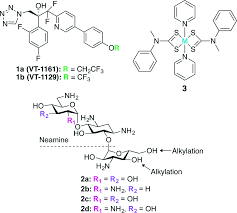
Some of the organic layer which had been collected (292g) to (29g), and evaporated under reduced pressure. The residue was purified by silica gel column chromatography: subjected to [eluent AcOEt / hexane (1 / 4-9 / 1)], I give the title compound (1.05g, 4.85mmol) as a white powdery solid.
Yield: 66%
1 H-NMR (CDCl 3) δ (ppm): 2.40 (3H, s), 7,59 (1H, br), 8.34 (1H, br), 10.42 (1H, s).
MS (ESI +): 217 (M + 1)

Step 3:
2 – [(4-2-acetylamino-3-fluoro-pyridin-yl) methyl] -3-oxobutanoic acid ethyl ester:

Figure JPOXMLDOC01-appb-C000052

Under a nitrogen atmosphere to dissolve the solid product of Step 2 (81.4g) in 2,2,2-trifluoroethanol (448mL), piperidine (4.4g, 51.7mmol), acetic acid (3.1g, 51 .7mmol) and 3-oxobutanoic acid ethyl (37.0g, 0.28mol) was added and stirred for 3 hours after raising the temperature to 50 ℃. After cooling the reaction mixture to room temperature, triethylamine (758mL, 5.5mol) and formic acid (172mL, 4.6mol) of 2-propanol (1248mL) solution and 20% Pd (OH) 2 carbon (21.2g, moisture content 46.2%) were added, followed by stirring for 4 hours the temperature was raised to 50 ℃. The reaction mixture was filtered through Celite, and the residue was washed with 2-propanol (679mL). Combined filtrate and washings (2795g), and evaporated under reduced pressure a part of the (399g) (remaining (2396g) I was saved). Ethyl acetate (24.2mL) was added to the residue obtained by evaporation of the solvent, and evaporated under reduced pressure. Again, the residue ethyl acetate (182mL) was added to the washed successively with an organic layer 20wt% brine (61mL), 10wt% of potassium dihydrogen phosphate solution (61mL) and 20wt% sodium chloride solution (61mL), under a reduced pressure The solvent was evaporated. Furthermore, in addition to the residue of 2,2,2-trifluoroethanol (24mL), and the solvent evaporated under reduced pressure to obtain oil containing the title compound (15.0g). The product was used in the next step without further purification.
1 H-NMR (CDCl 3) δ (ppm): 1.24 (3H, t, J = 7.0Hz), 2.27 (3H, s), 2.37 (3H, s), 3.16- 3.26 (2H, m), 3.86 (1H, t, J = 7.5Hz), 4.15-4.22 (2H, m), 6.98 (1H, t, J = 5.0Hz ), 7.68 (1H, br), 8.05 (1H, d, J = 5.0Hz).
MS (ESI +): 297 (M + 1)

Step 4:
Synthesis of 3- (3-fluoro-2-amino-pyridin-4-ylmethyl) -7-hydroxy-4-methyl-2-oxo -2H-1- benzopyran methanesulphonate:

Figure JPOXMLDOC01-appb-C000053

Under a nitrogen atmosphere, oily product of Step 3 (15.0g) and I were dissolved in 2,2,2-trifluoroethanol (33mL). The solution of resorcinol (5.3g, 47.9mmol) and methane sulfonic acid (11.7mL, 181mmol) was added at 24 ℃, and stirred for 4 hours at 90 ℃. And allowed to stand for 13 hours and cooled to room temperature and ethanol (33mL) and water (11mL), and the mixture was stirred for 4.5 hours at 90 ℃. After adding 2-propanol (105mL) was cooled to 55 ℃, and allowed to stand for 14 hours then cooled to room temperature. The The precipitated crystals were collected by filtration to give 2-propanol was washed twice with (33mL), and dried under reduced pressure to give the title compound (8.2g).
(Total from 2-acetylamino-5-chloro-3-fluoropyridine was used in step 2 Yield) Yield: 49%
MS (ESI +): 301 [M + 1-MsOH] +

Step 5:
4-methyl-3- (3-fluoro-2-amino-pyridin-4-ylmethyl) -7- (pyrimidin-2-yloxy) -2-oxo -2H-1- benzopyran Synthesis:

Figure JPOXMLDOC01-appb-C000054

Under a nitrogen atmosphere, 3- (3-fluoro-2-amino-pyridin-4-ylmethyl) -7-hydroxy-4-methyl-2-oxo -2H-1- benzopyran methanesulphonate (7.6g, 19.2mmol) and 2-bromo-pyrimidine (4.0g, 24.9mmol) was dissolved in DMF (122mL), potassium carbonate (5.8g, 42.2mmol) was added, and the mixture was stirred for 3.5 hours at 115 ℃. After cooling the reaction mixture to 28 ℃, water (122mL) was added dropwise over the same temperature for 0.5 hours, and stirred for 2 minutes. In addition, after cooling to 0 ℃, and the mixture was stirred for 1 hour, and the precipitated crystals were collected by filtration. The obtained crystals were washed successively with water (61mL) and acetonitrile (61mL), to give the title compound was dried under reduced pressure and crystals (6.5g).
The resultant was taken for analysis a portion of the crystals (0.1g), it was suspended remainder (6.4g) in DMF (70mL). The resulting suspension was stirred 60 ℃ and heated for 5 minutes and stirred for 80 minutes by the addition of acetonitrile (185mL) at the same temperature. Then, it was stirred for 0.5 hours and then cooled to 40 ℃, and the mixture was stirred for 0.5 hours and further cooled to 25 ℃. After a further 1.5 hours with stirring and cooled to 0 ℃, the precipitated crystals were collected by filtration. After washing the resulting crystals in acetonitrile (46mL), was obtained by drying under reduced pressure to the title compound (5.5g). Incidentally, the title compound is a compound described in WO2007 / 091736.
Yield: 76%

Step 6:
3- {2- (methyl-aminosulfonyl) amino-3-fluoro-pyridin-4-ylmethyl} -4-methyl-7- (pyridin-2-yloxy) -2-oxo -2H-1- benzopyran Synthesis:

Figure JPOXMLDOC01-appb-C000055

Under a nitrogen atmosphere, 4-methyl-3- (3-fluoro-2-amino-pyridin-4-ylmethyl) -7- (pyrimidin-2-yloxy) -2-oxo -2H-1- benzopyran (1.7g, 4 the .5mmol) it was suspended in DMF (18mL). To this solution pyridine (0.8mL, 9.9mmol) was cooled to In 10 ℃ added, N- methyl-sulfamoyl chloride (1.05g, 8.1mmol) in acetonitrile (18mL) solution of the internal temperature of 15 ℃ it was dropped so as to maintain below. After stirring for 90 minutes at the same temperature, acetonitrile (3.4mL) was added and further water (50mL), was added dropwise the inner temperature so as to maintain the 20 ℃ below. It was cooled to an external temperature of 0 ℃, and the mixture was stirred for an internal temperature of 5 ℃ 2 hours after arrival. The precipitated crystals were collected by filtration, washed with water (8.5mL), and dried to give the title compound (1.9g, 4.0mmol) was obtained.
Yield: 88%
MS (ESI +): 472 [M + 1] +

Step 7:
Synthesis of 3- {2- (methyl-aminosulfonyl) amino-3-fluoro-pyridin-4-ylmethyl} -4-methyl-7- (pyridin-2-yloxy) -2-oxo -2H-1- benzopyran potassium salt:

Figure JPOXMLDOC01-appb-C000056

Under a nitrogen atmosphere, 3- {2- (methyl-aminosulfonyl) amino-3-fluoro-pyridin-4-ylmethyl} -4-methyl-7- (pyridin-2-yloxy) -2-oxo -2H-1- benzopyran ( 1.6g, was suspended 3.4mmol) in THF (10mL), water (3mL) was added. The suspension in 2.0M aqueous potassium hydroxide (1.8mL, 3.6mmol) was added dropwise over 10 min at 25 ℃, after raising the temperature to 60 ℃, and the mixture was stirred for 2 hours at the same temperature. After cooling the reaction mixture to 20 ℃, it was added dropwise over a period of THF (8mL) 30 min. After completion of the dropwise addition, the mixture was cooled to an external temperature of -5 ℃, and the mixture was stirred for an internal temperature of 0 ℃ reached after 160 minutes. The precipitated crystals were collected by filtration, then washed with a mixture of THF (14mL) and water (1.6mL) (pre-cooled to 5 ℃), further washed with THF (8mL), and dried to give the title compound (0 .72g, we got 1.4mmol).
Yield: 42%
MS (ESI +): 472 [M + 2H-K] +

CLIP

RO5126766 (CH5126766) is a first-in-class dual inhibitor of Raf/MEK [1].

The RAS/RAF/MEK/ERK signaling pathway is an important signal transduction system and participates in cell differentiation, movement, division and death. Activated Ras activates RAF kinase, which then phosphorylates and activates MEK (MEK1 and MEK2) [1]. The mutations in BRAF, RAS, and NF1 are associated with many human tumors [2].

RO5126766 (CH5126766) is a first-in-class dual Raf/MEK inhibitor. In cell-free kinase assays, CH5126766 effectively inhibited the phosphorylation of MEK1 protein by RAF and the activation of ERK2 protein by MEK1 with IC50 values of 0.0082-0.056 and 0.16 μM, respectively. In NCI-H460 (KRAS Q61H) human lung large cell carcinoma cell line, RO5126766 induced cell-cycle inhibitor p27Kip1 protein expression and caused G1 arrest. In HCT116 KRAS-mutant colorectal cancer cells, RO5126766 CH5126766 completely inhibited the phosphorylation of MEK and ERK [2].

In Japanese patients with advanced solid tumors, RO5126766 exhibited the maximum tolerable dose (MTD) of 2.25 mg/day once daily [1]. In a HCT116 (G13D KRAS) mouse xenograft model, RO5126766 (1.5 mg/kg) inhibited pERK and ERK signaling and exhibited ED50 value of 0.056 mg/kg [2].

References:
[1].  Honda K, Yamamoto N, Nokihara H, et al. Phase I and pharmacokinetic/pharmacodynamic study of RO5126766, a first-in-class dual Raf/MEK inhibitor, in Japanese patients with advanced solid tumors. Cancer Chemother Pharmacol, 2013, 72(3): 577-584.
[2].  Ishii N, Harada N, Joseph EW, et al. Enhanced inhibition of ERK signaling by a novel allosteric MEK inhibitor, CH5126766, that suppresses feedback reactivation of RAF activity. Cancer Res, 2013, 73(13): 4050-4060.

WO2007091736A1 9 Feb 2007 16 Aug 2007 Chugai Seiyaku Kabushiki Kaisha Novel coumarin derivative having antitumor activity
WO2009014100A1 18 Jul 2008 29 Jan 2009 Chugai Seiyaku Kabushiki Kaisha p27 PROTEIN INDUCER
JPH0236145A * Title not available
Reference
1 BIOORGANIC MEDICINAL CHEMISTRY, vol. 13, 2005, pages 1393 – 1402
2 JOURNAL OF MEDICINAL CHEMISTRY, vol. 47, 2004, pages 6447 – 6450
3 ORGANIC PREPARATIONS AND PROCEDURES INTERNATIONAL, vol. 36, 2004, pages 347 – 351
4 * See also references of EP2754654A1
5 * STANCHO STANCHEV, ET AL.: “Synthesis and Inhibiting Activity of Some 4-Hydroxycoumarin Derivatives on HIV-1 Protease. Art 137637“, ISRN PHARMACEUTICS, vol. 63, no. 10, 2011, pages 1 – 9, XP055145297
6 * STANCHO STANCHEV, ET AL.: “Synthesis, computational study and cytotoxic activity of new 4-hydroxycoumarin derivatives“, EUROPEAN JOURNAL OF MEDICINAL CHEMISTRY, vol. 43, no. 4, 2008, pages 694 – 706, XP022576473
7 SYNTHETIC COMMUNICATIONS, vol. 34, 2004, pages 4301 – 4311
Patent ID Date Patent Title
US7897792 2011-03-01 Coumarin derivative having antitumor activity
US2011009398 2011-01-13 p27 Protein Inducer
Patent ID Date Patent Title
US2016024051 2016-01-28 SALTS AND SOLID FORMS OF ISOQUINOLINONES AND COMPOSITION COMPRISING AND METHODS OF USING THE SAME
US2015290207 2015-10-15 HETEROCYCLIC COMPOUNDS AND USES THEREOF
US2015283142 2015-10-08 TREATMENT OF CANCERS USING PI3 KINASE ISOFORM MODULATORS
US2015225410 2015-08-13 HETEROCYCLIC COMPOUNDS AND USES THEREOF
US2015111874 2015-04-23 HETEROCYCLIC COMPOUNDS AND USES THEREOF
US2014377258 2014-12-25 Treatment Of Cancers Using PI3 Kinase Isoform Modulators
US2014213786 2014-07-31 Method for Producing Coumarin Derivative
US2014038920 2014-02-06 TFEB PHOSPHORYLATION INHIBITORS AND USES THEREOF
US2011092700 2011-04-21 Novel Coumarin Derivative Having Antitumor Activity
US7897792 2011-03-01 Coumarin derivative having antitumor activity

//////////////RO-512676, RG-7304,  CH-5126766,  CKI-27,  R-730, 946128-88-7, PHASE 1, MEK1/Raf inhibitor,  treatment of solid tumors and multiple myeloma, CANCER

CC(C1=C(O2)C=C(OC3=NC=CC=N3)C=C1)=C(C2=O)CC4=C(F)C(NS(NC)(=O)=O)=NC=C4

Tenatoprazole, テナトプラゾール


STR1

Tenatoprazole.svg

Tenatoprazole

テナトプラゾール

泰妥拉唑

Tenatoprazole; 113712-98-4; Ulsacare; Protop; TU 199; TU-199;
Molecular Formula: C16H18N4O3S
Molecular Weight: 346.40412 g/mol

5-methoxy-2-[(4-methoxy-3,5-dimethylpyridin-2-yl)methylsulfinyl]-1H-imidazo[4,5-b]pyridine

2-[2-(3,5-Dimethyl)pyridylmethylsulfinyl]-5-methoxyimidazo[4,5-b]pyridine

Phase I

PHASE 1 FOR ………..A proton pump inhibitor potentially for the treatment of gastroesophageal reflux disease.

Research Code TU-199

CAS No. 113712-98-4

Mitsubishi Tanabe Pharma and was licensed to Negma Laboratories

Tenatoprazole is a proton pump inhibitor drug candidate that was undergoing clinical testing as a potential treatment for refluxoesophagitis and peptic ulcer as far back as 2003.[1] The compound was invented by Mitsubishi Tanabe Pharma and was licensed to Negma Laboratories (part of Wockhardt as of 2007[2]).[3]:22

Mitsubishi reported that tenatoprazole was still in Phase I clinical trials in 2007[4]:27 and again in 2012.[3]:17

Tenatoprazole has an imidazopyridine ring in place of the benzimidazole moiety found in other proton pump inhibitors, and has a half-life about seven times longer than other PPIs.[5]

Tenatoprazole is a novel imidazopyridine derivative and has an imidazopyridine ring in place of the benzimidazole moiety found in other proton pump inhibitors. It is activated more slowly than other proton pump inhibitor, but its inhibition is resistant to reversal.Tenatoprazole has an extended plasma half-life in comparison with those of all other proton pump inhibitors; this makes it more potent in the treatment of nocturnal acid breakthrough than esomeprazole, one of the most popular proton pump inhibitors.
Tenatoprazole belongs to the class of covalent proton pump inhibitors (PPIs), which is converted to the active sulfenamide or sulfenic acid by acid in the secretory canaliculus of the stimulated parietal cell of the stomach.This active species binds to luminally accessible cysteines of the gastric H+,K+-ATPase, resulting in disulfide formation and acid secretion inhibition.Tenatoprazole binds at the catalytic subunit of the gastric acid pump with a stoichiometry of 2.6 nmol mg−1 of the enzyme in vitro. In vivo, maximum binding of tenatoprazole was 2.9 nmol mg−1of the enzyme at 2 h after intravenous (IV) administration.

Tenatoprazole, or (+)-5-methoxy-2-{[(4-methoxy-3,5-dimethyl-2-pyridyl) methyl] sulfinyl} imidazo-[4,5-b] pyridine, is described in Patent No. EP 254,588. It belongs to the group of drugs considered as proton pump inhibitors, which inhibit the secretion of gastric acid and are useful in the treatment of gastric and duodenal ulcers. It can also be used to treat gastro-oesophageal reflux, digestive bleeding and dyspepsia, because of its relatively long elimination half-life, as described in the application for French patent No. FR 02. 13113.

The first known derivative of this series of proton pump inhibitors was omeprazole, described in Patent No. EP 001,529, which is endowed with properties which inhibit the secretion of gastric acid and is widely employed as an anti-ulcerative in human therapeutics.

In addition to omeprazole, other proton pump inhibitors are well known, and particular mention can be made of rabeprazole, pantoprazole and lansoprazole, which all exhibit structural analogy and lansoprazole, which all exhibit structural analogy and belong to the group of pyridinyl methyl sulfinyl benzimidazoles. These compounds are sulfoxides presenting with asymmetry at the level of the sulphur atom, and therefore generally take the form of a racemic mixture of two enantiomers.

Like omeprazole and other sulfoxide with an analogue structure, tenatoprazole has an asymmetric structure and may therefore be present in the form of a racemic mixture or of its enantiomers. Thus it may exist in the form of its two enantiomers with R and S configurations, or (+) or (−), respectively.

Recent studies have shown that, unlike all the other proton pump inhibitors such as, for example, omeprazole or lansoprazole, and unexpectedly, tenatoprazole is endowed with a markedly prolonged duration of action, resulting from a plasma half-life which is about seven times longer. Thus the clinical data collected have shown that tenatoprazole enables a degree of symptom relief and healing of gastric lesions which is superior to that achieved by other drugs belonging to the same therapeutic category of proton pump inhibitors, which thus allows its effective use in the treatment of atypical and oesophageal symptoms of gastro-oesophageal reflux, digestive bleeding and dyspepsia, as indicated above.

Studies performed by the application have made it possible to show that the two enantiomers contribute differently to the properties of tenatoprazole, and that the two enantiomers, (+) and (−) exhibit significantly different pharmacokinetic properties. Thus it is possible to prepare medicinal products with specific activity by isolating the enantiomers, and these enantiomers themselves exhibit a different pharmacokinetic profile from that of the known racemic mixture. It then becomes possible to use each of these enantiomers more effectively in precise indications for the treatment of perfectly identified pathologies.

Tenatoprazole.png

Anti-ulcer drug
tenatoprazole (tenatoprazole) is a new proton pump inhibitor, by the Japanese company Tokyo Tanabe, Japan’s Mitsubishi Corporation and Japan’s Hokuriku pharmaceutical companies jointly developed, has passed Phase II clinical trials. It acts on gastric parietal cells, reducing treatment of gastric ulcer, duodenal ulcer, reflux wall cell H + / K + -ATP activity, inhibition of gastric acid secretion, and H. pylori antibacterial activity, mainly for esophagitis and Zhuo – Ellison syndrome and gastric acid secretion disorders related diseases. Compared with the same types of drugs, Tenatoprazole suppress H + / K + -ATP enzyme activity is stronger, more stable, its efficacy than similar products currently widely used in clinical omeprazole strong 7 times. It has not been in the domestic market, nor ratified the production, with broad market prospects and development potential.
Proton pump inhibitors (proton pump inhibitors) for the treatment of acid-related diseases, the past ten years a wide range of clinical applications, better effect of the drug. It can quickly pass through the stomach wall membrane, gathered in a strongly acidic secretory tubules, and H + / K + -ATP enzyme (proton pump) thiol groups covalently bonded to form a disulfide bond, proton pump inactivation, inhibition of the enzyme H + / K + transport, so as to achieve the effect of acid suppression. Proton pump inhibitors and conventional clinical application of gastric acid suppression drugs H2 receptor antagonists compared with different sites of action and have different characteristics, namely acid-suppressing effect at night is good, rapid onset of acid inhibition strong and long time, easy to take these drugs can quickly and efficiently inhibit gastric acid secretion and clearance of Helicobacter pylori, it is widely used gastric ulcer, duodenal ulcer, reflux esophagitis and Zhuo – Ellison syndrome and other diseases treatment. Currently, proton pump inhibitors has been listed on the main omeprazole, lansoprazole, pantoprazole, rabeprazole and esomeprazole.
Physical and

chemical properties ofwhite or white crystalline powder, melting point 174 ~ 175 ℃. Soluble in chloroform, insoluble in alcohol and water.
This product and other proton pump inhibitors as compared to chemically stable. China had 34 omeprazole preparations from Portugal, Brazil, India, China and other 13 countries, the stability of the measurements were made. The results showed that only six products (18%) during the trial showing good physical and chemical stability of. 27 products (79%) less (including Chinese product), the active ingredient a significant chemical decomposition, color and physical properties such as dissolution, are also a corresponding change. The results of a stability test designed to compare the various proton pump inhibitors show investigated eight days at 60 ℃, relative humidity of 75%, after omeprazole decomposition only 3% of the active ingredient, the tenatoprazole 77% of the data, said Alpha pantoprazole stability far superior to omeprazole, is already developed similar products in the most promising products.

Synthesis 

Matsuishi, N.; Takeda, H.; Iizumi, K.; Murakami, K.; Hisamitsu, A. US Patent 4,808,596, 1989

Synthesis of Tenatoprazole 1 commences with the coupling of 2-mercapto-5-methoxyimidazo[4,5-b]pyridine 2 with 2-chloromethyl-4-methoxy-3,5-dimethyl pyridine hydrochloride 3 in the presence of potassium hydroxide affords 4 with 73% yield in ethanol and chloroform.  The oxidation of the penultimate sulfide intermediate4 with m-CPBA in chloroform (100 vol) afforded 1

STR1

Syn 2

Org. Process Res. Dev., 2009, 13 (4), pp 804–806
DOI: 10.1021/op800173u

synthesis of begins with the solvent-free condensation of 2-mercapto-5-methoxyimidazo[4,5-b]pyridine 2 with 2-chloromethyl-4-methoxy-3,5-dimethyl pyridine hydrochloride 3 to deliver the sulfide intermediate4 with 98% yield.

The final step of the synthesis is the oxidation of the sulfide intermediate with m-CPBA to form tenatoprazole 1. The sulfide intermediate 4 on treatment with 0.9 equiv of m-chloroperbenzoic acid (m-CPBA) at −10 to −15 °C afforded the crude tenatoprazole which was isolated as its sodium salt. The sodium salt of tenatoprazole 5 was purified by recrystallsation using dimethyl formamide and ethyl acetate (2:1 ratio) to yield the pure crystalline tenatoprazole sodium 5. Treatment of tenatoprazole sodium 5 with dil. HCl in the presence of acetone and water afforded the pure tenatoprazole 1

STR1

PATENT

CN 1861600

CN 1982311

WO 2009116072

CN 101429192

WO 2010043601

IN 2010CH00462

IN 251400

CN 102304127

WO 2012004802

CN 102703922

IN 2009DE01392

WO 2014111957

IN 2013MU00181

IN 2014CH01419

PAPER

Dai, Liyan; Synthetic Communications 2008, V38(4), P576-582

Advanced Materials Research (Durnten-Zurich, Switzerland) (2011), 233-235(Pt. 1, Fundamental of Chemical Engineering), 160-164.

Organic Process Research & Development (2013), 17(10), 1293-1299

Enantiomeric separation of proton pump inhibitors on new generation chiral columns using LC and supercritical fluid chromatography
Journal of Separation Science (2013), 36, (18), 3004-3010………http://onlinelibrary.wiley.com/doi/10.1002/jssc.201300419/abstract

PATENT

CN 102304127

https://www.google.com/patents/CN102304127A?cl=en

Tenatoprazole is a new type of gastric H + / K + -ATP enzyme inhibitors (proton pump inhibitor PPI), the chemical name 5-methoxy-2- (4-methoxy-3, 5-dimethyl-2-methylsulfinyl) imidazole and W, 5-b] pyridine, useful in the treatment of gastric ulcer, duodenal ulcer, reflux esophagitis and Zhuo – Ai syndrome and gastric acid secretion disorders related diseases. The drug was developed by Japan’s Tokyo Tanabe, Japan’s Mitsubishi Corporation and Japan’s Hokuriku pharmaceutical companies. Compared with other varieties of the same type, which inhibit H + / K + -ATP enzyme activity is stronger, ulcers of various tests are effective, and significantly improve the stability compared with other proton pump inhibitors.

 US patent US4808596 “hidazo [4,5_b] pyridine compounds and pharmaceutical compositions containing same)) synthesis process disclosed Tenatoprazole the below formula:

Figure CN102304127AD00031

By  The route of 2-chloro-3,5-dimethyl-4-methoxypyridine hydrochloride with 2-mercapto-5-methoxy-imidazole, 5-b] pyridine under basic conditions condensation of Intermediate 2- [2- (3,5_-dimethyl) -4-methoxy-5-methoxy-pyridylmethyl sulfide] imidazo W, 5-b] pyridine, and then oxidizing the Thai duly omeprazole. This route for the synthesis of pull azole classic line, many pull azoles such as omeprazole can be synthesized by a similar route, this route mild condition, simple operation. But the route condensation, oxidation treatment after use of large amounts of toxic solvent chloroform, is not conducive to industrial scale; lower oxidation yields, the resulting Tenatoprazole containing unreacted starting materials 2- [2_ (3,5 – dimethyl) -4-methoxy-5-methoxy-pyridylmethyl sulfide] imidazo W, 5-b] pyridine, further comprising a sulfone by-product, N- oxide, N- oxide sulfone, These by-products may interfere with purification of tenatoprazole.

Japanese Patent invention Wo 丨 J JP05222038 “5_methoxy-2- [[(4_methoxy-3, 5-dimethyl-2-pyridyl) methyl] thio] imidazo [4,5 ~ b] pyridine and intermediates)) male

Synthesis open Tenatoprazole the below formula:

Figure CN102304127AD00041

 4-chloro-2-chloromethyl-3,5-dimethylpyridine -N- oxide 2_ mercapto _5_ methoxy-imidazo – [4, 5-b] pyridine in alkaline under condensation of Intermediate 5-Methoxy-2- (4-chloro-3,5-dimethyl-2-methylthio Bi) imidazo W, 5-b] pyridine-oxide -N- ( yield 82%), then refluxed in a solution of sodium methoxide in methanol to give 5-methoxy-2- (4-oxo-3,5-dimethyl-2-methyl sulfide) imidazo W , 5-b] pyridine -N- oxide (income ¥ 71%), and then at room temperature in methylene chloride, phosphorus trichloride treated with deoxy (yield 95%), and finally oxidation in Tenatoprazole (income Rate not reported). The novel synthetic route, mild reaction conditions, simple operation, the yield of each step is higher, but the route is too long resulting in a total yield is not high, prolonged and rising production costs.

Reaction route is as follows:


Figure CN102304127AD00051

Example 1:

] a) 2- [2- (3,5-dimethyl) -4-methoxy-picolyl thioether _5_ methoxy] imidazo [4,5_b] pyridine:

 To a reaction flask was added 2-mercapto-5-methoxy-imidazole, 5-b] pyridine 18. lg, 12g of sodium hydroxide and water 144. 8g, stirred and dissolved at 25 ° C, was added dropwise within Ih 20g of the 2-chloromethyl-dimethyl-4-methoxy _3,5- pyridine hydrochloride and 60g of water were mixed solution dropwise at 25 ° C the reaction 2h, the reaction is completed, filtered, washed with water 144. 8g, 36. 2mL ethanol and washed to obtain a wet powder; wet powder was dried at 50 ° C in vacuo to constant weight to give 2- [2_ (3,5-dimethyl) -4-methoxy-pyridylmethyl sulfide -5 – methoxy] imidazo [4,5-b] pyridine 32. Og;

 2) Preparation of tenatoprazole lithium salt: To a reaction flask was added 2- [2- (3,5_-dimethyl) -4-methoxy-5-methoxy-pyridylmethyl sulfide] imidazo W, 5-b] pyridine 30g, dichloromethane 300g, methanol 15g, and dissolved with stirring; cooled to -10 ° C, was added dropwise the 15g and 485g m-chloroperbenzoic acid in methylene chloride mixed solution, dropwise addition the reaction temperature was controlled at -10 ° C, the dropping time of the pool; the dropwise addition, the temperature control at -10 ° C, the reaction 30min; completion of the reaction, at 10 ° C by the dropwise addition of lithium hydroxide and 135g water 15g mixed solution, drip complete, insulation stirred Ih; filtered cake was washed with acetone 60mL, get wet powder; wet powder was dried at 35 ° C under vacuum to constant weight to give Tenatoprazole lithium salt ^ g;

 3) Preparation Tenatoprazole: To a reaction flask 加入泰 pantoprazole lithium salt 25g, acetone 63mL, water IOOmL, cooling M0 ° C, dropping lmol within lh / L hydrochloric pH7 0, drops. Albert, stirring 30min; the filter cake washed with water 50mL, washed with acetone and 50mL, wet powder was dried at 35 ° C under vacuum to constant weight to give Tenatoprazole 19. Sg.

 Example 2:

 a) 2- [2- (3,5-dimethyl) -4-methoxy-5-methoxy-pyridylmethyl sulfide] imidazo W, 5_b] pyridine (4) Preparation: To the reaction flask was added 2-mercapto-5-methoxy-imidazo 44,5-b] pyridine 18. lg, 11. 2g of potassium hydroxide and water 217mL, stirred and dissolved at! 35 ° C, was added dropwise within 2h by the 33. 3g of 2-chloro-3,5-dimethyl-4-methoxypyridine hydrochloride and 133. 2mL water mixed solution, dropwise at 35 ° C the reaction 4h, the reaction is completed, filtration, water 217mL, 72. 4mL ethanol and washed to obtain a wet powder; wet powder was dried at 60 ° C in vacuo to constant weight to give 2- [2- (3,5-dimethyl) -4-methoxy-pyridylmethyl sulfide -5-methoxy-yl] imidazo W, 5-b] pyridine 33. Ig;

 2) Preparation of tenatoprazole lithium salt: To a reaction flask was added 2- [2- (3,5_-dimethyl) -4-methoxy-5-methoxy-pyridylmethyl sulfide] imidazole and W, 5-b] pyridine 30g, dichloromethane 400mL, methanol 50mL, stirring to dissolve; cooled to _15 ° C, was added drop by the m-chloroperoxybenzoic acid 16g of mixed solution of dichloromethane and 400mL , the process reactor temperature control was added dropwise at -20 ° C, the dropping time 2. 5h; the dropwise addition, the temperature control _15 ° C, the reaction 35min; completion of the reaction, at 15 ° C by the dropwise addition of 20g of hydrogen Lithium oxide and 200mL water mixed solution, drip completed, insulation mixing 1. 5h; filtration, the filter cake washed with acetone 90mL, get wet powder; wet powder was dried at 40 ° C under vacuum to constant weight to give Tenatoprazole lithium salt 28. 6g;

 3) Preparation Tenatoprazole: To a reaction flask 加入泰 pantoprazole lithium salt 25g, ethanol 75mL, water 150mL, cooled to 10 ° C, dropping 6mol / L hydrochloric pH8 0 within 2h,. drops Albert, stirring 40min; the filter cake washed with water 100mL, washed with acetone IOOmL, wet powder was dried at 40 ° C under vacuum to constant weight, yield powder was Tenatoprazole 19. 5g.

Example 3:

 a) 2- [2- (3,5-dimethyl) -4-methoxy-5-methoxy-pyridylmethyl sulfide] imidazo W, 5_b] pyridine (4) Preparation: To the reaction flask was added 2-mercapto-5-methoxy-imidazo 44,5-b] pyridine 18. lg, 8.4g of lithium hydroxide and water 180ml, stirred and dissolved at 30 ° C, was added dropwise within 1. 5h by the Guang .6g 2-chloro-3,5-dimethyl-4-methoxy-pyridine hydrochloride and 90mL water mixed solution, drop end at 30 ° C reaction 3h, the reaction is complete, filtration, water 217mL , washed with 85mL ethanol to obtain a wet powder; wet powder was dried at 55 ° C in vacuo to constant weight to give 2- [2- (3,5-dimethyl) -4-methoxy-5-pyridylmethyl sulfide oxy] imidazo [4,5-b] pyridine 32. 4g;

2) Preparation of tenatoprazole lithium salt: To a reaction flask was added 2- [2- (3,5_-dimethyl) -4-methoxy-5-methoxy-pyridylmethyl sulfide] imidazole and W, 5-b] pyridine 30g, dichloromethane 600mL, methanol 60mL, stirring to dissolve; cooled to -20 ° C, was added drop by the m-chloroperoxybenzoic acid 18g of mixed solution of dichloromethane and 600mL , dropwise addition the reaction temperature is controlled at _20 ° C, the dropping time of the pool; the dropwise addition, the temperature control at _20 ° C, the reaction 40min; completion of the reaction, at 20 ° C by the dropwise addition of lithium hydroxide and 300mL 30g water mixed solution, drip complete insulation mixing tank; filter, the filter cake washed with acetone and 120mL, get wet powder; wet powder was dried at 40 ° C under vacuum to constant weight to give Tenatoprazole lithium salt 28. 7g;

 3) Preparation Tenatoprazole: To a reaction flask 加入泰 pantoprazole lithium salt 25g, methanol 75mL, water 120mL, cooled to 5 ° C, dropping dilute hydrochloric acid within 1 5h tune pH7 5,.. drops Albert, stirring 35min; the filter cake washed with water 75mL, 75mL acetone washed, wet powder was dried at 40 ° C under vacuum to constant weight, yield powder was Tenatoprazole 19. 6g.

Example 4:

 a) 2- [2- (3,5-dimethyl) -4-methoxy-picolyl thioether _5_ methoxy] imidazo [4,5_b] pyridine ⑷ Preparation of: To a solution The reaction flask was added 2-mercapto-5-methoxy imidazole -½, 5-b] pyridine 18. lg, IOg sodium hydroxide and water 150ml, stirred and dissolved at 30 ° C, the 1. 5h dropwise added from 21 . 5g of 2-chloro-3,5-dimethyl-4-methoxypyridine hydrochloride and 90mL water mixed solution, dropwise at 30 ° C the reaction 3h, completion of the reaction, was filtered, washed with water 217mL, The wet powder was washed with ethanol to give 85mL; wet powder was dried at 55 ° C in vacuo to constant weight to give 2- [2- (3,5_-dimethyl) -4-methoxy-5-methoxy-pyridylmethyl sulfide ] imidazo [4,5-b] pyridine 32. 3g;

 2) Preparation of tenatoprazole lithium salt: To a reaction flask was added 2- [2- (3,5_-dimethyl) -4-methoxy-5-methoxy-pyridylmethyl sulfide] imidazole and W, 5-b] pyridine 30g, dichloromethane 500mL, methanol 60mL, stirring to dissolve; cooled to -20 ° C, was added drop by the m-chloroperoxybenzoic acid 18g of mixed solution of dichloromethane and 500mL , the process reactor temperature control was added dropwise at -20 ° C, the dropping time pool; the dropwise addition, the temperature control in -20 ° C, the reaction 40min; completion of the reaction, at 20 ° C by the dropwise addition of lithium hydroxide 30g and 300mL water mixed solution, drip complete insulation mixing tank; filter, the filter cake washed with acetone and 120mL, get wet powder; wet powder was dried at 40 ° C under vacuum to constant weight to give Tenatoprazole lithium salt 28. 6g;

 3) Preparation Tenatoprazole: To a reaction flask 加入泰 pantoprazole lithium salt 25g, isopropanol 75mL, water 120mL, cooled to 5 ° C, dropping 3mol / L hydrochloric within 1 5h. . pH7 5, drops Albert, stirring 35min; the filter cake washed with water 75mL, 75mL acetone washed, wet powder was dried at 40 ° C under vacuum to constant weight, yield powder was Tenatoprazole 19. 7g.

PAPER

An Improved Synthesis of Antiulcerative Drug: Tenatoprazole

http://pubs.acs.org/doi/full/10.1021/op800173u

Department of Research and Development, Srini Pharmaceuticals Ltd., Plot No. 10, Type-C, Road No. 8, Film Nagar, Jubilee Hills, Hyderabad-500033, Andhra Pradesh, India, Department of Chemistry, Osmania University, Tarnaka, Hyderabad-500007, Andhra Pradesh, India and Research and Development, Integrated Product Development Organization, Innovation Plaza, Dr. Reddy’s Laboratories Ltd., Bachupally, Qutubullapur, R. R. Dist. 500 072, Andhra Pradesh, India
Org. Process Res. Dev., 2009, 13 (4), pp 804–806
DOI: 10.1021/op800173u
Publication Date (Web): November 12, 2008
Copyright © 2008 American Chemical Society
* To whom correspondence should be addressed. Telephone: +91 9490783736. E-mail: drkvr_ou@yahoo.com;kvgr1951@rediffmail.com., †Srini Pharmaceuticals Ltd.
, ‡Osmania University.
, §Dr. Reddy’s Laboratory Ltd.
Abstract Image

An efficient, cost-effective and multikilogram-scale process for the synthesis of tenatoprazole 1, an antiulcerative drug, is described. The key steps in this synthesis involve the coupling of 2-mercapto-5-methoxyimidazo[4,5-b]pyridine 2 with 2-chloromethyl-4-methoxy-3,5-dimethyl pyridine hydrochloride 3 to yield 4 and its subsequent oxidation with m-CPBA to produce sulfoxide 1. The process has been scaled up for the multikilogram-scale of compound 1 with an overall yield of 72%. The new process requires no purification process and affords the target compound 1 with 99.8% purity by HPLC.

2-[2-(3,5-dimethyl)pyridylmethylsulfinyl]-5-methoxyimidazo[4,5-b]pyridine (1, 15.5 kg, 74%). Purity by HPLC 99.8%; 1H NMR (200 MHz, DMSO) δ 2.2 (s, 6H), 3.8 (s, 6H), 4.8 (s, 2H), 6.6 (d, 1H), 7.8 (d, 1H), 8.2 (s, 1H), 13.0 (s, 1H).

PATENT

http://www.google.co.in/patents/US7507746

the (+) enantiomer of tenatoplazole can be obtained by using chloroform, an industrially acceptable solvent, in accordance with the method proposed by Umemura et al. (J. Org. Chem. 1993, 58, 4592) as follows:

Figure US07507746-20090324-C00001

Example 1 (−)-5-methoxy-2-{(4-methoxy-3,5-dimethyl-2-pyridyl)methyl]sulfinyl}-1H-imidazo[4,5-b]pyridineThe conditions for preparative chromatography, shown as an example, are as follows:

Column: 265×110 mm ChiralPak®

Chiral Stationary Phase selector of the Amylose tris type [(S)-a methylbenzylcarbamate]

Flow rate: 570 ml/min

Detection: UV 240 nm

Temperature: Ambient temperature

These conditions are implemented on a liquid preparative chromatography apparatus.

Introduce approximately 2 g of the racemic mixture if tenatoprazole exhibiting purity higher than 99.5%. The (−) enantiomer is identified by measuring the angle of optical rotation, which must be laevogyre. This measurement can be performed directly on the column, the product being dissolved in the solvent (acetonitrile).

Example 2 (+)-5-methoxy-2-{(4-methoxy-3, 5-dimethyl-2-pyridyl)methyl]sulfinyl}-1H-imidazo[4,5-b]pyridine(R)-(+)-binaphthol 85 g (0.311 mol, 0.2 equivalence), ortho titanic acid isopropyl 42 g (0.148 mol, 0.1 equivalence), water 55 g (3.06 mol) and chloroform 7.5 L were stirred for 1 hour at room temperature. To the resultant, 5-methoxy-2-{(4-methoxy-3,5-dimethyl-2-pyridyl)methyl]thio}imidazo[4,5-b]pyridine (MPI), 0.5 kg, was added and stirred for 0.5 hours at room temperature. The thus-prepared mixture was cooled to 5° C. and then 70% aqueous solution of tert-butylhydroperoxide, 0.4 L (approx. 3.0 mol, 2.0 equivalence) was added and stirred for 72 hours at the same temperature as above. After the reaction endpoint was confirmed by HPLC, an aqueous solution of sodium hydroxide was added thereto to separate the aqueous layer, thus removing foreign matter. Then, the resultant was concentrated. Ethyl acetate was added to concentrated residues, which were then heated and suspended. The thus-prepared crude crystalline substances were dissolved in water and neutralized to pH 6.8 with a diluted sulfuric acid solution which was chilled with ice. Deposited crystals were filtered, dried and recrystallized by addition of ethanol to obtain (+)-5-methoxy-2-{(4-methoxy-3,5-dimethyl-2-pyridyl)methyl]sulfinyl}-1H-imidazo[4,5-b]pyridine {(+)-TU-199}

Yield: 77%

Optical purity: 96.6% ee

Chemical purity: 94.5%

Melting point: 135° C.

Optical rotation: +184° (conditions: C=1.0, N,N-dimethylformaldehyde solution)

Ultraviolet absorption spectrum: (10 μg/mL)λmax (nm): 316, 273, 206

When measurements were carried out, for a solubility of (+), (−) forms and a racemic form (±) of tenatoprazole in relation to water, it was found that the (+) form dissolved almost 3 times greater than the racemic body and (−) form dissolved over 2 times greater than the racemic form, exhibiting favorable physical properties in preparing drugs (refer to Table 2 below).

TABLE 2
(+) form (−) form (±)racemic form
Solubility (water) μg/mL 93.0 74.4 34.6

CLIPS

Tenatoprazole is a pyridinylmethylsulfinyl imidazopyridine compound, which is a weak base. This compound has three pKas. One is the pyridine pKa of pyridinylmethyl moiety and the others are the imidazole pKa and the pyridine pKa of the imidazopyridine moiety. The pyridine pKa1 enables tenatoprazole accumulation in the acidic canaliculus of the parietal cell. Protonation of the imidazopyridine ring enhances electron deficiency at the C-2 position, allowing intramolecular rearrangement to the active form. The active form is the sulfenic acid and/or cyclic sulfonamide, and reacts with luminal cysteine thiols of the enzyme to inhibit the enzyme activity

Synthesis route
from 2-mercapto-5-methoxy-imidazo [4,5-b] pyridine (2) and 2-chloro-3,5-dimethyl-4-methoxypyridine hydrochloride ( 3) by nucleophilic substitution synthesis of 2- (4-methoxy-3,5-dimethyl-2-methylthio) -5-methoxy-imidazo [4,5-b] pyridine (4) the oxidation of 4 1. Figure 1 is a synthesis route of tenatoprazole
Scheme of tenatoprazole

References

  1. DataMonitor. March 2003. Gastrointestinal Disease Update: Digestive Disease Week 2003
  2. Economic Times. 3 March, 2011. Investors unwilling to forgive Wockhardt, promoter for failings
  3. Mitsubishi Tanabe Pharma State of New Product Development (as of May 8, 2012)
  4. Mitsubishi Tanabe Pharma FY2007 Interim Financial Results
  5. Li H et al. H+/K+-ATPase inhibitors: a patent review. Expert Opin Ther Pat. 2013 Jan;23(1):99-111. PMID 23205582
US4808596 * 24 Jul 1987 28 Feb 1989 Tokyo Tanabe Company, Ltd. Imidazo[4,5-b]pyridine compounds and pharmaceutical compositions containing same
US5753265 * 7 Jun 1995 19 May 1998 Astra Aktiebolag Multiple unit pharmaceutical preparation
US5798120 * 6 Oct 1994 25 Aug 1998 Tokyo Tanabe Company Limited Enteric granule-containing tablets
EP0124495A2 28 Feb 1984 7 Nov 1984 Aktiebolaget Hässle Omeprazole salts
EP0254588A1 24 Jul 1987 27 Jan 1988 Tokyo Tanabe Company Limited Imidazo[4,5-b] pyridine compounds, process for preparing same and pharmaceutical compositions containing same
Reference
1 * Andersson et al., Pharmacology & Therapeutics, 2005, vol. 108, pp. 294-307.
2 * Anon et al., Drugs in R&D, 2002, vol. 3, pp. 276-277.
3 Kakinoki et al., Methods and Findings in Experimental and Clinical Pharmacology, 21(3): 179-187 (1999).
4 Komatsu et al., J. Org. Chem., 58(17): 4529-4533 (1993).
5 Uchiyama et al., Journal of Pharmacy and Pharmacology, 51(4): 457-464 (1999).
6 Uchiyama et al., Methods and Findings in Experimental and Clinical Pharmacology, 21(2): 115-122 (1999).
Citing Patent Filing date Publication date Applicant Title
US20120220623 * 30 Aug 2012 Mitsubishi Tanabe Pharma Corporation The enantiomer of tenatoprazole and the use thereof in therapy
CN1453278A * May 10, 2002 Nov 5, 2003 中国人民解放军军事医学科学院放射医学研究所 Omprazole compound and its prepn and application
CN1861600A * Jun 14, 2006 Nov 15, 2006 浙江大学 Preparation process of taytrolazole
Reference
1 * 《Organic Process Research & Development》 20081112 Somaiah Sripathi et al. An Improved Synthesis of Antiulcerative Drug:Tenatoprazole 第804-806页 1-6 第13卷,
2 * 《Synthetic Communication》 20080101 Liyan Dai et al. Improved Synthetic Approach to Tenatoprazole 第576-582页 1-6 第38卷,
3 * 《中国药物化学杂志》 20061231 赵冬梅等 抗溃疡药泰妥拉唑的合成 第360-362页 1-6 第16卷, 第6期
Tenatoprazole
Tenatoprazole.svg
Systematic (IUPAC) name
5-methoxy-2-[(4-methoxy-3,5-dimethylpyridin-2-yl)methylsulfinyl]-1H-imidazo[4,5-b]pyridine
Clinical data
Routes of
administration
Oral
Pharmacokinetic data
Metabolism Hepatic (CYP2C19-mediated)
Biological half-life 4.8 to 7.7 hours
Identifiers
CAS Number 113712-98-4 Yes
ATC code none
PubChem CID 636411
ChemSpider 552196 Yes
UNII RE0689TX2K Yes
Chemical data
Formula C16H18N4O3S
Molar mass 346.405 g/mol
Chirality Racemic mixture

テナトプラゾール
Tenatoprazole

C16H18N4O3S : 346.4
[113712-98-4]

/////////////Tenatoprazole, 113712-98-4, TU-199, proton pump inhibitor,  treatment of gastroesophageal reflux disease, Mitsubishi Tanabe Pharma,  Negma Laboratories, PHASE 1, テナトプラゾール

CC1=CN=C(C(=C1OC)C)CS(=O)C2=NC3=C(N2)C=CC(=N3)OC

AMG 900, An aurora kinase (ARK) inhibitor potentially for the treatment of leukemia and solid tumours


AMG-900

N-(4-((3-(2-aminopyrimidin-4-yl)pyridin-2-yl)oxy)phenyl)-4-(4-methylthiophen-2-yl)phthalazin-1-amine.

N-(4-(3-(2-Aminopyrimidin-4-yl)pyridin-2-yloxy)phenyl)-4-(4-methylthiophen-2-yl)phthalazin-1-amine

Phase I

Amgen Inc. INNOVATOR

Inventors Victor J. Cee, Holly L. Deak, Bingfan Du,Stephanie D. Geuns-Meyer, Brian L. Hodous,Hanh Nho Nguyen, Philip R. Olivieri, Vinod F. Patel, Karina Romero, Laurie Schenkel,Less «
Applicant Amgen Inc.

An aurora kinase (ARK) inhibitor potentially for the treatment of leukemia and solid tumours.

CAS No. 945595-80-2

In 2014, orphan drug designation was assigned in the U.S. for the treatment of ovarian cancer

Molecular Formula: C28H21N7OS
Molecular Weight: 503.57764 g/mo
AMG 900; AMG-900; 945595-80-2; AMG900; UNII-9R2G075611; N-(4-((3-(2-aminopyrimidin-4-yl)pyridin-2-yl)oxy)phenyl)-4-(4-methylthiophen-2-yl)phthalazin-1-amine;

AMG 900 is a small-molecule inhibitor of Aurora kinases A, B and C with potential antineoplastic activity. Aurora kinase inhibitor AMG 900 selectively binds to and inhibits the activities of Aurora kinases A, B and C, which may result in inhibition of cellular division and proliferation in tumor cells that overexpress these kinases. Aurora kinases are serine-threonine kinases that play essential roles in mitotic checkpoint control during mitosis and are overexpressed by a wide variety of cancer cell types. Check for active clinical trials or closed clinical trials using this agent

AMG 900 is a potent and highly selective pan-Aurora kinases inhibitor for Aurora A/B/C with IC50 of 5 nM/4 nM /1 nM;  >10-fold selective for Aurora kinases than p38α, Tyk2, JNK2, Met and Tie2.
IC50 Value: 5 nM(Aurora A); 4 nM(Aurora B); 1 nM(Aurora C)
Target: pan-Aurora
in vitro: AMG 900 is a novel class of ATP-competitive phthalazinamine small molecule inhibitors of aurora kinases. In HeLa cells, AMG 900 inhibits autophosphorylation of aurora-A and -B as well as phosphorylation of histone H3 on Ser, a proximal substrate of aurora-B. The predominant cellular response of tumor cells to AMG 900 treatment is aborted cell division without a prolonged mitotic arrest, which ultimately results in cell death. AMG 900 inhibits the proliferation of 26 tumor cell lines, including cell lines resistant to the antimitotic drug paclitaxel and to other aurora kinase inhibitors (AZD1152, MK-0457, and PHA-739358), at low nanomolar concentrations (about 2- 3 nM). Furthermore, AMG 900 is active in an AZD1152-resistant HCT116 variant cell line that harbors an aurora-B mutation (W221L) [1].
in vivo: Oral administration of AMG 900 blocks the phosphorylation of histone H3 in a dose-dependent manner and significantly inhibited the growth of HCT116 tumor xenografts. AMG 900 is broadly active in multiple xenograft models, including 3 multidrugresistant xenograft models, representing 5 tumor types [1]. AMG 900 exhibits a low-to-moderate clearance and a small volume of distribution. Its terminal elimination half-life ranged from 0.6 to 2.4 hours. AMG 900 is well-absorbed in fasted animals with an oral bioavailability of 31% to 107%. Food intake has an effect on rate (rats) or extent (dogs) of AMG 900 oral absorption. The clearance and volume of distribution at steady state in humans are predicted to be 27.3 mL/h/kg and 93.9 mL/kg, respectively. AMG 900 exhibits acceptable PK properties in preclinical species and is predicted to have low clearance in humans [2].

In mammalian cells, the aurora kinases (aurora-A, -B, and -C) play essential roles in regulating cell division. The expression of aurora-A and -B is elevated in a variety of human cancers and is associated with high proliferation rates and poor prognosis, making them attractive targets for anticancer therapy. AMG 900 is an orally bioavailable, potent, and highly selective pan-aurora kinase inhibitor that is active in taxane-resistant tumor cell lines. In tumor cells, AMG 900 inhibited autophosphorylation of aurora-A and -B as well as phosphorylation of histone H3 on Ser(10), a proximal substrate of aurora-B. The predominant cellular response of tumor cells to AMG 900 treatment was aborted cell division without a prolonged mitotic arrest, which ultimately resulted in cell death. AMG 900 inhibited the proliferation of 26 tumor cell lines, including cell lines resistant to the antimitotic drug paclitaxel and to other aurora kinase inhibitors (AZD1152, MK-0457, and PHA-739358), at low nanomolar concentrations. Furthermore, AMG 900 was active in an AZD1152-resistant HCT116 variant cell line that harbors an aurora-B mutation (W221L). Oral administration of AMG 900 blocked the phosphorylation of histone H3 in a dose-dependent manner and significantly inhibited the growth of HCT116 tumor xenografts. Importantly, AMG 900 was broadly active in multiple xenograft models, including 3 multidrug-resistant xenograft models, representing 5 tumor types. AMG 900 has entered clinical evaluation in adult patients with advanced cancers and has the potential to treat tumors refractory to anticancer drugs such as the taxanes.

MG 900 is an orally bioavailable, potent, and highly selective pan-aurora kinase inhibitor that is active in taxane-resistant tumor cell lines. In tumor cells, AMG 900 inhibited autophosphorylation of aurora-A and -B as well as phosphorylation of histone H3 on Ser10, a proximal substrate of aurora-B. The predominant cellular response of tumor cells to AMG 900 treatment was aborted cell division without a prolonged mitotic arrest, which ultimately resulted in cell death. AMG 900 inhibited the proliferation of 26 tumor cell lines, including cell lines resistant to the antimitotic drug paclitaxel and to other aurora kinase inhibitors (AZD1152, MK-0457, and PHA-739358), at low nanomolar concentrations. Furthermore, AMG 900 was active in an AZD1152-resistant HCT116 variant cell line that harbors an aurora-B mutation (W221L). Oral administration of AMG 900 blocked the phosphorylation of histone H3 in a dose-dependent manner and significantly inhibited the growth of HCT116 tumor xenografts. Importantly, AMG 900 was broadly active in multiple xenograft models, including 3 multidrug-resistant xenograft models, representing 5 tumor types. AMG 900 has entered clinical evaluation in adult patients with advanced cancers and has the potential to treat tumors refractory to anticancer drugs such as the taxanes. (Source: Cancer Res; 70(23); 9846–54.)

Clinical Information of AMG 900

Product Name Sponsor Only Condition Start Date End Date Phase Last Change Date
AMG 900 Amgen Inc Leukemia 31-JUL-11 31-JUL-14 Phase 1 14-SEP-13
Amgen Inc Advanced solid tumor 30-APR-09 30-JUN-13 Phase 1 10-SEP-13

AMG 900.png

PATENT

WO 2007087276

http://www.google.co.in/patents/WO2007087276A1?cl=en

PATENT

WO 2015084649

https://google.com/patents/WO2015084649A1?cl=en

The compound, N-(4-((3-(2-amino-4-pyrimidinyl)-2-pyridinyl)oxy)phenyl)- 4-(4-methyl-2-thienyl)-l-phthalazinamine, also chemically named as 4-((3-(2-amino- pyrimidin-4-yl)-pyridin-2-yl)oxy)phenyl-(4-(4-methyl-thiophen-2-yl)-phthalazin-l- yl)amine, and is referred to herein as “AMG 900” has a chemical structure of

AMG 900 is an ATP competitive small molecule Aurora kinase inhibitor that is highly potent and selective for Aurora kinases A, B and C. AMG 900 is disclosed in US patent publication no. 20070185111, which published on August 9, 2007 and issued as U.S. Patent No. 7,560,551. AMG 900 is further disclosed in US patent publication no.

20090163501, now US patent no 8,022,221. Various uses and applications of AMG 900 are described in patent publications US20120028917 and WO2013149026. AMG 900 is being clinically evaluated primarily for its safety, tolerability and pharmacokinetic (PK) profile in human phase I trials for (1) advanced solid tumors (US Clinical Trial Id No. NCT00858377), and (2) for acute leukemias (US Clinical Trial Id No. NCT1380756).

Different solid state forms of a given compound are typically investigated to determine whether or not a particular form possesses and/or exhibits desirable properties allowing that compound to be clinically and/or commercially developed. Such beneficial and advantageous properties, by way of example, include without limitation, crystallinity, improved thermodynamic stability, non-hygroscopicity, high purity, minimal to total absence of moisture and/or residual solvents, chemical stability, high yielding synthetic process and/or manufacturability and reproducibility, desirable biopharmaceutical properties including improved dissolution characteristics and increased bioavailability, absence or reduced toxicities due to reduced or limited exposure, rate of exposure or release, or related to counter ions, good bulk and formulation properties including good flow, bulk density, desirable particle size and the like, or a combination of the aforementioned characteristic attributes.

Generally when a compound, also referred to herein as drug substance (DS), has been identified as a developmental candidate, the DS is screened to identify potentially beneficial polymorphic, crystalline or solid state forms of the compound and/or a pharmaceutically acceptable salt thereof. X-ray diffraction, Raman, solid state NMR and a melting point temperature and/or a melting point temperature range have been typically used to monitor or screen and identify the different polymorphic form of the DS.

Different polymorphic forms of a given DS can have an impact on that compound’s solubility, stability and bioavailability. Also, it is important to monitor possible changes in polymorphic forms of the DS during stability studies.

AMG 900 was previously isolated and identified as a free base compound. This compound exhibited rather lack-luster pharmacokinetic (PK) and/or pharmacodynamic (PD) properties, including poor aqueous solubility, poor bioavailability, poor absorption, poor target exposure and overall, a not-so-attractive in-vivo efficacy profile. Thus, there is a need to address and solve the technical problem of identifying alternative forms of AMG 900 to achieve substantially the same effect or an improved effect, including improved PK and PD profiles, as that of AMG 900 known in the art.

Example 1

Synthesis of N-(4-((3-(2-amino-4-pyrimidinylN)-2-pyridinylN)oxyN)phenylN)-4-(4-methyl-2-thienvD-l-phthalazinamine (AMG 900)

Step 1 : 4-(2-chloropyridin-3-yl)pyrimidin-2 -amine

In an argon purged 500 mL round bottom flask placed in an isopropanol bath, was added sodium metal (3.40g, 148mmol) slowly to methanol (180mL). The mixture was stirred at room temperature (RT) for about 30 minutes. To this was added guanidine hydrochloride (12.0 mL, 182 mmol) and the mixture was stirred at RT for 30 minutes, followed by addition of (E)-l-(2-chloropyridin-3-yl)-3-(dimethylamino)prop-2-en-l-one (12.0 g, 57.0 mmol), attached air condenser, moved reaction to an oil bath, where it was heated to about 50 °C for 24 hr. Approximately half of the methanol was evaporated under reduced pressure and the solids were filtered under vacuum, then washed with saturated sodium bicarbonate (NaHCO and H^O, air dried to yield 4-(2-chloropyridin-3-yl)pyrimidin-2-amine as off white solid. MS m/z = 207 [M+l]+. Calc’d for C9H7C1N4: 206.63.

Step 2: 4-(2-(4-aminophenoxy)pyridin-3-yl)pyrimidin-2-amine

To a resealable tube was added 4-aminophenol (1.3 g, 12 mmol), cesium carbonate (7.8 g, 24 mmol), and DMSO (16 ml, 0.75 M). The mixture was heated to 100 °C for 5 minutes, and then 4-(2-chloropyridin-3-yl)pyrimidin-2 -amine (2.5 g, 12 mmol) was added, and the reaction mixture was heated to 130 °C overnight. Upon completion, as judged by LCMS, the reaction mixture was allowed to cool to RT and diluted with water. The resulting precipitate was filtered, and the solid washed with water and diethyl ether. The solid was then taken up in 9: 1 CH2Cl2:MeOH and passed through a pad of silica gel with 9:1 CH2Cl2:MeOH as eluent. The solvent was concentrated in vacuo to provide the desired product, 4-(2-(4-aminophenoxy)pyridin-3-yl)pyrimidin-2-amine. MS m/z = 280

[M+l]+. Calc’d for Ci5H13N50: 279.30.

Step 3: l-Chloro-4-(4-methylthiophen-2-yl)phthalazine

1 ,4-Dichlorophthalazine (1.40 g, 7.03 mmol), 4-methyltmophen-2-ylboronic acid (999 mg, 7.03 mmol), and PdCl2(DPPF) (721 mg, 985 μιηοΐ) were added into a sealed tube. The tube was purged with Argon. Then sodium carbonate (2.0 M in water) (7.74 ml, 15.5 mmol) and 1,4-dioxane (35.2 ml, 7.03 mmol) were added. The tube was sealed, stirred at RT for 5 min, and placed in a preheated oil bath at 110 °C. After 1 hr, LC-MS showed product and byproduct (double coupling), and starting material

dichlorophthalazme. The reaction was cooled to RT, filtered through a pad of celite with an aid of ethyl acetate (EtOAc), concentrated, and loaded onto column. The product was purified by column chromatography using Hex to remove the top spot, then 80:20 hexanes:EtOAc to collect the product. The product, 1 -chloro-4-(4-methylthiophen-2-yl)phthalazine was obtained as yellow solid. LC-MS showed that the product was contaminated with a small amount of dichlorophthalazme and biscoupling byproduct. MS m/z = 261 [M+l]+. Calcd for Ci3H9ClN2S: 260.12.

Step 4: N-(4-((3-(2-amino-4-pyrimidinyl)-2-pyridinyl)oxy)phenyl)-4-(4-methyl-2-thienyl)- 1 -phthalazinamine

To 4-(2-(4-aminophenoxy)pyridin-3-yl)pyrimidin-2 -amine and l-chloro-4-(4-methyl-2-thienyl)phthalazine was added tBuOH. The resulting mixture was heated at 100 °C in a sealed tube for 16 hours. The rection was diluted with diethyl ether and saturated sodium carbonate and vigorously shaken. The resulting solids were filtered and washed with water, diethyl ether and air dried to yield N-(4-((3-(2-amino-4-pyrimidinyl)-2-pyridinyl)oxy)phenyl)-4-(4-methyl-2-thienyl)-l -phthalazinamine as an off-white solid. MS m/z = 504 [M+H]+. Calc’d for C28 H21 N7 O S: 503.58.

Example 2

Alternative Synthesis of N-(4-((3-(2-amino-4-pyrimidinylN)-2-pyridinylN)oxyN)phenylN)-4-(4-methyl-2-thienvD-l-phthalazinamine (AMG 900)

Step 1 : 4-(2-chloropyridin-3-yl)pyrimidin-2 -amine

In an argon purged 500 mL round bottom flask placed in an isopropanol bath, was added sodium metal (3.40g, 148mmol) slowly to methanol (180mL). The mixture was stirred at room temperature (RT) for about 30 minutes. To this was added guanidine hydrochloride (12.0 mL, 182 mmol) and the mixture was stirred at RT for 30 minutes, followed by addition of (E)-l-(2-chloropyridin-3-yl)-3-(dimethylamino)prop-2-en-l-one (12.0 g, 57.0 mmol), attached air condenser, moved reaction to an oil bath, where it was heated to about 50 °C for 24 hr. Approximately half of the methanol was evaporated under reduced pressure and the solids were filtered under vacuum, then washed with saturated sodium bicarbonate (NaHCO and H^O, air dried to yield 4-(2-chloropyridin-3-yl)pyrimidin-2-amine as off white solid. MS m/z = 207 [M+l]+. Calc’d for C9H7C1N4: 206.63.

Step 2: 4-(2-(4-aminophenoxy)pyridin-3-yl)pyrimidin-2-amine

To a reaction vessel at ambient temperature was added 4-aminophenol (571 g, 5.25 mol, 1.05 equiv) followed by 4-(2-chloropyridin-3-yl)pyrimidin-2-amine (1064g, 97 wt%, 5.00 mol, 1.0 equiv) and DMSO (7110 ml, 7820 g, 7x the volume of 4-(2-chloropyridin-3-yl)pyrimidin-2 -amine). The reaction mixture was agitated and sparged with nitrogen gas for at least 10 minutes. Then a 50 weight % aqueous KOH solution (593 g, 5.25 mol, 1.05 equiv.) was added to the mixture while keeping the reaction

mixture temperature below about 40°C. The mixture was sparged with nitrogen gas for more than 5 minutes, the sparging tube was removed, and the reaction mixture was heated to 110 +/- 10 °C for at least 1.5 hrs. Upon completion, as judged by HPLC, the reaction mixture was allowed to cool to RT and diluted with 6N HC1 (42 mL, 0.25 mol, 0.05 equiv). The desired product, 4-(2-(4-aminophenoxy)pyridin-3-yl)pyrimidin-2 -amine was not isolated. Rather, it was formed in-situ and combined with the product of step 3 below, in step 4 to form the desired product.

Step 3: l-Chloro-4-(4-methylthiophen-2-yl)phthalazine

A separate reaction vessel was fitted with a reflux condenser and an addition funnel, and 4-(4-methylthiophen-2-yl)phthalazin-l(2H)-one (1,537 mg, 6.34 mol, 1.0 equivalent) was added to the reaction vessel. Acetonitrile (7540 mL, 5859 g, 5 V), was added and the reaction vessel was agitated to allow the starting material to dissolve. The vessel was then charged with phosphorus oxychloride (709 ml, 1166 g, 7.44 mol, 1.2 equivalents) and the reaction was heated to about 75 +/- 5 °C for a least 4 hrs. The reaction was cooled to about about 25 +/- 5 °C and held there for more than 24 hrs. N,N-diisopropylethylamine (3046 g, 4100 mL, 3.8 equivalents) was added to the reaction vessel and the temperature was maintained at <30°C. Pyridine (97g, 1.24 mol, 0.2 equiv) was added in a single portion followed by water (4100 g, 2.7V) over more than 30 minutes. The reaction mixture was stirred at ambient temperature ofr about 24 hrs. the mixture was filtered through a <25uM polypropylene filter and the rsulting mother liquor was diluted with 1 : 1 ACN:water (9000 mL total) and stirred for a minimum of 2 minutes. Filter off product solids as they precipitate. Collect mother liquor and washes to obtain additional product. Dry the filter cake, and additional product crops, under a constant stream of nitrogen gas for at least 14 hrs. Unlike the previous method, the present method avoids contamination of impurities, such as dichlorophthalazine and biscoupling byproduct, as seen via LC-MS. Yield: 1537 g (97.2 weight %). MS m/z = 261 [M+l]+. Calcd for Ci3H9ClN2S: 260.12.

Step 4: N-(4-((3-(2-amino-4-pyrimidinyl)-2-pyridinyl)oxy)phenyl)-4-(4-methyl-2-thienyl)- 1 -phthalazinamine

To the reaction mixture was added l-chloro-4(4-methylthiophen-2-yl)phthalazine

(1450g, 97.2 wt%, 5.40 mol, 1.08 equiv) rinding the addition port with DMSO (520 ml, 572 g, 0.5x the volume of 4-(2-chloropyridin-3-yl)pyrimidin-2-amine). The reaction mixture was again agitated and sparged with nitrogen gas for at least 10 minutes. The sparging tube was removed, and the reaction mixture was heated to 80 +/- 20 °C for at least 2 hrs. Upon completion, as judged by HPLC, the reaction mixture was allowed to cool to RT and N,N-diisopropylethylamine (776 g, 1045 mL, 6.0 mol, 1.2 equiv) was added and the mixture was kept at about 80 +/- 10°C. Filter the mixture at about 80oC into a separate reactor vessel rinsing with DMSO (1030 mL, 1133 g, 1 V). Then adjust the raction mixture temperature to about 70+/-5 °C and add 2-propanol (13200 mL, 10360 g, 12.75 V) over more than 15 minutes at about 70°C. As the reaction mistreu cools, the product begins to precipitate out of solution. Add more 2-propanol (8780 mL, 6900 g, 8.5V) to the solution slowly over more then 60 minutes at about 70°C. The reactor vessel was cooled to about 20°C over more than 60 minutes and let sit for over 2 hrs. The product was filtered through an Aurora filter with a >25uM polypropylene filter cloth. Additional crops were obtained from the mother liquors by diluting with additional 2-propanol. The filter cakes were dried under a constant stream of nitrogen gas for at least 14 hrs to provide the desired product, N-(4-((3-(2-amino-4-pyrimidinyl)-2-pyridinyl)oxy)phenyl)-4-(4-methyl-2-thienyl)-l-phthalazinamine as an off-white solid. Yield: 2831 g (88.8%); purity 99.7%. MS m/z = 504 [M+H]+. Calc’d for C28 H21 N7 O S: 503.58.

The starting material 1 used/shown in Example 2 was prepared as follows:

and starting material 3, thienyl substituted phthalazinone, shown in Example 2 was prepared as follows:

Starting material 3

Synthesis of 4-(5-methylthiophen-2-yl)phthalazin-l(2//)-one

Step 1 : 2-(Dimethylamino)isoindoline-1.3-dione

A solution of isobenzofuran-l,3-dione (5.00 g, 34 mmol) and N,N-dimethylhydrazine (2.9 ml, 37 mmol) in toluene (75 ml, 34 mmol) was added p-TsOH H20 (0.32 g, 1.7 mmol). The Dean-Stark apparatus and a condenser were attached. The mixture was refluxed. After 4 hr, LCMS showed mainly product. The reaction was cooled to rt. Toluene was removed under reduced pressure the crude was dissolved in DCM, washed with sat NaHC03, water, and brine. The organic was dried over MgS04, filtered, and concentrated. Light yellow solid was obtained. !H NMR showed mainly product, 2-(dimethylamino)isoindoline-l,3-dione. MS Calcd for C10H10N2O2: [M]+ = 190. Found: [M+H]+ = 191.

Step 2 : 2-(Dimethylamino)-3 -hydroxy-3 -(5 -methylthiophen-2 -vDisoindolin- 1 -one

A solution of 2-bromo-5-methylthiophene (0.60 mL, 5.3 mmol) in THF (11 mL) was purged with nitrogen and cooled to -78 °C. «-Butyllithium (2.2 mL, 5.5 mmol; 2.5 M in THF) was added and the mixture was stirred under nitrogen for 30 min. This solution was cannulated into a flask containing a solution of 2-(dimethylamino)isoindoline-l,3-dione (1.5 g, 7.9 mmol) in THF (16 mL) at -78 °C under nitrogen. The reaction was allowed to warm to -30 °C over an hour, at which point LCMS showed complete conversion of 2-bromo-5-methylthiophene to product. The reaction was quenched by careful addition of saturated aqueous NH4C1. The reaction mixture was diluted with dichloromethane and water, and the layers were separated. The aqueous portion was extracted with additional dichloromethane, and the combined organic layers were dried with MgS04, filtered, concentrated, and purified by silica gel chromatography eluting with 0-2% MeOH in dichloromethane to provide intermediate A, as a light yellow solid, 2-(dimethylamino)-3-hydroxy-3-(5-methylthiophen-2-yl)isoindolin-l-one (1.2 g, 80% yield). !H NMR (400 MHz, DMSO-4) δ 7.68-7.65 (m, 1H). 7.63-7.59 (m, 1H), 7.57-7.51 (m, 1H), 7.37 (d, 1H, J=8), 7.09 (s, 1H), 6.69-6.66 (m, 1H), 6.65-6.62 (m, 1H), 2.81 (s, 6H), 2.40 (s, 3H). 13C NMR (400 MHz, DMSO-de) δ 165.0, 147.3, 141.6, 139.3, 132.7, 129.49, 129.46, 125.0, 124.7, 123.0, 122.1, 88.4, 44.7, 14.9. FT-IR (thin film, cm ) 3347, 3215, 1673. MS Calcd for Ci2H7ClN2S: [M]+ = 288. Found: [M+H]+= 289.

HRMS Calcd for Ci5H16N202S: [M+H]+= 288.1005, [M+Na]+ = 311.0825. Found:

[M+H]+ = 289.1022, [M+Na]+= 311.0838. mp = 138-140 °C.

Step 3: 4-(5-Methylthiophen-2-yl)phthalazin-l(2//)-one

2-(Dimethylamino)-3 -hydroxy-3 -(5 -methylthiophen-2-yl)isoindolin- 1 -one (1.1 g, 0.40 mmol), EtOH (4.0 mL), and hydrazine (0.19 mL, 59 mmol) were added into a RBF fitted with a reflux condenser. A nitrogen balloon was attached on top of the condenser. After refluxing overnight, the reaction was cooled to room temperature. An off-white solid precipitated. After cooling to 0 °C, water was added. The solid was filtered off with an aid of water and dried under vacuum to afford a white solid, 4-(5-methylthiophen-2-yl)phthalazin-l(2//)-one (0.82 g, 85% yield).

!H NMR (400 MHz, CDC13) δ 10.57 (s, 1H), 8.50-8.39 (m, 1H), 8.14-8.04 (m, 1H), 7.83- 7.69 (m, 2H), 7.20-7.17 (m, 1H), 6.82-6.71 (m, 1H), 2.47 (s, 3H). 13C NMR (400 MHz,

CDC13) 8 159.9, 142.5, 141.1, 134.3, 133.7, 131.7, 129.4, 128.8, 128.3, 127.1, 126.6,

125.8, 15.4. FT-IR (thin film, cm“1) 2891, 1660, 1334. MS Calcd for Ci3H10N2OS: [M]+

= 242. Found: [M+H]+= 243. HRMS Calcd for Ci3H10N2OS: [M+H]+= 243.0587. Found:

[M+H]+ = 243.0581. mp = 191-194 °C.

Alternatively, starting material 3 was prepared as follows:

The above scheme depicts the process by which intermediate-scale synthesis of thiophene-phthalazinone 5 (shown above) was prepared. Treatment of 50 grams of 3-methylthiophene with z-PrMgCl at 66 °C in the presence of catalytic TMP-H resulted in 98% conversion to the reactive species lb with a >40:1 regioisomeric ratio. After cooling to 20 °C, this mixture was added dropwise to a -20 °C slurry of phthalic anhydride in THF to provide keto acid 3 in 94% assay yield. While this intermediate could be crystallized from toluene/heptane, the crude reaction mixture was taken directly in a through -process conversion to the phthalazinone 5. To that end, removal of THF, MTBE, and residual 3-methylthiophene was accomplished through a distillative solvent switch into ethanol. The resulting solution of 3 was exposed to aqueous hydrazine at 80 °C. After 18 hours, the reaction was cooled and the precipitated product was filtered directly at 20 °C. This process provided 82.7 grams of 98.6 wt % thiophene-phthalazinone 5 in a weight-adjusted 85% yield over the two steps.

LCMS Method:

Samples were run on a Agilent model- 1100 LC-MSD system with an Agilent Technologies XDB-C8 (3.5 μ) reverse phase column (4.6 x 75 mm) at 30 °C. The flow rate was constant and ranged from about 0.75 mL/min to about 1.0 mL/min.

The mobile phase used a mixture of solvent A (H2O/0.1% HO Ac) and solvent B

(AcCN/O.1 HOAc) with a 9 min time period for a gradient from 10%> to 90%> solvent B. The gradient was followed by a 0.5 min period to return to 10% solvent B and a 2.5 min 10% solvent B re-equilibration (flush) of the column.

Other methods may also be used to synthesize AMG 900. Many synthetic chemistry transformations, as well as protecting group methodologies, useful in synthesizing AMG 900, are known in the art. Useful organic chemical transformation literature includes, for example, R. Larock, Comprehensive Organic Transformations, VCH Publishers (1989); T.W. Greene and P.G.M. Wuts, Protective Groups in Organic Synthesis, 3rd edition, John Wiley and Sons (1999); L. Fieser and M. Fieser, Fieser and Fieser’s Reagents for Organic Synthesis, John Wiley and Sons (1994); A. Katritzky and

A. Pozharski, Handbook of Heterocyclic Chemistry, 2nd edition (2001); M. Bodanszky, A. Bodanszky, The Practice of Peptide Synthesis, Springer- Verlag, Berlin Heidelberg (1984); J. Seyden-Penne, Reductions by the Alumino- and Borohydrides in Organic Synthesis, 2nd edition, Wiley- VCH, (1997); and L. Paquette, editor, Encyclopedia of Reagents for Organic Synthesis, John Wiley and Sons (1995).

AMG 900 was tested for its ability to reduce or inhibit tumor progression in various cell lines (in-vitro) and multiple solid tumor types (in-vivo), some of which have previously been exposed to and developed resistance to standard-of-care antimitotic agents, including taxanes and vinca alkaloids, as well as to other chemotherapeutic agents. The following Examples and resulting data will illustrate the ability of AMG 900 to treat cancer, including cancer resistant to the presently standard-of-care therapies, including antimitotic agents, such as paclitaxel, and other drugs used in conjunction with chemotherapy, such as doxorubicin. Unless otherwise indicated, the free base form of AMG 900 was used in the Examples described hereinbelow.

The following Examples describe the efforts of identifying and characterizing various crystalline solid state forms of various salts of AMG 900. Some attempts at forming a solid state crystalline form of a given salt failed, as shown in table 1 hereinbelow. To this end, synthesizing and/or forming &isolating a crystalline solid state form of AMG 900 was not, in any way, straightforward or routine. Rather, the ability to prepare and identify a crystalline solid state form of AMG 900 depended upon the particular salt of AMG 900 and/or the crystallization conditions employed.

PAPER

Journal of Medicinal Chemistry (2015), 58(13), 5189-5207

Discovery of N-(4-(3-(2-Aminopyrimidin-4-yl)pyridin-2-yloxy)phenyl)-4-(4-methylthiophen-2-yl)phthalazin-1-amine (AMG 900), A Highly Selective, Orally Bioavailable Inhibitor of Aurora Kinases with Activity against Multidrug-Resistant Cancer Cell Lines

Departments of Medicinal Chemistry, Pharmaceutical Research and Development, §Pharmacokinetics and Drug Metabolism, Molecular Structure, and Oncology Research, Amgen Inc., 360 Binney Street, Cambridge, Massachusetts 02142, United States, and Amgen Inc., One Amgen Center Drive, Thousand Oaks, California 91320, United States
J. Med. Chem., 2015, 58 (13), pp 5189–5207
DOI: 10.1021/acs.jmedchem.5b00183
*Phone: 617-444-5041. E-mail: MeyerS@amgen.com.

ACS Editors’ Choice – This is an open access article published under an ACS AuthorChoice License, which permits copying and redistribution of the article or any adaptations for non-commercial purposes.

Abstract

Abstract Image

Efforts to improve upon the physical properties and metabolic stability of Aurora kinase inhibitor14a revealed that potency against multidrug-resistant cell lines was compromised by increased polarity. Despite its high in vitro metabolic intrinsic clearance, 23r (AMG 900) showed acceptable pharmacokinetic properties and robust pharmacodynamic activity. Projecting from in vitro data to in vivo target coverage was not practical due to disjunctions between enzyme and cell data, complex and apparently contradictory indicators of binding kinetics, and unmeasurable free fraction in plasma. In contrast, it was straightforward to relate pharmacokinetics to pharmacodynamics and efficacy by following the time above a threshold concentration. On the basis of its oral route of administration, a selectivity profile that favors Aurora-driven pharmacology and its activity against multidrug-resistant cell lines, 23r was identified as a potential best-in-class Aurora kinase inhibitor. In phase 1 dose expansion studies with G-CSF support, 23r has shown promising single agent activity.

N-(4-(3-(2-Aminopyrimidin-4-yl)pyridin-2-yloxy)phenyl)-4-(4-methylthiophen-2-yl)phthalazin-1-amine (23r)

Applying similar SNAr conditions as for 23b, reaction of 22r and 20a in 2-butanol provided the title compound (2.08 g, 49%) as an off-white solid; mp (DSC) 216 °C.
1H NMR (400 MHz, DMSO-d6) δ ppm 9.36 (s, 1 H) 8.64–8.69 (m, 1 H) 8.41–8.44 (m, 1 H) 8.36–8.40 (m, 1 H) 8.35 (d, J = 5.2 Hz, 1 H) 8.23 (dd, J = 4.8, 2.0 Hz, 1 H) 8.00–8.10 (m, 2 H) 7.91–7.97 (m, 2 H) 7.52 (d, J = 1.0 Hz, 1 H) 7.26–7.33 (m, 3 H) 7.16–7.22 (m, 2 H) 6.74 (br s, 2 H) 2.34 (br s, 3 H).
13C NMR (150 MHz, DMSO-d6) δ 163.81, 160.72, 160.67, 158.68, 151.64, 148.50, 148.36, 147.14, 139.86, 139.24, 137.72, 137.10, 132.61, 131.74, 130.24, 125.27, 124.89, 122.92, 122.83, 122.44, 121.56, 121.52, 119.11, 118.23, 109.93, 15.6
HRMS m/z [M + H]+ Calcd for C28H21N7OS: 504.1601. Found: 504.1607.
Table 1. Aurora Kinase Inhibitors with Known Structures That Have Entered Clinical Trials

ID, compd name AKa AK cell assayb (nM) most potently inhibited non-AKs (nM)c [total kinases in panel] admin route
1 (MK-0457/VX-680/tozasertib)(7) A/B MDA-MB-231 p-HH3(12) 43 FLT3 (6), PLK4 (9), ABL (13), MLCK (15), RET (28); [317](16) IV
2 (PHA-739358/danusertib)(8) A/B MDA-MB-231 p-HH3(12) 49 ABL (25), RET (31), TrkA (31), FGFR1 (47); [35](17) IV
3a(AZD1152/barasertib)d,(9) B MDA-MB-231 p-HH3(12) 16 FLT3 (8), cKIT (17), PDGFRA (38), PDGFRB (41), RET (80); [317](16) IV
4 (AT9283)(18) A/B HCT-116 DNA ploidy ∼30 JAK2 (1), JAK3 (1) Abl (T315I) (4), 9 others ≤10 nM; [230] IV
5 (SNS-314)(19) A/B HCT-116 DNA ploidy(20) 9 TrkB (5), TrkA (12), FLT4 (14), Fms (15), DDR2 (82), Axl (84); [219] IV
6 (GSK1070916)(21) B HCT-116 p-HH3(22) 20 FLT1 (42), TIE2 (59), SIK (70), FLT4 (74), FGFR (78); [328](22) IV
7 (ENMD-2076)(23) A HCT-116 p-AurA 130 FLT3 (2), RET (10), FLT4 (16), SRC (20), TrkA (24), Fms (25); [100] PO
8 (CYC116)(24) A/B A549 p-HH3 480 VEGFR2 (44), FLT3 (44), CDK2 (390); [23] PO
9 (ABT-348)(25) A/B HCT-116 p-HH3 21 VEGFR1 (1), FLT3 (1), VEGFR2 (2), CSF-1R (3), PDGFR-α (11); [128] PO
10 (AS703569/R763)(26) A/B A549 p-HH3 14 cell-based assays: VEGFR2 (11), FLT3 (27), AMPK (201); [10] PO
11 (PF-03814735)(27) A/B MDA-MB-231 p-HH3 ∼50 FLT1 (10), FAK (22), TrkA (30), 17 others ≥90% inh@100 nM; [220] PO
12 (MK-5108)(28) A HeLa S3 ↑p-HH3+ cells <1000 TrkA (2), ABL (8), FLT4 (12), TrkB (13), VEGFR2 (30); [233] PO
13a (MLN8054)(29) A HCT-116 p-AurA 34 DRAK2 (8), BLK (68), DRAK1 (190), FGR (220); [317](16) PO
13b (MLN8237/alisertib)(30) A HeLa p-AurA 7 %inh@1 μM: EphA2 (111), FGR (97), CAMK2A (95), EphA4 (94); [220] PO

a

AK = Aurora kinase family member(s) inhibited (AurA and/or AurB; AurC potency not listed).

b

Cell line; substrate or phenotype detected.

c

Kinase activities of greatest potency listed in published literature.

d

Listed enzyme and cellular potency data is for 3b, the parent of prodrug 3a.

References on AMG 900

Patent ID Date Patent Title
US2016008316 2016-01-14 USE OF DIANHYDROGALACTITOL AND ANALOGS OR DERIVATIVES THEREOF IN COMBINATION WITH PLATINUM-CONTAINING ANTINEOPLASTIC AGENTS TO TREAT NON-SMALL-CELL CARCINOMA OF THE LUNG AND BRAIN METASTASES
US2016009785 2016-01-14 NOVEL FUSION MOLECULES AND USES THEREOF
US2015266868 2015-09-24 PHARMACEUTICALLY ACTIVE COMPOUNDS
US2015079022 2015-03-19 USE OF AMG 900 FOR THE TREATMENT OF CANCER
US2015072988 2015-03-12 USE OF N-(4-((3-(2-AMINO-4-PYRIMIDINYL)-2-PYRIDINYL)OXY)PHENYL)-4-(4-METHYL-2-THIENYL)-1-PHTHALAZINAMINE IN COMBINATION WITH HISTONE DEACETYLASE INHIBITORS FOR TREATMENT OF CANCER
US8921367 2014-12-30 Use of AMG 900 for the treatment of cancer
US2014163052 2014-06-12 FUSED TRICYCLIC DUAL INHIBITORS OF CDK 4/6 AND FLT3
US2014127271 2014-05-08 BLOCK COPOLYMERS FOR STABLE MICELLES
US2014113879 2014-04-24 BLOCK COPOLYMERS FOR STABLE MICELLES
US2014114051 2014-04-24 BLOCK COPOLYMERS FOR STABLE MICELLES
Patent ID Date Patent Title
US2014114051 2014-04-24 BLOCK COPOLYMERS FOR STABLE MICELLES
US2014066430 2014-03-06 AURORA KINASE MODULATORS AND METHOD OF USE
US8623885 2014-01-07 Fused tricyclic dual inhibitors of CDK 4/6 and FLT3
US2012028917 2012-02-02 Use Of N-(4-((3-(2-Amino-4-Pyrimidinyl)-2-Pyridinyl)Oxy)Phenyl)-4-(4-Methyl-2-Thienyl)-1-Phthalazinamine In The Treatment Of Antimitotic Agent Resistant Cancer
US2011263530 2011-10-27 Aurora Kinase Modulators and Method of Use
US8022221 2011-09-20 Aurora kinase modulators and method of use
US7560551 2009-07-14 Aurora kinase modulators and method of use
WO2003055491A1 20 Dec 2002 10 Jul 2003 Astrazeneca Ab Substituted quinazoline derivatives as inhibitors of aurora kinases
WO2004000833A1 19 Jun 2003 31 Dec 2003 Vertex Pharmaceuticals Incorporated Processes for preparing substituted pyrimidines and pyrimidine derivatives as inhibitors of protein kinase
WO2004016612A2 13 Aug 2003 26 Feb 2004 Cyclacel Limited New purine derivatives
WO2004037814A1 27 Oct 2003 6 May 2004 Vertex Pharmaceuticals Incorporated Indazolinone compositions useful as kinase inhibitors
WO2004039774A2 19 May 2003 13 May 2004 Merck & Co., Inc. Mitotic kinesin inhibitors
WO2004092607A1 30 Mar 2004 28 Oct 2004 Carbone Lorraine Composants Ventilated disc brake pads
WO2005113494A2 9 May 2005 1 Dec 2005 Amgen Inc. Nitrogenated heterocyclic derivatives as protein kinase modulators and use for the treatment of angiogenesis and cancer
EP1702919A1 28 Dec 2004 20 Sep 2006 Banyu Pharmaceutical Co., Ltd. Novel 2-heteroaryl-substituted benzimidazole derivative
US6919338 21 Jun 2001 19 Jul 2005 Astrazeneca Ab Substituted quinazoline derivatives and their use as inhibitors of aurora-2 kinase
Citing Patent Filing date Publication date Applicant Title
WO2008124083A3 * 3 Apr 2008 15 Jan 2009 Amgen Inc Aurora kinase modulators and method of use
WO2009117157A1 * 19 Mar 2009 24 Sep 2009 Amgen Inc. Aurora kinase modulators and method of use
WO2010017240A2 * 4 Aug 2009 11 Feb 2010 Amgen Inc. Aurora kinase modulators and methods of use
WO2010017240A3 * 4 Aug 2009 1 Apr 2010 Amgen Inc. Aurora kinase modulators and methods of use
WO2011031842A1 9 Sep 2010 17 Mar 2011 Amgen Inc. N-4 ( – ( ( 3- ( 2 -amino-4 pyrimidinyl) -2 -pyridinyl) oxy) phenyl) -4- (4-methyl-2-thienyl) -1-phthalazinamine for use in the treatment of antimitotic agent resistant cancer
WO2012129344A1 21 Mar 2012 27 Sep 2012 Amgen Inc. Fused tricyclic dual inhibitors of cdk 4/6 and flt3
WO2015084649A1 25 Nov 2014 11 Jun 2015 Amgen Inc. Crystalline forms of n-(4-((3-(2-amino-4-pyrimidinyl) – 2-pyridinyl)oxy)phenyl)-4-(4-methyl-2-thienyl)-1 -phthalazinamine pharmaceutically acceptable salts and uses thereof
EP2818170A1 9 Sep 2010 31 Dec 2014 Amgen, Inc N-(4-((3-(2-amino-4-pyrimidinyl)-2-pyridin yl)oxy)phenyl)-4-(4-methyl-2-thienyl)-1-phthalazinamine for use in the treatment of antimitotic agent resistant cancer
EP2937349A1 21 Mar 2012 28 Oct 2015 Amgen Inc. Fused tricyclic dual inhibitors of cdk 4/6 and flt3
US7994185 4 May 2009 9 Aug 2011 Glaxo Smith Kline LLC Benzene sulfonamide thiazole and oxazole compounds
US8362241 29 Jan 2013 Amgen Inc. Inhibitors of PI3 kinase and/or mTOR
US8404694 19 Mar 2009 26 Mar 2013 Amgen Inc. Aurora kinase modulators and method of use
US8415345 4 May 2009 9 Apr 2013 Glaxo SmithKline LLC Benzene sulfonamide thiazole and oxazole compounds
US8586751 10 Jun 2010 19 Nov 2013 Bristol-Myers Squibb Company Nicotinamide compounds useful as kinase modulators
US8637500 16 Dec 2009 28 Jan 2014 Amgen Inc. Aminopyridine and carboxypyridine compounds as phosphodiesterase 10 inhibitors
US8642759 31 Jan 2013 4 Feb 2014 Glaxosmithkline Llc Benzene sulfonamide thiazole and oxazole compounds
US8772480 19 Nov 2012 8 Jul 2014 Amgen Inc. Inhibitors of PI3 kinase and/or mTOR
US9126935 7 Aug 2009 8 Sep 2015 Amgen Inc. Aurora kinase modulators and methods of use
US9233956 25 Nov 2013 12 Jan 2016 Novartis Ag Benzene sulfonamide thiazole and oxazole compounds

///////////945595-80-2, AMG 900,  aurora kinase (ARK) inhibitor,  treatment of leukemia and solid tumours, AMGEN, 2014, orphan drug designation,  U.S. for the treatment of ovarian cancer

CC1=CSC(=C1)C2=NN=C(C3=CC=CC=C32)NC4=CC=C(C=C4)OC5=C(C=CC=N5)C6=NC(=NC=C6)N

GSK-2881078


GSK-2881078

(R)-1-[1-(Methylsulfonyl)propan-2-yl]-4-(trifluoromethyl)-1H-indole-5-carbonitrile

(R)-1 -(1-(methylsulfonyl)propan-2-yl)-4-(trifluoromethyl)indoline-5-carbonitrile

Phase I

A selective androgen receptor modulator potentially for the treatment of cachexia.

Inventors Philip Stewart Turnbull, Rodolfo Cadilla
Applicant Glaxosmithkline Intellectual Property (No.2) Limited
CAS Number 1539314-06-1
Chemical Name GSK-2881078
Synonyms GSK-2881078
Molecular Formula C14H13NF3N2O2S
Formula Weight 330.33
  • Originator GlaxoSmithKline
  • Mechanism of Action Selective androgen receptor modulators
  • Phase I Cachexia

Most Recent Events

  • 03 Sep 2015 GlaxoSmithKline initiates enrolment in a phase I trial for Cachexia (In volunteers) in USA (NCT02567773)
  • 01 Mar 2015 GlaxoSmithKline completes a phase I trial in Cachexia (In volunteers) in USA (NCT02045940)
  • 31 Jan 2014 Phase-I clinical trials in Cachexia (In volunteers) in USA (PO)

GSK2881078 is a selective androgen receptor modulator (SARM) that is being evaluated for effects on muscle growth and strength in subjects with muscle wasting to improve their physical function. Part A of this study will evaluate the safety, efficacy and pharmacokinetics of GSK2881078 in healthy, older men and post-menopausal women who will take daily dosing for 28 days and be followed for a total of 70 days. Part B of this study will characterize the effect of Cytochrome P450 3A4 (CYP3A4) inhibition on the GSK2881078 pharmacokinetics. Part B will only be conducted if safe and efficacious dose is identified in Part A. Part A will include healthy older males and post-menopausal females; and randomize approximately 60 subjects (about 15 per cohort [4 cohorts]) to complete approximately 48 (about 12 per cohort). Part B will enroll one cohort of approximately 15 healthy male subjects to complete approximately 12. The study duration will be approximately 115 days for Part A and 122 days for Part B.

Steroidal nuclear receptor (NR) ligands are known to play important roles in the health of both men and women. Testosterone (T) and dihydrotestosterone (DHT) are endogenous steroidal ligands for the androgen receptor (AR) that appear to play a role in every tissue type found in the mammalian body. During the development of the fetus, androgens play a role in sexual differentiation and development of male sexual organs. Further sexual development is mediated by androgens during puberty. Androgens play diverse roles in the adult, including stimulation and maintenance of male sexual accessory organs and maintenance of the musculoskeletal system. Cognitive function, sexuality, aggression, and mood are some of the behavioral aspects mediated by androgens. Androgens have a physiologic effect on the skin, bone, and skeletal muscle, as well as blood, lipids, and blood cells (Chang, C. and Whipple, G. Androgens and Androgen Receptors. Kluwer Academic Publishers: Boston, MA, 2002)

Many clinical studies with testosterone have demonstrated significant gains in muscle mass and function along with decreases in visceral fat. See, for example,

Bhasin (2003) S. J. Gerontol. A Biol. Sci. Med. Sci. 58:1002-8, and Ferrando, A. A. et al. (2002) Am. J. Phys. Endo. Met. 282: E601-E607. Androgen replacement therapy (ART) in men improves body composition parameters such as muscle mass, strength, and bone mineral density (see, for example, Asthana, S. et al. (2004) J. Ger, Series A: Biol. Sci. Med. Sci. 59: 461 -465). There is also evidence of improvement in less tangible parameters such as libido and mood. Andrologists and other specialists are increasingly using androgens for the treatment of the symptoms of androgen deficiency. ART, using T and its congeners, is available in transdermal, injectable, and oral dosage forms. All current treatment options have contraindications (e.g., prostate cancer) and side-effects, such as increased hematocrit, liver toxicity, and sleep apnoea. Side-effects from androgen therapy in women include: acne, hirsutism, and lowering of high-density lipoprotein (HDL) cholesterol levels, a notable side-effect also seen in men.

Agents that could selectively afford the benefits of androgens and greatly reduce the side-effect profile would be of great therapeutic value. Interestingly, certain NR ligands are known to exert their action in a tissue selective manner (see, for example, Smith et al. (2004) Endoc. Rev. 2545-71 ). This selectivity stems from the particular ability of these ligands to function as agonists in some tissues, while having no effect or even an antagonist effect in other tissues. The term “selective receptor modulator” (SRM) has been given to these molecules. A synthetic compound that binds to an intracellular receptor and mimics the effects of the native hormone is referred to as an agonist. A compound that inhibits the effect of the native hormone is called an antagonist. The term “modulators” refers to compounds that have a spectrum of activities ranging from full agonism to partial agonism to full antagonism.

SARMs (selective androgen receptor modulators) represent an emerging class of small molecule pharmacotherapeutics that have the potential to afford the important benefits of androgen therapy without the undesired side-effects. Many SARMs with demonstrated tissue-selective effects are currently in the early stages of development See, for example, Mohler, M. L. et al. (2009) J. Med. Chem. 52(12): 3597-617. One notable SARM molecule, Ostarine™, has recently completed phase I and II clinical studies. See, for example, Zilbermint, M. F. and Dobs, A. S. (2009) Future Oncology 5(8):121 1-20. Ostarine™ appears to increase total lean body mass and enhance functional performance. Because of their highly-selective anabolic properties and demonstrated androgenic-sparing activities, SARMs should be useful for the prevention and/or treatment of many diseases in both men and women, including, but not limited to sarcopenia, cachexias (including those associated with cancer, heart failure, chronic obstructive pulmonary disease (COPD), and end stage renal disease (ESRD), urinary incontinence, osteoporosis, frailty, dry eye and other conditions associated with aging or androgen deficiency. See, for example, Ho et al. (2004) Curr Opin Obstet Gynecol. 16:405-9; Albaaj et al. (2006) Postgrad Med J 82:693-6; Caminti et al. (2009) J Am Coll Cardiol. 54(10):919-27; lellamo et al. (2010) J Am Coll Cardiol. 56(16): 1310-6; Svartberg (2010) Curr Opin Endocrinol Diabetes Obes. 17(3):257-61 , and Mammadov et al. (201 1 ) Int Urol Nephrol 43:1003-8. SARMS also show promise for use in promoting muscle regeneration and repair (see, for example, Serra et al. (Epub 2012 Apr 12)

doi:10.1093/Gerona/gls083),in the areas of hormonal male contraception and benign prostatic hyperplasia (BPH), and in wound healing (see, for example, Demling (2009) ePIasty 9:e9).

Preclinical studies and emerging clinical data demonstrate the therapeutic potential of SARMs to address the unmet medical needs of many patients. The demonstrated advantages of this class of compounds in comparison with steroidal androgens (e.g. , tissue-selective activity, oral administration, AR selectivity, and lack of androgenic effect) position SARMs for a bright future of therapeutic applications.

Although amorphous forms of SARMs may be developed for some uses, compounds having high crystallinity are generally preferred for pharmaceutical use due to their improved solubility and stability. Accordingly, there remains a need in the art for crystalline form of SARMs for therapeutic use.

Patent

WO 2015110958

EXAMPLES

Example 1 – Synthesis of (R)-1 -(1 -(methylsulfonyl)propan-2-yl)-4-(trifluoromethyl)- -indole-5-carbonitrile

(R)-1 -(1-(methylsulfonyl)propan-2-yl)^-(trifluoromethyl)-1 H-indole-5-carbonitrile

Method 1 :

A. (R)-1 -(Methylthio)propan-2 -amine

Step 1

To a solution of commercially available (R)-2-aminopropan-1 -ol (5 g, 66.6 mmol) in MeCN (20 mL), in an ice bath, is added very slowly, dropwise, chlorosulfonic acid (4.46 mL, 66.6 mmol) (very exothermic). The reaction mixture is kept in the cold bath for ~10 min, and then at rt for ~ 30 min. After stirring for another ~ 10 minutes, the solids are collected by filtration, washed sequentially with MeCN (40 mL) and hexanes (100 mL), and dried by air suction for ~ 40 min. to produce the intermediate ((R)-2-aminopropyl hydrogen sulfate.

Step 2:

To a solution of sodium thiomethoxide (5.60 g, 80 mmol) in water (20 mL) is added solid NaOH (2.66 g, 66.6 mmol) in portions over ~ 10 min. Then the intermediate from step 1 is added as a solid over ~ 5 min. The mixture is then heated at 90 °C for ~10 h. The reaction mixture is biphasic. Upon cooling, MTBE (20 mL) is added, and the organic phase (brownish color) is separated. The aqueous phase is extracted with MTBE (2 x 20 mL). The original organic phase is washed with 1 N NaOH (15 mL). The basic aqueous phase is re-extracted with MTBE (2 x 20 mL). All the ether phases are combined, dried over Na2S04, filtered, and concentrated (carefully, since the product is volatile) to afford the crude product as a light yellow oil.

Method 2

(R)-1-(methylthio)propan-2 -amine hydrochloride

A. (R)-2-((tert-Butoxycarbonyl)amino)propyl methanesulfonate

Step 1

Commercially available (R)-2-aminopropan-1 -ol (135 g, 1797 mmol) is dissolved in MeOH 1350 mL). The solution is cooled to 5°C with an icebath, then Boc20 (392 g, 1797 mmol) is added as a solution in MeOH (1000 mL). The reaction temperature is kept below 10°C. After the addition, the cooling bath is removed, and the mixture is stirred for 3 h. The MeOH is removed under vacuum (rotavap bath: 50°C). This material is used as is for the next step.

Step 2

The residue is dissolved in CH2CI2 (1200 mL) and NEt3 (378 mL, 2717 mmol) is added, then the mixture is cooled on an ice bath. Next, MsCI (166.5 mL, 2152 mmol) is added over ~2 h, while keeping the reaction temperature below 15°C. The mixture is stirred in an icebath for 1 h then the bath was removed. The mixture is stirred for 3 d, then washed with a 10% NaOH solution (500 mL 3 x), then with water. The organic phase is dried with MgS04, filtered, then stripped off (rota, 50°C waterbath. The impure residue is dissolved in a mix of 500mL EtOAc (500 mL) and MTBE (500 mL) and then extracted with water to remove all water-soluble salts. The organic phase is dried with MgS04, filtered, then stripped off to afford a white solid residue.

B. (R)-tert-Butyl (1 -(methylthio)propan-2-yl)carbamate

NaSMe (30 g, 428 mmol) is stirred with DMF (200 mL) to afford a suspension. Next, (R)-2-((tertbutoxycarbonyl)amino)propyl methanesulfonate (97 g, 383 mmol) is added portionwise while the temperature is kept below 45°C (exothermic). After the addition, the mixture is stirred for 2 h, then toluene (100 mL) is added. The mixture is washed with water (500 mL, 4 x), then dried with MgS04, and filtered. The filtrate is stripped off (rotavap) to a pale yellow oil.

C. (R)-1 -(Methylthio)propan-2 -amine hydrochloride

Acetyl chloride (150 mL,) is added to a stirred solution of MeOH (600 mL) cooled with an icebath. The mixture is stirred for 30 min in an icebath, then added to (R)-tert-butyl (1 -(methylthio)propan-2-yl)carbamate (78 g, 380 mmol). The mixture is stirred at rt for 2 h, (C02, (CH3)2C=CI-l2 evolution) and then stripped off to a white solid.

D. 4-Fluoro-3-iodo-2-(trifluoromethyl)benzonitrile

To a freshly prepared solution of LDA (1 19 mmol) in anhyd THF (250 mL) at -45°C is added a solution of commercially available 4-fluoro-2-(trifluoromethyl)benzonitrile (21 .5 g, 1 14 mmol) in THF (30 mL), dropwise at a rate such that the internal temperature remained < -40°C (became dark brown during addition). The mixture is stirred 30 min at -45°C, cooled to -70°C and iodine (31 .7 g, 125 mmol) is added in one portion (-70°C→ -52°C). The mixture is stirred for 1 h, removed from the cooling bath and quenched by addition of 10% Na2S203 (ca. 250 mL) and 1 N HCI (ca. 125 mL). The mixture is extracted with EtOAc (x3). Combined organics are washed (water, brine), dried over Na2S04 and concentrated in vacuo. The residue is purified by low pressure liquid chromatography (silica gel, EtOAc / hexanes, gradient elution) followed by

recrystallization from heptane (30 mL), twice, affording 4-fluoro-3-iodo-2-(trifluoromethyl)benzonitrile (15.79 g, 50.1 mmol, 44.1 % yield) as a pale yellow solid.

E. 4-Fluoro-2-(trifluoromethyl)-3-((trimethylsilyl)ethynyl)benzonitrile

A 20 mL vial is charged with 4-fluoro-3-iodo-2-(trifluoromethyl)benzonitrile,(0.315 g, 1 .00 mmol), Pd(PPh3)2CI2 (0.014 g, 0.020 mmol) and Cul (0.0076 g, 0.040 mmol), and sealed with a rubber septum. Anhyd PhMe (5 mL) and DIPA (0.210 mL, 1 .500 mmol) are added via syringe and the mixture is degassed 10 min by sparging with N2while immersed in an ultrasonic bath. Ethynyltrimethylsilane (0.155 mL, 1 .100 mmol) is added dropwise via syringe and the septum is replaced by a PTFE-faced crimp top. The mixture is stirred in a heating block at 60°C. Upon cooling the mixture is diluted with EtOAc and filtered through Celite. The filtrate is washed (satd NH4CI, water, brine), dried over Na2S04 and concentrated in vacuo. The residue is purified by low pressure liquid chromatography (silica gel, EtOAc / hexanes, gradient elution) affording 4-fluoro-2-(trifluoromethyl)-3-((trimethylsilyl)ethynyl)benzonitrile .

F. (R)-1 -(1 -(methylthio)propan-2-yl)-4-(trifluoromethyl)-1 H-indole-5-carbonitrile

A mixture of 4-fluoro-2-(trifluoromethyl)-3-((trimethylsilyl)ethynyl)benzonitrile (1 .16 g, 4.07 mmol), (R)-1 -(methylthio)propan-2-amine (0.599 g, 5.69 mmol) and DIEA (1 .42 mL, 8.13 mmol) in DMSO (7 mL) is heated (sealed tube) at 100°C for 50 min. Upon cooling, the reaction mixture is diluted with EtOAc (50 mL) and washed with water (30 mL). The organic phase is washed with water and brine, dried over Na2S04, filtered and concentrated to give the intermediate aniline. This intermediate is dissolved in NMP (7 mL), treated with KOtBu (1 M in THF) (5.69 mL, 5.60 mmol) and heated at 50°C. The reaction is monitored by LCMS, and deemed complete after 40 min. Upon cooling, the reaction mixture is diluted with EtOAc (40 mL) and washed with water (30 mL). The organic phase is washed with more water and brine, dried over Na2S04, filtered and concentrated. The residue is chromatographed over silica gel using a 5-40% EtOAc-hexane gradient to give the thioether intermediate:

G. (R)-1 -(1-(methylsulfonyl)propan-2-yl)-4-(trifluoromethyl)-1 H-indole-5-carbonitrile

To an ice-cold solution of (R)-1 -(1 -(methylthio)propan-2-yl)-4-(trifluoromethyl)-1 H-indole-5-carbonitrile (0.560 g, 1.88 mmol) in MeOH (10 mL) is added a solution of Oxone (4.04 g, 6.57 mmol) in water (10 mL). After 50 min, the reaction mixture is diluted with water (30 mL) and extracted with EtOAc (50 mL). The organic phase is washed with brine, dried over Na2S04, filtered and concentrated. The residue is chromatographed over silica gel using 100% CH2CI2 to give (R)-1-(1 -(methylsulfonyl)propan-2-yl)-4-(trifluoromethyl)-l H-indole-5-carbonitrile as a white foam that is crystallized from

CH2CI2/hexanes to afford a white solid.

Example 2- Preparation of crystalline form 1 of (R)-1 -(1-(methylsulfonyl)propan-2-yl)-4-(trifluoromethyl)indoline-5-carbonitrile

(R)-1 -(1-(methylsulfonyl)propan-2-yl)-4-(trifluoromethyl)indoline-5-carbonitrile (1 .74kg, 1wt) was dissolved in ethyl acetate (12.0 Kg, 6.9 wt) at 20-30°C. The solution was transferred into a clean reaction vessel via an in-line cartridge filter. The solution was concentrated to ~3.0-5.0 volumes under reduced pressure, keeping the temperature below 50°C. The solution was cooled to 20-30°C, and n-heptane (23.0 Kg, 13.2 wt) was added slowly over ~1 hour. The solution was stirred 1 -2 hrs at 20-30°C, heated to 50-55°C for 2-3 hours, cooled back to 20-30°C and stirred for 1 -2 hours. The slurry was sampled and analyzed by XRPD. The solid was collected by filtration, washed with n-heptane (1 .4 Kg, 0.8 wt), and dried in vacuo at 40-50 °C to provide crystalline

(R)-1 -(1-(methylsulfonyl)propan-2-yl)-4-(trifluoromethyl)indoline-5-carbonitrile (1 .54 Kg, Form 1 ; 88.5 % yield, 99.5% purity) as a slightly colored solid.

Example 3- Preparation of crystalline form 2 of (R)-1 -(1-(methylsulfonyl)propan-2-yl)-4-(trifluoromethyl)indoline-5-carbonitrile

Crude (R)-1 -(1 -(methylsulfonyl)propan-2-yl)-4-(trifluoromethyl)indoline-5-carbonitrile (1 .54 g [theoretical], 1 wt) was dissolved in dichloromethane (5mL, 3.25 vol) and loaded onto a 12-g ISCO column (Si02). The column was eluted with DCM (-500 mL, 325 vol) and the product-containing fractions were combined and concentrated in vacuo. The resulting residue was triturated in n-heptane. The solid was collected by filtration, air-dried, and placed under high vacuum for 3 h to provide GSK2881078A (1 .009 g, Form 2; 65.1 % yield, 100% AUC HPLC-UV) as a white solid.

PATENT

https://www.google.com/patents/WO2014013309A1?cl=en22

Example 26

1-(1-(Methylsulfonyl)propan-2-yl)-4-(trifiuoromethyl)-1H-indole-5-carbonitrile Synthesized in a manner similar to Example 9 using 1-(1-(methylthio)propan-2-yl)-4-(trifluoromethyl)-1 H-indole-5-carbonitrile (Example 25): MS (ESI): m/z 331 (MH+).

Example 27

(R)-1 -(1 -(Methylsulfonyl)propan-2-yl)-4-(trifluoromethyl)-1 H-indole-5-carbonitrile

A. (R)-1-(Methylthio)propan-2-amine

Step l

To a solution of commercially available (R)-2-aminopropan-1-ol (5 g, 66.6 mmol) in MeCN (20 mL), in an ice bath, was added very slowly, dropwise, chlorosulfonic acid (4.46 mL, 66.6 mmol) (very exothermic). A gummy beige precipitate formed. The reaction mixture was kept in the cold bath for -10 min, and then at rt for ~ 30 min. The reaction mixture was scratched with a spatula to try to solidify the gummy precipitate. After a few minutes, a beige solid formed. After stirring for another ~ 10 minutes, the solids were collected by filtration, washed sequentially with MeCN (40 mL) and hexanes (100 mL), and dried by air suction for ~ 40 min. The intermediate ((R)-2-aminopropyl hydrogen sulfate, weighed 0.46 g (~ 96% yield).

Step 2:

To a solution of sodium thiomethoxide (5.60 g, 80 mmol) in water (20 mL) was added solid NaOH (2.66 g, 66.6 mmol) in portions over – 10 min. Then the intermediate from step 1 was added as a solid over ~ 5 min. The mixture was then heated at 90 °C for -10 h. The reaction mixture was biphasic. Upon cooling, MTBE (20 mL) was added, and the organic phase (brownish color) was separated. The aqueous phase was extracted with MTBE (2 x 20 mL). The original organic phase is washed with 1 NaOH (15 mL) (this removes most of the color). The basic aqueous phase was re-extracted with MTBE (2 x 20 mL). All the ether phases are combined, dried over Na2S04, filtered, and

concentrated (carefully, since the product is volatile) to afford the crude product as a light yellow oil: 1H NMR (400 MHz, DMSO-cf6) δ 2.91-2.87 (m, 1 H), 2.43-2.31 (m, 2 H), 2.04 (s, 3 H), 1.50 (bs, 2 H), 1.01 (d, J = 6.3 Hz, 3 H).

Alternative synthesis of example 27A:

(R)-1 -(Methylthio)propan-2 -amine hydrochloride

A. (R)-2-((tert-Butoxycarbonyl)amino)propyl methanesulfonate

Step 1

Commercially available (R)-2-aminopropan-1-ol (135 g, 1797 mmol) was dissolved in MeOH 1350 mL). The solution was cooled to 5°C with an icebath, then Boc20 (392 g, 1797 mmol) was added as a solution in MeOH (1000 mL). The reaction temperature was kept below 10°C. After the addition, the cooling bath was removed, and the mixture was stirred for 3 h. The MeOH was removed under vacuum (rotavap bath: 50°C). The resulting residue was a colorless oil that solidified overnight to a white solid. This material was used as is for the next step.

Step 2

The residue was dissolved in CH2CI2 (1200 mL) and NEt3 (378 mL, 2717 mmol) was added, then the mixture was cooled on an ice bath. Next, MsCI (166.5 mL, 2152 mmol) was added over ~2 h, while keeping the reaction temperature below 15°C. The mixture was stirred in an icebath for 1 h then the bath was removed. The mixture was stirred for 3 d, then washed with a 10% NaOH solution (500 mL 3 x), then with water. The organic phase was dried with MgS0 , filtered, then stripped off (rota, 50°C waterbath. The impure residue was dissolved in a mix of 500mL EtOAc (500 mL) and MTBE (500 mL) and then, extracted with water to remove all water-soluble salts.The organic phase was dried with MgS04, filtered, then stripped off to afford a white solid residue: 1H NMR (400 MHz, DMSO-ds) δ 6.94-6.92 (m, 1 H), 4.02 (d, J = 5.8 Hz, 2 H), 3.78-3.71 (m, 1 H), 3.16 (s, 3 H), 1.38 (s, 9 H), 1.06 (d, J = 6.8 Hz, 3 H).

B. (R)-tert-Butyl (1-(methylthio)propan-2-yl)carbamate

NaSMe (30 g, 428 mmol) was stirred with DMF (200 mL) to afford a suspension. Next, (R)-2-((tertbutoxycarbonyl)amino)propyl methanesulfonate (97 g, 383 mmol) was added

portionwise while the temperature was kept below 45°C (exothermic).. After the addition, the mixture was stirred for 2 h, then toluene (100 ml_) was added. The mixture was washed with water (500 ml_, 4 x), then dried with MgS04, and filtered. The filtrate was stripped off (rotavap) to a pale yellow oil: 1H NMR (400 MHz, DMSO-d6) δ 6.77-6.75 (m, 1 H), 3.60-3.54 (m, 1 H), 2.54-2.50 (m, 1 H), 2.43-2.38 (m, 1 H), 2.05 (s, 3 H), 1.38 (s, 9 H), 1.08 (d, J = 7.8 Hz, 3 H).

C. (R)-1-(Methylthio)propan-2-amine hydrochloride

Acetyl chloride (150 mL,) was added to a stirred solution of MeOH (600 mL) cooled with an icebath. The mixture was stirred for 30 min in an icebath, then added to (R)-tert-butyl (1-(methylthio)propan-2-yl)carbamate (78 g, 380 mmol). The mixture was stirred at rt for 2 h, (C02, (CH3)2C=CH2 evolution) and then stripped off to a white solid: 1H NMR (400 MHz, DMSO-d6) δ 8.22 (bs, 3 H), 3.36-3.29 (m, 1 H), 2.80-2.75 (m, 1 H), 2.64-2.59 (m, 1 H (d, J = 6.6 Hz, 3 H).

D. (R)-1 -(1 -(Methylthio)propan-2-yl)-4-(trif luoromethy l)-1 H-indole-5-carbonitrile

A mixture of 4-fluoro-2-(trifluoromethyl)-3-((trimethylsilyl)ethynyl)benzonitrile (Example 21 D,1.16 g, 4.07 mmol), (R)-1-(methylthio)propan-2-amine (0.599 g, 5.69 mmol) and DIEA (1.42 mL, 8.13 mmol) in DMSO (7 mL) was heated (sealed tube) at 100°C for 50 min. Upon cooling, the reaction mixture was diluted with EtOAc (50 mL) and washed with water (30 mL). The organic phase was washed with water and brine, dried over Na2S04, filtered and concentrated to give the intermediate aniline. This intermediate was dissolved in NMP (7 mL), treated with KOtBu (1 M in THF) (5.69 mL, 5.60 mmol) and heated at 50°C. The reaction was monitored by LCMS, and deemed complete after 40 min. Upon cooling, the reaction mixture was diluted with EtOAc (40 mL) and washed with water (30 mL). The organic phase was washed with more water and brine, dried over Na2S04, filtered and concentrated. The residue was chromatographed over silica

gel using a 5-40% EtOAc-hexane gradient to give the thioether intermediate: MS (ESI):

E. (R)-1-(1-(Methylsulfonyl)propan-2-yl)-4-(trifluoromethyl)-1H-indole-5-carbonitrile

To an ice-cold solution of (R)-1-(1-(methylthio)propan-2-yl)-4-(trifluoromethyl)-1 H-indole-5-carbonitrile (0.560 g, 1.88 mmol) in MeOH (10 mL) was added a solution of Oxone (4.04 g, 6.57 mmol) in water (10 mL). After 50 min, the reaction mixture was diluted with water (30 mL) and extracted with EtOAc (50 mL). The organic phase was washed with brine, dried over Na2S04, filtered and concentrated. The residue was chromatographed over silica gel using 100% CH2CI2 to give (R)-1-(1-(methylsulfonyl)propan-2-yl)-4-(trifluoromethyl)-l H-indole-5-carbonitrile as a white foam that was crystallized from CH2CI2/hexanes to afford a white solid (0.508 g, 79% yield): 1H NMR (400 MHz, DMSO-d6) δ 8.17 (d, J = 8.6 Hz, 1 H), 8.12 (d, J = 3.5 Hz, 1 H), 7.81 (d, J – 8.5 Hz, 1 H), 6.87-6.84 (m, 1 H), 5.43-5.35 (m, 1 H), 4.01 (dd, J = 14.8, 8.6 Hz, 1 H), 3.83 (dd, J = 14.8, 4.9 Hz, 1 H), 2.77 (s, 3 H), 1.59 (d, J = 6.8 Hz, 3 H); MS (ESI): m/z 331 (M+H).

Philip Turnbull

Philip Turnbull

Director of Chemistry

https://www.linkedin.com/in/philip-turnbull-21266a8

Experience

Director of Chemistry

Receptos, a wholly-owned subsidiary of Celgene

June 2015 – Present (1 year 1 month)Greater San Diego Area

Director

GSK

April 2010 – June 2015 (5 years 3 months)RTP

Section Head

GSK

April 2007 – April 2010 (3 years 1 month)RTP

Group Manager

GlaxoSmithKline

April 2003 – April 2007 (4 years 1 month)RTP

Investigator

GSK

June 1998 – April 2003 (4 years 11 months)RTP

Research Associate

Biophysica Foundation

February 1988 – September 1991 (3 years 8 months)La Jolla, Ca

Education

University of California, Irvine

Doctor of Philosophy (Ph.D.), Organic synthesis

1991 – 1996

////////GSK-2881078,  1539314-06-1, Phase 1, clinical trials,  Cachexia , GlaxoSmithKline

GSK-2879552


GSK-2879552

CAS 1401966-69-5 (ABS),  1401966-63-9(REL)

C23 H28 N2 O2, 364.48

Benzoic acid, 4-[[4-[[[(1R,2S)-2-phenylcyclopropyl]amino]methyl]-1-piperidinyl]methyl]-

4-((4-((((lR,2S)-2-phenylcyclopropyl)amino)methyl)piperidin-l-yl)methyl)benzoic acid

  • 4-[[4-[[[(1R,2S)-2-Phenylcyclopropyl]amino]methyl]-1-piperidinyl]methyl]benzoic acid
  • 4-[[4-[[((1R,2S)-2-Phenylcyclopropyl)amino]methyl]piperidin-1-yl]methyl]benzoic acid

4-((4-((((1R,2S)-2-phenylcyclopropyl)amino)methyl)piperidin-1-yl)methyl)benzoic acid

Phase I

Glaxosmithkline Llc  INNOVATOR

Neil W. Johnson, Jiri Kasparec, William Henry Miller, Meagan B. Rouse, Dominic Suarez, Xinrong Tian,

A LSD1 inhibitor potentially for the treatment of small cell lung cancer and acute myeloid leukemia.

GSK2879552 is an orally available, irreversible, inhibitor of lysine specific demethylase 1 (LSD1), with potential antineoplastic activity. Upon administration, GSK2879552 binds to and inhibits LSD1, a demethylase that suppresses the expression of target genes by converting the dimethylated form of lysine at position 4 of histone H3 (H3K4) to mono- and unmethylated H3K4. LSD1 inhibition enhances H3K4 methylation and increases the expression of tumor-suppressor genes. This may lead to an inhibition of cell growth in LSD1-overexpressing tumor cells. LSD1, overexpressed in certain tumor cells, plays a key role in tumor cell growth and survival. Check for active clinical trials or closed clinical trials using this agent.

GSK-2879552 chemical structure

Formula: C23H29ClN2O2
M.Wt: 400.94

GSK2879552, LSD1 Inhibitor

CAS 1902123-72-1

Molecular Weight: 437.41
Formula: C23H28N2O2.2HCl

Chromatin modification plays an essential role in transcriptional regulation (T. Kouzarides, 2007, Cell 128: 693-705). These modifications, which include DNA methylation, histone acetylation and hsitone methylation, are disregulated in tumors. This epigenetic disregulation plays an important role in the silencing of tumor suppressors and overexpression of oncogenes in cancer (M. Esteller, 2008, N Engl J Med 358: 1148-59. P. Chi et al, 2010, Nat Rev Cane 10:457-469.). The enzymes that regulate histone methylation are the histone methyl transferases and the histone demethylases.

Lysine-specific demethylase 1 (LSDl; also known as BHC110) is a histone lysine demethylase reported to demethylate H3K4mel/2 (Y. Shi et al, 2004, Cell 119: 941-953) and H3K9mel/2 (R. Schule et al.,2005, Nature 437: 436-439). LSDl is overexpressed in multiple human cancers, including prostate where it is associated with more frequent relapse (P. Kahl et al, 2006, Cane. Res. 66: 11341-11347), breast (J. Kirfel et al, 2010, Carcinogenesis 31: 512-520) neuroblastoma (J. Kirfel et al, 2009, Cane. Res. 69: 2065-2071. G. Sun et al, 2010, Mol. Cell. Biol. 28: 1997-2000). LSDl is essential for transcriptional regulation mediated by a number of nuclear hormone receptors, including androgen receptor in prostate cancer (R. Schuele et al, 2005, Nature 437: 436-439. R. Schuele et al, 2007, Nat. Cell Biol. 9: 347-353. R. Schuele et al, 2010, Nature 464: 792-796), estrogen receptor in breast carcinomas (M.G. Rosenfeld et al, 2007, Cell 128: 505-518), and TLX receptor in neuorblastoma (S. Kato et al, 2008, Mol. Cell. Biol. 28: 3995-4003). These studies have shown that knockdown of LSDl expression results in decreased cancer cell proliferation. Additionally, LSDl is overexpressed in multiple cancer types that are nuclear hormone receptor-independent. Those tumors include ER-negative breast (J. Kirfel et al, 2010, Carcinogenesis 31: 512-520), small-cell lung, bladder, head & neck, colon, serous ovary, and kidney Wilm’s tumor. Therefore, potent selective small molecule inhibitors of LSDl may be useful for treatment of cancers that are nuclear hormone receptor-dependent and/or nuclear hormone receptor-independent.

The compositions and methods provided herein can potentially be useful for the treatment of cancer including tumors such as skin, breast, brain, cervical carcinomas, testicular carcinomas, etc. More particularly, cancers that may be treated by the compositions and methods of the invention include, but are not limited to tumor types such as astrocytic, breast, cervical, colorectal, endometrial, esophageal, gastric, head and neck, hepatocellular, laryngeal, lung, oral, ovarian, prostate and thyroid carcinomas and sarcomas. More specifically, these compounds can potentially be used to treat: Cardiac: sarcoma (angiosarcoma, fibrosarcoma, rhabdomyosarcoma, liposarcoma), myxoma, rhabdomyoma, fibroma, lipoma and teratoma; Lung: bronchogenic carcinoma (squamous cell, undifferentiated small cell, undifferentiated large cell, adenocarcinoma), alveolar (bronchiolar) carcinoma, bronchial adenoma, sarcoma, lymphoma, chondromatous hamartoma, mesothelioma; Gastrointestinal: esophagus (squamous cell carcinoma, adenocarcinoma, leiomyosarcoma, lymphoma), stomach (carcinoma, lymphoma, leiomyosarcoma), pancreas (ductal adenocarcinoma, insulinoma, glucagonoma, gastrinoma, carcinoid tumors, vipoma), small bowel (adenocarcinoma, lymphoma, carcinoid tumors, Kaposi’s sarcoma, leiomyoma, hemangioma, lipoma, neurofibroma, fibroma), large bowel (adenocarcinoma, tubular adenoma, villous adenoma, hamartoma, leiomyoma); Genitourinary tract: kidney (adenocarcinoma, Wilm’s tumor

(nephroblastoma), lymphoma, leukemia), bladder and urethra (squamous cell carcinoma, transitional cell carcinoma, adenocarcinoma), prostate (adenocarcinoma, sarcoma), testis (seminoma, teratoma, embryonal carcinoma, teratocarcinoma, choriocarcinoma, sarcoma, interstitial cell carcinoma, fibroma, fibroadenoma, adenomatoid tumors, lipoma); Liver: hepatoma (hepatocellular carcinoma), cholangiocarcinoma, hepatoblastoma,angiosarcoma, hepatocellular adenoma, hemangioma; Bone: osteogenic sarcoma(osteosarcoma), fibrosarcoma, malignant fibrous histiocytoma, chondrosarcoma, Ewing’s sarcoma, malignant lymphoma (reticulum cell sarcoma), multiple myeloma, malignant giant cell tumor chordoma, osteochronfroma (osteocartilaginous exostoses), benign chondroma, chondroblastoma, chondromyxofibroma, osteoid osteoma and giant cell tumors; Nervous system: skull (osteoma, hemangioma, granuloma, xanthoma, osteitis deformans), meninges (meningioma, meningiosarcoma, gliomatosis), brain (astrocytoma, meduUoblastoma, glioma, ependymoma, germinoma (pinealoma), glioblastoma multiform, oligodendroglioma, schwannoma, retinoblastoma, congenital tumors), spinal cord neurofibroma, meningioma, glioma, sarcoma); Gynecological: uterus (endometrial carcinoma), cervix (cervical carcinoma, pre -tumor cervical dysplasia), ovaries (ovarian carcinoma (serous cystadenocarcinoma, mucinous cystadenocarcinoma, unclassified carcinoma), granulosa-thecal cell tumors, Sertoli-Leydig cell tumors, dysgerminoma, malignant teratoma), vulva (squamous cell carcinoma, intraepithelial carcinoma, adenocarcinoma, fibrosarcoma, melanoma), vagina (clear cell carcinoma, squamous cell carcinoma, botryoid sarcoma (embryonal rhabdomyosarcoma), fallopian tubes

(carcinoma); Hematologic: blood (myeloid leukemia (acute and chronic), acute lymphoblastic leukemia, chronic lymphocytic leukemia, myeloproliferative diseases, multiple myeloma, myelodysplasia syndrome), Hodgkin’s disease, non-Hodgkin’s lymphoma (malignant lymphoma); Skin: malignant melanoma, basal cell carcinoma, squamous cell carcinoma, Kaposi’s sarcoma, moles dysplastic nevi, lipoma, angioma, dermatofibroma, keloids, psoriasis; and Adrenal glands: neuroblastoma. Thus, the term “cancerous cell” as provided herein, includes a cell afflicted by any one of or related to the above identified conditions.

SYNTHESIS

GSK-2879552

STR1

PATENT

WO 2012135113

https://www.google.co.in/patents/WO2012135113A2?cl=en

Example 2

1 , 1 -Dimethylethyl 4-( { \( 1 R,2S)-2-phenylcyclopropyl] amino I methyl)- 1 -piperidinecarboxylate

Following a procedure analogous to the procedure described in Example 1 using [(1R,2S)-2-phenylcyclopropyl]amine ((-) isomer) (94 mg, 0.703 mmol) afforded 1,1 -dimethylethyl 4-({[(lR,2S)-2-phenylcyclopropyl]amino}methyl)-l-piperidinecarboxylate (92 mg, 0.264 mmol, 56.4 % yield) as white solid. 1H NMR (400 MHz, METHANOL-d4) δ 7.29 – 7.37 (m, 2H), 7.23 – 7.28 (m, 1H), 7.17 – 7.22 (m, 2H), 4.14 (d, J= 12.63 Hz, 2H), 3.14 (d, J = 7.07 Hz, 2H), 3.01 (dt, J= 4.14, 7.64 Hz, 1H), 2.81 (br. s., 2H), 2.53 (ddd, J= 3.54, 6.63, 10.29 Hz, 1H), 1.97 (ddd, 1H), 1.80 (d, J= 12.13 Hz, 2H), 1.55 (ddd, J= 4.29, 6.63, 10.55 Hz, 1H), 1.47 (s, 9H), 1.36 – 1.45 (m, 1H), 1.23 (qd, J= 4.29, 12.38 Hz, 2H); LC-MS Rt = 0.78 min; MS (ESI): 331.3 [M+H]+.

Example 6

[(lR,2S)-2-Phenylcyclopropyll(4-piperidinylmethyl)amine

Following a procedure analogous to the procedure described in Example 4 using 1,1-dimethylethyl 4-({[(lR,2S)-2-phenylcyclopropyl]amino}methyl)-l-piperidinecarboxylate (Example 2, 60 mg, 0.182 mmol) afforded [(lR,2S)-2-phenylcyclopropyl](4-piperidinylmethyl)amine (41 mg, 0.146 mmol, 80 % yield)as white solid. 1H NMR (400 MHz, METHANOLS) δ 7.29 – 7.38 (m, 2H), 7.23 – 7.29 (m, 1H), 7.18 – 7.23 (m, 2H), 3.47 (d, J= 13.39 Hz, 2H), 3.21 (d, 2H), 2.89 – 3.13 (m, 3H), 2.60 (ddd, J= 3.79, 6.57, 10.36 Hz, 1H), 2.13 – 2.28 (m, J= 3.85, 3.85, 7.61, 11.21 Hz, 1H), 1.99 – 2.13 (m, 2H), 1.49 – 1.71 (m, 3H), 1.35 – 1.48 (m, 1H); LC-MS Rt = 0.44 min; MS (ESI): 231.2

Example 26

4-((4-(((trans-2-phenylcyclopropyl)amino)methyl)piperidin- 1 -yl)methyl)benzoic acid

To the solution of 2,2,2-trifluoro-N-(trans-2-phenylcyclopropyl)-N-(piperidin-4-ylmethyl)acetamide (200 mg, 0.613 mmol, Example l ib) and 4-(bromomethyl)benzoic acid (198 mg, 0.919 mmol) in acetonitrile (6 mL) was added potasium carbonate (254 mg, 1.838 mmol). The reaction mixture was stirred for 3 hours at the 90 °C. The reaction mixture was then filtered and evaporated. The crude oil was mixed with 10 mL of 10 % acetic acid and 10 mL of ethyl acetate. Layers were separated, and the organic layer was discharged. Aqueous layer was neutralized with 1 M Na2C03, and the product was extracted into 10 mL of ethyl acetate. The organic layer was washed with brine, dried over MgS04, filtered and evaporated. The oil was dissolved in 6 ml of EtOH and 3 ml of 1 M NaOH. The reaction mixture was stirred for 20 min, and then it was concentrated. The solution was then partioned between 2 ml of water and 5 mL of ethyl acetate. The organic layer was separated and evaporated. The oil was purified on preparatory HPLC (2 to 10 % AcCN: H20 with 0.1 % formic acid modifier). The fractions were collected. To each

fraction was added 1 ml of 1 M HCl, and the fractions were evaporated to dryness. 4-((4-(((trans-2-phenylcyclopropyl)amino)methyl)piperidin-l-yl)methyl)benzoic acid (50 mg, 0.118 mmol, 19.33 % yield) was isolated as a white solid. 1H NMR (400 MHz,

METHANOLS) δ 8.16 (d, J= 8.34 Hz, 2H), 7.70 (d, J= 8.34 Hz, 2H), 7.30 – 7.37 (m, 2H), 7.23 – 7.29 (m, 1H), 7.20 (d, J= 7.33 Hz, 2H), 4.44 (br. s., 2H), 3.57 (d, J= 11.62 Hz, 2H), 3.07 – 3.27 (m, 4H), 3.04 (dt, J= 3.95, 7.52 Hz, 1H), 2.59 (ddd, J= 3.54, 6.57, 10.11 Hz, lH), 2.12 (d, J= 13.89 Hz, 3H), 1.54 – 1.81 (m, 3H), 1.42 (q, 1H); LC-MS Rt = 0.47 min; MS (ESI): 365.3 [M+H]+.

[M+H]+.

Example 29

4-((4-((((lR,2S)-2-phenylcyclopropyl)amino)methyl)piperidin-l-yl)methyl)benzoic acid

Step 1.

tert-Butyl 4-((4-(hydroxymethyl)piperidin-l-yl)methyl)benzoate

tert-Butyl 4-(bromomethyl)benzoate (1 g, 3.13 mmol) and piperidin-4-ylmethanol (0.361 g, 3.13 mmol) were dissolved in acetonitrile (25 mL). K2CO3 (1.300 g, 9.40 mmol) was added and the reaction mixture was heated to reflux for 20 min. The reaction mixture was cooled down to room temperature, filtered and evaporated. The resulting solid was partitioned between ethyl acetate (50mL) and 1 M HC1 (50 mL). The layers were separated and the aqueous layer was washed with ethyl acetate and the organic layers were discarded. The aqueous layer was basified with 8 M NaOH to pH -10 and extracted 2 times with 50 mL of ethyl acetate. The organic layers were combined, washed with brine and dried over MgSC^, filtered and evaporated. tert-Butyl 4-((4- (hydroxymethyl)piperidin-l-yl)methyl)benzoate (0.95 g, 2.99 mmol, 95 % yield) was isolated as yellow oil. 1H NMR (400 MHz, CHLOROFORM-d) δ 7.95 (d, J= 8.34 Hz, 2H), 7.39 (d, J = 8.08 Hz, 2H), 3.56 (s, 2H), 3.51 (d, J = 6.57 Hz, 2H), 2.90 (d, J= 11.37 Hz, 2H), 1.94 – 2.04 (m, 2H), 1.73 (d, J= 14.15 Hz, 2H), 1.61 (s, 9H), 1.40 – 1.56 (m, 2H), 1.30 – 1.37 (m, 2H); LC-MS Rt = 0.67 min; MS (ESI): 306.2 [M+H]+.

Step 2.

tert-Butyl 4-((4-formylpiperidin- 1 -yl)methyl)benzoate

To a solution of oxalyl chloride (0.408 mL, 4.67 mmol) in dichloromethane (5 mL) at -60 °C was added a solution of DMSO (0.508 mL, 7.15 mmol) in 15 mL of dichloromethane over 30 minutes. The reaction was stirred for 30 minutes at -60 °C A solution of tert-butyl 4-((4-(hydroxymethyl)piperidin-l-yl)methyl)benzoate (950 mg, 3.11 mmol) in 5 mL of dichloromethane was added over 10 minutes at -60 °C. The reaction mixture was stirred for 3 hours at – 60 °C, then triethylamine (2.168 mL, 15.55 mmol) was added and after 10 minutes 10 mL of water was added. The reaction mixture was allowed to warm up to the room temperature. The layers were separated. The pH of the water layer was adjusted to ~7 with 1 M HC1 and then extracted with 20 mL of dichloromethane. The combined organic layers were washed with water and brine, then dried over MgSO, filtered and evaporated. The resulting oil was purified on a silica column eluting with EtOAc to yield tert-butyl 4-((4-formylpiperidin-l-yl)methyl)benzoate (550 mg, 1.722 mmol, 55.4 % yield) as a yellow oil. 1H NMR (400 MHz, CHLOROFORM-d) δ 9.67 (d, J= 1.26 Hz, 1H), 7.96 (d, J= 8.34 Hz, 2H), 7.38 (d, J= 8.34 Hz, 2H), 3.56 (s, 2H), 2.75 – 2.92 (m, 2H), 2.21 – 2.35 (m, 1H), 2.14 (t, J= 10.48 Hz, 2H), 1.91 (dd, J= 2.78, 13.14 Hz, 2H), 1.65 – 1.81 (m, 2H), 1.58 – 1.64 (m, 9H); LC-MS Rt = 0.69 min; MS (ESI): 304.2

[M+H]+, 322.2 [M+H20]+, 336.6 [M+Na]+

Step 3.

tert-Butyl 4-((4-(((( 1 R,2S)-2-phenylcyclopropyl)amino)methyl)piperidin- 1 -yl)methyl)benzoate

To a solution of tert-butyl 4-((4-formylpiperidin-l-yl)methyl)benzoate (6.7 g, 22.08 mmol) in methanol (50 mL) was added (lR,2S)-2-phenylcyclopropanamine (3.53 g, 26.5 mmol). The reaction mixture was refluxed for 5 minutes then cooled down to the room temperature. Sodium cyanotrihydroborate (2.082 g, 33.1 mmol) was added. The reaction mixture was stirred 1 hour at room temperature. Water (50 mL) was added. The reaction was concentrated and 50 mL of dichloromethane was added. The layers were separated. The organics were washed with 10 % acetic acid (50 mL). The layers were separated and 50 mL of brine was added slowly as a solid crashed out. The solid was filtered and suspended in isopropanol. The suspension was sonicated and filtered. tert-Butyl 4-((4-(((( 1 R,2S)-2-phenylcyclopropyl)amino)methyl)piperidin- 1 -yl)methyl)benzoate (5.8 g, 13.65 mmol, 61.8 % yield) was isolated as a white solid. 1H NMR (400 MHz,

METHANOLS) δ 8.07 (d, J= 8.34 Hz, 2H), 7.70 (d, J= 8.08 Hz, 2H), 7.28 – 7.37 (m, 2H), 7.10 – 7.28 (m, 3H), 4.43 (br. s., 2H), 3.54 (d, J= 10.86 Hz, 2H), 3.08 – 3.26 (m, 4H), 3.03 (dt, J= 3.76, 7.39 Hz, 1H), 2.54 – 2.71 (m, 1H), 2.03 – 2.29 (m, 3H), 1.67 – 1.84 (m, 2H), 1.58 – 1.67 (m, 10H), 1.40 (q, J = 6.82 Hz, lH); LC-MS Rt = 0.76 min; MS (ESI): 421.4 [M+H]+.

Step 4.

4-((4-((((lR,2S)-2-phenylcyclopropyl)amino)methyl)piperidin-l-yl)methyl)benzoic acid

A suspension of tert-butyl 4-((4-((((lR,2S)-2-phenylcyclopropyl)amino)methyl)piperidin-l-yl)methyl)benzoate (5.8 g, 13.79 mmol) in HCL – 1 M (80 ml, 80 mmol) was heated to 89 °C (internal temperature) for 2 hr. The solution was cooled down to the room temperature and held in an ice -bath for 1 hour and then filtered. 4-((4-((((lR,2S)-2-phenylcyclopropyl)amino)methyl)piperidin-l-yl)methyl)benzoic acid (3.8 g, 8.25 mmol, 59.8 % yield) was isolated as white solid. 1H NMR (400 MHz, METHANOL-d4) 5 8.15 (d, J= 8.34 Hz, 2H), 7.72 (d, J= 8.59 Hz, 2H), 7.29 – 7.37 (m, 2H), 7.14 – 7.28 (m, 3H), 4.45 (br. s., 2H), 3.55 (d, J= 10.36 Hz, 2H), 3.07 – 3.29 (m, 4H), 3.04 (dt, J= 3.98, 7.71 Hz, 1H), 2.61 (ddd, J= 3.66, 6.57, 10.23 Hz, 1H), 1.98 – 2.31 (m, 3H), 1.72 (br. s., 2H), 1.62 (ddd, J= 4.42, 6.51, 10.55 Hz, 1H), 1.41 (q, J= 6.82 Hz, lH); LC-MS Rt = 0.49 min; MS (ESI): 365.3 [M+H]+.

Neil Johnson

Neil Johnson

US Lead of Chemistry Talent Development, External Engagement and Recruitment at GSK

https://www.linkedin.com/in/neil-johnson-6628894

Experience

US Lead of Chemistry Talent Development, External Engagement and Recruitment

GSK

March 2016 – Present (4 months)Greater Philadelphia Area

Manager

GSK

July 1999 – Present (17 years)

Investgator

GlaxoSmithKline

1999 – Present (17 years)

Senior Scientist

Cephalon

September 1994 – June 1999 (4 years 10 months)

Education

The Johns Hopkins University

Doctor of Philosophy (PhD), Organic Chemistry

1988 – 1994

Fort Lewis College

BS, Chemistry

1984 – 1988

///////////GSK-2879552,  1401966-63-9, Phase I , A LSD1 inhibitor,  small cell lung cancer,  acute myeloid leukemia, 1401966-69-5, 1902123-72-1

O=C(O)C1=CC=C(CN2CCC(CN[C@H]3[C@H](C4=CC=CC=C4)C3)CC2)C=C1

O=C(O)c1ccc(cc1)CN2CCC(CC2)CN[C@@H]4C[C@H]4c3ccccc3