New Drug Approvals

Home » Posts tagged 'peptide' (Page 5)

Tag Archives: peptide

DRUG APPROVALS BY DR ANTHONY MELVIN CRASTO .....FOR BLOG HOME CLICK HERE

Blog Stats

  • 4,829,319 hits

Flag and hits

Flag Counter

Enter your email address to follow this blog and receive notifications of new posts by email.

Join 37.9K other subscribers
Follow New Drug Approvals on WordPress.com

Archives

Categories

Recent Posts

Flag Counter

ORGANIC SPECTROSCOPY

Read all about Organic Spectroscopy on ORGANIC SPECTROSCOPY INTERNATIONAL 

Enter your email address to follow this blog and receive notifications of new posts by email.

Join 37.9K other subscribers
DR ANTHONY MELVIN CRASTO Ph.D

DR ANTHONY MELVIN CRASTO Ph.D

DR ANTHONY MELVIN CRASTO, Born in Mumbai in 1964 and graduated from Mumbai University, Completed his Ph.D from ICT, 1991,Matunga, Mumbai, India, in Organic Chemistry, The thesis topic was Synthesis of Novel Pyrethroid Analogues, Currently he is working with AFRICURE PHARMA, ROW2TECH, NIPER-G, Department of Pharmaceuticals, Ministry of Chemicals and Fertilizers, Govt. of India as ADVISOR, earlier assignment was with GLENMARK LIFE SCIENCES LTD, as CONSUlTANT, Retired from GLENMARK in Jan2022 Research Centre as Principal Scientist, Process Research (bulk actives) at Mahape, Navi Mumbai, India. Total Industry exp 32 plus yrs, Prior to joining Glenmark, he has worked with major multinationals like Hoechst Marion Roussel, now Sanofi, Searle India Ltd, now RPG lifesciences, etc. He has worked with notable scientists like Dr K Nagarajan, Dr Ralph Stapel, Prof S Seshadri, etc, He did custom synthesis for major multinationals in his career like BASF, Novartis, Sanofi, etc., He has worked in Discovery, Natural products, Bulk drugs, Generics, Intermediates, Fine chemicals, Neutraceuticals, GMP, Scaleups, etc, he is now helping millions, has 9 million plus hits on Google on all Organic chemistry websites. His friends call him Open superstar worlddrugtracker. His New Drug Approvals, Green Chemistry International, All about drugs, Eurekamoments, Organic spectroscopy international, etc in organic chemistry are some most read blogs He has hands on experience in initiation and developing novel routes for drug molecules and implementation them on commercial scale over a 32 PLUS year tenure till date Feb 2023, Around 35 plus products in his career. He has good knowledge of IPM, GMP, Regulatory aspects, he has several International patents published worldwide . He has good proficiency in Technology transfer, Spectroscopy, Stereochemistry, Synthesis, Polymorphism etc., He suffered a paralytic stroke/ Acute Transverse mylitis in Dec 2007 and is 90 %Paralysed, He is bound to a wheelchair, this seems to have injected feul in him to help chemists all around the world, he is more active than before and is pushing boundaries, He has 100 million plus hits on Google, 2.5 lakh plus connections on all networking sites, 100 Lakh plus views on dozen plus blogs, 227 countries, 7 continents, He makes himself available to all, contact him on +91 9323115463, email amcrasto@gmail.com, Twitter, @amcrasto , He lives and will die for his family, 90% paralysis cannot kill his soul., Notably he has 38 lakh plus views on New Drug Approvals Blog in 227 countries......https://newdrugapprovals.wordpress.com/ , He appreciates the help he gets from one and all, Friends, Family, Glenmark, Readers, Wellwishers, Doctors, Drug authorities, His Contacts, Physiotherapist, etc He has total of 32 International and Indian awards

Verified Services

View Full Profile →

Archives

Categories

Flag Counter

The greening of peptide synthesis


The greening of peptide synthesis

Abstract

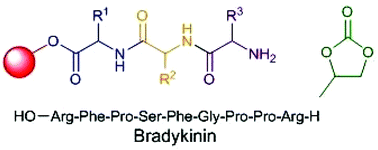
The synthesis of peptides by amide bond formation between suitably protected amino acids is a fundamental part of the drug discovery process. However, the required coupling and deprotection reactions are routinely carried out in dichloromethane and DMF, both of which have serious toxicity concerns and generate waste solvent which constitutes the vast majority of the waste generated during peptide synthesis. In this work, propylene carbonate has been shown to be a green polar aprotic solvent which can be used to replace dichloromethane and DMF in both solution- and solid-phase peptide synthesis. Solution-phase chemistry was carried out with Boc/benzyl protecting groups to the tetrapeptide stage, no epimerisation occurred during these syntheses and chemical yields for both coupling and deprotection reactions in propylene carbonate were at least comparable to those obtained in conventional solvents. Solid-phase peptide synthesis was carried out using Fmoc protected amino acids on a ChemMatrix resin and was used to prepare the biologically relevant nonapeptide bradykinin with comparable purity to a sample prepared in DMF.

Graphical abstract: The greening of peptide synthesis
Boc-Ala-Phe-OBn 5a    ref S1
Boc-Ala-OH (324 mg, 1.71 mmol) and HCl.H-Phe-OBn (500 mg, 1.71 mmol) were coupled according to the general coupling procedure. The residue was purified using flash column chromatography (35:65, EtOAc:PE) to give Boc-Ala-Phe-OBn 5a as a white crystalline solid (682 mg, 93%). RF = 0.34 (40:60, EtOAc:PE);
mp 95.6-96.3 °C;
[α]D 23 -27.7 (c 1.0 in MeOH);
IR (Neat) νmax 3347 (m), 3063 (w), 3029 (w), 2928 (m), 2852 (w), 1735 (w), 1684 (w) 1666 (w) and 1521 (s) cm-1;
1H NMR (400 MHz, CDCl3): δ = 7.36-7.31 (m, 3H, ArH), 7.29-7.24 (m, 2H, ArH), 7.26-7.21 (m, 3H, ArH), 7.04-6.97 (m, 2H, ArH), 6.72 (d J 7.7 Hz, 1H, Phe-NH), 5.16-5.10 (m, 1H, Ala-NH), 5.13 (d J 12.1 Hz, 1H, OCH2Ph), 5.07 (d J 12.1 Hz, 1H, OCH2Ph), 4.88 (dt, J 7.7, 5.9 1H, PheNCH), 4.11 (br, 1H, Ala-NCH), 3.13 (dd J 13.9, 6.1 Hz, 1H, CH2Ph), 3.08 (dd J 13.9, 6.1 Hz, 1H, CH2Ph), 1.41 (s, 9H, C(CH3)3), 1.29 (d J 6.6 Hz, 3H, CH3);
13C NMR (100 MHz, CDCl3): δ = 172.3 (C=O), 171.2 (C=O), 155.6 (NC=O), 135.7 (ArC), 135.1 (ArC), 129.5 (ArCH), 128.7 (ArCH), 128.6 (ArCH), 127.2 (ArCH), 80.2 (CMe3), 67.4 (OCH2Ph), 53.3 (Phe-NCH), 50.3 (Ala-NCH), 38.0 (CH2Ph), 28.4 (C(CH3)3), 18.5 (CH3);
MS (ESI) m/z 449 [(M+Na)+ , 100]; HRMS (ESI) m/z calculated for C24H30N2O5Na 449.2048 (M+Na)+ , found 449.2047 (0.6 ppm error).
S1 J. Nam, D. Shin, Y. Rew and D. L. Boger, J. Am. Chem. Soc., 2007, 129, 8747–8755; Q. Wang, Y. Wang and M. Kurosu, Org. Lett., 2012, 14, 3372–3375.
General procedure for peptide coupling reactions in PC To a suspension of an N-Boc-amino acid (1.0 eq.) and an amino acid or peptide benzyl ester (1.0 eq.) in PC (5 mL mmol-1), at 0 °C, was added a solution of HOBt (1.1 eq.) and i Pr2EtN (3.0 eq.) in a minimal quantity of PC. EDC (1.1 eq.) was added dropwise and the reaction mixture was allowed to stir at room temperature for 16h. The reaction mixture was then diluted using EtOAc (50 mL) and washed with 1M HClaq (3 × 25 mL), saturated Na2CO3 (3 × 25 mL) and H2O (3 × 25 mL). The organic layer was dried (MgSO4 ), filtered and concentrated in vacuo. Any residual PC was removed via short path distillation. Purification details for each peptide and characterising data are given in the supplementary information. General procedure for Boc deprotections in PC An N-Boc-peptide benzyl ester (1.0 eq.) was dissolved in a minimum amount of PC and trifluoroacetic acid (60 eq.) was added. The reaction mixture was allowed to stir for 3h. at room temperature before being concentrated in vacuo. Any residual PC was removed via short path distillation. Characterising data for each deprotected peptide are given in the supplementary information.
Procedure for Boc deprotection of dipeptide 5a using HCl in PC Boc-Ala-Phe-OBn 5a (50 mg, 0.117 mmol) was dissolved in PC (2.34 mL). MeOH (0.40 mL, 9.8 mmol) was added and the solution cooled to 0 o C. Acetyl chloride (0.67 mL, 9.36 mmol) was added dropwise and the solution allowed to stir at room temperature for 2h. Then, PC was removed by short path distillation. The residue was suspended in Et2O and stirred for 5 minutes before being filtered to give HCl.Ala-Ph-OBn as a white solid (32.4 mg, 76%).
Propylene carbonate 1 has been shown to be a green replacement for reprotoxic amide based solvents which are widely used in peptide synthesis. Both solution- and solidphase peptide synthesis can be carried out in propylene carbonate using acid and base labile amine protecting groups respectively. No significant racemisation of the activated amino acids occurs in propylene carbonate and the viability of solid-phase peptide synthesis in propylene carbonate was demonstrated by the synthesis of the nonapeptide bradykinin.
///////////

FDA approves Adlyxin (lixisenatide) 利西拉 to treat type 2 diabetes


07/28/2016 07:53 AM EDT
The U.S. Food and Drug Administration approved Adlyxin (lixisenatide), a once-daily injection to improve glycemic control (blood sugar levels), along with diet and exercise, in adults with type 2 diabetes.

July 28, 2016

Release

The U.S. Food and Drug Administration approved Adlyxin (lixisenatide), a once-daily injection to improve glycemic control (blood sugar levels), along with diet and exercise, in adults with type 2 diabetes.

“The FDA continues to support the development of new drug therapies for diabetes management,” said Mary Thanh Hai Parks, M.D., deputy director, Office of Drug Evaluation II in the FDA’s Center for Drug Evaluation and Research. “Adlyxin will add to the available treatment options to control blood sugar levels for those with type 2.”

Type 2 diabetes affects more than 29 million people and accounts for more than 90 percent of diabetes cases diagnosed in the United States. Over time, high blood sugar levels can increase the risk for serious complications, including heart disease, blindness and nerve and kidney damage.

Adlyxin is a glucagon-like peptide-1 (GLP-1) receptor agonist, a hormone that helps normalize blood sugar levels. The drug’s safety and effectiveness were evaluated in 10 clinical trials that enrolled 5,400 patients with type 2 diabetes. In these trials, Adlyxin was evaluated both as a standalone therapy and in combination with other FDA-approved diabetic medications, including metformin, sulfonylureas, pioglitazone and basal insulin. Use of Adlyxin improved hemoglobin A1c levels (a measure of blood sugar levels) in these trials.

In addition, more than 6,000 patients with type 2 diabetes at risk for atherosclerotic cardiovascular disease were treated with either Adlyxin or a placebo in a cardiovascular outcomes trial. Use of Adlyxin did not increase the risk of cardiovascular adverse events in these patients.

Adlyxin should not be used to treat people with type 1 diabetes or patients with increased ketones in their blood or urine (diabetic ketoacidosis).

The most common side effects associated with Adlyxin are nausea, vomiting, headache, diarrhea and dizziness. Hypoglycemia in patients treated with both Adlyxin and other antidiabetic drugs such as sulfonylurea and/or basal insulin is another common side effect. In addition, severe hypersensitivity reactions, including anaphylaxis, were reported in clinical trials of Adlyxin.

The FDA is requiring the following post-marketing studies for Adlyxin:

  • Clinical studies to evaluate dosing, efficacy and safety in pediatric patients.
  • A study evaluating the immunogenicity of lixisenatide.

Adlyxin is manufactured by Sanofi-Aventis U.S. LLC, of Bridgewater, New Jersey.

END……………….


lixisenatide;Lixisenatide|Lixisenatide Acetate;Lixisenatide Acetate
CAS: 320367-13-3
MF: C215H347N61O65S
MW: 4858.53

C215 H347 N61 O65 S

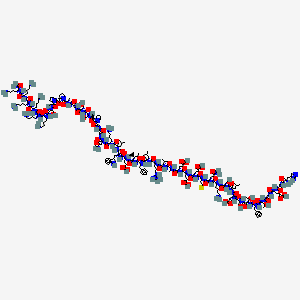
L-Lysinamide, L-histidylglycyl-L-α-glutamylglycyl-L-threonyl-L-phenylalanyl-L-threonyl-L-seryl-L-α-aspartyl-L-leucyl-L-seryl-L-lysyl-L-glutaminyl-L-methionyl-L-α-glutamyl-L-α-glutamyl-L-α-glutamyl-L-alanyl-L-valyl-L-arginyl-L-leucyl-L-phenylalanyl-L-isoleucyl-L-α-glutamyl-L-tryptophyl-L-leucyl-L-lysyl-L-asparaginylglycylglycyl-L-prolyl-L-seryl-L-serylglycyl-L-alanyl-L-prolyl-L-prolyl-L-seryl-L-lysyl-L-lysyl-L-lysyl-L-lysyl-L-lysyl-

L-Histidylglycyl-L-α-glutamylglycyl-L-threonyl-L-phenylalanyl-L-threonyl-L-seryl-L-α-aspartyl-L-leucyl-L-seryl-L-lysyl-L-glutaminyl-L-methionyl-L-α-glutamyl-L-α-glutamyl-L-α-glutamyl-L-alanyl-L-valyl-L-arginyl-L-leucyl-L-phenylalanyl-L-isoleucyl-L-α-glutamyl-L-tryptophyl-L-leucyl-L-lysyl-L-asparaginylglycylglycyl-L-prolyl-L-seryl-L-serylglycyl-L-alanyl-L-prolyl-L-prolyl-L-seryl-L-lysyl-L-lysyl-L-lysyl-L-lysyl-L-lysyl-L-lysinamide


827033-10-3.png

Lixisenatide

Lixisenatide


827033-10-3; Lixisenatide [INN]; UNII-74O62BB01U; DesPro36Exendin-4(1-39)-Lys6-NH2;   DesPro36Exendin-4(1-39)-Lys6-NH2
Molecular Formula: C215H347N61O65S
Molecular Weight: 4858.49038 g/mol
IUPAC Condensed

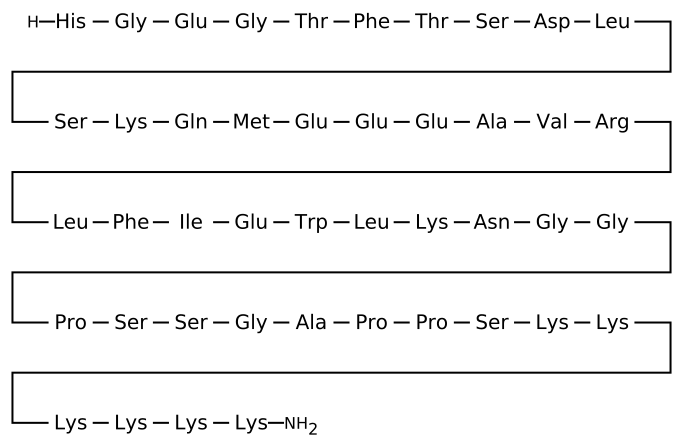
H-His-Gly-Glu-Gly-Thr-Phe-Thr-Ser-Asp-Leu-Ser-Lys-Gln-Met-Glu-Glu-Glu-Ala-Val-Arg-Leu-Phe-Ile-Glu-Trp-Leu-Lys-Asn-Gly-Gly-Pro-Ser-Ser-Gly-Ala-Pro-Pro-Ser-Lys-Lys-Lys-Lys-Lys-Lys-NH2

from PubChem
LINUCS

[][L-Lys-NH2]{[(1+2)][L-Lys]{[(1+2)][L-Lys]{[(1+2)][L-Lys]{[(1+2)][L-Lys]{[(1+2)][L-Lys]{[(1+2)][L-Ser]{[(1+2)][L-Pro]{[(1+2)][L-Pro]{[(1+2)][L-Ala]{[(1+2)][Gly]{[(1+2)][L-Ser]{[(1+2)][L-Ser]{[(1+2)][L-Pro]{[(1+2)][Gly]{[(1+2)][Gly]{[(1+2)][L-Asn]{[(1+2)][L-Lys]{[(1+2)][L-Leu]{[(1+2)][L-Trp]{[(1+2)][L-Glu]{[(1+2)][L-Ile]{[(1+2)][L-Phe]{[(1+2)][L-Leu]{[(1+2)][L-Arg]{[(1+2)][L-Val]{[(1+2)][L-Ala]{[(1+2)][L-Glu]{[(1+2)][L-Glu]{[(1+2)][L-Glu]{[(1+2)][L-Met]{[(1+2)][L-Gln]{[(1+2)][L-Lys]{[(1+2)][L-Ser]{[(1+2)][L-Leu]{[(1+2)][L-Asp]{[(1+2)][L-Ser]{[(1+2)][L-Thr]{[(1+2)][L-Phe]{[(1+2)][L-Thr]{[(1+2)][Gly]{[(1+2)][L-Glu]{[(1+2)][Gly]{[(1+2)][L-His]{}}}}}}}}}}}}}}}}}}}}}}}}}}}}}}}}}}}}}}}}}}}}

from PubChem
Sequence

HGEGTFTSDLSKQMEEEAVRLFIEWLKNGGPSSGAPPSKKKKKK

from PubChem
PLN

H-HGEGTFTSDLSKQMEEEAVRLFIEWLKNGGPSSGAPPSKKKKKK-[NH2]

from PubChem
HELM

PEPTIDE1{H.G.E.G.T.F.T.S.D.L.S.K.Q.M.E.E.E.A.V.R.L.F.I.E.W.L.K.N.G.G.P.S.S.G.A.P.P.S.K.K.K.K.K.K.[am]}$$$$

Sanofi (formerly sanofi-aventis, formerly Aventis), under license from Zealand Pharma, has developed and launched lixisenatide

Lixisenatide (trade name Lyxumia) is a once-daily injectable GLP-1 receptor agonist for the treatment of diabetes, discovered by Zealand Pharma A/S of Denmark and licensed and developed by Sanofi.[1] Lixisenatide was accepted for review by the US FDA on February 19, 2013, and approved by the European Commission on February 1, 2013.[2] On September 12, 2013, Sanofi delayed the approval process in the US, citing internal data from a cardiovascular risk study. The drug will likely be resubmitted for approval in 2015.

Lixisenatide is a once-daily injectable GLP-1 receptor agonist discovered by Zealand Pharma A/S of Denmark and licensed and developed by Sanofi. As of September 2010 it is in clinical trials for diabetes. Lixisenatide was accepted for review by the US FDA on February 19, 2013, and approved by the European Commission on February 1, 2013. The drug will likely be resubmitted for approval in 2015.

Mechanism of action

GLP-1 is a naturally-occurring peptide that is released within minutes of eating a meal. It is known to suppress glucagon secretion from pancreatic alpha cells and stimulate insulin secretion by pancreatic beta cells. GLP-1 receptor agonists are used as an add-on treatment for type 2 diabetes and their use is endorsed by the European Association for the Study of Diabetes, the American Diabetes Association, the American Association of Clinical Endocrinologists and the American College of Endocrinology.

Physical and chemical properties

Lixisenatixe has been described as “des-38-proline-exendin-4 (Heloderma suspectum)-(1–39)-peptidylpenta-L-lysyl-L-lysinamide”, meaning it is derived from the first 39 amino acids in the sequence of the peptide exendin-4, found in the Gila monster (Heloderma suspectum), omitting proline at position 38 and adding six lysine residues. Its complete sequence is:[3]

H–HisGlyGlu–Gly–ThrPhe–Thr–SerAspLeu–Ser–LysGlnMet–Glu–Glu–Glu–AlaValArg–Leu–Phe–Ile–Glu–Trp–Leu–Lys–Asn–Gly–Gly–Pro–Ser–Ser–Gly–Ala–Pro–Pro–Ser–Lys–Lys–Lys–Lys–Lys–Lys–NH2

PATENT

US 20110313131

http://www.google.co.in/patents/US20110313131


PATENT

CN 105713082

The title method comprises the steps of: (1) coupling Fmoc-Lys(Boc)-OH and resin to obtain Fmoc-Lys(Boc)-resin, (2) protecting amino acid with Fmoc, conducting solid-phase synthesis to obtain lixisenatide wholly protected 20-44-peptide resin, (3) conducting solid-phase synthesis to obtain wholly protected 15-19-peptide resin, (4) coupling the wholly protected 20-44-peptide resin and wholly protected 15-19-peptide resin, (5) coupling other amino acids till solid-phase synthesis finishes, (6) cracking lixisenatide peptide resin to obtain crude peptide, and (7) purifying through RP-HPLC.  The method improves crude peptide purity and purifn. yield.

PATENT

CN104211801A

MACHINE TRANSLATION FROM CHINESE, PL BEAR WITH SOME IREGULARITES IN GRAMMAR

利西拉, the English name: Lixisenatide, is a polypeptide containing 44 amino acids, the structural formula is as follows: peptide sequence as follows:

Figure CN104211801AD00031

H-His-Gly-Glu-Gly-Thr-Phe-Thr-Ser-Asp-Leu-Ser-Lys-Gln-Met-Glu-Glu-Glu-Al a-Val-Arg-Leu-Phe-IIe-Glu -Trp-Leu-Lys-Asn-Gly-Gly-Pro-Ser-Ser-Gly-Ala-Pro-Pr O-Ser-Lys-Lys-Lys-Lys-Lys-Lys-NH 2 Li Xila to (Lixisenatide ) by Sanofi-Aventis developed once a day subcutaneously with glucagon-like peptide -I (GLP-I) receptor agonists, for the treatment of type II diabetes, on February 1, 2013 Sanofi Lee Division -Aventis of exenatide is approved EMEA, for the adjuvant treatment of poorly stable dose of basal insulin (or metformin) in the treatment of type II diabetes to improve HbAlc and postprandial blood glucose levels.

CN201210030151. 2 used in a pure solid phase sequential coupling method synthetic peptides. The method amino resin as the carrier, using conventional coupling sequence, the final cut to give Li Xila.

 US6528486 patent for the compound, synthetic methods mentioned it to phase condensation method Fmoc / tBu strategy.

The [0005] W02005058954 synthesis method including the gradual condensation process Fmoc / tBu strategy, Boc strategy of gradual condensation methods and genetic engineering.

The  W02001004156 synthesis method for the gradual condensation process Fmoc / tBu strategy.

 Since Li Xila abroad mostly used to synthesize Fmoc solid phase synthesis method, a gradual shrinking gradually synthesis step more, resulting in more types of product impurities, US 20130284912 Special Report polypeptide impurity: Di-Ser33- Leisy pull and Di-Ala35- Li Xila come, Di-Ser 33- Li Xila come and Di-Ala35- Li Xila to atmosphere amino acid sequence as follows: Di-Ser33- Li Xila to the amino acid sequence: H-His -Gly-Glu-Gly-Thr-Phe-Thr-Ser-Asp-Leu-Ser-Lys-Gln-Met-Glu-Glu-Glu-Al a-Val-Arg-Leu-Phe-IIe-Glu-Trp- Leu-Lys-Asn-Gly-Gly-Pro-Ser-Ser-Ser-Gly-Ala-Pr 〇-Pr〇-Ser-Lys_Lys_Lys_Lys_Lys_LyS-NH2 Di-Ala35- Li Xila to the amino acid sequence: H-His-Gly- Glu-Gly-Thr-Phe-Thr-Ser-Asp-Leu-Ser-Lys-Gln-Met-Glu-Glu-Glu-Al a-Val-Arg-Leu-Phe-IIe-Glu-Trp-Leu-Lys -Asn-Gly-Gly-Pro-Ser-Ser-Gly-Ala-Ala-Pr 〇-Pr〇-Ser-Lys_Lys_Lys_Lys_Lys_LyS-NH2 toxicity of these impurities are impurities larger, and very difficult to separate from the main peak , the presence of the impurities seriously affect 利西拉 to content and the use of safety. Hence the need to find an effective way to remove it and to reach the high standard level of 0.1% or less. The present inventors have found that this impurity is difficult to remove by means of the prior art, although there are ways to remove part of, but removal is not ideal, it is difficult to achieve high quality standards is likely to cause 利西拉 level while reducing their yield.

In summary, the existing Li Xila to the solid phase synthesis, low yield of the synthesis, impurities, in particular, are not well controlled impurity Di-Ser 33- Li Xila come and Di-Ala35 – Li Xila to, does not apply to industrial production

Example i ^ a: Preparation 利西拉 to fine peptide acetate Weigh 利西拉 above 44. 70g to 45L crude peptide was dissolved in water, purified by C18 column, the first purification conditions: mobile phase: A phase: 0 I% TFA; B phase: acetonitrile; gradient program was: 15% B, 60 minutes to 60% B; detection wavelength 220 nm; peak fraction collection purposes. The second purification conditions: mobile phase was: A phase: 0 3% HAC; B phase: acetonitrile; gradient program was: 10% B, 60 minutes to 60% B; detection wavelength 220 nm; peak fraction collection purposes. Desalting conditions: Mobile phase: A phase: an aqueous solution of 20 mmol / L ammonium acetate: acetonitrile = 95: 5; B phase: water: acetonitrile = 95: 5; C phase: 0.03% aqueous solution of acetic acid: acetonitrile = 95 : 5; D phase: 0.03% aqueous solution of acetic acid: acetonitrile = 50: 50; gradient program: mobile phase A isocratic for 15 minutes, convert isocratic mobile phase B for 10 minutes, is converted into the flow Phase C isocratic 10 minutes, converted into a mobile phase D isocratic 25 minutes; detection wavelength 220 nm; peak fraction collection purposes; rotary evaporation concentrated and lyophilized to give Li Xila acetate fine peptide 22. 65g which HPLC spectrum shown in Figure 5, HPLC purity of 99.75% (area normalization method), Di-Ser33- Li Xila come to 0.03% (area normalization method), Di-Ala35- Li Xila to the content of 0.05% (area normalization method). Purification total yield of 51%, total yield 41%. Its mass spectrum as shown in Figure 6, [M + H] + = 4858. 691, 利西拉 precise molecular weight to the theoretical: 4857.53, the sample mass is consistent with the theoretical molecular weight.

PATENT

CN 103709243

MACHINE TRANSLATION FROM CHINESE, PL BEAR WITH SOME IREGULARITES IN GRAMMAR

Example 2: Preparation 利西拉 to crude peptide

利西拉 [0116] Example 24 was prepared to be placed 125.4g peptide resin cleavage reaction to 10ml / g resin ratio added lysis reagent (TFA: thioanisole: EDT: TIS: water = 86: 5 : 5: 3: 1 (V / V)), stirred at room temperature 2.5h. The reaction was purified by frit funnel filtration, the filtrate was collected, the resin was washed 3 times and then a small amount of TFA, the combined filtrates concentrated under reduced pressure. Frozen precipitation in anhydrous ether was added, washed three times with anhydrous diethyl ether, and dried in vacuo to give a white solid powder, i.e. Li Xila to crude peptide 47.lg, by weight of the crude peptide yield 97.2%, HPLC purity 63.8% 0

利西拉 to crude peptide preparation: 27 patients [0117] Example

利西拉 [0118] The Example 25 was prepared to be placed 123.7g peptide resin cleavage reaction to 10ml / g resin ratio added lysis reagent (TFA: thioanisole: EDT: TIS: water = 86: 5 : 5: 3: 1 (V / V)), stirred at room temperature 2.5h. The reaction was purified by frit funnel filtration, the filtrate was collected, the resin was washed 3 times and then a small amount of TFA, the combined filtrates concentrated under reduced pressure. Frozen precipitation in anhydrous ether was added, washed three times with anhydrous diethyl ether, and dried in vacuo to give a white solid powder, i.e. Li Xila to crude peptide 46.9g, yield the crude peptide by weight 96.5%, HPLC purity 64.2% 0

28 Example 2: Preparation 利西拉 to fine peptide acetate

 Example weighed 26 to 27 after 利西拉 to any 30.0g crude peptide was dissolved in 3000ml of water using Waters2545RP-HPLC system, wavelength 230nm, 50 X 250mm column of reverse phase C18 column, 0.2% TFA conventional / acetonitrile mobile phase were fractionated peaks of fractions, refined peptide purity greater than 98.5%. The fine peptide solution using Waters2545RP-HPLC system, 50 X 250mm column was C18 reverse phase column, 0.1% acetic acid / acetonitrile mobile phase transfer salt, the purpose of peak fractions were collected, concentrated by rotary evaporation and lyophilized to give Li Xila acetate fine salt peptide> 9.0g, RP-HPLC purity ≥98.5%. Purification Yield ≥30%, total yield ≥29.0%.

PATENT

CN 102875663

MACHINE TRANSLATION FROM CHINESE, PL BEAR WITH SOME IREGULARITES IN GRAMMAR

http://www.google.at/patents/CN102875663B?cl=en

Example 9

[0239] The crude peptide Li Xila to 4000g (including Li Xila to 1139g) was dissolved with purified water 100L, collected by filtration and the filtrate set aside.

[0240] purification chromatographic conditions:

[0241] HPLC Model: Novasep LC450

 Column: 450X250mm, built-phenyl silane bonded silica gel as stationary phase filler, the filler particle size of 10 μ m0

 flow rate: 5000ml / min.

The detection wavelength: 280nm.

 Mobile phase A phase: 10% 30mM D- 30mM sodium tartrate and disodium hydrogenphosphate in methanol / 90% aqueous (v / v), adjusted to pH 2.5 with phosphoric acid.

[0246] Mobile phase A phase preparation process: Weigh 1280g 2070g D- sodium tartrate and disodium hydrogenphosphate, after an appropriate amount of purified water was dissolved through 0.45 μ m membrane filter, the filtrate collected all 300L tank, added 30L chromatographically pure After methanol was added to the 300L scale purification of water, adjusted to pH 2.5 with phosphoric acid. Repeat preparation run.

[0247] The mobile phase B phase: HPLC grade acetonitrile.

Figure CN102875663BD00132

[0249] sample volume: 250.0g (6250ml).

[0250] Purification: column equilibration the sample so that after 5 minutes, run a gradient purification, monitoring and staging purposes peak fractions were collected. The collected fractions (chromatographic conditions purity testing to the same conditions as above 利西拉 determination to area normalization method measured) purity test, the purity of greater than or equal to 98% of the fractions after removing most of the acetonitrile in turn salt; purity of 70% or more less than 98% of the fraction recovered after removal of most of the acetonitrile and the purification procedure is repeated, again collected purity greater than or equal to 98% of the fraction after removal of most of the acetonitrile are also used to turn salt; purity of less than 70 % of fractions by waste disposal.

[0251] points and 16 injections, repeat the above operation.

[0252] turn salt chromatographic conditions:

[0253] HPLC Model: Novasep LC450

[0254] Column: 450 X 250mm, built-C8 reversed-phase chromatography packing, the particle size of the filler is 10 μ m.

[0255] flow rate: 5000ml / min.

[0256] The detection wavelength: 280nm.

[0257] Mobile phase A phase: 0.2% acetic acid (v / v) solution.

[0258] The mobile phase B phase: HPLC grade acetonitrile.

[0259] gradient

Figure CN102875663BD00141

[0260] sample volume: 2500ml.

[0261] Purification: The column equilibration the sample for 5 minutes, run a gradient purification, monitoring and collecting the target peak fractions. The purpose of the peak fractions were concentrated by rotary evaporation under reduced pressure to 9000ml after lyophilization.

[0262] After the freeze-dried to give a white powder refined peptide 704g. Purity of 98.39%, the impurity content of less than 0.5%. Purification yield 61.8% (in crude Li Xila to content), total yield of 17.6%.

PATENT

CN 102558338

MACHINE TRANSLATION FROM CHINESE, PL BEAR WITH SOME IREGULARITES IN GRAMMAR

Preparation of Fmoc-Lys (Boc) -Lys (Boc) -Lys (Boc) -Lys (Boc) -Rink Amide-MBHAResin:

[0096] To the resulting Fmoc-Lys (Boc) -Lys (Boc) -Lys (Boc) -RinkAmide-MBHAResin mouth of a 20% strength piperidine / DMF solution for 10 minutes, the reaction was drained, washed with DMF Resin 6 (50ml * 6). Weigh Fmoc-Lys (Boc) -〇H3.52g, H0Bt1.01g, HBTU2.84g, TMP1.98ml, DMF50ml added to dissolve slowly with stirring under ice-cooling for 3 minutes, at room temperature for 2 hours, the reaction Ninhydrin detection method completed, pumping off the reaction solution, DMF the resin was washed twice (50mlX2), DCM the resin was washed twice (50mlX2), to give Fmoc-Lys (B oc) -Lys (Boc) -Lys (Boc) -Lys (Boc) -RinkAmide-MBHAResin. As used in the above operation Fmoc-Lys (Boc) -OH: HOBt: HBTU: TMP ratio is 1: 1: 1: 2, wherein Fmoc-Lys (Boc) -OH is the number of moles of Fmoc-RinkAmide-MBHAResin number of moles 3 times.

[0097] Li Xila fully protected side chain was prepared to -Rink Amide-MBHA Resin:

[0098] To the resulting Fmoc-Lys (Boc) -Lys (Boc) -Lys (Boc) -Lys (Boc) -RinkAmide-MBHA Resin added 20% piperidine / DMF solution for 10 minutes, drained reaction solution, washed 6 times with DMF. Weigh Jie 111〇 (3-1 ^ 8 billion (3) -0 13.528, 1 (»Shu 1.018,01 (:!! 1.391111 added 50,111,101 ^ dissolve slowly stirring for 3 minutes in an ice bath, poured into the solid phase resin is mixed with the reaction column, at room temperature for 2 hours, the reaction Ninhydrin detection method is completed, the reaction solution was deprived, DMF the resin was washed twice (50ml X 2), DCM the resin was washed twice (50ml X 2), to give Fmoc-Lys ( Boc) -Lys (Boc) -Lys (Boc) -Lys (Boc) -Lys (Boc) -Rink Amide-MBHAResin above operation used by the Fmoc-Lys (Boc) -〇H:. HOBt: DIC ratio is 1: 1: L2, which Fmoc-Lys (Boc) is three times the number of moles -〇H Fmoc-Rink Amide-MBHA Resin moles of repeat after the coupling step, followed by the completion of the 39 lysine to first. connecting protected amino acids histidine, followed by addition of 20% piperidine / DMF solution for 10 minutes, the reaction was drained, DMF the resin was washed six times (50ml X 6), DCM the resin was washed six times (50ml X 6 ), MeOH contraction of the resin three times with MeOH 50ml, each contraction 5min. After the resin was dried in vacuo to give a full side-chain protected peptide resin to the Li Xila 27. 5g, weight resin 17. 5g.

[0099] Li Xila to crude peptide preparation:

[0100] Weigh side chains fully protected Li Xila to -Rink Amide-MBHA Resin 27. 5 grams, into a round bottom flask.Configuration 275 ml lysis buffer, wherein trifluoroacetic acid: thioanisole: ethanedithiol: anisole, phenol = 93: 4: 1: 1.5: 2 (volume ratio). Lysate in the refrigerator after the pre-freeze 1 hour before Sheng Youli put to Silas to -Rink Amide-MBHA Resin round bottom flask, stirred at room temperature for 2 hours. The reaction mixture was filtered, the resin was washed with 20ml TFA and the combined filtrate.

[0101] The volume of the filtrate was slowly poured into 2,750 ml of diethyl ether frozen (frozen advance ether), a white precipitate appears, at 3000 rpm / centrifuged 5 minutes, the resulting solid was washed twice with ether, then the solid was dried under vacuum to give Li Xila trifluoroacetate crude peptide to 15. 3g.

[0102] Li Xila to large scale production of fine peptide:

[0103] Sample Preparation: The crude peptide was dissolved in water, the sample was completely dissolved by membrane filtration, the filtrate was collected for use.

[0104] Purification conditions: Column: octadecyl silane bonded silica gel as stationary phase column, the column diameter and length: 300_X250mm. Mobile phase: A phase: 35mm〇l / L phosphoric acid solution adjusted with triethylamine to pH 6. 7; B phase: acetonitrile, flow rate: 2200ml / min, Gradient: B%: 12% ~32%, detection wavelength: 280nm . The injection volume was 75g. Purification process: the column with 50% acetonitrile rinse clean after balance sample, sample amount is 75g. Linear gradient 120min, the purpose of collecting peaks will be collected 利西拉 solution was concentrated by rotary evaporation under reduced pressure to about 80mg / ml and reserve the water temperature exceeds 40 ° C without conditions.

[0105] turn salt: turn salt conditions: Column: octadecyl silane bonded silica gel as stationary phase column, the column diameter and length: 300mmX250mm. Mobile phase: A phase: mass concentration of 0.2% aqueous acetic acid; B phase: HPLC grade acetonitrile, flow rate: 2200ml / min, detection wavelength: 280nm. Gradient: B%: 6% ~36%. The injection volume was 48-60g. Salt transfer process: the column with 50% acetonitrile rinse clean after the sample, the sample volume is 1600ml sample solution. Linear gradient 90min, the purpose of collecting peaks collected Li Xila to solutions were concentrated by rotary evaporation to about 80ml / g after go to the appropriate size vials, then freeze-dried to obtain the purity of greater than 99.5% The Li Xila come.

Old post

https://newdrugapprovals.org/2013/09/13/sanofi-to-withdraw-the-lixisenatide-new-drug-application-nda-in-the-u-s-the-company-plans-to-resubmit-the-nda-in-2015-after-completion-of-the-elixa-cv-study/

lixisenatide

Sanofi Provides Update on Lixisenatide New Drug Application in U.S.

Paris, France – September 12, 2013 – Sanofi (EURONEXT: SAN and NYSE: SNY) announced today its decision to withdraw the lixisenatide New Drug Application (NDA) in the U.S., which included early interim results from the ongoing ELIXA cardiovascular (CV) outcomes study. The company plans to resubmit the NDA in 2015, after completion of the ELIXA CV study.

The decision to withdraw the lixisenatide application follows discussions with the U.S. Food and Drug Administration (FDA) regarding its proposed process for the review of interim data. Sanofi believes that potential public disclosure of early interim data, even with safeguards, could potentially compromise the integrity of the ongoing ELIXA study. Sanofi’s decision is not related to safety issues or deficiencies in the NDA………………………read all at

http://www.pharmalive.com/sanofi-pulls-diabetes-drug-nda


EU

US20070037807 * 29 Oct 2004 15 Feb 2007 Satoru Oi Pyridine compounds as inhibitors of dipeptidyl peptidase IV
US20070191436 * 12 Sep 2006 16 Aug 2007 Valerie Niddam-Hildesheim Diastereomeric purification of rosuvastatin
EP0708179A2 * 13 Oct 1995 24 Apr 1996 Eli Lilly And Company Glucagon-like insulinotropic peptide analogs, compositions, and methods of use
Citing Patent Filing date Publication date Applicant Title
CN102584982A * 10 Feb 2012 18 Jul 2012 深圳翰宇药业股份有限公司 Method for purifying solid-phase synthetic coarse liraglutide
WO2013117135A1 * 29 Jan 2013 15 Aug 2013 Hybio Pharmaceutical Co., Ltd. Method for purifying solid-phase synthetic crude liraglutide
WO2014077802A1 * 13 Nov 2012 22 May 2014 Ipsen Pharma S.A.S. Purification method of a glp-1 analogue
WO2014118797A1 1 Jul 2013 7 Aug 2014 Neuland Health Sciences Private Limited Purification of organic compounds using surrogate stationary phases on reversed phase columns
CN1839155A 18. Aug. 2004 27. Sept. 2006 诺沃挪第克公司 Purification of glucagon-like peptides
WO2006041945A2 4. Okt. 2005 20. Apr. 2006 Novetide, Ltd. A counterion exchange process for peptides

References

  1.  Christensen, M; Knop, FK; Holst, JJ; Vilsboll, T (2009). “Lixisenatide, a novel GLP-1 receptor agonist for the treatment of type 2 diabetes mellitus”. IDrugs : the investigational drugs journal 12 (8): 503–13. PMID 19629885.
  2.  “Sanofi New Drug Application for Lixisenatide Accepted for Review by FDA”. Drugs.com/PR Newsire. 19 February 2013.
  3.  “International Nonproprietary Names for Pharmaceutical Substances (INN). Recommended INN: List 61” (PDF). WHO Drug Information 23 (1): 66f. 2009.
Lixisenatide
Clinical data
Trade names Lyxumia
License data
Routes of
administration
Subcutaneous injection
Legal status
Legal status
  • UK: POM (Prescription only)
Identifiers
CAS Number 827033-10-3
ATC code A10BX10 (WHO)
PubChem CID 16139342
IUPHAR/BPS 7387
ChemSpider 17295846
ChEBI CHEBI:85662
Chemical data
Formula C215H347N61O65S
Molar mass 4858.49 g/mol

///////FDA 2016, SANOFI, FDA,  approves , Adlyxin, lixisenatide, type 2 diabetes, Sanofi-Aventis U.S. LLC, Bridgewater, New Jersey, Lyxumia,  利西拉, PEPTIDE, 

CCC(C)C(C(=O)NC(CCC(=O)O)C(=O)NC(Cc1c[nH]c2c1cccc2)C(=O)NC(CC(C)C)C(=O)NC(CCCCN)C(=O)NC(CC(=O)N)C(=O)NCC(=O)NCC(=O)N3CCCC3C(=O)NC(CO)C(=O)NC(CO)C(=O)NCC(=O)NC(C)C(=O)N4CCCC4C(=O)N5CCCC5C(=O)NC(CO)C(=O)NC(CCCCN)C(=O)NC(CCCCN)C(=O)NC(CCCCN)C(=O)NC(CCCCN)C(=O)NC(CCCCN)C(=O)NC(CCCCN)C(=O)N)NC(=O)C(Cc6ccccc6)NC(=O)C(CC(C)C)NC(=O)C(CCCNC(=N)N)NC(=O)C(C(C)C)NC(=O)C(C)NC(=O)C(CCC(=O)O)NC(=O)C(CCC(=O)O)NC(=O)C(CCC(=O)O)NC(=O)C(CCSC)NC(=O)C(CCC(=O)N)NC(=O)C(CCCCN)NC(=O)C(CO)NC(=O)C(CC(C)C)NC(=O)C(CC(=O)O)NC(=O)C(CO)NC(=O)C(C(C)O)NC(=O)C(Cc7ccccc7)NC(=O)C(C(C)O)NC(=O)CNC(=O)C(CCC(=O)O)NC(=O)CNC(=O)C(Cc8cnc[nH]8)N

AND

CCC(C)C(C(=O)NC(CCC(=O)O)C(=O)NC(CC1=CNC2=CC=CC=C21)C(=O)NC(CC(C)C)C(=O)NC(CCCCN)C(=O)NC(CC(=O)N)C(=O)NCC(=O)NCC(=O)N3CCCC3C(=O)NC(CO)C(=O)NC(CO)C(=O)NCC(=O)NC(C)C(=O)N4CCCC4C(=O)N5CCCC5C(=O)NC(CO)C(=O)NC(CCCCN)C(=O)NC(CCCCN)C(=O)NC(CCCCN)C(=O)NC(CCCCN)C(=O)NC(CCCCN)C(=O)NC(CCCCN)C(=O)N)NC(=O)C(CC6=CC=CC=C6)NC(=O)C(CC(C)C)NC(=O)C(CCCNC(=N)N)NC(=O)C(C(C)C)NC(=O)C(C)NC(=O)C(CCC(=O)O)NC(=O)C(CCC(=O)O)NC(=O)C(CCC(=O)O)NC(=O)C(CCSC)NC(=O)C(CCC(=O)N)NC(=O)C(CCCCN)NC(=O)C(CO)NC(=O)C(CC(C)C)NC(=O)C(CC(=O)O)NC(=O)C(CO)NC(=O)C(C(C)O)NC(=O)C(CC7=CC=CC=C7)NC(=O)C(C(C)O)NC(=O)CNC(=O)C(CCC(=O)O)NC(=O)CNC(=O)C(CC8=CN=CN8)N

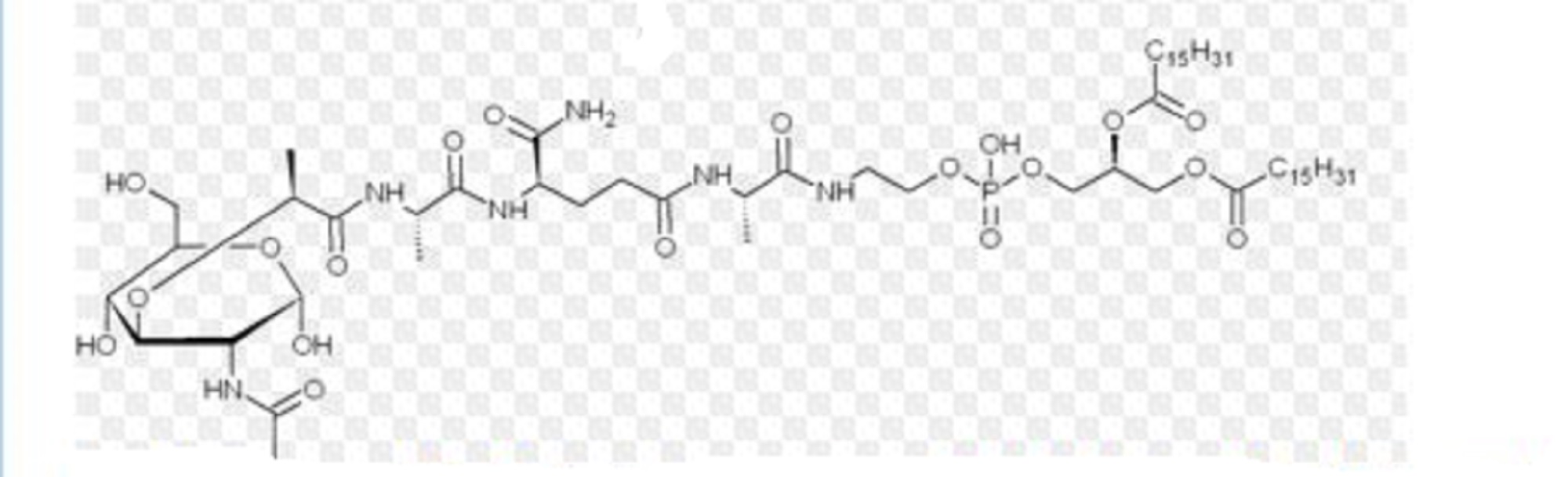
Mifamurtide (Mepact) мифамуртид , ميفامورتيد , 米法莫肽 ,


Mifamurtide.svg

STR1

Mifamurtide (Mepact)

  • MF C59H109N6O19P
  • MW 1237.499
CGP-19835, MFCD09954133, MTP-cephalin, Mtp-PE
Muramyl tripeptide phosphatidylethanolamine
N-(N-Acetylmuramoyl)-L-alanyl-D-α-glutaminyl-N-[(7R)-4-hydroxy-4-oxido-10-oxo-7-[(1-oxohexadecyl)oxy]-3,5,9-trioxa-4-phosphapentacos-1-yl]-L-alaninamide
N-Acetylmuramyl-L-alanyl-D-isoglutamine-L-alanine 2-(1′,2′-dipalmitoyl-sn-glycero-3′-hydroxyphosphoryloxy)ethylamide
(2R,5S,8R,13S,22R)-2-{[(3R,4R,5S,6R)-3-Acetamido-2,5-dihydroxy-6-(hydroxymethyl)tetrahydro-2H-pyran-4-yl]oxy}-8-carbamoyl-19-hydroxy-5,13-dimethyl-19-oxido-3,6,11,14,25-pentaoxo-18,20,24-trioxa-4,7,12 ;,15-tetraaza-19λ5-phosphatetracontan-22-yl hexadecanoate
83461-56-7  CAS
838853-48-8 (mifamurtide sodium · xH2O)

Mifamurtide (trade name Mepact, marketed by Takeda) is a drug against osteosarcoma, a kind of bone cancer mainly affecting children and young adults, which is lethal in about a third of cases. The drug was approved in Europe in March 2009.

ChemSpider 2D Image | Mifamurtide | C59H109N6O19P

History

The drug was invented by Ciba-Geigy (now Novartis) in the early 1980s and sold to Jenner Biotherapies in the 1990s. In 2003,IDM Pharma bought the rights and developed it further.[1] IDM Pharma was acquired by Takeda along with mifamurtide in June 2009.[2]

Mifamurtide had already been granted orphan drug status by the U.S. Food and Drug Administration (FDA) in 2001, and theEuropean Medicines Agency (EMA) followed in 2004. It was approved in the 27 European Union member states plus Iceland, Liechtenstein, and Norway by a centralized marketing authorization in March 2009. The drug was denied approval by the FDA in 2007.[3][4] Mifamurtide has been licensed by the EMA since March, 2009.[5]

Indications

Mifamurtide is indicated for the treatment of high-grade, nonmetastasizing, resectable osteosarcoma following complete surgical removal in children, adolescents, and young adults, aged two to 30 years.[1][6][7] Osteosarcoma is diagnosed in about 1,000 individuals in Europe and the USA per year, most under the age of 30.[8] The drug is used in combination with postoperative, multiagent chemotherapy to kill remaining cancer cells and improve a patient’s chance of overall survival.[6]

In a phase-III clinical trial in about 800 newly diagnosed osteosarcoma patients, mifamurtide was combined with the chemotherapeutic agents doxorubicin and methotrexate, with or without cisplatin and ifosfamide. The mortality could be lowered by 30% versus chemotherapy plus placebo. Six years after the treatment, 78% of patients were still alive. This equals an absolute risk reduction of 8% .[1]

Adverse effects

In a clinical study, mifamurtide was given to 332 subjects (half of whom were under age of 16) and most side effects were found to be mild to moderate in nature. Most patients experience fewer adverse events with subsequent administration.[9][10]Common side effects include fever (about 90%), vomiting, fatigue and tachycardia (about 50%), infections, anaemia, anorexia, headache, diarrhoea and constipation(>10%).[1][11]

Pharmacokinetics

After application of the liposomal infusion, the drug is cleared from the plasma within minutes and is concentrated in lung, liver, spleen, nasopharynx, and thyroid. The terminal half-life is 18 hours. In patients receiving a second treatment after 11–12 weeks, no accumulation effects were observed.[12]

Pharmacodynamics

Mifamurtide is a fully synthetic derivative of muramyl dipeptide (MDP), the smallest naturally occurring immune stimulatory component of cell walls from Mycobacterium species. It has similar immunostimulatory effects as natural MDP with the advantage of a longer half-life in plasma.

NOD2 is a pattern recognition receptor which is found in several kinds of white blood cells, mainly monocytes and macrophages. It recognises muramyl dipeptide, a component of the cell wall of bacteria. Mifamurtide simulates a bacterial infection by binding to NOD2, activating white cells. This results in an increased production of TNF-α, interleukin 1,interleukin 6, interleukin 8, interleukin 12, and other cytokines, as well as ICAM-1. The activated white cells attack cancer cells, but not, at least in vitro, other cells.[13]

Interactions

Consequently, the combination of mifamurtide with these types of drugs is contraindicated. However, mifamurtide can be coadministered with low doses of NSAIDs. No evidence suggests mifamurtide interacts with the studied chemotherapeutics, or with the cytochrome P450 system.[14]

Chemistry

Scheme of a liposome formed by phospholipids in an aqueous solution

Mifamurtide is muramyl tripeptide phosphatidylethanolamine (MTP-PE), a synthetic analogue of muramyl dipeptide. The side chains of the molecule give it a longer elimination half-life than the natural substance. The substance is applied encapsulated into liposomes (L-MTP-PE). Being a phospholipid, it accumulates in the lipid bilayer of the liposomes in the infusion.[15]

Synthesis

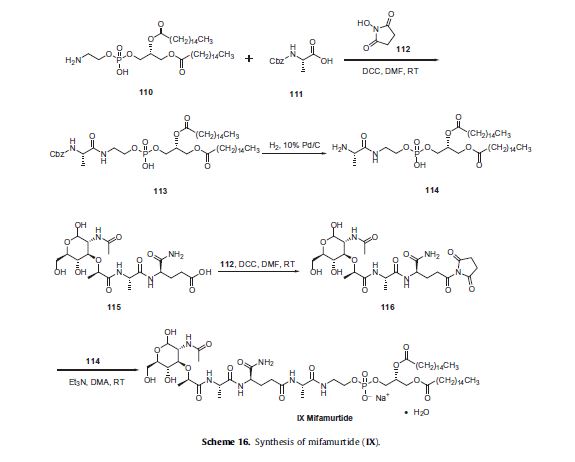
One method of synthesis (shown first) is based on N,N’-dicyclohexylcarbodiimide (DCC) assisted esterification of N-acetylmuramyl-L-alanyl-DisoglutaminylL-alanine with N-hydroxysuccinimide, followed by a condensation with 2-aminoethyl-2,3-dipalmitoylglycerylphosphoric acid in triethylamine (Et3N).[16] A different approach (shown second) uses N-acetylmuramyl-L-alanyl-D-isoglutamine, hydroxysuccinimide and alanyl-2-aminoethyl-2,3-dipalmitoylglycerylphosphoric acid;[17] that is, the alanine is introduced in the second step instead of the first.

Mifamurtide synthesis.png Mifamurtide synthesis2.png

Synthesis

Mifamurtide is an anticancer agent for the treatment of osteosarcoma, the most common primary malignancy of bone tissue mainly affecting children and adolescents.10

The drug was invented by Ciba-Geigy (now Novartis) in the early 1980s and the agent was subsequently licensed to Jenner Biotherapies in the 1990s.

IDM Pharma bought the rights to the drug from Jenner in April 2003.78 In March 2009, mifamurtide was approved in the 27 European Union member states plus Iceland, Liechtenstein and Norway via a centralized marketing authorization.

After the approval, IDM Pharma was acquired by Takeda, which began launching mifamurtide, as Mepact, in February 2010.

Mifamurtide, a fully synthetic lipophilic derivative of muramyl dipeptide (MDP), is muramyl tripeptide phosphatidylethanolamine (MTP-PE), which is formulated as a liposomal infusion.79 Being a phospholipid, mifamurtide accumulates in the lipid bilayer of the liposomes upon infusion.

After application of the liposomal infusion, the drug is cleared from the plasma within minutes. However, it is concentrated in lung, liver, spleen, nasopharynx and thyroid, and the terminal half-life is 18 h, which is longer than the natural substance.

Two synthetic routes have been reported,80,81 and Scheme 16 describes the more processamenable route.

Commercially available 1,2-dipalmitoyl-sn-glycero- 3-phosphoethanolamine (110) was coupled with N-Boc-L-alanine (111) by means of N-hydroxysuccinimide (112), DCC in DMF to give amide 113, which was followed by hydrogenolysis of the CBZ group to give the corresponding L-alanyl-phosphoric acid 114.

Next, commercially available N-acetylmuramoyl-L-alanyl-Disoglutamine (115) was subjected to hydroxybenzotriazole (HOBT) and DIC in DMF to provide the corresponding succinimide ester 116 which was condensed with compound 114 to provide mifamurtide (IX).

No yields were provided for these transformations.

str1

79. Prous, J. R.; Castaner, J. Drugs Future 1989, 14, 220.
80. Baschang, G.; Tarcsay, L.; Hartmann, A.; Stanek, J. EP 0027258 A1, 1980.
81. Brundish, D. E.; Wade, R. J. Labelled Compd. Radiopharm. 1985, 22, 29.

PATENT

https://www.google.com/patents/CN103408635A?cl=en

mifamurtide, the English called mifamurtide, formula C59Hltl9N6O19P, primarily for the treatment of non-metastatic

Resectable osteosarcoma (a rare but the main cause of death for children and young people osteoma), having the formula as follows:

Figure CN103408635AD00051

mifamurtide by certain stimuli such as macrophages and other white blood cells to kill tumor cells. Currently, mifamurtide listed injections into spherical liposome vesicles are muramyl tripeptide (MTP). This lipid trigger macrophages to consume mifamurtide. Once consumed mifamurtide, MTP-stimulated macrophages, in particular we will look for tumors in the liver, spleen and lung macrophages and kill it.

 mifamurtide injection approved for marketing based on the results of phase III clinical study. Taiwan’s National Cancer Institute Cooperative Group (NCI) established by the Children’s Oncology Group (COG) study, complete treatment of this product in patients with osteosarcoma largest research project in the book of about 800 cases. Evaluation of mifamurtide and 3-4 adjuvant chemotherapy (cis molybdenum, doxorubicin, methotrexate, cyclophosphamide with or the same as) the results of combination therapy. Studies have shown that mifamurtide used in combination with chemotherapy can reduce the mortality rate of about 30%, 78% of treated patients survived more than six years.

Shortcomings disclosed the full liquid phase synthesis technology route mifamurtide, but all-liquid phase synthesis: [0006] Currently, mifamurtide universal rely wholly liquid phase synthesis, relevant literature (220 Drugs Futl989, 14, (3)) that the synthesis requires intermediate purification steps cumbersome, time-consuming, and the total yield of the whole liquid phase synthesis is less than 30%, which has been the main factors affecting the productivity of mifamurtide

A method for logging meter synthetic peptide, characterized in that it comprises the following steps: Step 1, under the effect of coupling agent, an amino group, and Fmoc-D-Glu on the amino resin (OPG) -OH main chain carboxyl acylation, a compound of formula I; Step 2, Fmoc removal of the protecting group the compound of formula I, under the effect of coupling with Fmoc-L-Ala-OH acylation, a compound of formula 2; step 3, Fmoc removal of the protecting group the compound of formula 2, in the role of a coupling agent, with a compound of formula 3 for acylation, a compound of formula 4; step 4, PG protecting group removing compound of formula 4, the coupling the role of agent, and HL-Ala-OPG acylation, a compound of formula 5; Step 5, PG protecting group removal compound of formula 5, under the effect of coupling agent, and an amino acid performed on brain phospholipids reaction of a compound of formula 6, and then the resin was added Lysates deaminated compound of formula 7; Step 6, the compound of formula 7 to obtain the removal of benzyl mifamurtide;

Figure CN103408635AC00021
Figure CN103408635AC00031

Wherein Fmoc is the amino protecting group; wherein PG is a carboxy-protecting group for Allyl or Dmab; Resin as the amino resin.

Example: Synthesis of mifamurtide crude peptide

 Example 11 to give the formula hydrogenolysis at atmospheric pressure to 16 hours Example 7 was added to 7.42 g compound 250ml single neck flask, dried 150ml of methanol was added to dissolve 0.4 g of 10% palladium on carbon.Completion of the reaction, palladium-carbon was filtered off, the filtrate was concentrated by rotary evaporation to 65ml, is mifamurtide crude peptide solution. Mifamurtide synthetic crude peptide: 15 [0173] Example

 Example 12 to give the formula hydrogenolysis at atmospheric pressure to 16 hours Example 7 was added to 4.21 g compound 150ml single neck flask, dried 85ml of methanol was added to dissolve 0.2 g of 10% palladium on carbon.Completion of the reaction, palladium-carbon was filtered off, the filtrate was concentrated by rotary evaporation to 37ml, is mifamurtide crude peptide solution.

16 [0175] Example 2: Preparation of mifamurtide

 The embodiment 14 of crude peptide solution obtained in Example 65ml, IOOOml round bottom flask was added, under magnetic stirring, 650ml of anhydrous diethyl ether was added dropwise. Upon completion, at room temperature for crystallization. After filtration and drying the filter cake, the filter cake was again dissolved in 65ml of methanol. This methanol solution was added IOOOml round bottom flask, under magnetic stirring, 650ml of anhydrous diethyl ether was added dropwise. Upon completion, at room temperature for crystallization. Filtered cake was dried in vacuo to give mifamurtide 5.62g, yield 86.5%, purity 99.4%, total yield 74.5%

Preparation of mifamurtide of: 17 Example

 The embodiment of the crude peptide solution obtained in Example 15, 37ml, 500ml round bottom flask was added, under magnetic stirring, 370ml of anhydrous diethyl ether was added dropwise. Upon completion, at room temperature for crystallization. After filtration and drying the filter cake, the filter cake was again dissolved in 37ml of methanol. This solution was added to methanol 500ml round bottom flask, under magnetic stirring, 370ml of anhydrous diethyl ether was added dropwise. Upon completion, at room temperature for crystallization. Filtered, the filter cake was dried under vacuum to give · mifamurtide 3.16g, yield 85.8%, purity 99.5%, 72.2% overall yield.

References

  1.  “Mifamurtide: CGP 19835, CGP 19835A, L-MTP-PE, liposomal MTP-PE, MLV 19835A, MTP-PE, muramyltripeptide phosphatidylethanolamine”. Drugs in R&D 9 (2): 131–5. 2008. doi:10.2165/00126839-200809020-00007. PMID 18298131.
  2.  “First Treatment to Improve Survival in 20 Years Now Available for Patients With Osteosarcoma (Bone Cancer)”. Takeda. November 2009. Retrieved 23 March 2010.
  3.  “IDM Pharma’s MEPACT (Mifamurtide, L-MTP-PE) Receives Approval in Europe for Treatment of Patients with Non-Metastatic, Resectable Osteosarcoma”. PR Newswire. 2009-03-09. Retrieved 2009-11-12.
  4.  “IDM Pharma receives not approvable letter for Mifamurtide for treatment of osteosarcoma”. The Medical News. 2007-08-28. Retrieved 2009-11-12.
  5.  Mepact for Healthcare Professionals, retrieved 2009-11-12
  6. ^ Jump up to:a b EMA (2009-03-06). “Mepact: Product Information. Annex I: Summary of Product Characteristics” (PDF). p. 2. Retrieved 2009-11-12.
  7.  EMA (2009-05-06). “Mepact: European Public Assessment Report. Summary for the public” (PDF). p. 1. Retrieved 2009-11-12.
  8.  Meyers, P. A. (2009). “Muramyl tripeptide (mifamurtide) for the treatment of osteosarcoma”. Expert Review of Anticancer Therapy 9 (8): 1035–1049.doi:10.1586/era.09.69. PMID 19671023.
  9.  Meyers, P. A.; Schwartz, C. L.; Krailo, M. D.; Healey, J. H.; Bernstein, M. L.; Betcher, D.; Ferguson, W. S.; Gebhardt, M. C.; Goorin, A. M.; Harris, M.; Kleinerman, E.; Link, M. P.; Nadel, H.; Nieder, M.; Siegal, G. P.; Weiner, M. A.; Wells, R. J.; Womer, R. B.; Grier, H. E.; Children’s Oncology, G. (2008). “Osteosarcoma: the Addition of Muramyl Tripeptide to Chemotherapy Improves Overall Survival–A Report from the Children’s Oncology Group”.Journal of Clinical Oncology 26 (4): 633–638. doi:10.1200/JCO.2008.14.0095.PMID 18235123.
  10.  Meyers, P. A.; Schwartz, C. L.; Krailo, M.; Kleinerman, E. S.; Betcher, D.; Bernstein, M. L.; Conrad, E.; Ferguson, W.; Gebhardt, M.; Goorin, A. M.; Harris, M. B.; Healey, J.; Huvos, A.; Link, M.; Montebello, J.; Nadel, H.; Nieder, M.; Sato, J.; Siegal, G.; Weiner, M.; Wells, R.; Wold, L.; Womer, R.; Grier, H. (2005). “Osteosarcoma: A Randomized, Prospective Trial of the Addition of Ifosfamide and/or Muramyl Tripeptide to Cisplatin, Doxorubicin, and High-Dose Methotrexate”. Journal of Clinical Oncology 23 (9): 2004–2011. doi:10.1200/JCO.2005.06.031. PMID 15774791.
  11. (EMA 2009, pp. 5–7)
  12.  (EMA 2009, p. 8)
  13.  (EMA 2009, pp. 7–8)
  14. (EMA 2009, p. 4)
  15.  Fidler, I. J. (1982). “Efficacy of liposomes containing a lipophilic muramyl dipeptide derivative for activating the tumoricidal properties of alveolar macrophages in vivo”. Journal of Immunotherapy 1 (1): 43–55.
  16.  Prous, J. R.; Castaner, J. (1989). “ENV 2-3/MTP-PE”. Drugs Fut. 14 (3): 220.
  17.  Brundish, D. E.; Wade, R. (1985). “Synthesis of N-[2-3H]acetyl-D-muramyl-L-alanyl-D-iso-glutaminyl-L-alanyl-2-(1′,2′-dipalmitoyl-sn-glycero-3′-phosphoryl)ethylamide of high specific radioactivity”. J Label Compd Radiopharm 22 (1): 29–35. doi:10.1002/jlcr.2580220105.
CN1055736A * Jan 28, 1986 Oct 30, 1991 E·R·斯奎布父子公司 Process for preparing 4,4-dialkyl-2-azetidinones
CN101709079A * Dec 22, 2009 May 19, 2010 江苏诺泰制药技术有限公司 Synthesis method of romurtide
US4323560 * Oct 6, 1980 Apr 6, 1982 Ciba-Geigy Corporation Novel phosphorylmuramyl peptides and processes for the manufacture thereof
Reference
1 * PROUS, J. ET AL: “ENV 2-3/MTP-PE“, 《DRUGS FUT》, vol. 14, no. 3, 31 March 1989 (1989-03-31), pages 220
2 * 黄胜炎: “抗肿瘤药新品与研发进展“, 《上海医药》, vol. 30, no. 9, 30 September 2009 (2009-09-30), pages 412 – 414
Mifamurtide
Mifamurtide.svg
Systematic (IUPAC) name
2-[(N-{(2R)-[(2-acetamido-2,3-dideoxy-D-glucopyranos-3-yl)oxy]-propanoyl}-L-alanyl-D-isoglutaminyl-L-alanyl)amino]ethyl (2R)-2,3-bis(hexadecanoyloxy)propyl hydrogen phosphate
Clinical data
License data
Pregnancy
category
  • not investigated
Routes of
administration
intravenous liposomal infusion over one hour
Legal status
Legal status
  • ℞ (Prescription only)
Pharmacokinetic data
Bioavailability N/A
Biological half-life minutes (in plasma)
18 hrs (terminal)
Identifiers
CAS Number 83461-56-7 Yes
838853-48-8 (mifamurtide sodium · xH2O)
ATC code L03AX15 (WHO)
PubChem CID 11672602
ChemSpider 9847332
UNII EQD2NNX741 
KEGG D06619 Yes
Chemical data
Formula C59H109N6O19P
Molar mass 1237.499 g/mol

//////////83461-56-7,  838853-48-8,  CGP-19835,  Mepact,  MFCD09954133,  Mifamurtide,  mifamurtide sodium,  MTP-cephalin,  Mtp-PE,  Muramyl tripeptide, phosphatidylethanolamine,  PEPTIDE,  мифамуртид,  ميفامورتيد,  米法莫肽

CCCCCCCCCCCCCCCC(=O)OCC(COP(O)(=O)OCCNC(=O)[C@H](C)NC(=O)CC[C@@H](NC(=O)[C@H](C)NC(=O)[C@@H](C)O[C@H]1C(O)[C@@H](CO)O[C@@H](O)[C@@H]1NC(C)=O)C(N)=O)OC(=O)CCCCCCCCCCCCCCC

Pidotimod, 匹多莫德 , пидотимод , بيدوتيمود ,


Pidotimod

H-Pyr-Thz-OH

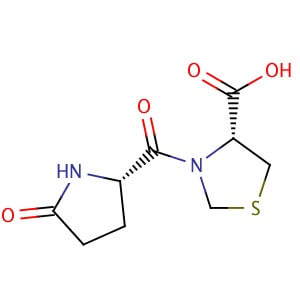
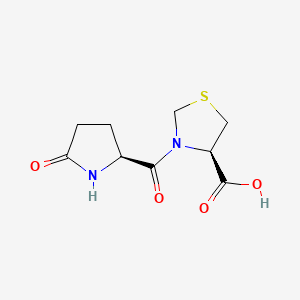
(4R)-3-[(2S)-5-oxopyrrolidine-2-carbonyl]-1,3-thiazolidine-4-carboxylic acid

CAS 121808-62-6

Thymodolic acid, Pidotimod, Timodolic acid, PGT/1A, Axil, Onaka, Pigitil, Polimod

(4R)-3-(5-oxo-L-prolyl)-l ,3-thiazolidine-4-carboxylic acid,  ITI 231723.

3-(L-pyroglutamyl)-L-thiazolidine-4-carboxylic acid

  • 4-Thiazolidinecarboxylic acid, 3-[(5-oxo-2-pyrrolidinyl)carbonyl]-, [R-(R*,S*)]-
  • (4R)-3-[[(2S)-5-Oxo-2-pyrrolidinyl]carbonyl]-4-thiazolidinecarboxylic acid
  • Adimod
  • Axil (pharmaceutical)
  • Pigitil
QA-7522
SMR000466390
Thymodolic acid
Timodolic acid
UNII:785363R681
Pidotimod; 121808-62-6; (R)-3-((S)-5-Oxopyrrolidine-2-carbonyl)thiazolidine-4-carboxylic acid; Pidotomod; PGT/1A; Pidotimod [INN];
Molecular Formula: C9H12N2O4S
Molecular Weight: 244.26758 g/mol

Stefano Poli, Corona Lucio Del

POLI INDUSTRIA CHIMICA S.p.A.

Pidotimod is an immunostimulant.[1]

Pidotimod.png 

Pidotimod, whose chemical name is (4R)-3-(5-oxo-L-prolyl)-l ,3-thiazolidine-4-carboxylic acid, was first disclosed in ITI 231723. It is a synthetic peptide-like molecule provided with an in vitro and in vivo immunomodulating action (Giagulli et al., International Immunopharmacology, 9, 2009, 1366-1373). The immune system assists in maintaining a homeostatic balance between the human body and all foreign substances. An abnormality in this balance may cause a defective or aberrant response towards non-self substances, as well as loss of tolerance toward self-antigens, in such cases, the immune system imbalance exhibits clinically as signs of disease.

Pidotimod has been shown to induce dendritic cell maturation and up-regulate the expression of HLA-DR and co-stimulatory molecules CD83 and CD86, which are integral to communication with adaptive immunity cells. Pidotimod has also been shown to stimulate dendritic cells to release pro-inflammatory molecules such as MCP-1 and TNF-a cytokines, and to inhibit thymocyte apoptosis caused by a variety of apoptosis-inducing molecules. Pidotimod exerts a protective action against infectious processes, although not through direct antimicrobial or antiviral action. Rather, pidotimod stimulates both innate and acquired immunity by enhancing humoral and cell-mediated immunity mechanisms.

Pidotimod, which may be administered as solid or liquid forms, for example, via an oral route, has been shown to increase natural resistance to viral or bacterial infections in animal models. Efficacy demonstrated in patients includes respiratory, urinary and genital infections, in particular recurrent respiratory infections in pediatric patients, respiratory infections in asthmatic patients and chronic obstructive pulmonary disease in adults and elderly patients.

Besides exhibiting activity to illnesses characterized by immune defects, pidotimod has been reported to be of benefit in to patients with other kinds of diseases, not directly related to immune defects, including gastroenterology diseases such as ulcerative colitis and irritable bowel syndrome, and dermatological diseases such as psoriasis and atopic dermatitis where symptoms relating to these diseases have been attenuated. In gastroenterology diseases pidotimod may be administered either by oral or by rectal route. Oral route or topical application, for example in creams or gels containing pidotimod, may be used to treat dermal conditions.

Further use of pidotimod includes treatment of inflammatory diseases, in particular those characterized by an aberrant activation of the non-canonical NF-kB pathway. Diseases implicated by such activation include allergic diseases, autoimmune diseases, and numerous other inflammatory diseases. Allergic diseases include allergic rhinitis, allergic conjunctivitis, contact dermatitis, eczema and allergic vasculitis.

Autoimmune diseases include alopecia areata, ankylosing spondylitis, autoimmune cardiomyopathy, autoimmune connective tissue diseases, autoimmune enteropathy, autoimmune hepatitis, autoimmune peripheral neuropathy, autoimmune pancreatitis, autoimmune polyendocrine syndrome, autoimmune thrombocytopenic purpura, autoimmune urticaria, autoimmune uveitis, celiac disease, chronic fatigue syndrome, cystic fibrosis, hashimoto’s thyroiditis, idiopathic pulmonary fibrosis, idiopathic thrombocytopenic purpura, IGA nephropathy, juvenile idiopathic arthritis for juvenile rheumatoid arthritis, or Still’s disease) Kawasaki’s disease, lichen planus, lupus erythematosus, rheumatoid arthritis, rheumatic fever, Sj5gren’s syndrome, spondyloarthropathy, temporal arteritis (or giant cell arteritis), urticarial vasculitis, and vitiligo.

Other inflammatory diseases include Alzheimer’s disease, atherosclerosis, chronic liver diseases, chronic nephropathy, gastritis, glomerulonephritis, hydradenitis suppurativa, hypogammaglobulinemia, interstitial cystitis, lichen sclerosus, liver steatosis, metabolic syndrome, obesity, Parkinson’s disease, pemphigus vulgaris, post-ischemic inflammation, raynaud phenomenon, restless leg syndrome, retroperitoneal fibrosis, and thrombocytopenia.


STR1

PATENT

CN 104926922

Synthesis pidotimod

A method for producing pidotimod, characterized in that: comprising the steps of: a) L- thiazolidine-4-carboxylic acid: L- cysteine formaldehyde solution was added dropwise, stirred at room temperature, filtered to give L- thiazolidine-4-carboxylic acid; (2) metal ion load type cation exchange resin preparation: strongly acidic with hydrochloric acid cation exchange resin is converted to the hydrogen form, the hydrogen form strong acid cation exchange resin was added a solution of a metal ion compound In, 40 ~ 80 ° C for 1 to 6 hours, cooled to room temperature, and dried to obtain a supported metal ion cation exchange resin; (3) Synthesis of pidotimod: the step (1) of L- thiazolidine – 4- carboxylic acid, in step (2) of the load as a catalyst metal ion type cation exchange resin, L- pyroglutamic acid and N, N- dimethylformamide mixed, 40 ~ 80 ° C for 1 to 4 hours, filtered to give a white solid, the white solid was acidified with hydrochloric acid, to give the finished pidotimod.


Figure CN104926922AD00042

In four flask IOg L- thiazolidine-4-carboxylic acid, 11. 3g g L- pyroglutamic acid, 320mL N, N- dimethylformamide, 12g modified resin, 70 ° C the reaction 2 hours. Filtration, the reaction mixture by rotary evaporation, after removal of part of the solvent, placed in an ice bath to cool, the precipitated solid was suction filtered to give a white solid, this white solid was acidified with 37% hydrochloric acid, was allowed to stand at KTC, crystallization, filtration, a white product 14. 4g, a yield of 78.3%. Measured melting point 192 ~ 194 ° C, [a] 25D = – 150 ° (literature values mp: 192 ~ 194 ° C, [a] 25D = – 150 °).The whole preparation reaction pidotimod total yield of 64%. By HPLC, pidotimod content of 98.5%.

PAPER

Zhang, Yi; Journal of Chromatography B: Analytical Technologies in the Biomedical and Life Sciences 2009, 877(24), PG 2566-2570

http://europepmc.org/abstract/med/19604731

10.1016/j.jchromb.2009.06.038

PATENT

WO2016113242,

Example 14 – Preparation of Pidotimod

Pidotimod was prepared following Example 1 of EP0422566 Al .

PATENT

WO2015036009,

https://www.google.com/patents/WO2015036009A1?cl=en

PATENT

EP276752,

PATENT

http://google.com/patents/EP0422566B1?cl=en

EXAMPLE 1

A solution of 16.78 g (0.084 mole) of ethyl L-thiazolidine-4-carboxylate hydrochloride in 33 ml of water is treated with 16.78 g of potassium carbonate and extracted with 40 ml of ethyl acetate. The organic phase is dried over sodium sulfate, filtered and diluted to 85 ml with ethyl acetate. The solution is stirred and cooled to 0-5°C, then 19.2 g (0.093 mole) of dicyclohexylcarbodiimide dissolved in 20 ml of ethyl acetate and 12 g (0.093 mole) of L-pyroglutamic acid are added thereto. The reaction mixture is stirred for 1 hour at 0-5°C, then 12 hours at room temperature, dicyclohexylurea is filtered, the filtrate is evaporated under vacuum and the oily residue, consisting in ethyl 3-(L-pyroglutamyl)-L-thiazolidine-4-carboxylate is taken up into 25 ml of water. 3.73 g of sodium hydroxide dissolved in 13.3 ml of water are dropped into the resulting solution. After 30 minutes, the reaction mixture is acidified with concentrated hydrochloric acid at 0-5°C, kept for 2 hours at 5°C, then filtered washing with little cool water and dried to obtain 17.8 g (87.6%) of 3-(L-pyroglutamyl)-L-thiazolidine-4-carboxylic acid, m.p. 193-194°C.

EXAMPLE 2

23 g (0.1 mol) of L-N-t-butoxycarbonylpyroglutamic acid (E. Schröder and E. Klinger, Ann. Chem., 673, 1964, 202) and 16.1 g (0.1 mol) of ethyl L-thiazolidine-4-carboxylate are dissolved in 150 ml of THF, to the solution stirred at 0-5°C, 21 g (0.105 mol) of dicyclohexylcarbodiimide are added and the slurry is stirred for 15 hours at room temperature. The dicyclohexylurea is filtered, the wear filtrate is evaporated u.v. and the oily residue is kept in 40 ml of water. In the solution 6.6 g of potassium hydroxyde in a little water are dropped in 30′ at 15-20°C, the pH is adjusted to 2 with hydrochloric acid at 0-5°C and after 2 hours the precipitated L-pyroglutamyl-L-thiazolidine-4-carboxylic acid is filtered and dried, giving 88%, mp. 193-4°.

CLIP

Drugs Fut 1991,16(12),1096

Liebigs Ann Chem 1964,673

The synthesis of pidotimod has been carried out using N-tert-butoxycarbonyl-L-pyroglutamic acid as starting material, in order to avoid the formation of diketopiperazine derivatives. L-Glutamic acid (I) was condensed with di-tert-butyl dicarbonate by means of triethylamine in DMF to give N-(tert-butoxycarbonyl)-L-glutamic acid (II), which is dissolved in THF and treated with dicyclohexylcarbodiimide (DCC) to obtain N-(tert-butoxycarbonyl)-L-glutamic anhydride (III). The treatment of anhydride (III) with dicyclohexylamine in THF-ethyl ether affords the dicyclohexylamine salt of N-(tert-butoxycarbonyl)-L-pyroglutamic acid (IV), which by acidification with aqueous citric acid yields the corresponding free acid (V). The condensation of equimolecular amounts of N-(tert-butoxycarbonyl)-L-pyroglutamic acid (V) with L-thiazolidine-4-carboxylic acid ethyl ester (VIII) by means of DCC in methylene chloride gives the coupled ester (IX), which is hydrolyzed with aqueous NaOH, and the corresponding sodium salt acidified to yield the N-tert-butoxycarbonyl derivative (X). Finally, this compound is deprotected with trifluoroacetic acid to obtain crystalline pidotimod (XI). The intermediate thiazolidine (VIII) has been obtained as follows: Esterification of L-thiazolidine-4-carboxylic acid (VI) with ethanol by means of SOCl2 gives the corresponding ethyl ester hydrochloride (VII), which by treatment with K2CO3 in water yields the free ester (VIII).


CLIP

Arzneim-Forsch Drug Res 1994,44(12a),1402

Two new related routes for the synthesis of pidotimod have been reported: 1) The condensation of L-pyroglutamic acid (I) with L-thiazolidine-4-carboxylic acid ethyl ester (II) by means of dicyclohexylcarbodiimide (DCC) in methylene chloride gives the corresponding dipeptide ethyl ester (III), which is saponified with aqueous 1N NaOH. 2) By condensation of the activated ester L-pyroglutamic acid pentachlorophenyl ester (IV) with L-thiazolidine-4-carboxylic acid (V) by means of triethylamine in DMF.

PATENT

WO-2016112977

Novel crystalline, amorphous and solid forms of di-pidotimod benzathine (designated as Forms M and H), their hydrates, processes for their preparation and compositions comprising them are claimed. Also claimed is their use for treating viral or bacterial infections, respiratory, urinary and/or genital infections, ulcerative colitis, irritable bowel syndrome, psoriasis and atopic dermatitis

Example 14 – Preparation of Pidotimod

Pidotimod was prepared following Example 1 of EP0422566 Al .

NMR

Figure 17 is a Ή solution-state NMR spectrum of Form H

SEE

CN 104447947

Indian Pat. Appl. (2014), IN 2013MU00181 A

WO 2014111957

CN 103897025


CN1557303A * Jan 16, 2004 Dec 29, 2004 太阳石(唐山)药业有限公司 Use of Pidotimod in preparation of hepatitis B treating medicine
EP0382180A2 * Feb 7, 1990 Aug 16, 1990 POLI INDUSTRIA CHIMICA S.p.A. Derivatives of thiazolidine-4-carboxylic acid, its preparation and pharmaceutical compositions containing it
IT1231723B Title not available
Reference
1 * DATABASE CA [Online] CHEMICAL ABSTRACTS SERVICE, COLUMBUS, OHIO, US; DUAN, RUOZHU ET AL: “Application and prospects of immunostimulants“, XP002722997, retrieved from STN Database accession no. 2006:478774
2 * DATABASE CA [Online] CHEMICAL ABSTRACTS SERVICE, COLUMBUS, OHIO, US; LI, YIPING ET AL: “Effects of pidotimod on immune function of patients with chronic hepatitis C“, XP002722996, retrieved from STN Database accession no. 2007:598452
3 * DATABASE CA [Online] CHEMICAL ABSTRACTS SERVICE, COLUMBUS, OHIO, US; WU, RONGRONG ET AL: “Application of immunomodulatory drugs in treatment of chronic hepatitis B“, XP002722995, retrieved from STN Database accession no. 2010:125278
4 * DATABASE MEDLINE [Online] US NATIONAL LIBRARY OF MEDICINE (NLM), BETHESDA, MD, US; March 2002 (2002-03), VARGAS CORREA JORGE B ET AL: “[Pidotimod in recurring respiratory infection in children with allergic rhinitis, asthma, or both conditions].“, XP002722994, Database accession no. NLM12092522 & VARGAS CORREA JORGE B ET AL: REVISTA ALERGIA MEXICO (TECAMACHALCO, PUEBLA, MEXICO : 1993) 2002 MAR-APR, vol. 49, no. 2, March 2002 (2002-03), pages 27-32, XP8168769, ISSN: 0002-5151
5 * GOURGIOTIS DIMITRIOS ET AL: “Immune modulator pidotimod decreases the in vitro expression of CD30 in peripheral blood mononuclear cells of atopic asthmatic and normal children“, JOURNAL OF ASTHMA, ASTHMA PUBLICATIONS SOCIETY, OSSINING, NY, US, vol. 41, no. 3, 1 January 2004 (2004-01-01), pages 285-287, XP008164025, ISSN: 0277-0903, DOI: 10.1081/JAS-120026085
6 * XIN JIN ET AL: “Sublingual Surprise: A New Variant of Oral Lichen Planus“, THE AMERICAN JOURNAL OF MEDICINE, vol. 127, no. 1, 1 January 2014 (2014-01-01), pages 28-30, XP055112640, ISSN: 0002-9343, DOI: 10.1016/j.amjmed.2013.10.002

References

  1.  Du XF, Jiang CZ, Wu CF, Won EK, Choung SY (September 2008). “Synergistic immunostimulating activity of pidotimod and red ginseng acidic polysaccharide against cyclophosphamide-induced immunosuppression”. Archives of pharmacal research 31 (9): 1153–9.doi:10.1007/s12272-001-1282-6. PMID 18806958.
Pidotimod
Pidotimod.png
Systematic (IUPAC) name
(4R)-3-(5-oxo-L-prolyl)-1,3-thiazolidine-4-carboxylic acid
Clinical data
AHFS/Drugs.com International Drug Names
Identifiers
ATC code L03AX05 (WHO)
PubChem CID 65944
ChemSpider 59348 Yes
UNII 785363R681 Yes
KEGG D07261 Yes
ChEMBL CHEMBL1488165 
Synonyms (4R)-3-[(2S)-5-oxopyrrolidine-2-carbonyl]-1,3-thiazolidine-4-carboxylic acid
Chemical data
Formula C9H12N2O4S
Molar mass 244.26758 g/mol

//////////////Pidotimod, Thymodolic acid, Pidotimod, Timodolic acid, PGT/1A, Axil, Onaka, Pigitil, Polimod, H-Pyr-Thz-OH,  121808-62-6, ITI 231723, peptide, QA-7522, SMR000466390, Thymodolic acid, Timodolic acid, UNII:785363R681, 匹多莫德 , пидотимод ,  بيدوتيمود ,

O=C(O)[C@H]2N(C(=O)[C@H]1NC(=O)CC1)CSC2

Mastoparan


STR3

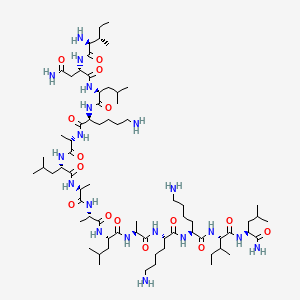
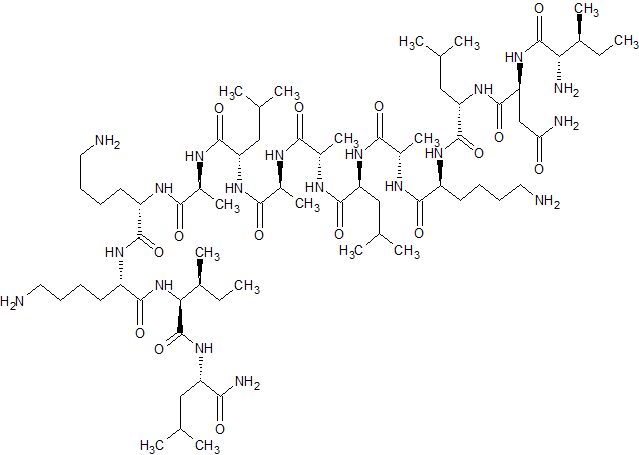
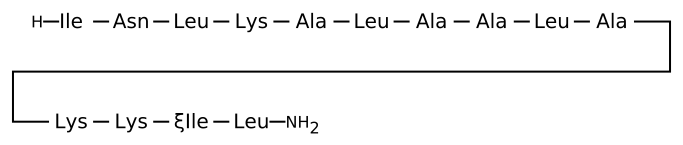
Mastoparan, Peptide (H-INLKALAALAKKIL-NH2)

IUPAC Condensed

H-Ile-Asn-Leu-Lys-Ala-Leu-Ala-Ala-Leu-Ala-Lys-Lys-xiIle-Leu-NH2

LINUCS
[][L-Leu-NH2]{[(1+2)][L-xiIle]{[(1+2)][L-Lys]{[(1+2)][L-Lys]{[(1+2)][L-Ala]{[(1+2)][L-Leu]{[(1+2)][L-Ala]{[(1+2)][L-Ala]{[(1+2)][L-Leu]{[(1+2)][L-Ala]{[(1+2)][L-Lys]{[(1+2)][L-Leu]{[(1+2)][L-Asn]{[(1+2)][L-Ile]{}}}}}}}}}}}}}}
Sequence
INLKALAALAKKXL
HELM

PEPTIDE1{I.N.L.K.A.L.A.A.L.A.K.K.[*N[C@H](C(=O)*)C(C)CC |$_R1;;;;;_R2;;;;$|].L.[am]}$$$$

Mastoparan
Ile – Asn – Leu – Lys – Ala – Leu – Ala – Ala – Leu – Ala – Lys – Lys – Ile – Leu -NH2
(2S)-N-[(2S)-1-[[(2S)-6-amino-1-[[(2S)-1-[[(2S)-1-[[(2S)-1-[[(2S)-1-[[(2S)-1-[[(2S)-1-[[(2S)-6-amino-1-[[(2S)-6-amino-1-[[(2S)-1-[[(2S)-1-amino-4-methyl-1-oxopentan-2-yl]amino]-3-methyl-1-oxopentan-2-yl]amino]-1-oxohexan-2-yl]amino]-1-oxohexan-2-yl]amino]-1-oxopropan-2-yl]amino]-4-methyl-1-oxopentan-2-yl]amino]-1-oxopropan-2-yl]amino]-1-oxopropan-2-yl]amino]-4-methyl-1-oxopentan-2-yl]amino]-1-oxopropan-2-yl]amino]-1-oxohexan-2-yl]amino]-4-methyl-1-oxopentan-2-yl]-2-[[(2S,3S)-2-amino-3-methylpentanoyl]amino]butanediamide
Mastoparan; Mast cell degranulating peptide (Vespula lewisii); NSC351907; CAS 72093-21-1;
Molecular Formula: C70H131N19O15
Molecular Weight: 1478.90744 g/mol
  • 18: PN: WO0181408 SEQID: 37 claimed protein
  • 18: PN: WO2010069074 SEQID: 16 claimed protein
  • L-Leucinamide, L-isoleucyl-L-asparaginyl-L-leucyl-L-lysyl-L-alanyl-L-leucyl-L-alanyl-L-alanyl-L-leucyl-L-alanyl-L-lysyl-L-lysyl-L-isoleucyl-
  • Mastoparan 1
  • NSC 351907

Description

Mastoparan (Vespula lewisii) has been shown to cause an increase in the production of Arachidonic Acid (sc-200770) catalyzed by PLA2 from porcine pancreas and bee venom. This compound also displays toxicity by regulating G proteins via mimicking of G-protein-coupled receptors. Additionally, Mastoparan has been reported as a stimulator of insulin release by pancreatic islets, which acts through GTP-binding proteins and PLA2. In other experiments, this agent has demonstrated the ability to cause exocytosis of rat peritoneal mast cells and also stimulate the accumulation of inositol phosphates in hepatocytes. Additionally, Mastoparan has been noted to act as a mitogen in Swiss 3T3 cells and stimulate pertussis toxin-sensitive Arachidonate release without phosphoinositide breakdown. Mastoparan (Vespula lewisii) is an inhibitor of CaM. Mastoparan (Vespula lewisii) is an activator of Heterotrimeric G Protein and PLA2.
Technical Information
Physical State: Solid
Derived from: Synthetic. Originally isolated from wasp venom (Vespula lewisii)
Solubility: Soluble in water (2.6 mg/ml), and 100% ethanol.
Storage: Store at -20° C
Refractive Index: n20D 1.53
IC50: Na+,K+-ATPase: IC50 = 7.5 µM

Mastoparan is a peptide toxin from wasp venom. It has the chemical structure Ile-Asn-Leu-Lys-Ala-Leu-Ala-Ala-Leu-Ala-Lys-Lys-Ile-Leu-NH2.[2]

The net effect of mastoparan’s mode of action depends on cell type, but seemingly always involves exocytosis. In mast cells, this takes the form of histamine secretion, while in platelets and chromaffin cells release serotonin and catecholamines are found, respectively. Mastoparan activity in the anterior pituitary gland leads to prolactin release.

In the case of histamine secretion, the effect of mastoparan takes place via its interference with G protein activity. By stimulating theGTPase activity of certain subunits, mastoparan shortens the lifespan of active G protein. At the same time, it promotes dissociation of any bound GDP from the protein, enhancing GTP binding. In effect, the GTP turnover of G proteins is greatly increased by mastoparan. These properties of the toxin follow from the fact that it structurally resembles activated G protein receptors when placed in a phospholipid environment. The resultant G protein-mediated signaling cascade leads to intracellular IP3 release and the resultant influx of Ca2+.

In an experimental study conducted by Tsutomu Higashijima and his counterparts, mastoparan was compared to melittin, which is found in bee venom.[2] Mainly, the structure and reaction to phosphate was studied in each toxin. Using Circular Dichroism (CD), it was found that when mastoparan was exposed to methanol, an alpha helical form existed. It was concluded that strong intramolecular hydrogen bonding occurred. Also, two negative bands were present on the CD spectrum. In an aqueous environment, mastoparan took on a nonhelical, unordered form. In this case, only one negative band was observed on the CD spectrum. Adding phosphate buffer to mastoparan resulted in no effect.

Melittin produced a different conformational change than mastoparan. In an aqueous solution, melittin went from a nonhelical form to an alpha helix when phosphate was added to the solution. The binding of melittin to the membrane was believed to result fromelectrostatic interactions, not hydrophobic interactions.

Infections caused by multidrug resistant bacteria are currently an important problem worldwide. Taking into account data recently published by the WHO, lower respiratory infections are the third cause of death in the world with around 3.2 million deaths per year, this number being higher compared to that related to AIDS or diabetes mellitus [1]. It is therefore important to solve this issue, although the perspectives for the future are not very optimistic. During the last 30 years an enormous increase has been observed of superbugs isolated in the clinical setting, especially from the group called ESKAPE (Enterococcus faecium, Staphylococcus aureus, Klebsiella pneumoniae, Acinetobacter baumannii, Pseudomonas aeruginosa, Enterobacter spp.) which show high resistance to all the antibacterial agents available [2]. We will focus on Acinetobacter baumannii, the pathogen colloquially called “iraquibacter” for its emergence in the Iraq war. It is a Gram-negative cocobacillus and normally affects people with a compromised immune system, such as patients in the intensive care unit (ICU) [3] and [4]. Together with Escherichia coliand P. aeruginosa, A. baumannii are the most common cause of nosocomial infections among Gram-negative bacilli. The options to treat infections caused by this pathogen are diminishing since pan-drug resistant strains (strains resistant to all the antibacterial agents) have been isolated in several hospitals [5]. The last option to treat these infections is colistin, which has been used in spite of its nephrotoxic effects [6]. The evolution of the resistance of A. baumannii clinical isolates has been established by comparing studies performed over different years, with the percentage of resistance to imipenem being 3% in 1993 increasing up to 70% in 2007. The same effect was observed with quinolones, with an increase from 30 to 97% over the same period of time[7]. In Spain the same evolution has been observed with carbapenems; in 2001 the percentage of resistance was around 45%, rising to more than 80% 10 years later [8]. Taking this scenario into account, there is an urgent need for new options to fight against this pathogen. One possible option is the use of antimicrobial peptides (AMPs) [9],[10] and [11], and especially peptides isolated from a natural source [12]. One of the main drawbacks of using peptides as antimicrobial agents is the low stability or half-life in human serum due to the action of peptidases and proteases present in the human body[13], however there are several ways to increase their stability, such as using fluorinated peptides [14] and [15]. One way to circumvent this effect is to study the susceptible points of the peptide and try to enhance the stability by protecting the most protease labile amide bonds, while at the same time maintaining the activity of the original compound. Another point regarding the use of antimicrobial peptides is the mechanism of action. There are several mechanisms of action for the antimicrobial peptides, although the global positive charge of most of the peptides leads to a mechanism of action involving the membrane of the bacteria [16]. AMPs has the ability to defeat bacteria creating pores into the membrane [17], also acting as detergents [18], or by the carpet mechanism [19]. We have previously reported the activity of different peptides against colistin-susceptible and colistin-resistant A. baumannii clinical isolates, showing that mastoparan, a wasp generated peptide (H-INLKALAALAKKIL-NH2), has good in vitro activity against both colistin-susceptible and colistin-resistant A. baumannii [20]. Therefore, the aim of this manuscript was to study the stability of mastoparan and some of its analogues as well as elucidate the mechanism of action of these peptides.

Paper

Volume 101, 28 August 2015, Pages 34–40

Research paper

Sequence-activity relationship, and mechanism of action of mastoparan analogues against extended-drug resistantAcinetobacter baumannii

  • a ISGlobal, Barcelona Ctr. Int. Health Res. (CRESIB), Hospital Clínic – Universitat de Barcelona, Barcelona, Spain
  • b Biomedical Institute of Seville (IBiS), University Hospital Virgen del Rocío/CSIC/University of Seville, Seville, Spain
  • c Institute for Research in Biomedicine (IRB Barcelona), Barcelona, Spain
  • d Department of Clinical Microbiology, CDB, Hospital Clinic, School of Medicine, University of Barcelona, Barcelona, Spain
  • e Department of Organic Chemistry, University of Barcelona, Barcelona, Spain

http://www.sciencedirect.com/science/article/pii/S0223523415300933

doi:10.1016/j.ejmech.2015.06.016

Highlights

•The most susceptible position of mastoparan is the peptide bond between isoleucine and asparagine.
•The positive charge present in the N-terminal play an important role in the antimicrobial activity of the peptides.
•Mastoparan and its enantiomer version exhibit a mechanism of action related to the membrane disruption of bacteria.
•Three of the mastoparan analogues synthesized have good activity against highly resistant Acinetobacter baumannii.
•Two of the active analogues showed a significant increase in the human serum stability compared to mastoparan.

Abstract

The treatment of some infectious diseases can currently be very challenging since the spread of multi-, extended- or pan-resistant bacteria has considerably increased over time. On the other hand, the number of new antibiotics approved by the FDA has decreased drastically over the last 30 years. The main objective of this study was to investigate the activity of wasp peptides, specifically mastoparan and some of its derivatives against extended-resistant Acinetobacter baumannii. We optimized the stability of mastoparan in human serum since the specie obtained after the action of the enzymes present in human serum is not active. Thus, 10 derivatives of mastoparan were synthetized. Mastoparan analogues (guanidilated at the N-terminal, enantiomeric version and mastoparan with an extra positive charge at the C-terminal) showed the same activity against Acinetobacter baumannii as the original peptide (2.7 μM) and maintained their stability to more than 24 h in the presence of human serum compared to the original compound. The mechanism of action of all the peptides was carried out using a leakage assay. It was shown that mastoparan and the abovementioned analogues were those that released more carboxyfluorescein. In addition, the effect of mastoparan and its enantiomer against A. baumannii was studied using transmission electron microscopy (TEM). These results suggested that several analogues of mastoparan could be good candidates in the battle against highly resistant A. baumannii infections since they showed good activity and high stability.


Graphical abstract

Image for unlabelled figure

References

  1.  PDB: 2CZP; Todokoro Y, Yumen I, Fukushima K, Kang SW, Park JS, Kohno T, Wakamatsu K, Akutsu H, Fujiwara T (August 2006). “Structure of Tightly Membrane-Bound Mastoparan-X, a G-Protein-Activating Peptide, Determined by Solid-State NMR”. Biophys. J. 91 (4): 1368–79. doi:10.1529/biophysj.106.082735. PMC 1518647. PMID 16714348.
  2.  Higashijima T, Uzu S, Nakajima T, Ross EM (May 1988). “Mastoparan, a peptide toxin from wasp venom, mimics receptors by activating GTP-binding regulatory proteins (G proteins)”. J. Biol. Chem. 263 (14): 6491–4. PMID 3129426.

Reference

    • V.N. Yewale, World Health Organization
    • WHO’s First Global Report on Antibiotic Resistance Reveals Serious, Worldwide Threat to Public Health
    • World Heal. Organ, Geneva (2014
    • H.W. Boucher, G.H. Talbot, J.S. Bradley, J.E. Edwards, D. Gilbert, L.B. Rice, M. Scheld, B. Spellberg, J. Bartlett
    • Bad bugs, No drugs: no ESKAPE! An update from the infectious diseases Society of America
    • Clin. Infect. Dis., 48 (2009), pp. 1–12
    • L. Dijkshoorn, A. Nemec, H. Seifert
    • An increasing threat in hospitals: multidrug resistant Acinetobacter baumannii
    • Nat. Rev. Microbiol., 5 (2007), pp. 939–951
    • I. Roca, P. Espinal, X. Vila-Farrés, J. Vila
    • The Acinetobacter baumannii oxymoron: commensal hospital dweller turned pan-drug-resistant menace
    • Front. Microbiol., 23 (3) (2012), p. 148
    • J. Vila, J. Pachón
    • Therapeutic options for Acinetobacter baumannii infections: an update
    • Expert. Opin. Pharmacother., 13 (2012), pp. 2319–2336
    • J. Li, R.L. Nation, R.W. Milne, J.D. Turnidge, K. Coulthard
    • Evaluation of colistin as an agent against multi-resistant Gram-negative bacteria
    • Int. J. Antimicrob. Agents, 25 (2005), pp. 11–25
    • J. Vila, J. Pachón
    • Therapeutic options for Acinetobacter baumannii infections
    • Expert. Opin. Pharmacother., 9 (2008), pp. 587–599
    • F. Fernández-Cuenca, M. Tomás-Carmona, F. Caballero-Moyano, G. Bou, L. Martínez-Martínez, J. Vila, J. Pachón, J.M. Cisneros, J. Rodríguez-Baño, A. Pascual, grupo del proyecto GEIH-REIPI-Ab 2010
    • In vitro activity of 18 antimicrobial agents against clinical isolates of Acinetobacter spp. Multicenternational study GEIH-REIPI-Ab 2010
    • Enferm. Infecc. Microbiol. Clin., 31 (2013), pp. 4–9
    • X. Vila-Farrés, E. Giralt, J. Vila
    • Update of peptides with antibacterial activity
    • Curr. Med. Chem., 19 (2012), pp. 6188–6198
    • V. Dhople, A. Krukemeyer, A. Ramamoorthy
    • The human beta-defensin-3, an antibacterial peptide with multiple biological functions
    • Biochim. Biophys. Acta, 1758 (2006), pp. 1499–1512
    • L.M. Gottler, A. Ramamoorthy
    • Structure, membrane orientation, mechanism, and function of pexiganan–a highly potent antimicrobial peptide designed from magainin
    • Biochim. Biophys. Acta, 1788 (2009), pp. 1680–1686
    • J.M. Conlon, A. Sonnevend, T. Pál, X. Vila-Farrés
    • Efficacy of six frog skin-derived antimicrobial peptides against colistin-resistant strains of theAcinetobacter baumannii group
    • Int. J. Antimicrob. Agents, 39 (2012), pp. 317–320
    • H. Meng, K. Kumar
    • Antimicrobial activity and protease stability of peptides containing fluorinated amino acids
    • J. Am. Chem. Soc., 129 (2007), pp. 15615–15622
    • E.N. Marsh, B.C. Buer, A. Ramamoorthy
    • Bad bugs, no drugs: no ESKAPE! An update from the infectious diseases Society of Ame
    • Mol. Biosyst., 5 (2009), pp. 1143–1147
    • L.M. Gottler, R. de la Salud Bea, C.E. Shelburne, A. Ramamoorthy, E.N. Marsh
    • Using fluorous amino acids to probe the effects of changing hydrophobicity on the physical and biological properties of the beta-hairpin antimicrobial peptide protegrin-1
    • Biochemistry, 47 (2008), pp. 9243–9250
    • M. Wenzel, A.I. Chiriac, A. Otto, D. Zweytick, C. May, C. Schumacher, R. Gust, H.B. Albada, M. Penkova, U. Krämer, R. Erdmann, N. Metzler-Nolte, S.K. Straus, E. Bremer, D. Becher, H. Brötz-Oesterhelt, H.G. Sahl, J.E. Bandow
    • Small cationic antimicrobial peptides delocalize peripheral membrane proteins
    • Proc. Natl. Acad. Sci. U. S. A., 111 (2014), pp. E1409–E1418
    • D.K. Lee, J.R. Brender, M.F. Sciacca, J. Krishnamoorthy, C. Yu, A. Ramamoorthy
    • A. Lipid composition-dependent membrane fragmentation and pore-forming mechanisms of membrane disruption by pexiganan (MSI-78)
    • Biochemistry, 52 (2013), pp. 3254–3263
    • D.K. Lee, A. Bhunia, S.A. Kotler, A. Ramamoorthy
    • Detergent-type membrane fragmentation by MSI-78, MSI-367, MSI-594, and MSI-843 antimicrobial peptides and inhibition by cholesterol: a solid-state nuclear magnetic resonance study
    • Biochemistry, 54 (2015), pp. 1897–1907
    • R.F. Epand, W.L. Maloy, A. Ramamoorthy, R.M. Epand
    • Probing the “charge cluster mechanism” in amphipathic helical cationic antimicrobial peptides
    • Biochemistry, 49 (2010), pp. 4076–4084
    • X. Vila-Farres, C. Garcia de la Maria, R. López-Rojas, J. Pachón, E. Giralt, J. Vila
    • In vitro activity of several antimicrobial peptides against colistin-susceptible and colistin-resistant Acinetobacter baumannii
    • Clin. Microbiol. Infect., 18 (2012), pp. 383–387

Patent IDDatePatent TitleUS20160672612016-03-10SERCA INHIBITOR AND CALMODULIN ANTAGONIST COMBINATION

Mastoparan
Mastoparan.png

Solution structure of mastoparan from Vespa simillima xanthoptera.[1]
Identifiers
Symbol Mastoparan_2
Pfam PF08251
InterPro IPR013214
TCDB 1.C.32
OPM superfamily 160
OPM protein 2czp

///////Peptide, Antimicrobial peptide, Mastoparan, Acinetobacter baumannii,  NSC351907,  72093-21-1, NSC 351907

CCC(C)C(C(=O)NC(CC(=O)N)C(=O)NC(CC(C)C)C(=O)NC(CCCCN)C(=O)NC(C)C(=O)NC(CC(C)C)C(=O)NC(C)C(=O)NC(C)C(=O)NC(CC(C)C)C(=O)NC(C)C(=O)NC(CCCCN)C(=O)NC(CCCCN)C(=O)NC(C(C)CC)C(=O)NC(CC(C)C)C(=O)N)N

Elpamotide


STR1

STR1

Elpamotide str drawn bt worlddrugtracker

Elpamotide

L-Arginyl-L-phenylalanyl-L-valyl-L-prolyl-L-alpha-aspartylglycyl-L-asparaginyl-L-arginyl-L-isoleucine human soluble (Vascular Endothelial Growth Factor Receptor) VEGFR2-(169-177)-peptide

MF C47 H76 N16 O13
Molecular Weight, 1073.2164
L-Isoleucine, L-arginyl-L-phenylalanyl-L-valyl-L-prolyl-L-α-aspartylglycyl-L-asparaginyl-L-arginyl-
  • 10: PN: WO2008099908 SEQID: 10 claimed protein
  • 14: PN: WO2009028150 SEQID: 1 claimed protein
  • 18: PN: JP2013176368 SEQID: 18 claimed protein
  • 1: PN: WO2009028150 SEQID: 1 claimed protein
  • 2: PN: WO2010027107 TABLE: 1 claimed sequence
  • 6: PN: WO2013133405 SEQID: 6 claimed protein
  • 8: PN: US8574586 SEQID: 8 unclaimed protein
  • 8: PN: WO2004024766 SEQID: 8 claimed sequence
  • 8: PN: WO2010143435 SEQID: 8 claimed protein

Phase III

A neoangiogenesis antagonist potentially for the treatment of pancreatic cancer and biliary cancer.

OTS-102

CAS No.673478-49-4, UNII: S68632MB2G

Company OncoTherapy Science Inc.
Description Angiogenesis inhibitor that incorporates the KDR169 epitope of vascular endothelial growth factor (VEGF) receptor 2 (KDR/Flk-1; VEGFR-2)
Molecular Target Vascular endothelial growth factor (VEGF) receptor 2 (VEGFR-2) (KDR/Flk-1)
Mechanism of Action Angiogenesis inhibitor; Vaccine
Therapeutic Modality Preventive vaccine: Peptide vaccine
  • Originator OncoTherapy Science
  • Class Cancer vaccines; Peptide vaccines
  • Mechanism of Action Cytotoxic T lymphocyte stimulants
  • 16 Jun 2015 No recent reports on development identified – Phase-II/III for Pancreatic cancer (Combination therapy) and Phase-II for Biliary cancer in Japan (SC)
  • 09 Jan 2015 Otsuka Pharmaceutical announces termination of its license agreement with Fuso Pharmaceutical for elpamotide in Japan
  • 01 Feb 2013 OncoTherapy Science and Fuso Pharmaceutical Industries complete a Phase-II trial in unresectable advanced Biliary cancer and recurrent Biliary cancer (combination therapy) in Japan (UMIN000002500)

STR1

Elpamotide str drawn bt worlddrugtracker

Elpamotide , credit kegg

Elpamotide is a neoangiogenesis inhibitor in phase II clinical trials at OncoTherapy Science for the treatment of inoperable advanced or recurrent biliary cancer. Phase III clinical trials was also ongoing at the company for the treatment of pancreas cancer, but recent progress report for this indication are not available at present.

Consisting of VEGF-R2 protein, elpamotide is a neovascular inhibitor with a totally novel mechanism of action. Its antitumor effect is thought to work by inducing strong immunoreaction against new blood vessels which provide blood flow to tumors. The drug candidate only act against blood vessels involved in tumor growth and is associated with few adverse effects.

Gemcitabine is a key drug for the treatment of pancreatic cancer; however, with its limitation in clinical benefits, the development of another potent therapeutic is necessary. Vascular endothelial growth factor receptor 2 is an essential target for tumor angiogenesis, and we have conducted a phase I clinical trial using gemcitabine and vascular endothelial growth factor receptor 2 peptide (elpamotide). Based on the promising results of this phase I trial, a multicenter, randomized, placebo-controlled, double-blind phase II/III clinical trial has been carried out for pancreatic cancer. The eligibility criteria included locally advanced or metastatic pancreatic cancer. Patients were assigned to either the Active group (elpamotide + gemcitabine) or Placebo group (placebo + gemcitabine) in a 2:1 ratio by the dynamic allocation method. The primary endpoint was overall survival. The Harrington-Fleming test was applied to the statistical analysis in this study to evaluate the time-lagged effect of immunotherapy appropriately. A total of 153 patients (Active group, n = 100; Placebo group, n = 53) were included in the analysis. No statistically significant differences were found between the two groups in the prolongation of overall survival (Harrington-Fleming P-value, 0.918; log-rank P-value, 0.897; hazard ratio, 0.87, 95% confidence interval [CI], 0.486-1.557). Median survival time was 8.36 months (95% CI, 7.46-10.18) for the Active group and 8.54 months (95% CI, 7.33-10.84) for the Placebo group. The toxicity observed in both groups was manageable. Combination therapy of elpamotide with gemcitabine was well tolerated. Despite the lack of benefit in overall survival, subgroup analysis suggested that the patients who experienced severe injection site reaction, such as ulceration and erosion, might have better survival

The vaccine candidate was originally developed by OncoTherapy Science. In January 2010, Fuso Pharmaceutical, which was granted the exclusive rights to manufacture and commercialize elpamotide in Japan from OncoTherapy Science, sublicensed the manufacturing and commercialization rights to Otsuka Pharmaceutical. In 2015, the license agreement between Fuso Pharmaceutical and OncoTherapy Science, and the license agreement between Fuso Pharmaceutical and Otsuka Pharmaceutical terminated.

WO 2010143435

US 8574586

WO 2012044577

WO 2010027107

WO 2013133405

WO 2009028150

WO 2008099908

WO 2004024766

PATENT

WO2013133405

The injectable formulation containing peptides, because peptides are unstable to heat, it is impossible to carry out terminal sterilization by autoclaving. Therefore, in order to achieve sterilization, sterile filtration step is essential. Sterile filtration step is carried out by passing through the 0.22 .mu.m following membrane filter typically absolute bore is guaranteed. Therefore, in the stage of pre-filtration, it is necessary to prepare a peptide solution in which the peptide is completely dissolved. However, peptides, since the solubility characteristics by its amino acid sequence differs, it is necessary to select an appropriate solvent depending on the solubility characteristics of the peptide. In particular, it is difficult to completely dissolve the highly hydrophobic peptide in a polar solvent, it requires a great deal of effort on the choice of solvent. It is also possible to increase the solubility by changing the pH, or depart from the proper pH range as an injectable formulation, in many cases the peptide may become unstable.
 In recent years, not only one type of peptide, the peptide vaccine formulation containing multiple kinds of peptides as an active ingredient has been noted. Such a peptide vaccine formulation is especially considered to be advantageous for the treatment of cancer.
 The peptide vaccine formulation for the treatment of cancer, to induce a specific immune response to the cancer cells, containing the T cell epitope peptides of the tumor-specific antigen as an active ingredient (e.g., Patent Document 1). Tumor-specific antigens these T-cell epitope peptide is derived, by exhaustive expression analysis using clinical samples of cancer patients, for each type of cancer, specifically overexpressed in cancer cells, only rarely expressed in normal cells It never is one which has been identified as an antigen (e.g., Patent Document 2). However, even in tumor-specific antigens identified in this way, by a variety of having the cancer cells, in all patients and all cancer cells, not necessarily the same as being highly expressed. That is, there may be a case in which the cancer in different patients can be an antigen that is highly expressed cancer in a patient not so expressed. Further, even in the same patient, in the cellular level, cancer cells are known to be a heterogeneous population of cells (non-patent document 1), another even antigens expressed in certain cancer cells in cancer cells may be the case that do not express. Therefore, in one type of T-cell epitope peptide vaccine formulations containing only, there is a possibility that the patient can not be obtained a sufficient antitumor effect is present. Further, even in patients obtained an anti-tumor effect, the cancer cells can not kill may be present. On the other hand, if the vaccine preparation comprising a plurality of T-cell epitope peptide, it is likely that the cancer cells express any antigen. Therefore, it is possible to obtain an anti-tumor effect in a wider patient, the lower the possibility that cancer cells can not kill exists.
 The effect of the vaccine formulation containing multiple types of T-cell epitope peptide as described above, the higher the more kinds of T-cell epitope peptides formulated. However, if try to include an effective amount of a plurality of types of T cell peptide, because the peptide content of the per unit amount is increased, to completely dissolve the entire peptide becomes more difficult. Further, because it would plurality of peptides having different properties coexist, it becomes more difficult to maintain all of the peptide stability.
 For example, in European Patent Publication No. 2111867 (Patent Document 3), freeze-dried preparation of the vaccine formulation for the treatment of cancer comprising a plurality of T-cell epitope peptides have been disclosed. This freeze-dried preparation, in the preparation of peptide solution before freeze drying, each peptide depending on its solubility properties, are dissolved in a suitable solvent for each peptide. Furthermore, when mixing the peptide solution prepared in order to prevent the precipitation of the peptide, it is described that mixing the peptide solution in determined order. Thus, to select a suitable solvent for each peptide, possible to consider the order of mixing each peptide solution is laborious as the type of peptide increases.

In order to avoid difficulties in the formulation preparation, as described above, a vaccine formulation comprising one type of T-cell epitope peptides, methods for multiple types administered to the same patient is also contemplated. However, when administering plural kinds of vaccine preparation, it is necessary to vaccination of a plurality of locations of the body, burden on a patient is increased. Also peptide vaccine formulation, the DTH (Delayed Type Hypersensitivity) skin reactions are often caused called reaction after inoculation. Occurrence of skin reactions at a plurality of positions of the body, increases the discomfort of the patient. Therefore, in order to reduce the burden of patients in vaccination is preferably a vaccine formulation comprising a plurality of T-cell epitope peptide. Further, even when the plurality of kinds administering the vaccine formulation comprising a single type of epitope peptides, when manufacturing each peptide formulation is required the task of selecting an appropriate solvent for each peptide.

Patent Document 1: International Publication No. WO 2008/102557
Patent Document 2: International Publication No. 2004/031413 Patent
Patent Document 3: The European Patent Publication No. 2111867
PATENT
PATENT

///////////Elpamotide, Phase III,  A neoangiogenesis antagonist, pancreatic cancer and biliary cancer, OTS-102, OncoTherapy Science Inc, peptide

CC[C@H](C)[C@@H](C(=O)O)NC(=O)[C@H](CCCNC(=N)N)NC(=O)[C@H](CC(=O)N)NC(=O)CNC(=O)[C@H](CC(=O)O)NC(=O)[C@@H]1CCCN1C(=O)[C@H](C(C)C)NC(=O)[C@H](Cc2ccccc2)NC(=O)[C@H](CCCNC(=N)N)N

Plecanatide 普卡那肽 ليكاناتيد плеканатид


STR1

PLECANATIDE;  UNII-7IK8Z952OK;  (3-Glutamic acid(D>E))human uroguanylin (UGN); 467426-54-6;

Molecular Formula: C65H104N18O26S4
Molecular Weight: 1681.88626 g/mol

Novel Chronic Idiopathic Constipation Drug Under FDA Review

Plecanatide is a once-daily, oral, uroguanylin analog

Synergy Pharmaceuticals announced the Food and Drug Administration (FDA) has accepted for review the New Drug Application (NDA) for plecanatide for the treatment of chronic idiopathic constipation (CIC).

The NDA submission was based on data from two double-blind, placebo-controlled Phase 3 trials and one open-label long term safety study in over 3,500 patients with CIC.

RELATED: NDA Submitted for Chronic Idiopathic Constipation Drug Plecanatide

The FDA has set a Prescription Drug User Fee Act (PDUFA) target action date of January 29, 2017 to make a decision on the NDA.

Plecanatide is a once-daily, oral, uroguanylin analog currently under development for the treatment of CIC and irritable bowel syndrome with constipation (IBS-C). It is designed to replicate the function of uroguanylin, a naturally occurring GI peptide, by working locally in the upper GI tract to stimulate digestive fluid movement and support regular bowel function.

PATENT

CN 104628827

http://www.google.com/patents/CN104628827A?cl=en

Prica exenatide Synergy Pharmaceuticals developed by the United States for the GC-C receptor in development of drugs, administered orally Limited.Currently underway include chronic idiopathic constipation (CIC) and constipation irritable bowel syndrome (IBS-C), including the phase III clinical trials. It is expected to receive US FDA clearance to market in recent years. Prica that peptides CAS: 467426-54-6 English name plecanatide, structural formula is as follows:

Figure CN104628827AD00031

Preparation Prica that peptides from Shenzhen Han Yu medicine was first reported (CN103694320A), using a solid-phase synthesis of linear peptides in solution and then the two-step method to get into the ring, respectively. Since the method to form a ring carved in solution twice, the solution of complex composition, separation and purification difficult, the method should be improved.

Example 1

 Weigh the degree of substitution of 0. 51mmol / g of Fmoc-Leu- Wang resin 10g (5. Lmmol), added to the solid phase reactor, DMF washing 3 times, the swelling 3h. The volume ratio of 1: 4 piperidine: DMF was added to the reactor the reaction, after the reaction was washed with DCM and washed twice, DMF 4 times. Weigh Fmoc-Cys (Acm) -OH 6. 34g, H0Bt 2. 07g, DIC 2. 37mL was dissolved in DMF, added to the reactor uniformly mixed, the reaction at room temperature 2h. Ninhydrin color reaction control endpoint, the resin was colorless indicates the end of the reaction, the reaction is continued if the color to colorless. After completion of the reaction, DCM was washed twice, DMF and washed 4 times.

 Repeat the above steps, in accordance with the order of the sequence, followed by deprotection, coupling Fmoc-Gly-OH, Fmoc-Thr (tBu) -OH, Fmoc-Cys- (Mmt) -OH, Fmoc-Ala-OH, Fmoc- Val-OH, Fmoc-Asn (Trt) -〇H, Fmoc-Val-OH, Fmoc-Cys (Acm) -OH, Fmoc-Leu-OH, Fmoc-Glu (OtBu) -OH, Fmoc-Cys (StBu) -OH, Fmoc-Glu (OtBu) -OH, Fmoc-Asp (OtBu) -OH, Boc-Asn (Trt) -〇H〇

 To a prepared peptide resin reactor volume percentage of 15% DMF solution of mercapto ethanol, reaction 2h; then DCM was added a solution of 20-fold amount DTNP reaction lh; was added after washing 1% TFA containing TIS 5% of DCM solution reaction 20min.

Preparation of peptide resin obtained after sufficiently washed with DMF, DMF was added 10 times the amount in the reaction solution 12 lh. Full wash sash.

After the preparation of the peptide resin was added in a volume ratio of 95/2/2/1 TFA / TIS / EDT / H lysis reagent 20 is added in an amount 20mL / g, the reaction ice bath lh, stirring was continued at room temperature 5h, then filtration.After lysis reagent suction filtrate using a rotary evaporator until no overflow TFA, precipitated reagent was added standing; Pulika centrifugation the precipitated crude peptide was peptide to give 8. 67g〇

The preparation of the crude peptide was obtained Pulika peptide using preparative HPLC system, wavelength 214nm, C18 reversed-phase column packing for the separation, the mobile phase of water and acetonitrile were used, with a gradient elution method to collect the target polypeptide The absorption peak. Using rotary evaporation at 30 ° C to remove most of the acetonitrile, were freeze-dried to obtain a purified Prica exenatide refined products.

Example 2

Weigh the degree of substitution of 0. 2mmol / g of Fmoc-Leu- Wang resin 10g (2mmol), added to the solid phase reactor. DMF washing 3 times, the swelling 3h. The volume ratio of 1: 4 piperidine: DMF was added to the reactor the reaction, after the reaction was washed with DCM and washed twice, DMF 4 times. Weigh Fmoc-Cys (Acm) -OH1. 24g, HOBtO. 406g, DIC 0 • 465mL dissolved in DMF solution, after mixing into the reactor at room temperature the reaction 2h.Ninhydrin color reaction control endpoint, the resin was colorless indicates the end of the reaction, the reaction is continued if the color to colorless. After completion of the reaction, DCM was washed twice, DMF and washed 4 times.

Repeat the above steps, in accordance with the order of the sequence, followed by deprotection, coupling Fmoc-Gly-OH, Fmoc-Thr (tBu) -OH, Fmoc-Cys- (Mmt) -OH, Fmoc-Ala-OH, Fmoc- Val-OH, Fmoc-Asn (Trt) -〇H, Fmoc-Val-OH, Fmoc-Cys (Acm) -OH, Fmoc-Leu-OH, Fmoc-Glu (OtBu) -OH, Fmoc-Cys (StBu) -OH, Fmoc-Glu (OtBu) -OH, Fmoc-Asp (OtBu) -OH, Boc-Asn (Trt) -〇H〇

[0053] To illustrate the preparation of the present embodiment obtained peptide resin reactor volume percent of a DMF solution of 30% mercaptoethanol, reaction 4h; then 5-fold amount DTNP in DCM reaction lh; was added after washing 1% TFA containing TIS 5% in DCM reaction 20min.

 Preparation of peptide resin obtained after sufficiently washed with DMF, 20 times the amount of DMF was added in the reaction solution 12 lh. Full wash sash.

Peptide Resin [0055] Preparation was added volume ratio of 82. 5/5/5/5/2. 5 TFA / thioanisole / H20 / phenol / EDT cleavage reagents, added in an amount 10mL / g, the reaction ice bath 0 After. 5h, stirring was continued at room temperature for lh, then suction filtered. After lysis reagent suction filtrate to the non-use of force blowing TFA overflow, adding precipitation reagent standing; centrifugation precipitated Prica exenatide crude peptide to give 1. 52g.

 The preparation of the crude peptide was obtained Pulika peptide using preparative HPLC system, wavelength 214nm, C18 reversed-phase column packing for the separation, the mobile phase of water and acetonitrile were used, with a gradient elution method to collect the target polypeptide The absorption peak. Using rotary evaporation at 30 ° C to remove most of the acetonitrile, were freeze-dried to obtain a purified Prica exenatide refined products.

 Example 3

 Weigh the degree of substitution of 0. 6mmol / g of Fmoc-Leu- Wang resin 10g (6mmol), added to the solid phase reactor, DMF washing 3 times, the swelling 3h. The volume ratio of 1: 4 piperidine: DMF was added to the reactor the reaction, after the reaction was washed with DCM and washed twice, DMF 4 times. Weigh Fmoc-Cys (Acm) -OH 7. 46g, H0Bt2. 44g, DIC 2. 79mL was dissolved in DMF, added to the reactor uniformly mixed, the reaction at room temperature 2h.Ninhydrin color reaction control endpoint, the resin was colorless indicates the end of the reaction, the reaction is continued if the color to colorless. After completion of the reaction, DCM was washed twice, DMF and washed 4 times.

 Repeat the above steps, in accordance with the order of the sequence, followed by deprotection, coupling Fmoc-Gly-OH, Fmoc-Thr (tBu) -OH, Fmoc-Cys- (Mmt) -OH, Fmoc-Ala-OH, Fmoc- Val-OH, Fmoc-Asn (Trt) -〇H, Fmoc-Val-OH, Fmoc-Cys (Acm) -OH, Fmoc-Leu-OH, Fmoc-Glu (OtBu) -OH, Fmoc-Cys (StBu) -OH, Fmoc-Glu (OtBu) -OH, Fmoc-Asp (OtBu) -OH, Boc-Asn (Trt) -〇H〇

 To the prepared peptide resin reactor volume percentage of 25% DMF solution of mercapto ethanol, reaction 3h; then 10-fold amount DTNP in DCM reaction lh; was added 1% TFA washed containing TIS5% DCM solution Reaction 20min〇

 Preparation of peptide resin obtained after sufficiently washed with DMF, 15 times the amount of DMF was added in the reaction solution 12 lh. Full wash sash.

 Preparation of the peptide resin was added in a volume ratio of 90/5/3/2 TFA / thioanisole / anisole / EDT cleavage reagents, added in an amount 20mL / g, the ice bath was reacted 0.lh, stirring was continued at room temperature The reaction 10h, then filtration. After lysis reagent suction filtrate using a rotary evaporator until no overflow TFA, precipitated reagent was added standing; Pulika centrifugation the precipitated crude peptide was peptide to give 8. 46g.

 The preparation of the crude peptide was obtained Pulika peptide using preparative HPLC system, wavelength 214nm, C18 reversed-phase column packing for the separation, the mobile phase of water and acetonitrile were used, with a gradient elution method to collect the target polypeptide The absorption peak. Using rotary evaporation at 30 ° C to remove most of the acetonitrile, were freeze-dried to obtain a purified Prica exenatide refined products.

Although the above has been described with general, specific embodiments and test, the present invention has been described in detail, but on the basis of the present invention, it may make some changes or improvements, which the skilled artisan It is obvious. Thus, the present invention without departing from the spirit on the basis of these modifications or improvements made, belong to the scope of the invention as claimed.

PATENT

CN 104211777

http://www.google.com/patents/CN104211777A?cl=en

The pickup exenatide (Plecanatide) is a synthetic analogue of guanylin urine (urine guanylin is a natriuretic hormone, can regulate gastrointestinal transport of ions and liquid), pickup exenatide enter After in vivo and guanylate gastrointestinal tract endothelial cells cyclase C binding and activation, activation of the cystic fibrosis transmembrane conductance regulator (CFTR), to promote chloride and water into the intestine, thereby promoting bowel motility, improve constipation symptoms.

Synergy company announced its pick in the research of new drugs that peptide (code: SP304) on October 6, 2010 the treatment of gastrointestinal disorders II a clinical experimental results. The study, conducted in patients with chronic constipation showed that the drugs can improve bowel function in patients, promote intestinal motility and reduce abdominal discomfort shape. In the experiment, there was no diarrhea and other adverse reactions, at the doses tested did not detect the pickup system that peptides are absorbed. The drug is expected for the treatment of chronic constipation (CC), constipation-predominant irritable bowel syndrome (IBS-C) and other gastrointestinal disorders. CC and IBS-C is a common gastrointestinal disease that can cause serious impact on the work and the quality of life of patients. Synergy will continue to conduct clinical trials of other pickups that peptide.

The structure of the peptide pickup that is:

H-Asn-Asp-Asp-Cys-Glu-Leu-Cys-Val-Asn-Val-Ala-Cys-Thr-Gly-C ys-Leu-〇H (4-12 disulfide, 7- 15)

Example 30:

 H-Asn-Asp-Asp-Cys-Glu-Leu-Cys-Val-Asn-Val-Ala-Cys-Thr-Gly-C ys-Leu-〇H (4-12 disulfide, 7- 15) Preparation of

 embodiments will be prepared by the method of Example 18 H-Asn (Trt) -Asp (OtBu) -Asp (OtBu) -Cys (mmt) -Glu (Ot Bu) -Leu-Cys (StBu) -Val-Asn ( Trt) -Val-Ala-Cys (mmt) -Thr (tBu) -Gly-Cys (StBu) -Leu-CT C resin (IOOmmol, 472. 88g) disposed cracking reactor to 10ml / g resin ratio Add lysis reagent (TFA: EDT: water = 95: 2 5:.. 2 5 (V / V)), stirred at room temperature 2h. The reaction was filtered with sand core funnel, and then added a small amount of TFA The resin was washed in the funnel, collecting the filtrate, the combined filtrate was concentrated. Frozen in dry diethyl ether was added (100ml / g peptide purpose tree months) and the solution was precipitated, centrifuged to remove the precipitate was washed with diethyl ether after dry ether three times, and dried in vacuo to give a white solid powder was approximately 180g, i.e., H-Asn-Asp-Asp -Cys-Glu-Leu-Cys (StBu) -Val-Asn-Val-Ala-Cys-Thr-Gly-Cy s (StBu) -Leu-OH. The solid was dissolved with water to lmg / ml solution. Was added an aqueous solution of 1% by volume of H2O2, the reaction was stirred at room temperature 30min, to prepare H-Asn-Asp-Asp-Cys-Glu-Leu-Cys (StBu) -Val-Asn-Val-Ala-Cys-Thr-Gl y-Cys (StBu) -Leu-OH (disulfide 4-12) was treated with a rotary evaporator after drying the compound containing 500ml 20% β- mercaptoethanol and 0. IM N- methylmorpholine were dissolved in water, followed by stirring After 12h the reaction, the reaction solution was diluted with water to 3mg / ml was about 60L, dissolved in ethanol was added with IL 300mmol I2 solution, the reaction was stirred at room temperature 2h. Adding an appropriate amount Vc remove excess I2, until the color of the reaction solution was transparent, i.e., to give H-Asn-Asp-Asp-Cys-Glu-Leu-Cys-Val-As n-Val-Ala-Cys-Thr-Gly-Cys-L eu_0H (disulfide bonds 4-12, 7-15).

PATENT

WO 2014197720

CN 103694320

WO 2012118972

WO 2012037380

WO 2011069038

US 20100152118

WO 2010065751

///Plecanatide,  普卡那肽 ,  ليكاناتيد , плеканатид, 467426-54-6, Chronic Idiopathic Constipation, NDA, SP 304, SYNERGY, PEPTIDE,

C[C@H]1C(=O)N[C@H]2CSSC[C@@H](C(=O)N[C@H](C(=O)N[C@H](C(=O)N[C@@H](CSSC[C@H](NC(=O)CNC(=O)[C@@H](NC2=O)[C@@H](C)O)C(=O)N[C@@H](CC(C)C)C(=O)O)C(=O)N[C@H](C(=O)N[C@H](C(=O)N[C@H](C(=O)N1)C(C)C)CC(=O)N)C(C)C)CC(C)C)CCC(=O)O)NC(=O)[C@H](CCC(=O)O)NC(=O)[C@H](CC(=O)O)NC(=O)[C@H](CC(=O)N)N

OR

O=C(N[C@@H](CC(=O)O)C(=O)N[C@@H](CCC(O)=O)C(=O)N[C@H]1CSSC[C@@H]2NC(=O)[C@H](C)NC(=O)[C@@H](NC(=O)[C@H](CC(N)=O)NC(=O)[C@@H](NC(=O)[C@@H](NC(=O)[C@@H](NC(=O)[C@H](CCC(=O)O)NC1=O)CC(C)C)CSSC[C@H](NC(=O)CNC(=O)[C@@H](NC2=O)[C@@H](C)O)C(=O)N[C@@H](CC(C)C)C(=O)O)C(C)C)C(C)C)[C@@H](N)CC(N)=O

updated

Plecanatide (brand name Trulance), is a drug approved by the FDA for the treatment of chronic idiopathic constipation (CIC)[1] and irritable bowel syndrome with constipation. Plecanatide is an agonist of guanylate cyclase-C. Plecanatide increases intestinal transit and fluid through a buildup of cGMP.[2][3]

Medical uses

As of January 2017, plecanatide is approved in the United States for the treatment of chronic idiopathic constipation in adults.[1] The presence of this condition is determined using the Rome III diagnostic criteria for chronic constipation which requires that the patient meet stool frequency, stool consistency, incomplete evacuation, and straining requirements in addition to not being a likely candidate for irritable bowel syndrome.[4] The symptoms should also have been present for at least three of the last six months to establish the chronic nature of the condition before treatment with plecanatide is indicated.[4]

Plecanatide has been shown to be safe and effective. It has shown to be at least equally as effective as its main competitor, linaclotide (brand name Linzess), but has been shown to have a lower rate of diarrhea as an adverse drug reaction.[5]

Contraindications

Plecanatide has not been shown to be safe or effective in persons 6 years to 18 years of age.[6] Use of plecanatide by persons under the age of 6 poses a serious dehydration risk and studies have demonstrated plecanatide can cause death in juvenile mice due to this dehydrating effect.[6]

Use of plecanatide is also contraindicated in persons who are suspected of having a mechanical gastrointestinal obstruction.[6]

Pharmacology

Structure and function

Plecanatide is a 16 amino acid peptide with the amino acid sequence:

H-Asn1-Asp2-Glu3-Cys4-Glu5-Leu6-Cys7-Val8-Asn9-Val10-Ala11-Cys12-Thr13-Gly14-Cys15-Leu16-OH

Is nearly structurally identical to human uroguanylin, apart from the substitution of Asp3 with Glu3.[7] Disulfide bonds exist between Cys4 and Cys12, as well as Cys7 and Cys15.[8]

Plecanatide has two important motifs. The first being the acidic residues Asp2 and Glu3 which modulate the affinity for its receptor in response to environmental pH.[6][7][9] Simulations predict the optimal activity of Plecanatide to occur at pH 5, making it suitable for targeting cells within the proximal intestine, which has a pH of between 5 and 6.[6] The second is the ACTGC motif (residues Ala11 to Cys15) which is the region responsible for its binding to the receptor, guanylate cyclase-C.[10]

Mechanism of action

Plecanatide works as a laxative by drawing water in to the gastrointestinal tract thereby softening stool and encouraging its natural passage.

Similar to its endogenous counterpart, plecanatide activates guanylate cyclase-C on endothelial cells within the gastrointestinal tract.[7] The activation of guanylate cyclase-C catalyses the production of the second messenger guanosine 3’,5’-cyclic monophosphate (cGMP) which leads to the protein kinase A (PKA) and protein kinase G II (PKGII)-mediated phosphorylation of the cystic fibrosis transmembrane conductance regulator (CFTR) protein.[11][12] CFTR is an anion channel and upon activation it will secrete negatively charged ions, particularly chloride (Cl) and bicarbonate (HCO3) in to the GI tract lumen.[13][14] This disruption to the electrochemical gradient is in part rectified by the passive secretion of positively charged sodium ions in to the lumen and water follows by osmosis.[13]

Plecanatide is also known to have an anti-nociceptive effect in animal models, however the exact mechanism of action is not yet fully elucidated.[6] It has been suggested that this may be in part to the anti-inflammatory action of guanylate cyclase-C by its inhibition of pro-inflammatory cytokines, or through the inhibition of associated sensory neurons.[15]

Pharmacokinetics and metabolism

As plecanatide acts on receptors present on the apical side of endothelial cells lining the gastrointestinal tract it is able to impart its effect without ever entering circulation.[7] As with most orally ingested peptides, plecanatide is degraded by intestinal enzymes, and so very little of the active drug enters systemic circulation.[6] Minimal amounts of the drug are expected to be transported in to the body, and concentrations of plecanatide and its metabolites are undetectable in plasma following the recommended dosage of 3 mg.[6][7] It has also been shown that dosages up to 48.6 mg produced no detectable concentration of plecanatide in human plasma at any time point after ingestion.[7]

Commercialization

Plecanatide, branded as Trulance, is manufactured by Synergy Pharmaceuticals.[16]

PATENT

WO-2020250102

Novel Chronic Idiopathic Constipation Drug Under FDA Review

Plecanatide is a once-daily, oral, uroguanylin analog

Synergy Pharmaceuticals announced the Food and Drug Administration (FDA) has accepted for review the New Drug Application (NDA) for plecanatide for the treatment of chronic idiopathic constipation (CIC).

The NDA submission was based on data from two double-blind, placebo-controlled Phase 3 trials and one open-label long term safety study in over 3,500 patients with CIC.

RELATED: NDA Submitted for Chronic Idiopathic Constipation Drug Plecanatide

The FDA has set a Prescription Drug User Fee Act (PDUFA) target action date of January 29, 2017 to make a decision on the NDA.

Plecanatide is a once-daily, oral, uroguanylin analog currently under development for the treatment of CIC and irritable bowel syndrome with constipation (IBS-C). It is designed to replicate the function of uroguanylin, a naturally occurring GI peptide, by working locally in the upper GI tract to stimulate digestive fluid movement and support regular bowel function.

PATENT

CN 104628827

http://www.google.com/patents/CN104628827A?cl=en

Prica exenatide Synergy Pharmaceuticals developed by the United States for the GC-C receptor in development of drugs, administered orally Limited.Currently underway include chronic idiopathic constipation (CIC) and constipation irritable bowel syndrome (IBS-C), including the phase III clinical trials. It is expected to receive US FDA clearance to market in recent years. Prica that peptides CAS: 467426-54-6 English name plecanatide, structural formula is as follows:

Figure CN104628827AD00031

Preparation Prica that peptides from Shenzhen Han Yu medicine was first reported (CN103694320A), using a solid-phase synthesis of linear peptides in solution and then the two-step method to get into the ring, respectively. Since the method to form a ring carved in solution twice, the solution of complex composition, separation and purification difficult, the method should be improved.

Example 1

 Weigh the degree of substitution of 0. 51mmol / g of Fmoc-Leu- Wang resin 10g (5. Lmmol), added to the solid phase reactor, DMF washing 3 times, the swelling 3h. The volume ratio of 1: 4 piperidine: DMF was added to the reactor the reaction, after the reaction was washed with DCM and washed twice, DMF 4 times. Weigh Fmoc-Cys (Acm) -OH 6. 34g, H0Bt 2. 07g, DIC 2. 37mL was dissolved in DMF, added to the reactor uniformly mixed, the reaction at room temperature 2h. Ninhydrin color reaction control endpoint, the resin was colorless indicates the end of the reaction, the reaction is continued if the color to colorless. After completion of the reaction, DCM was washed twice, DMF and washed 4 times.

 Repeat the above steps, in accordance with the order of the sequence, followed by deprotection, coupling Fmoc-Gly-OH, Fmoc-Thr (tBu) -OH, Fmoc-Cys- (Mmt) -OH, Fmoc-Ala-OH, Fmoc- Val-OH, Fmoc-Asn (Trt) -〇H, Fmoc-Val-OH, Fmoc-Cys (Acm) -OH, Fmoc-Leu-OH, Fmoc-Glu (OtBu) -OH, Fmoc-Cys (StBu) -OH, Fmoc-Glu (OtBu) -OH, Fmoc-Asp (OtBu) -OH, Boc-Asn (Trt) -〇H〇

 To a prepared peptide resin reactor volume percentage of 15% DMF solution of mercapto ethanol, reaction 2h; then DCM was added a solution of 20-fold amount DTNP reaction lh; was added after washing 1% TFA containing TIS 5% of DCM solution reaction 20min.

Preparation of peptide resin obtained after sufficiently washed with DMF, DMF was added 10 times the amount in the reaction solution 12 lh. Full wash sash.

After the preparation of the peptide resin was added in a volume ratio of 95/2/2/1 TFA / TIS / EDT / H lysis reagent 20 is added in an amount 20mL / g, the reaction ice bath lh, stirring was continued at room temperature 5h, then filtration.After lysis reagent suction filtrate using a rotary evaporator until no overflow TFA, precipitated reagent was added standing; Pulika centrifugation the precipitated crude peptide was peptide to give 8. 67g〇

The preparation of the crude peptide was obtained Pulika peptide using preparative HPLC system, wavelength 214nm, C18 reversed-phase column packing for the separation, the mobile phase of water and acetonitrile were used, with a gradient elution method to collect the target polypeptide The absorption peak. Using rotary evaporation at 30 ° C to remove most of the acetonitrile, were freeze-dried to obtain a purified Prica exenatide refined products.

Example 2

Weigh the degree of substitution of 0. 2mmol / g of Fmoc-Leu- Wang resin 10g (2mmol), added to the solid phase reactor. DMF washing 3 times, the swelling 3h. The volume ratio of 1: 4 piperidine: DMF was added to the reactor the reaction, after the reaction was washed with DCM and washed twice, DMF 4 times. Weigh Fmoc-Cys (Acm) -OH1. 24g, HOBtO. 406g, DIC 0 • 465mL dissolved in DMF solution, after mixing into the reactor at room temperature the reaction 2h.Ninhydrin color reaction control endpoint, the resin was colorless indicates the end of the reaction, the reaction is continued if the color to colorless. After completion of the reaction, DCM was washed twice, DMF and washed 4 times.

Repeat the above steps, in accordance with the order of the sequence, followed by deprotection, coupling Fmoc-Gly-OH, Fmoc-Thr (tBu) -OH, Fmoc-Cys- (Mmt) -OH, Fmoc-Ala-OH, Fmoc- Val-OH, Fmoc-Asn (Trt) -〇H, Fmoc-Val-OH, Fmoc-Cys (Acm) -OH, Fmoc-Leu-OH, Fmoc-Glu (OtBu) -OH, Fmoc-Cys (StBu) -OH, Fmoc-Glu (OtBu) -OH, Fmoc-Asp (OtBu) -OH, Boc-Asn (Trt) -〇H〇

[0053] To illustrate the preparation of the present embodiment obtained peptide resin reactor volume percent of a DMF solution of 30% mercaptoethanol, reaction 4h; then 5-fold amount DTNP in DCM reaction lh; was added after washing 1% TFA containing TIS 5% in DCM reaction 20min.

 Preparation of peptide resin obtained after sufficiently washed with DMF, 20 times the amount of DMF was added in the reaction solution 12 lh. Full wash sash.

Peptide Resin [0055] Preparation was added volume ratio of 82. 5/5/5/5/2. 5 TFA / thioanisole / H20 / phenol / EDT cleavage reagents, added in an amount 10mL / g, the reaction ice bath 0 After. 5h, stirring was continued at room temperature for lh, then suction filtered. After lysis reagent suction filtrate to the non-use of force blowing TFA overflow, adding precipitation reagent standing; centrifugation precipitated Prica exenatide crude peptide to give 1. 52g.

 The preparation of the crude peptide was obtained Pulika peptide using preparative HPLC system, wavelength 214nm, C18 reversed-phase column packing for the separation, the mobile phase of water and acetonitrile were used, with a gradient elution method to collect the target polypeptide The absorption peak. Using rotary evaporation at 30 ° C to remove most of the acetonitrile, were freeze-dried to obtain a purified Prica exenatide refined products.

 Example 3

 Weigh the degree of substitution of 0. 6mmol / g of Fmoc-Leu- Wang resin 10g (6mmol), added to the solid phase reactor, DMF washing 3 times, the swelling 3h. The volume ratio of 1: 4 piperidine: DMF was added to the reactor the reaction, after the reaction was washed with DCM and washed twice, DMF 4 times. Weigh Fmoc-Cys (Acm) -OH 7. 46g, H0Bt2. 44g, DIC 2. 79mL was dissolved in DMF, added to the reactor uniformly mixed, the reaction at room temperature 2h.Ninhydrin color reaction control endpoint, the resin was colorless indicates the end of the reaction, the reaction is continued if the color to colorless. After completion of the reaction, DCM was washed twice, DMF and washed 4 times.

 Repeat the above steps, in accordance with the order of the sequence, followed by deprotection, coupling Fmoc-Gly-OH, Fmoc-Thr (tBu) -OH, Fmoc-Cys- (Mmt) -OH, Fmoc-Ala-OH, Fmoc- Val-OH, Fmoc-Asn (Trt) -〇H, Fmoc-Val-OH, Fmoc-Cys (Acm) -OH, Fmoc-Leu-OH, Fmoc-Glu (OtBu) -OH, Fmoc-Cys (StBu) -OH, Fmoc-Glu (OtBu) -OH, Fmoc-Asp (OtBu) -OH, Boc-Asn (Trt) -〇H〇

 To the prepared peptide resin reactor volume percentage of 25% DMF solution of mercapto ethanol, reaction 3h; then 10-fold amount DTNP in DCM reaction lh; was added 1% TFA washed containing TIS5% DCM solution Reaction 20min〇

 Preparation of peptide resin obtained after sufficiently washed with DMF, 15 times the amount of DMF was added in the reaction solution 12 lh. Full wash sash.

 Preparation of the peptide resin was added in a volume ratio of 90/5/3/2 TFA / thioanisole / anisole / EDT cleavage reagents, added in an amount 20mL / g, the ice bath was reacted 0.lh, stirring was continued at room temperature The reaction 10h, then filtration. After lysis reagent suction filtrate using a rotary evaporator until no overflow TFA, precipitated reagent was added standing; Pulika centrifugation the precipitated crude peptide was peptide to give 8. 46g.

 The preparation of the crude peptide was obtained Pulika peptide using preparative HPLC system, wavelength 214nm, C18 reversed-phase column packing for the separation, the mobile phase of water and acetonitrile were used, with a gradient elution method to collect the target polypeptide The absorption peak. Using rotary evaporation at 30 ° C to remove most of the acetonitrile, were freeze-dried to obtain a purified Prica exenatide refined products.

Although the above has been described with general, specific embodiments and test, the present invention has been described in detail, but on the basis of the present invention, it may make some changes or improvements, which the skilled artisan It is obvious. Thus, the present invention without departing from the spirit on the basis of these modifications or improvements made, belong to the scope of the invention as claimed.

PATENT

CN 104211777

http://www.google.com/patents/CN104211777A?cl=en

The pickup exenatide (Plecanatide) is a synthetic analogue of guanylin urine (urine guanylin is a natriuretic hormone, can regulate gastrointestinal transport of ions and liquid), pickup exenatide enter After in vivo and guanylate gastrointestinal tract endothelial cells cyclase C binding and activation, activation of the cystic fibrosis transmembrane conductance regulator (CFTR), to promote chloride and water into the intestine, thereby promoting bowel motility, improve constipation symptoms.

Synergy company announced its pick in the research of new drugs that peptide (code: SP304) on October 6, 2010 the treatment of gastrointestinal disorders II a clinical experimental results. The study, conducted in patients with chronic constipation showed that the drugs can improve bowel function in patients, promote intestinal motility and reduce abdominal discomfort shape. In the experiment, there was no diarrhea and other adverse reactions, at the doses tested did not detect the pickup system that peptides are absorbed. The drug is expected for the treatment of chronic constipation (CC), constipation-predominant irritable bowel syndrome (IBS-C) and other gastrointestinal disorders. CC and IBS-C is a common gastrointestinal disease that can cause serious impact on the work and the quality of life of patients. Synergy will continue to conduct clinical trials of other pickups that peptide.

The structure of the peptide pickup that is:

H-Asn-Asp-Asp-Cys-Glu-Leu-Cys-Val-Asn-Val-Ala-Cys-Thr-Gly-C ys-Leu-〇H (4-12 disulfide, 7- 15)

Example 30:

 H-Asn-Asp-Asp-Cys-Glu-Leu-Cys-Val-Asn-Val-Ala-Cys-Thr-Gly-C ys-Leu-〇H (4-12 disulfide, 7- 15) Preparation of

 embodiments will be prepared by the method of Example 18 H-Asn (Trt) -Asp (OtBu) -Asp (OtBu) -Cys (mmt) -Glu (Ot Bu) -Leu-Cys (StBu) -Val-Asn ( Trt) -Val-Ala-Cys (mmt) -Thr (tBu) -Gly-Cys (StBu) -Leu-CT C resin (IOOmmol, 472. 88g) disposed cracking reactor to 10ml / g resin ratio Add lysis reagent (TFA: EDT: water = 95: 2 5:.. 2 5 (V / V)), stirred at room temperature 2h. The reaction was filtered with sand core funnel, and then added a small amount of TFA The resin was washed in the funnel, collecting the filtrate, the combined filtrate was concentrated. Frozen in dry diethyl ether was added (100ml / g peptide purpose tree months) and the solution was precipitated, centrifuged to remove the precipitate was washed with diethyl ether after dry ether three times, and dried in vacuo to give a white solid powder was approximately 180g, i.e., H-Asn-Asp-Asp -Cys-Glu-Leu-Cys (StBu) -Val-Asn-Val-Ala-Cys-Thr-Gly-Cy s (StBu) -Leu-OH. The solid was dissolved with water to lmg / ml solution. Was added an aqueous solution of 1% by volume of H2O2, the reaction was stirred at room temperature 30min, to prepare H-Asn-Asp-Asp-Cys-Glu-Leu-Cys (StBu) -Val-Asn-Val-Ala-Cys-Thr-Gl y-Cys (StBu) -Leu-OH (disulfide 4-12) was treated with a rotary evaporator after drying the compound containing 500ml 20% β- mercaptoethanol and 0. IM N- methylmorpholine were dissolved in water, followed by stirring After 12h the reaction, the reaction solution was diluted with water to 3mg / ml was about 60L, dissolved in ethanol was added with IL 300mmol I2 solution, the reaction was stirred at room temperature 2h. Adding an appropriate amount Vc remove excess I2, until the color of the reaction solution was transparent, i.e., to give H-Asn-Asp-Asp-Cys-Glu-Leu-Cys-Val-As n-Val-Ala-Cys-Thr-Gly-Cys-L eu_0H (disulfide bonds 4-12, 7-15).

PATENT

WO 2014197720

CN 103694320

WO 2012118972

WO 2012037380

WO 2011069038

US 20100152118

WO 2010065751

///Plecanatide,  普卡那肽 ,  ليكاناتيد , плеканатид, 467426-54-6, Chronic Idiopathic Constipation, NDA, SP 304, SYNERGY, PEPTIDE,

C[C@H]1C(=O)N[C@H]2CSSC[C@@H](C(=O)N[C@H](C(=O)N[C@H](C(=O)N[C@@H](CSSC[C@H](NC(=O)CNC(=O)[C@@H](NC2=O)[C@@H](C)O)C(=O)N[C@@H](CC(C)C)C(=O)O)C(=O)N[C@H](C(=O)N[C@H](C(=O)N[C@H](C(=O)N1)C(C)C)CC(=O)N)C(C)C)CC(C)C)CCC(=O)O)NC(=O)[C@H](CCC(=O)O)NC(=O)[C@H](CC(=O)O)NC(=O)[C@H](CC(=O)N)N

OR

O=C(N[C@@H](CC(=O)O)C(=O)N[C@@H](CCC(O)=O)C(=O)N[C@H]1CSSC[C@@H]2NC(=O)[C@H](C)NC(=O)[C@@H](NC(=O)[C@H](CC(N)=O)NC(=O)[C@@H](NC(=O)[C@@H](NC(=O)[C@@H](NC(=O)[C@H](CCC(=O)O)NC1=O)CC(C)C)CSSC[C@H](NC(=O)CNC(=O)[C@@H](NC2=O)[C@@H](C)O)C(=O)N[C@@H](CC(C)C)C(=O)O)C(C)C)C(C)C)[C@@H](N)CC(N)=O

References

  1. Jump up to:a b “FDA approves Trulance for Chronic Idiopathic Constipation”FDA.gov. U.S. Food and Drug Administration. Retrieved 20 January 2017.
  2. ^ “TRULANCE package insert” (PDF)Trulance website. Synergy Pharmaceuticals Inc. 420 Lexington Avenue, Suite 2012 New York, New York 10170. Retrieved 20 January 2017.
  3. ^ Thomas RH, Luthin DR (June 2015). “Current and emerging treatments for irritable bowel syndrome with constipation and chronic idiopathic constipation: focus on prosecretory agents”. Pharmacotherapy35 (6): 613–30. doi:10.1002/phar.1594PMID 26016701.
  4. Jump up to:a b Rome III : the functional gastrointestinal disorders. Drossman, Douglas A. (3rd ed.). McLean, Va.: Degnon Associates. 2006. ISBN 9780965683753OCLC 79476570.
  5. ^ “Trulance – FDA prescribing information, side effects and uses”Drugs.com. Retrieved 2017-10-27.
  6. Jump up to:a b c d e f g h Al-Salama ZT, Syed YY (April 2017). “Plecanatide: First Global Approval”. Drugs77 (5): 593–598. doi:10.1007/s40265-017-0718-0PMID 28255961.
  7. Jump up to:a b c d e f Shailubhai K, Comiskey S, Foss JA, Feng R, Barrow L, Comer GM, Jacob GS (September 2013). “Plecanatide, an oral guanylate cyclase C agonist acting locally in the gastrointestinal tract, is safe and well-tolerated in single doses”. Digestive Diseases and Sciences58 (9): 2580–6. doi:10.1007/s10620-013-2684-zPMID 23625291.
  8. ^ Chang WL, Masih S, Thadi A, Patwa V, Joshi A, Cooper HS, et al. (February 2017). “+/Min-FCCC mice”World Journal of Gastrointestinal Pharmacology and Therapeutics8(1): 47–59. doi:10.4292/wjgpt.v8.i1.47PMC 5292606PMID 28217374.
  9. ^ Hamra FK, Eber SL, Chin DT, Currie MG, Forte LR (March 1997). “Regulation of intestinal uroguanylin/guanylin receptor-mediated responses by mucosal acidity”Proceedings of the National Academy of Sciences of the United States of America94 (6): 2705–10. Bibcode:1997PNAS…94.2705Hdoi:10.1073/pnas.94.6.2705PMC 20153PMID 9122260.
  10. ^ Forte LR (November 2004). “Uroguanylin and guanylin peptides: pharmacology and experimental therapeutics”. Pharmacology & Therapeutics104 (2): 137–62. doi:10.1016/j.pharmthera.2004.08.007PMID 15518884.
  11. ^ Hamra FK, Forte LR, Eber SL, Pidhorodeckyj NV, Krause WJ, Freeman RH, et al. (November 1993). “Uroguanylin: structure and activity of a second endogenous peptide that stimulates intestinal guanylate cyclase”Proceedings of the National Academy of Sciences of the United States of America90 (22): 10464–8. Bibcode:1993PNAS…9010464Hdoi:10.1073/pnas.90.22.10464PMC 47797PMID 7902563.
  12. ^ Bijvelds MJ, Loos M, Bronsveld I, Hellemans A, Bongartz JP, Ver Donck L, et al. (December 2015). “Inhibition of Heat-Stable Toxin-Induced Intestinal Salt and Water Secretion by a Novel Class of Guanylyl Cyclase C Inhibitors”The Journal of Infectious Diseases212 (11): 1806–15. doi:10.1093/infdis/jiv300PMID 25999056.
  13. Jump up to:a b Gadsby DC, Vergani P, Csanády L (March 2006). “The ABC protein turned chloride channel whose failure causes cystic fibrosis”Nature440 (7083): 477–83. Bibcode:2006Natur.440..477Gdoi:10.1038/nature04712PMC 2720541PMID 16554808.
  14. ^ Park HW, Nam JH, Kim JY, Namkung W, Yoon JS, Lee JS, et al. (August 2010). “Dynamic regulation of CFTR bicarbonate permeability by [Cl-]i and its role in pancreatic bicarbonate secretion”. Gastroenterology139 (2): 620–31. doi:10.1053/j.gastro.2010.04.004PMID 20398666.
  15. ^ Eutamene H, Bradesi S, Larauche M, Theodorou V, Beaufrand C, Ohning G, et al. (March 2010). “Guanylate cyclase C-mediated antinociceptive effects of linaclotide in rodent models of visceral pain”. Neurogastroenterology and Motility22 (3): 312–e84. doi:10.1111/j.1365-2982.2009.01385.xPMID 19706070.
  16. ^ “Plecanatide – brand name list from Drugs.com”Drugs.com.
Plecanatide
Plecanatide sequence.svg
Clinical data
Trade names Trulance
Other names SP-304
License data
Routes of
administration
By mouth
ATC code
Legal status
Legal status
Identifiers
CAS Number
PubChem CID
IUPHAR/BPS
DrugBank
ChemSpider
UNII
KEGG
ChEMBL
CompTox Dashboard (EPA)
Chemical and physical data
Formula C65H104N18O26S4
Molar mass 1681.89 g·mol−1
3D model (JSmol)

////////////PLECATANIDE, плеканатид بليكاناتيد 普卡那肽 7IK8Z952OK, Guanilib

Asvasiran sodium (ALN-RSV01)


RNA, (C-U-U-G-A-C-U-U-U-G-C-U-A-A-G-A-G-C-C-DT-DT), COMPLEX WITH RNA (G-G-C-U-C-U-U-A-G-C-A-A-A-G-U-C-A-A-G-DT-DT)

Duplex of guanylyl-(3′->5′)-guanylyl-(3′->5′)-cytidylyl-(3′->5′)-uridylyl-(3′->5′)-cytidylyl-(3′->5′)-uridylyl-(3′->5′)-uridylyl-(3′->5′)-adenylyl-(3′->5′)-guanylyl-(3′->5′)-cytidylyl-(3′->5′)-adenylyl-(3′->5′)-adenylyl-(3′->5′)-adenylyl-(3′->5′)-guanylyl-(3′->5′)-uridylyl-(3′->5′)-cytidylyl-(3′->5′)-adenylyl-(3′->5′)-adenylyl-(3′->5′)-guanylyl-(3′->5′)-thymidylyl-(3′->5′)-thymidine and thymidylyl-(5′->3′)-thymidylyl-(5′->3′)-cytidylyl-(5′->3′)-cytidylyl-(5′->3′)-guanylyl-(5′->3′)-adenylyl-(5′->3′)-guanylyl-(5′->3′)-adenylyl-(5′->3′)-adenylyl-(5′->3′)-uridylyl-(5′->3′)-cytidylyl-(5′->3′)-guanylyl-(5′->3′)-uridylyl-(5′->3′)-uridylyl-(5′->3′)-uridylyl-(5′->3′)-cytidylyl-(5′->3′)-adenylyl-(5′->3′)-guanylyl-(5′->3′)-uridylyl-(5′->3′)-uridylyl-(5′->3′)-cytidine

Asvasiran sodium (ALN-RSV01),

C401H500N150O290P40,

CAS 1386946-83-3, 870094-26-1

Alnylam Pharmaceuticals

  • Originator Alnylam Pharmaceuticals
  • Class Antivirals; Small interfering RNA
  • Mechanism of Action Nucleocapsid protein modulators; RNA interference

Treatment of Human Respiratory Syncytial Virus (RSV) Infection

Nucleocapsid protein modulators, RNA interference

  • 05 Nov 2014 Alnylam receives patent allowance for RNAi technology in USA
  • 20 Feb 2014 Suspended – Phase-II for Respiratory syncytial virus infections in USA (Intranasal) (Alnylam Form 10-K filed in February 2014)
  • 20 Feb 2014 Suspended – Phase-I for Respiratory syncytial virus infections in Europe (Intranasal) (Alnylam Form 10-K filed in February 2014)


Aerosolised ALN-RSV01 – Alnylam; ALN RSV01; Intranasal ALN-RSV01 – Alnylam

Alnylam, under license from the University of South Alabama, and with Asian licensee Kyowa Hakko Kirin (formerly Kyowa Hakko Kogyo), is developing a nasally administered formulation of asvasiran sodium (ALN-RSV01), an siRNA that targets the respiratory syncytial virus (RSV) N gene and inhibits viral replication, for the potential treatment or prevention of RSV infection.

.In June 2007, a phase II trial was initiated; in January 2008, top-line data were reported . In March 2013, development was ongoing . In August 2008, Kyowa planned to file the drug for marketing approval in 2014. In March 2013, Alnylam was planning on seeking to outlicense the program to continue to advance the program in other regions .

Alnylam is also developing second-generation agents.

Ex-Asian licensee, Cubist Pharmaceuticals, in collaboration with Alnylam, was previously developing the program for the potential treatment or prevention of RSV infection . However, in February 2013, the deal was terminated . Alnylam was also developing an inhaled formulation of asvasiran sodium; however, in February 2014, the drug was no longer listed on the company’s development pipeline.

WO-2006074346
WO-2009076679
WO-2006062596
WO-2010048590

WO 2016022464

WO 2015173701

WO 2015026792

WO 2014209983

WO 2014031784

US 20130273037

Nucleic Acids Research (2012), 40(21), 10585-10595

WO 2011163518

Drugs of the Future (2009), 34(10), 781-783

Current Opinion in Infectious Diseases (2008), 21(6), 639-643

Antiviral Research (2008), 77(3), 225-231

John Maraganore, president and chief executive officer of Alnylam Pharmaceuticals,

Delivering Value with Integrated Communications led by Cynthia Clayton, Vice President, Investor Relations and Corporate Communications at Alnylam Pharmaceuticals

From the left, Alnylam COO Barry Greene, Adrian Dede, Lauren Virnoche, CEO

Dr. Rachel Meyers, Senior Vice President, Research at Alnylam Pharmaceuticals

Dr. Dinah Sah, Vice President of Research and the head of the Alnylam HD team

//////Asvasiran sodium, ALN-RSV01, PHASE 2, Alnylam

SOME OTHER CHEMISTRY

Figure 6: GalNAc–siRNA conjugates.

From Delivery materials for siRNA therapeutics

Nature Materials12,967–977(2013)doi:10.1038/nmat3765
23 October 2013

http://www.nature.com/nmat/journal/v12/n11/fig_tab/nmat3765_F6.html

\

http://www.google.com/patents/EP2836595A2?cl=en

Etelcalcetide, AMG 416, KAI-4169, velcalcetide


H-L-Cys-OH

S— S

Ac-D-Cys-D-Ala-D-Arg-D-Arg-D-Arg-D-Ala-D-Arg-NH2

WP_000398

AMG 416 IS  (Ac-D-Cys(L-Cys-OH)-D-Ala-D-Arg-D-Arg-D-Arg-D-Ala-D-Arg-NH2)

Etelcalcetide (AMG 416, KAI-4169, velcalcetide)

The main chain has 7 amino acids, all in the D-configuration. The side-chain cysteine residue is in the L-configuration. The molecular formula of AMG 416 (free base) is C38H73N21O10S2, and has a calculated average molecular mass of 1048.3 Da.

D-Argininamide, N-acetyl-D-cysteinyl-D-alanyl-D-arginyl-D-arginyl-D-arginyl-D-alanyl-, disulfide with L-cysteine, hydrochloride (1:?)

N-Acetyl-D-cysteinyl-D-alanyl-D-arginyl-D-arginyl-D-arginyl-D-alanyl-D-argininamide disulfide with L-cysteine hydrochloride

http://www.amgenpipeline.com/pipeline/

WO 2011/014707. , the compound may be represented as follows:

H-L-Cys-OH

S— S

Ac-D-Cys-D-Ala-D-Arg-D-Arg-D-Arg-D-Ala-D-Arg-NH2

The main chain has 7 amino acids, all in the D-configuration and the side-chain cysteine residue is in the L-configuration. The amino terminal is acetylated and the carboxyl-terminal is amidated. This compound (“AMG-416”) has utility for the treatment of secondary hyperparathyroidism (SHPT) in hemodialysis patients. A liquid formulation comprising AMG-416 may be administered to a subject intravenously. The hydrochloride salt of AMG-416 may be represented as follows:

H-L-Cys-OH

S— S

Ac-D-Cys-D-Ala-D-Arg-D-Arg-D-Arg-D-Ala-D-Arg-NH2 · x(HCl)

Therapeutic peptides pose a number of challenges with respect to their formulation. Peptides in general, and particularly those that contain a disulfide bond, typically have only moderate or poor stability in aqueous solution. Peptides are prone to amide bond hydrolysis at both high and low pH.

Disulfide bonds can be unstable even under quite mild conditions (close to neutral pH). In addition, disulfide containing peptides that are not cyclic are particularly prone to dimer formation. Accordingly, therapeutic peptides are often provided in lyophilized form, as a dry powder or cake, for later reconstitution.

A lyophilized formulation of a therapeutic peptide has the advantage of providing stability for long periods of time, but is less convenient to use as it requires the addition of one or more diluents and there is the potential risk for errors due to the use of an improper type or amount of diluent, as well as risk of contamination. In addition, the lyophilization process is time consuming and costly.

H-L-Cys-OH

S— S

Ac-D-Cys-D-Ala-D-Arg-D-Arg-D-Arg-D-Ala-D-Arg-NH2

Generic Name:Etelcalcetide
Synonym:KAI-4169
CAS Number:1262780-97-1
N-acetyl-D-cysteinyl-S-(L-cysteine disulfide)-D-alanyl-D-arginyl-D-arginyl-D-arginyl-D-alanyl-D-argininamide
Mechanism of Action:Activates calcium sensing receptor on parathyroid glands reducing PTH synthesis and secretion
Indication: secondary hyperparathyroidism associated with chronic kidney disease
Development Stage: Phase III
Developer:KAI Pharmaceuticals/Amgen Inc.

H-L-Cys-OH

S— S

Ac-D-Cys-D-Ala-D-Arg-D-Arg-D-Arg-D-Ala-D-Arg-NH2 · x(HCl)

1334237-71-6.png

HYDROCHLORIDE

Generic Name:Etelcalcetide Hydrochloride
AMG 416, KAI-4169, previously also known as velcalcetide hydrochloride
CAS :1334237-71-6
Chemical Name:N-acetyl-D-cysteinyl-D-alanyl-D-arginyl-D-arginyl-D-arginyl-D-alanyl-D-argininamide disulfide with L-cysteine hydrochloride
Mechanism of Action:Activates calcium sensing receptor on parathyroid glands reducing PTH synthesis and secretion
Indication: secondary hyperparathyroidism associated with chronic kidney disease
Development Stage: Phase III
Developer:KAI Pharmaceuticals/Amgen Inc.

Method for preparing etelcalcetide and its salts, particularly hydrochloride. See WO2014210489, for a prior filing claiming stable liquid formulation of etelcalcetide. Amgen, following its acquisition of KAI Pharmaceuticals, and Japanese licensee Ono Pharmaceuticals are developing etelcalcetide, a long-acting iv isozyme-selective peptide-based protein kinase C epsilon inhibitor and agonist of the calcium-sensing receptor, for treating secondary hyperparathyroidism (SHPT) in patients with end-stage renal disease receiving dialysis.

In August 2015, an NDA was submitted seeking approval of the drug for SHPT in patients with chronic kidney disease (CKD) on hemodialysis (HD) in the US.

In September 2015, Amgen filed an MAA under the centralized procedure in the EU for the approval of etelcalcetide for treating SHPT in patients with CKD on HD therapy.

KAI is also investigating a transdermal patch formulation of the drug for treating primary HPT.

Secondary hyperparathyroidism in patients with chronic kidney disease receiving dialysis
AMG 416 is a peptide agonist of the human cell surface calcium-sensing receptor (CaSR). It is being investigated as a treatment for secondary hyperparathyroidism in patients with chronic kidney disease receiving dialysis.
Etelcalcetide is a novel calcimimetic agent that suppresses the secretion of parathyroid hormone and is in clinical development for the treatment of SHPT in patients with CKD on hemodialysis. Etelcalcetide is administered intravenously three times per week at the end of each dialysis session. It acts by binding to and activating the calcium-sensing receptor on the parathyroid gland, thereby causing decreases in parathyroid hormone (PTH). Sustained elevations in PTH are known to be associated with significant clinical consequences for patients with CKD.
The submission includes data from three Phase 3 studies, all of which met the primary endpoints, including two pooled placebo-controlled trials in more than 1,000 patients and a head-to-head study evaluating etelcalcetide compared with cinacalcet.
About Secondary HyperparathyroidismSHPT is a common and serious condition that is often progressive among patients with CKD, and it affects many of the approximately two million people throughout the world who are receiving dialysis, including 450,000 people in the U.S. The disorder develops early in the course of CKD and usually manifests as increased levels of PTH as a result of increased production from the parathyroid glands (four small glands in the neck). Patients with end stage renal disease who require maintenance dialysis often have substantial elevations of PTH that are commonly associated with abnormal calcium and phosphorus levels and an increased risk of significant clinical consequences.
About Etelcalcetide (AMG 416)Etelcalcetide is a novel calcimimetic agent in clinical development for the treatment of SHPT in CKD patients on hemodialysis that is administered intravenously at the end of the dialysis session. Etelcalcetide binds to and activates the calcium-sensing receptor on the parathyroid gland, thereby decreasing PTH levels.
About Sensipar® (cinacalcet)Sensipar® (cinacalcet) is the first oral calcimimetic agent approved by the FDA for the treatment of SHPT in adult patients with CKD on dialysis. Sensipar is not indicated for use in adult patients with CKD who are not on dialysis because of an increased risk of hypocalcemia. The therapy is also approved in the U.S. for treatment of hypercalcemia in adult patients with parathyroid carcinoma and hypercalcemia in adult patients with primary HPT for whom parathyroidectomy would be indicated on the basis of serum calcium levels, but who are unable to undergo parathyroidectomy. Sensipar binds to the calcium-sensing receptor, resulting in a drop in PTH levels by inhibiting PTH synthesis and secretion. In addition, the reductions in PTH lower serum calcium and phosphorus levels.
Milestones
  • 25 Aug 2015 Preregistration for Secondary hyperparathyroidism in USA (IV)
  • 29 May 2015 Pooled analysis efficacy and adverse events data from two phase III trials in secondary hyperparathyroidism released by Amgen
  • 21 Apr 2015 Amgen plans to submit Biological License Application to USFDA and Marketing Authorisation Application to EMA for Secondary hyperparathyroidism

PATENT

WO2011014707

http://www.google.com/patents/WO2011014707A2?cl=en


PATENT

WO 2015154031

https://patentscope.wipo.int/search/en/detail.jsf?docId=WO2015154031&recNum=1&maxRec=&office=&prevFilter=&sortOption=&queryString=&tab=PCTDescription

The hydrochloride salt of AMG 416 has the chemical structure:

H-L-Cys-OH

I

s— s

I

Ac-D-Cys-D-Ala-D-Arg-D-Arg-D-Arg-D-Ala-D-Arg-NH2 · x(HCl)

(SEQ ID NO:l)

The main chain has 7 amino acids, all in the D-configuration. The side-chain cysteine residue is in the L-configuration. The molecular formula of AMG 416 (free base) is C38H73N21O10S2, and has a calculated average molecular mass of 1048.3 Da.

AMG 416 and a method for its preparation are described in International Pat. Publication No. WO 2011/014707, which is incorporated herein by reference for any purpose. As described in International Pat. Publication No. WO 2011/014707, AMG 416 may be assembled by solid-phase synthesis from the corresponding Fmoc-protected D-amino acids. After cleavage from the resin, the material may be treated with Boc-L-Cys(NPyS)-OH to form the disulfide bond. The Boc group may then be removed with trifluoroacetate (TFA) and the resulting product purified by reverse-phase high pressure liquid chromatography (HPLC) and isolated as the TFA salt form by lyophilization. The TFA salt can be converted to a pharmaceutically acceptable salt by carrying out a subsequent salt exchange procedure. Such procedures are well known in the art and include, e.g., an ion exchange technique, optionally followed by purification of the resultant product (for example by reverse phase liquid chromatography or reverse osmosis).

There is a need for an efficient method of producing AMG 416, or a pharmaceutically acceptable salt thereof (e.g., AMG 416 HC1), and particularly one appropriate for commercial scale manufacturing.

In a first aspect, provided is a method for preparing AMG 416, the method comprising: providing a resin-bound peptide having a structure selected from the group consisting of Fmoc-D-Cys(Trt)-D-Ala-D- Arg(Pbf)-D-Arg(Pbf)-D-Arg(Pbf)-D-Ala-D-Arg(Pbf)-[Resin] (SEQ ID NO:2) and Ac-D-Cys(Trt)-D-Ala-D- Arg(Pbf)-D-Arg(Pbf)-D-Arg(Pbf)-D-Ala-D-Arg(Pbf)-[Resin] (SEQ ID NO:3); cleaving the peptide from the solid support; and activating the side chain of the D-Cys residue of the cleaved peptide.

In a second aspect, provided is a method for preparing AMG 416, the method comprising: providing a peptide having a structure of Ac-D-Cys(SPy)-D-Ala-D-Arg-D-Arg-D-Arg-D-Ala-D-Arg-NH2 (SEQ ID NO:4); and contacting the peptide with L-Cys to produce a conjugated product.

In yet a third aspect provided is a method for preparing AMG 416, the method comprising: providing a resin-bound peptide having a structure selected from the group consisting of Fmoc-D-Cys(Trt)-D-Ala-D-Arg(Pbf)-D-Arg(Pbf)-D-Arg(Pbf)-D-Ala-D-Arg(Pbf)-[Resin] (SEQ ID NO:2) and Ac-D-Cys(Trt)-D-Ala-D-Arg(Pbf)-D-Arg(Pbf)-D-Arg(Pbf)-D-Ala-D-Arg(Pbf)-[Resin] (SEQ ID NO:3); cleaving the peptide from the solid support, i.e., to provide an unsupported peptide, and activating the side chain of the D-Cys residue of the unsupported peptide to generate an AMG 416 SPy intermediate (where SPy is 2-pyridinesulfenyl or S-Pyr), dissolving the AMG 416 SPy intermediate in an aqueous 0.1% TFA (trifluoroacetic acid solution), and purifying the AMG 416 SPy derivative by HPLC.

The term “AMG 416”, also known as etelcalcetide, formerly known as velcalcetide or KAI-4169, refers to a compound having the chemical name: N-acetyl-D-cysteinyl-D-alanyl-D-arginyl-D-arginyl-D-arginyl-D-alanyl-D-arginamide disulfide with L-cysteine, which has the following structural formula:

H-L-Cys-OH

I

s— s

I

Ac-D-Cys-D-Ala-D-Arg-D-Arg-D-Arg-D-Ala-D-Arg-NH2

Reference to AMG 416, or to any compound or AMG 416 fragment, intermediate, or precursor as described herein, is intended to encompass neutral, uncharged forms thereof, as well as pharmaceutically acceptable salts, hydrates and solvates thereof.

The terms “AMG 416 hydrochloride” and “AMG 416 HC1” are interchangeable and refer to a hydrochloride salt form of AMG 416 having the following structural formula:

H-L-Cys-OH

I

s— s

I

Ac-D-Cys-D-Ala-D-Arg-D-Arg-D-Arg-D-Ala-D-Arg-NH2 · xHCl

BRIEF DESCRIPTION OF THE DRAWINGS

 FIG. 1 shows the chemical structure of AMG 416 (Ac-D-Cys(L-Cys-OH)-D-Ala-D-Arg-D-Arg-D-Arg-D-Ala-D-Arg-NH2) (SEQ ID NO: l).

WP_000398


 FIG. 2 shows the chemical structure of Rink Amide AM resin and Ac-D-Cys(Trt)- D-Ala-D-Arg(Pbf)-D-Arg(Pbf)-D-Arg(Pbf)-D-Ala-D-Arg(Pbf)-Resin (SEQ ID NO:3).

FIG. 3 shows a reaction scheme in which the SPy intermediate product (Ac-D-Cys(SPy)-D-Ala-D-Arg-D-Arg-D-Arg-D-Ala-D-Arg-NH2) (SEQ ID NO:4) is formed from the peptidyl-resin (Ac-D-Cys(Trt)-D-Ala-D-Arg(Pbf)-D-Arg(Pbf)-D-Arg(Pbf)-D-Ala-D-Arg(Pbf)-NH-Resin) (SEQ ID NO:3).

FIG. 4 shows a reaction scheme in which a TFA salt of AMG 416 is formed from the SPy intermediate (AA1_7(SPy)).

FIG. 5 shows a reaction scheme in which the HC1 salt of AMG 416 is formed from the TFA salt of AMG 416.

FIG. 6 shows a reaction scheme in which Boc-D-Arg(Pbf)-OH is formed from Boc-D-Arg-OH.

FIG. 7 shows a reaction scheme in which D-Arg(Pbf)-OH is formed from Boc-D-Arg(Pbf)-OH.

EXAMPLE 5

Purification of the SPy Intermediate and Production of AMG 416 HC1

An alternative method for preparation of AMG 416 HC1 salt is described here. As described in Example 2 above, the SPy intermediate product was dried at 20°C under full vacuum after cleavage from the resin, precipitation and filtration. The precipitate was then dissolved in a 0.1% TFA aqueous solution and loaded onto a C-18 column for HPLC purification. The column was run at <60 bar and the solution temperature was 15-25 °C throughout. The eluents were 0.1% TFA in acetonitrile and 0.1% TFA in water. The fractions were stored at 5°C, they were sampled and then fractions were pooled. The combined pools from two runs were diluted and a concentration/purification run was performed using the same HPLC column to decrease the total volume and remove additional impurities. The fractions were stored at 5°C.

The fractions containing the AMG 416 SPy intermediate were subjected to azeotropic distillation to change the solvent from the 0.1% TFA to a 15% water in IPA solution, charging with IPA as needed. To the resultant AMG 416 SPy intermediate in IPA solution was then added L-Cysteine 1.15 eq and the reaction was allowed to proceed at room temperature for conjugation to occur and to form the AMG 416 TFA salt as described above in Example 4. The AMG 416 TFA solution was added to a solution of 12M aqueous HC1, 0.27 L/kg and IPA 49.4 L/kg over 3 hours via subsurface addition, resulting in direct precipitation of the AMG 416 4.5 HC1 salt. The batch was aged for 3 hours and sampled for analysis.

The material was filtered and slurry washed with 96 wt% IPA, 10 L/kg. The cake was then re-slurried for 4 hours in 10 L/kg of 96% wt% IPA. The material was filtered and further slurry washed with 96% IPA, 10 L/kg and then IPA 10 L/kg. The material was dried under full vacuum at 25°C. The dry cake was dissolved in water 8 L/kg and the batch was concentrated via distillation to remove residual IPA and achieve the desired concentration. The solution temperature was kept below 25 °C throughout the distillation.


PATENT

WO2014210489

SEE

https://patentscope.wipo.int/search/en/detail.jsf;jsessionid=2A32CFD9CE075079399E9DD298899C9D.wapp2nC?docId=WO2014210489&recNum=1&maxRec=&office=&prevFilter=&sortOption=&queryString=&tab=PCTDescription

EXAMPLE 1

Solubility of AMG 416 in Succinate Buffered Saline

In this study, the solubility of AMG 416 in succinate buffered-saline was investigated. AMG 416 HC1 (103 mg powder, 80 mg peptide) was dissolved in 200 iL of sodium succinate buffered saline (25 mM succinate, 0.9% saline, pH 4.5). After briefly vortexing, a clear solution was obtained with a nominal concentration of 400 mg/mL. Because expansion of the solution volume was not determined, the solubility of AMG 416 can be conservatively stated as at least 200 mg/mL. Although the maximal solubility was not determined in this experiment, AMG 416 is soluble in pH 4.5 succinate buffered saline to concentrations of at least 200 mg/mL.

REFERENCES

  1. “Amgen Submits New Drug Application For Novel Intravenous Calcimimetic Etelcalcetide (AMG 416)”
  2. “Velcalcetide (AMG 416), a novel peptide agonist of the calcium-sensing receptor, reduces serum parathyroid hormone and FGF23 levels in healthy male subjects
  3. “Evidence for Chronic Kidney Disease-Mineral and Bone Disorder Associated With Metabolic Pathway Changes”

KAI-4169, a novel calcium sensing receptor agonist, decreases serum iPTH, FGF-23 and improves serum bone markers in a phase 2 study in hemodialysis subjects with chronic kidney disease-mineral and bone disorder
49th Congr Eur Renal Assoc – Eur Dialysis Transpl Assoc (May 24-27, Paris) 2012, Abst SAO054

KAI-4169, a novel peptide agonist of the calcium sensing receptor, attenuates PTH and soft tissue calcification and restores parathyroid gland VDR levels in uremic rats
49th Congr Eur Renal Assoc – Eur Dialysis Transpl Assoc (May 24-27, Paris) 2012, Abst SAO014
Long term safety and efficacy of velcalcetide (AMG 416), a calcium-sensing receptor (CaSR) agonist, for the treatment of secondary hyperparathyroidism (SHPT) in hemodialysis (HD) patients
Kidney Week (November 5-10, Atlanta, GA) 2013, Abst SA-PO575
Preclinical PK and PD relationship for KAI-4169, a novel calcimimetic
93rd Annu Meet Endo Soc (June 4-7, Boston) 2011, Abst P1-198
KAI-4169, a novel calcimimetic for the treatment of secondary hyperparathyroidism
93rd Annu Meet Endo Soc (June 4-7, Boston) 2011, Abst P2-98
Characterization of KAI-4169, a novel peptide for the treatment of chronic kidney disease – Mineral and bone disorder, in a phase I study in healthy males
44th Annu Meet Am Soc Nephrol (ASN) (November 8-13, Philadelphia) 2011, Abst FR-PO1238
WO2011014707A2 Jul 29, 2010 Feb 3, 2011 Kai Pharmaceuticals, Inc. Therapeutic agents for reducing parathyroid hormone levels


//////////////Etelcalcetide,  AMG 416, KAI-4169, velcalcetide, peptide drugs