
Home » Posts tagged 'immunomodulator'
Tag Archives: immunomodulator
 DRUG APPROVALS BY DR ANTHONY MELVIN CRASTO
.....FOR BLOG HOME CLICK HERE
DRUG APPROVALS BY DR ANTHONY MELVIN CRASTO
.....FOR BLOG HOME CLICK HEREFlag and hits
ORGANIC SPECTROSCOPY

SUBSCRIBE

 Subscribe in a reader
Enter your email address:
Delivered by FeedBurner
Subscribe to New Drug Approvals by Email


Recent Comments
 | shivkr2 on SPSR Excellence Award 2025 – S… |
 | Bonkasaurus on Infigratinib phosphate |
 | PALOVAROTENE | ORGAN… on Palovarotene |
| Pfizer just purchase… on Temanogrel | |
| Pfizer To Cash In On… on Temanogrel |
Ilantimod
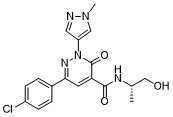
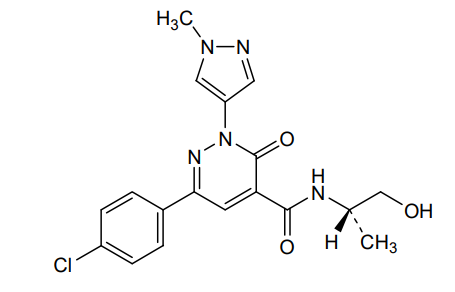
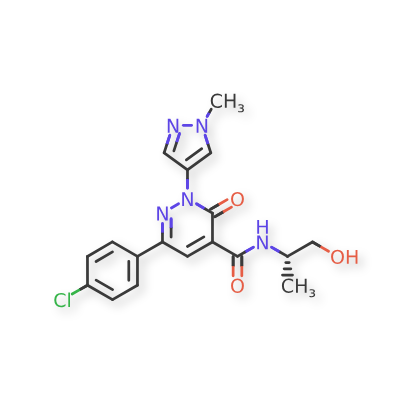
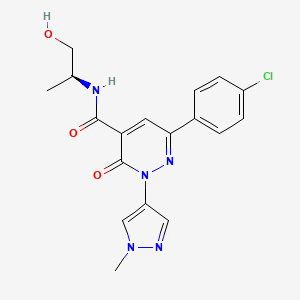
Ilantimod
CAS 2242464-44-2
MF C18H18ClN5O3 MW 387.82
6-(4-chlorophenyl)-N-[(2S)-1-hydroxypropan-2-yl]-2-(1-methyl-1H-pyrazol-4-yl)-3-oxo-2,3-dihydropyridazine-4-carboxamide
(S)-6-(4-chlorophenyl)-N-(1-hydroxypropan-2-yl)-2-(1-methyl-1H-pyrazol-4-yl)-3-oxo-2,3-dihydropyridazine-4-carboxamide
immunomodulator, BAY-2416964, BAY 2416964, Y87V4WXQ4Z
Ilantimod is an orally available formulation containing a small molecule antagonist of the aryl hydrocarbon receptor (AhR; class E basic helix-loop-helix protein 76; bHLHe76) with potential immunomodulating and antineoplastic activities. Upon oral administration, ilantimod specifically binds to AhR, inhibits AhR activation, and prevents AhR-mediated signaling. Abrogation of AhR activation prevents the activation of immune-tolerant dendritic cells (DCs) and regulatory T-cells (Tregs) in the tumor microenvironment (TME). This may restore the immune response against tumor cells. AhR, a member of the basic helix-loop-helix/Per-Arnt-Sim (bHLH/PAS) family of transcription factors, has important roles in regulating immunity and cellular differentiation. AhR can exhibit both pro-oncogenic and tumor suppressor-like functions depending on the tumor type; therefore, its expression may serve as a negative or positive prognostic factor.
- A Study to Learn How Safe the Study Drug BAY 2416964 (AhR Inhibitor) in Combination With the Treatment Pembrolizumab is, How This Combination Affects the Body, the Maximum Amount That Can be Given, How it Moves Into, Through and Out of the Body and Its Action Against Advanced Solid Cancers in AdultsCTID: NCT04999202Phase: Phase 1Status: TerminatedDate: 2025-02-10
- A First-in-Humans Dose Finding Study for an Aryl Hydrocarbon Receptor Inhibitor (AhRi) in Patients With Advanced CancerCTID: NCT04069026Phase: Phase 1Status: CompletedDate: 2024-03-06
SYN
https://patentscope.wipo.int/search/en/detail.jsf?docId=WO2018146010&_cid=P11-MHAFJG-41587-1
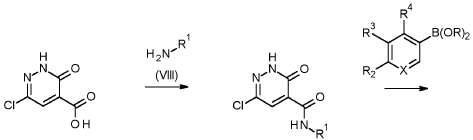
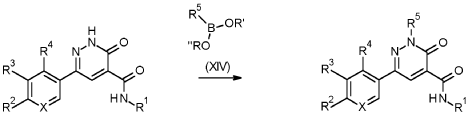
Example 17
6-(4-Chlorophenyl)-/V-[(2S)-1 -hydroxypropan-2-yl]-2-(1 -methyl-1 H-pyrazol-4-yl)-3-oxo-2,3-dihydropyridazine-4-carboxamide
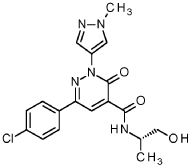

A solution of 80 mg intermediate 1 1 , 29.1 mg (2S)-2-aminopropan-1 -ol, 1 10 mg HATU and 0.1 mL ethyldiisopropylamine in 5 mL of DMF was stirred at room temperature for 14 hours. Then the reaction was quenched by water, and the mixture was extracted with dichloromethane two times. The combined organic phases were dried over sodium sulfate and evaporated to dryness. The residue was subjected to RP-HPLC ((column: X-Bridge C18 5μηι 100x30mm, mobile phase: acetonitrile / water (0.1 vol% formic acid)-gradient)) to yield 50 mg 6-(4-chlorophenyl)-/V-[(2S)-1 -hydroxypropan-2-yl]-2-(1 -methyl-1 H-pyrazol-4-yl)-3-oxo-2,3-dihydropyridazine-4-carboxamide
1H-NMR (400 MHz, CDC ): δ [ppm] = 1.34 (d, 3H); 2.73-2.82 (m, 1 H); 3.66-3.73 (m, 1 H); 3.77-3.84 (m, 1 H); 3.98 (s, 3H); 4.26-4.36 (m, 1 H); 7.49 (d, 2H); 7.87 (d, 2H); 8.12 (s, 1 H); 8.33 (s, 1 H); 8.69 (s, 1 H); 9.82 (bd, 1 H).
PAT
https://patentscope.wipo.int/search/en/detail.jsf?docId=US438191125&_cid=P11-MHAFQQ-47913-1
SEE EX 17
PAT
- 2-Heteroaryl-3-oxo-2,3-dihydropyridazine-4-carboxamide for the treatment of cancerPublication Number: KR-102627266-B1Priority Date: 2017-02-09Grant Date: 2024-01-24
- 2-heteroaryl-3-oxo-2,3-dihydropyridazine-4-carboxamides for the treatment of cancerPublication Number: US-11795164-B2Priority Date: 2017-02-09Grant Date: 2023-10-24
- 2-heteroaryl-3-oxo-2,3-dihydropyridazine-4-carboxamides for the treatment of cancerPublication Number: US-2024294505-A1Priority Date: 2017-02-09
- 2-heteroaryl-3-oxo-2,3-dihydropyridazine-4-carboxamidesPublication Number: TW-I770113-BPriority Date: 2017-02-09Grant Date: 2022-07-11
- 2-Heteroaryl-3-oxo-2,3-dihydropyridazine-4-carboxamides for the treatment of cancerPublication Number: CN-110678459-BPriority Date: 2017-02-09Grant Date: 2023-04-04
- 2-heteroaryl-3-oxo-2,3-dihydropyridazine-4-carboxamides for the treatment of cancerPublication Number: US-2023121195-A1Priority Date: 2017-02-09
- 2-Heteroaryl-3-oxo-2,3-dihydropyridazine-4-carboxamides for the treatment of cancerPublication Number: CN-116531380-APriority Date: 2017-02-09
- 2-Heteroaryl-3-oxo-2,3-dihydropyridazine-4-carboxamides for the treatment of cancerPublication Number: CN-116554152-APriority Date: 2017-02-09
- 2-heteroaryl-3-oxo-2,3-dihydropyridazine-4-carboxamides for the treatment of cancerPublication Number: WO-2018146010-A1Priority Date: 2017-02-09
- 2-heteroaryl-3-oxo-2,3-dihydropyridazine-4-carboxamides for the treatment of cancerPublication Number: EP-3580211-B1Priority Date: 2017-02-09Grant Date: 2020-12-02
- 2-HETEROARYL-3-OXO-2,3-DIHYDROPYRIDAZINE-4-CARBOXAMIDES FOR THE TREATMENT OF CANCERPublication Number: HR-P20210143-T1Priority Date: 2017-02-09
- 2-heteroaryl-3-oxo-2,3-dihydropyridazine-4-carboxamides for the treatment of cancerPublication Number: AU-2018217860-B2Priority Date: 2017-02-09Grant Date: 2021-07-08
- 2-Troaril-3-oxo-3,2-dihydropyridazine-4-carboxamides for the treatment of cancerPublication Number: IL-268469-APriority Date: 2017-02-09
- 2-heteroaryl-3-oxo-2,3-dihydropyridazine-4-carboxamides for the treatment of cancerPublication Number: CA-3052718-A1Priority Date: 2017-02-09
- 2-Heteroaryl-3-oxo-2,3-dihydropyridazine-4-carboxamide for the treatment of cancerPublication Number: CN-110678459-APriority Date: 2017-02-09
- 2-heteroaryl-3-oxo-2,3-dihydropyridazine-4-carboxamides for the treatment of cancerPublication Number: EP-3580211-A1Priority Date: 2017-02-09
- 2-heteroaryl-3-oxo-2,3-dihydropyridazine-4-carboxamide for the treatment of cancerPublication Number: KR-20190115460-APriority Date: 2017-02-09
- 2-heteroaryl-3-oxo-2,3-dihydropyridazine-4-carboxamidePublication Number: TW-201840549-APriority Date: 2017-02-09
- Combination of an ahr-inhibitor and an pd1-inhibitor antibody and its use in the treatment of cancerPublication Number: EP-4076462-A1Priority Date: 2019-12-16
- Combinations of AHR inhibitors and PD1 inhibitor antibodies and their use in the treatment of cancerPublication Number: JP-2023505907-APriority Date: 2019-12-16
- Combinations of AHR-inhibitors and PD1-inhibitor antibodies and their use in the treatment of cancerPublication Number: KR-20220128622-APriority Date: 2019-12-16
- Combination of an ahr-inhibitor and an pd1-inhibitor antibody and its use in the treatment of cancerPublication Number: US-2023084899-A1Priority Date: 2019-12-16
- 2-heteroaryl-3-oxo-2,3-dihydropyridazine-4-carboxamides for the treatment of cancerPublication Number: AU-2018217860-A1Priority Date: 2017-02-09
- Methods and compositions for treating inflammatory and fibrotic pulmonary disordersPublication Number: US-2021401987-A1Priority Date: 2020-03-20
- Methods and compositions for treating inflammatory and fibrotic pulmonary disordersPublication Number: EP-4121111-A1Priority Date: 2020-03-20
- Combination of an ahr-inhibitor and an pd1-inhibitor antibody and its use in the treatment of cancerPublication Number: WO-2021122434-A1Priority Date: 2019-12-16
- Combination of an AhR-inhibitor and an PD1-inhibitor antibody and its use in the treatment of cancerPublication Number: AU-2020403801-A1Priority Date: 2019-12-16
- Combinations of AHR inhibitor and PD1 inhibitor antibodies and their use in cancer therapyPublication Number: CN-114786674-APriority Date: 2019-12-16
- Compositions and methods for treating myelin deficiency by rejuvenating glial progenitor cellsPublication Number: US-2023190961-A1Priority Date: 2021-10-20
- Prophylactic or therapeutic agent for severe pulmonary hypertension, refractory pulmonary hypertension, or drug-induced pulmonary hypertensionPublication Number: WO-2022149605-A1Priority Date: 2021-01-08
- Deuterated 2-arylheterocycle-3-oxo-2,3-dihydropyridazine-4-carboxamide inhibitor and preparation method therefor and application thereofPublication Number: EP-4253374-A1Priority Date: 2020-11-27
- Heteroaromatic ahr inhibitorPublication Number: WO-2022078356-A1Priority Date: 2020-10-15
- Methods and compositions for treating inflammatory and fibrotic pulmonary disordersPublication Number: WO-2021188849-A1Priority Date: 2020-03-20


AS ON JUNE2025 4.45 LAKHS VIEWS ON BLOG WORLDREACH AVAILABLEFOR YOUR ADVERTISEMENT
join me on Linkedin
Anthony Melvin Crasto Ph.D – India | LinkedIn
join me on Researchgate
RESEARCHGATE

join me on Facebook
Anthony Melvin Crasto Dr. | Facebook
join me on twitter
Anthony Melvin Crasto Dr. | twitter
+919321316780 call whatsaapp
EMAIL. amcrasto@gmail.com

……
///////////Ilantimod, immunomodulator, BAY-2416964, BAY 2416964, Y87V4WXQ4Z
Lanadelumab, ラナデルマブ
(Heavy chain)
EVQLLESGGG LVQPGGSLRL SCAASGFTFS HYIMMWVRQA PGKGLEWVSG IYSSGGITVY
ADSVKGRFTI SRDNSKNTLY LQMNSLRAED TAVYYCAYRR IGVPRRDEFD IWGQGTMVTV
SSASTKGPSV FPLAPSSKST SGGTAALGCL VKDYFPEPVT VSWNSGALTS GVHTFPAVLQ
SSGLYSLSSV VTVPSSSLGT QTYICNVNHK PSNTKVDKRV EPKSCDKTHT CPPCPAPELL
GGPSVFLFPP KPKDTLMISR TPEVTCVVVD VSHEDPEVKF NWYVDGVEVH NAKTKPREEQ
YNSTYRVVSV LTVLHQDWLN GKEYKCKVSN KALPAPIEKT ISKAKGQPRE PQVYTLPPSR
EEMTKNQVSL TCLVKGFYPS DIAVEWESNG QPENNYKTTP PVLDSDGSFF LYSKLTVDKS
RWQQGNVFSC SVMHEALHNH YTQKSLSLSP G
(Light chain)
DIQMTQSPST LSASVGDRVT ITCRASQSIS SWLAWYQQKP GKAPKLLIYK ASTLESGVPS
RFSGSGSGTE FTLTISSLQP DDFATYYCQQ YNTYWTFGQG TKVEIKRTVA APSVFIFPPS
DEQLKSGTAS VVCLLNNFYP REAKVQWKVD NALQSGNSQE SVTEQDSKDS TYSLSSTLTL
SKADYEKHKV YACEVTHQGL SSPVTKSFNR GEC
(dimer; dishulfide bridge: H22-H96, H149-H205, H225-L213, H231-H’231, H234-H’234, H266-H326, H372-H430, H’22-H’96, H’149-H’205, H’225-L’213, H’266-H’326, H’372-H’430, L23-L88, L133-L193, L’23-L’88, L’133-L’193)
Lanadelumab
DX 2930
Fda approved 2018/8/23, Takhzyro
| Formula |
C6468H10016N1728O2012S48
|
|---|---|
| Cas |
1426055-14-2
|
| Mol weight |
145714.225
|
Peptide, Monoclonal antibody
Prevention of angioedema in patients with hereditary angioedema
Immunomodulator, Plasma kallikrein inhibitor
breakthrough therapy, UNII: 2372V1TKXK
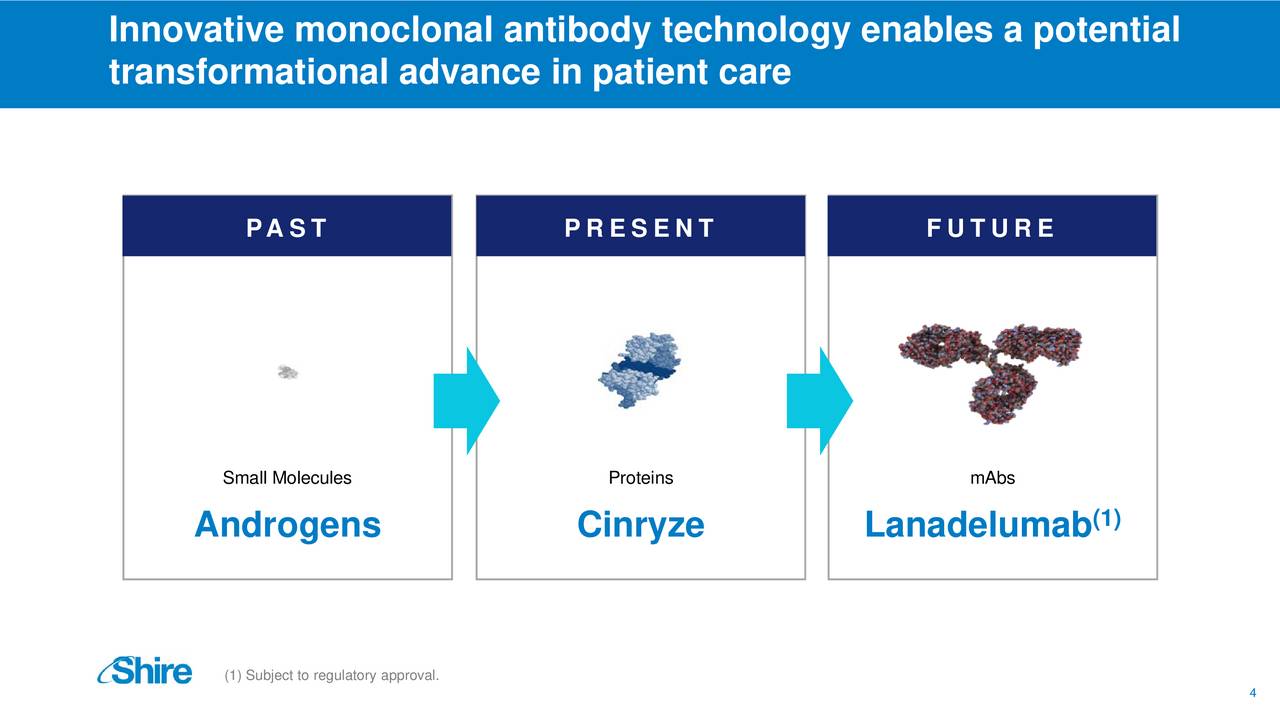

Lanadelumab (INN) (alternative identifier DX-2930[1]) is a human monoclonal antibody (class IgG1 kappa)[2] that targets plasma kallikrein (pKal)[1] in order to promote prevention of angioedema in patients with hereditary angioedema.[3][4] In phase 1 clinical trialsLanadelumab was well tolerated and was reported to reduce cleavage of kininogen in the plasma of patients with hereditary angioedeman and decrease the number of patients experiencing attacks of angioedema.[1][5][6][7] As of 2017 ongoing trials for Lanadelumab include two phase 3 studies focused on investigating the utility of Lanadelumab in preventing of acute angioedema attacks in hereditary angioedema patients[8][9]
This drug was produced by Dyax Corp and currently under development by Shire.[10] Lanadelumab has been designated by the U.S. Food and Drug Administration (FDA) as a breakthrough therapy.[11]

References
- ^ Jump up to:a b c Banerji, Aleena; Busse, Paula; Shennak, Mustafa; Lumry, William; Davis-Lorton, Mark; Wedner, Henry J.; Jacobs, Joshua; Baker, James; Bernstein, Jonathan A. (2017-02-23). “Inhibiting Plasma Kallikrein for Hereditary Angioedema Prophylaxis”. The New England Journal of Medicine. 376 (8): 717–728. doi:10.1056/NEJMoa1605767. ISSN 1533-4406. PMID 28225674.
- Jump up^ Kenniston, Jon A.; Faucette, Ryan R.; Martik, Diana; Comeau, Stephen R.; Lindberg, Allison P.; Kopacz, Kris J.; Conley, Gregory P.; Chen, Jie; Viswanathan, Malini (2014-08-22). “Inhibition of Plasma Kallikrein by a Highly Specific Active Site Blocking Antibody”. The Journal of Biological Chemistry. 289 (34): 23596. doi:10.1074/jbc.M114.569061. PMC 4156074
 . PMID 24970892.
 - Jump up^ Statement On A Nonproprietary Name Adopted By The USAN Council – Lanadelumab, American Medical Association.
- Jump up^ World Health Organization (2015). “International Nonproprietary Names for Pharmaceutical Substances (INN). Proposed INN: List 114”(PDF). WHO Drug Information. 29 (4).
- Jump up^ Chyung, Yung; Vince, Bradley; Iarrobino, Ryan; Sexton, Dan; Kenniston, Jon; Faucette, Ryan; TenHoor, Chris; Stolz, Leslie E.; Stevens, Chris (2014-10-01). “A phase 1 study investigating DX-2930 in healthy subjects”. Annals of Allergy, Asthma & Immunology. 113 (4): 460–466.e2. doi:10.1016/j.anai.2014.05.028. ISSN 1534-4436. PMID 24980392.
- Jump up^ “A Single Increasing Dose Study to Assess Safety and Tolerability of DX-2930 in Healthy Subjects – Full Text View – ClinicalTrials.gov”. clinicaltrials.gov. Retrieved 2017-03-24.
- Jump up^ “Double-Blind, Multiple Ascending Dose Study to Assess Safety, Tolerability and Pharmacokinetics of DX-2930 in Hereditary Angioedema (HAE) Subjects – Full Text View – ClinicalTrials.gov”. clinicaltrials.gov. Retrieved 2017-03-24.
- Jump up^ “Efficacy and Safety Study of DX-2930 to Prevent Acute Angioedema Attacks in Patients With Type I and Type II HAE – Full Text View – ClinicalTrials.gov”. clinicaltrials.gov. Retrieved 2017-03-24.
- Jump up^ “Long-term Safety and Efficacy Study of DX-2930 to Prevent Acute Angioedema Attacks in Patients With Type I and Type II HAE – Full Text View – ClinicalTrials.gov”. clinicaltrials.gov. Retrieved 2017-03-24.
- Jump up^ “Lanadelumab – AdisInsight”. adisinsight.springer.com. Retrieved 2017-03-24.
- Jump up^ “Dyax Corp. Receives FDA Breakthrough Therapy Designation for DX-2930 for Prevention of Attacks of Hereditary Angioedema”. http://www.businesswire.com. Retrieved 2017-03-24.
| Monoclonal antibody | |
|---|---|
| Type | Whole antibody |
| Source | Human |
| Target | kallikrein |
| Clinical data | |
| Synonyms | DX-2930 |
| ATC code |
|
| Identifiers | |
| CAS Number | |
| ChemSpider |
|
| UNII | |
| Chemical and physical data | |
| Formula | C6468H10016N1728O2012S47 |
| Molar mass | 145.7 kDa |
///////////Lanadelumab, Peptide, Monoclonal antibody, FDA 2018, ラナデルマブ ,Immunomodulator, Plasma kallikrein inhibitor, DX 2930, breakthrough therapy, Takhzyro
“DRUG APPROVALS INTERNATIONAL” CATERS TO EDUCATION GLOBALLY, No commercial exploits are done or advertisements added by me. This is a compilation for educational purposes only. P.S. : The views expressed are my personal and in no-way suggest the views of the professional body or the company that I represent
Phase III Study of Oral Laquinimod for Relapsing-Remitting Multiple Sclerosis

Laquinimod
5-chloro-N-ethyl-4-hydroxy-1-methyl-2-oxo-
N-phenyl-1,2-dihydroquinoline-3-carboxamide
Laquinimod is an experimental immunomodulator developed by Active Biotech and Teva. It is currently being investigated as an oral treatment for multiple sclerosis (MS).
Laquinimod is the successor of Active Biotech’s failed experimental immunomodulator linomide.[1]
The compound has been investigated in two Phase II trials using successive magnetic resonance scans (MRI). Laquinimod seems to be able to reduce the MS disease activity on MRI.[2][3] However, the response to a given dose was discrepant between both studies.[4]
Phase III studies for MS started in December 2007.[5] In 2011, Teva announced its clinical trials involving laquinimod had failed, being unable to significantly reduce relapses into MS among patients beyond a placebo.[6] However, the final results of above mentioned phase III trial proved oral laquinimod administered once daily slowed the progression of disability and reduced the rate of relapse in patients with relapsing–remitting multiple sclerosis [7]
Mar 6, 2013 –
CONCERTO Study Enrolling Patients Globally to Evaluate Impact of Laquinimod on Disability Progression
Teva Pharmaceutical Industries Ltd. and Active Biotech announced today enrollment of the first patient in the CONCERTO study – the third Phase III placebo-controlled study designed to evaluate the efficacy, safety and tolerability of once-daily oral laquinimod in patients with relapsing-remitting multiple sclerosis (RRMS). The primary outcome measure of CONCERTO will be confirmed disability progression as measured by the Expanded Disability Status Scale (EDSS).
“Previous Phase III studies in more than 2,400 people with RRMS suggest a unique profile of laquinimod, directly affecting the neurodegenerative processes that lead to disability progression, the main concern in the treatment of RRMS,” said CONCERTO principal investigator, Dr. Timothy Vollmer, Professor of Neurology, University of Colorado Denver, Medical Director of the Rocky Mountain Multiple Sclerosis Center, and Co-Director of the RMMSC at Anschutz. “We are currently enrolling patients in this third pivotal study to further examine the clinical benefits of laquinimod on disability progression, the primary endpoint of the CONCERTO trial, and brain atrophy, at both the previously studied 0.6 mg dose, and now a higher 1.2 mg dose.”
The multinational, randomized, double blind placebo-controlled study will aim to enroll approximately 1,800 patients at more than 300 sites globally (http://clinicaltrials.gov/show/NCT01707992). Along with the primary endpoint of time to confirmed disability progression, the study will also examine the impact of laquinimod on endpoints such as percent change in brain volume and other clinical and MRI markers of disease activity.
“For nearly 30 years, Teva has been focused on improving the lives of people with multiple sclerosis by delivering innovative treatment options that address this complex disease,” said Dr. Michael Hayden, President of Global R&D and Chief Scientific Officer at Teva Pharmaceutical Industries Ltd. “The CONCERTO study demonstrates our commitment to collaborating with MS communities worldwide to further develop laquinimod and address unmet patient needs.”
ABOUT LAQUINIMOD
Laquinimod is an oral, once-daily CNS-active immunomodulator with a novel mechanism of action being developed for the treatment of MS. In animal models laquinimod crosses the blood brain barrier to potentially have a direct effect on resident CNS inflammation and neurodegeneration. The global Phase III clinical development program evaluating oral laquinimod in MS includes two pivotal studies, ALLEGRO and BRAVO.
In addition to the MS clinical studies, laquinimod is currently in clinical development for Crohn’s disease and Lupus.
ABOUT CONCERTO
CONCERTO is a multinational, multicenter, randomized, double-blind, parallel-group, placebo-controlled study followed by an active treatment phase, to evaluate the efficacy, safety and tolerability of two doses of oral administration of laquinimod 0.6 mg/day or 1.2 mg/day in subjects with RRMS. This third Phase III laquinimod study will evaluate laquinimod in approximately 1,800 patients for up to 24 months, after which patients will continue to an active treatment period with laquinimod for an additional 24 months. The primary outcome measure will be time to confirmed disability progression as measured by the Expanded Disability Status Scale (EDSS). The study will also examine the impact of laquinimod on endpoints such as percent change in brain volume, as well as other clinical and MRI markers of disease activity.
ABOUT MULTIPLE SCLEROSIS
MS is the leading cause of neurological disability in young adults. It is estimated that more than 400,000 people in the United States are affected by the disease and that two million people may be affected worldwide. Multiple sclerosis is a degenerative disease of the central nervous system in which inflammation and axonal damage and loss result in the development of progressive disability.
ABOUT TEVA
Teva Pharmaceutical Industries Ltd. (NYSE: TEVA) is a leading global pharmaceutical company, committed to increasing access to high-quality healthcare by developing, producing and marketing affordable generic drugs as well as innovative and specialty pharmaceuticals and active pharmaceutical ingredients. Headquartered in Israel, Teva is the world’s leading generic drug maker, with a global product portfolio of more than 1,000 molecules and a direct presence in about 60 countries. Teva’s branded businesses focus on CNS, oncology, pain, respiratory and women’s health therapeutic areas as well as biologics. Teva currently employs approximately 46,000 people around the world and reached $20.3 billion in net revenues in 2012.
ABOUT ACTIVE BIOTECH
Active Biotech AB is a biotechnology company with focus on autoimmune/inflammatory diseases and cancer. Projects in or entering pivotal phase are laquinimod, an orally administered small molecule with unique immunomodulatory properties for the treatment of multiple sclerosis, TASQ for prostate cancer as well as ANYARA for use in cancer targeted therapy, primarily of renal cell cancer. In addition, laquinimod is in Phase II development for Crohn’s and Lupus. Further projects in clinical development comprise the two orally administered compounds, 57-57 for SLE & Systemic Sclerosis and RhuDex(TM) for RA. Please visit http://www.activebiotech.com for more information.
- Tan IL, Lycklama à Nijeholt GJ, Polman CH et al. (April 2000). “Linomide in the treatment of multiple sclerosis: MRI results from prematurely terminated phase-III trials”. Mult Scler 6 (2): 99–104. PMID 10773855.
- Comi G, Pulizzi A, Rovaris M et al. (June 2008). “Effect of laquinimod on MRI-monitored disease activity in patients with relapsing-remitting multiple sclerosis: a multicentre, randomised, double-blind, placebo-controlled phase IIb study”. Lancet 371 (9630): 2085–2092. doi:10.1016/S0140-6736(08)60918-6. PMID 18572078.
- Polman C, Barkhof F, Sandberg-Wollheim M et al. (March 2005). “Treatment with laquinimod reduces development of active MRI lesions in relapsing MS”. Neurology 64 (6): 987–91. doi:10.1212/01.WNL.0000154520.48391.69. PMID 15781813.
- Keegan BM, Weinshenker BG (June 2008). “Laquinimod, a new oral drug for multiple sclerosis”. Lancet 371 (9630): 2059–2060. doi:10.1016/S0140-6736(08)60894-6. PMID 18572062.
- ClinicalTrials.gov NCT00509145 Safety and Efficacy of Orally Administered Laquinimod Versus Placebo for Treatment of Relapsing Remitting Multiple Sclerosis (RRMS) (ALLEGRO)
- Kresege, Naomi (1 August 2011). “Teva’s Copaxone Successor Fails in Latest Clinical Trial”. Bloomberg. http://www.bloomberg.com/news/2011-08-01/teva-s-oral-multiple-sclerosis-drug-fails-to-meet-goal-of-clinical-trial.html. Retrieved 2 August 2011. “Teva Pharmaceutical Industries Ltd. (TEVA)’s experimental multiple sclerosis pill failed to reduce relapses more than placebo in a clinical trial, dealing a blow to the company’s effort to find a successor to an older drug.”
- (Comi et al. N Engl J Med 2012;366:1000).

EP 1073639; JP 2002513006; US 6077851; WO 9955678
5-Chloroisatoic anhydride (I) is alkylated with iodomethane and NaH to afford (II). Subsequent condensation of anhydride (II) with the malonic monoamide (III) in the presence of NaH in hot DMA furnishes the target quinoline carboxamide.
…

Reaction of 2-amino-6-chlorobenzoic acid (I) with phosgene and NaHCO3 in dioxane gives 5-chloroisatoic anhydride (II), which is methylated by means of iodomethane and NaH in DMF to yield 5-chloro-1-methylisatoic anhydride (III). Finally, anhydride (III) is condensed with the malonic monoamide (IV) by means of NaH in hot dimethylacetamide. Alternatively, condensation of anhydride (III) with ethoxy malonyl chloride (V) by means of NaOMe and triethylamine in dichloromethane affords 5-chloro-4-hydroxy-1-methyl-2-oxo-1,2-dihydroquinoline-3- carboxylic acid ethyl ester (VI), which is finally condensed with N-ethylaniline (VII) in refluxing toluene. Alternatively, ester (VI) is hydrolyzed by means of concentrated HCl in hot Ac2O to give the carboxylic acid (VIII), which is finally condensed with N-ethylaniline (VII) by means of SOCl2 and TEA in dichloromethane


 New Drug Approvals
