New Drug Approvals

Home » Posts tagged 'FDA 2018' (Page 3)

Tag Archives: FDA 2018

DRUG APPROVALS BY DR ANTHONY MELVIN CRASTO .....FOR BLOG HOME CLICK HERE

Blog Stats

  • 4,798,923 hits

Flag and hits

Flag Counter

Enter your email address to follow this blog and receive notifications of new posts by email.

Join 37.9K other subscribers
Follow New Drug Approvals on WordPress.com

Archives

Categories

Recent Posts

Flag Counter

ORGANIC SPECTROSCOPY

Read all about Organic Spectroscopy on ORGANIC SPECTROSCOPY INTERNATIONAL 

Enter your email address to follow this blog and receive notifications of new posts by email.

Join 37.9K other subscribers
DR ANTHONY MELVIN CRASTO Ph.D

DR ANTHONY MELVIN CRASTO Ph.D

DR ANTHONY MELVIN CRASTO, Born in Mumbai in 1964 and graduated from Mumbai University, Completed his Ph.D from ICT, 1991,Matunga, Mumbai, India, in Organic Chemistry, The thesis topic was Synthesis of Novel Pyrethroid Analogues, Currently he is working with AFRICURE PHARMA, ROW2TECH, NIPER-G, Department of Pharmaceuticals, Ministry of Chemicals and Fertilizers, Govt. of India as ADVISOR, earlier assignment was with GLENMARK LIFE SCIENCES LTD, as CONSUlTANT, Retired from GLENMARK in Jan2022 Research Centre as Principal Scientist, Process Research (bulk actives) at Mahape, Navi Mumbai, India. Total Industry exp 32 plus yrs, Prior to joining Glenmark, he has worked with major multinationals like Hoechst Marion Roussel, now Sanofi, Searle India Ltd, now RPG lifesciences, etc. He has worked with notable scientists like Dr K Nagarajan, Dr Ralph Stapel, Prof S Seshadri, etc, He did custom synthesis for major multinationals in his career like BASF, Novartis, Sanofi, etc., He has worked in Discovery, Natural products, Bulk drugs, Generics, Intermediates, Fine chemicals, Neutraceuticals, GMP, Scaleups, etc, he is now helping millions, has 9 million plus hits on Google on all Organic chemistry websites. His friends call him Open superstar worlddrugtracker. His New Drug Approvals, Green Chemistry International, All about drugs, Eurekamoments, Organic spectroscopy international, etc in organic chemistry are some most read blogs He has hands on experience in initiation and developing novel routes for drug molecules and implementation them on commercial scale over a 32 PLUS year tenure till date Feb 2023, Around 35 plus products in his career. He has good knowledge of IPM, GMP, Regulatory aspects, he has several International patents published worldwide . He has good proficiency in Technology transfer, Spectroscopy, Stereochemistry, Synthesis, Polymorphism etc., He suffered a paralytic stroke/ Acute Transverse mylitis in Dec 2007 and is 90 %Paralysed, He is bound to a wheelchair, this seems to have injected feul in him to help chemists all around the world, he is more active than before and is pushing boundaries, He has 100 million plus hits on Google, 2.5 lakh plus connections on all networking sites, 100 Lakh plus views on dozen plus blogs, 227 countries, 7 continents, He makes himself available to all, contact him on +91 9323115463, email amcrasto@gmail.com, Twitter, @amcrasto , He lives and will die for his family, 90% paralysis cannot kill his soul., Notably he has 38 lakh plus views on New Drug Approvals Blog in 227 countries......https://newdrugapprovals.wordpress.com/ , He appreciates the help he gets from one and all, Friends, Family, Glenmark, Readers, Wellwishers, Doctors, Drug authorities, His Contacts, Physiotherapist, etc He has total of 32 International and Indian awards

Verified Services

View Full Profile →

Archives

Categories

Flag Counter

Cenegermin


Image result for cenegermin
Active Substance General information The active substance in Oxervate, cenegermin, is a recombinant human Nerve Growth factor (rhNGF) produced in E. coli strain HMS174. The molecule is identical to human Nerve Growth factor (NGF), a naturally occurring human protein. In humans, NGF is naturally produced as pre-pro-peptide, secreted into the endoplasmic reticulum and cleaved by furin protease. The pro-sequence is further cleaved during the production process by enzymatic hydrolysis. Therefore these two amino acid changes have no influence on the final active ingredient (rhNGF), which is identical to the naturally secreted human protein. The 3D structure of rhNGF is a non-covalent dimer with three intra-molecular disulphide bridges. Cenegermin contains 118 amino acids and has a relative molecular mass of 13,266 Daltons and the following molecular formula: C583H908N166O173S8. Figure 1 shows the protein sequence of recombinant human ProNGFrh ProNGF (Figure 1A), and a map of the disulphide bridges (Figure IB):
Cenegermin sequence:
SSSHPIFHRGEFSVCDSVSVWVGDKTTATDIKGKEVMVLGEVNIN
NSVFKQYFFETKCRDPNPVDSGCRGIDSKHWNSYCTTTHTFVKAL
TMDGKQAAWRFIRIDTACVCVLSRKAVR
CAS 1772578-74-1
rhNGF, Nerve growth factor – Anabasis/Dompe; Oxervate; Sentinel
  • OriginatorAnabasis Pharma
  • DeveloperDompe Farmaceutici; Ospedale San Raffaele
  • ClassEye disorder therapies; Nerve growth factors; Neuroprotectants; Proteins
  • Mechanism of ActionNerve growth factor receptor agonists; Neuron stimulants
  • Orphan Drug StatusYes – Keratitis; Retinitis pigmentosa
  • Highest Development Phases
  • RegisteredKeratitis
  • Phase II Dry eyes; Glaucoma; Retinitis pigmentosa
  • APPROVED FDA AUG  2018

Most Recent Events

  • 28 Jul 2018No recent reports of development identified for phase-I development in Glaucoma in Italy (Ophthalmic, Drops)
  • 29 May 2018Phase-II clinical trials in Glaucoma (Ophthalmic) (http://www.dompe.com/RnD-Pipeline/)
  • 01 May 2018Dompé Farmaceutici completes a phase I trial in Glaucoma in USA (Ophthalmic) (NCT02855450)
  • Image result for cenegermin
Cenegermin (planned brand names OxervateSentinel), also known as recombinant human nerve growth factor (rhNGF), is a recombinant form of human nerve growth factor (NGF). It was approved in the European Union as an eye drop formulation for the treatment of moderate or severe neurotrophic keratitis in adults on 6 July 2017.[2][3][1] As a recombinant form of NGF, cenegermin is a peripherally selective agonist of the TrkA and LNGFR (p75NTR) which must be administered parenterally.[3] In addition to neurotrophic keratitis, cenegermin is also under development for the treatment of dry eyesretinitis pigmentosa, and glaucoma.[3] It was developed by Anabasis Pharma, Dompé Farmaceutici, and Ospedale San Raffaele.[3]
Cenegermin is a human beta-nerve growth factor (beta-ngf)-(1-118)- peptide (non-covalent dimer) produced in escherichia coli. It received European Union Approval in July, 2017 for the treatment of moderate to severe neurotrophic keratitis.
In 2013, orphan drug designations in the E.U. and in the U.S. were assigned to the candidate for the treatment of retinitis pigmentosa. The product was granted additional orphan drug designation for the treatment of neurotrophic keratitis in the U.S. and the E.U. in 2014 and 2015, respectively.
Cenegermin, a recombinant human nerve growth factor developed by Dompé was first approved in July 2017 in the E.U. for the treatment of moderate to severe neurotrophic keratitis (NK) in adults
Clip
The U.S. Food and Drug Administration today approved the first drug, Oxervate (cenegermin), for the treatment of neurotrophic keratitis, a rare disease affecting the cornea (the clear layer that covers the colored portion of the front of the eye).
“While the prevalence of neurotrophic keratitis is low, the impact of this serious condition on an individual patient can be devastating,” said Wiley Chambers, M.D., an ophthalmologist in the FDA’s Center for Drug Evaluation and Research. “In the past, it has often been necessary to turn to surgical interventions; these treatments are usually only palliative in this disease. Today’s approval provides a novel topical treatment and a major advance that offers complete corneal healing for many of these patients.”

August 22, 2018

Release

The U.S. Food and Drug Administration today approved the first drug, Oxervate (cenegermin), for the treatment of neurotrophic keratitis, a rare disease affecting the cornea (the clear layer that covers the colored portion of the front of the eye).

“While the prevalence of neurotrophic keratitis is low, the impact of this serious condition on an individual patient can be devastating,” said Wiley Chambers, M.D., an ophthalmologist in the FDA’s Center for Drug Evaluation and Research. “In the past, it has often been necessary to turn to surgical interventions; these treatments are usually only palliative in this disease. Today’s approval provides a novel topical treatment and a major advance that offers complete corneal healing for many of these patients.”

Neurotrophic keratitis is a degenerative disease resulting from a loss of corneal sensation. The loss of corneal sensation impairs corneal health causing progressive damage to the top layer of the cornea, including corneal thinning, ulceration, and perforation in severe cases. The prevalence of neurotrophic keratitis has been estimated to be less than five in 10,000 individuals.

The safety and efficacy of Oxervate, a topical eye drop containing cenegermin, was studied in a total of 151 patients with neurotrophic keratitis in two, eight-week, randomized controlled multi-center, double-masked studies. In the first study, patients were randomized into three different groups. One group received Oxervate, a second group received an eye drop with a different concentration of cenegermin, and the third group received an eye drop without cenegermin. In the second study, patients were randomized into two groups. One group was treated with Oxervate eye drops and the other group was treated with an eye drop without cenegermin. All eye drops in both studies were given six times daily in the affected eye(s) for eight weeks. In the first study, only patients with the disease in one eye were enrolled, while in the second study, patients with the disease in both eyes were treated in both eyes (bilaterally). Across both studies, complete corneal healing in eight weeks was demonstrated in 70 percent of patients treated with Oxervate compared to 28 percent of patients treated without cenegermin (the active ingredient in Oxervate).

The most common adverse reactions in patients taking Oxervate are eye pain, ocular hyperemia (enlarged blood vessels in the white of the eyes), eye inflammation and increased lacrimation (watery eyes).

Oxervate was granted Priority Review designation, under which the FDA’s goal is to take action on an application within six months of application filing where the agency determines that the drug, if approved, would provide a significant improvement in the safety or effectiveness of the treatment, diagnosis or prevention of a serious condition. Oxervate also received Orphan Drug designation, which provides incentives to assist and encourage the development of drugs for rare diseases.

The FDA granted approval of Oxervate to Dompé farmaceutici SpA.

Cenegermin
Clinical data
Trade names Oxervate, Sentinel
Synonyms Recombinant human nerve growth factor; rhNGF; human beta-nerve growth factor (beta-NGF)-(1-118) peptide (non-covalent dimer) produced in Escherichia coli[1]
Routes of
administration
Eye drops
ATC code
Identifiers
CAS Number
DrugBank
ChemSpider
  • None
UNII
KEGG
Chemical and physical data
Formula C583H908N166O173S8
Molar mass 13266.94 g/mol

References

External links

////////////fda 2018, Oxervate, cenegermin, orphan drug, priority review, EU 2017, DOMPE, neurotrophic keratitis

FDA approves first drug Oxervate (cenegermin) for neurotrophic keratitis, a rare eye disease


The U.S. Food and Drug Administration today approved the first drug, Oxervate (cenegermin), for the treatment of neurotrophic keratitis, a rare disease affecting the cornea (the clear layer that covers the colored portion of the front of the eye).
“While the prevalence of neurotrophic keratitis is low, the impact of this serious condition on an individual patient can be devastating,” said Wiley Chambers, M.D., an ophthalmologist in the FDA’s Center for Drug Evaluation and Research. “In the past, it has often been necessary to turn to surgical interventions; these treatments are usually only palliative in this disease. Today’s approval provides a novel topical treatment and a major advance that offers complete corneal healing for many of these patients.”

August 22, 2018

Release

The U.S. Food and Drug Administration today approved the first drug, Oxervate (cenegermin), for the treatment of neurotrophic keratitis, a rare disease affecting the cornea (the clear layer that covers the colored portion of the front of the eye).

“While the prevalence of neurotrophic keratitis is low, the impact of this serious condition on an individual patient can be devastating,” said Wiley Chambers, M.D., an ophthalmologist in the FDA’s Center for Drug Evaluation and Research. “In the past, it has often been necessary to turn to surgical interventions; these treatments are usually only palliative in this disease. Today’s approval provides a novel topical treatment and a major advance that offers complete corneal healing for many of these patients.”

Neurotrophic keratitis is a degenerative disease resulting from a loss of corneal sensation. The loss of corneal sensation impairs corneal health causing progressive damage to the top layer of the cornea, including corneal thinning, ulceration, and perforation in severe cases. The prevalence of neurotrophic keratitis has been estimated to be less than five in 10,000 individuals.

The safety and efficacy of Oxervate, a topical eye drop containing cenegermin, was studied in a total of 151 patients with neurotrophic keratitis in two, eight-week, randomized controlled multi-center, double-masked studies. In the first study, patients were randomized into three different groups. One group received Oxervate, a second group received an eye drop with a different concentration of cenegermin, and the third group received an eye drop without cenegermin. In the second study, patients were randomized into two groups. One group was treated with Oxervate eye drops and the other group was treated with an eye drop without cenegermin. All eye drops in both studies were given six times daily in the affected eye(s) for eight weeks. In the first study, only patients with the disease in one eye were enrolled, while in the second study, patients with the disease in both eyes were treated in both eyes (bilaterally). Across both studies, complete corneal healing in eight weeks was demonstrated in 70 percent of patients treated with Oxervate compared to 28 percent of patients treated without cenegermin (the active ingredient in Oxervate).

The most common adverse reactions in patients taking Oxervate are eye pain, ocular hyperemia (enlarged blood vessels in the white of the eyes), eye inflammation and increased lacrimation (watery eyes).

Oxervate was granted Priority Review designation, under which the FDA’s goal is to take action on an application within six months of application filing where the agency determines that the drug, if approved, would provide a significant improvement in the safety or effectiveness of the treatment, diagnosis or prevention of a serious condition. Oxervate also received Orphan Drug designation, which provides incentives to assist and encourage the development of drugs for rare diseases.

The FDA granted approval of Oxervate to Dompé farmaceutici SpA.

/////////////fda 2018, Oxervate, cenegermin, orphan drug, priority review

Patisiran


Patisiran

Sense strand:
GUAACCAAGAGUAUUCCAUdTdT
Anti-sense strand:
AUGGAAUACUCUUGGUUACdTdT
RNA, (A-U-G-G-A-A-Um-A-C-U-C-U-U-G-G-U-Um-A-C-dT-dT), complex with RNA (G-Um-A-A-Cm-Cm-A-A-G-A-G-Um-A-Um-Um-Cm-Cm-A-Um-dT-dT) (1:1),
ALN-18328, 6024128  , ALN-TTR02  , GENZ-438027  , SAR-438037  , 50FKX8CB2Y (UNII code)

 for RNA, (A-U-G-G-A-A-Um-A-C-U-C-U-U-G-G-U-Um-A-C-dT-dT), complex with RNA(G-Um-A-A-Cm-Cm-A-A-G-A-G-Um-A-Um-Um-Cm-Cm-A-Um-dT-dT) (1:1)

Nucleic Acid Sequence

Sequence Length: 42, 21, 2112 a 7 c 7 g 4 t 12 umultistranded (2); modified

CAS 1420706-45-1

Treatment of Amyloidosis,

SEE…..https://endpts.com/gung-ho-alnylam-lands-historic-fda-ok-on-patisiran-revving-up-the-first-global-rollout-for-an-rnai-breakthrough/

Lipid-nanoparticle-encapsulated double-stranded siRNA targeting a 3 untranslated region of mutant and wild-type transthyretin mRNA

Patisiran (trade name Onpattro®) is a medication for the treatment of polyneuropathy in people with hereditary transthyretin-mediated amyloidosis. It is the first small interfering RNA-based drug approved by the FDA. Through this mechanism, it is a gene silencing drug that interferes with the production of an abnormal form of transthyretin.

Chemical structure of Patisiran.

During its development, patisiran was granted orphan drug statusfast track designationpriority review and breakthrough therapy designation due to its novel mechanism and the rarity of the condition it is designed to treat.[1][2] It was approved by the FDA in August 2018 and is expected to cost around $345,000 to $450,000 per year.[3]

Patisiran was granted orphan drug designation in the U.S. and Japan for the treatment of familial amyloid polyneuropathy. Fast track designation was also granted in the U.S. for this indication. In the E.U., orphan drug designation was assigned to the compound for the treatment of transthyretin-mediated amyloidosis (initially for the treatment of familial amyloid polyneuropathy)

Hereditary transthyretin-mediated amyloidosis is a fatal rare disease that is estimated to affect 50,000 people worldwide. Patisiran is the first drug approved by the FDA to treat this condition.[4]

Patisiran is a second-generation siRNA therapy targeting mutant transthyretin (TTR) developed by Alnylam for the treatment of familial amyloid polyneuropathy. The product is delivered by means of Arbutus Biopharma’s (formerly Tekmira Pharmaceuticals) lipid nanoparticle technology

“A lot of peo­ple think it’s win­ter out there for RNAi. But I think it’s spring­time.” — Al­ny­lam CEO John Maraganore, NYT, Feb­ru­ary 7, 2011.

Patisiran — designed to silence messenger RNA and block the production of TTR protein before it is made — is number 6 on Clarivate’s list of blockbusters set to launch this year, with a 2022 sales forecast of $1.22 billion. Some of the peak sales estimates range significantly higher as analysts crunch the numbers on a disease that afflicts only about 30,000 people worldwide.

PATENT

WO 2016033326

https://patents.google.com/patent/WO2016033326A2

Transthyretin (TTR) is a tetrameric protein produced primarily in the liver.

Mutations in the TTR gene destabilize the protein tetramer, leading to misfolding of monomers and aggregation into TTR amyloid fibrils (ATTR). Tissue deposition results in systemic ATTR amyloidosis (Coutinho et al, Forty years of experience with type I amyloid neuropathy. Review of 483 cases. In: Glenner et al, Amyloid and Amyloidosis, Amsterdam: Excerpta Media, 1980 pg. 88-93; Hou et al., Transthyretin and familial amyloidotic polyneuropathy. Recent progress in understanding the molecular mechanism of

neurodegeneration. FEBS J 2007, 274: 1637-1650; Westermark et al, Fibril in senile systemic amyloidosis is derived from normal transthyretin. Proc Natl Acad Sci USA 1990, 87: 2843-2845). Over 100 reported TTR mutations exhibit a spectrum of disease symptoms.

[0004] TTR amyloidosis manifests in various forms. When the peripheral nervous system is affected more prominently, the disease is termed familial amyloidotic

polyneuropathy (FAP). When the heart is primarily involved but the nervous system is not, the disease is called familial amyloidotic cardiomyopathy (FAC). A third major type of TTR amyloidosis is called leptomeningeal/CNS (Central Nervous System) amyloidosis.

[0005] The most common mutations associated with familial amyloid polyneuropathy

(FAP) and ATTR-associated cardiomyopathy, respectively, are Val30Met (Coelho et al, Tafamidis for transthyretin familial amyloid polyneuropathy: a randomized, controlled trial. Neurology 2012, 79: 785-792) and Vall22Ile (Connors et al, Cardiac amyloidosis in African Americans: comparison of clinical and laboratory features of transthyretin VI 221 amyloidosis and immunoglobulin light chain amyloidosis. Am Heart J 2009, 158: 607-614). [0006] Current treatment options for FAP focus on stabilizing or decreasing the amount of circulating amyloidogenic protein. Orthotopic liver transplantation reduces mutant TTR levels (Holmgren et al, Biochemical effect of liver transplantation in two Swedish patients with familial amyloidotic polyneuropathy (FAP-met30). Clin Genet 1991, 40: 242-246), with improved survival reported in patients with early-stage FAP, although deposition of wild-type TTR may continue (Yazaki et al, Progressive wild-type transthyretin deposition after liver transplantation preferentially occurs into myocardium in FAP patients. Am J Transplant 2007, 7:235-242; Adams et al, Rapid progression of familial amyloid polyneuropathy: a multinational natural history study Neurology 2015 Aug 25; 85(8) 675-82; Yamashita et al, Long-term survival after liver transplantation in patients with familial amyloid polyneuropathy. Neurology 2012, 78: 637-643; Okamoto et al., Liver

transplantation for familial amyloidotic polyneuropathy: impact on Swedish patients’ survival. Liver Transpl 2009, 15: 1229-1235; Stangou et al, Progressive cardiac amyloidosis following liver transplantation for familial amyloid polyneuropathy: implications for amyloid fibrillogenesis. Transplantation 1998, 66:229-233; Fosby et al, Liver transplantation in the Nordic countries – An intention to treat and post-transplant analysis from The Nordic Liver Transplant Registry 1982-2013. Scand J Gastroenterol. 2015 Jun; 50(6):797-808.

Transplantation, in press).

[0007] Tafamidis and diflunisal stabilize circulating TTR tetramers, which can slow the rate of disease progression (Berk et al, Repurposing diflunisal for familial amyloid polyneuropathy: a randomized clinical trial. JAMA 2013, 310: 2658-2667; Coelho et al., 2012; Coelho et al, Long-term effects of tafamidis for the treatment of transthyretin familial amyloid polyneuropathy. J Neurol 2013, 260: 2802-2814; Lozeron et al, Effect on disability and safety of Tafamidis in late onset of Met30 transthyretin familial amyloid polyneuropathy. Eur J Neurol 2013, 20: 1539-1545). However, symptoms continue to worsen on treatment in a large proportion of patients, highlighting the need for new, disease-modifying treatment options for FAP.

[0008] Description of dsRNA targeting TTR can be found in, for example,

International patent application no. PCT/US2009/061381 (WO2010/048228) and

International patent application no. PCT/US2010/05531 1 (WO201 1/056883). Summary

[0009] Described herein are methods for reducing or arresting an increase in a

Neuropathy Impairment Score (NIS) or a modified NIS (mNIS+7) in a human subject by administering an effective amount of a transthyretin (TTR)-inhibiting composition, wherein the effective amount reduces a concentration of TTR protein in serum of the human subject to below 50 μg/ml or by at least 80%. Also described herein are methods for adjusting a dosage of a TTR- inhibiting composition for treatment of increasing NIS or Familial Amyloidotic Polyneuropathy (FAP) by administering the TTR- inhibiting composition to a subject having the increasing NIS or FAP, and determining a level of TTR protein in the subject having the increasing NIS or FAP. In some embodiments, the amount of the TTR- inhibiting composition subsequently administered to the subject is increased if the level of TTR protein is greater than 50 μg/ml, and the amount of the TTR- inhibiting composition subsequently administered to the subject is decreased if the level of TTR protein is below 50 μg/ml. Also described herein are formulated versions of a TTR inhibiting siRNA.

Image result for Alnylam

PATENT

WO 2016203402

PAPERS

Annals of Medicine (Abingdon, United Kingdom) (2015), 47(8), 625-638.

Pharmaceutical Research (2017), 34(7), 1339-1363

Annual Review of Pharmacology and Toxicology (2017), 57, 81-105

CLIP

Image result for Alnylam

Alnylam Announces First-Ever FDA Approval of an RNAi Therapeutic, ONPATTRO™ (patisiran) for the Treatment of the Polyneuropathy of Hereditary Transthyretin-Mediated Amyloidosis in Adults
Aug 10,2018

− First and Only FDA-approved Treatment Available in the United States for this Indication –

− ONPATTRO Shown to Improve Polyneuropathy Relative to Placebo, with Reversal of Neuropathy Impairment Compared to Baseline in Majority of Patients –

− Improvement in Specified Measures of Quality of Life and Disease Burden Demonstrated Across Diverse, Global Patient Population –

− Alnylam to Host Conference Call Today at 3:00 p.m. ET. −

CAMBRIDGE, Mass.–(BUSINESS WIRE)–Aug. 10, 2018– Alnylam Pharmaceuticals, Inc. (Nasdaq: ALNY), the leading RNAi therapeutics company, announced today that the United States Food and Drug Administration (FDA) approved ONPATTRO™ (patisiran) lipid complex injection, a first-of-its-kind RNA interference (RNAi) therapeutic, for the treatment of the polyneuropathy of hereditary transthyretin-mediated (hATTR) amyloidosis in adults. ONPATTRO is the first and onlyFDA-approved treatment for this indication. hATTR amyloidosis is a rare, inherited, rapidly progressive and life-threatening disease with a constellation of manifestations. In addition to polyneuropathy, hATTR amyloidosis can lead to other significant disabilities including decreased ambulation with the loss of the ability to walk unaided, a reduced quality of life, and a decline in cardiac functioning. In the largest controlled study of hATTR amyloidosis, ONPATTRO was shown to improve polyneuropathy – with reversal of neuropathy impairment in a majority of patients – and to improve a composite quality of life measure, reduce autonomic symptoms, and improve activities of daily living.

Image result for Alnylam

This press release features multimedia. View the full release here:https://www.businesswire.com/news/home/20180810005398/en/

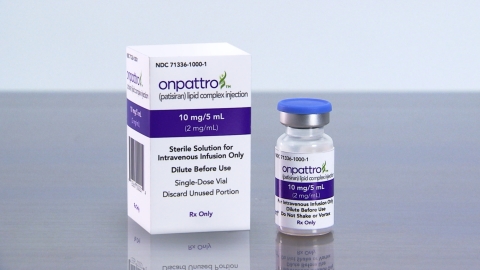
ONPATTRO™ (patisiran) packaging and product vial (Photo: Business Wire)ONPATTRO™ (patisiran) packaging and product vial (Photo: Business Wire)

“Alnylam was founded on the vision of harnessing the potential of RNAi therapeutics to treat human disease, and this approval heralds the arrival of an entirely new class of medicines. We believe today draws us ever-closer to achieving our Alnylam 2020 goals of becoming a fully integrated, multi-product biopharmaceutical company with a sustainable pipeline,” said John Maraganore, Ph.D., Chief Executive Officer of Alnylam. “With the potential for the sequential launches of several new medicines in the coming years, we believe we have the opportunity to meaningfully impact the lives of people around the world in need of new approaches to address serious diseases with significant unmet medical needs.”

“Today’s historic approval marks the arrival of a first-of-its kind treatment option for a rare and devastating condition with limited treatment options,” said Akshay Vaishnaw, M.D., Ph.D., President of R&D at Alnylam. “We extend our deepest gratitude to the patients who participated in the ONPATTRO clinical trials and their families and caregivers who supported them. We are also grateful for the tireless efforts of the investigators and study staff, without whom this important milestone would not have been possible. We also look forward to working with the FDA to potentially expand the ONPATTRO indication in the future.”

The FDA approval of ONPATTRO was based on positive results from the randomized, double-blind, placebo-controlled, global Phase 3 APOLLO study, the largest-ever study in hATTR amyloidosis patients with polyneuropathy. Results from the APOLLO study were published in the July 5, 2018, issue of The New England Journal of Medicine.

In APOLLO, the safety and efficacy of ONPATTRO were evaluated in a diverse, global population of hATTR amyloidosis patients in 19 countries, with a total of 39 TTR mutations. Patients were randomized in a 2:1 ratio to receive intravenous ONPATTRO (0.3 mg per kg of body weight) or placebo once every 3 weeks for 18 months. The study showed that ONPATTRO improved measures of polyneuropathy, quality of life, activities of daily living, ambulation, nutritional status and autonomic symptoms relative to placebo in adult patients with hATTR amyloidosis with polyneuropathy. The primary endpoint of the APOLLO study was the modified Neuropathy Impairment Score +7 (mNIS+7), which assesses motor strength, reflexes, sensation, nerve conduction and postural blood pressure.

  • Patients treated with ONPATTRO had a mean 6.0-point decrease (improvement) in mNIS+7 score from baseline compared to a mean 28.0-point increase (worsening) for patients in the placebo group, resulting in a mean 34.0-point difference relative to placebo, after 18 months of treatment.
  • While nearly all ONPATTRO-treated patients experienced a treatment benefit relative to placebo, 56 percent of ONPATTRO-treated patients at 18 months of treatment experienced reversal of neuropathy impairment (as assessed by mNIS+7 score) relative to their own baseline, compared to four percent of patients who received placebo.
  • Patients treated with ONPATTRO had a mean 6.7-point decrease (improvement) in Norfolk Quality of Life Diabetic Neuropathy (QoL-DN) score from baseline compared to a mean 14.4-point increase (worsening) for patients in the placebo group, resulting in a mean 21.1-point difference relative to placebo, after 18 months of treatment.
  • As measured by Norfolk QoL-DN, 51 percent of patients treated with ONPATTRO experienced improvement in quality of life at 18 months relative to their own baseline, compared to 10 percent of the placebo-treated patients.
  • Over 18 months of treatment, patients treated with ONPATTRO experienced significant benefit vs. placebo for all other secondary efficacy endpoints, including measures of activities of daily living, walking ability, nutritional status, and autonomic symptoms.
  • The most common adverse events that occurred more frequently with ONPATTRO than with placebo were upper respiratory tract infections and infusion-related reactions. To reduce the risk of infusion-related reactions, patients received premedications prior to infusion.

“FDA approval of ONPATTRO represents an entirely new approach to treating patients with polyneuropathy in hATTR amyloidosis and shows promise as a new era in patient care,” said John Berk, M.D., Associate Professor of Medicine at Boston University School of Medicine and assistant director of the Amyloidosis Center at Boston University School of Medicine. “Given the strength of the APOLLO data, including data showing the possibility of halting or improving disease progression in many patients, ONPATTRO holds tremendous promise for people living with this disease.”

“For years I have witnessed the tragic impact of hATTR amyloidosis on generations of families. Today, we celebrate the FDA approval of ONPATTRO,” said Muriel Finkel, President of Amyloidosis Support Groups. “It’s extremely gratifying to see promising science translate into a treatment option that will allow patients to potentially experience an improvement in their disease and an improvement in their overall quality of life.”

“Today’s approval is significant in so many respects. It means the hATTR amyloidosis community of patients, families, caregivers and healthcare professionals in the United States now has a treatment option that offers renewed hope,” said Isabelle Lousada, Founder and Chief Executive Officer of the Amyloidosis Research Consortium. “With an FDA-approved treatment now available, I am more optimistic than ever that we can increase awareness of this rare disease and encourage more people to get tested and receive the proper diagnosis.”

ONPATTRO is expected to be available for shipment to healthcare providers in the U.S. within 48 hours.

Alnylam is committed to helping people access the medicines they are prescribed and will be offering comprehensive support services for people prescribed ONPATTRO through Alnylam Assist™. Visit AlnylamAssist.com for more information or call 1-833-256-2748.

ONPATTRO was reviewed by the FDA under Priority Review and had previously been granted Breakthrough Therapy and Orphan Drug Designations. On July 27, patisiran received a positive opinion from the Committee for Medicinal Products for Human Use (CHMP) for the treatment of hereditary transthyretin-mediated amyloidosis in adults with stage 1 or stage 2 polyneuropathy under accelerated assessment by the European Medicines Agency. The recommended Summary of Product Characteristics (SmPC) for the European Union (EU) includes data on secondary and exploratory endpoints. Expected in September, the European Commission will review the CHMP recommendation to make a final decision on marketing authorization, applicable to all 28 EU member states, plus Iceland, Liechtenstein and Norway. Regulatory filings in other markets, including Japan, are planned beginning in mid-2018.

Visit ONPATTRO.com for more information,

About ONPATTRO™ (patisiran) lipid complex injection
ONPATTRO was approved by the U.S. Food and Drug Administration (FDA) for the treatment of the polyneuropathy of hereditary transthyretin-mediated (hATTR) amyloidosis in adults. ONPATTRO is the first and only RNA interference (RNAi) therapeutic approved by the FDA for this indication. ONPATTRO utilizes a novel approach to target and reduce production of the TTR protein in the liver via the RNAi pathway. Reducing the TTR protein leads to a reduction in the amyloid deposits that accumulate in tissues. ONPATTRO is administered through intravenous (IV) infusion once every 3 weeks following required premedication and the dose is based on actual body weight. Home infusion may be an option for some patients after an evaluation and recommendation by the treating physician, and may not be covered by all insurance plans. Regardless of the setting, ONPATTRO infusions should be performed by a healthcare professional. For more information about ONPATTRO, visit ONPATTRO.com.

About hATTR Amyloidosis
Hereditary transthyretin (TTR)-mediated amyloidosis (hATTR) is an inherited, progressively debilitating, and often fatal disease caused by mutations in the TTR gene. TTR protein is primarily produced in the liver and is normally a carrier of vitamin A. Mutations in the TTR gene cause abnormal amyloid proteins to accumulate and damage body organs and tissue, such as the peripheral nerves and heart, resulting in intractable peripheral sensory neuropathy, autonomic neuropathy, and/or cardiomyopathy, as well as other disease manifestations. hATTR amyloidosis represents a major unmet medical need with significant morbidity and mortality. The median survival is 4.7 years following diagnosis. Until now, people living with hATTR amyloidosis in the U.S. had no FDA-approved treatment options.

Alnylam Assist™
As part of Alnylam’s commitment to making therapies available to those who may benefit from them, Alnylam Assist will offer a wide range of services to guide patients through treatment with ONPATTRO, including financial assistance options for eligible patients, benefit verification and claims support, and ordering assistance and facilitation of delivery via specialty distributor or specialty pharmacy. Patients will have access to dedicated Case Managers who can provide personalized support throughout the treatment process and Patient Education Liaisons to help patients gain a better understanding of the disease. Visit AlnylamAssist.com for more information.

About RNAi
RNAi (RNA interference) is a natural cellular process of gene silencing that represents one of the most promising and rapidly advancing frontiers in biology and drug development today. Its discovery has been heralded as “a major scientific breakthrough that happens once every decade or so,” and was recognized with the award of the 2006 Nobel Prize for Physiology or Medicine. RNAi therapeutics are a new class of medicines that harness the natural biological process of RNAi. Small interfering RNA (siRNA), the molecules that mediate RNAi and comprise Alnylam’s RNAi therapeutic platform, function upstream of today’s medicines by potently silencing messenger RNA (mRNA) – the genetic precursors – that encode for disease-causing proteins, thus preventing them from being made. This is a revolutionary approach in developing medicines to improve the care of patients with genetic and other diseases.

About Alnylam
Alnylam (Nasdaq: ALNY) is leading the translation of RNA interference (RNAi) into a whole new class of innovative medicines with the potential to improve the lives of people afflicted with rare genetic, cardio-metabolic, and hepatic infectious diseases. Based on Nobel Prize-winning science, RNAi therapeutics represent a powerful, clinically validated approach for the treatment of a wide range of severe and debilitating diseases. Founded in 2002, Alnylam is delivering on a bold vision to turn scientific possibility into reality, with a robust discovery platform. ONPATTRO, available in the U.S. for the treatment of the polyneuropathy of hereditary transthyretin-mediated (hATTR) amyloidosis in adults, is Alnylam’s first U.S. FDA-approved RNAi therapeutic. Alnylam has a deep pipeline of investigational medicines, including three product candidates that are in late-stage development. Looking forward, Alnylam will continue to execute on its “Alnylam 2020” strategy of building a multi-product, commercial-stage biopharmaceutical company with a sustainable pipeline of RNAi-based medicines to address the needs of patients who have limited or inadequate treatment options. Alnylam employs over 800 people worldwide and is headquartered in Cambridge, MA. For more information about our people, science and pipeline, please visit www.alnylam.com and engage with us on Twitter at @Alnylam or on LinkedIn.

Image result for patisiran

FDA approves first-of-its kind targeted RNA-based therapy to treat a rare disease

First treatment for the polyneuropathy of hereditary transthyretin-mediated amyloidosis in adult patients

The U.S. Food and Drug Administration today approved Onpattro (patisiran) infusion for the treatment of peripheral nerve disease (polyneuropathy) caused by hereditary transthyretin-mediated amyloidosis (hATTR) in adult patients. This is the first FDA-approved treatment for patients with polyneuropathy caused by hATTR, a rare, debilitating and often fatal genetic disease characterized by the buildup of abnormal amyloid protein in peripheral nerves, the heart and other organs. It is also the first FDA approval of a new class of drugs called small interfering ribonucleic acid (siRNA) treatment

Continue reading…

https://www.fda.gov/NewsEvents/Newsroom/PressAnnouncements/UCM616518.htm?utm_campaign=08102018_PR_FDA%20approves%20new%20drug%20for%20rare%20disease%2C%20hATTR&utm_medium=email&utm_source=Eloqua

August 10, 2018

Release

The U.S. Food and Drug Administration today approved Onpattro (patisiran) infusion for the treatment of peripheral nerve disease (polyneuropathy) caused by hereditary transthyretin-mediated amyloidosis (hATTR) in adult patients. This is the first FDA-approved treatment for patients with polyneuropathy caused by hATTR, a rare, debilitating and often fatal genetic disease characterized by the buildup of abnormal amyloid protein in peripheral nerves, the heart and other organs. It is also the first FDA approval of a new class of drugs called small interfering ribonucleic acid (siRNA) treatment.

“This approval is part of a broader wave of advances that allow us to treat disease by actually targeting the root cause, enabling us to arrest or reverse a condition, rather than only being able to slow its progression or treat its symptoms. In this case, the effects of the disease cause a degeneration of the nerves, which can manifest in pain, weakness and loss of mobility,” said FDA Commissioner Scott Gottlieb, M.D. “New technologies like RNA inhibitors, that alter the genetic drivers of a disease, have the potential to transform medicine, so we can better confront and even cure debilitating illnesses. We’re committed to advancing scientific principles that enable the efficient development and review of safe, effective and groundbreaking treatments that have the potential to change patients’ lives.”

RNA acts as a messenger within the body’s cells, carrying instructions from DNA for controlling the synthesis of proteins. RNA interference is a process that occurs naturally within our cells to block how certain genes are expressed. Since its discovery in 1998, scientists have used RNA interference as a tool to investigate gene function and its involvement in health and disease. Researchers at the National Institutes of Health, for example, have used robotic technologies to introduce siRNAs into human cells to individually turn off nearly 22,000 genes.

This new class of drugs, called siRNAs, work by silencing a portion of RNA involved in causing the disease. More specifically, Onpattro encases the siRNA into a lipid nanoparticle to deliver the drug directly into the liver, in an infusion treatment, to alter or halt the production of disease-causing proteins.

Affecting about 50,000 people worldwide, hATTR is a rare condition. It is characterized by the buildup of abnormal deposits of protein fibers called amyloid in the body’s organs and tissues, interfering with their normal functioning. These protein deposits most frequently occur in the peripheral nervous system, which can result in a loss of sensation, pain, or immobility in the arms, legs, hands and feet. Amyloid deposits can also affect the functioning of the heart, kidneys, eyes and gastrointestinal tract. Treatment options have generally focused on symptom management.

Onpattro is designed to interfere with RNA production of an abnormal form of the protein transthyretin (TTR). By preventing the production of TTR, the drug can help reduce the accumulation of amyloid deposits in peripheral nerves, improving symptoms and helping patients better manage the condition.

“There has been a long-standing need for a treatment for hereditary transthyretin-mediated amyloidosis polyneuropathy. This unique targeted therapy offers these patients an innovative treatment for their symptoms that directly affects the underlying basis of this disease,” said Billy Dunn, M.D., director of the Division of Neurology Products in the FDA’s Center for Drug Evaluation and Research.

The efficacy of Onpattro was shown in a clinical trial involving 225 patients, 148 of whom were randomly assigned to receive an Onpattro infusion once every three weeks for 18 months, and 77 of whom were randomly assigned to receive a placebo infusion at the same frequency. The patients who received Onpattro had better outcomes on measures of polyneuropathy including muscle strength, sensation (pain, temperature, numbness), reflexes and autonomic symptoms (blood pressure, heart rate, digestion) compared to those receiving the placebo infusions. Onpattro-treated patients also scored better on assessments of walking, nutritional status and the ability to perform activities of daily living.

The most common adverse reactions reported by patients treated with Onpattro are infusion-related reactions including flushing, back pain, nausea, abdominal pain, dyspnea (difficulty breathing) and headache. All patients who participated in the clinical trials received premedication with a corticosteroid, acetaminophen, and antihistamines (H1 and H2 blockers) to reduce the occurrence of infusion-related reactions. Patients may also experience vision problems including dry eyes, blurred vision and eye floaters (vitreous floaters). Onpattro leads to a decrease in serum vitamin A levels, so patients should take a daily Vitamin A supplement at the recommended daily allowance.

The FDA granted this application Fast TrackPriority Review and Breakthrough Therapy designations. Onpattro also received Orphan Drug designation, which provides incentives to assist and encourage the development of drugs for rare diseases.

Approval of Onpattro was granted to Alnylam Pharmaceuticals, Inc.

References

  1. Jump up^ “FDA approves first-of-its kind targeted RNA-based therapy to treat a rare disease” (Press release). U.S. Food and Drug Administration. 10 August 2018. Retrieved 11 August 2018.
  2. Jump up^ Brooks, Megan (10 August 2018). “FDA OKs Patisiran (Onpattro) for Polyneuropathy in hAATR”Medscape. WebMD. Retrieved 10 August 2018.
  3. Jump up^ Lipschultz, Bailey; Cortez, Michelle (10 August 2018). “Rare-Disease Treatment From Alnylam to Cost $450,000 a Year”Bloomberg. Retrieved 11 August 2018.
  4. Jump up^ Loftus, Peter (10 August 2018). “New Kind of Drug, Silencing Genes, Gets FDA Approval”Wall Street Journal. Retrieved 10 August 2018.

////////////// Onpattro, patisiran, fda 2018, Fast TrackPriority Review, Breakthrough Therapy,  Orphan Drug designation, Alnylam Pharmaceuticals, ALN-18328,  6024128  , ALN-TTR02  , GENZ-438027  , SAR-438037  , 50FKX8CB2Y

CC1=CN(C2OC(COP(=O)(O)OC3C(O)C(OC3COP(=O)(O)OC4C(O)C(OC4COP(=O)(O)OC5C(O)C(OC5COP(=O)(O)OC6C(O)C(OC6COP(=O)(O)OC7C(O)C(OC7COP(=O)(O)OC8C(O)C(OC8COP(=O)(O)OC9C(O)C(OC9COP(=O)(O)OC%10C(O)C(OC%10COP(=O)(O)OC%11C(O)C(OC%11COP(=O)(O)OC%12C(O)C(OC%12COP(=O)(O)OC%13C(O)C(OC%13COP(=O)(O)OC%14C(O)C(OC%14COP(=O)(O)OC%15C(O)C(OC%15COP(=O)(O)OC%16C(O)C(OC%16COP(=O)(O)OC%17C(O)C(OC%17CO)n%18cnc%19C(=O)NC(=Nc%18%19)N)N%20C=C(C)C(=O)NC%20=O)n%21cnc%22c(N)ncnc%21%22)n%23cnc%24c(N)ncnc%23%24)N%25C=C(C)C(=NC%25=O)N)N%26C=C(C)C(=NC%26=O)N)n%27cnc%28c(N)ncnc%27%28)n%29cnc%30c(N)ncnc%29%30)n%31cnc%32C(=O)NC(=Nc%31%32)N)n%33cnc%34c(N)ncnc%33%34)n%35cnc%36C(=O)NC(=Nc%35%36)N)N%37C=C(C)C(=O)NC%37=O)n%38cnc%39c(N)ncnc%38%39)N%40C=C(C)C(=O)NC%40=O)N%41C=C(C)C(=O)NC%41=O)C(OP(=O)(O)OCC%42OC(C(O)C%42OP(=O)(O)OCC%43OC(C(O)C%43OP(=O)(O)OCC%44OC(C(O)C%44OP(=O)(O)OCC%45OC(CC%45OP(=O)(O)OCC%46OC(CC%46O)N%47C=C(C)C(=O)NC%47=O)N%48C=C(C)C(=O)NC%48=O)N%49C=C(C)C(=O)NC%49=O)n%50cnc%51c(N)ncnc%50%51)N%52C=C(C)C(=NC%52=O)N)C2O)C(=O)N=C1N.CC%53=CN(C%54CC(O)C(COP(=O)(O)OC%55CC(OC%55COP(=O)(O)OC%56C(O)C(OC%56COP(=O)(O)OC%57C(O)C(OC%57COP(=O)(O)OC%58C(O)C(OC%58COP(=O)(O)OC%59C(O)C(OC%59COP(=O)(O)OC%60C(O)C(OC%60COP(=O)(O)OC%61C(O)C(OC%61COP(=O)(O)OC%62C(O)C(OC%62COP(=O)(O)OC%63C(O)C(OC%63COP(=O)(O)OC%64C(O)C(OC%64COP(=O)(O)OC%65C(O)C(OC%65COP(=O)(O)OC%66C(O)C(OC%66COP(=O)(O)OC%67C(O)C(OC%67COP(=O)(O)OC%68C(O)C(OC%68COP(=O)(O)OC%69C(O)C(OC%69COP(=O)(O)OC%70C(O)C(OC%70COP(=O)(O)OC%71C(O)C(OC%71COP(=O)(O)OC%72C(O)C(OC%72COP(=O)(O)OC%73C(O)C(OC%73COP(=O)(O)OC%74C(O)C(OC%74CO)n%75cnc%76c(N)ncnc%75%76)N%77C=CC(=O)NC%77=O)n%78cnc%79C(=O)NC(=Nc%78%79)N)n%80cnc%81C(=O)NC(=Nc%80%81)N)n%82cnc%83c(N)ncnc%82%83)n%84cnc%85c(N)ncnc%84%85)N%86C=C(C)C(=O)NC%86=O)n%87cnc%88c(N)ncnc%87%88)N%89C=CC(=NC%89=O)N)N%90C=CC(=O)NC%90=O)N%91C=CC(=NC%91=O)N)N%92C=CC(=O)NC%92=O)N%93C=CC(=O)NC%93=O)n%94cnc%95C(=O)NC(=Nc%94%95)N)n%96cnc%97C(=O)NC(=Nc%96%97)N)N%98C=CC(=O)NC%98=O)N%99C=C(C)C(=O)NC%99=O)n1cnc2c(N)ncnc12)N3C=CC(=NC3=O)N)N4C=C(C)C(=O)NC4=O)O%54)C(=O)NC%53=O

FDA approves new vaginal ring for one year of birth control


FDA approves new vaginal ring for one year of birth control

The U.S. Food and Drug Administration today approved Annovera (segesterone acetate and ethinyl estradiol vaginal system), which is a combined hormonal contraceptive for women of reproductive age used to prevent pregnancy and is the first vaginal ring contraceptive that can be used for an entire year. Annovera is a reusable donut-shaped (ring), non-biodegradable, flexible vaginal system that is placed in the vagina for three weeks followed by one week out of the vagina, at which time women may experience a period (a withdrawal bleed). This schedule is repeated every four weeks for one year (thirteen 28-day menstrual cycles).

August 10, 2018

Release

The U.S. Food and Drug Administration today approved Annovera (segesterone acetate and ethinyl estradiol vaginal system), which is a combined hormonal contraceptive for women of reproductive age used to prevent pregnancy and is the first vaginal ring contraceptive that can be used for an entire year. Annovera is a reusable donut-shaped (ring), non-biodegradable, flexible vaginal system that is placed in the vagina for three weeks followed by one week out of the vagina, at which time women may experience a period (a withdrawal bleed). This schedule is repeated every four weeks for one year (thirteen 28-day menstrual cycles).

“The FDA is committed to supporting innovation in women’s health and today’s approval builds on available birth control options,” states Victor Crentsil, M.D., acting deputy director of the Office of Drug Evaluation III in FDA’s Center for Drug Evaluation and Research.

Annovera is washed and stored in a compact case for the seven days not in use. Annovera does not require refrigeration prior to dispensing and can withstand storage temperatures up to 30°C (86°F).

The efficacy and safety of Annovera were studied in three, open label clinical trials with healthy women ranging from 18 to 40 years of age. Based on the results, about two to four women out of 100 women may get pregnant during the first year they use Annovera.

All hormonal contraception carries serious risks. Annovera carries a boxed warning relating to cigarette smoking and serious cardiovascular events. Women over 35 who smoke should not use Annovera. Cigarette smoking increases the risk of serious cardiovascular events from combination hormonal contraceptive use.

Annovera is contraindicated and should not be used in women with:

  • A high risk of arterial or venous thrombotic diseases;
  • Current or history of breast cancer or other estrogen- or progestin-sensitive cancer;
  • Liver tumors, acute hepatitis, or severe (decompensated) cirrhosis;
  • Undiagnosed abnormal uterine bleeding;
  • Hypersensitivity to any of the components of Annovera; and
  • Use of Hepatitis C drug combinations containing ombitasvir/paritaprevir/ritonavir, with or without dasabuvir.

The most common side effects in women using Annovera are similar to those of other combined hormonal contraceptive products and include headache/migraine, nausea/vomiting, yeast infections, abdominal pain, dysmenorrhea (painful menstruation), breast tenderness, irregular bleeding, diarrhea and genital itching.

The FDA is requiring postmarketing studies to further evaluate the risks of venous thromboembolism, and the effects of CYP3A modulating drugs and tampon use on the pharmacokinetics of Annovera.

The FDA granted approval of Annovera to The Population Council, Inc.

/////////////fda 2018, Annovera, segesterone acetate, ethinyl estradiol, vaginal system

FDA approves first-of-its kind targeted RNA-based therapy Onpattro (patisiran) to treat a rare disease


Image result for patisiran

FDA approves first-of-its kind targeted RNA-based therapy to treat a rare disease

First treatment for the polyneuropathy of hereditary transthyretin-mediated amyloidosis in adult patients

The U.S. Food and Drug Administration today approved Onpattro (patisiran) infusion for the treatment of peripheral nerve disease (polyneuropathy) caused by hereditary transthyretin-mediated amyloidosis (hATTR) in adult patients. This is the first FDA-approved treatment for patients with polyneuropathy caused by hATTR, a rare, debilitating and often fatal genetic disease characterized by the buildup of abnormal amyloid protein in peripheral nerves, the heart and other organs. It is also the first FDA approval of a new class of drugs called small interfering ribonucleic acid (siRNA) treatment

Continue reading…

https://www.fda.gov/NewsEvents/Newsroom/PressAnnouncements/UCM616518.htm?utm_campaign=08102018_PR_FDA%20approves%20new%20drug%20for%20rare%20disease%2C%20hATTR&utm_medium=email&utm_source=Eloqua

August 10, 2018

Release

The U.S. Food and Drug Administration today approved Onpattro (patisiran) infusion for the treatment of peripheral nerve disease (polyneuropathy) caused by hereditary transthyretin-mediated amyloidosis (hATTR) in adult patients. This is the first FDA-approved treatment for patients with polyneuropathy caused by hATTR, a rare, debilitating and often fatal genetic disease characterized by the buildup of abnormal amyloid protein in peripheral nerves, the heart and other organs. It is also the first FDA approval of a new class of drugs called small interfering ribonucleic acid (siRNA) treatment.

“This approval is part of a broader wave of advances that allow us to treat disease by actually targeting the root cause, enabling us to arrest or reverse a condition, rather than only being able to slow its progression or treat its symptoms. In this case, the effects of the disease cause a degeneration of the nerves, which can manifest in pain, weakness and loss of mobility,” said FDA Commissioner Scott Gottlieb, M.D. “New technologies like RNA inhibitors, that alter the genetic drivers of a disease, have the potential to transform medicine, so we can better confront and even cure debilitating illnesses. We’re committed to advancing scientific principles that enable the efficient development and review of safe, effective and groundbreaking treatments that have the potential to change patients’ lives.”

RNA acts as a messenger within the body’s cells, carrying instructions from DNA for controlling the synthesis of proteins. RNA interference is a process that occurs naturally within our cells to block how certain genes are expressed. Since its discovery in 1998, scientists have used RNA interference as a tool to investigate gene function and its involvement in health and disease. Researchers at the National Institutes of Health, for example, have used robotic technologies to introduce siRNAs into human cells to individually turn off nearly 22,000 genes.

This new class of drugs, called siRNAs, work by silencing a portion of RNA involved in causing the disease. More specifically, Onpattro encases the siRNA into a lipid nanoparticle to deliver the drug directly into the liver, in an infusion treatment, to alter or halt the production of disease-causing proteins.

Affecting about 50,000 people worldwide, hATTR is a rare condition. It is characterized by the buildup of abnormal deposits of protein fibers called amyloid in the body’s organs and tissues, interfering with their normal functioning. These protein deposits most frequently occur in the peripheral nervous system, which can result in a loss of sensation, pain, or immobility in the arms, legs, hands and feet. Amyloid deposits can also affect the functioning of the heart, kidneys, eyes and gastrointestinal tract. Treatment options have generally focused on symptom management.

Onpattro is designed to interfere with RNA production of an abnormal form of the protein transthyretin (TTR). By preventing the production of TTR, the drug can help reduce the accumulation of amyloid deposits in peripheral nerves, improving symptoms and helping patients better manage the condition.

“There has been a long-standing need for a treatment for hereditary transthyretin-mediated amyloidosis polyneuropathy. This unique targeted therapy offers these patients an innovative treatment for their symptoms that directly affects the underlying basis of this disease,” said Billy Dunn, M.D., director of the Division of Neurology Products in the FDA’s Center for Drug Evaluation and Research.

The efficacy of Onpattro was shown in a clinical trial involving 225 patients, 148 of whom were randomly assigned to receive an Onpattro infusion once every three weeks for 18 months, and 77 of whom were randomly assigned to receive a placebo infusion at the same frequency. The patients who received Onpattro had better outcomes on measures of polyneuropathy including muscle strength, sensation (pain, temperature, numbness), reflexes and autonomic symptoms (blood pressure, heart rate, digestion) compared to those receiving the placebo infusions. Onpattro-treated patients also scored better on assessments of walking, nutritional status and the ability to perform activities of daily living.

The most common adverse reactions reported by patients treated with Onpattro are infusion-related reactions including flushing, back pain, nausea, abdominal pain, dyspnea (difficulty breathing) and headache. All patients who participated in the clinical trials received premedication with a corticosteroid, acetaminophen, and antihistamines (H1 and H2 blockers) to reduce the occurrence of infusion-related reactions. Patients may also experience vision problems including dry eyes, blurred vision and eye floaters (vitreous floaters). Onpattro leads to a decrease in serum vitamin A levels, so patients should take a daily Vitamin A supplement at the recommended daily allowance.

The FDA granted this application Fast TrackPriority Review and Breakthrough Therapy designations. Onpattro also received Orphan Drug designation, which provides incentives to assist and encourage the development of drugs for rare diseases.

Approval of Onpattro was granted to Alnylam Pharmaceuticals, Inc.

////////////// Onpattro, patisiran, fda 2018, Fast TrackPriority Review, Breakthrough Therapy,  Orphan Drug designation

FDA approves new treatment Galafold (migalastat) for a rare genetic disorder, Fabry disease


FDA approves new treatment for a rare genetic disorder, Fabry disease

The U.S. Food and Drug Administration today approved Galafold (migalastat), the first oral medication for the treatment of adults with Fabry disease. The drug is indicated for adults with Fabry disease who have a genetic mutation determined to be responsive (“amenable”) to treatment with Galafold based on laboratory data. Fabry disease is a rare and serious genetic disease that results from buildup of a type of fat called globotriaosylceramide (GL-3) in blood vessels, the kidneys, the heart, the nerves and other organs.

August 10, 2018

Release

The U.S. Food and Drug Administration today approved Galafold (migalastat), the first oral medication for the treatment of adults with Fabry disease. The drug is indicated for adults with Fabry disease who have a genetic mutation determined to be responsive (“amenable”) to treatment with Galafold based on laboratory data. Fabry disease is a rare and serious genetic disease that results from buildup of a type of fat called globotriaosylceramide (GL-3) in blood vessels, the kidneys, the heart, the nerves and other organs.

“Thus far, treatment of Fabry disease has involved replacing the missing enzyme that causes the particular type of fat buildup in this disease. Galafold differs from enzyme replacement in that it increases the activity of the body’s deficient enzyme,” said Julie Beitz, M.D., director of the Office of Drug Evaluation III in FDA’s Center for Drug Evaluation and Research.

Fabry disease is an inherited disorder caused by mutations (alterations) in the alpha-galactosidase A (GLA) gene located on the X-chromosome. Fabry disease is rare and affects both males and females. It is estimated that classic Fabry disease (the most severe type) affects approximately one in 40,000 males. The later-onset type is more frequent, and in some populations, may occur in one in 1,500 to 4,000 males. Patients with Fabry disease develop slowly progressive kidney disease, cardiac hypertrophy (enlargement of the heart), arrhythmias (abnormal heart rhythm), stroke and early death.

The efficacy of Galafold was demonstrated in a six-month, placebo-controlled clinical trial in 45 adults with Fabry disease. In this trial, patients treated with Galafold over six months had a greater reduction in globotriaosylceramide (GL-3) in blood vessels of the kidneys (as measured in kidney biopsy samples) as compared to patients on placebo.The safety of Galafold was studied in four clinical trials which included a total of 139 patients with Fabry disease.

The most common adverse drug reactions in patients taking Galafold in clinical trials were headache, nasal and throat irritation (nasopharyngitis), urinary tract infection, nausea, and fever (pyrexia).

Galafold was approved using the Accelerated Approval pathway, under which the FDA may approve drugs for serious conditions where there is an unmet medical need and where a drug is shown to have certain effects that are reasonably likely to predict a clinical benefit to patients. A further study is required to verify and describe the clinical benefits of Galafold, and the sponsor will be conducting a confirmatory clinical trial of Galafold in adults with Fabry disease.

Galafold  was granted Priority Review designation, under which the FDA’s goal is to take action on an application within six months of application filing where the agency determines that the drug, if approved, would provide a significant improvement in treating, diagnosing or preventing a serious condition over available therapies. Galafold also received Orphan Drug designation, which provides incentives to assist and encourage the development of drugs for rare diseases.
The FDA granted approval of Galafold to Amicus Therapeutics U.S., Inc.

///////////////fda 2018, Galafold, migalastat, Fabry disease, Amicus Therapeutics

FDA approves treatment Poteligeo (mogamulizumab-kpkc) for two rare types of non-Hodgkin lymphoma


FDA approves treatment for two rare types of non-Hodgkin lymphoma

The U.S. Food and Drug Administration today approved Poteligeo (mogamulizumab-kpkc) injection for intravenous use for the treatment of adult patients with relapsed or refractory mycosis fungoides (MF) or Sézary syndrome (SS) after at least one prior systemic therapy. This approval provides a new treatment option for patients with MF and is the first FDA approval of a drug specifically for SS.

August 8, 2018

Release

The U.S. Food and Drug Administration today approved Poteligeo (mogamulizumab-kpkc) injection for intravenous use for the treatment of adult patients with relapsed or refractory mycosis fungoides (MF) or Sézary syndrome (SS) after at least one prior systemic therapy. This approval provides a new treatment option for patients with MF and is the first FDA approval of a drug specifically for SS.

“Mycosis fungoides and Sézary syndrome are rare, hard-to-treat types of non-Hodgkin lymphoma and this approval fills an unmet medical need for these patients,” said Richard Pazdur, M.D., director of the FDA’s Oncology Center of Excellence and acting director of the Office of Hematology and Oncology Products in the FDA’s Center for Drug Evaluation and Research. “We are committed to continuing to expedite the development and review of this type of targeted therapy that offers meaningful treatments for patients.”

Non-Hodgkin lymphoma is a cancer that starts in white blood cells called lymphocytes, which are part of the body’s immune system. MF and SS are types of non-Hodgkin lymphoma in which lymphocytes become cancerous and affect the skin. MF accounts for about half of all lymphomas arising from the skin. It causes itchy red rashes and skin lesions and can spread to other parts of the body. SS is a rare form of skin lymphoma that affects the blood and lymph nodes.

Poteligeo is a monoclonal antibody that binds to a protein (called CC chemokine receptor type 4 or CCR4) found on some cancer cells.

The approval was based on a clinical trial of 372 patients with relapsed MF or SS who received either Poteligeo or a type of chemotherapy called vorinostat. Progression-free survival (the amount of time a patient stays alive without the cancer growing) was longer for patients taking Poteligeo (median 7.6 months) compared to patients taking vorinostat (median 3.1 months).

The most common side effects of treatment with Poteligeo included rash, infusion-related reactions, fatigue, diarrhea, musculoskeletal pain and upper respiratory tract infection.

Serious warnings of treatment with Poteligeo include the risk of dermatologic toxicity, infusion reactions, infections, autoimmune problems (a condition where the immune cells in the body attack other cells or organs in the body), and complications of stem cell transplantation that uses donor stem cells (allogeneic) after treatment with the drug.

The FDA granted this application Priority Review and Breakthrough Therapydesignation. Poteligeo also received Orphan Drug designation, which provides incentives to assist and encourage the development of drugs for rare diseases.

The FDA granted this approval to Kyowa Kirin, Inc.

///////////////// Poteligeo, mogamulizumab-kpkc, fda 2018, Kyowa Kirin, Priority Review, Breakthrough Therapy designation,  Orphan Drug designation

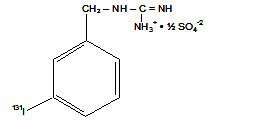
Iobenguane I 131


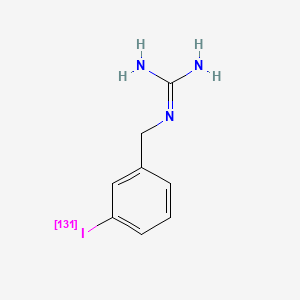
Iobenguane I-131.png

Iobenguane I 131

FDA approves first treatment for rare adrenal tumors

The U.S. Food and Drug Administration today approved Azedra (iobenguane I 131) injection for intravenous use for the treatment of adults and adolescents age 12 and older with rare tumors of the adrenal gland (pheochromocytoma or paraganglioma) that cannot be surgically removed (unresectable), have spread beyond the original tumor site and require systemic anticancer therapy. This is the first FDA-approved drug for this use.
 
 
update………APPROVED  JAPAN 2021, 2021/9/27, Raiatt MIBG-I 131

July 30, 2018

Release

The U.S. Food and Drug Administration today approved Azedra (iobenguane I 131) injection for intravenous use for the treatment of adults and adolescents age 12 and older with rare tumors of the adrenal gland (pheochromocytoma or paraganglioma) that cannot be surgically removed (unresectable), have spread beyond the original tumor site and require systemic anticancer therapy. This is the first FDA-approved drug for this use.

“Many patients with these ultra-rare cancers can be treated with surgery or local therapies, but there are no effective systemic treatments for patients who experience tumor-related symptoms such as high blood pressure,” said Richard Pazdur, M.D., director of the FDA’s Oncology Center of Excellence and acting director of the Office of Hematology and Oncology Products in the FDA’s Center for Drug Evaluation and Research. “Patients will now have an approved therapy that has been shown to decrease the need for blood pressure medication and reduce tumor size in some patients.”

Pheochromocytomas are rare tumors of the adrenal glands. These glands are located right above the kidneys and make hormones including stress hormones called epinephrines and norepinephrines. Pheochromocytomas increase the production of these hormones, leading to hypertension (high blood pressure) and symptoms such as headaches, irritability, sweating, rapid heart rate, nausea, vomiting, weight loss, weakness, chest pain or anxiety. When this type of tumor occurs outside the adrenal gland, it is called a paraganglioma.

The efficacy of Azedra was shown in a single-arm, open-label, clinical trial in 68 patients that measured the number of patients who experienced a 50 percent or greater reduction of all antihypertensive medications lasting for at least six months. This endpoint was supported by the secondary endpoint, overall tumor response measured by traditional imaging criteria. The study met the primary endpoint, with 17 (25 percent) of the 68 evaluable patients experiencing a 50 percent or greater reduction of all antihypertensive medication for at least six months. Overall tumor response was achieved in 15 (22 percent) of the patients studied.

The most common severe side effects reported by patients receiving Azedra in clinical trials included low levels of white blood cells (lymphopenia), abnormally low count of a type of white blood cells (neutropenia), low blood platelet count (thrombocytopenia), fatigue, anemia, increased international normalized ratio (a laboratory test which measures blood clotting), nausea, dizziness, hypertension and vomiting.

As it is a radioactive therapeutic agent, Azedra includes a warning about radiation exposure to patients and family members, which should be minimized while the patient is receiving Azedra. The risk of radiation exposure is greater in pediatric patients. Other warnings and precautions include a risk of lower levels of blood cells (myelosuppression), underactive thyroid, elevations in blood pressure, renal failure or kidney injury and inflammation of lung tissue (pneumonitis). Myelodysplastic syndrome and acute leukemias, which are cancers of the blood and bone marrow, were observed in patients who received Azedra, and the magnitude of this risk will continue to be studied. Azedra can cause harm to a developing fetus; women should be advised of the potential risk to the fetus and to use effective contraception after receiving Azedra. Radiation exposure associated with Azedra may cause infertility in males and females.

The FDA granted this application Fast TrackBreakthrough Therapy and Priority Review designations. Azedra also received Orphan Drug designation, which provides incentives to assist and encourage the development of drugs for rare diseases.

The FDA granted the approval of Azedra to Progenics Pharmaceuticals, Inc.

https://www.fda.gov/NewsEvents/Newsroom/PressAnnouncements/ucm615155.htm?utm_campaign=07302018_PR_treatment%20for%20rare%20adrenal%20tumors&utm_medium=email&utm_source=Eloqua

Iobenguane I-131.png

Iobenguane (131I); Iobenguane I 131; Iobeguane I 131; 3-Iodobenzylguanidine; 131I-MIBG; Azedra

77679-27-7 CAS NUMBER

PATENT US 4584187

Guanidine, [[3-(iodo-131I)phenyl]methyl]-

  • [[3-(Iodo-131I)phenyl]methyl]guanidine
  • 131I-MIBG
  • Azedra
  • Iobenguane (131I)
  • Iobenguane I 131
  • Ultratrace Iobenguane 131I
  • [131I]-m-Iodobenzylguanidine
  • [131I]-m-Iodobenzylguanidine
  • m-Iodobenzylguanidine-131I
  • m-[131I]Iodobenzylguanidine
Molecular Formula: C8H10IN3
Molecular Weight: 279.095 g/mol
 
Image result for Iobenguane I 131Image result for Iobenguane I 131
(I 131-meta-iodobenzylguanidine sulfate)
Iobenguane sulfate; M-Iodobenzylguanidine hemisulfate; MIBG; 87862-25-7; 3-Iodobenzylguanidine hemisulfate; 3-Iodobenzyl-guanidine hemisulfate
Molecular Formula: C16H22I2N6O4S
Molecular Weight: 648.259 g/mol

AdreView
(iobenguane I 123) Injection for Intravenous Use

wdt-16

join me on Linkedin

Anthony Melvin Crasto Ph.D – India | LinkedIn

  •  

join me on Researchgate

RESEARCHGATE

This image has an empty alt attribute; its file name is research.jpg

join me on Facebook

Anthony Melvin Crasto Dr. | Facebook

join me on twitter 

Anthony Melvin Crasto Dr. | twitter

+919321316780 call whatsaapp

EMAIL. amcrasto@gmail.com

SYN

CN 106187824

DESCRIPTION

AdreView (iobenguane I 123 Injection) is a sterile, pyrogen-free radiopharmaceutical for intravenous injection. Each mL contains 0.08 mg iobenguane sulfate, 74 MBq (2 mCi) of I 123 (as iobenguane sulfate I 123) at calibration date and time on the label, 23 mg sodium dihydrogen phosphate dihydrate, 2.8 mg disodium hydrogen phosphate dihydrate and 10.3 mg (1% v/v) benzyl alcohol with a pH of 5.0 – 6.5. Iobenguane sulfate I 123 is also known as I 123 meta-iodobenzlyguanidine sulfate and has the following structural formula:

AdreView (iobenguane I 123) Structural Formula Illustration

Physical Characteristics

Iodine 123 is a cyclotron-produced radionuclide that decays to Te 123 by electron capture and has a physical half-life of 13.2 hours.


Iobenguane I-131 is a guanidine analog with specific affinity for tissues of the sympathetic nervous system and related tumors. The radiolabeled forms are used as antineoplastic agents and radioactive imaging agents. (Merck Index, 12th ed) MIBG serves as a neuron-blocking agent which has a strong affinity for, and retention in, the adrenal medulla and also inhibits ADP-ribosyltransferase.

Iobenguane i-131 is a Radioactive Diagnostic Agent. The mechanism of action of iobenguane i-131 is as a Radiopharmaceutical Activity.

Iobenguane I-131 is an I 131 radioiodinated synthetic analogue of the neurotransmitter norepinephrineIobenguane localizes to adrenergic tissue and, in radioiodinated forms, may be used to image or eradicate tumor cells that take up and metabolize norepinephrine.

Iobenguane, also known as metaiodobenzylguanidine or mIBG, or MIBG (tradename Adreview) is a radiopharmaceutical,[1] used in a scintigraphy method called MIBG scan. Iobenguane is a radiolabeled molecule similar to noradrenaline.

The radioisotope of iodine used for the label can be iodine-123 (for imaging purposes only) or iodine-131 (which must be used when tissue destruction is desired, but is sometimes used for imaging also).


Pheochromocytoma seen as dark sphere in center of the body (it is in the left adrenal gland). Image is by MIBG scintigraphy, with radiation from radioiodine in the MIBG. Two images are seen of the same patient from front and back. Note dark image of the thyroid due to unwanted uptake of iodide radioiodine from breakdown of the pharmaceutical, by the thyroid gland in the neck. Uptake at the side of the head are from the salivary glands. Radioactivity is also seen in the bladder, from normal renal excretion of iodide.

It localizes to adrenergic tissue and thus can be used to identify the location of tumors[2] such as pheochromocytomas and neuroblastomas. With I-131 it can also be used to eradicate tumor cells that take up and metabolize norepinephrine.

Thyroid precautions

Thyroid blockade with (nonradioactive) potassium iodide is indicated for nuclear medicine scintigraphy with iobenguane/mIBG. This competitively inhibits radioiodine uptake, preventing excessive radioiodine levels in the thyroid and minimizing the risk of thyroid ablation ( in the case of I-131). The minimal risk of thyroid carcinogenesis is also reduced as a result.

The FDA-approved dosing of potassium iodide for this purpose are as follows: infants less than 1 month old, 16 mg; children 1 month to 3 years, 32 mg; children 3 years to 18 years, 65 mg; adults 130 mg.[3] However, some sources recommend alternative dosing regimens.[4]

Not all sources are in agreement on the necessary duration of thyroid blockade, although agreement appears to have been reached about the necessity of blockade for both scintigraphic and therapeutic applications of iobenguane. Commercially available iobenguane is labeled with iodine-123, and product labeling recommends administration of potassium iodide 1 hour prior to administration of the radiopharmaceutical for all age groups,[5] while the European Associated of Nuclear Medicine recommends (for iobenguane labeled with either I-131 or I-123,) that potassium iodide administration begin one day prior to radiopharmaceutical administration, and continue until the day following the injection, with the exception of newborns, who do not require potassium iodide doses following radiopharmaceutical injection.[4]

Product labeling for diagnostic iodine-131 iobenguane recommends potassium iodide administration one day before injection and continuing 5 to 7 days following.[6] Iodine-131 iobenguane used for therapeutic purposes requires a different pre-medication duration, beginning 24–48 hours prior to iobenguane injection and continuing 10–15 days following injection.[7]

Alternative imaging modality for pheochromocytoma

The FDOPA PET/CT scan has proven to be nearly 100% sensitive for detection of pheochromocytomas, vs. 90% for MIBG scans.[8][9][10] Centers which offer FDOPA PET/CT, however, are rare.

Clinical trials

Iobenguane I 131 for cancers

Iobenguane I 131 (as Azedra) has had a clinical trial as a treatment for malignant, recurrent or unresectable pheochromocytoma and paraganglioma, and the US FDA has granted it a Priority Review.[11]

 
PATENTS
Patent ID


Title


Submitted Date


Granted Date


US7658910 PREPARATION OF RADIOLABELLED HALOAROMATICS VIA POLYMER-BOUND INTERMEDIATES
2008-04-10
2010-02-09
US2008241063 Combination set of Meta-Iodobenzyl guanidine freezing crystal and making method thereof and method for making a radioactive iodine marker
2007-03-29
2008-10-02
US7273601 Preparation of radiolabelled haloaromatics via polymer-bound intermediates
2003-01-16
2007-09-25
US6461585 Preparation of radiolabelled haloaromatics via polymer-bound intermediates
2002-10-08
US2010274052 PREPARATION OF RADIOLABELLED HALOAROMATICS VIA POLYMER-BOUND INTERMEDIATES
2010-10-28
/////////////// Azedra, iobenguane I 131, fda 2018, Progenics Pharmaceuticals, Fast TrackBreakthrough Therapy,  Priority Review, orphan drug, Iobenguane (131I), Iobenguane I 131, Iobeguane I 131, 3-Iodobenzylguanidine, 131I-MIBG, Azedra
C1=CC(=CC(=C1)I)CN=C(N)N
wdt-4

NEW DRUG APPROVALS

ONE TIME

$10.00

FDA approves first treatment Azedra (iobenguane I 131) for rare adrenal tumors


FDA approves first treatment for rare adrenal tumors

The U.S. Food and Drug Administration today approved Azedra (iobenguane I 131) injection for intravenous use for the treatment of adults and adolescents age 12 and older with rare tumors of the adrenal gland (pheochromocytoma or paraganglioma) that cannot be surgically removed (unresectable), have spread beyond the original tumor site and require systemic anticancer therapy. This is the first FDA-approved drug for this use.

July 30, 2018

Release

The U.S. Food and Drug Administration today approved Azedra (iobenguane I 131) injection for intravenous use for the treatment of adults and adolescents age 12 and older with rare tumors of the adrenal gland (pheochromocytoma or paraganglioma) that cannot be surgically removed (unresectable), have spread beyond the original tumor site and require systemic anticancer therapy. This is the first FDA-approved drug for this use.

“Many patients with these ultra-rare cancers can be treated with surgery or local therapies, but there are no effective systemic treatments for patients who experience tumor-related symptoms such as high blood pressure,” said Richard Pazdur, M.D., director of the FDA’s Oncology Center of Excellence and acting director of the Office of Hematology and Oncology Products in the FDA’s Center for Drug Evaluation and Research. “Patients will now have an approved therapy that has been shown to decrease the need for blood pressure medication and reduce tumor size in some patients.”

Pheochromocytomas are rare tumors of the adrenal glands. These glands are located right above the kidneys and make hormones including stress hormones called epinephrines and norepinephrines. Pheochromocytomas increase the production of these hormones, leading to hypertension (high blood pressure) and symptoms such as headaches, irritability, sweating, rapid heart rate, nausea, vomiting, weight loss, weakness, chest pain or anxiety. When this type of tumor occurs outside the adrenal gland, it is called a paraganglioma.

The efficacy of Azedra was shown in a single-arm, open-label, clinical trial in 68 patients that measured the number of patients who experienced a 50 percent or greater reduction of all antihypertensive medications lasting for at least six months. This endpoint was supported by the secondary endpoint, overall tumor response measured by traditional imaging criteria. The study met the primary endpoint, with 17 (25 percent) of the 68 evaluable patients experiencing a 50 percent or greater reduction of all antihypertensive medication for at least six months. Overall tumor response was achieved in 15 (22 percent) of the patients studied.

The most common severe side effects reported by patients receiving Azedra in clinical trials included low levels of white blood cells (lymphopenia), abnormally low count of a type of white blood cells (neutropenia), low blood platelet count (thrombocytopenia), fatigue, anemia, increased international normalized ratio (a laboratory test which measures blood clotting), nausea, dizziness, hypertension and vomiting.

As it is a radioactive therapeutic agent, Azedra includes a warning about radiation exposure to patients and family members, which should be minimized while the patient is receiving Azedra. The risk of radiation exposure is greater in pediatric patients. Other warnings and precautions include a risk of lower levels of blood cells (myelosuppression), underactive thyroid, elevations in blood pressure, renal failure or kidney injury and inflammation of lung tissue (pneumonitis). Myelodysplastic syndrome and acute leukemias, which are cancers of the blood and bone marrow, were observed in patients who received Azedra, and the magnitude of this risk will continue to be studied. Azedra can cause harm to a developing fetus; women should be advised of the potential risk to the fetus and to use effective contraception after receiving Azedra. Radiation exposure associated with Azedra may cause infertility in males and females.

The FDA granted this application Fast TrackBreakthrough Therapy and Priority Review designations. Azedra also received Orphan Drug designation, which provides incentives to assist and encourage the development of drugs for rare diseases.

The FDA granted the approval of Azedra to Progenics Pharmaceuticals, Inc.

https://www.fda.gov/NewsEvents/Newsroom/PressAnnouncements/ucm615155.htm?utm_campaign=07302018_PR_treatment%20for%20rare%20adrenal%20tumors&utm_medium=email&utm_source=Eloqua

/////////////// Azedra, iobenguane I 131, fda 2018, Progenics Pharmaceuticals, Fast TrackBreakthrough Therapy,  Priority Review, orphan drug,

Fostamatinib, фостаматиниб , وستاماتينيب , 福他替尼 , ホスタマチニブジナトリウム水和物


Fostamatinib.svgChemSpider 2D Image | Fostamatinib | C23H26FN6O9PFostamatinib.png

Fostamatinib

  • Molecular FormulaC23H26FN6O9P
  • Average mass580.459 Da
SQ8A3S5101
TAVALISSE [Trade name]
фостаматиниб [Russian] [INN]
فوستاماتينيب [Arabic] [INN]
福他替尼 [Chinese] [INN]
[6-({5-Fluoro-2-[(3,4,5-trimethoxyphenyl)amino]-4-pyrimidinyl}amino)-2,2-dimethyl-3-oxo-2,3-dihydro-4H-pyrido[3,2-b][1,4]oxazin-4-yl]methyl dihydrogen phosphate[ACD/IUPAC Name]
2H-Pyrido[3,2-b]-1,4-oxazin-3(4H)-one, 6-[[5-fluoro-2-[(3,4,5-trimethoxyphenyl)amino]-4-pyrimidinyl]amino]-2,2-dimethyl-4-[(phosphonooxy)methyl]-[ACD/Index Name]
901119-35-5[RN]
9022
Image result for fostamatinib disodium hexahydrateImage result for fostamatinib disodium hexahydrate

Fostamatinib disodium hexahydrate

ホスタマチニブジナトリウム水和物

INGREDIENT UNII CAS
Fostamatinib disodium 86EEZ49YVB 914295-16-2
Molecular Formula: C23H36FN6Na2O15P
Molecular Weight: 732.52 g/mol

TAVALISSE™
(fostamatinib disodium hexahydrate) Tablets, for Oral Use

DESCRIPTION

Fostamatinib is a tyrosine kinase inhibitor. TAVALISSE is formulated with the disodium hexahydrate salt of fostamatinib, a phosphate prodrug that converts to its pharmacologically active metabolite, R406, in vivo.

The chemical name for fostamatinib disodium hexahydrate is disodium (6-[[5-fluoro-2-(3,4,5trimethoxyanilino) pyrimidin-4-yl]amino]-2,2-dimethyl-3-oxo-pyrido[3,2-b][1,4]oxazin-4-yl)methyl phosphate hexahydrate. The molecular formula is C23H24FN6Na2O9P·6H2O, and the molecular weight is 732.52. The structural formula is:

TAVALISSE™ (fostamatinib disodium hexahydrate) Structural Formula Illustration

Fostamatinib disodium is a white to off-white powder that is practically insoluble in pH 1.2 aqueous buffer, slightly soluble in water, and soluble in methanol.

Each TAVALISSE oral tablet contains 100 mg or 150 mg fostamatinib, equivalent to 126.2 mg or 189.3 mg fostamatinib disodium hexahydrate, respectively.

The inactive ingredients in the tablet core are mannitol, sodium bicarbonate, sodium starch glycolate, povidone, and magnesium stearate. The inactive ingredients in the film coating are polyvinyl alcohol, titanium dioxide, polyethylene glycol 3350, talc, iron oxide yellow, and iron oxide red.

Image result for fostamatinib disodium hexahydrate

Fostamatinib, sold under the brand name Tavalisse, is a medication approved by the U.S. Food and Drug Administration since 2018 for the treatment of chronic immune thrombocytopenia (ITP). The drug is administered orally as a disodium hexahydrate salt, and is a prodrug of the active compound tamatinib (R-406),[1] which is an inhibitor of the enzyme spleen tyrosine kinase (Syk),[2] hence it is an syk inhibitor.

Fostamatinib has been investigated for the treatment and basic science of Rheumatoid Arthritis and Immune Thrombocytopenic Purpura (ITP). It was approved on April 17, 2018 under the trade name Tavalisse for use in ITP [8]. Fostamatinib has also been granted orphan drug status by the FDA [8].

Fostamatinib is indicated for use in the treatment of chronic immune thrombocytopenia (ITP) in patients who have had insufficient response to previous therapy [Label].

Syk is a protein tyrosine kinase associated with various inflammatory cells, including macrophages, which are presumed to be the cells responsible for ITP platelet clearance.[3] When FcγRs I, IIA, and IIIA bind to their ligands, the receptor complex becomes activated and triggers the phosphorylation of the immunoreceptor-activating motifs (ITAMs). This leads to various genes becoming activated, which causes a cytoskeletal rearrangement that mediates phagocytosis in cells of the monocyte/macrophage lineage. Because Syk plays an important role in FcγR-mediated signal transduction and inflammatory propagation, it is considered a good target for the inhibition of various autoimmune conditions, including rheumatoid arthritis and lymphoma.

Clinical trials

Fostamatinib has been in clinical trials for rheumatoid arthritisautoimmune thrombocytopeniaautoimmune hemolytic anemiaIgA nephropathy, and lymphoma.[1][4]

The investigation of fostamatinib began with studies involving the treatment of mouse models with cytopenia. Mice were used to measure the effectiveness of R788, a small molecule prodrug of the biologically active R406, a Syk inhibitor. In animal models, treatment with R406/R788 was shown to be safe and effective in reducing inflammation and joint damage in immune-mediated rheumatoid arthritis. The models responded favorably to treatment so the study progressed to Phase 2 trials involving humans. Human studies have shown that R788 has good oral bioavailability, biologic activity, is well tolerated, and does not exhibit collagen or ADP-induced platelet aggregation. In NCT00706342, 16 adults with chronic ITP were entered into an open-label, single-arm cohort dose-escalation trials beginning with 75 mg and rising to 175 mg twice a day. The dose was increased until a persistent response was evident, toxicity was reached, or 175 mg twice a day was met. 8 patients achieved persistent responses with platelet counts greater than 50,000 mm3/L on more than 67% of their visits. 3 of these patients had not persistently responded to thrombopoietic agents. 4 others had nonsustained responses. Mean peak platelet count exceeded 100,000 mm3/L in these 12 patients. Toxicity was evidenced primarily in GI-related side effects, notable diarrhea, urgency, and vomiting. 2 patients developed transaminitis.[5]

Rheumatoid arthritis

A phase II study of rheumatoid arthritis patients failing to respond to a biologic agent showed little efficacy as compared to placebo, but the drug was well tolerated. In patients with high inflammatory burden, measured by levels of C-reactive proteinACR20 was achieved by a significantly higher portion of those in the fostamatinib group (42%) versus the placebo group (26%).[6]

Autoimmune thrombocytopenia

Immune thrombocytopenic purpura (ITP) is an autoimmune disease where the immune system attacks and destroys platelets in the blood, causing abnormally low platelet counts. It is characterized by the antibody-mediated destruction of platelets. Patients with ITP have accelerated clearance of circulating IgG-coated platelets via Fcγ receptor-bearing macrophages in the spleen and liver, leading to different levels of thrombocytopenia and variable degrees of mucocutaneous bleeding.[7] Recent studies of ITP pathophysiology suggest decreased platelet production may also be an important component of the thrombocytopenia. Many patients exhibit responses to established therapies, including corticosteroids, IV immunoglobulin, anti-D, splenectomy, and rituximab. However, there are a significant minority of patients who retain persistently low platelet counts despite treatment. These patients are consistently at risk of intracranial hemorrhage and other bleeding complications. Several thrombopoiesis-stimulating therapies including eltrombopag and AMG 531 are being investigated to help combat low platelet counts in ITP patients. Rigel reported results from two Phase III clinical trials for fostamatinib as an ITP treatment in August and October 2016. The study is the second Phase 3, multi-center, randomized, double-blind, placebo controlled, study of fostamatinib disodium in the treatment of persistent/chronic immune thrombocytopenic purpura that Rigel has conducted. Primary outcome measures are defined as a stable platelet response by the end of the study (week 24) of at least 50,000/µL on at least 4 of the 6 visits between weeks 14-24. Participants received either a placebo, 100 mg, or 150 mg of the drug in the morning and evening for 24 full weeks. The first study, FIT 1 (047) met the primary endpoint in a statistically significant manner, with 18% of patients hitting the 50,000 platelets/µL of blood and no patients receiving the placebo meeting that criteria. As of June 2016, the open-label, long term extension study (049) is currently tracking 118 patients who opted to receive fostamatinib after completing either study 047 or 048.[8]

Autoimmune hemolytic anemia

Approval for treatment of autoimmune hemolytic anemia (AIHA) is in Stage 1 of Phase II trials. This study is a Phase 2, multi-center, open label, Simon two-stage study to evaluate the safety and efficacy of fostamatinib disodium in the treatment of warm antibody autoimmune hemolytic anemia. Primary outcome measures examined include a hemoglobin response measured by levels higher than 10 g/dL and 2 g/dL higher than the baseline hemoglobin. Responses were studied for a period of 12 weeks and for a dose of 150 mg in the morning and evening. The study began in April 2016 and is estimated to conclude in September 2017. The study is currently recruiting participants from U.S. states including Arizona, California, D.C., Massachusetts, New York, North Carolina, and Texas. Subjects must have had a diagnosis of primary or secondary warm antibody AIHA, and must have failed at least 1 prior treatment regimen for AIHA. Subjects cannot have a platelet count less than 30,000/µL, have AIHA secondary to autoimmune disease, have uncontrolled or poorly controlled hypertension, or have cold antibody AIHA, cold agglutinin syndrome, mixed type AIHA, or paroxysmal cold hemoglobinuria.[9]

Immunoglobulin A nephropathy

Fostamatinib as a treatment for IgA nephropathy (IgAN) is in Phase II trials, which will conclude at the end of 2016. IgAN is a chronic autoimmune disease associated with inflammation in the kidneys that reduces their ability to successfully filter blood. There are currently no disease-targeted therapies for IgAN. Participants are currently being recruited from the US, Austria, Germany, Hong Kong, Taiwan, and the UK. Patients must be between 18 and 70 years old, have renal biopsy findings consistent with IgA nephropathy, have been treated with an Angiotensin Converting Enzyme inhibitor (ACEi) and/or an Angiotensin II Receptor Blocker (ARB) for at least 90 days at the maximum approved dose, have a proteinuria > 1 gm/day at diagnosis of IgA nephropathy and a level > 0.5 gm/day at the second screening visit, and a blood pressure controlled to ≤ 1302/80 with angiotensin blockade. Eligible candidates cannot have recently used cyclophosphamide, mycophenolate mofetil, azathioprine, Rituximab, or > 15 mg/day of prednisone or any other corticosteroid equivalent. The study investigates whether fostamatinib is a safe and effective treatment for IgAN. It is a Phase 2, multi-center, randomized, double-blind, ascending-dose, placebo-controlled clinical study. Primary outcome measures include the mean change in proteinuria as measured by spot urine protein/creatinine ratio (sPCR). Effects were evaluated for 100 mg, 150 mg, and placebo formulations taken twice daily by mouth for 24 weeks. The study began in October 2014 and is expected to complete by June 2017.[10]

Synthesis

PATENTS

https://patents.google.com/patent/WO2008064274A1/en14

Suitable active 2,4-pyrimidinediamine compounds are described, for example, in U.S. application Serial No. 10/355,543 filed January 31 , 2003 (US2004/0029902A1), international application Serial No. PCT/US03/03022 filed January 31, 2003 (WO 03/063794), U.S. application Serial No. 10/631,029 filed July 29, 2003 (US 2005/0028212), international application Serial No. PCT/US03/24087 (WO2004/014382), U.S. application Serial No. 10/903,263 filed July 30, 2004 (US2005/0234049), and international application Serial No.
PCT/US2004/24716 (WO 2005/016893), the disclosures of which are incorporated herein by reference. In such 2,4-pyrimidinediamine compounds, the progroup(s) Rp can be attached to any available primary or secondary amine, including, for example, the N2 nitrogen atom of the 2,4-pyrimidinediamine moiety, the N4 nitrogen atom of the 2,4-pyrimidinediamine moiety, and/or a primary or secondary nitrogen atom included in a substituent on the 2,4-pyrimidinediamine compound. The use of phosphate-containing progroups Rp is especially useful for 2,4-pyrimidinediamine compounds that exhibit poor water solubility under physiological conditions (for example, solubilities of less than about 10 μg/ml). While not intending to be bound by any theory of operation, it is believed that the phosphate-containing progroups aid the solubility of the underlying active 2,4-pyrimidinediamine compound, which in turn increases its bioavailability when administered orally. It is believed that the phosphate progroups Rp are metabolized by phosphatase enzymes found in the digestive tract, permitting uptake of the underlying active drug.

[0024] It has been discovered that the water solubility and oral bioavailability of a particular biologically active 2,4-pyrimidinediamine compound, illustrated below (Compound 1), increased dramatically when formulated to include a progroup Rp of the formula -CH2-O-P(O)(OH)2 at the ring nitrogen atom highlighted with the asterisk (Compound 4):

Compound 4

EXAMPLES

1. Synthesis of Prodrug Compound 4

1.1 N4-(2,2-dimethyl-4-[(di-tert-butyl phosphonoxy)methyl]-3- oxo-5-pyrido[l,4]oxazin-6-yl)-5-fluoro-N2-(3,4,5- trimethoxyphenyl)-2,4-pyrimidinediamine (Compound 3)

4 days

[0260] N4-(2,2-dimethyl-3-oxo-4H-5-pyrido[l,4]oxazin-6-yl)-5-fluoro-N2-(3,4,5-trimethoxyphenyl)-2,4-pyrimidinediamine (1, 1.0 g, 2.12 mmol), Cs2CO3 (1.0 g, 3.07 mmol) and di-tert-butyl chloromethyl phosphate (2, 0.67 g, 2.59 mmol) in acetone (20 mL) was stirred at room temperature under nitrogen atmosphere. Progress of the reaction was monitored by LC/MS. Crude reaction mixture displayed three product peaks with close retention times with M++H 693 (minor-1), 693 (major; 3) and 477 (minor-2) besides starting material (Compound 1). Upon stirring the contents for 4 days (70% consumption), the reaction mixture was concentrated and diluted with water. The resultant pale yellow precipitate formed was collected by filtration and dried. The crude solid was purified by silica gel (pretreated with 10%NEt3/CH2Cl2 followed by eluting with hexanes) column chromatography by gradient elution with 70% EtOAc / hexanes-100% EtOAc). The fractions containing Compound 1 and M++H 693 were collected and concentrated. The resulting crude white solid was subjected to repurifϊcation in the similar manner as described previously but by eluting with 30%-50%-75%-100% EtOAc/hexanes. The major product peak with M++H 693 was collected as a white solid (270 mg, 18%) and was characterized as N4-(2,2-dimethyl-4-[(di-tert-butyl phosphonoxy)methyl]-3-oxo-5-pyrido[l,4]oxazin-6-yl)-5-fluoro-N2-(3,4,5-trimethoxyphenyl)-2,4-pyrimidinediamine (Compound 3). 1H NMR (DMSO-d6): δ 9.21 (s, IH), 9.17 (s, IH), 8.16 (d, IH, J = 2.6 Hz), 7.76 (d, IH, J = 8.5 Hz), 7.44 (d, IH, J = 8.5 Hz), 7.02 (s, 2H), 5.78 (d, IH, J3PH = 6.1 Hz), 3.64 (s, 6H), 3.58 (s, 3H), 1.45 (s, 6H), 1.33 (s, 9H). LCMS: ret. time: 14.70 min.; purity: 95%; MS (m/e): 693 (MH+). 31P NMR (DMSO-d6): -11.36.

1.2. N4-(2,2-dimethyl-4-[(dihydrogen phosphonoxy)methyl]-3- oxo-5-pyrido[l,4]oxazin-6-yl)-5-fluoro-N2-(3,4,5- trimethoxyphenyl)-2,4-pyrimidinediamine (Compound 4)

[0261] Trifluoroacetic acid (1.5 mL) was added dropwise as a neat for 5 min to N4-(2,2-dimethyl-4-[(di-tert-butyl phosphonoxy)methyl]-3-oxo-5-pyrido[l,4]oxazin-6-yl)-5-fluoro-N2-(3,4,5-trimethoxyphenyl)-2,4-pyrimidinediamine (Compound 3, 120 mg, 0.173 mmol ) dissolved in CH2Cl2 (10 mL) at 00C under nitrogen atmosphere. The contents were allowed to stir for 1.5 h. Progress of the reaction mixture was monitored by LC/MS. After complete consumption of the starting material, reaction mixture was concentrated, dried and triturated with ether. The ethereal layer was decanted and dried to provide the crude solid. LC/MS analysis of the crude displayed three peaks with M++H 581, 471 and 501. The peak corresponding to M++H 581 was collected by preparative HPLC chromatographic purification. The fractions were lyophilised and dried to provide 53 mg (52%) of off white fluffy solid and characterized as N4-(2,2-dimethyl-4-[(dihydrogen phosphonoxy)methyl]-3-oxo-5-pyrido[ 1 ,4]oxazin-6-yl)-5-fluoro-N2-(3,4,5-trimethoxyphenyl)-2,4-pyrimidinediamine (Compound 4). 1H NMR (DMSO-d6): δ 9.21 (br s, 2H), 8.16 (d, IH, J = 2.6 Hz), 7.93 (d, IH, J = 8.5 Hz), 7.39 (d, IH, J = 8.5 Hz), 7.05 (s, 2H), 5.79 (d, IH, J3PH = 6.6 Hz), 3.67 (s, 6H), 3.59 (s, 3H), 1.44 (s, 6H). LCMS: ret. time: 8.52 min.; purity: 95%; MS (m/e): 581 (MH+). 31P NMR (DMSO-d6): -2.17.

2. Alternative Synthesis of Prodrug Compound 4
[0262] An alternative method of synthesizing prodrug Compound 4 which alleviates the need for column chromatography and HPLC purification is provided below.

2.1 Synthesis of N4-(2,2-dimethyl-4- [(di-tert-butyl
phosphonoxy)methyl] -3-oxo-5-pyrido [ 1 ,4] oxazin-6-yl)-5- fluoro-N2-(3,4,5-trimethoxyphenyl)-2,4-pyrimidinediamine
(Compound 3)

rt
92% conversion

majoπminor 6.5:1

[0263] N4-(2,2-dimethyl-3-oxo-4H-5-pyrido[l,4]oxazin-6-yl)-5-fluoro-N2-(3,4,5-trimethoxyphenyl)-2,4-pyrimidinediamine (Compound 1, 19.73 g, 41.97 mmol),
Cs2CO3 (15.04 g, 46.16 mmol) and di-tert-butyl chloromethyl phosphate (13.0 g, 50.38 mmol) in DMF (100 mL) was stirred at room temperature under nitrogen atmosphere. Progress of the reaction was monitored by in process LC/MS. Crude reaction mixture displayed two product peaks (ratio 1 :6.5) with close retention times displaying M++H 693 (minor) and 693 (major) besides starting material (Compound 1). Initial yellow reaction mixture turned to olive green as the reaction progressed. Workup was carried out as follows 1). Upon stirring the contents for 30 h (92% consumption), reaction mixture was poured onto ice-water (400 mL) and stirred the contents by adding brine solution (200 mL). Fine yellow tan solid formed was filtered, washed with water and dried overnight.
2). The solid (35 g) was dissolved in MTBE (500 mL) and washed with water (40OmL). Aqueous layer was extracted with MTBE (2 X 350 mL) till the absence of UV on TLC. Combined organic layers were dried over anhydrous Na2SO4 and decanted.
Note: step 2 can be done directly, however, DMF extraction back into solution leads to difficulty in the crystallization step.
3). The dark red clear solution was subjected to 10 g of activated charcoal treatment, heated to boil and filtered.
4). The dark red clear solution was concentrated by normal heating to 400 mL of its volume and left for crystallization. The solid crystallized as granules was filtered, crushed the granules to powder, washed with MTBE (400 mL) and dried under high vacuum. See step 7 for the workup of mother liquor. Weight of the solid: 17 g; purity: 90% (Compound 3), 6.26% (Compound 1), 1.8% (minor M+ 693).
5). At this stage solid was taken in 500 ml of ethyl ether and heated to boil. Cooled and filtered to remove undissolved material. Filtrate was concentrated.
6). Above concentrate was subjected to crystallization in MTBE (300 mL).

The white solid formed was filtered, washed with MTBE (100 mL) and dried under high vacuum to provide the desired N4-(2,2-dimethyl-4-[(di-tert-butyl
phosphonoxy)methyl]-3-oxo-5-pyrido[l,4]oxazin-6-yl)-5-fluoro-N2-(3,4,5-trimethoxyphenyl)-2,4-pyrimidinediamine (Compound 3) in 97% purity. 1H NMR (DMSO-d6): δ 9.21 (s, IH), 9.17 (s, IH), 8.16 (d, IH, J = 2.6 Hz), 7.76 (d, IH, J = 8.5 Hz), 7.44 (d, IH, J = 8.5 Hz), 7.02 (s, 2H), 5.78 (d, IH, J3PH = 6.1 Hz), 3.64 (s, 6H), 3.58 (s, 3H), 1.45 (s, 6H), 1.33 (s, 9H). LCMS: ret. time: 14.70 min.; purity: 95%; MS (m/e): 693 (MH+). 31P NMR (DMSO-d6): -11.36. Weight of the solid: 15.64 g (yield: 55%); purity: 97% (Compound 3), 3% (Compound 1).
7). The mother liquor was concentrated and steps 5 and 6 were repeated to provide Compound 3.

2.2. Synthesis of N4-(2,2-dimethyl-4-[(dihydrogen
phosphonoxy)methyl] -3-oxo-5-pyrido [ 1 ,4] oxazin-6-yl)-5- fluoro-N2-(3,4,5-trimethoxyphenyl)-2,4-pyrimidinediamine
(Compound 4)
[0264] N4-(2,2-dimethyl-4-[(di-tert-butyl phosphonoxy)methyl]-3-oxo-5-pyrido[l,4]oxazin-6-yl)-5-fluoro-N2-(3,4,5-trimethoxyphenyl)-2,4-pyrimidinediamine (Compound 3); (15.0 g, 21.67 mmol) dissolved in AcOH:H20 (225 niL, 4:1) was heated at 65 0C (oil bath temp). The progress of the reaction was monitored by in process LC/MS. The reaction mixture transformed to faint tan white solid after Ih of heating. At this point most of Compound 3 converted to mono des t-butyl product. After 3h of heating, consumption of SM and complete conversion of intermediate (mono des t-butylated) to product was observed.
[0265] Reaction mixture was cooled, poured onto ice-water (200 mL), stirred for 20 min and filtered. The clear white filter cake was washed with water (600 ml) and acetone (200 mL) successively, dried for 2h followed by drying under high vacuum over P2O5 in a desiccator. Weight of the solid: 12.70 g; purity: 97% (Compound 3) and 3% (Compound 1) 1H NMR indicated acetic acid presence (1 :1)
[0266] To remove acetic acid, the solid was taken in acetonitrile (300 mL) and concentrated by rotovap vacuum. This process was repeated 2 times with acetonitrile and toluene (3 X 300 mL). The solid obtained was dried under high vacuum at 50 OC. [0267] Finally, the solid was taken in acetone (400 mL), filtered and dried to provide solid N4-(2,2-dimethyl-4-[(dihydrogen phosphonoxy)methyl]-3-oxo-5-pyrido[l,4]oxazin-6-yl)-5-fluoro-N2-(3,4,5-trimethoxyphenyl)-2,4-pyrimidinediamine (Compound 4). 1H NMR (DMSO-d6): δ 9.21 (br s, 2H), 8.16 (d, IH, J = 2.6 Hz), 7.93 (d, IH, J = 8.5 Hz), 7.39 (d, IH, J = 8.5 Hz), 7.05 (s, 2H), 5.79 (d, IH, J3PH = 6.6 Hz), 3.67 (s, 6H), 3.59 (s, 3H), 1.44 (s, 6H). LCMS: ret. time: 8.52 min.; purity: 95%; MS (m/e): 581 (MH+). 31P NMR (DMSO-d6): -2.17.

3. Synthesis of N4-(2,2-dimethyl-4-[(dihydrogen phosphonoxy)methyl]-3-oxo- 5-pyrido[l,4]oxazin-6-yl)-5-fluoro-N2-(3,4,5-trimethoxyphenyl)-2,4- pyrimidinediamine mono calcium salt (Prodrug Salt 6)

[0268] Aqueous (10 niL) NaHCO3 (0.17 g, 2.02 mmol) solution was added dropwise to a suspension of N4-(2,2-dimethyl-4-[(dihydrogen phosphonoxy)methyl]-3-oxo-5-pyrido[l,4]oxazin-6-yl)-5-fluoro-N2-(3,4,5-trimethoxyphenyl)-2,4-pyrimidinediamine (0.5 g, 0.86 mmol) in water (5 mL) at room temperature while stirring the contents. The clear solution formed was treated with aqueous (10 mL) CaCl2 (0.11 g in 10 mL water, 0.99 mmol) n a dropwise manner at room temperature. The addition resulted in the precipitation of a white solid from reaction mixture. Upon completion of addition, the contents were stirred for a period of 30 min, filtered, washed with water (40 mL) and dried. The clear white solid was taken in water (30 mL) and heated on a stir plate to boil. The solution was cooled, filtered and dried. The white solid collected and further dried under high vacuo at 80 0C for 32 h to provide 0.41 g (83%) of solid N4-(2,2-dimethyl-4-[(dihydrogen phosphonoxy)methyl]-3-oxo-5-pyrido[ 1 ,4]oxazin-6-yl)-5-fluoro-N2-(3,4,5-trimethoxyphenyl)-2,4-pyrimidinediamine mono calcium salt (Prodrug Salt 6).
[0269] Ca(OAc)2 may also used in place Of CaCl2 in this preparation.

4. Synthesis of N4-(2,2-dimethyl-4-[(dihydrogen phosphonoxy)methyl]-3-oxo- 5-pyrido[l,4]oxazin-6-yl)-5-fluoro-N2-(3,4,5-trimethoxyphenyl)-2,4- pyrimidinediamine disodium salt hexahydrate and monosodium salt
hydrate

[0270] A round-bottomed flask was charged with 10.00 g N4-(2,2-dimethyl-4-[(dihydrogen phosphonoxy)methyl]-3-oxo-5-pyrido[ 1 ,4]oxazin-6-yl)-5-fluoro-N2-(3,4,5-trimethoxyphenyl)-2,4-pyrimidinediamine (Compound 4) and 140 mL water into a round bottom flask to form a slurry having a pH between 3.6 and 3.7. The pH was adjusted to in the range of 9.3 to 10.3 by addition of 1 M aqueous NaOH, initially forming a turbid solution, which returned to a suspension upon prolonged stirring. The mixture was heated at reflux, then the turbid solution was hot filtered through filter paper. The solid collected in the filter paper was rinsed with 10 mL hot water.
Isopropanol (75 mL) was added to the filtrate, yielding a clear solution, which was allowed to cool to room temperature over about 1.5 hours with stirring, during which time a solid precipitated. The precipitate was collected by filtration, rinsed with 47 mL isopropanol, and taken up in 73 mL acetone to form a slurry, which was stirred for 1.5 hours at room temperature. The solid was again collected by filtration and rinsed with 18 mL acetone, then dried at about 40 0C under vacuum until substantially all isopropanol and acetone was removed (i.e., below 0.5 wt% each). The product was exposed to air at about 40% relative humidity and room temperature until the water content stabilized at about 15% by Karl Fisher titration, yielding 8.18 g of the title compound. 1H NMR (D2O): δ 7.67 (d, IH, J = 3.8 Hz), 7.49 (d, IH, J = 8.8 Hz), 6.87 (d, IH, J = 8.8 Hz), 6.50 (s, 2H), 5.52 (d, IH, J3PH = 2.0 Hz), 3.53 (s, 3H), 3.47 (s, 6H), 1.32 (s, 6H). 31P NMR (D2O): 2.75. The prodrug salt hydrate was obtained as a pure-white, highly crystalline material. Microscopic investigation indicated that the crystallites are plate-like with a particle size of less than 10 μm. Polarized light microscopy revealed birefringence corroborating the crystalline nature of the hydrate. [0271] The monosodium salt can be prepared from N4-(2,2-dimethyl-4-[(dihydrogen phosphonoxy)methyl]-3-oxo-5-pyrido[l,4]oxazin-6-yl)-5-fiuoro-N2-(3,4,5-trimethoxyphenyl)-2,4-pyrimidinediamine and sodium hydroxide by a proper pH control; pH of 5-5.5 results in predominantly the formation of monosodium salt.

References

  1. Jump up to:a b S.P. McAdoo; F.W.K. Tam (2011). “Fostamatinib Disodium”. Drugs of the Future36 (4): 273–280.
  2. Jump up^ Braselmann, S; Taylor, V; Zhao, H; Wang, S; Sylvain, C; Baluom, M; Qu, K; Herlaar, E; et al. (2006). “R406, an orally available spleen tyrosine kinase inhibitor blocks fc receptor signaling and reduces immune complex-mediated inflammation”. The Journal of Pharmacology and Experimental Therapeutics319 (3): 998–1008. doi:10.1124/jpet.106.109058PMID 16946104.
  3. Jump up^ Linger, Rachel M. A.; Keating, Amy K.; Earp, H. Shelton; Graham, Douglas K. (2008-01-01). “TAM Receptor Tyrosine Kinases: Biologic Functions, Signaling, and Potential Therapeutic Targeting in Human Cancer”Advances in cancer research100: 35–83. doi:10.1016/S0065-230X(08)00002-XISSN 0065-230XPMC 3133732Freely accessiblePMID 18620092.
  4. Jump up^ Morales-Torres, Jorge (2010). “R788 (fostamatinib disodium): a novel approach for the treatment of rheumatoid arthritis”. International Journal of Clinical Rheumatology5 (1): 9–15. doi:10.2217/ijr.09.69.
  5. Jump up^ “Pilot Study of Fostamatinib Disodium/R935788 for the Treatment of Adult Refractory Immune Thrombocytopenic Purpura (ITP) – Full Text View – ClinicalTrials.gov”clinicaltrials.gov. Retrieved 2016-11-19.
  6. Jump up^ “Fostamatinib Shown to Be Safe but Not Effective in Rheumatoid Arthritis Patients Unresponsive to Biologic Agents”. Science Daily. Jan 27, 2011. Retrieved Dec 13, 2012.
  7. Jump up^ Podolanczuk, Anna; Lazarus, Alan H.; Crow, Andrew R.; Grossbard, Elliot; Bussel, James B. (2009-04-02). “Of mice and men: an open-label pilot study for treatment of immune thrombocytopenic purpura by an inhibitor of Syk”Blood113 (14): 3154–3160. doi:10.1182/blood-2008-07-166439ISSN 0006-4971PMID 19096013.
  8. Jump up^ “A Efficacy and Safety Study of Fostamatinib in the Treatment of Persistent/Chronic Immune Thrombocytopenic Purpura (ITP) – Full Text View – ClinicalTrials.gov”clinicaltrials.gov. Retrieved 2016-11-19.
  9. Jump up^ “A Safety and Efficacy Study of R935788 in the Treatment of Warm Antibody Autoimmune Hemolytic Anemia (AIHA) – Full Text View – ClinicalTrials.gov”clinicaltrials.gov. Retrieved 2016-11-19.
  10. Jump up^ “Safety and Efficacy Study of Fostamatinib to Treat Immunoglobin A (IgA) Nephropathy – Full Text View – ClinicalTrials.gov”clinicaltrials.gov. Retrieved 2016-11-19.
Patent ID

Title

Submitted Date

Granted Date

US2009048214 Methods for Treating Renal Tumors Using 2, 4-Pyrimidinediamine Drug and Prodrug Compounds
2009-02-19
US2017291909 Prodrugs of 2, 4-Pyrimidinediamine Compounds and Their Uses
2016-11-23
US8481724 Synthesis of 2, 4-pyrimidinediamines
2012-09-24
2013-07-09
US2017275617 COMPOSITIONS AND METHODS FOR TREATING OR PREVENTING LUPUS
2017-04-26
US9657292 COMPOSITIONS AND METHODS FOR TREATING OR PREVENTING LUPUS
2010-11-24
2014-05-08
Patent ID

Title

Submitted Date

Granted Date

US8476263 Prodrugs of 2, 4-pyrimidinediamine compounds and their uses
2012-05-18
2013-07-02
US8785437 Prodrugs of 2, 4-pyrimidinediamine compounds and their uses
2013-06-04
2014-07-22
US8652492 Wet granulation using a water sequestering agent
2013-01-10
2014-02-18
US8372415 Wet granulation using a water sequestering agent
2012-07-26
2013-02-12
US2009088371 COMBINATION THERAPY WITH SYK KINASE INHIBITOR
2009-04-02
Patent ID

Title

Submitted Date

Granted Date

US9266912 Prodrugs of 2, 4-Pyrimidinediamine Compounds and Their Uses
2014-06-20
2014-12-04
US8691798 Synthesis of 2, 4-pyrimidinediamines
2013-06-07
2014-04-08
US8299242 Synthesis of 2, 4-Pyrimidinediamines
2011-01-06
US9532998 Prodrugs of 2, 4-Pyrimidinediamine Compounds and Their Uses
2016-01-13
2016-05-19
US8951504 (trimethoxyphenylamino) pyrimidinyl formulations
2014-05-29
2015-02-10
Patent ID

Title

Submitted Date

Granted Date

US8263122 WET GRANULATION USING A WATER SEQUESTERING AGENT
2009-05-14
US2017166550 BENZOTHIOPHENE-BASED SELECTIVE ESTROGEN RECEPTOR DOWNREGULATORS
2016-12-09
US2017166551 BENZOTHIOPHENE-BASED SELECTIVE ESTROGEN RECEPTOR DOWNREGULATOR COMPOUNDS
2016-12-09
US9695204 Pharmaceutical Process and Intermediates
2016-06-10
US9388203 Pharmaceutical Process and Intermediates
2014-12-19
2015-06-25
Patent ID

Title

Submitted Date

Granted Date

US2010158905 COMBINATION THERAPY OF ARTHRITIS WITH TRANILAST
2010-06-24
US2009012045 Methods of Treating Cell Proliferative Disorders
2009-01-08
US8227455 Methods of treating cell proliferative disorders
2006-12-07
2012-07-24
US8771648 (Trimethoxyphenylamino) pyrimidinyl formulations
2012-07-27
2014-07-08
US8445485 Prodrugs of 2, 4-pyrimidinediamine compounds and their uses
2012-03-12
2013-05-21
Patent ID

Title

Submitted Date

Granted Date

US2014309233 SYK KINASE INHIBITORS AS TREATMENT FOR MALARIA
2013-12-18
2014-10-16
US8481521 Methods of treating cell proliferative disorders
2012-06-04
2013-07-09
US8211888 Prodrugs of 2, 4-Pyrimidinediamine Compounds and Their Uses
2011-12-29
2012-07-03
US2011301125 Method for Treating Macular Degeneration
2011-12-08
US8530466 Use of 2, 4-Pyrimidinediamines For the Treatment of Atherosclerosis
2011-02-24
Patent ID

Title

Submitted Date

Granted Date

US2017246171 Treatment Of RB-Negative Tumors Using Topoisomerase Inhibitors In Combination With Cyclin Dependent Kinase 4/6 Inhibitors
2017-03-13
US2017135960 AGGREGATING MICROPARTICLES FOR MEDICAL THERAPY
2016-11-11
US9737554 Prodrugs of 2, 4-Pyrimidinediamine Compounds and Their Uses
2016-01-25
US9283238 Prodrugs of 2, 4-Pyrimidinediamine Compounds and Their Uses
2014-11-06
2015-05-14
US9567641 COMBINATION THERAPY FOR THE TREATMENT OF CANCER USING AN ANTI-C-MET ANTIBODY
2014-07-03
2015-01-08
Patent ID

Title

Submitted Date

Granted Date

US8912170 Prodrugs of 2, 4-pyrimidinediamine compounds and their uses
2013-04-12
2014-12-16
US8211889 Prodrugs of 2, 4-pyrimidinediamine compounds and their uses
2012-01-12
2012-07-03
US2011206661 TRIMETHOXYPHENYL INHIBITORS OF TYROSINE KINASE
2011-08-25
US8163902 PRODRUGS OF 2, 4-PYRIMIDINEDIAMINE COMPOUNDS AND THEIR USES
2011-06-16
2012-04-24
US2011015155 Deuterated 2, 4-Pyrimidinediamine Compounds and Prodrugs Thereof and Their Uses
2011-01-20
Fostamatinib
Fostamatinib.svg
Clinical data
Trade names Tavalisse
Synonyms Fostamatinib disodium hexahydrate, tamatinib fosdium, R-788, NSC-745942, R-935788
MedlinePlus a618025
Pregnancy
category
  • US: C (Risk not ruled out)
Routes of
administration
by mouth
Legal status
Legal status
Pharmacokinetic data
Bioavailability 55% (tamatinib metabolite)
Protein binding 98% (tamatinib metabolite)
Metabolism Gut (ALP to tamatinib)
Liver (tamatinib metabolite by CYP3A4UGT1A9)
Elimination half-life 15 hours
Excretion faecal (80%), urine (20%)
Identifiers
CAS Number
PubChem CID
IUPHAR/BPS
DrugBank
ChemSpider
UNII
KEGG
ECHA InfoCard 100.125.771 Edit this at Wikidata
Chemical and physical data
Formula C23H26FN6O9P
Molar mass 580.47 g/mol
3D model (JSmol)

Fostamatinib

structure depiction
    1. FDA Orange Book Patents

      FDA Orange Book Patents: 1 of 14 (FDA Orange Book Patent ID)
      Patent 7989448
      Expiration Jun 12, 2026
      Applicant RIGEL PHARMS INC
      Drug Application
      1. N209299 (Prescription Drug: TAVALISSE. Ingredients: FOSTAMATINIB DISODIUM)
      2. N209299 (Prescription Drug: TAVALISSE. Ingredients: FOSTAMATINIB DISODIUM)
      FDA Orange Book Patents: 2 of 14 (FDA Orange Book Patent ID)
      Patent 8163902
      Expiration Jun 17, 2026
      Applicant RIGEL PHARMS INC
      Drug Application
      1. N209299 (Prescription Drug: TAVALISSE. Ingredients: FOSTAMATINIB DISODIUM)
      2. N209299 (Prescription Drug: TAVALISSE. Ingredients: FOSTAMATINIB DISODIUM)
      FDA Orange Book Patents: 3 of 14 (FDA Orange Book Patent ID)
      Patent 9737554
      Expiration Jan 19, 2026
      Applicant RIGEL PHARMS INC
      Drug Application
      1. N209299 (Prescription Drug: TAVALISSE. Ingredients: FOSTAMATINIB DISODIUM)
      2. N209299 (Prescription Drug: TAVALISSE. Ingredients: FOSTAMATINIB DISODIUM)
      FDA Orange Book Patents: 4 of 14 (FDA Orange Book Patent ID)
      Patent 7449458
      Expiration Sep 4, 2026
      Applicant RIGEL PHARMS INC
      Drug Application
      1. N209299 (Prescription Drug: TAVALISSE. Ingredients: FOSTAMATINIB DISODIUM)
      2. N209299 (Prescription Drug: TAVALISSE. Ingredients: FOSTAMATINIB DISODIUM)
      FDA Orange Book Patents: 5 of 14 (FDA Orange Book Patent ID)
      Patent 8211889
      Expiration Jan 19, 2026
      Applicant RIGEL PHARMS INC
      Drug Application
      1. N209299 (Prescription Drug: TAVALISSE. Ingredients: FOSTAMATINIB DISODIUM)
      2. N209299 (Prescription Drug: TAVALISSE. Ingredients: FOSTAMATINIB DISODIUM)
      FDA Orange Book Patents: 6 of 14 (FDA Orange Book Patent ID)
      Patent 8263122
      Expiration Nov 24, 2030
      Applicant RIGEL PHARMS INC
      Drug Application
      1. N209299 (Prescription Drug: TAVALISSE. Ingredients: FOSTAMATINIB DISODIUM)
      2. N209299 (Prescription Drug: TAVALISSE. Ingredients: FOSTAMATINIB DISODIUM)
      FDA Orange Book Patents: 7 of 14 (FDA Orange Book Patent ID)
      Patent 8445485
      Expiration Jun 17, 2026
      Applicant RIGEL PHARMS INC
      Drug Application
      1. N209299 (Prescription Drug: TAVALISSE. Ingredients: FOSTAMATINIB DISODIUM)
      2. N209299 (Prescription Drug: TAVALISSE. Ingredients: FOSTAMATINIB DISODIUM)
      FDA Orange Book Patents: 8 of 14 (FDA Orange Book Patent ID)
      Patent 8652492
      Expiration Nov 6, 2028
      Applicant RIGEL PHARMS INC
      Drug Application
      1. N209299 (Prescription Drug: TAVALISSE. Ingredients: FOSTAMATINIB DISODIUM)
      2. N209299 (Prescription Drug: TAVALISSE. Ingredients: FOSTAMATINIB DISODIUM)
      FDA Orange Book Patents: 9 of 14 (FDA Orange Book Patent ID)
      Patent 8771648
      Expiration Jul 27, 2032
      Applicant RIGEL PHARMS INC
      Drug Application
      1. N209299 (Prescription Drug: TAVALISSE. Ingredients: FOSTAMATINIB DISODIUM)
      2. N209299 (Prescription Drug: TAVALISSE. Ingredients: FOSTAMATINIB DISODIUM)
      FDA Orange Book Patents: 10 of 14 (FDA Orange Book Patent ID)
      Patent 8912170
      Expiration Jun 17, 2026
      Applicant RIGEL PHARMS INC
      Drug Application
      1. N209299 (Prescription Drug: TAVALISSE. Ingredients: FOSTAMATINIB DISODIUM)
      2. N209299 (Prescription Drug: TAVALISSE. Ingredients: FOSTAMATINIB DISODIUM)
      FDA Orange Book Patents: 11 of 14 (FDA Orange Book Patent ID)
      Patent 8951504
      Expiration Jul 27, 2032
      Applicant RIGEL PHARMS INC
      Drug Application
      1. N209299 (Prescription Drug: TAVALISSE. Ingredients: FOSTAMATINIB DISODIUM)
      2. N209299 (Prescription Drug: TAVALISSE. Ingredients: FOSTAMATINIB DISODIUM)
      FDA Orange Book Patents: 12 of 14 (FDA Orange Book Patent ID)
      Patent 9266912
      Expiration Jan 19, 2026
      Applicant RIGEL PHARMS INC
      Drug Application
      1. N209299 (Prescription Drug: TAVALISSE. Ingredients: FOSTAMATINIB DISODIUM)
      2. N209299 (Prescription Drug: TAVALISSE. Ingredients: FOSTAMATINIB DISODIUM)
      FDA Orange Book Patents: 13 of 14 (FDA Orange Book Patent ID)
      Patent 9283238
      Expiration Jun 17, 2026
      Applicant RIGEL PHARMS INC
      Drug Application
      1. N209299 (Prescription Drug: TAVALISSE. Ingredients: FOSTAMATINIB DISODIUM)
      2. N209299 (Prescription Drug: TAVALISSE. Ingredients: FOSTAMATINIB DISODIUM)
      FDA Orange Book Patents: 14 of 14 (FDA Orange Book Patent ID)
      Patent 7538108
      Expiration Mar 28, 2026
      Applicant RIGEL PHARMS INC
      Drug Application
      1. N209299 (Prescription Drug: TAVALISSE. Ingredients: FOSTAMATINIB DISODIUM)
      2. N209299 (Prescription Drug: TAVALISSE. Ingredients: FOSTAMATINIB DISODIUM)

///////////SQ8A3S5101, TAVALISSE ,  фостаматиниб , وستاماتينيب 福他替尼 , FDA 2018, fostamatinib disodium hexahydrate, fostamatinib , ホスタマチニブジナトリウム水和物

COC1=CC(NC2=NC=C(F)C(NC3=NC4=C(OC(C)(C)C(=O)N4COP(O)(O)=O)C=C3)=N2)=CC(OC)=C1OC