
Home » Posts tagged 'AYURVEDA' (Page 3)
Tag Archives: AYURVEDA
 DRUG APPROVALS BY DR ANTHONY MELVIN CRASTO
.....FOR BLOG HOME CLICK HERE
DRUG APPROVALS BY DR ANTHONY MELVIN CRASTO
.....FOR BLOG HOME CLICK HEREFlag and hits
ORGANIC SPECTROSCOPY

SUBSCRIBE

 Subscribe in a reader
Enter your email address:
Delivered by FeedBurner
Subscribe to New Drug Approvals by Email


Recent Comments
 | shivkr2 on SPSR Excellence Award 2025 – S… |
 | Bonkasaurus on Infigratinib phosphate |
 | PALOVAROTENE | ORGAN… on Palovarotene |
| Pfizer just purchase… on Temanogrel | |
| Pfizer To Cash In On… on Temanogrel |
When Antibiotics Fail, Are Herbs the Answer?


Complex Compounds in Natural Herbs:
Now looking at the rate of adaptation and mutability of bacteria, it is inevitable that they will form resistance to most forms of simplistic human made antibiotic compounds. And when everything fails we will fall back to the old biblical medicinal herbs such as Ginger, Garlic, Black Pepper, Ashwagandha, etc. These herbs not only contain dozens of mild antibiotic compounds, they are also widely available in abundance.
Effective Natural Remedies For Kidney Stones

Effective Natural Remedies For Kidney Stones
==> http://www.rapidhomeremedies.com/remedies-to-cure-kidney-stones.html
Facts & Remedies You Should Know to Prevent and Cure Kidney Stones
If you have been diagnosed with kidney stones, you know how painful it is to live with these stones- big or small- in your kidneys. The acute pain in your left or right flanks going towards the lower abdomen and groin area and even towards your back is something that makes you shudder even if thought about. The feeling of nausea and vomiting along with the burning sensation while you pass urine and also the urgency and frequency of urinating, all these has led you to wish that you get rid of kidney stones as soon as possible.
While most kidney stones are small, it doesn’t mean they are harmless bunnies. One little stone in the urinary tract can make you suffer more than you can imagine.http://www.rapidhomeremedies.com/remedies-to-cure-kidney-stones.html

Onion extract slows colon cancer growth just as effectively as chemo drug

(NaturalNews) Researchers have just discovered that flavonoids extracted from common onions slow the rate of colon cancer growth in mice just as effectively as a chemotherapy drug. And while the mice on chemo saw their LDL cholesterol go up (a possible side effect of the drug), the mice on onion extract actually saw their LDL levels drop.
Onion flavonoids slow colon tumor growth by 67% in vivo
Learn more: http://www.naturalnews.com/044318_onion_extract_colon_cancer_chemotherapy_drug.html##ixzz2wD3udzfF
http://www.naturalnews.com/044318_onion_extract_colon_cancer_chemotherapy_drug.html#

Bhasma : The ancient Indian nanomedicine

Bhasma : The ancient Indian nanomedicine
Dilipkumar pal
Department of Pharmaceutical Sciences, Guru Ghasidash Vishwavidyalya (A Central University), Koni, Bilaspur – 495 009, Chhattisgarh
India
Ayurveda is the science made up of Veda (knowledge) and Ayush (life) i.e. knowledge of life. An Ayurvedic system adopts a holistic approach towards health care by balancing the physical, mental and spiritual functions of the human body. Rasa–Shastra (vedic-chemistry) is one of the parts of Ayurveda, which deals with herbo-mineral/metals/non-metals preparations called Bhasmas. Rasayana (immunomodulation and anti-aging quality) and yogavahi (ability to target drugs to the site) are characteristics of a properly made herbo-mineral/metals/non-metals preparation, which is also nontoxic, gently absorbable, adaptable and digestible in the body
Pal D, Sahu CK, Haldar A. Bhasma : The ancient Indian nanomedicine. J Adv Pharm Technol Res [serial online] 2014 [cited 2014 Feb 26];5:4-12. Available from: http://www.japtr.org/text.asp?2014/5/1/4/126980
Bhasma[1] in Ayurveda has been defined as a substance obtained by calcination.
Use of both bhasma (Residue after incineration – calcined preparation) as well as in pishti (powdered gem or metal) form along with appropriate herbs for treatment of critical ailments is a medicinal preparation in Ayurveda and to some extent Unani (both Indian branches of medical science using natural curative methods. The procedures for preparing these medicines are time-consuming and complicated.
Bhasma is a calcined preparation in which the gem or metal is converted into ash. Gems or metals are purified to remove impurities and treated by triturating and macerating in herbal extracts. The dough so obtained is calcinated to obtain the ashes.[2]^
Bhasma or vibhooti is the sacred ash from the dhuni or fire of a yogi or avadhoota, or from the sacrificial fire or yajna, where special wood, ghee, herbs, grains and other auspicious and purifying items are offered in worship along with mantras. It is believed that bhasma destroys sins (paap), and that it links us with the divine. It is called ‘bhasma’ because it has the power to consume all evils. Any matter, broken up through the process of fire is reduced to its ‘bhasmic’ form, which is infinitely more refined and pure than the original matter, devoid as it is of all impurities niranjan. The grossness of matter obscures the subtle essence inherent within it, just as wood hides fire and milk conceals butter and cheese, but when it is burnt (or churned in the case of milk) only the pure essence remains. Similarly, the great heat of tapasya and the churning of the mind in meditation reveals the underlying subtle spirit or atman.
Vibhuti
In certain circumstances Bhasma, ‘Vibhuti‘ (Sanskrit) and ‘Thiruneeru’ (Tamil) are synonymous.
Bhasmikaran
Bhasmikaran is a process by which a substance which is otherwise bioincompatible is made biocompatible by certain samskaras or processes (Puranik and Dhamankar, 1964e). The objectives of samskara are :- a) elimination of harmful matters from the drug b) modification of undesirable physical properties of the drug c)conversion of some of the characteristics of the drug d) enhancement of the therapeutic action(Puranik and Dhamankar, 1964e). Various steps involved in the preparation of bhasma(or bhasmikaran) are:- 1) Shodhan -Purification, 2) Maran – Powdering, 3) Chalan- Stirring, 4) Dhavan – Washing, 5) Galan- Filtering, 6) Putan- Heating, 7) Mardan- Triturating, 8) Bhavan- Coating with herbal extract, 9) Amrutikaran – Detoxification and 10) Sandharan- Preservation (Puranik and Dhamankar, 1964e). Selection of these steps depends on the specific metal. Sometimes there is an overlapping of the steps e.g. maran is achieved by puttan. Since the present thesis work is on bhasma, Bhasmikaran process is elaborated in details in the following paragraphs.
Steps of bhasmikaran
1. Shodhan: The principle objective of shodhan is to remove unwanted part from the raw material and separate out impurities( Vaiday and Dole 1996b). Metals obtained from ores may contain several impurities, which are removed by subjecting them to Shodhan process. In context of bhasma, shodhan means purifying and making the product suitable for the next step i.e. Maran. Ayurveda classifies shodhan into a) General process and b) Specific process.
General process for shodhan:
- “The sheets of metals are heated till red hot and are successively dipped into liquids like oil, buttermilk, cow’s urine etc. The procedure is repeated seven times”.
b. Specific process for shodhan For some metals a specific process is described for shodhan e.g. for purification of Jasad, the molten mass is poured in cow’s milk 21 times (Shastri K,1979b).
2. Maran : Maran literally means killing. As the name suggests in maran process, a change is brought about in the chemical form or state of the metal. This makes it to lose its metallic characteristics and physical nature. In short, after maran, metal can be converted into powder or other form suitable for administration. To convert various metals into a form appropriate for human consumption, several techniques have been employed which ultimately gave birth to concept: “Bhasma prepared by using Rasa i.e. mercury is the best, whereas the one prepared using herbs are of better quality and those prepared using Gandhak (sulfur) are of inferior quality. Thus there are 3 methods given for maran. It is carried out by heating the metal in presence of 1) mercury 2) plants and 3 ) sulfur.
When various maran procedures for different metals were reviewed, it was found that mercury is mainly used. The unique property of mercury to amalgamate with many metals must have been the reason behind its maximum use in the process of Bhasmikaran. Ancient practitioners might have found it as the most suitable chemical and therefore probably have mentioned that bhasmas using mercury are superior. Plants used in maran process may be serving as catalyst in the process or the minerals in the plants may be forming complexes with the metals. However, no such explanation can be obtained for the use of sulfur.
3. Chalan: Process of stirring during heating the metal is chalan. Stirring is carried out either with iron rod or stick made from a specific plant. As we know today, iron serves as catalyst in many chemical reactions. The phytoconstituents of plant stick may be enhancing the therapeutic effect. For example, stick of Neem is used for chalan process of Jasad bhasma, which is used topically for ophthalmic diseases. We can interpret the significance of this process now. Neem is an antiseptic (Puranik and Dhamankar, 1964h). Zinc is antiseptic, astringent and has ulcer healing property (Block et al., 1982b). These effects of both the constituents may impart the final product better therapeutic activity.
4. Dhavan: In this process, several water washes are given to the product obtained in the previous stage. Perhaps this is to remove the excess amounts of agents used in shodhan or maran stage. Such agents may adversely affect the quality of final product. Hence intermediates are washed with water, thereby water soluble constituents are removed (Puranik and Dhamankar, 1964h).
5. Galan: The product is then sifted either through a fine cloth or through sieves of suitable mesh so as to separate residual material larger in size (Puranik and Dhamankar, 1964h).
6. Puttan: The term puttan means ignition. The general term used for heating in the process of Bhasmikaran is Puta. A special earthen pot, Sharav is generally used for the process. It has two parts, each having a shape of soccer. Sharav is used for direct heating of the material. Its shallowness is useful in heating the material faster and uniformly. After keeping the material on the shallow surface, other part is used as a lid, by placing it in an inverted position. This Puttan process can be looked upon as the key step in manufacturing of bhasma. The classification of putta is primarily done on the basic nature of the process and is as under :- (Puranik and Dhamankar, 1964f) 1)Chandraputta 2) Dhanyarashiputta 3) Suryaputta 4)Bhugarbhaputta 5) Agniptuta.
Toxicity
Modern medical science finds that mercury is inherently toxic, and that its toxicity is not due to the presence of impurities. While mercury does have anti-microbial properties, and formerly waswidely used in Western medicine, its toxicity does not warrant the risk of using it as a health product in most circumstances.[3][4] The Centers for Disease Control and Prevention have also reported a number of cases of lead and mercury poisoning associated with rasa shastra containing Ayurvedic medicines.[5]
Literal and symbolic meaning of bhasma
The Sanskrit word bhasma literally means ‘disintegration’. Bha implies bhartsanam (to destroy), while sma implies smaranam (to remember). Bhasma is thus a reminder to us of the ephemeral nature of life. Also, if we wish to unite with God (or the ‘supreme self’) and remember him constantly, our ego or ‘little self’ has first to be disintegrated or burnt to ashes. Bhasma is a symbol of this process. It is also called raksha because it protects one from all fears. When applied to the forehead before sleep, it is said to keep away spirits or ghosts, whether external or those which manifest from the depths of the mind in the form of nightmares.
Bhasma symbolises the burning of our false identification with the mortal body, and freedom from the limitations of the painfully illusive cycle of birth and death. It also reminds us of the perishable quality of the body, which will one day be reduced to mere ashes. As it says in the Bible, “Ashes to ashes; soul to soul” – the body will return to dust but the soul will continue its journey until it unites with God. All the saints and sages beseech us to remember the ephemeral nature of our earthly existence. In the Rubayyat of Omar Khyyam the poet tells us to, “ . . . make the most of what we yet may spend, before we too into the dust descend, dust into dust, and under dust to lie.” Here he calls for us to seek the eternal, not the temporal. Ash or dust, on the other hand, can be said to represent permanency (or the soul itself), because the ash, just like imperishable truth, does not itself decay. The realised soul is said to rise from the ashes (of the individual self) as the mythical phoenix. The Sufis say, “To reach the goal we have to be burned with the fire of love, so that nothing remains but ashes, and from the ashes will resurrect the new being. Only then can there be real creation!”
The power of bhasma
Bhasma is also called ‘vibhooti’, because it gives spiritual power. The Sanskrit word, vibhooti means ‘glory’, as it gives glory to one who applies it, protection (raksha) from ill health and negative forces, and attracts the higher forces of nature. Another meaning of vibhooti is ‘healing power’, and it is widely used as a medicinal treatment in both Ayurveda and Chinese and Tibetan medicine, which are all ancient and profound systems for the rejuvenation of life. Gold, silver, copper, pearls, mica and other precious stones and metals have curative properties which can quite safely and most effectively be taken into the body after being reduced to ash using great heat.
In Indian villages you will find tantric healers called ojhas who say certain mantras over the ash, which the sick person then applies to the body or eats. These healers can take some earth in their hands, hold it up to the sun, repeat some mantras, and the earth turns into the most beautifully scented ash for curative purposes. Vibhooti is also the name given to siddhis (perfections or psychic powers), as it acts as a vehicle for them. Patanjali’s Yoga Sutras devotes an entire chapter to yogic siddhis. Vibhooti also means ‘dominion’, and is the subtle power lying behind creation, from which all things manifest. From vibhooti or bhasma, anything can be created by a tantric and aghora, because the potential of creation lies within it, and he has penetrated the law and controlled the elements.
Maha Yogi Shiva, father of tantra, is usually depicted naked in sadhana, his whole body covered in bhasma. The first verse of the Shiva Panchakshara Stotram gives the following description: Naagendrahaaraaya trilochanaaya, bhasmaangaraagaaya maheshwaraaya. Nityaaya shuddhaaya digambaraaya – ‘Salutations to the mighty three-eyed Shiva, eternal and pure, wearing the king of snakes as his garland, naked and besmeared with sacred ash.’ Some other names given to Lord Shiva are Bhasmashayaaya (abode of bhasma) and Bhasmabhootaaya (covered with bhasma). Covering the body with ash is considered to be an auspicious act for discovering one’s Shiva nature. Shiva is said to be responsible for mahapralaya, the dissolution of the universe at the end of each kalpa. At this time he dances his tandava nritya, the dance of destruction.
The great tantric siddha Avadhoota Dattatreya was referred to as Bhasma Nishta – one who loves bhasma. Bhasma is generally applied on the forehead, while many sadhus also apply it on the arms, chest and stomach. Some ascetics, especially nagas (naked ascetics) rub it all over the body. While applying it, many devotees also consume a pinch. Shaivites use only bhasma from cremated bodies, which is believed to be very powerful. Bhasma has the power of fire. Agni, the inner fire, scorches and reduces all impurities in the body. It is said that one who smears ash on the body is purified as if bathed in fire. This is known as ‘the bath of fire’. After smearing the body with ash, one should reflect on and realise the highest truth.
Tripundra
Sannyasins wear three lines of bhasma on the forehead. These three lines (tripundra), with a red dot of kumkum underneath, between the eyebrows, symbolise Shiva-Shakti (the unity of energy and matter that creates the entire seen and unseen universe). The lower line represents tamoguna (the state of inertia and darkness), the middle line represents rajas (activity and dynamism) and the top line represents sattwa (balance and illumination). The red dot or tika represents the power of shakti through sadhana, which can take the sadhaka beyond the three gunas or qualities to the state of turiya, the fourth dimension of existence. This is the state of trigunatita – beyond the three gunas.
Swami Niranjanananda says, “The three stripes represent the tradition of the paramahamsas. Jignasus are one stripe sannyasins, representing the drive and motivation to overcome the tamasic tendency. Karma sannyasins are given two stripes, representing their drive to overcome the rajasic along with the tamasic tendencies. Poorna sannyasins are given three stripes, which represent their motivation to transcend the three gunas and attain inner sublimation. The red dot represents the spiritual power or energy that gives us the strength to control the three gunas. It is the awakening of that shakti which is the real aim of sannyasa.”
Bhasma and tattwa shuddhi
Consciousness manifests as energy, which then condenses into matter. In the tantric practice of tattwa shuddhi, in order to experience consciousness free from matter, we reverse the process of evolution back through more and more subtle dimensions to its original cause. Bhasma is an integral part of tattwa shuddhi sadhana, as a symbol of purification on the physical, subtle and causal realms of consciousness. The process of disintegration undergone in tattwa shuddhi is the breaking down of conscious awareness. Just as we reduce matter to its bhasmic form, the ‘fire’ of this practice leads us to the realisation of our essential essence. The stages of pratyahara (sense withdrawal) and dharana (concentration) take us through the more subtle states of consciousness, culminating in samadhi, the ultimate experience or ‘Shiva consciousness’. The journey is from gross matter to pure consciousness.
At the end of the practice of tattwa shuddhi, bhasma is applied to the forehead with the repetition of mantras. It is taken on the middle and ring fingers and wiped slowly on the forehead from left to right, repeating the mantra Om Hraum Namah Shivaya. Sannyasins use the index, middle and ring fingers, and repeat the mantra Om Hamsa. The bhasma used in tattwa shuddhi is prepared from gobar or cow dung. The word gobar literally means ‘gift from the cow’; it is also known as go-maya. The cow is a pure and sacred animal, full of auspicious qualities. It is even said to contain all the devas and devatas within it. Not only does gobar have mystical qualities, but it also contains useful hormones with germicidal properties. The word go also means ‘senses’. So bhasma is also symbolic of the disintegration of the senses which keep us trapped and bound in the gross material world. The transformation of gobar to bhasma is parallel to the transformation from the material world to cosmic consciousness that we find in tattwa shuddhi.
Panchagni bhasma
During the Sat Chandi Mahayajna, and on other auspicious occasions at Rikhia Dham, devotees receive the precious prasadam of panchagni bhasma. This is much prized by sadhakas, because as it has the power of Swami Satyananda’s sadhana behind it, it quickly helps to raise the consciousness at the time of mantra japa and other sadhana when applied to the forehead. Just keeping it in the pooja room is auspicious. This bhasma given is from the Maha Kaal Chita Dhuni, where the previously fierce fires of Sri Swamiji’s panchagni tapasya now lie smouldering quietly under ashes in their shanta roopa or peaceful form. Dhuni is the yogi’s fire, which is the witness or sakshi to his sadhana. It is also where he cooks, takes warmth, and chants the name of God. (Maha means ‘great’, kaal is ‘time’ and chita is ‘consciousness’).
This akhanda dhuni, eternal fire, has been burning in Sri Swamiji’s pooja area ever since he first came to Rikhia in 1989 and devotees come daily for its darshan. It was the centre and support of his life during his austerity, and is the very heart of the Rikhia Ashram (next to Sri Swamiji himself). Although Sri Swamiji no longer goes to this area, the fire is still tended daily. The ashes are moved to the side and the burning embers taken out. Balls of dried cow dung mixed with purifying herbs (vanaspati) are then placed inside along with fresh wood. The embers are then replaced, and the whole area is covered over once more with the ashes. From time to time the ash is removed, carefully sieved through fine cloth, and given as prasadam (that which has been blessed by a divine power.
For the panchagni sadhana itself, Sri Swamiji prepared his own bhasma to protect his body from the great heat, according to the formula prescribed in the Devi Bhagavat Purana. This special bhasma is called mahabhasma and is made from pure cow dung cakes, reeds and ghee. It is treated eleven times with many herbs, honey and other ingredients, being re-burnt each time. Bhasma is smeared on the body only during the first few days of the panchagni sadhana, and is applied in the morning. Sri Swamiji’s dog-cum-companion Bholenath, in whom he manifested the spirit of Bhairava, also took part in the tapasya. “Alsatian dogs can’t bear the heat,” commented Sri Swamiji. “I would put bhasma on him in the morning and he would sit with me.”
Tantric siddhas like Maha Yogi Shiva, Avadhoota Dattatreya and Sri Swamiji are extremely rare beings, and a gift to us beyond our understanding. They belong to a great tradition and leave behind for us a great spiritual legacy. The parampara, the line of avadhootas (those who have become immortal), continues, just as the Mahakaal Chita Dhuni continues to smoulder, unseen beneath the symbol of their glory, their bhasma – the sacred ash.
Abhrak Bhasma
Strengthens body, ligaments & Saptadhatu, effective in raktapitta, vat diseases and joint pain. Relieves problems related to chronic hyperacidity like stomache, headache etc.

Details
The Indian ayurved philosophy is founded on three basic classifications of human body known as doshasand its well-being:
Vat – related to the central nervous system and gastric tract,
Pitta –digestion and metabolism, governs movement of heat in the body and
Kapha – concerned with structure, stability and fluid balance in the body.
Indian herbal medicines are designed for the specific maintenance of these respective doshas or the aspects of the human body.
Abhrak Bhasma or Sahastraputi is an ancient Indian ayurvedic medicine which is trusted worldwide for healing Vat related issues of the human body. It is also found extremely effective for treating heart related issues.
Abhrak is known to have a high penetrative property which spreads in the body at a faster rate and impacts micro tissues quickly.That is why this herbal medicine is supremely effective in cell regeneration. When used as an alterative, it strengthens ligaments. It is known for rapidly increasing the production of T-cell phagocytes, antibacterial components, which are responsible for a strong immune system.
Kesar Herbals has been in the ayurvedic medicine manufacturing business for about 25 years. This company is one of the foremost and trusted ayurvedic medicine suppliers in India.The concept was let entire mankind benefit from the ancient herbal wealth of India.
Composition:
Purified Mica, Magnesium, Iron, Potassium, Calcium and Aluminium.
Major Benefits of Abhrak Bhasma
- It finds its application in curing diseases like Hepatitis, Tuberculosis, Asthma and Plague.
- Abhrak Bhasma is also recommended for breathlessness due to chronic Bronchitis, Asthma, and even Chest Congestion. When taken in the initial stage of TB, it can completely cure it.
- It is beneficial to all the seven dhatus (energy elements) in the body.
- It rejuvenates the human mind.
- It improves blood circulation, improves the general tone of tissues and conductivity.
- It cures erectile dysfunction and impotency in men.
- Abhrak is hematinic, which means increases the count of red blood cells. This also increases oxygen carrying ability of the cells.
- It helps in curing jaundice and anemia.
- It restores damaged tissues and maintains their health.
- It is highly effective in cases of bone marrow depletion and hepatic dysfunction.
- It is effective in curing respiratory tract infections.
- It is beneficial for curing Bells Palsy and dysentery.
- It is beneficial in curing anemia, pernicious and azoospermia.
- Also, helps in controlling many types of veneral diseases like EBV, HIV, Lupus bronchitis and pneumonia.
- It cures breast cancer.
- It is also known to cure chronic hyperacidity like stomach-ache and vomiting with blood.
Suvarna Bhasma
Boosts immunity, Acts as a nervine tonic , Indicated in old age debility, urinal disorders, anemia, Shwas, Helps to improve complexion, Kas & chronic fever etc.

Details
Swarna Bhasma is an ancient Indian ayurvedic medicine that enjoys wide popularity and application.Gold has been accepted as most useful ingredient in Indian ayurvedic medicine system. SwarnaBhasma is used for the effective treatment of Gonorrhoea and Syphilis.
Fortified with potent ayurvedic herbs it is effective for maintaining a healthy life-style and relieves stress.Bhasma denotes the metal based medicine prepared from metals after scientific process to harness the hidden richness of raw metals for therapeutic effects. Swarna Bhasmaor Gold Ash is a therapeutic form of gold metal of nano-sized particles that is one of the most treasured ayurvedic medicines in the world.
It has multi-purpose ayurvedic medicine: it can be used as an antacid, haematinic, and alterative. It is highly effective as a cardiac tonic, maintaining the vitality of the human heart. It is a general vitality booster.
Kesar Herbals firmly believes in the power of nature in healing various ailments. Ayurvedic medicines from India are a gift from nature itself, without any side-effects, and hence they are trusted world-wide.Through scientific processes, nature’s best healing powers from herbs are obtained and used for medicinal purposes, helping million people worldwide. Kesar Herbals is involved in consulting, manufacturing and supplying FDA approved ayurvedic medicines for over three decades.
Major Benefits of Swarna Bhasma
- Swarna Bhasma improves resistance power in human body.
- It is responsible for boosting immunity and strengthening the human body.
- It can be used on a regular basis as an alterative and acts as a nerve tonic.
- Swarna Bhasma is excellent in treating Anemia, and chronic fever.
- Due to its gold base, it is helpful in improving complexion.
- Swarna Bhasma eradicates all chronic disorders, when used consistently.
- It is indicated in chronic fever, cough, Asthma, urinary disorders, sleeplessness and weak digestion.
- It strengthens weak muscles, debilities associated with old-age.
- It is excellent for treating Tuberculosis.
- It increases sexual power.
- Swarna Bhasma slows down the process of degeneration of tissues thus helps to prevent premature ageing.
- It helps prevent symptoms of ageing like wrinkles, dullness of skin, dark circles around the eyes, debility, fatigue, etc.
- Swarna Bhasma strengthens tissues and ligaments of the human body.
- It is highly effective in maintaining vigor, vitality and stamina.
Hirak Bhasma
effective against immunity disorders, Bone marrow depression and arthritis, increases stamina, vitality and strength
Ayurvedic medicinal science has been at the forefront of solving most diseases and disorders of the human body because of the purity of its ingredients- this forms the core of the ancient Indian healing system. Ayurvedic medicines and herbal products are effective because of the composition or the formulation of herbs. One such effective ayurvedic medicine is the Hirak Bhasma, which contains diamond ash.
According to Ayurveda, diamond ash is very useful in cancers, immunity disorders, Crippling Rheumatoid arthritis, and even bone marrow depression. Hirak Bhasma is known for toning heart muscles and avoiding cardiovascular syndromes and diseases. It is highly effective as a tonic and alterative, which means, it can be used regularly to strengthen immunity, aid stamina and overall vitality or the functionality of the human body.
Hirak Bhasma is made with diamond- the most precious as well as the hardest gemstone known to mankind. In its healing formulation, diamond is known since ages to make the human body stronger. It is also known for sharpening the human mind by strengthening memory power.
The effectiveness of ayurvedic medicines depends on the company. So be careful in selecting the brand for these medicines and products. Kesar Herbals has been in the ayurvedic consulting space and even manufacturing and supplying of ayurvedic medicines and herbal products for over 25 years. The trust and good will it represents in the field of Ayurveda is affirmed by its customers the world over. It is important to ascertain the brand equity of the company before purchasing these medicines.
Composition:
Hirak Bhasma (diamond ash), Kumari Rasa (Aloe Vera Juice), Gulab Jala (Rose Water), Sunthi Kwath (Dry Ginger Dicoction)
Benefits:
- Hirak Bhasma is known the world over to make the human body stronger and the mind sharper.
- It is also recommended for the well-being of the human heart.
- It helps in toning the muscles of the heart.
- Its regular consumption as a tonic or an alterative, under medical prescription or supervision is known for toning the heart muscles.
- Hirak Bhasma also increases stamina, vitality and strength.
- It is highly effective against immunity disorders.
- It is known for curing Crippling Rheumatoid
- It is effective against Bone marrow depression and arthritis.
- Hirak Bhasma is also known to cure one of the most dangerous and lethal diseases known to mankind: cancer. When used in the initial stages, under medical supervision, it can cure cancerous cells.
- Ayurvedic formulary of India , 1978a
- Major Herbs of Ayurveda, Elizabeth M. Williamson. ISBN 0-443-07203-5
- http://www.atsdr.cdc.gov/toxprofiles/tp46.html
- http://toxnet.nlm.nih.gov/cgi-bin/sis/search/f?./temp/~jcaJ1Z:2
- CDC Morbidity and Mortality Weekly Report: Lead Poisoning Associated with Ayurvedic Medications — Five States, 2000–2003
Garden Cress Extract Kills 97% of Breast Cancer Cells in Vitro

Garden Cress Extract Kills 97% of Breast Cancer Cells in Vitro: Garden cress, like broccoli, is a cruciferous-family vegetable but is unique because it contains very high amounts of BITC (benzyl isothiocyanate) which has emerged as a powerful anti-cancer compound. In this study, BITC was seen to kill 97% of ER- breastcancer cells (MDA-MB-231) after 24 hours of treatment. For comparison, the same dose of sulforaphane from broccoli killed only 75% of the cancer cells.

In other research, BITC has been found to slow the rate of breast cancer metastasizing by 86% and when given to mice, resulted in breast tumors 53% smaller than in untreated mice. BITC is now being intensively studied for a variety of cancers and has been shown in lab studies to be active against melanoma, glioma, prostate cancer, lung cancer, ovarian cancer, pancreatic cancer and others. Garden cress is one of the best sources of BITC. Other good sources include cabbage, Indian cress, Japanese radish (in particular Karami daikon) and, quite surprisingly, papaya seeds. As with othercruciferous vegetables, the best way to eat cress is raw in order to maximize the delivery of BITC.
http://www.ncbi.nlm.nih.gov/pubmed/17121941
http://extension.usu.edu/files/publications/publication/HG_Garden_2006-05.pdf
and
http://nopr.niscair.res.in/bitstream/123456789/12732/1/IJNPR%202(3)%20292-297.pdf
BITC

Botanical name: Lepidium sativum L.
Family: Brassicaceae = Cruciferae
Common names. English: cress, common cress, garden cress, land cress, pepper cress; Spanish: mastuerzo, mastuerzo hortense, lepidio, berro de jardín (Spain), berro de sierra, berro hortense (Argentina), escobilla (Costa Rica); Catalan: morritort, morrisà, Portuguese and Galician: masturco, mastruco, agrião-mouro, herba do esforzo; Portuguese: mastruco do Sul, agrião (Brazil); Basque: buminka, beatzecrexu
Synonyms/Common Names/Related Substances:
- Alpha-linolenic acid (ALA), agrião (Portuguese), agrião-mouro (Portuguese, Galician), beatzecrexu (Basque), berro de jardín (Spanish), berro de tierra (Spanish), berro hortense (Spanish), benzyl isothiocyanate (BITC), Brassicaceae (family), bran, buminka (Basque), common cress, cress, docosahexaenoic acid (DHA), eicosapentaenoic acid (EPA), escobilla (Spanish), endosperm, fiber, garden cress seed oil (GCO), garden pepper grass, glucosinolates, glutamic acid, herba do esforzo (Portuguese, Galician), hurf (Arabic), indoles, isothiocyanates, kardamon (Greek), land cress, linoleic acid (LA), lectin, lepidio (Spanish), Lepidium sativium, Lepidium sativum, leucine, mastruco (Portuguese, Galician), mastruco do sul (Portuguese), mastuerzo (Spanish), mastuerzo hortense (Spanish), methanol, morrisá (Catalan), morritort (Catalan), nasturtium (Latin), nasum torcere (Latin), omega-3 fatty acid, pepper cress, pepper grass, pepperwort, sulforaphane, tuffa’ (Arabic), turehtezuk (Persian), water cress, whole meal.
- Combination product example: SulforaWhite (a liposomal preparation that contains Lepidium sativum sprout extract, glycerin, lecithin, phenoxyethanol, and water).
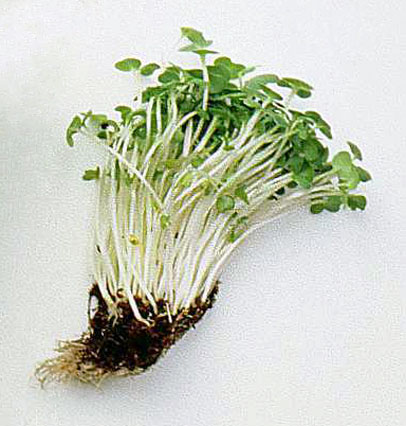
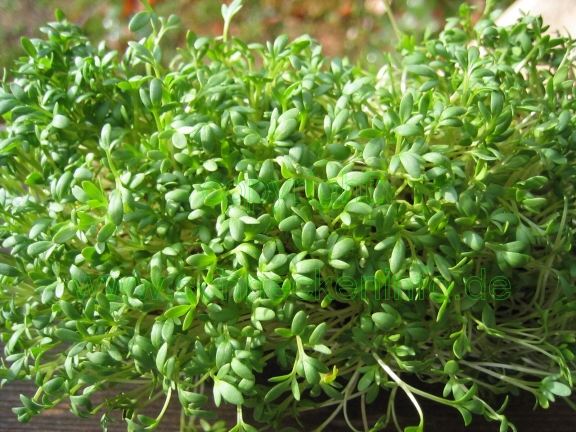
Garden cress [commonly known as aliv in Marathi or halim in Hindi] is a green, cool-season perennial plant used as a leafy vegetable, typically used as a garnish. Undisturbed, the plant can grow to a height of two feet with minimal maintenance. When mature, garden cress produces white or light-pink flowers, and small seed pods. It has long leaves at the bottom of the stem and small, bright-green, feather-like leaves arranged on opposite sides of its stalks at the top.
Garden Cress, also called Pepper Wort, is an herb that is botanically known as Lepidium Sativum. It is referred to as ‘Aliv’ in Marathi and ‘Halim’ in Hindi. Belonging to the family Cruciferae, it is grown in all parts of India and is often used in the Indian cuisine. The leaves, roots, as well as seeds of this plant are used in cooking as they are extremely nutritious and also therapeutic in nature. The flowers of this plant are either white or light-pink in color.
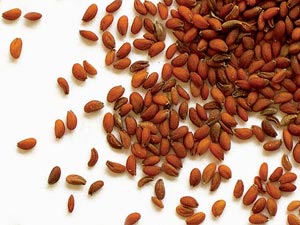
This herb is the best source of iron and is hence recommended in the treatment of iron-deficiency anemia. It is also rich in folate, calcium, ascorbic acid, tocopherol, and beta-carotene. Garden Cress seeds are loaded with not just protein, but also linoleic and arachidic fatty acids. Since they contain phytochemicals that mimic estrogen to some extent, intake of these seeds is known to regulate menstruation and stimulate milk production in lactating mothers. That is precisely why women are given foods containing Garden Cress following childbirth.
The blood-purifying as well as antioxidant properties of this amazing plant are well documented. Hence, its regular consumption can greatly help to boost one’s immunity and prevent a gamut of diseases. It acts as a general tonic and can also help to increase the libido naturally. Since the testae of these seeds contain mucilage, they are invaluable in the management of both dysentery and constipation. The whole plant, along with its seeds, is said to be good for the eyes too. Hence, it is advisable to add it raw to salads, sandwiches, and chutneys, or to simply use it as a garnish along with coriander leaves for any food item.
Pregnant women should avoid taking Garden Cress in any form because it has the ability to induce uterine contractions and thereby trigger a spontaneous abortion. Also, since it is goitrogenic in nature, it may not be suitable for patients suffering from hypothyroidism. The oil derived from Garden Cress seeds is edible and can therefore be used as a cooking medium; however, some people may experience symptoms of indigestion due to its use. Such individuals should discontinue using this oil or mix it with some other edible oil, so as to dilute it and reduce its adverse effects.
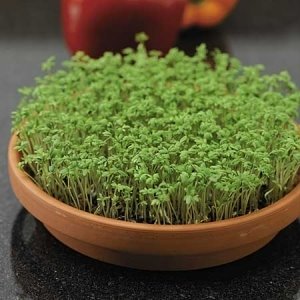
Cress (Lepidium sativum), sometimes referred to as garden cress to distinguish it from similar plants also referred to as cress, is a rather fast-growing, edible herb. Garden cress is genetically related to watercress and mustard, sharing their peppery, tangy flavor and aroma. In some regions, garden cress is known as mustard and cress, garden pepper cress, pepperwort pepper grass, or poor man’s pepper.[1][2]
This annual plant can reach a height of 60 cm (~24 inches), with many branches on the upper part. The white to pinkish flowers are only 2 mm (1/12 of an inch) across, clustered in branched racemes.[3][4]
Origin of the name
Cultivation of this species, which is native to Southwest Asia (perhaps Persia) and which spread many centuries ago to western Europe, is very old, as is shown by the philological trace of its names in different Indo-European languages. These include the Persian word turehtezuk, the Greek kardamon, the Latin nasturtium and Arabic tuffa’ and hurf. In some languages there is a degree of confusion with watercress. It seems that the meaning of the word nasturtium (nasum torcere, because its smell causes the nose to turn up) must have been applied initially to garden cress, as both Pliny and Isidoro de Sevilla explain. The confusion remains with the terms used by the Hispano-Arabs. The word hurf is applied without distinction to watercress and garden cress (several species certainly of up to three different genera: Nasturtium, Lepidium and Cardaria). Thus the medieval agronomists of Andalusia went as far as differentiating between several hurf, such as hurf abyad, hurf babili, hurf madani….
Garden cress in agriculture
Garden cress is commercially grown in England, France, the Netherlands and Scandinavia.[5]
Cultivation of garden cress is practical on both mass scales and on the individual scale. Garden cress is suitable for hydroponic cultivation and thrives in slightly alkaline water. In many local markets, the demand for hydroponically grown cress can exceed available supply, partially because cress leaves are not suitable for distribution in dried form, so can be only partially preserved. Consumers commonly acquire cress as seeds or (in Europe) from markets as boxes of young live shoots.[5]
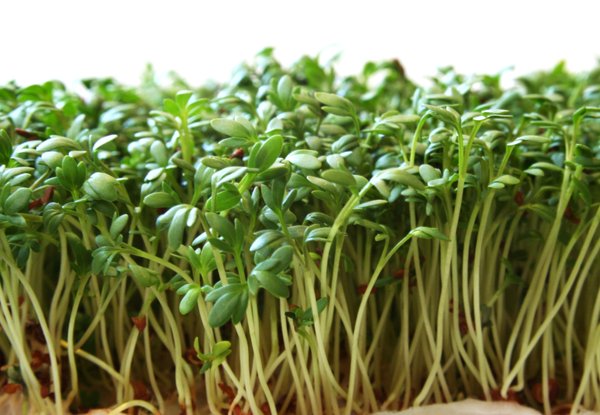
Edible shoots are typically harvested in one to two weeks after planting, when they are 5–13 cm (2 – 5 inches) tall.[6]
Properties, uses and cultivation
Xenophon (400 BC) mentions that the Persians used to eat this plant even before bread was known. It was also familiar to the Egyptians and was very much appreciated by the Greeks and Romans, who were very fond of banquets rich in spices and spicy salads. Columela (first century) makes direct reference to the cultivation of garden cress. In Los doce libros de Agricultura, he writes: ” …immediately after the calends of January, garden cress is sown out… when you have transplanted it before the calends of March, you will be able to harvest it like chives, but less often… it must not be cut after the calends of November because it dies from frosts, but can resist for two years if it is hoed and manured carefully… there are also many sites where it lives for up to ten years” (Book XI). The latter statements seem to indicate that he is also speaking of the perennial species L. Iatifolium, as L. sativum is an annual.
Almost all of the Andalusian agronomists of the Middle Ages (Ibn Hayyay, Ibn Wafid, Ibn al-Baytar, Ibn Luyun, Ibn al-Awwam) and many of the doctors, such as Maimonides, mention garden cress. Ibn al-Awwam also includes references from Abu al-Jair, Abu Abdalah as well as from Nabataean agriculture and, among other comments, he says: “Garden cress is sown between February and April (in January in Seville). It has small seeds which are mixed with earth for sowing to prevent the wind carrying them away…. It is harvested in May and is grown between ridges, in combination/conjunction with flax cultivation.”
Many of the authors of the old oriental and Mediterranean cultures emphasized the medicinal properties of cress, especially as an antiscorbutic, depurative and stimulant. Columela notes its vermifugal powers. Ibn al-Awwam refers to certain apparently antihistaminic properties, since it was used against insect bites and also as an insect repellent, in the form of a fumigant. It was perhaps Ibn al-Baytar, an Andalusian botanist (eighth century), who collected most information on its properties, summarizing the opinions of other authors such as El Farcy, who says that it incites coitus and stimulates the appetite; Ibn Massa, according to whom it dissipates colic and gets rid of tapeworms and other intestinal worms; or Ibn Massouih, who mentions that it eliminates viscous humours. Ibn al-Baytar also says that it is administered against leprosy, is useful for renal “cooling” and that, if hair is washed with garden cress water, it is “purified” and any loss is arrested.
In Iran and Morocco, the seeds are used as an aphrodisiac. In former Abyssinia, an edible oil was obtained from the seeds. In Eritrea, it was used as a dyestuff plant. Some Arab scholars have attributed garden cress’s reputation among Muslims to the fact that it was directly recommended by the Prophet.
Garden cress’s main use was always as an aromatic and slightly pungent plant. Not only in antiquity but also in the Middle Ages it enjoyed considerable prestige on royal tables. The young leaves were used for salads. The ancient Spartans ate them with bread. This use still continues and they are also eaten with bread and butter or with bread to which lemon, vinegar or sugar is added. However, it is mainly used nowadays in the seedling stage, the succulent hypocotyls being added to salads and as a garnish and decoration for dishes.
The roots, seeds and leaves have been used as a spicy condiment. Columela explains how oxygala, a type of curd cheese with herbs, was prepared: “Some people, after collecting cultivated or even wild garden cress, dry it in the shade and then, after removing the stem, add its leaves to brine, squeezing them and placing them in milk without any other seasoning, and adding the amount of salt they consider sufficient…. Others mix fresh leaves of cultivated cress with sweetened milk in a pot…”.
L. Iatifolium L. stands out for its horticultural interest; although it grows spontaneously on the edges of rivers and lakes, it is also occasionally grown in the same way as L. sativum. Its young leaves can be used for salads; the ancient Greeks and Romans used to grow it for this purpose. Its leaves and seeds were also used as a spicy condiment. Several sauces are prepared with its leaves, including in particular the bitter sauce of the paschal lamb of the Jews. The seeds of this species were known in England as the poor people’s pepper. The roots have been used on occasion as a substitute for radish.
In the fifteenth century, we know through Alonso de Herrera that garden cress was one of the vegetables most widely eaten in Castile. During the sixteenth century, obstinate attempts were made to introduce it into America. Right up to the beginning of the nineteenth century, its cultivation in Spain continued to be important, since Boutelou and Boutelou (1801) deal specifically with this crop in their Tratado de la huerta, commenting on the existence of several cultivars. At present, the cultivation of cress is very occasional in countries such as Spain and France. Water cress, in competition with garden cress, has eclipsed the cultivation of the latter. However, this is not the case in other central European countries or the United Kingdom, where its use is normal and the system of cultivation has changed substantially.
Botanical description
Cress is an annual, erect herbaceous plant, growing up to 50 cm. The basal leaves have long petioles and are lyrate-pinnatipartite; the caulinar leaves are laciniate-pinnate while the upper leaves are entire. The inflorescences are in dense racemes. The flowers have white or slightly pink petals, measuring 2 mm. The siliquae measure 5 to 6 x 4 mm, are elliptical, elate from the upper half, and glabrous. Cress flowers in the wild state between March and June.
It is an allogamous plant with self-compatible and self-incompatible forms and with various degrees of tolerance to prolonged autogamy. There are diploid forms, 2n = 2x = 16, and tetraploid forms, 2n = 4x =32. A degree of variability is noted in the character of the basal leaves which are cleft or split to a greater or lesser degree, a character which is controlled by a single incompletely dominant gene.
Ecology and phytogeography
Cress is a plant that is well suited to all soils and climates, although it does not tolerate frosts. In temperate conditions, it has a very rapid growth rate. It grows subspontaneously in areas transformed by humans, close to crops or human settlements. It appears in this way on the Iberian peninsula, mainly in the eastern regions.
Wild cress extends from the Sudan to the Himalayas. Most authors consider it to be a native of western Asia, whence it passed very quickly to Europe and the rest of Asia as a secondary crop, probably associated with cultivars of flax. Vavilov considers its main centre to be Ethiopia, where he found the widest variability; the Near East, central Asia and the Mediterranean are considered secondary centres. It is now naturalized in numerous parts of Europe, including the British Isles.
Cress in cookery
Genetic diversity
The genus Lepidium is made up of about 150 species, distributed throughout almost all temperate and subtropical regions of the world. On the Iberian peninsula and the Balearic Islands, at least 20 species or subspecies exist among the autochthonous and allochthonous taxa, some genetically close to L. sativum. Seven of them are exclusively endemic to the peninsula or, at the very most, are common with North Africa. Other close species are L. campestre (L.) R. Br. and L. ruderale L. which also have edible leaves. The leaves of L. campestre are used to prepare excellent sauces for fish.
Common cress (L. sativum L.), with regard to the anatomy of the leaf, stem and root, has been divided into three botanical varieties: vulgare, crispum and latifolium. The latter is the most mesomorphic, crispum the most xeromorphic and vulgare intermediate.
At present, most of the studies on the variability and development of new cultivars are being carried out in liaison with the VIR of St Petersburg, where there is a good collection of material. Of the 350 forms of garden cress studied in the Ukraine, Uzkolistnyti 3 was the best, being highly productive and of good quality. It is being used as the basis of improvement programmes, as it appreciably surpasses the best Soviet varieties in production and quality. Other cultivars well suited to European Russia are Tuikers Grootbladige (broad-leaved) and the lines Mestnyi k 137, k 106 and k 115. Of the types most cultivated in Europe, Early European, Eastern, Dagestan and Entire Leaved stand out, being distinguished by the length and shape of the leaf, earliness and susceptibility to cold. In Western Europe, one broad leaved type is especially appreciated (Broad Leaved French) as are curly types (Curly Leaved), the latter being used extensively to garnish dishes. In Africa, there are red, white and black varieties.
This crop is also arousing interest in Japan, and collecting expeditions to Nepal have been organized. Some specimens collected during an expedition to Iraq in 1986 are now stored in Abu Ghraib and in Gratersleben, Germany. There are also small collections of L. sativum in the PGRC in Addis Ababa (Ethiopia), at the ARARI of Izmir in Turkey and in Bari, Italy. At the Universidad Politécnica de Madrid there are accessions of 20 species of Lepidium, while the BGV of the Córdoba Botanical Garden keeps germplasm of the southern Iberian species of the genus.
| Nutritional value per 100 g (3.5 oz) | |
|---|---|
| Energy | 134 kJ (32 kcal) |
| Carbohydrates | 5.5 g |
| – Sugars | 4.4 g |
| – Dietary fiber | 1.1 g |
| Protein | 2.6 g |
| Vitamin A equiv. | 346 μg (43%) |
| – beta-carotene | 4150 μg (38%) |
| – lutein and zeaxanthin | 12500 μg |
| Thiamine (vit. B1) | 0.08 mg (7%) |
| Riboflavin (vit. B2) | 0.26 mg (22%) |
| Niacin (vit. B3) | 1 mg (7%) |
| Pantothenic acid (B5) | 0.247 mg (5%) |
| Vitamin B6 | 0.247 mg (19%) |
| Folate (vit. B9) | 80 μg (20%) |
| Vitamin C | 69 mg (83%) |
| Vitamin E | 0.7 mg (5%) |
| Vitamin K | 541.9 μg (516%) |
| Calcium | 81 mg (8%) |
| Iron | 1.3 mg (10%) |
| Magnesium | 38 mg (11%) |
| Manganese | 0.553 mg (26%) |
| Phosphorus | 76 mg (11%) |
| Potassium | 606 mg (13%) |
| Link to USDA Database entry Percentages are roughly approximated using US recommendations for adults. Source: USDA Nutrient Database |
|
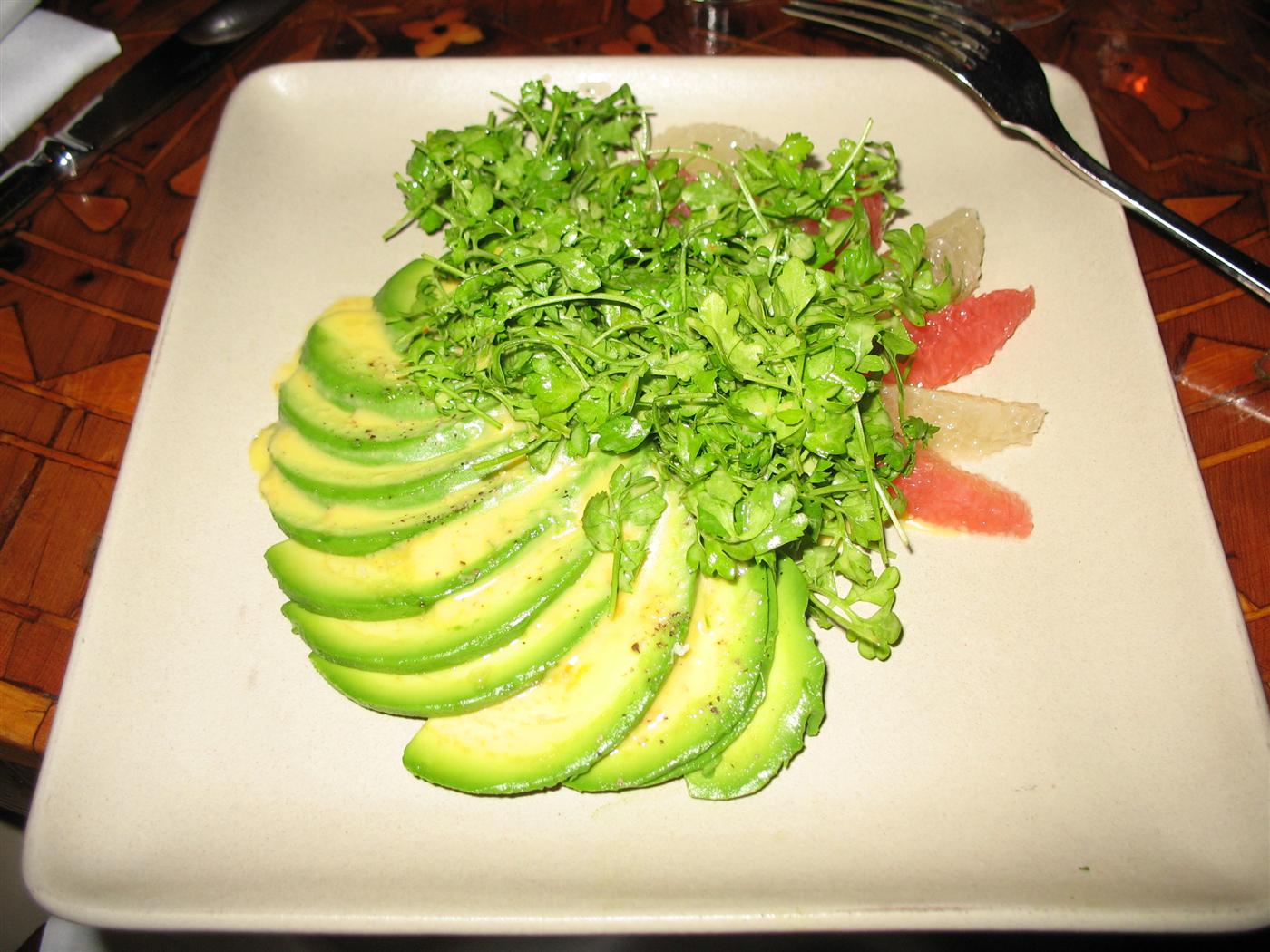
Garden cress is added to soups, sandwiches and salads for its tangy flavor.[6] It is also eaten as sprouts, and the fresh or dried seed pods can be used as a peppery seasoning (haloon).[5] In England, cut cress shoots are commonly used in sandwiches with boiled eggs, mayonnaise and salt.

Garden cress can grow almost anywhere.
Nutrition profile
Garden cress is an important source of iron, folic acid, calcium, vitamins C, E and A. The seed contains arachidic and linoleic fatty acids. The seeds are high in calories and protein, whereas the leaves are an excellent source of vitamin A, C and folate.
| Energy | 30 Kcal |
| Carbohydrates | 5.5 g |
| Dietary fibre | 1.1 g |
| Protein | 2.6 g |
| Fat | 0.7 g |
| Vitamin A | 346 mcg |
| Folate | 80 mcg |
| Vitamin C | 69 mg |
| Calcium | 81 mg |
| Iron | 1.3 mg |

Both the leaves and stems of cress can be eaten raw in salads or sandwiches, and are sometimes called cress sprouts. When buying cress, look for firm, evenly coloured, rich green leaves. Avoid cress with any signs of slime, wilting, or discoloration. If stored in plastic, it can last up to five days in a refrigerator. To prolong the life of cress, place the stems in a glass container with water and cover them, refrigerating the cress until it is needed.
Cultivation practices
Cress is an easily grown plant with few requirements. It can be broadcast after the winter frosts or throughout the year in temperate climates. However, Boutelou and Boutelou (1801) were already recommending sowing in shallow furrows, which enables surplus plants to be thinned out and facilitates hoeing. Sowing has to be repeated every 15 to 20 days so that there is no shortage of young shoots and new leaves for salads – the leaves of earlier sowings begin to get tough and are no longer usable. The seed sprouts four or six days after sowing, depending on the season, and the leaves are ready for consumption after two or three weeks.
The usual form of cultivation continues to be as described, with 15 to 20 cm between rows and the use of irrigation in the summer, since they are lightly rooted seedlings which can dry up in a few days. Its growth is very rapid and harvesting can begin in the same month as sowing, with yields reaching 6 tonnes per hectare.
Health benefits of garden cress
For women’s health
Emenagogue: Garden cress has mild oestrogenic properties. It helps to regulate the menstrual cycle.
Galactogogue: Kheer made of garden cress seeds increases milk production and secretion in lactating mothers. Because of its high iron and protein content, it is often given post-partum to lactating mothers.
Aphrodisiac: Garden cress helps to improve libido.
For the gastro intestinal tract
Garden cress helps purify blood and stimulate appetite. It is used during constipation as a laxative and a purgative. Paste made of the seeds can be taken internally with honey to treat amoebic dysentery. The mucilage of the germinating seeds allays the irritation of the intestines in dysentery and diarrhoea. Garden cress crushed and drunk with hot water is beneficial to treat colic especially in infants.
For the respiratory tract
Garden cress seeds are good expectorants and when chewed they treat sore throat, cough, asthma and headache. The aerial parts are used in the treatment of asthma and cough.
For anaemia
Garden cress seeds being the richest source of non-haeme iron [iron found in haemoglobin which is an easily absorbed dietary iron.] help to increase the haemoglobin levels. When taken regularly, it helps to alleviate anaemia. It is advisable to have vitamin C half an hour after consumption of these seeds as it enhances iron absorption.

For diabetes
The seed coat of germinating seeds contains mucilage, which has a phytochemical called lepidimoide. Studies show that seeds of the plant lower the glycemic response to a test meal.
note sodium 2-O-rhamnopyranosyl-4-deoxy-threo-hex-4-enopyranosiduronate (designated lepidimoide)
http://www.ncbi.nlm.nih.gov/pmc/articles/PMC1075667/
epi-Lepidimoide
Sodium 6-deoxy-2-O-(4-deoxy-β-L-threo-hex-4-enopyranuronosyl)-α-L-glucopyranose
 cas 145039-76-5 and 157676-09-0
The total synthesis of the unsaturated disaccharide, lepidimoide 4-deoxy--l-threo-hex-4-enopyranuronosyl-(1->2)-l-rhamnopyranose sodium salt, has been carried out from d-glucose and l-rhamnose (Tetrahedron Lett. 1993, 34, 2653), but the process is very long and complicated. A method for more easily producing this compound and in large quantities is necessary for further research. We have succeeded in conveniently synthesizing lepidimoide from okra (Hibiscus esculentus L.) fruit mucilage. At the same time, the isomer (epi-lepidimoide) was obtained as a byproduct. The structure was determined as the 4-deoxy--l-threo-hex-4-enopyranuronosyl-(1->2)-6-deoxy-l-glucopyranose sodium salt by spectral analysis. We found that lepidimoide easily epimerized to epi-lepidimoide in alkaline media. Both lepidimoide and epi-lepidimoide exhibited the same high activity in the cockscomb hypocotyls elongation test….Carbohydrate Research, Volume 339, Number 1, 2 January 2004 , pp. 9-19(11)
-
Dictionary of Natural Products, Supplement 3
books.google.co.in/books?isbn=0412604302John Buckingham – 1996 – ScienceLepidimoide. L-30020. 6-Deoxy-2-0-(4-deoxy-fi-L-lhreo-hex-4-enopyranuronosyl)-L- mannose, 9CI [157676-09-0] HOA—O …
lepidimoide
Sodium 2-O-L-rhamnopyranosyl-4-deoxy-alpha-L-threo-hex-4-eno-pyranosiduronateMolecular Formula: C12H17NaO10 Molecular Weight: 344.247149sodium;(2S,3R,4S)-3,4-dihydroxy-2-[(2S,3R,4R,5R,6S)-2,4,5-trihydroxy-6-methyloxan-3-yl]oxy-3,4-dihydro-2H-pyran-6-carboxylateSodium2-O-L-rhamnopyranosyl-4-deoxy-α-L-threo-hex-4-eno-pyranosiduronate
For cancer
Garden cress seeds contain antioxidants like vitamin A and E which help protect cells from damage by free radicals. Hence, these seeds have a chemoprotective [drugs which protect healthy tissue from the toxic effects of anticancer drugs] nature.
Anti-Cancer:
Being a family of Brassica family it has good anti cancer property. Garden cress seeds contain antioxidants like vitamin A and E which help protect cells from damage by free radicals. Hence, these seeds have a chemo protective nature.
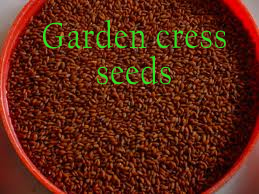
Few years back garden cress seeds/ halim/ aliv was not a common food item or a familiar to be heard. But as years passed it’s popularity and it’s importance have been realized and now people are aware of some of the facts of these seeds. Though these facts are also accompanied by some myths. So I chose to write and clear few myths and doubts of these seeds so that maximum people can make use of it in their lives and improve quality of their diet and nutrition.
Nutritive value of these seeds is very high. It is available in almost all parts of the world. Its high nutritive value and cheaper availability makes it possible for people of all the sections of society to include in the diet and increase nutritive value of their meals. Garden cress seeds are very high in Iron and Folic acid content. These seeds are use as herbal medicine to treat iron deficiency anemia. People consuming 2tsp/day have seen to have good increased levels of hemoglobin over a period of 1-2 months. Garden cress seeds also contains calcium, ascorbic acid, tocopherol, and beta-carotene which helps to improve body’s immunity.Garden Cress seeds are loaded with not just protein, but also linoleic and arachidic fatty acids. Since they contain phytochemicals that resemble estrogen to some extent, intake of these seeds helps to regulate menstruation and stimulate milk production in lactating mothers. That is why women are given foods containing Garden Cress following childbirth.
Traditionally garden cress seeds were considered to be useful only during last few weeks of gestation and post delivery. It is considered to be hot food. But the truth is that these seeds have ability too increase uterine contraction. So in later stages of pregnancy it helps in inducing labour but if in case consumed in early stage of pregnancy (1st trimester) it leads to spontaneous abortion. It is also very carefully prescribed to a hypothyroid patients because it belongs to cruciferous family and is a goitrogen that prevent iodine absorption.
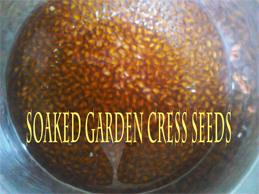
How to eat:
1. Roasted slightly with added salt.
2. Soaked in water then added to milk or juice.
3. Chikki or laddoo can be made. (preparation similar to til laddoo/chikki).
How much to eat:
Start with 1 tsp/day and then an be taken 1 tsp/2c a day.
Cress seeds have many more medicinal properties and researches are still on to find its benefits on health. Garden cress should be eaten in moderation. Excess consumption of these seeds may hv adverse effect on health.
For other things
Garden cress seeds are memory boosters because they contain arachidic and linoleic acids. They help gaining lean body mass because they are a good source of iron and protein. Research has proved that 60 per cent women have hair loss due to low iron levels and poor protein. A teaspoon of garden cress seeds soaked in lime water helps in iron absorption, which in turn strengthens hair. The plant is also used in treating bleeding piles. The leaves are mildly stimulant and diuretic, useful in scorbutic [related to or resembling scurvy] diseases and liver complaints. A paste of the seeds with water is applied to chapped lips, and against sunburn.
Side-effects
It is an abortifacient [substance that induces abortion], if had in excess. It contains goitrogens that prevent iodine absorption in thyroids and hence can lead to hypothyroidism. If large quantities of garden cress are consumed, the mustard oil it contains may cause digestive difficulties in some people who are sensitive to it. Therefore, garden cress should be eaten in moderation.
Other uses
Garden cress, known as chandrashoor, and the seeds, known as halloon[7] in India, are commonly used in the system of Ayurveda to prevent postnatal complications.[citation needed]
Garden cress seeds, since ancient times, have been used in local traditional medicine of India.[8] Garden cress seeds are bitter, thermogenic, depurative, rubefacient, galactogogue, tonic, aphrodisiac, ophthalmic, antiscorbutic, antihistaminic and diuretic. They are useful in the treatment ofasthma, coughs with expectoration, poultices for sprains, leprosy, skin disease, dysentery, diarrhoea, splenomegaly, dyspepsia, lumbago, leucorrhoea, scurvy and seminal weakness. Seeds have been shown to reduce the symptoms of asthma and improve lung function in asthmatics.[9]The seeds have been reported as possessing a hypoglycemic property[10] and the seed mucilage is used as a substitute for gum arabic and tragacanth.
Cress may be given to budgerigars.[11] The seeds are employed as poultice for removing pain, swelling etc.Some use it in the belief that it can cure asthma, bronchitis bleeding piles.[12]
Some use Lepidium sativum seeds for indigestion and constipation.[13]
Prospects for improvement
Most of the genetic improvement work on garden cress is being carried out in the CIS, with little or no work being done at present in the countries of western Europe. Mainly early cultivars with a prolonged production period and better cold tolerance are being developed.
Cress can be grown and used like white mustard. It germinates more slowly at low temperatures, the emergence period being three or four days longer. Shortening this period is an interesting improvement objective.
However, cress’s recovery and its greater presence on markets mainly depends on a modification of cultivation and marketing techniques. In countries such as the United Kingdom, where this vegetable is normally to be found at the markets, cultivation takes place in greenhouses throughout the year. The whole succulent hypocotyls of the very young seedlings are eaten. The seed is placed on the soil surface on soft, level beds. It is finely sprinkled with water and then covered with sackcloth which has been steam-sterilized and moistened. The latter is frequently wetted to maintain moisture and is removed when the seedlings reach 4 to 5 cm in height (after approximately seven days in spring and autumn and ten days in winter). The yellowish leaves turn green after two to three days.
The cress is harvested when the first pair of cotyledon leaves have developed and it is marketed in small bags or trays, sometimes together with seedlings of white mustard.
Garden cress and white pepper are sometimes sown in the plastic trays or bags in which they will be sold, generally in peat with a nutrient solution.
References
- Cassidy, Frederic Gomes and Hall, Joan Houston. Dictionary of American regional English, Harvard University Press, 2002. Page 97. ISBN 0-674-00884-7, ISBN 978-0-674-00884-7
- Staub, Jack E, Buchert, Ellen. 75 Exceptional Herbs for Your Garden Published by Gibbs Smith, 2008. ISBN 1-4236-0251-X, 9781423602514
- Vegetables of Canada. Published by NRC Research Press. ISBN 0-660-19503-8, ISBN 978-0-660-19503-2
- Boswell, John T. and Sowerby, James. English Botany: Or, Coloured Figures of British Plants. Robert Hardwicke, 1863. Page 215.
- Vegetables of Canada. NRC Research Press. ISBN 0-660-19503-8, ISBN 978-0-660-19503-2
- Hirsch, David P.. The Moosewood Restaurant kitchen garden: creative gardening for the adventurous cook. Ten Speed Press, 2005. ISBN 1-58008-666-7, ISBN 978-1-58008-666-0
- http://www.organicindia.com/PR_OH_chandrashoor.php
- The Wealth of Indian Raw Materials ,. New Delhi: Publication and information Directorate. 1979. pp. CSIR Vol 9, Page 71–72.
- NP, Archana; Anita, AM (2006). “A study on clinical efficacy of Lepidium sativum seeds in treatment of bronchial asthma”. Iran J Pharmacol Ther 5: 55–59.
- M, Eddouks; Maghrani M, Zeggwagh NA, Michel JB (2005). “Study of the hypoglycaemic activity of Lepidium sativum L. aqueous extract in normal and diabetic rats”. J Ethnopharmacol 97: 391–395.
- Budgerigars – Diets, PDSA.
- Bhatiya, KN (1996). Modern Approach to Batany. India: Surya publications. p. 516.
- Najeeb-Ur-Rehman, Mehmood MH, Alkharfy KM, Gilani AU, “Prokinetic and laxative activities of Lepidium sativum seed extract with species and tissue selective gut stimulatory actions. J Ethnopharmacol. 2011 Feb 2;

Triphala : A Digestive Miracle


| Terminalia bellirica | |
|---|---|

|
| Terminalia chebula | |
|---|---|
_leafless_tree_at_23_Mile,_Duars,_WB_W_IMG_5905.jpg) |

Triphala (/triːˈfɑːlə/ or /triːˈfælə/; Hindi/Sanskrit: त्रिफला, triphalā [trɪˈpʰɐlaː], “three fruits”)[1] is an Ayurvedic[2] herbal rasayana formula consisting of equal parts of three myrobalans, taken without seed: Amalaki (Emblica officinalis), Bibhitaki (Terminalia bellirica), and Haritaki (Terminalia chebula).[1]
Medicinal use
In traditional Ayurvedic medicine, Triphala is used for:
- immune system stimulation[3]
- improvement of digestion[4][1]
- relief of constipation[4][1]
- gastrointestinal tract cleansing[4]
- relief of gas[1]
- treatment of diabetes[1]
- treatment of eye disease[1]
These health claims have not been yet tested in clinical trials. Even within the practice of Ayurvedic medicine, there are controversies about the composition (amlaki, haritaki and bibhitaki), preparation, and medicinal uses of Triphala.[5]
The active constituents are unknown. Triphala contains several compounds that have been proposed to be responsible for its claimed health benefits, including gallic acid, chebulagic acid, and chebulinic acid. [6][7]
Contemporary research on triphala
There is preliminary evidence that Triphala contains compounds with antioxidant properties in isolated cells and rats, however this has not yet been demonstrated in people.[6][8][9][10]
Triphala, widely used by natural Ayurvedic healers in India for thousands of years, contains 3 different fruits: Harada, Amla and Bihara. The word “Triphala”literally means “three fruits”. The combination of these three fruits cleanses the gastro-intestinal tract in a natural and gentle way. Basically our “bathroom experience” becomes a better one That is the best way I can put it!!
Why should we cleanse?
It’s always a good idea to cleanse! Get rid of toxins that build up in our bodies so that our bodies can function most efficiently and have that bright glowing skin we all crave and want! More energy and feel less bloated!
And I’m not talking about cleansing with juicing or not eating. No no, that’s a whole other conversation. I absolutely believe in still eating a healthy diet while “cleansing”/taking Triphala.
I have suggested Triphala to many clients, students and friends and all of them have seen results. You can call it a form of laxative if you’d like but this is totally safe and gentle on the body. Yes, we are all different but seems like this one might be a miracle worker and work for everyone!
Suggested use: Take one pill before bedtime. *Take on and off for a period of time OR once in a while when you feel you need it. I usually take it when I feel I need a cleanse- about one or two times a week (usually when I have consumed a bigger meal or more food than usual).
Benefits of Triphala:
- detoxify and cleanses the colon of toxins
- removes excess fats
- purifies the blood
- removes toxins from the liver
- reduces some forms of cholesterol (serum cholesterol)
- reduces high blood pressure
- high nutritional value: including high levels of vitamin C
- high in antioxidants
- strengthens hair roots and enriches hair color


The three fruits contained in Triphala are
Amalaki (Indian Gooseberry),
Haritaki (Indian Gallnut or Terminalia chebula),
and Bibhitaki (Beleric Myrobalan or Terminalia bellerica).
The prokinetic cleanser
An immensely popular Ayurvedic herbal formula,Triphala(Terminalia chebula,Terminalia bellirica and Emblica officinalis) is an effective bowel cleanser. It combines the goodness of Indian Gooseberry, Belleric Myrobalan and Chebulic Myrobalan, which work together to produce effective bowel movements.
The herbal compound provides overall support for digestion and helps ensure that the digestive tract works at optimal levels. Triphala relieves constipation and regularizes the digestive system, without disrupting the fluid-electrolyte balance in the body.
The herbs that make up Triphala are found in abundance in India.
Triphala, the well-known traditional Ayurvedic formulation, makes an excellent skin tonic. It is one of the most popular Ayurvedic medicinal herbs, prescribed by a number of Ayurvedic practitioners. Triphala literally means ‘three fruits’. The three fruits contained in Triphala are Amalaki (Indian Gooseberry), Haritaki (Indian Gallnut or Terminalia chebula), and Bibhitaki (Beleric Myrobalan or Terminalia bellerica). Since Triphala is tridoshic – equally balancing for Vata, Pitta and Kapha – it is beneficial for all skin types. Triphala nourishes the skin, both directly and indirectly. Amla (Indian gooseberry), one of the three ingredients in Triphala, is the richest known natural source of Vitamin C. Apart from the rich source of Vitamin C, Triphala also contains calcium – an important nutrient that helps enhance skin clarity and brings dull, tired skin to life.
Preparation Of Triphala Rasayana
Triphala Rasayana is usually prepared by mixing triphala with equal quantity of madhuka (mahua tree), tavakshir (East Indian arrowroot) pippali (long pepper), saindhava (long salt), and each one of the loha (iron), suvarna (gold), vacha (Acorus calamus) with either honey, ghee or sugar, in equal quantity.
Benefits Of Triphala
Triphala Rasayana is beneficial is promoting ojas, the finest product of digestion that prevents the occurrence of many diseases, creates luster and make the skin exude its natural glow and radiance.
It nourishes both the body and the mind, thereby promoting longevity of life. Therefore, Triphala Rasayana is very much beneficial for adults and children alike.
The Rasayana is especially beneficial for eyes. In case one has problems in eye sight, opting for Triphala Rasayana would be the best bet.
The Rasayana creates a balance in the cholesterol level, by removing ama from the fat tissue.
It helps in the purification of urinary tract, thereby helping the prevention of urinary tract diseases.
It also strengthens and cleanses the liver, which is one of its main functions. This ensures that the liver, one of the important parts of the body, stays healthy. It can also be said that the consumption of Rasayana prevents diseases related to the functioning of liver.
The medicine also helps the management of weight. Thus, it is beneficial for people, who want to loose weight.
It enhances the thirteen agnis (digestive fires), especially the main digestive fire in the stomach.
Triphala Rasayana is helpful in pacifying Kapha and Pitta. If taken on a regular basis, the Rasayana can be a powerful anti-aging medicine.
People suffering from skin inflammation, heat, infection, obesity will find the consumption of Triphala Rasayana as beneficial.
Diseases such as fatigue and anemia can be effectively cured by the regular consumption of Triphala Rasayana, if taken according to the prescribed doses.
- Ayurvedic pharmacopoeia committee. The Ayurvedic Formulary of India, Part I, 2nd English ed. New Delhi: Controller of Publications; 2003
- Anne McIntyre (7 September 2005). Herbal treatment of children: Western and Ayurvedic perspectives. Elsevier Health Sciences. pp. 278–. ISBN 9780750651745. Retrieved 24 July 2010.
- Juss SS. Triphala – the wonder drug. Indian Med Gaz 1997;131:94-6.
- Nadkarni AK. Indian Materia Medica. 3rd ed. Mumbai: Popular Press; 1976. p. 1308-15.
- Harbans Singh Puri (2003). Rasayana: ayurvedic herbs for longevity and rejuvenation. CRC Press. pp. 30–. ISBN 9780415284899. Retrieved 24 July 2010.
- Reddy TC, Aparoy P, Babu NK, Kalangi SK, Reddanna P (May 2010). “Kinetics and Docking Studies of a COX-2 Inhibitor Isolated from Terminalia bellerica Fruits”. Protein Pept Lett. PMID 20441561.
- Pawar V, Lahorkar P, Anantha Narayana DB. Development of a RP-HPLC method for analysis of Triphala curna and its applicability to test variations in Triphala curna preparations. Indian J Pharm Sci [serial online] 2009 [cited 2010 Aug 1];71:382-6. Available from:http://www.ijpsonline.com/text.asp?2009/71/4/382/57286
- Mahesh R, Bhuvana S, Begum VM (August 2009). “Effect of Terminalia chebula aqueous extract on oxidative stress and antioxidant status in the liver and kidney of young and aged rats”. Cell Biochem. Funct. 27 (6): 358–63. doi:10.1002/cbf.1581. PMID 19548245.
- Sandhya T, Lathika KM, Pandey BN, et al. (October 2006). “Protection against radiation oxidative damage in mice by Triphala”. Mutat. Res. 609 (1): 17–25.doi:10.1016/j.mrgentox.2006.05.006. PMID 16860592.
- Srikumar R, Parthasarathy NJ, Manikandan S, Narayanan GS, Sheeladevi R (February 2006). “Effect of Triphala on oxidative stress and on cell-mediated immune response against noise stress in rats”. Mol. Cell. Biochem. 283 (1-2): 67–74. doi:10.1007/s11010-006-2271-0.PMID 16444587.

THANKS AND REGARD’S
DR ANTHONY MELVIN CRASTO Ph.D
web link


World Drug Tracker: PLANTAIN THE SUPER MEDICINE WEED
World Drug Tracker: PLANTAIN THE SUPER MEDICINE WEED
……………………………………………………………………………………….

THANKS AND REGARD’S
DR ANTHONY MELVIN CRASTO Ph.D
GLENMARK SCIENTIST , NAVIMUMBAI, INDIA
did you feel happy, a head to toe paralysed man’s soul in action for you round the clock
need help, email or call me
I was paralysed in dec2007
Purslane – The Gourmet Weed

Health benefits of Purslane
- This wonderful green leafy vegetable is very low in calories (just 16 kcal/100g) and fats; nonetheless, it is rich in dietary fiber, vitamins, and minerals.
- Fresh leaves contain surprisingly more omega-3 fatty acids (α-linolenic acid) than any other leafy vegetable plant. 100 grams of fresh purslane leaves provide about 350 mg of α-linolenic acid. Research studies show that consumption of foods rich in ω-3 fatty acids may reduce the risk of coronary heart disease, stroke, and help prevent the development of ADHD, autism, and other developmental differences in children.
- It is an excellent source of Vitamin A, (1320 IU/100 g, provides 44% of RDA) one of the highest among green leafy vegetables. Vitamin A is a known powerful natural antioxidant and is essential for vision. This vitamin is also required to maintain healthy mucus membranes and skin. Consumption of natural vegetables and fruits rich in vitamin A is known to help to protect from lung and oral cavity cancers.
- Purslane is also a rich source of vitamin C, and some B-complex vitamins like riboflavin, niacin, pyridoxine and carotenoids, as well as dietary minerals, such as iron, magnesium, calcium, potassium, and manganese.
- Furthermore, present in purslane are two types of betalain alkaloid pigments, the reddish beta-cyaninsand the yellow beta-xanthins. Both pigment types are potent anti-oxidants and have been found to have anti-mutagenic properties in laboratory studies. [Proc. West. Pharmacol. Soc. 45: 101-103 (2002)].
Portulaca oleracea (common purslane, also known as verdolaga, pigweed, little hogweed, or pursley, and moss rose) is an annual succulent in the family Portulacaceae, which may reach 40 cm in height.

Greek salad with Purslane
Approximately forty varieties currently are cultivated.[1] It has an extensive Old World distribution extending from North Africa through the Middle East and the Indian Subcontinentto Malesia and Australasia. The species status in the New World is uncertain: in general, it is considered an exotic weed, however, there is evidence that the species was in Crawford Lake deposits (Ontario) in 1430-89 AD, suggesting that it reached North America in the pre-Columbian era.[2] It is naturalised elsewhere and in some regions is considered an invasiveweed. It has smooth, reddish, mostly prostrate stems and alternate leaves clustered at stem joints and ends. The yellow flowers have five regular parts and are up to 6 mm wide. Depending upon rainfall, the flowers appear at anytime during the year. The flowers open singly at the center of the leaf cluster for only a few hours on sunny mornings. Seeds are formed in a tiny pod, which opens when the seeds are mature. Purslane has a taproot with fibrous secondary roots and is able to tolerate poor, compacted soils and drought.

A Purslane cultivar grown as a vegetable
Although purslane is considered a weed in the United States, it may be eaten as a leaf vegetable. It has a slightly sour and salty taste and is eaten throughout much of Europe, the middle east, Asia, and Mexico.[1][3] The stems, leaves and flower buds are all edible. Purslane may be used fresh as a salad, stir-fried, or cooked as spinach is, and because of its mucilaginous quality it also is suitable for soups and stews. Australian Aborigines use the seeds to make seedcakes. Greeks, who call it andrakla (αντράκλα) or glystrida (γλυστρίδα), fry the leaves and the stems with feta cheese, tomato, onion, garlic, oregano, and olive oil, add it in salads, boil it or add to casseroled chicken. In Turkey, besides being used in salads and in baked pastries, it is cooked as a vegetable similar to spinach. InAlbania it is called burdullak, and also is used as a vegetable similar to spinach, mostly simmered and served in olive oil dressing, or mixed with other ingredients as a filling for dough layers of byrek. In the south of Portugal (Alentejo), “baldroegas” are used as a soup ingredient.
Purslane contains more omega-3 fatty acids (alpha-linolenic acid in particular[4]) than any other leafy vegetable plant. Studies have found that Purslane has 0.01 mg/g ofeicosapentaenoic acid (EPA). This is an extraordinary amount of EPA for a land-based vegetable source. EPA is an Omega-3 fatty acid found mostly in fish, some algae, and flax seeds.[5] It also contains vitamins (mainly vitamin A, vitamin C, Vitamin E (alpha-tocopherol)[6] and some vitamin B and carotenoids), as well as dietary minerals, such asmagnesium, calcium, potassium, and iron. Also present are two types of betalain alkaloid pigments, the reddish betacyanins (visible in the coloration of the stems) and the yellow betaxanthins (noticeable in the flowers and in the slight yellowish cast of the leaves). Both of these pigment types are potent antioxidants and have been found to have antimutagenic properties in laboratory studies.[7]
100 Grams of fresh purslane leaves (about 1 cup) contain 300 to 400 mg of alpha-linolenic acid.[8] One cup of cooked leaves contains 90 mg of calcium, 561 mg of potassium, and more than 2,000 IUs of vitamin A. A half-cup of purslane leaves contains as much as 910 mg of oxalate, a compound implicated in the formation of kidney stones; however, many common vegetables, such as spinach, also can contain high concentrations of oxalates. Cooking purslane reduces overall soluble oxalate content by 27%, which is important considering its suggested nutritional benefits of being part of a healthy diet.[9]
When stressed by low availability of water, purslane, which has evolved in hot and dry environments, switches to photosynthesis usingCrassulacean acid metabolism (the CAM pathway): At night its leaves trap carbon dioxide, which is converted into malic acid (the souring principle of apples), and, in the day, the malic acid is converted into glucose. When harvested in the early morning, the leaves have ten times the malic acid content as when harvested in the late afternoon, and thus have a significantly more tangy taste.

Portulaca oleracea showing blooms

Seed pods, closed and open, revealing the seeds
Known as Ma Chi Xian (pinyin: translates as “horse tooth amaranth”) in traditional Chinese medicine, its active constituents include: noradrenaline, calcium salts, dopamine,DOPA, malic acid, citric acid, glutamic acid, asparagic acid, nicotinic acid, alanine, glucose, fructose, and sucrose.[10] Betacyanins isolated from Portulaca oleracea improved cognition deficits in aged mice.[11] A rare subclass of Homoisoflavonoids, from the plant, showed in vitro cytotoxic activities towards four human cancer cell lines.[12]Use is contraindicated during pregnancy and for those with cold and weak digestion.[10]Purslane is a clinically effective treatment for oral lichen planus,[13] and its leaves are used to treat insect or snake bites on the skin,[14] boils, sores, pain from bee stings, bacillary dysentery, diarrhea, hemorrhoids, postpartum bleeding, and intestinal bleeding.[10]
Portulaca oleracea efficiently removes bisphenol A, an endocrine-disrupting chemical, from a hydroponic solution. How this happens is unclear.[15]
Purslane, also known as Khulpha, Khursa in Hindi or Ghol in Marathi, is a water-retaining plant that can reach a height of 6″ – 12”. It’s smooth, reddish, thick leaves are wedge shaped. The leaves are alternately clustered at stem joints and are greenish on top and purplish on the underside.
The very tiny yellow flowers are around 6 mm wide and depending upon rainfall, the flowers appear at anytime during the year. Purslane has a taproot with fibrous secondary roots and is able to tolerate poor, compacted soils and drought.
It’s smooth, reddish, thick leaves are wedge shaped. The leaves are alternately clustered at stem joints and are greenish on top and purplish on the underside.
All that purslane needs to grow is part to full sun and clear ground. They are not picky about soil type or nutrition. If you decide to plant purslane seeds, simply scatter the seeds over the area that you plan on growing the purslane. Do not cover the seeds with soil. Purslane seeds need light to germinate, so they must stay on the surface of the soil. If you are using Purslane cuttings, lay them on the ground where you plan on growing purslane. Water the stems and they should take root in the soil in a few days.
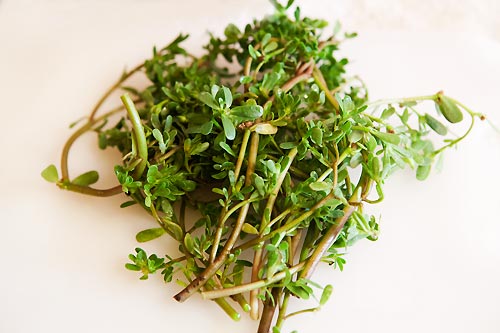 About a month after the seeds are planted, the first flowers will begin to appear. Once the flowers open, the seeds will begin to set within about a week to ten days. Since the Purslane is an invasive plant, it is difficult to get rid of. This is because the plant has stored enough energy for the seeds to continue to mature even after you pull the plant. Therefore, if you are trying to get rid of purslane, don’t try to compost it. If the compost pile is not hot enough to destroy the seeds, you will end up with more plants you don’t want.
Purslane is ready to harvest in about 2 months from the time the seeds are sown. Make sure to harvest it regularly and be aware that it can become invasive. Harvesting before it develops flowers will help cut down on its spreading. Generally, you can harvest two or three times before the plants are exhausted.
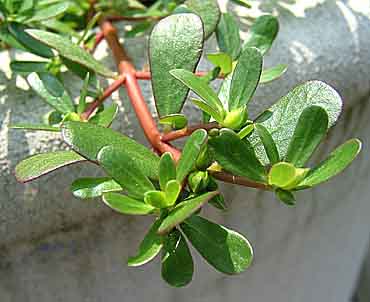
The erect, tangy and succulent stems are high in Vitamin C. The leaves contain the highest concentration of Omega-3 fatty acids found in land plants. This is 5 times more than Spinach and 10 times more than any Lettuce or Mustard. It also contains Vitamin A, Vitamin C, and some Vitamin B and carotenoids as well as dietary minerals such as Magnesium, Calcium, Potassium and Iron.
100 Grams of fresh purslane leaves contain 300 to 400 mg of essential fatty acids (EFAs). One cup of cooked leaves contains 90 mg of Calcium, 561 mg of Potassium, and more than 2,000 IUs of Vitamin A.
As a companion plant, Purslane provides ground cover to create a humid microclimate for nearby plants, stabilizing ground moisture. Its deep roots bring up moisture and nutrients that those plants can use, and some, including corn, will “follow” purslane roots down through harder soil that they cannot penetrate on their own.
As a companion plant, Purslane provides ground cover to create a humid microclimate for nearby plants, stabilizing ground moisture. Its deep roots bring up moisture and nutrients that those plants can use, and some, including corn, will “follow” purslane roots down through harder soil that they cannot penetrate on their own (ecological facilitation). It is known as a beneficial weed in places that do not already grow it as a crop in its own right.
Widely used in East Mediterranean countries, archaeobotanical finds are common at manyprehistoric sites. In historic contexts, seeds have been retrieved from a protogeometric layer in Kastanas, as well as from the Samian Heraion dating to seventh century B.C. In the fourth century B.C., Theophrastus names purslane, andrákhne (ἀνδράχνη), as one of the several summer pot herbs that must be sown in April (H.P 7.12).[16] As portulaca it figures in the long list of comestibles enjoyed by the Milanese given by Bonvesin de la Riva in his “Marvels of Milan” (1288).[17]
In antiquity, its healing properties were thought so reliable that Pliny advised wearing the plant as an amulet to expel all evil (Natural History 20.120).[16]
A common plant in parts of India, purslane is known as Sanhti, Punarva, or Kulfa.
- The name verdolaga, associated with the plant that grows in South America is a nickname for Football clubs with green-white schemes in their uniforms, such as Colombia‘s Atletico Nacional and Argentina‘s Ferrocarril Oeste.
- Marlena Spieler (July 5, 2006). “Something Tasty? Just Look Down”. The New York Times.
- Byrne, R. and McAndrews, J. H. (1975). “Pre-Columbian puslane (Portulaca oleracea L.) in the New World”. Nature 253(5494): 726–727. doi:10.1038/253726a0.
- Pests in Landscapes and Gardens: Common Purslane. Pest Notes University of California Agriculture and Natural Resources Publication 7461. October 2003
- Jump up^ David Beaulieu. “Edible Landscaping With Purslane”. About.com.
- ARTEMIS P SIMOPOULOS Omega-3 Fatty Acids and Antioxidants in Edible Wild Plants. 2004. Biol Res 37: 263-277, 2004
- Simopoulos AP, Norman HA, Gillaspy JE, Duke JA. Common purslane: a source of omega-3 fatty acids and antioxidants. J Am Coll Nutr. 1992;11(4):374-82.
- Evaluation of the Antimutagenic Activity of Different Vegetable Extracts Using an In Vitro Screening Test
- A. P. Simopoulos, H. A. Norman, J. E. Gillaspy, and J. A. Duke. Common purslane: a source of omega-3 fatty acids and antioxidants. Journal of the American College of Nutrition, Vol 11, Issue 4 374-382, Copyright © 1992
- http://world-food.net/oxalate-content-of-raw-and-cooked-purslane/
- Tierra, C.A., N.D., Michael (1988). Planetary Herbology. Lotus Press. p. 199.
- Wang CQ. Yang GQ., “Betacyanins from Portulaca oleracea L. ameliorate cognition deficits and attenuate oxidative damage induced by D-galactose in the brains of senescent mice.,Phytomedicine. 17(7):527-32, 2010 Jun.
- Yan J, Sun LR, Zhou ZY, Chen YC, Zhang WM, Dai HF, Tan JW “Homoisoflavonoids from the medicinal plant Portulaca oleracea.” Phytochemistry. 2012 Aug;80:37-41
- Agha-Hosseini F, Borhan-Mojabi K, Monsef-Esfahani HR, Mirzaii-Dizgah I, Etemad-Moghadam S, Karagah A (Feb 2010). “Efficacy of purslane in the treatment of oral lichen planus”.Phytother Res. 24 (2): 240–4. doi:10.1002/ptr.2919.PMID 19585472.
- Bensky, Dan, et al. Chinese Herbal Medicine, Materia Medica. China: Eastland Press Inc., 2004.
- Watanabe I. Harada K. Matsui T. Miyasaka H. Okuhata H. Tanaka S. Nakayama H. Kato K. Bamba T. Hirata K.”Characterization of bisphenol A metabolites produced by Portulaca oleracea cv. by liquid chromatography coupled with tandem mass spectrometry.” , Biotechnology & Biochemistry. 76(5):1015-7, 2012.
- Megaloudi Fragiska (2005). “Wild and Cultivated Vegetables, Herbs and Spices in Greek Antiquity”.Environmental Archaeology 10 (1): 73–82.Noted by John Dickie, Delizia! The Epic History of Italians and Their Food (New York, 2008), p. 37.
- Noted by John Dickie, Delizia! The Epic History of Italians and Their Food (New York, 2008), p. 37.
“Portulaca oleracea”. FloraBase. Department of Environment and Conservation, Government of Western Australia.- Online Field guide to Common Saltmarsh Plants of Queensland
- Portulaca oleracea in West African plants – A Photo Guide.
- Purslane Recipes, Prairieland Community Supported Agriculture
| Nutritional value per 100 g (3.5 oz) | |
|---|---|
| Energy | 84 kJ (20 kcal) |
| Carbohydrates | 3.39 g |
| Fat | 0.36 g |
| Protein | 2.03 g |
| Water | 92.86 g |
| Vitamin A | 1320 IU |
| Thiamine (vit. B1) | 0.047 mg (4%) |
| Riboflavin (vit. B2) | 0.112 mg (9%) |
| Niacin (vit. B3) | 0.48 mg (3%) |
| Vitamin B6 | 0.073 mg (6%) |
| Folate (vit. B9) | 12 μg (3%) |
| Vitamin C | 21 mg (25%) |
| Vitamin E | 12.2 mg (81%) |
| Calcium | 65 mg (7%) |
| Iron | 1.99 mg (15%) |
| Magnesium | 68 mg (19%) |
| Manganese | 0.303 mg (14%) |
| Phosphorus | 44 mg (6%) |
| Potassium | 494 mg (11%) |
| Zinc | 0.17 mg (2%) |
| Link to USDA Database entry Percentages are roughly approximated using US recommendations for adults. Source: USDA Nutrient Database |
|
Preparation and serving methods
The stems and flower buds are also edible. Trim the tough stems near roots using a sharp knife. Cook under low temperature for a shorter period in order to preserve the majority of nutrients. Although antioxidant properties are significantly decreased on frying and boiling, its minerals, carotenes and flavonoids may remain intact with steam cooking.
India gift to the world
In fact, among the many names given to purslane around the world, there are some like the old Arabic baqla hamqa or the Spanish verdilacas or yerba orate that mean crazy plant. It is a reference not just to its appearance, but to the madly unrestrained way it grows, spreading rapidly in all directions at ground level in a mesh of stems, roots and leaves, which is one reason why for many gardeners purslane is one of the most annoying weeds.
Added to this is its remarkable resilience — it stores water it in its succulent stems and leaves, allowing it to tolerate hot, dry conditions, and can produce over 240,000 tiny seeds per plant, making it really hard to remove. It’s no surprise that purslane has spread remarkably widely, growing in different forms in most parts of the world and known by a wide variety of names such as portulaca or little door, from the way its seed pod opens, or the Hebrew regelah or foot, since that’s near where it grows, though the most unusual must be the term from Malawi that translates as ‘the buttocks of the chief’s wife”, an apparent reference to the fleshy rounded leaves of some forms.
Despite this wide range, most botanical studies give India as the origin for purslane, and some writers, like the American expert on wild food, Euell Gibbons, have even labelled it “India’s gift to the world.” But it is a gift that we have largely forgotten about, since few people here eat purslane these days, or even know that this weed is edible. It is rarely cultivated, but gathered from the wild and only rarely appears in places like Bhaji Gully because few know its value, other than old people or poor migrants from rural areas who have some memory of eating it.
One who did know the value of luni was Mahatma Gandhi, and while it’s a bit of a stretch to describe purslane as his favourite food, as some of its enthusiasts abroad have done, he did recommend it to several people and, in an article in his magazine Harijan, he wrote about “the nourishing properties of the innumerable leaves that are to be found hidden among the grasses that grow wild in India.” He had discovered these while living in Wardha and following a diet of uncooked food that required what he felt was an unreasonable amount of purchases from the local market. So he was delighted when an ashram resident “brought to me a leaf that was growing wild among the Ashram grasses. It was luni. I tried it, and it agreed with me.” It soon was a regular part of his diet.
Gandhi’s recommendations, of course, are no guide to taste, since he didn’t believe in enjoying food for its own sake. But luni has a pleasant lightly acid taste when raw, though with a slightly grassy, earthy undertone that does take some getting used to. It is probably never going to be one of those foods you have to try-before-you-die, but it is not bad at all to eat, either raw in a salad, or cooked. I find that the version we get here, which is rather less fleshy than purslane I’ve seen abroad, is worth stir-frying or adding to a dal, which brings out a nice, slightly peanutty taste. Another interesting way to cook it is in the Persian style, first sautéing it with onions and then cooking with eggs to make a firm omelette that has a nicely herbal taste when cut up and eaten cold.
The real reason for valuing purslane though is not taste, but health. It has always had a reputation for medicinal properties, with physicians over the centuries, from India to the Middle East to Europe, recommending it for everything from reducing fever, removing worms and soothing urinary infections. But modern science has made clear why it is of such value: apart from providing significant amounts of vitamins A, B and C. and decent amounts of protein, purslane probably contains more omega-3 fatty acids than any other commonly available vegetable source.
These fatty acids are essential for reducing cholesterol and heart diseases, but their most easily accessible source is oily fish, which makes it hard for vegetarians to get them. Some health conscious ones do force themselves to swallow fish oil capsules, or eat alsi (flax seeds) which are also a decent source of omega-3 acids. But purslane is probably a better source, and can be cooked and eaten as part of one’s meal. (The only caution is for people prone to kidney stones, since it also contains high levels of the oxalates which cause them). Luni may seem like a crazy thing to eat, but when people around the world are realising the value of this Indian plant, it is the way we are letting it become forgotten that may be what is really loony.


 New Drug Approvals