
FLAGS AND HITS
 DRUG APPROVALS BY DR ANTHONY MELVIN CRASTO
 FACEBOOK
...................................................................Join me on twitter
FACEBOOK
...................................................................Join me on twitter
 ..................................................................Join me on google plus
 Googleplus
MYSELF



Phase 1-Lorus Therapeutics Announces Allowance of Chinese Patent for Anticancer Drug LOR-253
has a fluoro gp
WO-2004016086, feb2004
2,4,5-Trisubstituted imidazoles and their use as anti-microbial agents
WO-2006126177, nov 2006
WO-2010102393, sept 2010
Description of LOR-253, LT253: LOR-253 HCl is the hydrochloride salt of a small molecule inhibitor of human metal-regulatory transcription factor 1 (MTF-1) with potential antitumor activity. MTF-1 inhibitor LOR-253 inhibits MTF-1 activity and thereby induces the expression of MTF-1 dependent tumor suppressor factor Kruppel like factor 4 (KLF4). This subsequently leads to the downregulation of cyclin D1, blocking cell cycle progression and proliferation. This agent also causes decreased expression of genes involved in tumor hypoxia and angiogenesis.

http://clinicaltrials.gov/ct2/show/NCT01281592
ClinicalTrials.gov Identifier: NCT01281592
Lorus Therapeutics
This is an open-label, phase 1 study to determine the maximum tolerated dose (MTD) or appropriate target dose if MTD not reached to identify the recommended phase 2 dose of LOR-253 HCl in patients with advanced or metastatic solid tumours.
March 5, 2013) – Lorus Therapeutics Inc. (“Lorus”), a biopharmaceutical company specializing in the discovery, research and development of pharmaceutical products and technologies for the management of cancer, today announced that Lorus’ patent for its lead small molecule anticancer drug LOR-253 has been allowed in China. The patent provides Lorus with exclusive rights to LOR-253 in China until 2026.
The Chinese patent provides composition of matter protection for LOR-253 and for use in the manufacture of therapies for the treatment of cancer. The patent covers a wide range of cancers, including leukemia, melanoma, as well as non-small cell lung, colon, prostate, and breast tumors. This patent extends the Company’s international patent portfolio which includes similar protection for LOR-253 in the United States, Canada, and Australia. Applications are pending in Europe and Japan.
“This increased patent protection for our anticancer therapies supports our business discussions with potential partners,” said Dr. Aiping Young, Lorus’ President and CEO. “This Chinese patent is an important addition to our global IP portfolio for LOR-253, and demonstrates our commitment to the development of innovative cancer therapies intended for significant markets.”
LOR-253 is currently in a clinical study at Memorial Sloan Kettering Cancer Center and MD Anderson Cancer Center evaluating tumor biomarkers in biopsy-suitable patients with advanced or metastatic solid tumors.
About LOR-253
LOR-253 represents a new class of anticancer agent, which we believe may offer a competitive advantage over conventional drugs. This drug candidate has shown selective and potent antitumor activity in preclinical investigations with a variety of human cancers, including colon cancer and non-small cell lung cancer, and has demonstrated an excellent therapeutic window due to its low toxicity. LOR-253 is a first-in-class small molecule that has been optimized to induce the novel tumor suppressor Krüppel-like factor 4 (KLF4), leading to cancer cell cycle arrest and apoptosis as well as inhibition of metastasis.
About Lorus
Lorus is a biopharmaceutical company focused on the discovery, research and development of novel therapeutics in cancer. Lorus’ goal is to capitalize on its research, preclinical, clinical and regulatory expertise by developing new drug candidates that can be used, either alone, or in combination with other drugs, to successfully manage cancer. The Company also has expertise in antimicrobial drug discovery. Lorus Therapeutics Inc. is listed on the Toronto Stock Exchange under the symbol LOR.
PHASE1,Progenics Pharmaceuticals’ Novel Small Molecule Drugs Targeting PSMA Successfully Visualize Prostate Cancer, 123-I-MIP-1095

Name: 123-I-MIP-1095
Synonym: 123-I-MIP-1095; [123I]-MIP-1095; iodine I 123 IMP-1095; 2-(3-{l-carboxy-5-[3-(4-iodo-phenyl)-ureido]-pentyl}-ureido)-pentanedioic acid.; [123I]-(S)-2-(3-((S)-1-carboxy-5-(3-(4-iodophenyl)ureido)pentyl)ureido)pentanedioic acid
IUPAC/Chemical name:
2-(3-(1-carboxy-5-(3-(4-iodophenyl)ureido)pentyl)ureido)pentanedioic acid
Chemical Formula: C19H25123IN4O8
Exact Mass: 560.07284
Molecular Weight: 560.33
123-I-MIP-1095
An iodine 123-radiolabled small molecule that exhibits high affinity for prostate-specific membrane antigen (PSMA) with potential use in molecular imaging. 123-I-MIP-1095, a radiolabeled glutamate-urea-lysine analogue, selectively binds PSMA, which allows imaging of PSMA-expressing prostate cancer cells with gamma scintigraph. PSMA is a transmembrane glycoprotein highly expressed by malignant prostate epithelial cells and vascular endothelial cells of various solid tumors.

| Synonym: | |
iodine I 123 IMP-1095 | |
|
|||
| Chemical structure: | |
2-(3-{l-carboxy-5-[3-(4-iodo-phenyl)-ureido]-pentyl}-ureido)-pentanedioic acid | |
March 5, 2013
Progenics Pharmaceuticals, Inc. (Nasdaq:PGNX) reported positive clinical data from a study of two novel radiolabeled small molecules targeting prostate-specific membrane antigen (PSMA). The imaging agents — 123I-MIP-1072 and 123I-MIP-1095 — had a high sensitivity of lesion detection in bone, tissue and the prostate gland with minimal retention in non-target tissue. The research was published as the cover article in the March issue of The Journal of Nuclear Medicine.
“Existing imaging techniques are limited in their ability to diagnose and stage prostate cancer,” said John J. Babich, Ph.D., senior author of the article “First-in-Man Evaluation of Two High-Affinity PSMA-Avid Small Molecules for Imaging Prostate Cancer.” “The approach described in this paper has the potential to assess disease status more accurately. It could help clinicians select optimal treatments and lead to better patient outcomes.”
Separate phase 1 studies were conducted under an exploratory investigational new drug (IND) application to measure the potential effectiveness of the small molecules in diagnosing and staging prostate cancer. In the first study, seven patients with documented prostate cancer were administered doses of 123I-MIP-1072 and 123I-MIP-1095, two weeks apart. In the second study, six healthy volunteers received 123I-MIP-1072 only. Whole body planar imaging and single photon emission computed tomography (SPECT)/computed tomography (CT) were performed for each group, and pharmacokinetics, tissue distribution, excretion, safety and organ radiation dose were analyzed.
Based on the data reported, Progenics is conductinga global, multi-center phase 2 trial investigating a next generation radiolabeled small molecule targeting PSMA, MIP-1404.
Mark R. Baker, chief executive officer of Progenics, said, “We recently acquired all of the rights to the compounds described in this Journal of Nuclear Medicine paper, as well as to the phase 2 stage imaging agent MIP-1404, through Progenics’ acquisition of Molecular Insight Pharmaceuticals. It is gratifying to see this expansion of our oncology pipeline demonstrating progress so soon.”
Robert J. Israel, M.D., Progenics’ senior vice president of medical affairs and clinical research, said, “We believe that MIP-1404 has excellent potential as a diagnostic radiopharmaceutical. Results to date from the study compounds and MIP-1404 show PSMA as a robust target for prostate cancer molecular imaging, and that a radiolabeled small molecule, which binds PSMA with high affinity, has the potential to detect prostate cancer throughout the body. Cancer treatment guidelines call for imaging prostate cancer with conventional bone scans or MRI. A more accurate method of imaging prostate cancer could be of great value.”
Mr. Baker further added, “Thought leaders in prostate cancer care are focused on avoiding unnecessary surgery and other invasive procedures due to the complications associated with them. Clinicians generally prefer “watchful waiting” when the cancer appears to be indolent. At the same time, some therapeutics to treat aggressive prostate cancer have recently been approved or are under development, such as Progenics’ own PSMA ADC, which currently is in phase 2 testing. Patients and their physicians would benefit from feedback on how therapeutic agents are impacting the course of cancer, and guidance on how and when to use therapeutic agents. It is clear that an improved way to visualize prostate cancer, with a high degree of specificity and sensitivity, would better inform both “watchful waiting” and the treatment of aggressive disease. We believe that data from the ongoing phase 2 trial of MIP-1404 will demonstrate its capabilities to assist prostate cancer patients and their physicians in making these critical decisions.”
About Prostate Cancer
Prostate cancer is the most common form of cancer affecting men in the United States and is the second leading cause of cancer deaths among men each year. The American Cancer Society estimates that in 2013, 238,590 new cases of prostate cancer will be diagnosed and approximately 29,720 American men will die from the disease. Accurate diagnosis and staging of prostate cancer is critical to determining appropriate patient management.
About Progenics
Progenics Pharmaceuticals, Inc. is discovering and developing innovative medicines for oncology, with a pipeline that includes product candidates in preclinical through late-stage development. Progenics’ first commercial product, Relistor® (methylnaltrexone bromide) for opioid-induced constipation, is marketed and in further development by Salix Pharmaceuticals, Ltd. for markets worldwide other than Japan, where Ono Pharmaceutical Co., Ltd. holds an exclusive license for the subcutaneous formulation. For additional information, please visit http://www.progenics.com.
Generic – Dr. Reddy’s Announces the Launch of Zoledronic Acid Injection equivalent of Navartis AG Zometa®

Zoledronic acid
Mar 5, 2013 –
Dr. Reddy’s Laboratories announced today that it has launched Zoledronic Acid Injection (4 mg/5 mL), a bioequivalent generic version of Zometa® (zoledronic acid) 4 mg/5 mL Injection in the US market on March 4, 2013, following the approval by the United States Food & Drug Administration (USFDA) of Dr. Reddy’s ANDA for Zoledronic Acid Injection (4 mg/5 mL).
Dr. Reddy’s Zoledronic Acid Injection 4 mg/5mL is available in a single use vial of concentrate.
Zoledronic acid (INN) or zoledronate (marketed by Novartis under the trade names Zometa, Zomera, Aclasta and Reclast) is a bisphosphonate. Zometa is used to prevent skeletal fractures in patients with cancers such as multiple myeloma and prostate cancer, as well as for treating osteoporosis.It can also be used to treat hypercalcemia of malignancy and can be helpful for treating pain from bone metastases.
An annual dose of zoledronic acid may also prevent recurring fractures in patients with a previous hip fracture.
Reclast is a single 5 mg infusion for the treatment of Paget’s disease of bone. In 2007, the U.S. Food and Drug Administration (FDA) also approved Reclast for the treatment of postmenopausal osteoporosis.

About Dr. Reddy’s Laboratories Ltd.
Dr. Reddy’s Laboratories Ltd. (NYSE: RDY) is an integrated global pharmaceutical company, committed to providing affordable and innovative medicines for healthier lives. Through its three businesses – Pharmaceutical Services and Active Ingredients, Global Generics and Proprietary Products – Dr. Reddy’s offers a portfolio of products and services including APIs, custom pharmaceutical services, generics, biosimilars, differentiated formulations and NCEs. Therapeutic focus is on gastro-intestinal, cardiovascular, diabetology, oncology, pain management, anti-infective and pediatrics. Major markets include India, USA, Russia and CIS, Germany, UK, Venezuela, S. Africa, Romania, and New Zealand. For more information, log on to: http://www.drreddys.com
Zometa® is a registered trademark of Novartis AG

Dalbavancin (Durata Therapeutics) success in Phase III DISCOVER 2 trial for ABSSSI

Durata Therapeutics, Inc. has announced preliminary, top-line results for its DISCOVER 2 (“Dalbavancin for Infections of the Skin COmpared to Vancomycin at an Early Response”) Phase III study of dalbavancin, which is under investigation for the treatment of acute bacterial skin and skin structure infections (ABSSSI) caused by susceptible gram-positive bacteria, including methicillin resistant Staphylococcus aureus (MRSA). DISCOVER 2 results follow the recent release of data from DISCOVER 1, which also met its primary and secondary endpoints.
Preliminary top-line data show that dalbavancin achieved its primary endpoint of non-inferiority (10% non-inferiority margin) at 48-72 hours after initiation of therapy, as determined by the cessation of spread of the lesion, as well as the resolution of fever. Researchers were comparing two intravenous (IV) doses of dalbavancin given one week apart with twice-daily vancomycin doses for 14 days. Patients…
View original post 78 more words
Vital 5 Receives Clearance from the FDA for a First-To-Market, Dual Function Catheter System that Provides Simultaneous Anesthetic Infusion and Wound Drainage, ReLeaf™
Mar 6, 2013 ,
Vital 5, LLC, a VentureMD portfolio company, announces that it has received clearance from the U. S. Food and Drug Administration (FDA) for ReLeaf™, a first-to-market, dual function catheter system that provides simultaneous anesthetic infusion and wound drainage.
Continuous anesthetic infusion to the surgical site in the immediate post-operative period has been clinically proven to provide significant improvements to pain management, but this therapy is currently not compatible with the millions of surgical cases where a wound drain is prescribed. By offering an integrated system that provides effective continuous local anesthetic infusion while also providing an effective wound drain function, the Vital 5 ReLeaf will greatly expand the number of patients who can benefit from local anesthetic infusion therapy.
The clinical applications for the Vital 5 ReLeaf include any invasive surgical procedure, including spine, orthopedic, cardiothoracic, plastic, general, obstetrics and gynecological procedures.
About Vital 5, LLC
Vital 5 is an early stage medical device company focused on developing advanced catheter technologies to meet the increasing demand for improved post-operative pain management.
About VentureMD
VentureMD (venturemd.com) is an angel capital firm and medical device incubator focused on musculoskeletal products. The company provides financial, human and intellectual capital to start-up medical device companies. Focused on the orthopedic, spine, endoscopy and dental markets, the company partners with entrepreneurs, inventors, technology transfer offices and seed stage start-ups to launch and manage new medical device companies.
Ziopharm Oncology will be releasing its Phase III results for its drug Palifofsamide towards the end of March 2013

(Zymafos; ZIO-201) is a cytotoxic, active metabolite of the alkylating agent ifosfamide, which causes irreparable DNA interstrand cross-linking in cancer cells. This prevents DNA replication and cell division, leading to cell death.
In contrast to ifosfamide, palifosfamide is not metabolised to the toxins acrolein and chloracetaldehyde, which are associated with haemorrhagic cystitis, and neuro- and nephro-toxicities respectively. Also, palifosfamide is not a substrate for aldehyde dehydrogenase (ALDH), an important mediator of drug resistance

Cyclophosphamide and ifosfamide are nitrogen mustard alkylating agents that act by crosslinking DNA strands at the guanine N-7 position, resulting in cell death. Both of these are prodrugs that are metabolised in the liver to phosphoramide mustard active metabolites, but their use is limited by toxic side-effects. They are also prone to tumour resistance, which results from numerous mechanisms, including DNA repair.
In an attempt to overcome some of these problems, Ziopharm Oncology has developed palifosfamide tromethamine, which is a salt formulation of isophosphoramide mustard, the active metabolite of isofosfamide.1

isofosamide
In a Phase I trial, it was given in combination with doxorubicin to 13 patients with advanced refractory tumours – eight with soft tissue sarcoma and the remainder with small cell lung cancer – for whom there was no available standard therapy.2 It was given on the first three days of a three-week cycle, with a starting dose of 150mg/m2, and doxorubicin given on the first day at a starting dose of 60mg/m2. The doses were escalated to a maximum tolerated dose of 150mg/m2 for palifosfamide and 75mg/m2 for doxorubicin. It was well tolerated, and three of the 12 assessable patients had a partial response, two of whom were from the sarcoma group, and the median progression free survival was 20 weeks.
references
1. S. Jung and B. Kasper, IDrugs 2010, 13, 38
2. L.J. Camacho et al. J. Clin. Oncol. 2009, 27 (Suppl.), Abst. 10577
3. C.F. Verschraegen et al. J. Clin. Oncol. 2010, 28 (Suppl.), A
Palifosfamide, A Novel Molecule for the Treatment of Soft Tissue Sarcoma
Palifosfamide (Zymafos™ or ZIO-201) references a novel composition (tris formulation) that is the functional active metabolite of ifosfamide (IFOS), a bi-functional DNA alkylator being investigated as a potential therapy for the treatment of soft tissue sarcoma (STS). Palifosfamide is formulated by combining the tris (hydroxymethyl) amino methane (tris) salt of palifosfamide and a number of excipients to create the final drug product. Preclinical development of palifosfamide has included in vitro and in vivo studies demonstrating activity against various sarcomas, breast cancers, other solid tumors and leukemias, including several that are resistant to IFOS. Several clinical studies have been initiated in a variety of cancer types. A Phase I study in advanced cancers, using the original lysine formulation, has been completed. A two-stage Phase I/II Study in advanced sarcomas, introducing the tris salt formulation, has completed enrollment and data retrieval is ongoing. A Phase I study in combination with doxorubicin evaluating patients with advanced, refractory solid tumors for whom treatment with doxorubicin is considered medically acceptable, has completed enrollment and data retrieval is ongoing. Based on the result of the Phase I combination study, an international randomized Phase II study comparing palifosfamide in combination with doxorubicin versus doxorubicin alone in 1st and 2nd line patients with advanced STS has been completed. phase 3 on now also
What is Soft Tissue Sarcoma, and what are the currently available treatments?
Soft-tissue sarcomas (STS) represent a rare and diverse group of tumors that are not very well understood. Although soft-tissue sarcomas account for <1% of all cancers, they represent a high percentage of cancer-related deaths worldwide (Ref. 3, Ref. 4, Ref. 5). STS tumors can occur anywhere within the body, originating in various soft tissues including fat, smooth or striated muscle, nerve/nerve sheath, vascular tissue, and other connective tissues; the extremities are the most common site of origin, accounting for approximately 50% of cases
Pfizer receives FDA approval for the use of Prevnar 13® , Pneumococcal 13-valent Conjugate Vaccine

Prevnar 13
Publication date: 25 January 2013
Author: Pfizer
Pfizer Inc. announced today that the U.S. Food and Drug Administration (FDA) has granted approval for the expansion of the company’s pneumococcal conjugate vaccine, Prevnar 13®* (Pneumococcal 13-valent Conjugate Vaccine [Diphtheria CRM197 Protein]), for use in older children and adolescents aged 6 years through 17 years for active immunization for the prevention of invasive disease caused by the 13 Streptococcus pneumoniae serotypes contained in the vaccine. For this age group, Prevnar 13 is administered as a one-time dose to patients who have never received Prevnar 13.1
“As a global leader in pneumococcal disease prevention, extending the impact of Prevnar 13 to older children and adolescents aged 6 through 17 years is a reflection of our dedication to improving public health worldwide,”said Susan Silbermann, president, vaccines, Pfizer. “We continue to work tirelessly to make this vaccine available to people at risk for invasive pneumococcal disease.”
The FDA approval followed submission and review of a Phase 3, open-label trial of Prevnar 13 in 592 older children and adolescents, including those with asthma.2 The study met all endpoints, demonstrating immunogenicity and establishing a safety profile in children aged 6 years through 17 years consistent with the safety profile established in previous trials in infants and young children.2
About Prevnar 13
Prevnar 13 was first introduced for use in infants and young children in December 2009 in Europe and in February 2010 in the U.S., and it is now approved for such use in nearly 120 countries worldwide. It is the most widely used pneumococcal conjugate vaccine in the world, and more than 500 million doses of Prevnar/Prevnar 13 have been distributed worldwide. Currently, Prevnar 13 is included as part of a national or regional immunization program in more than 60 countries, offering coverage against invasive pneumococcal disease to nearly 30 million children per year.3
Prevnar 13 is also approved for use in adults 50 years of age and older in more than 80 countries and it is the first and only pneumococcal vaccine to be granted World Health Organization prequalification in the adult population.3
About Pneumococcal Disease
Pneumococcal disease (PD) is a group of illnesses caused by the bacterium Streptococcus pneumoniae (S. pneumoniae), also known as pneumococcus.4 PD is associated with significant morbidity and mortality.4 Invasive manifestations of the disease include bacteremia (bacteria in the blood) and meningitis (infection of the tissues surrounding the brain and spinal cord).4 Invasive pneumococcal disease can affect people of all ages, although older adults and young children are at heightened risk.4,5,6
us fda data
STN#: 125324
Proper Name: Pneumococcal 13-valent Conjugate Vaccine (Diphtheria CRM197 Protein)
Tradename: Prevnar 13
Manufacturer: Wyeth Pharmaceuticals, Inc, License #0003
Indications:
- Active immunization for the prevention of pneumonia and invasive disease caused by S. pneumoniae serotypes 1, 3, 4, 5, 6A, 6B, 7F, 9V, 14, 18C, 19A, 19F and 23F in persons 50 years of age or older.
- Active immunization for the prevention of invasive disease caused by Streptococcus pneumoniae serotypes 1, 3, 4, 5, 6A, 6B, 7F, 9V, 14, 18C, 19A, 19F and 23F, for use in children 6 weeks through 17 years of age.
- Active immunization for the prevention of otitis media caused by Streptococcus pneumoniae serotypes 4, 6B, 9V, 14, 18C, 19F, and 23F for use in children 6 weeks through 5 years of age.
Pfizer presents Phase 3 safety and immunogenicity data on Prevnar 13® in adults with HIV
Publication date: 4 March 2013
Author: Pfizer
Pfizer Inc. (NYSE:PFE) presented today the results from a Phase 3 study demonstrating the immunogenicity, tolerability and safety of Prevnar 13®(Pneumococcal 13-valent Conjugate Vaccine [Diphtheria CRM197 Protein])in adults infected with human immunodeficiency virus (HIV). The results were presented at the 20th Conference on Retroviruses and Opportunistic Infections (CROI) in Atlanta, Ga.
These data support planned regulatory submissions seeking to include data on HIV-infected immunocompromised adults in the Prevnar 13 label in the United States, the European Union, and other countries around the world.
A phase II study of the potent PARP inhibitor, Rucaparib (CO-338, PF-01367338, AG014699), with temozolomide in patients with metastatic melanoma demonstrating evidence of chemopotentiation.

rucaparib
Clovis Oncology, Inc.
ClinicalTrials.gov identifier: NCT01482715
http://clinicaltrials.gov/show/NCT01482715
Rucaparib (CO-338; formerly known as PF 01367338 and AG 14699) is a small molecule inhibitor of poly-adenosine disphosphate (ADP) ribose polymerase(PARP) being developed for antitumor therapy as monotherapy and in combination with a variety of chemotherapeutic agents as a chemosensitizer. The safety and efficacy of IV rucaparib administered in combination with chemotherapy has been evaluated in several Phase I and Phase II studies.
An oral formulation is the focus of current development efforts. Rucaparib is currently being investigated as monotherapy in patients with cancer associated with BRCA1 or BRCA2 mutations, and in combination with carboplatin in patients with advanced solid tumors. For this study, it is anticipated that rucaparib will promote cell death in the BRCA-deficient tumor cells of breast and ovarian cancer patients with evidence of a germline mutation, thereby limiting tumor progression and providing therapeutic benefit.
poly(ADP ribose) polymerase inhibition has been shown to potentiate the cytotoxicity of DNA damaging agents. A phase I study of rucaparib and temozolomide showed that full-dose temozolomide could be given during PARP inhibition. We report the results of a phase II study of intravenous rucaparib 12 mg/m(2) and oral temozolomide 200 mg/m(2) on days 1-5 every 28 days in patients with advanced metastatic melanoma.
METHODS:
Patients with chemotherapy naïve measurable metastatic melanoma, performance status ≤2 and good end-organ function were recruited. Treatment was given until progression. A two stage phase II design was used, with response rate the primary endpoint. Population pharmacokinetics and pharmacodynamics were also explored.
RESULTS:
Forty-six patients were recruited with 37 patients receiving at least 2 cycles and 17 patients at least 6 cycles. Myelosuppression occurred with 25 patients (54 %) requiring a 25 % dose reduction in temozolomide. The response rate was 17.4 %, median time to progression 3.5 months, median overall survival 9.9 months, and 36 % of patients were progression-free at 6 months.
CONCLUSIONS:
This study showed that temozolomide (150-200 mg/m(2)/day) can safely be given with a PARP inhibitory dose of rucaparib, increasing progression-free survival over historical controls in metastatic melanoma patients.
Rucaparib (AG 014699) is a PARP inhibitor being investigated as a potential anti-cancer agent.
Rucaparib inhibits “the contraction of isolated vascular smooth muscle, including that from the tumours of cancer patients. It also reduces the migration of some cancer and normal cells in culture.”[1]
It can be taken orally in tablet form.[2]
It has undergone phase I clinical trials for patients with advanced solid tumours.[3] It is in phase II clinical trials for metastatic breast and ovarian cancer with known BRCA1 or BRCA2 mutation.[4][2]
As of November 2012 four clinical trials of rucaparib were recruiting patients.[5]
- http://www.qub.ac.uk/schools/SchoolofPharmacy/Filestore/Filetoupload,121186,en.pdf
- “Cancer Research launches new drug trial”. 11 Jan 2011.
- “First in human phase I trial of the PARP inhibitor AG-014699 with temozolomide (TMZ) in patients (pts) with advanced solid tumors”.
- http://science.cancerresearchuk.org/research/loc/newcastle/newcastle_univ/plummerr/plummerrfr/plummerrfrp2/?version=1 URL no longer relevant
- Rucaparib trials
Novo’s long-acting insulin, name-insulin degludec , Tresiba makes way to UK

 DEGLUDEC
B29N(epsilon)-omega-carboxypentadecanoyl-gamma-L-glutamyl desB30 human insulin
Insulin degludec is a ultralong-acting basal insulin analogue being developed by Novo Nordisk under the brand name Tresiba. It is injected subcutaneously three-times a week to help control the blood sugar level of those with diabetes. It has a duration of action that lasts up to 40 hours, unlike the 18 to 26 hours provided by current marketed long-acting insulins such as insulin glargine and insulin detemir.
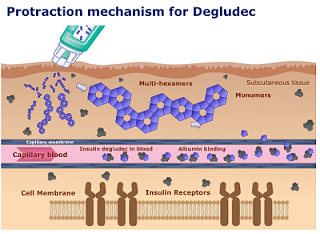
Insulin degludec is a modified insulin that has one single amino acid deleted in comparison to human insulin, and is conjugated to hexadecanedioic acid via gamma-L-glutamyl spacer at the amino acid lysine at position B29.
MARCH 05, 2013
Patients with diabetes in the UK can now get access to a new treatment option following the roll out of Novo Nordisk’s ultra-long-acting insulin Tresiba in the country, marking its first launch in Europe.
Tresiba (insulin degludec) is a once-daily basal insulin which, conveniently, can be administered at any time of the day and, thereby, is the first to offer diabetics flexibility in the timing of taking insulin, according to the firm.
The European Commission issued a green light for the drug – as well as sister product Ryzodeg (insulin degludec/insulin aspart) – for the treatment of diabetes in adults back in January.
Approval came on the back of studies comparing Tresiba to Sanofi’s blockbuster Lantus (insulin glargine), in which Novo’s drug demonstrated a significantly lower risk of overall and nocturnal hypoglycaemia, which is particularly important as patients are less aware of the symptoms, while successfully achieving equivalent reductions in HbA1c.
In fact, clinical data showed a 25% reduction in nocturnal hypoglycaemia for patients with type I diabetes taking Tresiba, while for insulin-naiive patients with Type II diabetes there was a 36% reduction compared to Lantus, the company said, although noting hypoglycaemia is still the most common side effect linked with its drug.
“With our current insulin treatments, it is important for people with diabetes to take their long-acting insulin at around the same time each day. However, the pharmacokinetics of insulin degludec mean that, on occasions when this is not possible, people with diabetes can alter the time they take their insulin without compromising their diabetes control or putting themselves at increased risk of hypoglycaemia,” commented Professor Richard Holt, Professor in Diabetes and Endocrinology at the University of Southampton.
“Good control of diabetes is essential to reduce the risk of long-term complications, so flexibility, when needed, is important,” he added.
Competitive edge?
In addition, its associated cut in the risk of nocturnal hypoglycaemia could give the drug another competitive edge, given that almost 50% of severe hypoglycaemic episodes – which have a significant impact not only on the patient but on the economy – occur at night.
The estimated UK cost for severe hypoglycaemia hit £30.4 million and £41.8 million for moderate hypoglycaemia in 2010/11, and each severe hypoglycaemic episode involving hospitalisation costs the NHS an estimated £2,153 per person.
The drug does come with a weighty price-tag, costing £72.00 per pack of 5 x 3 ml U100 FlexTouch pens, compared to the £41.50 per pack (5 x 3ml pre-filled pens) of Lantus. But a spokesperson for Novo stressed to PharmaTimes UK News that its price “reflects the clinical benefits and innovation that insulin degludec brings to patients”.
The National Institute for Health and Clinical Excellence will include Tresba its updated NICE Clinical Guidelines on diabetes, which are expected in 2014, the spokesperson confirmed.
Last month Novo was dealt a huge blow when US regulators knocked back Tresiba, after being reluctant to approve the drug without additional data on its cardiovascular effects.
The move came as somewhat of a surprise, given that advisers to the US Food and Drug Administration actually supported its approval, albeit with the proviso that a post-marketing cardiovascular outcomes trial be carried out.
NDA-US Marketing by Ranbaxy, Alembic has announced that it has received an NDA approval for extended release version of Pfizer’s anti depressant drug Pristiq, Desvenlafaxine Base

DESVENLAFAXINE
read at
5 march 2013
Alembic has announced that it has received an NDA approval for extended release version of Pfizer’s anti depressant drug Pristiq. Pristiq sell approximately $550m in the US. Alembic has outlicensed rights to Ranbaxy for marketing in the US. The company will start marketing the product immediately.
Alembic will manufacture and supply the drug to Ranbaxy for marketing in the US. Vadodara-based pharma player, Alembic Pharmaceuticals Limited has received the approval from the US Food and Drug Administration (USFDA) for a bioequivalent version of Pristiq by Pfizer.
DR ANTHONY MELVIN CRASTO

ORGANIC SPECTROSCOPY


 New Drug Approvals