

The latest set of opinions from advisors to the European Medicines Agency include recommendations to approve six new medicines, including Bristol-Myers Squibb’s new hepatitis C drug and Eli Lilly’s biosimilar of the Sanofi diabetes blockbuster Lantus.
Home » Biosimilar drugs (Page 2)
Category Archives: Biosimilar drugs
 DRUG APPROVALS BY DR ANTHONY MELVIN CRASTO
.....FOR BLOG HOME CLICK HERE
DRUG APPROVALS BY DR ANTHONY MELVIN CRASTO
.....FOR BLOG HOME CLICK HEREFlag and hits
ORGANIC SPECTROSCOPY
Read all about Organic Spectroscopy on
ORGANIC SPECTROSCOPY INTERNATIONAL

SUBSCRIBE

 Subscribe in a reader
Enter your email address:
Delivered by FeedBurner
Subscribe to New Drug Approvals by Email


Recent Comments
 | shivkr2 on SPSR Excellence Award 2025 – S… |
 | Bonkasaurus on Infigratinib phosphate |
 | PALOVAROTENE | ORGAN… on Palovarotene |
| Pfizer just purchase… on Temanogrel | |
| Pfizer To Cash In On… on Temanogrel |
FDA Approves Blincyto (blinatumomab) for Precursor B-Cell Acute Lymphoblastic Leukemia
 Blinatumomab linking a T cell to a malignant B cell.
FDA Approves Blincyto (blinatumomab) for Precursor B-Cell Acute Lymphoblastic Leukemia
December 3, 2014 — The U.S. Food and Drug Administration today
approved Blincyto (blinatumomab) to treat patients with Philadelphia
chromosome-negative precursor B-cell acute lymphoblastic leukemia
(B-cell ALL), an uncommon form of ALL.

Blinatumomab (AMG103) is a drug that has anti-cancer properties. It belongs to a new class of constructed monoclonal antibodies,bi-specific T-cell engagers (BiTEs), that exert action selectively and direct the human immune system to act against tumor cells. Blinatumomab specifically targets the CD19 antigen present on B cells.[1]
The drug was developed by a German-American company Micromet, Inc. in cooperation with Lonza; Micromet was later purchases by Amgen, which has furthered the drug’s clinical trials. In July 2014, the FDA granted breakthrough therapy status to blinatumomab for the treatment of acute lymphoblastic leukemia (ALL).[2] In October 2014, Amgen’s Biologics License Application for blinatumomab was granted priority review designation by the FDA, thus establishing a deadline of May 19, 2015 for completion of the FDA review process.[3]
Structure and mechanism of action
Blinatumomab linking a T cell to a malignant B cell.
Blinatumomab enables a patient’s T cells to recognize malignant B cells. A molecule of blinatumomab combines two binding sites: a CD3site for T cells and a CD19 site for the target B cells. CD3 is part of the T cell receptor. The drug works by linking these two cell types andactivating the T cell to exert cytotoxic activity on the target cell.[4] CD3 and CD19 are expressed in both pediatric and adult patients, making blinatumomab a potential therapeutic option for both pediatric and adult populations.[5]
Therapeutic use
Clinical trials
In a phase 1 clinical study with blinatumomab, patients with non-Hodgkin’s lymphoma showed tumor regression, and in some cases complete remission.[6] There are ongoing phase 1 and phase 2 clinical trials of blinatumomab in patients with acute lymphoblastic leukemia (ALL).[7] One phase II trial for ALL reported good results in 2010 and another is starting.[8]
Adverse effects
Common side effects observed in Phase 2 trials are listed below; they were temporary and typically occurred during the first treatment cycle:[5]
- Flu-like symptoms (i.e. fever, headache, and fatigue)
- Tremor
- Weight increase
- Hypokalemia
- Decrease of blood immunoglobulin
CNS effects were also observed during clinical trials and were treated via a lower dose of blinatumomab, administration of dexamethasone, or treatment discontinuation. Because the side effects were reversible, early monitoring for the CNS symptoms listed below is important:[5]
- Seizure
- Encephalopathy
- Tremor
- Apraxia
- Speech disorders
- Disorientation
Less common side effects include cytokine release syndrome and immunogenicity.[5]
References
- Statement on a Nonproprietary Name adopted by the USAN Council: Blinatumomab
- Amgen Receives FDA Breakthrough Therapy Designation For Investigational BiTE® Antibody Blinatumomab In Acute Lymphoblastic Leukemia
- Amgen’s BiTE® Immunotherapy Blinatumomab Receives FDA Priority Review Designation In Acute Lymphoblastic Leukemia
- Mølhøj, M; Crommer, S; Brischwein, K; Rau, D; Sriskandarajah, M; Hoffmann, P; Kufer, P; Hofmeister, R; Baeuerle, PA (March 2007). “CD19-/CD3-bispecific antibody of the BiTE class is far superior to tandem diabody with respect to redirected tumor cell lysis”. Mol Immunol 44 (8): 1935–43. doi:10.1016/j.molimm.2006.09.032. PMID 17083975.
- Background Information for the Pediatric Subcommittee of the Oncologic Drugs Advisory Committee Meeting 04 December 2012
- Bargou, R; et al. (2008). “Tumor regression in cancer patients by very low doses of a T cell-engaging antibody”. Science 321 (5891): 974–977. doi:10.1126/science.1158545.PMID 18703743.
- ClinicalTrials.gov NCT00560794 Phase II Study of the BiTE Blinatumomab (MT103) in Patients With Minimal Residual Disease of B-precursor Acute ALL
- “Micromet initiates MT103 phase 2 trial in adult ALL patients”. 20 Sep 2010.
External links
| Monoclonal antibody | |
|---|---|
| Type | Bi-specific T-cell engager |
| Source | Mouse |
| Target | CD19, CD3 |
| Clinical data | |
| Legal status |
?
|
| Identifiers | |
| CAS number | 853426-35-4  |
| ATC code | None |
| UNII | 4FR53SIF3A  |
| Chemical data | |
| Formula | C2367H3577N649O772S19 |
| Mol. mass | 54.1 kDa |
Over 700 biosimilars now in development worldwide: report
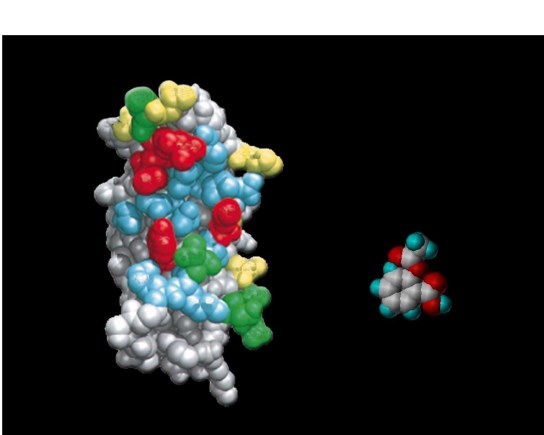
More than 700 follow-on biologic therapies are currently in development, and they are expected to account for around a quarter of the $100 billion-worth of sales stemming from off-patent biologic drugs by the end of this decade, according to new research.
read at
Ibritumomab tiuxetan

Ibritumomab tiuxetan, sold under the trade name Zevalin, is a monoclonal antibody radioimmunotherapy treatment for relapsed or refractory, low grade or transformed B cell non-Hodgkin’s lymphoma, a lymphoproliferative disorder. The drug uses the monoclonal mouse IgG1 antibody ibritumomab (pronounced as <ih bri TYOO mo mab>)[1] in conjunction with the chelator tiuxetan, to which a radioactive isotope (either yttrium-90 or indium-111) is added. Tiuxetan is a modified version of DTPA whose carbon backbone contains an isothiocyanatobenzyl and a methyl group.[2][3]

Mechanism of action
The antibody binds to the CD20 antigen found on the surface of normal and malignant B cells (but not B cell precursors), allowing radiation from the attached isotope (mostly beta emission) to kill it and some nearby cells. In addition, the antibody itself may trigger cell death via antibody-dependent cell-mediated cytotoxicity (ADCC), complement-dependent cytotoxicity (CDC), and apoptosis. Together, these actions eliminate B cells from the body, allowing a new population of healthy B cells to develop from lymphoid stem cells.

Zevalin (Ibritumomab tiuxetan) is a radio-labeled antibody. The antibody seeks and binds to cells that have a receptor called CD20 — present on both normal and malignant mature b-cells.
Once bound to the target cells, Zevalin delivers radiation, which enhances the killing effect of the antibody.
Because immature b-cells do not have the CD20 receptor, normal b-cells will recover in about nine months after treatment.
Rituxan (the naked antibody) is administered prior to Zevalin with the goal of clearing the majority of normal b-cells so that the therapeutic dose (the radio-labeled antibody) is more focused on tumor cells.

Preparation
Zevalin is supplied as a single dosage kit supplied by IDEC Pharmaceuticals Corp. It consists of Ibritumomab covalently conjugated to the metal chelator tiuxetan, which forms a stable complex with indium-111 for imaging and yttrium-90 for therapy.
The kit is supplied with four vials – a vial containing 3.2 mg of conjugated antibody in 2 ml saline, a vial containing 2 ml 50mM sodium acetate, a vial containing phosphate buffer, and a fourth empty reaction vial. Prior to labeling, a volume of sodium acetate buffer equivalent to 1.2 times the volume of the tracer solution is transferred to the reaction vial. Then 5.5 mCi (203.5 MBq) indium-111 or 40mCi (1.48 GBq) yttrium-90 is added to the reaction vial and mixed thoroughly without shaking. Next, 1.3 ml of conjugated antibody is added. The mixture is incubated for exactly 30min for indium-111 and for 5 min with yttrium-90 labeling, followed by the addition of enough phosphate buffer to make the final volume 10 ml. The labeling yield is determined by ITLC-SG with 0.9% saline as the mobile phase. Labeling efficiency should be greater than 95%.[4]

http://pubs.rsc.org/en/content/articlelanding/2006/cs/b514859f/unauth#!divAbstract
A cartoon depiction of the radiolabelled monoclonal antibody 90Y-ibritumomab tiuxetan 18.
Administration
In order to qualify for ibritumomab, a patient needs to have bone marrow involvement of < 25% and > 15% bone marrow cellularity. Since ibritumomab is known to cause cytopenia, platelet and neutrophil counts are also taken pretreatment. Refractory/relapsed patients should have platelet counts of 100,000 per cubic millimetre (100,000/cmm) or greater; consolidation patients should have counts of 150,000/cmm or greater. Since a murine antibody is used, the patient might also be tested for human anti mouse antibodies (HAMA). Having bulky disease does not disqualify a patient.
The ibritumomab regimen takes 7–9 days. An imaging dose of the drug is no longer required in the U.S. Rituxan 250 mg/sq.m is given day 1, then on day 7-9 the Rituxan dose is repeated and Zevalin given within four hours. The dose of Zevalin 0.4 mCi/kg (= 14.8MBq/kg) if platelet counts are above 150,000/cmm; 0.3 mCi/kg (= 11.1MBq/kg) if 100,000-150,000/cmm. The Zevalin dose never exceeds 32 mCi (= 1184MBq).[5]
Ibritumomab tiuxetan is administered by intravenous infusion which usually lasts around 10 minutes. Only acrylic shielding is needed, not lead. A trained nuclear medicine technologist performs the infusion and safely disposes of waste.
Efficacy
Treatment with ibritumomab showed higher response rates in clinical trials compared to treatment with only rituximab (similar to ibritumomab, but without the attached radioisotope), and showed very promising results for patients who no longer respond to rituximab.
In patients with relapsed or refractory low-grade, follicular, or transformed B-cell NHL, where no prior anti-CD20 therapy was allowed, the ORR was 83% / 55% and CR was 38% / 18%, comparing ibritumomab to rituximab. [6]
Recently, extended follow-up data for the ZEVALIN ([90Y]-ibritumomab tiuxetan) First-line Indolent (FIT) study presented at the American Society of Hematology (ASH) Annual Meeting demonstrated the continued improvement in progression-free survival (PFS) following ibritumomab consolidation therapy for patients with follicular B-cell non-Hodgkin’s lymphoma who achieved a response to first-line therapy over chemotherapy alone. Additionally, ibritumomab consolidation did not adversely affect the use of various effective second-line treatments including stem cell transplants in patients who relapsed.[7]
In a Phase II study on patients with relapsed and refractory mantle cell lymphoma, the OR was 42% and CR was 26%.[8]
A study demonstrated that rituximab followed by single agent ibritumomab in a front-line setting for patients with MALT lymphoma and low-grade follicular lymphoma that primarily involved the conjunctiva or orbit, produced a complete response rate of 83 percent.[9]

http://rd.springer.com/article/10.2165%2F00024669-200201050-00004#page-1
History
Developed by the IDEC Pharmaceuticals, which is now part of Biogen Idec, ibritumomab tiuxetan was the first radioimmunotherapy drug approved by the Food and Drug Administration (FDA) in 2002 to treat cancer. It was approved for the treatment of patients with relapsed or refractory, low‑grade or follicular B‑cell non‑Hodgkin’s lymphoma (NHL), including patients with rituximab refractory follicular NHL.
In December 2007, Cell Therapeutics Inc acquired the U.S. rights to sell, market, and distribute this radioimmunotherapy antibody from Biogen for approximately US$30 million, or the equivalent of about two years’ net sales revenue in the U.S. for the drug.[10] Outside of the U.S., Bayer Schering Pharma continues to have the rights to the drug.
In March 2009, Spectrum Pharmaceuticals acquired 100% control of RIT Oncology, LLC, to commercialize Zevalin in the US. Now Spectrum Pharmaceuticals is responsible for all activities relating to Zevalin in the US.
In September 2009, ibritumomab received approval from the FDA for an expanded label for the treatment of patients with previously untreated follicular non-Hodgkin’s Lymphoma (NHL), who achieve a partial or complete response to first-line chemotherapy.

Costs
Ibritumomab which is not available in a generic form because it is still under patent protection, is currently the most expensive drug available given in a single dose, costing over US$ 37,000 (€ 30,000) for the average dose. However, ibritumomab is essentially an entire course of lymphoma therapy which is delivered in 7–9 days, with one visit for pre-dosing Rituxan, and one visit a week later for the actual Zevalin therapeutic dose preceded by Rituxan. Compared to other monoclonal antibody treatments (many of which are well over US$ 40,000 for a course of therapy), this drug is priced in the middle for many of these therapies.
 |
|
| Monoclonal antibody | |
|---|---|
| Type | Whole antibody |
| Source | Mouse |
| Target | CD20 |
| Clinical data | |
| Trade names | Zevalin |
| AHFS/Drugs.com | monograph |
| Licence data | US FDA:link |
| Legal status | |
| Routes | intravenous |
| Identifiers | |
| CAS number | 174722-31-7 |
| ATC code | V10XX02 (90Y) |
| DrugBank | DB00078 |
External links
- http://www.zevalin.com/ – Official Zevalin web site
- http://www.spectrumpharm.com/ – Spectrum Pharmaceuticals, Inc. web site
- http://www.accessdata.fda.gov/drugsatfda_docs/label/2002/ibriide021902LB.pdf – Package Insert

http://www.fda.gov/ohrms/dockets/ac/01/slides/3782s2_02_idec/sld015.htm
References
- Ibritumomab: Pronunciation
- Milenic, Diane E.; Brady, Erik D.; Brechbiel, Martin W. (June 2004). “Antibody-targeted radiation cancer therapy”. Nat Rev Drug Discov 3 (6): 488–499. doi:10.1038/nrd1413. ISSN 1474-1776. PMID 15173838.
- WHO Drug Information
- http://www.accessdata.fda.gov/drugsatfda_docs/label/2002/ibriide021902LB.pdf
- Ibritumomab: Indications
- Ibritumomab: Efficacy
- ZEVALIN Consolidation in First-Line Therapy in Patients with Non-Hodgkin’s Lymphoma Resulted in a Progression-Free Survival of Greater Than 67 Months
- Zevalin and mantle cell
- ZEVALIN(R) Produced 83 Percent Complete Response Rate in Mucosa-Associated Lymphoid Tissue (MALT) Orbital Lymphoma Study
- [1]
// // // // //
September 23, 2014
// CASI Signs China Licensing Deal With Spectrum For 3 Cancer Drugs…http://www.outsourcedpharma.com/doc/casi-signs-china-licensing-deal-with-spectrum-for-cancer-drugs-0001
// CASI Signs China Licensing Deal With Spectrum For 3 Cancer Drugs// // // // //
CASI Pharmaceuticals and Spectrum Pharmaceuticals (SPPI) announced the signing of a license agreement that gives CASI exclusive rights to develop three cancer drugs from Spectrum and market them in China, including Macau, Hong Kong, and Taiwan.
The agreement concerns the two approved cancer drugs Zevalin (ibritumomab tiuxetan) Injection non-Hodgkin’s lymphoma (NHL) and Marqibo (vinCRIStine sulfate LIPOSOME injection) for acute lymphoblastic leukemia (ALL) as well as the investigational Phase 3 drug Captisol-Enabled Melphalan (CE melphalan) being studied as a conditioning treatment before autologous stem cell transplant in patients with multiple myeloma. Spectrum recently reported that Melphalan met its primary endpoint in its pivotal safety and efficacy trial. In view of the results, Spectrum said it intends to file a New Drug Application (NDA) with the U.S. Food and Drug Administration (FDA) for the drug in the second half of 2014.
// // // // //
FDA approves Keytruda for advanced melanoma, First PD-1 blocking drug to receive agency approval

September 4, 2014
FDA Release
The U.S. Food and Drug Administration today granted accelerated approval to Keytruda (pembrolizumab) for treatment of patients with advanced or unresectable melanoma who are no longer responding to other drugs.
Melanoma, which accounts for approximately 5 percent of all new cancers in the United States, occurs when cancer cells form in skin cells that make the pigment responsible for color in the skin. According to the National Cancer Institute, an estimated 76,100 Americans will be diagnosed with melanoma and 9,710 will die from the disease this year.
Keytruda is the first approved drug that blocks a cellular pathway known as PD-1, which restricts the body’s immune system from attacking melanoma cells. Keytruda is intended for use following treatment with ipilimumab, a type of immunotherapy. For melanoma patients whose tumors express a gene mutation called BRAF V600, Keytruda is intended for use after treatment with ipilimumab and a BRAF inhibitor, a therapy that blocks activity of BRAF gene mutations.
“Keytruda is the sixth new melanoma treatment approved since 2011, a result of promising advances in melanoma research,” said Richard Pazdur, M.D., director of the Office of Hematology and Oncology Products in the FDA’s Center for Drug Evaluation and Research. “Many of these treatments have different mechanisms of action and bring new options to patients with melanoma.”
The five prior FDA approvals for melanoma include: ipilimumab (2011), peginterferon alfa-2b (2011), vemurafenib (2011), dabrafenib (2013), and trametinib (2013).
The FDA granted Keytruda breakthrough therapy designation because the sponsor demonstrated through preliminary clinical evidence that the drug may offer a substantial improvement over available therapies. It also received priority review and orphan product designation. Priority review is granted to drugs that have the potential, at the time the application was submitted, to be a significant improvement in safety or effectiveness in the treatment of a serious condition. Orphan product designation is given to drugs intended to treat rare diseases.
The FDA action was taken under the agency’s accelerated approval program, which allows approval of a drug to treat a serious or life-threatening disease based on clinical data showing the drug has an effect on a surrogate endpoint reasonably likely to predict clinical benefit to patients. This program provides earlier patient access to promising new drugs while the company conducts confirmatory clinical trials. An improvement in survival or disease-related symptoms has not yet been established.
Keytruda’s efficacy was established in 173 clinical trial participants with advanced melanoma whose disease progressed after prior treatment. All participants were treated with Keytruda, either at the recommended dose of 2 milligrams per kilogram (mg/kg) or at a higher dose of 10 mg/kg. In the half of the participants who received Keytruda at the recommended dose of 2 mg/kg, approximately 24 percent had their tumors shrink. This effect lasted at least 1.4 to 8.5 months and continued beyond this period in most patients. A similar percentage of patients had their tumor shrink at the 10 mg/kg dose.
Keytruda’s safety was established in the trial population of 411 participants with advanced melanoma. The most common side effects of Keytruda were fatigue, cough, nausea, itchy skin (pruritus), rash, decreased appetite, constipation, joint pain (arthralgia) and diarrhea. Keytruda also has the potential for severe immune-mediated side effects. In the 411 participants with advanced melanoma, severe immune-mediated side effects involving healthy organs, including the lung, colon, hormone-producing glands and liver, occurred uncommonly.
Keytruda is marketed by Merck & Co., based in Whitehouse Station, New Jersey.


Pembrolizumab, Lambrolizumab, MK-3475
STRUCTURAL FORMULA
Heavy chain
QVQLVQSGVE VKKPGASVKV SCKASGYTFT NYYMYWVRQA PGQGLEWMGG 50
INPSNGGTNF NEKFKNRVTL TTDSSTTTAY MELKSLQFDD TAVYYCARRD 100
YRFDMGFDYW GQGTTVTVSS ASTKGPSVFP LAPCSRSTSE STAALGCLVK 150
DYFPEPVTVS WNSGALTSGV HTFPAVLQSS GLYSLSSVVT VPSSSLGTKT 200
YTCNVDHKPS NTKVDKRVES KYGPPCPPCP APEFLGGPSV FLFPPKPKDT 250
LMISRTPEVT CVVVDVSQED PEVQFNWYVD GVEVHNAKTK PREEQFNSTY 300
RVVSVLTVLH QDWLNGKEYK CKVSNKGLPS SIEKTISKAK GQPREPQVYT 350
LPPSQEEMTK NQVSLTCLVK GFYPSDIAVE WESNGQPENN YKTTPPVLDS 400
DGSFFLYSRL TVDKSRWQEG NVFSCSVMHE ALHNHYTQKS LSLSLGK 447
Light chain
EIVLTQSPAT LSLSPGERAT LSCRASKGVS TSGYSYLHWY QQKPGQAPRL 50′
LIYLASYLES GVPARFSGSG SGTDFTLTIS SLEPEDFAVY YCQHSRDLPL 100′
TFGGGTKVEI KRTVAAPSVF IFPPSDEQLK SGTASVVCLL NNFYPREAKV 150′
QWKVDNALQS GNSQESVTEQ DSKDSTYSLS STLTLSKADY EKHKVYACEV 200′
THQGLSSPVT KSFNRGEC 218′
Disulfide bridges
22-96 22”-96” 23′-92′ 23”’-92”’ 134-218′ 134”-218”’ 138′-198′ 138”’-198”’
147-203 147”-203” 226-226” 229-229” 261-321 261”-321” 367-425 367”-425”
Glycosylation sites (N)
Asn-297 Asn-297”
lambrolizumab, or MK-3475
| C6504H10004N1716O2036S46 (peptide) | |
| MOL. MASS | 146.3 kDa (peptide) |
Pembrolizumab, Lambrolizumab (also known as MK-3475) is a drug in development by Merck that targets the PD-1 receptor. The drug is intended for use in treating metastatic melanoma.
http://www.ama-assn.org/resources/doc/usan/lambrolizumab.pdf structureof lambrolizumab, or MK-3475
https://download.ama-assn.org/resources/doc/usan/x-pub/pembrolizumab.pdf
Statement on a Nonproprietary Name Adopted by the USAN Council. November 27, 2013.
see above link for change in name
may 2, 2013,
An experimental drug from Merck that unleashes the body’s immune system significantly shrank tumors in 38 percent of patients with advanced melanoma, putting the company squarely in the race to bring to market one of what many experts view as the most promising class of drugs in years.
The drugs are attracting attention here at the annual meeting of the American Society of Clinical Oncology, even though they are still in the early stage of testing. Data from drugs developed by Bristol-Myers Squibb and by Roche had already been released.
The drugs work by disabling a brake that prevents the immune system from attacking cancer cells. The brake is a protein on immune system cells called programmed death 1 receptor, or PD-1.
Merck’s study, which was presented here Sunday and also published in the New England Journal of Medicine, involved 135 patients. While tumors shrank in 38 percent of the patients over all, the rate was 52 percent for patients who got the highest dose of the drug, which is called lambrolizumab, or MK-3475.
But that is what is disclosed tonight, as to pembrolizumab, or MK-3475. Wow. With over $44 billion in 2013 worldwide revenue, that disclosure implies (to seasoned SEC lawyers) that spending on this one drug (or, biologic, to be more technical about it — but remember 40 years ago, Merck had no protein chain biologics research & development programs in its pipe — only chemical drug compounds). . . is material, to that number. Normally that would, in turn, mean that the spending is approaching 5 per cent of revenue. So — Merck may be spending $2.2 billion over the next 12 rolling months, on MK-3475. That’s one BIGhairy science bet, given that Whitehouse Station likely already had over $2 billion invested in the program, at year end 2013.


About Pembrolizumab
Pembrolizumab (MK-3475) is an investigational selective, humanized monoclonal anti-PD-1 antibody designed to block the interaction of PD-1 on T-cells with its ligands, PD-L1 and PD-L2, to reactivate anti-tumor immunity. Pembrolizumab exerts dual ligand blockade of PD-1 pathway.
Today, pembrolizumab is being evaluated across more than 30 types of cancers, as monotherapy and in combination. It is anticipated that by the end of 2014, the pembrolizumab development program will grow to more than 24 clinical trials across 30 different tumor types, enrolling an estimated 6,000 patients at nearly 300 clinical trial sites worldwide, including new Phase 3 studies in head and neck and other cancers. For information about Merck’s oncology clinical studies, please click here.
The Biologics License Application (BLA) for pembrolizumab is under priority review with the U.S. Food and Drug Administration (FDA) for the proposed indication for the treatment of patients with advanced melanoma previously-treated with ipilimumab; the PDUFA date is October 28, 2014. Pembrolizumab has been granted FDA’s Breakthrough Therapy designation for advanced melanoma. If approved by the FDA, pembrolizumab has the potential to be the first PD-1 immune checkpoint modulator approved in this class. The company plans to file a Marketing Authorization Application in Europe for pembrolizumab for advanced melanoma in 2014.
About Head and Neck Cancer
Head and neck cancers are a related group of cancers that involve the oral cavity, pharynx and larynx. Most head and neck cancers are squamous cell carcinomas that begin in the flat, squamous cells that make up the thin surface layer (epithelium) of the head and neck (called the). The leading risk factors for head and neck cancer include tobacco and alcohol use. Infection with certain types of HPV, also called human papillomaviruses, is a risk factor for some types of head and neck cancer, specifically cancer of the oropharynx, which is the middle part of the throat including the soft palate, the base of the tongue, and the tonsils. Each year there are approximately 400,000 cases of cancer of the oral cavity and pharynx, with 160,000 cancers of the larynx, resulting in approximately 300,000 deaths.

About Merck Oncology: A Focus on Immuno-Oncology
At Merck Oncology, our goal is to translate breakthrough science into biomedical innovations to help people with cancer worldwide. Harnessing immune mechanisms to fight cancer is the priority focus of our oncology research and development program. The Company is advancing a pipeline of immunotherapy candidates and combination regimens. Cancer is one of the world’s most urgent unmet medical needs. Helping to empower people to fight cancer is our passion. For information about Merck’s commitment to Oncology visit the Oncology Information Center at http://www.mercknewsroom.com/oncology-infocenter.
About Merck
Today’s Merck is a global healthcare leader working to help the world be well. Merck is known as MSD outside the United States and Canada. Through our prescription medicines, vaccines, biologic therapies, and consumer care and animal health products, we work with customers and operate in more than 140 countries to deliver innovative health solutions. We also demonstrate our commitment to increasing access to healthcare through far-reaching policies, programs and partnerships. For more information, visit http://www.merck.com and connect with us on Twitter, Facebook and YouTube.
Hamid, O; Robert, C; Daud, A; Hodi, F. S.; Hwu, W. J.; Kefford, R; Wolchok, J. D.; Hersey, P; Joseph, R. W.; Weber, J. S.; Dronca, R; Gangadhar, T. C.; Patnaik, A; Zarour, H; Joshua, A. M.; Gergich, K; Elassaiss-Schaap, J; Algazi, A; Mateus, C; Boasberg, P; Tumeh, P. C.; Chmielowski, B; Ebbinghaus, S. W.; Li, X. N.; Kang, S. P.; Ribas, A (2013). “Safety and tumor responses with lambrolizumab (anti-PD-1) in melanoma”. New England Journal of Medicine 369 (2): 134–44. doi:10.1056/NEJMoa1305133. PMID 23724846

key words
FDA, approved, Keytruda, advanced melanoma, PD-1 blocking drug, pembrolizumab, Lambrolizumab, MK-3475, Monoclonal antibody



Celltrion files Remsima in the United States

Celltrion files Remsima in the United States:
Celltrion announced that the company, on August 8, 2014, completed the filing procedure to obtain US FDA approval for its infliximab biosimilar. This marks the first 351(k) biosimilar mAb application to be filed in the U.S.A. and the second application for a biosimilar to be filed through the US BPCIA.


Higher-Order Structure Comparability: Case Studies of Biosimilar Monoclonal Antibodies

Figure 1a: Diagram of the antibody array enzyme-linked immunosorbent assay (ELISA)

Figure 1b: ELISA format for the antibody array technology
Great successes for monoclonal antibody (MAb)–based biologics over the past decade have provided many valuable options for patients combating some of the most serious diseases in the world, including cancer and autoimmune diseases. MAbs and antibody–drug conjugates (ADCs) are among the fastest growing biologic segments in development, with hundreds of candidates currently under clinical study.
read at
http://www.bioprocessintl.com/manufacturing/biosimilars/higher-order-structure-comparability/
Hetero launches darbepoetin alfa biosimilar in India


The Hetero Group, one of the largest manufacturers and suppliers of activepharmaceutical ingredients to the Indian pharmaceutical industry, yesterdayannounced the launch of its first biosimilar product in India, darbepoetin alfa.
This launch marks a significant advancement for Hetero in a biosimilars market expected to grow to US$ 24B in the next five years. In partnership with several prominent pharmaceutical companies, Hetero is launching the drug across India.
http://www.biosimilarnews.com/hetero-launches-darbepoetin-alfa-biosimilar-in-india june 19 2014

Darbepoetin alfa (rINN) /dɑrbəˈpɔɪtɨn/ is a synthetic form of erythropoietin. It stimulates erythropoiesis (increases red blood celllevels) and is used to treat anemia, commonly associated with chronic renal failure and cancer chemotherapy. Darbepoetin is marketed by Amgen under the trade name Aranesp.
The drug was approved in September 2001 by the Food and Drug Administration for treatment of anemia in patients with chronic renal failure by intravenous or subcutaneous injection.[1] In June 2001, it had been approved by the European Medicines Agency for this indication as well as the treatment of anemia in cancer patients undergoing chemotherapy.[2]
Dr. Reddy’s Laboratories launched darbepoetin alfa in India under the brand name ‘Cresp’ in August 2010. This is the world’s first generic darbepoetin alfa. Cresp has been approved in India.

Human erythropoietin with 2 aa substitutions to enhance glycosylation (5 N-linked chains), 165 residues (MW=37 kD). Produced in Chinese hamster ovary (CHO) cells by recombinant DNA technology.
APPRLICDSRVLERYLLEAKEAENITTGCAEHCSLNENITVPDTKVNFYAWKRMEVGQQA
VEVWQGLALLSEAVLRGQALLVNSSQPWEPLQLHVDKAVSGLRSLTTLLRALGAQKEAIS
PPDAASAAPLRTITADTFRKLFRVYSNFLRGKLKLYTGEACRTGDR
Darbepoetin is produced by recombinant DNA technology in modified Chinese hamster ovary cells.[citation needed] It differs from endogenous erythropoietin (EPO) by containing two more N-linked oligosaccharide chains. It is an erythropoiesis-stimulating 165-amino acid protein.
Like EPO, its use increases the risk of cardiovascular problems, including cardiac arrest, arrhythmia, hypertension and hypertensive encephalopathy, congestive heart failure, vascular thrombosis or ischemia, myocardial infarction, edema, and stroke. It can also increase risk of seizures. A recent study has extended these findings to treatment of patients exhibiting cancer-related anemia (distinct from anemia resulting from chemotherapy).[3] Pre-existing untreated hypertension is a contra-indication for darbepoetin, as well as some hematologic diseases. Other reported adverse reactions include hypotension, fever, chest pains, nausea and myalgia.
Like EPO, it has the potential to be abused by athletes seeking a competitive advantage. Its use during the 2002 Winter Olympic Games to improve performance led to the disqualification of cross-country skiers Larisa Lazutina and Olga Danilova of Russia and Johann Mühlegg of Spain from their final races.
Safety advisories in anemic cancer patients
Amgen sent a “dear doctor” letter in January, 2007, that highlighted results from a recent anemia of cancer trial, and warned doctors to consider use in that off-label indication with caution.
Amgen advised the U.S. Food and Drug Administration (FDA) as to the results of the DAHANCA 10 clinical trial. The DAHANCA 10 data monitoring committee found that 3-year loco-regional control in subjects treated with Aranesp was significantly worse than for those not receiving Aranesp (p=0.01).
In response to these advisories, the FDA released a Public Health Advisory[4] on March 9, 2007, and a clinical alert[5] for doctors on February 16, 2007, about the use of erythropoeisis-stimulating agents such as epogen and darbepoetin. The advisory recommended caution in using these agents in cancer patients receiving chemotherapy or off chemotherapy, and indicated a lack of clinical evidence to support improvements in quality of life or transfusion requirements in these settings.
In addition, on March 9, 2007, drug manufacturers agreed to new “black box” warnings about the safety of these drugs. On November 8, 2007, additional “black box” warnings were included on the aranesp label, at the request of the FDA.
On March 22, 2007, a congressional inquiry into the safety of erythropoeitic growth factors was reported in the news media. Manufacturers were asked to suspend drug rebate programs for physicians and to also suspend marketing the drugs to patients.
Business considerations for drug manufacturers

| Property | Value | Source |
|---|---|---|
| melting point | 53 °C | Arakawa, T. et al., Biosci. Biotechnol. Biochem. 65:1321-1327 (2001) |
| Country | Patent Number | Approved | Expires (estimated) |
|---|---|---|---|
| Canada | 2165694 | 2003-03-18 | 2010-10-15 |
| Canada | 2147124 | 2002-11-05 | 2014-08-16 |
Epogen and Darbepoetin alfa had more than $6 billion in combined sales in 2006. Procrit sales were about $3.2 billion in 2006.
| Clinical data | |
|---|---|
| AHFS/Drugs.com | monograph |
| MedlinePlus | a604022 |
| Licence data | EMA:Link, US FDA:link |
| Pregnancy cat. | B3 (AU) |
| Legal status | Prescription Only (S4) (AU) |
| Identifiers | |
| CAS number | 11096-26-7 |
| ATC code | B03XA02 |
| DrugBank | DB00012 |
| Chemical data | |
| Formula | C815H1317N233O241S5 |
| Mol. mass | 18396.1 g/mol |
Aranesp (darbepoetin alfa) is an erythropoiesis-stimulating protein that is produced in Chinese hamster ovary (CHO) cells by recombinant DNA technology. Aranesp is a 165-amino acid protein that differs fromrecombinant human erythropoietin in containing 5 N-linked oligosaccharide chains, whereas recombinant human erythropoietin contains 3 chains. The 2 additional N-glycosylation sites result from amino acid substitutions in the erythropoietin peptide backbone. The approximate molecular weight of darbepoetin alfa is 37,000 daltons.
Aranesp is formulated as a sterile, colorless, preservative-free solution containing polysorbate for intravenous or subcutaneous administration. Each 1 mL contains polysorbate 80 (0.05 mg), sodium chloride (8.18 mg), sodium phosphate dibasic anhydrous (0.66 mg), and sodium phosphate monobasic monohydrate (2.12 mg) in Water for Injection, USP (pH 6.2 ± 0.2).
What are the possible side effects of darbepoetin alfa (Aranesp, Aranesp Albumin Free, Aranesp SureClick)?
Get emergency medical help if you have any of these signs of an allergic reaction: hives; difficulty breathing; swelling of your face, lips, tongue, or throat.
Contact your doctor if you feel light-headed or unusually weak or tired. These may be signs that your body has stopped responding to darbepoetin alfa.
Darbepoetin alfa can increase your risk of life-threatening heart or circulation problems, including heart attack or stroke. This risk will increase the longer you use darbepoetin alfa. Seek emergency medical help if you…
Read All Potential Side Effects and See Pictures of Aranesp »
What are the precautions when taking darbepoetin alfa (Aranesp)?
Before using darbepoetin alfa, tell your doctor or pharmacist if you are allergic to it; or to other drugs that cause more red blood cells to be made (e.g., epoetin alfa); or to products containing human albumin; or if you have any other allergies. This product may contain inactive ingredients (such as polysorbate, latex), which can cause allergic reactions or other problems. Talk to your pharmacist for more details.
Before using this medication, tell your doctor or pharmacist your medical history, especially of: high blood pressure, blood disorders (e.g., sickle cell anemia, white blood cell or platelet problems, bone marrow problems), bleeding/clotting problems, blood vessel problems (e.g., stroke), heart problems (e.g., angina, heart failure), seizure disorder, a certain…
References
- Jay P. Siegel (2001-09-17). “Product Approval Information – Licensing Action”. United States Food and Drug Administration. Archived from the original on 2006-10-22. Retrieved 2007-01-27.
- “European Public Assessment Report (Abstract)” (PDF). European Medicines Agency. 2001-06-08. Retrieved 2007-01-27.
- Pollack, Andrew (2007-01-26). “Amgen Finds Anemia Drug Holds Risks in Cancer Use”. The New York Times. Retrieved 2007-01-27.
- “FDA Public Health Advisory: Erythropoiesis-Stimulating Agents (ESAs): Epoetin alfa (marketed as Procrit, Epogen), Darbepoetin alfa (marketed as Aranesp)”. Archived from the original on 2007-05-28. Retrieved 2007-06-05.
- “Information for Healthcare Professionals: Erythropoiesis Stimulating Agents (ESA)”. Archived from the original on 2007-05-15. Retrieved 2007-06-05.
Phase 3 data demonstrate comparability of Epirus’ BOW015 to Remicade for rheumatoid arthritis:

Epirus Switzerland GmbH, a subsidiary of Boston-based Epirus Biopharmaceuticals focused on the global development and commercialization of biosimilar monoclonal antibodies, announced clinical data from a Phase 3 study of the efficacy and safety of BOW015, a biosimilar infliximab, in patients with active rheumatoid arthritis (RA).
Phase 3 data demonstrate comparability of Epirus’ BOW015 to Remicade for rheumatoid arthritis:
Epirus Switzerland GmbH, a subsidiary of Boston-based Epirus Biopharmaceuticals focused on the global development and commercialization of biosimilar monoclonal antibodies, announced clinical data from a Phase 3 study of the efficacy and safety of BOW015… READ MORE
Indian Biosimilars Market
Indian Biosimilars Market

India is one of the biggest sources of generic industry and is one of the emerging markets with its high population and investment in technology. Although India does not have stringent regulations, the country has a big potential for biosimilars…
If we have a look at the sales figures of Indian biosimilars, 200 million US dollars of sales was recorded in 2008. But according to the analysts, the market will grow to 580 mUSD in 2012, which means a CAGR +30%.
http://www.biosimilarnews.com/indian-biosimilars-market


 New Drug Approvals
