
Home » ANTI DIABETES
Category Archives: ANTI DIABETES
 DRUG APPROVALS BY DR ANTHONY MELVIN CRASTO
.....FOR BLOG HOME CLICK HERE
DRUG APPROVALS BY DR ANTHONY MELVIN CRASTO
.....FOR BLOG HOME CLICK HEREFlag and hits
ORGANIC SPECTROSCOPY

SUBSCRIBE

 Subscribe in a reader
Enter your email address:
Delivered by FeedBurner
Subscribe to New Drug Approvals by Email


Recent Comments
 | shivkr2 on SPSR Excellence Award 2025 – S… |
 | Bonkasaurus on Infigratinib phosphate |
 | PALOVAROTENE | ORGAN… on Palovarotene |
| Pfizer just purchase… on Temanogrel | |
| Pfizer To Cash In On… on Temanogrel |
Atigliflozin
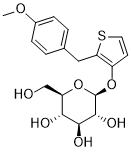
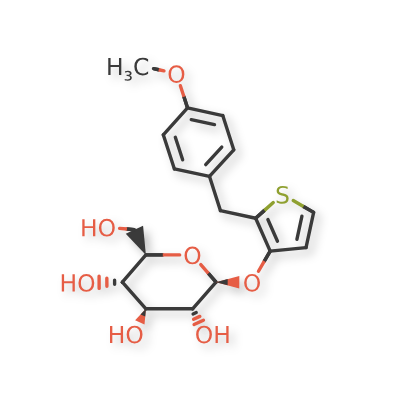
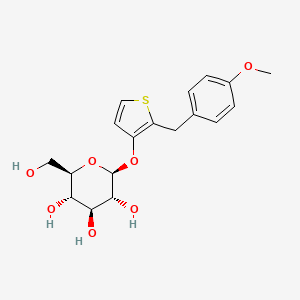
Atigliflozin
CAS 647834-15-9
Chemical Formula: C18H22O7S
Exact Mass: 382.1086
Molecular Weight: 382.43
AVE 2268; AVE-2268; AVE2268; Y0H7UPE4WJ
(2R,3S,4S,5R,6S)-2-(hydroxymethyl)-6-((2-(4-methoxybenzyl)thiophen-3-yl)oxy)tetrahydro-2H-pyran-3,4,5-triol
Atigliflozin (AVE-2268) is an orally active and selective SGLT-2 inhibitor, with IC50s of 10 nM and 8.2 μM for hSGLT-2 and hSGLT-1) respectively. Atigliflozin can lower the blood glucose and improve the impaired oral glucose tolerance. Atigliflozin can be used for research of type II diabetes mellitus.
Patent
- Treatment for diabetes in patients inappropriate for metformin therapyPublication Number: KR-20240160678-APriority Date: 2008-08-06
- Use of thiophene glycoside derivatives for producing medicaments for treatment of hypertensionPublication Number: WO-2009138195-A2Priority Date: 2008-05-16
- Treatment for diabetes in patients inappropriate for metformin therapyPublication Number: KR-20200118243-APriority Date: 2008-08-06
- Treatment of diabetes in patients who are inadequate for metformin treatmentPublication Number: JP-2021035998-APriority Date: 2008-08-06
- Treatment for diabetes in patients inappropriate for metformin therapyPublication Number: US-2021093633-A1Priority Date: 2008-08-06
- Treatment of diabetes in patients unsuitable for metformin treatmentPublication Number: JP-2023011007-APriority Date: 2008-08-06
- Treatment for diabetes in patients inappropriate for metformin therapyPublication Number: US-2022323434-A1Priority Date: 2008-08-06
- Treatment for diabetes in patients inappropriate for metformin therapyPublication Number: US-2018271859-A1Priority Date: 2008-08-06
- Treatment for diabetes in patients inappropriate for metformin therapyPublication Number: US-2019105321-A1Priority Date: 2008-08-06
- Treatment for diabetes in patients inappropriate for metformin therapyPublication Number: US-8853156-B2Priority Date: 2008-08-06Grant Date: 2014-10-07
- Treatment for diabetes in patients inappropriate for metformin therapyPublication Number: US-9486526-B2Priority Date: 2008-08-06Grant Date: 2016-11-08
- Treatment for diabetes in patients inappropriate for metformin therapyPublication Number: WO-2010015664-A1Priority Date: 2008-08-06
SYN
https://www.sciencedirect.com/science/article/abs/pii/S022352342400223X
Atigliflozin is developed by Sanofi and is currently in phase II clinical development. It is used for the treatment of T2DM (IC50= 13 nmol/L)[74]. In mice, Atigliflozin led to a rise in urinary glucose excretion that was dependent on the dosage administered (ID3030=79±8.1 mg/kg p.o.). Similarly, in rats, Atigliflozin caused a dose-dependent increase in UGE(ID= 39.8±4.0 mg/kg p.o.). When glucose was administered intraperitoneally, Atigliflozin was found to be more effective in reducing blood glucose levels in mice (IDorally administered glucose (ID5050= 13.2±3.9 mg/kg) compared to =26.1±3.9 mg/kg). This suggests that Atigliflozin does not have an impact on SGLT 1 in the gut in vivo, which
aligns with its very low affinity to SGLT1 in vitro Additionally, studies have demonstrated that the combined use of metformin and Atigliflozin can effectively lower glucose levels by inhibiting the body’s natural glucose production. This coapplication may offer a sustainable solution for improving glycemic control in in dividuals with T2DM [75].
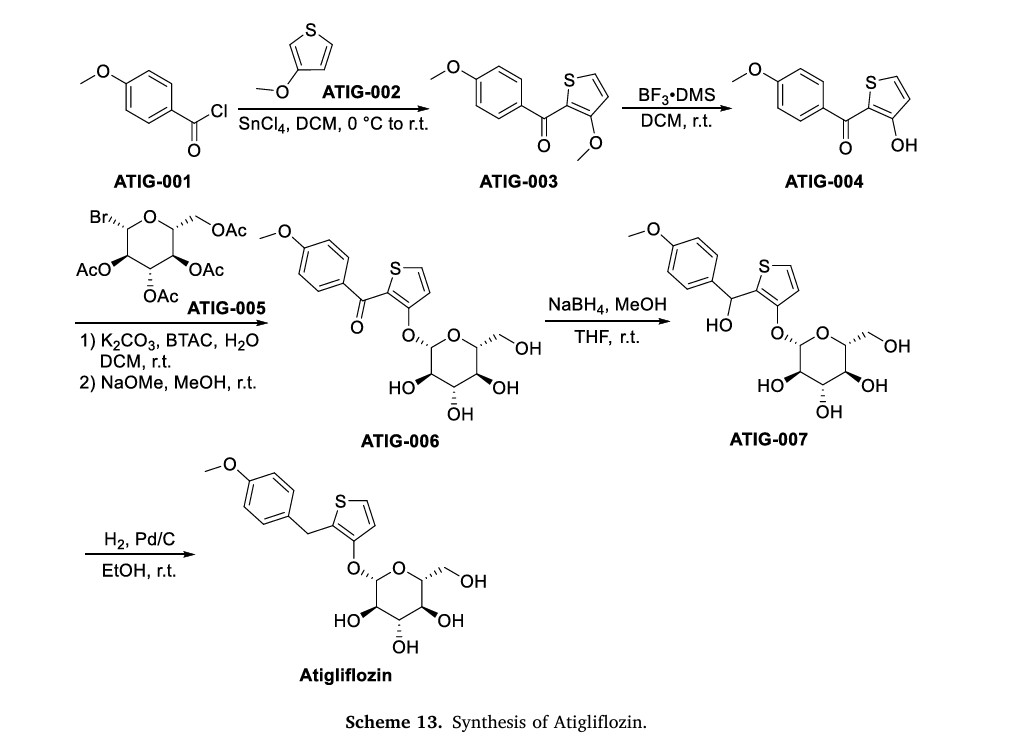
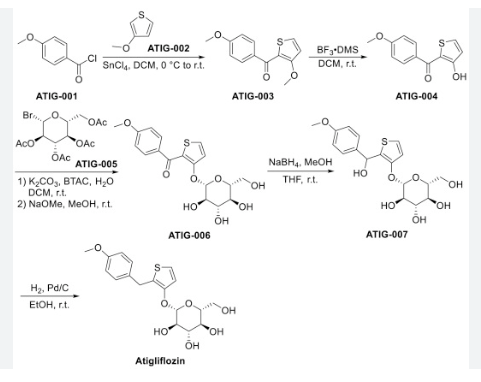
The original synthesis route of Atigliflozin is showed in Scheme 13 [76,77]. Friedel-Crafts acylation of 4-methoxybenzoyl chloride (ATIG-001) with 3-methoxythiophene (ATIG-002) catalyzed by SnCl114to give the ketone ATIG-003. In the presence of borane-methyl sulfide (DMS) complex, ATIG-003 is demethylated to give the thiophenol ATIG-004. Next, nucleophilic substitution of ATIG-004 with 2,3,4,
6-tetra-O-acetyl αD-glucopyranosyl bromide (ATIG-005), followed by hydrolysis in the presence of sodium methanolate give ether ATIG-006. ATIG-006 is reduced by sodium borohydride to give the alcohol ATIG-007. Finally, further reduction of ATIG-007 catalyzed by Pd/C with H2 provides Atigliflozin.
[74] M. Bickel, H. Brummerhop, W. Frick, H. Glombik, A.W. Herling, H.O. Heuer,
O. Plettenburg, S. Theis, U. Werner, W. Kramer, Effects of AVE2268, a substituted
glycopyranoside, on urinary glucose excretion and blood glucose in mice and rats,
Arzneimittelforschung 58 (2008) 574–580.
[75] S. Neschen, M. Scheerer, A. Seelig, P. Huypens, J. Schultheiss, M. Wu, W. Wurst,
B. Rathkolb, K. Suhre, E. Wolf, J. Beckers, M. Hrab´e de Angelis, Metformin
supports the antidiabetic effect of a sodium glucose cotransporter 2 inhibitor by
suppressing endogenous glucose production in diabetic mice, Diabetes 64 (2015)
284–290.
[76] G. Heiner, F. Wendelin, H. Hubert, K. Werner, Novel Thiophenylglycoside
Derivatives, Methods for Production Thereof, Medicaments Comprising Said
Compounds and Use Thereof, 2014 WO2004007517A1.
[77] H. Glombik, W. Frick, H. Heuer, W. Kramer, Thiophene Glycoside Derivatives,
Processes for the Preparation, Medicaments Comprising These Compounds, and the
Use Thereof, 2010 US7666848B2.
- The magic of small structure differences in a sodium‐glucose cotransporter drug discovery project—14C‐labelled drug candidates in a key‐differentiating studyPublication Name: Journal of Labelled Compounds and RadiopharmaceuticalsPublication Date: 2020-07-14PMID: 32633850DOI: 10.1002/jlcr.3869
- Metformin Supports the Antidiabetic Effect of a Sodium Glucose Cotransporter 2 Inhibitor by Suppressing Endogenous Glucose Production in Diabetic MicePublication Name: DiabetesPublication Date: 2014-07-28PMID: 25071027DOI: 10.2337/db14-0393
- Energy loss via urine and faeces – a combustive analysis in diabetic rats and the impact of antidiabetic treatment on body weightPublication Name: Diabetes, Obesity and MetabolismPublication Date: 2012-11-22PMID: 23121319DOI: 10.1111/dom.12030
- Effects of AVE2268, a Substituted Glycopyranoside, on Urinary Glucose Excretion and Blood Glucose in Mice and RatsPublication Name: Arzneimittel-ForschungPublication Date: 2011-12-19PMID: 19137908DOI: 10.1055/s-0031-1296559
- [1]. Schudok M, et al. The magic of small structure differences in a sodium-glucose cotransporter drug discovery project-14 C-labelled drug candidates in a key-differentiating study. J Labelled Comp Radiopharm. 2021 Feb;64(2):73-76. [Content Brief][2]. Bickel M, et al. Effects of AVE2268, a substituted glycopyranoside, on urinary glucose excretion and blood glucose in mice and rats. Arzneimittelforschung. 2008;58(11):574-80. [Content Brief]
////////// Atigliflozin, AVE 2268, AVE-2268, AVE2268, Y0H7UPE4WJ
Mizagliflozin
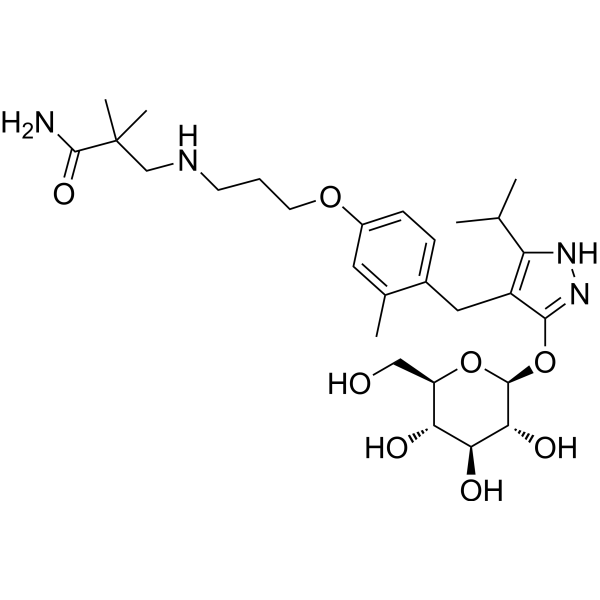
Mizagliflozin
- CAS 666843-10-3
- 1X96A704XV
- DSP-3235
- KGA-3235
WeightAverage: 564.68
Monoisotopic: 564.315914393
Chemical FormulaC28H44N4O8
- Dsp-3235 free base
- GSK-1614235 free base
- Kga-3235 free base
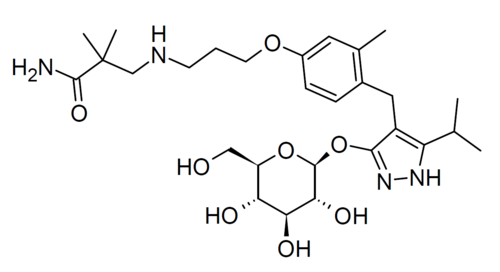
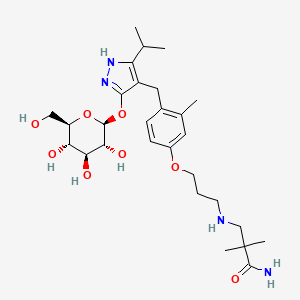
2,2-dimethyl-3-[3-[3-methyl-4-[[5-propan-2-yl-3-[(2S,3R,4S,5S,6R)-3,4,5-trihydroxy-6-(hydroxymethyl)oxan-2-yl]oxy-1H-pyrazol-4-yl]methyl]phenoxy]propylamino]propanamide
- 3-((3-(4-((3-(beta-D-Glucopyranosyloxy)-5-(propan-2-yl)-1H-pyrazol-4-yl)methyl)-3-methylphenoxy)propyl)amino)-2,2-dimethylpropanamide
- Propanamide, 3-((3-(4-((3-(beta-D-glucopyranosyloxy)-5-(1-methylethyl)-1H-pyrazol-4-yl)methyl)-3-methylphenoxy)propyl)amino)-2,2-dimethyl-
Mizagliflozin is an SGLT1 inhibitor developed as a potential treatment for chronic constipation.[1][2] It progressed as far as Phase II trials in humans but was not approved for medical use, however it has since been investigated for other applications.[3][4]
MIZAGLIFLOZIN is a small molecule drug with a maximum clinical trial phase of II and has 1 investigational indication.
Mizagliflozin is under investigation in clinical trial NCT05721729 (Effect of Mizagliflozin Repeat Dosing on Adverse Events and Postprandial Glucose Excursions).
an SGLT1 inhibitor; structure in first source
- OriginatorKissei Pharmaceutical
- DeveloperKissei Pharmaceutical; Vogenx
- ClassAmides; Antihypoglycaemics; Laxatives; Pyrazoles; Small molecules
- Mechanism of ActionSodium-glucose transporter 1 inhibitors
- Phase IIHypoglycaemia
- Phase IGastroparesis
- PreclinicalUnspecified
- DiscontinuedConstipation
- 18 Jun 2025Phase-I clinical trials in Gastroparesis in USA (PO) (Vogenx pipeline, June 2025)
- 18 Jun 2025Preclinical trials in Undisclosed rare disease in USA (PO) (Vogenx pipeline, June 2025)
- 01 Oct 2019Chemical structure information added
LIT
- Pyrazole derivatives, medicinal composition containing the same, medicinal use thereof, and intermediate for production thereofPublication Number: US-7635684-B2Priority Date: 2002-08-23Grant Date: 2009-12-22
- Pyrazole derivatives, medicinal composition containing the same, medicinal use thereof, and intermediate for production thereofPublication Number: US-8324176-B2Priority Date: 2002-08-23Grant Date: 2012-12-04
- Monosebacate of pyrazole derivativePublication Number: US-2010279962-A1Priority Date: 2007-12-27
- Monosebacate of pyrazole derivativePublication Number: US-8399418-B2Priority Date: 2007-12-27Grant Date: 2013-03-19
- Monosebacate of pyrazole derivativePublication Number: WO-2009084531-A1Priority Date: 2007-12-27
- Pyrazole derivatives, medicinal composition containing the same, medicinal use thereof, and intermediate for production thereofPublication Number: US-2005272669-A1Priority Date: 2002-08-23
- Pyrazole derivatives, medicinal composition containing the same, medicinal use thereof, and intermediate for production thereofPublication Number: US-2009203633-A1Priority Date: 2002-08-23
- Hemifumarate of a pyrazole derivativePublication Number: WO-2009128421-A1Priority Date: 2008-04-16
- Monosebacate of pyrazole derivativePublication Number: AU-2008344436-B2Priority Date: 2007-12-27Grant Date: 2013-08-29
- Monosebacate of pyrazole derivativePublication Number: EP-2228378-A1Priority Date: 2007-12-27
- Monosebacate salt of pyrazole derivativePublication Number: JP-5144683-B2Priority Date: 2007-12-27Grant Date: 2013-02-13
- Monosebacate salt of pyrazole derivativePublication Number: JP-WO2009084531-A1Priority Date: 2007-12-27
- Hemifumarate of a pyrazole derivativePublication Number: EP-2275430-B1Priority Date: 2008-04-16Grant Date: 2012-05-16
- 1/2 fumarate salt of pyrazole derivativePublication Number: JP-5467040-B2Priority Date: 2008-04-16Grant Date: 2014-04-09
- 1/2 fumarate salt of pyrazole derivativePublication Number: JP-WO2009128421-A1Priority Date: 2008-04-16
- Hemifumarate of a pyrazole derivativePublication Number: US-2011034679-A1Priority Date: 2008-04-16
- Hemifumarate of a pyrazole derivativePublication Number: US-8354382-B2Priority Date: 2008-04-16Grant Date: 2013-01-15


AS ON JUNE2025 4.45 LAKHS VIEWS ON BLOG WORLDREACH AVAILABLEFOR YOUR ADVERTISEMENT
join me on Linkedin
Anthony Melvin Crasto Ph.D – India | LinkedIn
join me on Researchgate
RESEARCHGATE

join me on Facebook
Anthony Melvin Crasto Dr. | Facebook
join me on twitter
Anthony Melvin Crasto Dr. | twitter
+919321316780 call whatsaapp
EMAIL. amcrasto@gmail.com

……
| Legal status | |
|---|---|
| Legal status | Investigational |
| Identifiers | |
| IUPAC name | |
| CAS Number | 666843-10-3 |
| PubChem CID | 10460535 |
| ChemSpider | 8635948 |
| UNII | 1X96A704XV |
| ChEMBL | ChEMBL5314923 |
| Chemical and physical data | |
| Formula | C28H44N4O8 |
| Molar mass | 564.680 g·mol−1 |
| 3D model (JSmol) | Interactive image |
| SMILES | |
| InChI | |
References
- Inoue T, Takemura M, Fushimi N, Fujimori Y, Onozato T, Kurooka T, et al. (July 2017). “Mizagliflozin, a novel selective SGLT1 inhibitor, exhibits potential in the amelioration of chronic constipation”. European Journal of Pharmacology. 806: 25–31. doi:10.1016/j.ejphar.2017.04.010. PMID 28410751.
- Fukudo S, Endo Y, Hongo M, Nakajima A, Abe T, Kobayashi H, et al. (September 2018). “Safety and efficacy of the sodium-glucose cotransporter 1 inhibitor mizagliflozin for functional constipation: a randomised, placebo-controlled, double-blind phase 2 trial”. The Lancet. Gastroenterology & Hepatology. 3 (9): 603–613. doi:10.1016/S2468-1253(18)30165-1. PMID 30056028.
- Ishida N, Saito M, Sato S, Tezuka Y, Sanbe A, Taira E, et al. (October 2021). “Mizagliflozin, a selective SGLT1 inhibitor, improves vascular cognitive impairment in a mouse model of small vessel disease”. Pharmacology Research & Perspectives. 9 (5): e00869. doi:10.1002/prp2.869. PMC 8480397. PMID 34586752.
- Tsunokake S, Iwabuchi E, Miki Y, Kanai A, Onodera Y, Sasano H, et al. (October 2023). “SGLT1 as an adverse prognostic factor in invasive ductal carcinoma of the breast”. Breast Cancer Research and Treatment. 201 (3): 499–513. doi:10.1007/s10549-023-07024-9. PMID 37439959.
- [1]. Inoue T, et al. Mizagliflozin, a novel selective SGLT1 inhibitor, exhibits potential in the amelioration of chronic constipation. Eur J Pharmacol. 2017 Jul 5;806:25-31. [Content Brief][2]. Ohno H, et al. Absorption, disposition, metabolism and excretion of [14C]mizagliflozin, a novel selective SGLT1 inhibitor, in rats. Xenobiotica. 2019 Apr;49(4):463-473. [Content Brief]
/////////666843-10-3, 1X96A704XV, DSP 3235, KGA 3235, Mizagliflozin, Dsp-3235 free base, GSK-1614235 free base, Kga-3235 free base
Dorzagliatin
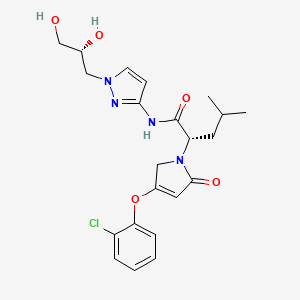
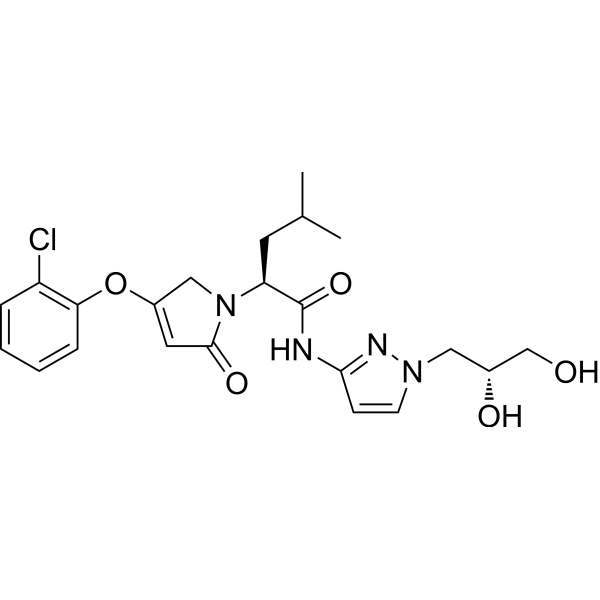
Dorzagliatin
- CAS 1191995-00-2
- HMS5552
- Sinogliatin
- HMS-5552
- MW 462.9 g/mol MF C22H27ClN4O5
- (2S)-2-[3-(2-chlorophenoxy)-5-oxo-2H-pyrrol-1-yl]-N-[1-[(2R)-2,3-dihydroxypropyl]pyrazol-3-yl]-4-methylpentanamide
- RO5305552
- RO-5305552
- X59W6980E8
- (2S)-2-[3-(2-chlorophenoxy)-5-oxo-2H-pyrrol-1-yl]-N-[1-[(2R)-2,3-dihydroxypropyl]pyrazol-3-yl]-4-methyl-pentanamide
- 1H-PYRROLE-1-ACETAMIDE, 4-(2-CHLOROPHENOXY)-N-(1-((2R)-2,3-DIHYDROXYPROPYL)-1H-PYRAZOL-3-YL)-2,5-DIHYDRO-.ALPHA.-(2-METHYLPROPYL)-2-OXO-, (.ALPHA.S)-
Dorzagliatin(18)was developed by Hua Medicine as a treatment for diabetic kidney disease(DKD), type1diabetes mellitus(T1DM), and type2 diabetes mellitus (T2DM). CHINA 2022
Dorzagliatin is a glucokinase activator that is being developed to treat diabetes.[1] Unlike other diabetes drugs, it is intended to increase insulin sensitivity.[2]
Dorzagliatin is under investigation in clinical trial NCT03173391 (Long-term Efficacy and Safety of HMS5552 in T2DM).
PATENT
https://patents.google.com/patent/CN112062754A/en
(R) -1- ((2, 2-dimethyl-1, 3-dioxolane-4-yl) methyl) -1H-pyrazole-3-ammonia (II) is a very important medical intermediate for synthesizing Dorzagliatin. Dorzagliatin is a novel medicine for treating type 2 diabetes mellitus, and (R) -1- ((2, 2-dimethyl-1, 3-dioxolane-4-yl) methyl) -1H-pyrazole-3-ammonia (II) is an essential intermediate in the synthetic process of the medicine, and along with the steady promotion of new Dorzagliatin medicines to the market, the demand of the chiral intermediate in the market is required to be rapidly increased.
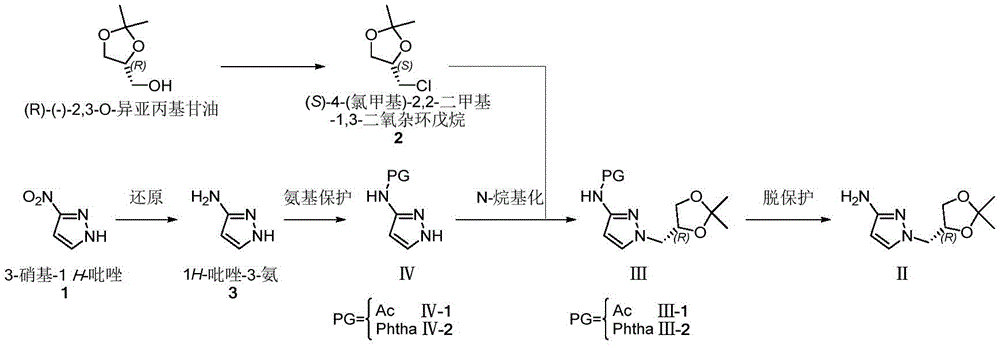
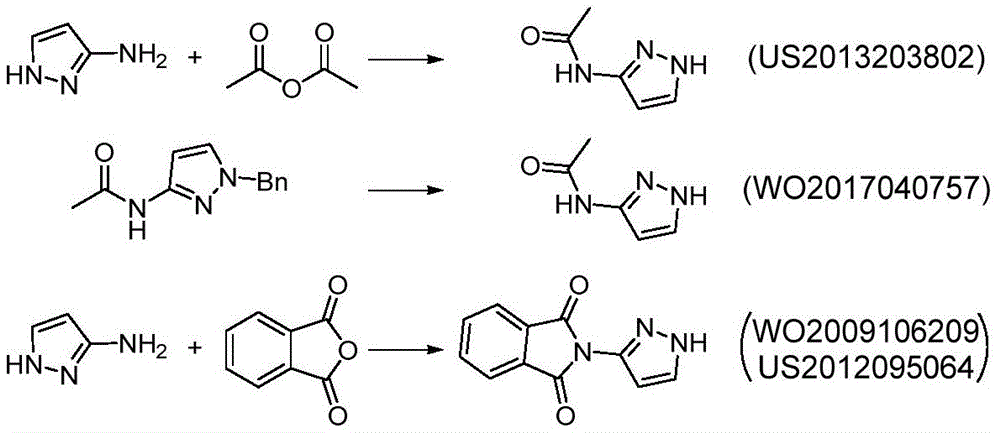
The main production method of the key chiral intermediate is shown as follows: reducing nitro in 3-nitro-1H-pyrazole substrate into amino, protecting free amino, carrying out N-alkylation reaction with (R) – (-) -2, 3-O-isopropylidene glycerol-OH derivative active intermediate, and deprotecting to obtain the final product. The synthetic route needs to be subjected to an N-protection process, so that route steps are added, and the cost is increased. The synthesis of N-protected substrate iv is reported: in the patent US2013203802, 1H-pyrazole-3-ammonia is protected by acetic anhydride, and in WO2017040757, N-acetyl-1H-pyrazole-3-ammonia is obtained by an N- (1-benzyl-1H-pyrazole-3-yl) acetamide debenzylation method; the protection of the N-benzoyl group of 1H-pyrazol-3-amine is reported in the patent US 6118008; in addition, WO2009106209, US2012095064, mention the phthalimide protection strategy of 1H-pyrazole-3-ammonia with phthalic anhydride.

Example 1
Preparation of (R) -1- ((2, 2-dimethyl-1, 3-dioxolan-4-yl) methyl) -1H-pyrazol-3-amine
The first step is as follows: intermediate (R) -I preparation:
under the protection of nitrogen, 3-nitro-1H-pyrazole (1) (100.00g,0.884mol), ethanol (1.0L) and sodium carbonate (133.90g, 1.26mol) are sequentially added into a 3L reaction bottle, and the system is stirred for 0.5H at room temperature; (S) – (-) -4-chloromethyl-2, 2-dimethyl-1, 3-dioxolane ((S) -2) (126.84g, 0.842mol) was dissolved and diluted with 634ml of ethanol and then added dropwise to the reaction flask. After the dropwise addition, the temperature is raised to 50 ℃ and the reaction is stirred for 5 hours. Ethanol was distilled off under reduced pressure, and the residue was diluted with (1.0L) of water and then extracted twice with dichloromethane (500ml × 2); the organic phase was washed with water and then with saturated sodium chloride brine. Concentrating under reduced pressure to remove dichloromethane to obtain crude oily substance; the crude product was purified by silica gel column chromatography (eluent: n-hexane/ethyl acetate mixed system) to give 166.5g of a pale yellow oily product, with a yield of 87% and an ee value of 98% or more.
The second step is that: reducing nitro to obtain target product
A2L autoclave was charged with (R) -I substrate (150g, 0.66mol), methanol (750mL), Pd/C (0.75g, 0.5% W/W), and the mixture was subjected to nitrogen substitution three times, then hydrogen substitution three times, under a hydrogen-charging pressure of 2.0MPa, at a temperature of 50 ℃ for reaction for 8 hours. Filtering, filtering to remove Pd/C catalyst, concentrating the filtrate to remove methanol to obtain 123.70g of light yellow oily matter, wherein the yield is 95%, and the ee value is more than or equal to 98%.
Example 2
Preparation of (R) -1- ((2, 2-dimethyl-1, 3-dioxolan-4-yl) methyl) -1H-pyrazol-3-amine by Raney-Ni reduction system
The first step is the same as in example 1.
The second step is that: reduction of nitro groups by Rany-Ni
The intermediate (R) -I (150g, 0.66mol) obtained in the first step was charged into a 2L reactor, and ethanol (1.2L) was added thereto and stirred, followed by adding Rany-Ni (75g) and stirring at room temperature for reaction for 15 hours. Filtering, filtering to remove the solid catalyst, and concentrating the filtrate to dryness to obtain 106.77g of light yellow oily substance with yield of 82% and ee value of more than or equal to 97%.
Example 3
Preparation of (R) -1- ((2, 2-dimethyl-1, 3-dioxolan-4-yl) methyl) -1H-pyrazol-3-amine by hydrazine hydrate system
The first step is the same as in example 1.
The second step is that: A2L reaction flask was charged with intermediate (R) -I (150g, 0.66mol), ferric trichloride (528mg, 3.3mmol), and ethanol (1.2L), stirred, charged with hydrazine hydrate (39.5g, 0.79mol), and heated to reflux for 6 h. Ethanol was removed by concentration under reduced pressure, the residue was diluted with 750ml of water and extracted twice with ethyl acetate (250 ml. times.2). The organic phase was washed with water and then with saturated brine. The ethyl acetate is removed by concentration to obtain 110.7g of crude light yellow oily substance, the yield is 85 percent, and the ee value is more than or equal to 97 percent.
SYN
https://doi.org/10.1021/acs.jmedchem.3c02374J.Med.Chem.2024,67,4376−4418
Dorzagliatin(HuaTangNing).
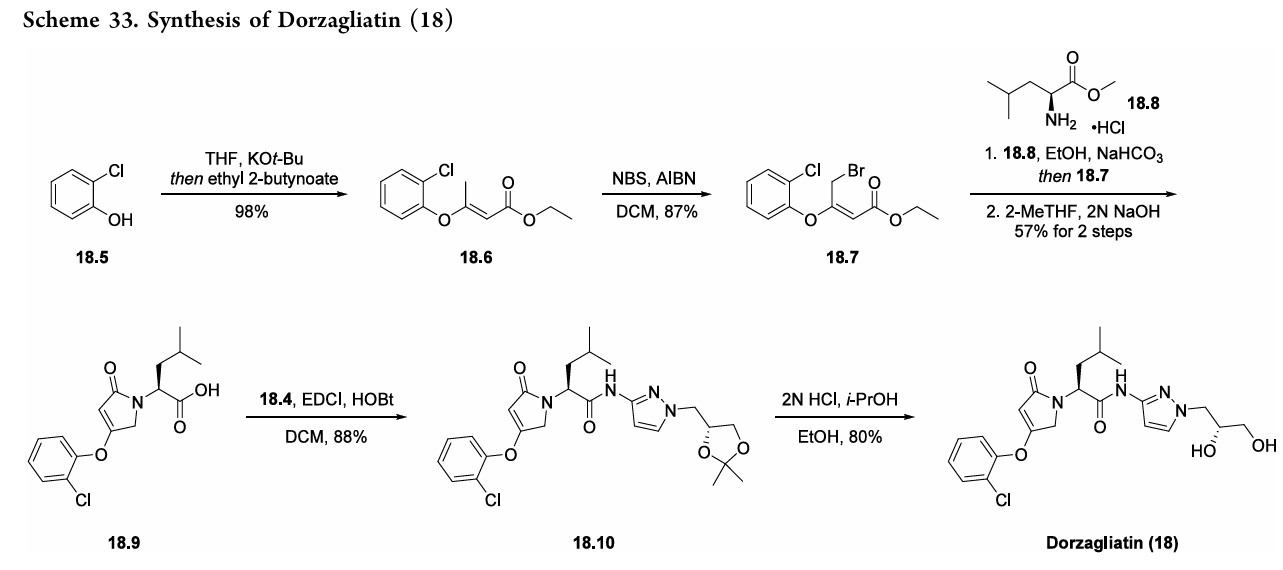
Dorzagliatin(18)was developed by Hua Medicine as a treatment for diabetic kidney disease(DKD), type1diabetes mellitus(T1DM), and type2 diabetes mellitus (T2DM).133 This first-in-class, small
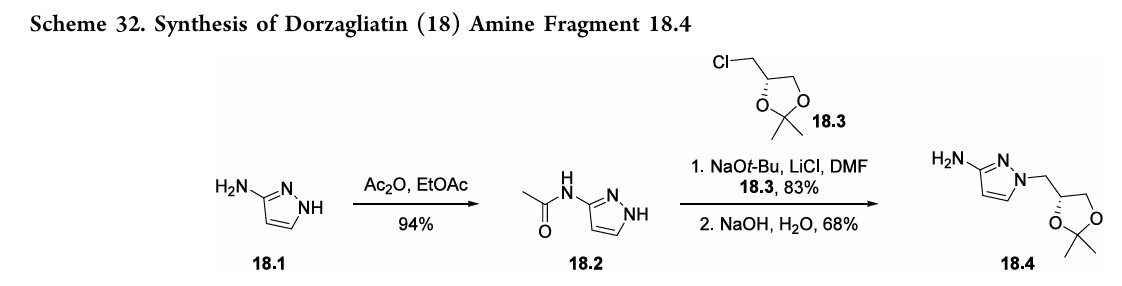
molecule,oral,glucokinaseactivator(GKA)wasfirst approved in ChinainSeptember2022foradultpatientswithT2DMasa monotherapy and in combination with metformin (an antidiabetic medication).134 Expression of glucokinase is reduced for individuals with T2DM, thus GKAs such as dorzagliatin serve as a novel class of antidiabetic treatment options.135,136 Theinitialpatent thatdisclosesthesynthesisofdorzagliatin (18)began fromreadily availablematerials 3-aminopyrazole
(18.1) and 2-chlorophenol (18.5). The synthetic strategy reliedonaconvergentamidecouplingofamine18.4(Scheme32) and carboxylic acid 18.9 (Scheme 33).137 A later disclosure provided an updated route toward amine 18.4 (Scheme 32), detailing the synthetic improvements with respect to yield and purity.138 This later disclosure also detailed the synthesis of dorzagliatinonmultikilogramscale fromtheamidationofacid18.9withamine18.4,yieldingover
10kgoftheactivepharmaceutical ingredient.Acetylationof3 aminopyrazole (18.1) with acetic anhydride provided the protectedpyrazole18.2(Scheme32). Subsequent alkylation with alkyl chloride 18.3 followed by base-mediated deprotectionyieldedamine18.4. The synthesis of acid 18.9 began with base-mediated
alkenylationof2-chlorophenol (18.5)withethyl 2-butynoate toprovideester18.6(Scheme33). Subsequentbromination withNBSandAIBNyieldsallylbromide18.7.Next,subjection
ofL-leucinemethylesterhydrochloride(18.8)tobaseresulted ina freeamine thatunderwent allylationwithbromide18.7. Acid 18.9was subsequently generated froma cyclization
condensation sequence and saponification reaction with NaOH. Final amidebondformationwas facilitatedbyEDCI andHOBt toprovideamide18.10, anddorzagliatin(18)was generatedonthemultikilogramscale followingacid-mediated acetonidedeprotectiontoreveal the1,2-diol.
(133) Syed, Y. Y. Dorzagliatin: First approval. Drugs 2022, 82,
1745−1750.
(134) Xu, H.; Sheng, L.; Chen, W.; Yuan, F.; Yang, M.; Li, H.; Li, X.;
Choi, J.; Zhao, G.; Hu, T.; et al. Safety, tolerability, pharmacokinetics,
and pharmacodynamics of novel glucokinase activator HMS5552:
results from a first-in-human single ascending dose study. Drug Des.
Devel. Ther. 2016, 10, 1619−26.
(135) Ren, Y.; Li, L.; Wan, L.; Huang, Y.; Cao, S. Glucokinase as an
emerging anti-diabetes target and recent progress in the development
of its agonists. J. Enzyme Inhib. Med. Chem. 2022, 37, 606−615.
(136) Toulis, K. A.; Nirantharakumar, K.; Pourzitaki, C.; Barnett, A.
H.; Tahrani, A. A. Glucokinase activators for type 2 diabetes:
Challenges and future developments. Drugs 2020, 80, 467−475.
(137) Berthel, S. J.; Brinkman, J. A.; Hayden, S.; Haynes, N.-E.;
Kester, R. F.; McDermott, L. A.; Qian, Y.; Sarabu, R.; Scott, N. R.;
Tilley, J. W. Pyrrolidinone as glucokinase activators and their
preparation, pharmaceutical compositions and use in the treatment
of metabolic disorders. WO 2009127546, 2009.
(138) Chen, J.; Ren, Y.; She, J.; Wang, L. Process for the preparation
of 1-([1,3]dioxolan-4-ylmethyl)-1h-pyrazol-3-ylamine. U.S. Patent US
20150315176, 2015.
AS ON JUNE2025 4.45 LAKHS VIEWS ON BLOG WORLDREACH AVAILABLEFOR YOUR ADVERTISEMENT
join me on Linkedin
Anthony Melvin Crasto Ph.D – India | LinkedIn
join me on Researchgate
RESEARCHGATE
join me on Facebook
Anthony Melvin Crasto Dr. | Facebook
join me on twitter
Anthony Melvin Crasto Dr. | twitter
+919321316780 call whatsaapp
EMAIL. amcrasto@gmail.com
……
References
- Chow, Elaine; Wang, Ke; Lim, Cadmon K.P.; Tsoi, Sandra T.F.; Fan, Baoqi; Poon, Emily; Luk, Andrea O.Y.; Ma, Ronald C.W.; Ferrannini, Ele; Mari, Andrea; Chen, Li; Chan, Juliana C.N. (1 February 2023). “Dorzagliatin, a Dual-Acting Glucokinase Activator, Increases Insulin Secretion and Glucose Sensitivity in Glucokinase Maturity-Onset Diabetes of the Young and Recent-Onset Type 2 Diabetes”. Diabetes. 72 (2): 299–308. doi:10.2337/db22-0708. PMC 9871194.
- Zhu, Dalong; Li, Xiaoying; Ma, Jianhua; Zeng, Jiao’e; Gan, Shenglian; Dong, Xiaolin; Yang, Jing; Lin, Xiaohong; Cai, Hanqing; Song, Weihong; Li, Xuefeng; Zhang, Keqin; Zhang, Qiu; Lu, Yibing; Bu, Ruifang; Shao, Huige; Wang, Guixia; Yuan, Guoyue; Ran, Xingwu; Liao, Lin; Zhao, Wenjuan; Li, Ping; Sun, Li; Shi, Lixin; Jiang, Zhaoshun; Xue, Yaoming; Jiang, Hongwei; Li, Quanmin; Li, Zongbao; Fu, Maoxiong; Liang, Zerong; Guo, Lian; Liu, Ming; Xu, Chun; Li, Wenhui; Yu, Xuefeng; Qin, Guijun; Yang, Zhou; Su, Benli; Zeng, Longyi; Geng, Houfa; Shi, Yongquan; Zhao, Yu; Zhang, Yi; Yang, Wenying; Chen, Li (May 2022). “Dorzagliatin in drug-naïve patients with type 2 diabetes: a randomized, double-blind, placebo-controlled phase 3 trial”. Nature Medicine. 28 (5): 965–973.
- [1]. Zhu XX, et al. Dorzagliatin (HMS5552), a novel dual-acting glucokinase activator, improves glycaemic control and pancreatic β-cell function in patients with type 2 diabetes: A 28-day treatment study using biomarker-guided patient selection. Diabetes Obes Metab. 2018 Sep;20(9):2113-2120. [Content Brief][2]. Wang P, et al. Effects of a Novel Glucokinase Activator, HMS5552, on Glucose Metabolism in a Rat Model of Type 2 Diabetes Mellitus. J Diabetes Res. 2017;2017:5812607. [Content Brief]
//////////Dorzagliatin, APPROVALS 22, CHINA 22, DIABETES, Hua Medicine, 1191995-00-2, HMS 5552, Sinogliatin, HMS-5552, RO 5305552, RO-5305552, X59W6980E8
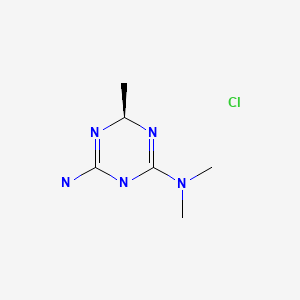
Meglimin hydrochloride

Meglimin hydrochloride
Imeglimin
hydrochloride
Twymeeg
| Formula | C6H13N5. HCl |
|---|---|
| CAS | 775351-61-6 (HCl). , C6H14ClN5 191.66CAS 775351-65-0, FREEFORM 155.20 |
| Mol weight | 191.6619 |
AntidiabeticAPPROVED PMDA JAPAN2021/6/23, イメグリミン塩酸塩
(4R)-6-N,6-N,4-trimethyl-1,4-dihydro-1,3,5-triazine-2,6-diamine
1,3,5-Triazine-2,4-diamine,1,6-dihydro-N,N,6-trimethyl-,(+)-(9CI)
(4R)-6-N,6-N,4-trimethyl-1,4-dihydro-1,3,5-triazine-2,6-diamine
JAPAN
Twymeeg Tablets 500 mg
(Sumitomo Dainippon Pharma Co., Ltd.)

Imeglimin is an experimental drug being developed as an oral anti-diabetic.[1][2] It is an oxidative phosphoryl
Imeglimin (brand name Twymeeg) is an oral anti-diabetic medication.[1][2] It was approved for use in Japan in June 2021.[3]
It is an oxidative phosphorylation blocker that acts to inhibit hepatic gluconeogenesis, increase muscle glucose uptake, and restore normal insulin secretion. It is the first approved drug of this class of anti-diabetic medication.


PATENT
https://patents.google.com/patent/WO2012072663A1/enEXAMPLESExample 1 : Synthesis and isolation of (+)-2-amino-3,6-dihydro-4-dimethylamino-6- methyl-l,3,5-triazine hydrochloride by the process according to the invention
Preliminary step: Synthesis of racemic 2-amino-3,6-dihydro-4-dimethylamino- 6-methyl-l,3,5-triazine hydrochloride:

Metformin hydrochloride is suspended in 4 volumes of isobutanol. Acetaldehyde diethylacetal (1.2 eq.) and para-toluenesulfonic acid (PTSA) (0.05 eq) are added and the resulting suspension is heated to reflux until a clear solution is obtained. Then 2 volumes of the solvent are removed via distillation and the resulting suspension is cooled to 20°C. The formed crystals are isolated on a filter dryer and washed with isobutanol (0.55 volumes). Drying is not necessary and the wet product can be directly used for the next step.Acetaldehyde diethylacetal can be replaced with 2,4,6-trimethyl-l,3,5-trioxane (paraldehyde).- Steps 1 and 2: formation of the diastereoisomeric salt and isolation of the desired diastereoisomer

Racemic 2-amino-3,6-dihydro-4-dimethylamino-6-methyl-l,3,5-triazine hydrochloride wet with isobutanol (obtained as crude product from preliminary step without drying) and L-(+)-Tartaric acid (1 eq.) are dissolved in 2.2 volumes of methanol at 20-40°C. The obtained clear solution is filtered and then 1 equivalent of triethylamine (TEA) is added while keeping the temperature below 30°C. The suspension is heated to reflux, stirred at that temperature for 10 minutes and then cooled down to 55°C. The temperature is maintained at 55°C for 2 hours and the suspension is then cooled to 5- 10°C. After additional stirring for 2 hours at 5-10°C the white crystals are isolated on a filter dryer, washed with methanol (2 x 0.5 Vol) and dried under vacuum at 50°C. The yield after drying is typically in the range of 40-45%
– Steps 3 and 4: transformation of the isolated diastereoisomer of the tartrate salt into the hydrochloride salt and recovery of the salt

γ ethanol HN^NH(+) 2-amino-3,6-dihydro-4-dimethylamino-6-methyl-l,3,5-triazine tartrate salt is suspended in 2 volumes of ethanol and 1.02 equivalents of HCl-gas are added under vacuum (-500 mbar). The suspension is heated to reflux under atmospheric pressure (N2) and 5% of the solvent is removed via distillation. Subsequent filtration of the clear colourless solution into a second reactor is followed by a cooling crystallization, the temperature is lowered to 2°C. The obtained suspension is stirred at 2°C for 3 hours and afterwards the white crystals are isolated with a horizontal centrifuge. The crystal cake is washed with ethanol and dried under vacuum at 40°C. The typical yield is 50-55% and the mother liquors can be used for the recovery of about 25-30%) of (+)-2-amino- 3,6-dihydro-4-dimethylamino-6-methyl-l,3,5-triazine tartrate.Example 2: Modification of the solvent of steps 3 and 4
– Steps 3 and 4: transformation of the isolated diastereoisomer of the tartrate salt into the hydrochloride salt and recovery of the salt

HN^NH acetone HN^NH(+) 2-amino-3,6-dihydro-4-dimethylamino-6-methyl-l,3,5-triazine tartrate salt synthesized according to steps 1 and 2 of example 1 is suspended in 1 volume (based on total amount of (+) 2-amino-3,6-dihydro-4-dimethylamino-6-methyl-l,3,5-triazine tartrate salt) of acetone at 20°C. To this suspension 1.01 equivalents of 37% Hydrochloric acid are added. The suspension is heated to reflux under atmospheric pressure (N2) and water is added until a clear solution is obtained. 1.5 vol of acetone are added at reflux temperature. The compound starts crystallising and the obtained suspension is kept at reflux for 2 hours followed by a cooling crystallization to 0°C. The obtained suspension is stirred at 0°C for 2 hours and the white crystals are isolated by centrifugation. The crystal cake is washed with isopropanol and dried under vacuum at 40°C in a continuous drying oven.
References
- ^ Vuylsteke V, Chastain LM, Maggu GA, Brown C (September 2015). “Imeglimin: A Potential New Multi-Target Drug for Type 2 Diabetes”. Drugs in R&D. 15 (3): 227–32. doi:10.1007/s40268-015-0099-3. PMC 4561051. PMID 26254210.
- ^ Dubourg J, Fouqueray P, Thang C, Grouin JM, Ueki K (April 2021). “Efficacy and Safety of Imeglimin Monotherapy Versus Placebo in Japanese Patients With Type 2 Diabetes (TIMES 1): A Double-Blind, Randomized, Placebo-Controlled, Parallel-Group, Multicenter Phase 3 Trial”. Diabetes Care. 44 (4): 952–959. doi:10.2337/dc20-0763. PMID 33574125.
- ^ Poxel SA (June 23, 2021). “Poxel and Sumitomo Dainippon Pharma Announce the Approval of TWYMEEG® (Imeglimin hydrochloride) for the Treatment of Type 2 Diabetes in Japan” (Press release).
| Clinical data | |
|---|---|
| Trade names | Twymeeg |
| Legal status | |
| Legal status | Rx-only in Japan |
| Identifiers | |
| showIUPAC name | |
| CAS Number | 775351-65-0 |
| PubChem CID | 24812808 |
| ChemSpider | 26232690 |
| UNII | UU226QGU97 |
| CompTox Dashboard (EPA) | DTXSID50228237 |
| Chemical and physical data | |
| Formula | C6H13N5 |
| Molar mass | 155.205 g·mol−1 |
| 3D model (JSmol) | Interactive image |
| showSMILES | |
| showInChI |
/////////Imeglimin hydrochloride, Twymeeg, JAPAN 2021, APPROVALS 2021, Antidiabetic, イメグリミン塩酸塩, ATI DIABETES, DIABETES, Imeglimin
CC1N=C(NC(=N1)N(C)C)N.Cl
NEW DRUG APPROVALS
ONE TIME
$10.00


 New Drug Approvals

