New Drug Approvals

Home » Articles posted by DR ANTHONY MELVIN CRASTO Ph.D (Page 419)

Author Archives: DR ANTHONY MELVIN CRASTO Ph.D

DRUG APPROVALS BY DR ANTHONY MELVIN CRASTO .....FOR BLOG HOME CLICK HERE

Blog Stats

  • 4,819,541 hits

Flag and hits

Flag Counter

Enter your email address to follow this blog and receive notifications of new posts by email.

Join 37.9K other subscribers
Follow New Drug Approvals on WordPress.com

Archives

Categories

Recent Posts

Flag Counter

ORGANIC SPECTROSCOPY

Read all about Organic Spectroscopy on ORGANIC SPECTROSCOPY INTERNATIONAL 

Enter your email address to follow this blog and receive notifications of new posts by email.

Join 37.9K other subscribers
DR ANTHONY MELVIN CRASTO Ph.D

DR ANTHONY MELVIN CRASTO Ph.D

DR ANTHONY MELVIN CRASTO, Born in Mumbai in 1964 and graduated from Mumbai University, Completed his Ph.D from ICT, 1991,Matunga, Mumbai, India, in Organic Chemistry, The thesis topic was Synthesis of Novel Pyrethroid Analogues, Currently he is working with AFRICURE PHARMA, ROW2TECH, NIPER-G, Department of Pharmaceuticals, Ministry of Chemicals and Fertilizers, Govt. of India as ADVISOR, earlier assignment was with GLENMARK LIFE SCIENCES LTD, as CONSUlTANT, Retired from GLENMARK in Jan2022 Research Centre as Principal Scientist, Process Research (bulk actives) at Mahape, Navi Mumbai, India. Total Industry exp 32 plus yrs, Prior to joining Glenmark, he has worked with major multinationals like Hoechst Marion Roussel, now Sanofi, Searle India Ltd, now RPG lifesciences, etc. He has worked with notable scientists like Dr K Nagarajan, Dr Ralph Stapel, Prof S Seshadri, etc, He did custom synthesis for major multinationals in his career like BASF, Novartis, Sanofi, etc., He has worked in Discovery, Natural products, Bulk drugs, Generics, Intermediates, Fine chemicals, Neutraceuticals, GMP, Scaleups, etc, he is now helping millions, has 9 million plus hits on Google on all Organic chemistry websites. His friends call him Open superstar worlddrugtracker. His New Drug Approvals, Green Chemistry International, All about drugs, Eurekamoments, Organic spectroscopy international, etc in organic chemistry are some most read blogs He has hands on experience in initiation and developing novel routes for drug molecules and implementation them on commercial scale over a 32 PLUS year tenure till date Feb 2023, Around 35 plus products in his career. He has good knowledge of IPM, GMP, Regulatory aspects, he has several International patents published worldwide . He has good proficiency in Technology transfer, Spectroscopy, Stereochemistry, Synthesis, Polymorphism etc., He suffered a paralytic stroke/ Acute Transverse mylitis in Dec 2007 and is 90 %Paralysed, He is bound to a wheelchair, this seems to have injected feul in him to help chemists all around the world, he is more active than before and is pushing boundaries, He has 100 million plus hits on Google, 2.5 lakh plus connections on all networking sites, 100 Lakh plus views on dozen plus blogs, 227 countries, 7 continents, He makes himself available to all, contact him on +91 9323115463, email amcrasto@gmail.com, Twitter, @amcrasto , He lives and will die for his family, 90% paralysis cannot kill his soul., Notably he has 38 lakh plus views on New Drug Approvals Blog in 227 countries......https://newdrugapprovals.wordpress.com/ , He appreciates the help he gets from one and all, Friends, Family, Glenmark, Readers, Wellwishers, Doctors, Drug authorities, His Contacts, Physiotherapist, etc He has total of 32 International and Indian awards

Verified Services

View Full Profile →

Archives

Categories

Flag Counter

AURVEDA-Shatavari, wonder herb for women’s overall health and vitality .


Asparagus racemosus (SatavarShatavari, or Shatamull) is a species of asparagus common throughout Sri Lanka, India and the Himalayas. It grows one to two metres tall and prefers to take root in gravelly, rocky soils high up in piedmont plains, at 1,300–1,400 metres elevation).It was botanically described in 1799. Due to its multiple uses, the demand for Asparagus racemosus is constantly on the rise. Due to destructive harvesting, combined with habitat destruction, and deforestation, the plant is now considered ‘endangered’ in its natural habitat.

Asparagus racemosus (Shatavari) is recommended in Ayurvedic texts for the prevention and treatment of gastric ulcers, dyspepsia and as a galactogogue. A. racemosus has also been used successfully by some Ayurvedic practitioners for nervous disorders.

Shatawari has different names in the different Indian languages, such as Shatuli, Vrishya and other terms. In Nepal it is called Kurilo. The name Shatawari means “curer of a hundred diseases” (shat: “hundred”; vari: “curer”).

Shatavari is mentioned under six important rasayanas in ayurveda. Rasayanas are those plant drugs which promote general well being of an individual by increasing cellular vitality or resistance. This bitter sweet herb is especially used in Ayurveda to correct Pitta dosha imbalance.


Shatavari: This powerful herb strengthens the female organs, enhancing fertility and sexual vitality. Works on the reproductive, respiratory, circulatory and digestive systems. Excellent herb to cool Pitta and to bring moisture and lustre to the skin, while nourishing the cells and tissues. Shatavari soothes and protects the dry and inflamed membranes of the lungs, stomach, kidneys and sexual organs. Found in our Pitta spicebodhi herbal body bar and our spicebodhimama massage oil.

Asparagamine A, a polycyclic alkaloid with antitumor activity against a variety of cell lines was isolated from the dried roots and subsequently synthesized to allow for the construction of analogs.

Two new steroidal saponins, shatavaroside A and shatavaroside B together with a known saponin, filiasparoside C, were isolated from the roots of Asparagus racemosus.

Five steroidal saponins, shatavarins VI-X, together with five known saponins, shatavarin I (or asparoside B), shatavarin IV (or asparinin B), shatavarin V, immunoside and schidigerasaponin D5 (or asparanin A), have been isolated from the roots of Asparagus racemosus.

Isoflavone, 8-methoxy-5,6,4′-trihydroxyisoflavone 7-O-beta-D-glucopyranoside

Asparagus racemosus is an important medicinal plant of tropical and subtropical India. Its medicinal usage has been reported in the Indian and British Pharmacopoeias and in traditional systems of medicine such as Ayurveda, Unani and Siddha. It is mainly known for its phytoestrogenic properties. In Ayurveda, Asparagus racemosus has been described as a rasayana herb and has been used extensively as an adaptogen to increase the non-specific resistance of organisms against a variety of stresses. Besides use in the treatment of diarrhoea and dysentery, the plant also has antioxidant, immunostimulant, anti-dyspepsia and antitussive effects.”

The roots are used in Ayurvedic medicine, following a regimen of processing and drying. It is generally used as a uterine tonic, as agalactogogue (to improve breast milk), in hyperacidity, and as a general health tonic.

The reputed adaptogenic effects of Shatavari may be attributed to its concentrations of saponins,known as Shatavarins.

conclusion

Shatavari or Asparagus racemosus is a popular herb aptly called the “Female Health Formula”. Asparagus racemosus is the most commonly used Asparagus species in ayurveda and indigenous medicine in India. The plant is called shatawar in Hindi and in Sanskrit this plant is called shatavari which means ‘able to have one hundred husbands’. In Ayurveda this amazing herb is known as the “queen of herbs” because it promotes love and positive emotions and is very useful in strengthening the reproductive system of women. It is also a very important herb for women’s overall health and vitality
.

Pharmacyclics Announces Third Breakthrough Therapy Designation for Ibrutinib from the U.S. Food and Drug Administration


IBRUTINIB

1-[(3R)-3-[4-amino-3-(4-phenoxyphenyl)pyrazolo[3,4-d]pyrimidin-1-yl]piperidin-1-yl]prop-2-en-1-one

SUNNYVALE, Calif., April 8, 2013

Pharmacyclics, Inc. announced today that the U.S. Food and Drug Administration (FDA) has granted an additional Breakthrough Therapy Designation for the investigational oral agent ibrutinib as monotherapy for the treatment of chronic lymphocytic leukemia (CLL) or small lymphocytic lymphoma (SLL) patients with deletion of the short arm of chromosome 17 (deletion 17p). Patients harboring a deletion within chromosome 17 generally have poor response to chemoimmunotherapy and have limited treatment options. The presence of deletion 17p is one of the worst prognostic factors in patients with CLL.

In February 2013, FDA granted Breakthrough Therapy Designations for ibrutinib as a monotherapy for the treatment of patients with relapsed or refractory mantle cell lymphoma (MCL) and as a monotherapy for the treatment of patients with Waldenstrom’s macroglobulinemia (WM), both of which are also B-cell malignancies. Ibrutinib is jointly being developed by Pharmacyclics and Janssen for treatment of B-cell malignancies.

The Breakthrough Therapy Designation is intended to expedite the development and review of a potential new drug for serious or life-threatening diseases where “preliminary clinical evidence indicates that the drug may demonstrate substantial improvement over existing therapies on one or more clinically significant endpoints, such as substantial treatment effects observed early in clinical development.” The designation of a drug as a Breakthrough Therapy was enacted as part of the 2012 Food and Drug Administration Safety and Innovation Act. Pharmacyclics, together with Janssen, is working with the FDA to determine the implications of this Breakthrough Therapy Designation to the ongoing and planned development and the FDA filing requirements for the use of ibrutinib in CLL patients with deletion 17p.

The FDA Breakthrough Therapy Designation for ibrutinib in CLL patients with deletion 17p was based on data from pre-clinical and clinical studies where ibrutinib as a monotherapy was used to treat patients with this disease. Ibrutinib has the potential to improve the outcome in this serious and life-threatening disease which has a poor prognosis. In addition, Pharmacyclics and Janssen have recently initiated a Phase II study of ibrutinib in patients with CLL deletion 17p, RESONATE™ -17, which is a single-arm, open-label, multi-center trial using ibrutinib as a monotherapy in patients who have deletion 17p and who did not respond to or relapsed after at least one prior CLL treatment (a high unmet need population). The primary endpoint of the study will be overall response rate. This global study opened this year and Pharmacyclics plans to enroll 111 patients worldwide.

About Chronic Lymphocytic Leukemia

Chronic Lymphocytic Leukemia (CLL) is a slow-growing blood cancer that starts in the white blood cells (lymphocytes), most commonly from B-cells. CLL is the second most common adult leukemia. Approximately 16,000 patients in the US are diagnosed each year with CLL. The prevalence of CLL is approximately 113,000 in the US. The disease is a chronic disease of the elderly with an average survival of about 5 years. Patients commonly receive multiple lines of treatment over the course of their disease.

In CLL the genetic mutation 17p deletion occurs when the short arm of chromosome 17 is missing.  Del 17p is associated with abnormalities of a key tumor suppressor gene, TP53, which results in poor response to chemoimmunotherapy and worse treatment outcomes. It occurs in about 7% of treatment naive CLL patients and is estimated to be approximately 20% to 40% of relapsed or refractory patients harboring the mutation.

About Ibrutinib

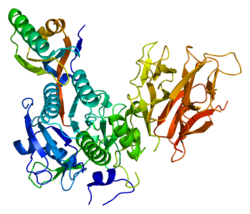
Ibrutinib , previously publicly known as PCI-32765, is an experimental drug candidate for the treatment of various types of cancer. It was first synthesized at Celera Genomics as a selective inhibitor of Bruton’s tyrosine kinase (Btk).It was later discovered to have anti-lymphoma properties in vivo by scientists at Pharmacyclics, Inc.Ibrutinib is currently under development by Pharmacyclics, Inc and Johnson & Johnson‘sJanssen Pharmaceutical division for chronic lymphocytic leukemiamantle cell lymphoma,diffuse large B-cell lymphoma, and multiple myeloma. It also has potential effects against autoimmune arthritis.

Janssen Biotech, Inc. and Pharmacyclics entered a collaboration and license agreement in December 2011 to co-develop and co-commercialize ibrutinib. Ibrutinib was designed to specifically target and selectively inhibit an enzyme called Bruton’s tyrosine kinase (BTK). BTK is a key mediator of at least three critical B-cell pro-survival mechanisms occurring in parallel – regulation of apoptosis, adhesion, and cell migration and homing. Through these multiple signals, BTK regulation helps to direct malignant B-cells to lymphoid tissues, thus allowing access to a micro environment necessary for survival.

The effectiveness of ibrutinib alone or in combination with other treatments is being studied in several B-cell malignancies, including chronic lymphocytic leukemia/small lymphocytic lymphoma, mantle cell lymphoma, diffuse large B-cell lymphoma, follicular lymphoma, Waldenstrom’s macroglobulinemia and multiple myeloma. To date five Phase III trials have been initiated with ibrutinib and a total of 26 trials are currently registered on www.clinicaltrials.gov.

About Pharmacyclics

Pharmacyclics® is a clinical-stage biopharmaceutical company focused on developing and commercializing innovative small-molecule drugs for the treatment of cancer and immune mediated diseases. Our mission and goal is to build a viable biopharmaceutical company that designs, develops and commercializes novel therapies intended to improve quality of life, increase duration of life and resolve serious unmet medical healthcare needs; and to identify promising product candidates based on scientific development and administrational expertise, develop our products in a rapid, cost-efficient manner and pursue commercialization and/or development partners when and where appropriate.

Presently, Pharmacyclics has three product candidates in clinical development and several preclinical molecules in lead optimization. The Company is committed to high standards of ethics, scientific rigor, and operational efficiency as it moves each of these programs to viable commercialization.

The Company is headquartered in Sunnyvale, California and is listed on NASDAQ under the symbol PCYC. To learn more about how Pharmacyclics advances science to improve human healthcare visit  at http://www.pharmacyclics.com.

FDA Extends Delcath’s Melblez Cancer System Review


Melphalan hydrochloride (trade name Alkeran) is a chemotherapy drug belonging to the class of nitrogen mustard alkylating agents.

An alkylating agent adds an alkyl group (CnH2n+1) to DNA. It attaches the alkyl group to the guanine base of DNA, at the number 7 nitrogen atom of the imidazole ring.

Otherwise known as L-Phenylalanine Mustard, or L-PAM, melphalan is a phenylalaninederivative of mechlorethamine.

FDA Extends Cancer System Review
APRIL, 08,2013
Delcath Systems Inc. said today that the Food and Drug Administration will take an extra three months to review its experimental treatment for liver cancer.
The company said the FDA will make a ruling on its Melblez system by Sept. 13. The FDA had asked Delcath for more information about the system, and the agency will use the additional time to review that information.
Melblez is designed to treat cancer by delivering high doses of the chemotherapy drug melphalan directly to the liver while controlling exposure of the rest of the body. Delcath has asked the FDA to approve the system for use in the treatment of inoperable ocular melanoma, a cancer of the eye, when it spreads to the liver.
The system is available in Europe under the name Chemosat.
The FDA had been scheduled to make a ruling by June 15. Delcath said a cancer drug advisory panel will meet to discuss the system on May 2. A favorable review could improve the chances Melblez will be approved, although the FDA is not required to follow the advice of its panels.

AYURVEDA HERBS-HOLY BASIL (Ocimum sanctum)


Holy_Basil

HOLY BASIL (Ocimum sanctum): Also known as Tulsi, this plant is actually considered sacred by many people in India. As such, it can be found growing in temple gardens, where the rich fragrance opens respiratory passages and some say, help the spirit soar.

Tulsi is one of the most sacred plants of India. Basil opens the heart and mind, bestowing the energy of love and devotion. Basil strengthens the immune system, increasing prana or life force and improving the memory. A nerve tonic, improving absorption and strengthening the nerve tissue, also used externally for various skin conditions. This plant is found in most East Indian households as it absorbs positive ions, energizes negative ions, and liberates ozone from the suns rays. Found in our spicenlightenment Vata aromatherapy Candle and spicebodhi Vata body bar.

Holy Basil’s key compounds, including eugenol and caryophyllene, are similar to those found in oregano (Origanum vulgare) and it shares the anti-inflammatory, antipyretic, and analgesic actions typical of the oregano family (Padalia RC, Verma RS. Nat Prod Res. 2011;25(6):569-75Godhwani S, et al. J Ethnopharmacol. 1987;21:153-63).

This plant is also native to West Africa. In Sierra Leone, it is called ‘Fever Plant.’ The various fixed oil compounds found in the plant have shown extensive antimicrobial and antifungal activity against a variety of pathogens including Escherichia coli and Candida albicans. In classical Ayurveda, Holy Basil was used as an anti-tussive, to clear “excess dampness in the lungs.” Recent human trials have validated this, the data showing that this herb can increase lung capacity as well as reduce labored breathing.

It has also been shown to significantly reduce several measures of stress in generalized anxiety disorder (GAD) patients.

Holy basil can be taken in capsule, tea and in liquid forms. It is dispensed in 600-700 mg doses, twice daily, before meals. Allow 2-4 weeks for optimal results.

New combination therapy cures patient with advanced ovarian cancer


A novel ovarian cancer treatment made from tumour cells has cured a woman in the US with an advanced form of the disease, scientists at the Perelman School of Medicine at the University of Pennsylvania have announced.

During a preliminary trial of the two-step immunotherapy, the patient achieved complete remission, while seven other women had no measurable disease at the end of the study.

The therapy includes a personalised immune cell vaccination made from the patients’ live tumour cells and adoptive T-cell therapy.

Both treatments are given in conjunction with Avastin (bevacizumab), a drug developed by Roche that controls the blood vessel growth that feeds tumours.

“This is the first time such a combination immunotherapy approach has been used for patients with ovarian cancer, and we believe the results are leading us toward a completely new way to treat this disease.”

The second step in the study involved the isolation of immune cells, known as dendritic cells, from the patients’ blood through a process called apheresis, similar to the process used for blood donation.

Announcing its findings at the American Association of Cancer Research (AACR) Annual Meeting in Washington DC on Saturday, the research team reported that in the study of 31 patients, vaccination therapy alone showed a 61% clinical benefit, and the combination of both therapies benefited around 75% of participants.

Ovarian cancer is the fifth leading cause of cancer-related deaths among women in the US, taking the lives of 14,000 people each year.

Lead author of the study Lana Kandalaft said; “Given these grim outcomes, there is definitely a vast unmet need for the development of novel, alternate therapies.”

“This is the first time such a combination immunotherapy approach has been used for patients with ovarian cancer, and we believe the results are leading us toward a completely new way to treat this disease.”

The vaccine trial is still open to accrual to test new combinatorial strategies.

Ayurveda- Turmeric, Antiarthritic properties


Turmeric

Turmeric (Curcuma longa) is a rhizomatous herbaceous perennial plant of the ginger family, Zingiberaceae. It is native to tropical South Asia and needs temperatures between 20°C and 30°C (68°F and 86°F) and a considerable amount of annual rainfall to thrive. Plants are gathered annually for their rhizomes, and propagated from some of those rhizomes in the following season. In Vietnam, turmeric is called “nghệ”, “củ nghệ”.

When not used fresh, the rhizomes are boiled for several hours and then dried in hot ovens, after which they are ground into a deep orange-yellow powder commonly used as a spice in curries and other South Asian and Middle Eastern cuisine, for dyeing, and to impart color to mustard condiments. Its active ingredient is curcumin and it has a distinctly earthy, slightly bitter, slightly hot peppery flavor and a mustardy smell

Turmeric is a perennial grown throughout the tropical parts of Asia. It favours a warm and humid climate. Haridra- literally means ‘yellow’ and its strong yellow colour signifies its use as a liver herb that is good at drying damp and moving stagnation in the blood.
Curcuma longa
Digestion For all intestinal infections and mucus conditions. Turmeric helps to promote ‘sweet’ intestines by reducing pathogenic bacteria and destroying ama.
It has recently been proven to have an affinity for the large intestine and to play a preventative role in bowel cancer. Other clinical trials have proven its efficacy at treating dyspepsia and stomach ulcers. Its bitter and pungent flavours act on the agni of rasa dhatu and enhance its ability to nourish the plasma and blood.
Traditionally used in diabetes to clear ama, kapha and excess fat tissue (Paranjpe 2001, Bone 2003). Liver A stimulant effect to the liver and ran˜jaka pitta increases the flow of blood through the hepatic system and increases bile output.
This helps to dissolve and prevent gallstones.
It is traditionally considered a blood ‘purifier’ and is often used for beautifying the skin and clearing systemic toxaemia; eczema, urticaria, psoriasis and acne. As with many liver herbs it is also good for the eyes; a wash is used in conjunctivitis and styes. Gynaecology
Turmeric is used to clear kapha accumulations from the lower abdomen, uterus and apanaksetra. Fibroids, cysts, endometriosis, dysmenorrhoea, amenorrhoea and leucorrhoea are all treated by reducing congestion.
As a specific herb for rasa dhatu it also works on its secondary tissue stanyasrotas and is used to purify breast milk as well as to promote the flow of the menses. A poultice can be very effective in mastitis (Atreya 1998). Inflammation Curcumin reduces inflammation caused by arachidonic acid (cf usage for dysmenorrhoea).
It is used in dermatitis, eczema, urticaria, psoriasis, colitis, asthma, rheumatoid arthritis, osteoarthritis. Hence it is used in pitta–kapha conditions at low doses and mixed with other bitter herbs. It is also a renowned antibacterial. Joints It treats inflammation of the joints, alleviates pain and strengthens the joints and tendons.
Useful for treating gout, arthritis, broken bones and wounds. Heart Turmeric nourishes the heart by virtue of its raktavardhaka and blood building quality. By increasing blood flow and reducing total cholesterol turmeric helps the functions of the heart.
It has an antiplatelet activity and scrapes accumulations from the channels (lekhaniya) which helps to prevent coagulation and reduce kapha in the blood. Infections Turmeric is an excellent antibiotic useful in fevers, sore throat and septicaemia. External Excellent for reducing pain as a topical application in bruises, infections, sprains and pain.
Use it carefully as it stains the skin and anything it comes into contact with.

Curcumin keto form

Curcumin enol form
The active ingredient in turmeric is curcumin. Tumeric has been used for over 2500 years in India, where it was most likely first used as a dye.The medicinal properties of this spice have been slowly revealing themselves over the centuries. Long known for its anti-inflammatory properties, recent research has revealed that turmeric is a natural wonder, proving beneficial in the treatment of many different health conditions from cancer to Alzheimer’s disease.Here are 20 health benefits of turmeric:1. It is a natural antiseptic and antibacterial agent, useful in disinfecting cuts and burns.2. When combined with cauliflower, it has shown to prevent prostate cancer and stop the growth of existing prostate cancer.

3. Prevented breast cancer from spreading to the lungs in mice.

4. May prevent melanoma and cause existing melanoma cells to commit suicide.

5. Reduces the risk of childhood leukemia.

6. Is a natural liver detoxifier.

7. May prevent and slow the progression of Alzheimer’s disease by removing amyloyd plaque buildup in the brain.

8. May prevent metastases from occurring in many different forms of cancer.

9. It is a potent natural anti-inflammatory that works as well as many anti-inflammatory drugs but without the side effects.

10. Has shown promise in slowing the progression of multiple sclerosis in mice.

11. Is a natural painkiller and cox-2 inhibitor.

12. May aid in fat metabolism and help in weight management.

13. Has long been used in Chinese medicine as a treatment for depression.

14. Because of its anti-inflammatory properties, it is a natural treatment for arthritis and rheumatoid arthritis.

15. Boosts the effects of chemo drug paclitaxel and reduces its side effects.

16. Promising studies are underway on the effects of turmeric on pancreatic cancer.

17. Studies are ongoing in the positive effects of turmeric on multiple myeloma.

18. Has been shown to stop the growth of new blood vessels in tumors.

19. Speeds up wound healing and assists in remodeling of damaged skin.

20. May help in the treatment of psoriasis and other inflammatory skin conditions.

20 Health Benefits of Turmeric

AYURVEDA-SHILAJIT, ANTIAGEING PROPERTIES


A composition comprising Shilajit or an extract thereof in a vitamin and mineral preparation. Shilajit is a compact mass of vegetable organic matter, composed of a gummy matrix interspersed with vegetable fibres and minerals. Substances which have been identified in Shilajit include moisture, gums, albuminoids, calcium, potassium, nitrogen, silica, resin, vegetable matter, magnesium, sulphur, iron, chloride, phosphorous, iodine, glycosides, tannic acid, benzoic acid and a number of vitamins and enzymes.

Shilajit is a natural exudate ejected from rocks during hot weather in the lower Himalayas, Vindhya and other mountain tracts and Nepal, or it may be a tar formed in the earth from the decomposition of vegetable substances. (See the Indian Materia Medica, pages 23 to 32 for a detailed discussion of the composition and properties of Shilajit). It is a compact mass of vegetable organic matter, composed of a gummy matrix interspersed with vegetable fibres and minerals.  Shilajit also contains benzoic acid, a compound which, along with its derivatives, has been used as a component of nutritional vitamin and mineral preparations.

Ancient Sanskrit holy texts, over 3,000 years old, make reference to a mysterious substance called shilajit, which they describe as the “destroyer of weakness.” The texts list its powerful health and spiritual benefits and the positive changes that shilajit brought in the lives of those who used it. The sacred substance was prescribed for thousands of years for many different health problems and became a powerful tool in Ayurvedic medicine. There is some indication that shilajit may have been the priceless soma of the Eastern alchemists.

The rediscovery of the power of shilajit is said to have been made by Himalayan villagers observing large white monkeys migrate to the mountains in the warm summer months. The monkeys were seen to be chewing a semi-soft substance that flowed from between layers of rock. The villagers attributed the monkey’s great strength, longevity and wisdom to the strange substance. They began to consume it themselves and reported a broad spectrum of improvements in health. It seemed to give them more energy, relieve digestive problems, Increase sex drive, improve memory and cognition, improve diabetes, reduce allergies, improve the quality and quantity of life and it seemed to cure all diseases.

The ancient Vedic text Rig Veda states that soma “has mountains and stones for its body” and “dwells within the mountainous rock where it grows.” Mountainous rocks are the “abode of soma,” and it is “plucked from between the rocks by mountain dwellers and brought to the priests-alchemists who prepared the soma by washing and grinding and cooking.” Soma was considered the elixir of immortality, the secret substance used by alchemists to perfect both body and mind.

Shilajit must be harvested from sacred cliff sides high in the Himalayan Mountains of Nepal. Millions of years ago, before the Himalayas were formed, a lush garden flourished in a vast fertile valley. The vegetation in that primeval garden became trapped and preserved as the movement of the continents caused that valley to become the tallest mountain range in the world. Today, millions of years later the monsoon rains and extreme freeze and thaw conditions work together to crack large rock formations, exposing the precious shilajit. Because of its ancient nature, the vegetation was never exposed to any type of fertilizer, pesticide, herbicide, or pollution. The native Nepali people collect and carry this gift of nature down the mountain, where it is alchemically processed into a potent, high-quality extract. 

This ancient wisdom was passed from generation to generation among the Indian and Nepali alchemists and holy men, but it escaped the notice of the Western medical establishment until the last days of the twentieth century, when explorer John Anderson heard of the amazing benefits of this substance and refused to give up the search until he found its source. He journeyed throughout India and Nepal until he learned of the perilous harvesting the raw shilajit from the cliffs. He also documented the reams of Sanskrit studies showing the rare plant’s benefits. He spoke firsthand with more than fifty Indian and Nepalese researchers that have been studying the wonderful effects of shilajit and perfecting the processes for delivering the purest, most concentrated shilajit ever know to man.

Over sixty years of clinical research have shown that shilajit has positive effects on humans. It increases longevity, improves memory and cognitive ability, reduces allergies and respiratory problems, reduces stress, and relieves digestive troubles. It is anti-inflammatory, antioxidant, and eliminates free radicals. The research proves that shilajit increases immunity, strength, and endurance, and lives up to its ancient reputation as the “destroyer of weakness.”  

Technically, shilajit is an exudate that is pressed out from layers of rock in the most sacred and highest mountains in Nepal and other areas. It is composed of humus and organic plant material that has been compressed by layers of rock. Humus is formed when soil microorganisms decompose animal and plant material into elements usable by plants. Plants are the source of all our food and humus is the source of plant food. Unlike other soil humus, shilajit humus consists of 60-80% organic mass.

DRUG SPOTLIGHT – HALOPERIDOL


File:Haloperidol.svg

HALOPERIDOL

CAS No:- [52-86-8]

IUPAC Name:- 4-[4-(4-Chlorophenyl)-4-hydroxy-1-piperidinyl]-1-(4-fluorophenyl)-1-butanone

MW: 375.86, C21H23ClFNO2

Drug information:- Haloperidol is an anti-psychotic drug. This butyrophenone compound is used for the treatment of schizophrenia and other psychotic disorders in adults and childrens.

Haloperidol was discovered by Paul Janssen. It was developed in 1958 at the Belgian company Janssen Pharmaceutica and submitted to the first of clinical trials in Belgium later that year.

Haloperidol was approved by the U.S. Food and Drug Administration (FDA) on April 12, 1967; it was later marketed in the U.S. and other countries under the brand name Haldol by McNeil Laboratories.

Haloperidol is a dopamine inverse agonist of the typical antipsychotic class of medications. It is a butyrophenone derivative and has pharmacological effects similar to the phenothiazines.

Haloperidol is an older antipsychotic used in the treatment of schizophrenia and acutepsychotic states and delirium. A long-acting decanoate ester is used as an injection given every four weeks to people with schizophrenia or related illnesses who have poor adherence to medication regimens and suffer frequent relapses of illness, or to overcome the drawbacks inherent to its orally administered counterpart that burst dosage increases risk or intensity of side effects. In some countries, such as the United States of America, injections of antipsychotics such as haloperidol can be ordered by a court at the request of a psychiatrist.

Haloperidol is sold under the tradenames AloperidinBioperidoloBrotoponDozic,Duraperidol (Germany), Einalon SEukystolHaldol (common tradename in the US and UK), HalostenKeselanLintonPelucesSerenaceSerenase, andSigaperidol

File:Haloperidol-from-xtal-3D-balls.png

Conditions:-

i. Fluorobenzene, aluminum chloride, carbon disulfide, room temperature, 2 h,

ii. 4-(p-chlorophenyl)piperadine-4-ol, potassium iodide, toluene, 100 – 110 ºC

Arena Pharmaceuticals Initiates Phase 1 Clinical Trial of APD334 for Autoimmune Diseases


April 5, 2013

Arena Pharmaceuticals, Inc.  announced today the initiation of dosing in a Phase 1 clinical trial of APD334, a novel oral drug candidate that targets the sphingosine 1-phosphate subtype 1 (S1P1) receptor for the potential treatment of autoimmune diseases.

This randomized, double-blind and placebo-controlled Phase 1 trial will evaluate the safety, tolerability and pharmacokinetics of single-ascending doses of APD334 in up to 64 healthy adult volunteers.

“We are pleased to expand our clinical-stage pipeline by initiating a Phase 1 trial of APD334, and look forward to advancing this novel compound through our validated development platform,” said William R. Shanahan, M.D., Arena’s Senior Vice President and Chief Medical Officer. “APD334’s selectivity for the S1P1 receptor has the potential to improve upon the adverse event profile of currently available treatments for a spectrum of autoimmune diseases.”

About Autoimmune Diseases

Autoimmune diseases are characterized by an inappropriate immune response against substances and tissues that are normally present in the body. In an autoimmune reaction, a person’s antibodies and immune cells target healthy tissues, triggering an inflammatory response. Reducing the immune and/or inflammatory response is an important goal in the treatment of autoimmune disease.

About APD334

APD334 is an orally available drug candidate discovered by Arena that targets the S1P1 receptor for the potential treatment of a number of conditions related to autoimmune diseases, including multiple sclerosis, psoriasis and rheumatoid arthritis. S1P1 receptors have been demonstrated to be involved in the modulation of several biological responses, including lymphocyte trafficking from lymph nodes to the peripheral blood. By isolating lymphocytes in lymph nodes, fewer immune cells are available in the circulating blood to effect tissue damage. Arena has optimized APD334 as a potent and selective small molecule S1P1 receptor agonist that reduces the severity of disease in preclinical autoimmune disease models.

About Arena Pharmaceuticals

Arena is a biopharmaceutical company focused on discovering, developing and commercializing novel drugs that target G protein-coupled receptors, or GPCRs, to address unmet medical needs. BELVIQ® (lorcaserin HCl), Arena’s internally discovered drug, was approved by the US Food and Drug Administration in June 2012 and is under review for regulatory approval in additional territories. Arena’s US operations are located in San Diego, California, and its operations outside of the United States, including its commercial manufacturing facility, are located in Zofingen, Switzerland. For more information, visit Arena’s website at www.arenapharm.com.

Arena Pharmaceuticals® and Arena® are registered service marks of Arena Pharmaceuticals, Inc. BELVIQ® is a registered trademark of Arena Pharmaceuticals GmbH

Drug spotlight, Celecoxib from G. D. Searle Company


Celecoxib3Dan.gif

File:Celecoxib.svg

CELECOXIB

4-[5-(4- methylphenyl)-3-(trifluoromethyl)-lH-pyrazol-l-yl]benzenesulfonamide

169590-42-5

Celebrex, Celebra, Celocoxib, Onsenal, YM177
Molecular Formula:C17H14F3N3O2S
Molecular Weight:381.37217 g/mol

mp…157-159 deg C

O’Neil, M.J. (ed.). The Merck Index – An Encyclopedia of Chemicals, Drugs, and Biologicals. 13th Edition, Whitehouse Station, NJ: Merck and Co., Inc., 2001., p. 336
US5563165*PED; 5760068; 5466823*PED; 5563165; RE44048; 5760068*PED; 5466823; RE44048*PED (from FDA Orange Book)
Celecoxib is a non-steroidal anti-inflammatory drug (NSAID) used in the treatment of osteoarthritis, rheumatoid arthritis, acute pain, painful menstruation and menstrual symptoms, and to reduce numbers of colon and rectum polyps in patients with familial adenomatous polyposis. It is marketed by Pfizer under the brand name Celebrex. In some countries, it is branded Celebra. Celecoxib is available by prescription in capsule form.from DrugBank [2]
Celecoxib is a Nonsteroidal Anti-inflammatory Drug. The mechanism of action of celecoxib is as a Cyclooxygenase Inhibitor. The chemical classification of celecoxib is Nonsteroidal Anti-inflammatory Compounds.

Celecoxib  is a sulfonamide non-steroidal anti-inflammatory drug (NSAID) and selective COX-2 inhibitor used in the treatment of osteoarthritis, rheumatoid arthritis, acute pain, painful menstruation and menstrual symptoms, and to reduce numbers of colon and rectum polyps in patients with familial adenomatous polyposis. It is marketed by Pfizer. It is known under the brand name Celebrex or Celebra for arthritis and Onsenal for polyps. Celecoxib is available by prescription in capsule form.

Celecoxib was discovered developed by G. D. Searle & Company and was approved by the FDA on December 31, 1998. It was co-promoted by Monsanto Company (parent company of Searle) and Pfizer under the brand name Celebrex. Monsanto merged with Pharmacia, from which the Medical Research Division was acquired by Pfizer, giving Pfizer ownership of Celebrex. The drug was at the core of a major patent dispute that was resolved in Searle’s favor (later Pfizer) in 2004. In University of Rochester v. G.D. Searle & Co., 358 F.3d 916 (Fed. Cir. 2004), the University of Rochester claimed that United States Pat. No. 6,048,850 (which claimed a method of inhibiting COX-2 in humans using a compound, without actually disclosing what that compound might be) covered drugs such as celecoxib. The court ruled in favor of Searle, holding in essence that the University had claimed a method requiring, yet provided no written description of, a compound that could inhibit COX-2 and therefore the patent was invalid.

File:Celecoxib-3D-spacefill.png

After the withdrawal of rofecoxib (Vioxx) from the market in September 2004, Celebrex enjoyed a robust increase in sales. However, the results of the APC trial in December of that year raised concerns that Celebrex might carry risks similar to those of Vioxx, and Pfizer announced a moratorium on direct-to-consumer advertising of Celebrex soon afterwards. After a significant drop, sales of Celebrex have recovered, and reached $2 billion in 2006.[6] Pfizer resumed advertising Celebrex in magazines in 2006, and resumed television advertising in April 2007 with an unorthodox, 2 12-minute advertisement which extensively discussed the adverse effects of Celebrex in comparison with other anti-inflammatory drugs. The ad drew criticism from the consumer advocacy group Public Citizen, which called the ad’s comparisons misleading. Pfizer has responded to Public Citizen’s concerns with assurances that they are truthfully advertising the risk and benefits of Celebrex as set forth by the FDA.

In late 2007, Pfizer released another U.S. television ad for Celebrex, which also discussed celecoxib’s adverse effects in comparison with those of other anti-inflammatory drugs.

Daniel L. Simmons of Brigham Young University, who discovered the COX-2 enzyme, is suing Pfizer to be credited with discovery of the technique in 1989 that eventually led to the drug, and for $1 billion USD. The company has made about $30 billion from the drug as of 2006. A settlement was finally reached in April 2012.

Celecoxib is licensed for use in osteoarthritis, rheumatoid arthritis, acute pain, painful menstruation and menstrual symptoms, ankylosing spondylitis and to reduce the number of colon and rectal polyps in patients with familial adenomatous polyposis. It was originally intended to relieve pain while minimizing the gastrointestinal adverse effects usually seen with conventional NSAIDs. In practice, its primary indication is in patients who need regular and long term pain relief; there is probably no advantage to using celecoxib for short term or acute pain relief over conventional NSAIDs, except in the situation where non-selective NSAIDs or aspirin cause cutaneous reactions (urticaria or “hives”). In addition, the pain relief offered by celecoxib is similar to that offered by paracetamol (acetaminophen).

Synthesis

celecoxib.png

https://www.google.com/patents/WO2010095024A2?cl=en

US 5,466,823, also discloses a process for the preparation of Celecoxib, which comprises reacting 4-methylacetophenone (II) with 1-ethyltrifluoroacetate (III) in the presence of methyl t-butyl ether and sodium methoxide, followed by recrystallisation from isooctane to produce l-(4-methylphenyl)-4,4,4-trifluorobutane-l ,3-dione (IV), which is further condensed with 4-hydrazinophenylsulfonamide hydrochloride (V) in the presence of ethanol to produce crude Celecoxib, which is recrystallised from ethyl acetate and isooctane to give Celecoxib (I),

The process is as shown in Scheme -I below:

Figure imgf000004_0001

HI rv

Figure imgf000004_0002

The synthesis of celecoxib was first described in 1997 by a team of researchers at Searle Research and Development. Celecoxib is synthesized by a Claisen condensation reaction of an acetophenone with N-(trifluoroacetyl)imidazole catalyzed by the strong base, sodium bis(trimethylsilyl)amide to produce a 1,3-dicarbonyl adduct. Condensation of the diketone with (4-sulfamoylaphenyl)hydrazine produces the 1,5-diarylpyrazole drug moiety.

Scheme-I The above process involves isolation of the intermediate l-(4-methylphenyl)-4,4,4- tiϊfluorobutane-l ,3-dione (IV) by crystallization, before condensing with 4- sulphonamido-phenylhydrazine, which adds to the cost and complexity of the synthesis.

Further, the above process proceeds with less selectivity to Celecoxib, which is having about 4 wt. % of regioisomer (VI) by-product under commercial conditions.

US 6, 150,534 discloses a process for the preparation of Celecoxib, which comprises, condensing l-(4-methylphenyl)-4,4,4-trifluorobutane-l ,3-dione (IV) with 4- sulphonamido-phenylhydrazine in presence of an amide solvent at controlled temperature to produce amide solvate of Celecoxib, which is further desolvated by recrystallization from isopropanol and water.

The above process also involves isolation of the intermediate l-(4-methylphenyl)- 4,4,4-trifluorobutane-l ,3-dione (IV) by crystallization, before condensing with 4- sulphonamido-phenylhydrazine,

US 5,892,053 discloses a process for the preparation of Celecoxib by condensing 4- methylacetophenone (II) with 1-ethyltrifluoro acetate (III) to produce l-(4- methylphenyl)-4,4,4-trifluoiObutane-l ,3-dione (IV), which is further reacted with 4- hydrazinophenylsulfonamide (V) in presence of aqueous mixture of alcohol and acid to produce Celecoxib.

US 6,579,988 discloses a preparation of Celecoxib via novel intermediate compound of formula VII. Formula VII

Figure imgf000006_0001

US 2007/0004924 Al discloses a process for the preparation of Celecoxib by condensing l-(4-methylphenyl)-4,4,4-trifluorobutane-1.3-dione (IV) with 4- hydrazinophenylsulfonamide (V) in presence of a solvent system containing an organic solvent, the salt of the 4-sulphonamidophenylhydrazine having a solubility in the organic solvent at least 0.05 M. ‘

US 2008/0234491 Al discloses the condensation of l-(4-methylphenyl)-4,4,4- trifluorobutane-l,3-dione (IV) with 4-hydrazinophenylsulfonamide (V) or its acid addition salts in the presence of a solvent medium comprising an alkyl ester, water or mixtures thereof to produce Celecoxib. Further, crystallization of crude Celecoxib is carried out in toluene alone.

l-(4-Methylphenyl)-4,4,4-trifluorobutane-l,3-dione (IV) is condensed with 4- hydrazinophenylsulfonamide (V) or its acid addition salt in a solvent selected from water, inert organic solvent to produce 4-[5-(4-methylphenyl)-3-(trifluoiOmethyl)-lH- pyrazol-l-yl]benzenesulfonamide (Celecoxib) of Formula I. The acid addition salts of compound of the formula IV includes, but are not limited to, hydrochloride, hydrobromide, sulfate, nitrate, oxalate, mesylate, methane sulfonate, and tartrate, preferably, hydrochloride salt. The suitable inert organic solvents for the above reaction include but are not limited to ketone solvents, such as acetone, methyl ethyl ketone, methyl isobutyl ketone, n-butanone, and tertiary-butyl ketone; nitrile solvents, such as acetonitrile. and propionitrile; halogenated solvents, such as dichloromethane, ethylene dichloride, and chloroform; esters, such as ethyl acetate, n-propylacetate, isopropyl acetate, and tertiary-butyl acetate; aprotic polar solvents, such as N,N- dimethylformamide, dimethylsulfoxide, and N,N-dimethylacetamide; ethers, such as diisopropyl ether, tetrahydrofuran and 1,4-dioxane; hydrocarbon solvents, such as cyclohexane, toluene and xylene; and mixtures thereof. The preferred solvent is water. The reaction may be performed at a temperature ranging from about 25°C to about reflux temperature of the solvent or mixture of solvents used for the reaction. The above reaction is conducted in presence of an acid selected from aqueous hydrochloric acid, aqueous sulfuric acid, p-toluene sulfonic acid, trifluoroacetic acid, and acetic acid to maintain the pH of the reaction mixture is below 7. More preferably, aqueous HCl is added. Crude Celecoxib (I) produced may be isolated by precipitation of compound from the reaction mixture, which may be performed by cooling the reaction mixture, followed by addition of an organic solvent selected from alcohols such as methanol, ethanol, isopropanol or aromatic hydrocarbons such as toluene, xylene, ethyl benzene and mixtures thereof solvents. The preferred solvent is mixture of methanol and toluene.

It has been observed that preparation of Celecoxib (I) using above reaction conditions results in regioisomer of compound (VI) to less than 2.5% by HPLC analysis.

EXAMPLE 1

Stage-1:

Preparation of l-(4-methylphenyl)-4,4,4-trifluorobutane-l,3-dione (IV)

4-Methylacetophenone (50 g, 0.373 mol) was dissolved in toluene (250 ml) and 30% methanolic sodium methoxide solution (80.6 g, 0.447 mol), followed by 1- ethyltrifluoro acetate (63.58 g, 0.447 mol) were added at 25-3O0C. Temperature of the reaction mass was raised to 55-600C and stirred ~ 4 hr to complete the reaction. The reaction mass was cooled to 20-250C and washed with 10% aqueous hydrochloric acid (200 ml). The layers were separated and concentrated the organic layer at 50-550C under reduced pressure to produce 80 g of l-(4-methylphenyl)-4,4,4-trifluoiObutane- 1,3-dione (IV) as an oily mass.

Stage-2:

Preparation of 4-[5-(4-methylphenyl)-3-(trifluorornethyl)-lh-pyrazol-l- yljbenzenesulfonamide (Celecoxib) (I) l-(4-Methylphenyl)-4,4,4-trifluorobutane-l,3-dione (IV) (80 g, 0.348 mol), 4- hydrazinophenylsulfonamide (V) (77.74 g, 0.348 mol) and concentrated hydrochloric acid (18.6 g) were added to DM water (500 ml) and heated to 98-1000C. The mass was stirred for 4 hr to complete the reaction. The reaction mass was cooled to 70-75 C and a mixture of toluene (600 ml) and methanol (10 ml) was added to the reaction mass. After 1 hr stirring at 70-750C, the reaction mass was cooled to 20-250C, the product was filtered and λvashed with toluene (100 ml) followed by DM water (200 ml). The product obtained was dried at 55-600C under reduced pressure to produce 1 15 g of Celecoxib crude. Chromatographic purity: 99%(by PTPLC, by area normalization)

……………………..

Synthesis of celecoxib.gif

The synthesis of celecoxib was first described in 1997 by researchers at Searle Research and Development. It is synthesized by a Claisen condensation reaction of an acetophenone with N-(trifluoroacetyl)imidazole catalyzed by the strong base, sodium bis(trimethylsilyl)amide to produce a 1,3-dicarbonyl adduct. Condensation of the diketone with (4-sulfamoylaphenyl)hydrazine produces the 1,5-diarylpyrazole drug moiety.

Synthesis of celecoxib.gif

Penning TD, Talley JJ, Bertenshaw SR, Carter JS, Collins PW, Docter S, Graneto MJ, Lee LF, Malecha JW, Miyashiro JM, Rogers RS, Rogier DJ, Yu SS, Burton EG, Cogburn JN, Gregory SA, Koboldt CM, Perkins WE, Seibert K, Veenhuizen AW, Zhang YY, Isakson PC (1997). “Synthesis and Biological Evaluation of the 1.5 Diarylpyrazole Class of Cyclooxygenase-2 Inhibitors: Identification of 4-[5-(4-Methylphenyl)-3-(trifluoromethyl)-1H-pyrazole-1-yl]benzenesulfonamide (SC-58634, Celecoxib)”. Journal of Medicinal Chemistry40 (9): 1347–1365. doi:10.1021/jm960803q. PMID 9135032.

File:Celecoxib synthesis.svg

……………………………….

  • The condensation of 4-methylacetophenone (I) with ethyl trifluoroacetate (II) by means of NaOMe in refluxing methanol gives 4,4,4-trifluoro-1-(4-methylphenyl)butane-1,3-dione, which is cyclized with 4-hydrazinophenylsulfonamide (III) in refluxing ethanol.

…………………

http://www.google.com/patents/US7759497

In U.S. Pat. Nos. 5,892,053 and 5,910,597, Zhi et al. describe a scalable two step process for the preparation of pyrazoles from the condensation of diketones and hydrazines. In the first step, a diketone is formed by the treatment of a ketone with base and ester in a suitable solvent. In the second step, the diketone is solubilized in an aqueous alcohol and condensed with a hydrazine to form the pyrazole product. This two step process has been used on a commercial scale for the preparation of celecoxib (4-[5-(4-methylphenyl)-3-(trifluoromethyl)-1H-pyrazole-1-yl]benzenesulfonamide) sold under the trademark CELEBREX® by Pharmacia Corporation as shown in the following reaction:

Figure US07759497-20100720-C00001

While this synthetic approach proceeds with high selectivity to celecoxib, about 2-5 wt. % of regioisomer and hydroxyregioisomer by-products are formed under commercial conditions.

Figure US07759497-20100720-C00002

The regioisomer and hydroxyregioisomer by-products must be separated from celecoxib in a purification step to enable the celecoxib to meet purity requirements. The separation is typically done through a crystallization step in which celecoxib preferentially crystallizes while the regioisomer and hydroxyregioisomer by-products predominantly remain in solution. The celecoxib crystals are then removed from the resultant slurry and separated from impurities by solid-liquid separation techniques known to those skilled in the art, such as centrifugation or filtration.

Under commercial conditions used to date, of the two by-products, regioisomer is selectively formed over hydroxyregioisomer. This is problematic, however, since the regioisomer is generally more difficult to separate through crystallization from celecoxib than is the hydroxyregioisomer, and regioisomer concentrations of greater than about 1% typically require two crystallizations to achieve desired celecoxib purity. The second crystallization adds time to the manufacturing process and thus negatively impacts product throughput. Additionally, a second crystallization reduces yield as some celecoxib remains uncrystallized and is not recovered from the liquid phase.

Example 7Preparation of Celecoxib with Hydrazine Reactant Containing Water

To a 250 mL reactor which had been purged with nitrogen and which had been fitted with a mechanical stirrer and a chilled condenser was charged while stirring, isopropyl alcohol (50.75 g), ethyltrifluoroacetate (37.95 g), sodium methoxide (25% in methanol, 53.28 g) and 4′-methylacetophenone (27.43 g). The reaction mixture was heated to 50-55° C. and held for at least 2 hours. To a separate 1 L reactor which had been purged with nitrogen and fitted with a mechanical stirrer and a chilled condenser, was charged 4-SAPH•HCl (45.96 g), isopropyl alcohol (101.2 g), water (74 g) and trifluoroacetic acid (23.43 g). The 4-SAPH•HCl was heated to 50° C. with agitation. At the completion of the 2 hour reaction period, the contents of the first reactor was transferred to the second reactor containing the 4-SAPH•HCl over a period of at least five minutes and the reaction mixture was then brought to 55° C. and maintained at that temperature for at least 30 minutes. The pH of the reaction mixture was then adjusted to be within the range of 3 to 9 followed by the addition of water (95 g). The contents were then heated to 65° C. and the pH was again adjusted to be within the range of 3 to 9. Water (90 g) was then added to the mixture over a time period of about 20 minutes while maintaining the temperature at about 65° C. The reaction mixture was then cooled to about 20° C. over a period of 12 to 14 hours to produce celecoxib (62-65 g) with less than 0.05% regio-isomer and undetectable regioisomer.

Example 8Preparation of Celecoxib with Anhydrous Hydrazine Reactant

To a 250 mL reactor which had been purged with nitrogen and which had been fitted with a mechanical stirrer and a chilled condenser was charged while stirring, isopropyl alcohol (50.75 g), ethyltrifluoroacetate (37.95 g), sodium methoxide (25% in methanol, 53.28 g) and 4′-methylacetophenone (27.43 g). The reaction mixture was heated to 50-55° C. and held for at least 2 hours. To a separate 1 L reactor which had been purged with nitrogen and fitted with a mechanical stirrer and a chilled condenser, was charged 4-SAPH•HCl (45.96 g), isopropyl alcohol (101.2 g) and trifluoroacetic acid (23.43 g). The 4-SAPH•HCl was heated to 50° C. with agitation. At the completion of the 2 hour reaction period, the contents of the first reactor was transferred to the second reactor containing the 4-SAPH•HCl over a period of at least five minutes and the reaction mixture was then brought to 55° C. and maintained at that temperature for at least 30 minutes. The pH of the reaction mixture was then adjusted to be within the range of 3 to 9 followed by the addition of water (95 g). The contents were then heated to 65° C. and the pH was again adjusted to be within the range of 3 to 9. Water (90 g) was then added to the mixture over a time period of about 20 minutes while maintaining the temperature at about 65° C. The reaction mixture was then cooled to about 20° C. over a period of 12 to 14 hours to produce celecoxib (62-65 g) with less than 0.05% regio-isomer. Analysis of the reaction mixture prior to initiation of crystallization indicated that the regio-isomer content was less than 0.5 mole percent of the reaction products.

Example 9Preparation of Celecoxib by Addition of Diketone Salt to 4-SAPH-HCl

To a 250 mL reactor, fitted with a mechanical stirrer and maintained under a nitrogen atmosphere, was added isopropyl alcohol (54.8 g, 0.912 moles), ethyl trifluoroacetate (38.0 g, 0.267 moles) and 25% sodium methoxide in methanol (53.3 g, 0.246 moles). To the agitated reactor was added 4-methylacetophenone (27.6 g, 0.206 moles). The reaction mixture was heated to 50° C. and maintained for 2 hours. To a second (1 liter) reactor was added 4-sulphamidophenyl hydrazine hydrochloride (46.0 g, 0.206 moles), isopropyl alcohol (101.3 g, 1.685 moles) and trifluoroacetic acid (11.7 g, 0.103 moles) with stirring. The reaction mixture was heated to approximately 45° C. Upon completion of the 2-hour reaction period in the 250 mL reactor, the contents was added to the second reactor over approximately 10 minutes. The reaction mixture maintained at 55° C. for 30 minutes. The pH was adjusted with 50% aqueous sodium hydroxide to a pH of 5-6. The reaction mixture was heated to 65° C. and water was added (95 g, 5.3 moles). The pH was again adjusted with 50% aqueous sodium hydroxide to a value of 5-6. Water (90 g, 5.0 moles) was added over 20 minutes while maintaining the temperature at 65° C. The reaction mixture was then cooled over 9 hours to 20° C. The reaction mixture was filtered, washed twice with 50% aqueous isopropyl alcohol and dried in a vacuum over for 16 hours to yield celecoxib (65.6 g) whose HPLC retention time was identical to that of authentic celecoxib. Regio-isomer was not detected by HPLC.

Example 10Preparation of Celecoxib by the Addition of 4-SAPH-HCl to Diketone

To a 1 L reactor fitted with a mechanical stirrer and maintained under a nitrogen atmosphere, was added isopropyl alcohol (54.7 g, 0.912 moles), ethyl trifluoroacetate (37.7 g, 0.267 moles), and 25% sodium methoxide in methanol (53.3 g, 0.247 moles). To the agitated reactor was added 4-methylacetophenone (27.32 g, 0.205 moles). The reaction mixture was heated to 50° C. and maintained for 2 hours. Trifluoroacetic acid (36.69, 0.321 moles) was added to the reaction mixture over a period of five minutes. 4-SAPH-HCl (46.0 g, 0.205 moles) was added through a power addition funnel over a period of 10 minutes. The reaction mixture was brought to 55° C. and maintained for one hour. Isopropyl alcohol (81.5 g, 1.36 moles) was added followed by the addition of 50% sodium hydroxide (18.5 g, 0.231 moles) to achieve a pH of 7. Water (87.8 g, 4.88 moles) was added and the reaction mixture heated to 65° C. Water (90.0 g 5.00 moles) was added over ten minutes. The reaction mixture was cooled to 20° C. over nine hours. The slurry was filtered and washed twice with 50% (weight) aqueous isopropyl alcohol (100 g). The solid was dried in a vacuum oven for 16 hours to yield celecoxib (67.2 g) whose HPLC retention time was identical to that of authentic material. Regio-isomer was not detected by HPLC.

File:Celecoxib.svg
CELECOXIB
169590-42-5
4-[5-(4-Methylphenyl)-3-(trifluoromethyl)-1H-pyrazol-1-yl]benzenesulfonamide (Celecoxib)
PAPER
An Improved and Scalable Process for Celecoxib: A Selective Cyclooxygenase-2 Inhibitor
Department of Research and Development, Integrated Product Development, Innovation Plaza, Dr. Reddy’s Laboratories Ltd., Survey Nos. 42, 45, 46, and 54, Bachupally, Qutubullapur, R R Dist-500 072, A.P., India
Org. Process Res. Dev., 2009, 13 (1), pp 98–101
DOI: 10.1021/op800158w
E-mail: prataprp@ drreddys.com. Fax: 914044346285. Telephone: 9989997176
HPLC 99.97%; regioisomer 0.03%; DSC 162.14 °C; Heavy metals <10 ppm;
M/S m/z 382 M+ + H;
IR (KBr) cm−1 3341, 3235 (N−H);
1H NMR, (DMSO-d6) δ 7.89 (d, J = 8.8 Hz, 2H), 7.55 (d, J = 8.8 Hz, 2H); 7.52 (s, NH2); 7.22 (m, 4H); 7.17 (s, 1H); 2.32 (s, 3H);
13C NMR (DMSO-d6) δ 20.7, 37.4, 106.1, 121.5, 125.3, 125.9, 126.8, 128.7, 129.4, 139.1, 141.1, 142.2, 144.0, 145.2, 267.4;
Anal. Calcd for C17H14F3N3O2S: C 53.53, H 3.69, N 11.01, S 8.39. Found: C 53.50, H 3.70, N 11.01, S 8.44.
Abstract Image
An improved, scalable and commercially viable process is developed for an active pharmaceutical ingredient, celecoxib.

HPLC Conditions:

Column: Kromasil 100 C18, 250 mm × 4.6 mm × 5 μm
Wavelength: 258 nm
Flow: 0.8 mL/min
Temperature: 25 °C
Injection load: 10 μL
Run time: 60 min
Mobile phase A: buffer (1.36 g potassium dihydrogen phosphate and 0.22 g octane-1-sulfonic acid sodium salt in 1 L of milli-Q water. pH adjusted to 3.3 with dilute H3PO4)
Mobile phase B: acetonitrile and water in the ratio of 7:3
Gradient program: time (min): 0 8 20 30 42 45 60
% of mobile phase A: 50 50 10 5 5 50 50
% of mobile phase B: 50 50 90 95 95 50 50
Retention time of celecoxib: 29.2 min
Retention time of regioisomer: 30.9 min

11

Bioorganic and Medicinal Chemistry, , vol. 15, # 4 p. 1802 – 1807

..celecoxib

………

http://www.google.com/patents/WO2014012074A2?cl=en

4,4,4-Trifluoro-l-(p-tolyl)butane-l,3-dione (C01)

Figure imgf000081_0001

25% sodium methoxide in methanol (51.3 ml, 223.5 mmol) and ethyl

trifluoroacetate (24.4 ml, 204.9 mmol) were dissolved in 110 mL methyl tert-butyl ether under N2, at room temperature. 4′-methyl acetophenone (25.0 ml, 186.3 mmol) was added and stirred at room temperature overnight. The reaction was washed with 3M HC1 and dried over magnesium sulfate. The solution was then evaporated and the resulting oil dried under vacuum overnight. The resulting light orange crystalline solid was washed with cold isooctane and dried under vacuum to yield an off white crystalline solid (37.3 g, 87% yield). LC tr=3.49 minutes (C- 18 column, 5 to 95% acetonitrile/water over 6 minutes at 1.7 mL/min with detection 254 nm, at 23 °C).

4-(5-(p-Tolyl)-3-(trifluoromethyl)-lH-pyrazol-l-yl)benzenesulfonamide (C02)

Figure imgf000082_0001

] C01 (23.55 g, 102.3 mmol) was refluxed with 4-sulphonamidophenyl

hydrazine HCl (23.95 g, 127.9 mmol) in 700 mL ethanol overnight. The reaction was evaporated, dissolved in 700 mL ethyl acetate, washed with water and brine, dried over magnesium sulfate and evaporated to -100 mL ethyl acetate. The product was crystalized by the addition of ~ 400 mL isooctane. After 15 minutes, the white crystalline solid was broken up, washed with isooctane and dried under vacuum (35.15 g, 90% yield). 1H NMR (400 MHz, CDC13) δ 7.94-7.91 (m, 2H), 7.51-7.49 (m, 2H), 7.21-7.20 (m, 2H), 7.15-7.13 (m, 2H), 6.77 (s, 1H), 2.41 (s, 3H). LC tr=4.27 minutes (C-18 column, 5 to 95% acetonitrile/water over 6 minutes at 1.7 mL/min with detection 254 nm, at 23° C). ES(neg)MS m/z 380 (M-H calcd for C17H14F3N302S requires 380).

http://www.slideshare.net/kennytirorx/celebrex-ms-report

………………………………….

http://www.google.co.in/patents/WO2011055233A2?cl=en

The preparation and use as COX-2 inhibitors of benzenesulfonamide derivatives such as celecoxib is described in US Patent No. 5,466,823. Processes for the preparation of celecoxib are also described in U.S. Patent Nos. 5,760,068 and 5,910,597.

As per the process exemplified in the U.S. Patent No. 5,760,068 (hereinafter referred to as the Ό68 patent), celecoxib is prepared by the reaction of l-(4-methylphenyl)- 4,4,4-trifluorobutane-l,3-dione with 4-sulphonamidophenyl hydrazine hydrochloride in absolute ethanol at reflux temperature under argon for 24 hours. The resulting mass is cooled to room temperature, followed by filtering and concentrating the reaction mixture to afford an orange solid, which is then recrystallized from a solvent system containing methylene chloride/hexane to produce the product as a pale yellow solid (melting point: 157° – 159°C).

The recrystallization process for preparing celecoxib described in the ‘608 patent suffers from disadvantages since the recrystallization process requires large volumes of solvents (more than 20 volumes each of methylene chloride and hexane solvents per gram of celecoxib), which is not commercially and environmentally, advisable for scale up operations. Moreover, the use of methylene chloride is hazardous to the environment and human health. The use of n-hexane is not advisable because it causes an ignition and fire risk due to its electrostatic charge accumulation property.

PCT Publication No. WO 01/42222 (hereinafter referred to as the ‘222 application) discloses three polymorphic forms (Form I, Form II and Form III) of celecoxib, pharmaceutical compositions, and methods of use thereof. The crystalline forms are characterized by powder X-ray diffraction (P-XRD), differential scanning calorimetry (DSC) and Infrared (IR) spectroscopy. The ‘222 application further teaches that the crystalline Form III of celecoxib is more thermodynamically stable than Form I and Form II. The ‘222 application also teaches that crystalline Form III of celecoxib is produced by crystallization of celecoxib from a solvent comprising isopropanol and water, for example, as described in U.S. Patent No. 5,910,597.

According to the ‘222 application, the polymorphic Form I is characterized by an X-ray powder diffraction pattern having peaks expressed as 2-theta at about 5.5, 5.7, 7.2 and 16.6 degrees; a melting point of about 162.5°C to about 163°C; a differential scanning calorimetry (DSC) endotherm maximum at about 163.3°C; and an Infra Red (IR) spectrum with peaks at about 3256 and 3356 cm-1. The polymorphic Form II is characterized by an X- ray powder diffraction pattern having peaks expressed as 2-theta at about 10.3, 13.8 and 17.7 degrees, a melting point of about 161°C to about 162°C; a differential scanning calorimetry (DSC) endotherm maximum at about 162°C. The polymorphic Form III is characterized by a melting point of about 160.8°C.

However, it has been observed by the present inventors that the celecoxib obtained after crystallization from isopropanol and water is fluffier resulting in low bulk density and poor flow properties. Moreover, it has also been observed that the particles of the crystalline form III of celecoxib obtained by the aforementioned crystallization processes are static or cohesive thereby increasing the difficulties of formulation scientists.

PCT Publication No. WO 01/42221 discloses an amorphous form of celecoxib, and processes for preparing amorphous celecoxib using crystallization inhibitors. Amorphous celecoxib exhibits an apparent glass transition at 111.4°C (onset).

EP Patent No. 1167355 (hereinafter referred to as the ‘355 patent) discloses a crystalline form, designated as Form I, of celecoxib, processes for the preparation, and pharmaceutical compositions thereof. The crystalline form is characterized by powder X-ray diffraction (P-XRD) and scanning electron microscopy (SEM). According to the ‘355 patent, the crystalline Form I is characterized by an X-ray powder diffraction pattern having peaks expressed as 2-theta at about 14.8, 16.05, 17.875, 19.615, 21.455, 22.080, 22.385, 23.425, 25.33 and 29.355 degrees. The crystalline Form I is further characterized by an X-ray powder diffraction pattern having additional peaks expressed as 2-theta at about 10.67, 10.97, 12.985, 13.855, 18.340, 18.685, 20.425, 20.67, 23.185, 24.51, 24.93, 25.73, 26.915, 27.63, 28.185, 29.955, 30.375, 31.405, 34.915, 35.585, 37.895, 44.070 and 45.250 degrees. The ‘355 patent teaches that the crystalline Form I has improved properties over prior art crystal form which is used for formulating celecoxib as disclosed in International Application No. WO 95/15316. The ‘355 patent teaches that the prior art crystal form (designated as Form II) has several disadvantages, caused by its crystal structure, since it has low bulk density and a crystal morphology that tends to form long cohesive needles.

According to the ‘355 patent, the celecoxib crystalline Form I is prepared by dissolving celecoxib in a solvent system comprising at least one amide solvent selected from the group consisting of N,N-dimethylformamide, Ν,Ν-dimethylacetamide, and mixtures thereof; and isolating the crystals of Form I by adding a non-solvent, especially water, to the solution.

The process for the preparation of the celecoxib crystalline Form I described in the ‘355 patent also suffers from drawbacks since the use of amide solvents in the purification/crystallization of celecoxib leads to the formation of solvates (for example, the formation of solvates of celecoxib with amide solvents such as dimethylacetamide and dimethylformamide can be found in the preparative examples of the WO 01/42222). It is well known that the removal of these residual amide solvents from the celecoxib crystalline form is very difficult and requires high temperatures.

Formation of solvates of celecoxib with amide solvents such as dimethylacetamide and dimethylformamide is also described in PCT Publication No. WO2005/014546. Moreover, celecoxib obtained by the crystallization process using amide solvents described in the ‘355 patent does not have satisfactory purity for pharmaceutical use.

The solvated forms of celexicob are not acceptable from regulatory point of view since they include substantial amounts of organic solvents, and thus are not acceptable for clinical use. It is well known that impurities and residual solvents in celecoxib or any active pharmaceutical ingredient (API) are undesirable and might be harmful. Purity standards are set by regulatory authorities with the intention of ensuring that an API is as free of impurities and residual solvents as possible, and, thus, are as safe as possible for clinical use. Furthermore, it is required to control the levels of these impurities in the final drug compound obtained by the manufacturing process and to ensure that the impurities and/or residual solvents are present in the lowest possible levels.

celecoxib characterized by a powder X-ray diffraction (P-XRD) pattern having peaks (designated as d-values) at about 16.0, 15.3, 12.3, 10.6 ± 0.2 A. According to the ‘340 application, the crystalline Form N of celecoxib is prepared by suspending celecoxib Form III in a hydrocarbon solvent selected from the group consisting of n-tetradecane, and n-decane, heating the suspension at high temperatures (about 165°C) while stirring, stirring the resulting emulsion at the same high temperature, followed by cooling to 145°C. The resulting mass is then reheated to about 165°C, followed by cooling to about 110°C, filtering the separated crystals, and drying at 100°C under the vacuo for 12 hours to produce celecoxib Form N.

The crystallization process for preparing celecoxib described in the ‘340 application also suffers from disadvantages since the processes involve tedious and cumbersome procedures such as the use of high boiling point solvents, large amounts of solvents (about 20 volumes of high boiling point solvents per gram of celecoxib), high temperatures (about 165°C), high drying temperatures (about 100°C), and prolonged periods of drying at a high temperature, resulting in formation of unwanted impurities, thereby making the process industrially unfeasible.

PCT Publication No. WO 05/089511 discloses a hydrate of celecoxib sodium salt characterized by a powder X-ray diffraction (P-XRD) pattern having peaks at 3.05, 8.91 and 10.77 degrees 2-theta.

PCT Publication No. WO 2006079923A1 discloses a crystalline Form IV of celecoxib characterized by a powder X-ray diffraction (P-XRD) pattern having peaks at about 4.46, 13.13, 18.29, 20.21, 21.83 and 26.24 degrees 2-theta. [0020] Based on the aforementioned drawbacks, the prior art crystallization processes may be unsuitable for the preparation of celecoxib, especially in crystalline Form III, in commercial scale operations.

Patent Submitted Granted
5-oxo-pyrrolidine-2-carboxylic acid hydroxamide derivatives [EP1004578] 2000-05-31 2004-02-25
ANALGESIC COMPOSITIONS COMPRISING ANTI-EPILEPTIC COMPOUNDS AND METHODS OF USING SAME [EP1011658] 2000-06-28 2005-12-07
SYNERGISTIC ANALGESIC COMBINATION OF OPIOID ANALGESIC AND CYCLOOXYGENASE-2 INHIBITOR [EP1014886] 2000-07-05 2004-11-24
BIARYLALKANOIC ACIDS AS CELL ADHESION INHIBITORS [EP1017382] 2000-07-12 2006-03-01
BIOADHESIVE COMPOSITIONS AND METHODS FOR TOPICAL ADMINISTRATION OF ACTIVE AGENTS [EP1021204] 2000-07-26 2005-12-28
Implantable medical device with enhanced biocompatibility and biostability [EP1023879] 2000-08-02 2005-04-06
NOVEL COMBINATION [EP1027052] 2000-08-16
CYCLIC AMINO ACID DERIVATIVES AS CELL ADHESION INHIBITORS [EP1033983] 2000-09-13
SUBSTITUTED BETA-ALANINE DERIVATIVES AS CELL ADHESION INHIBITORS [EP1034164] 2000-09-13 2004-05-19
Delayed-release oral formulation of dihydroxy open acid simvastatin and salts and esters thereof [EP1036563] 2000-09-20
Patent Submitted Granted
Crystalline hydrated dihydroxy open-acid simvastatin calcium salt [EP1036783] 2000-09-20 2003-05-21
CYCLOOXYGENASE-2 INHIBITION CYCLOOXYGENASE-2 INHIBITION [EP1039914] 2000-10-04
Dioxocyclopentyl hydroxamic acids [EP1041072] 2000-10-04 2003-07-16
PHARMACEUTICAL ORAL DOSAGE FORM COMPRISING A COMBINATION OF AN OPIOID AGONIST AND NALTREXONE [EP1041987] 2000-10-11 2006-04-19
Method and compositions for the treatment and prevention of pain and inflammation [US2005101563] 2005-05-12
Compositions of a cyclooxygenase-2 selective inhibitor and a neurotrophic factor-modulating agent for the treatment of central nervous system mediated disorders [US2005148589] 2005-07-07
Compositions and methods of treatment involving peroxisome proliferator-activated receptor-gamma agonists and cyclooxygenase-2 selective inhibitors [US2003220374] 2003-11-27
Methods for treating carbonic anhydrase mediated disorders [US2003220376] 2003-11-27
Method of using a Cox-2 inhibitor and a 5-HT1A receptor modulator as a combination therapy [US2004147581] 2004-07-29
Tyrosine kinase inhibitors [US2002137755] 2002-09-26
Cited Patent Filing date Publication date Applicant Title
WO1995015316A1 14 Nov 1994 8 Jun 1995 Stephen R Bertenshaw Substituted pyrazolyl benzenesulfonamides for the treatment of inflammation
WO2001042221A1 6 Dec 2000 14 Jun 2001 Michael J Hageman Solid-state form of celecoxib having enhanced bioavailability
WO2001042222A1 1 Dec 2000 14 Jun 2001 Leonard J Ferro Polymorphic crystalline forms of celecoxib
WO2002000627A1 * 26 Jun 2001 3 Jan 2002 Mehmet Bahar A crystalline form of celecoxib
WO2005014546A1 8 Aug 2003 17 Feb 2005 Hetero Drugs Ltd Novel crystalline forms of celecoxib
WO2005089511A2 17 Mar 2005 29 Sep 2005 Transform Pharmaceuticals Inc Novel pharmaceutical forms, and methods of making and using the same
WO2006051340A1 21 Jul 2005 18 May 2006 Pliva Istrazivanje I Razvoj D Novel form of celecoxib
WO2006079923A2 19 Jan 2006 3 Aug 2006 Pharmacia & Upjohn Co Llc Form iv crystalline celecoxib
EP1167355A1 15 Mar 2001 2 Jan 2002 Fako Ilaclari A.S. A crystalline form of celecoxib
US5466823 30 Nov 1993 14 Nov 1995 G.D. Searle & Co. Antiinflammatory agents; FDA Orange book listed patent for Celebrex
US5760068 14 Nov 1994 2 Jun 1998 G.D. Searle & Co. Substituted pyrazolyl benzenesulfonamides for the treatment of inflammation
US5910597 14 Oct 1998 8 Jun 1999 G.D. Searle & Co. Process for preparing 3-haloalkyl-1H-pyrazoles

………..

Dr Raghupathi Reddy Anumula

Dr Raghupathi Reddy Anumula