New Drug Approvals

Home » 2015 (Page 36)

Yearly Archives: 2015

DRUG APPROVALS BY DR ANTHONY MELVIN CRASTO .....FOR BLOG HOME CLICK HERE

Blog Stats

  • 4,829,817 hits

Flag and hits

Flag Counter

Enter your email address to follow this blog and receive notifications of new posts by email.

Join 37.9K other subscribers
Follow New Drug Approvals on WordPress.com

Archives

Categories

Recent Posts

Flag Counter

ORGANIC SPECTROSCOPY

Read all about Organic Spectroscopy on ORGANIC SPECTROSCOPY INTERNATIONAL 

Enter your email address to follow this blog and receive notifications of new posts by email.

Join 37.9K other subscribers
DR ANTHONY MELVIN CRASTO Ph.D

DR ANTHONY MELVIN CRASTO Ph.D

DR ANTHONY MELVIN CRASTO, Born in Mumbai in 1964 and graduated from Mumbai University, Completed his Ph.D from ICT, 1991,Matunga, Mumbai, India, in Organic Chemistry, The thesis topic was Synthesis of Novel Pyrethroid Analogues, Currently he is working with AFRICURE PHARMA, ROW2TECH, NIPER-G, Department of Pharmaceuticals, Ministry of Chemicals and Fertilizers, Govt. of India as ADVISOR, earlier assignment was with GLENMARK LIFE SCIENCES LTD, as CONSUlTANT, Retired from GLENMARK in Jan2022 Research Centre as Principal Scientist, Process Research (bulk actives) at Mahape, Navi Mumbai, India. Total Industry exp 32 plus yrs, Prior to joining Glenmark, he has worked with major multinationals like Hoechst Marion Roussel, now Sanofi, Searle India Ltd, now RPG lifesciences, etc. He has worked with notable scientists like Dr K Nagarajan, Dr Ralph Stapel, Prof S Seshadri, etc, He did custom synthesis for major multinationals in his career like BASF, Novartis, Sanofi, etc., He has worked in Discovery, Natural products, Bulk drugs, Generics, Intermediates, Fine chemicals, Neutraceuticals, GMP, Scaleups, etc, he is now helping millions, has 9 million plus hits on Google on all Organic chemistry websites. His friends call him Open superstar worlddrugtracker. His New Drug Approvals, Green Chemistry International, All about drugs, Eurekamoments, Organic spectroscopy international, etc in organic chemistry are some most read blogs He has hands on experience in initiation and developing novel routes for drug molecules and implementation them on commercial scale over a 32 PLUS year tenure till date Feb 2023, Around 35 plus products in his career. He has good knowledge of IPM, GMP, Regulatory aspects, he has several International patents published worldwide . He has good proficiency in Technology transfer, Spectroscopy, Stereochemistry, Synthesis, Polymorphism etc., He suffered a paralytic stroke/ Acute Transverse mylitis in Dec 2007 and is 90 %Paralysed, He is bound to a wheelchair, this seems to have injected feul in him to help chemists all around the world, he is more active than before and is pushing boundaries, He has 100 million plus hits on Google, 2.5 lakh plus connections on all networking sites, 100 Lakh plus views on dozen plus blogs, 227 countries, 7 continents, He makes himself available to all, contact him on +91 9323115463, email amcrasto@gmail.com, Twitter, @amcrasto , He lives and will die for his family, 90% paralysis cannot kill his soul., Notably he has 38 lakh plus views on New Drug Approvals Blog in 227 countries......https://newdrugapprovals.wordpress.com/ , He appreciates the help he gets from one and all, Friends, Family, Glenmark, Readers, Wellwishers, Doctors, Drug authorities, His Contacts, Physiotherapist, etc He has total of 32 International and Indian awards

Verified Services

View Full Profile →

Archives

Categories

Flag Counter

WANT TO KNOW ON SENTAN SERIES


MEDICINAL CHEMISTRY AT ITS BEST, Tracks information on drugs on worldwide basis by Dr Anthony Melvin Crasto, worlddrugtracker, helping millions with websites, 6 million hits on google, one lakh connections worldwide, email amcrasto@gmail.com, call +91 9323115463 India

READ MORE ON SENTAN SERIES……http://medcheminternational.blogspot.in/p/sentan-series.html

Antagonists of Endothelin type A receptor ETA
Name Structure
BQ-123 Figure US20120202744A1-20120809-C00001
Bosentan Figure US20120202744A1-20120809-C00002
Atrasentan Figure US20120202744A1-20120809-C00003
Tezosentan Figure US20120202744A1-20120809-C00004
Sitaxsentan Figure US20120202744A1-20120809-C00005
Darusentan Figure US20120202744A1-20120809-C00006
Clazosentan Figure US20120202744A1-20120809-C00007
ZD-4054 (Zibotentan) Figure US20120202744A1-20120809-C00008
Ambrisentan Figure US20120202744A1-20120809-C00009
Tak-044 Figure US20120202744A1-20120809-C00010
Avosentan Figure US20120202744A1-20120809-C00011


MAHABALIPURAM, INDIA

Mahabalipuram – Wikipedia, the free encyclopedia

en.wikipedia.org/wiki/Mahabalipuram

Mahabalipuram, also known as Mamallapuram is a town in Kancheepuram district in the Indian state of Tamil Nadu. It is around 60 km south from the city of …Shore Temple – ‎Seven Pagodas – ‎Pancha Rathas – ‎

Map of mahabalipuram.

.

Krishna’s Butter Ball in Mahabalipuram, India. The surface below the rock is …


http://www.weather-forecast.com/locations/Mamallapuram


Come to Mahabalipuram (also known as Mammallapuram), an enchanting beach that is located on the east coast of India.
Moonraikers Restaurant, Mamallapuram
 

Hotel Mamalla Bhavan – Mahabalipuram Chennai – Food, drink and entertainment

.

A carving at the Varaha Temple, Mahabalipuram

/////////////

5 lakh plus views on New Drug Approvals blog


DR ANTHONY MELVIN CRASTO Ph.D's avatarORGANIC CHEMISTRY SELECT

FLAGS AND HITS

Flag Counter

MYSELF

DR ANTHONY MELVIN CRASTO Ph.D ( ICT, Mumbai) , INDIA 25Yrs Exp. in the feld of Organic Chemistry,Working for GLENMARK GENERICS at Navi Mumbai, INDIA. Serving chemists around the world. Helping them with websites on Chemistry.Million hits on google, NO ADVERTISEMENTS , ACADEMIC , NON COMMERCIAL SITE, world acclamation from industry, academia, drug authorities for websites, blogs and educational contribution, ……..amcrasto@gmail.com……….+91 9323115463
 

View original post

Atrasentan


Atrasentan.svg

Atrasentan.png

Atrasentan

A-147627, (+)-A-127722, ABT-627,173937-91-2,

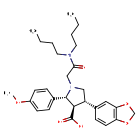
(2R,3R,4S)-4-(1,3-benzodioxol-5-yl)-1-[2-(dibutylamino)-2-oxoethyl]-2-(4-methoxyphenyl)pyrrolidine-3-carboxylic acid

Endothelin ET-A antagonist

Diabetic nephropathy; End stage renal disease; Renal disease

FDA APPROVED 4/02/2025, Vanrafia, To reduce proteinuria in adults with primary immunoglobulin A nephropathy at risk of rapid disease progression

1-(N,N-Dibutylcarbamoylmethyl)-2(R)-(4-methoxyphenyl)-4(S)-(3,4-methylenedioxyphenyl)pyrrolidine-3(R)-carboxylic acid
(2R,3R,4S)-(+)-2-(4-Methoxyphenyl)-4-(1,3-benzodioxol-5-yl)-1-(N,N-di(n-butyl)aminocarbonylmethyl)pyrrolidine-3-carboxylic acid
(2R,3R,4S)-(+)-2-(4-methoxyphenyl)-4-(1,3-benzodioxol-5-yl)-1-(N,N-di(n-butyl)aminocarbonylmethyl)-pyrrolidine-3-carboxylic acid
C29H38N2O6, 510.631
Ingredient UNII CAS InChI Key
Atrasentan hydrochloride E4G31X93ZA 195733-43-8 IJFUJIFSUKPWCZ-SQMFDTLJSA-N

Atrasentan is an experimental drug that is being studied for the treatment of various types of cancer,[1] including non-small cell lung cancer.[2] It is also being investigated as a therapy for diabetic kidney disease.

Atrasentan failed a phase 3 trial for prostate cancer in patients unresponsive to hormone therapy.[3] A second trial confirmed this finding.[4]

It is an endothelin receptor antagonist selective for subtype A (ETA). While other drugs of this type (sitaxentan, ambrisentan) exploit the vasoconstrictive properties of endothelin and are mainly used for the treatment of pulmonary arterial hypertension, atrasentan blocks endothelin induced cell proliferation.

In April 2014, de Zeeuw et al. showed that 0.5 mg and 1.25 mg of atrasentan reduced urinary albumin by 35 and 38% respectively with modest side effects. Patients also had decreased home blood pressures (but no change in office readings) decrease total cholesterol and LDL. Patients in the 1.25 mg dose group had increased weight gain which was presumably due to increased edema and had to withdraw from the study more than the placebo or 0.5 mg dose group.[5] Reductions in proteinuria have been associated with beneficial patient outcomes in diabetic kidney disease with other interventions but is not an accepted end-point by the FDA.

The recently initiated SONAR trial[6] will determine if atrasentan reduces kidney failure in diabetic kidney disease.

Useful for treating nephropathy and chronic kidney disease associated with Type II diabetes. For a prior filing see WO2015006219 , claiming the stable solid composition in the form of a tablet comprising atrasentan and an anti-oxidant. AbbVie (following its spin-out from Abbott), is developing atrasentan (phase III; February 2015) for treating chronic kidney disease, including diabetic nephropathy.

PAPER

European Journal of Organic Chemistry

Enantioselective Synthesis of the Pyrrolidine Core of Endothelin Antagonist ABT-627 (Atrasentan) via 1,2-Oxazines

Year:2003
Volume:2003
Issue:18
page:3524-3533

PATENT

http://www.google.com/patents/US20080132710

EXAMPLE 1

A mixture of bromoacetyl bromide (72.3 mL) in toluene (500 mL) at 0° C. was treated with dibutylamine (280 mL) in toluene (220 mL) while keeping the solution temperature below 10° C., stirred at 0° C. for 15 minutes, treated with 2.5% aqueous phosphoric acid (500 mL) and warmed to 25° C. The organic layer was isolated, washed with water (500 mL) and concentrated to provide the product as a solution in toluene.

EXAMPLE 25-((E)-2-nitroethenyl)-1,3-benzodioxole

3,4-methylenedioxybenzaldehyde (15.55 Kg) was treated sequentially with ammonium acetate (13.4 Kg,), acetic acid (45.2 Kg) and nitromethane (18.4 Kg), warmed to 70° C., stirred for 30 minutes, warmed to 80° C., stirred for 10 hours, cooled to 10° C. and filtered. The filtrant was washed with acetic acid (2×8 Kg) and water (2×90 Kg) and dried under a nitrogen stream then in under vacuum at 50° C. for 2 days.

EXAMPLE 3ethyl 3-(4-methoxyphenyl)-3-oxopropanoate

A mixture of potassium tert-amylate (50.8 Kg) in toluene (15.2 Kg) at 5° C. was treated with 4-methoxyacetophenone (6.755 Kg) and diethyl carbonate (6.4 Kg) in toluene over 1 hour while keeping the solution temperature below 10° C., warmed to 60° C. for 8 hours, cooled to 20° C. and treated with acetic acid (8 Kg) and water (90 Kg) over 30 minutes while keeping the solution temperature below 20° C. The organic layer was isolated, washed with 5% aqueous sodium bicarbonate (41 Kg) and concentrated at 50° C. to 14.65 Kg.

EXAMPLE 4ethyl 2-(4-methoxybenzoyl)-4-nitromethyl-3-(1,3-benzodioxol-5-yl)butyrate

A mixture of EXAMPLE 3 (7.5 Kg) in THF (56 Kg) was treated with EXAMPLE 3 (8.4 Kg), cooled to 17° C., treated with sodium ethoxide (6.4 g), stirred for 30 minutes, treated with more sodium ethoxide (6.4 g), stirred at 25° C. until HPLC shows less than 1 area % ketoester remaining and concentrated to 32.2 Kg.

EXAMPLE 5ethyl cis,cis-2-(4-methoxyphenyl)-4-(1,3-benzodioxol-5-yl)pyrrolidine-3-carboxylate

Raney nickel (20 g), from which the water had been decanted, was treated sequentially with THF (20 mL), EXAMPLE 4 (40.82 g), and acetic acid (2.75 mL). The mixture was stirred under hydrogen (60 psi) until hydrogen uptake slowed, treated with trifluoroacetic acid, stirred under hydrogen (200 psi) until HPLC shows no residual imine and less than 2% nitrone and filtered with a methanol (100 mL) wash. The filtrate, which contained 13.3 g of EXAMPLE 5, was concentrated with THF (200 mL) addition to 100 mL, neutralized with 2N aqueous NaOH (50 mL), diluted with water (200 mL), and extracted with ethyl acetate (2×100 mL). The extract was used in the next step.

EXAMPLE 6ethyl trans,trans-2-(4-methoxyphenyl)-4-(1,3 -benzodioxol-5 -yl)pyrrolidine-3-carboxylate

Example 501E (38.1 g) was concentrated with ethanol (200 mL) addition to 100 mL, treated with sodium ethoxide (3.4 g), heated to 75° C., cooled to 25° C. when HPLC showed less than 3% of EXAMPLE 1E and concentrated. The concentrate was mixed with isopropyl acetate (400 mL), washed with water (2×150 mL) and extracted with 0.25 M phosphoric acid (2×400 mL). The extract was mixed with ethyl acetate (200 mL) and neutralized to pH 7 with sodium bicarbonate (21 g), and the organic layer was isolated.

EXAMPLE 7ethyl (2R,3R,4S)-(+)-2-(4-methoxyphenyl)-4-(1,3-benzodioxol-5-yl)pyrrolidine-3-carboxylate, (S)-(+) mandelate

EXAMPLE 501F was concentrated with acetonitrile (100 mL) addition to 50 mL, treated with (S)-(+)-mandelic acid (2.06 g), stirred until a solution formed, stirred for 16 hours, cooled to 0° C., stirred for 5 hours and filtered. The filtrant was dried at 50° C. under a nitrogen stream for 1 day. The purity of the product was determined by chiral HPLC using Chiralpak AS with 95:5:0.05 hexane/ethanol/diethylamine, a flow rate of 1 mL/min. and UV detection at 227 nm. Retention times were 15.5 minutes for the (+)-enantiomer and 21.0 minutes for the (−)-enantiomer.

EXAMPLE 8(2R,3R,4S)-(+)-2-(4-methoxyphenyl)-4-(1,3-benzodioxol-5-yl)-1-(N,N-di(n-butyl)aminocarbonylmethyl)pyrrolidine-3-carboxylic acid

A mixture of EXAMPLE 7 (20 g) in ethyl acetate (150 mL) and 5% aqueous sodium bicarbonate was stirred at 25° C. until the salt dissolved and gas evolution stopped. The organic layer was isolated and concentrated. The concentrate was treated with acetonitrile (200 mL), concentrated to 100 mL, cooled to 10° C., treated with diisopropylethylamine (11.8 mL) and EXAMPLE 1 (10.5 g), stirred for 12 hours and concentrated. The concentrate was treated with ethanol (200 mL), concentrated to 100 mL, treated with 40% aqueous NaOH (20 mL), stirred at 60° C. for 4 hours, cooled, poured into water (400 mL), washed with hexanes (2×50 mL then 2×20 mL), treated with ethyl acetate (400 mL) and adjusted to pH 5 with concentrated HCl (12 mL). The organic layer was isolated and concentrated.

………………….

 
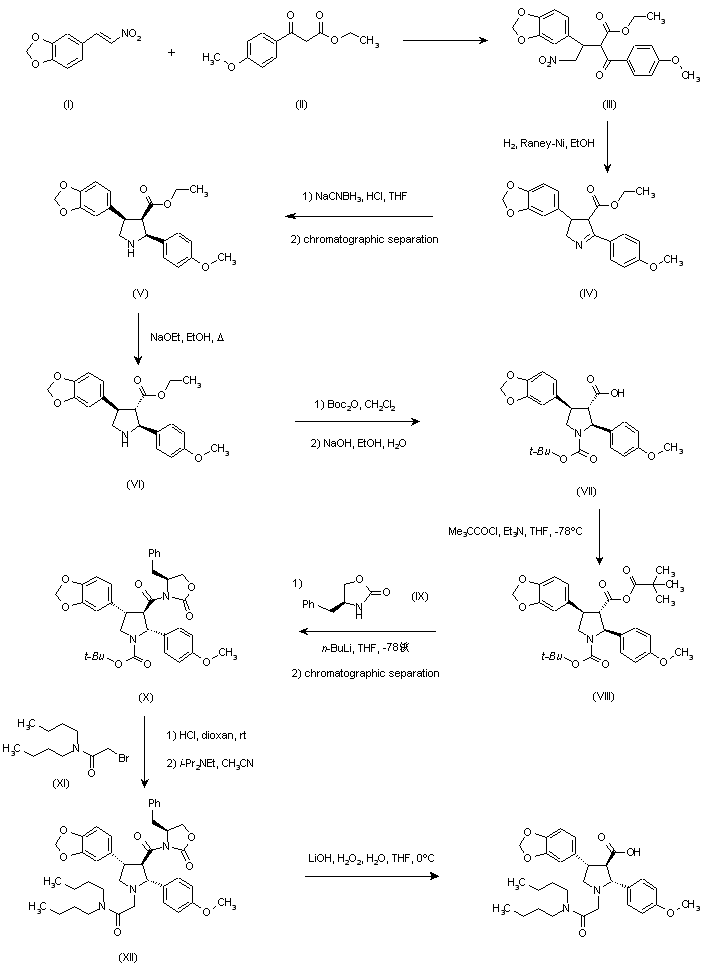
The Michael reaction between 3,4-(methylenedioxy)-beta-nitrostyrene (I) and ethyl (4-methoxybenzoyl)acetate (II) in the presence of DBU gave adduct (III) as a mixture of isomers. Hydrogenation of this nitro ketone over Raney-Ni afforded, after spontaneous cyclization of the resulting amino ketone, the pyrroline (IV). Further reduction of the imine with NaBH3CN yielded a mixture of three pyrrolidine isomers. The desired trans-trans isomer (VI) could not be separated from the cis-trans isomer by column chromatography. However, the pure cis-cis compound (V) was isomerized to (VI) with NaOEt in refluxing EtOH. The protection of the amine as the tert-butyl carbamate with Boc2O, and saponification of the ester function provided the racemic acid (VII). Resolution of (VII) was achieved by conversion to the mixed anhydride (VIII) with pivaloyl chloride, followed by condensation with the lithium salt of (S)-4-benzyl-2-oxazolidinone (IX), and chromatographic separation of the resulting diastereomeric imides. Alternatively, racemic (VII) could be resolved by crystallization of its salt with (R)-a-methylbenzylamine. Removal of the Boc group from the appropriate isomer (X) with HCl in dioxan, followed by alkylation with N,N-dibutylbromoacetamide (XI) in the presence of i-Pr2NEt furnished the pyrrolidinylacetamide (XII). Finally, hydrolysis of the imide with lithium hydroperoxide provided the target acid.
J Med Chem1996,39,(5):1039
 
 
Cyclization of 5-(2-nitrovinyl)-1,3-benzodioxole (I) with ethyl 2-(4-methoxybenzoyl)acetate (II) by means of DBU in THF gives the 4-nitrobutyrate (III), which is reduced with H2 over Ni in ethanol to the corresponding amine, which undergoes immediate cyclization to give the pyrroline carboxylate (IV). Reduction of pyrroline (IV) with NaCNBH3 in THF affords the expected pyrrolidine as a mixture of the (trans,trans)-(V), (cis,cis)-(VI) and (cis,trans)-(VII) isomers. Using chromatography on silica gel, only the (cis,cis)-isomer (VI) is separated and completely isomerized to the (trans,trans)-isomer (V) by treatment with NaOEt in refluxing ethanol. Pure (trans,trans)-isomer (V) or the remaining mixture of (trans,trans)-(V) and (cis,trans)-(VII) is N-protected with Boc2O in dichloromethane to provide a mixture of carbamates. Then hydrolysis of the esters is performed with NaOH in ethanol/water at room temperature, and under these conditions only the (trans,trans)-isomer hydrolyzes, giving the racemic (trans,trans)-acid (VIII). Unreacted (cis,trans)-ester (VII) is easily removed by conventional methods. Condensation of the racemic acid (VIII) with the lithium salt of the chiral oxazolidinone (IX) by means of pivaloyl chloride yields the corresponding amide as a diastereomeric mixture of (X) and (XI) that are separated by chromatography. The desired isomer (XI) is deprotected with HCl in dioxane to afford the chiral pyrrolidine (XII), which is condensed with 2-bromo-N,N-dibutylacetamide (XIII) by means of diisopropylamine in acetonitrile to give the adduct (XIV). Finally, the chiral auxiliary of (XIV) is eliminated by means of LiOOH (LiOH + H2O2) in water.
J Med Chem1996,39,(5):1039
PATENT
EXAMPLE 95D(2R,3R,4S)-(+)-2-(4-Methoxyphenyl)-4-(1,3-benzodioxol-5-yl)-1-(N,N-di(n-butyl)aminocarbonylmethyl)pyrrolidine-3-carboxylic acidTo the resulting compound from Example 95C (131 mg, 0.355 mmol) was added, diisopropylethylamine (137 mg, 185 μL, 1.06 mmol), acetonitrile (2 mL), N,N-di-(n-butyl)bromoacetamide (133 mg, 0.531 mmol), and the mixture was heated at 50° C. for 1.5 hours. The reaction mixture was concentrated to a solid, dried under high vacuum, and purified by chromatography on silica gel eluting with 1:3 ethyl acetate-hexane to give pure ester as a colorless oil. 1 H NMR (CDCl3, 300MHz) δ 0.81 (t, J=7 Hz, 3H), 0.88 (t, J=7 Hz, 3H), 1.10 (t, J=7 Hz, 3H), 1.00-1.52 (m, 8H), 2.78 (d, J=14 Hz,1H), 2.89-3.10 (m, 4H), 3.23-3.61 (m, 5H), 3.71 (d, J=9 Hz, 1H), 3.80 (s, 3H), 4.04 (q, J=7 Hz, 2H), 5.94 (dd, J=1.5 Hz, 2H), 6.74 (d, J=9 Hz, 1H), 6.83-6.90 (m, 3H), 7.03 (d, J=2 Hz, 1H), 7.30 (d, J=9 Hz, 2H). MS (DCl/NH3) m/e 539 (M+H)+.To the ethyl ester dissolved in 7 mL of ethanol was added a solution of lithium hydroxide (45 mg, 1.06 mmol) in water (2.5 mL). The mixture was stirred for 1 hour at ambient temperature and then warmed slowly to 40° C. over 2.5 hours at which point all of the starting material had been consumed. The reaction mixture was concentrated to remove the ethanol, diluted with 60 mL water and extracted with ether (3×40 mL). The aqueous solution was treated with 1N aqueous hydrochloric acid until cloudy, and the pH was then adjusted to ˜4-5 with 10% aqueous citric acid. This mixture was extracted with 1:19 ethanol-methylene chloride (3×50 mL). The combined extracts were dried (Na2 SO4), filtered, concentrated and dried under high vacuum to give the title compound as a white foam (150 mg, 83%). 1 H NMR (CDCl3, 300MHz) δ 0.80 (t, J=7 Hz, 3H), 0.88 (t, J=7 Hz, 3H), 1.08 (m, 2H), 1.28 (m, 3H), 1.44 (m, 3H), 2.70-3.77 (svr br m, 12H), 3.79 (s, 3H), 5.95 (m, 2H), 6.75 (d, J=8 Hz, 1H), 6.87 (br d, J=8 Hz, 3H), 7.05 (br s,1H),7.33 (v br s, 2H). MS (DCl/NH3) m/e 511 (M+H)+. α!22 =+74.42°. Anal calcd for C29 H38 N2 O6.0.5 H2 O: C ,67.03; H, 7.56; N, 5.39. Found: C, 67.03; H, 7.59; N, 5.33.
 
SYN
EP 0885215; WO 9730045
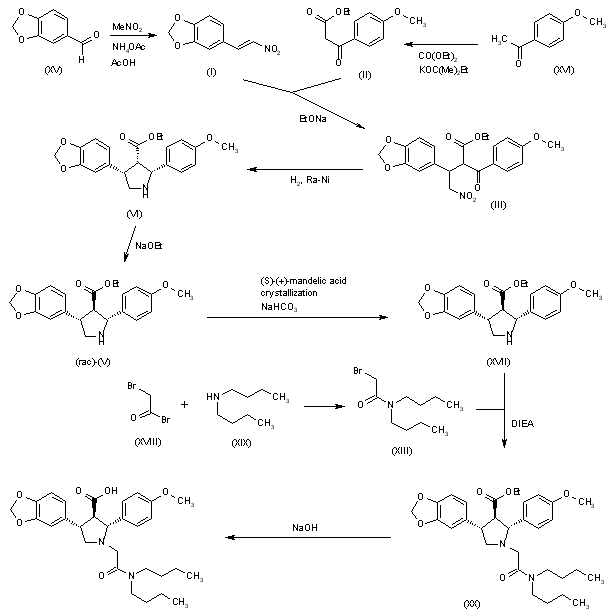
Condensation of 1,3-benzodioxole-5-carbaldehyde (XV) with nitromethane by means of ammonium acetate in HOAc gives the nitrostyrene (I), which is condensed with ethyl 2-(4-methoxybenzoyl)acetate (II) [obtained by reaction of acetophenone (XVI), diethyl carbonate and potassium tert-amyloxide] by means of NaOEt in THF to yield the 4-nitrobutyrate (III). Reductive cyclization of (III) with H2 over Raney-Ni in THF affords the (cis, cis)-pyrrolidine (VI), which is isomerized to the (trans,trans)-isomer (V) by means of NaOEt in refluxing ethanol. This racemic ester (V) is submitted to optical resolution with (S)-(+)-mandelic acid to provide the pure chiral ester (XVII). This compound is condensed with 2-bromo-N,N-dibutylacetamide (XIII) [obtained by reaction of 2-bromoacetyl bromide (XVIII) with dibutylamine (XIX) in toluene] by means of DIEA in acetonitrile to give the ethyl ester (XX), which is finally hydrolyzed with NaOH in hot ethanol.

SYN

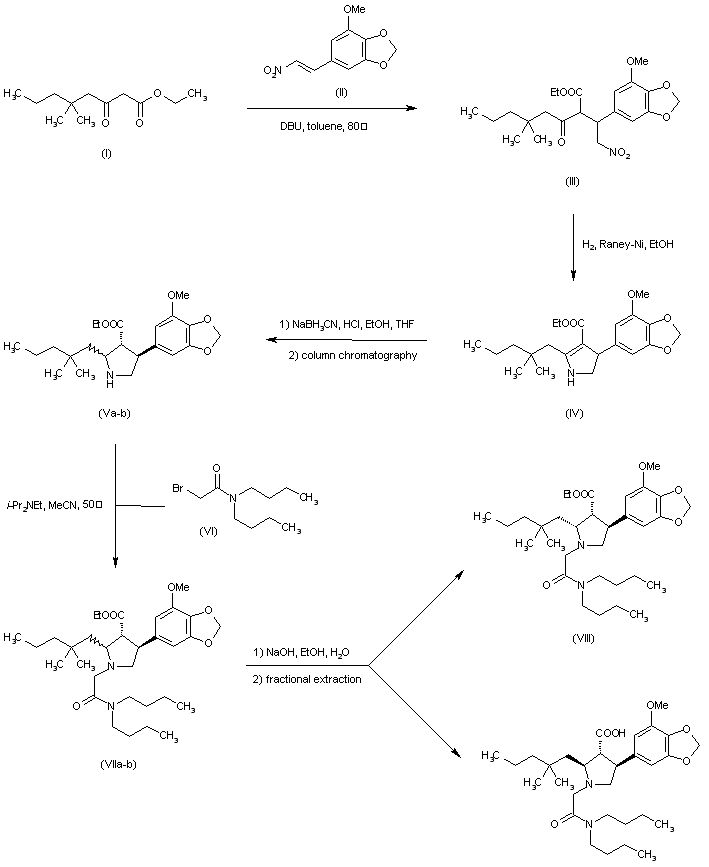
Condensation of ketoester (I) with nitrovinyl benzodioxole (II) in the presence of 1,8-diazabicyclo[5.4.0]undec-7-ene gave adduct (III). Hydrogenation of the nitro group of (III) over Raney Nickel with concomitant cyclization yielded dihydropyrrole (IV). Further reduction of (IV) with sodium cyanoborohydride provided a mixture of diastereomeric pyrrolidines. Chromatographic separation removed the cis,cis isomer, affording a mixture of trans,trans and cis,trans products (V). N-Alkylation of the pyrrolidine (V) with N,N-dibutyl bromoacetamide (VI) furnished (VIIa-b). Finally, selective hydrolysis of the ester group from the trans,trans isomer produced a mixture of cis,trans ester (VIII) and the target trans,trans acid, which were readily separated by fractional extraction.

SYN

SYN

J Med Chem 1996,39(5),1039

The Michael reaction between 3,4-(methylenedioxy)-beta-nitrostyrene (I) and ethyl (4-methoxybenzoyl)acetate (II) in the presence of DBU gave adduct (III) as a mixture of isomers. Hydrogenation of this nitro ketone over Raney-Ni afforded, after spontaneous cyclization of the resulting amino ketone, the pyrroline (IV). Further reduction of the imine with NaBH3CN yielded a mixture of three pyrrolidine isomers. The desired trans-trans isomer (VI) could not be separated from the cis-trans isomer by column chromatography. However, the pure cis-cis compound (V) was isomerized to (VI) with NaOEt in refluxing EtOH. The protection of the amine as the tert-butyl carbamate with Boc2O, and saponification of the ester function provided the racemic acid (VII). Resolution of (VII) was achieved by conversion to the mixed anhydride (VIII) with pivaloyl chloride, followed by condensation with the lithium salt of (S)-4-benzyl-2-oxazolidinone (IX), and chromatographic separation of the resulting diastereomeric imides. Alternatively, racemic (VII) could be resolved by crystallization of its salt with (R)-a-methylbenzylamine. Removal of the Boc group from the appropriate isomer (X) with HCl in dioxan, followed by alkylation with N,N-dibutylbromoacetamide (XI) in the presence of i-Pr2NEt furnished the pyrrolidinylacetamide (XII). Finally, hydrolysis of the imide with lithium hydroperoxide provided the target acid.

SYN

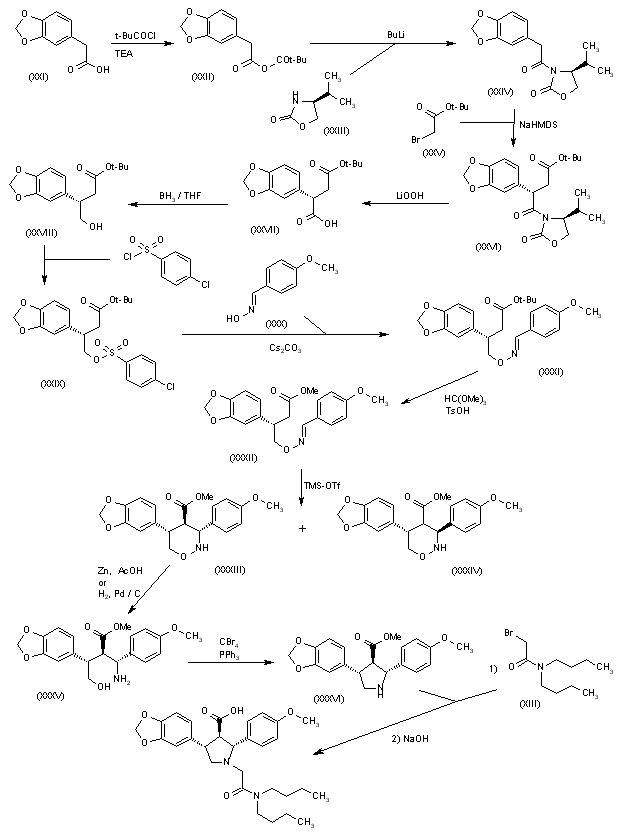
Reaction of 2-(1,3-dioxol-5-yl)acetic acid (XXI) with pivaloyl chloride and TEA gives the corresponding anhydride (XXII), which is condensed with the chiral oxazolidinone (XXIII) by means of n-BuLi in THF to yield the amide (XXIV). Condensation of (XXIV) with 2-bromoacetic acid tert-butyl ester (XXV) by means of NaHMDS in THF affords the adduct (XXVI). Elimination of the chiral auxiliary of (XXVI) by means of LiOOH in THF/water provides the chiral succinic acid hemiester (XXVII) (93% ee), which is selectively reduced with BH3璗HF complex to give the 4-hydroxysuccinate (XXVIII). Reaction of succinate (XXVIII) with 4-chlorophenylsulfonyl chloride, TEA and DMAP in dichloromethane yields the sulfonate (XXIX), which is condensed with 4-methoxybenzaldoxime (XXX) by means of Cs2CO3 in hot acetonitrile to afford the oxime ether (XXXI). Transesterification of the tert-butyl ester of (XXXI) with trimethyl orthoformate and p-toluenesulfonic acid in hot methanol provides the methyl ester (XXXII), which is cyclized by means of trimethylsilyl triflate and tributylamine in dichloroethane to afford a 9:1 diastereomeric mixture of perhydro-1,2-oxazines (XXXIII) and (XXXIV) which is easily separated. The reductive N-O-bond cleavage of the major oxazine diastereomer (XXXIII) by means of Zn/HOAc or H2 over Pd/C gives the trisubstituted 4-aminobutanol (XXXV), which is cyclized by means of CBr4, PPh3 and TEA to yield chiral pyrrolidine (XXXVI) (4). Finally, pyrrolidine (XXXVI) is alkylated with N,N-dibutyl-2-bromoacetamide (XIII) followed by ester hydrolysis as before.

References

1

  • “Atrasentan”. NCI Dictionary of Cancer Terms. National Institute of Cancer.
  • 2
  • Chiappori, Alberto A.; Haura, Eric; Rodriguez, Francisco A.; Boulware, David; Kapoor, Rachna; Neuger, Anthony M.; Lush, Richard; Padilla, Barbara; Burton, Michelle; Williams, Charles; Simon, George; Antonia, Scott; Sullivan, Daniel M.; Bepler, Gerold (March 2008). “Phase I/II Study of Atrasentan, an Endothelin A Receptor Antagonist, in Combination with Paclitaxel and Carboplatin as First-Line Therapy in Advanced Non–Small Cell Lung Cancer”. Clinical Cancer Research 14 (5): 1464–9. doi:10.1158/1078-0432.CCR-07-1508. PMID 18316570.
  • 3
  • “Addition of experimental drug to standard chemotherapy for advanced prostate cancer shows no benefit in phase 3 clinical trial” (Press release). National Cancer Institute. April 21, 2011. Retrieved October 18, 2014.
  • 4
  • Quinn, David I; Tangen, Catherine M; Hussain, Maha; Lara, Primo N; Goldkorn, Amir; Moinpour, Carol M; Garzotto, Mark G; Mack, Philip C; Carducci, Michael A; Monk, J Paul; Twardowski, Przemyslaw W; Van Veldhuizen, Peter J; Agarwal, Neeraj; Higano, Celestia S; Vogelzang, Nicholas J; Thompson, Ian M (August 2013). “Docetaxel and atrasentan versus docetaxel and placebo for men with advanced castration-resistant prostate cancer (SWOG S0421): a randomised phase 3 trial”. The Lancet Oncology 14 (9): 893–900. doi:10.1016/S1470-2045(13)70294-8. PMID 23871417.
  • 5
  • de Zeeuw, Dick; Coll, Blai; Andress, Dennis; Brennan, John J.; Tang, Hui; Houser, Mark; Correa-Rotter, Ricardo; Kohan, Donald; Lambers Heerspink, Hiddo J.; Makino, Hirofumi; Perkovic, Vlado; Pritchett, Yili; Remuzzi, Giuseppe; Tobe, Sheldon W.; Toto, Robert; Viberti, Giancarlo; Parving, Hans-Henrik (May 2014). “The endothelin antagonist atrasentan lowers residual albuminuria in patients with type 2 diabetic nephropathy”. Journal of the American Society of Nephrology 25 (5): 1083–93. doi:10.1681/ASN.2013080830. PMID 24722445.
  • 6

Clinical trial number NCT01858532 for “Study Of Diabetic Nephropathy With Atrasentan (SONAR)” at ClinicalTrials.gov

US-8962675, AbbVie Inc

Granted in February 2015, this patent claims novel crystalline anhydrous S-mandelate salt of atrasentan. Useful for treating nephropathy and chronic kidney disease associated with Type II diabetes.

Atrasentan
Atrasentan.svg
Systematic (IUPAC) name
(2R,3R,4S)-4-(1,3-Benzodioxol-5-yl)-1-[2-(dibutylamino)-2-oxoethyl]-2-(4-methoxyphenyl)pyrrolidine-3-carboxylic acid
Clinical data
Legal status
?
Identifiers
CAS number 173937-91-2 
ATC code None
PubChem CID 159594
ChemSpider 140321 Yes
UNII V6D7VK2215 Yes
ChEMBL CHEMBL9194 Yes
Chemical data
Formula C29H38N2O6 
Molecular mass 510.621 g/mol

READ MORE  ON SENTAN SERIES………..http://medcheminternational.blogspot.in/p/sentan-series.html

  1. Szczepankiewicz BG, Bal RB, von Geldern TW, Wu-Wong JR, Chiou WJ, Dixon DB, Opgenorth TJ, Hoffman DJ, Borre AJ, Marsh KC, Nguyen BN: The effects of diminishing albumin binding to some Endothelin receptor antagonists. Life Sci. 1998;63(21):1905-12. doi: 10.1016/s0024-3205(98)00466-4. [Article]
  2. Rajasekaran A, Julian BA, Rizk DV: IgA Nephropathy: An Interesting Autoimmune Kidney Disease. Am J Med Sci. 2021 Feb;361(2):176-194. doi: 10.1016/j.amjms.2020.10.003. Epub 2020 Oct 8. [Article]
  3. FDA Approved Drug Products: Vanrafia (atrasentan) tablets for oral use (April 2025) [Link]
  4. Novartis Media Release: Novartis receives FDA accelerated approval for Vanrafia® (atrasentan), the first and only selective endothelin A receptor antagonist for proteinuria reduction in primary IgA nephropathy (IgAN) [Link]
  5. StatPearls [Internet]: IgA Nephropathy (Berger Disease) [Link]
  6. ResearchGate: Total Synthesis of Atrasentan (Craig S. Harris, Reims Symposium, October 2002) [Link]

//////////ATRASENTAN, FDA 2025, APPROVALS 2025, Vanrafia, A 147627, (+)-A-127722, ABT 627, UNII-V6D7VK2215

SWINE FLU ; AYURVEDA SUCCESSFUL TREATMENT ; स्वाइन प्लू का सुरक्षित आयुर्वेदिक इलाज


Dr.D.B.Bajpai's avatar**आधुनिक युग आयुर्वेद ** ई०टी०जी० आयुर्वेदास्कैन ** DIGITAL AYURVEDA TRIDOSHO SCANNER**AYURVED H. T. L. WHOLE-BODY SCANNER**आयुषव्यूज रक्त केमिकल केमेस्ट्री परीक्षण अनालाइजर ** डिजिटल हैनीमेनियन होम्योपैथी स्कैनर **

स्वाइन प्लू के लक्षणो पर आधारित सभी रोगियो का आयुर्वेदिक इलाज करने के बाद यह अनुभव मे आया है कि  महामारी की तरह फैल रही बीमारी का बहुत सटीक और अचूक इलाज आयुर्वेद मे है /
वायरल / अथवा स्वाइन फ्लू के रोगियो के इलाज मे मैने निम्न दवाये दी है उन्हे मै  सार्वजनिक तौर पर  देश के सभी नागरिको के लिये यहा बता रहा हू /

स्वाइन फ्लू या इस जैसी बीमारी के इलाज के लिये मेरा नुस्खा इस तरह है /

  • महामृत्युन्जय रस  दो गोली

  • कफ कुठार रस   चार गोली

  • सुदर्शन घन वटी  दो गोली

  • सप्त पर्ण घन वटी दो गोली

वयस्क व्यक्ति के लिये यह एक खुराक है /

सभी ऊपर लिखी गयी  दवओ की गोलियो को गुन्गुने पानी से तीन तीन घन्टे के अन्तर से खिलाना चाहिये three hourly a with lukwarm water

कम उम्र के  किशोरो को  ऊपर लिखी दवाओ की एक एक गोली…

View original post 646 more words

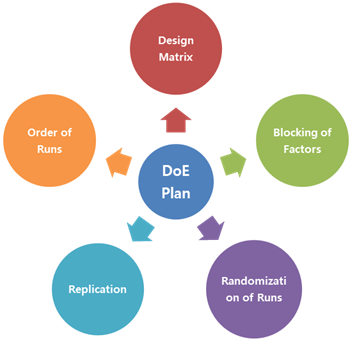
Detailed Requirements concerning the DOE in the Regulatory Submission Dossier: EMA’s and FDA’s Recommendations


DR ANTHONY MELVIN CRASTO Ph.D's avatarDRUG REGULATORY AFFAIRS INTERNATIONAL

The EMA has published together with the FDA a new question & answer (Q&A) paper at the end of 2014. This document answers questions on detailed requirements in connection with the documents concerning regulatory submissions. Among others it contains the answer to the question “What level of detail should be considered for design of experiments (DOEs) in a regulatory submission?

GMP News
25/02/2015

http://www.gmp-compliance.org/enews_4652_Detailed-Requirements-concerning-the-DOE-in-the-Regulatory-Submission-Dossier-EMA-s-and-FDA-s-Recommendations_9184,7307P,9059,Z-VM_n.html

In our News dated 18 February we reported on a question & answer (Q&A) paper which was published by EMA and FDA together at the end of 2014. This document answers questions on detailed requirements in connection with the documents concerning regulatory submissions. It also answers a question on the topic design of experiments (DOE).

The document answers the question “What level of detail should be considered for design of experiments (DOEs) in a regulatory submission?” as follows:

The level of detail should be commensurate…

View original post 165 more words

FDA Approves Farydak (panobinostat) for Multiple Myeloma


Panobinostat

syn……….https://newdrugapprovals.org/2014/01/23/panobinostat/

HDAC inhibitors, orphan drug

cas 404950-80-7 

2E)-N-hydroxy-3-[4-({[2-(2-methyl-1H-indol-3-yl)ethyl]amino}methyl)phenyl]acrylamide

N-hydroxy-3-[4-[[[2-(2-methyl-1H-indol-3-yl)ethyl]amino]methyl]phenyl]-2E-2-propenamide (alternatively, N-hydroxy-3-(4-{[2-(2-methyl-1H-indol-3-yl)-ethylamino]-methyl}-phenyl)-acrylamide)

Molecular Formula: C21H23N3O2   Molecular Weight: 349.42622

  • Faridak
  • LBH 589
  • LBH589
  • Panobinostat
  • UNII-9647FM7Y3Z

A hydroxamic acid analog histone deacetylase inhibitor from Novartis.

NOVARTIS, innovator

Histone deacetylase inhibitors

syn……….https://newdrugapprovals.org/2014/01/23/panobinostat/

FDA Approves Farydak (panobinostat) for Multiple Myeloma

February 23, 2015 — The U.S. Food and Drug Administration today approved Farydak (panobinostat) for the treatment of patients with multiple myeloma.

Multiple myeloma is a form of blood cancer that arises from plasma cells, a type of white blood cell, found in bone marrow. According to the National Cancer Institute, approximately 21,700 Americans are diagnosed with multiple myeloma and 10,710 die from the disease annually

read at

http://www.drugs.com/newdrugs/fda-approves-farydak-panobinostat-multiple-myeloma-4170.html?utm_source=ddc&utm_medium=email&utm_campaign=Today%27s+news+summary+-+February+23%2C+2015&utm_content=FDA+Approves+Farydak+%28panobinostat%29+for+Multiple+Myeloma

AND

FDA approves Farydak for treatment of multiple myeloma [press release].http://www.fda.gov/NewsEvents/Newsroom/PressAnnouncements/ucm435296.htmPublished February 23, 2015. Accessed february 23, 2015

syn……….https://newdrugapprovals.org/2014/01/23/panobinostat/

syn……….https://newdrugapprovals.org/2014/01/23/panobinostat/

syn……….https://newdrugapprovals.org/2014/01/23/panobinostat/

syn……….https://newdrugapprovals.org/2014/01/23/panobinostat/


FDA approves Farydak for treatment of multiple myeloma [press release].http://www.fda.gov/NewsEvents/Newsroom/PressAnnouncements/ucm435296.htmPublished February 23, 2015. Accessed february 23, 2015

ANTHONY CRASTO VENTURES INTO CHINA…..MY KAIXIN BLOG 开心网 ON MEDICINAL CHEMISTRY


KAIXIN


MY EASTERN VENTURE TO PROPAGATE CHEMISTRY……………http://www.kaixin001.com/home/?_profileuid=159073878

CHINA

MY EASTERN VENTURE TO PROPAGATE CHEMISTRY……………http://www.kaixin001.com/home/?_profileuid=159073878

MY EASTERN VENTURE TO PROPAGATE CHEMISTRY……………http://www.kaixin001.com/home/?_profileuid=159073878

MY EASTERN VENTURE TO PROPAGATE CHEMISTRY……………http://www.kaixin001.com/home/?_profileuid=159073878\


DRUG APPROVALS BY DR ANTHONY MELVIN CRASTO …..FOR BLOG HOME CLICK HERE

Join me on Linkedin

View Anthony Melvin Crasto Ph.D's profile on LinkedIn

Join me on Facebook FACEBOOK

Join me on twitterFollow amcrasto on Twitter
Join me on google plus Googleplus

 amcrasto@gmail.com

KHAJURAHO INDIA

Khajuraho Group of Monuments is located in India

Khajuraho Group of Monuments
Location of Khajuraho Group of Monuments in India.

Location in Madhya PradeshLocation in Madhya Pradesh

  1. Khajuraho Group of Monuments – Wikipedia, the free …

    en.wikipedia.org/wiki/Khajuraho_Group_of_Monuments

    The Khajuraho Group of Monuments are a group of Hindu and Jain temples in Madhya Pradesh, India. About 620 kilometres (385 mi) southeast of New Delhi, …

Hotel Chandela – A Taj Leisure Hotel

New TB Drug Enters Trials Neglected Diseases: Milestone comes despite waning pharma interest


TBA-354

New TB Drug Enters Trials

Neglected Diseases: Milestone comes despite waning pharma interest
chemical and eng news
Volume 93 Issue 8 | p. 5 | News of The Week
Issue Date: February 23, 2015 | Web Date: February 19, 2015

For the first time in six years, a new tuberculosis drug candidate has entered human clinical trials. Supported by the nonprofit Global Alliance for TB Drug Development, Phase I testing of TBA-354 began on Feb. 19.

TBA-354 is a nitroimidazole, a class of drugs effective against drug-resistant TB. The compound arose from a collaboration among the TB Alliance and researchers at New Zealand’s University of Auckland and the University of Illinois, Chicago, to find a next-generation nitroimidazole with more potent bactericidal activity and more favorable pharmacokinetic properties

TBA 354

CAS No: 1257426-19-9, 1403987-02-9

436.34, C19 H15 F3 N4 O5

2-Nitro-6(S)-[6-[4-(trifluoromethoxy)phenyl]pyridin-3-ylmethoxy]-6,7-dihydro-5H-imidazo[2,1-b][1,3]oxazine

[(S)-2-nitro-6-((6-(4-trifluoromethoxy)phenyl)pyridine-3-yl)methoxy)-6,7-dihydro-5H-imidazo[2,1-b][1,3]oxazine]

5H-​Imidazo[2,​1-​b]​[1,​3]​oxazine, 6,​7-​dihydro-​2-​nitro-​6-​[[6-​[4-​(trifluoromethoxy)​phenyl]​-​3-​pyridinyl]​methoxy]​-​, (6S)​-

6S)-2-Nitro-6-({6-[4-(trifluoromethoxy)phenyl]-3-pyridinyl}methoxy)-6,7-dihydro-5H-imidazo[2,1-b][1,3]oxazine

TBA-354 is a potent anti-tuberculosis compound; maintains activity against Mycobacterium tuberculosis H37Rv isogenic monoresistant strains and clinical drug-sensitive and drug-resistant isolates.

TBA-354

Nitroimidazoles represent a promising new class of anti-tubercular agents with potential for the treatment of drug sensitive and drug resistant disease. Two first generation compounds (PA-824 and OPC67683) are currently in clinical development. To maximize the potential of this class for tuberculosis (TB), we conducted a medicinal chemistry program to identify a next generation nitroimidazole. Ultimately, we selected TBA-354 [(S)-2-nitro-6-((6-(4-trifluoromethoxy)phenyl)pyridine-3-yl)methoxy)-6,7-dihydro-5H-imidazo[2,1-b][1,3]oxazine] for in-depth profiling and preclinical development.
TBA-354 is more potent than PA-824 against M. tuberculosis in vitro, and against acute and established murine TB. This potency advantage is maintained on dosing as monotherapy in the initial and continuation phases of treatment, and when administered in combination with moxifloxacin and pyrazinamide. TBA-354 possesses a favorable pharmacokinetic (PK) profile with good oral bioavailability and excellent exposures in preclinical species. Due to these combined advantages, predicted clinically therapeutic doses are once daily and low, differentiating TBA-354 as a next generation anti-tubercular nitroimidazole.

TBA-354 was discovered by the TB Alliance in partnership with the University of Auckland and the University of Illinois at Chicago. The TB Alliance is a not-for-profit product development partnership (PDP) that operates like a biopharmaceutical company. The medicinal chemistry that led to discovery of TBA-354 was conducted at the Auckland Society for Cancer Research Center at University of Auckland and the biology was conducted at the University of Illinois at Chicago. Further in-depth profiling of the compound was led by the TB Alliance in collaboration with Johns Hopkins University, University of Illinois at Chicago and RTI International. Financial support for this project was provided by the Bill & Melinda Gates Foundation and UK Aid. The work was presented at ICAAC 2012 in San Francisco on Sept 10th 2012.

TBA-354’s excellent efficacy and pharmacokinetic profile make it a promising candidate to deliver superior bactericidal results from a small daily pill. The evidence of TBA-354’s effectiveness was found in animal models of TB, which, while often predictive, have their limitations. Clinical trials are needed to evaluate TBA-354’s effectiveness against TB in patients. Before proceeding to clinical trials, the safety and tolerability of TBA-354 must be evaluated; these toxicology and safety pharmacology studies are underway and will provide more information concerning the potential of this compound.

One of the major challenges of TB treatment, as well as drivers of drug-resistance remains the length and complexity of current treatment. Defeating the TB pandemic will require new drugs that shorten and simplify treatment. Given the disproportionate skew of the TB burden in the developing world, all new TB treatments must also be inexpensive enough to facilitate scale-up. As the most potent anti-tubercular nitroimidazole under development to date, TBA-354 offers great promise in many ways. Its potency may enable the reduction of length, cost, and side-effects of TB treatment. It is compatible with commonly used AIDS medications in ways that some currently used TB treatments are not. Further, nitroimadzoles have already proven combinable with other experimental TB drugs to form novel treatments regimens with the potential to cure both drug-sensitive and MDR-TB.

TBA-354 belongs to the nitroimadazole class. Other drugs from this class have exhibited promising activity against TB bacteria in the lab and in clinical trials — two of the most advanced new TB drug candidates (PA-824and delamanid) belong to this class. Having shown greater potency compared to PA-824 and an improved pharmacokinetic profile compared to delamanid, along with other promising properties, TBA-354 offers the potential to shorten and simplify TB treatment further than therapies currently under clinical development. Its increased potency against TB could also reduce the cost, pill size, frequency and/or side effects of treatment with a nitroimidazole by achieving comparable efficacy with less drug amount. Importantly, because it belongs to a novel class of drugs, TBA-354 projects to be effective in treating both drug-sensitive and drug-resistant TB.

TBA-354 emerged from studies designed to identify a next generation nitroimidazole for TB

• It is the first new TB drug candidate to begin a Phase 1 clinical trial since 2009

• 1.5 million people die each year from TB, and more than nine million were diagnosed with the disease

FEB 2015 NEW YORK — The Global Alliance for TB Drug Development (TB Alliance) has commenced the first human trial of a new tuberculosis (TB) drug candidate, designated TBA-354, the not for profit organization announced Wednesday..

It is the first new TB drug candidate to begin a Phase 1 clinical trial since 2009.

The World Health Organization reported that 1.5 million people die each year from TB, and more than nine million were diagnosed with the disease. The lack of short, simple, and effective treatments is a significant obstacle to TB control.

Owing to lack of economic incentive to develop new tools, there are not enough promising drugs in the pipeline, which could hinder efforts to develop the appropriate treatments needed to combat the TB epidemic.

“There is a critical gap of new compounds for TB,” said Mel Spigelman, MD, President and CEO of TB Alliance.

“The advancement of TBA-354 into clinical testing is a major milestone, not only because of the potential it shows for improving TB treatment, but because it is the first new TB drug candidate to begin a Phase 1 clinical trial in six years.”

TBA-354 emerged from studies designed to identify a next generation nitroimidazole for TB. It comes from the nitroimidazole class of chemicals, known for being effective against drug-sensitive and drug-resistant tuberculosis.

The class also includes the experimental TB drug pretomanid (formerly PA-824), which is being tested as a component of other novel regimens in multiple clinical trials.

TB Alliance conducted the studies in collaboration with the University of Auckland and University of Illinois-Chicago. Once identified, TB Alliance further advanced TBA-354 through pre-clinical development and is now the sponsor of the Phase 1 study

“Our chemistry team has worked on this since 2006 when the TB Alliance approached us to help with this project,” said Professor Bill Denny, director of the Auckland Cancer Society Research Centre and a Principal Investigator of the Maurice Wilkins Centre at the University of Auckland. “We made several hundred compounds, from which TBA-354 was selected for clinical development in 2011.”

“It’s very pleasing for us to see this drug go all the way through to Phase one clinical trial. It’s a validation of our work designing this compound to create a new and improved drug for the treatment of tuberculosis,” stated Denny in a statement.

In preclinical studies, TBA-354 demonstrated more potent anti-bactericidal and sterilizing activity compared to pretomanid. Recruitment is under way to enroll nearly 50 U.S. volunteers for the randomized, double-blind Phase 1 trial, which will evaluate the safety, tolerability, pharmacokinetics, and dosing of TBA-354.

In late 2012 a promising New Zealand compound targeting treatment-resistant tuberculosis (TB) was selected as a drug candidate by international non-profit drug developer the Global Alliance for TB Drug Development (TB Alliance).

NZ TB drug selected

Image: Micrograph of Mycobacterium tuberculosis, the bacterium that causes tuberculosis. Image courtesy of Dr Ray Butler and Janice Carr (Centres for Disease Control).

New drug candidate TBA-354 was designed by scientists from the Auckland Cancer Society Research Centre (ACSRC) and Maurice Wilkins Centre in partnership with the TB Alliance and University of Illinois at Chicago. The TB Alliance expects to complete preclinical studies by early 2013, and then seek permission from the US Food and Drug Administration to begin human trials.

TB is second only to HIV/AIDS as the greatest infectious killer worldwide. While most cases and deaths occur in low and middle income countries, it is a major health concern in the Asia-Pacific region. Treatment regimens are complex, lengthy and challenging to follow and the disease is developing resistance to current antibiotics. If a new drug proves more effective than current treatments it may reduce the duration, cost and side effects of treatment.

Laboratory studies to date have been very promising, with TBA-354 proving much more potent and broad-spectrum than PA-824, the first-generation compound it was designed to improve upon. TBA-354 and PA-824 are members of the first new class of drugs developed for TB in nearly fifty years and the first designed to attack the persistent form.

the TB Alliance contracted the New Zealand scientists to develop second-generation compounds to overcome some of its known limitations. The New Zealanders optimised each part of the drug, and in the process developed a new method of synthesis that will simplify and reduce the cost of producing drugs of this class.

“TBA-354 is an improved, second-generation version of PA-824,” says Professor Bill Denny,
ACSRC Co-Director and a Maurice Wilkins Centre principal investigator. “It is much more
potent than PA-824, longer lasting, and has greater activity against resistant strains. Recent
trials show that PA-824 can dramatically shorten the treatment period for TB, and it’s
encouraging that in TBA-354 we have a compound that is clearly superior to it.”

“This has been an excellent and productive international collaboration, across groups with
different skills, where we have learned much that we can apply in future,” says Associate
Professor Brian Palmer of the ACSRC and Maurice Wilkins Centre, who led the project’s
chemistry team of Drs Adrian Blaser, Iveta Kmentova, Hamish Sutherland and Andrew
Thompson.

“New Zealand has an outstanding reputation in drug discovery and it’s exciting to see the
ACSRC’s expertise in cancer drug development being applied to the fight against one of
the most devastating infectious diseases in the world,” says Centre Director Professor
Rod Dunbar.

 http://www.google.co.in/patents/EP2459571A1?cl=en

[0093] E. Synthesis of (6S)-2-nitro-6-({6-[4-(trifluoromethoxy)phenyI]-3- pyridinyI}methoxy)-6,7-dihydro-5H-imidazo[2,l-A][l53]oxazine (6) by the method of Scheme 4.

Figure imgf000025_0001

NaH (60% w/w, 0.584 g, 14.6 mmol) was added to a solution of oxazine alcohol 41 (2.073 g, 1 1.2 mmol) and 2-chloro-5-(chloromethyl)pyridine (48) (2.0 g, 12.3 mmol) in anhydrous DMF (40 mL) at 5 0C. The resulting mixture was stirred at room temperature for 16 h and then quenched with water (150 mL). The precipitate was filtered off, washed with water and dried to give (65)-6-[(6-chloro-3-pyridinyl)methoxy]-2-nitro-6,7-dihydro-5//-imidazo[2,l- ft][l,3]oxazine (49) (3.39 g, 97%) as a light yellow solid: mp 191-193 0C; 1H NMR [(CD3)2SO] δ 8.37 (d, J- 2.3 Hz, 1 H), 8.02 (s, 1 H), 7.79 (dd, J = 8.3, 2.4 Hz, 1 H), 7.51 (br d, J = 8.2 Hz, 1 H), 4.74 (d, J= 12.4 Hz, 1 H), 4.69-4.64 (m, 2 H), 4.47 (d, J= 1 1.8 Hz, 1 H), 4.29-4.21 (m, 3 H). HRESIMS calcd for C12Hi2ClN4O4 mlz [M + H]+ 313.0513, 311.0542, found 313.0518, 311.0545.

Chloride 49 (1.0 g, 3.22 mmol) and 4-(trifluoromethoxy)phenylboronic acid (44) (0.788 g, 3.82 mmol) were suspended in DME (50 mL) and an aqueous solution Of K2CO3 (2M, 10 mL) was added. The mixture was purged with N2 and then treated with Pd(dppf)Cl2 (50 mg, 0.068 mmol) and stirred at 85 0C in an N2 atmosphere for 1 day, monitoring by MS. Further 44 (0.150 g, 0.728 mmol) was added and the mixture was stirred at 85 0C in an N2 atmosphere for 1 day. The resulting mixture was diluted with water (50 mL), and extracted with EtOAc (3 x 100 mL). The dried (MgSO4) organic layers were adsorbed onto silica gel and chromatographed on silica gel, eluting with EtOAc. Trituration of the product in Et2O gave 6 (0.942 g, 67%) as a white powder: mp 217-219 0C; 1H NMR [(CD3)2SO] δ 8.63 (d, J = 1.7 Hz, 1 H), 8.20 (dt, J = 8.9, 2.1 Hz, 2 H), 8.03 (s, 1 H), 7.99 (dd, J = 8.2, 0.5 Hz, 1 H), 7.84 (dd, J = 8.2, 2.2 Hz, 1 H), 7.47 (dd, J = 8.8, 0.8 Hz, 2 H), 4.77 (d, J = 12.3 Hz, 1 H), 4.71-4.68 (m, 2 H), 4.49 (d, J= 11.7 Hz, 1 H), 4.31-4.26 (m, 3 H). Anal. (Ci9Hi5F3N4O5) C, H, N. HPLC purity: 98.9%.

…………………

PATENT

http://www.google.com/patents/US20120028973


…………………

PAPER

Journal of Medicinal Chemistry (2010), 53(23), 8421-8439

http://pubs.acs.org/doi/full/10.1021/jm101288t

217 – 219 °C MP

http://pubs.acs.org/doi/suppl/10.1021/jm101288t/suppl_file/jm101288t_si_001.pdf

(6S)-2-Nitro-6-({6-[4-(trifluoromethoxy)phenyl]-3-pyridinyl}methoxy)-6,7-dihydro-5H-imidazo[2,1-b][1,3]oxazine (93).
1)via bromide 160 :
Reaction of bromide160and 4-(trifluoromethoxy)phenylboronic acidunder the Suzuki coupling conditions described in Procedure A, followed by chromatographyof the product on silica gel, eluting with EtOAc, gave93(70%) as a cream solid: mp 217-219°C;
1H NMR [(CD3)2SO]
δ8.63 (d,J =1.7 Hz, 1 H),
8.20 (dt,J =8.9, 2.5 Hz, 2 H),
8.03 (s,1 H),
7.99 (dd,J =8.2, 0.5 Hz, 1 H),
7.84 (dd,J =8.2, 2.2 Hz, 1 H),
7.47 (br d,J =8.8 Hz, 2H),
4.77 (d,J =12.3 Hz, 1 H),
4.74-4.67 (m, 2 H),
4.49 (br d,J =11.7 Hz, 1 H),
4.33-4.22(m, 3 H).
Anal. (C19H15F3N4O5) C, H, N.F


Auckland Cancer Society Research Centre, School of Medical Sciences, The University of Auckland, Private Bag 92019, Auckland 1142, New Zealand
Institute for Tuberculosis Research, College of Pharmacy, University of Illinois at Chicago, 833 South Wood Street, Chicago, Illinois 60612, United States
§ Global Alliance for TB Drug Development, 40 Wall Street, New York, New York 10005, United States
J. Med. Chem., 2010, 53 (23), pp 8421–8439
DOI: 10.1021/jm101288t

Andrew M. Thompson

*Corresponding author. Phone: (+649) 923 6145. Fax: (+649) 373 7502. E-mail: am.thompson@auckland.ac.nz.

+64 9 373 7599

Map of University of Auckland-Grafton Campus 85 Park Rd, Grafton, Auckland 1023, New Zealand
Street View
University of Auckland-Grafton Campus 85 Park Rd Grafton, Auckland 1023, New Zealand

Address details

M&HS BUILDING 504

Level 1, Room 504-117

85 PARK RD

Auckland 1023

GRAFTON

New Zealand

REF

International Journal of Computational Biology and Drug Design (2014), 7(1), 1-30.

http://www.inderscience.com/info/inarticle.php?artid=58583


University of Auckland – Faculty of Medical & Health Science


Auckland Food Tasting and Market Tour


Newmarket is a shopper’s paradise just minutes away from central Auckland. Offering a great mix of high street fashion, a large mall and designer boutiques, ..

SILODOSIN………For treatment of benign prostatic hypertophy


Silodosin.png

SILODOSIN

Urief, 160970-54-7, Rapaflo, KMD 3213, Silodyx, KAD 3213, KMD-3213
Molecular Formula: C25H32F3N3O4
Molecular Weight: 495.53449 g/mol

Alpha 1A adrenoceptor antagonist

Prostate hyperplasia

Kissei Pharmaceutical Co Ltd  INOVATOR

CAS 160970-54-7

2,3-Dihydro-1-(3-hydroxypropyl)-5-[(2R)-2-[[2-[2-(2,2,2-trifluoroethoxy)phenoxy]ethyl]amino]propyl]-1H-indole-7-carboxamide

160970-64-9 (racemate)
169107-04-4 (diHBr)

Properties: [a]D25 -14.0° (c = 1.01 in methanol).
Optical Rotation: [a]D25 -14.0° (c = 1.01 in methanol)
Therap-Cat: In treatment of benign prostatic hypertophy.
a-Adrenergic Blocker.

In February 2008, the FDA accepted for review an NDA for silodosin for the treatment of dysuria associated with BPH . In October 2008, the FDA approved the drug . In April 2009, Actavis launched silodosin for the treatment of the signs and symptoms of BPH .
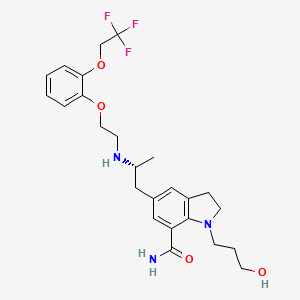
Silodosin.pngSILODOSIN

1-(3-hydroxypropyl)-5-[(2R)-2-[2-[2-(2,2,2-trifluoroethoxy)phenoxy]ethylamino]propyl]-2,3-dihydroindole-7-carboxamide


Kissei Pharmaceutical, Daiichi Sankyo (formerly Daiichi Seiyaku), Actavis (formerly Watson) and Recordati have developed and launched silodosin (Urief; Trupass; Rapaflo; Thrupas; Silodyx; Urorec; KMD-3213; Youlifu), an oral alpha 1A adrenoceptor antagonist selective for prostatic receptors . The product is comarketed in Europe by several licensees. The drug is indicated for the treatment of the signs and symptoms of benign prostatic hyperplasia (BPH).

Silodosin, a highly selective alpha1A-adrenoceptor antagonist, was launched in May 2006 in Japan for the oral treatment of urinary disturbance associated with benign prostatic hyperplasia (BPH). The product was launched in the U.S. for the treatment of signs and symptoms of benign prostatic hyperplasia in 2009. In 2009, a positive opinion was received in the E.U. for this indication and final approval was obtained in 2010. Launch in the E.U. took place the same year.

In May 2006, silodosin was launched as a capsule formulation in Japan. Actavis launched the drug in the US in April 2009. In June 2010, EU launched began, initially with Germany ; in November 2010, the drug was launched in France; by December 2010, the drug was launched in Spain.

In 2001, Kissei established an agreement with Daiichi Pharmaceutical to codevelop and comarket silodosin. An oral, once-daily formulation of silodosin filed in the U.S. by Watson (now Actavis) was approved in 2008. Watson (now Actavis) obtained exclusive rights in 2004 to develop and market the drug in the U.S.

PRODUCT Was developed and launched byKissei Pharmaceutical, Daiichi Sankyo, Actavis and Recordati. Family members of the product case EP0600675 have SPC protection in most EU states until 2018; while its Orange Book listed equivalent, US5387603, expire in the US in 2018 with US156 extension.

Silodosin (trade names Rapaflo (USA), Silodyx (Europe and South Africa), Rapilif (India), Silodal (India), Urief (Japan), Urorec (Russia)) is a medication for the symptomatic treatment of benign prostatic hyperplasia. It acts as an α1adrenoceptor antagonist with high uroselectivity (selectivity for the prostate).

Silodosin
Silodosin.png
Systematic (IUPAC) name
1-(3-hydroxypropyl)-5-[(2R)-({2-[2-[2-(2,2,2-trifluoroethoxy)phenoxy]ethyl}amino)propyl]indoline-7-carboxamide
Clinical data
  • US: B
  • Not approved for use in women
Legal status
  • Prescription only
Routes Oral
Pharmacokinetic data
Bioavailability 32%
Protein binding 97%
Metabolism Hepatic glucuronidation (UGT2B7-mediated); also minor CYP3A4 involvement
Half-life 13±8 hours
Excretion Renal and fecal
Identifiers
CAS number 160970-54-7 
ATC code G04CA04
PubChem CID 5312125
IUPHAR ligand 493
ChemSpider 4471557 Yes
UNII CUZ39LUY82 Yes
ChEMBL CHEMBL24778 Yes
Synonyms KAD-3213, KMD-3213
Chemical data
Formula C25H32F3N3O4 
Molecular mass 495.534 g/mol

History

Silodosin received its first marketing approval in Japan in May 2006 under the tradename Urief, which is jointly marketed by Kissei Pharmaceutical Co., Ltd. and Daiichi Sankyo Pharmaceutical Co., Ltd.

Kissei licensed the US, Canadian, and Mexican rights for silodosin to Watson Pharmaceuticals, Inc. in 2004.

On February 12, 2008, Watson announced that the New Drug Application submitted to the United States Food and Drug Administration for silodosin has been accepted for filing. FDA approved this drug on October 9, 2008.[1] Silodosin is marketed under the trade names Rapaflo in the US and Silodyx in Europe.[2] and Rapilif in India (Ipca Urosciences)

Pharmacology

Since silodosin has high affinity for the α1A adrenergic receptor, it causes practically no orthostatic hypotension (in contrast to other α1 blockers). On the other side, the high selectivity seems to cause more problems with ejaculation.[3]

As α1A adrenoceptor antagonists are being investigated as a means to male birth control due to their ability to inhibit ejaculation but not orgasm, a trial with 15 male volunteers was conducted. While silodosin was completely efficacious in preventing the release of semen in all subjects, 12 out of the 15 patients reported mild discomfort upon orgasm. The men also reported the psychosexual side effect of being strongly dissatisfied by their lack of ejaculation.[4]


///////////////////////////////

CN 103848772

http://www.google.com/patents/CN103848772A?cl=en

silodosin (Silodosin) is 〃 2 Japanese orange Johnson invented – receptor antagonist, for the treatment of benign prostatic hyperplasia or hypertrophy, and other related symptoms. Clinical trials showed that 25% of patients with benign prostatic hyperplasia need for drugs or surgery. Although prostatectomy is better, the mortality rate is not high, but patients bring varying degrees of damage. So look for an effective and safe non-surgical treatment, not only can control the further development of the disease, while relieving the symptoms of the patient.

  benign prostatic hyperplasia in older male patients have a higher prevalence, and clinical alternative drugs rarely, so the development of a benign prostatic hyperplasia drug treatment, not only has good social benefits, but also to bring good economic benefits. The study confirmed that silodosin is the treatment of benign prostatic hyperplasia in an important class of drugs.

Figure CN103848772AD00031

Currently, the research reported in the published literature on the preparation of compounds of silodosin, are:

Figure CN103848772AD00032
Figure CN103848772AD00041

Early 1995, Kitazawa M et al patent US5387603, the reporter silodosin total synthesis method, but the method reaction step is long, the yield is not too high, not suitable for our industrial production.

Figure CN103848772AD00042

  In 2009, 翟富民 et al patent CN102115455A, which reported a method for preparing Sailuoduoxin key intermediates. The appropriate method for improving existing methods, although shorter than the previous method step in the step, but low synthesis yield of the process, we can not meet the needs of industrial production.

  In summary, the compounds prepared silodosin more synthetic methods are constantly improved, but there are still a lot of flaws. Therefore, there is need for further research on the preparation of compounds of silodosin to get simple process, product yield, product easy separation of the new preparation. SUMMARY

  The present invention is to overcome the above problems of the prior art, there is provided a method for preparing important intermediates silodosin, the present invention is simple process, high yield, easy separation of the product, the method suitable for industrial production .

To achieve the above technical object, to achieve the above technical result, the present invention is realized by the following technical scheme:

One kind of silodosin preparation of important intermediate, comprising the steps of:

Step I) in a flask, 282g of raw materials 1-acetyl-5- (2-bromo-propyl) indoline, 222g phthalimide potassium salt and 700mL DMF, was heated at 110 ° C for 2h; After completion of the reaction, to which was added the right amount of water to wash away the excess solvent DMF and salt extraction desolventizing after EA, was 296g crude;

Step 2) In a flask was added 296g crude product obtained in step I, dissolved 800mL ethanol, was added 165mL of hydrazine hydrate, 50 ° C is heated to precipitate a white solid; After completion of the reaction, cooling suction filtered, the filter cake washed with ethanol, and then the mother liquor removing solvent under reduced pressure; After dissolving EA, washed with water to wash away the excess hydrazine, and finally the organic phase the solvent was removed to give 165g intermediate, i.e. 1-acetyl-5- (2-aminopropyl) indoline;

Step 3) In the three-necked flask, 165g of Intermediate 1-acetyl-5- (2-aminopropyl) indoline, dissolved 600mL methanol, stirred at room temperature, and thereto was slowly added dropwise bromine; the addition was complete After stirring at room temperature 5-6h; After completion of the reaction, slowly poured into saturated NaHSO3, and wash away excess bromine; extracted with ethyl acetate, washed with water and saturated brine, dried over anhydrous sodium sulfate; After filtration, the solvent was removed in vacuo to give the crude product recrystallized from toluene to give 177g pure product;

Step 4) In a flask was added 177g of pure product obtained in Step 3 and 65g CuCN, after use 700mL DMF, was heated at 110 ° C for 3 to 5h; After completion of the reaction, the amount of water was added thereto, washing off excess solvent DMF and salt, EA desolventizing crude extract, after recrystallization 121g pure 1-acetyl-5- (2-bromo-propyl) -7-cyano-indoline that silodosin important intermediates;

Step (1), (2), (3), (4) synthesis reaction is:

Figure CN103848772AD00051

Further, the step I) to step 4) by TLC plate tracking point detection reaction.

The beneficial effects of the present invention are:

Preparation silodosin important intermediate of the present invention, mention of the method is simple, high reaction yield, product easily separated, suitable for industrial production and so on.


Preparation Method  A silodosin important intermediate, comprising the following steps: Step I) in a flask, 282g of raw materials 1-acetyl-5- (2-bromo-propyl) indoline, 222g o phthalimide potassium and 700mL DMF, heated at 110 ° C for 2h; After completion of the reaction, to which was added the right amount of water to wash away the excess solvent DMF and salt extraction desolventizing after EA, was 296g crude;

Step 2) In a flask was added 296g crude product obtained in step I, dissolved 800mL ethanol, was added 165mL of hydrazine hydrate, 50 ° C is heated to precipitate a white solid; After completion of the reaction, cooling suction filtered, the filter cake washed with ethanol, and then the mother liquor removing solvent under reduced pressure; After dissolving EA, washed with water to wash away the excess hydrazine, and finally the organic phase the solvent was removed to give 165g intermediate, i.e. 1-acetyl-5- (2-aminopropyl) indoline;

Step 3) In the three-necked flask, 165g of Intermediate 1-acetyl-5- (2-aminopropyl) indoline, dissolved 600mL methanol, stirred at room temperature, and thereto was slowly added dropwise bromine; the addition was complete After stirring at room temperature 5-6h; After completion of the reaction, slowly poured into saturated NaHSO3, and wash away excess bromine; extracted with ethyl acetate, washed with water and saturated brine, dried over anhydrous sodium sulfate; After filtration, the solvent was removed in vacuo to give the crude product recrystallized from toluene to give 177g pure product;

Step 4) In a flask was added 177g of pure product obtained in Step 3 and 65g CuCN, after use 700mL DMF, was heated at 110 ° C for 3 to 5h; After completion of the reaction, the amount of water was added thereto, washing off excess solvent DMF and salt, EA desolventizing crude extract, after recrystallization 121g pure 1-acetyl-5- (2-bromo-propyl) -7-cyano-indoline that silodosin important intermediates;

Step (1), (2), (3), (4) synthesis reaction is:

Figure CN103848772AD00061

Further, the step I) to step 4) by TLC plate tracking point detection reaction.

…………………………………………………

WO2013056842

http://www.google.com/patents/WO2013056842A1?cl=en

Silodosin is commercially available under the tradenames RAPAFLO® or

UROPvEC as a capsule formulation for oral use containing 4 mg or 8 mg of the drug. The capsules are to be taken orally once daily for the treatment of the signs and symptoms of benign prostatic hyperplasia. US 5,387,603 and EP 0 600 675 disclose silodosin as a therapeutic agent for the treatment for dysurea associated with benign prostatic hyperplasia. The molecular structure of silodosin (XXV) is shown below.

(XXV)

The synthesis of silodosin is relatively complex and requires a sequence of multiple steps. A key intermediate compound in the synthesis of silodosin is the optically active amine compound represented by the general formula R-Y:

1

wherein, R represents a protecting group and R represents a cyano (CN) or carbamoyl (CONH2) group. The intermediate compound R-Y bears the asymmetric carbon atom that imparts the optical activity to silodosin. Therefore, it is important to obtain the compound R-Y with high optical purity, because according to the methods reported in the state of the art the optical purity of the compound R-Y determines the optical purity of the final product silodosin.

JP 2001-199956 discloses a process for the preparation of a compound of formula R-Y, wherein l-(3-benzoyloxypropyl)-7-cyano-5-(2-oxopropyl)-2,3- dihydroindole or the corresponding 7-carbamoyl derivative is reacted with an optically active amine, namely L-2-phenylglycinol or L-l-phenylethanamine, to afford an imine compound of formula III as depicted in the below scheme 1. Scheme l . JP 2001-199956

R1 = COPh; R2 = CN or CONH2; R3 = H or OH a = 1. cat. deprotection

2. frational crystallization with L-tartaric acid

b = 1. chromatographic separation

2. cat. deprotection

The optically active imine III is subjected to catalytic hydrogenation using platinum(IV) oxide as a catalyst affording the diastereomers IV in a ratio of 3.8:1. The chiral auxiliary II is subsequently removed by catalytic hydrogenation using 10% palladium on carbon, i. e. under the typical conditions which lead to the cleavage and removal of benzylic protecting groups from nitrogen or oxygen atoms. The catalytic deprotection reaction affords the desired intermediate compound R-Y with an optical purity corresponding to the ratio of the diasteromers obtained in the previous step, i. e. the ratio of compound R-Y to S-Y is approximately 3.8: 1, which corresponds to an optical purity of approximately 58.3% enantiomeric excess (e.e.).

In order to increase the optical purity of the intermediate R-Y JP 2001-199956 suggests to conduct a fractional crystallization of the desired enantiomer with L-tartaric acid. After a series of fractional crystallizations the compound R-Y is obtained with an optical purity of 97.6% enantiomeric excess. Alternatively, the diastereomers of the compound of formula IV are separated using chromatographic techniques as column chromatography on silicagel. The pure diastereomer R-TV affords the desired enantiomer R-Y with an optical purity of 100% e.e. after removal of the chiral auxiliary II with hydrogen using 10% palladium on carbon as catalyst.

Another approach for the synthesis of the key intermediate compound R-Y is reported in JP 2002-265444. The route of synthesis disclosed in said document is depicted in the below scheme 2.

Scheme 2. JP 2002-265444

R1 = CH2Ph (Bn); R2 = CN The process involves the reaction of an enantiomeric mixture of the compound of formula VI with (I S, 2R)-2-benzylaminocyclohexane methanol (VII) to obtain a diastereomeric mixture containing the salt VIII. After a series of crystallizations the diastereomer VIII was obtained with an optical purity of 92.8% diastereomeric excess (d.e.). Subsequently, the salt VIII was treated with an acidic aqueous solution to release the acid R-Vl from the salt. After extraction from the aqueous solution with ethyl acetate the acid R-Vl is converted into its amide IX. The compound IX is finally subjected to a Hofmann type rearrangement reaction to obtain the desired intermediate compound R-V.

WO 201 1/030356 discloses a process for the preparation of the intermediate compound R-V, which avoids the resolution of the enantiomers of specific intermediate compounds using chiral auxiliaries or optically active bases. The route of synthesis described in WO 201 1/030356 starts from L-alanine (X), which is a naturally occurring optically active amino acid. The process described in

WO 2011/030356 is depicted in the below scheme 3.

R1 = trimethylsilyl (TMS), tert-butyl dimethylsilyl (TBDMS), allyl, benzyl, propargyl R2 = CN or CONH2 The amino acid is protected by the addition of ethyl chloroformate and subsequently activated by the addition of oxalyl chloride to afford i?-(N-ethoxycarbonyl)alanine as an acyl chloride (XI). Said acyl chloride is reacted with hydroxy protected l-(3- hydroxypropyl)-7-cyano-2,3-dihydroindole of formula XII in a Friedel-Crafts acylation reaction, which gives a compound of formula XIII. The oxo group in compound XIII is reduced to afford a compound of formula XIV that is subsequently subjected to a hydrolysis reaction to yield the key intermediate compound R-Y. It is an object of the present invention to provide a process for preparing silodosin or a pharmaceutically acceptable salt thereof, which process affords the drug with high optical purity and with better yield compared to the prior art processes. This object is solved by the subject matter as defined in the claims.

Scheme 5. Conversion of com ound V to silodosin

R = protecting group

R2 = CN or CONH2

X = leaving group

Example 11. Silodosin (XXV)

A. The compound XXIV (18.0 g) was dissolved in methanol (150 ml) and 5% aqueous sodium hydroxide solution (50 ml). The reaction mixture was stirred at room temperature for 2 h. The deprotected compound XXIV, i. e. a compound of formula XXIV with R = hydrogen and R = cyano, was extracted with toluene. Subsequently, a 10% lactic acid solution (25 ml) was added to the toluene phase in order to extract the product in the aqueous phase. The aqueous solution was separated and then basified. The deprotected product was finally extracted with ethyl acetate. Removal of the solvent gives the deprotected compound to XXIV (R1 = H and R2 = CN; 1 1.0 g) as an oily mass.

B. A mixture of compound XXIV (R1 = H and R2 – CN; 10.0 g), DMSO (80 ml) and 5N NaOH solution (9.0 ml) was stirred for 15 min. at room temperature. An aqueous H202 (30%) solution (1 1.0 ml) was added to the reaction mixture, which was stirred at room temperature for additional 2 h after completion of the addition. Water was added to the reaction mixture, the product was extracted with ethyl acetate, and the solvent was subsequently evaporated to afford 9.0 g crude silodosin.

Example 12. Silodosin (XXV)

10.0 g of crude silodosin (optical purity = 85.0% e.e.) was dissolved in ethyl acetate (120 ml) at 55°C. The resulting clear solution was gradually cooled to 25°C under stirring. The suspension was further cooled to 15°C and stirred for 2 hours. The precipitated solid was filtered and dried at 50°C under vacuum to obtain 7.2 g of XXV with an optical purity of 97.5% e.e.

Example 13. Silodosin (XXV)

10.0 g of crude silodosin (optical purity = 98.5% e.e.) was dissolved in ethyl acetate (120 ml) at 55°C. The resulting clear solution was gradually cooled to 25 °C under stirring. The suspension was further cooled to 15°C and stirred for 2 hours. The precipitated solid was filtered and dried at 50°C under vacuum to obtain 7.2 g of XXV with an optical purity of 99.9% e.e.

Example 14. Silodosin (XXV)

10.0 g of crude silodosin (optical purity = 90.0 %e.e.) was dissolved in ethyl acetate (120 ml) at 55°C. The resulting clear solution was gradually cooled to 25°C under stirring. The suspension was further cooled to 15°C and stirred for 2 hours. The precipitated solid was filtered and dried at 50°C under vacuum to obtain 7.2 g of XXV with an optical purity of 97.0% e.e.

Example 15. Silodosin (XXV)

10.0 g of crude silodosin (optical purity = 92.0% e.e.) was dissolved in isopropyl acetate (160 ml) at 55°C. The resulting clear solution was gradually cooled to 25°C under stirring. The suspension was further cooled to 15°C and stirred for 2 hours. The precipitated solid was filtered and dried at 50°C under vacuum to obtain 8.2 g of XXV with an optical purity of 98.0% e.e. Example 16. Silodosin (XXV)

10.0 g of crude silodosin (optical purity = 98.0% e.e.) was dissolved in isopropyl acetate (160 ml) at 55°C. The resulting clear solution was gradually cooled to 25°C under stirring. The suspension was further cooled to 15°C and stirred for 2 hours. The precipitated solid was filtered and dried at 50°C under vacuum to obtain 8.0 g of XXV with an optical purity of 99.5% e.e.

………………………………

EP2475634

http://www.google.com/patents/EP2475634A2?cl=en

Scheme- 1.

Scheme-2.

Scheme-3.

Scheme-4.

Scheme-5.

Example-14

Preparation of Preparation of l-(3-Hydroxy-propyl)-5-(2(R)-{2-[2-(2, 2, 2-trifluoro- ethoxy)-phenoxy]-ethyIamino}-propyl)-2,3-dihydro-lH-indol-7-carboxylic acid amide (I)(Silodosin)

To a solution of Benzoic acid 3-[5(R)-(2-amino-propyl)-7-cyano-2, 3-dihydro-indol-l- yl]-propyl ester (XV) (3.5 g, 10 mmole) in Dimethyl sulphoxide (60 ml), charged Hydrogen peroxide (10% w/w) (11 ml). Then added 5 N sodium hydroxide solution (12.3 ml) and reaction mass was stirred for 2 hours. After completion of reaction water was added and extracted the product in ethyl acetate. Organic layer was washed with brine and dried over sodium sulphate. The solvent was evaporated below 40°C under reduced pressure and added methanol (25 ml). To this solution charged glacial acetic acid (0.25 g, 4mmole) and [2-(2, 2, 2-Trifluoro-ethoxy)-phenoxy]-acetaldehyde (VIII) (3 g, 0.0125 mole). Reaction mixture was stirred at 25-30°C for 1 hour. Then reacted with sodium cyanoborohydride (0.15 g, 2.8 mmoles) and heated at 40-45°C for 2 hours. After the completion of reaction solvent was distilled off below 40°C under reduced pressure and added water to the residue. Reaction mass was then acidified with aqueous mineral acid. The aqueous layer was then basified and product was extracted in ethyl acetate. Organic layer was washed with water and dried over sodium sulphate. The solvent was evaporated under reduced pressure and the residue was purified by column chromatography on silica gel using a mixture of ethyl acetate and hexane (5/95) as eluent to give 0.8g of (I) as yellow solid. Purity (by HPLC) = 98%


Example 15

Preparation of l-(3-hydroxypropyl)-5-[(2R)-({2-[2-(2, 2, 2-trifIuoroethoxy) phenoxy]-ethyl} amino) propyl]-2, 3-dihydro-lH-indole-7-carbonitriIe (XVII) A mixture of 3-[7-Cyano-5 (R)-[-2-{2-[2-(2,2,2-trifluoroethoxy)-phenoxy] ethyl} amino) propyl]-2,3-dihydro-lH-indol-l-yl}propyl benzoate (XVI) (6.0 g , 0.010 mole), methanol (30 ml) and aqueous solution of Sodium hydroxide ( 1.6 g in 8 ml of water) was stirred at ambient temperature for 6 hours. To the reaction mixture water (90ml) was added and product was extracted with ethyl acetate (90 ml). The organic layer was washed with saturated sodium bicarbonate solution followed by brine wash and dried over anhydrous sodium sulfate. The solvent was evaporated under reduced pressure to give 3.85 g of (XVII). Example 16

Preparation of l-(3-Hydroxy-propyl)-5(R)-(2-{2-[2-(2, 2, 2-trifluoro-ethoxy)- phenoxy]-ethylamino}-propyl)-2, 3-dihydro-lH-indol-7-carboxylic acid amide (I) (Silodosin)

To a solution of l-(3-hydroxypropyl)-5(R)-[2-({2-[2-(2,2,2-trifluoroethoxy)phenoxy]- ethyl}amino)propyl]-2,3-dihydro-lH-indole-7-carbonitrile (XVII) (6.0 g , 0.013 mole) in dimethylsulfoxide (75 ml) was added 5 N sodium hydroxide solution (4.5 ml). To this reaction mixture, 30 % hydrogen peroxide (2.63 ml) was added slowly below 25°C. Reaction mixture was stirred at ambient temperature for 6 hours. Aqueous solution of sodium sulfite (2.1 in 150 ml water) was added to the reaction mixture. The reaction mixture was extracted with ethyl acetate. The combined ethyl acetate layer was extracted 2N hydrochloric acid. The aqueous layer was neutralized with sodium bicarbonate and extracted the product in ethyl acetate. The organic layer was washed with saturated sodium bicarbonate solution followed by brine wash and dried over anhydrous sodium sulfate. The solvent was evaporated under reduced pressure, and the residue was dissolved in ethyl acetate. The resulting solution was cooled to 5°C and filtered to get 4.51 g of (I) as solid.

…………………………………………………

WO2012147019

http://www.google.com/patents/WO2012147019A1?cl=en

The present invention provides a process for the preparation of Silodosin of formula (I). More particularly, the present invention provides the process for preparation of tartrate salt of 3-[7-cyano-5[(2R)-2-({2-[2-(2,2,2- trifluoroethoxy)phenoxy ] ethyl } amino)propyl] -2, 3 -dihydro- 1 H-indol- 1 -y 1 } propyl benzoate of formula (IV), which is a precursor in the preparation of Silodosin.

Background of the Invention:

A compound of 3-[7-cyano-5[(2R)-2-({2-[2-(2,2,2-trifluoroethoxy) phenoxy] ethyl}amino)propyl]-2,3-dihydro-lH-indol-l-yl}propyl benzoate (IV) is a key intermediate for preparation of Silodosin. The chemical name of Silodosin is l-(3- hydroxypropyl)-5-[(2R)-2-({2-[2-(2,2,2-trifluoroethoxy)phenoxy]ethyl} amino) propyl]-2,3-dihydro-lH-indole-7-carboxamide and structurally represented as

(IV)

(I)

U.S.Pat. No. 5,387,603 discloses Silodosin as therapeutic agents for the treatment of dysuria, urinary disturbance associated with benign prostatic hyperplasia.

U.S.Pat. No. 6,310,086 discloses a process for preparing a Silodosin analogue compound from reaction of (R)-3-{5-(2-aminopropyl)-7-cyano-2,3- dihydro- 1 H-indol- 1 -yl jpropylbenzoate with 2-(2-Ethoxyphenoxy)ethyl methane sulfonate and finally isolated as residue and purified by column chromatography on silicagel. The said literature process has certain drawbacks like use of column chromatography.

U.S.Pat. No. 7,834,193 (IN 3178/DELNP/2007) discloses the process for preparation of monooxalate salt of 3-{7-cyano-5-[(2R)-2-({2-[2-(2,2,2- trifluoroethoxy)phenoxy ] ethyl } amino)propyl] -2, 3 -dihydro- 1 H-indol- 1 -y 1 } propyl benzoate (IV). This patent specifically discloses the preparation of monooxalate salt of formula (IV) helps to remove N,N-dialkyl impurity to certain extend. CN 101993405 A discloses the reaction of (R)-5-(2-aminopropyl)-l-(3-(4- fluorobenzoyloxy)propyl)-7-cyanoindoline with 2-(2-(2,2,2-trifluoroethoxy) phenoxy)ethyl methane sulfonate followed by oxalic acid salt preparation.

The main drawback in the prior art process, the formation of N,N-dialkyl impurity compound of formula (VI), as disclosed in detailed description, in the preparation of Silodosin, during condensation of compound of formula (II) with compound of formula (III), the impurity which is not removable by crystallization method or precipitation technique and column chromatography purification is not suitable for commercial purpose. So considering the commercial importance of Silodosin, the present invention focus on the preparation of pure Silodosin, and surprisingly found that the isolation of formula (IV) as tartrate salt helps to prepare Silodosin having less than 0.2 % of N,N dialkyl impurity and with good yield. None of the prior arts teaches or motivates isolation of tartaric acid addition salt of formula (IV). The preparation of Silodosin from tartrate salt of 3-{7-cyano-5-[(2R)- 2-({2-[2-(2,2,2-trifluoroethoxy)phenoxy] ethyl}amino)propyl]-2,3-dihydro-lH- indol-l-yl} propyl benzoate (IV) or its freebase of the present invention has purity of greater than 99.6 %.


Example 3

Preparation of l-(3-hydroxypropyl)-5-[(2R)-2-({2-[2-(2,2,2-trifluoroethoxy) phenoxy] ethyl-} amino) propyl]-2,3-dihydro-lH-indole-7-carboxamide (Silodosin)

Method A: The compound of l-(3-hydroxypropyl)-5-[(2R)-2-({2-[2-(2,2,2- trifluoroethoxy)phenoxy] ethyl- } amino)propyl] -2,3 -dihydro- 1 H-indole-7- carbonitrile of formula (V) in dimethylsulfoxide was treated with 48% hydrogen peroxide and 20% sodium hydroxide solution and stirred at room temperature till completion of reaction. After completion of reaction, reaction mass quenched with 5% sodium bisulphite solution and ethylacetate was added over it. The ethylacetate layer was separated and treated with 20 % aqueous hydrochloric acid. The aqueous layer separated, neutralized with sodium bicarbonate solution and extracted with ethylacetate. The separated organic layer was washed with 10% sodium bicarbonate solution, brine solution and dried under vacuum. The organic layer distilled upto residue under vacuum at 50-55°C. The obtained residue was crystallized in ethylacetate.

Method B: To the tartrate salt of 3-[7-cyano-5[(2R)-2-({2-[2-(2,2,2- trifluoroethoxy) phenoxy] ethyl}amino)propyl]-2,3-dihydro-lH-indol-l-yl}propyl benzoate (IV) (100 grams) in methanol, aqueous potassium hydroxide solution (38.38 grams) was added and stirred at room temperature till reaction completion. After completion of reaction, DM water and dichloromethane was added over it under stirring. Organic layer separated, washed with brine solution distilled under vacuum upto less than 1 volume. To the solution, dimethyl sulphoxide, 20% sodium hydroxide and hydrogen peroxide was added and stirred till completion of reaction. After completion of reaction, water containing sodium bisulfite was added to the reaction mass. The pH of the reaction mixture adjusted to about 8.5 using 10% sodium hydroxide and extracted in dichloromethane twice, washed with water, dried and concentrated upto 1-2 volume under vacuum. To the obtained solution, toluene was added over it at room temperature under stirring. The reaction mixture maintained for complete solid formation, filtered and dried under vacuum. Yield 58 grams. Example 4

Purification of Silodosin:

Method A: To the mixture of toluene and acetonitrile solvent, Silodosin was added over it and heated to 50° – 55 °C for complete dissolution. The reaction mass gradually cooled to room temperature and maintained for completion of solid formation. The obtained solid is filtered, washed with toluene and dried under vacuum. Method B: To the mixture of ethyl acetate and toluene solvent, Silodosin was added over it and heated to 60° – 65 °C for complete dissolution. The reaction mass gradually cooled to room temperature and maintained for completion of solid formation. The obtained solid is filtered, washed with toluene and dried under vacuum.


//////////////////////////////////////////

CN101993407

http://www.google.com/patents/CN101993407B?cl=en

silodosin for selective inhibition of urethral smooth muscle contraction and reduce the pressure within the urethra, but no significant impact on blood pressure, for the treatment of benign prostatic hyperplasia. At present, the method of synthesis Silodosin many reports, but the lack of high yield method for industrial production.

  JP200199956 reported that benzoic acid as a starting material, 1_ (3_ benzoyloxy-propyl) indoline hydrochloride (structural formula (1), R is a hydrogen atom) in 60% yield, then through the multi-step reaction was further prepared silodosin intermediate 1- (3-benzoyloxy-propyl) -5- (2-nitro-propyl) -7-cyano-indoline (structural formula VIII ), the total yield is low, and only 20 percent. Compound (VIII) with potassium carbonate, the reaction of hydrogen peroxide to yield compound (IX), impurities, and purified by column chromatography to be not suitable for industrial production. Compound (IX) under catalysis of molybdenum oxide, and L- (S) – benzyl glycyl alcohol asymmetric reactions, protecting groups may be due to steric hindrance is small, low chiral induction, is 3.8: I.


Figure CN101993407BD00061


Figure CN101993407BD00071

Silodosin Preparation: 12  Example

  Example 11 to give 8 g solid, dissolved in DMSO 100ml, was added 5mol / L NaOH 12ml, 18 ~ 20 ° C was added dropwise slowly with 30% H2027 grams, then 30 ° C, the reaction ended 4h. Extracted with ethyl acetate, the combined organic layer was washed 2N HCl and then the organic layer, the aqueous layer was neutralized with sodium hydroxide, and then extracted with ethyl acetate, washed with saturated sodium bicarbonate, dried over anhydrous sodium sulfate, and evaporated concentrated and then dissolved in ethyl acetate, natural cooling crystallization, filtration, drying 5 g (87%), purity> 99%.

  Mp 105 ~ 108 ° C

  [a] 20d = -16.2 C = I, MeOH

  1NMR spectrum (DMS0-d6): δ ppm 0.9-1.0 (3H, d), 1.5-1.6 (1H, s), 1.6-1.7 (2H, m),

2.3-2.4 (1H, dd), 2.6-2.7 (1H, dd), 2.8-3.0 (5H, m), 3.1-3.2 (2H, m), 3.3-3.4 (2H, m),

3.4-3.5 (2H, t), 4.0-4.1 (2H, t), 4.2-4.3 (1H, s), 4.6-4.8 (2H, t), 6.9-7.15 (6H, m),

7.2-7.3 (1H, s), 7.5-7.6 (1H, s)

…………………………………………………..

WO 2015015512

see

https://patentscope.wipo.int/search/en/detail.jsf;jsessionid=E9E91192EB93FE4A861ABF346BF6AD06.wapp1nB?docId=WO2015015512&recNum=1&maxRec=&office=&prevFilter=&sortOption=&queryString=&tab=PCTDescription

Silodosin is (I) (formula 1, claim 1, page 31).

Process for the prepartion of pure polymorphic gamma form of silodosin – comprising dissolving any polymorphic form of silodosin in a solvent and seeding gamma form of silodosin.

Crude (I) (50 g) was dissolved in methanol, filtered and solvent was distilled under vacuum. The residue was dissolved in isopropanol at 50 degreeC, cooled and seed of (I) gamma form was added and further cooled and cyclohexane (500 mL) was added, solid was filtered, washed and dried to obtain pure polymorphic form gamma of (I) having a toluene content of 12 ppm (example 10, pages 29-30).

A process for the preparation of silodosin and/or its salt is claimed, comprising the reaction of 3-[5-((2R)-2-aminopropyl)-7-cyano-2,3-dihydro-1H-indol-1-yl]propyl benzoate(2R,3R)-monotartrate with 2-[2-(2,2,2-trifluoroethoxy)phenoxy]ethyl methanesulfonate to form a cyano benzyloxy intermediate, followed by hydrolysis to form a cyano hydroxy intermediate, which is then reacted with tartaric acid and hydrolyzed in the presence of an oxidizing agent to obtain the product. An alternate method of preparation of silodosin comprising the hydrolyses of tartrate salt of cyano hydroxy intermediate in the presence of an oxidizing agent, pure polymorphic form gamma of silodosin, and the cyano hydroxy intermediate are also claimed. Further processes for the prepartion of the pure polymorphic form gamma of silodosin are claimed, wherein the process involves the dissolution of of any polymorphic form of silodosin in a solvent by heating at 30-100 degree C, cooling before and after seeding with gamma form of silodosin, adding an antisolven, isolating the polymorph and optionally micronizing.


The present invention provides an improved and efficient process for the preparation of

It acts as an selective ai -adrenoceptor antagonist and is useful in the symptomatic treatment of benign prostatic hyperplasia (BPH). Chemically it is known as l-(3-hydroxypropyl)-5-[(2R)- ( { 2-[2-[2-(2,2,2-trifluoroethoxy)phenoxy]ethylamino) propyl] indoline-7-carboxamide.

Silodosin and its pharmaceutically acceptable salts are first disclosed in US patent 5,387,603. Synthetic approach for the production of silodosin, is described in patent ‘603 can be represented as shown below in scheme 1.

l

Scheme 1

As represented in scheme 1, silodosin is prepared by the reaction of l-acetyl-5-(2r aminopropyl)indoline-7-carbonitrile with 2-[2-(2,2,2-trifiuoroethoxy)phenoxy] ethyl methanesulfonate in the presence of sodium bicarbonate in ethanol to give l-acetyl-5-[2-[2-[2-(2,2,2-trifluoroethoxy)phenoxy]ethylamino]propyl]indoline-7-carbonitrile, which upon reaction with di-tert-butyldicarbonate in methylene chloride produces protected acetyl indoline carbonitrile compound. Further deacetylation with sodium hydroxide in ethanol followed by treatment with acetic acid provides protected indoline carbonitrile compound, which upon hydrolysis using dimethyl sulfoxide, 30% hydrogen peroxide, sodium hydroxide and acetic acid gives protected indoline carboxamide, which upon further reaction with 2-tert-butyldimethylsiloxy)ethyl-4-nitrobenzene sulfonate in the presence of cis-dicyclohexano-18 crown-6 and potassium carbonate in dioxane gives protected (tert-butyl-dimethylsiloxy) ethyl indoline carbonitrile. Further treatment with tetrabutylammonium fluoride in tetrahydrofuran produces N-boc protected hydroxy deprotected propyl indoline carbonitrile, which under goes facile deprotection of boc group upon treatment with trifluoroacetic acid, in methylene chloride to yield silodosin. The complete process is very complex, make use of pyrophoric reagents

which are very difficult to handle in large scale and have many extra steps involving protection and depfotection. Further in US patent ‘603, concrete detail of preparation and purification of silodosin have not been reported. Furthermore, isolated silodosin is characterized using IR, NMR and specific rotation but the patent is silent on product appearance and crystalline nature. There are several processes known for the preparation of silodosin and its intermediates viz; in JP 4634560; JP 4921646; JP-2006- 188470; WO2011/124704 and WO2011/101864. In most of the inventions, silodosin is prepared by following reaction as shown in scheme 2. Major disadvantages of these processes are the formation of N,N dialkyl impurity, and other impurities which forms during the condensation of 3-[5-((2/?)-2-aminopropyl)-7-cyano-2,3-dihydro-lH-indol-l-yl]propyl benzoate or its salts like monotartrate with 2-[2-(2,2,2-trifluoroethoxy)phenoxy] ethyl methanesulfonate. N,N dialkyl impurity forms in about 12-15% and may form due to reaction of one molecule of benzoate compound with two molecules of methanesulfonate compound. Removal of this impurity is not possible by simple purification

wherein R is benzoyl, benzyl, tetrahydropyranyl, 2-trimethylsilylethyl, dinitrophenyl, diphenyl methyl and the like

Scheme 2

US patent 7,834,193 discloses a process for preparation of silodosin with similar condensation of 3-[5-((2R)-2-arriinopropyl)-7-cyano-2,3-dihydro-lH-indol-l-yl]pfopyl benzoate or its salts like monotartrate with 2-[2-(2,2,2-trifluoroethoxy)phenoxy]ethyl methanesulfonate, but 3-{7-cyano-5-[(2R)-2-({2-(2,2,2-trifluoroethoxy)-phenoxy]ethyl}amino)propyl)-2,3-dihydro-lH-indol-l-yl)-propylbenzoate is purified by preparing monooxalate salt as shown below in

scheme 3. This patent specifically prepares monooxalate salt of 3- {7-cyano-5-[(2R)-2-({ 2- (2,2,2-trifluoroethoxy)-phenoxy]ethyl }amino)propyl)-2,3-dihydro-lH-indol-l-yl)-propyl benzoate to remove N,N÷dialkyl impurity, but impurity has not been removed completely, only a certain % of it, has been removed.

Scheme 3

In PCT publication WO2012/131710, preparation of silodosin is described wherein improved processes for preparation of 3-[5-((2R)-2-aminopropyl)-7-cyano-2,3-dihydro-lH-indol-l- yl]propyl benzoate have been disclosed which is then converted to silodosin by condensation with 2-[2-(2,2,2-trifluoroethoxy)phenoxy]ethyl methanesulfonate. In exemplified process, 3-[5- ((2R)-2-aminopropyl)-7-cyano-2,3-dihydro-lH-indol-l-yl]propyl benzoate is condensed with 2-[2-(2,2,2-trifluoroethoxy)phenoxy]ethyl methanesulfonate and the resulting benzoate compound is hydrolyzed to give l-(3-hydroxy propyl)-5-[(2R)-2-({ 2-[2,2,2-trifluoroethoxy) phenoxy] ethyl }amino)propyr]-2,3-dihydro-lH-indol-7-carbonitrile.The carbonitrile compound is treated with oxalic acid to prepare its oxalate salt having purity greater than 99%, which is then hydrolyzed using a base to prepare free carbonitrile compound having purity greater than 99%, but this patent is silent about N, N- dialkyl impurity or its removal.

In PCT publication WO2012/147019, preparation of silodosin using 3-{ 7-cyano-5-[(2R)-2-({2- (2,2,2-trifluoroethoxy)-phenoxy]ethyl}amino)propyl)-2,3-dihydro-lH-indol-l-yl)-propyl benzoate tartrate salt has been described as shown below in scheme 4.

Scheme 4

One other PCT publication WO2012/147107 describes preparation of silodosin by preparing hydrochloride and acetic acid salts of l-(3-hydroxypropyl)-5-[(2R)-2-({2-[2,2,2-trifluoroethoxy) phenoxy] ethyl }amino)propyl]-2,3-dihydro-lH-indol-7-carbonitrile to remove N,N dialkyl impurity. It has been observed that in exemplified process, wherein hydroxy compound namely l-(3-hydroxy propyl)-5-[(2R)-2-({2-[2,2,2-trifluoroethoxy) phenoxy] ethyl }amino)propyl]-2,3-dihydro-lH-indol-7-carbonitrile is purified by preparing its acetate salt to, remove the impurities but still N, N-dialkyl impurity remains in an amount of 0.6%, which is difficult to remove in next stage or require extra purifications.

Beside to use highly pure silodosin, use of a pure polymorphic form of API is an essential requirement of drug formulation, these both aspects when address jointly, and obtained silodosin can be converted to pure polymorph then only a complete solution of prior art problems can be achieved. Apart from above mentioned process patents/publications which aimed to prepare the pure silodosin, there are exist some polymorph patents/publications which also aims to prepare pure polymorphic form of silodosin.

Polymorphism is considered as one of the- most important solid-state property of drug substance, since different polymorph have different physiochemical and biological properties and in pharmaceutical chemistry it is often desired to obtain one particular form that is biologically active and also offers ease of handling during formulation. The available literature references related to polymorph of silodosin are incorporated herein.

Japanese patent 3331048 (publication No.H07-330726), discloses a process for purification of silodosin wherein silodosin is dissolved in ethyl acetate, dried over anhydrous magnesium sulfate, solvent is distilled off and again dissolved in ethyl acetate at 70°C and crystallizes below room temperature. The resulting product is characterized by melting point, IR, NMR and specific rotation. Here also disclosure is silent about polymorphic form of product.

US patent publication US2006/0142374A1 (equivalent European patent EP1541554B 1) discloses polymorphic forms of silodosin including three crystalline polymorphic form of silodosin which are named as alpha (a), beta (β) and gamma (γ) and one amorphous form. These polymorphic forms have been characterized by X-ray powder diffraction pattern. In the patent publication, processes for the preparation of all these three crystalline forms have been disclosed. In. a given process, form alpha is prepared by dissolving crude silodosin in appropriate amount of ethyl acetate, ethyl formate, acetone, methyl ethyl ketone, acetonitrile, tetrahydrofuran or mixture of acetone and acetonitrile (1: 1), preferably ethyl acetate under heating, allowing to stand at room temperature to precipitate the crystal gradually. Similarly, form beta is prepared by dissolving crude silodosin in appropriate amount of methanol under heating, adding petroleum ether as a anti-solvent, crystal precipitation is ensured using vigorous stirring.

In a second process, to prepare the form beta, crude silodosin is dissolved in ethanol or 1-propanol and the reaction mass is cooled quickly. The crystalline form gamma is prepared by dissolving crude silodosin in appropriate amount of toluene or a mixture of acetonitrile and toluene (1:4) or ethyl acetate and toluene (1: 19), preferably in toluene, under heating, cooling to room temperature and allowing to precipitate gradually upon standing. In a second process to prepare form gamma, crude silodosin is dissolved in 2-propanol and the crystals are precipitated by adding an appropriate amount of toluene. In spite of disclosing three crystalline polymorphic forms, the patent publication prefers preparation and use of form alpha by highlighting the problems faced for preparation and use of other forms. It is disclosed that crystal form beta has manufacturing difficulties at industrial scale since precipitation occurs only when the nonpolar antisolvent is added to warm solution which leads to inconsistency in quality of crystals.

With the second process for preparation of form beta, desired level of yield and purity has not been achieved. Further, according to this publication, preparation of gamma form involves use of toluene which can not be removed completely from final product, because of its high boiling point and raises the problem of residual solvent. In the case of toluene, a class 2 solvent, its limits should not be more than 890 ppm. In the exemplified process, toluene content has not been disclosed, which clearly reflects that product was not suitable for pharmaceutical composition having problem of high residual content of toluene. Furthermore patent publication also states that all the three crystal forms donot have any difference in hygroscopicity and stabilities.

Thereafter, several patents/publications disclose preparation of polymorphic forms alpha and beta. For example a PCT publication WO2012/147107 discloses a process for preparation of beta form using isopropyl acetate and methyl isobutylketone. In another PCT publication WO2012/077138, preparation of alpha and beta forms are disclosed using various solvent , system. Similarly, in a Chinese patent CN102010359, crystalline form beta is prepared by dissolving the crude silodosin in alcoholic solvent by heating and the product is crystallized by cooling or by adding an antisolvent such as ketone or ether.

European patent EP2474529 discloses new polymorphic forms delta (δ) and eta (ε) of silodosin by using a solvent (tetrahydrofuran) and antisolvent (n-heptane, n-hexane, cyclohexane, tert butylmethyl ether).Further it discloses conversion of delta form to beta form by just heating the delta form at a particular temperature. The form delta can also be transformed into form eta by. slurrying in aqueous methanol. One new crystalline form designated as delta has also been disclosed in a Chinese patent publication CN102229558. An Indian patent application 478/MUM/2010, also discloses a new polymorphic form Zy-S which is prepared by using solvent such as esters, aromatic hydrocarbons, ketones, and alcohols.

All the above disclosures are silent about the preparation of gamma form of silodosin and only available disclosure reports that gamma form have problem of residual solvent, as impurity and is not suitable for pharmaceutical compositions.


Method C: l-(3-HydroxypropyI)-5-[(2R)-2-({2-[2,2,2-trifIuoroethoxy)phenoxy] ethyl} amino) propyl]-2,3-dihydro-lH-indol-7-carbonitrile tartrate (lOg) dissolved in dimethylsulfoxide (120 ml) and to this solution, was added 5 mol/L aqueous sodium hydroxide solution (15ml). To the reaction mixture, 30% hydrogen peroxide (5ml) was added and keeping the temperature below 25°C. The reaction mixture was stirred at 20-25°C, for 5 hours. To the reaction mixture, sodium sulfite (5g) dissolved in water (100ml) was added slowly. The reaction mixture was extracted with ethyl acetate (1x200ml) and ethyl acetate layer was concentrated under reduced pressure. The resulting product was dissolved in methanol and clear solution was filtered through micron filter paper of size 0.22 micron two times and filtrate was concentrated.The resulting compound was dissolved in toliiene (70ml) and isopropyl alcohol (7ml) at 50-55°C and the solution was cooled to 20-25°C, cyclohexane was added and stirred for further 4 hours, filtered and dried to give title compound having purity 99.86% and N,N-dialkyl impurity not detected by HPLC. Example 5: Preparation of pure Polymorphic Form Gamma (γ) of Silodosin

Silodosin (15g) having toluene content 1872 ppm, was micronized under air pressure. The micronized product was dried under vacuum at 55°C-60°C for 23.0 hours to afford pure polymorphic form gamma of silodosin having toluene content 460 ppm.

Example 6: Preparation of pure Polymorphic Form Gamma (γ) of Silodosin

Silodosin [having toluene content 1327 ppm] was micronized under air pressure. The micronized product was dried under vacuum at 55°C-60°C for 16 hours to afford pure polymorphic form gamma of silodosin having toluene content 350 ppm.

Example 7: Preparation of pure Polymorphic Form Gamma (γ) of Silodosin

Silodosin crude (3.0g) was dissolved in isopropanol (12ml) at 50°C and reaction mass was cooled to 35°C and seed of silodosin gamma form (O.lg) was added. Thereafter reaction mass was again cooled to 15-20°C and cyclohexane (30ml) was added to the reaction mass and stirred for further 0.5 hour. The resulting solid, thus obtained, was filtered, washed with cyclohexane and dried to afford pure polymorphic form gamma of silodosin having toluene content 34 ppm.


References

External links

a1a-Adrenoceptor antagonist. Prepn: M. Kitazawa et al., EP 600675; eidem, US 5387603 (1994, 1995 both to Kissei).PRODUCT PATENT

Adrenoceptor binding study: K. Shibata et al., Mol. Pharmacol. 48, 250 (1995); and tissue selectivity: S. Murata et al., J. Urol. 164, 578 (2000).

Pharmacology: K. Akiyama et al., Pharmacology 64, 140 (2002).

Series of articles on pharmacology, pharmacokinetcs and toxicology: Yakugaku Zasshi 126, 187-263 (2006).

Review of development and therapeutic potential: F. Kamali, Curr. Opin. Cent. Peripher. Nerv. Syst. Invest. Drugs 1, 248-252 (1999)

CN101993405A * Aug 27, 2009 Mar 30, 2011 浙江华海药业股份有限公司;上海医药工业研究院 Indoline derivative as well as preparation method and application thereof
JP2006188470A * Title not available
US7834193 * Apr 16, 2007 Nov 16, 2010 Kissei Pharmaceutical Co., Ltd. industrial production of silodosin (for treating dysuria associated with benign prostatic hyperplasia) via mixing 3-{7-cyano-5-[(2R)-2-({2-[2-(2,2,2-trifluoroethoxy)-phenoxy]ethyl}amino]propyl]-2,3-dihydro-1H-indol-1-yl}-propyl benzoate and oxalic acid, nitrilizing, hydrolyzing
WO2011030356A2 * Sep 13, 2010 Mar 17, 2011 Sandoz Ag Process for the preparation of indoline derivatives and their intermediates thereof
WO2011124704A1 * Apr 8, 2011 Oct 13, 2011 Ratiopharm Gmbh Process for preparing an intermediate for silodosin
WO2012131710A2 * Mar 27, 2012 Oct 4, 2012 Panacea Biotec Ltd Novel process for the synthesis of indoline derivatives
JP2006188470A * Title not available
Patent Submitted Granted
Solid drug for oral use [US2006018959] 2006-01-26
Crystal for oral solid drug and oral solid drug for dysuria treatment containing the same [US2006142374] 2006-06-29
Device for transdermal administration for the treatment of urinary tract disorders [US2005226919] 2005-10-13
Methods for identifying novel multimeric agents that modulate receptors [US2003087306] 2003-05-08


Patent Submitted Granted
Combination therapy for the treatment of benign prostatic hyperplasia [US6410554] 2002-06-25
Indoline compound and process for producing the same [US7834193] 2007-08-23 2010-11-16
Agents and crystals for improving excretory potency of urinary bladder [US8252814] 2009-10-22 2012-08-28
METHODS FOR TREATING BENIGN PROSTATIC HYPERPLASIA [US2011319464] 2011-12-29
PREVENTIVE AND/OR THERAPEUTIC AGENT FOR URINE COLLECTION DISORDER ACCOMPANYING LOWER URINARY TRACT OBSTRUCTION [US2009227651] 2009-09-10
PREVENTIVE AND/OR THERAPEUTIC AGENT FOR URINE COLLECTION DISORDER ACCOMPANYING LOWER URINARY TRACT OBSTRUCTION [US2010137399] 2010-06-03
Agents for improving excretory potency of urinary bladder [US2004116457] 2004-06-17
Medicinal Composition for Prevention of Transition to Operative Treatment for Prostatic Hypertrophy [US2008090893] 2008-04-17
METHODS FOR TREATING BENIGN PROSTATIC HYPERPLASIA [US2008242717] 2008-10-02
Agents and crystals for improving excretory potency of urinary bladder [US2006281725] 2006-12-14

Lupin and Celon Pharma partner for generic version of GSK’s Advair Diskus


Vinita Gupta, 43, Group President and CEO, Lupin Pharmaceuticals and Director, Lupin

India-based drugmaker Lupin has signed an agreement with Polish biopharmaceutical firm Celon Pharma to develop a fluticasone / salmeterol dry powder inhaler (DPI).

Under the deal, Lupin will take the responsibility for commercialisation of the product, which is a generic version of GlaxoSmithKline’s (GSK) Advair Diskus.

Lupin CEO Vinita Gupta said: “We are very pleased to partner with Celon given their experience in the development and manufacturing of fluticasone/salmeterol DPI in Europe…………..http://www.pharmaceutical-technology.com/news/newslupin-celon-pharma-partner-generic-version-gsks-advair-diskus-4514718?WT.mc_id=DN_News

Vinita Gupta, 43, Group President and CEO, Lupin Pharmaceuticals and Director, Lupin, is based in the United States, but has been in India a lot in the past one year.

Vinita Gupta, 43, Group President and CEO, Lupin Pharmaceuticals and Director, Lupin,
Vinita Gupta

With an expanding role in Lupin’s universe, Vinita has been spending more time outside the US, at times taking her six-year-old son, Krish with her. “He is getting exposure at a much younger age,” she says. Gupta herself was exposed to business at the age of 11 by her father Desh Bandhu Gupta, Lupin’s founder and Chairman.

“We almost had a family board at home, discussing work,” she says. Currently work goes well indeed, with Gupta taking new initiatives in India and also making the business more global. “I am focusing on drivers for growth in our business for the next five years,” she says.

Gupta is married to US-based businessman Brij Sharma.


DB Gupta (centre) Chairman, Vinita Gupta (right) CEO and Nilesh Gupta