New Drug Approvals

Home » 2014 » April (Page 9)

Monthly Archives: April 2014

DRUG APPROVALS BY DR ANTHONY MELVIN CRASTO .....FOR BLOG HOME CLICK HERE

Blog Stats

  • 4,804,412 hits

Flag and hits

Flag Counter

Enter your email address to follow this blog and receive notifications of new posts by email.

Join 37.9K other subscribers
Follow New Drug Approvals on WordPress.com

Archives

Categories

Recent Posts

Flag Counter

ORGANIC SPECTROSCOPY

Read all about Organic Spectroscopy on ORGANIC SPECTROSCOPY INTERNATIONAL 

Enter your email address to follow this blog and receive notifications of new posts by email.

Join 37.9K other subscribers
DR ANTHONY MELVIN CRASTO Ph.D

DR ANTHONY MELVIN CRASTO Ph.D

DR ANTHONY MELVIN CRASTO, Born in Mumbai in 1964 and graduated from Mumbai University, Completed his Ph.D from ICT, 1991,Matunga, Mumbai, India, in Organic Chemistry, The thesis topic was Synthesis of Novel Pyrethroid Analogues, Currently he is working with AFRICURE PHARMA, ROW2TECH, NIPER-G, Department of Pharmaceuticals, Ministry of Chemicals and Fertilizers, Govt. of India as ADVISOR, earlier assignment was with GLENMARK LIFE SCIENCES LTD, as CONSUlTANT, Retired from GLENMARK in Jan2022 Research Centre as Principal Scientist, Process Research (bulk actives) at Mahape, Navi Mumbai, India. Total Industry exp 32 plus yrs, Prior to joining Glenmark, he has worked with major multinationals like Hoechst Marion Roussel, now Sanofi, Searle India Ltd, now RPG lifesciences, etc. He has worked with notable scientists like Dr K Nagarajan, Dr Ralph Stapel, Prof S Seshadri, etc, He did custom synthesis for major multinationals in his career like BASF, Novartis, Sanofi, etc., He has worked in Discovery, Natural products, Bulk drugs, Generics, Intermediates, Fine chemicals, Neutraceuticals, GMP, Scaleups, etc, he is now helping millions, has 9 million plus hits on Google on all Organic chemistry websites. His friends call him Open superstar worlddrugtracker. His New Drug Approvals, Green Chemistry International, All about drugs, Eurekamoments, Organic spectroscopy international, etc in organic chemistry are some most read blogs He has hands on experience in initiation and developing novel routes for drug molecules and implementation them on commercial scale over a 32 PLUS year tenure till date Feb 2023, Around 35 plus products in his career. He has good knowledge of IPM, GMP, Regulatory aspects, he has several International patents published worldwide . He has good proficiency in Technology transfer, Spectroscopy, Stereochemistry, Synthesis, Polymorphism etc., He suffered a paralytic stroke/ Acute Transverse mylitis in Dec 2007 and is 90 %Paralysed, He is bound to a wheelchair, this seems to have injected feul in him to help chemists all around the world, he is more active than before and is pushing boundaries, He has 100 million plus hits on Google, 2.5 lakh plus connections on all networking sites, 100 Lakh plus views on dozen plus blogs, 227 countries, 7 continents, He makes himself available to all, contact him on +91 9323115463, email amcrasto@gmail.com, Twitter, @amcrasto , He lives and will die for his family, 90% paralysis cannot kill his soul., Notably he has 38 lakh plus views on New Drug Approvals Blog in 227 countries......https://newdrugapprovals.wordpress.com/ , He appreciates the help he gets from one and all, Friends, Family, Glenmark, Readers, Wellwishers, Doctors, Drug authorities, His Contacts, Physiotherapist, etc He has total of 32 International and Indian awards

Verified Services

View Full Profile →

Archives

Categories

Flag Counter

LM11A-31-BHS….. (2S,3S)-2-amino-3-methyl-N-(2-morpholinoethyl)-pentanamide


LM11A-31-BHS

(2S,3S)-2-amino-3-methyl-N-(2-morpholinoethyl)-pentanamide

2-Amino-3-methyl-N-[2-(4-morpholinyl)ethyl]-pentanamide dihydrochloride

  • CAS Number 1214672-15-7
  • Empirical Formula C12H25N3O2 · 2HCl
  • Molecular Weight 316.27

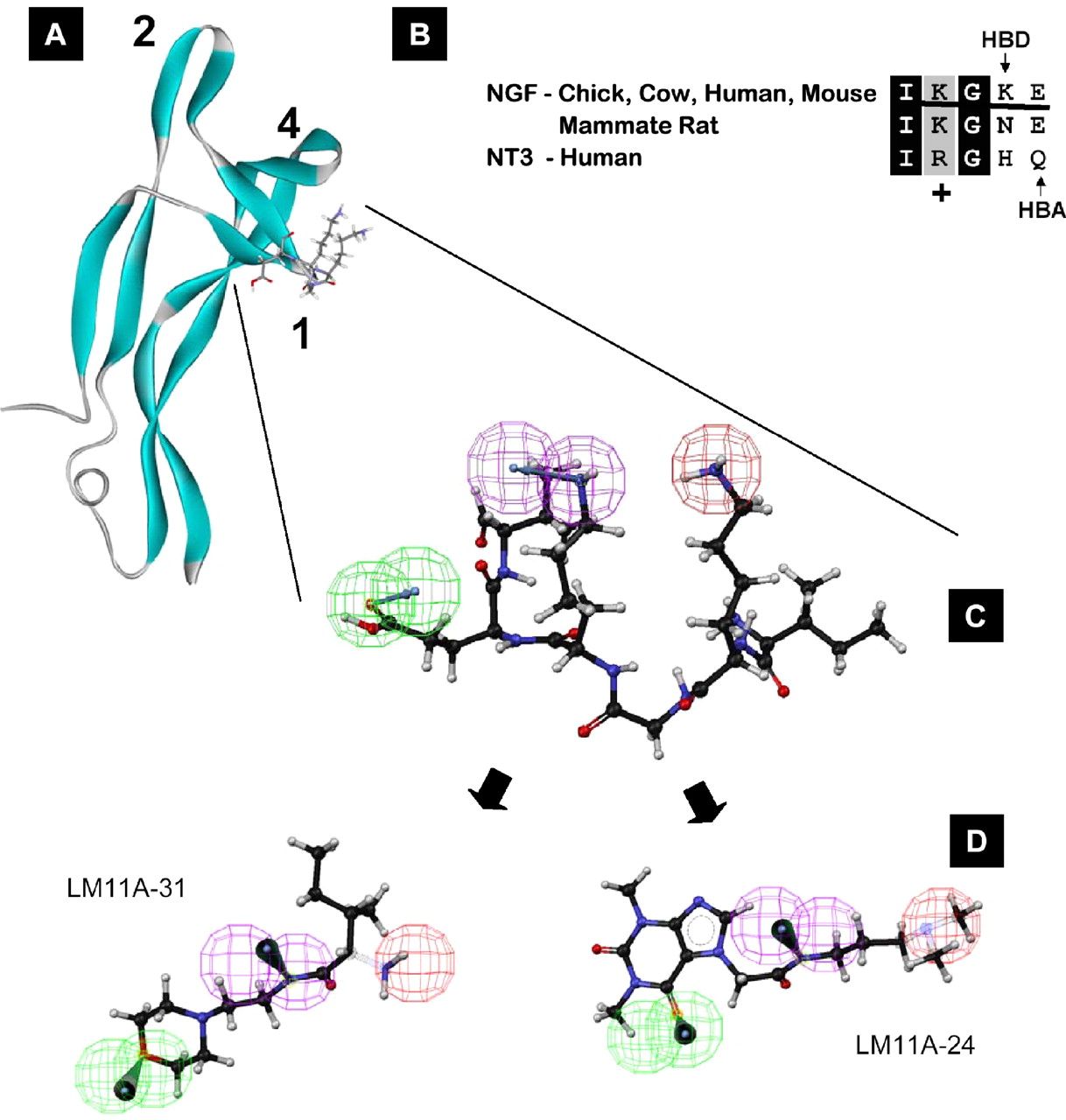
LM11A-31 is a non-peptide ligand of the p75 neurotrophin receptor (p75NTR). LM11A-31 blocks pro-NGF induced cell death in neuronal cultures, and protects neuronal cells from the the cytotoxic effects of cisplatin or methotrexate. Oral administration of LM11A-31 promotes the survival of oligodendrocytes and myelinated axons in a mouse spinal cord injury model and improves function in both weight-bearing and non-weight bearing tests.Inhibits death of hippocampal neurons at 100–1,000 pM

http://amcrasto.wix.com/anthony-melvin-crasto/apps/blog/lm11a-31-new-drug-can-help-paralyzed

PharmatrophiX

LM11A-31, NEW DRUG CAN HELP PARALYZED PEOPLE WALK AGAIN

Figure 2.


LM11A-31, C12 H25 N3 O2, Pentanamide, 2-amino-3-methyl-N-[2-(4-morpholinyl)ethyl]- WO 2010102212 TO LONGO FRANK, PUB 10.09.2010 THE UNIVERSITY OF NORTH CAROLINA AT CHAPEL HILL

PATENT LINK

http://patentscope.wipo.int/search/en/WO2010102212

Scientists have developed a pill which they claim could help paralyzed people walk again.

The new drug allowed mice with no movement in their lower limbs to walk with ‘well-coordinated steps’ and even to replicate swimming motions, researchers said.

The experimental drug, called LM11A-31, was developed by Professor Frank Longo, of Stanford University, California.

The researchers gave three different oral doses of LM11A-31, as well as a placebo, to different groups of mice beginning four hours after injury and then twice daily for a 42 day experimental period, the ‘Daily Mail’ reported.

In tests, the experimental medication did not increase pain in the mice and showed no toxic effects on the animals.

It also efficiently crossed the blood brain barrier, which protects the central nervous system from potentially harmful chemicals carried around in the rest of the bloodstream.

An injury to the spinal cord stops the brain controlling the body and this is the first time an oral drug has been shown to provide an effective therapy.

“This is a first to have a drug that can be taken orally to produce functional improvement with no toxicity in a rodent model,” Professor Sung Ok Yoon, of Ohio State University, Columbus, said.

“So far, in the spinal cord injury field with rodent models, effective treatments have included more than one therapy, often involving invasive means. Here, with a single agent, we were able to obtain functional improvement,” Yoon said.

The small molecule in the study was tested for its ability to prevent the death of cells called oligodendrocytes.

These cells surround and protect axons, long projections of a nerve cell, by wrapping them in a myelin sheath that protect the fibres.

In addition to functioning as axon insulation, myelin allows for the rapid transmission of signals between nerve cells.

The drug preserved oligodendrocytes by inhibiting the activation of a protein called p75. Yoon’s lab previously found p75 is linked to the death of these specialised cells after a spinal cord injury. When they die, axons that are supported by them degenerate.

“Because we know oligodendrocytes continue to die for a long period of time after an injury, we took the approach that if we could put a brake on that cell death, we could prevent continued degeneration of axons,” she said.

FULL TEXT – JOURNAL OF NEUROSCIENCE

Small, Nonpeptide p75NTR Ligands Induce Survival Signaling and Inhibit proNGF-Induced Death  in Journal of neuroscience, 26(20): 5288-5300; doi: 10.1523/​JNEUROSCI.3547-05.2006 by SM Massa – 2006 – Cited by 51 – Related articles
17 May 2006 – At 5 nm, LM11A-24 and -31 inhibit TUNEL staining to a degree  We further prioritized LM11A31, because preliminary studies

Small, Nonpeptide p75NTR Ligands Induce Survival Signaling and Inhibit proNGF-Induced Death

Figure 1.

2010 SLIDE PRESENTATION RE P75 (E.G. LM11A31) BY PHARMATROPHIX’S 

investorvillage.com/smbd.asp?mb=160&mn=440341…

3 Nov 2010 – 2010 slide presentation re p75 (e.g. LM11A31) by PharmatrophiX’s founder. Longo is PharmatrophiX’s founder.

The experimental drug was developed by Prof Frank Longo from Stanford UniversityThe experimental drug was developed by Prof Frank Longo from Stanford University

Prof Frank Longo from Stanford University publications

http://med.stanford.edu/profiles/cancer/frdActionServlet?choiceId=showFacPublications&fid=7249&

Patents

1 US2013005731  (A1) ― 2013-01-03

http://worldwide.espacenet.com/publicationDetails/originalDocument?CC=US&NR=2013005731A1&KC=A1&FT=D&ND=3&date=20130103&DB=worldwide.espacenet.com&locale=en_EP

2 WO2011150347  (A2) ― 2011-12-01

http://worldwide.espacenet.com/publicationDetails/originalDocument?CC=WO&NR=2011150347A2&KC=A2&FT=D&ND=3&date=20111201&DB=worldwide.espacenet.com&locale=en_EP

3 US2011230479  (A1) ― 2011-09-22

http://worldwide.espacenet.com/publicationDetails/originalDocument?CC=US&NR=2011230479A1&KC=A1&FT=D&ND=3&date=20110922&DB=worldwide.espacenet.com&locale=en_EP

<a href=”http://www.bloglovin.com/blog/4674983/?claim=hj3e8pdf2nd”>Follow my blog with Bloglovin</a>

………………..

http://www.google.com.mx/patents/US7723328

TABLE I
Structures of Compounds 1-6
Compound Name
Figure US07723328-20100525-C00018
Compound 1 (also referred to herein as “LM11A-28”)
Figure US07723328-20100525-C00019
Compound 2 (also referred to herein as “LM11A-7”)
Figure US07723328-20100525-C00020
Compound 3 (also referred to herein as “LM11A-24”, “24”, and “C24”)
Figure US07723328-20100525-C00021
Compound 4 (also referred to herein as “LM11A-31” and “31”)
Figure US07723328-20100525-C00022
Compound 5 (also referred to herein as “LM11A-36”, “36”, and “C36”)
Figure US07723328-20100525-C00023
Compound 6 (also referred to herein as “LM11A-38” and “C38”)
Figure US07723328-20100525-C00024
Compound 7


…………………….

http://www.google.co.in/patents/WO2010102212A2?cl=en

Table I. Structures of Compounds i-vii


Figure imgf000050_0001
Figure imgf000051_0001

Example 32: Preparation of enantiomerically pure 2-amino-3-methyl-N-(2- morpholino-ethyϊ)-pentanamide

[00332] 2-amino-3-methyl-N-(2-morpholinoethyl)-pentanamide can be prepared by a method shown in Scheme 4 below. First, 2-aminoethanol (Compound IE) is transformed to its derivative with a leaving group (Compound 2E). Examples of the leaving group include halides and alkoxy or other activated hydroxyl group. Second, Compound 2E reacts with morpholine at a neutral or basic condition to yield 2-morpholinoethanamine (Compound 3E). The aforementioned two steps may also be performed continuously as one step with Compound 2E being generated in situ. For example, Compound 3 E can be prepared from Compound IE directly through a Mitsunobu reaction wherein the hydroxyl group of Compound IE is activated by diethyl azodicarboxylate (DEAD) before morpholine is added. The final product, 2-amino-3-methyl-N-(2-moipholinoethyl)-pentanamide (Compound 5E), can be obtained by coupling 2-morpholinoethanamine with 2-amino-3- methylpentanoic acid (Compound 4E) via a peptide coupling agent. Examples of the peptide coupling agent include l,r-carbonyldiimidazole (CDI), hydroxybenzotriazole (HOBT), 1,3-dicyclohexylcarbodiimide (DCC), 1- hydroxybenzo-7-azatriazole (HOAt), and the like. Scheme 4:

H2N^0H — H2N^ / LG , p , .

1 Ot= LG: a leaving group

1E zt


Figure imgf000099_0001

[00333] A chiral 2-amino-3-methyl-N-(2-moφholinoethyl)-pentanamide (Compound 5E) can be obtained by using the corresponding chiral 2-amino-3- methylpentanoic acid (Compound 4E) in the above coupling step. For example, (2S,3S)-2-amino-3-methyl-N-(2-moφholinoethyl)-pentanamide; (2R,3R)-2-amino- 3 -methyl-N-(2-morpholinoethyl)-pentanamide; (2R,3 S)-2-amino-3 -methyl-N-(2- moφholinoethyl)-pentanamide; and (2S,3R)-2-ammo-3-methyl-N-(2- morpholinoethyl)-pentanamide can be obtained by using (2S,3S)-2-amino-3- methylpentanoic acid, i.e., L-isoleucine; (2R,3R)-2-amino-3-methylpentanoic acid, i.e., D-isoleucine; (2R,3S)-2-amino-3-methylpentanoic acid, i.e., D-alloisoleucine; and (2S,3R)-2-amino-3-methylpentanoic acid, i.e., L-alloisoleucine, respectively. [00334] The chiral purity, also known as, enantiomeric excess or EE, of a chiral Compound 5E can be determined by any method known to one skilled in the art. For example, a chiral Compound 5E can be hydrolyzed to Compound 3E and the corresponding chiral Compound 4E. Then, the chiral Compound 4E obtained through hydrolysis can be compared with a standard chiral sample of Compound 4E to determine the chiral purity of the chiral Compound 5E. The determination can be conducted by using a chiral HPLC.

……………….

http://www.google.co.in/patents/EP2498782A1?cl=en

Scheme A shows the chemical structures of the present compounds.


Figure imgf000013_0001

(2S,3S)-2-amino-3-methyl-/V-(2-mor holinoethyl)pentanamide


Figure imgf000013_0002

(2R,3R)-2-amin -3-methyl-A/-(2-morpholinoethyl)pentanamide


Figure imgf000013_0003

(2S,3R)-2-amino-3-meth l-A/-(2-morpholinoethyl)pentanamide


Figure imgf000013_0004

] Q (2R,3S)-2-amino-3-methyl-/ /-(2-morpholinoethyl)pentanamide

The free base compound of 2-amino-3-niethyl- -(2-morpholinoethyl)-pentanamide can be prepared from isoleucine by synthetic methods known to one skilled in the art.

Standard procedures and chemical transformation and related methods are well known to one skilled in the art, and such methods and procedures have been described, for example, in standard references such as Fiesers’ Reagents for Organic Synthesis, John Wiley and Sons, New York, NY, 2002: Organic Reactions, vols, 1-83, John Wiley and Sons, New York, NY, 2006; March J, and Smith M,, Advanced Organic Chemistry, 6th ed., John Wiley and Sons, New York, NY; and Larock R.C., Comprehensive Organic Transformations, Wiley-VCH Publishers, New York, 1999. All texts and references cited herein are incorporated by reference in their entirety. Other related synthetic methods can be found in U.S. Patent Application Publication Nos. 2006/024072 and 2007/0060526, the contents of which are herein incorporated by reference in their entirety for all purposes. The amorphous dihydrochloride (di-HCl) salt of 2-amino-3-methyl-N-(2-morpholinoethyl)-pentanamide can be prepared by mixing two molar ecjuivalents of HC1 with one molar equivalent of 2-amino- 3-methyl-N-(2-morpholinoethyl)~pentanamide in appropriate solvent(s) and then separating the di-HCl salt from the solvent(s) mixture.

The amorphous di-HCl salt of 2-aniino-3-methyl-N-(2-moi holinoethyl)-pentariamide was analyzed via the methods as described above. The XRD analysis indicated it was amorphous/low ordered as shown in Figure 1 , The DSC thermogram exhibited a broad endotherm with onset temperature 37 °C and peak temperature 74 °C and an enthalpy value of ΔΗ = 80 J/g. The TGA thermogram indicated the di-HCl salt is anhydrous and starts to decompose after about 200°C. An overlay of DSC and TGA thermograms are shown in Figure 2. The moisture sorption-desorpiion isotherm of the di-HC! salt (Figures 3 A and 3 B ) was collected using dynamic vapor sorption (DVS) analysis. The material did not adsorb much moisture from 0% to 20% RH, then it showed steady sorption up to 140 wt% moisture at 95% RH (likely deliquescence). This sample showed rapid desorption from 95% to 70% RH and then continues desorbing at a relatively slower pace to a mass about 5 wt% greater than the original value at 0% RH. This sample shows a small hysteresis between the sorption and desorption phase. O verall this material is quite hygroscopic. The crude solubility of the di-HCl salt in water was >30 mg/niL. The proton N MR spectrum of the amorphous di-HCl salt is shown in Figure 4. Example 2. Preparation of 2-amino-3-methyl- -(2-morpholinoethy[)-pentanamide (free base):

Five grams of 2-amino-3-methyl-N-(2-morpholinoethyl)-pentanamide di-HCl salt was dissolved in 150 mL of ethanol. Sodium bicarbonate (5.3 g), dissolved in 100 mL of HPLC water, was added to this solution. The mixed solution was sonicated for ~10 minutes. This solution was concentrated using a rotovap, and the residue was dissolved in 300 mL of methylene chloride. This solution was passed through a short plug of carbonate bonded silica gel. This solution was concentrated using rotovap and the residue was lyophilized to dry, resulting in 3.6 g of the free base as a white solid. Proton NMR, C-13 NMR and LC/MS confirmed the structure of this material as the free base of 2-amino-3-methyl-N-(2- morpholmoethyl)-pentanamide.

In the process of converting the di-HCl salt to free base, the sample was lyophilized to avoid formation of oil. XRD analysis of the lyophilized free base surprisingly re vealed it was crystalline, as shown in Figure 5. The DSC thermogram exhibited an endotherm with extrapolated onset temperature 51 °C and peak temperature 53 °C and an enthalpy value of Δ¾= 104 J/g. The TGA thermogram shows less than 0.6 wt% loss at 105 °C, suggesting it was solvent free. An overlay of the DSC and TGA thermograms can be seen in Figure 6. The crude solubility of free base in water was >30 mg/mL. The proton NMR was consistent with the free base. The NMR and Raman spectra are shown in Figures 7 and 8A and 8B, respectively. The moisture sorption-desorption isotherm (Figures 9 A and 9B) was collected using dynamic vapor sorption (DVS) analysis. The sample did not adsorb much moisture content from 0% to 45% RH under the experimental conditions. Above 45 %RH the sample appears to adsorb moisture of – 10 wt% from 45% to 50% RH followed by rapid sorption up to 96 wt% moisture at 95% RH. In the desorption phase, the free base shows a rapid desorption from 95% to 80°/» RH, then the sample desorbs at a relatively slow pace to the original weight at 0% RH. The sample may form a hydrate near 45 %>RH, The putative hydrate appears to deliquesce resulting in an amorphous glass by the end of the scan.

……………

new patent

WO-2014052659

Crystalline forms of neurotrophin mimetic compounds and their salts

Type II TNF receptor agonist; NGF receptor modulator

Crystalline forms of (2S,3S)-2-amino-3-methyl-N-(2-morpholinoethyl)-pentanamide (LM11A-31-BHS), useful for the treatment of neurodegenerative disorders such as Alzheimer’s disease (AD), Parkinson’s disease and multiple sclerosis. See WO2011066544 claiming deuterated compounds of LM11A-31-BHS, useful for treating neurodegenerative diseases. PharmatrophiX is investigating the p75 neutrophin receptor ligand, LM11A-31-BHS, for the oral treatment of AD. By March 2013, a phase I trial was planned. The drug was formerly being investigated in collaboration with Elan Corp and the deal was terminated by the fourth quarter of 2010.

Ioforminol (GE-145; AN-113111) as an iv contrast agent (Phase 2)


ioforminol

Ioforminol [INN], UNII-95FNF21CDN, 1095110-48-7, FEK-256-062

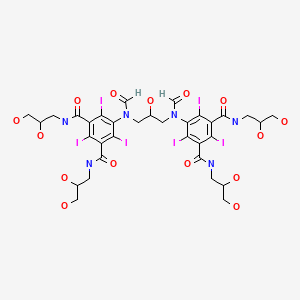
5-[formyl-[3-[formyl-[3,5-bis(2,3-dihydroxypropylcarbamoyl)-2,4,6- triiodophenyl]amino]-2-hydroxypropyl]amino]-N,N’-bis(2,3-dihydroxypropyl)-2,4,6-triiodobenzene- 1 ,3-dicarboxamide
1,3-Benzenedicarboxamide, 5,5′-[(2-hydroxy-1,3-
propanediyl)bis(formylimino)]bis[N1,N3-bis(2,3-dihydroxypropyl)-2,4,6-triiodo-

All-ambo-5,5′-[2-hydroxypropane-1,3-diylbis(formylazanediyl)]bis[N,N’-bis(2,3-
dihydroxypropyl)-2,4,6-triiodobenzene-1,3-dicarboxamide]

https://download.ama-assn.org/resources/doc/usan/x-pub/ioforminol.pdf

MOLECULAR FORMULA C33H40I6N6O15

MOLECULAR WEIGHT 1522.1

SPONSOR GE HealthCare Ltd

CODE DESIGNATION FEK-256-062

CAS REGISTRY NUMBER 1095110-48-7

WHO NUMBER 9245

Visualisation of anatomical structures of the body during computed tomography for diagnostic purposes


ChemSpider 2D Image | ioforminol | C33H40I6N6O15

All diagnostic imaging is based on the achievement of different signal levels from different structures within the body. Thus, in X-ray imaging for example, for a given body structure to be visible in the image, the X-ray attenuation by that structure must differ from that of the surrounding tissues. The difference in signal between the body structure and its surroundings is frequently termed contrast and much effort has been devoted to means of enhancing contrast in diagnostic imaging since the greater the contrast between a body structure and its surroundings the higher the quality of the images and the greater their value to the physician performing the diagnosis. Moreover, the greater the contrast the smaller the body structures that may be visualized in the imaging procedures, i.e. increased contrast can lead to increased spatial resolution. The diagnostic quality of images is strongly dependent on the inherent noise level in the imaging procedure, and the ratio of the contrast level to the noise level can thus be seen to represent an effective diagnostic quality factor for diagnostic images.

For the last 50 years the field of X-ray contrast agents has been dominated by soluble iodine containing compounds. Commercial available contrast media containing iodinated contrast agents are usually classified as ionic monomers such as diatrizoate (Gastrografen™), ionic dimers such as ioxaglate (Hexabrix™), nonionic monomers such as iohexol (Omnipaque™), iopamidol (Isovue™), iomeprol (lomeron™) and the non-ionic dimer iodixanol (Visipaque™). The most widely used commercial non-ionic X-ray contrast agents such as those mentioned above are considered safe. Contrast media containing iodinated contrast agents are used in more than 20 million of X-ray examinations annually in the USA and the number of adverse reactions is considered acceptable. However, since a contrast enhanced X- ray examination will require up to about 200 ml contrast media administered in a total dose, there is a continuous drive to provide improved contrast media.

Achieving improvement in such a diagnostic quality factor has long been and still remains an important goal.

In techniques such as X-ray, one approach to improve the diagnostic quality factor has been to introduce contrast enhancing materials formulated as contrast media into the body region being imaged. Thus for X-ray, early examples of contrast agents were insoluble inorganic barium salts which enhanced X-ray attenuation in the body zones into which they distributed. For the last 50 years the field of X-ray contrast agents has been dominated by soluble iodine containing compounds.

Commercial available contrast media containing iodinated contrast agents are usually classified as ionic monomers such as diatrizoate (marketed e.g. under the trade mark Gastrografen™), ionic dimers such as ioxaglate (marketed e.g. under the trade mark Hexabrix™), nonionic monomers such as iohexol (marketed e.g. under the trade mark Omnipaque™), iopamidol (marketed e.g. under the trade mark Isovue™), iomeprol (marketed e.g. under the trade mark Iomeron™) and the non-ionic dimer iodixanol (marketed under the trade mark Visipaque™). The clinical safety of iodinated X-ray contrast media has continuously been improved over the recent decades through development of new agents; from ionic monomers (Isopaque™) to non-ionic monomers (e.g. Omnipaque™) and non-ionic dimers (e.g. Visipaque™).

The utility of the contrast media is governed largely by its toxicity, by its diagnostic efficacy, by adverse effects it may have on the subject to which the contrast medium is administered, but also by the ease of production, storage and administration. The toxicity and adverse biological effects of a contrast medium are contributed to by the components of the formulation medium, i.e. of the diagnostic composition, e.g. the solvent or carrier as well as the contrast agent itself and its components such as ions for the ionic contrast agents and also by its metabolites.

The manufacture of non-ionic X-ray contrast media involves the production of the active

pharmaceutical ingredient (API), i.e. the contrast agent prepared in the primary production, followed by the formulation into the drug product, herein denoted the X-ray composition, prepared in the secondary production. In the preparation of an X-ray composition, the contrast agent is admixed with additives, such as salts, optionally after dispersion in a physiologically tolerable carrier. The contrast agent has to be completely solved in the carrier when additives are included and the composition is prepared. A well-known process for preparing X-ray compositions includes heating the contrast agent in the carrier, such as water for injection, to ensure complete dissolution. For instance, for the contrast media Visipaque™ the secondary production process includes dissolution of the contrast agent iodixanol in water for injection and heating to about 98 °C. Heating at this temperature for an adequate period of time ensures that the contrast agent is completely dissolved.

However, different X-ray contrast agents have different solubility. For instance WO 2009/008734 of GE Healthcare AS discloses a new class of compounds and their use as X-ray contrast agents. The compounds are dimers containing two linked iodinated phenyl groups. Compound I, now called

Ioforminol, falling within the formula I of WO2009/008734, has been found by the applicant to have particularly favourable properties. Ioforminol is supersaturated at the relevant storage conditions.


Figure imgf000003_0001

Compound I, Ioforminol:

5-[formyl-[3-[formyl-[3,5-bis(2,3-dihydroxypropylcarbamoyl)-2,4,6- triiodophenyl]amino]-2-hydroxypropyl]amino]-N,N’-bis(2,3-dihydroxypropyl)-2,4,6-triiodobenzene- 1 ,3-dicarboxamide.

A solution in which the concentration of the solute (API) exceeds the equilibrium solute concentration at a given temperature is said to be supersaturated. This is possible because the solute does not precipitate immediately when the solution is cooled below the saturation temperature. Such solutions are denoted supersaturated.

As the solubility of Ioforminol decreases with decreasing temperature, the supersaturation increases. At room temperature the solubility of Ioforminol is limited. To achieve solutions with a concentration higher than the thermodynamic equilibrium concentration, at room temperature, Ioforminol is dissolved at a temperature above room temperature. When a clear solution has been achieved the solution is cooled and enters a state defined as supersaturated.

Supersaturated solutions are thermodynamically unstable and prone to nucleate and therefore to precipitate on storage. Among several factors, the onset of the precipitation depends on the degree of supersaturation, presence of the crystals of the solute and foreign particles such as dust or other impurities, i.e. purity, and storage temperature of the solution.

The injection solution of Ioforminol, i.e. the administrable X-ray composition, is highly supersaturated. The nucleation (precipitation) in the injection solution at storage conditions is strongly undesirable. The physical stability of the solution, i.e. prevention of the nucleation for a certain time at storage conditions, may be improved substantially by heat treatment of the solution well above its saturation temperature for a sufficiently long period of time.

WO2011/117236 of the applicant is directed to a process involving hea treatment at low pH to avoid degradation and precipitation of an X-ray contrast agent composition. However, a high heat load is needed to obtain a seed- free solution. This heat load causes a greater degradation of the product and a lower pH in the final product resulting in liberation of iodine. This sets a restriction to the total heat load that may be given to the formulated solution.


………………..

WO2014052091A1

X-ray contrast media containing a chemical compound as the active pharmaceutical ingredient(s) having two triiodinated phenyl groups linked by a linking group are usually referred to as dimeric contrast agents or dimers. During the years a wide variety of iodinated dimers have been proposed. Currently, one contrast medium having an iodinated non-ionic dimer as the active pharmaceutical ingredient is on the market^ the product Visipaque™ containing the compound iodixanol. In WO2009/008734 of the applicant a novel dimeric contrast agent named loforminol is disclosed.

The properties of this is described in more detail in the publications Chai et al. “Predicting cardiotoxicity propensity of the novel iodinated contrast medium GE-145: ventricular fibrillation during left coronary arteriography in pigs”, Acta Radiol, 2010, and in Wistrand, L.G., et al “GE-145, a new low-osmolar dimeric radiographic contrast medium”, Acta Radiol, 2010. loforminol (GE-145) is named Compound 1 herein and has the following structure:


Figure imgf000003_0001

Compound 1 :

5,5′-(2-Hydroxypropane-1 ,3-diyl)bis(formylazanediyl)bis(N1 ,N3-bis(2,3- dihydroxypropyl)-2,4,6-triiodoisophthalamide)

The manufacture of non-ionic X-ray contrast media involves the production of the chemical drug, the active pharmaceutical ingredient (API), i.e. the contrast agent, followed by the formulation into the drug product, herein denoted the X-ray composition. WO2009/008734 of the applicant provides a synthetic route for preparing the API loforminol.

loforminol can e.g., as provided by the general preparation description and Example 1 of WO2009/008734, be synthesized from 5- amino-N,N’-bis-(2,3-dihydroxy-propyl)-2,4,6-triiodo-isophthalamide (compound (4)), which is commercially available. The preparation of this compound is known from the synthesis of both iohexol and iodixanol and can also be prepared from 5- nitroisophthalic acid for instance as described in WO2006/016815, including hydrogenation and subsequent iodination e.g. by iodine chloride, I CI. Alternatively,

5-amino-2,4,6-triiodoisophthalic acid may be used, which is commercially available precursor, e.g. from Sigma-Aldrich. The free amino group of the isophthalamide compound (compound (4)) is then acylated and the hydroxyl groups in the substituents may also be protected by acylation. The protecting groups may be removed for example by hydrolysis to give N1 ,N3-bis(2,3-dihydroxypropyl)-5- formylamino-2,4,6-triiodoisophthalamide.

In a dimerization step this is reacted e.g. with epichlorohydrin to provide the loforminol contrast agent compound. The state of the art synthesis of loforminol, as disclosed in examples 1 and 2 of WO2009/008734, is shown in Scheme 1 below.


Figure imgf000004_0001

Scheme 1 .

As described in WO2009/008734 compound 3 is a mixture comprising 1 – formylamino-3,5-bis(2,3-bis(formyloxy)propan-1 -ylcarbamoyl)-2,4,6-trioodobenzene, and X is then a formyl group. In each synthetic step it is important to optimize the yield and minimize the production of impurities. The problem to be solved by the present invention may be regarded as the provision of optimizing the process for preparation of compound mixture (3) of scheme 1 , i.e. a mixture comprising 1 -formylamino-3,5-bis(2,3- bis(formyloxy)propan-1 -ylcarbamoyl)-2,4,6-trioodobenzene.

The process is hence directed to the preparation of compound mixture (3) by the formylation of the amino function of 5-amino-N1 ,N3-bis(2,3-dihydroxypropyl)-2,4,6-triiodoisophthalamide (4), including a work-up procedure.

Examples

Example 1 : Preparation of compound mixture (3) comprising 1-formylamino- 3,5-bis(2,3-bis(formyloxy)propan-1-ylcarbamoyl)-2,4,6-trioodobenzene

5-amino-N1 ,N3-bis(2,3-dihydroxypropyl)-2,4,6-triiodoisophthalamide (compound (4)) (7.5 kg, 10.6 moles) was dissolved in formic acid (4.9 I) and heated to 45 until a clear solution was obtained (~4 hours), then the thick amber solution was cooled to 10 °C.

Formic acid (9.4 I) was charged into a different reactor and cooled to 10 <€, after reaching the target temperature acetic anhydride was added at such a rate that the temperature did not exceeded 15 <€.

After 2.5 hours all acetic anhydride was added to the formic acid and the mixed anhydride solution was added drop wise to the compound (4) solution. The rate of addition was adjusted so that the temperature never exceeded 20 °C. After 2 hours all mixed anhydride had been added and the reaction was left stirring at 15 °C for additional 1 hour. Isopropanol (4.9 I) was added carefully and the suspension became noticeable thicker and was left stirring at ambient temperature. After 16 hours the reaction slurry was filtered on a vacuum nutch and washed with isopropanol (3 * 1 .5 I) to give compound mixture (3) comprising 1 -formylamino-3,5- bis(2,3-bis(formyloxy)propan-1 -ylcarbamoyl)-2,4,6-trioodobenzene as a dense white powder (7.98kg). The quantitative yield with regards to N-formylation was > 99 %.

…………….

WO2009008734A2

Preparation of intermediates (when not commercially available)

The precursors to the compounds of formulas (IVa) and (IVb), the tri-iodinated phenyl groups having a free amino group are commercially available or can be produced following procedures described or referred to e.g. in WO95/35122 and WO98/52911. 5-amino-2,4,6-triiodo-isophtalic acid for example is available e.g. from Aldrich and 5-amino-2,4,6-triiodo-N,N’-bis(2,3-dihydroxypropyl)-isophtalamide is commercially available e.g. from Fuji Chemical Industries, Ltd.

Examples of commercial available precursors of the compounds of formulas (IVa) and (IVb), either commercially available or previously described in the literature include:


Figure imgf000019_0001

5-Amino-N,N’-bis-(2,3-dihydroxy-propyl)-2,4,6-triiodo-isophthalamide


Figure imgf000019_0002

5-Amino-N-(2,3-dihydroxy-propyl)-N’-(2-hydroxy-1-hydroxymethyl-ethyl)- 2,4,6-triiodo-isophthalamide (WO2002044125)

Figure imgf000020_0001

5-Amino-N,N’-bis-(2,3-dihydroxy-propyl)-2,4,6-triiodo-N,N’-dimethyl- isophthalamide


Figure imgf000020_0002

5-Amino-N-(2,3-dihydroxy-propyl)-N’-(2-hydroxy-ethyl)-2,4,6-triiodo-is ophthalamide (WO 8700757)

The compounds of formulas (IVa) and (IVb), may be prepared by acylation of the corresponding compounds having free amino groups. In this reaction, hydroxyl groups in the substituents R may also be protected by acylation.

Acylation may be effected by any convenient method, e.g. by use of activated formic acid such as mixed anhydrides which can prepared by a variety of methods described in the literature.

A convenient method of preparing mixed anhydrides is to add a carboxylic acid anhydride to an excess of formic acid under controlled temperature. It is also possible to make mixed anhydrides by addition of a carboxylic acid chloride to a solution of a formic acid salt. Formyl-mixed anhydrides may include acetyl, isobutyryl, pivaloyl, benzoyl etc.

In the present implementation acetic-formic mixed anhydride is employed. To an excess of cooled pre-prepared acetic-formic mixed anhydride is added a 5-amino- monomer and the mixture is stirred overnight. The mixture is concentrated in vacuo and may be used directly in the alkylation step as described in the experimental section (procedure B) or alternatively the O-acylated groups may be hydrolysed prior to alkylation as described in the experimental section (procedure A). Hydrolysis is conveniently performed in aqueous basic media as exemplified in the experimental section or may alternatively be effected by alcoholysis e.g. as described in WO1997000240.

It is also possible to dissolve the 5-aminomonomer in formic acid and subsequently add the carboxylic acid anhydride but in order to reduce unwanted acylation it is preferred to prepare the mixed anhydride separately and subsequently mix this with the 5-aminomonomer as described above.

Experimental

Example 1

5,5′-(2-hvdroxypropane-1 ,3-diyl)bis(formylazanediyl)bis(N1,N3-bis(2,3- dihvdroxypropyl)-2.4,6-triiodoisophthalamide)


Figure imgf000021_0001

Procedure A:

1 a) N,N’-Bis-(213-dihvdroxy-propyl)-5-formylamino-2,4,6-triiodo-isophthalamide Formic acid (300 ml) was charged in a dry 1000 ml flask fitted with a dropping funnel, stir bar, thermometer and a gas inlet. The acid was cooled on an ice bath under a nitrogen blanket and acetic anhydride (144.8 g, 1.418 mol) was added drop wise at a rate so that the temperature did not exceed 2.5 C. After complete addition, the ice bath was removed and the temperature was allowed to reach 10 °C. The mixture was again ice cooled and 5-amino-N,N’-bis(2,3-dihydroxypropyl)-2,4,6- triiodo-isophthalamide (100 g, 141.8 mmol) was added over 5 minutes and the mixture was left stirring over night while attaining ambient temperature. The mixture was evaporated to dryness and methanol (300 ml) and water (300 ml) was added. 2 M potassium hydroxide was added until all material was in solution and a stable pH 12.5 was attained. The methanol was removed in vacuo. The mixture was neutralized with 4 M HCI and a slow precipitation started. 300 ml water was added and the product was precipitated over night. The precipitate was collected and rinsed with a small amount of water and dried on filter to a moist cake and further dried in vacuo to yield 84.8 g ( 81.5 %) of N,N’-bis-

(2,3-dihydroxy-propyl)-5-formylamino-2,4,6-triiodo-isophthalamide.

1H-NMR 500 MHz (solvent: D2O, ref. H2O=4.8 ppm, 25 0C): 8.35 and 8.05 ppm (2s,

1 H), 3.94 ppm (m, 2H), 3.67 ppm (m, 2H), 3.55 ppm (m, 2H), 3.45 ppm (m, 2H),

3.34 ppm (m, 2H).

LC-MS (column Agilent Zorbax SB-Aq 3.5 μm 3.0 x 100 mm, solvents: A = water/ 0.1 % formic acid and B = acetonitrile/ 0.1% formic acid; gradient 0-30 % B over 20 min; flow 0.3 ml/ min, UV detection at 214 and 254 nm, ESI-MS) gave two peaks centred at 5.5 minutes with m/z (M + H+) 733.828, m/z (M + NH4+) 750.855, m/z (M + Na+) 755.817 corresponding to the structure.

1 b) 5,5′-(2-hvdroxypropane-1 ,3-diyl)bis(formylazanediyl)bis(N1,N3-bis(2,3- dihvdroxypropyl)-2,4,6-triiodoisophthalamide)

Potassium hydroxide (1.07 g) was dissolved in water (6.9 ml) and methanol (3.4 ml) in a 50 ml round bottomed flask fitted with a magnetic stir bar. Boric acid (0.41 g, 6.6 mmol) and N,N’-bis-(2,3-dihydroxy-propyl)-5-formylamino-2,4,6-triiodo- isophthalamide (7.0 g, 9.56 mmol) was added to the stirred solution.. Epichlorohydrin (260 ul, 3.32 mmol) was added to the solution and a pH electrode was fitted in the flask and the pH was maintained at pH 12.7 by drop wise addition of 4 M potassium hydroxide for 4 h. At this point, the mixture was left stirring over night. The pH was adjusted with 4 M hydrochloric acid to pH 4 and the methanol was removed in vacuo. The remaining aqueous solution was diluted with water (75 ml) and treated with ion exchangers (AMB200C and IRA67) to zero conductivity. The ion exchangers were removed by filtration and rinsed with water and the combined aqueous filtrates were freeze dried. The crude product was purified by preparative HPLC (column Phenomenex Luna C18 10 μm solvents: A = water and B = acetonitrile; gradient 05-20 % B over 60 min. After freeze drying 3.80 g of 5,5′- (2-hydroxypropane-1 ,3-diyl)bis(formylazanediyl)bis(N1,N3-bis(2,3-dihydroxypropyl)- 2,4,6-triiodoisophthalamide) (74.8 % yield) was obtained.

1H-NMR 500 MHz (solvent: D2O, ref. H2O=4.8 ppm, 25 0C): 8.34 and 8.08 ppm (m, 2 H), 2.80-4.80 ppm (m 26 H). LC-MS TOF; 1522.68 m/z (M + H+), 1544.66 m/z (M + Na+).

…………

 New patent

WO-2014052091

Process for the preparation of 1-formylamino-3,5-bis(2,3-bis(formyloxy)propan-1-ylcarbamoyl)-2,4,6-trioodobenzene, used as a key intermediate in the preparation of ioforminol. Also claims a process for the preparation of ioforminol, useful in X-ray imaging. GE Healthcare is developing ioforminol (GE-145; AN-113111) as an iv contrast agent (Phase 2). See WO2013104690 claiming X-ray imaging contrast media with low iodine concentration and X-ray imaging process. Also see concurrently published WO2014052092 claiming preparation of ioforminol. Appears to be the first filing from Medi-Physics on this compound.


……………

The most preferred iodinated agents are;


Figure imgf000010_0001

Diatrizoic acid


Figure imgf000010_0002

loxaglinic acid


Figure imgf000010_0003


Figure imgf000011_0001

loversol


Figure imgf000011_0002

lodixanol


Figure imgf000011_0003

lomeprol


Figure imgf000011_0004

lobitriol


The most preferred chelates are:


Figure imgf000012_0001

Gadopentetate


Figure imgf000013_0001

Ňadoversetamide


Figure imgf000014_0001


Figure imgf000014_0002


Figure imgf000014_0003

Gadoxetinic acid

Sun Pharma has bought Ranbaxy for $4 billion to create the world’s fifth-biggest generic drugmaker.


Sun buys Ranbaxy for $4 billion

Dilip sanghvi, sun pharma promoter

The move will make the company the largest pharma firm in India, while Daiichi Sankyo – majority owner of Ranbaxy – will become the second largest shareholder in Sun Pharma with a 9% stake and the right to nominate one director to Sun Pharma’s Board of Directors. http://www.pharmatimes.com/Article/14-04-07/Sun_buys_Ranbaxy_for_4_billion.aspx

Read more at: http://www.pharmatimes.com/Article/14-04-07/Sun_buys_Ranbaxy_for_4_billion.aspx#ixzz2yGIjkMob


Dilip Shanghvi, Managing Director of Sun Pharma said in a release, “Ranbaxy has a significant presence in the Indian pharma market and in the US where it offers a broad portfolio of ANDAs and first-to-file opportunities. In high-growth emerging markets, it provides a strong platform which is highly complementary to Sun Pharma’s strengths,”

Under the agreement, Ranbaxy shareholders will get 0.8 shares of Sun Pharma for each Ranbaxy share.

Arun Sahwney, managing director and chief executive officer of Ranbaxy said in a statement, “Sun Pharma has a proven track record of creating significant long-term shareholder value and successfully integrating acquisitions into its growing portfolio of assets,”

Who Will Benefit?

Daiichi Sankyo Co. Ltd is the parent company of Ranbaxy as they acquired it from previous promoters and investors. As soon as Ranbaxy was acquired, their plants came under a scanner from US Food and Drug Administration (FDA), which troubled Daiichi as their own reputation was under stake.

Now, they will be the most relived entity as Sun Pharma will manage all such cases pertaining to Ranbaxy. Daiichi will now control 9% of Sun Pharma as a result of the current acquisition.

Insiders are claiming that Daiichi will sell this 9% stake as well and come out of the business all together.

Ranbaxy shareholders have cheered this latest development as their shares have gained since the announcement of this deal.

New ammunition in the fight against type 2 diabetes


Lyranara.me's avatarLyra Nara Blog

Gastric banding can play a vital role in the treatment of type 2 diabetes in people who are overweight and not obese, according to new research.

he Monash University study, led by Emeritus Professor Paul O’Brien and Dr John Wentworth from the Centre for Obesity Research and Education (CORE), has determined that weight loss surgery (gastric banding) for overweight people with diabeteshad a profound impact on the illness.

The research has been released today in the prestigious medical journal The Lancet Diabetes and Endocrinology.

“This is the first randomised controlled trial demonstrating that treatment of type 2 diabetes in overweight people by substantial weight loss is safe and hugely beneficial,” Professor O’Brien said. “As there are no alternative options that can achieve such a result, this study indicates a potentially attractive path for the overweight person with diabetes and for those providing the care.”

The study…

View original post 234 more words

Cuba may have found cure for cancer


cuba's cancercure

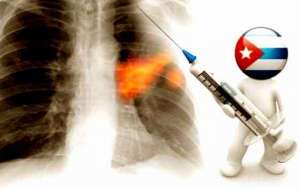
Cuban doctors have filed Wednesday in Havana, the result of 14 years of research, a solution of antitumor peptides whose natural analogue is able to offer positive dynamics in cancer treatments

http://youthandeldersja.wordpress.com/2014/03/22/cuba-may-have-found-cure-for-cancer/

Stem Cells from Muscle Can Repair Nerve Damage After Injury, Pitt Researchers Show


In some ground-breaking research, scientists have been able to use stem cells derived from human muscle tissue to repair nerve damage and restore function after injury to sciatic nerves.

And, even after 12 weeks, the regenerated nerve looked and functioned as a normal nerve.

Link to Story:

http://chrom.so/1i2fklC

In some ground-breaking research, scientists have been able to use stem cells derived from human muscle tissue to repair nerve damage and restore function after injury to sciatic nerves.

And, even after 12 weeks, the regenerated nerve looked and functioned as a normal nerve.

Link to Story:

http://www.upmc.com/media/NewsReleases/2014/Pages/pitt-study-stem-cells-repair-nerve-damage.aspx

http://chrom.so/1i2fklC


Buserelin a luteinizing hormone-releasing hormone (LHRH) agonist


Buserelin.svgBuserelin

57982-77-1  cas no

D-Ser(Tbu)6EA10LHRH

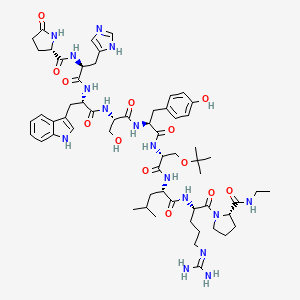
(2S)-N-[(2S)-1-[[(2S)-1-[[(2S)-1-[[(2S)-1-[[(2R)-1-[[(2S)-1-[[(2S)-5-(diaminomethylideneamino)-1-[(2S)-2-(ethylcarbamoyl)pyrrolidin-1-yl]-1-oxopentan-2-yl]amino]-4-methyl-1-oxopentan-2-yl]amino]-3-[(2-methylpropan-2-yl)oxy]-1-oxopropan-2-yl]amino]-3-(4-hydroxyphenyl)-1-oxopropan-2-yl]amino]-3-hydroxy-1-oxopropan-2-yl]amino]-3-(1H-indol-3-yl)-1-oxopropan-2-yl]amino]-3-(1H-imidazol-5-yl)-1-oxopropan-2-yl]-5-oxopyrrolidine-2-carboxamide

6-[O-(1,1-dimethylethyl)-D-serine]-9-(N-ethyl-L-prolinamide)-10-deglycinamideluteinizing hormone-releasing factor (pig)

Profact, 57982-77-1, Buserelin (INN), Tiloryth (TN), AC1Q5OOQ, AC1L18ON, D-Ser(Tbu)6EA10LHRH,
Molecular Formula: C60H86N16O13
Molecular Weight: 1239.42424
Therap-Cat: Antineoplastic (hormonal). Gonad-stimulating principle.
Therap-Cat-Vet: Gonad-stimulating principle.
Keywords: Antineoplastic (Hormonal); LH-RH Analogs; Gonad-Stimulating Principle; LH-RH Agonist.

Buserelin is a luteinizing hormone-releasing hormone (LHRH) agonist, a synthetic hormone which stimulates the pituitary gland’s gonadotrophin-releasing hormone receptor (GnRHR). It is used in prostate cancer treatment.

Buserelin stimulates the pituitary gland’s gonadotrophin-releasing hormone receptor (GnRHR). Buserelin desensitizes the GnRH receptor, reducing the amount of LH and testosterone. However, there is a concomitant surge in LH and testosterone levels with the decrease in androgens, so antiandrogens must administered.

buserelin

Properties: [a]D20 -40.4° (c = 1 in dimethylacetamide).
Optical Rotation: [a]D20 -40.4° (c = 1 in dimethylacetamide)
Derivative Type: Monoacetate
CAS : 68630-75-1
 Codes: HOE-766
Trademarks: Receptal (Intervet); Suprecur (Sanofi-Aventis); Suprefact (Sanofi-Aventis)
MF: C60H86N16O13.C2H4O2
MW: 1299.48
Percent Composition: C 57.30%, H 6.98%, N 17.25%, O 18.47%


Buserelin is a Gonadotropin-releasing hormone agonist (GnRH agonist). The drug’s effects are dependent on the frequency and time course of administration. GnRH is released in a pulsatile fashion in the postpubertal adult. Initial interaction of any GnRH agonist, such as buserelin, with the GnRH receptor induces release of FSH and LH by gonadotrophes. Long-term exposure to constant levels of buserelin, rather than endogenous pulses, leads to downregulation of the GnRH receptors and subsequent suppression of the pituitary release of LH and FSH.

Like other GnRH agonists, buserelin may be used in the treatment of hormone-responsive cancers such as prostate cancer or breast cancer, estrogen-dependent conditions (such as endometriosis or uterine fibroids), and in assisted reproduction.

It is normally delivered via a nasal spray, but is also available as an injection.

Buserelin acetate is marketed by Sanofi-Aventis under the brand name Suprefact and a generic form of Buserelin is now produced by CinnaGen under the brand name CinnaFact.

Buserelin is also marketed under the brand name MetrelefMetrelef is approved to treat patients with endometriosis by suppression of ovarian hormone production. In ovulation induction Metrelef is used as a pituitary blockade as an adjunct togonadotrophin administration.

Buserelin, a synthetic gonadotropin-releasing hormone (GRH) agonist, specifically binds to GRH receptor presented at anter iorpituitary and increases or decreases the number of receptors in hypophysis through auto- regulation mechanism (G. Tolis et al., Tumor Growth Inhibition in Patients with Prostatic Carcinoma Treated with Luteinizing Hormone-Feleasing Hormone Agonists, Proc. Natl. Acad. Sci. , 79, pl658, 1982).

<5> The synthetic methods for preparing peptides are divided into two methods, i.e., liquid phase synthesis and solid phase synthesis. The liquid phase peptide synthesis of which all the reagents reacts together under the solution phase by being dissolved in the solution, has been reported to show rapid reaction rate however it has disadvantages such as the difficulty in separating and purification of the products. In a while, solid phase peptide synthesis which have been developed based on the theory of R. B. Merrifield, has been reported to have various advantages comparing with the former method for example, convenient to isolation and purification, the ‘applicability to automation (Bodanszky et al, In Peptide Synthesis, John Wiley & Sons, 1976). Lots of peptide synthetic resins have been developed to synthesize various peptides after the publication of the theory of R. B. Merrifield till now. For example, chloromethyl polystyrene resin had been developed by Merrifield and Wang resin having 4-alkoxybenzyl alcohol had been developed with modifying the former resin to overcome the disadvantages thereof at the early stage. Various resins to improve the disadvantages of conventional resins have been developed after then and the representative resins among those resins are trityl group introduced 2-chlorotrityl resin and rink amide resin which can provide amide group from the carboxyl terminal of peptide under mild cleavage condition, respectively.

<6> At the early stage, the simple structured type-peptides have been synthesized using by the resins however the complex structured type peptides showing various physiological activities have been synthesized mainly. The peptides comprising unnatural amino acids have been synthesized by chemical synthetic method since the peptides could not be prepared by enzymatic synthesis. Among them, the peptides comprising D-amino acid or aza-amino acid have been reported to have potent physiological activities and further to be developed as a medicine (USP Nos. 6,624,290; 6,069,163; 5,965,538; and 4,634,715). However, the novel method for preparing LH-RH such as goserelin or GnRH peptides using by solid phase synthesis has been still need till now since previously known methods, for example, the methods disclosed in USP No. 5,602,231; EP No. 0518655; USP No. 6,879,289; and USP No. 3,914,412, have been reported to have unsolved problems such as a limit to obtain pure product etc.


http://www.google.com/patents/WO2008044890A1?cl=en


Example 4: Preparation of buserelin

<98> Ig of 2-chlroro trityl chloride resin showing 0.9 mM/g of substitution rate was swollen with 10ml of DMF and the reaction mixture mixed with 768 mg of Fmoc-Arg (N02)-0H (1.74 mM) and 271 microliter of DIC (1.74 mM) was added thereto to react together. The resulted resin was treated with 20% piperidine to remove the Fmoc residue and the reaction mixture mixed with 615 mg of Fmoc-Leu-OH (1.74 mM) and 271 microliter of DIC (1.74 mM) was added thereto to react together with a similar way to the above-described method. After washing the resin, the resulted resin was treated with 20% piperidine to remove the Fmoc residue and the reaction mixture mixed with 670 mg of Fmoc-D- SeKtBu)-OH (1.74 mM) and 271 microliter of DIC (1.74 mM) was added thereto again to react together with a similar way to the above-described method. After washing the resin, the resulted resin was treated with 20% piperidine to remove the Fmoc residue and the reaction mixture mixed with 859 mg of Fmoc-Tyr(OBzI)-OH (1.74 mM) and 271 microliter of DIC (1.74 mM) was added thereto again to react together with a similar way to the above-described method. After washing the resin, the resulted resin was treated with 20% piperidine to remove the Fmoc residue and the reaction mixture mixed with 726 mg of Fmoc-Ser(OBzI)-OH (1.74 mM) and 271 microliter of DIC (1.74 mM) was added thereto again to react together with a similar way to the above- described method. After washing the resin, the resulted resin was treated with 20% piperidine to remove the Fmoc residue and the reaction mixture mixed with 742 mg of Fmoc-Trp-0H (1.74 mM) and 271 microliter of DIC (1.74 mM) was added thereto again to react together with a similar way to the above- described method. After washing the resin, the resulted resin was treated with 20% piperidine to remove the Fmoc residue and the reaction mixture mixed with 1.078g of Fmoc-His(Fmoc)-0H (1.74 mM) and 271 microliter of DIC (1.74 mM) was added thereto again to react together with a similar way to the above-described method. After washing the resin, the resulted resin was treated with 20% piperidine to remove the Fmoc residue and the reaction mixture mixed with 244 mg of Pyr-OH (1.74 mM) and 271 microliter of DIC (1.74 mM) was added thereto again to react together with a similar way to the above-described method.

<99> The resin was washed again and 2ml of 1% TFA (Trifluoroacetic acid)/DCM (dichloromethane) per 70mg of peptide resin was added to the resin, eluted to release the peptide from the resin and the elute was collected with 200 microliter of pyridine. The above-described step was repeated five times. The resin was washed with DCM (dichloromethane) and methanol and the elute was collected with the former elute. The elute was concentrated with evaporation and ether was added thereto to obtain the precipitated peptide. The precipitated peptide was performed to coupling reaction with 305 mg of Pro- NH-CH2CH3 (2.4mM) and 303mg of DIC (2.4 niM) in the presence of DCM

(dichloromethane) solvent. The solution was subjected to concentration with evaporator. The resulting concentrate was dissolved in EtOAc, washed with saturated NaHCOs solution, distilled water, 5% citrate solution and dried with anhydrous MgS(V The remaining MgS04 was discarded with filtration and the filtrate was concentrated with evaporation. The benzyl group and Cbz group among the side chain protecting group in the peptide were removed through catalytic hydrogen transfer reaction using by Pd/C and ammonium formate in the presence of methanol. The resulting peptide was purified with reverse phase column chromatography (Shimadzu H-kit, acetonitrile^water= 22:78 → 32:68, 1% increase/min) to isolate pure buserelin (Yield: 40%).


new patent

WO-2014047822

Solid state method for the preparation of buserelin, an LHRH analog useful for the treatment of sexual dysfunction, ovulation, puberty retardation and cancer. Method is under basic conditions and increases yield and purity. This appears to be the first PCT application from Hybio with this target, however several Chinese national filings have been published. Pan, Ma and Yuan are named on several previous solid phase synthesis PCT applications, most recently WO2013117135.

 References:
Synthetic nonapeptide agonist analog of LH-RH, q.v. Synthesis: W. Konig et al., DE 2438350eidem, US4024248 (1976, 1977 both to Hoechst);
A. S. Dutta et al., J. Med. Chem. 21, 1018 (1978).
Clinical pharmacology: A. Lemay et al.,Fertil. Steril. 37, 193 (1982).
Radioimmunoassay in plasma and urine: S. Saito et al., J. Immunol. Methods 79, 173 (1985).
Veterinary use to increase conception rate: K. Moller, E. D. Fielden, N. Z. Vet. J. 29, 214 (1981).
Clinical evaluation in prostatic carcinoma: J. H. Waxman, Br. J. Urol. 55, 737 (1983); as ovulatory stimulant for in vitro fertilization: V. MacLachlan et al., N. Engl. J. Med. 320, 1233 (1989).
Review of pharmacokinetics and clinical profile: R. N. Brogden et al., Drugs 39, 399-437 (1990); of efficacy in prostatic carcinoma: H. J. de Voogt et al., Scand. J. Urol. Nephrol. Suppl 138, 131-136 (1991).
US5212288 * Feb 8, 1991 May 18, 1993 Syntex (U.S.A.) Inc. Temporary minimal protection synthesis of serine-containing polypeptides
US5510460 * May 26, 1995 Apr 23, 1996 Zeneca Limited Peptide process
US5602231 * May 26, 1995 Feb 11, 1997 Zeneca Limited Process for making peptides
US6028172 * Feb 10, 1998 Feb 22, 2000 Mallinckrodt Inc. Reactor and method for solid phase peptide synthesis
US6897289 * May 5, 2000 May 24, 2005 Lipotec, S.A. Peptide synthesis procedure in solid phase

Relugolix (TAK-385) in phase 2 By Takeda for the treatment of endometriosis and uterine fibroids


2D chemical structure of 737789-87-6

Relugolix (TAK-385)

1-[4-[1-(2,6-Difluorobenzyl)-5-(dimethylaminomethyl)-3-(6-methoxypyridazin-3-yl)-2,4-dioxo-1,2,3,4-tetrahydrothieno[2,3-d]pyrimidin-6-yl]phenyl]-3-methoxyurea

N-(4-(1-(2,6-difluorobenzyl)-5-((dimethylamino)methyl)-3-(6-methoxy-3-pyridazinyl)-2,4-dioxo-1,2,3,4-tetrahydrothieno[2,3-d]pyrimidin-6-yl)phenyl)-N’-methoxyurea

CAS NO 737789-87-6

  • C29-H27-F2-N7-O5-S
  • 623.6383

Synonyms

  • N-(4-(1-((2,6-Difluorophenyl)methyl)-5-((dimethylamino)methyl)-1,2,3,4-tetrahydro-3-(6-methoxy-3-pyridazinyl)-2,4-dioxothieno(2,3-d)pyrimidin-6-yl)phenyl)-N’-methoxyurea
  • TAK-385
  • UNII-P76B05O5V6

Systematic Name

  • Urea, N-(4-(1-((2,6-difluorophenyl)methyl)-5-((dimethylamino)methyl)-1,2,3,4-tetrahydro-3-(6-methoxy-3-pyridazinyl)-2,4-dioxothieno(2,3-d)pyrimidin-6-yl)phenyl)-N’-methoxy-

TAK-385 is a luteinizing hormone-releasing hormone (LH-RH) receptor antagonist administered orally. By preventing LH-RH from binding with the LH-RH receptor in the anterior pituitary gland and suppressing the secretion of luteinizing hormone (LH)  and follicle stimulation hormone (FSH) from the anterior pituitary gland, TAK-385 controls the effect of LH and FSH on the ovary, reduces the level of estrogen in blood, which is known to be associated with the development of endometriosis and uterine fibroids, and is expected to improve the symptoms of these disorders.

TAK-385 in Japan for the treatment of endometriosis and uterine fibroids. TAK-385 is a luteinizing hormone-releasing hormone (LH-RH) *1 receptor antagonist administered orally. By preventing LH-RH from binding with the LH-RH receptor in the anterior pituitary gland and suppressing the secretion of luteinizing hormone (LH) *2 and follicle stimulation hormone (FSH) *3 from the anterior pituitary gland, TAK-385 controls the effect of LH and FSH on the ovary, reduces the level of estrogen in blood, which is known to be associated with the development of endometriosis and uterine fibroids, and is expected to improve the symptoms of these disorders. The safety and efficacy of TAK-385 in subjects with endometriosis and uterine fibroids will be evaluated in two individual phase 2, double-blind, comparative studies. There are medical needs which cannot be met by the current therapies in the treatment of endometriosis and uterine fibroids. We are committed to the rapid development to deliver the oral LH-RH antagonist TAK-385, which could become a new treatment option for patients with these conditions.

  • *1 The hormone that controls the secretion of LH and FSH, gonadotropic hormones, secreted from the anterior pituitary gland.
  • *2 A hormone that is secreted from the anterior pituitary gland by the action of LH-RH and encourages follicular maturation, ovulation and luteinization by acting on the ovaries.
  • *3 A hormone that is secreted from the anterior pituitary gland by the action of LH-RH and encourages follicular maturation by stimulating the ovaries.

TAK-385, an oral antagonist of gonadotropin-releasing hormone (GnRH), was originated by Takeda. It is in phase II clinical trials for the treatment of endometriosis and for the treatment of uterine fibroids (myoma). Phase I clinical trials are also underway for the treatment of prostate cancer.

TAK-385 (relugolix) is a novel, non-peptide, orally active gonadotropin-releasing hormone (GnRH) antagonist, which builds on previous work with non-peptide GnRH antagonist TAK-013. TAK-385 possesses higher affinity and more potent antagonistic activity for human and monkey GnRH receptors compared with TAK-013. Both TAK-385 and TAK-013 have low affinity for the rat GnRH receptor, making them difficult to evaluate in rodent models. Here we report the human GnRH receptor knock-in mouse as a humanized model to investigate pharmacological properties of these compounds on gonadal function. Twice-daily oral administration of TAK-013 (10 mg/kg) for 4 weeks decreased the weights of testes and ventral prostate in male knock-in mice but not in male wild-type mice, demonstrating the validity of this model to evaluate antagonists for the human GnRH receptor.
The same dose of TAK-385 also reduced the prostate weight to castrate levels in male knock-in mice. In female knock-in mice, twice-daily oral administration of TAK-385 (100 mg/kg) induced constant diestrous phases within the first week, decreased the uterus weight to ovariectomized levels and downregulated GnRH receptor mRNA in the pituitary after 4 weeks. Gonadal function of TAK-385-treated knock-in mice began to recover after 5 days and almost completely recovered within 14 days after drug withdrawal in both sexes. Our findings demonstrate that TAK-385 acts as an antagonist for human GnRH receptor in vivo and daily oral administration potently, continuously and reversibly suppresses the hypothalamic–pituitary–gonadal axis. TAK-385 may provide useful therapeutic interventions in hormone-dependent diseases including endometriosis, uterine fibroids and prostate cancer.

Relugolix (TAK-385)

…………….

http://www.google.co.in/patents/EP1591446A1?cl=en


(Production Method 1)

  • Figure 00120001
    (Production method 2)

  • Figure 00130001


    Production of N-(4-(1-(2,6-difluorobenzyl)-5-((dimethylamino)methyl)-3-(6-methoxy-3-pyridazinyl)-2,4-dioxo-1,2,3,4-tetrahydrothieno[2,3-d]pyrimidin-6-yl)phenyl)-N’-methoxyurea
  • Figure 01690002
  • The similar reaction as described in Example 4 by using the compound (100 mg, 0.164 mmol) obtained in Reference Example 54 and methyl iodide (0.010 ml, 0.164 mmol) gave the title compound (17.3 mg, 17 %) as colorless crystals.
    1 H-NMR(CDCl3) δ: 2.15 (6H, s), 3.6-3.8 (2H, m), 3.82 (3H, s), 4.18 (3H, s), 5.35 (2H, s), 6.92 (2H, t, J = 8.2 Hz), 7.12 (1H, d, J = 8.8 Hz), 7.2-7.65 (7H, m), 7.69 (1H, s).


……………

Discovery of 1-{4-[1-(2,6-difluorobenzyl)-5-[(dimethylamino)methyl]-3-(6-methoxypyridazin-3-yl)-2,4-dioxo-1,2,3,4-tetrahydrothieno[2,3-d]pyrimidin-6-yl]phenyl}-3-methoxyurea (TAK-385) as a potent, orally active, non-peptide antagonist of the human gonadotropin-releasing hormone receptor
J Med Chem 2011, 54(14): 4998. http://pubs.acs.org/doi/full/10.1021/jm200216q

1-{4-[1-(2,6-Difluorobenzyl)-5-[(dimethylamino)methyl]-3-(6-methoxypyridazin-3-yl)-2,4-dioxo-1,2,3,4-tetrahydrothieno[2,3-d]pyrimidin-6-yl]phenyl}-3-methoxyurea (16b)

Compound 16b was prepared in 44% yield from 15j by a procedure similar to that described for16a as colorless crystals, mp 228 °C (dec). 1H NMR (CDCl3): δ 2.15 (6H, s), 3.60–3.80 (2H, m), 3.82 (3H, s), 4.18 (3H, s), 5.35 (2H, s), 6.92 (2H, t, J = 8.2 Hz), 7.12 (1H, d, J = 8.8 Hz), 7.20–7.65 (7H, m), 7.69 (1H, s). LC–MS m/z: 624.0 [M + H+], 621.9 [M + H]. Anal. (C29H27F2N7O5S) C, H, N.

Abstract Imagetak 385


Click to access jm200216q_si_001.pdf

…………………….


new patent

WO-2014051164

Method for the production of TAK-385 or its salt and crystals starting from 6-(4-aminophenyl)-1-(2,6-difluorobenzyl)-5-dimethylaminomethyl-3-(6-methoxypyridazin-3-yl) thieno[2,3-d] pyrimidine-2,4 (1H,3H)-dione or its salt. Takeda Pharmaceutical is developing relugolix (TAK-385), an oral LHRH receptor antagonist analog of sufugolix, for the treatment of endometriosis and uterine fibroids. As of April 2014, the drug is in Phase 2 trails. See WO2010026993 claiming method for improving the oral absorption and stability of tetrahydro-thieno[2,3-d]pyrimidin-6-yl]-phenyl)-N’-methoxy urea derivatives.

references

Discovery of TAK-385, a thieno[2,3-d]pyrimidine-2,4-dione derivative, as a potent and orally bioavailable nonpeptide antagonist of gonadotropin releasing hormone (GnRH) receptor
238th ACS Natl Meet (August 16-20, Washington) 2009, Abst MEDI 386


Discovery of 1-{4-[1-(2,6-difluorobenzyl)-5-[(dimethylamino)methyl]-3-(6-methoxypyridazin-3-yl)-2,4-dioxo-1,2,3,4-tetrahydrothieno[2,3-d]pyrimidin-6-yl]phenyl}-3-methoxyurea (TAK-385) as a potent, orally active, non-peptide antagonist of the human gonadotropin-releasing hormone receptor
J Med Chem 2011, 54(14): 4998. http://pubs.acs.org/doi/full/10.1021/jm200216q

Ulipristal acetate for emergency contraception


Ulipristal acetate skeletal.svg

Ulipristal acetate

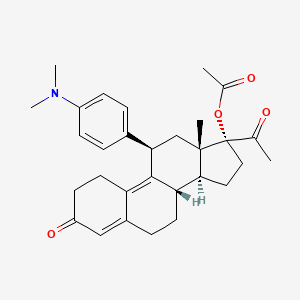
17alpha-Acetoxy-11beta-[4-(dimethylamino)phenyl]-19-norpregna-4,9-diene-3,20-dione

(8S,11S,13S,14R,17R)-17-Acetoxy-11-[4-(dimethylamino)phenyl]-19-norpregna-4,9-diene-3,20-dione

EMA:Link, US FDA:link

REVIEW.http://www.fsrh.org/pdfs/ellaOneNewProductReview1009.pdf

126784-99-4  CAS

Ella, CDB 2914, 126784-99-4,  CDB-2914, VA2914, Ulipristal acetate (USAN), Ulipristal acetate [USAN]
Molecular Formula: C30H37NO4   Molecular Weight: 475.61908
17α-acetoxy-llβ-(4-N, N-dimethylaminophenyl)-19-norpregna-4, 9 – dien-3 ,20-dione,
NA-2914,
CDB-2914
HRP-2000
PGL-4001
RTI-3021-012
UPA-UF
VA-2914
Ulipristal acetate is effective as an emergency contraceptive for up to 120 hours after unprotected intercourse. Because ulipristal is available only via prescription, it may be covered by insurance. However, the additional factors of travel expenses and time to make and attend a physician appointment must be taken into account when considering use of ulipristal as an emergency contraceptive. Due to the similarity of its structure to mifepristone, controversy regarding ulipristal’s mechanism of action has arisen
DETAILS

CHECK OUT NEW PATENTS BELOW   NEW PATENTS IN 2014

WO-2014050105 Amorphous ulipristal acetate, ASKA Pharmaceutical Co Ltd

WO-2014050106 Crystalline polymorphic form of ulipristal acetate

WO-2014050107 Crystalline polymorphic form of ulipristal acetate

Ulipristal acetate (trade name EllaOne in the European Union, Ella in the U.S. for contraception,[1] and Esmya for uterine fibroid) is a selective progesterone receptor modulator (SPRM).
Medical uses

Emergency contraception

For emergency contraception[2] a 30 mg tablet is used within 120 hours (5 days) after an unprotected intercourse or contraceptive failure.[3] It has been shown to prevent about 60% of expected pregnancies,[4] and prevents more pregnancies than emergency contraception with levonorgestrel.[5] Ulipristal acetate is available by prescription for emergency contraception in over 50 countries, with access through pharmacists without a prescription being tested in the United Kingdom.[6][7][8][9] Emergency contraception (EC) is a woman’s second chance for primary prevention of pregnancy.

A reproductive-age woman is a candidate for emergency contraception if she seeks care within 120 hours of unprotected intercourse (UPI), which is the window of pregnancy risk associated with a given act of intercourse based upon the estimated lifespan of sperm in the genital tract (Wilcox et al, 1995). Current hormonal methods of emergency contraception prevent at least half of expected pregnancies if taken within 72 hours of UPI (Von Hertzen et al, 1998).

Levonorgestrel at a total dose of 1.5 mg (taken in a single dose or two 0.75 mg doses 12 hours apart) is the current standard for hormonal emergency contraception and is licensed for use up to 72 hours after UPI. Clinical trials involving levonorgestrel used for emergency contraception more than 72 hours after intercourse do not conclusively establish efficacy rates because of insufficient sample size. Nevertheless, these studies reveal a trend towards markedly higher failure rates when levonorgestrel is taken 48 hours or more after unprotected intercourse (von Hertzen et al, 1998; Von Hertzen et al, 2002).

This trend may be explained by levonorgestrel mode of action for emergency contraception. Levonorgestrel acts by interfering with the LH peak but does not appear to interfere with the ovulatory process when taken close to ovulation, a time when intercourse is most likely to lead to fertilization (Croxatto et al, 2004; Marions et al, 2004; Wilcox et al, 2004). For a woman who presents for emergency contraception more than 72 hours after intercourse, the only currently available method proven to be highly effective is insertion of a copper contraceptive intra-uterine device (IUD). However, IUDs are not widely available in many countries and insertion can only be performed by a trained clinician. Furthermore, many women decline IUD insertion as a method of emergency contraception because the procedure is invasive, is relatively expensive and has a risk of complications including uterine perforation on insertion (Grimes et al, 2004). Additionally, many women seeking emergency contraception are not seeking a long acting contraceptive method.

There is, therefore, a need for a new hormonal emergency contraceptive that can be used and is highly effective up to 120 hours after UPI. Ulipristal acetate (also known as CDB-2914) is a selective progesterone receptor modulator that inhibits or delays ovulation in a dose-dependent fashion (Stratton et al, 2000). In a double-blind non-inferiority trial, ulipristal acetate was shown to be as efficacious as levonorgestrel for preventing pregnancy when used within 72 hours of UPI (Creinin et al, 2006). Moreover, study data suggest improved efficacy in preventing pregnancy from 48 to 72 hours when levonorgestrel efficacy markedly wanes. ulipristal acetate for use in providing post coital contraception in a female subject between about 3 to about 5 days, or between about 72 to about 120 hours, after unprotected intercourse.

A subject of the invention is thus a method for providing post coital contraception in a female subject, comprising providing the subject with a therapeutically effective amount of ulipristal acetate, between about 3 to about 5 days, or between about 72 to about 120 hours, after unprotected intercourse. It is further provided a kit comprising i) a dosage form comprising ulipristal acetate and ii) a printed matter stating that ulipristal acetate may be taken within 120 hours or 5 days after unprotected intercourse   Any woman of reproductive age may need post-coital or emergency contraception at some point to avoid an unintended pregnancy. It is meant to be used in situations of unprotected intercourse, such as: when no contraceptive has been used;

when there is a contraceptive failure or incorrect use, including: – condom breakage, slippage, or incorrect use; – non-compliance with dosage regimen for combined oral contraceptive pills; – non-compliance with dosage regimen for progestogen-only pill (minipill); – more than two weeks late for a progestogen-only contraceptive injection (depot- medroxyprogesterone acetate or norethisterone enanthate); – more than seven days late for a combined estrogen-plus-progestogen monthly injection; – dislodgment, delay in placing, or early removal of a contraceptive hormonal skin patch or ring; – dislodgment, breakage, tearing, or early removal of a diaphragm or cervical cap; – failed coitus interruptus (e.g., ejaculation in vagina or on external genitalia); – failure of a spermicide tablet or film to melt before intercourse; – miscalculation of the periodic abstinence method or failure to abstain on fertile day of cycle; – IUD expulsion; or in cases of sexual assault when the woman was not protected by an effective contraceptive method.

Uliprisnil acetate, originally developed at the Research Triangle Institute, is a selective progesterone receptor modulator (SPRM) first launched in the E.U. in 2009 by HRA Pharma as emergency contraception within 120 hours (5 days) of unprotected sexual intercourse or contraceptive failure. The company filed for approval of this indication in the U.S. in 2009 and approval was obtained in 2010. In 2012, the product was approved in the E.U. for the pre-operative treatment of moderate to severe symptoms of uterine fibroids in adult women of reproductive age. First E.U. commercialization took place in Germany in March 2012 followed by the U.K. in April. The compound is being developed in phase II clinical trials at the National Institutes of Health (NIH) for the treatment of uterine fibroids and premenstrual syndrome (PMS). Two formulations of uliprisnil are in early clinical trials at the Population Council for the prevention of pregnancy: a vaginal ring and an intrauterine delivery system (IUS). Watson conducted phase III clinical studies for the treatment of women with anemia associated with uterine leiomyoma, however the development has been discontinued.

Uliprisnil acetate is a well-known steroid that possesses antiprogestational and antiglucocorticoid activity. In preclinical studies, the growth of lead follicles exposed to a midfollicular dose of the compound was delayed in a dose-related fashion, indicating that the compound may have an additional mechanism of action involving progesterone or estrogen antagonism.

In 2007, uliprisnil acetate was licensed to PregLem by HRA Pharma in Europe for the treatment of gynecological disorders excluding contraception. A license for North American was granted to HRA in 2010. In 2010, the compound was licensed to Watson (now Actavis) by HRA Pharma for the commercialization in the U.S. for use as emergency contraception. Also in 2010, Watson (now Actavis) obtained a license to uliprisnil for the treatment of uterine fibroids. In 2011, the product was licensed to Gedeon Richter by HRA Pharma for marketing and distribution in China, Russia and (Commonwealth of Independent States) CIS republics for the treatment of uterine myoma.

Treatment of uterine fibroids

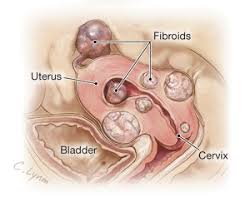
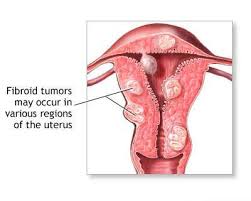
Ulipristal acetate is used for pre-operative treatment of moderate to severe symptoms of uterine fibroids in adult women of reproductive age in a daily dose of a 5 mg tablet.[10] Treatment of uterine fibroids with ulipristal acetate for 13 weeks effectively controlled excessive bleeding due to uterine fibroids and reduced the size of the fibroids.[11][12][13] Two intermittent 3-month treatment courses of ulipristal acetate 10 mg resulted in amenorrhea at the end of the first treatment course in 79.5%, at the end of the second course in 88.5% of subjects. Mean myoma volume reduction observed during the first treatment course (−41.9%) was maintained during the second one (−43.7%).[10

]
Adverse effects

Common side effects include abdominal pain and temporary menstrual irregularity or disruption. Headache and nausea were observed under long-term administration (12 weeks), but not after a single dose.[3]

Interactions

Ulipristal acetate is metabolized by CYP3A4 in vitro. Ulipristal acetate is likely to interact with substrates of CYP3A4, like rifampicin, phenytoin, St John’s wort, carbamazepine or ritonavir, therefore concomitant use with these agens is not recommended.[10][14] It might also interact with hormonal contraceptives and progestogens such as levonorgestrel and other substrates of the progesterone receptor, as well as with glucocorticoids.[10]

Contraindications

Ulipristal acetate should not be taken by women with severe liver diseases[3] because of its CYP mediated metabolism. It has not been studied in women under the age of 18.[15]

Pregnancy

Unlike levonorgestrel, and like mifepristone, ulipristal acetate is embryotoxic in animal studies.[16] Before taking the drug, a pregnancy must be excluded.[3] The EMA proposed to avoid any allusion to a possible use as an abortifacient in the package insert to avert off-label use.[17] It is unlikely that ulipristal acetate could effectively be used as an abortifacient, since it is used in much lower doses (30 mg) than the roughly equipotent mifepristone (600 mg), and since mifepristone has to be combined with a prostaglandin for the induction of abortion.[18] However, data on embryotoxicity in humans are very limited, and it is not clear what the risk for an abortion or for teratogenicity (birth defects) is. Of the 29 women studied who became pregnant despite taking ulipristal acetate, 16 had induced abortions, six had spontaneous abortions, six continued the pregnancies, and one “was lost to follow-up“.[19]

Lactation

It is not recommended to breast feed within 36 hours of taking the drug since it is not known whether ulipristal acetate or its metabolites are excreted into the breast milk.[3][20]

Pharmacokinetics

In animal studies, the drug was quickly and nearly completely absorbed from the gut. Intake of food delays absorption, but it is not known whether this is clinically relevant.[21] Ulipristal acetate is metabolized in the liver, most likely by CYP3A4, and to a small extent by CYP1A2 and CYP2D6. The two main metabolites have been shown to be pharmacologically active, but less than the original drug. The main excretion route is via the faeces.[22]
Pharmacodynamics

As a SPRM, ulipristal acetate has partial agonistic as well as antagonistic effects on the progesterone receptor. It also binds to the glucocorticoid receptor, but has no relevant affinity to the estrogen, androgen and mineralocorticoid receptors.[23] Phase II clinical trials suggest that the mechanism might consist of blocking or delaying ovulation and of delaying the maturation of the endometrium.[24]

History

Ulipristal acetate was granted marketing authorization by the European Medicines Agency (EMA) in March 2009.[25] The U.S. Food and Drug Administration approved the drug for use in the United States on 13 August 2010,[26] following the FDA advisory committee’s recommendation.[27][28] Watson Pharmaceuticals announced the availability of ulipristal acetate in the United States on 1 December 2010, in retail pharmacies, clinics, and one on-line pharmacy, KwikMed.[29] Amorphous ulipristal acetate. ASKA is developing ulipristal acetate in Japan under license from HRA Pharma for the treatment of uterine fibroids and for emergency contraception. In March 2014, it was in phase II for both indications (in Japan). Also see the co-published WO2014050106 and WO2014050107. Crystalline polymorphic form C of ulipristal acetate.

Also claims its method of preparation. Appears to be the first filing from the assignee on this API, which was developed by HRA Pharma under license from the RTI, indicated in the US as an emergency contraceptive for prevention of pregnancy. In May 2011, ASKA signed an exclusive licensing agreement with HRA Pharma to develop and commercialize the API . In November 2013, ASKA had begun phase II development for emergency contraception  and uterine fibroids [1339186] in Japan. Also see concurrently published WO2014050105 and WO2014050107. Crystalline polymorphic form B of ulipristal acetate. Also claims process for the preparation and composition comprising the same. Useful for the treatment of uterine leiomyoma.

Appears to be the first filing from the assignee on this API, see concurrently published WO2014050105 and WO2014050106. The drug was developed by HRA Pharma under license from the RTI, indicated in the US as an emergency contraceptive for prevention of pregnancy. In May 2011, ASKA signed an exclusive licensing agreement with HRA Pharma to develop and commercialize the API  In November 2013, ASKA had begun phase II development in Japan for emergency contraception  and uterine fibroids Buccal forms or devices are also useful, such as those described in U.S. patent application 20050208129 , herein incorporated by reference. U.S. patent application 20050208129 describes a prolonged release bioadhesive mucosal therapeutic system containing at least one active principle, with an active principle dissolution test of more than 70% over 8 hours and to a method for its preparation.

Said bioadhesive therapeutic system comprises quantities of natural proteins representing at least 50% by weight of active principle and at least 20% by weight of said tablet, between 10% and 20% of a hydrophilic polymer, and compression excipients, and comprising between 4% and 10% of an alkali metal alkylsulphate to reinforce the local availability of active principle and between 0.1 % and 1% of a monohydrate sugar.
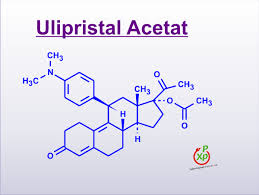
Ulipristal acetate, formerly known as CDB-2914, designates within the context of this application 17α-acetoxy-11β-[4-N,N-dimethylamino-phenyl)-19-norpregna-4,9-diene-3,20-dione, represented by formula I:

Ulipristal acetate, and methods for its preparation, are described e.g., in U.S. Pat. Nos. 4,954,490; 5,073,548, and 5,929,262, as well as in international patent applications WO2004/065405 and WO2004/078709. Ulipristal acetate possesses antiprogestational and antiglucocorticoidal activity, and has been proposed for contraception, in particular for emergency contraception, and for the therapy of various hormonal diseases.

 (Steroids, 2000,65, 395 ~ 400; US5929262A; CN1298409A; CN101466723A). Reaction is as follows:

Figure CN103145787AD00041

Properties of this compound are further described in Blithe et al, Steroids. 2003 68(10-13):1013-7. So far, clinical trials have been conducted using oral capsules of ulipristal acetate (Creinin et al, Obstetrics & Gynecology 2006; 108:1089-1097; Levens et al, Obstet Gynecol. 2008, 111(5):1129-36). In order to increase the properties and clinical benefit of this molecule, there is a need for improved formulations thereof

  • Ulipristal acetate, formerly known as CDB-2914, is 17α-acetoxy-11β-[4-N, N-dimethylamino-phenyl)-19-norpregna- 4, 9-diene-3, 20-dione, represented by formula I:

  • It is a well-known steroid, more specifically a 19-norprogesterone, which possesses antiprogestational and antiglucocorticoidal activity. This compound, and methods for its preparation, are described in U. S. Patent Nos. 4,954, 490,5 , 073,548 , and 5,929, 262 , and international patent applications WO2004/065405 and WO2004/078709 . Properties of this compound are further described in Blithe et al, 2003.
  • Metabolites of CDB-2914, include those described in Attardi et al, 2004 , e.g. monodemethylated CDB-2914 (CDB-3877) ;didemethylated CDB-2914 (CDB-3963) ; 17alpha-hydroxy CDB-2914 (CDB-3236) ; aromatic A-ring derivative of CDB-2914 (CDB-4183).

  • It is now proposed to use ulipristal acetate or a metabolite thereof for treating uterine fibroids, more particularly for reducing or stopping bleeding in a patient afflicted with uterine fibroids, reducing the size of uterine fibroids and/or reducing uterine volume More particularly the inventors have shown in a randomized, placebo-controlled, double blinded, parallel trial, that ulipristal acetate significantly reduces fibroid volume after 3 months, and stops bleeding
  • Ulipristal acetate or a metabolite thereof alleviates symptoms of uterine fibroids, including bleeding, pelvic pain, pressure.
  • Ulipristal acetate or a metabolite thereof is useful for preventing or treating anemia in patients afflicted with uterine fibroids.
  • It is also useful for preventing or treating leiomyosarcomas and for preventing dissemination of uterine fibroids to other organs.

………………

synthesis

http://www.google.com.br/patents/US5929262

CA2216737A1, EP0817793A2, WO1996030390A2, WO1996030390A3

The United States Of America As Represented By The Department Of Health And Human Services EXAMPLE 7 The Preparation of the Compound of Formula (I) (17α-Acetoxy-11β-(4-N,N-dimethylaminophenyl)-19-norpregna-4,9-diene-3,20-dione) From the Compound of Formula (VIII) 340 mL of acetic acid (5.92 mol) were added to a well stirred mixture containing 834 mL of trifluoroacetic anhydride (5.92 mol) in 2,300 mL of methylene chloride under argon. After stirring for 30 minutes at room temperature, 51.3 g of p-toluenesulfonic acid (0.26 mol) were added, and the mixture was chilled to 0 methylene chloride solution containing 128.3 g of the compound of formula (VIII) (0.30 mol) were added, and the reaction mixture was stirred at 0 cautious addition of a 4.5N potassium carbonate solution until the pH was in the range of 7.0-7.5. The reaction mixture was diluted with water and extracted with methylene chloride. The methylene chloride extracts were washed with water and brine, combined, and dried over sodium sulfate.

Evaporation of the solvent gave the acetate of formula (I) as a thick syrup. The above syrup was dissolved in 300 mL of isopropyl alcohol and evaporated. The dissolution and evaporation were repeated three times. Finally, the remaining solid, which retained isopropyl alcohol as solvent of recrystallization, was dissolved in ethyl acetate and evaporated to give a stable foam. The foam was quickly dissolved in ether, and this solution was set aside to crystallize. The solid that formed was collected by filtration, washed with ether, and dried in vacuo to yield 105.7 g of the compound of formula (I) as yellow crystals in 75% yield;

m.p. 183-185 1735 and 1714(–C═O), 1664 and 1661 (conjugated –C═O), 1563, 1518, 1441, 1351, 1305, 1252, 1203, 1171; NMR (CDCl.sub.3) δ0.38 (s, 18-CH.sub.3), 2.10 (s, 17-OAc), 2.14 (s, 21-CH.sub.3), 2.92 (s, –N(CH.sub.3).sub.2, 4.44 (d, C-11 H), 5.83 (br. s, C-4 H), 6.71 and 7.07 (d, aromatic H); MS(EI) m/z (relative intensity) 475(M.sup.+, 41), 134(18), 121 (100). Analysis calculated for C.sub.30 H.sub.37 NO.sub.4 : C, 75.76; H, 7.84; N, 2.94. Found. C, 75.80; H 7.96; N, 3.09.

……………..

SYNTHESIS http://www.google.com/patents/WO2004065405A1?cl=en

CA2514169A1, CA2514169C, CN1753905A, CN100354300C, EP1602662A1, EP2348033A2, EP2348033A3

EXAMPLE 1 Preparation of 17α-aceto-d-llβ-(4-N, N-dimetüaminofeniI)-19-norpregna-4 ,9-dien-3,20-dione [VA-2914] Raw Were charged 38.5 g of 3,3 – (l ,2-etanodioxi)-5α-hydroxy-llβ-(4-N, N-dimethylaminophenyl)-17α-acetoxy-19-norpregna-9-en-20-one [carbinol acetate] purified in a flask under nitrogen atmosphere at a temperature between 20 ° C and 22 ° C, and added 385 ml of deionized water and 17.91 g of HKSO. The resulting suspension was stirred until complete dissolution, for about 4 hours. The end of the reaction was determined by thin layer chromatography (TLC). Then added 3.85 g of neutral Al 2 O 3, stirred for 30 minutes, the suspension was filtered and the insolubles were washed with 38.5 ml of deionized water. To the filtrate were added 325 ml of ethyl acetate and the pH was adjusted to a constant value between 7.0 and 7.2 with sodium bicarbonate solution to 7% w / v. The phases were allowed to decant for 15 minutes and, after checking the absence of the final product therein by means of TLC, the phases were separated, discarding the aqueous phase. The resultant organic phase was added 192.5 ml of deionized water, stirred for 10 minutes and the phases were allowed to decant for 15 minutes.

After verifying the absence of aqueous phase final product by TLC, the phases were separated, discarding the aqueous phase. The resulting organic phase was concentrated under vacuum to a residue and obtained approximately 28 g of 17α-acetoxy-llβ-(4-N, N-dimethylaminophenyl)-19-norpregna-4,9-dien-3 ,20-dione [NA -2914] raw. EXAMPLE 2 Isopropanol hemisolvate obtaining 17α-acetoxy-llβ-(4-Ν, Ν-dimethylaminophenyl)-19-norpregna-4 ,9-dien-3 ,20-dione The crude 17α-acetoxy-l lβ-(4-Ν, Ν-dimethylaminophenyl)-19-norpregna-4 ,9-dien-3,20-dione obtained in Example 1 was added 2 x 38.5 ml isopropanol concentrating vacuum to a residue both times. The finally obtained solid was added 77 ml of isopropanol and heated until dissolved. Then allowed to cool to a temperature between 0 ° C and 5 ° C, and the temperature was maintained for 1 h. The resulting suspension was filtered and the cake washed with cold isopropanol.

The yield achieved was 96% molar (5.5% isopropanol content). Isopropanol hemisolvate obtemdo NA-2914 has been characterized by IR spectroscopy, DSC and XRD, as indicated in the description, and has the characteristics indicated therein and shown in Figures 1-3.

…………….

A new and efficient method for the synthesis of Ulipristal acetate

http://www.sciencedirect.com/science/article/pii/S0039128X14000634

Full-size image (15 K)

In this study, we describe another new and efficient route for preparing Ulipristal acetate. The 1,4-addition compound 5 was greatly improved after the starting material ketone 1 was underwent epoxidation, cyanation, hydroxyl group protection and Grignard addition. The synthetic procedure is only 6 steps and the total yield is about 27.4%, which is much suitable for industrial process.

We have succeeded in finding another convenient and efficient synthetic route for the synthesis of Ulipristal acetate with a good yield.

•The yield of 11β-substituted isomer was greatly improved.

•The 17β-carbonitrile compound was obtained with high purity after the reaction.

•The yield of once Grignard addition dione was greatly improved.

•These synthetic procedures are much suitable for industrial process.

…………….

Volume 78, Issues 12–13, 11 December 2013, Pages 1293–1297

http://www.sciencedirect.com/science/article/pii/S0039128X13002122

We set out to describe a new and efficient route for preparing Ulipristal acetate with a good yield. The selected epoxidization conditions gave out 80% of 5α,10α-epoxide 2a in the two diastereoisomers which greatly improved the yield of 11β-substituted isomer 4a. And phenyl–sulfinyl compound 6 was synthesized from ketone 5 directly treated with phenylsulfenyl chloride in the presence of triethylamine. These synthetic procedures is only 8 steps, less than currently reported in the literature, but more suitable for industrial process.


Full-size image (17 K)

………..

http://www.google.com/patents/CN103145787A?cl=en

Reaction is as follows:


Figure CN103145787AD00051

………..

WO2013063859A1

http://www.google.com/patents/WO2013063859A1?cl=en

Preparation of related reports Uli Division acetate compounds as follows:

1, U.S. Patent US4954490 methods, (see Reaction Scheme 1),

The method is based on the 3 – methoxy -19 – norpregn-1, 3,5 (10), 17 (20) – tetraene as a starting material, in turn by the addition, oxidation, reduction, hydrolysis, addition and elimination, oxidation of 17-hydroxy-19 – norpregn left the -4,9 – 31 women -3, 20 – dione (Compound V2), and then condensed by ethylene glycol, epoxidized-chloroperbenzoic acid, Bonus format, acid hydrolysis, acetylation of 10-step reaction by Uli acetate SECRETARY (Compound 1), and a melting point of 118-121 ° C the product was obtained by recrystallization with methanol ^. Due to the method, the step length, but difficult to obtain a starting material, the complexity of the reaction conditions, the required intermediate product was purified by column chromatography, the total yield is only 0.62%, Gao costs, the instability of the resulting product is not suitable pharmaceutically acceptable. And is not suitable for industrial production.

Reaction Formula I:


Figure imgf000004_0001


Figure imgf000004_0002

2, U.S. Patent No. US5929262 discloses his method Another method for preparing acetic acid Uli Division (see Reaction Scheme II), the reaction of formula II:


Figure imgf000004_0003

The method is based on 3,3 – ethylenedioxy-17) 8 – cyano -19 – norpregn -5 (10)-9 (11) – dien-17 alcohol (compound III) as a starting material, , first with dimethyl chloromethyl silane protected hydroxy, and then at the cryogenic-70Ό obtained by acid hydrolysis with the DBB / LI reagents After the reaction, a condensation reaction with ethylene glycol ketal, epoxy reaction, then the format of the reaction, The acid hydrolysis reaction and the acetylation reaction to obtain the target object and sequentially by treatment with isopropanol, ethyl acetate and crystallized from ether to obtain a yellow product with a melting point of 183-185Ό. The method expensive starting materials prices, harsh reaction conditions, need to be ultra-low temperature and water and oxygen reaction, high cost of low yield (total yield of about 14%), and therefore not suitable for industrial production.

3, World Patent WO2004078709 discloses a method for preparing (see Reaction Scheme III), the method the Πα hydroxy _19_ norpregn _ 4, 9 (10) _ diene-_ _ 3, 17-dione (Compound V2 ), followed by acetylation of 3 – bit carbonyl condensation, epoxy, Bonus format, acid hydrolyzed to give the target. Although the steps are shorter, but a starting material is from Compound VI was prepared by hydrolysis under acidic conditions to obtain a total yield of about 11.8% (starting from the compound VI operator), the actual reaction step is longer, lower yield, higher cost not suitable for industrial production.


Figure imgf000005_0001

In this method, 3,3 – ethylenedioxy -19 – norpregn -5 (10), 9 (11) – dien-17 – one (referred to as 3 – ketal compound II) as a starting material, by the addition of acetylene, benzene sub-sulfonyl chloride, and then by hydrolysis of sodium methoxide, acid hydrolysis, condensation of ethylene glycol, epoxy, Grignard reaction, acid hydrolysis and acetylation reaction of 9-step reaction to obtain a target object, isopropoxy alcohol crystallization with ethanol and water was heated at 70 ° C after 14h excluding solvate crystal. The method uses a greater risk of acetylene and odor of benzene times sulfonyl chloride, especially benzene times, unstable sulfonyl chloride, easy storage, decomposition of impurities involved in the reaction leads to a low yield, and benzene of times sulfonyl chloride of environmental pollution Further crystallization prolonged heating will produce new impurities, the total yield of 13.8% -15.8%, high cost, is not suitable for industrial production.

The existing methods, the methods 1, 2 and 4 are related to the preparation of compound VI, and also the starting materials in Method 3 Hydrolysis of compound VI is obtained. SUMMARY OF THE INVENTION

Technical problems to be solved by the present invention is to overcome these drawbacks,, study design Uli acetate Secretary industrialization production methods.

WO2013063859A1

http://www.google.com/patents/WO2013063859A1?cl=en

A process for the preparation of formula I the Uli acetate Division his method, characterized in comprising the following reaction steps:
Figure imgf000019_0001

Figure imgf000006_0001


………


Intermediate 1

19-Norpregn-9-ene-3,20-dione, 11-[4-(dimethylamino)phenyl]-5,17-dihydroxy-, cyclic 3,20-bis(1,2-ethanediyl acetal), (5α,11β)-

Intermediate
19-Norpregn-9-ene-3,20-dione, 11-[4-(dimethylamino)phenyl]-5,17-dihydroxy-, cyclic 3,20-bis(1,2-ethanediyl acetal), (5α,11β)-
Synonyms
3,3,3,20,20-Bis(ethylene-dioxy) -5α, 17α-dihydroxy-11β-[4-(N,N-dimethylamino)-phenyl]-19-norpregna-9(11)-ene
CAS No.
126690-41-3
Molecular Formula
C32H45NO6
Molecular Weight
539.32


Intermediate 2

Gestadene

Intermediate
Gestadene
Synonyms
19-Norpregna-4,9-diene-3,20-dione,17-hydroxy-
CAS No.
14340-01-3
Molecular Formula
C20H26O3
Molecular Weight
314.42


Intermediate 3

19-Norpregna-4,9-diene-3,20-dione, 17-(acetyloxy)-11-[4-(methylamino)phenyl]-, (11β)-

Intermediate
19-Norpregna-4,9-diene-3,20-dione, 17-(acetyloxy)-11-[4-(methylamino)phenyl]-, (11β)-
Synonyms
N/A
CAS No.
159681-66-0
Molecular Formula
C29H35NO4
Molecular Weight
461.26


Intermediate 4

CDB3236

Intermediate
11β-[4-(N,N-dimethylamino)-phenyl]-17α-hydroxy-19-norpregna-4,9-diene-3,20-dione
Synonyms
CDB3236; Deacetyl CDB 2914; Ulipristal
CAS No.
159811-51-5
Molecular Formula
C28H35NO3
Molecular Weight
433.26


Intermediate 5

17-Hydroxy-19-norpregna-5(10),9(11)-diene-3,20-dione cyclic 3-(1,2-ethanediyl acetal)

Intermediate
17-Hydroxy-19-norpregna-5(10),9(11)-diene-3,20-dione cyclic 3-(1,2-ethanediyl acetal)
Synonyms
19-Norpregna-5(10),9(11)-diene-3,20-dione,17-hydroxy-, cyclic 3-(1,2-ethanediyl acetal)
CAS No.
42982-49-0
Molecular Formula
C22H30O4
Molecular Weight
358.47


Intermediate 6

19-Norpregn-9(11)-ene-3,20-dione, 5,10-epoxy-17-hydroxy-, cyclic 3,20-bis(1,2-ethanediyl acetal), (5α,10α)-

Intermediate
19-Norpregn-9(11)-ene-3,20-dione, 5,10-epoxy-17-hydroxy-, cyclic 3,20-bis(1,2-ethanediyl acetal), (5α,10α)-
Synonyms
N/A
CAS No.
54201-83-1
Molecular Formula
C24H34O6
Molecular Weight
418.24


Intermediate 7

3,20-Bis(ethylenedioxy)-19-norpregna-5(10),9(11)-dien-17-ol

Intermediate
3,20-Bis(ethylenedioxy)-19-norpregna-5(10),9(11)-dien-17-ol
Synonyms
19-Norpregna-5(10),9(11)-diene-3,20-dione,17-hydroxy-, cyclic 3,20-bis(1,2-ethanediyl acetal), (5a,10a)-
CAS No.
54201-84-2
Molecular Formula
C24H34O5
Molecular Weight
402.52


…………

Review
Synthetic approaches to the 2009 new drugs

Bioorganic & Medicinal Chemistry

doc.sciencenet.cn/upload/file/2011531154034454.pdf
by KCL Kevin – ‎2011 – ‎Cited by 9 – ‎Related articles

Keywords: Synthesis. New drug molecules. New chemical entities. Medicine. Therapeutic agents. a b s t r a c t …. 1153. 22. Ulipristal acetate (ellaOne®).

…………. FORMULATION http://www.google.com/patents/WO2011091892A1?cl=en Figure imgf000009_0001

References

  1. “FDA approves ella™ tablets for prescription emergency contraception” (Press release). FDA. 13 August 2010. Retrieved 2013-06-12.
  2. Creinin, MD; Schlaff, W; Archer, DF; Wan, L; Frezieres, R; Thomas, M; Rosenberg, M; Higgins, J (2006). “Progesterone receptor modulator for emergency contraception: a randomized controlled trial”. Obstetrics and gynecology 108 (5): 1089–97. doi:10.1097/01.AOG.0000239440.02284.45. PMC 2853373. PMID 17077229.
  3. “Summary of Product Characteristics: ellaOne 30 mg tablet”. Retrieved 20 November 2010.
  4. “European Public Assessment Report for Ellaone. Summary for the public”. EMA. 2009. p. 2. Retrieved 22 November 2009.
  5. Glasier, A. F.; Cameron, S. T.; Fine, P. M.; Logan, S. J.; Casale, W.; Van Horn, J.; Sogor, L.; Blithe, D. L.; Scherrer, B.; Mathe, H.; Jaspart, A.; Ulmann, A.; Gainer, E. (2010). “Ulipristal acetate versus levonorgestrel for emergency contraception: A randomised non-inferiority trial and meta-analysis”. The Lancet 375 (9714): 555–562. doi:10.1016/S0140-6736(10)60101-8. PMID 20116841. edit
  6. Trussell, James; Cleland, Kelly (February 13, 2013). “Dedicated emergency contraceptive pills worldwide”. Princeton: Office of Population Research at Princeton University, Association of Reproductive Health Professionals. Retrieved March 25, 2014.
  7. ICEC (2014). “EC pill types and countries of availability, by brand”. New York: International Consortium for Emergency Contraception (ICEC). Retrieved March 25, 2014.
  8. HRA Pharma (March 2013). “Countries where ellaOne was launched”. Paris: HRA Pharma. Retrieved March 25, 2014.
  9. ECEC (2014). “Emergency contraception availability in Europe”. New York: European Consortium for Emergency Contraception (ECEC). Retrieved March 25, 2014. “Ulipristal acetate Emergency Contraception Pills (UPA ECPs), while available in most European countries since 2010, are not yet available in Albania, Estonia, Macedonia, Malta, Switzerland and Turkey. For now UPA ECPs are sold with a prescription in all countries, although provision without a prescription is currently being tested in the United Kingdom.”
  10. “Summary of Product Characteristics: Esmya 5mg tablet”. Retrieved 20 Febr 2014.
  11. Nieman, L. K.; Blocker, W.; Nansel, T.; Mahoney, S.; Reynolds, J.; Blithe, D.; Wesley, R.; Armstrong, A. (2011). “Efficacy and tolerability of CDB-2914 treatment for symptomatic uterine fibroids: A randomized, double-blind, placebo-controlled, phase IIb study”. Fertility and Sterility 95 (2): 767–772.e1–772. doi:10.1016/j.fertnstert.2010.09.059. PMID 21055739. edit
  12. Levens, E. D.; Potlog-Nahari, C.; Armstrong, A. Y.; Wesley, R.; Premkumar, A.; Blithe, D. L.; Blocker, W.; Nieman, L. K. (2008). “CDB-2914 for Uterine Leiomyomata Treatment”. Obstetrics & Gynecology 111 (5): 1129–1136. doi:10.1097/AOG.0b013e3181705d0e. PMC 2742990. PMID 18448745. edit
  13. Jacques Donnez; Tetyana F. Tatarchuk, Philippe Bouchard, Lucian Puscasiu, Nataliya F. Zakharenko, Tatiana Ivanova, Gyula Ugocsai, Michal Mara, Manju P. Jilla, Elke Bestel, Paul Terrill, Ian Osterloh, and Ernest Loumaye, for the PEARL I Study Group. “Ulipristal Acetate versus Placebo for Fibroid Treatment before Surgery”. New England Journal of Medicine. doi:10.1056/NEJMoa1103182. PMID 22296075.
  14. CHMP (2009:12, 14)
  15. CHMP (2009:33, 43)
  16. CHMP (2009:16)
  17. CHMP (2009:41)
  18. RCOG (2004). The Care of Women Requesting Induced Abortion : Evidence-based clinical guideline number 7 (PDF). London: RCOG Press. ISBN 1-904752-06-3. Archived from the original on 27 February 2008.
  19. CHMP (2009:37)
  20. CHMP (2009:43)
  21. CHMP (2009:12, 20)
  22. CHMP (2009:13–14, 21)
  23. Attardi, B.; Burgenson, J.; Hild, S.; Reel, J. (2004). “In vitro antiprogestational/antiglucocorticoid activity and progestin and glucocorticoid receptor binding of the putative metabolites and synthetic derivatives of CDB-2914, CDB-4124, and mifepristone”. The Journal of Steroid Biochemistry and Molecular Biology 88 (3): 277–288. doi:10.1016/j.jsbmb.2003.12.004. PMID 15120421. edit
  24. CHMP (2009:22–23)
  25. CHMP (2009). “Assessment Report for Ellaone”. EMA. Retrieved 22 November 2009.
  26. “FDA grants approval of ella for emergency contraception” (Press release). HRA Pharma. 13 August 2010. Retrieved 2010-08-15.
  27. Emma Hitt (18 June 2010). “FDA Panel Gives Ulipristal Acetate Unanimous Positive Vote for Emergency Contraception Indication”. Retrieved 2010-06-22.
  28. Harris, Gardiner (14 August 2010). “F.D.A. Approves 5-Day Emergency Contraceptive”. The New York Times. Retrieved 14 August 2010.
  29. Watson PR (1 December 2010). “Watson Launches ella(R)(ulipristal acetate)”. Retrieved 12 January 2010.\
WO2004065405A1 Jan 21, 2004 Aug 5, 2004 Crystal Pharma S A Method of obtaining 17$g(a)-acetoxy-11$g(b)-(4-n,n-dimethylaminophenyl)-19-norpregna-4,9-diene-3,20-dione
WO2004078709A2 Feb 13, 2004 Sep 16, 2004 Hyun K Kim METHOD FOR PREPARING 17 α-ACETOXY-11β-(4-N,N-DIMETHYLAMINOPHENYL)-19-NORPREGNA-4,9-DIENE-3,20-DIONE, INTERMEDIATES THEREOF, AND METHODS FOR THE PREPARATION OF SUCH INTERMEDIATES
US4954490 Jun 23, 1988 Sep 4, 1990 Research Triangle Institute 11 β-substituted progesterone analogs
US5073548 Apr 3, 1990 Dec 17, 1991 Research Triangle Institute 11 β-substituted progesterone analogs
US5929262 Mar 30, 1995 Jul 27, 1999 The United States Of America As Represented By The Department Of Health And Human Services Method for preparing 17α-acetoxy-11β-(4-N, N-dimethylaminophyl)-19-Norpregna-4,9-diene-3, 20-dione, intermediates useful in the method, and methods for the preparation of such intermediates
US20050208129 Apr 25, 2005 Sep 22, 2005 Bioalliance Pharma Prolonged release bioadhesive therapeutic systems
WO2001074840A2 * Mar 16, 2001 Oct 11, 2001 Carmie K Acosta 17-alpha-substituted-11-beta-substituted-4-aryl and 21-substituted 19-norpregna 21-substituted 19-norpregnadienedione as antiprogestational agents
CN101466723A * May 18, 2007 Jun 24, 2009 吉瑞工厂 Industrial process for the synthesis of 17a-acetoxy-11ss-[4-(n,n-dimethyl-amino)- phenyl]-19-norpregna-4,9-diene-3,20-dione and new intermediates of the process
CN102516345A * Nov 1, 2011 Jun 27, 2012 上海优拓医药科技有限公司 Preparation method of ulipristal acetate and key intermediate thereof
US5929262 * Mar 30, 1995 Jul 27, 1999 The United States Of America As Represented By The Department Of Health And Human Services Method for preparing 17α-acetoxy-11β-(4-N, N-dimethylaminophyl)-19-Norpregna-4,9-diene-3, 20-dione, intermediates useful in the method, and methods for the preparation of such intermediates


DRUG SYNTHESIS ESSENTIALS…ORGANIC SPECTROSCOPY


BRUSH UP

AT

http://orgspectroscopyint.blogspot.in/


2D NMR spectroscopy for the structural elucidation of 4.