New Drug Approvals

Home » Uncategorized (Page 49)

Category Archives: Uncategorized

DRUG APPROVALS BY DR ANTHONY MELVIN CRASTO .....FOR BLOG HOME CLICK HERE

Blog Stats

  • 4,852,196 hits

Flag and hits

Flag Counter

Enter your email address to follow this blog and receive notifications of new posts by email.

Join 37.9K other subscribers
Follow New Drug Approvals on WordPress.com

Archives

Categories

Recent Posts

Flag Counter

ORGANIC SPECTROSCOPY

Read all about Organic Spectroscopy on ORGANIC SPECTROSCOPY INTERNATIONAL 

Enter your email address to follow this blog and receive notifications of new posts by email.

Join 37.9K other subscribers
DR ANTHONY MELVIN CRASTO Ph.D

DR ANTHONY MELVIN CRASTO Ph.D

DR ANTHONY MELVIN CRASTO, Born in Mumbai in 1964 and graduated from Mumbai University, Completed his Ph.D from ICT, 1991,Matunga, Mumbai, India, in Organic Chemistry, The thesis topic was Synthesis of Novel Pyrethroid Analogues, Currently he is working with AFRICURE PHARMA, ROW2TECH, NIPER-G, Department of Pharmaceuticals, Ministry of Chemicals and Fertilizers, Govt. of India as ADVISOR, earlier assignment was with GLENMARK LIFE SCIENCES LTD, as CONSUlTANT, Retired from GLENMARK in Jan2022 Research Centre as Principal Scientist, Process Research (bulk actives) at Mahape, Navi Mumbai, India. Total Industry exp 32 plus yrs, Prior to joining Glenmark, he has worked with major multinationals like Hoechst Marion Roussel, now Sanofi, Searle India Ltd, now RPG lifesciences, etc. He has worked with notable scientists like Dr K Nagarajan, Dr Ralph Stapel, Prof S Seshadri, etc, He did custom synthesis for major multinationals in his career like BASF, Novartis, Sanofi, etc., He has worked in Discovery, Natural products, Bulk drugs, Generics, Intermediates, Fine chemicals, Neutraceuticals, GMP, Scaleups, etc, he is now helping millions, has 9 million plus hits on Google on all Organic chemistry websites. His friends call him Open superstar worlddrugtracker. His New Drug Approvals, Green Chemistry International, All about drugs, Eurekamoments, Organic spectroscopy international, etc in organic chemistry are some most read blogs He has hands on experience in initiation and developing novel routes for drug molecules and implementation them on commercial scale over a 32 PLUS year tenure till date Feb 2023, Around 35 plus products in his career. He has good knowledge of IPM, GMP, Regulatory aspects, he has several International patents published worldwide . He has good proficiency in Technology transfer, Spectroscopy, Stereochemistry, Synthesis, Polymorphism etc., He suffered a paralytic stroke/ Acute Transverse mylitis in Dec 2007 and is 90 %Paralysed, He is bound to a wheelchair, this seems to have injected feul in him to help chemists all around the world, he is more active than before and is pushing boundaries, He has 100 million plus hits on Google, 2.5 lakh plus connections on all networking sites, 100 Lakh plus views on dozen plus blogs, 227 countries, 7 continents, He makes himself available to all, contact him on +91 9323115463, email amcrasto@gmail.com, Twitter, @amcrasto , He lives and will die for his family, 90% paralysis cannot kill his soul., Notably he has 38 lakh plus views on New Drug Approvals Blog in 227 countries......https://newdrugapprovals.wordpress.com/ , He appreciates the help he gets from one and all, Friends, Family, Glenmark, Readers, Wellwishers, Doctors, Drug authorities, His Contacts, Physiotherapist, etc He has total of 32 International and Indian awards

Verified Services

View Full Profile →

Archives

Categories

Flag Counter

Doxercalciferol, доксэркальциферол , دوكساركالسيفيرول , 度骨化醇


ChemSpider 2D Image | doxercalciferol | C28H44O2

Doxercalciferol

  • Molecular FormulaC28H44O2
  • Average mass412.648

доксэркальциферол [Russian]

دوكساركالسيفيرول [Arabic]

度骨化醇 [Chinese]

1,3-Cyclohexanediol, 4-methylene-5-[(2E)-2-[(1R,3aS,7aR)-octahydro-7a-methyl-1-[(1R,2E,4R)-1,4,5-trimethyl-2-hexen-1-yl]-4H-inden-4-ylidene]ethylidene]-, (1R,3S,5Z)-

54573-75-0

Title: Doxercalciferol

CAS Registry Number: 54573-75-0

CAS Name: (1a,3b,5Z,7E,22E)-9,10-Secoergosta-5,7,10(19),22-tetraene-1,3-diol

Additional Names: 1a-hydroxyvitamin D2; 1-hydroxyergocalciferol

Trademarks: Hectorol (Bone Care)

Molecular Formula: C28H44O2

Molecular Weight: 412.65

Percent Composition: C 81.50%, H 10.75%, O 7.75%

Literature References: Synthetic vitamin D prohormone. Prepn: H.-Y. P. Lam et al., Science 186, 1038 (1974); eidem, Steroids30, 671 (1977); H. E. Paaren et al., J. Org. Chem. 45, 3253 (1980). Comparative activity and toxicity: G. Sjöden et al., Proc. Soc. Exp. Biol. Med. 178, 432 (1985). Metabolism to bioactive form: J. C. Knutson et al., Endocrinology 136, 4749 (1995). Pharmacology: J. W. Coburn et al., Nephrol. Dial. Transplant. 11, Suppl. 3, 153 (1996). Clinical trial for suppression of secondary hyperparathyroidism in hemodialysis: J. M. Frazao et al., ibid. 13, Suppl. 3, 68 (1998).

Properties: Crystals, mp 138-140°. uv max (ethanol): 265 nm (e 18300). LD50 orally in rats: 3.5-6.5 mg/kg (Sjöden).

Melting point: mp 138-140°

Absorption maximum: uv max (ethanol): 265 nm (e 18300)

Toxicity data: LD50 orally in rats: 3.5-6.5 mg/kg (Sjöden)

Therap-Cat: Antihyperparathyroid.

Keywords: Antihyperparathyroid.

Image result for Doxercalciferol

CLIP

Abstract Image

Doxercalciferol (1α-hydroxyvitamin D2) is a commercially approved vitamin D derivative used to treat chronic kidney disease (CKD) patients whose kidneys cannot metabolically introduce a hydroxyl group at C1. A new process for the production of doxercalciferol from ergocalciferol was developed using a continuous photoisomerization of a known vitamin D intermediate as the key step, thus circumventing the limitations of batch photoisomerization processes. Doxercalciferol is produced in an overall yield of about 10% from ergocalciferol.

Doxercalciferol

1H NMR (CDCl3) δ 6.40 (d, 1H, J = 11.2), 6.04 (d, 1H, J = 11.2), 5.35 (s, 1H), 5.15–5.29 (m, 2H), 5.03 (s, 1H), 4.45 (dd, 1H, J = 7.3, 4.0), 4.21–4.31 (m, 1H), 2.81–2.90 (m, 1H), 2.62 (d, 1H, J = 13.3), 2.34 (dd, 1H, J = 13.3, 6.5), 1.83–2.11(m, 6H), 1.42–1.79 (m, 7H), 1.21–1.40 (m, 3H), 1.04 (d, 3H, J = 6.6), 0.94 (d, 3H, J = 6.8), 0.86 (t, 6H, J = 7.3), 0.58 (s, 3H) ppm.


str0

Doxercalciferol (trade name Hectorol) is drug for secondary hyperparathyroidism and metabolic bone disease.[1] It is a synthetic analog of ergocalciferol (vitamin D2). It suppresses parathyroid synthesis and secretion.[2]

PATENT

Image result for Doxercalciferol

CLIP

Image result for Doxercalciferol

References

  1. Jump up^ Sprague S M; Ho L T (2002). “Oral doxercalciferol therapy for secondary hyperparathyroidism in a peritoneal dialysis patient”.Clinical nephrology58 (2): 155–160. PMID 12227689.
Doxercalciferol

Doxercalciferol.svg
Names
IUPAC name

(1S,3R,5Z,7E,22E)-9,10-Secoergosta-5,7,10,22-tetraene-1,3-diol

Other names

1-Hydroxyergocalciferol; 1-Hydroxyvitamin D2; 1α-Hydroxyergocalciferol; 1α-Hydroxyvitamin D2; Hectorol; TSA 840

Identifiers
54573-75-0 Yes
3D model (Jmol) Interactive image
ChEMBL ChEMBL1200810 
ChemSpider 4444554 Yes
DrugBank DB06410 
ECHA InfoCard 100.170.997
2790
PubChem 5281107
UNII 3DIZ9LF5Y9 Yes
Properties
C28H44O2
Molar mass 412.66 g·mol−1
Pharmacology
H05BX03 (WHO)

Except where otherwise noted, data are given for materials in their standard state (at 25 °C [77 °F], 100 kPa).

/////////////

Now online – Stimuli article on the proposed USP General Chapter “The Analytical Procedure Lifecycle “


DR ANTHONY MELVIN CRASTO Ph.D's avatarDRUG REGULATORY AFFAIRS INTERNATIONAL

Image result for The Analytical Procedure Lifecycle 1220

Now online – Stimuli article on the proposed USP General Chapter “The Analytical Procedure Lifecycle <1220>”
A Stimuli Article to the Revision Process regarding the proposed New USP General Chapter “The Analytical Procedure Lifecycle <1220>” has been published. Read more about the new concept for the lifecycle managment of analytical methods.

http://www.gmp-compliance.org/enews_05629_Now-online—Stimuli-article-on-the-proposed-USP-General-Chapter-%22The-Analytical-Procedure-Lifecycle–1220-%22_15438,Z-PDM_n.html

Image result for The Analytical Procedure Lifecycle 1220Image result for The Analytical Procedure Lifecycle 1220

The General Chapters—Chemical Analysis Expert Committee is currently developing a new general chapter <1220> The Analytical Procedure Lifecycle. The purpose of this new chapter will be to more fully address the entire procedure lifecycle and define concepts that may be useful.

A Stimuli article on the proposed General Chapter <1220> has been approved for publication in Pharmacopeial Forum 43(1) [Jan.-Feb. 2017]. USP is providing this Stimuli article in advance of its publication to provide additional time for comments.

In addition to offering a preview of the proposed general chapter, the General Chapters—Chemical Analysis Expert Committee and the Validation and…

View original post 364 more words

New EDQM’s Public Document informs about the Details required in a New CEP Application for already Referenced Substances


DR ANTHONY MELVIN CRASTO Ph.D's avatarDRUG REGULATORY AFFAIRS INTERNATIONAL

str1

A Policy Document recently published by the EDQM describes regulations for referencing already existing CEPs in an application for a new CEP. Read more about how the certificates of an intermediate or starting material have to be used in new applications for a CEP.

http://www.gmp-compliance.org/enews_05624_New-EDQM-s-Public-Document-informs-about-the-Details-required-in-a-New-CEP-Application-for-already-Referenced-Substances_15429,15332,15982,15721,S-WKS_n.html

str2

When applying for a Certificate of Suitability (CEP) for an API, detailed information has to be provided regarding the synthesis stages, the starting material and the intermediates. In the event that the starting materials or the intermediates are already covered by a CEP, the EDQM has recently published a “Public Document” entitled “Use of a CEP to describe a material used in an application for another CEP”. The document contains regulations on how to reference the “CEP X” of a starting material or an intermediate in the application for the “CEP Y” of an API. The requirements for both scenarios are described as follows:

  • CEP…

View original post 285 more words

Opportunities for Reducing Sampling and Testing of Starting Materials


DR ANTHONY MELVIN CRASTO Ph.D's avatarDRUG REGULATORY AFFAIRS INTERNATIONAL

Image result for EC GMP Guide

Chapter 5 of the EC GMP Guide for the area of production was updated last year. This chapter contains concrete information about the conditions when testing and sampling of APIs and excipients can be reduced. Read more here about the sections 5.35 and 5.36 of the EU GMP Guide.

http://www.gmp-compliance.org/enews_05655_Opportunities-for-Reducing-Sampling-and-Testing-of-Starting-Materials_15461,15911,15462,Z-QCM_n.html

Chapter 5 of the EC GMP Guide for the area of production was already updated last year. However, not everybody really knows that it contains concrete information about the conditions when testing and sampling of APIs and excipients can be reduced. Particularly sections 5.35 and  5.36 include requirements and thus show possibilities for a reduction.

Basically, the manufacturers of finished products are responsible for every testing of starting materials as described in the marketing authorisation dossier. Yet, part of or complete test results from the approved starting material manufacturer can be used, but at least their identity has to be tested…

View original post 261 more words

EMA/ FDA Mutual Recognition Agreement on drug facility inspections moving forward


DR ANTHONY MELVIN CRASTO Ph.D's avatarDRUG REGULATORY AFFAIRS INTERNATIONAL

Image result for signing animationsImage result for FDAImage result for EMA

EMA/ FDA Mutual Recognition Agreement moving forward
A possible agreement between the EMA and the US FDA on mutual recognition agreement on drug facility inspections could already be signed in January 2017.

http://www.gmp-compliance.org/enews_05650_EMA–FDA-Mutual-Recognition-Agreement-moving-forward_15642,15660,15656,Z-QAMPP_n.html

A possible agreement between the European Medicines Agency EMA and the US Food and Drug Administration FDA on mutual recognition of drug facility inspections could already be signed in January 2017. This is noted in a report of the EU Commission: “The state-of-play and the organisation of the evaluation of the US and the EU GMP inspectorates were discussed. In light of the progress achieved, the conclusion of a mutual recognition agreement of Good Manufacturing Practices (GMPs) inspections by January 2017 is under consideration.”

But, according to the Commission, some issues are still not resolved – like, for example, the exchange of confidential information and the inclusion of veterinary products in the scope of the text.

The “Report of the…

View original post 43 more words

New EDQM’s Public Document informs about the Details required in a New CEP Application for already Referenced Substances


DR ANTHONY MELVIN CRASTO Ph.D's avatarDRUG REGULATORY AFFAIRS INTERNATIONAL

Image result for CEP EDQM

A Policy Document recently published by the EDQM describes regulations for referencing already existing CEPs in an application for a new CEP. Read more about how the certificates of an intermediate or starting material have to be used in new applications for a CEP.

click

http://www.gmp-compliance.org/enews_05624_New-EDQM-s-Public-Document-informs-about-the-Details-required-in-a-New-CEP-Application-for-already-Referenced-Substances_15429,15332,15982,15721,S-WKS_n.html

When applying for a Certificate of Suitability (CEP) for an API, detailed information has to be provided regarding the synthesis stages, the starting material and the intermediates. In the event that the starting materials or the intermediates are already covered by a CEP, the EDQM has recently published a “Public Document” entitled “Use of a CEP to describe a material used in an application for another CEP”. The document contains regulations on how to reference the “CEP X” of a starting material or an intermediate in the application for the “CEP Y” of an API. The requirements for both scenarios are described as follows:

View original post 290 more words

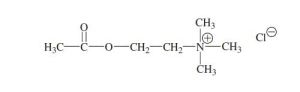
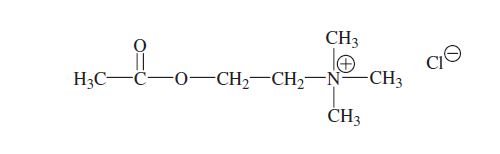
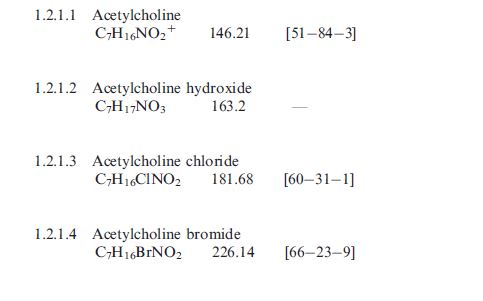
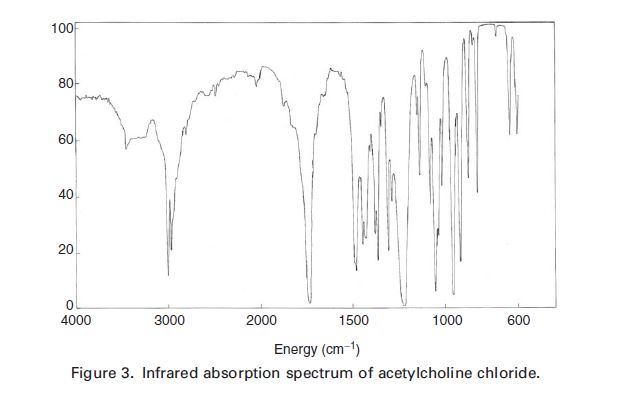
Acetylcholine Chloride


Acetylcholine Chloride

2-acetyloxyethyl(trimethyl)azanium;chloride

60-31-1

Molecular Formula: C7H16ClNO2
Molecular Weight: 181.66 g/mol

Acetylcholine chloride is obtained as white or off-white hygroscopic crystals, or as a crystalline powder. The salt is odorless, or nearly odorless, and is a very deliquescent powder. Acetylcholine bromide is obtained as deliquescent crystals, or as a white crystalline powder. The substance is hydrolyzed by hot water and alkali

Image result for acetylcholine chloride

Acetylcholine is an organic chemical that functions in the brain and body of many types of animals, including humans, as a neurotransmitter—a chemical released by nerve cells to send signals to other cells. Its name is derived from its chemical structure: it is an ester of acetic acid and choline. Parts in the body that use or are affected by acetylcholine are referred to as cholinergic. Substances that interfere with acetylcholine activity are called anticholinergics.

Acetylcholine is the neurotransmitter used at the neuromuscular junction—in other words, it is the chemical that motor neurons of the nervous system release in order to activate muscles. This property means that drugs that affect cholinergic systems can have very dangerous effects ranging from paralysis to convulsions. Acetylcholine is also used as a neurotransmitter in the autonomic nervous system, both as an internal transmitter for the sympathetic nervous system and as the final product released by the parasympathetic nervous system.

Inside the brain, acetylcholine functions as a neuromodulator—a chemical that alters the way other brain structures process information rather than a chemical used to transmit information from point to point. The brain contains a number of cholinergic areas, each with distinct functions. They play an important role in arousal, attention, and motivation.

Partly because of its muscle-activating function, but also because of its functions in the autonomic nervous system and brain, a large number of important drugs exert their effects by altering cholinergic transmission. Numerous venoms and toxins produced by plants, animals, and bacteria, as well as chemical nerve agents such as Sarin, cause harm by inactivating or hyperactivating muscles via their influences on the neuromuscular junction. Drugs that act on muscarinic acetylcholine receptors, such as atropine, can be poisonous in large quantities, but in smaller doses they are commonly used to treat certain heart conditions and eye problems. Scopolamine, which acts mainly on muscarinic receptors in the brain, can cause delirium and amnesia. The addictive qualities of nicotine derive from its effects on nicotinic acetylcholine receptors in the brain.

Chemistry

Acetylcholine is a choline molecule that has been acetylated at the oxygen atom. Because of the presence of a highly polar, charged ammonium group, acetylcholine does not penetrate lipid membranes. Because of this, when the drug is introduced externally, it remains in the extracellular space and does not pass through the blood–brain barrier. A synonym of this drug is miochol.

History

Acetylcholine (ACh) was first identified in 1915 by Henry Hallett Dale for its actions on heart tissue. It was confirmed as a neurotransmitter by Otto Loewi, who initially gave it the name Vagusstoff because it was released from the vagus nerve. Both received the 1936 Nobel Prize in Physiology or Medicine for their work. Acetylcholine was also the first neurotransmitter to be identified.

Image result for acetylcholine chloride

CLIP

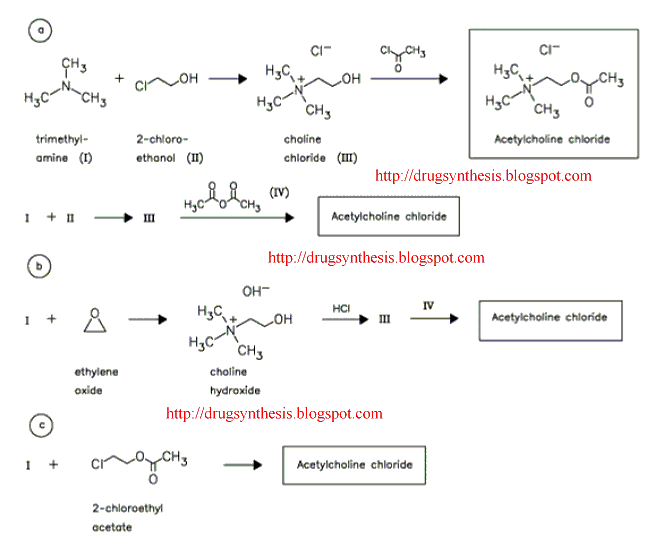
Laboratory Synthesis Of Acetylcholine chloride

Acetylcholine chloride Chemical Name: 2- (acetyl oxy)- N ,N ,N- tri methyl ethan aminium chloride

Acetylcholine chloride Use: parasympathomimetic, miotic, vasodilator (peripheral)

Acetylcholine chloride MW: 181.66

Acetylcholine chloride MF: C7H16ClNO2

Acetylcholine chloride LD50: 10 mg/kg (M, i.v.); 3 g/kg (M, p.o.);

22 mg/kg (R, i.v.); 2500 mg/kg (R, p.o.)

Reference(s):

  1. Baeyer, A. v.: Justus Liebigs Ann. Chem. (JLACBF) 142, 235 (1867).
  2. Nothnagel: Arch. Pharm. (Weinheim, Ger.) (ARPMAS) 232, 265 (1894).
  3. Fourneau, E.; Page, H.J.: Bull. Soc. Chim. Fr. (BSCFAS) [4] 15, 544 (1914).
  4. DE 801 210 (BASF; appl. 1948).
  5. US 1 957 443 (Merck & Co.; 1934; appl. 1931).
  6. US 2 012 268 (Merck & Co.; 1935; appl. 1931).
  7. US 2 013 536 (Merck & Co.; 1935; appl. 1931).

Image result for acetylcholine chloride

Acetylcholine
Acetylcholine.svg
IUPAC name 2-Acetoxy-N,N,N-trimethylethanaminium
Abbreviation ACh
Sources motor neuronsparasympathetic nervous system, brain
Targets skeletal muscles, brain, many other organs
Receptors nicotinicmuscarinic
Agonists nicotinemuscarinecholinesterase inhibitors
Antagonists tubocurarineatropine
Precursor cholineacetyl-CoA
Synthesizing enzyme choline acetyltransferase
Metabolizing enzyme acetylcholinesterase
Database links
CAS Number 51-84-3 Yes
PubChem CID: 187
IUPHAR/BPS 294
DrugBank EXPT00412 Yes
ChemSpider 182 Yes
KEGG C01996 

Image result for acetylcholine chloride

Image result for acetylcholine chloride

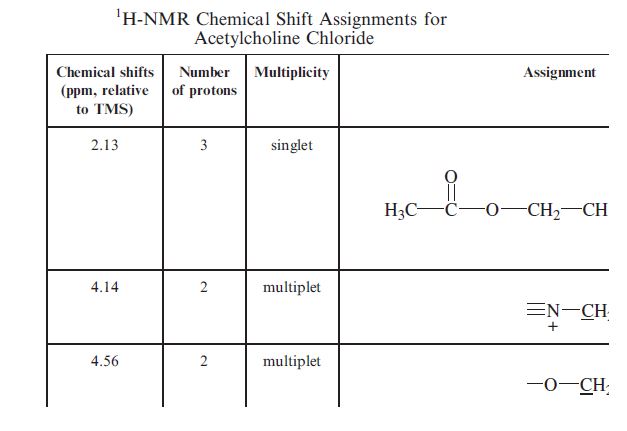
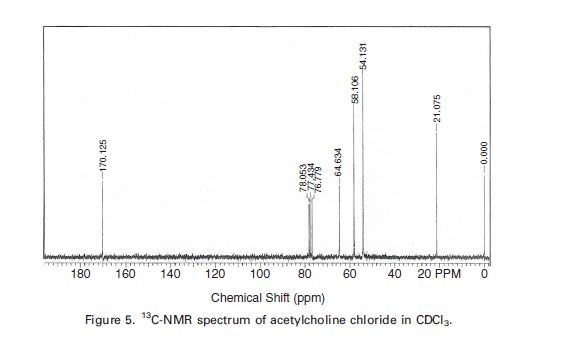
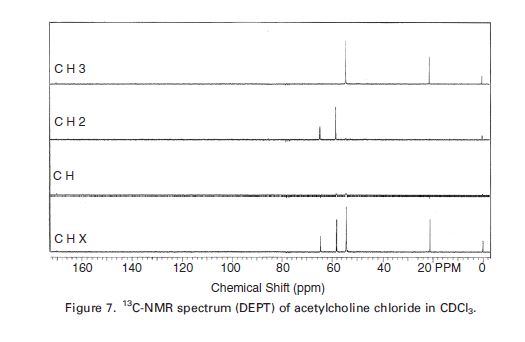
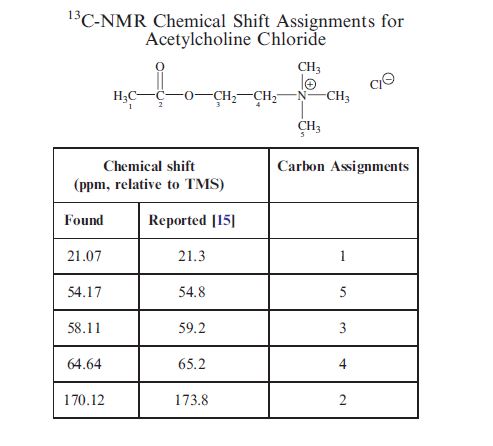
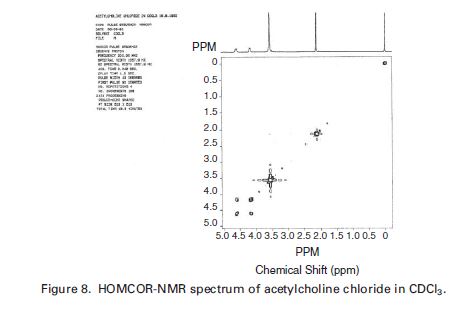
1H NMR PREDICT


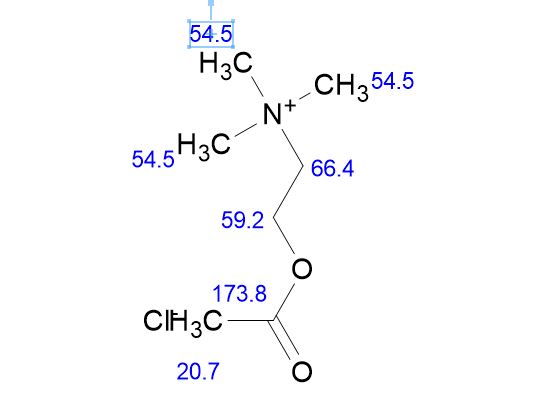
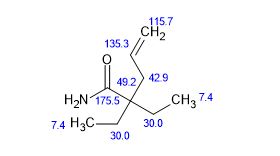
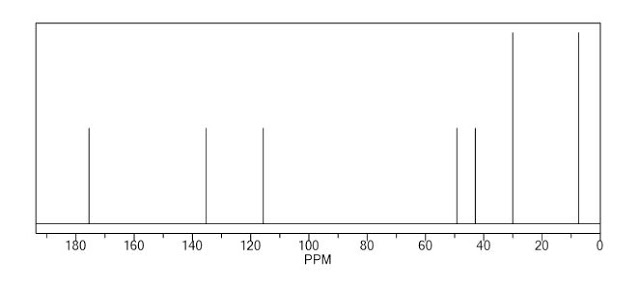
13 C NMR PREDICT


/////////CC(=O)OCC[N+](C)(C)C.[Cl-]

Valdetamide


Image result for Valdetamide

CAS Registry Number: 512-48-1

CAS Name: 2,2-Diethyl-4-pentenamide

Additional Names: diethylallylacetamide

Trademarks: Novonal (Hoechst)

Molecular Formula: C9H17NO

Molecular Weight: 155.24

Percent Composition: C 69.63%, H 11.04%, N 9.02%, O 10.31%

Literature References: Description: Bockmühl, Schaumann, Dtsch. Med. Wochenschr. 54, 270 (1928). Pharmacokinetics and metabolism: H. Uehleke, M. Brinkschulte-Freitas, Arch. Pharmacol. 302, 11 (1978). TLC determn in urine: E. Klug, P. Toffel, Arzneim.-Forsch. 29, 1651 (1979).

Properties: White powder, mp 75-76°. Sol in 120 parts water; freely sol in alcohol, ether.

Melting point: mp 75-76°

Therap-Cat: Sedative, hypnotic.

Keywords: Sedative/Hypnotic; Amides.

Valdetamid (Valdetamide)

Structural formula

UV – spectrum

Conditions : Concentration – 50 mg / 100 ml
The solvent designation schedule methanol

Water

0.1 M HCl

0.1M NaOH

maximum absorption
ε

IR – spectrum

Wavelength (μm)
Wave number (cm -1 )

Range
10 largest peaks:
Peak 53 55 57 67 69 81 112 126 127 140
Value 152 848 115 141 929 156 286 999 338 238

References

  • UV and IR Spectra. H.-W. Dibbern, RM Muller, E. Wirbitzki, 2002 ECV

  • NIST / EPA / NIH Mass Spectral Library 2008

  • Handbook of Organic Compounds. NIR, IR, Raman, and UV-Vis Spectra Featuring Polymers and Surfactants, Jr., Jerry Workman.Academic Press, 2000.

  • Handbook of ultraviolet and visible absorption spectra of organic compounds, K. Hirayama. Plenum Press Data Division, 1967.

Brief background information

Salt ATC Formula MM CAS
N05C 9 H 17 NO 155.24 g / mol 512-48-1

Using

  • hypnotic

Classes substance

  • Amides

Synthesis Way

Synthesis of a)

Trade names

A country Tradename Manufacturer
Germany Arantxa Hoechst
Betadorm-H Woelm
insomnia ICN
Nokturetten Starke
New Dolestan Much
Ukraine no no

Formulations

  • dragees 50 mg;

  • 300 mg Tablets

References

  • DRP 473 329 (IG Farben; appl 1925.).

  • DRP 616 876 (IG Farben; appl 1930.).

  • DRP 622 875 (IG Farben; appl 1931.).

  • GB 253,950 (IG Farben; appl 1926;.. D-prior 1925).
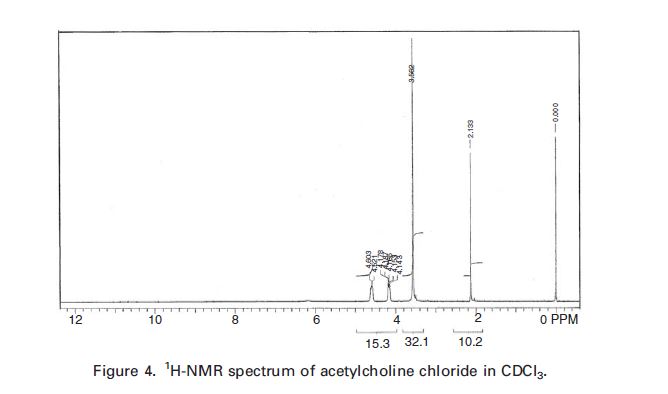
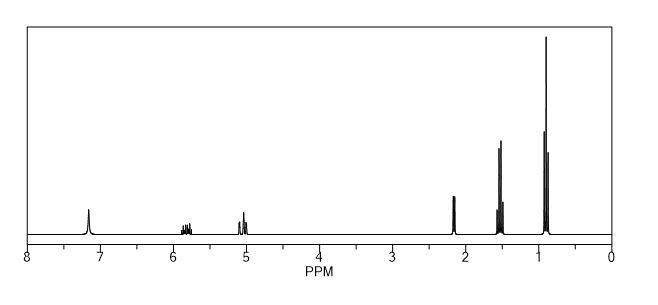
1H NMR PREDICT

13C NMR PREDICT

/////////

ENHANCED ANALYTICAL METHOD CONTROL STRATEGY CONCEPT


DR ANTHONY MELVIN CRASTO Ph.D's avatarDRUG REGULATORY AFFAIRS INTERNATIONAL

Image result for ANALYTICAL METHOD CONTROL STRATEGY

ENHANCED ANALYTICAL METHOD CONTROL STRATEGY CONCEPT

The benefits of quality by design (QbD) concepts related to both product (ICH Q8)1 and drug substance (ICH Q11)2 are well-established, particularly in regards to the potential to use knowledge to affect process changes without major regulatory hurdles, i.e., revalidation/regulatory filing, etc. Less wellestablished, but potentially of significant value, is the application of the same concepts to analytical methods.

Analytical methods play an obvious key role in establishing the quality of final product as they establish conformance with product acceptance criteria (i.e., specifications) and indicate the integrity of the product through indication of product stability. Analytical methods are validated, like manufacturing processes, but what if the operational ranges could be established during method validation when demonstrating fitness for purpose?

Would it be possible to drive method improvement, especially post validation in the same way that the concept of continuous improvement is a key driver for…

View original post 414 more words

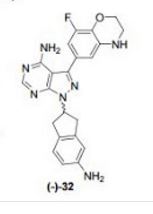
Discovery of Pyrazolopyrimidine Derivatives as Novel Dual Inhibitors of BTK and PI3Kδ


str2

(-)-32 as an off-white solid.
Analytical data
LCMS 418 [M+H]+1
H NMR (400 MHz, DMSO-d6) δ 8.23 (s, 1H), 6.88 (d, J = 8.0 Hz, 1H), 6.68 (s, 1H), 6.61 (dd,J = 11.2, 2.0 Hz, 1H), 6.49-6.38 (m, 2H), 6.33 (s, 1H), 5.61 (m, 1H), 4.88 (s, 2H), 4.20(t, J = 4.3 Hz, 2H), 3.35-3.18 (m, 6H).
Optical rotation [α]D20 -38.5° (c = 0.107, DMSO)


PAPER

Discovery of Pyrazolopyrimidine Derivatives as Novel Dual Inhibitors of BTK and PI3Kδ

Medivation, Inc., 525 Market Street, 36th Floor, San Francisco, California 94105, United States
Integral BioSciences, Pvt. Ltd., C-64, Hosiery Complex Phase II Extension, Noida, Uttar Pradesh 201306, India
§ Curadev, Pvt. Ltd., B-87, Sector 83, Noida, Uttar Pradesh 201305, India
Fundación Ciencia y Vida, Avenida Zañartu 1482, Ñuñoa, Santiago 7780272, Chile
Departamento de Ciencias Biológicas, Facultad de Ciencias Biológicas, Universidad Andrés Bello, Santiago 8370146, Chile
ACS Med. Chem. Lett., Article ASAP
DOI: 10.1021/acsmedchemlett.6b00356

Image result for Medivation, Inc

Son Pham

Son Pham

Associate Director, Medicinal Chemistry at Medivation

Roopa Rai

Roopa Rai

Sr. Director, Medicinal Chemistry at Medivation

 str0

Brahmam Pujala

Brahmam Pujala

Senior Research Scientist at Integral Biosciences

Ashu Gupta

Ashu Gupta

Research Scientist at Integral Biosciences

rambabu guguloth

Rambabu guguloth

Abstract

Abstract Image

The aberrant activation of B-cells has been implicated in several types of cancers and hematological disorders. BTK and PI3Kδ are kinases responsible for B-cell signal transduction, and inhibitors of these enzymes have demonstrated clinical benefit in certain types of lymphoma. Simultaneous inhibition of these pathways could result in more robust responses or overcome resistance as observed in single agent use. We report a series of novel compounds that have low nanomolar potency against both BTK and PI3Kδ as well as acceptable PK properties that could be useful in the development of treatments against B-cell related diseases.

Image result for Curadev

Monali Banerjee

Director, R&D

Ms. Banerjee has more than 10 years of research experience, during which she has held positions of increasing responsibility. Her past organizations include TCG Lifesciences (Chembiotek) and Sphaera Pharma. Ms. Banerjee is a versatile scientist with a deep understanding of the fundamental issues that underlie various aspects of drug discovery. At Curadev, she has been responsible for target selection, patent analysis, pharmacophore design, assay development, ADME/PK and in vivo and in vitro pharmacology. Ms. Banerjee holds a Masters in Biochemistry and a Bachelors in Chemistry both from Kolkata University.

Nidhi Adlaka & Neha Munjal are developing a bioprocess for butanediol. Over the next few decades, chemical routes of manufacture will gradually be replaced by more environment friendly biological methods.Nidhi Adlaka & Neha Munjal are developing a bioprocess for butanediol. Over the next few decades, chemical routes of manufacture will gradually be replaced by more environment friendly biological methods.
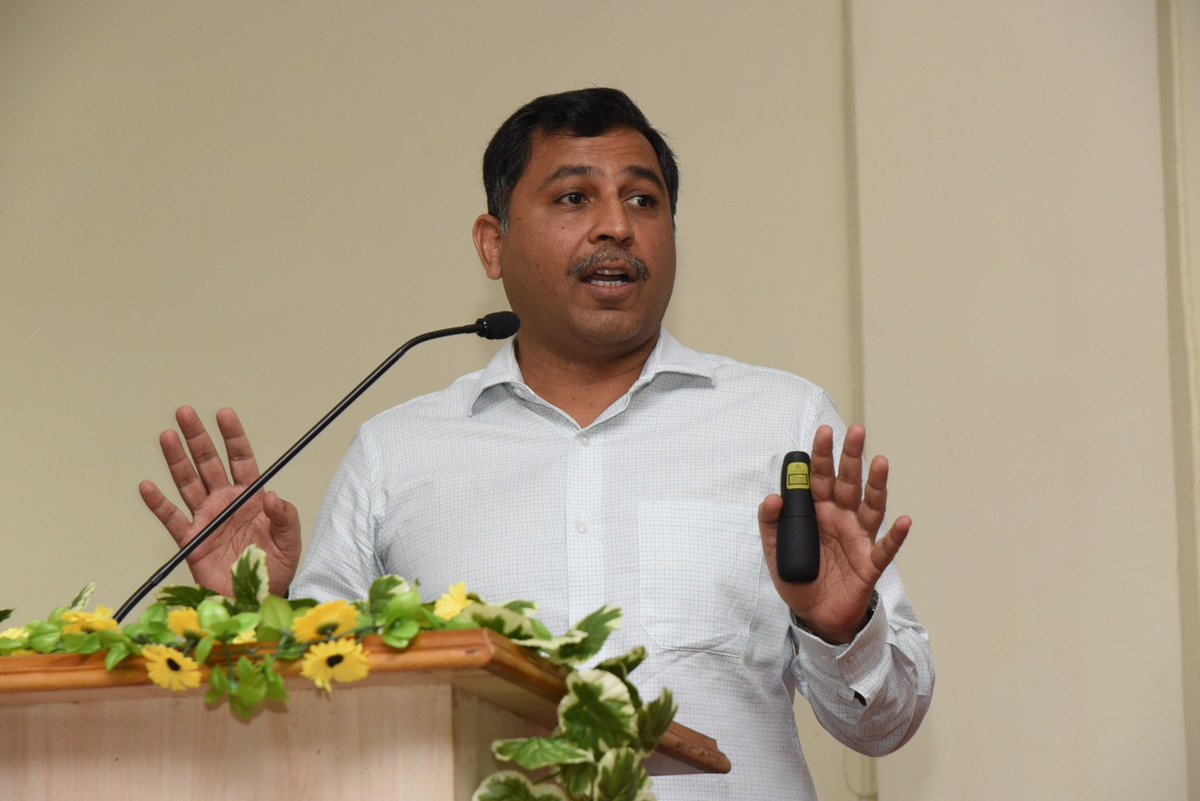
Image result for Arjun Surya CURADEV

Dr. Arjun Surya, CSO, Curadev enthralling participants with anecdotes of his entrepreneurial jrney in drugdiscovery

Manish Tandon

Manish Tandon

Co-founder Curadev Pharma Pvt Ltd

//////////////B-cell BCR BTK inhibitor p110δ PI3K pyrazolopyrimidineNovel Dual Inhibitors, BTK , PI3Kδ, Medivation, Integral BioSciences,  Curadev, Fundación Ciencia y Vida, Departamento de Ciencias Biológicas,

Nc1ccc2CC(Cc2c1)n6nc(c3cc(F)c4OCCNc4c3)c5c(N)ncnc56