
 DRUG APPROVALS BY DR ANTHONY MELVIN CRASTO
.....FOR BLOG HOME CLICK HERE
DRUG APPROVALS BY DR ANTHONY MELVIN CRASTO
.....FOR BLOG HOME CLICK HEREFlag and hits
ORGANIC SPECTROSCOPY

SUBSCRIBE

 Subscribe in a reader
Enter your email address:
Delivered by FeedBurner
Subscribe to New Drug Approvals by Email


Recent Comments
 | shivkr2 on SPSR Excellence Award 2025 – S… |
 | Bonkasaurus on Infigratinib phosphate |
 | PALOVAROTENE | ORGAN… on Palovarotene |
| Pfizer just purchase… on Temanogrel | |
| Pfizer To Cash In On… on Temanogrel |
Civorebrutinib


Civorebrutinib
WS-413, 933NK55FMX
5-amino-3-[4-(5-chloropyridin-2-yl)oxyphenyl]-1-[(6R)-4-cyano-4-azaspiro[2.5]octan-6-yl]pyrazole-4-carboxamide
| Molecular Weight | 463.92 |
|---|---|
| Formula | C23H22ClN7O2 |
| CAS No. | 2155853-43-1 |
Civorebrutinib (WS-413) is a Bruton’s tyrosine kinase inhibitor with antineoplastic effect.
Scheme


Patent
Zhejiang Yukon Pharma Co., Ltd. WO2017198050
WO2019091440
WO2019091438
PATENT
WO2019091441
https://patentscope.wipo.int/search/en/detail.jsf?docId=WO2019091441&_cid=P10-MADPL7-76599-1
[0116]Preparation of (R)-5-amino-3-(4-((5-chloropyridin-2-yl)oxy)phenyl)-1-(4-cyano-4-azaspiro[2.5]octan-6-yl)-1H-pyrazole-4-carboxamide (Compound 1)
[0119]
[0120]DIPEA (185 g, 1.44 mol, 250 mL, 3 eq) was added to a solution of intermediate compound 11 (167 g, 479 mmol, 1 eq) in EtOH (1670 mL) at 0 ° C. Intermediate compound 17 (187 g, 575 mmol, 1.2 eq) was added to the mixture. The mixture was then stirred at 25 ° C for 12 h under a N2 atmosphere. LCMS (ET14245-55-P1A2, product: RT = 1.723 min) showed that the reaction was complete. The reaction was filtered to obtain the product. The product was used directly in the next step without purification. Intermediate compound 18 (243 g, 407 mmol, yield 85%, purity 93.1%) was obtained as a white solid.
[0122]
[0123]Intermediate compound 18 (121 g, 218 mmol, 1 eq) was stirred in H
2 SO
4 (1200 mL) at 30° C. for 36 h. TLC (DCM: MeOH=10:1, Rf=0.9) showed that compound 18 was completely consumed and only one desired spot was formed (DCM: MeOH=10:1, Rf=0.2). Multiple batches of reaction mixtures were combined, and the combined mixture was poured into MTBE (20 L), solids were precipitated and the filtrate was collected by suction filtration. The pH of the filtrate was adjusted to 10 with aqueous ammonia, extracted with EtOAc (2 L x 10), dried with Na
2 SO
4 , filtered and concentrated under reduced pressure to give intermediate compound 19 (crude product 311 g, equivalent to 238 g product) as a yellow solid.
[0125]
[0126]To a solution of intermediate compound 19 (199 g, 453 mmol, 1 eq) in DMF (1400 mL) was added cesium carbonate (295 g, 907 mmol, 2 eq) and stirred at 15 ° C for 0.5 hours. Then BrCN (52.8 g, 499 mmol, 36.7 mL, 1.1 eq) was added and stirred at 15 ° C for 2 hours. TLC (DCM: MeOH = 10: 1, R
f = 0.2) showed that compound 19 was completely reacted and only one desired spot was generated (DCM: MeOH = 10: 1, R
f = 0.6). Multiple batches of reaction mixtures were combined and the resulting mixture was filtered to remove cesium carbonate. The filtrate was then concentrated under reduced pressure to remove DMF. The residue was diluted with water (2 L) and extracted with ethyl acetate (1 L × 4). The organic phases were combined and washed with water (2 L × 2) and brine (2 L), dried over sodium sulfate, filtered and concentrated under reduced pressure. Acetonitrile (1 L) was added to the residue to precipitate a white solid, which was filtered and the filter cake was washed with acetonitrile (200 mL×2) to give Compound 1 (140 g, 302 mmol, yield 55%, purity 97.0%).
[0127]
1H NMR:CDCl 3400MHzδ8.05(d,J=2.4Hz,1H),7.60(dd,J=2.4,8.8Hz,1H),7.51(d,J=8.8Hz,2H),7.15(d,J=8.8Hz,2H),6.86(d,J=8.8Hz,1H),5.60(s,2H),5.23(br.s.,2H),4.22-4.16(m,1H),3.59-3.41(m,2H),2.39-2.24(m,2H),2.12-2.09(m,1H),1.23-1.10(m,2H),0.80-0.74(m,2H),0.62-0.61(m,1H).
////////Civorebrutinib, WS-413, WS 413, 933NK55FMX
Cinsebrutinib


Cinsebrutinib
CAS 2724962-58-5
2-fluoro-1-[(3S)-1-prop-2-enoylpiperidin-3-yl]-5,6,7,8,9,10-hexahydrocyclohepta[b]indole-4-carboxamide
- 2-fluoro-1-[(3S)-1-(prop-2-enoyl)piperidin-3-yl]-5,6,7,8,9,10-hexahydrocyclohepta[b]indole-4-carboxamide
- 2-fluoro-1-[(3S)-1-prop-2-enoylpiperidin-3-yl]-5,6,7,8,9,10-hexahydrocyclohepta[b]indole-4-carboxamide
| Molecular Weight | 383.46 |
|---|---|
| Formula | C22H26FN3O2 |
CINSEBRUTINIB is a small molecule drug with a maximum clinical trial phase of II and has 1 investigational indication.
Cinsebrutinib is a Bruton’s tyrosine kinase inhibitor, extracted from patent WO2021207549 (compound 5-6). Cinsebrutinib has the potential for cancer study.
SCHEME
INTERMEDIATE

MAIN

SYN
5-6 enantiomer A [WO2021207549A1]
GB005, Inc. WO2021207549
WO2021207549
https://patentscope.wipo.int/search/en/detail.jsf?docId=WO2021207549&_cid=P22-MAAYAJ-91905-1
EXAMPLES 5-5, 5-6, 5-7
Preparation of rac-1-(1-acryloylpiperidin-3-yl)-2-fluoro-5,6,7,8,9,10-hexahydrocyclo- hepta[b]indole-4-carboxamide (Compound 5-5), (S)-1-(1-acryloylpiperidin-3-yl)-2-fluoro-5,6,7,8,9,10-hexahydrocyclohepta[b]indole-4-carboxamide (Compound 5-6) and (R)-1-(1-acryloylpiperidin-3-yl)-2-fluoro-5,6,7,8,9,10-hexahydrocyclohepta[b]indole-4- carboxamide (Compound 5-7)

STEP 1: 5-bromo-4-fluoro-2-iodoaniline
To a solution of 3-bromo-4-fluoroaniline (100.0 g, 526.3 mmol) in acetic acid (500 mL) was added N-iodosuccinimide (124.3 g, 552.5 mmol) in portions at 25 °C.
The reaction mixture was stirred for 2 hours at 25 °C. The mixture was concentrated under vacuum. The residue was diluted with saturated aqueous sodium carbonate (500 mL) and extracted with ethyl acetate (500 mL x 3). The combined organic layers were washed with water (500 mL) and brine (500 mL), dried over anhydrous sodium sulfate and concentrated under vacuum. The residue was triturated with mixed solvents of ethyl acetate and petroleum ether (300 mL, 1:4, v/v) and filtered. The solid was washed with mixed solvents of ethyl acetate and petroleum ether (50 mL x 2, 1:4, v/v) and dried under reduced pressure to give 5-bromo-4-fluoro-2-iodoaniline (88.6 g, 53%) as a light blue solid.1H NMR (300 MHz, DMSO-d6) δ 7.55 (d, J = 8.1 Hz, 1H), 6.98 (d, J = 6.3 Hz, 1H), 5.27 (brs, 2H).
STEP 2: (5-bromo-4-fluoro-2-iodophenyl)hydrazine hydrochloride
To a stirred suspension of 5-bromo-4-fluoro-2-iodoaniline (88.6 g, 280.5 mmol) in concentrated hydrochloric acid (443 mL) was added dropwise a solution of sodium nitrite (23.22 g, 337.0 mmol) in water (90 mL) at 0 °C. After stirring for 1 hour at 0 °C, the resulting mixture was added dropwise to a solution of stannous chloride dihydrate (126.61 g, 561.1 mmol) in concentrated hydrochloric acid (295 mL) at 0 °C and stirred for 1 hour at this temperature. The precipitate was collected by filtration, washed with concentrated hydrochloric acid (150 mL x 5) and ethyl acetate (300 mL), dried under reduced pressure to give (5-bromo-4-fluoro-2-iodophenyl)hydrazine hydrochloride (100.3 g, crude) as a light yellow solid.1H NMR (400 MHz, DMSO-d6) δ 10.23 (brs, 3H), 7.89 (d, J = 8.0 Hz, 1H), 7.82 (brs, 1H), 7.31-7.22 (m, 1H).
STEP 3: 1-(5-bromo-4-fluoro-2-iodophenyl)-2-cycloheptylidenehydrazine To a solution of (5-bromo-4-fluoro-2-iodophenyl)hydrazine hydrochloride (80.0 g, 217.6 mmol) in methanol (400 mL) was added cycloheptanone (24.40 g, 217.6 mmol) at 20 °C. The reaction mixture was stirred for 1 hour at 20 °C. The precipitate was collected by filtration and dried under reduced pressure to give 1-(5-bromo-4-fluoro-2-iodophenyl)-2-cycloheptylidenehydrazine (72.0 g, 78%) as an off-white solid.
1H NMR (400 MHz, DMSO-d6) δ 7.77 (d, J = 8.0 Hz, 1H), 7.44 (d, J = 6.8 Hz, 1H), 7.39 (brs, 1H), 2.50-2.44 (m, 4H), 1.80-1.67 (m, 2H), 1.64-1.48 (m, 6H).
STEP 4: 1-bromo-2-fluoro-4-iodo-5,6,7,8,9,10-hexahydrocyclohepta[b]indole A mixture of 1-(5-bromo-4-fluoro-2-iodophenyl)-2-cycloheptylidenehydrazine (72.0 g, 169.4 mmol) and concentrated sulfuric acid (18 mL) in methanol (360 mL) was stirred for 16 hours at 80 °C. The methanol was removed under reduced pressure. The residue was basified with saturated aqueous sodium carbonate until pH = 10 and extracted with ethyl acetate (600 mL x 3). The combined organic layers were washed with water (500 mL x 2) and brine (500 mL), dried over anhydrous sodium sulfate and
filtered. The filtrate was concentrated under vacuum to give 1-bromo-2-fluoro-4-iodo-5,6,7,8,9,10-hexahydrocyclohepta[b]indole (43.0 g, 80% purity, 50%) as a brown solid.
1H NMR (300 MHz, DMSO-d6) δ 10.95 (s, 1H), 7.37 (d, J = 8.7 Hz, 1H), 3.23-3.15 (m, 2H), 2.94-2.85 (m, 2H), 1.89-1.76 (m, 2H), 1.72-1.58 (m, 4H).
STEP 5: 1-bromo-2-fluoro-5,6,7,8,9,10-hexahydrocyclohepta[b]indole-4- carbonitrile
A mixture of 1-bromo-2-fluoro-4-iodo-5,6,7,8,9,10-hexahydrocyclohepta[b]indole (43.0 g, 80% purity, 84.3 mmol), zinc cyanide (4.95 g, 42.2 mmol) and tetrakis(triphenylphosphine)palladium (9.74 g, 8.4 mmol) in N,N-dimethylformamide (215 mL) was degassed and backfilled with nitrogen for three times. The reaction mixture was stirred under nitrogen at 90 °C for 2 hours. The cooled reaction mixture was diluted with water (1 L) and extracted with ethyl acetate (800 mL x 3). The combined organic layers were washed with water (500 mL x 3) and brine (800 mL), dried over anhydrous sodium sulfate, filtered and concentrated under vacuum. The residue was triturated with acetonitrile (100 mL) and filtered. The solid was washed with acetonitrile (30 mL x 2) and dried under reduced pressure to give 1-bromo-2-fluoro-5,6,7,8,9,10-hexahydrocyclohepta[b]indole-4-carbonitrile (25.5 g, 94%) as a light yellow solid. ESI-MS [M-H]- calculated for (C14H12BrFN2) 305.02, 307.02, found: 304.95, 306.95.1H NMR (300 MHz, DMSO-d6) δ 11.99 (s, 1H), 7.58 (d, J = 9.0 Hz, 1H), 3.24-3.17 (m, 2H), 2.91-2.85 (m, 2H), 1.87-1.78 (m, 2H), 1.70-1.61 (m, 4H).
STEP 6: Tert-butyl 5-(4-cyano-2-fluoro-5,6,7,8,9,10- hexahydrocyclohepta[b]indol-1-yl)-3,6-dihydropyridine-1(2H)-carboxylate A mixture of 1-bromo-2-fluoro-5,6,7,8,9,10-hexahydrocyclohepta[b]indole-4-carbonitrile (25.0 g, 81.4 mmol), tert-butyl 5-(4,4,5,5-tetramethyl-1,3,2-dioxaborolan-2-yl)-3,6-dihydropyridine-1(2H)-carboxylate (30.2 g, 97.7 mmol), [1,1′-bis(diphenylphosphino)ferrocene]dichloro-palladium(II) (5.96 g, 8.1 mmol) and potassium phosphate (51.8 g, 244.2 mmol) in tetrahydrofuran (125 mL) and water (31 mL) was degassed and backfilled with nitrogen for three times and stirred for 2 hours at 60 °C under nitrogen atmosphere. The cooled mixture was diluted with water (600 mL) and extracted with ethyl acetate (500 mL x 3). The combined organic layers was washed with water (500 mL x 2) and brine (500 mL), dried over anhydrous sodium sulfate, filtered and concentrated under vacuum to give tert-butyl 5-(4-cyano-2-fluoro-5,6,7,8,9,10-hexahydrocyclohepta[b]indol-1-yl)-3,6-dihydropyridine-1(2H)-carboxylate (45 g, crude) as a brown solid, which was used directly in next step without purification. ESI-MS [M+H-tBu]+ calculated for (C24H28FN3O2) 354.22, found: 354.05.
STEP 7: Tert-butyl 5-(4-carbamoyl-2-fluoro-5,6,7,8,9,10- hexahydrocyclohepta[b]indol-1-yl)-3,6-dihydropyridine-1(2H)-carboxylate To a mixture of 5-(4-cyano-2-fluoro-5,6,7,8,9,10-hexahydrocyclohepta[b]indol-1-yl)-3,6-dihydro-pyridine-1(2H)-carboxylate (45 g, crude) in ethanol (100 mL), tetrahydrofuran (100 mL) and water (100 mL) was added Parkin’s catalyst (2.0 g, 4.68 mmol). The reaction mixture was stirred for 16 hours at 90 °C. The cooled mixture was diluted with water (500 mL) and extracted with ethyl acetate (500 mL x 3). The combined organic layers were washed with water (500 mL x 2) and brine (500 mL), dried over anhydrous sodium sulfate, filtered and concentrated under vacuum. The residue was purified by column chromatography on silica gel eluting with ethyl acetate in petroleum ether (0 to 60%) to give tert-butyl 5-(4-carbamoyl-2-fluoro-5,6,7,8,9,10-hexahydrocyclohepta[b]indol-1-yl)-3,6-dihydropyridine-1(2H)-carboxylate (20.0 g, 57% over two steps) as a light yellow solid. ESI-MS [M+H]+ calculated for (C24H30FN3O3) 428.23, found: 428.15.1H NMR (400 MHz, DMSO-d6) δ 10.77 (s, 1H), 8.02 (s, 1H), 7.46-7.38 (m, 2H), 5.79 (s, 1H), 4.10-3.97 (m, 1H), 3.95-3.83 (m, 1H), 3.80-3.57 (m, 1H), 3.51-3.23 (m, 1H), 2.99-2.85 (m, 2H), 2.82-2.69 (m, 2H), 2.30-2.21 (m, 2H), 1.86-1.72 (m, 2H), 1.70-1.50 (m, 4H), 1.41 (s, 9H).
STEP 8: Tert-butyl 3-(4-carbamoyl-2-fluoro-5,6,7,8,9,10- hexahydrocyclohepta[b]indol-1-yl)piperidine-1-carboxylate
To a solution of tert-butyl 5-(4-carbamoyl-2-fluoro-5,6,7,8,9,10-hexahydrocyclohepta[b]indol-1-yl)-3,6-dihydropyridine-1(2H)-carboxylate (20 g, 46.8 mmol) in ethanol (300 mL) and tetrahydrofuran (300 mL) was added 10% Pd/C (15.0 g) under nitrogen atmosphere. The reaction mixture was degassed and backfilled with hydrogen for three times and stirred for 4 days at 50 °C under hydrogen (2 atm). The cooled mixture was filtered. The filtrate was concentrated under vacuum. The residue was recrystallized with tetrahydrofuran (100 mL) and petroleum ether (100 mL) to give tert-butyl 3-(4-carbamoyl-2-fluoro-5,6,7,8,9,10-hexahydrocyclohepta[b]indol-1-yl)piperidine-1-carboxylate (12.1 g, 60%) as an off-white solid. ESI-MS [M+H]+ calculated for (C24H32FN3O3) 430.24, found: 430.25.1H NMR (400 MHz, DMSO-d6) δ 10.75 (s, 1H), 8.00 (s, 1H), 7.46-7.35 (m, 2H), 4.17-3.86 (m, 2H), 3.55-3.43 (m, 1H), 3.31-3.10 (m, 1H), 3.08-2.63 (m, 5H), 2.14-1.96 (m, 1H), 1.93-1.60 (m, 9H), 1.39 (s, 9H).
STEP 9: 2-fluoro-1-(piperidin-3-yl)-5,6,7,8,9,10-hexahydrocyclohepta[b]indole- 4-carboxamide hydrochloride
Tert-butyl 3-(4-carbamoyl-2-fluoro-5,6,7,8,9,10-hexahydrocyclohepta[b]indol-1-yl)piperidine-1-carboxylate (12.1 g, 28.2 mmol) was dissolved in hydrogen chloride (150 mL, 4 M in 1,4-dioxane) and the solution was stirred for 2 hours at 25 °C. The mixture was concentrated under vacuum to give 2-fluoro-1-(piperidin-3-yl)-5,6,7,8,9,10-hexahydrocyclohepta[b]indole-4-carboxamide hydrochloride (13.4 g, crude) as a yellow solid. ESI-MS [M+H]+ calculated for (C19H24FN3O) 330.19, found: 330.10.
STEP 10: 1-(1-acryloylpiperidin-3-yl)-2-fluoro-5,6,7,8,9,10- hexahydrocyclohepta[b]indole-4-carboxamide
To a mixture of 2-fluoro-1-(piperidin-3-yl)-5,6,7,8,9,10-hexahydrocyclohepta[b]indole-4-carboxamide hydrochloride (13.4 g, crude) and sodium bicarbonate (23.7 g, 282.0 mmol) in tetrahydrofuran (300 mL) and water (150 mL) was added acryloyl chloride (2.81 g, 31.0 mmol) at 0 °C. After stirring for 1 hour at 0 °C, the mixture was diluted with water (500 mL) and extracted with ethyl acetate (400 mL x 3). The combined organic layers were washed with water (500 mL x 2) and brine (500 mL), dried over anhydrous sodium sulfate, filtered and concentrated under vacuum. The residue was recrystallized with tetrahydrofuran (290 mL), methanol (48 mL) and petroleum ether (330 mL) to give 1-(1-acryloylpiperidin-3-yl)-2-fluoro-
5,6,7,8,9,10-hexahydrocyclohepta[b]indole-4-carboxamide (6.0 g, 56% over two steps) as a white solid. ESI-MS [M+H]+ calculated for (C22H26FN3O2) 384.20, found: 384.15.
STEP 11: (S)-1-(1-acryloylpiperidin-3-yl)-2-fluoro-5,6,7,8,9,10- hexahydrocyclohepta[b]indole-4-carboxamide and (R)-1-(1-acryloylpiperidin-3- yl)-2-fluoro-5,6,7,8,9,10-hexahydrocyclohepta[b]-indole-4-carboxamide
1-(1-acryloylpiperidin-3-yl)-2-fluoro-5,6,7,8,9,10-hexahydrocyclohepta[b]indole-4-carboxamide (6.0 g) was separated by Prep-SFC with the following conditions: Column: (R,R)-Whelk-01, 2.12 x 25 cm, 5 um; Mobile Phase A: CO2, Mobile Phase B: IPA/DCM = 5:1; Flow rate: 200 mL/min; Gradient: 50% B; 220 nm; Injection Volume: 19 mL; Number Of Runs: 29; RT1: 4.97 min to afford assumed (S)-1-(1-acryloylpiperidin-3-yl)-2-fluoro-5,6,7,8,9,10-hexahydrocyclohepta[b]indole-4-carboxamide (2.55 g, 43%) as an off-white solid and RT2: 8.2 min to afford assumed (R)-1-(1-acryloylpiperidin-3-yl)-2-fluoro-5,6,7,8,9,10-hexahydrocyclohepta[b]indole-4-carboxamide (2.63 g, 44%) as an off-white solid.
Compound 5-6
ESI-MS [M+H]+ calculated for (C22H26FN3O2) 384.20, found: 384.20.1H NMR (300 MHz, DMSO-d6) δ 10.75 (s, 1H), 8.00 (s, 1H), 7.49-7.31 (m, 2H), 6.93-6.72 (m, 1H), 6.18-6.02 (m, 1H), 5.73-5.56 (m, 1H), 4.67-4.42 (m, 1H), 4.27-4.05 (m, 1H), 3.63-3.41 (m, 1.5H), 3.19-3.02 (m, 1H), 3.00-2.79 (m, 4H), 2.70-2.62 (m, 0.5H), 2.21-2.02 (m, 1H), 2.01-1.87 (m, 1H), 1.86-1.61 (m, 7H), 1.57-1.37 (m, 1H).
Protein kinases are a large group of intracellular and transmembrane signaling proteins in eukaryotic cells. These enzymes are responsible for transfer of the terminal (gamma) phosphate from ATP to specific amino acid residues of target proteins.
Phosphorylation of specific amino acid residues in target proteins can modulate their activity leading to profound changes in cellular signaling and metabolism. Protein kinases can be found in the cell membrane, cytosol and organelles such as the nucleus and are responsible for mediating multiple cellular functions including metabolism, cellular growth and differentiation, cellular signaling, modulation of immune responses, and cell death. Serine kinases specifically phosphorylate serine or threonine residues in target proteins. Similarly, tyrosine kinases, including tyrosine receptor kinases, phosphorylate tyrosine residues in target proteins. Tyrosine kinase families include: TEC, SRC, ABL, JAK, CSK, FAK, SYK, FER, ACK and the receptor tyrosine kinase subfamilies including ERBB, FGFR, VEGFR, RET and EPH. Subclass I of the receptor tyrosine kinase superfamily includes the ERBB receptors and comprises four members: ErbB1 (also called epidermal growth factor receptor (EGFR)), ErbB2, ErbB3 and ErbB4.
Kinases exert control on key biological processes related to health and disease. Furthermore, aberrant activation or excessive expression of various protein kinases are implicated in the mechanism of multiple diseases and disorders characterized by benign and malignant proliferation, as well as diseases resulting from inappropriate activation of the immune system. Thus, inhibitors of select kinases or kinase families are considered useful in the treatment of cancer, vascular disease, autoimmune diseases, and inflammatory conditions including, but not limited to: solid tumors, hematological malignancies, thrombus, arthritis, graft versus host disease, lupus erythematosus, psoriasis, colitis, illeitis, multiple sclerosis, uveitis, coronary artery vasculopathy, systemic sclerosis, atherosclerosis, asthma, transplant rejection, allergy, ischemia, dermatomyositis, pemphigus, and the like.
Tec kinases are a family of non-receptor tyrosine kinases predominantly, but not exclusively, expressed in cells of hematopoietic origin. The Tec family includes TEC, Bruton’s tyrosine kinase (BTK), inducible T-cell kinase (ITK), resting lymphocyte kinase (RLK/TXK for Tyrosine Protein Kinase), and bone marrow-expressed kinase (BMX/ETK).
BTK is important in B-cell receptor signaling and regulation of B-cell development and activation. Mutation of the gene encoding BTK in humans leads to X-linked agammaglobulinemia which is characterized by reduced immune function, including impaired maturation of B-cells, decreased levels of immunoglobulin and peripheral B cells, and diminished T-cell independent immune response. BTK is activated by Src-family kinases and phosphorylates PLC gamma leading to effects on B-cell function and survival. Additionally, BTK is important for cellular function of mast cells, macrophage and neutrophils indicating that BTK inhibition is effective in treatment of diseases mediated by these and related cells including inflammation, bone disorders, and allergic disease. BTK inhibition is also important in survival of lymphoma cells indicating that inhibition of BTK is useful in the treatment of lymphomas and other cancers. As such, inhibitors of BTK and related kinases are of great interest as anti-inflammatory, as well as anti-cancer, agents. BTK is also important for platelet function and thrombus formation indicating that BTK-selective inhibitors are also useful as antithrombotic agents. Furthermore, BTK is required for inflammasome activation, and inhibition of BTK may be used in treatment of inflammasome-related disorders, including; stroke, gout, type 2 diabetes, obesity-induced insulin resistance, atherosclerosis and Muckle-Wells syndrome. In addition, BTK is expressed in HIV infected T-cells and treatment with BTK inhibitors sensitizes infected cells to apoptotic death and results in decreased virus production. Accordingly, BTK inhibitors are considered useful in the treatment of HIV-AIDS and other viral infections.
Further, BTK is important in neurological function. Specifically targeting BTK in the brain and CNS has the potential to significantly advance the treatment of neurological diseases such as progressive and relapsing forms of MS and primary CNS lymphoma (PCNSL).
PCNSL is a rare brain tumor with an annual incidence in the United States of approximately 1900 new cases each year and constitutes approximately 3% of all newly diagnosed brain tumors.
PCNSL is highly aggressive and unlike other lymphomas outside the CNS, prognosis remains poor despite improvements in treatments in the front-line setting. High dose methotrexate remains the backbone of treatment and is used in combination with other cytotoxic agents, and more recently the addition of rituximab. From initial diagnosis, 5-year survival has improved from 19% to 30% between 1990 and 2000 but has not improved in the elderly population (>70 years), due to 20% or more of these patients being considered unfit for chemotherapy. Tumor regression is observed in ~85% of patients regardless of the treatment modality in the front-line setting, however, approximately half of these patients will experience recurrent disease within 10 -18 months after initial treatment and most relapses occur within the first 2 years of diagnosis.
Thus, the prognosis for patients with relapsed/refractory PCNSL (R/R PCNSL) remains poor with a median survival of ~ 2 months without further treatment. As there is no uniform standard of care for the treatment of R/R PCNSL, participation in clinical trials is encouraged. New safe and effective treatments are urgently needed.
BTK is involved in the signal transduction in the B cell antigen receptor (BCR) signaling pathway and integrates BCR and Toll-like receptor (TLR) signaling. Genes in these pathways frequently harbor mutations in diffuse large B-cell lymphoma (DLBCL), including CD79B and myeloid differentiation primary response 88 (MyD88). Ibrutinib, a first-generation irreversible selective inhibitor of BTK, has been approved for chronic lymphocytic leukemia/small cell lymphocytic lymphoma (CLL/SLL), previously treated Mantle Cell lymphoma (MCL) and Marginal Zone
Lymphoma (MZL), Waldenström’s macroglobulin, and previously treated chronic Graft Versus Host Disease. In clinical studies the recommended dose of Ibrutinib (480 mg/d in CLL or 560 mg/d in MCL) was escalated to 840 mg to achieve adequate brain exposure in primary CNS lymphoma.
Aberrant activation of the NF-κB pathway in PCNSL is emerging as a potential mechanism for more targeted therapy. In particular, activating mutations of CARD11 as well as of MyD88 (Toll-like receptor pathway) have been implicated. The activating exchange of leucine to proline at position 265 of MyD88, noted to occur in between 38% (11/29) and50% (7/14) of patients, is the most frequent mutation identified thus far in PCNSL. In addition, the coding region of CD79B, a component of the B-cell receptor signaling pathway, appears to contain mutations in 20% of cases, suggesting that dysregulation of the B-cell receptor and NF-κB pathways contribute to the pathogenesis of PCNSL. These data suggest that BCR pathway mutations and BTK dependence are of particular relevance to PCNSL.
Recently, several clinical studies have reported substantial single-agent clinical activity in the treatment of PCNSL with response rates of 70-77%. The majority of patients, however, discontinued therapy by 9 months. Although Ibrutinib therapy has been reported to be generally well tolerated with manageable adverse events, there are reports of sometimes fatal fungal infections. Of note, escalating doses beyond 560 mg to 840mg/day have been used to achieve higher brain exposure and these higher doses may be associated with off-target effects mediated by Ibrutinib’s kinase selectivity profile. Finally, the combination of high dose Ibrutinib in conjunction with high-dose steroids may contribute to exacerbate the increased fungal infections. Therefore, there remains a need for BTK inhibitors with an improved efficacy and safety profile due to greater brain penetration and BTK inactivation rate with greater kinase selectivity.
There remains a need for compounds that modulate protein kinases generally, as well as compounds that modulate specific protein kinases, such as BTK, as well as compounds that modulate specific protein kinases and selectively cross the blood/brain barrier for related compositions and methods for treating diseases, disorders and conditions that would benefit from such modulation and selectivity.
/////////////Cinsebrutinib, 7BS8743F3E, PHASE 1
CEFILAVANCIN


CEFILAVANCIN, TD-1792
CAS 722454-12-8
C87H96Cl3N16O28S2, 1984.28
F76229E21M
Vancomycin, 26-[[[3-[[(Z)-[1-(2-amino-5-chloro-4-thiazolyl)-2-[[(6R,7R)-2-carboxy-8-oxo-3-(pyridiniomethyl)-5-thia-1-azabicyclo[4.2.0]oct-2-en-7-yl]amino]-2-oxoethylidene]amino]oxy]propyl]amino]carbonyl]-26-decarboxy-
1-{[(6R,7R)-7-[(2Z)-2-(2-amino-5-chloro-1,3-thiazol-4-yl)-2-[(3-{[(1S,2R,18R,19R,22S,25R,28R,40S)-48-{[(2S,3R,4S,5S,6R)-3-{[(2S,4S,5S,6S)-4-amino-5-hydroxy-4,6-dimethyloxan-2-yl]oxy}-4,5-dihydroxy-6-(hydroxymethyl)oxan-2-yl]oxy}-22-(carbamoylmethyl)-5,47-dichloro-2,18,32,35,37-pentahydroxy-19-[(2R)-4-methyl-2-(methylamino)pentanamido]-20,23,26,42,44-pentaoxo-7,13-dioxa-21,24,27,41,43-pentaazaoctacyclo[26.14.2.2^{3,6}.2^{14,17}.1^{8,12}.1^{29,33}.0^{10,25}.0^{34,39}]pentaconta-3,5,8,10,12(48),14,16,29(45),30,32,34(39),35,37,46,49-pentadecaen-40-yl]formamido}propoxy)imino]acetamido]-2-carboxylato-8-oxo-5-thia-1-azabicyclo[4.2.0]oct-2-en-3-yl]methyl}pyridin-1-ium
Phase III Skin and soft tissue infections
- OriginatorGlaxoSmithKline; Theravance
- DeveloperR-Pharm; Theravance Biopharma
- ClassAcetamides; Antibacterials; Azabicyclo compounds; Beta-lactams; Cephalosporins; Peptide antibiotics; Pyridines; Thiazoles
- Mechanism of ActionCell wall inhibitors
BUILDING BLOCK
Vancomycin,

| Formula | C66H75Cl2N9O24 |
| Molar mass | 1449.27 g·mol−1 |
Cefilavancin (TD-1792) is an experimental antibiotic medication developed for the treatment of bacterial infections such as drug-resistant strains of Staphylococcus aureus. It is a prodrug which is also a codrug, injected intravenously and then cleaved inside the body to two active components, one of which is a modified form of vancomycin and the other a cephalosporin antibiotic. In clinical trials cefilavancin has shown similar efficacy with reduced side effects compared to vancomycin itself.[1][2][3][4][5][6][7][8]
- 31 Jan 2020Cefilavancin is still in phase III trials for Skin and soft tissue infection in Russia and Georgia (R-Pharm pipeline, January 2020)
- 17 Jun 2015Phase II development is ongoing the USA
- 02 Jun 2014Theravance Biopharma is formed as a spin-off of Theravance
SCHEME

SYN
WO2003031449
https://patentscope.wipo.int/search/en/WO2003031449
cheme A
REF
Li, Huijuan; ET AL, Medicine (Philadelphia, PA, United States) (2022), 101(34), e30120
References
- ^ Long DD, Aggen JB, Chinn J, Choi SK, Christensen BG, Fatheree PR, et al. (October 2008). “Exploring the positional attachment of glycopeptide/beta-lactam heterodimers”. The Journal of Antibiotics. 61 (10): 603–614. doi:10.1038/ja.2008.80. PMID 19168974.
- ^ Tyrrell KL, Citron DM, Warren YA, Goldstein EJ (April 2012). “In vitro activity of TD-1792, a multivalent glycopeptide-cephalosporin antibiotic, against 377 strains of anaerobic bacteria and 34 strains of Corynebacterium species”. Antimicrobial Agents and Chemotherapy. 56 (4): 2194–2197. doi:10.1128/AAC.06274-11. PMC 3318369. PMID 22290981.
- ^ Stryjewski ME, Potgieter PD, Li YP, Barriere SL, Churukian A, Kingsley J, et al. (November 2012). “TD-1792 versus vancomycin for treatment of complicated skin and skin structure infections”. Antimicrobial Agents and Chemotherapy. 56 (11): 5476–5483. doi:10.1128/aac.00712-12. PMC 3486540. PMID 22869571.
- ^ Douglas EJ, Laabei M (September 2023). “Staph wars: the antibiotic pipeline strikes back”. Microbiology. 169 (9). Reading, England. doi:10.1099/mic.0.001387. PMC 10569064. PMID 37656158.
- ^ Surur AS, Sun D (2021). “Macrocycle-Antibiotic Hybrids: A Path to Clinical Candidates”. Frontiers in Chemistry. 9: 659845. Bibcode:2021FrCh….9..317S. doi:10.3389/fchem.2021.659845. PMC 8120311. PMID 33996753.
- ^ Saxena D, Maitra R, Bormon R, Czekanska M, Meiers J, Titz A, et al. (December 2023). “Tackling the outer membrane: facilitating compound entry into Gram-negative bacterial pathogens”. npj Antimicrobials and Resistance. 1 (1): 17. doi:10.1038/s44259-023-00016-1. PMC 11721184. PMID 39843585.
- ^ Koh AJ, Thombare V, Hussein M, Rao GG, Li J, Velkov T (2023). “Bifunctional antibiotic hybrids: A review of clinical candidates”. Frontiers in Pharmacology. 14: 1158152. doi:10.3389/fphar.2023.1158152. PMC 10313405. PMID 37397488.
- ^ Homer JA, Johnson RM, Koelln RA, Moorhouse AD, Moses JE (2024). “Strategic re-engineering of antibiotics”. Nature Reviews Bioengineering. doi:10.1038/s44222-024-00250-w.
| Clinical data | |
|---|---|
| Other names | TD-1792 |
| Routes of administration | Intravenous |
| Identifiers | |
| showIUPAC name | |
| CAS Number | 722454-12-8 |
| PubChem CID | 76960417 |
| DrugBank | DB05735 |
| ChemSpider | 34990483 |
| UNII | F76229E21M |
| ChEMBL | ChEMBL4297645 |
| Chemical and physical data | |
| Formula | C87H95Cl3N16O28S2 |
| Molar mass | 1983.27 g·mol−1 |
| 3D model (JSmol) | Interactive image |
| showSMILES | |
| showInChI | |
////////////CEFILAVANCIN, TD-1792, TD 1792, F76229E21M, цефилаванцин, 头孢拉凡星, سيفيلافانسين , GlaxoSmithKline, Theravance, PHASE 3
Levacetylleucine

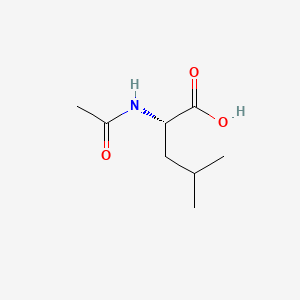

Levacetylleucine
WeightAverage: 173.212
Monoisotopic: 173.105193347
Chemical FormulaC8H15NO3
- N-Acetyl-L-leucine
- CAS 1188-21-2
- acetyl-L-leucine
- Ac-Leu-OH
- N-Acetylleucine
- NSC 206316
- UNII-E915HL7K2O
NSC-206316
(2S)-2-acetamido-4-methylpentanoic acid
FDA APPROVED 9/24/2024, To treat Niemann-Pick disease type C
Press Release
Drug Trials Snapshot
- Originator University of Munich; University of Oxford
- Developer IntraBio
- Class Acetamides; Amino acids; Esters; Neuroprotectants; Pentanoic acids; Small molecules; Vestibular disorder therapies
- Mechanism of Action Calcium channel modulators
- Orphan Drug StatusYes – Tay-Sachs disease; Niemann-Pick disease type C; Ataxia telangiectasia
Registered Niemann-Pick disease type C
- Phase IIIAtaxia telangiectasia
- Phase IISandhoff disease; Tay-Sachs disease
18 Mar 2025Phase-III clinical trials in Ataxia telangiectasia (In adolescents, In children, In the elderly, In adults) in Switzerland, Slovakia, Spain, Germany, USA, United Kingdom (PO) (NCT06673056)
- 04 Nov 2024IntraBio plans a phase III trial for Ataxia telangiectasia (In children, In adolescents, In adults, In elderly) in the US, Germany, Slovakia, Spain and Switzerland (PO, Suspension) in March 2025 (NCT06673056)
- 24 Sep 2024Registered for Niemann-Pick disease type C (In adolescents, In children, In adults) in USA (PO)
Levacetylleucine (N-acetyl-L-leucine), sold under the brand name Aqneursa, is a medication used for the treatment of neurological manifestations of Niemann-Pick disease type C.[1][2] Levacetylleucine is a modified version of the amino acid leucine.[1] It is the L-form of acetylleucine. It is taken by mouth.[1]
The most common side effects include abdominal pain, difficulty swallowing, upper respiratory tract infections, and vomiting.[1][2]
Levacetylleucine was approved for medical use in the United States in September 2024.[1][2][3] Levacetylleucine is the second medication approved by the US Food and Drug Administration (FDA) for the treatment of Niemann-Pick disease type C.[2] The FDA considers it to be a first-in-class medication.[4]
DATA
N-acetyl-D, L-leucine is the active ingredient of Tanganil ® which helps treat vertigo attacks.

N-Acetyl-D, L-leucine
Unlike the majority of chemical syntheses of active principles where it is desirable to separate the enanti omers and / or to retain the selective stereo information during the synthesis steps, the synthesis of N-acetyl-D, L-leucine is carried out from L-leucine and therefore involves a racemization step. This racemization takes place before the acetylation step, via a Schiff base formed in situ with salicylic aldehyde (Yamada et al., J. Org. Chem., 1983 48, 843- 846).

Two competitive reactions are then involved: the acetylation of leucine, the main reaction, where acetic anhydride reacts with the amine function of leucinate of sodium to give N-acetyleucinate and the hydrolysis of acetic anhydride to acetic acid, a side reaction described below.

This synthesis has a molar yield of 70%. The limiting steps are essentially the secondary reaction of hydrolysis of acetic anhydride and the step of isolation of the racemized leucine before the acetylation reaction. Indeed, on an industrial scale, the quantities of products brought into play for isolations prove to be very restrictive.
There is therefore a real need to develop a new process for the preparation of N-actéyl-D, L-leucine which is faster and more economical.
The inventors thus discovered that the racemization step could be carried out after the L-leucine acetylation step making it possible to avoid a step of isolating the intermediate product and that this process could be carried out in continuous flow. Du Vigneaud & Meyer (J. Biol Chem, 1932, 98, 295-308) had already shown that it was possible to racemize different acetylated amino acids by bringing them into the presence of acetic anhydride for several hours. However, no examples had been made with acetyl leucine. By attempting to reproduce this process with acetyl-leucine, the inventors have thus found that this racemization reaction did not give satisfactory results with acetyl-leucine because of a competitive hydrolysis reaction of acetic anhydride. used. The inventors have also surprisingly discovered that the racemization reaction of N-acetyl-L-leucine could be improved by producing it in a continuous flow. It seems indeed that the realization of this continuous flow process allows better control of the mixing of the reagents and therefore to better control the reaction. The inventors have also shown that the racemization of N-acetyl-L-Leucine in continuous flow was obtained in a very short time of the order of a few minutes.
Furthermore, there is also a need to develop a new method of acetylation of leucine for the preparation of N-actyle-leucine which is faster and more economical. The inventors have discovered that the acetylation reaction of leucine can be improved by making it in a continuous flow. The process according to the invention gives good yields, in a very short time and using fewer reagents compared to the method known hitherto.
Indeed, DeWitt et al. (J Am Chem Soc (1951) 73 (7) 3359-60) described the preparation of N-acetyl-L-Leucine by reacting L-Leucine with 3 molar equivalents of acetic anhydride and sodium hydroxide for 2 hours 20 minutes. . N-acetyl-L-leucine is then obtained in a yield of only 70-80%. In addition, the authors of this publication clearly indicated that a molar ratio between L-Leucine and acetic anhydride below 2 resulted in much lower yields.
SYNTHESIS
H. D. DeWitt and A. W. Ingersoll. The Preparation of Pure N-Acetyl-L-leucine and L-Leucine. Journal of the American Chemical Society 1951 73 (7), 3359-3360. DOI: 10.1021/ja01151a108
PATENT
https://patents.google.com/patent/WO2012038515A1/en
EXAMPLES
A. Acetylation of L-Leucine in Continuous Flow

A. L. Study of the molar ratio of acetic anhydride to leucine
The objective of this study is to define the necessary molar ratio of acetic anhydride so that the acetylation reaction with acetic anhydride is complete and is not disadvantageous by competition with the acetic anhydride hydrolysis reaction. In this study, the residence time in the reactor / exchanger (1 process plate) was set at 9 seconds, for a temperature of the reaction medium of between 25 and 30 ° C.
The ratio range studied is between 0.9 and 2.0 molar equivalents. The optimum is obtained for a ratio between 1.20 and 2.00, more particularly between 1.30 and 1.60. Below this ratio, the acetylation reaction is disadvantageous compared to the acetic hydrolysis reaction. Beyond this, the drop in pH (acid instead of base) also disadvantages the acetylation reaction.
EXAMPLES 1-10:
A solution of sodium L-leucinate, for passage in continuous flow reactor, is prepared in the following manner: 700 g of L-leucine are dissolved in a solution of 576 g of sodium hydroxide and 3.5 liters of Demineralized Water. This solution is the main fluid process. The reaction between this solution and the acetic anhydride is carried out in a continuous flow in a Boostec® reactor, made of silicon carbide. The reactor / exchanger is configured with an injection-type process plate comprised between two utility plates. The volume of the process plate is 10 mL. The temperature in the reactor is maintained by the circulation of a coolant heated by a thermostatic bath. The transformation of L-leucine to N-acetyl-L-leucine is monitored online by quantitative Raman spectroscopy. This method of analysis is calibrated beforehand with solutions of known concentration prepared with pure L-leucine and N-acetyl-L-leucine.
Example 1
The temperature of the thermostated bath is set at 25 ° C. The sodium leucinate solution and pure acetic anhydride are introduced into the reactor at respective flow rates set at 4.06 kg.h -1 and 0.42 kg h -1 . These flow rates correspond to a molar ratio of acetic anhydride to leucine of 0.91 equivalents. The total flow rate is therefore 4.48 kg.h -1 , which corresponds to a residence time (equivalent to the reaction time) of 8.7 s The yield of acetyl-L-leucinate determined by Raman spectroscopy online at the outlet of the reactor is 40% Example 2:
The temperature of the thermostated bath is set at 25 ° C. The sodium leucinate solution and pure acetic anhydride are introduced into the reactor at respective flow rates set at 3.95 kg · h -1 and 0.45 kg · h -1 . These flow rates correspond to a molar ratio of acetic anhydride to leucine of 1.01 equivalents. The total flow rate is therefore 4.40 kg.h -1 , which corresponds to a residence time of 8.9 S. The yield of acetyl-L-leucinate determined by in-line Raman spectroscopy at the outlet of the reactor is 52.degree. %.
Example 3
The temperature of the thermostated bath is set at 25 ° C. The sodium leucinate solution and pure acetic anhydride are introduced into the reactor at respective flow rates set at 3.89 kg · h -1 and 0.52 kg · h -1 . These flow rates correspond to a molar ratio of acetic anhydride to leucine of 1.18 equivalents. The total flow rate is therefore 4.41 kg.h -1 , which corresponds to a residence time of 8.9 S. The yield of acetyl-L-leucinate determined by in-line Raman spectroscopy at the outlet of the reactor is 57.degree. %. Example 4
The temperature of the thermostated bath is set at 25 ° C. The sodium leucinate solution and pure acetic anhydride are introduced into the reactor at respective flow rates set at 3.82 kg. h -1 and 0.57 kg h -1 . These flow rates correspond to a molar ratio of acetic anhydride to leucine of 1.32 equivalents. The total flow is therefore 4.39 kg. h “1 , which corresponds to a residence time of 8.9 S. The yield of acetyl-L-leucinate determined by in-line Raman spectroscopy at the outlet of the reactor is 83%.
Example 5
The temperature of the thermostated bath is set at 25 ° C. The sodium leucinate solution and pure acetic anhydride are introduced into the reactor at respective rates set at 3.64 kg. h -1 and 0.55 kg h -1 . These flow rates correspond to a molar ratio of acetic anhydride to leucine of 1.34 equivalents. The total flow is therefore 4, 19 kg. h “1 , which corresponds to a residence time of 9.4 s The yield of acetyl-L-leucinate determined by in-line Raman spectroscopy at the outlet of the reactor is 98%.
Example 6
The temperature of the thermostated bath is set at 25 ° C. The sodium leucinate solution and pure acetic anhydride are introduced into the reactor at respective rates set at 3.66 kg. h 1 and 0.62 kg h -1 . These flow rates correspond to a molar ratio of acetic anhydride to leucine of 1.50 equivalents. The total flow is therefore 4.28 kg. h “1 , which corresponds to a residence time of 9.2 s The yield of acetyl-L-leucinate determined by in-line Raman spectroscopy at the outlet of the reactor is 96%.
The temperature of the thermostated bath is set at 25 ° C. The sodium leucinate solution and pure acetic anhydride are introduced into the reactor at respective flow rates fixed at 3.67 kg. h -1 and 0.64 kg h -1 . These flow rates correspond to a molar ratio of acetic anhydride to leucine of 1.54 equivalents. The total flow is therefore 4.31 kg. h “1 , which corresponds to a residence time of 9.1 sec The yield of acetyl-L-leucinate determined by in-line Raman spectroscopy at the outlet of the reactor is 100%. Example 8
The temperature of the thermostated bath is set at 25 ° C. The sodium leucinate solution and pure acetic anhydride are introduced into the reactor at respective flow rates set at 3.63 kg. h -1 and 0.73 kg h -1 . These flow rates correspond to a molar ratio of acetic anhydride to leucine of 1.78 equivalents. The total flow is therefore 4.36 kg. h “1 , which corresponds to a residence time of 9.0 s The yield of acetyl-L-leucinate determined by in-line Raman spectroscopy at the outlet of the reactor is 90%.
PATENT
https://patents.google.com/patent/CN104592052A/en
Example 1:
100gL-leucine adds 1000ML2NNaOH rising temperature for dissolving, adds 1ML salicylic aldehyde, 95 degree of insulations of intensification 3 hours, recording optically-active is 0, be cooled to 5 degree and keep, dripping 80ML diacetyl oxide, dropwise maintenance 0.5 hour, be warmed up to 60 degree, add proper amount of active carbon decolouring, add 160ML HCl and adjust PH 2.5, be cooled to 4 degree, suction filtration, the 118g. of oven dry
Example 2:
100gL-leucine adds 1200ML 2NNaOH rising temperature for dissolving, adds 3ML salicylic aldehyde, 95 degree of insulations of intensification 3 hours, recording optically-active is 0, be cooled to 5 degree and keep, dripping 80ML diacetyl oxide, dropwise maintenance 0.5 hour, be warmed up to 60 degree, add proper amount of active carbon decolouring, add the 3.0. that 180ML HCl adjusts PH, be cooled to 4 degree, suction filtration, the 110g. of oven dry
Example 3:
100gL-leucine adds 1000ML 2NNaOH rising temperature for dissolving, adds 2ML salicylic aldehyde, 95 degree of insulations of intensification 3 hours, recording optically-active is 0, be cooled to 5 degree and keep, dripping 80ML diacetyl oxide, dropwise maintenance 0.5 hour, be warmed up to 60 degree, add proper amount of active carbon decolouring, add 180ML HCl and adjust PH 3.0, be cooled to 4 degree, suction filtration, the 120g. of oven dry
Medical uses
Levacetylleucine is indicated for the treatment of neurological manifestations of Niemann-Pick disease type C in people weighing at least 15 kilograms (33 lb).[1][2]
Adverse effects
The most common side effects include abdominal pain, difficulty swallowing, upper respiratory tract infections, and vomiting.[2]
Levacetylleucine may cause embryo-fetal harm if used during pregnancy.[1][2]
History
The safety and efficacy of levacetylleucine for the treatment of Niemann-Pick disease type C were evaluated in a randomized, double-blind, placebo-controlled, two-period, 24-week crossover study.[2] The duration was twelve weeks for each treatment period.[2] The study enrolled 60 participants.[2] To be eligible for the study participants had to be four years of age or older with a confirmed diagnosis of Niemann-Pick disease type C and at least mild disease-related neurological symptoms.[2] Participants could receive miglustat, an enzyme inhibitor, as background treatment in the study.[2]
The US Food and Drug Administration (FDA) granted the application for levacetylleucine priority review, fast track, orphan drug, and rare pediatric disease designations.[2] The FDA granted approval of Aqneursa to IntraBio Inc.[2]
Society and culture
Legal status
Levacetylleucine was approved for medical use in the United States in September 2024.[1][2][5]
Names
Levacetylleucine is the international nonproprietary name.[6]
Research
Levacetylleucine is being studied for the treatment of GM2 gangliosidoses (Tay-Sachs and Sandhoff diseases),[7] ataxia-telangiectasia,[8] Lewy body dementia,[9] amyotrophic lateral sclerosis, restless legs syndrome, multiple sclerosis, and migraine.[10]
References
- ^ Jump up to:a b c d e f g h i “Aqneursa- levacetylleucine granule, for suspension”. DailyMed. 24 September 2024. Retrieved 5 October 2024.
- ^ Jump up to:a b c d e f g h i j k l m n o “FDA Approves New Drug to Treat Niemann-Pick Disease, Type C”. U.S. Food and Drug Administration (Press release). 24 September 2024. Retrieved 25 September 2024.
 This article incorporates text from this source, which is in the public domain.
 - ^ “IntraBio Announces U.S. FDA Approval of Aqneursa for the Treatment of Niemann-Pick Disease Type C”. IntraBio (Press release). 25 September 2024. Retrieved 26 September 2024.
- ^ New Drug Therapy Approvals 2024 (PDF). U.S. Food and Drug Administration (FDA) (Report). January 2025. Archived from the original on 21 January 2025. Retrieved 21 January 2025.
- ^ “Novel Drug Approvals for 2024”. U.S. Food and Drug Administration (FDA). 1 October 2024. Retrieved 29 November 2024.
- ^ World Health Organization (2024). “International nonproprietary names for pharmaceutical substances (INN): proposed INN: list 131”. WHO Drug Information. 38 (2). hdl:10665/378367. ISBN 9789240098558.
- ^ Martakis K, Claassen J, Gascon-Bayari J, Goldschagg N, Hahn A, Hassan A, et al. (March 2023). “Efficacy and Safety of N-Acetyl-l-Leucine in Children and Adults With GM2 Gangliosidoses”. Neurology. 100 (10): e1072 – e1083. doi:10.1212/WNL.0000000000201660. PMC 9990862. PMID 36456200.
- ^ Fields T, Patterson M, Bremova-Ertl T, Belcher G, Billington I, Churchill GC, et al. (January 2021). “A master protocol to investigate a novel therapy acetyl-L-leucine for three ultra-rare neurodegenerative diseases: Niemann-Pick type C, the GM2 gangliosidoses, and ataxia telangiectasia”. Trials. 22 (1): 84. doi:10.1186/s13063-020-05009-3. PMC 7821839. PMID 33482890.
- ^ Passmore P (15 April 2014). A clinical trial to test amlodipine as a new treatment for vascular dementia. ISRCTN registry (Report). doi:10.1186/isrctn31208535.
- ^ Strupp M, Bayer O, Feil K, Straube A (February 2019). “Prophylactic treatment of migraine with and without aura with acetyl-DL-leucine: a case series”. Journal of Neurology. 266 (2): 525–529. doi:10.1007/s00415-018-9155-6. PMID 30547273. S2CID 56148131.
Further reading
- Churchill GC, Strupp M, Factor C, Bremova-Ertl T, Factor M, Patterson MC, et al. (August 2021). “Acetylation turns leucine into a drug by membrane transporter switching”. Scientific Reports. 11 (1): 15812. Bibcode:2021NatSR..1115812C. doi:10.1038/s41598-021-95255-5. PMC 8338929. PMID 34349180.
- Bremova-Ertl T, Ramaswami U, Brands M, Foltan T, Gautschi M, Gissen P, et al. (February 2024). “Trial of N-Acetyl-l-Leucine in Niemann-Pick Disease Type C”. The New England Journal of Medicine. 390 (5): 421–431. doi:10.1056/NEJMoa2310151. PMID 38294974.
- Tifft CJ (February 2024). “N-Acetyl-l-Leucine and Neurodegenerative Disease”. The New England Journal of Medicine. 390 (5): 467–470. doi:10.1056/NEJMe2313791. PMID 38294981.
External links
- Clinical trial number NCT05163288 for “A Pivotal Study of N-Acetyl-L-Leucine on Niemann-Pick Disease Type C” at ClinicalTrials.gov
- Bremova-Ertl T, Ramaswami U, Brands M, Foltan T, Gautschi M, Gissen P, Gowing F, Hahn A, Jones S, Kay R, Kolnikova M, Arash-Kaps L, Marquardt T, Mengel E, Park JH, Reichmannova S, Schneider SA, Sivananthan S, Walterfang M, Wibawa P, Strupp M, Martakis K: Trial of N-Acetyl-l-Leucine in Niemann-Pick Disease Type C. N Engl J Med. 2024 Feb 1;390(5):421-431. doi: 10.1056/NEJMoa2310151. [Article]
- Fields T, M Bremova T, Billington I, Churchill GC, Evans W, Fields C, Galione A, Kay R, Mathieson T, Martakis K, Patterson M, Platt F, Factor M, Strupp M: N-acetyl-L-leucine for Niemann-Pick type C: a multinational double-blind randomized placebo-controlled crossover study. Trials. 2023 May 29;24(1):361. doi: 10.1186/s13063-023-07399-6. [Article]
- FDA Approved Drug Products: Aqneursa (levacetylleucine) for oral suspension (September 2024) [Link]
- FDA News Release: FDA Approves New Drug to Treat Niemann-Pick Disease, Type C [Link]
| Clinical data | |
|---|---|
| Trade names | Aqneursa |
| Other names | IB1001 |
| AHFS/Drugs.com | Aqneursa |
| License data | US DailyMed: Levacetylleucine |
| Pregnancy category | Not recommended |
| Routes of administration | By mouth |
| ATC code | None |
| Legal status | |
| Legal status | US: ℞-only[1] |
| Identifiers | |
| showIUPAC name | |
| CAS Number | 1188-21-2 |
| PubChem CID | 70912 |
| DrugBank | DB16956 |
| ChemSpider | 1918 |
| UNII | E915HL7K2O |
| KEGG | D12967 |
| ChEBI | CHEBI:17786 |
| ChEMBL | ChEMBL56021 |
| PDB ligand | LAY (PDBe, RCSB PDB) |
| CompTox Dashboard (EPA) | DTXSID6045870 |
| ECHA InfoCard | 100.013.370 |
| Chemical and physical data | |
| Formula | C8H15NO3 |
| Molar mass | 173.212 g·mol−1 |
| 3D model (JSmol) | Interactive image |
| showSMILES | |
| showInChI | |
/////////Levacetylleucine, Aqneursa, Niemann-Pick disease type C, FDA 2024, APPROVALS 2024, N-Acetyl-L-leucine, 1188-21-2, acetyl-L-leucine, Ac-Leu-OH, N-Acetylleucine, NSC 206316, UNII-E915HL7K2O, ORPHAN DRUG, NSC-206316, NSC 206316


 New Drug Approvals

