

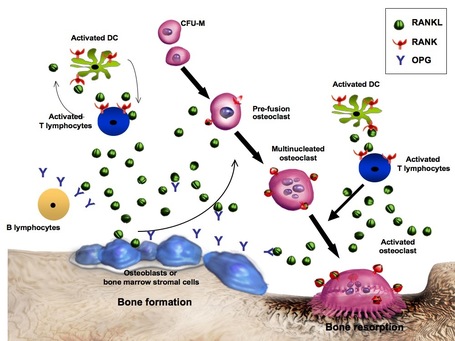
Graphical abstract
Plus the 14 other new drugs marketed in 2010.

PROUD Indian WORLD RECORD VIEWS holder on THIS BLOG, ………live, by DR ANTHONY MELVIN CRASTO, Worldpeaceambassador, Worlddrugtracker, Helping millions, 100 million hits on google, pushing boundaries,2.5 lakh plus connections worldwide, 45 lakh plus VIEWS on this blog in 227 countries, 7 CONTINENTS ……A 90 % paralysed man in action for you, I am suffering from transverse mylitis and bound to a wheel chair, [THIS BLOG HOLDS WORLD RECORD VIEWS ] A PROUD INDIAN
Home » Posts tagged 'PROCESS' (Page 19)
 DRUG APPROVALS BY DR ANTHONY MELVIN CRASTO
.....FOR BLOG HOME CLICK HERE
DRUG APPROVALS BY DR ANTHONY MELVIN CRASTO
.....FOR BLOG HOME CLICK HERE

 Subscribe in a reader
Enter your email address:
Delivered by FeedBurner
Subscribe to New Drug Approvals by Email


 | shivkr2 on SPSR Excellence Award 2025 – S… |
 | Bonkasaurus on Infigratinib phosphate |
 | PALOVAROTENE | ORGAN… on Palovarotene |
| Pfizer just purchase… on Temanogrel | |
| Pfizer To Cash In On… on Temanogrel |
June 13, 2013 — The U.S. Food and Drug Administration today expanded the approved use of Xgeva (denosumab) to treat adults and some adolescents with giant cell tumor of the bone (GCTB), a rare and usually non-cancerous tumor.
GCTB generally occurs in adults between the ages of 20 and 40 years. In most cases, GCTB does not spread to other parts of the body but destroys normal bone as it grows, causing pain, limited range of motion and bone fractures. Rarely, GCTB can transform into a cancerous tumor and spread to the lungs.
Xgeva is a monoclonal antibody that binds to RANKL, a protein essential for maintenance of healthy bone. RANKL is also present in GCTB. Xgeva is intended for patients whose GCTB cannot be surgically removed (unresectable) or when surgery is likely to result in severe morbidity, such as loss of limbs or joint removal. It should only be used in adolescents whose bones have matured
http://www.drugs.com/newdrugs/fda-approves-xgeva-giant-cell-tumor-bone-3815.html

Denosumab is a fully human monoclonal antibody for the treatment of osteoporosis, treatment-induced bone loss, bone metastases, rheumatoid arthritis, multiple myeloma, and giant cell tumor of bone. It was developed by the biotechnology companyAmgen.
Denosumab is designed to inhibit RANKL (RANK ligand), a protein that acts as the primary signal for bone removal. In many bone loss conditions, RANKL overwhelms the body’s natural defenses against bone destruction.
In June 2010, denosumab was approved by the U.S. Food and Drug Administration (FDA) for use in postmenopausal women with risk of osteoporosis under the trade nameProlia, and in November 2010, as Xgeva, for the prevention of skeleton-related events in patients with bone metastases from solid tumors.Denosumab is the first RANKL inhibitor to be approved by the FDA. In the summer of 2011 clinical trials were investigating denosumab in giant cell tumors, multiple myeloma with bone metastases, and hypercalcemia of malignancy, and further investigating its dosing and safety.
| Synthetic approaches to the 2010 new drugsReview Article Bioorganic & Medicinal Chemistry, Volume 20, Issue 3, 1 February 2012, Pages 1155-1174 Kevin K.-C. Liu, Subas M. Sakya, Christopher J. O’Donnell, Andrew C. Flick, Hong X. Ding |
||
Plus the 14 other new drugs marketed in 2010.
STRUCTURAL FORMULA ,Trebananib, AMG-386
Monomer
MDKTHTCPPC PAPELLGGPS VFLFPPKPKD TLMISRTPEV TCVVVDVSHE 50
DPEVKFNWYV DGVEVHNAKT KPREEQYNST YRVVSVLTVL HQDWLNGKEY 100
KCKVSNKALP APIEKTISKA KGQPREPQVY TLPPSRDELT KNQVSLTCLV 150
KGFYPSDIAV EWESNGQPEN NYKTTPPVLD SDGSFFLYSK LTVDKSRWQQ 200
GNVFSCSVMH EALHNHYTQK SLSLSPGKGG GGGAQQEECE WDPWTCEHMG 250
SGSATGGSGS TASSGSGSAT HQEECEWDPW TCEHMLE 287
Disulfide bridges location
7-7′ 10-10′ 42-102 42′-102′ 148-206
148′-206′ 239-246 239′-246′ 275-282 275′-282′
CAS REGISTRY NUMBER 894356-79-7
MOLECULAR FORMULA C2794H4248N752O886S30
Trebananib
Immunoglobulin G1 (synthetic human Fc domain fragment) fusion protein with
angiopoietin 1/angiopoietin 2-binding peptide (synthetic)
http://www.ama-assn.org/resources/doc/usan/trebananib.pdf
http://www.genome.jp/dbget-bin/www_bget?dr:D10177
Amgen’s Experimental Ovarian Cancer Drug, Trebananib, Shows Positive …
Medical Daily
Amgen, a large biotechnology company out of Thousand Oaks, Calif. has announced that its drug for reoccurring ovarian cancer has shown positive results in Phase III clinical trials. The trials sought to stop the progression of ovarian cancer and extend …
read all at

 |
|
|---|---|
| Miglustat | |
| (2R,3R,4R,5S)-1-butyl-2-(hydroxymethyl)piperidine-3,4,5-triol |

PATENT-US 5,525,616, US 5,472,969 TO Actelion Pharms Ltd

Miglustat is a drug developed by Actelion and is used primarily to treat Type 1 Gaucher disease (GD1). It is marketed under the trade name Zavesca. Miglustat (OGT 918, N-butyl-deoxynojirimycin) is an imino sugar (molecular weight: 219 daltons), a synthetic analogue of D-glucose and a white to off-white crystalline solid that has a bitter taste The primary pharmacological activity of miglustat is inhibition of the enzyme glucosylceramide synthase, catalyzing the first step in the biosynthesis of glycosphingolipids (GSL), i.e., the formation of glucosylceramide (GlcCer). Reduced formation of GlcCer will lead to decreased biosynthesis of more complex GSL. This therapeutic principle, called substrate reduction therapy (SRT), may be useful in disorders of intracellular (predominantly lysosomal) accumulation of GSL either due to their deficient breakdown or intracellular transport/trafficking. Miglustat exhibits a large volume of distribution and has the capacity to access deep organs such as the brain, bone and lung.
Miglustat is a synthetic derivative of a family of polyhydroxylated alkaloids or amino sugar extracted from plants and microorganisms. Its synthesis starts from D-glucose sugar in plants. The sugar then aminated and oxidized to amino fructose sugar, which then can form a cyclic aminohemiacetal called nojirimycin. Then the dehydration and reduction takes place successively before the formation of deoxynojirimycin, which is a precursor of miglustat. Since it is a synthetic derivative drug, alkylation ofdeoxynojirimycin can be synthesized in the laboratory with 1-butyl halide via amine alkylation.


by
WORLD DRUG TRACKER

Capecitabine, pentyl [1-(3,4-dihydroxy-5-methyltetrahydrofuran-2-yl)-5-fluoro-2-oxo-1H-pyrimidin-4-yl]carbamate
Capecitabine (Xeloda, Roche) is an orally-administered chemotherapeutic agent used in the treatment of metastatic breast and colorectal cancers. Capecitabine is a prodrug, that is enzymatically converted to 5-fluorouracil in the tumor, where it inhibits DNA synthesis and slows growth of tumor tissue.The activation of capecitabine follows a pathway with three enzymatic steps and two intermediary metabolites, 5′-deoxy-5-fluorocytidine (5′-DFCR) and 5′-deoxy-5-fluorouridine (5′-DFUR), to form 5-fluorouracil

Capecitabine is a chemotherapy drug that is administered as a treatment for a variety of cancer types, including bowel cancer, stomach cancer, breast cancer and oesophageal cancer. It acts as a prodrug, undergoing a three-step enzymic conversion into 5-fluorouracil in the tumour, where it inhibits DNA synthesis and thus slows growth of tumour tissue. Capecitabine can be synthesized from the readily available starting materials D-ribofuranose and cytosine [1].

When capecitabine is used for long-term treatment of recurrent cancers, one of the side-effects can be the onset of hand-foot syndrome, which eventually can lead to total eradication of the patients fingerprints [2]. This has recently proved rather inconvenient for one unsuspecting patient. A recent report [3] describes an instance where a patient on capecitabine for over three years went to the USA to visit relatives in December 2008. He was detained for 4 hours as his fingerprints could not be detected by immigration officials and was only allowed to enter after the officers were entirely satisfied that he posed no threat to security. As a result, all patients taking capecitabine long-term are being advised to travel with a letter from an oncologist stating condition and treatment being received to account for their lack of fingerprints.
As a final aside, recent reports suggest that the actual purpose of fingerprints is to enhance sensitivity rather than friction.

http://promontory-science-education.webnode.com/animations/#.UbkbNtiNCS0
is link to below animation


The UK’s second largest drug company, AstraZeneca, has announced that it will buy US-based lung disease drug specialist Pearl Therapeutics in a deal worth up to $1.15bn (£742m).

read all at


Vitaros, alprostadil
7-[(1R,3R)-3-hydroxy-2-[(1E,3S)-3-hydroxyoct-1-en-1-yl]-5-oxocyclopentyl]heptanoic acid
Apricus Biosciences Inc. said that its impotence drug Vitaros has been approved in 10 European countries. The company said Vitaros is now approved in the Netherlands, Germany, France, Italy, and the U.K., among other countries, for the treatment of erectile dysfunction.

The active ingredient in Vitaros, alprostadil, is an ingredient in other approved impotence treatments and Apricus is also studying it as a treatment for female sexual arousal disorder.
Prostaglandin E1 (PGE1), known pharmaceutically as alprostadil,[1] is a prostaglandin. It is a drug used in the treatment of erectile dysfunction[2] and has vasodilatory properties.
Alprostadil is also used in maintaining a patent ductus arteriosus in newborns. This is primarily useful when there is threat of premature closure of the ductus arteriosus in an infant with ductal-dependent congenital heart disease, including cyanotic lesions (e.g., pulmonary atresia/stenosis, tricuspid atresia/stenosis, transposition of the great arteries) and acyanotic lesions (e.g., coarctation of the aorta, hypoplastic left heart syndrome, critical aortic stenosis, interrupted aortic arch).
Alprostadil is sold in the United States as urethral suppositories and in injectable form. The suppositories are sold under the brand name MUSE.[3] The injectable forms are Edex[4] and Caverject.[5] Muse delivers alprostadil as a penile suppository, inserted into the urethra, at least ten minutes before the erection will be needed. Caverject and Edex are similarly fast-acting, but instead are injected by syringe directly into the corpus cavernosum of the penis.
Apricus Biosciences is developing proprietary drugs; Vitaros for men with erectile dysfunction, Femprox for female sexual arousal disorder and RayVa for Raynaud’s phenomenon. Two Phase III studies have been completed for Vitaros, and approval has been granted in Canada. Apricus Biosciences is seeking regulatory approval in Europe, South America, and other territories. Apricus Biosciences sold the rights for Vitaros in the US to Warner Chilcott.[6]
Alprostadil is also available as a generic. The major cost is that it must be mixed by a compounding pharmacy and supplies of alprostadil may be difficult to obtain. There are different formulations, including Bimix and Trimix, which may include papaverine and/or phentolamine. A typical mix might be 30 mg of papaverine, 2 mg of phentolamine, and 20 mcg alprostadil. As a generic, it is much less expensive than the pre-packaged injectables. It is premixed and must be kept refrigerated and the user must load a syringe with the quantity needed.
Alprostadil is also used for critical limb ischemia. It increases blood flow by peripheral vasodilation within 5 minutes and induces angiogenesis. It is most effective when the ankle pressure is at least 30 mmHg and at least one tibial artery is patent.

Prostaglandin E1 (alprostadil, PGE1) erectile dysfunction drug, molecular model. PGE1 is a prostaglandin used in the treatment of erectile dysfunction.


Sections of the root of the giant globe thistle.
photo: Victor Kuete, Institute of Pharmaceutical Sciences and Biochemistry
African medicinal plants contain chemicals that may be able to stop the spread of cancer cells. This is the conclusion of researchers following laboratory experiments conducted at Johannes Gutenberg University Mainz (JGU). The plant materials will now undergo further analysis in order to evaluate their therapeutic potential.
“The active substances present in African medicinal plants may be capable of killing off tumour cells that are resistant to more than one drug. They thus represent an excellent starting point for the development of new therapeutic treatments for cancers that do not respond to conventional chemotherapy regimens,” explained Professor Thomas Efferth of the Institute of Pharmaceutical Sciences and Biochemistry – Therapeutic Life Sciences at Mainz University. For the past four years, Efferth and biochemist Dr. Victor Keute of the University of Dschang in Cameroon have been studying the active substances in African plants such as the giant globe thistle, wild pepper, speargrass, and Ethiopian pepper.

Krill are shrimp-like crustaceans that are approximately 1 to 6 centimeters long. They live is the ocean, where they feed mainly on phytoplankton. They’re near the bottom of the food chain and are eaten by whales, seals, penguins, squid and fish.
Commercial fishing of krill occurs primarily in the Southern Ocean and the northern Pacific Ocean along the coasts of Canada and Japan. Krill that are caught are used for aquaculture and aquarium feeds, sport fishing bait or they are eaten as food. In Japan, krill that’s caught for food is called okiami.
Krill oil, the oil that’s found naturally in krill, is extracted and sold as a nutritional supplement. It’s sold in some health food stores and online in capsule form.
Krill oil contains omega-3 fatty acids, which is the main reason it’s becoming popular as a nutritional supplement.
Another reason krill oil is becoming popular is because it contains an antioxidant called astaxanthin. The algae that krill eat produces the bright red pigment astaxanthin that gives krill and other crustaceans such as lobster and shrimp their reddish-pink color.
Antioxidants protect our body cells from damage from free radicals, unstable substances that are thought to contribute to certain chronic diseases. Unlike many other antioxidants, astaxanthin crosses the blood-brain barrier, where it could theoretically protect the eye, brain and central nervous system from free radical damage.
The recent popularity of krill oil supplements has raised concerns that it could threaten the population of its predators, including penguins, seals and whales. people use krill oil for the same reasons they use fish oil, flax oil or other omega-3 fatty acids. Unlike fish oil, krill oil doesn’t cause fishy burps or an aftertaste, a common side effect of fish oil. Also, krill oil contains higher amounts of astaxanthin than fish oil. Here are some specific conditions for which it’s used.
Krill oil is being studied as a natural remedy for high cholesterol. In one study, 120 people were given krill oil, fish oil or a placebo. Krill oil reduced LDL (commonly referred to as “bad”) cholesterol by 34% and increased HDL (“good”) cholesterol by 43.5% compared to the placebo. In comparison, fish oil reduced LDL cholesterol by 4.6% and increased HDL cholesterol by 4.2%. Krill also lowered triglycerides.
Preliminary research suggests krill oil may help reduce symptoms of premenstrual syndrome (PMS), however, more research is needed.
A study in the Journal of the American College of Nutrition examined krill oil (300 mg daily) compared to a placebo and found that krill oil was effective at reducing arthritis symptoms and inflammation.
People with allergies to seafood shouldn’t use krill oil. People with bleeding disorders shouldn’t use krill oil unless under the supervision of a qualified health professional.
Side effects of krill oil may include loose stools, diarrhea or indigestion.
Krill oil should also be used with caution by people taking herbs and supplements that are thought to increase the risk of bleeding, such as ginkgo biloba and garlic.
Sources
Bunea R, El Farrah K, Deutsch L.Evaluation of the effects of Neptune Krill Oil on the clinical course of hyperlipidemia. Altern Med Rev. (2004) 9.4: 420-428.
Deutsch L. Evaluation of the effect of Neptune Krill Oil on chronic inflammation and arthritic symptoms. J Am Coll Nutr. (2007) 26.1: 39-48.

MORE INFO
Krill oil is a nutrient from a tiny crustacean (similar to a shrimp) that lives in the icy waters around the Antarctic. It is a rich source of the omega-3 essential fatty acids eicosapentaenoic acid (EPA) and docosahexaenoic acid (DHA).
The main selling points for krill oil are that its omega-3s are packaged differently from fish oils, in the form of a phospholipid that is easier for the body to absorb. This better absorption rate – up to 60 per cent, according to some manufacturers – means less capsules need to be taken to achieve the desired health benefits.
It is also said to have the added bonus of containing another essential nutrient, choline, as well as an antioxidant, astaxanthin. Astaxanthin is found in sea algae and it’s what gives shrimp, lobster, salmon, krill and other sea-life that feed on algae their rosy color.
Krill oil supplements are also more expensive than fish oils because of the extensive processes undertaken to ensure quality and eco-sustainability. However, many argue that it is better value for money, as you have to take less capsules than if you were taking fish oil.


Scientists are claiming that they have now isolated unusual ingredients in a rare seaweed discovered by fishermen off the coast of Korea that offer incredible health benefits—including the ability to restore blood pressure to normal levels.
The first is Seanol, an extremely rare seaweed extract from Ecklonia Cava that’s proven to be 100 times more powerful than any land-based antioxidant. That’s because it stays working in your body for 12 hours, compared to land-based antioxidants that work for 30 minutes.
“Its secret is its make-up of special polyphenol antioxidants that are a whopping 40% lipid (fat) soluble,” Dr. Lee explains. “Unlike nearly all land-based antioxidants that are water soluble, Seanol’s protective compounds can get into things like the fatty tissues of your brain and penetrate all three layers of your cells, including the outside, the oil-based cell membranes, and your DNA.”
Indeed, Seanol is so powerful, it’s the only FDA-approved Ecklonia Cava marine-algae extract in existence.
The second ingredient is Calamarine, a deep-sea omega-3 discovery that delivers 85% more DHA omega-3s to your heart, brain, joints, and eyes. It’s known to combat everything from fatigue and poor memory, to vision problems, joint pain, mood swings and depression.
…………………………………………………………………………………………………..

Ecklonia cava is an edible marine brown alga species found in the ocean off Japan andKorea.
It is used as a herbal remedy in the form of an extract called Seanol, a polyphenolic extract. Another phlorotannin-rich natural agent, Ventol, is also extracted from E. cava.[1]
Phlorotannins, such as fucodiphlorethol G,[2] 7-phloro eckol, 6,6′-bieckol,[3] eckol, 8,8′-bieckol, 8,4″‘-dieckol and phlorofucofuroeckol A can be isolated from Ecklonia cava.[4]
Other components are common sterol derivatives (fucosterol, ergosterol and cholesterol).[3]

…………………………………………………………………………………………….
One of the myths associated with aging is that your body wears out and there is nothing we can do about it. As we get older, we just have to live with chronic disease and the only way to improve the quality of our health and life is to treat the symptoms.
Overwhelmingly, research suggests that this is simply not true. In fact, the American Journal of Clinical Nutrition and Circulation provide documented evidence that consumption of Omega-3 fatty acids from dietary sources and supplements cut the likelihood of an early death.DHA and EPA not only prevent heart disease and sudden death from a sudden heart attack, they lower the risk…


 New Drug Approvals