
- Young Chemists who have just started work in industry as development chemists
- Organic Chemists/Medicinal Chemists in Research and Development who would like to gain an appreciation of development and scale up and who are perhaps contemplating moving into chemical development.
- Development and Production Chemists in industry who would like to improve their efficiency and gain an insight into alternative approaches to chemical development.
- Chemical Engineers who wish to understand a chemist’s approach to chemical development of batch processes. (Engineers would, however, need a good grounding in organic chemistry)
- Students who are about to enter the industry and can obtain company sponsorship.
- Experienced Chemists looking to refresh and/or augment their knowledge of chemical development
- Analytical Chemists who wish to gain a broader appreciation of process chemistry
- Managers who might benefit from a comprehensive and up to date overview of chemical development
Home » Posts tagged 'PROCESS'
Tag Archives: PROCESS
 DRUG APPROVALS BY DR ANTHONY MELVIN CRASTO
.....FOR BLOG HOME CLICK HERE
Flag and hits
ORGANIC SPECTROSCOPY
Read all about Organic Spectroscopy on
ORGANIC SPECTROSCOPY INTERNATIONAL

SUBSCRIBE

 Subscribe in a reader
Enter your email address:
Delivered by FeedBurner
Subscribe to New Drug Approvals by Email


Recent Comments
 | shivkr2 on SPSR Excellence Award 2025 – S… |
 | Bonkasaurus on Infigratinib phosphate |
 | PALOVAROTENE | ORGAN… on Palovarotene |
| Pfizer just purchase… on Temanogrel | |
| Pfizer To Cash In On… on Temanogrel |
Lirafugratinib
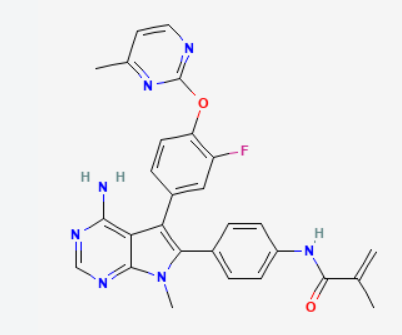
Lirafugratinib
- CAS No.:2549174-42-5
- Formula:C28H24FN7O2
- Molecular Weight:509.53
FDA 2026, APPROVALS 2026, Lyrfigtu, RLY-4008, RLY 4008, 23SEPT2026
N-(4-(4-amino-5-(3-fluoro-4-((4-methylpyrimidin-2-yl)oxy)phenyl)-7-methyl-7H-pyrrolo[2,3-
d]pyrimidin-6-yl)phenyl)methacrylamide (lirafugratinib)
To adults with previously treated unresectable, locally advanced or metastatic cholangiocarcinoma harboring a fibroblast growth factor receptor 2 gene fusion or other rearrangement
Lirafugratinib (RLY-4008) is an orally active, irreversible and highly selective FGFR2 inhibitor with an IC50 of 3 nM. Lirafugratinib covalently binds to Cys491. Lirafugratinib targets FGFR2 primary alterations and resistance mutations and induces tumor regression while sparing other FGFRs.
Lirafugratinib (Lyrfigtu) received FDA approval on September 23, 2026, for adults with previously treated, unresectable or metastatic cholangiocarcinoma involving FGFR2 gene fusions or rearrangements.
Overview & Mechanism
- Drug Class: An oral, selective, and irreversible FGFR2 small-molecule inhibitor.
- Developer/Marketed By: Developed by Relay Therapeutics and commercialized globally by Elevar Therapeutics.
- How it Works: Covalently targets the FGFR2 kinase domain to inhibit tumor-driving signaling while sparing other FGFR proteins to limit off-target effects.
Efficacy
- Clinical Trial: Assessed in the phase 1/2 REFOCUS trial (NCT04526106) involving 116 previously treated, FGFR-inhibitor-naive patients.
- Key Metrics: Demonstrated an objective response rate of 46%, a median duration of response of 11.8 months, and a median progression-free survival of 11.3 months.
Dosing & Administration
- Recommended Dose: 70 mg orally once daily on a continuous basis until disease progression or unacceptable toxicity.
Safety & Warnings
- Common Adverse Events: Hand-foot syndrome, stomatitis, nail issues, and ocular/retinal toxicities.
- Special Warnings: Includes precautions for ocular toxicity, hyperphosphatemia, soft tissue mineralization, and embryo-fetal risks
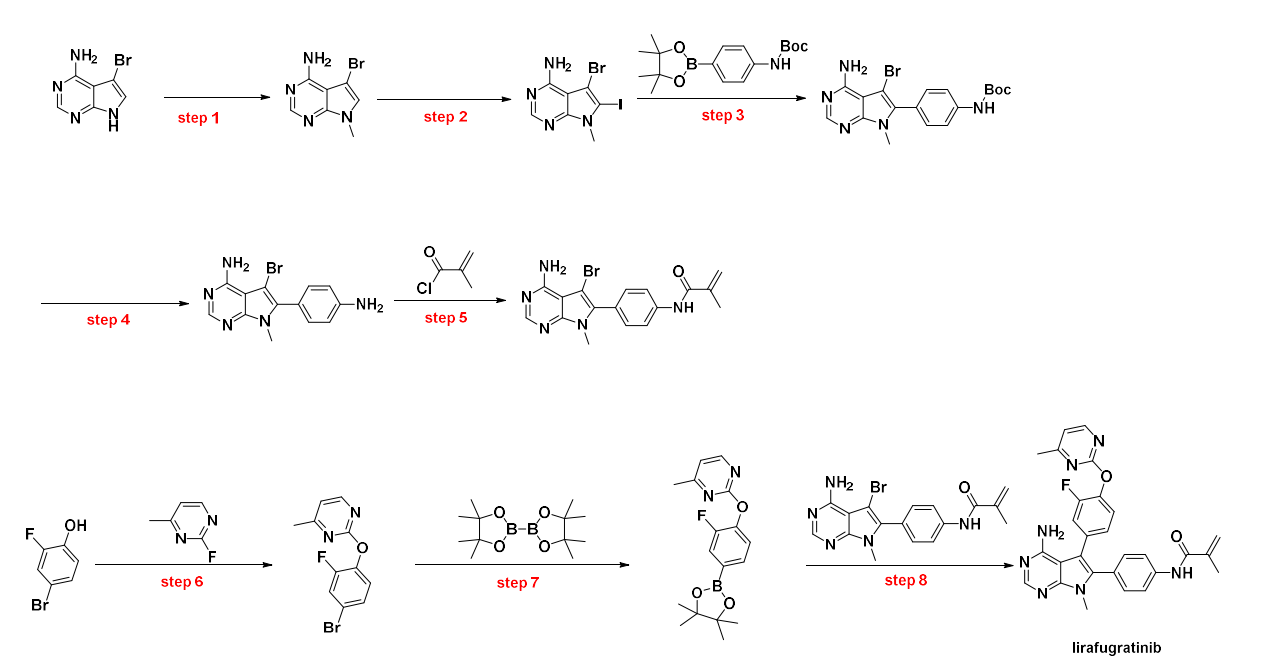
PAPER
https://pmc.ncbi.nlm.nih.gov/articles/PMC10861881
SEE https://pmc.ncbi.nlm.nih.gov/articles/instance/10861881/bin/pnas.2317756121.sapp.pdf
N-(4-(4-amino-5-(3-fluoro-4-((4-methylpyrimidin-2-yl)oxy)phenyl)-7-methyl-7Hpyrrolo[2,3-d]pyrimidin-6-yl)phenyl)methacrylamide (lirafugratinib)
5-bromo-7-methyl-7H-pyrrolo[2,3-d]pyrimidin-4-amine
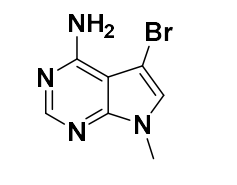
A round bottomed flask was charged with 5-bromo-7H-pyrrolo[2,3-d]pyrimidin-4-amine (10.0 g,
47.16 mmol), Cs2CO3 (22.99 g, 70.75 mmol), DMF (120 mL) and a stirbar. Iodomethane (8.03 g,
56.59 mmol) was added, and the solution was stirred for 1 h at room temperature. The reaction mixture was diluted with H2O (300 mL), and the aqueous phase was extracted with ethyl acetate
(300 mL) three times. The combined organic layers were washed with saturated brines, dried
over sodium sulfate, filtered, and concentrated in vacuo. The resulting crude material was
purified by HPLC. Concentration in vacuo resulted in 5-bromo-7-methyl-7H-pyrrolo[2,3-
d]pyrimidin-4-amine (5 g, 47.1 % ) as an off-white solid.
5-bromo-6-iodo-7-methyl-7H-pyrrolo[2,3-d]pyrimidin-4-amine
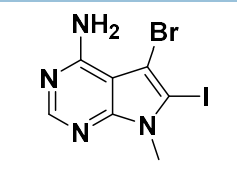
A round bottomed flask was charged with 5-bromo-7-methyl-7H-pyrrolo[2,3-d]pyrimidin-4-
amine (5 g, 22.12 mmol), DCM (50 mL) and TFA (2 mL) and a stirbar. 1-iodopyrrolidine-2,5-
dione (5.97 g, 26.54 mmol) was added, and the solution was stirred for 2 h at room temperature.
The reaction mixture was diluted with Na2SO3 solution (200 mL), and the aqueous phase was
extracted with DCM (200 mL) three times. The combined organic layers were washed with
saturated brines, dried over sodium sulfate, filtered, and concentrated in vacuo. The resulting
crude material was purified by HPLC. Concentration in vacuo resulted in 5-bromo-6-iodo-7-
methyl-7H-pyrrolo[2,3-d]pyrimidin-4-amine (4 g, 51.3 %) as a yellow solid.
tert-butyl (4-(4-amino-5-bromo-7-methyl-7H-pyrrolo[2,3-d]pyrimidin-6-yl)phenyl)carbamate
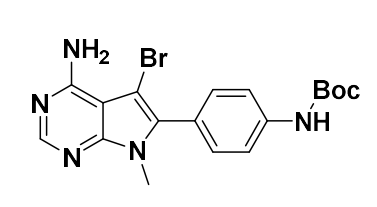
A resealable reaction vial was charged with 5-bromo-6-iodo-7-methyl-7H-pyrrolo[2,3-
d]pyrimidin-4-amine (4 g, 11.36 mmol), tert-butyl (4-(4,4,5,5-tetramethyl-1,3,2-dioxaborolan-2-
yl)phenyl)carbamate (4.35 g, 13.63 mmol), Pd(dppf)Cl2 (994.16 mg, 1.36 mmol), K3PO4 (7.22
g, 34.08 mmol), DMF (50 mL), H2O (6.25 mL) and a stir bar before being evacuated and purged
with nitrogen three times. The mixture was stirred for 2 h at 90 °C. The reaction mixture was
diluted with H2O (300 mL), and the aqueous phase was extracted with ethyl acetate (300 mL)
three times. The combined organic layers were washed with brines, dried over sodium sulfate,
filtered, and concentrated in vacuo. The resulting crude material was purified by silica gel
chromatography (eluting with MeOH/DCM = 1/40). Concentration in vacuo resulted in tert-butyl
(4-(4-amino-5-bromo-7-methyl-7H-pyrrolo[2,3-d]pyrimidin-6-yl)phenyl)carbamate (3 g, 63.4%)
as a yellow solid.
6-(4-aminophenyl)-5-bromo-7-methyl-7H-pyrrolo[2,3-d]pyrimidin-4-amine
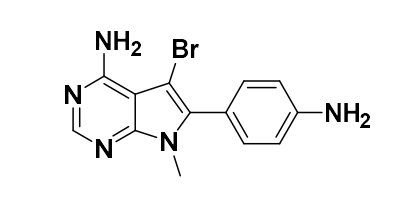
A round bottomed flask was charged with tert-butyl (4-(4-amino-5-bromo-7-methyl-7Hpyrrolo[2,3-d]pyrimidin-6-yl)phenyl)carbamate (3 g, 7.19 mmol), DCM (50 mL) and TFA (12.5mL) and a stirbar. The solution was stirred for 1 h at room temperature. The reaction mixture
was diluted with H2O (100 mL), and the aqueous phase was extracted with DCM (50 mL) three
times. The pH of aqueous phase was adjusted to 7~8, then the aqueous phase was extracted with
DCM (100 mL) three times. The combined organic layers were washed with saturated brines,
dried over sodium sulfate, filtered, and concentrated in vacuo resulted in 6-(4-aminophenyl)-5-
bromo-7-methyl-7H-pyrrolo[2,3-d]pyrimidin-4-amine (2.1 g, 92.1%) as a yellow solid.
N-(4-(4-amino-5-bromo-7-methyl-7H-pyrrolo[2,3-d]pyrimidin-6-yl)phenyl)methacrylamide
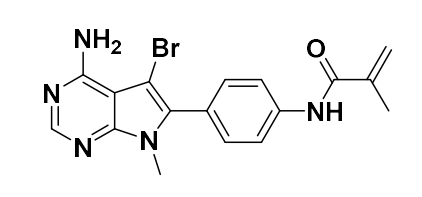
A resealable reaction vial was charged with 6-(4-aminophenyl)-5-bromo-7-methyl-7Hpyrrolo[2,3-d]pyrimidin-4-amine (2.1 g, 6.62 mmol), pyridine (785 mg, 9.93 mmol), DCM (100
mL) and a stir bar before being evacuated and purged with nitrogen three times. Methacryloyl
chloride (757.3 mg, 7.28 mmol) was added slowly at 0 oC. Then the mixture was stirred for 2 h
at room temperature. The reaction mixture was diluted with H2O (100 mL), and the aqueous
phase was extracted with DCM (100 mL) three times. The combined organic layers were washed
with brines, dried over sodium sulfate, filtered, and concentrated in vacuo. The resulting crude
material was purified by silica gel chromatography (eluting with MeOH/DCM=1/40).
Concentration in vacuo resulted in N-(4-(4-amino-5-bromo-7-methyl-7H-pyrrolo[2,3-
d]pyrimidin-6-yl)phenyl)methacrylamide (1.8 g, 70.5%) as an off-white solid.
2-(4-bromo-2-fluorophenoxy)-4-methylpyrimidine
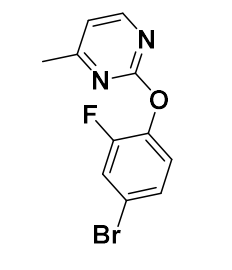
A round bottomed flask was charged with 4-bromo-2-fluorophenol (1.0 g, 5.24 mmol), 2-fluoro4-methylpyrimidine (704 mg, 6.28 mmol), Cs2CO3 (5.12 g, 15.7 mmol) and a stirbar. DMF (20
mL) was added, and the solution was stirred for 1 h at 100 oC. The reaction mixture was diluted
with H2O (100 mL), and the aqueous phase was extracted with ethyl acetate (100 mL) three
times. The combined organic layers were washed with saturated brines, dried over sodium
sulfate, filtered, and concentrated in vacuo. The resulting crude material was purified by HPLC.
Concentration in vacuo resulted in 2-(4-bromo-2-fluorophenoxy)-4-methylpyrimidine (1.48 g,
99.8 %) as an off-white amorphous solid.
2-(2-fluoro-4-(4,4,5,5-tetramethyl-1,3,2-dioxaborolan-2-yl)phenoxy)-4-methylpyrimidine
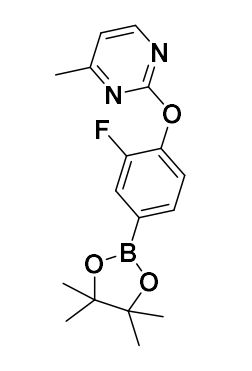
A solution/mixture of 2-(4-bromo-2-fluorophenoxy)-4-methylpyrimidine (500.00 mg, 1.77
mmol), bis(pinacolato)diboron (672.75 mg, 2.65 mmol), KOAc (520 mg, 5.3 mmol) and
Pd(dppf)Cl2 (129.4 mg, 0.177 mmol) in DMF (10 mL) was stirred for 2 h at 80 oC under nitrogen
atmosphere. The resulting mixture was diluted with water and extracted with EA. The combined
organic layers were washed with brines, dried over anhydrous Na2SO4. After filtration, the
filtrate was concentrated under reduced pressure. The residue was purified by HPLC.
Concentration in vacuo resulted in 2-(2-fluoro-4-(4,4,5,5-tetramethyl-1,3,2-dioxaborolan-2-
yl)phenoxy)-4-methylpyrimidine (430 mg, 73.7%) as a yellow solid.
2-(2-fluoro-4-(4,4,5,5-tetramethyl-1,3,2-dioxaborolan-2-yl)phenoxy)-4-methylpyrimidine
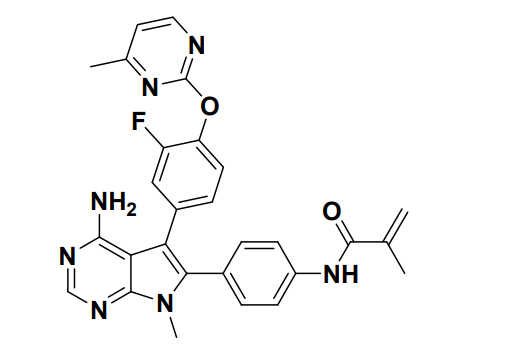
A resealable reaction vial was charged with N-(4-(4-amino-5-bromo-7-methyl-7H-pyrrolo[2,3-
d]pyrimidin-6-yl)phenyl)methacrylamide (100 mg, 0.259 mmol), 2-(2-fluoro-4-(4,4,5,5-
tetramethyl-1,3,2-dioxaborolan-2-yl)phenoxy)-4-methylpyrimidine (102.6 mg, 0.310 mmol),
Pd(DtBPF)Cl2 (16.9 mg, 0.026 mmol), CsF (118 mg, 0.776 mmol), DMF (2 mL), H2O (0.25
mL) and a stir bar before being evacuated and purged with nitrogen three times. The mixture was
stirred for 1 h at 90 °C. The reaction mixture was diluted with H2O (10 mL), and the aqueousphase was extracted with DCM (10 mL) three times. The combined organic layers were washed
with brines, dried over sodium sulfate, filtered, and concentrated in vacuo. The resulting crude
material was purified by Pre-HPLC (Column: XBridge Prep C18 OBD Column, 19*150 mm,
5μm; Mobile Phase A: Water(10 mmol/L NH4HCO3), Mobile Phase B: ACN; Flow rate: 25
mL/min; Gradient: 25% B to 50% B in 7 min, 50% B; Wave Length: 254/220 nm; RT1(min):
6.5). Concentration in vacuo resulted in N-(4-(4-amino-5-(3-fluoro-4-((4-methylpyrimidin-2-
yl)oxy)phenyl)-7-methyl-7H-pyrrolo[2,3-d]pyrimidin-6-yl)phenyl)methacrylamide ( 27.2 mg,
20.6%) as an off-white solid. LC/MS(BAS1): [M+H]+= 510.20; tR =1.405 min. 1H NMR (400
MHz, DMSO-d6) δ 9.92 (s, 1H), 8.47 (d, J = 5.0 Hz, 1H), 8.21 (s, 1H), 7.79 – 7.72 (m, 2H), 7.38
– 7.28 (m, 3H), 7.22 – 7.14 (m, 2H), 7.10 (dd, J = 8.1, 2.1 Hz, 1H), 5.98 (s, 2H), 5.80 (s, 1H),
5.54 (d, J = 1.7 Hz, 1H), 3.59 (s, 3H), 2.42 (s, 3H), 1.95 (d, J = 1.2 Hz, 3H).
PAT
WIPO Patent Publication: WO2020231990A1 (and related family filings)
https://patentscope.wipo.int/search/en/detail.jsf?docId=WO2020231990&_cid=P20-MUHRQT-01820-1
PAT
United States Patents: US11780845
PAT
US20230192709
https://patentscope.wipo.int/search/en/detail.jsf?docId=US399951539&_cid=P20-MUHRKD-96615-1
ADVERTISEMENT
ANAX LABORATORIES
WEBSITE https://www.anaxlab.com/
Discovery Solutions, Supporting the chemistry needs of clients in the Medical, Analytical and Bio Sciences
Development Solutions, Developing from Lab scale to PR&D, Kilo Scale-ups and Commercial Scales
SEE MORE………Integrated Solutions, Manufacturing Solutions, Products,
Can’t Find? Let’s Connect

Phone : +91 897704 2010 / +91 9177075735, Email : info@anaxlab.com
#MedicinalChemistry, #DrugDiscovery, #OrganicSynthesis, #ChemicalLibrary, #BuildingBlocks, #SARStudies, #ChemistryInnovation, #medchem, #Drugdevelopment, #Biotech, #Biotechnology, #AnaxLaboratories, #Pharma



AS ON FEB2026 4.574 LAKHS VIEWS ON BLOG WORLDREACH AVAILABLEFOR YOUR ADVERTISEMENT
join me on Linkedin
Anthony Melvin Crasto Ph.D – India | LinkedIn
join me on Researchgate
RESEARCHGATE

join me on Facebook
Anthony Melvin Crasto Dr. | Facebook
join me on twitter
Anthony Melvin Crasto Dr. | twitter
+919321316780 call whatsaapp
EMAIL. amcrasto@gmail.com

References
[1]. Vivek Subbiah, et al. RLY-4008, the First Highly Selective FGFR2 Inhibitor with Activity across FGFR2 Alterations and Resistance Mutations. Cancer Discov. 2023 Sep 6;13(9):2012-2031. [Content Brief]
/////////lirafugratinib, anax labs, FDA 2026, APPROVALS 2026, Lyrfigtu, RLY-4008, RLY 4008, 23SEPT2026, CANCER
#lirafugratinib, #anax labs, #FDA 2026, #APPROVALS 2026, #Lyrfigtu, #RLY-4008, #RLY 4008, #23SEPT2026, #CANCER
Simedeutirom
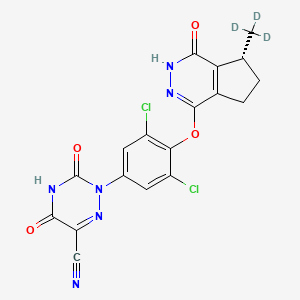
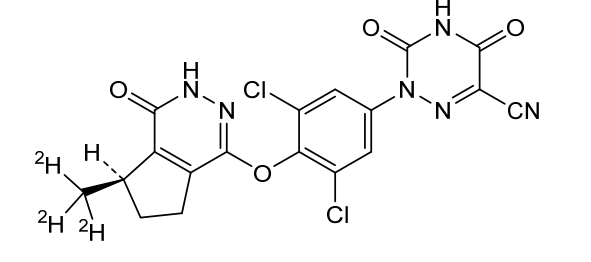
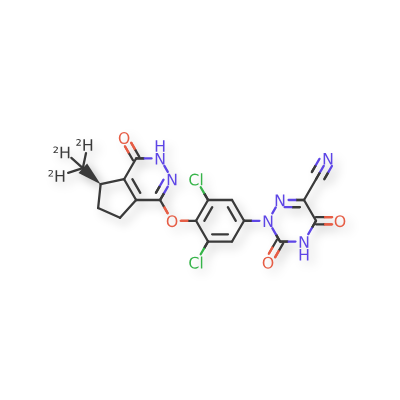
Simedeutirom
CAS 2403721-24-2
MF C18H92H3Cl2N6O4 MW 450.25
2-[3,5-Dichloro-4-[[(7R)-2,5,6,7-tetrahydro-7-(methyl-d3)-1-oxo-1H-cyclopenta[d]pyridazin-4-yl]oxy]phenyl]-2,3,4,5-tetrahydro-3,5-dioxo-1,2,4-triazine-6-carbonitrile
2-[3,5-dichloro-4-[[(7R)-1-oxo-7-(trideuteriomethyl)-2,5,6,7-tetrahydrocyclopenta[d]pyridazin-4-yl]oxy]phenyl]-3,5-dioxo-1,2,4-triazine-6-carbonitrile
2-(3,5-dichloro-4-{[(7R)-7-(2H3)methyl-1-oxo-2,5,6,7-tetrahydro-1Hcyclopenta[d]pyridazin-4-yl]oxy}phenyl)-3,5-dioxo-2,3,4,5-tetrahydro-1,2,4-triazine-6-carbonitrile
thyroid hormone beta receptor agonist, 4G7Z7KQ8GV
Simedeutirom is a selective, synthetic, deuterium-labeled thyroid hormone receptor beta (THR-β) agonist. It features a novel cyclopenta𝑑pyridazine core and is primarily utilized as a specialized tool compound in the biochemical research of metabolic diseases, including obesity, type 2 diabetes mellitus, and related metabolic disorders.
Core Structural & Pharmacological Profile
- Target Selectivity: It functions as a potent agonist specifically targeting the thyroid hormone receptor beta (THR-β), with an half-maximal effective concentration (EC₅₀) ranging between 0.1 to 1 μM. THR-β activation plays a foundational role in modulating hepatic lipid metabolism, lowering cholesterol, and regulating overall energy expenditure without heavily triggering the alpha receptor (THR-α), which is associated with adverse cardiac side effects.
- Deuterium Labeling: The compound incorporates deuterium (a stable isotope of hydrogen) into its chemical architecture, specifically modified as a trideuteriomethyl group. Isotopic modification or “deuteration” is an established medicinal chemistry approach frequently evaluated to slow metabolic clearance and increase structural stability.
- Chemical Identifiers:
- Molecular Formula: C₁₈H₁₂Cl₂N₆O₄
- Molecular Weight: 450.25 g/mol
- CAS Registry Number: 2403721-24-2
- FDA UNII Code: 4G7Z7KQ8GV
Research Context & Status
Simedeutirom is categorized under the International Nonproprietary Name (INN) database. However, it is fundamentally classified for in vitro and in vivo research use only. It has not been approved for clinical therapeutic use or direct distribution to patients.
PAT
WO 2019240938
https://patentscope.wipo.int/search/en/detail.jsf?docId=WO2019240938&_cid=P11-MU978W-22170-1
PAT
US20250179050
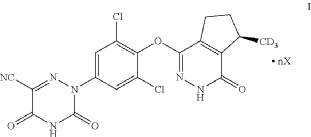
Example 1 Preparation of crude free base of compound I
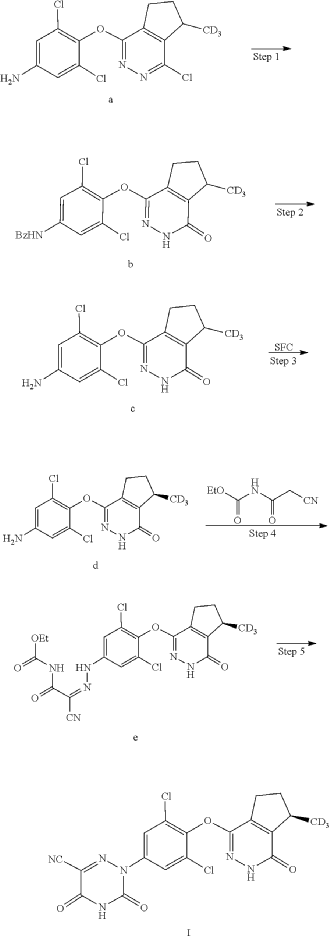
Step 1: preparation of compound b
N-(3,5-dichloro-4-((7-(methyl-d3)-1-oxo-2,5,6,7-tetrahydro-1H-cyclopenta [d]pyridazin-4-yl)oxy)phenyl)benzamid
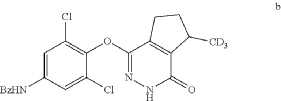
| 1H NMR (400 MHZ, DMSO) δ 12.07 (s, 1H), 10.55 (s, 1H), 8.04 (s, 2H), 7.98-7.95 (m, 2H), 7.63-7.50 (m, 3H), 3.29-3.25 (m, 1H), 3.02-2.90 (m, 2H), 2.39-2.36 (m, 1H), 1.75-1.72 (m, 1H). |
Step 2: preparation of compound c
4-(4-amino-2,6-dichlorophenoxy)-7-(methyl-d3)-2,5,6,7-tetrahydro-1H-cyclopenta [d]pyridazin-1-on
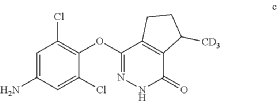
| To a 100 L reaction kettle, 5.76 kg of the crude compound b from the previous step, a potassium hydroxide solution (2606 g KOH dissolved in 19.5 L of purified water) and 6.0 L of anhydrous ethanol were added under stirring. After the complete addition, the mixture was heated to reflux and reacted for about 16 hours, and the raw material was controlled for a complete reaction. |
| 1H NMR (400 MHZ, DMSO) δ 11.98 (s, 1H), 6.67 (m, 2H), 5.60 (s, 2H), 3.30-3.19 (m, 1H), 3.03-2.93 (m, 1H), 2.90-2.70 (m, 1H), 2.35 (m, 1H), 1.69 (m, 1H). |
Step 3: preparation of compound d
(R)-4-(4-amino-2,6-dichlorophenoxy)-7-(methyl-d3)-2,5,6,7-tetrahydro-1H-cyclopenta [d]pyridazin-1-one
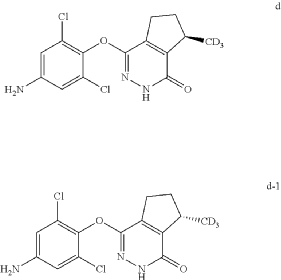
| 3298 g of racemate c was subjected to chiral resolution to give, two optical isomers from separation: |
| Compound d (retention time: 1.583 min, 1230 g, off-white solid, ee %=99.60%, yield 37.3%); and compound d-1 (retention time: 1.926 min, 1255 g, off-white solid, ee %=99.76%, yield 38.1%). |
Resolution conditions:
Compound d
| 1H NMR (400 MHZ, DMSO) δ 11.98 (s, 1H), 6.67 (s, 2H), 5.60 (s, 2H), 3.30-3.19 (m, 1H), 3.03-2.93 (m, 1H), 2.90-2.70 (m, 1H), 2.35 (dtd,1H), 1.69 (ddt, 1H). |
Compound d-1
| 1H NMR (400 MHZ, DMSO) δ 11.98 (s, 1H), 6.68 (d, 2H), 5.60 (s, 2H), 3.29-3.18 (m, 1H), 2.97 (tdd, 1H), 2.90-2.72 (m, 1H), 2.35 (dtd, 1H), 1.69 (ddt, 1H). |
Step 4: preparation of compound e
Ethyl(R,Z)-(2-cyano-2-(2-(3,5-dichloro-4-((7-(methyl-d3)-1-oxo-2,5,6,7-tetrahydro-1H-cyclopenta [d]pyridazin-4-yl)oxy)phenyl) hydrazineylidene) acetyl) carbamate
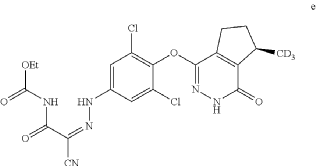
| To a 100 L reaction kettle, 16.0 kg of acetic acid, 4.0 kg of purified water and 2.0 kg of compound d were added with stirring. The temperature was reduced to 0+5° C., then 2.36 kg of hydrochloric acid was added, and after the addition, the temperature was maintained at 0+5° C. with stirring for about 20 minutes. A sodium nitrite solution (0.5 kg of sodium nitrite dissolved in 1.0 kg of purified water) was dropwise added with the temperature being controlled at 0+5° C., and after the addition, the temperature was maintained at 0+5° C. for reaction for 2 hours. The temperature was controlled at 5+5° C. and a sodium acetate solution (1.5 kg of sodium acetate dissolved in 6.0 kg of purified water) was added dropwise, then 0.99 kg of N-cyanoacetourethane was added, and then the temperature was increased to 10+5° C. for a reaction for about 2 hours. Then a sample was taken for HPLC monitoring, after which time samples were taken at each about 2-hour interval, and the reaction was not stopped until the content of compound d was determined by HPLC to be≤1.0%. |
| The filter cake was dried at 55+5° C. with vacuum≤−0.07 MPa for about 17 hours, and compound e was obtained and collected, weighing 2.6327 kg. |
| 1H NMR (400 MHZ, DMSO) δ 12.08 (d, 2H), 10.88 (s, 1H), 7.99 (s, 2H), 4.21 (q, 2H), 3.30-3.17 (m, 1H), 3.08-2.95 (m, 1H), 2.95-2.80 (m, 1H), 2.38 (ddd, 1H), 1.78-1.63 (m, 1H), 1.28 (t, 3H). |
Step 5: preparation of compound of formula I
(R)-2-(3,5-dichloro-4-((7-(methyl-d3)-1-oxo-2,5,6,7-tetrahydro-1H-cyclopenta [d]pyridazin-4-yl)oxy)phenyl)-3,5-dioxo-2,3,4,5-tetrahydro-1,2,4-triazine-6-carbonitrile
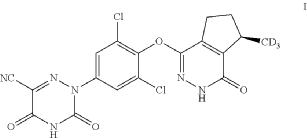
| 1H NMR (400 MHZ, DMSO) δ 13.26 (s, 1H), 12.09 (s, 1H), 7.79 (s, 2H), 3.32-3.24 (m, 1H), 3.10-2.99 (m, 1H), 2.96-2.88 (m, 1H), 2.45-2.31 (m, 1H), 1.77-1.69 (m, 1H). |
ADVERTISEMENT
ANAX LABORATORIES
WEBSITE https://www.anaxlab.com/
Discovery Solutions, Supporting the chemistry needs of clients in the Medical, Analytical and Bio Sciences
Development Solutions, Developing from Lab scale to PR&D, Kilo Scale-ups and Commercial Scales
SEE MORE………Integrated Solutions, Manufacturing Solutions, Products,
Can’t Find? Let’s Connect
Phone : +91 897704 2010 / +91 9177075735, Email : info@anaxlab.com
#MedicinalChemistry, #DrugDiscovery, #OrganicSynthesis, #ChemicalLibrary, #BuildingBlocks, #SARStudies, #ChemistryInnovation, #medchem, #Drugdevelopment, #Biotech, #Biotechnology, #AnaxLaboratories, #Pharma
AS ON FEB2026 4.574 LAKHS VIEWS ON BLOG WORLDREACH AVAILABLEFOR YOUR ADVERTISEMENT
join me on Linkedin
Anthony Melvin Crasto Ph.D – India | LinkedIn
join me on Researchgate
RESEARCHGATE
join me on Facebook
Anthony Melvin Crasto Dr. | Facebook
join me on twitter
Anthony Melvin Crasto Dr. | twitter
+919321316780 call whatsaapp
EMAIL. amcrasto@gmail.com
References
- Method for preparing (r)-1,4-dichloro-5-(methyl-d3)-6,7-dihydro-5h-cyclopenta[d]pyridazinePublication Number:WO-2025055949-A1Priority Date:2023-09-12
- Polymorph as thyroid hormone receptor agonists and use thereofPublication Number:WO-2023147752-A1Priority Date:2022-02-07
- Preparation method of pyridazinone derivative, and intermediate thereofPublication Number:TW-202342457-APriority Date:2022-02-07
- Preparation method of pyridazinone derivative, and intermediate thereofPublication Number:WO-2023147779-A1Priority Date:2022-02-07
- Polymorph as thyroid hormone receptor agonists and use thereofPublication Number:EP-4477652-A1Priority Date:2022-02-07
////////simedeutirom, anax labs, thyroid hormone beta receptor agonist, 4G7Z7KQ8GV
#simedeutirom, #anax labs, #thyroid hormone beta receptor agonist, #4G7Z7KQ8GV
Myself Anthony Crasto up for grabs as Advisor API & INT, Chem.
Admin note for myself . I am up for Grabs
I myself Dr Anthony Melvin Crasto Looking for a post retirement assignment as Advisor API & INT, Chem.
With 36 yrs rich experience, about dozen patents, 10000plus steps covered, 200 API targets, 30 plus products commercialization in plant in full career. Hands on knowledge of Synthesis, Process, scaleup, cost reduction, DOE , softwares etc
Kindly contact me
Dr Anthony Melvin Crasto
+919321316780
amcrasto@gmail.com
About myself
Dr Anthony Crasto
click on my website to know about me
Read http://amcrasto.weebly.com/
Also http://amcrasto.weebly.com/awards.html
Also
http://amcrasto.weebly.com/felicitations.html
1000 lakh google hits, 100lakh blog views, 10 lakh viewers in USA alone, all in 7 continents, 226 countries, 30 Indian and International awards, helping millions across the world
‘Top 10 Prominent & Great Personalities of the year 2022’ campaign by Fame Finders. ANTHONY CRASTO
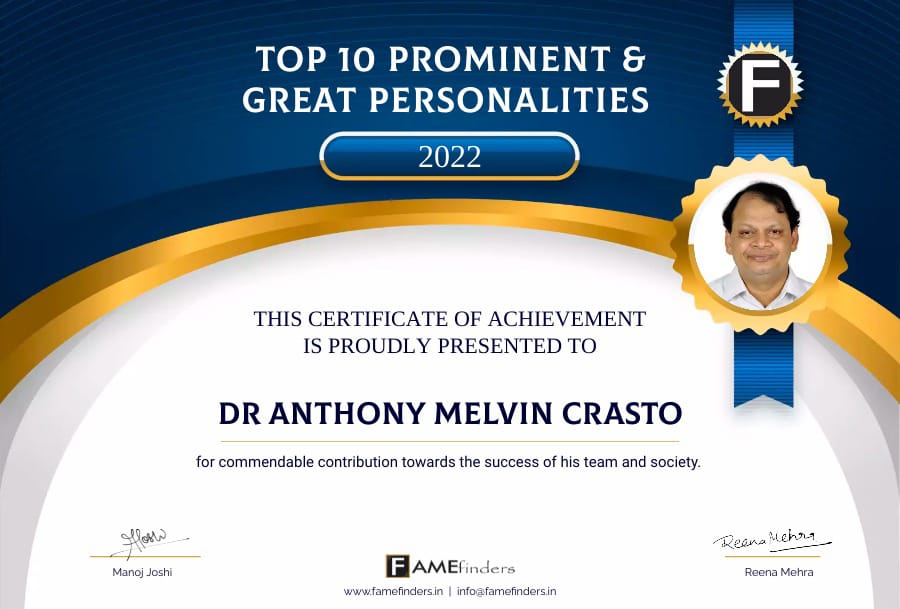

‘Top 10 Prominent & Great Personalities of the year 2022’ campaign by Fame Finders.
Feeling great to be selected in the ‘Top 10 Prominent & Great Personalities of the year 2022’ campaign by Fame Finders. It is an online campaign to honour inspiring personalities and feature them in the upcoming edition of the top news sites, including – Deccan Chronicle/Asian Age/Deccan Herald, ANI, Zee5, Latestly, Lokmat Times, DailyHunt, Google News, JioNews, MSN and 70+ sites.Jan 16 2023

[youtube https://www.youtube.com/watch?v=x98E01m9anw&w=560&h=315]


Anthony crasto is now Consultant Glenmark Lifesciences at Glenmark Life Sciences!

I’m happy to share that I’m starting a new position as Consultant Glenmark Lifesciences at Glenmark Life Sciences!
17th Jan 2022, A new innings
I retired 16th Jan 2022 at 58 yrs from Glenmark . completed 16 yrs 2 months
30 plus years in the field of Process research

AS ON DEC2021 3,491,869 VIEWS ON BLOG WORLDREACH AVAILABLEFOR YOUR ADVERTISEMENT
join me on Linkedin
Anthony Melvin Crasto Ph.D – India | LinkedIn
join me on Researchgate
RESEARCHGATE

join me on Facebook
Anthony Melvin Crasto Dr. | Facebook
join me on twitter
Anthony Melvin Crasto Dr. | twitter
+919321316780 call whatsaapp
EMAIL. amcrasto@amcrasto
/////////////////////////////////////////////////////////////////////////////
///////////////
Process Development for Low Cost Manufacturing

-
Process Development for Low Cost Manufacturing on 23-24 nov 2015 , Hyderabad, INDIA
- 23.11.2015 – 24.11.2015


- Hotel Green Park – Hyderabad, India

- View Brochure
- or click
- https://scientificupdate.co.uk/index.php/training/scheduled-training-courses/details/213-Low-Cost-Manufacturing.html?utm_source=Scientific+Update+News&utm_campaign=d31c03d4e3-India_Courses_Hyderabad7_22_2015&utm_medium=email&utm_term=0_08c5e1fb69-d31c03d4e3-78584097
Chemical process research and development is recognised as a key function during the commercialisation of a new product particularly in the generic and contract manufacturing arms of the chemical, agrochemical and pharmaceutical industries.
The synthesis and individual processes must be economic, safe and must generate product that meets the necessary quality requirements.
This 2-day course presented by highly experienced process chemists will concentrate on the development and optimisation of efficient processes to target molecules with an emphasis on raw material cost, solvent choice, yield improvement, process efficiency and work up, and waste minimisation.
Process robustness testing and reaction optimisation via stastical methods will also be covered.
A discussion of patent issues and areas where engineering and technology can help reduce operating costs.
The use of engineering and technology solutions to reduce costs will be discussed and throughout the course the emphasis will be on minimising costs and maximising returns.


///////////
Lead-oriented synthesis: a new concept to aid drug-discovery process

Figure 2. a. Fragment-based screening: Small and structurally diverse molecules (circles represent functional groups) are screened for a biological target, and they are combined and modified to generate drug-like compounds. b. Diversity-oriented synthesis: Large collections of structurally diverse and complex molecules are made using a short number of reactions. The resulting compounds are optimized to produce the drug-like compounds. | Credit: P. J. Hajduk,W. R. J. D. Galloway & D. R. Spring Nature, 2011, 470, 42–43. DOI: 10.1038/470042a
The discovery and development of new drugs is a long and expensive process, and despite of it, essential to face present and new diseases. For small molecules, which account for the majority of the marketed drugs, the discovery process generally involves finding a starting point termed hit or lead compound. These molecules have biological activity but need to be optimized to enhance their potency and selectivity (i.e. minimize the toxicity) and improve pharmacokinetic parameters making them suitable to go to the next stage, the pre-clinical tests……….http://mappingignorance.org/2014/07/04/lead-oriented-synthesis-new-concept-aid-drug-discovery-process/
Author
pablo ortiz

PhD at Rijksuniversiteit Groningen
Experience

PhD Student, Rijksuniversiteit Groningen
October 2013 – Present
Asymmetric organometallic catalysis focused on tertiary alcohols and amines

Harutyunyan research group
Master Thesis Project
University of the Basque Country
February 2013 – September 2013 (8 months)Vitoria-Gasteiz Area, Spain
Estereoselective synthesis of quaternary alpha-aminophosphonic acid derivatives (organocatalysis)
Locum pharmacist
Community pharmacy
August 2012 – August 2012 (1 month)La Rioja, Spain
Pre-registration pharmacist
NHS Trust
January 2012 – June 2012 (6 months)Southport, England
In-patient and out-patient dispensing
Clinical pharmacy
Medicines information
Anticoagulant management
Aseptic preparation of medicines
Clinical audit of antimicrobial use
Publications
Tertiary α-diarylmethylamines derived from diarylketimines and organomagnesium reagents(Link)
Chem. Commun. 2015, 51, 703-706.
November 13, 2014
Organomagnesium reagents enable swift and versatile derivatisation of diarylimines to the corresponding α-substituted diarylmethylamines in excellent yields, through fast and clean reactions. Where it occurs, 1,2-reduction can be circumvented using readily accessible dialkylmagnesium reagents.
Asymmetric Synthesis of Functionalized Tetrasubstituted α-Aminophosphonates through Enantioselective Aza-Henry Reaction of Phosphorylated Ketimines(Link)
J. Org. Chem., 2015, 80, 156–164
November 2014
Bifunctional Cinchona alkaloid thioureas efficiently catalyze asymmetric nucleophilic addition of nitromethane to ketimines derived from α-aminophosphonic acids to afford tetrasubstituted α-amino-β-nitro-phosphonates.
Catalytic Asymmetric Alkylation of Aryl Heteroaryl Ketones(Link)
Eur. J. Org. Chem., 2015, 72–76.
November 2014
Tertiary diarylmethanols are highly bioactive structural motifs. A new strategy to access chiral tertiary diarylmethanols through copper-catalyzed direct alkylation of (di)(hetero)aryl ketones by using Grignard reagents was developed. The low reactivity and the similarity of the enantiotopic faces of bis-aromatic ketones were partially overcome, which resulted in moderate to good yields and…more
Synthesis of Tetrasubstituted α-Aminophosphonic Acid Derivatives from Trisubstituted α-Aminophosphonates(Link)
Eur. J. Org. Chem., 2013: 7095–7100
September 2013
Education

Universidad del País Vasco/Euskal Herriko Unibertsitatea
Master’s degree, Synthetic and Industrial Chemistry, 9.2
2012 – 2013
- (Open)1 course
Universidad del País Vasco/Euskal Herriko Unibertsitatea
Bachelor’s degree, Pharmacy, Extraordinary Degree Award, 9.06
2007 – 2012
- (Open)1 honor or award
- (Open)2 courses
Courses
Universidad del País Vasco/Euskal Herriko Unibertsitatea
- How to write and publish a research article
- X Pharmaceutical Chemistry Sessions: New strategies for the design and synthesis of drugs
Universidad del País Vasco/Euskal Herriko Unibertsitatea
- II Organic Chemistry Synthesis and Catalysis Workshop: Methods and strategies in synthesis
GRONINGEN, NETHERLANDS


stadtmitte groningen niederlande stadtwanderung
Logistics of process R&D: transforming laboratory methods to manufacturing scale

The manufacture of a | omeprazole (racemic product; top), and esomeprazole (the (S)-enantiomer; bottom), including b | a flow chart of the process for the …
Nature Reviews Drug Discovery 2, 654-664 (August 2003) | doi:10.1038/nrd1154
Logistics of process R&D: transforming laboratory methods to manufacturing scale
Abstract
In the past, process R&D — which is responsible for producing candidate drugs in the required quantity and of the requisite quality — has had a low profile, and many people outside the field remain unaware of the challenges involved. However, in recent years, the increasing pressure to achieve shorter times to market, the demand for considerable quantities of candidate drugs early in development, and the higher structural complexity — and therefore greater cost — of the target compounds, have increased awareness of the importance of process R&D. Here, I discuss the role of process R&D, using a range of real-life examples, with the aim of facilitating integration with other parts of the drug discovery pipeline.
Process R&D, AstraZeneca, SE-151 85 Södertälje, Sweden. Hans-Jurgen.Federsel@astrazeneca.com
Welcome Scientific update to Pune, India 2-3 and 4-5 Dec 2014 for celebrating Process chemistry
WEBSITE http://www.scientificupdate.co.uk/
SCIENTIFIC UPDATE HAS A REPUTATION FOR ITS HIGH QUALITY EVENTS, BOTH FOR THE SCIENTIFIC CONTENT AND ALSO FOR THE EFFICIENCY OF ITS ORGANISATION. KEEP YOUR SKILLS UP TO DATE AND INVEST IN YOUR CONTINUING PERSONAL PROFESSIONAL DEVELOPMENT.


TRAINING COURSE 2-3 DEC 2014
Process Development for Low Cost Manufacturing
When:02.12.2014 – 03.12.2014
Tutors:
Where: National Chemical Laboratory – Pune, India
Brochure:View Brochure
Register http://scientificupdate.co.uk/training/scheduled-training-courses.html
DESCRIPTION
Chemical process research and development is recognised as a key function during the commercialisation of a new product particularly in the generic and contract manufacturing arms of the chemical, agrochemical and pharmaceutical industries.
The synthesis and individual processes must be economic, safe and must generate product that meets the necessary quality requirements.
This 2-day course presented by highly experienced process chemists will concentrate on the development and optimisation of efficient processes to target molecules with an emphasis on raw material cost, solvent choice, yield improvement, process efficiency and work up, and waste minimisation.
Process robustness testing and reaction optimisation via stastical methods will also be covered.
A discussion of patent issues and areas where engineering and technology can help reduce operating costs.
The use of engineering and technology solutions to reduce costs will be discussed and throughout the course the emphasis will be on minimising costs and maximising returns.


Conference 4-5 DEC 2014
TITLE . Organic Process Research & Development – India
Subtitle:The 32nd International Conference and Exhibition
When:04.12.2014 – 05.12.2014
Where:National Chemical Laboratory – Pune, India
Brochure:View Brochure
Register..http://scientificupdate.co.uk/conferences/conferences-and-workshops.html

for
- Process Research & Development Chemists
- Chemical Engineers in Industry
- Heads of Departments & Team Leaders
Benefits
- Invest in yourself: keeping up to date on current developments and future trends could mean greater job security.
- Learn from a wide range of industrial case studies given by hand-picked industrial speakers.
- Take home relevant ideas and information that are directly applicable to your own work with the full proceedings and a CD of the talks.
- Save time. Our intensive, commercial-free programme means less time away from work.
- Meet and network with the key people in the industry in a relaxed and informal atmosphere.

Do you want to improve efficiency and innovation in your synthetic route design, development and optimisation?
The efficient conversion of a chemical process into a process for manufacture on tonnage scale has always been of importance in the chemical and pharmaceutical industries. However, in the current economic and regulatory climate, it has become increasingly vital and challenging to do so efficiently. Indeed, it has never been so important to keep up to date with the latest developments in this dynamic field.
At this Organic Process Research & Development Conference, you will hear detailed presentations and case studies from top international chemists. The hand-picked programme of speakers has been put together specifically for an industrial audience. They will discuss the latest issues relating to synthetic route design, development and optimisation in the pharmaceutical, fine chemical and allied fields. Unlike other conferences, practically all our speakers are experts from industry, which means the ideas and information you take home will be directly applicable to your own work.
The smaller numbers at our conferences create a more intimate atmosphere. You will enjoy plenty of opportunities to meet and network with speakers and fellow attendees during the reception, sit-down lunches and extended coffee breaks in a relaxed and informal environment. Together, you can explore the different strategies and tactics evolving to meet today’s challenges.
This is held in Pune, close proximity to Mumbai city, very convenient to stay and travel to either in Pune or Mumbai. I feel this should be an opportunity to be grabbed before the conference is full and having no room
Hurry up rush


References
1 https://newdrugapprovals.org/scientificupdate-uk-on-a-roll/
2 http://scientificupdate.co.uk/conferences/conferences-and-workshops.html
3 http://en.wikipedia.org/wiki/Pune
PROFILES
Will Watson

Dr Will Watson gained his PhD in Organic Chemistry from the University of Leeds in 1980. He joined the BP Research Centre at Sunbury-on-Thames and spent five and a half years working as a research chemist on a variety of topics including catalytic dewaxing, residue upgrading, synthesis of novel oxygenates for use as gasoline supplements, surfactants for use as gasoline detergent additives and non-linear optical compounds.
In 1986 he joined Lancaster Synthesis and during the next 7 years he was responsible for laboratory scale production and process research and development to support Lancaster’s catalogue, semi-bulk and custom synthesis businesses.
In 1993 he was appointed to the position of Technical Director, responsible for all Production (Laboratory and Pilot Plant scale), Process Research and Development, Engineering and Quality Control. He helped set up and run the Lancaster Laboratories near Chennai, India and had technical responsibility for the former PCR laboratories at Gainesville, Florida.
He joined Scientific Update as Technical Director in May 2000. He has revised and rewritten the ‘Chemical Development and Scale Up in the Fine Chemical & Pharmaceutical Industries’ course and gives this course regularly around the world. He has been instrumental in setting up and developing new courses such as ‘Interfacing Chemistry with Patents’ and ‘Making and Using Fluoroorganic Molecules’.
He is also involved in an advisory capacity in setting up conferences and in the running of the events. He is active in the consultancy side of the business and sits on the Scientific Advisory Boards of various companies.
………………………………………………………………………………………………….
John Knight

Dr John Knight gained a first class honours degree in chemistry at the University of Southampton, UK. John remained at Southampton to study for his PhD in synthetic methodology utilizing radical cyclisation and dipolar cyloaddition chemistry.
After gaining his PhD, John moved to Columbia University, New York, USA where he worked as a NATO Postdoctoral Fellow with Professor Gilbert Stork. John returned to the UK in 1987 joining Glaxo Group Research (now GSK) as a medicinal chemist, where he remained for 4 years before moving to the process research and development department at Glaxo, where he remained for a further 3½ years.
During his time at Glaxo, John worked on a number of projects and gained considerable plant experience (pilot and manufacturing). In 1994 John moved to Oxford Asymmetry (later changing its name to Evotec and most recently to Aptuit) when it had just 25 staff. John’s major role when first at Oxford Asymmetry was to work with a consultant project manager to design, build and commission a small pilot plant, whilst in parallel developing the chemistry PRD effort at Oxford Asymmetry.
The plant was fully operational within 18 months, operating to a 24h/7d shift pattern. John continued to run the pilot plant for a further 3 years, during which time he had considerable input into the design of a second plant, which was completed and commissioned in 2000. After an 18-month period at a small pharmaceutical company, John returned to Oxford in 2000 (by now called Evotec) to head the PRD department. John remained in this position for 6.5 years, during which time he assisted in its expansion, established a team to perform polymorph and salt screening studies and established and maintained high standards of development expertise across the department.
John has managed the chemical development and transfer of numerous NCE’s into the plant for clients and been involved in process validations. He joined Scientific Update in January 2008 as Scientific Director.
Pune images

From top:1 Fergusson College, 2 Mahatma Gandhi Road, Shaniwarwada 3 the HSBC Global Technology India Headquarters, and the 4National War Memorial Southern Command


NCL PUNE
 The National Chemical Laboratory is located in the state of Maharashtra in India. Maharashtra state is the largest contributor to India’s GDP. The National Chemical Laboratory is located in Pune city, and is the cultural capital of Maharashtra. Pune city is second only to Mumbai (the business capital of India) in size and industrial strength. Pune points of interest include: The tourist places in Pune include: Lal Deval Synagogue, Bund Garden, Osho Ashram, Shindyanchi Chhatri and Pataleshwar Cave Temple.

MAKE IN INDIA
http://makeinindia.com/sector/pharmaceuticals/
Read all about Organic Spectroscopy on ORGANIC SPECTROSCOPY INTERNATIONAL 


KEYWORDS
JOHN KNIGHT, WILL WATSON, SCIENTIFIC UPDATE, PROCESS, COURSE, CONFERENCE, INDIA, PUNE, PROCESS DEVELOPMENT, LOW COST, MANUFACTURING, SCALEUP
Organic Process Research and Development – India, The 32nd International Conference and Exhibition, NCL, Pune, India, 4-5 Dec 2014
WEBSITE http://www.scientificupdate.co.uk/
SCIENTIFIC UPDATE HAS A REPUTATION FOR ITS HIGH QUALITY EVENTS, BOTH FOR THE SCIENTIFIC CONTENT AND ALSO FOR THE EFFICIENCY OF ITS ORGANISATION. KEEP YOUR SKILLS UP TO DATE AND INVEST IN YOUR CONTINUING PERSONAL PROFESSIONAL DEVELOPMENT.
TITLE . Organic Process Research & Development – India
Subtitle:The 32nd International Conference and Exhibition
When:04.12.2014 – 05.12.2014
Where:National Chemical Laboratory – Pune, India
Brochure:View Brochure
Register..http://scientificupdate.co.uk/conferences/conferences-and-workshops.html
for
- Process Research & Development Chemists
- Chemical Engineers in Industry
- Heads of Departments & Team Leaders
Benefits
- Invest in yourself: keeping up to date on current developments and future trends could mean greater job security.
- Learn from a wide range of industrial case studies given by hand-picked industrial speakers.
- Take home relevant ideas and information that are directly applicable to your own work with the full proceedings and a CD of the talks.
- Save time. Our intensive, commercial-free programme means less time away from work.
- Meet and network with the key people in the industry in a relaxed and informal atmosphere.
Do you want to improve efficiency and innovation in your synthetic route design, development and optimisation?
The efficient conversion of a chemical process into a process for manufacture on tonnage scale has always been of importance in the chemical and pharmaceutical industries. However, in the current economic and regulatory climate, it has become increasingly vital and challenging to do so efficiently. Indeed, it has never been so important to keep up to date with the latest developments in this dynamic field.
At this Organic Process Research & Development Conference, you will hear detailed presentations and case studies from top international chemists. The hand-picked programme of speakers has been put together specifically for an industrial audience. They will discuss the latest issues relating to synthetic route design, development and optimisation in the pharmaceutical, fine chemical and allied fields. Unlike other conferences, practically all our speakers are experts from industry, which means the ideas and information you take home will be directly applicable to your own work.
The smaller numbers at our conferences create a more intimate atmosphere. You will enjoy plenty of opportunities to meet and network with speakers and fellow attendees during the reception, sit-down lunches and extended coffee breaks in a relaxed and informal environment. Together, you can explore the different strategies and tactics evolving to meet today’s challenges.
This is held in Pune, close proximity to Mumbai city, very convenient to stay and travel to either in Pune or Mumbai. I feel this should be an opportunity to be grabbed before the conference is full and having no room
Hurry up rush
References
1 https://newdrugapprovals.org/scientificupdate-uk-on-a-roll/
2 http://scientificupdate.co.uk/conferences/conferences-and-workshops.html
3 http://en.wikipedia.org/wiki/Pune
PROFILES
Will Watson
Dr Will Watson gained his PhD in Organic Chemistry from the University of Leeds in 1980. He joined the BP Research Centre at Sunbury-on-Thames and spent five and a half years working as a research chemist on a variety of topics including catalytic dewaxing, residue upgrading, synthesis of novel oxygenates for use as gasoline supplements, surfactants for use as gasoline detergent additives and non-linear optical compounds.
In 1986 he joined Lancaster Synthesis and during the next 7 years he was responsible for laboratory scale production and process research and development to support Lancaster’s catalogue, semi-bulk and custom synthesis businesses.
In 1993 he was appointed to the position of Technical Director, responsible for all Production (Laboratory and Pilot Plant scale), Process Research and Development, Engineering and Quality Control. He helped set up and run the Lancaster Laboratories near Chennai, India and had technical responsibility for the former PCR laboratories at Gainesville, Florida.
He joined Scientific Update as Technical Director in May 2000. He has revised and rewritten the ‘Chemical Development and Scale Up in the Fine Chemical & Pharmaceutical Industries’ course and gives this course regularly around the world. He has been instrumental in setting up and developing new courses such as ‘Interfacing Chemistry with Patents’ and ‘Making and Using Fluoroorganic Molecules’.
He is also involved in an advisory capacity in setting up conferences and in the running of the events. He is active in the consultancy side of the business and sits on the Scientific Advisory Boards of various companies.
………………………………………………………………………………………………….
John Knight
Dr John Knight gained a first class honours degree in chemistry at the University of Southampton, UK. John remained at Southampton to study for his PhD in synthetic methodology utilizing radical cyclisation and dipolar cyloaddition chemistry.
After gaining his PhD, John moved to Columbia University, New York, USA where he worked as a NATO Postdoctoral Fellow with Professor Gilbert Stork. John returned to the UK in 1987 joining Glaxo Group Research (now GSK) as a medicinal chemist, where he remained for 4 years before moving to the process research and development department at Glaxo, where he remained for a further 3½ years.
During his time at Glaxo, John worked on a number of projects and gained considerable plant experience (pilot and manufacturing). In 1994 John moved to Oxford Asymmetry (later changing its name to Evotec and most recently to Aptuit) when it had just 25 staff. John’s major role when first at Oxford Asymmetry was to work with a consultant project manager to design, build and commission a small pilot plant, whilst in parallel developing the chemistry PRD effort at Oxford Asymmetry.
The plant was fully operational within 18 months, operating to a 24h/7d shift pattern. John continued to run the pilot plant for a further 3 years, during which time he had considerable input into the design of a second plant, which was completed and commissioned in 2000. After an 18-month period at a small pharmaceutical company, John returned to Oxford in 2000 (by now called Evotec) to head the PRD department. John remained in this position for 6.5 years, during which time he assisted in its expansion, established a team to perform polymorph and salt screening studies and established and maintained high standards of development expertise across the department.
John has managed the chemical development and transfer of numerous NCE’s into the plant for clients and been involved in process validations. He joined Scientific Update in January 2008 as Scientific Director.
Pune images
From top:1 Fergusson College, 2 Mahatma Gandhi Road, Shaniwarwada 3 the HSBC Global Technology India Headquarters, and the 4National War Memorial Southern Command
NCL PUNE

MAKE IN INDIA
http://makeinindia.com/sector/pharmaceuticals/
Read all about Organic Spectroscopy on ORGANIC SPECTROSCOPY INTERNATIONAL
amcrasto@gmail.com 


