
Home » Uncategorized
Category Archives: Uncategorized
 DRUG APPROVALS BY DR ANTHONY MELVIN CRASTO
.....FOR BLOG HOME CLICK HERE
DRUG APPROVALS BY DR ANTHONY MELVIN CRASTO
.....FOR BLOG HOME CLICK HEREFlag and hits
ORGANIC SPECTROSCOPY

SUBSCRIBE

 Subscribe in a reader
Enter your email address:
Delivered by FeedBurner
Subscribe to New Drug Approvals by Email


Recent Comments
 | shivkr2 on SPSR Excellence Award 2025 – S… |
 | Bonkasaurus on Infigratinib phosphate |
 | PALOVAROTENE | ORGAN… on Palovarotene |
| Pfizer just purchase… on Temanogrel | |
| Pfizer To Cash In On… on Temanogrel |
Soclenicant

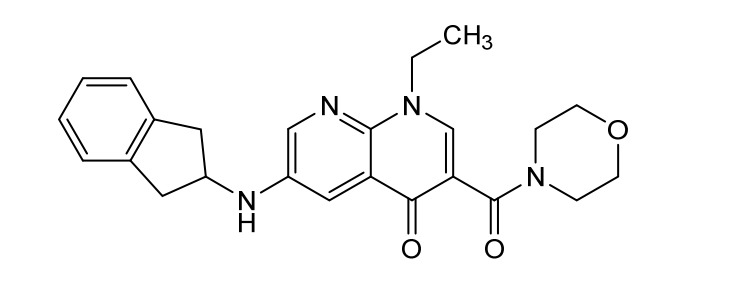
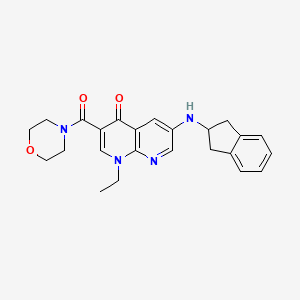
Soclenicant
CAS 1020634-41-6
MFC24H26N4O3 MW418.5 g/mol
6-(2,3-dihydro-1H-inden-2-ylamino)-1-ethyl-3-(morpholine-4-carbonyl)-1,8-naphthyridin-4-one
6-[(2,3-dihydro-1H-inden-2-yl)amino]-1-ethyl-3-(morpholine4-carbonyl)-1,8-naphthyridin-4(1H)-one
nicotinic acetylcholine receptor negative allosteric, modulator, anxiolytic, BNC210, IW-2143, BNC 210, IW 2143, QP49AY37OY
BNC-210 is under investigation in clinical trial NCT04951076 (A Phase 2b Study of BNC210 Tablet Formulation in Adults With Post-traumatic Stress Disorder (PTSD)).
Soclenicant (also known by its developmental code names BNC210 and IW-2143) is an investigational, orally active small-molecule drug developed to treat anxiety and stressor-related disorders. It is chemically classified as a synthetic heterocyclic compound based on a 1,8-naphthyridin-4-one scaffold.
Unlike traditional anxiety medications like benzodiazepines, it is designed to provide targeted relief without causing side effects like sedation, motor impairment, memory issues, or physical dependence.
Mechanism of Action
Soclenicant functions as a highly selective negative allosteric modulator (NAM) of the α7-nicotinic acetylcholine receptor (α₇ nAChR).
- It works by tuning down the electric currents induced by neurotransmitters like acetylcholine and nicotine specifically at this receptor subtype.
- In preclinical rodent models, it demonstrated strong acute anxiolytic (anti-anxiety), anti-stress, and antidepressant-like behaviors.
Clinical Development Status
The drug was originally engineered by Bionomics and saw collaborative development alongside entities like Ironwood Pharmaceuticals. Bionomics was acquired by Neuphoria Therapeutics in late 2024.
However, the drug’s clinical pipeline faced a massive setback:
- Social Anxiety Disorder (SAD) Flop: In late 2025, a Phase 3 clinical trial evaluating a single 225-mg dose of soclenicant for the acute treatment of social anxiety disorder failed to meet its primary endpoint. It showed no statistically significant improvement in patient distress levels during a public speaking challenge compared to a placebo.
- Current Status: Following the Phase 3 failure, Neuphoria Therapeutics discontinued the social anxiety program and triggered a strategic corporate review. While it has historically been granted FDA Fast Track designation for generalized anxiety disorder (GAD) and explored for Post-Traumatic Stress Disorder (PTSD), the future development pipeline remains uncertain
Soclenicant (INNTooltip International Nonproprietary Name),[3] also known by its developmental code names BNC210 and IW-2143, is an antinicotinic agent which is under development for the treatment of anxiety disorders such as social phobia and generalized anxiety disorder, as well as for treatment of agitation, post-traumatic stress disorder (PTSD), and depressive disorders.[1][4][5] It is taken by mouth.[4]
The drug acts as a highly selective negative allosteric modulator (NAM) of the α7-nicotinic acetylcholine receptor (α7-nAChR).[1][6][4][5] It produces anxiolytic-, anti-stress-, and antidepressant-like effects without causing sedation, memory or motor impairment, or physical dependence in rodents.[6] Chemically, soclenicant is a synthetic heterocyclic small-molecule compound based on a 1,8-naphthyridin-4-one scaffold, bearing amide and amine functionalities.[7]
Soclenicant is being developed by Bionomics.[4] It has also been developed by Ironwood Pharmaceuticals and EmpathBio.[4][5] Bionomics was acquired by Neuphoria Therapeutics in December 2024.[4] As of December 2024, soclenicant is in phase 3 clinical trials for anxiety disorders, phase 2 trials for agitation and PTSD, and no recent development has been reported for depressive disorders.[4][5] The drug received Fast Track designation from the United States Food and Drug Administration (FDA) in 2019.[8] It was first described in the literature, in a conference abstract, by 2007.[2]
- Efficacy of BNC210 in Acute, As-needed Treatment of Anxiety in Social Anxiety Disorder – 1CTID:NCT06510504Phase:Phase 3Status:CompletedDate:2026-05-19
- A Phase 2 Study of BNC210 for the Acute Treatment of Social Anxiety DisorderCTID:NCT05193409Phase:Phase 2Status:CompletedDate:2025-03-18
- A Phase 2b Study of BNC210 Tablet Formulation in Adults With Post-Traumatic Stress Disorder (PTSD)CTID:NCT04951076Phase:Phase 2Status:CompletedDate:2025-02-06
- Phase II Study of BNC210 in PTSDCTID:NCT02933606Phase:Phase 2Status:CompletedDate:2023-02-27
- A Study of BNC210 in Elderly Patients With AgitationCTID:NCT03548194Phase:Phase 2Status:CompletedDate:2020-07-09
SYNTHETIC
- The Pathway to Proof‐of‐Concept for BNC210, a Negative Allosteric Modulator of the Alpha‐7 Nicotinic Acetylcholine Receptor (nAChR), for Treatment of Psychiatric DiseasePublication Name:Clinical Pharmacology in Drug DevelopmentPublication Date:2025-09-27PMCID:PMC12856972PMID:41014090DOI:10.1002/cpdd.1609
- BNC210, a negative allosteric modulator of the alpha 7 nicotinic acetylcholine receptor, demonstrates anxiolytic- and antidepressant-like effects in rodentsPublication Name:NeuropharmacologyPublication Date:2024-03-15PMID:38185416DOI:10.1016/j.neuropharm.2024.109836
- BNC210: an investigational α7-nicotinic acetylcholine receptor modulator for the treatment of anxiety disordersPublication Name:Expert Opinion on Investigational DrugsPublication Date:2023-03-20PMID:36927202DOI:10.1080/13543784.2023.2192922
- Cholinergic Modulation of Disorder-Relevant Neural Circuits in Generalized Anxiety DisorderPublication Name:Biological PsychiatryPublication Date:2020-05-15PMCID:PMC7198974PMID:32107005DOI:10.1016/j.biopsych.2019.12.013
INTERMEDIATES
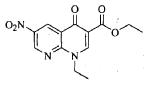
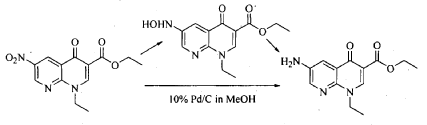
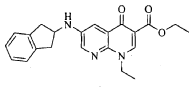
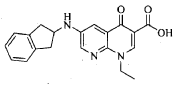
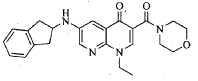
PAT
WO2012151640
https://patentscope.wipo.int/search/en/detail.jsf?docId=WO2012151640&_cid=P11-MUC1WO-96887-1
N-1
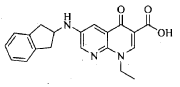
1-Ethyl-6-(indan-2-ylamino)-4-oxo-1,8-naphthyridine-3-cal-boxylic acid:
Ethanol (42.0 L) was added to reactor at 25-30 °C, followed by ethyl 1 -ethyl-6-(indan-2-ylamino)-4-oxo- 1 ,8-naphthyridine-3-carboxylate (4.20 kg) with stirring. Aqueous sodium hydroxide solution (prepared by dissolving 3.4 kg of sodium hydroxide into 42.0 L of water) was added to reaction mixture at 25-30 °C and reactor temperature was raised to 50-55 °C. The reaction mixture was stirred at 50-55 °C for 2 h and reaction progress was monitored by TLC. After completion of hydrolysis (~3 h), the reaction mass was cooled to 25-30 °C and pH was adjusted to 5-6 by addition of citric acid solution (prepared by dissolving 5.2 kg of citric acid in 47.0 L of water). The reaction mass was stirred for 20-25 minutes at 25-30 °C and filtered, the solid mass was washed with water (42.0 L) and acetone (21 .0 L). The material was transferred to drying trays and dried with hot-air dryer at 70-75 °C until the water content decreased to 1 .0%, yielding the desired compound (90%) as a solid. Ή NMR (DMSO-d6, 500MHz): 1.40(3H, t, J = 7.0Hz), 2.86-2.90(2H, m), 3.37-3.41 (2H, m), 4.38(1 H, d, J = 5.5 Hz), 4.62(2H? q, J = 7.0Hz), 7.06( 1 H, d, J = 6.0Hz), 7.17-7.18(2H. m), 7.26-7.27(2H, m), 7.60(1 H, d, J = 2.5 Hz), 8.52(1 H, d, J =2.0 Hz), 9.00 (1 H, s), 15.30(1 H, s). 13C NMR (DMSO-d6, 125MHz): 15.19, 46.92, 52.92, 107.12, 109.42, 121.58, 124.63, 126.41 , 140.1 1 , 141.12, 143.33, 143.43, 145.93, 166.12, 177.53.
FINAL
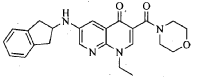
6-(2 ,3-Dihydro-1H-inden-2-ylamino)-1-ethyl-3-(morpholin-4-ylcarbonyl)-1,8-naphthyridin-4(1H)-one
Step 1 : 160.0 L of dichloromethane (water content should be no more than 0.1%), 1 -ethyl-6-(indan-2-ylamino)-4-oxo-l ,8-naphthyridine-3-carboxylic acid (4.0 kg) and triethylamine (3.5 kg) were sequentially added to reactor at 25-30°C under nitrogen atmosphere and the reaction mixture was cooled to 10-15 °C. Pivaloyl chloride (4.1 kg) was slowly added to reaction mixture keeping the reaction temperature at 10-15°C. Then, the reaction temperature was raised to 25-30 °C and stirred. The reaction progress was monitored by TLC for disappearance of starting material. After completion of reaction (3-4 h), the reaction mixture was again cooled to 15-20 °C and morpholine (6.0 kg) was added with stirring, keeping the reaction temperature at 1 5-20 °C. N,N-Dimethyl-4-aminopyridine ( 194 g) and DMF (2.0 L) were added to the reaction mixture at 15-20 °C and heated to reflux. The reaction progress was monitored by TLC for the disappearance of intermediate pivaloyl ester and found to be complete within 12-13 h. The reaction mixture was cooled to 15-20 °C and then quenched by addition of aqueous sodium bicarbonate solution (prepared by dissolving 5.6 kg of sodium bicarbonate in 56.0 L of water) with stirring. The organic layer was separated and washed with aqueous sodium chloride solution (prepared by dissolving 23.0 kg of sodium chloride in 57.0 L of water). The organic layer was separated and dried by stirring with anhydrous sodium sulphate (4.0 kg). The organic layer was filtered through a Nutsche filter and the sodium sulphate was washed with dichloromethane. The filtrate was transferred into a flask and evaporated under vacuum below 40 °C. The resulting material in the flask was cooled to 25-30 °C and suspended in diethyl ether (40.0 L). The solid separated was filtered using a Nutsche filter and washed with diethyl ether (8.0 L) and the isolated wet solid was dissolved in dichloromethane (20.0 L). The solution (10.0 L) was then filtered through a silica gel plug (10.0 kg) with dichloromethane (36.0 L), followed by 10 L of 10% methanol in dichloromethane. The silica gel filter was dried under vacuum. Similarly, the remaining portion of solution ( 10.0 L) was filtered through another silica gel plug (10.0 kg). The combined filtrate was evaporated under vacuum below 40 °C and then residual solid was suspended in ethyl acetate (20.0 L) with stirring at 25-30 °C. The solid separated was filtered through Nutsche filter and washed with ethyl acetate (4.0 L). The filter was dried under vacuum and then material was transferred to drying trays and dried at 40-45 °C. Yield (2.36 Kg). 1H NMR (DMSO-d6, 500MHz): 1.49 (3H, t, J = 7.2Hz), 2.91 (2H, dd, J = 3.5Hz, 16.0 Hz), 3.42-3.47(4H, m), 3.80(6H, s), 4.25-4.26(1H, bd), 4.40-4.48(3H, m), 7.20-7.25(4H, m),
7.82(1H, d, J = 3.0Hz), 8.09 (1H, s), 8.18(1 H, d, J = 3.0Hz). 13C NMR (CDCl3, 150MHz): 15.27, 39.87, 43.05, 46.66, 48.09, 53.93, 66.80, 67.40, 1 13.27, 1 16.71 , 123.22, 124.92, 126.78, 140.87, 141 .46, 141.83, 141.90, 143.84, 166.27, 173.38.
PAT
WO2014138772
https://patentscope.wipo.int/search/en/detail.jsf?docId=WO2014138772&_cid=P11-MUC1WO-96887-2
United States Patent Number 8,293,737, the entirety of which is incorporated herein by reference, describes certain 1,8-naphthyridin-4(1H)-one compounds which are useful as anxiolytic agents. Such compounds include 1-ethyl-6-(indan-2-ylamino)-3-(morphoIine-4-carbonyl)-1 ,8-naphthyridin-4-one (compound 1).
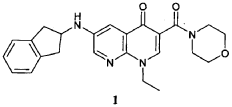
PAT
- Novel anxiolytic compoundsPublication Number:EP-2540722-A1Priority Date:2006-10-16
- Novel anxiolytic compoundsPublication Number:WO-2008046135-A1Priority Date:2006-10-16
- Novel anxiolytic compoundsPublication Number:EP-2540722-B1Priority Date:2006-10-16Grant Date:2016-06-08
- Anxiolytic compoundsPublication Number:US-10954231-B2Priority Date:2006-10-16Grant Date:2021-03-23
- Anxiolytic compoundsPublication Number:US-10233181-B2Priority Date:2006-10-16Grant Date:2019-03-19
- Novel anxiolytic compoundsPublication Number:US-2013012509-A1Priority Date:2006-10-16
- Novel anxiolytic compoundsPublication Number:US-2018105524-A1Priority Date:2006-10-16
- Novel anxiolytic compoundsPublication Number:US-2017183347-A1Priority Date:2006-10-16
- Anxiolytic compoundsPublication Number:US-8906912-B2Priority Date:2006-10-16Grant Date:2014-12-09
ADVERTISEMENT
ANAX LABORATORIES
WEBSITE https://www.anaxlab.com/
Discovery Solutions, Supporting the chemistry needs of clients in the Medical, Analytical and Bio Sciences
Development Solutions, Developing from Lab scale to PR&D, Kilo Scale-ups and Commercial Scales
SEE MORE………Integrated Solutions, Manufacturing Solutions, Products,
Can’t Find? Let’s Connect

Phone : +91 897704 2010 / +91 9177075735, Email : info@anaxlab.com
#MedicinalChemistry, #DrugDiscovery, #OrganicSynthesis, #ChemicalLibrary, #BuildingBlocks, #SARStudies, #ChemistryInnovation, #medchem, #Drugdevelopment, #Biotech, #Biotechnology, #AnaxLaboratories, #Pharma


AS ON FEB2026 4.574 LAKHS VIEWS ON BLOG WORLDREACH AVAILABLEFOR YOUR ADVERTISEMENT
join me on Linkedin
Anthony Melvin Crasto Ph.D – India | LinkedIn
join me on Researchgate
RESEARCHGATE

join me on Facebook
Anthony Melvin Crasto Dr. | Facebook
join me on twitter
Anthony Melvin Crasto Dr. | twitter
+919321316780 call whatsaapp
EMAIL. amcrasto@gmail.com

References
- Hampsey E, Perkins A, Young AH (April 2023). “BNC210: an investigational α7-nicotinic acetylcholine receptor modulator for the treatment of anxiety disorders”. Expert Opin Investig Drugs. 32 (4): 277–282. doi:10.1080/13543784.2023.2192922. PMID 36927202.
- Andriambeloson, E., Wagner, S., Huyard, B., Sleebs, B., Quasi, N., Bui, C., … & Street, I. (2007, September). BNC210: A Novel Compound with Potent Anxiolytic Activity. In Behavioral Pharmacology (Vol. 18, pp. S16–S16). https://neurofit.com/im-posters/2008-ebps-bnc210.pdf
- https://cdn.who.int/media/docs/default-source/international-nonproprietary-names-(inn)/pl132.pdf#page=198 soclenicantum soclenicant 6-[(2,3-dihydro-1H-inden-2-yl)amino]-1-ethyl-3-(morpholine4-carbonyl)-1,8-naphthyridin-4(1H)-one nicotinic acetylcholine receptor negative allosteric modulator, anxiolytic
- “BNC 210”. AdisInsight. 30 December 2024. Retrieved 22 February 2025.
- “Delving into the Latest Updates on BNC-210 with Synapse”. Synapse. 23 January 2025. Retrieved 22 February 2025.
- O’Connor SM, Sleebs BE, Street IP, Flynn BL, Baell JB, Coles C, Quazi N, Paul D, Poiraud E, Huyard B, Wagner S, Andriambeloson E, de Souza EB (March 2024). “BNC210, a negative allosteric modulator of the alpha 7 nicotinic acetylcholine receptor, demonstrates anxiolytic- and antidepressant-like effects in rodents”. Neuropharmacology. 246 109836. doi:10.1016/j.neuropharm.2024.109836. hdl:11343/348285. PMID 38185416.
- “CID 24772165”. PubChem. Retrieved 5 January 2026.
- Bionomics Limited Press Release (2019-11-04). “Bionomics Announces Fast Track Designation Granted by U.S. FDA to BNC210 Development Program for the Treatment of PTSD”. BusinessWire. Retrieved 2020-09-09.
 | |
| Clinical data | |
|---|---|
| Other names | BNC210; BNC-210; IW2143; IW-2143 |
| Routes of administration | Oral |
| Drug class | α7-Nicotinic acetylcholine receptor negative allosteric modulator |
| ATC code | None |
| Legal status | |
| Legal status | Investigational |
| Pharmacokinetic data | |
| Bioavailability | 69.4% (rat)[1][2] |
| Protein binding | 70–88%[1][2] |
| Elimination half-life | 6.2 hours (rat)[1][2] |
| Identifiers | |
| IUPAC name | |
| CAS Number | 1020634-41-6  |
| PubChem CID | 24772165 |
| UNII | QP49AY37OY |
| KEGG | D13360 |
| Chemical and physical data | |
| Formula | C24H26N4O3 |
| Molar mass | 418.497 g·mol−1 |
| 3D model (JSmol) | Interactive image |
| SMILES | |
| InChI | |
//////soclenicant, anax labs, nicotinic acetylcholine receptor negative allosteric, modulator, anxiolytic, BNC210, IW-2143, BNC 210, IW 2143, QP49AY37OY
#soclenicant, #anax labs, #nicotinic acetylcholine receptor negative allosteric, #modulator, #anxiolytic, #BNC210, #IW-2143, #BNC 210, #IW 2143, #QP49AY37OY
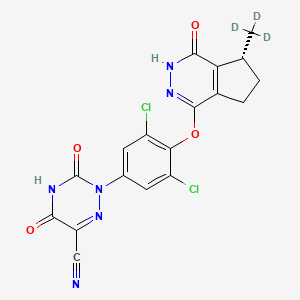
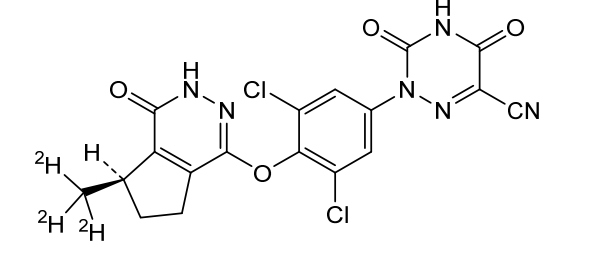
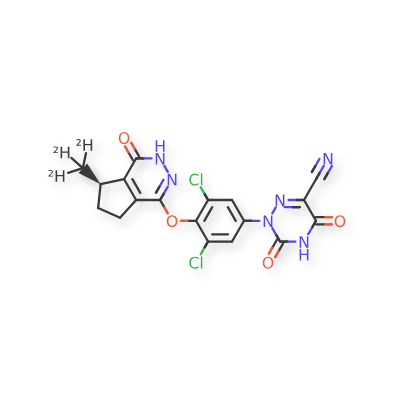
Simedeutirom
Simedeutirom
CAS 2403721-24-2
MF C18H92H3Cl2N6O4 MW 450.25
2-[3,5-Dichloro-4-[[(7R)-2,5,6,7-tetrahydro-7-(methyl-d3)-1-oxo-1H-cyclopenta[d]pyridazin-4-yl]oxy]phenyl]-2,3,4,5-tetrahydro-3,5-dioxo-1,2,4-triazine-6-carbonitrile
2-[3,5-dichloro-4-[[(7R)-1-oxo-7-(trideuteriomethyl)-2,5,6,7-tetrahydrocyclopenta[d]pyridazin-4-yl]oxy]phenyl]-3,5-dioxo-1,2,4-triazine-6-carbonitrile
2-(3,5-dichloro-4-{[(7R)-7-(2H3)methyl-1-oxo-2,5,6,7-tetrahydro-1Hcyclopenta[d]pyridazin-4-yl]oxy}phenyl)-3,5-dioxo-2,3,4,5-tetrahydro-1,2,4-triazine-6-carbonitrile
thyroid hormone beta receptor agonist, 4G7Z7KQ8GV
Simedeutirom is a selective, synthetic, deuterium-labeled thyroid hormone receptor beta (THR-β) agonist. It features a novel cyclopenta𝑑pyridazine core and is primarily utilized as a specialized tool compound in the biochemical research of metabolic diseases, including obesity, type 2 diabetes mellitus, and related metabolic disorders.
Core Structural & Pharmacological Profile
- Target Selectivity: It functions as a potent agonist specifically targeting the thyroid hormone receptor beta (THR-β), with an half-maximal effective concentration (EC₅₀) ranging between 0.1 to 1 μM. THR-β activation plays a foundational role in modulating hepatic lipid metabolism, lowering cholesterol, and regulating overall energy expenditure without heavily triggering the alpha receptor (THR-α), which is associated with adverse cardiac side effects.
- Deuterium Labeling: The compound incorporates deuterium (a stable isotope of hydrogen) into its chemical architecture, specifically modified as a trideuteriomethyl group. Isotopic modification or “deuteration” is an established medicinal chemistry approach frequently evaluated to slow metabolic clearance and increase structural stability.
- Chemical Identifiers:
- Molecular Formula: C₁₈H₁₂Cl₂N₆O₄
- Molecular Weight: 450.25 g/mol
- CAS Registry Number: 2403721-24-2
- FDA UNII Code: 4G7Z7KQ8GV
Research Context & Status
Simedeutirom is categorized under the International Nonproprietary Name (INN) database. However, it is fundamentally classified for in vitro and in vivo research use only. It has not been approved for clinical therapeutic use or direct distribution to patients.
PAT
WO 2019240938
https://patentscope.wipo.int/search/en/detail.jsf?docId=WO2019240938&_cid=P11-MU978W-22170-1
PAT
US20250179050
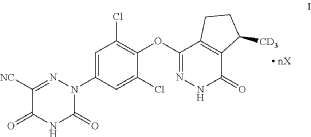
Example 1 Preparation of crude free base of compound I
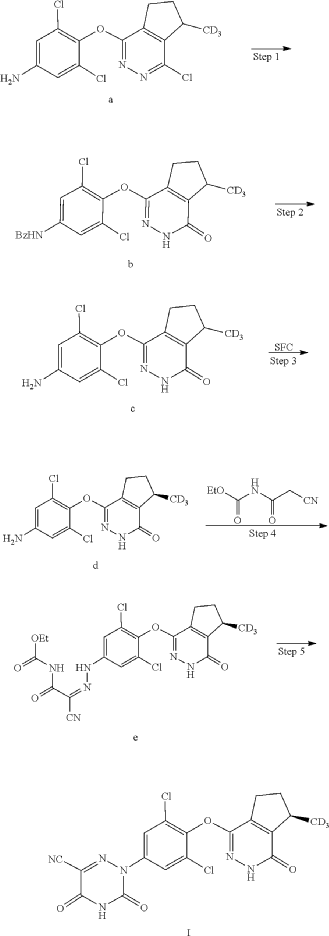
Step 1: preparation of compound b
N-(3,5-dichloro-4-((7-(methyl-d3)-1-oxo-2,5,6,7-tetrahydro-1H-cyclopenta [d]pyridazin-4-yl)oxy)phenyl)benzamid
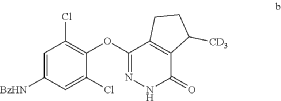
| 1H NMR (400 MHZ, DMSO) δ 12.07 (s, 1H), 10.55 (s, 1H), 8.04 (s, 2H), 7.98-7.95 (m, 2H), 7.63-7.50 (m, 3H), 3.29-3.25 (m, 1H), 3.02-2.90 (m, 2H), 2.39-2.36 (m, 1H), 1.75-1.72 (m, 1H). |
Step 2: preparation of compound c
4-(4-amino-2,6-dichlorophenoxy)-7-(methyl-d3)-2,5,6,7-tetrahydro-1H-cyclopenta [d]pyridazin-1-on
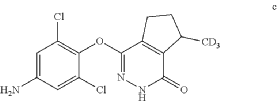
| To a 100 L reaction kettle, 5.76 kg of the crude compound b from the previous step, a potassium hydroxide solution (2606 g KOH dissolved in 19.5 L of purified water) and 6.0 L of anhydrous ethanol were added under stirring. After the complete addition, the mixture was heated to reflux and reacted for about 16 hours, and the raw material was controlled for a complete reaction. |
| 1H NMR (400 MHZ, DMSO) δ 11.98 (s, 1H), 6.67 (m, 2H), 5.60 (s, 2H), 3.30-3.19 (m, 1H), 3.03-2.93 (m, 1H), 2.90-2.70 (m, 1H), 2.35 (m, 1H), 1.69 (m, 1H). |
Step 3: preparation of compound d
(R)-4-(4-amino-2,6-dichlorophenoxy)-7-(methyl-d3)-2,5,6,7-tetrahydro-1H-cyclopenta [d]pyridazin-1-one
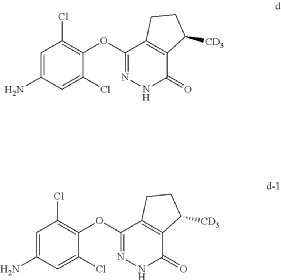
| 3298 g of racemate c was subjected to chiral resolution to give, two optical isomers from separation: |
| Compound d (retention time: 1.583 min, 1230 g, off-white solid, ee %=99.60%, yield 37.3%); and compound d-1 (retention time: 1.926 min, 1255 g, off-white solid, ee %=99.76%, yield 38.1%). |
Resolution conditions:
Compound d
| 1H NMR (400 MHZ, DMSO) δ 11.98 (s, 1H), 6.67 (s, 2H), 5.60 (s, 2H), 3.30-3.19 (m, 1H), 3.03-2.93 (m, 1H), 2.90-2.70 (m, 1H), 2.35 (dtd,1H), 1.69 (ddt, 1H). |
Compound d-1
| 1H NMR (400 MHZ, DMSO) δ 11.98 (s, 1H), 6.68 (d, 2H), 5.60 (s, 2H), 3.29-3.18 (m, 1H), 2.97 (tdd, 1H), 2.90-2.72 (m, 1H), 2.35 (dtd, 1H), 1.69 (ddt, 1H). |
Step 4: preparation of compound e
Ethyl(R,Z)-(2-cyano-2-(2-(3,5-dichloro-4-((7-(methyl-d3)-1-oxo-2,5,6,7-tetrahydro-1H-cyclopenta [d]pyridazin-4-yl)oxy)phenyl) hydrazineylidene) acetyl) carbamate
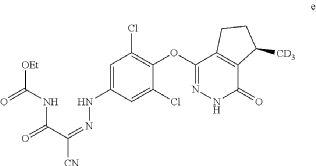
| To a 100 L reaction kettle, 16.0 kg of acetic acid, 4.0 kg of purified water and 2.0 kg of compound d were added with stirring. The temperature was reduced to 0+5° C., then 2.36 kg of hydrochloric acid was added, and after the addition, the temperature was maintained at 0+5° C. with stirring for about 20 minutes. A sodium nitrite solution (0.5 kg of sodium nitrite dissolved in 1.0 kg of purified water) was dropwise added with the temperature being controlled at 0+5° C., and after the addition, the temperature was maintained at 0+5° C. for reaction for 2 hours. The temperature was controlled at 5+5° C. and a sodium acetate solution (1.5 kg of sodium acetate dissolved in 6.0 kg of purified water) was added dropwise, then 0.99 kg of N-cyanoacetourethane was added, and then the temperature was increased to 10+5° C. for a reaction for about 2 hours. Then a sample was taken for HPLC monitoring, after which time samples were taken at each about 2-hour interval, and the reaction was not stopped until the content of compound d was determined by HPLC to be≤1.0%. |
| The filter cake was dried at 55+5° C. with vacuum≤−0.07 MPa for about 17 hours, and compound e was obtained and collected, weighing 2.6327 kg. |
| 1H NMR (400 MHZ, DMSO) δ 12.08 (d, 2H), 10.88 (s, 1H), 7.99 (s, 2H), 4.21 (q, 2H), 3.30-3.17 (m, 1H), 3.08-2.95 (m, 1H), 2.95-2.80 (m, 1H), 2.38 (ddd, 1H), 1.78-1.63 (m, 1H), 1.28 (t, 3H). |
Step 5: preparation of compound of formula I
(R)-2-(3,5-dichloro-4-((7-(methyl-d3)-1-oxo-2,5,6,7-tetrahydro-1H-cyclopenta [d]pyridazin-4-yl)oxy)phenyl)-3,5-dioxo-2,3,4,5-tetrahydro-1,2,4-triazine-6-carbonitrile
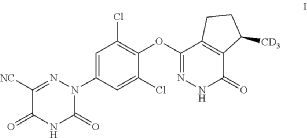
| 1H NMR (400 MHZ, DMSO) δ 13.26 (s, 1H), 12.09 (s, 1H), 7.79 (s, 2H), 3.32-3.24 (m, 1H), 3.10-2.99 (m, 1H), 2.96-2.88 (m, 1H), 2.45-2.31 (m, 1H), 1.77-1.69 (m, 1H). |
ADVERTISEMENT
ANAX LABORATORIES
WEBSITE https://www.anaxlab.com/
Discovery Solutions, Supporting the chemistry needs of clients in the Medical, Analytical and Bio Sciences
Development Solutions, Developing from Lab scale to PR&D, Kilo Scale-ups and Commercial Scales
SEE MORE………Integrated Solutions, Manufacturing Solutions, Products,
Can’t Find? Let’s Connect
Phone : +91 897704 2010 / +91 9177075735, Email : info@anaxlab.com
#MedicinalChemistry, #DrugDiscovery, #OrganicSynthesis, #ChemicalLibrary, #BuildingBlocks, #SARStudies, #ChemistryInnovation, #medchem, #Drugdevelopment, #Biotech, #Biotechnology, #AnaxLaboratories, #Pharma
AS ON FEB2026 4.574 LAKHS VIEWS ON BLOG WORLDREACH AVAILABLEFOR YOUR ADVERTISEMENT
join me on Linkedin
Anthony Melvin Crasto Ph.D – India | LinkedIn
join me on Researchgate
RESEARCHGATE
join me on Facebook
Anthony Melvin Crasto Dr. | Facebook
join me on twitter
Anthony Melvin Crasto Dr. | twitter
+919321316780 call whatsaapp
EMAIL. amcrasto@gmail.com
References
- Method for preparing (r)-1,4-dichloro-5-(methyl-d3)-6,7-dihydro-5h-cyclopenta[d]pyridazinePublication Number:WO-2025055949-A1Priority Date:2023-09-12
- Polymorph as thyroid hormone receptor agonists and use thereofPublication Number:WO-2023147752-A1Priority Date:2022-02-07
- Preparation method of pyridazinone derivative, and intermediate thereofPublication Number:TW-202342457-APriority Date:2022-02-07
- Preparation method of pyridazinone derivative, and intermediate thereofPublication Number:WO-2023147779-A1Priority Date:2022-02-07
- Polymorph as thyroid hormone receptor agonists and use thereofPublication Number:EP-4477652-A1Priority Date:2022-02-07
////////simedeutirom, anax labs, thyroid hormone beta receptor agonist, 4G7Z7KQ8GV
#simedeutirom, #anax labs, #thyroid hormone beta receptor agonist, #4G7Z7KQ8GV
Silevertinib
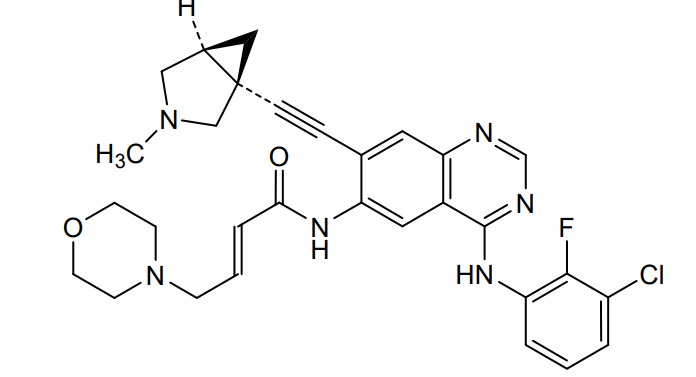
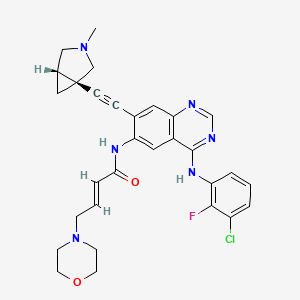
Silevertinib
CAS 2607829-38-7
MF C30H30ClFN6O2 MW561.0 g/mol
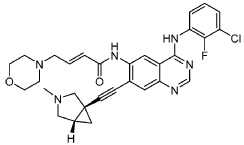
(E)-N-[4-(3-chloro-2-fluoroanilino)-7-[2-[(1R,5S)-3-methyl-3-azabicyclo[3.1.0]hexan-1-yl]ethynyl]quinazolin-6-yl]-4-morpholin-4-ylbut-2-enamide
(2E)-N-[4-(3-chloro-2-fluoroanilino)-7-{[(1R,5S)-3-methyl-3-azabicyclo[3.1.0]hexan-1-yl]ethynyl}quinazolin-6-yl]-4-(morpholin-4-yl)but-2-enamide
epidermal growth factor receptor tyrosine kinase inhibitor, antineoplastic, BDTX-1535, BDTX 1535, CANCER, Glioblastoma, Black Diamond Therapeutics, RP9F537KVY
Silevertinib is an investigational new drug that is being evaluated by Black Diamond Therapeutics for the treatment of glioblastoma and non-small cell lung cancer.[1] It is a EGFR protein tyrosine kinase inhibitor.[1][2]
Silevertinib (formerly known as BDTX-1535) is an investigational, orally bioavailable, fourth-generation epidermal growth factor receptor (EGFR) tyrosine kinase inhibitor (TKI) developed by Black Diamond Therapeutics. It is specifically engineered to be brain-penetrant and to target a broad spectrum of both classical and non-classical EGFR mutations, as well as resistance mutations, while sparing wild-type EGFR to reduce side effects.
Silevertinib is an orally bioavailable, brain penetrating, mutant-selective, epidermal growth factor receptor (EGFR) inhibitor, with potential antineoplastic activity. Upon oral administration, silevertinib selectively targets, irreversibly binds to, and inhibits the activity of various EGFR alterations and mutations, including certain intrinsic and acquired resistance mutations. This prevents EGFR-mediated signaling in susceptible tumor cells. This may both induce cell death and inhibit tumor growth in EGFR-overexpressing tumor cells. EGFR, a receptor tyrosine kinase mutated in many tumor cell types, plays a key role in tumor cell proliferation and tumor vascularization.
Mechanism of Action
Silevertinib works by selectively and irreversibly binding to mutated EGFR receptors. EGFR is a receptor tyrosine kinase that, when mutated, triggers uncontrolled cell division and tumor vascularization. By shutting down this signaling cascade, silevertinib induces tumor cell death and inhibits further growth.
A major clinical advantage of the drug is its ability to cross the blood-brain barrier, allowing it to target central nervous system (CNS) tumors and brain metastases that many traditional therapies fail to reach.
Target Indications & Clinical Data
Silevertinib is primarily being studied for two aggressive types of cancer:
- Non-Small Cell Lung Cancer (NSCLC): It targets frontline patients with classical and over 50 non-classical EGFR driver mutations, as well as patients who have developed the acquired C797S resistance mutation from prior treatments. Phase 2 clinical trial data presented at the American Society of Clinical Oncology (ASCO) 2026 Annual Meeting showcased robust efficacy:
- Objective Response Rate (ORR): 60% in treatment-naïve patients.
- CNS Response Rate: An impressive 86% intracranial ORR in patients presenting with brain metastases.
- Disease Control Rate (DCR): 91%.
- Glioblastoma Multiforme (GBM): In May 2026, a randomized Phase 2 trial was initiated for newly diagnosed patients with EGFRvIII-positive, MGMT-negative glioblastoma, evaluating silevertinib in combination with temozolomide.
Safety Profile & Side Effects
The adverse events of silevertinib are consistent with the broader class of EGFR inhibitors. The most frequently reported treatment-related adverse events (TRAEs) include:
- Rash
- Diarrhea
- Stomatitis (mouth sores)
- Paronychia (nail bed inflammation)
While a high percentage of patients (up to 77–84%) require dose reductions to manage these side effects, data shows that 86% of responding patients maintained or deepened their clinical response even after dropping to a lower dose. The treatment discontinuation rate remains low at roughly 9–14%, indicating the drug is manageable for long-term therapy.
Regulatory Status
As an investigational drug, silevertinib is not yet approved for commercial use by global regulatory agencies. However, the manufacturer anticipates regulatory feedback from the US FDA regarding its registration pathway for first-line NSCLC therapy.
- OriginatorBlack Diamond Therapeutics
- Class2 ring heterocyclic compounds; Amides; Amines; Aniline compounds; Antineoplastics; Halogenated hydrocarbons; Morpholines; Quinazolines; Small molecules
- Mechanism of ActionErbB receptor antagonists
- Phase IIGlioblastoma
- Phase I/IINon-small cell lung cancer
- Phase 0Glioma
- 06 Aug 2026Black Diamond Therapeutics anticipates regulatory feedback from the US FDA on registration path of silevertinib for Non-small cell lung cancer (First-line therapy) in the fourth quarter of 2026 (Black Diamond pipeline, May 2026)
- 02 Jun 2026Efficcay and adverse event data from phase I/II trial in Non-small cell lung cancer presented at the 62nd Annual Meeting of the American Society of Clinical Oncology (ASCO-2026)
- 21 May 2026Efficacy and adverse events data from a phase I/II trial in Non small cell lung cancer released by Black Diamond Therapeutics
SYN
- BDTX-1535 Goes after Osimertinib ResistancePublication Name:Cancer DiscoveryPublication Date:2021-12-01PMID:34702733DOI:10.1158/2159-8290.cd-nb2021-0395
- Further characterization of a DNA polymerase activity in mouse sperm nucleiPublication Name:Biochimica et Biophysica Acta (BBA) – Nucleic Acids and Protein SynthesisPublication Date:1976-10-04PMID:10003DOI:10.1016/0005-2787(76)90342-7
PAT
https://patentscope.wipo.int/search/en/detail.jsf?docId=WO2021030711&_cid=P21-MU6CBO-49598-1
Example 33. Synthesis of Compound No. 37 ((E)-N-(4-((3-chloro-2-fluorophenyl)amino)-7-(((1R,5S)-3-methyl-3-azabicyclo[3.1.0]hexan-1-yl)ethynyl)quinazolin-6-yl)-4-morpholinobut-2-enamide)

PAT
WO2026064728
PAT
US20220298120
https://patentscope.wipo.int/search/en/detail.jsf?docId=US375116378&_cid=P21-MU6C60-41372-1
Example 33. Synthesis of Compound No. 37 ((E)-N-(4-((3-chloro-2-fluorophenyl)amino)-7-(((1R,5S)-3-methyl-3-azabicyclo[3.1.0]hexan-1-yl)ethynyl)quinazolin-6-yl)-4-morpholinobut-2-enamide)
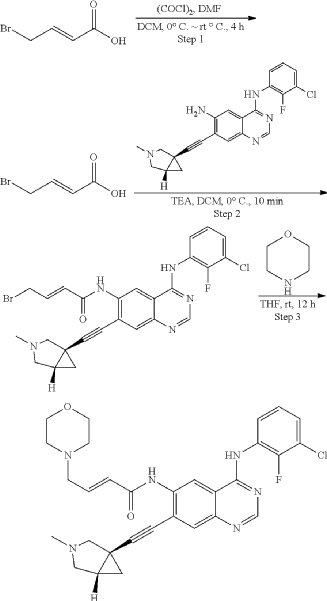
| Step 1. To a solution of (E)-4-bromobut-2-enoic acid (5.00 g, 30.3 mmol) and dimethylformamide (22.2 mg, 303 umol) in dichloromethane (20 mL) was added (COCl) 2 (3.85 g, 30.3 mmol) dropwise at 0° C. under N 2. The mixture was stirred at 0-25° C. for 4 h. On completion, the reaction mixture was concentrated in vacuo to give (E)-4-bromobut-2-enoyl chloride (5.8 g, crude) as a yellow oil. |
ADVERTISEMENT
ANAX LABORATORIES
WEBSITE https://www.anaxlab.com/
Discovery Solutions, Supporting the chemistry needs of clients in the Medical, Analytical and Bio Sciences
Development Solutions, Developing from Lab scale to PR&D, Kilo Scale-ups and Commercial Scales
SEE MORE………Integrated Solutions, Manufacturing Solutions, Products,
Can’t Find? Let’s Connect
Phone : +91 897704 2010 / +91 9177075735, Email : info@anaxlab.com
#MedicinalChemistry, #DrugDiscovery, #OrganicSynthesis, #ChemicalLibrary, #BuildingBlocks, #SARStudies, #ChemistryInnovation, #medchem, #Drugdevelopment, #Biotech, #Biotechnology, #AnaxLaboratories, #Pharma
AS ON FEB2026 4.574 LAKHS VIEWS ON BLOG WORLDREACH AVAILABLEFOR YOUR ADVERTISEMENT
join me on Linkedin
Anthony Melvin Crasto Ph.D – India | LinkedIn
join me on Researchgate
RESEARCHGATE
join me on Facebook
Anthony Melvin Crasto Dr. | Facebook
join me on twitter
Anthony Melvin Crasto Dr. | twitter
+919321316780 call whatsaapp
EMAIL. amcrasto@gmail.com
References
- “Silevertinib”. AdisInsight. Springer Nature Switzerland AG. Retrieved 5 July 2026.
- Joshi H, Sheikh MS (August 2025). “Cell Death, Molecular Targeted Therapies, and Metabolic Reprogramming in EGFR-Mutant Lung Cancer”. Cancers. 17 (17). Basel: 2791. doi:10.3390/cancers17172791. PMC 12427363. PMID 40940888.
PAT
- Polymorphs as erbb inhibitorsPublication Number:EP-4405350-A1Priority Date:2021-09-21
- Polymorphs as erbb inhibitorsPublication Number:US-2024425492-A1Priority Date:2021-09-21
- Polymorphs as erbb inhibitorsPublication Number:WO-2023049168-A1Priority Date:2021-09-21
- Method of treating cancers with alkyne substituted quinazoline derivativesPublication Number:WO-2022094464-A1Priority Date:2020-11-02
- Alkynyl quinazoline compoundsPublication Number:EP-4013749-A1Priority Date:2019-08-15
- Alkynyl quinazoline compoundsPublication Number:US-2022298120-A1Priority Date:2019-08-15
- Alkynyl quinazoline compoundsPublication Number:US-2026049063-A1Priority Date:2019-08-15
- Alkynyl quinazoline compoundsPublication Number:US-12435046-B2Priority Date:2019-08-15Grant Date:2025-10-07
- Alkynyl quinazoline compoundsPublication Number:EP-4013749-B1Priority Date:2019-08-15Grant Date:2026-03-11
- Alkynyl quinazoline compoundsPublication Number:WO-2021030711-A1Priority Date:2019-08-15
 | |
| Clinical data | |
|---|---|
| Other names | RVU-120 |
| Identifiers | |
| IUPAC name | |
| CAS Number | 2607829-38-7 |
| PubChem CID | 156071569 |
| IUPHAR/BPS | 13371 |
| UNII | RP9F537KVY |
| KEGG | D13300 |
| Chemical and physical data | |
| Formula | C30H30ClFN6O2 |
| Molar mass | 561.06 g·mol−1 |
| 3D model (JSmol) | Interactive image |
| SMILES | |
| InChI | |
///////////silevertinib, anax labs, epidermal growth factor receptor tyrosine kinase inhibitor, antineoplastic, BDTX-1535, BDTX 1535, CANCER, Glioblastoma, Black Diamond Therapeutics, RP9F537KVY
#silevertinib, #anax labs, #epidermal growth factor receptor tyrosine kinase inhibitor, #antineoplastic, #BDTX-1535, #BDTX 1535, #CANCER, #Glioblastoma, #Black Diamond Therapeutics, #RP9F537KVY
Floretyrosine F 18
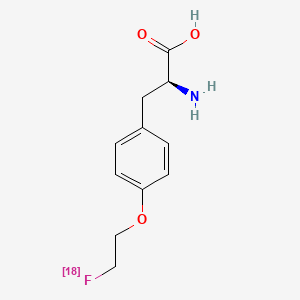

Floretyrosine F 18
CAS 178433-03-9
FormulaC₁₁H₁₄[¹⁸F]NO₃
Molecular Weight226.23 g/mol
FDA UNII1326R5J1IA
FDA 2026, APPROVALS 2026, Pixclara, TELIX PHARMACEUTICALS, GLIOMA, CANCER, TLX101-CDx, TLX101-Px, 1326R5J1IA, L-(18F)FET, O-(2-((18)F)fluoroethyl)-L-tyrosine
(2S)-2-amino-3-[4-(2-[¹⁸F]fluoroethoxy)phenyl]propanoic acid, (2S)-2-amino-3-[4-(2-(18F)fluoroethoxy)phenyl]propanoic acid
To use with positron emission tomography to differentiate recurrent or progressive glioma from treatment-related change in conjunction with other diagnostic evaluations
Floretyrosine F 18 (brand name Pixclara®, also known as 18F-FET) is a newly FDA-approved radiopharmaceutical imaging drug used in positron emission tomography (PET) scans for patients with glioma (brain cancer). Developed by Telix Pharmaceuticals, it received formal U.S. Food and Drug Administration (FDA) approval on September 14, 2026, making it the first and only approved FET-PET diagnostic tracer for brain tumors in the United States.
Primary Clinical Indication
Pixclara is indicated for use in both adult and pediatric patients (1 month of age and older).
Its primary clinical purpose is to differentiate recurrent or progressive glioma from treatment-related changes (such as radiation necrosis or inflammation). Following chemotherapy or radiation, traditional MRI scans often show areas that “light up,” making it incredibly difficult for neuro-oncologists to tell whether a tumor is growing back or if the brain is simply healing from harsh treatments. Pixclara solves this diagnostic dilemma by providing metabolic clarity.
How It Works (Mechanism of Action)
- Targeted Delivery: Floretyrosine F 18 is a synthetic amino acid analogue labeled with the radioactive isotope fluorine-18. [1, 2]
- Cellular Uptake: Once injected intravenously, it specifically targets and binds to L-type amino acid transporters 1 and 2 (LAT1 and LAT2). These transporters are heavily overexpressed on the membranes of active glioma cells compared to healthy brain tissue.
- PET Detection: The tumor cells rapidly absorb the tracer, and the energy emissions from the fluorine-18 isotope are captured by a PET scanner, creating a highly accurate metabolic map of the tumor.
Strategic & Future Impact
The approval aligns U.S. practice with international clinical guidelines—such as the National Comprehensive Cancer Network (NCCN) Guidelines®—which already recommend FET-PET imaging for brain tumor management. Furthermore, Telix Pharmaceuticals is currently conducting a Phase 3 registrational study to expand Pixclara’s indication to include the diagnosis and characterization of brain metastases (cancers that have spread to the brain from other parts of the body)
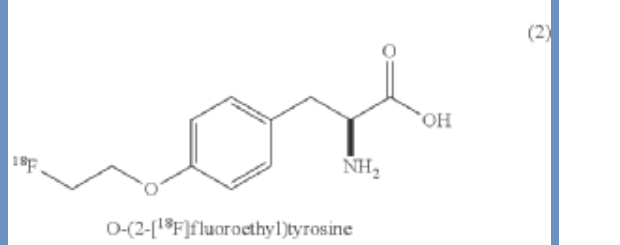
Fluoroethyl-l-tyrosine (18F), commonly known as [18F]FET, is a radiopharmaceutical tracer used in positron emission tomography (PET) imaging. This synthetic amino acid, labeled with the radioactive isotope fluorine-18, is a valuable radiopharmaceutical tracer for use in neuro-oncology for diagnosing, planning treatment, and following up on brain tumors such as gliomas. The tracer’s ability to provide detailed metabolic imaging of tumors makes it an essential tool in the clinical management of brain cancer patients. Continued advancements in PET imaging technology and the development of more efficient synthesis methods are expected to further enhance the clinical utility of [18F]FET.[2]
Radiosynthesis
There are two common pathways for the radiosynthesis of [18F]FET. The first one utilizes a nucleophilic 18F-fluorination of ethyleneglycol-1,2-ditosylate with a subsequent 18F-fluoroethylation of a precursor di-sodium salt of L-tyrosine. This sequence requires two purification steps, two different precursors and a dual-reactor synthesis module which is not widely available in research or commercial centers.[3][4][5] The schematic for this pathway is:[6]

The second route of radiosynthesis is a direct nucleophilic 18F-fluorination a TET (O-(2-tosyloxy-ethyl)-N-trityl-L-tyrosine tert-butyl ester) protected precursor followed by acidic hydrolysis of protecting groups.[3][4][7] The schematic for this pathway is:[6]
REF
- Fluorinated phenylalanines: synthesis and pharmaceutical applicationsPublication Name:Beilstein Journal of Organic ChemistryPublication Date:2020-05-15PMCID:PMC7237815PMID:32509033DOI:10.3762/bjoc.16.91
- Solid-Phase Synthesis of O-(2-[18F]-Fluoro-ethyl)-l-tyrosinePublication Name:SynfactsPublication Date:2013-03-15DOI:10.1055/s-0032-1318420
- Investigations into the synthesis, radiofluorination and conjugation of a new [18F]fluorocyclobutyl prosthetic group and its in vitro stability using a tyrosine model systemPublication Name:Bioorganic & Medicinal ChemistryPublication Date:2013-02-01PMID:23290251DOI:10.1016/j.bmc.2012.11.049
- Microfluidic technology: An economical and versatile approach for the synthesis of O-(2-[18F]fluoroethyl)-l-tyrosine ([18F]FET)Publication Name:Bioorganic & Medicinal Chemistry LettersPublication Date:2012-03-15PMID:22342141DOI:10.1016/j.bmcl.2012.01.083
- Synthesis and biological evaluation of novel F-18 labeled pyrazolo[1,5-a]pyrimidine derivatives: Potential PET imaging agents for tumor detectionPublication Name:Bioorganic & Medicinal Chemistry LettersPublication Date:2011-08-15PMID:21752641DOI:10.1016/j.bmcl.2011.06.072
- (18)F Labeled benzimidazole derivatives as potential radiotracer for positron emission tomography (PET) tumor imagingPublication Name:Bioorganic & Medicinal ChemistryPublication Date:2010-04-01PMID:20303769DOI:10.1016/j.bmc.2010.02.060
- No carrier added synthesis of O-(2′-[18F]fluoroethyl)-l-tyrosine via a novel type of chiral enantiomerically pure precursor, NiII complex of a (S)-tyrosine Schiff basePublication Name:Bioorganic & Medicinal ChemistryPublication Date:2008-05-01PMID:18378460DOI:10.1016/j.bmc.2008.03.040
- Solid-Phase Synthesis of O-(2-[18F]-Fluoro-ethyl)-l-tyrosine, DOI:10.1055/s-0032-1318420, Publication Date:2013, Publication Name:Synfacts
SYN
US20190223814/US249082034
PAT
US20120189546
https://patentscope.wipo.int/search/en/detail.jsf?docId=US73636763&_cid=P11-MU3HO5-37901-1
PAT
US20140235861
https://patentscope.wipo.int/search/en/detail.jsf?docId=US107206441&_cid=P11-MU3HO5-37901-1
Another example of an 18F-fluoroalkylation reaction to obtain a PET tracer is the reaction described by Wang et al (2006 J Radioanalyt Nuc Chem; 270(2): 439-43) used to obtain the 18F-labeled amino acid O-(2-[ 18F]fluoroethyl)-L-tyrosine ([ 18F]FET):
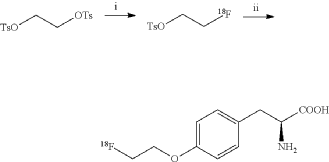
[ 18F]Fluoroethyl tosylate was prepared in step (i) by displacement of a tosyl group from 1,2-bistosyloxyethane by reaction with K 18F/Kryptofix 2.2.2 in acetonitrile at 90° C. for 10 minutes. The purified [ 18F]fluoroethyl tosylate was then reacted in step (ii) with a solution of L-tyrosine and 10% aqueous NaOH in DMSO (or di-Na-salt of L-tyrosine in DMSO) 20 minutes at 90° C. to obtain [ 18F]FET. In contrast to the method for preparation of 18F-labelled S-fluoroalkyl diarylguanidines as reported by Robins et al (supra), this method for preparation of [ 18F]FET uses a soluble base in the alkylation reaction. However, the reaction is still not ideal for carrying out on an automated synthesis device that uses a cassette due to the fact that and additional vial is required for the base used for the subsequent fluoroalkylation step.
PAT
Radiation radiation detector with position tracking system and its use in medical systems and proceduresPublication Number:
JP-2004512502-APriority Date:2000-08-21
- Novel imaging agents and precursors and methods of preparation thereofPublication Number:CN-1234680-CPriority Date:2001-06-04Grant Date:2006-01-04
- Radioactive emission detector equipped with a position tracking system and utilization thereof with medical systems and in medical proceduresPublication Number:US-2005055174-A1Priority Date:2000-08-21
- Radioactive emission detector equipped with a position tracking system and utilization thereof with medical systems and in medical proceduresPublication Number:US-7826889-B2Priority Date:2000-08-21Grant Date:2010-11-02
- Radioactive emission detector equipped with a position tracking system and utilization thereof with medical systems and in medical proceduresPublication Number:US-2004015075-A1Priority Date:2000-08-21
- Radioactive emission detector equipped with a position tracking systemPublication Number:US-2014249402-A1Priority Date:2000-08-21
- Tumor imaging compoundsPublication Number:CA-2479514-CPriority Date:2002-04-30Grant Date:2011-07-26
- Protected tyrosine derivatives, method for the production thereof and use of the same for producing o-(2-[18f]-fluoroethyl)-l-tyrosinePublication Number:WO-02102765-A3Priority Date:2001-06-05
- Protected tyrosine derivatives, method for the production thereof and use of the same for producing o-(2-[18f]-fluoroethyl)-l-tyrosinePublication Number:US-2004192954-A1Priority Date:2001-06-05
- PROTECTED TYROSINE DERIVATIVES, METHOD FOR THE PRODUCTION THEREOF AND THEIR USE FOR THE PRODUCTION OF O-(2-?18 F)-FLUORETHYL)-L-TYROSINEPublication Number:AT-E289992-T1Priority Date:2001-06-05Grant Date:2005-03-15
- Imaging agents, precursors thereof and methods of manufacturePublication Number:US-2003124059-A1Priority Date:2001-06-04
- Radioactively labelled amino acid analogues, their preparation and usePublication Number:US-2006127306-A1Priority Date:2002-08-02
- Radioactively labelled amino acid analogues, their preparation and usePublication Number:EP-1539250-A1Priority Date:2002-08-02
- Tumor imaging compoundsPublication Number:US-7989649-B2Priority Date:2002-04-30Grant Date:2011-08-02
- Tumor imaging compoundsPublication Number:US-2009240041-A1Priority Date:2002-04-30
- Tumor imaging compoundsPublication Number:US-7544715-B2Priority Date:2002-04-30Grant Date:2009-06-09
ADVERTISEMENT
ANAX LABORATORIES
WEBSITE https://www.anaxlab.com/
Discovery Solutions, Supporting the chemistry needs of clients in the Medical, Analytical and Bio Sciences
Development Solutions, Developing from Lab scale to PR&D, Kilo Scale-ups and Commercial Scales
SEE MORE………Integrated Solutions, Manufacturing Solutions, Products,
Can’t Find? Let’s Connect
Phone : +91 897704 2010 / +91 9177075735, Email : info@anaxlab.com
#MedicinalChemistry, #DrugDiscovery, #OrganicSynthesis, #ChemicalLibrary, #BuildingBlocks, #SARStudies, #ChemistryInnovation, #medchem, #Drugdevelopment, #Biotech, #Biotechnology, #AnaxLaboratories, #Pharma
AS ON FEB2026 4.574 LAKHS VIEWS ON BLOG WORLDREACH AVAILABLEFOR YOUR ADVERTISEMENT
join me on Linkedin
Anthony Melvin Crasto Ph.D – India | LinkedIn
join me on Researchgate
RESEARCHGATE
join me on Facebook
Anthony Melvin Crasto Dr. | Facebook
join me on twitter
Anthony Melvin Crasto Dr. | twitter
+919321316780 call whatsaapp
EMAIL. amcrasto@gmail.com
References
- CID 54255856 from PubChem
- Treglia G, Muoio B, Giovanella L (2020). “18F-FET”. In Calabria F, Schillaci O (eds.). Radiopharmaceuticals: A Guide to PET/CT and PET/MRI. Cham: Springer International Publishing. pp. 83–88. doi:10.1007/978-3-030-27779-6_4. ISBN 978-3-030-27778-9.
- Bourdier T, Greguric I, Roselt P, Jackson T, Faragalla J, Katsifis A (July 2011). “Fully automated one-pot radiosynthesis of O-(2-[18F]fluoroethyl)-L-tyrosine on the TracerLab FX(FN) module”. Nuclear Medicine and Biology. 38 (5): 645–651. doi:10.1016/j.nucmedbio.2011.01.001. PMID 21718939.
- Siddiq IS, Atwa ST, Shama SA, Eltaoudy MH, Omar WM (March 2018). “Radiosynthesis and modified quality control of O-(2-[18F]fluoroethyl)-L-tyrosine ([18F]FET) for brain tumor imaging”. Applied Radiation and Isotopes. 133: 38–44. Bibcode:2018AppRI.133…38S. doi:10.1016/j.apradiso.2017.12.011. PMID 29275040.
- Wester HJ, Herz M, Weber W, Heiss P, Senekowitsch-Schmidtke R, Schwaiger M, et al. (January 1999). “Synthesis and radiopharmacology of O-(2-[18F]fluoroethyl)-L-tyrosine for tumor imaging”. Journal of Nuclear Medicine. 40 (1): 205–212. PMID 9935078.
- Wang M, Glick-Wilson BE, Zheng QH (December 2019). “Facile fully automated radiosynthesis and quality control of O-(2-[18F]fluoroethyl)-l-tyrosine ([18F]FET) for human brain tumor imaging”. Applied Radiation and Isotopes. 154 108852. Bibcode:2019AppRI.15408852W. doi:10.1016/j.apradiso.2019.108852. PMID 31442794.
- Mueller D, Klette I, Kalb F, Baum RP (July 2011). “Synthesis of O-(2-[18F]fluoroethyl)-L-tyrosine based on a cartridge purification method”. Nuclear Medicine and Biology. 38 (5): 653–658. doi:10.1016/j.nucmedbio.2011.01.006. PMID 21718940.
- Muoio B, Giovanella L, Treglia G (2018-09-04). “Recent Developments of 18F-FET PET in Neuro-oncology”. Current Medicinal Chemistry. 25 (26): 3061–3073. doi:10.2174/0929867325666171123202644. PMID 29173147.
- Wang L, Lieberman BP, Ploessl K, Kung HF (January 2014). “Synthesis and evaluation of ¹⁸F labeled FET prodrugs for tumor imaging”. Nuclear Medicine and Biology. 41 (1): 58–67. doi:10.1016/j.nucmedbio.2013.09.011. PMC 3895945. PMID 24183614.
- Lee TS, Ahn SH, Moon BS, Chun KS, Kang JH, Cheon GJ, et al. (August 2009). “Comparison of 18F-FDG, 18F-FET and 18F-FLT for differentiation between tumor and inflammation in rats”. Nuclear Medicine and Biology. 36 (6): 681–686. doi:10.1016/j.nucmedbio.2009.03.009. PMID 19647174.
- Leung K (2004), “O-(2-[18F]Fluoroethyl)-L-tyrosine”, Molecular Imaging and Contrast Agent Database (MICAD), Bethesda (MD): National Center for Biotechnology Information (US), PMID 20641653, retrieved 2024-07-10
- Heiss P, Mayer S, Herz M, Wester HJ, Schwaiger M, Senekowitsch-Schmidtke R (August 1999). “Investigation of transport mechanism and uptake kinetics of O-(2-[18F]fluoroethyl)-L-tyrosine in vitro and in vivo”. Journal of Nuclear Medicine. 40 (8): 1367–1373. PMID 10450690.
- Wang HE, Wu SY, Chang CW, Liu RS, Hwang LC, Lee TW, et al. (May 2005). “Evaluation of F-18-labeled amino acid derivatives and [18F]FDG as PET probes in a brain tumor-bearing animal model”. Nuclear Medicine and Biology. 32 (4): 367–375. doi:10.1016/j.nucmedbio.2005.01.005. PMID 15878506.
- Rau FC, Weber WA, Wester HJ, Herz M, Becker I, Krüger A, et al. (August 2002). “O-(2-[(18)F]Fluoroethyl)- L-tyrosine (FET): a tracer for differentiation of tumour from inflammation in murine lymph nodes”. European Journal of Nuclear Medicine and Molecular Imaging. 29 (8): 1039–1046. doi:10.1007/s00259-002-0821-6. PMID 12173018.
- Holzgreve A, Brendel M, Gu S, Carlsen J, Mille E, Böning G, et al. (2016-06-14). “Monitoring of Tumor Growth with [(18)F]-FET PET in a Mouse Model of Glioblastoma: SUV Measurements and Volumetric Approaches”. Frontiers in Neuroscience. 10: 260. doi:10.3389/fnins.2016.00260. PMC 4906232. PMID 27378835.
- “Product Characteristic of IASOglio©” (PDF). synektik.com.pl. 28 June 2024. Retrieved 28 June 2024.
- Pauleit D, Floeth F, Herzog H, Hamacher K, Tellmann L, Müller HW, et al. (April 2003). “Whole-body distribution and dosimetry of O-(2-[18F]fluoroethyl)-L-tyrosine”. European Journal of Nuclear Medicine and Molecular Imaging. 30 (4): 519–524. doi:10.1007/s00259-003-1118-0. PMID 12589478.
- Tang G, Tang X, Wang M, Luo L, Gan M (January 2004). “Radiation dosimetry of O-(3-[18F]fluoropropyl)-L-tyrosine as oncologic PET tracer based on the mice distribution data”. Applied Radiation and Isotopes. 60 (1): 27–32. doi:10.1016/j.apradiso.2003.10.005. PMID 14687633.
- Mattsson S, Johansson L, Leide Svegborn S, Liniecki J, Noßke D, Riklund KÅ, et al. (July 2015). “Radiation Dose to Patients from Radiopharmaceuticals: a Compendium of Current Information Related to Frequently Used Substances” (PDF). Annals of the ICRP. 44 (2 Suppl): 7–321. doi:10.1177/0146645314558019. PMID 26069086.
- “IASOglio”. Curium Pharma. Retrieved 2024-07-10.
 | |
| Clinical data | |
|---|---|
| Other names | 18F-FET; O-(2-(18F)fluoroethyl)-l-tyrosine, O-(2-Fluorethyl)-l-thyrosine, l-(18F)FET[1] |
| Routes of administration | Intravenous |
| ATC code | V09IX10 (WHO) |
| Identifiers | |
| IUPAC name | |
| CAS Number | 178433-03-9 |
| PubChem CID | 9834479 |
| ChemSpider | 8010200 |
| UNII | 1326R5J1IA |
| CompTox Dashboard (EPA) | DTXSID601045942  |
| Chemical and physical data | |
| Formula | C11H14FNO3 |
| Molar mass | 227.235 g·mol−1 |
| 3D model (JSmol) | Interactive image |
| SMILES | |
| InChI | |
///////////floretyrosine F 18, anax labs, FDA 2026, APPROVALS 2026, Pixclara, TELIX PHARMACEUTICALS, GLIOMA, CANCER, TLX101-CDx, TLX101-Px, 1326R5J1IA, L-(18F)FET, O-(2-((18)F)fluoroethyl)-L-tyrosine
#floretyrosine F 18, #anax labs, #FDA 2026, #APPROVALS 2026, #Pixclara, #TELIX PHARMACEUTICALS, #GLIOMA, #CANCER, #TLX101-CDx, #TLX101-Px, #1326R5J1IA, #L-(18F)FET, #O-(2-((18)F)fluoroethyl)-L-tyrosine
Setomagpran
Setomagpran
CAS 2991434-57-0
MF C22H19Cl2F6N5O MW 554.316
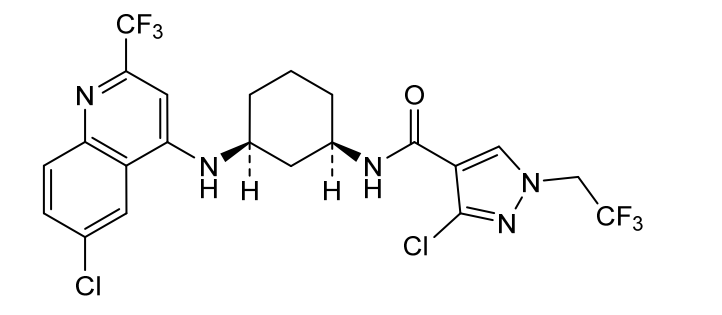
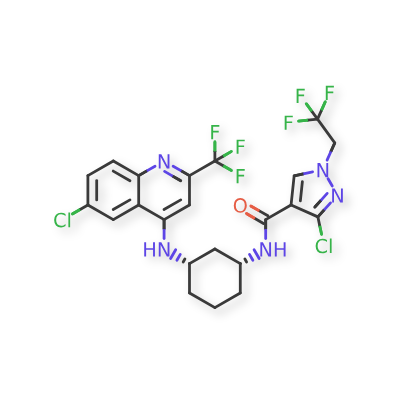
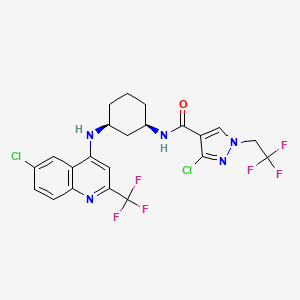
3-chloro-N-[(1R,3S)-3-{[6-chloro-2-(trifluoromethyl)quinolin-4-yl]amino}cyclohexyl]-1-(2,2,2-trifluoroethyl)-1H-pyrazole-4-carboxamide
1H-Pyrazole-4-carboxamide, 3-chloro-N-[(1R,3S)-3-[[6-chloro-2-(trifluoromethyl)-4-quinolinyl]amino]cyclohexyl]-1-(2,2,2-trifluoroethyl)-
3-chloro-N-[(1R,3S)-3-{[6-chloro-2-(trifluoromethyl)quinolin-4-yl]amino}cyclohexyl]-1-(2,2,2-trifluoroethyl)-1H-pyrazole-4-carboxamide
Mas-related G protein-coupled receptor antagonist, anti-inflammatory, MYX4KT647F
Setomagpran is a synthetic, small-molecule antagonist of the Mas-related G protein-coupled receptor X2 (MRGPRX2).
Because it blocks this specific receptor, it exhibits notable anti-inflammatory activity. The compound is primarily utilized as a reference standard and biochemical reagent in laboratory research settings
Setomagpran is the antagonist for mas-related G protein-coupled receptor (MRGPR), and exhibits anti-inflammatory activity.
Pat
Example 30
Synthesis of Example 30
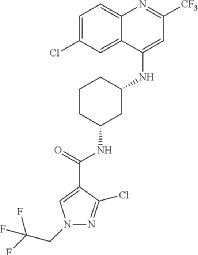
Synthesis of 3-chloro-N-((1R,3S)-3-((6-chloro-2-(trifluoromethyl)quinolin-4-yl)amino) cyclohexyl)-1-(2,2,2-trifluoroethyl)-1H-pyrazole-4-carboxamide
Pat
WO 2022/067094 A1 (US20220098155)
https://patentscope.wipo.int/search/en/detail.jsf?docId=WO2022067094&_cid=P10-MTZI7E-88068-1
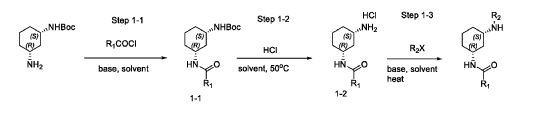
PAT
WO 2023/192901 A1
https://patentscope.wipo.int/search/en/detail.jsf?docId=WO2023192901&_cid=P10-MTZIR9-08517-1
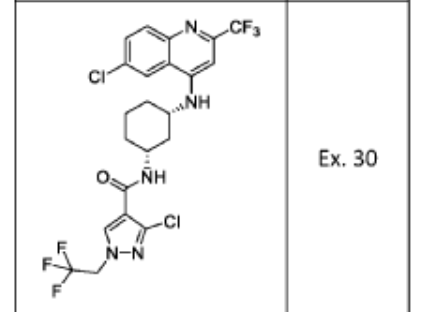
EXAMPLE 30
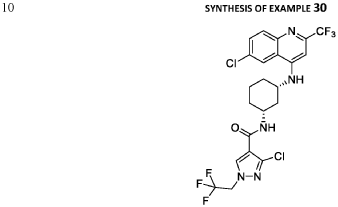
Synthesis of 3-chloro-N-((1R,3S)-3-((6-chloro-2-(trifluoromethyl)quinolin-4-yl)amino) cyclohexyl)-1-(2,2,2-trifluoroethyl)-1H-pyrazole-4-carboxamide
To a stirring solution of ethyl 3-chloro-1H-pyrazole-4-carboxylate (200 mg, 1 Eq, 1.15 mmol) in DMF (5 mL) at room temperature was added cesium carbonate (1.12 g, 3 Eq, 3.44 mmol) portionwise over 2 minutes. After stirring for 30 minutes, 2,2,2- Trifluoroethyl trifluoromethanesulfonate (798 mg, 3 Eq, 3.44 mmol) was added dropwise over 2 minutes. The reaction mixture was stirred for 14 h. Water (5 mL) was added and the mixture wasextracted with EtOAc (3 x 5 mL), dried over sodium sulfate, filtered through Celite, and concentrated in vacuo to afford an 87:13 mixture of ethyl 3-chloro-1-(2,2,2-trifluoroethyl)-1H-pyrazole-4-carboxylate and ethyl 5-chloro-1-(2,2,2-trifluoroethyl)-1H-pyrazole-4-carboxylate that was used without further purification.
To a stirring solution of the crude ethyl 3-chloro-1-(2,2,2-trifluoroethyl)-1H-pyrazole-4-carboxylate and 5-chloro-1-(2,2,2-trifluoroethyl)-1H-pyrazole-4-carboxylate mixture (294 mg, 1 Eq, 1.15 mmol) in THF (6 mL) was added an aqueous solution of 1M sodium hydroxide (5.7 mL, 5 Eq, 5.73 mmol). The reaction mixture was heated at 50 °C for 14 h. 10 mL of 3 M HCl was added. The aqueous layer was extracted with EtOAc (3 x 10 mL), dried over sodium sulfate, filtered through Celite, and concentrated in vacuo to afford a mixture of 3-chloro-1-(2,2,2-trifluoroethyl)-1H-pyrazole-4-carboxylic acid and 5-chloro-1-(2,2,2-trifluoroethyl)-1H-pyrazole-4-carboxylic acid (276 mg, 1.21 mmol, 105 %) that was used without further purification.
To a stirring solution of (1S,3R)-N1-(6-chloro-2-(trifluoromethyl)quinolin-4-yl)cyclohexane-1,3-diamine hydrochloride (100 mg, 1 Eq, 0.264 mmol) in DMF (1.5 mL) were added a crude mixture of 3-chloro-1-(2,2,2-trifluoroethyl)-1H-pyrazole-4-carboxylic acid and 5-chloro-1-(2,2,2-trifluoroethyl)-1H-pyrazole-4-carboxylic acid (60 mg, 1 Eq, 0.264 mmol), N-ethyl-N-isopropylpropan-2-amine (DIPEA) (0.138 mL, 3 Eq, 0.793 mmol) and HATU (111 mg, 1.1 Eq, 0.291 mmol). The reaction mixture was stirred at room temperature for 2 h. Purification by reversed phase HPLC (35 55% 0.1% formic acid in MeCN and 0.1% formic acid in H2O) afforded 3-chloro-N-((1R,3S)-3-((6-chloro-2-(trifluoromethyl)quinolin-4-yl)amino)cyclohexyl)-1-(2,2,2-trifluoroethyl)-1H-pyrazole-4-carboxamide (69 mg, 47% yield).
LCMS-ESI (m/z) calculated: 553.09 found 553.8 [M+H]+, RT = 10.114 min (Method 1)
1H NMR (400 MHz, DMSO-d6) δ 8.60 (d, J = 10.9 Hz, 1H), 8.35 (s, 1H), 8.06 (d, J = 7.9 Hz, 1H), 7.90 (d, J = 9.0 Hz, 1H), 7.74 (dd, J = 9.0, 2.3 Hz, 1H), 7.48 (d, J = 7.9 Hz, 1H), 5.21 (q, J = 9.0 Hz, 1H), 4.01-3.83 (m, 2H), 2.17 (d, J = 12.0 Hz, 1H), 2.00-1.78 (m, 3H), 1.61-1.21 (m, 4H).
PAT
WO 2021/092240 A1
PAT
WO 2025/222040 A1
ADVERTISEMENT
ANAX LABORATORIES
WEBSITE https://www.anaxlab.com/
Discovery Solutions, Supporting the chemistry needs of clients in the Medical, Analytical and Bio Sciences
Development Solutions, Developing from Lab scale to PR&D, Kilo Scale-ups and Commercial Scales
SEE MORE………Integrated Solutions, Manufacturing Solutions, Products,
Can’t Find? Let’s Connect
Phone : +91 897704 2010 / +91 9177075735, Email : info@anaxlab.com
#MedicinalChemistry, #DrugDiscovery, #OrganicSynthesis, #ChemicalLibrary, #BuildingBlocks, #SARStudies, #ChemistryInnovation, #medchem, #Drugdevelopment, #Biotech, #Biotechnology, #AnaxLaboratories, #Pharma
AS ON FEB2026 4.574 LAKHS VIEWS ON BLOG WORLDREACH AVAILABLEFOR YOUR ADVERTISEMENT
join me on Linkedin
Anthony Melvin Crasto Ph.D – India | LinkedIn
join me on Researchgate
RESEARCHGATE
join me on Facebook
Anthony Melvin Crasto Dr. | Facebook
join me on twitter
Anthony Melvin Crasto Dr. | twitter
+919321316780 call whatsaapp
EMAIL. amcrasto@gmail.com
References
- Modulators of mas-related g-protein receptor x2 and related products and methodsPublication Number:US-2024124416-A1Priority Date:2022-03-30
- Modulators of mas-related g-protein receptor x2 and related products and methodsPublication Number:US-2024059667-A1Priority Date:2022-03-30
- Modulators of mas-related g-protein receptor x2 and related products and methodsPublication Number:US-2024124414-A1Priority Date:2022-03-30
- Quinoline derivatives as modulators of mas-related g-protein receptor x2 and related productsPublication Number:WO-2023192901-A1Priority Date:2022-03-30
- Modulators of mas-related g-protein receptor x2 and related products and methodsPublication Number:US-2024124415-A1Priority Date:2022-03-30
- Modulators of Mas-related G-protein receptor X2 and related products and methodsPublication Number:US-12129243-B2Priority Date:2022-03-30Grant Date:2024-10-29
- Quinoline derivatives as modulators of mas-related g-protein receptor x2 and related productsPublication Number:WO-2023192901-A9Priority Date:2022-03-30
- Modulators of Mas-related G-protein receptor X2 and related products and methodsPublication Number:US-12129244-B2Priority Date:2022-03-30Grant Date:2024-10-29
- Modulators of mas-related g-protein receptor x2 and related products and methodsPublication Number:US-2025026735-A1Priority Date:2022-03-30
- Quinoline derivatives as modulators of mas-related g-protein receptor x2 and related productsPublication Number:EP-4499632-A1Priority Date:2022-03-30
//////////setomagpran, anax labs, Mas-related G protein-coupled receptor antagonist, anti-inflammatory, MYX4KT647F
#setomagpran, #anax labs, #Mas-related G protein-coupled receptor antagonist, #anti-inflammatory, #MYX4KT647F
Rocavorexant

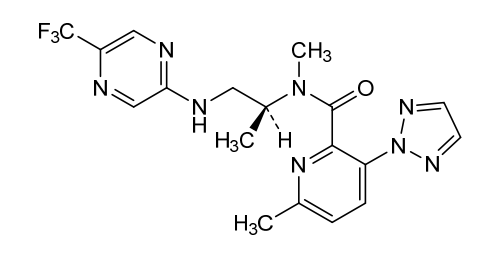
Rocavorexant
CAS 2115665-09-1
MFC18H19F3N8O MW420.39
N,6-dimethyl-3-(2H-1,2,3-triazol-2-yl)-N-[(2S)-1-{[5-(trifluoromethyl)pyrazin-2-yl]amino}propan-2-yl]pyridine-2-
carboxamide
orexin-1 receptor antagonist, INDV-2000, C4X-3256, INDV 2000, C4X 3256,
Rocavorexant (developmental codes INDV-2000 and C4X-3256) is a potent, selective, oral orexin-1 receptor (OX₁R) antagonist originally developed to treat opioid use disorder and other substance-related disorders.
Clinical development of the drug has been suspended. In April 2026, Indivior announced that it would not advance the drug internally for opioid use disorder because the Phase 2 proof-of-concept trial failed to meet its primary endpoint of “no treatment failure”.
Key Drug Profile
- Mechanism of Action: Highly selective antagonist for the human orexin-1 receptor (pIC50 of 9.1) compared to the orexin-2 receptor (pIC50 of 6.0).
- Target Pathway: Aims at relapse-related neural circuitry, anxiety modulation, and stress-induced addictive behaviors.
- Chemical Formula: C₁₈H₁₉F₃N₈O.
- Current Status: Suspended internally by Indivior, which is actively seeking external business development and out-licensing opportunities due to positive secondary data regarding abstinence and safet
Rocavorexant (INNTooltip International Nonproprietary Name; developmental code names C4X-3256 and INDV-2000) is an orexin OX1 receptor antagonist which is under development for the treatment of opioid-related disorders and other substance-related disorders.[1][2][3][4] It is taken orally.[1] The drug is under development by C4X Discovery and/or Indivior.[1][2] As of May 2026, development for all indications has been suspended.[1] The drug has reached phase 2 clinical trials for opioid-related disorders and phase 1 trials for substance-related disorders.[1][2][4]
Rocavorexant is the antagonist for orexin-1 receptor with pIC50 of 9.1 for human OX1 (while pIC50 for human OX2 is 6.0).
1. Primary patent — most important reference
WO2017129829A1 — “Therapeutic compounds”
Inventor: Barrie P. Martin
Priority: 29 January 2016
Publication: 3 August 2017
WO2017129829A1 – Google Patents
https://patentscope.wipo.int/search/en/detail.jsf?docId=WO2017129829&_cid=P12-MTJHA5-23107-1
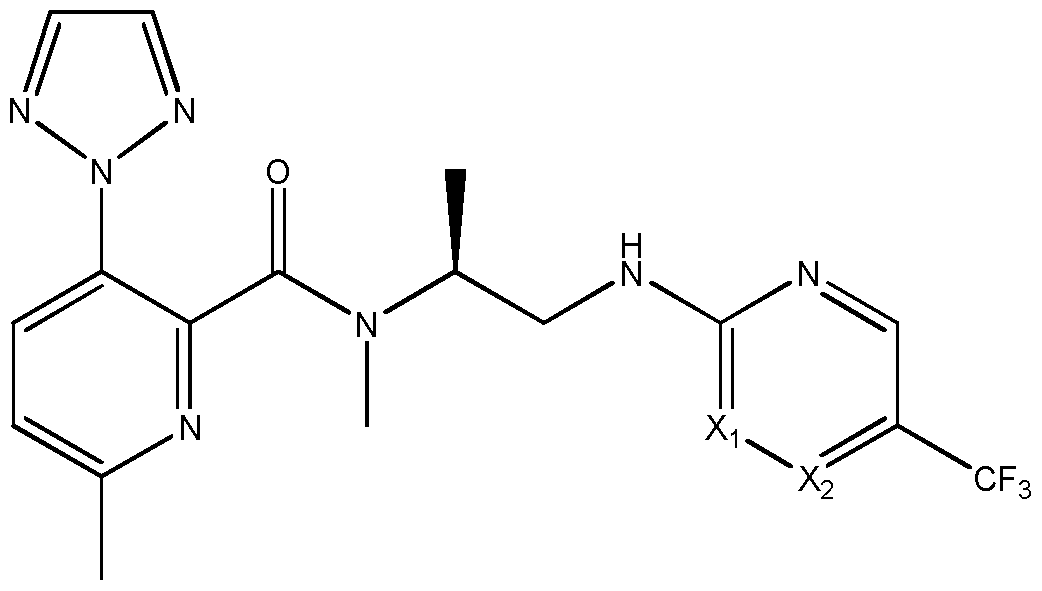
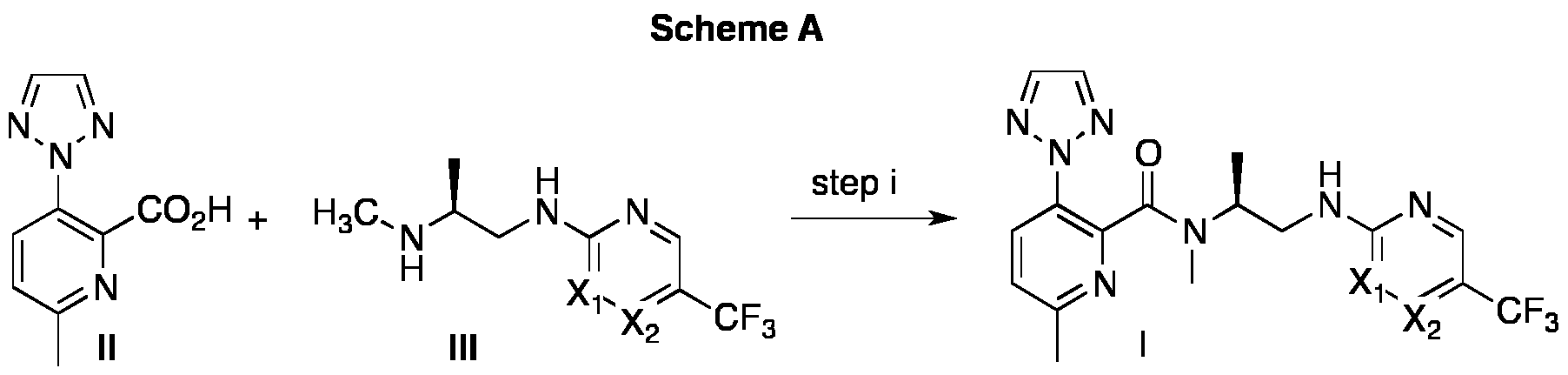
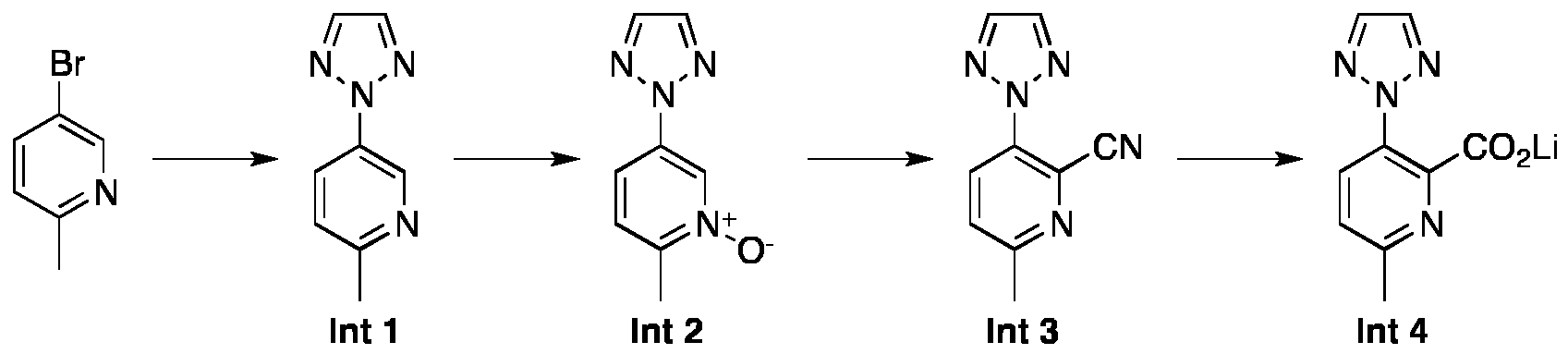
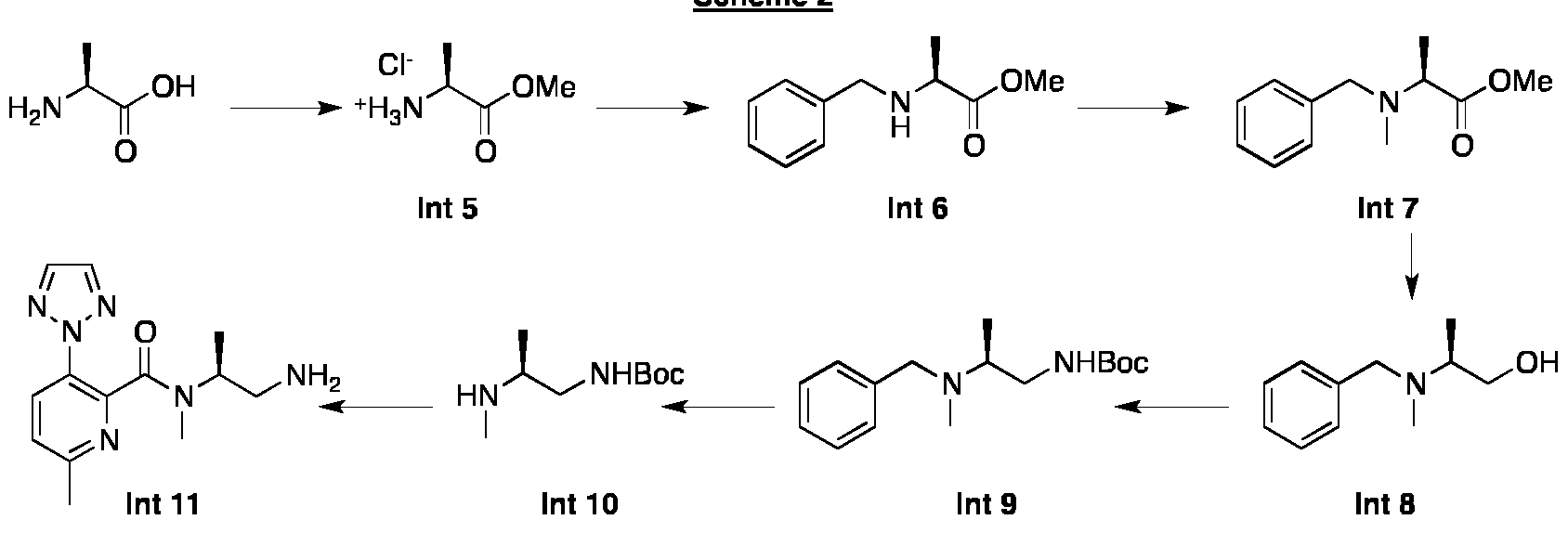
This patent explicitly identifies Rocavorexant as:
N,6-dimethyl-3-(2H-1,2,3-triazol-2-yl)-N-[(2S)-1-{[5-(trifluoromethyl)pyrazin-2-yl]amino}propan-2-yl]pyridine-2-carboxamide, and provides its preparation as Example 1.
The patent is particularly useful because it contains large-scale examples, not merely milligram medicinal-chemistry experiments.
Preparation of A/,6-dimethyl-3-(2H-1 ,2,3-triazol-2-yl)-A/-r(2S)-1 -f r5-(trifluoro methyl)pyrazin-2-yllamino)propan-2-yllpyridine-2-carboxamide (Example 1 , Scheme 3)
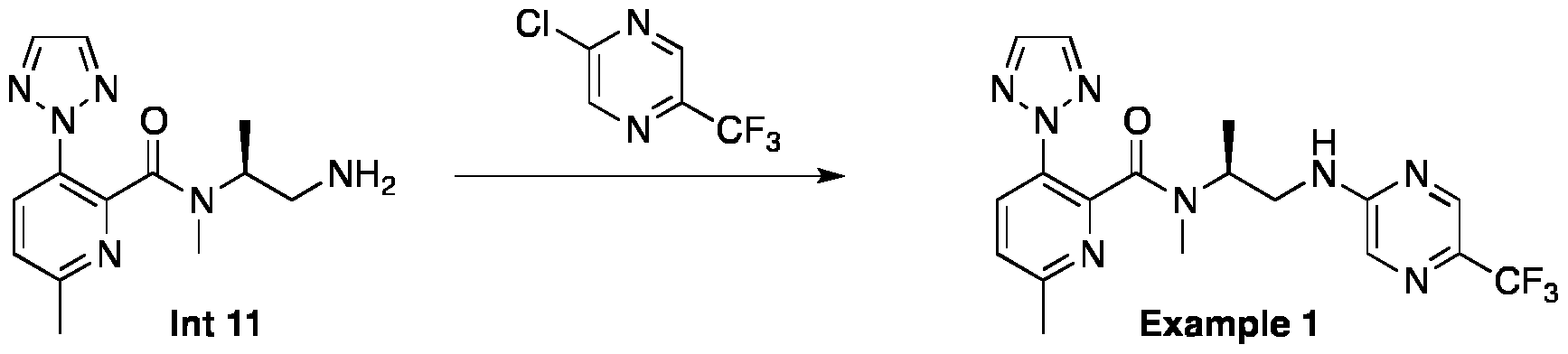
To a stirred solution of Int 11 (0.58 g, 2.1 mmol) in THF (2 mL) was added DIPEA (1 .0 mL, 5.8 mmol) followed by 2-chloro-5-(trifluoromethyl)pyrazine (0.39 g, 2.1 mmol) and the mixture was heated at 70 °C for 4 hrs. The reaction mixture was allowed to cool to ambient temperature and allowed to stand over the weekend. The reaction mixture was heated at 70 °C for a further 4 hrs with stirring and allowed to cool to ambient temperature. The reaction mixture was evaporated in vacuo. The residue was purified by preparative HPLC (Column: Waters Xbridge C18 (10 μιτι, 30 x 100 mm). Conditions: Water + 0.2% ammonium hydroxide [Eluent A]; MeCN + 0.2% ammonium hydroxide [Eluent B]. Gradient: 10 to 95% B) and then lyophilised to give title compound as a white solid (0.32 g)
LCMS (Method C): Two peaks at 4.20 and 4.39 min, 421 [M+H]+
1 H NMR (500 MHz, d4-MeOH) δ 8.38 (d, 0.15 H), 8.34 (bs, 0.15 H), 8.24 (d, 0.85 H), 8.03 (bs, 0.85 H), 7.99 (s, 0.30 H), 7.97 (s, 1 .70 H), 7.85 (bs, 1 .00 H), 7.57 (d, 0.15 H),
7.41 (d, 0.85 H), 4.98 (m, 0.15 H), 4.06 (bm, 0.85 H), 3.50 (d, 0.15 H), 3.47 (d, 0.85 H),
3.42 (d, 0.85 H), 3.39 (d, 0.15 H), 3.05 (s, 2.55 H), 2.83 (s, 0.45 H), 2.65 (s, 0.45 H), 2.45 (bs, 2.55 H), 1 .38 (d, 0.45 H), 1 .07 (bs, 2.55 H). Preparation of A/,6-dimethyl-3-(2H-1 ,2,3-triazol-2-yl)-A/-r(2S)-1 -U5-(trifluoro methyl)pyrimidin-2-yllamino)propan-2-yllpyridine-2-carboxamide
US patent
US 11,130,746 B2 — Therapeutic compounds
This is especially relevant because its claims specifically cover processes for preparing the compounds, including:
Route A: reaction of the pyridine acid/lithium salt with an amide-coupling reagent and the chiral amine.
Route B: reaction of
N-[(2S)-1-aminopropan-2-yl]-N,6-dimethyl-3-(2H-1,2,3-triazol-2-yl)pyridine-2-carboxamide
with an appropriate heteroaryl leaving-group compound in the presence of a base.
The patent specifically lists thionyl chloride among the coupling reagents and DIPEA as an appropriate base for the heteroaryl substitution route.
Other patent-family references
- US 10,696,654 B2
- US 11,130,746 B2
- US 11,753,398
- US 12,441,709 B2
The later US family documents retain the Rocavorexant compound/process disclosure. For example, US10696654B2 reproduces the Example 1 synthesis and the Int 14 preparation.
ADVERTISEMENT
ANAX LABORATORIES
WEBSITE https://www.anaxlab.com/
Discovery Solutions, Supporting the chemistry needs of clients in the Medical, Analytical and Bio Sciences
Development Solutions, Developing from Lab scale to PR&D, Kilo Scale-ups and Commercial Scales
SEE MORE………Integrated Solutions, Manufacturing Solutions, Products,
Can’t Find? Let’s Connect
Phone : +91 897704 2010 / +91 9177075735, Email : info@anaxlab.com
#MedicinalChemistry, #DrugDiscovery, #OrganicSynthesis, #ChemicalLibrary, #BuildingBlocks, #SARStudies, #ChemistryInnovation, #medchem, #Drugdevelopment, #Biotech, #Biotechnology, #AnaxLaboratories, #Pharma
AS ON FEB2026 4.574 LAKHS VIEWS ON BLOG WORLDREACH AVAILABLEFOR YOUR ADVERTISEMENT
join me on Linkedin
Anthony Melvin Crasto Ph.D – India | LinkedIn
join me on Researchgate
RESEARCHGATE
join me on Facebook
Anthony Melvin Crasto Dr. | Facebook
join me on twitter
Anthony Melvin Crasto Dr. | twitter
+919321316780 call whatsaapp
EMAIL. amcrasto@gmail.com
References
- “Rocavorexant”. AdisInsight. 12 May 2026. Retrieved 5 June 2026.
- “Delving into the Latest Updates on Rocavorexant with Synapse”. Synapse. 9 May 2026. Retrieved 5 June 2026.
- Raymond JS, Vareed RD, Peters J, James MH (October 2025). “Found in translation: orexin receptor antagonism for the treatment of opioid use disorder”. Translational Psychiatry. 15 (1) 432. doi:10.1038/s41398-025-03571-5. PMC 12552597. PMID 41136352.
- Lorente JS, Sokolov AV, Ferguson G, Schiöth HB, Hauser AS, Gloriam DE (June 2025). “GPCR drug discovery: new agents, targets and indications”. Nature Reviews. Drug Discovery. 24 (6): 458–479. doi:10.1038/s41573-025-01139-y. PMID 40033110.
 | |
| Clinical data | |
|---|---|
| Other names | C4X-3256; C4X3256; INDV-2000; INDV2000 |
| Routes of administration | Oral[1] |
| Drug class | Orexin OX1 receptor antagonist |
| Identifiers | |
| IUPAC name | |
| CAS Number | 2115665-09-1 |
| PubChem CID | 130295635 |
| ChemSpider | 133325612 |
| UNII | 8RJN30TJM6 |
| KEGG | D13324 |
| Chemical and physical data | |
| Formula | C18H19F3N8O |
| Molar mass | 420.400 g·mol−1 |
| 3D model (JSmol) | Interactive image |
| SMILES | |
| InChI | |
////rocavorexant, anax labs, orexin-1 receptor antagonist, INDV-2000, C4X-3256, INDV 2000, C4X 3256,
#rocavorexant, #anax labs, #orexin-1 receptor antagonist, #INDV-2000, #C4X-3256, #INDV 2000, #C4X 3256,
Rizavasertib

Rizavasertib
CAS 552325-16-3
MF C24H23N5O MW397.5 g/mol
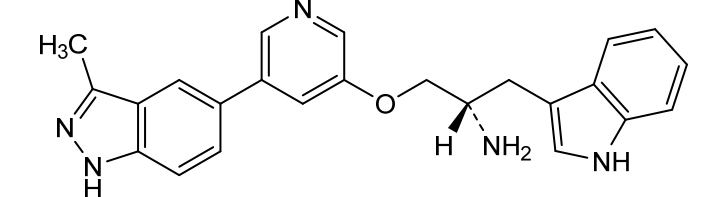
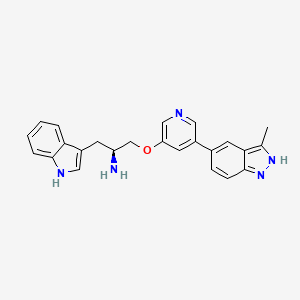
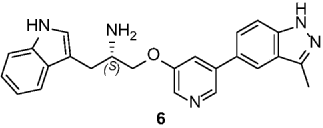
(2S)-1-(1H-indol-3-yl)-3-[[5-(3-methyl-2H-indazol-5-yl)-3-pyridinyl]oxy]propan-2-amine
(2S)-1-(1H-indol-3-yl)-3-{[5-(3-methyl-1H-indazol-5-yl)pyridin-3-yl]oxy}propan-2-amine
serine/threonine kinase inhibitor, A-443654, A 443654, A443654, Q4UG565ZYH
Rizavasertib was a drug candidate originally developed by Abbott (now AbbVie).[1][2][3][4] It is a pan akt Inhibitor.[5] It is now used as an akt inhibitor tool compound.[6]
Rizavasertib (also known by its developmental code A-443654) is a potent, small-molecule pan-Akt (protein kinase B) inhibitor originally developed by Abbott Laboratories (now AbbVie). It acts as a highly effective research tool compound used to investigate cellular signaling pathways, particularly in oncology and tumor cell biology
- Mechanism of Action: It is an ATP-competitive inhibitor that targets all three Akt isoforms (Akt1, Akt2, and Akt3) with equal intracellular potency, showing an inhibition constant (\(\text{K}_{i}\)) of 160 pM.
Key Biological & Research Effects
- Pathway Modulation: It induces a rapid, paradoxical phosphorylation of Akt at the Ser-473 residue, occurring independently of mTORC1 inhibition.
- Mitotic Regulation: The compound interferes with normal cell division (mitotic progression) by regulating the expression of Aurora A kinase.
- Oncology Models: In preclinical testing, it has demonstrated an ability to prolong survival in animal models of intracranial glioma and shows potential therapeutic relevance against both primary and drug-resistant T-cell acute lymphoblastic leukemia (T-ALL).
Current Status
Rizavasertib’s highest global development status remains Preclinical. It is not approved for human use or clinical medical treatment and is sold exclusively by chemical suppliers like MedChemExpress as an analytical reference standard or reagent for qualitative, quantitative, and methodological research (such as HPLC, GC, and mass spectrometry).
PAT
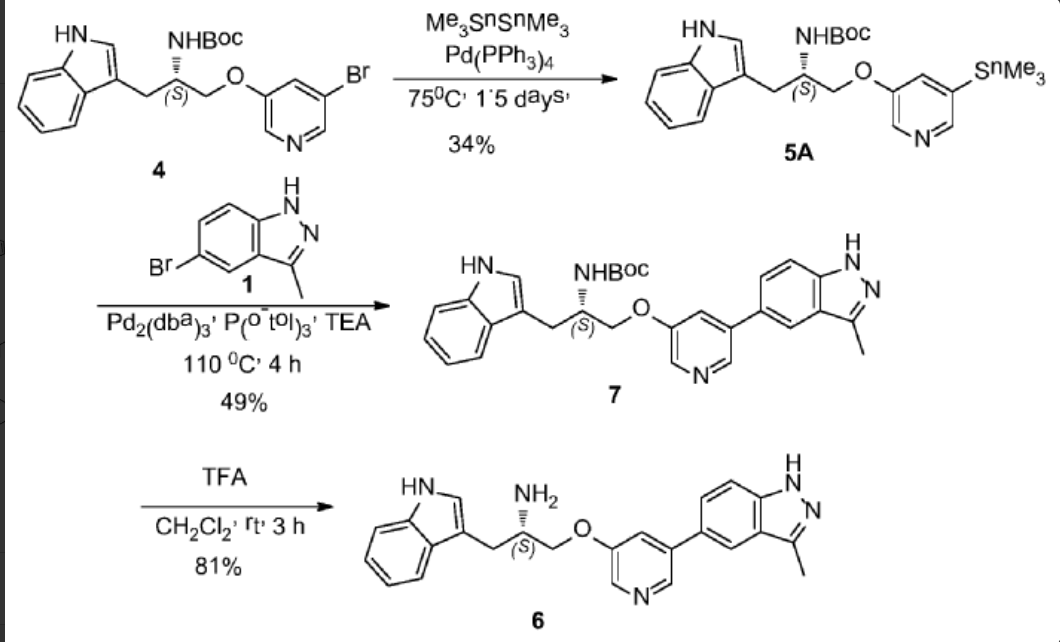
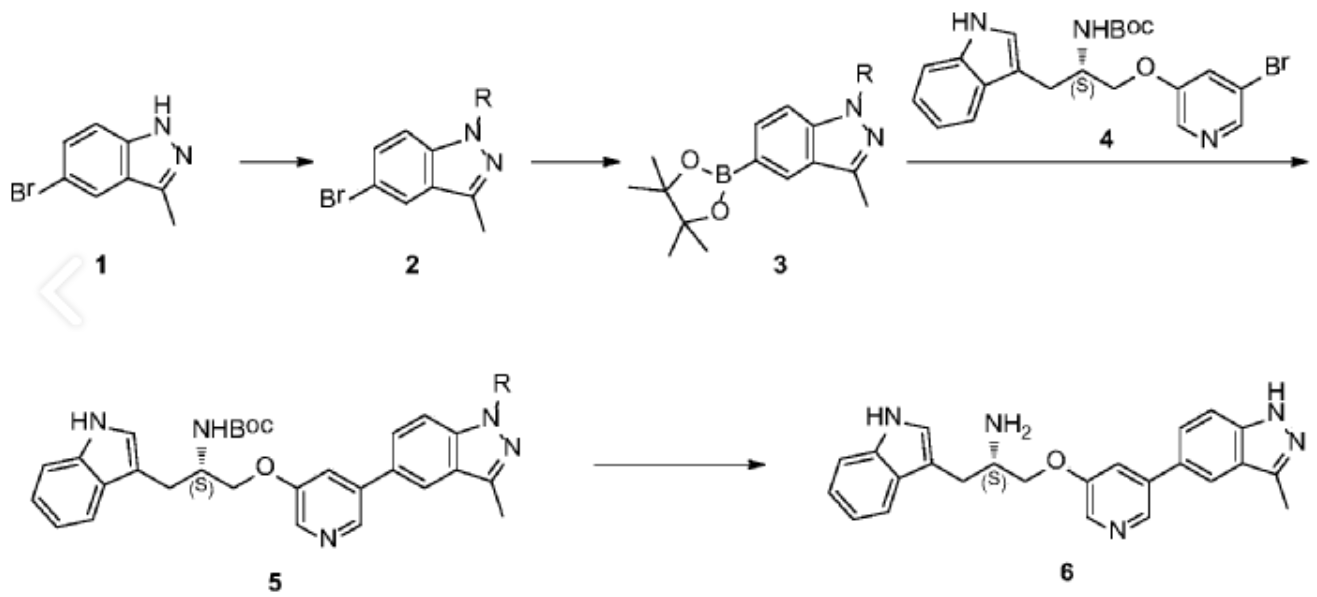
US20030199511 and literature Bioorganic & Medicinal Chemistry 2006, 14, 6832–6846, a method for preparing A-443654 is disclosed,
PAT
https://patentscope.wipo.int/search/en/detail.jsf?docId=WO2003051366&_cid=P11-MTGMSN-41566-1
PAT
https://patentscope.wipo.int/search/en/detail.jsf?docId=US40155124&_cid=P11-MTGN0W-48129-1
SIMILAR
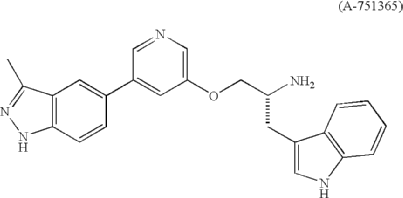
EXAMPLE 191
(1R)-1-(1H-Indol-3-ylmethyl)-2-[5-(3-methyl-1H-indazol-5-yl)-pyridin-3-yloxy]-ethylamine
PAT
CN104610229
https://patentscope.wipo.int/search/en/detail.jsf?docId=CN133679262&_cid=P11-MTGNFX-58461-1
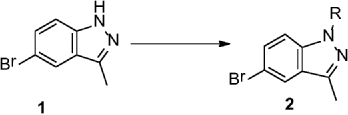
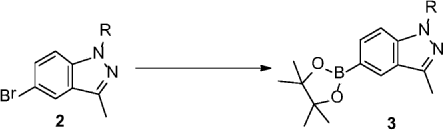
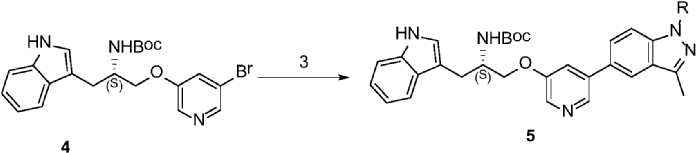

Example 4: Preparation of Compound 6

| Compound 5 (104 g, 178.9 mmol) and methanol (620 ml, 6V) were added to a 1 L three-necked flask. A 4M HCl/ethyl acetate (130 ml) solution was added dropwise at a temperature below 25 °C. The reaction was allowed to proceed overnight. The reaction was monitored by TLC until the starting material was completely reacted. The mixture was concentrated and drained to dryness using an oil pump to obtain 104 g of crude product. Water (900 ml) and ethyl acetate (1350 ml) were added, and the mixture was stirred until the system was clear. The mixture was allowed to stand, and the organic layer was separated. The aqueous phase was extracted once again with ethyl acetate (500 ml). The organic phases were combined, and water (180 ml) was added. Most of the ethyl acetate was concentrated until solid began to precipitate. The mixture was cooled in an ice bath, stirred, and allowed to crystallize for 30 min. The mixture was filtered, and the filter cake was dried to obtain a white solid (57.9 g, yield 86%, purity 98.3%). |
| 1H NMR(CD 3 OD,500MHz):δppm 8.45(s,1H),8.25(brs,1H),7.98(s,1H),7.61(m,4H),7.37(s,1H),7.16(s,1H),7.10(m,1H),7.00(m,1H),4.18(m,1H),4.03(m,1H),3.56(m,1H),3.10(m,1H),3.00(m,1H),2.62(s,3H);ESI/MS:m/z=398(M+H)+. |
Pat
- Kinase inhibitorsPublication Number:US-6831175-B2Priority Date:2001-12-13Grant Date:2004-12-14
- 3- (Phenyl-alkoxy) -5- (phenyl) -pyridine derivatives and related compounds as kinase inhibitors for cancer treatmentPublication Number:JP-2005516927-APriority Date:2001-12-13
- Methods of treating muscular wasting diseases using NF-KB activation inhibitorsPublication Number:US-9173920-B2Priority Date:2006-03-15Grant Date:2015-11-03
- Kinase inhibitorsPublication Number:US-2003187026-A1Priority Date:2001-12-13
- 3-(phenyl-alkoxy)-5-(phenyl)-pyridine derivatives and related compounds as kinase inhibitors for the treatment of cancerPublication Number:CA-2470214-A1Priority Date:2001-12-13
- Kinase inhibitorsPublication Number:US-2003199511-A1Priority Date:2001-12-13
- 3-(phenyl-alkoxy)-5-(phenyl)-pyridine derivatives and related compounds as kinase inhibitors for the treatment of cancerPublication Number:WO-03051366-A2Priority Date:2001-12-13
ADVERTISEMENT
ANAX LABORATORIES
WEBSITE https://www.anaxlab.com/
Discovery Solutions, Supporting the chemistry needs of clients in the Medical, Analytical and Bio Sciences
Development Solutions, Developing from Lab scale to PR&D, Kilo Scale-ups and Commercial Scales
SEE MORE………Integrated Solutions, Manufacturing Solutions, Products,
Can’t Find? Let’s Connect
Phone : +91 897704 2010 / +91 9177075735, Email : info@anaxlab.com
#MedicinalChemistry, #DrugDiscovery, #OrganicSynthesis, #ChemicalLibrary, #BuildingBlocks, #SARStudies, #ChemistryInnovation, #medchem, #Drugdevelopment, #Biotech, #Biotechnology, #AnaxLaboratories, #Pharma
AS ON FEB2026 4.574 LAKHS VIEWS ON BLOG WORLDREACH AVAILABLEFOR YOUR ADVERTISEMENT
join me on Linkedin
Anthony Melvin Crasto Ph.D – India | LinkedIn
join me on Researchgate
RESEARCHGATE
join me on Facebook
Anthony Melvin Crasto Dr. | Facebook
join me on twitter
Anthony Melvin Crasto Dr. | twitter
+919321316780 call whatsaapp
EMAIL. amcrasto@gmail.com
References
- “Research programme: protein kinase inhibitors – AbbVie”. AdisInsight. Springer Nature Switzerland AG.
- Luo Y, Shoemaker AR, Liu X, Woods KW, Thomas SA, de Jong R, et al. (June 2005). “Potent and selective inhibitors of Akt kinases slow the progress of tumors in vivo”. Molecular Cancer Therapeutics. 4 (6): 977–986. doi:10.1158/1535-7163.MCT-05-0005. PMID 15956255.
- Gandelman M, Dansithong W, Kales SC, Paul S, Maag G, Aoyama E, et al. (October 2021). “The AKT modulator A-443654 reduces α-synuclein expression and normalizes ER stress and autophagy”. The Journal of Biological Chemistry. 297 (4) 101191. doi:10.1016/j.jbc.2021.101191. PMC 8482485. PMID 34520759.
- Ming J, Jin S, Liu Z, Yang K, Shi M, Niu Y (October 2025). “Imidacloprid contributes to bladder cancer progression: preliminary evidence based on network toxicology, machine learning and molecular docking”. BMC Pharmacology & Toxicology. 26 (1) 180. doi:10.1186/s40360-025-01016-9. PMC 12577002. PMID 41168844.
- Crowell JA, Steele VE, Fay JR (August 2007). “Targeting the AKT protein kinase for cancer chemoprevention”. Molecular Cancer Therapeutics. 6 (8): 2139–2148. doi:10.1158/1535-7163.MCT-07-0120. PMID 17699713.
- Garcia-Echeverria C, Sellers WR (September 2008). “Drug discovery approaches targeting the PI3K/Akt pathway in cancer”. Oncogene. 27 (41): 5511–5526. doi:10.1038/onc.2008.246. PMID 18794885.
 | |
| Clinical data | |
|---|---|
| Other names | A-443654 |
| Identifiers | |
| IUPAC name | |
| CAS Number | 552325-16-3 |
| PubChem CID | 10172943 |
| IUPHAR/BPS | 8204 |
| DrugBank | DB08073 |
| ChemSpider | 8348448 |
| UNII | Q4UG565ZYH |
| ChEBI | CHEBI:91351 |
| ChEMBL | ChEMBL379300 |
| PDB ligand | L20 (PDBe, RCSB PDB) |
| CompTox Dashboard (EPA) | DTXSID20436347  |
| Chemical and physical data | |
| Formula | C24H23N5O |
| Molar mass | 397.482 g·mol−1 |
| 3D model (JSmol) | Interactive image |
| SMILES | |
| InChI | |
/////////rizavasertib, anax labs, serine/threonine kinase inhibitor, A-443654, A 443654, A443654, Q4UG565ZYH
#rizavasertib, #anax labs, #serine/threonine kinase inhibitor, #A-443654, #A 443654, #A443654, #Q4UG565ZYH
Rusfertide
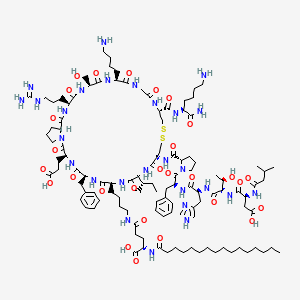
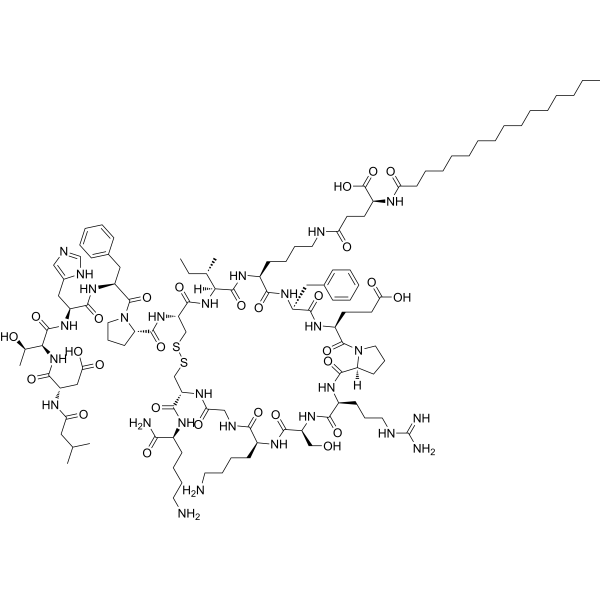
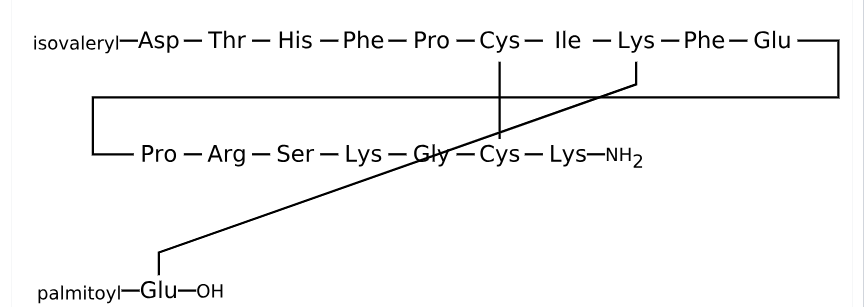

Rusfertide
MF
C114H181N27O28S2 MW 2442.0 g/mol
isovaleryl-Asp-Thr-His-Phe-Pro-Cys(1)-Ile-Lys(2)-Phe-Glu-Pro-Arg-Ser-Lys-Gly-Cys(1)-Lys-NH2.palmitoyl-Glu(2)-OH
(2S)-5-[4-[(3S,6S,9S,12S,15R,20R,26S,29S,32S,35S)-26-(4-aminobutyl)-6-benzyl-12-[(2S)-butan-2-yl]-32-(3-carbamimidamidopropyl)-3-(2-carboxyethyl)-15-[[(2S)-1-[(2S)-2-[[(2S)-2-[[(2S,3R)-2-[[(2S)-3-carboxy-2-(3-methylbutanoylamino)propanoyl]amino]-3-hydroxybutanoyl]amino]-3-(1H-imidazol-4-yl)propanoyl]amino]-3-phenylpropanoyl]pyrrolidine-2-carbonyl]amino]-20-[[(2S)-1,6-diamino-1-oxohexan-2-yl]carbamoyl]-29-(hydroxymethyl)-2,5,8,11,14,22,25,28,31,34-decaoxo-17,18-dithia-1,4,7,10,13,21,24,27,30,33-decazabicyclo[33.3.0]octatriacontan-9-yl]butylamino]-2-(hexadecanoylamino)-5-oxopentanoic acid
{Asp(N-(3-methyl-1-oxobutyl))}-Thr-His-Phe-Pro-Cys-Ile-{Lys(γGlu-C16 acid)}-Phe-Glu-Pro-Arg-Ser-Lys-Gly-Cys-Lys-NH2 (disulfide bridge: Cys6-Cys16)
Mimrylo, APPROVALS 2026, FDA 2026, XM71MYX0IQ, PTG-300FB, PTG-300, TAK 121,
To treat erythrocytosis in adults with polycythemia vera
Rusfertide is a peptide mimetic of natural hepcidin, which targets and degrades ferroportin, reduces serum iron and transferrin-saturation, and thus regulates the production of red blood cells. Rusfertide ameliorates the polycythemia vera, β-thalassemia and hereditary hemochromatosis.
Rusfertide is an injectable peptide mimetic of hepcidin (hepcidin antimicrobial peptide; HAMP; putative liver tumor regressor; PLTR; liver-expressed antimicrobial peptide 1; LEAP-1) with potential use in the treatment of iron deficiency anemia and iron overload secondary to hematologic disorders. Upon administration, rusfertide mimics endogenous hepcidin, a protein primarily produced in hepatocytes, and increases hepcidin levels. As hepcidin plays a key role in the homeostasis of systemic iron, rusfertide may serve to normalize iron levels. Low levels of endogenous hepcidin are associated with iron overload secondary to excessive absorption of iron as seen in beta thalassemia and paradoxically with iron deficiency anemia.
Rusfertide, sold under the brand name Mimrylo, is a medication developed by Protagonist Therapeutics in partnership with Takeda for the treatment of polycythemia vera (PV).[1][2][3]
ADVERTISEMENT
ANAX LABORATORIES
WEBSITE https://www.anaxlab.com/
Discovery Solutions, Supporting the chemistry needs of clients in the Medical, Analytical and Bio Sciences
Development Solutions, Developing from Lab scale to PR&D, Kilo Scale-ups and Commercial Scales
SEE MORE………Integrated Solutions, Manufacturing Solutions, Products,
Can’t Find? Let’s Connect
Phone : +91 897704 2010 / +91 9177075735, Email : info@anaxlab.com
#MedicinalChemistry, #DrugDiscovery, #OrganicSynthesis, #ChemicalLibrary, #BuildingBlocks, #SARStudies, #ChemistryInnovation, #medchem, #Drugdevelopment, #Biotech, #Biotechnology, #AnaxLaboratories, #Pharma
AS ON FEB2026 4.574 LAKHS VIEWS ON BLOG WORLDREACH AVAILABLEFOR YOUR ADVERTISEMENT
join me on Linkedin
Anthony Melvin Crasto Ph.D – India | LinkedIn
join me on Researchgate
RESEARCHGATE
join me on Facebook
Anthony Melvin Crasto Dr. | Facebook
join me on twitter
Anthony Melvin Crasto Dr. | twitter
+919321316780 call whatsaapp
EMAIL. amcrasto@gmail.com
References
 | |
| Clinical data | |
|---|---|
| Trade names | Mimrylo |
| Other names | PTG-300; TAK-121 |
| Identifiers | |
| CAS Number | 1628323-80-7 |
| PubChem CID | 155884410 |
| DrugBank | DB17724 |
| ChemSpider | 129955617 |
| UNII | XM71MYX0IQ |
| KEGG | D12064 |
| ChEMBL | ChEMBL4650507 |
| Chemical and physical data | |
| Formula | C114H181N27O28S2 |
| Molar mass | 2441.98 g·mol−1 |
| 3D model (JSmol) | Interactive image |
| SMILES | |
| InChI | |
References
- “Rusfertide – Protagonist Therapeutics”. AdisInsight. Springer Nature Switzerland AG.
- Kremyanskaya M, Ginzburg YZ, Hoffman R (March 2026). “Modulators of the hepcidin pathway in polycythemia vera and myelofibrosis”. Blood. 147 (12): 1278–1288. doi:10.1182/blood.2025028643. PMID 41100735.
- “Protagonist and Takeda Announce ASCO Plenary Presentation Highlighting Full 32-Week Results from Phase 3 VERIFY Study of Rusfertide, Showing Reductions in Phlebotomy, Improved Hematocrit Control in Polycythemia Vera”. Takeda.
//////rusfertide, anax labs, Mimrylo, APPROVALS 2026, FDA 2026, XM71MYX0IQ, PTG-300FB, PTG 300, TAK 121,
#rusfertide, #anax labs, #Mimrylo, #APPROVALS 2026, #FDA 2026, #XM71MYX0IQ, #PTG-300FB, #PTG-300, #TAK 121,
Brepocitinib

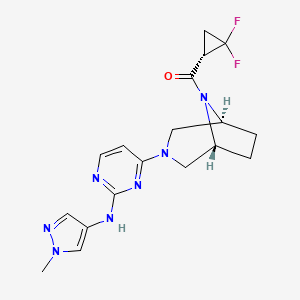
Brepocitinib
CAS 1883299-62-4
MF C18H21F2N7O MW389.4 g/mol
8/27/2026, APPROVALS 2026, FDA 2026, Lisraya, PF 06700841, 3X8387Q25N, PF-06700841
[(1S)-2,2-difluorocyclopropyl]-[(1R,5S)-3-[2-[(1-methylpyrazol-4-yl)amino]pyrimidin-4-yl]-3,8-diazabicyclo[3.2.1]octan-8-yl]methanone
- [(1S)-2,2-difluorocyclopropyl]-[(1S,5R)-3-[2-[(1-methylpyrazol-4-yl)amino]pyrimidin-4-yl]-3,8-diazabicyclo[3.2.1]octan-8-yl]methanone
- Methanone, ((1S)-2,2-difluorocyclopropyl)(3-(2-((1-methyl-1H-pyrazol-4-yl)amino)-4-pyrimidinyl)-3,8-diazabicyclo(3.2.1)oct-8-yl)-
- ((1S)-2,2-difluorocyclopropyl)-((1S,5R)-3-(2-((1-methylpyrazol-4-yl)amino)pyrimidin-4-yl)-3,8-diazabicyclo(3.2.1)octan-8-yl)methanone
To treat dermatomyositis in adults
Brepocitinib (brand name Lisraya) is an oral, once-daily dual TYK2/JAK1 inhibitor approved by the FDA for treating dermatomyositis in adults.
Developed by Roivant (via its subsidiary Priovant), it is the first oral targeted therapy indicated to manage this rare, debilitating autoimmune condition. Brepocitinib, sold under the brand name Lisraya, is a drug which acts as a dual inhibitor of JAK1 and TYK2, and was developed for the treatment of plaque psoriasis.[1][2][3][4] It is used for the treatment of dermatomyositis.
Brepocitinib is an orally available, selective inhibitor of non-receptor tyrosine-protein kinase TYK2 (tyrosine kinase 2) and tyrosine-protein kinase JAK1 (Janus kinase 1; JAK1) with potential immunomodulatory and anti-inflammatory activities. Upon oral administration, brepocitinib selectively binds to and inhibits the activation of TYK2 and JAK1, thereby disrupting TYK2 and JAK-1-dependent cytokine signaling. This may reduce inflammatory responses and prevent inflammation-induced damage caused by certain immunological diseases. TYK2 and JAK-1 are members of the Janus kinase family of non-receptor tyrosine kinases and are involved in signaling pathways affecting hematopoiesis, immunity and inflammation.
SYN
Dual Inhibition of TYK2 and JAK1 for the Treatment of Autoimmune Diseases: Discovery of ((S)-2,2-Difluorocyclopropyl)((1R,5S)-3-(2-((1-methyl-1H-pyrazol-4-yl)amino)pyrimidin-4-yl)-3,8-diazabicyclo[3.2.1]octan-8-yl)methanone (PF-06700841)
By: Fensome, Andrew ; et al
Journal of Medicinal Chemistry (2018), 61(19), 8597-8612
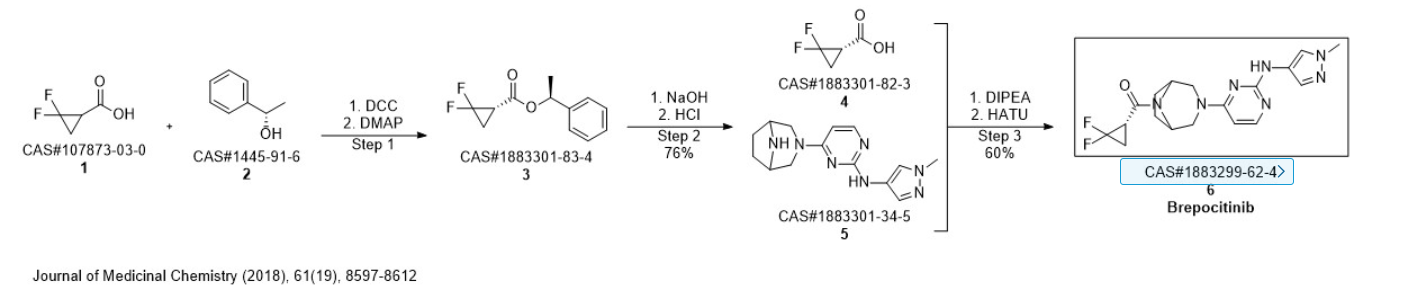
SYN
Preparation of aminopyrimidinyl derivatives as inhibitors of JAK kinases useful in therapy of diseases
Assignee: Pfizer Inc.
Inventors: Fensome, Andrew; et al
World Intellectual Property Organization
Patent#WO2016027195 A1
https://patentscope.wipo.int/search/en/detail.jsf?docId=WO2016027195&_cid=P11-MTCC5U-40903-1
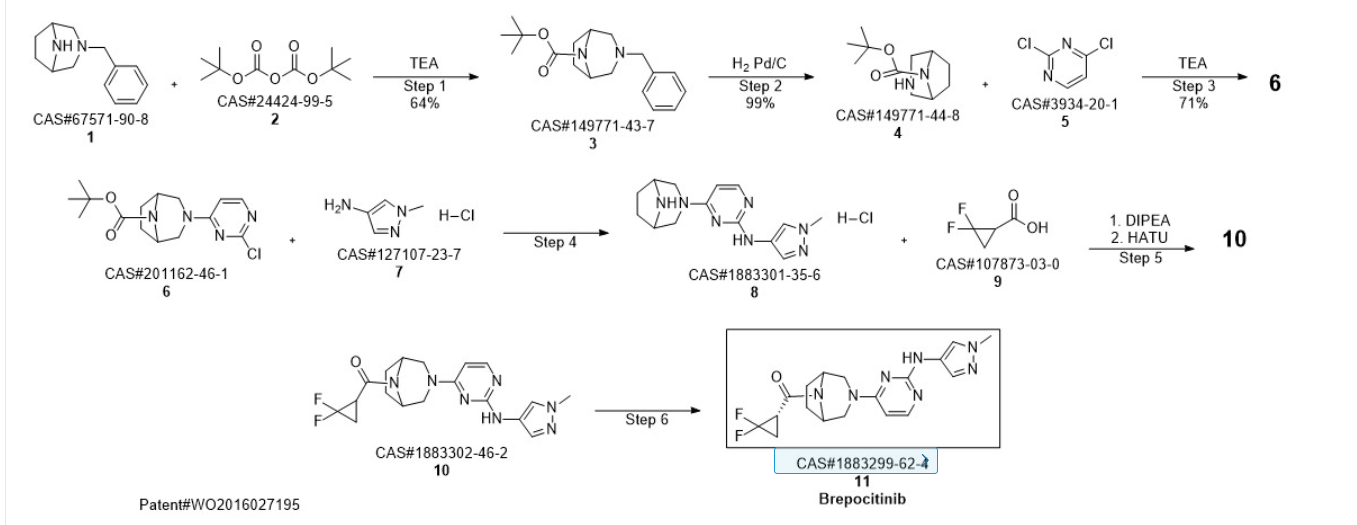
SYN
https://www.sciencedirect.com/science/article/abs/pii/S0223523423008152
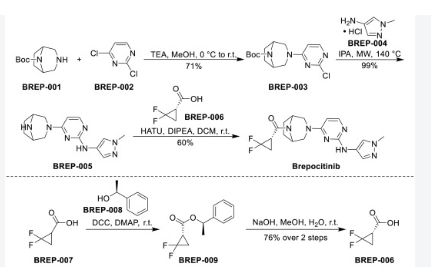
SYN
PAT
https://patentscope.wipo.int/search/en/detail.jsf?docId=US159751917&_cid=P11-MTCCDC-53135-1
Examples 7 and 8
[(1S)-2,2-difluorocyclopropyl][(1R,5S)-3-{2-[(1-methyl-1H-pyrazol-4-yl)amino]pyrimidin-4-yl}-3,8-diazabicyclo[3.2.1]oct-8-yl]methanone and [(1R)-2,2-difluorocyclopropyl][(1R,5S)-3-{2-[(1-methyl-1H-pyrazol-4-yl)amino]pyrimidin-4-yl}-3,8-diazabicyclo[3.2.1]oct-8-yl]methanone
Peak 1: Example 7
[(1S)-2,2-difluorocyclopropyl][(1R,5S)-3-{2-[(1-methyl-1H-pyrazol-4-yl)amino]pyrimidin-4-yl}-3,8-diazabicyclo[3.2.1]oct-8-yl]methanone
PAT
- New compounds for the inhibition of angiogenesis and use of thereofPublication Number:AU-2005223356-A1Priority Date:2004-03-24
- Compositions and methods of use for modified release minoxidilPublication Number:US-2025325546-A1
- Aminopyrimidinyl compoundsPublication Number:US-10980815-B2Priority Date:2014-08-21Grant Date:2021-04-20
- Aminopyrimidinyl compounds as JAK inhibitorsPublication Number:MD-4800-C1Priority Date:2014-08-21
- Aminopyrimidinyl compoundsPublication Number:US-2020330477-A1Priority Date:2014-08-21
- Aminopyrimidinyl compoundsPublication Number:US-11197867-B2Priority Date:2014-08-21Grant Date:2021-12-14
- Aminopyrimidinyl compoundsPublication Number:TW-201609706-APriority Date:2014-08-21
ADVERTISEMENT
ANAX LABORATORIES
WEBSITE https://www.anaxlab.com/
Discovery Solutions, Supporting the chemistry needs of clients in the Medical, Analytical and Bio Sciences
Development Solutions, Developing from Lab scale to PR&D, Kilo Scale-ups and Commercial Scales
SEE MORE………Integrated Solutions, Manufacturing Solutions, Products,
Can’t Find? Let’s Connect
Phone : +91 897704 2010 / +91 9177075735, Email : info@anaxlab.com
#MedicinalChemistry, #DrugDiscovery, #OrganicSynthesis, #ChemicalLibrary, #BuildingBlocks, #SARStudies, #ChemistryInnovation, #medchem, #Drugdevelopment, #Biotech, #Biotechnology, #AnaxLaboratories, #Pharma
AS ON FEB2026 4.574 LAKHS VIEWS ON BLOG WORLDREACH AVAILABLEFOR YOUR ADVERTISEMENT
join me on Linkedin
Anthony Melvin Crasto Ph.D – India | LinkedIn
join me on Researchgate
RESEARCHGATE
join me on Facebook
Anthony Melvin Crasto Dr. | Facebook
join me on twitter
Anthony Melvin Crasto Dr. | twitter
+919321316780 call whatsaapp
EMAIL. amcrasto@gmail.com
References
References
- Fensome A, Ambler CM, Arnold E, Banker ME, Brown MF, Chrencik J, et al. (October 2018). “Dual Inhibition of TYK2 and JAK1 for the Treatment of Autoimmune Diseases: Discovery of (( S)-2,2-Difluorocyclopropyl)((1 R,5 S)-3-(2-((1-methyl-1 H-pyrazol-4-yl)amino)pyrimidin-4-yl)-3,8-diazabicyclo[3.2.1]octan-8-yl)methanone (PF-06700841)”. Journal of Medicinal Chemistry. 61 (19): 8597–8612. doi:10.1021/acs.jmedchem.8b00917. PMID 30113844.
- Forman SB, Pariser DM, Poulin Y, Vincent MS, Gilbert SA, Kieras EM, et al. (December 2020). “TYK2/JAK1 Inhibitor PF-06700841 in Patients with Plaque Psoriasis: Phase IIa, Randomized, Double-Blind, Placebo-Controlled Trial”. The Journal of Investigative Dermatology. 140 (12): 2359–2370.e5. doi:10.1016/j.jid.2020.03.962. PMID 32311398.
- Martin G (February 2023). “Novel Therapies in Plaque Psoriasis: A Review of Tyrosine Kinase 2 Inhibitors”. Dermatology and Therapy. 13 (2): 417–435. doi:10.1007/s13555-022-00878-9. PMC 9884727. PMID 36592300.
- Caso F, Costa L, Triggianese P, Maione F, Bertolini N, Vastarella M, et al. (May 2023). “Recent developments for new investigational JAK inhibitors in psoriatic arthritis”. Expert Opinion on Investigational Drugs. 32 (5): 361–371. doi:10.1080/13543784.2023.2207737. PMID 37096862.
 | |
| Clinical data | |
|---|---|
| Trade names | Lisraya |
| Other names | PF-06700841 |
| Identifiers | |
| IUPAC name | |
| CAS Number | 1883299-62-4 |
| PubChem CID | 118878093 |
| DrugBank | DB15003 |
| ChemSpider | 72380129 |
| UNII | 3X8387Q25N |
| ChEMBL | ChEMBL4297477 |
| Chemical and physical data | |
| Formula | C18H21F2N7O |
| Molar mass | 389.411 g·mol−1 |
| 3D model (JSmol) | Interactive image |
| SMILES | |
| InChI | |
///////////brepocitinib, anax labs, APPROVALS 2026, FDA 2026, Lisraya, PF 06700841, 3X8387Q25N, PF-06700841, dermatomyositis
#brepocitinib, #anax labs, #APPROVALS 2026, #FDA 2026, #Lisraya, #PF 06700841, #3X8387Q25N, #PF-06700841, #dermatomyositis
Rezuforimod
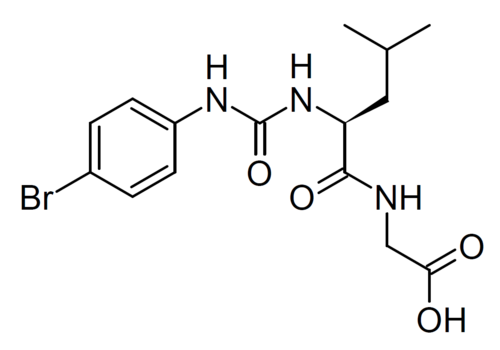
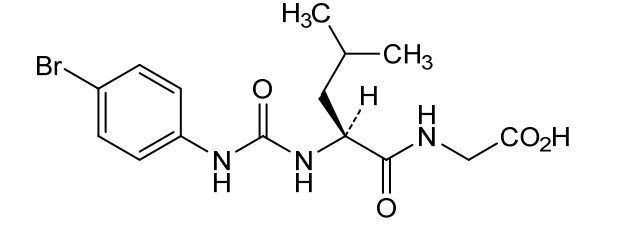
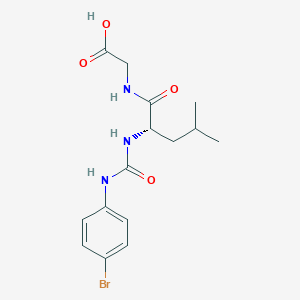
Rezuforimod
CAS 1431754-15-2
MF C15H20BrN3O4, MW386.24 g/mol
((4-Bromophenyl)carbamoyl)-L-leucylglycine
2-[[(2S)-2-[(4-bromophenyl)carbamoylamino]-4-methylpentanoyl]amino]acetic acid
N-[(4-bromophenyl)carbamoyl]-L-leucylglycine
N-formyl peptide receptor 1 and 2 agonist, antiinflammatory, AGN-232411, AG-80308, AGN 232411, AG 80308, 54P16AUY6D
Rezuforimod is an experimental drug that acts as a potent and selective agonist of formyl peptide receptor 2 with an EC50 of 0.88 nM, which inhibits neutrophil adhesion and has antiinflammatory effects.[1][2]
Rezuforimod (also known by development codes AGN-232411 and AG-80308) is an experimental, first-in-class small molecule drug primarily being developed as a topical ophthalmic solution to treat dry eye disease (DED). It targets inflammation, which is a major underlying driver of dry eye symptoms and ocular surface damage.
👁️ Mechanism of Action
Rezuforimod operates through a targeted anti-inflammatory pathway:
- FPR2 Agonism: It acts as a highly potent and selective agonist of Formyl Peptide Receptor 2 (FPR2/ALX), binding with an EC₅₀ of 0.88 nM.
- Neutrophil Inhibition: Activating this receptor successfully inhibits neutrophil adhesion and migration to the ocular surface.
- Inflammation Resolution: By mimicking natural pro-resolving leagues, it shuts down chronic inflammatory cascades on the corneal surface rather than just suppressing the immune system globally.
🔬 Clinical Trial Findings & Efficacy
In clinical assessments, Rezuforimod has shown excellent potential as a localized therapy:
- Dosing: It is formulated as an eye drop administered twice daily (BID).
- Objective Improvement: Over a 3-month trial period, it significantly reduced corneal and conjunctival staining scores (an objective measure of tissue damage on the surface of the eye). The most pronounced improvements were recorded at Day 43 and Day 84.
- Subjective Relief: Patients reported a notable reduction in daily ocular discomfort and an improved Ocular Surface Disease Index (OSDI) score.
- Safety Profile: The drug has demonstrated a favorable safety profile with no serious drug-related adverse events, and no abnormal shifts in vital signs or systemic blood chemistry.
A Study of AG-80308 in Dry Eye PatientsCTID:NCT05372107, Phase: Phase 1
Status:Completed, Date:2022-11-29
SYN
- The formyl peptide receptors FPR1 and FPR2 as targets for inflammatory disorders: recent advances in the development of small-molecule agonistsPublication Name:European Journal of Medicinal ChemistryPublication Date:2024-02-05PMID:38199163DOI:10.1016/j.ejmech.2023.115989
- Synthesis and evaluation of novel cyclopentane urea FPR2 agonists and their potential application in the treatment of cardiovascular inflammationPublication Name:European Journal of Medicinal ChemistryPublication Date:2021-03-15PMID:33548634DOI:10.1016/j.ejmech.2021.113194
- Recent advances in the design and development of formyl peptide receptor 2 (FPR2/ALX) agonists as pro-resolving agents with diverse therapeutic potentialPublication Name:European Journal of Medicinal ChemistryPublication Date:2021-03-05PMID:33486199DOI:10.1016/j.ejmech.2021.113167
PAT
https://patentscope.wipo.int/search/en/detail.jsf?docId=US205825234&_cid=P10-MT81MF-62360-1
PAT
WO2013062947
https://patentscope.wipo.int/search/en/detail.jsf?docId=WO2013062947&_cid=P10-MT81PJ-63770-1
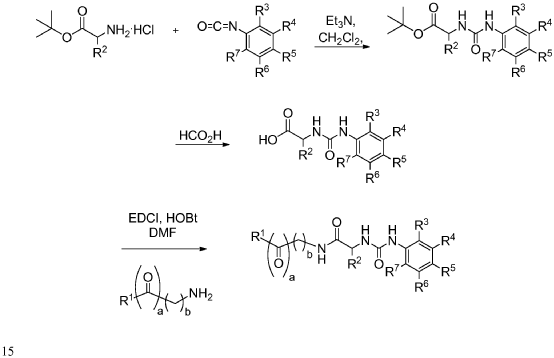
PAT
- Amide derivatives of N-urea substituted amino acids as formyl peptide receptor like-1 (FPRL-1) receptor modulatorsPublication Number:US-10993931-B2Priority Date:2011-10-26Grant Date:2021-05-04
- Amide derivatives of n-urea substituted amino acids as formyl peptide receptor like-1 (fprl-1) receptor modulatorsPublication Number:WO-2013062947-A1Priority Date:2011-10-26
- Substituted N-urea amino acid amide derivatives as modulators of formylated peptide receptor 1 (FPRL-1) receptorPublication Number:ES-2820714-T3Priority Date:2011-10-26Grant Date:2021-04-22
- Amide derivatives of N-urea-substituted amino acids as formyl peptide receptor-like-1 (FPRL-1) receptor modulatorsPublication Number:CN-106518742-APriority Date:2011-10-26
ADVERTISEMENT
ANAX LABORATORIES
WEBSITE https://www.anaxlab.com/
Discovery Solutions, Supporting the chemistry needs of clients in the Medical, Analytical and Bio Sciences
Development Solutions, Developing from Lab scale to PR&D, Kilo Scale-ups and Commercial Scales
SEE MORE………Integrated Solutions, Manufacturing Solutions, Products,
Can’t Find? Let’s Connect
Phone : +91 897704 2010 / +91 9177075735, Email : info@anaxlab.com
#MedicinalChemistry, #DrugDiscovery, #OrganicSynthesis, #ChemicalLibrary, #BuildingBlocks, #SARStudies, #ChemistryInnovation, #medchem, #Drugdevelopment, #Biotech, #Biotechnology, #AnaxLaboratories, #Pharma
AS ON FEB2026 4.574 LAKHS VIEWS ON BLOG WORLDREACH AVAILABLEFOR YOUR ADVERTISEMENT
join me on Linkedin
Anthony Melvin Crasto Ph.D – India | LinkedIn
join me on Researchgate
RESEARCHGATE
join me on Facebook
Anthony Melvin Crasto Dr. | Facebook
join me on twitter
Anthony Melvin Crasto Dr. | twitter
+919321316780 call whatsaapp
EMAIL. amcrasto@gmail.com
References
References
- Maciuszek M, Cacace A, Brennan E, Godson C, Chapman TM (March 2021). “Recent advances in the design and development of formyl peptide receptor 2 (FPR2/ALX) agonists as pro-resolving agents with diverse therapeutic potential”. European Journal of Medicinal Chemistry. 213 113167. doi:10.1016/j.ejmech.2021.113167. PMID 33486199.
- Maciuszek M, Ortega-Gomez A, Maas SL, Perretti M, Merritt A, Soehnlein O, et al. (March 2021). “Synthesis and evaluation of novel cyclopentane urea FPR2 agonists and their potential application in the treatment of cardiovascular inflammation”. European Journal of Medicinal Chemistry. 214 113194. doi:10.1016/j.ejmech.2021.113194. PMID 33548634.
 | |
| Identifiers | |
|---|---|
| IUPAC name | |
| CAS Number | 1431754-15-2 |
| PubChem CID | 71526099 |
| UNII | 54P16AUY6D |
| ChEMBL | ChEMBL4785302 |
| Chemical and physical data | |
| Formula | C15H20BrN3O4 |
| Molar mass | 386.246 g·mol−1 |
| 3D model (JSmol) | Interactive image |
| SMILES | |
| InChI | |
////////rezuforimod, anax labs, N-formyl peptide receptor 1 and 2 agonist, antiinflammatory, AGN-232411, AG-80308, AGN 232411, AG 80308, 54P16AUY6D
#rezuforimod, #anax labs, #N-formyl peptide receptor 1 and 2 agonist, #antiinflammatory, #AGN-232411, #AG-80308, #AGN 232411, #AG 80308, #54P16AUY6D


 New Drug Approvals
