New Drug Approvals

Home » Posts tagged 'Phase III' (Page 2)

Tag Archives: Phase III

DRUG APPROVALS BY DR ANTHONY MELVIN CRASTO .....FOR BLOG HOME CLICK HERE

Blog Stats

  • 4,809,775 hits

Flag and hits

Flag Counter

Enter your email address to follow this blog and receive notifications of new posts by email.

Join 37.9K other subscribers
Follow New Drug Approvals on WordPress.com

Archives

Categories

Recent Posts

Flag Counter

ORGANIC SPECTROSCOPY

Read all about Organic Spectroscopy on ORGANIC SPECTROSCOPY INTERNATIONAL 

Enter your email address to follow this blog and receive notifications of new posts by email.

Join 37.9K other subscribers
DR ANTHONY MELVIN CRASTO Ph.D

DR ANTHONY MELVIN CRASTO Ph.D

DR ANTHONY MELVIN CRASTO, Born in Mumbai in 1964 and graduated from Mumbai University, Completed his Ph.D from ICT, 1991,Matunga, Mumbai, India, in Organic Chemistry, The thesis topic was Synthesis of Novel Pyrethroid Analogues, Currently he is working with AFRICURE PHARMA, ROW2TECH, NIPER-G, Department of Pharmaceuticals, Ministry of Chemicals and Fertilizers, Govt. of India as ADVISOR, earlier assignment was with GLENMARK LIFE SCIENCES LTD, as CONSUlTANT, Retired from GLENMARK in Jan2022 Research Centre as Principal Scientist, Process Research (bulk actives) at Mahape, Navi Mumbai, India. Total Industry exp 32 plus yrs, Prior to joining Glenmark, he has worked with major multinationals like Hoechst Marion Roussel, now Sanofi, Searle India Ltd, now RPG lifesciences, etc. He has worked with notable scientists like Dr K Nagarajan, Dr Ralph Stapel, Prof S Seshadri, etc, He did custom synthesis for major multinationals in his career like BASF, Novartis, Sanofi, etc., He has worked in Discovery, Natural products, Bulk drugs, Generics, Intermediates, Fine chemicals, Neutraceuticals, GMP, Scaleups, etc, he is now helping millions, has 9 million plus hits on Google on all Organic chemistry websites. His friends call him Open superstar worlddrugtracker. His New Drug Approvals, Green Chemistry International, All about drugs, Eurekamoments, Organic spectroscopy international, etc in organic chemistry are some most read blogs He has hands on experience in initiation and developing novel routes for drug molecules and implementation them on commercial scale over a 32 PLUS year tenure till date Feb 2023, Around 35 plus products in his career. He has good knowledge of IPM, GMP, Regulatory aspects, he has several International patents published worldwide . He has good proficiency in Technology transfer, Spectroscopy, Stereochemistry, Synthesis, Polymorphism etc., He suffered a paralytic stroke/ Acute Transverse mylitis in Dec 2007 and is 90 %Paralysed, He is bound to a wheelchair, this seems to have injected feul in him to help chemists all around the world, he is more active than before and is pushing boundaries, He has 100 million plus hits on Google, 2.5 lakh plus connections on all networking sites, 100 Lakh plus views on dozen plus blogs, 227 countries, 7 continents, He makes himself available to all, contact him on +91 9323115463, email amcrasto@gmail.com, Twitter, @amcrasto , He lives and will die for his family, 90% paralysis cannot kill his soul., Notably he has 38 lakh plus views on New Drug Approvals Blog in 227 countries......https://newdrugapprovals.wordpress.com/ , He appreciates the help he gets from one and all, Friends, Family, Glenmark, Readers, Wellwishers, Doctors, Drug authorities, His Contacts, Physiotherapist, etc He has total of 32 International and Indian awards

Verified Services

View Full Profile →

Archives

Categories

Flag Counter

ELECLAZINE, элеклазин , إيليكلازين , 依来克秦 , REVISITED


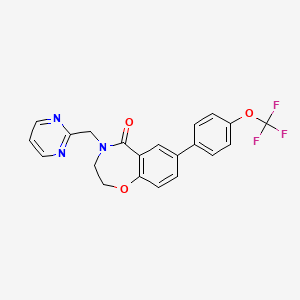
Eleclazine.pngChemSpider 2D Image | eleclazine | C21H16F3N3O3

ELECLAZINE

GS-6615

Molecular Formula: C21H16F3N3O3
Molecular Weight: 415.372 g/mol

1443211-72-0

4-(pyrimidin-2-ylmethyl)-7-[4-(trifluoromethoxy)phenyl]-2,3-dihydro-1,4-benzoxazepin-5-one

4-(pyrimidin-2-ylmethyl)-7-[4-(trifluoromethoxy)phenyl]-2,3,4,5- tetrahydro-1,4- benzoxazepin-5-one

7-(4-(Trifluoromethoxy)phenyl)-3,4-dihydrobenzo[f][1,4]oxazepin-5(2H)-one

1,4-Benzoxazepin-5(2H)-one, 3,4-dihydro-4-(2-pyrimidinylmethyl)-7-[4-(trifluoromethoxy)phenyl]-

Eleclazine; UNII-PUY08529FK; 1443211-72-0; GS-6615; PUY08529FK; 4-(pyrimidin-2-ylmethyl)-7-(4-(trifluoromethoxy)phenyl)-3,4-dihydrobenzo[f][1,4]oxazepin-5(2H)-on

элеклазин [Russian] [INN]
إيليكلازين [Arabic] [INN]
依来克秦 [Chinese] [INN]
  • Phase III Long QT syndrome
INGREDIENT UNII CAS
Eleclazine Hydrochloride 4R1JP3Q4HI 1448754-43-5

Eleclazine has been used in trials studying the treatment of LQT2 Syndrome, Long QT Syndrome, Ischemic Heart Disease, Ventricular Arrhythmia, and Long QT Syndrome Type 3, among others.

In 2015, orphan drug designation was assigned to the product by the FDA for the treatment of congenital long QT syndrome.

  • Originator Gilead Sciences
  • Class Antiarrhythmics; Ischaemic heart disorder therapies; Pyrimidines; Small molecules; Vasodilators
  • Mechanism of Action Sodium channel antagonists

Highest Development Phases

  • Phase III  Long QT syndrome
  • Phase II/III Hypertrophic cardiomyopathy
  • Phase II Ventricular arrhythmias
  • No development reported Ischaemic heart disorders

Most Recent Events

  • 15 Nov 2017 Gilead Sciences presents safety and adverse events data from a phase III trial in Long QT syndrome type 3 at the 90th Annual Scientific Sessions of the American Heart Association (AHA-2017)
  • 11 Nov 2017 Efficacy data from the phase II TEMPO trial in Ventricular arrthymmia presented at the 90th Annual Scientific Sessions of the American Heart Association
  • 17 Feb 2017 Gilead Sciences terminates a phase II/III trial in Hypertrophic cardiomyopathy in Australia, France, Germany, Israel, Italy, Netherlands, USA and United Kingdom (NCT02291237)
  • Gilead Sciences was developing eleclazine (GS-6615), a late sodium current inhibitor, for the potential oral (tablet) treatment of hypertrophic cardiomyopathy and arrhythmias including long QT-3 (LQT3) syndrome.

Image result

Image result for Long QT syndrome

Image result for Long QT syndrome

Image result for Long QT syndrome

Image result for Long QT syndrome

Image result for Long QT syndrome

Long QT syndrome

The late sodium current (INaL) is a component of the fast Na+ current of cardiac myocytes and neurons. Late sodium current in cardiac cells is small compared with the fast component, but it may make a large contribution to sodium loading during each cardiac cycle. Impaired sodium channel function contributes to pathologic increase of the late sodium current, sodium overload, and sodium-induced calcium overload by way of the sodium-calcium exchanger. Calcium overload causes impaired diastolic relaxation, which increases diastolic wall tension, increases myocardial oxygen demand, reduces myocardial blood flow and oxygen supply, microvascular perfusion, and worsens ischemia and angina. Many common neurological and cardiac conditions are associated with abnormal (INaL) augmentation, which contributes to the pathogenesis of both electrical and contractile dysfunction in mammals. Inhibiting the late sodium current can lead to reductions in elevated intracellular calcium levels, which, in turn, may lead to reduced tension in the heart wall and reduced oxygen requirements for the heart muscle. Inhibition of cardiac late sodium current is a strategy used to suppress arrhythmias and sodium -dependent calcium overload associated with myocardial i schemia and heart failures. Thus, compounds that selectively inhibit the iate sodium current (INaL) in mammals may be useful in treating such disease states.

Eleclazine (4-(pyrimidin-2-ylmethyl)-7-(4-(trifluoromethoxy)pheny l)-3,4-dihydrobenzo[b]oxepin-5(2H)-one]; CAS # 144321 1-72-0) is an inhibitor of the late sodium current, Eleclazine is being investigated for the treatment of cardiomyopathy, specifically hypertrophic cardiomyopathy, as well as additional cardiovascular indications, including angina, heart failure, atrial fibrillation (AF), ischemic heart disorders, atrial premature beats (APBs), myocardial isch mia, and arrhythmias.

Eleclazine

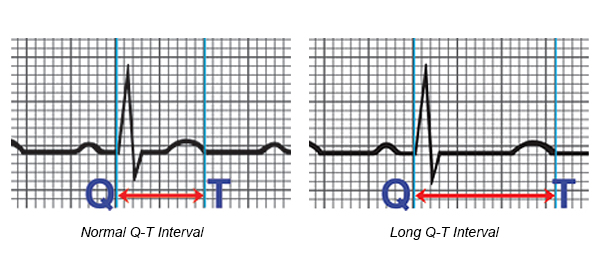
Eleclazine shows a shortening of the QTc interval (the time interval between the start of the Q-wave and the end of T-wave in the electrical cycle of the heart) in patients with QT-3 (LQT3) sydrome. LQTS is a genetic disorder that prolongs the heart’s QTc interval and can cause life-threatening cardiac arrhythmias. Therefore, eleclazine is also being investigated for treatment of long QT syndrome.

Eleclazine may be metabolized in the liver and may be subject to extensive cytochrome P450-mediated oxidative metabolism. Eleclazine is metabolized predominantly by N-dealkylation, and elimination is principally in the bile and gastrointestinal tract. The primary metabolite of eleclazine is GS-623134

Adverse effects associated with eleclazine may include dizziness, dry mouth, nausea, weakness, ringing in ears, tremors, and the like. Additionally, some metabolites of eleclazine, particularly the metabolite GS 623134, may have undesirable side effects.

PATENT

PRODUCT, WO 2013112932, WO 2013006485

WO 2013006463

https://patentscope.wipo.int/search/en/detail.jsf?docId=WO2013006463&recNum=1&maxRec=&office=&prevFilter=&sortOption=&queryString=&tab=PCTDescription

WO 2013006463 , ( US8962610 ) hold protection in the EU states until 2032 and in US until 2033 with US154 extension.

PATENT

WO 2015017661

https://patentscope.wipo.int/search/en/detail.jsf?docId=WO2015017661

Provided herein is a method for reducing the prolongation of the QT interval in a human patient, said method comprising administering to the patient an effective amount of Compound 1:

Example 1: 4-(pyrimidin-2-ylmethyl)-7-(4-(trifluoromethoxy)phenyl)-3,4- dihydrobenzo[f][1,4]oxazepin-5(2H)-one (Compound 1)

To a solution of Compound 1-A (20 g, 0.083 mol, 1 eq.) and Compound 1-B (25 g, 0.15 mol, 1.8 eq.) in DMF (150 mL), NaOH solution (20 mL, 10 M, 5 eq.) was slowly added at room temperature (slightly exothermic) and stirred at r.t. for 10 min, followed by heating at 95 °C for 2 h. After cooling the reaction mixture, ethyl acetate (200 mL) was added and the organic layer was separated. The organics was washed with water (20 mL), brine, dried over sodium sulphate and concentrated.

The residue was dissolved in 1,4-dioxane (50 mL) and to this 4 N HCl in dioxane (50 mL) and cone. HCl ( 2 mL) was added and stirred at room temperature for 4 h, filtered the precipitate, washed with ethyl acetate and dried. Compound 1-C was obtained (30 g) as a light yellow solid.

To the bromide (15 g, 0.04 mol, 1 eq), boronic acid (12.5 g, 0.06 mol, 1.5 eq) and potassium carbonate (22 g, 0.16 mol, 4 eq) in a round bottom flask, solvent (150 mL, toluene/isopropanol/water : 2/1/1) was added and stirred under nitrogen for 10 min. To the above solution the palladium catalyst (1 g, 0.012 mol, 0.02 eq) was added and heated at 85 °C for 2h. The reaction mixture was diluted with ethyl acetate, separated the organic layer and filtered the organic layer through a plug of celite and silica gel and concentrated. Column purification on silica gel using ethyl acetate/hexane as eluent provided Compound 1 (13 g).

To a solution of Compound 1 (26 g) in 1,4-dioxane (25 mL), 4N HCl/dioxane (25 mL) was added followed by cone. HCl (2 mL) and stirred at room temperature for 4h. Solvent was distilled off, dichlorom ethane was added and distilled off and to the residue, ethyl acetate (150 mL) was added and stirred at room temperature overnight and filtered the precipitate, washed with ethyl acetate, hexane and dried under vacuum. Compound 1-HCl obtained (24.8 g) was a white solid.

1H-NMR (CDCl3) 5 8.72 (d, 2H, J= 5.2 Hz), 8.17 (d, 1H, J= 2.4 Hz), 7.59-7.63 (m, 3H), 7.26 (d, 2H, J= 3.2 Hz), 7.22 (t, 1H, J= 4.8 Hz), 7.10 (d, 1H, J= 8.4 Hz), 5.10 (s, 2H), 4.56 (t, 2H, J = 5.0 Hz), 3.77 (t, 2H, J= 5.0 Hz); MS m/z 416.1 (M+H).

PATENT

WO-2018048977

https://patentscope.wipo.int/search/en/detail.jsf?docId=WO2018048977&redirectedID=true

Novel deuterated analogs of a substituted oxazepin compounds, particularly eleclazine and their salts, esters, prodrugs and solvates and compositions and combinations comprising them are claimed. Also claim is their use for treating a late sodium current-mediated disorder, such as acute coronary syndrome, angina, congestive heart disease, myocardial infraction, diabetes, ischemic heart disorders, inflammatory diseases and cancers.

EXAMPLE 1- COMPARATIVE

[00297] 4-(pyrimidin-2-ylmethyl)-7-[4-(trifluorome4hoxy)phenyl]-2,3,4,5-tetrahydro-l,4- benzoxazepin-5-one [Eleclazine]

[00299] To a solution of 5-bromo-2-hydroxybenzoate (10 g, 43.28 mmol, 1.00 equiv) in DMA (100 ml.) was added potassium carbonate (9 g, 65, 12 mmol, 1.50 equiv) and 2-chloroacetonitrile (3.4 mL, 1.25 equiv). The resulting suspension was stirred overnight. The solids were filtered out. The filtrate was washed with water. The resulting solution was extracted with ethyl acetate (3 x 50 mL). The organic layers were dried over anhydrous sodium sulfate and concentrated under vacuum to afford 1 1 g (94%) of methyl 5-bromo-2-(cyanomethoxy)benzoate as a white solid, LC-MS: m/z = 270 [M+H]+.

[00300] Step 2: 7-bromo-2,3,4,5-tetrahydro-l,4-benzoxazepin-5-one

[00301] To a solution of 5-bromo-2-(cyanomethoxy)benzoate [Example 1 , Step 1 ] (4 g, 14.81 mmol, 1.00 equiv) in methanol (50 mL) was added saturated aq. NIL (4 mL) and Raney-Ni (2 mL) under a H2 atmosphere. The resulting solution was stirred overnight at room temperature. The catalyst was filtered out. The filtrate was concentrated under vacuum. The residue was purifsed by SiCte chromatography eluted with ethyl acetate/petroleum ether (1 : 1 ) to afford 530 mg (15%) of 7-bromo-2,3,4,5-tetrahydro-l,4-benzoxazepin-5-one as a yellow solid. LC-MS: m/z = 242 [M+H]+.

[00302] Step 3 : 7-bromo-4-(pyrimidin-2-ylmethyl)-2,3,4,5-tetrahydro-l,4-benzoxazepin-5- one

[00303] To a solution of 7-bromo-2,3,4,5-tetrahydro- l ,4-benzoxazepin-5-one [Example 1, Step 2] (530 mg, 2.19 mmol, 1.00 equiv) and 2-(chloromethyl)pyrimidine hydrochloride (650 mg, 3.96 mmol, 1.80 equiv) in DMF (10 mL), was slowly added a NaOH solution (0.55 mL, 10 M, 2.50 equiv), which was stirred at room temperature for 10 min. Then the mixture was stirred at 95°C for 2 h. After cooling the reaction mixture, ethyl acetate (30 mL) was added and the organic layer was separated. The organic layers were washed with water, brine, dried over anhydrous sodium sulfate, and concentrated under vacuum to afford 600 mg (82%) of 7-bromo- 4-(pyrimidin-2-ylmethyl)-2,3,4,5-tetrahydro-l,4-benzoxazepin-5-one as light yellow oil . LC-MS: m/z = 334 [M+H]+.

[00304] Step 4: 4-(pyrimidin-2-ylmethyl)-7-[4-(trifluoromethoxy)phenyl]-2,3,4,5-tetrahydro- 1 ,4-benzoxazepin-5-one

[00305] To a solution of 7-bromo-4-(pyriraidin-2-ylmethyl)-2,3,4,5-tetrahydro-l,4- benzoxaze- pin-5-one [Example 1, Step 3] (277 mg, 0.83 mmol, 1.00 equiv) in Toluene/iPrOH/thO (2: 1 : 1, 4 mL) was added potassium carbonate (459 mg, 3.32 mmol, 4.00 equiv) and [4-(trifluoromethoxy)phenyl]boronic acid (257 mg, 1.25 mmol, 1.50 equiv). The mixture was stirred for 10 min at room temperature. Then Pd(dppf)Ch (12 mg, 0.02 equiv) was added to the solution. The mixture was stirred at 85°C for 2 h. After cooling the reaction mixture, ethyl acetate (30 mL) was added, and the organic layer was separated. The organic layer was washed with water, brine, dried over anhydrous sodium sulfate, and concentrated under vacuum. The crude product was purified by Prep-HPLC with the following conditions: Column, XBridge Prep C18 OBD Column, Sum, 19*150mm; mobile phase, Water (10 mmol/L NH4HCO3) and CH3CN (50,0% CH3CN up to 52.0% in 7 min); Detector, UV 254, 220nra to afford 190 mg (55%) of 4-(pyrimidin-2-ylmethyl)-7-[4-(trifluoromethoxy)phenyl]-2,3,4,5- tetrahydro-1,4- benzoxazepin-5-one as a white solid. LC-MS: m/z = 416 [M+H]+

[00306] 1H NMR (400 MHz, Chloroform-t/) δ 8.75-8.74 (m, 2H), 8.20-8. 19 (m, IH), 7.66- 7,61 (m, 3H), 7,29-7,28 (m, IH), 7.27-7.26 (m, IH), 7.24-7.23 (m, I H), 7.13-7.1 1 (m, IH), 5.12 (s, 2H), 4.60-4.57 (m, 2H), 3.81 -3.78 (m, 2H).

PAPER

Journal of Medicinal Chemistry (2016), 59(19), 9005-9017

Abstract Image

Late sodium current (late INa) is enhanced during ischemia by reactive oxygen species (ROS) modifying the Nav 1.5 channel, resulting in incomplete inactivation. Compound 4 (GS-6615, eleclazine) a novel, potent, and selective inhibitor of late INa, is currently in clinical development for treatment of long QT-3 syndrome (LQT-3), hypertrophic cardiomyopathy (HCM), and ventricular tachycardia–ventricular fibrillation (VT–VF). We will describe structure–activity relationship (SAR) leading to the discovery of 4 that is vastly improved from the first generation late INa inhibitor 1(ranolazine). Compound 4 was 42 times more potent than 1 in reducing ischemic burden in vivo (S–T segment elevation, 15 min left anteriorior descending, LAD, occlusion in rabbits) with EC50values of 190 and 8000 nM, respectively. Compound 4 represents a new class of potent late INainhibitors that will be useful in delineating the role of inhibitors of this current in the treatment of patients.

Discovery of Dihydrobenzoxazepinone (GS-6615) Late Sodium Current Inhibitor (Late INai), a Phase II Agent with Demonstrated Preclinical Anti-Ischemic and Antiarrhythmic Properties

Medicinal Chemistry, Drug Metabolism, §Drug Safety Evaluation, Formulation and Process Development, and Structural Chemistry, Gilead Sciences Inc., 333 Lakeside Drive, Foster City, California 94404, United States
# Biology, Gilead Sciences Inc., 7601 Dumbarton Circle, Fremont, California 94555, United States
J. Med. Chem.201659 (19), pp 9005
7-(4-(Trifluoromethoxy)phenyl)-3,4-dihydrobenzo[f][1,4]oxazepin-5(2H)-one 4
Compound 4 HCl obtained (24.8 g) was obtained as a white solid. Anal. HPLC 100% (6.78 min).
 
 1H NMR (CDCl3) δ 8.72 (d, 2H, J = 5.2 Hz), 8.17 (d, 1H, J = 2.4 Hz), 7.59–7.63 (m, 3H), 7.26 (d, 2H, J = 3.2 Hz), 7.22 (t, 1H, J = 4.8 Hz), 7.10 (d, 1H, J = 8.4 Hz), 5.10 (s, 2H), 4.56 (t, 2H, J = 5.0 Hz), 3.77 (t, 2H, J = 5.0 Hz). LCMS m/z 416.1 (M + H).
HRMS-ESI+: [M + H]+ calcd for C21H16F3N3O3, 416.1217; found, 416.1215.
PAPER
Inhibition of late sodium current suppresses calcium-related ventricular arrhythmias by reducing the phosphorylation of CaMK-II and sodium channel expressions
Scientific Reports (2017), 7, (1), 1-11.
PATENT
US 20180064726
PATENTS
Patent ID

Patent Title

Submitted Date

Granted Date

US9126989 COMPOUND AND METHODS FOR TREATING LONG QT SYNDROME
2014-07-31
2015-02-05
US9193694 FUSED HETEROCYCLIC COMPOUNDS AS ION CHANNEL MODULATORS
2013-09-26
2014-05-15
US9125916 METHODS OF TREATING HYPERTROPHIC CARDIOMYOPATHY
2014-07-28
2015-02-05
US2016332976 PROCESSES FOR PREPARING FUSED HETEROCYCLIC ION CHANNEL MODULATORS
2016-05-02
US2015283149 METHODS OF TREATING PATIENTS HAVING IMPLANTABLE CARDIAC DEVICES
2015-03-20
2015-10-08
Patent ID

Patent Title

Submitted Date

Granted Date

US2015045305 COMBINATION THERAPIES USING LATE SODIUM ION CHANNEL BLOCKERS AND POTASSIUM ION CHANNEL BLOCKERS
2013-01-25
2015-02-12
US2016332977 PROCESSES FOR PREPARING FUSED HETEROCYCLIC ION CHANNEL MODULATORS
2016-05-02
US9598435 FUSED HETEROCYCLIC COMPOUNDS AS ION CHANNEL MODULATORS
2015-10-01
2016-04-07
US2015225384 PROCESSES FOR PREPARING FUSED HETEROCYCLIC ION CHANNEL MODULATORS
2015-02-13
2015-08-13
US9273038 SOLID FORMS OF AN ION CHANNEL MODULATOR
2015-02-12
2015-08-13
Patent ID

Patent Title

Submitted Date

Granted Date

US9676760 FUSED HETEROCYCLIC COMPOUNDS AS ION CHANNEL MODULATORS
2016-05-11
US8697863 Fused heterocyclic compounds as ion channel modulators
2013-03-07
2014-04-15
US8586732 Fused heterocyclic compounds as ion channel modulators
2012-06-29
2013-11-19
US2017007617 INTRAVENOUS FORMULATIONS OF A LATE SODIUM CURRENT INHIBITOR
2016-07-06
US2014329755 COMBINATION THERAPY FOR THE TREATMENT OF ARRHYTHMIAS OR HEART FAILURE
2014-04-30
2014-11-06

/////////////////ELECLAZINE, GS-6615, GS 6615, элеклазин إيليكلازين 依来克秦 Phase III,  Long QT syndrome, orphan drug designation, Long QT syndrome

C1COC2=C(C=C(C=C2)C3=CC=C(C=C3)OC(F)(F)F)C(=O)N1CC4=NC=CC=N4

LASMIDITAN


Lasmiditan skeletal.svg

LASMIDITAN, COL-144 , LY-573144

  • Molecular FormulaC19H18F3N3O2
  • Average mass377.360 Da
  • ласмидитан
    لاسميديتان

613677-28-4 HYDROCHLORIDE
439239-90-4 (free base)

SUCCINATE 439239-92-6

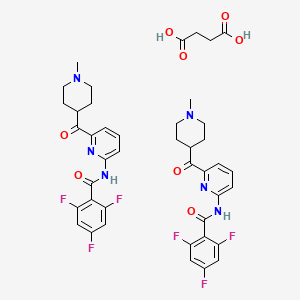
2,4,6-Trifluoro-N-[6-(1-methylpiperidin-4-ylcarbonyl)pyridin-2-yl]benzamide

2,4,6-trifluoro-N-{6-[(1-methylpiperidin-4-yl)carbonyl]pyridin-2-yl}benzamide

CoLucid Pharmaceuticals, PHASE 3, MIGRAINE

UNII:760I9WM792

Lasmiditan is an oral medication used in the termination of migraine headaches that was first approved for use in the United States in October 2019.

A high-affinity, highly selective serotonin 5-HT(1F) receptor agonist.

Lasmiditan, also known as COL-144 and LY573144, is a novel, centrally acting, highly selective 5-HT(1F) receptor agonist (K1=2.21 μM) without vasoconstrictor activity that seemed effective when given as an intravenous infusion in a proof-of-concept migraine study. Lasmiditan showed efficacy in its primary endpoint, with a 2-hour placebo-subtracted headache response of 28.8%, though with frequent reports of dizziness, paresthesias, and vertigo.


Product Ingredients

INGREDIENT UNII CAS INCHI KEY
Lasmiditan succinate W64YBJ346B 439239-92-6 MSOIHUHNGPOCTH-UHFFFAOYSA-N
Lasmiditan succinate; UNII-W64YBJ346B; Lasmiditan succinate [USAN]; W64YBJ346B; 439239-92-6; Lasmiditan succinate (USAN)

Lasmiditan succinate.png

Molecular Formula: C42H42F6N6O8
Molecular Weight: 872.822 g/mol


Patent and Exclusivity for: N211280

Product 001
LASMIDITAN SUCCINATE (REYVOW) TABLET EQ 50MG BASE

Patent Data


Exclusivity Data


Lasmiditan, sold under the brand name Reyvow, is a medication used for the acute (active but short-term) treatment of migraine with or without aura (a sensory phenomenon or visual disturbance) in adults.[2] It is not useful for prevention.[2] It is taken by mouth.[2]

Common side effects include sleepiness, dizziness, tiredness, and numbness.[3][4]

Lasmiditan was approved in the United States in October 2019[3] and became available in February 2020.[5] It was developed by Eli Lilly.[3] The U.S. Food and Drug Administration (FDA) considers it to be a first-in-class medication.[6]

WO-2018010345,  from Solipharma and the inventor on this API. Eli Lilly , following its acquisition of CoLucid Pharmaceuticals , is developing lasmiditan, a 5-HT 1f agonist, for treating acute migraine.

SYNTHESIS 


SYN1

Synthetic Reference

Sheng, Xiaohong; Sheng, Xiaoxia; Jiang, Xiawei. Preparation of crystalline form of lasmiditan and its pharmaceutical composition. Assignee SoliPharma LLC, Peop. Rep. China. WO 2018010345. (2018).


SYN2

Synthetic Description

Reference: Carniaux, Jean-Francois; Cummins, Jonathan. Compositions and methods of synthesis of pyridinoylpiperidine derivatives as 5-HT1F agonists for treating and preventing migraine. Assignee Colucid Pharmaceuticals, Inc., USA. WO 2011123654. (2011).

SYN3

Synthetic Description

Reference: Cohen, Michael Philip; Kohlman, Daniel Timothy; Liang, Sidney Xi; Mancuso, Vincent; Victor, Frantz; Xu, Yao-Chang; Ying, Bai-Ping; Zacherl, Deanna Piatt; Zhang, Deyi. Preparation of pyridinoylpiperidines as 5-HT1F agonists. Assignee Eli Lilly and Company, USA. WO 2003084949. (2003).

SYN

noname01


SYN 2

noname01

REF

https://www.sciencedirect.com/science/article/abs/pii/S0223523420306395

5 Lasmiditan (Reyvow). Lasmiditan, developed by Eli Lilly, is a highly selective
agonist of 5-HT1F receptors [87]. The FDA approved lasmiditan as the first
neutrally-acting medication to treat migraine headaches [88]. Lasmiditan is a selective
5-HT1F agonist, but inactive against other 5-HT receptors or monoamine receptors
[89,90]. Unlike the triptan class of anti-migraine medications that lead to blood
pressurelability and other cardiovascular side effects, lasmiditan could terminate
migraines but without vasoconstriction [91]. However, lasmiditan may cause
significant driving impairment due to the CNS depression. And it is not a preventive
medication for migraine [92].
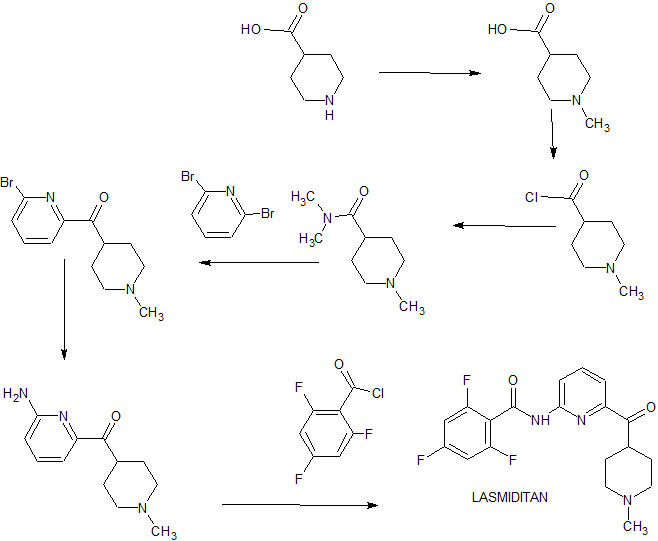
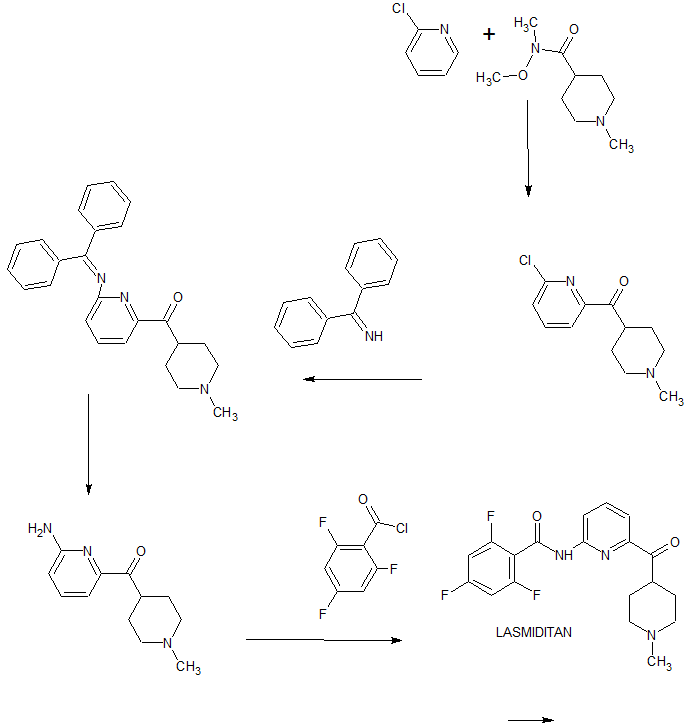
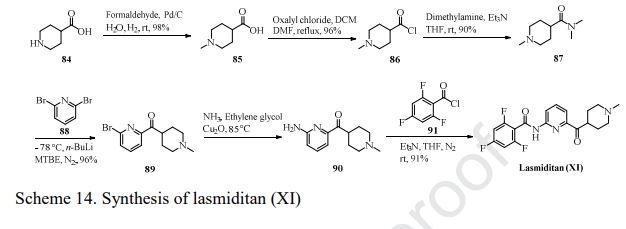
Eli Lilly has disclosed a kilogram-scale procedure to lasmiditan, which is described in
Scheme 14 [93]. Borch reduction of piperidine-4-carboxylic acid 84 gave 85. Further
chlorination with oxalyl chloride formed acyl chloride 86 in good yield. Next,
substitution with commercial dimethylamine, followed by coupling with

2,6-dibromopyridine 88 with assistance of tert-butyllithium gave rise to coupling
product 89 in 84% yield within the two-step sequence. Copper-catalyzed amination
between 89 and NH3 in ethylene glycol gave aminate product 90, which then treated
with acyl chloride 91 to give lasmiditan (XI) in 91% yield

CLICK ON IMAGE TO EXPAND

[87] T.V. Dupre, D.P. Jenkins, R.C. Muise-Helmericks, R.G. Schnellmann, The
5-hydroxytryptamine receptor 1F stimulates mitochondrial biogenesis and
angiogenesis in endothelial cells, Biochem. Pharmacol. 169 (2019) 113644.
[88] Y.N. Lamb, Lasmiditan: first approval, Drugs 79 (2019) 1989-1996.
[89] E. Rubio-Beltran, A. Labastida-Ramirez, K.A. Haanes, A. van den Bogaerdt, A.
Bogers, E. Zanelli, L. Meeus, A.H.J. Danser, M.R. Gralinski, P.B. Senese, K.W.
Johnson, J. Kovalchin, C.M. Villalon, A. MaassenVanDenBrink,
Characterization of binding, functional activity, and contractile responses of the
selective 5-HT1F receptor agonist lasmiditan, Br. J. Pharmacol. 176 (2019)
4681-4695.
[90] G.M. Dubowchik, C.M. Conway, A.W. Xin, Blocking the CGRP pathway for
acute and preventive treatment of migraine: the evolution of success, J. Med.
Chem. 63 (2020) 6600–6623.
[91] B. Kuca, S.D. Silberstein, L. Wietecha, P.H. Berg, G. Dozier, R.B. Lipton, C.M.S.
Group, Lasmiditan is an effective acute treatment for migraine: a phase 3
randomized study, Neurology 91 (2018) 2222-2232.
[92] P.J. Goadsby, L.A. Wietecha, E.B. Dennehy, B. Kuca, M.G. Case, S.K. Aurora, C.
Gaul, Phase 3 randomized, placebo-controlled, double-blind study of lasmiditan
for acute treatment of migraine, Brain 142 (2019) 1894-1904.
[93] M.P. Cohen, D.T. Kohlman, S.X. Liang, V. Mancuso, F. Victor, Y.-C. Xu, B.-P.
Ying, D.P. Zacherl, D. Zhang, Preparation of pyridinoylpiperidines as 5-HT1F
agonists, 2003. WO2003084949.

PATENT

https://patents.google.com/patent/WO2020095171A1/en

 In one embodiment, the present invention provides a process as depicted in scheme III for the preparation of lasmiditan, a compound of formula I.

Figure imgf000010_0001
R= Cl, OH, OR1
R1 = C1 -C6 alkyl, C1-C6 Alkylaryl
Scheme III
[0044] In one embodiment, the present invention provides a process as depicted in scheme IV for the preparation of lasmiditan, a compound of formula I.
Figure imgf000010_0002
Scheme IV
formula I.
Figure imgf000014_0001
Scheme I
[0079] In one embodiment, the present invention provides a process as depicted in scheme II for the preparation of lasmiditan, a compound of formula I.
Figure imgf000014_0002
Scheme II
formula I.
Figure imgf000015_0001
Scheme V [0092] In one embodiment, the present invention provides a process as depicted in scheme VI for the preparation of lasmiditan, a compound of formula I.
Figure imgf000016_0001
Scheme VI
EXAMPLES
[0162] Example-1: Synthesis of compound of formula V
2,6-Dibromopyridine was dissolved in ammonia and mixture was heated in autoclave at about l20°C to about l50°C till reaction complies. After completion of reaction, the reaction mass was allowed to cool and diluted with water. Product was extracted in dichloromethane which on evaporation gives compound of formula-V in crude stage. The crude compound of formula V was purified in mixture of ethyl acetate and hexane to obtain a pale yellow solid.
[0163] Example-2: Synthesis of compound of formula III
l-Methylisonipecotic acid, Diisopropylethylamine, l-hydroxybenzotriazole and N,O- dimethylhydroxylamine hydrochloride were added in dimethylformamide and the reaction mixture was stirred for about 15 minutes. l-(3-dimethylaminopropyl)-3- ethylcarbodiimide hydrochloride) was then added to the reaction mixture and the reaction mass was stirred at ambient temperature to complete the reaction. The solvent was removed by vacuum distillation. Water was added to obtained residue and the pH of the reaction mixture was adjusted to 8. The obtained aqueous reaction mixture was extracted with dichloromethane and evaporated to get compound of formula III as an oil.
[0164] Example-3: Synthesis of compound of formula II
Methylene chloride was added to 2,4,6-trifluoro benzoic acid, dimethyl formamide was added to the reaction mass and the reaction mass was cooled to about 5°C to l0°C. Oxalyl chloride was added to the reaction mass, the temperature of the reaction mass was raised to 25°C to 30°C and reaction mass was stirred at about 25°C to 30°C for about 2 hours. The solvent was distilled out under vacuum to obtain 2,4,6-trifluoro benzoyl chloride as an oil. Compound of formula V was dissolved in tetrahydrofuran and trimethylamine was added to the obtained reaction mass. The reaction mass was then cooled to about l5°C to 20°C. To the reaction mass was added 2,4,6-trifluoro benzoyl chloride dissolved in tetrahydrofuran. The temperature of the reaction mass was raised to about l5°C to 20°C and the reaction mass was stirred for about 1 hour. The mixture of water and ethyl acetate was added to the reaction mass to obtain organic and aqueous layers. Organic layer was washed with water sodium chloride solution. The solvent was distilled out completely to obtain an oil. The obtained oil was crystallized using diisopropylether. The obtained solid was dried. [0165] Example-4: Synthesis of compound of formula I
The compound of formula II is added to THF and the reaction mass is stirred. N-BuLi is added to the reaction mixture at about -78°C. The mixture is stirred for about 15 to about 30 minutes. The compound of formula-III is added to the reaction mass and the reaction mass is stirred at about -78°C to about -50°C for about 2h. The reaction mass is quenched with aqueous hydrochloric acid and extracted with dichloromethane. The extract is successively washed with water and brine, dried over MgS04 and then concentrated in vacuum to get compound of formula-I.
[0166] Example-5: Synthesis of compound of formula I
l-methylisonipecotic acid hydrochloride is dissolved in methylene chloride and dimethyl formamide is added to the reaction mass. The reaction mass is then cooled to about 5°C to l0°C. Oxalyl chloride is slowly added to the reaction mass and the temperature of the reaction mass is raised to about 25°C to 30°C and the reaction mass is stirred for about 2 hours. The solvent is distilled out to obtain l-methylpiperidine-4-carboxylic acid chloride; the obtain product is then dissolved in tetrahydrofuran and compound of formula II is added to thereaction mass. The reaction mass is stirred and n-butyl lithium is added to the reaction mixture at about -78°C. The mass is stirred for about 15 to 30 minutes. The reaction mass is quenched with aqueous hydrochloric acid and extracted with dichloromethane. The extract is washed with water and brine and dried over MgS04 and then concentrated in vacuum to obtain compound of formula I.
[0167] Example-6: Synthesis of compound of formula X
2,4,6-trifluoro benzoic acid was added to dichloromethane and dimethyl formamide was added to the reaction mass. Oxalyl chloride was added to the reaction mass and the reaction mass was stirred at about 25°C to 30°C for about 30 to 40minutes. The solvent was distilled off to get an oil. The obtained oil was dissolved in dichloromethane to obtain 2,4,6-trifluoro benzoyl chloride. Compound of formula XI was dissolved in dichloromethane and triethylamine was adde to the reaction mass. The reaction mass was then cooled to about 0°C to 5°C. 2,4,6-trifluoro benzoyl chloride in dichloromethane was added to the reaction mass and reaction mass was stirred at about 0°C to 5°C for about 30 minutes. The temperature of the reaction mass was raised to about 25°C 30°C. Aqueous hydrochloric acid was added to the reaction mass and reaction mass was stirred for about l0-l5min and organic and aqueous layer were separated. Organic layer was washed with saturated aqueous sodium bicarbonate and aqueous sodium chloride solution. The organic layer was distilled off to obtain a solid. The obtained solid was crystalized using methanol.
[0168] Example-7: Synthesis of compound of formula IX
Lithium hydroxide was dissolved in water and added to the compound of formula X dissolved in tetrahydrofuran to obtain a reaction mass. The reaction mass was stirred at about 20°C to 25°C for about 20 to 30minutes. Aqueous hydrochloric acid and ethyl acetate were added to the reaction mass and reaction mass was stirred. Aqueous and organic layers were separated. Organic layer was washed with water and aqueous sodium chloride solution. The solvent was distilled off to get solid compound of formula IX.
[0169] Example-8: Synthesis of compound of formula VII
Compound of formula IX was added to dimethyl formamide and triethyl amine and N,O- dimethyl hydroxylamine hydrochloride and HATU were added to the reaction mass the reaction mass was stirred at about 25°C to 30°C for about 5 hours to 6 hours. Water and ethyl acetate were added to the reaction mass and organid and aqueous layers were separated. Aqueous layer was extracted with ethyl acetate. Organic layer washed with water and aqueous sodium chloride solution. The solvent was distilled out completely to obtain an oil; the oil was crystallized using diisopropyl ether to obtain compound of formula VII.
[0170] Example-9: Synthesis of compound of formula I
4-chloro-l -methyl piperidine is added to tetrahydrofuran to obtain a reaction mass. The reaction mass is cooled to about l0°C to 20°C, solution of isopropyl magnesium chloride lithium chloride complex in tetrahydrofuran is added to the reaction mass at about l0°C to 20°C. The reaction mass is stirred for about 30 minutes to 60 minutes. Compound of formula VII is dissolved in tetrahydrofuran and added to the reaction mass. Obtained reaction mass is stirred for about 1 hour to 2 hours. Aqueous ammonium chloride solution and ethyl acetate is added to the reaction mass. The organic and aqueous layers are separated. Organic layer is washed with water and aqueous sodium chloride solution. Organis layer is distilled out to obtain compound of formula I.
[0171] Example-10: Synthesis of compound of formula I
4-chloro-l -methyl piperidine is dissolved in tetrahydrofuran, the reaction mass is cooled to about l0°C to 20°C; isopropyl magnesium chloride lithium chloride complex dissolved in tetrahydrofuran is added to the reaction mass at about lO°C to 20°C. The reaction mass is stirred at about lO°C to 20°C for about 30 minutes to 60 minutes. Compound of formula X dissolved in tetrahydrofuran is added to reaction mass and reaction mass is stirred at about l0°C to 20°C for about 60 minutes to 120 minutes. Aqueous ammonium chloride solution and ethyl acetate is added to the reaction mass, the reaction mass is stirred and aqueous and organic layers are separated. Organic layer is washed with water and aqueous sodium chloride solution. Organic layer is distilled out to obtain compound of formula I.
[0172] Example-11: Synthesis of compound of formula XII
2,4,6-trifluoro benzoic acid was dissolved in dichloromethane and dimethylformamide was added to the reaction mass. The reaction mass was cooled to about 0°C to l0°C, oxalyl chloride was slowly added to the reaction mass and the temperature of the reaction mass was raised to about 20°C to 30°C and stirred for about 30 minutes to 40 minutes. The solvent was distilled off to obtain anoil; the oil was dissolved in tetrahydrofuran to obtained a solution of 2,4,6-trifluoro benzoyl chloride. 2-amino pyridine was dissolved in tetrahydrofuran and triethylamine was added to the reaction mass; a solution of 2,4,6- trifluoro benzoyl chloride in THF was added to the reaction mass and the reaction mass was cooled to about 0°C to 5°C. Water and ethylacetate were addd to the reaction mass and the temperature of reaction mass was raised to about 20°C to 30°C. The reaction mass was stirred and organic and aqueous layers were separated. Organic layer was washed with water and sodium chloride solution. Organic layer was distilled off completely to get an oil, the obtained oil was crystallized using diisopropyl ether and methanol to obtain compound of formula XII.
[0173] Example-12: Synthesis of compound of formula I
Compound of formula XII is dissolved in tetrahydrofuran and N-butyl lithium is added to the reaction mixture at about -78°C. The reation mass is stirred for about 15 minutes to 30 minutes. Compound of formula III is added to the reaction mass and the reaction mass is stirred at about -78°C to -50°C for 2 hours. The reaction mass is quenched with aqueous hydrochloric acid and extracted with dichloromethane. The extract is washed with water and brine, dried over MgS04 and then concentrated in vacuum to get compound of formula I.
[0174] Example-13: Synthesis of compound of formula I l-methylisonipecotic acid hydrochloride is dissolved in methylene chloride and dimethylformamide is added to the reaction mass. The reaction mass is to about 5°C to l0°C and oxalyl chloride is added to the reaction mass, the temperature of the reaction mass is raised to about 25°C to 30°C and reaction mass is stirred for about 2 hours. The solvent is distilled off to obtain l-methylpiperidine-4-carboxylic acid chloride. 1- methylpiperidine-4-carboxylic acid chloride is dissolved in tetrahydrofuran and compound of formula XII dissolved tin tetrahydrofuran is added to it; the reaction mass is stirred. N-butyl lithium is added to the reaction mixture at about -78°C. The mixture is stirred for about 15 minutes to 30 minutes. The reaction mass is quenched with aqueous hydrochloric acid and extracted with dichloromethane. The extract is washed with water and brine, dried over MgS04 and then concentrated in vacuum to get compound of formula I.
[0175] Example-14: Synthesis of compound of formula X
To a mixture of 2,4,6-trifluorobenzoic acid (23. l3g), dichloromethane (260mL) and dimethylformamide (0.2mL) was added oxalyl chloride (25.08g) at about 25°C and the reaction mixture was stirred for about lh. The reaction mixture was concentrated and methylene chloride (75mL) was added to the obtained residue. The resulting solution was added to a mixture of compound of formula XI (15g), methylene dichloride (l50mL) and triethylamine (12.9g) cooled to about 0°C and stirred for about 30min. The temperature of the reaction mixture was raised to about 25°C and 1M aqueous hydrochloric acid was added to it. The two layers were separated and the organic layer was washed with saturated aqueous sodium bicarbonate and aqueous sodium chloride solution. The organic layer was concentrated and the residue was crystallized in methanol and dried. Yield: l8g Mass spectrum: m/z= 309(M-l); ¾ NMR (CDCh) ppm 3.94(s, 3H) 6.69(m, 2H) 7.88(m, 1H) 7.95(t, 1H) 8.6l(d, 1H) 9.34(s, 1H); 13C NMR (CDCh) ppm: 165.10, 164.72, 162.57,
161.80, 161.71, 161.65, 161.56, 159.27, 159.17, 159.12, 159.02, 158.32, 151.06, 145.79,
139.81, 121.76, 118.31, 110.82, 110.77, 101.29, 101.25, 101.03, 100.99, 100.77, 100.74, 52.91
[0176] Example-15: Synthesis of compound of formula X
To a mixture of 2,4,6-trifluorobenzoic acid (20g), methylene chloride (200mL) and dimethylformamide (0.2mL) was added oxalyl chloride (l9.24g) at about 25°C for about lh. The reaction mixture was concentrated and methylene chloride (60mL) was added to the obtained residue. The resulting solution was added to a mixture of compound of formula XI (l2g), methylene chloride (l40mL) and triethylamine (lOg) cooled to about 0°C and stirred for about 30min. The temperature of the reaction mixture was raised to about 25°C and 1M aqueous hydrochloric acid was added it. The two layers were separated and the organic layer was washed with saturated aqueous sodium bicarbonate and aqueous sodium chloride solution. The organic layer was concentrated and the residue was crystalized in methanol and dried. Yield: l8g; HPLC Purity: 99.89%
[0177] Example-16: Synthesis of compound of formula X
To a mixture of 2,4,6-trifluorobenzoic acid (lOg), methylene chloride (lOOmL) and dimethylformamide (0.2mL) was added oxalyl chloride (9.6g) at about 25°C and stirred for about lh. The reaction mixture was concentrated and methylene chloride (50mL) was added to the obtained residue. The resulting solution was added to a compound of formula XI (6g), methylene chloride (50mL) and triethylamine (5g) cooled to about 0°C and stirred for about 30min. The temperature of the reaction mass was raised to about 25°C and 1M aqueous hydrochloric acid was added to it. The two layers were separated and the organic layer was washed with saturated aqueous sodium bicarbonate and aqueous sodium chloride solution. The organic layer was concentrated and the residue was crystallized in methanol and dried. Yield: 9. lg; HPLC Purity: 99.72%
[0178] Example-17: Synthesis of compound of formula X
To a mixture of 2,4,6-trifluorobenzoic acid (5g) in dimethylformamide (25mL) was added compound of formula XI (4.75g) and triethylamine (5.73g) and the reaction mixture was stirred for about l5min. HATU (l3g) was portion wise added to the reaction mixture at about 25°C and the reaction mixture was stirred at about room temperature for about 15h. Water was added to the reaction mixture and the reaction mixture was extracted with ethyl acetate. The organic layer was washed with aqueous hydrochloric acid, aqueous sodium bicarbonate and aqueous sodium chloride solution. The organic layer was concentrated and the residue was crystallized in methanol and dried. Yield: 2.0lg; HPLC Purity: 97.68%
[0179] Example-18: Synthesis of compound of formula X
A mixture of 2,4,6-trifluorobenzoic acid (lOg) and thionyl chloride (30ml) was heated to about 70 to 75°C and maintained for about lh. The reaction mixture was concentrated and methylene chloride (50mL) was added to the obtained residue. The resulting solution was added to a mixture of compound of formula XI (9.5g), triethylamine (l l .47g) and methylene chloride (50ml) cooled to about 0°C and stirred for about lh. The temperature of the reaction mass was raised to about 25°C and 1M aqueous hydrochloric acid (lOOmL) was added to the reaction mixture. The two layers were separated and the organic layer was washed with saturated aqueous sodium bicarbonate and aqueous sodium chloride solution. The organic layer was concentrated and the residue was crystallized in methanol and dried. Yield: 8.7g; HPLC Purity: 92.64%
[0180] Example-19: Synthesis of compound of formula IX
To a solution of lithium hydroxide (3.35g) in water (75mL), was added compound of formula X (15g) and tetrahydrofuran (150mL) at about 25°C and the reaction mixture was stirred for about 15h. Aqueous hydrochloric acid and ethyl acetate were added to the reaction mixture and the two layers were separated. The organic layer was washed with aqueous sodium chloride solution. The organic layer was concentrated and the residue was crystallized in diisopropyl ether. Yield: 12.7g
Mass spectrum: m/z= 297(M+l); ¾ NMR (DMSO) ppm 7.33(m, 2H), 7.86(d, 1H), 8.05(t, 1H), 8.39(d, 1H), l l .74(s, 1H), l3.33(s, 1H)
13C NMR (CDCb) ppm: 166.19, 164.50, 162.02, 161.26, 161.10, 160.99, 159.27, 158.78, 158.67, 158.62, 158.51, 151.61, 147.65, 140.37, 121.69, 117.81, 112.42, 101.79, 101.52, 101.49, 101.22
[0181] Example-20: Synthesis of compound of formula IX
To a solution of lithium hydroxide (2.35g) in water (75mL), was added compound of formula X (15g) and tetrahydrofuran (150mL) at about 25°C and the reaction mixture was stirred for about 15h. Aqueous hydrochloric acid and ethyl acetate were added to the reaction mixture and the two layers were separated. The organic layer was washed with aqueous sodium chloride solution. The organic layer was concentrated and the residue was crystallized in diisopropyl ether. Yield: 13. lg; HPLC Purity: 97.64%
[0182] Example-21: Synthesis of compound of formula IX
To a solution of sodium hydroxide (7.74g) in water (l50mL), was added compound of formula X (30g) and tetrahydrofuran (300mL) at about 25°C and the reaction mixture was stirred for about 2h. Aqueous hydrochloric acid and ethyl acetate were added to the reaction mixture and the two layers were separated. The organic layer was washed with aqueous sodium chloride solution. The organic layer was concentrated and the residue was crystallized in diisopropyl ether. Yield: 27.3g; HPLC Purity: 98.14%
[0183] Example-22: Synthesis of compound of formula VII
To a mixture of compound of formula IX (lOg) in dimethylformamide (40mL) was added and triethylamine (l0.23g), Af/7-dimethyl hydroxyl amine hydrochloride (3.22g) and HATU (l5.4g) and the reaction mixture was stirred at about 25 °C for about 15h. Water, ethyl acetate and tetrahydrofuran were added to the reaction mixture and the two layers were separated. The aqueous layer was extracted with ethyl acetate and tetrahydrofuran. The combined organic layer was washed with aqueous sodium bicarbonate, water and aqueous sodium chloride solution. The organic layer was concentrated and the residue was crystallized in ethyl acetate. Yield: 5.5g
Mass spectrum: m/z= 340(M+l); 1HNMR (CDCb) ppm 3.37(s, 3H), 3.69(s, 3H), 6.80(m, 2H), 7.44(d, 1H), 7.87(t, 1H), 8.42(d, 1H), 8.53(s, 1H)
13C NMR (CDCb) ppm: 165.41, 165.26, 165.10, 162.87, 162.72, 162.57, 162.13, 162.04, 161.98, 61.89, 159060, 159.50, 159.45, 159.35, 157.97, 151.18, 149.79, 139.31, 119.74, 115.61, 110.73, 110.54, 110.49, 110.35, 101.62, 101.58, 101.36, 101.32, 101.10, 101.06, 61.50
[0184] Example-23: Synthesis of compound of formula VII
To a mixture of compound of formula IX (20g) in dimethylformamide (l25mL), was added triethylamine (25.6g), Af/7-dimethyl hydroxyl amine hydrochloride (9.05g) and HATU (38.5g) and the reaction mixture was stirred at about 25 °C for about 15h. Water, ethyl acetate and tetrahydrofuran were added to the reaction mixture and the two layers were separated. The aqueous layer was extracted with ethyl acetate and tetrahydrofuran. The combined organic layer was washed with aqueous sodium bicarbonate and aqueous sodium chloride solution. The organic layer was concentrated and the residue was crystallized in ethyl acetate. Yield: 20.2g; HPLC Purity: 99.35%
[0185] Example-24: Synthesis of compound of formula VII
To a mixture of compound of formula IX (lOg) in dimethylformamide (50mL), was added triethylamine (l0.23g), Af,U-dimethyl hydroxylamine hydrochloride (3.6g) and HATU (l5.4g) and the reaction mass was stirred at about 25°C for about 3h. Water was added to the reaction mixture. The reaction mixture was stirred at about 25°C for about 30min and filtered. The solid was washed with water and dried under vacuum. Yield: l0.07g; HPLC Purity: 99.33%
[0186] Example-25: Synthesis of lasmiditan hemisuccinate
(a) To a mixture of 4-chloro-l-methylpiperidine hydrochloride (25g) in water (75mL) was added potassium carbonate (25g). The reaction mixture was extracted with methyl
/cvv-butyl ether. The organic layer was washed with aqueous sodium chloride solution and concentrated to give 4-chloro-l-methylpiperidine free base. Yield: l4g
(b) To a mixture of magnesium turnings (12.5g), pinch of iodine and ethylene dibromide (lmL) in tetrahydrofuran (40mL) was added a mixture of 4-chloro-l -methyl piperidine (20g) in tetrahydrofuran (lOOmL). The reaction mixture was heated to reflux for about 2h and cooled to about 25°C. The reaction mixture was added to a mixture of compound of formula VII (lOg) in tetrahydrofuran (l50mL) at about 0°C. The reaction mixture was stirred for about lh at about 0°C and aqueous ammonium chloride solution and MTBE was added to it. The temperature of the reaction mixture was raised to about 25°C and the two layers were separated. The organic layer was washed with aqueous sodium chloride solution and concentrated. The residue was dissolved in ethanol (lOOmL) and succinic acid (3.5g) was added to it at about 25°C. The reaction mixture was heated to about 75°C. The reaction mixture was cooled to about 20°C and stirred overnight. The solid obtained was filtered, washed with ethanol and dried under vacuum. Yield: 6.5g
[0187] Example-26: Synthesis of lasmiditan hemisuccinate
To a mixture of compound of formula VII (5g) in tetrahydrofuran (50mL) cooled to about 0°C, was slowly added 1M solution of l-methylpiperidine-4-yl-magnesium chloride in THF (75mL) and the reaction mixture was stirred for about lh. Water was added slowly at about 0-5°C and then ethyl acetate and the temperature was raised to about 25°C. The two layers were separated and the organic layer was washed with aqueous sodium chloride solution and concentrated. The residue was dissolved in isopropyl alcohol (50mL) and succinic acid (1 75g) was added to it at about 25°C. The reaction mixture was heated to about 75°C. The reaction mixture was cooled to about 20°C and stirred for 2h. The solid obtained was filtered, washed with isopropyl alcohol and dried. Yield: 4. l2g; HPLC purity: 99.10%
[0188] Example-27: Synthesis of lasmiditan hemisuccinate To a mixture of compound of formula VII (lOg) in tetrahydrofuran (50mL) cooled to about 0°C, was added 1M solution of l-methylpiperidine-4-yl-magnesium chloride in tetrahydrofuran (l80mL) slowly at about 0°C and the reaction mixture was stirred for about 2h. 10% aqueous ammonium chloride solution and ethyl acetate were added to the reaction mixture at about 0-5°C and the temperature was raised to about 25°C. The two layers were separated. The organic layer was washed with aqueous sodium chloride solution and concentrated. The residue was dissolved in isopropyl alcohol (lOOmL) and succinic acid (3.4g) was added to it at about 25°C. The reaction mixture was heated to about 70°C. The reaction mixture was cooled to about 20°C and stirred for 30min. The solid obtained was filtered, washed with isopropyl alcohol and dried. Yield: 9g; HPLC Purity: 99.45%
[0189] Example-28: Synthesis of lasmiditan hemisuccinate
To a mixture of compound of formula VII (8g) in tetrahydrofuran (50mL) cooled to about 0°C, was added 1M solution of l-methylpiperidine-4-yl-magnesium chloride in tetrahydrofuran (H8mL) slowly at about 0°C and the reaction mixture was stirred for about lh. 10% aqueous hydrochloric acid and ethyl acetate were added to the reaction mixtures at about 0-5°C and the temperature was raised to about 25°C. The two layers were separated and the organic layer was washed with aqueous sodium chloride solution and concentrated. The residue was dissolved in isopropyl alcohol (80ml) and succinic acid (2.73g) was added to it at about 25°C. The reaction mixture was heated to about 70°C. The reaction mixture was cooled to about 20°C and stirred for about lh. The solid obtained was filtered, washed with isopropyl alcohol and dried. Yield: 6.35g; HPLC Purity: 98.25%
[0190] Example-29: Synthesis of lasmiditan hemisuccinate
To a mixture of compound of formula VII (l8g) in tetrahydrofuran (l80mL) cooled to about 0°C to about -l0°C, was added 1M solution of l-methylpiperidine-4-yl-magnesium chloride in tetrahydrofuran (l80mL) slowly at about -5°C to about -l0°C and the reaction mixture was stirred for about lh. Water was added slowly at about 0-5°C and then ethyl acetate and the temperature was raised to about 25°C. The two layers were separated and the organic layer was washed with aqueous sodium chloride solution and concentrated. The residue was dissolved in isopropyl alcohol (l80mL) and succinic acid (6g) was added to it at about 25°C. The reaction mixture was heated to about 50°C. The reaction mixture was cooled to about 20°C. The solid was filtered, washed with isopropyl alcohol and dried. Yield: 14.6g
[0191] Example-30:
A mixture of lasmiditan hemisuccinate (3g) in isopropyl alcohol (30mL) was heated to about 65-70°C and stirred for about 30min. The reaction mixture was cooled to about 25°C and stirred for about lh. The solid obtained was filtered, washed with isopropyl alcohol and dried. Yield: 2.6g; HPLC Purity: 99.38%
XRPD peaks of lasmiditan hemisuccinate
Figure imgf000033_0001

[0192] Example-31:

To a mixture of lasmiditan hemisuccinate (8g) in water (80mL) was added 10% aqueous sodium carbonate solution (40mL) at about 25°C followed by addition of ethyl acetate (80mL). The two layers were separated and the organic layer was washed with aqueous sodium chloride solution and concentrated. The residue was dissolved in isopropyl alcohol (40mL) at about 45°C and succinic acid (2.59g) in isopropyl alcohol (40mL) was added to it. The reaction mixture was cooled to about 25°C and stirred for about lh. The solid was filtered, washed with isopropyl alcohol and dried. Yield: 5.45g; HPLC Purity: 99.69% [0193] Example-32:
A mixture of lasmiditan hemisuccinate (5g) in isopropyl alcohol (50mL) was heated to about 65-70°C and stirred for about 30min. The mixture was cooled to about 25°C and stirred for about lh. The solid was filtered, washed with isopropyl alcohol and dried. Yield: 4.7g; HPLC purity: 99.77%
The following examples follow similar process as described in Example-32.
Figure imgf000034_0001


Mechanism of action

Lasmiditan is a serotonin receptor agonist that, like the unsuccessful LY-334,370, selectively binds to the 5-HT1F receptor subtype. A number of triptans have been shown to act on this subtype as well, but only after their affinity for 5-HT1B and 5-HT1D has been made responsible for their anti-migraine activity.[7] The lack of affinity for these receptors might result in fewer side effects related to vasoconstriction compared to triptans in susceptible people, such as those with ischemic heart diseaseRaynaud’s phenomenon or after a myocardial infarction,[8] although a 1998 review has found such side-effects to rarely occur in people taking triptans.[9][10]

Adverse effects

There is a risk of driving impairment while taking lasmiditan. People are advised not to drive or operate machinery for at least eight hours after taking lasmiditan, even if they feel well enough to do so. People who cannot follow this advice are advised not to take lasmiditan. The drug causes central nervous system (CNS) depression, including dizziness and sedation. It should be used with caution if taken in combination with alcohol or other CNS depressants.[2]

History

Lasmiditan was discovered by Eli Lilly and Company and was then relicensed to CoLucid Pharmaceuticals in 2006, until CoLucid was bought by Eli Lilly in 2017, to allow Eli Lilly to reacquire the drug’s intellectual property.[11] The drug is protected by patents until 2031.[12]

Phase II clinical trials for dose finding purposes were completed in 2007, for an intravenous form[13] and in early 2010, for an oral form.[14] Eli Lilly submitted a new drug application to the U.S. Food and Drug Administration (FDA) in November 2018.[15]

Three Phase III clinical trials were completed. The SPARTAN trial compared placebo with 50, 100, and 200 mg of lasmiditan.[16] SAMURAI compared placebo with 100 and 200 mg doses of lasmiditan. GLADIATOR is an open-label study that compared 100 and 200 mg doses of lasmiditan in subjects that received the drug as part of a prior trial.[17]

Topline results from the SPARTAN trial showed that the drug induced met its primary and secondary endpoints in the trial. The primary result showed a statistically significant improvement in pain relief relative to placebo 2 hours after the first dose. The secondary result showed a statistically significantly greater percentage of subjects were free of their most bothersome symptom (MBS) compared with placebo at two hours following the first dose.[18]

The FDA approved lasmiditan primarily based on data from two clinical trials, Trial 1 (# NCT02439320) and Trial 2 (#NCT02605174) of 4439 subjects with migraine headaches with or without aura.[19] Trials were conducted at 224 sites in the United States, the United Kingdom, and Germany.[19]

The FDA approved the drug in October 2019.[19] However, as of October 2019, the drug was awaiting Drug Enforcement Administration (DEA) scheduling before it was made available in the United States.[20] It was placed into Schedule V in January 2020.[21][1]

Dosage

Lasmiditan is delivered in 50 & 100 mg tablet form.[22]

Novel crystalline forms of a 5-HT1F receptor agonist, particularly lasmiditan – designated as Forms 1-3 and A-D – processes for their preparation and compositions comprising them are claimed. Also claim is their use for treating anxiety, fatigue, depression, premenstrual syndrome, trauma syndrome, memory loss, dementia (including Alzheimer’s), autism, schizophrenia, attention deficit hyperactivity disorder, obsessive-compulsive disorder, epilepsy, anorexia nervosa, alcoholism, tobacco abuse, mutism and trichotillomania.

Biological Activity

Lasmiditan (also known as COL-144 and LY573144) is a high-affinity, highly selective serotonin (5-HT) 5-HT(1F) receptor agonist.

In vitro binding studies show a K(i) value of 2.21 nM at the 5-HT(1F) receptor, compared with K(i) values of 1043 nM and 1357 nM at the 5-HT(1B) and 5-HT(1D) receptors, respectively, a selectivity ratio greater than 470-fold. Lasmiditan showed higher selectivity for the 5-HT(1F) receptor relative to other 5-HT(1) receptor subtypes than the first generation 5-HT(1F) receptor agonist LY334370.

In two rodent models of migraine, oral administration of lasmiditan potently inhibited markers associated with electrical stimulation of the trigeminal ganglion (dural plasma protein extravasation, and induction of the immediate early gene c-Fos in the trigeminal nucleus caudalis).

Conversion of different model animals based on BSA (Value based on data from FDA Draft Guidelines)
Species Mouse Rat Rabbit Guinea pig Hamster Dog
Weight (kg) 0.02 0.15 1.8 0.4 0.08 10
Body Surface Area (m2) 0.007 0.025 0.15 0.05 0.02 0.5
Km factor 3 6 12 8 5 20
Animal A (mg/kg) = Animal B (mg/kg) multiplied by Animal B Km
Animal A Km

For example, to modify the dose of resveratrol used for a mouse (22.4 mg/kg) to a dose based on the BSA for a rat, multiply 22.4 mg/kg by the Km factor for a mouse and then divide by the Km factor for a rat. This calculation results in a rat equivalent dose for resveratrol of 11.2 mg/kg.

Image result for LASMIDITAN

Image result for LASMIDITAN

PATENT

WO 03084949

https://www.google.co.in/patents/WO2003084949A1?cl=en

8. 2,4,6-Trifluoro-N-[6-(l -methyl-piperidin-4-ylcarbonyl)-pyridin-2-yl]- benzamide mono-hydrochloride salt

Figure imgf000035_0001

Combine 2-amino-6-(l-methylpiperidin-4-ylcarbonyl)pyridine (0.20 g, 0.92 mmol), 2,4,6-Trifluorobenzoyl chloride (0.357 g, 1.84 mmol), and 1 ,4-Dioxane (10 mL), and stir while heating at reflux. After 3 hr., cool the reaction mixture to ambient temperature and concentrate. Load the concentrated mixture onto an SCX column (lOg), wash with methanol, and elute with 2M ammonia in methanol. Concentrate the eluent to obtain the free base of the title compound as an oil (0.365 g (>100%)). Dissolve the oil in methanol (5 mL) and treat with ammonium chloride (0.05 g, 0.92 mmol). Concentrate the mixture and dry under vacuum to obtain the title compound. HRMS Obs. m/z 378.1435, Calc. m/z 378.1429; m.p. 255°C (dec).

Examples

21. 2,4,6-Trifluoro-N-[6-(l-methyl-piperidin-4-ylcarbonyl)-pyridin-2-yl]- benzamide

Figure imgf000049_0001

Add triethylamine (10.67 mL, 76.70 mmol, 2.4 eq) to a solution of 2-amino-(6-(l- methylpiperidin-4-ylcarbonyl)-pyridine (7g, 31.96 mmol, 1 eq) in anhydrous THF (100 mL) under a nitrogen atmosphere. Add 2,4,6-triflubenzoylchloride (7.46g, 5 mL, 38.35 mmol, 1.20 eq) dropwise at room temperature. After 2 hrs., add additional 2,4,6- triflubenzoylchloride (0.75 mL, 0.15 eq) and triethylamine (1.32 mL, 0.3 eq) to the reaction mixture and agitate the mixture for an additional 3 hrs. Quench the reaction with distilled water (10 mL) and 30%o NaOH (15 mL). Stir the resulting biphasic system for 1 hour and then separate the phases. Extract the organic fraction by adding H2O (75 mL) and acetic acid (12 mL), followed by cyclohexane (70 mL). Wash the organic fraction with H2O (50 mL) containing acetic acid (1 mL). Combine all the aqueous fractions and washes and neutralize the mixture with 30% NaOH (15 mL). Extract with methyl-tert- butyl ether (MTBE) (3×50 mL). Combine the organic fractions and dry with MgSO4, filter, concentrate under reduce pressure, and vacuum dry at room temperature, to obtain the title compound as a light-brown solid (11.031 g, 91 % yield).

Mass spectrum, (Electrospray) m/z = 378 (M+l); Η NMR (250 MHz, Chloroform-D) ppm 1.54 (m, 2 H) 2.02 (m, 2 H) 2.13 (t, J=l 1.48 Hz, 2 H) 2.29 (s, 3 H) 2.80 (m, J=l 1.96 Hz, 1 H) 3.56 (m, 1 H) 4.26 (d, J=7.87 Hz, 1 H) 6.17 (d, J=8.50 Hz, 1 H) 6.75 (m, 2 H) 7.45 (t, J=7.87 Hz, 1 H) 7.53 (m, 1 H) 7.95 (s, 1 H); 13C-NMR: (62.90 MHz, Chloroform-D) ppm 202.78; 162.6 (dm C-F-couplings); 162.0 (m C-F-couplings); 160.1 (m C-F-couplings); 158.1 ; 150.0; 139.7; 1 19.3; 1 17.9; 1 10.2 (m C-F-couplings); 100.9 (m C-F-couplings); 55.2; 46.5; 41.9; 28.1

22. 2,4,6-Trifluoro-N-[6-(l-methyl-piperidin-4-ylcarbonyl)-pyridin-2-yl]- benzamide mono-hydrochloride salt

Figure imgf000049_0002

Dissolve 2,4,6-trifluoro-N-[6-(l-methylpiperidin-4-ylcarbonyl)-pyridin-2-yl]- benzamide – free base (5g, 23.26mmol) in isopropanol (50 mL) at room temperature and add a solution of 3.3 M diethylether/HCl (8 mL). Heat the reaction mixture under reflux for 30 minutes. Cool the reaction mixture to room temperature and agitate for 2 hrs. Filter the resulting white precipitate and rinse with isopropanol (5 mL). Dry the residual solid under reduce pressure at 40°C overnight to obtain the title compound (5.12 g, 93% yield). M.p. 223-224°C (sublimation); Η NMR (400 MHz, d6-DMSO) d ppm 1.94 (m, 2 H) 2.14 (m, J=11.15 Hz, 2 H) 2.74 (s, 3 H) 2.99 (m, J=9.19 Hz, 2 H) 3.49 (m, J=1 1.15 Hz, 2 H) 3.77 (m, 1 H) 7.41 (t, J=8.71 Hz, 2 H) 7.78 (d, J=7.43 Hz, 1 H) 8.10 (t, J=7.92 Hz, 1 H) 8.37 (d, J=6.85 Hz, 1 H) 10.50 (s, 1 H) 1 1.51 (s, 1 H); 13C-NMR: (100.61 MHz, Chloroform-D) ppm 200.7; 130.6-158.0 (m, C-F-couplings); 150.4; 150.1; 140.2; 118.5; 1 18.2; 11 1.9; 101.3 (t, C-F couplings); 52.8; 42.6; 25.2

23. 2,4,6-Trifluoro-N-[6-(l-methyl-piperidine-4-carbonyl)-pyridin-2-yl]- benzamide hemi-succinate salt

Figure imgf000050_0001

Add succinic acid (0.25g, 2.148 mmol, 0.5eq) to a solution of 2,4,6-trifluoro-N-[6-

(l-methyl-piperidin-4-ylcarbonyl)-pyridin-2-yl]-benzamide – free base (1.62g, 4.297 mmol, leq) in acetone (16.2 mL), at room temperature. Warm the solution under reflux for 30 minutes. Cool the solution to room temperature and filter off the resulting white precipitate. Rinse the precipitate with acetone (0.2 mL) and dry under vacuum at 50°C for 16 hours to provide the title compound (1.5g, 80% yield). M.p. 198.5°C; mass spectrum (Electrospray) m/z = 495.45

The following examples are prepared by combinatorial chemistry techniques as follows:

Examples 24-54

Figure imgf000050_0002

Combine R-acid (300 μL of 0.5M solution in dimethylformamide (DMF)), HATU (57 mg, 0.15 mmol), collidine (19 μL, 0.15 mmol), 2-amino-(6-(l-methylpiperidin-4- ylcarbonyl)-pyridine and DMF (1.5 mL), and agitate for 48 hr. Dilute the reaction mixture with 10% acetic acid in methanol (0.5 L). Load the resulting reaction mixture onto a 2 g SCX column. Wash the column thoroughly with methanol and then elute with 1 M ammonia in methanol. Concentrate the eluent and further purify the product by high- throughput mass guided chromatography. This procedure is repeated in parallel for examples 24-54.

Examples 55-58

Figure imgf000051_0001

Heat R-acid chloride (300 μL of 0.5M solution in pyridine) to 55°C, add 2-amino- (6-(l-methylpiperidin-4-ylcarbonyl)-pyridine (200 μL of 0.5M solution in pyridine), and continue heating the reaction mixture for 24 hr. Concentrate the reaction mixture and then dilute with 10% Acetic acid in methanol (0.5 mL) and methanol (0.5 mL). Load the resulting reaction mixture directly onto a 2 g SCX column. Thoroughly wash the column with methanol and then elute the column with 1 M ammonia in methanol. Concentrate the eluent and then further purify the product by high- throughput mass guided chromatography. This procedure is repeated in parallel for examples 55-58.

Examples 59-71

Figure imgf000051_0002

Heat 2-amino-(6-(l-methylpiperidin-4-ylcarbonyl)-pyridine (200 μL of 0.5M solution in pyridine) to 55°C then add R-acid chloride (0.10 mmol), heat for 2 hr. Concentrate the reaction mixture and then dilute with 10% Acetic acid in methanol (0.5 mL) and methanol (0.5 mL). Load the resulting reaction mixture directly onto a 2 g SCX column. Thoroughly wash the column with methanol and then elute the column with 1 M ammonia in methanol. Concentrate the eluent and then further purify the product by high-throughput mass guided chromatography. This procedure is repeated in parallel for examples 59-71.

PATENT

WO 2018010345

Lasmiditan, also known as COL-144, LY573144, is a 5-HT 1F receptor agonist. Can be used to inhibit neuronal protein extravasation, to treat or prevent migraine in patients with diseases or conditions associated with other 5-HT 1F receptor dysfunction. The chemical name is 2,4,6-trifluoro-N- [6 – [(1 -methylpiperidin-4-yl) carbonyl] -pyridin- 2-yl] -benzamide, which has the chemical structure shown below I) shows:
Lasmiditan is a new and selective 5-HT 1F receptor agonist. It acts against migraine and other 5-HT 1F receptor related diseases by enhancing 5-HT 1F receptor activation while avoiding vasoconstrictive activity and inhibiting neuronal protein extravasation such as Migraine (including migraine, migraine headache, neurovascular headache), general pain, trigeminal neuralgia, anxiety, panic disorder, depression, post traumatic syndrome, dementia and the like.
Patent document CN100352817C reports on Lasmiditan, Lasmiditan hemisuccinate and Lasmiditan hydrochloride and the synthetic preparation thereof, and discloses the mass spectra of Lasmiditan, Lasmiditan hemisuccinate and Lasmiditan hydrochloride, 1 H-NMR, 13 C -NMR detection data and the melting points of Lasmiditan hemisuccinate and Lasmiditan hydrochloride. The inventor of the present invention has found that Lasmiditan, which is obtained according to the preparation method of Example 17 and Example 21 in CN100352817C, is a light brown oily amorphous substance, which has the defects of instability, moisture absorption and poor morphology.
Example 8 of patent document CN100352817C reports the preparation of Lasmiditan hydrochloride, which mentions Lasmiditan free base as an oily substance. The Lasmiditan hydrochloride obtained according to the preparation method of Example 8 in CN100352817 is a white amorphous substance which also has the disadvantages of unstable crystalline form, high hygroscopicity and poor topography.
The synthesis of Lasmiditan hemisuccinate intermediate, including Lasmiditan and Lasmiditan hydrochloride, is reported in Example 2 of U.S. Patent No. 8,697,876 B2. The inventor’s study found that Lasmiditan prepared according to US8697876B2 is also a pale brown oily amorphous substance and Lasmiditan hydrochloride is also a white amorphous substance.
In view of the deficiencies in the prior art, there is still a need in the art for the development of crystalline polymorphic Lasmiditan solid forms with more improved properties to meet the rigorous requirements of pharmaceutical formulations for physico-chemical properties such as morphology, stability and the like of active materials.
Preparation 1 Preparation of Lasmiditan (Prior Art)
Lasmiditan was prepared as described in Example 21 of CN100352817C by the following procedure: Triethylamine (10.67 mL, 76.70 mmol, 2.4 equiv) was added to a solution of 2-amino- (6- (1-methylpiperidine -4-yl) -carbonyl) -pyridine (7 g, 31.96 mmol, 1 eq) in dry THF (100 mL). 2,4,6-Trifluorobenzoyl chloride (7.46 g, 5 mL, 38.35 mmol, 1.20 equiv.) Was added dropwise at room temperature. After 2 hours, an additional 2,4,6-trifluorobenzoyl chloride (0.75 mL, 0.15 eq) and triethylamine (1.32 mL, 0.3 eq) were added to the reaction mixture and the mixture was stirred for a further 3 h. The reaction was quenched with distilled water (10 mL) and 30% NaOH (15 mL). The resulting two-phase system was stirred for 1 hour, then the two phases were separated. By addition of H 2 to extract the organic portion O (75mL) and acetic acid (12mL), followed by addition of cyclohexane (70mL). The organic portion was washed with water (50 mL) containing acetic acid (1 mL). All aqueous phases were combined, washed and neutralized with 30% NaOH (15 mL). Extract with methyl tert-butyl ether (MTBE) (3 x 50 mL). The organic phases were combined, dried MgS04 . 4 dried, filtered, and concentrated under reduced pressure and dried in vacuo at room temperature to give the title compound as a pale brown solid (11.031g, 91% yield).
The 1 H-NMR (CDCl 3 ) data of the product are as follows:
1 H NMR (400 MHz, CHLOROFORM-D) ppm 1.54 (m, 2H) 2.02 (m, 2H) 2.13 (t, J = 18.37 Hz, 2H) 2.29 (s, 3.56 (d, J = 12.59 Hz, 1H) 6.17 (d, J = 13.6 Hz, 1H) 6.75 (m, 2H) 7.45 (t, J = 12.59 Hz, 1H) 7.53 (m, 1H ) 7.95 (s, 1H).
The isothermal adsorption curve shown in Figure 5, in the 0% to 80% relative humidity range of 9.5% weight change.
The above characterization results show that Lasmiditan obtained by the preparation method of Example 21 according to CN100352817C is amorphous.
Preparation 2 Preparation of Lasmiditan hydrochloride (Prior Art)
The Lasmiditan hydrochloride was prepared as described in Example 8 of CN100352817C by the following procedure: A mixture of 2-amino-6- (1-methylpiperidin-4-yloxy) pyridine Trifluorobenzoyl chloride (3.57 g, 18.4 mmol) and 1,4-dioxane (100 mL) were combined and heated to reflux with heating. After 3 hours, cool the reaction mixture to room temperature, reduce pressure and concentrate. The concentrated mixture was loaded onto a SCX column (10 g), washed with methanol and eluted with 2M ammonia in methanol. The eluate was concentrated to give the title compound as an oily free base (3.65 g (> 100%)). The oil was dissolved in methanol (50 mL) and treated with ammonium chloride (0.5 g, 9.2 mmol). The mixture was concentrated and dried in vacuo to give a white amorphous.
IC characterization showed that Lasmiditan hydrochloride salt formed by Lasmiditan and hydrochloric acid in a molar ratio of 1: 1.
The XRPD pattern shown in Figure 19, no diffraction peaks, no amorphous.
The PLM pattern is shown in Figure 20 as an irregular, unpolarized solid.
The isotherm adsorption curve is shown in FIG. 21, with a weight change of 8.1% in a relative humidity range of 0% to 80%.
The above characterization results show that: Lasmiditan hydrochloride obtained by the preparation method of Example 8 with reference to CN100352817C is amorphous.
Example 1
Take 500mg of Lasmiditan of Preparation 1, add 1mL methanol solution containing 5% water to clarify, evaporate the crystals at room temperature and evaporate dry after 1 day to obtain 487mg Lasmiditan Form 1 in 95% yield.

References

  1. Jump up to:a b “2020 – Placement of Lasmiditan in Schedule V”DEA Diversion Control Division. 31 January 2020. Retrieved 31 January 2020.
  2. Jump up to:a b c d “Reyvow- lasmiditan tablet”DailyMed. 11 October 2019. Retrieved 15 November 2019.
  3. Jump up to:a b c “FDA approves new treatment for patients with migraine”U.S. Food and Drug Administration (FDA) (Press release). 11 October 2019. Archived from the original on 16 November 2019. Retrieved 17 October 2019.Public Domain This article incorporates text from this source, which is in the public domain.
  4. ^ “Lasmiditan (Professional Patient Advice)”Drugs.com. 4 June 2019. Retrieved 23 February 2020.
  5. ^ “Lilly’s Reyvow (lasmiditan) C-V, the First and Only Medicine in a New Class of Acute Treatment for Migraine (ditan), Now Available for Prescription”Eli Lilly and Company. 31 January 2020. Retrieved 23 February 2020.
  6. ^ “New Drug Therapy Approvals 2019”U.S. Food and Drug Administration. 31 December 2019. Retrieved 15 September 2020.
  7. ^ Rissardo, JamirPitton; Fornari Caprara, AnaLetícia (2020). “The ditans, a new class for acute migraine: Minireview”Journal of Current Research in Scientific Medicine6 (1): 11. doi:10.4103/jcrsm.jcrsm_45_19ISSN 2455-3069.
  8. ^ “Molecule of the Month July 2010: Lasmiditan hydrochloride”Prous Science. Archived from the original on 28 July 2011. Retrieved 3 August 2011.
  9. ^ Dahlöf CG, Mathew N (October 1998). “Cardiovascular safety of 5HT1B/1D agonists–is there a cause for concern?”. Cephalalgia18 (8): 539–45. doi:10.1046/j.1468-2982.1998.1808539.xPMID 9827245S2CID 30125923.
  10. ^ Mutschler E, Geisslinger G, Kroemer HK, Schäfer-Korting M (2001). Arzneimittelwirkungen (in German) (8th ed.). Stuttgart: Wissenschaftliche Verlagsgesellschaft. p. 265. ISBN 978-3-8047-1763-3OCLC 47700647.
  11. ^ “Lilly buys migraine biotech CoLucid, and the drug it outlicensed, for $960M”.
  12. ^ “Lasmiditan – Eli Lilly and Company – AdisInsight”.
  13. ^ “A Placebo-Controlled Adaptive Treatment Assignment Study of Intravenous COL-144 in the Acute Treatment of Migraine”ClinicalTrials.gov. 8 November 2019. Retrieved 23 February 2020.
  14. ^ “Dose-ranging Study of Oral COL-144 in Acute Migraine Treatment”ClinicalTrials.gov. 20 December 2019. Retrieved 23 February 2020.
  15. ^ “Lilly Submits New Drug Application to the FDA for Lasmiditan for Acute Treatment of Migraine, Receives Breakthrough Therapy Designation for Emgality (galcanezumab-gnlm) for Prevention of Episodic Cluster Headache”. Eli Lilly and Company. 14 November 2018. Retrieved 12 October 2019 – via PR Newswire.
  16. ^ Clinical trial number NCT02605174 for “Three Doses of Lasmiditan (50 mg, 100 mg and 200 mg) Compared to Placebo in the Acute Treatment of Migraine (SPARTAN)” at ClinicalTrials.gov
  17. ^ Clinical trial number NCT02565186 for “An Open-label, Long-term, Safety Study of Lasmiditan for the Acute Treatment of Migraine (GLADIATOR)” at ClinicalTrials.gov
  18. ^ “Lilly Announces Positive Results for Second Phase 3 Study of Lasmiditan for the Acute Treatment of Migraine”. Archived from the original on 5 August 2017. Retrieved 5 August 2017.
  19. Jump up to:a b c “Drug Trials Snapshots: Reyvow”U.S. Food and Drug Administration (FDA). 11 October 2019. Retrieved 26 January 2020.
  20. ^ Vinluan F (11 October 2019). “FDA OKs Lilly’s Lasmiditan, First New Acute Migraine Drug in Decades”Xconomy. Retrieved 12 October 2019.
  21. ^ “Schedules of Controlled Substances: Placement of Lasmiditan in Schedule V”Federal Register. 31 January 2020.
  22. ^ “Reyvow (Lasmiditan Tablets): Uses, Dosage, Side Effects, Interactions, Warning”RxList. Retrieved 20 August 2020.
  23. Lasmiditan
    Lasmiditan skeletal.svg
    Clinical data
    Trade names Reyvow
    Other names COL-144
    AHFS/Drugs.com Monograph
    MedlinePlus a620015
    License data
    Routes of
    administration
    By mouthintravenous
    ATC code
    Legal status
    Legal status
    Identifiers
    CAS Number
    PubChem CID
    IUPHAR/BPS
    DrugBank
    ChemSpider
    UNII
    KEGG
    CompTox Dashboard (EPA)
    Chemical and physical data
    Formula C19H18F3N3O2
    Molar mass 377.367 g·mol−1
    3D model (JSmol)
     ☒check (what is this?)  (verify)

External links

  • “Lasmiditan”Drug Information Portal. U.S. National Library of Medicine.
  • /////////////LASMIDITAN, phase III, LILY, COL-144 , LY-573144, CoLucid Pharmaceuticals, PHASE 3, MIGRAINE, ласмидитан, لاسميديتان , FDA 2019
  1. Capi M, de Andres F, Lionetto L, Gentile G, Cipolla F, Negro A, Borro M, Martelletti P, Curto M: Lasmiditan for the treatment of migraine. Expert Opin Investig Drugs. 2017 Feb;26(2):227-234. doi: 10.1080/13543784.2017.1280457. [Article]
  2. Nelson DL, Phebus LA, Johnson KW, Wainscott DB, Cohen ML, Calligaro DO, Xu YC: Preclinical pharmacological profile of the selective 5-HT1F receptor agonist lasmiditan. Cephalalgia. 2010 Oct;30(10):1159-69. doi: 10.1177/0333102410370873. Epub 2010 Jun 15. [Article]
  3. Lupi C, Benemei S, Guerzoni S, Pellesi L, Negro A: Pharmacokinetics and pharmacodynamics of new acute treatments for migraine. Expert Opin Drug Metab Toxicol. 2019 Mar;15(3):189-198. doi: 10.1080/17425255.2019.1578749. Epub 2019 Feb 12. [Article]
  4. Vila-Pueyo M: Targeted 5-HT1F Therapies for Migraine. Neurotherapeutics. 2018 Apr;15(2):291-303. doi: 10.1007/s13311-018-0615-6. [Article]
  5. Rubio-Beltran E, Labastida-Ramirez A, Haanes KA, van den Bogaerdt A, Bogers AJJC, Zanelli E, Meeus L, Danser AHJ, Gralinski MR, Senese PB, Johnson KW, Kovalchin J, Villalon CM, MaassenVanDenBrink A: Characterization of binding, functional activity and contractile responses of the selective 5-HT1F receptor agonist lasmiditan. Br J Pharmacol. 2019 Aug 16. doi: 10.1111/bph.14832. [Article]
  6. Reuter U, Israel H, Neeb L: The pharmacological profile and clinical prospects of the oral 5-HT1F receptor agonist lasmiditan in the acute treatment of migraine. Ther Adv Neurol Disord. 2015 Jan;8(1):46-54. doi: 10.1177/1756285614562419. [Article]
  7. FDA Approved Drugs: Reyvow [Link]
  8. AChemBlock: Lasmiditan hemisuccinate MSDS [Link]
  9. FDA News Release: Lasmiditan Approval [Link]

CN1CCC(CC1)C(=O)C2=NC(=CC=C2)NC(=O)C3=C(C=C(C=C3F)F)F.CN1CCC(CC1)C(=O)C2=NC(=CC=C2)NC(=O)C3=C(C=C(C=C3F)F)F.C(CC(=O)O)C(=O)O

Ubrogepant, MK-1602


imgUbrogepant.pngImage result for UbrogepantImage result for Ubrogepant

Ubrogepant, MK-1602

(S)-N-((3S,5S,6R)-6-methyl-2-oxo-5-phenyl-1-(2,2,2-trifluoroethyl)piperidin-3-yl)-2′-oxo-1′,2′,5,7-tetrahydrospiro[cyclopenta[b]pyridine-6,3′-pyrrolo[2,3-b]pyridine]-3-carboxamide

(3’S)-N-[(3S,5S,6R)-6-methyl-2-oxo-5-phenyl-1-(2,2,2-trifluoroethyl)piperidin-3-yl]-2′-oxo-1′,2′,5,7-tetrahydrospiro[cyclopenta[b]pyridine-6,3′-pyrrolo[2,3-b]pyridine]-3-carboxamide
(6S)-N-[(3S,5S,6R)-6-Methyl-2-oxo-5-phenyl-1-(2,2,2-trifluoroethyl)-3-piperidinyl]-2′-oxo-1′,2′,5,7-tetrahydrospiro[cyclopenta[b]pyridine-6,3′-pyrrolo[2,3-b]pyridine]-3-carboxamide
Spiro[6H-cyclopenta[b]pyridine-6,3′-[3H]pyrrolo[2,3-b]pyridine]-3-carboxamide, 1′,2′,5,7-tetrahydro-N-[(3S,5S,6R)-6-methyl-2-oxo-5-phenyl-1-(2,2,2-trifluoroethyl)-3-piperidinyl]-2′-oxo-, (6S)-

CAS: 1374248-77-7
Chemical Formula: C29H26F3N5O3

Molecular Weight: 549.5542

UNII-AD0O8X2QJR

CAS TRIHYDRATE 1488325-95-6

CAS MONOHYDRATE 1488327-13-4

  • Originator Merck & Co
  • Class Amides; Antimigraines; Fluorine compounds; Small molecules; Spiro compounds
  • Mechanism of Action Calcitonin gene-related peptide receptor antagonists
  • Phase III Migraine, Allergan

Most Recent Events

  • 01 Sep 2016 Allergan initiates a phase III extension trial for Migraine in USA (PO, Tablet) (NCT02873221)
  • 12 Aug 2016 Allergan plans a phase III trial for Migraine in USA (PO) (NCT02867709)
  • 01 Aug 2016 Allergan initiates a phase III trial for Migraine in USA (PO) (NCT02867709)

Image result for Ubrogepant

Image result for Ubrogepant

Process for making piperidinone carboxamide indane and azainane derivatives, which are CGRP receptor antagonists useful for the treatment of migraine. This class of compounds is described in U.S. Patent Application Nos. 13/293,166 filed November 10, 2011 , 13/293, 177 filed November 10, 2011 and 13/293,186 filed November 10, 2011, and PCT International Application Nos. PCT/US11/60081 filed November 10, 2011 and PCT/US 11/60083 filed November 10, 2011.

CGRP (Calcitonin Gene-Related Peptide) is a naturally occurring 37-amino acid peptide that is generated by tissue-specific alternate processing of calcitonin messehger RNA and is widely distributed in the central and peripheral nervous system. CGRP is localized predominantly in sensory afferent and central neurons and mediates several biological actions, including vasodilation. CGRP is expressed in alpha- and beta-forms that vary by one and three amino acids in the rat and human, respectively. CGRP-alpha and CGRP-beta display similar biological properties. When released from the cell, CGRP initiates its biological responses by binding to specific cell surface receptors that are predominantly coupled to the activation of adenylyl cyclase. CGRP receptors have been identified and pharmacologically evaluated in several tissues and cells, including those of brain, cardiovascular, endothelial, and smooth muscle origin.

Based on pharmacological properties, these receptors are divided into at least two subtypes, denoted CGRPi and CGRP2. Human oc-CGRP-(8-37), a fragment of CGRP that lacks seven N-terminal amino acid residues, is a selective antagonist of CGRP l, whereas the linear analogue of CGRP, diacetoamido methyl cysteine CGRP ([Cys(ACM)2,7]CGRP), is a selective agonist of CGRP2. CGRP is a potent neuromodulator that has been implicated in the pathology of cerebrovascular disorders such as migraine and cluster headache. In clinical studies, elevated levels of CGRP in the jugular vein were found to occur during migraine attacks (Goadsby et al., Ann. Neurol., 1990, 28, 183-187), salivary levels of CGRP are elevated in migraine subjects between attacks (Bellamy et al., Headache, 2006, 46, 24-33), and CGRP itself has been shown to trigger migrainous headache (Lassen et al., Cephalalgia, 2002, 22, 54-61). In clinical trials, the CGRP antagonist BIBN4096BS has been shown to be effective in treating acute attacks of migraine (Olesen et al., New Engl. J. Med., 2004, 350, 1104-1110) and was able to prevent headache induced by CGRP infusion in a control group (Petersen et al., Clin. Pharmacol. Ther., 2005, 77, 202-213).

CGRP-mediated activation of the trigeminovascular system may play a key role in migraine pathogenesis. Additionally, CGRP activates receptors on the smooth muscle of intracranial vessels, leading to increased vasodilation, which is thought to contribute to headache pain during migraine attacks (Lance, Headache Pathogenesis: Monoamines, Neuropeptides, Purines and Nitric Oxide, Lippincott-Raven Publishers, 1997, 3-9). The middle meningeal artery, the principle artery in the dura mater, is innervated by sensory fibers from the trigeminal ganglion which contain several neuropeptides, including CGRP. Trigeminal ganglion stimulation in the cat resulted in increased levels of CGRP, and in humans, activation of the trigeminal system caused facial flushing and increased levels of CGRP in the external jugular vein (Goadsby et al, Ann. Neurol., 1988, 23, 193-196). Electrical stimulation of the dura mater in rats increased the diameter of the middle meningeal artery, an effect that was blocked by prior administration of CGRP(8-37), a peptide CGRP antagonist (Williamson et al., Cephalalgia, 1997, 17, 525-531). Trigeminal ganglion stimulation increased facial blood flow in the rat, which was inhibited by CGRP(8-37) (Escott et al., Brain Res. 1995, 669, 93-99). Electrical stimulation of the trigeminal ganglion in marmoset produced an increase in facial blood flow that could be blocked by the non-peptide CGRP antagonist BIBN4096BS (Doods et al., Br. J.Pharmacol., 2000, 129, 420-423). Thus the vascular effects of CGRP may be attenuated, prevented or reversed by a CGRP antagonist.

CGRP-mediated vasodilation of rat middle meningeal artery was shown to sensitize neurons of the trigeminal nucleus caudalis (Williamson et al., The CGRP Family: Calcitonin Gene-Related Peptide (CGRP), Amylin, and Adrenomedullin, Landes Bioscience, 2000, 245-247). Similarly, distention of dural blood vessels during migraine headache may sensitize trigeminal neurons. Some of the associated symptoms of migraine, including extracranial pain and facial allodynia, may be the result of sensitized trigeminal neurons (Burstein et al., Ann. Neurol. 2000, 47, 614-624). A CGRP antagonist may be beneficial in attenuating, preventing or reversing the effects of neuronal sensitization.

The ability of the compounds to act as CGRP antagonists makes them useful pharmacological agents for disorders that involve CGRP in humans and animals, but particularly in humans. Such disorders include migraine and cluster headache (Doods, Curr Opin Inves Drugs, 2001, 2 (9), 1261-1268; Edvinsson et al., Cephalalgia, 1994, 14, 320-327); chronic tension type headache (Ashina et al., Neurology, 2000, 14, 1335-1340); pain (Yu et al., Eur. J. Pharm., 1998, 347, 275-282); chronic pain (Hulsebosch et al., Pain, 2000, 86, 163-175);neurogenic inflammation and inflammatory pain (Holzer, Neurosci., 1988, 24, 739-768; Delay-Goyet et al., Acta Physiol. Scanda. 1992, 146, 537-538; Salmon et al., Nature Neurosci., 2001, 4(4), 357-358); eye pain (May et al. Cephalalgia, 2002, 22, 195-196), tooth pain (Awawdeh et al., Int. Endocrin. J., 2002, 35, 30-36), non-insulin dependent diabetes mellitus (Molina et al., Diabetes, 1990, 39, 260-265); vascular disorders; inflammation (Zhang et al, Pain, 2001, 89, 265), arthritis, bronchial hyperreactivity, asthma, (Foster et al., Ann. NY Acad. Sci., 1992, 657, 397-404; Schini et al., Am. J. Physiol., 1994, 267, H2483-H2490; Zheng et al., J. Virol., 1993, 67, 5786-5791); shock, sepsis (Beer et al., Crit. Care Med., 2002, 30 (8), 1794-1798); opiate withdrawal syndrome (Salmon et al., Nature Neurosci., 2001, 4(4), 357-358); morphine tolerance (Menard et al., J. Neurosci., 1996, 16 (7), 2342-2351); hot flashes in men and women (Chen et al., Lancet, 1993, 342, 49; Spetz et al., J. Urology, 2001, 166, 1720-1723); allergic dermatitis (Wallengren, Contact Dermatitis, 2000, 43 (3), 137-143); psoriasis; encephalitis, brain trauma, ischaemia, stroke, epilepsy, and neurodegenerative diseases (Rohrenbeck et al., Neurobiol. of Disease 1999, 6, 15-34); skin diseases (Geppetti and Holzer, Eds., Neurogenic Inflammation, 1996, CRC Press, Boca Raton, FL), neurogenic cutaneous redness, skin rosaceousness and erythema; tinnitus (Herzog et al., J. Membrane Biology, 2002, 189(3), 225); inflammatory bowel disease, irritable bowel syndrome, (Hoffman et al. Scandinavian Journal of Gastroenterology,2002, 37(4) 414-422) and cystitis. Of particular importance is the acute or prophylactic treatment of headache, including migraine and cluster headache.

Ubrogepant (MK-1602), an oral calcitonin gene-related peptide (CGRP) antagonist, is in phase III clinical development at Allergan for the acute treatment of migraine attacks.

In August 2015, the product was licensed to Allergan by Merck, for the development and marketing worldwide for the treatment of migraine.

Synthesis

WO 2013138418

CONTD………..

CONTD……….

Inventors Ian M. BellMark E. FraleySteven N. GallicchioAnthony GinnettiHelen J. MitchellDaniel V. PaoneDonnette D. StaasHeather E. StevensonCheng WangC. Blair Zartman
Applicant Merck Sharp & Dohme Corp.

Ian Bell

Ian Bell

Principal Scientist at Merck
Merck
Mark Fraley

Mark Fraley

Principal Scientist, Merck
Steven Gallicchio

Steven Gallicchio

Patent

 WO 2012064910

EXAMPLE 1

Figure imgf000072_0002

(65yN-[(3£5£ )-6-Methyl-2-oxo-5-pheny

i’,2′,5 J-tetrahvdrospiro[cyclopenta|^lpyridine-6,3′-pyrroloj2,3-¾lpyridine1-3-carboxamide (Benzotriazol- 1 -yloxy)tr/i,(dimethylamino)phosphonium hexafluorophosphate (1.89 g, 4.28 mmol) was added to a solution of (6S -2′-oxo- ,2,,5,7- tetrahydrospiro[cyclopenta[&]pyridine-6,3′-pyrrolo[2,3-&]pyridine]-3-carboxylic acid (described in Intermediate 1) (1.10 g, 3.92 mmol), (3JS’,55′,6J?)-3-amino-6-methyl~5~phenyl-l-(2,2,2- trifluoroethyl)piperidin-2-one hydrochloride (described in Intermediate 4) (1.15 g, 3.56 mmol), and NjiV-diisopropylethylamine (3.1 1 m.L, 17.8 mmol) in DMF (40 mL), and the resulting mixture was stirred at 23 °C for 3 h. The reaction mixture was then partitioned between saturated aqueous sodium bicarbonate solution (200 mL) and ethyl actetate (3 χ 200 mL). The combined organic layers were washed with brine, dried over sodium sulfate, and concentrated. The residue was purified by flash column chromatography on silica gel, eluting with hexanes initially, then grading to 100% EtOAc before stepping to 5% MeOH in EtOAc to afford the title compound as an amorphous solid, which was further purified by the following crystallization procedure. A solution of the amorphous product in a minimal amount of methanol required for dissolution was diluted with 10 volumes water, and the resulting slurry was seeded with crystalline product and stirred at 23 °C for 4 h. The solids were filtered, washed with water, and dried under a stream of nitrogen to give the title compound as a crystalline solid. HRMS: m/z = 550.2068, calculated m/z – 550.2061 for C29H27F3N503. lH NMR (500 MHz, CDC13) δ 8.91 (s, 1H), 8.70 (s, 1H), 8.17 (dd, 1H, J- 5.4, 1.5 Hz), 8.04 (s5 1H), 7.37 (m, 3H), 7.29 (t, 1H, J= 7.3 Hz), 7.21 (d, 2H, J= 7.3 Hz), 7.13 (dd, 1H, J = 7.3, 1.2 Hz), 6.89 (dd, 1H, J = 7.3, 5.4 Hz), 4.99- 4.90 (m, 1H), 4.53 (dt, 1H, J= 10.7, 6.6 Hz), 3.94 (p, 1H, J = 5.9 Hz), 3.78 (d, 1H, J = 17.1 Hz), 3.67 (d, 1H, J- 16.4 Hz), 3.65 (m, 1H), 3.34-3.26 (m, 1H), 3.28 (d, 1H, J- 17.1 Hz), 3.17 (d, 1H, J = 16.6 Hz), 2.79 (m, 1H), 2.58 (q, 1H, J – 12.7 Hz), 1.07 (d, 3H, J= 6.6 Hz).

PATENT

WO 2013169348

(5)-N-((3^,5^,6i?)-6-Methyl-2-oxo-5-phenyl 2,2,2-trifluoroethyl)piperidine-3-yl)-2*-oxo- l\2 5,7-tetrahydrospiro[cyclopenta[¾]pyridine-6,3′-pyrrolo[2,3-¾]pyridine]-3-carboxam trihydrate (15)

Figure imgf000054_0001

To a suspension of 11 (465 g, 96% wt, 0.99 mol) in iPAc (4.6 L) was added 5% aqueous K3PO4 (4.6 L). The mixture was stirred for 5 min. The organic layer was separated and washed with 5%> aqueous K3PO4 (4.6 L) twice and concentrated in vacuo and dissolved in acetonitrile (1.8 L).

To another flask was added 14 (303 g, 91.4 wt%>), acetonitrile (1.8 L) and water (1.8 L) followed by 10 N NaOH (99 mL). The resulting solution was stirred for 5 min at room temperature and the chiral amine solution made above was charged to the mixture and the container was rinsed with acetonitrile (900 mL). HOBT hydrate (164 g) was charged followed by EDC hydrochloride (283 g). The mixture was agitated at room temperature for 2.5 h. To the mixture was added iPAc (4.6 L) and organic layer was separated, washed with 5%> aqueous NaHC03 (2.3 L) followed by a mixture of 15%> aqueous citric acid (3.2 L) and saturated aqueous NaCl (1.2 L). The resulting organic layer was finally washed with 5%> aqueous NaHC03 (2.3 L). The organic solution was concentrated below 50 °C and dissolved in methanol (2.3 L). The solution was slowly added to a mixture of water (6 L) and methanol (600 mL) with ~ 2 g of seed crystal. And the resulting suspension was stirred overnight at room temperature. Crystals were filtered, rinsed with water/methanol (4 L, 10 : 1), and dried under nitrogen flow at room temperature to provide 15 (576 g, 97 % yield) as trihydrate.

Ή NMR (500 MHz, CDCI3): δ 10.15 (br s, 1 H), 8.91 (br s, 1 H), 8.21 (d, J= 6.0 Hz, 1 H), 8.16 (dd, J= 5.3, 1.5 Hz, 1 H), 8.01 (br s, 1 H), 7.39-7.33 (m, 2 H), 7.31-7.25 (m, 1 H), 7.22-7.20 (m, 2 H), 7.17 (dd, J= 7.4, 1.6 Hz, 1 H), 6.88 (dd, J= 7.4, 5.3 Hz, 1 H), 4.94 (dq, J= 9.3, 7.6 Hz, 1 H), 4.45-4.37 (m, 1 H), 3.94-3.87 (m, 1 H), 3.72 (d, J= 17.2 Hz, 1 H), 3.63-3.56 (m, 2 H), 3.38-3.26 (m, 1 H), 3.24 (d, J= 17.3 Hz, 1 H), 3.13 (d, J= 16.5 Hz, 1 H), 2.78 (q, J= 12.5 Hz, 1 H), 2.62-2.56 (m, 1 H), 1.11 (d, J= 6.5 Hz, 3 H); 13C NMR (126 MHz, CD3CN): δ 181.42, 170.63, 166.73, 166.63, 156.90, 148.55, 148.08, 141.74, 135.77, 132.08, 131.09, 130.08, 129.66, 129.56, 128.78, 128.07, 126.25 (q, J= 280.1 Hz), 119.41, 60.14, 53.07, 52.00, 46.41 (q, J= 33.3 Hz), 45.18, 42.80, 41.72, 27.79, 13.46; HRMS m/z: calcd for C29H26F3N503 550.2061 (M+H): found 550.2059.

Alternative procedure for 15:

Figure imgf000055_0001

13

To a suspension of 13 (10 g, 98 wt%, 23.2 mmol) in MTBE (70 mL) was added 0.6 N HCI (42 mL). The organic layer was separated and extracted with another 0.6 N HCI (8 mL). The combined aqueous solution was washed with MTBE (10 mL x3). To the resulting aqueous solution was added acetonitrile (35 mL) and 14 (6.66 g, 99 wt%). To the resulting suspension was neutralized with 29 % NaOH solution to pH 6. HOPO (0.26 g) was added followed by EDC hydrochloride (5.34 g). The mixture was stirred at room temperature for 6-12 h until the conversion was complete (>99%). Ethanol (30 ml) was added and the mixture was heated to 35 °C. The resulting solution was added over 2 h to another three neck flask containing ethanol (10 mL), water (30 mL) and 15 seeds (0.4 g). Simultaneously, water (70 mL) was also added to the mixture. The suspension was then cooled to 5 °C over 30 min and filtered. The cake was washed with a mixture of ethanol/water (1 :3, 40 mL). The cake was dried in a vacuum oven at 40 °C to give 15 trihydrate (13.7 g, 95%) as crystals.

PATENT

WO 2013138418

PATENT

US 9174989

CLIP

Practical Asymmetric Synthesis of a Calcitonin Gene-Related Peptide (CGRP) Receptor Antagonist Ubrogepant

 Department of Process Chemistry, MRL, 126 East Lincoln Avenues, Rahway, New Jersey 07065, United States
 Department of Process Chemistry, MSD Research Laboratories, Hertford Road, Hoddesdon, Hertford, Hertfordshire EN11 9BU, United Kingdom
§ Department of Process Chemistry, MRL, 770 Sumneytown Pike, West Point, Pennsylvania 19486, United States
 Codexis, Inc., 200 Penobscot Drive, Redwood City, California 94063, United States
 Shanghai SynTheAll Pharmaceutical Co. Ltd., 9 Yuegong Road, Jinshan District, Shanghai, 201507, China
Org. Process Res. Dev., Article ASAP
DOI: 10.1021/acs.oprd.7b00293

Abstract

Abstract Image

The development of a scalable asymmetric route to a new calcitonin gene-related peptide (CGRP) receptor antagonist is described. The synthesis of the two key fragments was redefined, and the intermediates were accessed through novel chemistry. Chiral lactam 2 was prepared by an enzyme mediated dynamic kinetic transamination which simultaneously set two stereocenters. Enzyme evolution resulted in an optimized transaminase providing the desired configuration in >60:1 syn/anti. The final chiral center was set via a crystallization induced diastereomeric transformation. The asymmetric spirocyclization to form the second fragment, chiral spiro acid intermediate 3, was catalyzed by a novel doubly quaternized phase transfer catalyst and provided optically pure material on isolation. With the two fragments in hand, development of their final union by amide bond formation and subsequent direct isolation is described. The described chemistry has been used to deliver over 100 kg of our desired target, ubrogepant.

(S)-N-((3S,5S,6R)-6-Methyl-2-oxo-5-phenyl-1-(2,2,2-trifluoroethyl)piperidin-3-yl)-2′-oxo-1′,2′,5,7-tetrahydrospiro[cyclopenta[b]pyridine-6,3′-pyrrolo[2,3-b]pyridine]-3-carboxamide Trihydrate (1)

………..of white solids as 1 trihydrate (95%).
1H NMR (500 MHz, CDCl3): δ 10.15 (br s, 1H); 8.91 (br s, 1H); 8.21 (d, J = 6.0 Hz, 1H); 8.16 (dd, J = 5.3, 1.5 Hz, 1H); 8.01 (br s, 1H); 7.39–7.33 (m, 2H); 7.31–7.25 (m, 1H); 7.22–7.20 (m, 2H); 7.17 (dd, J = 7.4, 1.6 Hz, 1H); 6.88 (dd, J = 7.4, 5.3 Hz, 1H); 4.94 (dq, J = 9.3, 7.6 Hz, 1H); 4.45–4.37 (m, 1H); 3.94–3.87 (m, 1H); 3.72 (d, J = 17.2 Hz, 1H); 3.63–3.56 (m, 2H); 3.38–3.26 (m, 1H); 3.24 (d, J = 17.3 Hz, 1H); 3.13 (d, J = 16.5 Hz, 1H); 2.78 (q, J = 12.5 Hz, 1H); 2.62–2.56 (m, 1H); 1.11 (d, J = 6.5 Hz, 3H);
13C NMR (126 MHz, CDCl3): δ 181.4, 170.6, 166.7, 166.6, 156.9, 148.6, 148.1, 141.7, 135.8, 132.1, 131.1, 130.1, 129.7, 129.6, 128.8, 128.1, 126.3 (q, J = 280.1 Hz), 119.4, 60.1, 53.1, 52.0, 46.4 (q, J = 33.3 Hz), 45.2, 42.8, 41.7, 27.8, 13.5;
HRMS m/z: calcd for C29H27F3N5O3: 550.2061 (M + H); found: 550.2059.

US7390798 * Feb 9, 2005 Jun 24, 2008 Merck & Co., Inc. Carboxamide spirolactam CGRP receptor antagonists
US20090054408 * Sep 6, 2005 Feb 26, 2009 Bell Ian M Monocyclic anilide spirolactam cgrp receptor antagonists
US20100160334 * Mar 5, 2010 Jun 24, 2010 Bell Ian M Tricyclic anilide spirolactam cgrp receptor antagonists
US20100179166 * Jun 2, 2008 Jul 15, 2010 Ian Bell Carboxamide heterocyclic cgrp receptor antagonists
US20120122899 * Nov 10, 2011 May 17, 2012 Merck Sharp & Dohme Corp. Piperidinone carboxamide azaindane cgrp receptor antagonists
US20120122900 * Nov 10, 2011 May 17, 2012 Merck Sharp & Dohme Corp. Piperidinone carboxamide azaindane cgrp receptor antagonists
US20120122911 * Nov 10, 2011 May 17, 2012 Merck Sharp & Dohme Corp. Piperidinone carboxamide azaindane cgrp receptor antagonists
Reference
1 * See also references of EP2849568A4
Citing Patent Filing date Publication date Applicant Title
CN105037210A * May 27, 2015 Nov 11, 2015 江苏大学 Alpha,beta-dehydrogenated-alpha-amino acid synthesis method
US9688660 Oct 28, 2016 Jun 27, 2017 Heptares Therapeutics Limited CGRP receptor antagonists
Patent ID

Patent Title

Submitted Date

Granted Date

US2016346198 NOVEL DISINTEGRATION SYSTEMS FOR PHARMACEUTICAL DOSAGE FORMS
2015-02-04
US2016346214 TABLET FORMULATION FOR CGRP ACTIVE COMPOUNDS
2015-01-30
Patent ID

Patent Title

Submitted Date

Granted Date

US2015112067 PROCESS FOR MAKING CGRP RECEPTOR ANTAGONISTS
2013-03-13
2015-04-23
US9174989 Process for making CGRP receptor antagonists
2013-03-12
2015-11-03
US2016220552 FORMULATIONS FOR CGRP RECEPTOR ANTAGONISTS
2014-09-11
2016-08-04
US2016130273 Process for Making CGRP Receptor Antagonists
2015-09-15
2016-05-12
US2017027925 PIPERIDINONE CARBOXAMIDE AZAINDANE CGRP RECEPTOR ANTAGONISTS
2016-10-14
Patent ID

Patent Title

Submitted Date

Granted Date

US8754096 Piperidinone carboxamide azaindane CGRP receptor antagonists
2011-11-10
2014-06-17
US8912210 Piperidinone carboxamide azaindane CGRP receptor antagonists
2011-11-10
2014-12-16
US8481556 Piperidinone carboxamide azaindane CGRP receptor antagonists
2011-11-10
2013-07-09
US9499545 PIPERIDINONE CARBOXAMIDE AZAINDANE CGRP RECEPTOR ANTAGONISTS
2014-09-12
2015-01-01
US9487523 PROCESS FOR MAKING CGRP RECEPTOR ANTAGONISTS
2013-09-19
2015-02-05

REFERENCES

1: Voss T, Lipton RB, Dodick DW, Dupre N, Ge JY, Bachman R, Assaid C, Aurora SK, Michelson D. A phase IIb randomized, double-blind, placebo-controlled trial of ubrogepant for the acute treatment of migraine. Cephalalgia. 2016 Aug;36(9):887-98. doi: 10.1177/0333102416653233. PubMed PMID: 27269043.

/////////////ubrogepant, MK-1602, Phase III,  Migraine

 O=C(C1=CN=C2C(C[C@@]3(C4=CC=CN=C4NC3=O)C2)=C1)N[C@@H]5C(N(CC(F)(F)F)[C@H](C)[C@H](C6=CC=CC=C6)C5)=O

TOZADENANT


Image result for TOZADENANT

Tozadenant

RO-449351
SYN-115

  • Molecular Formula C19H26N4O4S
  • Average mass 406.499 Da

A2 (3); A2a-(3); RO4494351; RO4494351-000; RO4494351-002; SYN-115

Phase III clinical trials at Biotie Therapies for the treatment of Parkinson’s disease as an adjunctive therapy with levodopa

1-Piperidinecarboxamide, 4-hydroxy-N-[4-methoxy-7-(4-morpholinyl)-2-benzothiazolyl]-4-methyl-
4-Hydroxy-N-[4-methoxy-7-(4-morpholinyl)-1,3-benzothiazol-2-yl]-4-methyl-1-piperidinecarboxamide
4-Hydroxy-N-[4-methoxy-7-(4-morpholinyl)-2-benzothiazolyl]-4-methyl-1-piperidinecarboxamide
4-Hydroxy-4-methyl-piperidine-1-carboxylic acid(4-methoxy-7-morpholin-4-yl-benzothiazol-2-yl)-amide
CAS 870070-55-6
  • Originator Roche
  • Developer Acorda Therapeutics
  • Class Amides; Antiparkinsonians; Benzothiazoles; Carboxylic acids; Morpholines; Piperidines; Small molecules
  • Mechanism of Action Adenosine A2A receptor antagonists

Highest Development Phases

  • Phase III Parkinson’s disease
  • Phase I Liver disorders

Most Recent Events

  • 30 Jun 2017 Biotie Therapies plans a phase I trial in Healthy volunteers in Canada (NCT03200080)
  • 30 Jun 2017 Phase-I clinical trials in Liver disorders (In volunteers) in USA (PO) (NCT03212313)
  • 27 Apr 2017 Acorda Therapeutics initiates enrolment in a phase III trial for Parkinson’s disease in Germany (EudraCT2016-003961-25)(NCT03051607)

Biotie Therapies Holding , under license from Roche , is developing tozadenant (phase 3, as of August 2017) for the treatment of Parkinson’s disease.

SYN-115, a potent and selective adenosine A2A receptor antagonist, is in phase III clinical trials at Biotie Therapeutics for the treatment of Parkinson’s disease, as an adjunjunctive therapy with levodopa. Phase 0 trials were are underway at the National Institute on Drug Abuse (NIDA) for the treatment of cocaine dependency, but no recent development has been reported.

The A2A receptor modulates the production of dopamine, glutamine and serotonin in several brain regions. In preclinical studies, antagonism of the A2A receptor resulted in increases in dopamine levels, which gave rise to the reversal of motor deficits.

Originally developed at Roche, SYN-115 was acquired by Synosia in 2007, in addition to four other drug candidates with potential for the treatment of central nervous system (CNS) disorders. Under the terms of the agreement, Synosia was responsible for clinical development and in some cases commercialization, while Roche retained the right to opt-in to two preselected programs.

In 2010, the compound was licensed to UCB by Synosia Therapeutics for development and commercialization worldwide.

In February 2011, Synosia (previously Synosis Therapeutics) was acquired by Biotie Therapeutics, and in 2014, Biotie regained global rights from UCB.

Image result for TOZADENANT

TOZADENANT.png

Image result for TOZADENANT

Figure

Representative examples of A2AAdoR antagonists.

Tozadenant, also known as 4-hydroxy-N-(4-methoxy-7-(4-morpholinyl)benzo[d]thiazol-2-yl)-4-methylpiperidine-l-carboxamide or SYN115, is an adenosine A2A receptor antagonist. The A2A receptor modulates the production of

dopamine, glutamine and serotonin in several brain regions. In preclinical studies, antagonism of the A2A receptor resulted in increases in dopamine levels, which gave rise to the reversal of motor deficits.

Tozadenant is currently phase III clinical trials for the treatment of Parkinson’s disease as an adjunctive therapy with levodopa. It has also been explored for the treatment of cocaine dependency.

Inventors Alexander FlohrJean-Luc MoreauSonia PoliClaus RiemerLucinda Steward
Original Assignee Alexander FlohrJean-Luc MoreauPoli Sonia MClaus RiemerLucinda Steward

(F. Hoffmann-La Roche AG)

Image result

Claus Riemer

Claus Riemer

Expert Scientist
Roche , Basel · Department of Medicinal Chemistry

Sonia Poli

Sonia Poli

PhD
Chief Scientific Officer – CSO
Addex Therapeutics , Genève · R&D
PhD
Principal Scientist

PAPER

Fredriksson, KaiLottmann, PhilipHinz, SonjaOnila, IounutShymanets, AliakseiHarteneck, ChristianMüller, Christa E.Griesinger, ChristianExner, Thomas E. – Angewandte Chemie – International Edition, 2017, vol. 56, 21, pg. 5750 – 5754, Angew. Chem., 2017, vol. 129, pg. 5844 – 5848,5

PAPER

Mancel, ValérieMathy, François-XavierBoulanger, PierreEnglish, StephenCroft, MarieKenney, ChristopherKnott, TarraStockis, ArmelBani, Massimo – Xenobiotica, 2017, vol. 47,  8, pg. 705 – 718

Paper

Design, Synthesis of Novel, Potent, Selective, Orally Bioavailable Adenosine A2A Receptor Antagonists and Their Biological Evaluation

Drug Discovery Facility, Advinus Therapeutics Ltd., Quantum Towers, Plot-9, Phase-I, Rajiv Gandhi Infotech Park, Hinjawadi, Pune 411 057, India
J. Med. Chem.201760 (2), pp 681–694
DOI: 10.1021/acs.jmedchem.6b01584
* Phone: +91 20 66539600. Fax: +91 20 66539620. E-mail: sujay.basu@advinus.com.
Abstract Image

Patent

https://www.google.com/patents/US20050261289

  • Adenosine modulates a wide range of physiological functions by interacting with specific cell surface receptors. The potential of adenosine receptors as drug targets was first reviewed in 1982. Adenosine is related both structurally and metabolically to the bioactive nucleotides adenosine triphosphate (ATP), adenosine diphosphate (ADP), adenosine monophosphate (AMP) and cyclic adenosine monophosphate (cAMP); to the biochemical methylating agent S-adenosyl-L-methione (SAM); and structurally to the coenzymes NAD, FAD and coenzyme A; and to RNA. Together adenosine and these related compounds are important in the regulation of many aspects of cellular metabolism and in the modulation of different central nervous system activities.
  • [0003]
    The adenosine receptors have been classified as A1, A2A, A2B and A3receptors, belonging to the family of G protein-coupled receptors. Activation of aderosine receptors by adenosine initiates signal transduction mechanisms. These mechanisms are dependent on the receptor associated G protein. Each of the adenosine receptor subtypes has been classically characterized by the adenylate cyclase effector system, which utilises cAMP as a second messenger. The A1and Areceptors, coupled with Gproteins inhibit adenylate cyclase, leading to a decrease in cellular cAMP levels, while A2A and A2Breceptors couple to Gproteins and activate adenylate cyclase, leading to an increase in cellular cAMP levels. It is known that the A1receptor system activates phospholipase C and modulates both potassium and calcium ion channels. The Asubtype, in addition to its association with adenylate cyclase, also stimulates phospholipase C and activates calcium ion channels.
  • [0004]
    The Areceptor (326-328 amino acids) was cloned from various species (canine, human, rat, dog, chick, bovine, guinea-pig) with 90-95% sequence identify among the mammalian species. The A2Areceptor (409-412 amino acids) was cloned from canine, rat, human, guinea pig and mouse. The A2B receptor (332 amino acids) was cloned from human and mouse and shows 45% homology with the human Aand A2A receptors. The Areceptor (317-320 amino acids) was cloned from human, rat, dog, rabbit and sheep.
  • [0005]
    The Aand A2A receptor subtypes are proposed to play complementary roles in adenosine’s regulation of the energy supply. Adenosine, which is a metabolic product of ATP, diffuses from the cell and acts locally to activate adenosine receptors to decrease the oxygen demand (A1) or increase the oxygen supply (A2A) and so reinstate the balance of energy supply: demand within the tissue. The actions of both subtypes is to increase the amount of available oxygen to tissue and to protect cells against damage caused by a short term imbalance of oxygen. One of the important functions of endogenous adenosine is preventing damage during traumas such as hypoxia, ischemia, hypotension and seizure activity.
  • [0006]
    Furthermore, it is known that the binding of the adenosine receptor agonist to mast cells expressing the rat Areceptor resulted in increased inositol triphosphate and intracellular calcium concentrations, which potentiated antigen induced secretion of inflammatory mediators. Therefore, the Areceptor plays a role in mediating asthmatic attacks and other allergic responses.
  • [0007]
    Adenosine is a neurotransmitter able to modulate many aspects of physiological brain function. Endogenous adenosine, a central link between energy metabolism and neuronal activity, varies according to behavioral state and (patho)physiological conditions. Under conditions of increased demand and decreased availability of energy (such as hypoxia, hypoglycemia, and/or excessive neuronal activity), adenosine provides a powerful protective feedback mechanism. Interacting with adenosine receptors represents a promising target for therapeutic intervention in a number of neurological and psychiatric diseases such as epilepsy, sleep, movement disorders (Parkinson or Huntington’s disease), Alzheimer’s disease, depression, schizophrenia, or addiction. An increase in neurotransmitter release follows traumas such as hypoxia, ischemia and seizures. These neurotransmitters are ultimately responsible for neural degeneration and neural death, which causes brain damage or death of the individual. The adenosine A1agonists mimic the central inhibitory effects of adenosine and may therefore be useful as neuroprotective agents. Adenosine has been proposed as an endogenous anticonvulsant agent, inhibiting glutamate release from excitatory neurons and inhibiting neuronal firing. Adenosine agonists therefore may be used as antiepileptic agents. Furthermore, adenosine antagonists have proven to be effective as cognition enhancers. Selective A2A antagonists have therapeutic potential in the treatment of various forms of dementia, for example in Alzheimer’s disease, and of neurodegenerative disorders, e.g. stroke. Adenosine A2A receptor antagonists modulate the activity of striatal GABAergic neurons and regulate smooth and well-coordinated movements, thus offering a potential therapy for Parkinsonian symptoms. Adenosine is also implicated in a number of physiological processes involved in sedation, hypnosis, schizophrenia, anxiety, pain, respiration, depression, and drug addiction (amphetamine, cocaine, opioids, ethanol, nicotine, and cannabinoids). Drugs acting at adenosine receptors therefore have therapeutic potential as sedatives, muscle relaxants, antipsychotics, anxiolytics, analgesics, respiratory stimulants, antidepressants, and to treat drug abuse. They may also be used in the treatment of ADHD (attention deficit hyper-activity disorder).
  • [0008]
    An important role for adenosine in the cardiovascular system is as a cardioprotective agent. Levels of endogenous adenosine increase in response to ischemia and hypoxia, and protect cardiac tissue during and after trauma (preconditioning). By acting at the Areceptor, adenosine Aagonists may protect against the injury caused by myocardial ischemia and reperfusion. The modulating influence of A2Areceptors on adrenergic function may have implications for a variety of disorders such as coronary artery disease and heart failure. A2Aantagonists may be of therapeutic benefit in situations in which an enhanced anti-adrenergic response is desirable, such as during acute myocardial ischemia. Selective antagonists at A2A Areceptors may also enhance the effectiveness of adenosine in terminating supraventricula arrhytmias.
  • [0009]
    Adenosine modulates many aspects of renal function, including renin release, glomerular filtration rate and renal blood flow. Compounds which antagonize the renal affects of adenosine have potential as renal protective agents. Furthermore, adenosine Aand/or A2Bantagonists may be useful in the treatment of asthma and other allergic responses or and in the treatment of diabetes mellitus and obesity.
  • [0010]

    Numerous documents describe the current knowledge on adenosine receptors, for example the following publications:

      • Bioorganic & Medicinal Chemistry, 6, (1998), 619-641,
      • Bioorganic & Medicinal Chemistry, 6, (1998), 707-719,
      • J. Med. Chem., (1998), 41, 2835-2845,
      • J. Med. Chem., (1998), 41, 3186-3201,
      • J. Med. Chem., (1998), 41, 2126-2133,
      • J. Med. Chem., (1999), 42, 706-721,
      • J. Med. Chem., (1996), 39, 1164-1171,
      • Arch. Pharm. Med. Chem., 332, 39-41, (1999),
      • Am. J. Physiol., 276, H1113-1116, (1999) or
      • Naunyn Schmied, Arch. Pharmacol. 362,375-381, (2000)
    EXAMPLE 14-Hydroxy-4-methyl-piperidine-1-carboxylic acid(4-methoxy-7-morpholin-4-yl-benzothiazol-2-yl)-amide (I)

  • [0065]
    To a solution of (4-methoxy-7-morpholin-4-yl-benzothiazol-2-yl)-carbamic acid phenyl ester (3.2 g, 8.3 mmol) and N-ethyl-diisopropyl-amine (4.4 ml, 25 mmol) in trichloromethane (50 ml) is added a solution of 4-hydroxy-4-methyl-piperidine in trichloromethane (3 ml) and tetrahydrofurane (3 ml) and the resulting mixture heated to reflux for 1 h. The reaction mixture is then cooled to ambient temperature and extracted with saturated aqueous sodium carbonate (15 ml) and water (2×5 ml). Final drying with magnesium sulphate and evaporation of the solvent and recrystallization from ethanol afforded the title compound as white crystals (78% yield), mp 236° C. MS: m/e=407(M+H+).

Figure US20050261289A1-20051124-C00013

Figure US20050261289A1-20051124-C00012Figure US20050261289A1-20051124-C00011

PATENT

WO-2017136375

https://patentscope.wipo.int/search/en/detail.jsf?docId=WO2017136375&recNum=1&maxRec=&office=&prevFilter=&sortOption=&queryString=&tab=PCTDescription

Novel deuterated forms of tozadenant are claimed. Also claimed are compositions comprising them and method of modulating the activity of adenosine A2A receptor (ADORA2A), useful for treating Parkinson’s diseases. Represents new area of patenting to be seen from CoNCERT Pharmaceuticals on tozadenant. ISR draws attention towards WO2016204939 , claiming controlled-release tozadenant formulations.

This invention relates to deuterated forms of morpholinobenzo[d]thiazol-2-yl)-4-methylpiperidine-1-carboxamide compounds, and pharmaceutically acceptable salts thereof. This invention also provides compositions comprising a compound of this invention and the use of such compositions in methods of treating diseases and conditions that are beneficially treated by administering an adenosine A2A receptor antagonist.

Many current medicines suffer from poor absorption, distribution, metabolism and/or excretion (ADME) properties that prevent their wider use or limit their use in certain indications. Poor ADME properties are also a major reason for the failure of drug candidates in clinical trials. While formulation technologies and prodrug strategies can be employed in some cases to improve certain ADME properties, these approaches often fail to address the underlying ADME problems that exist for many drugs and drug candidates. One such problem is rapid metabolism that causes a number of drugs, which otherwise would be highly effective in treating a disease, to be cleared too rapidly from the body. A possible solution to rapid drug clearance is frequent or high dosing to attain a sufficiently high plasma level of drug. This, however, introduces a number of potential treatment problems such as poor patient compliance with the dosing regimen, side effects that become more acute with higher doses, and increased cost of treatment. A rapidly metabolized drug may also expose patients to undesirable toxic or reactive metabolites.

[3] Another ADME limitation that affects many medicines is the formation of toxic or biologically reactive metabolites. As a result, some patients receiving the drug may experience toxicities, or the safe dosing of such drugs may be limited such that patients receive a suboptimal amount of the active agent. In certain cases, modifying dosing intervals or formulation approaches can help to reduce clinical adverse effects, but often the formation of such undesirable metabolites is intrinsic to the metabolism of the compound.

[4] In some select cases, a metabolic inhibitor will be co- administered with a drug that is cleared too rapidly. Such is the case with the protease inhibitor class of drugs that are used to treat HIV infection. The FDA recommends that these drugs be co-dosed with ritonavir, an inhibitor of cytochrome P450 enzyme 3A4 (CYP3A4), the enzyme typically responsible for their metabolism (see Kempf, D.J. et al., Antimicrobial agents and chemotherapy, 1997, 41(3): 654-60). Ritonavir, however, causes adverse effects and adds to the pill burden for HIV patients who must already take a combination of different drugs. Similarly, the

CYP2D6 inhibitor quinidine has been added to dextromethorphan for the purpose of reducing rapid CYP2D6 metabolism of dextromethorphan in a treatment of pseudobulbar affect.

Quinidine, however, has unwanted side effects that greatly limit its use in potential combination therapy (see Wang, L et al., Clinical Pharmacology and Therapeutics, 1994, 56(6 Pt 1): 659-67; and FDA label for quinidine at http://www.accessdata.fda.gov).

[5] In general, combining drugs with cytochrome P450 inhibitors is not a satisfactory strategy for decreasing drug clearance. The inhibition of a CYP enzyme’s activity can affect the metabolism and clearance of other drugs metabolized by that same enzyme. CYP inhibition can cause other drugs to accumulate in the body to toxic levels.

[6] A potentially attractive strategy for improving a drug’s metabolic properties is deuterium modification. In this approach, one attempts to slow the CYP-mediated metabolism of a drug or to reduce the formation of undesirable metabolites by replacing one or more hydrogen atoms with deuterium atoms. Deuterium is a safe, stable, non-radioactive isotope of hydrogen. Compared to hydrogen, deuterium forms stronger bonds with carbon. In select cases, the increased bond strength imparted by deuterium can positively impact the ADME properties of a drug, creating the potential for improved drug efficacy, safety, and/or tolerability. At the same time, because the size and shape of deuterium are essentially identical to those of hydrogen, replacement of hydrogen by deuterium would not be expected to affect the biochemical potency and selectivity of the drug as compared to the original chemical entity that contains only hydrogen.

[7] Over the past 35 years, the effects of deuterium substitution on the rate of metabolism have been reported for a very small percentage of approved drugs (see, e.g., Blake, MI et al, J Pharm Sci, 1975, 64:367-91; Foster, AB, Adv Drug Res 1985, 14: 1-40 (“Foster”); Kushner, DJ et al, Can J Physiol Pharmacol 1999, 79-88; Fisher, MB et al, Curr Opin Drug Discov Devel, 2006, 9: 101-09 (“Fisher”)). The results have been variable and unpredictable. For some compounds deuteration caused decreased metabolic clearance in vivo. For others, there was no change in metabolism. Still others demonstrated increased metabolic clearance. The variability in deuterium effects has also led experts to question or dismiss deuterium modification as a viable drug design strategy for inhibiting adverse metabolism (see Foster at p. 35 and Fisher at p. 101).

[8] The effects of deuterium modification on a drug’s metabolic properties are not predictable even when deuterium atoms are incorporated at known sites of metabolism. Only by actually preparing and testing a deuterated drug can one determine if and how the rate of metabolism will differ from that of its non-deuterated counterpart. See, for example, Fukuto et al. (J. Med. Chem. 1991, 34, 2871-76). Many drugs have multiple sites where metabolism is possible. The site(s) where deuterium substitution is required and the extent of deuteration necessary to see an effect on metabolism, if any, will be different for each drug.

Patent ID

Patent Title

Submitted Date

Granted Date

US2016367560 Methods for Treating Parkinson’s Disease 2016-06-17
US9534052 Reducing systemic regulatory T cell levels or activity for treatment of Alzheimer’s disease 2016-07-16 2017-01-03
US9512225 Reducing systemic regulatory T cell levels or activity for treatment of Alzheimer’s disease 2016-06-22 2016-12-06
US9512227 Reducing systemic regulatory T cell levels or activity for treatment of Alzheimer’s disease 2016-07-05 2016-12-06
Patent ID

Patent Title

Submitted Date

Granted Date

US2016000909 REDUCING SYSTEMIC REGULATORY T CELL LEVELS OR ACTIVITY FOR TREATMENT OF DISEASE AND INJURY OF THE CNS 2015-07-13 2016-01-07
US2016008463 REDUCING SYSTEMIC REGULATORY T CELL LEVELS OR ACTIVITY FOR TREATMENT OF DISEASE AND INJURY OF THE CNS 2015-09-10 2016-01-14
US2016108123 ANTIBODY MOLECULES TO PD-L1 AND USES THEREOF 2015-10-13 2016-04-21
US9394365 Reducing systemic regulatory T cell levels or activity for treatment of alzheimer’s disease 2015-12-02 2016-07-19
US2017029508 Reducing Systemic Regulatory T Cell Levels or Activity for Treatment of Disease and Injury of the CNS 2016-09-10
Patent ID

Patent Title

Submitted Date

Granted Date

US7368446 4-Hydroxy-4-methyl-piperidine-1-carboxylic acid (4-methoxy-7-morpholin-4-yl-benzothiazol-2-yl)-amide 2005-11-24 2008-05-06
US8168785 BENZOTHIAZOLE DERIVATIVES 2010-12-23 2012-05-01
US2009082341 4-hydroxy-4-methyl-piperidine-1-carboxylic acid (4-methoxy-7-morpholin-4-yl-benzothiazol-2-yl)-amide FOR THE TREATMENT OF POST-TRAUMATIC STRESS DISORDER 2008-07-23 2009-03-26
US2013317019 A2A Antagonists as Cognition and Motor Function Enhancers 2011-11-04 2013-11-28
US9387212 Methods for Treating Parkinson’s Disease 2013-04-19 2015-06-11

///////////////TOZADENANT, phase III,  clinical trials,  Parkinson’s disease ,  adjunctive therapy,  levodopa, RO-449351, SYN-115

CC1(CCN(CC1)C(=O)NC2=NC3=C(C=CC(=C3S2)N4CCOCC4)OC)O

DAROLUTAMIDE даролутамид , دارولوتاميد , 达罗他胺 , ダロルタミド


STR1

ODM-201.svg

ChemSpider 2D Image | ODM-201 | C19H19ClN6O2

Darolutamide

N-((S)-1-(3-(3-Chloro-4-cyanophenyl)-1H-pyrazol-1-yl)-propan-2-yl)-5-(1-hydroxyethyl)-1H-pyrazole-3-carboxamide

N-((S)- 1 -(3-(3-chloro-4-cyanophenyl)- lH-pyrazol- 1 -yl)-propan-2-yl)-5-(l-hydroxyethyl)-lH-pyrazole-3-carboxamide

  • MF C19H19ClN6O2
  • MW 398.846

BAY 1841788; ODM-201

даролутамид [Russian] [INN]
دارولوتاميد [Arabic] [INN]
达罗他胺 [Chinese] [INN]
ダロルタミド JAPANESE
ダロルタミド
Darolutamide

C19H19ClN6O2 : 398.85
[1297538-32-9]

1H-Pyrazole-3-carboxamide, N-[(1S)-2-[3-(3-chloro-4-cyanophenyl)-1H-pyrazol-1-yl]-1-methylethyl]-5-(1-hydroxyethyl)-
BAY-1841788
N-{(2S)-1-[3-(3-Chlor-4-cyanphenyl)-1H-pyrazol-1-yl]-2-propanyl}-5-(1-hydroxyethyl)-1H-pyrazol-3-carboxamid
N-{(2S)-1-[3-(3-Chloro-4-cyanophenyl)-1H-pyrazol-1-yl]-2-propanyl}-5-(1-hydroxyethyl)-1H-pyrazole-3-carboxamide
N-{(2S)-1-[3-(3-Chloro-4-cyanophényl)-1H-pyrazol-1-yl]-2-propanyl}-5-(1-hydroxyéthyl)-1H-pyrazole-3-carboxamide
ODM-201
1297538-32-9  CAS
UNII:X05U0N2RCO
phase 3 for Hormone refractory prostate cancer; Hormone dependent prostate cancer

Orion and licensee Bayer are codeveloping darolutamide (ODM-201, BAY-1841788), an androgen receptor antagonist, for the potential treatment of castration-resistant prostate cancer (CRPC) and metastatic hormone-sensitive prostate cancer (HSPC) .

In September 2014, a phase III trial (ARAMIS) was initiated for non-metastatic CRPC; in April 2018, the trial was ongoing . In November 2016, a phase III trial in metatstic HSPC (ARASENS) was initiated .


PRODUCT PATENT

US-09657003 provides patent protection until May 2032.

Priority date 2009-10-27

InventorGerd WohlfahrtOlli TörmäkangasHarri SaloIisa HöglundArja KarjalainenPia KoivikkoPatrik HolmSirpa RaskuAnniina Vesalainen Current Assignee Orion Corp Original AssigneeOrion Corp

05-May-2011         WO-2011051540-A1, Priority date 2009-10-27

Patent ID

Patent Title

Submitted Date

Granted Date

US8921378 Androgen receptor modulating carboxamides
2012-04-20
2014-12-30
US8975254 ANDROGEN RECEPTOR MODULATING COMPOUNDS
2010-10-27
2012-09-06
US2017260206 ANDROGEN RECEPTOR MODULATING COMPOUNDS
2017-04-13
US9657003 ANDROGEN RECEPTOR MODULATING COMPOUNDS
2015-01-16
2015-07-23

PHASE III

In September 2014, the double-blind, randomized, placebo-controlled, phase III trial (NCT02200614; ; ARAMIS) began to evaluate the safety and efficacy of darolutamide in patients (expected n = 1500, Taiwanese n = 20) in the US, Argentina, Australia, Brazil, Canada, Europe, Israel, Japan, Peru, South Korea, Russian Federation, South Africa, Taiwan and Turkey with non-metastatic CRPC. The primary endpoint was metastasis-free survival (MFS), defined as time between randomization and evidence of metastasis or death from any cause . In April 2018, the trial was expected to complete in September 2018

  • Originator Orion
  • Developer Bayer HealthCare; Orion
  • Class Antineoplastics
  • Mechanism of Action Androgen receptor antagonists
  • Phase III Prostate cancer
  • Most Recent Events

    • 03 Jun 2016 Bayer and Orion plan the phase III ARASENS trial for Prostate cancer
    • 03 Jun 2016 Bayer and Orion expand the licensing agreement to include joint development of ODM 201 for Metastatic hormone-sensitive prostate cancer (mHSPC)
    • 06 May 2016 Long-term combined adverse events data from the the ARADES (phase I/II) and the ARAFOR (phase I) trials in Prostate cancer presented at the 111th Annual Meeting of the American Urological Association (AUA -2016)

Darolutamide (INN) (developmental code names ODM-201, BAY-1841788) is a non-steroidal antiandrogen, specifically, a full and high-affinity antagonist of the androgen receptor (AR), that is under development by Orion and Bayer HealthCare[1] for the treatment of advanced, castration-resistant prostate cancer (CRPC).[2][3]

Orion and licensee Bayer are co-developing darolutamide, an androgen receptor antagonist, for treating castration-resistant prostate cancer and metastatic hormone-sensitive prostate cancer. In August 2016, darolutamide was reported to be in phase 3 clinical development. The drug appears to be first disclosed in WO2011051540, claiming novel heterocyclic derivatives as tissue-selective androgen receptor modulators, useful for the treatment of prostate cancer.

Mode of action

Relative to enzalutamide (MDV3100 or Xtandi) and apalutamide (ARN-509), two other recent non-steroidal antiandrogens, darolutamide shows some advantages.[3] Darolutamide appears to negligibly cross the blood-brain-barrier.[3] This is beneficial due to the reduced risk of seizures and other central side effects from off-target GABAA receptor inhibition that tends to occur in non-steroidal antiandrogens that are structurally similar to enzalutamide.[3] Moreover, in accordance with its lack of central penetration, darolutamide does not seem to increase testosterone levels in mice or humans, unlike other non-steroidal antiandrogens.[3] Another advantage is that darolutamide has been found to block the activity of all tested/well-known mutant ARs in prostate cancer, including the recently-identified clinically-relevant F876L mutation that produces resistance to enzalutamide and apalutamide.[3] Finally, darolutamide shows higher affinity and inhibitory efficacy at the AR (Ki = 11 nM relative to 86 nM for enzalutamide and 93 nM for apalutamide; IC50 = 26 nM relative to 219 nM for enzalutamide and 200 nM for apalutamide) and greater potency/efficaciousness in non-clinical models of prostate cancer.[3]

ORM-15341 is the main active metabolite of darolutamide.[3] It, similarly, is a full antagonist of the AR, with an affinity (Ki) of 8 nM and an IC50 of 38 nM.[3]

Clinical trials

Darolutamide has been studied in phase I and phase II clinical trials and has thus far been found to be effective and well-tolerated,[4] with the most commonly reported side effects including fatigue, nausea, and diarrhea.[5][6] No seizures have been observed.[6][7] As of July 2015, darolutamide is in phase III trials for CRPC.[3]

Representative binding affinities of ODM-201, ORM-15341, enzalutamide, and ARN-509 measured in competition with [3H]mibolerone using wtAR isolated from rat ventral prostates (C). All data points are means of quadruplicates ±SEM. Ki values are presented in parentheses. D. Antagonism to wtAR was determined using AR-HEK293 cells treated with ODM-201, ORM-15341, enzalutamide, or ARN-509 together with 0.45 nM testosterone in steroid-depleted medium for 24 hours before luciferase activity measurements. All data points are means of triplicates ±SEM. IC50 values are presented in parentheses.

WHIPPANY, N.J., Sept. 16, 2014 /PRNewswire/ — Bayer HealthCare and Orion Corporation, a pharmaceutical company based in Espoo, Finland, have begun to enroll patients in a Phase III trial with ODM-201, an investigational oral androgen receptor inhibitor in clinical development. The study, called ARAMIS, evaluates ODM-201 in men with castration-resistant prostate cancer who have rising Prostate Specific Antigen (PSA) levels and no detectable metastases. The trial is designed to determine the effects of the treatment on metastasis-free survival (MFS).

“The field of treatment options for prostate cancer patients is evolving rapidly.  However, once prostate cancer becomes resistant to conventional anti-hormonal therapy, many patients will eventually develop metastatic disease,” said Dr. Joerg Moeller, Member of the Bayer HealthCare Executive Committee and Head of Global Development. “The initiation of a Phase III clinical trial for ODM-201 marks the starting point for a potential new treatment option for patients whose cancer has not yet spread.  This is an important milestone for Bayer in our ongoing effort to meet the unmet needs of men affected by prostate cancer.”

Earlier this year, Bayer and Orion entered into a global agreement under which the companies will jointly develop ODM-201, with Bayer contributing a major share of the costs of future development. Bayer will commercialize ODM-201 globally, and Orion has the option to co-promote ODM-201 in Europe. Orion will be responsible for the manufacturing of the product.

About the ARAMIS Study
The ARAMIS trial is a randomized, Phase III, multicenter, double-blind, placebo-controlled trial evaluating the safety and efficacy of oral ODM-201 in patients with non-metastatic CRPC who are at high risk for developing metastatic disease. About 1,500 patients are planned to be randomized in a 2:1 ratio to receive 600 mg of ODM-201 twice a day or matching placebo. Randomisation will be stratified by PSA doubling time (PSADT less than or equal to 6 months vs. > 6 months) and use of osteoclast-targeted therapy (yes vs. no).

The primary endpoint of this study is metastasis-free survival (MFS), defined as time between randomization and evidence of metastasis or death from any cause. The secondary objectives of this study are overall survival (OS), time to first symptomatic skeletal event (SSE), time to initiation of first cytotoxic chemotherapy, time to pain progression, and characterization of the safety and tolerability of ODM-201.

About ODM-201
ODM-201 is an investigational androgen receptor (AR) inhibitor that is thought to block the growth of prostate cancer cells. ODM-201 binds to the AR and inhibits receptor function by blocking its cellular function.

About Oncology at Bayer
Bayer is committed to science for a better life by advancing a portfolio of innovative treatments. The oncology franchise at Bayer now includes three oncology products and several other compounds in various stages of clinical development. Together, these products reflect the company’s approach to research, which prioritizes targets and pathways with the potential to impact the way that cancer is treated.

About Bayer HealthCare Pharmaceuticals Inc.
Bayer HealthCare Pharmaceuticals Inc. is the U.S.-based pharmaceuticals business of Bayer HealthCare LLC, a subsidiary of Bayer AG. Bayer HealthCare is one of the world’s leading, innovative companies in the healthcare and medical products industry, and combines the activities of the Animal Health, Consumer Care, Medical Care, and Pharmaceuticals divisions. As a specialty pharmaceutical company, Bayer HealthCare provides products for General Medicine, Hematology, Neurology, Oncology and Women’s Healthcare. The company’s aim is to discover and manufacture products that will improve human health worldwide by diagnosing, preventing and treating diseases.

Bayer® and the Bayer Cross® are registered trademarks of Bayer.

SYNTHESIS

STR1

str1


cas 1297538-32-9

Synthesis

WO 2016162604


POLYMORPH

CRYSTALLINE FORM I,  I’,  I” IN WO-2016120530

https://patentscope.wipo.int/search/en/detail.jsf?docId=WO2016120530&recNum=1&maxRec=&office=&prevFilter=&sortOption=&queryString=&tab=PCTDescriptionWO-2016120530

str1

PATENTS

WO2011051540

https://www.google.com/patents/WO2011051540A1?cl=en


PATENT

US 2015203479

http://www.google.com/patents/WO2011051540A1?cl=en

PATENT

WO 2012143599

http://www.google.com/patents/US20140094474?cl=de


PATENT

IN 2011KO00570

PATENT

https://patentscope.wipo.int/search/en/detail.jsf?docId=WO2016120530&recNum=1&maxRec=&office=&prevFilter=&sortOption=&queryString=&tab=PCTDescription

WO-2016120530

Compound of (I) (5 g) was dissolved in an acetonitrile and distilled water. The reaction mixture was heated at 75 °C and then slowly cooled down at RT and stirred at RT for 3 days. The solid obtained was filtered, washed twice with the acetonitrile: water and dried under vacuum at 40 °C and 60 °C to yield crystalline form of (I) (4.42 g) with 88% of yield (example 1, page 10).

Compound (I) can be synthetized using the procedures described in WO

201 1/051540.

Pure diastereomers (la) and (lb) can be suitably synthetized, for example, using ketoreductase enzymes (KREDs) for both S- and R-selective reduction of compound 1 to compound 2 as shown in Scheme 1, wherein R is H or Ci_6 alkyl.

Scheme 1.

For example, Codexis KRED-130 and KRED -NADH-110 enzymes are useful for obtaining excellent stereoselectivity, even stereospecificity. In Scheme 1 the starting material 1 is preferably an ester (R= Ci_6 alkyl), for example ethyl ester (R=ethyl), such as to facilitate extraction of the product into the organic phase as the compound where R=H has a tendency to remain in the water phase. Intermediate 2 can be protected, preferably with silyl derivatives such as tert-butyldiphenylsilyl, in order to avoid esterification in amidation step. In the case of R=Ci_6 alkyl, ester hydrolysis is typically performed before amidation step, preferably in the presence of LiOH, NaOH or KOH. Amidation from compound 3 to compound 5_is suitably carried out using EDCI HBTU, DIPEA system but using other typical amidation methods is also possible. Deprotection of 5 give pure diastereomers (la) and (lb).

Pyrazole ring without NH substitution is known tautomerizable functionality and is described here only as single tautomer but every intermediate and end product here can exist in both tautomeric forms at the same time.

The stereochemistry of the compounds can be confirmed by using optically pure starting materials with known absolute configuration as demonstrated in Scheme 2, wherein R=H or Ci_6 alkyl, preferably alkyl, for example ethyl. The end products of Scheme 2 are typically obtained as a mixture of tautomers at +300K 1H-NMR analyses in DMSO.

Scheme 2. Synthesis pathway to stereoisomers by using starting materials with known absolute configuration

The crystalline forms I, Γ and Γ ‘ of compounds (I), (la) and (lb), respectively, can be prepared, for example, by dissolving the compound in question in an

acetonitrile: water mixture having volume ratio from about 85: 15 to about 99: 1, such as from about 90: 10 to about 98:2, for example about 95:5, under heating and slowly cooling the solution until the crystalline form precipitates from the solution. The concentration of the compound in the acetonitrile: water solvent mixture is suitably about 1 kg of the compound in 5-25 liters of acetonitrile: water solvent mixture, for example 1 kg of the compound in 10-20 liters of acetonitrile: water solvent mixture. The compound is suitably dissolved in the acetonitrile: water solvent mixture by heating the solution, for example near to the reflux temperature, for example to about 60-80 °C, for example to about 75 °C, under stirring and filtering if necessary. The solution is suitably then cooled to about 0-50 °C, for example to about 5-35 °C, for example to about RT, over about 5 to about 24 hours, for example over about 6 to 12 hours, and stirred at this temperature for about 3 to 72 hours, for example for about 5 to 12 hours. The obtained crystalline product can then be filtered, washed, and dried. The drying is suitably carried out in vacuum at about 40 to 60 °C, for example at 55 °C, for about 1 to 24 hours, such as for about 2 to 12 hours, for example 2 to 6 hours.

The crystalline forms I, Γ and I” of compounds (I), (la) and (lb), respectively, are useful as medicaments and can be formulated into pharmaceutical dosage forms, such as tablets and capsules for oral administration, by mixing with pharmaceutical excipients known in the art.

The disclosure is further illustrated by the following examples.

Example 1. Crystallization of N-((S)- 1 -(3 -(3 -chloro-4-cyanophenyl)- 1 H-pyrazol- 1 -yl)-propan-2-yl)-5 -( 1 -hydroxyethyl)- 1 H-pyrazole-3 -carboxamide (I)

N-((iS)- 1 -(3 -(3 -chloro-4-cyanophenyl)- 1 H-pyrazol- 1 -yl)-propan-2-yl)-5 -( 1 -hydroxyethyl)-! H-pyrazole-3 -carboxamide (I) (5 g), 71.25 ml of acetonitrile, and 3.75 ml of distilled water were charged to a flask, and the mixture was heated up to 75 °C. The mixture was slowly cooled down to RT and stirred at RT for 3 days. The solid obtained was filtered and washed twice with acetonitrile: water (9.5 ml:0.5 ml). The product was dried under vacuum at 40 °C and finally at 60°C to obtain 4.42 g of crystalline title compound (yield of 88 %) which was used in X-ray diffraction study.

Example 3. Synthesis of N-((S)- 1 -(3-(3-chloro-4-cyanophenyl)- lH-pyrazol- 1 -yl)-propan-2-yl)-5-((S)- 1 -hy droxy ethyl)- lH-pyrazole-3-carboxamide (la)

a) Ethyl-5 -((S) 1 -hydroxy ethyl)- 1 H-pyrazole-3 -carboxylate

HO

MgS04 x7H20 (341 mg), NADP monosodium salt (596 mg), D(+)-glucose (9.26 g) and optimized enzyme CDX-901 lyophilized powder (142 mg) were added to 0.2 mM of KH2P04 buffer (pH 7.0, 709 ml) to prepare solution I. To this solution I was added solution II which contained ethyl-5 -acetyl- 1 H-pyrazole-3 -carboxylate (8.509 g; 46.70 mmol), EtOH (28 ml) and K ED-130 (NADPH ketoreductase, 474 mg). The mixture was agitated at 30-32°C for 5.5 h (monitoring by HPLC) and allowed to cool to RT. The mixture was evaporated to smaller volume and the residue was agitated with diatomaceous earth and filtered. The mother liquid was extracted with 3×210 ml of EtOAc and dried. The solution was filtered through silica (83 g) and evaporated to dryness to give 7.40 g of the title compound. The optical purity was 100 % ee.

b) Ethyl 5-((S)-l -((tert-butyldiphenylsilyl)oxy)ethyl)- 1 H-pyrazole-3 -carboxylate

Diphenyl-tert-butyl chlorosilane (7.48 g, 27.21 mmol) was added in 26 ml of DMF to a mixture of compound of Example 3(a) (5.00 g, 27.15 mmol) and imidazole (2.81 g, 41.27 mmol) in DMF (50 ml) at RT. The mixture was stirred at RT for 24 h.

Saturated aqueous NaHC03 (56 ml) and water (56 ml) were added and the mixture was stirred at RT for 20 min. The mixture was extracted with 2×100 ml of EtOAc. Combined organic phases were washed with water (1×100 ml, 1×50 ml), dried (Na2S04), filtered and concentrated to give 10.92 g of crude title compound.

c) 5-((S)-l -((tert-Butyldiphenylsilyl)oxy)ethyl)- 1 H-pyrazole-3 -carboxylic acid

2 M NaOH (aq) (38.8 ml; 77.5 mmol) was added to a solution of the compound of Example 3(b) (10.9 g, 25.8 mmol) in 66 ml of THF. The mixture was heated up to reflux temperature. Heating was continued for 2.5 h and THF was removed in vacuum. Water (40 ml) and EtOAc (110 ml) were added. Clear solution was obtained after addition of more water (10 ml). Layers were separated and aqueous phase was extracted with 100 ml of EtOAc. Combined organic phases were dried (Na2S04), filtered and concentrated to give 9.8 g of the title compound.

d) 5-((S)- 1 -((tert-Butyldiphenylsilyl)oxy)ethyl)-N-((S)- 1 -(3-(3-chloro-4-cyano-phenyl)- 1 H-pyrazol- 1 -yl)propan-2-yl)- 1 H-pyrazole-3 -carboxamide

Under nitrogen atmosphere HBTU (0.84 g; 2.22 mmol), EDCIxHCl (3.26 g; 17.02 mmol) and (S)-4-(l-(2-aminopropyl)-lH-pyrazol-3-yl)-2-chlorobenzonitrile (3.86 g; 14.80 mmol) were added to a mixture of crude compound of Example 3(c) (8.68g; purity 77.4 area-%) and DIPEA (2.20 g; 17.02 mmol) in DCM (50 ml). The mixture was stirred at RT for 46 h (6 ml of DCM was added after 20 h). The mixture was washed with 3×20 ml of water, dried (Na2S04), filtered and concentrated to give 13.7 g of crude title compound.

e) N-((S)- 1 -(3-(3-chloro-4-cyanophenyl)- lH-pyrazol- 1 -yl)propan-2-yl)-5-((S)- 1 -hydroxy ethyl)- 1 H-pyrazole-3 -carboxamide (la)

TBAF hydrate (Bu4NF x 3H20; 2.34 g; 7.40 mmol) in 10 ml of THF was added to the solution of the compound of Example 3(d) (9.43 g; 14.79 mmol) in THF (94 ml) at 0 °C under nitrogen atmosphere. Stirring was continued at RT for 21.5 h and the mixture was concentrated. DCM (94 ml) was added to the residue and the solution was washed with 3×50 ml of water, dried (Na2S04), filtered and concentrated. Crude product was purified by flash chromatography (EtOAc/n-heptane) to give 2.1 g of the title compound. 1H-NMR (400MHz; d6-DMSO; 300K): Major tautomer (-85 %): δ 1.11 (d, 3H), 1.39 (d, 3H), 4.24-4.40 (m, 2H), 4.40-4.50 (m, 1H), 6.41(s, 1H), 6.93 (d, 1H), 7.77-7.82 (m, 1H), 7.88-8.01 (m, 2H), 8.08 (s, 1H), 8.19 (d, 1H), 13.02 (broad s, 1H). Minor tautomer (-15 %) δ 1.07-1.19 (m, 3H), 1.32-1.41 (m, 3H), 4.24-4.40 (m, 2H), 4.40-4.50 (m, 1H), 6.80 (broad s, 1H), 6.91-6-94 (m, 1H), 7.77-7.82 (m, 1H), 7.88-8.01 (m, 2H), 8.05-8.09 (m, 1H), 8.31 (d, 1H), 13.10 (broad s, 1H).

Example 4. Crystallization of N-((S)- 1 -(3-(3-chloro-4-cyanophenyl)- lH-pyrazol- 1 -yl)propan-2-yl)-5-((S)- 1 -hy droxy ethyl)- lH-pyrazole-3-carboxamide (la)

N-((S)- 1 -(3-(3-chloro-4-cyanophenyl)- lH-pyrazol- 1 -yl)propan-2-yl)-5-((S)- 1 -hydroxyethyl)-lH-pyrazole-3-carboxamide (la) (5.00 g; 12.54 mmol) was mixed with 47.5 ml of ACN and 2.5 ml of water. The mixture was heated until compound (la) was fully dissolved. The solution was allowed to cool slowly to RT to form a precipitate. The mixture was then further cooled to 0 °C and kept in this temperature for 30 min. The mixture was filtered and the precipitate was dried under vacuum to obtain 4.50 g of crystalline title compound which was used in the X-ray diffraction study.

Example 6. Synthesis of N-((S)- 1 -(3-(3-chloro-4-cyanophenyl)- lH-pyrazol- 1 -yl)-propan-2-yl)-5-((R)- 1 -hy droxy ethyl)- lH-pyrazole-3-carboxamide (lb)

a) Ethyl-5 -((R)- 1 -hydroxy ethyl)- 1 H-pyrazole-3 -carboxylate

Potassium dihydrogen phosphate buffer (Solution I) was prepared by dissolving potassium dihydrogen phosphate (11.350 g, 54.89 mmol) to water (333 ml) and adjusting pH of the solution to 7.0 by addition of 5 M solution of NaOH. MgS04 x 7 H20 (1.650 g), NAD monosodium salt (0.500 g), D(+)-glucose (10.880 g) and optimised enzyme CDX-901 lyophilised powder (0.200 g) were added to Solution I. To this solution (Solution II) were added KRED-NADH- 110 (0.467 g), ethyl-5-acetyl-1 H-pyrazole-3 -carboxylate (10.00 g; 54.89 mmol) and 2-methyltetrahydro-furan (16 ml). The mixture was agitated at 30° C for 11 h and allowed to cool to RT overnight. The pH of the mixture was kept at 7 by addition of 5 M solution of NaOH. The mixture was evaporated to a smaller volume. The evaporation residue was agitated for 10 min with diatomaceous earth (40 g) and activated charcoal (0.54 g), and filtered. Material on the filter was washed with water (40 ml) and the washings were combined with the filtrate. Layers were separated and aqueous phase was extracted with EtOAc (450 ml and 2×270 ml). Combined organic phases were dried over Na2S04, filtered and evaporated to dryness to give 9.85 g of the title compound (100 % ee).

b) Ethyl-5 -((R)- 1 -((tert-butyldiphenylsilyl)oxy)ethyl)- 1 H-pyrazole-3 -carboxylate

Imidazole (5.32 g; 78.08 mmol) was added to a DCM (67 ml) solution of the compound of Example 6(a) (9.85 g; 53.48). The mixture was stirred until all reagent was dissolved and tert-butyldiphenyl chlorosilane (13.21 ml; 50.80 mmol) was added to the mixture. The mixture was stirred for 1.5 h, 70 ml of water was added and stirring was continued for 15 min. Layers were separated and organic phase was washed with 2×70 ml of water and dried over Na2S04, filtered and concentrated to give 22.07 g of crude title compound.

c) 5 -((R)- 1 -((tert-Butyldiphenylsilyl)oxy)ethyl)- 1 H-pyrazole-3 -carboxylic acid

Compound of Example 6(b) (11.3 g; 26.74 mmol; theoretical yield from the previous step) was dissolved in 34 ml of THF and 50 ml of 2 M NaOH (aq.) was added. The mixture was heated under reflux temperature for 70 min. The mixture was extracted with 2×55 ml of EtOAc and combined organic phases were washed with brine, dried over Na2S04, filtered and concentrated. Evaporation residue was triturated in 250 ml of n-heptane, filtered and dried to give 17.58 g of crude title compound.

d) 5-((R)- 1 -((tert-Butyldiphenylsilyl)oxy)ethyl)-N-((S)- 1 -(3-(3-chloro-4-cyano-phenyl)- 1 H-pyrazol- 1 -yl)propan-2-yl)- 1 H-pyrazole-3 -carboxamide

A mixture of the compound of Example 6(c) (11.14 g; 26.75 mmol; theoretical yield from the previous step), 91 ml of DCM, HBTU (1.52 g; 4.01 mmol), EDCIxHCl

(5.90 g; 30.76 mmol), (S)-4-(l-(2-aminopropyl)-lH-pyrazol-3-yl)-2-chlorobenzo-nitrile (6.97 g; 26.75 mmol) and DIPEA (3.98 g; 30.76 mmol) was stirred at RT for 3 h and at 30° C for 22 h. The mixture was washed with 2×90 ml of 0.5 M HC1 and 4×90 ml of water, dried over Na2S04, filtered and concentrated. Crude product was purified by flash column chromatography (n-heptane-EtOAc) to give 16.97 g of title compound.

e) N-((S)- 1 -(3-(3-chloro-4-cyanophenyl)- lH-pyrazol- 1 -yl)propan-2-yl)-5-((R)- 1 -hydroxy ethyl)- 1 H-pyrazole-3 -carboxamide (lb)

A mixture of the compound of Example 6(d) (6.09 g; 9.56 mmol), 61 ml of THF and TBAF was stirred at 40 °C for 6.5 h. The mixture was concentrated and 61 ml of EtOAc was added to the evaporation residue. Solution was washed with 2×50 ml of 0.5 M HC1 and 4×50 ml of water, dried over Na2S04, filtered and concentrated. Crude product was purified by flash column chromatography (n-heptane-EtOAc) to give 1.71 g of the title compound. 1H-NMR (400MHz; d6-DMSO; 300K): Major tautomer (~85%): 5 1.10 (d, 3H), 1.38 (d, 3H), 4.14-4.57 (m, 2H), 5.42 (d, 1H),

6.39(s, 1H), 6.86-6.98 (m, 1H), 7.74-7.84 (m, 1H), 7.86-8.02 (m, 2H), 8.08 (s, 1H), 8.21 (d, 1H), 13.04 (broad s, 1H). Minor tautomer (-15%) δ 0.95-1.24 (m, 3H), 1.25-1.50 (m, 3H), 4.14-4.57 (m, 2H), 4.60-4.90 (m, 1H), 5.08 (d, 1H), 6.78 (broad s, 1H), 6.86-6.98 (m, 1H), 7.77-7.84 (m, 1H), 7.86-8.02 (m, 2H), 8.02-8.12 (m, 1H), 8.32 (d, 1H), 13.1 1 (broad s, 1H).

Example 7. Crystallization of N-((S)- 1 -(3-(3-chloro-4-cyanophenyl)- lH-pyrazol- 1 -yl)propan-2-yl)-5-((R)- 1 -hy droxy ethyl)- 1 H-pyrazole-3 -carboxamide (lb)

N-((S)- 1 -(3-(3-chloro-4-cyanophenyl)- lH-pyrazol- 1 -yl)propan-2-yl)-5-((R)- 1 -hydroxyethyl)-l H-pyrazole-3 -carboxamide (lb) (3.7 g; 9.28 mmol) was mixed with 70 ml of ACN and 3.5 ml of water. The mixture was heated to reflux temperature until compound (lb) was fully dissolved. The solution was allowed to cool slowly. The mixture was filtered at 50 °C to obtain 6.3 mg of the precipitate. Mother liquid was cooled to 41 °C and filtered again to obtain 20.7 mg of the precipitate. Obtained mother liquid was then cooled to 36 °C and filtered to obtain 173 mg of the precipitate. The final mother liquid was cooled to RT, stirred overnight, cooled to 0 °C, filtered, washed with cold ACN: water (1 : 1) and dried to obtain 2.71 g of the precipitate. The precipitates were checked for optical purity and the last precipitate of crystalline title compound (optical purity 100 %) was used in the X-ray diffraction study.

Example 9. Synthesis of Ethyl-5 -((S) 1 -hydroxy ethyl)- 1 H-pyrazole-3 -carboxylate

HO

Zinc trifluoromethanesulfonate (0.259 g; 0.713 mmol) and (S)-(-)-3-butyn-2-ol (0.25 g; 3.57 mmol) were added to 0.75 ml (5.35 mmol) of Et3N under nitrogen

atmosphere. Ethyldiazoacetate (0.45 ml; 4.28 mmol) was added slowly and the

mixture was heated at 100 °C for 2 h. The mixture was cooled to RT and 5 ml of water was added. The mixture was washed with 15 ml of DCM, 5 ml of water was added and phases were separated. Water phase was washed twice with DCM, all organic layers were combined, dried with phase separator filtration and evaporated to dryness to give 0.523 g of crude material. The product was purified by normal phase column chromatography (0-5 % MeOH:DCM) to give 0.165 mg of the title compound. 1H-NMR (400MHz; d6-DMSO; temp +300 K): Tautomer 1 (major 77%): δ 1.28 (t, 3H), 1.39 (d, 3H), 4.20-4.28 (m, 2H), (d, 1H), 4.75-4.85 (m, 1H) 5.43 (broad d, 1H), 6.54 (broad s, 1H), 13.28 (broad s, 1H). Tautomer 2 (minor 23%): δ 1.28 (t, 3H), 1.39 (d, 3H), 4.20-4.28 (m, 2H), 4.66-4.85 (m, 1H), 5.04-5.15 (broad s, 1H), 6.71 (broad s, 1H), 13.60 (broad s, 1H).

Exam le 10. Ethyl-5 -((R)- 1 -hydroxy ethyl)- 1 H-pyrazole-3 -carboxylate

Zinc trifluoromethanesulfonate (1.037 g; 2.85 mmol) and (R)-(+)-3-butyn-2-ol (1.00 g; 14.27 mmol) were added to 2.98 ml (21.40 mmol) of Et3N under nitrogen atmosphere. Ethyldiazoacetate (1.80 ml; 21.40 mmol) was added slowly and then refluxed for 3 h. The mixture was cooled to RT and 45 ml of water was added. The mixture was extracted with 3×50 ml of DCM, organic layers were combined, dried with phase separator filtration and evaporated to dryness to give 2.503 g of crude material which was purified by normal phase column chromatography (0-10 % MeOH:DCM) to give 0.67 lmg of the title compound. 1H-NMR (400MHz; d6-DMSO; temp +300 K): Tautomer 1 (major 78%): δ 1.28 (t, 3H), 1.39 (d, 3H), 4.18-4.35 (m, 2H), (d, 1H), 4.75-4.85 (m, 1H) 5.42 (broad d, 1H), 6.54 (s, 1H), 13.29 (broad s, 1H). Tautomer 2 (minor 22%): δ 1.28 (t, 3H), 1.39 (d, 3H), 4.18-4.35 (m, 2H), 4.66-4.85 (m, 1H), 5.09 (broad s, 1H), 6.71 (broad s, 1H), 13.61 (broad s, 1H).

References

  1.  “Discovery of ODM-201, a new-generation androgen receptor inhibitor targeting resistance mechanisms to androgen signaling-directed prostate cancer therapies.”Sci Rep5: 12007. 2015. doi:10.1038/srep12007PMC 4490394free to readPMID 26137992.
  2.  Fizazi K, Albiges L, Loriot Y, Massard C (2015). “ODM-201: a new-generation androgen receptor inhibitor in castration-resistant prostate cancer”. Expert Rev Anticancer Ther15(9): 1007–17. doi:10.1586/14737140.2015.1081566PMID 26313416.
  3.  Moilanen AM, Riikonen R, Oksala R, Ravanti L, Aho E, Wohlfahrt G, Nykänen PS, Törmäkangas OP, Palvimo JJ, Kallio PJ (2015). “Discovery of ODM-201, a new-generation androgen receptor inhibitor targeting resistance mechanisms to androgen signaling-directed prostate cancer therapies”Sci Rep5: 12007.doi:10.1038/srep12007PMC 4490394free to readPMID 26137992.
  4.  “ODM-201 is safe and active in metastatic castration-resistant prostate cancer”. Cancer Discov4 (9): OF10. 2014. doi:10.1158/2159-8290.CD-RW2014-150PMID 25185192.
  5. Pinto Á (2014). “Beyond abiraterone: new hormonal therapies for metastatic castration-resistant prostate cancer”Cancer Biol. Ther15 (2): 149–55. doi:10.4161/cbt.26724.PMC 3928129free to readPMID 24100689.
  6. Fizazi K, Massard C, Bono P, Jones R, Kataja V, James N, Garcia JA, Protheroe A, Tammela TL, Elliott T, Mattila L, Aspegren J, Vuorela A, Langmuir P, Mustonen M (2014). “Activity and safety of ODM-201 in patients with progressive metastatic castration-resistant prostate cancer (ARADES): an open-label phase 1 dose-escalation and randomised phase 2 dose expansion trial”. Lancet Oncol15 (9): 975–85. doi:10.1016/S1470-2045(14)70240-2PMID 24974051.
  7.  Agarwal N, Di Lorenzo G, Sonpavde G, Bellmunt J (2014). “New agents for prostate cancer”. Ann. Oncol25 (9): 1700–9. doi:10.1093/annonc/mdu038PMID 24658665.

External links

Fenner A. Prostate cancer: ODM-201 tablets complete phase I. Nat Rev Urol. 2015 Dec;12(12):654. doi: 10.1038/nrurol.2015.268. Epub 2015 Nov 3. PubMed PMID: 26526759.

2: Massard C, Penttinen HM, Vjaters E, Bono P, Lietuvietis V, Tammela TL, Vuorela A, Nykänen P, Pohjanjousi P, Snapir A, Fizazi K. Pharmacokinetics, Antitumor Activity, and Safety of ODM-201 in Patients with Chemotherapy-naive Metastatic Castration-resistant Prostate Cancer: An Open-label Phase 1 Study. Eur Urol. 2015 Oct 10. pii: S0302-2838(15)00964-1. doi: 10.1016/j.eururo.2015.09.046. [Epub ahead of print] PubMed PMID: 26463318.

3: Fizazi K, Albiges L, Loriot Y, Massard C. ODM-201: a new-generation androgen receptor inhibitor in castration-resistant prostate cancer. Expert Rev Anticancer Ther. 2015;15(9):1007-17. doi: 10.1586/14737140.2015.1081566. PubMed PMID: 26313416; PubMed Central PMCID: PMC4673554.

4: Bambury RM, Rathkopf DE. Novel and next-generation androgen receptor-directed therapies for prostate cancer: Beyond abiraterone and enzalutamide. Urol Oncol. 2015 Jul 7. pii: S1078-1439(15)00269-0. doi: 10.1016/j.urolonc.2015.05.025. [Epub ahead of print] Review. PubMed PMID: 26162486.

5: Moilanen AM, Riikonen R, Oksala R, Ravanti L, Aho E, Wohlfahrt G, Nykänen PS, Törmäkangas OP, Palvimo JJ, Kallio PJ. Discovery of ODM-201, a new-generation androgen receptor inhibitor targeting resistance mechanisms to androgen signaling-directed prostate cancer therapies. Sci Rep. 2015 Jul 3;5:12007. doi: 10.1038/srep12007. PubMed PMID: 26137992; PubMed Central PMCID: PMC4490394.

6: Thibault C, Massard C. [New therapies in metastatic castration resistant prostate cancer]. Bull Cancer. 2015 Jun;102(6):501-8. doi: 10.1016/j.bulcan.2015.04.016. Epub 2015 May 26. Review. French. PubMed PMID: 26022286.

7: Bjartell A. Re: activity and safety of ODM-201 in patients with progressive metastatic castration-resistant prostate cancer (ARADES): an open-label phase 1 dose-escalation and randomised phase 2 dose expansion trial. Eur Urol. 2015 Feb;67(2):348-9. doi: 10.1016/j.eururo.2014.11.019. PubMed PMID: 25760250.

8: De Maeseneer DJ, Van Praet C, Lumen N, Rottey S. Battling resistance mechanisms in antihormonal prostate cancer treatment: Novel agents and combinations. Urol Oncol. 2015 Jul;33(7):310-21. doi: 10.1016/j.urolonc.2015.01.008. Epub 2015 Feb 21. Review. PubMed PMID: 25708954.

9: Boegemann M, Schrader AJ, Krabbe LM, Herrmann E. Present, Emerging and Possible Future Biomarkers in Castration Resistant Prostate Cancer (CRPC). Curr Cancer Drug Targets. 2015;15(3):243-55. PubMed PMID: 25654638.

10: ODM-201 is safe and active in metastatic castration-resistant prostate cancer. Cancer Discov. 2014 Sep;4(9):OF10. doi: 10.1158/2159-8290.CD-RW2014-150. Epub 2014 Jul 9. PubMed PMID: 25185192.

11: Fizazi K, Massard C, Bono P, Jones R, Kataja V, James N, Garcia JA, Protheroe A, Tammela TL, Elliott T, Mattila L, Aspegren J, Vuorela A, Langmuir P, Mustonen M; ARADES study group. Activity and safety of ODM-201 in patients with progressive metastatic castration-resistant prostate cancer (ARADES): an open-label phase 1 dose-escalation and randomised phase 2 dose expansion trial. Lancet Oncol. 2014 Aug;15(9):975-85. doi: 10.1016/S1470-2045(14)70240-2. Epub 2014 Jun 25. PubMed PMID: 24974051.

12: Agarwal N, Di Lorenzo G, Sonpavde G, Bellmunt J. New agents for prostate cancer. Ann Oncol. 2014 Sep;25(9):1700-9. doi: 10.1093/annonc/mdu038. Epub 2014 Mar 20. Review. PubMed PMID: 24658665.

13: Pinto Á. Beyond abiraterone: new hormonal therapies for metastatic castration-resistant prostate cancer. Cancer Biol Ther. 2014 Feb;15(2):149-55. doi: 10.4161/cbt.26724. Epub 2013 Nov 1. Review. PubMed PMID: 24100689; PubMed Central PMCID: PMC3928129.

14: Yin L, Hu Q, Hartmann RW. Recent progress in pharmaceutical therapies for castration-resistant prostate cancer. Int J Mol Sci. 2013 Jul 4;14(7):13958-78. doi: 10.3390/ijms140713958. Review. PubMed PMID: 23880851; PubMed Central PMCID: PMC3742227.

15: Leibowitz-Amit R, Joshua AM. Targeting the androgen receptor in the management of castration-resistant prostate cancer: rationale, progress, and future directions. Curr Oncol. 2012 Dec;19(Suppl 3):S22-31. doi: 10.3747/co.19.1281. PubMed PMID: 23355790; PubMed Central PMCID: PMC3553559.

Darolutamide
ODM-201.svg
Systematic (IUPAC) name
N-((S)-1-(3-(3-chloro-4-cyanophenyl)-1H-pyrazol-1-yl)propan-2-yl)-5-(1-hydroxyethyl)-1H-pyrazole-3-carboxamide[1]
Identifiers
ChemSpider 38772320
UNII X05U0N2RCO Yes
Chemical data
Formula C19H19ClN6O2
Molar mass 398.85 g·mol−1

//////////// Bayer HealthCare,  Orion,  Antineoplastics,  Androgen receptor antagonists, Phase III, Prostate cancer, BAY 1841788,  ODM-201, даролутамид , دارولوتاميد , 达罗他胺 , دارولوتاميد , ダロルタミド

O=C(N[C@@H](C)Cn1ccc(n1)c2ccc(C#N)c(Cl)c2)c3cc(nn3)C(O)C

Day 8 of the 2016 Doodle Fruit Games! Find out more at g.co/fruit

Arformoterol, (R,R)-Formoterol For Chronic obstructive pulmonary disease (COPD)


Arformoterol.svg

Arformoterol

  • MF C19H24N2O4
  • MW 344.405
(R,R)-Formoterol
Cas 67346-49-0
Chronic obstructive pulmonary disease (COPD)
  • Sunovion/Sepracor (Originator)
  • Asthma Therapy, Bronchodilators, Chronic Obstructive Pulmonary Diseases (COPD), Treatment of, RESPIRATORY DRUGS, beta2-Adrenoceptor Agonists
  • LAUNCHED 2007 , Phase III ASTHMA
Formamide, N-[2-hydroxy-5-[(1R)-1-hydroxy-2-[[(1R)-2-(4-methoxyphenyl)-1-methylethyl]amino]ethyl]phenyl]-

Arformoterol is a long-acting β2 adrenoreceptor agonist (LABA) indicated for the treatment of chronic obstructive pulmonary disease(COPD). It is sold by Sunovion, under the trade name Brovana, as a solution of arformoterol tartrate to be administered twice daily (morning and evening) by nebulization.[1]

Arformoterol inhalation solution, a long-acting beta2-adrenoceptor agonist, was launched in the U.S. in 2007 for the long-term twice-daily (morning and evening) treatment of bronchospasm in patients with chronic obstructive pulmonary disease (COPD), including chronic bronchitis and emphysema. The product, known as Brovana(TM), for use by nebulization only, is the first long-acting beta2-agonist to be approved as an inhalation solution for use with a nebulizer. The product was developed and is being commercialized by Sunovion Pharmaceuticals (formerly Sepracor)

Arformoterol.png

It is the active (R,R)-(−)-enantiomer of formoterol and was approved by the United States Food and Drug Administration (FDA) on October 6, 2006 for the treatment of COPD.

Arformoterol is a bronchodilator. It works by relaxing muscles in the airways to improve breathing. Arformoterol inhalation is used to prevent bronchoconstriction in people with chronic obstructive pulmonary disease, including chronic bronchitis and emphysema. The use of arformoterol is pending revision due to safety concerns in regards to an increased risk of severe exacerbation of asthma symptoms, leading to hospitalization as well as death in some patients using long acting beta agonists for the treatment of asthma.

Arformoterol is an ADRENERGIC BETA-2 RECEPTOR AGONIST with a prolonged duration of action. It is used to manage ASTHMA and in the treatment of CHRONIC OBSTRUCTIVE PULMONARY DISEASE.

 
Arformoterol is a beta2-Adrenergic Agonist. The mechanism of action of arformoterol is as an Adrenergic beta2-Agonist.
Arformoterol is a long-acting beta-2 adrenergic agonist and isomer of formoterol with bronchodilator activity. Arformoterol selectively binds to and activates beta-2 adrenergic receptors in bronchiolar smooth muscle, thereby causing stimulation of adenyl cyclase, the enzyme that catalyzes the conversion of adenosine triphosphate (ATP) to cyclic-3′,5′-adenosine monophosphate (cAMP). Increased intracellular cAMP levels cause relaxation of bronchial smooth muscle and lead to a reduced release of inflammatory mediators from mast cells. This may eventually lead to an improvement of airway function.

Arformoterol tartrate

  • Molecular FormulaC23H30N2O10
  • Average mass494.492
  •  cas 200815-49-2
  • 183-185°C
Butanedioic acid, 2,3-dihydroxy-, (2R,3R)-, compd. with formamide, N-[2-hydroxy-5-[(1R)-1-hydroxy-2-[[(1R)-2-(4-methoxyphenyl)-1-methylethyl]amino]ethyl]phenyl]- (1:1) [ACD/Index Name]
N-{2-hydroxy-5-[(1R)-1-hydroxy-2-{[(1R)-2-(4-methoxyphenyl)-1-methylethyl]amino}ethyl]phenyl}formamide 2,3-dihydroxybutanedioate (salt)
N-[2-Hydroxy-5-[(1R)-1-hydroxy-2-[[(1R)-2-(4-methoxyphenyl)-1-methylethyl]amino]ethyl]phenyl]formamide (+)-(2R,3R)-Tartaric Acid; (-)-Formoterol 1,2-Dihydroxyethane-1,2-dicarboxylic Acid; (R,R)-Formoterol Threaric Acid; Arformoterol d-Tartaric Acid; Arformoterol d-α,β-Dihydroxysuccinic Acid
(R,R)-Formoterol-L-(+)-tartrate
200815-49-2 CAS
Arformoterol tartrate (USAN)
Brovana
UNII:5P8VJ2I235
Arformoterol Tartrate, can be used in the synthesis of Omeprazole (O635000), which is a proton pump inhibitor, that inhibits gasteric secretion, also used in the treatment of dyspepsia, peptic ulcer disease, etc. Itis also the impurity of Esomeprazole Magnesium (E668300), which is the S-form of Omeprazole, and is a gastric proton-pump inhibitor. Also, It can be used for the preparation of olodaterol, a novel inhaled β2-adrenoceptor agonist with a 24h bronchodilatory efficacy.
 

SYNTHESIS

PATENT

us-9309186

Example 1

Synthesis of (R,R)-Formoterol-L-tartrate Form D

A solution containing 3.9 g (26 mmol) of L-tartaric acid and 36 mL of methanol was added to a solution of 9 g (26 mmol) of arformoterol base and 144 mL methanol at 23.degree. C. Afterwards, the resulting mixture was seeded with form D and stirred at 23.degree. C. for 1 hour. It was then further cooled to 0-5.degree. C. for 1 hour and the product collected by filtration and dried under inlet air (atmospheric pressure) for 16 hours to provide 11.1 g (86% yield) (99.7% chemical purity, containing 0.14% of the degradation impurity (R)-1-(3-amino-4-hydroxyphenyl)-2-[[(1R)-2-(4-methoxyphenyl)-1-methylethy- l]amino]ethanol) of (R,R)-formoterol L-tartrate form D, as an off white powder. .sup.1H-NMR (200 MHz, d.sub.6-DMSO) .delta.: 1.03 (d, 3H); 2.50-2.67 (m, 5H); 3.72 (s, 3H); 3.99 (s, 2H); 4.65-4.85 (m, 1H); 6.82-7.15 (m, 5H); 8.02 (s, 1H); 8.28 (s, 1H); 9.60 (s, NH). No residual solvent was detected (.sup.1H-NMR).

PSD: d.sub.50=2.3 .mu.m.

 PAPER
Tetrahedron Letters, Vol. 38, No. 7, pp. 1125-1128, 1997
Enantio- and Diastereoselective Synthesis of all Four Stereoisomers of Formoterol
 STR1
STR1
PAPER

Taking Advantage of Polymorphism To Effect an Impurity Removal:  Development of a Thermodynamic Crystal Form of (R,R)-FormoterolTartrate

Chemical Research and Development, Sepracor Inc., 111 Locke Drive, Marlborough, Massachusetts 01752, U.S.A.
Org. Proc. Res. Dev., 2002, 6 (6), pp 855–862
DOI: 10.1021/op025531h

Abstract

Abstract Image

The development and large-scale implementation of a novel technology utilizing polymorphic interconversion and crystalline intermediate formation of (R,R)-formoterol l-tartrate ((R,R)-FmTA, 1) as a tool for the removal of impurities from the final product and generation of the most thermodynamically stable crystal form is reported. The crude product was generated by precipitation of the free base as the l-tartrate salt in a unique polymorphic form, form B. Warming the resultant slurry effected the formation of a partially hydrated stable crystalline intermediate, form C, with a concomitant decrease in the impurity levels in the solid. Isolation and recrystallization of form C provided 1 in the thermodynamically most stable polymorph, form A.

SYN1
SYN 2
SYN 3
 SYN 4
SYN 5

PATENT

Formoterol, (+/-)N-[2-hydroxy-5-[1-hydroxy-2-[[2-(p-methoxyphenyl)-2-propylamino]ethyl]phenyl]-formamide, is a highly potent and β2-selective adrenoceptor agonist having a long lasting bronchodilating effect when inhaled. Its chemical structure is depicted below:
Figure imgb0001
Formoterol has two chiral centres, each of which can exist into two different configurations. This results into four different combinations, (R,R), (S,S), (S,R) and (R,S). Formoterol is commercially available as a racemic mixture of 2 diasteromers (R,R) and (S,S) in a 1:1 ratio. The generic name Formoterol always refers to its racemic mixture. Trofast et al. (Chirality, 1, 443, 1991) reported on the potency of these isomers, showing a decrease in the order of (R,R)>(R,S)≥(S,R)>(S,S). The (R,R) isomer, also known as Arformoterol, being 1000 fold more potent than the (S,S) isomer. Arformoterol is commercialised by Sepracor as Brovana
Formoterol was first disclosed in Japanese patent application (Application N° 13121 ) whereby Formoterol is synthesised by N-alkylation using a phenacyl bromide as described in the scheme below:
Figure imgb0002
Afterwards, a small number of methods have been reported so far, regarding the synthesis of the (R,R) isomer, also referred as (R,R)-Formoterol and Arformoterol.
Murase et al. [Chem. Pharm. Bull. 26(4) 1123-1129(1978)] reported the preparation of (R,R)-Formoterol from a racemic mixture of the (R,R) and (S,S) isomers by optical resolution using optically active tartaric acid. Trofast et al. described a method in which 4-benzyloxy-3-nitrostyrene oxide was coupled with a optically pure (R,R)- or (S,S)-N-phenylethyl-N-(1-p-methoxyphenyl)-2-(propyl)amine to give a diastereomeric mixture of Formoterol precursors. These precursors were further separated by HPLC in order to obtain pure Formoterol isomers. Both synthetic processes undergo long synthetic procedures and low yields.
Patent publication EP0938467 describes a method in which Arformoterol is prepared via the reaction of the optically pure (R) N-benzyl-2-(4-methoxyphenyl)-1-(methylethylamine) with an optically pure (R)-4-benzyloxy-3-nitrostyrene oxide or (R)-4-benzyloxy-3-formamidostyrene oxide followed by formylation of the amino group. This method requires relatively severe reaction conditions, 24 h at a temperature of from 110 up to 130 °C as well as a further purification step using tartaric acid in order to eliminate diastereomer impurities formed during the process.
WO2009/147383 discloses a process for the preparation of intermediates of Formoterol and Arformoterol which comprises a reduction of a ketone intermediate of formula:
Figure imgb0003
Using chiral reductive agent with an enantiomeric excess of about 98% which requires further purification steps to obtain a product of desired optical purity.
 R,R)-Formoterol (Arformoterol) or a salt thereof from optically pure and stable intermediate (R)-2-(4-Benzyloxy-3-nitro-phenyl)-oxirane (compound II), suitable for industrial use, in combination with optically pure amine in higher yields, as depicted in the scheme below:
Figure imgb0011

Compound (R, R)-1-(4-Benzyloxy-3-nitro-phenyl)-2-[[2-(4-methoxy-phenyl)-1-methylethyl]-(1-phenyl-ethyl)-amino]-ethanol (compound VI), having the configuration represented by the following formula:

Figure imgb0018

Examples(R)-2-(4-Benzyloxy-3-nitro-phenyl)-oxirane (II)

A solution of 90 g (0.25 mol) of (R)-1-(4-Benzyloxy-3-nitro-phenyl)-2-bromo-ethanol (compound I) in 320 mL of toluene and 50 mL of MeOH was added to a stirred suspension of 46 g (0.33 mol) of K2CO3 in 130 mL of toluene and 130 mL of MeOH. The mixture was stirred at 40°C for 20 h and washed with water (400 mL). The organic phase was concentrated under reduced pressure to a volume of 100 mL and stirred at 25 °C for 30 min. It was then further cooled to 0-5°C for 30 min. and the product collected by filtration and dried at 40 °C to provide 67.1 g (97% yield) (98% chemical purity, 100% e.e.) of compound II as an off-white solid. 1 H-NMR (200 MHz, CDCl3) δ: 2.80-2.90 (m, 2H); 3.11-3.20 (m, 2H), 3.80-3.90 (m, 1H); 5.23 (s, 2H); 7.11 (d, 2H); 7.41 (m, 5H), 7.76 (d, 2H).

Preparation of (R,R)-[2-(4-Methoxy-phenyl)-1-methyl-ethyl]-(1-phenyl-ethyl)-amine (III)

A solution of 13 g (78.6 mmol) of 1-(4-Methoxy-phenyl)-propan-2-one and 8.3 g (78.6 mmol) of (R)-1-Phenylethylamine in 60 mL MeOH was hydrogenated in the presence of 1.7 g of Pt/C 5% at 10 atm. and 30 °C for 20 h. The mixture was filtered though a pad of diatomaceous earth and concentrated under reduced pressure to give compound III as an oil. The obtained oil was dissolved in 175 mL of acetone, followed by addition of 6.7 mL (80.9 mmol) of a 12M HCl solution. The mixture was stirred at 23 °C for 30 min and at 0-5 °C for 30 min. The product collected by filtration and dried at 40 °C to provide 13.8 g of the hydrochloride derivate as a white solid. The obtained solid was stirred in 100 mL of acetone at 23 °C for 1h and at 0-5 °C for 30 min, collected by filtration and dried at 40 °C to provide 13.2 g of the hydrochloride derivate as a white solid. This compound was dissolved in 100 mL of water and 100 mL of toluene followed by addition of 54 mL (54 mmol) of 1N NaOH solution. The organic phase was concentrated to give 11.7 g (55% yield) (99% chemical purity and 100% e.e) of compound III as an oil.1H-NMR (200 MHz, CDCl3) δ: 0.88 (d, 3H); 1.31 (d, 3H), 2.40-2.50 (m, 1H); 2.60-2.80 (m, 2H); 3.74 (s, 3H); 3.90-4.10 (m, 1H); 6.77- 6.98 (m, 4H), 7.31 (s, 5H).

Synthesis of (R,R)-1-(4-Benzyloxy-3-nitro-phenyl)-2-[[2-(4-methoxy-phenyl)-1-methyl-ethyl]-(1-phenyl-ethyl)-amino]-ethanol (IV)

A 1-liter flask was charged with 50g (0.18 mol) of II and 50g (0.18 mol) of III and stirred under nitrogen atmosphere at 140 °C for 20 h. To the hot mixture was added 200 mL of toluene to obtain a solution, which was washed with 200 mL of 1N HCl and 200 mL of water. The organic phase was concentrated under reduced pressure to give 99 g (99% yield) (88% chemical purity) of compound IV as an oil. Enantiomeric purity 100%. 1H-NMR (200 MHz, CDCl3) δ: 0.98 (d, 3H); 1.41 (d, 3H), 2.60-2.90 (m, 4H); 3.20-3.30 (m, 1H); 3.74 (s, 3H); 4.10-4.20 (m, 1H); 4.30-4.40 (m, 1H), 5.19 (s, 2H); 6.69-7.42 (m, 16H); 7.77 (s, 1H).

Synthesis of (R, R)-1-(3-Amino-4-benzyloxy-phenyl)-2-[[2-(4-methoxy-phenyl)-1-methyl-ethyl]-(1-phenyl-ethyl)-amino]-ethanol (V)

A solution of 99 g (0.18 mol) of IV in 270 mL IPA and 270 mL toluene was hydrogenated in the presence of 10 g of Ni-Raney at 18 atm and 40 °C for 20 h. The mixture was filtered though a pad of diatomaceous earth and the filtrate was concentrated under reduced pressure to give 87 g (92% yield) (83% chemical purity, 100 % e.e.) of compound V as an oil. 1H-NMR (200 MHz, CDCl3) δ: 0.97 (d, 3H); 1.44 (d, 3H), 2.60-2.90 (m, 4H); 3.20-3.30 (m, 1H); 3.74 (s, 3H); 4.10-4.20 (m, 1H); 4.30-4.40 (m, 1H), 5.07 (s, 2H); 6.67-6.84 (m, 7H); 7.25-7.42 (m, 10H).

Synthesis of (R,R)-N-(2-Benzyloxy-5-{1-hydroxy-2-[[2-(4-methoxy-phenyl)-1-methyl-ethyl]-(1-phenyl-ethyl)-amino]-ethyl)-phenyl)-formamide (VI)

24 mL (0.63 mol) of formic acid was added to 27 mL (0.28 mol) of acetic anhydride and stirred at 50 °C for 2 h under nitrogen atmosphere. The resulting mixture was diluted with 100 mL of CH2Cl2 and cooled to 0 °C. A solution of 78 g (0.15 mol) of V in 300 mL de CH2Cl2 was slowly added and stirred for 1h at 0 °C. Then, 150 mL of 10% K2CO3 aqueous solution were added and stirred at 0 °C for 15 min. The organic phase was washed twice with 400 mL of 10% K2CO3 aqueous solution and concentrated under reduced pressure to give 80 g (97% yield, 100% e.e.) (75% chemical purity) of compound VI as an oil. 1H-NMR (200 MHz, CDCl3) δ: 0.98 (d, 3H); 1.42 (d, 3H), 2.60-2.90 (m, 4H); 3.20-3.30 (m, 1H); 3.75 (s, 3H); 4.10-4.20 (m, 1H); 4.30-4.40 (m, 1H), 5.09 (s, 2H); 6.67-7.41 (m, 17H); 8.4 (d, 1H).

Synthesis (R,R)-N-(2-Hydroxy-5-{1-hydroxy-2-[2-(4-methoxy-phenyl)-1-methyl-ethylamino]-ethyl}-phenyl)-formamide (VII)

A solution of 8.5 g (16 mmol) of VI, previous purified by column chromatography on silica gel (AcOEt/heptane, 2:3), in 60 mL ethanol was hydrogenated in the presence of 0.14 g of Pd/C 5% at 10 atm. and 40 °C for 20 h. The mixture was filtered though a pad of diatomaceous earth and concentrated under reduced pressure to give 5 g (93% yield) (91% chemical purity, 100% e.e.) of compound VII as foam. m. p.= 58-60 °C. 1H-NMR (200 MHz, d6-DMSO) δ: 0.98 (d, 3H); 2.42-2.65 (m, 5H); 3.20-3.40 (m, 1H); 3.71 (s, 3H); 4.43-4.45 (m, 1H); 6.77-7.05 (m, 5H); 8.02 (s, 1H), 8.26 (s, 1H).

Synthesis (R,R)-N-(2-Hydroxy-5-{1-hydroxy-2-[2-(4-methoxy-phenyl)-1-methyl-ethylamino]-ethyl}-phenyl)-formamide (VII)

A solution of 46 g (0.08 mol) of VI, crude product, was dissolved in 460 mL ethanol and hydrogenated in the presence of 0.74 g of Pd/C 5% at 10 atm. and 40 ° C for 28 h. The mixture was filtered though a pad of diatomaceous earth and the filtrate was concentrated under reduced pressure to give 24 g (83% yield) (77% chemical purity, 100% e.e.) of compound VII as a foam. m. p. = 58-60 °C. 1H-NMR (200 MHz, d6-DMSO) δ: 0.98 (d, 3H); 2.42-2.65 (m, 5H); 3.20-3.40 (m, 1H); 3.71 (s, 3H); 4.43-4.45 (m, 1H); 6.77-7.05 (m, 5H); 8.02 (s, 1H), 8.26 (s, 1H).

The HPLC conditions used for the determination of the Chemical purity % are described in the table below:

  • HPLC Column Kromasil 100 C-18
    Dimensions 0.15 m x 4.6 mm x 5 µm
    Buffer 2.8 ml TEA (triethylamine) pH=3.00 H3PO4 (85%) in 1 L of H2O
    Phase B Acetonitrile
    Flow rate 1.5 ml miN-1
    Temperature 40 °C
    Wavelength 230 nm

    The HPLC conditions used for the determination of the enantiomeric purity % are described in the table below:

    HPLC Column Chiralpak AD-H
    Dimensions 0.25 m x 4.6 mm
    Buffer n-hexane : IPA : DEA (diethyl amine) : H2O 85:15:0.1:0.1
    Flow rate 0.8 ml min-1
    Temperature 25 °C
    Wavelength 228 nm

PATENT

Example 1

(R) -2- (4- benzyloxy-3-nitrophenyl) oxirane (I) (9. 86g, 36mmol) and (R) -I- (4- methoxy- phenyl) -N – [(R) -I- phenyl-ethyl] -2-amino-propane (II) (10. 8g, 40mmol) cast in the reaction flask, the reaction 20 hours at 140 ° C, the chiral Intermediate (III) (17. 3g, yield 88%). HPLC: de values of> 90%; MS (ESI) m / z: 541 3 (M ++ 1); 1H-NMR (CDCl3):.. Δ 0. 96 (d, 3H), 1 49 (d, 3H ), 2 · 15 (q, 1Η), 2 · 67 (dq, 2H), 2. 99 (dq, 2H), 3. 74 (s, 3H), 4. 09 (d, 1H), 4. 56 (q, 1H), 5. 24 (s, 2H), 6. 77 (dd, 4H), 7. 10 (d, 1H), 7. 25-7. 5 (m, 11H), 7. 84 ( s, 1H).

 Example 2

 (R) -2- (4- benzyloxy-3-nitrophenyl) oxirane (I) (9. 86g, 36mmol) and (R) -I- (4- methoxybenzene yl) -N – [(R) -I- phenyl-ethyl] -2-amino-propane (II) (10. 8g, 40mmol) and toluene 100ml, 110 ° C0-flow reactor 36 hours, the solvent was distilled off succeeded intermediates (III) (16. 8g, yield 85%).

Example 3

(R) -2- (4- benzyloxy-3-nitrophenyl) oxirane (I) (9. 86g, 36mmol) and (R) -I- (4- methoxybenzene After [(R) -I- phenyl-ethyl] -2-amino-propane (II) (10. 8g, 40mmol) and dichloromethane 100ml, 30 ° C for 48 hours, and the solvent was distilled off – yl) -N succeeded intermediates (III) (15. Sg, yield 80%).

Example 4

 (R) -2- (4- benzyloxy-3-nitrophenyl) oxirane (I) (9. 86g, 36mmol) and (R) -I- (4- methoxybenzene yl) -N – [(R) -I- phenyl-ethyl] -2-amino-propane (II) (8. 75g, 32mmol) cast in the reaction flask, the reaction 20 hours at 140 ° C, the chiral intermediate form (III) (16. 3g, 83% yield).

Example 5

 (R) -2- (4- benzyloxy-3-nitrophenyl) oxirane (I) (9. 86g, 36mmol) and (R) -I- (4- methoxybenzene yl) -N – [(R) -I- phenyl-ethyl] -2-amino-propane (II) (14. 6g, 54mmol) cast in the reaction flask, the reaction 20 hours at 140 ° C, the chiral intermediate form (III) (17. 5g, 89% yield).

STR1

Scheme

chirality 1991, 3, 443-50
Fumaric acid (0.138 mmol, 16 mg) was added to the residue dissolved in methanol. Evaporation of the solvent gave the
product (SS) W semifumarate (109 mg) characterized by ‘HNMR (4-D MSO) 6 (ppm) 1.00 (d, 3H, CHCH,), 4.624.70 (m, lH,
CHOH), 3.73 (s, 3H, OCH,), 6.M.9 (m, 3H, aromatic), 7.00 (dd,4H, aromatic), 6.49 (s, 1@ CH = CH fumarate). MS of disilylated
(SS) W: 473 (M +<H3,7%); 367 (M ‘<8H90, 45%); 310 61%). The (RSS) fraction was treated in the same manner
giving the product (R;S) W semifumarate, which was characterized by ‘H-NMR (4-DMSO) 6 (ppm) 1.01 (d, 3H, CHCH,),
3.76 (s, 3H, OC&), 6.49 (s, lH, CH=CH, fumarate) 6.M.9 (m, 3H, aromatic), 7.0 (dd, 4H, aromatic). MS of disilylated (R;S)
(M’X~~HIGNO1,7 %); 178 ( C I ~H~ ~N95O%,) ; 121 (CsH90, W. 473 (M’4H3, 5%); 367 (M’4gH90, 48%); 310
(M +–CI~HIGNO18, %); 178 (CIIHIGNO, 95%); 121 (CsH90, 52%). The structural data for the (RR) and (S;R) enantiomers
were in accordance with the proposed structures. The enantiomeric purity obtained for the enantiomers in each batch is
shown in Table 1.
STR1
Scheme
The enantioselective reduction of phenacyl bromide (I) with BH3.S(CH3)2 in THF catalyzed by the chiral borolidine (II) (obtained by reaction of (1R,2S)-1-amino-2-indanol (III) with BH3.S(CH3)2 in THF) gives the (R)-2-bromo-1-(4-benzyloxy-3-nitrophenyl)ethanol (IV), which is reduced with H2 over PtO2 in THF/toluene yielding the corresponding amino derivative (V). The reaction of (V) with formic acid and Ac2O affords the formamide (VI), which is condensed with the chiral (R)-N-benzyl-N-[2-(4-methoxyphenyl)-1-methylethyl]amine (VII) in THF/methanol providing the protected target compound (VIII). Finally, this compound is debenzylated by hydrogenation with H2 over Pd/C in ethanol. The intermediate the chiral (R)-N-benzyl-N-[2-(4-methoxyphenyl)-1-methylethyl]amine (VII) has been obtained by reductocondensation of 1-(4-methoxyphenyl)-2-propanone (IX) and benzylamine by hydrogenation with H2 over Pd/C in methanol yielding racemic N-benzyl-N-[2-(4-methoxyphenyl)-1-methylethyl]amine (X), which is submitted to optical resolution with (S)-mandelic acid to obtain the desired (R)-enantiomer (VII).
Org Process Res Dev1998,2,(2):96

Large-Scale Synthesis of Enantio- and Diastereomerically Pure (R,R)-Formoterol

Process Research and Development, Sepracor Inc., 111 Locke Drive, Marlborough, Massachusetts 01752
Org. Proc. Res. Dev., 1998, 2 (2), pp 96–99
DOI: 10.1021/op970116o

Abstract

(R,R)-Formoterol (1) is a long-acting, very potent β2-agonist, which is used as a bronchodilator in the therapy of asthma and chronic bronchitis. Highly convergent synthesis of enantio- and diastereomerically pure (R,R)-formoterol fumarate is achieved by a chromatography-free process with an overall yield of 44%. Asymmetric catalytic reduction of bromoketone 4 using as catalyst oxazaborolidine derived from (1R, 2S)-1-amino-2-indanol and resolution of chiral amine 3 are the origins of chirality in this process. Further enrichment of enantio- and diastereomeric purity is accomplished by crystallizations of the isolated intermediates throughout the process to give (R,R)-formoterol (1) as the pure stereoisomer (ee, de >99.5%).

STR1
STR1

Scheme

The intermediate N-benzyl-N-[1(R)-methyl-2-(4-methoxyphenyl)ethyl]amine (IV) has been obtained as follows: The reductocondensation of 1-(4-methoxyphenyl)-2-propanone (I) with benzylamine (II) by H2 over Pd/C gives the N-benzyl-N-[1-methyl-2-(4-methoxyphenyl)ethyl]amine (III) as a racemic mixture, which is submitted to optical resolution with L-mandelic acid in methanol to obtain the desired (R)-enantiomer (IV). The reaction of cis-(1R,2S)-1-aminoindan-2-ol (V) with trimethylboroxine in toluene gives the (1R,2S)-oxazaborolidine (VI), which is used as chiral catalyst in the enantioselective reduction of 4-benzyloxy-3-nitrophenacyl bromide (VII) by means of BH3/THF, yielding the chiral bromoethanol derivative (VIII). The reaction of (VIII) with NaOH in aqueous methanol affords the epoxide (IX), which is condensed with the intermediate amine (IV) by heating the mixture at 90 C to provide the adduct (X). The reduction of the nitro group of (X) with H2 over PtO2 gives the corresponding amino derivative (XI), which is acylated with formic acid to afford the formamide compound (XII). Finally, this compound is debenzylated by hydrogenation with H2 over Pd/C in ethanol, providing the target compound.
The synthesis of the chiral borolidine catalyst (II) starting from indoline (I), as well as the enantioselective reduction of 4′-(benzyloxy)-3′-nitrophenacyl bromide (III), catalyzed by borolidine (II), and using various borane complexes (borane/dimethylsulfide, borane/THF and borane/diethylaniline), has been studied in order to solve the problems presented in large-scale synthesis. The conclusions of the study are that the complex borane/diethylaniline (DEANB) is the most suitable reagent for large-scale reduction of phenacyl bromide (III) since the chemical hazards and inconsistent reagent quality of the borane/THF and borane/dimethylsulfide complexes disqualified their use in large-scale processes. The best reaction conditions of the reduction with this complex are presented.
PATENT

Formoterol is a long-acting β2-adrenoceptor agonist and has a long duration of action of up to 12 hours. Chemically it is termed as Λ/-[2-hydroxy-5-[1-hydroxy-2-[[2-(4- methoxyphenyl)propan-2-yl]amino]ethyl]phenyl]-formamide. The structure of formoterol is as shown below.

Figure imgf000003_0001

The asterisks indicate that formoterol has two chiral centers in the molecule, each of which can exist in two possible configurations. This gives rise to four diastereomers which have the following configurations: (R,R), (S1S), (S1R) and (R1S).

(R1R) and (S1S) are mirror images of each other and are therefore enantiomers. Similarly (S1R) and (R1S) form other enatiomeric pair.

The commercially-available formoterol is a 50:50 mixture of the (R1R)- and (S1S)- enantiomers. (R,R)-formoterol is an extremely potent full agonist at the β2-adrenoceptor and is responsible for bronchodilation and has anti-inflammatory properties. On the other hand (S,S)-enantiomer, has no bronchodilatory activity and is proinflammatory.

Murase et al. [Chem.Pharm.Bull., .26(4)1123-1129(1978)] synthesized all four isomers of formoterol and examined for β-stimulant activity. In the process, racemic formoterol was subjected to optical resolution with tartaric acid.

In another attempt by Trofast et al. [Chirality, 3:443-450(1991 )], racemic 4-benzyloxy-3- nitrostryrene oxide was coupled with optically pure N-[(R)-1-phenylethyl]-2-(4- methoxyphenyl)-(R)1-methylethylamine to give diastereomeric mixtures of intermediates, which were separated by column chromatography and converted to the optically pure formoterol.

In yet another attempt, racemic formoterol was subjected to separation by using a chiral compound [International publication WO 1995/018094].

WO 98/21175 discloses a process for preparing optically pure formoterol using optically pure intermediates (R)-N-benzyl-2-(4-methoxyphenyl)-1-methylethyl amine and (R)-4- benzyloxy-3-formamidostyrene oxide.

Preparation of optically pure formoterol is also disclosed in IE 000138 and GB2380996.

Example 7

Preparation of Arformoterol

4-benzyloxy-3-formylamino-α-[N-benzyl-N-(1-methyl-2-p- methoxyphenylethyl)aminomethyl]benzyl alcohol (120gms, 0.23M), 10% Pd/C (12 gms) and denatured spirit (0.6 lit) were introduced in an autoclave. The reaction mass was hydrogenated by applying 4 kg hydrogen pressure at 25-300C for 3 hrs. The catalyst was removed by filtration and the, clear filtrate concentrated under reduced pressure below 400C to yield the title compound. (63 gms, 80%).

Example 8

Preparation of Arformoterol Tartrate

Arformoterol base (60 gms, 0.17M), 480 ml IPA , 120 ml toluene and a solution of l_(+)- tartaric acid (25.6 gms, 0.17M) in 60 ml distilled water were stirred at 25-300C for 2 hrs and further at 40°- 45°C for 3 hrs. The reaction mass was cooled to 25-300C and further chilled to 200C for 30 mins. The solid obtained was isolated by filtration to yield the title compound. (60 gms, 70%),

The tartrate salt was dissolved in hot 50% IPA-water (0.3 lit), cooled as before and filtered to provide arformoterol tartrate. (30 gms, 50 % w/w). having enantiomeric purity greater than 99%.

 PAPER
Organic Process Research & Development 2000, 4, 567-570
 Modulation of Catalyst Reactivity for the Chemoselective Hydrogenation of a Functionalized Nitroarene: Preparation of a Key Intermediate in the Synthesis of (R,R)-Formoterol Tartrate………..http://pubs.acs.org/doi/abs/10.1021/op000287k

Modulation of Catalyst Reactivity for the Chemoselective Hydrogenation of a Functionalized Nitroarene:  Preparation of a Key Intermediate in the Synthesis of (R,R)-Formoterol Tartrate
Chemical Research and Development, Sepracor Inc., 111 Locke Drive, Marlborough, Massachusetts 01752, U.S.A.
Org. Proc. Res. Dev., 2000, 4 (6), pp 567–570
DOI: 10.1021/op000287k
In the synthesis of the β2-adrenoceptor agonist (R,R)-formterol, a key step in the synthesis was the development of a highly chemoselective reduction of (1R)-2-bromo-1-[3-nitro-4-(phenylmethoxy)phenyl]ethan-1-ol to give (1R)-1-[3-amino-4-(phenylmethoxy)phenyl]-2-bromoethan-1-ol. The aniline product was isolated as the corresponding formamide. The reaction required reduction of the nitro moiety in the presence of a phenyl benzyl ether, a secondary benzylic hydroxyl group, and a primary bromide, and with no racemization at the stereogenic carbinol carbon atom. The development of a synthetic methodology using heterogeneous catalytic hydrogenation to perform the required reduction was successful when a sulfur-based poison was added. The chemistry of sulfur-based poisons to temper the reacitivty of catalyst was studied in depth. The data show that the type of hydrogenation catalyst, the oxidation state of the poison, and the substituents on the sulfur atom had a dramatic effect on the chemoselectivity of the reaction. Dimethyl sulfide was the poison of choice, possessing all of the required characteristics for providing a highly chemoselective and high yielding reaction. The practicality and robustness of the process was demonstrated by preparing the final formamide product with high chemoselectivity, chemical yield, and product purity on a multi-kilogram scale.
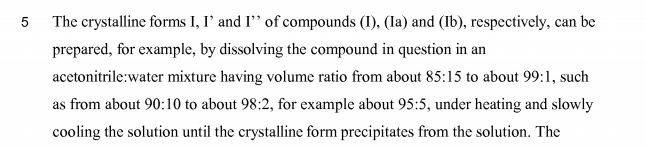

 STR1

 PAPER

Tetrahedron: Asymmetry 11 (2000) 2705±2717
An ecient enantioselective synthesis of (R,R)-formoterol, a potent bronchodilator, using lipases
Francisco Campos, M. Pilar Bosch and Angel Guerrero*
STR1
STR1
STR1
STR1
STR1
 formoterol (R,R)-1 as amorphous solid. Rf: 0.27 (SiO2, AcOEt:MeOH, 1:1).‰Š20D=-41.5 (CHCl3, c 0.53).
IR, : 3383, 2967, 2923, 1674, 1668, 1610, 1514, 1442, 1247, 1033,815 cm^1.
1H NMR (300 MHz, CDCl3), : 8.11 (b, 1H), 7.46 (b, 1H), 6.99 (d, J=8.4 Hz, 2H), 6.9±6.7 (c, 4H), 4.46 (m, 1H), 4.34 (b, 3H interchangeable), 3.74 (s, 3H), 2.90±2.45 (c, 5H), 1.02 (d,J=5.7 Hz, 3H) ppm.
13C NMR (75 MHz, CDCl3), : 160.2, 158.3, 147.7, 133.4, 130.6, 130.2 (2C),125.7, 123.7, 119.5, 117.8, 114.0 (2C), 71.3, 55.3, 54.7, 53.6, 42.0, 19.4 ppm.
CI (positive, LC-MS)(m/z, %) 435 (M+1, 100).
The tartrate salt was prepared by dissolving 13.8 mg (0.04 mmol) of(R,R)-1 and 6.0 mg (0.04 mmol) of (l)-(+)-tartaric acid in 150 mL of 85% aqueous isopropanol.
The solution was left standing overnight and the resulting crystalline solid (7.6 mg) puri®ed on areverse-phase column (1 g, Isolute SPE C18) using mixtures of MeOH±H2O as eluent. The solventwas removed under vacuum and the aqueous solution lyophilized (^35C, 0.6 bar) overnight. The(l)-(+)-tartrate salt of (R,R)-1 showed an ‰Š20D=-29.4 (H2O, c 0.61) (>99% ee based on the
reported value 34). 34=Hett, R.; Senanayake, C. H.; Wald, S. A. Tetrahedron Lett. 1998, 39, 1705.
PAPER

Diethylanilineborane:  A Practical, Safe, and Consistent-Quality Borane Source for the Large-Scale Enantioselective Reduction of a Ketone Intermediate in the Synthesis of (R,R)-Formoterol

Chemical Research and Development, Sepracor Incorporated, 111 Locke Drive, Marlborough, Massachusetts 01752, U.S.A.
Org. Proc. Res. Dev., 2002, 6 (2), pp 146–148
DOI: 10.1021/op015504b

Abstract

Abstract Image

The development of a process for the use of N,N-diethylaniline−borane (DEANB) as a borane source for the enantioselective preparation of a key intermediate in the synthesis of (R,R)-formoterol l-tartrate, bromohydrin 2, from ketone 3 on kilogram scale is described. DEANB was found to be a more practical, safer, and higher-quality reagent when compared to other more conventional borane sources:  borane−THF and borane−DMS.

PAPER

http://nopr.niscair.res.in/bitstream/123456789/8917/1/IJCB%2044B(1)%20167-169.pdf

str1

str1

PAPER

http://www.bioorg.org/down/Hetetorcycles_07_2243.pdf?ckattempt=1

str1

str1

str1

PAPER

Drugs R D. 2004;5(1):25-7.

Arformoterol: (R,R)-eformoterol, (R,R)-formoterol, arformoterol tartrate, eformoterol-sepracor, formoterol-sepracor, R,R-eformoterol, R,R-formoterol.

Abstract

Sepracor in the US is developing arformoterol [R,R-formoterol], a single isomer form of the beta(2)-adrenoceptor agonist formoterol [eformoterol]. This isomer contains two chiral centres and is being developed as an inhaled preparation for the treatment of respiratory disorders. Sepracor believes that arformoterol has the potential to be a once-daily therapy with a rapid onset of action and a duration of effect exceeding 12 hours. In 1995, Sepracor acquired New England Pharmaceuticals, a manufacturer of metered-dose and dry powder inhalers, for the purpose of preparing formulations of levosalbutamol and arformoterol. Phase II dose-ranging clinical studies of arformoterol as a longer-acting, complementary bronchodilator were completed successfully in the fourth quarter of 2000. Phase III trials of arformoterol began in September 2001. The indications for the drug appeared to be asthma and chronic obstructive pulmonary disease (COPD). However, an update of the pharmaceutical product information on the Sepracor website in September 2003 listed COPD maintenance therapy as the only indication for arformoterol. In October 2002, Sepracor stated that two pivotal phase III studies were ongoing in 1600 patients. Sepracor estimates that its NDA submission for arformoterol, which is projected for the first half of 2004, will include approximately 3000 adult subjects. Sepracor stated in July 2003 that it had completed more than 100 preclinical studies and initiated or completed 15 clinical studies for arformoterol inhalation solution for the treatment of bronchospasm in patients with COPD. In addition, Sepracor stated that the two pivotal phase III studies in 1600 patients were still progressing. In 1995, European patents were granted to Sepracor for the use of arformoterol in the treatment of asthma, and the US patent application was pending.

CLIP

str1

str1

str1

PAPER

doi:10.1016/j.cclet.2008.01.012

http://www.sciencedirect.com/science/article/pii/S1001841708000132

Volume 19, Issue 3, March 2008, Pages 279–280

New method in synthesizing an optical active intermediate for (R,R)-formoterol

  • Key Laboratory of Drug Targeting Education Ministry, West China School of Pharmacy, Sichuan University, Chengdu 610041, China\

Abstract

(R)-1-(4-Methoxyphenyl)propan-2-amine 2a, an optical active intermediate for (R,R)-formoterol, was synthesized from d-alanine in 65% overall yield by using a simple route, which contained protecting amino group, cyclization, coupling with Grignard reagent, reduction and deprotection.

References

Muller, P., et al.: Arzneimittel-Forsch., 33, 1685 (1983); Wallmark, B., et al.: Biochim. Biophys. Acta., 778, 549 (1984); Morii, M., et al.: J. Biol. chem., 268, 21553 (1993); Ritter, M., et al.: Br. J. Pharmacol., 124, 627 (1998); Stenhoff, H., et al.: J. Chromatogr., 734, 191 (1999), Johnson, D.A., et al.: Expert Opin. Pharmacother., 4, 253 (2003); Bouyssou, T., et al.: Bio. Med. Chem. Lett. 20, 1410, (2010);

External links

EP0390762A1 * 23 Mar 1990 3 Oct 1990 Aktiebolaget Draco New bronchospasmolytic compounds and process for their preparation
EP0938467A1 7 Nov 1997 1 Sep 1999 Sepracor, Inc. Process for the preparation of optically pure isomers of formoterol
EP1082293A2 20 May 1999 14 Mar 2001 Sepracor Inc. Formoterol polymorphs
WO2009147383A1 2 Jun 2009 10 Dec 2009 Cipla Limited Process for the synthesis of arformoterol
Reference
1 * HETT R ET AL: “Enantio- and Diastereoselective Synthesis of all Four Stereoisomers of Formoterol” TETRAHEDRON LETTERS, ELSEVIER, AMSTERDAM, NL LNKD- DOI:10.1016/S0040-4039(97)00088-9, vol. 38, no. 7, 17 February 1997 (1997-02-17), pages 1125-1128, XP004034214 ISSN: 0040-4039
2 * LING HUANG ET AL.: “The Asymmetric Synthesis of (R,R)-Formoterol via Transfer Hydrogenation with Polyethylene Glycol Bound Rh Catalyst in PEG2000 and Water” CHIRALITY, vol. 22, 30 April 2009 (2009-04-30), pages 206-211, XP002592699
3 MURASE ET AL. CHEM. PHARM. BULL. vol. 26, no. 4, 1978, pages 1123 – 1129
4 TROFAST ET AL. CHIRALITY vol. 1, 1991, page 443
5 * TROFAST J ET AL: “STERIC ASPECTS OF AGONISM AND ANTAGONISM AT BETA-ADRENICEPTORS: SYNTHESIS OF AND PHARMACOLOGICAL EXPERIMENTS WITH THE ENANTIOMERS OF FORMOTEROL AND THEIR DIASTEREOMERS” CHIRALITY, WILEY-LISS, NEW YORK, US LNKD- DOI:10.1002/CHIR.530030606, vol. 3, no. 6, 1 January 1991 (1991-01-01) , pages 443-450, XP002057060 ISSN: 0899-0042
6 WILKINSON, H.S ET AL. ORGANIC PROCESS RESEARCH AND DEVELOPMENT vol. 6, 2002, pages 146 – 148

Durham E-Theses A Solid-state NMR Study of Formoterol Fumarate

Arformoterol
Arformoterol.svg
Arformoterol ball-and-stick model.png
Systematic (IUPAC) name
N-[2-hydroxy-5-[(1R)-1-hydroxy-2-[[(2R)-1-(4-methoxyphenyl) propan-2-yl]amino]ethyl] phenyl]formamide
Clinical data
Trade names Brovana
AHFS/Drugs.com Monograph
MedlinePlus a602023
License data
Pregnancy
category
  • US: C (Risk not ruled out)
Routes of
administration
Inhalation solution fornebuliser
Legal status
Legal status
Pharmacokinetic data
Protein binding 52–65%
Biological half-life 26 hours
Identifiers
CAS Number 67346-49-0 Yes
ATC code none
PubChem CID 3083544
IUPHAR/BPS 7479
DrugBank DB01274 Yes
ChemSpider 2340731 Yes
UNII F91H02EBWT Yes
ChEBI CHEBI:408174 Yes
ChEMBL CHEMBL1201137 
Chemical data
Formula C19H24N2O4
Molar mass 344.405 g/mol


Formoterol

Formoterol

CAS Registry Number: 73573-87-2
CAS Name: relN-[2-Hydroxy-5-[(1R)-1-hydroxy-2-[[(1R)-2-(4-methoxyphenyl)-1-methylethyl]amino]ethyl]phenyl]formamide
Additional Names: 3-formylamino-4-hydroxy-a-[N-[1-methyl-2-(p-methoxyphenyl)ethyl]aminomethyl]benzyl alcohol; (±)-2¢-hydroxy-5¢-[(RS)-1-hydroxy-2-[[(RS)-p-methoxy-a-methylphenethyl]amino]ethyl]formanilide
Molecular Formula: C19H24N2O4
Molecular Weight: 344.40
Percent Composition: C 66.26%, H 7.02%, N 8.13%, O 18.58%
Literature References: Selective b2-adrenergic receptor agonist. Mixture of R,R (-) and S,S (+) enantiomers. Prepn: M. Murakamiet al., DE 2305092; eidem, US 3994974 (1973, 1976 both to Yamanouchi); K. Murase et al., Chem. Pharm. Bull. 25, 1368 (1977). Absolute configuration and activity of isomers: eidem, ibid. 26, 1123 (1978). Toxicity studies: T. Yoshida et al., Pharmacometrics26, 811 (1983). HPLC determn in plasma: J. Campestrini et al., J. Chromatogr. B 704, 221 (1997). Review of pharmacology: G. P. Anderson, Life Sci. 52, 2145-2160 (1993); and clinical efficacy: R. A. Bartow, R. N. Brogden, Drugs 55, 303-322 (1998).
Derivative Type: Fumarate dihydrate
CAS Registry Number: 43229-80-7
Manufacturers’ Codes: BD-40A
Trademarks: Atock (Yamanouchi); Foradil (Novartis); Oxeze (AstraZeneca)
Molecular Formula: (C19H24N2O4)2.C4H4O4.2H2O
Molecular Weight: 840.91
Percent Composition: C 59.99%, H 6.71%, N 6.66%, O 26.64%
Properties: Crystals from 95% isopropyl alcohol, mp 138-140°. pKa1 7.9; pKa2 9.2. Log P (octanol/water): 0.4 (pH 7.4). Freely sol in glacial acetic acid; sol in methanol; sparingly sol in ethanol, isopropanol; slightly sol in water. Practically insol in acetone, ethyl acetate, diethyl ether. LD50 in male, female, rats, mice (mg/kg): 3130, 5580, 6700, 8310 orally; 98, 100, 72, 71 i.v.; 1000, 1100, 640, 670 s.c.; 170, 210, 240, 210 i.p. (Yoshida).
Melting point: mp 138-140°
pKa: pKa1 7.9; pKa2 9.2
Log P: Log P (octanol/water): 0.4 (pH 7.4)
Toxicity data: LD50 in male, female, rats, mice (mg/kg): 3130, 5580, 6700, 8310 orally; 98, 100, 72, 71 i.v.; 1000, 1100, 640, 670 s.c.; 170, 210, 240, 210 i.p. (Yoshida)
Derivative Type: R,R-Form
CAS Registry Number: 67346-49-0
Additional Names: Arformoterol
Derivative Type: R,R-Form L-tartrate
CAS Registry Number: 200815-49-2
Additional Names: Arformoterol tartrate
Molecular Formula: C19H24N2O4.C4H6O6
Molecular Weight: 494.49
Percent Composition: C 55.86%, H 6.12%, N 5.67%, O 32.36%
Literature References: Prepn: Y. Gao et al., WO 9821175; eidem, US 6040344 (1998, 2000 both to Sepracor). Pharmacology: D. A. Handley et al., Pulm. Pharmacol. Ther. 15, 135 (2002).
Properties: Off-white powder, mp 184°.
Melting point: mp 184°
Therap-Cat: Antiasthmatic.
Keywords: ?Adrenergic Agonist; Bronchodilator; Ephedrine Derivatives.

//////Arformoterol, (R,R)-Formoterol, (R,R)-Formoterol-L-(+)-tartrate, 200815-49-2, Arformoterol tartrate , Brovana, UNII:5P8VJ2I235, Sepracor, Asthma Therapy, Bronchodilators, Chronic Obstructive Pulmonary Diseases, COPD ,  RESPIRATORY DRUGS, beta2-Adrenoceptor Agonists, Phase III, 2007, Sunovion

COC1=CC=C(C[C@@H](C)NC[C@H](O)C2=CC(NC=O)=C(O)C=C2)C=C1

Ponesimod


Ponesimod.svg

Ponesimod

Phase III

MW 460.97, C23 H25 Cl N2 O4 S

A sphingosine-1-phosphate receptor 1 (S1P1) agonist potentially for the treatment of multiple sclerosis.

  • (2Z,5Z)-5-[[3-Chloro-4-[(2R)-2,3-dihydroxypropoxy]phenyl]methylene]-3-(2-methylphenyl)-2-(propylimino)-4-thiazolidinone
  • 5-[3-Chloro-4-[((2R)-2,3-dihydroxypropyl)oxy]benz-(Z)-ylidene]-2-((Z)-propylimino)-3-(o-tolyl)thiazolidin-4-one
  • ACT 128800

ACT-128800; RG-3477; R-3477

CAS No. 854107-55-4

update 18/3/21 FDA APPROVEDAS PONVORY

SYNTHESIS

STR1

Ponesimod

str1

str1

NMR CDCL3 FROM NET

STR1

STR1

STR1

STR1

STR1

SEE……http://www.slideserve.com/truda/discovery-of-the-novel-orally-active-s1p-1-receptor-agonist-act-128800-ponesimod

Ponesimod (INN, codenamed ACT-128800) is an experimental drug for the treatment of multiple sclerosis (MS) and psoriasis. It is being developed by Actelion.

The first oral treatment for relapsing multiple sclerosis, the nonselective sphingosine-1-phosphate receptor (S1PR) modulator fingolimod, led to identification of a pivotal role of sphingosine-1-phosphate and one of its five known receptors, S1P1R, in regulation of lymphocyte trafficking in multiple sclerosis. Modulation of S1P3R, initially thought to cause some of fingolimod’s side effects, prompted the search for novel compounds with high selectivity for S1P1R. Ponesimod is an orally active, selective S1P1R modulator that causes dose-dependent sequestration of lymphocytes in lymphoid organs. In contrast to the long half-life/slow elimination of fingolimod, ponesimod is eliminated within 1 week of discontinuation and its pharmacological effects are rapidly reversible. Clinical data in multiple sclerosis have shown a dose-dependent therapeutic effect of ponesimod and defined 20 mg as a daily dose with desired efficacy, and acceptable safety and tolerability. Phase II clinical data have also shown therapeutic efficacy of ponesimod in psoriasis. These findings have increased our understanding of psoriasis pathogenesis and suggest clinical utility of S1P1R modulation for treatment of various immune-mediated disorders. A gradual dose titration regimen was found to minimize the cardiac effects associated with initiation of ponesimod treatment. Selectivity for S1P1R, rapid onset and reversibility of pharmacological effects, and an optimized titration regimen differentiate ponesimod from fingolimod, and may lead to better safety and tolerability. Ponesimod is currently in phase III clinical development to assess efficacy and safety in relapsing multiple sclerosis. A phase II study is also ongoing to investigate the potential utility of ponesimod in chronic graft versus host disease.http://www.ncbi.nlm.nih.gov/pmc/articles/PMC4707431/

Biology and pharmacology of sphingosine-1-phosphate receptor 1

The past decades have witnessed major advances in the treatment of autoimmune and chronic inflammatory diseases. A plethora of novel therapies targeting specific molecules involved in the inflammatory or immune system activation cascades have become available. These have significantly increased our understanding of disease pathogenesis and improved the management of immune-mediated disorders. However, most of the targeted therapies are biological drugs which need to be injected, are eliminated slowly (e.g. over several weeks) and can lose efficacy or tolerability due to their potential immunogenicity. In an attempt to overcome these hurdles, pharmaceutical research has made considerable efforts to develop novel oral targeted therapies for autoimmune and chronic inflammatory diseases.
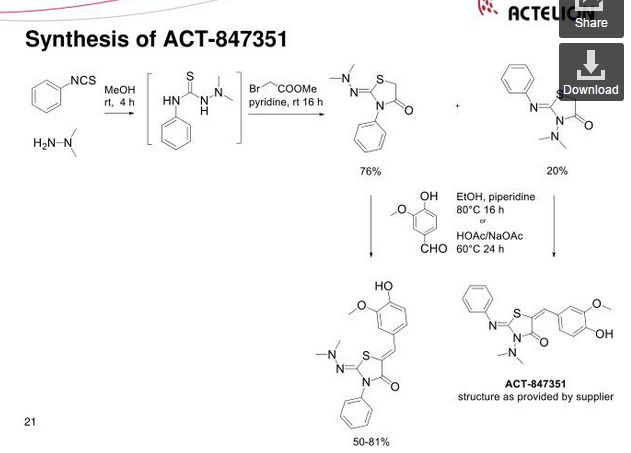
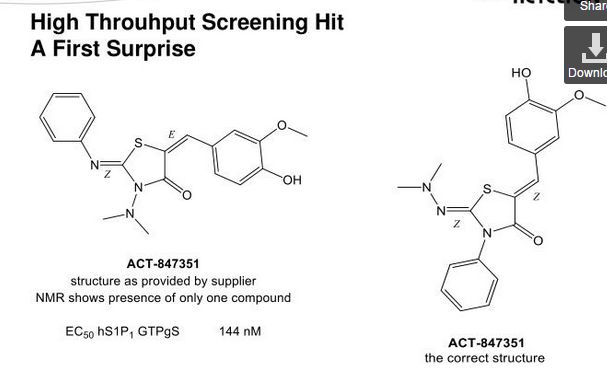
Sphingosine-1-phosphate receptor 1 (S1P1R) is one of five known G protein-coupled receptors with nanomolar affinity for the lysophospholipid sphingosine-1-phosphate (S1P), which is generated through physiologic metabolism of the cell membrane constituent sphingomyelin by all cells [Brinkmann, 2007]. S1P receptors, including S1P1R, are widely expressed in many tissues [Chun et al. 2010]. S1P1R expression on lymphocytes controls their egress from thymus and secondary lymphoid organs [Cyster and Schwab, 2012]. Lymphocyte egress requires a gradient of S1P concentration, which is established by a high S1P concentration in blood and lymph compared with a low concentration in the interstitial fluid of lymphoid organs [Grigorova et al. 2009].
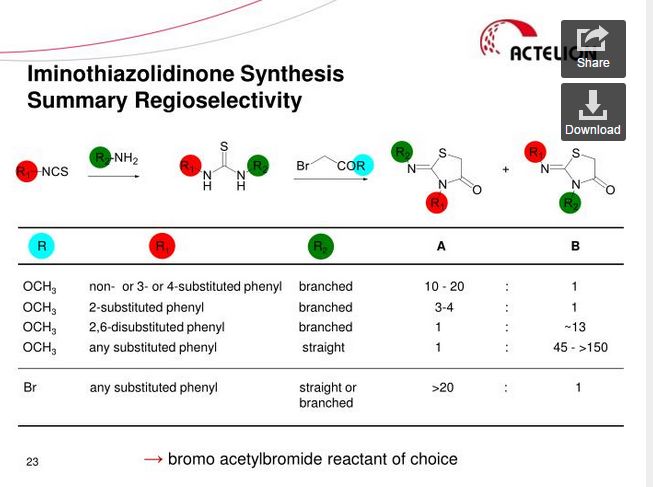
Synthetic S1P1 receptor modulators disrupt the interaction of the physiologic S1P ligand with S1P1R by promoting initial activation followed by sustained internalization and desensitization of S1P1R [Hla and Brinkmann, 2011; Pinschewer et al. 2011]. Experiments conducted in animal models of transplant rejection, multiple sclerosis, lupus erythematosus, arthritis and inflammatory bowel disease with the first-generation, nonselective S1P receptor modulator, fingolimod, have demonstrated the potential efficacy of this mode of action across several immune-mediated chronic inflammatory conditions [Brinkmann, 2007]. Fingolimod is a structural analog of sphingosine that is phosphorylated in the body by a sphingosine kinase to generate the bioactive form of the drug, fingolimod phosphate, which binds to multiple S1P receptors [Brinkmann, 2007]. Clinical trials in multiple sclerosis (MS) have confirmed the efficacy of fingolimod in relapsing MS, but not in primary progressive disease, and led to the approval of the first oral medication for the treatment of relapsing forms of MS in 2010 [Kappos et al. 2010].
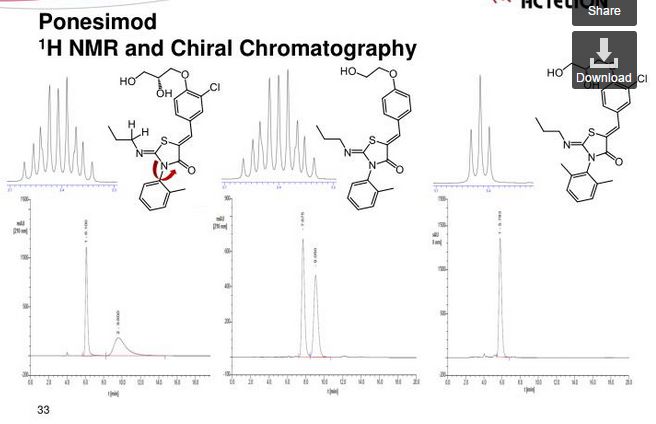
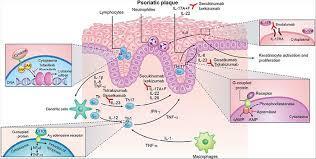
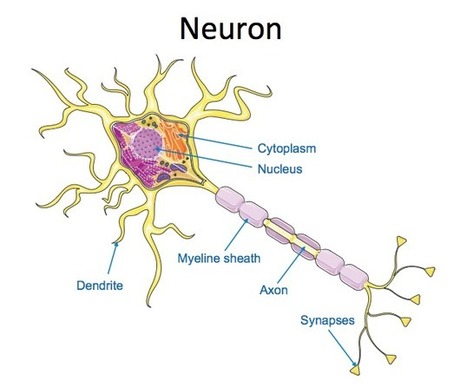
The mechanism of action of fingolimod has increased our understanding of MS pathogenesis. T and B cells, but not natural killer (NK) cells, express functional S1P1R and are affected by fingolimod [Cyster and Schwab, 2012]. Furthermore, S1P1R is differentially expressed and regulated in functionally distinct subsets of lymphocytes and fingolimod has been shown to predominantly affect naïve T cells and central memory T cells (TCM) while sparing effector memory T cells (TEM), and terminally differentiated effector T cells (TE) in patients with relapsing MS [Mehling et al. 2008, 2011]. This has raised the possibility that, at least in MS, retention of TCM cells, which include pro-inflammatory T helper 17 (Th17) cells, by fingolimod may prevent their accumulation in the cerebrospinal fluid (CSF) and subsequent differentiation to TE cells in the central nervous system (CNS) [Hla and Brinkmann, 2011]. The effects of S1P1R modulation on B cells are less well defined. Recent data from patients with relapsing MS have shown predominant reduction of memory B cells and recently activated memory B cells (CD38int-high) in peripheral blood after treatment with fingolimod [Claes et al. 2014; Nakamura et al. 2014]. As memory B cells are implicated in the pathogenesis of MS and other autoimmune diseases, these observations suggest another potential mechanism underlying the therapeutic effects of S1P1R modulators.

Astrocytes, microglia, oligodendrocytes and neurons express various S1P receptors including S1P1R, S1P3R and S1P5R. Fingolimod has been shown to penetrate the CNS tissues and in vitro studies have shown activation of astrocytes and oligodendrocytes by fingolimod [Foster et al. 2007]. Conditional deletion of S1P1R on neural cells in mice reduced the severity of experimental autoimmune encephalomyelitis (EAE) and reductions in the clinical scores were paralleled by decreased demyelination, axonal loss and astrogliosis [Choi et al. 2011]. Unfortunately, there was no beneficial effect in a recently completed, large study of fingolimod in patients with primary progressive MS [Lublin et al. 2015], suggesting that the direct effect on CNS cells alone may not be sufficient. Taken together, these data suggest the possibility of a direct beneficial effect of S1P1R modulation in the brain of patients with relapsing MS [Dev et al. 2008]; however, its contribution to efficacy relative to the immunological effects remains unclear.

Initial studies in rodents suggested that modulation of S1P3R on cardiac myocytes by fingolimod was associated with a reduction of heart rate (HR) by activation of G-protein-coupled inwardly rectifying potassium channels (GIRK) that regulate pacemaker frequency, and the shape and duration of action potentials [Koyrakh et al. 2005; Camm et al. 2014]. Modulation of S1P2R and S1P3R on myofibroblasts by fingolimod was also shown to stimulate extracellular matrix synthesis [Sobel et al. 2013]. Modulation of these receptors on vascular smooth muscle cells appeared to be associated with vasoconstriction, leading to the slight increase in blood pressure observed with fingolimod treatment [Salomone et al. 2003; Watterson et al. 2005; Hu et al. 2006; Lorenz et al. 2007; Kappos et al. 2010]. These observations raised the possibility that some side effects associated with fingolimod treatment could be avoided by more selective S1P1R modulators, thus triggering the search for novel compounds.

Currently, there are several selective S1P1R modulators in clinical development [Gonzalez-Cabrera et al.2014; Subei and Cohen, 2015]. Here we review data and the development status of ponesimod, a selective S1P1R modulator developed by Actelion Pharmaceuticals Ltd.http://www.ncbi.nlm.nih.gov/pmc/articles/PMC4707431/

Ponesimod, a selective, rapidly reversible, orally active, sphingosine-1-phosphate receptor modulator

Ponesimod (ACT-128800 (Z,Z)-5-[3-chloro-4-(2R)-2,3-dihydroxy-propoxy)-benzylidene]-2-propylimino-3-o-tolylthiazolidin-4-one) is a selective, rapidly reversible, orally active, S1P1R modulator. Ponesimod emerged from the discovery of a novel class of S1P1R agonists based on the 2-imino-thiazolidin-4-one scaffold (Figure 1) [Bolli et al. 2010]. Ponesimod activates S1P1R with high potency [half maximal effective concentration (EC50) of 5.7 nM] and selectivity. Relative to the potency of S1P, the potency of ponesimod is 4.4 higher for S1P1R and 150-fold lower for S1P3R, resulting in an approximately 650-fold higher S1P1R selectivity compared with the natural ligand.

Figure 1.

Chemical structure of ponesimod, C23H25N2O4CIS (molecular weight 460.98).http://www.ncbi.nlm.nih.gov/pmc/articles/PMC4707431/

Clinical trials

In a 2009–2011 Phase II clinical trial including 464 MS patients, ponesimod treatment resulted in fewer new active brain lesions thanplacebo, measured during the course of 24 weeks.[3][4]

In a 2010–2012 Phase II clinical trial including 326 patients with psoriasis, 46 or 48% of patients (depending on dosage) had a reduction of at least 75% Psoriasis Area and Severity Index (PASI) score compared to placebo in 16 weeks.[3][5]

SEE https://clinicaltrials.gov/ct2/show/NCT02425644

Adverse effects

Common adverse effects in studies were temporary bradycardia (slow heartbeat), usually at the beginning of the treatment,dyspnoea (breathing difficulties), and increased liver enzymes (without symptoms). No significant increase of infections was observed under ponesimod therapy.[3] QT prolongation is detectable but was considered to be too low to be of clinical importance in a study.[6]

Mechanism of action

Like fingolimod, which is already approved for the treatment of MS, ponesimod blocks the sphingosine-1-phosphate receptor. This mechanism prevents lymphocytes (a type of white blood cells) from leaving lymph nodes.[3] Ponesimod is selective for subtype 1 of this receptor, S1P1.[7]

PAPER

Bolli, Martin H.; Journal of Medicinal Chemistry 2010, V53(10), P4198-4211 CAPLUS

2-Imino-thiazolidin-4-one Derivatives as Potent, Orally Active S1P1Receptor Agonists

Drug Discovery Chemistry, Actelion Pharmaceuticals Ltd., Gewerbestrasse 16, CH-4123 Allschwil, Switzerland
J. Med. Chem., 2010, 53 (10), pp 4198–4211
DOI: 10.1021/jm100181s
Publication Date (Web): May 06, 2010
Copyright © 2010 American Chemical Society
*To whom correspondence should be addressed. Phone: + 41 61 565 65 70. Fax: + 41 61 565 65 00. E-mail:martin.bolli@actelion.com.
Abstract Image

Sphingosine-1-phosphate (S1P) is a widespread lysophospholipid which displays a wealth of biological effects. Extracellular S1P conveys its activity through five specific G-protein coupled receptors numbered S1P1 through S1P5. Agonists of the S1P1 receptor block the egress of T-lymphocytes from thymus and lymphoid organs and hold promise for the oral treatment of autoimmune disorders. Here, we report on the discovery and detailed structure−activity relationships of a novel class of S1P1 receptor agonists based on the 2-imino-thiazolidin-4-one scaffold. Compound 8bo (ACT-128800) emerged from this series and is a potent, selective, and orally active S1P1 receptor agonist selected for clinical development. In the rat, maximal reduction of circulating lymphocytes was reached at a dose of 3 mg/kg. The duration of lymphocyte sequestration was dose dependent. At a dose of 100 mg/kg, the effect on lymphocyte counts was fully reversible within less than 36 h. Pharmacokinetic investigation of8bo in beagle dogs suggests that the compound is suitable for once daily dosing in humans.

(Z,Z)-5-[3-Chloro-4-((2R)-2,3-dihydroxy-propoxy)-benzylidene]-2-propylimino-3-o-tolyl-thiazolidin-4-one (8bo)

…………..DELETED…………… column chromatography on silica gel eluting with heptane:ethyl acetate 1:4 to give the title compound (1.34 g, 37%) as a pale-yellow foam.
1H NMR (CDCl3): δ 0.94 (t, J = 7.3 Hz, 3 H), 1.58−1.70 (m, 2 H), 2.21 (s, 3 H), 3.32−3.48 (m, 2 H), 3.82−3.95 (m, 3 H), 4.12−4.27 (m, 4 H), 7.07 (d, J = 8.8 Hz, 1 H), 7.21 (d, J = 7.0 Hz, 1 H), 7.31−7.39 (m, 3 H), 7.49 (dd, J = 8.5, 2.0 Hz, 1 H), 7.64 (d, J= 2.0 Hz, 1 H), 7.69 (s, 1 H).
13C NMR (CDCl3): δ 11.83, 17.68, 23.74, 55.42, 63.46, 69.85, 70.78, 133.48, 120.75, 123.71, 127.05, 128.25, 128.60, 129.43, 130.06, 131.13, 131.50, 134.42, 136.19, 146.98, 154.75, 166.12. LC-MS (ES+): tR 0.96 min. m/z: 461 (M + H).
HPLC (ChiralPak AD-H, 4.6 mm × 250 mm, 0.8 mL/min, 70% hexane in ethanol): tR 11.8 min. Anal. (C23H25N2O4SCl): C, H, N, O, S, Cl.

PATENT

WO 2014027330

https://www.google.com/patents/WO2014027330A1?cl=3Den

The present invention relates inter alia to a new process for the preparation of (2Z,5Z)-5-(3-chloro-4-((R)-2,3-dihydroxypropoxy)benzylidene)-2-(propylimino)-3-(o-tolyl)thiazolidin-4-one (hereinafter also referred to as the “COMPOUND” or “compound (2)”), especially in crystalline form C which form is described in WO 2010/046835. The preparation of COMPOUND and its activity as immunosuppressive agent is described in WO 2005/054215. Furthermore, WO 2008/062376 describes a new process for the preparation of (2Z,5Z)-5-(3-chloro-4-hydroxy-benzylidene)-2-propylimino-3-o-tolyl-thiazolidin-4-one which can be used as an intermediate in the preparation of COMPOUND.

Example 1 a) below describes such a process of preparing (2Z,5Z)-5-(3-chloro-4-hydroxy-benzylidene)-2-propylimino-3-o-tolyl-thiazolidin-4-one according to WO 2008/062376. According to WO 2008/062376 the obtained (2Z,5Z)-5-(3-chloro-4-hydroxy-benzylidene)-2-propylimino-3-o-tolyl-thiazolidin-4-one can then be transformed into COMPOUND by using standard methods for the alkylation of phenols. Such an alkylation is described in Example 1 b) below. Unfortunately, this process leads to the impurity (2Z,5Z)-5-(3-chloro-4-((1 ,3-dihydroxypropan-2-yl)oxy)benzylidene)-2-(propylimino)-3-(o-tolyl)thiazolidin-4-one which is present in about 2% w/w in the crude product (see Table 1 ) and up to 6 recrystallisations are necessary in order to get this impurity below 0.4% w/w (see Tables 1 and 2) which is the specified limit based on its toxicological qualification.

the obtained (R)-3-chloro-4-(2,3-dihydroxypropoxy)-benzaldehyde (1 ) with 2-[(Z)-propylimino]-3-o-tolyl-thiazolidin-4-one to form (2Z,5Z)-5-(3-chloro-4-((R)-2,3-dihydroxypropoxy)benzylidene)-2-(propylimino)-3-(o-tolyl)thiazolidin-4-one (2):


.

The reaction of (R)-3-chloro-4-(2,3-dihydroxypropoxy)-benzaldehyde (1 ) with 2-[(Z)-propylimino]-3-o-tolyl-thiazolidin-4-one can be performed under conditions which are typical for a Knoevenagel condensation. Such conditions are described in the literature for example in Jones, G., Knoevenagel Condensation in Organic Reaction, Wiley: New York, 1967, Vol. 15, p 204; or Prout, F. S., Abdel-Latif, A. A., Kamal, M. R., J. Chem. Eng. Data, 2012, 57, 1881-1886.

2-[(Z)-Propylimino]-3-o-tolyl-thiazolidin-4-one can be prepared as described in WO 2008/062376, preferably without the isolation and/or purification of intermediates such as the thiourea intermediate that occurs after reacting o-tolyl-iso-thiocyanate with n-propylamine. Preferably 2-[(Z)-propylimino]-3-o-tolyl-thiazolidin-4-one obtained according to WO 2008/062376 is also not isolated and/or purified before performing the Knoevenagel condensation, i.e. before reacting 2-[(Z)-propylimino]-3-o-tolyl-thiazolidin-4-one with (R)-3-chloro-4-(2,3-dihydroxypropoxy)-benzaldehyde (1 ), i.e. in a preferred embodiment compound (2) is prepared in a one-pot procedure analogous to that described in WO 2008/062376.

Example 1 : (2Z,5Z)-5-(3-Chloro-4-((R)-2,3-dihydroxypropoxy)benzylidene)-2-(propylimino)-3-(o-tolyl)thiazolidin-4-one

a) Preparation of (2Z,5Z)-5-(3-chloro-4-hydroxy-benzylidene)-2-propylimino-3-o-tolyl-thiazolidin-4-one:

Acetic acid solution: To acetic acid (149.2 mL) are added sodium acetate (1 1 .1 1 g, 2.00 eq.) and 3-chloro-4-hydroxybenzaldehyde (10.60 g, 1.00 eq.) at 20 °C. The mixture is stirred at 20 °C until complete dissolution (2 to 3 h).

n-Propylamine (4.04 g, 1.00 eq.) is added to a solution of o-tolyl-iso-thiocyanate (10 g, 1.00 eq.) in dichloromethane (100 mL) at 20 °C. The resulting pale yellow solution is agitated for 40 min at 20 °C before IPC (conversion specification≥ 99.0 %). The reaction is cooled to -2 °C. Bromoacetyl bromide (13.53 g, 1.00 eq.) is added and the resulting solution is stirred for 15 min at -2 °C. Pyridine (10.92 g, 2.05 eq.) is then added slowly at -2 °C. The intensive yellow reaction mixture is stirred for 15 min at -2 °C before IPC (conversion specification≥ 93.0 %). 70 mL of dichloromethane are distilled off under atmospheric pressure and jacket temperature of 60 °C. The temperature is adjusted to 42 °C and the acetic acid solution is added to the reaction mixture. The resulting solution is heated to 58 °C and stirred at this temperature for 15 h before IPC (conversion specification≥ 95 %). 25 mL of solvents are distilled off under vacuum 900 – 500 mbars and jacket temperature of 80 °C. The temperature is adjusted to 60 °C and water (80.1 mL) is added to the reaction mixture over 1 h. The resulting yellow suspension is stirred at 60 °C for 30 min. The suspension is cooled to 20 °C over 1 h and stirred at this temperature for 30 min.

The product is filtered and washed with a mixture of acetic acid (30 mL) and water (16 mL) and with water (50 mL) at 20 °C. The product is dried under vacuum at 50 °C for 40 h to afford a pale yellow solid; yield 25.93 g (78 %).

b) Preparation of crude (2Z,5Z)-5-(3-chloro-4-((R)-2,3-dihydroxypropoxy)benzylidene)-2-(propylimino)-3-(o-tolyl)thiazolidin-4-one:

To a suspension of (2Z,5Z)-5-(3-chloro-4-hydroxy-benzylidene)-2-propylimino-3-o-tolyl-thiazolidin-4-one (10.00 g, 1.00 eq.) in ethanol (47.2 mL) is added (R)-3-chloro-1 ,2-

propanediol (3.37 g, 1.18 eq.) at 20 °C. Potassium tert-butoxide (3.39 g, 1.13 eq.) is added in portions at 20 °C. The resulting fine suspension is stirred at 20 °C for 25 min before being heated to reflux (88 °C). The reaction mixture is stirred at this temperature for 24 h before IPC (conversion specification≥ 96.0 %). After cooling down to 60 °C, acetonitrile (28.6 mL) and water (74.9 mL) are added. The resulting clear solution is cooled from 60 °C to 0 °C over 2 h. During the cooling ramp, (2Z,5Z)-5-(3-chloro-4-((R)-2,3-dihydroxypropoxy)benzylidene)-2-(propylimino)-3-(o-tolyl)thiazolidin-4-one seeds of crystalline form C (0.010 g, 0.001 eq.; crystalline form C can be prepared as described in WO 2010/046835) are added at 50 °C. The suspension is heated from 0 °C to 50 °C, cooled to 0 °C over 6 h and stirred at this temperature for 12 h.

The product is filtered and washed with a mixture of acetonitrile (23.4 mL) and water (23.4 mL) at 0 °C. The product is dried under vacuum at 45 °C for 24 h to afford a pale yellow solid; yield 1 1.91 g (84 %).

c) Purification of (2Z,5Z)-5-(3-chloro-4-((R)-2,3-dihydroxypropoxy)benzylidene)-2-(propylimino)-3-(o-tolyl)thiazolidin-4-one:

Recrystallisation I: The crude (2Z,5Z)-5-(3-chloro-4-((R)-2,3-dihydroxypropoxy)benzylidene)-2-(propylimino)-3-(o-tolyl)thiazolidin-4-one (10 g) is dissolved in acetonitrile (30 mL) at 70 °C. The reaction mixture is cooled from 70 °C to 0 °C over 2 h. During the cooling ramp, (2Z,5Z)-5-(3-chloro-4-((R)-2,3-dihydroxypropoxy)benzylidene)-2-(propylimino)-3-(o-tolyl)thiazolidin-4-one seeds of crystalline form C (0.0075 g, 0.00075 eq.) are added at 50 °C. The suspension is heated up to 52 °C, cooled to 0 °C over 6 h and agitated at this temperature for 2 h. The product is filtered and washed with acetonitrile at -10 °C (2 x 12.8 mL).

Recrystallisation II: The wet product is dissolved in acetonitrile (27.0 mL) at 70 °C. The reaction mixture is cooled from 70 °C to 0 °C over 2 h. During the cooling ramp, (2Z,5Z)-5-(3-chloro-4-((R)-2,3-dihydroxypropoxy)benzylidene)-2-(propylimino)-3-(o-tolyl)thiazolidin-4-one seeds of crystalline form C (0.0075 g, 0.00075 eq.) are added at 50 °C. The suspension is heated up to 52 °C, cooled to 0 °C over 6 h and agitated at this temperature for 2 h. The product is filtered and washed with acetonitrile at -10 °C (2 x 1 1.3 mL).

Recrystallisation III: The wet product is dissolved in acetonitrile (24.3 mL) at 70 °C. The reaction mixture is cooled from 70 °C to 0 °C over 2 h. During the cooling ramp, (2Z,5Z)-5-(3-chloro-4-((R)-2,3-dihydroxypropoxy)benzylidene)-2-(propylimino)-3-(o-tolyl)thiazolidin-4- one seeds of crystalline form C (0.0075 g, 0.00075 eq.) are added at 50 °C. The suspension is heated up to 52 °C, cooled to 0 °C over 6 h and agitated at this temperature for 2 h. The product is filtered and washed with acetonitrile at -10 °C (2 x 10.1 mL).

Recrystallisation IV: The wet product is dissolved in acetonitrile (21.9 mL) at 70 °C. The reaction mixture is cooled from 70 °C to 0 °C over 2 h. During the cooling ramp, (2Z,5Z)-5-(3-chloro-4-((R)-2,3-dihydroxypropoxy)benzylidene)-2-(propylimino)-3-(o-tolyl)thiazolidin-4-one seeds of crystalline form C (0.0075 g, 0.00075 eq.) are added at 50 °C. The suspension is heated up to 52 °C, cooled to 0 °C over 6 h and agitated at this temperature for 2 h. The product is filtered and washed with acetonitrile at -10 °C (2 x 9.1 mL).

Recrystallisation V: The wet product is dissolved in acetonitrile (19.7 mL) at 70 °C. The reaction mixture is cooled from 70 °C to 0 °C over 2 h. During the cooling ramp, (2Z,5Z)-5-(3-chloro-4-((R)-2,3-dihydroxypropoxy)benzylidene)-2-(propylimino)-3-(o-tolyl)thiazolidin-4-one seeds of crystalline form C (0.0075 g, 0.00075 eq.) are added at 50 °C. The suspension is heated up to 52 °C, cooled to 0 °C over 6 h and agitated at this temperature for 2 h. The product is filtered and washed with acetonitrile at -10 °C (2 x 8.2 mL).

Recrystallisation VI: The wet product is dissolved in acetonitrile (23.9 mL) at 70 °C. Water (20 mL) is added at 70 °C. The reaction mixture is cooled from 70 °C to 0 °C over 2 h.

During the cooling ramp, (2Z,5Z)-5-(3-chloro-4-((R)-2,3-dihydroxypropoxy)benzylidene)-2- (propylimino)-3-(o-tolyl)thiazolidin-4-one seeds of crystalline form C (0.0075 g, 0.00075 eq.) are added at 50 °C. The suspension is heated up to 52 °C, cooled to 0 °C over 6 h and agitated at this temperature for 2 h. The product is filtered and washed twice with a mixture of acetonitrile (4.5 mL) and water (4.5 mL) at -10 °C.

The product is dried under vacuum at 45 °C for 24 h to afford a pale yellow solid; yield: 7.0 g (70 %).

Example 2: (R)-3-Chloro-4-(2,3-dihydroxypropoxy)-benzaldehyde

Potassium tert-butoxide (1 18 g, 1.20 eq.) is added to n-propanol (963 mL) followed by 3-chloro-4-hydroxybenzaldehyde (137 g, 1.00 eq.). To the mixture is added (R)-3-chloro-1 ,2-propanediol (126 g, 1.30 eq.). The suspension is heated to 90 °C and stirred at this temperature for 17 h. Solvent (500 mL) is distilled off at 120 °C external temperature and reduced pressure. Water is added (1.1 L) and solvent (500 mL) is removed by distillation. The turbid solution is cooled to 20 °C. After stirring for one hour a white suspension is obtained. Water (500 mL) is added and the suspension is cooled to 10 °C. The suspension is filtered and the resulting filter cake is washed with water (500 mL). The product is dried at 50 °C and reduced pressure to yield 149 g of a white solid (73%), which is (R)-3-chloro-4-(2,3-dihydroxypropoxy)-benzaldehyde in crystalline form A.

Example 3: (R)-3-Chloro-4-(2,3-dihydroxypropoxy)-benzaldehyde

Potassium tert-butoxide (8.60 g, 1.20 eq.) is added to n-propanol (70 mL) below 15 °C, the temperature is allowed to rise. After the addition the temperature is corrected again to below 15 °C before addition of 3-chloro-4-hydroxybenzaldehyde (10 g, 1 .00 eq.). The suspension is heated to 40 °C and stirred for 30 min. (R)-3-Chloro-1 ,2-propanediol (9.18 g, 1.30 eq.) is added at 40 °C. The resulting suspension is heated to 60 °C and stirred at this temperature for 15 h then heated to 94 °C till meeting the IPC-specification (specification conversion≥ 90.0 %). The mixture is cooled to 30 °C and n-propanol is partially distilled off (-50 mL are distilled off) under reduced pressure and a maximum temperature of 50 °C, the jacket temperature is not allowed to raise above 60 °C.

Water (81 mL) is added and a second distillation is performed under the same conditions (24 mL are distilled off). The mixture is heated till homogeneous (maximum 54 °C) and then cooled to 24 °C. At 24 °C the mixture is seeded with crystalline (R)-3-chloro-4-(2,3-dihydroxypropoxy)-benzaldehyde of form A (0.013 g, 0.00085 eq.). How to obtain the crystalline seeds is described in Examples 2 and 5. The reaction mixture is cooled to 0 °C over 7.5 h.

The product is filtered and washed with water (2 x 35 mL) and once with methyl tert-butyl ether (20 mL) at 5 °C. The product is dried under vacuum at 40 °C for 20 h to afford an off-white solid; yield: 10.6 g (72 %), which is (R)-3-chloro-4-(2,3-dihydroxypropoxy)-benzaldehyde in crystalline form A.

Example 4: (2Z,5Z)-5-(3-Chloro-4-((R)-2,3-dihydroxypropoxy)benzylidene)-2-(propylimino)- 3-(o-tolyl)thiazolidin-4-one

a) Preparation of crude (2Z,5Z)-5-(3-chloro-4-((R)-2,3-dihydroxypropoxy)benzylidene)-2-(propylimino)-3-(o-tolyl)thiazolidin-4-one:

n-Propylamine (5.23 g, 1.32 eq.) is added to a solution of o-tolyl-iso-thiocyanate (10 g, 1.00 eq.) in dichloromethane (100 mL) at 20 °C. The resulting pale yellow solution is agitated for 15 min at 20 °C before IPC (conversion specification≥ 99.0 %). The reaction is cooled to -2 °C. Bromoacetyl bromide (14.88 g, 1.10 eq.) is added and the resulting solution is stirred for 15 min at -2 °C. Pyridine (10.92 g, 2.05 eq.) is then added slowly at -2 °C. The intensive yellow reaction mixture is stirred for 15 min at -2 °C before IPC (conversion specification≥ 93.0 %). Dichloromethane is partially distilled off (66 mL are distilled off) under atmospheric pressure and jacket temperature of 60 °C. Ethanol (1 1 1.4 mL), sodium acetate (12.75 g, 2.30 eq.) and (R)-3-chloro-4-(2,3-dihydroxypropoxy)-benzaldehyde from Example 3 (14.38 g, 0.93 eq.) are added. The remaining dichloromethane and a part of ethanol are distilled off (49.50 mL are distilled off) under atmospheric pressure and jacket temperature up to 85 °C. The reaction mixture (orange suspension) is stirred for 3 – 5 h under reflux (78 °C) before IPC (conversion specification≥ 97.0 %).

Water (88.83 mL) is added and the temperature adjusted to 40 °C before seeding with micronized (2Z,5Z)-5-(3-chloro-4-((R)-2,3-dihydroxypropoxy)benzylidene)-2-(propylimino)-3-(o-tolyl)thiazolidin-4-one in crystalline form C (0.075 g, 0.0024 eq.). The reaction mixture is cooled to 0 °C over 5 h, heated up to 40 °C, cooled to 0 °C over 6 h and stirred at this temperature for 2 h.

The product is filtered and washed with a 1 :1 ethanohwater mixture (2 x 48 mL) at 0 °C. The product is dried under vacuum at 45 °C for 10 h to afford a pale yellow solid; yield: 24.71 g (86 %).

b) Purification of (2Z,5Z)-5-(3-chloro-4-((R)-2,3-dihydroxypropoxy)benzylidene)-2-(propylimino)-3-(o-tolyl)thiazolidin-4-one:

The crude (2Z,5Z)-5-(3-chloro-4-((R)-2,3-dihydroxypropoxy)benzylidene)-2-(propylimino)-3-(o-tolyl)thiazolidin-4-one (10 g) is dissolved in ethanol (40 mL) at 70 °C. The temperature is adjusted at 50 °C for seeding with micronised (2Z,5Z)-5-(3-chloro-4-((R)-2,3- dihydroxypropoxy)benzylidene)-2-(propylimino)-3-(o-tolyl)thiazolidin-4-one in crystalline form C (0.016 g, 0.0016 eq.). The reaction mixture is cooled from 50 °C to 0 °C over 4 h, heated up to 50 °C, cooled to 0 °C over 6 h and agitated at this temperature for 2 h.

The product is filtered and washed with ethanol at 0 °C (2 x 12.8 mL). The product is dried under vacuum at 45 °C for 10 h to afford a pale yellow solid; yield: 9.2 g (92 %).

Example 5: Preparation of crystalline seeds of (R)-3-chloro-4-(2,3-dihydroxypropoxy)- benzaldehyde

10 mg of (R)-3-chloro-4-(2,3-dihydroxypropoxy)-benzaldehyde of at least 99.5% purity by 1 H-NMR assay is dissolved in a 4 mL vial by adding 1 mL of pure ethanol (puriss p. a.). The solvent is allowed to evaporate through a small hole in the cap (approx. 2 mm of diameter) of the vial until complete dryness. The white solid residue is crystalline (R)-3-chloro-4-(2,3- dihydroxypropoxy)-benzaldehyde in crystalline form A. Alternatively, methanol or methylisobutylketone (both in puriss p. a. quality) is used. This procedure is repeated until sufficient seeds are made available.

PATENT

WO 2005054215

SEE https://patentscope.wipo.int/search/en/detail.jsf?docId=WO2005054215

WO2005054215A1 Nov 16, 2004 Jun 16, 2005 Actelion Pharmaceuticals Ltd 5-(benz- (z) -ylidene) -thiazolidin-4-one derivatives as immunosuppressant agents
WO2008062376A2 Nov 22, 2007 May 29, 2008 Actelion Pharmaceuticals Ltd New process for the preparation of 2-imino-thiazolidin-4-one derivatives
WO2010046835A1 Oct 19, 2009 Apr 29, 2010 Actelion Pharmaceuticals Ltd Crystalline forms of (r) -5- [3-chloro-4- ( 2, 3-dihydroxy-propoxy) -benz [z] ylidene] -2- ( [z] -propylimino) -3-0-tolyl-thiazolidin-4-one
Reference
1 * BOLLI, M.H. ET AL.: “2-Imino-thiazolidin-4-one Derivatives as Potent, Orally Active S1P1 Receptor Agonists“, JOURNAL OF MEDICINAL CHEMISTRY, vol. 53, no. 10, 2010, pages 4198-4211, XP55090073, ISSN: 0022-2623, DOI: 10.1021/jm100181s

References

  1. “Multiple-dose tolerability, pharmacokinetics, and pharmacodynamics of ponesimod, an S1P1 receptor modulator: Favorable impact of dose up-titration”. The Journal of Clinical Pharmacology 54: 179–88. Feb 2014. doi:10.1002/jcph.244. PMID 24408162.
  2.  “Mass balance, pharmacokinetics and metabolism of the selective S1P1 receptor modulator ponesimod in humans”. Xenobiotica 45: 139–49. Feb 2015. doi:10.3109/00498254.2014.955832. PMID 25188442.
  3. H. Spreitzer (29 September 2014). “Neue Wirkstoffe – Ponesimod”. Österreichische Apothekerzeitung (in German) (20/2014): 42.
  4.  “Oral ponesimod in relapsing-remitting multiple sclerosis: a randomised phase II trial”. Journal of Neurology, Neurosurgery 85: 1198–208. Nov 2014. doi:10.1136/jnnp-2013-307282. PMC 4215282. PMID 24659797.
  5.  “Oral ponesimod in patients with chronic plaque psoriasis: a randomised, double-blind, placebo-controlled phase 2 trial”. The Lancet 384: 2036–45. Dec 2014. doi:10.1016/S0140-6736(14)60803-5. PMID 25127208.
  6. “Effect of Ponesimod, a selective S1P1 Receptor Modulator, on the QT Interval in Healthy Subjects”. Basic 116: 429–37. May 2015.doi:10.1111/bcpt.12336. PMID 25287214.
  7.  “Ponesimod”. Actelion. Retrieved 31 October 2014.

ABOUT PONESIMOD

Ponesimod is a potent orally active, selective sphingosine-1-phosphate receptor 1 (S1P1) immunomodulator.

Ponesimod prevents lymphocytes from leaving lymph nodes, thereby reducing circulating blood lymphocyte counts and preventing infiltration of lymphocytes into target tissues. The lymphocyte count reduction is rapid, dose-dependent, sustained upon continued dosing, and quickly reversible upon discontinuation. Initial data suggest that ponesimod does not cause lymphotoxicity by destroying/depleting lymphocytes or interfering with their cellular function. Other blood cells e.g. cells of the innate immune system are largely unaffected. Ponesimod is therefore considered a promising new oral agent for the treatment of a variety of autoimmune disorders.

CURRENT STATUS

OPTIMUM (Oral Ponesimod versus Teriflunomide In relapsing MUltiple sclerosis) is a Phase III multi-center, randomized, double-blind, parallel-group, active-controlled superiority study to compare the efficacy and safety of ponesimod to teriflunomide in patients with relapsing multiple sclerosis (RMS). The study aims to determine whether ponesimod is more efficacious than teriflunomide in reducing relapses. The study is expected to enroll approximately 1’100 patients, randomized in 2 groups in a 1:1 ratio to receive ponesimod 20 mg/day or teriflunomide 14 mg/day, and is expected to last a little over 3 years. An additional study to further characterize the utility and differentiation of ponesimod in multiple sclerosis is being discussed with Health Authorities.

Ponesimod is also evaluated in a Phase II open-label, single-arm, intra-subject dose-escalation study to investigate the biological activity, safety, tolerability, and pharmacokinetics of ponesimod in patients suffering from moderate or severe chronic graft versus host disease (GvHD)inadequately responding to first- or second-line therapy. The study will also investigate the clinical response to ponesimod treatment in these patients. Approximately 30 patients will be enrolled to receive ponesimod in escalating doses of 5, 10, and 20 mg/day over the course of 24 weeks. The study is being conducted at approximately 10 sites in the US and is expected to last approximately 18 months.

AVAILABLE CLINICAL DATA

The decision to move into Phase III development was based on the Phase IIb dose-finding study with ponesimod in patients with relapsing-remitting multiple sclerosis. A total of 464 patients were randomized into this study and the efficacy, safety and tolerability of three ponesimod doses (10, 20, and 40 mg/day) versus placebo, administered once daily for 24 weeks.

The primary endpoint of this study was defined as the cumulative number of new gadolinium-enhancing lesions on T1-weighted magnetic resonance imaging (MRI) scans at weeks 12, 16, 20, and 24 after study drug initiation. A key secondary endpoint of this study was the annualized relapse rate over 24 weeks of treatment. Patients who completed 24 weeks of treatment were offered the opportunity to enter into an extension study. This ongoing trial is investigating the long-term safety, tolerability, and efficacy of 10 and 20 mg/day of ponesimod in patients with relapsing-remitting multiple sclerosis, in a double-blind fashion. The study continues to provide extensive safety and efficacy information for ponesimod in this indication, with some patients treated for more than 6 years.

The safety database from all studies with ponesimod now comprises more than 1,300 patients and healthy volunteers.

MILESTONES

2015 – Phase III program in multiple sclerosis initiated
2011 – Phase IIb dose-finding study in multiple sclerosis successfully completed
2006 – Entry-into-man
2004 – Preclinical development initiated

KEY SCIENTIFIC LITERATURE

Olsson T et al. J Neurol Neurosurg Psychiatr. 2014 Nov;85(11):1198-208. doi: 10.1136/jnnp-2013-307282. Epub 2014 Mar 21

Freedman M.S, et al. Multiple Sclerosis Journal, 2012; 18 (4 suppl): 420 (P923).

Fernández Ó, et al. Multiple Sclerosis Journal, 2012; 18 (4 suppl): 417 (P919).

Piali L, Froidevaux S, Hess P, et al. J Pharmacol Exp Ther 337(2):547-56, 2011

Bolli MH, Abele S, Binkert C, et al. J Med Chem. 53(10):4198-211, 2010

Kappos L et al. N Engl J Med. 362(5):387-401, 2010

Ponesimod
Ponesimod.svg
Ponesimod ball-and-stick model.png
Systematic (IUPAC) name
(2Z,5Z)-5-{3-Chloro-4-[(2R)-2,3-dihydroxypropoxy]benzylidene}-3-(2-methylphenyl)-2-(propylimino)-1,3-thiazolidin-4-one
Clinical data
Routes of
administration
Oral
Legal status
Legal status
  • Investigational
Pharmacokinetic data
Metabolism 2 main metabolites
Biological half-life 31–34 hrs[1]
Excretion Feces (57–80%, 26% unchanged), urine (10–18%)[2]
Identifiers
CAS Number 854107-55-4
ATC code none
PubChem CID 11363176
ChemSpider 9538103
ChEMBL CHEMBL1096146
Synonyms ACT-128800
Chemical data
Formula C23H25ClN2O4S
Molar mass 460.974 g/mol

////Ponesimod, Phase III , A sphingosine-1-phosphate receptor 1, S1P1 agonist, multiple sclerosis.  ACT-128800; RG-3477; R-3477, autoimmune disease, lymphocyte migration, multiple sclerosis, psoriasis, transplantation

CCC/N=C\1/N(C(=O)/C(=C/C2=CC(=C(C=C2)OC[C@@H](CO)O)Cl)/S1)C3=CC=CC=C3C

Difelikefalin


img

Difelikefalin, CR-845; MR-13A-9; MR-13A9

4-amino-1- (D-phenylalanyl-D-phenylalanyl-D-leucyl-D-lysyl) piperidine-4-carboxylic acid

Phase III

C36H53N7O6, 679.40573

Originator Ferring Pharmaceuticals
Developer Cara Therapeutics
Class Analgesic drugs (peptides)
Mechanism Of Action Opioid kappa receptor agonists
Who Atc Codes D04A-X (Other antipruritics), N02A (Opioids)
Ephmra Codes D4A (Anti-Pruritics, Including Topical Antihistamines, Anaesthetics, etc), N2A (Narcotics)
Indication Pain, Osteoarthritis, Pruritus

A kappa opioid receptor agonist potentially for treatment of post-operative pain and uremic pruritus.

Difelikefalin, also known CR845, is a novel and potent kappa opioid receptor agonist. CR845 exhibit low P450 CYP inhibition and low penetration into the brain. CR845 may be useful in the prophylaxis and treatment of pain and inflammation associated with a variety of diseases and conditions .

No. CAS 1024828-77-0

2D chemical structure of 1024828-77-0

Difelikefalin ( INN ) (Developmental Code Names CR845 , FE-202845 ), Also Known As D -Phe- D -Phe- D -Leu- D -Lys- [Ganma- (4-N-Piperidinyl) Amino Carboxylic Acid] (As The Acetate Salt ), Is An Analgesic Opioid Peptide [2] Acting As A Peripherally-Specific , Highly Selective Agonist Of The kappa-Opioid Receptor (KOR). [1] [3] [4] [5] It Is Under Development By Cara Therapeutics As An Intravenous Agent For The Treatment Of Postoperative Pain . [1] [3] [5] An Oral Formulation Has Also Been Developed. [5] Due To Its Peripheral Selectivity, Difelikefalin Lacks The Central Side Effects Like Sedation , Dysphoria , And Hallucinations Of Previous KOR-Acting Analgesics Such As Pentazocine And Phenazocine . [1] [3] In Addition To Use As An Analgesic, Difelikefalin Is Also Being Investigated For The Treatment Of Pruritus (Itching). [1] [3] [4 ] Difelikefalin Has Completed Phase II Clinical Trials For Postoperative Pain And Has Demonstrated Significant And “Robust” Clinical Efficacy, Along With Being Safe And Well-Tolerated. [3] [5] It Is Also In Phase II Clinical Trials For Uremic Pruritus In Hemodialysis Patients. [4]

Difelikefalin Acts As An Analgesic By Activating KORs On Peripheral Nerve Terminals And KORs Expressed By Certain Immune System Cells . [1] Activation Of KORs On Peripheral Nerve Terminals Results In The Inhibition Of Ion Channels Responsible For Afferent Nerve Activity , Causing Reduced Transmission Of Pain Signals , While Activation Of KORs Expressed By Immune System Cells Results In Reduced Release Of Proinflammatory , Nerve-Sensitizing Mediators (Eg, Prostaglandins ). [1]

PATENT

WO 2015198505

κ opioid receptor agonists are known to be useful as therapeutic agents for various pain. Among, kappa opioid receptor agonist with high selectivity for peripheral kappa opioid receptors, are expected as a medicament which does not cause the central side effects. Such as peripherally selective κ opioid receptor agonist, a synthetic pentapeptide has been reported (Patent Documents 1 and 2).
 The following formula among the synthetic pentapeptide (A)
[Formula 1] Being Represented By Compounds Are Useful As Pain Therapeutics. The Preparation Of This Compound, Solid Phase Peptide Synthesis Methods In Patent Documents 1 And 2 Have Been Described.

Document 1 Patent: Kohyo 2010-510966 JP
Patent Document 2: Japanese Unexamined Patent Publication No. 2013-241447
 Compound (1) or a salt thereof and compound (A), for example as shown in the following reaction formula, 4-aminopiperidine-4-carboxylic acid, D- lysine (D-Lys), D- leucine (D-Leu) , it can be prepared by D- phenylalanine (D-Phe) and D- phenylalanine (D-Phe) sequentially solution phase peptide synthesis methods condensation.
[Of 4]

The present invention will next to examples will be described in further detail.
Example
1 (1) Synthesis of Cbz-D-Lys (Boc) -α-Boc-Pic-OMe (3)
to the four-necked flask of 2L, α-Boc-Pic- OMe · HCl [α-Boc-4 – aminopiperidine-4-carboxylic acid methyl hydrochloride] were charged (2) 43.7g (148mmol), was suspended in EtOAc 656mL (15v / w). To the suspension of 1-hydroxybenzotriazole (HOBt) 27.2g (178mmol), while cooling with Cbz-D-Lys (Boc) -OH 59.2g (156mmol) was added an ice-bath 1-ethyl -3 – (3-dimethylcarbamoyl amino propyl) was added to the carbodiimide · HCl (EDC · HCl) 34.1g (178mmol). After 20 minutes, stirring was heated 12 hours at room temperature. After completion of the reaction, it was added and the organic layer was 1 N HCl 218 mL of (5.0v / w). NaHCO to the resulting organic layer 3 Aq. 218ML (5.0V / W), Et 3 N 33.0 g of (326Mmol) was stirred for 30 minutes, and the mixture was separated. The organic layer HCl 218ML 1N (5.0V / W), NaHCO 3 Aq. 218mL (5.0v / w), NaClaq . Was washed successively with 218ML (5.0V / W), Na 2 SO 4 dried addition of 8.74g (0.2w / w). Subjected to vacuum filtration, was concentrated under reduced pressure resulting filtrate by an evaporator, and pump up in the vacuum pump, the Cbz-D-Lys (Boc) -α-Boc-Pic-OMe (3) 88.9g as a white solid obtained (96.5% yield, HPLC purity 96.5%).

[0033]
(2) D-Lys (Boc) Synthesis Of -Arufa-Boc-Pic-OMe (4)
In An Eggplant-Shaped Flask Of 2L, Cbz-D-Lys (Boc) -Arufa-Boc-Pic-OMe (3) 88.3g (142mmol) were charged, it was added and dissolved 441mL (5.0v / w) the EtOAc. The 5% Pd / C to the reaction solution 17.7g (0.2w / w) was added, After three nitrogen substitution reduced pressure Atmosphere, Was Performed Three Times A Hydrogen Substituent. The Reaction Solution Was 18 Hours With Vigorous Stirring At Room Temperature To Remove The Pd / C And After The Completion Of The Reaction Vacuum Filtration. NaHCO The Resulting Filtrate 3 Aq. 441ML And (5.0V / W) Were Added For Liquid Separation, And The Organic Layer Was Extracted By The Addition Of EtOAc 200ML (2.3V / W) In The Aqueous Layer. NaHCO The Combined Organic Layer 3 Aq. 441ML And (5.0V / W) Were Added for liquid separation, and the organic layer was extracted addition of EtOAc 200mL (2.3v / w) in the aqueous layer. NaClaq the combined organic layers. 441mL and (5.0v / w) is added to liquid separation, was extracted by the addition EtOAc 200ML Of (2.3V / W) In The Aqueous Layer. The Combined Organic Layer On The Na 2 SO 4 Dried Addition Of 17.7 g of (0.2W / W), Then The Filtrate Was Concentrated Under Reduced Pressure Obtained Subjected To Vacuum Filtration By an evaporator, and pump up in the vacuum pump, D-Lys (Boc) -α-Boc-Pic- OMe (4) to give 62.7g (90.5% yield, HPLC purity 93.6%).
(3) Cbz-D-Leu -D-Lys (Boc) -α-Boc-Pic-OMe synthesis of (5)
in the four-necked flask of 2L, D-Lys (Boc) -α-Boc-Pic-OMe (4) was charged 57.7 g (120 mmol), was suspended in EtOAc 576mL (10v / w). HOBt 19.3g (126mmol) to this suspension, was added EDC · HCl 24.2g (126mmol) while cooling in an ice bath added Cbz-D-Leu-OH 33.4g (126mmol). After 20 minutes, after stirring the temperature was raised 5 hours at room temperature, further the EDC · HCl and stirred 1.15 g (6.00 mmol) was added 16 h. After completion of the reaction, it was added liquid separation 1N HCl 576mL (10v / w) . NaHCO to the resulting organic layer 3 Aq. 576ML (10V / W), Et 3 N 24.3 g of (240Mmol) was stirred for 30 minutes, and the mixture was separated. The organic layer HCl 576ML 1N (10V / W), NaHCO 3 Aq. 576mL (10v / w), NaClaq . Was washed successively with 576ML (10V / W), Na 2 SO 4 dried addition of 11.5g (0.2w / w). After the filtrate was concentrated under reduced pressure obtained subjected to vacuum filtration by an evaporator, and pump up in the vacuum pump, the Cbz-D-Leu-D- Lys (Boc) -α-Boc-Pic-OMe (5) 85.8g It was obtained as a white solid (98.7% yield, HPLC purity 96.9%).
(4) D-Leu-D -Lys (Boc) -α-Boc-Pic-OMe synthesis of (6)
in an eggplant-shaped flask of 1L, Cbz-D-Leu- D-Lys (Boc) -α-Boc-Pic -OMe the (5) 91.9g (125mmol) were charged, was added and dissolved 459mL (5.0v / w) the EtOAc. The 5% Pd / C to the reaction solution 18.4g (0.2w / w) was added, After three nitrogen substitution reduced pressure atmosphere, was performed three times a hydrogen substituent. The reaction solution was subjected to 8 hours with vigorous stirring at room temperature to remove the Pd / C and after the completion of the reaction vacuum filtration. NaHCO the resulting filtrate 3 Aq. 200mL (2.2v / w) were added to separate liquid, NaHCO to the organic layer 3 Aq. 200mL (2.2v / w), NaClaq . It was sequentially added washed 200mL (2.2v / w). To the resulting organic layer Na 2 SO 4 dried added 18.4g (0.2w / w), to the filtrate concentrated under reduced pressure obtained subjected to vacuum filtration by an evaporator, and a pump-up with a vacuum pump. The resulting amorphous solid was dissolved adding EtOAc 200mL (2.2v / w), was crystallized by the addition of heptane 50mL (1.8v / w). Was filtered off precipitated crystals by vacuum filtration, the crystals were washed with a mixed solvent of EtOAc 120mL (1.3v / w), heptane 50mL (0.3v / w). The resulting crystal 46.1g to added to and dissolved EtOAc 480mL (5.2v / w), was crystallized added to the cyclohexane 660mL (7.2v / w). Was filtered off under reduced pressure filtered to precipitate crystals, cyclohexane 120mL (1.3v / w), and washed with a mixed solvent of EtOAc 20mL (0.2v / w), and 30 ° C. vacuum dried, D-Leu- as a white solid D-Lys (Boc) -α- Boc-Pic-OMe (6) to give 36.6 g (48.7% yield, HPLC purity 99.9%).
(5) Synthesis of Cbz-D-Phe-D- Leu-D-Lys (Boc) -α-Boc-Pic-OMe (7)
to the four-necked flask of 1L, D-Leu-D- Lys (Boc) -α-Boc-Pic-OMe with (6) 35.8g (59.6mmol) was charged, it was suspended in EtOAc 358mL (10v / w). To this suspension HOBt 9.59g (62.6mmol), Cbz- D-Phe-OH 18.7g was cooled in an ice bath is added (62.6mmol) while EDC · HCl 12.0g (62.6mmol) It was added. After 20 minutes, a further EDC · HCl After stirring the temperature was raised 16 hours was added 3.09 g (16.1 mmol) to room temperature. After completion of the reaction, it was added and the organic layer was 1N HCl 358mL of (10v / w). NaHCO to the resulting organic layer 3 Aq. 358ML (10V / W), Et 3 N 12.1 g of (119Mmol) was stirred for 30 minutes, and the mixture was separated. The organic layer HCl 358ML 1N (10V / W), NaHCO 3 Aq. 358mL (10v / w), NaClaq . Was washed successively with 358ML (10V / W), Na 2 SO 4 dried addition of 7.16g (0.2w / w). After the filtrate was concentrated under reduced pressure obtained subjected to vacuum filtration by an evaporator, and pump up in the vacuum pump, Cbz-D-Phe-D -Leu-D-Lys (Boc) -α-Boc-Pic-OMe (7) was obtained 52.5g as a white solid (yield quant, HPLC purity 97.6%).
(6) D-Phe-D -Leu-D-Lys (Boc) synthesis of -α-Boc-Pic-OMe ( 8)
in an eggplant-shaped flask of 2L, Cbz-D-Phe- D-Leu-D-Lys ( Boc) -α-Boc-Pic- OMe (7) the 46.9g (53.3mmol) were charged, the 840ML EtOAc (18V / W), H 2 added to and dissolved O 93.8mL (2.0v / w) It was. The 5% Pd / C to the reaction mixture 9.38g (0.2w / w) was added, After three nitrogen substitution reduced pressure atmosphere, was performed three times a hydrogen substituent. The reaction solution was subjected to 10 hours with vigorous stirring at room temperature to remove the Pd / C and after the completion of the reaction vacuum filtration. NaHCO the resulting filtrate 3 Aq. 235mL (5.0v / w) were added to separate liquid, NaHCO to the organic layer 3 Aq. 235mL (5.0v / w), NaClaq . It was added sequentially cleaning 235mL (5.0v / w). To the resulting organic layer Na 2 SO 4 dried addition of 9.38g (0.2w / w), then the filtrate was concentrated under reduced pressure obtained subjected to vacuum filtration by an evaporator, pump up with a vacuum pump to D-Phe -D-Leu-D-Lys ( Boc) -α-Boc-Pic-OMe (7) was obtained 39.7g (yield quant, HPLC purity 97.3%).
351mL was suspended in (10v / w). To this suspension HOBt 7.92g (51.7mmol), Boc-D-Phe-OH HCl HCl
(8) D-Phe-D -Phe-D-Leu-D-Lys-Pic-OMe Synthesis Of Hydrochloric Acid Salt (1)
In An Eggplant-Shaped Flask Of 20ML Boc-D-Phe-D -Phe-D- Leu-D- lys (Boc) -α -Boc- Pic-OMe (9) and 2.00gg, IPA 3.3mL (1.65v / w), was suspended by addition of PhMe 10mL (5v / w). It was stirred at room temperature for 19 hours by addition of 6N HCl / IPA 6.7mL (3.35v / w). The precipitated solid was filtered off by vacuum filtration and dried under reduced pressure to a white solid of D-Phe-D-Phe- D- Leu-D-Lys-Pic- OMe 1.59ghydrochloride (1) (yield: 99 .0%, HPLC purity 98.2%) was obtained.
(9) D-Phe-D -Phe-D-Leu-D-Lys-Pic-OMe Purification Of The Hydrochloric Acid Salt (1)
In An Eggplant-Shaped Flask Of 20ML-D-Phe-D- Phe D-Leu -D-Lys- pic-OMe hydrochloride crude crystals (1) were charged 200mg, EtOH: MeCN = 1: after stirring for 1 hour then heated in a mixed solvent 4.0 mL (20v / w) was added 40 ° C. of 5 , further at room temperature for 2 was time stirring slurry. Was filtered off by vacuum filtration, the resulting solid was dried under reduced pressure a white solid ((1) Purification crystals) was obtained 161 mg (80% yield, HPLC purity 99.2% ).
(10) D-Phe-D -Phe-D-Leu-D-Lys-Pic Synthesis (Using Purified
(1)) Of (A) To A Round-Bottomed Flask Of 10ML D-Phe-D-Phe-D- -D-Lys Leu-Pic-OMe Hydrochloride Salt (1) Was Charged With Purified Crystal 38.5Mg (0.0488Mmol), H 2 Was Added And Dissolved O 0.2ML (5.2V / W). 1.5H Was Stirred Dropwise 1N NaOH 197MyuL (0.197mmol) at room temperature. After completion of the reaction, concentrated under reduced pressure by an evaporator added 1N HCl 48.8μL (0.0488mmol), to obtain a D-Phe-D-Phe- D-Leu-D-Lys- Pic (A) (yield: quant , HPLC purity 99.7%).

D-Phe-D-Phe- D-Leu-D-Lys-Pic-OMe (1) physical properties 1 H NMR (400 MHz, 1M DCl) [delta] ppm by: 0.85-1.02 (yd,. 6 H), 1.34-1.63 ( m, 5 H), 1.65-2.12 ( m, 5 H), 2.23-2.45 (m, 2 H), 2.96-3.12 (m, 4 H), 3.19 (ddt, J = 5.0 & 5.0 & 10.0 Hz), 3.33-3.62 (m, 1 H), 3.68-3.82 (m, 1 H), 3.82-3.95 (m, 4 H), 3.95-4.18 (m, 1 H), 4.25-4.37 (m, 2 H), 4.61-4.77 (M, 2 H), 7.21-7.44 (M, 10 H) 13 C NMR (400MHz, 1M DCl) Deruta Ppm: 21.8, 22.5, 24.8, 27.0, 30.5, 30.8, 31.0, 31.2, 31.7, 37.2 , 37.8, 38.4, 39.0, 39.8, 40.4, 40.6, 41.8, 42.3, 49.8, 50.2, 52.2, 52.6, 54.6, 55.2, 57.7, 57.9, 127.6, 128.4, 129.2, 129.6, 129.7, 129.8 dp 209.5 ℃

Example 2
(Trifluoroacetic Acid (TFA)
Use) (1) D-Phe-D-Phe-D-Leu-D-Lys-Pic-OMe TFA Synthesis Of Salt (1)
TFA 18ML Eggplant Flask Of 50ML (18V / W) , 1- Dodecanethiol 1.6ML (1.6V / W), Triisopropylsilane 0.2ML (0.2V / W), H 2 Sequentially Added Stirring The O 0.2ML (0.2V / W) Did. The Solution To The Boc-D-Phe- D- Phe-D-Leu-D -Lys (Boc) -α-Boc-Pic-OMe the (9) 1.00g (1.01mmol) was added in small portions with a spatula. After completion of the reaction, concentrated under reduced pressure by an evaporator, it was added dropwise the resulting residue in IPE 20mL (20v / w). The precipitated solid was filtered off, the resulting solid was obtained and dried under reduced pressure to D-Phe-D-Phe- D-Leu -D-Lys-Pic-OMe · TFA salt as a white solid (1) (Osamu rate 93.0%, HPLC purity 95.2%).
(2) D-Phe-D -Phe-D-Leu-D-Lys-Pic synthesis of (A)
to a round-bottomed flask of 10mL D-Phe-D-Phe -D-Leu-D-Lys-Pic-OMe TFA were charged salt (1) 83mg (0.0843mmol), was added and dissolved H2O 431μL (5.2v / w). Was 12h stirring dropwise 1N NaOH 345μL (0.345mmol) at room temperature. After completion of the reaction, concentrated under reduced pressure by an evaporator added 1N HCl 84.3μL (0.0843mmol), to obtain a D-Phe-D-Phe- D-Leu-D-Lys-Pic (A) ( yield: quant, HPLC purity 95.4%).
Example
3 (HCl / EtOAc
Use) (1) In An Eggplant-Shaped Flask Of 30ML Boc-D-Phe-D -Phe-D-Leu-D-Lys (Boc) -Arufa-Boc-Pic-OMe (9) 1. It was charged with 00g (1.01mmol ), was added and dissolved EtOAc7.0mL (7.0v / w). 4N HCl / EtOAc 5.0mL (5.0v / w) was added after 24h stirring at room temperature, the precipitated solid was filtered off by vacuum filtration, washed with EtOAc 2mL (2.0v / w). The resulting solid D-Phe-D-Phe- D-Leu-D-Lys-Pic-OMe hydrochloride (1) was obtained 781mg of a white solid was dried under reduced pressure (the 96.7% yield, HPLC purity 95.4%).
(2) D-Phe-D -Phe-D-Leu-D-Lys-Pic (A) Synthesis of
eggplant flask of 10mL D-Phe-D-Phe -D-Leu-D-Lys-Pic-OMe hydrochloride were charged salt (1) 90 mg (0.112 mmol), H 2 was added and dissolved O 0.47mL (5.2v / w). Was 12h stirring dropwise 1N NaOH 459μL (0.459mmol) at room temperature. After completion of the reaction, concentrated under reduced pressure by an evaporator added 1N HCl 0.112μL (0.112mmol), was obtained D-Phe-D-Phe- D-Leu-D-Lys-Pic (A) ( yield: quant, HPLC purity 93.1%).
4 Example
Compound (1) Of The Compound By Hydrolysis Synthesis Of (The A) (Compound (1) Without
Purification) Eggplant Flask 10ML D-Phe-D-Phe -D-Leu-D-Lys-Pic-OMe (1) Charged Hydrochloride Were (Without Pre-Step Purification) 114.5Mg (0.142Mmol), H 2 Was Added And Dissolved O 595MyuL (5.2V / W). Was 14H Stirring Dropwise 1N NaOH 586MyuL (0.586Mmol) At Room Temperature. After Completion Of the reaction, concentrated under reduced pressure by an evaporator added 1N HCl 0.15μL (0.150mmol), was obtained D-Phe-D-Phe- D-Leu-D-Lys-Pic (A) (yield: quant, HPLC purity 95.2 %).
Example 1 Comparative
Path Not Via The Compound (1) (Using Whole Guard Boc-D-Phe-D-Phe-D-Leu-D-Lys (Boc) -Alpha-Boc-Pic-OMe
(A)) (1) D–Boc Phe- D-Phe-D-Leu-D-Lys (Boc) -Arufa-Boc-Pic-OH Synthesis Of
Eggplant Flask Of 30ML Boc-D-Phe-D -Phe-D-Leu-D- Lys (Boc) -α- Boc-Pic -OMe (9) were charged 1.00g (1.00mmol), was added and dissolved MeOH 5.0mL (5.0v / w). After stirring for four days by the addition of 1N NaOH 1.1 mL (1.10mmol) at room temperature, further MeOH 5.0mL (5.0v / w), 1N NaOH 2.0mL the (2.0mmol) at 35 ℃ in addition 3h and the mixture was stirred. After completion of the reaction, 1 N HCl 6.1 mL was added, After distilling off the solvent was concentrated under reduced pressure was separated and the organic layer was added EtOAc 5.0mL (5.0mL) .NaClaq. 5.0mL (5.0v / w) Wash the organic layer was added, the organic layer as a white solid was concentrated under reduced pressure to Boc-D-Phe-D- Phe-D-Leu-D-Lys (Boc) – α-Boc-Pic-OH 975.1mg (99.3% yield, HPLC purity 80.8% )
(2) D-Phe-D -Phe-D-Leu-D-Lys-Pic synthesis of (A)
to a round-bottomed flask of 20mL Boc-D-Phe-D -Phe-D-Leu-D-Lys (Boc) It was charged -α-Boc-Pic-OH ( 10) 959mg (0.978mmol), was added and dissolved EtOAc 4.9mL (5.0v / w). And 4h stirring at room temperature was added dropwise 4N HCl / EtOAc 4.9mL (5.0mL) at room temperature. After completion of the reaction, it was filtered under reduced pressure, a white solid as to give D-Phe-D-Phe- D-Leu-D-Lys-Pic the (A) (96.4% yield, HPLC purity 79.2%) .
 If not via the compound of the present invention (1), the purity of the compound obtained (A) was less than 80%.
PATENT

References

  1.  S. Sinatra Raymond; Jonathan S. Jahr;. J. Michael Watkins-Pitchford (14 October 2010) The Essence Of Analgesia And Analgesics …. Cambridge University Press Pp 490-491 ISBN  978-1-139-49198-3 .
  2.  A Janecka, Perlikowska R, Gach K, Wyrebska A, Fichna J (2010) “Development Of Opioid Peptide Analogs For Pain Relief”.. Curr Pharm Des… 16 (9):. 1126-35 Doi : 10.2174 / 138161210790963869 . PMID  20030621 .
  3. Apfelbaum Jeffrey (8 September 2014). Ambulatory Anesthesia, An Issue Of Anesthesiology Clinics, . Elsevier Health Sciences. Pp. 190-. ISBN  978-0-323-29934-3 .
  4.  Cowan Alan;. Gil Yosipovitch (10 April 2015) Pharmacology Of Itch …. Springer Pp 307- ISBN  978-3-662-44605-8 .
  5.  Allerton Charlotte (2013). Pain Therapeutics: Current And Future Treatment Paradigms …. Royal Society Of Chemistry Pp 56- ISBN  978-1-84973-645-9 .

REFERENCES

1: Cowan A, Kehner GB, Inan S. Targeting Itch With Ligands Selective For kappa Opioid
. Receptors Handb Exp Pharmacol 2015; 226:.. 291-314 Doi:
.. 10.1007 / 978-3-662-44605-8_16 Review PubMed PMID: 25861786.

Difelikefalin
Difelikefalin.svg
Systematic (IUPAC) Name
Amino–4 1- ( D -Phenylalanyl- D -Phenylalanyl- D -Leucyl- D -Lysyl) Piperidine-4-Carboxylic Acid
Clinical data
Of Routes
Administration
Intravenous
Pharmacokinetic Data
Bioavailability Pasento 100 ( IV ) [1]
Metabolism Metabolized Not [1]
Biological half-life Hours 2 [1]
Excretion As Unchanged Excreted
Drug Via Bile And Urine [1]
Identifiers
CAS Number 1024828-77-0
ATC code None
ChemSpider 44208824
Chemical data
Formula C 36 H 53 N 7 O 6
Molar mass 679.85 g / mol

///// Difelikefalin,  CR845 , FE-202845,  Phase III, PEPTIDES

CC (C) C [C @ H] (C (= O) N [C @ H] (CCCCN) C (= O) N1CCC (CC1) (C (= O) O) N) NC (= O) [ C @@ H] (Cc2ccccc2) NC (= O) [C @@ H] (Cc3ccccc3) N

Oliceridine


TRV130.svg

Oliceridine.png

Oliceridine

N-[(3-methoxythiophen-2-yl)methyl]-2-[(9R)-9-(pyridin-2-yl)-6-oxaspiro[4.5]decan-9-yl]ethan-1-amine

[(3-Methoxythiophen-2-yl)methyl]({2-[(9R)-9-(pyridin-2-yl)-6-oxaspiro[4.5]decan-9- yl]ethyl})amine

Phase III

A mu-opioid receptor ligand potentially for treatment of acute postoperative pain.

TRV-130; TRV-130A

CAS No.1401028-24-7

Molecular Formula: C22H30N2O2S
Molecular Weight: 386.5508 g/mol
  • Originator Trevena

Trevena, Inc.

  • Class Analgesics; Small molecules
  • Mechanism of Action Beta arrestin inhibitors; Opioid mu receptor agonists
  • Orphan Drug Status No
  • On Fast track Postoperative pain
    • Phase III Postoperative pain
    • Phase II Pain

    Most Recent Events

    • 09 Mar 2016Trevena intends to submit NDA to US FDA in 2017
    • 22 Feb 2016Oliceridine receives Breakthrough Therapy status for Pain in USA
    • 19 Jan 2016Phase-III clinical trials in Postoperative pain in USA (IV) (NCT02656875)

Oliceridine (TRV130) is an opioid drug that is under evaluation in human clinical trials for the treatment of acute severe pain. It is afunctionally selective μ-opioid receptor agonist developed by Trevena Inc. Oliceridine elicits robust G protein signaling, with potencyand efficacy similar to morphine, but with far less β-arrestin 2 recruitment and receptor internalization, it displays less adverse effectsthan morphine.[1][2][3]

In 2015, the product was granted fast track designation in the U.S. for the treatment of moderate to severe acute pain. In 2016, the compound was granted FDA breakthrough therapy designation for the management of moderate to severe acute pain.

Oliceridine (TRV130) is an intravenous G protein biased ligand that targets the mu opioid receptor. Trevena is developing TRV130 for the treatment of moderate to severe acute pain where intravenous therapy is preferred, with a clinical development focus in acute postoperative pain

TRV 130 HCl is a novel μ-opioid receptor (MOR) G protein-biased ligand; elicits robust G protein signaling(pEC50=8.1), with potency and efficacy similar to morphine, but with far less beta-arrestin recruitment and receptor internalization.

NMR

STR1

Oliceridine (TRV130) – Mu Opioid Biased Ligand for Acute Pain

Target Indication Lead
Optimization
Preclinical
Development
Phase
1
Phase
2
Phase
3
Ownership
Oliceridine (TRV130) Mu-receptor Moderate to
Severe Pain
intravenous Trevena Logo

Oliceridine (TRV130) is an intravenous G protein biased ligand that targets the mu opioid receptor. Trevena is developing TRV130 for the treatment of moderate to severe acute pain where intravenous therapy is preferred, with a clinical development focus in acute postoperative pain.

Recent TRV130 News

Opioid receptors (ORs) mediate the actions of morphine and morphine-like opioids, including most clinical analgesics. Three molecularly and pharmacologically distinct opioid receptor types have been described: δ, κ and μ. Furthermore, each type is believed to have sub-types. All three of these opioid receptor types appear to share the same functional mechanisms at a cellular level. For example, activation of the opioid receptors causes inhibition of adenylate cyclase, and recruits β-arrestin.

When therapeutic doses of morphine are given to patients with pain, the patients report that the pain is less intense, less discomforting, or entirely gone. In addition to experiencing relief of distress, some patients experience euphoria. However, when morphine in a selected pain-relieving dose is given to a pain-free individual, the experience is not always pleasant; nausea is common, and vomiting may also occur. Drowsiness, inability to concentrate, difficulty in mentation, apathy, lessened physical activity, reduced visual acuity, and lethargy may ensue.

There is a continuing need for new OR modulators to be used as analgesics. There is a further need for OR agonists as analgesics having reduced side effects. There is a further need for OR agonists as analgesics having reduced side effects for the treatment of pain, immune dysfunction, inflammation, esophageal reflux, neurological and psychiatric conditions, urological and reproductive conditions, medicaments for drug and alcohol abuse, agents for treating gastritis and diarrhea, cardiovascular agents and/or agents for the treatment of respiratory diseases and cough.

 PAPER

Structure activity relationships and discovery of a g protein biased mu opioid receptor ligand, ((3-Methoxythiophen-2-yl)methyl)a2((9R)-9-(pyridin-2-y1)-6-oxaspiro-(4.5)clecan-9-yl)ethylpamine (TRV130), for the treatment of acute severe pain
J Med Chem 2013, 56(20): 8019

Structure–Activity Relationships and Discovery of a G Protein Biased μ Opioid Receptor Ligand, [(3-Methoxythiophen-2-yl)methyl]({2-[(9R)-9-(pyridin-2-yl)-6-oxaspiro-[4.5]decan-9-yl]ethyl})amine (TRV130), for the Treatment of Acute Severe Pain

Trevena, Inc., 1018 West 8th Avenue, Suite A, King of Prussia, Pennsylvania 19406, United States
J. Med. Chem., 2013, 56 (20), pp 8019–8031
DOI: 10.1021/jm4010829
Publication Date (Web): September 24, 2013
Copyright © 2013 American Chemical Society
*Phone: 610-354-8840. Fax: 610-354-8850. E-mail: dchen@trevenainc.com.

Abstract

Abstract Image

The concept of “ligand bias” at G protein coupled receptors has been introduced to describe ligands which preferentially stimulate one intracellular signaling pathway over another. There is growing interest in developing biased G protein coupled receptor ligands to yield safer, better tolerated, and more efficacious drugs. The classical μ opioid morphine elicited increased efficacy and duration of analgesic response with reduced side effects in β-arrestin-2 knockout mice compared to wild-type mice, suggesting that G protein biased μ opioid receptor agonists would be more efficacious with reduced adverse events. Here we describe our efforts to identify a potent, selective, and G protein biased μ opioid receptor agonist, TRV130 ((R)-30). This novel molecule demonstrated an improved therapeutic index (analgesia vs adverse effects) in rodent models and characteristics appropriate for clinical development. It is currently being evaluated in human clinical trials for the treatment of acute severe pain.

http://pubs.acs.org/doi/abs/10.1021/jm4010829

[(3-Methoxythiophen-2-yl)methyl]({2-[(9R)-9-(pyridin-2-yl)-6-oxaspiro[4.5]decan-9-yl] ethyl})amine ((R)-30)

Using a procedure described in method A, (R)-39e was converted to (R)-30 as a TFA salt. 1H NMR (400 MHz, CDCl3) δ 11.70 (brs, 1H), 9.14 (d, J = 66.6, 2H), 8.72 (d, J = 4.3, 1H), 8.19 (td,J = 8.0, 1.4, 1H), 7.70 (d, J = 8.1, 1H), 7.63 (dd, J = 7.0, 5.8, 1H), 7.22 (d, J = 5.5, 1H), 6.78 (d,J = 5.6, 1H), 4.08 (m, 2H), 3.80 (m, 4H), 3.69 (dd, J = 11.2, 8.7, 1H), 2.99 (d, J = 4.8, 1H), 2.51 (t, J = 9.9, 1H), 2.35 (m, 3H), 2.18 (td, J = 13.5, 5.4, 1H), 1.99 (d, J = 14.2, 1H), 1.82 (m, 2H), 1.65 (m, 1H), 1.47 (m, 4H), 1.14 (m, 1H), 0.73 (dt, J = 13.2, 8.9, 1H). LC-MS (API-ES) m/z = 387.0 (M + H).

Patent

WO 2012129495

http://www.google.com/patents/WO2012129495A1?cl=en

Scheme 1: Synthesis of Spirocyclic Nitrile

NCCH2C02CH3 AcOH, NH4OAc

Figure imgf000050_0001
Figure imgf000050_0002

1-5 1-6 1-7

Chiral HPLC separation n=1-2

R= phenyl, substituted phenyl, aryl,

Figure imgf000050_0003

s

Scheme 2: Converting the nitrile to the opioid receptor ligand (Approach 1)

Figure imgf000051_0001

2-4

Scheme 3: Converting the nitrile to the opioid receptor ligand (Approach 2)

Figure imgf000051_0002

1-8B 3-1 3-2 n=1-2

In some embodiments, the same scheme is applied to 1 -7 and 1 -8A. Scheme 4: Synthesis of Non-Spirocyclic Nitrile

Figure imgf000052_0001

4-1 4-2 4-3

KOH, ethylene glycol R= phenyl, substituted phenyl, aryl,

substituted aryl, pyridyl, substituted pyridyl, heat heteroaryl, substituted heteroaryl,

Figure imgf000052_0002

carbocycle, heterocycle and etc.

In some embodiments, 4-1 is selected from the group consisting of

Figure imgf000052_0003

4-1 A 4-1 B 4-1 C 4-1 D 4-1 E

Scheme 5: Synthesis of Other Spirocyclic Derived Opioid Ligands

Figure imgf000053_0001

5-1 5-2 5-3

Scheme 6: Allyltrimethylsilane Approach to Access the Quaternary Carbon Center

RMgX, or RLi

Figure imgf000053_0002

Scheme 7: N-linked Pyrrazole Opioid Receptor Ligand

Figure imgf000054_0001
Figure imgf000055_0001

[(3-Methoxythiophen-2-yl)methyl]({2-[(9R)-9-(pyridin-2-yl)-6-oxaspiro[4.5]decan-9- yl]ethyl})amine

Figure imgf000144_0001

Into a vial were added 2-[(9R)-9-(Pyridin-2-yl)-6-oxaspiro[4.5]decan-9-yl]ethan-l -amine (500 mg, 1.92 mmole), 18 mL CH2C12 and sodium sulfate (1.3 g, 9.6 mmole). The 3- methoxythiophene-2-carboxaldehyde (354 mg, 2.4 mmole) was then added, and the misture was stirred overnight. NaBH4 (94 mg, 2.4 mmole) was added to the reaction mixture, stirred for 10 minutes, and then MeOH (6.0 mL) was added, stirred l h, and finally quenched with water. The organics were separated off and evaporated. The crude residue was purified by a Gilson prep HPLC. The desired fractions collected and concentrated and lyophilized. After lyophilization, residue was partitioned between CH2C12 and 2N NaOH, and the organic layers were collected. After solvent was concentrated to half of the volume, 1.0 eq of IN HC1 in Et20 was added,and majority of solvent evaporated under reduced pressure. The solid obtained was washed several times with Et20 and dried to provide [(3-methoxythiophen-2-yl)methyl]({2-[(9R)-9-(pyridin-2- yl)-6-oxaspiro[4.5]decan-9-yl]ethyl})amine monohydrochloride (336 mg, 41% yield, m/z 387.0 [M + H]+ observed) as a white solid. The NMR for Compound 140 is described herein.

Example 15: Synthesis of [(3-methoxythiophen-2-yl)methyl]({2-[(9R)-9- (pyridin-2-yl)-6-oxaspiro[4.5]decan-9-yl]ethyl})amine (Compound 140).

Methyl 2-cyano-2-[6-oxaspiro[4.5]decan-9-ylidene]acetate (mixture of E and Z isomers)

Figure imgf000141_0001

A mixture of 6-oxaspiro[4.5]decan-9-one (13.74 g, 89.1 mmol), methylcyanoacetate (9.4 ml, 106.9 mmol), ammonium acetate (1.79 g, 26.17.mmol) and acetic acid (1.02 ml, 17.8 mmol) in benzene (75 ml) was heated at reflux in a 250 ml round bottom flask equipped with a Dean-Stark and a reflux condenser. After 3h, TLC (25%EtOAc in hexane, PMA stain) showed the reaction was completed. After cooling, benzene (50 ml) was added and the layer was separated, the organic was washed by water (120 ml) and the aqueous layer was extracted by CH2CI2 (3 x 120 ml). The combined organic was washed with sat’d NaHCCb, brine, dried and concentrated and the residual was purified by flash chromatography (340 g silica gel column, eluted by EtOAc in hexane: 5% EtOAc, 2CV; 5-25%, 14CV; 25-40%,8 CV) gave a mixture of E and Z isomers: methyl 2-cyano-2-[6- oxaspiro[4.5]decan-9-ylidene]acetate ( 18.37 g, 87.8 % yield, m/z 236.0 [M + H]+ observed) as a clear oil. -cyano-2-[9-(pyridin-2-yl)-6-oxaspiro[4.5]decan-9-yl]acetate

Figure imgf000141_0002

A solution of 2-bromopyridine (14.4 ml, 150 mmo) in THF (75 ml) was added dropwise to a solution of isopropylmagnesium chloride (75 ml, 2M in THF) at 0°C under N2, the mixture was then stirred at rt for 3h, copper Iodide(2.59 g, 13.6 mmol) was added and allowed to stir at rt for another 30 min before a solution of a mixture of E and Z isomers of methyl 2-cyano-2-[6-oxaspiro[4.5]decan-9-ylidene]acetate (16 g, 150 mmol) in THF (60 ml) was added in 30 min. The mixture was then stirred at rt for 18h. The reaction mixture was poured into a 200 g ice/2 N HC1 (100 ml) mixture. The product was extracted with Et20 (3×300 ml), washed with brine (200 ml), dried (Na2S04) and concentrated. The residual was purified by flash chromatography (100 g silica gel column, eluted by EtOAc in hexane: 3% 2CV; 3-25%, 12 CV; 25-40% 6CV gave methyl 2-cyano-2-[9-(pyridin-2-yl)-6-oxaspiro[4.5]decan-9-yl]acetate (15.44 g, 72% yield, m/z 315.0 [M + H]+ observed) as an amber oil .

-[9-(Pyridin-2-yl)-6-oxaspiro[4.5]decan-9-yl]acetonitrile

Figure imgf000142_0001

Ethylene glycol (300 ml) was added to methyl 2-cyano-2-[9-(pyridin-2-yl)-6- oxaspiro[4.5]decan-9-yl]acetate( 15.43 g, 49 mmol) followed by potassium hydroxide (5.5 g , 98 mmol), the resulting mix was heated to 120oC, after 3 h, the reaction mix was cooled and water (300 ml) was added, the product was extracted by Et20(3 x 400 ml), washed with water(200 ml), dried (Na2S04) and concentrated, the residual was purified by flash chromatography (340 g silica gel column, eluted by EtOAc in hexane: 3% 2CV; 3-25%, 12 CV; 25-40% 6CV to give 2-[9-(Pyridin-2-yl)-6-oxaspiro[4.5]decan-9- yl]acetonitrile (10.37 g, 82% yield, m/z 257.0 [M + H]+ observed).

-yl)-6-oxaspiro[4.5]decan-9-yl]acetonitrile

Figure imgf000142_0002

racemic 2-[9-(pyridin-2-yl)-6-oxaspiro[4.5]decan-9-yl]acetonitrile was separated by chiral HPLC column under the following preparative-SFC conditions: Instrument: SFC-80 (Thar, Waters); Column: Chiralpak AD-H (Daicel); column temperature: 40 °C; Mobile phase: Methanol /CO2=40/60; Flow: 70 g/min; Back pressure: 120 Bar; Cycle time of stack injection: 6.0min; Load per injection: 225 mg; Under these conditions, 2-[9-(pyridin-2-yl)-6-oxaspiro[4.5]decan-9-yl]acetonitrile (4.0 g) was separated to provide the desired isomer, 2-[(9R)-9-(Pyridin-2-yI)-6- oxaspiro[4.5]decan-9-yl]acetonitrile (2.0 g, >99.5% enantiomeric excess) as a slow- moving fraction. The absolute (R) configuration of the desired isomer was later determined by an X-ray crystal structure analysis of Compound 140. [0240] -[(9R)-9-(Pyridin-2-yl)-6-oxaspiro[4.5]decan-9-yl]ethan-l-amine

Figure imgf000143_0001

LAH (1M in Et20, 20ml, 20 mmol) was added to a solution of 2-[(9R)-9-(pyridin-2-yl)- 6-oxaspiro[4.5]decan-9-yl]acetonitrile (2.56 g, 10 mmol) in Et20 (100 ml, 0.1M ) at OoC under N2. The resulting mix was stirred and allowed to warm to room temperature. After 2 h, LCMS showed the reaction had completed. The reaction was cooled at OoC and quenched with water ( 1.12 ml), NaOH (10%, 2.24 ml) and another 3.36 ml of water. Solid was filtered and filter pad was washed with ether (3 x 20 ml). The combined organic was dried and concentrated to give 2-[(9R)-9-(Pyridin-2-yl)-6- oxaspiro[4.5]decan-9-yl]ethan-l -amine (2.44 g, 94% yield, m/z 260.6 [M + H]+ observed) as a light amber oil.

Alternatively, 2-[(9R)-9-(Pyridin-2-yl)-6-oxaspiro[4.5]decan-9-yl]ethan-l -amine was prepared by Raney-Nickel catalyzed hydrogenation.

An autoclave vessel was charged with 2-[(9R)-9-(pyridin-2-yl)-6-oxaspiro[4,5]decan-9- yl] acetonitrile and ammonia (7N solution in methanol). The resulting solution was stirred at ambient conditions for 15 minutes and treated with Raney 2800 Nickel, slurried in water. The vessel was pressurized to 30 psi with nitrogen and agitated briefly. The autoclave was vented and the nitrogen purge repeated additional two times. The vessel was pressurized to 30 psi with hydrogen and agitated briefly. The vessel was vented and purged with hydrogen two additional times. The vessel was pressurized to 85-90 psi with hydrogen and the mixture was warmed to 25-35 °C. The internal temperature was increased to 45-50 °C over 30-60 minutes. The reaction mixture was stirred at 45-50 °C for 3 days. The reaction was monitored by HPLC. Once reaction was deemed complete, it was cooled to ambient temperature and filtered through celite. The filter cake was washed with methanol (2 x). The combined filtrates were concentrated under reduced pressure at 40-45 °C. The resulting residue was co-evaporated with EtOH (3 x) and dried to a thick syrupy of 2-[(9R)-9-(pyridin-2-yl)-6-oxaspiro[4.5]decan-9-yl]ethan-l -amine.

References

  1.  Chen XT, Pitis P, Liu G, Yuan C, Gotchev D, Cowan CL, Rominger DH, Koblish M, Dewire SM, Crombie AL, Violin JD, Yamashita DS (October 2013). “Structure-Activity Relationships and Discovery of a G Protein Biased μ Opioid Receptor Ligand, [(3-Methoxythiophen-2-yl)methyl]({2-[(9R)-9-(pyridin-2-yl)-6-oxaspiro-[4.5]decan-9-yl]ethyl})amine (TRV130), for the Treatment of Acute Severe Pain”. J. Med. Chem. 56 (20): 8019–31.doi:10.1021/jm4010829. PMID 24063433.
  2.  DeWire SM, Yamashita DS, Rominger DH, Liu G, Cowan CL, Graczyk TM, Chen XT, Pitis PM, Gotchev D, Yuan C, Koblish M, Lark MW, Violin JD (March 2013). “A G protein-biased ligand at the μ-opioid receptor is potently analgesic with reduced gastrointestinal and respiratory dysfunction compared with morphine”. J. Pharmacol. Exp. Ther. 344 (3): 708–17.doi:10.1124/jpet.112.201616. PMID 23300227.
  3.  Soergel DG, Subach RA, Sadler B, Connell J, Marion AS, Cowan C, Violin JD, Lark MW (October 2013). “First clinical experience with TRV130: Pharmacokinetics and pharmacodynamics in healthy volunteers”. J Clin Pharmacol 54(3): 351–7. doi:10.1002/jcph.207. PMID 24122908.

External links

Patent ID Date Patent Title
US2015246904 2015-09-03 Opioid Receptor Ligands And Methods Of Using And Making Same
US8835488 2014-09-16 Opioid receptor ligands and methods of using and making same
US2013331408 2013-12-12 Opioid Receptor Ligands and Methods of Using and Making Same
Oliceridine
TRV130.svg
Systematic (IUPAC) name
N-[(3-methoxythiophen-2-yl)methyl]-2-[(9R)-9-pyridin-2-yl-6-oxaspiro[4.5]decan-9-yl]ethanamine
Clinical data
Routes of
administration
IV
Legal status
Legal status
Identifiers
CAS Number 1401028-24-7
ATC code none
PubChem CID 66553195
ChemSpider 30841043
UNII MCN858TCP0
ChEMBL CHEMBL2443262
Synonyms TRV130
Chemical data
Formula C22H30N2O2S
Molar mass 386.55 g·mol−1

////////TRV-130; TRV-130A, Oliceridine, Phase III, Postoperative pain, trevena, mu-opioid receptor ligand, fast track designation, breakthrough therapy designation

COc1ccsc1CNCC[C@]2(CCOC3(CCCC3)C2)c4ccccn4

Elpamotide


STR1

STR1

Elpamotide str drawn bt worlddrugtracker

Elpamotide

L-Arginyl-L-phenylalanyl-L-valyl-L-prolyl-L-alpha-aspartylglycyl-L-asparaginyl-L-arginyl-L-isoleucine human soluble (Vascular Endothelial Growth Factor Receptor) VEGFR2-(169-177)-peptide

MF C47 H76 N16 O13
Molecular Weight, 1073.2164
L-Isoleucine, L-arginyl-L-phenylalanyl-L-valyl-L-prolyl-L-α-aspartylglycyl-L-asparaginyl-L-arginyl-
  • 10: PN: WO2008099908 SEQID: 10 claimed protein
  • 14: PN: WO2009028150 SEQID: 1 claimed protein
  • 18: PN: JP2013176368 SEQID: 18 claimed protein
  • 1: PN: WO2009028150 SEQID: 1 claimed protein
  • 2: PN: WO2010027107 TABLE: 1 claimed sequence
  • 6: PN: WO2013133405 SEQID: 6 claimed protein
  • 8: PN: US8574586 SEQID: 8 unclaimed protein
  • 8: PN: WO2004024766 SEQID: 8 claimed sequence
  • 8: PN: WO2010143435 SEQID: 8 claimed protein

Phase III

A neoangiogenesis antagonist potentially for the treatment of pancreatic cancer and biliary cancer.

OTS-102

CAS No.673478-49-4, UNII: S68632MB2G

Company OncoTherapy Science Inc.
Description Angiogenesis inhibitor that incorporates the KDR169 epitope of vascular endothelial growth factor (VEGF) receptor 2 (KDR/Flk-1; VEGFR-2)
Molecular Target Vascular endothelial growth factor (VEGF) receptor 2 (VEGFR-2) (KDR/Flk-1)
Mechanism of Action Angiogenesis inhibitor; Vaccine
Therapeutic Modality Preventive vaccine: Peptide vaccine
  • Originator OncoTherapy Science
  • Class Cancer vaccines; Peptide vaccines
  • Mechanism of Action Cytotoxic T lymphocyte stimulants
  • 16 Jun 2015 No recent reports on development identified – Phase-II/III for Pancreatic cancer (Combination therapy) and Phase-II for Biliary cancer in Japan (SC)
  • 09 Jan 2015 Otsuka Pharmaceutical announces termination of its license agreement with Fuso Pharmaceutical for elpamotide in Japan
  • 01 Feb 2013 OncoTherapy Science and Fuso Pharmaceutical Industries complete a Phase-II trial in unresectable advanced Biliary cancer and recurrent Biliary cancer (combination therapy) in Japan (UMIN000002500)

STR1

Elpamotide str drawn bt worlddrugtracker

Elpamotide , credit kegg

Elpamotide is a neoangiogenesis inhibitor in phase II clinical trials at OncoTherapy Science for the treatment of inoperable advanced or recurrent biliary cancer. Phase III clinical trials was also ongoing at the company for the treatment of pancreas cancer, but recent progress report for this indication are not available at present.

Consisting of VEGF-R2 protein, elpamotide is a neovascular inhibitor with a totally novel mechanism of action. Its antitumor effect is thought to work by inducing strong immunoreaction against new blood vessels which provide blood flow to tumors. The drug candidate only act against blood vessels involved in tumor growth and is associated with few adverse effects.

Gemcitabine is a key drug for the treatment of pancreatic cancer; however, with its limitation in clinical benefits, the development of another potent therapeutic is necessary. Vascular endothelial growth factor receptor 2 is an essential target for tumor angiogenesis, and we have conducted a phase I clinical trial using gemcitabine and vascular endothelial growth factor receptor 2 peptide (elpamotide). Based on the promising results of this phase I trial, a multicenter, randomized, placebo-controlled, double-blind phase II/III clinical trial has been carried out for pancreatic cancer. The eligibility criteria included locally advanced or metastatic pancreatic cancer. Patients were assigned to either the Active group (elpamotide + gemcitabine) or Placebo group (placebo + gemcitabine) in a 2:1 ratio by the dynamic allocation method. The primary endpoint was overall survival. The Harrington-Fleming test was applied to the statistical analysis in this study to evaluate the time-lagged effect of immunotherapy appropriately. A total of 153 patients (Active group, n = 100; Placebo group, n = 53) were included in the analysis. No statistically significant differences were found between the two groups in the prolongation of overall survival (Harrington-Fleming P-value, 0.918; log-rank P-value, 0.897; hazard ratio, 0.87, 95% confidence interval [CI], 0.486-1.557). Median survival time was 8.36 months (95% CI, 7.46-10.18) for the Active group and 8.54 months (95% CI, 7.33-10.84) for the Placebo group. The toxicity observed in both groups was manageable. Combination therapy of elpamotide with gemcitabine was well tolerated. Despite the lack of benefit in overall survival, subgroup analysis suggested that the patients who experienced severe injection site reaction, such as ulceration and erosion, might have better survival

The vaccine candidate was originally developed by OncoTherapy Science. In January 2010, Fuso Pharmaceutical, which was granted the exclusive rights to manufacture and commercialize elpamotide in Japan from OncoTherapy Science, sublicensed the manufacturing and commercialization rights to Otsuka Pharmaceutical. In 2015, the license agreement between Fuso Pharmaceutical and OncoTherapy Science, and the license agreement between Fuso Pharmaceutical and Otsuka Pharmaceutical terminated.

WO 2010143435

US 8574586

WO 2012044577

WO 2010027107

WO 2013133405

WO 2009028150

WO 2008099908

WO 2004024766

PATENT

WO2013133405

The injectable formulation containing peptides, because peptides are unstable to heat, it is impossible to carry out terminal sterilization by autoclaving. Therefore, in order to achieve sterilization, sterile filtration step is essential. Sterile filtration step is carried out by passing through the 0.22 .mu.m following membrane filter typically absolute bore is guaranteed. Therefore, in the stage of pre-filtration, it is necessary to prepare a peptide solution in which the peptide is completely dissolved. However, peptides, since the solubility characteristics by its amino acid sequence differs, it is necessary to select an appropriate solvent depending on the solubility characteristics of the peptide. In particular, it is difficult to completely dissolve the highly hydrophobic peptide in a polar solvent, it requires a great deal of effort on the choice of solvent. It is also possible to increase the solubility by changing the pH, or depart from the proper pH range as an injectable formulation, in many cases the peptide may become unstable.
 In recent years, not only one type of peptide, the peptide vaccine formulation containing multiple kinds of peptides as an active ingredient has been noted. Such a peptide vaccine formulation is especially considered to be advantageous for the treatment of cancer.
 The peptide vaccine formulation for the treatment of cancer, to induce a specific immune response to the cancer cells, containing the T cell epitope peptides of the tumor-specific antigen as an active ingredient (e.g., Patent Document 1). Tumor-specific antigens these T-cell epitope peptide is derived, by exhaustive expression analysis using clinical samples of cancer patients, for each type of cancer, specifically overexpressed in cancer cells, only rarely expressed in normal cells It never is one which has been identified as an antigen (e.g., Patent Document 2). However, even in tumor-specific antigens identified in this way, by a variety of having the cancer cells, in all patients and all cancer cells, not necessarily the same as being highly expressed. That is, there may be a case in which the cancer in different patients can be an antigen that is highly expressed cancer in a patient not so expressed. Further, even in the same patient, in the cellular level, cancer cells are known to be a heterogeneous population of cells (non-patent document 1), another even antigens expressed in certain cancer cells in cancer cells may be the case that do not express. Therefore, in one type of T-cell epitope peptide vaccine formulations containing only, there is a possibility that the patient can not be obtained a sufficient antitumor effect is present. Further, even in patients obtained an anti-tumor effect, the cancer cells can not kill may be present. On the other hand, if the vaccine preparation comprising a plurality of T-cell epitope peptide, it is likely that the cancer cells express any antigen. Therefore, it is possible to obtain an anti-tumor effect in a wider patient, the lower the possibility that cancer cells can not kill exists.
 The effect of the vaccine formulation containing multiple types of T-cell epitope peptide as described above, the higher the more kinds of T-cell epitope peptides formulated. However, if try to include an effective amount of a plurality of types of T cell peptide, because the peptide content of the per unit amount is increased, to completely dissolve the entire peptide becomes more difficult. Further, because it would plurality of peptides having different properties coexist, it becomes more difficult to maintain all of the peptide stability.
 For example, in European Patent Publication No. 2111867 (Patent Document 3), freeze-dried preparation of the vaccine formulation for the treatment of cancer comprising a plurality of T-cell epitope peptides have been disclosed. This freeze-dried preparation, in the preparation of peptide solution before freeze drying, each peptide depending on its solubility properties, are dissolved in a suitable solvent for each peptide. Furthermore, when mixing the peptide solution prepared in order to prevent the precipitation of the peptide, it is described that mixing the peptide solution in determined order. Thus, to select a suitable solvent for each peptide, possible to consider the order of mixing each peptide solution is laborious as the type of peptide increases.

In order to avoid difficulties in the formulation preparation, as described above, a vaccine formulation comprising one type of T-cell epitope peptides, methods for multiple types administered to the same patient is also contemplated. However, when administering plural kinds of vaccine preparation, it is necessary to vaccination of a plurality of locations of the body, burden on a patient is increased. Also peptide vaccine formulation, the DTH (Delayed Type Hypersensitivity) skin reactions are often caused called reaction after inoculation. Occurrence of skin reactions at a plurality of positions of the body, increases the discomfort of the patient. Therefore, in order to reduce the burden of patients in vaccination is preferably a vaccine formulation comprising a plurality of T-cell epitope peptide. Further, even when the plurality of kinds administering the vaccine formulation comprising a single type of epitope peptides, when manufacturing each peptide formulation is required the task of selecting an appropriate solvent for each peptide.

Patent Document 1: International Publication No. WO 2008/102557
Patent Document 2: International Publication No. 2004/031413 Patent
Patent Document 3: The European Patent Publication No. 2111867
PATENT
PATENT

///////////Elpamotide, Phase III,  A neoangiogenesis antagonist, pancreatic cancer and biliary cancer, OTS-102, OncoTherapy Science Inc, peptide

CC[C@H](C)[C@@H](C(=O)O)NC(=O)[C@H](CCCNC(=N)N)NC(=O)[C@H](CC(=O)N)NC(=O)CNC(=O)[C@H](CC(=O)O)NC(=O)[C@@H]1CCCN1C(=O)[C@H](C(C)C)NC(=O)[C@H](Cc2ccccc2)NC(=O)[C@H](CCCNC(=N)N)N