
Home » Posts tagged 'herbs' (Page 6)
Tag Archives: herbs
 DRUG APPROVALS BY DR ANTHONY MELVIN CRASTO
.....FOR BLOG HOME CLICK HERE
DRUG APPROVALS BY DR ANTHONY MELVIN CRASTO
.....FOR BLOG HOME CLICK HEREFlag and hits
ORGANIC SPECTROSCOPY

SUBSCRIBE

 Subscribe in a reader
Enter your email address:
Delivered by FeedBurner
Subscribe to New Drug Approvals by Email


Recent Comments
 | shivkr2 on SPSR Excellence Award 2025 – S… |
 | Bonkasaurus on Infigratinib phosphate |
 | PALOVAROTENE | ORGAN… on Palovarotene |
| Pfizer just purchase… on Temanogrel | |
| Pfizer To Cash In On… on Temanogrel |
Forest Announces U.S. Availability of New Once-Daily NAMENDA XR

memantine
Forest Announces U.S. Availability of New Once-Daily NAMENDA XR
— Treatment for moderate to severe Alzheimer’s Disease is now available to patients in a convenient extended release formulation —
NYSE:FRX.NEW YORK–(BUSINESS WIRE)–Forest Laboratories, Inc. announced today that NAMENDA XR(TM) (memantine hydrochloride) once-daily formulation is now available in pharmacies throughout the United States. NAMENDA XR is approved by the U.S. Food and Drug Administration (FDA) for the treatment of moderate to severe dementia of the Alzheimer’s type.
http://www.pharmalive.com/once-daily-namenda-xr-launched-in-us


Memantine is the first in a novel class of Alzheimer’s disease medications acting on theglutamatergic system by blocking NMDA-type glutamate receptors. It was first synthesized by Eli Lilly and Company in 1968. Memantine is marketed under the brandsAxura and Akatinol by Merz, Namenda by Forest, Ebixa and Abixa by Lundbeck andMemox by Unipharm. Memantine has been shown to have a modest effect in moderate-to-severe Alzheimer’s disease and in dementia with Lewy bodies. Despite years of research, there is little evidence of effect in mild Alzheimer’s disease.

Amgen, Cytokinetics expand collaboration on Omecamtiv mecarbil , CK-1827452, is a cardiac specific myosin activator

Omecamtiv mecarbil
Omecamtiv mecarbil provides new hope for heart failure patients
 A new drug which helps the heart pump more easily could improve the lives of thousands of people afflicted by debilitating heart failure, research suggests. Omecamtiv mecarbil is the first of a new class of drugs, called myosin activators, targeting proteins that make the heart contract. Rather than forcing the heart to beat more often, the drug causes heart muscles to contract for longer, increasing the volume of blood pumped out with each stroke. A British trial reported in The Lancet medical journal showed that omecamtiv mecarbil significantly improved the heart function of 45 heart failure patients.
Amgen, Cytokinetics expand collaboration
Thursday, June 13, 2013
Amgen and Cytokinetics, a clinical-stage biopharmaceutical company, have expanded their strategic collaboration to include Japan. In 2006, Cytokinetics and Amgen entered into a collaboration to discover, develop and commercialize novel small-molecule therapeutics that activate cardiac muscle contractility for potential applications in the treatment of heart failure. Omecamtiv mecarbil is the most advanced drug candidate in this collaboration.
– See more at:
http://www.centerwatch.com//news-online/article/4852/amgen-cytokinetics-expand-collaboration

Omecamtiv mecarbil , previously codenamed CK-1827452, is a cardiac specific myosin activator. It is clinically tested for its role in the treatment of left ventricular systolic heart failure. Systolic heart failure is characterised as a decreased cardiac output (<40% ejection fraction), due to decreased stroke volume, resulting in the inability to meet the metabolic demands of the body. The loss of contraction is caused by a reduced number of effective actin-myosin cross bridges in the left ventricular myocytes.

One possible underlying mechanism is altered signal transduction that interferes with excitation-contraction coupling. A decreased cardiac output causes peripheral hypotension and activation of the sympathetic nervous system. This in turn stimulates the cardiac myocytes excessively, eventually leading to left ventricular hypertrophy, characteristic of chronic heart failure. Some symptoms of systolic heart failure are fatigue, peripheral oedema, dyspnoea, exercise intolerance and breathlessness. Current inotropic drug therapies such as dobutamine, are palliative and not a cure. They also cause many adverse effects including arrhythmias related to increased myocardical oxygen consumption, desensitization of adrenergic receptors and altering intracellular calcium levels. Thus systolic heart failure is considered malignant, however the novel mechanism of Omecamtiv Mecarbil is a hopeful long-term resolution.


Heart failure is often caused after the heart has suffered significant damage, this is something that can occur during a heart attack. A failing heart cannot provide sufficient blood flow to the body. Natasha Steward works for the British Heart Foundation (BHF) as a senior cardiac nurse. She has stated that, “it does seem that using certain doses of Omecamtiv Mercabil can offer some improvement to a damaged heart.”
Stewart also commented that, “This is a very early stage for the drug, the study we have seen here only took place for a very short time and with a small number of patients. Before we can say this drug is safe for use and will be effective, clinical trials of a much greater scale will need to be conducted.”
The BHF runs the Mending Broken Hearts campaign which raises money in the hope of finding a cure for heart failure. The campaign hopes to raise over £50m to spend on research to help the quarter of a million people who suffer from heart failure in the UK.

FDA Approves Xgeva,denosumab to Treat Giant Cell Tumor of the Bone
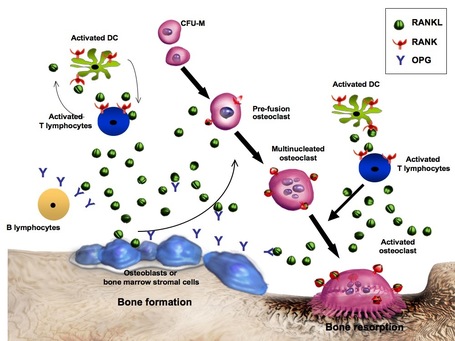
June 13, 2013 — The U.S. Food and Drug Administration today expanded the approved use of Xgeva (denosumab) to treat adults and some adolescents with giant cell tumor of the bone (GCTB), a rare and usually non-cancerous tumor.
GCTB generally occurs in adults between the ages of 20 and 40 years. In most cases, GCTB does not spread to other parts of the body but destroys normal bone as it grows, causing pain, limited range of motion and bone fractures. Rarely, GCTB can transform into a cancerous tumor and spread to the lungs.
Xgeva is a monoclonal antibody that binds to RANKL, a protein essential for maintenance of healthy bone. RANKL is also present in GCTB. Xgeva is intended for patients whose GCTB cannot be surgically removed (unresectable) or when surgery is likely to result in severe morbidity, such as loss of limbs or joint removal. It should only be used in adolescents whose bones have matured
http://www.drugs.com/newdrugs/fda-approves-xgeva-giant-cell-tumor-bone-3815.html

Denosumab is a fully human monoclonal antibody for the treatment of osteoporosis, treatment-induced bone loss, bone metastases, rheumatoid arthritis, multiple myeloma, and giant cell tumor of bone. It was developed by the biotechnology companyAmgen.
Denosumab is designed to inhibit RANKL (RANK ligand), a protein that acts as the primary signal for bone removal. In many bone loss conditions, RANKL overwhelms the body’s natural defenses against bone destruction.
In June 2010, denosumab was approved by the U.S. Food and Drug Administration (FDA) for use in postmenopausal women with risk of osteoporosis under the trade nameProlia, and in November 2010, as Xgeva, for the prevention of skeleton-related events in patients with bone metastases from solid tumors.Denosumab is the first RANKL inhibitor to be approved by the FDA. In the summer of 2011 clinical trials were investigating denosumab in giant cell tumors, multiple myeloma with bone metastases, and hypercalcemia of malignancy, and further investigating its dosing and safety.
Amgen’s Experimental Ovarian Cancer Drug, Trebananib, Shows Positive Results In Late Stage Clinical Trials
STRUCTURAL FORMULA ,Trebananib, AMG-386
Monomer
MDKTHTCPPC PAPELLGGPS VFLFPPKPKD TLMISRTPEV TCVVVDVSHE 50
DPEVKFNWYV DGVEVHNAKT KPREEQYNST YRVVSVLTVL HQDWLNGKEY 100
KCKVSNKALP APIEKTISKA KGQPREPQVY TLPPSRDELT KNQVSLTCLV 150
KGFYPSDIAV EWESNGQPEN NYKTTPPVLD SDGSFFLYSK LTVDKSRWQQ 200
GNVFSCSVMH EALHNHYTQK SLSLSPGKGG GGGAQQEECE WDPWTCEHMG 250
SGSATGGSGS TASSGSGSAT HQEECEWDPW TCEHMLE 287
Disulfide bridges location
7-7′ 10-10′ 42-102 42′-102′ 148-206
148′-206′ 239-246 239′-246′ 275-282 275′-282′
CAS REGISTRY NUMBER 894356-79-7
MOLECULAR FORMULA C2794H4248N752O886S30
Trebananib
Immunoglobulin G1 (synthetic human Fc domain fragment) fusion protein with
angiopoietin 1/angiopoietin 2-binding peptide (synthetic)
http://www.ama-assn.org/resources/doc/usan/trebananib.pdf
http://www.genome.jp/dbget-bin/www_bget?dr:D10177
Amgen’s Experimental Ovarian Cancer Drug, Trebananib, Shows Positive …
Medical Daily
Amgen, a large biotechnology company out of Thousand Oaks, Calif. has announced that its drug for reoccurring ovarian cancer has shown positive results in Phase III clinical trials. The trials sought to stop the progression of ovarian cancer and extend …
read all at

Miglustat- to treat Type 1 Gaucher disease (GD1)
 |
|
|---|---|
| Miglustat | |
| (2R,3R,4R,5S)-1-butyl-2-(hydroxymethyl)piperidine-3,4,5-triol |

PATENT-US 5,525,616, US 5,472,969 TO Actelion Pharms Ltd

Miglustat is a drug developed by Actelion and is used primarily to treat Type 1 Gaucher disease (GD1). It is marketed under the trade name Zavesca. Miglustat (OGT 918, N-butyl-deoxynojirimycin) is an imino sugar (molecular weight: 219 daltons), a synthetic analogue of D-glucose and a white to off-white crystalline solid that has a bitter taste The primary pharmacological activity of miglustat is inhibition of the enzyme glucosylceramide synthase, catalyzing the first step in the biosynthesis of glycosphingolipids (GSL), i.e., the formation of glucosylceramide (GlcCer). Reduced formation of GlcCer will lead to decreased biosynthesis of more complex GSL. This therapeutic principle, called substrate reduction therapy (SRT), may be useful in disorders of intracellular (predominantly lysosomal) accumulation of GSL either due to their deficient breakdown or intracellular transport/trafficking. Miglustat exhibits a large volume of distribution and has the capacity to access deep organs such as the brain, bone and lung.
Miglustat is a synthetic derivative of a family of polyhydroxylated alkaloids or amino sugar extracted from plants and microorganisms. Its synthesis starts from D-glucose sugar in plants. The sugar then aminated and oxidized to amino fructose sugar, which then can form a cyclic aminohemiacetal called nojirimycin. Then the dehydration and reduction takes place successively before the formation of deoxynojirimycin, which is a precursor of miglustat. Since it is a synthetic derivative drug, alkylation ofdeoxynojirimycin can be synthesized in the laboratory with 1-butyl halide via amine alkylation.


by
WORLD DRUG TRACKER
AstraZeneca buys Pearl Therapeutics in $1.15bn deal

The UK’s second largest drug company, AstraZeneca, has announced that it will buy US-based lung disease drug specialist Pearl Therapeutics in a deal worth up to $1.15bn (£742m).

read all at

Study Finds Substances from African Medicinal Plants Could Help Stop Tumour Growth

Sections of the root of the giant globe thistle.
photo: Victor Kuete, Institute of Pharmaceutical Sciences and Biochemistry
African medicinal plants contain chemicals that may be able to stop the spread of cancer cells. This is the conclusion of researchers following laboratory experiments conducted at Johannes Gutenberg University Mainz (JGU). The plant materials will now undergo further analysis in order to evaluate their therapeutic potential.
“The active substances present in African medicinal plants may be capable of killing off tumour cells that are resistant to more than one drug. They thus represent an excellent starting point for the development of new therapeutic treatments for cancers that do not respond to conventional chemotherapy regimens,” explained Professor Thomas Efferth of the Institute of Pharmaceutical Sciences and Biochemistry – Therapeutic Life Sciences at Mainz University. For the past four years, Efferth and biochemist Dr. Victor Keute of the University of Dschang in Cameroon have been studying the active substances in African plants such as the giant globe thistle, wild pepper, speargrass, and Ethiopian pepper.
Krill oil is being studied as a natural remedy for high cholesterol

Krill Oil
Krill are shrimp-like crustaceans that are approximately 1 to 6 centimeters long. They live is the ocean, where they feed mainly on phytoplankton. They’re near the bottom of the food chain and are eaten by whales, seals, penguins, squid and fish.
Commercial fishing of krill occurs primarily in the Southern Ocean and the northern Pacific Ocean along the coasts of Canada and Japan. Krill that are caught are used for aquaculture and aquarium feeds, sport fishing bait or they are eaten as food. In Japan, krill that’s caught for food is called okiami.
Krill oil, the oil that’s found naturally in krill, is extracted and sold as a nutritional supplement. It’s sold in some health food stores and online in capsule form.
Krill oil contains omega-3 fatty acids, which is the main reason it’s becoming popular as a nutritional supplement.
Another reason krill oil is becoming popular is because it contains an antioxidant called astaxanthin. The algae that krill eat produces the bright red pigment astaxanthin that gives krill and other crustaceans such as lobster and shrimp their reddish-pink color.
Antioxidants protect our body cells from damage from free radicals, unstable substances that are thought to contribute to certain chronic diseases. Unlike many other antioxidants, astaxanthin crosses the blood-brain barrier, where it could theoretically protect the eye, brain and central nervous system from free radical damage.
The recent popularity of krill oil supplements has raised concerns that it could threaten the population of its predators, including penguins, seals and whales. people use krill oil for the same reasons they use fish oil, flax oil or other omega-3 fatty acids. Unlike fish oil, krill oil doesn’t cause fishy burps or an aftertaste, a common side effect of fish oil. Also, krill oil contains higher amounts of astaxanthin than fish oil. Here are some specific conditions for which it’s used.
1) High Cholesterol
Krill oil is being studied as a natural remedy for high cholesterol. In one study, 120 people were given krill oil, fish oil or a placebo. Krill oil reduced LDL (commonly referred to as “bad”) cholesterol by 34% and increased HDL (“good”) cholesterol by 43.5% compared to the placebo. In comparison, fish oil reduced LDL cholesterol by 4.6% and increased HDL cholesterol by 4.2%. Krill also lowered triglycerides.
2) Premenstrual Syndrome
Preliminary research suggests krill oil may help reduce symptoms of premenstrual syndrome (PMS), however, more research is needed.
Arthritis
A study in the Journal of the American College of Nutrition examined krill oil (300 mg daily) compared to a placebo and found that krill oil was effective at reducing arthritis symptoms and inflammation.
People with allergies to seafood shouldn’t use krill oil. People with bleeding disorders shouldn’t use krill oil unless under the supervision of a qualified health professional.
Side effects of krill oil may include loose stools, diarrhea or indigestion.
people taking blood thinners (anticoagulant or anti-platelet medication), such as aspirin, warfarin (Coumadin), heparin, clopidogrel (Plavix), non-steroidal anti-inflammatory medications (NSAIDS) such as ibuprofen (Motrin, Advil), naproxen (Naprosyn, Aleve) should only use krill oil under a physician’s supervision.
Krill oil should also be used with caution by people taking herbs and supplements that are thought to increase the risk of bleeding, such as ginkgo biloba and garlic.
Sources
Bunea R, El Farrah K, Deutsch L.Evaluation of the effects of Neptune Krill Oil on the clinical course of hyperlipidemia. Altern Med Rev. (2004) 9.4: 420-428.
Deutsch L. Evaluation of the effect of Neptune Krill Oil on chronic inflammation and arthritic symptoms. J Am Coll Nutr. (2007) 26.1: 39-48.

MORE INFO
Krill oil is a nutrient from a tiny crustacean (similar to a shrimp) that lives in the icy waters around the Antarctic. It is a rich source of the omega-3 essential fatty acids eicosapentaenoic acid (EPA) and docosahexaenoic acid (DHA).
The main selling points for krill oil are that its omega-3s are packaged differently from fish oils, in the form of a phospholipid that is easier for the body to absorb. This better absorption rate – up to 60 per cent, according to some manufacturers – means less capsules need to be taken to achieve the desired health benefits.
It is also said to have the added bonus of containing another essential nutrient, choline, as well as an antioxidant, astaxanthin. Astaxanthin is found in sea algae and it’s what gives shrimp, lobster, salmon, krill and other sea-life that feed on algae their rosy color.
Krill oil supplements are also more expensive than fish oils because of the extensive processes undertaken to ensure quality and eco-sustainability. However, many argue that it is better value for money, as you have to take less capsules than if you were taking fish oil.

Merck KGaA has entered a collaboration with China-based biotech BeiGene to research a new treatment for cancer.

Merck KGaA has entered a collaboration with China-based biotech BeiGene to research a new treatment for cancer.
The compound, currently known as BeiGene-283, BGB-283 , is a second-generation BRAF inhibitor and is expected to enter clinical development in 2014.
It is designed to work by hindering the action of the BRAF protein, which is thought to play a part in the promotion of cancer cell growth and has been found to be mutated in some cancer patients.
read all at
http://www.pmlive.com/pharma_news/merck_kgaa_to_research_cancer_drug_with_chinese_biotech_480521

A positive genotoxicity result can throw the fate of a promising drug candidate—in which a firm has invested significant time and money—into doubt

A positive genotoxicity result can throw the fate of a promising drug candidate-in which a firm has invested significant time and money-into doubt. The statistical improbability and challenges of bringing a drug to market become paramount.
READ ALL AT
BY WORLD DRUG TRACKER


 New Drug Approvals