New Drug Approvals

Home » Posts tagged 'BREAKTHROUGH THERAPY' (Page 2)

Tag Archives: BREAKTHROUGH THERAPY

DRUG APPROVALS BY DR ANTHONY MELVIN CRASTO .....FOR BLOG HOME CLICK HERE

Blog Stats

  • 4,798,800 hits

Flag and hits

Flag Counter

Enter your email address to follow this blog and receive notifications of new posts by email.

Join 37.9K other subscribers
Follow New Drug Approvals on WordPress.com

Archives

Categories

Recent Posts

Flag Counter

ORGANIC SPECTROSCOPY

Read all about Organic Spectroscopy on ORGANIC SPECTROSCOPY INTERNATIONAL 

Enter your email address to follow this blog and receive notifications of new posts by email.

Join 37.9K other subscribers
DR ANTHONY MELVIN CRASTO Ph.D

DR ANTHONY MELVIN CRASTO Ph.D

DR ANTHONY MELVIN CRASTO, Born in Mumbai in 1964 and graduated from Mumbai University, Completed his Ph.D from ICT, 1991,Matunga, Mumbai, India, in Organic Chemistry, The thesis topic was Synthesis of Novel Pyrethroid Analogues, Currently he is working with AFRICURE PHARMA, ROW2TECH, NIPER-G, Department of Pharmaceuticals, Ministry of Chemicals and Fertilizers, Govt. of India as ADVISOR, earlier assignment was with GLENMARK LIFE SCIENCES LTD, as CONSUlTANT, Retired from GLENMARK in Jan2022 Research Centre as Principal Scientist, Process Research (bulk actives) at Mahape, Navi Mumbai, India. Total Industry exp 32 plus yrs, Prior to joining Glenmark, he has worked with major multinationals like Hoechst Marion Roussel, now Sanofi, Searle India Ltd, now RPG lifesciences, etc. He has worked with notable scientists like Dr K Nagarajan, Dr Ralph Stapel, Prof S Seshadri, etc, He did custom synthesis for major multinationals in his career like BASF, Novartis, Sanofi, etc., He has worked in Discovery, Natural products, Bulk drugs, Generics, Intermediates, Fine chemicals, Neutraceuticals, GMP, Scaleups, etc, he is now helping millions, has 9 million plus hits on Google on all Organic chemistry websites. His friends call him Open superstar worlddrugtracker. His New Drug Approvals, Green Chemistry International, All about drugs, Eurekamoments, Organic spectroscopy international, etc in organic chemistry are some most read blogs He has hands on experience in initiation and developing novel routes for drug molecules and implementation them on commercial scale over a 32 PLUS year tenure till date Feb 2023, Around 35 plus products in his career. He has good knowledge of IPM, GMP, Regulatory aspects, he has several International patents published worldwide . He has good proficiency in Technology transfer, Spectroscopy, Stereochemistry, Synthesis, Polymorphism etc., He suffered a paralytic stroke/ Acute Transverse mylitis in Dec 2007 and is 90 %Paralysed, He is bound to a wheelchair, this seems to have injected feul in him to help chemists all around the world, he is more active than before and is pushing boundaries, He has 100 million plus hits on Google, 2.5 lakh plus connections on all networking sites, 100 Lakh plus views on dozen plus blogs, 227 countries, 7 continents, He makes himself available to all, contact him on +91 9323115463, email amcrasto@gmail.com, Twitter, @amcrasto , He lives and will die for his family, 90% paralysis cannot kill his soul., Notably he has 38 lakh plus views on New Drug Approvals Blog in 227 countries......https://newdrugapprovals.wordpress.com/ , He appreciates the help he gets from one and all, Friends, Family, Glenmark, Readers, Wellwishers, Doctors, Drug authorities, His Contacts, Physiotherapist, etc He has total of 32 International and Indian awards

Verified Services

View Full Profile →

Archives

Categories

Flag Counter

Lanadelumab, ラナデルマブ


(Heavy chain)
EVQLLESGGG LVQPGGSLRL SCAASGFTFS HYIMMWVRQA PGKGLEWVSG IYSSGGITVY
ADSVKGRFTI SRDNSKNTLY LQMNSLRAED TAVYYCAYRR IGVPRRDEFD IWGQGTMVTV
SSASTKGPSV FPLAPSSKST SGGTAALGCL VKDYFPEPVT VSWNSGALTS GVHTFPAVLQ
SSGLYSLSSV VTVPSSSLGT QTYICNVNHK PSNTKVDKRV EPKSCDKTHT CPPCPAPELL
GGPSVFLFPP KPKDTLMISR TPEVTCVVVD VSHEDPEVKF NWYVDGVEVH NAKTKPREEQ
YNSTYRVVSV LTVLHQDWLN GKEYKCKVSN KALPAPIEKT ISKAKGQPRE PQVYTLPPSR
EEMTKNQVSL TCLVKGFYPS DIAVEWESNG QPENNYKTTP PVLDSDGSFF LYSKLTVDKS
RWQQGNVFSC SVMHEALHNH YTQKSLSLSP G
(Light chain)
DIQMTQSPST LSASVGDRVT ITCRASQSIS SWLAWYQQKP GKAPKLLIYK ASTLESGVPS
RFSGSGSGTE FTLTISSLQP DDFATYYCQQ YNTYWTFGQG TKVEIKRTVA APSVFIFPPS
DEQLKSGTAS VVCLLNNFYP REAKVQWKVD NALQSGNSQE SVTEQDSKDS TYSLSSTLTL
SKADYEKHKV YACEVTHQGL SSPVTKSFNR GEC
(dimer; dishulfide bridge: H22-H96, H149-H205, H225-L213, H231-H’231, H234-H’234, H266-H326, H372-H430, H’22-H’96, H’149-H’205, H’225-L’213, H’266-H’326, H’372-H’430, L23-L88, L133-L193, L’23-L’88, L’133-L’193)

Lanadelumab

DX 2930

Fda approved 2018/8/23, Takhzyro

Formula
C6468H10016N1728O2012S48
Cas
1426055-14-2
Mol weight
145714.225

Peptide, Monoclonal antibody
Prevention of angioedema in patients with hereditary angioedema

Immunomodulator, Plasma kallikrein inhibitor

breakthrough therapyUNII: 2372V1TKXK

Image result for Lanadelumab

Image result for Lanadelumab

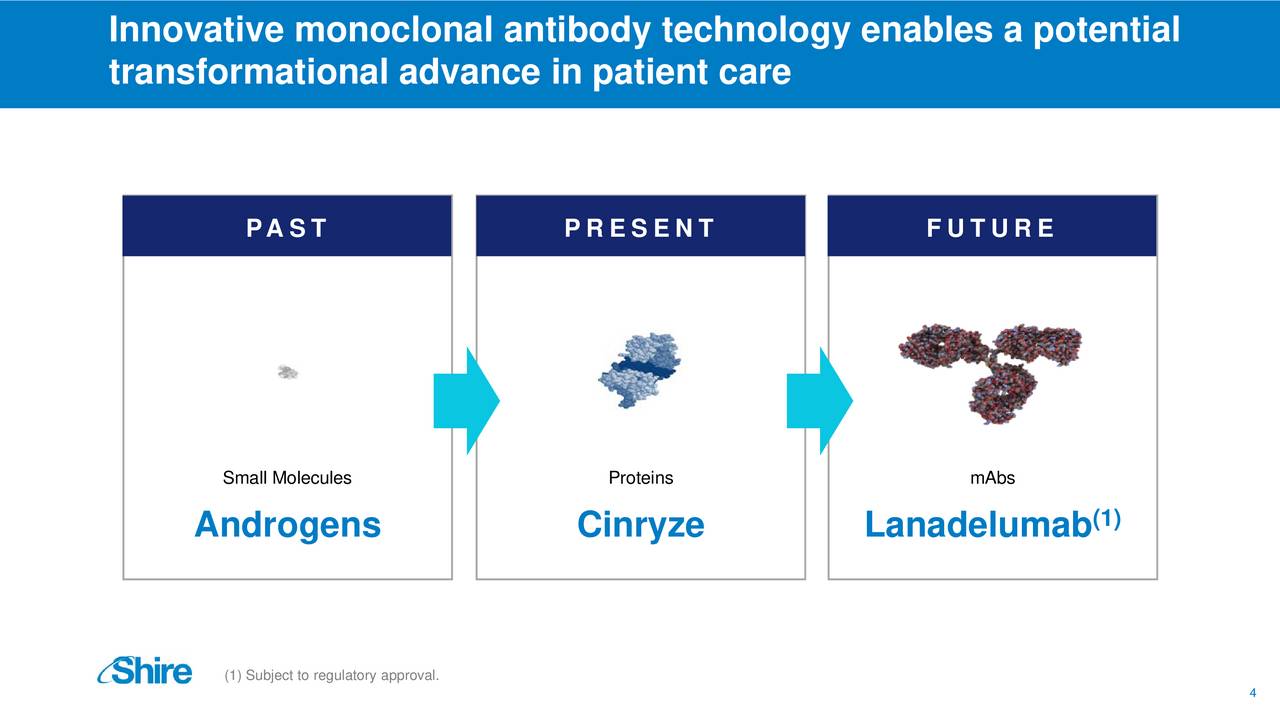
Lanadelumab (INN) (alternative identifier DX-2930[1]) is a human monoclonal antibody (class IgG1 kappa)[2] that targets plasma kallikrein (pKal)[1] in order to promote prevention of angioedema in patients with hereditary angioedema.[3][4] In phase 1 clinical trialsLanadelumab was well tolerated and was reported to reduce cleavage of kininogen in the plasma of patients with hereditary angioedeman and decrease the number of patients experiencing attacks of angioedema.[1][5][6][7] As of 2017 ongoing trials for Lanadelumab include two phase 3 studies focused on investigating the utility of Lanadelumab in preventing of acute angioedema attacks in hereditary angioedema patients[8][9]

Image result for Lanadelumab

This drug was produced by Dyax Corp and currently under development by Shire.[10] Lanadelumab has been designated by the U.S. Food and Drug Administration (FDA) as a breakthrough therapy.[11]

Image result for Lanadelumab

References

  1. Jump up to:a b c Banerji, Aleena; Busse, Paula; Shennak, Mustafa; Lumry, William; Davis-Lorton, Mark; Wedner, Henry J.; Jacobs, Joshua; Baker, James; Bernstein, Jonathan A. (2017-02-23). “Inhibiting Plasma Kallikrein for Hereditary Angioedema Prophylaxis”. The New England Journal of Medicine376 (8): 717–728. doi:10.1056/NEJMoa1605767ISSN 1533-4406PMID 28225674.
  2. Jump up^ Kenniston, Jon A.; Faucette, Ryan R.; Martik, Diana; Comeau, Stephen R.; Lindberg, Allison P.; Kopacz, Kris J.; Conley, Gregory P.; Chen, Jie; Viswanathan, Malini (2014-08-22). “Inhibition of Plasma Kallikrein by a Highly Specific Active Site Blocking Antibody”The Journal of Biological Chemistry289 (34): 23596. doi:10.1074/jbc.M114.569061PMC 4156074Freely accessiblePMID 24970892.
  3. Jump up^ Statement On A Nonproprietary Name Adopted By The USAN Council – LanadelumabAmerican Medical Association.
  4. Jump up^ World Health Organization (2015). “International Nonproprietary Names for Pharmaceutical Substances (INN). Proposed INN: List 114”(PDF). WHO Drug Information29 (4).
  5. Jump up^ Chyung, Yung; Vince, Bradley; Iarrobino, Ryan; Sexton, Dan; Kenniston, Jon; Faucette, Ryan; TenHoor, Chris; Stolz, Leslie E.; Stevens, Chris (2014-10-01). “A phase 1 study investigating DX-2930 in healthy subjects”. Annals of Allergy, Asthma & Immunology113 (4): 460–466.e2. doi:10.1016/j.anai.2014.05.028ISSN 1534-4436PMID 24980392.
  6. Jump up^ “A Single Increasing Dose Study to Assess Safety and Tolerability of DX-2930 in Healthy Subjects – Full Text View – ClinicalTrials.gov”clinicaltrials.gov. Retrieved 2017-03-24.
  7. Jump up^ “Double-Blind, Multiple Ascending Dose Study to Assess Safety, Tolerability and Pharmacokinetics of DX-2930 in Hereditary Angioedema (HAE) Subjects – Full Text View – ClinicalTrials.gov”clinicaltrials.gov. Retrieved 2017-03-24.
  8. Jump up^ “Efficacy and Safety Study of DX-2930 to Prevent Acute Angioedema Attacks in Patients With Type I and Type II HAE – Full Text View – ClinicalTrials.gov”clinicaltrials.gov. Retrieved 2017-03-24.
  9. Jump up^ “Long-term Safety and Efficacy Study of DX-2930 to Prevent Acute Angioedema Attacks in Patients With Type I and Type II HAE – Full Text View – ClinicalTrials.gov”clinicaltrials.gov. Retrieved 2017-03-24.
  10. Jump up^ “Lanadelumab – AdisInsight”adisinsight.springer.com. Retrieved 2017-03-24.
  11. Jump up^ “Dyax Corp. Receives FDA Breakthrough Therapy Designation for DX-2930 for Prevention of Attacks of Hereditary Angioedema”http://www.businesswire.com. Retrieved 2017-03-24.
Lanadelumab
Monoclonal antibody
Type Whole antibody
Source Human
Target kallikrein
Clinical data
Synonyms DX-2930
ATC code
  • none
Identifiers
CAS Number
ChemSpider
  • none
UNII
Chemical and physical data
Formula C6468H10016N1728O2012S47
Molar mass 145.7 kDa

///////////Lanadelumab, Peptide, Monoclonal antibody, FDA 2018, ラナデルマブ ,Immunomodulator, Plasma kallikrein inhibitor, DX 2930,  breakthrough therapy, Takhzyro

“DRUG APPROVALS INTERNATIONAL” CATERS TO EDUCATION GLOBALLY, No commercial exploits are done or advertisements added by me. This is a compilation for educational purposes only. P.S. : The views expressed are my personal and in no-way suggest the views of the professional body or the company that I represent

Patisiran


Patisiran

Sense strand:
GUAACCAAGAGUAUUCCAUdTdT
Anti-sense strand:
AUGGAAUACUCUUGGUUACdTdT
RNA, (A-U-G-G-A-A-Um-A-C-U-C-U-U-G-G-U-Um-A-C-dT-dT), complex with RNA (G-Um-A-A-Cm-Cm-A-A-G-A-G-Um-A-Um-Um-Cm-Cm-A-Um-dT-dT) (1:1),
ALN-18328, 6024128  , ALN-TTR02  , GENZ-438027  , SAR-438037  , 50FKX8CB2Y (UNII code)

 for RNA, (A-U-G-G-A-A-Um-A-C-U-C-U-U-G-G-U-Um-A-C-dT-dT), complex with RNA(G-Um-A-A-Cm-Cm-A-A-G-A-G-Um-A-Um-Um-Cm-Cm-A-Um-dT-dT) (1:1)

Nucleic Acid Sequence

Sequence Length: 42, 21, 2112 a 7 c 7 g 4 t 12 umultistranded (2); modified

CAS 1420706-45-1

Treatment of Amyloidosis,

SEE…..https://endpts.com/gung-ho-alnylam-lands-historic-fda-ok-on-patisiran-revving-up-the-first-global-rollout-for-an-rnai-breakthrough/

Lipid-nanoparticle-encapsulated double-stranded siRNA targeting a 3 untranslated region of mutant and wild-type transthyretin mRNA

Patisiran (trade name Onpattro®) is a medication for the treatment of polyneuropathy in people with hereditary transthyretin-mediated amyloidosis. It is the first small interfering RNA-based drug approved by the FDA. Through this mechanism, it is a gene silencing drug that interferes with the production of an abnormal form of transthyretin.

Chemical structure of Patisiran.

During its development, patisiran was granted orphan drug statusfast track designationpriority review and breakthrough therapy designation due to its novel mechanism and the rarity of the condition it is designed to treat.[1][2] It was approved by the FDA in August 2018 and is expected to cost around $345,000 to $450,000 per year.[3]

Patisiran was granted orphan drug designation in the U.S. and Japan for the treatment of familial amyloid polyneuropathy. Fast track designation was also granted in the U.S. for this indication. In the E.U., orphan drug designation was assigned to the compound for the treatment of transthyretin-mediated amyloidosis (initially for the treatment of familial amyloid polyneuropathy)

Hereditary transthyretin-mediated amyloidosis is a fatal rare disease that is estimated to affect 50,000 people worldwide. Patisiran is the first drug approved by the FDA to treat this condition.[4]

Patisiran is a second-generation siRNA therapy targeting mutant transthyretin (TTR) developed by Alnylam for the treatment of familial amyloid polyneuropathy. The product is delivered by means of Arbutus Biopharma’s (formerly Tekmira Pharmaceuticals) lipid nanoparticle technology

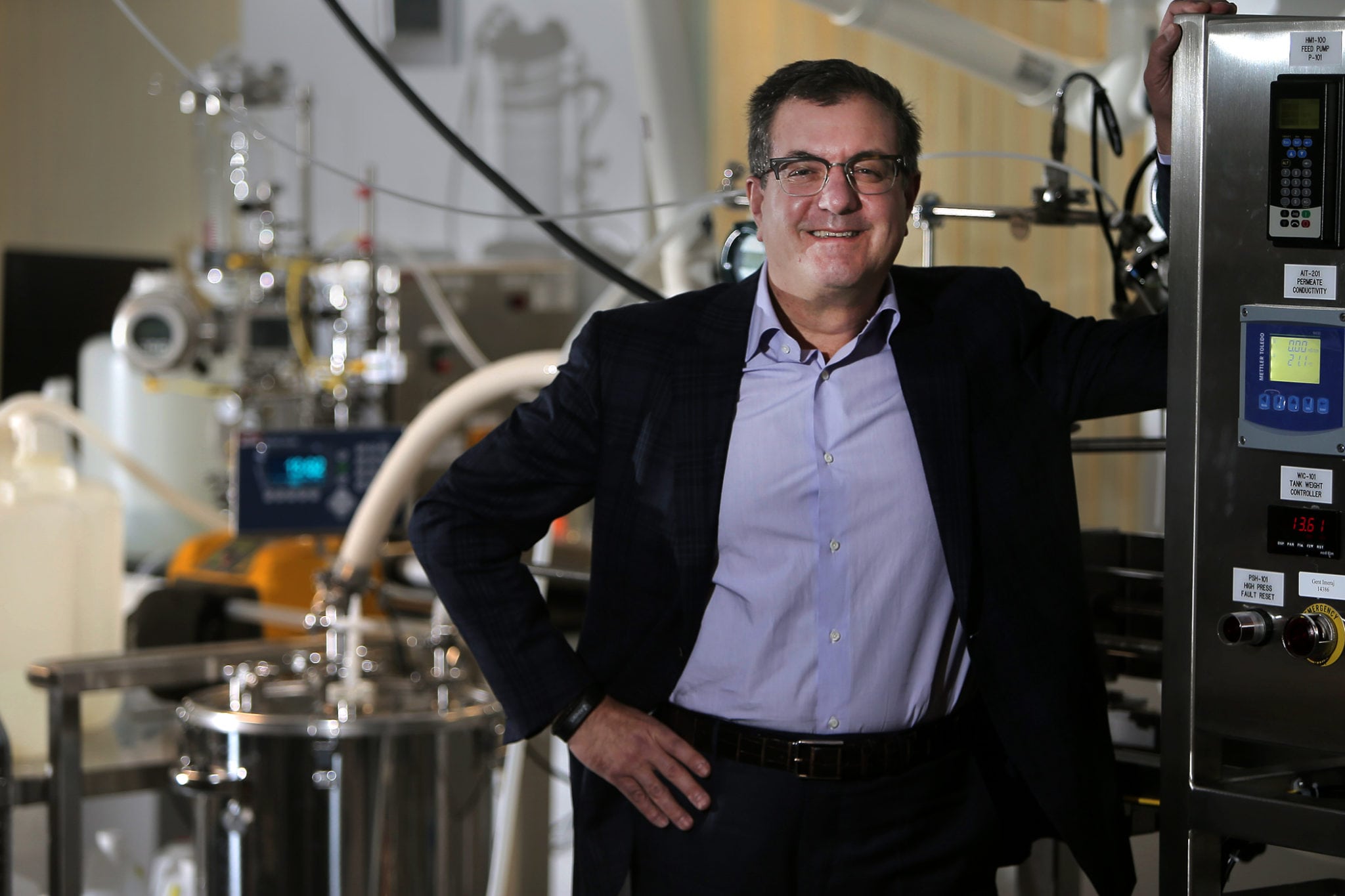
“A lot of peo­ple think it’s win­ter out there for RNAi. But I think it’s spring­time.” — Al­ny­lam CEO John Maraganore, NYT, Feb­ru­ary 7, 2011.

Patisiran — designed to silence messenger RNA and block the production of TTR protein before it is made — is number 6 on Clarivate’s list of blockbusters set to launch this year, with a 2022 sales forecast of $1.22 billion. Some of the peak sales estimates range significantly higher as analysts crunch the numbers on a disease that afflicts only about 30,000 people worldwide.

PATENT

WO 2016033326

https://patents.google.com/patent/WO2016033326A2

Transthyretin (TTR) is a tetrameric protein produced primarily in the liver.

Mutations in the TTR gene destabilize the protein tetramer, leading to misfolding of monomers and aggregation into TTR amyloid fibrils (ATTR). Tissue deposition results in systemic ATTR amyloidosis (Coutinho et al, Forty years of experience with type I amyloid neuropathy. Review of 483 cases. In: Glenner et al, Amyloid and Amyloidosis, Amsterdam: Excerpta Media, 1980 pg. 88-93; Hou et al., Transthyretin and familial amyloidotic polyneuropathy. Recent progress in understanding the molecular mechanism of

neurodegeneration. FEBS J 2007, 274: 1637-1650; Westermark et al, Fibril in senile systemic amyloidosis is derived from normal transthyretin. Proc Natl Acad Sci USA 1990, 87: 2843-2845). Over 100 reported TTR mutations exhibit a spectrum of disease symptoms.

[0004] TTR amyloidosis manifests in various forms. When the peripheral nervous system is affected more prominently, the disease is termed familial amyloidotic

polyneuropathy (FAP). When the heart is primarily involved but the nervous system is not, the disease is called familial amyloidotic cardiomyopathy (FAC). A third major type of TTR amyloidosis is called leptomeningeal/CNS (Central Nervous System) amyloidosis.

[0005] The most common mutations associated with familial amyloid polyneuropathy

(FAP) and ATTR-associated cardiomyopathy, respectively, are Val30Met (Coelho et al, Tafamidis for transthyretin familial amyloid polyneuropathy: a randomized, controlled trial. Neurology 2012, 79: 785-792) and Vall22Ile (Connors et al, Cardiac amyloidosis in African Americans: comparison of clinical and laboratory features of transthyretin VI 221 amyloidosis and immunoglobulin light chain amyloidosis. Am Heart J 2009, 158: 607-614). [0006] Current treatment options for FAP focus on stabilizing or decreasing the amount of circulating amyloidogenic protein. Orthotopic liver transplantation reduces mutant TTR levels (Holmgren et al, Biochemical effect of liver transplantation in two Swedish patients with familial amyloidotic polyneuropathy (FAP-met30). Clin Genet 1991, 40: 242-246), with improved survival reported in patients with early-stage FAP, although deposition of wild-type TTR may continue (Yazaki et al, Progressive wild-type transthyretin deposition after liver transplantation preferentially occurs into myocardium in FAP patients. Am J Transplant 2007, 7:235-242; Adams et al, Rapid progression of familial amyloid polyneuropathy: a multinational natural history study Neurology 2015 Aug 25; 85(8) 675-82; Yamashita et al, Long-term survival after liver transplantation in patients with familial amyloid polyneuropathy. Neurology 2012, 78: 637-643; Okamoto et al., Liver

transplantation for familial amyloidotic polyneuropathy: impact on Swedish patients’ survival. Liver Transpl 2009, 15: 1229-1235; Stangou et al, Progressive cardiac amyloidosis following liver transplantation for familial amyloid polyneuropathy: implications for amyloid fibrillogenesis. Transplantation 1998, 66:229-233; Fosby et al, Liver transplantation in the Nordic countries – An intention to treat and post-transplant analysis from The Nordic Liver Transplant Registry 1982-2013. Scand J Gastroenterol. 2015 Jun; 50(6):797-808.

Transplantation, in press).

[0007] Tafamidis and diflunisal stabilize circulating TTR tetramers, which can slow the rate of disease progression (Berk et al, Repurposing diflunisal for familial amyloid polyneuropathy: a randomized clinical trial. JAMA 2013, 310: 2658-2667; Coelho et al., 2012; Coelho et al, Long-term effects of tafamidis for the treatment of transthyretin familial amyloid polyneuropathy. J Neurol 2013, 260: 2802-2814; Lozeron et al, Effect on disability and safety of Tafamidis in late onset of Met30 transthyretin familial amyloid polyneuropathy. Eur J Neurol 2013, 20: 1539-1545). However, symptoms continue to worsen on treatment in a large proportion of patients, highlighting the need for new, disease-modifying treatment options for FAP.

[0008] Description of dsRNA targeting TTR can be found in, for example,

International patent application no. PCT/US2009/061381 (WO2010/048228) and

International patent application no. PCT/US2010/05531 1 (WO201 1/056883). Summary

[0009] Described herein are methods for reducing or arresting an increase in a

Neuropathy Impairment Score (NIS) or a modified NIS (mNIS+7) in a human subject by administering an effective amount of a transthyretin (TTR)-inhibiting composition, wherein the effective amount reduces a concentration of TTR protein in serum of the human subject to below 50 μg/ml or by at least 80%. Also described herein are methods for adjusting a dosage of a TTR- inhibiting composition for treatment of increasing NIS or Familial Amyloidotic Polyneuropathy (FAP) by administering the TTR- inhibiting composition to a subject having the increasing NIS or FAP, and determining a level of TTR protein in the subject having the increasing NIS or FAP. In some embodiments, the amount of the TTR- inhibiting composition subsequently administered to the subject is increased if the level of TTR protein is greater than 50 μg/ml, and the amount of the TTR- inhibiting composition subsequently administered to the subject is decreased if the level of TTR protein is below 50 μg/ml. Also described herein are formulated versions of a TTR inhibiting siRNA.

Image result for Alnylam

PATENT

WO 2016203402

PAPERS

Annals of Medicine (Abingdon, United Kingdom) (2015), 47(8), 625-638.

Pharmaceutical Research (2017), 34(7), 1339-1363

Annual Review of Pharmacology and Toxicology (2017), 57, 81-105

CLIP

Image result for Alnylam

Alnylam Announces First-Ever FDA Approval of an RNAi Therapeutic, ONPATTRO™ (patisiran) for the Treatment of the Polyneuropathy of Hereditary Transthyretin-Mediated Amyloidosis in Adults
Aug 10,2018

− First and Only FDA-approved Treatment Available in the United States for this Indication –

− ONPATTRO Shown to Improve Polyneuropathy Relative to Placebo, with Reversal of Neuropathy Impairment Compared to Baseline in Majority of Patients –

− Improvement in Specified Measures of Quality of Life and Disease Burden Demonstrated Across Diverse, Global Patient Population –

− Alnylam to Host Conference Call Today at 3:00 p.m. ET. −

CAMBRIDGE, Mass.–(BUSINESS WIRE)–Aug. 10, 2018– Alnylam Pharmaceuticals, Inc. (Nasdaq: ALNY), the leading RNAi therapeutics company, announced today that the United States Food and Drug Administration (FDA) approved ONPATTRO™ (patisiran) lipid complex injection, a first-of-its-kind RNA interference (RNAi) therapeutic, for the treatment of the polyneuropathy of hereditary transthyretin-mediated (hATTR) amyloidosis in adults. ONPATTRO is the first and onlyFDA-approved treatment for this indication. hATTR amyloidosis is a rare, inherited, rapidly progressive and life-threatening disease with a constellation of manifestations. In addition to polyneuropathy, hATTR amyloidosis can lead to other significant disabilities including decreased ambulation with the loss of the ability to walk unaided, a reduced quality of life, and a decline in cardiac functioning. In the largest controlled study of hATTR amyloidosis, ONPATTRO was shown to improve polyneuropathy – with reversal of neuropathy impairment in a majority of patients – and to improve a composite quality of life measure, reduce autonomic symptoms, and improve activities of daily living.

Image result for Alnylam

This press release features multimedia. View the full release here:https://www.businesswire.com/news/home/20180810005398/en/

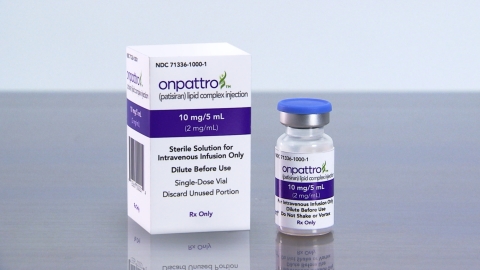
ONPATTRO™ (patisiran) packaging and product vial (Photo: Business Wire)ONPATTRO™ (patisiran) packaging and product vial (Photo: Business Wire)

“Alnylam was founded on the vision of harnessing the potential of RNAi therapeutics to treat human disease, and this approval heralds the arrival of an entirely new class of medicines. We believe today draws us ever-closer to achieving our Alnylam 2020 goals of becoming a fully integrated, multi-product biopharmaceutical company with a sustainable pipeline,” said John Maraganore, Ph.D., Chief Executive Officer of Alnylam. “With the potential for the sequential launches of several new medicines in the coming years, we believe we have the opportunity to meaningfully impact the lives of people around the world in need of new approaches to address serious diseases with significant unmet medical needs.”

“Today’s historic approval marks the arrival of a first-of-its kind treatment option for a rare and devastating condition with limited treatment options,” said Akshay Vaishnaw, M.D., Ph.D., President of R&D at Alnylam. “We extend our deepest gratitude to the patients who participated in the ONPATTRO clinical trials and their families and caregivers who supported them. We are also grateful for the tireless efforts of the investigators and study staff, without whom this important milestone would not have been possible. We also look forward to working with the FDA to potentially expand the ONPATTRO indication in the future.”

The FDA approval of ONPATTRO was based on positive results from the randomized, double-blind, placebo-controlled, global Phase 3 APOLLO study, the largest-ever study in hATTR amyloidosis patients with polyneuropathy. Results from the APOLLO study were published in the July 5, 2018, issue of The New England Journal of Medicine.

In APOLLO, the safety and efficacy of ONPATTRO were evaluated in a diverse, global population of hATTR amyloidosis patients in 19 countries, with a total of 39 TTR mutations. Patients were randomized in a 2:1 ratio to receive intravenous ONPATTRO (0.3 mg per kg of body weight) or placebo once every 3 weeks for 18 months. The study showed that ONPATTRO improved measures of polyneuropathy, quality of life, activities of daily living, ambulation, nutritional status and autonomic symptoms relative to placebo in adult patients with hATTR amyloidosis with polyneuropathy. The primary endpoint of the APOLLO study was the modified Neuropathy Impairment Score +7 (mNIS+7), which assesses motor strength, reflexes, sensation, nerve conduction and postural blood pressure.

  • Patients treated with ONPATTRO had a mean 6.0-point decrease (improvement) in mNIS+7 score from baseline compared to a mean 28.0-point increase (worsening) for patients in the placebo group, resulting in a mean 34.0-point difference relative to placebo, after 18 months of treatment.
  • While nearly all ONPATTRO-treated patients experienced a treatment benefit relative to placebo, 56 percent of ONPATTRO-treated patients at 18 months of treatment experienced reversal of neuropathy impairment (as assessed by mNIS+7 score) relative to their own baseline, compared to four percent of patients who received placebo.
  • Patients treated with ONPATTRO had a mean 6.7-point decrease (improvement) in Norfolk Quality of Life Diabetic Neuropathy (QoL-DN) score from baseline compared to a mean 14.4-point increase (worsening) for patients in the placebo group, resulting in a mean 21.1-point difference relative to placebo, after 18 months of treatment.
  • As measured by Norfolk QoL-DN, 51 percent of patients treated with ONPATTRO experienced improvement in quality of life at 18 months relative to their own baseline, compared to 10 percent of the placebo-treated patients.
  • Over 18 months of treatment, patients treated with ONPATTRO experienced significant benefit vs. placebo for all other secondary efficacy endpoints, including measures of activities of daily living, walking ability, nutritional status, and autonomic symptoms.
  • The most common adverse events that occurred more frequently with ONPATTRO than with placebo were upper respiratory tract infections and infusion-related reactions. To reduce the risk of infusion-related reactions, patients received premedications prior to infusion.

“FDA approval of ONPATTRO represents an entirely new approach to treating patients with polyneuropathy in hATTR amyloidosis and shows promise as a new era in patient care,” said John Berk, M.D., Associate Professor of Medicine at Boston University School of Medicine and assistant director of the Amyloidosis Center at Boston University School of Medicine. “Given the strength of the APOLLO data, including data showing the possibility of halting or improving disease progression in many patients, ONPATTRO holds tremendous promise for people living with this disease.”

“For years I have witnessed the tragic impact of hATTR amyloidosis on generations of families. Today, we celebrate the FDA approval of ONPATTRO,” said Muriel Finkel, President of Amyloidosis Support Groups. “It’s extremely gratifying to see promising science translate into a treatment option that will allow patients to potentially experience an improvement in their disease and an improvement in their overall quality of life.”

“Today’s approval is significant in so many respects. It means the hATTR amyloidosis community of patients, families, caregivers and healthcare professionals in the United States now has a treatment option that offers renewed hope,” said Isabelle Lousada, Founder and Chief Executive Officer of the Amyloidosis Research Consortium. “With an FDA-approved treatment now available, I am more optimistic than ever that we can increase awareness of this rare disease and encourage more people to get tested and receive the proper diagnosis.”

ONPATTRO is expected to be available for shipment to healthcare providers in the U.S. within 48 hours.

Alnylam is committed to helping people access the medicines they are prescribed and will be offering comprehensive support services for people prescribed ONPATTRO through Alnylam Assist™. Visit AlnylamAssist.com for more information or call 1-833-256-2748.

ONPATTRO was reviewed by the FDA under Priority Review and had previously been granted Breakthrough Therapy and Orphan Drug Designations. On July 27, patisiran received a positive opinion from the Committee for Medicinal Products for Human Use (CHMP) for the treatment of hereditary transthyretin-mediated amyloidosis in adults with stage 1 or stage 2 polyneuropathy under accelerated assessment by the European Medicines Agency. The recommended Summary of Product Characteristics (SmPC) for the European Union (EU) includes data on secondary and exploratory endpoints. Expected in September, the European Commission will review the CHMP recommendation to make a final decision on marketing authorization, applicable to all 28 EU member states, plus Iceland, Liechtenstein and Norway. Regulatory filings in other markets, including Japan, are planned beginning in mid-2018.

Visit ONPATTRO.com for more information,

About ONPATTRO™ (patisiran) lipid complex injection
ONPATTRO was approved by the U.S. Food and Drug Administration (FDA) for the treatment of the polyneuropathy of hereditary transthyretin-mediated (hATTR) amyloidosis in adults. ONPATTRO is the first and only RNA interference (RNAi) therapeutic approved by the FDA for this indication. ONPATTRO utilizes a novel approach to target and reduce production of the TTR protein in the liver via the RNAi pathway. Reducing the TTR protein leads to a reduction in the amyloid deposits that accumulate in tissues. ONPATTRO is administered through intravenous (IV) infusion once every 3 weeks following required premedication and the dose is based on actual body weight. Home infusion may be an option for some patients after an evaluation and recommendation by the treating physician, and may not be covered by all insurance plans. Regardless of the setting, ONPATTRO infusions should be performed by a healthcare professional. For more information about ONPATTRO, visit ONPATTRO.com.

About hATTR Amyloidosis
Hereditary transthyretin (TTR)-mediated amyloidosis (hATTR) is an inherited, progressively debilitating, and often fatal disease caused by mutations in the TTR gene. TTR protein is primarily produced in the liver and is normally a carrier of vitamin A. Mutations in the TTR gene cause abnormal amyloid proteins to accumulate and damage body organs and tissue, such as the peripheral nerves and heart, resulting in intractable peripheral sensory neuropathy, autonomic neuropathy, and/or cardiomyopathy, as well as other disease manifestations. hATTR amyloidosis represents a major unmet medical need with significant morbidity and mortality. The median survival is 4.7 years following diagnosis. Until now, people living with hATTR amyloidosis in the U.S. had no FDA-approved treatment options.

Alnylam Assist™
As part of Alnylam’s commitment to making therapies available to those who may benefit from them, Alnylam Assist will offer a wide range of services to guide patients through treatment with ONPATTRO, including financial assistance options for eligible patients, benefit verification and claims support, and ordering assistance and facilitation of delivery via specialty distributor or specialty pharmacy. Patients will have access to dedicated Case Managers who can provide personalized support throughout the treatment process and Patient Education Liaisons to help patients gain a better understanding of the disease. Visit AlnylamAssist.com for more information.

About RNAi
RNAi (RNA interference) is a natural cellular process of gene silencing that represents one of the most promising and rapidly advancing frontiers in biology and drug development today. Its discovery has been heralded as “a major scientific breakthrough that happens once every decade or so,” and was recognized with the award of the 2006 Nobel Prize for Physiology or Medicine. RNAi therapeutics are a new class of medicines that harness the natural biological process of RNAi. Small interfering RNA (siRNA), the molecules that mediate RNAi and comprise Alnylam’s RNAi therapeutic platform, function upstream of today’s medicines by potently silencing messenger RNA (mRNA) – the genetic precursors – that encode for disease-causing proteins, thus preventing them from being made. This is a revolutionary approach in developing medicines to improve the care of patients with genetic and other diseases.

About Alnylam
Alnylam (Nasdaq: ALNY) is leading the translation of RNA interference (RNAi) into a whole new class of innovative medicines with the potential to improve the lives of people afflicted with rare genetic, cardio-metabolic, and hepatic infectious diseases. Based on Nobel Prize-winning science, RNAi therapeutics represent a powerful, clinically validated approach for the treatment of a wide range of severe and debilitating diseases. Founded in 2002, Alnylam is delivering on a bold vision to turn scientific possibility into reality, with a robust discovery platform. ONPATTRO, available in the U.S. for the treatment of the polyneuropathy of hereditary transthyretin-mediated (hATTR) amyloidosis in adults, is Alnylam’s first U.S. FDA-approved RNAi therapeutic. Alnylam has a deep pipeline of investigational medicines, including three product candidates that are in late-stage development. Looking forward, Alnylam will continue to execute on its “Alnylam 2020” strategy of building a multi-product, commercial-stage biopharmaceutical company with a sustainable pipeline of RNAi-based medicines to address the needs of patients who have limited or inadequate treatment options. Alnylam employs over 800 people worldwide and is headquartered in Cambridge, MA. For more information about our people, science and pipeline, please visit www.alnylam.com and engage with us on Twitter at @Alnylam or on LinkedIn.

Image result for patisiran

FDA approves first-of-its kind targeted RNA-based therapy to treat a rare disease

First treatment for the polyneuropathy of hereditary transthyretin-mediated amyloidosis in adult patients

The U.S. Food and Drug Administration today approved Onpattro (patisiran) infusion for the treatment of peripheral nerve disease (polyneuropathy) caused by hereditary transthyretin-mediated amyloidosis (hATTR) in adult patients. This is the first FDA-approved treatment for patients with polyneuropathy caused by hATTR, a rare, debilitating and often fatal genetic disease characterized by the buildup of abnormal amyloid protein in peripheral nerves, the heart and other organs. It is also the first FDA approval of a new class of drugs called small interfering ribonucleic acid (siRNA) treatment

Continue reading…

https://www.fda.gov/NewsEvents/Newsroom/PressAnnouncements/UCM616518.htm?utm_campaign=08102018_PR_FDA%20approves%20new%20drug%20for%20rare%20disease%2C%20hATTR&utm_medium=email&utm_source=Eloqua

August 10, 2018

Release

The U.S. Food and Drug Administration today approved Onpattro (patisiran) infusion for the treatment of peripheral nerve disease (polyneuropathy) caused by hereditary transthyretin-mediated amyloidosis (hATTR) in adult patients. This is the first FDA-approved treatment for patients with polyneuropathy caused by hATTR, a rare, debilitating and often fatal genetic disease characterized by the buildup of abnormal amyloid protein in peripheral nerves, the heart and other organs. It is also the first FDA approval of a new class of drugs called small interfering ribonucleic acid (siRNA) treatment.

“This approval is part of a broader wave of advances that allow us to treat disease by actually targeting the root cause, enabling us to arrest or reverse a condition, rather than only being able to slow its progression or treat its symptoms. In this case, the effects of the disease cause a degeneration of the nerves, which can manifest in pain, weakness and loss of mobility,” said FDA Commissioner Scott Gottlieb, M.D. “New technologies like RNA inhibitors, that alter the genetic drivers of a disease, have the potential to transform medicine, so we can better confront and even cure debilitating illnesses. We’re committed to advancing scientific principles that enable the efficient development and review of safe, effective and groundbreaking treatments that have the potential to change patients’ lives.”

RNA acts as a messenger within the body’s cells, carrying instructions from DNA for controlling the synthesis of proteins. RNA interference is a process that occurs naturally within our cells to block how certain genes are expressed. Since its discovery in 1998, scientists have used RNA interference as a tool to investigate gene function and its involvement in health and disease. Researchers at the National Institutes of Health, for example, have used robotic technologies to introduce siRNAs into human cells to individually turn off nearly 22,000 genes.

This new class of drugs, called siRNAs, work by silencing a portion of RNA involved in causing the disease. More specifically, Onpattro encases the siRNA into a lipid nanoparticle to deliver the drug directly into the liver, in an infusion treatment, to alter or halt the production of disease-causing proteins.

Affecting about 50,000 people worldwide, hATTR is a rare condition. It is characterized by the buildup of abnormal deposits of protein fibers called amyloid in the body’s organs and tissues, interfering with their normal functioning. These protein deposits most frequently occur in the peripheral nervous system, which can result in a loss of sensation, pain, or immobility in the arms, legs, hands and feet. Amyloid deposits can also affect the functioning of the heart, kidneys, eyes and gastrointestinal tract. Treatment options have generally focused on symptom management.

Onpattro is designed to interfere with RNA production of an abnormal form of the protein transthyretin (TTR). By preventing the production of TTR, the drug can help reduce the accumulation of amyloid deposits in peripheral nerves, improving symptoms and helping patients better manage the condition.

“There has been a long-standing need for a treatment for hereditary transthyretin-mediated amyloidosis polyneuropathy. This unique targeted therapy offers these patients an innovative treatment for their symptoms that directly affects the underlying basis of this disease,” said Billy Dunn, M.D., director of the Division of Neurology Products in the FDA’s Center for Drug Evaluation and Research.

The efficacy of Onpattro was shown in a clinical trial involving 225 patients, 148 of whom were randomly assigned to receive an Onpattro infusion once every three weeks for 18 months, and 77 of whom were randomly assigned to receive a placebo infusion at the same frequency. The patients who received Onpattro had better outcomes on measures of polyneuropathy including muscle strength, sensation (pain, temperature, numbness), reflexes and autonomic symptoms (blood pressure, heart rate, digestion) compared to those receiving the placebo infusions. Onpattro-treated patients also scored better on assessments of walking, nutritional status and the ability to perform activities of daily living.

The most common adverse reactions reported by patients treated with Onpattro are infusion-related reactions including flushing, back pain, nausea, abdominal pain, dyspnea (difficulty breathing) and headache. All patients who participated in the clinical trials received premedication with a corticosteroid, acetaminophen, and antihistamines (H1 and H2 blockers) to reduce the occurrence of infusion-related reactions. Patients may also experience vision problems including dry eyes, blurred vision and eye floaters (vitreous floaters). Onpattro leads to a decrease in serum vitamin A levels, so patients should take a daily Vitamin A supplement at the recommended daily allowance.

The FDA granted this application Fast TrackPriority Review and Breakthrough Therapy designations. Onpattro also received Orphan Drug designation, which provides incentives to assist and encourage the development of drugs for rare diseases.

Approval of Onpattro was granted to Alnylam Pharmaceuticals, Inc.

References

  1. Jump up^ “FDA approves first-of-its kind targeted RNA-based therapy to treat a rare disease” (Press release). U.S. Food and Drug Administration. 10 August 2018. Retrieved 11 August 2018.
  2. Jump up^ Brooks, Megan (10 August 2018). “FDA OKs Patisiran (Onpattro) for Polyneuropathy in hAATR”Medscape. WebMD. Retrieved 10 August 2018.
  3. Jump up^ Lipschultz, Bailey; Cortez, Michelle (10 August 2018). “Rare-Disease Treatment From Alnylam to Cost $450,000 a Year”Bloomberg. Retrieved 11 August 2018.
  4. Jump up^ Loftus, Peter (10 August 2018). “New Kind of Drug, Silencing Genes, Gets FDA Approval”Wall Street Journal. Retrieved 10 August 2018.

////////////// Onpattro, patisiran, fda 2018, Fast TrackPriority Review, Breakthrough Therapy,  Orphan Drug designation, Alnylam Pharmaceuticals, ALN-18328,  6024128  , ALN-TTR02  , GENZ-438027  , SAR-438037  , 50FKX8CB2Y

CC1=CN(C2OC(COP(=O)(O)OC3C(O)C(OC3COP(=O)(O)OC4C(O)C(OC4COP(=O)(O)OC5C(O)C(OC5COP(=O)(O)OC6C(O)C(OC6COP(=O)(O)OC7C(O)C(OC7COP(=O)(O)OC8C(O)C(OC8COP(=O)(O)OC9C(O)C(OC9COP(=O)(O)OC%10C(O)C(OC%10COP(=O)(O)OC%11C(O)C(OC%11COP(=O)(O)OC%12C(O)C(OC%12COP(=O)(O)OC%13C(O)C(OC%13COP(=O)(O)OC%14C(O)C(OC%14COP(=O)(O)OC%15C(O)C(OC%15COP(=O)(O)OC%16C(O)C(OC%16COP(=O)(O)OC%17C(O)C(OC%17CO)n%18cnc%19C(=O)NC(=Nc%18%19)N)N%20C=C(C)C(=O)NC%20=O)n%21cnc%22c(N)ncnc%21%22)n%23cnc%24c(N)ncnc%23%24)N%25C=C(C)C(=NC%25=O)N)N%26C=C(C)C(=NC%26=O)N)n%27cnc%28c(N)ncnc%27%28)n%29cnc%30c(N)ncnc%29%30)n%31cnc%32C(=O)NC(=Nc%31%32)N)n%33cnc%34c(N)ncnc%33%34)n%35cnc%36C(=O)NC(=Nc%35%36)N)N%37C=C(C)C(=O)NC%37=O)n%38cnc%39c(N)ncnc%38%39)N%40C=C(C)C(=O)NC%40=O)N%41C=C(C)C(=O)NC%41=O)C(OP(=O)(O)OCC%42OC(C(O)C%42OP(=O)(O)OCC%43OC(C(O)C%43OP(=O)(O)OCC%44OC(C(O)C%44OP(=O)(O)OCC%45OC(CC%45OP(=O)(O)OCC%46OC(CC%46O)N%47C=C(C)C(=O)NC%47=O)N%48C=C(C)C(=O)NC%48=O)N%49C=C(C)C(=O)NC%49=O)n%50cnc%51c(N)ncnc%50%51)N%52C=C(C)C(=NC%52=O)N)C2O)C(=O)N=C1N.CC%53=CN(C%54CC(O)C(COP(=O)(O)OC%55CC(OC%55COP(=O)(O)OC%56C(O)C(OC%56COP(=O)(O)OC%57C(O)C(OC%57COP(=O)(O)OC%58C(O)C(OC%58COP(=O)(O)OC%59C(O)C(OC%59COP(=O)(O)OC%60C(O)C(OC%60COP(=O)(O)OC%61C(O)C(OC%61COP(=O)(O)OC%62C(O)C(OC%62COP(=O)(O)OC%63C(O)C(OC%63COP(=O)(O)OC%64C(O)C(OC%64COP(=O)(O)OC%65C(O)C(OC%65COP(=O)(O)OC%66C(O)C(OC%66COP(=O)(O)OC%67C(O)C(OC%67COP(=O)(O)OC%68C(O)C(OC%68COP(=O)(O)OC%69C(O)C(OC%69COP(=O)(O)OC%70C(O)C(OC%70COP(=O)(O)OC%71C(O)C(OC%71COP(=O)(O)OC%72C(O)C(OC%72COP(=O)(O)OC%73C(O)C(OC%73COP(=O)(O)OC%74C(O)C(OC%74CO)n%75cnc%76c(N)ncnc%75%76)N%77C=CC(=O)NC%77=O)n%78cnc%79C(=O)NC(=Nc%78%79)N)n%80cnc%81C(=O)NC(=Nc%80%81)N)n%82cnc%83c(N)ncnc%82%83)n%84cnc%85c(N)ncnc%84%85)N%86C=C(C)C(=O)NC%86=O)n%87cnc%88c(N)ncnc%87%88)N%89C=CC(=NC%89=O)N)N%90C=CC(=O)NC%90=O)N%91C=CC(=NC%91=O)N)N%92C=CC(=O)NC%92=O)N%93C=CC(=O)NC%93=O)n%94cnc%95C(=O)NC(=Nc%94%95)N)n%96cnc%97C(=O)NC(=Nc%96%97)N)N%98C=CC(=O)NC%98=O)N%99C=C(C)C(=O)NC%99=O)n1cnc2c(N)ncnc12)N3C=CC(=NC3=O)N)N4C=C(C)C(=O)NC4=O)O%54)C(=O)NC%53=O

FDA approves first-of-its kind targeted RNA-based therapy Onpattro (patisiran) to treat a rare disease


Image result for patisiran

FDA approves first-of-its kind targeted RNA-based therapy to treat a rare disease

First treatment for the polyneuropathy of hereditary transthyretin-mediated amyloidosis in adult patients

The U.S. Food and Drug Administration today approved Onpattro (patisiran) infusion for the treatment of peripheral nerve disease (polyneuropathy) caused by hereditary transthyretin-mediated amyloidosis (hATTR) in adult patients. This is the first FDA-approved treatment for patients with polyneuropathy caused by hATTR, a rare, debilitating and often fatal genetic disease characterized by the buildup of abnormal amyloid protein in peripheral nerves, the heart and other organs. It is also the first FDA approval of a new class of drugs called small interfering ribonucleic acid (siRNA) treatment

Continue reading…

https://www.fda.gov/NewsEvents/Newsroom/PressAnnouncements/UCM616518.htm?utm_campaign=08102018_PR_FDA%20approves%20new%20drug%20for%20rare%20disease%2C%20hATTR&utm_medium=email&utm_source=Eloqua

August 10, 2018

Release

The U.S. Food and Drug Administration today approved Onpattro (patisiran) infusion for the treatment of peripheral nerve disease (polyneuropathy) caused by hereditary transthyretin-mediated amyloidosis (hATTR) in adult patients. This is the first FDA-approved treatment for patients with polyneuropathy caused by hATTR, a rare, debilitating and often fatal genetic disease characterized by the buildup of abnormal amyloid protein in peripheral nerves, the heart and other organs. It is also the first FDA approval of a new class of drugs called small interfering ribonucleic acid (siRNA) treatment.

“This approval is part of a broader wave of advances that allow us to treat disease by actually targeting the root cause, enabling us to arrest or reverse a condition, rather than only being able to slow its progression or treat its symptoms. In this case, the effects of the disease cause a degeneration of the nerves, which can manifest in pain, weakness and loss of mobility,” said FDA Commissioner Scott Gottlieb, M.D. “New technologies like RNA inhibitors, that alter the genetic drivers of a disease, have the potential to transform medicine, so we can better confront and even cure debilitating illnesses. We’re committed to advancing scientific principles that enable the efficient development and review of safe, effective and groundbreaking treatments that have the potential to change patients’ lives.”

RNA acts as a messenger within the body’s cells, carrying instructions from DNA for controlling the synthesis of proteins. RNA interference is a process that occurs naturally within our cells to block how certain genes are expressed. Since its discovery in 1998, scientists have used RNA interference as a tool to investigate gene function and its involvement in health and disease. Researchers at the National Institutes of Health, for example, have used robotic technologies to introduce siRNAs into human cells to individually turn off nearly 22,000 genes.

This new class of drugs, called siRNAs, work by silencing a portion of RNA involved in causing the disease. More specifically, Onpattro encases the siRNA into a lipid nanoparticle to deliver the drug directly into the liver, in an infusion treatment, to alter or halt the production of disease-causing proteins.

Affecting about 50,000 people worldwide, hATTR is a rare condition. It is characterized by the buildup of abnormal deposits of protein fibers called amyloid in the body’s organs and tissues, interfering with their normal functioning. These protein deposits most frequently occur in the peripheral nervous system, which can result in a loss of sensation, pain, or immobility in the arms, legs, hands and feet. Amyloid deposits can also affect the functioning of the heart, kidneys, eyes and gastrointestinal tract. Treatment options have generally focused on symptom management.

Onpattro is designed to interfere with RNA production of an abnormal form of the protein transthyretin (TTR). By preventing the production of TTR, the drug can help reduce the accumulation of amyloid deposits in peripheral nerves, improving symptoms and helping patients better manage the condition.

“There has been a long-standing need for a treatment for hereditary transthyretin-mediated amyloidosis polyneuropathy. This unique targeted therapy offers these patients an innovative treatment for their symptoms that directly affects the underlying basis of this disease,” said Billy Dunn, M.D., director of the Division of Neurology Products in the FDA’s Center for Drug Evaluation and Research.

The efficacy of Onpattro was shown in a clinical trial involving 225 patients, 148 of whom were randomly assigned to receive an Onpattro infusion once every three weeks for 18 months, and 77 of whom were randomly assigned to receive a placebo infusion at the same frequency. The patients who received Onpattro had better outcomes on measures of polyneuropathy including muscle strength, sensation (pain, temperature, numbness), reflexes and autonomic symptoms (blood pressure, heart rate, digestion) compared to those receiving the placebo infusions. Onpattro-treated patients also scored better on assessments of walking, nutritional status and the ability to perform activities of daily living.

The most common adverse reactions reported by patients treated with Onpattro are infusion-related reactions including flushing, back pain, nausea, abdominal pain, dyspnea (difficulty breathing) and headache. All patients who participated in the clinical trials received premedication with a corticosteroid, acetaminophen, and antihistamines (H1 and H2 blockers) to reduce the occurrence of infusion-related reactions. Patients may also experience vision problems including dry eyes, blurred vision and eye floaters (vitreous floaters). Onpattro leads to a decrease in serum vitamin A levels, so patients should take a daily Vitamin A supplement at the recommended daily allowance.

The FDA granted this application Fast TrackPriority Review and Breakthrough Therapy designations. Onpattro also received Orphan Drug designation, which provides incentives to assist and encourage the development of drugs for rare diseases.

Approval of Onpattro was granted to Alnylam Pharmaceuticals, Inc.

////////////// Onpattro, patisiran, fda 2018, Fast TrackPriority Review, Breakthrough Therapy,  Orphan Drug designation

Iobenguane I 131


Iobenguane I-131.png

Iobenguane I 131

FDA approves first treatment for rare adrenal tumors

The U.S. Food and Drug Administration today approved Azedra (iobenguane I 131) injection for intravenous use for the treatment of adults and adolescents age 12 and older with rare tumors of the adrenal gland (pheochromocytoma or paraganglioma) that cannot be surgically removed (unresectable), have spread beyond the original tumor site and require systemic anticancer therapy. This is the first FDA-approved drug for this use.
 
 
update………APPROVED  JAPAN 2021, 2021/9/27, Raiatt MIBG-I 131

July 30, 2018

Release

The U.S. Food and Drug Administration today approved Azedra (iobenguane I 131) injection for intravenous use for the treatment of adults and adolescents age 12 and older with rare tumors of the adrenal gland (pheochromocytoma or paraganglioma) that cannot be surgically removed (unresectable), have spread beyond the original tumor site and require systemic anticancer therapy. This is the first FDA-approved drug for this use.

“Many patients with these ultra-rare cancers can be treated with surgery or local therapies, but there are no effective systemic treatments for patients who experience tumor-related symptoms such as high blood pressure,” said Richard Pazdur, M.D., director of the FDA’s Oncology Center of Excellence and acting director of the Office of Hematology and Oncology Products in the FDA’s Center for Drug Evaluation and Research. “Patients will now have an approved therapy that has been shown to decrease the need for blood pressure medication and reduce tumor size in some patients.”

Pheochromocytomas are rare tumors of the adrenal glands. These glands are located right above the kidneys and make hormones including stress hormones called epinephrines and norepinephrines. Pheochromocytomas increase the production of these hormones, leading to hypertension (high blood pressure) and symptoms such as headaches, irritability, sweating, rapid heart rate, nausea, vomiting, weight loss, weakness, chest pain or anxiety. When this type of tumor occurs outside the adrenal gland, it is called a paraganglioma.

The efficacy of Azedra was shown in a single-arm, open-label, clinical trial in 68 patients that measured the number of patients who experienced a 50 percent or greater reduction of all antihypertensive medications lasting for at least six months. This endpoint was supported by the secondary endpoint, overall tumor response measured by traditional imaging criteria. The study met the primary endpoint, with 17 (25 percent) of the 68 evaluable patients experiencing a 50 percent or greater reduction of all antihypertensive medication for at least six months. Overall tumor response was achieved in 15 (22 percent) of the patients studied.

The most common severe side effects reported by patients receiving Azedra in clinical trials included low levels of white blood cells (lymphopenia), abnormally low count of a type of white blood cells (neutropenia), low blood platelet count (thrombocytopenia), fatigue, anemia, increased international normalized ratio (a laboratory test which measures blood clotting), nausea, dizziness, hypertension and vomiting.

As it is a radioactive therapeutic agent, Azedra includes a warning about radiation exposure to patients and family members, which should be minimized while the patient is receiving Azedra. The risk of radiation exposure is greater in pediatric patients. Other warnings and precautions include a risk of lower levels of blood cells (myelosuppression), underactive thyroid, elevations in blood pressure, renal failure or kidney injury and inflammation of lung tissue (pneumonitis). Myelodysplastic syndrome and acute leukemias, which are cancers of the blood and bone marrow, were observed in patients who received Azedra, and the magnitude of this risk will continue to be studied. Azedra can cause harm to a developing fetus; women should be advised of the potential risk to the fetus and to use effective contraception after receiving Azedra. Radiation exposure associated with Azedra may cause infertility in males and females.

The FDA granted this application Fast TrackBreakthrough Therapy and Priority Review designations. Azedra also received Orphan Drug designation, which provides incentives to assist and encourage the development of drugs for rare diseases.

The FDA granted the approval of Azedra to Progenics Pharmaceuticals, Inc.

https://www.fda.gov/NewsEvents/Newsroom/PressAnnouncements/ucm615155.htm?utm_campaign=07302018_PR_treatment%20for%20rare%20adrenal%20tumors&utm_medium=email&utm_source=Eloqua

Iobenguane I-131.png

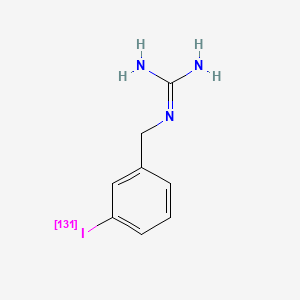
Iobenguane (131I); Iobenguane I 131; Iobeguane I 131; 3-Iodobenzylguanidine; 131I-MIBG; Azedra

77679-27-7 CAS NUMBER

PATENT US 4584187

Guanidine, [[3-(iodo-131I)phenyl]methyl]-

  • [[3-(Iodo-131I)phenyl]methyl]guanidine
  • 131I-MIBG
  • Azedra
  • Iobenguane (131I)
  • Iobenguane I 131
  • Ultratrace Iobenguane 131I
  • [131I]-m-Iodobenzylguanidine
  • [131I]-m-Iodobenzylguanidine
  • m-Iodobenzylguanidine-131I
  • m-[131I]Iodobenzylguanidine
Molecular Formula: C8H10IN3
Molecular Weight: 279.095 g/mol
 
Image result for Iobenguane I 131Image result for Iobenguane I 131
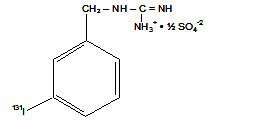
(I 131-meta-iodobenzylguanidine sulfate)
Iobenguane sulfate; M-Iodobenzylguanidine hemisulfate; MIBG; 87862-25-7; 3-Iodobenzylguanidine hemisulfate; 3-Iodobenzyl-guanidine hemisulfate
Molecular Formula: C16H22I2N6O4S
Molecular Weight: 648.259 g/mol

AdreView
(iobenguane I 123) Injection for Intravenous Use

wdt-16

join me on Linkedin

Anthony Melvin Crasto Ph.D – India | LinkedIn

  •  

join me on Researchgate

RESEARCHGATE

This image has an empty alt attribute; its file name is research.jpg

join me on Facebook

Anthony Melvin Crasto Dr. | Facebook

join me on twitter 

Anthony Melvin Crasto Dr. | twitter

+919321316780 call whatsaapp

EMAIL. amcrasto@gmail.com

SYN

CN 106187824

DESCRIPTION

AdreView (iobenguane I 123 Injection) is a sterile, pyrogen-free radiopharmaceutical for intravenous injection. Each mL contains 0.08 mg iobenguane sulfate, 74 MBq (2 mCi) of I 123 (as iobenguane sulfate I 123) at calibration date and time on the label, 23 mg sodium dihydrogen phosphate dihydrate, 2.8 mg disodium hydrogen phosphate dihydrate and 10.3 mg (1% v/v) benzyl alcohol with a pH of 5.0 – 6.5. Iobenguane sulfate I 123 is also known as I 123 meta-iodobenzlyguanidine sulfate and has the following structural formula:

AdreView (iobenguane I 123) Structural Formula Illustration

Physical Characteristics

Iodine 123 is a cyclotron-produced radionuclide that decays to Te 123 by electron capture and has a physical half-life of 13.2 hours.


Iobenguane I-131 is a guanidine analog with specific affinity for tissues of the sympathetic nervous system and related tumors. The radiolabeled forms are used as antineoplastic agents and radioactive imaging agents. (Merck Index, 12th ed) MIBG serves as a neuron-blocking agent which has a strong affinity for, and retention in, the adrenal medulla and also inhibits ADP-ribosyltransferase.

Iobenguane i-131 is a Radioactive Diagnostic Agent. The mechanism of action of iobenguane i-131 is as a Radiopharmaceutical Activity.

Iobenguane I-131 is an I 131 radioiodinated synthetic analogue of the neurotransmitter norepinephrineIobenguane localizes to adrenergic tissue and, in radioiodinated forms, may be used to image or eradicate tumor cells that take up and metabolize norepinephrine.

Iobenguane, also known as metaiodobenzylguanidine or mIBG, or MIBG (tradename Adreview) is a radiopharmaceutical,[1] used in a scintigraphy method called MIBG scan. Iobenguane is a radiolabeled molecule similar to noradrenaline.

The radioisotope of iodine used for the label can be iodine-123 (for imaging purposes only) or iodine-131 (which must be used when tissue destruction is desired, but is sometimes used for imaging also).


Pheochromocytoma seen as dark sphere in center of the body (it is in the left adrenal gland). Image is by MIBG scintigraphy, with radiation from radioiodine in the MIBG. Two images are seen of the same patient from front and back. Note dark image of the thyroid due to unwanted uptake of iodide radioiodine from breakdown of the pharmaceutical, by the thyroid gland in the neck. Uptake at the side of the head are from the salivary glands. Radioactivity is also seen in the bladder, from normal renal excretion of iodide.

It localizes to adrenergic tissue and thus can be used to identify the location of tumors[2] such as pheochromocytomas and neuroblastomas. With I-131 it can also be used to eradicate tumor cells that take up and metabolize norepinephrine.

Thyroid precautions

Thyroid blockade with (nonradioactive) potassium iodide is indicated for nuclear medicine scintigraphy with iobenguane/mIBG. This competitively inhibits radioiodine uptake, preventing excessive radioiodine levels in the thyroid and minimizing the risk of thyroid ablation ( in the case of I-131). The minimal risk of thyroid carcinogenesis is also reduced as a result.

The FDA-approved dosing of potassium iodide for this purpose are as follows: infants less than 1 month old, 16 mg; children 1 month to 3 years, 32 mg; children 3 years to 18 years, 65 mg; adults 130 mg.[3] However, some sources recommend alternative dosing regimens.[4]

Not all sources are in agreement on the necessary duration of thyroid blockade, although agreement appears to have been reached about the necessity of blockade for both scintigraphic and therapeutic applications of iobenguane. Commercially available iobenguane is labeled with iodine-123, and product labeling recommends administration of potassium iodide 1 hour prior to administration of the radiopharmaceutical for all age groups,[5] while the European Associated of Nuclear Medicine recommends (for iobenguane labeled with either I-131 or I-123,) that potassium iodide administration begin one day prior to radiopharmaceutical administration, and continue until the day following the injection, with the exception of newborns, who do not require potassium iodide doses following radiopharmaceutical injection.[4]

Product labeling for diagnostic iodine-131 iobenguane recommends potassium iodide administration one day before injection and continuing 5 to 7 days following.[6] Iodine-131 iobenguane used for therapeutic purposes requires a different pre-medication duration, beginning 24–48 hours prior to iobenguane injection and continuing 10–15 days following injection.[7]

Alternative imaging modality for pheochromocytoma

The FDOPA PET/CT scan has proven to be nearly 100% sensitive for detection of pheochromocytomas, vs. 90% for MIBG scans.[8][9][10] Centers which offer FDOPA PET/CT, however, are rare.

Clinical trials

Iobenguane I 131 for cancers

Iobenguane I 131 (as Azedra) has had a clinical trial as a treatment for malignant, recurrent or unresectable pheochromocytoma and paraganglioma, and the US FDA has granted it a Priority Review.[11]

 
PATENTS
Patent ID


Title


Submitted Date


Granted Date


US7658910 PREPARATION OF RADIOLABELLED HALOAROMATICS VIA POLYMER-BOUND INTERMEDIATES
2008-04-10
2010-02-09
US2008241063 Combination set of Meta-Iodobenzyl guanidine freezing crystal and making method thereof and method for making a radioactive iodine marker
2007-03-29
2008-10-02
US7273601 Preparation of radiolabelled haloaromatics via polymer-bound intermediates
2003-01-16
2007-09-25
US6461585 Preparation of radiolabelled haloaromatics via polymer-bound intermediates
2002-10-08
US2010274052 PREPARATION OF RADIOLABELLED HALOAROMATICS VIA POLYMER-BOUND INTERMEDIATES
2010-10-28
/////////////// Azedra, iobenguane I 131, fda 2018, Progenics Pharmaceuticals, Fast TrackBreakthrough Therapy,  Priority Review, orphan drug, Iobenguane (131I), Iobenguane I 131, Iobeguane I 131, 3-Iodobenzylguanidine, 131I-MIBG, Azedra
C1=CC(=CC(=C1)I)CN=C(N)N
wdt-4

NEW DRUG APPROVALS

ONE TIME

$10.00

FDA approves first treatment Azedra (iobenguane I 131) for rare adrenal tumors


FDA approves first treatment for rare adrenal tumors

The U.S. Food and Drug Administration today approved Azedra (iobenguane I 131) injection for intravenous use for the treatment of adults and adolescents age 12 and older with rare tumors of the adrenal gland (pheochromocytoma or paraganglioma) that cannot be surgically removed (unresectable), have spread beyond the original tumor site and require systemic anticancer therapy. This is the first FDA-approved drug for this use.

July 30, 2018

Release

The U.S. Food and Drug Administration today approved Azedra (iobenguane I 131) injection for intravenous use for the treatment of adults and adolescents age 12 and older with rare tumors of the adrenal gland (pheochromocytoma or paraganglioma) that cannot be surgically removed (unresectable), have spread beyond the original tumor site and require systemic anticancer therapy. This is the first FDA-approved drug for this use.

“Many patients with these ultra-rare cancers can be treated with surgery or local therapies, but there are no effective systemic treatments for patients who experience tumor-related symptoms such as high blood pressure,” said Richard Pazdur, M.D., director of the FDA’s Oncology Center of Excellence and acting director of the Office of Hematology and Oncology Products in the FDA’s Center for Drug Evaluation and Research. “Patients will now have an approved therapy that has been shown to decrease the need for blood pressure medication and reduce tumor size in some patients.”

Pheochromocytomas are rare tumors of the adrenal glands. These glands are located right above the kidneys and make hormones including stress hormones called epinephrines and norepinephrines. Pheochromocytomas increase the production of these hormones, leading to hypertension (high blood pressure) and symptoms such as headaches, irritability, sweating, rapid heart rate, nausea, vomiting, weight loss, weakness, chest pain or anxiety. When this type of tumor occurs outside the adrenal gland, it is called a paraganglioma.

The efficacy of Azedra was shown in a single-arm, open-label, clinical trial in 68 patients that measured the number of patients who experienced a 50 percent or greater reduction of all antihypertensive medications lasting for at least six months. This endpoint was supported by the secondary endpoint, overall tumor response measured by traditional imaging criteria. The study met the primary endpoint, with 17 (25 percent) of the 68 evaluable patients experiencing a 50 percent or greater reduction of all antihypertensive medication for at least six months. Overall tumor response was achieved in 15 (22 percent) of the patients studied.

The most common severe side effects reported by patients receiving Azedra in clinical trials included low levels of white blood cells (lymphopenia), abnormally low count of a type of white blood cells (neutropenia), low blood platelet count (thrombocytopenia), fatigue, anemia, increased international normalized ratio (a laboratory test which measures blood clotting), nausea, dizziness, hypertension and vomiting.

As it is a radioactive therapeutic agent, Azedra includes a warning about radiation exposure to patients and family members, which should be minimized while the patient is receiving Azedra. The risk of radiation exposure is greater in pediatric patients. Other warnings and precautions include a risk of lower levels of blood cells (myelosuppression), underactive thyroid, elevations in blood pressure, renal failure or kidney injury and inflammation of lung tissue (pneumonitis). Myelodysplastic syndrome and acute leukemias, which are cancers of the blood and bone marrow, were observed in patients who received Azedra, and the magnitude of this risk will continue to be studied. Azedra can cause harm to a developing fetus; women should be advised of the potential risk to the fetus and to use effective contraception after receiving Azedra. Radiation exposure associated with Azedra may cause infertility in males and females.

The FDA granted this application Fast TrackBreakthrough Therapy and Priority Review designations. Azedra also received Orphan Drug designation, which provides incentives to assist and encourage the development of drugs for rare diseases.

The FDA granted the approval of Azedra to Progenics Pharmaceuticals, Inc.

https://www.fda.gov/NewsEvents/Newsroom/PressAnnouncements/ucm615155.htm?utm_campaign=07302018_PR_treatment%20for%20rare%20adrenal%20tumors&utm_medium=email&utm_source=Eloqua

/////////////// Azedra, iobenguane I 131, fda 2018, Progenics Pharmaceuticals, Fast TrackBreakthrough Therapy,  Priority Review, orphan drug,

Burosumab-twza, ブロスマブ


> Burosumab Heavy Chain Sequence
QVQLVQSGAEVKKPGASVKVSCKASGYTFTNHYMHWVRQAPGQGLEWMGIINPISGSTSN
AQKFQGRVTMTRDTSTSTVYMELSSLRSEDTAVYYCARDIVDAFDFWGQGTMVTVSSAST
KGPSVFPLAPSSKSTSGGTAALGCLVKDYFPEPVTVSWNSGALTSGVHTFPAVLQSSGLY
SLSSVVTVPSSSLGTQTYICNVNHKPSNTKVDKKVEPKSCDKTHTCPPCPAPELLGGPSV
FLFPPKPKDTLMISRTPEVTCVVVDVSHEDPEVKFNWYVDGVEVHNAKTKPREEQYNSTY
RVVSVLTVLHQDWLNGKEYKCKVSNKALPAPIEKTISKAKGQPREPQVYTLPPSRDELTK
NQVSLTCLVKGFYPSDIAVEWESNGQPENNYKTTPPVLDSDGSFFLYSKLTVDKSRWQQG
NVFSCSVMHEALHNHYTQKSLSLSPGK
> Burosumab Light Chain Sequence
AIQLTQSPSSLSASVGDRVTITCRASQGISSALVWYQQKPGKAPKLLIYDASSLESGVPS
RFSGSGSGTDFTLTISSLQPEDFATYYCQQFNDYFTFGPGTKVDIKRTVAAPSVFIFPPS
DEQLKSGTASVVCLLNNFYPREAKVQWKVDNALQSGNSQESVTEQDSKDSTYSLSSTLTL
SKADYEKHKVYACEVTHQGLSSPVTKSFNRGEC

ALSO

(Heavy chain)
QVQLVQSGAE VKKPGASVKV SCKASGYTFT NHYMHWVRQA PGQGLEWMGI INPISGSTSN
AQKFQGRVTM TRDTSTSTVY MELSSLRSED TAVYYCARDI VDAFDFWGQG TMVTVSSAST
KGPSVFPLAP SSKSTSGGTA ALGCLVKDYF PEPVTVSWNS GALTSGVHTF PAVLQSSGLY
SLSSVVTVPS SSLGTQTYIC NVNHKPSNTK VDKKVEPKSC DKTHTCPPCP APELLGGPSV
FLFPPKPKDT LMISRTPEVT CVVVDVSHED PEVKFNWYVD GVEVHNAKTK PREEQYNSTY
RVVSVLTVLH QDWLNGKEYK CKVSNKALPA PIEKTISKAK GQPREPQVYT LPPSRDELTK
NQVSLTCLVK GFYPSDIAVE WESNGQPENN YKTTPPVLDS DGSFFLYSKL TVDKSRWQQG
NVFSCSVMHE ALHNHYTQKS LSLSPGK
(Light chain)
AIQLTQSPSS LSASVGDRVT ITCRASQGIS SALVWYQQKP GKAPKLLIYD ASSLESGVPS
RFSGSGSGTD FTLTISSLQP EDFATYYCQQ FNDYFTFGPG TKVDIKRTVA APSVFIFPPS
DEQLKSGTAS VVCLLNNFYP REAKVQWKVD NALQSGNSQE SVTEQDSKDS TYSLSSTLTL
SKADYEKHKV YACEVTHQGL SSPVTKSFNR GEC
(dimer; disulfide bridge:H22-H96, H144-H200, H220-L213, H220-H’226, H229-H’229, H261-H321, H367-H425, H’22-H’96, H’144-H’200, H’220-L’213, H’261-H’321, H’367-H’425, L23-L88, L133-L193, L’23-L’88, L’133-L’193)

Burosumab-twza, KRN 23

ブロスマブ

CAS1610833-03-8

UNII G9WJT6RD29

Protein chemical formulaC6388H9904N1700O2006S46

Protein average weight144100.0 Da

Protein Based Therapies
Monoclonal antibody (mAb)

breakthrough therapy and orphan drug designations

Approval Status:Approved April 2018

Specific Treatments:X-linked hypophosphatemia

Crysvita (burosumab-twza) is a fibroblast growth factor 23 (FGF23) blocking antibody.

This drug is indicated for the treatment of X-linked hypophosphatemia with radiological evidence of bone disease in children of 1 year of age and older and adolescents with growing skeletons [4].

Burosumab (INN, trade name Crysvita) known as KRN23 is a human monoclonal antibody designed for the treatment of X-linked hypophosphatemia.[1][2][3] Burosumab was approved by the FDA for its intended purpose, in patients aged 1 year and older, on 17 April 2018.[4] The FDA approval fell under both the breakthrough therapy and orphan drug designations.[4]

This drug was developed by Ultragenyx and is in a collaborative license agreement with Kyowa Hakko Kirin.[5]

Burosumab (KRN23) is an entirely human monoclonal IgG1 antibody that binds excess fibroblast growth factor 23 (FGF23) and has been successfully tested in clinical trials in children with X-linked hypophosphatemic rickets [1].

The U.S. Food and Drug Administration approved Crysvita (burosumab) in April 2018. This is the first drug approved to treat adults and children ages 1 year and older with X-linked hypophosphatemia (XLH), which is a rare, inherited form of rickets. X-linked hypophosphatemia causes low circulating levels of phosphorus in the blood. It causes impaired bone growth and development in children and adolescents and issues with bone mineralization throughout a patient’s life [3].

XLH is a serious disease which affects about 3,000 children and 12,000 adults in the United States. Most children with XLH suffer from bowed or bent legs, short stature, bone pain and severe dental pain. Some adults with this condition suffer from persistent, unrelenting discomfort and complications, such as joint pain, impaired mobility, tooth abscesses and hearing loss [3]

Crysvita is specifically indicated for the treatment of X-linked hypophosphatemia (XLH) in adult and pediatric patients 1 year of age and older.

Crysvita is supplied as a subcutaneous injection. The recommended starting dose for pediatrics is 0.8 mg/kg of body weight, rounded to the nearest 10 mg, administered every two weeks. The minimum starting dose is 10 mg up to a maximum dose of 90 mg. After initiation of treatment with Crysvita, measure fasting serum phosphorus every 4 weeks for the first 3 months of treatment, and thereafter as appropriate. If serum phosphorus is above the lower limit of the reference range for age and below 5 mg/dL, continue treatment with the same dose. Follow dose adjustment schedule per the drug label. The recommended dose regimen in adults is 1 mg/kg body weight, rounded to the nearest 10 mg up to a maximum dose of 90 mg, administered every four weeks.  After initiation of treatment with Crysvita, assess fasting serum phosphorus on a monthly basis, measured 2 weeks post-dose, for the first 3 months of treatment, and thereafter as appropriate. If serum phosphorus is within the normal range, continue with the same dose. See drug label for specific dose adjustments.

Mechanism of Action

Crysvita (burosumab-twza) is a fibroblast growth factor 23 (FGF23) blocking antibody. X-linked hypophosphatemia is caused by excess fibroblast growth factor 23 (FGF23) which suppresses renal tubular phosphate reabsorption and the renal production of 1,25 dihydroxy vitamin D. Burosumab-twza binds to and inhibits the biological activity of FGF23 restoring renal phosphate reabsorption and increasing the serum concentration of 1,25 dihydroxy vitamin D.

REFERENCES

1 file:///H:/761068Orig1s000ChemR.pdf

REF

  • Kutilek S: Burosumab: A new drug to treat hypophosphatemic rickets. Sudan J Paediatr. 2017;17(2):71-73. doi: 10.24911/SJP.2017.2.11. [PubMed:29545670]
  • Kinoshita Y, Fukumoto S: X-linked hypophosphatemia and FGF23-related hypophosphatemic diseases -Prospect for new treatment. Endocr Rev. 2018 Jan 26. pii: 4825438. doi: 10.1210/er.2017-00220. [PubMed:29381780]
  • FDA approves first therapy for rare inherited form of rickets, x-linked hypophosphatemia [Link]
  • Crysvita Drug Label [Link]
  • Burosumab for a rare bone disease [Link]
  • DRUG: Burosumab [Link]
  • NHS document [Link]
  • Burosumab for XLH [Link]
Burosumab
Monoclonal antibody
Type Whole antibody
Source Human
Target FGF 23
Clinical data
Trade names Crysvita
Synonyms KRN23
ATC code
Identifiers
CAS Number
ChemSpider
  • none
UNII
KEGG
Chemical and physical data
Formula C6388H9904N1700O2006S46
Molar mass 144.1 kDa

References

//////////////Burosumab-twza, Crysvita  FDA 2018, BLA 761068, Protein Based Therapies, Monoclonal antibody, mAb, KRN 23,  breakthrough therapyorphan drug designations, Peptide, ブロスマブ

FDA approves first therapy Crysvita (burosumab) for rare inherited form of rickets, x-linked hypophosphatemia


FDA approves first therapy for rare inherited form of rickets, x-linked hypophosphatemia

The U.S. Food and Drug Administration today approved Crysvita (burosumab), the first drug approved to treat adults and children ages 1 year and older with x-linked hypophosphatemia (XLH), a rare, inherited form of rickets. XLH causes low levels of phosphorus in the blood. It leads to impaired bone growth and development in children and adolescents and problems with bone mineralization throughout a patient’s life.

April 17, 2018

Release

The U.S. Food and Drug Administration today approved Crysvita (burosumab), the first drug approved to treat adults and children ages 1 year and older with x-linked hypophosphatemia (XLH), a rare, inherited form of rickets. XLH causes low levels of phosphorus in the blood. It leads to impaired bone growth and development in children and adolescents and problems with bone mineralization throughout a patient’s life.

“XLH differs from other forms of rickets in that vitamin D therapy is not effective,” stated Julie Beitz, M.D., director of the Office of Drug Evaluation III in the FDA’s Center for Drug Evaluation and Research. “This is the first FDA-approved medication for the treatment of XLH and a real breakthrough for those living with this serious disease.”

XLH is a serious disease affecting approximately 3,000 children and 12,000 adults in the United States. Most children with XLH experience bowed or bent legs, short stature, bone pain and severe dental pain. Some adults with XLH experience persistent discomfort or complications, such as joint pain, impaired mobility, tooth abscesses and hearing loss.

The safety and efficacy of Crysvita were studied in four clinical trials. In the placebo-controlled trial, 94 percent of adults receiving Crysvita once a month achieved normal phosphorus levels compared to 8 percent of those receiving placebo. In children, 94 to 100 percent of patients treated with Crysvita every two weeks achieved normal phosphorus levels. In both children and adults, X-ray findings associated with XLH improved with Crysvita therapy. Comparison of the results to a natural history cohort also provided support for the effectiveness of Crysvita.

The most common adverse reactions in adults taking Crysvita were back pain, headache, restless leg syndrome, decreased vitamin D, dizziness and constipation. The most common adverse reactions in children were headache, injection site reaction, vomiting, decreased vitamin D and pyrexia (fever).

Crysvita was granted Breakthrough Therapy designation, under which the FDA provides intensive guidance to the company on efficient drug development, and expedites its review of drugs that are intended to treat serious conditions where clinical evidence shows the drug may represent a substantial improvement over other available therapies. Crysvita also received Orphan Drug designation, which provides incentives to assist and encourage the development of drugs for rare diseases.

The sponsor is receiving a Rare Pediatric Disease Priority Review Voucher under a program intended to encourage development of new drugs and biologics for the prevention and treatment of rare pediatric diseases. A voucher can be redeemed at a later date to receive Priority Review of a subsequent marketing application for a different product. This is the 14th Rare Pediatric Disease Priority Review Voucher issued by the FDA since the program began.

The FDA granted approval of Crysvita to Ultragenyx Pharmaceutical Inc.


////////////fda 2018, Crysvita, burosumab, Breakthrough Therapy, priority review.  Ultragenyx Pharmaceutical Inc

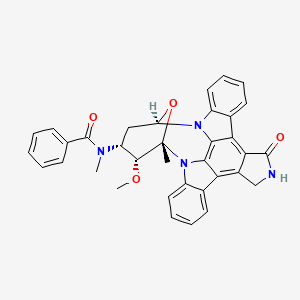
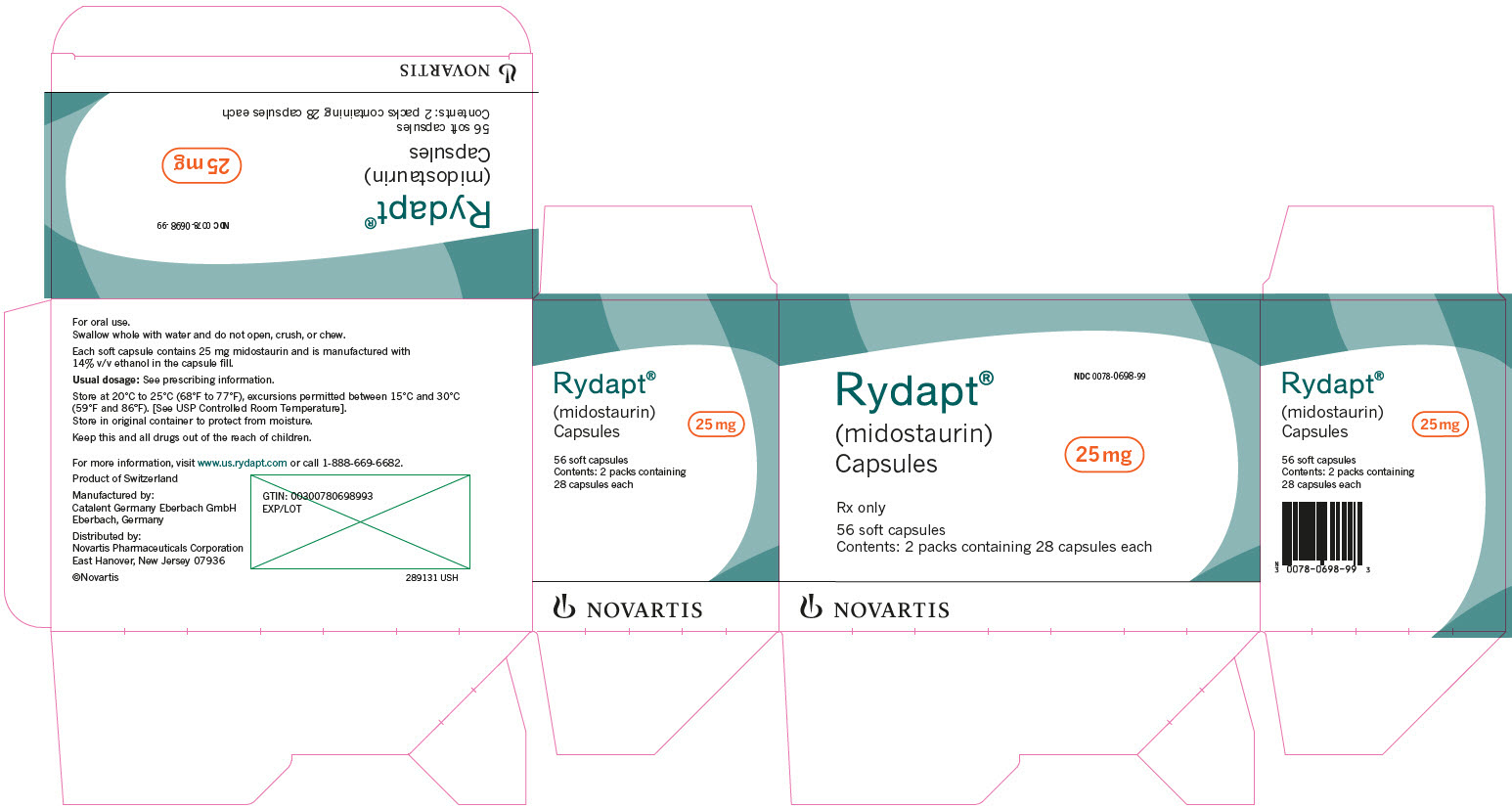
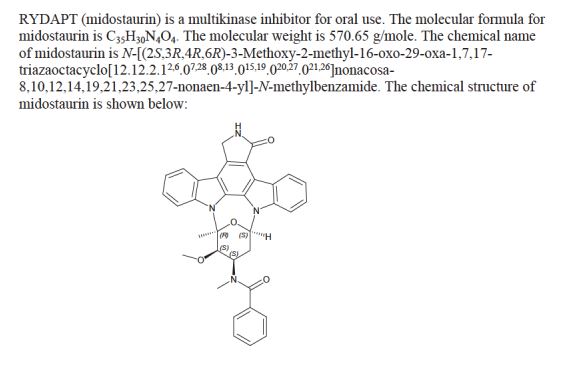
FDA approves new combination treatment for acute myeloid leukemia, Rydapt (midostaurin)


MIDOSTAURIN

04/28/2017
The U.S. Food and Drug Administration today approved Rydapt (midostaurin) for the treatment of adult patients with newly diagnosed acute myeloid leukemia (AML) who have a specific genetic mutation called FLT3, in combination with chemotherapy. The drug is approved for use with a companion diagnostic, the LeukoStrat CDx FLT3 Mutation Assay, which is used to detect the FLT3 mutation in patients with AML.

April 28, 2017

Release

The U.S. Food and Drug Administration today approved Rydapt (midostaurin) for the treatment of adult patients with newly diagnosed acute myeloid leukemia (AML) who have a specific genetic mutation called FLT3, in combination with chemotherapy. The drug is approved for use with a companion diagnostic, the LeukoStrat CDx FLT3 Mutation Assay, which is used to detect the FLT3 mutation in patients with AML.

AML is a rapidly progressing cancer that forms in the bone marrow and results in an increased number of white blood cells in the bloodstream. The National Cancer Institute estimated that approximately 19,930 people would be diagnosed with AML in 2016 and 10,430 were projected to die of the disease.

“Rydapt is the first targeted therapy to treat patients with AML, in combination with chemotherapy,” said Richard Pazdur, M.D., acting director of the Office of Hematology and Oncology Products in the FDA’s Center for Drug Evaluation and Research and director of the FDA’s Oncology Center of Excellence. “The ability to detect the gene mutation with a diagnostic test means doctors can identify specific patients who may benefit from this treatment.”

Rydapt is a kinase inhibitor that works by blocking several enzymes that promote cell growth. If the FLT3 mutation is detected in blood or bone marrow samples using the LeukoStrat CDx FLT3 Mutation Assay, the patient may be eligible for treatment with Rydapt in combination with chemotherapy.

The safety and efficacy of Rydapt for patients with AML were studied in a randomized trial of 717 patients who had not been treated previously for AML. In the trial, patients who received Rydapt in combination with chemotherapy lived longer than patients who received chemotherapy alone, although a specific median survival rate could not be reliably estimated. In addition, patients who received Rydapt in combination with chemotherapy in the trial went longer (median 8.2 months) without certain complications (failure to achieve complete remission within 60 days of starting treatment, progression of leukemia or death) than patients who received chemotherapy alone (median three months).

Common side effects of Rydapt in patients with AML include low levels of white blood cells with fever (febrile neutropenia), nausea, inflammation of the mucous membranes (mucositis), vomiting, headache, spots on the skin due to bleeding (petechiae), musculoskeletal pain, nosebleeds (epistaxis), device-related infection, high blood sugar (hyperglycemia) and upper respiratory tract infection. Rydapt should not be used in patients with hypersensitivity to midostaurin or other ingredients in Rydapt. Women who are pregnant or breastfeeding should not take Rydapt because it may cause harm to a developing fetus or a newborn baby. Patients who experience signs or symptoms of lung damage (pulmonary toxicity) should stop using Rydapt.

Rydapt was also approved today for adults with certain types of rare blood disorders (aggressive systemic mastocytosis, systemic mastocytosis with associated hematological neoplasm or mast cell leukemia). Common side effects of Rydapt in these patients include nausea, vomiting, diarrhea, swelling (edema), musculoskeletal pain, abdominal pain, fatigue, upper respiratory tract infection, constipation, fever, headache and shortness of breath.

The FDA granted this application Priority Review, Fast Track (for the mastocytosis indication) and Breakthrough Therapy (for the AML indication) designations.

The FDA granted the approval of Rydapt to Novartis Pharmaceuticals Corporation. The FDA granted the approval of the LeukoStrat CDx FLT3 Mutation Assay to Invivoscribe Technologies Inc.

MIDOSTAURIN

(9S,10R,11R,13R)-2,3,10,11,12,13-Hexahydro-10-methoxy-9-methyl-11-(methylamino)-9,13-epoxy-1H,9H-diindolo[1,2,3-gh:3′,2′,1′-lm]pyrrolo[3,4-j][1,7]benzodiamzonine-1-one

N-[(9S,10R,11R,13R)-2,3,10,11,12,13-Hexahydro-10-methoxy-9-methyl-1-oxo-9,13-epoxy-1H,9H-diindolo[1,2,3-gh:3′,2′,1′-lm]pyrrolo[3,4-j][1,7]benzodiazonin-11-yl]-N-methylbenzamide

N-((9S,10R,11R,13R)-2,3,9,10,11,12-hexahydro-10-methoxy-9-methyl-1-oxo-9,13-epoxy-1H,9H-diindolo(1,2,3-gh:3′,2′,1′-lm)pyrrolo(3,4-j)(1,7)benzodiazonin-11-yl)-N-methyl-,

N-[(2R,4R,5R,6S)-5-methoxy-6-methyl-18-oxo-29-oxa-1,7,17-triazaoctacyclo[12.12.2.12,6.07,28.08,13.015,19.020,27.021,26]nonacosa-8,10,12,14(28),15(19),20(27),21(26),22,24-nonaen-4-yl]-N-methylbenzamide hydrate

N-benzoyl staurosporine

NOVARTIS ONCOLOGY ORIGINATOR

Chemical Formula: C35H30N4O4

Exact Mass: 570.22671

Molecular Weight: 570.63710

Elemental Analysis: C, 73.67; H, 5.30; N, 9.82; O, 11.22

Tyrosine kinase inhibitors

PKC 412。PKC412A。CGP 41251。Benzoylstaurosporine;4′-N-Benzoylstaurosporine;Cgp 41251;Cgp 41 251.

120685-11-2 CAS

PHASE 3

  • 4′-N-Benzoylstaurosporine
  • Benzoylstaurosporine
  • Cgp 41 251
  • CGP 41251
  • CGP-41251
  • Midostaurin
  • PKC 412
  • PKC412
  • UNII-ID912S5VON

Midostaurin is an inhibitor of tyrosine kinase, protein kinase C, and VEGF. Midostaurin inhibits cell growth and phosphorylation of FLT3, STAT5, and ERK. It is a potent inhibitor of a spectrum of FLT3 activation loop mutations.

it  is prepared by acylation of the alkaloid staurosporine (I) with benzoyl chloride (II) in the presence of diisopropylethylamine in chloroform.Production Route of Midostaurin

Midostaurin is a synthetic indolocarbazole multikinase inhibitor with potential antiangiogenic and antineoplastic activities. Midostaurin inhibits protein kinase C alpha (PKCalpha), vascular endothelial growth factor receptor 2 (VEGFR2), c-kit, platelet-derived growth factor receptor (PDGFR) and FMS-like tyrosine kinase 3 (FLT3) tyrosine kinases, which may result in disruption of the cell cycle, inhibition of proliferation, apoptosis, and inhibition of angiogenesis in susceptible tumors.

MIDOSTAURIN

Derivative of staurosporin, orally active, potent inhibitor of FLT3 tyrosine kinase (fetal liver tyrosine kinase 3). In addition Midostaurin inhibits further molecular targets such as VEGFR-1 (Vascular Endothelial Growth Factor Receptor 1), c-kit (stem cell factor receptor), H-and K-RAS (Rat Sarcoma Viral homologue) and MDR (multidrug resistance protein).

Midostaurin inhibits both wild-type FLT3 and FLT3 mutant, wherein the internal tandem duplication mutations (FLT3-ITD), and the point mutation to be inhibited in the tyrosine kinase domain of the molecule at positions 835 and 836.Midostaurin is tested in patients with AML.

Midostaurin, a protein kinase C (PKC) and Flt3 (FLK2/STK1) inhibitor, is in phase III clinical development at originator Novartis for the oral treatment of acute myeloid leukemia (AML).

Novartis is conducting phase III clinical trials for the treatment of aggressive systemic mastocytosis or mast cell leukemia. The National Cancer Institute (NCI) is conducting phase I/II trials with the drug for the treatment of chronic myelomonocytic leukemia (CMML) and myelodysplastic syndrome (MDS).

Massachusetts General Hospital is conducting phase I clinical trials for the treatment of adenocarcinoma of the rectum in combination with radiation and standard chemotherapy.

MIDOSTAURIN

Midostaurin (PKC412) is a multi-target protein kinase inhibitor being investigated for the treatment of acute myeloid leukemia (AML) and myelodysplastic syndrome (MDS). It is a semi-synthetic derivative of staurosporine, an alkaloid from the bacterium Streptomyces staurosporeus, and is active in patients with mutations of CD135 (FMS-like tyrosine kinase 3 receptor).[1]

After successful Phase II clinical trials, a Phase III trial for AML has started in 2008. It is testing midostaurin in combination with daunorubicin and cytarabine.[2] In another trial, the substance has proven ineffective in metastatic melanoma.[3]

Midostaurin has also been studied at Johns Hopkins University for the treatment of age-related macular degeneration (AMD), but no recent progress reports for this indication have been made available. Trials in macular edema of diabetic origin were discontinued at Novartis.

In 2004, orphan drug designation was received in the E.U. for the treatment of AML. In 2009 and 2010, orphan drug designation was assigned for the treatment of acute myeloid leukemia and for the treatment of mastocytosis, respectively, in the U.S. In 2010, orphan drug designation was assigned in the E.U. for the latter indication.

MIDOSTAURIN

References

  1.  Fischer, T.; Stone, R. M.; Deangelo, D. J.; Galinsky, I.; Estey, E.; Lanza, C.; Fox, E.; Ehninger, G.; Feldman, E. J.; Schiller, G. J.; Klimek, V. M.; Nimer, S. D.; Gilliland, D. G.; Dutreix, C.; Huntsman-Labed, A.; Virkus, J.; Giles, F. J. (2010). “Phase IIB Trial of Oral Midostaurin (PKC412), the FMS-Like Tyrosine Kinase 3 Receptor (FLT3) and Multi-Targeted Kinase Inhibitor, in Patients with Acute Myeloid Leukemia and High-Risk Myelodysplastic Syndrome with Either Wild-Type or Mutated FLT3”. Journal of Clinical Oncology 28 (28): 4339–4345. doi:10.1200/JCO.2010.28.9678PMID 20733134edit
  2.  ClinicalTrials.gov NCT00651261 Daunorubicin, Cytarabine, and Midostaurin in Treating Patients With Newly Diagnosed Acute Myeloid Leukemia
  3.  Millward, M. J.; House, C.; Bowtell, D.; Webster, L.; Olver, I. N.; Gore, M.; Copeman, M.; Lynch, K.; Yap, A.; Wang, Y.; Cohen, P. S.; Zalcberg, J. (2006). “The multikinase inhibitor midostaurin (PKC412A) lacks activity in metastatic melanoma: a phase IIA clinical and biologic study”British Journal of Cancer 95 (7): 829–834. doi:10.1038/sj.bjc.6603331PMC 2360547PMID 16969355.
    1. Midostaurin product page, Fermentek
    2.  Wang, Y; Yin, OQ; Graf, P; Kisicki, JC; Schran, H (2008). “Dose- and Time-Dependent Pharmacokinetics of Midostaurin in Patients With Diabetes Mellitus”. J Clin Pharmacol 48 (6): 763–775. doi:10.1177/0091270008318006PMID 18508951.
    3.  Ryan KS (2008). “Structural studies of rebeccamycin, staurosporine, and violacein biosynthetic enzymes”Ph.D. Thesis. Massachusetts Institute of Technology.

Bioorg Med Chem Lett 1994, 4(3): 399

US 5093330

EP 0657164

EP 0711556

EP 0733358

WO 1998007415

WO 2002076432

WO 2003024420

WO 2003037347

WO 2004112794

WO 2005027910

WO 2005040415

WO 2006024494

WO 2006048296

WO 2006061199

WO 2007017497

WO 2013086133

WO 2012016050

WO 2011000811

8-1-2013
Identification of potent Yes1 kinase inhibitors using a library screening approach.
Bioorganic & medicinal chemistry letters
 
3-1-2013
Evaluation of potential Myt1 kinase inhibitors by TR-FRET based binding assay.
European journal of medicinal chemistry
2-23-2012
Testing the promiscuity of commercial kinase inhibitors against the AGC kinase group using a split-luciferase screen.
Journal of medicinal chemistry
 
1-26-2012
VX-322: a novel dual receptor tyrosine kinase inhibitor for the treatment of acute myelogenous leukemia.
Journal of medicinal chemistry
1-1-2012
H2O2 production downstream of FLT3 is mediated by p22phox in the endoplasmic reticulum and is required for STAT5 signalling.
PloS one
10-27-2011
Discovery of 3-(2,6-dichloro-3,5-dimethoxy-phenyl)-1-{6-[4-(4-ethyl-piperazin-1-yl)-phenylamino]-pyrimidin-4-yl}-1-methyl-urea (NVP-BGJ398), a potent and selective inhibitor of the fibroblast growth factor receptor family of receptor tyrosine kinase.
Journal of medicinal chemistry
 
6-1-2011
Discovery, synthesis, and investigation of the antitumor activity of novel piperazinylpyrimidine derivatives.
European journal of medicinal chemistry
3-1-2010
Colony stimulating factor-1 receptor as a target for small molecule inhibitors.
Bioorganic & medicinal chemistry
7-18-2012
Staurosporine Derivatives as Inhibitors of FLT3 Receptor Tyrosine Kinase Activity
6-13-2012
Crystal form of N-benzoyl-staurosporine
12-14-2011
COMPOSITIONS FOR TREATMENT OF SYSTEMIC MASTOCYTOSIS
7-6-2011
Staurosporine derivatives as inhibitors of flt3 receptor tyrosine kinase activity
7-6-2011
Staurosporine Derivatives for Use in Alveolar Rhabdomyosarcoma
12-10-2010
Pharmaceutical Compositions for treating wouds and related methods
11-5-2010
COMBINATIONS OF JAK INHIBITORS
7-23-2010
COMBINATIONS COMPRISING STAUROSPORINES
3-5-2010
COMBINATION OF IAP INHIBITORS AND FLT3 INHIBITORS
1-29-2010
ANTI-CANCER PHOSPHONATE ANALOGS
1-13-2010
Therapeutic phosphonate compounds
11-20-2009
Use of Staurosporine Derivatives for the Treatment of Multiple Myeloma
7-17-2009
KINASE INHIBITORY PHOSPHONATE ANALOGS
6-19-2009
Organic Compounds
3-20-2009
Use of Midostaurin for Treating Gastrointestinal Stromal Tumors
11-21-2008
PHARMACEUTICAL COMPOSITIONS COMPRISING A POORLY WATER-SOLUBLE ACTIVE INGREDIENT, A SURFACTANT AND A WATER-SOLUBLE POLYMER
11-19-2008
Anti-cancer phosphonate analogs
9-12-2008
Multi-Functional Small Molecules as Anti-Proliferative Agents
9-5-2008
Sensitization of Drug-Resistant Lung Caners to Protein Kinase Inhibitors
8-29-2008
Organic Compounds
8-27-2008
Kinase inhibitory phosphonate analogs
4-25-2008
Treatment Of Gastrointestinal Stromal Tumors With Imatinib And Midostaurin
12-28-2007
Pharmaceutical Uses of Staurosporine Derivatives
12-7-2007
Kinase Inhibitor Phosphonate Conjugates
8-17-2007
Combinations comprising staurosporines
10-13-2006
Staurosporine derivatives for hypereosinophilic syndrome
7-15-2005
Phosphonate substituted kinase inhibitors
10-20-2004
Staurosporin derivatives

MIDOSTAURIN HYDRATE

Midostaurin according to the invention is N-[(9S,10R,11R,13R)-2,3,10,11,12,13-hexahydro-10-methoxy-9-methyl-1-oxo-9,13-epoxy-1H,9H-diindolo[1,2,3-gh:3′,2′,1′-lm]pyrrolo[3,4-j][1,7]benzodiazonin-11-yl]-N-methylbenzamide of the formula (II):

Figure US20090075972A1-20090319-C00002

or a salt thereof, hereinafter: “Compound of formula II or midostaurin”.

Compound of formula II or midostaurin [International Nonproprietary Name] is also known as PKC412.

Midostaurin is a derivative of the naturally occurring alkaloid staurosporine, and has been specifically described in the European patent No. 0 296 110 published on Dec. 21, 1988, as well as in U.S. Pat. No.  5093330 published on Mar. 3, 1992, and Japanese Patent No. 2 708 047.

………………….

https://www.google.co.in/patents/EP0296110B1

The nomenclature of the products is, on the complete structure of staurosporine ([storage]-NH-CH ₃derived, and which is designated by N-substituent on the nitrogen of the methylamino group

Figure imgb0028

Example 18:

     N-Benzoyl-staurospor

  • A solution of 116.5 mg (0.25 mmol) of staurosporine and 0.065 ml (0.38 mmol) of N, N-diisopropylethylamine in 2 ml of chloroform is added at room temperature with 0.035 ml (0.3 mmol) of benzoyl chloride and 10 stirred minutes.The reaction mixture is diluted with chloroform, washed with sodium bicarbonate, dried over magnesium sulfate and evaporated. The crude product is chromatographed on silica gel (eluent methylene chloride / ethanol 30:1), mp 235-247 ° with brown coloration.
  • cut paste may not be ok below

Staurosporine the formula [storage]-NH-CH ₃ (II) (for the meaning of the rest of [storage] see above) as the basic material of the novel compounds was already in 1977, from the cultures of Streptomyces staurosporeus AWAYA, and TAKAHASHI

O ¯

Figure imgb0003

MURA, sp. nov. AM 2282, see Omura, S., Iwai, Y., Hirano, A., Nakagawa, A.; awayâ, J., Tsuchiya, H., Takahashi, Y., and Masuma, R. J. Antibiot. 30, 275-281 (1977) isolated and tested for antimicrobial activity. It was also found here that the compound against yeast-like fungi and microorganisms is effective (MIC of about 3-25 mcg / ml), taking as the hydrochloride = having a LD ₅ ₀ 6.6 mg / kg (mouse, intraperitoneal). Stagnated recently it has been shown in extensive screening, see Tamaoki, T., Nomoto, H., Takahashi, I., Kato, Y, Morimoto, M. and Tomita, F.: Biochem. and Biophys. Research Commun. 135 (No. 2), 397-402 (1986) that the compound exerts a potent inhibitory effect on protein kinase C (rat brain)

…………………

https://www.google.co.in/patents/US5093330

EXAMPLE 18 N-benzoyl-staurosporine

0.035 ml (0.3 mmol) of benzoyl chloride is added at room temperature to a solution of 116.5 mg (0.25 mmol) of staurosporine and 0.065 ml (0.38 mmol) of N,N-diisopropylethylamine in 2 ml of chloroform and the whole is stirred for 10 minutes. The reaction mixture is diluted with chloroform, washed with sodium bicarbonate solution, dried over magnesium sulphate and concentrated by evaporation. The crude product is chromatographed on silica gel (eluant:methylene chloride/ethanol 30:1); m.p. 235

…………………….

Bioorg Med Chem Lett 1994, 4(3): 399

http://www.sciencedirect.com/science/article/pii/0960894X94800049

Full-size image (2 K)

……………………

http://www.google.com/patents/WO1998007415A2

A variety of PKC inhibitors are available in the art for use in the invention. These include bryostatin (U.S. Patent 4,560,774), safinogel (WO 9617603), fasudil (EP 187371), 7- hydoxystaurosporin (EP 137632B), various diones described in EP 657458, EP 657411 and WO9535294, phenylmethyl hexanamides as described in WO9517888, various indane containing benzamides as described in WO9530640, various pyrrolo [3,4-c]carbazoles as described in EP 695755, LY 333531 (IMSworld R & D Focus 960722, July 22, 1996 and Pharmaprojects Accession No. 24174), SPC-104065 (Pharmaprojects Accession No. 22568), P-10050 (Pharmaprojects Accession No. 22643), No. 4432 (Pharmaprojects Accession No. 23031), No. 4503 (Pharmaprojects Accession No. 23252), No. 4721 (Pharmaprojects Accession No. 23890), No. 4755 (Pharmaprojects Accession No. 24035), balanol (Pharmaprojects Accession No. 20376), K-7259 (Pharmaprojects Accession No. 16649), Protein kinase C inhib, Lilly (Pharmaprojects Accession No. 18006), and UCN-01 (Pharmaprojects Accession No. 11915). Also see, for example, Tamaoki and Nakano (1990) Biotechnology 8:732-735; Posada et al. (1989) Cancer Commun. 1:285-292; Sato et al. (1990) Biochem Biophys. Res. Commun. 173:1252-1257; Utz et al. (1994) Int. J. Cancer 57:104-110; Schwartz et al. (1993) J. Na . Cancer lnst. 85:402-407; Meyer et al. (1989) Int. J. Cancer 43:851-856; Akinaga et al. (1991) Cancer Res. 51:4888-4892, which disclosures are herein incorporated by reference. Additionally, antisense molecules can be used as PKC inhibitors. Although such antisense molecules inhibit mRNA translation into the PKC protein, such antisense molecules are considered PKC inhibitors for purposes of this invention. Such antisense molecules against PKC inhibitors include those described in published PCT patent applications WO 93/19203, WO 95/03833 and WO 95/02069, herein incorporated by reference. Such inhibitors can be used in formulations for local delivery to prevent cellular proliferation. Such inhibitors find particular use in local delivery for preventing rumor growth and restenosis.

N-benzoyl staurosporine is a benzoyl derivative of the naturally occurring alkaloid staurosporine. It is chiral compound ([a]D=+148.0+-2.0°) with the formula C35H30R1O4 (molecular weight 570.65). It is a pale yellow amorphous powder which remains unchanged up to 220°C. The compound is very lipophilic (log P>5.48) and almost insoluble in water (0.068 mg/1) but dissolves readily in DMSO.

……………………….

staurosporine

Staurosporine (antibiotic AM-2282 or STS) is a natural product originally isolated in 1977 from the bacterium Streptomyces staurosporeus. It was the first of over 50 alkaloids to be isolated with this type of bis-indole chemical structure. The chemical structure of staurosporine was elucidated by X-ray analysis of a single crystal and the absolute stereochemical configuration by the same method in 1994.

Staurosporine was discovered to have biological activities ranging from anti-fungal to anti-hypertensive. The interest in these activities resulted in a large investigative effort in chemistry and biology and the discovery of the potential for anti-cancer treatment

Synthesis of Staurosporine

Staurosporine is the precursor of the novel protein kinase inhibitor midostaurin(PKC412). Besides midostaurin, staurosporine is also used as a starting material in the commercial synthesis of K252c (also called staurosporine aglycone). In the natural biosynthetic pathway, K252c is a precursor of staurosporine.

Indolocarbazoles belong to the alkaloid sub-class of bisindoles. Of these carbazoles the Indolo(2,3-a)carbazoles are the most frequently isolated; the most common subgroup of the Indolo(2,3-a)carbazoles are the Indolo(2,3-a)pyrrole(3,4-c)carbazoles which can be divided into two major classes – halogenated (chlorinated) with a fully oxidized C-7 carbon with only one indole nitrogen containing a β-glycosidic bond and the second class consists of both indole nitrogen glycosilated, non-halogenated, and a fully reduced C-7 carbon. Staurosporine is part of the second non-halogenated class.

The biosynthesis of staurosporine starts with the amino acid L-tryptophan in its zwitterionic form. Tryptophan is converted to an imineby enzyme StaO which is an L-amino acid oxidase (that may be FAD dependent). The imine is acted upon by StaD to form an uncharacterized intermediate proposed to be the dimerization product between 2 imine molecules. Chromopyrrolic acid is the molecule formed from this intermediate after the loss of VioE (used in the biosynthesis of violacein – a natural product formed from a branch point in this pathway that also diverges to form rebeccamycin. An aryl aryl coupling thought to be catalyzed by a cytochrome P450enzyme to form an aromatic ring system occurs

Staurosporine 2

This is followed by a nucleophilic attack between the indole nitrogens resulting in cyclization and then decarboxylation assisted by StaC exclusively forming staurosporine aglycone or K252c. Glucose is transformed to NTP-L-ristoamine by StaA/B/E/J/I/K which is then added on to the staurosporine aglycone at 1 indole N by StaG. The StaN enzyme reorients the sugar by attaching it to the 2nd indole nitrogen into an unfavored conformation to form intermediated O-demethyl-N-demethyl-staurosporine. Lastly, O-methylation of the 4’amine by StaMA and N-methylation of the 3′-hydroxy by StaMB leads to the formation of staurosporine

US4107297 * 28 Nov 1977 15 Aug 1978 The Kitasato Institute Antibiotic compound
US4735939 * 27 Feb 1987 5 Apr 1988 The Dow Chemical Company Insecticidal activity of staurosporine
ZA884238A * Title not available

MIDOSTAURIN

NOVARTIS

Image result for MIDOSTAURIN

Rydapt FDA

4/28/2017

To treat acute myeloid leukemia
Press Release
Drug Trials Snapshot

STR1 STR2

////////FDA 2017, acute myeloid leukemia, Rydapt, midostaurin, Novartis Pharmaceuticals Corporation, LeukoStrat CDx FLT3 Mutation Assay,  Invivoscribe Technologies Inc, Priority Review, Fast Track, (for the mastocytosis indication, Breakthrough Therapy

Pimavanserin


ChemSpider 2D Image | Pimavanserin | C25H34FN3O2

Pimavanserin

  • MF C25H34FN3O2
  • MW 427.555

Pimavanserin, ACP 103, ACP-103; BVF-048

N-(4-fluorophenylmethyl)-N-(1-methylpiperidin-4-yl)-N’-(4-(2-methylpropyloxy)phenylmethyl)carbamide,

706779-91-1 (Pimavanserin )
706782-28-7 (Pimavanserin Tartrate)

For treatment of psychotic symptoms in patients with Parkinson’s disease

WATCH OUT AS THIS POST IS UPDATED………..

Trade Name:Nuplazid®

MOA:5-HT2A inverse agonist

Indication:Hallucinations and delusions associated with Parkinson’s disease psychosis

Company:Acadia (Originator)

Mikkel Thygesen, Nathalie Schlienger, Bo-Ragnar Tolf, Fritz Blatter, Jorg Berghausen
Applicant Acadia Pharmaceuticals Inc.

APPROVED US FDA 2016-04-29, ACADIA PHARMS INC, (NDA) 207318

To treat hallucinations and delusions associated with psychosis experienced by some people with Parkinson’s disease

Image result for pimavanserin tartrate


706782-28-7 (tartrate)
Molecular Weight 1005.2
Formula (C25H34FN3O2)2 ● C4H6O6

Urea, N-[(4-fluorophenyl)methyl]-N-(1-methyl-4-piperidinyl)-N’-[[4-(2-methylpropoxy)phenyl]methyl]-, (2R,3R)-2,3-dihydroxybutanedioate (2:1)

Image result for pimavanserin tartrate

Pimavanserin Tartrate was approved by the U.S. Food and Drug Administration (FDA) on Apr 29, 2016. It was developed by Acadia, then marketed as Nuplazid® by Acadia in US.

Pimavanserin Tartrate is a 5-HT2A receptor inverse agonists, used to treat hallucinations and delusions associated with psychosis experienced by some people with Parkinson’s disease.

Nuplazid® is available as tablet for oral use, containing 17 mg of pimavanserin. Recommended dose is 34 mg, taken orally as two tablets once daily.

Pimavanserin (INN), or pimavanserin tartate (USAN), marketed under the trade name Nuplazid, is a non-dopaminergic atypical antipsychotic[2] developed by Acadia Pharmaceuticals for the treatment of Parkinson’s disease psychosis and schizophrenia. Pimavanserin has a unique mechanism of action relative to other antipsychotics, behaving as a selective inverse agonist of theserotonin 5-HT2A receptor, with 40-fold selectivity for this site over the 5-HT2C receptor and no significant affinity or activity at the5-HT2B receptor or dopamine receptors.[1] The drug has met expectations for a Phase III clinical trial for the treatment ofParkinson’s disease psychosis,[3] and has completed Phase II trials for adjunctive treatment of schizophrenia alongside anantipsychotic medication.[4]

Pimavanserin is expected to improve the effectiveness and side effect profile of antipsychotics.[5][6][7] The results of a clinical trial examining the efficacy, tolerability and safety of adjunctive pimavanserin to risperidone and haloperidol were published in November 2012, and the results showed that pimavanserin potentiated the antipsychotic effects of subtherapeutic doses ofrisperidone and improved the tolerability of haloperidol treatment by reducing the incidence of extrapyramidal symptoms.[8]

On September 2, 2014, the United States Food and Drug Administration granted Breakthrough Therapy status to Acadia’s New Drug Application for pimavanserin.[9] It was approved by the FDA to treat hallucinations and delusions associated with psychosis experienced by some people with Parkinson’s disease on April 29, 2016.[10]

Image result for pimavanserin tartrate

Clinical pharmacology

Pimavanserin acts as an inverse agonist and antagonist at serotonin 5-HT2A receptors with high binding affinity (Ki 0.087 nM) and at serotonin 5-HT2C receptors with lower binding affinity (Ki 0.44 nM). Pimavanserin shows low binding to σ1 receptors (Ki 120 nM) and has no appreciable affinity (Ki >300 nM) to serotonin 5-HT2B, dopaminergic (including D2), muscarinic, histaminergic, oradrenergic receptors, or to calcium channels.[2]

Image result for Pimavanserin

Pimavanserin tartrate, 1-(4-fluorobenzyl)-3-(4-isobutoxybenzyl)-1-(1-methylpiperidin-4-yl)urea L-hemi-tartrate, has the following chemical structure:

Pimavanserin tartrate was developed by Acadia Pharmaceuticals and was approved under the trade name NUPLAZID® for use in patients with Parkinson’s disease psychosis.

Pimavanserin free base and its synthesis are disclosed in US 7,601,740 (referred to herein as US ‘740 or the ‘740 patent) and US 7,790,899 (referred to herein as US ‘899 or the ‘899 patent). US ‘740 discloses the synthesis of Pimavanserin free base (also referred to herein as“Compound A”), which includes O-alkylation followed by ester hydrolysis, and then in situ azidation. This process suffers from low process safety, and utilizes the hazardous reagent diphenylphosphoryl azide. The process is illustrated by the following Scheme 1.

Scheme 1:

US ‘899 describes another process, which includes O-alkylation followed by aldehyde reductive amination to obtain an intermediate which is then reacted with the hazardous reagent phosgene. This process is illustrated by the following Scheme 2:

Scheme 2:

Both of the above processes for the preparation of Pimavanserin include a reaction between 1-isobutoxy-4-(isocyanatomethyl)benzene, a benzyl isocyanate intermediate, and N-(4-fluorobenzyl)-1-methylpiperidin-4-amine. Processes for preparing benzyl isocyanate derivatives are generally described in the literature, such as in US ‘740; US ‘899; Bioorganic & Medicinal Chemistry, 21(11), 2960-2967, 2013; JP 2013087107; Synthesis (12), 1955-1958, 2005; and Turkish Journal of Chemistry, 31(1), 35-43, 2007. These processes often use the hazardous reagents like phosgene derivatives or diphenylphosphoryl azide.

Image result for Pimavanserin

synthetic route:

First, reduction of the ketone and a secondary amine to amine condensation after S-3 . 4- hydroxybenzaldehyde etherification, followed by condensation with hydroxylamine to give the oxime S-. 7 , which is then reduced by hydrogenation to the amine S-. 8 , S.8- light gas reaction to give the isocyanate S-. 9 , S. 9- react with the primary amine can be obtained Nuplazid ( pimavanserin ).Kg product can be obtained by this route.

WO2006036874

https://www.google.com/patents/WO2006036874A1?cl=en

Example 1 : Preparation of N-(4-fluorobenzyl)-N-( 1 -methylpiperidin-4-yl)-N’ -( 4-(2- methylpropyloxy)phenylmethyl)carbamide a) Preparation of

Figure imgf000021_0001

Tπacetoxy borohydπde (6.5 kg) was added over 1.5 h to a solution of N- methylpiperid-4-one (3.17 kg) and 4-fluorobenzylamme (3.50 kg) in methanol (30 1), maintaining the temperature under 27 0C. The reaction mixture was stirred for 15 h at 22 0C. The residual amine was checked by gel chromatography (4-fluorobenzylamine: < 5%). A solution of 30% sodium hydroxide (12.1 kg) in water (13.6 kg) was added in 75 minutes (min) maintaining the temperature under 20 0C. Methanol was distilled off to a residual volume of 26 litters. Ethyl acetate was added (26 L), the solution was stirred for 15 min, the phases were decanted over 15 min and the lower aqueous phase was discarded. Ethyl acetate was distilled under reduced pressure from the organic phase at 73-127 0C. At this stage the residue was mixed with a second crude batch prepared according to this method. The combined products were then distilled at 139-140 0C / 20 mbar to yield 11.2 kg product (> 82%). b) Preparation of
Figure imgf000022_0001

4-Hydroxybenzaldehyde (4.0 kg) and ethanol (20 1) were added to a solution of isobutyl bromide (9.0 kg) in ethanol (15 1). Potassium carbonate (13.6 kg) was added and the suspension was refluxed (74-78 0C) for 5 days. The residual 4- hydroxybenzaldehyde was checked by HPLC (< 10%). The suspension was cooled to 20 0C and used in the next step.

c) Preparation of

Figure imgf000022_0002

] Hydroxylamine (50% in water, 8.7 kg) was added to the product from previous step b)(174 1, 176 kg) and ethanol (54 1). The suspension was refluxed (77 0C) for 3 h. Unreacted residual amounts of the compound of step b was checked by HPLC (< 5%). The suspension was cooled to 30 0C, filtered and the filter was washed with ethanol (54 1). The solution was concentrated by distillation under reduced pressure at 30 0C to a residual volume of 67 litters. The solution was cooled to 25 0C and water (110 1) was added. The suspension was concentrated by distillation under reduced pressure at 30 0C to a residual volume of 102 litters. Petrol ether (60-90 fraction, 96 1) was added and the mixture was heated to reflux (70 0C). The solution Λvas cooled to 40 0C and crystallization was initiated by seeding. The suspension was cooled to 5 0C and stirred for 4h. The product was centrifuged and the cake was washed with petrol ether (60-90 fraction, 32 1). The wet cake was dried at about 40 0C to yield 16kg product (63%).

d) Preparation of

Figure imgf000022_0003

[0105] The product from previous step c) (15.7 kg) was dissolved in ethanol (123 1). Acetic acid (8.2 kg) and palladium on charcoal 5% wet (1.1 kg) were added. The oxime was hydxogenated at 22 0C and 1.5 bar for 4h. Consumption of oxime was checked by HPLC (for information). The catalyst was filtered and the solvent was distilled under reduced pressure at 36 0C to a final volume of 31 1. Ethyl acetate (63 1) was added and the mixture was heated to reflux (75 0C) until dissolution. The solution was cooled to 45 0C and the crystallization was initiated by seeding. The suspension was cooled to 6-10 0C and stirred for 2.5h. The product was centrifuged and the cake was washed with 2 portions of ethyl acetate (2 x 0.8 1). The wet cake was dried at a temperature of about 40 0C to yield 8 kg (41%).

e) Preparation of
Figure imgf000023_0001

Aqueous sodium hydroxide (30%, 5.0 kg) was added to a suspension of the product from previous step d) (7.9 kg) in heptane (41 1). The solution was heated to 47 0C, stirred for 15 mm and decanted o~ver 15 mm. The pH was checked (pH>12) and the aqueous phase was separated. The solvent was removed by distillation under reduced pressure at 47-650C. Heptane was added (15 1) and it was removed by distillation under reduced pressure at 58-65 0C. Heptane was added (7 1), the solution was filtered and the filter was washed with heptane (7 1). The solvent was removed by distillation under reduced pressure at 28-60 0C. Tetrahydrofuran (THF, 107 1) and tπethylamme (TEA, 6.8 kg) were added and the temperature was fixed at 22 0C. In another reactor, phosgene (5.0 kg) was introduced in tetrahydrofuran (88 1) previously cooled to -3 0C. The THF and TEA s olution was added to the solution of phosgene in 3h 50 mm maintaining the temperature at -3 0C. The reactor was washed with tetrahydrofuran (22 1). The mixture was stirred for 45 min at 20 0C and then for 90 min at reflux (65 0C). The solvent was distilled under reduced pressure at 25-30 0C to a residual volume of 149 1. The absence of phosgene was controlled. At this stage, there still was phosgene and the suspension was degassed by bubbling nitrogen through it. After this operation the level of phosgene above the solution was below 0.075 ppm. The suspension was filtered and washed with tetrahydrofuran (30 1). The solvent was distilled under reduced pressure at 20-25 0C to a residual volume of 40 1. Tetrahydrofuran (51 1) was added and the solvent was distilled under reduced pressure at 20-25 0C to a residual volume of 40 1. The final volume was adjusted to about 52 litters by addition of tetrahydrofuran (11 1). The solution was analysed and used in the next step. f) Preparation of the title compound of formula I
Figure imgf000024_0001

The product from previous step e) (51 1) was added in 1 h to a solution of the product from step a) (7.3 kg) in tetrahydrofuian (132 1) at 17 0C. The line was washed with tetrahydrofuran (12 1) and the mixture was stirred for 15h. Residual product from the first step was checked by HPLC The solvent was removed by distillation under reduced pressure at 20-38 0C to a residual volume of 165 1. Charcoal (Noπt SXl-G, 0 7 kg) was added, the mixture was stirred for 15 mm and filtered. The lme was washed with tetrahydrofuran (7 1) and the solvent was removed by distillation under reduced pressure at 20-25 0C to a residual volume of 30 1. Isopropyl acetate (96 1) was added to obtain a solution of the title compound of formula I, which contains a small amount of impurities, which were mainly side products from the previous reactions. Removal of the solvent from a sample yields a substantially amorphous solid

g) Preparation of N-(4-fluorobenzyl)-N-(l-methylpipeπdm-4-yl)-N’-(4-(2-methylpropyloxy)phe- nylmethyl)carbamide hemi-tartrate

To the solution of the compound of Formula I in isopropyl acetate (96 1) from step f was added at 23 0C a previously prepared solution of tartaric acid (1 7 kg) in water (1.7 1) and tetrahydrofuran (23 1) The residual suspension was stirred for 2.5 days at 22 0C The tartrate crude product was centrifuged and the cake was washed with 4 portions of isopropyl acetate (4 x 23 1). A total of 107 kg of mother liquors was saved for later use in obtaining the tartrate salt The wet cake was dπed at about 40 0C to yield 8.3 kg (50%) product.

h) First Purification

The tartrate crude product of step g) (8.1 kg) was dissolved m demmeralized water (41 1) at 22 0C. Isopropyl acetate (40 L), 30% aqueous sodium hydroxide (4.3 kg) and sodium chloride (2 kg) were added. The pH was checked (>12) and the solution was stirred for 15 mm. The solution was decanted over 15 mm and the aqueous phase was separated. The aqueous phase was re-extracted with isopropyl acetate (12 1) Demmeralized water (20 1) and sodium chloride (2 0 kg) were added to the combined organic phases, the solution was stirred for 15 mm, decanted over 15 mm and the aqueous phase was discarded. Charcoal (0.4 kg) was added, the mixture was stirred for 20 mm and filtered. After a line wash with isopropyl acetate (12 1), the solvent was removed under reduced pressure at 20-25 0C Heptane (49 1) was added and the suspension was stirred for 15 mm at 40 °C. Then, 8 1 of solvent was removed by distillation under reduced pressure at 38-41 0C The slurry was cooled to 20 0C and stirred for 1 h. The product was centrifuged and the cake was washed with heptane (5 1) The wet compound of Forrnu-la I (5.5 kg) was dissolved m ethanol (28 1) at 45 0C. A solution of tartaric acid (0.72 kg) m ethanol (11 1) was added at 45 0C and the line was washed with ethanol (91). The solution was cooled to 43 0C, seeded with the tartrate salt of the compound o f Formula I, then the slurry was cooled to 350C m 30 mm, stirred at this temperature for 1 h and cooled to -5 0C After 14 h at this temperature the product was centrifuged and washed with two portions of ethanol (2×6 1) The wet cake was dried at about 45 0C for 76 h to yield 4 kg of the herm-tartrate

i) Re -crystallization

150 O g of herm-tartrate obtained m h) was dissolved under stirring at 65 0C m 112 ml absolute ethanol and then cooled under stirring to 48 0C at a cooling rate of 1 °C/mm Crystallization started after a few minutes at this temperature and the suspension turned to a thick paste withm 1 h. The suspension was heated again to 60 0C and then cooled to 480C at a rate of 1 °C/mm The obtained suspension was stirred and was cooled to 15 0C at a cooling rate of 3 °C/h. The crystalline precipitate was separated by filtration and the bottle was washed with 10 ml absolute ethanol cooled to 5 0C. The crystalline residue was dried under vacuum and 40 0C for 50 hours to yield 146 g crystalline pure herm-tartrate.

j) Second purification

15 78 g of the tartrate salt prepared from step i) was dissolved 121 130 ml water 500 ml TBME was added and the pH -was adjusted to 9 8 by addition of 2 ISf NaOH solution. After precipitation of a white solid, the aqueous phase was extracted 5 times by 500 ml TBME The organic phases were concentrated until a volume of about 400 ml remained. The solution was stored at 60C. The precipitate was filtered, washed with TBME and finally dried m vacuum for 5 hours. Yield: 8.24 g of a white poΛvder. The mother liquor was concentrated to a fourth and stored at 60C. The precipitate was filtered and dried m vacuum for 18 hours. Yield: 1.6 g of a white powder.

PXRD revealed a crystalline compound of formula I. No Raman peaks from tartaric acid were found. The first scan of DSC (-500C to 2100C5 10°K/mm) revealed a melting point at 123.6°C. Above about 19O0C, the sample started to decompose. Example 2. Preparation of N-(4-fluoroben2yl)-N-(l-methylpiperidin-4-yl)-N’-(4-(2- methylpropγloxy)phenylmethyl)carbamide citrate of formula FV

a) 90 mg of the product from Example 1 and 40 mg citnc acid were suspended m 5.0 ml ethylacetate. The suspension was stirred at 60 0C for 15 minutes (mm), cooled to 23±2 0C, and then stored for 30 mm at 23±2 0C. The precipitate was filtered off and dried in air for 30 mm to yield 52 mg of a crystalline white powder. Optical microscopy shows that the obtained solid was crystalline

b) 182 mg of the product from Example 2 and 78.4 mg citric acid were suspended m 10.0 ml ethyl acetate The suspension was stirred at 60 0C for 30 mm, then stirred at 40 0C for 90 mm, and finally stirred for 60 mm at 23 0C The suspension was filtered and washed with heptane, yielding 237 mg of a white crystalline powder -with an endothermic peak near 153 0C (enthalpy of fusion of about 87 J/g), determined by differential scanning caloπmetry at a rate of 10K/mm (DSC). Thermogravimetry (TG-FTIR) showed a mass loss of about 0.7% between 60 and 160 0C, which was attributed to absorbed water Decomposition started at about 170 0C Solubility m water was about 14 mg/ml The crystalline powder remained substantially unchanged when stored for 1 week at 60 0C and about 75% r_h. m an open container (HPLC area was 99.4% compared to reference value of 99.9%). Elemental analysis and 1H-NMR complies with an 1 : 1 stoichiometry.

PATENT

http://www.google.im/patents/WO2008144326A2?cl=en

Figure imgf000011_0004

Example 1 : Preparation of N-(4-fluorobenzyl)-N-Cl-methylpiperidin-4-yl)-N’-(4-f2- methylpropyloxy)phenylmethγl)carbamide a) Preparation of

Figure imgf000032_0001

Triacetoxy borohydride (6.5 kg) was added over 1.5 h to a solution of N- methylpiperid-4-one (3.17 kg) and 4-fluorobenzylamine (3.50 kg) in methanol (30 L) maintaining the temperature under 27 0C. The reaction mixture was stirred for 15 h at 22 0C. The residual amine was checked by gel chromatography (4-fluorobenzylamine: < 5%). A solution of 30% sodium hydroxide (12.1 kg) in water (13.6 kg) was added in 75 minutes (min) maintaining the temperature under 20 0C. Methanol was distilled off to a residual volume of 26 litres. Ethyl acetate was added (26 L), the solution was stirred for 15 min, the phases were decanted over 15 min and the lower aqueous phase was discarded. Ethyl acetate was distilled under reduced pressure from the organic phase at 73-127 0C. At this stage the residue was mixed with a second crude batch prepared according to this method. The combined products were then distilled at 139-140 0C / 20 mbar to yield 11.2 kg product (> 82%). b) Preparation of

Figure imgf000033_0001

4-Hydroxybenzaldehyde (4.0 kg) and ethanol (20 L) were added to a solution of isobutyl bromide (9.0 kg) in ethanol (15 L). Potassium carbonate (13.6 kg) was added and the suspension was refluxed (74-78 0C) for 5 days. The residual 4- hydroxybenzaldehyde was checked by HPLC (< 10%). The suspension was cooled to 20 °C and used in the next step.

c) Preparation of

Figure imgf000033_0002

[0117] Hydroxylamine (50% in water, 8.7 kg) was added to the product from previous step b) (174 L5 176 kg) and ethanol (54 L). The suspension was refluxed (77 0C) for 3 h. Unreacted residual was checked by HPLC (< 5%). The suspension was cooled to 30 °C, filtered and the filter was washed with ethanol (54 L). The solution was concentrated by distillation under reduced pressure at 30 0C to a residual volume of 67 litters. The solution was cooled to 25 0C and water (1 10 L) was added. The suspension was concentrated by distillation under reduced pressure at 30 °C to a residual volume of 102 litters. Petrol ether (60-90 fraction, 96 L) was added and the mixture was heated to reflux (70 °C). The solution was cooled to 40 0C and crystallization was initiated by seeding. The suspension was cooled to 5 0C and stirred for 4h. The product was centrifuged and the cake was washed with petrol ether (60-90 fraction, 32 L). The wet cake was dried at about 40 °C to yield 16kg product (63%). d) Preparation of

Figure imgf000034_0001

The product from previous step c) (15.7 kg) was dissolved in ethanol (123 L). Acetic acid (8.2 kg) and palladium on charcoal 5% wet (1.1 kg) were added. The oxime was hydrogenated at 22 0C and 1.5 bar for 4h. Consumption of oxime was checked by HPLC. The catalyst was filtered and the solvent was distilled under reduced pressure at 36 °C to a final volume of 31 L. Ethyl acetate (63 L) was added and the mixture was heated to reflux (75 0C) until dissolution. The solution was cooled to 45 0C and the crystallization was initiated by seeding. The suspension was cooled to 6-10 °C and stirred for 2.5h. The product was centrifuged and the cake was washed with 2 portions of ethyl acetate (2 x 0.8 L). The wet cake was dried at a temperature of about 40 0C to yield 8 kg (41%).

e) Preparation of

Figure imgf000034_0002

Aqueous sodium hydroxide (30%, 5.0 kg) was added to a suspension of the product from previous step d) (7.9 kg) in heptane (41 L). The solution was heated to 47 °C, stirred for 15 min and decanted over 15 min. The pH was checked (pH>12) and the aqueous phase was separated. The solvent was removed by distillation under reduced pressure at 47-65 °C. Heptane was added (15 L) and then removed by distillation under reduced pressure at 58-65 0C. Heptane was added (7 L), the solution was filtered, and the filter was washed with heptane (7 L). The solvent was removed by distillation under reduced pressure at 28-60 0C. Tetrahydrofuran (THF, 107 L) and triethylamine (TEA, 6.8 kg) were added and the temperature was fixed at 22 0C. In another reactor, phosgene (5.0 kg) was introduced in tetrahydrofuran (88 L) previously cooled to -30C. The THF and TEA solution was added to the solution of phosgene in 3h 50 min, maintaining the temperature at – 3 0C. The reactor was washed with tetrahydrofuran (22 L). The mixture was stirred for 45 min at 20 0C and then for 90 min at reflux (65 0C). The solvent was distilled under reduced pressure at 25-30 0C to a residual volume of 149 L. The absence of phosgene was controlled. At this stage, phosgene was still present and the suspension was degassed by bubbling nitrogen through it. After this operation, the level of phosgene above the solution was below 0,075 ppm. The suspension was filtered and washed with tetrahydrofuran (30 L). The solvent was distilled under reduced pressure at 20-25 0C to a residual volume of 40 L. Tetrahydrofuran (51 L) was added and the solvent was distilled under reduced pressure at 20- 25 0C to a residual volume of 40 L. The final volume was adjusted to about 52 litters by addition of tetrahydrofuran (1 1 L). The solution was analysed and used in the next step.

f) Preparation of the title compound of formula I

Figure imgf000035_0001

The product from previous step e) (51 L) was added in 1 h to a solution of the product from step a) (7.3 kg) in tetrahydrofuran (132 L) at 17 0C. The line was washed with tetrahydrofuran (12 L) and the mixture was stirred for 15h. Residual product from the first step was checked by HPLC. The solvent was removed by distillation under reduced pressure at 20-38 0C to a residual volume of 165 L. Charcoal (Norit SXl-G5 0.7 kg) was added, the mixture was stirred for 15 min and filtered. The line was washed with tetrahydrofuran (7 L) and the solvent was removed by distillation under reduced pressure at 20-25 0C to a residual volume of 30 L. Isopropyl acetate (96 L) was added to obtain a solution of the title compound of formula I, which contains a small amount of impurities (mainly side products from the previous reactions.) Removal of the solvent from a sample yields a substantially amorphous solid.

The solution with the crude product was used for the direct preparation of the hemi-tartrate and simultaneously for the purification of the free base via the hemi-tartrate through crystallization from suitable solvents.

Example 5: Preparation of the hemi-tartrate of formula IV from crude free base of formula I

Crude product according to Example l(f) (4.3 kg) was dissolved at 45 0C in ethanol (23 L). A solution of (+)-L-tartaric acid (0.58 kg) in ethanol was added at 45 0C and the line was washed with 6 L of ethanol. The solution was stirred for 20 min (formation of solid precipitate) and the slurry was cooled to 35 0C over 30 min. The slurry was stirred at this temperature for 1 hour and then cooled to -5 0C. After 14 hours stirring at this temperature, the product was centrifuged and washed with 2 portions of ethanol (2 x 4 L). The wet cake was dried at 45 0C for 80 hours yielding 3.3 kg of product (85%, based on tartaric acid). PXRD of the product revealed that polymorph A was formed.

PATENT

WO2014085362A1.

CN101031548A

CN101035759A

CN102153505A

CN1816524A

US2008280886A1.

WO0144191

PATENT

WO-2016141003

Scheme 4:

The reaction depicted in Scheme 4 can be carried out in a suitable organic solvent such as acetone at rather mild conditions (e.g.40-50°C). If necessary, the R1 substituent may subsequently be converted to an isobutoxy group to obtain Pimavanserin or a salt thereof.

An overview about certain processes for preparation of Pimavanserin is shown in Scheme 5 below.

Scheme 5:

Compound A L-Tartaric acid

Hemi-tartrate salt *Compound A is Pimavanserin

Scheme 10:

Compound 1 Compound 2 Pimavanserin

Scheme 13:

An overview about synthetic routes to Pimavanserin via Compound XVI is shown in the following Scheme 14:

Scheme 14:

Example 16: Preparation of hemi-tartrate salt of Pimavanserin

To a 25 mL seal tube, equipped with a stir bar, was charged 344.4 mg of the above crude PMV (1.0 mmol in theory), 75 mg of L-tartaric acid (FW: 150.09, 0.5 mmol, 0.5 equiv.), and 7 mL (16.4 vol.) of absolute ethanol. The tube was sealed and heated to 70°C to afford a clear solution, then cooled down gradually to room temperature. The product precipitated, and the batch was further cooled down to 0-5°C and stirred at this temperature for 0.5 hour. The product was collected by vacuum filtration, and the filter cake was washed with 2 × 1 mL (2.3 vol.) of EtOH. The product was dried in the Buchner funnel under vacuum overnight, affording 177.6 mg of salt, representing a 35.4% yield in 99.6 A% purity. 1H NMR (CDCl3, 400 MHz): δ = 1.01 (d, J = 6.4 Hz, 6 H), 1.79-1.82 (m, 2H), 2.02-2.19 (m, 3H), 2.63 (brs, 5H), 3.38-3.47 (m, 2H), 3.67 (d, J = 6.4 Hz, 2H), 4.25 (d, J = 4.8 Hz, 2H), 4.32 (s, 1H), 4.38 (s, 2H), 4.58 (brs, 2H), 6.77 (d, J = 8.0 Hz, 2H), 6.95-6.99 (m, 4H), 7.17 (d, J = 7.2 Hz, 2H).

Example 21: Preparation of Pimavanserin via compound V as dihydrochloride salt

Step 1: Preparation of N-(4-fluorobenzyl)-1-methylpiperidin-4-amine dihydrochloride (Compound V x 2HCl)

The reaction was performed in 300 mL reactor. The reactor was purged with N2, then Argon. 4-Fluorobenzylamine (10 g; 80 mmol, 1.0 eq) was dissolved in dry MeCN (100 mL), then 1-methylpiperidin-4-one (10.9 g; 96 mmol, 1.2 eq) was added and the reaction mixture was stirred at ambient temperature for 18h. Then, the reaction mixture was cooled to 0°C and 25.4 g of NaBH(OAc)3 (25.4 g; 120 mmol, 1.5 eq) was added in portions over 20 min and the reaction was allowed to stir to room temperature. After 1h, the reaction was quenched by the addition of 200 ml of water, pH was adjusted to 2 with 5M HCl and then extracted using 3 x 250 mL of DCM. Basification of the aqueous layer to pH 9.5 with 30% sol. NaOH and extraction 3 x 300 ml of DCM followed. The organic layers were collected and dried over anh. Na2SO4, filtered and evaporated to dryness yielding 17.24 g (92%) of oily product, N-(4-fluorobenzyl)-1-methylpiperidin-4-amine (Compound V).

To a 250 mL, three necked, round bottom flask, equipped with a stir bar and thermometer, N-(4-fluorobenzyl)-1-methylpiperidin-4-amine (10 g; 0.045 mol) and DCM (50 mL) were charged and cooled to 10-15 °C. To the resulting solution, 5-6 N HCl in 2-PrOH (3 equiv., 0.135 mmol) was added dropwise over 25 min., white crystals formed, and the solution then cooled to 0-5 °C for 2 hours. Crystals were filtered off, washed with 50 mL of DCM, dried at 50°C/10 mbar for 10 hours yielding 12.8 g (96.4%) of N-(4-fluorobenzyl)-1-methylpiperidin-4-amine dihydrochloride (Compound V x 2HCl).

Step 2: Preparation of 4-isobutoxybenzaldehyde (Compound XIII)

4-Hydroxybenzaldehyde (10 g; 0.082 mol), potassium carbonate (33.95 g; 0.246 mol) and potassium iodide (1.36 g; 0.008 mol) were suspended in N,N-dimethylformamide (50 mL). Isobutyl bromide (26.7 mL; 0.246 mol) was added and the reaction was heated at 70°C under nitrogen for 3 hours. The reaction was cooled down, diluted by using 150 mL of water and extracted by using 300 mL of ethyl acetate. The organic layer was extracted five times by using 150 mL of 10% NaCl solution, dried under Na2SO4, filtered and concentrated which resulted in 14.3 g (98%) of yellow oily product of 4-isobutoxybenzaldehyde

(Compound XIII).

Step 3: Preparation of (4-isobutoxyphenyl)methanamine hydrochloride (Compound XI x HCl)

[0142] To a solution of 4-isobutoxybenzaldehyde (Compound XIII) (19.9 g; 0.112 mol) in methanol (90 mL), Raney nickel (6 g) and 7N methanol ammonia solution (90 mL) were added. The reaction mixture was stirred under hydrogen atmosphere (0.5 bar) at 10-15°C for 24 hours. The reaction solution was filtered through Celite to remove the catalyst. Methanol was distilled off and toluene (500 mL) was added. The solution was concentrated to 250 mL and 5-6 N HCl in 2-PrOH (30 mL; 0.15 mol) was added dropwise at ambient temperature. The resulting suspension was then cooled to 5 °C and stirred for additional 2 hours. Crystals were filtered off, washed with 60 mL of toluene, dried at 50°C/10 mbar for 10 hours yielding 20.88 g (86.7%) of (4-isobutoxyphenyl)methanamine hydrochloride (Compound XI x HCl). The product was analyzed by PXRD– form I was obtained, the PXRD pattern is shown in Figure 3.

Step 4: Option 1: Preparation of 1-(4-fluorobenzyl)-3-(4-isobutoxybenzyl)-1-(1-methylpiperidin-4-yl)urea (Pimavanserin

Part a: Preparation of Compound VI-a:

To a 250 mL, three necked, round bottom flask, equipped with a stir bar, condenser and thermometer, (4-isobutoxyphenyl)methanamine hydrochloride (Compound XI x HCl) (5 g, 0.023 mol), CDI (6.01 g; 0.037 mol) and acetonitrile (40 mL) were charged. The resulting solution was stirred for 1 h at 65-70 °C and monitored by HPLC until full conversion to Compound VI-a.

Part b: Preparation of Pimavanserin:

N-(4-fluorobenzyl)-1-methylpiperidin-4-amine (Compound V) (7.73 g; 0.035 mol) was added to Compound VI-a obtained above. After 2h, complete conversion was observed. Upon completion, the reaction solution was cooled to 50 °C and water was added dropwise in a 1:3 ratio (120 mL). After addition of a whole amount of water, crystals were formed and suspension was allowed to cool to ambient temperature. The crystals were filtered off, washed with 2 x 40 mL solution of CH3CN:H2O 1:3, then 40 mL of water, dried at 45°C/10 mbar for 10 hours yielding 9.35 g (94.4%) of 1-(4-fluorobenzyl)-3-(4-isobutoxybenzyl)-1-(1-methylpiperidin-4-yl)urea (Pimavanserin).

Step 4– option 2: Preparation of 1-(4-fluorobenzyl)-3-(4-isobutoxybenzyl)-1-(1-methylpiperidin-4-yl)urea (Pimavanserin)

Part a: Preparation of Compound VI-a:

To a 500 mL, three necked, round bottom flask, equipped with a stir bar, condenser and thermometer, (4-isobutoxyphenyl)methanamine hydrochloride (Compound XI x HCl) (10 g; 0.046 mol), CDI (11.28 g; 0.07 mol) and acetonitrile (100 mL) were charged. The resulting solution was stirred for 1 h at 65-70 °C and monitored by HPLC until full conversion to Compound VI-a.

Part b: Preparation of Pimavanserin:

[0146] The reaction solution containing Compound VI-a obtained above was cooled to 30°C and N-(4-fluorobenzyl)-1-methylpiperidin-4-amine dihydrochloride (Compound V x 2HCl) (20.53 g; 0.07 mol) and K2CO3 (9.61 g; 0.07 mol) were added. The reaction mixture was heated to 65-70 °C and stirred for next 18 hours. Upon completion, the reaction solution was cooled to 50 °C, pH of solution was adjusted to 10.5 with 6N NaOH solution, and water was added dropwise in ratio 1:3 (300 mL). After addition of a whole amount of water, crystals were formed, and suspension was allowed to cool to ambient temperature, and then cooled on ice-bath (0-5°C) for 1.5 hour. The crystals were filtered off, washed with 2 x 100 mL solution of CH3CN:H2O 1:3, then 100 mL of water, dried at 45°C/10 mbar for 10 hours yielding 18.797 g (95.6%) of 1-(4-fluorobenzyl)-3-(4-isobutoxybenzyl)-1-(1-methylpiperidin-4-yl)urea (Pimavanserin).

Example 26: One pot preparation of Pimavanserin (without isolation of Compound 1)

Step 1: Preparation of 2-(4-isobutoxyphenyl)acetic acid

To a 250 mL, 3 neck, round bottom flask, equipped with thermocouple and nitrogen sweep, was charged 10 g of 4-hydroxy phenyl acetic acid (Molecular weight (FW): 152.15, 65.7 mmol, 1.0 equiv.), 30 g of potassium carbonate (FW: 138.21, 216.8 mmol, 3.3 equiv.), 1.1 g of potassium iodide (KI, FW: 166, 6.57 mmol, 0.1 equiv.), followed by 100 mL (10 vol.) of DMF. After stirring for 5 minutes at room temperature, 15.7 mL of isobutyl bromide (FW: 137.02, 144.6 mmol, 2.2 equiv.) was charged into the batch. The mixture was then heated to 75°C and kept stirring at the same temperature for 2 days until no limited starting material remaining as determined by HPLC. The reaction was cooled down to room temperature, and quenched by charging with 100 mL of deionized (DI) water. The pH of the reaction mixture was adjusted to less than 1 by charging 100 mL of 2N HCl. The product was extracted with 150 mL of ethyl acetate. After partitioning, the upper organic layer was washed with additional 100 mL of DI water, concentrated to dryness on the rotary evaporator under vacuum. The residue was dissolved in 100 mL each of THF (10 vol) and DI water (10 vol). After charging 20 g of lithium hydroxide, the mixture was heated to reflux for 3 hours until complete reaction. The batch was cooled to room temperature, concentrated on rotary

evaporator to remove THF. The residue was acidified with 300 mL of 2N HCl and 45 mL of 6N HCl aqueous solution until pH <1. The product was extracted with 2×250 mL of methylene chloride, dried over sodium sulfate, and filtered on Buchner funnel. The filtrate was concentrated to dryness on rotary evaporator under vacuum to afford 10.18 g of 2-(4-isobutoxyphenyl)acetic acid, representing a 74.4% yield in 98.5 A% purity. 1H NMR (d6-DMSO, 400 MHz): δ = 0.97 (d, J = 6.8 Hz, 6 H), 1.96-2.02 (m, 1H), 3.47 (s, 2H), 3.71 (d, J = 6.4 Hz, 2H), 6.86 (d, J = 8.8 Hz, 2H), 7.14 (d, J = 8.8 Hz, 2H).

Step 2: Preparation of Pimavanserin

To a 50 mL, single neck, round bottom flask, equipped with thermocouple and nitrogen sweep, was charged 333.2 mg of 2-(4-isobutoxyphenyl)acetic acid (FW: 208.25, 1.6 mmol, 1.0 equiv.), 311.3 mg of CDI (FW: 162.15, 1.92 mmol, 1.2 equiv.), and 3.3 mL of CH3CN (10 vol.). After stirring at room temperature for 1 hour, this was charged 139 mg (FW: 69.5, 2.0 mmol, 1.25 equiv.) of NH2OH.HCl and stirred for additional 15-18 hours at room temperature. Additional 518.9 mg of CDI (FW: 162.15, 3.2 mmol, 2.0 equiv.) was charged and the batch turned from a slurry to a clear solution again. This was followed by charging a solution of 334 mg of Compound V (FW: 222.3, 1.5 mmol, 0.94 equiv.), and heating up to 60 oC. The reaction was stirred at this temperature for approximately 5 hour before cooling back to room temperature. The reaction was quenched with 20 mL of DI water, and concentrated on rotary evaporator to remove acetonitrile. The aqueous residue was diluted with 40 mL of ethyl acetate, and washed with 2×20 mL of brine. The organic phase was concentrated to dryness on rotary evaporator under vacuum. The residue was purified by chromatography (160 g RediSep Alumina column), eluting with 0-5% of methanol in dichloromethane to afford 305 mg of Pimavanserin, representing a 47.6% yield in 99.3 A% purity.1H NMR (CDCl3, 400 MHz): δ = 1.01 (d, J = 6.8 Hz, 6 H), 1.62-1.73 (m, 4H), 2.03-2.09 (m, 3H), 2.25 (s, 3H), 2.84-2.87 (m, 2H), 3.68 (d, J = 6.4 Hz, 2H), 4.27-4.34 (m, 5H), 4.45-4.48 (m, 1H), 6.67-6.79 (m, 2H), 6.99-7.02 (m, 4H), 7.16-7.27 (m, 2H). HRMS-ESI (m/z): [M+1]+ Calcd for C25H35F1N3O2: 428.2708; found 428.2723.

Example 27: Preparation of Pimavanserin (with isolation of Compound 1)

Step 1: Preparation of Compound 1

To a 100 mL, single neck, round bottom flask, equipped with thermocouple and nitrogen sweep, was charged 1 g of Compound XV (FW: 208.25, 4.8 mmol, 1.0 equiv.), 934.0 mg of CDI (FW: 162.15, 5.76 mmol, 1.2 equiv.), followed by 10 mL (10 vol.) of acetonitrile. After stirring for 45 minutes at room temperature, 417 mg of NH2OH.HCl (FW: 69.5, 6.0 mmol, 1.25 equiv.) was charged into the batch. The mixture was kept stirring at the ambient temperature overnight and turned into a thick slurry. HPLC determined 1.6 A% of starting material remaining. The batch was diluted with 6 mL of acetonitrile (6 vol.) and 16 mL (16 vol.) of DI water, and cooled down to 0-5 ºC. After stirring at the same temperature for additional 1 hour, the batch was filtered on the Buchner funnel. The filter cake was washed with 2×10 mL (10 vol.) of DI water, and dried in the funnel under vacuum overnight to afford 774.1 mg of hydroxamic acid Compound 1, representing a 72% yield in 99.6 A% purity. 1H NMR (CDCl3, 400 MHz): δ = 0.96 (d, J = 6.8 Hz, 6 H), 1.95-2.02 (m, 1H), 3.19 (s, 2H), 3.70 (d, J = 6.4 Hz, 2H), 6.85 (d, J = 8.4 Hz, 2H), 7.14 (d, J = 8.4 Hz, 2H), 8.80 (s, 1H), 10.61 (s, 1H).

Step 2: Synthesis of Pimavanserin

To a 50 mL sealed tube, equipped with nitrogen sweep, was charged 250 mg of compound 1 (FW: 223.27, 1.12 mmol, 1.0 equiv.), 217.9 mg of CDI (FW: 162.15, 1.34 mmol, 1.2 equiv.), and 1.7 mL of acetonitrile (6.8 vol.). After stirring at room temperature for 40 minutes, the batch was heated to 60 oC and kept stirring at the same temperature for additional 10 minutes. This was followed by charging 373.5 mg of Compound 3 (FW: 222.3, 1.68 mmol, 1.5 equiv.). The container of Compound V was rinsed with 0.5 mL (2 vol.) of acetonitrile, and the wash was combined with the batch. The reaction was monitored by HPLC and complete in 2 hours. The batch was cooled down to room temperature, diluted with 5 mL (20 vol.) of ethyl acetate, which was washed with 3×5 mL (20 vol.) of DI water. After partitioning, the upper organic layer was concentrated to dryness on rotary evaporator. The residue was re-dissolved into 3 mL (12 vol.) of ethyl acetate after heating up to reflux to afford a slightly milky solution. This was charged with 12 mL (48 vol.) of heptane, and cooled down to 0-5oC. The batch was kept stirring at the same temperature for 1 hour and filtered on a Buchner funnel. The filter cake was washed with 2×5 mL (20 vol.) of heptane, and dried in the funnel with a nitrogen sweep for 1 hour to afford 270.8 mg of Pimavanserin as a white solid, representing a 56.6% yield in 98.8 A% purity. 1H NMR (CDCl3, 400 MHz): δ = 1.01 (d, J = 6.8 Hz, 6 H), 1.62-1.73 (m, 4H), 2.03-2.09 (m, 3H), 2.25 (s, 3H), 2.84-2.87 (m, 2H), 3.68 (d, J = 6.4 Hz, 2H), 4.27-4.34 (m, 5H), 4.45-4.48 (m, 1H), 6.67-6.79 (m, 2H), 6.99-7.02 (m, 4H), 7.16-7.27 (m, 2H). HRMS-ESI (m/z): [M+1]+ Calcd for C25H35F1N3O2: 428.2708; found 428.2723.

Example 34: Preparation of Pimavanserin from Compound 2

To a 25 mL, three neck, round bottom flask, equipped with a stir bar, condenser and thermocouple, Compound 2, 0.210 g, was charged (FW: 249.26, 0.84 mmol, 1.0 equiv.). This was followed 3 mL of acetonitrile, anhydrous, 99.8%. The mixture was stirred at 60°C for 4 h. Then, to the reaction mixture, Compound V, 0.375 g (FW: 222.30, 1.69 mmol, 2.0 equiv.), was added. After 1h, complete conversion was observed. The reaction was diluted with EtOAc (20 mL) and washed twice with a saturated solution of NH4Cl (2 x 15 mL), then H2O (10 mL) and finally with a saturated NaCl solution (10 mL). The organic layer was dried over anh. sodium sulfate, filtered and concentrated under partial vacuum to about 5 mL of EtOAc. To this solution, n-heptane (10 ml) was added with vigorous stirring, in a dropwise manner, over half an hour. A white precipitate was formed, followed by filtration and drying in vacuum at 45°C for 3h, affording 0.188 g of Pimavanserin. HPLC-MS (m/z) [M+1]+ 428.2; 1H NMR (CDCl3, 400 MHz): δ = 1.01 (d, J = 6.7 Hz, 6 H), 1.68-1.77 (m, 4H), 2.03-2.10 (m, 3H), 2.30 (s, 3H), 2.91-2.97 (m, 2H), 3.67(d, J = 6.7 Hz, 2H), 4.27 (d, J = 5.4 Hz, 2H), 4.31-4.43 (m, 3H), 4.50 (brt, J = 5.5 Hz, 1H), 6.74-6-79 (m, 2H), 6.95-7.05 (m, 4H), 7.14-7.22 (m, 2H).

Example 38: Preparation of Pimavanserin from Compound and Compound V x 2HCl

250 mL reactor was charged with N-hydroxy-2-(4-isobutoxyphenyl)acetamide (Compound 1) (10 g, 0.045 mol), CDI (10.53 g, 0.076 mol) and 100 mL of MeCN, p.a. The resulting solution was stirred for 1.5 h at 60-65 °C and monitored by HPLC. Upon full conversion to the corresponding isocyanate, reaction solution was cooled to 35 °C and N-(4- fluorobenzyl)-1-methylpiperidin-4-amine dihydrochloride (Compound V x 2HCl) (22.48 g, 0.065 mol) and K2CO3 (6.19 g, 0.045 mol) were added. Reaction mixture was heated up to 60-65 °C and stirred for 6 hours and followed by 17 h at ambient temperature.

Upon completion, the reaction solution was cooled to 20 °C and water was added dropwise in ratio 1:3 (300 mL) with adjustment of pH to 11 with 6N NaOH solution. After addition of whole amount of water, crystals were formed and suspension was stirred at 20 °C for 2 h and 0-5°C for next 2 hour. Crystals were filtered off, washed with 2 x 100 mL solution of MeCN:H2O 1:3, then 100 mL of H2O, dried at 30°C/10 mbar for 24 hours yielding 17.56 g (91.7%) of Pimavanserin.


PAPER

Bioorg. Med. Chem. Lett. 2015, 25, 1053–1056.

11C-labeling and preliminary evaluation of pimavanserin as a 5-HT2A receptor PET-radioligand

  • a Neurobiology Research Unit, Rigshospitalet and University of Copenhagen, Blegdamsvej 9, 2100 Copenhagen, Denmark
  • b Center for Integrated Molecular Brain Imaging, University of Copenhagen Rigshospitalet, Blegdamsvej 9, 2100 Copenhagen, Denmark
  • c Department of Drug Design and Pharmacology, Faculty of Health and Medical Sciences, University of Copenhagen, Universitetsparken 2, 2100 Copenhagen, Denmark

Pimavanserin is a selective serotonin 2A receptor (5-HT2AR) inverse agonist that has shown promise for treatment of psychotic symptoms in patients with Parkinson’s disease. Here, we detail the 11C-labeling and subsequently evaluate pimavanserin as a PET-radioligand in pigs. [11C]Pimavanserin was obtained by N-methylation of an appropriate precursor using [11C]MeOTf in acetone at 60 °C giving radiochemical yields in the range of 1–1.7 GBq (n = 4). In Danish Landrace pigs the radio ligand readily entered the brain and displayed binding in the cortex in accordance with the distribution of 5-HT2ARs. However, this binding could not be blocked by either ketanserin or pimavanserin itself, indicating high nonspecific binding. The lack of displacement by the 5-HT2R antagonist and binding in the thalamus suggests that [11C]pimavanserin is not selective for the 5-HT2AR in pigs.


Graphical abstract

Image for unlabelled figure

Clip

THURSDAY Oct. 31, 2013 — Many people living with Parkinson’s disease suffer from hallucinations and delusions, but an experimental drug might offer some relief without debilitating side effects.

READ ALL AT

http://www.drugs.com/news/new-shows-early-promise-treating-parkinson-s-psychosis-48630.html

The drug — pimavanserin — appears to significantly relieve these troubling symptoms, according to the results of a phase 3 trial to test its effectiveness.

Pimavanserin (ACP-103) is a drug developed by Acadia Pharmaceuticals which acts as an inverse agonist on the serotonin receptor subtype 5-HT2A, with 40x selectivity over 5-HT2C, and no significant affinity or activity at 5-HT2B or dopamine receptors.[1] As of September 3 2009, pimavanserin has not met expectations for Phase III clinical trials for the treatment of Parkinson’s disease psychosis,[2] and is in Phase II trials for adjunctive treatment of schizophrenia alongside an antipsychotic medication.[3] It is expected to improve the effectiveness and side effect profile of antipsychotics.[4][5][6]

3-D MODEL OF DRUG PIMAVANSERIN, THE DEVELOPMENT OF WHICH HAS BEEN EXPEDITED BY THE FDA

Psychiatrist Herb Meltzer sadly watched the agitated woman accuse her son of trying to poison her. Although not her physician, Dr. Meltzer certainly recognized the devastating effects of his mother-in-law’s Parkinson’s disease psychosis (PDP). Occurring in up to half of all patients with Parkinson’s, symptoms of the psychotic disorder may include hallucinations and delusions. The development of PDP often leads to institutionalization and increased mortality.

“I was on the sidelines,” explains Dr. Meltzer, professor of psychiatry and physiology and director of the Translational Neuropharmacology Program at Northwestern University Feinberg School of Medicine. “I told my brother-in-law it was the disease talking, not his mother.”

Ironically, Dr. Meltzer has been far from the sidelines and right on the PDP playing field for quite a while. In fact, he may soon see a drug he helped develop become the first approved treatment for the disorder. In early April, Dr. Meltzer celebrated, along with colleagues at ACADIA Pharmaceuticals in San Diego for which he has been a clinical advisor, the stunning announcement: the Food and Drug Administration (FDA) had expedited the company’s path to filing a new drug application (NDA) for pimavanserin, a selective serotonin 5-HT2Areceptor blocker. Typically, the FDA requires data from two successful pivotal Phase III clinical studies affirming a drug candidate’s safety and efficacy before the agency will even consider an NDA. Just as ACADIA was planning to launch another Phase III study this spring to fulfill this requirement, the FDA decided the company had amassed enough data to support an NDA filing.

HERBERT MELTZER, MD, DESIGNED ACADIA PHARMACEUTICAL’S INITIAL PROOF OF CONCEPT TRIAL OF THE DRUG PIMAVANSERIN TO TREAT PARKINSON’S DISEASE PSYCHOSIS.

“This action on the part of the FDA is extremely unusual,” says Dr. Meltzer, who designed ACADIA’s initial proof-of-concept trial of pimavanserin, a drug he had initially suggested ACADIA develop to treat schizophrenia, with PDP as a secondary indication. “The FDA staff decided that results from my small clinical study and the first successful Phase III study were sufficient to establish efficacy and safety.”

Bringing a safe and effective drug to market is a monumental achievement. Pimavanserin is not yet there but has significantly moved within striking distance with this recent nod from the regulatory agency.

24 YEARS IN THE MAKING

The neuropharmacologist’s collaboration with ACADIA began in 2000. The company wanted to develop a drug targeting the serotonin 5-HT 2A receptor, a neurotransmitter ACADIA believed played a key role in schizophrenia based upon basic research from Meltzer and their own studies. A distinguished schizophrenia investigator, then at Case Western Reserve University, he welcomed ACADIA’s offer to translate his ideas about developing safer and more effective drug treatments for psychosis. Through his provocative and groundbreaking research, Dr. Meltzer originally championed the idea that blocking the 5-HT2A receptor would lead to better antipsychotic drugs with fewer side effects. Existing drugs often impaired motor function because they targeted the dopamine D2 receptor. Of the 14 different types of serotonin receptors in this complex area of study, Dr. Meltzer zeroed in on the 5-HT2A type—the same receptor that leads to hallucinogenic properties of LSD and mescaline. It was an ideal target to complement weak D2 receptor blockade in schizophrenia and as a standalone treatment for PD psychosis.

External links

References

  1.  Friedman, JH (October 2013). “Pimavanserin for the treatment of Parkinson’s disease psychosis”. Expert Opinion on Pharmacotherapy. 14 (14): 1969–1975.doi:10.1517/14656566.2013.819345. PMID 24016069.
  2. ^ Jump up to:a b c “Nuplazid (pimavanserin) Tablets, for Oral Use. U.S. Full Prescribing Information” (PDF). ACADIA Pharmaceuticals Inc. Retrieved 1 May 2016.
  3. Jump up^ ACADIA Pharmaceuticals. “Treating Parkinson’s Disease – Clinical Trial Pimavanserin – ACADIA”. Archived from the original on February 25, 2009. Retrieved 2009-04-11.
  4. Jump up^ “ACADIA Announces Positive Results From ACP-103 Phase II Schizophrenia Co-Therapy Trial” (Press release). ACADIA Pharmaceuticals. 2007-03-19. Retrieved 2009-04-11.
  5. Jump up^ Gardell LR, Vanover KE, Pounds L, Johnson RW, Barido R, Anderson GT, Veinbergs I, Dyssegaard A, Brunmark P, Tabatabaei A, Davis RE, Brann MR, Hacksell U, Bonhaus DW (Aug 2007). “ACP-103, a 5-hydroxytryptamine 2A receptor inverse agonist, improves the antipsychotic efficacy and side-effect profile of haloperidol and risperidone in experimental models”. The Journal of Pharmacology and Experimental Therapeutics. 322 (2): 862–70. doi:10.1124/jpet.107.121715.PMID 17519387.
  6. Jump up^ Vanover KE, Betz AJ, Weber SM, Bibbiani F, Kielaite A, Weiner DM, Davis RE, Chase TN, Salamone JD (Oct 2008). “A 5-HT2A receptor inverse agonist, ACP-103, reduces tremor in a rat model and levodopa-induced dyskinesias in a monkey model”. Pharmacology, Biochemistry, and Behavior. 90 (4): 540–4. doi:10.1016/j.pbb.2008.04.010. PMC 2806670free to read.PMID 18534670.
  7. Jump up^ Abbas A, Roth BL (Dec 2008). “Pimavanserin tartrate: a 5-HT2A inverse agonist with potential for treating various neuropsychiatric disorders”. Expert Opinion on Pharmacotherapy. 9 (18): 3251–9.doi:10.1517/14656560802532707. PMID 19040345.
  8. Jump up^ Meltzer HY, Elkis H, Vanover K, Weiner DM, van Kammen DP, Peters P, Hacksell U (Nov 2012). “Pimavanserin, a selective serotonin (5-HT)2A-inverse agonist, enhances the efficacy and safety of risperidone, 2mg/day, but does not enhance efficacy of haloperidol, 2mg/day: comparison with reference dose risperidone, 6mg/day”. Schizophrenia Research. 141 (2-3): 144–152. doi:10.1016/j.schres.2012.07.029. PMID 22954754.
  9. Jump up^ “ACADIA Pharmaceuticals Receives FDA Breakthrough Therapy Designation for NUPLAZID™ (Pimavanserin) for Parkinson’s Disease Psychosis”. Press Releases. Acadia. 2014-09-02.
  10. Jump up^ “Press Announcements — FDA approves first drug to treat hallucinations and delusions associated with Parkinson’s disease”. U.S. Food and Drug Administration. Retrieved1 May 2016.

NUPLAZID contains pimavanserin, an atypical antipsychotic, which is present as pimavanserin tartrate salt with the chemical name, urea, N-[(4-fluorophenyl)methyl]-N-(1-methyl-4-piperidinyl)-N’-[[4-(2- methylpropoxy)phenyl]methyl]-,(2R,3R)-2,3-dihydroxybutanedioate (2:1). Pimavanserin tartrate is freely soluble in water. Its molecular formula is (C25H34FN3O2)2•C4H6O6 and its molecular weight is 1005.20 (tartrate salt). The chemical structure is:

NUPLAZID™ (pimavanserin) Structural Formula Illustration

The molecular formula of pimavanserin free base is C25H34FN3O2 and its molecular weight is 427.55.

NUPLAZID tablets are intended for oral administration only. Each round, white to off-white, immediaterelease, film-coated tablet contains 20 mg of pimavanserin tartrate, which is equivalent to 17 mg of pimavanserin free base. Inactive ingredients include pregelatinized starch, magnesium stearate, and microcrystalline cellulose. Additionally, the following inactive ingredients are present as components of the film coat: hypromellose, talc, titanium dioxide, polyethylene glycol, and saccharin sodium.

WO2006036874A1 * 26 Sep 2005 6 Apr 2006 Acadia Pharmaceuticals Inc. Salts of n-(4-fluorobenzyl)-n-(1-methylpiperidin-4-yl)-n’-(4-(2-methylpropyloxy)phenylmethyl)carbamide and their preparation
WO2006037043A1 * 26 Sep 2005 6 Apr 2006 Acadia Pharmaceuticals Inc. Synthesis of n-(4-fluorobenzyl)-n-(1-methylpiperidin-4-yl)-n’-(4-(2-methylpropyloxy)phenylmethyl)carbamide and its tartrate salt and crystalline forms
WO2007133802A2 * 15 May 2007 22 Nov 2007 Acadia Pharmaceuticals Inc. Pharmaceutical formulations of pimavanserin
US20060205780 * 3 May 2006 14 Sep 2006 Thygesen Mikkel B Synthesis of N-(4-fluorobenzyl)-N-(1-methylpiperidin-4-yl)-N’-(4-(2-methylpropyloxy)phenylmethyl)carbamide and its tartrate salt and crystalline forms
US20060205781 * 3 May 2006 14 Sep 2006 Thygesen Mikkel B Synthesis of N-(4-fluorobenzyl)-N-(1-methylpiperidin-4-yl)-N’-(4-(2-methylpropyloxy)phenylmethyl)carbamide and its tartrate salt and crystalline forms
US20070260064 * 15 May 2007 8 Nov 2007 Bo-Ragnar Tolf Synthesis of n-(4-fluorobenzyl)-n-(1-methylpiperidin-4-yl)-n’-(4-(2-methylpropyloxy)phenylmethyl)carbamide and its tartrate salt and crystalline forms
Reference
1 * WANG, Y. ET AL: “ACP-103: 5-HT2A receptor inverse agonist treatment of psychosis treatment of sleep disorders” DRUGS OF THE FUTURE , 31(11), 939-943 CODEN: DRFUD4; ISSN: 0377-8282, 2006, XP002446571
Pimavanserin
Pimavanserin structure.svg
Systematic (IUPAC) name
N-(4-fluorophenylmethyl)-N-(1-methylpiperidin-4-yl)-N’-(4-(2-methylpropyloxy)phenylmethyl)carbamide
Clinical data
Trade names Nuplazid
Routes of
administration
Oral (tablets)
Legal status
Legal status
Pharmacokinetic data
Protein binding 94–97%[1]
Metabolism Hepatic (CYP3A4, CYP3A5,CYP2J2)[2]
Biological half-life 54–56 hours[1]
Identifiers
CAS Number 706779-91-1 Yes
706782-28-7 (tartrate)
ATC code None
PubChem CID 10071196
DrugBank DB05316 
ChemSpider 8246736 
UNII JZ963P0DIK Yes
KEGG D08969 
ChEBI CHEBI:133017 
ChEMBL CHEMBL2111101 
Synonyms ACP-103
Chemical data
Formula C25H34FN3O2
Molar mass 427.553 g/mol
Jeffrey Cummings, Stuart Isaacson, Roger Mills, Hilde Williams, Kathy Chi-Burris, Anne Corbett, Rohit Dhall, Clive Ballard.
Pimavanserin for patients with Parkinson’s disease psychosis: a randomised, placebo-controlled phase 3 trial.
The Lancet, Volume 383, Issue 9916, Pages 533 – 540, 8 February 2014.
Findings: Between Aug 11, 2010, and Aug 29, 2012, we randomly allocated 199 patients to treatment groups. For 90 recipients of placebo and 95 recipients of pimavanserin included in the primary analysis, pimavanserin was associated with a −5·79 decrease in SAPS-PD scores compared with −2·73 for placebo (difference −3·06, 95% CI −4·91 to −1·20; p=0·001; Cohen’s d 0·50). Ten patients in the pimavanserin group discontinued because of an adverse event (four due to psychotic disorder or hallucination within 10 days of start of the study drug) compared with two in the placebo group. Overall, pimavanserin was well tolerated with no significant safety concerns or worsening of motor function.This study is registered with ClinicalTrials.gov, number NCT01174004.Bo-Ragnar Tolf, Nathalie Schlienger, Mikkel Boas Thygesen.
Synthesis of N-(4-fluorobenzyl)-N-(1-methylpiperidin-4-yl)-N′-(4-(2-methylpropyloxy)phenylmethyl)carbamide and its tartrate salt and crystalline forms.
US patent number:US7790899 B2
Also published as:CA2692001A1, CN101778821A, EP2146960A2, US20070260064, WO2008144326A2, WO2008144326A3.
Publication date:Sep 7, 2010.
Original Assignee:Acadia Pharmaceuticals, Inc.Tolf, Bo-Ragmar; Schlienger, Nathalie; Thygesen, Mikkel Boas.
Preparation of N-(4-fluorobenzyl)-N-(1-methylpiperidin-4-yl)-N’-[4-(2-methylpropyloxy)phenylmethyl]carbamide and its tartrate salt and crystalline forms.
PCT Int. Appl. (2008), WO2008144326 A2 20081127.Tolf, Bo-Ragnar; Schlienger, Nathalie; Thygesen, Mikkel Boas.
Synthesis of N-(4-fluorobenzyl)-N-(1-methylpiperidin-4-yl)-N’-(4-(2-methylpropyloxy)phenylmethyl)carbamide and its tartrate salt and crystalline forms.
U.S. Pat. Appl. Publ. (2007), US20070260064 A1 20071108.Pyke, Robert; Ceci, Angelo.
Pharmaceutical compositions for the treatment and/or prevention of schizophrenia and related diseases.
PCT Int. Appl. (2006), WO2006096439 A2 20060914.Wang, Y.; Bolos, J.; Serradell, N.ACP-103:
5-HT2A receptor inverse agonist treatment of psychosis treatment of sleep disorders.
Drugs of the Future (2006), 31(11), 939-943.Roberts, Claire.
Drug evaluation: ACP-103, a 5-HT2A receptor inverse agonist.
Current Opinion in Investigational Drugs (Thomson Scientific) (2006), 7(7), 653-660.hygesen, Mikkel; Schlienger, Nathalie; Tolf, Bo-Ragnar; Blatter, Fritz; Berghausen, Jorg.
Process for preparation of salts of N-(4-fluorobenzyl)-N-(1-methylpiperidin-4-yl)-N’-(4-(2-methylpropyloxy) phenylmethyl)carbamide.
PCT Int. Appl. (2006), WO2006036874 A1 20060406.Clip

FDA approves first drug to treat hallucinations and delusions associated with Parkinson’s disease

For Immediate Release

April 29, 2016

Release

The U.S. Food and Drug Administration today approved Nuplazid (pimavanserin) tablets, the first drug approved to treat hallucinations and delusions associated with psychosis experienced by some people with Parkinson’s disease.

Hallucinations or delusions can occur in as many as 50 percent of patients with Parkinson’s disease at some time during the course of their illness. People who experience them see or hear things that are not there (hallucinations) and/or have false beliefs (delusions). The hallucinations and delusions experienced with Parkinson’s disease are serious symptoms, and can lead to thinking and emotions that are so impaired that the people experiencing them may not relate to loved ones well or take appropriate care of themselves.

“Hallucinations and delusions can be profoundly disturbing and disabling,” said Mitchell Mathis, M.D., director of the Division of Psychiatry Products in the FDA’s Center for Drug Evaluation and Research. “Nuplazid represents an important treatment for people with Parkinson’s disease who experience these symptoms.”

An estimated 50,000 Americans are diagnosed with Parkinson’s disease each year, according to the National Institutes of Health, and about one million Americans have the condition. The neurological disorder typically occurs in people over age 60, when cells in the brain that produce a chemical called dopamine become impaired or die. Dopamine helps transmit signals between the areas of the brain that produce smooth, purposeful movement — like eating, writing and shaving. Early symptoms of the disease are subtle and occur gradually. In some people Parkinson’s disease progresses more quickly than in others. As the disease progresses, the shaking, or tremor, which affects the majority of people with Parkinson’s disease, may begin to interfere with daily activities. Other symptoms may include depression and other emotional changes; hallucinations and delusions; difficulty in swallowing, chewing, and speaking; urinary problems or constipation; skin problems; and sleep disruptions.

The effectiveness of Nuplazid was shown in a six-week clinical trial of 199 participants. Nuplazid was shown to be superior to placebo in decreasing the frequency and/or severity of hallucinations and delusions without worsening the primary motor symptoms of Parkinson’s disease.

As with other atypical antipsychotic drugs, Nuplazid has a Boxed Warning alerting health care professionals about an increased risk of death associated with the use of these drugs to treat older people with dementia-related psychosis. No drug in this class is approved to treat patients with dementia-related psychosis.

In clinical trials, the most common side effects reported by participants taking Nuplazid were: swelling, usually of the ankles, legs, and feet due to the accumulation of excessive fluid in the tissue (peripheral edema); nausea; and abnormal state of mind (confused state).

Nuplazid was granted breakthrough therapy designation for the treatment of hallucinations and delusions associated with Parkinson’s disease. Breakthrough therapy designation is a program designed to expedite the development and review of drugs that are intended to treat a serious condition and where preliminary clinical evidence indicates that the drug may demonstrate substantial improvement over available therapy on a clinically significant endpoint. The drug was also granted a priority review. The FDA’s priority review program provides for an expedited review of drugs that offer a significant improvement in the safety or effectiveness for the treatment, prevention, or diagnosis of a serious condition.

Nuplazid is marketed by Acadia Pharmaceuticals Inc. of San Diego, California.

//////////Pimavanserin, FDA 2016,  Nuplazid®,  Acadia , Breakthrough Therapy, PRIORITY REVIEW, 

FDA grants breakthrough therapy designation to Boehringer’s Idarucizumab, BI 655075


  • 1-​225-​Immunoglobulin G1, anti-​(dabigatran) (human-​Mus musculus γ1-​chain) (225→219′)​-​disulfide with immunoglobulin G1, anti-​(dabigatran) (human-​Mus musculus κ-​chain)Protein SequenceSequence Length: 444, 225, 219

BI 655075, Idarucizumab

  • Idarucizumab [INN]
  • UNII-97RWB5S1U6

 CAS 1362509-93-0

Treatment of dabigatran associated haemorrhage


The US Food and Drug Administration (FDA) has granted breakthrough therapy designation for Boehringer Ingelheim Pharmaceuticals’ idarucizumab, an investigational fully humanised antibody fragment being studied as a specific antidote for Pradaxa.
Boehringer Ingelheim Pharmaceuticals Medicine & Regulatory Affairs senior vice-president Sabine Luik said: “We are committed to innovative research and to advancing care in patients taking Pradaxa.

http://www.pharmaceutical-technology.com/news/newsfda-grants-breakthrough-therapy-designation-boehringers-idarucizumab-4304367

http://apps.who.int/trialsearch/Trial.aspx?TrialID=EUCTR2013-004813-41-EE

http://www.ema.europa.eu/ema/index.jsp?curl=pages/medicines/pips/EMEA-001438-PIP01-13/pip_001159.jsp&mid=WC0b01ac058001d129

  1. IDARUCIZUMAB (BI 655075)
    • What is it?  It is a humanized antibody fragment directed against dabigatran; generated from mouse monoclonal antibody against dabigatran; humanized and reduced to a FAb fragment.
    • What anticoagulant drugs might it reverse?  Dabigatran.
    • Clinical trial status:  (a) A phase 3 study of patients on dabigatran with major bleeding or needing emergency surgery is in the planning stages and will likely start in 2014. (b) A phase 1 study to determine the effect of idarucizumab on coagulation tests in dabigatran-treated healthy volunteers has been completed (NCT01688830), another two are ongoing (NCT01955720; NCT02028780).

Pradaxa Antidote, Idarucizumab Designated Breakthrough Therapy

Boehringer Ingelheim announced that the FDA has granted Breakthrough Therapy designation to idarucizumab, an investigational fully humanized antibody fragment (Fab), being evaluated as a specific antidote for Pradaxa (dabigatran etexilate mesylate).

Data from a Phase 1 trial demonstrated that idarucizumab was able to achieve immediate, complete, and sustained reversal of dabigatran-induced anticoagulation in healthy humans. The on-set of action of the antidote was detected immediately following a 5-minute infusion while thrombin time was reversed with idarucizumab. Reversal of the anticoagulation effect was complete and sustained in 7 of 9 subjects who received the 2g dose and in 8 out of 8 subjects who received the 4g dose. The 1g dose resulted in complete reversal of anticoagulation effect; however, after approximately 30 minutes there was some return of the anticoagulation effects of dabigatran.

RELATED: Anticoagulant Dosing Conversions

A global Phase 3 study, RE-VERSE AD, is underway in patients taking Pradaxa who have uncontrolled bleeding or require emergency surgery or procedures. Currently there are no specific antidotes for newer oral anticoagulants.

Pradaxa is approved to reduce the risk of stroke and systemic embolism in non-valvular atrial fibrillation (AF). Treatment of deep vein thrombosis (DVT) and pulmonary embolism (PE) in patients who have been treated with parenteral anticoagulant for 5–10 days. To reduce risk of recurrent DVT/PE in patients who have been previously treated.

For more information call (800) 542-6257 or visit Boehringer-Ingelheim.com.

P/0069/2014: European Medicines Agency decision of 17 March 2014 on the agreement of apaediatric investigation plan and on the granting of a deferral for idarucizumab (EMEA-001438-PIP01-13)