
FLAGS AND HITS
 DRUG APPROVALS BY DR ANTHONY MELVIN CRASTO
 FACEBOOK
...................................................................Join me on twitter
FACEBOOK
...................................................................Join me on twitter
 ..................................................................Join me on google plus
 Googleplus
MYSELF



ZALTRAP Approved in the EU for Patients with Previously Treated Metastatic Colorectal Cancer

Ziv-aflibercept is a recombinant fusion protein consisting of Vascular Endothelial Growth Factor (VEGF)-binding portions from the extracellular domains of human VEGF Receptors 1 and 2 fused to the Fc portion of the human IgG1. Ziv-aflibercept is produced by recombinant DNA technology in a Chinese hamster ovary (CHO) K-1 mammalian expression system. Ziv-aflibercept is a dimeric glycoprotein with a protein molecular weight of 97 kilodaltons (kDa) and contains glycosylation, constituting an additional 15% of the total molecular mass, resulting in a total molecular weight of 115 kDa.
ZALTRAP is a sterile, clear, colorless to pale yellow, non-pyrogenic, preservative-free, solution for administration by intravenous infusion. ZALTRAP is supplied in single-use vials of 100 mg per 4 ml and 200 mg per 8 ml formulated as 25 mg/mL ziv-aflibercept in polysorbate 20 (0.1%), sodium chloride (100 mM), sodium citrate (5 mM), sodium phosphate (5 mM), and sucrose (20%), in Water for Injection USP, at a pH of 6.2.
5th feb 2013
Sanofi and Regeneron Pharmaceuticals, Inc. today announced that the European Commission (EC) has granted marketing authorization in the European Union for ZALTRAP 25mg/ml concentrate for solution for infusion in combination with irinotecan/5-fluorouracil/folinic acid (FOLFIRI) chemotherapy in adults with metastatic colorectal cancer (mCRC) that is resistant to or has progressed after an oxaliplatin-containing regimen. This decision was based on the efficacy and safety results of the VELOUR Phase 3 trial
“ZALTRAP is an important addition to the metastatic colorectal cancer treatment landscape and helps to fill a critical treatment gap,” said Eric Van Cutsem, M.D., Ph.D., University Hospitals Leuven, Belgium and lead investigator of the VELOUR study. “ZALTRAP is the first and only agent to demonstrate a survival improvement in a Phase 3 trial in patients previously treated with an oxaliplatin-based regimen who are being treated with FOLFIRI for their metastatic disease.” “I would like to thank the physicians, patients, and their families for their support in moving ZALTRAP through the clinical trial process leading to approval in Europe,” said Debasish Roychowdhury, M.D., Senior Vice President and Head, Sanofi Oncology. “We are thrilled to provide a new therapy that further extends the lives of patients with metastatic colorectal cancer and look forward to working with European health authorities to ensure patients have access to ZALTRAP.” In Europe, colorectal cancer is the most common cancer in both men and women and is the second leading cause of cancer death. In 2008, there were 436,000 new cases diagnosed and 212,000 deaths from colorectal cancer.[1] Commenting on the marketing authorization, George D. Yancopoulos, M.D., Ph.D., Chief Scientific Officer of Regeneron and President of Regeneron Laboratories, added: “The European approval of ZALTRAP provides a new option to address the unmet medical need in this patient population. There continues to be a need to develop new cancer therapies and Regeneron and Sanofi are committed to finding novel investigational treatments and combinations.” ZALTRAP received approval from the U.S. Food and Drug Administration (FDA) in August 2012 after a Priority Review, and marketing authorization applications for ZALTRAP are under review with other regulatory agencies worldwide
EU approves Lyxumia (Lixisenatide), SANOFI, for the treatment of type 2 diabetes
Sun feb3, 2013, Sanofi today announced its novel once daily GLP-1 – Lyxumia has been approved by EU authorities.Lyxumia is the fourth GLP-1 and the second once daily GLP-1 to reach the market. Lyxumia is distinguished from other GLP-1’s on the market by virtue of its superior post prandial glucoselowering impact. Like other GLP-1’s it has a positive impact on hypoglycemia rates and weight lowering.
READ OLD ARTICLE AT

str from chemblink Online Database of Chemicals from Around the World

OLD ARTICLE
Sanofi Receives Positive CHMP Opinion in the European Union for Once-Daily Lyxumia® (lixisenatide)
 Sanofi announced today that the Committee for Medicinal Products for Human Use (CHMP) of the European Medicines Agency (EMA) has issued a positive opinion recommending the approval of once-daily Lyxumia® (lixisenatide) for the treatment of adults with type 2 diabetes mellitus to achieve glycemic control in combination with oral glucose-lowering medicinal products and/or basal insulin when these, together with diet and exercise, do not provide adequate glycemic control.
 http://www.ema.europa.eu/ema/index.jsp?curl=pages/medicines/human/medicines/002445/smops/Positive/human_smop_000448.jsp&mid=WC0b01ac058001d127
Lixisenatide is a once-daily injectable GLP-1 receptor agonist that has been developed by Sanofi.[1] As of September 2010 it is in clinical trials for diabetes.[2]
Lixisenatide, a glucagon-like peptide-1 agonist (GLP-1), is in development for the treatment of patients with type 2 diabetes mellitus. Lixisenatide was discovered by Zealand Pharma A/S and the global rights are licensed to Sanofi. Lyxumia® is the intended trademark for lixisenatide. Lixisenatide is not currently approved or licensed anywhere in the world.
GLP-1 is a naturally-occurring peptide that is released within minutes of eating a meal. It is known to suppress glucagon secretion from pancreatic alpha cells and stimulate insulin secretion by pancreatic beta cells. GLP-1 receptor agonists are in development as an add-on treatment for type 2 diabetes and their use is endorsed by the European Association for the Study of Diabetes, the American Diabetes Association, the American Association of Clinical Endocrinologists and the American College of Endocrinology.
The GetGoal phase III clinical program will provide data for lixisenatide in adults with type 2 diabetes treated with various oral anti-diabetic agents or insulin. With ten trials in the program, GetGoal started in May 2008 and has enrolled more than 4,300 patients. To date, GetGoal-X, GetGoal-L, GetGoal-L Asia, GetGoal-Mono, GetGoal-S and GetGoal-F1 have reported positive top-line results supporting efficacy and safety for lixisenatide
- Christensen, M; Knop, FK; Holst, JJ; Vilsboll, T (2009). “Lixisenatide, a novel GLP-1 receptor agonist for the treatment of type 2 diabetes mellitus”. IDrugs : the investigational drugs journal 12 (8): 503–13. PMID 19629885.
- http://www.genengnews.com/gen-news-highlights/positive-phase-iii-data-for-two-separate-type-2-diabetes-therapies-reported-at-esad/81243945/
Sanofi Submits Application for Regulatory Approval for Lyxumia
®
(lixisenatide) for the Treatment of Type 2 Diabetes in Japan
 http://en.sanofi.com/Images/30529_20120611_LYXUMIA-JAPAN_en.pdf

| CAS No. | 320367-13-3 | ||
| Chemical Name: | Lixisenatide | ||
| Synonyms: | lixisenatide | ||
| CBNumber: | CB01518519 | ||
Molecular Formula:
|
C215H347N61O65S |
Sun Pharma Global FZE, First Generic Version of Cancer Drug Doxil (doxorubicin hydrochloride liposome injection) Approved
Sun Pharma Global FZE drug, approved by USFDA
DOXIL (doxorubicin HCl liposome injection) is doxorubicin hydrochloride (HCl) encapsulated in STEALTH® liposomes for intravenous administration.
Doxorubicin is an anthracycline topoisomerase inhibitor isolated from Streptomyces peucetius var. caesius.
Doxorubicin HCl, which is the established name for (8S,10S)-10-[(3-amino-2,3,6-trideoxyα- L-lyxo-hexopyranosyl)oxy]-8-glycolyl-7,8,9,10-tetrahydro-6,8,11-trihydroxy-1-methoxy5,12- naphthacenedione hydrochloride, has the following structure:
 |
The molecular formula of the drug is C27H29NO11•HCl; its molecular weight is 579.99.
DOXIL (doxorubicin hcl liposome injection) is provided as a sterile, translucent, red liposomal dispersion in 10-mL or 30-Ml glass, single use vials. Each vial contains 20 mg or 50 mg doxorubicin HCl at a concentration of 2 mg/mL and a pH of 6.5. The STEALTH® liposome carriers are composed of N-(carbonyl-methoxypolyethylene glycol 2000)-1,2-distearoyl-sn-glycero3- phosphoethanolamine sodium salt (MPEG-DSPE), 3.19 mg/mL; fully hydrogenated soy phosphatidylcholine (HSPC), 9.58 mg/mL; and cholesterol, 3.19 mg/mL. Each mL also contains ammonium sulfate, approximately 2 mg; histidine as a buffer; hydrochloric acid and/or sodium hydroxide for pH control; and sucrose to maintain isotonicity. Greater than 90% of the drug is encapsulated in the STEALTH® liposomes
MONDAY Feb. 4, 2013 — The first generic version of the cancer drug Doxil (doxorubicin hydrochloride liposome injection) has been approved by the U.S. Food and Drug Administration, which says the action should help relieve shortages of the brand-name medication.
Doxil is on the agency’s drug shortage list. The list empowers the FDA’s Office of Generic Drugs to grant priority review to generic equivalents, the agency said Monday in a news release.
Noting that generics were of the same quality and strength as the original drugs, the FDA said: “Generic manufacturing and packaging sites must pass the same quality standards as those of brand-name drugs.”
Generic Doxil will be produced by Sun Pharma Global FZE in 20 milligram and 50 milligram vials.
Dymista a novel nasal formulation of azelastine and fluticasone,Approved in Europe

Azelastine
(RS)-4-[(4-chlorophenyl)methyl]-2- (1-methylazepan-4-yl)-phthalazin-1-one
 |
|---|
Fluticasone
S-(fluoromethyl) (6S,8S,9R,10S,11S,13S,14S,16R,17R)-
6,9-difluoro-11,17-dihydroxy-10,13,16-trimethyl-3-oxo-
6,7,8,11,12,14,15,16-octahydrocyclopenta[a]
phenanthrene-17-carbothioate
January 24, 2013
Dymista has received medical approval in Europe via the decentralized registration procedure. Dymista is approved for the treatment of seasonal and perennial allergic rhinitis. National registration processes, including negotiations regarding pricing and reimbursement, will now follow in each country prior to launch. Launches are anticipated in 2013 in several countries.
“Patients in Europe that suffer from allergic rhinitis will soon have access to a better treatment option than the current standard therapy. The faster and more complete effect offers significant benefit to the growing numbers of patients suffering from this difficult and inhibiting disease”, said Anders Lönner, CEO of Meda AB.
About Dymista
Dymista is a novel nasal formulation of azelastine and fluticasone. The efficacy and safety of Dymista has been documented in several studies with more than 4,000 patients, including a long-term safety study with more than 600 patients. Dymista has consistently showed faster and more complete symptom relief than standard treatment. Dymista has been available in the US since September 2012.
MEDA AB (publ) is a leading international specialty pharma company. Meda’s products are sold in 120 countries worldwide and the company is represented by its own organizations in 50 countries. The Meda share is listed under Large Cap on the Nasdaq OMX Nordic Stock Exchange in Stockholm. Find out more, visit www.meda.se.
Azelastine is a potent, second-generation, selective, histamine antagonist (histamine-H1-receptor antagonist) manufactured by MedaPharma. According to the Allergic Rhinitis and its Impact on Asthma (ARIA) treatment guidelines, intranasal anti-histamines are recommended for the first line therapy of mild intermittent, moderate/severe intermittent and mild persistent rhinitis (new classification system for rhinitis).
The chemical nomenclature of azelastine is (±)-1-(2H)-phthalazinone, 4-[(4-chlorophenyl) methyl]-2-(hexahydro-1-methyl-1H-azepin-4-yl)-monohydrochloride. It is white, almost odorless with a bitter taste.
Azelastine has been formulated both as a nasal spray (0.1% and 0.15% solutions) and as eye drops (0.05% solution). The nasal spray has been approved in over 60 countries and is marketed under various brand names including Allergodil in mainland Europe, Rhinolast in the UK, Astelin/Astepro in the US, and Azep in Australia. The eye drops have been launched in over 30 countries including the UK (Optilast) and the USA (Optivar). The nasal spray and eye drops are available over the counter in some countries.
Azelastine
(RS)-4-[(4-chlorophenyl)methyl]-2- (1-methylazepan-4-yl)-phthalazin-1-one
Fluticasone propionate, the active component of FLONASE (fluticasone propionate) Nasal Spray, is a synthetic corticosteroid having the chemical name S-(fluoromethyl)6α,9-difluoro-11β-17-dihydroxy-16α-methyl-3-oxoandrosta-1,4-diene-17β-carbothioate, 17-propionate and the following chemical structure:
 |
Fluticasone propionate is a white to off-white powder with a molecular weight of 500.6, and the empirical formula is C25H31F3O5S. It is practically insoluble in water, freely soluble in dimethyl sulfoxide and dimethylformamide, and slightly soluble in methanol and 95% ethanol.
FLONASE (fluticasone propionate) Nasal Spray, 50 mcg is an aqueous suspension of microfine fluticasone propionate for topical administration to the nasal mucosa by means of a metering, atomizing spray pump. FLONASE (fluticasone propionate) Nasal Spray also contains microcrystalline cellulose and carboxymethylcellulose sodium, dextrose, 0.02% w/w benzalkonium chloride, polysorbate 80, and 0.25% w/w phenylethyl alcohol, and has a pH between 5 and 7.
Gilead Initiates Phase 3 Clinical Program for Tenofovir Alafenamide,TAF a Novel Low-Dose Prodrug for the Treatment of HIV

Tenofovir Alafenamide
(S)-Isopropyl 2-(((S)-((((R)-1-(6-amino-9H-purin-9-yl)propan-2-yl)oxy)methyl)(phenoxy)phosphoryl)amino)propanoate
| cas no | 379270-37-8 |
|---|---|
http://www.ama-assn.org/resources/doc/usan/tenofovir-alafenamide.pdf
Gilead Sciences, Inc.on January 24, 2013 announced the initiation of the first of two Phase 3 clinical trials (Study 104) evaluating a single tablet regimen containing tenofovir alafenamide (TAF) for the treatment of HIV-1 infection in treatment-naïve adults. TAF is a novel prodrug of tenofovir, the active agent in Viread® (tenofovir disoproxil fumarate). The Phase 3 studies will examine a once-daily single tablet regimen of TAF 10 mg/elvitegravir 150 mg/cobicistat 150 mg/emtricitabine 200 mg compared to Gilead’s Stribild® (elvitegravir 150 mg/cobicistat 150 mg/emtricitabine 200 mg/tenofovir disoproxil fumarate 300 mg) among patients new to HIV therapy. The second Phase 3 study (Study 111) will be initiated later this quarter.
We are pleased to move TAF into Phase 3 clinical research,” said Norbert Bischofberger, PhD, Executive Vice President, Research and Development and Chief Scientific Officer, Gilead Sciences. “We believe that TAF’s smaller milligram size has the potential to offer safety and tolerability advantages over existing therapies, and may enable the creation of new single tablet regimens for HIV.”
In October 2012, Gilead announced topline results from a Phase 2 study comparing the TAF/elvitegravir/cobicistat/emtricitabine single tablet regimen to Stribild. The study found that the TAF-based regimen met its primary objective based on the proportion of patients with HIV RNA (viral load) levels < 50 copies/mL at 24 weeks of therapy. In addition, statistically significant differences in bone and renal safety were observed between the two arms in favor of the TAF-containing regimen. Both the type and frequency of laboratory abnormalities and adverse events were otherwise comparable between study arms. Full results from the Phase 2 study will be presented at an upcoming medical conference.
Stribild was approved by the U.S. Food and Drug Administration (FDA) in August 2012 and is Gilead’s third single tablet regimen for HIV. A marketing application for Stribild is currently pending in Europe.
Tenofovir alafenamide fumarate (TAF), or GS 7340, is a nucleotide reverse transcriptase inhibitor and a novel prodrug of tenofovir. It is under development by Gilead Sciences for use in the treatment of HIV infection. Closely related to the commonly used reverse-transcriptase inhibitor tenofovir disoproxil fumarate (Viread), TAF has greater antiviral activity and better distribution into lymphoid tissues than that agent.[1][2] Gilead has announced a phase 3 clinical trial evaluating a single-tablet regimen combining GS-7340 with cobicistat, emtricitabine and elvitegravir[3] and plans to coformulate the drug with cobicistat, emtricitabine and the protease inhibitor darunavir.[4][5][6] In a 48 week study comparing Elvitegravir/cobicistat/emtricitabine/tenofovir disoproxil fumarate toelvitegravir/cobicistat/emtricitabine/GS 7340, the results showed the prodrug to be non inferior to the established agent, but at much lower dosages and with lower incidence of adverse side effects such as impaired kidney function.[7]
References
- Eisenberg, E. J.; He, G. X.; Lee, W. A. (2001). “Metabolism of Gs-7340, A Novel Phenyl Monophosphoramidate Intracellular Prodrug of Pmpa, in Blood”. Nucleosides, Nucleotides and Nucleic Acids 20 (4–7): 1091–1098. doi:10.1081/NCN-100002496.PMID 11562963. edit
- M Markowitz, A Zolopa, et al. GS-7340 Demonstrates Greater Declines in HIV-1 RNA than Tenofovir Disoproxil Fumarate During 14 Days of Monotherapy in HIV-1 Infected Subjects. 18th Conference on Retroviruses and Opportunistic Infections 2 Mar 2011. Paper # 152LB
- “Gilead Initiates Phase 3 Clinical Program for Tenofovir Alafenamide” (Press release). Gilead. January 2013.
- McQueen, Courtney (16 Nov 2011). “Gilead And Tibotec To Develop Single-Pill Protease Inhibitor-Based Combination Regimen”. The AIDS Beacon.
- GS 7340 Packs Greater HIV Punch, Potentially Better Safety, Versus Viread Horn, Tim. 15 Mar 2012. AIDSmeds.com
- Pharmacokinetics of a Novel EVG/COBI/FTC/GS-7340 Single Tablet Regimen. 13th International Workshop on Clinical Pharmacology of HIV Therapy. Barcelona, Spain. April 16-18, 2012.
- Once-Daily Tenofovir Prodrug Combo Pill as Effective as Stribild. AIDSmeds.com 1 Nov 2012.
CytRx Receives Recommendation from Data Safety Monitoring Committee to Complete Global Phase 2b Clinical Trial with Tamibarotene as First-Line Treatment for Non-Small-Cell Lung Cancer

4-[(1,1,4,4-tetramethyltetralin-6-yl)carbamoyl]benzoic acid, cas no 94497-51-5
“Tamibarotene is an orally available, rationally designed, synthetic retinoid compound that is 10-times more potent than all-trans retinoic acid (ATRA) and was designed to avoid several side effects of ATRA”
Tamibarotene, also called retinobenzoic acid, is orally active, synthetic retinoid, developed to overcome all-trans retinoic acid (ATRA) resistance, with potentialantineoplastic activity.

Y. Hamada, I. Yamada, M. Uenaka, T. Sakata, U.S. Patent 5,214,202 (1993).
- “Tamibarotene: AM 80, retinobenzoic acid, Tamibaro”. Drugs in R&D 5 (6): 359–62. 2004. PMID 15563242.
January 31, 2013
CytRx Corporation(NASDAQ: CYTR), a biopharmaceutical research and development company specializing in oncology, announced that the Data Safety Monitoring Committee overseeing the Company’s global Phase 2b clinical trial with tamibarotene in combination with chemotherapeutical agents as a first-line treatment for patients with advanced non-small-cell lung cancer (NSCLC) has recommended conducting the clinical trial through completion. Enrollment of at least 140 evaluable patients is expected in the first quarter of 2013.
“Tamibarotene is an orally available, rationally designed, synthetic retinoid compound that is 10-times more potent than all-trans retinoic acid (ATRA) and was designed to avoid several side effects of ATRA”
“The Committee’s recommendation indicates that no significant safety issues have been seen with tamibarotene in the international Phase 2b clinical trial as we near enrollment completion with tamibarotene’s use in combination with potent chemotherapy agents in patients with advanced NSCLC,” said CytRx CEO Steven A. Kriegsman. “We are one step closer to completing this important clinical trial and further assessing tamibarotene in a potential multibillion dollar market, which is a major priority for our Company and our shareholders.”
Subjects with stage IIIb or IV NSCLS who have not received prior non-adjuvant chemotherapy are being enrolled in the blinded, randomized clinical trial at sites in the U.S., Bulgaria, India, Mexico, Russia and Ukraine. Trial patients are treated with paclitaxel plus carboplatin and either tamibarotene or placebo. The primary objective of this trial is to determine the objective response rate (complete and partial responses) and progression-free survival. Secondarily, the trial will evaluate overall survival and quality-of-life in this population, among other measures. The Data Safety Monitoring Committee is an independent group of oncologists and biostatisticians who monitor the safety and efficacy of the Phase 2b trial.
“Tamibarotene is an orally available, rationally designed, synthetic retinoid compound that is 10-times more potent than all-trans retinoic acid (ATRA) and was designed to avoid several side effects of ATRA,” said Daniel Levitt, MD, Ph.D., CytRx’s Executive Vice President and Chief Medical Officer. “This event is significant due to favorable results from a single-center clinical trial in patients with advanced NSCLC that compared treatment with ATRA added to a regimen of paclitaxel plus cisplatin to a regimen of paclitaxel plus cisplatin alone. Patients who received the regimen with ATRA showed improved response rates of 55.8% versus 25.4%, increased progression-free survival of 8.9 months versus 6.0 months, and a 14-month median extension of life.”
CytRx holds the North American and European rights to certain tamibarotene intellectual property for the treatment of NSCLC, and retains an option to expand its licenses for the use of tamibarotene in other fields in oncology.
New oral anticancer drug, TS-1 (S-1)
New oral anticancer drug, TS-1 (S-1)
http://www.ncbi.nlm.nih.gov/pubmed/11432358
novel oral anticancer agent, S-1, as a combination drug with a molar ratio of 1:0.4:1 for FT, CDHP, and Oxo, respectively
components, an oral fluoropyrimidine agent, tegafur (FT);
a DPD inhibitor (CDHP: 5-chloro-2, 4-dihydroxypyridine) which is about 200-fold more potent than uracil used in UFT;
and
an ORTC inhibitor (Oxo: potassium oxonate) which is localized in the gastrointestinal tract
TS-1 and (TS-), the gastric cancer (oral anti-cancer agent that is used, for example, an anti-cancer agent is a kind of), is classified as an antimetabolite.
Product names, TS- , the common name tegafur, gimeracil, oteracil potassium in, manufacturing, vendors are Taiho Pharmaceutical Co., Ltd
Tegafur (tegafur, international generic name ) is a cancer to thechemotherapy used in the fluorouracil of prodrug is. Tegafur-uracil ( UFTcomponents of). Tegafur is metabolized fluorouracil shows anti-cancer activity

5-fluoro-1-(tetrahydrofuran-2-yl) pyrimidine-2, four (1 H , three H )-dione
Wednesday, 30 January 2013
ASCO GU – Another Breakthrough in Pancreatic Cancer – TS-1 superior to Gemcitabine in improving overall survival in patients with resected Pancreatic Cancer
Roche’s Phase III leukemia drug Obinutuzumab (GA101) yields positive results
- GA101 is the first glycoengineered, type II anti-CD20 mAb.

Roche’s Phase III leukemia drug Obinutuzumab (GA101) yields positive results
Obinutuzumab (GA101)
| Formula | C6512H10060N1712O2020S44 |
|---|
GA101 is the first glycoengineered, type II anti-CD20 monoclonal antibody (mAb) that has been designed for increased antibody-dependent cellular cytotoxicity (ADCC) and Direct CellDeath.1 This agent is being investigated in collaboration with Biogen Idec.
Swiss pharmaceutical company Roche has announced that its early Phase III trial of Leukemia drug obinutuzumab (GA101) demonstrated significantly improved progression-free survival in people with chronic lymphocytic leukemia (CLL).
The positive results yield from stage 1 of a three-arm study called CLL11, designed to investigate the efficacy and safety profile of obinutuzumab (GA101) plus chlorambucil, a chemotherapy, compared with chlorambucil alone in people with previously untreated chronic lymphocytic leukemia (CLL).
This phase of the study met its primary endpoint and an improvement in progression-free survival was achieved; obinutuzumab plus chlorambucil significantly reduced the risk of disease worsening or death compared to chlorambucil alone.
Roche chief medical officer and global product development head Hal Barron said; “the improvement in progression-free survival seen with GA101 is encouraging for people with CLL, a chronic illness of older people for which new treatment options are needed.”
“GA101 demonstrates our ongoing commitment to the research and development of new medicines for this disease.”
Obinutuzumab is Roche’s most advanced drug in development for the treatment of hematological malignancies.
It has been specifically designed as the first glycoengineered, type 2 anti-CD20 monoclonal antibody in development for B cell malignancies.
Afutuzumab is a monoclonal antibody being developed by Hoffmann-La Roche Inc. for the treatment of lymphoma.[1] It acts as an immunomodulator.[2][3] It was renamed obinutuzumab in 2009.[4]
References
- Robak, T (2009). “GA-101, a third-generation, humanized and glyco-engineered anti-CD20 mAb for the treatment of B-cell lymphoid malignancies”. Current opinion in investigational drugs (London, England : 2000) 10 (6): 588–96. PMID 19513948.
- Statement On A Nonproprietary Name Adopted By The Usan Council – Afutuzumab,American Medical Association.
- International Nonproprietary Names for Pharmaceutical Substances (INN), World Health Organization.
- International Nonproprietary Names for Pharmaceutical Substances (INN), World Health Organization.
-
obinutuzumab isMonoclonal antibody Type Whole antibody Source Humanized (from mouse) Target CD20
Health Canada Approves ADCETRIS® (Brentuximab Vedotin) for the Treatment of Relapsed or Refractory Hodgkin Lymphoma (HL) and Systemic Anaplastic Large Cell Lymphoma (sALCL)


Structure of brentuximab vedotin
Brentuximab vedotin on track for BLA filing with FDA during first half of 2011. [© Sebastian Kaulitzki – Fotolia.com]
Brentuximab is a human antibody. The antibody portion of Brentuximab vedotin has the sequence of two copies of:
>Brentuximab vedotin - heavy chain
QIQLQQSGPEVVKPGASVKISCKASGYTFTDYYITWVKQKPGQGLEWIGWIYPGSGNTKY
NEKFKGKATLTVDTSSSTAFMQLSSLTSEDTAVYFCANYGNYWFAYWGQGTQVTVSAAST
KGPSVFPLAPSSKSTSGGTAALGCLVKDYFPEPVTVSWNSGALTSGVHTFPAVLQSSGLY
SLSSVVTVPSSSLGTQTYICNVNHKPSNTKVDKKVEPKSCDKTHTCPPCPAPELLGGPSV
FLFPPKPKDTLMISRTPEVTCVVVDVSHEDPEVKFNWYVDGVEVHNAKTKPREEQYNSTY
RVVSVLTVLHQDWLNGKEYKCKVSNKALPAPIEKTISKAKGQPREPQVYTLPPSRDELTK
NQVSLTCLVKGFYPSDIAVEWESNGQPENNYKTTPPVLDSDGSFFLYSKLTVDKSRWQQG
NVFSCSVMHEALHNHYTQKSLSLSPG
>Brentuximab vedotin - light chain
DIVLTQSPASLAVSLGQRATISCKASQSVDFDGDSYMNWYQQKPGQPPKVLIYAASNLES
GIPARFSGSGSGTDFTLNIHPVEEEDAATYYCQQSNEDPWTFGGGTKLEIKRTVAAPSVF
IFPPSDEQLKSGTASVVCLLNNFYPREAKVQWKVDNALQSGNSQESVTEQDSKDSTYSLS
STLTLSKADYEKHKVYACEVTHQGLSSPVTKSFNRGEC
February 01, 2013
Seattle Genetics, Inc. today announced that Health Canada has issued a Notice of Compliance with conditions (NOC/c), authorizing marketing of ADCETRIS for two lymphoma indications: (1) the treatment of patients with Hodgkin lymphoma (HL) after failure of autologous stem cell transplant (ASCT) or after failure of at least two multi-agent chemotherapy regimens in patients who are not ASCT candidates, and (2) the treatment of patients with systemic anaplastic large cell lymphoma (sALCL) after failure of at least one multi-agent chemotherapy regimen. The indications for ADCETRIS were authorized based on promising response rates demonstrated in single-arm trials. No data demonstrate increased survival with ADCETRIS.
“they are focused on making ADCETRIS available globally to all eligible patients with relapsed HL and sALCL. The approval of ADCETRIS in Canada, as well as the recent approval in the European Union, are important milestones to accomplish this goal,” said Clay B. Siegall, Ph.D., President and Chief Executive Officer of Seattle Genetics. “Now that Health Canada has approved ADCETRIS, we are committed to working closely with public and private insurers to secure reimbursement coverage for patients in Canada.”
“The approval of ADCETRIS in Canada marks a significant milestone for patients with relapsed HL or sALCL who have had few new treatment options in several decades,” Joseph M. Connors, M.D., FRCPC, Clinical Director, Center for Lymphoid Cancer at BC Cancer Agency in Vancouver, Canada.
Health Canada grants NOC/c, a form of market approval, on the basis of promising evidence of clinical effectiveness, for products intended for the treatment of serious, life-threatening or severely debilitating illnesses that meet a serious unmet medical need or demonstrate a significant improvement in the benefit/risk profile over existing therapies. Conditions associated with market authorization under the NOC/c policy include a requirement that Seattle Genetics conduct clinical trials designed to confirm the anticipated clinical benefit of ADCETRIS in these patients. Two confirmatory phase III clinical trials evaluating ADCETRIS in the front-line treatment setting of HL and mature T-cell lymphoma (MTCL), including sALCL, are currently underway and enrolling patients.
ADCETRIS (brentuximab vedotin) was issued marketing authorization under the NOC/c policy based on results from a single-arm, phase II pivotal trial in HL patients with relapsed or refractory disease following an ASCT and a single-arm, phase II pivotal trial in relapsed or refractory sALCL patients. ADCETRIS is administered in hospitals through IV infusion over 30 minutes every three weeks and patients who achieve stable disease or better should receive a minimum of 8 cycles and up to a maximum of 16 cycles (approximately one year).
ADCETRIS is the first in a new class of antibody-drug conjugates (ADCs) to be approved in Canada. Using Seattle Genetics’ proprietary technology, the ADC consists of a monoclonal antibody directed to an antigen called CD30. The monoclonal antibody is connected to a cell-killing agent by a linker system that is designed to be stable in the bloodstream but to release the cell-killing agent into CD30-expressing cells, resulting in target cell death. The CD30 antigen is known to be expressed on the Reed-Sternberg cells of HL and on sALCL, an aggressive type of T-cell non-Hodgkin lymphoma.
“Health Canada’s approval of ADCETRIS is the first step in getting patients access to this important therapy,” said Sue Robson, Executive Director of Lymphoma Foundation Canada. “The Lymphoma Foundation is committed to working with Canada provincial governments to ensure that appropriate patients have access to this new therapy.”
About Lymphoma
Lymphoma is a general term for a group of cancers that originate in the lymphatic system. There are two major categories of lymphoma: Hodgkin lymphoma and non-Hodgkin lymphoma. Hodgkin lymphoma is distinguished from other types of lymphoma by the presence of one characteristic type of cell, known as the Reed-Sternberg cell. The Reed-Sternberg cell generally expresses CD30. Systemic ALCL is an aggressive type of T-cell non-Hodgkin lymphoma that also expresses CD30.
Brentuximab vedotin (INN, codenamed SGN-35 and previously cAC10-vcMMAE) is an antibody-drug conjugate approved to treat anaplastic large cell lymphoma (ALCL) and Hodgkin lymphoma. The U.S. Food and Drug Administration granted the agent an accelerated approval on August 19, 2011 for use against these two diseases.[1] It is marketed as Adcetris.[2]
The compound consists of the chimeric monoclonal antibody brentuximab (which targets the cell-membrane protein CD30) linked to three to five units of the antimitotic agent monomethyl auristatin E (MMAE, reflected by the ‘vedotin’ in the drug’s name). The antibody portion of the drug attaches to CD30 on the surface of malignant cells, delivering MMAE which is responsible for the anti-tumour activity.[3][4] Hence it is an antibody-drug conjugate.
In a 2010 clinical trial,[5] 34% of patients with refractory Hodgkin Lymphoma achieved complete remission and another 40% had partial remission.[6] Tumor reductions were achieved in 94% of patients. In ALCL, 87% of patients had tumors shrink at least 50% and 97% of patients had some tumors shrinkage.[7]
On 28 February 2011 a Biologics License Application (BLA) was submitted to the U.S. Food and Drug Administration (FDA) for the use of brentuximab vedotin in relapsed or refractory Hodgkin’s lymphoma and relapsed or refractory systemic anaplastic large cell lymphoma.[8] Both indications were approved by the FDA in Aug 2011.[9]
For these same indications brentuximab vedotin received a conditional Marketing authorization from the European Medicines Agency in october 2012.[10]
- FDA: Brentuximab Vedotin
- Seattle Genetics to Present Brentuximab Vedotin and SGN-75 Clinical Data at the American Society of Clinical Oncology Annual Meeting
- Seattle Genetics: Brentuximab vedotin (SGN-35)
- Francisco, Joseph A; et al. (2003). “cAC10-vcMMAE, an anti-CD30–monomethyl auristatin E conjugate with potent and selective antitumor activity”. Blood 102 (4): 1458–1465. doi:10.1182/blood-2003-01-0039. PMID 12714494.
- ClinicalTrials.gov NCT00848926 A Pivotal Open-Label Trial of SGN-35 for Hodgkin Lymphoma
- “Seattle Genetics and Millennium Report Positive Data from Pivotal Trial of Brentuximab Vedotin (SGN-35) in Relapsed or Refractory Hodgkin Lymphoma at ASH Annual Meeting”. Dec 2010.
- “Is Seattle Genetics the Next Big Thing?”. 2 Dec 2010.
- “Seattle Genetics Submits BLA to FDA for Brentuximab Vedotin in Relapsed or Refractory Hodgkin Lymphoma and Systemic ALCL”. 28 Feb 2011.
- Genetic Engineering & Biotechnology News: Seattle Genetics’ Antibody-Drug Conjugate Receives FDA Okay to Treat Lymphomas
- http://www.ema.europa.eu/docs/en_GB/document_library/EPAR_-_Summary_for_the_public/human/002455/WC500135004.pdf
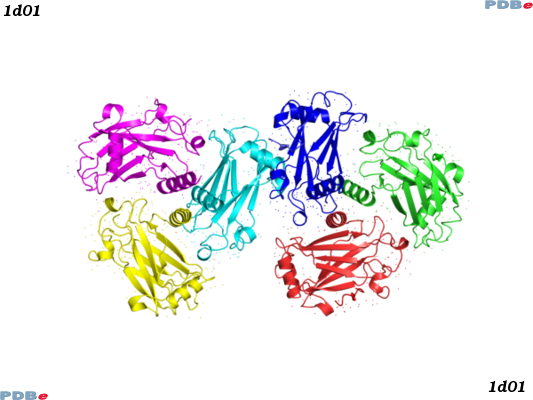
FDA Approves Ravicti (glycerol phenylbutyrate)for the Chronic Management of Some Urea Cycle Disorders

FDA Approves Ravicti (glycerol phenylbutyrate)for the Chronic Management of Some Urea Cycle Disorders
Ravicti is marketed by Hyperion Therapeutics, based in South San Francisco, Calif.
February 1, 2013 — The U.S. Food and Drug Administration today approved Ravicti (glycerol phenylbutyrate) for the chronic management of some urea cycle disorders (UCDs) in patients ages 2 years and older.
UCDs are genetic disorders that involve deficiencies of specific enzymes involved in the urea cycle, a series of biochemical steps normally required to remove ammonia from the blood. When protein is absorbed and broken down by the body, it produces nitrogen as a waste product. The urea cycle removes nitrogen from the blood and converts it to urea, which is removed from the body through urine. In people with UCDs, nitrogen accumulates and remains in the body as ammonia, which can travel to the brain and cause brain damage, coma or death.
Ravicti, a liquid taken three times a day with meals, helps dispose of ammonia in the body. It is intended for patients whose UCD cannot be managed by a protein-restricted diet or amino acid supplements alone. Ravicti must be used with a protein-restricted diet and, in some cases, dietary supplements.
“Ravicti provides another treatment for chronic management of urea cycle disorders, a group of life-threatening conditions,” said Donna Griebel, M.D., director of the Division of Gastrointestinal and Inborn Errors Products in the FDA’s Center for Drug Evaluation and Research. “The approval of this new therapeutic option demonstrates FDA’s commitment to providing treatments for patients suffering from rare diseases.”
Ravicti was reviewed under the agency’s fast track program, designed to facilitate the development and expedite the review of drugs to treat serious diseases, fill unmet medical needs, and get important new drugs to patients earlier. Ravicti also was granted orphan product designation because it is intended to treat a rare disease.
Glycerol phenylbutyrate (HPN-100) is a pro-drug of phenylbutryrate and a pre-pro-drug of phenylacetic acid (PAA), the active moiety of Buphenyl, the only therapy currently FDA-approved as adjunctive therapy for the chronic management of patients with the most prevalent urea cycle disorders — carbamylphosphate synthetase, ornithine transcarbamylase, and argininosuccinic acid synthetase. HPN-100, which is dosed orally in liquid form, provides an alternative pathway to the urea cycle for the disposal of waste nitrogen through the renal excretion of phenylacetylglutamine, which is formed from PAA and glutamine.
DR ANTHONY MELVIN CRASTO

ORGANIC SPECTROSCOPY


 New Drug Approvals
