New Drug Approvals
Follow New Drug Approvals on WordPress.com

FLAGS AND HITS

Flag Counter
DRUG APPROVALS BY DR ANTHONY MELVIN CRASTO

Archives

Categories

Join me on Linkedin

View Anthony Melvin Crasto Ph.D's profile on LinkedIn

Join me on Researchgate

Anthony Melvin Crasto Dr.

  Join me on Facebook FACEBOOK   ...................................................................Join me on twitter Follow amcrasto on Twitter     ..................................................................Join me on google plus Googleplus

MYSELF

DR ANTHONY MELVIN CRASTO Ph.D ( ICT, Mumbai) , INDIA 36Yrs Exp. in the feld of Organic Chemistry,Working for AFRICURE PHARMA as ADVISOR earlier with GLENMARK PHARMA at Navi Mumbai, INDIA. Serving chemists around the world. Helping them with websites on Chemistry.Million hits on google, NO ADVERTISEMENTS , ACADEMIC , NON COMMERCIAL SITE, world acclamation from industry, academia, drug authorities for websites, blogs and educational contribution, ........amcrasto@gmail.com..........+91 9323115463, Skype amcrasto64 View Anthony Melvin Crasto Ph.D's profile on LinkedIn Anthony Melvin Crasto Dr.

Enter your email address to follow this blog and receive notifications of new posts by email.

Join 37.8K other subscribers
DR ANTHONY MELVIN CRASTO Ph.D

DR ANTHONY MELVIN CRASTO Ph.D

DR ANTHONY MELVIN CRASTO, Born in Mumbai in 1964 and graduated from Mumbai University, Completed his Ph.D from ICT, 1991,Matunga, Mumbai, India, in Organic Chemistry, The thesis topic was Synthesis of Novel Pyrethroid Analogues, Currently he is working with AFRICURE PHARMA, ROW2TECH, NIPER-G, Department of Pharmaceuticals, Ministry of Chemicals and Fertilizers, Govt. of India as ADVISOR, earlier assignment was with GLENMARK LIFE SCIENCES LTD, as CONSUlTANT, Retired from GLENMARK in Jan2022 Research Centre as Principal Scientist, Process Research (bulk actives) at Mahape, Navi Mumbai, India. Total Industry exp 32 plus yrs, Prior to joining Glenmark, he has worked with major multinationals like Hoechst Marion Roussel, now Sanofi, Searle India Ltd, now RPG lifesciences, etc. He has worked with notable scientists like Dr K Nagarajan, Dr Ralph Stapel, Prof S Seshadri, etc, He did custom synthesis for major multinationals in his career like BASF, Novartis, Sanofi, etc., He has worked in Discovery, Natural products, Bulk drugs, Generics, Intermediates, Fine chemicals, Neutraceuticals, GMP, Scaleups, etc, he is now helping millions, has 9 million plus hits on Google on all Organic chemistry websites. His friends call him Open superstar worlddrugtracker. His New Drug Approvals, Green Chemistry International, All about drugs, Eurekamoments, Organic spectroscopy international, etc in organic chemistry are some most read blogs He has hands on experience in initiation and developing novel routes for drug molecules and implementation them on commercial scale over a 32 PLUS year tenure till date Feb 2023, Around 35 plus products in his career. He has good knowledge of IPM, GMP, Regulatory aspects, he has several International patents published worldwide . He has good proficiency in Technology transfer, Spectroscopy, Stereochemistry, Synthesis, Polymorphism etc., He suffered a paralytic stroke/ Acute Transverse mylitis in Dec 2007 and is 90 %Paralysed, He is bound to a wheelchair, this seems to have injected feul in him to help chemists all around the world, he is more active than before and is pushing boundaries, He has 100 million plus hits on Google, 2.5 lakh plus connections on all networking sites, 100 Lakh plus views on dozen plus blogs, 227 countries, 7 continents, He makes himself available to all, contact him on +91 9323115463, email amcrasto@gmail.com, Twitter, @amcrasto , He lives and will die for his family, 90% paralysis cannot kill his soul., Notably he has 38 lakh plus views on New Drug Approvals Blog in 227 countries......https://newdrugapprovals.wordpress.com/ , He appreciates the help he gets from one and all, Friends, Family, Glenmark, Readers, Wellwishers, Doctors, Drug authorities, His Contacts, Physiotherapist, etc He has total of 32 International and Indian awards

Verified Services

View Full Profile →

Recent Posts

ARAB MEDICINE- REVIEW


Arab medicine

In the history of medicine, Islamic medicine, Arabic medicine, Greco-Arabic and Greco-Islamic refer to medicine developed in the Islamic Golden Age, and written in Arabic, the lingua franca of Islamic civilization. The emergence of Islamic medicine came about through the interactions of the indigenous Arab tradition with foreign influences.Translation of earlier texts was a fundamental building block in the formation of Islamic medicine and the tradition that has been passed down.

Latin translations of Arabic medical works had a significant influence on the development of medicine in the high Middle Ages and early Renaissance, as did Arabic texts which translated the medical works of earlier cultures.

In the early Islamic and Mack’s period (661–750 AD), Muslims believed that Allah provided a treatment for every illness.Around the ninth century, the Islamic medical community began to develop and utilize a system of medicine based on scientific analysis. The importance of the health sciences to society was emphasized, and the early Muslim medical community strived to find ways to care for the health of the human body. Medieval Islam developed hospitals, expanded the practice of surgery.

Important medical thinkers and physicians of Islam were Al-Razi and Ibn Sina. Their knowledge on medicine was recorded in books that were influential in medical schools throughout Muslim history, and Ibn Sina in particular (under his Latinized name Avicenna) was also influential on the physicians of later medieval Europe. Throughout the medieval Islamic world, medicine was included under the umbrella of natural philosophy, due to the continued influence of the Hippocratic Corpus and the ideas of Aristotle and Galen. The Hippocratic Corpus was a collection of medical treatises attributed to the famous Greek physician Hippocrates of Cos (although it was actually composed by different generations of authors). The Corpus included a number of treatises which greatly influenced medieval Islamic medical literature

The first encyclopedia of medicine in Arabic language] was Persian scientist Ali ibn Sahl Rabban al-Tabari‘s Firdous al-Hikmah (“Paradise of Wisdom”), written in seven parts, c. 860. Al-Tabari, a pioneer in the field of child development, emphasized strong ties between psychology and medicine, and the need for psychotherapy and counseling in the therapeutic treatment of patients. His encyclopedia also discussed the influence of Sushruta and Chanakya on medicine, including psychotherapy
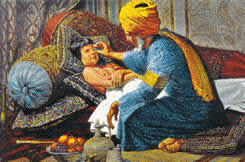
Medical contributions made by Medieval Islam not only involved the development and expansion of the human anatomy, but also included the use of plants as a type of remedy or medicine. Medieval Islamic physicians used natural substances as a source of medicinal drugs—including Papaver somniferum Linnaeus, poppy, and Cannabis sativa Linnaeus, hemp. In pre-Islamic Arabia, neither poppy nor hemp was known. Hemp was introduced into the Islamic countries in the ninth century from India through Persia and Greek culture and medical literature. Dioscorides, who according to the Arabs is the greatest botanist of antiquity, recommended hemp’s seeds to “quench geniture” and its juice for earaches.[27] Beginning in 800 and lasting for over two centuries, poppy use was restricted to the therapeutic realm. However, the dosages often exceeded medical need and was used repeatedly despite what was originally recommended. Poppy was prescribed by Yuhanna b. Masawayh to relieve pain from attacks of gallbladder stones, for fevers, indigestion, eye, head and tooth aches, pleurisy, and to induce sleep. Although poppy had medicinal benefits, Ali al-Tabari explained that the extract of poppy leaves was lethal, and that the extracts and opium should be considered poisons

The way early Arab medicine developed should be contrasted to how medicine evolved in Christianity up until the Renaissance. While Christian Rome and Byzantium inherited the rich Graeco-Roman medical legacy of thinkers like Hippocrates and Galen, after the fall of Rome in 476, Dark Age Europe increasingly tended towards a fatalistic view of suffering and disease, further tempered by superstition about curses and God’s punishment for man’s sins sent down in the form of disease and affliction.

Many historians point to the explicit tradition of fact-based, scientific medicine as articulated by the Prophet himself (pbuh). First, the concept of ‘sinful’ mankind seems not as strong in Islam as in early Christianity. Disease was seen by Arabs and other Muslims as one more problem to be solved, not a curse from God or a trial to be endured so one would be assured of entering Paradise.

Consider these statements on health and medicine attributed to the Prophet (pbuh):

“There is no disease that Allah has created, except that He also has created its treatment.”

“Make use of medical treatment, for Allah has not made a disease without appointing a remedy for it, with the exception of one disease, namely old age.”

The Prophet (pbuh) was also credited with articulating several specific medical treatments, including the use of honey, cupping, and cauterisation. He spoke about the contagious nature of leprosy, sexually transmitted disease, and the animal disease known as the mange. But most importantly, whereas other societies usually stigmatised and feared the sick and afflicted, at best isolating them and at worst leaving them somewhere to die, the Prophet (pbuh) and early Islam had a very compassionate and forgiving view of the sick.

As in other fields, the earliest Arab-Muslim medical efforts were devoted to translating the medical wisdom of older civilisations, beginning in the late 700s in Baghdad with the works of the Roman physician Galen as well as advanced medical writings from Persia, including the great pre-Islamic medical centre at Gundishapur.

Gundishapur is credited with having developed the first truly modern hospital, where patients actually went to be healed and cured, rather than prayed over as they suffered a slow and inevitable death as in Dark Age Europe.

The first major Arab-Muslim healer was the chemist Al Razi, who turned to medicine at about age 30, perhaps to find cures for his injuries suffered during alchemical experiments, especially eye ailments. His first inspiration was the Roman physician Galen.

Galen had pushed Roman medical knowledge as far as it could go in that time, undertaking innumerable vivisections of live animals to see how their organs functioned, as well as dissections of human cadavers.

Al Razi was especially troubled by Galen’s theory of the humours, which just didn’t hold up to examination. There seemed a lot more going on inside the human body than those four humours. And so he would write around 865:

“I prayed to God to direct and lead me to the truth in writing this book. It grieves me to oppose and criticise the man Galen from whose sea of knowledge I have drawn much. Indeed, he is the Master and I am the disciple. Although this reverence and appreciation will and should not prevent me from doubting, as I did, what is erroneous in his theories. I imagine and feel deeply in my heart that Galen has chosen me to undertake this task, and if he were alive, he would have congratulated me on what I am doing. I say this because Galen’s aim was to seek and find the truth and bring light out of darkness. I wish indeed he were alive to read what I have published.”

Al Razi would write as many as 184 papers and articles on subjects ranging from his doubts about Galen to the first known distinction between smallpox and measles, the discovery of allergic asthma, the discovery of fever as the body’s defence mechanism, medical ethics, using opium as a treatment for depression, the first medical handbook for common people, and paediatrics.

Al Razi would also theorise about the connection of the soul and state of mind to the physical health of the body, suggesting that someone with mental and emotional disturbances would be more vulnerable to infection and chronic ailments.

Al Razi’s medical insights would be translated into Latin several centuries after his death. By the late 1200s, mediaeval Europeans were beginning to stir out of their long Dark Age sleep and for a century were captivated by the writings of Al Razi – who by then had been given the Latin name Rhazes.

About eight decades after Al Razi, a brilliant healer named Al Zahrawi laid the foundation of modern surgery while working in the Umayyad imperial compound outside Cordoba.

Because all records were destroyed in the civil wars that marked the end of the Umayyad reign in Spain, hardly any facts about Al Zahrawi’s personal life remain. What does survive is his 30-chapter Kitab al Tasrif, a compendium of this man’s medical knowledge and genius. A century and a half after his death, it would be translated into Latin and have even more impact than the work of Rhazes. Al Zahrawi’s Latin name was Albucasis.

His discoveries would continue to resonate into the 21st century, first for his invention of about 200 medical instruments, many of which are still in use – such as the obstetrical forceps, scalpel, surgical needle, surgical retractor, specula, and the use of catgut for internal suturing. But he was also exceptional for innovating surgical procedures like mastectomies, orthodontia, repairing fractures, and using ligature for suturing arteries instead of cauterising them.

Another Muslim healer would follow in the Arabic tradition and even eclipse the great Al Zahrawi, this one a Persian working exclusively in Persia. This man was Ibn Sina. Europe and the Arab world would come to know him as Avicenna, the Prince of Medicine, and the single most important influence on Islamic and Western medicine for about 500 years.

Ibn Sina was consummately gifted. He is reputed to have memorised the Qur’an by age 10, Aristotle’s Metaphysics several years later (he claimed to have read it 40 times), and had become a practising physician by age 16.

Ibn Sina’s greatest motivation was his burning intellectual curiosity for the world, and the world beyond, not social status or financial security. By the age of 20, he had turned down his ruler’s offer to become court physician, preferring only the right to study as much as he wanted in the ruler’s royal library.

A political upheaval overthrew the ruler and Ibn Sina began a long life of wandering Persia in search of a secure patron who would allow him to indulge in his medical and scientific research. Unfortunately, political instability and Ibn Sina’s harshly arrogant manner meant he was constantly changing jobs.

But despite his unending struggle, he was able to gradually systemise Islamic understanding of the medical sciences in such a way that not only was the Arab and Islamic world forever indebted, so also was Europe and the West.

Although Ibn Sina is credited with writing as many as 450 papers and books in a dozen fields, the work that continued to resonate most powerfully was his Canon of Medicine written around 1025, a 14-volume work that was for 500 years Europe’s most influential medical source book. The Canon was a combination both of the collected medical wisdom of other writers as well as his own observations and research. Although it provided a window into forgotten Greek medicine, its greatest value was in the modernistic approach it took to a field riddled with false theory and ignorance.

It could be argued that Ibn Sina was the first to formally explain the experimental method in medicine, the spread of contagious diseases, the use of quarantine, clinical trials, psychiatry, and psychotherapy. He also seems to be the first to show that tuberculosis was a contagious disease, as well as to identify diabetes.

According to some sources, the Canon was the first documented explanation of modern medical methods like the randomised clinical trial, and the first modern set of comprehensive rules for testing new drugs.

His deeper research into the mind-body connection, and the mental or spiritual source of physical ailments, was built on the first intuitive work of men like Al Razi. But Ibn Sina went further, beginning the first documented forays into what we today would call psychotherapy, 900 years before Sigmund Freud.

One account says that a young man had come to him with a condition that looked very much like consumption. He was literally wasting away. But Ibn Sina could find no signs of a cancer or other disease that would indicate some physical explanation.

He conducted a series of interviews or conversations with the young man. As Ibn Sina spoke certain key words and phrases, he was also checking the man’s pulse and found it became elevated around certain terms. Thus it gradually emerged that the patient was in love with a woman back in his home village. For whatever reason he had never expressed this to her, and the unfulfilled desire was sapping him of his energy.

Ibn Sina gradually concluded that the source of the young man’s physical condition was his unexpressed love. He suggested that the patient go to the object of his affections and profess his love to her. The young man did this, the girl agreed to marry him, and the patient swiftly recovered his vitality.

As far as we know this was the earliest documented account of the use of word association in psychoanalysis, which modern medicine credits to Carl Jung 900 years later.

While medical thinkers like Al Razi, Al Zahrawi and Ibn Sina are closely tied to their innovations through their writings, many of the great breakthroughs of Arab medicine were collective undertakings and are difficult to identify with any single author or inventor.

This is particularly true with key Arab-Muslim institutions like the modern insane asylum, the public hospital, free medical care, and the pharmacy. The modern hospital itself was not an Arab invention, but Arabs and their partners made it a public institution and spread it around the world.

Isolated healing temples and places for the sick had existed in many older cultures including around the Mediterranean and across Asia. But with few exceptions they were unable to offer real cures in the modern sense. Often their method was a mixture of magic or religion with means of making one feel better, if only briefly.

But in 6th century pre-Islamic Persia, a true hospital called a bimaristan or ‘sick place’ was built in the city of Gundishapur, complete with surgery, pharmacy, and outpatient treatments. This came to the attention of the Arabs, in particular Caliphs Harun Al Rashid and his half-Persian son Al Mamun, and they set about replicating these institutions across their realm.

Harun invited a doctor from the bimaristan in Gundishapur to open the first bimaristan in Baghdad. Al Razi was later commissioned with overseeing the Audidi Hospital in Baghdad, in the mid 800s. He applied his evolving understanding of sanitation and infection to find the best location possible. He hung raw meat in various parts of the city to see comparative rates of decay, and where the meat lasted longest, there he put the hospital.

Audidi had more than two dozen doctors including surgeons, eye specialists, and physiologists.

By the year 1000, Baghdad alone would number five public hospitals when there were none in all of Europe. Hospitals would also be found in Cairo, Damascus, Aleppo, North Africa, and Al Andalus. These centres would offer surgery, outpatient clinics, mental wards, convalescent centres, and even nursing homes.

One of the greatest hospitals would be Al Mansuri in Cairo, which was reported to have as many as 8,000 beds and annual revenues of one million dirhams. Al Mansuri was a true public hospital because it was charged with offering treatment to anyone, rich or poor, including the indigent who could not pay at all.

The Arab establishment of humane mental wards and insane asylums was especially futuristic and important. The Arab world, in line with the teachings of the Prophet (pbuh) and others, never stigmatised the mentally afflicted, seeing mental illness as one more disease that might be cured. Europe and the West did not develop a modern non-judgmental view of mental illness until the 19th and 20th centuries.

Arab pharmacies were another important invention. Although other cultures offered various potions and herbs for sale, it was rare to find cures that really worked. People were just as inclined to faith healing and magic as to ‘healing’ substances, because they were all equally ineffective. But the evolution of modern evidence-based pharmacology under thinkers like Al Razi, Al Kindi and Ibn Sina created a new class of substances that really worked.

Arab pharmacies were known as saydala, and the first one seems to have been at Harun al Rashid’s hospital in Baghdad built in the late 700s. Within half a century saydala were spreading throughout the caliphate. These remedies were often fabricated right on the spot at in-house laboratories. More importantly, they were overseen by government inspectors to make sure they were pure, not out of date, measured in verified scales, and correctly identified.

Al Razi would even introduce the concept of generic drugs for the poor, while Al Kindi would also seek to identify cheaper alternative treatments for those who could not afford expensive drugs.

The same kind of modern pharmacies selling remedies that really worked would only begin to appear in Italy in about the 12th century, fuelled largely by the growing trade between Arabs and Europeans.

READ A GREAT ARTICLE AT

http://www.ncbi.nlm.nih.gov/pmc/articles/PMC1297506/

http://www.ncbi.nlm.nih.gov/pmc/articles/PMC1475945/

Aqrabadhin of Al-Kindi. Translated by Martin Levey. Madison: The University of Wisconsin Press, 1966.

Kamal, Hassan. Encyclopedia of Islamic Medicine. Cairo: General Egyptian Book Organization, 1975.

Levey, Martin. Early Arabic Pharmacology. Leiden, Netherlands: E. J. Brill, 1973.

Savage-Smith, Emilie. Islamic Culture and the Medical Arts. Bethesda, Md.: National Library of Medicine, 1994.

Siddiqi, Muhammad Zubayr. Studies in Arabic and Persian Medical Literature. Calcutta: Calcutta University Press, 1959.

Usama, Ibn Shuraik. Sunna Abu-Dawud, Book 28, No. 3846 (part of the hadith, a narrative record of the sayings of Mohammed and his companions).

FDA Advisory Committee Recommends Approval of BREO(TM) ELLIPTA(TM) for the Treatment of COPD


04/17/13

GlaxoSmithKline plc  and Theravance, Inc. today announced that the Pulmonary-Allergy Drugs Advisory Committee (PADAC) to the US Food and Drug Administration (FDA) voted that the efficacy and safety data provide substantial evidence to support approval of BREO™ ELLIPTA™ as a once-daily inhaled treatment for the long-term, maintenance treatment of airflow obstruction in patients with chronic obstructive pulmonary disease (COPD) (9 for, 4 against) and also for the reduction of COPD exacerbations in patients with a history of exacerbations (9 for, 4 against)*.
BREO™ ELLIPTA™, is the proposed proprietary name for FF/VI 100/25 mcg, a combination of the inhaled corticosteroid (ICS) fluticasone furoate “FF”and the long acting bronchodilator (LABA) vilanterol “VI” (FF/VI)……………….read more at pharmalive

http://www.pharmalive.com/fda-panel-backs-glaxos-breo-ellipta

fluticasone furoate

vilanterol


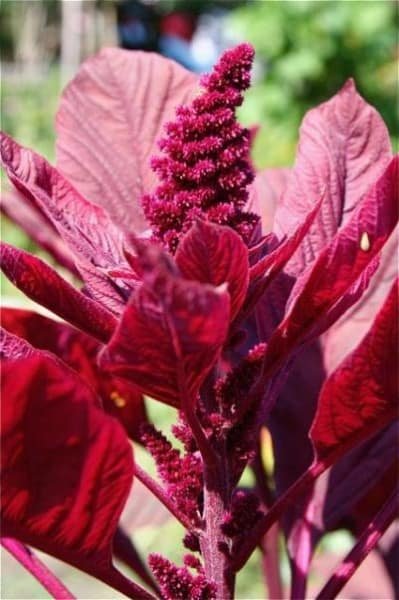
AYURVEDA–Amaranth , contains tocotrienols (a form of vitamin E) which have cholesterol-lowering activity in humans.


Amaranth

Amaranth

Amaranthus, collectively known as amaranth, is a cosmopolitan genus of annual or short-lived perennial plants. Catkin-like cymes of densely packed flowers grow in summer or autumn. Approximately 60 species are recognized, with inflorescences and foliage ranging from purple and red to green or gold. Members of this genus share many characteristics and uses with members of the closely related genus Celosia.

Although several species are often considered weeds, people around the world value amaranths as leaf vegetables, cereals, and ornamental plants.

“Amaranth” derives from Greek ἀμάραντος (amarantos), “unfading,” with the Greek word for “flower,” ἄνθος (anthos), factoring into the word’s development as “amaranth.” The more accurate “amarant” is an archaic variant.

AmaranthAmaranth, also called ramdhana, chua, bathua, pungikeerai or thotakura in India is a vegetable/herb that typically grows as an annual, which is defined as a plant that matures and completes its lifecycle over the course of a single year.

Amaranth comes in all sizes, shapes and colours. The leaves can be round or lance shaped, five to fifteen cm long or more, light green, dark green, reddish or variegated. Seeds maybe white, yellow, pink or black and the striking flowers can be huge tassles or tiny globes, red, pink, yellow or cream that produces a huge number of tiny seeds (around 60,000- 1,00,000!)

Some cultivated amaranth varieties grow to two metres or six feet tall and individual plants that land in a spot with no competition may grow even taller.

Amaranthus shows a wide variety of morphological diversity among and even within certain species. Although the family (Amaranthaceae) is distinctive, the genus has few distinguishing characters among the 70 species included. This complicates taxonomy and Amaranthus has generally been considered among systematists as a “difficult” genus.

Formerly, Sauer (1955) classified the genus into two subgenera, differentiating only between monoecious and dioecious species: Acnida (L.) Aellen ex K.R. Robertson and Amaranthus. Although this classification was widely accepted, further infrageneric classification was (and still is) needed to differentiate this widely diverse group.

Currently, Amaranthus includes three recognized subgenera and 70 species, although species numbers are questionable due to hybridization and species concepts.Infrageneric classification focuses on inflorescence, flower characters and whether a species is monoecious/dioecious, as in the Sauer (1955) suggested classification. A modified infrageneric classification of Amaranthus was published by Mosyakin & Robertson (1996) and includes three subgenera: Acnida, Amaranthus, and Albersia. The taxonomy is further differentiated by sections within each of the subgenera.

Aside from amaranth being such an attractive plant it is extremely adaptable to adverse growing conditions. It resists heat and drought, has no major disease problems, and is among the easiest of plants to grow. Simply scratching the soil, throwing down some seeds, and watering will reward you with some of these lovely plants.

AmaranthLike all fast growing leafy greens amaranth loves rich soil with steady moisture and a good supply of nutrients. Amaranth is a hardier plant and can cope with heat and dry conditions a lot better than any other leafy green. Due to a high requirement of nutrients, especially nitrogen, using a leguminous cover crop such as clover, beans and peas can provide adequate organic nitrogen.

Amaranth requires full sun light and while sowing the seeds plant 4-6 in a sq. ft around a centimetre deep.

Some varieties can get quite tall and may need the support of canes. Check the height of your crop before you sow so that you can place your canes before the plants are of a size since there is a chance that the roots can become damaged by their insertion.

Amaranths are ready for harvest in 20–45 days after planting or sowing depending on the variety and plant type. Plants may be harvested once or several times. With multiple harvests, young leaves and tender shoots are picked at 2–3 week intervals. Frequent harvesting of leaves and shoots delays the onset of flowering and thus prolongs the harvest period.

For mature plants, harvest leaves and stem from the top to encourage further side shoots. Remove any flowers as soon as their buds appear otherwise leaf production will come to an end.

AmaranthAmaranth seeds are high in protein and contain respectable amounts of lysine and methionine, two essential amino acids that are not frequently found in grains. They are high in fiber and contain calcium, iron, potassium, phosphorus, and vitamins A and C.

The fiber content of amaranth is three times that of wheat and its iron content five times more than wheat. The leaves contain three times the amount of both calcium and niacin (vitamin B3) compared to spinach leaves or twenty times more calcium and seven times more iron than lettuce.

Amaranth also contains tocotrienols (a form of vitamin E) which have cholesterol-lowering activity in humans. Cooked amaranth is 90% digestible and because of this ease of digestion, it has traditionally been given to those recovering from an illness or ending a fasting period.

shark
DR ANTHONY CRASTO

DRUG SPOTLIGHT-Cobicistat


Cobicistat

Thiazol-5-ylmethyl N-[1-benzyl-4-[[2-[[(2-isopropylthiazol-4-yl)methyl-methyl-carbamoyl]amino]-4-morpholino-butanoyl]amino]-5-phenyl-pentyl]carbamate

1004316-88-4 CAS NO

  • Cobicistat, formerly known as GS-9350, is a pharmacokinetic enhancer (a drug used to boost other medications in the blood to make them more effective) by Gilead Sciences. It is a component of the approved fixed-dose combination tablet Stribild.
  • Cobicistat is not active against HIV. It works by inhibiting an enzyme called CYP3A4 that is responsible for breaking down (or metabolism) of certain medications, including several HIV drugs. This helps boost the effectiveness of these drugs, while allowing fewer pills or doses on a daily basis.

Cobicistat is Gilead’s proprietary potent mechanism-based inhibitor of cytochrome P450 3A (CYP3A), an enzyme that metabolizes drugs in the body. Unlike ritonavir, cobicistat acts only as a pharmacoenhancer and has no antiviral activity. Pharmacokinetic studies have demonstrated that cobicistat boosts the widely prescribed protease inhibitors atazanavir and darunavir.

Cobicistat is a licensed drug for use in the treatment of infection with the human immunodeficiency virus (HIV).

Like ritonavir (Norvir), cobicistat is of interest not for its anti-HIV properties, but rather its ability to inhibit liver enzymes that metabolize other medications used to treat HIV, notablyelvitegravir, an HIV integrase inhibitor currently under investigation itself. By combining cobicistat with elvitegravir, higher concentrations of elvitgravir are achieved in the body with lower dosing, theoretically enhancing elvitgravir’s viral suppression while diminishing its adverse side-effects. In contrast with ritonavir, the only currently approved booster, cobicistat has no anti-HIV activity of its own.[1]

Cobicistat is a component of the four-drug, fixed-dose combination HIV treatmentelvitegravir/cobicistat/emtricitabine/tenofovir (known as the “Quad Pill” or Stribild).[1][2] The Quad Pill/Stribild was approved by the FDA in August 2012 for use in the United States and is owned by Gilead Sciences.
Cobicistat is a potent inhibitor of cytochrome P450 3A enzymes, including the importantCYP3A4 subtype. It also inhibits intestinal transport proteins, increasing the overall absorption of several HIV medications, including atazanavir, darunavir and tenofovir alafenamide fumarate.[3]

  1.  Highleyman, L. Elvitegravir “Quad” Single-tablet Regimen Shows Continued HIV Suppression at 48 Weeks. HIV and Hepatitis.com
  2. R Elion, J Gathe, B Rashbaum, and others. The Single-Tablet Regimen of Elvitegravir/Cobicistat/Emtricitabine/Tenofovir Disoproxil Fumarate (EVG/COBI/FTC/TDF; Quad) Maintains a High Rate of Virologic Suppression, and Cobicistat (COBI) is an Effective Pharmacoenhancer Through 48 Weeks. 50th Interscience Conference on Antimicrobial Agents and Chemotherapy (ICAAC 2010). Boston, September 12–15, 2010.
  3.  Lepist, E. -I.; Phan, T. K.; Roy, A.; Tong, L.; MacLennan, K.; Murray, B.; Ray, A. S. (2012). “Cobicistat Boosts the Intestinal Absorption of Transport Substrates, Including HIV Protease Inhibitors and GS-7340, in Vitro”Antimicrobial Agents and Chemotherapy 56 (10): 5409–5413. doi:10.1128/AAC.01089-12PMC 3457391PMID 22850510

Almirall and Forest Laboratories Announce Positive Phase III Study Results for Aclidinium and Formoterol Combination in COPD


APRIL 2013

Almirall, S.A. and Forest Laboratories, Inc. today announced positive topline results from a six month pivotal phase III clinical trial evaluating the efficacy and safety of fixed dose combinations of

aclidinium bromide, (LAMA)

and

formoterol fumarate (LABA)

FORADIL AEROLIZER (formoterol fumarate) Structural Formula Illustration

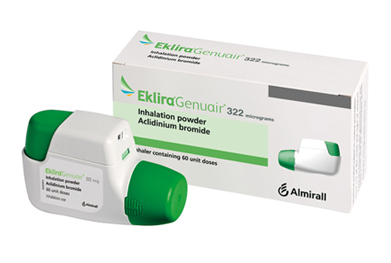
delivered by Almirall’s inhaler Genuair® (Pressair™ in the USA).

Both combinations of aclidinium/formoterol (400/6mcg and 400/12mcg given twice a day) demonstrated statistically significant improvements in the co-primary endpoints of change from baseline in morning predose trough FEV1 versus formoterol 12mcg and in FEV1 at 1 hour post-dose versus aclidinium 400mcg at week 24 (p<0.01 and p≤0.0001, respectively). In addition, both combinations of aclidinium/formoterol (400/6mcg and 400/12mcg) provided statistically significant improvements versus placebo in the above two variables (both p<0.0001).

Both fixed-dose combination treatment arms were well tolerated in this study. The most common adverse events (greater than or equal to 3% and reported more frequently with aclidinium/formoterol than placebo) were nasopharyngitis (7.9% for 400/6mcg and 7.8% for 400/12mcg fixed-dose combinations and 7.2% for placebo) and back pain (3.4% for 400/6mcg and 4.7% for 400/12mcg fixed-dose combinations and 4.6% for the placebo group).

Results from a second pivotal Phase III clinical study are expected in the coming weeks. If the second clinical trial is successful those results, combined with the positive results of this study, will support our intention to file an NDA with the FDA and an MAA to the EMA.

“We expect this novel combination of aclidinium/formoterol to offer patients a new option in COPD treatment. In addition to the improved efficacy shown in this study, the safety profile was comparable to placebo”, commented Bertil Lindmark, Chief Scientific Officer at Almirall. “Indeed, these positive results confirm Almirall’s potential to build an innovative worldwide respiratory franchise around our Genuair® device and aclidinium bromide (Eklira®/Bretaris®)”.

“By successfully achieving the primary endpoints in this pivotal trial, we have demonstrated the superior improvement in lung function that can be achieved by combining two proven bronchodilators with complementary modes of action,” said Dr. Marco Taglietti, President of Forest Research Institute. “Aclidinium/formoterol has the potential to further expand the success of the Forest respiratory franchise which includes TudorzaTM PressairTM (aclidinium bromide 400mcg), as a treatment option for COPD patients who could benefit from additional bronchodilation”.

About the Phase III Study

ACLIFORM/COPD (ACLIdinium/FORMoterol fumarate combination for Investigative use in the treatment of moderate to severe COPD) was a 24-week randomized double-blind trial evaluating the 400/6mcg and 400/12mcg fixed dose combinations of aclidinium bromide/formoterol fumarate compared with aclidinium bromide 400mcg, formoterol fumarate 12mcg and placebo administered BID through the Genuair®/Pressair™ inhalers in 1729 patients with moderate to severe COPD, in 22 countries including Europe, Korea and South Africa.

For the co-primary efficacy endpoint of change from baseline in morning pre-dose trough FEV1 at week 24, aclidinium/formoterol 400/6mcg and 400/12 mcg demonstrated statistically significant improvements versus formoterol 12mcg (53mL and 85mL, respectively) and placebo (111mL and 143mL, respectively). For the second co-primary endpoint of change from baseline in FEV1 at 1 hour post-dose versus aclidinium 400mcg, aclidinium/formoterol 400/6mcg and 400/12 mcg demonstrated statistically significant improvements versus aclidinium 400mcg (69mL and 125mL, respectively) and placebo (244mL and 299mL, respectively).

The full results of this study will be presented at future scientific meetings.

About Aclidinium/Formoterol

Aclidinium bromide/formoterol fumarate (400/6mcg and 400/12mcg) are investigational fixed dose combinations of two approved long-acting bronchodilators with different mechanisms of action and similar pharmocodynamic profiles. Aclidinium bromide is an anticholinergic or long-acting muscarinic antagonist (LAMA) that produces bronchodilation by inhibiting the muscarinic M3 receptor in the airway smooth muscle. Formoterol fumarate is a long-acting beta-agonist (LABA) that stimulates the B2-receptors in the bronchial smooth muscle resulting in bronchodilation. Both aclidinium bromide (TudorzaTM/Eklira®) and formoterol fumarate are approved for the maintenance treatment of COPD in the United States and Europe.

Aclidinium/formoterol was administered using a multiple-dose dry powder inhaler, Pressair™ (outside of the United States the inhaler is marketed as Genuair®), which delivers 60 doses of aclidinium bromide/formoterol fumarate powder for inhalation. The Pressair inhaler has a colored control window which confirms successful inhalation of the full dose and a dose indicator to let patients know approximately how many doses remain in the inhaler. The PressairTM / Genuair® inhaler is approved in the United States and Europe for the administration of TudorzaTM/ Eklira®.

Aclidinium/formoterol combines two effective bronchodilators with complementary mechanisms of action and is being evaluated as a potential treatment for COPD patients who could benefit from two bronchodilators administered in a single multi-dose inhaler.

About COPD

COPD, or chronic obstructive pulmonary disease, is a common, progressive, and debilitating lung disease characterized by persistent airflow limitation that makes it hard to breathe. The World Health Organization (WHO) has described COPD as a global epidemic; an estimated 64 million people have COPD worldwide. More than 3 million people died of the condition in 2005, which is equal to 5% of all deaths globally that year. Total deaths from COPD are projected to increase by more than 30% in the next 10 years without interventions to cut risks, particularly exposure to tobacco smoke. WHO predicts that COPD will become the third leading cause of death worldwide by 20301. COPD is already the third leading cause of death in the U.S.

In patients with COPD the airways in the lungs typically lose their elasticity, produce excess mucus and become thick and inflamed, limiting the passage of air. The most common symptoms of COPD are breathlessness (or a “need for air”), abnormal sputum (a mix of saliva and mucus in the airway), and chronic cough. As the condition worsens and breathlessness increases, daily activities, such as walking up a short flight of stairs or carrying a suitcase, can become very difficult. New therapies to treat this debilitating disease may be of value.

About Almirall

Almirall is a pharmaceutical company committed to provide valuable medicines from our own R&D, external partnerships, licenses and collaborations. In 2012, Almirall invested over 23% of its sales in R&D. Through seeking innovative medicines we aim to become a relevant player in respiratory and dermatology diseases with also a strong interest in gastroenterology and pain. With more than 3,000 employees in 22 countries, Almirall generated total revenues of 900 million in 2012.

The company was founded in 1943 and is headquartered in Barcelona, Spain. The stock is traded in the Spanish stock exchange (ticker: ALM).

For more information please visit www.almirall.com

Tudorza™, Eklira®, Genuair® and Pressair™ are registered trademarks of Almirall S.A.

About Forest Laboratories

Forest Laboratories’ (NYSE: FRX) longstanding global partnerships and track record developing and marketing pharmaceutical products in the United States have yielded its well-established central nervous system and cardiovascular franchises and innovations in anti-infective, respiratory, gastrointestinal and pain management medicine. Forest’s pipeline, the most robust in its history, includes product candidates in all stages of development across a wide range of therapeutic areas. The Company is headquartered in New York, NY. To learn more, visitwww.FRX.com.

CHINA – Shenzhen Chipscreen Biosciences announced that Chidamide (Epidaza®) met its primary endpoint in a Phase II trial


Chidamide

(CAS 743420-02-2)

N-​(2-​amino-​5-​fluorophenyl)-​4-​[[[1-​oxo-​3-​(3-​pyridinyl)-​2-​propen-​1-​yl]amino]methyl]-​benzamide

Chidamide is a histone deacetylase inhibitor that increases histone H3 acetylation levels in LoVo and HT29 colon cancer cells at concentrations as low as 4 µM. Additionally, chidamide affects the activation of oncogenic signaling kinases by dose-dependently reducing phosphorylated Akt, mTOR, p70S6k, Raf, and Erk1/2 protein expression in colon cancer cells. Furthermore, chidamide treatment dose-dependently upregulates p21 protein expression, downregulates CDK4, and induces cell cycle arrest at the G0/G1 phase.

Apr 16, 2013

Shenzhen Chipscreen Biosciences announced that Chidamide (Epidaza®) met its primary endpoint in a Phase II trial, which was conducted in China patients with relapsed or refractory peripheral T-cell lymphoma (PTCL). The objective response rate was at least 27%, the agreed-upon goal. Chipscreen is developing the drug under an SFDA-approved accelerated review. The company will release more data at the ASCO conference in June

Bayer Initiates Phase III Trial of Investigational Inhaled Amikacin Solution (BAY41-6551T) in Mechanically Ventilated Patients with Gram-negative Pneumonia


Amikacin

April 16, 2013

Bayer HealthCare Pharmaceuticals Inc. announced today that patient enrollment is underway in its global Phase III trial program to evaluate the efficacy and safety of adjunctive aerosolized BAY41-6551 versus aerosolized placebo in the treatment of intubated and mechanically ventilated patients with Gram-negative pneumonia receiving standard of care intravenous antibiotics.  BAY41-6551 consists of amikacin inhalation solution delivered by a Pulmonary Drug Delivery System (PDDS) developed by Nektar Therapeutics (NASDAQ: NKTR).

Amikacin is an aminoglycoside antibiotic used to treat different types of bacterialinfections. Amikacin works by binding to the bacterial 30S ribosomal subunit, causing misreading of mRNA and leaving the bacterium unable to synthesize proteins vital to its growth.

“Bayer continues to invest in research for potential treatment options for many difficult to treat diseases,” said Pamela A. Cyrus, MD, Vice President and Head of U.S. Medical Affairs, Bayer HealthCare Pharmaceuticals.  “This study is designed to evaluate the effectiveness of a solution of amikacin formulated for inhalation, delivered through a proprietary drug delivery system, as an adjunctive therapy for Gram-negative pneumonia in intubated and mechanically ventilated patients.”

About the Phase III INHALE Study Program
The global INHALE study program is comprised of two prospective, randomized, double-blind, placebo-controlled, multicenter studies to evaluate the safety and efficacy of BAY41-6551 as adjunctive therapy in intubated and mechanically-ventilated patients with Gram-negative pneumonia receiving standard of care intravenous antibiotics.  The study will enroll patients age 18 or above that have microbiologically-confirmed pneumonia caused by Gram-negative organisms.  INHALE will be a large multi-center global program involving centers in North America, South America, Europe, Japan, Australia and Asia.  For more information about the trial, please visit www.clinicaltrials.gov

About Bayer HealthCare Pharmaceuticals Inc.
Bayer HealthCare Pharmaceuticals Inc. is the U.S.-based pharmaceuticals business of Bayer HealthCare LLC, a subsidiary of Bayer AG. Bayer HealthCare is one of the world’s leading, innovative companies in the healthcare and medical products industry, and combines the activities of the Animal Health, Consumer Care, Diabetes Care, and Pharmaceuticals divisions. As a specialty pharmaceutical company, Bayer HealthCare Pharmaceuticals provides products for Diagnostic Imaging, General Medicine, Hematology, Neurology, Oncology and Women’s Healthcare. The company’s aim is to discover and manufacture products that will improve human health worldwide by diagnosing, preventing and treating diseases.

About Nektar Therapeutics
BAY41-6551 is being developed through a collaboration with Nektar Therapeutics (NASDAQ:NKTR). Nektar Therapeutics is a biopharmaceutical company developing therapeutics based on its proprietary technology platforms. Nektar has a robust R&D pipeline of therapeutic candidate in pain, oncology and other therapeutic areas.  Nektar is headquartered in San Francisco, California, with additional operations in Huntsville, Alabama and Hyderabad, India. Further information about the company and its drug development programs and capabilities may be found online at www.nektar.com.

BAYER® and the Bayer Cross® are registered trademarks of Bayer.

Acorda pursues stroke indication for MS drug Ampyra


4-Aminopyridine (INN fampridine, USAN dalfampridine) is an organic compound with the chemical formula C5H4N–NH2. The molecule is one of the three isomeric amines of pyridine. It is used primarily as a research tool, in characterizing subtypes of potassium channel, and has also been used to manage some of the symptoms of multiple sclerosis, and is indicated for symptomatic improvement of walking in adults with several variations of the disease. It was undergoing Phase III clinical trials as of 2008, and the U.S. Food and Drug Administration (FDA) approved the compound on January 22, 2010. Fampridine is also marketed as Ampyra (pronounced “am-PEER-ah,” according to the maker’s website) in the United States by Acorda Therapeutics and as Fampyra in Europe and in Canada, where the medication has been approved for use in that country by Health Canada on February 10, 2012

April 16,2013

Acorda Therapeutics will press ahead with development of its multiple sclerosis (MS) therapy Ampyra in patients with stroke-related disability following encouraging data from mid-stage trials.

Ampyra (dalfampridine) is a potassium channel blocker approved in the US in 2010 as a treatment for improving walking in patients with MS.

Laboratory studies have previously shown the drug can improve impulse conduction in nerve fibers in which the insulating layer, or myelin, has been damaged, leading to its approval in MS.

Now, a Phase II trial involving 83 patients – who had experienced an ischaemic stroke at least six months prior to enrollment and had chronic motor deficits – indicate that Ampyra may also be of benefit in treating stroke-related disabilities.

Ampyra is being developed and commercialised by Biogen Idec under the trade name Fampyra in markets outside of the US.

BioAlliance Pharma’s Sitavig Receives FDA Approval for the Treatment of Herpes Labialis


Paris, April 15, 2013 – BioAlliance Pharma SA today announced the receipt of marketing authorization from the U.S. Food and Drug Administration (FDA) for Sitavig in the treatment of recurring Herpes labialis, marking the successful conclusion to the assessment procedure carried out by the American authorities.

After Loramyc®, registered in 26 countries including the United States, BioAlliance Pharma for the second time has successfully passed the FDA review. The registration of Sitavig, developed internally, shows once again the teams’ capacity and expertise.

File:Acyclovir 3D.png

Based on proprietary Lauriad® technology, Sitavig comes in the form of a mucoadhesive tablet

acylovir

which the patient places on the gum and which delivers a high concentration of acyclovir directly to the lip, the site of the cold sore infection. In a phase III international study conducted on 775 patients, Sitavig demonstrated a high level of efficacy in terms of healing time with one single tablet containing 50 mg of acyclovir and an excellent tolerance profile. In addition to its efficacy, Sitavig offers a unique unobtrusive and simple formulation with a single application for the episode’s entire duration, representing major advantages for patients suffering from recurrent herpes sores.

“Herpes labialis is an infection that affects a very large number of patients around the world and for which there is a real need for effective treatment with appropriate presentation. We participated in the phase III clinical trial in our center and were able to test the benefits of Sitavig. We are very pleased with the outcome of this development which will allow patients, once the product is on the market, to have a drug that meets their needs,” says Professor Stephen Keith Tyring of the Dermatology Department at the University of Texas Health Sciences Center in Houston.

Herpes labialis is an extremely widespread condition. Its estimated annual prevalence is 15% of the adult population1, namely some 40 million people in the United States with more than 100 million episodes of Herpes labialis annually, representing a significant potential market of hundreds of millions of dollars.

Sitavig, the second drug of BioAlliance’s ‘Specialty Products’ portfolio, is intended to be marketed via international partnership agreements and to generate significant income for the company. Obtaining the MA will allow the company to accelerate discussions with potential partners for marketing in the United States.

About BioAlliance Pharma

A company dedicated to specialty and orphan products in the treatment of cancers and supportive care, with an approach focused on drug resistance. BioAlliance Pharma designs and develops innovative medicines mainly intended for hospital use and drugs in rare or orphan diseases. Created in 1997 and listed on the Euronext stock exchange in Paris in 2005, the company has ambitions to become a key player in these areas by linking innovation to patient needs. It possesses the key skills to identify, develop and register drugs in Europe and the United States.

AYURVEDA- ERECTILE DYSFUNTION AND ASSOCIATED MEDICINES


sildanafil

Erection of the penis in males is often a result of a state of sexual arousal. Erectile dysfunction occurs when it becomes difficult to produce erection even in a state of adequate arousal. Erectile dysfunction can occur at any age to any one and at any point of time. It can be due to a vast array of reasons, ranging from fatigue to serious diabetic or heart conditions. While causes like fatigue can be taken care of by simple rest and a good night’s sleep, serious causes like diabetes and cardiovascular diseases can be a little difficult to deal with. Erectile dysfunction does not necessarily mean that there is something physically wrong within the body, as it can also be a result of a vast number of psychological reasons. The loss of erection in itself can give rise to a vast number of psychological problems like loss of self respect and confidence and, hence, requires immediate medical assistance.

File:Vardenafil.svg

vardenafil

You can characterize erectile dysfunction (also known as the problem of male impotency) into two broad categories: firstly, when sometimes full erections are obtained, like when the person under consideration is in deep sleep. This condition is due to the failure of getting an erection due to a psychological reason and can be solved with professional psychological assistance. Secondly, when no erection is obtained. This is generally when the physical structure is not working properly.

File:Tadalafil skeletal.svg

tadalafil

Erectile dysfunction takes place when a man fails to get a proper erection or is not able to sustain it to indulge in sexual intercourse. There is no formal means of detecting and diagnosing an erectile dysfunction. However, blood tests are conducted in such cases as they generally give a fair idea of the underlying diseases such as prolactinoma, diabetes and hypogonadism. Impotency is generally a result of poor health conditions and can be a result of obesity or malnutrition. There are a number of tests along with the blood tests that are undertaken to determine the nature and extent of an erectile dysfunction problem. These are duplex ultrasound to evaluate the blood flow, penile nervous function test such as bulbocavernosus reflex, nocturnal penile tumescence, penile biothesiometry, Magnetic Resonance Angiography (MRA), etc.

avanafil

Avanafil can be synthesized from a benzylamine derivative and a pyrimidine derivative:

Avanafil synthesis.png

Some patients have trouble discussing problems relating to erectile dysfunction with their doctors, but it is important to step forward as erectile dysfunction can also be a symptom of other health problems such as clogged arteries or nerve damage. A doctor can offer a number of treatments for erectile dysfunction depending on the reason and underlying conditions.

While some treatments may involve a steady intake of medicines over a period of time, others can be as simple as taking a few pills for some days and getting more exercise and physical activity. The treatment generally lasts for about a month, but can also be of shorter or longer duration, depending on the severity of the disorder. If the erectile dysfunction is due to some other major ailment, then the problem generally subsides after complete recovery.

When a patient is suffering from erectile dysfunction, he generally has a very low self esteem and, hence, it becomes important that he get professional help and doesn’t try to deal with the situation all by himself. Becoming a part of a support group and taking psychological help from a psychiatrist often helps.

The most common medicines prescribed for erectile dysfunctions are sildanafil or viagra, vardenafil or levitra, and tadalafil or cialis. These medicines can cause side effects such as dizziness and headaches, and should be only taken under expert medical supervision. Some of the other side effects of these medicines may include an increased blood pressure and, thus, are not recommended for heart patients.

Remedies for Erectile Dysfunction

Here are several natural remedies that are used for erectile dysfunction.

L-Arginine

L-arginine is an amino acid that the body uses to make nitric oxide, a substance signals smooth muscle surrounding blood vessels to relax, which dilates the blood vessels and increases blood flow. Relaxation of smooth muscle in the penis allows for enhanced blood flow, leading to an erection.

L-arginine is found naturally in foods such as meat, dairy, poultry and fish. It is also available as oral L-arginine supplements, which some product manufacturers market as a “natural Viagra”).

There have only been two studies to date, however, evaluating the effectiveness of L-arginine for erectile dysfunction.

One study involved 50 men who took L-arginine (5 grams a day) or a placebo. After six weeks, significantly more men taking L-arginine experienced an improvement in sexual function compared with men taking the placebo. Interestingly, it only benefited men who had initially low levels of nitric oxide.

Another study using a smaller dose of L-arginine and a shorter treatment duration found no benefit with L-arginine use. The study involved 32 men with erectile dysfunction who took oral L-arginine supplements (500 milligrams three times per day) or a placebo for 17 days. Oral L-arginine was no better than the placebo.

Side effects may include digestive complaints. High dosees of L-arginine may stimulate the body’s production of gastrin, a hormone that increases stomach acid. For this reason, L-arginine may be harmful for individuals with ulcers and people taking drugs that are hard on the stomach.

L-arginine may also alter potassium levels in the body, especially in people with liver disease. It should not be taken by people who are on medications that alter potassium levels, such as potassium sparing diuretics and ACE inhibitors

Propionyl-L-Carnitine

One study examined the use of two forms of carnitine, propionyl-L-carnitine and acetyl-L-carnitine in 96 men who with erectile dysfunction after prostate surgery. One group were given a placebo, another group took propionyl-L-carnitine (2 grams per day) plus acetyl-L-carnitine (2 grams per day) and sildenafil (Viagra) when needed, and the third group used Viagra alone.

Propionyl-L-carnitine and acetyl-L-carnitine were found to enhance the effectiveness of sildenafil, and result in improved erectile function, sexual intercourse satisfaction, orgasm, and general sexual well-being compared to Viagra alone.

Another study examined the effectiveness of propionyl-L-carnitine supplements plus sildenafil in men with erectile dysfunction and diabetes who were previously unresponsive to Viagra alone. Participants in the study received either propionyl-L-carnitine (two grams per day) plus Viagra (50 milligrams twice a week) or Viagra alone. After 24 weeks, propionyl-L-carnitine plus Viagra was significantly more effective than Viagra alone.

Gingko

The herb ginkgo is used for erectile dysfunction, particularly in people who experience sexual dysfunction as a side effect of antidepressant drugs. It appears to relax smooth muscle and enhance blood flow in the penis.

In one study of 60 men with erectile dysfunction, there was a 50 percent success rate after six months of ginkgo treatment. Two additional studies, however, found that ginkgo was no better than a placebo.

Zinc

Siginificant depletion of the mineral zinc, associated with long-term use of diuretics, diabetes, digestive disorders, and certain kidney and liver diseases, has been shown to lead to erectile dysfunction.

Ashwagandha

The herb ashwagandha (Withania somnifera) is sometimes called Indian Ginseng because it is thought to have similar effects on the body. It is thought to increase energy, stamina, and sexual function. No studies, however, have examined whether it is effective for erectile dysfunction in humans.

Side effects of ashwagandha may include drowsiness. It should not be combined with sedative drugs.

Yohimbe

The bark of the west African yohimbe tree is a source of yohimbine, a compound that has been found to stimulate blood flow to the penis, increase libido, and decrease the period between ejaculations.

Yohimbe is not recommended, however, because it is potentially dangerous, even in small doses. Side effects may include dizziness, anxiety, nausea, a severe drop in blood pressure, abdominal pain, fatigue, hallucinations, and paralysis.

Tongkat Ali

Tongkat Ali was dubbed the “Asian Viagra” in a May 1999 report in the New Sunday Times.

It has been used in Malaysia for many years by men to increase sexual desire, libido, sexual performance and to treat erectile dysfunction.

Tongkat ali appears to work by increasing levels of the hormone testosterone. Testosterone is primarily responsible for the growth and development of male reproductive organs, including the penis, testicles, scrotum, prostate, and seminal vesicles. Normal testosterone levels maintain energy level, mood, fertility, and sexual desire.

Because of its testosterone-enhancing properties, tongkat ali is also used by bodybuilders to increase muscle mass and strength

…………………………………………………………………………………………………..

Tribulus terrestris

Tribulus terrestris, also known as puncture vine, is a herb that has been used in the traditional medicine of China and India for centuries.

In the mid-1990s, tribulus terrestris became known in North America after Eastern European Olympic athletes said that taking tribulus helped their performance.

The active compounds in tribulus are called steroidal saponins. Two types, called furostanol glycosides and spirostanol glycosides, appear to be involved with the effects of tribulus. These saponins are found primarily in the leaf.

Tribulus is most often used for infertility, erectile dysfunction, and low libido. In the last decade, it has become popular to improve sports performance.

Tribulus has been marketed these conditions because research performed in Bulgaria and Russia indicates that tribulus increases levels of the hormones testosterone (by increasing luteinizing hormone), DHEA, and estrogen. The design of these research studies, however, has been questioned.

A more recent study found that four weeks of tribulus supplements (at 10 to 20 milligrams per kg of body weight daily) had no effect on male sex hormones testosterone, androstenedione, or luteinizing hormone compared to people who did not take tribulus.

Preliminary animal studies found that tribulus heightened sexual behavior and increased intracavernous pressure. This was attributed to increases in testosterone. There haven’t been any well-designed human studies to confirm these early findings.

…………………………………………………………………………………………………………………….

Maca

Maca (Lepidium meyenii) is a root plant consumed as a food and for medicinal purposes. Maca is also known as “Peruvian ginseng” (despite the fact that it is not a member of the ginseng family), because it is used as a folk remedy to increase stamina, energy, and sexual function. It is typically taken as a pill or liquid extract or as powdered maca root.

Long used to enhance energy and boost stamina, maca is often touted as an aphrodisiac and a natural means of improving sexual performance and fertility. Although few scientific studies have tested maca’s medicinal effects, some research suggests that maca may offer certain health benefits.

Proponents claim that maca may help with these health concerns:

  • fatigue
  • infertility
  • symptoms of menopause
  • sexual dysfunction in women
  • sexual dysfunction in men (including erectile dysfunction)

Maca is also said to aid in the treatment of cancer.

Here’s a look at the available research on maca and its potential health benefits:

There is “limited evidence” for maca’s effectiveness in improving sexual function in men and women, according to a 2010 report published in BMC Complementary and Alternative Medicine. The report’s authors analyzed four clinical trials, two of which found that maca may have positive effects on sexual dysfunction or sexual desire in healthy menopausal women or healthy adult men. However, the other two trials found that maca failed to produce any positive effects on sexual function.

In a 2008 study from CNS Neuroscience & Therapeutics, researchers found that maca may help alleviate sexual dysfunction caused by use of selective-serotonin reuptake inhibitors (or SSRIs, a class of medications used in treatment of depression). The study involved 20 people with depression, all of whom were experiencing SSRI-induced sexual dysfunction. Results revealed that maca may also help improve libido.

………………………………………………………………………………………………………………

Muira Palma

Muira puama is a small Brazilian tree that grows across the Amazon river basin. It has a long history of use in Brazilian folk medicine as an aphrodisiac.

The root and stem of the tree are used medicinally.

Muira puama is used mainly as a herbal remedy for erectile dysfunction and sexual dysfunction in women.

……………………………………………………………………………………………………………..

Damiana

Other Names: Turnera diffusa, Turnera aphrodisiacaDamiana is a plant native to Mexico and the southern United States. The dried leaves are used medicinally.Damiana has been widely used as an aphrodisiac in Mexico for men and women.The use of damiana as an aphrodisiac is somewhat controversial because there is no scientific evidence that it works and yet it has been widely promoted as a sexual stimulant.One study suggests that damiana may have plant compounds with effects similar to those of progesterone. Over 150 herbs were tested for their ability to bind with estrogen and progesterone receptors in breast cancer cells and found that the damiana was among the six highest progesterone-binding herbs and spices.Damiana is also used for asthma, anxiety, depression, headache, and menstrual disorders, however, there is no scientific evidence that it works for these conditions.

Damiana is found in various forms, including capsule, liquid extract, and tea form. A typical dosage is a 400 mg capsule taken once or twice a day.

Damiana may cause mild indigestion.

Damiana contains a glycoside compound called arbutin. In the urinary tract, arbutin is converted into a chemical called hydroquinone. In large amounts, hydroquinone can cause nausea, vomiting, tinnitus (ringing in the ears, convulsions, and eventually, collapse and death.

Although damiana contains about 1/10 of the arbutin as the herb uva ursi, a maximum safe dose of damiana has not been established.

The safety of damiana in children, pregnant or nursing women, or people with liver or kidney disease has not been established.

…………………………………………………………………………………………………………..

Fo-Ti

Other Names: Polygonum multiflorum, He shou wu

Fo-ti is a plant native to China that is also found in Japan and Taiwan. The medicinal part of the plant is the root. In traditional Chinese medicine, it is often boiled in a liquid made with black beans — this is known as red fo-ti. White fo-ti is the unprocessed root.

Fo-ti is called He shou wu, which means “black-haired Mr. He” in Chinese. This name refers to a legend of an older villager named Mr. He who took fo-ti and restored his black hair, youthful appearance and vitality.

……………………………………………………………………………………………………………….

Horny Goat Weed

Horny goat weed is a leafy plant that is native to Asia and the Mediterranean region. It is also known as Epimedium and Yin Yan Huo.

Horny goat weed has a long history of use in traditional Chinese medicine.

According to folklore, horny goat weed’s reputed aphrodisiac qualities were discovered when a Chinese goat herder noticed increased sexual activity in his flock after they ingested the weed.

Animal studies indicate that horny goat weed may work by increasing nitric oxide levels, which relaxes smooth muscle and lets more blood flow to the penis or clitoris.

Horny goat weed also appears to act by inhibiting the PDE-5 enzyme, which is the same way that the popular drug Viagra works.

Some evidence suggests horny goat weed may modulate levels of the hormones cortisol, testosterone, and thyroid hormone, bringing low levels back to normal.

Follow New Drug Approvals on WordPress.com

Enter your email address to follow this blog and receive notifications of new posts by email.

Join 37.8K other subscribers

ORGANIC SPECTROSCOPY

Read all about Organic Spectroscopy on ORGANIC SPECTROSCOPY INTERNATIONAL 

DISCLAIMER

I , Dr A.M.Crasto is writing this blog to share the knowledge/views, after reading Scientific Journals/Articles/News Articles/Wikipedia. My views/comments are based on the results /conclusions by the authors(researchers). I do mention either the link or reference of the article(s) in my blog and hope those interested can read for details. I am briefly summarising the remarks or conclusions of the authors (researchers). If one believe that their intellectual property right /copyright is infringed by any content on this blog, please contact or leave message at below email address amcrasto@gmail.com. It will be removed ASAP