
sildanafil
Erection of the penis in males is often a result of a state of sexual arousal. Erectile dysfunction occurs when it becomes difficult to produce erection even in a state of adequate arousal. Erectile dysfunction can occur at any age to any one and at any point of time. It can be due to a vast array of reasons, ranging from fatigue to serious diabetic or heart conditions. While causes like fatigue can be taken care of by simple rest and a good night’s sleep, serious causes like diabetes and cardiovascular diseases can be a little difficult to deal with. Erectile dysfunction does not necessarily mean that there is something physically wrong within the body, as it can also be a result of a vast number of psychological reasons. The loss of erection in itself can give rise to a vast number of psychological problems like loss of self respect and confidence and, hence, requires immediate medical assistance.

vardenafil
You can characterize erectile dysfunction (also known as the problem of male impotency) into two broad categories: firstly, when sometimes full erections are obtained, like when the person under consideration is in deep sleep. This condition is due to the failure of getting an erection due to a psychological reason and can be solved with professional psychological assistance. Secondly, when no erection is obtained. This is generally when the physical structure is not working properly.

tadalafil
Erectile dysfunction takes place when a man fails to get a proper erection or is not able to sustain it to indulge in sexual intercourse. There is no formal means of detecting and diagnosing an erectile dysfunction. However, blood tests are conducted in such cases as they generally give a fair idea of the underlying diseases such as prolactinoma, diabetes and hypogonadism. Impotency is generally a result of poor health conditions and can be a result of obesity or malnutrition. There are a number of tests along with the blood tests that are undertaken to determine the nature and extent of an erectile dysfunction problem. These are duplex ultrasound to evaluate the blood flow, penile nervous function test such as bulbocavernosus reflex, nocturnal penile tumescence, penile biothesiometry, Magnetic Resonance Angiography (MRA), etc.
avanafil
Avanafil can be synthesized from a benzylamine derivative and a pyrimidine derivative:

Some patients have trouble discussing problems relating to erectile dysfunction with their doctors, but it is important to step forward as erectile dysfunction can also be a symptom of other health problems such as clogged arteries or nerve damage. A doctor can offer a number of treatments for erectile dysfunction depending on the reason and underlying conditions.
While some treatments may involve a steady intake of medicines over a period of time, others can be as simple as taking a few pills for some days and getting more exercise and physical activity. The treatment generally lasts for about a month, but can also be of shorter or longer duration, depending on the severity of the disorder. If the erectile dysfunction is due to some other major ailment, then the problem generally subsides after complete recovery.
When a patient is suffering from erectile dysfunction, he generally has a very low self esteem and, hence, it becomes important that he get professional help and doesn’t try to deal with the situation all by himself. Becoming a part of a support group and taking psychological help from a psychiatrist often helps.
The most common medicines prescribed for erectile dysfunctions are sildanafil or viagra, vardenafil or levitra, and tadalafil or cialis. These medicines can cause side effects such as dizziness and headaches, and should be only taken under expert medical supervision. Some of the other side effects of these medicines may include an increased blood pressure and, thus, are not recommended for heart patients.
Remedies for Erectile Dysfunction
Here are several natural remedies that are used for erectile dysfunction.
L-Arginine
L-arginine is an amino acid that the body uses to make nitric oxide, a substance signals smooth muscle surrounding blood vessels to relax, which dilates the blood vessels and increases blood flow. Relaxation of smooth muscle in the penis allows for enhanced blood flow, leading to an erection.
L-arginine is found naturally in foods such as meat, dairy, poultry and fish. It is also available as oral L-arginine supplements, which some product manufacturers market as a “natural Viagra”).
There have only been two studies to date, however, evaluating the effectiveness of L-arginine for erectile dysfunction.
One study involved 50 men who took L-arginine (5 grams a day) or a placebo. After six weeks, significantly more men taking L-arginine experienced an improvement in sexual function compared with men taking the placebo. Interestingly, it only benefited men who had initially low levels of nitric oxide.
Another study using a smaller dose of L-arginine and a shorter treatment duration found no benefit with L-arginine use. The study involved 32 men with erectile dysfunction who took oral L-arginine supplements (500 milligrams three times per day) or a placebo for 17 days. Oral L-arginine was no better than the placebo.
Side effects may include digestive complaints. High dosees of L-arginine may stimulate the body’s production of gastrin, a hormone that increases stomach acid. For this reason, L-arginine may be harmful for individuals with ulcers and people taking drugs that are hard on the stomach.
L-arginine may also alter potassium levels in the body, especially in people with liver disease. It should not be taken by people who are on medications that alter potassium levels, such as potassium sparing diuretics and ACE inhibitors
Propionyl-L-Carnitine
One study examined the use of two forms of carnitine, propionyl-L-carnitine and acetyl-L-carnitine in 96 men who with erectile dysfunction after prostate surgery. One group were given a placebo, another group took propionyl-L-carnitine (2 grams per day) plus acetyl-L-carnitine (2 grams per day) and sildenafil (Viagra) when needed, and the third group used Viagra alone.
Propionyl-L-carnitine and acetyl-L-carnitine were found to enhance the effectiveness of sildenafil, and result in improved erectile function, sexual intercourse satisfaction, orgasm, and general sexual well-being compared to Viagra alone.
Another study examined the effectiveness of propionyl-L-carnitine supplements plus sildenafil in men with erectile dysfunction and diabetes who were previously unresponsive to Viagra alone. Participants in the study received either propionyl-L-carnitine (two grams per day) plus Viagra (50 milligrams twice a week) or Viagra alone. After 24 weeks, propionyl-L-carnitine plus Viagra was significantly more effective than Viagra alone.
Gingko
The herb ginkgo is used for erectile dysfunction, particularly in people who experience sexual dysfunction as a side effect of antidepressant drugs. It appears to relax smooth muscle and enhance blood flow in the penis.

In one study of 60 men with erectile dysfunction, there was a 50 percent success rate after six months of ginkgo treatment. Two additional studies, however, found that ginkgo was no better than a placebo.
Zinc
Siginificant depletion of the mineral zinc, associated with long-term use of diuretics, diabetes, digestive disorders, and certain kidney and liver diseases, has been shown to lead to erectile dysfunction.
Ashwagandha

The herb ashwagandha (Withania somnifera) is sometimes called Indian Ginseng because it is thought to have similar effects on the body. It is thought to increase energy, stamina, and sexual function. No studies, however, have examined whether it is effective for erectile dysfunction in humans.
Side effects of ashwagandha may include drowsiness. It should not be combined with sedative drugs.
Yohimbe
The bark of the west African yohimbe tree is a source of yohimbine, a compound that has been found to stimulate blood flow to the penis, increase libido, and decrease the period between ejaculations.

Yohimbe is not recommended, however, because it is potentially dangerous, even in small doses. Side effects may include dizziness, anxiety, nausea, a severe drop in blood pressure, abdominal pain, fatigue, hallucinations, and paralysis.
Tongkat Ali
Tongkat Ali was dubbed the “Asian Viagra” in a May 1999 report in the New Sunday Times.
It has been used in Malaysia for many years by men to increase sexual desire, libido, sexual performance and to treat erectile dysfunction.

Tongkat ali appears to work by increasing levels of the hormone testosterone. Testosterone is primarily responsible for the growth and development of male reproductive organs, including the penis, testicles, scrotum, prostate, and seminal vesicles. Normal testosterone levels maintain energy level, mood, fertility, and sexual desire.
Because of its testosterone-enhancing properties, tongkat ali is also used by bodybuilders to increase muscle mass and strength
…………………………………………………………………………………………………..
Tribulus terrestris

Tribulus terrestris, also known as puncture vine, is a herb that has been used in the traditional medicine of China and India for centuries.
In the mid-1990s, tribulus terrestris became known in North America after Eastern European Olympic athletes said that taking tribulus helped their performance.
The active compounds in tribulus are called steroidal saponins. Two types, called furostanol glycosides and spirostanol glycosides, appear to be involved with the effects of tribulus. These saponins are found primarily in the leaf.
Tribulus is most often used for infertility, erectile dysfunction, and low libido. In the last decade, it has become popular to improve sports performance.
Tribulus has been marketed these conditions because research performed in Bulgaria and Russia indicates that tribulus increases levels of the hormones testosterone (by increasing luteinizing hormone), DHEA, and estrogen. The design of these research studies, however, has been questioned.
A more recent study found that four weeks of tribulus supplements (at 10 to 20 milligrams per kg of body weight daily) had no effect on male sex hormones testosterone, androstenedione, or luteinizing hormone compared to people who did not take tribulus.
Preliminary animal studies found that tribulus heightened sexual behavior and increased intracavernous pressure. This was attributed to increases in testosterone. There haven’t been any well-designed human studies to confirm these early findings.
…………………………………………………………………………………………………………………….
Maca
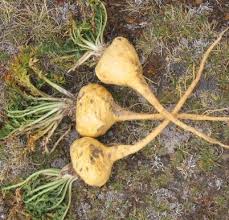
Maca (Lepidium meyenii) is a root plant consumed as a food and for medicinal purposes. Maca is also known as “Peruvian ginseng” (despite the fact that it is not a member of the ginseng family), because it is used as a folk remedy to increase stamina, energy, and sexual function. It is typically taken as a pill or liquid extract or as powdered maca root.
Long used to enhance energy and boost stamina, maca is often touted as an aphrodisiac and a natural means of improving sexual performance and fertility. Although few scientific studies have tested maca’s medicinal effects, some research suggests that maca may offer certain health benefits.
Proponents claim that maca may help with these health concerns:
- fatigue
- infertility
- symptoms of menopause
- sexual dysfunction in women
- sexual dysfunction in men (including erectile dysfunction)
Maca is also said to aid in the treatment of cancer.
Here’s a look at the available research on maca and its potential health benefits:
There is “limited evidence” for maca’s effectiveness in improving sexual function in men and women, according to a 2010 report published in BMC Complementary and Alternative Medicine. The report’s authors analyzed four clinical trials, two of which found that maca may have positive effects on sexual dysfunction or sexual desire in healthy menopausal women or healthy adult men. However, the other two trials found that maca failed to produce any positive effects on sexual function.
In a 2008 study from CNS Neuroscience & Therapeutics, researchers found that maca may help alleviate sexual dysfunction caused by use of selective-serotonin reuptake inhibitors (or SSRIs, a class of medications used in treatment of depression). The study involved 20 people with depression, all of whom were experiencing SSRI-induced sexual dysfunction. Results revealed that maca may also help improve libido.
………………………………………………………………………………………………………………
Muira Palma
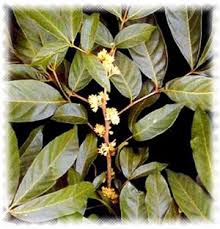
Muira puama is a small Brazilian tree that grows across the Amazon river basin. It has a long history of use in Brazilian folk medicine as an aphrodisiac.
The root and stem of the tree are used medicinally.
Muira puama is used mainly as a herbal remedy for erectile dysfunction and sexual dysfunction in women.
……………………………………………………………………………………………………………..
Damiana
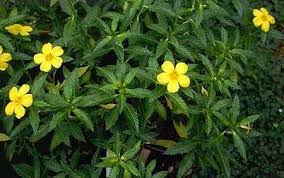
Other Names: Turnera diffusa, Turnera aphrodisiacaDamiana is a plant native to Mexico and the southern United States. The dried leaves are used medicinally.Damiana has been widely used as an aphrodisiac in Mexico for men and women.The use of damiana as an aphrodisiac is somewhat controversial because there is no scientific evidence that it works and yet it has been widely promoted as a sexual stimulant.One study suggests that damiana may have plant compounds with effects similar to those of progesterone. Over 150 herbs were tested for their ability to bind with estrogen and progesterone receptors in breast cancer cells and found that the damiana was among the six highest progesterone-binding herbs and spices.Damiana is also used for asthma, anxiety, depression, headache, and menstrual disorders, however, there is no scientific evidence that it works for these conditions.
Damiana is found in various forms, including capsule, liquid extract, and tea form. A typical dosage is a 400 mg capsule taken once or twice a day.
Damiana may cause mild indigestion.
Damiana contains a glycoside compound called arbutin. In the urinary tract, arbutin is converted into a chemical called hydroquinone. In large amounts, hydroquinone can cause nausea, vomiting, tinnitus (ringing in the ears, convulsions, and eventually, collapse and death.
Although damiana contains about 1/10 of the arbutin as the herb uva ursi, a maximum safe dose of damiana has not been established.
The safety of damiana in children, pregnant or nursing women, or people with liver or kidney disease has not been established.
…………………………………………………………………………………………………………..
Fo-Ti

Other Names: Polygonum multiflorum, He shou wu
Fo-ti is a plant native to China that is also found in Japan and Taiwan. The medicinal part of the plant is the root. In traditional Chinese medicine, it is often boiled in a liquid made with black beans — this is known as red fo-ti. White fo-ti is the unprocessed root.
Fo-ti is called He shou wu, which means “black-haired Mr. He” in Chinese. This name refers to a legend of an older villager named Mr. He who took fo-ti and restored his black hair, youthful appearance and vitality.
……………………………………………………………………………………………………………….
Horny Goat Weed
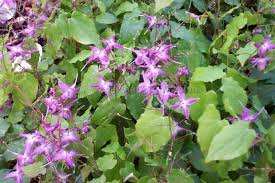
Horny goat weed is a leafy plant that is native to Asia and the Mediterranean region. It is also known as Epimedium and Yin Yan Huo.
Horny goat weed has a long history of use in traditional Chinese medicine.
According to folklore, horny goat weed’s reputed aphrodisiac qualities were discovered when a Chinese goat herder noticed increased sexual activity in his flock after they ingested the weed.
Animal studies indicate that horny goat weed may work by increasing nitric oxide levels, which relaxes smooth muscle and lets more blood flow to the penis or clitoris.
Horny goat weed also appears to act by inhibiting the PDE-5 enzyme, which is the same way that the popular drug Viagra works.
Some evidence suggests horny goat weed may modulate levels of the hormones cortisol, testosterone, and thyroid hormone, bringing low levels back to normal.

 DRUG APPROVALS BY DR ANTHONY MELVIN CRASTO
.....
DRUG APPROVALS BY DR ANTHONY MELVIN CRASTO
.....


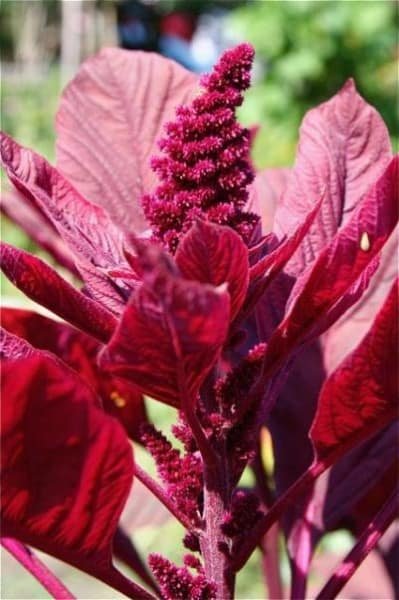
 Like all fast growing leafy greens amaranth loves rich soil with steady moisture and a good supply of nutrients. Amaranth is a hardier plant and can cope with heat and dry conditions a lot better than any other leafy green. Due to a high requirement of nutrients, especially nitrogen, using a leguminous cover crop such as clover, beans and peas can provide adequate organic nitrogen.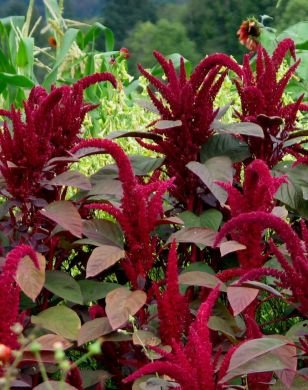


 acylovir


 New Drug Approvals