
Home » Uncategorized (Page 10)
Category Archives: Uncategorized
 DRUG APPROVALS BY DR ANTHONY MELVIN CRASTO
.....FOR BLOG HOME CLICK HERE
DRUG APPROVALS BY DR ANTHONY MELVIN CRASTO
.....FOR BLOG HOME CLICK HEREFlag and hits
ORGANIC SPECTROSCOPY

SUBSCRIBE

 Subscribe in a reader
Enter your email address:
Delivered by FeedBurner
Subscribe to New Drug Approvals by Email


Recent Comments
 | shivkr2 on SPSR Excellence Award 2025 – S… |
 | Bonkasaurus on Infigratinib phosphate |
 | PALOVAROTENE | ORGAN… on Palovarotene |
| Pfizer just purchase… on Temanogrel | |
| Pfizer To Cash In On… on Temanogrel |
Cirtociclib
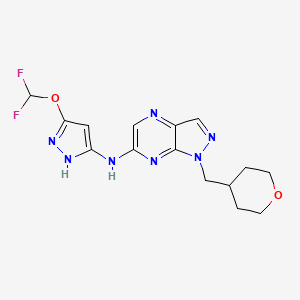
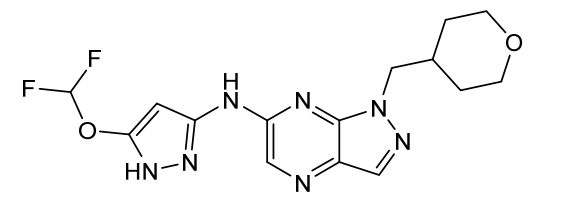
Cirtociclib
CAS 2888704-84-3
MF C15H17F2N7O2 MW365.34 g/mol
N-[3-(difluoromethoxy)-1H-pyrazol-5-yl]-1-(oxan-4-ylmethyl)pyrazolo[3,4-b]pyrazin-6-amine
N-[5-(difluoromethoxy)-1H-pyrazol-3-yl]-1-[(oxan-4-yl)methyl]-1H-pyrazolo[3,4-b]pyrazin-6-amine
cyclin-dependent kinase inhibitor, antineoplastic, BLU-222, BLU 222, BLU 170298, U93X72ED47, CDK2 Inhibitor BLU-222
Cirtociclib (also known as BLU-222) is an investigational drug that acts as a highly selective inhibitor of cyclin-dependent kinase 2 (CDK2). It is being developed by Blueprint Therapeutics for the treatment of advanced solid tumours, particularly those with genetic drivers like CCNE1 amplification, which are common in certain ovarian and breast cancers
Certociclib is a small molecule drug. Certociclib is under investigation in clinical trial NCT05252416 ((VELA) Study of BLU-222 in Advanced Solid Tumors). Certociclib has a monoisotopic molecular weight of 365.14 Da.
Certociclib is an orally bioavailable inhibitor of cyclin-dependent kinase 2 (CDK2), with potential antineoplastic activity. Upon administration, certociclib selectively targets, binds to and inhibits the activity of CDK2. This may lead to cell cycle arrest, the induction of apoptosis, and the inhibition of tumor cell proliferation. CDK2, a serine/threonine kinase that plays an important role in the regulation of cell cycle progression and cellular proliferation, is overexpressed in certain tumor cells.
How It Works
- Targeting CDK2: It binds to CDK2, a protein that regulates the cell cycle.
- Cell Cycle Arrest: By inhibiting CDK2, the drug causes G1 arrest, preventing cancer cells from replicating.
- Selectivity: It is designed to be “best-in-class” for its high selectivity for CDK2 over other kinases like CDK1, CDK4, or CDK6.
Therapeutic Potential
- Ovarian Cancer: Specifically targets high-grade serous ovarian cancer where CCNE1 is amplified.
- Breast Cancer: Shows promise in treating hormone receptor-positive/HER2-negative (HR+/HER2-) breast cancer, especially when the cancer has become resistant to existing CDK4/6 inhibitors.
- Combination Therapy: Researchers are testing it alongside other drugs, such as palbociclib, ribociclib, or chemotherapy agents like carboplatin, to enhance efficacy.
Current Status
- Clinical Trials: It is currently being evaluated in a Phase 1/2 clinical trial known as the VELA study (NCT05252416) for patients with advanced solid tumours.
- Research Status: It is not yet approved for general medical use and is primarily available for research and clinical trial participants.
(VELA) Study of BLU-222 in Advanced Solid Tumors
CTID: NCT05252416
Phase: Phase 1
Status: Terminated
Date: 2025-11-28
🌟 Key Point: Cirtociclib represents a new generation of precision medicine aimed at overcoming resistance to standard cancer therapies by specifically targeting the CDK2 pathway
PAT
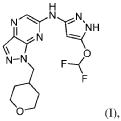
The structure of one CDK2 inhibitor, referred to herein as “a compound of formula (I)” or N-(5-(difluoromethoxy)-lH-pyrazol-3-yl)-l-((tetrahydro-2H-pyran-4-yl)methyl)-lH-pyrazolo[3,4-b]pyrazin-6-amine is shown below:
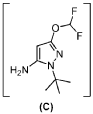
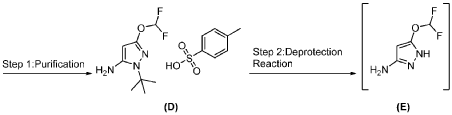
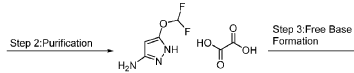
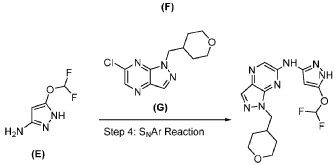
PAT
Example 2
N-(5-(difluoromethoxy)-1H-pyrazol-3-yl)-1-((tetrahydro-2H-pyran-4-yl)methyl)-1H-pyrazolo[3,4-b]pyrazin-6-amine
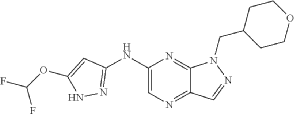
A mixture of 6-chloro-1-((tetrahydro-2H-pyran-4-yl)methyl)-1H-pyrazolo[3,4-b]pyrazine (Preparation 87, 780 mg, 3.09 mmol), 5-(difluoromethoxy)-1H-pyrazol-3-amine (554 mg, 3.72 mmol), tBuXphos Pd G3 (150 mg, 0.19 mmol) and KOAc (892 mg, 9.08 mmol) in dioxane (15 mL) was stirred at 90° C. for 6 h under N 2. The reaction mixture was evaporated to dryness in vacuo and the residue was purified by prep-HPLC-4 to afford the title compound as a white solid (361.4 mg, 32%). LCMS m/z=366 [M+H] +; 1H NMR (400 MHz, DMSO-d 6) δ: 12.21 (s, 1H), 10.82 (s, 1H), 8.19 (s, 1H), 8.17 (s, 1H), 7.32 (t, 1H), 5.98 (d, 1H), 4.40 (d, 2H), 3.87-3.75 (m, 2H), 3.29-3.16 (m, 2H), 2.24-2.11 (m, 1H), 1.46-1.29 (m, 4H).
PAT
- The cdk2 inhibitor blu-222 for treatment of cancerPublication Number: WO-2024168298-A1Priority Date: 2023-02-10
- Solid forms of a cdk2 inhibitorPublication Number: WO-2024148083-A1Priority Date: 2023-01-04
- Cdk2 inhibitorsPublication Number: US-2023322791-A1Priority Date: 2021-06-28
- Cdk2 inhibitorsPublication Number: US-2023159535-A1Priority Date: 2021-06-28
- CDK2 inhibitorsPublication Number: US-11970498-B2Priority Date: 2021-06-28Grant Date: 2024-04-30
- Cdk2 inhibitorsPublication Number: US-2024383902-A1Priority Date: 2021-06-28
- CDK2 inhibitorsPublication Number: US-11932648-B2Priority Date: 2021-06-28Grant Date: 2024-03-19


AS ON FEB2026 4.574 LAKHS VIEWS ON BLOG WORLDREACH AVAILABLEFOR YOUR ADVERTISEMENT
join me on Linkedin
Anthony Melvin Crasto Ph.D – India | LinkedIn
join me on Researchgate
RESEARCHGATE

join me on Facebook
Anthony Melvin Crasto Dr. | Facebook
join me on twitter
Anthony Melvin Crasto Dr. | twitter
+919321316780 call whatsaapp
EMAIL. amcrasto@gmail.com

References
/////////cirtociclib, cyclin-dependent kinase inhibitor, antineoplastic, BLU-222, BLU 222, BLU 170298, U93X72ED47, CDK2 Inhibitor BLU-222
#cirtociclib, #cyclin-dependent kinase inhibitor, #antineoplastic, #BLU-222, #BLU 222, #BLU 170298, #U93X72ED47, #CDK2 Inhibitor BLU-222
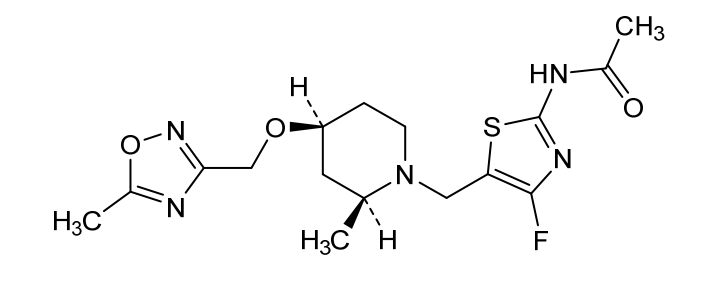
Ceperognastat

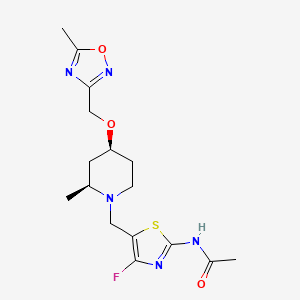
Ceperognastat
CAS 2241514-56-5
MF C16H22FN5O3S MW383.4 g/mol
Acetamide, N-(4-fluoro-5-(((2S,4S)-2-methyl-4-((5-methyl-1,2,4-oxadiazol-3-yl)methoxy)-1-piperidinyl)methyl)-2-thiazolyl)-
N-[4-fluoro-5-({(2S,4S)-2-methyl-4-[(5-methyl-1,2,4-oxadiazol-3-yl)methoxy]piperidin-1-yl}methyl)-1,3-thiazol-2-yl]acetamide
O-GlcNAcase (OGA) enzyme inhibitor, LY3372689, LY3372689, U0SGP6ZX2V
Ceperognastat (LY3372689) is a drug candidate molecule under investigation to treat Alzheimer’s disease. It targets the enzyme O-GlcNAcase.[2][3] Its result is to reduce formation of tau protein tangles.
A molecule containing radioactive fluorine was used with a PET scan to show that ceperognastat binds in the human brain.[4]
Ceperognastat was discovered via a high-throughput screening campaign followed by further optimization.[5]
Eli Lilly and Company is recruiting subjects for a clinical trial.[6] Some hospitals in Australia: St Vincent’s Hospital, Sydney Hornsby Ku-Ring-Gai Hospital, The Prince Charles Hospital, The Queen Elizabeth Hospital, Adelaide, Box Hill Hospital, and Delmont Private Hospital are involved.[7] Results of the trial were expected by June 2024.[8] Primary completion of the study occurred on 9th July 2024, with full completion expected in August 2024. In an investor call, it was disclosed that ceperognastat missed the primary endpoint of improvement on the Integrated Alzheimer’s Disease Rating Scale. The detailed results of this study are expected to be disclosed at a conference in late 2024.[9]
Chemical
The molecule contains three rings: thiazole, piperidine and oxadiazole. Other functional groups included are an ether, acetamide, and a fluoride.[10]
- A Study of LY3372689 to Assess the Safety, Tolerability, and Efficacy in Participants With Alzheimer’s DiseaseCTID: NCT05063539Phase: Phase 2Status: CompletedDate: 2025-07-28
- A Study of the Effects of Multiple Doses of LY3372689 on the Brain in Healthy ParticipantsCTID: NCT04392271Phase: Phase 1Status: CompletedDate: 2020-11-04
- A Safety Study of LY3372689 in Healthy ParticipantsCTID: NCT04106206Phase: Phase 1Status: CompletedDate: 2020-04-24
- A Study of the Effects of LY3372689 on the Brain in Healthy ParticipantsCTID: NCT03944031Phase: Phase 1Status: CompletedDate: 2020-04-22
- A Safety Study of LY3372689 Given By Mouth to Healthy ParticipantsCTID: NCT03819270Phase: Phase 1Status: CompletedDate: 2019-07-05
REF
- Discovery and clinical translation of ceperognastat, an O‐GlcNAcase (OGA) inhibitor, for the treatment of Alzheimer’s diseasePublication Name: Alzheimer’s & Dementia: Translational Research & Clinical InterventionsPublication Date: 2024-10PMCID: PMC11694536PMID: 39748851DOI: 10.1002/trc2.70020
- Discovery of 4-(Arylethynyl)piperidine Derivatives as Potent Nonsaccharide O-GlcNAcase Inhibitors for the Treatment of Alzheimer’s DiseasePublication Name: Journal of Medicinal ChemistryPublication Date: 2024-08-07PMID: 39109492DOI: 10.1021/acs.jmedchem.4c01132
SYN
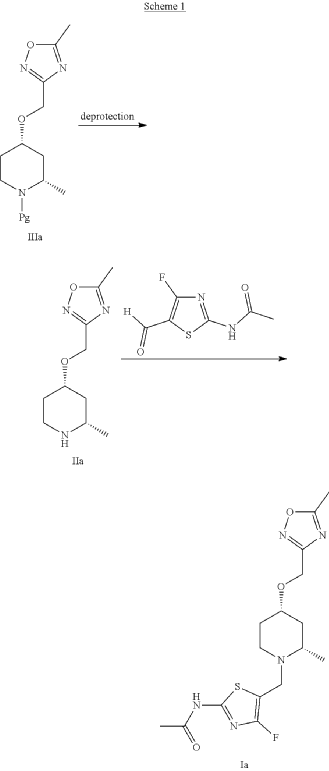
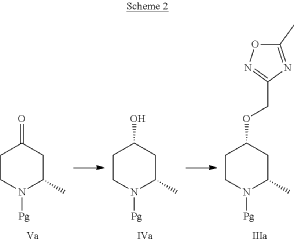
EXAMPLE 1
Synthesis of N-[4-fluoro-5-[[(2S,5S)-2-methyl-4-[(5-methyl-1,2,4-oxadiazol-3-yl)methoxy]-1-piperidyl]methyl]thiazol-2-yl]acetamide
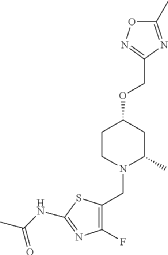
PAT
- N-[4-fluoro-5-[[(2s,4s)-2-methyl-4-[(5-methyl-1,2,4-oxadiazol-3-yl)methoxy]-1-piperidyl]methyl]thiazol-2-yl]acetamide as oga inhibitorPublication Number: EP-3573983-B1Priority Date: 2017-01-27Grant Date: 2021-04-21
- N-[4-fluoro-5-[[(2s,4s)-2-methyl-4-[(5-methyl-1,2,4-oxadiazol-3-yl)methoxy]-1-piperidyl]methyl]thiazol-2-yl]acetamide as oga inhibitorPublication Number: NZ-754849-APriority Date: 2017-01-27
- N- [4-Fluoro-5-[[(2S, 4S) -2-methyl-4-[(5-methyl-1,2,4-oxadiazol-3-yl) methoxy] as OGA inhibitor -1-piperidyl] methyl] thiazol-2-yl] acetamidePublication Number: JP-2020504142-APriority Date: 2017-01-27
- N-[4-fluoro-5-[[(2S,4S)-2-methyl-4-[(5-methyl-1,2,4-oxadiazol-3-yl)methoxy]-1-piperidyl]methyl] Thiazol-2-yl]acetamide as an inhibitor of OGAPublication Number: IL-267693-APriority Date: 2017-01-27
- Acetamide N-[4-fluor-5-]](4S,2S)-2-methyl-4-](5-methyl-1,2,4-oxadiazole-3-yl)methoxy[-1-piperdyl[methyl] [Thiazole-2-yl] as an OGA inhibitorPublication Number: JO-P20190182-A1Priority Date: 2017-01-27
- N-[4-FLUORO-5-[[(2S,4S)-2-METHYL-4-[(5-METHYL-1,2,4-OXADIAZOLE-3-IL)METHOXI]-1-PIPERIDIL]METHYL]THIAZOLE-2-IL] ACETAMIDE AS AN OGA INHIBITOR.Publication Number: MX-387166-BPriority Date: 2017-01-27
- N-[4-fluoro-5-[[(2s,4s)-2-methyl-4-[(5-methyl-1,2,4-oxadiazol-3-yl)methoxy]-1-piperidyl]methyl]thiazol-2-yl]acetamide as oga inhibitorPublication Number: MY-197494-APriority Date: 2017-01-27
AS ON FEB2026 4.574 LAKHS VIEWS ON BLOG WORLDREACH AVAILABLEFOR YOUR ADVERTISEMENT
join me on Linkedin
Anthony Melvin Crasto Ph.D – India | LinkedIn
join me on Researchgate
RESEARCHGATE
join me on Facebook
Anthony Melvin Crasto Dr. | Facebook
join me on twitter
Anthony Melvin Crasto Dr. | twitter
+919321316780 call whatsaapp
EMAIL. amcrasto@gmail.com
References
References
- “Data Sheet LY3372689” (PDF). 26 December 2024. Retrieved 4 February 2025.
- “LY3372689”. http://www.alzforum.org.
- Cheng, Steven S.; Mody, Alison C.; Woo, Christina M. (2024-11-07). “Opportunities for Therapeutic Modulation of O-GlcNAc”. Chemical Reviews. 124 (22): 12918–13019. doi:10.1021/acs.chemrev.4c00417. ISSN 0009-2665. PMID 39509538.
- Shcherbinin, Sergey; Kielbasa, William; Dubois, Susan; Lowe, Stephen L; Phipps, Krista M; Tseng, James; Kevin, Donnelly B; Natanegara, Fanni; Warner, Susan; Dreyfus, Nicolas; Lindsay-Scott, Peter; Hawk, Mai Khanh; McDonald, Nicholas; Zhang, Xiaoyu; Gilmore, Julie A; Biglan, Kevin; Mergott, Dustin J; Russell, David; Gunn, Roger N; Constantinescu, Cristian; Nuthall, Hugh Norman; Collins, Emily C (December 2020). “Brain target occupancy of LY3372689, an inhibitor of the O-GlcNAcase (OGA) enzyme: Translation from rat to human: Neuroimaging / evaluating treatments”. Alzheimer’s & Dementia. 16 (S4). doi:10.1002/alz.040558. S2CID 227501893.
- Kielbasa, William; Goldsmith, Paul; Donnelly, Kevin B.; Nuthall, Hugh N.; Shcherbinin, Sergey; Fleisher, Adam S.; Hendle, Jörg; DuBois, Susan L.; Lowe, Stephen L.; Zhang, Feiyu Fred; Woerly, Eric M.; Dreyfus, Nicolas J.-F.; Evans, David; Gilmore, Jeremy; Mancini, Michele (October 2024). “Discovery and clinical translation of ceperognastat, an O-GlcNAcase (OGA) inhibitor, for the treatment of Alzheimer’s disease”. Alzheimer’s & Dementia: Translational Research & Clinical Interventions. 10 (4) e70020. doi:10.1002/trc2.70020. ISSN 2352-8737. PMC 11694536. PMID 39748851.
- “Assessment of Safety, Tolerability, and Efficacy of LY3372689 in Early Symptomatic Alzheimer’s Disease”. clinicaltrials.gov. 22 March 2022. Retrieved 31 March 2022.
- “A Study of LY3372689 to Assess the Safety, Tolerability, and Efficacy in Participants With Alzheimer’s Disease”. Retrieved 31 March 2022.
- Krietsch Boerner, Leigh (25 March 2022). “Hybrid meeting divulges structures of drug candidates”. Chemical & Engineering News. ISSN 0009-2347.
- edge.media-server.com https://edge.media-server.com/mmc/p/3kqnwjy6/. Retrieved 2024-10-06.
{{cite web}}: Missing or empty|title=(help) - Dreyfus, Nicolas Jacques Francois; Lindsay-Scott, Peter James (2 August 2018). “N-[4-Fluoro-5-[[(2S,4S)-2-Methyl-4-[(5-Methyl-1,2,4-Oxadiazol-3-Yl)methoxy]-1-Piperidyl]methyl]thiazol-2-Yl]acetamide as Oga Inhibitor”. Retrieved 31 March 2022.
| Names | |
|---|---|
| IUPAC nameN-[4-fluoro-5-[[2-methyl-4-[(5-methyl-1,2,4-oxadiazol-3-yl)methoxy]piperidin-1-yl]methyl]-1,3-thiazol-2-yl]acetamide | |
| Identifiers | |
| CAS Number | 2241514-56-5 [1] |
| 3D model (JSmol) | Interactive image |
| ChemSpider | 129432852 |
| PubChem CID | 135271363 |
| InChI | |
| SMILES | |
| Properties | |
| Chemical formula | C16H22FN5O3S |
| Molar mass | 383.44 g·mol−1 |
| Except where otherwise noted, data are given for materials in their standard state (at 25 °C [77 °F], 100 kPa).Infobox references | |
/////////ceperognastat, O-GlcNAcase (OGA) enzyme inhibitor, LY3372689, LY3372689, U0SGP6ZX2V
#ceperognastat, #O-GlcNAcase (OGA) enzyme inhibitor, #LY3372689, #LY3372689, #U0SGP6ZX2V
Cendifensine

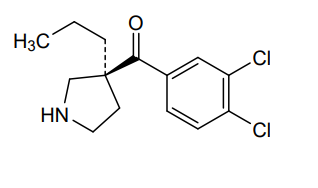
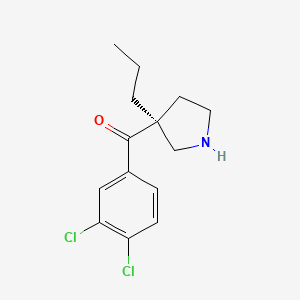
Cendifensine
CAS 1034048-49-1
MF C14H17Cl2NO MW286.2 g/mol
Methanone, (3,4-dichlorophenyl)[(3S)-3-propyl-3-pyrrolidinyl]-
(3,4-dichlorophenyl)[(3S)-3-propylpyrrolidin-3-yl]methanone
monoamine reuptake inhibitor, NOE-115, NOE 115, N4U2JR8GCX,
Cendifensine (INNTooltip International Nonproprietary Name) is a monoamine reuptake inhibitor (MRI)[1] related to the amphetamines and cathinones which has not been marketed at this time.[2][3][4] It was first described by 2013[4] and its INNTooltip International Nonproprietary Name was proposed in 2024.[2] The drug has been patented by Noema Pharma, which is developing a serotonin–norepinephrine–dopamine reuptake inhibitor (SNDRI) known as NOE-115 for the treatment of vasomotor symptoms associated with menopause[5] as well as for binge-eating disorder and depressive disorders.[6][7][8]
- OriginatorRoche
- DeveloperNoema Pharma
- ClassAlkanes; Antidepressants; Behavioural disorder therapies; Chlorobenzenes; Ketones; Pyrrolidines; Small molecules
- Mechanism of ActionAdrenergic uptake inhibitors; Dopamine uptake inhibitors; Serotonin uptake inhibitors
- Phase IIVasomotor symptoms
- No development reportedBinge-eating disorder; Depressive disorders
- 28 Jan 2026No recent reports of development identified for phase-I development in Binge-Eating-Disorder in Switzerland (Parenteral)
- 28 Jan 2026No recent reports of development identified for phase-I development in Depressive disorders in Switzerland (Parenteral)
- 17 Nov 2025Chemical structure information added.
SYN
WO2023161533
Example 1. Synthesis of (3,4-dichloro-phenyl)-((S)-3-propyl-pyrrolidin-3-yl)-methanone hydrochloride (15) quarterhydrate [See U.S. Patent No. 9,527,810]
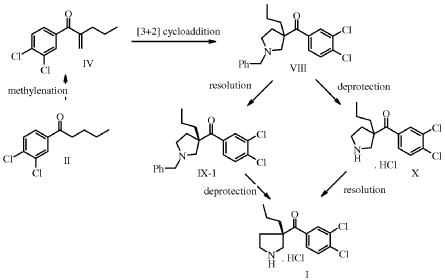
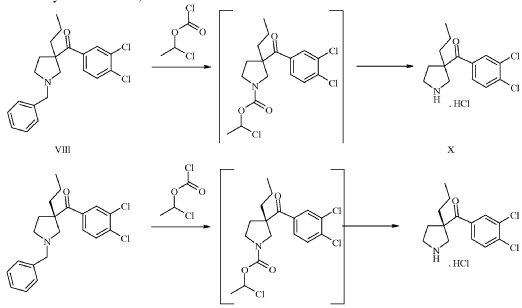
0123-(l-benzyl-3-propylpyrrolidin-3-yl)(3,4-dichlorophenyl)methanone (IX-1) (5 g, 13.3 mmol, Eq: 1.00, see U.S. Patent No. 9,527,810 for synthesis) was dissolved in dichloromethane (30 mL). The light yellow solution was cooled to 0-5 °C and N-ethyldiisopropylamine (172 mg, 226 pL, 1.33 mmol, Eq: 0.1) was added. 1-Chloroethyl chloroformate (2.28 g, 1.74 ml, 15.9 mmol, Eq: 1.2) was added dropwise while the temperature was maintained in between 0-5 °C. The reaction was warmed to room temperature over 30 min and was stirred 1 h at room temperature. Methanol (25 mL) was added and the light yellow solution was heated to 40 °C for 40 min. The reaction mixture was concentrated under reduced pressure (40 °C, 600-15 mbar) to give 5.48 g of crude product. Ethyl acetate (30.0 mL) was added and the suspension was heated to 50 °C. A solution of water (239 mg, 239 pL, 13.3 mmol, Eq: 1.0) in ethyl acetate (35 mL) was added over 10 min. The white suspension was stirred for 1 h at 50 °C and cooled to room temperature over 1.5 h. The suspension was filtered, and the filter cake was washed twice with ethyl acetate (10 mL) and dried under reduced pressure (40° C, 15 mbar) to give 4.02 g of (15) as quarterhydrate (93% yield).
SYN
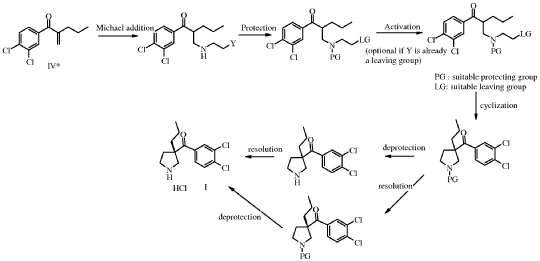
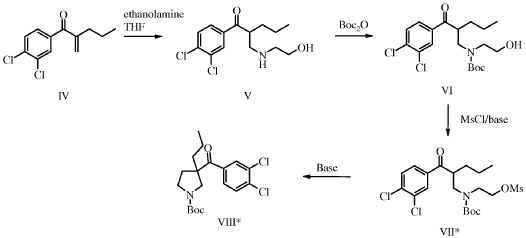
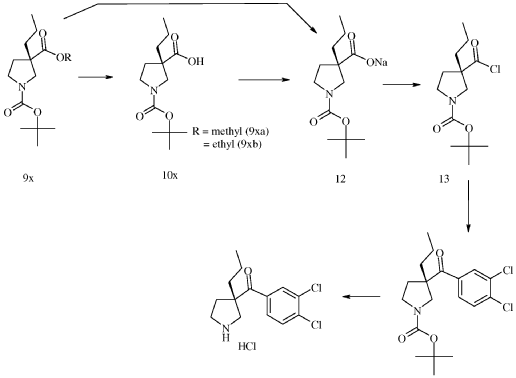
Synthesis of l-(3,4-Dichloro-phenyl)-pentan-l-one (II)

Aluminum chloride (12.4 g, 93.3 mmol, Eq: 1.5) was charged in the reactor followed by 1,2-dichlorobenzene (27.4 g, 21.0 ml, 187 mmol, Eq: 3). The suspension was heated to 80°C in 10 min and pentanoyl chloride (7.5 g, 7.58 ml, 62.2 mmol, Eq: 1.00) was added dropwise over 30 min. The reaction mixture went from a yellow suspension to an orange/brown viscous solution. After 5h reaction at 80°C the deep orange/brown reaction mixture was cooled to 25°C and stirred at 25 °C overnight. The reaction mixture was poured onto a mixture of n-heptane (68.4 g, 100 ml) and water/ice 50:50 (100 g, 100 ml). The organic phase was separated and washed with water (50.0 g, 50 ml) then with NaHC03aq 5% (50 ml) and finally with water (50.0 g, 50 ml) The organic phase was dried azeotropically (60°C/ca 150 mbar) with n-heptane (205 g, 300 ml) to give 28g of crude product as an orange oil (ca 96:4 Product/2,3-dichlorovalerophenone isomer). The crude oil was dissolved in n-heptane (27.4 g, 40 ml) and the solution was cooled to -20°C for 2 h. The suspension was filtered. The filter was washed with cold n-heptane (10.3 g, 15 ml) and dried at 35°C/10 mbar to give 8.8 g of the title product (>98a GC, isomer <1%).
Synthesis of l-(3,4-Dichloro-phenyl)-2-methylene-pentan-l-one (IV)

II ΠΙ-1 IV
Alternative A
l-(3,4-dichlorophenyl)pentan-l-one II (15 g, 63.0 mmol, equivalents: 1.00) and paraformaldehyde (3.58 g, 113 mmol, equivalents: 1.8) were charged in the reactor followed by heptane (30.0 ml). Temperature was set at 25°C. Diethylamine (8.84 g, 12.5 ml, 120 mmol, equivalents: 1.9) was added. Paraformaldehyde partially dissolved over time. Acetic acid (11.4 g, 10.9 ml, 189 mmol, equivalents: 3) was slowly added and the reaction mixture was heated to 60°C. After 17h reaction (< 2 % starting material), deionized water (30.0 ml) was added and the reaction mixture was heated to 80°C. After completion of the reaction (usually < 5h, < 1% intermediate by HPLC), the reaction mixture was cooled to room temperature. The organic phase was separated and washed twice with 20 mL deionized water. The organic phase was
concentrated under reduced pressure and dried azeotropically with heptane to give 15.32 g of the olefin IV as orange oil (96% yield corrected for 96a% purity by HPLC).
Alternative B
l-(3,4-dichlorophenyl)pentan-l-one II (15 g, 63.0 mmol, equivalents: 1.00) and paraformaldehyde (3.58 g, 113 mmol, equivalents 1.8) were charged in the reactor followed by heptane (20.5 g, 30.0 ml). Temperature was set to 25°C. Acetic acid (11.4 g, 10.9 ml, 189 mmol, equivalents: 3) was added followed by diethylamine (8.84 g, 12.5 ml, 120 mmol, equivalents: 1.9). The reaction mixture was heated to 60°C. After 17h30 reaction (< 2% starting material), deionized water (30.0 ml) was added and the reaction mixture was heated to 80°C. After completion of the reaction (usually < 5h; < 1% intermediate by HPLC), the reaction mixture was cooled to room temperature and polish filtered. The aqueous phase was separated and discarded. The organic phase was washed twice with 20 mL deionized water and once with 10 mL 25% aqueous sodium chloride. The organic phase was concentrated under reduced pressure and dried azeotropically with heptane to give 15.53 g of the desired product IV as orange oil (99% yield, corrected for 97.7 %).

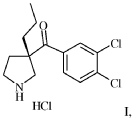
Synthesis of (3,4-Dichloro-phenyl)-(3-(S)-propyl-pyrrolidin-3-yl)-methanonehydrochloride I
Alternative A
(S)-(3,4-dichlorophenyl)(3-propylpyrrolidin-3-yl)methanone (2S,3S)-2,3-dihydroxysuccinate X-TAR (20 g, 45.7 mmol, Equivalents: 1.00) was suspended in methyl iert-butyl ether (150 ml)and treated with 2M aqueous sodium hydroxide (48.0 ml, 96.0 mmol, Equivalents: 2.1). The organic phase was separated and washed twice with water (50 ml). Ethanol (150 ml) was added to the organic extract followed by 37% hydrochloric acid (4.01 ml, 48.0 mmol, Equivalents: 1.05). The solution was concentrated under reduced pressure (300 mbar/60°C) to ca 100 mL and was polish filtered. Ethyl acetate (300 ml) was added and the solution was seeded. The resulting mixture was concentrated under reduced pressure (300 mbar/60°C) to a white suspension (ca 150 g). A solution of water (412 mg, 412 μΐ, 22.9 mmol, Equivalents: 0.5) in ethanol (15 ml) was added at room temperature. The suspension was stirred at room temperature overnight and cooled to 0°C for lh. The suspension was filtered and the filter cake was washed with cold (0°C) ethyl acetate (60 ml). The crystals were dried at 50°C under reduced pressure to give 14.3 g of product I as quarterhydrate (96% yield).
PAT
- HYPEREROYL PYROLIDINYL AND PIPERIDINYL KETONEPublication Number: BR-PI0720742-A2Priority Date: 2006-12-19
- Heteroaryl pyrrolidinyl and piperidinyl ketone derivativesPublication Number: JP-5394252-B2Priority Date: 2006-12-19Grant Date: 2014-01-22
- Heteroaryl pyrrolidinyl and piperidinyl ketone derivativesPublication Number: CA-2671378-CPriority Date: 2006-12-19Grant Date: 2015-10-20
- Heteroaryl pyrrolidinyl and piperidinyl ketone derivativesPublication Number: RU-2479575-C2Priority Date: 2006-12-19Grant Date: 2013-04-20
- Heteroaryl pyrrolidinyl and piperidinyl ketone derivatives and uses thereofPublication Number: US-8513425-B2Priority Date: 2006-12-19Grant Date: 2013-08-20
- HETEROARIL-PYRROLIDINYL AND PIPERIDINYL-CETONE DERIVATIVESPublication Number: PT-2354124-EPriority Date: 2006-12-19
- Heteroaryl pyrrolidinyl and piperidinyl ketone derivativesPublication Number: NZ-577114-APriority Date: 2006-12-19
- Heteroaryl pyrrolidinyl and piperidinyl ketone derivatives and uses thereofPublication Number: US-2012065225-A1Priority Date: 2006-12-19
- derivatives of heteroaryl pyrrolidinyl and piperidinyl ketone, their uses and pharmaceutical compositionPublication Number: BR-PI0720742-B1Priority Date: 2006-12-19
- Heteroaryl pyrrolidinyl and piperidinyl ketone derivativesPublication Number: EP-2354124-B1Priority Date: 2006-12-19Grant Date: 2013-02-13
- Heteroaryl pyrrolidinyl and piperidinyl ketone derivativesPublication Number: EP-2684871-A1Priority Date: 2006-12-19
- Heteroaryl pyrrolidinyl and piperidinyl ketone derivativesPublication Number: EP-2354124-A2Priority Date: 2006-12-19
- Pyrrolidinyl and piperidinyl ketone derivatives and uses thereofPublication Number: US-8084623-B2Priority Date: 2006-12-19Grant Date: 2011-12-27
- Heteroaryl-pyrrolidinyl- and -piperidinyl-ketone derivativesPublication Number: ES-2401129-T3Priority Date: 2006-12-19Grant Date: 2013-04-17
AS ON FEB2026 4.574 LAKHS VIEWS ON BLOG WORLDREACH AVAILABLEFOR YOUR ADVERTISEMENT
join me on Linkedin
Anthony Melvin Crasto Ph.D – India | LinkedIn
join me on Researchgate
RESEARCHGATE
join me on Facebook
Anthony Melvin Crasto Dr. | Facebook
join me on twitter
Anthony Melvin Crasto Dr. | twitter
+919321316780 call whatsaapp
EMAIL. amcrasto@gmail.com
References
References
- WO, Garibaldi G, “Triple uptake inhibitor for the treatment of atypical depression”, published 31 August 2023, assigned to Noema Pharma AG
- “Proposed INN: List 132 International Nonproprietary Names for Pharmaceutical Substances (INN)” (PDF). WHO Drug Information. 38 (4). 2024.
cendifensinum cendifensine (3,4-dichlorophenyl)[(3S)-3-propylpyrrolidin-3-yl]methanone monoamine reuptake inhibitor […] C14H17Cl2NO 1034048-49-1
- “(3,4-Dichlorophenyl)[(3S)-3-propyl-3-pyrrolidinyl]methanone”. Global Substance Registration System (GSRS). National Center for Advancing Translational Sciences (NCATS), U.S. National Institutes of Health. Retrieved 24 February 2025.
- CA, Adam JM, Dvorak CA, Fishlock D, Humphreys ER, Iding H, Pfleger C, Rege PD, Shi X, Vitale J, Wang S, Zajac M, “(3,4-dichloro-phenyl)-((s)-3-propyl-pyrrolidin-3-yl)-methanone hydrochloride and manufacturing processes”, published 23 April 2013, assigned to F Hoffmann La Roche AG
- Young Moss S, Lee A, Simon JA (November 2025). “Advances in Pharmacotherapy for Menopausal Vasomotor Symptoms”. Drugs. 85 (11): 1363–1379. doi:10.1007/s40265-025-02231-8. PMC 12572072. PMID 41028653.
- “NOE 115”. AdisInsight. 21 May 2024. Retrieved 24 February 2025.
- “Delving into the Latest Updates on Noema Pharma AG with Synapse”. Synapse. 23 January 2025. Retrieved 24 February 2025.
- “Noema Pharma”. Noema Pharma. 18 June 2021. Retrieved 24 February 2025.
| Clinical data | |
|---|---|
| Other names | NOE-115 |
| Drug class | Monoamine reuptake inhibitor |
| Identifiers | |
| IUPAC name | |
| CAS Number | 1034048-49-1 |
| PubChem CID | 59744668 |
| ChemSpider | 42806369 |
| UNII | N4U2JR8GCX |
| Chemical and physical data | |
| Formula | C14H17Cl2NO |
| Molar mass | 286.20 g·mol−1 |
| 3D model (JSmol) | Interactive image |
| SMILES | |
| InChI | |
///////////cendifensine, monoamine reuptake inhibitor, NOE-115, NOE 115, N4U2JR8GCX,
#cendifensine, #monoamine reuptake inhibitor, #NOE-115, #NOE 115, #N4U2JR8GCX,
Catadegbrutinib
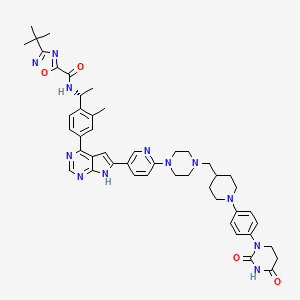
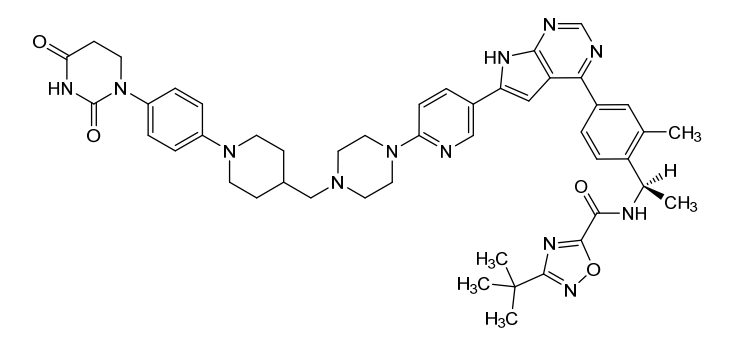
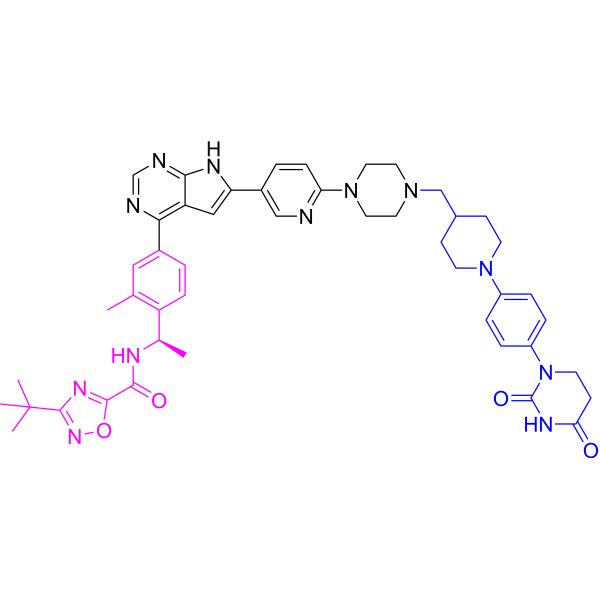
Catadegbrutinib
CAS 2736508-60-2
MF C47H54N12O4 MW851.0 g/mol
3-tert-butyl-N-[(1R)-1-[4-[6-[6-[4-[[1-[4-(2,4-dioxo-1,3-diazinan-1-yl)phenyl]piperidin-4-yl]methyl]piperazin-1-yl]-3-pyridinyl]-7H-pyrrolo[2,3-d]pyrimidin-4-yl]-2-methylphenyl]ethyl]-1,2,4-oxadiazole-5-carboxamide
3-tert-butyl-N-{(1R)-1-[13-methyl-82,84-dioxo-27H-2(4,6)-pyrrolo[2,3-d]pyrimidina-8(1)-[1,3]diazinana-4(1,4)-piperazina3(5,2)-pyridina-6(4,1)-piperidina-1(1),7(1,4)-dibenzenaoctaphan-14-yl]ethyl}-1,2,4-oxadiazole-5-carboxamide
Bruton tyrosine kinase degrader, antineoplastic, BGB-16673, BGB 16673, PF6GPZ4DYT, BTK-IN-29, Tacabrutideg
Catadegbrutinib (BGB-16673) is an orally active, potent Bruton’s tyrosine kinase (BTK) degrader, or chimeric degradation activator compound (CDAC). It works by targeting BTK for proteasomal degradation, showing high efficacy against wild-type and mutated forms (including C481S) in B-cell malignancies. It is under investigation for cancers such as CLL, SLL, and MCL.
Key Details About Catadegbrutinib
- Mechanism of Action: As a PROTAC-class molecule, it binds to BTK and recruits E3 ubiquitin ligase, causing polyubiquitination and degradation of the protein.
- Target Potency: It shows strong degradation activity, with a
of
(concentration required for 50% degradation) and a
binding
of
.
- Clinical Potential: Developed for B-cell malignancies (chronic lymphocytic leukemia, mantle cell lymphoma) that have developed resistance to covalent and non-covalent BTK inhibitors.
- Synonyms/Codes: BGB-16673, BGB-116673, BTK-IN-29, and recently listed in WHO proposed INN as tacabrutideg.
- Status: Used primarily in research for treating B-cell malignancies, lymphomas, and potentially autoimmune diseases.


Catadegbrutinib is designed to overcome resistance mechanism challenges seen with existing BTK inhibitors.
SYN
Example 14: (R) -3- (tert-butyl) -N- (1- (4- (6- (6- (4- ( (1- (4- (2, 4-dioxotetrahydropyrimidin-1 (2H) -yl) phenyl) piperidin-4-yl) methyl) piperazin-1-yl) pyridin-3-yl) -7H-pyrrolo [2, 3-d] pyrimidin-4-yl) -2-methylphenyl) ethyl) -1, 2, 4-oxadiazole-5-carboxamide
[0357]
Step 1: tert-butyl 4- (5- (4-chloro-7H-pyrrolo [2, 3-d] pyrimidin-6-yl) pyridin-2-yl) piperazine-1- carboxylate
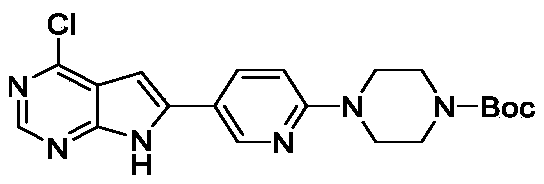
A mixture of 4-chloro-6-iodo-7H-pyrrolo [2, 3-d] pyrimidine (3 g, 10.73 mmol) , tert-butyl 4- (5- (4, 4, 5, 5-tetramethyl-1, 3, 2-dioxaborolan-2-yl) pyridin-2-yl) piperazine-1-carboxylate (4.18 g, 10.73 mmol) , Na 2CO 3(1.25 g, 11.80 mmol) and Pd (dppf) Cl 2(0.39 g, 0.537 mmol) in dioxane (120 mL) and H 2O (20 mL) was stirred in a sealed tube at 85 ℃ overnight. After cooling, the reaction mixture was filtered and the solid was washed with 20 mL of MeOH and dried under vacuum to afford the product (4.05 g, 91%) . [M+H] += 415.0.
[0360]
Step 2: tert-butyl (R) -4- (5- (4- (4- (1- (3- (tert-butyl) -1, 2, 4-oxadiazole-5-carboxamido) ethyl) -3- methylphenyl) -7H-pyrrolo [2, 3-d] pyrimidin-6-yl) pyridin-2-yl) piperazine-1-carboxylate
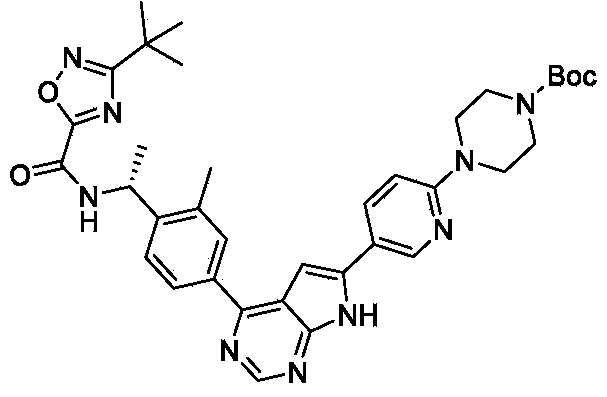
A mixture of tert-butyl 4- (5- (4-chloro-7H-pyrrolo [2, 3-d] pyrimidin-6-yl) pyridin-2-yl) piperazine-1-carboxylate (0.9 g, 2.17 mmol) , (R) -3- (tert-butyl) -N- (1- (2-methyl-4- (4, 4, 5, 5-tetramethyl-1, 3, 2-dioxaborolan-2-yl) phenyl) ethyl) -1, 2, 4-oxadiazole-5-carboxamide (0.94 g, 2.28 mmol) , Na 2CO 3(0.46 g, 4.34 mmol) and Pd (dppf) Cl 2(79.3 mg, 0.108mmol) in dioxane (60 mL) and H 2O (10 mL) was stirred in a sealed tube at 100 ℃ overnight. After cooling, the reaction mixture was filtered and the solid was washed with 5 mL of MeOH and dried under vacuum to afford the product (1.02 g, 70.6%) . [M+H] += 666.0.
[0363]
Step 3: (R) -3- (tert-butyl) -N- (1- (2-methyl-4- (6- (6- (piperazin-1-yl) pyridin-3-yl) -7H- pyrrolo [2, 3-d] pyrimidin-4-yl) phenyl) ethyl) -1, 2, 4-oxadiazole-5-carboxamide, hydrogen chloride salt
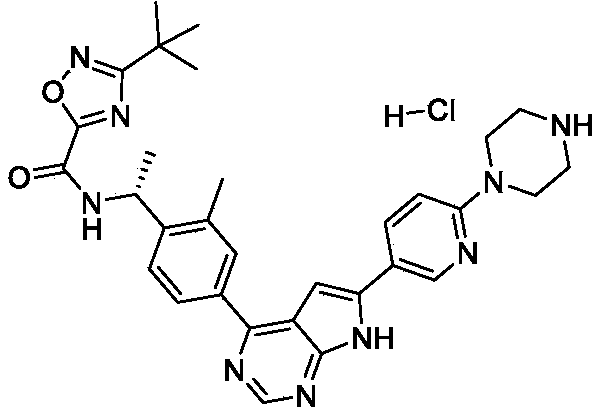
To a solution of tert-butyl (R) -4- (5- (4- (4- (1- (3- (tert-butyl) -1, 2, 4-oxadiazole-5-carboxamido) ethyl) -3-methylphenyl) -7H-pyrrolo [2, 3-d] pyrimidin-6-yl) pyridin-2-yl) piperazine-1-carboxylate (1.02 g, 1.53 mmol) in DCM (50 mL) in a round bottom flask was added HCl in dioxane (4 N, 35 mL) at 0 ℃. The mixture was stirred for 2 h at 20 ℃. The precipitate was collected with filtration and dried in vacuum to afford the product (0.92 g, 100%) . 1H NMR (400 MHz, DMSO) δ H13.53 (s, 1H) , 10.06 (d, J = 7.5 Hz, 1H) , 9.33 (s, 2H) , 9.00 (s, 1H) , 8.93 (s, 1H) , 8.35 (d, J = 8.7 Hz, 1H) , 8.05 (d, J = 8.1 Hz, 1H) , 7.99 (s, 1H) , 7.75 (d, J = 8.0 Hz, 1H) , 7.55 (s, 1H) , 7.12 (d, J = 8.9 Hz, 1H) , 5.50-5.28 (m, 1H) , 3.89 (s, 4H) , 3.20 (s, 4H) , 2.57 (s, 3H) , 1.56 (d, J = 6.9 Hz, 3H) , 1.38 (s, 9H) . [M+H] += 566.3.
[0366]
Step 4: (R) -3- (tert-butyl) -N- (1- (4- (6- (6- (4- ( (1- (4- (2, 4-dioxotetrahydropyrimidin-1 (2H) – yl) phenyl) piperidin-4-yl) methyl) piperazin-1-yl) pyridin-3-yl) -7H-pyrrolo [2, 3-d] pyrimidin-4-yl) -2- methylphenyl) ethyl) -1, 2, 4-oxadiazole-5-carboxamide
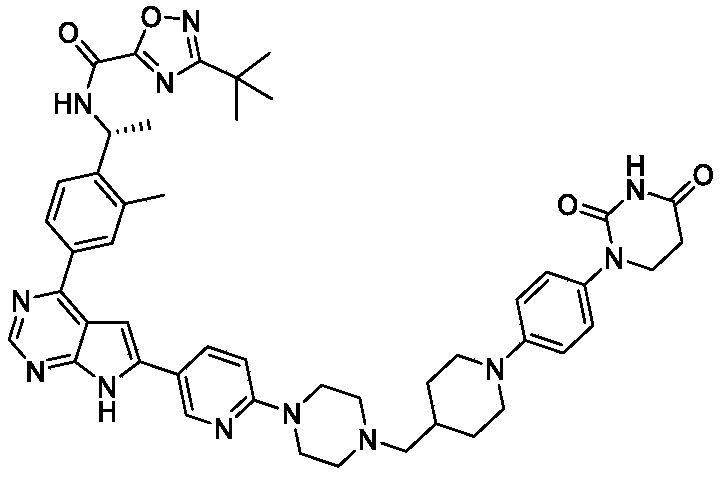
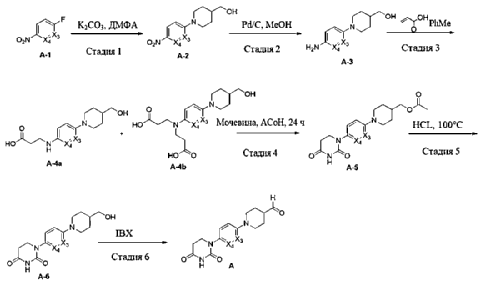
A mixture of (R) -3- (tert-butyl) -N- (1- (2-methyl-4- (6- (6- (piperazin-1-yl) pyridin-3-yl) -7H-pyrrolo [2, 3-d] pyrimidin-4-yl) phenyl) ethyl) -1, 2, 4-oxadiazole-5-carboxamide, hydrogen chloride salt (0.06 g, 0.1 mmol) , 1- (4- (2, 4-dioxotetrahydropyrimidin-1 (2H) -yl) phenyl) piperidine-4-carbaldehyde (0.033 g, 0.11 mmol) and NaOAc (8.2 mg, 0.1 mmol) in DCM/EtOH (30 mL/10 mL) was stirred in a round bottom flask for 1 h at 20 ℃. Then NaBH 3CN (12.6 mg, 0.2 mmol) was added. The mixture was stirred overnight at 20 ℃. The mixture was concentrated to dryness and purified with silica gel column chromatography (MeOH in DCM from 0%to 12%gradient elution) to give the product (0.049 g, 57.8%) . 1H NMR (400 MHz, DMSO) δ H12.60 (s, 1H) , 10.27 (s, 1H) , 9.97 (d, J =6.1 Hz, 1H) , 8.79 (d, J = 18.7 Hz, 2H) , 8.18 (d, J = 7.8 Hz, 1H) , 8.09 (d, J = 7.0 Hz, 1H) , 8.04 (s, 1H) , 7.67 (d, J = 7.7 Hz, 1H) , 7.30 (s, 1H) , 7.13 (d, J = 6.9 Hz, 2H) , 6.97-6.92 (m, 3H) , 5.41-5.34 (m, 1H) , 3.71-3.68 (m, 4H) , 3.64-3.56 (m, 4H) , 2.70-2.64 (m, 4H) , 2.53 (s, 3H) , 2.47-2.43 (m, 4H) , 2.25-2.19 (m, 2H) , 1.84-1.81 (m, 2H) , 1.75-1.70 (m, 1H) , 1.56 (t, J = 9.1 Hz, 3H) , 1.37 (s, 9H) , 1.28-1.18 (m, 2H) .
PAT
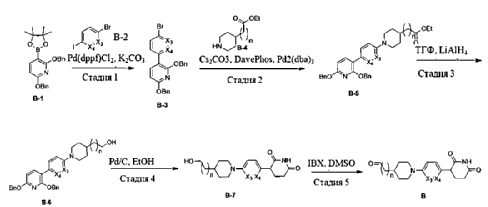
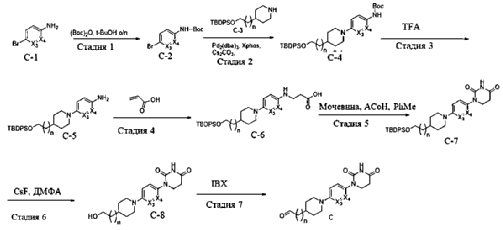
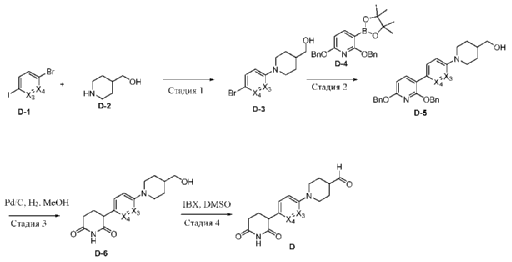
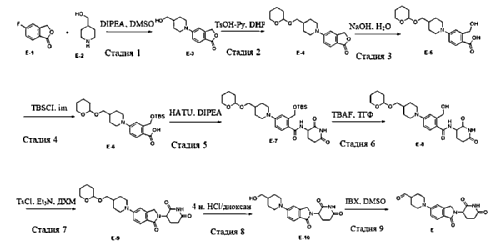
PAT
- Degradation of bruton’s tyrosine kinase (btk) by conjugation of btk inhibitors with e3 ligase ligand and methods of usePublication Number: WO-2021219070-A1Priority Date: 2020-04-30
- Degradation of Bruton’s tyrosine kinase (BTK) by conjugation of BTK inhibitors to E3 ligase ligands and methods of use thereofPublication Number: CN-115485278-APriority Date: 2020-04-30
- Degradation of bruton’s tyrosine kinase (btk) by conjugation of btk inidbitors with e3 ligase ligand and methods of usePublication Number: US-2023167118-A1Priority Date: 2020-04-30
AS ON FEB2026 4.574 LAKHS VIEWS ON BLOG WORLDREACH AVAILABLEFOR YOUR ADVERTISEMENT
join me on Linkedin
Anthony Melvin Crasto Ph.D – India | LinkedIn
join me on Researchgate
RESEARCHGATE
join me on Facebook
Anthony Melvin Crasto Dr. | Facebook
join me on twitter
Anthony Melvin Crasto Dr. | twitter
+919321316780 call whatsaapp
EMAIL. amcrasto@gmail.com
References
- [1]. Wang H, et al. BGB-16673, a selective BTK degrader, exhibits deeper inhibition of cancer cell signaling pathways and better efficacy in MCL models. Blood, 2024, 144: 5833.[2]. Wu Y, et al. Translational modeling to predict human pharmacokinetics and pharmacodynamics of a Bruton’s tyrosine kinase-targeted protein degrader BGB-16673. Br J Pharmacol. 2024 Dec;181(24):4973-4987. [Content Brief][3]. Hexiang Wang, et al. Degradation of bruton’s tyrosine kinase (btk) by conjugation of btk inhibitors with e3 ligase ligand and methods of use. WO2021219070A1. 2021-11-04.
/////////catadegbrutinib, Bruton tyrosine kinase degrader, antineoplastic, BGB-16673, BGB 16673, PF6GPZ4DYT, BTK-IN-29, Tacabrutideg
#catadegbrutinib, #Bruton tyrosine kinase degrader, #antineoplastic, #BGB-16673, #BGB 16673, #PF6GPZ4DYT, #BTK-IN-29, #Tacabrutideg
Bretisilocin

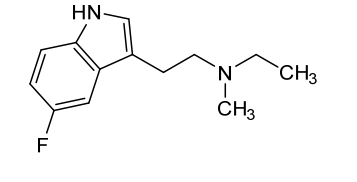
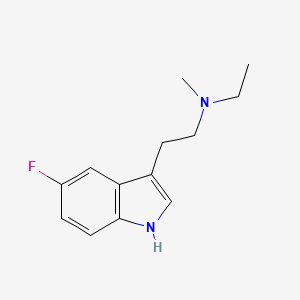
Bretisilocin
CAS2698331-35-8
MF C13H17FN2 MW220.29 g/mol
N-ethyl-2-(5-fluoro-1H-indol-3-yl)-N-methylethan-1-amine
serotonin (5-HT2A) receptor agonist, GM-2505, GM 2505, 5-Fluoro-N-methyl-N-ethyltryptamine, 5F-MET, 5-F-MET, 5-Fluoro-MET, DS425RQ8SX
Bretisilocin, also known by its developmental code name GM-2505 and as 5-fluoro-N-methyl-N-ethyltryptamine (5F-MET or 5-fluoro-MET), is a serotonergic psychedelic of the tryptamine family which is under development for the treatment of major depressive disorder.[1][7][2][3] It is an analogue of dimethyltryptamine (DMT) and is the 5-fluorinated derivative of methylethyltryptamine (MET).[8] Bretisilocin’s route of administration is intravenous infusion.[1][2][3][4]
The drug acts as a potent and well-balanced serotonin 5-HT2A and 5-HT2C receptor agonist, serotonin 5-HT2B receptor partial agonist or antagonist, and serotonin releasing agent.[2][9][8][10] It produces psychedelic-like effects in animals and similarly produces robust hallucinogenic effects in humans.[9][3] The duration of bretisilocin is 60 to 90 minutes and is intermediate between the durations of DMT and psilocybin.[6][11][4][12][8][2] It has been regarded by its developer as an “improved version of DMT”.[12]
Bretisilocin was first described in the literature by 2022.[9][10] It is under development by Gilgamesh Pharmaceuticals.[1] As of June 2025, the drug is in phase 2 clinical trials for the treatment of major depressive disorder.[1] Bretisilocin was acquired from Gilgamesh Pharmaceuticals by AbbVie in a deal worth up to $1.2 billion in August 2025.[13][14] It was encountered as a novel recreational designer drug in 2026.[5]
Chemistry
Bretisilocin, also known as 5-fluoro-N-methyl-N-ethyltryptamine, is a substituted tryptamine derivative.[8] It is a derivative of dimethyltryptamine (DMT) and methylethyltryptamine (MET) as well as of 5-fluorotryptamine (5-FT).[6][8]
Synthesis
The chemical synthesis of bretisilocin has been described.[10]
Analogues
Some analogues of bretisilocin include 5-fluoro-DMT, 5-fluoro-DET, 5-fluoro-EPT, 5-chloro-DMT, 5-bromo-DMT, 5-fluoro-AMT, 5-fluoro-AET, 5-MeO-MET, and 7-F-5-MeO-MET, among others.
History
Bretisilocin was first described in the scientific literature by at least 2022.[9][10] It was patented by Jason Wallach and colleagues at the University of the Sciences in Philadelphia that year.[10] The drug was encountered as a novel recreational designer drug in March 2026.[5]
Society and culture
Names
Bretisilocin is the generic name of the drug and its INNTooltip International Nonproprietary Name.[16] It is also known by its developmental code name GM-2505.[1][9][3]
Legal status
Canada
Bretisilocin is not a controlled substance in Canada as of 2025.[17]
United States
Bretislocin is not an explicitly controlled substance in the United States.[18] However, it could be considered a controlled substance under the Federal Analogue Act if intended for human consumption.
Research
Bretisilocin is under development as a potential pharmaceutical drug by Gilgamesh Pharmaceuticals.[1] As of June 2025, it is in phase 2 clinical trials for the treatment of major depressive disorder.[1] A phase 2a trial of bretisilocin for major depressive disorder has been completed and the efficacy and safety data for the trial have been released.[1][19][20][21] The drug has since been acquired from Gilgamesh Pharmaceuticals by AbbVie in a deal worth up to $1.2 billion.[13][14] In 2026 bretisilocin entered European Medicines Agency’s priority medicines (PRIME) scheme for major depressive disorder.[22][23]
SYN
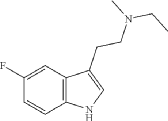
Example 12: N-ethyl-2-(5-fluoro-1H-indol-3-yl)-N-methylethan-1-amine (12)
Synthesis of N-[2-(5-fluoro-1H-indol-3-yl)ethyl]formamide
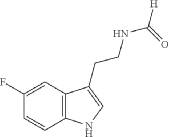
To a solution of 5-fluorotryptamine hydrochloride (3 g, 14.0 mmol) in H 2O (200 mL) with stirring was added KOH until a precipitate was obtained. The aqueous mixture was extracted with EtOAc (3×70 mL), the organic phases were pooled, washed with brine, dried over anhydrous Na 2SO 4, and concentrated in vacuo. Residual EtOAc was removed by azeotropic distillation with ethyl formate (3×20 mL). The resulting 5-fluorotryptamine free base was transferred to a 30 mL oven-dried microwave vessel containing 3 Å molecular sieves (3.3 g). Ethyl formate (20 mL, 248 mmol) was added to the microwave vessel and the mixture was reacted for 2.5 h at 80° C. with 150 W in a microwave reactor. Upon completion, ethyl formate was removed under reduced pressure to provide N-[2-(5-fluoro-1H-indol-3-yl)ethyl]formamide (1.7 g, 8.24 mmol, 58.9% yield). The product was used in the subsequent reaction without further purification.
To a solution of 5-fluorotryptamine hydrochloride (3 g, 14.0 mmol) in H 2O (200 mL) with stirring was added KOH until a precipitate was obtained. The aqueous mixture was extracted with EtOAc (3×70 mL), the organic phases were pooled, washed with brine, dried over anhydrous Na 2SO 4, and concentrated in vacuo. Residual EtOAc was removed by azeotropic distillation with ethyl formate (3×20 mL). The resulting 5-fluorotryptamine free base was transferred to a 30 mL oven-dried microwave vessel containing 3 Å molecular sieves (3.3 g). Ethyl formate (20 mL, 248 mmol) was added to the microwave vessel and the mixture was reacted for 2.5 h at 80° C. with 150 W in a microwave reactor. Upon completion, ethyl formate was removed under reduced pressure to provide N-[2-(5-fluoro-1H-indol-3-yl)ethyl]formamide (1.7 g, 8.24 mmol, 58.9% yield). The product was used in the subsequent reaction without further purification.
Synthesis of 2-(5-fluoro-1H-indol-3-yl)-N-methylethan-1-amine
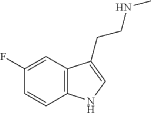
Synthesis of N-ethyl-2-(5-fluoro-1H-indol-3-yl)-N-methylethan-1-amine (12)
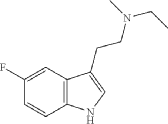
N-ethyl-2-(5-fluoro-1H-indol-3-yl)-N-methylethan-1-amine (12) was synthesized in a similar manner as described above for N-(2-(5-fluoro-1H-indol-3-yl)ethyl)-N-propylpropan-1-amine (5), starting from 2-(5-fluoro-1H-indol-3-yl)-N-methylethan-1-amine (0.7 g, 3.64 mmol), and acetaldehyde (0.96 g, 21.8 mmol), to provide the title compound as a colorless oil after purification by column chromatography using silica gel as a stationary phase and 20% EtOH/EtOAc (1% Et 3N v/v) as the mobile phase (0.62 g, 2.81 mmol, 77.2% yield), and subsequently the corresponding HCl salt as a white crystalline solid. HR-ASAP-MS: m/z 221.1442 (theoretical [M+H] +, C 13H 18FN 2 +), m/z 221.1449 (observed, Δ=−3.2 ppm). 1H-NMR (400 MHz, d 6-DMSO) δ 11.15 (s, 1H), 10.74 (s, 1H), 7.44 (dd, J=10.1, 2.5 Hz, 1H), 7.36 (dd, J=8.8, 4.6 Hz, 1H), 7.33 (d, J=2.3 Hz, 1H), 6.93 (dt, J=9.2, 2.5 Hz, 1H), 3.31-3.13 (m, 4H), 3.13-3.05 (m, 2H), 2.78 (d, J=3.1 Hz, 3H), 1.26 (t, J=7.3 Hz, 3H). 13C-NMR (101 MHz, d 6-DMSO) δ 156.74 (d, J=231.1 Hz, 1C), 132.88 (s, 1C), 126.96 (d, J=10.0 Hz, 1C), 125.42 (s, 1C), 112.48 (d, J=9.9 Hz, 1C), 109.51 (s, 1C), 109.32 (d, J=26.0 Hz, 1C), 103.13 (d, J=23.1 Hz, 1C), 54.37 (s, 1C), 49.82 (s, 1C), 38.13 (s, 1C), 19.68 (s, 1C), 8.79 (s, 1C). 19F-NMR (377 MHz, d 6-DMSO) δ−124.79 (s, 1F).
PAT
PAT
Methods of treating mood disorders
Publication Number: US-2022041551-A1
Priority Date: 2020-02-18
- Methods and compositions relating to psychedelics and serotonin receptor modulatorsPublication Number: EP-4313030-A1Priority Date: 2021-04-01
- Methods and compositions related to hallucinogens and serotonin receptor modulatorsPublication Number: KR-20240037873-APriority Date: 2021-04-01
- Halogenated psilocybin derivatives and methods of usingPublication Number: US-2023293558-A1Priority Date: 2020-09-01
- Methods of treating mood disordersPublication Number: US-2022241243-A1Priority Date: 2020-02-18
- Methods of treating mood disordersPublication Number: US-11440879-B2Priority Date: 2020-02-18Grant Date: 2022-09-13
- Fluorinated tryptamine compounds, analogues thereof, and methods using samePublication Number: EP-4347559-A1Priority Date: 2021-06-02
- Methods and compositions relating to psychedelics and serotonin receptor modulatorsPublication Number: WO-2022212854-A1Priority Date: 2021-04-01
- Methods and compositions relating to psychedelics and serotonin receptor modulatorsPublication Number: US-2024197681-A1Priority Date: 2021-04-01
- Methods and compositions relating to psychedelics and serotonin receptor modulatorsPublication Number: TW-202304423-APriority Date: 2021-04-01
- Methods and compositions relating to psychedelics and serotonin receptor modulatorsPublication Number: AU-2022246909-A1Priority Date: 2021-04-01
AS ON FEB2026 4.574 LAKHS VIEWS ON BLOG WORLDREACH AVAILABLEFOR YOUR ADVERTISEMENT
join me on Linkedin
Anthony Melvin Crasto Ph.D – India | LinkedIn
join me on Researchgate
RESEARCHGATE
join me on Facebook
Anthony Melvin Crasto Dr. | Facebook
join me on twitter
Anthony Melvin Crasto Dr. | twitter
+919321316780 call whatsaapp
EMAIL. amcrasto@gmail.com
References
References
- “GM 2505”. AdisInsight. 5 June 2025. Retrieved 29 July 2025.
- Marek GJ, Makai-Bölöni S, Umbricht D, Christian EP, Winters J, Dvorak D, et al. (2025). “A novel psychedelic 5-HT 2A receptor agonist GM-2505: The pharmacokinetic, safety, and pharmacodynamic profile from a randomized trial healthy volunteer”. Journal of Psychopharmacology 02698811251378512. doi:10.1177/02698811251378512. hdl:1887/4298848. PMID 41099491.
- Hughes Z, Christian E, Dvorak D, Umbricht D, Winters J, Raines S, et al. (December 2023). “ACNP 62nd Annual Meeting: Poster Abstracts P1 – P250: P238. Subjective and Pharmacodynamic Effects of the Novel 5-HT2A Receptor Agonist GM-2505 in Healthy Volunteers Show High Translatability From Rodent Data and Hold Promise for Future Development in Patients With Depression”. Neuropsychopharmacology. 48 (Suppl 1). Springer Science and Business Media LLC: 63–210 (202–203). doi:10.1038/s41386-023-01755-5. PMC 10729595. PMID 38040809.
- Umbricht D, Christian E, Winters J, Raines S, Hughes ZA, Leong W, et al. (2024). “Pharmacokinetic, pharmacodynamic and subjective and effects of the novel 5-HT2A receptor agonist GM-2505 in healthy volunteers”. Neuroscience Applied. 3 104845. doi:10.1016/j.nsa.2024.104845.
- “Бретисилоцин (5F-MET)”. АИПСИН (in Russian). Retrieved 18 March 2026.
- Peplow M (22 June 2024). “Should Next-Generation Psychedelics Skip the Trip?”. Scientific American. Retrieved 20 February 2025.
Gilgamesh is also working on GM-2505, a 5-HT2A agonist that is structurally related to psilocybin and DMT. GM-2505 completed a phase 1 trial late last year and should enter phase 2 for major depressive disorder this year. Its psychedelic effect lasts 60 to 90 minutes — long enough for patients to “explore the altered state of consciousness that might be needed for long-term durable efficacy,” Krugel says, yet within a timeframe that is manageable for healthcare systems. “Personally, I believe that the hallucinogenic effects are an important component, as multiple hallucinogenic compounds have demonstrated durable, transformational changes from a single dose in human studies,” he adds.
- Witkin JM, Golani LK, Smith JL (April 2023). “Clinical pharmacological innovation in the treatment of depression”. Expert Review of Clinical Pharmacology. 16 (4): 349–362. doi:10.1080/17512433.2023.2198703. PMID 37000975.
GM-2505 is a dual-acting compound with both agonist activity at 5-HT 2A receptors and a releaser of 5-HT. […]
- “Methods of treating mood disorders”. Google Patents. 2022. Retrieved 14 November 2024.
- Hughes Z, Klein A, Austin E, Dvorak D, Gatti S, Kiss L, et al. (December 2022). “ACNP 61st Annual Meeting: Poster Abstracts P1 – P270: P254. Gm-2505 is a Novel 5-Ht2a Receptor Agonist and 5-Ht Releaser That Induces Rapid, Robust, and Durable Antidepressant Effects at Doses Associated With Decreased Power in Low Frequency EEG Bands in Rats”. Neuropsychopharmacology. 47 (Suppl 1): 63–219 (209–209). doi:10.1038/s41386-022-01484-1. PMC 9714397. PMID 36456693.
- WO 2022/256554, Wallach J, Dybek M, “Fluorinated Tryptamine Compounds, Analogues Thereof, and Methods Using Same”, published 8 December 2022, assigned to University of the Sciences in Philadelphia[…] Synthesis of N-ethyl-2-(5-fluoro-1H-indol-3-yl)-N-methylethan-1-amine (12) [structure] N-ethyl-2-(5-fluoro-1H-indol-3-yl)-N-methylethan-1-amine (12) was synthesized […] […] Table 1. Selected compounds of the present invention. […] [Compound 12:] […] Table 3. Functional Activity of Compounds at 5-HT2A (Ca2+), 5-HT2B (Ca2+), 5-HT2c (Ca2+), and 5-HT1A (cAMP inhibition) […]
- Hughes Z, Klein A, Dvorak D, Austin E, Kiss L, Marek G, et al. (2023). “22. GM-2505 has Rapid Onset Antidepressant Activity and Causes Dose-Dependent Changes in qEEG With Increasing 5-HT2A Receptor Occupancy”. Biological Psychiatry. 93 (9): S102–S103. doi:10.1016/j.biopsych.2023.02.262.
- Gunther M (31 January 2023). “Gilgamesh Tweaks Known Psychedelics To Improve Therapies”. Lucid News – Psychedelics, Consciousness Technology, and the Future of Wellness. Retrieved 20 February 2025.
- Taylor NP (25 August 2025). “AbbVie tunes in to Gilgamesh’s story, inking $1.2B deal for psychedelic program”. Fierce Biotech. Retrieved 15 October 2025.
- Psychedelic Alpha (25 August 2025). “AbbVie to Acquire Gilgamesh’s Bretisilocin for Up to $1.2B”. Psychedelic Alpha. Retrieved 15 October 2025.
- Halberstadt AL, Geyer MA (2018). “Effect of Hallucinogens on Unconditioned Behavior”. Behavioral Neurobiology of Psychedelic Drugs. Curr Top Behav Neurosci. Vol. 36. pp. 159–199. doi:10.1007/7854_2016_466. ISBN 978-3-662-55878-2. PMC 5787039. PMID 28224459.
- https://iris.who.int/bitstream/handle/10665/380497/9789240107038-eng.pdf “bretisilocinum bretisilocin N-ethyl-2-(5-fluoro-1H-indol-3-yl)-N-methylethan-1-amine serotonin (5-HT2A) receptor agonist”
- “Controlled Drugs and Substances Act”. Department of Justice Canada. Retrieved 19 January 2026.
- Orange Book: List of Controlled Substances and Regulated Chemicals (January 2026) (PDF), United States: U.S. Department of Justice: Drug Enforcement Administration (DEA): Diversion Control Division, January 2026
- Psychedelic Alpha (27 May 2025). “Gilgamesh’s Next-Gen Psychedelic GM-2505 Prints Impressive Results in Phase 2a Major Depressive Disorder Study”. Psychedelic Alpha. Retrieved 29 July 2025.
- Taylor NP (27 May 2025). “Gilgamesh links psychedelic to 94% remission rate in midphase depression trial”. Fierce Biotech. Retrieved 29 July 2025.
- Dunne R (31 May 2025). “Gilgamesh’s psychedelic drug demonstrates exceptional efficacy for treating depression”. Mugglehead Investment Magazine. Retrieved 29 July 2025.
- Psychedelic Access and Research European Alliance (2026-03-19). “Bretisilocin Becomes First Psychedelic in EMA PRIME Scheme for Depression”. Drug Policy Tracker. Retrieved 2026-03-29.
- European Medicines Agency (EMA) (2026-03-18). “New PRIME tools to accelerate development of medicines in the EU”. http://www.ema.europa.eu. Retrieved 2026-03-19.
External links
- 5-Fluoro-MET (Bretisilocin; GM-2505) – Isomer Design
- 5-f-met bretisilocin – Bluelight
- Bretisilocin (5-Fluoro-MET) – r/ResearchChemicals – Reddit Search
| Clinical data | |
|---|---|
| Other names | GM-2505; GM2505; 5-Fluoro-N-methyl-N-ethyltryptamine; 5F-MET; 5-F-MET; 5-Fluoro-MET |
| Routes of administration | Intravenous,[1][2][3][4] intranasal[5] |
| Drug class | Serotonergic psychedelic; Hallucinogen; Serotonin 5-HT2A and 5-HT2C receptor agonist; Serotonin 5-HT2B receptor partial agonist or antagonist; Serotonin releasing agent |
| Legal status | |
| Legal status | Investigational |
| Pharmacokinetic data | |
| Onset of action | IVTooltip Intravenous injection: 10–20 minutes (peak)[2] |
| Elimination half-life | 45 (40–50) minutes[2][3] |
| Duration of action | IVTooltip Intravenous injection: 60–90 minutes[2][6] |
| Identifiers | |
| IUPAC name | |
| CAS Number | 2698331-35-8 |
| PubChem CID | 156836209 |
| ChemSpider | 129221851 |
| ChEMBL | ChEMBL5028766 |
| Chemical and physical data | |
| Formula | C13H17FN2 |
| Molar mass | 220.291 g·mol−1 |
| 3D model (JSmol) | Interactive image |
| SMILES | |
| InChI | |
//////////bretisilocin, serotonin (5-HT2A) receptor agonist, GM-2505, GM 2505, 5-Fluoro-N-methyl-N-ethyltryptamine, 5F-MET, 5-F-MET, 5-Fluoro-MET, DS425RQ8SX
#bretisilocin, #serotonin (5-HT2A) receptor agonist, #GM-2505, #GM 2505, #5-Fluoro-N-methyl-N-ethyltryptamine, #5F-MET, #5-F-MET, #5-Fluoro-MET, #DS425RQ8SX
Blixeprodil

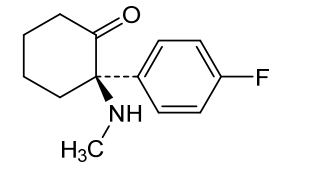
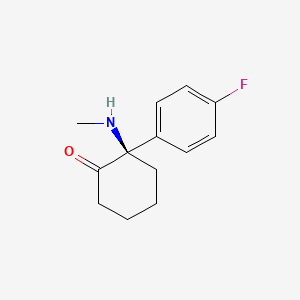
Blixeprodil
CAS 2881017-49-6
MF C13H16FNO MW 221.27 g/mol
Cyclohexanone, 2-(4-fluorophenyl)-2-(methylamino)-, (2R)-
(2R)-2-(4-fluorophenyl)-2-(methylamino)cyclohexan-1-one
N-methyl-D-aspartate (NMDA) receptor antagonist, GM-1020, GM1020, (R)-4-Fluorodeschloroketamine, (R)-4-FDCK, (R)-4FDCK, S2MGG2PC5K
Blixeprodil,[5] also known by its developmental code name GM-1020 or as (R)-4-fluorodeschloroketamine ((R)-4-FDCK), is an NMDA receptor antagonist related to ketamine which is under development for the treatment of major depressive disorder, bipolar depression, and other depressive disorders.[1][6][2][3][7][8] It is taken by mouth.[1][2][3]
The drug is orally active, in contrast to the poor oral bioavailability of ketamine.[3] Its oral bioavailability is >60%.[4][9] The time to peak levels of blixeprodil is 1.5 hours and its elimination half-life is 4.3 hours.[4] In a clinical study comparing it with the serotonergic psychedelic bretisilocin (GM-2505), both blixeprodil and bretisilocin produced hallucinogenic effects.[10]
Blixeprodil shows antidepressant-like effects in rodents.[3][11][4][9] It appears to have a greater separation between antidepressant-like and ataxia-inducing doses than ketamine in rodents and hence might have better tolerability.[3][7][9] Whereas ketamine shows only 3-fold separation between antidepressant-like and ataxic doses, there was 13-fold separation for blixeprodil, and it did not produce hyperlocomotion at doses >20-fold higher than the minimum antidepressant-like dose.[9] In relation to the preceding, blixeprodil is claimed to be non-dissociative at therapeutic doses.[2][4] However, dissociative and other related effects have been observed at low incidences and at higher doses.[4]
The drug is a close analogue of ketamine, with a 4-fluoro group instead of a 2-chloro group on the phenyl ring and in (2R)-enantiopure form.[12] Hence, blixeprodil is related to arketamine ((R)-ketamine); it is said to “bet” on the notion that arketamine is importantly involved in the antidepressant effects of ketamine, in spite of arketamine having less propensity for inducing dissociation.[13]
Blixeprodil is being developed by Gilgamesh Pharmaceuticals.[1][6][2] As of July 2024, it is in phase 2 clinical trials for major depressive disorder and bipolar depression and is in phase 1 trials for other depressive disorders.[1][6][2]
SYN
Example 15: Preparation of Compounds 117rac and 18rac

Step 1: Preparation of 2-(4-fluorophenyl)-2-nitrocyclohexan-1-one
[0364] A mixture of 2-(4-fluorophenyl)cyclohexan-1-one (5 g, 26.01 mmol, 1 eq), ceric ammonium nitrate (CAN, 28.52 g, 52.02 mmol, 2 eq), and Cu(OAc)2 (945 mg, 5.20 mmol, 0.2 eq) in DCE (50 mL) was stirred at 85 °C for 12 hrs. The mixture was cooled, filtered and concentrated. The residue was purified by column chromatography (SiO2, Petroleum ether/Ethyl acetate=100/1 to 0/1) to afford 2-(4-fluorophenyl)-2-nitrocyclohexan-1-one (2.5 g, 10.54 mmol, 40.52% yield) as a yellow oil.1H NMR (400MHz, CHLOROFORM-d) δ = 7.47 – 7.29 (m, 2H), 7.22 – 7.04 (m, 2H), 3.12 (ddd, J = 3.6, 10.0, 14.0 Hz, 1H), 2.86 – 2.76 (m, 1H), 2.75 – 2.62 (m, 1H), 2.61 – 2.47 (m, 1H), 2.08 – 1.86 (m, 3H), 1.80 (dt, J = 3.6, 9.2 Hz, 1H).
Step 2: Preparation of 2-amino-2-(4-fluorophenyl)cyclohexan-1-one (117rac)
[0365] A mixture of 2-(4-fluorophenyl)-2-nitrocyclohexan-1-one (3 g, 12.65 mmol, 1 eq) and Zn (19.85 g, 303.51 mmol, 24 eq) in AcOH (25 mL) was stirred at 20 °C for 12 hrs. The mixture was cooled, filtered, and concentrated. The residue was dissolved in DCM, washed with sat.
NaHCO3, H2O, and brine, dried over Na2SO4, filtered, and concentrated. The residue was
purified by silica gel (PE:EA = 50:1 – 8:1) to afford 2-amino-2-(4-fluorophenyl)cyclohexan-1- one (1.5 g, 7.24 mmol, 57.23% yield) (117rac) as a brown oil. LCMS (RT = 1.336 min, MS calc.: 207.11, [M+H]+ = 208.1) 1H NMR (400MHz, CHLOROFORM-d) δ = 7.26 – 7.19 (m, 2H), 7.11 – 7.01 (m, 2H), 2.87 – 2.73 (m, 1H), 2.50 – 2.42 (m, 1H), 2.41 – 2.29 (m, 1H), 2.04 – 1.96 (m, 1H), 1.93 (s, 2H), 1.83 – 1.63 (m, 4H); 3C NMR (101 MHz, CHLOROFORM-d) δ = 213.28, 163.27, 160.82, 137.67, 137.63, 127.99, 127.91, 116.16, 115.95, 65.93, 39.71, 28.08, 22.61
Step 3: Preparation of 2-(4-fluorophenyl)-2-(methylamino)cyclohexan-1-one (18rac)
[0366] A mixture of 2-amino-2-(4-fluorophenyl)cyclohexan-1-one (1.3 g, 6.27 mmol, 1 eq) and methyl trifluoromethanesulfonate (1.03 g, 6.27 mmol, 1 eq) in hexafluoroisopropanol (HFIP, 130 mL) was stirred at 0 – 25 °C for 12 hrs under N2 atmosphere. The mixture was filtered and concentrated. The residue was adjusted to pH = 7 with sat. Na2CO3 (20 ml). The aqueous phase was extracted with EA (50 mL x 2). The combined organic phase was washed with brine (50 mL x 2), dried with anhydrous Na2SO4, filtered, and concentrated in vacuo. The residue was purified by prep-HPLC (column: Welch Xtimate C18250*70 mm, 10 μm; mobile phase: A: water(0.05% NH3H2O), B: ACN; B%: 18% – 48%, 32 min) to afford 2-(4-fluorophenyl)-2- (methylamino)cyclohexan-1-one (590 mg, 4.02 mmol, 42.45% yield) (18rac) as a white solid. LCMS (RT = 1.415 min, MS calc.: 221.12, [M+H]+ = 222.1); 1H NMR (400 MHz, CHLOROFORM-d) δ = 7.26 – 7.17 (m, 2H), 7.07 (br t, J = 8.4 Hz, 2H), 2.92 – 2.74 (m, 1H), 2.50 – 2.26 (m, 3H), 2.12 – 1.93 (m, 4H), 1.90 – 1.63 (m, 4H); 13C NMR (101 MHz, CHLOROFORM-d) δ = 211.15, 163.20, 160.75, 134.68, 134.65, 128.99, 128.91, 115.79, 115.58, 69.37, 39.70, 35.85, 28.87, 27.70, 22.21.
SYN
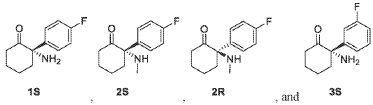
Example 1: Preparation of Compounds 1 and 2 and Their Enantiomers.
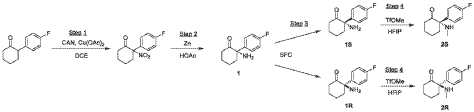
Step 1: Preparation of 2-(4-fluorophenyl)-2-nitrocyclohexan-1-one
[0110] A mixture of 2-(4-fluorophenyl)cyclohexan-1-one (14 g, 72.83 mmol, 1 eq), CAN (79.85 g, 145.66 mmol, 72.59 mL, 2 eq), and Cu(OAc)2 (2.65 g, 14.57 mmol, 0.2 eq) in DCE (140 mL) was stirred at 85 °C for 12 h. On completion, the mixture was filtered and concentrated. The residue was purified by column chromatography (SiO2, Petroleum ether/Ethyl acetate=100/1 to 0/1) to afford 2-(4-fluorophenyl)-2-nitrocyclohexan-1-one (6.1 g, 25.71 mmol, 35.31% yield) as a yellow solid.1H NMR (400 MHz, CHLOROFORM-d) δ = 7.41 – 7.31 (m, 2H), 7.16 (t, J=8.4 Hz, 2H), 3.11 (ddd, J=3.6, 10.4, 14.0 Hz, 1H), 2.87 – 2.76 (m, 1H), 2.73 – 2.64 (m, 1H), 2.60 -2.48 (m, 1H), 2.02 – 1.88 (m, 3H), 1.84 – 1.72 (m, 1H).
Step 2: Preparation of 2-amino-2-(4-fluorophenyl)cyclohexan-1-one (1)
[0111] To a mixture of 2-(4-fluorophenyl)-2-nitrocyclohexan-1-one (5.6 g, 23.61 mmol, 1 eq) in AcOH (10 mL) was added Zn (15.44 g, 236.06 mmol, 10 eq) in several portions and the resulting mixture was stirred at 30 °C for 12 h. On completion, the mixture was filtered and concentrated. The residue was dissolved in DCM (20 mL), washed with sat. aq. NaHCO3 (10 mL), H2O (5 mL), and brine (10 mL), dried over Na2SO4, filtered, and concentrated. The residue was purified by prep-HPLC (column: Agela DuraShell C18 (250 mm*80 mm, 10 μm); mobile phase: A: water (NH4HCO3), B: ACN; B%: 35%, 20 min) to afford 2-amino-2-(4-fluorophenyl)cyclohexan-1-one (2.9 g, 13.99 mmol, 59.28% yield, 1) as a brown oil.1H NMR (400 MHz, CHLOROFORM-d) δ = 7.52 – 7.40 (m, 2H), 7.32 (br s, 1H), 7.34 – 7.20 (m, 2H), 2.93 – 2.92 (m, 1H), 3.08 – 2.92 (m, 1H), 2.74 – 2.63 (m, 1H), 2.63 – 2.50 (m, 1H), 2.28 – 2.16 (m, 1H), 2.10 (br s, 2H), 2.04 – 1.85 (m, 4H).
Note: The free base of this compound is unstable and dimerizes over time. It should be stored frozen or quickly converted to the HCl salt to prevent this.
Step 3: Preparation of (S)-2-amino-2-(4-fluorophenyl)cyclohexan-1-one (1S) and (R)-2-amino-2-(4-fluorophenyl)cyclohexan-1-one (1R)
[0112] The racemate 1 (2.9 g) was separated by SFC (column: DAICEL CHIRALPAK AD (250 mm*30 mm, 10 μm); mobile phase: A: CO2, B: 0.1% NH3H2O in ETOH; B%: 27%, multi-injection process with 6-min spacing between injections) to afford ENT-1 free base (RT = 2.266 min, 1.1 g, 1.62 mmol, 1S_FB) as a yellow oil and ENT-2 free base (RT = 2.945 min, 1.1 g, 1.28 mmol, 1R_FB) as a yellow oil.
[0113] A portion of each free base was further purified by prep-HPLC (column: Welch Xtimate C18 (100 mm*25 mm, 3 μm); mobile phase: A: water (0.04% HCl), B: ACN; B%: 1% – 20%, 8 min) to afford ENT-1 HCl (RT = 2.266 min, 272 mg, HCl salt, 1S) as a white solid and ENT-2 HCl (RT = 2.945 min, 283 mg, HCl salt, 1R) as a white solid.
[0114] ENT-1 HCl, RT = 2.266 min (assigned here as the S isomer, 1S); LCMS (RT = 1.449 min, MS calc.: 207.1, [M+H]+ = 208.1); 1H NMR (400MHz, DMSO-d6) δ = 8.83 (br s, 3H), 7.50 – 7.42 (m, 2H), 7.41 – 7.32 (m, 2H), 3.03 (br dd, J=2.4, 14.0 Hz, 1H), 2.45 – 2.27 (m, 2H), 2.21 -2.05 (m, 1H), 1.97 (td, J=2.8, 9.6 Hz, 1H), 1.81 (br d, J=11.6 Hz, 1H), 1.71 – 1.47 (m, 2H); 13C NMR (101 MHz, DMSO-d6) δ = 206.52, 164.22, 161.76, 130.78, 130.69, 130.08, 130.05, 116.90, 116.68, 66.26, 34.75, 27.52, 21.53; ENT-2 HCl, RT = 2.945 min (assigned here as the R isomer, 1R); LCMS (RT = 1.449 min, MS calc.: 207.1, [M+H]+ = 208.0); 1H NMR (400MHz, DMSO-d6) δ = 8.84 (br s, 3H), 7.49 – 7.42 (m, 2H), 7.40 – 7.33 (m, 2H), 3.03 (br dd, J=1.6, 14.0 Hz, 1H), 2.45 – 2.27 (m, 2H), 2.23 – 2.06 (m, 1H), 1.97 (dt, J=2.8, 6.1 Hz, 1H), 1.81 (br d, J=11.6 Hz, 1H), 1.70 – 1.46 (m, 2H); 13C NMR (101 MHz, DMSO-d6) δ = 206.50, 164.22, 161.76, 130.78, 130.70, 130.08, 130.05, 116.89, 116.68, 66.26, 34.75, 27.51, 21.52.
[0115] The retention times above, which identify the enantiomers, were determined using the free bases using the following chiral analytical method: column: Chiralpak AD-3 (150 mm×4.6 mm I.D., 3 μm); mobile phase: A: CO2 B: EtOH (0.1% IPAm, v/v); gradient (Time (min)/A%/B%): 0.0/90/10, 0.5/90/10, 3.5/50/50, 4.5/50/50, 5.0/90/10; flow rate: 2.5 mL/min; column temp.: 35 °C; ABPR: 2,000 psi.
Step 4: Preparation of (S)-2-(4-fluorophenyl)-2-(methylamino)cyclohexan-1-one (2S) and (R)-2-(4-fluorophenyl)-2-(methylamino)cyclohexan-1-one (2R)
[0116] Compound 1S_FB (540 mg, 2.61 mmol, 1 eq) and methyl trifluoromethanesulfonate (427.59 mg, 2.61 mmol, 285.06 μL, 1 eq) were combined in hexafluoroisopropanol (40 mL) at 0
°C under N2 atmosphere and then the mixture was allowed to warm to 25 °C and stirred for 12 h. On completion, the residue was adjusted to pH 7 with sat. aq. Na2CO3 (10 mL) and the combined organic phase was washed with brine (100 mL * 2), dried over Na2SO4, filtered, and concentrated in vacuum. The residue was purified by prep-HPLC (column: Waters Xbridge C18 (150 mm*50 mm, 10μm); mobile phase: A: water (10 mM NH4HCO3), B: ACN; B%: 30% – 50%, 10 min) to afford 2S (260 mg, 1.18 mmol, 45.10% yield) as a white solid. Compound 2R was prepared by the same procedure starting from 1R_FB (590 mg, 2.85 mmol) in hexafluoroisopropanol (60 mL) (other quantities scaled based on molar equivalents) and obtained as an off-white solid (260 mg, 1.18 mmol, 41.27% yield).
[0117] 2S (assigned here as the S isomer) (free base); LCMS (RT = 1.427 min, MS calc.: 221.1, [M+H]+ = 222.1); 1H NMR (400MHz, CHLOROFORM-d) δ = 7.21 (dd, J = 5.4, 8.8 Hz, 2H), 7.10 – 7.02 (m, 2H), 2.85 – 2.74 (m, 1H), 2.49 – 2.37 (m, 1H), 2.36 – 2.25 (m, 1H), 2.22 (br s, 1H), 2.03 (s, 3H), 1.96 (dt, J = 3.2, 5.8 Hz, 1H), 1.88 – 1.64 (m, 4H); 13C NMR (101 MHz, CHLOROFORM-d) δ = 211.25, 163.22, 160.76, 134.80, 134.77, 128.98, 128.90, 115.80, 115.59, 69.38, 39.73, 35.92, 28.92, 27.72, 22.24; 2R (assigned here as the R isomer) (free base); LCMS (RT = 1.415 min, MS calc.: 221.1, [M+H]+ = 222.1); 1H NMR (400MHz, CHLOROFORM-d) δ = 7.25 – 7.17 (m, 2H), 7.11 – 7.02 (m, 2H), 2.85 – 2.75 (m, 1H), 2.48 – 2.38 (m, 1H), 2.35 – 2.19 (m, 2H), 2.04 (s, 3H), 1.97 (br dd, J = 2.8, 6.1 Hz, 1H), 1.89 – 1.66 (m, 4H); 13C NMR (101 MHz, CHLOROFORM-d) δ = 211.24, 163.22, 160.77, 134.78, 134.74, 128.99, 128.91, 115.81, 115.60, 69.38, 39.73, 35.91, 28.91, 27.72, 22.24.
PAT
- Methods of treating neuropsychiatric disordersPublication Number: US-2024216339-A1Priority Date: 2021-06-08
- Arylcyclohexylamine derivatives and their use in the treatment of psychiatric disordersPublication Number: US-11344510-B2Priority Date: 2019-12-26Grant Date: 2022-05-31
- Arylcyclohexylamine derivatives and their use in the treatment of psychiatric disordersPublication Number: US-2022409555-A1Priority Date: 2019-12-26
- Arylcyclohexylamine derivatives and their use in the treatment of psychiatric disordersPublication Number: WO-2021134086-A1Priority Date: 2019-12-26
- A treatment for patients with mood disorders using n-ethyl-2-(5-fluoro-1h-indol-3-yl)- n-methylethan-1-amine or a pharmaceutically acceptable salt thereofPublication Number: WO-2025111597-A1Priority Date: 2023-11-22
- Methods of treating psychiatric disorders or pain using (r)-2-(4-fluorophenyl)-2-(methylamino)cyclohexan-1-one or pharmaceutically acceptable salts thereofPublication Number: WO-2025106879-A1Priority Date: 2023-11-15
- (ampa-pam)-nmda receptor antagonist combination therapy for treatment of mental conditions and disordersPublication Number: WO-2023154450-A2Priority Date: 2022-02-11
- Arylcyclohexylamine derivatives and their use in the treatment of psychiatric disordersPublication Number: US-2024300886-A1Priority Date: 2021-06-25
- Arylcyclohexylamine derivatives and their use in the treatment of psychiatric disordersPublication Number: EP-4358946-A1Priority Date: 2021-06-25
AS ON FEB2026 4.574 LAKHS VIEWS ON BLOG WORLDREACH AVAILABLEFOR YOUR ADVERTISEMENT
join me on Linkedin
Anthony Melvin Crasto Ph.D – India | LinkedIn
join me on Researchgate
RESEARCHGATE
join me on Facebook
Anthony Melvin Crasto Dr. | Facebook
join me on twitter
Anthony Melvin Crasto Dr. | twitter
+919321316780 call whatsaapp
EMAIL. amcrasto@gmail.com
References
References
- “GM 1020”. AdisInsight. 12 July 2024. Retrieved 20 February 2025.
- Peplow M (June 2024). “Next-generation psychedelics: should new agents skip the trip?”. Nature Biotechnology. 42 (6): 827–830. doi:10.1038/s41587-024-02285-1. PMID 38831049.
Other companies are confident that they can further reduce or even erase those effects without losing therapeutic efficacy. Gilgamesh, for example, is taking that approach with ketamine, DMT and psilocybin. In the case of ketamine, says Kruegel, the dissociative side effects require that the subjects remain under supervision. So Gilgamesh designed a ketamine analog called GM-1020 that has no dissociative effects (distortions in sight, sound and feelings of detachment) and that also has better oral bioavailability than ketamine itself. After completing a phase 1 trial last year, the company began dosing patients with GM-1020 in a phase 2 trial for major depressive disorder in March. “The hope is that the psychoactive effects will be limited enough that this can eventually be taken at home,” says Kruegel.
- Klein AK, Austin EW, Cunningham MJ, Dvorak D, Gatti S, Hulls SK, et al. (May 2024). “GM-1020: a novel, orally bioavailable NMDA receptor antagonist with rapid and robust antidepressant-like effects at well-tolerated doses in rodents”. Neuropsychopharmacology. 49 (6): 905–914. doi:10.1038/s41386-023-01783-1. PMC 11039472. PMID 38177696.
- Marek G, Umbricht D, Christian E, Winters J, Raines S, Kiss L, et al. (December 2023). “ACNP 62nd Annual Meeting: Poster Abstracts P251 – P500: P352. GM-1020: An Oral NMDA Receptor Antagonist for Depression Demonstrates Target Engagement at Doses That Do Not Cause Dissociation, Ataxia or Sedation in a Phase 1 Single Ascending Dose Study”. Neuropsychopharmacology. 48 (Suppl 1): 211–354 (269–269). doi:10.1038/s41386-023-01756-4. PMC 10729596. PMID 38040810.
- https://iris.who.int/bitstream/handle/10665/380497/9789240107038-eng.pdf “blixeprodilum blixeprodil (2R)-2-(4-fluorophenyl)-2-(methylamino)cyclohexan-1-one N-methyl-D-aspartate (NMDA) receptor antagonist”
- “Delving into the Latest Updates on GM-1020 with Synapse”. Synapse. 15 February 2025. Retrieved 20 February 2025.
- Klein A, Dvorak D, Austin E, Marek G, Sporn J, Hughes Z, et al. (2023). “531. GM-1020 is a Novel, Orally Bioavailable NMDA Antagonist With Improved Separation Between Antidepressant and Ataxic Doses Compared to Ketamine”. Biological Psychiatry. 93 (9): S308–S309. doi:10.1016/j.biopsych.2023.02.771.
- Hughes Z (December 2024). “ACNP 63rd Annual Meeting: Panels, Mini-Panels and Study Groups: 19.4 Translational Profile of GM-1020, a Novel Orally Bioavailable NMDA Receptor Antagonist That Achieves Robust Target Engagement Without Dissociation or Sedation”. Neuropsychopharmacology. 49 (Suppl 1): 1–64 (25–25). doi:10.1038/s41386-024-02010-1. PMC 11627185. PMID 39643632.
- Kiss L, Klein A, Austin E, Dvorak D, Gatti S, Papp M, et al. (December 2022). “ACNP 61st Annual Meeting: Poster Abstracts P1 – P270: P215. GM-1020: A Novel, Orally Bioavailable NMDA Receptor Antagonist With Rapid and Robust Antidepressant Effects and Reduced Ataxia in Rodents”. Neuropsychopharmacology. 47 (Suppl 1): 63–219 (185–186). doi:10.1038/s41386-022-01484-1. PMC 9714397. PMID 36456693.
- Dvorak D, Christian E, Hughes Z, Klein A, Austin E, Kiss L, et al. (2024). “ACNP 63rd Annual Meeting: Poster Abstracts P1-P304: P87. GM-1020 (NMDA Antagonist) Vs GM-2505 (5-HT2A Agonist) – Distinct Mechanisms, Same Outcome?”. Neuropsychopharmacology. 49 (S1): 65–235. doi:10.1038/s41386-024-02011-0. ISSN 0893-133X. PMC 11627186. Retrieved 19 January 2026.
- Trunnell ER, Baines J, Farghali S, Jackson T, Jayne K, Smith R, et al. (August 2024). “The need for guidance in antidepressant drug development: Revisiting the role of the forced swim test and tail suspension test”. Regulatory Toxicology and Pharmacology. 151 105666. doi:10.1016/j.yrtph.2024.105666. PMID 38942190.
- Sá VL, de Jesus Santos G, da Fonseca Fraga I, da Silva JM, Santos, MG, et al. (2015). Avaliação farmacológica de um análogo a um antagonista do receptor N-Metil-D-Aspartato [Pharmacological evaluation of an analogue of an N-Methyl-D-Aspartate receptor antagonist] (PDF). I Congresso de Ciências Farmacêuticas do Interior Baiano.
[Translated:] […] ketamine has low oral availability and a narrow therapeutic index, generating adverse effects such as dissociation, cognitive impairment, sedation, and ataxia, which limits the acceptance of the drug in the treatment of depression. The preclinical characterization through in vitro and in vivo studies of GM-1020 ((R)-2-(4-fluorophenyl)-2-(methylamino)cyclohexan-1-one) may indicate a new therapy that presents bioavailability when administered orally and absence of undesirable motor effects.
- Gunther M (31 January 2023). “Gilgamesh Tweaks Known Psychedelics To Improve Therapies”. Lucid News – Psychedelics, Consciousness Technology, and the Future of Wellness. Retrieved 20 February 2025.
| Clinical data | |
|---|---|
| Other names | GM-1020; GM1020; (R)-4-Fluorodeschloroketamine; (R)-4-FDCK; (R)-4FDCK |
| Routes of administration | Oral[1][2][3] |
| Drug class | NMDA receptor antagonist[1][2][3] |
| Pharmacokinetic data | |
| Bioavailability | >60%[4] |
| Elimination half-life | 4.3 hours[4] |
| Identifiers | |
| IUPAC name | |
| CAS Number | 2881017-49-6 |
| PubChem CID | 156552274 |
| Chemical and physical data | |
| Formula | C13H16FNO |
| Molar mass | 221.275 g·mol−1 |
| 3D model (JSmol) | Interactive image |
| SMILES | |
| InChI | |
///////////blixeprodil, N-methyl-D-aspartate (NMDA) receptor antagonist, GM-1020, GM1020, (R)-4-Fluorodeschloroketamine, (R)-4-FDCK, (R)-4FDCK, S2MGG2PC5K
#blixeprodil, #N-methyl-D-aspartate (NMDA) receptor antagonist, #GM-1020, #GM1020, #(R)-4-Fluorodeschloroketamine, #(R)-4-FDCK, #(R)-4FDCK, #S2MGG2PC5K
Birelentinib
Birelentinib
CAS 2662512-15-2
MF C23H21F2N5O3 MW453.4 g/mol
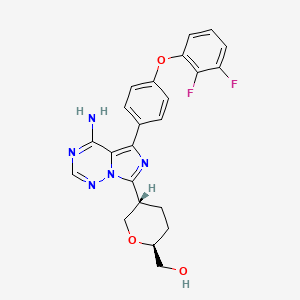
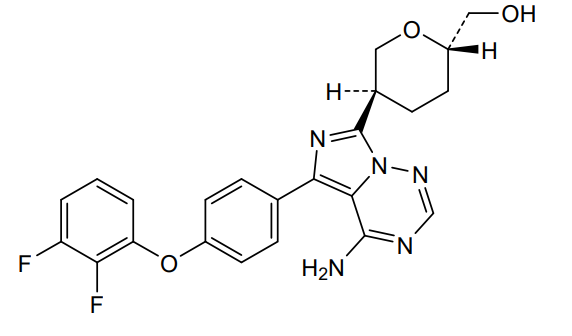
[(2S,5S)-5-[4-amino-5-[4-(2,3-difluorophenoxy)phenyl]imidazo[5,1-f][1,2,4]triazin-7-yl]oxan-2-yl]methanol
[(2S,5S)-5-{4-amino-5-[4-(2,3-difluorophenoxy)phenyl]imidazo[5,1-f][1,2,4]triazin-7-yl}oxan-2-yl]methanol
tyrosine kinase inhibitor, antineoplastic, DZD8586, DZD 8586, Fast Track designation, BTK-IN-30, Z2F599L9GD
Birelentinib (also known as DZD8586) is a first-in-class, non-covalent dual inhibitor of LYN (lymphocyte-specific protein tyrosine kinase) and BTK (Bruton’s tyrosine kinase).
It is currently being developed by Dizal Pharmaceutical as an oral therapy for various B-cell malignancies.
Clinical Status and FDA Designations
As of late 2025, birelentinib has received significant attention for its potential in treating resistant blood cancers:
- Fast Track Designation: In August 2025, the U.S. FDA granted Fast Track designation to birelentinib for adult patients with relapsed or refractory (R/R) chronic lymphocytic leukemia (CLL) or small lymphocytic lymphoma (SLL).
- Target Population: It is specifically intended for those who have failed at least two prior therapies, including a covalent BTK inhibitor and a BCL-2 inhibitor.
- Key Trials: It is being evaluated in multiple studies, including the Phase 3 Tai-Shan6 trial comparing it against standard treatments like bendamustine and rituximab.
Unique Therapeutic Properties
Birelentinib is designed to overcome common drug resistance mechanisms found in existing treatments:
- Overcoming Resistance: It targets both BTK-dependent pathways (including the common C481X mutation) and BTK-independent B-cell receptor (BCR) signaling pathways.
- Blood-Brain Barrier (BBB) Penetration: A notable feature is its ability to fully penetrate the blood-brain barrier, which may offer therapeutic benefits for patients with central nervous system (CNS) involvement.
- Efficacy: Early Phase 1/2 data presented at the ASH Annual Meeting and EHA Congress in 2025 showed an Objective Response Rate (ORR) of 84.2% in heavily pretreated patients
Birelentinib is an orally bioavailable non-covalent dual inhibitor of tyrosine-protein kinases Lyn (LYN) and BTK (Bruton’s tyrosine kinase; Bruton agammaglobulinemia tyrosine kinase), with potential antineoplastic activity. Upon oral administration, birelentinib targets and inhibits both LYN and BTK, thereby blocking both BTK-dependent and BTK-independent B-cell antigen receptor (BCR) signaling pathways. This prevents the proliferation of malignant B-cells in which the BCR signaling pathway is overactivated. Birelentinib is able to cross the blood-brain barrier (BBB) and thus potentially useful in the treatment of central nervous system (CNS) metastases
SYN’
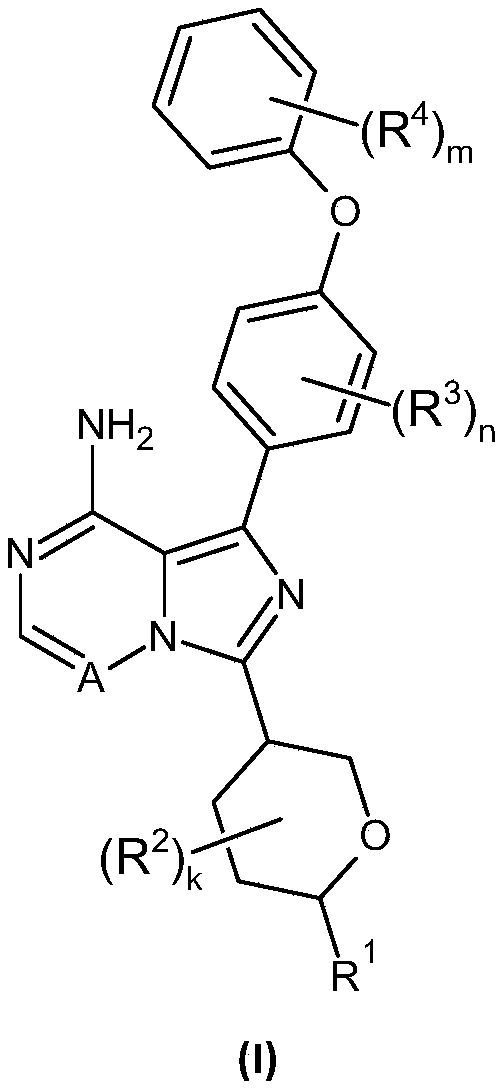
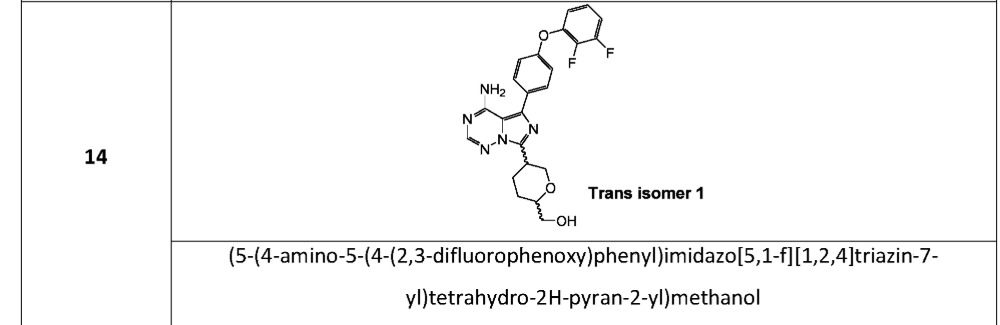
SYN
AS ON FEB2026 4.574 LAKHS VIEWS ON BLOG WORLDREACH AVAILABLEFOR YOUR ADVERTISEMENT
join me on Linkedin
Anthony Melvin Crasto Ph.D – India | LinkedIn
join me on Researchgate
RESEARCHGATE
join me on Facebook
Anthony Melvin Crasto Dr. | Facebook
join me on twitter
Anthony Melvin Crasto Dr. | twitter
+919321316780 call whatsaapp
EMAIL. amcrasto@gmail.com
References
Publication Number: WO-2021136219-A1
Priority Date: 2020-01-02
/////////birelentinib, tyrosine kinase inhibitor, antineoplastic, DZD8586, DZD 8586, Fast Track designation, BTK-IN-30, Z2F599L9GD
Betovumeline
Betovumeline
CAS 1314018-44-4
MF C8H11N3O MW 165.19 g/mol
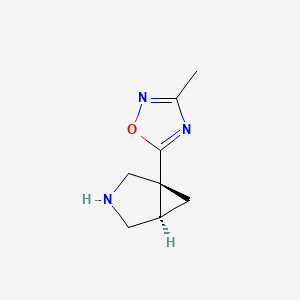
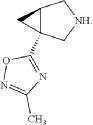
(1R,5R)-1-(3-Methyl-1,2,4-oxadiazol-5-yl)-3-azabicyclo[3.1.0]hexane
(1R,5R)-1-(3-methyl-1,2,4-oxadiazol-5-yl)-3-azabicyclo[3.1.0]hexane
muscarinic receptor agonist, ML 007, MPL 0527, 5UXW4B47R9
Betovumeline (also known as ML-007 or MPL-0527) is a muscarinic receptor agonist currently being developed for the treatment of neurological and neuropsychiatric disorders.
It is specifically designed to target muscarinic receptors in the brain, which play a critical role in cognitive and motor functions.
Key Characteristics
- Mechanism of Action: It acts as an agonist for muscarinic acetylcholine receptors (mAChR).
- Research Focus: It is primarily being investigated for its potential in treating neurological disorders, such as schizophrenia or Alzheimer’s disease-related cognitive impairment.
- Chemical Detail: Its chemical structure is (1R,5R)-1-(3-methyl-1,2,4-oxadiazol-5-yl)-3-azabicyclohexane.
- Development Stage: It is an investigational drug, meaning it is currently for research use only and has not yet been approved for general medical or human use.
SYN
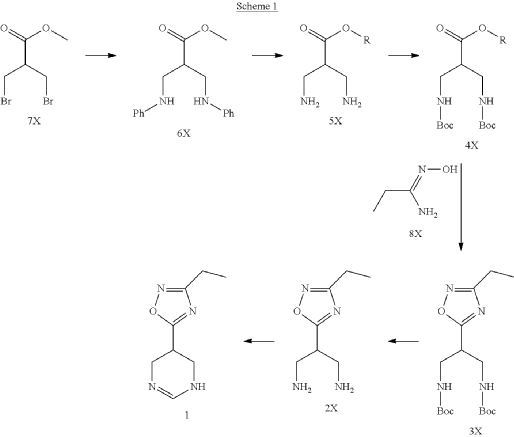
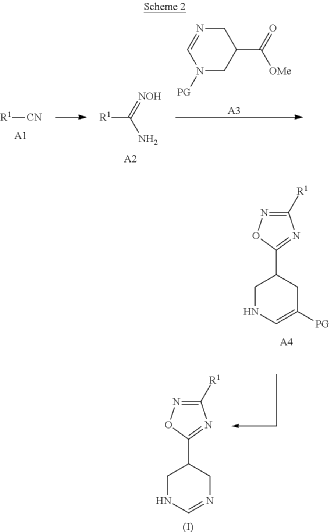
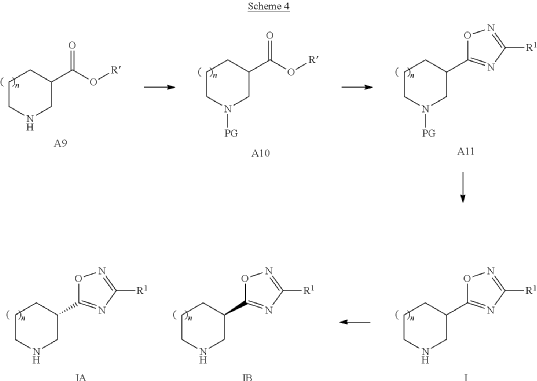
SYN
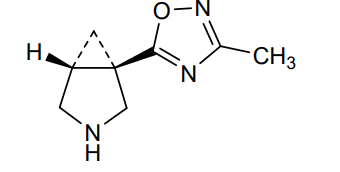
“Compound 1” refers to 1-(3-methyl-[1,2,4]oxadiazol-5-yl)-(1R,5R)-3-aza-bicyclo[3.1.0]hexane having the following structural formula:
AS ON FEB2026 4.574 LAKHS VIEWS ON BLOG WORLDREACH AVAILABLEFOR YOUR ADVERTISEMENT
join me on Linkedin
Anthony Melvin Crasto Ph.D – India | LinkedIn
join me on Researchgate
RESEARCHGATE
join me on Facebook
Anthony Melvin Crasto Dr. | Facebook
join me on twitter
Anthony Melvin Crasto Dr. | twitter
+919321316780 call whatsaapp
EMAIL. amcrasto@gmail.com
References
- Cognition Enhancing Compounds and Compositions, Methods of Making, and Methods of TreatingPublication Number: US-2016199356-A1Priority Date: 2010-09-08
- Cognition enhancing compounds and compositions, methods of making, and methods of treatingPublication Number: US-9403806-B1Priority Date: 2010-09-08Grant Date: 2016-08-02
- Cognition enhancing compounds and compositions, methods of making, and methods of treatingPublication Number: US-9738633-B2Priority Date: 2010-09-08Grant Date: 2017-08-22
- Cognition enhancing compounds and compositions, methods of making, and methods of treatingPublication Number: US-9174972-B2Priority Date: 2010-09-08Grant Date: 2015-11-03
- Methods of treating neurological disordersPublication Number: US-2025032460-A1Priority Date: 2021-11-24
- Methods of treating neurological disordersPublication Number: CN-118510500-APriority Date: 2021-11-24
- Cognition Enhancing Compounds and Compositions, Methods of Making, and Methods of TreatingPublication Number: US-2013274299-A1Priority Date: 2010-09-08
- Cognition Enhancing Compounds and Compositions, Methods of Making, and Methods of TreatingPublication Number: US-2018099956-A1Priority Date: 2010-09-08
- Cognition Enhancing Compounds and Compositions, Methods of Making, and Methods of TreatingPublication Number: US-2016340348-A1Priority Date: 2010-09-08
////////betovumeline, muscarinic receptor agonist, ML 007, MPL 0527, 5UXW4B47R9
Becondogrel
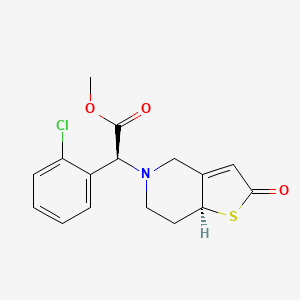
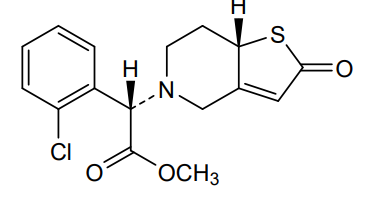
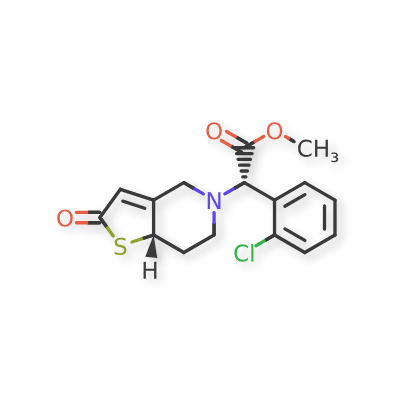
Becondogrel
CAS 1416696-44-0
MF C16H16ClNO3S, MW 337.821
2-OXO-CLOPIDOGREL, (.ALPHA.S,7AS)-
(4S)-2-Oxoclopidogrel
Methyl (S)-(2-chlorophenyl)[(7aS)-2-oxo-2,6,7,7atetrahydrothieno[ 3,2-c]pyridin-5(4H)-yl]acetate
methyl (S)-(2-chlorophenyl)[(7aS)-2-oxo-2,6,7,7atetrahydrothieno[3,2-c]pyridin-5(4H)-yl]acetate
platelet aggregation inhibitor, D7X6820P1N, Copidogrel oxide, (4S)-2-Oxoclopidogrel
Becondogrel is an antiplatelet medication and an irreversible P2Y12 receptor antagonist. It is chemically known as 2-oxoclopidogrel, which is a direct metabolic intermediate of the widely used drug clopidogrel (Plavix).
Key Characteristics
- Mechanism of Action: It prevents blood cells (platelets) from sticking together, which helps inhibit the formation of blood clots (thrombosis).
- Relationship to Clopidogrel: Standard clopidogrel is a prodrug that requires two metabolic steps in the liver to become active. Becondogrel is designed to bypass the first of these steps, potentially reducing the individual variability in effectiveness seen with clopidogrel due to genetic differences in liver enzymes (CYP450).
- Clinical Status: As of early 2025, becondogrel was included in the World Health Organization’s (WHO) proposed International Nonproprietary Name (INN) list, indicating its development for medical use
SYN
- [EP3290423B1]
- https://patentscope.wipo.int/search/en/detail.jsf?docId=EP213389219&_cid=P22-MNPFAY-18756-1
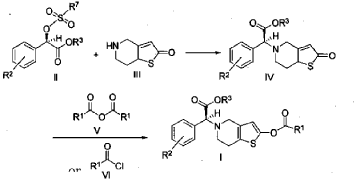

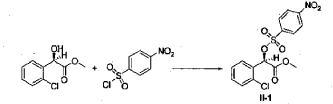
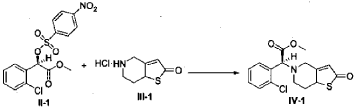
Example 3
(2S)-Methyl 2-(2-oxo-7,7a-dihydrothieno[3,2-c]pyridin-5(2H,4H,6H)-yl)-2-(2-chlorophenyl)-acetate (IV-1)
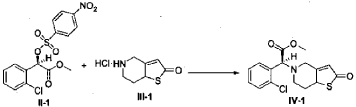
[0042] 58.1 g (0.15 mol) of (R)-methyl 2-(2-chlorophenyl)-2-(4-nitrophenylsulfonyloxy)-acetate (II-1), 32.3 g (0.17 mol) of 5,6,7,7a-tetrahydrothieno[3,2-c]pyridin-2(4H)-one hydrochloride (III-1), and 37.8g (0.38 mol) of potassium bicarbonate were added to 500 ml of acetonitrile. The reaction was stirred under a nitrogen atmosphere at room temperature for 26 hrs. The reaction solution was allowed to stand and the insoluble material was filtered off, to obtain a dark red mother liquor. The solvent was evaporated under reduced pressure, and 35.4 g of an oil product was obtained after purification by flash column chromatography (petroleum ether:ethyl acetate = 4:1). Yield 70%. Recrystalization from ethanol afforded 18.1 g of a pure product (IV-1) as a white solid. mp: 146-148°C, ee = 97.5%, [α] D 19 = +114.0° (c 0.5, MeOH); 1H-NMR (300 MHz, CDCl 3) δ 1.79-1.93 (m, 1 H), 2.30-2.40 (m, 1 H), 2.56-2.70 (m, 1 H), 3.00-3.27 (m, 2 H), 3.72 (s, 3 H), 3.79-3.93 (m, 1 H), 4.12-4.19 (m, 1 H), 4.89 (d, 1 H, J= 5.6 Hz), 6.00 (d, 1 H, J = 5.2 Hz), 7.26-7.50 (m, 4 H); 13C-NMR (75 MHz, CDCl 3) δ 33.9, 34.0, 49.0, 49.7, 51.1, 51.6, 52.2, 52.4, 67.3, 76.6, 77.0, 77.4, 126.6, 126.8, 127.2, 129.8, 130.1, 132.7, 134.8, 167.2, 167.4, 170.8, 198.6; ESI-MS m/ z 338.1 [M+H] +; HRMS Calcd for C 16H 17NO 3SCl [M+H] + m/ z 338.0618, found 338.0626.
SYN
- [US2022028976]
- https://patentscope.wipo.int/search/en/detail.jsf?docId=WO2023204830&_cid=P22-MNPFG3-21704-1
PAT
. The chemical name of the compound with the Equation I structure is: (S)-2-(2-chlorophenyl)-2-((S)-2-oxo-2,6,7,7a-tetrahydrothiophene[3,2-c]and pyridine-5(4H))yl)methyl acetate.
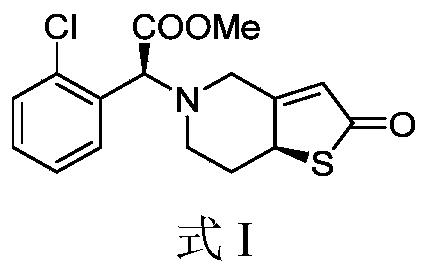
AS ON FEB2026 4.574 LAKHS VIEWS ON BLOG WORLDREACH AVAILABLEFOR YOUR ADVERTISEMENT
join me on Linkedin
Anthony Melvin Crasto Ph.D – India | LinkedIn
join me on Researchgate
RESEARCHGATE
join me on Facebook
Anthony Melvin Crasto Dr. | Facebook
join me on twitter
Anthony Melvin Crasto Dr. | twitter
+919321316780 call whatsaapp
EMAIL. amcrasto@gmail.com
References
- Synthesis of Biologically Active Piperidine Metabolites of Clopidogrel: Determination of Structure and Analyte Development.Publication Name: The Journal of organic chemistryPublication Date: 2015-07-07PMID: 26151079DOI: 10.1021/acs.joc.5b00632
- Antiplatelet Agents Aspirin and Clopidogrel Are Hydrolyzed by Distinct Carboxylesterases, and Clopidogrel Is Transesterificated in the Presence of Ethyl AlcoholPublication Name: The Journal of Pharmacology and Experimental TherapeuticsPublication Date: 2006-12PMID: 16943252DOI: 10.1124/jpet.106.110577
- Contribution of Hepatic Cytochrome P450 3A4 Metabolic Activity to the Phenomenon of Clopidogrel ResistancePublication Name: CirculationPublication Date: 2004-01-20PMID: 14707025DOI: 10.1161/01.cir.0000112378.09325.f9
PAT
- Solid preparation containing oxidized clopidogrel and preparation method thereforPublication Number: EP-4628079-A1Priority Date: 2022-12-02
- Method for treating blood plasma sample containing clopidogrel oxide, and measurement methodPublication Number: EP-4394372-A1Priority Date: 2021-08-23
- Crystalline form b of tetrahydrothienopyridine compound, preparation method, composition and application thereofPublication Number: US-2022289761-A1Priority Date: 2019-05-17
- B crystal form of tetrahydrothienopyridine compound, preparation method therefor, composition and applicationPublication Number: WO-2020233226-A1Priority Date: 2019-05-17
- B crystal form of tetrahydrothienopyridine compound, preparation method therefor, composition and applicationPublication Number: EP-3985009-A1Priority Date: 2019-05-17
- Optically active 2-hydroxy tetrahydrothienopyridine derivatives, preparation method and use in manufacture of medicament thereof
- Publication Number: EP-3290423-B1
- Priority Date: 2010-02-02
- Grant Date: 2021-07-21
//////////becondogrel, platelet aggregation inhibitor, D7X6820P1N, Copidogrel oxide, (4S)-2-Oxoclopidogrel
Balomenib
Balomenib
CAS 2939850-17-4
MF C33H34F3N7O2 MW617.7 g/mol
4-methyl-1-[[(2S)-5-oxomorpholin-2-yl]methyl]-5-[[2-[6-(2,2,2-trifluoroethyl)quinazolin-4-yl]-2,7-diazaspiro[3.5]nonan-7-yl]methyl]indole-2-carbonitrile
- 1H-Indole-2-carbonitrile, 4-methyl-1-[[(2S)-5-oxo-2-morpholinyl]methyl]-5-[[2-[6-(2,2,2-trifluoroethyl)-4-quinazolinyl]-2,7-diazaspiro[3.5]non-7-yl]methyl]-
- 4-methyl-1-[(2S)-5- oxomorpholin-2- yl]methyl]-5- [[2-[6-(2,2,2- trifluoroethyl) quinazolin-4-yl]-2,7- diazaspiro[3.5]nonan- 7-yl]methyl]indole-2- carbonitrile
4-methyl-1-{[(2S)-5-oxomorpholin-2-yl]methyl}-5-({2-[6-(2,2,2-trifluoroethyl)quinazolin-4-yl]-2,7-diazaspiro[3.5]nonan-7-
yl}methyl)-1H-indole-2-carbonitrile
menin inhibitor, antineoplastic, ZE63-0302, 3BEG4BWN8E
Balomenib (also known as ZE63-0302) is an oral, small-molecule menin inhibitor currently in clinical development for metabolic and oncological conditions. It works by disrupting the protein-protein interaction between menin and KMT2A (formerly MLL), a mechanism that plays a critical role in both pancreatic beta-cell function and certain types of leukemia.
Key Therapeutic Areas
- Type 2 Diabetes (T2D): Balomenib is being investigated as a potentially disease-modifying treatment to improve pancreatic beta-cell function and survival. As of late 2025, it has advanced into Phase 1b clinical trials specifically for adults with T2D to evaluate its effects on fasting glucose, insulin dynamics, and HbA1c.
- Oncology (AML): It is also a candidate for treating acute myeloid leukemia (AML) with KMT2A rearrangements or NPM1 mutations. Preclinical data suggests it may be more effective against resistance mutations than earlier menin inhibitors.
Development and Safety
- Corporate Development: The drug was originally developed by Eilean Therapeutics. It is now the lead program for Clywedog Therapeutics, which is merging with Barinthus Biotherapeutics to focus on metabolic diseases.
- Safety Profile: Early trial results indicate a favorable safety profile. Notably, it was designed to minimize QTc prolongation (heart rhythm issues), a side effect common in other menin inhibitors.
- Сlinical Study Aiming to Evaluate the Safety, Tolerability, Pharmacokinetics and Pharmacodynamics of Single and Multiple Ascending Doses of ZE63-0302 in Healthy VolunteersCTID: NCT06780124Phase: Phase 1Status: CompletedDate: 2026-01-22
- Study to Assess Safety, Tolerability, PK, and PD of Multiple Doses of ZE63-0302 Administrated Orally in T2DM Patients.CTID: NCT07234864Phase: Phase 1Status: RecruitingDate: 2026-01-22
SYN
Example 46. 4-Methyl-1-{[(2S)-5-oxomorpholin-2-yl]methyl}-5-({2-[6-(2,2,2-trifluoroethyl)quinazolin-4-yl]-2,7-diazaspiro[3.5]non-7-yl}methyl)-1H-indole-2-carbonitrile (Compound 102)
Compound was prepared using procedure described in the Example 45 and 5-formyl-4-methyl-1-{[(2S)-5-oxomorpholin-2-yl]methyl}-1H-indole-2-carbonitrile P177 instead of 5-formyl-4-methyl-1-{[(2R)-5-oxomorpholin-2-yl]methyl}-1H-indole-2-carbonitrile P176. Compound 102 was obtained with yield 49%. 1H NMR (400 MHz, DMSO-d 6), δ: 8.46 (s, 1H), 7.99 (m, 2H), 7.73 (m, 2H), 7.52 (m, 1H), 7.46 (d, J=5.6 Hz, 1H), 7.31 (d, J=4.8 Hz, 1H), 4.54 (m, 1H), 4.20 (m, 2H), 4.05 (m, 1H), 3.90 (m, 4H), 3.52 (m, 2H), 3.35 (m, 1H), 3.17 (m, 1H), 2.39 (m, 2H), 1.79 (m, 4H). LCMS (ESI) [MH] +: 618.
PAT
Example 46. 4-Methyl-1-{[(2S)-5-oxomorpholin-2-yl]methyl}-5-({2-[6-(2,2,2-trifluoroethyl)quinazolin-4-yl]-2,7-diazaspiro[3.5]non-7-yl}methyl)-1H-indole-2-carbonitrile (Compound 102)
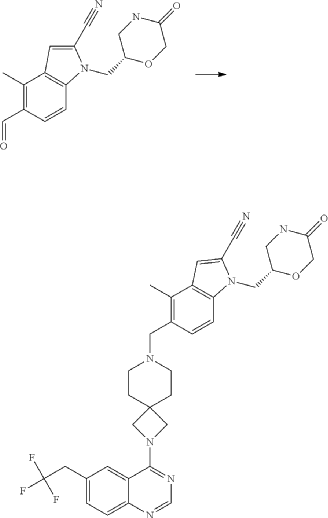
AS ON FEB2026 4.574 LAKHS VIEWS ON BLOG WORLDREACH AVAILABLEFOR YOUR ADVERTISEMENT
join me on Linkedin
Anthony Melvin Crasto Ph.D – India | LinkedIn
join me on Researchgate
RESEARCHGATE
join me on Facebook
Anthony Melvin Crasto Dr. | Facebook
join me on twitter
Anthony Melvin Crasto Dr. | twitter
+919321316780 call whatsaapp
EMAIL. amcrasto@gmail.com
References
- Inhibitors of menin-mll interactionPublication Number: WO-2023107696-A2Priority Date: 2021-12-09
- Inhibitors of menin-mll interactionPublication Number: US-2025163061-A1Priority Date: 2021-12-09
- Inhibitors of menin-mll interactionPublication Number: EP-4444300-A2Priority Date: 2021-12-09
///////////balomenib, menin inhibitor, antineoplastic, ZE63-0302, 3BEG4BWN8E


 New Drug Approvals


