

.
Home » 2016 (Page 39)
Yearly Archives: 2016
 DRUG APPROVALS BY DR ANTHONY MELVIN CRASTO
.....FOR BLOG HOME CLICK HERE
DRUG APPROVALS BY DR ANTHONY MELVIN CRASTO
.....FOR BLOG HOME CLICK HEREFlag and hits
ORGANIC SPECTROSCOPY
Read all about Organic Spectroscopy on
ORGANIC SPECTROSCOPY INTERNATIONAL

SUBSCRIBE

 Subscribe in a reader
Enter your email address:
Delivered by FeedBurner
Subscribe to New Drug Approvals by Email


Recent Comments
 | shivkr2 on SPSR Excellence Award 2025 – S… |
 | Bonkasaurus on Infigratinib phosphate |
 | PALOVAROTENE | ORGAN… on Palovarotene |
| Pfizer just purchase… on Temanogrel | |
| Pfizer To Cash In On… on Temanogrel |
Glaxo……..Will help the world’s poorest people access copycat versions of its medicines at affordable prices.
Glaxo to Stop Seeking Drug Patents in Low-Income Countries
Drugmaker says move could help poor nations access cheaper copycat versions of its medicines

GlaxoSmithKline’s CEO Andrew Witty below

LONDON— GlaxoSmithKline PLC said it would stop seeking patents for its drugs in low-income countries, a move the drugmaker said could help the world’s poorest people access copycat versions of its medicines at affordable prices.
The U.K.-based company said it would take this approach in low-income and least-developed countries, a group totaling around 85 nations. In so-called lower-middle-income countries, a group of 51 nations that includes Vietnam, Cameroon and Sri Lanka, it said it would file patents but aim to grant licenses to generic manufacturers to supply low-cost versions of its drugs in those markets in return for a small royalty.
Glaxo previously filed patents in most lower-middle-income countries, and in low-income nations where a patent office exists. But that “patchwork” approach meant that generic drugmakers held back from manufacturing copycat medicines for these markets owing to the risk of being sued by pharmaceutical companies, according to Glaxo Chief Executive Andrew Witty.,,,,,,,,,continue reading
/////////Glaxo Chief Executive, Andrew Witty, filed patents, low income,poor nations, cheaper, copycat versions, medicines, GlaxoSmithKline
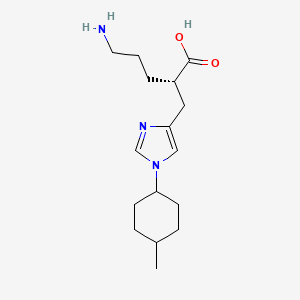
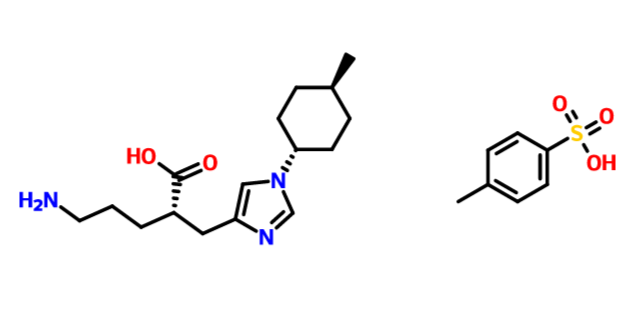
DS-1040, Activated thrombin activatable fibrinolysis (TAFIa) inhibitor
DS-1040
Ischemic stroke
(2S)-5-amino-2-[[1-(4-methylcyclohexyl)imidazol-4-yl]methyl]pentanoic acid
1H-Imidazole-4-propanoic acid, α-(3-aminopropyl)-1-(trans-4-methylcyclohexyl)-, (αS)-
(2S)-5-amino-2-{[1-(trans-4-methylcyclohexyl)-1H-imidazol-4-yl]methyl}pentanoic acid
free form cas 1335138-62-9
1:1 TOSYLATE 1335138-89-0
1335138-90-3 1:1:1 TOSYLATE HYDRATE
phase 2, Ischemic stroke
| Molecular Formula: | C16H27N3O2 |
|---|---|
| Molecular Weight: | 293.40448 g/mol |

TAFIa inhibitors, useful for treating myocardial infarction, angina, pulmonary hypertension and deep vein thrombosis.
In March 2016, DS-1040 was reported to be in phase 2 C clinical development, and the study was expected to complete in June 2017.
https://clinicaltrials.gov/ct2/show/NCT02560688
- 01 Feb 2016Daiichi Sankyo initiates a phase I trial in Healthy volunteers in United Kingdom (NCT02647307)
- 09 Jan 2016Daiichi Sankyo plans a phase I trial in Healthy volunteers in United Kingdom (NCT02647307)
- 29 Sep 2015Daiichi Sankyo plans a drug-interaction phase I trial in Healthy volunteers in United Kingdom (IV) (NCT02560688)
SYNTHESIS
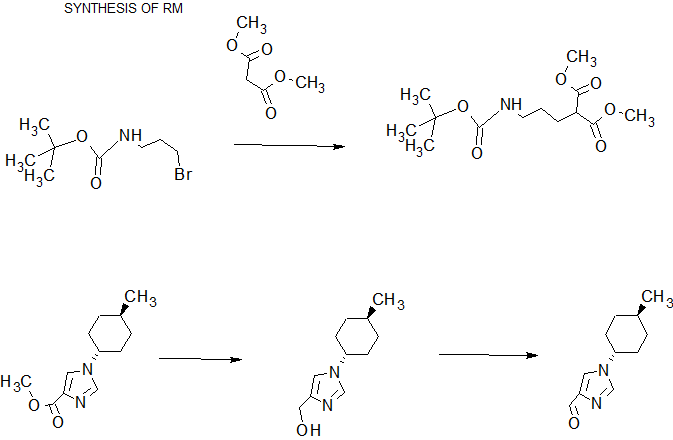
COMPLETE SYNTHESIS
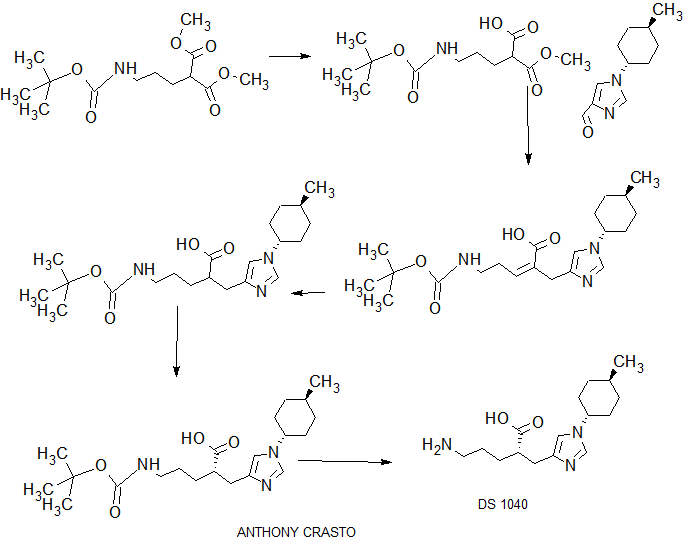
Patent
WO201111506
PATENT
PATENT
PATENT
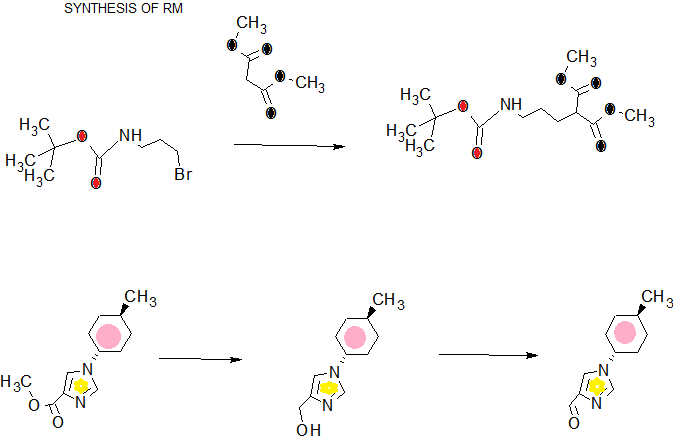
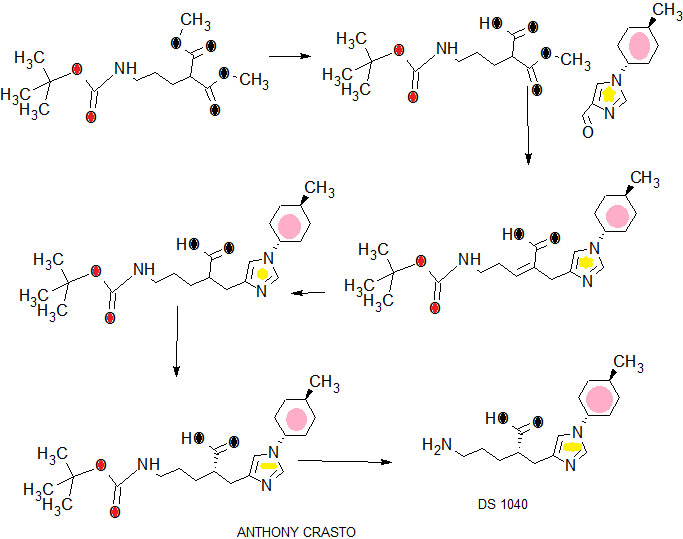
COMPLETE SYN……….
The optical purity of the obtained compound was measured by the following HPLC analysis conditions.
(2S) -5 – [(tert- butoxycarbonyl) amino] -2 – {[1- (trans -4- methylcyclohexyl)-lH-imidazol-4-yl] methyl} valeric acid (S)-2-amino 1-propanol salt (A1 step, A2 step, A3 step), (2S) -5 – [ (tert- butoxycarbonyl) amino] -2 – {[1- (trans -4- methylcyclohexyl)-lH-imidazole 4-yl] methyl} optical purity measurement conditions valerate (A4 step):
column: CHIRAL AGP 4.6mmI. D. × 250mm (5μm),
mobile phase: methanol / 10mM phosphate buffer solution (pH7.0) = 95/5,
temperature: 40 ℃,
flow rate: 0.5mL / min,
detection method: UV at 220nm,
retention time: R body: 5.9 minutes, S body: 7.3 minutes.
(2S) -5 – [(tert- butoxycarbonyl) amino] -2 – {[1- (trans -4- methylcyclohexyl)-lH-imidazol-4-yl] methyl} valeric acid (S)-2-amino 1-propanol salt (A1 step, A2 step, A3 step), (2S) -5 – [ (tert- butoxycarbonyl) amino] -2 – {[1- (trans -4- methylcyclohexyl)-lH-imidazole 4-yl] methyl} optical purity measurement conditions valerate (A4 step):
column: CHIRAL AGP 4.6mmI. D. × 250mm (5μm),
mobile phase: methanol / 10mM phosphate buffer solution (pH7.0) = 95/5,
temperature: 40 ℃,
flow rate: 0.5mL / min,
detection method: UV at 220nm,
retention time: R body: 5.9 minutes, S body: 7.3 minutes.
(2S)-5-amino-2 – Optical purity measurement conditions {[1- (trans-4- methylcyclohexyl)-lH-imidazol-4-yl] methyl} valerate p- toluenesulfonate (A5 Step) :
column: CHIRLCEL OZ-H 4.6mmI. D. × 250mm (5μm),
mobile phase: hexane / ethanol / methanol / isopropanol / trifluoroacetic acid / triethylamine = 860/100/20/2/2
temperature: 30 ℃
flow rate: 1.0mL / min
detection method: UV at 220nm
retention time: R body: 16.1 minutes, S body: 13.0 minutes (example 1) (1-1) 5 – [(Tert- butoxycarbonyl) amino] -2-methoxy-carbonyl) valeric acid morpholine salt
[Of 11]

In methanol (400mL) solution of di -tert- butyl (100.0g) and 3-chloro-propylamine hydrochloride (71.5g), was added dropwise triethylamine (51.0g) at 0 ℃, at the same temperature It was stirred for 16 hours. To the reaction solution was added toluene (400 mL) and water (400 mL), then were separated, and the organic layer was washed with water. Toluene 400mL was added to the organic layer, was concentrated under reduced pressure to 300 mL, N, N-dimethylacetamide (210 mL) was added and concentrated in vacuo to 300 mL. Potassium carbonate solution (126.66g), tetrabutylammonium bromide (44.32g), was added dimethyl malonate (90.82g) and N, N-dimethylacetamide (100 mL), stirred for 20 hours at 55 ° C. did. Toluene (400 mL) and water (700 mL) was added to the reaction mixture, after separation, The organic layer was washed with water, with 1M aqueous sodium hydroxide and water, and concentrated under reduced pressure to 150 mL. This solution methanol (1870mL) and 1M sodium hydroxide solution (430.8mL) in addition to, and the mixture was stirred for 27.5 hours at 0 ℃. Concentrated hydrochloric acid to the reaction solution (2.5 mL) was added, the pH was adjusted to 7-9, and concentrated in vacuo to 375 mL. After addition of ethyl acetate (500mL) to the reaction solution, concentrated hydrochloric acid (35.1mL) was added, the pH was adjusted to 2.2-2.5, and the layers were separated. The aqueous layer was extracted with ethyl acetate (500 mL), after mixing the organic layer under reduced pressure, and prepared by dehydration condensation of ethyl acetate (250 mL) solution. The resulting solution of ethyl acetate (500 mL) and morpholine (37.5 g) was added to and stirred overnight. The precipitated crystals were filtered, washed with ethyl acetate, and dried under reduced pressure, to give the title compound (136.1g, 81.9% yield).
1 H-NMR (DMSO-d- . 6 ) [delta]: 6.79 (1H, t, J = 5.5 Hz), 3.61 (4H, t, J = 4.9 Hz), 3.58 The (3H, s) , 3.14 (1H, t, J = 7.8Hz), 2.90-2.80 (6H, m), 1.74-1.59 (2H, m), 1.37 (9H, s) , 1.34-1.25 (2H, m).
(1-2) [1- (trans-4- methylcyclohexyl) -1H- imidazole-4-yl] methanol
[Of 12]

N, and stirred for 4 h methanol (56 mL) solution at 5 ~ 10 ℃ of N- dimethylformamide dimethyl acetal (77.4 g) and ethyl isocyanoacetate (70.0g).The reaction solution was cooled to 0 ℃, water (5.3mL) and trans-4- methylcyclohexyl amine (105.1g) was added, and the mixture was stirred for 24 hours at 60 ~ 65 ℃. The reaction was cooled to room temperature, toluene (420 mL), supplemented with 10% brine (280 mL) and concentrated hydrochloric acid (68 mL), After separation, the organic layer was washed with 10% brine (140 mL). Organic layer to 10% sodium chloride solution (280mL) and concentrated hydrochloric acid were added for liquid separation after (78.4g), was added to separate liquid further 10% saline solution into the organic layer (210mL) and concentrated hydrochloric acid (31.3g). After dissolving sodium chloride (70.0 g) in aqueous layer, adding toluene (420 mL) and 50% aqueous sodium hydroxide (85 mL), after separation, toluene (350 mL) the organic layer was added, under reduced pressure, dehydration concentrated was prepared in toluene (420 mL) solution was. The solution was cooled to 0 ℃, dropped the hydrogenated bis (2-methoxyethoxy) aluminum sodium (70% toluene solution) (207.4g), and the mixture was stirred at room temperature for 1 hour. The reaction was cooled to 0 ° C., was added dropwise 12.5% aqueous sodium hydroxide solution (700 mL), stirred for 1 hour at room temperature. After the solution was separated and the organic layer was washed successively with 12.5% aqueous solution of sodium hydroxide (700mL) and 20% sodium chloride solution (140mL), toluene in the organic layer (140mL), 1- butanol (14mL), water ( 280mL) and was added to aliquots of concentrated hydrochloric acid (48mL). It was further added to liquid separation with water (140 mL) and concentrated hydrochloric acid (2 mL) to the organic layer. Met The aqueous layer was stirred in for 1 hour activated carbon (10.5 g), activated charcoal was filtered off, the activated carbon was washed with water (210 mL). Matches the filtrate and washings, sodium chloride (140 g), toluene was added (980 mL) and 50% aqueous sodium hydroxide (42 mL), After separation, under reduced pressure and the organic layer was dried concentrated toluene (210 mL) It was prepared in solution. The solution was stirred 30 minutes at 50-55 ° C., cooled to room temperature, it was added dropwise heptane (560 mL), and stirred at the same temperature for 3 hours. The precipitated crystals were filtered to give after washing with toluene / heptane (1/4) mixture solution, the title compound was dried under reduced pressure (77.2 g, 64.2% yield).
1 H-NMR (CDCl 3 ) [delta]: 7.49 (1H, s), 6.91 (1H, s), 4.58 (2H, s), 3.83 (1H, tt, J = 12.0 , 3.9Hz), 2.10-2.07 (2H, m), 1.87-1.84 (2H, m), 1.70-1.61 (2H, m), 1.48-1 .42 (1H, m), 1.15-1.06 (2H, m), 0.95 (3H, d, J = 6.5Hz).
(1-3) (2E) -5 – [(tert- butoxycarbonyl) amino] -2 – {[1-trans-4- methylcyclohexyl]-lH-imidazol-4-yl} methylidene} methyl valerate
[Of 13]

(1-2) The compound obtained in (50.0 g) in toluene (350 mL) and acetic acid (150 mL) was dissolved in a mixed solution, 2,2,6,6-tetramethylpiperidine -N- oxyl at 30 ° C. It was added (966mg) and ortho-periodic acid (16.9g), and the mixture was stirred for 1 hour at 30-35 ℃. The reaction mixture was added 10% aqueous sodium bisulfite solution (150 mL), after stirring for 30 minutes at room temperature, toluene was added (400 mL), and concentrated in vacuo to 300 mL. The solution further by the addition of toluene (400 mL), after concentration under reduced pressure again to 300 mL, was added toluene (500 mL), water (200 mL) and 50% aqueous sodium hydroxide (118 mL). Were separated, the organic layer was washed with 20% brine (150 mL), addition of toluene (200 mL), under reduced pressure and dehydrated concentrated prepared in toluene (400 mL) solution. The compound obtained in the solution (1-1) (116.5g), N, N- dimethylformamide (175 mL) and acetic acid (4.2 mL) was added, under reduced pressure, and dried for 8 hours under reflux. The reaction was cooled to room temperature, adding toluene (400 mL), washed once with 3 times with 5% aqueous sodium bicarbonate solution (400 mL) and 10% brine (250 mL), under reduced pressure and the organic layer was dried concentrated toluene It was prepared (900 mL) solution. This solution was added activated charcoal (15 g) at 35 ~ 40 ° C., after stirring for 30 minutes at the same temperature, filtered and the activated carbon was washed with toluene. Meet the filtrate and washings, after which was concentrated under reduced pressure until 250mL, it was added dropwise heptane (500mL) at room temperature. After stirring for 1.5 hours at the same temperature, then cooled to 0 ℃, and the mixture was stirred for 1 hour. The precipitated crystals were filtered to give after washing with toluene / heptane (1/2) mixture solution, the title compound was dried under reduced pressure (85.0 g, 81.5% yield).
1 H-NMR (CDCl 3 ) [delta]: 7.59 (1H, s), 7.47 (1H, s), 7.15 (1H, s), 7.08 (1H, brs), 3.92- 3.87 (1H, m), 3.78 (3H, s), 3.16-3.12 (2H, m), 2.96 (2H, t, J = 7.5Hz), 2.14- 2.11 (2H, m), 1.90-1.87 (2H, m), 1.77-1.65 (5H, m), 1.47 (9H, s), 1.17-1. 10 (2H, m), 0.96 (3H, d, J = 6.5Hz).
(1-4) (2S) -5 – [(tert- butoxycarbonyl) amino] -2 – {[1- (trans-4- methylcyclohexyl)-lH-imidazol-4-yl] methyl} valerate (S ) -2-amino-1-propanol salt (A1 process, A2 process, A3 process)
[Of 14]

The compound obtained in (1-3) (40.0g), (R) -2,2′- bis (di-3,5-xylyl) -1,1′-binaphthyl (507.4Mg) and dichloro (p- cymene) ruthenium (II) (dimer) and (211.4mg), were dissolved in degassed 2,2,2 trifluoroethanol (400 mL), hydrogen under pressure (400-450kPa) , and the mixture was stirred for 24 hours at 60 ℃. The reaction was cooled to room temperature, after nitrogen substitution, and then concentrated under reduced pressure to 60 mL.Tetrahydrofuran (200 mL) was added, was concentrated under reduced pressure to 120 mL, of tetrahydrofuran was added (200 mL).
To the resulting solution was added water (160mL), cooled to 0 ℃, was added a 50% aqueous solution of sodium hydroxide (24.0mL). After stirring the reaction mixture at room temperature for 26 hours, and the addition of 50% sodium hydroxide solution (8.00mL), and the mixture was stirred for a further 4 hours. The reaction mixture under ice-cooling was added dropwise concentrated hydrochloric acid (28 mL), activated carbon was added (2.0 g) was stirred at room temperature for 10 minutes. The active carbon was filtered off, washed with tetrahydrofuran / water (2/1) mixed solvent (180 mL), sodium chloride (40 g) was separated by adding and re-extract the aqueous layer with tetrahydrofuran (400 mL). The organic layer was matched, and concentrated in vacuo to 200 mL. After addition of toluene (400 mL) to this solution, under reduced pressure and dehydrated concentrated prepared in toluene (200 mL) solution.
After adding tetrahydrofuran (400 mL) to the resulting solution was added (S) -2- amino-1-propanol (8.2 g) at room temperature and stirred for 3 hours. The solution was cooled to 0 ℃, and was filtered after stirring for 1.5 hours, it was precipitated crystals. The crystals were washed with tetrahydrofuran and dried under reduced pressure to give the title compound (45.4g, 98.2% yield, optical purity: ee 97.5%) was obtained.
1 H-NMR (CD 3 OD) [delta]: 7.57 (1H, s), 6.94 (1H, s), 3.98-3.85 (1H, yd), 3.69-3.64 ( 1H, m), 3.47-3.42 (1H , m), 3.29-3.23 (1H, m), 3.01 (2H, t, J = 6.5Hz), 2.84 ( 1H, dd, J = 14.6,8.4Hz) , 2.55 (1H, dd, J = 14.6,6.2Hz), 2.52-2.45 (1H, m), 2.03 (2H, d, J = 12.7Hz ), 1.83 (2H, d, J = 13.3Hz), 1.71 (2H, q, J = 12.5Hz), 1.60-1.44 ( 5H, m), 1.41 (9H , s), 1.23-1.20 (3H, m), 1.18-1.09 (2H, m), 0.94 (3H, d, J = 6.8Hz).
(1-5) (2S) -5 – [(tert- butoxycarbonyl) amino] -2 – {[1- (trans-4- methylcyclohexyl)-lH-imidazol-4-yl] methyl} valerate (A4 process)
[Of 15]

(1-4) The compound obtained in (40.0 g) in tetrahydrofuran (400 mL) and dissolved in a mixed solvent of water (160 mL), concentrated hydrochloric acid (7.3 mL) and added separation of sodium chloride (40 g) and washed 3 times with the organic layer 20% (w / w) brine (160 mL). The organic layer under reduced pressure, dehydrated concentrated prepared in toluene (320 mL) solution was dissolved after addition of tetrahydrofuran (80 mL) was warmed precipitated 83 ° C. crystal. After stirring overnight and cooled to room temperature, and stirred for a further 3 hours at 0 ℃, and filtered the precipitated crystals. After washing the crystals with toluene / tetrahydrofuran (4/1) mixed solution, and dried under reduced pressure to give the title compound (30.9g, 92.1% yield, optical purity: 97.4% ee) was obtained.
1 H-NMR (CDCl 3 ) [delta]: 7.59 (1H, s), 6.73 (1H, s), 4.67 (1H, brs), 3.85-3.80 (1H, yd), 3.12-3.08 (2H, m), 2.88 (1H, dd, J = 15.2,8.8Hz), 2.79 (1H, dd, J = 15.2,3.6Hz) , 2.70-2.64 (1H, m), 2.13-2.06 (2H, m), 1.90-1.82 (2H, m), 1.79-1.52 (5H, m), 1.49-1.44 (2H, m ), 1.43 (9H, s), 1.15-1.05 (2H, m), 0.95 (3H, d, J = 6. 5Hz).
(1-6) (2S) -5- amino -2 – {[1- (trans-4- methylcyclohexyl)-lH-imidazol-4-yl] methyl} valerate p- toluenesulfonate (A5 Step)
[Of 16]

In tetrahydrofuran (100 mL), was dissolved the compound obtained in (1-5) (25.0 g) and p- toluenesulfonic acid monohydrate (13.3 g), activated charcoal (1 to this solution. 25 g) was added and stirred for 1 hour at 20 ~ 30 ℃. The charcoal was filtered and washed with tetrahydrofuran (50 mL).It matches the filtrate and washings, p- toluenesulfonic acid monohydrate (13.3 g) and water (7.5 mL) and the mixture was heated under reflux for 6 hours. The reaction was cooled to room temperature, it was added triethylamine (7.7 g), at room temperature and stirred overnight. To the reaction solution was added dropwise tetrahydrofuran (350 mL), after stirring for 3 hours at room temperature and filtered the precipitated crystal. After washing with tetrahydrofuran / water (50/1) mixed solution, and dried under reduced pressure to give the title compound (27.7g, 93.5% yield, optical purity: 98.4% ee) was obtained.
1 H-NMR (CD 3 OD) [delta]: 8.18 (1H, s), 7.70 (2H, d-, J = 8.1 Hz), 7.22 (2H, d-, J = 7.5 Hz), 7.16 (1H, s), 4.06 (1H, tt, J = 12.0,3.9Hz), 2.94-2.86 (3H, m), 2.69 (1H, dd, J = 14.6,5.8Hz), 2.62-2.59 (1H, m), 2.36 (3H, s), 2.08-2.05 (2H, m), 1.86-1 .83 (2H, m), 1.76-1.46 (7H, m), 1.18-1.11 (2H, m), 0.94 (3H, d, J = 6.5Hz).
(Example
2) (2-1) (2S) -5 – [(tert-butoxycarbonyl) amino] -2 – {[1- (trans -4- methylcyclohexyl)-lH-imidazol-4-yl] methyl } methyl valerate
2) (2-1) (2S) -5 – [(tert-butoxycarbonyl) amino] -2 – {[1- (trans -4- methylcyclohexyl)-lH-imidazol-4-yl] methyl } methyl valerate
[Of 17]

It was asymmetrically reduced using a number of catalysts. The reaction conversion and the optical purity of the obtained title compound was determined by the following HPLC analysis conditions.
Reaction conversion rate measurement:
Column: Waters XBridge C18 4.6mmI. D. × 150mm (3.5μm),
mobile phase: (A) 10mM aqueous ammonium acetate solution, (B)
acetonitrile, Gradient conditions: B: conc. ; 20% (0-5 minutes), 20-90% (5-20 minutes), 90% (20-24 minutes),
temperature: 40 ℃,
flow rate: 1.0mL / min,
detection method: UV at 215nm
retention time: raw material: 21.1 minutes, the product: 19.1 minutes,
(peak area of peak area + product of raw materials) peak area / of the reaction conversion rate = product.
Column: Waters XBridge C18 4.6mmI. D. × 150mm (3.5μm),
mobile phase: (A) 10mM aqueous ammonium acetate solution, (B)
acetonitrile, Gradient conditions: B: conc. ; 20% (0-5 minutes), 20-90% (5-20 minutes), 90% (20-24 minutes),
temperature: 40 ℃,
flow rate: 1.0mL / min,
detection method: UV at 215nm
retention time: raw material: 21.1 minutes, the product: 19.1 minutes,
(peak area of peak area + product of raw materials) peak area / of the reaction conversion rate = product.
Optical purity measurement conditions:
column: CHIRALPAK IA 4.6mmI. D. × 250mm (5μm),
mobile phase: ethanol / hexane = 20/80
Temperature: 35 ℃,
flow rate: 1.0mL / min,
detection method: UV at 210nm,
retention time: R body: 6.8 minutes, S body: 7.8 minutes.
column: CHIRALPAK IA 4.6mmI. D. × 250mm (5μm),
mobile phase: ethanol / hexane = 20/80
Temperature: 35 ℃,
flow rate: 1.0mL / min,
detection method: UV at 210nm,
retention time: R body: 6.8 minutes, S body: 7.8 minutes.
PATENT
Daiichi Sankyo Company,Limited, 第一三共株式会社
WO2011115064…..
http://www.google.co.in/patents/WO2011115064A1?cl=en
[Reference Example 1] 5 – [(tert- butoxycarbonyl) amino] -2- (diethoxyphosphoryl) valeric acid tert- butyl

Diethylphosphonoacetate tert- butyl (20.0g) was dissolved in tetrahydrofuran (500mL), sodium hydride (63%, 3.32g) was added at 0 ℃, 15 min at 0 ℃, and stirred for 1 hour at room temperature . (3-bromopropyl) tetrahydrofuran carbamic acid tert- butyl (20.0g) (20mL) was slowly at room temperature, and the mixture was stirred at room temperature for 18 hours. A saturated aqueous solution of ammonium chloride was added to the reaction solution, the organic matter was extracted with ethyl acetate. The organic layer was washed with saturated brine, dried over anhydrous sodium sulfate, and filtered to give the solvent was distilled off under reduced pressure the crude product. This silica gel column chromatography and purified (eluent hexane / ethyl acetate = 1/1-ethyl acetate) to give the title compound (26.6g).
1 H-NMR (CDCl 3) δ: 1.31-1.36 (6H, m), 1.44 (9H, m), 1.48 (9H, m), 1.51-1.59 (2H, m), 1.78-2.00 (2H, m) , 2.83 (1H, ddd, J = 22.9, 10.7, 4.4 Hz), 3.06-3.18 (2H, m), 4.10-4.18 (4H, m), 4.58 (1H, br).
[Reference Example 2] 5 – [(tert- butoxycarbonyl) amino] -2- (1H- imidazol-4-ylmethyl) valeric acid tert- butyl

In acetonitrile (100mL) solution of the compound obtained in Reference Example 1 (8.35g), at room temperature 1,8-diazabicyclo [5.4.0] undec-7-ene (4.58mL) and lithium chloride (1 .30g) and we were added. The suspension was added with 1-trityl–1H- imidazole-4-carbaldehyde (6.90g) was stirred at room temperature overnight, under vacuum, and the solvent was evaporated. After the solution separated by adding ethyl acetate and 10% citric acid aqueous solution, an organic layer, saturated brine, and then washed with a saturated aqueous sodium bicarbonate solution and brine. Dried over anhydrous sodium sulfate, (2E) -5 – [(tert- butoxycarbonyl) amino] -2 – [(1-trityl–1H- imidazol-4-yl) methylene] valeric acid tert- butyl and (2Z) -5 – obtain [(1-trityl–1H- imidazol-4-yl) methylene] valeric acid tert- butyl mixture (11.3g) – [(tert- butoxycarbonyl) amino] -2. The mixture was suspended in methanol (500mL), 10% palladium-carbon catalyst (water content, 4g) was added and stirred for 3 days at room temperature under hydrogen atmosphere. The catalyst was removed by filtration, and the filtrate was concentrated under reduced pressure. Silica gel chromatography gave (eluting solvent: methylene chloride / methanol = 9/1) the title compound (5.60g).
1 H-NMR (CDCl 3) δ: 1.41 (9H, s), 1.44 (9H, s), 1.48-1.57 (3H, m), 1.57-1.66 (1H, m), 2.58-2.68 (1H, m) , 2.73 (1H, dd, J = 14.7, 5.3 Hz), 2.89 (1H, dd, J = 14.7, 8.4 Hz), 3.02-3.19 (2H, m), 4.67 (1H, br s), 6.79 (1H, s), 7.54 (1H, s).
[Reference Example 3] 5 – [(tert- butoxycarbonyl) amino] -2- (methoxycarbonyl) valeric acid

Sodium methoxide in dimethyl malonate (102mL) – methanol (28%, 90.4mL) was added at room temperature and stirred at 60 ℃ 30 minutes. After cooling the white suspension solution to room temperature, (3-bromopropyl) was added carbamic acid tert- butyl (106g) in one portion and stirred at room temperature for 12 hours. Water was added to the reaction solution and the organics extracted with diethyl ether. The organic layer was successively washed with 1 N sodium hydroxide aqueous solution and saturated brine, dried over anhydrous sodium sulfate, filtered and the solvent was distilled off under reduced pressure {3 – [(tert- butoxycarbonyl) amino] propyl} malonic I got acid dimethyl of crude product. The resulting ester (94g) was dissolved in methanol (100mL), water lithium hydroxide monohydrate (13.6g) (300mL) – was added to methanol (300mL) solution at 0 ℃, 15 h stirring at room temperature It was. The methanol was distilled off under reduced pressure and the organics were extracted with ethyl acetate. 2N hydrochloric acid (160mL) was added to the aqueous layer was extracted with ethyl acetate. The organic layer was washed with saturated brine, dried over anhydrous sodium sulfate, and filtered to give the solvent was distilled off under reduced pressure the crude product. This silica gel column chromatography: – is purified (eluent methylene chloride methylene chloride / methanol = 10/1) to give the title compound (69.1g).
1 H-NMR (CDCl 3) δ: 1.44 (9H, m), 1.50-1.60 (2H, m), 1.86-2.01 (2H, m), 3.07-3.20 (2H, m), 3.43 (1H, m) , 3.77 (3H, s), 4.64 (1H, br).
[Reference Example 4] 1- (trans-4- methylcyclohexyl) -1H- imidazole-4-carbaldehyde [Step 1] 1- (trans-4- methylcyclohexyl) -1H- imidazole-4-carboxylic acid ethyl

Was dissolved in 3- (dimethylamino) -2-isocyanoethyl ethyl acrylic acid (Liebigs Annalen der Chemie, 1979 years 1444 pages) (1.52g) and the trans-4- methyl cyclohexylamine (3.07g), 70 ℃ in it was stirred for 4 hours. A saturated aqueous solution of ammonium chloride was added to the reaction solution, the organic matter was extracted with ethyl acetate. The organic layer was dried over anhydrous sodium sulfate, and filtered to give the solvent was distilled off under reduced pressure the crude product. This silica gel column chromatography and purified (eluent hexane / ethyl acetate = 2 / 1-1 / 2) to give the title compound (1.90g).
1 H-NMR (CDCl 3) δ: 0.96 (3H, d, J = 6.6 Hz), 1.13 (2H, m), 1.39 (3H, d, J = 7.0 Hz), 1.47 (1H, m), 1.68 ( 2H, m), 1.88 (2H, m), 2.12 (2H, m), 3.91 (1H, tt, J = 12.1, 3.9 Hz), 4.36 (2H, q, J = 7.0 Hz), 7.54 (1H, s ), 7.66 (1H, s).
[Step 2] [1- (trans-4- methylcyclohexyl) -1H- imidazole-4-yl] methanol

Lithium aluminum hydride (92%, 0.31g) it was suspended in tetrahydrofuran (6mL). The compound obtained in Step 1 of this reference example (1.50g) was dissolved in tetrahydrofuran (6mL), it was slowly added dropwise to the suspension at 0 ℃.0 After stirring for 30 min at ℃, the reaction solution was diluted with diethyl ether, it was added a saturated aqueous solution of sodium sulfate. After stirring for 1 hour at room temperature, the resulting inorganic salt was removed by filtration through Celite. The filtrate to give the crude product was concentrated under reduced pressure. Mixed solvent of this from hexane and ethyl acetate: water (5 1), to give the title compound (1.09g).
1 H-NMR (CDCl 3) δ: 0.95 (3H, d, J = 6.6 Hz), 1.04-1.17 (2H, m), 1.44 (1H, m), 1.59-1.73 (2H, m), 1.81-1.89 (2H, m), 2.04-2.13 (2H, m), 2.78 (1H, br), 3.84 (1H, tt, J = 12.1, 3.9 Hz), 4.59 (2H, s), 6.91 (1H, s), 7.49 (1H, s).
[Step 3] 1- (trans-4- methylcyclohexyl) -1H- imidazole-4-carbaldehyde

The compound obtained in Step 2 of this reference example (1.04g) was dissolved in toluene (10mL). Aqueous solution of sodium hydrogen carbonate (1.35g) (5mL), iodine (2.72g) and 2,2,6,6-tetramethyl-1-sequential piperidinyloxy (84mg) was added and stirred for 2 hours at room temperature It was. The reaction solution was added saturated aqueous sodium thiosulfate solution and the organics were extracted with ethyl acetate. The organic layer was dried over anhydrous sodium sulfate, and filtered to give the solvent was distilled off under reduced pressure the crude product. This silica gel column chromatography and purified (eluent hexane / ethyl acetate = 1 / 1-1 / 2) to give the title compound (0.900g).
1 H-NMR (CDCl 3) δ: 0.97 (3H, d, J = 6.8 Hz), 1.09-1.19 (2H, m), 1.48 (1H, m), 1.65-1.75 (2H, m), 1.87-1.93 (2H, m), 2.11-2.18 (2H, m), 3.95 (1H, tt, J = 12.2, 3.9 Hz), 7.62 (1H, s), 7.68 (1H, s), 9.87 (1H, s).
[Example 15] (2R) -5- amino -2 – {[1- (trans-4- methylcyclohexyl) -1H- imidazole-4-yl] methyl} valeric acid and (2S) -5- amino-2 – {[1- (trans-4- methylcyclohexyl) -1H- imidazol-4-yl] methyl} valeric acid [Step 1] 5 – [(tert- butoxycarbonyl) amino] -2 – {[1- (trans 4-methylcyclohexyl) -1H- imidazole-4-yl] methyl} methyl valerate

The compound obtained in Reference Example 4 (300mg) and the compound obtained in Reference Example 3 (860mg) was suspended in cyclohexane (10mL). Piperidine (0.154mL) and cyclohexane propionic acid (0.116mL) and (10mL) solution was added, and the mixture was heated under reflux for 48 hours. After cooling, aqueous potassium carbonate solution was added to the reaction solution, and the organic matter was extracted with ethyl acetate. The organic layer was washed with saturated brine, dried over anhydrous sodium sulfate, filtered, and the solvent was evaporated under reduced pressure. The obtained crude product was dissolved in ethanol (12mL), 10% palladium-carbon catalyst (water, 250mg) was added and atmospheric pressure hydrogen atmosphere at room temperature for 4 hours and stirred at 60 ℃ 2.5 hours. After Celite filtration, to give the crude product and the filtrate was concentrated under reduced pressure. This silica gel column chromatography and purified (eluent hexane / ethyl acetate = 2 / 1-1 / 3) to give the title compound (562mg).
1 H-NMR (CDCl 3) δ: 0.94 (3H, d, J = 6.6 Hz), 1.02-1.15 (2H, m), 1.34-1.69 (7H, m), 1.43 (9H, s), 1.80-1.87 (2H, m), 1.99-2.09 (2H, m), 2.69 (1H, dd, J = 13.7, 6.3 Hz), 2.79 (1H, m), 2.88 (1H, dd, J = 13.7, 7.4 Hz), 3.03-3.13 (2H, m), 3.63 (3H, s), 3.79 (1H, tt, J = 12.1, 3.9 Hz), 4.76 (1H, br), 6.67 (1H, s), 7.47 (1H, s) .
[Step 2] (2R) -5 – [(tert- butoxycarbonyl) amino] -2 – {[1- (trans-4- methylcyclohexyl) -1H- imidazol-4-yl] methyl} methyl valerate and ( 2S) -5 – [(tert- butoxycarbonyl) amino] -2 – {[1- (trans-4- methylcyclohexyl) -1H- imidazol-4-yl] methyl} methyl valerate

The compound obtained in Step 1 of this Example (40mg) was dissolved in hexane (1.5mL) and ethanol (0.5mL), using CHIRALPAK IA semi-preparative column (2.0cm × 25.0cm) It was optically resolved by high performance liquid chromatography. Flow rate: 15mL / min, elution solvent: hexane / ethanol = 75/25, detection wavelength: 220nm.
The solvent of the divided solution was evaporated under reduced pressure to give both enantiomers each (15mg). Both enantiomers were confirmed to be optically pure by analytical HPLC. Column: CHIRALPAK IA (0.46cm × 25.0cm), flow rate: 1mL / min, elution solvent: hexane / ethanol = 80/20 <v / v>, detection wavelength: 220nm, retention time: (2R) -5- [(tert- butoxycarbonyl) amino] -2 – {[1- (trans-4- methylcyclohexyl) -1H- imidazol-4-yl] methyl} methyl valerate (7.2 min), (2S) -5 – [(tert- butoxycarbonyl) amino] -2 – {[1- (trans-4- methylcyclohexyl) -1H- imidazol-4-yl] methyl} methyl valerate (11.2 min).
[Step 3] (2R) -5- amino -2 – {[1- (trans-4- methylcyclohexyl) -1H- imidazole-4-yl] methyl} valerate

Obtained in Step 2 of this Example (2R) -5 – [(tert- butoxycarbonyl) amino] -2 – {[1- (trans-4- methylcyclohexyl) -1H- imidazol-4-yl] methyl } the methyl valerate (15.0mg) was added to 5 N hydrochloric acid (2mL), and the mixture was heated under reflux for 4 hours. After cooling, the solvent it was evaporated under reduced pressure. The resulting crude hydrochloride salt was dissolved in methanol, was added DOWEX50WX8-200. After the resin was washed with water and eluted with 4% aqueous ammonia. The eluate was concentrated, the crude product was washed with acetone to give the title compound (2.2mg).
[Step 4] (2S) -5- amino -2 – {[1- (trans-4- methylcyclohexyl) -1H- imidazole-4-yl] methyl} valerate

Obtained in Step 2 of this Example (2S) -5 – [(tert- butoxycarbonyl) amino] -2 – {[1- (trans-4- methylcyclohexyl) -1H- imidazol-4-yl] methyl } the methyl valerate (15.0mg) was added to 5 N hydrochloric acid (2mL), and the mixture was heated under reflux for 4 hours. After cooling, the solvent it was evaporated under reduced pressure. The resulting crude hydrochloride salt was dissolved in methanol, was added DOWEX50WX8-200 (200mg). After the resin was washed with water, ammonia water (4%, 80mL) and eluted with. The eluate was concentrated, the crude product was washed with acetone to give the title compound (1.8mg).
[Example 16] 5-amino -2 – {[1- (trans-4- methylcyclohexyl) -1H- imidazole-4-yl] methyl} valeric acid benzyl hydrochloride [Step 1] 5 – [(tert- butoxycarbonyl) amino] -2 – {[1- (trans-4- methylcyclohexyl) -1H- imidazol-4-yl] methyl} valerate

The compound obtained in step 1 of Example 15 (7.00g) was dissolved in a mixed solvent consisting of tetrahydrofuran (70mL) and water (14mL), lithium hydroxide monohydrate and (1.26g) at room temperature The mixture was stirred overnight.The reaction solution 2 N hydrochloric acid (8.6mL) was added to neutralize, followed by distilling off the solvent under reduced pressure. The resulting residue was dried with anhydrous sodium sulfate added methylene chloride was to give the crude product was distilled off the solvent under reduced pressure the title compound. This it was used in the next reaction.
MS (ESI) m / z 394 [M + H] +.
[Example 40] (2S) -5- Amino -2 – {[1- (trans-4- methylcyclohexyl) -1H- imidazol-4-yl] methyl} valerate · p- toluenesulfonate, anhydrous

The compound obtained in Step 4 of Example 15 (2.04g) was suspended stirring in tetrahydrofuran (15mL), p- toluenesulfonate monohydrate (1.32g) was added, at room temperature for 1 day the mixture was stirred. The precipitated crystals were collected by vacuum filtration to obtain dried in one day like the title compound (3.01g).
1 H-NMR (CD 3 OD) δ: 0.95 (3H, d, J = 6.5 Hz), 1.11-1.21 (2H, m), 1.43-1.79 (7H, m), 1.83-1.89 (2H, m), 2.05-2.10 (2H, m), 2.37 (3H, s), 2.57-2.64 (1H, m), 2.70 (1H, dd, J = 14.5, 5.5 Hz), 2.85-2.95 (3H, m), 4.07 ( 1H, tt, J = 11.7, 3.9 Hz), 7.18 (1H, s), 7.23 (2H, d, J = 7.8 Hz), 7.70 (2H, d, J = 8.2 Hz), 8.22 (1H, s).
Elemental analysis: C 16 H 27 N 3 O 2 · C 7 H 8 O 3 S,
Theoretical value: C; 59.33, H; 7.58, N; 9.02, O; 17.18, S; 6.89,
Measured value: C; 59.09, H; 7.53, N; 8.92, O; 17.22, S; 6.78.
———————————-.
[Example 41] (2S) -5- Amino -2 – {[1- (trans-4- methylcyclohexyl) -1H- imidazol-4-yl] methyl} valerate · p- toluenesulfonate & 1 Water hydrate

The obtained compound (101.6mg) in 6% water-containing tetrahydrofuran (600μL) was added in Example 40, was dissolved by heating at 60 ℃. Was allowed to stand at room temperature for 1 day, it was collected by filtration and the precipitated crystals were obtained by dried for one day wind the title compound (79.3mg).
Elemental analysis: C 16 H 27 N 3 O 2 · C 7 H 8 O 3 S · 1H 2 O,
Theoretical value: C; 57.12, H; 7.71, N; 8.69, O; 19.85, S; 6.63,
Measured value: C; 56.90, H; 7.69, N; 8.67, O; 19.81, S; 6.42.
References
Study to Assess the Safety, Pharmacokinetics, and Pharmacodynamics of DS-1040b in Subjects With Acute Ischemic Stroke (NCT02586233
Phase I Study to Evaluate the Safety and Tolerability of DS-1040b Intravenous Infusion With Clopidogrel in Healthy Subjects (NCT02560688)
Study of the Effects of Ethnicity on the Pharmacokinetics, Pharmacodynamics and Safety of DS-1040b (NCT02647307)
Edo, N.; Noguchi, K.; Ito, Y.; Morishima, Y.; Yamaguchi, K.
Hemorrhagic risk assessment of DS-1040 in a cerebral ischemia/reperfusion model of rats with hypertension and hyperglycemia
41st Int Stroke Conf (February 17-19, Los Angeles) 2016, Abst TP283
Noguchi, K.; Edo, N.; Ito, Y.; Morishima, Y.; Yamaguchi, K.
Improvement of cerebral blood flow with DS-1040 in a rat thromboembolic stroke model
41st Int Stroke Conf (February 17-19, Los Angeles) 2016, Abst TP271
Lapchak, P.A.; Boitano, P.D.; Noguchi, K.
DS-1040 an inhibitor of the activated thrombin activatable fibrinolysis inhibitor improves behavior in embolized rabbits
41st Int Stroke Conf (February 17-19, Los Angeles) 2016, Abst WP282
A first-in-human, single ascending dose study of DS-1040, an inhibitor of the activated form of thrombinactivatable fibrinolysis inhibitor (TAFIa), in healthy subjects
25th Congr Int Soc Thromb Haemost (ISTH) (June 20-25, Toronto) 2015, Abst PO621-MON
Dow, J.; Puri, A.; McPhillips, P.; Orihashi, Y.; Dishy, V.; Zhou, J.
A drug-drug interaction study of DS-1040 and aspirin in healthy subjects
25th Congr Int Soc Thromb Haemost (ISTH) (June 20-25, Toronto) 2015, Abst PO603-TUE
Noguchi, K.; Edo, N.; Ito, Y.; Yamaguchi, K.
Effect of DS-1040 on endogenous fibrinolysis and impact on bleeding time in rats
25th Congr Int Soc Thromb Haemost (ISTH) (June 20-25, Toronto) 2015, Abst AS145
Noguchi, K.; Edo, N.; Ito, Y.; Maejima, T.; Yamaguchi, K.
DS-1040: A novel selective inhibitor of activated form of thrombin-activatable fibrinolysis inhibitor
25th Congr Int Soc Thromb Haemost (ISTH) (June 20-25, Toronto) 2015, Abst PO203-MON
DS1040b/Aspirin Drug/Drug Interaction Study (NCT02071004)
ClinicalTrials.gov Web Site 2014, February 26
| Patent ID | Date | Patent Title |
|---|---|---|
| US2014178349 | 2014-06-26 | Cycloalkyl-Substituted Imidazole Derivative |
| US8609710 | 2013-12-17 | Cycloalkyl-substituted imidazole derivative |
//////DS-1040, DS 1040, phase 2, Daiichi Sankyo Co Ltd, Ischemic stroke
O=C(O)[C@@H](CCCN)Cc1cn(cn1)[C@@H]2CC[C@@H](C)CC2
O=S(=O)(O)c1ccc(C)cc1.O=C(O)[C@@H](CCCN)Cc1cn(cn1)[C@@H]2CC[C@@H](C)CC2
EDQM adopts revised monograph for WFI allowing non-destillation techniques


In a press release the EDQM has announced that the new monograph draft on Water for Injection (169) had been adopted. Read on to learn more about the production of WFI with membrane systems.
In a press release, the European Pharmacopeia Commission has announced that the revised monograph on Water for Injection (WFI) had been adopted.
According to the revised monograph, it will be allowed in Europe in future to produce WFI with a purification method equivalent to distillation like e.g. reverse osmosis coupled with appropriate techniques. Moreover, the EDQM declares that a notice to the respective supervisory authorities will be required when a “non-distillation” technology is used for the production of WFI. Besides, the EDQM points out that it is not only a matter of equivalence of a specification but rather the robustness of the purification of WFI. Therefore, Annex 1, which is currently under revision, will also include requirements with…
View original post 90 more words
QP Education and Qualification – What is needed?
We are frequently asked about the educational requirements in order to become a Qualified Person in Europe. Comprehensive educational modules are offered, especially in the UK. These training courses contain different topics like pharmaceutical law, Microbiology, Quality Management etc and require the trainee to take part in multiple courses over an extended period. But is this needed to become a QP in Europe?
Read more about QP education and qualification.
We are frequently asked about the educational requirements in order to become a Qualified Person in Europe. Comprehensive educational modules are offered, especially in the UK. These training courses contain different topics like pharmaceutical law, Microbiology, Quality Management etc and require the trainee to take part in multiple courses over an extended period. But is this needed to become a QP in Europe?
The answer comes in two parts.
First: If you are located in the UK then those…
View original post 445 more words
Tripeptide Glycyl-L-Prolyl-L-Glutamate (Gly-Pro-Glu or GPE)

Gly-Pro-Glu
Synonym: GPE, Glycyl-prolyl-glutamic acid, (1-3)IGF-1
Pfizer (Originator)
Neuren Pharmaceuticals (Originator)
Glypromate; glycine-proline-glutamate (neuroprotectant), Neuren
- CAS Number 32302-76-4
- Empirical Formula C12H19N3O6
- Molecular Weight 301.30
- Psychiatric Disorders (Not Specified)
Neurologic Drugs (Miscellaneous)
Cognition Disorders, Treatment of
Antiepileptic Drugs
Antidepressants Biochem/physiol Actions
Gly-Pro-Glu is a neuroprotective compound and the N-terminal tripeptide of IGF-1. Gly-Pro-Glu is neuroprotective after central administration in animal models of neurodegenerative processes, such as Huntington’s, Parkinson’s, Alzheimer’s diseases, and varies acute brain injury animal models. The neuroprotective activity is not related to its affinity to glutamate receptor. Findings indicate that GPE mimics insulin-like growth factor I effects on the somatostatin system through a mechanism independent of β-amyloid clearance that involves modulation of calcium and glycogen synthase kinase 3β signaling.
GPE is a naturally occurring peptide fragment which had been in phase III clinical trials at Neuren Pharmaceuticals for use as prophylactic neuroprotection for patients undergoing coronary artery bypass graft (CABG) and valvuloplasty surgery. Although clinical evaluation in Australia continues, phase III trials evaluating the compound in the U.S. were discontinued based on negative results. The compound is found in normal brain tissue and, when injected intravenously, has been shown to act by multiple pathways to protect brain tissue from injury. The drug was originally developed by Pfizer, but rights were transferred to Neuren pursuant to a proprietary agreement between the companies.
When amino acids join together (forming short groups called polypeptides, or much longer chains called proteins) the amine group of one amino acid joins with the carboxyl group of the next, making a peptide bond. These bonds don’t ionise at different pHs, but can be hydrolised — broken — reforming the amino acids. GPE is formed from the amino acids glycine, proline and glutamic acid:

This tripeptide has 3 pH-sensitive groups, each with its own pKa. What the university chemists needed to do was work out what form GPE is in when it is active in the brain, what parts of the molecule are critical to its effectiveness, and how to ‘tweak’ the molecule (by changing the side chains) so that it will remain in the brain for longer than the naturally-occurring substance. They also needed to make sure the final compound passes through the blood-brain barrier (that prevents most substances in the blood from entering and affecting the brain). If possible, they also wanted a compound that could be taken in pill form without being broken down in the stomach. It was also essential that the compound was safe for people to take!
Neuren Pharmaceuticals
After initial work on GPE at the university, the research was passed to a spin-off research group called Neuren Pharmaceuticals Ltd, which takes compounds discovered by the University of Auckland and develops them into medicines. Neuren developed GPE intoGlypromate® and are working with researchers in the US (including the US Military, who have a keen interest in a medicine that will reduce brain damage after head injuries) to test the compound on patients. There is considerable interest in Glypromate® world-wide, because at present there is nothing that reduces cell death after brain injuries. The chances of winning a race are pretty high when you’re the only competitor!Glypromate® is being tested on heart-bypass patients because up to 70% of bypass patients are affected mentally after their surgery. It’s thought that tiny clots form after the heart is restarted, and that these travel to the brain and cause mini-strokes. Unlike naturally-occurring strokes, or the brain damage caused by accident or war, the bypass surgery is planned, so before and after tests can be done on the patients to see exactly what effect the treatment has. Early results look very promising.
Glypromate is just one of the compounds Neuren is working on. Others may develop into treatments for Multiple Sclerosis, Parkinson’s Disease or Alzheimer’s Disease as well as various kinds of cancer. The company’s links with overseas research groups mean that compounds developed in New Zealand are able to be tested in the US and gain the FDA approval which will allow them to be used in most countries in the world.
The tripeptide Glycyl-L-Prolyl-L-Glutamate (Gly-Pro-Glu or GPE) is a naturally occurring peptide, which is proteolytically cleaved from insulin-like growth factor-1 (IGF-1). IGF-1 is a potent neurotrophic factor produced endogenously in damaged regions of the brain. It has been postulated that some of the neuroprotective actions of IGF-1 are mediated by GPE although the precise mechanism of action remains unclear. GPE has a different mode of action to IGF-1 as GPE does not bind to the IGF-1 receptor. Rather, GPE has been shown to bind with low affinity to the N-methyl-D-aspartate (NMDA) receptor and also elicit a biological response via other mechanisms. GPE facilitates the release of dopamine through interaction with the NMDA receptor but GPE stimulated acetylcholine release is via an unknown, non-NMDA pathway.
It has been demonstrated that GPE can act as a neuronal rescue agent following brain injury or disease, including hypoxic-ischemic brain injury, NMDA challenge, chemical toxins and in animal models of Parkinson’s and Alzheimer’s disease. Analogs of GPE are thus of interest in the development of novel pharmaceutical agents for the treatment of central nervous system (CNS) injuries and neurodegenerative disorders among others.
CURRENT STATUS
Neuren Pharmaceuticals was developing Glypromate (glycine-proline glutamate), a naturally occurring small-molecule neuroprotectant derived from IGF-1 which inhibits caspase III dependent apoptosis, for the potential treatment of neurodegenerative diseases by iv infusion. By June 2008, a phase III trial had begun . However, in December 2008, the company discontinued further development of the drug after it failed to show an observable effect [972907]. In November 2005, the company was seeking to outlicense the drug [771417].
Neuren is also investigating the Glypromate analog, NNZ-2566 for similar indications.

In August 2006, Neuren expected Glypromate to be eligible for Orphan Drug status for neurodegenerative diseases and planned to apply for Fast Track status for the drug.
SYDNEY, Australia, Sept. 4 /PRNewswire-FirstCall/ — Neuren Pharmaceuticals today announced that physicians from Madigan Army Medical Center (Madigan) in Tacoma, Washington, will conduct an investigator- initiated Phase 2 trial to determine the safety and efficacy of Glypromate(R) in reducing brain injury caused by out of hospital cardiac arrest. The trial will start in mid-2007 and will be managed by The Henry M. Jackson Foundation for the Advancement of Military Medicine (Jackson Foundation) in consultation with the clinical investigators at Madigan.
The proposed study will be an investigator-initiated study which means that the Investigational New Drug (IND) application will be submitted to the FDA by the Army investigators rather than by Neuren. Neuren will provide the drug product as well as access to preclinical, clinical and regulatory documents related to Glypromate(R). The Company’s only financial commitment will be compensation to the Jackson Foundation for administrative costs incurred in coordinating the study. Neuren will retain all commercial rights to Glypromate(R) in these indications.
Cardiac arrest involves the sudden, complete cessation of heart function and circulation leading rapidly to neurological and other organ system damage. Among patients who survive, the consequences of neurological damage resulting from lack of blood flow and oxygen to the brain represent the primary adverse outcomes. This occurs in up to 80% of survivors and causes cognitive impairment such as occurs in patients undergoing major cardiac surgery, the focus for Neuren’s upcoming Phase 3 study with Glypromate(R). However recovery without residual neurological damage after cardiac arrest is rare.
There are no drugs approved to reduce the neurological damage caused by cardiac arrest. Neuren believes that Glypromate(R) for this indication will be eligible for Orphan Drug designation. Orphan Drug designation provides for a period of market exclusivity following approval as well as possible access to US government grants. In addition, because of the serious nature of neurological impairment resulting from cardiac arrest and the lack of available drug therapy, Neuren intends to apply for Fast Track designation which provides for accelerated clinical development and review.
While the Army’s investigator-initiated trial will focus on out of hospital cardiac arrest, if this trial is successful, Neuren, the Jackson Foundation and the Army investigators are considering additional trials of Glypromate(R) to reduce brain damage resulting from related conditions including in-hospital cardiac arrest and treatment of patients with ventricular fibrillation, the heart rhythm disturbance associated with more than 75% of cardiac arrests.
Under the agreement, the Jackson Foundation will provide support to the Army investigators in clinical trial preparations, protocol development, obtaining human subjects clearance, coordination of patient enrolment, data management and analysis, and preparation of study reports.
Mr David Clarke, CEO of Neuren said: “This is a very important development for Neuren in that it reflects a growing appreciation of the potential for Glypromate(R) to reduce neurological damage. It also, of course, reinforces the value and strength of Neuren’s relationship with the US Army physicians and scientists. Cardiac arrest is a devastating clinical event and one for which a drug to reduce the neurological consequences is clearly needed. The addition of this trial will now give Neuren a very strong and cost effective portfolio of clinical trials in 2007 — a Phase 3 and a Phase 2 for Glypromate(R) and the two Phase 2 trials with NNZ-2566.”
Approximately 300,000 deaths result from cardiac arrest in the US each year, making cardiac arrest one of the leading causes of death. According to the American Heart Association, each year approximately 160,000 people in the US experience sudden cardiac arrest outside of a hospital or in a hospital emergency department.
Neuren estimates that the number of patients in the US that could be treated for out of hospital cardiac arrest and related indications is approximately 400,000 which could represent a potential market of US$800 million.
About Madigan Army Medical Center
Madigan Army Medical Center, located in Tacoma, Washington, is one of the major US Army medical centers, providing clinical care to over 120,000 active, reserve and retired military personnel and dependents. The hospital has a medical staff of more than 1,000 with 200 physicians and nurses in training. Madigan’s Department of Clinical Investigations, which is dedicated to writing, performing, and regulating clinical research, is conducting approximately 200 clinical trials across a wide spectrum of indications from Phase I to IV.
About the Jackson Foundation
The Jackson Foundation is a private, not-for-profit organisation that supports the US military in conducting medical research and clinical trials and has established relationships with more than 160 military medical organisations worldwide. It was founded in 1983, in part, to foster cooperative relationships between the military medical community and the private sector, including pharmaceutical sponsors. The Jackson Foundation manages Phase I – IV clinical trials utilizing an established network of military medical centers across the United States.
About Glypromate(R)
Glypromate(R) is a peptide fragment of IGF-1 and is being developed by Neuren as a potential therapeutic candidate for diseases caused by some forms of chronic or acute brain injury. Glypromate(R) has been shown to act by multiple pathways to protect brain tissue from injury. Neuren has successfully completed a Phase I safety study and a Phase IIa safety and pharmacokinetics study and plans to initiate a Phase III study in late 2006.
About Neuren Pharmaceuticals
Neuren Pharmaceuticals is a biotechnology company developing novel therapeutics in the fields of brain injury and diseases and metabolic disorders. The Neuren portfolio consists of six product families, targeting markets with large unmet needs and limited competition. Neuren has three lead candidates, Glypromate(R) andNNZ-2566, presently in the clinic in development to treat a range of acute neurological conditions, and NNZ-2591, in preclinical development for Parkinson’s and other chronic conditions. Neuren has commercial and development partnerships with the US ArmyWalter Reed Army Institute of Research, Metabolic Pharmaceuticals,UCLA Medical Center and the National Trauma Research Institute in Melbourne.
For more information, please visit Neuren’s website at http://www.neurenpharma.com
Company David Clarke CEO of Neuren T: 1800 259 181 (Australia) T: +64 9 3 367 7167 ext 82308 (New Zealand) M: +64 21 988 052 Media and investor relations Rebecca Piercy Buchan Consulting T: +61 9827 2800 M: +61 422 916 422
CONTACT: David Clarke, CEO of Neuren, 1-800-259-181(Australia), or
+64-9-3-367-7167 ext 82308 (New Zealand), or +64-21-988-052 (mobile); or
Media and investor relations – Rebecca Piercy of Buchan Consulting,
+61-9827-2800, +61-422-916-422 (mobile)
Web site: http://www.neurenpharma.com/
REFERENCES
1 EP 0366638
2 WO 2005042000
3 WO 2008153929
4 WO 2009033805
5 WO 2009033806
Synthesis off isotopically labelled glycyl-L-prolyl-L-glutamic acid (Glypromate(R)) and derivatives
J Label Compd Radiopharm 2006, 49(6): 571
An efficient fmoc solid-phase synthesis of an amphiphile of the neuroprotective agent glycyl-prolyl-glutamic acid
Synlett (Stuttgart) 2014, 25(15): 2221
Intracellular pathways activated by Insulin-like growth factor 1 and its derivates
40th Annu Meet Soc Neurosci (November 13-17, San Diego) 2010, Abst 167.13
| EP2667715A1 * | Jan 27, 2012 | Dec 4, 2013 | Neuren Pharmaceuticals Limited | Treatment of autism spectrum disorderes using glycyl-l-2-methylprolyl-l-glutamic acid |
| EP2667715A4 * | Jan 27, 2012 | Jul 23, 2014 | Neuren Pharmaceuticals Ltd | Treatment of autism spectrum disorderes using glycyl-l-2-methylprolyl-l-glutamic acid |
| US8940732 | Jan 15, 2010 | Jan 27, 2015 | Massachusetts Institute Of Technology | Diagnosis of autism spectrum disorders and its treatment with an antagonist or inhibitor of the 5-HT2c receptor signaling pathway |
| US9212204 | Jan 26, 2015 | Dec 15, 2015 | Neuren Pharmaceuticals Limited |
| WO2005042000A1 * | 22 Oct 2004 | 12 May 2005 | David Charles Batchelor | Neuroprotective effects of gly-pro-glu following intravenous infusion |
| WO2005097161A2 * | 30 Mar 2005 | 20 Oct 2005 | Peter D Gluckman | Gpe and g-2mepe, caffeine and alkanol for treatment of cns injury |
| WO2006127702A2 * | 23 May 2006 | 30 Nov 2006 | Neuren Pharmaceuticals Ltd | Analogs of glycyl-prolyl-glutamate |
| EP0366638A2 * | 24 Oct 1989 | 2 May 1990 | KabiGen AB | Neuromodulatory peptide |
| US20020151522 * | 13 Mar 2002 | 17 Oct 2002 | Tajrena Alexi | Regulation of weight |
| Reference | ||
|---|---|---|
| 1 | * | ALONSO DE DIEGO, SERGIO A. ET AL: “New Gly-Pro-Glu (GPE) analogues: Expedite solid-phase synthesis and biological activity” BIOORGANIC & MEDICINAL CHEMISTRY LETTERS, vol. 16, no. 5, 2006, – 1392 page 1396, XP002527092 |
| 2 | * | SARA V R ET AL: “IDENTIFICATION OF GLY-PRO-GLU (GPE), THE AMINOTERMINAL TRIPEPTIDE OF INSULIN-LIKE GROWTH FACTOR 1 WHICH IS TRUNCATED IN BRAIN, AS A NOVEL NEUROACTIVE PEPTIDE” BIOCHEMICAL AND BIOPHYSICAL RESEARCH COMMUNICATIONS, ACADEMIC PRESS INC. ORLANDO, FL, US, vol. 165, no. 2, 15 December 1989 (1989-12-15), pages 766-771, XP000992688 ISSN: 0006-291X |
//////Gly-Pro-Glu, GPE, Glycyl-prolyl-glutamic acid, 32302-76-4, Tripeptide, Glycyl-L-Prolyl-L-Glutamate, Glypromate®, (1-3)IGF-1 , PHASE 3, Glypromate, glycine-proline-glutamate, neuroprotectant, Neuren
Neuren’s NNZ-2566 shows clinical benefit in Rett syndrome trial


Promising results in Phase 2 clinical trial
by Michael Tranfaglia, MDFRAXA Medical Director
This isn’t a Fragile X trial, but the Neuren compound, NNZ-2566, that is in trials now for Fragile X has shown significant positive effects in a Phase 2 trial for Rett syndrome.
The results of the trial are interesting, in that improvement was seen a Rett syndrome-specific rating scale compared to placebo, and there was also improvement noted on the CGI-I (Clinical Global Impression of Improvement) and Caregiver Top 3 Concerns. However, there was no effect seen on ABC scores (Aberrant Behavior Checklist) compared to placebo. Many in the Fragile X field have noted the inadequacies of the ABC; indeed, it was never designed or intended to be an outcome measure for clinical trials. In this case, a Rett-specific rating scale called the Motor-Behavior Assessment (MBA) showed a statistically significant and clinically meaningful treatment effect at the highest dose of the Neuren compound compared to placebo.
This is great news for those of us in the Fragile X community for several reasons:
- It shows that this compound really does something—it seems to have useful properties in actual patients, and that’s not trivial.
- It demonstrates that disease-specific symptoms can improve significantly on the drug, and that improvement can be measured in a relatively short clinical trial.
- It shows that a drug can have beneficial effects on core features of a genetically based developmental disorder, even if the more general rating scales (like the ABC) show no change.
–
This last point is strongly reminiscent of the experience of many families and clinicians in recent Fragile X clinical trials, where the drugs showed no advantage compared to placebo based on rating scales, but genuine improvement was noted in many subjects, with significant deterioration upon discontinuation of the drugs. Thus the calls for improved rating scales which can “capture” these core, disease-specific therapeutic effects. The NeurenFragile X trial is using some Fragile X-specific outcome measures which will hopefully lead to similar positive results.
The fact that this result is good news for Neuren also means that the company should remain financially viable for longer, so that they can continue the development of this compound for a number of indications—more “shots on goal”.
Of course, the usual caveats apply: this was a small study, and these results need to be replicated in a larger Phase 3 trial. Still, there’s a realistic possibility that we may see a similar result in Fragile X!
IACS -9571
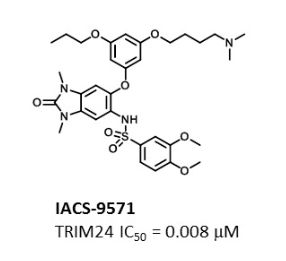

IACS-9571
TRIM24/BRPF1 bromodomain inhibitor
IACS-9571; IACS 9571; IACS9571.
| Molecular Formula: | C32H42N4O8S |
|---|---|
| Molecular Weight: | 642.76288 g/mol |
N-[6-[3-[4-(dimethylamino)butoxy]-5-propoxyphenoxy]-1,3-dimethyl-2-oxobenzimidazol-5-yl]-3,4-dimethoxybenzenesulfonamide
BOARD OF REGENTS, UNIVERSITY OF TEXAS SYSTEM
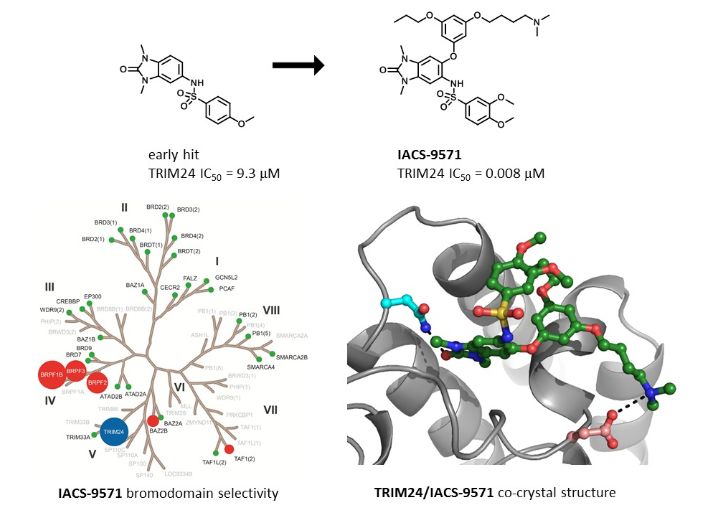
IACS-9571 is a potent and selective inhibitor TRIM24 and BRPF1. The bromodomain containing proteins TRIM24 (Tripartite motif containing protein 24) and BRPF1 (bromodomain and PHD finger containing protein 1) are involved in the epigenetic regulation of gene expression and have been implicated in human cancer. Overexpression of TRIM24 correlates with poor patient prognosis and BRPF1 is a scaffolding protein required for the assembly of histone acetyltransferase complexes, where the gene of MOZ (monocytic leukemia zinc finger protein) was first identified as a recurrent fusion partner in leukemia patients (8p11 chromosomal rearrangements). IACS-9571 has low nanomolar affinities for TRIM24 and BRPF1 (ITC Kd = 31 nM and 14 nM, respectively). With its excellent cellular potency (EC50 = 50 nM) and favorable pharmacokinetic properties (F = 29%), IACS-9571 is a high-quality chemical probe for the evaluation of TRIM24 and/or BRPF1 bromodomain function in vitro and in vivo. (J Med Chem. 2015 Jun 10. [Epub ahead of print] )

PAPER
http://pubs.acs.org/doi/abs/10.1021/acs.jmedchem.5b00405
Structure-Guided Design of IACS-9571, a Selective High-Affinity Dual TRIM24-BRPF1 Bromodomain Inhibitor
†Institute for Applied Cancer Science, and ‡Core for Biomolecular Structure and Function, The University of Texas MD Anderson Cancer Center, 1881 East Road, Unit 1956, Houston, Texas 77054, United States
§ Department of Epigenetics and Molecular Carcinogenesis, The University of Texas MD Anderson Cancer Center,
1515 Holcombe Boulevard
, Houston, Texas 77030, United States
J. Med. Chem., 2016, 59 (4), pp 1440–1454
DOI: 10.1021/acs.jmedchem.5b00405
Publication Date (Web): June 10, 2015
Copyright © 2015 American Chemical Society

The bromodomain containing proteins TRIM24 (tripartite motif containing protein 24) and BRPF1 (bromodomain and PHD finger containing protein 1) are involved in the epigenetic regulation of gene expression and have been implicated in human cancer. Overexpression of TRIM24 correlates with poor patient prognosis, and BRPF1 is a scaffolding protein required for the assembly of histone acetyltransferase complexes, where the gene of MOZ (monocytic leukemia zinc finger protein) was first identified as a recurrent fusion partner in leukemia patients (8p11 chromosomal rearrangements). Here, we present the structure guided development of a series of N,N-dimethylbenzimidazolone bromodomain inhibitors through the iterative use of X-ray cocrystal structures. A unique binding mode enabled the design of a potent and selective inhibitor 8i (IACS-9571) with low nanomolar affinities for TRIM24 and BRPF1 (ITC Kd = 31 nM and ITC Kd = 14 nM, respectively). With its excellent cellular potency (EC50 = 50 nM) and favorable pharmacokinetic properties (F = 29%), 8i is a high-quality chemical probe for the evaluation of TRIM24 and/or BRPF1 bromodomain function in vitro and in vivo.
TFA salt of 8i (106 mg, 57%) as a white solid. 1H NMR (600 MHz, DMSO-d6) δ 9.46 (s, 1H), 9.30 (br-s, 1H), 7.19 (m, 2H), 7.07 (s, 1H), 6.90 (d, J = 9.0 Hz, 1H), 6.75 (s, 1H), 6.13 (t, J = 2.2 Hz, 1H), 5.71 (t, J = 2.0 Hz, 1H), 5.67 (t, J = 2.0 Hz, 1H), 3.84 (t, J = 5.9 Hz, 2H), 3.77 (m, 5H), 3.62 (s, 3H), 3.29 (s, 3H), 3.20 (s, 3H), 3.12–3.05 (m, 2H), 2.78 (d, J = 4.7 Hz, 6H), 1.77–1.63 (m, 6H), 0.95 (t, J = 7.3 Hz, 3H). 13C NMR (600 MHz, DMSO-d6) δ 160.3, 160.0, 159.3, 154.1, 152.0, 148.4, 143.9, 131.8, 128.2, 126.0, 121.9, 120.5, 110.4, 109.4, 106.4, 100.6, 95.9, 95.8, 95.2, 68.9, 66.7, 56.3, 55.6, 55.4, 42.1, 27.1, 27.0, 25.6, 21.9, 20.7, 10.4. MS (ESI) m/z 644 [M + H]+.
NMR
IACS -9571
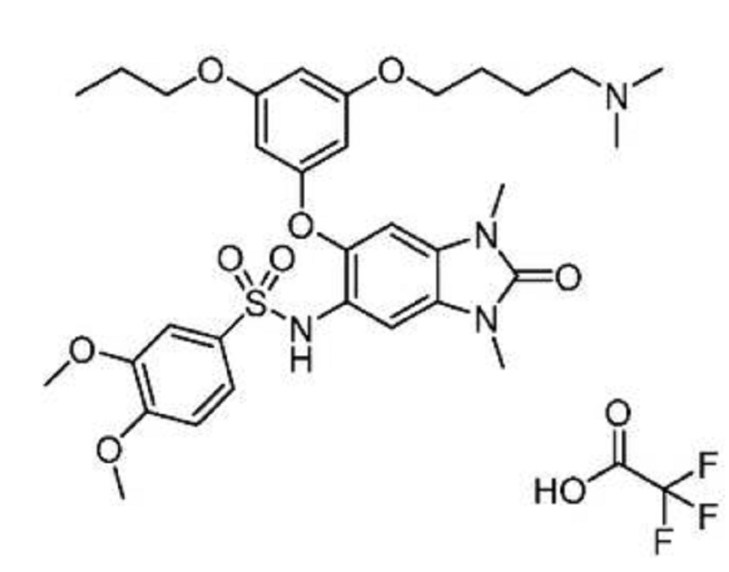
N-(6-(3-(4-(dimethylamino)butoxy)-5- propoxyphenoxy)-l,3-dimethyl-2-oxo-2,3-dihydro-lH-benzo[d]imidazol-5-yl)-3,4- dimethoxybenzenesulfonamide 2,2,2-trifluoroacetate
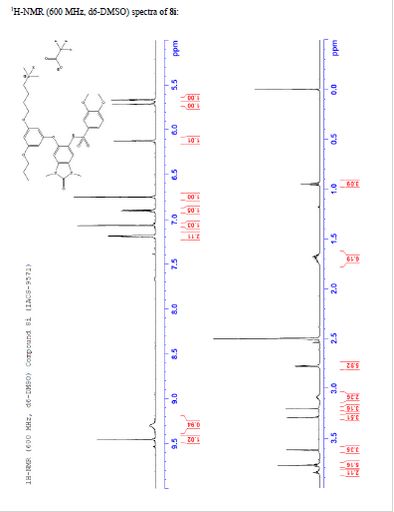
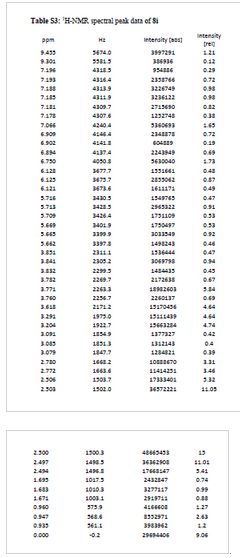 CLICK ON IMAGE
ABSTRACT
251st ACS National Meeting & Exposition
13–17 March 2016
San Diego, United States
MEDI 5
Discovery and development of a potent dual TRIM24/BRPF1 bromodomain inhibitor, IACS -9571, using structure- based drug design Wylie S. Palmer 1 , wpalmer@mdanderson.org, Guillaume Poncet -Montagne 1 , Gang Liu 1 , Alessia Petrocchi 1 , N aphtali Reyna 1 , Govindan Subramanian 1 , Jay Theroff 1 , Maria Kost -Alimova 1 , Jennifer Bardenhagen 1 , Elisabetta Leo 1 , Hannah Sheppard 1 , Trang Tieu 1 , Shi Xi 1 , Yanai Zhan 1 , Shuping Zhao 1 , Michelle Barton 2 , Giulio Draetta 1 , Carlo Toniatti 1 , Philip Jones 1 , Mary Ge ck Do 1 , Jannik Andersen 1 . (1) Institute for Applied Cancer Science, The University of Texas, MD Anderson Cancer Center, Houston, Texas, United States (2) Department of Epigenetics and Molecular Carcinogenesis, The University of Texas, MD Anderson Cancer Center, Houston, Texas, United States
Bromodomains are an important class of chromatin remodeling proteins that recognize acetylated lysine residues on histone tails. As epigenetic targets they regulate gene transcription and offer a new way to treat diseas es, particularly in inflammation and oncology. The bromodomain and extra- terminal (BET) family has emerged as an important and druggable example of this class of proteins with the successful entry of small- molecule inhibitors into the clinic. Other families of bromodomains are only starting to be explored, such as the Tripartite Motif -containing 24 protein (TRIM24) and bromodomain- PHD finger protein 1 (BRPF1). Both proteins contain a dual PHD -bromo motif which have a role in recognizing specific histone mar ks. TRIM24 recognizes the dual histone marks of unmodified H3K4 and acetylated- H3K23 within the same histone tail. TRIM24 is a potent co- activator of ER -alpha and overexpression of TRIM24 has been linked to poor survival rates in breast cancer patients.
This presentation will describe the structure guided development of a series of N,N- dimethyl -benzimidazolones through the iterative use of X -ray cocrystal structures. A unique binding mode enabled the design of a potent and selective inhibitor (IACS -9571) with low nanomolar affinities for TRIM24 and BRPF1 (ITC Kd = 31 nM and ITC Kd = 14 nM, respectively). With its excellent cellular potency (EC 50 = 50 nM) and favorable pharmacokinetic properties, IACS -9571 is a high- quality chemical probe for the evaluation of TRIM24 and/or BRPF1 bromodomain function in vitro and in vivo
PATENT
WO-2016033416-A1
Synthesis of Intermediates:
N-(6-bromo-l ,3-dimethyl-2-oxo-2,3-dihydro-lH-benzo[d]imidazol-5-yl)-2,2,2- trifluoroacetamide (Intermediate 1):
Step 1 : 5-nitro-lH-benzo[d]imidazol-2(3H)-one:
To a 0 °C solution of 4-nitrobenzene- 1 ,2-diamine (44 g, 285 mmol) in 80 mL of DMF was added l, l’-carbonyldiimidazole (70 g, 428 mmol). The reaction mixture was stirred at RT for 4 h, then water (250 mL) was added. The resulting suspension was filtered, and the collected solids were washed with water (200 mL) and dried to give 5-nitro-lH- benzo[d]imidazol-2(3H)-one as a yellow solid (45 g, 88%). MS (ES+) C7H5N3O3 requires: 179, found: 180 [M+H]+.
Step 2: l,3-dimethyl-5-nitro-lH-benzo[d]imidazol-2(3H)-one:
To a solution of 5-nitro-lH-benzo[d]imidazol-2(3H)-one (55 g, 309 mmol) in 150 mL of DMF was added K2CO3 (85 g, 618 mmol), the reaction mixture was cooled to 0 °C, then iodomethane (109 g, 772 mmol) was slowly added. The reaction mixture was stirred at RT overnight, then water was added to the reaction mixture. The resulting suspension was filtered and the collected solids were washed with water (200 mL) and dried to give 1,3- dimethyl-5-nitro-lH-benzo[d]imidazol-2(3H)-one as a yellow solid (55 g, 86%). MS (ES+) C9H9N3O3 requires: 207, found: 208 [M+H] +.
Step 3: 5-amino-l,3-dimethyl-lH-benzo[d]imidazol-2(3H)-one:
To a solution of l,3-dimethyl-5-nitro-lH-benzo[d]imidazol-2(3H)-one (50 g, 240 mmol) in 200 mL of EtOAc under an inert atmosphere was added 10% palladium on activated carbon (5 g, 24 mmol). The reaction mixture was then charged with hydrogen and stirred at RT under an ¾ atmosphere overnight. The reaction mixture was filtered through a pad of celite then concentrated to give 5-amino-l,3-dimethyl-lH-benzo[d]imidazol-2(3H)- one as a yellow solid (32 g, 68%). MS (ES+) C9H11N3O requires: 177, found: 178 [M+H]+.
Step 4: 5-amino-6-bromo-l ,3-dimethyl-lH-benzo[d]imidazol-2(3H)-one:
To a 0 °C solution of 5-amino-l ,3-dimethyl-lH-benzo[d]imidazol-2(3H)-one (4 g, 22.6 mmol) in 25 mL of CHCI3 and 25 mL of AcOH was slowly added drop wise bromine (3.5 g, 22.6mmol). The mixture was stirred at RT for 30 min, then concentrated and purified by silica gel chromatography (1 : 1 EtOAc/ hexanes) to afford 5-amino-6-bromo-l ,3-dimethyl- lH-benzo[d]imidazol-2(3H)-one as a yellow solid (3.2 g, 69%). MS (ES+) C9HioBrN30 requires: 256, found: 257 [M+H]+.
Step 5: N-(6-bromo-l ,3-dimethyl-2-oxo-2,3-dihydro-lH-benzo[d]imidazol-5-yl)-2,2,2- trifluoroacetamide:
To a 0 °C solution of 5-amino-6-bromo-l ,3-dimethyl-lH-benzo[d]imidazol- 2(3H)-one (1.50 g, 5.9 mmol) in DCM (45 ml) was added DMAP (72 mg, 0.59 mmol), triethylamine (1.63 ml, 11.7 mmol) and trifluoroacetic anhydride (0.91 ml, 6.4 mmol). The reaction mixture was stirred for 2 h and warmed to RT. The reaction mixture was then quenched with water and the organic phase was washed with brine, dried over sodium sulfate, filtered and concentrated to give N-(6-bromo-l,3-dimethyl-2-oxo-2,3-dihydro-lH- benzo[d]imidazol-5-yl)-2,2,2-trifluoroacetamide (Intermediate 1) as a yellow solid (2.20 g, 100%). MS (ES+) CiiH9BrF3N302 requires: 352, found 353 [M+H]+.
5-amino-6-(3-hydroxyphenoxy)-l,3-dimethyl-lH-benzo[d]imidazol-2(3H)-one (Intermediate 2, Route A):
To a mixture of 5-amino-6-(3-(benzyloxy)phenoxy)-l,3-dimethyl-lH- benzo[d]imidazol-2(3H)-one (400 mg, 1.07 mmol) in DCM (20 mL) at -78 °C was added tribromoborane (5.3 mL, 5.3 mmol). The mixture was warmed up to room temperature gradually, then quenched by methanol dropwise, concentrated, and purified by column chromatography (20-100% EtOAc/hexanes and then 0-40% methanol/EtOAc) to give 5- amino-6-(3-hydroxyphenoxy)-l,3-dimethyl-lH-benzo[d]imidazol-2(3H)-one as a solid (240 mg, 79%). MS (ES+) C15H15N3O3 requires: 285, found: 286 [M+H]+.
5-amino-6-(3-hydroxyphenoxy)-l,3-dimethyl-lH-benzo[d]imidazol-2(3H)-one (Intermediate 2, Route B):
Step 2
Step 1: 3-[(ieri-butyldimethylsilyl)oxy]phenol:
A mixture of lH-imidazole (2.25 g, 33.1 mmol), ieri-butylchlorodimethylsilane (3.83 g, 25.4 mmol) and resorcinol (5.6 g, 51 mmol) in THF (30 ml) was stirred at 80 °C for 5 h. The resulting suspension of the cooled reaction mixture was filtered and the collected filtrate was concentrated and purified by silica-gel chromatography (20:80 to 0:100, EtOAc/hexanes) to give 3-((ieri-butyldimethylsilyl)oxy)phenol (2.78 g, 49%). MS (ES+) C12H20O2S1 requires: 224, found 225 [M+H]+.
Step 2: 5-amino-6-(3-((ier^butyldimethylsilyl)oxy)phenoxy)-l ,3-dimethyl-lH- benzo[d]imidazol-2(3H)-one:
A mixture of 3-((ieri-butyldimethylsilyl)oxy)phenol (1.39 g, 6.20 mmol), quinolin-8-ol (79 mg, 0.55 mmol), copper(I) chloride (20 mg, 0.21 mmol), potassium phosphate (526 mg, 2.48 mmol) and 5-amino-6-bromo-l ,3-dimethyl-lH-benzo[d]imidazol- 2(3H)-one (529 mg, 2.07 mmol) in diglyme (20 ml) in a 100 mL round-bottom flask was degassed under a nitrogen atmosphere and heated to 120 °C for 24 h. To the cooled reaction mixture was added silica gel, stirred for 2 min, then the mixture was filtered through a pad of silica gel. The collected filtrate was concentrated and purified by column chromatography (20:80 to 0: 100, EtOAc/hexanesthen 0: 100 to 40:60, MeOH/EtOAc) to give 5-amino-6-(3- ((ieri-butyldimethylsilyl)oxy)phenoxy)-l,3-dimethyl-lH-benzo[d]imidazol-2(3H)-one (521 mg, 63%). MS (ES+) C21H29N3O3S1 requires: 399, found 400 [M+H]+.
Step 3: 5-amino-6-(3-hydroxyphenoxy)-l,3-dimethyl-lH-benzo[d]imidazol-2(3H)-one:
To a 0 °C solution of 5-amino-6-(3-((ieri-butyldimethylsilyl)oxy)phenoxy)-l,3- dimethyl-lH-benzo[d]imidazol-2(3H)-one (623 mg, 1.56 mmol) in THF was added a solution of ieira-butylammonium fluoride (0.90 mL, 3.1 mmol) in THF, the reaction mixture was allowed to warm up to RT and then stirred for 1-2 h. The reaction mixture was quenched with 1 M hydrogen chloride (0.10 mL, 3.1 mmol) and then partitioned between EtOAc and water. The seperated organic layer was washed with water twice, then concentrated and purified by column chromatography (20-80% EtOAc/hexanes and 0-40% MeOH/DCM) to give 5-amino-6-(3-hydroxyphenoxy)-l ,3-dimethyl-lH-benzo[d]imidazol-2(3H)-one (120 mg, 27%) as a solid. MS (ES+) C15H15N3O3 requires: 285, found 286 [M+H]+.
EXAMPLE 10: N-(6-(3-(4-(dimethylamino)butoxy)-5-propoxyphenoxy)-l,3-dimethyl-2- oxo-2,3-dihydro-lH-benzo[d]imidazol-5-yl)-3,4-dimethoxybenzenesulfonamide 2,2,2-
To a solution of N-(6-(3-(4-aminobutoxy)-5-propoxyphenoxy)-l ,3-dimethyl-2- oxo-2,3-dihydro-lH-benzo[d]imidazol-5-yl)-3,4-dimethoxybenzenesulfonamide 2,2,2- trifluoroacetate (180 mg, 0.247 mmol) in methanol (3.0 ml) was added triethylamine (0.034 ml, 0.25 mmol), acetic acid (0.028 ml, 0.49 mmol), formaldehyde (0.054 ml, 2.0 mmol), and sodium triacetoxyborohydride (131 mg, 0.618 mmol). The reaction mixture was stirred at room temperature and checked by LCMS every 30 minutes. After 3 h the reaction was complete by LCMS. The reaction was quenched with a few drops of TFA and concentrated under reduced pressure. The residue was purified by prep-HPLC using a gradient of 20-60% ACN/water containing 0.1% TFA to afford N-(6-(3-(4-(dimethylamino)butoxy)-5- propoxyphenoxy)-l,3-dimethyl-2-oxo-2,3-dihydro-lH-benzo[d]imidazol-5-yl)-3,4- dimethoxybenzenesulfonamide 2,2,2-trifluoroacetate (106 mg, 57%) as a white solid. MS (ES+) C32H42N4O8S requires: 642, found 643 [M+H]+. ¾ NMR (600 MHz, DMSO-ifc) δ 9.46 (s, 1H), 9.30 (br-s, 1H), 7.19 (m, 2H), 7.07 (s, 1H), 6.90 (d, 7 = 9.0 Hz, 1H), 6.75 (s, 1H), 6.13 (t, 7 = 2.2 Hz, 1H), 5.71 (t, J = 2.0 Hz, 1H), 5.67 (t, J = 2.0 Hz, 1H), 3.84 (t, 7 = 5.9 Hz, 2H), 3.77 (m, 5H), 3.62 (s, 3H), 3.29 (s, 3H), 3.20 (s, 3H), 3.12-3.05 (m, 2H), 2.78 (d, 7 = 4.7 Hz, 6H), 1.77-1.63 (m, 6H), 0.95 (t, 7 = 7.3 Hz, 3H)
References
1: Palmer WS, Poncet-Montange G, Liu G, Petrocchi A, Reyna N, Subramanian G, Theroff J, Yau A, Kost-Alimova M, Bardenhagen JP, Leo E, Shepard HE, Tieu TN, Shi X, Zhan Y, Zhao S, Draetta G, Toniatti C, Jones P, Geck Do M, Andersen JN. Structure-Guided Design of IACS-9571, a Selective High-Affinity Dual TRIM24-BRPF1 Bromodomain Inhibitor. J Med Chem. 2015 Jun 10. [Epub ahead of print] PubMed PMID: 26061247.
US-20160060260-A1
Institute for Applied Cancer Science, The University of Texas, MD Anderson Cancer Center, Houston, Texas, United States

The University of Texas MD Anderson Cancer Center | University of Texas System

The new Institute for Applied Cancer Science will be located at the south campus of M.D.
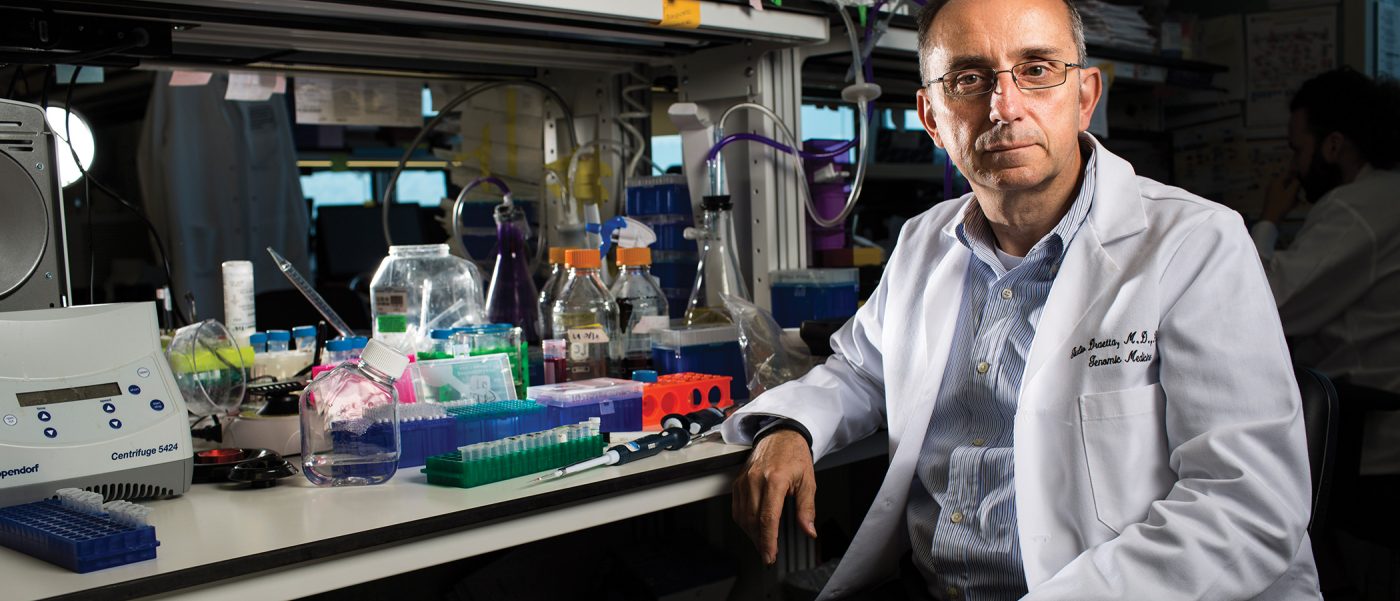
Draetta arrived at MD Anderson in 2011 to direct the Institute for Applied Cancer Science. He oversees the moon shots platforms
Department of Epigenetics and Molecular Carcinogenesis, The University of Texas, MD Anderson Cancer Center, Houston, Texas, United States

///////IACS-9571, TRIM24, BRPF1 bromodomain inhibitor, IACS-9571, IACS 9571, IACS9571, BOARD OF REGENTS, UNIVERSITY OF TEXAS SYSTEM
CAS BASE 1800477-30-8
CAS OF 1:1 TRIFLUOROACETATE 1883598-69-3
c1(cc(cc(c1)OCCC)Oc3cc2N(C(N(c2cc3NS(=O)(=O)c4cc(c(cc4)OC)OC)C)=O)C)OCCCCN(C)C
CCCOC1=CC(=CC(=C1)OC2=C(C=C3C(=C2)N(C(=O)N3C)C)NS(=O)(=O)C4=CC(=C(C=C4)OC)OC)OCCCCN(C)C
TFA salt of 8i (106 mg, 57%) as a white solid. 1H NMR (600 MHz, DMSO-d6) δ 9.46 (s, 1H), 9.30 (br-s, 1H), 7.19 (m, 2H), 7.07 (s, 1H), 6.90 (d, J = 9.0 Hz, 1H), 6.75 (s, 1H), 6.13 (t, J = 2.2 Hz, 1H), 5.71 (t, J = 2.0 Hz, 1H), 5.67 (t, J = 2.0 Hz, 1H), 3.84 (t, J = 5.9 Hz, 2H), 3.77 (m, 5H), 3.62 (s, 3H), 3.29 (s, 3H), 3.20 (s, 3H), 3.12–3.05 (m, 2H), 2.78 (d, J = 4.7 Hz, 6H), 1.77–1.63 (m, 6H), 0.95 (t, J = 7.3 Hz, 3H). 13C NMR (600 MHz, DMSO-d6) δ 160.3, 160.0, 159.3, 154.1, 152.0, 148.4, 143.9, 131.8, 128.2, 126.0, 121.9, 120.5, 110.4, 109.4, 106.4, 100.6, 95.9, 95.8, 95.2, 68.9, 66.7, 56.3, 55.6, 55.4, 42.1, 27.1, 27.0, 25.6, 21.9, 20.7, 10.4. MS (ESI) m/z 644 [M + H]+.
Biocon’s Insulin Glargine gets approval in Japan


Avik Das | TNN | Mar 28, 2016, 02.52 PM IST
BENGALURU: Biopharmaceutical company Biocon said it got approval from Japan’s health ministry to sell its biosimilar Insulin Glargine in the country.
The product, which is a ready-to-use, prefilled disposable pen with 3 ml of 100IU Insulin Glargine, is expected to be launched in Japan in the first quarter of 2017 with its commercial partner FUJIFILM Pharma Co. Ltd, Biocon said on Monday.
The move will help Biocon capture a significant share of the Japanese Glargine market, which is about $144 million and second largest market outside of North America & Europe.
“The Insulin Glargine approval in the highly regulated market like Japan, marks a huge credibility milestone for Biocon. We see this as a significant achievement in our journey of making global impact in diabetes management through our affordable biosimilar insulins,” chairperson and managing director Kiran Mazumdar-Shaw said.

Kiran Mazumdar–Shaw

Biosimilars are biologic products, made inside living cells and has no clinical differences in terms of safety and effectiveness from the main product. They are however not considered duplicates, like generics, by regulators as it is impossible to manufacture exact copies of biotech drugs.


 |
|
| Public company | |
| Traded as | BSE: 532523 NSE: BIOCON |
| Industry | Biotechnology |
| Founded | 1978 |
| Founder | Kiran Mazumdar-Shaw |
| Headquarters | Bangalore, Karnataka, India |
|
Key people
|
Kiran Mazumdar-Shaw, (Chairman & MD) |
| Products | Pharmaceuticals Enzymes |
| Revenue | ₹22.41 billion (US$330 million) (2014–15)[1] |
 ₹3.61 billion (US$54 million) (2014–15) ₹3.61 billion (US$54 million) (2014–15) |
|
|
Number of employees
|
5,585 (Mar 2011)[1] |
| Subsidiaries | Syngene Clinigene |
| Website | www.biocon.com |
//////Biocon, Insulin Glargine, approval, Japan
HELP, Need one time help to pay 10 year concessional subscription to this, your favorite blog to WordPress
Just One viewer please come forward
Dear Kind Viewer’s
WordPress is kind to me and negotiated a one time 10 year concessional subscription of 260 US dollars…….https://newdrugapprovals.org/
I need one time help to pay this one time 10 year concessional subscription to our favorite blog.
This is done to keep this blog running even after my death.
Currently I am paying 99 US Dollars per annum
email me
amcrasto@gmail.com
call +919323115463
Paypal will work for me via email request to you by me, Indian govt does not allow automatic transfer via paypal buttons on the blog.
email me at amcrasto@gmail.com and tell me amount, i will request you via paypal

DR ANTHONY CRASTO
LIONEL MY SON, MY MOTIVATION
.
He was only in first standard in school when I was hit by a deadly one in a million spine stroke called acute transverse mylitis, it made me 90% paralysed…
View original post 226 more words
Tianagliflozin IND filed by Tianjin Institute of Pharmaceutical research

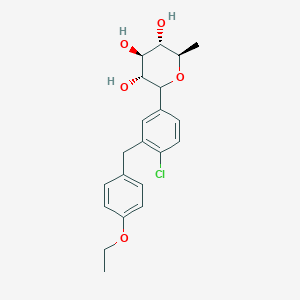
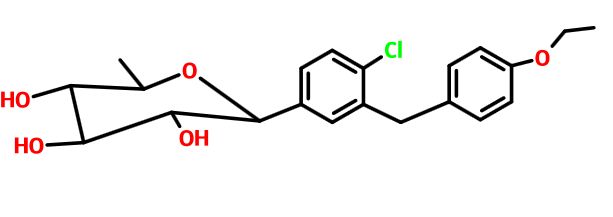
Tianagliflozin,
taigeliejing, 6-deoxydapagliflozin
| Molecular Formula: | C21H25ClO5 |
|---|---|
| Molecular Weight: | 392.8732 g/mol |
IND Filing…Tianjin Institute of Pharmaceutical research
Tianjin Institute Of Pharmaceutical Research,
(3R,4S,5S,6R)-2-[4-chloro-3-[(4-ethoxyphenyl)methyl]phenyl]-6-methyloxane-3,4,5-triol
1-[4-Chloro-3-(4-ethoxybenzyl)phenyl]-1,6-dideoxy-b-D-glucopyranose
D-Glucitol, 1,5-anhydro-1-C-[4-chloro-3-[(4-ethoxyphenyl)methyl]phenyl]-6-deoxy-, (1S)-
1–[4–Chloro–3–(4–ethoxybenzyl)phenyl]–1,6–dideoxy–β–d–glucopyranose
6-deoxydapagliflozin
A SGLT-2 inhibitor potentially for the treatment of type 2 diabetes.

CAS N. 1461750-27-5
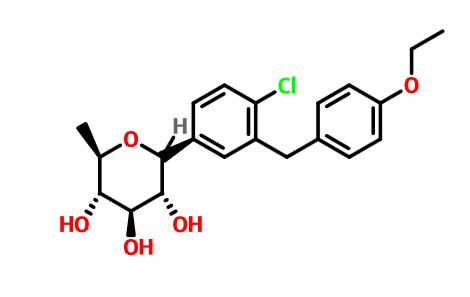

The structures of dapagliflozin and 6-deoxydapagliflozin (1)
,deletion of the 6-OH in the sugar moiety of dapagliflozin led to the discovery of a more potent SGLT2 inhibitor, 6-deoxydapagliflozin (1, ). In an in vitro assay, 1 was a more active SGLT2 inhibitor, with IC 50 = 0.67 nM against human SGLT2 (hSGLT2), as compared with 1.1 nM for dapagliflozin, leading to the identification of 1 as the most active SGLT2 inhibitor discovered so far in this field. Also in an in vivo assay, 1 also introduced more urinary glucose in a rat urinary glucose excretion test (UGE) and exhibited more potent blood glucose inhibitory activity in a rat oral glucose tolerance test (OGTT) than dapagliflozin.
Given the fact that 6-dexoydapagliflozin (1) is a very promising SGLT2 inhibitor that could be used to treat type 2 diabetes, led to preclinical trials

Tianjin Institute Of Pharmaceutical Research,天津药物研究院

SPECTRAL DATA of Tianagliflozin
1 as a white solid (3.65 g, 93 %). R f = 0.35 (EtOAc);
m.p.: 148–149 °C;
1H NMR (400 MHz, DMSO-d 6): δ = 7.35 (d, 1H, J = 8.4 Hz), 7.25 (s, 1H), 7.18 (d, 1H, J = 8.0 Hz), 7.08 (d, 2H, J = 8.4 Hz), 6.81 (d, 2H, J = 8.4 Hz), 4.95 (d, 1H, J = 5.2 Hz, OH), 4.90 (d, 1H, J = 4.4 Hz, OH), 4.79 (d, 1H, J = 5.6 Hz, OH), 3.92–4.01 (m, 5H), 3.24–3.29 (m, 1H), 3.18–3.22 (m, 1H), 3.09–3.15 (m, 1H), 2.89–2.95 (m, 1H), 1.29 (t, 3H, J = 7.0 Hz, CH2 CH 3 ), 1.15 (d, 3H, J = 6.0 Hz, CHCH 3 ) ppm;
13C NMR (100 MHz, DMSO-d 6): δ = 156.85, 139.65, 137.82, 131.83, 131.16, 130.58, 129.52, 128.65, 127.14, 114.26, 80.71, 77.98, 75.77, 75.51, 74.81, 62.84, 37.55, 18.19, 14.62 ppm;
IR (KBr): v¯¯¯ = 3,564 (w), 3,385 (s), 2,981 (s), 2,899 (s), 2,861 (s), 1,613 (m), 1,512 (s), 1,477 (m), 1,247 (s), 1,102 (s), 1,045 (s), 1,012 (s) cm−1;
HR–MS: calcd for C21H29ClNO5 ([M + NH4]+) 410.1729, found 410.1724.
PATENT
CN 103864737
http://www.google.com/patents/CN103864737A?cl=en
PATENT
WO 2014094544
http://www.google.com/patents/WO2014094544A1?cl=en


-27-


1 D1 -6 Optionally, the step (7 ‘) is the step (7’) in place:
LS l- [4 – D (I- Dl- 6)

A.

(DMSO-d 6, 400 MHz), δ 7.35 (d, 1H, J = 8.0 Hz), 7.28 (d, 1H, J ‘. 2.0 Hz), 7.17 (dd, IH, / = 2.0 Hz and 8.4 Hz), 7.05 (d, 2H, J: 8.8 Hz), 6.79 (d, 2H, 8.8 Hz): 4.924,95 (m, 2H), 4,81 (d, IH, 6,0 Hz), 3.93- 3.99 (m, 5H), 3,85 (d, 1H, J = 10,4 Hz), 3,66 (dd, IH, 5,2 Hz and 11,6 Hz), 3.17-3,28 (m, 3H), 3.02-3.08 (m: IH), 1.28 (t, 3H, J = 7,0 Hz), 0,80 (s, 9H), -0.05 (s, 3H), -0.09 (s, 3H) .
PATENT
[0066] The added 100mL dried over anhydrous methanol 0. 5g of sodium metal, nitrogen at room temperature with stirring, until the sodium metal disappeared. Followed by addition of 5. 2g (10mmol) of compound 6, stirring was continued at room temperature for 3 hours. To the reaction system was added 5g strong acid cation exchange resin, stirred at room temperature overnight, the reaction mixture until pH = 7. The resin was removed by suction, and the filtrate evaporated to dryness on a rotary evaporator, the residue was further dried on a vacuum pump to give the product I-D1-6, as a white foamy solid.
PATENT
WO 2014139447
PATENT related
http://www.google.com/patents/WO2013044608A1?cl=en
http://link.springer.com/article/10.1007%2Fs40242-014-4043-9#/page-1
Med Chem. 2015;11(4):317-28.
Design of SGLT2 Inhibitors for the Treatment of Type 2 Diabetes: A History Driven by Biology to Chemistry.
Abstract
A brief history of the design of sodium-dependent glucose cotransporter 2 (SGLT2) inhibitors is reviewed. The design of O-glucoside SGLT2 inhibitors by structural modification of phlorizin, a naturally occurring O-glucoside, in the early stage was a process mainly driven by biology with anticipation of improving SGLT2/SGLT1 selectivity and increasing metabolic stability. Discovery of dapagliflozin, a pioneering C-glucoside SGLT2 inhibitor developed by Bristol-Myers Squibb, represents an important milestone in this history. In the second stage, the design of C-glycoside SGLT2 inhibitors by modifications of the aglycone and glucose moiety of dapagliflozin, an original structural template for almost all C-glycoside SGLT2 inhibitors, was mainly driven by synthetic organic chemistry due to the challenge of designing dapagliflozin derivatives that are patentable, biologically active and synthetically accessible. Structure-activity relationships (SAR) of the SGLT2 inhibitors are also discussed.
http://www.ncbi.nlm.nih.gov/pubmed/25557661
Paper

Discovery of 6-Deoxydapagliflozin as a Highly Potent Sodium-dependent Glucose Cotransporter 2 (SGLT2) Inhibitor for the Treatment of Type 2 Diabetes
http://www.ingentaconnect.com/content/ben/mc/2014/00000010/00000003/art00009?crawler=true
CLIP
A facile synthesis of 6-deoxydapagliflozin
Keywords. Carbohydrates Drug research Hydrogenolysis Dapagliflozin SGLT2 inhibitor


The synthetic route to the target compound 1 is shown in Scheme 3. The starting material methyl 2,3,4-tri-O-benzyl-6-deoxy-6-iodo-α–d-glucopyranoside (3) was prepared from commercially available methyl α–d-glucopyranoside (2) according to a known method [5, 6].
Iodide 3 was reductively deiodinated to give 4 in 91 % yield under hydrogenolytic conditions using 10 % Pd/C as catalyst in the presence of Et3N as base in THF/MeOH at room temperature.
when the iodide 3 was treated with Barton–McCombie reagent (n-Bu3SnH/AIBN) [7] in toluene at room temperature no reaction occurred; however, when the reaction was carried out at elevated temperatures, such as reflux, a complex mixture formed with only a trace amount (3 %, entry 1) of the desired product 4.
When the iodide 3 was treated with LiAlH4 in THF at 0 °C to room temperature, another complex mixture was produced with only a trace amount (2 %, entry 2) of 4.
When Pd(OH)2 was used as the hydrogenolysis catalyst instead of 10 % Pd/C, the desired 4 was indeed formed (14 %, entry 4), but most of the starting material was converted to a few more polar byproducts, which were believed to result from the cleavage of at least one of the benzyl groups.
pdf available
Monatshefte für Chemie – Chemical Monthly
December 2013, Volume 144, Issue 12, pp 1903-1910
////////IND Filing, SGLT-2 inhibitor, type 2 diabetes, Tianagliflozin, taigeliejing, 6-deoxydapagliflozin, 1461750-27-5
Clc1c(cc(cc1)C2[C@@H]([C@H]([C@@H]([C@H](O2)C)O)O)O)Cc3ccc(cc3)OCC
CCOC1=CC=C(C=C1)CC2=C(C=CC(=C2)C3C(C(C(C(O3)C)O)O)O)Cl
c1(c(cc(cc1)C2OC(C(C(C2O)O)O)C)Cc3ccc(cc3)OCC)Cl
BMS 986120
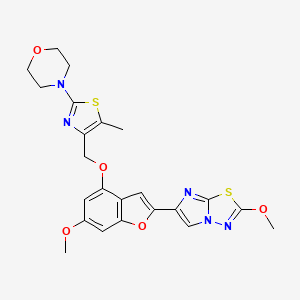
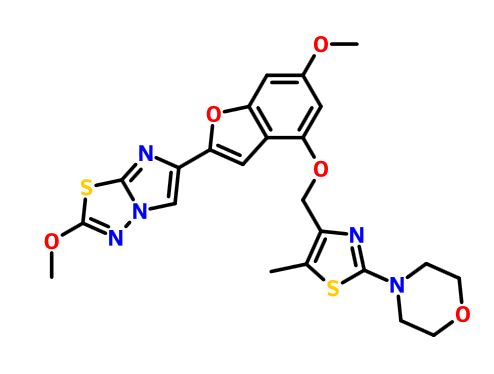
 .
.
Picture credit….Bethany Halford
BMS 986120
Originator Bristol-Myers Squibb
Bristol-Myers Squibb Company, Université de Montréal
| Molecular Formula: | C23H23N5O5S2 |
|---|---|
| Molecular Weight: | 513.58922 g/mol |
4-[4-[[6-methoxy-2-(2-methoxyimidazo[2,1-b][1,3,4]thiadiazol-6-yl)-1-benzofuran-4-yl]oxymethyl]-5-methyl-1,3-thiazol-2-yl]morpholine
4-(4-(((6-Methoxy-2-(2-methoxyimidazo[2,l-b][l,3,4]thiadiazol-6-yl)benzofuran-4-yl) oxy)methyl)-5-methylthiazol-2-yl)morpholine
Imidazo[2,1-b] -1,3,4-thiadiazole, 2-methoxy-6-[6-methoxy-4-[[5-methyl-2-(4-morpholinyl)-4- thiazolyl]methoxy]-2-benzofuranyl]-
CAS 1478712-37-6
Phase I Thrombosis
- 02 Apr 2015 Bristol-Myers Squibb plans a phase I trial in Thrombosis (In volunteers) in United Kingdom (NCT02439190)
- 01 Aug 2014 Preclinical trials in Thrombosis in USA (PO)
https://clinicaltrials.gov/ct2/show/NCT02208882
https://clinicaltrials.gov/ct2/show/NCT02439190
Class Imidazoles; Small molecules; Thiadiazoles
$BMY antithrombic compound
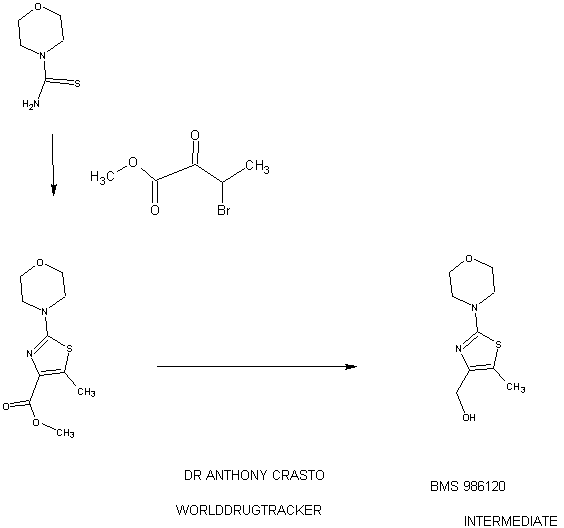
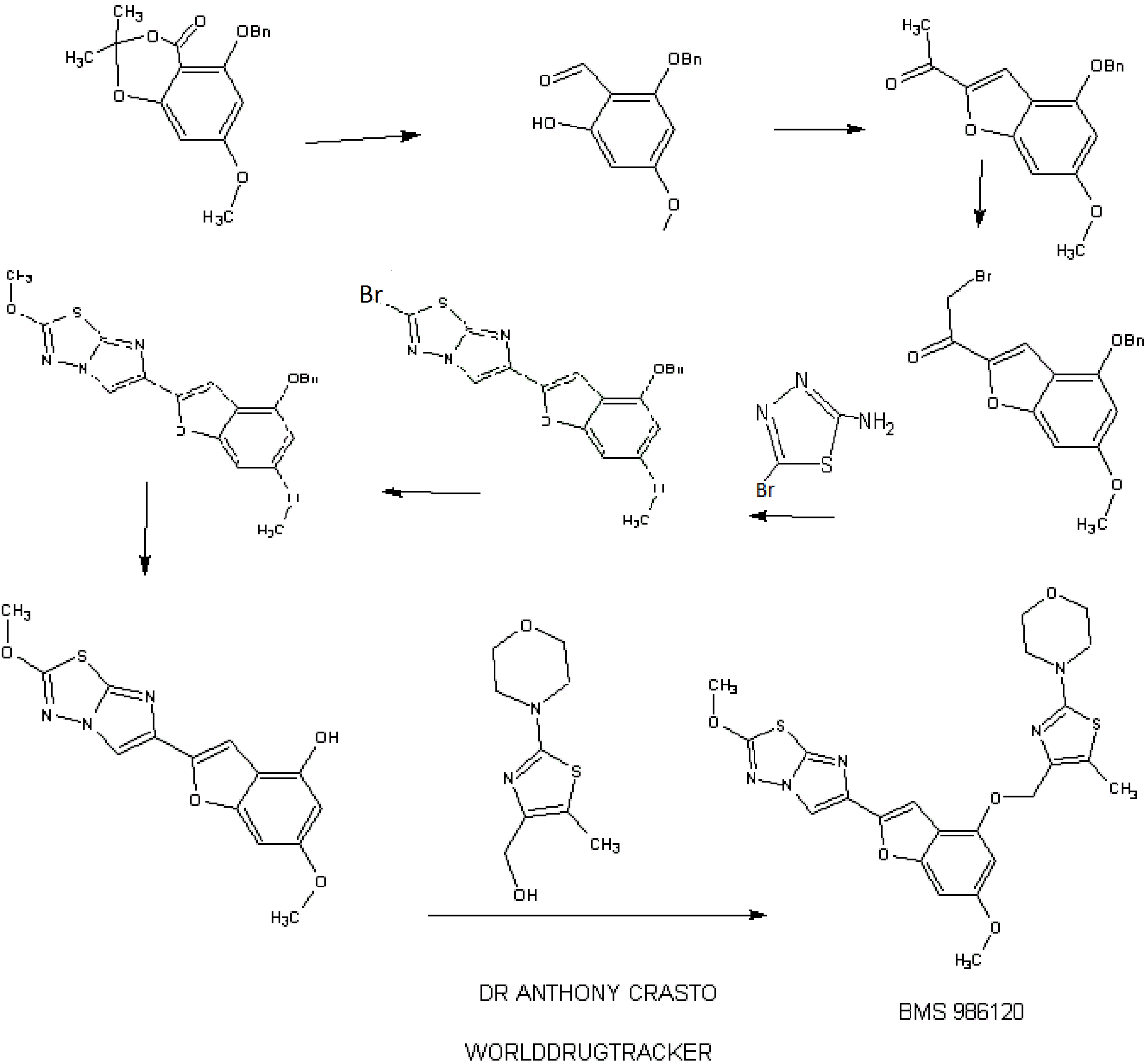
PATENT
http://www.google.com/patents/WO2013163279A1?cl=en
Thromboembolic diseases remain the leading cause of death in developed countries despite the availability of anticoagulants such as warfarin (COUMADIN®), heparin, low molecular weight heparins (LMWH), synthetic pentasaccharides, and antiplatelet agents such as aspirin and clopidogrel (PLAVIX®).
Current anti-platelet therapies have limitations including increased risk of bleeding as well as partial efficacy (relative cardiovascular risk reduction in the 20 to
30% range). Thus, discovering and developing safe and efficacious oral or parenteral antithrombotics for the prevention and treatment of a wide range of thromboembolic disorders remains an important goal.
Alpha-thrombin is the most potent known activator of platelet aggregation and degranulation. Activation of platelets is causally involved in atherothrombotic vascular occlusions. Thrombin activates platelets by cleaving G-protein coupled receptors termed protease activated receptors (PARs). PARs provide their own cryptic ligand present in the N-terminal extracellular domain that is unmasked by proteolytic cleavage, with subsequent intramolecular binding to the receptor to induce signaling (tethered ligand mechanism; Coughlin, S.R., Nature, 407:258-264 (2000)). Synthetic peptides that mimic the sequence of the newly formed N-terminus upon proteolytic activation can induce signaling independent of receptor cleavage. Platelets are a key player in atherothrombotic events. Human platelets express at least two thrombin receptors, commonly referred to as PARI and PAR4. Inhibitors of PARI have been investigated extensively, and several compounds, including vorapaxar and atopaxar have advanced into late stage clinical trials. Recently, in the TRACER phase III trial in ACS patients, vorapaxar did not significantly reduce cardiovascular events, but significantly increased the risk of major bleeding (Tricoci, P. et al, N. Eng. J. Med., 366(l):20-33 (2012). Thus, there remains a need to discover new antiplatelet agents with increased efficacy and reduced bleeding side effects.
There are several early reports of preclinical studies of PAR4 inhibitors. Lee, F-Y. et al., “Synthesis of l-Benzyl-3-(5′-hydroxymethyl-2′-furyl)indazole Analogues as Novel Antiplatelet Agents”, J. Med. Chem., 44(22):3746-3749 (2001) discloses in the abstract that the compound

58
“was found to be a selective and potent inhibitor or protease-activated receptor type 4 (PAR4)-dependent platelet activation. ”
Compound 58 is also referred to as YD-3 in Wu, C-C. et al, “Selective Inhibition of Protease-activated Receptor 4-dependent Platelet Activation by YD-3”, Thromb. Haemost., 87: 1026-1033 (2002). Also, see Chen, H.S. et al, “Synthesis and platelet activity”, J. Bioorg. Med. Chem., 16: 1262-1278 (2008).
EP1166785 Al and EP0667345 disclose various pyrazole derivatives which are useful as inhibitors of platelet aggregation.\
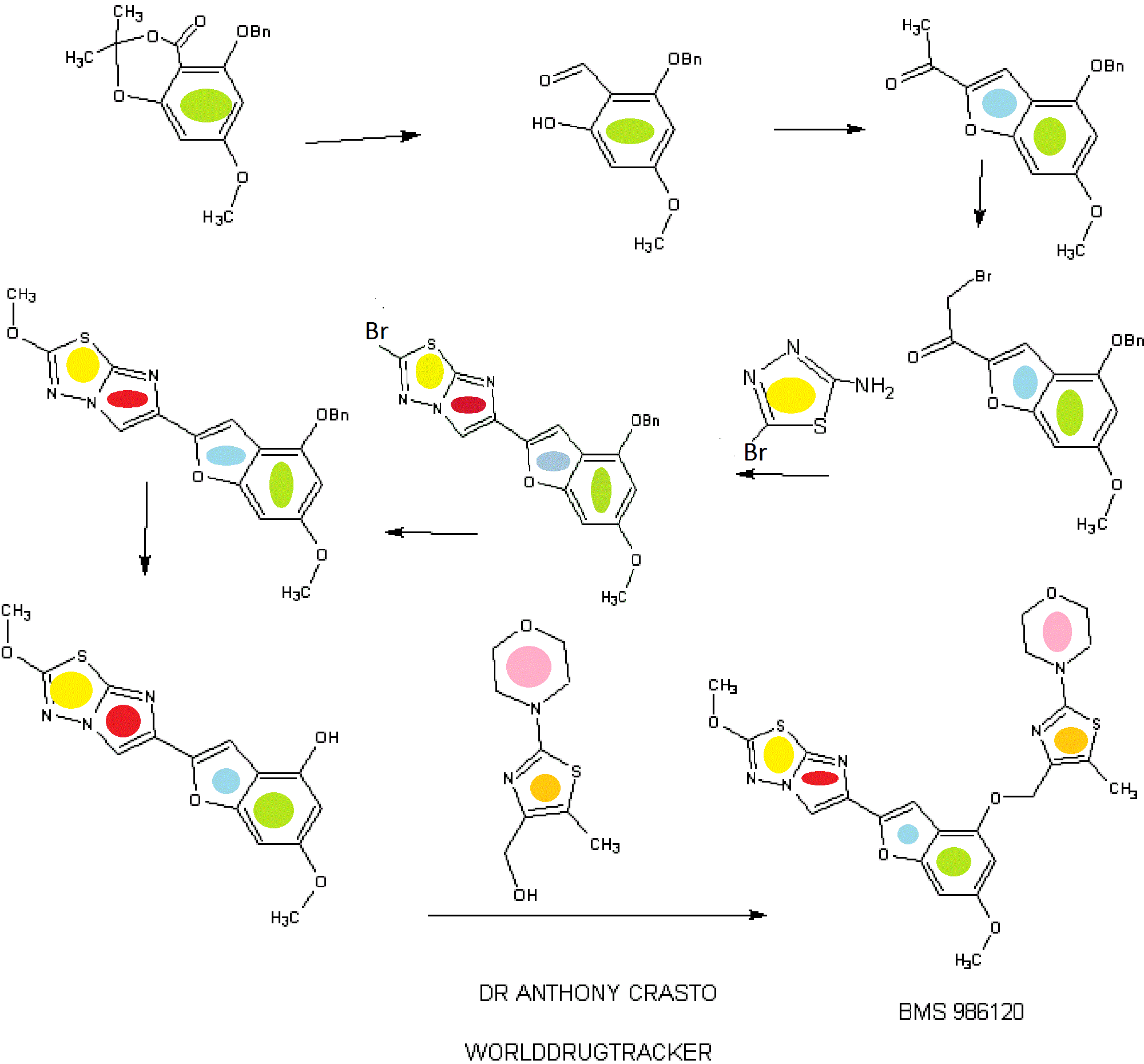
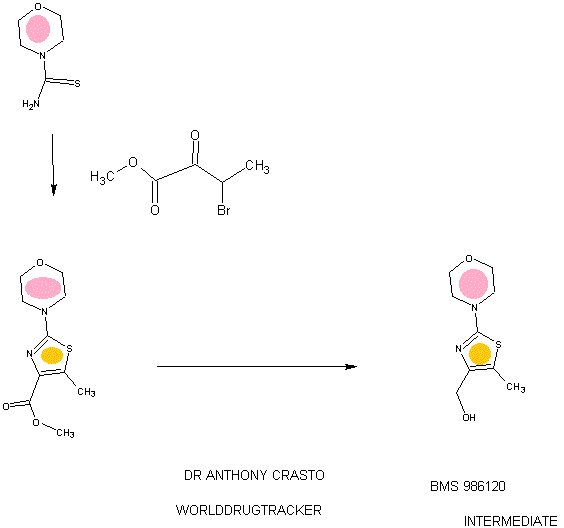
IB. 5-(Benzyloxy)-7-methoxy-2,2-dimethyl-4H-benzo[d][l,3]dioxin-4-one

A solution of 5-hydroxy-7-methoxy-2,2-dimethyl-4H-benzo[d][l,3]dioxin-4- one (30.00 g, 0.134 mol, see Kamisuki, S. et al, Tetrahedron, 60:5695-5700 (2004) for preparation) in N,N-dimethylformamide (400 mL) was treated with powdered anhydrous potassium carbonate (19.41 g, 0.14 mol) added all at once. The resulting mixture was stirred in vacuo for 10 min. and then flushed with nitrogen. The reaction flask was placed in a water bath (22 °C) and treated with benzyl bromide (24.03 g, 0.14 mol) added dropwise over 15 min. The resulting mixture was then stirred at 22 °C for 18 h (no starting material left by tic). The solid was filtered and washed with N,N- dimethylformamide. The filtrate was evaporated in vacuo and the residual oil was diluted with ethyl acetate (500 mL), washed with cold 0.1 N hydrochloric acid, saturated sodium bicarbonate and brine. After drying over anhydrous magnesium sulfate, evaporation of the solvent gave a thick syrup. Crystallization form ethyl acetate (50 mL) and hexane (150 mL) gave 35.17 g of 5-(benzyloxy)-7-methoxy-2,2-dimethyl-4H- benzo[d][l ,3]dioxin-4-one as large colorless prisms. Chromatography of the mother liquors on silica gel (4 x 13 cm, elution toluene – ethyl acetate 0-5%) gave 6.64 g of additional material to afford a total yield of 41.81 g (99%). HRMS(ESI) calcd for
Ci8Hi905 [M+H]+ m/z 315.1227, found 315.1386. 1H NMR (CDC13, 600 MHz) δ 1.68 (s, 6H), 3.77 (s, 3H), 5.19 (s, 2H), 5.19 (s, 2H), 6.04 (d, J = 2.03 Hz, 1H), 6.15 (d, J = 2.03 Hz, 1H), 7.27 (broad t, 1H), 7.36 (broad t, 2H), 7.52 (broad d, 2H).
1 C. 2-(Benzyloxy)-6-hydroxy-4-methoxybenzaldehyde

A solution of 5-(benzyloxy)-7-methoxy-2,2-dimethyl-4H-benzo[d][l ,3]dioxin- 4-one (Example IB, 6.76 g, 21.5 mmol) in dichloromethane (120 mL) was cooled to -78 °C and treated with 43 mL (64.5 mmol) of a 1.5 M solution of diisobutylaluminum hydride in toluene added dropwise over 20 min. The resulting mixture was then stirred at -78 °C for 3 h. The reaction mixture was quenched by the careful addition of methanol (5 mL) added dropwise over 15 min, followed by IN hydrochloric acid (50 mL) added dropwise over 15 min. The cooling bath was then removed and an additional 150 mL of IN hydrochloric acid was added over 20 min. The mixture was then stirred at 22 °C for 2 h and diluted with dichloromethane (400 mL). The organic phase was collected and the aqueous phase (pH ~1) was extracted with dichloromethane (3 x 50 mL). The combined organic extracts were washed with brine, dried over anhydrous magnesium sulfate and concentrated in vacuo. The residual oil was diluted with tetrahydrofuran (70 mL), treated with 10 mL of 0.1N hydrochloric acid and stirred at 20 °C for 2 h. The reaction mixture was diluted with ethyl acetate (300 mL), washed with brine, dried over anhydrous magnesium sulfate, evaporated in vacuo to give a clear oil. Chromatography on silica gel (4 x 13 cm, elution toluene) gave 4.08 g (73% yield) of the title aldehyde as a clear oil which solidified on standing. LC (Method C): 2.237 min. HRMS(ESI) calcd for Ci5Hi504 [M+H]+ m/z 259.0965, found 259.1153. 1H NMR (CDC13, 600 MHz) δ 3.80 (s, 3H), 5.07 (s, 2H), 5.97 (d, J= 2.1 Hz, 1H), 6.01 (d, J= 2.1 Hz, 1H), 7.3 – 7.4 (m, 5 H), 10.15 (s, 1H), 12.49 (s, 1H).
ID. 1 -(4-(Benzyloxy)-6-methoxybenzofuran-2-yl)ethanone

A solution of 2-(benzyloxy)-6-hydroxy-4-methoxybenzaldehyde (Example 1C, 3.46 g, 13.4 mmol) in N,N-dimethylformamide (50 mL) was treated with powdered anhydrous cesium carbonate (4.58 g, 14.05 mmol) added all at once. The resulting mixture was stirred in vacuo for 10 min. and then flushed with nitrogen. The reaction flask was placed in a water bath (22 °C) and treated with chloroacetone (1.74 g, 18.7 mmol) added dropwise over 5 min. The resulting mixture was then stirred at 22 °C for 18 h (no starting aldehyde left by tic and formation of the intermediate alkylated aldehyde). The solid was filtered and washed with N,N-dimethylformamide. The filtrate was evaporated in vacuo and the residual oil was diluted with ethyl acetate (300 mL), washed with cold 0.1 N hydrochloric acid, saturated sodium bicarbonate and brine. After drying over anhydrous magnesium sulfate, evaporation of the solvent gave a thick syrup. This syrup was diluted with tetrahydrofuran (50 mL) and ethyl acetate (50 mL), treated p- toluenesulfonic acid monohydrate (0.2 g) and stirred at 20 °C for 1 h (tic indicated complete cyclization of the intermediate alkylated aldehyde to the benzofuran). The reaction mixture was diluted with ethyl acetate (300 mL), washed with saturated sodium bicarbonate and brine. After drying over anhydrous magnesium sulfate, evaporation of the solvent gave a thick syrup. Chromatography on silica gel (4 x 12 cm, elution toluene – ethyl acetate 2-4%) gave 3.51 g (88% yield) of the title benzofuran as a yellow solid. Recrystallization from ethyl acetate (10 mL) and hexane (20 mL) gave the title material as large yellow prisms (3.15 g). LC (Method D): 2.148 min. HRMS(ESI) calcd for Ci8Hiv04 [M+H]+ m/z 297.1121, found 297.1092. 1H NMR (CDC13, 600 MHz) δ 2.51 (s, 3H), 3.82 (s, 3H), 5.13 (s, 2H), 6.37 (d, J= 1.77 Hz, 1H), 6.63 (broad s, 1H), 7.34 (broad t, 1H), 7.39 (broad t, 2H), 7.44 (broad d, 2H), 7.55 (d, J = 0.7 Ηζ,ΙΗ). IE. l-(4-(Benzyloxy)-6-methoxybenzofuran-2-yl)-2-bromoethanone

A 250-mL, three-necked flask is equipped with a magnetic stirring bar and purged with a nitrogen atmosphere was charged with anhydrous tetrahydrofuran (25 mL) followed by 9.3 mL (9.3 mmol) of a 1M solution of lithium bis(trimethylsilyl)amide in tetrahydrofuran. The mixture was cooled to -78 °C and treated with a solution of l-(4- (benzyloxy)-6-methoxybenzofuran-2-yl)ethanone (Example ID, 2.40 g, 8.1 mmole) in tetrahydrofuran (20 mL) added dropwise over 10 min. The resulting mixture was then stirred at -78 °C for 45 min. Then chlorotrimethylsilane (1.18 mL, 9.31 mmol) was added dropwise over 5 min and the resulting solution was stirred at -78 °C for another 20 min. The cooling bath was then removed and the mixture is allowed to warm to room temperature over 30 min. The reaction mixture was then quenched by addition to a cold solution of ethyl acetate (200 mL), saturated sodium bicarbonate (30 mL) and ice. The organic phase was rapidly dried over anhydrous magnesium sulfate (magnetic stirring) and evaporated in vacuo to give the silyl enol ether as an oil which is co-evaporated with toluene (20 mL). The silyl enol ether was then dissolved in dry tetrahydrofuran (40 mL), cooled to -20 °C and treated with solid sodium bicarbonate (0.10 g) followed by N- bromosuccinimide (1.44 g, 8.1 mmol) added in small portions over 15 min. The reaction mixture was allowed to warm to 0 °C over 2h and then quenched by addition of ethyl acetate (300 mL) and saturated sodium bicarbonate. The organic phase was washed with brine, dried over anhydrous magnesium sulfate and evaporated to give an orange oil. Chromatography on silica gel (4 x 12 cm, elution toluene – ethyl acetate 0-5%) gave 2.62 g (86% yield) of the title bromomethylketone as a yellow solid. Recrystallization from ethyl acetate (10 mL) and hexane (20 mL) gave yellow prisms (2.30 g). LC (Method E): 1.977 min. HRMS(ESI) calcd for Ci8Hi6Br04 [M+H]+ m/z 375.0226, found 375.0277. 1H NMR (CDCls, 600 MHz) δ 3.84 (s, 3H), 4.33 (s, 2H), 5.14 (s, 2H), 6.38 (d, J = 1.76 Hz, 1H), 6.64 (broad s, 1H), 7.35 (broad t, 1H), 7.40 (broad t, 2H), 7.44 (broad d, 2H), 7.70 (s, 1H). 1 EE. 1 -(4-(Benzyloxy)-6-methoxybenzofuran-2-yl)-2-chloroethanone

Benzyltrimethylammonium dichloroiodate (117 g, 169 mmol) was added to a solution of l-(4-(benzyloxy)-6-methoxybenzofuran-2-yl)ethanone (Example ID, 50 g, 170 mmol) in THF (500 mL) in a 1 L multineck round bottom flask under nitrogen atmosphere. The reaction mixture was stirred at RT for 6 h, cooled to 0 °C and quenched with 10% NaHCC”3 solution. The organic layer was washed with 1 M sodium thiosulphate solution, water, and brine, dried over Na2S04, and concentrated in vacuo (bath temperature <45 °C). The residue was triturated with 5% EtOAc in pet. ether and dried to obtain the title chloromethylketone as a pale yellow solid (48 g, 130 mmol, 78%). 1H NMR (300 MHz, DMSO-d6) δ 3.84-3.82 (d, J =4.5Hz, 3H) 4.98 (s, 2H), 5.27(s, 2H), 6.62 -6.61 (d, J = 1.8Hz, 1H), 6.92-6.93 (m, 1H), 7.54-7.36 (m, 5H), 8.10-8.09 (d, J = 3Hz, 1H); MS m/z: [M+H]+ 331.0. IF. 6-(4-(Benzyloxy)-6-methoxybenzofuran-2-yl)-2-bromoimidazo[2, 1 – b] [ 1 ,3 ,4]thiadiazole

A mixture of l-(4-(benzyloxy)-6-methoxybenzofuran-2-yl)-2-bromoethanone (Example IE, 3.00 g, 8.0 mmol) and 5-bromo-l,3,4-thiadiazol-2-amine (1.65 g, 9.16 mmol) in isopropanol (100 mL) was heated in a pressure flask equipped with a magnetic stirring bar at 78-80 °C for 18 h (homogeneous after 20 min and then formation of a precipitate after 2 h). The cooled mixture is then transferred into five 20 mL microwave vials and then heated in a microwave apparatus to 150 °C for 30 min. Each vial was then diluted with dichloromethane (250 mL) washed with saturated sodium bicarbonate (25 mL) and brine (25 mL), dried over anhydrous magnesium sulfate. The fractions were combined and concentrated in vacuo. Chromatography of the orange-brown residual solid on silica gel (4 x 10 cm, slow elution with dichloromethane due to poor solubility) gave 2.96 g of the title imidazothiadiazole contaminated with some l-(4-(benzyloxy)-6- methoxybenzofuran-2-yl)ethanone. The solid material was triturated with ethyl acetate (20 mL), filtered, washed with ethyl acetate (10 ml) and dried in vacuo to give 2.34 g (64% yield) of pure title imidazothiadiazole as an off white solid which is used as such for the next step. LC (Method E): 2.188 min. HRMS(ESI) calcd for C2oHi5BrN303S [M+H]+ m/z 456.00175, found 456.00397. 1H NMR (CDC13, 600 MHz) δ 3.82 (s, 3H), 5.16 (s, 2H), 6.38 (d, J= 1.67 Hz, 1H), 6.66 (broad s, 1H), 7.15 (s, 1H), 7.31 (broad t, 1H), 7.38 (broad t, 2H), 7.45 (broad d, 2H), 8.02 (s, 1H).
Alternatively, Example IF, 6-(4-(benzyloxy)-6-methoxybenzofuran-2-yl)-2- bromoimidazo[2,l-b][l,3,4]thiadiazole, was prepared as follows:
A 1000-mL, three-necked flask equipped with a magnetic stirring bar and purged with a nitrogen atmosphere was charged with dry NMP (200 mL) followed by 1- (4-(benzyloxy)-6-methoxybenzofuran-2-yl)-2-chloroethanone (Example 1EE, 50 g, 150 mmol) and 5-bromo-l,3,4-thiadiazol-2-amine (27.2 g, 151 mmol). The resulting mixture was stirred at 80 °C for 8h. TLC (8:2 dichloromethane/pet. ether) and LC/MS showed intermediate uncyclized material (m/z 476) and the reaction mixture was stirred at 120 °C for 3h. The reaction mixture was cooled to RT, quenched with water and extracted with EtOAc (3X). The combined organic layers were washed with brine, dried over Na2S04, and concentrated in vacuo. The thick brown residue was purified by silica gel chromatography (0 to 100% dichloromethane in pet. ether) to give a brown solid. This material was triturated with EtOAc and dried to obtain the title imidazothiadiazole (24 g, 50 mmol, 33%>) as a light brown solid. (See the procedure set forth above for analytical data).
1 G. 6-(4-(Benzyloxy)-6-methoxybenzofuran-2-yl)-2-methoxyimidazo[2, 1 – b][l,3,4]thiadiazole

A solution of 6-(4-(benzyloxy)-6-methoxybenzofuran-2-yl)-2- bromoimidazo[2,l-b][l,3,4]thiadiazole (Example IF, 2.30 g, 5.04 mmol) in a mixture of dichloromethane (180 mL) and methanol (45 mL) was treated at 22 °C with 4.2 mL of a 25 wt.% solution of sodium methoxide in methanol (0.2 mmol) added in one portion. More methanol (45 mL) was added and the mixture was stirred for 1 h. The reaction mixture was quenched by the addition of 25 mL of IN hydrochloric acid followed by 20 ml of saturated sodium bicarbonate. The solvent was evaporated under reduced pressure and the residue was diluted with dichloromethane (400 mL), washed with brine, dried over anhydrous magnesium sulfate and evaporated in vacuo. Chromatography of the residue on silica gel (3 x 10 cm, elution with dichloromethane – ethyl acetate 0-4%) gave 1.70 g (83% yield) of the title compound as a white solid. This material was recrystallized from ethyl acetate (30 mL per gram, 80% recovery) to give white needles. LC (Method
D): 2.293 min. HRMS(ESI) calcd for C21H18N3O4S [M+H]+ m/z 408.1013, found 408.1024. 1H NMR (CDC13, 600 MHz) δ 3.81 (s, 3H), 4.18 (s, 3H), 5.16 (s, 2H), 6.37 (d, J = 1.75 Hz, 1H), 6.67 (broad s, 1H), 7.07 (s, 1H), 7.31 (broad t, 1H), 7.37 (broad t, 2H), 7.45 (broad d, 2H), 7.81 (s, 1H).
1H. 6-Methoxy-2-(2-methoxyimidazo[2,l-b][l,3,4]thiadiazol-6-yl)benzofuran-4-ol

A mixture of 6-(4-(benzyloxy)-6-methoxybenzofuran-2-yl)-2- methoxyimidazo[2,l-b][l,3,4]thiadiazole (Example 1G, 1.250 g, 3.06 mmol) and pentamethylbenzene (3.17 g, 21.4 mmol) in dichloromethane (200 mL) was cooled to -78 °C under a nitrogen atmosphere and then treated immediately (to avoid crystallization) with 8 mL (8 mmol) of a 1 M solution of boron trichloride in dichloromethane added dropwise over 3 min. The resulting mixture was stirred at -78 °C for 1 h. The reaction mixture was then quenched by the addition of a solution of sodium bicarbonate (6 g) in water (100 mL) added in one portion. The cooling bath was removed and the resulting mixture was stirred at room temperature for 1 h. The solid formed was filtered, washed successively with water (50 m) and dichloromethane (50 mL). The filter cake was allowed to soak with anhydrous ethanol (15 ml) and then sucked dry. The white solid obtained was then dried under vacuum for 24 h to give 0.788 g (80%> yield) of pure title material (> 95% by hplc). The combined filtrate and washings were diluted with dichloromethane (600 mL) and stirred in a warm water bath till the organic phase was clear with no apparent solid in suspension. The organic phase was collected, dried over anhydrous magnesium sulfate and rapidly filtered while still warm. The filtrate was evaporated and the residue (product and pentamethylbenzene) was triturated with toluene (20 mL), the solid collected and washed with toluene (20 mL) to give 0.186 g (19% yield, 99% combined yield) of title material as a tan solid (> 95% by hplc). LC (Method E): 1.444 min. HRMS(ESI) calcd for C14H12N3O4S [M+H]+ m/z 318.0543, found 318.0578. 1H NMR (DMSO-de, 600 MHz) 5 3.71 (s, 3H), 4.16 (s, 3H), 6.21 (d, J = 1.87 Hz, 1H), 6.61 (broad s, 1H), 6.95 (s, 1H), 8.29 (s, 1H), 9.96 (s, 1H).
Example 94
4-(4-(((6-Methoxy-2-(2-methoxyimidazo[2,l-b][l,3,4]thiadiazol-6-yl)benzofuran-4-yl) oxy)methyl)-5-methylthiazol-2-yl)morpholine

94 A. Methyl 5-methyl-2-morpholinothiazole-4-carboxylate [00258] A solution of methyl 2-bromo-5-methylthiazole-4-carboxylate (2.80 g, 11.86 mmol) and morpholine (4.5 mL, 51.7 mmol) in THF (10 mL) was heated at reflux under nitrogen for 18 h. The volatiles were then removed under reduced pressure and the crude product was purified on the ISCO using a REDISEP® 40 g column (0 to 40% EtOAc- DCM), to give the title compound (2.20 g, 77%) as a yellow solid. LCMS (APCI): calcd for CioHisNzOsS [M+H]+ m/z 243.07, found 243.1. 1H NMR (CDC13, 400 MHz) δ ppm: 3.89 (s, 3H), 3.77-3.83 (m, 4H), 3.41-3.47 (m, 4H), 2.64 (s, 3H). [00259] Alternatively, Example 94A, methyl 5-methyl-2-morpholinothiazole-4- carboxylate, was prepared as follows:
94AA. Methyl 3-bromo-2-oxobutanoate

A 5L 4-neck round bottom flask equipped with a mechanical stirrer, temperature thermocouple, condenser and a 1L addition funnel, was charged copper(II) bromide (962 g, 4310 mmol) and ethyl acetate (2 L). A solution of methyl 2-ketobutyrate (250 g, 2150 mmol) in CHC13 (828 mL) was added dropwise. A scrubber (400 mL 1 N NaOH) was connected and the reaction mixture was heated to reflux (75 °C). The reaction started as a dark green color and as heating progressed, it became a light green with a white precipitate forming. NMR after one hour at reflux indicated that the reaction was complete. The reaction was cooled to RT and filtered through a pad of CELITE®. The filtrate was concentrated to an oil, dissolved in methylene chloride (500 mL) and filtered again through CELITE®. The filtrate was then passed through a pad of silica gel and eluted with ethyl acetate. Concentration of the filtrate provided the title bromoketoester (399 g, 2040 mmol, 95%) as a yellow oil. 1H NMR (400MHz, CDC13) δ 5.18 (q, J = 6.7 Hz, 1H), 3.94 (s, 3H), 1.83 (d, J = 6.8 Hz, 3H). 94AAA. Morpholine-4-carbothioamide

To a solution of morpholine (199 g, 2280 mmol) in CHC13 (1 L) was added isothiocyanatotrimethylsilane (150 g, 1140 mmol) dropwise. A white precipitate formed almost immediately, and the reaction was stirred for 1 h at RT. The reaction was then filtered and the resulting solid was washed with additional CHC13 and dried in vacuo to give the title thiourea as a white solid. (137 g, 937 mmol, 82%). 1H NMR (400MHz, DMSO-de) δ 3.81 – 3.71 (m, 2H), 3.17 – 3.08 (m, 2H).
94 A. Methyl 5-methyl-2-morpholinothiazole-4-carboxylate

To a solution of morpholine-4-carbothioamide (Example 94 AAA, 175 g, 1200 mmol) in methanol (500 mL) was charged methyl 3-bromo-2-oxobutanoate (Example 94AA, 233 g, 1200 mmol). The reaction was then heated to reflux for 1 hour, cooled to RT, and filtered. The filtrate was concentrated and the crude product was purified on by silica gel chromatography. The title thiazole (206g, 850 mmol, 71%) was isolated as a yellow oil. (See the procedure set forth above for analytical data).
(5-Methyl-2-morpholinothiaz l-4-yl)methanol

The compound was prepared according to the protocol described for Example 92B. The crude product was purified on the ISCO using a REDISEP® Gold 24 g column (0 to 50% EtOAc-DCM) to give the title compound as a white solid (0.086 g, 51%). LCMS (APCI): calcd for C9Hi5N202S [M+H]+ m/z 215.08, found 215.1. 1H NMR (CDCI3, 400 MHz) δ ppm: 4.48 (d, J= 4.7 Hz, 2H), 3.77-3.83 (m, 4H), 3.37-3.43 (m, 4H), 2.30 (t, J= 4.7 Hz, 1H), 2.28 (s, 3H).
Example 94. 4-(4-(((6-Methoxy-2-(2-methoxyimidazo[2, 1 -b] [ 1 ,3,4]thiadiazol-6-yl) benzofuran-4-yl)oxy)methyl)-5 -methylthiazol-2-yl)morpholine

The title compound was prepared according to the protocol described for Example 86. The crude product was purified on the ISCO using a REDISEP® 4 g column (0 to 40% EtOAc-DCM) and the obtained solid was suspended in MeOH, sonicated, filtered and dried to give the title compound as an off-white solid (0.094 g, 53%). LC (Method C): 2.314 min. HRMS(ESI): calcd for C23H24N505S2 [M+H]+ m/z 514.122, found 514.126. 1H NMR (CDC13, 400 MHz) δ ppm: 7.83 (s, 1H), 7.06 (d, J = 0.8 Hz, 1H), 6.69 (d, J= 0.8 Hz, 1H), 6.50 (d, J= 2.0 Hz, 1H), 5.05 (s, 2H), 4.21 (s, 3H), 3.85 (s, 3H), 3.78- 3.84 (m, 4H), 3.39- 3.46 (m, 4H), 2.37 (s, 3H).
ABSTRACT
251st Am Chem Soc (ACS) Natl Meet (March 13-17, San Diego) 2016, Abst MEDI 263
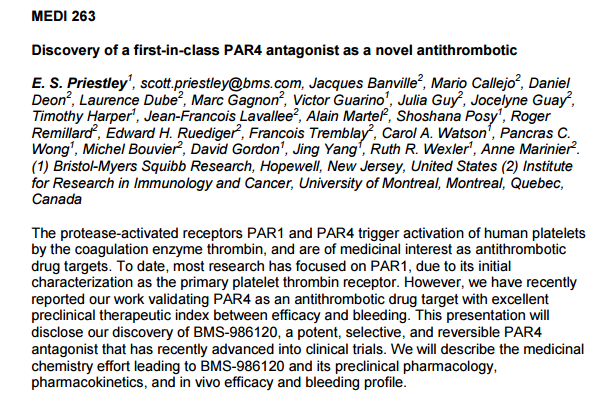
| Patent ID | Date | Patent Title |
|---|---|---|
| US2015094297 | 2015-04-02 | IMIDAZOTHIADIAZOLE AND IMIDAZOPYRAZINE DERIVATIVES AS PROTEASE ACTIVATED RECEPTOR 4 (PAR4) INHIBITORS FOR TREATING PLATELET AGGREGATION |
////////BMS 986120, phase 1, Bristol-Myers Squibb , Imidazoles, Small molecules, Thiadiazoles, 1478712-37-6
c1(sc2nc(cn2n1)c3cc4c(cc(cc4o3)OC)OCc5nc(sc5C)N6CCOCC6)OC
CC1=C(N=C(S1)N2CCOCC2)COC3=C4C=C(OC4=CC(=C3)OC)C5=CN6C(=N5)SC(=N6)OC


 New Drug Approvals