New Drug Approvals

Home » Posts tagged 'drugs' (Page 16)

Tag Archives: drugs

DRUG APPROVALS BY DR ANTHONY MELVIN CRASTO .....FOR BLOG HOME CLICK HERE

Blog Stats

  • 4,860,901 hits

Flag and hits

Flag Counter

Enter your email address to follow this blog and receive notifications of new posts by email.

Join 37.8K other subscribers
Follow New Drug Approvals on WordPress.com

Archives

Categories

Recent Posts

Flag Counter

ORGANIC SPECTROSCOPY

Read all about Organic Spectroscopy on ORGANIC SPECTROSCOPY INTERNATIONAL 

Enter your email address to follow this blog and receive notifications of new posts by email.

Join 37.8K other subscribers
DR ANTHONY MELVIN CRASTO Ph.D

DR ANTHONY MELVIN CRASTO Ph.D

DR ANTHONY MELVIN CRASTO, Born in Mumbai in 1964 and graduated from Mumbai University, Completed his Ph.D from ICT, 1991,Matunga, Mumbai, India, in Organic Chemistry, The thesis topic was Synthesis of Novel Pyrethroid Analogues, Currently he is working with AFRICURE PHARMA, ROW2TECH, NIPER-G, Department of Pharmaceuticals, Ministry of Chemicals and Fertilizers, Govt. of India as ADVISOR, earlier assignment was with GLENMARK LIFE SCIENCES LTD, as CONSUlTANT, Retired from GLENMARK in Jan2022 Research Centre as Principal Scientist, Process Research (bulk actives) at Mahape, Navi Mumbai, India. Total Industry exp 32 plus yrs, Prior to joining Glenmark, he has worked with major multinationals like Hoechst Marion Roussel, now Sanofi, Searle India Ltd, now RPG lifesciences, etc. He has worked with notable scientists like Dr K Nagarajan, Dr Ralph Stapel, Prof S Seshadri, etc, He did custom synthesis for major multinationals in his career like BASF, Novartis, Sanofi, etc., He has worked in Discovery, Natural products, Bulk drugs, Generics, Intermediates, Fine chemicals, Neutraceuticals, GMP, Scaleups, etc, he is now helping millions, has 9 million plus hits on Google on all Organic chemistry websites. His friends call him Open superstar worlddrugtracker. His New Drug Approvals, Green Chemistry International, All about drugs, Eurekamoments, Organic spectroscopy international, etc in organic chemistry are some most read blogs He has hands on experience in initiation and developing novel routes for drug molecules and implementation them on commercial scale over a 32 PLUS year tenure till date Feb 2023, Around 35 plus products in his career. He has good knowledge of IPM, GMP, Regulatory aspects, he has several International patents published worldwide . He has good proficiency in Technology transfer, Spectroscopy, Stereochemistry, Synthesis, Polymorphism etc., He suffered a paralytic stroke/ Acute Transverse mylitis in Dec 2007 and is 90 %Paralysed, He is bound to a wheelchair, this seems to have injected feul in him to help chemists all around the world, he is more active than before and is pushing boundaries, He has 100 million plus hits on Google, 2.5 lakh plus connections on all networking sites, 100 Lakh plus views on dozen plus blogs, 227 countries, 7 continents, He makes himself available to all, contact him on +91 9323115463, email amcrasto@gmail.com, Twitter, @amcrasto , He lives and will die for his family, 90% paralysis cannot kill his soul., Notably he has 38 lakh plus views on New Drug Approvals Blog in 227 countries......https://newdrugapprovals.wordpress.com/ , He appreciates the help he gets from one and all, Friends, Family, Glenmark, Readers, Wellwishers, Doctors, Drug authorities, His Contacts, Physiotherapist, etc He has total of 32 International and Indian awards

Verified Services

View Full Profile →

Archives

Categories

Flag Counter

IV Fish Oil Reverses Complicated Liver Disease


A clinical trial has found that, compared with soybean oil, a limited duration of fish oil in the intravenous nutrition of children with intestinal failure is safe and effective in reversing the complication known as intestinal failure-associated liver disease. read all this at

http://www.dddmag.com/news/2013/08/iv-fish-oil-reverses-complicated-liver-disease?et_cid=3423352&et_rid=523035093&type=headline

Health Canada Approves ThromboGenics’ JETREA® for the Treatment of Symptomatic Vitreomacular Adhesion


LEUVEN, Belgium, August 16, 2013 /PRNewswire/ —

Canada is first market outside the US and Europe where JETREA ® is approved

ThromboGenics NV (Euronext Brussels: THR), an integrated biopharmaceutical company focused on developing and commercializing innovative ophthalmic medicines, today announces that Health Canada has approved JETREA® (ocriplasmin) for the treatment of symptomatic vitreomacular adhesion (VMA). The priority review of the New Drug Submission for JETREA in Canada was conducted within 180 calendar days. Canada is the first market where JETREA® is approved outside the US and Europe. ThromboGenics’ partner Alcon holds the commercialization rights to JETREA® outside the US and will be responsible for the launch of the drug in Canada.

read all at

http://www.pharmalive.com/health-canda-approves-jetrea-for-vma

Ocriplasmin (trade name Jetrea) is a recombinant protease with activity against fibronectin and laminin, components of the vitreoretinal interface. It is used for treatment of symptomatic vitreomacular adhesion, for which it received FDA approval on 17 October 2012. It works by dissolving the proteins that link the vitreous to the macula, resulting in posterior detachment of the vitreous from the retina.[1]

References

1   Stalmans, P; Benz, MS; Gandorfer, A; Kampik, A; Girach, A; Pakola, S; Haller, JA; MIVI-TRUST Study, Group (2012 Aug 16). “Enzymatic vitreolysis with ocriplasmin for vitreomacular traction and macular holes.”. The New England journal of medicine 367 (7): 606–15. PMID 22894573.

Alnylam Hemophilia Drug Garners Orphan Drug Status


CAMBRIDGE, Mass., Aug 14, 2013 (AP) — The Food and Drug Administration has granted an “orphan drug designation” to a potential hemophilia treatment from Alnylam Pharmaceuticals Inc.

Orphan drug status is awarded to drugs that could treat diseases that affect fewer than 200,000 people in the United States. It comes with some added marketing exclusivity.

The Cambridge, Mass., company said Wednesday that the agency gave the designation to a drug labeled ALN-AT3 for the treatment of hemophilia B. Alnylam has tested the drug in mice and plans to start studies involving humans early next year.

for the treatment of hemophilia B. Alnylam has tested the drug in mice and plans to start studies involving humans early next year.

http://www.pharmalive.com/alnylam-hemophilia-drug-garners-orphan-drug-status


FDA Approves Investigational MS Trial


The stem cell research division of the Tisch MS Research Center of New York announced that the U.S. Food and Drug Administration (FDA) approved autologous, mesenchymal stem cell-derived neural progenitor cells (MSC-NPs) as an Investigational New Drug (IND) for an open label, phase 1 clinical trial in the treatment of multiple sclerosis.

http://www.dddmag.com/news/2013/08/fda-approves-investigational-ms-trial?et_cid=3425506&et_rid=523035093&type=cta


J and J gets green light for front-line Velcade in EU


Bortezomib

Johnson & Johnson’s multiple myeloma treatment Velcade has been cleared as a first-line therapy in the EU, boosting the number of patients eligible for treatment with the drug.

The European Commission gave the go-ahead for Velcade (bortezomib) as induction therapy in combination with dexamethasone and thalidomide in previously-untreated multiple myeloma patients who are eligible for high-dose chemotherapy and a stem cell transplant.

http://www.pharmatimes.com/Article/13-08-09/J_J_gets_green_light_for_front-line_Velcade_in_EU.aspx

Bortezomib bound to the core particle in a yeast proteasome. The bortezomib molecule is in the center colored by atom type (boron = pink, carbon = cyan, nitrogen = blue, oxygen = red), surrounded by the local protein surface. The blue patch is catalyticthreonine residue whose activity is blocked by the presence of bortezomib.

Bortezomib (INN, originally codenamed PS-341; marketed as Velcade by Millennium Pharmaceuticals and Bortecad by Cadila Healthcare) is the first therapeutic proteasome inhibitor to be tested in humans. It is approved in the U.S. for treating relapsedmultiple myeloma and mantle cell lymphoma. In multiple myeloma, complete clinical responses have been obtained in patients with otherwise refractory or rapidly advancing disease.

Bortezomib was originally synthesized in 1995 (MG-341) at a company called Myogenics, which soon changed its name to ProScript. After promising preclinical results, the drug (PS-341) was tested in a small Phase I clinical trial on patients with multiple myeloma cancer. ProScript ran out of money and was bought by Leukosite in May 1999. Leukosite in turn was bought byMillennium Pharmaceuticals in October 1999. At this point in time, the project had low priority amongst other projects at the company. This changed significantly when one of the first volunteers to receive the drug in the clinical trial achieved a complete response and were still alive four years later. At the time this was a remarkable result. Later clinical experimentation indicates the possibility of a complete response in 15% of patients in a similar condition, when treated with bortezomib.

In May 2003, seven years after the initial synthesis, bortezomib (Velcade) was approved in the United States by the Food and Drug Administration (FDA) for use in multiple myeloma, based on the results from the SUMMIT Phase II trial.

Another commercially available bortezomib product – Bortenat (Natco Pharma, India), reportedly contains substantially more active entity than declared, potentially and even more resulting in increase toxicity. Moreover, Bortenat has some other chemical and formulation deviations from the registered ethic product Velcade (Millennium Pharmaceuticals and Janssen-Cilag), with unclear clinical impact

video

………

…….

…………..

British drugmaker GlaxoSmithKline (GSK) has submitted a marketing authorisation application (MAA) to the European Medicines Agency (EMA) for its cervical cancer vaccine, Cervarix [Human papillomavirus bivalent (types 16 and 18) vaccine, recombinant].


The application in the EU is to allow administration of the vaccine in a two dosing schedule (0, 6 months) in 9-14 year old girls.

Intended to serve as an alternative dosing schedule, the two-dose schedule will help prevent premalignant genital (cervical, vulvar and vaginal) lesions and cervical cancer causally related to certain oncogenic Human Papillomavirus (HPV) types. It does not seek to replace the three-dose schedule.

read all at

http://regulatoryaffairs.pharmaceutical-business-review.com/news/gsk-submits-cervarix-two-dose-schedule-application-in-eu-080813

Cervarix is a vaccine against certain types of cancer-causing human papillomavirus (HPV).

Cervarix is designed to prevent infection from HPV types 16 and 18, that cause about 70% of cervical cancer cases. These types also cause most HPV-induced genital and head and neck cancers. Additionally, some cross-reactive protection against virus strains 45 and 31 were shown in clinical trials. Cervarix also contains AS04, a proprietary adjuvant that has been found to boost the immune system response for a longer period of time.

Cervarix is manufactured by GlaxoSmithKline. An alternative product, from Merck & Co., is known as Gardasil.

…..

Oral Anti-Cancer Therapy Pomalidomide Now Approved by European Commission as Treatment for Patients with Relapsed/Refractory Multiple Myeloma – a Rare Form of Blood Cancer


File:Pomalidomide.png

POMALIDOMIDE

4-amino-2-(2,6-dixopiperidin-3- yl)isoindoline-l,3-dione; 3-(4-amino-l,3-dioxo-l,3-dihydro-isoindol-2-yl)-piperidine- 2,6-dione; 3-(4-amino-l ,3-dioxoisoindolin-2-yl)piperidine-2,6-dione; 1 ,3-dioxo-2-(2,6- dioxopiperidin-3-yl)-4-aminoisoindoline; 3-(l,3-dioxo-4-aminoisoindolin-2-yl)- piperidine-2,6-dione;

BOUDRY, Switzerland–(BUSINESS WIRE)–Aug. 9, 2013–Celgene International Sàrl, a wholly-owned subsidiary of Celgene Corporation (NASDAQ: CELG) today announced that the European Commission (EC) has granted approval for Pomalidomide Celgene®▼(pomalidomide),
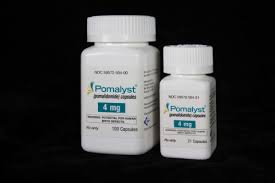
in combination with dexamethasone, for the treatment of relapsed and refractory multiple myeloma (rrMM) in adult patients who have received at least two prior therapies including both lenalidomide and bortezomib and have demonstrated disease progression on the last therapy.1 Celgene intends to launch Pomalidomide Celgene in the EU under the trade name “IMNOVID®”, following submission of a regulatory notification to the European Medicines Agency (EMA) to change the trade name.

READ ALL AT

http://www.pharmalive.com/ec-approves-celgene-blood-cancer-drug

CAS 19171-19-8

Pomalidomide, an analogue of thalidomide, is an immunomodulatory antineoplastic agent. FDA approved on February 8, 2013.

Pomalidomide is indicated for patients with multiple myeloma who have received at least two prior therapies including lenalidomide and bortezomib and have demonstrated disease progression on or within 60 days of completion of the last therapy.

Pomalidomide (INN, originally CC-4047 or 3-amino-thalidomide, trade name Pomalyst[1] in the US) is a derivative of thalidomidemarketed by Celgene. It is anti-angiogenic and also acts as an immunomodulator. Pomalidomide was approved in February 2013 by the U.S. Food and Drug Administration (FDA) as a treatment for relapsed and refractory multiple myeloma.[2] It received a similar approval from the European Commission in August 2013, and is expected to be marketed in Europe under the brand nameImnovid.[3]

Origin and development

The parent compound of pomalidomide, thalidomide, was originally discovered to inhibit angiogenesis in 1994.[4] Based upon this discovery, thalidomide was taken into clinical trials for cancer, leading to its ultimate FDA approval for multiple myeloma.[5] Further structure activity studies done in Dr. Robert D’Amato’s lab at Boston Children’s Hospital led to the first claim in 1995 that amino-thalidomide had antitumor activity.[6] Interestingly, the pronounced anti-tumor activity is due to its ability to directly inhibit both the tumor cell and vascular compartments of myeloma cancers.[7] This dual activity of pomalidomide makes it more efficacious than thalidomide in vitro and in vivo.[8]

Clinical trials

Phase I trial results showed tolerable side effects.[9]

Phase II clinical trials for multiple myeloma and myelofibrosis reported ‘promising results’.[10][11]

Phase III results were reported at ASH in 2012 and showed significant extension of progression-free survival (median 3.6 months vs. 1.8 months; P < 0.001), and overall survival in patients taking pomalidomide and dexamethasone v. dexamethasone alone.[12]

Mechanism

Pomalidomide directly inhibits angiogenesis and myeloma cell growth. This dual effect is central to its activity in myeloma, rather than other pathways such as TNF alpha inhibition, since potent TNF alpha inhibitors including rolipram and pentoxifylline do not inhibit myeloma cell growth nor angiogenesis.[7] Up regulation of Interferon gamma, IL-2 and IL-10 as well as down regulation of IL-6 have been reported for pomalidomide. These changes may contribute to pomalidomide’s anti-angiogenic and anti-myeloma activities.

Pregnancy and sexual contact warnings

Because Pomalyst can cause harm to unborn babies when administered during pregnancy, women taking Pomalyst must not become pregnant. Women must produce two negative pregnancy tests and use contraception methods before beginning Pomalyst. Women must commit either to abstain continuously from heterosexual sexual intercourse or to use two methods of reliable birth control, beginning 4 weeks prior to initiating treatment with Pomalyst, during therapy, during dose interruptions and continuing for 4 weeks following discontinuation of Pomalyst therapy. Pomalyst is present in the semen of patients receiving the drug. Therefore, males must always use a latex or synthetic condom during any sexual contact with females of reproductive potential while taking POMALYST and for up to 28 days after discontinuing Pomalyst, even if they have undergone a successful vasectomy. Male patients taking Pomalyst must not donate sperm.

Pomalidomide simple structure, synthesis is relatively easy. The glutamine ( 1 ), the compound 2 protected amino, thionyl chloride to ring palladium on carbon hydrogenation later deprotected to give compound 3 , 3 , and 4 direct condensation Pomalidomide.

PATENTS

Thumb

US PATENT No Patent ExpirY patent use code
5635517 Jul 24, 2016 U-1359
6045501 Aug 28, 2018 U-1361
6315720 Oct 23, 2020 U-1361
6316471 Aug 10, 2016 U-1360
6476052 Jul 24, 2016 U-1360
6561976 Aug 28, 2018 U-1361
6561977 Oct 23, 2020 U-1361
6755784 Oct 23, 2020 U-1361
6908432 Aug 28, 2018 U-1361
8158653 Aug 10, 2016
8198262 Oct 19, 2024 U-1360
8204763 Aug 28, 2018 U-1361
8315886 Oct 23, 2020 U-1361
Exclusivity Code Exclusivity Date
ODE Feb 8, 2020
NCE Feb 8, 2018

Pomalidomide-2013, FDA approved anticancer drugs. Pomalidomide isthalidomide (thalidomide) derivative, for the treatment of multiple myeloma. Trade name Pomalyst, developed by Celgene.

    Pomalidomide simple structure, synthesis is relatively easy. (From glutamine 1 ), the compound 2 is protected amino, thionyl chloride off ring after deprotection to obtain a compound with palladium on carbon hydrogenation of 3 , 3 and 4 the direct condensation Pomalidomide.

……………………..

http://www.google.com/patents/WO2012177678A2?cl=en

…………………………

Figure 1: Chronological view of the history of thalidomide and its analogs

Pomalidomide
Pomalidomide2DACS.svg
Systematic (IUPAC) name
4-Amino-2-(2,6-dioxopiperidin-3-yl)isoindole-1,3-dione
Clinical data
Trade names Imnovid, Pomalyst
Licence data EMA:Link, US FDA:link
Pregnancy cat.
Legal status
Routes Oral
Pharmacokinetic data
Protein binding 12–44%
Metabolism Hepatic (mostly CYP1A2 andCYP3A4 mediated; some minor contributions by CYP2C19 andCYP2D6)
Half-life 7.5 hours
Excretion Urine (73%), faeces (15%)
Identifiers
CAS number 19171-19-8 Yes
ATC code L04AX06
PubChem CID 134780
Chemical data
Formula C13H11N3O4 
Mol. mass 273.24 g/mol

Mechanism of action

Figure 2: The mechanism of TLP in multiple myeloma. TLP refers to thalidomide, lenalidomide and pomalidomide.

CLIP

Print
09338-acsnews1-celgenecxd
HONORED
Celgene’s George Muller (left) and Roger Shen-Chu Chen celebrate at the Heroes of Chemistry banquet.
Credit: Linda Wang/C&EN

The satisfaction of helping patients is what drives George Muller as an industrial scientist. Muller is coinventor of Celgene’s Polamyst for multiple myeloma.

“It’s wonderful to be able to think that the work one did in the lab ended up helping patients,” he says. “Over my career, I’ve met patients who were taking drugs on which I had worked. It’s always amazing to see the positive effects on the lives of these patients. Some of them get their lives back.”

Muller says that during the course of developing Pomalyst, they made hundreds of compounds. “We worked on the project for probably 15-plus years,” he says. The drug was approved in 2014.

References

  1. “Pomalyst (Pomalidomide) Official Website”. Celgene Corporation. Retrieved 2013-08-10.
  2. “Pomalyst (Pomalidomide) Approved By FDA For Relapsed And Refractory Multiple Myeloma”. The Myeloma Beacon. Retrieved 2013-08-10.
  3. “Pomalidomide Approved In Europe For Relapsed And Refractory Multiple Myeloma”. The Myeloma Beacon. Retrieved 2013-08-10.
  4.  D’Amato, Robert J.; Loughnan, Michael S.; Flynn, Evelyn; Folkman, Judah (1994). “Thalidomide is an inhibitor of angiogenesis”. Proceedings of the National Academy of Sciences of the United States of America 91 (9): 4082–5. Bibcode:1994PNAS…91.4082D. doi:10.1073/pnas.91.9.4082. JSTOR 2364596. PMC 43727. PMID 7513432.
  5.  http://vectorblog.org/2013/04/from-thalidomide-to-pomalyst-better-living-through-chemistry/
  6.  http://patft.uspto.gov/netacgi/nph-Parser?Sect1=PTO2&Sect2=HITOFF&p=1&u=%2Fnetahtml%2FPTO%2Fsearch-bool.html&r=1&f=G&l=50&co1=AND&d=PTXT&s1=5,712,291.PN.&OS=PN/5,712,291&RS=PN/5,712,291
  7.  D’Amato, R; Lentzsch, S; Anderson, KC; Rogers, MS (2001). “Mechanism of action of thalidomide and 3-aminothalidomide in multiple myeloma”. Seminars in Oncology 28 (6): 597–601. doi:10.1016/S0093-7754(01)90031-4. PMID 11740816.
  8.  Lentzsch, S; Rogers, MS; Leblanc, R; Birsner, AE; Shah, JH; Treston, AM; Anderson, KC; D’Amato, RJ (2002). “S-3-Amino-phthalimido-glutarimide inhibits angiogenesis and growth of B-cell neoplasias in mice”. Cancer Research 62 (8): 2300–5. PMID 11956087.
  9.  Streetly, Matthew J.; Gyertson, Kylie; Daniel, Yvonne; Zeldis, Jerome B.; Kazmi, Majid; Schey, Stephen A. (2008). “Alternate day pomalidomide retains anti-myeloma effect with reduced adverse events and evidence of in vivo immunomodulation”. British Journal of Haematology 141 (1): 41–51. doi:10.1111/j.1365-2141.2008.07013.x. PMID 18324965.
  10. Jump up^ “Promising Results From 2 Trials Highlighting Pomalidomide Presented At ASH” (Press release). Celgene. December 11, 2008. Retrieved October 28, 2012.
  11. Jump up^ Tefferi, Ayalew (December 8, 2008). “Pomalidomide Therapy in Anemic Patients with Myelofibrosis: Results from a Phase-2 Randomized Multicenter Study”. 50th ASH Annual Meeting and Exposition. San Francisco. Retrieved October 28, 2012.
  12. Jump up^ “Phase III Study (MM-003) of Pomalidomide Plus Low-Dose Dexamethasone Demonstrates Significant Progression-Free and Overall Survival Improvement for Patients with Relapsed or Refractory Multiple Myeloma.”. 11 Dec 2012.

External links

POMALYST is an immunomodulatory antineoplastic agent. The chemical name is (RS)-4-Amino-2-(2,6-dioxo-piperidin-3-yl)-isoindoline-1,3dione and it has the following chemical structure:

POMALYST® (pomalidomide) Structural Formula Illustration

The empirical formula for pomalidomide is C13H11N3O4 and the gram molecular weight is 273.24.

Pomalidomide is a yellow solid powder. It has limited to low solubility into organic solvents and it has low solubility in all pH solutions (about 0.01 mg/mL). Pomalidomide has a chiral carbon atom which exists as a racemic mixture of the R(+) and S(-) enantiomers.

POMALYST is available in 1 mg, 2 mg, 3 mg and 4 mg capsules for oral administration. Each capsule contains pomalidomide as the active ingredient and the following inactive ingredients: mannitol, pregelatinized starch and sodium stearyl fumarate. The 1 mg capsule shell contains gelatin, titanium dioxide, FD&C blue 2, yellow iron oxide, white ink and black ink. The 2 mg capsule shell contains gelatin, titanium dioxide, FD&C blue 2, yellow iron oxide, FD&C red 3 and white ink. The 3 mg capsule shell contains gelatin, titanium dioxide, FD&C blue 2, yellow iron oxide and white ink. The 4 mg capsule shell contains gelatin, titanium dioxide, FD&C blue 1, FD&C blue 2 and white ink.

NDA 204026

APPR..2013-02-08

Dosages/Routes/Forms

Celgene

Dosages/Routes/Forms
Strength Form/Route Marketing Status
1MG CAPSULE;ORAL 1
2MG CAPSULE;ORAL 1
3MG CAPSULE;ORAL 1
4MG CAPSULE;ORAL 1

Approval History

2014-09-12
Labeling Revision
2014-03-13
Labeling Revision
2013-11-15
Efficacy Supplement with Clinical Data to Support
2013-10-03
Manufacturing Change or Addition

Research Suggests Fatty Acids Could Aid Cancer Prevention and Treatment


http://scicasts.com/cancer-research/6382-research-suggests-fatty-acids-could-aid-cancer-prevention-and-treatment

This shows untreated cancer keratonicytes. Image: Queen Mary, University of London

London, UK (Scicasts) – Omega-3 fatty acids, contained in oily fish such as salmon and trout, selectively inhibit growth and induce cell death in early and late-stage oral and skin cancers, according to new research from scientists at Queen Mary, University of London.

In vitro tests showed omega-3 fatty acids induced cell death in malignant and pre-malignant cells at doses which did not affect normal cells, suggesting they have the potential to be used in both the treatment and prevention of certain skin and oral cancers. Omega-3 polyunsaturated fatty acids cannot be made by humans in large quantities and so we must acquire them from our diet.

http://scicasts.com/cancer-research/6382-research-suggests-fatty-acids-could-aid-cancer-prevention-and-treatment

Antiviral patents released by Roche


READ ALL AT

http://www.allfordrugs.com/2013/08/07/antiviral-patents-released-by-roche/

Onion: Health Benefits and Medical Uses ( acts as blood thinner)


Picture of onion

Onion is a commonly known plant. The part used is the bulb, which grows underground. It is an essential part of our kitchen herbs and spices. Onion is used in lots of recipes all over the world particularly in South Asia. It is both herb and vegetable used in all seasons. It has been part of many herbal preparations particularly sexual medicines since ages due to its medical properties. Apart from the chemistry of onion, it has dry-warm characteristics, which are used to treat various ailments. It is a boon for those having wet-cold constitutions. Many diseases associated with wet-cold group can be treated with onion. In homeopathy it comes under the name Allium Cepa and is used for a multitude of symptoms. Following are some of the common uses: –

  • Asthma
  • Cholera
    It is an excellent first aid for cholera. In most cases, a teaspoonful of onion juice can give immediate relief.
  • Diabetes Mellitus
    Very useful in lowering the level of blood sugar.

– See more at:

http://www.homeopathy.com.pk/kitchen-herbs/onion-health-benefits-medical-uses.php

http://www.homeopathy.com.pk/kitchen-herbs/onion-health-benefits-medical-uses.php#sthash.vmiEqWJl.dpuf

webmd info

Onion is a plant. The bulb (rounded underground part) of the onion is used to make medicine.

Onion is used for treating digestion problems including loss of appetite, upsetstomach, and gallbladder disorders; for treating heart and blood vessel problems including chest pain (angina) and high blood pressure; and for preventing “hardening of the arteries” (atherosclerosis). It is also used for treating sore mouth and throat,whooping coughbronchitisasthmadehydration, intestinal gas, parasitic worms, and diabetes. Some people use it as a diuretic to increase urine output.

Onion is applied directly to the skin for insect bites, wounds, light burns, boils, warts, and bruises.

In foods, onion is used in many recipes.

In manufacturing, the oil is used to flavor foods.

How does it work?

Onion might help reduce cholesterol levels, a risk factor for hardening of the arteries. There is some evidence that onion might also reduce lung tightness in people with asthma.

MEDICINAL QUALITIES OF ONION

Research shows that onions may help guard against many chronic diseases.  That’s probably because onions contain generous amounts of the flavonoid quercetin.  Studies have shown that quercetin protects against cataracts, cardiovascular disease, and cancer.  In addition, onions contain a variety of other naturally occurring chemicals known as organosulfur com-pounds that have been linked to lowering blood pressure and cholesterol levels.7Onions contain 25 active compounds that appear to inhibit the growth of cancerous cells alliin being the main constituent.  Onion has been found to help combat heart disease, inhibit strokes, lower blood pressure and cholesterol, and stimulate the immune system.  The potassium salts and the flavonoides that are present perform an anti-inflammatory action.  The essential oil is an expectorant, antiseptic, antifungal, anticoagulant, high-blood pressure, antithelmitic, balsamic, rubefciant, and has analgesic properties

In investigating the use of onion in medicinal terms, the onion is found to be a remedy for conditions with symptoms like those which are caused by exposure to onions, such as watering eyes, and a burning and running nose.  When looking at the symptoms of cold, it is ironic that we would treat this ailment with an almost like-with-like therapy. Alliums are antibacterial and anti-fungal, so they can help ward off colds and treat colds with sinus congestion that shifts from side to side in the head.  Onion will relieve coughs that cause a ripping or tearing pain in the throat or a cough that is merely an irritating dry tickle.  The watery and inflamed eyes due to sinus con-gestion and hay fever will be greatly relieved with onion.

The onions ability to relieve congestions especially in the lungs and bronchial tract, is hard to believe until you have actually witnessed the results.  The drawing of infection, congestion and colds out of the ear is also remarkable.

The onion will relieve stomach upset and other gastrointestinal disorders and it will also strengthen the appetite.

Onions help prevent thrombosis and reduce hypertension, according to the American Heart Association. 8  The natural constituents of yellow or white onions can “…raise HDL cholesterol by 30% over time”, according to Dr. Victor Gurewich of Tufts University.9

The onion is being used for compresses to be applied to the skin for acne, arthritis, and congestion, and used internally for worms.  The onion is also known for its diuretic properties.

There have been cases in which the onion has been proven to be so effective as an antiviral that a cut piece of onion placed in a closed off room will prevent the person in the room to be safe from viruses.

Onion will relieve headache centered behind the forehead; earache in children and adults; stuffed up nose with discharge that makes nostrils and upper lip sore or stuffed up nose with discharge from the alternate nostril; toothache, especially in the molar area or the shifting from side to side or from one tooth to another; hoarseness and the early stages of laryngitis; abdominal colic in babies.

Keeping cooler rooms in the home, and getting plenty of fresh air may prevent the symptoms of a stuffy nose and hoarseness

Never mind the tears they bring on—onions are an ace ally in your fight against disease. A prized member of the lily family, they lavish you with health benefits while adding oodles of taste to your food.

A quick glimpse at their incredible health benefits:

  • The phytochemicals in onions improve the working of Vitamin C in the body, thus gifting you with improved immunity.
  • Onions contain chromium, which assists in regulating blood sugar.
  • For centuries, onions have been used to reduce inflammation and heal infections.
  • Do you enjoy sliced onions with your food? If yes, rejoice! Raw onion encourages the production of good cholesterol (HDL), thus keeping your heart healthy.
  • A powerful compound called quercetin in onions is known to play a significant role in preventing cancer.
  • Got bitten by a honeybee? Apply onion juice on the area for immediate relief from the pain and burning sensation.
  • Onions scavenge free radicals, thereby reducing your risk of developing gastric ulcers.
  • Those bright green tops of green onions are rich in Vitamin A, so do use them often.

My favorite way to enjoy onions is to slice them really thin, squeeze some lemon juice on top and add a little salt. Sprinkling a few freshly washed cilantro leaves adds fragrance and flavor to this simple, quick salad, without which no dinner of mine is complete.