New Drug Approvals

Home » Articles posted by DR ANTHONY MELVIN CRASTO Ph.D (Page 211)

Author Archives: DR ANTHONY MELVIN CRASTO Ph.D

DRUG APPROVALS BY DR ANTHONY MELVIN CRASTO .....FOR BLOG HOME CLICK HERE

Blog Stats

  • 4,804,365 hits

Flag and hits

Flag Counter

Enter your email address to follow this blog and receive notifications of new posts by email.

Join 37.9K other subscribers
Follow New Drug Approvals on WordPress.com

Archives

Categories

Recent Posts

Flag Counter

ORGANIC SPECTROSCOPY

Read all about Organic Spectroscopy on ORGANIC SPECTROSCOPY INTERNATIONAL 

Enter your email address to follow this blog and receive notifications of new posts by email.

Join 37.9K other subscribers
DR ANTHONY MELVIN CRASTO Ph.D

DR ANTHONY MELVIN CRASTO Ph.D

DR ANTHONY MELVIN CRASTO, Born in Mumbai in 1964 and graduated from Mumbai University, Completed his Ph.D from ICT, 1991,Matunga, Mumbai, India, in Organic Chemistry, The thesis topic was Synthesis of Novel Pyrethroid Analogues, Currently he is working with AFRICURE PHARMA, ROW2TECH, NIPER-G, Department of Pharmaceuticals, Ministry of Chemicals and Fertilizers, Govt. of India as ADVISOR, earlier assignment was with GLENMARK LIFE SCIENCES LTD, as CONSUlTANT, Retired from GLENMARK in Jan2022 Research Centre as Principal Scientist, Process Research (bulk actives) at Mahape, Navi Mumbai, India. Total Industry exp 32 plus yrs, Prior to joining Glenmark, he has worked with major multinationals like Hoechst Marion Roussel, now Sanofi, Searle India Ltd, now RPG lifesciences, etc. He has worked with notable scientists like Dr K Nagarajan, Dr Ralph Stapel, Prof S Seshadri, etc, He did custom synthesis for major multinationals in his career like BASF, Novartis, Sanofi, etc., He has worked in Discovery, Natural products, Bulk drugs, Generics, Intermediates, Fine chemicals, Neutraceuticals, GMP, Scaleups, etc, he is now helping millions, has 9 million plus hits on Google on all Organic chemistry websites. His friends call him Open superstar worlddrugtracker. His New Drug Approvals, Green Chemistry International, All about drugs, Eurekamoments, Organic spectroscopy international, etc in organic chemistry are some most read blogs He has hands on experience in initiation and developing novel routes for drug molecules and implementation them on commercial scale over a 32 PLUS year tenure till date Feb 2023, Around 35 plus products in his career. He has good knowledge of IPM, GMP, Regulatory aspects, he has several International patents published worldwide . He has good proficiency in Technology transfer, Spectroscopy, Stereochemistry, Synthesis, Polymorphism etc., He suffered a paralytic stroke/ Acute Transverse mylitis in Dec 2007 and is 90 %Paralysed, He is bound to a wheelchair, this seems to have injected feul in him to help chemists all around the world, he is more active than before and is pushing boundaries, He has 100 million plus hits on Google, 2.5 lakh plus connections on all networking sites, 100 Lakh plus views on dozen plus blogs, 227 countries, 7 continents, He makes himself available to all, contact him on +91 9323115463, email amcrasto@gmail.com, Twitter, @amcrasto , He lives and will die for his family, 90% paralysis cannot kill his soul., Notably he has 38 lakh plus views on New Drug Approvals Blog in 227 countries......https://newdrugapprovals.wordpress.com/ , He appreciates the help he gets from one and all, Friends, Family, Glenmark, Readers, Wellwishers, Doctors, Drug authorities, His Contacts, Physiotherapist, etc He has total of 32 International and Indian awards

Verified Services

View Full Profile →

Archives

Categories

Flag Counter

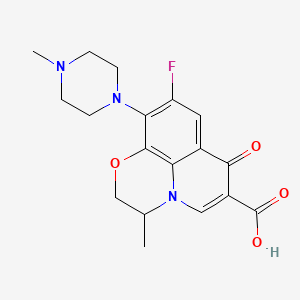
OFLOXACIN


Ofloxacin.svg

OFLOXACIN

Molecular Formula: C18H20FN3O4; (Formula Weight: 361.37;

mp: 270-275°C;

Ofloxacin is one kind of white or almost powder or off-white solid.

The Systematic (IUPAC) name of this chemical is (RS)-7-fluoro-2-methyl-6-(4-methylpiperazin-1-yl)-10-oxo-4-oxa-1-azatricyclo[7.3.1.05,13]trideca-5(13),6,8,11-tetraene-11-carboxylic acid

82419-36-1

Apazix; Bactocin; Exocin; Flobacin; Floxal; Floxil; Floxin; Girasid; Monoflocet; Ocuflox; Oflocet; Oflocin; Oxaldin; Tarivid; Urosin; Visiren; Zanocin

DL-8280; HOE-280; Ofloxacinum

ofloxacin.png

OFLOXACIN was developed as a broader-spectrum analog of norfloxacin, the first fluoroquinolone antibiotic, Ofloxacin was first patented in 1982 (European Patent Daiichi) and received U.S. Food and Drug Administration (FDA) approval December 28, 1990. In the United States name branded ofloxacin is rarely used anymore, having been discontinued by the manufacturer (Ortho McNeil Janssen). Johnson and Johnson’s annual sales of Floxin in 2003 was approximately $30 million, where as their combined sales of Levaquin/Floxin exceeded $ 1.15 billion in the same year. During the 2008 Johnson & Johnson shareholder’s meetings, the safety of both ofloxacin and levafloxacin were called into question. During the 2009 meeting, yet another shareholder who alleges to have been crippled by these drugs, John Fratti, raised these same issues having seen no significant changes in the warnings (regarding the issues raised during the 2008 meeting). Once again a public request for stronger warnings for both ofloxacin and levofloxacin was made.

Ofloxacin is a synthetic antibiotic of the fluoroquinolone drug class considered to be a second-generation fluoroquinolone.[1][2]

Ofloxacin was first patented in 1982 (European Patent Daiichi) and received approval from the U.S. Food and Drug Administration (FDA) on December 28, 1990. Ofloxacin is sold under a wide variety of brand names as well as generic drug equivalents, for oral and intravenous administration. Ofloxacin is also available for topical use, as eye drops and ear drops (marketed as Ocuflox and Floxin Otic respectively in the United States and marketed as Optiflox, eylox respectively in Jordan and Saudi Arabia[3]).

Ofloxacin is a racemic mixture, which consists of 50% levofloxacin (the biologically active component) and 50% of its “mirror image” or enantiomer dextrofloxacin.[4]

Ofloxacin has been associated with adverse drug reactions, such as tendon damage (including spontaneous tendon ruptures) and peripheral neuropathy (which may be irreversible); tendon damange may manifest long after therapy had been completed, and, in severe cases, may result in lifelong disabilities.[5]

History

Ofloxacin was developed as a broader-spectrum analog of norfloxacin, the first fluoroquinolone antibiotic,[6] Ofloxacin was first patented in 1982 (European Patent Daiichi) and received U.S. Food and Drug Administration (FDA) approval December 28, 1990.

In the United States name branded ofloxacin is rarely used anymore, having been discontinued by the manufacturer, Ortho-McNeil-Janssen, a subsidiary of Johnson & Johnson.[7] Johnson and Johnson’s annual sales of Floxin in 2003 was approximately $30 million, whereas their combined sales of Levaquin/Floxin exceeded $1.15 billion in the same year.[8][9] However generic use continues. The FDA website lists Floxin (Ortho McNeil Jannsen) as being discontinued, with just a few generic equivalents still in use. The otic solution continues to be listed as being available both as an original drug as well as a generic equivalent.

Medical uses

In the in the U.S. ofloxacin is approved for the treatment of bacterial infections such as:

  • Uncomplicated skin and skin structure infections
  • Acute, uncomplicated urethral and cervical gonorrhea.

Ofloxacin has not been shown to be effective in the treatment of syphilis.[10] Floxin is no longer considered a first line treatment for gonnorrhea due to bacterial resistance.[11][12][13]

Available forms

Ofloxacin for systemic use is available as tablet (multiple strengths), oral solution (250 mg/mL), and injectable solution (multiple strengths). It is also used as eye drops and ear drops. It is also available in combination with ornidazole.

Mode of action

Ofloxacin is a broad-spectrum antibiotic that is active against both Gram-positive and Gram-negative bacteria. It functions by inhibiting DNA gyrase, a type II topoisomerase, and topoisomerase IV,[14] which is an enzyme necessary to separate (mostly in prokaryotes, in bacteria in particular) replicated DNA, thereby inhibiting bacterial cell division.

…………………………..

EP0047005

US4382892 Doi: 10.1248/cpb.34.4098

Doi: 10.1248/cpb.35.1896

………………………………

doi: 10.1248/cpb.34.4098

…………………………

http://www.google.com/patents/EP0271275A1?cl=en

Reference example

  • By using 2,4,4-trimethylcyclopentyl acid as a start­ing material, ethyl 9,l0-difluoro-3-methyl-7-oxo-2,3-di­hydro-7H-pyrido[l,2,3-de] [l,4]benzoxazine-6-carboxylate (IV) which is an important intermediate for synthesis of an antibacterial agent, ofloxacin (9-fluoro-3-methyl-l0-­(4-methyl-l-piperazinyl)-7-oxo-2,3-dihydro-7H-pyrido[l,2,­3-de][l,4]benzoxazine-6-carboxylic acid) was synthesized following the reaction schemes shown below.

[Step 1]

  • To l2.6 g (0.066 mole) of 2,4,4-trimethylcyclopentyl acid was added 40 ml of acetic anhydride, and the mixture was stirred for l5 hours under reflux. The reaction mixture was poured into ice-cold water, and then extracted with chloroform. The chloroform layer was washed with water, condensed under reduced pressure and the residue was washed with n-hexane to give 6.l0 g of 3-acetoxy-2,4,5-­trifluorobenzoic acid (V) as colorless powder.Mass (CI): m/e 235 (M⁺ + l), 2l7 (M⁺ – OH), l75 (M⁺ – CH₃COO)

[Steps 2, 3, 4, 5 and 6]

  • In 200 ml of benzene was dissolved 6.l0 g (0.026 mole) of 3-acetoxy-2,4,5-trifluorobenzoic acid (V), and to the solution was added l5 ml of thionyl chloride and stirred for 4 hours under reflux. After completion of the reac­tion, benzene and excess thionyl chloride were completely distilled off under reduced pressure to give 3-acetoxy-­2,4,5-trifluorobenzoyl chloride (VI).
  • On the other hand, to l00 ml of anhydrous diethyl ether were added 3.l7 g (0.028 mole) of magnesium ethoxide and 4.30 g (0.027 mole) of diethyl malonate and refluxed for 3 hours to give a suspension of ethoxymagnesium malonic diethyl ester in diethylether. To the suspension was added dropwise a solution of the above acid chloride dissolved in 50 ml of anhyrous diethyl ether, and after completion of the dropwise addition, the mixture was further stirred for an hour at room temperature. After completion of the reaction, l N hydrochloric acid was added to the mixture to made it acidic, and the mixture was extracted with ethyl acetate. The organic layer was washed with water and dried, and then the solvent was distilled under reduced pressure to give l0.39 g of di­ethyl 3-acetoxy-2,4,5-trifluorobenzoylmalonate (VII) as yellowish oily product.
  • Then, the yellowish oily product was dissolved in l20 ml of dioxane and 4.90 g (0.026 mole) of p-toluenesulfonic acid monohydrate was added to the mixture and refluxed for l5 hours. After completion of the reaction, dioxane was distilled under reduced pressure. To the residue were added l00 ml of water and 2.l5 g (0.026 mole) of sodium hydrogen carbonate and the mixture was extracted with chloroform. The chloroform layer was washed with water, dried and then distilled under reduced pressure to give 7.64 g of ethyl 3-acetoxy-2,4,5-trifluorobenzoylacetate (VIII) as reddish oily product.
  • To 7.64 g (0.025 mole) of the ethyl 3-acetoxy-2,4,5-tri­fluorobenzoylacetate (VIII) thus obtained were added 20 ml of acetic anhydride and 6 ml of ortho-ethyl formate and the mixture was refluxed for 2 hours and then condensed under reduced pressure. The residue was dissolved in 50 ml of dichloromethane, added l.9l g (0.026 mole) of DL-2-­aminopropanol and allowed to stand over night. Dichloro­methane was distilled under reduced pressure and the residue was applied to silica gel column chromatography (solvent: mixture of toluene : ethyl acetate = l : l) to give 4.37 g of ethyl-2-(3-acetoxy-2,4,5-trifluorobenzoyl)-­3-(2-hydroxy-l-methylethyl)aminoacrylate (X) as pale yellow oily product.Mass: m/e 389 (M⁺), 358 (M⁺ – CH₂OH), 43 (+

    CH₃)

[Step 7]

  • In 30 ml of dimethylformamide was dissolved 4.30 g of the ethyl-2-(3-acetoxy-2,4,5-trifluorobenzoyl)-3-(2-hydroxy-l-­methylethyl)aminoacrylate (X) thus obtained and l.92 g (0.033 mole) of potassium fluoride was added to the mix­ture and the mixture was stirred at l40 to l50 °C for 2 hours. After completion of the reaction, the solvent was distilled under reduced pressure. To the residue was added water and the mixture was extracted with dichloro­methane, and the organic layer was washed with water, dried and then condensed under reduced pressure. Then, the residue was washed with ethanol, and the residue was recrystallized from acetone to give l.40 g of ethyl-9,l0-­difluoro-3-methyl-7-oxo-2,3-dihydro-7H-pyrido[l,2,3-de]­[l,4]benzoxazine-6-carboxylate (IV) as pale brown fine needle crystals.M.p.: 255 to 256 °C
    Elemental analysis (%): as C₁₅H₁₃F₂NO₄

  • According to the present invention, a novel compound 2,4,4-trimethylcyclopentyl acid useful as the syn­thetic intermediate for quinolone carboxylic acid deriva­tives which is useful as antibacterial agents can be provided, and the preparation steps of said quinolone carboxylic acid derivatives can be shortened to a great extent by use of said compound.

ofloxacin.png

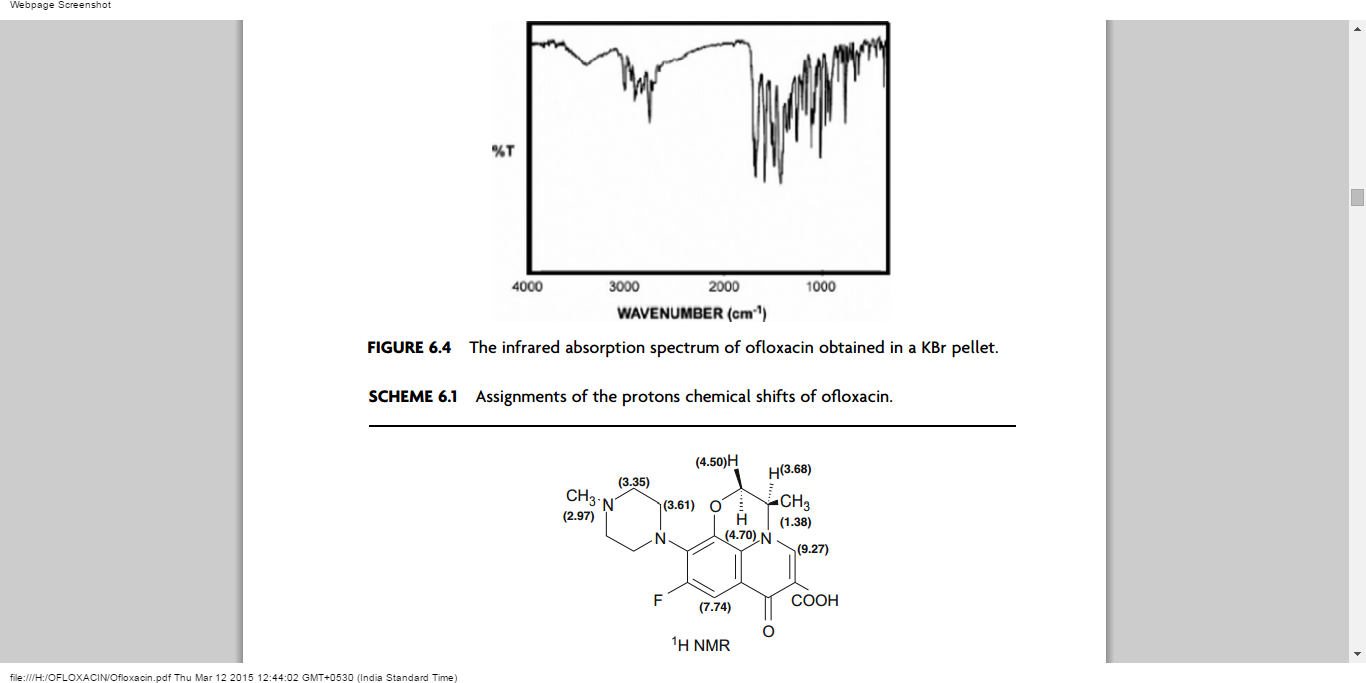
1H NMR PREDICT

logo

Ofloxacin NMR spectra analysis, Chemical CAS NO. 82419-36-1 NMR spectral analysis, Ofloxacin H-NMR spectrum

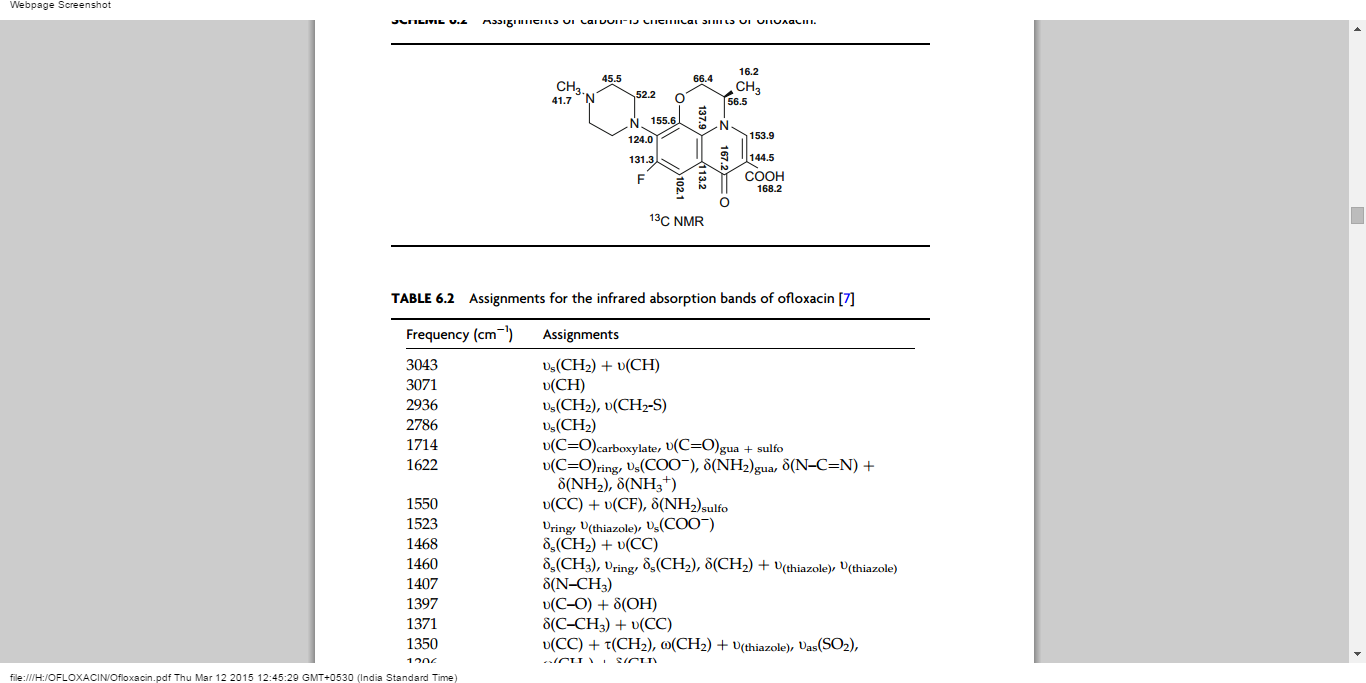
13 C NMR PREDICT

logo

Ofloxacin NMR spectra analysis, Chemical CAS NO. 82419-36-1 NMR spectral analysis, Ofloxacin C-NMR spectrum

 OFLOXACIN COSY NMR
Ofloxacin COSY
OFLOXACIN 13 C
Ofloxacin NMR 13
OFLOXACIN
Ofloxacin NMR
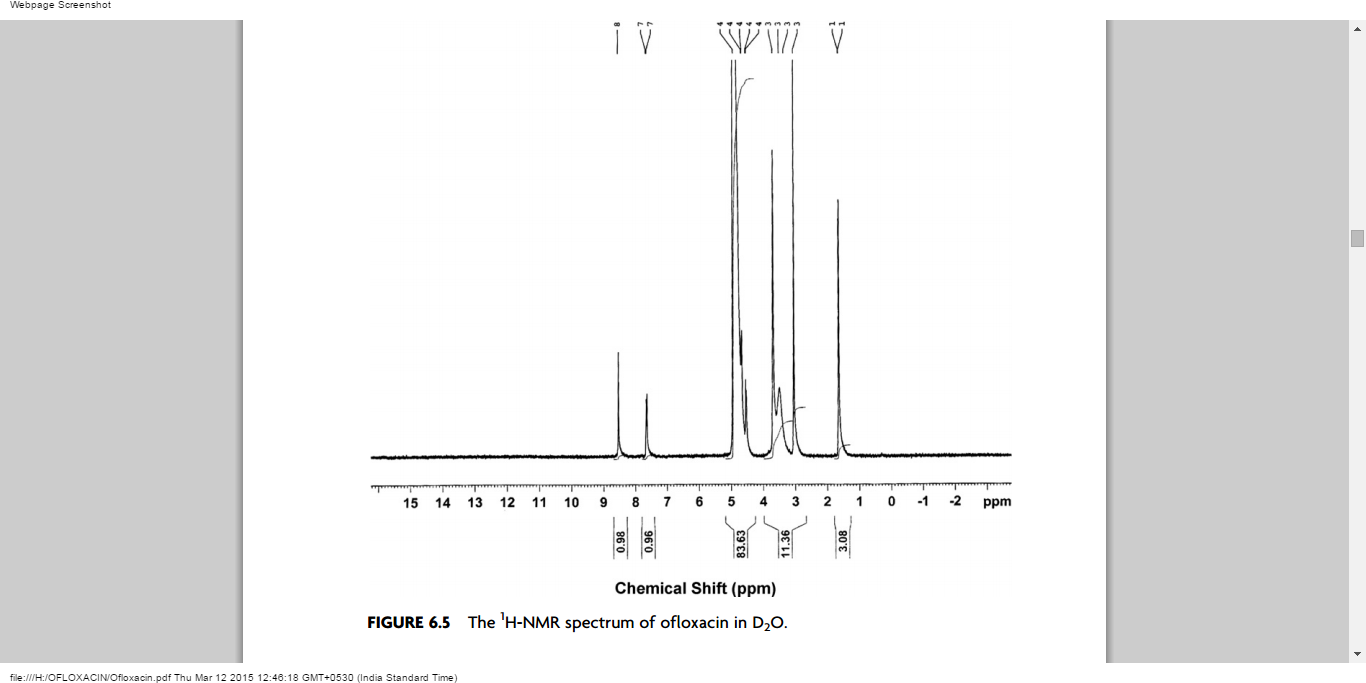
OFLOXACIN 1H NMR
Ofloxacin.pdf 1H NMR
 OFLOXACIN HSQC NMR
OFLOX HSQC
 OFLOXACIN MASS SPECTRUM
OFLOX MASS
 OFLOXACIN 13 C NMR
OFLOX13C
Production of Ofloxacin
The partial hydrolysis ot 2,3,4-trifluoronitrobenzene (I) with KOH in DMSO gives 2,3-difluoro-6-nitrophenol (II), which by condensation with chloroacetone (III) by means of K2CO3 – KI in refluxing acetone yields 2-acetonyloxy-3,4-difluoronitrobenzene (IV). The reductive cyclization of (IV) with H2 over Raney-Ni in ethanol affords 7,8-difluoro-2,3-dihydro-3-methyl-4H-benzoxazine (V), which is condensed with diethyl ethoxymethylenemalonate (VI) by heating at 145 C giving the malonic derivative (VII). The cyclization of (VII) by heating at 145 C with ethyl polyphosphate (PPE) yields ethyl 9,10-difluoro-3-methyl-7-oxo-2,3-dihydro-7H-pyrido[1,2,3-de]-1,4-benzoxazine-6-carboxylate (VIII), which is hydrolyzed with HCl in refluxing acetic acid affording the corresponding free acid (IX). Finally, this compound is condensed with N-methylpiperazine (X) in DMSO at 110 C.

(1) 2,3,4-trifluoronitrobenzene as the starting material by selective alkaline hydrolysis, etherification, restore, and C2H5OCH=C(COOEt)2 or (CH3)2NCH=C (COOEt)2 condensation ringaggregate, after hydrolysis with acetic acid boron role, and then the introduction of N-methyl-piperazine-derived products.Production of Ofloxacin

(2) Phthalimide derivative as a raw material generated by fluorination tetrafluorophthalic phthalimide, hydrolysis, decarboxylation of 2,3,4,5-tetrafluoro-benzoic acid, and then chlorinated, acylatingdecarboxylated 2,3,4,5-tetrafluorobenzoyl ethyl acetate, and then the first and of triethyl orthoformate, and after 2-aminopropanol reaction, and then cyclization generated pyridine [1,2,3-de] [1,4] benzo Hey triazine derivatives, and finally reaction of ofloxacin and piperazine.

Production of Ofloxacin

……………….

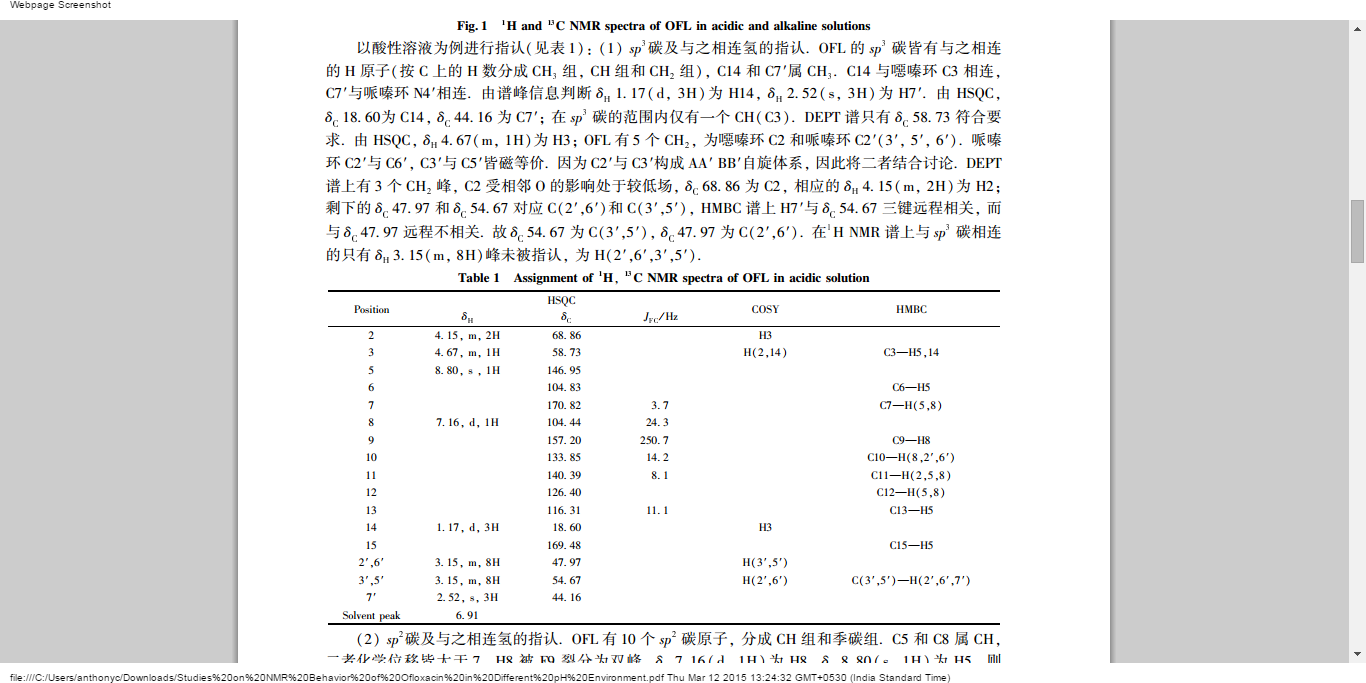
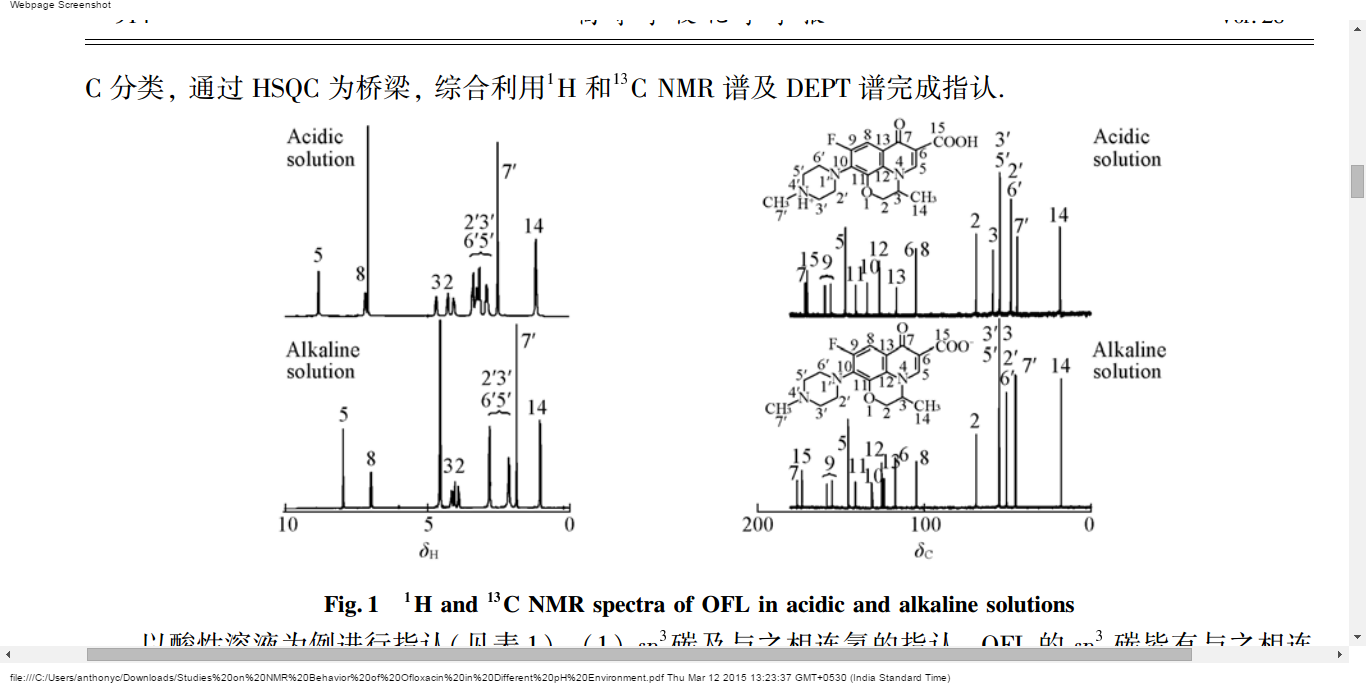
Studies on NMR Behavior of Ofloxacin in Different pH Environment
QI Jian1, GAO Xiu-Xiang1, ZHAO Mei-Xian2, XIANG Jun-Feng3, LIN Chong-Xi1*, XU Yi-Zhuang1*, WU Jin-Guang1
  1. College of Chemical and Molecular Engineering, Peking University, Beijing 100871, China;
  2. Applied Chemistry Department, School of Science, Beijing University of Chemical Technology, Beijing 100029, China;
  3. Institute of Chemistry, Chinese Academy of Sciences, Beijing 100080, China

http://www.cjcu.jlu.edu.cn/EN/Y2007/V28/I5/913#

Download: PDF (403 KB)

Systematic NMR spectroscopic investigation on ofloxacin in both acidic and alkaline solutions was carried out via 1H, 13C NMR, DEPT, COSY, HSQC spectra together with HMBC techniques. Complete assignment on 1H and 13C NMR of ofloxacin was obtained in different pH environments where the coupling constant between 13C and 19F was found to be very helpful for the assignment of aromatic 13C NMR signals. Additionally, the chemical shifts of 1H from the complex spin systems such as AA’BB’ were obtained using HSQC technique. Comparisons were made among the NMR spectra in acidic solution and those in alkaline solution, which demonstrate that: (1) deprivation of H+ from COOH in alkaline solution destroys the hydrogen bond between COOH and carbonyl group in ofloxacin. This brings about the redistribution of π elelctrons around the carboxyl and carbonyl groups so that significant variations of 13C NMR chemical shift and coupling constant JFC are observed. (2) In the alkaline solution, the removal of proton from N4 in piperazine ring induces considerable variation of chemical shift of methylene groups and causes remarkable changes of dynamic behavior of the piperazine ring.

QI Jian, GAO Xiu-Xiang1, ZHAO Mei-Xian2 et al. Studies on NMR Behavior of Ofloxacin in Different pH Environment[J]. Chemical Journal of Chinese Universities, 2007, 28(5): 913-917.
URL:
http://www.cjcu.jlu.edu.cn/EN/      OR     http://www.cjcu.jlu.edu.cn/EN/Y2007/V28/I5/913

OFLOX ASSIG

OFLOX CHINESE

References

External links

Package insert links
Ofloxacin
Title: Ofloxacin
CAS Registry Number: 82419-36-1
CAS Name: 9-Fluoro-2,3-dihydro-3-methyl-10-(4-methyl-1-piperazinyl)-7-oxo-7H-pyrido[1,2,3-de]-1,4-benzoxazine-6-carboxylic acid
Additional Names: ofloxacine
Manufacturers’ Codes: DL-8280; HOE-280
Trademarks: Exocin (Allergan); Flobacin (Sigma-Tau); Floxil (Janssen-Cilag); Floxin (Ortho-McNeil); Monoflocet (Aventis); Ocuflox (Allergan); Oflocet (Aventis); Oflocin (GSK); Tarivid (Aventis)
Molecular Formula: C18H20FN3O4
Molecular Weight: 361.37
Percent Composition: C 59.83%, H 5.58%, F 5.26%, N 11.63%, O 17.71%
Literature References: Broad spectrum, fluorinated quinolone antibacterial. Prepn: I. Hayakawa et al., EP 47005; eidem, US4382892 (1982, 1983 both to Daiichi). Total synthesis: H. Egawa et al., Chem. Pharm. Bull. 34, 4098 (1986). Synthesis and activity of optical isomers: S. Atarashi et al., ibid. 35, 1896 (1987). Antibacterial spectrum of racemate: K. Sato et al., Antimicrob. Agents Chemother. 22, 548 (1982). Mechanism of differential activity of enantiomers: I. Morrissey et al., ibid. 40, 1775 (1996). Toxicity data: H. Ohno et al., Chemotherapy (Tokyo) 32, Suppl. 1, 1084 (1984). Pharmacology and clinical efficacy: Infection 14,Suppl. 1, S1-S109 (1986). Symposium on pharmacokinetics and therapeutic use: Scand. J. Infect. Dis. Suppl. 68, 1-69 (1990). Review of antibacterial spectrum, pharmacology, and clinical efficacy: J. P. Monk, D. M. Campoli-Richards, Drugs 33, 346-391 (1987); of mechanism of action: K. Drlica, Curr. Opin. Microbiol. 2, 504-508 (1999).
Properties: Colorless needles from ethanol, mp 250-257° (dec). LD50 in male, female mice, male, female rats (mg/kg): 5450, 5290, 3590, 3750 orally; 208, 233, 273, 276 i.v.; >10000, >10000, 7070, 9000 s.c. (Ohno).
Melting point: mp 250-257° (dec)
Toxicity data: LD50 in male, female mice, male, female rats (mg/kg): 5450, 5290, 3590, 3750 orally; 208, 233, 273, 276 i.v.; >10000, >10000, 7070, 9000 s.c. (Ohno)
 .
.
.
.
Derivative Type: S-(-)-Form
CAS Registry Number: 100986-85-4; 138199-71-0 (hemihydrate)
Additional Names: Levofloxacin
Manufacturers’ Codes: DR-3355
Trademarks: Cravit (Daiichi); Levaquin (Ortho-McNeil); Tavanic (Aventis); Quixin (Santen)
Literature References: Toxicity study: M. Kato et al., Arzneim.-Forsch. 42, 365 (1992). Series of articles on pharmacology and toxicology: ibid., 368-418. Clinical study in bacterial conjunctivitis: D. G. Hwang et al., Br. J. Ophthalmol. 87, 1004 (2003).Review: D. S. North et al., Pharmacotherapy 18, 915-935 (1998).
Properties: Prepd as the hemihydrate; needles from ethanol + ethyl ether, mp 225-227° (dec). [a]D23 -76.9° (c = 0.385 in 0.5NNaOH). Freely sol in glacial acetic acid, chloroform; sparingly sol in water. LD50 in male, female mice, male, female rats (mg/kg): 1881, 1803, 1478, 1507 orally (Kato).
Melting point: mp 225-227° (dec)
Optical Rotation: [a]D23 -76.9° (c = 0.385 in 0.5N NaOH)
Toxicity data: Freely sol in glacial acetic acid, chloroform; sparingly sol in water. LD50 in male, female mice, male, female rats (mg/kg): 1881, 1803, 1478, 1507 orally (Kato)
Therap-Cat: Antibacterial.
Keywords: Antibacterial (Synthetic); Quinolones and Analogs.
Ofloxacin
Ofloxacin.svg
Ofloxacin ball-and-stick.png
Systematic (IUPAC) name
(RS)-7-fluoro-2-methyl-6-(4-methylpiperazin-1-yl)-10-oxo-4-oxa-1-azatricyclo[7.3.1.05,13]trideca-5(13),6,8,11-tetraene-11-carboxylic acid
Clinical data
Trade names Floxin, Ocuflox
AHFS/Drugs.com monograph
MedlinePlus a691005
Legal status
Routes Oral, IV, topical (eye drops and ear drops)
Pharmacokinetic data
Bioavailability 85% – 95%
Protein binding 32%
Half-life 8–9 hours
Identifiers
CAS number 82419-36-1 Yes
ATC code J01MA01 ,S01AE01, S02AA16
PubChem CID 4583
DrugBank DB01165
ChemSpider 4422 Yes
UNII A4P49JAZ9H Yes
KEGG D00453 Yes
ChEBI CHEBI:7731 Yes
ChEMBL CHEMBL4 Yes
Synonyms (±)-9-fluoro-2,3-dihydro-3-methyl-10-(4-methyl-1-piperazinyl)-7-oxo-7H-pyrido[1,2,3-de][1,4]benzoxazine-6-carboxylic acid
Chemical data
Formula C18H20FN3O4 
Molecular mass 361.368 g/mol

New information about CEPs and inspections published by EDQM….see about Telangana, India


DR ANTHONY MELVIN CRASTO Ph.D's avatarDRUG REGULATORY AFFAIRS INTERNATIONAL

The European Directorate for the Quality of Medicines & Healthcare (EDQM) has published new information about the CEP procedure and its related inspections. Please read more about he latest updates from EDQM.

http://www.gmp-compliance.org/enews_4746_New-information-about-CEPs-and-inspections-published-by-EDQM_9196,S-WKS_n.html

The European Directorate for the Quality of Medicines & Healthcare (EDQM) has published new information about the CEP procedure and its related inspections.

1) Costs of inspections

The EDQM has published a new document which describes the inspection costs. The EDQM document PA/PH/CEP (12) 28 1R refers to a table of fees and inspection costs. The costs for the inspection as well as for the travel will be invoiced prior to the inspection. For a three day inspection, for example, the fee is 5000,- Euro. If the facility is located in Asia a flat rate of 6000,- Euro will be charged to cover the travel costs, food and accommodation for the inspector. The travel costs are less…

View original post 118 more words

Burixafor 布利沙福


Burixafor is a potent and selective chemokine CXCR4 antagonist developed by TaiGen Biotechnology (www.taigenbiotech.com.tw).

The SDF1/CXCR4 pathway plays key roles in homing and mobilization of hematopoietic stem cells and endothelial progenitor cells. In a mouse model, burixafor efficiently mobilizes stem cells (CD34+) and endothelial progenitor cells (CD133+) from bone marrow into peripheral circulation. It can be used in hematopoietic stem cell transplantation, chemotherapy sensitization and other ischemic diseases.

Because  TaiGen has filed an IND (CXHL1200371) for burixafor as a chemotherapy sensitizer in  October 2012, the new application (CXHL1400844) may supplement a new indication. Phase II clinical trials (NCT02104427) are currently underway in the US, with Phase IIa (NCT01018979NCT01458288) already completed.

TaiGen plans to initiate clinical trials of burixafor as a chemotherapy sensitizer in China shortly. Burixafor’s annual sales are estimated at $1.1 billion by consultancy company JSB. This compound is protected by patent WO2009131598.

SEE……….https://newdrugapprovals.org/2014/06/09/scinopharm-to-provide-active-pharmaceutical-ingredient-%E8%8B%B1%E6%96%87%E5%90%8D%E7%A7%B0-burixafor-to-ftaigen-for-novel-stem-cell-drug/

英文名称Burixafor

TG-0054

(2-{4-[6-amino-2-({[(1r,4r)-4-({[3-(cyclohexylamino)propyl]amino}methyl)cyclohexyl]methyl}amino)pyrimidin-4-yl]piperazin-1-yl}ethyl)phosphonic acid

[2-[4-[6-Amino-2-[[[trans-4-[[[3-(cyclohexylamino)propyl]amino]methyl]cyclohexyl]methyl]amino]pyrimidin-4-yl]piperazin-1-yl]ethyl]phosphonic acid

1191448-17-5

C27H51N8O3P, 566.7194

chemokine CXCR 4 receptor antagonist;


Taigen Biotechnology Co., Ltd.

ScinoPharm to Provide Active Pharmaceutical Ingredient to F*TaiGen for Novel Stem Cell Drug
MarketWatch
The drug has received a Clinical Trial Application from China’s FDA for the initiation of … In addition, six products have entered Phase III clinical trials.

read at

http://www.marketwatch.com/story/scinopharm-to-provide-active-pharmaceutical-ingredient-to-ftaigen-for-novel-stem-cell-drug-2014-06-08

2D chemical structure of 1191448-17-5

TAINAN, June 8, 2014  — ScinoPharm Taiwan, Ltd. (twse:1789) specializing in the development and manufacture of active pharmaceutical ingredients, and TaiGen Biotechnology (4157.TW; F*TaiGen) jointly announced today the signing of a manufacturing contract for the clinical supply of the API of Burixafor, a new chemical entity discovered and developed by TaiGen. The API will be manufactured in ScinoPharm’s plant in Changshu, China. This cooperation not only demonstrates Taiwan’s international competitive strength in new drug development, but also sees the beginning of a domestic pharmaceutical specialization and cooperation mechanisms, thus establishing a groundbreaking milestone for Taiwan’s pharmaceutical industry.

Dr. Jo Shen, President and CEO of ScinoPharm said, “This cooperation with TaiGen is of representative significance in the domestic pharmaceutical companies’ upstream and downstream cooperation and self-development of new drugs, and indicates the Taiwanese pharmaceutical industry’s cumulative research and development momentum is paving the way forward.” Dr. Jo Shen emphasized, “ScinoPharm’s Changshu Plant provides high-quality API R&D and manufacturing services through its fast, flexible, reliable competitive advantages, effectively assisting clients of new drugs in gaining entry into China, Europe, the United States, and other international markets.”

ScinoPharm logo


ScinoPharm President, CEO and Co-Founder Dr. Jo Shen

According to Dr. Ming-Chu Hsu, Chairman and CEO of TaiGen, “R&D is the foundation of the pharmaceutical industry. Once a drug is successfully developed, players at all levels of the value chain could reap the benefit. Burixafor is a 100% in-house developed product that can be used in the treatment of various intractable diseases. The cooperation between TaiGen and ScinoPharm will not only be a win-win for both sides, but will also provide high-quality novel dug for patients from around the world.”

Burixafor is a novel stem cell mobilizer that can efficiently mobilize bone marrow stem cells and tissue precursor cells to the peripheral blood. It can be used in hematopoietic stem cell transplantation, chemotherapy sensitization and other ischemic diseases. The results of the ongoing Phase II clinical trial in the United States are very impressive. The drug has received a Clinical Trial Application from China’s FDA for the initiation of a Phase II clinical trial in chemotherapy sensitization under the 1.1 category. According to the pharmaceutical consultancy company JSB, with only stem cell transplant and chemotherapy sensitizer as the indicator, Burixafor’s annual sales are estimated at USD1.1 billion.

ScinoPharm currently has accepted over 80 new drug API process research and development plans, of which five new drugs have been launched in the market. In addition, six products have entered Phase III clinical trials. Through the Changshu Plant’s operation in line with the latest international cGMP plant equipment and quality management standards, the company provides customers with one stop shopping services in professional R&D, manufacturing, and outsourcing, thereby shortening the customer development cycle of customers’ products and accelerating the launch of new products to the market.

TaiGen’s focus is on the research and development of novel drugs. Besides Burixafor, the products also include anti-infective, Taigexyn®, and an anti-hepatitis C drug, TG-2349. Taigexyn® is the first in-house developed novel drug that received new drug application approval from Taiwan’s FDA. TG-2349 is intended for the 160 million global patients with hepatitis C with huge market potential. TaiGen hopes to file one IND with the US FDA every 3-4 years to expand TaiGen’s product line.

About ScinoPharm

ScinoPharm Taiwan, Ltd. is a leading process R&D and API manufacturing service provider to the global pharmaceutical industry. With research and manufacturing facilities in both Taiwan and China, ScinoPharm offers a wide portfolio of services ranging from custom synthesis for early phase pharmaceutical activities to contract services for brand companies as well as APIs for the generic industry. For more information, please visit the Company’s website at http://www.scinopharm.com

About TaiGen Biotechnology

TaiGen Biotechnology is a leading research-based and product-driven biotechnology company in Taiwan with a wholly-owned subsidiary in Beijing, China. The company’s first product, Taigexyn®, have already received NDA approval from Taiwan’s FDA. In addition to Taigexyn®, TaiGen has two other in-house discovered NCEs in clinical development under IND with US FDA: TG-0054, a chemokine receptor antagonist for stem cell transplantation and chemosensitization, in Phase 2 and TG-2349, a HCV protease inhibitor for treatment of chronic hepatitis infection, in Phase 2. Both TG-0054 and TG-2349 are currently in clinical trials in patients in the US.

SOURCE ScinoPharm Taiwan Ltd.

TG-0054 is a potent and selective chemokine CXCR4 (SDF-1) antagonist in phase II clinical studies at TaiGen Biotechnology for use in stem cell transplantation in cancer patients. Specifically, the compound is being developed for the treatment of stem cell transplantation in multiple myeloma, non-Hodgkin’s lymphoma, Hodgkin’s lymphoma and myocardial ischemia.

Preclinical studies had also been undertaken for the treatment of diabetic retinopathy, critical limb ischemia (CLI) and age-related macular degeneration. In a mouse model, TG-0054 efficiently mobilizes stem cells (CD34+) and endothelial progenitor cells (CD133+) from bone marrow into peripheral circulation.


BACKGROUND

Chemokines are a family of cytokines that regulate the adhesion and transendothelial migration of leukocytes during an immune or inflammatory reaction (Mackay C.R., Nat. Immunol, 2001, 2:95; Olson et al, Am. J. Physiol. Regul. Integr. Comp. Physiol, 2002, 283 :R7). Chemokines also regulate T cells and B cells trafficking and homing, and contribute to the development of lymphopoietic and hematopoietic systems (Ajuebor et al, Biochem. Pharmacol, 2002, 63:1191). Approximately 50 chemokines have been identified in humans. They can be classified into 4 subfamilies, i.e., CXC, CX3C, CC, and C chemokines, based on the positions of the conserved cysteine residues at the N-terminal (Onuffer et al, Trends Pharmacol ScI, 2002, 23:459). The biological functions of chemokines are mediated by their binding and activation of G protein-coupled receptors (GPCRs) on the cell surface.

Stromal-derived factor- 1 (SDF-I) is a member of CXC chemokines. It is originally cloned from bone marrow stromal cell lines and found to act as a growth factor for progenitor B cells (Nishikawa et al, Eur. J. Immunol, 1988, 18:1767). SDF-I plays key roles in homing and mobilization of hematopoietic stem cells and endothelial progenitor cells (Bleul et al, J. Exp. Med., 1996, 184:1101; and Gazzit et al, Stem Cells, 2004, 22:65-73). The physiological function of SDF-I is mediated by CXCR4 receptor. Mice lacking SDF-I or CXCR4 receptor show lethal abnormality in bone marrow myelopoiesis, B cell lymphopoiesis, and cerebellar development (Nagasawa et al, Nature, 1996, 382:635; Ma et al, Proc. Natl. Acad. ScI, 1998, 95:9448; Zou et al, Nature, 1998, 393:595; Lu et al, Proc. Natl. Acad. ScI, 2002, 99:7090). CXCR4 receptor is expressed broadly in a variety of tissues, particularly in immune and central nervous systems, and has been described as the major co-receptor for HIV- 1/2 on T lymphocytes. Although initial interest in CXCR4 antagonism focused on its potential application to AIDS treatment (Bleul et al, Nature, 1996, 382:829), it is now becoming clear that CXCR4 receptor and SDF-I are also involved in other pathological conditions such as rheumatoid arthritis, asthma, and tumor metastases (Buckley et al., J. Immunol., 2000, 165:3423). Recently, it has been reported that a CXCR4 antagonist and an anticancer drug act synergistically in inhibiting cancer such as acute promuelocutic leukemia (Liesveld et al., Leukemia

Research 2007, 31 : 1553). Further, the CXCR4/SDF-1 pathway has been shown to be critically involved in the regeneration of several tissue injury models. Specifically, it has been found that the SDF-I level is elevated at an injured site and CXCR4-positive cells actively participate in the tissue regenerating process.

………………………………………………………………………..


http://www.google.com/patents/WO2009131598A1?cl=en


Figure imgf000015_0002
Figure imgf000015_0003

Compound 52

Example 1 : Preparation of Compounds 1


Figure imgf000026_0001

1-1 1-Ii 1-m

^ ^–\\ Λ xCUNN H ‘ ‘22.. P rdu/’C^ ^. , Λ>\V>v

Et3N, TFAA , H_, r [ Y I RRaanneeyy–NNiicckkeell u H f [ Y | NH2

CH2CI2, -10 0C Boc^ ‘NNA/ 11,,44–ddιιooxxaannee B Boocer”1^”–^^ LiOH, H2O, 50 0C

1-IV 1-V

Figure imgf000027_0001

Water (10.0 L) and (BoC)2O (3.33 kgg, 15.3 mol) were added to a solution of trans-4-aminomethyl-cyclohexanecarboxylic acid (compound 1-1, 2.0 kg, 12.7 mol) and sodium bicarbonate (2.67 kg, 31.8 mol). The reaction mixture was stirred at ambient temperature for 18 hours. The aqueous layer was acidified with concentrated hydrochloric acid (2.95 L, pH = 2) and then filtered. The resultant solid was collected, washed three times with water (15 L), and dried in a hot box (60 0C) to give trα/?5-4-(tert-butoxycarbonylamino-methyl)-cyclo-hexanecarboxylic acid (Compound l-II, 3.17 kg, 97%) as a white solid. Rf = 0.58 (EtOAc). LC-MS m/e 280 (M+Na+). 1H NMR (300 MHz, CDCl3) δ 4.58 (brs, IH), 2.98 (t, J= 6.3 Hz, 2H), 2.25 (td, J = 12, 3.3 Hz, IH), 2.04 (d, J= 11.1 Hz, 2H), 1.83 (d, J= 11.1 Hz, 2H), 1.44 (s, 9H), 1.35-1.50 (m, 3H), 0.89-1.03 (m, 2H). 13C NMR (75 MHz, CDCl3) δ 181.31, 156.08, 79.12, 46.41, 42.99, 37.57, 29.47, 28.29, 27.96. M.p. 134.8-135.0 0C. A suspension of compound l-II (1.0 kg, 3.89 mol) in THF (5 L) was cooled at

-10 0C and triethyl amine (1.076 L, 7.78 mol) and ethyl chloroformate (0.441 L, 4.47 mol) were added below -10 0C. The reaction mixture was stirred at ambient temperature for 3 hours. The reaction mixture was then cooled at -100C again and NH4OH (3.6 L, 23.34 mol) was added below -10 0C. The reaction mixture was stirred at ambient temperature for 18 hours and filtered. The solid was collected and washed three times with water (10 L) and dried in a hot box (6O0C) to give trans-4- (tert-butoxycarbonyl-amino-methyl)-cyclohexanecarboxylic acid amide (Compound l-III, 0.8 kg, 80%) as a white solid. Rf= 0.23 (EtOAc). LC-MS m/e 279, M+Na+. 1H NMR (300 MHz, CD3OD) δ 6.63 (brs, IH), 2.89 (t, J= 6.3 Hz, 2H), 2.16 (td, J = 12.2, 3.3 Hz, IH), 1.80-1.89 (m, 4H), 1.43 (s, 9H), 1.37-1.51 (m, 3H), 0.90-1.05 (m, 2H). 13C NMR (75 MHz, CD3OD) δ 182.26, 158.85, 79.97, 47.65, 46.02, 39.28, 31.11, 30.41, 28.93. M.p. 221.6-222.0 0C.

A suspension of compound l-III (1.2 kg, 4.68 mol) in CH2Cl2 (8 L) was cooled at -1O0C and triethyl amine (1.3 L, 9.36 mol) and trifluoroacetic anhydride (0.717 L, 5.16 mol) were added below -10 0C. The reaction mixture was stirred for 3 hours. After water (2.0 L) was added, the organic layer was separated and washed with water (3.0 L) twice. The organic layer was then passed through silica gel and concentrated. The resultant oil was crystallized by methylene chloride. The crystals were washed with hexane to give £rαns-(4-cyano-cyclohexylmethyl)-carbamic acid tert-butyl ester (Compound 1-IV, 0.95 kg, 85%) as a white crystal. Rf = 0.78 (EtOAc). LC-MS m/e 261, M+Na+. 1H NMR (300 MHz, CDCl3) δ 4.58 (brs, IH), 2.96 (t, J = 6.3 Hz, 2H), 2.36 (td, J= 12, 3.3 Hz, IH), 2.12 (dd, J= 13.3, 3.3 Hz, 2H), 1.83 (dd, J = 13.8, 2.7 Hz, 2H), 1.42 (s, 9H), 1.47-1.63 (m, 3H), 0.88-1.02 (m, 2H). 13C NMR (75 MHz, CDCl3) δ 155.96, 122.41, 79.09, 45.89, 36.92, 29.06, 28.80, 28.25, 28.00. M.p. 100.4~100.6°C.

Compound 1-IV (1.0 kg, 4.196 mol) was dissolved in a mixture of 1 ,4-dioxane (8.0 L) and water (2.0 L). To the reaction mixture were added lithium hydroxide monohydrate (0.314 kg, 4.191), Raney-nickel (0.4 kg, 2.334 mol), and 10% palladium on carbon (0.46 kg, 0.216 mol) as a 50% suspension in water. The reaction mixture was stirred under hydrogen atmosphere at 5O0C for 20 hours. After the catalysts were removed by filtration and the solvents were removed in vacuum, a mixture of water (1.0 L) and CH2Cl2 (0.3 L) was added. After phase separation, the organic phase was washed with water (1.0 L) and concentrated to give £rα/?s-(4-aminomethyl- cyclohexylmethyl)-carbamic acid tert- butyl ester (compound 1-V, 0.97 kg, 95%) as pale yellow thick oil. Rf = 0.20 (MeOH/EtOAc = 9/1). LC-MS m/e 243, M+H+. 1H NMR (300 MHz, CDCl3) δ 4.67 (brs, IH), 2.93 (t, J= 6.3 Hz, 2H), 2.48 (d, J= 6.3 Hz, 2H), 1.73-1.78 (m, 4H), 1.40 (s, 9H), 1.35 (brs, 3H), 1.19-1.21 (m, IH), 0.77-0.97 (m, 4H). 13C NMR (75 MHz, CDCl3) δ 155.85, 78.33, 48.27, 46.38, 40.80, 38.19, 29.87, 29.76, 28.07. A solution of compound 1-V (806 g) and Et3N (1010 g, 3 eq) in 1-pentanol

(2.7 L) was treated with compound 1-VI, 540 g, 1 eq) at 900C for 15 hours. TLC showed that the reaction was completed. Ethyl acetate (1.5 L) was added to the reaction mixture at 25°C. The solution was stirred for 1 hour. The Et3NHCl salt was filtered. The filtrate was then concentrated to 1.5 L (1/6 of original volume) by vacuum at 500C. Then, diethyl ether (2.5 L) was added to the concentrated solution to afford the desired product 1-VII (841 g, 68% yield) after filtration at 250C .

A solution of intermediate 1-VII (841 g) was treated with 4 N HCl/dioxane (2.7 L) in MeOH (8.1 L) and stirred at 25°C for 15 hours. TLC showed that the reaction was completed. The mixture was concentrated to 1.5 L (1/7 of original volume) by vacuum at 500C. Then, diethyl ether (5 L) was added to the solution slowly, and HCl salt of 1-VIII (774 g) was formed, filtered, and dried under vacuum (<10 torr). For neutralization, K2CO3 (2.5 kg, 8 eq) was added to the solution of HCl salt of 1-VIII in MeOH (17 L) at 25°C. The mixture was stirred at the same temperature for 3 hours (pH > 12) and filtered (estimated amount of 1-VIII in the filtrate is 504 g). Aldehyde 1-IX (581 g, 1.0 eq based on mole of 1-VII) was added to the filtrate of 1-VIII at 0-100C. The reaction was stirred at 0-100C for 3 hours. TLC showed that the reaction was completed. Then, NaBH4 (81 g, 1.0 eq based on mole of 1-VII) was added at less than 100C and the solution was stirred at 10-150C for Ih. The solution was concentrated to get a residue, which then treated with CH2Cl2 (15 L). The mixture was washed with saturated aq. NH4Cl solution (300 mL) diluted with H2O (1.2 L). The CH2Cl2 layer was concentrated and the residue was purified by chromatography on silica gel (short column, EtOAc as mobile phase for removing other components; MeOH/28% NH4OH = 97/3 as mobile phase for collecting 1-X) afforded crude 1-X (841 g). Then Et3N (167 g, leq) and BoC2O (360 g, leq) were added to the solution of

1-X (841 g) in CH2Cl2 (8.4 L) at 25°C. The mixture was stirred at 25°C for 15 hours. After the reaction was completed as evidenced by TLC, the solution was concentrated and EtOAc (5 L) was added to the resultant residue. The solution was concentrated to 3L (1/2 of the original volume) under low pressure at 500C. Then, n-hexane (3 L) was added to the concentrated solution. The solid product formed at 500C by seeding to afford the desired crude product 1-XI (600 g, 60% yield) after filtration and evaporation. To compound 1-XI (120.0 g) and piperazine (1-XII, 50.0 g, 3 eq) in 1- pentanol (360 niL) was added Et3N (60.0 g, 3.0 eq) at 25°C. The mixture was stirred at 1200C for 8 hours. Ethyl acetate (480 mL) was added to the reaction mixture at 25°C. The solution was stirred for Ih. The Et3NHCl salt was filtered and the solution was concentrated and purified by silica gel (EtOAc/MeOH = 2:8) to afforded 1-XIII (96 g) in a 74% yield.

A solution of intermediate 1-XIII (100 mg) was treated with 4 N HCl/dioxane (2 mL) in CH2Cl2 (1 mL) and stirred at 25°C for 15 hours. The mixture was concentrated to give hydrochloride salt of compound 1 (51 mg). CI-MS (M+ + 1): 459.4

Example 2: Preparation of Compound 2


Figure imgf000030_0001

Compound 2 Intermediate 1-XIII was prepared as described in Example 1.

To a solution of 1-XIII (120 g) in MeOH (2.4 L) were added diethyl vinyl phosphonate (2-1, 45 g, 1.5 eq) at 25°C. The mixture was stirred under 65°C for 24 hours. TLC and HPLC showed that the reaction was completed. The solution was concentrated and purified by silica gel (MeOH/CH2Cl2 = 8/92) to get 87 g of 2-11 (53% yield, purity > 98%, each single impurity <1%) after analyzing the purity of the product by HPLC.

A solution of 20% TFA/CH2C12 (36 mL) was added to a solution of intermediate 2-11 (1.8 g) in CH2Cl2 (5 mL). The reaction mixture was stirred for 15 hours at room temperature and concentrated by removing the solvent to afford trifluoracetic acid salt of compound 2 (1.3 g). CI-MS (M+ + 1): 623.1

Example 3 : Preparation of Compound 3

TMSBr H H

Figure imgf000031_0001
Figure imgf000031_0002

s U

Intermediate 2-11 was prepared as described in Example 2. To a solution of 2-11 (300 g) in CH2Cl2 (1800 mL) was added TMSBr (450 g, 8 eq) at 10-150C for 1 hour. The mixture was stirred at 25°C for 15 hours. The solution was concentrated to remove TMSBr and solvent under vacuum at 400C.

CH2Cl2 was added to the mixture to dissolve the residue. TMSBr and solvent were removed under vacuum again to obtain 36O g crude solid after drying under vacuum (<1 torr) for 3 hours. Then, the crude solid was washed with 7.5 L IPA/MeOH (9/1) to afford compound 3 (280 g) after filtration and drying at 25°C under vacuum (<1 torr) for 3 hours. Crystallization by EtOH gave hydrobromide salt of compound 3 (19Og). CI-MS (M+ + 1): 567.0.

The hydrobromide salt of compound 3 (5.27 g) was dissolved in 20 mL water and treated with concentrated aqueous ammonia (pH=9-10), and the mixture was evaporated in vacuo. The residue in water (30 mL) was applied onto a column (100 mL, 4.5×8 cm) of Dowex 50WX8 (H+ form, 100-200 mesh) and eluted (elution rate, 6 mL/min). Elution was performed with water (2000 mL) and then with 0.2 M aqueous ammonia. The UV-absorbing ammonia eluate was evaporated to dryness to afford ammonia salt of compound 3 (2.41 g). CI-MS (M+ + 1): 567.3.

The ammonia salt of compound 3 (1.5 g) was dissolved in water (8 mL) and alkalified with concentrated aqueous ammonia (pH=l 1), and the mixture solution was applied onto a column (75 mL, 3×14 cm) of Dowex 1X2 (acetate form, 100-200 mesh) and eluted (elution rate, 3 mL/min). Elution was performed with water (900 mL) and then with 0.1 M acetic acid. The UV-absorbing acetic acid eluate was evaporated, and the residue was codistilled with water (5×50 mL) to afford compound 3 (1.44 g). CI-MS (M+ + 1): 567.4. Example 4: Preparation of Compound 4


Figure imgf000032_0001

Compound 4

Intermediate 1-XIII was obtained during the preparation of compound 1. To a solution of diethyl vinyl phosphonate (4-1, 4 g) in CH2Cl2 (120 mL) was added oxalyl chloride (15.5 g, 5 eq) and the mixture was stirred at 300C for 36 hours. The mixture were concentrated under vacuum on a rotatory evaporated to give quantitatively the corresponding phosphochloridate, which was added to a mixture of cyclohexyl amine (4-II, 5.3 g, 2.2 eq), CH2Cl2 (40 mL), and Et3N (6.2 g, 2.5 eq). The mixture was stirred at 35°C for 36 hours, and then was washed with water. The organic layer was dried (MgSO4), filtered, and evaporated to afford 4-III (4.7 g, 85% yield) as brown oil.

Compound 4-III (505 mg) was added to a solution of intermediate 1-XIII (500 mg) in MeOH (4 mL). The solution was stirred at 45°C for 24 hours. The solution was concentrated and the residue was purified by column chromatography on silica gel (EtOAc/ MeOH = 4: 1) to afford intermediate 4-IV (420 mg) in a 63% yield.

A solution of HCl in ether (5 mL) was added to a solution of intermediate 4- IV (420 mg) in CH2Cl2 (1.0 mL). The reaction mixture was stirred for 12 hours at room temperature and concentrated by removing the solvent. The resultant residue was washed with ether to afford hydrochloride salt of compound 4 (214 mg). CI-MS (M+ + 1): 595.1

Preparation of compound 51


Figure imgf000041_0001

TMSBr

Figure imgf000041_0002

Intermediate l-II was prepared as described in Example 1. To a suspension of the intermediate l-II (31.9 g) in toluene (150 mL) were added phosphorazidic acid diphenyl ester (51-1, 32.4 g) and Et3N (11.9 g) at 25°C for 1 hour. The reaction mixture was stirred at 800C for 3 hours and then cooled to 25°C. After benzyl alcohol (51-11, 20 g) was added, the reaction mixture was stirred at 800C for additional 3 hours and then warmed to 1200C overnight. It was then concentrated and dissolved again in EtOAc and H2O. The organic layer was collected. The aqueous layer was extracted with EtOAc. The combined organic layers were washed with 2.5 N HCl, saturated aqueous NaHCO3 and brine, dried over anhydrous MgSO4, filtered, and concentrated. The residue thus obtained was purified by column chromatography on silica gel (EtOAc/Hexane = 1 :2) to give Intermediate 51-111 (35 g) in a 79% yield. A solution of intermediate 51-111 (35 g) treated with 4 N HCl/dioxane (210 rnL) in MeOH (350 mL) was stirred at room temperature overnight. After ether (700 mL) was added, the solution was filtered. The solid was dried under vacuum. K2CO3 was added to a suspension of this solid in CH3CN and ώo-propanol at room temperature for 10 minutes. After water was added, the reaction mixture was stirred at room temperature for 2 hours, filtered, dried over anhydrous MgSO4, and concentrated. The resultant residue was purified by column chromatography on silica gel (using CH2Cl2 and MeOH as an eluant) to give intermediate 51-IV (19 g) in a 76% yield. Intermediate 1-IX (21 g) was added to a solution of intermediate 51-IV (19 g) in CH2Cl2 (570 mL). The mixture was stirred at 25°C for 2 hours. NaBH(OAc)3 (23 g) was then added at 25°C overnight. After the solution was concentrated, a saturated aqueous NaHCO3solution was added to the resultant residue. The mixture was then extracted with CH2Cl2. The solution was concentrated and the residue was purified by column chromatography on silica gel (using EtOAc and MeOH as an eluant) to afford intermediate 51-V (23.9 g) in a 66% yield.

A solution of intermediate 51-V (23.9 g) and BoC2O (11.4 g) in CH2Cl2 (200 mL) was added to Et3N (5.8 mL) at 25°C for overnight. The solution was then concentrated and the resultant residue was purified by column chromatography on silica gel (using EtOAc and Hexane as an eluant) to give intermediate 51-VI (22 g) in a 77% yield.

10% Pd/C (2.2 g) was added to a suspension of intermediate 51-VI (22 g) in MeOH (44 mL). The mixture was stirred at ambient temperature under hydrogen atmosphere overnight, filtered, and concentrated. The residue thus obtained was purified by column chromatography on silica gel (using EtOAc and MeOH as an eluant) to afford intermediate 51-VII (16.5 g) in a 97% yield.

Intermediate 51-VII (16.5 g) and Et3N (4.4 mL) in 1-pentanol (75 mL) was allowed to react with 2,4-dichloro-6-aminopyrimidine (1-VI, 21 g) at 1200C overnight. The solvent was then removed and the residue was purified by column chromatography on silica gel (using EtOAc and hexane as an eluant) to afford intermediate 51-VIII (16.2 g) in a 77% yield.

A solution of intermediate 51-VIII (16.2 g) and piperazine (1-XII, 11.7 g) in 1-pentanol (32 mL) was added to Et3N (3.3 mL) at 1200C overnight. After the solution was concentrated, the residue was treated with water and extracted with CH2Cl2. The organic layer was collected and concentrated. The residue thus obtained was purified by column chromatography on silica gel (using EtOAc/ MeOH to 28% NH40H/Me0H as an eluant) to afford Intermediate 51-IX (13.2 g) in a 75% yield. Diethyl vinyl phosphonate (2-1) was treated with 51-IX as described in

Example 3 to afford hydrobromide salt of compound 51. CI-MS (M+ + 1): 553.3

………………………………….

Preparation of Compound 1


Figure US20100120719A1-20100513-C00007
Figure US20100120719A1-20100513-C00008


Water (10.0 L) and (Boc)2O (3.33 kgg, 15.3 mol) were added to a solution of trans-4-aminomethyl-cyclohexanecarboxylic acid (compound 1-I, 2.0 kg, 12.7 mol) and sodium bicarbonate (2.67 kg, 31.8 mol). The reaction mixture was stirred at ambient temperature for 18 hours. The aqueous layer was acidified with concentrated hydrochloric acid (2.95 L, pH=2) and then filtered. The resultant solid was collected, washed three times with water (15 L), and dried in a hot box (60° C.) to give trans-4-(tert-butoxycarbonylamino-methyl)-cyclo-hexanecarboxylic acid (Compound 1-II, 3.17 kg, 97%) as a white solid. Rf=0.58 (EtOAc). LC-MS m/e 280 (M+Na+). 1H NMR (300 MHz, CDCl3) δ 4.58 (brs, 1H), 2.98 (t, J=6.3 Hz, 2H), 2.25 (td, J=12, 3.3 Hz, 1H), 2.04 (d, J=11.1 Hz, 2H), 1.83 (d, J=11.1 Hz, 2H), 1.44 (s, 9H), 1.35˜1.50 (m, 3H), 0.89˜1.03 (m, 2H). 13C NMR (75 MHz, CDCl3) δ 181.31, 156.08, 79.12, 46.41, 42.99, 37.57, 29.47, 28.29, 27.96. M.p. 134.8˜135.0° C.

A suspension of compound 1-II (1.0 kg, 3.89 mol) in THF (5 L) was cooled at 10° C. and triethyl amine (1.076 L, 7.78 mol) and ethyl chloroformate (0.441 L, 4.47 mol) were added below 10° C. The reaction mixture was stirred at ambient temperature for 3 hours. The reaction mixture was then cooled at 10° C. again and NH4OH (3.6 L, 23.34 mol) was added below 10° C. The reaction mixture was stirred at ambient temperature for 18 hours and filtered. The solid was collected and washed three times with water (10 L) and dried in a hot box (60° C.) to give trans-4-(tert-butoxycarbonyl-amino-methyl)-cyclohexanecarboxylic acid amide (Compound 1-III, 0.8 kg, 80%) as a white solid. Rf=0.23 (EtOAc). LC-MS m/e 279, M+Na+. 1H NMR (300 MHz, CD3OD) δ 6.63 (brs, 1H), 2.89 (t, J=6.3 Hz, 2H), 2.16 (td, J=12.2, 3.3 Hz, 1H), 1.80˜1.89 (m, 4H), 1.43 (s, 9H), 1.37˜1.51 (m, 3H), 0.90˜1.05 (m, 2H). 13C NMR (75 MHz, CD3OD) δ 182.26, 158.85, 79.97, 47.65, 46.02, 39.28, 31.11, 30.41, 28.93. M.p. 221.6˜222.0° C.

A suspension of compound 1-III (1.2 kg, 4.68 mol) in CH2Cl2 (8 L) was cooled at 10° C. and triethyl amine (1.3 L, 9.36 mol) and trifluoroacetic anhydride (0.717 L, 5.16 mol) were added below 10° C. The reaction mixture was stirred for 3 hours. After water (2.0 L) was added, the organic layer was separated and washed with water (3.0 L) twice. The organic layer was then passed through silica gel and concentrated. The resultant oil was crystallized by methylene chloride. The crystals were washed with hexane to give trans-(4-cyano-cyclohexylmethyl)-carbamic acid tent-butyl ester (Compound 1-IV, 0.95 kg, 85%) as a white crystal. Rf=0.78 (EtOAc). LC-MS m/e 261, M+Na+. 1H NMR (300 MHz, CDCl3) δ 4.58 (brs, 1H), 2.96 (t, J=6.3 Hz, 2H), 2.36 (td, J=12, 3.3 Hz, 1H), 2.12 (dd, J=13.3, 3.3 Hz, 2H), 1.83 (dd, J=13.8, 2.7 Hz, 2H), 1.42 (s, 9H), 1.47˜1.63 (m, 3H), 0.88˜1.02 (m, 2H). 13C NMR (75 MHz, CDCl3) δ 155.96, 122.41, 79.09, 45.89, 36.92, 29.06, 28.80, 28.25, 28.00. M.p. 100.4˜100.6° C.

Compound 1-IV (1.0 kg, 4.196 mol) was dissolved in a mixture of 1,4-dioxane (8.0 L) and water (2.0 L). To the reaction mixture were added lithium hydroxide monohydrate (0.314 kg, 4.191), Raney-nickel (0.4 kg, 2.334 mol), and 10% palladium on carbon (0.46 kg, 0.216 mol) as a 50% suspension in water. The reaction mixture was stirred under hydrogen atmosphere at 50° C. for 20 hours. After the catalysts were removed by filtration and the solvents were removed in vacuum, a mixture of water (1.0 L) and CH2Cl2 (0.3 L) was added. After phase separation, the organic phase was washed with water (1.0 L) and concentrated to give trans-(4-aminomethyl-cyclohexylmethyl)-carbamic acid tert-butyl ester (compound 1-V, 0.97 kg, 95%) as pale yellow thick oil. Rf=0.20 (MeOH/EtOAc=9/1). LC-MS m/e 243, M+H+. 1H NMR (300 MHz, CDCl3) δ 4.67 (brs, 1H), 2.93 (t, J=6.3 Hz, 2H), 2.48 (d, J=6.3 Hz, 2H), 1.73˜1.78 (m, 4H), 1.40 (s, 9H), 1.35 (brs, 3H), 1.19˜1.21 (m, 1H), 0.77˜0.97 (m, 4H). 13C NMR (75 MHz, CDCl3) δ 155.85, 78.33, 48.27, 46.38, 40.80, 38.19, 29.87, 29.76, 28.07.

A solution of compound 1-V (806 g) and Et3N (1010 g, 3 eq) in 1-pentanol (2.7 L) was treated with compound 1-VI, 540 g, 1 eq) at 90° C. for 15 hours. TLC showed that the reaction was completed.

Ethyl acetate (1.5 L) was added to the reaction mixture at 25° C. The solution was stirred for 1 hour. The Et3NHCl salt was filtered. The filtrate was then concentrated to 1.5 L (1/6 of original volume) by vacuum at 50° C. Then, diethyl ether (2.5 L) was added to the concentrated solution to afford the desired product 1-VII (841 g, 68% yield) after filtration at 25° C.

A solution of intermediate 1-VII (841 g) was treated with 4 N HCl/dioxane (2.7 L) in MeOH (8.1 L) and stirred at 25° C. for 15 hours. TLC showed that the reaction was completed. The mixture was concentrated to 1.5 L (1/7 of original volume) by vacuum at 50° C. Then, diethyl ether (5 L) was added to the solution slowly, and HCl salt of 1-VIII (774 g) was formed, filtered, and dried under vacuum (<10 ton). For neutralization, K2CO3 (2.5 kg, 8 eq) was added to the solution of HCl salt of 1-VIII in MeOH (17 L) at 25° C. The mixture was stirred at the same temperature for 3 hours (pH>12) and filtered (estimated amount of 1-VIII in the filtrate is 504 g).

Aldehyde 1-IX (581 g, 1.0 eq based on mole of 1-VII) was added to the filtrate of 1-VIII at 0-10° C. The reaction was stirred at 0-10° C. for 3 hours. TLC showed that the reaction was completed. Then, NaBH4 (81 g, 1.0 eq based on mole of 1-VII) was added at less than 10° C. and the solution was stirred at 10-15° C. for 1 h. The solution was concentrated to get a residue, which then treated with CH2Cl2 (15 L). The mixture was washed with saturated aq. NH4Cl solution (300 mL) diluted with H2O (1.2 L). The CH2Cl2 layer was concentrated and the residue was purified by chromatography on silica gel (short column, EtOAc as mobile phase for removing other components; MeOH/28% NH4OH=97/3 as mobile phase for collecting 1-X) afforded crude 1-X (841 g).

Then Et3N (167 g, 1 eq) and Boc2O (360 g, 1 eq) were added to the solution of 1-X (841 g) in CH2Cl2 (8.4 L) at 25° C. The mixture was stirred at 25° C. for 15 hours. After the reaction was completed as evidenced by TLC, the solution was concentrated and EtOAc (5 L) was added to the resultant residue. The solution was concentrated to 3 L (1/2 of the original volume) under low pressure at 50° C. Then, n-hexane (3 L) was added to the concentrated solution. The solid product formed at 50° C. by seeding to afford the desired crude product 1-XI (600 g, 60% yield) after filtration and evaporation.

To compound 1-XI (120.0 g) and piperazine (1-XII, 50.0 g, 3 eq) in 1-pentanol (360 mL) was added Et3N (60.0 g, 3.0 eq) at 25° C. The mixture was stirred at 120° C. for 8 hours. Ethyl acetate (480 mL) was added to the reaction mixture at 25° C. The solution was stirred for 1 h. The Et3NHCl salt was filtered and the solution was concentrated and purified by silica gel (EtOAc/MeOH=2:8) to afforded 1-XIII (96 g) in a 74% yield.

To a solution of 1-XIII (120 g) in MeOH (2.4 L) were added diethyl vinyl phosphonate (1-XIV, 45 g, 1.5 eq) at 25° C. The mixture was stirred under 65° C. for 24 hours. TLC and HPLC showed that the reaction was completed. The solution was concentrated and purified by silica gel (MeOH/CH2Cl2=8/92) to get 87 g of 1-XV (53% yield, purity>98%, each single impurity<1%) after analyzing the purity of the product by HPLC.

A solution of 20% TFA/CH2Cl2 (36 mL) was added to a solution of intermediate 1-XV (1.8 g) in CH2Cl2 (5 mL). The reaction mixture was stirred for 15 hours at room temperature and concentrated by removing the solvent to afford trifluoracetic acid salt of compound 1 (1.3 g).

CI-MS (M++1): 623.1.

(2) Preparation of Compound 2


Figure US20100120719A1-20100513-C00009


Intermediate 1-XV was prepared as described in Example 1.

To a solution of 1-XV (300 g) in CH2Cl2 (1800 mL) was added TMSBr (450 g, 8 eq) at 10-15° C. for 1 hour. The mixture was stirred at 25° C. for 15 hours. The solution was concentrated to remove TMSBr and solvent under vacuum at 40° C. CH2Cl2 was added to the mixture to dissolve the residue. TMSBr and solvent were removed under vacuum again to obtain 360 g crude solid after drying under vacuum (<1 torr) for 3 hours. Then, the crude solid was washed with 7.5 L IPA/MeOH (9/1) to afford compound 2 (280 g) after filtration and drying at 25° C. under vacuum (<1 ton) for 3 hours. Crystallization by EtOH gave hydrobromide salt of compound 2 (190 g). CI-MS (M++1): 567.0.

The hydrobromide salt of compound 2 (5.27 g) was dissolved in 20 mL water and treated with concentrated aqueous ammonia (pH=9-10), and the mixture was evaporated in vacuo. The residue in water (30 mL) was applied onto a column (100 mL, 4.5×8 cm) of Dowex 50WX8 (H+ form, 100-200 mesh) and eluted (elution rate, 6 mL/min). Elution was performed with water (2000 mL) and then with 0.2 M aqueous ammonia. The UV-absorbing ammonia eluate was evaporated to dryness to afford ammonia salt of compound 2 (2.41 g). CI-MS (M++1): 567.3.

The ammonia salt of compound 2 (1.5 g) was dissolved in water (8 mL) and alkalified with concentrated aqueous ammonia (pH=11), and the mixture solution was applied onto a column (75 mL, 3×14 cm) of Dowex 1×2 (acetate form, 100-200 mesh) and eluted (elution rate, 3 mL/min). Elution was performed with water (900 mL) and then with 0.1 M acetic acid. The UV-absorbing acetic acid eluate was evaporated, and the residue was codistilled with water (5×50 mL) to afford compound 2 (1.44 g). CI-MS (M++1): 567.4.

(3) Preparation of Compound 3


Figure US20100120719A1-20100513-C00010


Intermediate 1-XIII was obtained during the preparation of compound 1.

To a solution of diethyl vinyl phosphonate (3-I, 4 g) in CH2Cl2 (120 mL) was added oxalyl chloride (15.5 g, 5 eq) and the mixture was stirred at 30° C. for 36 hours. The mixture were concentrated under vacuum on a rotatory evaporated to give quantitatively the corresponding phosphochloridate, which was added to a mixture of cyclohexyl amine (3-II, 5.3 g, 2.2 eq), CH2Cl2 (40 mL), and Et3N (6.2 g, 2.5 eq). The mixture was stirred at 35° C. for 36 hours, and then was washed with water. The organic layer was dried (MgSO4), filtered, and evaporated to afford 3-III (4.7 g, 85% yield) as brown oil.

Compound 3-III (505 mg) was added to a solution of intermediate 1-XIII (500 mg) in MeOH (4 mL). The solution was stirred at 45° C. for 24 hours. The solution was concentrated and the residue was purified by column chromatography on silica gel (EtOAc/MeOH=4:1) to afford intermediate 3-IV (420 mg) in a 63% yield.

A solution of HCl in ether (5 mL) was added to a solution of intermediate 3-IV (420 mg) in CH2Cl2 (1.0 mL). The reaction mixture was stirred for 12 hours at room temperature and concentrated by removing the solvent. The resultant residue was washed with ether to afford hydrochloride salt of compound 3 (214 mg).

CI-MS (M++1): 595.1.

(4) Preparation of Compound 4


Figure US20100120719A1-20100513-C00011


Compound 4 was prepared in the same manner as that described in Example 2 except that sodium 2-bromoethanesulfonate in the presence of Et3N in DMF at 45° C. was used instead of diethyl vinyl phosphonate. Deportations of amino-protecting group by hydrochloride to afford hydrochloride salt of compound 4.

CI-MS (M++1): 567.3

(5) Preparation of Compound 5


Figure US20100120719A1-20100513-C00012


Compound 5 was prepared in the same manner as that described in Example 2 except that diethyl-1-bromopropylphosphonate in the presence of K2CO3 in CH3CN was used instead of diethyl vinyl phosphonate.

CI-MS (M++1): 581.4

(6) Preparation of Compound 6


Figure US20100120719A1-20100513-C00013


Compound 6 was prepared in the same manner as that described in Example 5 except that 1,4-diaza-spiro[5.5]undecane dihydrochloride was used instead of piperazine.

CI-MS (M++1): 649.5

(7) Preparation of Compound 7


Figure US20100120719A1-20100513-C00014
Figure US20100120719A1-20100513-C00015


Intermediate 1-II was prepared as described in Example 1.

To a suspension of the intermediate 1-II (31.9 g) in toluene (150 mL) were added phosphorazidic acid diphenyl ester (7-I, 32.4 g) and Et3N (11.9 g) at 25° C. for 1 hour. The reaction mixture was stirred at 80° C. for 3 hours and then cooled to 25° C. After benzyl alcohol (7-II, 20 g) was added, the reaction mixture was stirred at 80° C. for additional 3 hours and then warmed to 120° C. overnight. It was then concentrated and dissolved again in EtOAc and H2O. The organic layer was collected. The aqueous layer was extracted with EtOAc. The combined organic layers were washed with 2.5 N HCl, saturated aqueous NaHCO3 and brine, dried over anhydrous MgSO4, filtered, and concentrated. The residue thus obtained was purified by column chromatography on silica gel (EtOAc/Hexane=1:2) to give Intermediate 7-III (35 g) in a 79% yield.

A solution of intermediate 7-III (35 g) treated with 4 N HCl/dioxane (210 mL) in MeOH (350 mL) was stirred at room temperature overnight. After ether (700 mL) was added, the solution was filtered. The solid was dried under vacuum. K2CO3 was added to a suspension of this solid in CH3CN and iso-propanol at room temperature for 10 minutes. After water was added, the reaction mixture was stirred at room temperature for 2 hours, filtered, dried over anhydrous MgSO4, and concentrated. The resultant residue was purified by column chromatography on silica gel (using CH2Cl2 and MeOH as an eluant) to give intermediate 7-IV (19 g) in a 76% yield.

Intermediate 1-IX (21 g) was added to a solution of intermediate 7-IV (19 g) in CH2Cl2 (570 mL). The mixture was stirred at 25° C. for 2 hours. NaBH(OAc)3(23 g) was then added at 25° C. overnight. After the solution was concentrated, a saturated aqueous NaHCO3 solution was added to the resultant residue. The mixture was then extracted with CH2Cl2. The solution was concentrated and the residue was purified by column chromatography on silica gel (using EtOAc and MeOH as an eluant) to afford intermediate 7-V (23.9 g) in a 66% yield.

A solution of intermediate 7-V (23.9 g) and Boc2O (11.4 g) in CH2Cl2 (200 mL) was added to Et3N (5.8 mL) at 25° C. for overnight. The solution was then concentrated and the resultant residue was purified by column chromatography on silica gel (using EtOAc and Hexane as an eluant) to give intermediate 7-VI (22 g) in a 77% yield. 10% Pd/C (2.2 g) was added to a suspension of intermediate 7-VI (22 g) in MeOH (44 mL). The mixture was stirred at ambient temperature under hydrogen atmosphere overnight, filtered, and concentrated. The residue thus obtained was purified by column chromatography on silica gel (using EtOAc and MeOH as an eluant) to afford intermediate 7-VII (16.5 g) in a 97% yield.

Intermediate 7-VII (16.5 g) and Et3N (4.4 mL) in 1-pentanol (75 mL) was allowed to react with 2,4-dichloro-6-aminopyrimidine (1-VI, 21 g) at 120° C. overnight. The solvent was then removed and the residue was purified by column chromatography on silica gel (using EtOAc and hexane as an eluant) to afford intermediate 7-VIII (16.2 g) in a 77% yield.

A solution of intermediate 7-VIII (16.2 g) and piperazine (1-XII, 11.7 g) in 1-pentanol (32 mL) was added to Et3N (3.3 mL) at 120° C. overnight. After the solution was concentrated, the residue was treated with water and extracted with CH2Cl2. The organic layer was collected and concentrated. The residue thus obtained was purified by column chromatography on silica gel (using EtOAc/MeOH to 28% NH4OH/MeOH as an eluant) to afford Intermediate 7-IX (13.2 g) in a 75% yield.

Diethyl vinyl phosphonate (2-I) was treated with 7-IX as described in Example 3 to afford hydrobromide salt of compound 7.

CI-MS (M++1): 553.3

(8) Preparation of Compound 8


Figure US20100120719A1-20100513-C00016
Figure US20100120719A1-20100513-C00017


Cis-1,4-cyclohexanedicarboxylic acid (8-I, 10 g) in THF (100 ml) was added oxalyl chloride (8-II, 15.5 g) at 0° C. and then DMF (few drops). The mixture was stirred at room temperature for 15 hours. The solution was concentrated and the residue was dissolved in THF (100 ml). The mixture solution was added to ammonium hydroxide (80 ml) and stirred for 1 hour. The solution was concentrated and filtration to afford crude product 8-III (7.7 g).

Compound 8-III (7.7 g) in THF (200 ml) was slowly added to LiAlH4 (8.6 g) in THF (200 ml) solution at 0° C. The mixture solution was stirred at 65° C. for 15 hours. NaSO4.10H2O was added at room temperature and stirred for 1 hours. The resultant mixture was filtered to get filtrate and concentrated. The residue was dissolved in CH2Cl2 (100 ml). Et3N (27 g) and (Boc)2O (10 g) were added at room temperature. The solution was stirred for 15 h, and then concentrated to get resultant residue. Ether was added to the resultant residue. Filtration and drying under vacuum afforded solid crude product 8-IV (8.8 g).

A solution of compound 8-IV (1.1 g) and Et3N (1.7 g) in 1-pentanol (10 ml) was reacted with 2,4-dichloro-6-aminopyrimidine (1-VI, 910 mg) at 90° C. for 15 hours. TLC showed that the reaction was completed. Ethyl acetate (10 mL) was added to the reaction mixture at 25° C. The solution was stirred for 1 hour. The Et3NHCl salt was removed. The filtrate was concentrated and purified by silica gel (EtOAc/Hex=1:2) to afford the desired product 8-V (1.1 g, 65% yield).

A solution of intermediate 8-V (1.1 g) was treated with 4 N HCl/dioxane (10 ml) in MeOH (10 ml) and stirred at 25° C. for 15 hours. TLC showed that the reaction was completed. The mixture was concentrated, filtered, and dried under vacuum (<10 ton). For neutralization, K2CO3 (3.2 g) was added to the solution of HCl salt in MeOH (20 ml) at 25° C. The mixture was stirred at the same temperature for 3 hours (pH>12) and filtered. Aldehyde 1-IX (759 mg) was added to the filtrate at 0-10° C. The reaction was stirred at 0-10° C. for 3 hours. TLC showed that the reaction was completed. Then, NaBH4 (112 mg) was added at less than 10° C. and the solution was stirred at 10-15° C. for 1 hour. The solution was concentrated to get a residue, which was then treated with CH2Cl2 (10 mL). The mixture was washed with saturated NH4Cl (aq) solution. The CH2Cl2 layer was concentrated and the residue was purified by chromatography on silica gel (MeOH/28% NH4OH=97/3) to afford intermediate 8-VI (1.0 g, 66% yield).

Et3N (600 mg) and Boc2O (428 mg) were added to the solution of 8-VI (1.0 g) in CH2Cl2 (10 ml) at 25° C. The mixture was stirred at 25° C. for 15 hours. TLC showed that the reaction was completed. The solution was concentrated and purified by chromatography on silica gel (EtOAc/Hex=1:1) to afford intermediate 8-VII (720 mg, 60% yield).

To a solution compound 8-VII (720 mg) and piperazine (1-XII, 1.22 g) in 1-pentanol (10 mL) was added Et3N (1.43 g) at 25° C. The mixture was stirred at 120° C. for 24 hours. TLC showed that the reaction was completed. Ethyl acetate (20 mL) was added at 25° C. The solution was stirred for 1 hour. The Et3NHCl salt was removed and the solution was concentrated and purified by silica gel (EtOAc/MeOH=2:8) to afford 8-VIII (537 mg) in 69% yield.

To a solution of 8-VIII (537 mg) in MeOH (11 ml) was added diethyl vinyl phosphonate (2-I, 201 mg) at 25° C. The mixture was stirred under 65° C. for 24 hours. TLC and HPLC showed that the reaction was completed. The solution was concentrated and purified by silica gel (MeOH/CH2Cl2=1:9) to get 8-IX (380 mg) in a 57% yield.

To a solution of 8-IX (210 mg) in CH2Cl2 (5 ml) was added TMSBr (312 mg) at 10-15° C. for 1 hour. The mixture was stirred at 25° C. for 15 hours. The solution was concentrated to remove TMSBr and solvent under vacuum at 40° C., then, CH2Cl2 was added to dissolve the residue. Then TMSBr and solvent were further removed under vacuum and CH2Cl2 was added for four times repeatedly. The solution was concentrated to get hydrobromide salt of compound 8 (190 mg).

CI-MS (M++1): 566.9


To do a job well is one thing, but to consistently deliver a product that is nearly flawless is quite a different challenge. For its new molecule burixafor, the Taiwanese drug discovery firm TaiGen Biotechnology instructed its contract manufacturing partners to achieve 99.8% purity in the production of the active pharmaceutical ingredient (API).

Discovered in TaiGen’s labs in 2006, burixafor is in Phase II clinical trials in both the U.S. and China for use in stem cell transplants and cancer chemotherapy. Avecia, a unit of Japan’s Nitto Denko, manufactures the drug substance in the U.S., where burixafor was tested for the first time on human patients. When TaiGen later initiated clinical trials in China, it chose the Taiwanese firm ScinoPharm to produce the drug at its plant in Changshu, near Shanghai. Under Chinese law, only drugs made domestically can be tested in China.


NITTO DENKO Avecia Inc.

It is rare for a drug discovery firm to select two companies to scale up the production of a new molecule. TaiGen went one step further by paying both contract manufacturers to reach an extremely high level of purity.

“We are trying to avoid any unwanted side effects during the trials,” says C. Richard King, TaiGen’s senior vice president of research. Drug regulators in the U.S. and China “need very tight specifications these days for new drugs,” he adds.


TaiGen registered burixafor with the U.S. Food & Drug Administration in 2007. When it contracted Girindus America (bought by Avecia in 2013) to manufacture it that year, TaiGen specified purification by column chromatography, a cumbersome and relatively expensive procedure when carried out on a large scale. “Our process development efforts were racing against the clinical trials launch schedule,” King recalls. Column chromatography, he points out, is a “tedious approach, but it works.”

By the time ScinoPharm was hired last year, TaiGen’s process development team had come up with a simpler and more elegant process. But its purity demands hadn’t changed.

“Usually, clients are satisfied with a purity level of 98% to 99%,” says Koksuan Tang, head of operations at ScinoPharm’s Changshu plant. “To go from 99% to 99.8% is very different.” The manufacturing of burixafor, he adds, involves five chemical steps and two purification steps. Upstream of the API, ScinoPharm also produces burixafor’s starting material.

Purity level aside, burixafor is not a particularly difficult compound to make, Tang says. Nonetheless, the process supplied by TaiGen had to be adjusted for larger-scale production. “If you heat up 10 g in the lab, it takes two minutes, but in a plant, it could take as long as two hours,” he says.

Although, while hydrogen chloride gas can be controlled effectively when making minute quantities of a compound in the lab, it’s another challenge to handle large volumes of the toxic substance at the plant level. To safely execute one reaction step, ScinoPharm dissolved HCl in a special solvent that does not affect the purity profile of burixafor.

TaiGen selected ScinoPharm as its China contractor after a careful process that involved two visits to Changshu by TaiGen’s senior managers, Tang recalls. ScinoPharm’s track record of meeting regulatory requirements in different countries, including China, was a plus, Tang believes. Its ability to produce both for clinical trials and in larger quantities after commercial launch was also decisive.

Operational since 2012, ScinoPharm’s Changshu site can deliver products under Good Manufacturing Practices in quantities ranging from grams to kilograms. It employs 220 people.

ScinoPharm China

“Moving from the single-kilogram quantities we make now to hundreds of kilograms will require some adjustment to the process, but we believe we can deliver,” says Tang’s colleague Sing Ping Lee, senior director of product technical support in Changshu. One thing to keep in mind, he notes, is that Chinese regulatory standards for drug production are actually more restrictive than those in the U.S. or Europe, going so far as specifying what equipment manufacturers need to use.

Other than complying with Chinese regulators, one reason TaiGen needed to carefully select its China contractor is that the two companies could well be long-term partners, since TaiGen believes it has the ability to market the drug on its own in China, Taiwan, and Southeast Asia. In the event of approvals elsewhere, TaiGen plans to license the compound to a large drug company, which may or may not stick with ScinoPharm or Avecia.

Relatively unknown outside Taiwan, TaiGen was formed in 2001 by Ming-Chu Hsu, the founder of the Division of Biotechnology & Pharmaceutical Research at Taiwan’s National Health Research Institutes. The holder of a Ph.D. in biochemistry from the University of Illinois, Urbana-Champaign, she headed oncology and virology research at Roche for more than 10 years before returning to Taiwan in 1998.

taigen-taiwan-ming-chu-hsu.jpg

Ming-Chu Hsu, Chairman & CEO, TaiGen Biotechnology, Taiwan


TaiGen employs about 80 people, three-quarters of whom are in R&D. The company develops its own drugs in-house and also in-licenses molecules that are in early stages of development. The company licenses out the molecules for the European Union and U.S. markets but seeks to retain Asian marketing rights. Burixafor was discovered in TaiGen’s own labs in Taipei. To come up with it, researchers used a high-throughput screening approach that involved 130,000 compounds, including the design and synthesis of 1,500 new compounds. “It went back and forth between chemistry and biology many times,” recalls King, TaiGen’s research head.

A so-called CXCR4 chemokine receptor antagonist, burixafor mobilizes hematopoietic stem cells and endothelial progenitor cells in human bone marrow and channels them into the peripheral blood within three hours of ingestion, according to results of Phase I and Phase II trials.

In the U.S., burixafor is undergoing clinical trials for use during stem cell transplantation in patients with multiple myeloma, non-Hodgkin’s lymphoma, or Hodgkin’s disease. In China, TaiGen is testing it as a chemotherapy sensitizer in relapsed or refractory adult acute myeloid leukemia.

Owing to its activity on CXCR4 chemokine receptors, the drug could also fight age-related macular degeneration and diabetic retinopathy diseases, as well as find use in tissue repair, King says. For clinical trials in the U.S., TaiGen has partnered with Michael W. Schuster, a medical doctor who conducts research at Stony Brook University Hospital in New York.

Dr. Michael Schuster is Gift of Life’s Medical Director, as well as the Director of the Hematopoietic Stem Cell Transplantation Program and Hematologic Malignancy Program of Stony Brook University Hospital in New York

Typical structure of a chemokine receptor

TaiGen sees particular potential for burixafor in stem cell applications. For example, patients undergoing hematopoietic stem cell transplantation often must take a granulocyte colony-stimulating factor plus a Sanofi drug called Mozobil to stimulate stem cell production. TaiGen says burixafor could accomplish this goal on its own in multiple myeloma patients. It cites one consulting firm forecast that puts eventual sales at more than $1 billion per year.

Sanofi drug called Mozobil to stimulate stem cell production


With that kind of potential, the company is counting on significant interest among licensors, any one of which might want to engage its own contract producer of burixafor. If that happens, a third manufacturer will have to learn to reach 99.8% purity.


TaiGen Biotechnology Co., Ltd.

7F,138 Shin Ming Rd. Neihu Dist., Taipei, Taiwan 114 R.O.C

Tel: 886-2-81777072 | 886-2-27901861

Fax: 886-2-27963606

Taipei Railway Station front

Taipei Songshan Airport

Scinopharm


ScinoPharm China

ScinoPharm (Changshu) Pharmaceuticals, Ltd.

ScinoPharm is currently expanding its manufacturing and process development capabilities by adding significant production and technical capacity in Mainland China at its new Changshu site.

ScinoPharm Changshu is located in the Changshu Economic Development Zone (CEDZ), near Suzhou City, Jingsu Province, China on a 6.6-hectare site.

The facilities will include a R&D centre and production plants fully compliant with U.S. and international GMP standards. The Changshu plant, slated to be fully completed by 2012, will be used for the production of GMP grade pharmaceutical intermediates initially, and later be equipped to handle API production. China’s market for better quality APIs has grown considerably, and local formulation companies are encouraged to utilize APIs from companies having DMFs filed in advanced countries. ScinoPharm had closed its site in Kunshan and relocated the production and R&D groups to Changshu in the 4th quarter of 2011. These groups will continue to be expanded to meet growing demand for ScinoPharm products by both multinational and local formulation companies.

The small and medium-sized production units had been operational in the 4th quarter of 2011. The large production Bays plus a peptide purification unit, a high potency unit and a physical property processing facility will be operational by the end of 2012. Using advanced engineering designs, this site will also have the capability to process high potency, injectable grade products.

ScinoPharm Changshu will adopt the same quality systems as ScinoPharm Taiwan, and will therefore comply with ICH guidelines and FDA 21 CFR Parts 210 & 211.

TAIPEI


Clockwise from top: Taipei skyline, Grand Hotel, Far Eastern Plaza, National Palace Museum, Chiang Kai-shek Memorial Hall, Jiantan Station

Clockwise from top: Taipei skyline, Grand Hotel, Far Eastern Plaza, National Palace Museum,Chiang Kai-shek Memorial HallJiantan Station

Old street in Taipei. 2013

Flag of Taipei
Flag
Official seal of Taipei
Seal
Nickname(s): The City of Azaleas
Location of Taipei
Satellite image of Taipei City
Coordinates: 25°02′N 121°38′E

Isradipine


Isradipine.png

Isradipine
CAS Registry Number: 75695-93-1
CAS Name: 4-(4-Benzofurazanyl)-1,4-dihydro-2,6-dimethyl-3,5-pyridinedicarboxylic acid methyl 1-methylethyl ester
Additional Names: isopropyl 4-(2,1,3-benzoxadiazol-4-yl)-1,4-dihydro-5-methoxycarbonyl-2,6-dimethyl-3-pyridinecarboxylate; 4-(2,1,3-benzoxadiazol-4-yl)-2,6-dimethyl-1,4-dihydro-3-isopropyloxycarbonylpyridine-5-carboxylic acid methyl ester; isrodipine
Manufacturers’ Codes: PN-200-110
Trademarks: Clivoten (Lifepharma); DynaCirc (Novartis); Esradin (Sigma-Tau); Lomir (Novartis); Prescal (Novartis)
Molecular Formula: C19H21N3O5
Molecular Weight: 371.39
Percent Composition: C 61.45%, H 5.70%, N 11.31%, O 21.54%
Properties: mp 168-170°.
Melting point: mp 168-170°
Derivative Type: S(+)-Form
Manufacturers’ Codes: PN-205-033
Properties: Crystals from ether + hexane, mp 142°. [a]D20 +6.7° (c = 1.5 in ethanol).
Melting point: mp 142°
Optical Rotation: [a]D20 +6.7° (c = 1.5 in ethanol)
Derivative Type: R(-)-Form
Manufacturers’ Codes: PN-205-034
Properties: Crystals from ether + hexane, mp 140°. [a]D20 -6.7° (c = 1.67 in ethanol).
Melting point: mp 140°
Optical Rotation: [a]D20 -6.7° (c = 1.67 in ethanol)
Keywords: Antianginal; Antihypertensive; Dihydropyridine Derivatives; Calcium Channel Blocker; Dihydropyridine Derivatives.

Isradipine (tradenames DynaCirc, Prescal) is a calcium channel blocker of the dihydropyridine class. It is usually prescribed for the treatment of high blood pressure in order to reduce the risk of stroke and heart attack. More recent research in animal models suggests that isradipine may have potential uses for treating Parkinson’s disease Chan et al. 2007.

Isradipine is given as either a 2.5mg or 5mg capsule. [1]


read more on dipine series………http://organicsynthesisinternational.blogspot.in/p/dipine-series.html

 Isradipine is a drug used to lower blood pressure but recently it was found by a team from Nortwestern University, that this molecule can also slow the progression of Parkinson’s disease, and restore the dopamine neurons (In animals tests). Isradipine is a calcium channel blocker of the 1,4-dihydropyridine class with a benzoxadiazole moiety in position 4.
The synthesis of the 1,4-dihydropyridine ring is quite classic, the first step consists in a Knoevenagel reaction of methyl acetoacetate on the benzoxadiazole 4-carboxaldehyde using piperidine and acetic acid as catalyst and diisopropylether as solvent in a 61% yield (this is the first time I see a Knoevenagel reaction in an ether!!!???? DCM, Toluene OK, but maybe I am wrong). The second step of this synthesis is the condensation of the acrylate obtained with the isopropyl aminocrotonate in ethanol to give the desire 1,4-dihydropyridine Isradipine in 67% yield after recrystallisation.
(WO/2005/005437) An improved Process for the Manufacture of Isradipine (Shasun Chemical & Drugs Limited)

Isradipine is 4-(4-Benzofi–razanyl)-l,4-d–hydro-2,6-dimethyl-3,5- pyiicϊ-nedicarboxylic acid med yl 1-methylethyl ester having die chemical structure of formula (I).

Figure imgf000002_0001

( I ) Isradipine is therapeutically indicated for treating cardiovascular diseases.

The cardiovascular diseases include angina, pectoris, hypertension and congestive heart failure. It is also used to treat high blood pressure. Isradipine was disclosed in the German specification DE 2949491 and US patent Nos. 4466972 and 4567271. DE 2949491 describes the general procedure to prepare 1,4-dihydropyridine derivatives. US 4466972, GBQ2103203A, LU 0088342A9, EP 0000150A1, EP 0000150B1, AU 0538515B2 and od er related patents describe the general mediod for d e preparation of Benzoxadiazoles and dieir derivatives of general formula (EL). These references in its entirety is hereby incorporated by reference into this application.

Figure imgf000003_0001

( II ) Where in Ri is -CH3 and -R2 is — CH(CH3)2 it refers to Isradipine of formula ( I ). When Ri and R2 are not identical the general procedures described in diese patent specifications produces a mixture of isomers of formula ( II ). These procedures for the preparation of Isradipine is characteristic of formation of the isomeric impurities, 1) 4-(4-Benzoi-urazanyl)-l,4-α^ydro-2,6-climedιyl-3,5- pyridinedicarboxylic acid di-methyl ester of formula ( III ) and 2) 4-(4- Benzofurazanyl)-l,4-α^ydro-2,6-d–methyl-3,5-pyrid–nedicarboxylic acid di-1- med ylethyl ester of formula ( IV) along with Isradipine. The US patent 4466972 describes the preparation of compounds of general formula (II) by refluxing 2, 1, 3-benzoxadiazole-4-carboxaldehyde, keto ester and concentrated ammonia or a β-amino ester in presence of ethanol, followed by evaporation and purification by chromatography.

H

Figure imgf000004_0001

( HI )H

Figure imgf000004_0002

( I V ) Tl ese symmetrical ester isomers ( III ) and ( IN ) are difficult to separate from the Isradipine and the separation is effected only by a chromatographic purifications. The drawback witii the procedures described in these patents is that it is very difficult to produce die product in commercial quantities as it involves d e purification of the product by chromatographic separations. A single step process for the preparation of Isradipine was described in CH 661270. This procedure involves first reacting 2,l,3-benzoxadiazole-4- carboxaldehyde with isopropyl acetoacetate in the presence of catalytic quantities of acetic acid and piperidine in refluxing toluene, and further reacting it widi mediyl-β-aminocrotonate. The Isradipine formed in d e reaction mixture was dien- separated by toluene distillation followed by cyclohexane treatment. The crude product obtained was dien crystallised from etiianol to get Isradipine. When we have repeated this process in our laboratory we got the Isradipine with substantially higher amount of symmetrical ester isomers ( III ) and ( IV ) are present in d e product. Removal of these symmetrical ester isomers is very difficult even after several repurifications from ethanol.

Figure imgf000006_0001

Stap 2

Figure imgf000006_0002
Example 4
Preparation of Isradipine using crude 2-acetyl-3-benzofurazan-4-yl-acrylic acid methyl ester Dissolved the crude 2-acetyl-3-benzofurazan-4-yl-acrylic acid methyl ester obtained in example – 1 (25 g, 0.10 mol) in absolute edianol (375 ml) and added in to the solution isopropyl-β-aminocrotonate (13.15 ml, 0.09 mol). Stirred the reaction mixture under nitrogen atmosphere at 25-28 °C for 7 hr. Removed sample from d e reaction mixture and analysed die sample by qualitative HPLC. Distilled ethanol from the reaction mixture- under vacuum at 50°C. Dissolved d e residue in ethyl acetate (235 ml) and washed twice widi water (90 ml). Dried the organic layer over sodium sulphate and distillation under vacuum at 50 °C. Dissolved the concentrate in ethanol (65 ml) at 70°C and slowly cooled to 5°C to get die product crystallised. Filtered the product and washed with pre cooled ethanol (25 ml). Recrystauised the product from ethanol (60 ml) and dried at 70°C under vacuum to obtain Isradipine (yield = 20 g, purity = 98.2% and Impurity III = 0.64%, Impurity IV = 0.51% by HPLQ
Example 5 Preparation of Isradipine using purified 2-acetyl-3-benzofurazan-4-yl-acrylic acid methyl ester Dissolved 2-acetyl-3-benzo–urazan-4-yl-acrylic acid methyl ester (25 g, 0.10 mol) in absolute ethanol (375 ml) and added in to the solution isopropyl-β- aminocrotonate (13.15 ml, 0.09 mol). Stirred the reaction mixture under nitrogen atmosphere at 25-28 °C for 5 hr. Removed sample from the reaction mixture and analysed the sample by qualitative HPLC. Distilled ethanol from the reaction mixture under vacuum at 50°C. Dissolved the residue in ethyl acetate (235 ml) and washed twice wid w?ater (90 ml). Dried die organic layer over sodium sulphate and distillation under vacuum at 50 °C. Dissolved the concentrate in ethanol (65 ml) at 70°C and slowly cooled to 5°C to get the product crystallised. Filtered the product. and washed with pre cooled ethanol (25 ml). Recrystallised the product from edianol (60 ml) and dried at 70°C under vacuum to obtain 25 g Isradipine (yield = 67%, purity 99.5%, Impurity III = 0.20%, and Impurity IV = 0.12% by HPLC)
Example 6 Preparation of Isradipine using purified 2-acetyl-3-benzofurazan-4-yl-acrylic acid methyl ester Dissolved the purified 2-acetyl-3-benzofurazan-4-yl-acrylic acid mediyl ester, obtained in example — 3 (25 g, 0.10 mol) in absolute ethanol (375 ml) and added in to the solution isopropyl-β-aminocrotonate (13.15 ml, 0.09 mol). Stirred the reaction mixture under nitrogen atmosphere at 25-28 °C for 5 hr. Removed sample from the reaction mixture and analysed the sample by qualitative HPLC. Distilled ethanol from die reaction mixture under vacuum at 50°C. Dissolved die residue in ethyl acetate (235 ml) and washed twice with water (90 ml). Dried the organic layer over sodium sulphate and distillation under vacuum at 50 °C. Dissolved the concentrate in ethanol (65 ml) at 70°C and slowly cooled to 5°C to get the product crystallised. Filtered the product and washed with pre cooled ethanol (25 ml) and dried at 70°C under vacuum to obtain 30g Isradipine (purity = 99.4%, Impurity III = 0.22%, and Impurity IV = 0.11% by HPLC). Throughout this application, various publications are referenced.

Side effects

Common side effects include: [2]

  • Dizziness
  • Warmth, redness, or tingly feeling under your skin
  • Headache
  • Weakness, tired feeling
  • Nausea, vomiting, diarrhea, upset stomach
  • Skin rash or itching

Serious side effects include: [2]

  • Lightheadedness or fainting
  • Shortness of breath, especially from minimal physical activity
  • Swelling in the hands and feet
  • Rapid and/or heavy heartbeat
  • Chest pain

If you experience one or more of these serious side effects, contact your health care provider immediately.

Significant drug interactions

There are other interactions beyond those listed below. Make sure to speak with a Pharmacist or Doctor if you have any concerns.

Three major interactions are listed below.

1. It is advised that those using Isradipine not take Anzemet (Dolasetron), as both agents can cause a dose-dependent PR intervaland QRS complex prolongation. [3]

2. Onmel/Sporanox (Itraconazole) exhibits a negative inotropic effect on the heart and thus could spur an additive effect when used concomitantly with Isradipine. Onmel/Sporanox also inhibits an important cytochrome liver enzyme (CYP 450 3A4) which is needed to metabolize Isradipine and other Calcium Channel Blockers. This will increase plasma levels of Isradipine and could cause an unintentional overdose of the medication. Caution is advised when administering both agents together. [4]

3. Zanaflex (Tizanidine) demonstrates anti-hypertensive effects and should be avoided in patients taking Isradipine due to the possibility of synergism between both medications. [5]

4. The anti-biotic Rifadin (Rifampin) lowered plasma concentrations of Isradipine to below detectable limits. [1]

5. Tagamet (Cimetidine) increased Isradipine mean peak plasma levels. A downward dose adjustment may be necessary with this particular instance of polypharmacy. [1]

6. Severe hypotension was reported with Duragesic (Fentanyl) anesthesia when it was combined with other Calcium Channel Blockers. Even though Isradipine, another Calcium Channel Blocker, has not been used in conjunction with Fentanyl anesthesia in any studies, caution is advised. [1]

Note: There was no significant interaction between Isradipine and Warfarin (Coumadin), Isradipine and Microzide Hydrochlorothiazide, Isradipine and Lanoxin (Digoxin), and Isradipine and Nitrostat (Nitroglycerin).

Overdose

Symptoms of an Isradipine overdose include: [1]

read more on dipine series………http://organicsynthesisinternational.blogspot.in/p/dipine-series.html

…………………

US 4466972

http://www.google.com.na/patents/US4466972

read more on dipine series………http://organicsynthesisinternational.blogspot.in/p/dipine-series.html

………………………………….

http://www.google.com.ar/patents/CN101768153B?cl=en

isradipine is a class Benzofurazan dihydropyridine class of compounds, the synthesis is more complex, especially in the purified material is particularly difficult.

US Patent US4466972 and PCT application W02005 / 00437 respectively disclose two synthetic isradipine

Methods. However, the product prepared by conventional methods contain a certain amount of a formula homologues impurity, the impurity is structured as follows:


Figure CN101768153BD00041

 wherein, R1, R2 simultaneously or separately as methyl, ethyl and isopropyl. The homologue of the impurities with isradipine extremely difficult to separate, resulting in ineffective purification isradipine.

 In addition, conventional processes for preparing key intermediates involved in 4-methyl benzofurazan. However, the preparation method of the key intermediates is still unsatisfactory. For example, the Chinese Patent 200 510 125 267 (Publication No. CN1847233A) in

Discloses an intermediate 4-methyl benzofurazan preparation methods, the preparation process is as follows:


Figure CN101768153BD00051

 It is clear that the above method steps long, dangerous operation, poor control, and cause a lot of pollution.

 Accordingly, there is an urgent need to develop new, efficient and simple isradipine important intermediates for preparing 4-methyl benzofurazan method.


[0019]

Figure CN101768153BD00052

[0020] (b) in an inert solvent, such that 4-methyl benzofurazan oxide reduction to form 4-methyl benzofurazan, i.e. a compound of formula 3;

[0021]

Figure CN101768153BD00053

[0028]

Figure CN101768153BD00061

[0029] to form isradipine.

Figure CN101768153BD00081


Example 7 β – amino crotonic acid isopropyl ester (Compound 8)

 The isopropyl acetoacetate (72.0g, 0 5mol.), Ammonium acetate (57. 8g, 0 75mol.) And tert-butanol / ethanol (1: 1,600ml) were mixed in IOOOml flask, 300 mesh sieve (50g), heated to reflux, TLC plate monitor. After the reaction is substantially completed, cooled to room temperature, filtered and the filtrate was concentrated until no liquid was distilled off, the residual liquid was distilled under reduced pressure, to collect 110-120 ° C fraction (degree of vacuum of 0. IMPa) to give compound 8 (66. Og). Y = 92. 4%.

 1H-WR (CDCl3):…… 5 02-4 95 (1H, m), 4 48 (1H, s), 1 88 (3H, d), 1 23-1 21 (6H , d)

 Example 8 isradipine (Isradipine)

 In the protection teams, three-necked flask Compound 6 (3.0g, 20mmol), i3- amino crotonic acid isopropyl ester (Compound 8) (2. 7g, 16. 6mmol), methyl acetoacetate (3. 50g, 30mol), Ac2O (2. 05g, 20mmol), conc. H2SO4 (0. 4g, 4mmol) and tert-butanol / ethanol (1: 1,65ml) mixing the liquid phase monitoring, when the remainder is less than 3 Compound 6 When the 7% to terminate the reaction. The reaction was concentrated, the residue was dissolved CH2Cl2 (55ml), washed with water (45ml X Magic, dried, concentrated, drain pump, to give 6. 7g end yellow foam-like solid. Ethanol QOml) dissolved by heating, stirring crystallization (overnight) to give a pale yellow powder isradipine (4. 3g) (HPLC purity> 99.8%, impurity content homologues thereof are less than 0.1), yield 66.8%.

 1H-WR (CDCl3):…… 7 62-7 60 (lH, m), 7 31-7 26 (2H, m), 5 46 (lH, s), 4 92-4 . 86 (1H, m), 3. 57 (3H, s), 2. 32-2. 30 (6H, m), 1. 21-1. 19 (3H, d), 0. 95-0. 94 (3H, d)

 Comparative Example 1

isradipine (Isradipine) prepared by the United States Patent US4466972:

 In the protection teams, three-necked flask Compound 6 (3.0g, 20mmol), i3- amino crotonic acid isopropyl ester (Compound 8) (2. 7g, 16. 6mmol), methyl acetoacetate (3. 50g, 30mol), Ac2O (2. 05g, 20mmol), conc. H2SO4 (0. 4g, 4mmol) and ethanol (65ml) were mixed and stirred, the liquid phase monitoring, when the compound 6 is less than 3.7% remaining, the reaction is stopped. The reaction was concentrated, the residue was dissolved CH2Cl2 (55ml), washed with water (45ml X Magic, dried, concentrated, drain pump, to give 6. 3g end yellow foam-like solid. Ethanol OOml) was dissolved by heating, stirring crystallization (overnight) to give a pale yellow powder isradipine (4. Ig) (HPLC purity: 99.0%, impurity content was homologues greater than 0.3%), a yield of 63.7%.

 Compared with Comparative Example 1 (homolog impurity content was greater than 0.3%), was the content of impurities isradipine homologs prepared in Example 1-8 is less than 0.1% by the embodiment of the present invention.

 The 10 cases of isradipine

 Example 8 was repeated, except that, with t-butanol / ethanol (1: 2,70ml) or t-butanol / ethanol O: 1, 70ml) replaces t-butanol / ethanol (1: 1,65ml) 0

The results showed that isradipine yield of about 62%, the test substance impurity content of less than 0.1% homologous.

Further reading and references

  1.  “”Isradipine: Brands, Medical Use, Clinical Data””.
  2.  “Isradipine Side Effects”.
  3. “”Isradipine and Anzemet Drug Interactions””.
  4. “”Isradipine and Onmel Drug Interactions””.
  5.  “”Isradipine and Zanaflex Drug Interactions””.
  • Hattori T, Wang P (2006). “Calcium antagonist isradipine-induced calcium influx through nonselective cation channels in human gingival fibroblasts.”. Eur J Med Res 11 (3): 93–6. PMID 16751108.
  • Ganz M, Mokabberi R, Sica D (2005). “Comparison of blood pressure control with amlodipine and controlled-release isradipine: an open-label, drug substitution study.”. J Clin Hypertens (Greenwich) 7 (4 Suppl 1): 27–31. doi:10.1111/j.1524-6175.2005.04450.x. PMID 15858400.
  • Johnson B, Roache J, Ait-Daoud N, Wallace C, Wells L, Dawes M, Wang Y (2005). “Effects of isradipine, a dihydropyridine-class calcium-channel antagonist, on d-methamphetamine’s subjective and reinforcing effects.”. Int J Neuropsychopharmacol 8 (2): 203–13. doi:10.1017/S1461145704005036. PMID 15850499.
  • Fletcher H, Roberts G, Mullings A, Forrester T (1999). “An open trial comparing isradipine with hydralazine and methyl dopa in the treatment of patients with severe pre-eclampsia.”. J Obstet Gynaecol 19 (3): 235–8. doi:10.1080/01443619964977. PMID 15512286.
  • Chan CS, Guzman JN, Ilijic E, Mercer JN, Rick C, Tkatch T, Meredith GE, Surmeier DJ (2007). “‘Rejuvenation’ protects neurons in mouse models of Parkinson’s disease.”.Nature 447 (3): 1081–1086. doi:10.1038/nature05865. PMID 17558391.

read more on dipine series………http://organicsynthesisinternational.blogspot.in/p/dipine-series.html

External links

…………

CN1847233A21 Nov 200518 Oct 2006圣玛精细化工有限责任公司Method for preparing 4-formoxylbenzofuran

US446697219 Mar 198221 Aug 1984Sandoz Ltd.Hypotensive, antiischemic, antispasmodic agents

WO2005005437A115 Jul 200420 Jan 2005Radhakrishnan Selvar MullaiyurAn improved process for the manufacture of isradipine.

References: Dihydropyridine calcium channel blocker. Prepn: P. Neumann, DE 2949491; idem, US 4466972 (1980, 1984 both to Sandoz). Prepn of enantiomers: A. Vogel, DE 3320616 (1983 to Sandoz), C.A. 101, 7162s (1984). Comparative study of in vitro effects on human and canine cerebral arteries: E. Müller-Schweinitzer, P. Neumann, J. Cereb. Blood Flow Metab.3, 354 (1983). Effect on a-adrenoceptor mediated vasoconstriction in rats: K. Jie et al., Arch. Int. Pharmacodyn. 278, 72 (1985). Pharmacokinetics: F. L. S. Tee, J. M. Jaffe, Eur. J. Clin. Pharmacol. 32, 361 (1987). Clinical evaluation in angina and coronary artery disease: C. E. Handler, E. Sowton, ibid. 27, 415 (1984); in hypertension: E. B. Nelson et al., Clin. Pharmacol. Ther. 40, 694 (1986). Comparison of hemodynamic effects of enantiomers: R. P. Hof et al., J. Cardiovasc. Pharmacol. 8, 221 (1986). Series of articles on pharmacology and clinical use: Am. J. Med. 86, 1-146 (1989).


read more on dipine series………http://organicsynthesisinternational.blogspot.in/p/dipine-series.html

Isradipine
Isradipine.png
Systematic (IUPAC) name
3-methyl 5-propan-2-yl 4-(2,1,3-benzoxadiazol-4-yl)-2,6-dimethyl-1,4-dihydropyridine-3,5-dicarboxylate
Clinical data
Trade names DynaCirc
AHFS/Drugs.com monograph
MedlinePlus a693048
  • C
Legal status
Routes Oral
Pharmacokinetic data
Bioavailability 15-24%
Protein binding 95%
Metabolism 100% Hepatic
Half-life 8 hours
Excretion 70% Renal, 30% Fecal
Identifiers
CAS number 75695-93-1 Yes
ATC code C08CA03
PubChem CID 3784
DrugBank DB00270
ChemSpider 3652 Yes
UNII YO1UK1S598 Yes
KEGG D00349 Yes
ChEMBL CHEMBL1648 Yes
Chemical data
Formula C19H21N3O5 
Molecular mass 371.387 g/mol

…….

Alleppey kerala INDIA…..Alappuzha

Alappuzha – Wikipedia, the free encyclopedia

en.wikipedia.org/wiki/Alappuzha

pronunciation (help·info)), also known as Alleppey, is the administrative headquarters of Alappuzha District of Kerala state of southern India. Alappuzha is the …

 
Map of alleppey.


 Table in restaurant after eating fish, Alleppey, Kerala, India, South Asia,


 PAGODA RESORTS ALLEPPEY KERALA INDIA


////////////


CILNIDIPINE 西尼地平


Cilnidipine

西尼地平

CAS 132203-70-4

  • (E) – (±) 1 ,4 a dihydro-2 ,6 – dimethyl-4 – (3 – nitrophenyl) -3,5 – pyridinedicarboxylic acid, 2 – methoxy- ethyl butylester 3 – phenyl – 2 – propenyl ester FRC-8653 Cinalong
  • More FRC 8653 1,4-Dihydro-2 ,6-dimethyl-4-(3-nitrophenyl) 3 ,5-pyridinedicarboxylic acid 2-methoxyethyl (2E)-3-phenyl-2-propenyl ester
  • Molecular formula:27 H 28 N 2 O 7
  • Molecular Weight:492.52
CAS Name: 1,4-Dihydro-2,6-dimethyl-4-(3-nitrophenyl)-3,5-pyridinedicarboxylic acid 2-methoxyethyl (2E)-3-phenyl-2-propenyl ester
Additional Names: (±)-(E)-cinnamyl 2-methoxyethyl 1,4-dihydro-2,6-dimethyl-4-(m-nitrophenyl)-3,5-pyridinedicarboxylate
Cinnamyl 2-methoxyethyl 4-(3-nitrophenyl)-2,6-dimethyl-1,4-dihydropyridine-3,5-dicarboxylate
Manufacturers’ Codes: FRC-8653
Trademarks: Atelec (Morishita); Cinalong (Fujirebio); Siscard (Boehringer, Ing.)
Percent Composition: C 65.84%, H 5.73%, N 5.69%, O 22.74%
Properties: Crystals from methanol, mp 115.5-116.6°. LD50 in male, female mice, rats (mg/kg): ³5000, ³5000, ³5000, 4412 orally;³5000 all species s.c.; 1845, 2353, 441, 426 i.p. (Wada).
Melting point: mp 115.5-116.6°
Toxicity data: LD50 in male, female mice, rats (mg/kg): ³5000, ³5000, ³5000, 4412 orally; ³5000 all species s.c.; 1845, 2353, 441, 426 i.p. (Wada)
Ajinomoto (INNOVATOR)
 Antihypertensive; Dihydropyridine Derivatives; Calcium Channel Blocker; Dihydropyridine Derivatives.


Cilnidipine (INN) is a calcium channel blocker. It is sold as Atelec in Japan, asCilaheart, Cilacar in India, and under various other trade names in East Asian countries.

Cilnidipine is a dual blocker of L-type voltage-gated calcium channels in vascular smooth muscle and N-type calcium channels in sympathetic nerve terminals that supply blood vessels. However, the clinical benefits of cilnidipine and underlying mechanisms are incompletely understood.

Clinidipine is the novel calcium antagonist accompanied with L-type and N-type calcium channel blocking function. It was jointly developed by Fuji Viscera Pharmaceutical Company, Japan and Ajinomoto, Japan and approved to come into market for the first time and used for high blood pressure treatment in 1995. in india j b chemicals & pharmaceuticals ltd and ncube pharmaceutical develope a market of cilnidipine.

Hypertension is one of the most common cardiovascular disease states, which is defined as a blood pressure greater than or equal to 140/90 mm Hg. Recently, patients with adult disease such as hypertension have rapidly increased. Particularly, since damages due to hypertension may cause acute heart disease or myocardial infarction, etc., there is continued demand for the development of more effective antihypertensive agent.

Meanwhile, antihypertensive agents developed so far can be classified into Angiotensin II Receptor Blocker (ARB), Angiotensin-Converting Enzyme Inhibitor (ACEI) or Calcium Chanel Blocker (CCB) according to the mechanism of actions. Particularly, ARB or CCB drugs manifest more excellent blood pressure lowering effect, and thus they are more frequently used.

However, these drugs have a limit in blood pressure lowering effects, and if each of these drugs is administered in an amount greater than or equal to a specific amount, various side-effects may be caused. Therefore, there have been many attempts in recent years to obtain more excellent blood pressure lowering effect by combination therapy or combined preparation which combines or mixes two or more drugs.

Particularly, since side-effect due to each drug is directly related to the amount or dose of a single drug, there have been active attempts to combine or mix two or more drugs thereby obtaining more excellent blood pressure lowering effect through synergism of the two or more drugs while reducing the amount or dose of each single drug.

For example, US 20040198789 discloses a pharmaceutical composition for lowering blood pressure combining lercanidipine, one of CCB, and valsartan, irbesartan or olmesartan, one of ARB, etc. In addition, a combined preparation composition which combines or mixes various blood pressure lowering drugs or combination therapy thereof has been disclosed.

cilnidipine Compared with other calcium antagonists, clinidipine can act on the N-type calcium-channel that existing sympathetic nerve end besides acting on L-type calcium-channel that similar to most of the calcium antagonists. Due to its N-type calcium-channel blocking properties, it has more advantages compared to conventional calcium-channel blockers. It has lower incidence of Pedal edema, one of the major adverse effects of other calcium channel blockers. Cilnidipine has similar blood pressure lowering efficacy as compared to amlodipine. One of the distinct property of cilnidipine from amlodipine is that it does not cause reflex tachycardia.

In recent years, cardiovascular disease has become common, the incidence increased year by year, about a patient of hypertension in China. 3-1. 500 million, complications caused by hypertension gradually increased, and more and more young patients with hypertension technology. In recent years, antihypertensive drugs also have great development, the main first-line diuretic drug decompression 3 – blockers, calcium channel blockers, angiotensin-converting enzyme inhibitors, ar blockers and vascular angiotensin II (Ang II) receptor antagonist.

In the anti-hypertensive drugs, calcium antagonists are following a – blockers after another rapidly developing cardiovascular drugs, has been widely used in clinical hypertension, angina and other diseases, in cardiovascular drugs in the world, ranked first.

Cilnidipine for the long duration of the calcium channel blockers, direct relaxation of vascular smooth muscle, dilation of peripheral arteries, the peripheral resistance decreased, with lower blood pressure, heart rate without causing a reflex effect.

Cilnidipine is a dihydropyridine CCB as well as an antihypertensive. Cilnidipinehas L- and N-calcium channel blocking actions. Though many of the dihydropyridine CCBs may cause an increase in heart rate while being effective for lowering blood pressure, it has been confirmed that cilnidipine does not increase the heart rate and has a stable hypotensive effect. (Takahiro Shiokoshi, “Medical Consultation & New Remedies” vol. 41, No. 6, p. 475-481)

  • http://www.mcyy.com.cn/e-product2.asp
  • Löhn M, Muzzulini U, Essin K, et al. (May 2002). “Cilnidipine is a novel slow-acting blocker of vascular L-type calcium channels that does not target protein kinase C”. J. Hypertens.20 (5): 885–93. PMID12011649.

read more on dipine series………http://organicsynthesisinternational.blogspot.in/p/dipine-series.html

Cilnidipine (CAS NO.: 132203-70-4), with its systematic name of (+-)-(E)-Cinnamyl 2-methoxyethyl 1,4-dihydro-2,6-dimethyl-4-(m-nitrophenyl)-3,5-pyridinedicarboxylate, could be produced through many synthetic methods.

Following is one of the synthesis routes: By cyclization of 2-(3-nitrobenzylidene)acetocetic acid cinnamyl ester (I) with 2-aminocrotonic acid 2-methoxyethyl ester (II) by heating at 120 °C.

………………..
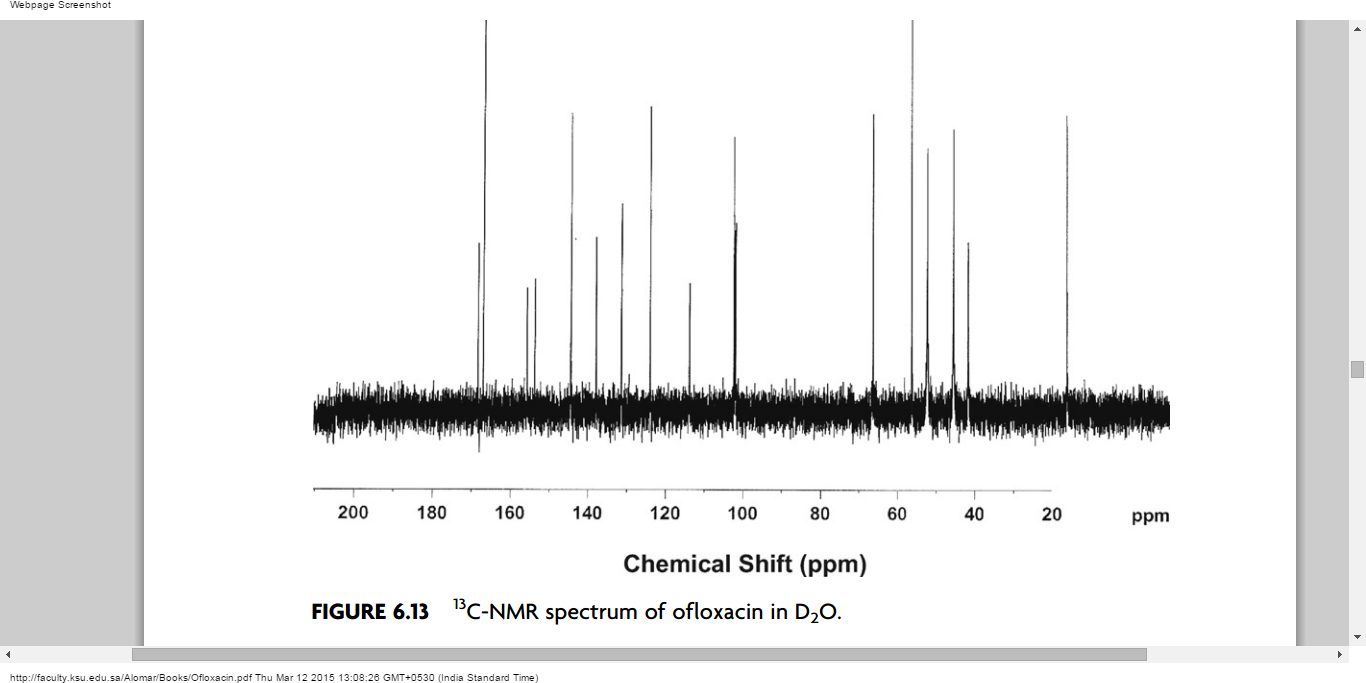
http://www.google.com/patents/EP0161877A2?cl=en

AN EXAMPLE

Example 1

  • 3.51 g (10 mM) of 2-(3-nitrobenzylidene) acetoacetic acid cinnamyl ester were mixed with 1.38 g (12 mM) of 3-aminocrotonic acid methyl ester, and heated at 120°C for 3 hours. The reaction mixture was separated by silica gel column chromatography, and 3.00 g of cinnamyl methyl 4-(3-nitrophenyl)-2,6-dimethyl-1,4-dihydropyridine-3,5-dicarboxylate (trans) were obtained (yield 67%). This derivative was recrystallized once from methanol.
  • Elemental Analysis; C25H24N206

    • Calcd. (%) C: 66.95, H: 5.39, N: 6.25
    • Found (%) C: 67.03, H: 5.31, N: 6.20

(trans)

    • m.p.; 143.5-144.5°C
    • IR (cm-1); vNH 3370, νCO 1700, νNO2 1530, 1350
    • NMR δCDCl3; 2.34(s,6H), 3.60(s,3H), 4.69(d,2H), 5.13(s,lH), 6.14(tt,lH), 6.55(d,lH), 7.1-8.1(m,9H)

(cis)

    • m.p.; 136-137°C
    • IR (cm-1); vNH 3360, νCO 1700, 1650, νNO2 1530, 1350
    • NMR δCDCl3; 2.30(s,6H), 3,60(s,3H), 4.80(d,lH), 5.10(s,1H), 5.77(tt,lH), 6.56(d,1H), 6.64(bs,1H), 7.1-8.1(m,9H)


 EXAMPLE 13


  • Example 13 Cinnamyl 2-methoxyethyl 4-(3-nitrophenyl)-2,6-dimethyl-1,4-dihydropyridine-3,5-dicarboxylate
  • Elemental Analysis; C27H28N2O7

    • Calcd. (%) C: 65.84, H: 5.73, N: 5.69
    • Found (%) C: 65.88, H: 5.70, N: 5.66
    • m.p.; 115.5-116.5°C
    • IR (cm-1); vNH 3380, νCO 1710, 1680, νNO2 1530, 1350
    • NMR δCDCl3; 2.34(s,6H), 3.25(s,3H), 3.50(t,2H), 4.15(t,2H), 4.68(d,2H), 5.15(s,lH), 5.9-6.9(m,3H), 7.1-8.2(m,9H)


<br /><br /><br /> Cilnidipine<br /><br /><br /> pk_prod_list.xml_prod_list_card_pr?p_tsearch=A&p_id=131335<br /><br /><br />

cyclization of 2-(3-nitrobenzylidene)acetocetic acid cinnamyl ester (I) with 2-aminocrotonic acid 2-methoxyethyl ester (II) by heating at 120 C.

read more on dipine series………http://organicsynthesisinternational.blogspot.in/p/dipine-series.html

MORE


NMR

CARBOHYDRATE POLYMERS 90 PG 1719-1724 , YR2012

Numerous peaks were found in the spectrum of cilnidipine: 2.3555 (3H, s, CH3), 2.3886(3H, s, CH3), 3.2843(CD3OD), 3.3292(3H, s, OCH3), 3.5255–3.5623(2H, m, CH3OCH2CH2 ), 4.1224–4.1597(2H, m, CH3OCH2CH2 ), 4.6695–4.7293(2H, m, CH2 CH CH ), 4.8844(D2O), 5.1576(1H, s, CH), 6.2609(1H, dt, CH2 CH CH ), 6.5518(1H, d, CH2 CH CH ), 7.2488–7.3657(6H, m, ArH), 7.7002(1H, dd, ArH), 7.9805(1H, dd, ArH), 8.1548(1H, s, ArH)

CILNIDIPINE FT IR


CILNIDIPINE NMR


References: 

Dihydropyridine calcium channel blocker. Prepn: T. Kutsuma et al., EP 161877; eidem, US 4672068(1985, 1987 both to Fujirebio).

Pharmacology: K. Ikeda et al., Oyo Yakuri 44, 433 (1992).


Mechanism of action study: M. Hosonoet al., J. Pharmacobio-Dyn. 15, 547 (1992).

LC-MS determn in plasma: K. Hatada et al., J. Chromatogr. 583, 116 (1992). Clinical study: M. Ishii, Jpn. Pharmacol. Ther. 21, 59 (1993).

Acute toxicity study: S. Wada et al., Yakuri to Chiryo 20, Suppl. 7, S1683 (1992), C.A. 118, 32711 (1992).

read more on dipine series………http://organicsynthesisinternational.blogspot.in/p/dipine-series.html

U.S Patent No. 4,572,909 discloses amlodipine;

U.S Patent No. 4,446,325 discloses aranidipine;

U.S Patent No. 4,772,596 discloses azelnidipine;

U.S Patent No. 4,220,649 discloses barnidipine;

U.S Patent No. 4,448,964 discloses benidipine;

U.S Patent No. 5,856,346 discloses clevidipine;

U.S Patent No. 4,466,972 discloses isradipine;

U.S Patent No. 4,885,284 discloses efonidipine; and

U.S Patent No. 4,264,61 1 discloses felodipine.
read more on dipine series………http://organicsynthesisinternational.blogspot.in/p/dipine-series.html

  • Planar chemical structures of these calcium blockers of formula (I) are shown below.

    Figure 00070001
    Figure 00070002
    Figure 00070003
    Figure 00070004
    Figure 00070005
    Figure 00080001
    Figure 00080002
    Figure 00080003
    Figure 00080004
  • Amlodipine is 2-(2-aminoethoxymethyl)-4-(2-chlorophenyl)-3-ethoxycarbonyl-5-methoxycarbonyl-6-methyl-1,4-dihydropyridine disclosed in USP 4,572,909, Japanese patent publication No. Sho 58-167569 and the like.
  • Aranidipine is 3-(2-oxopropoxycarbonyl)-2,6-dimethyl-5-methoxycarbonyl-4-(2-nitrophenyl)-1,4-dihydropyridine disclosed in USP 4,446,325 and the like.
  • Azelnidipine is 2-amino-3-(1-diphenylmethyl-3-azetidinyloxycarbonyl)-5-isopropoxycarbonyl-6-methyl-4-(3-nitrophenyl)-1,4-dihydropyridine disclosed in USP 4,772,596, Japanese patent publication No. Sho 63-253082 and the like.
  • Barnidipine is 3-(1-benzyl-3-pyrrolidinyloxycarbonyl)-2,6-dimethyl-5-methoxycarbonyl-4-(3-nitrophenyl)-1,4-dihydropyridine disclosed in USP 4,220,649, Japanese patent publication No. Sho 55-301 and the like.
  • Benidipine is 3-(1-benzyl-3-piperidinyloxycarbonyl)-2,6-dimethyl-5-methoxycarbonyl-4-(3-nitrophenyl)-1,4-dihydropyridine and is described in the specifications of U.S. Patent No. 4,501,748, Japanese patent publication No. Sho 59-70667 and the like.
  • Cilnidipine is 2,6-dimethyl-5-(2-methoxyethoxycarbonyl)-4-(3-nitrophenyl)-3-(3-phenyl-2-propenyloxycarbonyl)-1,4-dihydropyridine disclosed in USP 4,672,068, Japanese patent publication No. Sho 60-233058 and the like.
  • Efonidipine is 3-[2-(N-benzyl-N-phenylamino)ethoxycarbonyl]-2,6-dimethyl-5-(5,5-dimethyl-1,3,2-dioxa-2-phosphonyl)-4-(3-nitrophenyl)-1,4-dihydropyridine disclosed in USP 4,885,284, Japanese patent publication No. Sho 60-69089 and the like.
  • Elgodipine is 2,6-dimethyl-5-isopropoxycarbonyl-4-(2,3-methylenedioxyphenyl)-3-[2-[N-methyl-N-(4-fluorophenylmethyl)amino]ethoxycarbonyl]-1,4-dihydropyridine disclosed in USP 4,952,592, Japanese patent publication No. Hei 1-294675 and the like.
  • Felodipine is 3-ethoxycarbonyl-4-(2,3-dichlorophenyl)-2,6-dimethyl-5-methoxycarbonyl-1,4-dihydropyridine disclosed in USP 4,264,611, Japanese patent publication No. Sho 55-9083 and the like.
  • Falnidipine is 2,6-dimethyl-5-methoxycarbonyl-4-(2-nitrophenyl)-3-(2-tetrahydrofurylmethoxycarbonyl)-1,4-dihydropyridine disclosed in USP 4,656,181, Japanese patent publication (kohyo) No. Sho 60-500255 and the like.
  • Lemildipine is 2-carbamoyloxymethyl-4-(2,3-dichlorophenyl)-3-isopropoxycarbonyl-5-methoxycarbonyl-6-methyl-1,4-dihydropyridine disclosed in Japanese patent publication No. Sho 59-152373 and the like.
  • Manidipine is 2,6-dimethyl-3-[2-(4-diphenylmethyl-1-piperazinyl)ethoxycarbonyl]-5-methoxycarbonyl-4-(3-nitrophenyl)-1,4-dihydropyridine disclosed in USP 4,892,875, Japanese patent publication No. Sho 58-201765 and the like.
  • Nicardipine is 2,6-dimethyl-3-[2-(N-benzyl-N-methylamino)ethoxycarbonyl]-5-methoxycarbonyl-4-(3-nitrophenyl)-1,4-dihydropyridine disclosed in USP 3,985,758, Japanese patent publication No. Sho 49-108082 and the like.
  • Nifedipine is 2,6-dimethyl-3,5-dimethoxycarbonyl-4-(2-nitrophenyl)-1,4-dihydropyridine disclosed in USP 3,485,847 and the like.
  • Nilvadipine is 2-cyano-5-isopropoxycarbonyl-3-methoxycarbonyl-6-methyl-4-(3-nitrophenyl)-1,4-dihydropyridine disclosed in USP 4,338,322, Japanese patent publication No. Sho 52-5777 and the like.
  • Nisoldipine is 2,6-dimethyl-3-isobutoxycarbonyl-5-methoxycarbonyl-4-(3-nitrophenyl)-1,4-dihydropyridine disclosed in USP 4,154,839, Japanese patent publication No. Sho 52-59161 and the like.
  • Nitrendipine is 3-ethoxycarbonyl-2,6-dimethyl-5-methoxycarbonyl-4-(3-nitrophenyl)-1,4-dihydropyridine disclosed in USP 3,799,934, Japanese patent publication (after examination) No. Sho 55-27054 and the like.
  • Pranidipine is 2,6-dimethyl-5-methoxycarbonyl-4-(3-nitrophenyl)-3-(3-phenyl-2-propen-1 -yloxycarbonyl)-1,4-dihydropyridine disclosed in USP 5,034,395, Japanese patent publication No. Sho 60-120861 and the like.

read more on dipine series………http://organicsynthesisinternational.blogspot.in/p/dipine-series.html


MAHABALIPURAM, INDIA

Mahabalipuram – Wikipedia, the free encyclopedia

en.wikipedia.org/wiki/Mahabalipuram

Mahabalipuram, also known as Mamallapuram is a town in Kancheepuram district in the Indian state of Tamil Nadu. It is around 60 km south from the city of …Shore Temple – ‎Seven Pagodas – ‎Pancha Rathas – ‎

Map of mahabalipuram.

.

Krishna’s Butter Ball in Mahabalipuram, India. The surface below the rock is …


http://www.weather-forecast.com/locations/Mamallapuram


Come to Mahabalipuram (also known as Mammallapuram), an enchanting beach that is located on the east coast of India.
Moonraikers Restaurant, Mamallapuram
 

Hotel Mamalla Bhavan – Mahabalipuram Chennai – Food, drink and entertainment

.

A carving at the Varaha Temple, Mahabalipuram

/////////////

Saroglitazar magnesium….New patent WO 2015029066 Cadila Healthcare Ltd


SAROGLITAZAR
Saroglitazar skeletal.svg

WO  2015029066

Dwivedi, Shri Prakash Dhar; Singh, Ramesh Chandra; Patel, Vikas; Desai, Amar Rajendra

Cadila Healthcare Ltd

Polymorphic form of pyrrole derivative and intermediate thereof

The present invention relates to Saroglitazar free acid of Formula (IA) or its pharmaceutically acceptable salts, pharmaceutically acceptable solvates, pharmaceutically acceptable esters, stereoisomers, tautomers, analogs and derivs. thereof. The present invention also provides an amorphous form of saroglitazar free acid and processes of prepn. thereof. The present invention also provides pharmaceutical compn. comprising an amorphous form saroglitazar magnesium.

Amorphous forms of saroglitazar free acid and its salt form are claimed. Also claims the process for the synthesis the same compound. Useful for treating obesity, hyperlipidemia and hypercholesteremia. Picks up from WO2015011730, claiming the stable composition comprising saroglitazar magnesium or its derivatives. Zydus-Cadila has developed and launched saroglitazar for treating diabetic dyslipidemia and hypertriglyceridemia.

In September 2013, saroglitazar was launched for treating dyslipidemia and hypertriglyceridemia.

As of March 2015, Zydus-Cadila is developing saroglitazar for treating nonalcoholic steatohepatitis and type II diabetes (both in phase III clainical trials).

Pyrrole derivative of present invention is chemically 2-ethoxy-3-(4-(2-(2-methyl- 5-(4-(methylthio)phenyl)-lH-pyrrol-l-yl)ethoxy)ph’enyl)propanoate, which may be optically active or racemic and its pharmaceutically acceptable salts, hydrates, solvates, polymorphs or intermediates thereof. The INN name for pyrrole derivative is Saroglitazar® which is magnesium salt of pyrrole compound o f saroglitazar,


the process comprising: 5WO 2015/029066 PCT/IN2014/000551 (a) dissolving saroglitazar magnesium of Formula (I) in one or more organic solvents to obtain a solution, (b) adding the solution in one or more o f anti-solvent at temperature from about -80°C to about 150°C to obtain saroglitazar magnesium o f Formula (I); and (c) obtaining the amorphous saroglitazar magnesium by removal of anti-solvent.


Example-1: Preparation of saroglitazar magnesium (Ί) In a 5 Liter three necked round bottom flask equipped with nitrogen atmosphere facility, mechanical stirrer, thermometer and an addition funnel, 2-ethoxy-3-(4-hydroxy-phenyl)- propionic acid ethyl ester (A) (100.0 g) and cyclohexane (1300.0 ml) were charged and reaction mixture was heated to 45° to 55°C. Potassium carbonate (58.0 g) was added and stirred for 30 min. methanesulfonic acid 2-[2-methyl-5-(4-methyIsulfanyl-phenyl)-pyrroll-yl]-ethyl ester (A l) (150.24 g) and THF (200.0 ml) were added and heated to 75°C to 85°C for 36 hour. The reaction mixture was cooled to 25° to 35°C and water (1000.0 ml) was added and stirred for 15 min. The separated aqueous layer was treated with cyclohexane (200.0 ml) and stirred for 15 min. The organic layers were combined and washed with caustic solution (600.0 ml). The separated organic layer was washed with water (600.0 ml) and characoalized with (5.0 g) charcoal and stirred for 30 min and filtered. The filtrate was distilled to remove cyclohexane and the residue was collected (residue-A). The residue-A as obtained was treated with ethanol (400.0 ml) and stirred for 15 min. Sodium hydroxide 20.14 g solution in water (200.0 ml) was added and the reaction mixture was stirred for 3 hours. The reaction mixture was diluted with water (1800.0 ml) and stirred for 15 min. The separated aqueous layer was washed with n-butyl acetate. The separated aqueous layer was added magnesium acetate tetrahydrate solution (90.0 g) in water (100.0 ml) and stirred for I hour. The aqueous layer was extracted with methylene dichloride (200 ml). The separated organic layer was washed with sodium chloride solution and charcoalized. The charcoalized solution was filtered and filtrate was distilled to remove methylene dichloride completely. The residue was diluted with methylene dichloride (1000 ml) and stirred for 30 min. The organic solution was added into n-heptane (1500 mL) and stirred for 3 hours. The product was filtered and washed with n-heptane and dried in vacuum tray dryer at 25°C to 30°C for 3 hours. The product was sieved through 0.5 mm sieve and milled through jet-milled. The product was further dried in vacuum tray drier at 40°C to 50°C for 6 hours followed by drying at 55°C to 65°C for 40 hours to obtain substantially amorphous saroglitazar magnesium (I). The compound is characterized by x-ray power diffraction (FIG.I).

……………………………………………………………………….


WO/2015/011730

 https://patentscope.wipo.int/search/en/detail.jsf?docId=WO2015011730

The present invention relates to the stable pharmaceutical composition of a suitable hypolipidemic agent. Preferably, the present invention discloses novel formulations of the compound of formula (I), or pharmaceutically acceptable salts of compounds of formula (I). More particularly the present invention relates to the stable pharmaceutical composition of compounds of formula (I) comprising compounds of formula (I) or its pharmaceutically acceptable salts, wherein the pH of the formulation is maintained above 7. formula (I)


front page image

The compounds of formula (I) are new synthetic compounds having hypolipidemic activity. The compounds of formula (I) are used primarily for triglyceride lowering, with concomitant beneficial effect on glucose lowering and cholesterol lowering.

The structural formula of compounds of formula (I) is shown below.

wherein ‘R’ is selected from hydroxy, hydroxyalkyl, acyl, alkoxy, alkylthio, thioalkyl, aryloxy, arylthio and M+ represents suitable metal cations such as Na+, K+, Ca+2, Mg+2 and the like. Preferably, R is selected from alkylthio or thioalkyl groups; most preferably R represents -SCH3.The Mg+2 salt is preferred. The compounds of formula (I) are generally insoluble in water, but freely soluble in dimethyl sulfoxide, dichloromethane & slightly soluble in methanol and IPA.

…………………………………………….

see also my full fledged article on its synthesis

https://newdrugapprovals.org/2013/06/07/cadila-banks-on-diabetes-druglipaglynsaroglitazar/


see also my full fledged article on its synthesis

https://newdrugapprovals.org/2013/06/07/cadila-banks-on-diabetes-druglipaglynsaroglitazar/


see also my full fledged article on its synthesis

https://newdrugapprovals.org/2013/06/07/cadila-banks-on-diabetes-druglipaglynsaroglitazar/


see also my full fledged article on its synthesis

https://newdrugapprovals.org/2013/06/07/cadila-banks-on-diabetes-druglipaglynsaroglitazar/

FDA publishes List of Guidances planned for 2015


DR ANTHONY MELVIN CRASTO Ph.D's avatarDRUG REGULATORY AFFAIRS INTERNATIONAL

At the beginning of each year the FDA always publishes a list of the guidances it plans to publish during that year. It has done so again in 2015. The document is relatively comprehensive, containing five pages. Find out more about the Guidances the FDA plans on publishing in 2015.

http://www.gmp-compliance.org/enews_4660_FDA-publishes-List-of-Guidances-planned-for-2015_9293,9266,Z-QAMPP_n.html

At the beginning of each year the FDA always publishes a list of the guidances it plans to publish during that year. It has done so again in 2015. The document is relatively comprehensive, containing five pages. The list is subdivided into different categories. It contains for example also guidances planned in connection with the topics Clinical Pharmacology or Clinical/Statistical.

CGMP is a category of its own for which “only” three new guidances are planned for 2015:

  • A questions & answers (Q&A) paper on the topic data integrity
  • CGMP rules for outsourced facilities (pharmacy compounding)
  • Rules for the…

View original post 190 more words

FDA approves first biosimilar product Zarxio


03/06/2015 08:56 AM EST

The U.S. Food and Drug Administration today approved Zarxio (filgrastim-sndz), the first biosimilar product approved in the U.S.
read my old post

March 6, 2015

The U.S. Food and Drug Administration today approved Zarxio (filgrastim-sndz), the first biosimilar product approved in the United States.

Biological products are generally derived from a living organism. They can come from many sources, including humans, animals, microorganisms or yeast.

A biosimilar product is a biological product that is approved based on a showing that it is highly similar to an already-approved biological product, known as a reference product. The biosimilar also must show it has no clinically meaningful differences in terms of safety and effectiveness from the reference product. Only minor differences in clinically inactive components are allowable in biosimilar products.

Sandoz, Inc.’s Zarxio is biosimilar to Amgen Inc.’s Neupogen (filgrastim), which was originally licensed in 1991. Zarxio is approved for the same indications as Neupogen, and can be prescribed by a health care professional for:

  • patients with cancer receiving myelosuppressive chemotherapy;
  • patients with acute myeloid leukemia receiving induction or consolidation chemotherapy;
  • patients with cancer undergoing bone marrow transplantation;
  • patients undergoing autologous peripheral blood progenitor cell collection and therapy; and
  • patients with severe chronic neutropenia.

“Biosimilars will provide access to important therapies for patients who need them,” said FDA Commissioner Margaret A. Hamburg, M.D. “Patients and the health care community can be confident that biosimilar products approved by the FDA meet the agency’s rigorous safety, efficacy and quality standards.”

The Biologics Price Competition and Innovation Act of 2009 (BPCI Act) was passed as part of the Affordable Care Act that President Obama signed into law in March 2010. The BPCI Act created an abbreviated licensure pathway for biological products shown to be “biosimilar” to or “interchangeable” with an FDA-licensed biological product, called the “reference product.” This abbreviated licensure pathway under section 351(k) of the Public Health Service Act permits reliance on certain existing scientific knowledge about the safety and effectiveness of the reference product, and enables a biosimilar biological product to be licensed based on less than a full complement of product-specific preclinical and clinical data.

A biosimilar product can only be approved by the FDA if it has the same mechanism(s) of action, route(s) of administration, dosage form(s) and strength(s) as the reference product, and only for the indication(s) and condition(s) of use that have been approved for the reference product. The facilities where biosimilars are manufactured must also meet the FDA’s standards.

The FDA’s approval of Zarxio is based on review of evidence that included structural and functional characterization, animal study data, human pharmacokinetic and pharmacodynamics data, clinical immunogenicity data and other clinical safety and effectiveness data that demonstrates Zarxio is biosimilar to Neupogen. Zarxio has been approved as biosimilar, not as an interchangeable product. Under the BPCI Act, a biological product that that has been approved as an “interchangeable” may be substituted for the reference product without the intervention of the health care provider who prescribed the reference product.

The most common expected side effects of Zarxio are aching in the bones or muscles and redness, swelling or itching at injection site. Serious side effects may include spleen rupture; serious allergic reactions that may cause rash, shortness of breath, wheezing and/or swelling around the mouth and eyes; fast pulse and sweating; and acute respiratory distress syndrome, a lung disease that can cause shortness of breath, difficulty breathing or increase the rate of breathing.

For this approval, the FDA has designated a placeholder nonproprietary name for this product as “filgrastim-sndz.” The provision of a placeholder nonproprietary name for this product should not be viewed as reflective of the agency’s decision on a comprehensive naming policy for biosimilar and other biological products. While the FDA has not yet issued draft guidance on how current and future biological products marketed in the United States should be named, the agency intends to do so in the near future.

Sandoz, a Novartis company, is based in Princeton, New Jersey. Neupogen is marketed by Amgen, based in Thousand Oaks, California.

FDA approves new antifungal drug Cresemba, Θειικό ισαβουκοναζόνιο, Isavuconazonium Sulphate


Image result for isavuconazonium
Isavuconazonium sulfate
Изавуконазониев сулфат
Molecular Formula: C35H36F2N8O9S2
Molecular Weight: 814.837 g/mol
BAL-8557-002, BAL 8557
[2-[1-[1-[(2R,3R)-3-[4-(4-cyanophenyl)-1,3-thiazol-2-yl]-2-(2,5-difluorophenyl)-2-hydroxybutyl]-1,2,4-triazol-4-ium-4-yl]ethoxycarbonyl-methylamino]pyridin-3-yl]methyl 2-(methylamino)acetate;hydrogen sulfate
Image result for Isavuconazonium sulfate
1-{(2R,3R)-3-[4-(4-cyanophenyl)-1,3- thiazol-2-yl]-2-(2,5-difluoro-phenyl)-2-hydroxybutyl}-4-[(1RS)-1-({methyl[3-({[(methylamino)acetyl] oxy}methyl) pyridin-2-yl]carbamoyl}oxy)ethyl]-1H-1,2,4-triazol-4-ium monosulfate (IUPAC), corresponding to the molecular formula C35H35F2N8O5S·HSO4 and has a relative molecular mass of 814.84 g/mol. The relative molecular mass of isavuconazole is 437.47.
Isavuconazonium is a second-generation triazole antifungal approved on March 6, 2015 by the FDA for the treatment of invasive aspergillosis and invasive mucormycosis, marketed by Astellas under the brand Cresemba. It is the prodrug form of isavuconazole, the active moiety, and it is available in oral and parenteral formulations. Due to low solubility in waterof isavuconazole on its own, the isovuconazonium formulation is favorable as it has high solubility in water and allows for intravenous administration. This formulation also avoids the use of a cyclodextrin vehicle for solubilization required for intravenous administration of other antifungals such as voriconazole and posaconazole, eliminating concerns of nephrotoxicity associated with cyclodextrin. Isovuconazonium has excellent oral bioavailability, predictable pharmacokinetics, and a good safety profile, making it a reasonable alternative to its few other competitors on the market.
03/06/2015 02:10 PM EST
The U.S. Food and Drug Administration today approved Cresemba (isavuconazonium sulfate), a new antifungal drug product used to treat adults with invasive aspergillosis and invasive mucormycosis, rare but serious infections.

.syn……https://newdrugapprovals.org/2013/10/02/isavuconazole-basilea-reports-positive-results-from-study/

March 6, 2015

Release

The U.S. Food and Drug Administration today approved Cresemba (isavuconazonium sulfate), a new antifungal drug product used to treat adults with invasive aspergillosis and invasive mucormycosis, rare but serious infections.

Aspergillosis is a fungal infection caused by Aspergillus species, and mucormycosis is caused by the Mucorales fungi. These infections occur most often in people with weakened immune systems.

Cresemba belongs to a class of drugs called azole antifungal agents, which target the cell wall of a fungus. Cresemba is available in oral and intravenous formulations.

“Today’s approval provides a new treatment option for patients with serious fungal infections and underscores the importance of having available safe and effective antifungal drugs,” said Edward Cox, M.D., M.P.H, director of the Office of Antimicrobial Products in the FDA’s Center for Drug Evaluation and Research.

Cresemba is the sixth approved antibacterial or antifungal drug product designated as a Qualified Infectious Disease Product (QIDP). This designation is given to antibacterial or antifungal drug products that treat serious or life-threatening infections under the Generating Antibiotic Incentives Now (GAIN) title of the FDA Safety and Innovation Act.

As part of its QIDP designation, Cresemba was given priority review, which provides an expedited review of the drug’s application. The QIDP designation also qualifies Cresemba for an additional five years of marketing exclusivity to be added to certain exclusivity periods already provided by the Food, Drug, and Cosmetic Act. As these types of fungal infections are rare, the FDA also granted Cresemba orphan drug designations for invasive aspergillosis and invasive mucormycosis.

The approval of Cresemba to treat invasive aspergillosis was based on a clinical trial involving 516 participants randomly assigned to receive either Cresemba or voriconazole, another drug approved to treat invasive aspergillosis. Cresemba’s approval to treat invasive mucormycosis was based on a single-arm clinical trial involving 37 participants treated with Cresemba and compared with the natural disease progression associated with untreated mucormycosis. Both studies showed Cresemba was safe and effective in treating these serious fungal infections.

The most common side effects associated with Cresemba include nausea, vomiting, diarrhea, headache, abnormal liver blood tests, low potassium levels in the blood (hypokalemia), constipation, shortness of breath (dyspnea), coughing and tissue swelling (peripheral edema).  Cresemba may also cause serious side effects including liver problems, infusion reactions and severe allergic and skin reactions.

Cresemba is marketed by Astellas Pharma US, Inc., based in Northbrook, Illinois.

str0


The active substance is isavuconazonium sulfate, a highly water soluble pro-drug of the active triazole isavuconazole. The chemical name of the active substance isavuconazonium sulfate is 1-{(2R,3R)-3-[4-(4-cyanophenyl)-1,3- thiazol-2-yl]-2-(2,5-difluoro-phenyl)-2-hydroxybutyl}-4-[(1RS)-1-({methyl[3-({[(methylamino)acetyl] oxy}methyl) pyridin-2-yl]carbamoyl}oxy)ethyl]-1H-1,2,4-triazol-4-ium monosulfate (IUPAC), corresponding to the molecular formula C35H35F2N8O5S·HSO4 and has a relative molecular mass of 814.84 g/mol. The relative molecular mass of isavuconazole is 437.47. The active substance has the following structure:

STR1.JPG

The structure of the active substance has been confirmed by elemental analysis, mass spectrometry, UV, IR, 1H-, 13C- and 19F-NMR spectrometry, and single crystal X-ray analysis, all of which support the chemical structure. It appears as a white, amorphous, hygroscopic powder. It is very soluble in water and over the pH range 1-7. It is also very soluble in methanol and sparingly soluble in ethanol. Two pKa values have been found and calculated to be 2.0 and 7.3. Its logPoct/wat calculated by software is 1.31. Isavuconazonium sulfate has three chiral centres. The stereochemistry of the active substance is introduced by one of the starting materials which is controlled by appropriate specification. The two centres, C7 and C8 in the isavuconazole moiety and in an intermediate of the active substance, have R configuration. The third chiral centre, C29, is not located on isavuconazole moiety and has both the R and S configurations. The nondefined stereo centre at C29 has been found in all batches produced so far to be racemic. Erosion of stereochemical purity has not been observed in the current process. The active substance is a mixture of two epimers of C29. An enantiomer of drug substance was identified as C7 (S), C8 (S) and C29 (R/S) structure. The control of the stereochemistry of isavuconazonium sulfate is performed by chiral HPLC on the active substance and its two precursors. Subsequent intermediates are also controlled by relevant specification in the corresponding steps. Two crystal forms have been observed by recrystallisation studies. However the manufacturing process as described yields amorphous form only.

Two different salt forms of isavuconazonuium (chloride and sulfate) were identified during development. The sulfate salt was selected for further development. A polymorph screening study was also performed. None of the investigated salts could be obtained in crystalline Form………http://www.ema.europa.eu/docs/en_GB/document_library/EPAR_-_Public_assessment_report/human/002734/WC500196130.pdf


Image result for isavuconazonium

str1

str2

str3

clip

Isavuconazonium (Cresemba ) is a water-soluble prodrug of the triazole antifungal isavuconazole (BAL4815), a 14-a-demethylase inhibitor, under development byBasilea Pharmaceutica International Ltd and Astellas Pharma Inc. Isavuconazonium, in both its intravenous and oral formulations, was approved for the treatment of invasive aspergillosis and invasive mucormycosis (formerly termed zygomycosis) in the US in March 2015. Isavuconazonium is under regulatory review in the EU for invasive aspergillosis and mucormycosis. It is also under phase III development worldwide for the treatment of invasive candidiasis and candidaemia. This article summarizes the milestones in the development of isavuconazonium leading to the first approval for invasive spergillosis and mucormycosis.

Introduction

The availability of both an intravenous (IV) and an oral formulation of isavuconazonium (Cresemba ), as a result of its water solubility, rapid hydrolysis to the active entity isavuconazole and very high oral bioavailability, provides maximum flexibility to clinicians for treating seriously ill patients with invasive fungal infections [1]. Both the IV and oral formulations have been approved by the US Food and Drug Administration (FDA) to treat adults with invasive aspergillosis and invasive mucormycosis [2]. The recommended dosages of each formulation are identical, consisting of loading doses of 372 mg (equivalent to 200 mg of isavuconazole) every eight hours for six doses, followed by maintenance therapy with 372 mg administered once daily [3]. The Qualified Infectious Disease Product (QIDP) designation of the drug with priority review status by the FDA isavuconazonium in the US provided and a five year extension of market exclusivity from launch. Owing to the rarity of the approved infections,

isavuconazonium was also granted orphan drug designation by the FDA for these indications [2]. It has also been granted orphan drug and QIDP designation in the US for the treatment of invasive candidiasis [4]. In July 2014, Basilea Pharmaceutica International Ltd submitted a Marketing Authorization Application to the European Medicines Agency (EMA) for isavuconazonium in the treatment of invasive aspergillosis and invasive mucormycosis, indications for which the EMA has granted isavuconazonium orphan designation [5, 6]. Isavuconazonium is under phase III development in many countries worldwide for the treatment of invasive candidiasis and candidaemia.

1.1 Company agreements

In 2010, Basilea Pharmaceutica International Ltd (a spinoff from Roche, founded in 2000) entered into a licence agreement with Astellas Pharma Inc in which the latter would co-develop and co-promote isavuconazonium worldwide, including an option for Japan. In return for milestone payments, Astellas Pharma was granted an exclusive right to commercialize isavuconazonium, while Basilea Pharmaceutica retained an option to co-promote the drug in the US, Canada, major European countries and China [7]. The companies amended their agreement in 2014, making Astellas Pharma responsible for all regulatory filings, commercialization and manufacturing of isavuconazonium in the US and Canada. Basilea Pharmaceutica waived its right to co-promote the product in the US and Canada, in order to assume all rights in the rest of the world [8]. However, Astellas Pharma remains as sponsor of the multinational, phase III ACTIVE trial in patients with invasive candidiasis.

2 Scientific Summary

Isavuconazonium (as the sulphate; BAL 8557) is a prodrug that is rapidly hydrolyzed by esterases (mainly butylcholinesterase) in plasma into the active moiety isavuconazole

(BAL 4815) and an inactive cleavage product (BAL 8728).

References

1. Falci DR, Pasqualotto AC. Profile of isavuconazole and its potential in the treatment of severe invasive fungal infections. Infect Drug Resist. 2013;6:163–74.

2. US Food and Drug Administration. FDA approves new antifungal drug Cresemba. 2015. http://www.fda.gov/NewsEvents/Newsroom/PressAnnouncements/ucm437106.htm. Accessed 12 Mar 2015.

3. US Food and Drug Administration. Cresemba (isavuconazonium sulfate): US prescribing information. 2015. http://www.accessdata.fda.gov/drugsatfda_docs/label/2015/207500Orig1s000lbl.pdf. Accessed 18 Mar 2015.

4. Astellas Pharma US Inc. FDA grants Astellas Qualified Infectious Disease Product designation for isavuconazole for the treatment of invasive candidiasis (media release). 2014. http://newsroom astellas.us/2014-07-16-FDA-Grants-Astellas-Qualified-Infectious-Disease-Product-Designation-for-Isavuconazole-for-the-Treatmentof-Invasive-Candidiasis.

5. European Medicines Agency. Public summary of opinion on orphan designation: isavuconazonium sulfate for the treatment of invasive aspergillosis. 2014. http://www.ema.europa.eu/docs/en_GB/document_library/Orphan_designation/2014/07/WC500169890.pdf. Accessed 18 Mar 2015.

European Medicines Agency. Public summary of opinion on orphan designation: isavuconazonium sulfate for the treatment of mucormycosis. 2014. http://www.ema.europa.eu/docs/en_GB/document_library/Orphan_designation/2014/07/WC500169714.pdf. Accessed 18 Mar 2015.

7. Basilea Pharmaceutica. Basilea announces global partnership with Astellas for its antifungal isavuconazole (media release).2010. http://www.basilea.com/News-and-Media/Basilea-announcesglobal-partnership-with-Astellas-for-its-antifungal-isavuconazole/343.

8. Basilea Pharmaceutica. Basilea swaps its isavuconazole North American co-promote rights for full isavuconazole rights outside of North America (media release). 2014. http://www.basilea.com/News-and-Media/Basilea-swaps-its-isavuconazole-North-Americanco-promote-rights-for-full-isavuconazole-rights-outside-


CLIP

Image result for Isavuconazonium sulfate

str0

http://www.jpharmsci.org/article/S0022-3549(15)00035-0/pdf

A CLIP

http://www.accessdata.fda.gov/drugsatfda_docs/nda/2015/207500Orig1207501Orig1s000ChemR.pdf


FDA Orange Book Patents

US 6812238

US 7459561

FDA Orange Book Patents: 1 of 2
Patent 7459561
Expiration Oct 31, 2020
Applicant ASTELLAS
Drug Application N207500 (Prescription Drug: CRESEMBA. Ingredients: ISAVUCONAZONIUM SULFATE)
FDA Orange Book Patents: 2 of 2
Patent 6812238
Expiration Oct 31, 2020
Applicant ASTELLAS
Drug Application N207500 (Prescription Drug: CRESEMBA. Ingredients: ISAVUCONAZONIUM SULFATE)

FREE FORM

Isavuconazonium.png

Isavuconazonium; Isavuconazonium ion; Cresemba;  BAL-8557; 742049-41-8;

[2-[1-[1-[(2R,3R)-3-[4-(4-cyanophenyl)-1,3-thiazol-2-yl]-2-(2,5-difluorophenyl)-2-hydroxybutyl]-1,2,4-triazol-4-ium-4-yl]ethoxycarbonyl-methylamino]pyridin-3-yl]methyl 2-(methylamino)acetate

Molecular Formula: C35H35F2N8O5S+
Molecular Weight: 717.773 g/mol

Patent IDDatePatent TitleUS20102494262010-09-30STABILIZED PHARMACEUTICAL COMPOSITIONUS74595612008-12-02N-substituted carbamoyloxyalkyl-azolium derivativesUS71898582007-03-13N-phenyl substituted carbamoyloxyalkyl-azolium derivativesUS71511822006-12-19Intermediates for N-substituted carbamoyloxyalkyl-azolium derivativesUS68122382004-11-02N-substituted carbamoyloxyalkyl-azolium derivatives

REF

http://www.drugbank.ca/drugs/DB06636

//////////

CC(C1=NC(=CS1)C2=CC=C(C=C2)C#N)C(CN3C=[N+](C=N3)C(C)OC(=O)N(C)C4=C(C=CC=N4)COC(=O)CNC)(C5=C(C=CC(=C5)F)F)O

CC(C1=NC(=CS1)C2=CC=C(C=C2)C#N)C(CN3C=[N+](C=N3)C(C)OC(=O)N(C)C4=C(C=CC=N4)COC(=O)CNC)(C5=C(C=CC(=C5)F)F)O.OS(=O)(=O)[O-]

FDA expands approved use of Opdivo to treat lung cancer


03/04/2015 01:28 PM EST
The U.S. Food and Drug Administration today expanded the approved use of Opdivo (nivolumab) to treat patients with advanced (metastatic) squamous non-small cell lung cancer (NSCLC) with progression on or after platinum-based chemotherapy.

March 4, 2015

Release

The U.S. Food and Drug Administration today expanded the approved use of Opdivo (nivolumab) to treat patients with advanced (metastatic) squamous non-small cell lung cancer (NSCLC) with progression on or after platinum-based chemotherapy.

Lung cancer is the leading cause of cancer death in the United States, with an estimated 224,210 new diagnoses and 159,260 deaths in 2014. The most common type of lung cancer, NSCLC affects seven out of eight lung cancer patients, occurring when cancer forms in the cells of the lung.

Opdivo works by inhibiting the cellular pathway known as PD-1 protein on cells that blocks the body’s immune system from attacking cancerous cells. Opdivo is intended for patients who have previously been treated with platinum-based chemotherapy.

“The FDA worked proactively with the company to facilitate the early submission and review of this important clinical trial when results first became available in late December 2014,” said Richard Pazdur, M.D., director of the Office of Hematology and Oncology Products in the FDA’s Center for Drug Evaluation and Research. “This approval will provide patients and health care providers knowledge of the survival advantage associated with Opdivo and will help guide patient care and future lung cancer trials.”

Opdivo’s efficacy to treat squamous NSCLC was established in a randomized trial of 272 participants, of whom 135 received Opdivo and 137 received docetaxel. The trial was designed to measure the amount of time participants lived after starting treatment (overall survival). On average, participants who received Opdivo lived 3.2 months longer than those participants who received docetaxel.

The safety and efficacy of Opdivo to treat squamous NSCLC was supported by a single-arm trial of 117 participants who had progressed after receiving a platinum-based therapy and at least one additional systemic regimen. The study was designed to measure objective response rate (ORR), or the percentage of participants who experienced partial shrinkage or complete disappearance of the tumor. Results showed 15 percent of participants experienced ORR, of whom 59 percent had response durations of six months or longer.

The most common side effects of Opdivo are fatigue, shortness of breath, musculoskeletal pain, decreased appetite, cough, nausea and constipation. The most serious side effects are severe immune-mediated side effects involving healthy organs, including the lung, colon, liver, kidneys and hormone-producing glands.

Opdivo for squamous NSCLC was reviewed under the FDA’s priority review program, which provides for an expedited review of drugs that treat serious conditions and, if approved, would provide significant improvement in safety or effectiveness in the treatment of a serious condition. Opdivo is being approved more than three months ahead of the prescription drug user fee goal date of June 22, 2015, the date when the agency was scheduled to complete its review of the application.

The FDA previously approved Opdivo to treat patients with unresectable (cannot be removed by surgery) or metastatic melanoma who no longer respond to other drugs.

Opdivo is marketed by Princeton, New Jersey-based Bristol-Myers Squibb.

see
 SHIRDI, MAHARASHTRA, INDIA

Shirdi – Wikipedia, the free encyclopedia

en.wikipedia.org/wiki/Shirdi

pronunciation (help·info) (Marathi: शिर्डी) is a town and falls under the jurisdiction of municipal council popularly known as Shirdi Nagar Panchayat, located …

Map of shirdi maharashtra.


Shraddha Inn,Shirdi


SHIRDI PRASADALAYA BOJAN


 Solar Kitchen Feeds Many at Shirdi, India Shrine


Rajdhani Restaurant: Rajdhani at Shirdi

The well equipped kitchen provides food two times a day, daily. Around 27, 000 of people are distributed food at cheap rate. The food comprises of dal, 


/////////