


| Authors |
Ellen C. Gleeson, Zhen J. Wang, W. Roy Jackson, and Andrea J. Robinson |
| Published | Journal of Organic Chemistry |
| Graphical abstract |  |
| Abstract |
A simple and generic approach to access a new family of Ru−alkylidene olefin metathesis catalysts with specialized properties is reported. This strategy utilizes a late stage, utilitarian Hoveyda-type ligand derived from tyrosine, which can be accessed via a multigram-scale synthesis. Further functionalization allows the catalyst properties to be tuned, giving access to modified second-generation Hoveyda−Grubbs-type catalysts. This divergent synthetic approach can be used to access solid-supported catalysts and catalysts that function under solvent-free and aqueous conditions. |
| Citation |
Ellen C. Gleeson, Zhen J. Wang, W. Roy Jackson, and Andrea J. Robinson, J. Org. Chem., 2015, 80(14), 7205–7211 |
| Article | |
| Doi | 10.1021/acs.joc.5b01091 |
Home » Articles posted by DR ANTHONY MELVIN CRASTO Ph.D (Page 162)
Author Archives: DR ANTHONY MELVIN CRASTO Ph.D
 DRUG APPROVALS BY DR ANTHONY MELVIN CRASTO
.....FOR BLOG HOME CLICK HERE
DRUG APPROVALS BY DR ANTHONY MELVIN CRASTO
.....FOR BLOG HOME CLICK HEREFlag and hits
ORGANIC SPECTROSCOPY

SUBSCRIBE

 Subscribe in a reader
Enter your email address:
Delivered by FeedBurner
Subscribe to New Drug Approvals by Email


Recent Comments
 | shivkr2 on SPSR Excellence Award 2025 – S… |
 | Bonkasaurus on Infigratinib phosphate |
 | PALOVAROTENE | ORGAN… on Palovarotene |
| Pfizer just purchase… on Temanogrel | |
| Pfizer To Cash In On… on Temanogrel |
Chemistry in Water
Chemistry in Water
 , Supporting Info
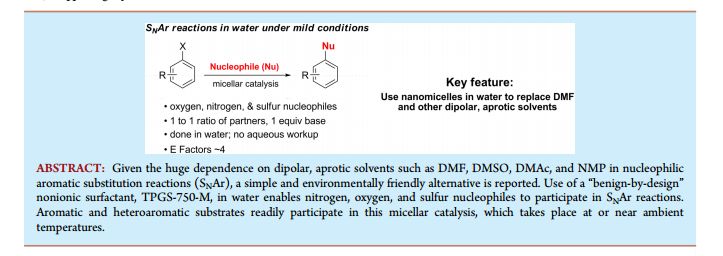
Nucleophilic Aromatic Substitution Reactions in Water Enabled by Micellar Catalysis


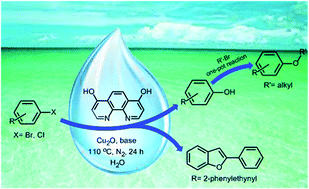
E-mail: ruihu@fjirsm.ac.cn
DOI: 10.1039/C5GC00871A , supporting info,


Volume 52, Issue 36, 7 September 2011, Pages 4697–4700

Basic alumina supported tandem synthesis of bridged polycyclic quinolino/isoquinolinooxazocines under microwave irradiation
- Department of Chemistry, Indian Institute of Chemical Biology, Council of Scientific and Industrial Research, 4 Raja S.C. Mullick Road, Jadavpur, Kolkata 700 032, India

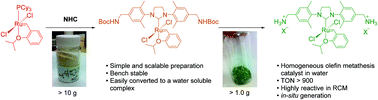
A simple and practical preparation of an efficient water soluble olefin metathesis catalyst
E-mail: andrea.robinson@monash.edu
DOI: 10.1039/C5GC00252D, supp info

Divergent Approach to a Family of Tyrosine-Derived Ru−Alkylidene Olefin Metathesis Catalysts


Volume 26, Issues 21–22, 1 December 2015, Pages 1215–1244

Water: the most versatile and nature’s friendly media in asymmetric organocatalyzed direct aldol reactions
- Division of Organic Synthesis, Department of Chemistry, Visva-Bharati (A Central University), Bolpur, West Bengal 731 235, India

Chinese and Japanese chemists have highlighted hot water’s ability to promote unexpected reactions without any other reagents or catalysts. The work should expand our understanding of how to harness the physicochemical properties of water to potentially replace more complex reagents and catalysts.
Above its critical point at 374°C and 218atm the properties of water change quite dramatically, explains Hiizu Iwamura from Nihon University in Tokyo. But even below that point, as water is heated, hydrogen bonding and hydrophobic interactions are disrupted. ‘This means that organic compounds get more soluble and salts become insoluble in hot pressurised water,’ Iwamura says. Dissociation of water into hydroxide (OH–) and hydronium (H3O+) ions also increases, he adds, so there are higher concentrations of these ions available to act as catalysts for reactions.
Iwamura was synthesising triaroylbenzene molecules for a previous project on molecular magnets, using base-catalysed Michael addition reactions, when he first became interested in whether the reactions might work in water. He teamed up with a chemical engineer colleague, Toshihiko Hiaki, who is more familiar with working at the required temperatures and pressures. Together, they found that 4-methoxy-3-buten-2-one could be transformed into 1,3,5-triacetylbenzene in pressurised water at 150°C, with no other additives (see reaction scheme).1
Meanwhile, Jin Qu and her team at Nankai University in Tianjin have been investigating water-promoted reactions at lower temperatures, without the need for pressurised vessels, which Qu says is more accessible for many researchers and makes monitoring reactions easier. ‘In 2008, one of my students found he could hydrolyse epoxides in pure water at 60°C, in 90% yields,’ she explains. ‘At first I thought it was not very interesting, just a hydrogen-bonding effect, but as we found more examples I got more interested.’
More than a thermal effect
When Qu’s team hydrolysed an epoxide made from (-)-α-pinene, they found that at room temperature they got (-)-sobrerol, the product they expected. But at 60°C or higher, the sobrerol began to racemise, giving a mixture of the (+)- and (-)-forms (see reaction scheme). ‘We couldn’t understand why this was happening at first,’ says Qu, but eventually it became clear that the allylic alcohol group in the sobrerol, which is much less reactive than the epoxide in pinene, was also being hydrolysed. The same reactions happen at room temperature if acid is added, Qu says, but don’t happen in propanol or other alcoholic and hydrogen-bonding solvents heated to the same temperatures, so it is not simply a thermal effect.
Qu points out that these observations, along with those of Iwamura’s team, show that molecules that might usually be considered unreactive in water can undergo useful transformations. And these reactions can take place without other reagents or solvents, which would create extra waste streams. Also, owing to the decreased solubility of the organic product molecules when the solutions are cooled back to room temperature, they are often easy to purify as well.
Iwamura suggests that there are many other simple acid- and base-catalysed reactions that might be suitable for reacting in hot water. However, reactions with thermally unstable molecules, or those requiring delicate selectivity, are unlikely to be so effective at higher temperatures, he adds. He also makes a distinction between Qu’s work – in which the water molecules are directly involved in the reaction – and his own group’s, in which the water acts as the reaction medium and provides the catalyst. ‘Our reaction did not take place in water heated at reflux,’ Iwamura adds.
However, Hiaki points out that the potential environmental benefits of reduced waste streams will have little impact on industrial chemistry if the reactions remain confined to batch processes. ‘High temperature and pressure is detrimental for the scale up to commercial chemical plants,’ he says. For that reason, the team is developing a flow microreactor system that should be more industry compatible.REFERENCES, 1 T Iwado et al, J. Org. Chem., 2012, DOI: 10.1021/jo301979p, 2 Z-B Xu and J Qu, Chem. Eur. J., 2012 DOI: 10.1002/chem.201202886

In this hydration reaction, 1-methylcyclohexene (an alkene) is reacted with aqueous H3O+ (formed from water and a strong acid such as H2SO4), resulting in Markovnikov addition of water across the pi bond. The product is an alcohol.

Syn, anti-Markovnikov addition of water to an alkene can be achieved via a hydroboration-oxidation reaction.
| –to be added– |  |
–to be added– |
| CuSO4 (anhydrous) | CuSO4 . 5 H2O |
Anhydrous CuSO4 (colorless) absorbs water vapor from the air, hydrating it to CuSO4 . 5 H2O (copper sulfate pentahydrate; blue).
RG 6080, Nacubactam
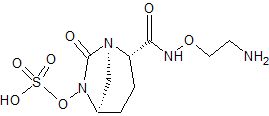

RG-6080
Sulfuric acid, mono[(1R,2S,5R)-2-[[(2-aminoethoxy)amino]carbonyl]-7-oxo-1,6-diazabicyclo[3.2.1]oct-6-yl] ester
Phase I
A β-lactamase inhibitor potentially for the treatment of bacterial infections.

RG-6080; FPI-1459; OP-0595
CAS No. 1452458-86-4
| Molecular Formula | C9 H16 N4 O7 S |
| Formula Weight | 324.31 |
- Originator Fedora Pharmaceuticals
- Developer Meiji Seika Pharma
- Class Antibacterials; Azabicyclo compounds
- Mechanism of Action Beta lactamase inhibitors
- Phase IBacterial infections
Most Recent Events
- 13 Jan 2015 OP 0595 licensed to Roche worldwide, except Japan ,
- 30 Nov 2014 Meiji Seika Pharma completes a phase I trial in Healthy volunteers in Australia (NCT02134834)
- 01 May 2014 Phase-I clinical trials in Bacterial infections (in volunteers) in Australia (IV)

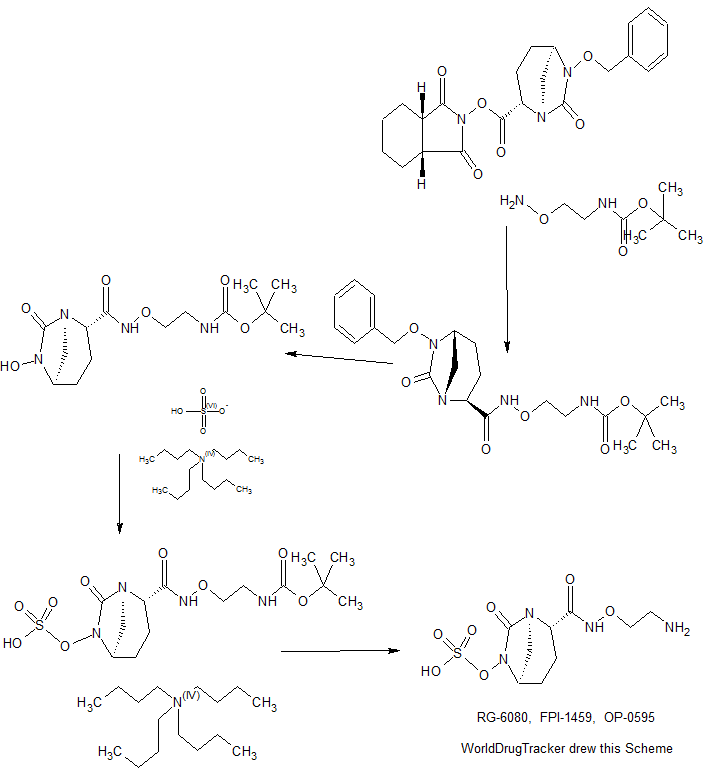
SYNTHESIS
WO 2015046207,
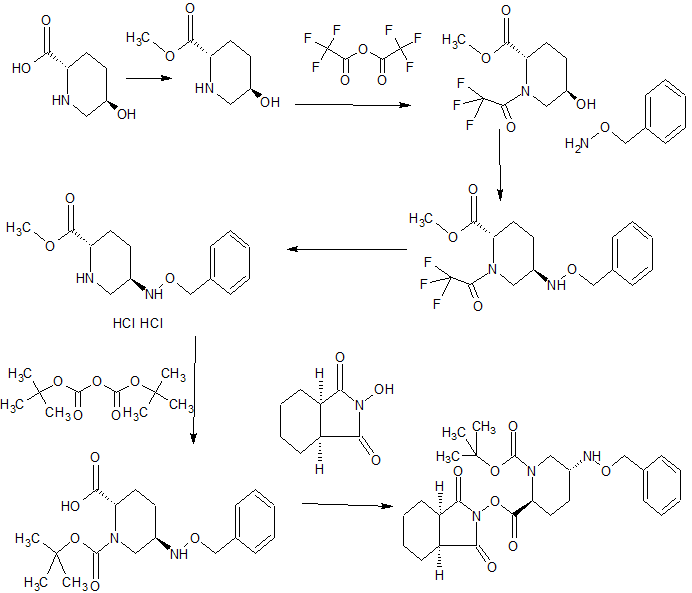
CONTD…………………..
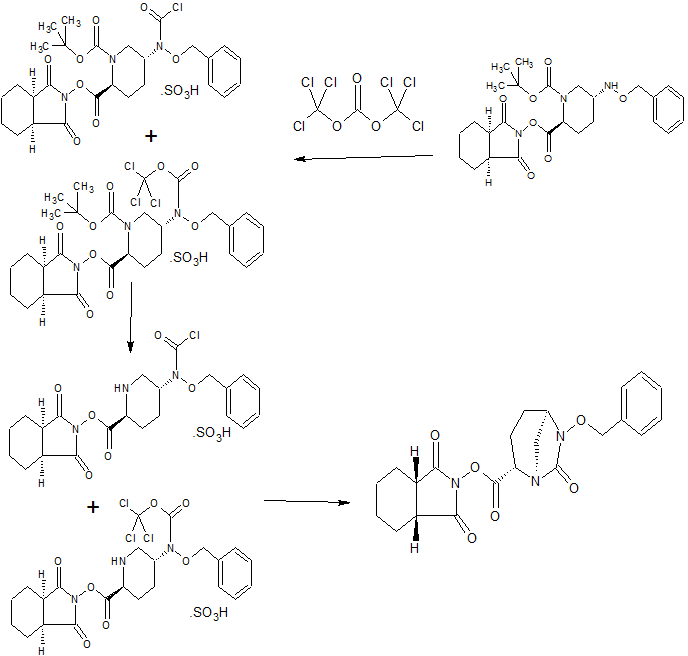
CONTD………………………………..
Patent
Patent Document 2: Japanese Patent Publication 2010-138206 Pat
Patent Document 3: Japanese patent publication 2010-539147 Pat
Patent Document 4: International Publication No. WO2011 / 042560 Patent
Patent Document 5: Japanese Patent No. 5038509 Pat
Patent Document 6: Japanese Patent Publication 2011-207900 Pat
Patent Document 7: International Publication No. WO2010 / 126820 Patent
Patent Document 8: Japanese Patent application 2012-122603 Pat.
5 of 5 (2S, 5R)-N- (2-aminoethoxy) -7-oxo-6- (sulfooxy) 1,6-diazabicyclo [3.2.1] octane-2-carboxamide (VII-1)
Formula 43]
(V-1) tert-butyl {2 – [({[( 2S, 5R) -6- benzyloxy-7-oxo-1,6-diazabicyclo [3.2.1] oct-2-yl ] carbonyl} amino) oxy] ethyl} carbamate (3.91 g, to a methanol solution (80 mL) of 9.01mmol), 10% palladium on carbon catalyst (50% water, 803 mg) was added, under hydrogen atmosphere and stirred for 45 minutes . The reaction mixture was filtered through Celite, after concentrated under reduced pressure to give 3.11g of the title compound (quantitative).
HPLC: COSMOSIL 5C18 MS-II 4.6 × 150 mm, 33.3 mM phosphate buffer / MeCN = 75/25, 1.0 mL / min, UV 210 nm, Retweeted 3.9 from min; 1 H NMR (400 MHz, CD 3 OD) [delta] 1.44 (s, 9H) , 1.73-1.83 (m, 1H), 1.86-1.99 (m, 1H), 2.01-2.12 (m, 1H), 2.22 (br.dd., J = 15.0, 7.0 Hz, 1H), 3.03 (d, J= 12.0 Hz, 1H), 3.12 (br.d., J = 12.0 Hz, 1H), 3.25-3.35 (m, 2H), 3.68-3.71 (m, 1H), 3.82-3.91 (m, 3H); MS M / Z 345 [M Tasu H] Tasu .
Tetrabutylammonium tert- butyl {2 – [({[( 2S, 5R) -7- oxo-6 (sulfooxy) 1,6-diazabicyclo [3.2.1] oct-2-yl] carbonyl } amino) oxy] ethyl} carbamate
(VI-1) tert-butyl {2 – [({[( 2S, 5R) -6- hydroxy-7-oxo-1,6-diazabicyclo [3.2.1] oct 2-yl] carbonyl} amino) oxy] ethyl} carbamate (3.09g, in dichloromethane (80mL) solution of 8.97mmol), 2,6- lutidine (3.20mL), sulfur trioxide – pyridine complex (3 .58g) was added, and the mixture was stirred overnight at room temperature. The reaction mixture was poured into half-saturated aqueous sodium bicarbonate solution, washed the aqueous layer with chloroform, tetrabutylammonium hydrogen sulfate to the aqueous layer and (3.47 g) chloroform (30 mL) was added and stirred for 10 minutes. The aqueous layer was extracted with chloroform, drying the obtained organic layer with anhydrous sodium sulfate, filtered, and concentrated in vacuo to give the title compound 5.46g (91% yield).
HPLC: COSMOSIL 5C18 MS-II 4.6X150mm, 33.3MM Phosphate Buffer / MeCN = 80/20, 1.0ML / Min, UV210nm, RT 2.0 Min; 1 H NMR (400 MHz, CDCl 3 ) Deruta 1.01 (T, J = 7.4 Hz, 12H), 1.37-1.54 (m , 8H), 1.45 (s, 9H), 1.57-1.80 (m, 9H), 1.85-1.98 (m, 1H), 2.14-2.24 (m, 1H), 2.30- 2.39 (m, 1H), 2.83 (d, J = 11.6 Hz, 1H), 3.20-3.50 (m, 11H), 3.85-3.99 (m, 3H), 4.33-4.38 (m, 1H), 5.51 (br s , 1H), 9.44 (Br.S., 1H); MS yd / z 425 [M-Bu 4 N + 2H] + .
tetra butylammonium tert- butyl {2 – [({[( 2S, 5R) -7- oxo-6 (sulfooxy) 1,6-diazabicyclo [3.2.1] oct-2-yl] carbonyl} amino) oxy] ethyl} carbamate (5.20g, 7.82mmol) in dichloromethane (25mL) solution of ice-cold under trifluoroacetic acid (25mL), and the mixture was stirred for 1 hour at 0 ℃. The reaction mixture was concentrated under reduced pressure, washed the resulting residue with diethyl ether, adjusted to pH7 with aqueous sodium bicarbonate, subjected to an octadecyl silica gel column chromatography (water), after freeze drying, 1.44 g of the title compound obtained (57% yield).
HPLC: COSMOSIL 5C18 MS-II 4.6X150mm, 33.3MM Phosphate Buffer / MeCN = 99/1, 1.0ML / Min, UV210nm, RT 3.1 Min; 1 H NMR (400 MHz, D 2O) Deruta 1.66-1.76 (M, 1H), 1.76-1.88 (m, 1H ), 1.91-2.00 (m, 1H), 2.00-2.08 (m, 1H), 3.02 (d, J = 12.0 Hz, 1H), 3.15 (t, J = 5.0 Hz , 2H), 3.18 (br d , J = 12.0 Hz, 1H), 3.95 (dd, J = 7.8, 2.2 Hz, 1H), 4.04 (t, J = 5.0 Hz, 2H), 4.07 (dd, J = 6.4 3.2 Hz &, 1H); MS yd / z 325 [M + H] + .
PATENT
64 tert-butyl {2 – [({[( 2S, 5R) -6- hydroxy-7-oxo-1,6-diazabicyclo [3.2.1] oct-2-yl] carbonyl} amino) oxy ] ethyl} carbamate (V-1)
[of 124]
tert- butyl {2 – [({[(2S, 5R) -6- benzyloxy-7-oxo-1,6-diazabicyclo [3.2.1] oct-2-yl] carbonyl} amino) oxy] ethyl } carbamate (example 63q, net 156.42g, 360mmol) in methanol solution (2.4L) of 10% palladium carbon catalyst (50% water, 15.64g) was added, under an atmosphere of hydrogen, stirred for 1.5 hours did. The catalyst was filtered through celite, filtrate was concentrated under reduced pressure until 450mL, concentrated to 450mL by adding acetonitrile (1.5 L), the mixture was stirred ice-cooled for 30 minutes, collected by filtration the precipitated crystals, washing with acetonitrile, and vacuum dried to obtain 118.26g of the title compound (net 117.90g, 95% yield). Equipment data of the crystals were the same as those of the step 2 of Reference Example 3.
65 (2S, 5R)-N- (2-aminoethoxy) -7-oxo-6- (sulfooxy) 1,6-diazabicyclo [3.2.1] octane-2-carboxamide (VI-1)
[of 125]
PATENT
US 20140288051
WO 2014091268
WO 2013180197
US 20130225554
///////////RG-6080, 1452458-86-4, FPI-1459, OP-0595, Phase I , β-lactamase inhibitor, bacterial infections, Fedora parmaceuticals, Meiji Seika Pharma
Cipla to invest in South Africa’s first biosimilars production facility

Cipla to invest in South Africa’s first biosimilars production facility
Indian-based pharmaceutical and biotechnology company Cipla will invest more than R1.3bn ($19.34m) in the first advanced biotech manufacturing facility in South Africa for the production of biosimilars.
Indian-based pharmaceutical and biotechnology company Cipla will invest more than R1.3bn ($19.34m) in the first advanced biotech manufacturing facility in South Africa for the production of biosimilars.
The investment will be carried out by South African subsidiary Cipla BioTec…………………cont
read at

Cipla Managing director and global CEO Subhanu Saxena

Dr Y.K. Hamied,
Department of Trade and Industries Special Economic Zone of Dube Tradeport, DURBAN, SOUTHAFRICA


///Cipla, South Africa, biosimilars, production facility, Dube Tradeport, Cipla BioTec Pvt Ltd, Durban, SOUTHAFRICA
NEW PATENT, WO 2016108172, OSPEMIFENE AND FISPEMIFENE, OLON S.P.A.

Ospemifene is useful for treating menopause-induced vulvar and vaginal atrophy; while fispemifene is useful for treating symptoms related with male androgen deficiency and male neurological disorders.
In July 2016, Newport Premium™ reported that Olon was potentially interested in ospemifene and holds an active US DMF for ospemifene since September 2015. Olon’s website also lists ospemifene under R&D APIs portfolio.
PROCESS FOR THE PREPARATION OF OSPEMIFENE AND FISPEMIFENE

OLON S.P.A. [IT/IT]; Strada Rivoltana, Km. 6/7 20090 Rodano (MI) (IT)
| CRISTIANO, Tania; (IT). ALPEGIANI, Marco; (IT) |
Process for preparing ospemifene or fispemifene, by reacting a phenol with an alkylating agent.
Ospemifene, the chemical name of which is 2-{4-[(lZ)-4-chloro-l,2-diphenyl-l-buten-l-yl]phenoxy}ethanol (Figure), is a non-steroidal selective oestrogen-receptor modulator (SERM) which is the active ingredient of a medicament recently approved for the treatment of menopause-induced vulvar and vaginal atrophy.
The preparation of ospemifene, which is disclosed in WO96/07402 and WO97/32574, involves the reaction sequence reported in Scheme 1 :

Ospemifene
Scheme 1
The first step involves alkylation of 1 with benzyl-(2-bromoethyl)ether under phase-transfer conditions. The resulting product 2 is reacted with triphenylphosphine and carbon tetrachloride to give chloro-derivative 3, from which the benzyl protecting group is removed by hydrogenolysis to give ospemifene.
A more direct method of preparing ospemifene is disclosed in WO2008/099059 and illustrated in Scheme 2.

Ospemifene
Scheme 2
Intermediate 5 (PG = protecting group) is obtained by alkylating 4 with a compound X-CH2-CH2-O-PG, wherein PG is a hydroxy protecting group and X is a leaving group (specifically chlorine, bromine, iodine, mesyloxy or tosyloxy), and then converted to ospemifene by removing the protecting group.
Alternatively (WO2008/099059), phenol 4 is alkylated with a compound of formula X-CH2-COO-R wherein X is a leaving group and R is an alkyl, to give a compound of formula 6, the ester group of which is then reduced to give ospemifene (Scheme 3)

Ospemifene
Scheme 3
Processes for the synthesis of ospemifene not correlated with those reported in schemes 2 and 3 are also disclosed in the following documents: CN104030896, WO2014/060640, WO2014/060639, CN103242142 and WO201 1/089385.
Fispemifene, the chemical name of which is (Z)-2-[2-[4-(4-chloro-l,2-diphenylbut-l-enyl)phenoxy]ethoxy]ethanol (Figure) is a non-steroidal selective oestrogen-receptor modulator (SERM), initially disclosed in WOO 1/36360. Publications WO2004/108645 and WO2006/024689 suggest the use of the product in the treatment and prevention of symptoms related with male androgen
deficiency. The product is at the clinical trial stage for the treatment of male neurological disorders.
According to an evaluation of the synthesis routes for ospemifene and fispemifene described in the literature, those which use compound 4 (Schemes 2 and 3) are particularly interesting, as 4 is also a key intermediate in the synthesis of toremifene, an oestrogen-receptor antagonist (ITMI20050278).
Leaving group X of the compound of formula 7 is preferably a halogen, such as chlorine, bromine or iodine, or an alkyl or arylsulphonate such as mesyloxy or tosyloxy.
In one embodiment of the invention, in the compound of formula 7, X is a leavmg group as defined above and Y is -(OCH2CH2)nOH wherein n is zero, and the reaction of 7 with 4 provides ospemifene, as reported in Scheme 4.

Scheme 4
In another embodiment of the invention, in the compound of formula 7, X and Y, taken together, represent an oxygen atom, the compound of formula 7 is ethylene oxide, and the reaction of 7 with 4 provides ospemifene, as reported in Scheme 5.

Scheme 5
In another embodiment of the invention, X is a leaving group as defined above and n is 1, and the reaction of 7 with 4 provides fispemifene, as reported in Scheme 6.

Scheme 6
The reaction between phenol 4 and alkylating reagent 7, wherein X is a leaving group as defined above and Y is the -(OCHbCEh^OH group as defined above, can be effected in an aprotic solvent preferably selected from ethers such as tetrahydrofuran, dioxane, dimethoxyethane, tert-butyl methyl ether, amides such as N,N-dimethylformamide, Ν,Ν-dimethylacetamide and N-methylpyrrolidone, nitriles such as acetonitrile, and hydrocarbons such as toluene and xylene, in the presence of a base preferably selected from alkoxides, amides, carbonates, oxides or hydrides of an alkali or alkaline-earth metal, such as potassium tert-butoxide, lithium bis-trimethylsilylamide, caesium and potassium carbonate, calcium oxide and sodium hydride.
The reaction can involve the formation in situ of an alkali or alkaline earth salt of phenol 4, or said salt can be isolated and then reacted with alkylating reagent 7. Examples of phenol 4 salts which can be conveniently isolated are the sodium salt and the potassium salt. Said salts can be prepared by known methods, for example by treatment with the corresponding hydroxides (see preparation of the potassium salt of phenol 4 by treatment with aqueous potassium hydroxide as described in document ITMI20050278), or from the corresponding alkoxides, such as sodium methylate in methanol for the preparation of the sodium salt of phenol 4, as described in the examples of the present application.
Example 1
Sodium hydride (4.2 g) is loaded in portions into a solution of 4-(4-chloro-l,2-diphenyl-buten-l-yl)phenol (10 g) in tetrahydrofuran (120 ml) in an inert gas environment, and the mixture is maintained under stirring at room temperature for 1 h. 2-Iodoethanol (11 ml) is added dropwise, and the reaction mixture is refluxed for about 9 h. Water is added, and the mixture is concentrated and extracted with ethyl acetate. The organic phase is washed with sodium carbonate aqueous solution and then with water, and then concentrated under vacuum. After crystallisation of the residue from methanol-water (about 5: 1), 9.9 g of crude ospemifene is obtained.
Example 2
A solution of sodium methylate in methanol (6.25 ml) is added to a solution of 4-(4-chloro-l,2-diphenyl-buten-l-yl)phenol (10 g) in methanol (100 ml) in an inert gas environment, and maintained under stirring at room temperature for 1 h. The mixture is concentrated under vacuum and taken up with tetrahydrofuran (100 ml). A solution of 2-iodoethanol (3.5 ml) in tetrahydrofuran (30 ml) is added dropwise, and the reaction mixture is refluxed for about 3 h. Water is added, and the mixture is concentrated and extracted with ethyl acetate. The organic phase is washed with a saturated sodium hydrogen carbonate aqueous solution, and finally with water. The resulting solution is then concentrated under vacuum and crystallised from methanol-water to obtain 5.8 g of crude ospemifene.
Example 3
Potassium tert-butylate (2.0 g) is added to a solution of 4-(4-chloro-l,2-diphenyl-buten-l-yl)phenol (5 g) in tert-butanol (75 ml) in an inert gas environment, and maintained under stirring at room temperature for 1 h. The solvents are concentrated under vacuum, and the concentrate is taken up with tetrahydrofuran (50 ml). A solution of 2-iodoethanol (1.7 ml) in tetrahydrofuran (15 ml) is added in about 30 minutes, and the reaction mixture is then refluxed for about 2 h. The process then continues as described in Example 1, and 2.9 g of crude ospemifene is obtained.
Example 4
A 50% potassium hydroxide aqueous solution (4.4 ml) is added to a solution of 4-(4-chloro-l,2-diphenyl-buten-l-yl)phenol (2 g) in toluene (20 ml) in an inert gas environment, and maintained under stirring at room temperature for 15
minutes. 2-Iodoethanol (2.2 ml) is added in about 30 minutes, and the reaction mixture is refluxed and maintained at that temperature for about 7 h. After the addition of water, the phases are separated. The organic phase is washed with a saturated sodium hydrogen carbonate aqueous solution, and finally with water. The organic phase is then concentrated under vacuum. After crystallisation of the residue from methanol-water (about 5:1), 0.85 g of crude ospemifene is obtained.
//////NEW PATENT, WO 2016108172, OSPEMIFENE, FISPEMIFENE, OLON S.P.A.
EDQM announces revision of general chapter Monocyte Activation Test (2.6.30)


On 23 June, the EDQM in Strasbourg announced the revision of the pharmacopoeial general chapter 2.6.30 on Monocyte Activation Test.
During the last two years, the chapters of the European Pharmacopoeia relating to the detection of Endotoxins and Pyrogens were successively updated or revised, e.g. 5.1.10. “Guidelines for Using the Test for Bacterial Endotoxins” or 2.6.8.” Pyrogens” (see Pharmeuropa – Comments concerning revised texts about Bacterial Endotoxins). There, amongst others, the EDQM announced that the chapter 2.6.8. now includes a reference to 2.6.30. “Monocyte Activation Test” as a potential replacement for the test for pyrogens.
Last week, the EDQM published the information that during its 155th Session held in Strasbourg on 21-22 June 2016, the European Pharmacopoeia (Ph. Eur.) Commission adopted a revision of the general chapter Monocyte Activation Test (2.6.30).
It has been a goal of the Ph. Eur. Commission since nearly 30 years to consider the…
View original post 526 more words
Drafts of revised USP plastic packaging chapters and : removal of the biological reactivity test for oral and topical dosage forms

In a recent Pharmacopeial Forum two revised USP general chapters have been published for comment. With these drafts, the USP expert committee is removing the requirement for <87> Biological Reactivity Tests, In Vitro testing for packaging materials and systems for oral and topical dosage forms. Read more about the draft chapters of <661.1> Plastic Materials of Construction and <661.2> Plastic Packaging Systems for Pharmaceutical Use.testing for packaging materials and systems for oral and topical dosage forms. Read more about the draft chapters of <661.1> Plastic Materials of Construction and <661.2> Plastic Packaging Systems for Pharmaceutical Use.
read
In Pharmacopeial Forum 42(4) [Jun-Jul 2016] drafts of two revised USP general chapters <661.1> Plastic Materials of Construction and <661.2> Plastic Packaging Systems for Pharmaceutical Use have been published for comment. Deadline for comments is September 30, 2016. With these drafts, the USP General Chapters – Packaging and Distribution Expert Committee…
View original post 2,996 more words
EMA reviews Medicines manufactured at U.S. Company

Following the issuance of two Non-Compliance Reports for two sites of the US based company, EMA has started a review of medicines manufactured by Pharmaceutics International Inc., USA.
The European Medicines Agency (EMA) has started a review of medicines manufactured by Pharmaceutics International Inc., USA. This follows the issuance of two Non-Compliance Reports for two sites of the US based company after an inspection in February 2016 conducted by the MHRA (the medicines regulatory agency in the United Kingdom) which highlighted several shortcomings in relation to good manufacturing practice (GMP).
Pharmaceutics International Inc. manufactures the centrally authorised medicine Ammonaps (sodium phenylbutyrate) and is also the registered manufacturing site for some other medicines that have been authorised through national procedures in the European Union (EU).
This inspection which was a follow-up to an inspection in June 2015 aimed to assess whether corrective measures agreed previously had been appropriately implemented. It found…
View original post 201 more words
Besifloxacin hydrochloride (Besivance)

Besifloxacin
SS 734, BOL 303224A, ISV-403
MW 430.301, MF C19H21ClFN3O3
141388-76-3 CAS
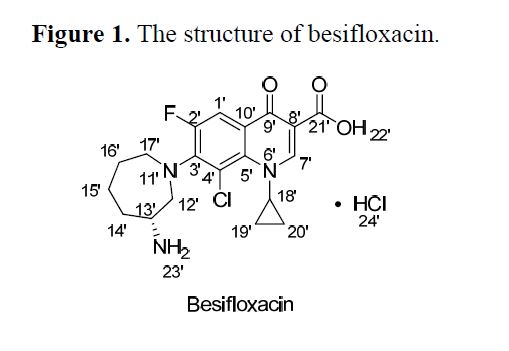
7-[(3R)-3-aminoazepan-1-yl]-8-chloro-1-cyclopropyl-6-fluoro-4-oxo-1,4-dihydroquinoline-3-carboxylic acid
(R)-(+)-7-(3-amino-2,3,4,5,6,7-hexahydro-1H-azepin-1-yl)-1,4-dihydro-4-oxoquinoline-3-carboxylic acid
(R) -7- (3- amino-hexahydro-azepin -1H- mushroom-1-yl) -8-chloro-1-cyclopropylmethyl -6-fluoro-1,4-dihydro-4-oxo-3-quinolinecarboxylic acid
Synthesis of the molecule (R)-(+)-7-(3-amino-2,3,4,5,6,7-hexahydro-1H-azepin-1-yl)-1,4-dihydro-4-oxoquinoline-3-carboxylic acid is disclosed in U.S. Pat. No. 5,447,926,
Besifloxacin is a fourth generation fluoroquinolone-type opthalmic antibiotic for the treatment of bacterial conjunctivitis. FDA approved on May 28, 2009. by Bausch & Lomb, for the treatment of non-viral bacterial conjunctivitis
Besifloxacin, (+)-7-[(3R)-3-aminohexahydro-1H-azepin-1-yl]-8-chloro-1-cyclopropyl-6-fluoro-4-oxo-1,4-dihydroquinoline-3-carboxylic acid hydrochloride, developed by SS Pharmaceutical (SSP) Co.Ltd. was a fourth-generation fluoroquinolone antibiotic . Besifloxacin hydrochloride eye drop was used to treat bacterial conjunctivitis caused by aerobic and facultative Gram-positive microorganisms and aerobic and facultative Gram-negative microorganisms
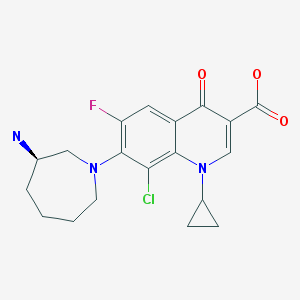
Besifloxacin (INN/USAN) is a fourth-generation fluoroquinolone antibiotic. The marketed compound is besifloxacin hydrochloride. It was developed by SSP Co. Ltd., Japan, and designated SS734. SSP licensed U.S. and European rights to SS734 for ophthalmic useto InSite Vision Incorporated (OTCBB: INSV) in 2000. InSite Vision developed an eye drop formulation (ISV-403) and conducted preliminary clinical trials before selling the product and all rights to Bausch & Lomb in 2003.[1]
The eye drop was approved by the United States Food and Drug Administration (FDA) on May 29, 2009 and marketed under the trade name Besivance.[2]
| Name | Dosage | Strength | Route | Labeller | Marketing Start | Marketing End | |
|---|---|---|---|---|---|---|---|
| Besivance | suspension | 6 mg/mL | ophthalmic | Bausch & Lomb Incorporated | 2009-05-28 | Not applicable |  |
| Besivance | suspension | 0.6 % | ophthalmic | Bausch & Lomb Inc | 2010-01-27 | Not applicable |  |
| Besivance | suspension | 6 mg/mL | ophthalmic | Physicians Total Care, Inc. | 2011-07-13 | Not applicable | |


405165-61-9 CAS
Besifloxacin Hydrochloride
Besifloxacin hydrochloride is a fourth-generation fluoroquinolone antibiotic.
IC50 Value:
Target: Antibacterial
Besifloxacin has been found to inhibit production of pro-inflammatory cytokines in vitro. Besifloxacin is a novel 8-chloro-fluoroquinolone agent with potent, bactericidal activity against prevalent and drug-resistant pathogens.besifloxacin is the most potent agent tested against gram-positive pathogens and anaerobes and is generally equivalent to comparator fluoroquinolones in activity against most gram-negative pathogens. Besifloxacin demonstrates potent, broad-spectrum activity, which is particularly notable against gram-positive and gram-negative isolates that are resistant to other fluoroquinolones and classes of antibacterial agents.
Clinical Information of Besifloxacin Hydrochloride
| Product Name | Sponsor Only | Condition | Start Date | End Date | Phase | Last Change Date |
|---|---|---|---|---|---|---|
| Besifloxacin Hydrochloride | Bucci Laser Vision Institute | Bacterial infection | 31-MAY-11 | 31-DEC-11 | Phase 4 | 05-JUN-13 |
| Bucci Laser Vision Institute | 31-MAY-11 | 31-DEC-11 | Phase 4 | 03-JUN-13 | ||
| Innovative Medical Services | 30-SEP-10 | 31-OCT-12 | Phase 4 | 11-SEP-13 | ||
| Ophthalmology Consultants, Ltd | Cataract | 30-SEP-10 | 28-FEB-11 | Phase 4 | 11-SEP-13 | |
| University of Louisville | Blepharitis | 31-AUG-11 | 31-OCT-11 | Phase 4 | 01-DEC-11 |
Pharmacodynamics
Besifloxacin is a fluoroquinolone that has a broad spectrum in vitro activity against a wide range of Gram-positive and Gram-negativeocular pathogens: e.g., Corynebacterium pseudodiphtheriticum, Moraxella lacunata, Staphylococcus aureus, Staphylococcus epidermidis, Staphylococcus hominis, Streptococcus mitis, Streptococcus oralis, Streptococcus pneumoniae and Streptococcus salivarius. Besifloxacin has been found to inhibit production of pro-inflammatory cytokines in vitro.[3] The mechanism of action of besifloxacin involves inhibition of two enzymes which are essential for the synthesis and replication of bacterial DNA: the bacterialDNA gyrase and topoisomerase IV.
Medical Use
Besifloxacin is indicated in the treatment of bacterial conjunctivitis caused by sensitive germs,[4] as well as in the prevention of infectious complications in patients undergoing laser therapy for the treatment of cataracts.[5][6]
Adverse Effects
During the treatment, the most frequently reported ocular adverse reaction was the appearance of conjunctival redness (approximately 2% of patients). Other possible adverse reactions, reported in subjects treated with besifloxacin were: eye pain, itching of the eye, blurred vision, swelling of the eye or eyelid.
MORE SYNTHESIS COMING, WATCH THIS SPACE…………………..

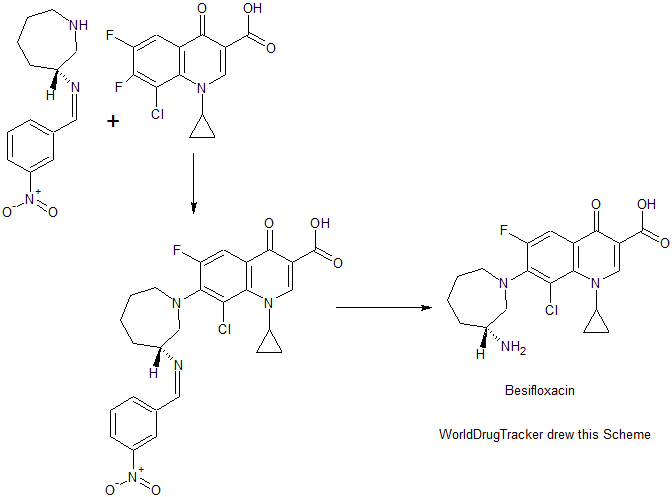
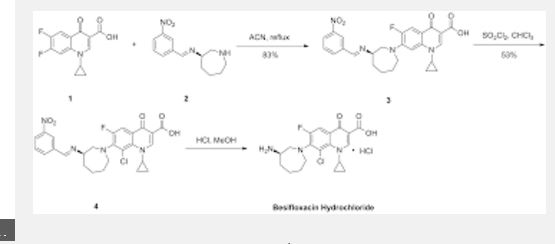
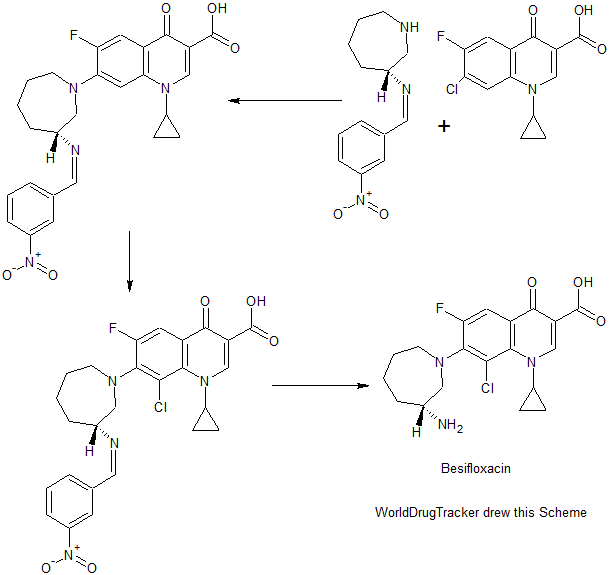
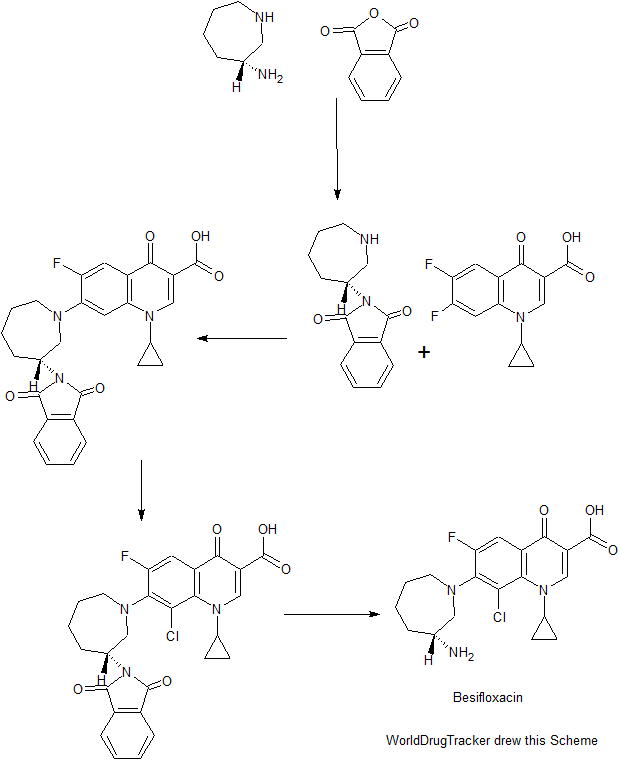
PATENT
WO 2010111116
https://www.google.com/patents/WO2010111116A1?cl=en
PATENT
CN 104592196
https://www.google.com/patents/CN104592196A?cl=en
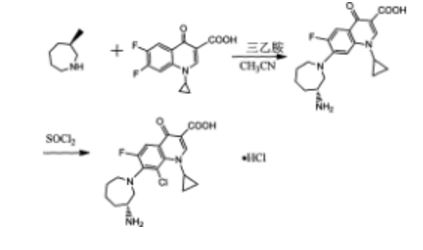
The method comprises performing condensation reaction of 1-cyclopropyl-6,7-dichloro-1,4-dihydro-4-oxy-3-quinoline carboxylic acid with (R)-3-aminohexahydroazepine in the presence of org. base in org. solvent I at 45°C-solvent b.p. temp. under refluxing, washing with acid, vacuum concg. to obtain (R)-7-(3-amino-hexahydro-1H-azepine-1-yl)-1-cyclopropyl-6-fluoro-1,4-dihydro-4-oxy-3-quinoline carboxylic acid, dissolving in 5-10 fold org. solvent II, reacting with thionyl chloride at 0-40°C, and vacuum concg. to obtain (R) -7- (3- amino-hexahydro-azepin -1H- mushroom-1-yl) -8-chloro-1-cyclopropylmethyl -6-fluoro-1,4-dihydro-4-oxo-3-quinolinecarboxylic acid hydrochloride
Preparation method of the present invention provides hydrochloride Besifloxacin, comprising the steps of:
(1), in three _6 flask of 1-cyclopropyl, 6,7-difluoro-1,4-dihydro-4-oxo-3-quinolinecarboxylic acid 10g of acetonitrile added 100mL, was added (R ) -3-amino-hexahydro-aza mushroom 4.73g and 7.2mL of triethylamine was heated at reflux for 5h TLC plate detection point, the reaction was complete spin dry plus 100mL dissolved in chloroform and then 200mL 1M hydrochloric acid and washed twice with saturated brine The organic phase to pH 4-6, the organic phase was poured into the jar and dried to obtain the single (R) -7- (3- amino-hexahydro-azepin -1H- leather-yl) cyclopropyl-6 -1_ fluoro-1,4-dihydro-4-oxo-3-quinoline-carboxylic acid in chloroform solution; spin-dried to give (R) -7- (3- amino-hexahydro-azepin -1H- leather-yl) cyclopropyl-6-fluoro-1,4-dihydro-4-oxo-quinoline-3-carboxylic acid.
(2), obtained in the previous step (R) -7- (3_ atmosphere atmosphere -1H- gas hybrid group six leather-1-yl) cyclopropyl-6-fluoro-1,4 _1_ dihydro-4-oxo-3-quinolinecarboxylic acid in chloroform solution was cooled to 0 ° C, was slowly added dropwise under constant stirring 18mL S0C12, temperature does not exceed 5 ° C added, the mixture was stirred at 0 ° C after 2h l to room temperature, TLC detection, after completion of the reaction was evaporated to dryness to column chromatography to give (R) -7- (3- amino-hexahydro-azepin -1H- mushroom-1-yl) -8-chloro-1-cyclopropylmethyl -6-fluoro-1,4-dihydro-4-oxo-3-quinolinecarboxylic acid hydrochloride 5. 12g.
PATENT
US 20110144329
https://www.google.com/patents/US20110144329
EXAMPLE 1Preparation of Besifloxacin Free Base Solid
Besifloxacin free base was prepared from besifloxacin hydrochloride addition salt.
An amount of about 5 g of besifloxacin HCl (HCl addition salt of besifloxacin made, for example, by the method of U.S. Pat. No. 5,447,926; which is incorporated herein by reference in its entirety) was added to about 750 ml of water. The besifloxacin HCl was allowed to dissolve in said water. Twenty milliliters of 1N NaOH solution were added slowly to the besifloxacin aqueous solution while stirring (final pH 10.2). Besifloxacin free base started to precipitate. Eight milliliters of 1N HCl solution were added slowly while stirring (final pH of 9.7). The resulting mixture was allowed to mix for 2 hours while besifloxacin free base continued to precipitate. At the end of 2 hours, the precipitated besifloxacin free base was filtered through a Millipore type RA 1.2 μm filter. The besifloxacin free base thus collected was dried in a vacuum oven at room temperature. 4.35 g of besifloxacin free base was recovered.
FIG. 1 shows a UV absorption spectrum of besifloxacin free base starting material of Example 1.

FIG. 3 shows an IR spectrum of free base starting material of Example 1.

PATENT
https://www.google.com/patents/CN103044397A?cl=en


Example 6 (R) -7_ (3- amino-hexahydro–1H- diazepan-1-yl) -8_ chloro-1-cyclopropyl-6-fluoro-1,4- Hydrogen oxo – quinoline-3-carboxylic acid (Besifloxacin). [0021] The reaction vessel was added chloroform (50ml) as a reaction solvent, in the case of a solid material was added with stirring (III) (3. 59g, O. Olmol), until the intermediate (III) is completely dissolved, was added dropwise under ice- chlorosulfonic acid, stirred for I hour under ice-cooling, gradually warmed to room temperature, stirred for 6 hours, and then reacted at reflux temperature for 6 hours. After completion of the reaction by TLC, the reaction solution was cooled to 0 ° C, white solid was precipitated, filtered, washed with a small amount of dichloromethane to give a crude product besifloxacin (3. 65g, 93. 01%). [0022] Example 7 (R) -7_ (3- amino-hexahydro–1H- diazepan-1-yl) -8_ chloro-1-cyclopropyl-6-fluoro-1,4- Hydrogen oxo – quinoline-3-carboxylic acid (Besifloxacin). [0023] The reaction vessel was added chloroform (50ml) as a reaction solvent, in the case of a solid material was added with stirring (III) (3. 59g, 0. Olmol), until the intermediate (III) is completely dissolved, was added dropwise under ice- chlorosulfonic acid was stirred for I hour under ice-cooling, gradually warmed to room temperature, stirred for 6 hours, and then reacted at reflux temperature for 12 hours. After completion of the reaction by TLC, the reaction solution was cooled to 0 ° C, the precipitated white solid was filtered , washed with a little dichloromethane to give Besifloxacin crude (3. 05g, 77. 22%).
PAPER
REGIOMER OF BESIFLOXACIN
BESIFLOXACIN
References
- “InSite Vision Reaches Agreement to Sell ISV-403 to Bausch & Lomb” (Press release). InSite Vision. 2003-12-19. Retrieved 2009-08-15.
- “Bausch & Lomb Receives FDA Approval of Besivance, New Topical Ophthalmic Antibacterial for the Treatment of Bacterial Conjunctivitis (“Pink Eye”)” (Press release). Bausch & Lomb. 2009-05-29. Retrieved 2009-05-29.
- Zhang JZ, Ward KW (January 2008). “Besifloxacin, a novel fluoroquinolone antimicrobial agent, exhibits potent inhibition of pro-inflammatory cytokines in human THP-1 monocytes”. J. Antimicrob. Chemother. 61 (1): 111–6. doi:10.1093/jac/dkm398. PMID 17965029.
- Malhotra R, Ackerman S, Gearinger LS, Morris TW, Allaire C (December 2013). “The safety of besifloxacin ophthalmic suspension 0.6 % used three times daily for 7 days in the treatment of bacterial conjunctivitis”. Drugs in R&D 13 (4): 243–52. doi:10.1007/s40268-013-0029-1. PMC 3851703. PMID 24142473. Retrieved 2015-01-06.
- Majmudar PA, Clinch TE (May 2014). “Safety of besifloxacin ophthalmic suspension 0.6% in cataract and LASIK surgery patients”. Cornea33 (5): 457–62. doi:10.1097/ICO.0000000000000098. PMC 4195578. PMID 24637269. Retrieved 2015-01-06.
- Nielsen SA, McDonald MB, Majmudar PA (2013). “Safety of besifloxacin ophthalmic suspension 0.6% in refractive surgery: a retrospective chart review of post-LASIK patients”. Clinical Ophthalmology (Auckland, N.Z.) 7: 149–56. doi:10.2147/OPTH.S38279. PMC 3552478. PMID 23355771. Retrieved 2015-01-06.
CLIPS
Besifloxacin hydrochloride (Besivance) Besifloxacin is a fourth-generation fluoroquinolone antibiotic which is marketed as besifloxacin hydrochloride. It was originally developed by the Japanese firm SSP Co. Ltd and designated SS734. SSP then licensed U.S. and European rights of SS734 for ophthalmic use to InSite Vision, Inc., in 2000, who then developed an eye drop formulation (ISV-403) and conducted preliminary clinical trials before selling the product and all rights to Bausch & Lomb in 2003.
The eye drop was approved by the United States Food and Drug Administration (FDA) on May 29, 2009 and marketed under the trade name Besivance.24a
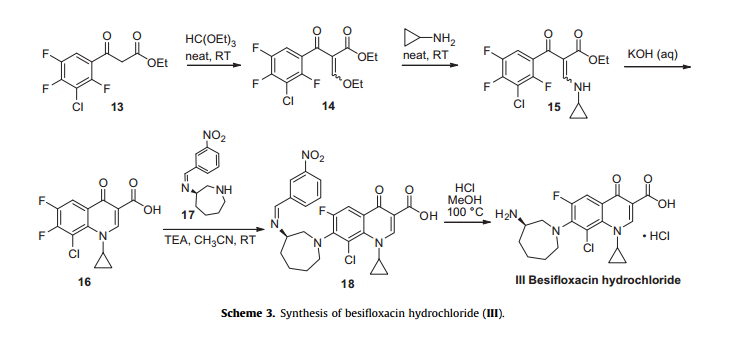
Besifloxacin has been found to inhibit production of pro-inflammatory cytokines in vitro. The synthesis of besifloxacin commences with commercially available ethyl 3-(3-chloro-2,4,5-trifluorophenyl)-3-oxopropanoate (13, Scheme3).24b
Condensation of this ketoester with triethyl orthoformate resulted in a mixture of vinylogous esters 14. Substitution with cyclopropanamine converts 14 to the vinylogous amide 15 as an unreported distribution of cis- and trans-isomers. This mixture was treated with base at elevated temperature to give 16.
Presumably, the trans-isomer isomerizes to the cis-isomer, which subsequently undergoes an intramolecular nucleophilic aromatic substitution with concomitant saponification to construct quinolone acid 16.
Quinolone 16 is then subjected to another nucleophilic substitution involving readily available iminoazepine 17 and the displacement reaction proceeds regioselectively to furnish the atomic framework of besifloxacin (18).
Acidic methanolysis of 18 at elevated temperature gave besiflozacin (III).
24. (a) Bertino, J. S.; Zhang, J.-Z. Expert Opin. Pharmacother. 2009, 10, 2545; (b) Harms, A. E.; Arul, R.; Soni, A. K. U.S. 2009561283 A1, 2009.
| US5447926 * | Sep 16, 1994 | Sep 5, 1995 | Ss Pharmaceutical Co., Ltd. | Quinolone carboxylic acid derivatives |
| Citing Patent | Filing date | Publication date | Applicant | Title |
|---|---|---|---|---|
| CN104458945A * | Nov 27, 2014 | Mar 25, 2015 | 广东东阳光药业有限公司 | Separation and measurement method of besifloxacin hydrochloride and isomer of besifloxacin hydrochloride |
| CN102659761A * | Apr 27, 2012 | Sep 12, 2012 | 常州亚邦制药有限公司 | Method for preparing besifloxacin hydrochloride |
| US5385900 * | Nov 8, 1993 | Jan 31, 1995 | Ss Pharmaceutical Co., Ltd. | Quinoline carboxylic acid derivatives |
| Reference | ||
|---|---|---|
| 1 | * | 黄山等: “克林沙星的 2, 4, 5-三氟苯甲酸路线合成“, 《中国医药工业杂志》, vol. 31, no. 8, 31 December 2000 (2000-12-31) |
| Citing Patent | Filing date | Publication date | Applicant | Title |
|---|---|---|---|---|
| CN103709100A * | Dec 31, 2013 | Apr 9, 2014 | 南京工业大学 | Preparation method of 8-chloroquinolone derivatives |
 |
|
 |
|
| Systematic (IUPAC) name | |
|---|---|
|
7-[(3R)-3-Aminoazepam-1-yl]-8-chloro-1-cyclopropyl-6-fluoro-4-oxo-1,4-dihydroquinoline-3-carboxylic acid
|
|
| Clinical data | |
| Trade names | Besivance |
| AHFS/Drugs.com | Monograph |
| MedlinePlus | a610011 |
| License data |
|
| Routes of administration |
Ophthalmic |
| Legal status | |
| Legal status |
|
| Identifiers | |
| CAS Number | 141388-76-3 |
| ATC code | S01AE08 (WHO) |
| PubChem | CID 10178705 |
| ChemSpider | 8354210 |
| UNII | BFE2NBZ7NX  |
| ChEMBL | CHEMBL1201760 |
| Chemical data | |
| Formula | C19H21ClFN3O3 |
| Molar mass | 393.84 g·mol−1 |
| Patent Number | Pediatric Extension | Approved | Expires (estimated) | |
|---|---|---|---|---|
| US5,447,926 | No | 1995-09-05 | 2012-09-05 | |
| US5447926 | No | 1996-04-13 | 2016-04-13 | |
| US6,685,958 | No | 2004-02-03 | 2021-06-20 | |
| US6,699,492 | No | 2004-03-02 | 2019-03-31 | |
| US6685958 | No | 2001-06-29 | 2021-06-29 | |
| US6699492 | No | 1999-03-31 | 2019-03-31 | |
| US8415342 | No | 2010-11-07 | 2030-11-07 | |
| US8481526 | No | 2011-01-09 | 2031-01-09 | |
| US8604020 | No | 2010-03-12 | 2030-03-12 | |
| US8937062 | No | 2009-11-13 | 2029-11-13 | |
- O’Brien TP: Besifloxacin ophthalmic suspension, 0.6%: a novel topical fluoroquinolone for bacterial conjunctivitis. Adv Ther. 2012 Jun;29(6):473-90. doi: 10.1007/s12325-012-0027-7. Epub 2012 Jun 20. [PubMed:22729919 ]
- Proksch JW, Granvil CP, Siou-Mermet R, Comstock TL, Paterno MR, Ward KW: Ocular pharmacokinetics of besifloxacin following topical administration to rabbits, monkeys, and humans. J Ocul Pharmacol Ther. 2009 Aug;25(4):335-44. doi: 10.1089/jop.2008.0116. [PubMed:19492955 ]
-
Besifloxacin Hydrochloride
[1]. Wang Z, Wang S, Zhu F, Chen Z, Yu L, Zeng S. Determination of enantiomeric impurity in besifloxacin hydrochloride by chiral high-performance liquid chromatography with precolumn derivatization. Chirality. 2012 Jul;24(7):526-31. doi: 10.1002/chir.22042.
Abstract
Besifloxacin hydrochloride is a novel chiral broad-spectrum fluoroquinolone developed for the treatment of bacterial conjunctivitis. R-besifloxacin hydrochloride is used in clinics as a consequence of its higher antibacterial activity. To establish an enantiomeric impurity determination method, some chiral stationary phases (CSPs) were screened. Besifloxacin enantiomers can be separated to a certain extent on Chiral CD-Ph (Shiseido Co., Ltd., Japan), Chiral AGP, and Crownpak CR (+) (Daicel Chemical IND., Ltd., Japan). However, the selectivity and sensitivity were both unsatisfactory on these three CSPs. Therefore, Chiral AGP, Chiral CD-Ph, and Crownpak CR (+) were not used in the enantiomeric impurity determination of besifloxacin hydrochloride. The separation of enantiomers of besifloxacin was further performed using a precolumn derivatization chiral high-performance liquid chromatography method. 2,3,4,6-Tetra-O-acetyl-beta-D-glucopyranosyl isothiocyanate was used as the derivatization reagent. Besifloxacin enantiomer derivates were well separated on a C(18) column (250 × 4.6 mm, 5 μm) with a mobile phase that consisted of methanol-KH(2)PO(4) buffer solution (20 mM; pH 3.0) (50:50, v/v). Selectivity, sensitivity, linearity, accuracy, precision, stability, and robustness of this method were all satisfied with the method validation requirement. The method was suitable for the quality control of enantiomeric impurity in besifloxacin hydrochloride.[3]. Nafziger AN, Bertino JS Jr. Besifloxacin ophthalmic suspension for bacterial conjunctivitis. Drugs Today (Barc). 2009 Aug;45(8):577-88.
Abstract
Besifloxacin hydrochloride ophthalmic suspension 0.6% (Besivance) is a recently approved fluoroquinolone for the topical treatment of bacterial conjunctivitis. The drug is rapidly bactericidal against common bacterial pathogens causing conjunctivitis, i.e., coagulase-negative Staphylococcus, Streptococcus pneumoniae, Staphylococcus aureus and Haemophilus influenzae as well as against other less common organisms. In addition to being a potent agent against Gram-positive and Gram-negative pathogens including those resistant to other fluoroquinolones, besifloxacin has balanced DNA gyrase and topoisomerase IV activity, which should slow the development of resistance. Topical administration achieves high sustained concentrations in human tears and good ocular tissue penetration in animals while demonstrating an excellent safety profile. Besifloxacin’s pharmacokinetic and pharmacodynamic characteristics meet the criteria for successful eradication of many Gram-positive and Gram-negative bacteria while demonstrating minimal systemic exposure. The biochemical properties, achievement of target pharmacokinetic/pharmacodynamic goals and the restriction of besifloxacin to topical ophthalmic use should result in slower development of bacterial resistance, making besifloxacin a new, appealing option for empiric therapy in acute bacterial conjunctivitis.[4]. Proksch JW, Ward KW. Ocular pharmacokinetics/pharmacodynamics of besifloxacin, moxifloxacin, and gatifloxacin following topical administration to pigmented rabbits. J Ocul Pharmacol Ther. 2010 Oct;26(5):449-58.
Abstract
PURPOSE: The purpose of this investigation was to evaluate the ocular pharmacokinetic/pharmacodynamic (PK/PD) relationship for besifloxacin, moxifloxacin, and gatifloxacin using rabbit ocular PK data, along with in vitro minimum inhibitory concentration (MIC90) values against methicillin- and ciprofloxacin-resistant Staphylococcus aureus (MRSA-CR) and Staphylococcus epidermidis (MRSE-CR).METHODS: Rabbits received a topical instillation of Besivance? (besifloxacin ophthalmic suspension, 0.6%), Vigamox (moxifloxacin hydrochloride ophthalmic solution, 0.5% as base), or Zymar (gatifloxacin ophthalmic solution, 0.3%), and ocular tissues and plasma were collected from 4 animals/treatment/collection time at 8 predetermined time intervals during the 24h after dosing. Ocular levels of each agent were measured by LC/MS/MS, and PK parameters (Cmax, Tmax, and AUC????) were determined. AUC????/MIC?? ratios were calculated for tears, conjunctiva, cornea, and aqueous humor using previously reported MIC??values for MRSA-CR and MRSE-CR.RESULTS: All of the fluoroquinolones tested demonstrated rapid penetration into ocular tissues after a single instillation. Besifloxacin demonstrated the highest exposure in tear fluid, while exposure in conjunctiva was comparable for all 3 compounds. Peak concentrations of all fluoroquinolones in aqueous humor were at or below ~1g/mL. In comparison with their MIC??values against MRSE-CR and MRSA-CR, besifloxacin achieved an AUC????/MIC?? ratio of ~800 in tears, compared with values of ≤10 for moxifloxacin and gatifloxacin. In cornea, conjunctiva, and aqueous humor, the AUC????/MIC?? ratios were <10 for all compounds. However, in these tissues AUC????/MIC?? ratios for besifloxacin were 1.5- to 38-fold higher than moxifloxacin and gatifloxacin….[5]. Comstock TL, Paterno MR, Usner DW, Pichichero ME. Efficacy and safety of besifloxacin ophthalmic suspension 0.6% in children and adolescents with bacterial conjunctivitis: a post hoc, subgroup analysis of three randomized, double-masked, parallel-group, multicenter clinical trials. Paediatr Drugs. 2010 Apr 1;12(2):105-12. doi: 10.2165/11534380-000000000-00000.
Abstract
BACKGROUND: Acute conjunctivitis is the most frequent eye disorder seen by primary care physicians and one that often affects children. Besifloxacin is a new topical fluoroquinolone, the first chlorofluoroquinolone, for the treatment of bacterial conjunctivitis.OBJECTIVE: To examine the efficacy and safety of besifloxacin ophthalmic suspension 0.6% in patients aged 1-17 years with bacterial conjunctivitis.METHODS: This was a post hoc analysis of a subgroup of pediatric patients aged 1-17 years who had participated in three previously reported, randomized, double-masked, parallel-group, multicenter, clinical trials evaluating the safety and efficacy of besifloxacin in the treatment of bacterial conjunctivitis. The studies were conducted in a community setting (clinical centers). All three clinical trials included children (aged > or = 1 year) with a clinical diagnosis of bacterial conjunctivitis in at least one eye, based on the presence at baseline of grade 1 or greater purulent conjunctival discharge and conjunctival injection, and pin-hole visual acuity of at least 20/200 in both eyes for verbal patients. Two trials were vehicle controlled; the third trial was comparator controlled (moxifloxacin hydrochloride ophthalmic solution 0.5% as base). In all studies, besifloxacin ophthalmic suspension 0.6% was administered as one drop in the affected eye(s) three times daily, at approximately 6-hourly intervals, for 5 days. The main outcome measures were clinical resolution and microbial eradication at visit 2 (day 4 +/- 1 in one study; day 5 +/- 1 in the other two studies) and visit 3 (day 8 or 9). Data from the two vehicle-controlled studies were combined for the assessments to provide greater statistical power.RESULTS: This analysis included 815 pediatric patients aged 1-17 years (447 with culture-confirmed bacterial conjunctivitis). Clinical resolution was significantly greater (p < 0.05) in the besifloxacin group than in the vehicle group at both visit 2 (53.7% vs 41.3%) and visit 3 (88.1% vs 73.0%). Similarly, microbial eradication was significantly higher with besifloxacin than with vehicle at visit 2 (85.8% vs 56.3%) and visit 3 (82.8% vs 68.3%). No significant differences in clinical resolution and microbial eradication were noted between besifloxacin and moxifloxacin. Besifloxacin was well tolerated, with similar incidences of adverse events in the besifloxacin, vehicle, and moxifloxacin groups.CONCLUSION: Besifloxacin ophthalmic suspension 0.6% was shown to be safe and effective for the treatment of bacterial conjunctivitis in children and adolescents aged 1-17 years.
///////Besifloxacin hydrochloride, Besivance, Besifloxacin, SS734, 141388-76-3, 405165-61-9, BOL 303224A, ISV-403, Bausch & Lomb, treatment of non-viral bacterial conjunctivitis
Fc1c(c(Cl)c2c(c1)C(=O)C(\C(=O)O)=C/N2C3CC3)N4CCCC[C@@H](N)C4
FDA approves first MRI-guided focused ultrasound device to treat essential tremor

Exablate Neuro – non-invasive, image-guided alternative for deep brain lesioning
FDA approves first MRI-guided focused ultrasound device to treat essential tremor
Release
The U.S. Food and Drug Administration today approved the first focused ultrasound device to treat essential tremor in patients who have not responded to medication. ExAblate Neuro uses magnetic resonance (MR) images taken during the procedure to deliver focused ultrasound to destroy brain tissue in a tiny area thought to be responsible for causing tremors.
“Patients with essential tremor who have not seen improvement with medication now have a new treatment option that could help them to avoid more invasive surgical treatments,” said Carlos Peña, Ph.D., M.S., director of the division of neurological and physical medicine devices in the FDA’s Center for Devices and Radiological Health. “As with other treatments for essential tremor, this new device is not a cure but could help patients enjoy a better quality of life.”
Essential tremor, also called benign essential tremor, is the most common form of tremor. According to the National Institute of Neurological Disorders and Stroke, several million Americans, usually those over age 40, are affected by the condition. Essential tremor may be treated with beta blockers or anticonvulsant drugs. If medications fail to control symptoms, the condition may also be treated with surgery (thalamotomy) or a deep brain stimulation device to destroy the tiny part of the brain (thalamus) that controls some involuntary movements.
To determine if the ExAblate Neuro treatment is appropriate, patients should first have MR and computerized tomography (CT) scans. Those undergoing treatment with the MRI-guided device lie in an MRI scanner that takes images to help a doctor identify the targeted area in the brain’s thalamus for treatment. Treatment with transcranial focused ultrasound energy is administered with incremental increases in energy until patients achieve a reduction of tremor. Patients are awake and responsive during the entire treatment.
Data supporting the safety and effectiveness of the device system included a double-blind control trial involving 76 patients with essential tremor who had not responded to medication therapy. Fifty-six of the patients were randomly selected to receive the ExAblate Neuro treatment and 20 received a fake treatment. Patients in the control group were able to cross over into the treatment group three months later.
Patients treated with the ExAblate Neuro showed nearly a 50 percent improvement in their tremors and motor function (composite tremor/motor function score) three months after treatment compared to their baseline score. Patients in the control group had no improvement, and some experienced a slight worsening after the sham procedure before they crossed over into the treatment group. At 12 months post-procedure, the treatment group retained a 40 percent improvement in these scores compared to baseline.
Adverse events for the ExAblate Neuro are consistent with those reported for thalamotomy surgery, including numbness/tingling of the fingers, headache, imbalance/unsteadiness, loss of control of body movements (ataxia) or gait disturbance. Other side effects identified as possibly related to treatment with MR-guided focused ultrasound treatments include tissue damage in an area other than the treatment area, hemorrhage in the treated area requiring emergency treatment, skin burns with ulceration of the skin, skin retraction and scar formation and blood clots.
The ExAblate Neuro treatment is contraindicated for patients who cannot have MR imaging, including those who have a non-MRI compatible implanted metallic device, such as a cardiac pacemaker, those with allergies to MR contrast agents or those with body size limitations for MR.
The treatment should also not be used in women who are pregnant, patients with advanced kidney disease or on dialysis, those with unstable heart conditions or severe hypertension, patients exhibiting any behavior consistent with ethanol or substance abuse or patients with a history of abnormal bleeding, hemorrhage and/or blood clotting disorders (coagulopathy). Patients currently taking anticoagulant drugs or drugs known to increase the risk of hemorrhage, patients with a history of cerebrovascular disease (strokes) or brain tumors and patients who are not able to tolerate the prolonged stationary position during treatment also should not have the procedure.
ExAblate Neuro is manufactured by InSightec in Dallas, Texas.
 InSightec, maker of MRI-guided interventional ultrasound systems, received clearance in Europe for its ExAblate Neuro system to treat Parkinson’s disease, .
/////fda 2016, ExAblate Neuro, InSightec , Dallas, Texas, MRI-guided focused ultrasound device, essential tremor
FDA approves new medication for dry eye disease, Xiidra (lifitegrast ophthalmic solution)

lifitegrast
Xiidra (lifitegrast ophthalmic solution)

FDA approves new medication for dry eye disease
July 12, 2016
Release
The U.S. Food and Drug Administration approved Xiidra (lifitegrast ophthalmic solution) for the treatment of signs and symptoms of dry eye disease, on Monday, July 11, 2016. Xiidra is the first medication in a new class of drugs, called lymphocyte function-associated antigen 1 (LFA-1) agonist, approved by the FDA for dry eye disease.
“Normal tear production is needed for clear vision and eye health,” said Edward Cox, M.D., director of the Office of Antimicrobial Products in the FDA’s Center for Drug Evaluation and Research. “This approval will provide a new treatment option for patients with dry eye disease.”
Dry eye disease includes a group of conditions in which the eye does not produce an adequate volume of tears or when the tears are not of the correct consistency. The chance of experiencing dry eye increases with age, affecting approximately five percent of the adult population age 30-40 and 10 to 15 percent of adults over age 65, and is more common among women. When severe and left untreated, this condition can lead to pain, ulcers or scars on the part of the eye called the cornea. Dry eye can make it more difficult to perform some activities, such as using a computer or reading for an extended period of time, and it can decrease tolerance for dry environments, such as the air inside an airplane.
The safety and efficacy of Xiidra was assessed in over a thousand patients, in four separate, randomized, controlled studies. These studies included patients 19–97 years of age, of which the majority were female (76 percent). Patients were randomized equally to receive either Xiidra eyedrops or placebo eyedrops, which were used twice a day for twelve weeks. The studies found that groups treated with Xiidra demonstrated more improvement in both the signs and the symptoms of eye dryness than the groups treated with placebo.
The most common side effects of Xiidra include eye irritation, discomfort or blurred vision and an unusual taste sensation (dysgeusia).
Dry eye disease does not routinely occur in children. Safety and efficacy in pediatric patients below the age of 17 years has not been studied.
Xiidra is manufactured by Shire US Inc., of Lexington, Massachusetts.
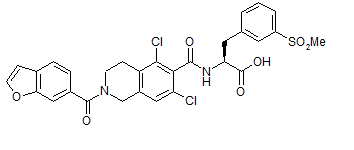
Common name: Lifitegrast, SAR 1118
Molecular Formula: C29H24Cl2N2O7S
CAS Registry Number: 1025967-78-5
Molecular Weight: 615.49
Activity: SAR 1118 is a potent novel small molecule lymphocyte function-associated antigen-1 (LFA-1/ICAM-1) antagonist for a broad range of ocular inflammatory conditions including dry eye and diabetic macular edema.
Intermediates:

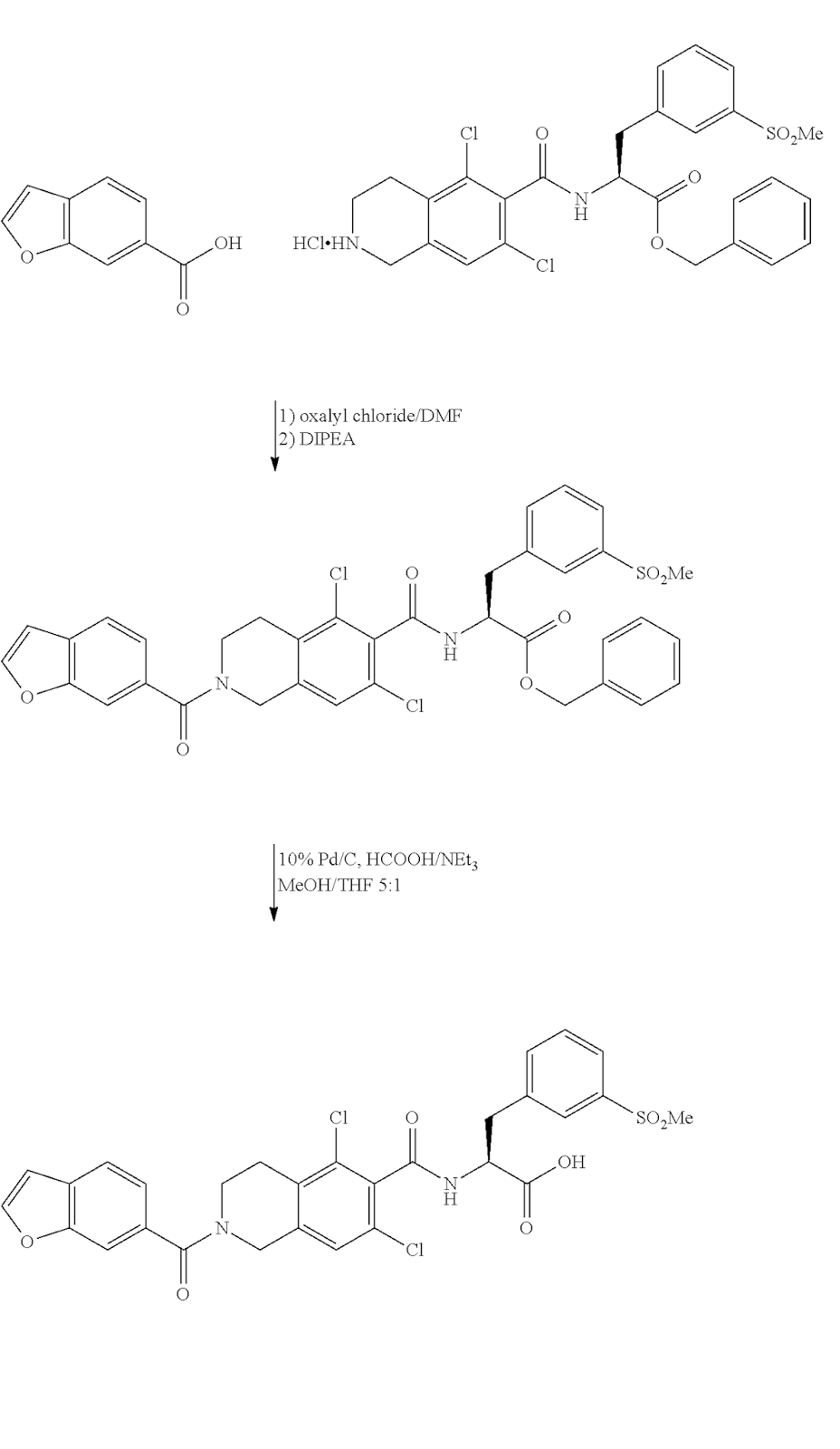


 New Drug Approvals