New Drug Approvals

Home » 2014 (Page 30)

Yearly Archives: 2014

DRUG APPROVALS BY DR ANTHONY MELVIN CRASTO .....FOR BLOG HOME CLICK HERE

Blog Stats

  • 4,801,508 hits

Flag and hits

Flag Counter

Enter your email address to follow this blog and receive notifications of new posts by email.

Join 37.9K other subscribers
Follow New Drug Approvals on WordPress.com

Archives

Categories

Recent Posts

Flag Counter

ORGANIC SPECTROSCOPY

Read all about Organic Spectroscopy on ORGANIC SPECTROSCOPY INTERNATIONAL 

Enter your email address to follow this blog and receive notifications of new posts by email.

Join 37.9K other subscribers
DR ANTHONY MELVIN CRASTO Ph.D

DR ANTHONY MELVIN CRASTO Ph.D

DR ANTHONY MELVIN CRASTO, Born in Mumbai in 1964 and graduated from Mumbai University, Completed his Ph.D from ICT, 1991,Matunga, Mumbai, India, in Organic Chemistry, The thesis topic was Synthesis of Novel Pyrethroid Analogues, Currently he is working with AFRICURE PHARMA, ROW2TECH, NIPER-G, Department of Pharmaceuticals, Ministry of Chemicals and Fertilizers, Govt. of India as ADVISOR, earlier assignment was with GLENMARK LIFE SCIENCES LTD, as CONSUlTANT, Retired from GLENMARK in Jan2022 Research Centre as Principal Scientist, Process Research (bulk actives) at Mahape, Navi Mumbai, India. Total Industry exp 32 plus yrs, Prior to joining Glenmark, he has worked with major multinationals like Hoechst Marion Roussel, now Sanofi, Searle India Ltd, now RPG lifesciences, etc. He has worked with notable scientists like Dr K Nagarajan, Dr Ralph Stapel, Prof S Seshadri, etc, He did custom synthesis for major multinationals in his career like BASF, Novartis, Sanofi, etc., He has worked in Discovery, Natural products, Bulk drugs, Generics, Intermediates, Fine chemicals, Neutraceuticals, GMP, Scaleups, etc, he is now helping millions, has 9 million plus hits on Google on all Organic chemistry websites. His friends call him Open superstar worlddrugtracker. His New Drug Approvals, Green Chemistry International, All about drugs, Eurekamoments, Organic spectroscopy international, etc in organic chemistry are some most read blogs He has hands on experience in initiation and developing novel routes for drug molecules and implementation them on commercial scale over a 32 PLUS year tenure till date Feb 2023, Around 35 plus products in his career. He has good knowledge of IPM, GMP, Regulatory aspects, he has several International patents published worldwide . He has good proficiency in Technology transfer, Spectroscopy, Stereochemistry, Synthesis, Polymorphism etc., He suffered a paralytic stroke/ Acute Transverse mylitis in Dec 2007 and is 90 %Paralysed, He is bound to a wheelchair, this seems to have injected feul in him to help chemists all around the world, he is more active than before and is pushing boundaries, He has 100 million plus hits on Google, 2.5 lakh plus connections on all networking sites, 100 Lakh plus views on dozen plus blogs, 227 countries, 7 continents, He makes himself available to all, contact him on +91 9323115463, email amcrasto@gmail.com, Twitter, @amcrasto , He lives and will die for his family, 90% paralysis cannot kill his soul., Notably he has 38 lakh plus views on New Drug Approvals Blog in 227 countries......https://newdrugapprovals.wordpress.com/ , He appreciates the help he gets from one and all, Friends, Family, Glenmark, Readers, Wellwishers, Doctors, Drug authorities, His Contacts, Physiotherapist, etc He has total of 32 International and Indian awards

Verified Services

View Full Profile →

Archives

Categories

Flag Counter

Mom will teach you NMR


Dedicated to all moms in the world
C=O group is dad
O atom is mom
Carbonyl is dad and oxygen mom hence c labelled methyl has higher chemical shift  and gets a little more attention
SEE BELOW
NMR IS EASY
A chemical has Formula: C5H10O2
C5H10O2
Rule 2, omit O, gives C5H10
5 – 10/2 + 1 = 1 degree of unsaturation.
Look for 1 pi bond or aliphatic ring.
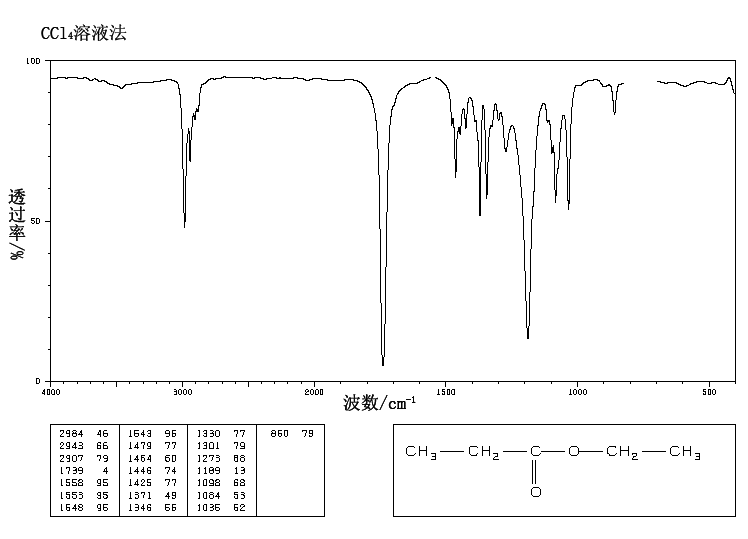
IR
IR spectrum
The band at 1740 indicates a carbonyl, probably a saturated aliphatic ester. The bands at 3000-2850 indicate C-H alkane stretches. The bands in the region 1320-1000 could be due to C-O stretch, consistent with an ester.
NMR spectrum
Structure answerThis is the structure. See if you can assign the peaks on your own.
NMR answerC has a higher chemical shift than D because it’s closer to a more electron-withdrawing functional group.
Carbonyl is dad and oxygen mom,  hence c has higher chemical shift  and gets a little more attention in proton nmr
13 C NMR
Mass spectrum
RAMAN
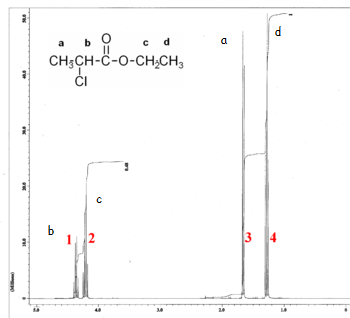
WHAT HAPPENS WHEN A CHLORO IS INTRODUCED
THE INTERPRETATION IS BELOW

remember “a” labelled  CH3 appears as a doublet

WHEN THERE IS ONE METHYL
WHEN THERE ONE CH2 SHORT 
WHEN MOM HAS ONE MORE CH2
PROPYL PROPIONATE, try this on your own
Propyl propanoate.png
1H NMR
image of Propyl proprionatesee interpretation

 BIGGER ONE THAN OBOVE
image of Propyl proprionate
13C NMR
image of Propyl proprionate
APT
image of Propyl proprionate
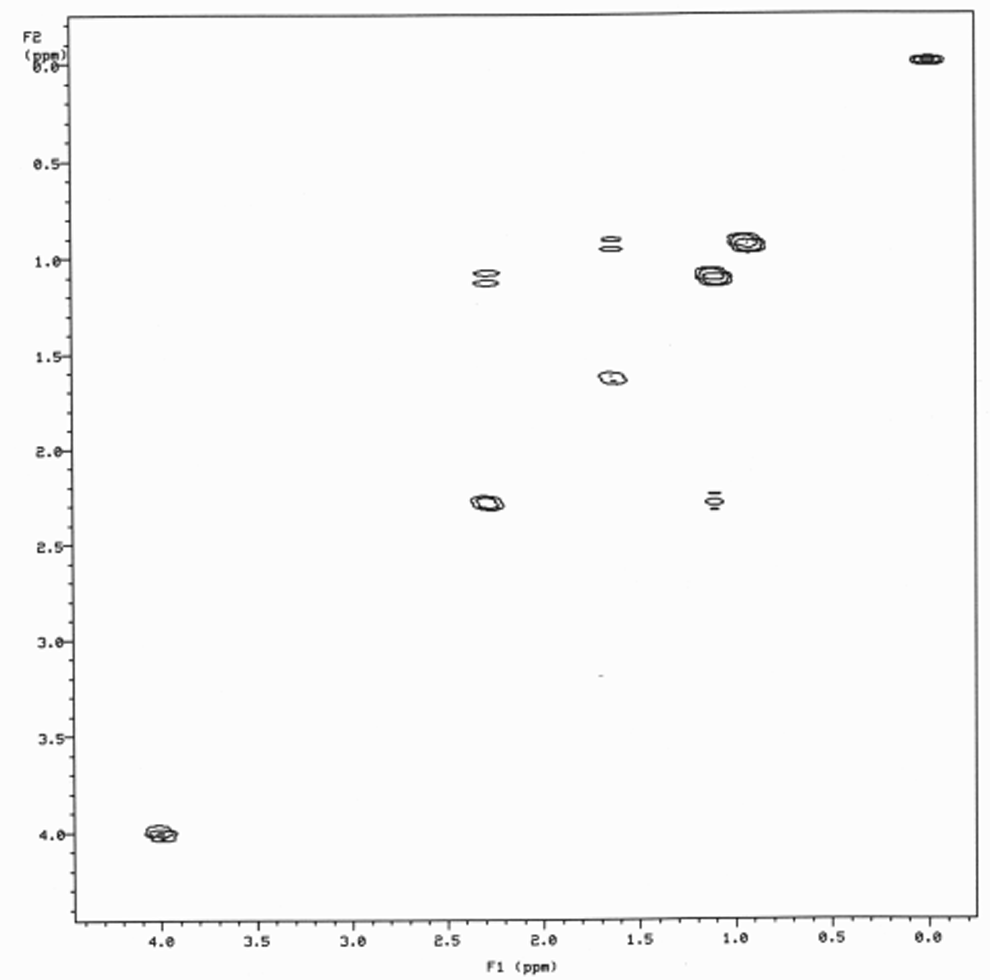
COSY
image of Propyl proprionate
WILL PASTE INTERPRETATION AFTER ONE WEEK……………….

Natural products from plants protect skin during cancer radiotherapy


Ralph Turchiano's avatarCLINICALNEWS.ORG

PUBLIC RELEASE DATE:

24-Jul-2014
Radiotherapy for cancer involves exposing the patient or their tumor more directly to ionizing radiation, such as gamma rays or X-rays. The radiation damages the cancer cells irreparably. Unfortunately, such radiation is also harmful to healthy tissue, particularly the skin over the site of the tumor, which is then at risk of hair loss, dermatological problems and even skin cancer. As such finding ways to protect the overlying skin are keenly sought.

Writing in the International Journal of Low Radiation, Faruck Lukmanul Hakkim of the University of Nizwa, Oman and Nagasaki University, Nagasaki, Japan, and colleagues there and at Macquarie University, New South Wales, Australia, Bharathiar University, India and Konkuk University, South Korea, explain how three ubiquitous and well-studied natural products derived from plants can protect the skin against gamma radiation during radiotherapy.

View original post 295 more words

Sage Therapeutics receives fast track designation for status epilepticus therapy


Allopregnanolone.png

SAGE-547
 ALLOPREGNANOLONE

Sage Therapeutics (Originator)

Sage Therapeutics

For Epilepsy, status epilepticus

SGE-102; SAGE-547; allopregnanolone; allosteric GABA A receptor modulators (CNS disorders),

Sage Therapeutics receives fast track designation for status epilepticus therapy
Ligand Pharmaceuticals announced that its partner Sage Therapeutics has received fast track designation from the US Food and Drug Administration (FDA) for the Captisol-enabled SAGE-547 to treat status epilepticus.

read at

http://www.pharmaceutical-technology.com/news/newssage-therapeutics-receives-fast-track-designation-for-status-epilepticus-therapy-4324543?WT.mc_id=DN_News


Chemical Name:   (3α)-Allopregnanolone
Synonyms:   (+)-3α-Hydroxy-5α-pregnan-20-one; (3α,5α)-3-Hydroxypregnan-20-one; 3α,5α-THP; 3α,5α-Tetrahydroprogesterone; 3α-Hydroxy-5α-dihydroprogesterone; 3α-Hydroxy-5α-pregnan-20-one; 3α-Hydroxy-5α-pregnane-20-one; 5α-Pregnan-3α-ol-20-one; 5α-Pregnane-3α-ol-20-one; Allopregnan-3α-ol-20-one; Allopregnanolone; Allotetrahydroprogesterone;
CAS Number:   516-54-1
Applications:   (3α)-Allopregnanolone acts as a GABAA receptor positive allosteric modulator. (3α)-Allopregnanolone is a metabolite of Progesterone (P755900). (3α)-Allopregnanolone is a neuroactive steroid present in the blood and also the brain.
References:   Puja, G. et al.: Neuron, 4, 759 (1990); Belelli, D. et ael. Neurosteroid, 6, 565 (2006); Viapiano, M. et al.: Neurochem. Res., 23, 155 (1998);
Mol. Formula:   C21H34O2
Appearance:   White Solid
Melting Point:   174-176°C
Mol. Weight:   318.49

SAGE-547 is a GABA(A) receptor modulator in phase I/II clinical trials at Sage Therapeutics as adjunctive therapy for the treatment of adults with super-refractory status epilepticus (SRSE).

In 2014, orphan drug designation was assigned in the U.S for the treatment of status epilepticus. In July 2014, fast track designation was received in the U.S. for the treatment of adults with super-refractory status epilepticus (SRSE).

July 22, 2014

SAGE Therapeutics, a biopharmaceutical company developing novel medicines to treat life-threatening, rare central nervous system (CNS) disorders, announced today that the U.S. Food and Drug Administration (FDA) has granted fast track designation to the SAGE-547 development program. SAGE-547 is an allosteric modulator of GABAA receptors in development for the treatment of adult patients with refractory status epilepticus who have not responded to standard regimens (super-refractory status epilepticus, or SRSE). SAGE is currently evaluating SAGE-547 in a Phase 1/2 clinical trial for the treatment of SRSE. Preliminary data indicate that the first four patients enrolled in the clinical trial met the key efficacy endpoint, in that each was successfully weaned off his or her anesthetic agent while SAGE-547 was being administered. There have also been no reported drug-related serious adverse events in these four patients to date.

“The fast track designation for SAGE-547 recognizes the significant unmet need that exists in the treatment of super-refractory status epilepticus,” said Jeff Jonas, MD, chief executive officer of SAGE Therapeutics. “The receipt of orphan drug designation earlier this year for status epilepticus and the fast track designation are both significant regulatory milestones for SAGE-547, and we will continue to work closely with the FDA to advance our lead compound and the additional programs in our pipeline for the treatment of life-threatening CNS disorders.”

Fast track designation is granted by the FDA to facilitate the development and expedite the review of drug candidates that are intended to treat serious or life-threatening conditions and that demonstrate the potential to address unmet medical needs.

About SAGE-547

SAGE-547 is an allosteric modulator of both synaptic and extra-synaptic GABAA receptors. GABAA receptors are widely regarded as validated drug targets for a variety of CNS disorders, with decades of research and multiple approved drugs targeting these receptor systems. SAGE-547 is an intravenous agent in Phase 1/2 clinical development as an adjunctive therapy, a therapy combined with current therapeutic approaches, for the treatment of SRSE.

About Status Epilepticus (SE)

SE is a life-threatening seizure condition that occurs in approximately 150,000 people each year in the U.S., of which 30,000 SE patients die.1 We estimate that there are 35,000 patients with SE in the U.S. that are hospitalized in the intensive care unit (ICU) each year. An SE patient is first treated with benzodiazepines, and if no response, is then treated with other, second-line, anti-seizure drugs. If the seizure persists after the second-line therapy, the patient is diagnosed as having refractory SE (RSE), admitted to the ICU and placed into a medically induced coma. Currently, there are no therapies that have been specifically approved for RSE; however, physicians typically use anesthetic agents to induce the coma and stop the seizure immediately. After a period of 24 hours, an attempt is made to wean the patient from the anesthetic agents to evaluate whether or not the seizure condition has resolved. Unfortunately, not all patients respond to weaning attempts, in which case the patient must be maintained in the medically induced coma. At this point, the patient is diagnosed as having SRSE. Currently, there are no therapies specifically approved for SRSE.

About SAGE Therapeutics

SAGE Therapeutics (NASDAQ: SAGE) is a biopharmaceutical company committed to developing and commercializing novel medicines to treat life-threatening, rare CNS disorders. SAGE’s lead program, SAGE-547, is in clinical development for super-refractory status epilepticus and is the first of several compounds the company is developing in its portfolio of potential seizure medicines. SAGE’s proprietary chemistry platform has generated multiple new compounds that target GABAA and NMDA receptors, which are broadly accepted as impacting many psychiatric and neurological disorders. SAGE Therapeutics is a public company launched in 2010 by an experienced team of R&D leaders, CNS experts and investors. For more information, please visitwww.sagerx.com.

Allopregnanolone
Allopregnanolone.png
Identifiers
PubChem 262961
ChemSpider 17216124 Yes
ChEMBL CHEMBL38856 
Jmol-3D images Image 1
Properties
Molecular formula C21H34O2
Molar mass 318.49 g/mol


Allopregnanolone (3α-hydroxy-5α-pregnan-20-one or 3α,5α-tetrahydroprogesterone), generally abbreviated as ALLO or as 3α,5α-THP, is an endogenous inhibitory pregnane neurosteroid.[1] It is synthesized from progesterone, and is a potent positive allosteric modulator of the GABAA receptor.[1] Allopregnanolone has effects similar to those of other potentiators of the GABAA receptor such as the benzodiazepines, including anxiolytic, sedative, and anticonvulsant activity.[1]

The 21-hydroxylated derivative of this compound, tetrahydrodeoxycorticosterone (THDOC), is an endogenous inhibitory neurosteroid with similar properties to those of allopregnanolone, and the 3β-methyl analogue of allopregnanolone, ganaxolone, is under development to treat epilepsy and other conditions.[1]

Biosynthesis

The biosynthesis of allopregnanolone starts with the conversion of progesterone into 5α-dihydroprogesterone by 5α-reductase type I. After that, 3α-hydroxysteroid dehydrogenase converts this intermediate into allopregnanolone.[1]

Depression, anxiety, and sexual dysfunction are frequently-seen side effects of 5α-reductase inhibitors such as finasteride, and are thought to be caused, in part, by interfering with the normal production of allopregnanolone.[2]

Mechanism

Allopregnanolone acts as a potent positive allosteric modulator of the GABAA receptor.[1] While allopregnanolone, like other inhibitory neurosteroids such as THDOC, positively modulates all GABAA receptor isoforms, those isoforms containing δ subunits exhibit the greatest potentiation.[1] Allopregnanolone has also been found to act as a positive allosteric modulator of the GABAA-ρ receptor, though the implications of this action are unclear.[3][4] In addition to its actions on GABA receptors, allopregnanolone, like progesterone, is known to be a negative allosteric modulator of nACh receptors,[5] and also appears to act as a negative allosteric modulator of the 5-HT3 receptor.[6] Along with the other inhibitory neurosteroids, allopregnanolone appears to have little or no action at other ligand-gated ion channels, including the NMDA, AMPA, kainate, and glycine receptors.[7]

Unlike progesterone, allopregnanolone is inactive at the nuclear progesterone receptor (nPR).[7] However, allopregnanolone can be intracellularly oxidized into 5α-dihydroprogesterone, which is an agonist of the nPR, and thus/in accordance, allopregnanolone does appear to have indirect nPR-mediated progestogenic effects.[8] In addition, allopregnanolone has recently been found to be an agonist of the newly-discovered membrane progesterone receptors (mPR), including mPRδ, mPRα, and mPRβ, with its activity at these receptors about a magnitude more potent than at the GABAA receptor.[9][10] The action of allopregnanolone at these receptors may be related, in part, to its neuroprotective and antigonadotropic properties.[9][11] Also like progesterone, recent evidence has shown that allopregnanolone is an activator of the pregnane X receptor.[7][12]

Similarly to many other GABAA receptor positive allosteric modulators, allopregnanolone has been found to act as an inhibitor of L-type voltage-gated calcium channels (L-VGCCs),[13] including α1 subtypes Cav1.2 and Cav1.3.[14] However, the threshold concentration of allopregnanolone to inhibit L-VGCCs was determined to be 3 μM (3,000 nM), which is far greater than the concentration of 5 nM that has been estimated to be naturally produced in the human brain.[14] Thus, inhibition of L-VGCCs is unlikely of any actual significance in the effects of endogenous allopregnanolone.[14] Also, allopregnanolone, along with several other neurosteroids, has been found to activate the G protein-coupled bile acid receptor (GPBAR1, or TGR5).[15] However, it is only able to do so at micromolar concentrations, which, similarly to the case of the L-VGCCs, are far greater than the low nanomolar concentrations of allopregnanolone estimated to be present in the brain.[15]

Function

Allopregnanolone possesses a wide variety of effects, including, in no particular order, antidepressant, anxiolytic, stress-reducing, rewarding,[16] prosocial,[17] antiaggressive,[18] prosexual,[17] sedative, pro-sleep,[19] cognitive and memory-impairing, analgesic,[20] anesthetic, anticonvulsant, neuroprotective, and neurogenic effects.[1]

Fluctuations in the levels of allopregnanolone and the other neurosteroids seem to play an important role in the pathophysiology of mood, anxiety, premenstrual syndrome, catamenial epilepsy, and various other neuropsychiatric conditions.[21][22][23]

Increased levels of allopregnanolone can produce paradoxical effects, including negative mood, anxiety, irritability, and aggression.[24][25][26] This appears to be because allopregnanolone possesses biphasic, U-shaped actions at the GABAA receptor – moderate level increases (in the range of 1.5–2 nM/L total allopregnanolone, which are approximately equivalent to luteal phase levels) inhibit the activity of the receptor, while lower and higher concentration increases stimulate it.[24][25] This seems to be a common effect of many GABAA receptor positive allosteric modulators.[26][21] In accordance, acute administration of low doses of micronized progesterone (which reliably elevates allopregnanolone levels), have been found to have negative effects on mood, while higher doses have a neutral effect.[27]

Therapeutic applications

Allopregnanolone and the other endogenous inhibitory neurosteroids have very short half-lives, and for this reason, have not been pursued for clinical use themselves. Instead, synthetic analogs with improved pharmacokinetic profiles, such as ganaxolone, have been synthesized and are being investigated. However, exogenous progesterone, such as oral micronized progesterone (OMP), reliably elevates allopregnanolone levels in the body with good dose-to-serum level correlations.[28] Due to this, it has been suggested that OMP could be described as a prodrug of sorts for allopregnanolone.[28] As a result, there has been some interest in using OMP to treat catamenial epilepsy,[29] as well as other menstrual cycle-related and neurosteroid-associated conditions.

……………………………………….

http://www.google.com/patents/WO2006037016A2?cl=en

Materials and Methods

[0181] The materials and methods used for the follwing experiments have been described in Griffin L.D., et al, Nature Medicine 10: 704-711 (2004). This reference is hereby incorporated by reference in its entirety.

Example 1: Allopregnanolone Treatment of Niemann Pick type-C Mice Substantially Reduces Accumulation of the Gangliosides GMl, GM2, and GM3 in the Brain [0182] Mice were given a single injection of allopregnanolone, prepared in 20% βcyclodextrin in phosphate buffered saline, at a concentration of 25 mg/kg. The injection was on day 7 of life (P7, postnatal day 7). Concentrations of gangliosides GMl, GM2, GM3, were measured as well as other lipids such as ceramides and cerebrosides.

…………………………………………….

WO-2014031792 OR EQ

http://www.google.com/patents/US20140057885?cl=en

…………………………………….

WO-2013112605

http://www.google.com/patents/WO2013112605A2?cl=en

References

  1. Reddy DS (2010). “Neurosteroids: endogenous role in the human brain and therapeutic potentials”. Prog. Brain Res. 186: 113–37. doi:10.1016/B978-0-444-53630-3.00008-7. PMC 3139029. PMID 21094889.
  2. Römer B, Gass P (December 2010). “Finasteride-induced depression: new insights into possible pathomechanisms”. J Cosmet Dermatol 9 (4): 331–2. doi:10.1111/j.1473-2165.2010.00533.x. PMID 21122055.
  3. Morris KD, Moorefield CN, Amin J (October 1999). “Differential modulation of the gamma-aminobutyric acid type C receptor by neuroactive steroids”. Mol. Pharmacol. 56 (4): 752–9. PMID 10496958.
  4. Li W, Jin X, Covey DF, Steinbach JH (October 2007). “Neuroactive steroids and human recombinant rho1 GABAC receptors”. J. Pharmacol. Exp. Ther. 323 (1): 236–47. doi:10.1124/jpet.107.127365. PMID 17636008.
  5. Bullock AE, Clark AL, Grady SR, et al. (June 1997). “Neurosteroids modulate nicotinic receptor function in mouse striatal and thalamic synaptosomes”. J. Neurochem. 68 (6): 2412–23. PMID 9166735.
  6. Wetzel CH, Hermann B, Behl C, et al. (September 1998). “Functional antagonism of gonadal steroids at the 5-hydroxytryptamine type 3 receptor”. Mol. Endocrinol. 12 (9): 1441–51. doi:10.1210/mend.12.9.0163. PMID 9731711.
  7. Mellon SH (October 2007). “Neurosteroid regulation of central nervous system development”. Pharmacol. Ther. 116 (1): 107–24. doi:10.1016/j.pharmthera.2007.04.011. PMC 2386997. PMID 17651807.
  8. Rupprecht R, Reul JM, Trapp T, et al. (September 1993). “Progesterone receptor-mediated effects of neuroactive steroids”. Neuron 11 (3): 523–30. PMID 8398145.
  9. Thomas P, Pang Y (2012). “Membrane progesterone receptors: evidence for neuroprotective, neurosteroid signaling and neuroendocrine functions in neuronal cells”. Neuroendocrinology 96 (2): 162–71. doi:10.1159/000339822. PMC 3489003. PMID 22687885.
  10. Pang Y, Dong J, Thomas P (January 2013). “Characterization, neurosteroid binding and brain distribution of human membrane progesterone receptors δ and {epsilon} (mPRδ and mPR{epsilon}) and mPRδ involvement in neurosteroid inhibition of apoptosis”. Endocrinology 154 (1): 283–95. doi:10.1210/en.2012-1772. PMC 3529379. PMID 23161870.
  11. Sleiter N, Pang Y, Park C, et al. (August 2009). “Progesterone receptor A (PRA) and PRB-independent effects of progesterone on gonadotropin-releasing hormone release”. Endocrinology 150 (8): 3833–44. doi:10.1210/en.2008-0774. PMC 2717864. PMID 19423765.
  12. Lamba V, Yasuda K, Lamba JK, et al. (September 2004). “PXR (NR1I2): splice variants in human tissues, including brain, and identification of neurosteroids and nicotine as PXR activators”. Toxicol. Appl. Pharmacol. 199 (3): 251–65. doi:10.1016/j.taap.2003.12.027. PMID 15364541.
  13. Hu AQ, Wang ZM, Lan DM, et al. (July 2007). “Inhibition of evoked glutamate release by neurosteroid allopregnanolone via inhibition of L-type calcium channels in rat medial prefrontal cortex”. Neuropsychopharmacology 32 (7): 1477–89. doi:10.1038/sj.npp.1301261. PMID 17151597.
  14. Earl DE, Tietz EI (April 2011). “Inhibition of recombinant L-type voltage-gated calcium channels by positive allosteric modulators of GABAA receptors”. J. Pharmacol. Exp. Ther. 337 (1): 301–11. doi:10.1124/jpet.110.178244. PMC 3063747. PMID 21262851.
  15. Keitel V, Görg B, Bidmon HJ, et al. (November 2010). “The bile acid receptor TGR5 (Gpbar-1) acts as a neurosteroid receptor in brain”. Glia 58 (15): 1794–805. doi:10.1002/glia.21049. PMID 20665558.
  16. Rougé-Pont F, Mayo W, Marinelli M, Gingras M, Le Moal M, Piazza PV (July 2002). “The neurosteroid allopregnanolone increases dopamine release and dopaminergic response to morphine in the rat nucleus accumbens”. Eur. J. Neurosci. 16 (1): 169–73. PMID 12153544.
  17. Frye CA (December 2009). “Neurosteroids’ effects and mechanisms for social, cognitive, emotional, and physical functions”. Psychoneuroendocrinology. 34 Suppl 1: S143–61. doi:10.1016/j.psyneuen.2009.07.005. PMC 2898141. PMID 19656632.
  18. Pinna G, Costa E, Guidotti A (February 2005). “Changes in brain testosterone and allopregnanolone biosynthesis elicit aggressive behavior”. Proc. Natl. Acad. Sci. U.S.A. 102 (6): 2135–40. doi:10.1073/pnas.0409643102. PMC 548579. PMID 15677716.
  19. Terán-Pérez G, Arana-Lechuga Y, Esqueda-León E, Santana-Miranda R, Rojas-Zamorano JÁ, Velázquez Moctezuma J (October 2012). “Steroid hormones and sleep regulation”. Mini Rev Med Chem 12 (11): 1040–8. PMID 23092405.
  20. Patte-Mensah C, Meyer L, Taleb O, Mensah-Nyagan AG (February 2014). “Potential role of allopregnanolone for a safe and effective therapy of neuropathic pain”. Prog. Neurobiol. 113: 70–8. doi:10.1016/j.pneurobio.2013.07.004. PMID 23948490.
  21. Bäckström T, Andersson A, Andreé L, et al. (December 2003). “Pathogenesis in menstrual cycle-linked CNS disorders”. Ann. N. Y. Acad. Sci. 1007: 42–53. PMID 14993039.
  22. Guille C, Spencer S, Cavus I, Epperson CN (July 2008). “The role of sex steroids in catamenial epilepsy and premenstrual dysphoric disorder: implications for diagnosis and treatment”. Epilepsy Behav 13 (1): 12–24. doi:10.1016/j.yebeh.2008.02.004. PMID 18346939.
  23. Finocchi C, Ferrari M (May 2011). “Female reproductive steroids and neuronal excitability”. Neurol. Sci. 32 Suppl 1: S31–5. doi:10.1007/s10072-011-0532-5. PMID 21533709.
  24. Bäckström T, Haage D, Löfgren M, et al. (September 2011). “Paradoxical effects of GABA-A modulators may explain sex steroid induced negative mood symptoms in some persons”. Neuroscience 191: 46–54. doi:10.1016/j.neuroscience.2011.03.061. PMID 21600269.
  25. Andréen L, Nyberg S, Turkmen S, van Wingen G, Fernández G, Bäckström T (September 2009). “Sex steroid induced negative mood may be explained by the paradoxical effect mediated by GABAA modulators”. Psychoneuroendocrinology 34 (8): 1121–32. doi:10.1016/j.psyneuen.2009.02.003. PMID 19272715.
  26. Bäckström T, Bixo M, Johansson M, et al. (February 2014). “Allopregnanolone and mood disorders”. Prog. Neurobiol. 113: 88–94. doi:10.1016/j.pneurobio.2013.07.005. PMID 23978486.
  27. Andréen L, Sundström-Poromaa I, Bixo M, Nyberg S, Bäckström T (August 2006). “Allopregnanolone concentration and mood–a bimodal association in postmenopausal women treated with oral progesterone”. Psychopharmacology (Berl.) 187 (2): 209–21. doi:10.1007/s00213-006-0417-0. PMID 16724185.
  28. Andréen L, Spigset O, Andersson A, Nyberg S, Bäckström T (June 2006). “Pharmacokinetics of progesterone and its metabolites allopregnanolone and pregnanolone after oral administration of low-dose progesterone”. Maturitas 54 (3): 238–44. doi:10.1016/j.maturitas.2005.11.005. PMID 16406399.
  29. Orrin Devinsky; Steven Schachter; Steven Pacia (1 January 2005). Complementary and Alternative Therapies for Epilepsy. Demos Medical Publishing. pp. 378–. ISBN 978-1-934559-08-6.

Additional reading

  • Herd, MB; Belelli, D; Lambert, JJ (2007). Neurosteroid modulation of synaptic and extrasynaptic GABA(A) receptors. Pharmacol. Ther. 116(1):20-34. doi:10.1016/j.pharmthera.2007.03.007.

FDA Approves Ryanodex for the Treatment of Malignant Hyperthermia


Dantrolene Tanaka et al.svg

Dantrolene sodium

1-[[[5-(4-nitrophenyl)-2-furanyl]methylene]amino]-2,4-imidazolidinedione


VIEW THIS POST AT BELOW LINK UNTIL FORMATTING IS FIXED

http://www.allfordrugs.com/2014/07/24/fda-approves-ryanodex-for

-the-treatment-of-malignant-hyperthermia/


FDA Approves Ryanodex for the Treatment of Malignant Hyperthermia

WOODCLIFF LAKE, N.J.(BUSINESS WIRE) July 23, 2014 —

Eagle Pharmaceuticals, Inc. (“Eagle” or “the Company”)

(Nasdaq:EGRX) today announced that the U. S. Food and Drug Administration (FDA)

has approved Ryanodex (dantrolene sodium) for injectable

suspension indicated for

the treatment of malignant hyperthermia (MH), along

with the appropriate supportive measures.

MH is an inherited and potentially fatal disorder triggered

by certain anesthesia agents

in genetically susceptible individuals. FDA had designated

Ryanodex as an Orphan Drug in

August 2013. Eagle has been informed by the FDA that it will learn over the next four to

six weeks if it has been granted the seven year Orphan Drug market exclusivity.

read at

http://www.drugs.com/newdrugs/fda-approves-ryanodex-malignant-

hyperthermia-4058.html?utm_source=ddc&utm_medium=email&utm_

campaign=Today%27s+

news+summary+-+July+23%2C+2014


READ MORE AT

PATENTS,  CAS NO ETC

http://www.allfordrugs.com/2014/07/24/fda-approves-ryanodex-

for-the-treatment-of-malignant-hyperthermia/

Best practice paper on visual inspection to be published in September 2014


Best practice paper on visual inspection to be published in September 2014

The ECA working group on visual inspection, which was founded this year, is going to publish its first document during the ECA event Particles in Parenterals and beyond. Read more.

http://www.gmp-compliance.org/eca_mitt_4410_8398,Z-PEM_n.html 

Every fifth FDA Warning Letter includes deficiencies regarding Equipment


Every fifth FDA Warning Letter includes deficiencies regarding Equipment

The considered period from 2012 until the first quarter of 2014 pertains to both companies in and outside of the United States.

None of the 19 mentioned warning letters is solely due to deficiencies regarding equipment. However, the big picture shows the lack of understanding of FDA requirements relative to used production equipment. In almost every case there are references

to violations against requirements defined in 21 CFR 211.67 (equipment cleaning and maintenance),

such as the absence of a maintenance system or a maintenance system that doesn’t fulfill the requirements.

In one case scratches and rust in production boilers were found. In another case the authority found

obvious defects with regard to the condition of the equipment, and in addition objected to the complete

lack of plans for maintenance and maintenance/cleaning of the production building.

The routine calibration was found to be insufficient in another case, and records of calibration work carried out were even missing completely.

http://www.gmp-compliance.org/enews_4361_Every%20fifth%20FDA%20Warning%20

Letter%20includes%20deficiencies%20regarding%20Equipment_

8428,8526,8427,9087,Z-PEM_n.html

GMP News: Endotoxin Testing Recommendations for Single-Use Intraocular Ophthalmic Devices


Endotoxin Testing Recommendations for Single-Use Intraocular Ophthalmic Devices

FDA published a draft Guideline on Endotoxin Testing Recommendations for Single-Use Intraocular Ophthalmic Devices. It is a result of FDAs activities to reduce the outbreaks of Toxic Anterior Segment Syndrome (TASS). Read more here.

http://www.gmp-compliance.org/enews_4409_Endotoxin%20Testing%20Recommendations%20for%20Single-Use%20Intraocular%20Ophthalmic%20Devices_8521,9092,Z-MLM_n.html


Related to several outbreaks of Toxic Anterior Segment Syndrome (TASS) in the past, the U.S. Food and Drug Administration and other government and professional organizations started a collaboration to monitor rare eye condition associated with cataract surgery to help industry develop tools for improving safety of eye surgery medical devices. (see FDA News Release December 2011).

Now the FDA published a Draft Guidance for Industry and for Food and Drug Administration Staff on Endotoxin Testing Recommendations for Single-Use Intraocular Ophthalmic Devices. Because some of the national outbreaks of TASS have been associated with endotoxin, this guidance document was developed to notify manufacturers of the recommended endotoxin limit for the release of intraocular devices and single-use intraocular ophthalmic surgical instruments/accessories in an effort to mitigate future Toxic Anterior Segment Syndrome (TASS) outbreaks. The document provides recommendations for endotoxin limits as well as endotoxin testing to manufacturers and other entities involved in submitting premarket applications (PMAs) or premarket notification submissions [510(k)s] for different categories of intraocular devices to aid in the prevention of future outbreaks of TASS.

The recommendations made in this guidance are applicable to devices used within the eye, either as permanent implants or as single-use devices used in intraocular surgery. These include:

A. Intraocular Fluids (21 CFR 886.4275, Class III), including

  • Intraocular fluid (LWL)
  • Viscoelastic surgical aid (LZP)

B. Anterior Segment Solid Devices

1.Intraocular lenses (21 CFR 886.3600, Class III), including

  • Intraocular lenses (HQL)
  • Multifocal intraocular lenses (MFK)
  • Phakic intraocular lenses (MTA)
  • Toric intraocular lenses (MJP)
  • Accommodative intraocular lenses (NAA)
  • Implantable miniature telescope (NCJ)
  • Iris reconstruction lenses (NIZ)

2. Capsular tension ring devices (Class III), including

  • Endocapsular rings (MRJ)

3. Glaucoma devices

  • Aqueous shunts (21 CFR 886.3920, Class II), including
    – Eye valve implant (KYF)
  • Other glaucoma devices (Class III)
    – Intraocular pressure lowering implants (OGO)

4. Phacofragmentation systems (21 CFR 886.4670, Class II), specifically the accessories of irrigation/aspiration sleeves and tubing (HQC)

  • Posterior Segment Solid Devices (Class III)
  • Retinal prostheses (NBF)

Please be aware of the Endotoxin and Pyrogen Testing Conference – Part of PharmaLab 2014 on 19-20 November 2014 in Düsseldorf/Neuss, Germany

Final ICH M7 Guideline on Genotoxic Impurities published


GMP News: Final ICH M7 Guideline on Genotoxic Impurities published


http://www.gmp-compliance.org/enews_4416_Final%20ICH%20M7%20Guideline%20on%20Genotoxic%20Impurities%20published_8559,8500,S-QSB_n.html


On on 15 July 2014, the ICH issued the guideline M7 “Assessment and Control of DNA reactive (mutagenic) Impurities in Pharmaceuticals to limit Potential Carcinogenic Risk” as Step 4 document. in In the last step of the ICH process (Step 5) this guideline now has to be implemented in the national regulations in the three ICH regions Europe, United States and Japan. The final M7 Guideline was published exactly 17 months after the release of the draft consensus guideline (Step 2) in February 2013, where it could be commented in a 6-month period.

The guideline comprises information, how impurities in pharmaceutical products relative to their genotoxic potential have to be evaluated with the analysis of structure-activity relationships and how the critical toxicological threshold (threshold of toxicological concern TTC) has to be determined. In the individual chapters, some highly complex issues and scenarios are covered – as, for instance, the question why potentially genotoxic substances with similar molecular structure and probably the same mechanism of action should still not be combined for the calculation of the TTC. Another problem the Guideline tries to clarify is the different values of the TTC, depending on the duration of the use of the medicinal product.

The last section of the document contains a statement of the ICH, that due to its complexity the guideline has to be implemented in the respective national rules and regulations after 18 months only. However, the following exceptions apply to some requests:

  • For the implementation of Ames tests the specifications of M7 have to be applied immediately. However, the Ames tests carried out before release of M7 need not be repeated.
  • The development programmes having started phase 2b/3 prior to publication of M7 can be continued. The requirements for the execution of two quantitative analyses of structure-activity relations (section 6), for impurity assessment (section 5) and for the documentation (section 9) do not have to be considered, though.
  • For a new marketing authorisation application which does not include the phase 2b/3 clinical trials, compliance with the aforementioned points is expected until 36 months after the publication of M7.

Compared to the previous Guideline version (Step 2) it now contains changes, clarifications and precisions in several parts. For a more detailed analysis of the new M7 Guideline please see one of our next newsletters.

The ECA will conduct the Impurities Forum 2014in Berlin, where a complete day will be dedicated to the implementation of Genotoxic Impurities ICH M7. On another day you will cover the implementation of Elemental Impurities ICH Q3D – whose finalisation is scheduled for September. The days can be booked separately or alternatively the entire 3 days of the Impurities Forum.

Deoxyribonucleic acid (DNA) synthesis


Deoxyribonucleic acid (DNA) synthesis is a process by which copies of nucleic acid strands are made. In nature, DNA synthesis takes place in cells by a mechanism known as DNA replication. Using genetic engineering and enzyme chemistry, scientists have developed man-made methods for synthesizing DNA. The most important of these is poly-merase chain reaction (PCR). First developed in the early 1980s, PCR has become a multi-billion dollar industry with the original patent being sold for $300 million dollars.

read all at

Read more: http://www.madehow.com/Volume-6/DNA-Synthesis.html#ixzz38Gx0QqXK

Read more: http://www.madehow.com/Volume-6/DNA-Synthesis.html#ixzz38GwuVHeO

http://www.madehow.com/Volume-6/DNA-Synthesis.html

DNA synthesis

From Wikipedia, the free encyclopedia

DNA synthesis is the natural or artificial creation of deoxyribonucleic acid (DNA) molecules. The term DNA synthesis can refer to any of the following in various contexts:


DNA replication

In nature, such molecules are created by all living cells through the process of DNA replication, with replication initiator proteins splitting the existing DNA of the cell and making a copy of each split strand, with the copied strands then being joined together with their template strand into a new DNA molecule. Various means also exist to artificially stimulate the replication of naturally occurring DNA, or to create artificial gene sequences.

Polymerase chain reaction

polymerase chain reaction is a form of enzymatic DNA synthesis in the laboratory, using cycles of repeated heating and cooling of the reaction for DNA melting and enzymatic replication of the DNA.

Gene synthesis

Artificial gene synthesis is the process of synthesizing a gene in vitro without the need for initial template DNA samples. In 2010 J. Craig Venter and his team were the first to use entirely synthesized DNA to create a self-replicating microbe, dubbed Mycoplasma laboratorium.[1]

Oligonucleotide synthesis

Oligonucleotide synthesis is the chemical synthesis of sequences of nucleic acids. The process has been fully automated since the late 1970s and can be used to form desired genetic sequences as well as for other uses in medicine and molecular biology.

Base pair synthesis

Recent research has demonstrated the possibility of creating new nucleobase pairs in addition to the naturally occurring pairs, A-T (adenine – thymine) and G-C (guanine –cytosine). A third base pair could dramatically expand the number of amino acids that can be encoded by DNA, from the existing 20 amino acids to a theoretically possible 172.[1]

References

  1. Jump up to:a b Fikes, Bradley J. (May 8, 2014). “Life engineered with expanded genetic code”San Diego Union Tribune. Retrieved 8 May 2014.

FDA Grants breakthough therapy designation for InterMune’s pirfenidone 吡非尼酮 ピルフェニドン 吡非尼酮


Pirfenidone2DACS.svgMolecule of the Week: Pirfenidone
Pirfenidone
5-Methyl-1-phenylpyridin-2-one

ピルフェニドン,  吡非尼酮

Esbriet (EU, US),  Pirespa (ピレスパ, Japan), Pirfenex (India), Etuary(China)

F647, S-7701,  AMR-69, Deskar

CAS Number:53179-13-8

FOR….  Idiopathic pulmonary fibrosis (IPF)

APPROVED

PMDA, OCT 16 2008 Pirespa®

EMA , FEB28 2011 Esbriet®)

FDA OCT 15 2014 Esbriet®)

Idiopathic pulmonary fibrosis (IPF) is a fatal lung disease of unknown origin. Drug companies have sought a treatment for IPF for many years. Several concentrated on developing pirfenidone, including InterMune of Brisbane, CA; Shionogi of Osaka, Japan; and GNI Group of Tokyo. The drug was first approved for treatment in China in 2008, followed by approvals in India in 2010, Europe in 2011, Canada in 2012, and the United States and Mexico in 2014.

In August 2014, before pirfenidone was approved by the US Food and Drug Administration, Roche (Basel, Switzerland) paid US$8.3 billion to acquire InterMune. The product is expected to add US$1.6 billion to Roche’s annual sales by 2020.

More about this molecule from CAS, the most authoritative and comprehensive source for chemical information.

REGULATORY….        US (NDA), EU (approved), China (approved), Japan (approved)
Originator:  Marnac, Inc.
Developer:  InterMune, Shionogi
Sales:$70.3 million (2013),$130−$140 million (expected 2014)

InterMune has received breakthrough therapy designation from the US Food and Drug Administration (FDA) for its pirfenidone, an investigational treatment for adult patients with idiopathic pulmonary fibrosis (IPF).

The company had submitted a new drug application to the FDA in May for pirfenidone and noted a target FDA review of six months under the Prescription Drug User Fee Act.

http://www.pharmaceutical-technology.com/news/newsfda-grants-breakthough-therapy-designation-for-intermunes-pirfenidone-4321293

InterMune’s Esbriet (Pirfenidone), an orally active, anti-fibrotic agent that inhibits the synthesis of TGF-beta, is currently seeking approval from the U.S. Food and Drug Administration (FDA) for the treatment of adult patients with idiopathic pulmonary fibrosis (IPF), a progressive and eventually fatal lung disease. On May 27, 2014 Brisbane, California-based InterMune resubmitted its pirfenidone New Drug Application (NDA) to the U.S. Food and Drug Administration (FDA) in response to a Complete Response Letter (CRL) received in May 2010.

On July 17, 2014, Pirfenidone was awardedbreakthrough therapy designation by the FDA. If the FDA approves it within six months, Pirfenidonecould be sold in the United States in the first quarter of 2015.

InterMune licensed pirfenidone from Marnac, Inc. and its co-licensor, KDL GmbH, in 2002 and in 2007 purchased from Marnac and KDL the rights to sell the compound in the United States, Europe and other territories except in Japan, Taiwan and South Korea where rights to the molecule were licensed by Marnac and KDL to Shionogi & Co. Ltd. of Japan.

Pirfenidone is the only commercially approved drug for the treatment of mild to moderate idiopathic pulmonary fibrosis(IPF) in the world and is now approved in the EU, Norway, Iceland, Canada, Japan, China, India, South Korea, Argentina and Mexico.

In Japan it is marketed as Pirespa (ピレスパ) by Shionogi & Co since 2008.

In 2011 it was approved for use in Europe for IPF under the trade nameEsbriet, where the drug is priced in the range of $33,000 to $47,000 per year, depending on the country.

In October 2010, the Indian Company Cipla launched it as Pirfenex.

In September 2011, the China Food and Drug Administration  (CFDA) granted Shanghai genomics (上海睿星基因技术有限公司), the wholly owned subsidiary of Japan-based GNI Group Ltd,  with approval of pirfenidone (F647) under the trade name Etuary (艾思瑞) in China. Etuary (pirfenidone, F647) was manufactured by GNI’s affiliate Beijing Continent Pharmaceuticals (北京康蒂尼药业有限公司).

The U.S. Food and Drug Administration (FDA) declined to approve pirfenidone in 2010 because InterMune’s two previous Phase III studies ( known as CAPACITY) of Esbriet brought mixed results, insisting on another Phase III trial after an advisory committee recommended approval of the drug, but by a 9–3 margin.

In February 2014, InterMune said its latest Esbriet the phase III “Ascend” study of 555 IPF patients showed strong and positive results. Pirfenidone improved lung function and slowed the progression of IPF — meeting its primary endpoint of reducing the risk of a meaningful decline in forced vital capacity compared to the placebo group from baseline at week 52.

Pirfenidone is still under investigation for the treatment of IPF in the United States and has not been approved by the FDA.

Esbriet (Pirfenidone) is the only product marketed by InterMune.  Revenue from the drug was about $70.3 million in 2013. The company recorded Esbriet sales of $30.3 million in the first quarter of 2014. Esbriet sales in 2014 are expected in the range of $130−$140 million.

Pirfenidone (INNBAN) is a drug developed by several companies worldwide, including InterMune Inc., Shionogi Ltd., and GNI Group Ltd., for the treatment of idiopathic pulmonary fibrosis (IPF). In 2008, it was first approved in Japan for the treatment of IPF after clinical trials, under the trade name of Pirespa by Shionogi & Co. In October 2010, the Indian Company Cipla launched it as Pirfenex. In 2011, it was approved for use in Europe for IPF under the trade name Esbriet.[2] The proposed trade name in the US is also Esbriet. In September 2011, the Chinese State Food and Drug Administration provided GNI Group Ltd with new drug approval of pirfenidone in China,[3] and later manufacture approval in 2013 under the trade name of Etuary.[4]

In 2014 it was approved in México under the name KitosCell LP, indicated for pulmonary fibrosis and liver fibrosis.[5] There is also a topical form created for the treatment of abnormal wound healing processes.[6]
Mechanism of action

Pirfenidone has well-established antifibrotic and anti-inflammatory properties in various in vitro systems and animal models offibrosis.[7] A number of cell-based studies have shown that pirfenidone reduces fibroblast proliferation,[8][9][10][11] inhibits TGF-βstimulated collagen production[8][9][12][13][14] and reduces the production of fibrogenic mediators such as TGF-β.[10][13] Pirfenidone has also been shown to reduce production of inflammatory mediators such as TNF-α and IL-1β in both cultured cells and isolatedhuman peripheral blood mononuclear cells.[15][16] These activities are consistent with the broader antifibrotic and anti-inflammatoryactivities observed in animal models of fibrosis.

Preclinical studies

Studies in models of fibrosis

In animal models, pirfenidone displays a systemic antifibrotic activity and has been shown to reduce biochemical and histopathological indices of fibrosis of the lung, liver, heart and kidney.[7]

Pirfenidone demonstrates a consistent antifibrotic effect in several animal models of pulmonary fibrosis.[17][18][19][20][21] Of these, the bleomycin model is the most widely used model of pulmonary fibrosis. In this model, bleomycin administration results in oxidative stress and acute inflammation, with the subsequent onset of pulmonary fibrosis in a number of animal species including the mouse and hamster.[7][19] Numerous studies have demonstrated that pirfenidone attenuates bleomycin-induced pulmonary fibrosis.[17][18][21][22][23][24] One study investigated the effect of pirfenidone over a 42-day period after repeated bleomycin administration.[18] Administration of pirfenidone minimised early lung oedema and pulmonary fibrosis when treatment was initiated concurrently with lung damage. This study evaluated pulmonary protein expression and found pirfenidone treatment normalised expression of pro-inflammatory and fibrogenic proteins. Similar reductions in pulmonary fibrosis were observed when pirfenidone treatment was delayed until pulmonary fibrosis was established and progressing,[17] i.e. when administered in a therapeutic as opposed to a prophylactic treatment regimen.

The antifibrotic effect of pirfenidone has been further established in animal models of cardiac,[25][26][27] renal,[28][29] and hepatic[8][30][31] fibrosis. In these models, pirfenidone demonstrated a consistent ability to reduce fibrosis and the expression of fibrogenic mediators.

Pharmacokinetics

Pirfenidone is administered orally. Though the presence of food significantly reduces the extent of absorption, the drug is to be taken after food, to reduce the nausea and dizziness associated with the drug. The drug is around 60% bound to plasma proteins, especially to albumin.[32] Up to 50% of the drug is metabolized by hepatic CYP1A2 enzyme system to yield 5-carboxypirfenidone, the inactive metabolite. Almost 80% of the administered dose is excreted in the urine within 24 hours of intake.[32]

Clinical trials in Idiopathic Pulmonary Fibrosis (IPF)

The clinical efficacy of pirfenidone has been studied in three Phase IIIrandomizeddouble-blindplacebo-controlled studies in patients with IPF.[33][34]

The first Phase III clinical trial to evaluate the efficacy and safety of pirfenidone for the treatment of patients with IPF was conducted in Japan. This was a multicentre, randomised, double-blind, trial, in which 275 patients with IPF were randomly assigned to receive pirfenidone 1800 mg/day (110 patients), pirfenidone 1200 mg/day (56 patients), or placebo(109 patients), for 52 weeks. Pirfenidone 1800 or 1200 mg/day reduced the mean decline in vital capacity from baseline to week 52 compared with placebo. Progression-free survival was also improved with pirfenidone compared with placebo.[33]

The CAPACITY (004 & 006) studies were randomizeddouble-blindplacebo-controlledPhase III trials in eleven countries across Europe, North America, and Australia.[34] Patients with IPF were randomly assigned to treatment with oral pirfenidone or placebo for a minimum of 72 weeks.[34] In study 004, pirfenidone reduced decline in forced vital capacity(FVC) (p=0.001). Mean change in FVC at week 72 was –8.0% (SD 16.5) in the pirfenidone 2403 mg/day group and –12.4% (SD 18.5) in the placebo group, a difference of 4.4% (95% CI 0.7 to 9.1). Thirty-five (20%) of 174 versus 60 (35%) of 174 patients, respectively, had an FVC decline of at least 10%. In study 006, the difference between groups in FVC change at week 72 was not significant (p=0.501). Mean change in FVC at week 72 was –9.0% (SD 19.6) in the pirfenidone group and –9.6% (19.1) in the placebo group. The difference between groups in change in predicted FVC at week 72 was not significant (0.6%, 95% CI –3.5 to 4.7).[34]

In May, 2014, the results of ASCEND studies (Phase III) were published. ASCEND is a randomized, double-blind, placebo-controlled trial that enrolled 555 patients. The results confirmed observations from previous clinical studies that pirfenidone significantly reduced IPF disease progression as measured by change in percent predicted forced vital capacity (FVC) from Baseline to Week 52 (rank ANCOVA p<0.000001). In addition, significant treatment effects were shown on both of the key secondary endpoints of six-minute walk test distance change (p=0.0360) and progression-free survival (p=0.0001). A pre-specified analysis of the pooled population (N=1,247) from the combined ASCEND and CAPACITY studies (taking CAPACITY mortality data through Week 52) showed that the risk of all-cause mortality was reduced by 48% in the pirfenidone group compared to the placebo group (HR=0.52, log rank p=0.0107)[35] .

A review by the Cochrane Collaboration concluded that pirfenidone appears to improve progression-free survival and, to a lesser effect, pulmonary function in patients with IPF.[36]Randomised studies comparing non-steroid drugs with placebo or steroids in adult patients with IPF were included. Four placebo-controlled trials of pirfenidone treatment were reviewed, involving a total of 1155 patients. The result of the meta-analysis showed that pirfenidone significantly reduces the risk of disease progression by 30%. In addition, meta-analysis of the two Japanese studies confirmed the beneficial effect of pirfenidone on the change in VC from baseline compared with placebo.[36]

Indication

In Europe, pirfenidone is indicated for the treatment of mild-to-moderate idiopathic pulmonary fibrosis. It was approved by the European Medicines Agency (EMA) in 2011.[2] In October 2008, it was approved for use in Japan, in India in 2010, and in China in 2011 (commercial launch in 2014).

In Mexico it has been approved on a gel[37] form for the treatment of scars and fibrotic tissue [38] and has proven to be effective in the treatment of skin ulcers, such as diabetic foot.

Other research done shows that Pirfenidone can be an effective anti-fibrotic treatment [39] for chronic liver fibrosis.[40]

Regulatory progress

In May 2010, the U.S. Food and Drug Administration declined to approve the use of pirfenidone for the treatment of idiopathic pulmonary fibrosis, requesting additional clinical trials.[41] In December 2010 an advisory panel to the European Medicines Agency recommended approval of the drug.[2] In February 2011, the European Commission (EC) has granted marketing authorisation in all 27 EU member states and China FDA granted approval in September, 2011. Afterwards, a randomised, Phase III trial (the ASCEND study) has been completed in the U.S. in 2014.[42] Application for the U.S. regulatory approval is expected in 2014.

In Mexico it has been approved in gel for the treatment of chronic wounds and skin injuries and the oral form it is approved for the treatment of Pulmonary Fibrosis and Liver fibrosis.

Pirfenidone is a non-peptide synthetic molecule with a molecular weight of 185.23 daltons. Its chemical elements are expressed as CI2HHNO, and its structure is known. The synthesis of pirfenidone has been worked out. Pirfenidone is manufactured and being evaluated clinically as a broad- spectrum anti-fibrotic drug. Pirfenidone has anti-fibrotic properties via: decreased TNF-α expression, decreased PDGF expression, and decreased collagen expression. Several pirfenidone Investigational New Drug Applications (INDs) are currently on file with the U.S. Food and Drug Administration. Phase II human investigations have been initiated or completed for pulmonary fibrosis, renal glomerulosclerosis, and liver cirrhosis. There have been other Phase II studies that used pirfenidone to treat benign prostate hypertrophy, hypertrophic scarring (keloids), and rheumatoid arthritis.

One important use of pirfenidone is known to be providing therapeutic benefits to patients suffering from fibrosis conditions such as Hermansky-Pudlak Syndrome (HPS) associated pulmonary fibrosis and idiopathic pulmonary fibrosis (IPF). Pirfenidone demonstrates a pharmacologic ability to prevent or remove excessive scar tissue found in fibrosis associated with injured tissues including that of lungs, skin, joints, kidneys, prostate glands, and livers. Published and unpublished basic and clinical research suggests that pirfenidone may safely slow or inhibit the progressive enlargement of fibrotic lesions, remove pre-existing fibrotic lesions, and prevent formation of new fibrotic lesions following tissue injuries.

It is understood that one mechanism by which pirfenidone exerts its therapeutic effects is by modulating cytokine actions. Pirfenidone is a potent inhibitor of fibrogenic Attorney Docket: 30481/30033 A cytokines and TNF-α. It is well documented that pirfenidone inhibits excessive biosynthesis or release of various fibrogenic cytokines such as TGF-βl, bFGF, PDGF, and EGF. Zhang S et ah, Australian New Eng. J. OphthaL, 26:S74-S76 (1998). Experimental reports also show that pirfenidone blocks the synthesis and release of excessive amounts of TNF-α from macrophages and other cells. Cain et al., Int. J. Immunopharm. , 20:685-695 (1998).

Pirfenidone has been studied in clinical trials for use in treatment of IPF. Thus, there is a need for a synthetic scheme that provides pirfenidone having sufficient purity as an active pharmaceutical ingredient (API) and involves efficient and economical processes. Prior batches of pirfenidone were shown to have residual solvent traces of ethyl acetate (e.g., about 2 ppm) and butanol.

http://www.google.com/patents/EP2440543A2?cl=en

improved process for preparing pirfenidone. The process involves using a cuprous oxide catalyst to couple 5-methyl-2-pyridone and bromobenzene in an organic solvent. Without intending to be limited by any particular theory, it is believed that the purity of the bromobenzene is important, as amounts of a dibromobenzene impurity in the bromobenzene can lead to dimer-type byproducts, which can complicate the Attorney Docket: 30481/30033 A purification of the resulting pirfenidone.

These dimer-type byproducts cannot be in a product intended as to be marketed as an active pharmaceutical ingredient (API), and they are difficult to remove from the intended pirfenidone product. Thus, the bromobenzene used in the disclosed processes preferably have an amount of dibromobenzene of less than about 0.15% by weight or molar ratio, and more preferably less than about 0.1% by weight or molar ratio or less than 0.05% by weight or molar ratio.

http://www.google.com/patents/US8519140

EXAMPLES

Coupling of Bromobenzene and 5-Methyl-2-pyridone

5-Methyl-2-pyridone (1.0 equivalents), potassium carbonate (1.2 equivalents), copper(I) oxide (0.05 equivalents), bromobenzene (1.8 equivalents, with a purity of at least 98%, preferably at least 99%, or at least 99.8%), and dimethyl formamide (2.0 volume equivalents) were charged into an inert reactor. This mixture was heated to 125° C. for about 18 hours. A sample was collected and analyzed for reaction completion. If reaction completion was not satisfactory, the reaction was maintained at 125° C. for an additional 2 hours. The reaction mixture was then cooled to 25° C. to form a slurry.

The resulting slurry was filtered in a Nutsche filter in order to remove salts. The filter cake was rinsed twice with toluene. The mother liquor and process liquor were collected in Vessel (A). A sodium chloride solution (15%) was charged into the product solution. The pH was adjusted to greater than or equal to 11.5 using a 32% sodium hydroxide solution. The mixture was then agitated. After agitation was stopped, the mixture was allowed to settle for at least 30 minutes to allow the two phases to separate. The organic layer was separated and the aqueous layer was extracted with toluene. The toluene extraction was added to the organic layer. The combined organics were then washed with a 15% sodium chloride solution and agitated for at least 15 minutes. The agitation was stopped and the layers were allowed to settle for at least 30 minutes. The organic layer was separated from the aqueous layer, and then carbon treated by flowing it through Zeta Carbon filters for 2 hours at 20-25° C. The carbon treated solution was then concentrated under vacuum to remove all water and much of the toluene.

Heptanes were then added to the concentrated solution, and it was heated to about 80° C. The solution was slowly cooled to about 0° C. over at least 7 hours. The pirfenidone precipitated out of the solution, was collected by filtration and dried, using a Nutsche filter/drier. The pirfenidone cake was washed twice with a mixture of toluene and heptanes (at 0° C.), then vacuum dried at a temperature of about 42° C. The crude pirfenidone was formed in about 85% yield.

Crystallization of Pirfenidone

Pirfenidone, a 32% hydrochloride solution, and deionized water were charged in an inert reactor. The mixture was heated to about 45° C., then a 32% sodium hydroxide solution was titrated into the mixture until the pH was at least 11. The temperature of the mixture was maintained at about 45° C. during the titration. Upon reaching the pH of at least 11, the mixture was then cooled slowly to 5° C., over the course of at least 2 hours. The pirfenidone crystallized from this cooled solution and was isolated in a Nutsche filter/drier. The pirfenidone cake was washed twice with deionized water (at 5° C.). The pirfenidone was then vacuum dried in the filter/drier at a temperature of about 45° C. The pirfenidone was also milled through a loop mill in order to reduce the particle size to less than 150 μm.

The resulting pirfenidone was then analyzed and the only residual solvents observed were toluene and heptanes at about 10 to 13 ppm. No ethyl acetate or butanol was detected in the pirfenidone. The amount of bis-conjugate in the purified pirfenidone was 0.03% or less. All impurities of the purified pirfenidone were less than about 0.05%.

INFO FROM EMA

Idiopathic pulmonary fibrosis (IPF) is a rare disease of unknown etiology that is characterised by progressive fibrosis of the interstitium of the lung, leading to decreasing lung volume and progressive pulmonary insufficiency. IPF is a well-recognised and distinct interstitial lung disease with unique histopathologic, clinical and prognostic characteristics (American Thoracic Society/European CHMP assessment report EMA/CHMP/115147/2011 Page 6/84 Respiratory Society (ATS/ERS), 2000; ATS/ERS, 2002). IPF is most prevalent in middle aged and elderly patients, and usually presents between the ages of 40 and 70 years (ATS/ERS 2000). Many patients experience long periods of relative stability but acute episodes of rapid respiratory deterioration may result in death. Most patients die of respiratory failure. Median survival, as described across a range of studies, is only 2 to 5 years after diagnosis. Despite continued improvement in the understanding of the pathogenesis of IPF, there remain no approved therapies or medications in the European Union, nor has the prognosis been substantially altered over the last two decades.

Pirfenidone (5-methyl-1-phenyl-2-[1H]-pyridone) is an immunosuppressant (ATC code L04AX05). The mechanism of action has not been fully established. However, existing data suggest that pirfenidone exerts both antifibrotic and anti-inflammatory properties.

Esbriet is presented as hard gelatin capsules containing 267 mg of pirfenidone as the active substance. The capsules have a blue opaque body and gold opaque cap imprinted with “InterMune 267 mg” in brown ink and contain a white to pale yellow powder.

Pirfenidone is chemically designated as 5-Methyl-1-phenyl-2-1(H)-pyridone and has the following structure: Pirfenidone is white to pale yellow powder. It is freely soluble in methanol, ethyl alcohol, acetone, and chloroform, sparingly soluble in 1.0 N HCl, water and 1.0 N NaOH. Dissolution in water is pH independent. Pirfenidone does not possess any chiral centres and therefore is not subject to stereoisomerism. The acid dissociation constant, pKa, was calculated to be (-0.2 ± 0.6) and is consistent with the observation that pirfenidone behaves as a neutral compound in aqueous environment. The substance is not hygroscopic. Melting range is between 106o C and 112o C. Pirfenidone primarily exists in a single stable crystalline form designated as Form A. Sufficient evidence was provided to prove that the form A is obtained by the utilised manufacturing process. Particle size distribution of the active substance is controlled

The drug substance specification includes tests for physical appearance, identification (IR and UV), water content (Karl Fisher), residue on ignition, sulphated ash, heavy metals, related substances (HPLC), assay (HPLC), loss on drying, particle size distribution and microbiological purity (total aerobic microbiological count, total combined yeast and mould count, specified microorganisms: Escherichia coli, Pseudomonas aeruginosa, Staphylococcus aureus, Salmonella spp.). ……….http://www.ema.europa.eu/docs/en_GB/document_library/EPAR_-_Public_assessment_report/human/002154/WC500103073.pdf


PATENT

http://www.google.com/patents/CN1218942C?cl=en

 fibrotic diseases such as renal fibrosis and cirrhosis, myocardial fibrosis is a class of serious harm to human life and health of important diseases, as well as people living with global industrialization, changes in diet, the incidence of fibrotic diseases is gradually increased correspondingly, many domestic and foreign scholars fibrosis links from chemical compounds, natural compounds, biologics, gene therapy and other different areas of a large number of anti-fibrotic compounds studied. So far, the pyridone compound has been found that a class of effective antifibrotic compound.

U.S. Patent US3839346, US4052509A discloses a pyridone compound of structural formula are available (O) of the general formula 1 – mono-substituted phenyl-5 – methyl -2 (1H)-pyridone.

Image not available. View PDF Wherein the number of the substituent R is 0 or 1, R represents a nitro substituent species, a chlorine atom, an alkyl group, a methoxy group; such pyridones have anti-inflammatory, antipyretic, lower serum uric acid levels, pain and so on.

In addition, U.S. Patent (US3839346) discloses a process approach is to formula (IV), 5 – methyl -2 (1H)-pyridone as raw materials, and formula (V) monosubstituted phenyl iodide, the reaction and generating (O) type 1 – benzene substituted-5 – methyl -2 (1H) pyridone compound, the reaction process is as follows: Image not available. View PDF Chinese Patent (1086514A) discloses a process for preparing formula (IV) method is based on formula (IV) 1 – nitrile-1 – butene and (VII) formula 1,1 – bis dimethyl ether as amine starting material, the reaction of (VIII) Formula 1 – dimethylamine -2 – methyl-4 – cyano-1 ,3 – butadiene intermediates in acid conditions and then cyclized to generate ( IV ‘) formula and formula (IV) of the desired compound, the reaction process is as follows:Image not available. View PDF Although these methods to some of the previous methods were further improved, but there are still formula (VI) compound is unstable, prone to aggregation, (VII) is not easy to obtain the compound of formula shortcomings.

On the other hand, ORGANIC SYNTHESES Vol.78, 51 discloses the compound (II) Preparation of Compound (IV) method Image not available. View PDF

SUMMARY OF THE INVENTION For the above-mentioned disadvantages of the prior art, the present invention is one of the technical solution is to provide a class of anti-fibrosis effect, and organ and has a wide applicability antifibrotic pyridinone compound; technical solution of the present invention The second program is to provide an easy to use on the market too, and the starting material for production of stable molecules antifibrotic pyridone compound process method.

PATENT

A Simple Synthesis of Pirfenidone (Esbriet,Pirespa,ピレスパ,Pirfenex, Etuary), InterMune's idiopathic pulmonary fibrosis Drug 特发性肺纤维化药物吡非尼酮(艾思瑞)的简单制备方法

INTERNET

Pirfenidone
By condensation of 5-methyl-2- (1H) -pyridone (I) with iodobenzene (II) by means of K2CO3 and Copper powder at reflux temperature.
Casta Lv r, J .; Blancafort, P .; Pirfenidone. Drugs Fut 1977, 2, 6,
 US 3839346; ZA 7309472

CA 1049411;. DE 2555411; US ​​3974281

WO2002085858A1 * Apr 19, 2002 Oct 31, 2002 Asahi Glass Co Ltd Process for producing purified piperidine derivative
WO2003014087A1 * Aug 6, 2002 Feb 20, 2003 Asahi Glass Co Ltd Process for preparation of 5-methyl-1-phenyl-2(1h) -pyridinone
WO2008147170A1 * May 29, 2008 Dec 4, 2008 Armendariz Borunda Juan Socorr New process of synthesis for obtaining 5-methyl-1-phenyl-2 (ih) -pyridone, composition and use of the same
Reference
1 * See also references of WO2010141600A2
2 * WU ET AL.: “Tissue distribution and plasma binding of a novel antifibrotics drug pirfenidone in rats“, ASIAN JOURNAL OF PHARMADYNAMIS AND PHARMACOKINETICS, vol. 6, no. 4, 2006, pages 351-356, XP002684997,
Hegde et al., “17. Pirfenidone (Idiopathic Pulmonary Fibrosis), Chapter 28 To Market, To Market-2008,” Ann Rep Med Chem, vol. 44 (2009).
2 Hegde et al., “17. Pirfenidone (Idiopathic Pulmonary Fibrosis), Chapter 28 To Market, To Market—2008,” Ann Rep Med Chem, vol. 44 (2009).
3 International Search Report from corresponding International Application No. PCT/US2010/037090, dated Mar. 1, 2011.
4 Ma et al., “Synthesis of pirfenidone,” Zhongguo Yiyao Gongye Zazhi, 37(6):372-373 as summarized in Liu et al., “Synthetic Approaches to the 2008 New Drugs,” Mini-Reviews in Medicinal Chemistry, 9:1655-75 (2009).
5 * Vogel, A., Practical Organic Chemistry, 3d ed., London, Longman Group, 1974, pp. 44-45 and 122-127.
6 Wu et al., Tissue distribution and plasma binding of a novel antifibrotics drug pifenidone in rats, Asian J. Pharmadynamics and Pharmacokinetics, 6(4):351-6 (2006).
7 Zhang et al., Pirfenidone reduces fibronectin synthesis by cultured human retinal pigment epithelial cells, Aust. N Z J Ophthalmol., 26 Suppl 1:S74-6 (1998).
WO2002085858A1 * Apr 19, 2002 Oct 31, 2002 Asahi Glass Co Ltd Process for producing purified piperidine derivative
WO2003014087A1 * Aug 6, 2002 Feb 20, 2003 Asahi Glass Co Ltd Process for preparation of 5-methyl-1-phenyl-2(1h) -pyridinone
WO2008147170A1 * May 29, 2008 Dec 4, 2008 Armendariz Borunda Juan Socorr New process of synthesis for obtaining 5-methyl-1-phenyl-2 (ih) -pyridone, composition and use of the same
Reference
1 * See also references of WO2010141600A2
2 * WU ET AL.: “Tissue distribution and plasma binding of a novel antifibrotics drug pirfenidone in rats“, ASIAN JOURNAL OF PHARMADYNAMIS AND PHARMACOKINETICS, vol. 6, no. 4, 2006, pages 351-356, XP002684997,

References

  1. “Esbriet 267 mg hard capsules”electronic Medicines Compendium. Intermune UK & I Ltd. 3 January 2014. Retrieved 6 March 2014.
  2. “InterMune: Pirfenidone”. InterMune.
  3. “China SFDA Approves F647/pirfenidone for the Treatment of Idiopathic Pulmonary Fibrosis”Press Release. EvaluatePharma. 2011-09-22.
  4. “GNI Group receives manufacture approval for F647 from China FDA for first idiopathic pulmonary fibrosis drug in China”Press Release. 2014-01-06.
  5. kitoscelllp.com
  6.  Coadjuvant treatment with surgery and pirfenidone in sever facial trauma due to dog bite. The journal of Craniofacial Surgery, volume 24, Number 2, March 2013
  7.  Schaefer CJ, Ruhrmund DW, Pan L, Seiwert SD, Kossen K (June 2011). “Antifibrotic activities of pirfenidone in animal models”. Eur Respir Rev 20 (120): 85–97.doi:10.1183/09059180.00001111PMID 21632796.
  8.  Di Sario A, Bendia E, Svegliati Baroni G, Ridolfi F, Casini A, Ceni E, Saccomanno S, Marzioni M, Trozzi L, Sterpetti P, Taffetani S, Benedetti A (November 2002). “Effect of pirfenidone on rat hepatic stellate cell proliferation and collagen production”. J. Hepatol.37 (5): 584–91. doi:10.1016/S0168-8278(02)00245-3PMID 12399223.
  9.  Hewitson TD, Kelynack KJ, Tait MG, Martic M, Jones CL, Margolin SB, Becker GJ (2001). “Pirfenidone reduces in vitro rat renal fibroblast activation and mitogenesis”. J. Nephrol. 14 (6): 453–60. PMID 11783601.
  10.  Lin X, Yu M, Wu K, Yuan H, Zhong H (August 2009). “Effects of pirfenidone on proliferation, migration, and collagen contraction of human Tenon’s fibroblasts in vitro”.Invest. Ophthalmol. Vis. Sci. 50 (8): 3763–70. doi:10.1167/iovs.08-2815.PMID 19264889.
  11. Lee BS, Margolin SB, Nowak RA (January 1998). “Pirfenidone: a novel pharmacological agent that inhibits leiomyoma cell proliferation and collagen production”. J. Clin. Endocrinol. Metab. 83 (1): 219–23. doi:10.1210/jc.83.1.219PMID 9435445.
  12. Ozes ON, Blatt LM (2006). “Development of a high throughput collagen assay using a cellular model of idiopathic pulmonary fibrosis”Chest 130: 230S.doi:10.1378/chest.130.4_meetingabstracts.230s-a.
  13. Sulfab M (2007). “The effects of pirfenidone and IFN-inducible T-cell alpha chemoattractant (ITAC) on transforming-growth factor-beta 1-mediated synthesis of extracellular matrix proteins in endothelial cells”. Am J Respir Crit Care Med 175: A730.
  14. Nakayama S, Mukae H, Sakamoto N, Kakugawa T, Yoshioka S, Soda H, Oku H, Urata Y, Kondo T, Kubota H, Nagata K, Kohno S (January 2008). “Pirfenidone inhibits the expression of HSP47 in TGF-beta1-stimulated human lung fibroblasts”. Life Sci. 82 (3–4): 210–7. doi:10.1016/j.lfs.2007.11.003PMID 18093617.
  15. Phillips R, Wang T, Blatt LM, Seiwert S (2005). “Pirfenidone mediates differential effects on lipopolysaccharide-induced cytokine expression in human peripheral mononuclear cells”Chest 128doi:10.1378/chest.128.4_meetingabstracts.169s-a.
  16. Grattendick KJ, Nakashima JM, Feng L, Giri SN, Margolin SB (May 2008). “Effects of three anti-TNF-alpha drugs: etanercept, infliximab and pirfenidone on release of TNF-alpha in medium and TNF-alpha associated with the cell in vitro”. Int. Immunopharmacol.8 (5): 679–87. doi:10.1016/j.intimp.2008.01.013PMID 18387510.
  17.  Kakugawa T, Mukae H, Hayashi T, Ishii H, Abe K, Fujii T, Oku H, Miyazaki M, Kadota J, Kohno S (July 2004). “Pirfenidone attenuates expression of HSP47 in murine bleomycin-induced pulmonary fibrosis”. Eur. Respir. J. 24 (1): 57–65.doi:10.1183/09031936.04.00120803PMID 15293605.
  18. Oku H, Shimizu T, Kawabata T, Nagira M, Hikita I, Ueyama A, Matsushima S, Torii M, Arimura A (August 2008). “Antifibrotic action of pirfenidone and prednisolone: different effects on pulmonary cytokines and growth factors in bleomycin-induced murine pulmonary fibrosis”. Eur. J. Pharmacol. 590 (1–3): 400–8.doi:10.1016/j.ejphar.2008.06.046PMID 18598692.
  19. Card JW, Racz WJ, Brien JF, Margolin SB, Massey TE (September 2003). “Differential effects of pirfenidone on acute pulmonary injury and ensuing fibrosis in the hamster model of amiodarone-induced pulmonary toxicity”. Toxicol. Sci. 75 (1): 169–80.doi:10.1093/toxsci/kfg167PMID 12832656.
  20. Liu H, Drew P, Gaugler AC, Cheng Y, Visner GA (June 2005). “Pirfenidone inhibits lung allograft fibrosis through L-arginine-arginase pathway”. Am. J. Transplant. 5 (6): 1256–63.doi:10.1111/j.1600-6143.2005.00876.xPMID 15888029.
  21. Hirano A, Kanehiro A, Ono K, Ito W, Yoshida A, Okada C, Nakashima H, Tanimoto Y, Kataoka M, Gelfand EW, Tanimoto M (September 2006). “Pirfenidone modulates airway responsiveness, inflammation, and remodeling after repeated challenge”Am. J. Respir. Cell Mol. Biol. 35 (3): 366–77. doi:10.1165/rcmb.2005-0452OC.PMC 2643289PMID 16675785.
  22. Iyer SN, Wild JS, Schiedt MJ, Hyde DM, Margolin SB, Giri SN (June 1995). “Dietary intake of pirfenidone ameliorates bleomycin-induced lung fibrosis in hamsters”. J. Lab. Clin. Med. 125 (6): 779–85. PMID 7539478.
  23. Iyer SN, Margolin SB, Hyde DM, Giri SN (1998). “Lung fibrosis is ameliorated by pirfenidone fed in diet after the second dose in a three-dose bleomycin-hamster model”.Exp. Lung Res. 24 (1): 119–32. doi:10.3109/01902149809046058PMID 9457473.
  24. Iyer SN, Gurujeyalakshmi G, Giri SN (April 1999). “Effects of pirfenidone on procollagen gene expression at the transcriptional level in bleomycin hamster model of lung fibrosis”.J. Pharmacol. Exp. Ther. 289 (1): 211–8. PMID 10087006.
  25.  Lee KW, Everett TH, Rahmutula D, Guerra JM, Wilson E, Ding C, Olgin JE (October 2006). “Pirfenidone prevents the development of a vulnerable substrate for atrial fibrillation in a canine model of heart failure”Circulation 114 (16): 1703–12.doi:10.1161/CIRCULATIONAHA.106.624320PMC 2129103PMID 17030685.
  26. Nguyen DT, Ding C, Wilson E, Marcus GM, Olgin JE (October 2010). “Pirfenidone mitigates left ventricular fibrosis and dysfunction after myocardial infarction and reduces arrhythmias”. Heart Rhythm 7 (10): 1438–45. doi:10.1016/j.hrthm.2010.04.030.PMID 20433946.
  27. Mirkovic S, Seymour AM, Fenning A, Strachan A, Margolin SB, Taylor SM, Brown L (February 2002). “Attenuation of cardiac fibrosis by pirfenidone and amiloride in DOCA-salt hypertensive rats”Br. J. Pharmacol. 135 (4): 961–8.doi:10.1038/sj.bjp.0704539PMC 1573203PMID 11861324.
  28.  Shimizu T, Kuroda T, Hata S, Fukagawa M, Margolin SB, Kurokawa K (July 1998). “Pirfenidone improves renal function and fibrosis in the post-obstructed kidney”. Kidney Int. 54 (1): 99–109. doi:10.1046/j.1523-1755.1998.00XXX.xPMID 9648068.
  29.  Takakuta K, Fujimori A, Chikanishi T, Tanokura A, Iwatsuki Y, Yamamoto M, Nakajima H, Okada M, Itoh H (March 2010). “Renoprotective properties of pirfenidone in subtotally nephrectomized rats”. Eur. J. Pharmacol. 629 (1–3): 118–24.doi:10.1016/j.ejphar.2009.12.011PMID 20006961.
  30.  Salazar-Montes A, Ruiz-Corro L, López-Reyes A, Castrejón-Gómez E, Armendáriz-Borunda J (October 2008). “Potent antioxidant role of pirfenidone in experimental cirrhosis”. Eur. J. Pharmacol. 595 (1–3): 69–77. doi:10.1016/j.ejphar.2008.06.110.PMID 18652820.
  31.  García L, Hernández I, Sandoval A, Salazar A, Garcia J, Vera J, Grijalva G, Muriel P, Margolin S, Armendariz-Borunda J (December 2002). “Pirfenidone effectively reverses experimental liver fibrosis”. J. Hepatol. 37 (6): 797–805. doi:10.1016/S0168-8278(02)00272-6PMID 12445421.
  32.  “Esbriet 267 mg hard capsules”Summary of product characteristics. European Medicines Agency.
  33.  Taniguchi H, Ebina M, Kondoh Y, et al. (April 2010). “Pirfenidone in idiopathic pulmonary fibrosis”. Eur. Respir. J. 35 (4): 821–9. doi:10.1183/09031936.00005209.PMID 19996196.
  34.  Noble PW, Albera C, Bradford WZ, Costabel U, Glassberg MK, Kardatzke D, King TE, Lancaster L, Sahn SA, Szwarcberg J, Valeyre D, du Bois RM (May 2011). “Pirfenidone in patients with idiopathic pulmonary fibrosis (CAPACITY): two randomised trials”. Lancet 377 (9779): 1760–9. doi:10.1016/S0140-6736(11)60405-4.PMID 21571362.
  35.  http://www.intermune.com/pirfenidone. Missing or empty |title= (help)
  36.  Spagnolo P, Del Giovane C, Luppi F, Cerri S, Balduzzi S, Walters EH, D’Amico R, Richeldi L (2010). “Non-steroid agents for idiopathic pulmonary fibrosis”. Cochrane Database Syst Rev (9): CD003134. doi:10.1002/14651858.CD003134.pub2.PMID 20824834.
  37.  http://www.kitoscell.com
  38.  A controlled clinical trial with pirfenidone in the treatment of pathological skin scarring caused by burns in pediatric patients, annals of plastic surgery, volume 68, number 1, january 2012
  39.  The multifaceted role of pirfenidone and its novel target. Macias-Barragan et al. Fibrogenesis 6 Tissue Repair 2010, 3:16
  40. Pirfenidone effectively reverses experimental liver fibrosis. Journal of Hepatology, 37 (2002) 797-805
  41. Frieden J (2010-05-10). “FDA Nixes Pirfenidone for Now, Wants New Trial”. MedPage Today.
  42. “Efficacy and Safety of Pirfenidone in Patients With Idiopathic Pulmonary Fibrosis (IPF)”NCT01366209. U.S. National Institutes of Health: ClinicalTrials.gov.

MORE MORE…………..

Cottin, Vincent; Wijsenbeek, M.; Bonella, F.; Vancheri, C.Slowing progression of idiopathic pulmonary fibrosis with pirfenidone: from clinical trials to real-​life experience.Clinical Investigation (London, United Kingdom) (2014), 4(4), 313-326.

Zhang, Kang.Application of pirfenidone in manuf. of anti-​angiogenic drugs.Faming Zhuanli Shenqing (2014), CN 103800325 A 20140521.

Ma, Zhen; Pan, Youlu; Huang, Wenhai; Yang, Yewei; Wang, Zunyuan; Li, Qin; Zhao, Yin; Zhang, Xinyue; Shen, Zhengrong.Synthesis and biological evaluation of the pirfenidone derivatives as antifibrotic agents.Bioorganic & Medicinal Chemistry Letters (2014), 24(1), 220-223.

Ramachandran Radhakrishnan, Michael Cyr, Sabine M. Pyles.Method for synthesizing pirfenidone.US Patent Number: US8519140 B2 , Also published as:CA2764043A1, CN102482255A, EP2440543A2, EP2440543A4, US20110003863, US20120016133, US20130345430, WO2010141600A2, WO2010141600A3,Publication date: Aug 27, 2013.Priority date:Jun 3, 2009.Original Assignee: Intermune, Inc.

Li, Fa and Wang, Ping,A new method for preparation of pirfenidone, Anhui Huagong, 38(4), 27, 31; 2012

Du, Zhenxin et al,Preparation of pirfenidone, Faming Zhuanli Shenqing, CN102558040, 11 Jul 2012
一种吡非尼酮的制备方法,申请号:CN 201110447487,公开(公告)号:CN102558040 A,

Zhang, Chengzhi and Sommers, Andreas, Substituted n-aryl pyridinones, PCT Int. Appl., WO2012122165, 13 Sep 2012

Hu, Gaoyun et al,1-(Substituted aryl)-5-((substituted arylamino)methyl)pyridin-2(1H)-one useful in the treatment of cancer and its preparation, Faming Zhuanli Shenqing, CN102241625, 16 Nov 2011

Qiang, Jianhua and Shi, Wei,A process for preparing pirfenidone,Faming Zhuanli Shenqing, CN101891676, 24 Nov 2010

Radhakrishnan, Ramachadran et al,Process for preparation of pirfenidone from bromobenzene and 5-methyl-2-pyridone in the presence of cuprous oxide and an organic solvent. PCT Int. Appl., WO2010141600, 09 Dec 2010

Gant, Thomas G. and Sarshar, Sepehr.Preparation of substituted N-aryl pyridinones as fibrotic inhibitors, PCT Int. Appl., WO2008157786, 24 Dec 2008

Magana Castro, Jose Agustin Rogelio et al,New process of synthesis for obtaining 5-methyl-1-phenyl-2-(H)-pyridone, pharmaceutical compositions and use thereof as cytoprotective and dermatological agent in topical applications,PCT Int. Appl., WO2008147170, 04 Dec 2008

Ma, Zhen et al,Synthesis of pirfenidone,Zhongguo Yiyao Gongye Zazhi, 37(6), 372-373; 2006

Ma, Zhen and Wang, Zunyuan,Process for preparation of pirfenidone as antifibrotic agent, Faming Zhuanli Shenqing Gongkai Shuomingshu, CN1817862, 16 Aug 2006

一种抗纤维化药物吡非尼酮的制备方法,申请号:200610049852.5,申请日:2006.03.15,公开(公告)号:CN1817862,

Tao, Lijian et al,Preparation of pyridone derivatives for treatment of fibrosis, Faming Zhuanli Shenqing, CN1386737, 25 Dec 2002

Taniguchi, Tomoko et al, Process for preparation of 5-methyl-1-phenyl-2(1H)-pyridinone by phenylation of 5-methyl-2(1H)-pyridinone with bromobenzene, PCT Int. Appl., WO2003014087, 20 Feb 2003

Talmadge King et al. A Phase 3 Trial of Pirfenidone in Patients with Idiopathic Pulmonary Fibrosis. NEJM May 18, 2014. DOI: 10.1056/NEJMoa1402582.

Raghu G, et al “Treatment of idiopathic pulmonary fibrosis with ambrisentan: A parallel, randomized trial” Ann Intern Med 2013; DOI: 10.7326/0003-4819-158-9-201305070-00003.

Luca Richeldi et al. Efficacy and Safety of Nintedanib in Idiopathic Pulmonary Fibrosis,N Engl J Med 2014; 370:2071-2082 , May 29, 2014DOI: 10.1056/NEJMoa1402584 (INPULSIS-1 and INPULSIS-2  ClinicalTrials.gov numbers, NCT01335464 and NCT01335477.)

 

Pirfenidone
Pirfenidone2DACS.svg
Systematic (IUPAC) name
5-Methyl-1-phenylpyridin-2-one
Clinical data
Trade names Esbriet; Pirespa; Etuary
AHFS/Drugs.com International Drug Names
Licence data EMA:Link
Legal status POM (UK)
Routes Oral
Pharmacokinetic data
Protein binding 50–58%[1]
Metabolism Hepatic (70–80% CYP1A2-mediated; minor contributions from CYP2C9,CYP2C19CYP2D6 andCYP2E1)[1]
Half-life 2.4 hours[1]
Excretion Urine (80%)[1]
Identifiers
ATC code L04AX05
PubChem CID 40632
ChemSpider 37115
UNII D7NLD2JX7U 
KEGG D01583 Yes
ChEMBL CHEMBL1256391 
Chemical data
Formula C12H11NO 
Mol. mass 185.22 g/mol


////////////