
Home » Posts tagged 'Anthony crasto' (Page 4)
Tag Archives: Anthony crasto
 DRUG APPROVALS BY DR ANTHONY MELVIN CRASTO
.....FOR BLOG HOME CLICK HERE
DRUG APPROVALS BY DR ANTHONY MELVIN CRASTO
.....FOR BLOG HOME CLICK HEREFlag and hits
ORGANIC SPECTROSCOPY

SUBSCRIBE

 Subscribe in a reader
Enter your email address:
Delivered by FeedBurner
Subscribe to New Drug Approvals by Email


Recent Comments
 | shivkr2 on SPSR Excellence Award 2025 – S… |
 | Bonkasaurus on Infigratinib phosphate |
 | PALOVAROTENE | ORGAN… on Palovarotene |
| Pfizer just purchase… on Temanogrel | |
| Pfizer To Cash In On… on Temanogrel |
Ensuring Process Stability with Reactor Temperature Control Systems

Temperature control plays an important role in industrial processes, pilot plants, and chemical and pharmaceutical laboratories. When controlling reactors, both exothermic and endothermic reactions must be offset with high speed and reliability. Therefore, different conditions and effects must be taken into account when specifying an optimum and highly dynamic temperature control system.

Temperature Control of Reactors
Most temperature control systems are used with chemical reactors made of either steel or glass. The former is more rugged and long-lasting, while the latter enables chemists to observe processes inside the reactor.
However, in the case of glass reactors, extensive precautions have to be followed for safe usage. Reactors usually include an inner vessel to hold the samples, which need temperature control. This inner vessel is enclosed by a jacket containing heat-transfer liquid. This reactor jacket is linked to the temperature control system.
In order to control the reactor’s temperature, the temperature control system pumps the heat-transfer liquid through the reactor’s jacket. Rapid temperature change inside the reactor is balanced by instant cool-down or heat-up, and the liquid is either cooled or heated inside the temperature control system. Figure 1 shows a schematic of a simple temperature control system.

Figure 1. Functional view of reactor temperature control
Process Stability
Both materials and reactor design can affect the temperature control of highly dynamic reactor systems. However, the heat transferred by a glass-walled vessel will be different than that transferred by a steel-walled vessel. In addition, both wall thickness and surface area can also affect accuracy. Therefore, proper mixing of the initial materials inside the reactor is important to obtain good uniformity, which in turn will guarantee optimal heat exchange.
For each type of reactor, maximum pressure values have been provided as per the specifications established by reactor manufacturers and in the Pressure Equipment Directive 97/23/EG. Regardless of any temperature control application, these limit values may not be surpassed during operation under any situations. Prior to starting a temperature control application, the applicable limits must be programmed within the temperature control unit.


Another important criterion in reactors is the maximum permissible temperature difference, which is referred to as Delta-T limit. It defines the highest difference between the temperature of the contents of the reactor and the actual thermal fluid temperature.
When compared to steel reactors, glass reactors are more susceptible to thermal stress. For that matter, any temperature control system should enable users to program reactor-specific values for the Delta-T limit per time unit. Within the temperature control equipment itself, three components considerably affect the stability of the process and these include heat exchanger, pump, and control electronics.

Heat Exchanger
It is important to ensure that a temperature control system has sufficient heating and cooling capacity, as this can significantly affect the speed to reach the preferred temperatures. In order to determine the preferred heating and cooling capacities, users must consider the essential differences in temperature, the volume of the samples, the preferred heat-up and cool-down times, and the specific heat capacity of the temperature control medium.
Highly dynamic temperature control solutions are commercially available in the market with water or air cooling. Air-cooled systems do not utilize water and may be deployed where there is sufficient air flow.
The heat thus removed from the reactor is eventually transferred to ambient air. Water-cooled systems need to be joined to a cooling water supply, but they operate more quietly and do not add surplus heat in small labs. These units could be completely enclosed by the application, if required.

Pump
The integrated pump of the temperature control unit equipment must be sufficiently strong to obtain the preferred flow rates at stable pressure. To ensure that pressure limit values mentioned above are not exceeded, the pump should provide the preferred pressure quickly and with maximum control.
Operating conditions and pressure specifications of the reactor must always be taken into account, and regulation of pump capacity must be done by presetting a limit value. Sophisticated temperature control solutions include pumps that balance the variations of the viscosity of the heat transfer liquid to make sure that energy efficiency is maintained continuously.
This is because viscosity influences flow and hence the heat transfer. An additional advantage provided by magnetically coupled pumps is that they guarantee a hydraulically-sealed thermal circuit. Also, self-lubricated pumps are beneficial as they require only minimum maintenance.
The closed loop circuit prevents contact between the ambient air and the heat transfer liquid. This not only prevents permeation of oxidation and moisture, bit also prevents oil vapors from entering into the work environment.

Additionally, an internal expansion vessel must permanently absorb temperature-induced volume variations inside the heat exchanger. Individual cooling of the expansion vessel will help in ensuring that the temperature control unit does not overheat and ultimately ensures operator safety.
A temperature control equipment should operate consistently even at high ambient temperatures. In majority of cases, the real work environment will diverge from the ideal temperature of 20°C. During hot summer months, temperature control solutions are exposed to adverse conditions. In laboratories, ambient temperatures are usually higher because of energy saving measures. These instances demonstrate the benefits of temperature control solutions that work consistently at temperatures as high as 35°C.

Control Electronics
Temperature control equipment includes advanced control electronics that monitor and control the process inside the reactor and also the internal processes of the system. When a control variable changes, the system is capable of readjusting the variable to the setpoint sans overshooting.
Accurate control electronics are needed to maintain the stability of a temperature control application. One option to assess control electronics is to look at the effort needed to set parameters. In a temperature control unit, users can enter a setpoint. Control electronics must be self-optimizing throughout the temperature control process to ensure optimum results.

Conclusion
To sum up, the process safety and stability during reactor temperature control relies on the effectiveness of heat transfer, the type of reactor, and the efficiency of the components within the temperature control unit. Therefore, different conditions and effects must be considered when specifying a highly dynamic temperature control system.


Boswellia serrata, -The cure for osteoarthritis in ayurveda, Shallaki,

in Kinnerasani Wildlife Sanctuary,Andhra Pradesh, India.
Boswellia serrata, -The cure for osteoarthritis in ayurveda, Shallaki,
Shallaki-Boswellia serrata
In degenerative and inflammatory pathologies invoving joints, there is no other drug as useful as Guggulu. Many international companies today use shallaki for the manufacture of drugs, ayurvedic and allopathic alike.
Family : Berseraceae
Scientific name : Boswellia serrata
Nomenclature in other languages :
Sanskrit : Shallaki, Susrava, Gajabhakshya
Hindi : Salei
Gujarathi : Dhoopa
Bengali : Salei
Tamil : Olibana
English : Indian Olibanum
Distribution : Gujarat, Rajasthan, Bihar are most commonly the residence of this plant.
Botanical description : It’s a resinous tree that grows to a height of 12m. A tree of moderate height , its bark are grey in colour. Upon time the bark sheds off like scales of a snake. The younger branches and leaflets of this tree are very smooth. The leaves which are compound(pinnate) in nature are 20-37 cm long. The leaflets are 2-5cm long and 1-2.5cm wide. The leaflets are oval shaped. The leaves contains 8 pairs or more of the leaflets . The margins of leaflets are serrated. Flowers are many and the inflorescence is terminal raceme, with it seen in the axilla of the leaf and stem. The petals and sepals are hairy and five in number. The stamen are 10 in number, they are diercted inwards. The fruits are seen in 3-4 numbers and are seen as drupes along with cones. The flowering season in April-May.


C hemical constituents and action
The bark contains carbohydrates, glycosides, beta-sitosterol. The resin contains ditrepene alcohol. This is knownn by the name sitosterol. In addition to that 11-keto-b-boswellic acid also has been extracted from the resin.
Ayurvedic Pharmacoepia
Rasa : kashaya, tikta, madhura
Guna : laghu, rooksha
Veerya : sheeta
Vipaka : katu
Medicinal properties :
Alleiviates vata kapha disorders. Also cures chronic skin lesions of all kinds infective and inflammatory, ulcers, wounds, piles, diseases of mouth, diarhhoea, hepatic disorders etc.
Useful parts : Bark, Resin
Therapeutic uses :
-1gm of resin taken in tablet form daily three times cures rheumatic, neurologic complaints and rheumatic fever.
-for gangrenes in diabetes the resin of this palnt may be applied externally and it taken internally as pills regularly
-the resin of this plant when chewed cures bad odour of mouth and mouth ulcers.
Medical uses
In Ayurvedic medicine Indian frankincense (Boswellia serrata) has been used for hundreds of years for treating arthritis.
Extracts of Boswellia serrata have been clinically studied for osteoarthritis and joint function, particularly for osteoarthritis of the knee, with the research showing a slight improvement of both pain and function compared to a placebo. Positive effects of Boswellia in some chronic inflammatory diseases including rheumatoid arthritis, bronchial asthma, osteoarthritis, ulcerative colitis and Crohn’s disease have been reported. A Boswellia extract marketed under the name Wokvel has undergone human efficacy, comparative, pharmacokinetic studies. Some see Boswellia serrata as a promising alternative to NSAIDs, warranting further investigation in pharmacological studies and clinical trials.

Topical application
Boswellia serrata has been recently developed for topical use in a patent-pending formula in Sano Relief Gel. Boswellia serrata is used in the manufacture of the supposed anti-wrinkle agent “Boswelox”,which has been criticised as being ineffective.
Potential for anti-cancer activity
Boswellic acid, an extract from Boswellia serrata, has been studied for anti-neoplastic activity, especially in experimental primary and secondary brain tumors, indicating potential efficacy from in vitro and limited clinical research. Boswellic acid is also undergoing an early-stage clinical trial at the Cleveland Clinic.
Active constituents
Boswellic acid and other pentacyclic triterpene acids are present. Beta-boswellic acid is the major constituent.
Mechanism of action
Animal studies performed in India show ingestion of a defatted alcoholic extract of Boswellia decreased polymorphonuclear leukocyte infiltration and migration, decreased primary antibody synthesis and almost totally inhibited the classical complement pathway.
Properties
Shallaki has potent analgesic and anti-inflammatory effects that can reduce the pain and inflammation of joints.
Frankincense ‘can ease arthritis’ researches have suggested |
|||
Extracts from Boswellia serrata, a similar species to the variety famous for its role in the Christian nativity, were tested on dozens of patients. Those who received it reported better movement and less pain and stiffness. The herb has been used for thousands of years in Indian Ayurvedic medicine, reports the journal Arthritis Research and Therapy. Current treatments carry a great many adverse effects, and scientists have been hunting for an alternative. The investigation into the properties of Boswellia serrata was led by Dr Siba Raychaudhuri at the University of California, Davis. Eventually they tested an extract of the plant enriched with the chemical – AKBA – thought to be its active ingredient. Some of the 70 patients with severe arthritis in their knees recruited into the trial were given a low-dose capsule, some a higher dose capsule, and the remainder were given a dummy pill with no active ingredients. In as little as seven days, patients taking the frankincense drug reported improvements in their pain and stiffness levels compared with the placebo group, and these continued until the 90-day mark, when the study ended. Alternative therapies Tests of the fluid within affected joints also revealed falls in levels of enzymes linked to the condition. Dr Raychaudhuri said: “We have shown that B. serrata enriched with AKBA can be an effective treatment for osteoarthritis of the knee.” However, UK experts urged caution. Professor Philip Conaghan, from Leeds University, and a spokesman for the Arthritis Research Campaign, said: “Certainly osteoarthritis is in need of new safe analgesics, although many effective therapies that reduce pain such as muscle strengthening exercises, shock-absorbing footwear and weight loss have very few bad side-effects. “This report on treating knee pain with a chemical derivative of B. serrata is interesting but the patient numbers are small, there were some problems with the reported trial design and we need more information on its medium to long-term safety.” |
|||
Boswellia serrata: an overall assessment of in vitro, preclinical, pharmacokinetic and clinical data.
Non-steroidal anti-inflammatory drug (NSAID) intake is associated with high prevalence of gastrointestinal or cardiovascular adverse effects. All efforts to develop NSAIDs that spare the gastrointestinal tract and the cardiovasculature are still far from achieving a breakthrough. In the last two decades, preparations of the gum resin of Boswellia serrata (a traditional ayurvedic medicine) and of other Boswellia species have experienced increasing popularity in Western countries. Animal studies and pilot clinical trials support the potential of B. serrata gum resin extract (BSE) for the treatment of a variety of inflammatory diseases like inflammatory bowel disease, rheumatoid arthritis, osteoarthritis and asthma. Moreover, in 2002 the European Medicines Agency classified BSE as an ‘orphan drug’ for the treatment of peritumoral brain oedema. Compared to NSAIDs, it is expected that the administration of BSE is associated with better tolerability, which needs to be confirmed in further clinical trials. Until recently, the pharmacological effects of BSE were mainly attributed to suppression of leukotriene formation via inhibition of 5-lipoxygenase (5-LO) by two boswellic acids, 11-keto-β-boswellic acid (KBA) and acetyl-11-keto-β-boswellic acid (AKBA). These two boswellic acids have also been chosen in the monograph of Indian frankincense in European Pharmacopoiea 6.0 as markers to ensure the quality of the air-dried gum resin exudate of B. serrata. Furthermore, several dietary supplements advertise the enriched content of KBA and AKBA. However, boswellic acids failed to inhibit leukotriene formation in human whole blood, and pharmacokinetic data revealed very low concentrations of AKBA and KBA in plasma, being far below the effective concentrations for bioactivity in vitro. Moreover, permeability studies suggest poor absorption of AKBA following oral administration. In view of these results, the previously assumed mode of action – that is, 5-LO inhibition – is questionable. On the other hand, 100-fold higher plasma concentrations have been determined for β-boswellic acid, which inhibits microsomal prostaglandin E synthase-1 and the serine protease cathepsin G. Thus, these two enzymes might be reasonable molecular targets related to the anti-inflammatory properties of BSE. In view of the results of clinical trials and the experimental data from in vitro studies of BSE, and the available pharmacokinetic and metabolic data on boswellic acids, this review presents different perspectives and gives a differentiated insight into the possible mechanisms of action of BSE in humans. It underlines BSE as a promising alternative to NSAIDs, which warrants investigation in further pharmacological studies and clinical trials.
Reference :
http://www.ncbi.nlm.nih.gov/pubmed/21553931
http://en.wikipedia.org/wiki/Boswellia_serrata
http://news.bbc.co.uk/2/hi/health/7535733.stm

ORGANIC SPECTROSCOPY INTERNATIONAL……A blog to brush up spectroscopy fundamentals

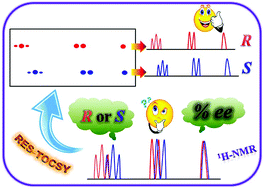
ORGANIC SPECTROSCOPY INTERNATIONAL…………A blog to brush up
http://orgspectroscopyint.blogspot.in/2014/12/heavy-traffic-on-your-favorite.html
http://orgspectroscopyint.blogspot.in/


see facebook page
Organic Spectroscopy International


see/click
https://www.facebook.com/orgspectroscopyint

Total synthesis of the proposed structure of Astakolactin……….Dr Corey Johnson
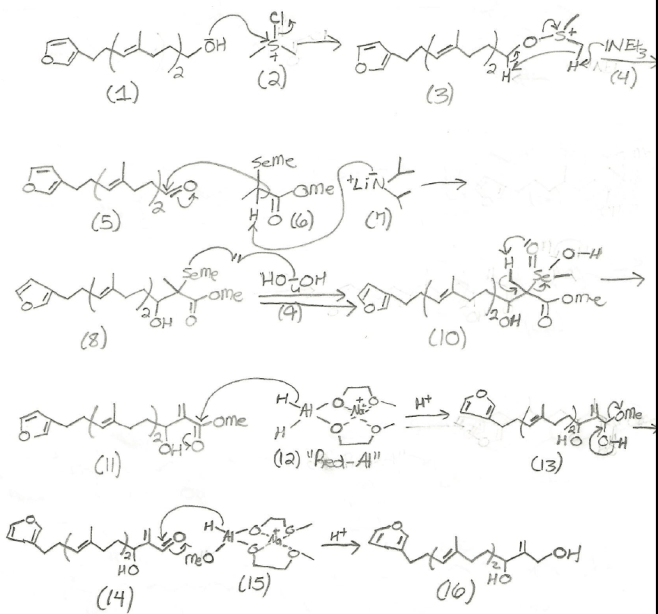
picture credit…………Dr Corey johnson
Astakolactin is a sesterpene from the Ionian Sea near Greece possessing considerable biological properties. Hence, that’s why the authors decided to synthesize it, and also why the we’re all interested in its structure. In the conclusion of this paper, no biological studies were performed, but the characterization matches that of the natural product, which is a big deal.
read at
http://chemistrycorey.blogspot.in/2014/11/total-synthesis-of-proposed-structure.html
A lovely blog and its great author

- Corey R. Johnson
- Philly native, JCSU alumnus, Brandeis alumnus, Co-author of several scholarly journal articles…
At Scientific Update Organic Process Research and Development Conference, NCL, PUNE, INDIA, 5 TH DEC 2014

I am seated left with DR PAUL MURRAY, DR JOHN KNIGHT, DR WILL WATSON, At Scientific Update Organic Process Research and Dev Conference, NCL, PUNE ,INDIA, 5 TH DEC 2014

DR WILL AND DR JOHN IN A DISCUSSION

A SLIDE
PROCESS CHEMISTRY CONFERENCES SCHEDULE
EVENT

- Title:
- Organic Process Research & Development – India
- Subtitle:
- The 32nd International Conference and Exhibition
- When:
- 04.12.2014 – 05.12.2014
- Where:
- National Chemical Laboratory – Pune
- Brochure:
- View Brochure

poster by DR PRAVIN KENDREKAR
PUNE CITY

NCL

MUMBAI PUNE EXPRESSWAY

PUNE FC

Volkswagen India Plant and offices in Pune
From top: Fergusson College, Mahatma Gandhi Road(left), Shaniwarwada (right), the HSBC Global Technology India Headquarters, and the National War Memorial Southern Command

NEWDRUGAPPROVALS Touches 4 lakh views in 198 countries
NEW DRUG APPROVALS BLOG ON A HIGH
NEW DRUG APPROVALS
ALL ABOUT DRUGS, LIVE, BY DR ANTHONY MELVIN CRASTO, WORLDDRUGTRACKER, HELPING MILLIONS, 7 MILLION HITS ON GOOGLE, PUSHING BOUNDARIES, ONE LAKH PLUS CONNECTIONS WORLDWIDE, 4 LAKHS PLUS VIEWS ON THIS BLOG IN 198 COUNTRIES

THANKS AND REGARD’S
DR ANTHONY MELVIN CRASTO Ph.D
QUALITY BY DESIGN (QBD) IN API
Dalfopristin

Dalfopristin
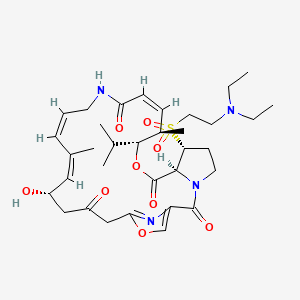
Dalfopristin;Dalfopristin Mesylate;(3R,4R,5E,10E,12E,14S,26R,26aS)-26-[[2-(DiethylaMino)ethyl]sulfonyl]-8,9,14,15,24,25,26,26a-octahydro-14-hydroxy-4,12-diMethyl-3-(1-Methylethyl)-3H-21,18-nitrilo-1H,22H-pyrrolo[2,1-c][1,8,4,19]dioxadiazacyclotetracosine-1,7,16,22(4H,17H)-tetr
Preparation: J.C. Barriere et al., EP 191662; eidem, US 4668669 (1986, 1987 both to Rhone-Poulenc)
Rhone-Poulenc Sante …..LINK
- Dalfopristin
- Dalfopristina
- Dalfopristina [INN-Spanish]
- Dalfopristine
- Dalfopristine [INN-French]
- Dalfopristinum
- Dalfopristinum [INN-Latin]
- RP 54476
- UNII-R9M4FJE48E
|
|
|
| Salt | ATC | Formula | MM | CAS |
|---|---|---|---|---|
| – | J01FG02 | C 34 H 50 N 4 O 9 S | 690.86 g / mol | 112362-50-2 |
Application
-
antibiotic (used for bacteremia caused by the vancomycin-resistant Enterococcus faecium )
 |
|
| Systematic (IUPAC) name | |
|---|---|
| (3R,4R,5E,10E,12E,14S,26R,26aS)-26-[[2-(diethylamino)ethyl]sulfonyl]-8,9,14,15,24,25,26,26a- octahydro-14-hydroxy-3-isopropyl-4,12-dimethyl-3H-21,18-nitrilo-1H,22H-pyrrolo[2,1-c][1,8,4,19]-dioxadiazacyclotetracosine-1,7,16,22(4H,17H)-tetrone | |
| Clinical data | |
| AHFS/Drugs.com | International Drug Names |
| MedlinePlus | a603007 |
| Legal status | |
| Pharmacokinetic data | |
| Half-life | 1 hour |
| Identifiers | |
| CAS number | 112362-50-2  |
| ATC code | None |
| PubChem | CID 6435782 |
| DrugBank | DB01764 |
| Chemical data | |
| Formula | C34H50N4O9S |
| Mol. mass | 690.85 g/mol |
Dalfopristin is a semi-synthetic streptogramin antibiotic analogue of ostreogyrcin A (virginiamycin M, pristinamycin IIA, streptogramin A).[1] The combination quinupristin/dalfopristin (marketed under the trade name Synercid) was brought to the market by Rhone-Poulenc Rorer Pharmaceuticals in 1999.[2] Synercid (weight-to-weight ratio of 30% quinupristin to 70% dalfopristin) is used to treatinfections by staphylococci and by vancomycin-resistant Enterococcus faecium.[3]
Synthesis
Through the addition of diethylaminoethylthiol to the 2-pyrroline group and oxidation of the sulfate of ostreogrycin A, a structurally more hydrophobic compound is formed. This hydrophobic compound contains a readily ionizable group that is available for salt formation.[1]
Large Scale Preparation
Dalfopristin is synthesized from pristinamycine IIa through achieving a stereoselective Michael-type addition of 2-diethylaminoethanethiol on the conjugated double bond of the dehydroproline ring [4] . The first method found was using sodium periodate associated with ruthenium dioxide to directly oxidize the sulfur derivative into a sulfone. However, using hydrogen peroxidewith sodium tungstate in a 2-phase medium produces an improved yield, and is therefore the method of choice for large scale production.
The production of the dalfopristin portion of quinupristin/dalfopristin is achieved through purifying cocrystallization of the quinupristin and dalfopristin from acetone solutions.[4]
Physical Characteristics (as mesylate salt)
| Appearance | White to yellow solid |
| Physical State | Solid |
| Solubility | Soluble in ethanol, methanol, DMSO, DMF, and water (0.072 mg/ml) |
| Storage | -20°C |
| Boiling Point | 940.5°C at 760 mmHg |
| Melting Point | 150°C |
| Density | 1.27 g/cm^3 |
| Refractive Index | n20D 1.58 |
| pK Values | pKa: 13.18 (Predicted), pKb: 8.97 (Predicted) |
Antimicrobial Activity
Alone, both dalfopristin and quinupristin have modest in vitro bacteriostatic activity. However, 8-16 times higher in vitro bactericidal activity is seen against many gram-positive bacteria when the two streptogramins are combined [5] . While quinupristin/dalfopristin is effective against staphylococci and vancomycin-resistant Enterococcus faecium, in vitro studies have not demonstrated bactericidal activity against all strains and species of common gram-positive bacteria.
Mechanism of Action
Both dalfopristin and quinupristin bind to sites located on the 50S subunit of the ribosome. Initial dalfopristin binding results in a conformational change of the ribosome, allowing for increased binding by quinupristin.[5] A stable drug-ribosome complex is created when the two drugs are used together. This complex inhibits protein synthesis through prevention of peptide-chain formation and blocking the extrusion of newly formed peptide chains. In many cases, this leads to bacterial cell death.
Mechanism of Resistance
Streptogramin resistance is mediated through enzymatic drug inactivation, efflux or active transport of drug out of the cell, and most commonly, conformational alterations in ribosomal target binding sites.[5] Enzymatic drug inactivation may occur in staphylococcal and enterococcal species through production of dalfopristin-inactivating acetyltransferase or quinupristin-inactivating hydrolase. Efflux or active transport of the drug may occur in coagulase-negative staphylococci and Enterococcus faecium. Constitutive ribosome modification has been seen in staphylococci with resistance seen in quinupristin only.
While resistance to dalfopristin may be conferred via a single point of mutation, quinupristin/dalfopristin offers the benefit of requiring multiple points of mutation targeting both dalfopristin and quinupristin components to confer drug resistance.[5] Comparatively, only 2-5% of staphylococcal isolates collected in France show resistance to a related streptogramin, pristinamycin, in over 35 years of use.
Drug Interactions
Both dalfopristin and quinupristin are extensively hepatically metabolized, excreted from the feces, and serve as an inhibitor of cytochrome P450 (CYP) 3A4 enzyme pathway.[5]Caution should be taken with concommitent use with drugs metabolized by the CYP3A4 pathway. Concomitant use of quinupristin/dalfopristin with cyclosporine for 2–5 days has shown to result in a two-fold increase in cyclosporine levels.
No adverse effects have been seen in patients with hepatic impairment and no recommendations by the manufacturer have been made for dose reduction ofquinupristin/dalfopristin in this patient population.
Commercialization
While little information is available regarding the regulatory and commercialization history of Dalfopristin alone, Synercid (quinupristin/dalfopristin), made by Rhone-Poulenc Rorer Pharmaceuticals, was approved in 1999 as an IV injectable for the treatment of vancomycin resistant Enterococcus faecium and complicated skin and skin structure infections.[2]Dalfopristin can be purchased alone on the internet from various chemical manufacturers as a mesylate salt.
Synthesis pathway
| Synthesis a) |
|---|
  |
US 4668669
OR
http://www.google.com/patents/EP0191662A1
- EXAMPLE 4
-
By proceeding in a similar manner to that described in subs. Ple 1, but starting from 5.5 g of (2-dimethylamino ethyl) thio-26 pristinaffycine II B, of 0.67 cm3 trifluoroacetic acid 1.8 g of meta-chloroperbenzoic acid and after purification by “flash” chromatography [eluent: chloroform-methanol (90:10 by volume)], collecting fractions of 30 cm3 and concentration to dryness fractions 23-40 under reduced pressure (2.7 kPa) at 30 ° C, 0.4 g of (2-dimethylamino ethyl) sulfinyl-26 pristinamycin II B (isomer A 2 70% 1 15% A isomer, isomer B 1 7%, isomer B 28%) as a yellow powder melting at 150 ° C.
-
NMR spectrum (isomer 2):
- 1.77 (s,-CH 3 at 33)
- 2.41 (s, – N (CH 3) 2)
- 2.70 to 3.20 (mt,

> CH 2-15 and H 4)
- 3.82 (s,> CH 2 at 17)
- 4.84 (m, – H 3 and H-27)
- 5.52 (d, – H13)
- 6.19 (d, H-11)
- 6.42 (m,> NH at 8)
- 8.14 (s, – H 20)
-
The (2-dimethylamino ethyl) thio pristinamycin II B-26 can be prepared as follows:
- By proceeding in a similar manner to that described in Example 3, but using 2.7 g of pristinamycin II A and 0.58 g of dimethylamino-ethanethiol and 2 after purification by “flash” chromatography [eluent: chloroform -methanol (90:10 by volume)] and concentration to dryness fractions 11-17 under reduced pressure (2.7 kPa) at 30 ° C, 1.1 g of (2-dimethylamino ethyl) thio-26 pristinamycin II B as a yellow powder melting at 100 ° C.
-
NMR spectrum:
- 2.35 (s, 6H:-N (CH 3) 2)
- 2.80 (m, 4H:-S-CH 2 CH 2 – <N)
- 3 40 (ddd, 1H: – H 26)
- 4.75 (d, 1 H, H-27)
- 8.10 (s, 1 H – H 20)

Trade Names
| Country | Trade name | Manufacturer |
|---|---|---|
| Germany | Sinertsid | Aventis Pharma |
| United Kingdom | – “- | Aventis |
| Italy | – “- | Aventis |
| USA | – “- | Aventis |
| Ukraine | No | No |
Formulations
-
injection of 180 mg / vial, 420 mg / vial
Links
-
US 4,668,669 (Rhône-Poulenc Sante; 26.5.1987; F-prior. 11.1.1985).
-
US 4,798,827 (Rhône-Poulenc Sante; 17.1.1989; F-prior. 22.5.1986).
-
GB 2206879 (Rhône-Poulenc Rorer; appl. 7/7/1987; GB -prior. 18/1/1989).
References
- Dalfopristin (as mesylate) (CAS 112362-50-2)
- http://www.accessdata.fda.gov/drugsatfda_docs/nda/99/50747_Synercid.cfm
- Allington DR, Rivey MP (2001). “Quinupristin/dalfopristin: a therapeutic review”. Clin Ther 23 (1): 24–44. doi:10.1016/S0149-2918(01)80028-X. PMID 11219478.
- Barriere, J.C.; Berthaud, N.; Beyer, D.; Dutka-Malen, S.; Paris, J.M.; Desnottes, J.F. (April 1998). “Recent Developments in Streptogramin Research”. Current Pharmaceutical Design 4 (2): 155–190. PMID 10197038. Retrieved 24 November 2013.
- Allington, Douglas R.; Rivey, Michael P. (January 2001). “Quinupristin/Dalfopristin: A Therapeutic Review”. Clinical Therapeutics 23 (1): 1–21. doi:10.1016/S0149-2918(01)80028-X. PMID 11219478.

| EP0252720A2 * | Jul 7, 1987 | Jan 13, 1988 | MAY & BAKER LIMITED | Pristinamycin process |
| EP0298177A1 * | Jul 7, 1987 | Jan 11, 1989 | Rhone-Poulenc Sante | Process for preparing pristinamycine IIB derivatives |
| US4866172 * | Apr 12, 1988 | Sep 12, 1989 | May & Baker Limited | Pristinamycin process |
| WO1992001693A1 * | Jul 15, 1991 | Jan 17, 1992 | Rhone Poulenc Rorer Sa | Method for the preparation of sulphinyl pristinamycin ii¿b? |
Anthony crasto’s blog New drug approvals touches 3 lakh views…….Helping millions

link is https://newdrugapprovals.org/
All about Drugs, live, by DR ANTHONY MELVIN CRASTO, Worlddrugtracker, Helping millions, 7 million hits on google, pushing boundaries, one lakh plus connections worldwide, 3 lakh plus VIEWS on this blog in 193 countries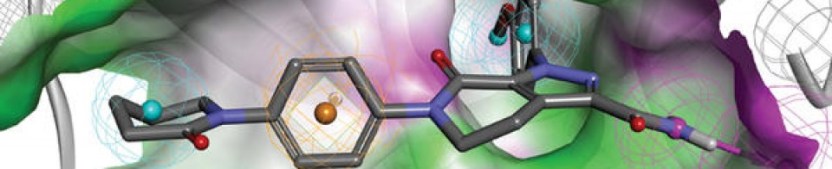
THANKS AND REGARD’S
DR ANTHONY MELVIN CRASTO Ph.D
web link

New Drug Approvals, ALL ABOUT DRUGS, WORLD DRUG TRACKER
MEDICINAL CHEM INTERNATIONAL, DRUG SYN INTERNATIONAL
SCALEUP OF DRUGS, ALL FOR DRUGS ON WEB,
MY CHINA, VIETNAM AND JAPAN BLOGS
ICELAND, RUSSIA, ARAB
BOBRDOBR, BLAND ICELAND, 100zakladok, adfty
GROUPS
you can post articles and will be administered by me on the google group which is very popular across the world
OPD GROUPSPACES, SCOOP OCI, organic-process-development GOOGLE, TVINX, MENDELEY WDT, SCIPEOPLE OPD, EPERNICUS OPD, SYNTHETIC ORGANIC CHEMISTRYLinkedIn group, DIIGO OPD, LINKEDIN OPD, WDT LINKEDIN, WDTI ZING


Minisci reactions: Versatile CH-functionalizations for medicinal chemists

Minisci reactions: Versatile CH-functionalizations for medicinal chemists
Matthew A. J. Duncton† *
Renovis, Inc. (a wholly-owned subsidiary of Evotec AG), Two Corporate Drive, South San Francisco, CA 94080, United States. E-mail: mattduncton@yahoo.com; Tel: +1 917-345-3183
First published on the web 22nd August 2011
http://pubs.rsc.org/en/content/articlehtml/2011/md/c1md00134e
http://pubs.rsc.org/en/content/articlehtml/2011/md/c1md00134e
http://pubs.rsc.org/en/content/articlehtml/2011/md/c1md00134e
http://pubs.rsc.org/en/content/articlehtml/2011/md/c1md00134e
http://pubs.rsc.org/en/content/articlehtml/2011/md/c1md00134e
http://pubs.rsc.org/en/content/articlehtml/2011/md/c1md00134e
The addition of a radical to a heteroaromatic base is commonly referred to as a Minsici reaction. Such reactions constitute a broad-set of selective CH-functionalization processes. This review describes some of the major applications of Minisci reactions and related processes to medicinal or biological chemistry, and highlights some potential developments within this area.
Introduction
The aim of this review is to summarize the use of Minisci reactions within medicinal chemistry, and to highlight some future opportunities to continue progression of this chemistry. As such, it is not an aim that detailed mechanistic information, or a comprehensive list of examples be described. For this, the reader is directed to excellent articles from Minisci, Harrowven and Bowman.1–3 Rather, the review is written to show that Minisci reactions are extremely valuable CH-functionalization processes within medicinal chemistry. However, their use has been somewhat under-utilized when compared with other well-known selective transformations (e.g. palladium-catalysed cross-couplings). Therefore, it is hoped that in the future, Minisci chemistry will continue to develop, such that the reactions become a staple-set of methods for medicinal and biological chemists alike.
To aid discussion, the review is divided in to several sections. First, some historical perspective is given. This is followed by a discussion of scope and limitations. The main-body of the review describes some specific examples of Minisci reactions and related processes, with a focus on their use within medicinal, or biological chemistry. Finally, brief mention is given to potential future applications, some of which may be beneficial in providing ‘high-content’ diverse libraries for screening.
http://pubs.rsc.org/en/content/articlehtml/2011/md/c1md00134e
http://pubs.rsc.org/en/content/articlehtml/2011/md/c1md00134e
http://pubs.rsc.org/en/content/articlehtml/2011/md/c1md00134e
http://pubs.rsc.org/en/content/articlehtml/2011/md/c1md00134e
http://pubs.rsc.org/en/content/articlehtml/2011/md/c1md00134e
http://pubs.rsc.org/en/content/articlehtml/2011/md/c1md00134e
http://pubs.rsc.org/en/content/articlehtml/2011/md/c1md00134e
http://pubs.rsc.org/en/content/articlehtml/2011/md/c1md00134e
http://pubs.rsc.org/en/content/articlehtml/2011/md/c1md00134e
http://pubs.rsc.org/en/content/articlehtml/2011/md/c1md00134e
http://pubs.rsc.org/en/content/articlehtml/2011/md/c1md00134e
http://pubs.rsc.org/en/content/articlehtml/2011/md/c1md00134e
…………………….
WIKI
The Minisci reaction is a named reaction in organic chemistry. It is a radical substitution to an aromatic compound, in particular to a heteroaromatic base, that introduces an alkyl group. The reaction was published about in 1971 by F. Minisci.[1] The aromatic compound is generally electron-deficient and with N-aromatic compounds the nitrogen atom is protonated.[2] A typical reaction is that between pyridine and pivalic acid to 2-tert-butylpyridine with silver nitrate, sulfuric acid and ammonium persulfate. The reaction resembles Friedel-Crafts alkylation but with opposite reactivity and selectivity.[3]
The Minisci reaction proceeds regioselectively and enables the introduction of a wide range of alkyl groups.[4] A side-reaction is acylation.[5] The ratio between alkylation and acylation depends on the substrate and the reaction conditions. Due to the simple raw materials and the simple reaction conditions the reaction has many applications in heterocyclic chemistry.[6][7]

Mechanism
A free radical is formed from the carboxylic acid in an oxidative decarboxylation with silver salts and an oxidizing agent. The oxidizing agent reoxidizes the silver salt. The radical then reacts with the aromatic compound. The ultimate product is formed by rearomatisation. The acylated product is formed from the acyl radical.[4][5]

References
- F. Minisci, R. Bernardi, F. Bertini, R. Galli, M. Perchinummo: Nucleophilic character of alkyl radicals—VI : A new convenient selective alkylation of heteroaromatic bases, in: Tetrahedron 1971, 27, 3575–3579.
- Minisci reaction Jie Jack Li in Name Reactions 2009, 361-362, doi:10.1007/978-3-642-01053-8_163
- Strategic applications of named reactions in organic synthesis: background and detailed mechanisms László Kürti, Barbara Czakó 2005
- F. Fontana, F. Minisci, M. C. N. Barbosa, E. Vismara: Homolytic acylation of protonated pyridines and pyrazines with α-keto acids: the problem of monoacylation, in: J. Org. Chem. 1991, 56, 2866–2869; doi:10.1021/jo00008a050.
- M.-L. Bennasar, T. Roca, R. Griera, J. Bosch: Generation and Intermolecular Reactions of 2-Indolylacyl Radicals, in: Org. Lett. 2001, 3, 1697–1700; doi:10.1021/ol0100576.
- P. B. Palde, B. R. McNaughton, N. T. Ross, P. C. Gareiss, C. R. Mace, R. C. Spitale, B. L. Miller: Single-Step Synthesis of Functional Organic Receptors via a Tridirectional Minisci Reaction, in: Synthesis 2007, 15, 2287–2290; doi:10.1055/s-2007-983792.
- J. A. Joules, K. Mills: Heterocyclic Chemistry, 5. Auflage, S. 125–141, Blackwell Publishing, Chichester, 2010, ISBN 978-1-4051-9365-8.


 New Drug Approvals