
FLAGS AND HITS
 DRUG APPROVALS BY DR ANTHONY MELVIN CRASTO
 FACEBOOK
...................................................................Join me on twitter
FACEBOOK
...................................................................Join me on twitter
 ..................................................................Join me on google plus
 Googleplus
MYSELF



Etirinotecan pegol (NKTR-102) エチリノテカンペゴル: A Next-Generation Topoisomerase I Inhibitor
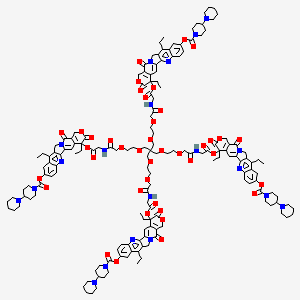

Etirinotecan pegol (NKTR-102)
848779-32-8
PEG-irinotecan
Molecular Formula: C161H192N20O40 Molecular Weight: 3047.35718
Nektar Therapeutics innovator
http://www.acsmedchem.org/mediabstractf2013.pdf

CAS: 1193151-09-5
Synonym: NKTR102; NKTR 102; NKTR-102; pegylated irinotecan NKTR 102; Etirinotecan pegol.
IUPAC/Chemical name: (1). Tetrakis{(4S)-9-[([1,4′-bipiperidinyl]-1′-carbonyl)oxy]-4,11-diethyl-3,14-dioxo-3,4,12,14- tetrahydro-1H-pyrano[3′,4′:6,7]indolizino[1,2-b]quinolin-4-yl} N,N’,N”,N”’- {methanetetrayltetrakis[methylenepoly(oxyethylene)oxy(1-oxoethylene)]}tetraglycinate tetrahydrochloride
(2). Poly(oxy-1,2-ethanediyl), α-hydro-ω-[2-[[2-[[(4S)-9-[([1,4′-bipiperidin]-1′-ylcarbonyl)oxy]- 4,11-diethyl-3,4,12,14-tetrahydro-3,14-dioxo-1H-pyrano[3′,4′:6,7]indolizino[1,2- b]quinolin-4-yl]oxy]-2-oxoethyl]amino]-2-oxoethoxy]-, ether with 2,2-bis(hydroxymethyl)- 1,3-propanediol, hydrochloride (4:1:4)

Etirinotecan pegol tetratriflutate [USAN]
RN: 1193151-12-0
MF and MW
-
C153-H176-N20-O36 (C8-H16-O4)n.4(C2-H-F3-O2)
- 3503.4754
Tetrakis((4S)-9-(((1,4′-bipiperidinyl)-1′-carbonyl)oxy)-4,11-diethyl-3,14-dioxo-3,4,12,14- tetrahydro-1H-pyrano(3′,4′:6,7)indolizino(1,2-b)quinolin-4-yl) N,N’,N”,N”’- (methanetetrayltetrakis(methylenepoly(oxyethylene)oxy(1-oxoethylene)))tetraglycinate tetrakis(trifluoroacetate)
NKTR-102 is currently being developed by Nektar. According to the company’s news release, this agent exhibits a very high response rate and excellent clinical benefit rate in patients with metastatic breast cancer, and importantly, this anti-tumor activity is maintained in each of the poor prognosis subsets within the study. The data from the Phase 2 study also shows highly promising PFS of 5.3 months and OS of 13.1 months in the every three week dose schedule, which was also very well-tolerated. As a novel topoisomerase I inhibitor in breast cancer, NKTR-102 holds great therapeutic potential and allows us to address the challenge of resistance in this setting
NKTR-102 (PEG-irinotecan), a PEGylated form of irinotecan, is in clinical development by Nektar Therapeutics for the treatment of multiple solid tumors, including colorectal cancer, metastatic or locally advanced breast cancer, metastatic or locally advanced ovarian cancer and gastrointestinal cancer. No recent development has been reported for phase I clinical trials for the treatment of gastrointestinal cancer.
In preclinical studies, NKTR-102 resulted in significantly higher reduction in tumor growth than irinotecan in colon, lung and breast tumors. The company believes that following intravenous administration of NKTR-102, irinotecan will be released slowly, resulting in prolonged systemic exposure of irinotecan. Irinotecan is a cytotoxic anticancer agent used extensively to treat colorectal, lung, esophageal and other solid tumors. In 2011, orphan drug designation was assigned to the compound in the U.S. for the treatment of ovarian cancer.
In 2011, orphan drug designation was assigned in the E.U. for the treatment of ovarian cancer. In 2012, fast track designation was assigned by the FDA for the treatment of locally recurrent or metastatic breast cancer progressing after treatment with an anthracycline, a taxane and capecitabine.
| Therapeutic Area | Nektar Discovered |
Indication | Phase |
| Oncology | |||
| Etirinotecan pegol (NKTR-102) | |||
 |
Metastatic Breast Cancer |  Phase 3 |
|
|
Platinum-Resistant Ovarian Cancer |  Phase 2 Completed |
|
|
Second-Line Colorectal Cancer | Phase 2 Completed |
|
|
Bevacizumab (Avastin)-refractory high-grade glioma | Phase 2 |
|
|
Non-Small Cell Lung Cancer (NSCLC) | Phase 2 |
|
|
Small Cell Lung Cancer (SCLC) | Phase 2 |
|
|
GI and solid tumors In combination with 5-FU |
 Phase 1 Completed |
|
 |
|||
http://www.nektar.com/product_pipeline/all_phases.html#BAX855
Market Overview
Etirinotecan pegol is in Phase 3 clinical development for patients with metastatic or locally recurrent breast cancer and Phase 2 clinical development for patients with solid tumor malignancies, including ovarian, colorectal, glioma, small cell and non-small cell lung cancers. Each year, approximately 5.3 million patients worldwide are diagnosed with one of these types of cancer.1
Etirinotecan Pegol Clinical Data and Product Profile
Etirinotecan pegol (NKTR-102) is the first long-acting topoisomerase I-inhibitor (Topo I) designed to concentrate in tumor tissue, provide sustained tumor suppression throughout the entire chemotherapy cycle, and to reduce the peak exposures that are associated with toxicities of other cytotoxics. Etirinotecan pegol was invented by Nektar using its advanced polymer conjugate technology platform, and is the first oncology product candidate to leverage Nektar’s releasable polymer technology platform.
Topo I-inhibitors are important chemotherapeutic agents used to treat cancer. Immediately after dosing, however, standard topo I-inhibitors reach high peak concentrations and diffuse quickly throughout the body—penetrating and damaging healthy tissue, such as bone marrow, as well as tumor tissue. Subsequent rapid metabolism limits topo I exposure in tumor cells, reducing the duration of their effect and resulting in a much lower tumor exposure to the active metabolite that may limit their efficacy.
Etirinotecan pegol is a novel chemotherapeutic designed to enhance the anti-cancer effects of topo I-inhibition while minimizing its toxicities. Unlike first generation topo I-inhibitors that exhibit a high initial peak concentration and short half-life, etirinotecan pegol’s unique pro-drug design results in a lowered initial peak concentration of active topo I inhibitor in the blood. The large etirinotecan pegol molecule is inactive when administered. Over time, the body’s natural enzymatic processes slowly metabolize the linkers within the molecule, continuously freeing active drug that then works to stop tumor cell division through inhibition of topo I.
Clinical and preclinical studies have shown that the half-life of active drug generated from etirinotecan pegol is greatly extended to 50 days (compared to 48 hours for irinotecan) and that active drug remains in circulation throughout the entire chemotherapy cycle, providing sustained exposure to topo I inhibition. In preclinical models, etirinotecan pegol achieved a 300-fold increase in tumor concentration as compared to a first generation topo I-inhibitor. Because etirinotecan pegol is a large molecule, it is believed to penetrate the leaky vasculature within the tumor environment more readily than normal vasculature, concentrating and trapping etirinotecan pegol in tumor tissue.
Etirinotecan pegol is currently in development for the treatment of breast, ovarian, colorectal, glioma, small cell and non-small cell lung cancers.
Ongoing clinical development for etirinotecan pegol:
- In metastatic breast cancer, a Phase 3 randomized, head to head study (The BEACON Study) of etirinotecan pegol compared to Treatment of Physician’s Choice (TPC) completed enrollment of 864 patients in August 2013. Data from the study on the primary endpoint of overall survival is expected by the end of 2014 or early 2015.
- In ovarian cancer, an expanded Phase 2 study of single-agent etirinotecan pegol in platinum refractory/resistant ovarian cancer in 177 women who failed prior Doxil therapy was completed at the end of 2012.
- In colorectal cancer, a 174-patient Phase 2 randomized, head-to-head study of etirinotecan pegol compared to irinotecan in patients with second-line colorectal cancer with the KRAS gene mutation is in progress.
- Etirinotecan pegol is also being evaluated in glioma, small cell and non-small cell lung cancers.
Highlighted Data Presentations:
Data from a Phase 2 clinical study of etirinotecan pegol in metastatic breast cancer were published in the November 2013 issue of The Lancet Oncology (click here to view manuscript) These data were previously presented at the 2011 ASCO Annual meeting (click here to download this presentation).
Data from a Phase 2 clinical study of etirinotecan pegol in platinum-resistant/refractory ovarian cancer were published in the September 30, 2013 online edition of the Journal of Clinical Oncology (click here to view abstract). These data were previously presented at the 2010 ASCO Meeting (click here to download this presentation).
Data from a Phase 2 clinical study of etirinotecan pegol in metastatic breast cancer were presented in an oral abstract session at the 2011 ASCO Breast Cancer Symposium by Agustin Garcia, MD. View presentation slides.
Data from a Phase 2 clinical study of NKTR-102 in a subpopulation of patients with platinum-resistant/refractory ovarian cancer and prior Doxil® (pegylated liposomal doxorubicin or PLD) treatment were presented at the 2011 ASCO Annual Meeting by Agustin Garcia, MD. (click here to download this presentation).
Data from a Phase 2 clinical study of etirinotecan pegol in metastatic breast cancer were presented at the 2010 33rd Annual CTRC-AACR San Antonio Breast Cancer Symposium by Amad Awada, MD. (click here to download this presentation).
2014 events related to this product
| January 16-18, 2014 | 2014 Gastrointestinal Cancers SymposiumPoster C55: “A phase I study of etirinotecan pegol in combination with 5-fluorouracil and leucovorin in patients with advanced cancer.” January 18, 2014 | San Francisco, CA |
| February 22, 2014 | 26.2 with Donna Marathon sponsored by Mayo Clinic | Jacksonville, FL |
| March 5-7, 2014 | TAT 2013: International Congress on Targeted Anticancer Therapies | Washington, DC |
| April 5-9, 2014 | AACR Annual Meeting 2013 | San Diego, CA |
| May 19-21, 2014 | 10th International Symposium on Polymer Therapeutics | Valencia, Spain |
| May 30-June 3, 2014 | 2014 ASCO 50th Annual MeetingPoster Presentation: “Combination Immunotherapy: Synergy of a Long-Acting Engineered Cytokine (NKTR-214) and Checkpoint Inhibitors Anti-CTLA-2 or Anti-PD-1 in Murine Tumor Models,” Kantak et al. Abstract Number: 3082 Session Title/Track: Developmental Therapies – Immunotherapy Date: June 1, 2014, 8:00 a.m. – 11:45 a.m. Central Time |
Chicago, Illinois |
| September 4-6, 2014 | ASCO Breast Cancer Symposium | San Francisco, CA |
| September 26-30, 2014 | ESMO 2014 Congress | Madrid, Spain |
| December 9-13, 2014 | San Antonio Breast Cancer Symposium | San Antonio, TX |
……………………….
http://www.google.com.ar/patents/US7744861?cl=pt-PT
Example 1 SYNTHESIS OF PENTAERYTHRITOLYL-4-ARM-(PEG-1-METHYLENE-2 OXO-VINYLAMINO ACETATE LINKED-IRINOTECAN)-20K
A. Synthesis of t-Boc-Glycine-Irinotecan

In a flask, 0.1 g Irinotecan (0.1704 mmoles), 0.059 g t-Boc-Glycine (0.3408 mmoles), and 0.021 g DMAP (0.1704 mmoles) were dissolved in 13 mL of anhydrous dichloromethane (DCM). To the solution was added 0.070 g DCC (0.3408 mmoles) dissolved in 2 mL of anhydrous DCM. The solution was stirred overnight at room temperature. The solid was removed through a coarse frit, and the solution was washed with 10 mL of 0.1N HCL in a separatory funnel. The organic phase was further washed with 10 mL of deionized H2O in a separatory funnel and then dried with Na2SO4. The solvent was removed using rotary evaporation and the product was further dried under vacuum. 1H NMR (DMSO): δ 0.919 (t, CH2CH 3), 1.34 (s, C(CH3)3), 3.83 (m, CH2), 7.66 (d, aromatic H).
B. Deprotection of t-Boc-Glycine-Irinotecan

0.1 g t-Boc-Glycine-Irinotecan (0.137 mmoles) was dissolved in 7 mL of anhydrous DCM. To the solution was added 0.53 mL trifluoroacetic acid (6.85 mmoles). The solution was stirred at room temperature for 1 hour. The solvent was removed using rotary evaporation. The crude product was dissolved in 0.1 mL MeOH and then precipitated in 25 mL of ether. The suspension was stirred in an ice bath for 30 minutes. The product was collected by filtration and dried under vacuum. 1H NMR (DMSO): δ 0.92 (t, CH2CH 3), 1.29 (t, CH2CH 3), 5.55 (s, 2H), 7.25 (s, aromatic H).
C. Covalent Attachment of a Multi-Armed Activated Polymer to Glycine Irinotecan.

0.516 g Glycine-Irinotecan (0.976 mmoles), 3.904 g 4arm-PEG(20K)-CM (0.1952 mmoles), 0.0596 g 4-(dimethylamino)pyridine (DMAP, 0.488 mmoles), and 0.0658 g 2-hydroxybenzyltriazole (HOBT, 0.488 mmoles) were dissolved in 60 mL anhydrous methylene chloride. To the resulting solution was added 0.282 g 1,3-dicyclohexylcarbodiimide (DCC, 1.3664 mmoles). The reaction mixture was stirred overnight at room temperature. The mixture was filtered through a coarse frit and the solvent was removed using rotary evaporation. The syrup was precipitated in 200 mL of cold isopropanol over an ice bath. The solid was filtered and then dried under vacuum. Yield: 4.08 g. 1H NMR (DMSO): δ 0.909 (t, CH2CH 3), 1.28 (m, CH2CH 3), 3.5 (br m, PEG), 3.92 (s, CH2), 5.50 (s, 2H).
Example 2 ANTI-TUMOR ACTIVITY OF PENTAERYTHRITOLYL-4-ARM-(PEG -1-METHYLENE-2 OXO-VINYLAMINO ACETATE LINKED-IRINOTECAN)-20K, “4-ARM-PEG-GLY-IRINO-20K” IN A COLON CANCER MOUSE XENOGRAFT MODEL
Human HT29 colon tumor xenografts were subcutaneously implanted in athymic nude mice. After about two weeks of adequate tumor growth (100 to 250 mg), these animals were divided into different groups of ten mice each. One group was dosed with normal saline (control), a second group was dosed with 60 mg/kg of irinotecan, and the third group was dosed with 60 mg/kg of the 4-arm PEG-GLY-Irino-20K (dose calculated per irinotecan content). Doses were administered intraveneously, with one dose administered every 4 days for a total of 3 administered doses. The mice were observed daily and the tumors were measured with calipers twice a week. FIG.1 shows the effect of irinotecan and PEG-irinotecan treatment on HT29 colon tumors in athymic nude mice.
As can be seen from the results depicted in FIG. 1, mice treated with both irinotecan and 4-arm-PEG-GLY-Irino-20K exhibited a delay in tumor growth (anti-tumor activity) that was significantly improved when compared to the control. Moreover, the delay in tumor growth was significantly better for the 4-arm-PEG-GLY-Irino-20K group of mice when compared to the group of animals administered unconjugated irinotecan.
Example 3 SYNTHESIS OF PENTAERYTHRITOLYL-4-ARM-(PEG-1-METHYLENE-2 OXO-VINYLAMINO ACETATE LINKED-IRINOTECAN)-40K, “4-ARM-PEG-GLY-IRINO-40K”
4-arm-PEG-GLY-IRINO-40K was prepared in an identical fashion to that described for the 20K compound in Example 1, with the exception that in step C, the multi-armed activated PEG reagent employed was 4 arm-PEG(40K)-CM rather than the 20K material.
Example 4 SYNTHESIS OF PENTAERYTHRITOLYL-4-ARM-(PEG-1-METHYLENE-2 OXO-VINYLAMINO ACETATE LINKED-SN-38)-20K, “4-ARM-PEG-GLY-SN-38-20K”
4-arm PEG-GLY-SN-38-20K was prepared in a similar fashion to its irinotecan counterpart as described in Example 1, with the exception that the active agent employed was SN-38, an active metabolite of camptothecin, rather than irinotecan, where the phenolic-OH of SN-38 was protected with MEMCI (2-methoxyethoxymethyl chloride) during the chemical transformations, followed by deprotection with TEA to provide the desired multi-armed conjugate.
Example 5 SYNTHESIS OF PENTAERYTHRITOLYL-4-ARM-(PEG-1-METHYLENE-2 OXO-VINYLAMINO ACETATE LINKED-SN-38)-40K, “4-ARM-PEG-GLY-SN-38-40K”
4-arm PEG-GLY-SN-38-40K was prepared in a similar fashion to the 20K version described above, with the exception that the multi-armed activated PEG reagent employed was 4 arm-PEG(40K)-CM rather than the 20K material.
Example 8 SYNTHESIS OF PENTAERYTHRITOLYL-4-ARM-(PEG-2-{2-[2-1-HYDROXY-2-OXO-VINYLOXY)-ETHOXY]-ETHYLAMINO}-PROPEN-1-ONE LINKED-IRINOTECAN)-20K AND -40K


A. 2-(2-t-Boc-aminoethoxy)ethanol (1)
2-(2-Aminoethoxy)ethanol (10.5 g, 0.1 mol) and NaHCO3 (12.6 g, 0.15 mol) were added to 100 mL CH2Cl2 and 100 mL H2O. The solution was stirred at RT for 10 minutes, then di-tert-butyl dicarbonate (21.8 g, 0.1 mol) was added. The resulting solution was stirred at RT overnight, then extracted with CH2Cl2 (3×100 mL). The organic phases were combined and dried over anhydrous sodium sulfate and evaporated under vacuum. The residue was subjected to silica gel column chromatography (CH2Cl2:CH3OH=50:1˜10:1) to afford 2-(2-t-Boc-aminoethoxy)ethanol (1) (16.0 g, 78 mmol, yield 78%)
B. 2-(2-t-Boc-aminoethoxy)ethoxycarbonyl-Irinotecan (2)
2-(2-t-Boc-aminoethoxy)ethanol (1) (12.3 g, 60 mmol) and 4-dimethylaminopyridine (DMAP) (14.6 g, 120 mmol) were dissolved in 200 ml anhydrous CH2Cl2. Triphosgene (5.91 g, 20 mmol) was added to the solution while stirring at room temperature. After 20 minutes, the solution was added to a solution of irinotecan (6.0 g, 10.2 mmol) and DMAP (12.2 g, 100 mmol) in anhydrous CH2Cl2 (200 mL). The reaction was stirred at RT for 2 hrs, then washed with HCI solution (pH=3, 2L) to remove DMAP. The organic phases were combined and dried over anhydrous sodium sulfate. The dried solution was evaporated under vacuum and subjected to silica gel column chromatography (CH2Cl2:CH3OH=40:1˜10:1) to afford 2-(2-t-Boc-aminoethoxy)ethoxycarbonyl-irinotecan (2) (4.9 g, 6.0 mmol, yield 59%).
C. 2-(2-aminoethoxy)ethoxycarbonyl-irinotecan TFA salt (3)
2-(2-t-Boc-aminoethoxy)ethoxycarbonyl-irinotecan (2) (4.7 g, 5.75 mmol) was dissolved in 60 mL CH2Cl2, and trifluoroacetic acid (TFA) (20 mL) was added at RT. The reaction solution was stirred for 2 hours. The solvents were removed under vacuum and the residue was added to ethyl ether and filtered to give a yellow solid as product 3 (4.3 g, yield 90%).
D. 4-arm-PEG20k-carbonate-inotecan (4)
4-arm-PEG20k-SCM (16.0 g) was dissolved in 200 mL CH2Cl2. 2-(2-aminoethoxy)ethoxycarbonyl-irinotecan TFA salt (3) (2.85 g, 3.44 mmol) was dissolved in 12 mL DMF and treated with 0.6 mL TEA, then added to a solution of 4-arm-PEG20k-SCM. The reaction was stirred at RT for 12 hrs then precipitated in Et2O to yield a solid product, which was dissolved in 500 mL IPA at 50° C. The solution was cooled to RT and the resulting precipitate collected by filtration to give 4-arm-PEG20k-glycine -irinotecan (4) (16.2 g, drug content 7.5% based on HPLC analysis). Yield: 60%.
E. 4-arm-PEG40k-carbonate-irinotecan (5)
4-arm-PEG40k-SCM (32.0 g) was dissolved in 400 mL CH2Cl2. 2-(2-aminoethoxy)ethoxycarbonyl-irinotecan TFA salt (3) (2.85 g, 3.44 mmol) was dissolved in 12 mL DMF and treated with 0.6 mL TEA, then added to the solution of 4-arm -PEG40k-SCM. The reaction was stirred at RT for 12 hrs and then precipitated in Et2O to get solid product, which was dissolved in 1000 mL isopropyl alcohol (IPA) at 50° C. The solution was cooled to RT and the precipitate collected by filtration to gave 4-arm-PEG40k-glycine-irinotecan (4) (g, drug content 3.7% based on HPLC analysis). Yield: 59%.
References
1: Iwase Y, Maitani Y. Dual functional octreotide-modified liposomal irinotecan leads to high therapeutic efficacy for medullary thyroid carcinoma xenografts. Cancer Sci. 2011 Oct 24. doi: 10.1111/j.1349-7006.2011.02128.x. [Epub ahead of print] PubMed PMID: 22017398.
2: Matsuzaki T, Takagi A, Furuta T, Ueno S, Kurita A, Nohara G, Kodaira H, Sawada S, Hashimoto S. Antitumor activity of IHL-305, a novel pegylated liposome containing irinotecan, in human xenograft models. Oncol Rep. 2012 Jan;27(1):189-97. doi: 10.3892/or.2011.1465. Epub 2011 Sep 20. PubMed PMID: 21935577.
3: Cobleigh MA. Other options in the treatment of advanced breast cancer. Semin Oncol. 2011 Jun;38 Suppl 2:S11-6. Review. PubMed PMID: 21600380.
4: Li C, Cui J, Wang C, Li Y, Zhang L, Xiu X, Li Y, Wei N, Zhang L, Wang P. Novel sulfobutyl ether cyclodextrin gradient leads to highly active liposomal irinotecan formulation. J Pharm Pharmacol. 2011 Jun;63(6):765-73. doi: 10.1111/j.2042-7158.2011.01272.x. Epub 2011 Apr 7. PubMed PMID: 21585373.
5: Iwase Y, Maitani Y. Octreotide-targeted liposomes loaded with CPT-11 enhanced cytotoxicity for the treatment of medullary thyroid carcinoma. Mol Pharm. 2011 Apr 4;8(2):330-7. Epub 2011 Jan 18. PubMed PMID: 21166471.
6: Xenidis N, Vardakis N, Varthalitis I, Giassas S, Kontopodis E, Ziras N, Gioulbasanis I, Samonis G, Kalbakis K, Georgoulias V. Α multicenter phase II study of pegylated liposomal doxorubicin in combination with irinotecan as second-line treatment of patients with refractory small-cell lung cancer. Cancer Chemother Pharmacol. 2011 Jul;68(1):63-8. Epub 2010 Sep 10. PubMed PMID: 20830475.
7: Pastorino F, Loi M, Sapra P, Becherini P, Cilli M, Emionite L, Ribatti D, Greenberger LM, Horak ID, Ponzoni M. Tumor regression and curability of preclinical neuroblastoma models by PEGylated SN38 (EZN-2208), a novel topoisomerase I inhibitor. Clin Cancer Res. 2010 Oct 1;16(19):4809-21. Epub 2010 Aug 11. PubMed PMID: 20702613.
8: Morgensztern D, Baggstrom MQ, Pillot G, Tan B, Fracasso P, Suresh R, Wildi J, Govindan R. A phase I study of pegylated liposomal doxorubicin and irinotecan in patients with solid tumors. Chemotherapy. 2009;55(6):441-5. Epub 2009 Dec 8. PubMed PMID: 19996589.
9: Meckley LM, Neumann PJ. Personalized medicine: factors influencing reimbursement. Health Policy. 2010 Feb;94(2):91-100. Epub 2009 Oct 7. PubMed PMID: 19815307.
10: Skak K, Søndergaard H, Frederiksen KS, Ehrnrooth E. In vivo antitumor efficacy of interleukin-21 in combination with chemotherapeutics. Cytokine. 2009 Dec;48(3):231-8. Epub 2009 Aug 25. PubMed PMID: 19709902.
11: Murphy CG, Seidman AD. Evolving approaches to metastatic breast cancer previously treated with anthracyclines and taxanes. Clin Breast Cancer. 2009 Jun;9 Suppl 2:S58-65. Review. PubMed PMID: 19596644.
12: Fox ME, Guillaudeu S, Fréchet JM, Jerger K, Macaraeg N, Szoka FC. Synthesis and in vivo antitumor efficacy of PEGylated poly(l-lysine) dendrimer-camptothecin conjugates. Mol Pharm. 2009 Sep-Oct;6(5):1562-72. PubMed PMID: 19588994; PubMed Central PMCID: PMC2765109.
13: Atyabi F, Farkhondehfai A, Esmaeili F, Dinarvand R. Preparation of pegylated nano-liposomal formulation containing SN-38: In vitro characterization and in vivo biodistribution in mice. Acta Pharm. 2009 Jun;59(2):133-44. PubMed PMID: 19564139.
14: Liu Z, Robinson JT, Sun X, Dai H. PEGylated nanographene oxide for delivery of water-insoluble cancer drugs. J Am Chem Soc. 2008 Aug 20;130(33):10876-7. Epub 2008 Jul 29. PubMed PMID: 18661992; PubMed Central PMCID: PMC2597374.
15: Scott LC, Yao JC, Benson AB 3rd, Thomas AL, Falk S, Mena RR, Picus J, Wright J, Mulcahy MF, Ajani JA, Evans TR. A phase II study of pegylated-camptothecin (pegamotecan) in the treatment of locally advanced and metastatic gastric and gastro-oesophageal junction adenocarcinoma. Cancer Chemother Pharmacol. 2009 Jan;63(2):363-70. Epub 2008 Apr 9. PubMed PMID: 18398613.
16: Almubarak M, Newton M, Altaha R. Reinduction of bevacizumab in combination with pegylated liposomal Doxorubicin in a patient with recurrent glioblastoma multiforme who progressed on bevacizumab/irinotecan. J Oncol. 2008;2008:942618. Epub 2008 Sep 2. PubMed PMID: 19259336; PubMed Central PMCID: PMC2648641.
17: Krauze MT, Noble CO, Kawaguchi T, Drummond D, Kirpotin DB, Yamashita Y, Kullberg E, Forsayeth J, Park JW, Bankiewicz KS. Convection-enhanced delivery of nanoliposomal CPT-11 (irinotecan) and PEGylated liposomal doxorubicin (Doxil) in rodent intracranial brain tumor xenografts. Neuro Oncol. 2007 Oct;9(4):393-403. Epub 2007 Jul 24. PubMed PMID: 17652269; PubMed Central PMCID: PMC1994096.
18: Li YF, Fu S, Hu W, Liu JH, Finkel KW, Gershenson DM, Kavanagh JJ. Systemic anticancer therapy in gynecological cancer patients with renal dysfunction. Int J Gynecol Cancer. 2007 Jul-Aug;17(4):739-63. Epub 2007 Feb 16. Review. PubMed PMID: 17309673.
19: Bayes M, Rabasseda X, Prous JR. Gateways to clinical trials. Methods Find Exp Clin Pharmacol. 2006 Dec;28(10):719-40. PubMed PMID: 17235418.
20: Lokich J. Same-day pegfilgrastim and chemotherapy. Cancer Invest. 2005;23(7):573-6. PubMed PMID: 16305982.
21: Honig A, Rieger L, Sutterlin A, Kapp M, Dietl J, Sutterlin MW, Kämmerer U. Brain metastases in breast cancer–an in vitro study to evaluate new systemic chemotherapeutic options. Anticancer Res. 2005 May-Jun;25(3A):1531-7. PubMed PMID: 16033055.
 |
|
 |
|
| Systematic (IUPAC) name | |
|---|---|
| (S)-4,11-diethyl-3,4,12,14-tetrahydro-4-hydroxy- 3,14-dioxo1H-pyrano[3’,4’:6,7]-indolizino[1,2-b]quinolin- 9-yl-[1,4’bipiperidine]-1’-carboxylate |
|
| Clinical data | |
| Trade names | Camptosar |
| AHFS/Drugs.com | monograph |
| MedlinePlus | a608043 |
| Pregnancy cat. | D (Australia, United States) |
| Legal status | POM (UK), ℞-only (U.S.) |
| Routes | Intravenous |
| Pharmacokinetic data | |
| Bioavailability | NA |
| Metabolism | Hepatic glucuronidation |
| Half-life | 6 to 12 hours |
| Excretion | Biliary and renal |
| Identifiers | |
| CAS number | 100286-90-6  |
| ATC code | L01XX19 |
| PubChem | CID 60838 |
| DrugBank | DB00762 |
| ChemSpider | 54825 |
| UNII | 7673326042 |
| KEGG | D08086 |
| ChEMBL | CHEMBL481 |
| Chemical data | |
| Formula | C33H38N4O6 e |
| Mol. mass | 586.678 g/mol (Irinotecan) 623.139 g/mol (Irinotecan hydrochloride) 677.185 g/mol (Irinotecan hydrochloride trihydrate)) |
…………..
Irinotecan (Camptosar, Pfizer; Campto, Yakult Honsha) is a drug used for the treatment of cancer.
Irinotecan prevents DNA from unwinding by inhibition of topoisomerase 1.[1] In chemical terms, it is a semisynthetic analogue of the natural alkaloid camptothecin.
Its main use is in colon cancer, in particular, in combination with other chemotherapy agents. This includes the regimen FOLFIRI, which consists of infusional 5-fluorouracil, leucovorin, and irinotecan.
Irinotecan received accelerated approval by the U.S. Food and Drug Administration (FDA) in 1996[2] and full approval in 1998.[3] During development, it was known as CPT-11.
Mechanism
Irinotecan is activated by hydrolysis to SN-38, an inhibitor of topoisomerase I. This is then inactivated by glucuronidation by uridine diphosphate glucoronosyltransferase 1A1 (UGT1A1). The inhibition of topoisomerase I by the active metabolite SN-38 eventually leads to inhibition of both DNA replication and transcription.
Interactive pathway map
Click on genes, proteins and metabolites below to link to respective articles. [§ 1]
[[File:

|{{{bSize}}}px]]

Irinotecan Pathway edit
- The interactive pathway map can be edited at WikiPathways: “IrinotecanPathway_WP46359”.
Side-effects
The most significant adverse effects of irinotecan are severe diarrhea and extreme suppression of the immune system.
Diarrhea
Irinotecan-associated diarrhea is severe and clinically significant, sometimes leading to severe dehydration requiring hospitalization or intensive care unit admission. This side-effect is managed with the aggressive use of antidiarrheals such as loperamide or Lomotil with the first loose bowel movement.
Immunosuppression
The immune system is adversely impacted by irinotecan. This is reflected in dramatically lowered white blood cell counts in the blood, in particular the neutrophils. The patient may experience a period of neutropenia (a clinically significant decrease of neutrophils in the blood) while the bone marrow increases white cell production to compensate.
Pharmacogenomics
Irinotecan is converted by an enzyme into its active metabolite SN-38, which is in turn inactivated by the enzyme UGT1A1 by glucuronidation.
*28 variant patients
People with variants of the UGT1A1 called TA7, also known as the “*28 variant”, express fewer UGT1A1 enzymes in their liver and often suffer from Gilbert’s syndrome. During chemotherapy, they effectively receive a larger than expected dose because their bodies are not able to clear irinotecan as fast as others. In studies this corresponds to higher incidences of severe neutropenia and diarrhea.[4]
In 2004, a clinical study was performed that both validated prospectively the association of the *28 variant with greater toxicity and the ability of genetic testing in predicting that toxicity before chemotherapy administration.[4]
In 2005, the FDA made changes to the labeling of irinotecan to add pharmacogenomics recommendations, such that irinotecan recipients with a homozygous (both of the two gene copies) polymorphism in UGT1A1 gene, to be specific, the *28 variant, should be considered for reduced drug doses.[5] Irinotecan is one of the first widely used chemotherapy agents that is dosed according to the recipient’s genotype.[6]
Research
Recently it was shown that antitumor activity of irinotecan against glioblastoma can be enhanced by co-treatment with statins.[7] Similarly, it was shown that berberine may enhance chemosensitivity to irinotecan in colon cancercells. [8]
References
- Pommier, Y., Leo, E., Zhang, H., Marchand, C. 2010. DNA topoisomerases and their poisoning by anticancer and antibacterial drugs. Chem. Biol. 17: 421-433.
- New York Times Article http://www.nytimes.com/1996/06/18/science/new-cancer-drug-approved.html
- FDA Review Letter http://www.accessdata.fda.gov/drugsatfda_docs/appletter/1998/20571s8ltr.pdf
- Innocenti F, Undevia SD, Iyer L, et al. (April 2004). “Genetic variants in the UDP-glucuronosyltransferase 1A1 gene predict the risk of severe neutropenia of irinotecan”. J. Clin. Oncol. 22 (8): 1382–8. doi:10.1200/JCO.2004.07.173. PMID 15007088.
- Camptosar® irinotecan hydrochloride injection August 2010 http://labeling.pfizer.com/ShowLabeling.aspx?id=533
- O’Dwyer PJ, Catalano RB (October 2006). “Uridine diphosphate glucuronosyltransferase (UGT) 1A1 and irinotecan: practical pharmacogenomics arrives in cancer therapy”. J. Clin. Oncol. 24 (28): 4534–8. doi:10.1200/JCO.2006.07.3031. PMID 17008691.
- Jiang PF (Jan 2014). “Novel anti-glioblastoma agents and therapeutic combinations identified from a collection of FDA approved drugs.”. J Transl Med. 12. doi:10.1186/1479-5876-12-13. PMC 3898565. PMID 24433351.
- Yu M (Jan 2014). “Berberine enhances chemosensitivity to irinotecan in colon cancer via inhibition of NF-κB”. J Mol Med Rep 9 (1): 249–54. doi:10.3892/mmr.2013.1762. PMID 24173769.
- DNA Topoisomerases and Cancer. Yves Pommier, Editor. Human Press. 2012
External links
With Persistence And Phase 3 Win, Amicus Nears First Drug Approval …….Migalastat

Migalastat hydrochloride
CAS Number: 75172-81-5 hydrochloride
CAS BASE….108147-54-2
ABS ROT = (+)
|
Conc: 1 g/100mL; Solv: water ; 589.3 nm; Temp: 24 °C |
IN Van den Nieuwendijk, Adrianus M. C. H.; Organic Letters 2010, 12(17), 3957-3959
3,4,5-Piperidinetriol,2-(hydroxymethyl)-, hydrochloride (1:1), (2R,3S,4R,5S)-
Molecular Structure:
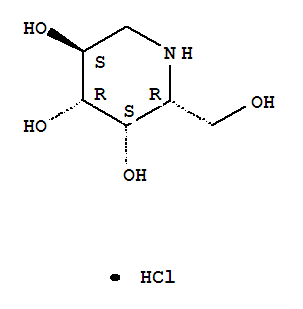
Formula: C6H14ClNO4
Molecular Weight:199.63
Synonyms: 3,4,5-Piperidinetriol,2-(hydroxymethyl)-, hydrochloride, (2R,3S,4R,5S)- (9CI);
3,4,5-Piperidinetriol,2-(hydroxymethyl)-, hydrochloride, [2R-(2a,3a,4a,5b)]-;
Migalastat hydrochloride;Galactostatin hydrochloride;
(2S,3R,4S,5S)-2-(hydroxymethyl)piperidine-3,4,5-triol hydrochloride;
- 1-Deoxygalactonojirimycin
- 1-Deoxygalactostatin
- Amigal
- DDIG
- Migalastat
- UNII-C4XNY919FW
Melting Point:160 °C-162…….http://www.google.com/patents/DE3906463A1?cl=de
Boiling Point:382.7 °C at 760 mmHg
Flash Point:185.2 °C
Amicus Therapeutics, Inc. innovator
Aug 2014
Amicus Therapeutics was on the ropes in late 2012 when its pill for a rare condition called Fabry Disease108147-54-2 failed a late-stage trial. It had already put seven years of work into the drug, and the setback added even more development time and uncertainty to the mix. But the Cranbury, NJ-based company kept plugging away, and now it looks like all the effort could lead to its first approved drug.
Amicus (NASDAQ: FOLD) is reporting today that the Fabry drug, migalastat, succeeded in the second of two late-stage trials. It hit two main goals that essentially measured its ability to slow the decline of Fabry patients’ kidney function comparably to enzyme-replacement therapy (ERT)—the standard of care for the often-fatal disorder.
Amicus believes the results, along with those from an earlier Phase 3 trial comparing migalastat to a placebo, are good enough to ask regulators in the U.S. and Europe for market approval.
“These are the good days to be a CEO,” says Amicus CEO John Crowley (pictured above). “It’s great when a plan comes together and data cooperates.”
Crowley says Amicus will seek approval of migalastat first in Europe and is already in talks with regulators there. In the next few months, Amicus will begin talking with the FDA about a path for approval in the U.S. as well.
End feb 2013
About Amicus Therapeutics
Amicus Therapeutics is a biopharmaceutical company at the forefront of therapies for rare and orphan diseases. The Company is developing orally-administered, small molecule drugs called pharmacological chaperones, a novel, first-in-class approach to treating a broad range of human genetic diseases. Amicus’ late-stage programs for lysosomal storage disorders include migalastat HCl monotherapy in Phase 3 for Fabry disease; migalastat HCl co-administered with enzyme replacement therapy (ERT) in Phase 2 for Fabry disease; and AT2220 co-administered with ERT in Phase 2 for Pompe disease.
About Migalastat HCl
Amicus in collaboration with GlaxoSmithKline (GSK) is developing the investigational pharmacological chaperone migalastat HCl for the treatment of Fabry disease. Amicus has commercial rights to all Fabry products in the United States and GSK has commercial rights to all of these products in the rest of world.
As a monotherapy, migalastat HCl is designed to bind to and stabilize, or “chaperone” a patient’s own alpha-galactosidase A (alpha-Gal A) enzyme in patients with genetic mutations that are amenable to this chaperone in a cell-based assay. Migalastat HCl monotherapy is in Phase 3 development (Study 011 and Study 012) for Fabry patients with genetic mutations that are amenable to this chaperone monotherapy in a cell-based assay. Study 011 is a placebo-controlled study intended primarily to support U.S. registration, and Study 012 compares migalastat HCl to ERT to primarily support global registration.
For patients currently receiving ERT for Fabry disease, migalastat HCl in combination with ERT may improve ERT outcomes by keeping the infused alpha-Gal A enzyme in its properly folded and active form thereby allowing more active enzyme to reach tissues.2Migalastat HCl co-administered with ERT is in Phase 2 (Study 013) and migalastat HCl co-formulated with JCR Pharmaceutical Co. Ltd’s proprietary investigational ERT (JR-051, recombinant human alpha-Gal A enzyme) is in preclinical development.
About Fabry Disease
Fabry disease is an inherited lysosomal storage disorder caused by deficiency of an enzyme called alpha-galactosidase A (alpha-Gal A). The role of alpha-Gal A within the body is to break down specific lipids in lysosomes, including globotriaosylceramide (GL-3, also known as Gb3). Lipids that can be degraded by the action of α-Gal are called “substrates” of the enzyme. Reduced or absent levels of alpha-Gal A activity leads to the accumulation of GL-3 in the affected tissues, including the kidneys, heart, central nervous system, and skin. This accumulation of GL-3 is believed to cause the various symptoms of Fabry disease, including pain, kidney failure, and increased risk of heart attack and stroke.
It is currently estimated that Fabry disease affects approximately 5,000 to 10,000 people worldwide. However, several literature reports suggest that Fabry disease may be significantly under diagnosed, and the prevalence of the disease may be much higher.
2. Benjamin, et al., Molecular Therapy: April 2012, Vol. 20, No. 4, pp. 717–726.
http://clinicaltrials.gov/show/NCT01458119
http://www.docstoc.com/docs/129812511/migalastat-hcl
Migalastat hydrochloride is a pharmacological chaperone in phase III development at Amicus Pharmaceuticals for the oral treatment of Fabry’s disease. Fabry’s disease occurs as the result of an inherited genetic mutation that results in the production of a misfolded alpha galactosidase A (alpha-GAL) enzyme, which is responsible for breaking down globotriaosylceramide (GL-3) in the lysosome. Migalastat acts by selectively binding to the misfolded alpha-GAL, increasing its stability and promoting proper folding, processing and trafficking of the enzyme from the endoplasmic reticulum to the lysosome.
In February 2004, migalastat hydrochloride was granted orphan drug designation by the FDA for the treatment of Fabry’s disease.
The EMEA assigned orphan drug designation for the compound in 2006 for the treatment of the same indication. In 2007, the compound was licensed to Shire Pharmaceuticals by Amicus Therapeutics worldwide, with the exception of the U.S., for the treatment of Fabry’s disease.
In 2009, this license agreement was terminated. In 2010, the compound was licensed by Amicus Therapeutics to GlaxoSmithKline on a worldwide basis to develop, manufacture and commercialize migalastat hydrochloride as a treatment for Fabry’s disease, but the license agreement terminated in 2013.
| Chemical Name: | DEOXYGALACTONOJIRIMYCIN, HYDROCHLORIDE |
| Synonyms: | DGJ;Amigal;Unii-cly7m0xd20;GALACTOSTATIN HCL;DGJ, HYDROCHLORIDE;Migalastat hydrochloride;Galactostatin hydrochloride;DEOXYGALACTONOJIRIMYCIN HCL;1-DEOXYGALACTONOJIRIMYCIN HCL;1,5-dideoxy-1,5-imino-d-galactitol |

………………………..

http://www.google.co.in/patents/WO1999062517A1?cl=en
Example 1
A series of plant alkaloids (Scheme 1, ref. 9) were used for both in vitro inhibition and intracellular enhancement studies of α-Gal A activity. The results of inhibition experiments are shown in Fig. 1 A.

f^

Among the tested compounds, 1-deoxy-galactonojirimycin (DGJ, 5) known as a powerful competitive inhibitor for α-Gal A, showed the highest inhibitory activity with IC50 at 4.7 nM. α-3,4-Di-epi-homonojirimycin (3) was an effective inhibitor with IC50 at 2.9 μM. Other compounds showed moderate inhibitory activity with IC50 ranging from 0.25 mM (6) to 2.6 mM (2). Surprisingly, these compounds also effectively enhanced α-Gal A activity in COS-1 cells transfected with a mutant α-Gal A gene (R301Q), identified from an atypical variant form of Fabry disease with a residual α- Gal A activity at 4% of normal. By culturing the transfected COS-1 cells with these compounds at concentrations cat 3 – 10-fold of IC50 of the inhibitors, α-Gal A activity was enhanced 1.5 – 4-fold (Fig. 1C). The effectiveness of intracellular enhancement paralleled with in vitro inhibitory activity while the compounds were added to the culture medium at lOμM
concentration (Fig. IB).
………………………
WO 2008045015
or http://www.google.com/patents/EP2027137A1?cl=en, http://www.google.com/patents/US7973157?cl=en
This invention relates to a process for purification of imino or amino sugars, such as D-1-deoxygalactonojirimycin hydrochloride (DGJ’HCl). This process can be used to produce multi-kilogram amounts of these nitrogen-containing sugars.
Sugars are useful in pharmacology since, in multiple biological processes, they have been found to play a major role in the selective inhibition of various enzymatic functions. One important type of sugars is the glycosidase inhibitors, which are useful in treatment of metabolic disorders. Galactosidases catalyze the hydrolysis of glycosidic linkages and are important in the metabolism of complex carbohydrates. Galactosidase inhibitors, such as D-I- deoxygalactonojirimycin (DGJ), can be used in the treatment of many diseases and conditions, including diabetes (e.g., U.S. Pat. 4,634,765), cancer (e.g., U.S. Pat. 5,250,545), herpes (e.g. , U.S. Pat. 4,957,926), HIV and Fabry Disease (Fan et al, Nat. Med. 1999 5:1, 112-5).
Commonly, sugars are purified through chromatographic separation. This can be done quickly and efficiently for laboratory scale synthesis, however, column chromatography and similar separation techniques become less useful as larger amounts of sugar are purified. The size of the column, amount of solvents and stationary phase (e.g. silica gel) required and time needed for separation each increase with the amount of product purified, making purification from multi-kilogram scale synthesis unrealistic using column chromatography.
Another common purification technique for sugars uses an ion- exchange resin. This technique can be tedious, requiring a tedious pre-treatment of the ion exchange resin. The available ion exchange resins are also not necessarily able to separate the sugars from salts (e.g., NaCl). Acidic resins tend to remove both metal ions found in the crude product and amino- or imino-sugars from the solution and are therefore not useful. Finding a resin that can selectively remove the metal cations and leave amino- or imino-sugars in solution is not trivial. In addition, after purification of a sugar using an ion exchange resin, an additional step of concentrating the diluted aqueous solution is required. This step can cause decomposition of the sugar, which produces contaminants, and reduces the yield.
U.S. Pats. 6,740,780, 6,683,185, 6,653,482, 6,653,480, 6,649,766, 6,605,724, 6,590,121, and 6,462,197 describe a process for the preparation of imino- sugars. These compounds are generally prepared from hydroxyl-protected oxime intermediates by formation of a lactam that is reduced to the hexitol. However, this process has disadvantages for the production on a multi-kg scale with regard to safety, upscaling, handling, and synthesis complexity. For example, several of the disclosed syntheses use flash chromatography for purification or ion-exchange resin treatment, a procedure that is not practicable on larger scale. One particularly useful imino sugar is DGJ. There are several DGJ preparations disclosed in publications, most of which are not suitable for an industrial laboratory on a preparative scale (e.g., >100 g). One such synthesis include a synthesis from D-galactose (Santoyo-Gonzalez, et al, Synlett 1999 593-595; Synthesis 1998 1787-1792), in which the use of chromatography is taught for the purification of the DGJ as well as for the purification of DGJ intermediates. The use of ion exchange resins for the purification of DGJ is also disclosed, but there is no indication of which, if any, resin would be a viable for the purification of DGJ on a preparative scale. The largest scale of DGJ prepared published is 13 g (see Fred-Robert Heiker, Alfred Matthias Schueller, Carbohydrate Research, 1986, 119-129). In this publication, DGJ was isolated by stirring with ion-exchange resin Lewatit MP 400 (OH“) and crystallized with ethanol. However, this process cannot be readily scaled to multi- kilogram quantities.
Similarly, other industrial and pharmaceutically useful sugars are commonly purified using chromatography and ion exchange resins that cannot easily be scaled up to the purification of multi-kilogram quantities.
Therefore, there is a need for a process for purifying nitrogen- containing sugars, preferably hexose amino- or imino-sugars that is simple and cost effective for large-scale synthesis
FIG. 1. HPLC of purified DGJ after crystallization. The DGJ is over 99.5% pure.

FIG. 2A. 1H NMR of DGJ (post HCl extraction and crystallization), from 0 – 15 ppm in DMSO.

FIG. 2B. 1H NMR of DGJ (post HCl extraction and crystallization), from 0 – 5 ppm, in DMSO.

FIG. 3 A. 1H NMR of purified DGJ (after recrystallization), from 0 – 15 ppm, in D2O. Note OH moiety has exchanged with OD.

FIG. 3B. 1H NMR of purified DGJ (after recrystallization), from 0 –
4 ppm, in D2O. Note OH moiety has exchanged with OD.

FIG. 4. 13C NMR of purified DGJ, (after recrystallization), 45 – 76 ppm.

One amino-sugar of particular interest for purification by the method of the current invention is DGJ. DGJ, or D-l-deoxygalactonojirimycin, also described as (2R,3S,4R,5S)-2-hydroxymethyl-3,4,5-trihydroxypiperidine and 1- deoxy-galactostatin, is a noj irimycin (5-amino-5-deoxy-D-galactopyranose) derivative of the form:

Example 1: Preparation and Purification of DGJ
A protected crystalline galactofuranoside obtained from the technique described by Santoyo-Gonzalez. 5-azido-5-deoxy-l,2,3,6-tetrapivaloyl-α-D- galactofuranoside (1250 g), was hydrogenated for 1-2 days using methanol (10 L) with palladium on carbon (10%, wet, 44 g) at 50 psi of H2. Sodium methoxide (25% in methanol, 1.25 L) was added and hydrogenation was continued for 1-2 days at 100 psi ofH2. Catalyst was removed by filtration and the reaction was acidified with methanolic hydrogen chloride solution (20%, 1.9 L) and concentrated to give crude mixture of DGJ • HCl and sodium chloride as a solid. The purity of the DGJ was about 70% (w/w assay), with the remaining 30% being mostly sodium chloride.
The solid was washed with tetrahydrofuran (2 x 0.5 L) and ether (I x 0.5 L), and then combined with concentrated hydrochloric acid (3 L). DGJ went into solution, leaving NaCl undissolved. The obtained suspension was filtered to remove sodium chloride; the solid sodium chloride was washed with additional portion of hydrochloric acid (2 x 0.3 L). All hydrochloric acid solution were combined and slowly poured into stirred solution of tetrahydrofuran (60 L) and ether (11.3 L). The precipitate formed while the stirring was continued for 2 hours. The solid crude DGJ* HCl, was filtered and washed with tetrahydrofuran (0.5 L) and ether (2 x 0.5 L). An NMR spectrum is shown in FIGS. 2A-2B.
The solid was dried and recrystallized from water (1.2 mL /g) and ethanol (10 ml/1 ml of water). This recrystallization step may be repeated. This procedure gave white crystalline DGJ* HCl, and was usually obtained in about 70- 75% yield (320 – 345 g). The product of the purification, DGJ-HCl is a white crystalline solid, HPLC >98% (w/w assay) as shown in FIG. 1. FIGS. 3A-3D and FIG. 4 show the NMR spectra of purified DGJ, showing the six sugar carbons.
Example 2: Purification of 1-deoxymannojirimycin 1 -deoxymannojirimycin is made by the method described by Mariano
(J. Org. Chem., 1998, 841-859, see pg. 859, herein incorporated by reference). However, instead of purification by ion-exchange resin as described by Mariano, the 1-deoxymannojirimycin is mixed with concentrated HCl. The suspension is then filtered to remove the salt and the 1-deoxymannojirimycin hydrochloride is precipitated crystallized using solvents known for recrystallization of 1- deoxymannojirimycin (THF for crystallization and then ethanol/water.
Example 3: Purification of (+)-l-deoxynojirimycin
(+)-l-deoxynojirimycin is made by the method Kibayashi et al. (J. Org. Chem., 1987, 3337-3342, see pg. 334I5 herein incorporated by reference). It is synthesized from a piperidine compound (#14) in HCl/MeOH. The reported yield of 90% indicates that the reaction is essentially clean and does not contain other sugar side products. Therefore, the column chromatography used by Kibayashi is for the isolation of the product from non-sugar related impurities. Therefore, instead of purification by silica gel chromatography, the (+)-l-deoxynojirimycin is mixed with concentrated HCl. The suspension is then filtered to remove the salt and the nojirimycin is crystallized using solvents known for recrystallization of nojirimycin.
Example 4: Purification of Nojirimycin
Nojirimycin is made by the method described by Kibayashi et al. (J.
Org. Chem., 1987, 3337-3342, see pg. 3342). However, after evaporating of the mixture at reduced pressure, instead of purification by silica gel chromatography with ammonia-methanol-chloroform as described by Kibayashi, the nojirimycin is mixed with concentrated HCl. The suspension is then filtered to remove the impurities not dissolved in HCl and the nojirimycin is crystallized using solvents known for recrystallization of nojirimycin.
……………………….
Synthesis of (+)-1-deoxygalactonojirimycin and a related indolizidine
Tetrahedron Lett 1995, 36(5): 653
-
Synthesis of (+)-1-deoxygalactonojirimycin and a related indolizidine
Original Research Article
- Pages 653-654
- Carl R. Johnson, Adam Golebiowski, Hari Sundram, Michael W. Miller, Renee L. Dwaihy
-
Amido-alcohol 1 is transformed via aminal 2 into 1-deoxygalactonojirimycin (3) and indolizidine 4.

Amido-alcohol 1 is transformed via aminal 2 into 1-deoxygalactonojirimycin (3) and the structurally related indolizidine 4.
………………………
Synthesis of D-galacto-1-deoxynojirimycin (1,5-dideoxy-1,5-imino-D-galactitol) starting from 1-deoxynojirimycin
Carbohydr Res 1990, 203(2): 314
-
Synthesis of d-galacto-1-deoxynojirimycin (1,5-dideoxy-1,5-imino-d-galactitol) starting from 1-deoxynojirimycin
- Pages 314-318
- Fred-Robert Heiker, Alfred Matthias Schueller
………………………………..
Synthesis of (+)-1,5-dideoxy-1,5-imino-D-galactitol, a potent alpha-D-galactosidase inhibitor
Carbohydr Res 1987, 167: 305
-
Synthesis of (+)-1,5-dideoxy-1,5-imino-d-galactitol, a potent α-d-galactosidase inhibitor
- Pages 305-311
- Ronald C. Bernotas, Michael A. Pezzone, Bruce Ganem
……………………………..
SEE
Monosaccharides containing nitrogen in the ring, XXXVII. Synthesis of 1,5-didexy-1,5-imino-D-galactitol
Chem Ber 1980, 113(8): 2601
…………………………
http://pubs.acs.org/doi/abs/10.1021/ol101556k
|
Conc: 1 g/100mL; Solv: water ; 589.3 nm; Temp: 24 °C |
IN
van den Nieuwendijk, Adrianus M. C. H.; Organic Letters 2010, 12(17), 3957-3959

The chemoenzymatic synthesis of three 1-deoxynojirimycin-type iminosugars is reported. Key steps in the synthetic scheme include a Dibal reduction−transimination−sodium borohydride reduction cascade of reactions on an enantiomerically pure cyanohydrin, itself prepared employing almond hydroxynitrile lyase (paHNL) as the common precursor. Ensuing ring-closing metathesis and Upjohn dihydroxylation afford the target compounds.
http://pubs.acs.org/doi/suppl/10.1021/ol101556k/suppl_file/ol101556k_si_002.pdf
COMPD 18
D-galacto-1-deoxynojirimicin.HCl (18).
D-N-Boc-6-OBn-galacto-1-deoxynojirimicin (159 mg, 0.450 mmol) was dissolved in a mixture of MeOH
(10 mL) and 6 M HCl (2 mL). The flask was purged with argon, Pd/C-10% (20 mg) was added and a balloon
with hydrogen gas was placed on top of the reaction. The mixture was stirred overnight at room temperature.
Pd/C was removed by filtration and the filtrate evaporated to yield the crude product (90 mg, 100%) as a
white foam that needed no further purification.
[α]24D = + 53.0 (c = 1, H2O);
[lit4a [α]24D = +44.6 (c = 0.9, H2O); lit4b [α]20D = +46.1 (c = 0.9, H2O)].
HRMS calculated for [C6H13NO4 + H]+164.09173; Found 164.09160.
1H NMR (400 MHz, D2O) δ 4.20 (dd, J = 2.7, 1.1 Hz, 1H), 4.11 (ddd, J = 11.4, 9.7, 5.4 Hz, 1H), 3.88 (ddd,
J = 20.9, 12.2, 6.8 Hz, 2H), 3.68 (dd, J = 9.7, 3.0 Hz, 1H), 3.55 (dd, J = 12.5, 5.4 Hz, 1H), 3.46 (ddd, J = 8.6,
4.8, 1.0 Hz, 1H), 2.97 – 2.86 (t, J = 12.0 Hz, 1H). [lit4c supporting information contains 1
H NMR-spectrumof an authentic sample].
13C NMR (101 MHz, D2O) δ 73.01, 66.97, 64.69, 60.16, 59.15, 46.15
4a) Ruiz, M.; Ruanova, T. M.; Blanco, O.; Núñez, F.; Pato, C.; Ojea, V. J. Org. Chem. 2008, 73, 2240
– 2255.
4b) Paulsen, H.; Hayauchi, Y.; Sinnwell, V. Chem. Ber. 1980, 113, 2601 – 2608. c)
McDonnell, C.; Cronin, L.; O’Brien, J. L.; Murphy, P. V. J. Org. Chem. 2004, 69, 3565 – 3568.
……………………………………….
(- ) FORM………… BE CAREFUL
Short and straightforward synthesis of (-)-1-deoxygalactonojirimycin
Org Lett 2010, 12(6): 1145
http://pubs.acs.org/doi/abs/10.1021/ol100037c

The mildness and low basicity of vinylzinc species functioning as a nucleophile in addition to α-chiral aldehydes is characterized by lack of epimerization of the vulnerable stereogenic center. This is demonstrated by a highly diastereoselective synthesis of 1-deoxygalactonojirimycin in eight steps from commercial starting materials with overall yield of 35%.

Figure 1. Structures of nojirimycin (1) and DGJ (2).
SEE SUPP INFO
http://pubs.acs.org/doi/suppl/10.1021/ol100037c/suppl_file/ol100037c_si_001.pdf
(-)-1-deoxygalactojirimycin hydrochloride as transparent colorless needles.
[α]D -51.4 (D2O, c 1.0)
1H-NMR (D2O) δ ppm 4.09 (dd, 1H, J 2.9 Hz, 1.3 Hz), 4.00 (ddd, 1H, J = 11.3 Hz, 9.7 Hz, 5.3 Hz),
3.80 (dd, 1H, J = 12,1 Hz, 8.8 Hz), 3.73 (dd, 1H, J = 12.1 Hz, 8.8 Hz), 3.56 (dd, 1H, J = 9.7 Hz, 2.9
Hz), 3.44 (dd, 1H, J = 12.4 Hz, 5.3 Hz), 3.34 (ddd, 1H, J = 8.7 Hz, 4.8 Hz, 1.0 Hz), 2.8 (app. t, 1H,
J = 12.0 Hz)
13C-NMR (D2O, MeOH iSTD) δ 73.6, 67.5, 65.3, 60.7, 59.7, 46.7
HRMS Measured 164.0923 (M + H – Cl) Calculated 164.0923 (C6H13NO4 + H – Cl)
…………………………………………………..
Concise and highly stereocontrolled synthesis of 1-deoxygalactonojirimycin and its congeners using dioxanylpiperidene, a promising chiral building block
Org Lett 2003, 5(14): 2527
http://pubs.acs.org/doi/abs/10.1021/ol034886y

A concise and stereoselective synthesis of the chiral building block, dioxanylpiperidene 4 as a precursor for deoxyazasugars, starting from the Garner aldehyde 5 using catalytic ring-closing metathesis (RCM) for the construction of the piperidine ring is described. The asymmetric synthesis of 1-deoxygalactonojirimycin and its congeners 1−3 was carried out via the use of 4in a highly stereocontrolled mode.
mp 135-135.5 °C [lit.3mp 137-139 °C];
[α]D25 +27.8° (c 0.67, H2O)
[lit.3[α]D23 +28° (c 0.5, H2O)];
1H NMR (300 MHz, D2O) δ 2.59–2.65 (m, 1H), 2.81–2.87 (m, 1H),
3.02–3.08 (m, 1H), 3.46–3.48 (m, 2H), 3.59–3.66 (m, 3H); 13C NMR (75 MHz, D2O) δ 44.7, 57.1,
58.4, 70.9, 71.4, 73.3 [lit4 13C NMR (125 MHz, D2O) δ 44.5, 56.8, 58.3, 70.1, 70.7, 72.3];
HRMScalcd for C6H13NO4 (M+) 163.0855, Found 163.0843. Anal. calcd for C6H13NO4: C, 44.16; N,
8.58; H, 8.03. Found: C, 44.31; N, 8.55; H, 7.71.
3. Schaller, C.; Vogel, P.; Jager, V. Carbohydrate Res. 1998, 314, 25-35.
4. Lee, B. W.; Jeong, Ill-Y.; Yang, M. S.; Choi, S. U.; Park, K. H. Synthesis 2000, 1305-1309.
…………………………………………..
Applications and limitations of the I2-mediated carbamate annulation for the synthesis of piperidines: Five- versus six-membered ring formation
J Org Chem 2013, 78(19): 9791
http://pubs.acs.org/doi/abs/10.1021/jo401512h

A protecting-group-free synthetic strategy for the synthesis of piperidines has been explored. Key in the synthesis is an I2-mediated carbamate annulation, which allows for the cyclization of hydroxy-substituted alkenylamines into piperidines, pyrrolidines, and furans. In this work, four chiral scaffolds were compared and contrasted, and it was observed that with both d-galactose and 2-deoxy-d-galactose as starting materials, the transformations into the piperidines 1-deoxygalactonorjirimycin (DGJ) and 4-epi-fagomine, respectively, could be achieved in few steps and good overall yields. When d-glucose was used as a starting material, only the furan product was formed, whereas the use of 2-deoxy-d-glucose resulted in reduced chemo- and stereoselectivity and the formation of four products. A mechanistic explanation for the formation of each annulation product could be provided, which has improved our understanding of the scope and limitations of the carbamate annulation for piperidine synthesis.
……………………………………………
Ruiz, Maria; Journal of Organic Chemistry 2008, 73(6), 2240-2255
http://pubs.acs.org/doi/abs/10.1021/jo702601z
ROT +44.6 ° Conc: 0.9 g/100mL; Solv: water ; 589.3 nm; Temp: 24 °C

A general strategy for the synthesis of 1-deoxy-azasugars from a chiral glycine equivalent and 4-carbon building blocks is described. Diastereoselective aldol additions of metalated bislactim ethers to matched and mismatched erythrose or threose acetonides and intramolecular N-alkylation (by reductive amination or nucleophilic substitution) were used as key steps. The dependence of the yield and the asymmetric induction of the aldol addition with the nature of the metallic counterion of the azaenolate and the γ-alkoxy protecting group for the erythrose or threose acetonides has been studied. The stereochemical outcome of the aldol additions with tin(II) azaenolates has been rationalized with the aid of density functional theory (DFT) calculations. In accordance with DFT calculations with model glyceraldehyde acetonides, hightrans,syn,anti-selectivitity for the matched pairs and moderate to low trans,anti,anti-selectivity for the mismatched ones may originate from (1) the intervention of solvated aggregates of tin(II) azaenolate and lithium chloride as the reactive species and (2) favored chair-like transition structures with a Cornforth-like conformation for the aldehyde moiety. DFT calculations indicate that aldol additions to erythrose acetonides proceed by an initial deprotonation, followed by coordination of the alkoxy-derivative to the tin(II) azaenolate and final reorganization of the intermediate complex through pericyclic transition structures in which the erythrose moiety is involved in a seven-membered chelate ring. The preparative utility of the aldol-based approach was demonstrated by application in concise routes for the synthesis of the glycosidase inhibitors 1-deoxy-d-allonojirimycin, 1-deoxy-l-altronojirimycin, 1-deoxy-d-gulonojirimycin, 1-deoxy-d-galactonojirimycin, 1-deoxy-l-idonojirimycin and 1-deoxy-d-talonojirimycin.
…………………..
http://pubs.acs.org/doi/abs/10.1021/jo00002a057
………………
Hinsken, Werner; DE 3906463 A1 1990
http://www.google.com/patents/DE3906463A1?cl=de
Example 1 Preparation of 1,5-dideoxy-1,5-imino-D-glucitol hydrobromide
A suspension of 1,5-dideoxy-1,5-imino-D-glucitol (500 g) in isopropanol (2 l) with 48% hydrochloric acid, bromine (620 g). The suspension is stirred for 2 hours at 40 ° C, cooled to 0 ° C and the product isolated by filtration.
Yield: 700 g (93% of theory),
mp: 184 ° C.
Example 2 Preparation of 1,5-dideoxy-1,5-imino-D-mannitol hydrobromide
The prepared analogously to Example 1 from 1,5-dideoxy 1,5-imino-D-mannitol and 48% hydrobromic acid.
Yield: 89% of theory;
C₆H₁₄NO₄Br (244.1)
Ber .: C 29.5%; H 5.8%; N 5.7%; Br 32.7%;
vascular .: C 29.8%; H 5.8%; N 5.8%; Br 32.3%.
Example 3 Preparation of 1,5-dideoxy-1,5-imino-D-Galactitol- hydrochloride
The preparation was carried out analogously to Example 1 from 1,5-dideoxy-1,5-imino-D-galactitol and corresponding mole ratios of 37% hydrochloric acid.
yield: 91% of theory
, mp: 160-162 ° C.
| Amat et al., “Eantioselective Synthesis of 1-deoxy-D-gluonojirimycin From A Phenylglycinol Derived Lactam,” Tetrahedron Letters, pp. 5355-5358, 2004. | ||
| 2 | Chernois, “Semimicro Experimental Organic Chemistry,” J. de Graff (1958), pp. 31-48. | |
| 3 | Encyclopedia of Chemical Technology, 4th Ed., 1995, John Wiley & Sons, vol. 14: p. 737-741. | |
| 4 | Heiker et al., “Synthesis of D-galacto-1-deoxynojirimycin (1, 5-dideoxy-1, 5-imino-D-galactitol) starting from 1-deoxynojirimycin.” Carbohydrate Research, 203: 314-318, 1990. | |
| 5 | Heiker et al., 1990, “Synthesis of D-galacto-1-deoxynojirimycin (1,5-dideoxy-1, 5-imino-D-galactitol) starting from 1-deoxynojirimycin,” Carbohydrate Research, vol. 203: p. 314-318. | |
| 6 | * | Joseph, Carbohydrate Research 337 (2002) 1083-1087. |
| 7 | * | Kinast et al. Angew. Chem. Int. Ed. Engl. 20 (1998), No. 9, pp. 805-806. |
| 8 | * | Lamb, Laboratory Manual of General Chemistry, Harvard University Press, 1916, p. 108. |
| 9 | Linden et al., “1-Deoxynojirimycin Hydrochloride,” Acta ChrystallographicaC50, pp. 746-749, 1994. | |
| 10 | Mellor et al., Preparation, biochemical characterization and biological properties of radiolabelled N-alkylated deoxynojirimycins, Biochem. J. Aug. 15, 2002; 366(Pt 1):225-233. | |
| 11 | * | Mills, Encyclopedia of Reagents for Organic Synthesis, Hydrochloric Acid, 2001 John Wily & Sons. |
| 12 | Santoyo-Gonzalez et al., “Use of N-Pivaloyl Imidazole as Protective Reagent for Sugars.” Synthesis 1998 1787-1792. | |
| 13 | Schuller et al., “Synthesis of 2-acetamido-1, 2-dideoxy-D-galacto-nojirimycin (2-acetamido-1, 2, 5-trideoxy-1, 5-imino-D-galacitol) from 1-deoxynojirimycin.” Carbohydrate Res. 1990; 203: 308-313. | |
| 14 | Supplementary European Search Report dated Mar. 11, 2010 issued in corresponding European Patent Application No. EP 06 77 2888. | |
| 15 | Uriel et al., A Short and Efficient Synthesis of 1,5-dideoxy-1,5-imino-D-galactitol (1-deoxy-D-galactostatin) and 1,5-dideoxy-1,5-dideoxy-1,5-imino-L-altritol (1-deoxy-L-altrostatin) From D-galactose, Synlett (1999), vol. 5, pp. 593-595. |
1-Deoxygalactonojirimycin:
(a) Liguchi, T.; Tajiri, K.; Ninomiya, I.; Naito, T. Tetrahedron2000, 56, 5819−5833.
(b) Mehta, G.; Mohal, N. Tetrahedron Lett. 2000, 41, 5741−5745.
(c) Asano, K.; Hakogi, T.; Iwama, S.; Katsumura, S. Chem. Commun. 1999, 41−42.
(d) Johnson, C. R.; Golebiowsky, A.; Sundram, H.; Miller, M. W.; Dwaihy, R. L. TetraherdonLett. 1995, 36, 653−654.
(e) Uriel, C.; Santoyo-Gonzalez, F. Synlett 1999, 593−595.
(f) Ruiz, M.; Ruanova, T. M.; Ojea, V.; Quintela, J. M. Tetrahedron Lett. 1999, 40, 2021−2024.
(g) Shilvock, J. P.; Fleet, G. W. J. Synlett 1998, 554−556.
(h) Chida, N.; Tanikawa, T.; Tobe, T.; Ogawa, S. J. Chem. Soc., Chem. Commun. 1994, 1247−1248.
(i) Aoyagi, S.; Fujimaki, S.; Yamazaki, N.; Kibayashi, C. J. Org. Chem. 1991, 56, 815−819.
(j) Kajimoto, T.; Chen, L.; Liu, K. K. C.; Wong, C. H. J. Am. Chem. Soc. 1991, 113, 6678−6680.
(k) Bernotas, R. C.; Pezzone, M. A.; Ganem, B. Carbohydr. Res. 1987, 167, 305−311. 1-Deoxyidonojirimycin:
(l) Singh, O. V.; Han, H. Tetrahedron Lett. 2003, 44, 2387−2391.
(m) Schaller, C.; Vogel, P.; Jager, V. Carbohydr. Res. 1998, 314, 25−35.
(n) Fowler, P. A.; Haines, A. H.; Taylor, R. J. K.; Chrystal, E. J. T.; Gravestock, M. B. Carbohydr. Res. 1993,246 377−381.
(o) Liu, K. K. C.; Kajimoto, T.; Chen, L.; Zhong, Z.; Ichikawa, Y.; Wong, C. H.J. Org. Chem. 1991, 56, 6280−6289. 1-Deoxygulonojirimycin: ref 5l.
(p) Haukaas, M. H.; O’Doherty, G. A. Org. Lett. 2001, 3, 401−404.
(q) Ruiz, M.; Ojea, V.; Ruanova, T. M.; Quintela, J. M. Tetrahedron: Asymmetry 2002, 13, 795−799. (r) Liao, L.-X.; Wang, Z.-M.; Zhang, H.-X.; Zhou, W.-S. Tetrahedron: Asymmetry 1999, 10, 3649−3657.
Indian Sterile Manufacturer receives FDA Warning Letter and changes company name from Marck Biosience to Amanta Healthcare


Marck Biosciences Ltd. to “Amanta Healthcare Ltd.”, effective from June 24, 2014. Click here to visit website at
|
| Marck Biosciences Limited is a producer of sterile products which has been producing sterile products for the US market. The FDA Warning Letter dated July 8, 2014 contains shocking details about the GMP situation at this facility. Read more here about the FDA Warning Letter to Marck Biosciences and about the name change to Amanta Healthcare. |
Which SOPs are required by GMP?

ECA is receiving a lot of questions on SOPs (Standard Operating Procedures) needed in a GMP environment. The most interesting is the one on which SOPs are required by law. Here is an Overview.

GMP News: Which SOPs are required by GMP?
|
View original post 608 more words
Drug from Mediterranean weed kills tumor cells in mice – Thapsia garganica

Just a three-day course reduced the size of human prostate tumors grown in mice by an average of 50 percent within 30 days
‘Molecular grenade’ now in clinical trials for advanced cancer
12 JUL 2012
Scientists at the Johns Hopkins Kimmel Cancer Center, working with Danish researchers, have developed a novel anticancer drug designed to travel — undetected by normal cells — through the bloodstream until activated by specific cancer proteins. The drug, made from a weedlike plant, has been shown to destroy cancers and their direct blood supplies, acting like a “molecular grenade,” and sparing healthy blood vessels and tissues.
In laboratory studies, researchers said they found that a three-day course of the drug, called G202, reduced the size of human prostate tumors grown in mice by an average of 50 percent within 30 days. In a direct comparison, G202 outperformed the chemotherapy drug docetaxel, reducing seven of nine human prostate…
View original post 572 more words
FDA approves new drug Cerdelga (eliglustat) to treat a form of Gaucher disease

Release
read synthesis at
https://newdrugapprovals.org/2013/12/14/the-us-food-and-drug-administration-fda-has-granted-a-six-month-priority-review-designation-to-genzymes-new-drug-application-nda-for-cerdelga-eliglustat/ – See more at: http://worlddrugtracker.blogspot.in/#sthash.tJzVgHVT.dpuf
Wednesday, 20 August 2014 Glenmark enters Oncology with the Discovery and the Initiation of IND enabling Studies of an innovative bispecific Antibody

August 20, 2014: Glenmark Pharmaceuticals S.A. (GPSA), a wholly owned subsidiary of Glenmark Pharmaceuticals Limited India (GPL), announces the discovery and initiation of IND enabling studies of a novel clinical development candidate, GBR 1302, a HER2xCD3 bispecific antibody. GBR 1302 was discovered and developed by the Glenmark Biologics Research Centre located in La Chaux-de-Fonds, Switzerland. GBR 1302 is based on Glenmark’s innovative BEAT antibody technology platform which facilitates the efficient development and manufacture of antibodies with dual specificities, so-called bispecific antibodies. GBR 1302 is the first clinical development candidate based on the BEAT technology. Glenmark expects to obtain approval for the initiation of clinical studies during this financial year.
·GBR 1302 is the first bispecific antibody based on Glenmark’s proprietary BEAT platform
- GBR 1302 is Glenmark’s first clinical candidate targeting oncology indications
Glenmark Pharmaceuticals announced the discovery and initiation of IND enabling studies of a novel clinical development candidate, GBR 1302, a HER2xCD3 bispecific antibody. GBR 1302 was discovered and developed by the Glenmark Biologics Research Centre located in La Chaux-de-Fonds, Switzerland. GBR 1302 is based on Glenmark’s innovative BEAT antibody technology platform which facilitates the efficiend development and manufacture of antibodies with dual specificities, so-called bispecific antibodies. GBR 1302 is the first clinical development candidate based on the BEAT technology.Glenmark expect to obtain approval for the initiation of clinical studies during this financial year.
read at
– See more at: http://worlddrugtracker.blogspot.in/#sthash.tJzVgHVT.dpuf
Antimicrobial resistance

Antimicrobials are medicines that kill or inactivate microbes, small disease-causing organisms. They include antibiotics, which are used against bacteria. After being exposed to an antimicrobial repeatedly, microbes can undergo changes that stop them being killed or inactivated by the treatments. This is known as antimicrobial resistance.
The European Medicines Agency is concerned about the development of antimicrobial resistance, particularly resistance to antibiotics. A well-known example of a bacterium that is resistant to a number of antibiotics is meticillin-resistant Staphylococcus aureus(MRSA), which has caused infections that are difficult to treat across the European Union (EU).

This problem is being made worse by the fact that few new antimicrobials have been authorised over the past few years. This may lead to infections becoming more difficult to treat in the future.
Antimicrobial resistance is a growing problem in humans and in animals. Resistance can also spread from animals to humans through the food chain or direct contact.
The role of the Agency
The Agency works in collaboration with its EU and international partners in a number of initiatives aiming to limit the development of resistance. It is also monitoring and evaluating the risks to human and animal health.
A major such initiative is the Transatlantic Task Force on Antimicrobial Resistance (TATFAR), which was established following the EU-United States summit in November 2009. The Task Force aims to increase levels of communication, coordination and co-operation between the EU and the United States on human and veterinary antimicrobials.

Human health
In human medicine, the availability of medicines to treat infections with resistant organisms has become a major problem in recent years.
In September 2009, the Agency published a joint report together with the European Centre for Disease Prevention and Control (ECDC) and the international network ReAct – Action on Antibiotic Resistance. This report highlights the gap between infections due to resistant bacteria and the development of new antibiotics.

The report states that at least 25,000 patients in the EU die each year from infections due to bacteria that are resistant to many medicines, and that infections due to these bacteria in the EU result in extra healthcare costs and productivity losses of at least €1.5 billion each year. Although it identified 15 antibiotics under development, most of these were early in development and were targeted against bacteria for which treatment options were already available.
Authorisation of new antibiotics
The Agency plays a key role in the authorisation of new antibiotics, because medicines with a significant therapeutic innovation or that are in the interest of public or animal health are authorised centrally in the EU, on the recommendation of the Agency.
In January 2012, the Agency updated its guidance to companies developing antibiotics, covering how they should carry out studies to test these medicines’ benefits and risks:
This is accompanied by an addendum giving information on how to study medicines for specific indications. The final addendum was published in November 2013 following a public consultation:

Animal health
The Agency is focused on promoting the prudent use of antimicrobials in animals, to limit the development of resistance. This goal is addressed in this document:
In line with this strategy, the Agency published a revised version of its guideline onefficacy for public consultation in May 2013. This draft guideline provides detailed recommendations for the design and conduct of pre-clinical and clinical studies to support clinical efficacy for antimicrobial veterinary products:
Since early 2010, the Agency has been leading a project collecting information on the sale of veterinary antimicrobials across the EU:

The CVMP has also published a large number of documents on microbial resistance in animals and its risks for humans.
Reports published by the Agency together with other European bodies, including ECDC, EFSA and the European Commission’s Scientific Committee on Emerging and Newly Identified Health Risks (SCENIHR) have emphasised the need for the prudent use of antibiotics in animals and the role of basic hygiene, and called for strengthened surveillance of resistance, the development of new antimicrobials and new strategies to combat the spread of resistance:
- Joint scientific report of ECDC, EFSA and the European Medicines Agency on MRSA in livestock, companion animals and food
- Joint opinion on antimicrobial resistance focused on zoonotic infections
In 2013 and 2014, the Agency carried out a large body of work to provide advice to the European Commission on the use of antibiotics in animals and the impact on public health and animal health.
Turkish man pleads guilty to importing illegal cancer drugs

August 15, 2014
Release
Sabahaddin Akman, owner of the Istanbul, Turkey, firm Ozay Pharmaceuticals, has pleaded guilty to charges of smuggling misbranded and adulterated cancer treatment drugs into the United States.
Akman pleaded guilty in the U.S. District Court for the Eastern District of Missouri, in St. Louis, Missouri, where he initially shipped his illegal drugs. The drugs did not meet the FDA’s standards and had not been approved for distribution in the United States.
The FDA’s Office of Criminal Investigations coordinated a complex, multi-layered international investigation that led to Akman’s arrest in Puerto Rico in January 2014. The investigation identified Akman and his company as a source of Altuzan, the Turkish version of the cancer treatment drug Avastin.
“These criminals exploited our most vulnerable patients when they arranged for their illicit drugs to be brought into the United States and used to treat cancer patients. We will continue to…
View original post 178 more words
Road map to 2015, The European Medicines Agency’s contribution to science, medicines and health

One of the European Medicines Agency’s long-term strategic goals is to foster researchand the uptake of innovative methods in the development of medicines.

READ………….Road map to 2015
The European Medicines Agency’s
contribution to science, medicines and health……………..http://www.ema.europa.eu/docs/en_GB/document_library/Report/2011/01/WC500101373.pdf
This helps the Agency to meet its objective of making safe and effective medicines available to patients in a timely manner, following evaluation using state-of-the-art methods.
The Agency also supports the development of new therapies and technologies by working with interested parties in the European Union (EU).
Activities at the Agency
In 2004, the Agency set up the European Medicines Agency/Committee for Medicinal Products for Human Use (CHMP) Think-Tank Group on Innovative Drug Development.
This group included Agency staff and members of the CHMP and its working parties. Its work focused on identifying scientific bottlenecks and emerging science in the development of medicines, both in industry research and development…
View original post 182 more words
DR ANTHONY MELVIN CRASTO

ORGANIC SPECTROSCOPY


 New Drug Approvals