PROUD Indian WORLD RECORD VIEWS holder on THIS BLOG, ………live, by DR ANTHONY MELVIN CRASTO, Worldpeaceambassador, Worlddrugtracker, Helping millions, 100 million hits on google, pushing boundaries,2.5 lakh plus connections worldwide, 45 lakh plus VIEWS on this blog in 227 countries, 7 CONTINENTS ……A 90 % paralysed man in action for you, I am suffering from transverse mylitis and bound to a wheel chair, [THIS BLOG HOLDS WORLD RECORD VIEWS ] A PROUD INDIAN
Join me on Facebook
FACEBOOK
...................................................................Join me on twitter
..................................................................Join me on google plus
Googleplus
MYSELF
DR ANTHONY MELVIN CRASTO Ph.D ( ICT, Mumbai)
, INDIA
36Yrs Exp. in the feld of Organic Chemistry,Working for AFRICURE PHARMA as ADVISOR earlier with GLENMARK PHARMA at Navi Mumbai, INDIA. Serving chemists around the world. Helping them with websites on Chemistry.Million hits on google,
NO ADVERTISEMENTS , ACADEMIC , NON COMMERCIAL SITE, world acclamation from industry, academia, drug authorities for websites, blogs and educational contribution, ........amcrasto@gmail.com..........+91 9323115463, Skype amcrasto64
DR ANTHONY MELVIN CRASTO, Born in Mumbai in 1964 and graduated from Mumbai University, Completed his Ph.D from ICT, 1991,Matunga, Mumbai, India, in Organic Chemistry, The thesis topic was Synthesis of Novel Pyrethroid Analogues, Currently he is working with AFRICURE PHARMA, ROW2TECH, NIPER-G, Department of Pharmaceuticals, Ministry of Chemicals and Fertilizers, Govt. of India as ADVISOR, earlier assignment was
with GLENMARK LIFE SCIENCES LTD, as CONSUlTANT, Retired from GLENMARK in Jan2022 Research Centre as Principal Scientist, Process Research (bulk actives) at Mahape, Navi Mumbai, India. Total Industry exp 32 plus yrs, Prior to joining Glenmark, he has worked with major multinationals like Hoechst Marion Roussel, now Sanofi, Searle India Ltd, now RPG lifesciences, etc. He has worked with notable scientists like Dr K Nagarajan, Dr Ralph Stapel, Prof S Seshadri, etc, He did custom synthesis for major multinationals in his career like BASF, Novartis, Sanofi, etc., He has worked in Discovery, Natural products, Bulk drugs, Generics, Intermediates, Fine chemicals, Neutraceuticals, GMP, Scaleups, etc, he is now helping millions, has 9 million plus hits on Google on all Organic chemistry websites. His friends call him Open superstar worlddrugtracker. His New Drug Approvals, Green Chemistry International, All about drugs, Eurekamoments, Organic spectroscopy international,
etc in organic chemistry are some most read blogs He has hands on experience in initiation and developing novel routes for drug molecules
and implementation them on commercial scale over a 32 PLUS year tenure till date Feb 2023, Around 35 plus products in his career. He has good knowledge of IPM, GMP, Regulatory aspects, he has several International patents published worldwide . He has good proficiency in Technology transfer, Spectroscopy, Stereochemistry, Synthesis, Polymorphism etc., He suffered a paralytic stroke/ Acute Transverse mylitis in Dec 2007 and is 90 %Paralysed, He is bound to a wheelchair, this seems to have injected feul in him to help chemists all around the world, he is more active than before and is pushing boundaries, He has 100 million plus hits on Google, 2.5 lakh plus connections on all networking sites, 100 Lakh plus views on dozen plus blogs, 227 countries, 7 continents, He makes himself available to all, contact him on +91 9323115463, email amcrasto@gmail.com, Twitter, @amcrasto , He lives and will die for his family, 90% paralysis cannot kill his soul., Notably he has 38 lakh plus views on New Drug Approvals Blog in 227 countries......https://newdrugapprovals.wordpress.com/ , He appreciates the help he gets from one and all, Friends, Family, Glenmark, Readers, Wellwishers, Doctors, Drug authorities, His Contacts, Physiotherapist, etc
He has total of 32 International and Indian awards
Multi-step in flow: The palladium-catalysed acylation of terminal alkynes for the synthesis of yneones as well as their further transformation to various heterocycles in a continuous-flow mode is presented. Furthermore, an extension of the simple flow configuration that allows for easy batch splitting and the generation of a heterocyclic library is described (see scheme).
Mongersen (GED-0301) from Celgene Corp. (NASDAQ:CELG) produced clinical remission rates as high as 65.1% in a Phase II trial in 166 patients with moderate to severe Crohn’s disease, according to an abstract published in advance of the United European Gastroenterology’s meeting in Vienna.
In the trial, 55% of patients receiving 40 mg/day of mongersen and 65.1% of those receiving 160 mg/day achieved clinical remission compared with 9.5% of placebo patients (p<0.0001 for both). A cohort receiving 10 mg/day achieved a clinical remission rate of 12.2%, which was not significantly better than placebo.
The study’s primary outcomes were clinical remission, defined by a CDAI score less than 150 at day 15 and maintained for more than two weeks, and safety. Mongersen was well-tolerated, and toxicities associated with systemically active antisense therapies were not observed.
The study’s secondary endpoint is clinical response, defined as a CDAI score reduction of 100 points at day 28. Those rates were dose-dependent: 36.6%, 57.5% and 72.1% for the low, medium and high doses compared with 16.7% for placebo.
Celgene said it plans to start Phase III testing of mongersen shortly. The company paid $710 million up front to obtain exclusive, worldwide rights to the antisense oligonucleotide targeting SMAD family member 7 (MADH7; SMAD7) from Nogra Pharma Ltd. (Dublin, Ireland) in April. Nogra is eligible for $1.9 billion in milestones, plus tiered single-digit royalties.
GED-0301, an antisense oligonucleotide targeting the SMAD7 gene, is in phase II clinical trials at Nogra Pharma for the oral treatment of moderate to severe Crohn’s disease.
Inflammatory bowel disease (IBD) is a chronic inflammatory disorder of the gastrointestinal tract suffered by approximately one million patients in the United States. The two most common forms of IBD are Crohn’s disease (CD) and ulcerative colitis (UC). Although CD can affect the entire gastrointestinal tract, it primarily affects the ilieum (the distal or lower portion of the small intestine) and the large intestine. UC primarily affects the colon and the rectum. Current treatment for both CD and UC include aminosalicylates (e.g., 5- aminosalicylic acid, sulfasalazine and mesalamine), antibiotics (e.g., ciprofloxacin and metronidazole), corticosteroids (e.g., budesonide or prednisone), immunosuppressants (e.g., azathioprine or methotrexate) and tumor necrosis factor (TNF) antagonists (e.g., infliximab (Remicade®)). Patient response to these therapies varies with disease severity and it can vary over cycles of active inflammation and remission. Moreover, many of the current therapies for IBD are associated with undesirable side effects.
Although the etiologies of CD and UC are unknown, both are considered inflammatory diseases of the intestinal mucosa. Recent studies have demonstrated that TGF-β 1 acts as a potent immunoregulator able to control mucosal intestinal inflammation. TGF-βΙ binds a heterodimeric transmembrane serine/threonine kinase receptor containing two subunits, TGF-βΙ Rl and TGF-βΙ R2. Upon ligand binding, the TGF-βΙ Rl receptor is phosphorylated by the constitutively active TGF-βΙ R2 receptor and signal is propagated to the nucleus by proteins belonging to the SMAD family. Activated TGF-β Ι Rl directly phosphorylates SMAD2 and SMAD3 proteins, which then interact with SMAD4. The complex of SMAD2/SMAD3/SMAD4 translocates to the nucleus and modulates the transcription of certain genes.
Additional studies have demonstrated that another SMAD protein, SMAD7, also plays a role in inflammation. SMAD7, an intracellular protein, has been shown to interfere with binding of SMAD2/SMAD3 to the TGF-βΙ Rl preventing phosphorylation and activation of these proteins. Further, increased expression of SMAD7 protein is associated with an inhibition of TGF-βΙ mediated-signaling. Mucosal samples from IBD patients are characterized by high levels of SMAD7 and reduced levels of phosphorylated-SMAD3 indicating that TGF-βΙ -mediated signaling is compromised in these patients.
Recent studies have focused on SMAD7 as a target for treating patients suffering from IBD.
Such therapies include anti-SMAD7 antisense therapies. As such, there is a need for methods based on predictive biomarkers that can be used to identify patients that are likely (or unlikely) to respond to treatment with anti- SMAD7 therapies.
GTCGCCCCTTCTCCCCGCAGC
GED-0301, Mongersen
Phosphorothioate antisense oligonucleotide targeting human mothers against decapentaplegic homolog 7 (SMAD7) gene, whose sequence is 5′-GTCGCCCCTTCTCCCCGCAGC-3′, wherein ‘C’ at postions 3 and 16 is 5-methyl 2′-deoxycytidine 5′-monophosphate
Advisors to the US Food and Drug Administration have voted unanimously to support approval of Novartis’ secukinumab for moderate-to-severe plaque psoriasis.
The agency’s Dermatologic and Ophthalmic Drugs Advisory Committee voted 7-0 in favour of secukinumab, a selective interleukin-17A inhibitor, based on 10 Phase II/III clinical studies which included nearly 4,000 patients. Treatment with the drug has resulted in high rates of clear to almost clear skin at week 12 and it has shown superiority to Amgen’s Enbrel (etanercept), an anti-TNF standard of care.
Prepn: M. Toda et al.,EP173516; eidem,US4780469 (1986, 1988 both to Ono);
H. Nakai et al.,J. Med. Chem.31, 84 (1988).
Pharmacology: T. Obata et al.,Adv. Prostaglandin Thromboxane Leukotriene Res.15, 229 (1985); idemet al.,ibid.17,540 (1987).
Clinical evaluations in asthma: Y. Taniguchi et al.,J. Allergy Clin. Immunol.92, 507 (1993); H. Yamamoto et al.Am. J. Respir. Crit. Care Med.150, 254 (1994).
AU 8546462; EP 0173516; JP 8650977; US 4780469; US 4939141
Pranlukast is a cysteinyl leukotriene receptor-1 antagonist. It antagonizes or reduces bronchospasm caused, principally in asthmatics, by an allergic reaction to accidentally or inadvertently encountered allergens.
Medications of this class, which go under a variety of names according to whether one looks at the American, British or European system of nomenclature, have as their primary function the antagonism of bronchospasm caused, principally in asthmatics, by an allergic reaction to accidentally or inadvertently encountered allergens.
Medications of this group are normally used as an adjunct to the standard therapy of inhaled steroids with inhaled long- and/or short-acting beta-agonists. There are several similar medications in the group; all appear to be equally effective.
Pranlukast hydrate is a leukotriene CysLT1 (LTD4) and CysLT2 (LTC4) antagonist first launched in Japan in 1995 as capsules for the oral treatment of bronchial asthma and allergic rhinitis. A dry syrup formulation of pranlukast for the treatment of asthma was approved in Japan in 1999. In April 2011, Ono filed a regulatory application in Japan seeking approval of the compound for the treatment of allergic rhinitis in pediatric patients. In December 2011, approval was obtained for this indication and launch took place immediately.
In terms of clinical development, Ono had been evaluating the drug in phase III for the treatment of sinusitis; however, in 2008 the compound was discontinued for this indication when the compound failed to demostrate the expected efficacy in the phase III studies. In March 2006, Ono discontinued development of the compound for the oral treatment of chronic obstructive pulmonary disease (COPD) based on results which suggested no evidence of efficacy. In 2000, Ono signed a license agreement with Schering-Plough to develop and market pranlukast hydrate in Latin America.
4-Oxo-8-[(4-phenylbutoxy)benzoylamino]-2-(tetrazol-5-yl)-4H-1-benzopyran · 1/2 hydrate (common name: pranlukast, hereinafter referred to as “pranlukast” in the specification including the claims) represented by formula:
is a compound having a potential antagonistic action against leucotriene C4(LTC4) and leucotriene D4 (LTD4) and is expected as a treating agent for allergic bronchial or pulmonary diseases, allergic shock, and various allergic inflammatory diseases.
Toda synthetic complete with 3 – nitro-2 – hydroxyphenyl ko one for raw materials, ni ko with oxalic ester Claisen condensation occurs, and then heated to reflux for cyclization to construct benzo pyran ring; dehydrated by an amide synthesized ring cyano group, the cyano compound and then with sodium azide tetrazole synthesis. The nitro group on the compound in 5% Pd / C catalyzed hydrogenation of amino acid reacted with the compound Pranlukast held. This method directly using 4 – (4 – phenyl-butoxy)-benzoic acid reaction. Synthetic route is as follows:
[0006]
[0007]
[0008] ② Robert Graham and routes are routes to I-bromo-butane as a raw material, were used as a palladium catalyst, ligand compound formylation carbonylation reactions and condensation of potassium tert-butoxide, closed dehydration under acidic conditions benzopyran ring method. Synthetic route is as follows:
[0009] Robert routes:
[0010]
[0011] Graham route:
[0012]
[0013] The two synthetic routes are not disclosed in the I-Bromo butane feedstock pathway.
[0014] ③ Masayohi 2_ cyano synthetic route to a benzopyran derivative and hydrogen sulfide gas in the base-catalyzed addition reaction of 2 – thiocarbamoylbenzothiazol and pyran derivatives, and then were reacted with anhydrous hydrazine group hydrazone, with sodium nitrite under acidic conditions nitrosation reaction occurs tetrazole ring. Synthetic route is as follows:
[0015]
[0016] The materials used are not mentioned route synthesis method, it is only reflected in the improvement of the synthesis of the tetrazole ring.
[0017] ④ Giles, Hideki and Hayler are tetrazole substituent on the increase, making it easier condensation reaction, but the synthesis of substituted on the nitrogen with tetrazole difficult, and ultimately elimination reaction of lithium used tetrahydro aluminum and other hazardous reagents, is not easy to Eri industrialization. Reaction scheme is as follows:
[0018]
[0019] ⑤ Lee NK with 4_ (4_ Phenylbutoxy) benzonitrile and 2_ hydroxy _3_ iodobenzene ko 1H_4_ thiazolyl ketone and ester ko _5_ acid, concentrated sulfuric acid catalyzed cyclization iodide copper and potassium phosphate removal under the action of hydrogen iodide get Pranlukast held. Reaction scheme is as follows:
[0021] does not mention the route starting 4 – (4 – phenyl-butoxy)-benzonitrile synthesis method, while two – hydroxy – 3 – Synthesis of iodobenzene ko difficult one.
The synthesis method comprises the following steps: a. 4 – Synthesis of chlorobutanol THF was added concentrated hydrochloric acid, feeding the mass ratio of I: I. 389 ~ 5. 556,45-80 ° C was stirred for 5-18h, cooled, extracted with methylene chloride, removal of the solvent, distillation under reduced pressure to give 4 – chlorobutanol; b. 4 – phenyl butanol take benzene, aluminum chloride mixture ,0-25 ° C solution of 4 – chlorobutanol, reaction 5 -10h then poured into ice-water, a liquid, in addition to homogeneous solution U, distillation under reduced pressure, and the resulting colorless transparent liquid that is, 4 – phenyl butanol; c. I-bromo-4 – phenyl butane synthesis of 4 – phenyl butanol 40% hydrobromic acid mixture, feeding the mass ratio of I: 2. 857 ~ 11. 428, heat refluxing, cooling, liquid separation, the organic solvent divided by distillation under reduced pressure to give I-bromo-4 – phenyl butane; d. Synthesis of methyl p-hydroxybenzoate take-hydroxybenzoic acid and methanol, concentrated sulfuric acid and refluxed for 5-20h spin methanol, poured into cold water to precipitate a white solid which was filtered and dried to give the hydroxy benzoate; e. 4 – (4 – phenyl-butoxy)-benzoic acid methyl ester _ take I-bromo-4 – phenyl butane,
DMF, toluene, methyl p-hydroxybenzoate and potassium carbonate, a reflux 5 ~ 20h, cooling water, extracted with toluene, light yellow liquid rotary evaporation, recrystallization, and the resulting white solid, that is, 4 – (4 – phenyl-butoxy) – benzoic acid methyl ester; f. 4 – (4 – phenyl-butoxy yl) – benzoic acid taken 4 – (4 – phenyl-butoxy) – benzoic acid methyl ester, 15% NaOH solution was refluxed for I ~ 5h, cooled, acidified, filtered and dried to give 4 – (4 – phenylbutyrate oxy) – benzoic acid; g. sprinkle bromophenyl acetic acid ester molar ratio Preparation of I: I ~ I. 5: O. I ~ I of bromophenol, acetic anhydride, pyridine feeding, reflux 3 ~ 10h, distilled pyridine, acetic acid and excess acetic anhydride distilled under reduced pressure to give the acetic acid esters bromophenol; h. 5 – bromo-2 – Preparation of light taken acetophenone molar ratio of I: I ~ 5: I of acetic acid bromophenol esters, aluminum chloride, tetrachlorethylene for feeding, reflux O. 5 ~ 5. 5h, cooled, the reaction solution was poured into 5% hydrochloric acid and extracted with methylene chloride, the solvent evaporated under reduced pressure, to obtain a gray crystalline 5 – bromo-2 – Light acetophenone; i. 5 – bromo-3 – nitro-2 – Preparation of light acetophenone take 5 – bromo-2 – Light acetophenone, carbon tetrachloride, 50 ~ 90 ° C is added dropwise nitric acid, reflux I ~ 4h, cooled, filtered, and the resulting yellow solid which is 5 – bromo-3 – nitro-2 – hydroxyacetophenone; j. 3 – amino-2 – Light benzene ethanone Preparation of 5 – bromo-3 – nitro-2 – hydroxyacetophenone, 5% Pd / C, methylene chloride, methanol, concentrated hydrochloric acid, water, hydrogenation; the end of the reaction mixture was filtered, the filtrate was The solvent was removed, neutralized with sodium bicarbonate, and the resulting yellow solid ginger i.e., 3 – amino-2 – hydroxyacetophenone; k. 3 – [4 – (4 – phenyl-butoxy)-benzoyl amino] -2 _ light base Preparation of acetophenone 4 – (4 – phenyl-butoxy)-benzoic acid, toluene, DMF, 45 ~ 105 ° C was added dropwise SOCl2, 30min the reaction liquid droplets to the 3 – amino-2 – hydroxyphenyl toluene solution of ethyl ketone, the reaction 3 ~ 10h, cooled, neutralized with dilute hydrochloric acid, extracted with toluene, rotary evaporation, and the resulting pale yellow crystals is 3 – [4 – (4_ phenylbutoxy) benzamido] 2_-hydroxyacetophenone; I. 2 – [4 – (4 – phenyl-butoxy)-benzoyl amino] -6 – [l, 3 – dioxo-3 – ethoxycarbonyl-propyl] phenol synthetic sodium, THF, 3 – [4 – (4 – phenyl-butoxy)-benzoyl amino]-2 – hydroxyacetophenone, diethyl oxalate 4 ~ IOh After stirring the reaction was poured into dilute hydrochloric acid to precipitate the yellow solid which was filtered, and the resulting product, i.e. 2 – [4 – (4_ phenylbutoxy) benzamido] _6_ [1,3 – dioxo-3 – ethoxy propyl intended yl] phenyl discretion ·; m. 4 – oxo-8 – [4 – (4 – phenyl-butoxy)-benzoyl amino]-2 – ethoxycarbonyl-4H-benzopyran take 2 – [4 – (4 – phenyl-butoxy yl) benzoyl amino] -6 – [l, 3 – dioxo-3 – ethoxycarbonyl-propyl] phenol, THF, force mouth heat, the addition of concentrated hydrochloric acid, refluxed for 8 ~ 15h, cooled, filtered, and the resulting white solid,
that is, 4 – oxo-8 – [4 – (4 – phenyl-butoxy)-benzoyl amino]-2 – ethoxycarbonyl-4H-benzopyran; η. 4 – oxo-8 – [ 4 – (4 – phenyl-butoxy)-benzoyl amino] -2 – amino-carbonyl-4Η-benzopyran synthesis take four – oxo-8 – [4 – (4 – phenyl-butoxy)-benzoyl amino] -2 – ethoxycarbonyl-4Η-benzopyran was dissolved in DMF,
and leads to dry ammonia gas, the reaction solution changed from yellow to red, the reaction solution was poured into cold water, adjusted to acidic, and filtered to give the product 4 – oxo-8 – [4 – (4 – phenyl-butoxy)-benzoyl amino] -2 – amino-carbonyl-4Η-benzopyran; P. 4 – oxo-8 – [4 – (4 – phenylbutoxy) benzamido] -2 – cyano-4Η-benzopyran take DMF, S0C12, 4 – oxo-8 – [4 – (4 – phenyl-butoxy)-benzoic amido] _2_ aminocarbonyl-4H-benzopyran, O ~ 15 ° C under stirring for 2 ~ IOh poured into cold water, filtered, and the resulting white solid that is, 4 – oxo-8 – [4 – (4 – phenylbutoxy) benzamido] -2 – cyano-4H-benzopyran; q. Synthesis of pranlukast take four – oxo-8 – [4 – (4 – phenyl-butoxy) benzoyl amino]-2_ cyano-4H-benzopyran, ammonium chloride, sodium azide, DMF, heating I ~ 8h then poured into ice-water, dilute hydrochloric acid, filtered, and the resulting white solid that the final product Pranlukast.
The reaction of ethyl 8-nitro-4-oxo-1-benzopyran-2-carboxylate (I) with ammonia in methanol gives the corresponding amide (II), which is dehydrated with POCl3 yielding 2-cyano-8-nitro-1-benzopyran-4-one (III). The cyclization of (III) with sodium azide by means of pyridinium chloride in hot DMF affords 8-nitro-2-(tetrazol-5-yl)-1-benzopyran-4-one (IV), which is hydrogenated with H2 over Pd/C in methanol – HCl giving 8-amino-2-(tetrazol-5-yl)-1-benzopyran-4-one (V). Finally, this compound is condensed with 4-(4-phenylbutoxy)benzoic acid (VI) by means of oxalyl chloride in dichloromethane-pyridine\
………………………..
Synthetic routes
The reaction of ethyl 8-nitro-4-oxo-1-benzopyran-2-carboxylate (I) with ammonia in methanol gives the corresponding amide (II), which is dehydrated with POCl3 yielding 2-cyano-8-nitro-1- benzopyran-4-one (III). The cyclization of (III) with sodium azide by means of pyridinium chloride in hot DMF affords 8-nitro-2- (tetrazol-5-yl) -1-benzopyran-4-one (IV ), which is hydrogenated with H2 over Pd / C in methanol -. HCl giving 8-amino-2- (tetrazol-5-yl) -1-benzopyran-4-one (V) Finally, this compound is condensed with 4- (4-phenylbutoxy) benzoic acid (VI) by means of oxalyl chloride in dichloromethane-pyridine.
To 10 g of N-(4-oxo-2-(l-trityl-lH-tetrazol-5-yl)-4H-chromen-8-yl)-4-(4- phenylbutoxy) benzamide (Pharmacostech) was added 100 ml of methanol, and 10 g of a resin pre-treated with hydrochloric acid of pH 2-3 (TRILITE SCR-B gel type,
Mitsubishi Chemical Co.) was added to the reaction mixture, followed by refluxing for
5 hours. The solid components were filtered out from the reaction mixture and washed with 100 ml of methanol. The filter-in solution was subject to vacuum distillation to obtain a solid substance and the solid was dissolved in 50 ml of dimethyl acetamide (DMAC). Afterwards, 200 ml of aqueous solution was added to the DMAC solution and stirred for 1 hour at room temperature. Then, the solid formed was filtered out, dried, and left for 5 hours at room temperature to give 6.32 g (yield:
95%) of the standard compound represented by the following Formula 5: melting point, 231-2330C (decomposed);1H-NMR (DMSOd6, 300 MHz), δ 1.9 (m, 4H), 2,7 (m,2H), 4.0 (t, 2H), 7.0 (s, 2H), 7.1 (s, IH), 7.2-7.3 (m, 5H), 7.6 (t, IH), 7.9 (t, IH), 8.0
(m, 2H), 8.3 (t, IH), 10.0 (bs, IH).
Example 2: Synthesis of pranlukastOne hundred ml of methanol was added to 10 g of N-(4-oxo-2-(l-trityl-lH- tetrazol-5-yl)-4H-chromen-8-yl)-4-(4-phenylbutoxy) benzamide (Pharmacostech), then 10 g of resin pre-treated with hydrochloric acid of pH 2-3 (TRILITE SCR-10 gel type, Mitsubishi Chemical Co.) was added to the reaction mixture, followed by refluxing for 6 hours. The solid components were filtered out from the reaction mixture and washed with 100 ml of methanol. The filter-in solution was subject to vacuum distillation to obtain a solid substance and the solid was dissolved in 50 ml of dimethyl acetamide (DMAC). Afterwards, 200 ml of aqueous solution was added to the DMAC solution and stirred for 1 hour at room temperature. Then the solid formed was filtered out, dried, and left for 5 hours at room temperature to obtain 6.18 g (yield rate: 93%) of the standard compound represent by Formula 5: melting point, 231- 233°C (decomposed); 1H-NMR (DMSOd6, 300 MHz), δ 1.9 (m, 4H), 2,7 (m, 2H), 4.0 (t, 2H), 7.0 (s, 2H), 7.1 (s, IH), 7.2-7.3 (m, 5H), 7.6 (t, IH), 7.9 (t, IH), 8.0 (m, 2H), 8.3 (t, IH), 10.0 (bs, IH).
Example 3: Synthesis of pranlukast
One hundred ml of methanol and 100 ml of methylene chloride (MC) were added to 10 g of N-(4-oxo-2-(l-trityl-lH-tetrazol-5-yl)-4H-chromen-8-yl)-4-(4- phenylbutoxy) benzamide (Pharmacostech), then 10 g of resin pre-treated with hydrochloric acid of pH 2-3 (TRILITE SCR-10 gel type) was added to the reaction mixture, followed by refluxing for 12 hours. The solid components were filtered out from the reaction mixture and washed with 100 ml of methanol. The filter-in solution was subject to vacuum distillation to obtain a solid substance and the solid was dissolved in 50 ml of dimethyl acetamide (DMAC). Afterwards, 200 ml of aqueous solution was added to the DMAC solution, and stirred for 1 hour at room temperature. Then the solid formed was filtered out, dried, and left for 5 hours at room temperature to obtain 6.18 g (yield rate: 93%) of the standard compound represent by Formula 5: melting point, 231-233°C (decomposed); 1H-NMR (DMSO-d6, 300 MHz), δ 1.9 (m, 4H), 2,7 (m, 2H), 4.0 (t, 2H), 7.0 (s, 2H), 7.1 (s, IH), 7.2-7.3 (m, 5H), 7.6 (t, IH), 7.9 (t, IH), 8.0 (m, 2H), 8.3 (t, IH), 10.0 (bs, IH).
Pranlukast and its hydrates come into the market as a capsule of Onon® Cap. (112.5 mg pranlukast hydrates/capsule, Dong-A Pharmaceutical).
The conventional method for preparing pranlukast was disclosed in US Pat. No. 5,587,483 and pranlukart is prepared by the following reaction formula I.
Reaction Formula I
As described in the reaction formula I, the acid chloride represented by formula 11 is obtained by reacting the benzoic derivative of formula 10 with the thionyl chloride. The resulting compound is reacted with the compound represented by formula 4. The compound (n = 4) represented by formula 5 is reacted with the tetrazol derivative represented by formula 6 to introduce tetrazol group and then benzopyran ring is formed, preparing pranlukast. However, the preparation method according to the reaction formula I has quite a few problems: (a) difficult manipulation due to utilizing excess amounts of toxic thionyl chlorides around a reflux temperature when the acid chloride represented by formula 11 is obtained by reacting the benzoic derivative of formula 10 with the thionyl chloride;
(b) hard elimination of thionyl chlorides toxic in a body after terminating the reactions; (c) requirement of base in an equivalent ratio of above 4 to collect the compound represented by formula 7; (d) unsuitability of massive production in a economical area because the compound is modified into a form of natrium salt and then purified for removal of contaminants after preparing pranlukart.
On the other hand, as described in the following reaction formula II in US Pat. No. 5,874,593, nitril compounds of formula 8 are reacted with hydrazine to prepare amidrazone compounds of formula 9a and 9b, and then pranlukart is fabricated by performing a tetrazol ring reaction using nitrous acids.
Reaction Formula II
However, the preparation method according to the reaction formula II has also the following difficulties: (a) it is difficult to perform the method due to utilizing excess amounts of toxic thionyl chlorides around a reflux temperature to obtain the acid chloride derivative in the preparation of the compounds represented by formula 8; (b) it is very difficult and toxic in body to eliminate thionyl chlorides after terminating the reactions; (c) it is not easy to massively produce the compounds of interest in an industrial-scale because much hydrazine toxic in body and nitrogen oxides harmful in environment are generated and unstable nitrous acids are used during the reactions.
Likewise, US Pat. No. 5,874,593, as described in the following reaction formula III, discloses that benzoic derivatives of formula 10′ are reacted with oxalyl chlorides to isolate acid chlorides represented by formula 11′, and the resulting acid chlorides are reacted with benzopyran amine derivatives containing tetrazol of formula 12, producing various derivatives containing pranlukart.
Reaction Formula III
( I D’ ] (H ‘ )
Oxalyl chlorides are massively used because the preparation method according to the reaction formula III is very expensive cost and has highly hygroscopic characteristics. In addition, the method has to be carried out under violent conditions that the temperature is increased up to around reflux temperature using 1,2- dichloroethanol as a solvent and further reacted for 1 hr. It is also difficult to remove harmful carbon monoxide and chlorine gases massively generated in elimination of oxalyl chloride after terminating the reactions, and it is not feasible to be applied into an industrial mass-production because the reaction is carried out under conditions of anhydrous and inactive gases
EXAMPLE 1: Preparation of Pranlukart Hemihydrates 4-(4-phenylbutoxy)benzoic acid (29.1 g; 1.1 equivalent ratio; prepared according to the method disclosed in US Pat. No. 4,780,469) was dissolved in 80 ml dimethylacetamide (DMAC, Aldrich) at 00C and then thionyl chloride (14.2 g, 1.2 equivalent ratio, Aldrich) was gradually added to the solution. After the mixture solution was stirred for 10 min at 00C, the mixture of 8-amino-4-oxo-tetrazol-5-yl-4H- 1-benzopyran hydrochloride salt (26.7 g; 1 equivalent ratio; prepared according to the method disclosed in US Pat. No. 4,780,469) and triethylamine (TEA, 10.1 g, 1 equivalent ratio, Aldrich) dissolved in 80 ml dimethylacetamide (DMAC, Aldrich) was slowly added to the mixture solution, and thermally stirred for 5 hrs at 25°C.
The reaction mixture was mixed with 300 ml H2O and stirred for 1 hr at 250C. The solid material obtained by filtering the solid material produced was washed with 100 ml H2O. 200 ml 50% acetone aqueous solution was added to the solid material and then refluxed for 1 hr. After the reaction mixture was cooled to room temperature, filtered and air-dried, the mixture was kept to stand on air for 5 hrs, obtaining 47.0 g pranlukart hemihydrates (yield rate: 98%): melting point 231-233°C (decomposition); 1H-NMR (DMSO-d6, 300 MHz) δ 1.9 (m, 4H), 2,7 (m, 2H), 4.0 (t, 2H), 7.0 (s, 2H), 7.1 (s, IH), 7.2-7.3 (m, 5H), 7.6 (t, IH), 7.9 (t, IH), 8.0 (m, 2H), 8.3 (t, IH), 10.0 (bs, IH).
EXAMPLE 2: Preparation of Pranlukart Hemihydrates – Substitution of the Chlorinating Agent
4-(4-phenylbutoxy)benzoic acid (29.1 g, 1.1 equivalent ratio) was dissolved in 80 ml dimethylacetamide (DMAC) at 00C and then oxalyl chloride (15.2 g, 1.2 equivalent ratio, Aldrich) was gradually added to the solution. After the mixture solution was stirred for 10 min at 00C, the mixture of 8-amino-4-oxo-tetrazol-5-yl-4H- 1-benzopyran hydrochloride salt (26.7 g; 1 equivalent ratio) and triethylamine (TEA, 10.1 g, 1 equivalent ratio) dissolved in 80 ml dimethylacetamide (DMAC) solution was slowly added to the mixture solution, and thermally stirred for 5 hrs at 25°C.
The reaction mixture was mixed with 300 ml H2O and stirred for 1 hr at 25°C. The solid material obtained by filtering the solid material produced was washed with 100 ml H2O. 200 ml 50% acetone aqueous solution was added to the solid material and then refluxed for 1 hr. After the reaction mixture was cooled to room temperature, filtered and air-dried, the mixture was kept to stand on air for 5 hrs, obtaining 43.3 g pranlukart hemihydrates (yield rate: 92%).
EXAMPLE 3: Preparation of Pranlukart Hemihydrates – Change of Base Condition
4-(4-phenylbutoxy)benzoic acid (29.1 g, 1.1 equivalent ratio) was dissolved in 80 ml dimethylacetamide (DMAC) at 00C and then thionyl chloride (14.2 g, 1.2 equivalent ratio) was gradually added to the solution. After the mixture solution was stirred for 10 min at 00C, the mixture of 8-amino-4-oxo-tetrazol-5-yl-4H-l-benzopyran hydrochloride salt (26.7 g; 1 equivalent ratio) and pyridine (7.9 g, 1 equivalent ratio, Aldrich) dissolved in 80 ml dimethylacetamide (DMAC) solution was slowly added to the mixture solution, and thermally stirred for 5 hrs at 25°C.
The reaction mixture was mixed with 300 ml H2O and stirred for 1 hr at 25°C. The solid material obtained by filtering the solid material produced was washed with 100 ml H2O. 200 ml 50% acetone aqueous solution was added to the solid material and then refluxed for 1 hr. After the reaction mixture was cooled to room temperature, filtered and air-dried, the mixture was kept to stand on air for 5 hrs, obtaining 45.6 g pranlukart hemihydrates (yield rate: 95%).
EXAMPLE 4: Preparation of Pranlukart Hemihydrates – Change of Reaction Temperature Condition
4-(4-phenylbutoxy)benzoic acid (29.1 g, 1.1 equivalent ratio) was dissolved in 80 ml dimethylacetamide (DMAC) at 00C and then thionyl chloride (14.2 g, 1.2 equivalent ratio) was gradually added to the solution. After the mixture solution was stirred for 10 min at O0C, the mixture of 8-amino-4-oxo-tetrazol-5-yl-4H-l-benzopyran hydrochloride salt (26.7 g; 1 equivalent ratio) and triethylamine (TEZ, 10.1 g, 1 equivalent ratio) dissolved in 80 ml dimethylacetamide (DMAC) solution was slowly added to the mixture solution, and thermally stirred for 4 hrs at 500C. The reaction mixture was mixed with 300 ml H2O and stirred for 1 hr at 500C. The solid material obtained by filtering the solid material produced was washed with 100 ml H2O. 200 ml 50% acetone aqueous solution was added to the solid material and then refluxed for 1 hr. After the reaction mixture was cooled to room temperature, filtered and air-dried, the mixture was kept to stand on air for 5 hrs, obtaining 45.6 g pranlukart hemihydrates (yield rate: 95%).
EXAMPLE 5: Preparation of Pranlukart Hemihydrates – Substitution of Reaction Solvent 4-(4-phenylbutoxy)benzoic acid (29.1 g, 1.1 equivalent ratio) was dissolved in 80 ml N-methylpyrrolidine (NMP, Aldrich) at O0C and then thionyl chloride (14.2 g, 1.2 equivalent ratio) was gradually added to the solution. After the mixture solution was stirred for 10 min at 00C, the mixture of 8-amino-4-oxo-tetrazol-5-yl-4H-l-benzopyran hydrochloride salt (26.7 g; 1 equivalent ratio) and triethylamine (TEZ, 10.1 g, 1 equivalent ratio) dissolved in 80 ml N-methylpyrrolidine (NMP) solution was slowly added to the mixture solution, and thermally stirred for 4 hrs at 250C. The reaction mixture was mixed with 300 ml H2O and stirred for 1 hr at 25°C.
The solid material obtained by filtering the solid material produced was washed with 100 ml H2O. 200 ml 50% acetone aqueous solution was added to the solid material and then refluxed for 1 hr. After the reaction mixture was cooled to room temperature, filtered and air-dried, the mixture was kept to stand on air for 5 hrs, obtaining 43.3 g pranlukart hemihydrates (yield rate: 90%).
EXAMPLE 6: Preparation of Pranlukart Hemihydrates – Equivalent Ratio Change of the Chlorinating Agent
4-(4-phenylbutoxy)benzoic acid (29.1 g, 1.1 equivalent ratio) was dissolved in 80 ml dimethylacetamide (DMAC) at 00C and then thionyl chloride (14.2 g, 1 equivalent ratio) was gradually added to the solution. After the mixture solution was stirred for 10 min at 00C, the mixture of 8-amino-4-oxo-tetrazol-5-yl-4H-l-benzopyran hydrochloride salt (26.7 g, 1 equivalent ratio) and triethylamine (TEZ, 10.1 g, 1 equivalent ratio) dissolved in 80 ml dimethylacetamide (DMAC) solution was slowly added to the mixture solution, and thermally stirred for 4 hrs at 25°C.
The reaction mixture was mixed with 300 ml H2O and stirred for 1 hr at 25°C. The solid material obtained by filtering the solid material produced was washed with 100 ml H2O. 200 ml 50% acetone aqueous solution was added to the solid material and then refluxed for 1 hr. After the reaction mixture was cooled to room temperature, filtered and air-dried, the mixture was kept to stand on air for 5 hrs, obtaining 44.6 g pranlukart hemihydrates (yield rate: 93%).
Geen, G.R.; Giles, R.G.; Grinter, T.J.; Hayler, J.D.; et al.
A direct and high yielding route to 2-(5-tetrazolyl) substituted benzopyran-4-ones: Synthesis of pranlukast
Synth Commun 1997, 27(6): 1065
A direct and high yielding route to 2-(5-tetrazolyl)benzopyran-4-ones 1, including pranlukast 1a is described. This involves the Claisen condensation reaction between the relevant hydroxyacetophenone 2 and the ethyl ester of tetrazole-2-carboxylic acid 5 to give the 1,3-diketone 6, which is then cyclised to give the desired benzopyran-4-ones 1.\
CAS Name: 1-[[[(1R)-1-[3-[(1E)-2-(7-Chloro-2-quinolinyl)ethenyl]phenyl]-3-[2-(1-hydroxy-1-methylethyl)phenyl]propyl]thio]methyl]cyclopropaneacetic acid
Molecular Formula: C35H36ClNO3S
Molecular Weight: 586.18
Percent Composition: C 71.71%, H 6.19%, Cl 6.05%, N 2.39%, O 8.19%, S 5.47%
Montelukast is a leukotriene receptor antagonist (LTRA) used for the maintenance treatment of asthma and to relieve symptoms of seasonal allergies. It is usually administered orally. Montelukast blocks the action of leukotriene D4 on the cysteinyl leukotriene receptor CysLT1 in the lungs and bronchial tubes by binding to it. This reduces the bronchoconstriction otherwise caused by the leukotriene, and results in less inflammation. Because of its method of operation, it is not useful for the treatment of acute asthma attacks. Again because of its very specific locus of operation, it does not interact with other allergy medications such as theophylline. Montelukast is marketed in United States and many other countries by Merck & Co. with the brand name Singulair®. It is available as oral tablets, chewable tablets, and oral granules. In India and other countries, it is also marketed under the brand name Montair®, produced by Indian company Cipla.
MONTELUKAST (Singulair® Oral Granules) helps to reduce asthma symptoms (coughing, wheezing, shortness of breath, or chest tightness) and control your asthma. It does not provide instant relief and cannot be used to treat a sudden asthma attack. It works only when used on a regular basis to help reduce inflammation and prevent asthma attacks. This drug is also helpful in improving seasonal allergies, like hay fever.
Montelukast is effective in adults and children
Amongst the US approvals, tentative FDA approvals have been identified for generic Montelukast sodium, awarded to Endo, Glenmark, Mylan, Roxane, Sandoz, Teva and Torrent. The large number of generic authorisations awaiting launch in the UK is indicative of the likely competition the Singulair product will face across Europe upon SPC expiry
EP Pat. No. 480,717 discloses Montelukast sodium along with other related compounds and the methods for their preparation. The reported method of synthesis proceeds through corresponding methyl ester namely, Methyl 2-[(3S)-[3-[(2E)-(7-chloroquinolin – 2yl) ethenyl] phenyl] – 3 – hydroxypropyl] benzoate and involves coupling methyl 1- (mercaptomethyi) cyclopropaneacetate with a mesylate generated in-situ.
The methyl ester of Montelukast is hydrolyzed to free acids and the latter converted directly to Montelukast Sodium salt (Scheme -1). The process is not particularly suitable for large – scale production because it requires tedious chromatographic purification of the methyl ester intermediate and / or the final product and the product yield is low.
Scheme -1
U.S. Pat. No. 5,614632 disclosed a process for the preparation of crystalline Montelukast sodium, which comprises of the following steps (Scheme – 2):
■ Reaction of methyl 2-[3(S)-[3-[2-(7-chloroquinolin -2-yl) ethenyl] phenyl] -3- hydroxypropyl benzoate (I) with Grignard reagent, methyl magnesium chloride in presence of cerium chloride to give Diol (II) ■ Reaction of Diol (II) with methane sulfonyl chloride to afford 2-[2-[3 (s)-[3- (2-(7-chloro quinolin-2yl) ethenyl] phenyl]- 3 – methane sulfonyloxy propyl] phenyl] -2-propanol (III)
■ Condensation of 2-[2-[3(s)-[3-(2-(7-chloro quinolin – 2-yl) ethenyl] phenyl] –
3 – methane sulfonyloxypropyl] phenyl] – 2- propanol (III) with dilithium anion of 1-mercaptomethyl) cyclopropaneacetic acid, which has been generated by the reaction of l-(mercaptomethyl)cyclopropaneacetic acid (IV)with n-Butyl lithium
■ Isolation of the condensed product, Montelukast as solid Montelukast dicyclohexylamine salt
■ Purification and conversion of Montelukast dicyclohexylamine salt into Montelukast sodium
■ Crystallization of Montelukast sodium from a mixture of toluene and acetonitrile
The process disclosed in U.S Pat. No. 5,614,632 further involved the reaction of Diol (II) with methane sulfonyl chloride involves the reaction temperature of about – 25°C and the storage condition of the intermediate, 2-[2-[3(s)-[3-(2-(7-chloro quinolin – 2-yl) ethenyl] pheny] -3 -methane sulfonyloxy propyl] phenyl] -2-propanol (III) at temperature below – 150C for having the stability. The process further involves the reaction, formation of dilithium anion of l-(mercaptomethyl) cyclopropaneacetic acid which requires the usage of n-Butyl lithium, a highly flammable and hazardous reagent and the reaction is at temperature below -5°C further requires anhydrous conditions. Scheme – 2
Montelukast (trade names Singulair, Montelo-10, and Monteflo and Lukotas in India) is a leukotriene receptor antagonist(LTRA) used for the maintenance treatment of asthma and to relieve symptoms of seasonal allergies.[1][2] It is usually administered orally once a day. Montelukast is a CysLT1antagonist; it blocks the action of leukotriene D4 (and secondary ligands LTC4 and LTE4) on the cysteinyl leukotriene receptor CysLT1 in the lungs and bronchial tubes by binding to it. This reduces the bronchoconstriction otherwise caused by the leukotriene and results in less inflammation.
Because of its method of operation, it is not useful for the treatment of acute asthma attacks. Again because of its very specificmechanism of action, it does not interact with other asthma medications such as theophylline.
Another leukotriene receptor antagonist is zafirlukast (Accolate), taken twice daily. Zileuton (Zyflo), an asthma drug taken four times per day, blocks leukotriene synthesis by inhibiting 5-lipoxygenase, an enzyme of the eicosanoid synthesis pathway.
The Mont in Montelukast stands for Montreal, the place where Merck developed the drug.[3]
Singulair was covered by U.S. Patent No. 5,565,473[9] which expired on August 3, 2012.[10] The same day, the FDA approved several generic versions of montelukast.[11]
On May 28, 2009, the United States Patent and Trademark Office announced their decision to launch a reexamination of the patent covering Singulair. The decision to reexamine was driven by the discovery of references that were not included in the original patent application process. The references were submitted through Article One Partners, an online research community focused on finding literature relating to existing patents. The references included a scientific article produced by a Merck employee around the key ingredient of Singulair, and a previously filed patent in the same technology area.[12]
On December 17, 2009, the U.S. Patent and Trademark Office determined that the patent in question was valid based on the initial reexamination and new information provided.[13]
Montelukast is currently available in film coated tablet and orodispersible tablet formulations for once-daily administration, and also available as an oral granule formulation which is specifically designed for administration to paediatric patients.
Patent family US17493193A claims crystalline Montelukast sodium and processes for its preparation . Patents within this family are not considered to be a constraint to generic competition because the protected technology may possibly be circumvented by the synthesis and use of different molecular forms and/or salts. Patent family US33954901P relates to the specific marketed oral granule formulation of Montelukast.
The chemical name of montelukast sodium is: Sodium 1-[[[(1R)-1-[3-[(1E)-2-(7-chloro-2-quinolinyl)ethenyl]phenyl]-3-[2-(1-hydroxy-1-methylethyl)phenyl]propyl]thio]methyl]cyclopropaneacetic acid and its structure is represented as follows:
Montelukast is apparently a selective, orally active leukotriene receptor antagonist that inhibits the cysteinyl leukotriene CysLT1 receptor.
The chemical name for montelukast sodium is [R-(E)]-1-[[[1-[3-[2-(7-chloro-2-quinolinyl)ethenyl]phenyl]-3-[2-(1-hydroxy-1-methylethyl)phenyl]propyl]thio]methyl] cyclopropaneacetic acid, monosodium salt. Montelukast sodium salt is understood to be represented by the following structural formula:
U.S. patent No. 5,565,473 (“’473 patent”) is listed in the FDA’s Orange Book for montelukast sodium. The ’473 patent recites a broad class of leulcotriene antagonists as “anti-asthmatic, anti-allergic, anti-inflammatory, and cycloprotective agents” represented by a generic chemical formula. ’473 patent, col. 2,1. 3 to col. 4,1. 4. Montelukast is among the many compounds represented by that formula. The ’473 patent also refers to pharmaceutical compositions of the class of leukotriene antagonists of that formula with pharmaceutically acceptable carriers. Id. at col. 10,11. 42-46.
Montelukast sodium is currently marketed by Merck in the form of film coated tablets and chewable tablets under the trade name Singular®. The film coated tablets reportedly contain montelukast sodium and the following inactive ingredients: microcrystalline cellulose, lactose monohydrate, croscarmellose sodium, hydroxypropylcellulose, magnesium stearate, titanium dioxide, red ferric oxide, yellow ferric oxide, and carnauba wax. The chewable tablets reportedly containmontelukast sodium and the following inactive ingredients: mannitol, microcrystalline cellulose, hydroxypropylcellulose, red ferric oxide, croscarmellose sodium, cherry flavor, aspartame, and magnesium stearate. Physicians’ Desk Reference, 59th ed. (2005), p. 2141.
However, there is a need in the art to improve the stability of compositions of montelukast and particularly those of the sodium salt.
Montelukast sodium is a leukotriene antagonist and inhibits the leukotriene biosynthesis. It is a white to off-white powder that is freely soluble in methanol, ethanol, and water and practically insoluble in acetonitrile.
A montelukast sodium salt is a substance which exhibits efficacy of Singulair (available from Korean MSD) generally used for the treatment of asthma as well as for the symptoms associated with allergic rhinitis, which is pharmaceutically known as a leukotriene receptor antagonist. Leukotrienes produced in vivo by metabolic action of arachidonic acid include LTB4, LTC4, LTD4 and LTE4. Of these, LTC4, LTD4 and LTE4 are cysteinyl leukotrienes (CysLTs), which are clinically essential in that they exhibit pharmaceutical effects such as contraction of airway muscles and smooth muscles and promotion of secretion of bronchial mucus.
Montelukast sodium salt is a white and off-white powder which has physical and chemical properties that it is well soluble in ethanol, methanol and water and is practically insoluble in acetonitrile.
A conventionally known method for preparing a montelukast sodium salt is disclosed in EP Patent No. 480,717. However, the method in accordance with the EP Patent requires processes for introducing and then removing a tetrahydropyranyl (THP) protecting group and purification by chromatography, thus being disadvantageously unsuitable for mass-production. In addition, the method disadvantageously requires investment in high-cost equipment, for example, to obtain amorphous final compounds by lyophilization.
Meanwhile, U.S. Pat. No. 5,614,632 discloses an improved method for preparing a montelukast sodium salt by directly reacting a methanesulfonyl compound (2) with 1-(lithium mercaptomethyl)cyclopropaneacetic acid lithium salt, without using the tetrahydropyranyl protecting group used in EP Patent No. 480,717, purifying in the form of a dicyclohexylamine salt by adding dicyclohexylamine to the reaction solution, and converting the salt into a montelukast sodium salt (1).
However, the method in accordance with the US patent should use n-butyl lithium as a base in the process of preparing the 1-(lithium mercaptomethyl)cyclopropaneacetic acid lithium salt and thus requires an improved process due to drawbacks that n-butyl lithium is dangerous upon handling and is an expensive reagent.
PCT International Patent Laid-open No. WO 2005/105751 discloses a method for preparing a montelukast sodium salt, comprising coupling methyl 1-(mercaptomethyl)cyclopropane acetate (3) used in step 10 shown in Example 146 of EP Patent 480,717 with a methanesulfonyl compound (2) in the presence of a solvent/cosolvent/base, performing hydrolysis, recrystallizing the resultingmontelukast acid (4) in the presence of a variety of solvents to obtain highly puremontelukast acid (4), and converting the same into a montelukast sodium salt (1).
In addition, WO 2005/105751 claims that, in the coupling reaction, one is selected from tetrahydrofurane and dimethylcarbonate as a solvent, a highly polar solvent is selected from dimethylformamide, dimethylacetamide and N-methylpyrrolidone as a cosolvent, and one is selected from sodium hydroxide, lithium hydroxide, sodium hydride, sodium methoxide, potassium tert-butoxide, lithium diisopropylamine and quaternary ammonium salts, as a base.
However, WO 2005/105751 discloses that, since the coupling reaction requires use of a mixed solvent and the mixed solvent is different from the solvent used for hydrolysis, a process for removing the cosolvent through distillation under reduced pressure or extraction is further required prior to hydrolysis.
Further, in accordance with the method of WO 2005/105751, recrystallization is performed in the presence of a variety of solvents in order to obtain a highly puremontelukast acid (4) and the resulting recrystallization yield is varied in a range of 30 to 80%, depending on the solvent. In the case where desired purity is not obtained, recrystallization is repeated until montelukast acid (4) with a desired purity can be obtained. Disadvantageously, the method causes deterioration in overall yield.
European Patent No. 480,717 discloses montelukast sodium and its preparation starting with the hydrolysis of its ester derivative to the crude sodium salt, acidification of the crude to montelukast acid, and purification of the crude acid by column chromatography to give montelukast acid as an oil. The resulting crude oil in ethanol was converted to montelukast sodiumby the treatment with an equal molar aqueous sodium hydroxide solution. After removal of the ethanol, the montelukastsodium was dissolved in water and then freeze dried. The montelukast sodium thus obtained is of a hydrated amorphous form as depicted in FIG. 2.
The reported syntheses of montelukast sodium, as pointed out by the inventor in EP 737,186, are not suitable for large-scale production, and the product yields are low. Furthermore, the final products, as the sodium salts, were obtained as amorphous solid which are often not ideal for pharmaceutical formulation. Therefore, they discloses an efficient synthesis of montelukastsodium by the use of 2-(2-(3-(S)-(3-(7-chloro-2-quinolinyl)ethenyl)phenyl)-3-methanesulfonyloxypropyl)phenyl)-2-propanol to couple with the dilithium salt of 1-(mercaptomethyl)cyclopropaneacetic acid. The montelukast acid thus obtained is converted to the corresponding dicyclohexylamine salt and recrystallized from a mixture of toluene and acetonitrile to obtain crystallinemontelukast sodium. This process provides improved overall product yield, ease of scale-up, and the product sodium salt in crystalline form.
According to the process described in EP 737,186, the chemical as well as optical purities of montelukast sodium depends very much on the reaction conditions for the mesylation of the quinolinyl diol with methanesulfonyl chloride. For instance, the reaction temperature determinates the chemical purity of the resulting coupling product montelukast lithium, due to the fact that an increase in the reaction temperature resulted in decreased selectivity of mesylation toward the secondary alcohol. Mesylation of the tertiary alcohol occurred at higher temperature will produce, especially under acidic condition, the undesired elimination product, the styrene derivative. This styrene impurity is difficult to remove by the purification procedure using DCHA salt formation; while excess base, butyl lithium in this case, present in the reaction mixture causes the formation of a cyclization by-product, which will eventually reduce the product yield.
PCT WO 2005/105751 discloses an alternative process for preparing montelukast sodium by the coupling of the same mesylate as disclosed in ’186 patent with 1-(mercaptomethyl)cyclopropane alkyl ester in the presence of a base. In this patent, the base butyl lithium, a dangerous and expensive reagent, is replaced with other milder organic or inorganic base. However, the problem concerning the formation of the styrene impurity is still not resolved.
Process for the manufacture of 1-[[[(1R)-1-[3-[(1E)-2-(7-chloro-2-quinolinyl)ethenyl]phenyl]-3-[2-(1-hydroxy-1-methylethyl)phenyl]propyl]thio]methyl]cyclopropane acetic acid, sodium salt [montelukast sodium (I)] consisting of: i. Converting methyl 1-(mercaptomethyl)-cyclopropaneacetate to a metal salt (X) using a metal hydroxide, ii. Subjecting the metal salt (X) to monometallation to provide a dimetallide (XI). iii. Converting a diol of formula (II) to a mesylate of formula (III) and reacting (III) in situ with (XI) affordin the metal salt of 1-[[[(1R)-1-[3-[(1E)-2-(7-chloro-2-quinolinyl)ethenyl]phenyl]-3-[2-(1-hydroxy-1-methylethyl)phenyl]propyl]thio]methyl]cyclopropane acetic acid. iv. Reacting the metal salt in-situ with a base and purifying to afford an amine salt (XII). v. Treating (XII) with a sodium base and precipitating out montelukast sodium (I).
more info
European Patent No. 480,717 disclose the montelukast and its preparation method first be hydrolyzed to the crude ester derivatives sodium, then this crude product was acidified to montelukast acid (montelukastacid), Finally, column chromatography purification of this crude acid into oily montelukast acid. This oilMontelukast acid in ethanol, by equimolar amounts of sodium hydroxide solution and converted to montelukast sodium.
The ethanol was removed aftermontelukast sodium dissolved in water, followed by freeze-drying. Finally obtainedmontelukast shown in Figure 2 is amorphous hydrated.
The invention, in European Patent No. 737,186 points out, thismontelukast synthesis method is not suitable for mass production, and the low yield.
Moreover, the resulting amorphous solid salt, are generally not used in pharmaceutical formulations.
Therefore, they disclose the synthesis of an effective method of montelukast sodium, which uses 2 – (2 – (3 – (S) – (3 – (7 – chloro-2 – quinolinyl) ethenyl) phenyl) -3 – methylsulfonyl) phenyl) -2 – propanol and 1 – (methylthio alcohol) cyclopropane coupling the lithium salt of acetic acid, the resulting Montelukast acid is converted into a corresponding bicyclic hexyl amine salt, and from a mixture of toluene and acetonitrile recrystallization to prepare crystalline montelukast. This method greatly improves the productivity, ease of mass production, and the product is crystalline sodium salt.
According to European Patent No. 737,186 described method for preparingmontelukast chemical purity and optical purity depends largely quinoline diol with methanesulfonyl chloride in the reaction between the mesylated condition.
For example, the reaction temperature resulted in an increase of the secondary alcohols methanesulfonyl selective reduction, the reaction temperature determines the coupling product (montelukast lithium) chemical purity. Occurs at a higher temperature mesylation tertiary alcohols, in particular under acidic conditions, will produce impurities, such as styrene derivatives.
This impurity is difficult styrene generated by using the DCHA salt (DCHA salt formation) in the purification process to remove; present in the reaction mixture and excess base, butyl lithium cyclized by-products resulting in the formation will eventually reduce the yield of the product.
W02005/105751 disclose another preparation method of montelukast sodium, which is the methanesulfonic acid (European Patent No. 737,186 is the same) in an alkaline state where 1_ (methyl mercaptan yl) cyclopropyl alkyl ester and coupling thereof. In this patent, the dangerous and expensive alkaline-butyl lithium reagent, is replaced by other more moderate organic or inorganic base. However, the formation of styrene impurity problem is still not resolved
LitReferences: Selective cysteinyl leukotriene type 1 receptor antagonist. Prepn: M. L. Belley et al.,EP480717; eidem,US5565473 (1992, 1996 both to Merck Frosst); M. Labelle et al.,Bioorg. Med. Chem. Lett.5, 283 (1995).
Pharmacological profile: T. R. Jones et al.,Can. J. Physiol. Pharmacol.73, 191 (1995).
LC determn in human plasma: R. D. Amin et al.,J. Pharm. Biomed. Anal.13, 155 (1995).
Review of pharmacology and clinical efficacy in asthma: A. Markham, D. Faulds, Drugs56, 251-256 (1998).
Clinical trial in pediatric asthma: B. Knorr et al.,J. Am. Med. Assoc.279, 1181 (1998); with loratadine, q.v., in allergic rhinitis: E. O. Meltzer et al., J. Allergy Clin. Immunol.105, 917 (2000).
Comparison with cetirizine, q.v., in urticaria: M. L. Pacor et al., Clin. Exp. Allergy31, 1607 (2001).
Review of pharmacology and clinical experience: Z. Diamant, A. P. Sampson, J. Drug Eval. Respir. Med.1, 53-88 (2002).
Lipkowitz, Myron A. and Navarra, Tova (2001) The Encyclopedia of Allergies (2nd ed.) Facts on File, New York, p. 178, ISBN 0-8160-4404-X
HPLC (isocratic mode) chromatograms were measured with the EliteLachrom device made by the Hitachi Company. Stationary phase: RP-18e was used for the analyses; column temperature was 20 °C. Mobile phase: Acetonitrile (80%) and a 0.1 M aqueous solution of ammonium formate adjusted to pH 3.6 with formic acid (20%) were used. The flow rate of the mobile phase was 1.5 mL/min. Detection at the wavelength of 234 nm was used. Methanol was used as the solvent for preparation of samples; 10−20 μL of the solution was used for the injection. The isocratic HPLC method was used for checking the compositions of the reaction mixtures.
HPLC (gradient mode) chromatograms were measured with the Alliance HPLC device with PDA detector. Stationary phase: STAR RP-8e, 250 mm × 4 mm, 5 μm was used for the analyses; column temperature was 15 °C. Mobile phase: Acetonitrile (A) and 0.01 M aqueous solution of KH2PO4 adjusted to pH 2.2 with phosphoric acid (B) were used. Gradient mode with the flow rate of mobile phase 0.8 mL/min was used. Composition on the start was 60% of A and 40% of B, then changed to 15% of A and 85% of B over 20 min; this composition was held for 5 min, then changed to 60% of A and 40% of B over 5 min, and this composition was held to the end (overall time 35 min.). Detection at the wavelength of 234 nm was used. Methanol was used as the solvent for the preparation of the samples; 10−20 μL of the solution was used for the injection. The gradient HPLC method was used for checking the quality of the target substance including its salts with amines and of isolated standards of impurities.
HPLC (determination of (S)-enantiomer by HPLC) chromatograms were measured with the Alliance HPLC device with PDA detector. Stationary phase: Chiralpak IA (5 μm), size 0.25 m, internal diameter 4.6 mm (manufactured by Daicel) was used for the analyses, column temperature 10 °C. Mobile phase: hexane/ethanol/1,4-dioxan/trifluoroacetic acid (77:3:20:0,1 v/v/v) was used. The flow rate of the mobile phase was 1.0 mL/min. Detection at the wavelength of 285 nm was used. Methanol was used as the solvent for preparation of samples; 10 μL of the solution was used for the injection. The isocratic elution was used for checking the optical purity of target montelukast. Typical retention times: montelukast: 9.3 min, (S)-montelukast: 12.9 min.
KEY REFERENCES
(a) Ray, U. K.;Boju, S.; Pathuri, S. R.; Meenakshisunderam, S. (Aurobindo Pharma Limited, India). PCT Patent Application WO/2008/001213, 2008.
(b) Wang, Y.; Wang, Y.; Brand, M.; Kaspi, J. (Chemagis Ltd., Israel). PCT Patent Application WO/2007/088545, 2007.
(c) Turchetta, S.;Tuozzi, A.; Ullucci, E.; de Ferra, L. (Chemi S.P.A.; Italy). European Patent Application EA 1,693,368, 2008.
(d) Srinivas, P. L.; Rao, D. R.; Kankan, R. N.; Relekar, J. P. (Cipla Limited, India). PCT Patent Application WO/2006/064269, 2006.
(e) Reguri, B. R.; Bollikonda, S.;Bulusu, V. V. N. C. S.; Kasturi, R. K.; Aavula, S. K. (Dr. Reddy’s Laboratory, India). U.S. Patent Application U.S.2005/0107612, 2005.
(f) Coppi, L.; Bartra Sanmarti, M.; Gasanz Guillen, Y.; Monsalvatje Llagostera, M.; Talavera Escasany, P. (Esteve Quimica, S.A., Spain). PCT Patent Application WO/2007/051828, 2007.
(g) Hung, J. T.; Wei, C. P. (Formosa Laboratories, Inc., Taiwan). U.S. Patent Application U.S.2008/0097104, 2008.
EXAMPLE 8Sodium 1-(((1(R)-(3 -(2-(7-chloro-2-quinolinyl)ethenyl)phenyl)-3-(2-(1-hydroxy-1-methylethyl)phenyl)propyl)thio)methyl)cyclopropane-acetateToluene (1000 mL) and water ((950 mL) were placed in a 12 liter extractor equipped with an overhead stirrer, a thermocouple, a nitrogen inlet and an addition funnel. With good mixing of the solvents, solid dicyclohexylamine salt of Example 7 (64.3 g, 82.16 mmol) was added via a powder funnel and toluene (260 mL) was used to rinse in the remaining solid. To the well stirred suspension, acetic acid (2 M, 62 mL, 124 mmol) was added at room temperature. After approximately 10 minutes stirring was stopped. Two clear phases (yellow organic layer and colorless aqueous layer) resulted, and the aqueous waste layer was drained off. Water (950 mL) was charged to the extractor and the layers were mixed thoroughly for approx. 10 minutes.
The agitation was stopped and the aqueous waste layer was drained off.To the organic layer (1270 mL) containing the free acid a titrated solution of sodium hydroxide in 1 % aqueous ethanol (aqueous without ethanol (0.486 M, 169 mL, 82.13 mmol) was added in a steady stream over 10 minutes at room temperature under a nitrogen atmosphere. After 10 minutes age, the clear solution of the desired sodium salt was filtered through a pad of solkafloc using toluene (100 ml) for transfer and cake wash.
The clear filtrate was transferred under nitrogen to a 3 liter, 3-necked flask equipped with an overhead stirrer, a thermocouple, a nitrogen inlet and a distillation head. The solution was concentrated under vacuum to about 400 ml (ca. 40 mm Hg, ≤40°C). The distillation head was replaced with a reflux condenser and an addition funnel. The concentrate was maintained at 40 ± 2°C and acetonitrile (400 mL) was added over 20 minutes. The clear solution was seeded with 0.5 g of the crystalline sodium salt, and the resulting mixture was maintained at 40 ± 2°C for 1.5 hours, by which time a good seed bed was established.Acetonitrile (400 ml) was slowly added over 20 minutes, maintaining the batch temperature at 40 ± 2°C. The white suspension was stirred at 40 ± 2°C for 1 hour and acetonitrile (400 mL) was slowly added over 20 minutes. The slurry was aged at 40 ± 2°C for 12 hours.
A sample of the suspension was examined by cross-polarized micro-scopy to confirm crystallinity of the solid. The suspension was cooled to room temperature and aged at room temperature for 1 hour. The crystalline sodium salt was suction filtered through a sintered funnel under nitrogen. The cake was washed with acetonitrile (400 ml). The crystalline sodium salt cake was broken up in a nitrogen glove bag and dried under vacuum with nitrogen bleed at 40-45°C. The product (49 g, 80.59 mmol, 98% yield) was packaged in a well sealed brown bottle under nitrogen. The reaction mixture and the isolated product were protected from light at all times.
HPLC assay of the sodium salt: >99.5 A%. Chiral purity: 99.8% ee. 1H NMR (CD3OD) δ 8.23 (d, 1H), 7.95 (d, 1H), 7.83 (d, 1H), 7.82 (d, 1H), 7.75 (d, H), 7.70 (bs, 1H), 7.54 (dt, 1H), 7.46 (dd, 1H), 7.42-7.35 (m, 3H), 7.37 (d, 1H), 7.14-7.00 (m, 3H), 4.86 (s, active H), 4.03 (dd, 1H), 3.09 (m, 1H), 2.82 (m, 1H), 2.66 (d, 1H), 2.52 (d, 1H), 2.40 (d, 1H), 2.30 (d, 1H), 2.24-2.14 (m, 2H), 1.51 (two s, 6H), 0.52-0.32 (m, 4H). DSC melting endotherm with a peak temperature of 133°C and an associated heat of 25 J/g.
X-ray powder diffraction pattern: as shown in FIGURE 3.
………………
Paper
J. Liang*, J. Lalonde, B. Borup, V. Mitchell, E. Mundorff, N. Trinh, D. A. Kochrekar, R. N. Cherat, G. G. Pai
Codexis, Inc., Redwood City, USA and Arch PharmaLabs Limited, Mumbai, India
Development of a Biocatalytic Process as an Alternative to the (-)-DIP-Cl-Mediated Asymmetric Reduction of a Key Intermediate of Montelukast
Org. Process Res. Dev. 2010, 14: 193-198
Montelukast sodium (Singulair®) is a leukotriene receptor antagonist prescribed for the treatment of asthma and allergies. Workers at Codexis used directed evolution and high-throughput screening to engineer a robust and efficient ketoreductase enzyme (CDX-026) that accomplished the asymmetric reduction of ketone A, which is essentially water insoluble, at a loading of 100 g/L in the presence of ca. 70% organic solvents at 45 ˚C. The (S)-alcohol B was obtained in >95% yield in >99.9% ee and in >98.5% purity on a >500 mol scale.
The enzymatic reduction entails the reversible transfer of a hydride from isopropanol to the ketone A with concomitant formation of acetone. The reaction is driven to completion by the fortuitous crystallization of the monohydrate B. The four-step conversion of B into montelukast sodium is described in the Merck process patent (M. Bhupathy, D. R. Sidler, J. M. McNamara, R. P. Volante, J. J. Bergan US 6320052, 2001). This biocatalytic reduction is superior to the reduction of A with (-)-DIPCl previously used in the manufacture of montelukast
Impurities
Montelukast sodium (I) is an active ingredient of products used for the treatment of respiration diseases, mainly asthma and nasal allergy. Montelukast sodium, chemically the sodium salt of [R-(E)]-l-[[[l-[3-[2-(7-chloro-2-quinolinyl)ethenyl]phenyl]-3-[2-(l-hydroxy-l- methylethyl)phenyl]propyl]thio]-methyl]cyclopropane acetic acid is described by the chemical formula (I).
(I)
The first solution of chemical synthesis of montelukast (I) was described in the patent no. EP 0480717 Bl and subsequently in specialized literature as well (M.Labele, Bioorg.Med.Chem.Lett. 5 (3), 283-288 (1995)). More possibilities of chemical synthesis of montelukast (I) are described in the following patents: EP 0480717 Bl, EP 0737186 Bl, US 2005/0234241 Al, WO 2005/105751 Al, US 2005/0107612 Al, WO 2005/105749 A2, WO 2005/105750 Al, US 2007/208178 Al.
(H) R alkyl
R-ι> R2 alkyl or hydrogen
For the process of isolation and purification of crude montelukast salts of montelukast with some amines (II) or montelukast acid (III) in the solid state have been used so far. Among montelukast salts with amines salts with dicyclohexylamine (EP 0737186 Bl, WO 04108679A1), tert-butylamine (US 2005/0107612 Al, WO 06043846A1), ethylphenylamine (US 2005/0107612 Al), isopropylamine (WO 2007/005965 Al), di-n-propylamine (WO 2007/005965 Al) and with cycloalkylamines (C5-C9, US 2007/213365 Al) have been described. Solid forms of montelukast acid, both crystalline and amorphous, have been described in a number of patent applications: WO 2005/040123, WO 2005/073194 A2, WO 2005/074893 Al, WO 2005/074893 Al, WO 2004/108679 Al, WO 2005/074935 Al. The most common method used in practice consists in purifying crude montelukast (I) via its salts with secondary amines, mainly with dicyclohexylamine (EP 0737186 Bl).
The sodium salt of montelukast, its preparation and various forms, amorphous or crystalline, , are described in a number of patents or patent applications, e.g. amorphous montelukast sodium is dealt with by EP 0737186 Bl, WO 03/066598 Al, WO 2004/108679 Al, WO 2005/074893 Al, WO 2006/054317A1 a WO 2007/005965. Crystalline polymorphs of montelukast sodium are described by WO 2004/091618 Al and WO 2005/075427 A2.
Processes of isolation and purification of montelukast are of crucial economic significance as they make it possible to obtain a substance that can be used for pharmaceutical purposes. These processes are used to remove impurities that result from the chemical instability of montelukast as well as the instability of the raw materials used for its chemical synthesis or non-selectivity of chemical reactions, or they may be represented by residues of the raw materials used, especially solvents. There is a general rule that chemical purity of the active pharmaceutical ingredient (API) produced in the industrial scale is one of the critical parameters for its commercialization. The American Food and Drug Administration (FDA) as well as European medicament control offices require, according to the Q7A ICH (International Conference on Harmonization) instruction, that API is freed from impurities to the maximum possible extent. The reason is achieving maximum safety of using the drug in the clinical practice. National inspection and control offices usually require that the content of an individual impurity in an API should not exceed the limit of 0.1%. All the substances (generally referred to as impurities) contained in an API over the limit of 0.1% should be isolated and characterized in accordance with the ICH recommendations. It is also recommended to isolate and characterize degradation products that are generated during the storage or usability period of API (ICH Guideline, 2006). In order to obtain information about the stability of a substance and to describe degradation products so-called “stress tests” are performed. Within these tests the API is subjected to a series of critical conditions the selection of which depends on the structure of the tested API. Usually, the influence of an increased temperature, air humidity, light, oxygen and stability in a wide pH range is assessed.
In the montelukast molecule there are a number of functional groups that impair the chemical stability of this substance. Montelukast is known to be prone to several types of degradation; it is mainly the case of three kinds of chemical transformation: (a) Oxidation of the mercapto group to the sulphoxide according to equation (1),
(b) Isomerisation at the location of the double bond from geometry (E) to (Z), or trans to cis by the effect of light according to equation (2),
(c) Dehydration at the location of tert. alcohol, producing the corresponding olefin according to equation (3).
Literature (E.D.Nelson, J.Pharm.Sci. 95, 1527-1539 (2006), C.Dufresne, J.Org.Chem. 1996, 61(24), 8518-8525, WO 2007005965A1) describes increased sensitivity of montelukast (or rather the mercapto group, which montelukast contains) to oxygen, see equation (I)). As the main product of oxidation of montelukast (I) (E)-montelukast-sulfoxide, chemically the sodium salt of [R-(E)]]-l-[[[l-[3-[2-(7-chloro-2-quinolinyl)ethenyl]phenyl]-3-[2-(l-hydroxy- l-methylethyl)-phenyl]propyl]sulfmyl]methyl]cyclopropane acetic acid, described with chemical formula (IV), is mentioned. Contamination of the product with this impurity is undesirable. For this reason the processes leading to the target substance are carried out with the exclusion of oxygen, i.e. under the protective atmosphere of an inert gas (e.g. nitrogen according to EP 0737186 Bl). (E)-Montelukast-sulfoxide (IV) has also been described as a product of the oxidative metabolism of montelukast (Balani S. K. et al: Drug Metabolism and Disposition (1997) 25 (11), 1282-87, Dufrense C: J.Org.Chem. (1996) 61(24), 8518-25).
Exposure of montelukast to light causes its isomerization while a montelukast derivative with geometry (Z) is generated in the location of the double bond (Smith Glen A. et al: Pharm.Res. 2004, 21(9), 1539-44). The impurity resulting from photo-instability is (Z)-montelukast, chemically the sodium salt of l-[[[(lR)-l-[3-[(lZ)-2-(7-chloro-2-quinolinyl)ethenyl]phenyl]- 3-[2-(l-hydroxy-l-methylethyl)phenyl]propyl]thio]methyl]cyclopropane acetic acid, which is described by chemical formula (V), see equation (2).
Another degradation impurity described in literature (WO 2007005965A1) is montelukast dehydrated, chemically the sodium salt of l-[[[(lR)-l-[3-[(lE)-2-(7-chloro-2- quinolinyl)ethenyl]-phenyl]-3-[2-(l-methylethenyl)phenyl]propyl]thio]methyl]cyclopropane acetic acid, described by chemical formula (VI), see equation (3).
Recently, montelukast or its pharmaceutically acceptable salt is known to function as an antagonist and also as a biosynthesis inhibitor against leukotrienes. The sodium salt of montelukast is commercially available from Merck under the trademark of Singulair® for treating asthma.
EP 480,717 discloses a method of preparing said montelukast sodium salt: As shown in Reaction Scheme 1, methyl 1-(mercaptomethyl)cyclopropylacetate of formula (B) is coupled with the compound of formula (A) to produce the compound of formula (C) as an intermediate, and the compound of formula (C) is then hydrolyzed to obtain the free acid form thereof, followed by treating the free acid with NaOH. However, this method gives a low yield or the manufacturing cost is high.
THP: tetrahydropyranyl
PPTS: Pyridinium p-toluenesulfonateIn order to solve the above-mentioned problems, EP 737,186 suggests a method as shown in Reaction Scheme 2. This method uses a methanesulfonyl compound of formula (A′) having an unprotected hydroxyl group instead of the THP-protected compound of formula (A). Further, this method uses 1-(mercaptomethyl)cyclopropylacetate dilithium salt of formula (B′) instead of methyl 1-(mercaptoethyl)cyclopropylacetate of formula (B), thereby making the subsequent deprotection step unnecessary. Subsequently, dicyclohexylamine is added to the compound of formula (C″) to produce the compound of formula (D), which is converted to the desired sodium salt.
However, the methanesulfonyl compound of formula (A′) used in the above process as a starting material is very unstable, which makes the whole process very complicated. Namely, the reaction to produce the compound of formula (A′) must be performed at a low temperature of about −30° C. and the product is required to be kept at about −15° C. The compound of formula (A′) thus produced is unstable toward moisture and air, and therefore, the reaction thereof has to be conducted quickly under carefully controlled conditions. Also, the synthesis of the compound of formula (B′) requires the use of n-butyllithium which is very explosive and unstable toward moisture and air. Thus, the method described in Reaction Scheme is not suitable for large-scale production.
Example 1Preparation of 2-(2-(3-(S)-(3-(2-(7-chloro-2-quinolinyl)ethenyl)-phenyl)-3-diphenylphosphate oxypropyl)phenyl)-2-propanol20 g of 2-(2-(3-(S)-(3-(2-(7-chloro-2-quinolinyl)ethenyl)phenyl)-3-hydroxypropyl)phenyl)-2-propanol was dissolved in 240 ml of a mixture of methylene chloride and toluene (2:1), and 7.31 ml (1.2 eq.) of triethylamine was slowly added thereto. To the resulting mixture, 13.6 ml of diphenylchlorophosphate and 1.06 g of 4-dimethylaminopyridine were sequentially added dropwise. After about 1 hr, the completion of the reaction was confirmed by thin layer chromatography (TLC). The reaction mixture was treated with 100 ml of methylene chloride and 200 ml of distilled water. With shaking, the organic layer was separated and dried over sodium sulfate, followed by removing the solvent under reduced pressure. The residue thus obtained was dissolved in 60 ml of a mixture of ethyl acetate and n-hexane (1:3), and the product was recrystallized therefrom. The crystallized product was filtered, washed with 40 ml of distilled water and dried to obtain 29.5 g (97.8%) of the title compound as a yellow solid.m.p.: 127° C.1H-NMR (300 MHz, CDCl3): δ 8.4 (1H, d), 7.94 (1H, d), 7.75 (3H, m), 6.97-7.35 (20H, m), 5.70-5.72 (1H, m), 3.02-3.09 (2H, m), 2.29-2.34 (2H, m), 1.65 (3H, s), 1.59 (3H, s).
Example 2Preparation of 1-(((1-(R)-(3-(2-(7-chloro-2-quinolidyl)-ethenyl)phenyl)-3-(2-(1-hydroxy-1-methyl-ethyl)phenyl)propyl)thio)methyl)-cyclopropylacetic acid12.7 g of 1-(mercaptomethyl)cyclopropylacetic acid dissolved in 90 ml of dimethylformamide was slowly added to a solution of 6.26 g of 60% sodium hydride dissolved in 90 ml of dimethylformamide at 0 to 5° C. To the resulting mixture, 30 g of 2-(2-(3-(S)-(3-(2-(7-chloro-2-quinolinyl)ethenyl)phenyl)-3-diphenylphosphate oxypropyl)phenyl)-2-propanol obtained in Example 1 dissolved in 120 ml of dimethylformamide was slowly added dropwise. After the temperature was slowly increased to room temperature, the reaction was run for 18 to 20 hrs. Then, the reaction mixture was neutralized with a saturated ammonium chloride aqueous solution, and treated with ethyl acetate and distilled water. With shaking, the organic layer was separated and dried over sodium sulfate, followed by removing the solvent under reduced pressure. The residue thus obtained was dissolved in 270 ml of cyclohexane, and the product was recrystallized therefrom. The crystallized product was filtered, washed and dried to obtain 22.2 g (87.1%) of the title compound as a yellow solid.
1H-NMR (300 MHz, CD3OD): δ 8.27 (1H, d), 7.98 (1H, s), 7.78 (2H, d), 7.73 (2H, d), 7.38-7.56 (6H, m), 7.07-7.14 (3H, m), 4.84 (1H, t), 3.30-3.33 (1H, m), 2.84-2.87 (1H, m), 2.52 (2H, s), 2.41 (2H, s), 2.18-2.23 (2H, m), 1.55 (6H, s), 0.37-0.52 (4H, m).
Example 3Preparation of 1-(((1-(R)-(3-(2-(7-chloro-2-quinolidyl)ethenyl)phenyl)-3-(2-(1-hydroxy-1-methyl-ethyl)phenyl)propyl)-thio)methyl)cyclopropylacetate sodium saltStep 1: Preparation of methyl 1-(((1-(R)-(3-(2-(7-chloro-2-quinolidyl)-ethenyl)phenyl)-3-(2-(1-hydroxy-1-methyl-ethyl)phenyl)propyl)thio)methyl)-cyclopropylacetate
2.1 g of methyl 1-(acetylthiomethyl)cyclopropylacetate dissolved in 35 ml of dimethylformamide was slowly added to a solution of 0.71 g of 60% sodium hydride dissolved in 35 ml of dimethylformamide at a temperature ranging from 0 to 5° C. To the resulting mixture, 7.73 g of 2-(2-(3-(S)-(3-(2-(7-chloro-2-quinolinyl)ethenyl)phenyl)-3-diphenylphosphate oxypropyl)phenyl)-2-propanol obtained in Example 1 dissolved in 35 ml of dimethylformamide was slowly added dropwise at a temperature ranging from 0 to 5° C. After about 1 hr, the reaction mixture was treated with ethyl acetate and distilled water. With shaking, the organic layer was separated and dried over sodium sulfate, followed by removing the solvent under reduced pressure to obtain 5.68 g (84.5%) of the title compound as a yellow liquid.
1H-NMR (300 MHz, CDCl3): δ 8.12 (2H, d), 7.66-7.74 (4H, m), 7.37-7.48 (6H, m), 7.12-7.20 (3H, m), 3.96 (1H, t), 3.14-3.16 (1H, m), 2.88 (1H, m), 2.53 (2H, s), 2.43 (2H, s), 1.62 (6H, d), 0.41-0.54 (4H, m).
Step 2: Preparation of 1-(((1-(R)-(3-(2-(7-chloro-2-quinolidyl)-ethenyl)phenyl)-3-(2-(1-hydroxy-1-methyl-ethyl)phenyl)propyl)thio)methyl)-cyclopropyl acetic acid
12 g of methyl 1-(((1-(R)-(3-(2-(7-chloro-2-quinolidyl)ethenyl)phenyl)-3-(2-(1-hydroxy-1-methyl-ethyl)phenyl)propyl)thio)methyl)cyclopropylacetate obtained in step 1 was dissolved in a mixture of 60 ml of tetrahydrofuran and 30 ml of methyl alcohol. After adjusting the temperature to 10 to 15° C., 24 g of 10% NaOH solution was slowly added to the resulting mixture. Then, the temperature was slowly increased to room temperature (24 to 27° C.), and the reaction mixture was stirred for 20 hrs. After reaction was completed, the organic layer was separated and dried, followed by removing the solvent under reduced pressure. The residue thus obtained was mixed with water layer again, and 120 ml of toluene was added thereto. Subsequently, the pH of the reaction product was adjusted to 4 by adding 300 ml of acetic acid. The organic layer was separated again and dried over sodium sulfate, followed by removing the solvent under reduced pressure. The residue thus obtained was dissolved in 96 ml of a mixture of isopropanol and distilled water (2:1), and the product was recrystallized therefrom. The crystallized product was filtered to obtain 9.82 g (83%) of the title compound as a yellow solid.
Montelukast acid
1H-NMR (300 MHz, CD3OD): δ 8.27 (1H, d), 7.98 (1H, s), 7.78 (2H, d), 7.73 (2H, d), 7.38-7.56 (6H, m), 7.07-7.14 (3H, m), 4.84 (1H, t), 3.30-3.33 (1H, m), 2.84-2.87 (1H, m), 2.52 (2H, s), 2.41 (2H, s), 2.18-2.23 (2H, m), 1.55 (6H, s), 0.37-0.52 (4H, m).
m.p.: 154° C., purity>99%
Step 3: Preparation of 1-(((1-(R)-(3-(2-(7-chloro-2-quinolidyl)ethenyl)phenyl)-3-(2-(1-hydroxy-1-methyl-ethyl)phenyl)propyl)thio)-methyl)cyclopropylacetate sodium salt
5 g of 1-(((1-(R)-(3-(2-(7-chloro-2-quinolidyl)ethenyl)phenyl)-3-(2-(1-hydroxy-1-methyl-ethyl)phenyl)propyl)thio)methyl)cyclopropylacetic acid obtained in step 2 was mixed with 10 ml of toluene, followed by removing the solvent under reduced pressure to remove the solvent. To the residue thus obtained, 14.5 ml of toluene and 13 ml of 0.5N NaOH/MeOH solution were sequentially added. The resulting mixture was stirred for 30 min, followed by removing the solvent under reduced pressure. The residue was dissolved in 10 ml of toluene and 50 ml of n-hexane, and the product was recrystallized therefrom. The crystallized product was filtered to obtain 5.1 g (98%) of the title compound as a pale yellow solid.
Montelukast sodium
1H-NMR (300 MHz, CD3OD): δ 8.29 (1H, d), 7.99 (1H, s), 7.83-7.91 (3H, m), 7.72 (1H, s), 7.49-7.52 (2H, m), 7.38-7.44 (4H, m), 7.10-7.15 (3H, m), 4.04 (1H, t), 3.08 (1H, m), 2.82 (1H, m), 2.66 (1H, d), 2.52 (1H, d), 2.43 (1H, d), 2.29 (1H, d), 2.16-2.24 (2H, m), 1.52 (6H, s), 0.33-0.52 (4H, m)
The present invention relates to a process for preparation of Dabigatran etexilate or pharmaceutically acceptable salt thereof. The present invention relates to novel compounds, in particular Ethyl-3-{[(2-formyl-l-methyl-lH-benzimidazole-5-yl) carbonyl] -(2-pyridinyl) amino} propanoate and Ethyl-3-{[(2-dichloromethyl-l-methyl -lH-benzimidazole-5-yl)carbonyl]- (2-pyridinyl) amino}propanoate and process for preparation thereof. The present invention further relates to the use of these novel compounds in the preparation of Dabigatran etexilate or pharmaceutically acceptable salt thereof.
Process for preparing dabigatran etexilate mesylate, useful for treating thrombosis, stroke and embolism. Also claims novel intermediates of dabigatran and their synthesis. Represents the first patenting from USV on this API, which was originally developed and launched, by Boehringer Ingelheim for treating conditions such as stroke, thrombosis and atrial fibrillation.
Dabigatran (Pradaxa in Australia, Europe and USA, Pradax in Canada, Prazaxa in Japan) is an oralanticoagulant from the class of the direct thrombin inhibitors. It is being studied for various clinical indications and in some cases it offers an alternative to warfarin as the preferred orally administered anticoagulant (“blood thinner”) since it does not require frequent blood tests for international normalized ratio (INR) monitoring while offering similar results in terms of efficacy. There is no specific way to reverse the anticoagulant effect of dabigatran in the event of a major bleeding event, unlike warfarin, although a potential dabigatran antidote (pINN: idarucizumab) is undergoing clinical studies. It was developed by the pharmaceutical company Boehringer Ingelheim.
Family members of its product case, WO9837075, have SPC protection in most EU states until February 2023, and expiry dates in the US until July 2020. The FDA Orange Book lists US7932273 (product derivative) and US7866474 (describing film blister-card containers for pradaxa®), which expire in September 2025 and August 2027 respectively, for dabigatran.
The drug also has New Chemical Entity exclusivity expiring on October 19, 2015. As of October 2014, Newport Premium™ reports that USV has dabigatran under development.
Настоящее изобретение относится к способу приготовления дабигатран этексилата или его фармацевтически приемлемой соли.
Настоящее изобретение относится к новым соединениям, в частности этил-3 – {[(2-формил-L-метил-LH-бензимидазол-5-ил) карбонил] – (2-пиридинил) амино} пропаноата и этил-3-{ [(2-дихлорметил-L-метил-бензимидазола-5-ил) карбонил] – (2-пиридинил) амино} пропаноат и процесс его подготовки.
Настоящее изобретение дополнительно относится к применению этих новых соединений в подготовке дабигатран этексилата или его фармацевтически приемлемой соли.
요약서 WO2014167577
본 발명은 다비가 트란 이텍 실 레이트, 또는 이들의 약학 적으로 허용 가능한 염의 제조 방법에 관한 것이다.
{[(2 – 포르 밀-L-LH-메틸 벤즈 이미 다졸 -5 – 일) 카르 보닐] – – (2 – 피리 디닐) 아미노} 프로판 산 에틸 3 – {} 본 발명은 특히 에틸 3에서, 신규 화합물에 관한 것이다 [(2 – 디클로로 메틸-L–LH 벤즈 이미 다졸 -5 – 일) 카르 보닐] – 이들의 제조 (2 – 피리 디닐) 아미노} 프로판 산 및 방법.
또한, 본 발명은 다비가 트란 이텍 실 레이트, 또는 이들의 약학 적으로 허용 가능한 염의 제조에서 이러한 신규 한 화합물의 용도에 관한 것이다.
After looking through a number of flow articles that describe and illustrate processes toward the production of drug final products and advanced intermediates, I thought an article from Florida State — Tyler McQuade (open source Beilstein JOC 2013) was informative and storytelling. He was able to show some of the challenges that go into designing a flow methodology around process that have already been worked out in batch mode, and had been looked at in a number of labs already.
Before talking about the chemistry, Professor McQuade talks about a number of concerns in transferring technology from batch to flow: DOE, solvent exchange (precipitation and moving from one reaction to another), Cost of Goods Analysis – reaction concentrations, solvent costs, process time, by-product formation and purification. There certainly is a lot that goes into the strategy. To give you the framework: this group was looking to make a continuous process…
System Suitability for USP Chromatographic Methods
How should system suitability tests (SSTs) be structured for USP monographs? More about USP experts group’s recommendations on the parameters and acceptance criteria for SSTs and the essential aspects of this new approach can be found in this News.
An interesting article from the USP experts group “Small Molecules” has been published in the Pharmacopoeial Forum 39(5). It deals with USP’s future requirements regarding system suitability tests (SST).
SSTs are performed each time an analytical method is used. Together with instruments qualification and methods validation, the SST ensures the quality of analytical test results. The SST shows that a procedure and an instrumental system are performing as they did when the procedure was validated and that the method is thus “fit for purpose” for the intended use.
General requirements can be found in the USP Chapter <621> Chromatography which also contains provisions and acceptance…
Rizavasertib CAS 552325-16-3 MF C24H23N5O MW397.5 g/mol (2S)-1-(1H-indol-3-yl)-3-[[5-(3-methyl-2H-indazol-5-yl)-3-pyridinyl]oxy]propan-2-amine (2S)-1-(1H-indol-3-yl)-3-{[5-(3-methyl-1H-indazol-5-yl)pyridin-3-yl]oxy}propan-2-amineserine/threonine kinase inhibitor, A-443654, A 443654, A443654, Q4UG565ZYH Rizavasertib was a drug candidate originally developed by Abbott (now AbbVie).[1][2][3][4] It…
Iberdomide CAS 1323403-33-3 as HCl: 1560678-63-8 MW 449.5 g/mol, C25H27N3O5 (S)-3-(4-((4-(Morpholinomethyl)benzyl)oxy)-1-oxoisoindolin-2-yl)piperidine-2,6-dione (3S)-3-[7-[[4-(morpholin-4-ylmethyl)phenyl]methoxy]-3-oxo-1H-isoindol-2-yl]piperidine-2,6-dione 8/13/2026, APPROVAL 2026, FDA 2026, Zenbexus, cc-220, cc 220, 8V66F27X44, 79L3645KFI To be used in…
Ratutrelvir CAS 2929236-94-0 MF C27H32F3N5O4 MW547.6 g/mol (1R,2S,5S)-N-[(1S)-1-cyano-2-(2-oxo-1,3-dihydroindol-3-yl)ethyl]-3-[(2S)-3,3-dimethyl-2-[(2,2,2-trifluoroacetyl)amino]butanoyl]-6,6-dimethyl-3-azabicyclo[3.1.0]hexane-2-carboxamide 3-Azabicyclo[3.1.0]hexane-2-carboxamide, N-[(1S)-1-cyano-2-(2,3-dihydro-2-oxo-1H-indol-3-yl)ethyl]-3-[(2S)-3,3-dimethyl-1-oxo-2-[(2,2,2-trifluoroacetyl)amino]butyl]-6,6-dimethyl-, (1R,2S,5S)- (1R,2S,5S)-N-{(1S)-1-cyano-2-[(3RS)-2-oxo-2,3-dihydro-1H-indol-3-yl]ethyl}-3-[(2S)-3,3-dimethyl-2-(2,2,2-trifluoroacetamido)butanoyl]-6,6-dimethyl-3-azabicyclo[3.1.0]hexane-2-carboxamideprotease inhibitor, antiviral, TRX01, 83-0060, TRX 01, VR2S5588W2, Ratutrelvir is an investigational new drug that is being evaluated…
I , Dr A.M.Crasto is writing this blog to share the knowledge/views, after reading Scientific Journals/Articles/News Articles/Wikipedia. My views/comments are based on the results /conclusions by the authors(researchers). I do mention either the link or reference of the article(s) in my blog and hope those interested can read for details. I am briefly summarising the remarks or conclusions of the authors (researchers). If one believe that their intellectual property right /copyright is infringed by any content on this blog, please contact or leave message at below email address amcrasto@gmail.com. It will be removed ASAP

 DRUG APPROVALS BY DR ANTHONY MELVIN CRASTO



![[BOND]](https://i0.wp.com/onlinelibrarystatic.wiley.com/undisplayable_characters/00f8ff.gif) ones as well as their further transformation to various heterocycles in a continuous-flow mode is presented. Furthermore, an extension of the simple flow configuration that allows for easy batch splitting and the generation of a heterocyclic library is described (see scheme).
ones as well as their further transformation to various heterocycles in a continuous-flow mode is presented. Furthermore, an extension of the simple flow configuration that allows for easy batch splitting and the generation of a heterocyclic library is described (see scheme).

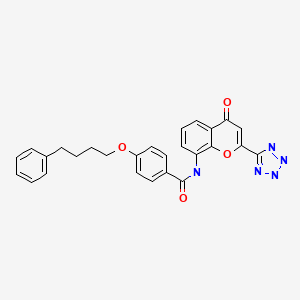

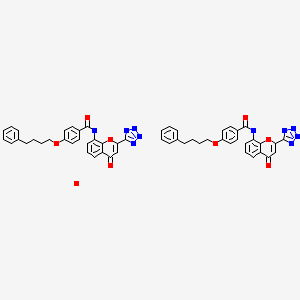


 ………………………..


 MONTELUKAST
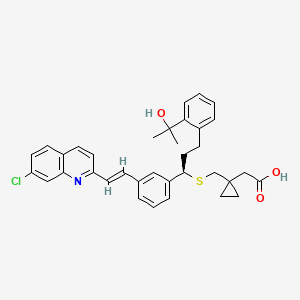


 PATENT FEATURE ON THIS BLOG


 Nintedanib


 New Drug Approvals