
Home » Articles posted by DR ANTHONY MELVIN CRASTO Ph.D (Page 390)
Author Archives: DR ANTHONY MELVIN CRASTO Ph.D
 DRUG APPROVALS BY DR ANTHONY MELVIN CRASTO
.....FOR BLOG HOME CLICK HERE
DRUG APPROVALS BY DR ANTHONY MELVIN CRASTO
.....FOR BLOG HOME CLICK HEREFlag and hits
ORGANIC SPECTROSCOPY

SUBSCRIBE

 Subscribe in a reader
Enter your email address:
Delivered by FeedBurner
Subscribe to New Drug Approvals by Email


Recent Comments
 | shivkr2 on SPSR Excellence Award 2025 – S… |
 | Bonkasaurus on Infigratinib phosphate |
 | PALOVAROTENE | ORGAN… on Palovarotene |
| Pfizer just purchase… on Temanogrel | |
| Pfizer To Cash In On… on Temanogrel |
Mayo Clinic – Ginseng Fights Fatigue in Cancer Patients, Mayo Clinic-Led Study Finds

High doses of the herb American ginseng (Panax quinquefolius) over two months reduced cancer-related fatigue in patients more effectively than a placebo, a Mayo Clinic-led study found. Sixty percent of patients studied had breast cancer. The findings are being presented at the American Society of Clinical Oncology’s annual meeting.
via Mayo Clinic – Ginseng Fights Fatigue in Cancer Patients, Mayo Clinic-Led Study Finds.
Eisai Announces Availability of BELVIQ® (lorcaserin HCl) CIV Tablets for Chronic Weight Management in Adults who are Overweight with a Comorbidity or Obese BELVIQ Available in U.S. Pharmacies within One Week

LORCASERIN
june 7, 2013 –Eisai Inc. announced today that BELVIQ (pronounced BEL-VEEK) will be available to eligible patients by prescription in the United States beginning June 11.
BELVIQ was approved by the U.S. Food and Drug Administration on June 27, 2012 to be used along with a reduced-calorie diet and increased physical activity for chronic weight management in adults who have a body mass index (BMI) of 30 kg/m2 or greater (obese), or BMI of 27 kg/m2 or greater (overweight) with at least one weight-related medical condition such as high blood pressure, high cholesterol, or type 2 diabetes. It is not known if BELVIQ is safe and effective when taken with other prescription, over-the-counter, or herbal weight loss products, nor is it known if BELVIQ changes your risk of heart problems or stroke, or of death due to heart problems or stroke.
“BELVIQ is a new treatment option for the medical management of patients who are obese and who have not been able to sustain long-term weight loss by altering their diets or increasing exercise alone,” said Lonnel Coats, President and Chief Executive Officer, Eisai Inc. “Eisai is committed to making BELVIQ available to appropriate patients as part of our human health care corporate mission of keeping patients’ medical needs at the forefront of all that we do.”
BELVIQ will be available in U.S. pharmacies only with a prescription. Patients are cautioned not to buy BELVIQ from parties offering BELVIQ without a valid prescription from their doctor. Eisai will market and distribute BELVIQ in the United States and Arena Pharmaceuticals will manufacture and supply the finished commercial product from its facility in Switzerland.
“BELVIQ provides appropriate patients with a new treatment option that along with diet and exercise can help them lose weight and keep the weight off,” said Ken Fujioka, M.D., Director of the Center for Weight Management at the Scripps Clinic. “Obesity needs to be recognized and treated as a chronic disease. The availability of BELVIQ is a significant milestone in the medical management of overweight and obesity as we work to slow this epidemic in the United States.”
Lorcaserin (APD-356, trade name upon approval Belviq,expected trade name during development, Lorqess) is a weight-loss drug developed by Arena Pharmaceuticals. It has serotonergic properties and acts as an anorectic. On 22 December 2009 a New Drug Application (NDA) was submitted to the Food and Drug Administration (FDA) in the United States.On 16 September 2010, an FDA advisory panel voted to recommend against approval of the drug based on concerns over both safety and efficacy. In October 2010, the FDA stated that it could not approve the application for lorcaserin in its present form.
On 10 May 2012, after a new round of studies submitted by Arena, an FDA panel voted to recommend lorcaserin with certain restrictions and patient monitoring. The restrictions include patients with a BMI of over 30, or with a BMI over 27 and a comorbidity like high blood pressure or type 2 diabetes.
On 27 June 2012, the FDA officially approved lorcaserin for use in the treatment of obesity for adults with a BMI equal to or greater than 30 or adults with a BMI of 27 or greater who “have at least one weight-related health condition, such as high blood pressure, type 2 diabetes, or high cholesterol”.
On 07 May 2013, the US Drug Enforcement Administration has classified lorcaserin as a Schedule IV drug[10] under the Controlled Substances Act.
About BELVIQ (lorcaserin HCl) CIV Tablets
BELVIQ is believed to decrease food consumption and promote satiety by selectively activating serotonin 2C receptors in the brain. The exact mechanism of action of BELVIQ is not known. BELVIQ is a federally controlled substance (CIV) because it may be abused or lead to drug dependence. For more information about BELVIQ,
Joint Pain: Medicine Kit of the Lower Pecos, Part II

Human beings have been plagued with joint pain throughout the history of mankind. Arthritis, the condition caused by the wearing down of beneficial cartilage in the joints, affects over 27 million people in the United States today, according to the Arthritis Foundation
(www.arthritistoday.org). I don’t know enough about the skeletal evidence from the Lower Pecos of Texas to do more than speculate, but at least some people in the region 4000-6000 years ago must have worn out a knee or two climbing up and down steep canyons and running over rough stone outcroppings in the uplands. In other words, they probably had their share of “archaic arthritis.”
Ow! Even that phrase hurts! Osteoarthritis produces stinging pain and can cause swelling and stiffness in the joints affected. Generally, the older you are, the more wear and tear you have on your joints. A stiff knee could make a thirty-year-old adult from the archaic period feel…
View original post 703 more words
Tribulus terrestris-considered as an energizer and vitalizer in the indigenous system of medicine

Tribulus terrestris
Tribulus terrestris is a flowering plant in the family Zygophyllaceae, native to warm temperate and tropical regions of the Old World in southern Europe, southern Asia, throughout Africa, and Australia. It can thrive even in desert climates and poor soil. Like many weedy species, this plant has many common names, including bindii, bullhead, burra gokharu, caltrop, cat’s head, devil’s eyelashes, devil’s thorn, devil’s weed, goathead, puncturevine, and tackweed.
In traditional Chinese medicine Tribulus terrestris is known under the name bai ji li (白蒺藜). According to Bensky and Clavey, 2004 (Materia medica 3rd edition, pp. 975–976) Tribulus terrestris is ci ji li (刺蒺藜). “Confusion with Astragali complanati Semen (sha yuan zi) originally known as white ji li (白蒺藜 bai ji li), led some writers to attribute tonifying properties to this herb…”
T. terrestris has long been a constituent in tonics in Indian Ayurveda practice, where it is known by its Sanskrit name, “gokshura/ sarrata” It is also used in Unani, another medical system of India.
Apart from its claims for improvement of sexual functions in men, the puncturevine plant (Tribulus terrestris: TT) has long been considered as an energizer and vitalizer in the indigenous system of medicine. Sexual behavior and intracavernous pressure (ICP) measurements were taken in rats to scientifically validate the claim of TT [containing protodioscin (PTN)] as an aphrodisiac.
http://www.ncbi.nlm.nih.gov/pubmed/12804079
Tribulus has chemicals that might increase some hormones in animals. However, it doesn’t appear to increase male hormones (testosterone) in humans.
Chemical control is generally recommended for home control of T. terrestris. There are few pre-emergent herbicides that are effective. Products containing oryzalin, benefin, or trifluralin will provide partial control of germinating seeds. These must be applied prior to germination (late winter to midspring).
After plants have emerged from the soil (postemergent), products containing 2,4-dichlorophenoxyacetic acid (“2,4-D”), glyphosate, anddicamba are effective on T. terrestris. Like most postemergents, they are more effectively maintained when caught small and young. Dicamba and 2,4-D will cause harm to most broad-leaved plants, so the user should take care to avoid over-application. They can be applied to lawns without injuring the desired grass. Glyphosate will kill or injure most plants, so it should only be used as a spot treatment or on solid stands of the weed.
Simmer 500 mg of powered tribulus in organic milk or almond milk, stirring constantly for 5 minutes. You can add 500 mg of standardized maca to enhance the effect. This blend is particularly nourishing and is recommended for both men and women who have lowered libido
Tribulus is a plant that produces fruit covered with spines. Rumor has it that tribulus is also known as puncture vine because the spines are so sharp they can flatten bicycle tires. People use the fruit, leaf, and root as medicine for wide-ranging complaints.
Tribulus is used for kidney problems, including kidney stones, painful urination, a kidney disorder called Bright’s disease, and as a “water pill” (diuretic) to increase urination; for skin disorders, including eczema (atopic dermatitis), psoriasis, andscabies; for male sexual problems, including erectile dysfunction (ED), involuntary release of semen without orgasm (spermatorrhea), and to increase sexual desire; for heart and circulatory system problems, including chest pain, high blood pressure,high cholesterol, and “tired blood” (anemia); for problems with digestion, including colic, intestinal gas (flatulence), constipation, and to expel intestinal parasitic worms; for pain and swelling (inflammation) of the tissue lining the mouth (stomatitis) andsore throat; and for cancer, especially nose tumors.
Women use tribulus to tone muscles before childbirth, to cause an abortion, and to stimulate milk flow.
Some people use tribulus for gonorrhea, liver disease (hepatitis), inflammation, joint pain (rheumatism), leprosy, coughs, headache, dizziness (vertigo), chronic fatiguesyndrome (CFS), and enhancing athletic performance. It is also used for stimulating appetite and as an astringent, tonic, and mood enhancer.
recap
Tribulus terrestris, also known as puncture vine, is a herb that has been used in the traditional medicine of China and India for centuries.
In the mid-1990s, tribulus terrestris became known in North America after Eastern European Olympic athletes said that taking tribulus helped their performance.
The active compounds in tribulus are called steroidal saponins. Two types, called furostanol glycosides and spirostanol glycosides, appear to be involved with the effects of tribulus. These saponins are found primarily in the leaf.
Why Do People Use Tribulus?
Tribulus is most often used for infertility, erectile dysfunction, and low libido. In the last decade, it has become popular to improve sports performance.
Tribulus has been marketed these conditions because research performed in Bulgaria and Russia indicates that tribulus increases levels of the hormones testosterone (by increasing luteinizing hormone), DHEA, and estrogen. The design of these research studies, however, has been questioned.
A more recent study found that four weeks of tribulus supplements (at 10 to 20 milligrams per kg of body weight daily) had no effect on male sex hormones testosterone, androstenedione, or luteinizing hormone compared to people who did not take tribulus.
1) Erectile Dysfunction
Preliminary animal studies found that tribulus heightened sexual behavior and increased intracavernous pressure. This was attributed to increases in testosterone. There haven’t been any well-designed human studies to confirm these early findings.

Idenix Pharmaceuticals Announces Samatasvir (IDX719) Poster Presentations at the Asian Pacific Association for the Study of the Liver (APASL) Conference

New Hepititis C Virus Therapy
Idenix Pharmaceuticals Announces Samatasvir (IDX719) Poster Presentations at …
Wall Street Journal JUNE 6, 2013
… Inc. (Nasdaq:IDIX), a biopharmaceutical company engaged in the discovery and development of drugs for the treatment of human viral diseases, today announced three poster presentations featuring clinical and preclinical data for samatasvir (IDX719), …
READ ALL AT
http://online.wsj.com/article/PR-CO-20130606-905746.html
Idenix Pharmaceuticals, the Cambridge-based biotechnology company, announced that their drug, IDX719, was granted a Fast Track designation by the FDA. IDX719, an NS5A inhibitor, is designed to treat chronic hepatitis C virus (HCV) infection in patients. The Fast Track designation will enable Idenix Pharmaceuticals to shave precious time off their predicted timeline for a new drug application (NDA), and even increase interaction with the FDA to guarantee a quicker review and a shorter time to market.
Tasimelteon

Vanda Presents Data From Tasimelteon Phase III Studies In Non-24-Hour Disorder
WASHINGTON, June 5, 2013 /PRNewswire/ — Vanda Pharmaceuticals Inc. (Vanda) presented additional entrainment and patient-level clinical data at SLEEP 2013, the 27th Annual Meeting of Associated Professional Sleep Societies in Baltimore, from its SET (Safety and Efficacy of Tasimelteon) and RESET (Randomized-withdrawal study of the Efficacy and Safety of Tasimelteon to treat Non-24-Hour Disorder) Phase III studies of tasimelteon, a circadian regulator for the treatment of Non-24-Hour Disorder (Non-24) in totally blind individuals. Non-24 is a serious, rare and chronic circadian rhythm disorder that affects a majority of totally blind individuals who lack light perception and cannot entrain (synchronize) their master body clock to the 24-hour day. Currently there is no approved FDA treatment for Non-24.
In the SET study, tasimelteon achieved the primary endpoints of entrainment (synchronizing) of the melatonin (aMT6s) rhythm as compared to placebo and clinical…
View original post 326 more words
Biocon Seeks Partner to Sell Rival Drug to J J’s Stelara

Managing Director Kiran Mazumdar-Shaw, BIOCON
Photographer-Namas Bhojani/Bloomberg
Rapid commercialization of Alzumab “will be transformational for us,” said Kiran Mazumdar-Shaw, chairman and managing director of Biocon Ltd.
Managing Director Kiran Mazumdar-Shaw, is seeking a partner to help with expertise and funding for the tests needed for approval in the U.S., she said in an interview. Biocon plans to file for permission in the year ending March to sell in the North American nation, and aims to start marketing Alzumab in that country two to three years later, she said.
Alzumab would provide a novel therapy for a plaque-causing form of the immune disorder that would compete with best-selling products from Johnson & Johnson, AbbVie Inc. and Pfizer Inc. (PFE) The biologic psoriasis treatment, made from living cells, will help Biocon enter a market that it estimates will be valued at $8 billion by 2016.
READ ALL AT
http://www.ukmi.nhs.uk/applications/ndo/record_view_open.asp?newDrugID=5630
Itolizumab (Alzumab) is a ‘first in class’ humanized IgG1 monoclonal antibody developed by Biocon. It selectively targets CD6, a pan T cell marker involved in co-stimulation, adhesion and maturation of T cells. Itolizumab, by binding to CD6, down regulates T cell activation, causes reduction in synthesis of pro-inflammatory cytokines and possibly plays an important role by reducing T cell infiltration at sites of inflammation.[1] A double blind, placebo controlled, phase III treat –Plaq study of Itolizumab, successfully met the pre-specified primary end-point of significant improvement in PASI-75 (Psoriasis Area and Severity Index) score after 12 weeks of treatment in patients with moderate to severe psoriasis compared to placebo.[2] Biocon has received marketing authorization for the drug from the Drugs Controller General of India (DCGI).[3]
- http://www.biocon.com/docs/PR_080113.pdf?subLink=news
- http://www.thehindubusinessline.com/companies/article2789996.ece
- http://www.pharmabiz.com/NewsDetails.aspx?aid=73075&sid=2

Cadila banks on diabetes drug, Lipaglyn, Saroglitazar

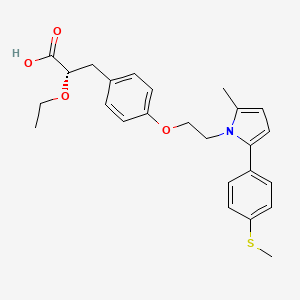
(2S)-2-Ethoxy-3-[4-(2-{2-methyl-5-[4-(methylsulfanyl)phenyl]-1H-pyrrol-1-yl}ethoxy)phenyl]propanoic acid
(αS)-α-Ethoxy-4-[2-[2-methyl-5-[4-(methylthio)phenyl]-1H-pyrrol-1-yl]ethoxy]benzenepropanoic Acid
- alpha-ethoxy-4-(2-(2-methyl-5-(4-methylthio)phenyl))-1H-pyrrol-1-yl)ethoxy))benzenepropanoic acid
- alpha-ethoxy-4-(2-(2-methyl-5-(4-methylthio)phenyl))-1H-pyrrol-1-yl)ethoxy))benzenepropanoic acid magnesium salt
- saroglitazar
- ZYH1 compound
-
- E0YMX3S4JD
- cas no 495399-09-2
Saroglitazar, Lipaglyn
| Molecular Weight | 439.56706 g/mol |
|---|---|
| Molecular Formula | C25H29NO4S |


 |
| Zydus Cadila chairman and MD Pankaj R. Patel (centre) and deputy managing director Sharvil P. Patel (left) in Mumbai on Wednesday. (PTI)JUNE 5, 2013 |
Cadila banks on diabetes drug
Calcutta Telegraph
It generally takes around 10-15 years for a drug to be developed from the time of its discovery In the case of Lipaglyn, the molecule was identified in 2001, and Phase III clinical trials was completed around four years ago. While Zydus has not yet …http://www.telegraphindia.com/1130606/jsp/business/story_16976915.jsp

Mumbai, June 5: Cadila Healthcare will launch a homegrown drug against diabetes by the third quarter of this year.
The Drug Controller General of India has approved its drug — Lipaglyn — to treat “diabetic dyslipidemia”.
Diabetic dyslipidemia is a condition where a person is diabetic and has elevated levels of total cholesterol. Over 80 per cent of diabetic patients are dyslipidemic.
http://www.telegraphindia.com/1130606/jsp/business/story_16976915.jsp
Zydus Cadila said it is looking for partnership to market its new chemical entity (NCE) Lipaglyn, to be used for treating a type of diabetes in developed and developing markets. “Lipaglyn is the first glitazar to be approved in the world and the first NCE discovered and developed indigenously by an Indian pharma company.
The new drug is expected to be launched in Q3 of this fiscal in the country,” Zydus Cadila Chairman and Manging Director Pankaj Patel told reporters.
The company has spent USD 250 million in developing Lipaglyn and aims to spend another USD 150-200 million to launch the drug in overseas markets in next 3-5 years period, Patel said, adding that the company is looking for marketing partnerships.
“We expect this to be a blockbuster drug, which means over USD 1 billion sales a year, when the drug is sold globally, he said. The market for this drug is estimated at Rs 100 crore in the local market over the next three years and having market potential size of over USD 30 billion in the world market, he said.
Zydus Cadila took about eight years to develop the molecule and conducted clinical trials on more than 1,000 patients in India, Patel said, adding that the company is yet to finalise the price, but believes that it will be reasonably priced in the local market.
The company said that the Indian drug regulator Drug Controller General of India (DCGI) has approved Lipaglyn to be used for treating ‘diabetic dyslipidemia’.
| Saroglitazar, is a drug for the treatment of diabetic dyslipidemia and hypertriglyceridemia with Type 2 diabetes mellitus not controlled by statin therapy. Its trade name is Lipaglyn. It is also a 1,2-Diarylpyrroles derivative, which can be used in the preparation of Nonsteroidal anti-inflammatory drugs (NSAIDs). |
| References: Khanna, I. K., et al.: J. Med. Chem., 40, 1619 (1997) |
 |
|
| Systematic (IUPAC) name | |
|---|---|
| (2S)-2-Ethoxy-3-[4-(2-{2-methyl-5-[4-(methylsulfanyl)phenyl]-1H-pyrrol-1-yl}ethoxy)phenyl]propanoic acid | |
| Clinical data | |
| Trade names | Lipaglyn |
| Pregnancy cat. |
|
| Legal status |
|
| Routes | Oral |
| Identifiers | |
| CAS number | 495399-09-2 |
| ATC code | None |
| PubChem | CID 60151560 |
| ChemSpider | 32079086 |
| Chemical data | |
| Formula | C25H29NO4S |
| Mol. mass | 439.56 g/mol |
MORE DETAILS
Saroglitazar (INN, trade name Lipaglyn) is a drug for the treatment of type 2 diabetes mellitus and dyslipidemia. It is approved for use in India by the Drug Controller General of India.[1] Saroglitazar is indicated for the treatment of diabetic dyslipidemia andhypertriglyceridemia with type 2 diabetes mellitus not controlled by statin therapy. In clinical studies, saroglitazar has demonstrated reduction of triglycerides (TG), LDL cholesterol, VLDL cholesterol, non-HDL cholesterol and an increase in HDL cholesterol a characteristic hallmark of atherogenic diabetic dyslipidemia (ADD). It has also shown favorable glycemic control by reducing the fasting plasma glucose and HBA1c in diabetes patients.
Zydus-Cadila has developed and launched saroglitazar (ZYH-1; Lipaglyn; structure shown), a lipid metabolism modulator, a potent PPAR-alpha agonist with relatively weak PPAR-gamma activity, an insulin sensitizer (glucose-lowering agent), for the once-daily oral treatment of metabolic disorders, including diabetic dyslipidemia and hypertriglyceridemia
In June 2013, the Drug Controller General of India (DCGI) approved the drug for launch in India ; in September 2013, the drug was launched . The company is also developing the drug for the potential treatment of lipodystrophy. In May 2014, a phase III trial was initiated . In June 2012, the company was seeking to outlicense the drug for regional/global partnerships
By June 2012, an NDA filing had been made for dyslipidemia. In June 2013, the DCGI approved the drug for launch in India . By September 2013, the drug was launched for dyslipidemia and hypertriglyceridemia .
Mechanism of action
Saroglitazar is novel first in class drug which acts as a dual PPAR agonist at the subtypes α (alpha) and γ (gamma) of theperoxisome proliferator-activated receptor (PPAR). Agonist action at PPARα lowers high blood triglycerides, and agonist action onPPARγ improves insulin resistance and consequently lowers blood sugar.[2]
_MoA.png)
Clinical trials
The approval for saroglitazar was based on the results obtained from clinical studies, which were conducted for more than eight years.
The studies evaluated the efficacy, safety, pharmacokinetics and pharmacodynamics of the drug. Phase I clinical trials on saroglitazar were conducted in 2005. The highest dose of saroglitazar evaluated in a Phase I trial was 128 mg, several times the estimated therapeutic doses (1–4 mg). The pharmacokinetics of saroglitazar support a once daily dosage schedule. No serious adverse events were reported.[3] Phase II studies were completed in 2006.
The Phase III clinical trials were conducted between 2008 and 2011. The first Phase III clinical trials on saroglitazar compared saroglitazar 4 mg dose with pioglitazone 45 mg. The results of the study demonstrated that patients who were administered with saroglitazar 4 mg dose showed reduction in LDL cholesterol and triglycerides, and increase in HDL cholesterol. The study also showed that saroglitazar administered patients showed a reduction in fasting plasma glucose and glycosylated hemoglobin.
Saroglitazar 2 mg and 4 mg significantly reduced (P < 0.001) plasma triglycerides from baseline by 26.4% (absolute change ± SD: −78.2 ± 81.98 mg/dL) and 45% (absolute change ± SD −115.4 ± 68.11 mg/dL), respectively, as compared to pioglitazone -15.5% (absolute change ± SD: −33.3 ± 162.41 mg/dL) at week 24. Saroglitazar 4 mg treatment also demonstrated marked decrease in low-density lipoprotein (5%), very-low-density lipoprotein (45.5%), total cholesterol (7.7%), and apolipoprotein-B (10.9%).[4]
The second Phase III clinical trials on saroglitazar were conducted to evaluate the diabetic dyslipidemic patients insufficiently controlled with statin therapy. The second Phase III study results showed that patients treated with saroglitazar showed pronounced beneficial effect on both the lipid and glycaemic parameters.
At Week 12, saroglitazar 2-mg and 4-mg tablets significantly reduced mean plasma triglyceride levels by -45.5±3.03% and -46.7±3.02% (mean±SE), respectively, and the difference was significant (P<0.001) compared with placebo. Saroglitazar 2 mg demonstrated significant decrease in levels of non-HDL-C, very LDL-C, total cholesterol, and fasting plasma glucose. Additionally, saroglitazar 4 mg also significantly reduced LDL-C and apolipoprotein B levels. Saroglitazar was found to be safe and well tolerated by patients.[5]
Safety
Saroglitazar was found to be safe and well tolerated during the clinical program. In Phase III trials, There was no edema or weight gain reported in any of the study arms. During this study, subjects were monitored for cardiac events, ECG abnormalities, and cardiac function by 2-D ECHO at the start of the study, at the end of 12 weeks, and at 24 weeks after the last dose of the study drug. There were no adverse events reported as far as cardiac safety is concerned.
After 12 weeks of treatment, there were a no significant changes in hemoglobin, liver enzymes (alkaline phosphatase, alanine aminotransferase, aspartate aminotransferase, andγ-glutamyl transferase), renal function (creatinine, enhanced glomerular filtration rate, and blood urea nitrogen), CPK, and high-sensitivity C-reactive protein in the saroglitazar and placebo arms.[6][7]
In Phase I clinical trials saroglitazar was used up to 128 mg and found well tolerated. No serious adverse events were reported. Adverse events were generally mild and moderate in nature and did not show any clinically relevant findings in clinical laboratory investigations, physical examinations, vital signs and electrocardiograms.[8]
PAPER
A new enantioselective synthesis of (S)-2-ethoxy-3-(4-hydroxyphenyl)propanoic acid esters (EEHP and IEHP), useful pharmaceutical intermediates of PPAR agonists
Tetrahedron Lett 2014, 55(21): 3223
http://www.sciencedirect.com/science/article/pii/S0040403914006200

PATENT
WO 2003009841
http://www.google.co.in/patents/WO2003009841A1?cl=en
PATENT
US 20030236254
http://www.google.com/patents/US20030236254
PATENT
US 20140099333
http://www.google.com/patents/US20140099333
PATENT
http://patentscope.wipo.int/search/en/WO2014174524
 (I)
(I)
The compound as claimed in claim 1 wherein R is -SMe and M+ is Mg+2.
The compound of claim 1 is Saroglitazar.
wherein ‘R’ is selected from hydroxy, hydroxyalkyl, acyl, alkoxy, alkylthio, thioalkyl, aryloxy, arylthio and M+ represents suitable metal cations such as Na+, K+, Ca+2, Mg+2 and the like. r .
PATENT
3-Aryl-2-hydroxy propanoic acid derivatives serve as a key intermediate for the synthesis of many pharmaceutically important compounds especially, peroxime proliferator activated receptor (PPAR) agonist.
Optically active 3-aryl-2-alkoxy propanoic acid and its esters, particularly, ethyl (2S)-2-ethoxy-3-(4-hydroxyphenyl)propanoate (EEHP) and isopropyl (2S)-2-ethoxy-3-(4-hydroxyphenyl)propanoate (IEHP) are versatile chiral pharmacophores present in many pharmaceutically important compounds, especially in peroxisome proliferator activated receptor (PPAR) agonists that have beneficial effects in treating Type 2 diabetes.
Several PPAR agonists, in particular PPAR α/γ dual agonists, commonly termed as glitazars (Ragaglitazar, Tesaglitazar, Navaglitazar etc.), as shown in the figure below were developed by many pharmaceutical companies that have a potential application in the treatment of Type 2 diabetes and dyslipidemia.
However, many of these drugs were discontinued due to their undesirable side effects, but some of them still have great potential [For example, Saraglitazar (LipaglynTM) developed by Zydus Cadila got approval in India for the treatment of diabetic dyslipidemia or hypertriglyceridemia]. Several PPAR α/γ agonists possessing chiral (S)-l moieties are shown below.

Tesaglitazar Naveglitazar
In addition, these derivatives find an application in photosensitive materials, sweetening agents, treatment of certain eating disorders etc. Therefore, these compounds have attracted a great deal of attention of synthetic chemists and different methods of preparation of the compound of formula (S)-l have been extensively studied.
Generally, the reported protocols for the synthesis involve chiral pool approaches starting from L-tyrosine and its derivatives (Refer WO 02/24625, US 6559335B2, WO 2003/027084), asymmetric synthesis (Org. Lett. 2005, 7, 1947, US 2007/0149804) and resolution processes using chiral amines or enzymes (WO 2000/026200, WO 2001/11073, Org. Process Res. Dev. 2003, 7, 82, Org. Process Res. Dev. 2004, 8, 838, Tetrahedron Asymmetry 2009, 20, 2594).
Some of these methods have disadvantages such as expensive chiral starting materials and catalysts, low enantioselectivity and overall yields, problems associated with the O-alkylation step which often leads to the loss of optical purity, and many others.
The processes described in WO20026200 (Rao et. al.) uses benzyl bromide for benzylation, which is highly lachrymatory. Again, in the processes described, the debenzylation of the final intermediate was done by using Pd/C under pressure, which escalates the process economics.
WO2003024915 describes a process for the preparation 3-aryl-2-hydroxy propanoic acid derivatives from 3-(4-hydroxyphenyl)-2-oxopropanoic acid.
WO 2003008362 describes 3-Aryl-2-hydroxy propanoic acid derivatives of formula I and the preparation thereof.

wherein Rland R2 may be same or different and represent hydrogen or (CI- C6) alkyl.
The process is depicted in Scheme 1 below.
Scheme 1

In another process variant as in Scheme 2, WO’362 discloses a process for the preparation of novel 3-aryl-2 -hydroxy propanol and their derivatives of the formula (I)

wherein OR and OR together form a substituted or unsubstituted 5 membered cyclic structure containing carbon and oxygen atoms, which comprises: i) reducing the compound of formula (III) where R represents hydrogen or alkyl group, R3 represents benzyl to a compound of formula (IV) where R3 represents benzyl, ii) cyclizing the compound of formula (IV) to a compound of formula (V) where ORl and OR2 together form a substituted or unsubstituted 5 membered cyclic structure containing carbon and oxygen atoms and R3 represents benzyl and iii) debenzylating the compound of formula (V) in the presence of metal catalysts to yield pure compound of formula (I).
Scheme 2

Both the processes described in WO’362 result in poor overall yield and further fail to describe the preparation of compound of formula V using different alkylating agents. This document exemplifies the compound of formula V with similar ether groups as it fails to teach selective alkylation of formula IV.
WO2005019152 discloses an improved process for the preparation of compound of the general formula (la) and (lb).

Wherein, Rl represent H or (C1-C6) alkyl group such as methyl, ethyl, propyl, isopropyl, butyl, isobutyl, t-butyl and the like. R2 represents (Ci-Ce) alkyl group such as methyl, ethyl, propyl, isopropyl, butyl, isobutyl, t- butyl and the like. R3 represents H, protecting groups such as benzyl, substituted benzyl, (C1-C3) alkyl and like.
The compound of general formula (la) is prepared according to the following schemes 3 and 4.
Scheme 3

Both the processes start with selective O-alkylation or O-aralkylation of L-Tyrosine of formula (2a) using a base, a chelating agent, an alkyl or aralkyl halide in the presence of solvents to obtain the compound of formula (3a), which is diazotized to obtain formula (4a) which upon dialkylation using an excess of alkylating agent and excess base, in presence of suitable solvent to obtain optically pure compound of formula (la). Alternatively, compound of formula (4a) may be selectively esterified to obtain compound of formula (5a), which is subsequently O-alkylated to obtain compound of formula (la) (Scheme 2).
However, the above processes have many disadvantages such as multistep synthesis including protection & deprotection and low overall yield. Further, low temperature diazotization on industrial scale is not viable. Moreover, the starting material is very expensive and hence escalates the process.
In the light of the foregoing, development of a new, alternate enantio-selective synthetic route to these important chiral intermediates, which are simple and can preserve the optical purity at the C-2 carbon of 3-Aryl-2-hydroxy propanoic acid derivatives, is highly desirable. There is a need for an efficient process for synthesis of 3-Aryl-2-hydroxy propanoic acid derivatives of formula (S)-l in high enantiopurity and good overall yield from commercially available starting material.
PATENT
saroglitazar magnesium alongwith its intermediates may be prepared by the reaction scheme- 1, scheme-2 and scheme-3 as shown below, which is also the scope of the present invention.

Scheme-1

EXAMPLES
Example-l:
Preparation of methanesulfonic acid 2-r2-methyl-5-(4-methylsulfanyl-phenyl)-pyrrol-l-yl]-ethyl ester (Al)

In a 5 Liter three necked round bottom flask equipped with nitrogen atmosphere facility, mechanical stirrer, thermometer and an addition funnel, sodium methoxide (165 g) and toluene (1000.0 ml) were added under nitrogen environment and cooled to 8°C to 12°C. Methyl acetoacetate (331.55 g) was added dropwise and stirred for 1 hour. 2-bromo-l-(4-methyl sulfonyl phenyl) ethanone (500.0 g) compound (El) in toluene (1500.0 ml) and sodium sulfate
(75.0 g) mixture was stirred for 10 min and filtered at 25° to 35°C. The filtrate as obtained was added dropwise into the previous reaction mixture and stirred at 30°C to 35°C for 30 min. The organic layer was collected and washed with 10% sodium bicarbonate solution. The separated organic layer was collected and washed with water. 2-[2-(4-Methyl sulfanyl-phenyl)-2-oxo-ethyl]-3-oxo-butynic acid methyl ester as obtained in toluene layer is diluted with methanol (2500 ml) and sodium hydroxide solution (89.75 g) in water (2500 ml) was added and heated to 50° to 55°C for 1 hour. The layers were separated and the toluene layer was collected and heated to 45° to 55°C and charcoalized. The reaction mixture was filtered and pivalic acid (57.3 g) and ethanol amine (143.9 g) were added and heated to 105° to 1 15°C for removing water azeotropically. The toluene layer was separated and triethyl amine (271.85 g) was added at 25° to 35°C and the reaction mixture was cooled to 10° to 20°C. Methane sulphonyl chloride (282.5 g) was added dropwise, and stirred for 2 hours and heated to 35° to 45°C. The reaction mixture was filtered and washed with toluene. Toluene was distilled out completely under the vacuum to obtain the residue. The residue was dissolved in toluene (1500 mL) and used for further process.
ExampIe-2:
Preparation of methanesulfonic acid 2-f2-methyl-5-(4-methylsulfanyl-pheny0-pyrrol- 1-viyethyl ester (Al)

In a 250 mL three necked round bottom flask equipped with nitrogen atmosphere facility, mechanical stirrer, thermometer and an addition funnel, 4-(methylthio)benzaldehyde (10 g), methyl vinyl ketone (3.63 g), triethylamine (9.95 g) and 3-methyl-5-(2-hydroxyethyl)-4-methyI thiazolium iodide (stetter
catalyst) (2.8 g) were heated to 70°C to 80°C and maintained overnight. The reaction mixture was cooled to room temperature and ethanol (100 mL) was added. The reaction mixture was stirred for 30 min and filtered. The product was washed with ethanol and dried to obtain 1 ,4-diketo compound (CI).
1 ,4-diketo compound (CI) obtained above and toluene (50 mL) were heated to 45° to 55°C and charcoalized. The reaction mixture was filtered and pivalic acid (5.7 g) and ethanol amine (14.4 g) were added and heated to 105° to 1 15°C and cooled to 25°C. Triethyl amine (27.2 g) was added at 25° to 35°C and the reaction mixture was cooled to 10° to 20°C. Methane sulphonyl chloride (28.3 g) was added dropwise, and stirred for 2 hours and heated to 35° to 45°C. The reaction mixture was filtered and washed with toluene. Toluene was distilled out completely under the vacuum, methanol (2500 ml) was added and heated to 55° to 65 °C and charcoalized for 30 min. The reaction mixture was filtered and washed with methanol. The reaction mixture was cooled to 25° to 35°C and stirred for 30 min. Reaction mass was further cooled to -5° to 5°C and filtered. The wet-cake was washed with methanol and dried to obtain compound (Al). The compound (Al) was characterized as crystalline solid by x-ray powder diffraction (FIG.2).
Example-3:
Purification of methanesulfonic acid 2-r2-methyl-5-(4-methylsulfanyl-phenyl)-pyrrol-l-yl]-ethyl ester (Al)
In a 250 mL three necked round bottom flask equipped with nitrogen atmosphere facility, mechanical stirrer, thermometer and an addition funnel, 70 g methanesulfonic acid 2-[2-methyl-5-(4-methylsulfanyl-phenyl)-pyrrol-l -yl]-ethyl ester (Al) and 420 mL ethyl acetate were added at 25°C. The reaction mixture was stirred for 30 min to obtain clear solution. 3.5 g charcoal was added and stirred for 30 min. The reaction mixture was filtered and washed with ethyl acetate. The filtrate was concentrated and 315 mL methanol was added. The reaction mixture was stirred for 2 hours at 25°C and cooled to 0°C. The product precipitated was filtered and washed with methanol to obtain crystalline
compound (Al). The compound (Al) was characterized as crystalline solid by x-ray powder diffraction (FIG.3).
Example-4:
Preparation of saroglitazar magnesium (T)

In a 5 Liter three necked round bottom flask equipped with nitrogen atmosphere facility, mechanical stirrer, thermometer and an addition funnel, 2-ethoxy-3-(4-hydroxy-phenyl)-propionic acid ethyl ester (A) (100.0 g) and toluene (1300.0 ml) were charged and reaction mixture was heated to 45° to 55°C. Potassium carbonate (58.0 g) was added and stirred for 30 min. Toluene solution of methanesulfonic acid 2-[2-methyl-5-(4-methylsulfanyl-phenyl)-pyrrol- 1 -yl]-ethyl ester (Al) (150.24 g) obtained in example- 1, 18-Crown-6 (5.0 g) and THF (200.0 ml) were added and heated to 75°C to 85°C for 36 hour, The reaction mixture was cooled to 25° to 35°C and water (1000.0 ml) was added and stirred for 15 min. The separated aqueous layer was treated with toluene (200.0 ml) and stirred for 15 min. The organic, layers were combined and washed with caustic solution (600.0 ml). The separated organic layer was washed with water (600.0 ml) and characoalized with HP-120 (5.0 g) charcoal and stirred for 30 min and filtered. The filtrate was added sodium hydroxide 20.14 g solution in water (200.0 ml) and the reaction mixture was stirred for 3 hours. The reaction mixture was diluted with water (1800.0 ml) and stirred for 15 min. The separated aqueous layer was washed with n-butyl acetate. The separated aqueous layer was added magnesium acetate tetrahydrate solution (90.0 g) in water (100.0 ml) and stirred for 1 hour. The aqueous layer was extracted with methylene dichloride (2000 ml). The separated organic layer was washed with sodium chloride solution and charcoalized. The charcoalized solution was filtered and filtrate was distilled to remove toluene completely. The residue was diluted with toluene (1000 ml) and stirred for 30 min. The organic solution was added into n-heptane (1500 mL) and stirred for 3 hours. The product was filtered and washed with n-heptane and dried in vacuum tray dryer at 25°C to 30°C for 3 hours. The product was sieved through 0.5 mm sieve and milled through jet-milled. The product was further dried in vacuum tray drier at 40°C to 50°C for 6 hours followed by drying at 55°C to 65°C for 40 hours to obtain amorphous saroglitazar magnesium (I). The compound is characterized by x-ray power diffraction (FIG.l).
The reaction of methanesulfonic acid 2-[2-methyl-5-(4-methylsulfanyl-phenyl)-pyrrol-l-yl]-ethyl ester (Al) and 2-ethoxy-3-(4-hydroxy-phenyl)-propionic acid ethyl ester (A) may also be performed in similar manner as above in absence of phase transfer catalyst 18-Crown-6.
ExampIe-5:
Preparation of saroglitazar (S)-(-)-phenyl ethylamine salt:

In a 250 mL three necked round bottom flask equipped with nitrogen atmosphere facility, mechanical stirrer, thermometer and an addition funnel, residue-A obtained in example- 1 and ethanol (400 mL) were stirred for 15 min. Sodium hydroxide 20.14 g solution in water (200.0 ml) was added and the reaction mixture was stirred for 3 hours. The reaction mixture was diluted with water (1800.0 ml) and stirred for 15 min. The separated aqueous layer was washed with isopropyl acetate (400 mL). The separated aqueous layer was diluted with isopropyl acetate (500 mL) and acidified with cone. HCI at adjust the pH 2-3. The separated aqueous layer was washed with isopropyl acetate. The combined organic layer was treated with (S)-(-)-phenyl ethylamine (55.94 g) and stirred for 2 hours at 25°C and 30 min at 45°C. The reaction mixture was cooled to 0°C and stirred for 2 hours, filtered and washed with isopropyl acetate. The wet-cake was dried to obtain saroglitazar phenyl ethylamine salt.
ExampIe-6:
Preparation of saroglitazar magnesium from saroglitazar (SH-)-phenyl ethylamine salt:
In a 250 mL three necked round bottom flask equipped with nitrogen atmosphere facility, mechanical stirrer, thermometer and an addition funnel, saroglitazar phenyl ethylamine wet-cake obtained in example-7 and isopropyl acetate (800 mL) were added at 25°C. The reaction mixture was diluted with water (400.0 ml) and acidified with cone. HCI at adjust the pH 2-3. The separated aqueous layer was washed with isopropyl acetate. The combined organic layer was treated with sodium hydroxide solution (20.14 g) in water (200 mL) and stirred for 30 min. The separated aqueous layer was treated with magnesium acetate tetrahydrate (2.29 g) in water (5 mL) solution and stirred for 60 min. The reaction mixture was extracted with methylene dichloride (800 mL). The methylene dichloride was complete removed by distillation under vacuum below 40°C to obtain the residue. The residue was diluted with methylene dichloride (50 ml) and stirred for 30 min. The organic solution was added into n-heptane (1500 mL) and stirred for 3 hours. The product was filtered and washed with n-heptane and dried in vacuum tray dryer at 25°C to 30°C for 3 hours. The product was sieved through 0.5 mm sieve and milled through jet-milled. The product was further dried in vacuum tray drier at 40°C to 50°C for 6 hours followed by drying at 55°C to 65°C for 40 hours to obtain substantially amorphous saroglitazar magnesium (I). The compound is characterized by x-ray power diffraction (FIG.l).
References
- “Zydus Group launches new diabetic drug”. The Times of India. Jun 6, 2013.
- “Lipaglyn (Saroglitazar) for Treating Hypertriglycerdemia in Type II Diabetes, India”. Drug Development and Technology.
- “Pharmacokinetics, safety, and tolerability of saroglitazar (ZYH1), a predominantly PPARα agonist with moderate PPARγ agonist activity in healthy human subjects.”. Clinical Drug Investigation. Nov 2013.
- “A Multicenter, Prospective, Randomized, Double-blind Study to Evaluate the Safety and Efficacy of Saroglitazar 2 and 4 mg Compared to Pioglitazone 45 mg in Diabetic Dyslipidemia (PRESS V)”. Journal of Diabetes Science and Technology. Jan 2014.
- “A multicenter, prospective, randomized, double-blind study to evaluate the safety and efficacy of Saroglitazar 2 and 4 mg compared with placebo in type 2 diabetes mellitus patients having hypertriglyceridemia not controlled with atorvastatin therapy (PRESS VI)”. Diabetes Technology and Therapeutics. Feb 2014.
-
- “A multicenter, prospective, randomized, double-blind study to evaluate the safety and efficacy of Saroglitazar 2 and 4 mg compared with placebo in type 2 diabetes mellitus patients having hypertriglyceridemia not controlled with atorvastatin therapy (PRESS VI)”. Diabetes Technology and Therapeutics. Feb 2014.
- 7 “A Multicenter, Prospective, Randomized, Double-blind Study to Evaluate the Safety and Efficacy of Saroglitazar 2 and 4 mg Compared to Pioglitazone 45 mg in Diabetic Dyslipidemia (PRESS V)”. Journal of Diabetes Science and Technology. Jan 2014.
- 8 “Pharmacokinetics, safety, and tolerability of saroglitazar (ZYH1), a predominantly PPARα agonist with moderate PPARγ agonist activity in healthy human subjects.”. Clinical Drug Investigation. Nov 2013.
by WORLD DRUG TRACKER
DR ANTHONY
do not miss out on updates
see my update at https://newdrugapprovals.org/2015/03/09/saroglitazar-magnesium-new-patent-wo-2015029066-cadila-healthcare-ltd/ 9 may 2015
////////////
CCO[C@@H](Cc1ccc(cc1)OCCn2c(ccc2c3ccc(cc3)SC)C)C(=O)O
OXYTOCIN , THE LOVE MOLECULE

OXYTOCIN
1-({(4R,7S,10S,13S,16S,19R)-19-amino-7-(2-amino-2-oxoethyl)-10-(3-amino-3-oxopropyl)-16-(4-hydroxybenzoyl)-13-[(1S)-1-methylpropyl]-6,9,12,15,18-pentaoxo-1,2-dithia-5,8,11,14,17-pentaazacycloicosan-4-yl}carbonyl)-L-prolyl-L-leucylglycinamide
Oxytocin is a mammalian neurohypophysial hormone that acts primarily as a neuromodulator in the brain.
Oxytocin plays roles in sexual reproduction, in particular during and after childbirth. It is released in large amounts after distension of the cervix and uterus during labor, facilitating birth, maternal bonding, and, after stimulation of the nipples, breastfeeding. Both childbirth and milk ejection result from positive feedback mechanisms.
Recent studies have begun to investigate oxytocin’s role in various behaviors, including orgasm, social recognition, pair bonding, anxiety, and maternal behaviors. For this reason, it is sometimes referred to as the “love hormone”. There is some evidence that oxytocin promotes ethnocentric behavior, incorporating the trust and empathy of in-groups with their suspicion and rejection of outsiders. Furthermore, genetic differences in the oxytocin receptor gene (OXTR) have been associated with maladaptive social traits such as aggressive behaviour.
Oxytocin , sometimes known as the “love molecule” or the “trust molecule” plays an important role in many processes. These include uterine contractions during childbirth, sexual arousal, lactation, puberty, orgasm, facial recognition, trust, memory formation and pair bonding.
Oxytocin is a cyclic peptide hormone with just nine amino acids in sequence (CYIQNCPLG) that also acts as a neurotransmitter in the brain where it is produced in the hypothalamus. It was the first ever polypeptide hormone to be sequenced and synthesized biochemically, work for which the American biochemist Vincent du Vigneaud was awarded the 1955 Nobel Prize in Chemistry.

Together with the neuropeptide argipressin (arginine vasopressin), it is believed to influence social cognition and behaviour. First shown in mice, recent studies have shown that also in humans simply sniffing a spray containing oxytocin increases a person’s level of trust in others.

References
- Lee, H.J., Macbeth, A.H., Pagani, J.H. and Young, W.S. (2009) Oxytocin: the great facilitator of life. Prog. Neurobiol. (Amsterdam, Neth.) 88, 127–151.
- du Vigneaud, V., Ressler, C., Swan, J.M., Roberts, C.W., Katsoyannis, P.G. and Gordon, S. (1953) The synthesis of an octapeptide amide with the hormonal activity of oxytocin. J. Am. Chem. Soc. 75, 4879–4880..
- Kosfeld, M., Heinrichs, M., Zak, P.J., Fischbacher, U. and Fehr, E. (2005) Oxytocin increases trust in humans. Nature 435, 673–676.

Oxytocin (ball-and-stick) bound to its carrier protein neurophysin (ribbons) based on: “Crystal structure of the neurophysin-oxytocin complex” Rose, J.P., Wu, C.K., Hsiao, C.D., Breslow, E., Wang, B.C. (1996) Nat.Struct.Biol. 3: 163-169

Avanir said the FDA agreed to a faster development process for its experimental drug AVP-786 and will allow the company to use some data from studies of Nuedexta in its applications for AVP-786

6/may/2013
Avanir Pharmaceuticals Inc. announced that the Food and Drug Administration will allow it to speed research on a newer version of its drug Nuedexta.
Avanir said the FDA agreed to a faster development process for its experimental drug AVP-786 and will allow the company to use some data from studies of Nuedexta in its applications for AVP-786.
Avanir plans to start human clinical trials of the drug after it completes some limited preclinical testing. The company said the FDA’s decision could reduce the cost of developing the drug and allow it to win marketing approval sooner.
Nuedexta is a treatment for pseudobulbar affect, a condition that involves involuntary emotional outbursts like laughing or crying. It is associated with brain disease or injury. Net revenue from the drug more than doubled to $31.4 million over the first six months of the company’s current fiscal year. That was almost all of the Aliso Viejo, Calif., company’s revenue.
Nuedexta was approved in February 2011. The drug combines two ingredients: dextromethorphan, a common ingredient in cough and cold medicines that can suppress coughing, and quinidine, which is used to treat abnormal heart rhythms.
Avanir is also studying Nuedexta as a treatment for diabetic nerve pain, agitation in patients with Alzheimer’s disease, central nerve pain in multiple sclerosis, and levodopa-induced dyskinesia in Parkinson’s disease. Dyskinesias are involuntary movements tied to most treatments used to manage Parkinson’s.
Canaccord Genuity analyst Ritu Baral said Avanir considers AVP-786 to be a safer version of Nuedexta because it contains less quinidine. The drug also has stronger patent protection and is patent protected until 2030, a few years longer than Nuedexta.
In a telephone interview, Baral said the FDA’s decision could speed approval of AVP-786 by two to four years. She said Avanir may start late-stage testing of the drug in the second half of 2014 depending on the results of current studies of Nuedexta.


 New Drug Approvals