New Drug Approvals

Home » Posts tagged 'SANOFI' (Page 2)

Tag Archives: SANOFI

DRUG APPROVALS BY DR ANTHONY MELVIN CRASTO .....FOR BLOG HOME CLICK HERE

Blog Stats

  • 4,798,662 hits

Flag and hits

Flag Counter

Enter your email address to follow this blog and receive notifications of new posts by email.

Join 37.9K other subscribers
Follow New Drug Approvals on WordPress.com

Archives

Categories

Recent Posts

Flag Counter

ORGANIC SPECTROSCOPY

Read all about Organic Spectroscopy on ORGANIC SPECTROSCOPY INTERNATIONAL 

Enter your email address to follow this blog and receive notifications of new posts by email.

Join 37.9K other subscribers
DR ANTHONY MELVIN CRASTO Ph.D

DR ANTHONY MELVIN CRASTO Ph.D

DR ANTHONY MELVIN CRASTO, Born in Mumbai in 1964 and graduated from Mumbai University, Completed his Ph.D from ICT, 1991,Matunga, Mumbai, India, in Organic Chemistry, The thesis topic was Synthesis of Novel Pyrethroid Analogues, Currently he is working with AFRICURE PHARMA, ROW2TECH, NIPER-G, Department of Pharmaceuticals, Ministry of Chemicals and Fertilizers, Govt. of India as ADVISOR, earlier assignment was with GLENMARK LIFE SCIENCES LTD, as CONSUlTANT, Retired from GLENMARK in Jan2022 Research Centre as Principal Scientist, Process Research (bulk actives) at Mahape, Navi Mumbai, India. Total Industry exp 32 plus yrs, Prior to joining Glenmark, he has worked with major multinationals like Hoechst Marion Roussel, now Sanofi, Searle India Ltd, now RPG lifesciences, etc. He has worked with notable scientists like Dr K Nagarajan, Dr Ralph Stapel, Prof S Seshadri, etc, He did custom synthesis for major multinationals in his career like BASF, Novartis, Sanofi, etc., He has worked in Discovery, Natural products, Bulk drugs, Generics, Intermediates, Fine chemicals, Neutraceuticals, GMP, Scaleups, etc, he is now helping millions, has 9 million plus hits on Google on all Organic chemistry websites. His friends call him Open superstar worlddrugtracker. His New Drug Approvals, Green Chemistry International, All about drugs, Eurekamoments, Organic spectroscopy international, etc in organic chemistry are some most read blogs He has hands on experience in initiation and developing novel routes for drug molecules and implementation them on commercial scale over a 32 PLUS year tenure till date Feb 2023, Around 35 plus products in his career. He has good knowledge of IPM, GMP, Regulatory aspects, he has several International patents published worldwide . He has good proficiency in Technology transfer, Spectroscopy, Stereochemistry, Synthesis, Polymorphism etc., He suffered a paralytic stroke/ Acute Transverse mylitis in Dec 2007 and is 90 %Paralysed, He is bound to a wheelchair, this seems to have injected feul in him to help chemists all around the world, he is more active than before and is pushing boundaries, He has 100 million plus hits on Google, 2.5 lakh plus connections on all networking sites, 100 Lakh plus views on dozen plus blogs, 227 countries, 7 continents, He makes himself available to all, contact him on +91 9323115463, email amcrasto@gmail.com, Twitter, @amcrasto , He lives and will die for his family, 90% paralysis cannot kill his soul., Notably he has 38 lakh plus views on New Drug Approvals Blog in 227 countries......https://newdrugapprovals.wordpress.com/ , He appreciates the help he gets from one and all, Friends, Family, Glenmark, Readers, Wellwishers, Doctors, Drug authorities, His Contacts, Physiotherapist, etc He has total of 32 International and Indian awards

Verified Services

View Full Profile →

Archives

Categories

Flag Counter

FDA approves Praluent for the treatment of high LDL cholesterol


26 August 2015

Sanofi and Regeneron have announced that the US Food and Drug Administration (FDA) has approved Praluent® (alirocumab) Injection.

praluent

Praluent is indicated as an adjunct to diet and maximally tolerated statin therapy for the treatment of adults with heterozygous familial hypercholesterolemia or clinical atherosclerotic cardiovascular disease (ASCVD), who require additional lowering of low-density lipoprotein (LDL) cholesterol. The effect of Praluent on cardiovascular morbidity and mortality has not been determined.

http://www.europeanpharmaceuticalreview.com/34385/news/industry-news/fda-approves-praluent-for-the-treatment-of-high-ldl-cholesterol/

////////Sanofi, Regeneron,  US Food and Drug Administration, FDA, approved,  Praluent®  , alirocumab

Sanofi Gets US FDA Approval For Priftin, Rifapentine 利福喷汀 Tablets To Treat Latent TB Infection


French drug maker Sanofi  Tuesday said it has received approval from the U.S. Food and Drug Administration for its Priftin (rifapentine) tablets to treat latent tuberculosis infection, or LTBI.

CID 5462354.png

Following a priority review, FDA has approved Priftin in combination with isoniazid, or INH, for a new indication for treatment of LTBI in patients two years of age and older at high risk of progression to tuberculosis or TB disease.

http://www.rttnews.com/2424574/sanofi-gets-us-fda-approval-for-priftin-tablets-to-treat-latent-tb-infection.aspx#.VH4RHVxo9iA.linkedin

Rifapentine.svg

Rifapentine

Antibiotic DL 473IT;Cyclopentylrifampicin;DL 473;KTC 1;MDL 473;Prifitin;Priftin;R 77-3;Rifamycin AF/ACPP;

Rifapentine is an antibiotic drug used in the treatment of tuberculosis. It inhibits DNA-dependent RNA polymerase activity in susceptible cells. Specifically, it interacts with bacterial RNA polymerase but does not inhibit the mammalian enzyme.

For the treatment of pulmonary tuberculosis

3-(((4-Cyclopentyl-1-piperazinyl)imino)methyl)rifamycin

C47H64N4O12
61379-65-5
Rifapentine
Rifapentine.svg
Systematic (IUPAC) name
(7S,9E,11S,12R,13S,14R,15R,16R,17S,18S,19E,21Z,26E)-26-{[(4-cyclopentylpiperazin-1-yl)amino]methylidene}-2,15,17,29-tetrahydroxy-11-methoxy-3,7,12,14,16,18,22-heptamethyl-6,23,27-trioxo-8,30-dioxa-24-azatetracyclo[23.3.1.14,7.05,28]triaconta-1(28),2,4,9,19,21,25(29)-heptaen-13-yl acetate
Clinical data
AHFS/Drugs.com monograph
MedlinePlus a602026
Legal status
?
Pharmacokinetic data
Bioavailability increases when administered with food
Identifiers
CAS number 61379-65-5 Yes
ATC code J04AB05
PubChem CID 5462354
DrugBank DB01201
ChemSpider 10482075 Yes
UNII XJM390A33U Yes
KEGG D00879 Yes
ChEBI CHEBI:45304 Yes
ChEMBL CHEMBL1660 Yes
NIAID ChemDB 007686
Synonyms 3{[(4-cyclopentyl-1-piperazinyl)imino]methyl}rifamycin
Chemical data
Formula C47H64N4O12 
Mol. mass 877.031 g/mol

Rifapentine (INN, marketed under the brand name Priftin by Sanofi-Aventis) is an antibiotic drug used in the treatment of tuberculosis.

Rifapentine was first synthesized in 1965 by the same company that produced rifampin. The drug was approved by the Food and Drug Administration (FDA) in June 1998.


Medical uses

A review of alternative regimens for prevention of active tuberculosis in HIV-negative individuals with latent TB found that a weekly, directly observed regimen of rifapentine with isoniazid for three months was as effective as a daily, self -administered regimen of isoniazid for nine months. But the rifapentine-isoniazid regimen had higher rates of treatment completion and lower rates of hepatotoxicity. However, the rate of treatment-limiting adverse events was higher in the rifapentine-isoniazid regimen. [1]

PRIFTIN (rifapentine) for oral administration contains 150 mg of the active ingredient rifapentine per tablet.

The 150 mg tablets also contain, as inactive ingredients: calcium stearate, disodium EDTA, FD&C Blue No. 2 aluminum lake, hydroxypropyl cellulose, hypromellose USP, microcrystalline cellulose, polyethylene glycol, pregelatinized starch, propylene glycol, sodium ascorbate, sodium lauryl sulfate, sodium starch glycolate, synthetic red iron oxide, and titanium dioxide.

Rifapentine is a rifamycin derivative antibiotic and has a similar profile of microbiological activity to rifampin (rifampicin). The molecular weight is 877.04.

The molecular formula is C47H64N4O12.

The chemical name for rifapentine is rifamycin, 3-[[(4-cyclopentyl-1-piperazinyl)imino]methyl]-or 3-[N-(4-Cyclopentyl – 1-piperazinyl)formimidoyl] rifamycin or 5,6,9,17,19,21-hexahydroxy-23-methoxy-2,4,12,16,18,20,22-heptamethyl-8-[N-(4-cyclopentyl-l-piperazinyl)-formimidoyl]-2,7-(epoxypentadeca[1,11,13]trienimino)naphtho[2,1-b]furan-1,11(2H)-dione 21-acetate. It has the following structure:

PRIFTIN (rifapentine) structural formula illustration


Use in special populations

Pregnancy

Rifapentine has been assigned a Pregnancy Category C by the FDA. Rifapentine in pregnant women has not been studied, but animal reproduction studies have resulted in fetal harm and were teratogenic. If rifapentine and rifampin are used together in pregnancy, coagulation should be monitored due to a possible increased risk of maternal postpartum hemorrhage and infant bleeding. [2]

Adverse effects

Common side effects are hyperuricemia, pyuria, hematuria, urinary tract infection, proteinuria, neutropenia, anemia, and hypoglycemia. [2]

Contraindications

Rifapentine should be avoided in patients with an allergy to the rifamycin class of drugs. [2] This drug class includes rifampin and rifabutin. [3]

Interactions

Rifapentine induces metabolism by CYP3A4, CYP2C8 and CYP2C9 enzymes. It may be necessary to adjust the dosage of drugs metabolized by these enzymes if they are taken with rifapentine. Examples of drugs that may be affected by rifapentine include warfarin, propranolol, digoxin, protease inhibitors and oral contraceptives.[2]

History

Rifapentine was first synthesized in 1965 by the same company that produced rifampin. The drug was approved by the Food and Drug Administration (FDA) in June 1998. It is synthesized in one step from rifampicine.


Rifapentine was first synthesized in 1965 by the same company that produced rifampin. The drug was approved by the Food and Drug Administration (FDA) in June 1998.

(7S,11S,12S,13S,14R,15S,16R,17R,18R,26E)-26-{[(4-Cyclopentyl-1-piperazinyl)amino]methylene}-2,15,17,29-tetrahydroxy-11-methoxy-3,7,12,14,16,18,22-heptamethyl-6,23,27-trioxo-8,30-dioxa-24-azatetracyclo [23.3.1.14,7.05,28]triaconta-1(28),2,4,9,19,21,25(29)-heptaen-13-yl acetate. Rifapentine is an antibiotic drug used in the treatment of tuberculosis.

Preparation of Rifapentine: this chemical can be prepared by 3-aldehyde rifamycin SV with 1-Amino-4-cyclopentylpiperazine. This reaction needs reagent tetrahydrofuran. The yield is 55 %

References

  1. Sharma SK et al . (2013). “Rifamycins (rifampicin, rifabutin and rifapentine) compared to isoniazid for preventing tuberculosis in HIV-negative people at risk of active TB.”. Cochrane Database of Systematic Reviews 7: CD007545. doi:10.1002/14651858.CD007545.pub2. PMID 23828580.
  2. Sanofi-Aventis. (2010) Priftin (rifapentine): Highlights of Prescribing Information. Retrieved from http://products.sanofi.us/priftin/Priftin.pdf.
  3. CDC. (2013) Core Curriculum on Tuberculosis: What the Clinician Should Know. Retrieved from http://www.cdc.gov/TB/education/corecurr/default.htm
  4. http://www.mdpi.com/1424-8247/5/7/690/htm

Regeneron and Sanofi’s dupilumab gets FDA breakthrough therapy status for atopic dermatitis


// // //

Regeneron

Regeneron Pharmaceuticals and Sanofi’s dupilumab has received breakthrough therapy designation from US Food and Drug Administration (FDA) to treat adults with moderate-to-severe atopic dermatitis (AD).

http://www.pharmaceutical-technology.com/news/newsdupilumab-fda-breakthrough-therapy-4446953?WT.mc_id=DN_News

Glenmark’s Enrollment Begins of First Patient in Phase II Vatelizumab (GBR 500) Trial in Relapsing Remitting Multiple Sclerosis


Enrollment Begins of First Patient in Phase II Vatelizumab Trial in Relapsing Remitting Multiple Sclerosis 

Glenmark outlicensed Vatelizumab (GBR 500) to Sanofi for all indications in 2011

Mumbai – India, November 4, 2014: Glenmark announced today enrollment of the first patient in a multicenter Phase II clinical trial to evaluate Genzyme’s investigational infusion therapy vatelizumab in patients with relapsing remitting multiple sclerosis (RRMS). The trial, called EMPIRE, is designed to assess the efficacy of vatelizumab vs. placebo in RRMS patients. The safety, tolerability and pharmacokinetics of vatelizumab will also be assessed.

read at

http://bionews-tx.com/news/2014/11/06/first-rrms-patient-enrolled-glenmarkgenzymes-vatelizumab-trial/

The mechanism of action of vatelizumab, which is developed in a collaboration between Glenmark Pharmaceuticals and Genzyme, is not yet fully understood. However, the researchers believe that it will be able to block VLA-2 on activated immune cells, which may enable the interference with collagen-binding in areas of inflammation, as well as leading to the reduction of inflammatory cascade associated with MS.


“We are excited about the commencement of this trial and are pleased with the continued progress of our partnership with Sanofi/Genzyme,” said the President of Biologics and Chief Scientific Officer of Glenmark Pharmaceuticals Ltd., Michael Buschle. EMPIRE, which will be conducted for 12 weeks, is a global phase 2a/2b double-blind, randomized, placebo-controlled study that will study the efficacy, safety, and dose-response of vatelizumab in 168 patients with active RRMS at55 sites in ten different countries.

Vatelizumab is an immunomodulator. It binds to integrin alpha 2.[1]

Company Glenmark Pharmaceuticals Ltd.
Description mAb against integrin alpha(2) (VLA-2; CD49B)
Molecular Target Integrin alpha(2) (VLA-2) (CD49B)
Mechanism of Action Antibody
Therapeutic Modality Biologic: Antibody
Latest Stage of Development Phase I/II
Standard Indication Inflammatory bowel disease (IBD)
Indication Details Treat inflammatory bowel disease (IBD); Treat ulcerative colitis (UC)
Regulatory Designation
Partner

Sanofi


References

  1. World Health Organization (2011). “International Nonproprietary Names for Pharmaceutical Substances (INN). Proposed INN: List 105”(PDF). WHO Drug Information 25 (2).

Sanofi gives back rights to Merrimack cancer drug


Sanofi gives back rights to Merrimack cancer drug

After a series of late-stage failures, Sanofi has returned the rights to the cancer compound MM-121 to Merrimack Pharmaceuticals.

MM-121, a monoclonal antibody designed to block ErbB3 activation in patients with heregulin-positive tumours, has been tested in Phase II trials in partnership with the French giant in ovarian, breast and lung cancer. However, none of them have met their primary endpoints and Sanofi has decided  to pull the plug, although it will continue to fund the existing MM-121 Phase II programme for the next six months.

SAR256212 (MM-121)


SAR256212 (MM-121) HER3 ErbB3 antibody

SAR256212 (MM-121) HER3 ErbB3 antibody

Targeting ErbB3

ErbB3 is a kinase-dead critical mediator of pro-survival signaling through PI3K/AKT activation and potentially through activation of other pathways involved in proliferation, differentiation, and survival of cancer cells.20 Signaling is mediated by ErbB3 ligands such as heregulin (HRG) and epidermal growth factor receptor (EGFR) ligands like betacellulin (BTC).21 Signaling through ErbB3 is a major mechanism by which cancer cells acquire resistance to targeted therapies (including EGFR and HER2 inhibitors); chemotherapies; and, potentially, radiotherapy.20,21References:
20. Schoeberl et al. Cancer Res. 2010;70:2485-2494; 21. Schoeberlet al. Sci Signal. 2009;2:ra31;  

Investigational anti-ErbB3 mAB

SAR256212 is an investigational fully human monoclonal antibody that targets the HER3 (ErbB3) receptor.21 SAR256212 potently inhibits ligand-induced signaling through HER3.21 By targeting ErbB3, SAR256212 blocks heregulin (HRG1-β1) binding to HER3, induces HER3 internaliztion and degradation, and blocks BTC-induced phosphorylation of HER3, leading to inhibition of HRG1-β1- and BTC-induced survival signaling.20 SAR256212 activity has been evaluated in a broad range of preclinical tumor xenograft models.21

The clinical significance of these findings is currently under investigation.

SAR256212 | Sanofi Oncology Pipeline

SAR256212 (MM-121). SAR256212 (MM-121) HER3 ErbB3 antibody. Targeting ErbB3. ErbB3 is a kinase-dead critical mediator of pro-survival signaling …

VIDEO...http://www.sanofioncology.com/pipeline/SAR256212.aspx


Clinical development

SAR256212 is being codeveloped with Merrimack Pharmaceuticals Inc. SAR256212 is currently being investigated in a phase I trial in patients with refractory advanced solid tumors; in a phase I/II trial, in combination with erlotinib, in patients with NSCLC; in a phase I trial in combination with the investigational agent SAR245408 in solid tumors; in a phase I trial in combination with cetuximab and irinotecan in solid tumors; and in a phase I trial in combination with multiple chemotherapeutic agents in solid tumors. SAR256212 is also being investigated in a phase II trial in ER/PR+ HER2- breast cancer patients in combination with exemestane. In combination with paclitaxel, SAR256212 is being studied in a phase II trial in ER/PR+ HER2- breast cancer and TNBC, and a phase II trial in platinum-resistant/refractory ovarian cancer.

ER=estrogen receptor; HER2=human epidermal growth factor receptor 2; PR=progesterone receptor; TNBC=triple negative breast cancer.

SAR256212 is an investigational agent and has not been approved by the FDA or any other regulatory agency worldwide for the uses under investigation

ErbB3 is a critical activator of phosphoinositide 3-kinase (PI3K) signaling in epidermal growth factor receptor (EGFR; ErbB1), ErbB2 [human epidermal growth factor receptor 2 (HER2)], and [hepatocyte growth factor receptor (MET)] addicted cancers, and reactivation of ErbB3 is a prominent method for cancers to become resistant to ErbB inhibitors. In this study, we evaluated the in vivo efficacy of a therapeutic anti-ErbB3 antibody, MM-121. We found that MM-121 effectively blocked ligand-dependent activation of ErbB3 induced by either EGFR, HER2, or MET. Assessment of several cancer cell lines revealed that MM-121 reduced basal ErbB3 phosphorylation most effectively in cancers possessing ligand-dependent activation of ErbB3. In those cancers, MM-121 treatment led to decreased ErbB3 phosphorylation and, in some instances, decreased ErbB3 expression. The efficacy of single-agent MM-121 was also examined in xenograft models. A machine learning algorithm found that MM-121 was most effective against xenografts with evidence of ligand-dependent activation of ErbB3. We subsequently investigated whether MM-121 treatment could abrogate resistance to anti-EGFR therapies by preventing reactivation of ErbB3. We observed that an EGFR mutant lung cancer cell line (HCC827), made resistant to gefitinib by exogenous heregulin, was resensitized by MM-121. In addition, we found that a de novo lung cancer mouse model induced by EGFR T790M-L858R rapidly became resistant to cetuximab. Resistance was associated with an increase in heregulin expression and ErbB3 activation. However, concomitant cetuximab treatment with MM-121 blocked reactivation of ErbB3 and resulted in a sustained and durable response. Thus, these results suggest that targeting ErbB3 with MM-121 can be an effective therapeutic strategy for cancers with ligand-dependent activation of ErbB3.
Cancer Res. 2010 Mar 15;70(6):2485-94. doi: 10.1158/0008-5472.CAN-09-3145. Epub 2010 Mar 9.

An ErbB3 antibody, MM-121, is active in cancers with ligand-dependent activation.

Author information

  • 1Merrimack Pharmaceuticals, Inc, Cambridge, Massachusetts, USA.

Glenmark Pharmaceuticals Ltd. through its Swiss Subsidiary receives USD 5 Mn. as milestone fee payment from Sanofi


Glenmark Pharmaceuticals Ltd. through its Swiss Subsidiary receives USD 5 Mn. as milestone fee payment from Sanofi 

Total Payment received for GBR 500 monoclonal antibody programme from Sanofi is USD 55 Mn 

MUMBAI, April 15, 2014: Glenmark Pharmaceuticals Ltd. has informed the Stock Exchange today that the company through its Swiss subsidiary has received USD 5 million as

milestone payment from Sanofi on a collaboration of its VLA2 (alpha2-beta1) integrin monoclonal antibody. GBR 500 is a first-in-class therapeutic monoclonal antibody for chronicautoimmune disorders.

Glenmark has received from Sanofi already USD 50 Mn as an upfront payment in FY2011-12. Hence, the total amount received by Glenmark from Sanofi for its first in class VLA-2monoclonal antibody is USD 55 million


read at

Glenmark – Updates

http://www.moneycontrol.com/stocks/stock_market/corp_notices.php?autono=790416

(copy paste on browser)

MD and CEO Mr Glenn Saldanha


old updates

Glenmark GBR 500 enters into Phase II clinical development for ulcerative colitis

17 September 2012

Glenmark Pharmaceuticals, a wholly-owned subsidiary of Glenmark Pharmaceuticals, has commenced the Phase II study of GBR 500 for ulcerative colitis.

GBR 500, an antagonist of the VLA2 (alpha2-beta1) integrin, is a first-in-class therapeutic monoclonal antibody for chronic autoimmune disorders.

The randomised, double-blind, placebo-controlled study will investigate the efficacy and safety of GBR 500 in patients with moderate to severe ulcerative colitis (UC).

Glenmark Pharmaceuticals chief scientific officer Dr Michael Buschle said that UC represents an area of substantial unmet medical need, despite treatment advances in recent years.

“We’re pleased with the continued progress of our partnership with Sanofi and excited about the commencement of this trial,” Buschle said.

The trial, which will be conducted at multiple clinical sites in North America and Europe, is expected to involve approximately 84 patients.

Patients participating in the study will receive multiple doses of either GBR 500 or placebo, administered over a period of several weeks.

Glenmark has completed Phase I of GBR 500 in the US, won licensing rights to all therapeutic indications from Sanofi and is conducting the clinical development programme.

The trial is part of a strategic global collaboration between Glenmark and Sanofi to investigate GBR 500 for the treatment of chronic inflammatory disorders.

http://www.drugdevelopment-technology.com/news/newsglenmark-gbr-500-enters-into-phase-ii-clinical-development-for-ulcerative-colitis


MUMBAI, IndiaMay 16, 2011

Glenmark Pharmaceuticals Out-Licenses Novel Monoclonal Antibody, GBR 500, to Sanofi

Combined Upfront and Potential Development, Regulatory and Commercial Milestone Payments Could Total US$613 Mn

MUMBAI, India, May 16, 2011 /PRNewswire-FirstCall/ — Glenmark Pharmaceuticals S.A (GPSA), a wholly owned subsidiary of Glenmark Pharmaceuticals Limited India (GPL), announced today that it has entered into an agreement with Sanofi to grant Sanofi a license for the development and commercialization of GBR 500, a novel monoclonal antibody for the treatment of Crohn’s Disease and other inflammatory conditions. The transaction is expected to close in the coming month subject to customary closing conditions, including the expiration or early termination of the waiting period under the HSR Antitrust Improvements Act.

Under the terms of the agreement, Glenmark will receive an upfront payment of US$ 50 million, of which US$ 25 million will be paid upon closing of the transaction and US$ 25 million, which is contingent upon Sanofi’s positive assessment of certain data to be provided by Glenmark. In addition, Glenmark could receive potential success-based development, regulatory and commercial milestone payments. The total of these payments could reach US$613 Mn. In addition, Glenmark is eligible to receive tiered double-digit royalties on sales of products commercialized under the license.

GBR 500 is an antagonist of the VLA-2 (alpha2-beta1) integrin. It is a first-in-class therapeutic monoclonal antibody and has established proof of concept in animal models across a range of anti-inflammatory conditions. Glenmark has completed Phase I dosing of GBR 500 in the US and the drug has been well tolerated with a good pharmacokinetic profile. Plans are in place to initiate clinical proof of concept studies in Crohn’s Disease. Sanofi has licensed the rights to all therapeutic indications.

“There continues to be a strong medical need for safer and more efficacious products for the treatment of Inflammatory Diseases,” said Elias Zerhouni, M.D., President, Global Research & Development, Sanofi. “GBR500 brings an innovative approach to Sanofi’s Immuno-Inflammation portfolio, which we believe may address a significant gap in treating Inflammatory Diseases which would be of huge benefit to patients”.

Glenn Saldanha MD and CEO of GPL, “This collaboration on a novel first-in-class monoclonal antibody validates Glenmark’s world-class innovative R&D capabilities in the drug discovery arena. We are pleased to have this second licensing collaboration with Sanofi, one of the largest pharmaceutical companies in the world and the first one from Glenmark in the field of novel biologics”.

http://www.prnewswire.com/news-releases/glenmark-pharmaceuticals-out-licenses-novel-monoclonal-antibody-gbr-500-to-sanofi-121889273.html

IkB kinase inhibitors , SANOFI, for osteoarthritis


Figure imgf000002_0001

K salt monohydrate, N-​[[2-​[2-​(methylamino)​-​4-​pyrimidinyl]​-​1H-​indol-​5-​yl]​carbonyl]​-​3-​(phenyl-​2-​pyridinylamino)​-   L-​Alanine,

2-{[2-(2-methylamino-pyrimidin-4-yl)-lH-indole-5- carbonyl]-amino}-3-(phenylpyridin-2-yl-amino)-propionic acid, as the monopotassium monohydrate salt., 899418-66-7 , C28 H25 N7 O3 . H2 O . K

IC 50= 0.4 nm

K SALT

L-​Alanine, N-​[[2-​[2-​(methylamino)​-​4-​pyrimidinyl]​-​1H-​indol-​5-​yl]​carbonyl]​-​3-​(phenyl-​2-​pyridinylamino)​-​, monopotassium salt , 899418-65-6, C28 H25 N7 O3 . K

Free acid

  • C28 H25 N7 O3
  • N-​[[2-​[2-​(methylamino)​-​4-​pyrimidinyl]​-​1H-​indol-​5-​yl]​carbonyl]​-​3-​(phenyl-​2-​pyridinylamino)​-   L-​Alanine,
  •     869796-50-9

As an inhibitor of IKB kinase, the compound of the invention, functions via the selective inhibition of IKK, particularly an IKK-2 inhibitor; as well as exhibiting localized activity, as opposed to a systemic activity. Such an inhibitor is particularly useful for treating a patient suffering from or subject to IKK- 2 mediated pathological diseases or conditions, e.g., asthma, rhinitis, chronic obstructive pulmonary disorder (COPD), or COPD exacerbations, that could be ameliorated by the targeted administering of the inhibitor.

Sanofi.. INNOVATOR

SANOFI LISTS http://clinicaltrials.gov/show/NCT01463488 SAR113945 AS  IkB kinase inhibitors IN PHASE II…. BUT I AM NOT SURE OF THIS….Protein Kinases as Small Molecule Inhibitor Targets  – ResearchGa click here to see  see table 7 (cont)……2227

EMAIL ME amcrasto@gmail.com

WO 2005113554

………………….

Synthesis

WO2006076318A1

EXAMPLES

Example 1, Step 1

Synthesis of 2-{[2-(2-Methylamino-pyrimidin-4-yl)-lH-indole-5-carbonyl]amino}-3-(phenyl-pyridin-

2-yl-amino)-propionic acid

Figure imgf000016_0001

6.04 mmol of the 2-{[2-(2-methylamino-pyrimidin-4-yl)-lH-indole-5-carbonyl]-amino}-3-(phenyl- ρyridin-2-yl-amino)-propionic acid, methyl ester prepared essentially as described in patent application WO2005/113544, is dissolved in 70 mL of ethanol. 24.2 mL of 0.5 N aqueous ΝaOΗ is added and the mixture is stirred at room temperature for 2 h. After the reaction is complete, the pH is adjusted to ~5 using 1 N HCl. Water is added slowly and the resulting precipitate is filtered off and washed with water. After drying under reduced pressure of about 1 mbar at 400C, 2.49 g of 2-{[2-(2-methylamino- pyrimidin-4-yl)-lH-indole-5-carbonyl]-arnino}-3-(phenyl-pyridin-2-yl-amino)-propionic acid is isolated. Empirical formula C28H25N7O3; M. W. = 507.56; MS (M+H) 508.3. 1H NMR (DMSO-^6) 2.95 (s, 3 H), 4.32-4.50 (m, 2 H), 4.65-4.72 (m, 1 H), 6.29-6.36 (d? 1 H), 6.70- 6.79 (m, 1 H), 6.90-7.10 (sb, 1 H), 7.13-7.19 (m, 1 H), 7.22-7.38 (m, 4 H), 7.40-7.48 (m, 3 H), 7.50-7.55 (m, 1 H), 7.57-7.60 (m, 1 H), 7.96 (bs, 1 H), 8.34-8.40(m, 2 H), 8.80-8.90 (d, 1 H), 11.80 (s, 1 H) 12.8 (bs, IH). Chiral HPLC shows 94% ee.

Example 1, Step 2

Enantiomeric Purification of 2-{[2-(2-Methylaminopyrimidin-4-yl)-lH-indole-5-carbonyl]amino}-3-

(phenylpyridin-2-yl-amino)-propionic acid

Figure imgf000017_0001

2- { [2-(2-methylaminopyrimidin-4-yl)- lH-indole-5-carbonyl]amino} -3-(phenylpyridin-2-yl-amino)- propionic acid, prepared essentially according to Example 1, Step 1 above, is heated under reflux for 15 minutes. The insoluble racemic compound is removed by hot filtration. The TΗF of the resulting filtrate is removed by distillation and the residue is precipitated by the addition of isopropanol. After drying under reduced pressure of about 1 mbar at 400C, the desired 2-{[2-(2-methylaminopyrimidin-4- yl)-lH-indole-5-carbonyl]amino}-3-(phenylpyridin-2-yl-amino)-propionic acid is isolated with an ee = 98.5%.

Example 1, Step 3

Synthesis of 2-{[2-(2-Methylamino-pyrimidin-4-yl)-lH-indole-5-carbonyl]-amino}-3-(phenyl-pjτidin- 2-yl-amino)-propionic acid monopotassium monohydrate salt

Figure imgf000018_0001

To a slurry of 2-{[2-(2-methylaminopyrimidin-4-yl)-lH-indole-5-carbonyl]amino}-3-(phenylpyridin- 2-yl-amino)-propionic acid (50.8 mmol from Example 1, Step 2 above) in H2O and EtOH is added 1.02 M KOH (2.00 equiv) with vigorous swirling. The mixture is heated to 670C with swirling on a steam bath to dissolve the starting material, while braking up any remaining clumps. After several minutes the clear orange solution is filtered and the flask containing the filtrate is wrapped in aluminum foil and allowed to cool slowly to room temperature in the hot water remaining in the steam bath. After 17 hours, the mixture is cooled in an ice-bath and the salt is collected by filtration and washed 4 times with ice-cold H2O. The last two washes have a pH of 8. The salt is dried in a vacuum oven at 45 0C with an N2 bleed to yield the desired compound as fine needles:1H NMR (DMSO-«k) 2.95 (s,3 H)5 3.95-4.05 (m, 1 H), 4.35-4.40 (m, IH), 4.55-4.62 (m, 1 H), 6.35-6.39 (d, 1 H), 6.58-6.60 (m, IH), 6.90-7.10 (sb, 1 H), 7.13-7.19 (m, 1 H), 7.22-7.38 (m, 6 H), 7.40-7.48 (m, 3 H), 7.57-7.60 (m,l H), 7.70 (s, 1 H), 8.10-8.15(d, 1 H), 8.30 (bs, 1 H), 11.80 (s, 1 H); LC-MS m/z 509 (M+ + 2), 508 (M+ H- I), 275, 254 (100). Anal. Calcd for C28H24KN7O3-H2O (563.66): C, 59.67; H, 4.65; N, 17.39; K. 6.94; H2O (Karl Fischer), 3.20. Found: C, 59.59; H, 4.66; N, 17.39; K5 6.44; H2O (Karl Fischer), 3.16. Chiral HPLC showed 99.5% S-enantiomer.

Example 2 Synthesis of 2-{[2-(2-Methylammo-pyrimidin-4-yl)-lH-indole-5-carbonyl]-amino}-3-(phenyl-pyridin-

2-yl-amino)-propionic acid monopotassium monohydrate salt

Figure imgf000018_0002

As an alternative procedure for preparing the compound of formula Ha3 (3.8 mmol) of methyl ester 1 is dissolved in ethanol and water and 2 N aqueous KOH is added and the mixture is stirred at room temperature for 4 h. The product starts to crystallize and the mixture is diluted with additional water. The resulting crystalline precipitate is filtered off and washed with water. After drying under reduced pressure of about 1 mbar at 400C, the monopotassium monohydrate salt π is isolated. Empirical formula C28H24KN7O3-H2O M.W. = 563.65; MS (free acid, M+H) 508.3. 1H ΝMR (DMSO-J6) 2.95 (s, 3 H), 3.95-4.05 (m, 1 H), 4.35-4.40 (m, IH), 4.55-4.62 (m, 1 H), 6.35-6.39 (d, 1 H), 6.58-6.60 (m, 1 H), 6.90-7.10 (sb, 1 H), 7.13-7.19 (m, 1 H), 7.22-7.38 (m, 6 H), 7.40-7.48 (m, 3 H), 7.57-7.60 (m, 1 H), 7.70 (s, 1 H), 8.10-8.15(d, 1 H), 8.30 (bs, 1 H), 11.80 (s, 1 H). Water (Karl-Fischer): 3.2% (Monohydrate). XRPD (2 theta): 5.28, 6.45, 7.97, 9.46, 10.18, 10.93, 13.23, 13.66, 14.94, 15.94, 16.71, 18.15, 19.49, 20.38, 21.04, 21.42, 23.76, 24.38, 25.36, 25.71, 26.19, 27.13, 27.67, 28.13, 28.61, 29.12, 29.75, 30.95, 31.37, 32.94. ee: 99.8% (Chiralpak AD-H, 250 x 4.6mm, Heptane : EtOH : MeOH 5 : 1 : 1, RT).

It is known that indole derivatives are used as units for the synthesis of active pharmaceutical ingredients. For example, 2-(2-aminopyrimidin-4-yl)-1H-indole-5-carboxylic acids or their salts are important units for the preparation of IkB kinase inhibitors (see WO 01/30774 A1):

Figure US08232395-20120731-C00002

2-(2-Aminopyrimidin-4-yl)-1H-indole-5-carboxylic acids can be prepared by classical Fischer indole synthesis starting from the corresponding 4-acetylpyrimidines (III) and 4-hydrazinobenzoic acid (II) (see scheme 1):

Figure US08232395-20120731-C00003

One disadvantage here is the severe reaction conditions which are required for a full conversion. Secondly, the products of this reaction are obtained in a mixture with the corresponding oligomers, which leads to a poor isolability, especially with regard to the filtration times. Moreover, these oligomers, owing to the low solubility of 2-(2-aminopyrimidin-4-yl)-1H-indole-5-carboxylic acids in organic solvents, can only be removed with difficulty and are entrained as an impurity in the further reactions, in some cases up to the active ingredient.

Here are two ways to make a kinase inhibitor intermediates. 

http://www.google.com/patents/US8232395

J. Graeser and co-inventors describe indole derivatives such as 4 and 12 as intermediates for preparingIκB kinase inhibitors. Although indoles can be prepared by the classical Fisher synthesis, the inventors state that this method is not satisfactory when it is used for making the desired compounds. Severe reaction conditions are needed, and oligomeric compounds are formed that are difficult to remove.

The inventors describe two routes for preparing the desired compounds. The first route (Figure 1, top) begins with the reaction of indoleboronic acid 1 and chloropyrimidine 2in the presence of (Ph3P)4Pd to form 3, which is isolated in 93% yield and 96% purity. Compound 3 is converted to amine derivative 4 by treating it with MeNH2. The product was isolated in quantitative yield and with 97.6% purity. If desired, the ester group in 4can be hydrolyzed with NaOH to produce sodium salt 5.

Indoleboronic acid 1 is obtained by treating tert-butoxycarbonyl (Boc)–protected indole6 with B(O-i-Pr)3 in the presence of LiN-i-Pr2 (Figure 1, bottom) The reaction initially forms Boc-protected compound 7. After acid hydrolysis, 1 is isolated in 61% yield with 92.7% purity.

The inventors mention the advantage of using unprotected indole 1 in the reaction with2 rather than the N-protected compound. Their explanation is that although some 6 is formed by the loss of the boronate group from 1 during the coupling reaction with 26does not subsequently react with 2. Hence the yield of 3 in the coupling step is not reduced.

The second route to the desired compound is quite different from the first. Figure 2 outlines the process for preparing 12, the methyl ester analogue of 4. This route starts with the preparation of silylated acetylene compound 8, isolated in 90% yield with 99% purity after what is described as an aqueous workup. In the next step, the silyl group is removed, and primary alkyne 9 is isolated in quantitative yield. Alkyne 9 is treated with chloropyrimidine 10 in the presence of CuI and a palladium catalyst in DMF to give 11, which is isolated after aqueous workup in 85% yield and 99.7% purity. The cyclization of 11 to form 12 is carried out with a strong base such as KO-t-Bu. The product is isolated after an aqueous workup in 58% yield and 92.3% purity.

Although the inventors do not provide details for preparing 10, they state that it can be synthesized by the route shown at the bottom of Figure 2. The reaction produces isomers 10 and 13, which can be separated by chromatographic methods or steam distillation.

The inventors describe an alternative route to 4 in which 1 reacts with 10 in place of 2. They point out that 1 reacts with a mixture of 10 and 13 to give 4. Although it may be expected that 13 would react to give an isomer of 4, they claim that this reaction does not take place. No examples of the reaction of 1 and 10 with or without 13 are given Also, the inventors mention “aqueous workup” several times but do not explain what this means.

These processes provide alternative routes to a drug intermediate that overcome product isolation problems. (Sanofi [Paris]. US Patent 8,232,395, July 31, 2012;

US8546567

EXAMPLE 1 Synthesis of ethyl 2-(2-chloropyrimidin-4-yl)-1H-indole-5-carboxylate

Figure US08546567-20131001-C00026

28 g (114 mmol) of 2-borono-5-ethoxycarbonylindole, 12 g (113 mmol) of sodium carbonate and 17.2 g of 2,4-(113 mmol) dichloropyrimidine were initially charged in 412 ml of ethanol. The clear solution was freed of oxygen by vigorous stirring and passing argon through (20 minutes). At RT, 2.67 g of tetrakis(triphenylphosphine)palladium(0) were added. The mixture was heated to from 65° C. to 70° C. for 2 hours (h). Subsequently, 112 ml of water and 112 ml of 30% hydrochloric acid were added and the mixture was cooled to 0° C. After filtration and drying under reduced pressure, 37.3 g (93% of theory) of ethyl 2-(2-chloropyrimidin-4-yl)-1H-indole-5-carboxylate were obtained (HPLC >96%).

The purity was determined by high-pressure liquid chromatography (HPLC):

Column: Waters Symetry Shield RP8 3.9 * 150
Temperature: 40° C.
Flow rate: 1 ml/min Injection volume: 10 μl
Pressure: 90 bar UV: 254 nm
Eluent: A: Water/trifluoroacetic acid (0.05%)
B: Acetonitrile/trifluoroacetic acid (0.05%)
Time (min)  0 15 20 25 30
A (%) 80 25 25 80 80
B (%) 20 75 75 20 20
Retention time of 12.6 min
title compound:

EXAMPLE 2 Synthesis of ethyl 2-(2-methylaminopyrimidin-4-yl)-1H-indole-5-carboxylate

Figure US08546567-20131001-C00027

30 g (95.4 mmol) of ethyl 2-(2-chloropyrimidin-4-yl)-1H-indole-5-carboxylate were initially charged and suspended in 150 ml of ethanol. 53.9 g of methylamine solution in ethanol (8 M) were added to this suspension which was heated to from 75° C. to 80° C. in an autoclave for 4 h. After concentration and washing with ethanol, 29.7 g of ethyl 2-(2-methylamino-pyrimidin-4-yl)-1H-indole-5-carboxylate were obtained (97.6 HPLC area %). LCMS: [M+H]⊕ 297.12

HPLC method as in example 1; retention time of title compound: 5.8 min

EXAMPLE 3 Synthesis of 2-(2-methylaminopyrimidin-4-yl)-1H-indole-5-carboxylic acid sodium salt

Figure US08546567-20131001-C00028

25 g of ethyl 2-(2-methylaminopyrimidin-4-yl)-1H-indole-5-carboxylate were admixed with 200 ml of ethanol and 24.5 g of 33% sodium hydroxide solution, and heated to from 65° C. to 70° C. for 4 h. After cooling, the mixture was filtered with suction and the precipitate was washed with 15 ml of ethanol/water (9:1). 24.5 g (87.6% of theory) of 2-(2-methylaminopyrimidin-4-yl)-1H-indole-5-carboxylic acid sodium salt were obtained (98.1 HPLC area %). LCMS: [M+H]⊕ 269.10

HPLC method as in example 1; retention time of title compound: 3.3 min

EXAMPLE 4 Synthesis of methyl 4-amino-3-trimethylsilylethynylbenzoate

Figure US08546567-20131001-C00029

5.83 g (20 mmol) of methyl 4-aminobenzoate, 20.2 g (198 mmol) of triethylamine and 80 ml of toluene were initially charged. The clear solution was freed of oxygen by vigorous stirring and passing argon through (20 minutes). At an internal temperature of 20° C., 3.2 g (33 mmol) of trimethylsilylacetylene, 76 mg of copper(I) iodide and 52 mg of triphenylphosphine were added. After aqueous workup, 5.45 g of 4-amino-3-trimethylsilylethynylbenzoate were obtained (HPLC: >99 area %). HPLC method as in example 1.

EXAMPLE 5 Synthesis of methyl 4-amino-3-ethynylbenzoate

Figure US08546567-20131001-C00030

1.9 g (7.7 mmol) of methyl 4-amino-3-trimethylsilylethynylbenzoate were initially charged in 20 ml of tetrahydrofuran (THF). At from 5° C. to 8° C., 8.45 ml (8.5 mmol) of tetrabutylammonium fluoride solution (1 M in THF) were added dropwise within 5 minutes. After 25 min at 2° C., 438 ml of acetic acid were added. After addition of water and extraction with dichloromethane, and after removal of the solvent, 1.35 g of methyl 4-amino-3-ethynylbenzoate were obtained. HPLC method as in example 1.

EXAMPLE 6 Synthesis of methyl 4-amino-3-(1-methylaminopyrimidin-4-yl)-ethynylbenzoate

Figure US08546567-20131001-C00031

3.0 g (17 mmol) of methyl 4-amino-3-ethynylbenzoate and 2.6 g (19 mmol) of 4-chloro-2-methylaminopyrimidine were initially charged in 20 ml of dimethylformamide (DMF) and 8.7 g (85 mmol) of triethylamine, and degassed with argon while stirring for 5 min. Subsequently, 65 mg of copper(I) iodide and 20 mg of tetrakis(triphenylamine)palladium(0) were added and the mixture was heated to 71° C. for 3 h. After aqueous workup, 4.1 g of methyl 4-amino-3-(1-methylaminopyrimidin-4-yl)ethynylbenzoate were obtained. (HPLC: 99.7 area %) HPLC method as in example 1.

EXAMPLE 7 Synthesis of methyl 2-(2-methylaminopyrimidin-4-yl)-1H-indole-5-carboxylate by cyclizing methyl 4-amino-3-(1-methylaminopyrimidin-4-yl)ethynylbenzoate

Figure US08546567-20131001-C00032

73 mg (0.7 mmol) of potassium tert-butoxide were dissolved in 1 ml of NMP and admixed with a solution of 140 mg (0.5 mmol) of methyl 4-amino-3-(1-methylaminopyrimidin-4-yl)ethynylbenzoate in 1 ml of NMP. Subsequently, stirring was continued at RT for 24 h. Aqueous workup afforded 115 mg of methyl 2-(2-methylaminopyrimidin-4-yl)-1H-indole-5-carboxylate (HPLC: 92.3 area %).

EXAMPLE 8 Synthesis of 2-borono-5-ethoxycarbonylindole

Figure US08546567-20131001-C00033

150 g (519 mmol) of N-Boc-5-ethoxycarbonylindole and 192 ml (833 mmol) of triisopropyl borate in 350 ml of toluene were admixed at from 5° C. to 10° C. with 350 ml of a 1.8 molar solution of LDA in THF. The mixture was stirred for a further 5 min and the reaction mixture was added to a solution of 278 g of 30% hydrochloric acid and 940 ml of water. Subsequently, the mixture was stirred at from 5° C. to 10° C. for 30 min. Thereafter, the mixture was filtered and the filtercake was suspended in 530 ml of ethanol. This suspension was added at 40° C. to a solution of 500 ml of 30% hydrochloric acid and 224 ml of ethanol. Subsequently, the mixture was stirred at from 40° C. to 45° C. for 2.5 h and admixed at 30° C. with 380 ml of water. The mixture was then cooled to from 10° C. to 15° C., stirred at this temperature for 30 min and filtered. Drying under reduced pressure afforded 79.5 g (61% of theory) of 2-borono-5-ethoxycarbonylindole (HPLC: 92.7 area %).

…………………………………………….

WO2004022553A1

C) Synthesis of the heterocyclic base

Figure imgf000017_0002

C.1) indole base synthesis. Of 2 – (2-methylamino-pyrimidin-4-yl) -1 H-indole-5-carboxylic acid (20) C.1.1) 1-Dimethylamino-4 ,4-dimethoxy-pent. -1-en-3-one (18)

100 g (0.76 mol) of 3,3-dimethoxy-2-butanone (16) of (17) (0.76 mol) at 120 ° C with stirring 90.2 g of 48 N, N-dimethylformamide dimethyl acetal h. The methanol formed during the reaction was continuously removed from the reaction solution by distillation. On cooling, the solution became a spontaneous crystallization, which was brought by adding a little heptane to completion. This gave 128.24 g of crude 18 (90% yield), which was reacted without further purification. Molecular formula C 9 Hι 7 N0 3, MW = 187.24, MS (M + H) 188.2 i H NMR (DMSO-de) 1.22 (s, 3H), 2.80 (s, 3H), 3.10 (s, 9H), 5.39. (d, J = 15 Hz, 1 H), 7:59 (d, J = 15 Hz, 1 H). . . . . . . .

C.1.2). [4 – (1,1-Dimethoxy-ethyl)-pyrimidin-2-yl]-methyl-amine (19)

1:22 g (53 mmol) of sodium were dissolved in 100 ml absolute ethanol. This was

Stirring 5.8 g (53 mmol) Methylguanidinhydrochlorid and 10 g (53 mmol) of 1-dimethylamino-4,4-dimethoxy-penM-en-3-one (18) and heated to boiling for 4 h. To stop the reaction, the ethanol was evaporated. The product 19 thus obtained was used without further purification for the subsequent reaction. Yield 11.5 g (58 mmol, quantitative) Molecular Formula C9H15N3O2, MW = 197.24, MS (M + H) 198.2 1 H NMR (DMSO-de) 1.45 (s, 3H), 2.78 (s, 3H), 3.10 (s,. 6H), 6.75 (d, J = .3 Hz, 1 H), 7.0 – 7.1 (s (b), 1 H), 8.30 (d, J = 3 Hz, 1 H).

C.1.3) 2 -. (2-methylamino-pyrimidin-4-yl) -1 H-indole-5-carboxylic acid (20) Into 150 ml of 50% sulfuric acid at room temperature 5 g (25 mmol) [4 – ( 1, 1 – dimethoxy-ethyl)-pyrimidin-2-yl]-methyl-amine (19) and, 3.85 g of 4-hydrazinobenzoic acid with stirring and heated 4 h at 130 ° C. The methanol formed during the reaction was continuously removed from the reaction solution by distillation. After cooling to 10 ° C the reaction mixture was poured into 200 mL of ice and adjusted to a pH of about 5.5 with concentrated sodium hydroxide solution. The precipitate formed from sodium sulfate, and the product mixture was filtered and the filter residue was extracted several times with methanol. The combined methanol extracts were concentrated and the product 20 by flash chromatography (DCM / methanol 9:1). Yield: 0.76 g (11%) Molecular formula Oι Hι3 N 4 4 0 2, MW = 268.28, MS (M + H) 269.1.

1 H NMR (DMSO-de) 2.95 (s, 3H), 6.90 – 7.10 (s (b), 1 H), 7.18 (d, J = 3 Hz, 1H), 7.4 (s, 1 H), 7:58 (d, J = 4.5 Hz, 1H), 7.80 (d, J = 4.5 Hz, 1H), 8.30 (s, 1H), 7.80 (d, J = 4.5 Hz, 1H), 8:38 (d, J = 3 Hz, 1H), 11.85 (s, 1H), 12:40 – 12.60 (s (b), 1 H).

US7285560 Aug 18, 2003 Oct 23, 2007 Sanofi-Aventis Deutschland Gmbh Indole derivatives or benzimidazole derivatives for modulating IκB kinase
US7342029 Jul 22, 2005 Mar 11, 2008 Sanofi-Aventis Deutschland Gmbh Substituted indoles
US7462638 Aug 18, 2003 Dec 9, 2008 Sanofi-Aventis Deutschland Gmbh Use of IκB-kinase inhibitors in pain therapy
US20030119820 Oct 4, 2002 Jun 26, 2003 Aventis Pharma Deutschland Gmbh Substituted indoles
US20040116494 Aug 18, 2003 Jun 17, 2004 Aventis Pharma Deutschland Gmbh Use of IkappaB-kinase inhibitors in pain therapy
US20040209868 May 11, 2004 Oct 21, 2004 Aventis Pharma Deutschland Gmbh Substituted indoles
US20070244139 Jun 6, 2007 Oct 18, 2007 Sanofi-Aventis Deutschland Gmbh Indole Derivatives or Benzimidazole Derivatives for Modulating IkB Kinase
US20090069358 Nov 6, 2008 Mar 12, 2009 Sanofi-Aventis Deutschland Gmbh Use of IKappaB-Kinase Inhibitors in Pain Therapy
JP2003519101A Title not available
WO1998040380A1 Feb 27, 1998 Sep 17, 1998 Alessio Roberto D Indolyl-pyrrolydenemethylpyrrole derivatives and process for their preparation
WO2001030774A1 Oct 17, 2000 May 3, 2001 Aventis Pharma Gmbh Substituted indoles for modulating nfkb activity
WO2003066629A2 Feb 6, 2003 Aug 14, 2003 Michael J Arnost Heteroaryl compounds useful as inhibitors of gsk-3
WO2004022057A1 Aug 5, 2003 Mar 18, 2004 Aventis Pharma Gmbh USE OF IκB KINASE INHIBITORS FOR THE TREATMENT OF PAIN
WO2004022553A1 Aug 5, 2003 Mar 18, 2004 Aventis Pharma Gmbh INDOLE OR BENZIMIDAZOLE DERIVATIVES FOR MODULATING IκB KINASE
WO2004089913A1 Apr 8, 2004 Oct 21, 2004 Novartis Ag Aminopyrimidine derivatives and their medical use
WO2005040133A1 Oct 11, 2004 May 6, 2005 Michael Clare Pyrimidine compounds for the treatment of inflammation
WO2004022553A1 * Aug 5, 2003 Mar 18, 2004 Aventis Pharma Gmbh INDOLE OR BENZIMIDAZOLE DERIVATIVES FOR MODULATING IκB KINASE

European Commission Approves Genzyme’s Once-Daily, Oral Multiple Sclerosis Treatment Aubagio® (teriflunomide)


Teriflunomide,

Teriflunomide, HMR-1726, 1726, A-771726, RS-61980, SU-0020,
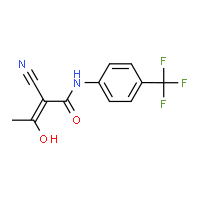
(Z)-2-Cyano-3-hydroxy-N-[4-(trifluoromethyl)phenyl]-2-butenamide
108605-62-5, 282716-73-8 (monosodium salt)
C12-H9-F3-N2-O2
270.2091
Aventis Pharma (Originator), Sanofi-Aventis U.S. Llc
Sugen (Licensee)
Antiarthritic Drugs, Disease-Modifying Drugs, Immunologic Neuromuscular Disorders, Treatment of, IMMUNOMODULATING AGENTS, Immunosuppressants, Multiple Sclerosis, Agents for, NEUROLOGIC DRUGS, TREATMENT OF MUSCULOSKELETAL & CONNECTIVE TISSUE DISEASES, Dihydroorotate Dehydrogenase Inhibitors

CAMBRIDGE, Mass.–Aug. 30, 2013–(BUSINESS WIRE)–Genzyme, a Sanofi company (EURONEXT: SAN and NYSE: SNY), announced today that the European Commission has granted marketing authorization for Aubagio® (teriflunomide) 14 mg, a once-daily, oral therapy indicated for the treatment of adult patients with relapsing remitting multiple sclerosis (RRMS).

read all at

http://www.pharmalive.com/ec-approves-genzyme-s-aubagio-for-ms

Teriflunomide (trade name Aubagio, marketed by Sanofi, also known as A77 1726) is the active metabolite of leflunomide.[1]Teriflunomide was investigated in the Phase III clinical trial TEMSO as a medication for multiple sclerosis (MS). The study was completed in July 2010.[2] 2-year results were positive.[3] However, the subsequent TENERE head-to-head superiority trial reported that “although permanent discontinuations [of therapy] were substantially less common among MS patients who received teriflunomide compared with interferon beta-1a, relapses were more common with teriflunomide.”[4] The drug was approved by the FDA on September 13, 2012.[5]

Mechanisms of action

Teriflunomide is an immunomodulatory drug inhibiting pyrimidine de novo synthesis by blocking the enzyme dihydroorotate dehydrogenase. It is uncertain whether this explains its effect on MS lesions.[6]

Teriflunomide inhibits rapidly dividing cells, including activated T cells, which are thought to drive the disease process in MS. Teriflunomide may decrease the risk of infections compared to chemotherapy-like drugs because of its more-limited effects on the immune system.[7]

It has been found that teriflunomide blocks the transcription factor NF-κB. It also inhibits tyrosine kinase enzymes, but only in high doses not clinically used.[8]

Activation of leflunomide to teriflunomide

Leflunomide.svgE-Teriflunomide structure.svgTeriflunomide structure.svg

The structure which results from ring opening can interconvert between the E and Z enolic forms (and the corresponding keto-amide), with the Z enol being the most stable and therefore most predominant form.

Space filling model of the E isomer of teriflunomide


  1. ^
     Magne D, Mézin F, Palmer G, Guerne PA (2006). “The active metabolite of leflunomide, A77 1726, increases proliferation of human synovial fibroblasts in presence of IL-1beta and TNF-alpha”. Inflamm. Res. 55 (11): 469–75. doi:10.1007/s00011-006-5196-xPMID 17122964.
  2. ^ ClinicalTrials.gov Phase III Study of Teriflunomide in Reducing the Frequency of Relapses and Accumulation of Disability in Patients With Multiple Sclerosis (TEMSO)
  3.  “Sanofi-Aventis’ Teriflunomide Comes Up Trumps in Two-Year Phase III MS Trial”. 15 Oct 2010.
  4.  Gever, John (June 4, 2012). “Teriflunomide Modest Help but Safe for MS”medpage. Retrieved June 04, 2012. Unknown parameter |source= ignored (help)
  5. ^ “FDA approves new multiple sclerosis treatment Aubagio” (Press release). US FDA. Retrieved 2012-09-14.
  6. ^ H. Spreitzer (March 13, 2006). “Neue Wirkstoffe – Teriflunomid”. Österreichische Apothekerzeitung (in German) (6/2006).
  7.  Dr. Timothy Vollmer (May 28, 2009). “MS Therapies in the Pipeline: Teriflunomide”. EMS News (in English) (May 28, 2009).
  8. ^ Breedveld, FC; Dayer, J-M (November 2000). “Leflunomide: mode of action in the treatment of rheumatoid arthritis”Ann Rheum Dis 59 (11): 841–849. doi:10.1136/ard.59.11.841.PMC 1753034PMID 11053058.

SYNTHESIS

………………………

http://www.google.com/patents/WO2014177978A3?cl=en

Formula i

Teriflunomide is an immunosuppressant, acting as a tyrosine kinase inhibitor. It is also evaluated in the treatment of rheumatoid arthritis, autoimmune disease and multiple sclerosis. An oral film coated tablet containing teriflunomide as the active ingredient is marked in the United States by Sanofi Aventis US using brand AUBAGIO™. AUBAGIO is indicated for the treatment of patients with relapsing forms of multiple sclerosis.

U.S. Patent No. 5,679,709 appears to claim teriflunomide and its pharmaceutically acceptable salts, the same patent also further covers pharmaceutical composition and method of administering top a patients suffering from autoimmune disease.

U.S. Patent No. 5,494,91 I disclosesthe process for the preparation of teriflunomide by reacting 5-methylisoxazole-4-carbonyl chloride with trifluoromethyl aniline in the presence of acetonitrile to yield Leflunomide with on further hydrolysis with aqueous sodium hydroxide solution in methanol gives teriflunomide of formula I.

U.S. Patent No. 5,990,141 discloses the process for the preparation of teriflunomide by reacting 4-trifluoromethyl aniline with cyano acetic acid ethyl ester to yield cyanoaceto-(4-trifluromethyl)-aniline, with on further reacted with acetyl chloride in the presence of sodium hydride base and THF and acetonitrile solvent to give teriflunomide of formula I.

U.S. patent No. 6,365,626 discloses the process for the preparation of teriflunomide by reacting 4-trifluromethylaniline with cyanoacetic acid to give cyanoacet-(4- trifluoromethyl)anilide which on further reacted with acetyl chloride in the presence of sodium hydride to give teriflunomide of formula I.

U.S. Patent No. 6,894,184 discloses the process for the preparation of teriflunomide involves reacting 4-trifluromethylaniline with cyanoacetic acid to give cyanoacet-(4- trifluoromethyl)anilide which on further reacted with acetic anhydride in the presence of base to give teriflunomide of formula I.

International PCT application No. WO 2009/147624 discloses the process for the preparation of teriflunomide involves condensation of ethyl-2-cyano-3-hydroxybut-2-enoate and 4-(trifluoromethyl) aniline in presence of xylene solvent at reflux temperatures for 16 hours to give teriflunomide of formula I.

preparation of teriflunomide (I) comprises steps of;

1 ) condensation of cyanoacetic acid of formula (II) with 4-trifluoromethyl aniline of formula (III) in the presence of chlorinating agent to give 2-cyano-N-[4-(trifluromethyl)phenyl]acetamide of formula (IV);

(II I) (IV)

2) acetylation of 2-cyano-N-[4-(trifluromethyl)phenyl] acetamide of

formula (IV) with an acetylating agent in the presence of base and suitable solvents to yield teriflunomide of formula (I).

EXAMPLE 1 : Preparation of 2-cvano-N-f4-(trifluoromethyl> phenyl! acetamide (IV)

A round bottom flask is charged with cyanoacetic acid (100 g) and phosphorous pentachloride and tetrahydrofuran (300 ml) and the reaction mixture is stirred at room temperature for 4 hours. 4-trifluoromethyl aniline (161 g) dissolved in tetrahydrofuran (100 ml) is slowly added to the reaction mixture and stirred for completion of reaction. The resultant reaction mass is cooled and separated solid is filtered and washed with slurry of Isoproapnol and cyclohexane and dried under reduced pressure to afford the title compound. Weight: 196 gm.

Purity by HPLC: 98%

EXAMPLE 2: preparation of 2-cyano-3-hvdroxy-N-f4-( trifluoromethyl) phenyl] but-2-enamide (Teriflunomide crude)

A round bottom flask is charged with 2-cyano-N-[4-{trifluromethyl} phenyl] acetamide (100g), sodium hydroxide (70 gm) and dimethyl formamide is added and the reaction mixture is stirred for 30 minutes. Isopropenyl acetate (60 ml) is added slowly and the resultant mixture is stirred for about 4-5 hours at room temperature. After completion of the reaction, the resulting reaction mixture is diluted with water and acidified with Cone. HCI solution and stirred for solid separation. The separated solid is filtered and washed with water and dried under reduced pressure to afford Teriflunomide.

The obtained teriflunomide is charged in round bottom flask and aqueous solution of sodium hydroxide solution (29.6 g in 300 ml water) is added slowly at 25-35°C and stirred for 1 to 2 hours. The mixture is brought to 5 to 10°C and dichloromethane is added, the mixture is stirred for 15 minutes. The organic and the aqueous layer are separated, and the resultant aqueous layer is acidified with aq. Hcl and stirred. The separated solid is filtered and washed with water and dried under vacuum at 65-70°C for 10-12 hours to afford teriflunomide.

Weight: 101 gm

Purity by HPLC: 95%

EXAMPLE 3; Purification of Teriflunomide:

Teriflunomide (5 g) is charged into a flask followed by addition of acetonitrile (125 ml) and heated to reflux and stirred for 2 hours. The resultant reaction solution is filtered through highflow bed to obtain a clear solution and cooled to room temperature and stirred for solid separation. The separated solid is filtered, washed with Isopropanol (50 ml) and dried under vacuum to afford pure teriflunomide.

Weight: 3.8 gm

Purity by HPLC: 99.7%

…………………………………………………………………………………………………………

EP 0527736; JP 1993506425; JP 1999322700; JP 1999343285; US 5494911; US 5532259; WO 9117748

5-Methylisoxazole-4-carboxylic acid (I) was converted to the corresponding acid chloride (II) upon refluxing with SOCl2. Coupling of acid chloride (II) with 4-(trifluoromethyl)aniline (III) produced anilide (IV). Finally, isoxazole ring opening in the presence of NaOH gave rise to the title cyano amide.

Teriflunomide, a dihydroorotate dehydrogenase (DHODH) inhibitor, is the active metabolite of leflunomide a synthetic, low-molecular-weight drug currently used in the treatment of rheumatoid arthritis. The mechanisms by which teriflunomide exerts its antiinflammatory, antiproliferative and immunosuppressive effects are not yet completely understood, although inhibition of pyrimidine biosynthesis (via suppression of DHODH) and interference with tyrosine kinase activity both appear to be involved. Based on its efficacy shown in animal models of experimental allergic encephalomyelitis, teriflunomide was tested in a phase II study in patients with multiple sclerosis with relapses. Recruitment is ongoing for a phase III study to determine the efficacy of teriflunomide in reducing the frequency of relapses and accumulation of disability in multiple sclerosis patients.

The chemical name of Teriflunomide is 2-cyano-3-hydroxy-N-[4-(trifluoromethyl)phenyl]-2-butenamide and formula is C12H9F3N2O2 and molecular weight is 270.207.

Teriflunomide is used as Immunosupressant. It acts as tyrosine kinase inhibitor. It is used in treatment of rheumatoid arthritis, autoimmune disease and multiple sclerosis.

Teriflunomide was first disclosed and claimed in U.S. Pat. No. 5,679,709 but this patent does not mention any process of preparation for salt formation.

U.S. Pat. No. 5,494,911, U.S. Pat. No. 5,990,141 disclose various processes for preparing Teriflunomide. These patents do not disclose process for preparation Teriflunomide salts or mention any its polymorphic form.

EP 2280938 A2

HISTORY OF SYNTHESIS

The chemical name of Teriflunomide is

2-cyano-3-hydroxy-N-[4-(trifluoromethyl)phenyl]-2-butenamide and formula is Ci2H9 F3N2O2 and molecular weight is 270.207.

Teriflunomide is used as Immunosupressant. It acts as tyrosine kinase inhibitor. It is used in treatment of rheumatoid arthritis, autoimmune disease and multiple sclerosis.

Teriflunomide was first disclosed and claimed in US patent no. 5,679,709 but this application does not mention the process of preparation.

US patent no. 5,494,911 discloses a process for preparation of Teriflunomide as shown in given below

Figure imgf000002_0002

4-trifluoromethylaniline (IV) in acetonitrile to give leflunomide (VI). The subsequent hydrolysis with aqueous sodium hydroxide solution in methanol gives Teriflunomide (I). US patent 5,990,141 discloses a process for preparation of Teriflunomide as shown in given below

Figure imgf000003_0001

Teriflunomide (I)

The process involves reacting 4-trifluorometyl aniline (IV) with cyanoacetic acid ethyl ester (II) to give cyanoacet-(4-trifluoromethyl)-anilide (VII). This compound is further reacted first with sodium hydride in acetonitrile and then with acetylchloride in THF to give Teriflunomide (I).

US patent no. 6,365,626 discloses a process for preparation of Teriflunomide  which is as given in below

Figure imgf000003_0002

Teriflunomide

ONE MORE

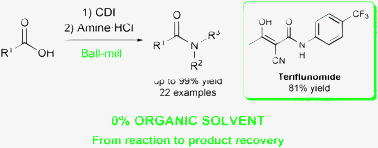
Graphical abstract: Mechanosynthesis of amides in the total absence of organic solvent from reaction to product recovery

http://pubs.rsc.org/en/content/articlelanding/2012/cc/c2cc36352f GET ABOVE DETAILS HERE

Teriflunomide is used as Immunosupressant. It acts as tyrosine kinase inhibitor. It is used in treatment of rheumatoid arthritis, autoimmune disease and multiple sclerosis.

Teriflunomide was first disclosed and claimed in US patent no. 5,679,709 but this application does not mention the process of preparation.

[H] US patent no. 5,494,911 discloses a process for preparation of Teriflunomide in Example-4 as shown in given below scheme-I

(V) (IV) (VI) (D

Scheme-I

The proces; 5 involves re acting 5-metlr

4-trifluoromethylaniline (IV) in acetonitrile to give leflunomide (VI). The subsequent hydrolysis with aqueous sodium hydroxide solution in methanol gives Teriflunomide (I). US patent 5,990,141 discloses a process for preparation of Teriflunomide as shown in given below scheme-II.

Teriflunomide (I)

Scheme-II  The process involves reacting 4-trifluorometyl aniline (IV) with cyanoacetic acid ethyl ester (II) to give cyanoacet-(4-trifluoromethyl)-anilide (VII). This compound is further reacted first with sodium hydride in acetonitrile and then with acetylchloride in THF to give Teriflunomide (I).

US patent no. 6,365,626 discloses a process for preparation of Teriflunomide in Fig. 19 which is as given in below scheme-Ill.

Teriflunomide

(I)

Scheme-Ill  The process involves reacting 4-trifluoromethyl aniline (IV) with cyanoacetic acid (Ha) to give compound of formula (VII). This compound is further reacted first with sodium hydride and then with acetylchloride to give Teriflunomide (I)

………………………….

Example-1  Preparation of Ethyl-2-cyano-3-hydroxy-but-2-enoate (III) [77] Potassium carbonate (73.3 g) was added to the well stirred solution of Ethylcy- anoacetate (50 g) in Dimethylformamide (250 ml) and stirred for 15 minute at ambient temperature. Acetic anhydride (90.25 g) was added drop wise to the above well stirred solution during 2 to 3 hours at ambient temperature. Reaction mixture was stirred at ambient temperature for 15 to 20 hours. Reaction mixture was diluted with water (500 ml) and extracted with dichloromethane (3 xlOO ml). Combined organic layer was washed with saturated sodium carbonate solution (3x100ml). Aqueous carbonate layer was separated and acidified with 50% HCl solution and extracted with dichloromethane (3x100ml). Combined organic layer was washed with brine solution (100 ml), dried over sodium sulfate and evaporated to yield Ethyl 2-cyano-3-hydroxy-but-2-enoate (58 g).

Yield: 84.6%Example-2 ] Preparation of Teriflunomide (I) [82] Ethyl 2-cyano-3-hydroxybut-2-enoate (III) (50 g) and 4-(trifluoromethyl) aniline (51.9 g) in xylene (1000 ml) was refluxed for 48 hours. The reaction mixture was allowed to cool at room temperature. Separated solid was filtered and washed with xylene (2×100 ml). Solid was dried under vacuum at 700C to yield (62 g) of Teri- flunomide.

Yield: 71.0%

Purity: 99.4%

! HNMR (DMSO, 300MHz) :δ 2.24(s, 3H); 5.36(bs, IH); 7.65(d, J=8.7Hz, 2H);

7.76(d, J=8.6Hz, 2H); 10.89(s, IH) ppm.

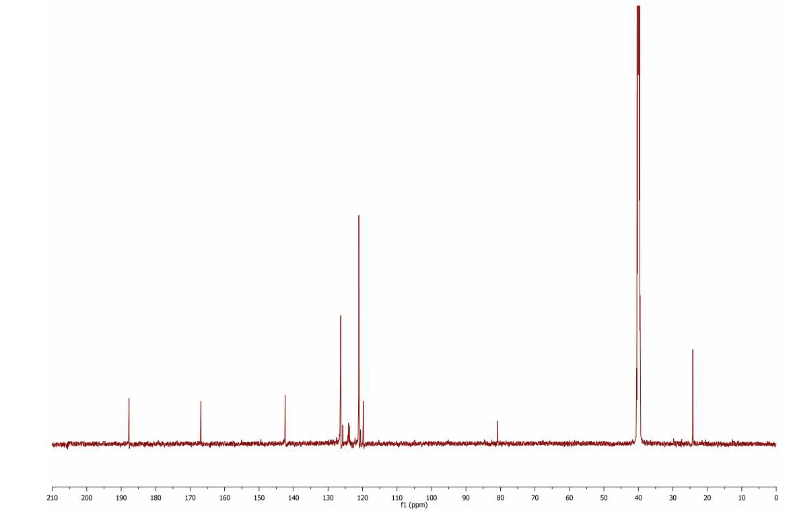
13 CNMR (DMSO, 75MHz) :δ 23.5, 82.1, 118.3, 122.2, 126.5, 126.9, 142.1, 167.4,

187.8 ppm.

MS(FD) : m/e 269(M”, 100). [88] IR : 3305, 2220, 1633, 1596, 1554, 1418, 1405, 1325, 1247, 1114, 1157, 1073, 971,

842, 684 cm-1.

…………………

see

http://pubs.rsc.org/en/Content/ArticleLanding/2004/OB/b312682j#!divAbstract

………………………………

http://www.google.com/patents/CN103848756A?cl=en

Currently, for the preparation of teriflunomide mainly in the following three categories:

The first synthetic methods: mainly 5-methyl-isoxazole-4-carboxylic acid starting materials or by Synthesis of 5-methyl-isoxazole-4-carboxylic acid intermediate, then reacted with 4- trifluoromethyl base – aniline was synthesized teriflunomide, specific synthetic route is as follows:

[0007]

Figure CN103848756AD00042

The general reaction step above normal class methods, not easy to intermediate purification, total yield is low, and the synthesis process using a large number of chloride corrosion of equipment can easily produce large amounts of acid mist and acidic water, thus polluting the environment .

  The second class of methods: 2-cyano-acetic acid derivatives and 4-trifluoromethyl aniline. Such methods will be first prepared as a 2-cyano acetic acid chloride, and then 4-trifluoromethyl-aniline to give the corresponding amide, and then acetyl chloride for

With, the condensation reaction between the molecules to give the desired product, the synthesis route is as follows:

Figure CN103848756AD00051

This class methods used in the reaction process large amounts of chloride reagent for large equipment and environmental damage.

The third method: This method is quite similar to the second type of method, mainly in the 2-cyano-acetic acid derivatives and 4-trifluoromethyl-aniline; The method of the second type is different, In the last step with 1-methyl-2-chloro-propylene oxide as raw materials to build α, β-unsaturated nitrile of the enol structure, i.e., to give the desired product, the synthesis route is as follows:

Figure CN103848756AD00052

Teriflunomide Preparation Example 18 [0185] Implementation

Example 17 was obtained as a pale yellow solid of 61.2g crude compound was used directly in the synthesis of teriflunomide. In a 2L round bottom flask was added compound 27.2g (0.32mol) having the structure shown in formula IV, dry dioxane (620mL), sodium hydride 4g (0.16mol, in g / mL count, mass volume ratio 60% saving in kerosene), calcium hydride

6.7g (0.16mol), 15 ° C was stirred for I h, then slowly added dropwise in Example 17 was obtained as a pale yellow solid compound 61.2g (0.32mol) embodiment of dioxane 200mL, approximately I hour addition was complete, After the addition was complete the reaction was heated to reflux, the reaction at 80 ° C for 24 hours, the reaction process using a nitrogen blanket. After completion of the reaction was added 500mL of ice water to quench the reaction, with 2mol / L of HCl (aq.) And the reaction solution was adjusted to neutral pH, and extracted with EtOAc three times each in an amount of 500mL, and the combined organic phase was washed with saturated aqueous NaCl solution 800mL, dried over anhydrous Na2SO4, concentrated under reduced pressure, the mixed solution was twice recrystallized from methanol i_PrOH, the volume ratio of 1-PrOH and methanol is 2: 1, by volume of each recrystallized with a mixed solution of methanol with i_PrOH for 600mL, the crystallization temperature of 10 ° C, to give 58.8g of white solid compound in a yield of 66%, the total yield of 54% ο

Figure CN103848756AD00221

using mass spectrometry, nuclear magnetic resonance spectroscopy and NMR spectra of the resulting white solid carbon compound structures were identified. MS data [M-H +] = 269.1, H NMR data = 1H-NMR (DMSO-Cie) δ the white solid compound: 10.88 (s, 1Η), 10.07 (br, s, 1H), 7.79 ( d, 2H), 7.66 (d, 2H), 2.26 (s, 3H), carbon NMR spectral data for: 13C-NMR (DMS0-d6) δ: 23.5,80.2,119.1,119.9,120.3,122.4,122.0, 123.5,125.3,126.2,141.8,166.2,186.0. Structural analysis by a white solid compound obtained in the present embodiment example for teriflunomide. Cases detected by HPLC obtained teriflunomide the embodiment of purity, calculated based on the peak area normalization method available, the present embodiment obtained teriflunomide a purity of 99.9%.

………………………

http://www.google.com/patents/WO2015029063A2?cl=en

front page image

Scheme-A

Scheme-A

Pure Teriflunomide ………………………………………….Crude Teriflunomide

xamples

Example- 1: Preparation of N-(4′-trifluoromethylphenyl)-5-methylisoxazole-4-carboxamide (Formula-2)

Methylene chloride (125 ml) and dimethyl formamide (2.87 gms) were added to 5-methylisoxazole-4-carboxylic acid (25 gms) at 25-30°C. Heated the reaction mixture to 35-40°C and thionyl chloride (47.59 gms) was slowly added and stirred for 4 hours at the same temperature. After completion of the reaction, distilled off the solvent completely from the reaction mixture. To the obtained compound, dichloromethane was added at 25-30°C. Distilled off the solvent completely from the reaction mixture. Acetonitrile (50 ml) was added to the obtained compound at 25-30°C and slowly added to a mixture of acetonitrile (300 ml) and 4-(trifluoromethyl)aniline (64.45 gms) at 25-30°C and stirred the reaction mixture for 5 hours at the same temperature. Filtered the reaction mixture and distilled off the solvent completely from the filtrate. Methanol (225 ml), followed by activated carbon (2.5 gms) were added to the obtained compound at 25-30°C and stirred for 30 minutes at the same temperature. Filtered the reaction mixture through hyflow bed and washed with methanol. Water (250 ml) was slowly added to the obtained filtrate at 25-30°C and stirred the reaction mixture for 2 hours. Filtered the precipitated solid, washed with water and dried to get the title compound. Yield: 39.8 gms; Melting point: 165-168°C. Purity by HPLC: 99.63%.

Example-2: Preparation of N-(4′-trifluoromethylphenyl)-5-methylisoxazoIe-4-carboxamide (FormuIa-2)

Methylene chloride (15 Its) and dimethyl formamide (40 ml) were added to 5-methylisoxazole-4-carboxylic acid (3 kgs) at 25-30°C. Thionyl chloride (5.70 kgs) was slowly added to the reaction mixture at 25-30°C. Heated the reaction mixture to 40-45°C and stirred for 4 hours at the same temperature. After completion of the reaction, distilled off the solvent completely from the reaction mixture. Cooled the reaction mixture to 25-30°C and dichloromethane was added at the same temperature. Distilled off the solvent completely from the reaction mixture. Cooled the reaction mixture to 25-30°C and dissolved the obtained compound in acetonitrile (6.0 Its) at the same temperature. Slowly added to a mixture of acetonitrile (36 Its) and 4-(trifluoromethyl)aniline (7.70 kgs) at 25-30°C and stirred the reaction mixture for 5 hours at the same temperature. After completion of the reaction, filtered the reaction mixture and distilled off the solvent completely from the filtrate. Methanol (27 Its), followed by activated carbon (30 gms) was added to obtained compound at 25-30°C and stirred for 30 minutes at the same temperature. Filtered the reaction mixture through hyflow bed and washed with methanol. Water (30 Its) was slowly added to the obtained filtrate at 25-30°C and stirred the reaction mixture for 2 hours. Filtered the precipitated solid, washed with water. To the obtained wet compound, toluene (9 Its) was added at 25-30°C. Heated the reaction mixture to 55-60°C and stirred for 30 minutes at the same temperature. Cooled the reaction mixture to 25-30°C and stirred for 3 hours at the same temperature. Filtered the solid, washed with toluene and dried to get the title compound. Yield: 4.7 kg.

Example-3: Preparation of (Z)-2-cyano-3-hydroxy-but-2-enoic acid-(4-trifluoromethyl phenyl)-amide (Formula-l)

Methanol (150 ml) was added to N-(4′-trifluoromethylphenyl)-5-methylisoxazole-4-carboxamide (50 gms) at 25-30°C. Cooled the reaction mixture to 0-5°C and aqueous sodium hydroxide solution was slowly added to the reaction mixture at the same temperature. Stirred the reaction mixture for 2 hours at 0-5°C. Water was added to the reaction mixture. Adjust the pH of the reaction mixture to 7.5 by using dilute hydrochloric acid at 25-30°C. Filtered the precipitated solid, washed with water and dried to get the title compound. Yield: 46.0 gms;

Example-4: Preparation of crystalline form-M of (Z)-2-cyano-3-hydroxy-but-2-enoic acid-(4-trifluoromethyl phenyl)-amide (Formula-1)

Dimethylformamide (300 ml) was added to (Z)-2-cyano-3-hydroxy-but-2-enoic acid-(4-trifluoromethylphenyl)-amide (50 gms) at 25-30°C. Heated the reaction mixture to 55-60°C and stirred for 30 minutes at the same temperature. Filtered the reaction mixture and washed with dimethyl formamide. To the obtained filtrate, methanol (350 ml) was added at 25-30°C. Cooled the reaction mixture to 10-15°C and stirred for 2 hours at the same temperature. Filtered the precipitated solid, washed with chilled methanol and dried to get the title compound. Yield: 41 gms;

Melting point: 228-231°C; Water content: 0.06% w/w; Phenyl isoxazole impurity: 0.004%; Purity by HPLC: 99.97%.

Particle size distribution before micronisation: D10: 6.71 μιτι; D50: 34.4 μπι; D90: 109.8 μηι; Particle size distribution after micronisation: DIO: 1.35 μητ, D50: 4.52 μητ, D90: 10.26 μιη.

The P-XRD of the obtained compound is shown in figure- 1.

The DSC thermogram of the obtained compound is shown in figure-2.

Reference Example- 1: Preparation of (Z)-2-cyano-3-hydroxy-but-2-enoicacid-(4-trifluoromethylphenyl)-amide according to US5494911 (Formula-1)

Methanol (74 ml) was added to N-(4′-trifluoromethylphenyl)-5-methylisoxazole-4-carboxamide (20 gms) at 25-30°C. Cooled the reaction mixture to 0-5°C and aqueous sodium hydroxide solution {prepared by dissolving sodium hydroxide (3.26 gms) in water (74 ml)} was slowly added to the reaction mixture at the same temperature. Stirred the reaction mixture for 1 hour at 0-5°C. After completion of the reaction, 20% aqueous hydrochloric acid solution was added to the reaction mixture at 25-30°C and stirred for 2 hours at the same temperature. Filtered the precipitated solid, washed with water and dried to get the title compound. Yield: 8.7 gms.

The P-XRD pattern of the obtained compound is shown in figure-3.

The DSC thermogram of the obtained compound is shown in figure-4.

………………….

Displaying image002.png

Displaying image004.png

Displaying image008.png

…………….

Displaying image018.png

Displaying image019.png

TERIFLUNOMIDE SPECTRAL DATA


Teriflunomide,
HMR-1726, 1726, A-771726, RS-61980, SU-0020,
(Z)-2-Cyano-3-hydroxy-N-[4-(trifluoromethyl)phenyl]-2-butenamide
108605-62-5, 282716-73-8 (monosodium salt)
C12-H9-F3-N2-O2 270.2091

17= US2011/0105795A1
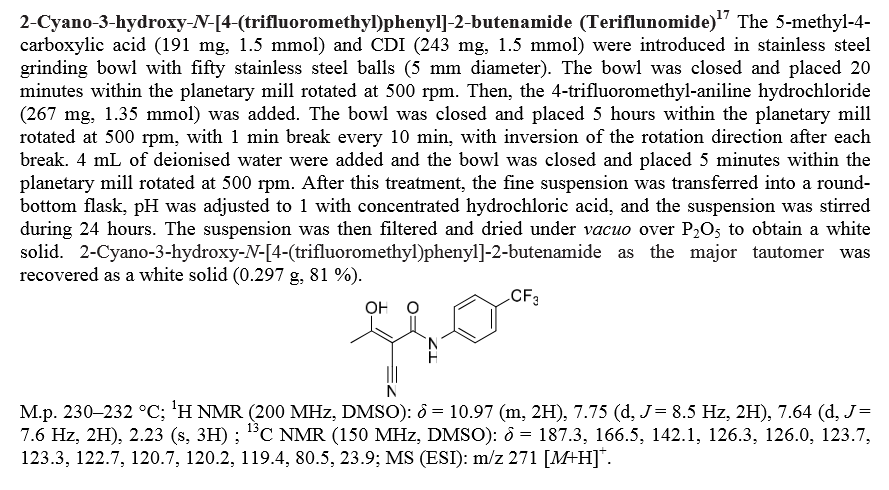
NMR DASTA

1H NMR AND 13C NMR

1H NMR 13C NMR

above 13C NMR

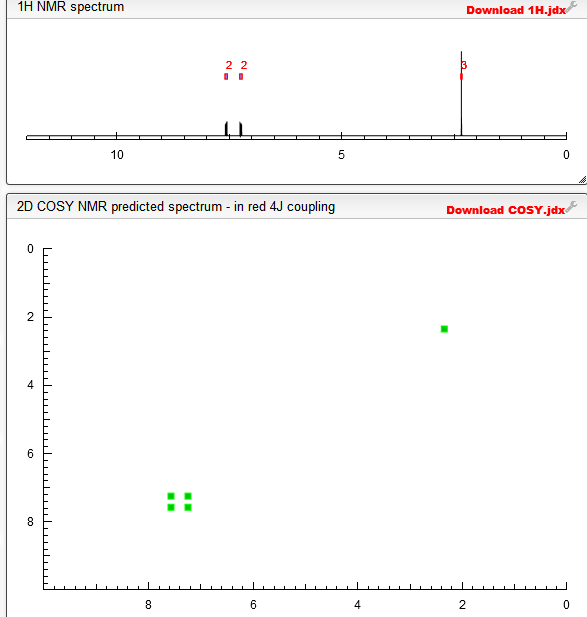
! HNMR (DMSO, 300MHz) :δ 2.24(s, 3H); 5.36(bs, IH); 7.65(d, J=8.7Hz, 2H);

7.76(d, J=8.6Hz, 2H); 10.89(s, IH) ppm.
 
13 CNMR (DMSO, 75MHz) :δ 23.5, 82.1, 118.3, 122.2, 126.5, 126.9, 142.1, 167.4,
187.8 ppm.
MS(FD) : m/e 269(M”, 100).
 IR : 3305, 2220, 1633, 1596, 1554, 1418, 1405, 1325, 1247, 1114, 1157, 1073, 971,
842, 684 cm-1.

REF EP 2280938 A2

Example-1  Preparation of Ethyl-2-cyano-3-hydroxy-but-2-enoate (III) [77] Potassium carbonate (73.3 g) was added to the well stirred solution of Ethylcy- anoacetate (50 g) in Dimethylformamide (250 ml) and stirred for 15 minute at ambient temperature. Acetic anhydride (90.25 g) was added drop wise to the above well stirred solution during 2 to 3 hours at ambient temperature. Reaction mixture was stirred at ambient temperature for 15 to 20 hours. Reaction mixture was diluted with water (500 ml) and extracted with dichloromethane (3 xlOO ml). Combined organic layer was washed with saturated sodium carbonate solution (3x100ml). Aqueous carbonate layer was separated and acidified with 50% HCl solution and extracted with dichloromethane (3x100ml). Combined organic layer was washed with brine solution (100 ml), dried over sodium sulfate and evaporated to yield Ethyl 2-cyano-3-hydroxy-but-2-enoate (58 g).

Yield: 84.6% Example-2 Preparation of Teriflunomide (I) [82] Ethyl 2-cyano-3-hydroxybut-2-enoate (III) (50 g) and 4-(trifluoromethyl) aniline (51.9 g) in xylene (1000 ml) was refluxed for 48 hours. The reaction mixture was allowed to cool at room temperature. Separated solid was filtered and washed with xylene (2×100 ml). Solid was dried under vacuum at 700C to yield (62 g) of Teri- flunomide.

Yield: 71.0%

Purity: 99.4%

! HNMR (DMSO, 300MHz) :δ 2.24(s, 3H); 5.36(bs, IH); 7.65(d, J=8.7Hz, 2H);

7.76(d, J=8.6Hz, 2H); 10.89(s, IH) ppm.

13 CNMR (DMSO, 75MHz) :δ 23.5, 82.1, 118.3,

122.2, 126.5,

126.9, 142.1, 167.4,

187.8 ppm.

MS(FD) : m/e 269(M”, 100).

IR : 3305, 2220, 1633, 1596, 1554, 1418, 1405, 1325, 1247, 1114, 1157, 1073, 971,

842, 684 cm-1.

1H NMR PREDICT

2-Cyano-3-hydroxy-N-(4-(trifluoromethyl)phenyl)but-2-enamide,teriflunomide NMR spectra analysis, Chemical CAS NO. 108605-62-5 NMR spectral analysis, 2-Cyano-3-hydroxy-N-(4-(trifluoromethyl)phenyl)but-2-enamide,teriflunomide H-NMR spectrum

2-Cyano-3-hydroxy-N-(4-(trifluoromethyl)phenyl)but-2-enamide,teriflunomide NMR spectra analysis, Chemical CAS NO. 108605-62-5 NMR spectral analysis, 2-Cyano-3-hydroxy-N-(4-(trifluoromethyl)phenyl)but-2-enamide,teriflunomide C-NMR spectrum

COSY

COSY

HPLC

HPLC method of analysis:

N-(4′-trifluoromethylphenyI)-5-methylisoxazole-4-carboxamide of formula-2:

Apparatus: A liquid chromatographic system equipped with variable wavelength UV- detector; Column: Cosmicsil APT CI 8, 100 x 4.6 mm, 3 μιη (or) equivalent; Flow rate: 1.5 ml/min; Wavelength: 210 nm; Column Temperature: 25°C; Injection volume: 20 μί; Run time: 40 min; Diluent: Mobile phase; Needle wash: Tetrahydrofuran; Elution: Isocratic; Mobile phase: 5 ml of triethyl amine into a 650 ml of water. Adjusted the pH to 3.4 with dil. Orthophosphoric acid and filter this solution through 0.22 μπι nylon membrane filter paper and sonicate to degas it. (Z)-2-cyano-3-hydroxy-but-2-enoicacid-(4-trifluoromethyl phenyl)-amide compound of formula- 1:

Apparatus: A liquid chromatographic system equipped with variable wavelength UV- detector; Column: Kromasil 100 C18, 250 x 4.6 mm, 5 μηι (or) equivalent; Flow rate: 1.0 ml/min; Wavelength: 250 nm; Column Temperature: 35°C; Injection volume: 5 μί; Run time: 37 min; Diluent: 0.01 M dipotassium hydrogen orthophosphate in 1000 ml of water; Elution: Gradient; Mobile phase-A: Buffer (100%); Mobile phase-B: Acetonitrile : Buffer (70:30 v/v); Buffer: 1 ml of ortho phosphoric acid into a 1000 ml of water and 3.0 grams of 1 -octane sulfonic acid sodium salt anhydrous. Adjust pH to 6.0 with potassium hydroxide solution and filtered through 0.22μηι Nylon membrane filter paper and sonicate to degas it……..http://www.google.com/patents/WO2015029063A2?cl=en

WO2009147624A2 * 3 Jun 2009 10 Dec 2009 Alembic Limited A process for preparing teriflunomide
WO2011004282A2 * 22 Jun 2010 13 Jan 2011 Alembic Limited Novel polymorphic form of teriflunomide salts
US5494911 24 Oct 1990 27 Feb 1996 Hoechst Aktiengesellschaft Isoxazole-4-carboxamides and hydroxyalkylidenecyanoacetamides, pharmaceuticals containing these compounds and their use
US5679709 7 Jun 1995 21 Oct 1997 Hoechst Aktiengesellschaft N-(4-trifluoromethylphenyl)-2-cyano-3-hydroxycrotonamide or salts, used for reduction of b-cell produced self-antibodies
US5990141 6 Jan 1995 23 Nov 1999 Sugen Inc. Administering 5-methyl-isoxazole-4-carboxylic acid-n-(4-trifluoromethyl)anilide or 2-cyano-3-hydroxy-n-(4-trifluoro-methyl)phenyl-2-butenamide; antitumor,-carcinogenic and proliferative agents; kinase inhibitors

Sanofi Reports Positive Topline Results from Pivotal Phase III JAKARTA Study for JAK2 Inhibitor in Myelofibrosis


Paris, France – May 17, 2013– Sanofi  announced today that the pivotal study, JAKARTA, examining the selective JAK2 inhibitor SAR302503 for myelofibrosis (MF), met its primary endpoint in both dose groups. The primary endpoint assessed the proportion of patients achieving >35% reduction of spleen volume. Consistent with data reported in previous trials, the most common adverse events were anemia, diarrhea, nausea and vomiting. Full results will be presented at an upcoming medical congress.

MF is a rare, debilitating and life-threatening hematologic malignancy characterized by abnormal blood cell production and scarring, or fibrosis, in the bone marrow.

“Patients with myelofibrosis in advanced stages are desperately ill and in need of treatments that will improve their outcomes. I am pleased with the results of JAKARTA and would like to thank the patients and the investigators in this trial,” said Debasish Roychowdhury, M.D., Senior Vice President and Head, Sanofi Oncology. “Since Sanofi’s acquisition of the molecule, SAR302503 has moved from Phase I to the completion of pivotal Phase III studies in less than three years, and now we are planning regulatory filings with authorities to make this medicine available for patients.” SAR302503 is a novel, investigational, selective JAK2 inhibitor. Sanofi Oncology is developing SAR302503 for the treatment of the three main types of myeloproliferative neoplasms: primary myelofibrosis, including those previously treated with ruxolitinib; polycythemia vera; and essential thrombocythemia.

About JAKARTA Conducted in 24 countries, the randomized, double-blind, placebo-controlled Phase III JAKARTA study evaluated once-daily oral SAR302503 versus placebo in 289 patients with intermediate-2 or high-risk primary myelofibrosis, post-polycythemia vera myelofibrosis, or post-essential thrombocythemia myelofibrosis. Eligible patients with platelet counts >50,000/μl were randomized to receive a once-daily oral dose of either 400mg of SAR302503, 500 mg of SAR302503 or placebo for twenty-four weeks (six cycles).

The primary endpoint was the proportion of patients with a reduction in spleen volume >35% after 24 weeks of treatment. Key secondary endpoints include the assessment of associated symptoms as measured by total symptom score using six key symptoms as measured by the modified Myelofibrosis Symptom Assessment Form (MF-SAF) diary. Sanofi is also studying the effect of the compound on reversing fibrosis in the bone marrow. After the completion of 24 weeks of treatment or disease progression, crossover from the placebo arm to SAR302503 was allowed.

The JAKARTA study was granted a Special Protocol Assessment (SPA) by the U.S. Food and Drug Administration, signifying that the Phase III trial design, including clinical endpoints, is acceptable to support an application for the granting of marketing authorization in the U.S. More information about the trial is available at www.clinicaltrials.gov.

About JAK2 Inhibition and SAR302503 The normal functioning of the JAK/STAT pathway is key to blood cell development. Dysregulated JAK/STAT signaling is associated with the development of MF and other related myeloproliferative neoplasms (MPN), such as Polycythemia Vera (PV) and Essential Thrombocythemia (ET).

Dysregulation of the JAK/STAT pathway in these diseases occurs with mutations of the JAK2 and MPL genes (notably JAK2V617F and MPLW515L). In addition, up to 50% of patients with MF are considered wild-type, meaning there is no detectable JAK2 or MPL mutations, yet do demonstrate dysregulated JAK2 signaling.

SAR302503 is a novel, investigational, JAK2 kinase inhibitor that selectively inhibits the JAK2 kinase, and in preclinical studies it has demonstrated activity against MF cells containing either JAK2V617F or MPLW515L mutation. As demonstrated in earlier Phase I and II studies, SAR302503 demonstrated activity in MF patients with both wild-type and mutated JAK2 (JAK2V617F). Results from a Phase II study in patients with intermediate-2 or high-risk MF were presented last year and final results are anticipated in Q2 2013. Another Phase II study in ruxolitinib-exposed patients who are either resistant or intolerant to ruxolitinib is ongoing.

About Myelofibrosis Myelofibrosis (MF) is a rare, but serious blood disease characterized by abnormal blood cell production and fibrosis (scarring) within the bone marrow. Scarring in the bone marrow interferes with blood cell production, and the spleen and liver compensate by producing and storing extra blood cells, which cause an enlarged spleen. Of the mutated JAK2 associated myeloproliferative neoplasms, MF carries the poorest prognosis. Median survival for intermediate-2 and high-risk patients is approximately two and a half years; median survival for MF patients overall is approximately six years, and the 10 year risk of the disease transforming to fatal acute myelogenous leukemia (AML) is about 20%.

The exact prevalence of MF is not known. The latest research estimates that the prevalence of MF ranges from 4.2 to 5.6 per 100,000 people in the U.S., or approximately 15,000 patients.

Prevalence estimates in Europe are less clear. People over age sixty are most likely to develop this disease, with men and women equally at risk.

About Sanofi Oncology Sanofi Oncology is a global division of Sanofi based in Cambridge, Massachusetts and Vitry, France. At Sanofi Oncology, the patient is our inspiration. We are dedicated to translating science into effective therapeutics that address unmet medical needs for cancer and organ transplant patients. Through our global organization of talented and passionate employees, we are building a renewed and diversified portfolio, driven by the principles of innovation, personalization and patient access to medicines. We believe that delivering innovative treatment solutions requires collaboration with external experts, which is why we partner our own internal expertise with the best experts in scientific discovery and clinical research around the world.

About Sanofi Sanofi, an integrated global healthcare leader, discovers, develops and distributes therapeutic solutions focused on patients’ needs. Sanofi has core strengths in the field of healthcare with seven growth platforms: diabetes solutions, human vaccines, innovative drugs, consumer healthcare, emerging markets, animal health and the new Genzyme.

CHINA MARKET-Takeda and Sanofi Sign Co-promotion Agreement to Expand Reach of Diabetes Treatment Alogliptin in China


ALOGLIPTIN

22.04.2013

• Alogliptin is a DPP-4 inhibitor that is designed to slow the inactivation of incretin hormones GLP-1 and GIP
• Agreement is part of Takeda’s strategy to complement capabilities through partnerships
• Agreement complements Sanofi’s diabetes portfolio and expand its offer of innovative diabetes treatment to Chinese patients
• The regulatory approval of alogliptin in China is expected in 2013

Shanghai, China, April 22, 2013 – Takeda and Sanofi today announced that they have entered into an agreement for the co-promotion of alogliptin in China for the treatment of type 2 diabetes. Alogliptin is Takeda’s new type 2 diabetes therapy, which has been filed for marketing authorization in China. It is a dipeptidyl peptidase-4 inhibitor (DPP-4i) that is designed to slow the inactivation of incretin hormones GLP-1 (glucagon-like peptide-1) and GIP (glucose-dependent insulinotropic peptide).

Under the terms of the agreement, Takeda will grant Sanofi the exclusive right to co-promote alogliptin in China. Sanofi will utilize its commercial capabilities and experience to promote the product in defined territories in China. The commercial terms of the agreement were not disclosed.

“Diabetes has become a major public health problem in China with a rapid increase in the prevalence over recent years. China is now the country with the largest number of people with diabetes,” said Haruhiko Hirate, Corporate Officer and Head of North Asia of Takeda. “The collaboration will expand our reach to Chinese physicians treating patients with type 2 diabetes. Both Takeda and Sanofi have a long history and significant experience in diabetes and this makes for a win-win partnership, as we work together to advance patient care and help to meet the needs of this growing patient population.”

“We are pleased to announce the collaboration with Takeda,” said Fabrice Baschiera, General Manager, Pharmaceutical Operations, Sanofi China. “Alogliptin reinforces the strategic focus of Sanofi in the diabetes field. The new addition of alogliptin strengthens our offer of innovative diabetes treatment to Chinese patients, which includes best-in-class oral and insulin drugs. We look forward to working with Takeda to make alogliptin more widely available to patients with type 2 diabetes in China,” added Mr. Baschiera.

Alogliptin was approved and marketed in Japan in 2010 under the brand name of Nesina®, where it is currently the best-selling DPP-4i for type 2 diabetes. It was approved by the U.S. FDA as a monotherapy and also in fixed-dose combination with pioglitazone (Oseni®) and metformin (Kazano®) in January 2013 for the treatment of type 2 diabetes in adults as adjuncts to diet and exercise.

In China, the rapid economic development has brought mass urbanization, changing diets and increasingly sedentary lifestyles. These factors greatly increase the risk of developing type 2 diabetes. China has the largest number of people with diabetes1, with approximately 92.4 million adults suffering from the disease, 60.7% of which are undiagnosed2. Over the next 20 years, an additional 40 million Chinese adults are expected to develop type 2 diabetes, surpassing the overall prevalence rate of the United States3.

Alogliptin is under registration review in China. Takeda is expecting to obtain the regulatory approval in 2013.

Notes
1 International Diabetes Federation. New diabetes figures in China: IDF press statement
2 Diabetes: Wenying Yang et al, N ENGL J MED, March 25, 2010;
3 Kantar Health. The Burden of the Complicated Type 2 Diabetes Patient in China.

About Alogliptin
Alogliptin is a DPP-4i for the treatment of type 2 diabetes as an adjunct to diet and exercise. DPP-4 is designed to slow the inactivation of incretin hormones GLP-1 and GIP. As a result, an increased amount of active incretins enables the pancreas to secrete insulin in a glucose-dependent manner, thereby assisting in the management of blood glucose levels. A New Drug Application (NDA) for NESINA (alogliptin) was approved in April 2010 by the Japanese Ministry of Health, Labour and Welfare for the treatment of type 2 diabetes, and the therapy is available under the same brand name in Japan. NESINA (alogliptin) was approved by the U.S. FDA as a monotherapy and also in fixed-dose combination with pioglitazone (OSENI) and metformin (KAZANO) in January 2013 for the treatment of type 2 diabetes in adults as adjuncts to diet and exercise.
About Type 2 Diabetes
Type 2 diabetes is the most common form of diabetes affecting millions of people globally. Type 2 diabetes is a progressive and chronic condition and patients should work with a health care professional to manage and monitor their disease. In addition to diet and exercise, patients often need to take multiple medications in order to help them manage their blood glucose levels. According to the International Diabetes Federation, the global health care expenditures for diabetes (both type 1 and 2) were estimated at $471.6 billion in 2012. By 2030, this number is projected to exceed $595 billion. China is now the country with the largest number of people with diabetes and 92.4 million adults are suffering from the disease.

About Takeda
Located in Osaka, Japan, Takeda is a research-based global company with its main focus on pharmaceuticals. As the largest pharmaceutical company in Japan and one of the global leaders of the industry, Takeda is committed to strive towards better health for patients worldwide through leading innovation in medicine. Additional information about Takeda is available through its corporate website,www.takeda.com.

About Sanofi
Sanofi, a global and diversified healthcare leader, discovers, develops and distributes therapeutic solutions focused on patients’ needs. Sanofi has core strengths in the field of healthcare with seven growth platforms: diabetes solutions, human vaccines, innovative drugs, consumer healthcare, emerging markets, animal health and the new Genzyme. Sanofi is listed in Paris (EURONEXT: SAN) and in New York (NYSE: SNY).

http://www.tpi.takeda.com/media/news-releases/2013/takeda-and-sanofi-sign-co-promotion-agreement-to-expand-reach-of–alogliptin/


From a structural point has uracil (Uracil) structure, synthesis of these compounds are usually replaced with urea or urea and 1,3 – parents Electric reagent directly related ring, and substituted ureas from amines and isocyanate obtained. Compound 1 and methyl isocyanate urea derivatives obtained by reacting 2 , 2 and 1,3 – diethyl reaction 3 , 3 chlorination with phosphorus oxychloride to obtain 4 , 4 with a secondary amine 5 reaction of 6 , 6 de-Boc protected with acid reaction and generate benzoate Alogliptin benzoate.