New Drug Approvals

Home » Posts tagged 'Orphan Drug Designation' (Page 4)

Tag Archives: Orphan Drug Designation

DRUG APPROVALS BY DR ANTHONY MELVIN CRASTO .....FOR BLOG HOME CLICK HERE

Blog Stats

  • 4,811,507 hits

Flag and hits

Flag Counter

Enter your email address to follow this blog and receive notifications of new posts by email.

Join 37.9K other subscribers
Follow New Drug Approvals on WordPress.com

Archives

Categories

Recent Posts

Flag Counter

ORGANIC SPECTROSCOPY

Read all about Organic Spectroscopy on ORGANIC SPECTROSCOPY INTERNATIONAL 

Enter your email address to follow this blog and receive notifications of new posts by email.

Join 37.9K other subscribers
DR ANTHONY MELVIN CRASTO Ph.D

DR ANTHONY MELVIN CRASTO Ph.D

DR ANTHONY MELVIN CRASTO, Born in Mumbai in 1964 and graduated from Mumbai University, Completed his Ph.D from ICT, 1991,Matunga, Mumbai, India, in Organic Chemistry, The thesis topic was Synthesis of Novel Pyrethroid Analogues, Currently he is working with AFRICURE PHARMA, ROW2TECH, NIPER-G, Department of Pharmaceuticals, Ministry of Chemicals and Fertilizers, Govt. of India as ADVISOR, earlier assignment was with GLENMARK LIFE SCIENCES LTD, as CONSUlTANT, Retired from GLENMARK in Jan2022 Research Centre as Principal Scientist, Process Research (bulk actives) at Mahape, Navi Mumbai, India. Total Industry exp 32 plus yrs, Prior to joining Glenmark, he has worked with major multinationals like Hoechst Marion Roussel, now Sanofi, Searle India Ltd, now RPG lifesciences, etc. He has worked with notable scientists like Dr K Nagarajan, Dr Ralph Stapel, Prof S Seshadri, etc, He did custom synthesis for major multinationals in his career like BASF, Novartis, Sanofi, etc., He has worked in Discovery, Natural products, Bulk drugs, Generics, Intermediates, Fine chemicals, Neutraceuticals, GMP, Scaleups, etc, he is now helping millions, has 9 million plus hits on Google on all Organic chemistry websites. His friends call him Open superstar worlddrugtracker. His New Drug Approvals, Green Chemistry International, All about drugs, Eurekamoments, Organic spectroscopy international, etc in organic chemistry are some most read blogs He has hands on experience in initiation and developing novel routes for drug molecules and implementation them on commercial scale over a 32 PLUS year tenure till date Feb 2023, Around 35 plus products in his career. He has good knowledge of IPM, GMP, Regulatory aspects, he has several International patents published worldwide . He has good proficiency in Technology transfer, Spectroscopy, Stereochemistry, Synthesis, Polymorphism etc., He suffered a paralytic stroke/ Acute Transverse mylitis in Dec 2007 and is 90 %Paralysed, He is bound to a wheelchair, this seems to have injected feul in him to help chemists all around the world, he is more active than before and is pushing boundaries, He has 100 million plus hits on Google, 2.5 lakh plus connections on all networking sites, 100 Lakh plus views on dozen plus blogs, 227 countries, 7 continents, He makes himself available to all, contact him on +91 9323115463, email amcrasto@gmail.com, Twitter, @amcrasto , He lives and will die for his family, 90% paralysis cannot kill his soul., Notably he has 38 lakh plus views on New Drug Approvals Blog in 227 countries......https://newdrugapprovals.wordpress.com/ , He appreciates the help he gets from one and all, Friends, Family, Glenmark, Readers, Wellwishers, Doctors, Drug authorities, His Contacts, Physiotherapist, etc He has total of 32 International and Indian awards

Verified Services

View Full Profile →

Archives

Categories

Flag Counter

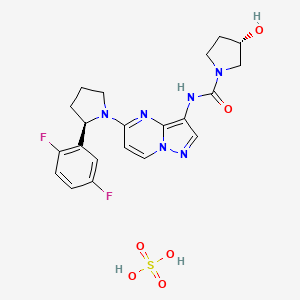
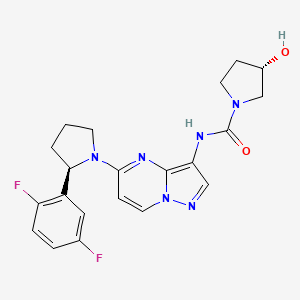
Larotrectinib, ларотректиниб , 拉罗替尼 ,


Image result for LarotrectinibImage result for Larotrectinib

Image result for LarotrectinibImage result for Larotrectinib

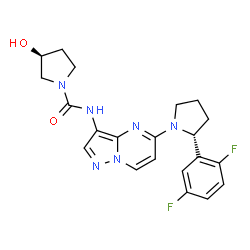
Larotrectinib

ARRY-470, LOXO-101, PF9462I9HX

Molecular Formula: C21H22F2N6O2
Molecular Weight: 428.444 g/mol
(3S)-N-{5-[(2R)-2-(2,5-Difluorphenyl)-1-pyrrolidinyl]pyrazolo[1,5-a]pyrimidin-3-yl}-3-hydroxy-1-pyrrolidincarboxamid
(S)-N-{5-[(R)-2-(2,5-Difluorophenyl)pyrrolidin-1-yl]pyrazolo[1,5-a]pyrimidin-3-yl}-3-hydroxypyrrolidine-1-carboxamide
10360
1223403-58-4 [RN]
UNII:PF9462I9HX
ларотректиниб [Russian] [INN]
拉罗替尼 [Chinese] [INN]
(3S)-N-[5-[(2R)-2-(2,5-difluorophenyl)pyrrolidin-1-yl]pyrazolo[1,5-a]pyrimidin-3-yl]-3-hydroxypyrrolidine-1-carboxamide
NTRK-fusion solid tumours
TRK inhibitor
orphan drug designation in the U.S
In 2013, Array Biopharma licensed the product to Loxo Oncology for development and commercialization in the U.S. In 2016, breakthrough therapy designation was received in the U.S. for the treatment of unresectable or metastatic solid tumors with NTRK-fusion proteins in adult and pediatric patients who require systemic therapy and who have either progressed following prior treatment or who have no acceptable alternative treatments. In 2017, Bayer acquired global co-development and commercialization rights from Loxo Oncology.
  • Originator Array BioPharma
  • Developer Array BioPharma; Loxo Oncology; National Cancer Institute (USA)
  • Class Antineoplastics; Pyrazoles; Pyrimidines; Pyrrolidines; Small molecules
  • Mechanism of Action Tropomyosin-related kinase antagonists
  • Orphan Drug Status Yes – Solid tumours; Soft tissue sarcoma

Highest Development Phases

  • Preregistration Solid tumours
  • Phase II Histiocytosis; Non-Hodgkin’s lymphoma
  • Phase I/II CNS cancer
  • Preclinical Precursor cell lymphoblastic leukaemia-lymphoma

Most Recent Events

  • 29 May 2018 FDA assigns PDUFA action date of 26/11/2018 for larotrectinib for Solid tumors
  • 29 May 2018 Larotrectinib receives priority review status for Solid tumors in the US
  • 29 May 2018 The US FDA accepts NDA for larotrectinib for Solid tumours for review

Image result for LarotrectinibImage result for Larotrectinib

Larotrectinib sulfate

(3S)-N-[5-[(2R)-2-(2,5-difluorophenyl)pyrrolidin-1-yl]pyrazolo[1,5-a]pyrimidin-3-yl]-3-hydroxypyrrolidine-1-carboxamide;sulfuric acid

Larotrectinib (LOXO-101) sulfate is an oral potent and selective ATP-competitive inhibitor of tropomyosin receptor kinases (TRK).

    • Crystalline Form (I-HS) OF

SULFATE SALT REPORTED IN https://patents.google.com/patent/US20170165267

nmr  http://file.selleckchem.com/downloads/nmr/s796001-loxo-101-methanol-hnmr-selleck.pdf

Figure US20170165267A1-20170615-C00006Figure US20170165267A1-20170615-C00007

Molecular Weight 526.51
Formula C21H22F2N6O2.H2O4S
CAS No. 1223405-08-0
  1. LOXO-101 sulfate
  2. Larotrectinib sulfate
  3. LOXO-101 (sulfate)
  4. 1223405-08-0
  5. UNII-RDF76R62ID
  6. RDF76R62ID
  7. ARRY-470 sulfate
  8. LOXO-101(sulfate)
  9. Larotrectinib sulfate [USAN]
  10. PXHANKVTFWSDSG-QLOBERJESA-N
  11. HY-12866A
  12. s7960
  13. AKOS030526332
  14. CS-5314

LOXO-101 is a small molecule that was designed to block the ATP binding site of the TRK family of receptors, with 2 to 20 nM cellular potency against the TRKA, TRKB, and TRKC kinases. IC50 value: 2 – 20 nM Target: TRKA/B/C in vitro: LOXO-101 is an orally administered inhibitor of the TRK kinase and is highly selective only for the TRK family of receptors. LOXO-101 is evaluated for off-target kinase enzyme inhibition against a panel of 226 non-TRK kinases at a compound concentration of 1,000 nM and ATP concentrations near the Km for each enzyme. In the panel, LOXO-101 demonstrates greater than 50% inhibition for only one non-TRK kinase (TNK2 IC50, 576 nM). Measurement of proliferation following treatment with LOXO-101 demonstrates a dose-dependent inhibition of cell proliferation in all three cell lines. The IC50 is less than 100 nM for CUTO-3.29 and less than 10 nM for KM12 and MO-91, consistent with the known potency of this drug for the TRK kinase family. [1] LOXO-101 demonstrates potent and highly-selective inhibition of TRKA, TRKB, and TRKC over other kinase- and non-kinase targets. LOXO-101 is a potent, ATP-competitive TRK inhibitor with IC50s in low nanomolar range for inhibition of all TRK family members in binding and cellular assays, with 100x selectivity over other kinases. [2] in vivo: Athymic nude mice injected with KM12 cells are treated with LOXO-101 orally daily for 2 weeks. Dose-dependent tumor inhibition is observed, demonstrating the ability of this selective compound to inhibit tumor growth in vivo. [1]

Image result for Larotrectinib

DOI

https://doi.org/10.1038/nrd.2018.4

SYNTHESIS

WO 2010048314

Synthesis of larotrectinib

N-Boc-pyrrolidine as starting material The method involves enantioselective deprotonation, transmetalation with ZnCl2, Negishi coupling with 2-bromo-1,4-difluorobenzene,

N-arylation with 5-chloropyrazolo[1,5-a]pyrimidine, nitration, nitro reduction and condensation with CDI and 3(S)-pyrrolidinol.

PRODUCT Patent

WO 2010048314

https://patents.google.com/patent/WO2010048314A1

InventorJulia HaasSteven W. AndrewsYutong JiangGan Zhang

Original AssigneeArray Biopharma Inc.

Priority date 2008-10-22

Example 14


(S)-N-(5-((R)-2-(2,5-difluorophenyl)pyrrolidin-l-yl)pyrazolo[l,5-alpyrimidin-3-yl)- 3 -hydroxypyrrolidine- 1 -carboxamide

[00423] To a DCM (0.8 mL) solution of (R)-5-(2-(2,5-difiuorophenyl)pyrrolidin-l-yl)pyrazolo[l,5-a]pyrimidin-3-amine (Preparation B; 30 mg, 0.095 mmol) was added CDI (31 mg, 0.19 mmol) at ambient temperature in one portion. After stirring two hours, (S)-pyrrolidin-3-ol (17 mg, 0.19 mmol) [purchased from Suven Life Sciences] was added in one portion. The reaction was stirred for 5 minutes before it was concentrated and directly purified by reverse-phase column chromatography, eluting with 0 to 50% acetonitrile/water to yield the final product as a yellowish foamy powder (30 mg, 74% yield). MS (apci) m/z = 429.2 (M+H).

Example 14A


(S)-N-(5-((R)-2-(2,5-difluorophenyl)pyrrolidin-l-yl)pyrazolori,5-alpyrimidin-3-yl)- 3 -hydroxypyrrolidine- 1 -carboxamide sulfate

[00424] To a solution of (S)-N-(5-((R)-2-(2,5-difluorophenyl)pyrrolidin-l-yl)pyrazolo [ 1 ,5 -a]pyrimidin-3 -yl)-3 -hydroxypyrrolidine- 1 -carboxamide (4.5 mg, 0.011 mmol) in methanol (1 mL) at ambient temperature was added sulfuric acid in MeOH (105 μL, 0.011 mmol). The resulting solution was stirred for 30 minutes then concentrated to provide (S)-N-(5-((R)-2-(2,5-difluorophenyl)pyrrolidin-l-yl)pyrazolo[l,5-a]pyrimidin-3-yl)-3 -hydroxypyrrolidine- 1 -carboxamide sulfate (5.2 mg, 0.0099 mmol, 94 % yield) as a yellow solid.

PATENT

WO 2017201241 

Examples

Preparation of 10:

1)

(R,E)-N-(2,5-difluorobenzylidene)-2-methylpropane-2-sulfinamide (17): Compound 16 and (R)-2-methylpropane-2-sulfinamide (1.05 eq.) were charged to a reactor outfitted with a mechanical stirrer, reflux condensor, J-Kem temperature probe under N2. DCM (3 mL/g of 14) was added (endothermic from 22 °C to about 5 °C) followed by addition of cesium carbonate (0.70 eq.) (exothermic to -50 °C). Once the addition was complete, the reaction mixture was stirred at room temperature for 3 h (slowly cools from about 40 °C). When the reaction was called complete (HPLC) the mixture was filtered through Celite. The Celite pad (0.3 wt eq) was equilibrated with DCM (1 mL/g of 16), and the reaction mixture was poured through the pad. The Celite cake was washed with DCM (2 x 1 mL/g), and the filtrate concentrated partially to leave about 0.5 to 1 mL/g DCM remaining. The orange solution was stored at room temperature (generally overnight) and used directly in the next reaction. (100% yield was assumed).

2)

(R)-N-((R)-l-(2,5-difluorophenyl)-3-(l,3-dioxan-2-yl)propyl)-2-methylpropane-2-sulfinamide (19): To a reactor equipped with overhead stirring, reflux condensor, under

nitrogen, was added magnesium turnings (2.0 eq), and THF (8 mL/g of 17). The mixture was heated to 40 °C. Dibal-H (25% wt in toluene, 0.004 eq) was added to the solution, and the suspension heated at 40 °C for 25 minutes. A solution of 2-(2-bromoethyl)-l,3-dioxane (18) (2 eq) in THF (4.6 mL/g of 17) was added dropwise to the Mg solution via addition funnel. The solution temperature was maintained < 55 °C. The reaction progress was monitored by GC. When the Grignard formation was judged complete, the solution was cooled to -30 °C, and 17 (1.0 eq, in DCM) was added dropwise via addition funnel. The temperature was kept between -30 °C and -20 °C and the reaction was monitored for completion (FIPLC). Once the reaction was called complete, the suspension (IT = -27.7 °C) was vacuum transferred to a prepared and cooled (10 °C) 10% aqueous citric acid solution (11 mL/g of 17). The mixture temperature rose to 20 °C during transfer. The milky solution was allowed to stir at ambient temperature overnight. MTBE (5.8 mL/g) was added to the mixture, and it was transferred to a separatory funnel. The layers were allowed to separate, and the lower aqueous layer was removed. The organic layer was washed with sat. NaHC03 (11 mL/g) and then sat. NaCl (5.4 mL/g). The organic layer was removed and concentrated to minimum volume via vacuum distillation. MTBE (2 mL/g) was added, and the mixture again concentrated to minimum volume. Finally MTBE was added to give 2 mL/g total MTBE (GC ratio of MTBE:THF was about 9: 1), and the MTBE mixture was heated to 50 °C until full dissolution occurred. The MTBE solution was allowed to cool to about 35 °C, and heptane was added portion -wise. The first portion (2 mL/g) is added, and the mixture allowed to stir and form a solid for 1-2 h, and then the remainder of the heptane is added (8 mL/g). The suspension was allowed to stir for >lh. The solids were collected via filtration through polypropylene filter cloth (PPFC) and washed with 10% MTBE in heptane (4 mL/g. The wet solid was placed in trays and dried in a vacuum oven at 55 °C until constant weight (3101 g, 80.5%, dense white solid, 100a% and 100wt%).

3)

(R)-2-(2,5-difluorophenyl)pyrrolidine (R)-2-hydroxysuccinate (10): To a flask containing 4: 1 TFA:water (2.5 mL/g, pre-mixed and cooled to <35 °C before adding 19) was added (R)-N-((R)-l-(2,5-difluorophenyl)-3-(l,3-dioxan-2-yl)propyl)-2-methylpropane-2-sulfinamide (19) (1 eq). The mixture temperature rose from 34 °C to 48 °C and was stirred at ambient temperature for 1 h. Additional TFA (7.5 mL/g) was added, followed by triethylsilane (3 eq) over 5 minutes. The biphasic mixture was stirred vigorously under nitrogen for 21 h until judged complete (by GC, <5% of imine). The mixture was then concentrated under vacuum until -10 kg target mass (observed 10.8 kg after concentration). The resulting concentrate was transferred to a separatory funnel and diluted with MTBE (7.5 mL/g), followed by water (7.5 mL/g). The layers were separated. The MTBE layer was back-extracted with 1M HC1 (3 mL/g). The layers were separated, and the aqueous layers were combined in a round-bottomed flask with DCM (8 mL/g). The mixture was cooled in an ice bath and 40% NaOH was charged to adjust the pH to >12 (about 0.5 mL/g; the temperature went from 24 °C to 27 °C, actual pH was 13), and the layers separated in the separatory funnel. The aqueous layer was back-extracted twice with DCM (2 x 4 mL/g). The organic layers were concentrated to an oil (<0.5 mL/g) under vacuum (rotovap) and EtOH (1 mL/g based on product) was added. The yellow solution was again concentrated to an oil (81% corrected yield, with 3% EtOH, 0.2% imine and Chiral HPLC showed 99.7%ee).

Salt formation: To a solution of (R)-2-(2,5-difluorophenyl)pyrrolidine 10 (1 eq) in EtOH (15 mL/g) was added Z)-(+)-Malic Acid (1 eq). The suspension was heated to 70 °C for 30 minutes (full dissolution had occurred before 70 °C was reached), and then allowed to cool to room temperature slowly (mixture was seeded when the temperature was < 40 °C). The slurry was stirred at room temperature overnight, then cooled to <5 °C the next morning. The suspension was stirred at <5 °C for 2h, filtered (PPFC), washed with cold EtOH (2 x 2 mL/g), and dried (50-55 °C) under vacuum to give the product as a white solid (96% based on 91% potency, product is an EtOH solvate or hemi- solvate).

Preparation of the compound of Formula I:

1)

(R)-5-(2-(2,5-difluorophenyl)pyrrolidin-l-yl)-3-nitropyrazolo[l,5-a]pyrimidine (11):

Compound 5 and 10 (1.05 eq) were charged to a reactor outfitted with a mechanical stirrer, J-Kem temperature probe, under N2. EtOH and THF (4: 1, 10 mL/g of 5) were added and the mixture was cooled to 15-25 °C. Triethylamine (3.5 eq) was added and the internal temp generally rose from 17.3 – 37.8 °C. The reaction was heated to 50 – 60 °C and held at that temperature for 7 h. Once the reaction is judged complete (HPLC), water (12 mL/g of 5) is added maintaining the temperature at 50 – 60 °C. The heat is removed and the suspension was slowly cooled to 21 °C over two h. After stirring at -21 °C for 2 h, the suspension was centrifuged and the cake was washed with water (3 x 3 mL/g of 5). The solid was transferred to drying trays and placed in a vacuum oven at 50 – 55 °C to give 11.

2)

(R)-5-(2-(2,5-difluorophenyl)pyrrolidin-l-yl)pyrazolo[l,5-a]pyrimidin-3-amine fumarate Pt/C hydrogenation (12 fumarate): To a Parr reactor was charged 11 (1.0 eq), 5% Pt/C ~ 50 wt% water (2 mol% Pt / Johnson Matthey B 103018-5 or Sigma Aldrich 33015-9), and MeOH (8 mL/g). The suspension was stirred under hydrogen at 25-30 psi and the temperature was maintained below 65 °C for ~8 h. When the reaction was called complete (HPLC), the reaction was cooled to 15 – 25 °C and the hydrogen atmosphere was replaced with a nitrogen atmosphere. The reaction mixture was filtered through a 2 micron bag filter and a 0.2 micron line filter in series. The filtrate from the Pt/C hydrogenation was transferred to a reactor under nitrogen with mechanical stirring and then MTBE (8 mL/g) and fumaric acid (1.01 eq) were charged. The mixture was stirred under nitrogen for 1 h and solids formed after -15 min. The mixture was cooled to -10 to -20 °C and stirred for 3 h. The suspension was filtered (PPFC), washed with MTBE (-2.5 mL/g), and the solids was dried under vacuum at 20-25 °C with a nitrogen bleed to yield an off-white solid (83% yield).

3)

Phenyl (5-((R)-2-(2,5-difluorophenyl)pyrrolidin-l-yl)-3,3a-dihydropyrazolo[l,5-a]pyrimidin-3-yl)carbamate (13): To a 5 to 15°C solution of 12-fumarate (1.0 eq) in 2-MeTHF (15 mL/g) was added a solution of potassium carbonate (2.0 eq.) in water (5 mL/g) followed by phenyl chloroformate (1.22 eq.) (over 22 min, an exotherm from 7 °C to 11 °C occurred). The mixture was stirred for 2 h and then the reaction was called complete (HPLC). The stirring ceased and the aqueous layer was removed. The organic layer was washed with brine (5 mL/g) and concentrated to ca. 5 mL/g of 2-MeTHF under vacuum and with heating to 40 °C. To the 2-MeTHF solution was added heptanes (2.5 mL/g) followed by seeds (20 mg, 0.1 wt%). This mixture was allowed to stir at room temperature for 2 h (until a solid formed), and then the remainder of the heptanes (12.5 mL/g) was added. The mixture was stirred at ambient temperature for 2 h and then the solids were collected via filtration (PPFC), washed with 4: 1 heptanes :MeTHF (2 x 2 mL/g), and dried to give 13 (96%).

4)

(S)-N-(5-((R)-2-(2,5-difluorophenyl)pyrrolidin-l-yl)pyrazolo[l,5-a]pyrimidin-3-yl)-3-hydroxypyrrolidine-l-carboxamide hydrogen sulfate: To a flask containing 13 (1.0 eq) was added a solution of (S)-pyrrolidin-3-ol (1.1 eq.) in EtOH (10 mL/g). The mixture was heated at 50 – 60 °C for 5 h, called complete (HPLC), and then cooled to 20-35 °C. Once <35°C, the reaction was polish-filtered (0.2 micron) into a clean reaction vessel and the mixture was cooled to -5 to 5 °C. Sulfuric acid (1.0 eq.) was added over 40 minutes, the temperature rose to 2 °C and the mixture was seeded. A solid formed, and the mixture was allowed to stir at -5 to 5 °C for 6.5 h. Heptanes (10 mL/g) was added, and the mixture stirred for 6.5 h. The

suspension was filtered (PPFC), washed with 1 : 1 EtOH:heptanes (2 x 2 mL/g), and dried (under vacuum at ambient temperature) to give Formula I (92.3%).

Preparation of the hydrogen sulfate salt of the compound of Formula I:

Concentrated sulfuric acid (392 mL) was added to a solution of 3031 g of (S)-N-(5- ((R)-2-(2,5-difluorophenyl)pyrrolidin-l-yl)-pyrazolo[l,5-a]pyrimidin-3-yl)-3-hydroxypyrrolidine-l-carboxamide in 18322 mL EtOH to form the hydrogen sulfate salt. The solution was seeded with 2 g of (,S)-N-(5-((R)-2-(2,5-difluorophenyl)pyrrolidin-l-yl)-pyrazolo[l,5-a]pyrimidin-3-yl)-3-hydroxypyrrolidine-l-carboxamide hydrogen sulfate and the solution was stirred at room temperature for at least 2 hours to form a slurry of the hydrogen sulfate salt. Heptane (20888 g) was added and the slurry was stirred at room temperature for at least 60 min. The slurry was filtered and the filter cake was washed with 1 : 1 heptane/EtOH. The solids were then dried under vacuum at ambient temperature (oven temperature set at 15° Celsius).

The dried hydrogen sulfate salt (6389 g from 4 combined lots) was added to a 5 :95 w/w solution of water/2-butanone (total weight 41652 g). The mixture was heated at about 68° Celsius with stirring until the weight percent of ethanol was about 0.5%, during which time a slurry formed. The slurry was filtered, and the filter cake was washed with a 5 :95 w/w solution of water/2-butanone. The solids were then dried under vacuum at ambient temperature (oven temperature set at 15° Celsius) to provide the crystalline form of (S)-N-(5-((R)-2-(2,5-difluorophenyl)-pyrrolidin-l-yl)-pyrazolo[l,5-a]pyrimidin-3-yl)-3-hydroxypyrrolidine-l-carboxamide hydrogen sulfate.

PATENT

US2017165267

https://patents.google.com/patent/US20170165267

Provided herein is a novel crystalline form of the compound of Formula I:

[0000]

Figure US20170165267A1-20170615-C00001

also known as (S)—N-(5-((R)-2-(2, 5-difluorophenyl)-pyrrolidin-1-yl)-pyrazolo[1,5-a]pyrimidin-3-yl)-3-hydroxypyrrolidine-1-carboxamide. In particular, the novel crystalline form comprises the hydrogen sulfate salt of the compound of Formula I in a stable polymorph form, hereinafter referred to as crystalline form (I-HS) and LOXO-101, which can be characterized, for example, by its X-ray diffraction pattern—the crystalline form (I-HS) having the formula:

[0000]

Figure US20170165267A1-20170615-C00002

In some embodiments of the above step (c), the base is an alkali metal base, such as an alkali metal carbonate, such as potassium carbonate.

Figure US20170165267A1-20170615-C00004

Preparation of 5-chloro-3-nitropyrazolo[1,5-a]pyrimidine Step A—Preparation of sodium pyrazolo[1,5-a]pyrimidin-5-olate

A solution of 1H-pyrazol-5-amine and 1,3-dimethylpyrimidine-2,4(1H,3H)-dione (1.05 equiv.) were charged to a round bottom flask outfitted with a mechanical stirrer, a steam pot, a reflux condenser, a J-Kem temperature probe and an Nadaptor for positive Npressure control. Under mechanical stirring the solids were suspended with 4 vol. (4 mL/g) of absolute EtOH under a nitrogen atmosphere, then charged with 2.1 equivalents of NaOEt (21 wt % solution in EtOH), and followed by line-rinse with 1 vol. (1 mL/g) of absolute EtOH. The slurry was warmed to about 75° Celsius and stirred at gentle reflux until less than 1.5 area % of 1H-pyrazol-5-amine was observed by TRK1PM1 HPLC to follow the progression of the reaction using 20 μL of slurry diluted in 4 mL deionized water and 5 μL injection at 220 nm.

After 1 additional hour, the mixture was charged with 2.5 vol. (2.5 mL/g) of heptane and then refluxed at 70° Celsius for 1 hour. The slurry was then cooled to room temperature overnight. The solid was collected by filtration on a tabletop funnel and polypropylene filter cloth. The reactor was rinsed and charged atop the filter cake with 4 vol. (4 mL/g) of heptane with the cake pulled and the solids being transferred to tared drying trays and oven-dried at 45° Celsius under high vacuum until their weight was constant. Pale yellow solid sodium pyrazolo[1,5-a]-pyrimidin-5-olate was obtained in 93-96% yield (corrected) and larger than 99.5 area % observed by HPLC (1 mg/mL dilution in deionized water, TRK1PM1 at 220 nm).

Step B—Preparation of 3-nitropyrazolo[1,5-a]pyrimidin-5(4H)-one

A tared round bottom flask was charged with sodium pyrazolo[1,5-a]pyrimidin-5-olate that was dissolved at 40-45° Celsius in 3.0 vol. (3.0 mL/g) of deionized water, and then concentrated under high vacuum at 65° Celsius in a water-bath on a rotary evaporator until 2.4× weight of starting material was observed (1.4 vol/1.4 mL/g deionized water content). Gas chromatography (GC) for residual EtOH (30 μL of solution dissolved in ˜1 mL MeOH) was performed showing less than 100 ppm with traces of ethyl nitrate fumes being observed below upon later addition of HNO3. In some cases, the original solution was charged with an additional 1.5 vol. (1.5 mL/g) of DI water, then concentrated under high vacuum at 65° Celsius in a water-bath on a rotary evaporator until 2.4× weight of starting material was observed (1.4 vol/1.4 mL/g DI water content). Gas chromatograph for residual EtOH (30 μL of solution dissolved in about 1 mL MeOH) was performed showing <<100 ppm of residual EtOH without observing any ethyl nitrate fumes below upon later addition of HNO3.

A round bottom vessel outfitted with a mechanical stirrer, a steam pot, a reflux condenser, a J-Kem temperature probe and an Nadaptor for positive Npressure control was charged with 3 vol. (3 mL/g, 10 equiv) of >90 wt % HNOand cooled to about 10° Celsius under a nitrogen atmosphere using external ice-water cooling bath under a nitrogen atmosphere. Using a pressure equalizing addition funnel, the HNO3solution was charged with the 1.75-1.95 volumes of a deionized water solution of sodium pyrazolo[1,5-a]pyrimidin-5-olate (1.16-1.4 mL DI water/g of sodium pyrazolo[1,5-a]pyrimidin-5-olate) at a rate to maintain 35-40° Celsius internal temperature under cooling. Two azeotropes were observed without any ethyl nitrate fumes. The azeotrope flask, the transfer line (if applicable) and the addition funnel were rinsed with 2×0.1 vol. (2×0.1 mL/g) deionized water added to the reaction mixture. Once the addition was complete, the temperature was gradually increased to about 45-50° Celsius for about 3 hours with HPLC showing >99.5 area % conversion of sodium pyrazolo[1,5-a]pyrimidin-5-olate to 3-nitropyrazolo[1,5-a]pyrimidin-5(4H)-one.

Step C—Preparation of 5-chloro-3-nitropyrazolo[1,5-a]pyrimidine

3-nitropyrazolo[1,5-a]pyrimidin-5(4H)-one was charged to a round bottom flask outfitted with a mechanical stirrer, a heating mantle, a reflux condenser, a J-Kem temperature probe and an Nadaptor for positive N2pressure control. Under mechanical stirring the solids were suspended with 8 volumes (8 mL/g) of CH3CN, and then charged with 2,6-lutitine (1.05 equiv) followed by warming the slurry to about 50° Celsius. Using a pressure equalizing addition funnel, the mixture was dropwise charged with 0.33 equivalents of POCl3. This charge yielded a thick, beige slurry of a trimer that was homogenized while stirring until a semi-mobile mass was observed. An additional 1.67 equivalents of POClwas charged to the mixture while allowing the temperature to stabilize, followed by warming the reaction mixture to a gentle reflux (78° Celsius). Some puffing was observed upon warming the mixture that later subsided as the thick slurry got thinner.

The reaction mixture was allowed to reflux until complete dissolution to a dark solution and until HPLC (20 μL diluted in 5 mL of CH3CN, TRK1PM1 HPLC, 5 μL injection, 268 nm) confirmed that no more trimer (RRT 0.92) was present with less than 0.5 area % of 3-nitropyrazolo[1,5-a]pyrimidin-5(4H)-one (RRT 0.79) being observed by manually removing any interfering and early eluting peaks related to lutidine from the area integration. On a 1.9 kg scale, 0 area % of the trimer, 0.25 area % of 3-nitropyrazolo[1,5-a]pyrimidin-5(4H)-one, and 99.5 area % of 5-chloro-3-nitropyrazolo[1,5-a]pyrimidine was observed after 19 hours of gentle reflux using TRK1PM1 HPLC at 268 [0000]

Figure US20170165267A1-20170615-C00005

Preparation of (R)-2-(2,5-difluorophenyl)-pyrrolidine (R)-2-hydroxysuccinate Step A—Preparation of tert-butyl(4-(2,5-difluorophenyl)-4-oxobutyl)-carbamate

2-bromo-1,4-difluorobenzene (1.5 eq.) was dissolved in 4 volumes of THF (based on weight of tert-butyl 2-oxopyrrolidine-1-carboxylate) and cooled to about 5° Celsius. A solution of 2.0 M iPrMgCl in THF (1.4 eq.) was added over 2 hours to the mixture while maintaining a reaction temperature below 25° Celsius. The solution was allowed to cool to about 5° Celsius and stirred for 1 hour (GC analysis confirmed Grignard formation). A solution of tert-butyl 2-oxopyrrolidine-1-carboxylate (1.0 eq.) in 1 volume of THF was added over about 30 min while maintaining a reaction temperature below 25° Celsius. The reaction was stirred at about 5° Celsius for 90 min (tert-butyl 2-oxopyrrolidine-1-carboxylate was confirmed to be less than 0.5 area % by HPLC). The reaction was quenched with 5 volumes of 2 M aqueous HCl while maintaining a reaction temperature below 45° Celsius. The reaction was then transferred to a separatory funnel adding 10 volumes of heptane and removing the aqueous layer. The organic layer was washed with 4 volumes of saturated aqueous NaCl followed by addition of 2×1 volume of saturated aqueous NaCl. The organic layer was solvent-switched to heptane (<1% wt THF confirmed by GC) at a distillation temperature of 35-55° Celsius and distillation pressure of 100-200 mm Hg for 2×4 volumes of heptane being added with a minimum distillation volume of about 7 volumes. The mixture was then diluted to 10 volumes with heptane while heating to about 55° Celsius yielded a denser solid with the mixture being allowed to cool to room temperature overnight. The slurry was cooled to less than 5° Celsius and filtered through polypropylene filter cloth. The wet cake was washed with 2×2 volumes of heptane. The solids were dried under vacuum at 55° Celsius until the weight was constant, yielding tert-butyl(4-(2,5-difluorophenyl)-4-oxobutyl)-carbamate as a white solid at about 75% to 85% theoretical yield.

Step B—Preparation of 5-(2,5-difluorophenyl)-3,4-dihydro-2H-pyrrole

tert-butyl(4-(2,5-difluorophenyl)-4-oxobutyl)-carbamate was dissolved in 5 vol. of toluene with 2.2 eq. of 12M HCl being added observing a mild exotherm and gas evolution. The reaction was heated to 65° Celsius for 12-24 hours and monitored by HPLC. Upon completion the reaction was cooled to less than 15° Celsius with an ice/water bath. The pH was adjusted to about 14 with 3 equivalents of 2M aqueous NaOH (4.7 vol.). The reaction was stirred at room temperature for 1-2 hours. The mixture was transferred to a separatory funnel with toluene. The aqueous layer was removed and the organic layer was washed with 3 volumes of saturated aqueous NaCl. The organic layer was concentrated to an oil and redissolved in 1.5 volumes of heptane. The resulting suspension was filtered through a GF/F filter paper and concentrated to a light yellow oil of 5-(2,5-difluorophenyl)-3,4-dihydro-2H-pyrrole with a 90% to 100% theoretical yield.

Step C—Preparation of (R)-2-(2,5-difluorophenyl)-pyrrolidine

Chloro-1,5-cyclooctadiene iridium dimer (0.2 mol %) and (R)-2-(2-(diphenylphosphino)phenyl)-4-isopropyl-4,5-dihydrooxazole (0.4 mol %) were suspended in 5 volumes of MTBE (based on 5-(2,5-difluorophenyl)-3,4-dihydro-2H-pyrrole) at room temperature. The mixture was stirred for 1 hour and most of the solids dissolved with the solution turning dark red. The catalyst formation was monitored using an HPLC/PDA detector. The reaction was cooled to less than 5° Celsius and 5-(2,5-difluorophenyl)-3,4-dihydro-2H-pyrrole (1.0 eq.) was added using a 0.5 volumes of MTBE rinse. Diphenylsilane (1.5 eq.) was added over about 20 minutes while maintaining a reaction temperature below 10° Celsius. The reaction was stirred for 30 minutes below 10° Celsius and then allowed to warm to room temperature. The reaction was stirred overnight at room temperature. The completion of the reaction was confirmed by HPLC and then cooled to less than 5° Celsius. The reaction was quenched with 5 volumes of 2M aqueous HCl maintaining temperature below 20° Celsius. After 10 minutes the ice/water bath was removed and the reaction temperature was allowed to increase to room temperature while stirring for 2 hours. The mixture was transferred to a separatory funnel with 3 volumes of MTBE. The aqueous layer was washed with 3.5 volumes of MTBE followed by addition of 5 volumes of MTBE to the aqueous layer while adjusting the pH to about 14 by adding 0.75 volumes of aqueous 50% NaOH. The organic layer was washed with 5 volumes of aqueous saturated NaCl, then concentrated to an oil, and diluted with 3 volumes of MTBE. The solution was filtered through a polypropylene filter cloth and rinsed with 1 volume of MTBE. The filtrate was concentrated to an oil of (R)-2-(2,5-difluorophenyl)-pyrrolidine with a 95% to 100% theoretical yield and with 75-85% ee.

Step D—Preparation of (R)-2-(2,5-difluorophenyl)-pyrrolidine (R)-2-hydroxy-succinate

(R)-2-(2,5-difluorophenyl)-pyrrolidine (1.0 eq.) was transferred to a round bottom flask charged with 15 volumes (corrected for potency) of EtOH (200 prf). D-malic acid (1.05 eq.) was added and the mixture was heated to 65° Celsius. The solids all dissolved at about 64° Celsius. The solution was allowed to cool to RT. At about 55° Celsius the solution was seeded with (R)-2-(2,5-difluorophenyl)-pyrrolidine (R)-2-hydroxy-succinate (about 50 mg, >97% ee) and stirred at room temperature overnight. The suspension was then filtered through a polypropylene filter cloth and washed with 2×1 volumes of EtOH (200 prf). The solids were dried under vacuum at 55° Celsius, yielding (R)-2-(2,5-difluorophenyl)-pyrrolidine (R)-2-hydroxy-succinate with a 75% to 90% theoretical yield and with >96% ee.

Referring to Scheme 1, suitable bases include tertiary amine bases, such as triethylamine, and K2CO3. Suitable solvents include ethanol, heptane and tetrahydrofuran (THF). The reaction is conveniently performed at temperatures between 5° Celsius and 50° Celsius. The reaction progress was generally monitored by HPLC TRK1PM1.

Figure US20170165267A1-20170615-C00006

Figure US20170165267A1-20170615-C00007

[0247]

Compounds II (5-chloro-3-nitropyrazolo[1,5-a]pyrimidine) and III ((R)-2-(2,5-difluorophenyl)-pyrrolidine (R)-2-hydroxysuccinate, 1.05 eq.) were charged to a round bottom flask outfitted with a mechanical stirrer, a J-Kem temperature probe and an Nadaptor for positive Npressure control. A solution of 4:1 EtOH:THF (10 mL/g of compound II) was added and followed by addition of triethylamine (NEt3, 3.50 eq.) via addition funnel with the temperature reaching about 40° Celsius during addition. Once the addition was complete, the reaction mixture was heated to 50° Celsius and stirred for 0.5-3 hours to yield compound IV.

To a round bottom flask equipped with a mechanical stirrer, a J-Kem temperature probe, and an Ninlet compound IV was added and followed by addition of tetrahydrofuran (10 mL/g of compound IV). The solution was cooled to less than 5° Celsius in an ice bath, and Zn (9-10 eq.) was added. 6M HCl (9-10 eq.) was then added dropwise at such a rate to keep the temperature below 30° Celsius (for 1 kg scale the addition took about 1.5 hours). Once the exotherm subsided, the reaction was allowed to warm to room temperature and was stirred for 30-60 min until compound IV was not detected by HPLC. At this time, a solution of potassium carbonate (K2CO3, 2.0 eq.) in water (5 mL/g of compound IV) was added all at once and followed by rapid dropwise addition of phenyl chloroformate (PhOCOCl, 1.2 eq.). Gas evolution (CO2) was observed during both of the above additions, and the temperature increased to about 30° Celsius after adding phenyl chloroformate. The carbamate formation was stirred at room temperature for 30-90 min. HPLC analysis immediately followed to run to ensure less than 1 area % for the amine being present and high yield of compound VI in the solution.

To the above solution amine VII ((S)-pyrrolidin-3-ol, 1.1 eq. based on theoretical yield for compound VI) and EtOH (10 mL/g of compound VI) was added. Compound VII was added before or at the same time as EtOH to avoid ethyl carbamate impurities from forming. The above EtOH solution was concentrated to a minimum volume (4-5 mL/g) using the batch concentrator under reduced pressure (THF levels should be <5% by GC), and EtOH (10 mL/g of compound VI) was back-added to give a total of 10 mL/g. The reaction was then heated at 50° Celsius for 9-19 hours or until HPLC shows that compound VI is less than 0.5 area %. The reaction was then cooled to room temperature, and sulfuric acid (H2SO4, 1.0 eq. to compound VI) was added via addition funnel to yield compound I-HS with the temperature usually exotherming at about 30° Celsius.

Example 1 Preparation of Crystalline Form (I-HS) (Method 1)

(S)—N-(5-((R)-2-(2,5-difluorophenyl)pyrrolidin-1-yl)-pyrazolo[1,5-a]pyrimidin-3-yl)-3-hydroxypyrrolidine-1-carboxamide (0.500 g, 1.17 mmol) was dissolved in EtOH (2.5 mL) and cooled to about 5° Celsius. Concentrated sulfuric acid (0.0636 mL, 1.17 mmol) was added to the cooled solution and stirred for about 10 min, while warming to room temperature. Methyl tert-butyl ether (MTBE) (2 mL) was slowly added to the mixture, resulting in the product gumming out. EtOH (2.5 mL) was then added to the mixture and heated to about reflux until all solids were dissolved. Upon cooling to room temperature and stirring for about 1 hour, some solids formed. After cooling to about 5° Celsius, the solids were filtered and washed with MTBE. After filtration and drying at air for about 15 minutes, (S)—N-(5-((R)-2-(2,5-difluorophenyl)pyrrolidin-1-yl)-pyrazolo[1,5-a]pyrimidin-3-yl)-3-hydroxypyrrolidine-1-carboxamide hydrogen sulfate was isolated as a solid.

Example 2 Preparation of Crystalline Form (I-HS) (Method 2)

Concentrated sulfuric acid (392 mL) was added to a solution of 3031 g of (S)—N-(5-((R)-2-(2,5-difluorophenyl)pyrrolidin-1-yl)-pyrazolo[1,5-a]pyrimidin-3-yl)-3-hydroxypyrrolidine-1-carboxamide in 18322 mL EtOH to form the hydrogen sulfate salt. The solution was seeded with 2 g of (S)—N-(5-((R)-2-(2,5-difluorophenyl)pyrrolidin-1-yl)-pyrazolo[1,5-a]pyrimidin-3-yl)-3-hydroxypyrrolidine-1-carboxamide hydrogen sulfate and the solution was stirred at room temperature for at least 2 hours to form a slurry of the hydrogen sulfate salt. Heptane (20888 g) was added and the slurry was stirred at room temperature for at least 60 min. The slurry was filtered and the filter cake was washed with 1:1 heptane/EtOH. The solids were then dried under vacuum at ambient temperature (oven temperature set at 15° Celsius).

The dried hydrogen sulfate salt (6389 g from 4 combined lots) was added to a 5:95 w/w solution of water/2-butanone (total weight 41652 g). The mixture was heated at about 68° Celsius with stirring until the weight percent of ethanol was about 0.5%, during which time a slurry formed. The slurry was filtered, and the filter cake was washed with a 5:95 w/w solution of water/2-butanone. The solids were then dried under vacuum at ambient temperature (oven temperature set at 15° Celsius) to provide the crystalline form of (S)—N-(5-((R)-2-(2,5-difluorophenyl)-pyrrolidin-1-yl)-pyrazolo[1,5-a]pyrimidin-3-yl)-3-hydroxypyrrolidine-1-carboxamide hydrogen sulfate.

Example 3 Preparation of Amorphous Form AM(HS)

To a solution of (S)—N-(5-((R)-2-(2,5-difluorophenyl)pyrrolidin-1-yl)pyrazolo[1,5-a]pyrimidin-3-yl)-3-hydroxypyrrolidine-1-carboxamide (9.40 g, 21.94 mmol) in MeOH (220 mL) was slowly added sulfuric acid (0.1 M in MeOH, 219.4 mL, 21.94 mmol) at ambient temperature under rapid stirring. After 30 minutes, the reaction was first concentrated by rotary evaporator to near dryness, then on high vacuum for 48 h to provide amorphous form of (S)—N-(5-((R)-2-(2,5-difluorophenyl)pyrrolidin-1-yl)pyrazolo[1,5-a]pyrimidin-3-yl)-3-hydroxypyrrolidine-1-carboxamide sulfate (11.37 g, 21.59 mmol, 98.43% yield). LCMS (apci m/z 429.1, M+H).

PATENT

CN 107987082

PATENT

https://patents.google.com/patent/US20170281632A1/en

WO 2010/048314 discloses in Example 14A a hydrogen sulfate salt of (S)—N-(5-((R)-2-(2,5-difluorophenyl)-pyrrolidin-1-yl)-pyrazolo[1,5-a]pyrimidin-3-yl)-3-hydroxypyrrolidine-1-carboxamide. WO 2010/048314 does not disclose the particular form of the hydrogen sulfate salt described herein when prepared according to the method of Example 14A in that document. In particular, WO 2010/048314 does not disclose crystalline form (l-HS) as described below.

(S)—N-(5-((R)-2-(2,5-difluorophenyl)-pyrrolidin-1-yl)-pyrazolo[1,5-a]pyrimidin-3-yl)-3-hydroxypyrrolidine-1-carboxamide having the formula (I):

Figure US20170281632A1-20171005-C00001

Example 1 Preparation of Crystalline Form (I-HS) (Method 1)

(S)—N-(5-((R)-2-(2,5-difluorophenyl)pyrrolidin-1-yl)-pyrazolo[1,5-a]pyrimidin-3-yl)-3-hydroxypyrrolidine-1-carboxamide (0.500 g, 1.17 mmol) was dissolved in EtOH (2.5 mL) and cooled to about 5° Celsius. Concentrated sulfuric acid (0.0636 mL, 1.17 mmol) was added to the cooled solution and stirred for about 10 min, while warming to room temperature. Methyl tert-butyl ether (MTBE) (2 mL) was slowly added to the mixture, resulting in the product gumming out. EtOH (2.5 mL) was then added to the mixture and heated to about reflux until all solids were dissolved. Upon cooling to room temperature and stirring for about 1 hour, some solids formed. After cooling to about 5° Celsius, the solids were filtered and washed with MTBE. After filtration and drying at air for about 15 minutes, (S)—N-(5-((R)-2-(2,5-difluorophenyl)pyrrolidi n-1-yl)-pyrazolo[1,5-a]pyrimidin-3-yl)-3-hydroxypyrrolidine-1-carboxamide hydrogen sulfate was isolated as a solid.

Example 2 Preparation of Crystalline Form (I-HS) (Method 2)

Concentrated sulfuric acid (392 mL) was added to a solution of 3031 g of (S)—N-(5-((R)-2-(2, 5-difluorophenyl)pyrrolidin-1-yl)-pyrazolo[1, 5-a]pyrimidin-3-yl)-3-hydroxypyrrolidine-1-carboxamide in 18322 mL EtOH to form the hydrogen sulfate salt. The solution was seeded with 2 g of (S)—N-(5-((R)-2-(2,5-difluorophenyl)pyrrolidin-1-yl)-pyrazolo[1,5-a]pyrimidin-3-yl)-3-hydroxypyrrolidine-1-carboxamide hydrogen sulfate and the solution was stirred at room temperature for at least 2 hours to form a slurry of the hydrogen sulfate salt. Heptane (20888 g) was added and the slurry was stirred at room temperature for at least 60 min. The slurry was filtered and the filter cake was washed with 1:1 heptane/EtOH. The solids were then dried under vacuum at ambient temperature (oven temperature set at 15° Celsius).

The dried hydrogen sulfate salt (6389 g from 4 combined lots) was added to a 5:95 w/w solution of water/2-butanone (total weight 41652 g). The mixture was heated at about 68° Celsius with stirring until the weight percent of ethanol was about 0.5%, during which time a slurry formed. The slurry was filtered, and the filter cake was washed with a 5:95 w/w solution of water/2-butanone. The solids were then dried under vacuum at ambient temperature (oven temperature set at 15° Celsius) to provide the crystalline form of (S)—N-(5-((R)-2-(2,5-difluorophenyl)pyrrolidin-1-yl)-pyrazolo[1,5-a]pyrimidin-3-yl)-3-hydroxypyrrolidine-1-carboxamide hydrogen sulfate.

Example 3 Preparation of Amorphous Form AM(HS)

To a solution of (S)—N-(5-((R)-2-(2,5-difluorophenyl)pyrrolidin-1-yl)pyrazolo[1,5-a]pyrimidin-3-yl)-3-hydroxypyrrolidine-1-carboxamide (9.40 g, 21.94 mmol) in MeOH (220 mL) was slowly added sulfuric acid (0.1 M in MeOH, 219.4 mL, 21.94 mmol) at ambient temperature under rapid stirring. After 30 minutes, the reaction was first concentrated by rotary evaporator to near dryness, then on high vacuum for 48 h to provide amorphous form of (S)—N-(5-((R)-2-(2,5-difluorophenyl)pyrrolidin-1-yl)pyrazolo[1,5-a]pyrimidin-3-yl)-3-hydroxypyrrolidine-1-carboxamide sulfate (11.37 g, 21.59 mmol, 98.43% yield). LCMS (apci m/z 429.1, M+H).

References

External links

Larotrectinib
Larotrectinib.svg
Identifiers
CAS Number
ChemSpider
UNII
Chemical and physical data
3D model (JSmol)
Patent ID

Patent Title

Submitted Date

Granted Date

US8865698 Method of treatment using substituted pyrazolo[1, 5-a]pyrimidine compounds
2013-07-16
2014-10-21
US8513263 Substituted Pyrazolo[1, 5-a]Pyrimidine Compounds as TRK Kinase Inhibitors
2011-08-11
US2017165267 CRYSTALLINE FORM OF (S)-N-(5-((R)-2-(2, 5-DIFLUOROPHENYL)-PYRROLIDIN-1-YL)-PYRAZOLO[1, 5-A]PYRIMIDIN-3-YL)-3-HYDROXYPYRROLIDINE-1-CARBOXAMIDE HYDROGEN SULFATE
2017-01-05
US2017260589 POINT MUTATIONS IN TRK INHIBITOR-RESISTANT CANCER AND METHODS RELATING TO THE SAME
2016-10-26
US9676783 METHOD OF TREATMENT USING SUBSTITUTED PYRAZOLO[1, 5-A] PYRIMIDINE COMPOUNDS
2015-09-04
2016-08-11
Patent ID

Patent Title

Submitted Date

Granted Date

US9447104 METHOD OF TREATMENT USING SUBSTITUTED PYRAZOLO[1, 5-a]PYRIMIDINE COMPOUNDS
2014-09-18
2015-01-01
US9127013 Method of treatment using substituted pyrazolo[1, 5-a] pyrimidine compounds
2015-01-14
2015-09-08
Patent ID

Patent Title

Submitted Date

Granted Date

US9676783 METHOD OF TREATMENT USING SUBSTITUTED PYRAZOLO[1, 5-A] PYRIMIDINE COMPOUNDS
2015-09-04
2016-08-11
US2015073036 NOVEL NTRK1 FUSION MOLECULES AND USES THEREOF
2014-08-29
2015-03-12
US2017114067 METHOD OF TREATMENT USING SUBSTITUTED PYRAZOLO[1, 5-A] PYRIMIDINE COMPOUNDS
2017-01-05
US2016137654 CRYSTALLINE FORM OF (S)-N-(5-((R)-2-(2, 5-DIFLUOROPHENYL)-PYRROLIDIN-1-YL)-PYRAZOLO[1, 5-A]PYRIMIDIN-3-YL)-3-HYDROXYPYRROLIDINE-1-CARBOXAMIDE HYDROGEN SULFATE
2015-11-16
2016-05-19
US2015133429 METHOD OF TREATMENT USING SUBSTITUTED PYRAZOLO[1, 5-a] PYRIMIDINE COMPOUNDS
2015-01-14
2015-05-14
Patent ID

Patent Title

Submitted Date

Granted Date

US2015366866 METHODS OF TREATING CHOLANGIOCARCINOMA
2014-01-17
2015-12-24
US8865698 Method of treatment using substituted pyrazolo[1, 5-a]pyrimidine compounds
2013-07-16
2014-10-21
US8513263 Substituted Pyrazolo[1, 5-a]Pyrimidine Compounds as TRK Kinase Inhibitors
2011-08-11
US2017165267 CRYSTALLINE FORM OF (S)-N-(5-((R)-2-(2, 5-DIFLUOROPHENYL)-PYRROLIDIN-1-YL)-PYRAZOLO[1, 5-A]PYRIMIDIN-3-YL)-3-HYDROXYPYRROLIDINE-1-CARBOXAMIDE HYDROGEN SULFATE
2017-01-05
US2017260589 POINT MUTATIONS IN TRK INHIBITOR-RESISTANT CANCER AND METHODS RELATING TO THE SAME
2016-10-26

///////////Larotrectinib, UNII:PF9462I9HX, ларотректиниб , 拉罗替尼 , ARRY-470, LOXO-101, PF9462I9HX, phase 3,  Array BioPharma, Loxo Oncology, National Cancer Institute, BAYER, orphan drug designation, breakthrough therapy designation

C1CC(N(C1)C2=NC3=C(C=NN3C=C2)NC(=O)N4CCC(C4)O)C5=C(C=CC(=C5)F)F.OS(=O)(=O)O

FDA approves new uses for two drugs Tafinlar (dabrafenib) and Mekinist (trametinib) administered together for the treatment of BRAF-positive anaplastic thyroid cancer


Image result for Novartis Pharmaceuticals Corporation.


FDA approves new uses for two drugs Tafinlar (dabrafenib) and Mekinist (trametinib) administered together for the treatment of BRAF-positive anaplastic thyroid cancer

The U.S. Food and Drug Administration approved Tafinlar (dabrafenib) and Mekinist (trametinib), administered together, for the treatment of anaplastic thyroid cancer (ATC) that cannot be removed by surgery or has spread to other parts of the body (metastatic), and has a type of abnormal gene, BRAF V600E (BRAF V600E mutation-positive). Continue reading.

May 4, 2018

Release

The U.S. Food and Drug Administration approved Tafinlar (dabrafenib) and Mekinist (trametinib), administered together, for the treatment of anaplastic thyroid cancer (ATC) that cannot be removed by surgery or has spread to other parts of the body (metastatic), and has a type of abnormal gene, BRAF V600E (BRAF V600E mutation-positive).

“This is the first FDA-approved treatment for patients with this aggressive form of thyroid cancer, and the third cancer with this specific gene mutation that this drug combination has been approved to treat,” said Richard Pazdur, M.D., director of the FDA’s Oncology Center of Excellence and acting director of the Office of Hematology and Oncology Products in the FDA’s Center for Drug Evaluation and Research. “This approval demonstrates that targeting the same molecular pathway in diverse diseases is an effective way to expedite the development of treatments that may help more patients.”

Thyroid cancer is a disease in which cancer cells form in the tissues of the thyroid gland. Anaplastic thyroid cancer is a rare, aggressive type of thyroid cancer. The National Institutes of Health estimates there will be 53,990 new cases of thyroid cancer and an estimated 2,060 deaths from the disease in the United States in 2018. Anaplastic thyroid cancer accounts for about 1 to 2 percent of all thyroid cancers.

Both Tafinlar and Mekinist are also approved for use, alone or in combination, to treat BRAF V600 mutation-positive metastatic melanoma. Additionally, Tafinlar and Mekinist are approved for use, in combination, to treat BRAF V600E mutation-positive, metastatic non-small cell lung cancer.

The efficacy of Tafinlar and Mekinist in treating ATC was shown in an open-label clinical trial of patients with rare cancers with the BRAF V600E mutation. Data from trials in BRAF V600E mutation-positive, metastatic melanoma or lung cancer and results in other BRAF V600E mutation-positive rare cancers provided confidence in the results seen in patients with ATC. The trial measured the percent of patients with a complete or partial reduction in tumor size (overall response rate). Of 23 evaluable patients, 57 percent experienced a partial response and 4 percent experienced a complete response; in nine (64 percent) of the 14 patients with responses, there were no significant tumor growths for six months or longer.

The side effects of Tafinlar and Mekinist in patients with ATC are consistent with those seen in other cancers when the two drugs are used together. Common side effects include fever (pyrexia), rash, chills, headache, joint pain (arthralgia), cough, fatigue, nausea, vomiting, diarrhea, myalgia (muscle pain), dry skin, decreased appetite, edema, hemorrhage, high blood pressure (hypertension) and difficulty breathing (dyspnea).

Severe side effects of Tafinlar include the development of new cancers, growth of tumors in patients with BRAF wild-type tumors, serious bleeding problems, heart problems, severe eye problems, fever that may be severe, serious skin reactions, high blood sugar or worsening diabetes, and serious anemia.

Severe side effects of Mekinist include the development of new cancers; serious bleeding problems; inflammation of intestines and perforation of the intestines; blood clots in the arms, legs or lungs; heart problems; severe eye problems; lung or breathing problems; fever that may be severe; serious skin reactions; and high blood sugar or worsening diabetes.

Both Tafinlar and Mekinist can cause harm to a developing fetus; women should be advised of the potential risk to the fetus and to use effective contraception.

The FDA granted Priority Review and Breakthrough Therapy designation for this indication. Orphan Drug designation, which provides incentives to assist and encourage the development of drugs for rare diseases, was also granted for this indication.

The FDA granted this approval to Novartis Pharmaceuticals Corporation.


///////////////Tafinlar, dabrafenib,  Mekinist, trametinib, fda 2018, Priority Review,  Breakthrough Therapy designation, Orphan Drug designation,  Novartis Pharmaceuticals Corporation,

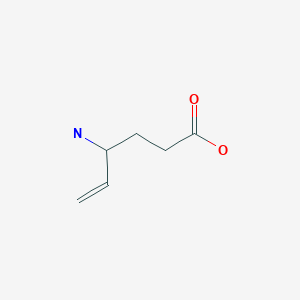
ビガバトリン , Vigabatrin


60643-86-9.pngVigabatrin2DCSD.svg

Vigabatrin

CAS: 60643-86-9

  • Molecular FormulaC6H11NO2
  • Average mass129.157 Da

Infantile spasms, Anticonvulsant, Antiepileptic

orphan drug designation

γ Vinyl GABA
γ Vinyl γ Aminobutyric Acid, 4-Amino-5-hexenoic acid; γ vinyl GABA; γ-Vinyl GABA; γ-Vinyl-γ-aminobutyric acid; Vigabatrin; Vigabatrina; Vigabatrine; Vigabatrinum; Vinyl γ-aminobutyric acid, (±)-g-Vinyl GABA
CPP-109
GVG
M071754
MDL-71754
ORP-001
RMI-71754
RMI-71890 ((+)-enantiomer)
An analogue of gamma-aminobutyric acid, vigabatrin is an irreversible inhibitor of 4-aminobutyrate transaminase, the enzyme responsible for the catabolism of gamma-aminobutyric acid. (From Martindale The Extra Pharmacopoeia, 31st ed). Off-label uses include treatment of cocaine dependence.
Vigabatrin is an anticonvulsant that was originally launched by Sanofi (formerly known as sanofi-aventis) in 1989 in for the oral treatment of epilepsy not satisfactorily controlled by another anti-epileptic drug, and as monotherapy for infantile spasms (West Syndrome). In 2009, the product was launched in the U.S. for these indications. In 2016, the product was approved and launched for the treatment of infantile spasms in Japan. Orphelia Pharma has submitted a marketing Authorization Application (MAA) for a pediatric formulation of the product in the E.U.

Vigabatrin, brand name Sabril, is an antiepileptic drug that inhibits the breakdown of γ-aminobutyric acid (GABA) by acting as a suicide inhibitor of the enzyme GABA transaminase (GABA-T). It is also known as γ-vinyl-GABA, and is a structural analogue of GABA, but does not bind to GABA receptors.[1]

Medical uses

Epilepsy

In Canada, vigabatrin is approved for use as an adjunctive treatment (with other drugs) in treatment resistant epilepsycomplex partial seizuressecondary generalized seizures, and for monotherapy use in infantile spasms in West syndrome.[1]

As of 2003, vigabatrin is approved in Mexico for the treatment of epilepsy that is not satisfactorily controlled by conventional therapy (adjunctive or monotherapy) or in recently diagnosed patients who have not tried other agents (monotherapy).[2]

Vigabatrin is also indicated for monotherapy use in secondarily generalized tonic-clonic seizurespartial seizures, and in infantile spasms due to West syndrome.[2]

On August 21, 2009, Lundbeck announced that the U.S. Food and Drug Administration had granted two New Drug Application approvals for vigabatrin. The drug is indicated as monotherapy for pediatric patients one month to two years of age with infantile spasms for whom the potential benefits outweigh the potential risk of vision loss, and as adjunctive (add-on) therapy for adult patients with refractory complex partial seizures (CPS) who have inadequately responded to several alternative treatments and for whom the potential benefits outweigh the risk of vision loss.

In 1994, Feucht and Brantner-Inthaler reported that vigabatrin reduced seizures by 50-100% in 85% of children with Lennox-Gastaut syndrome who had poor results with sodium valproate.[3]

Others

Vigabatrin reduced cholecystokinin tetrapeptide-induced symptoms of panic disorder, in addition to elevated cortisol and ACTH levels, in healthy volunteers.[4]

Vigabatrin is also used to treat seizures in succinic semialdehyde dehydrogenase deficiency (SSADHD), which is an inborn GABA metabolism defect that causes intellectual disabilityhypotoniaseizuresspeech disturbance, and ataxia through the accumulation of γ-Hydroxybutyric acid (GHB). Vigabatrin helps lower GHB levels through GABA transaminase inhibition. However, this is in the brain only; it has no effect on peripheral GABA transaminase, so the GHB keeps building up and eventually reaches the brain.[5]

Adverse effects

Central nervous system

Sleepiness (12.5%), headache (3.8%), dizziness (3.8%), nervousness (2.7%), depression (2.5%), memory disturbances (2.3%), diplopia (2.2%), aggression (2.0%), ataxia (1.9%), vertigo (1.9%), hyperactivity (1.8%), vision loss (1.6%) (See below), confusion(1.4%), insomnia (1.3%), impaired concentration (1.2%), personality issues (1.1%).[1] Out of 299 children, 33 (11%) became hyperactive.[1]

Some patients develop psychosis during the course of vigabatrin therapy,[6] which is more common in adults than in children.[7] This can happen even in patients with no prior history of psychosis.[8] Other rare CNS side effects include anxiety, emotional lability, irritability, tremor, abnormal gait, and speech disorder.[1]

Gastrointestinal

Abdominal pain (1.6%), constipation (1.4%), vomiting (1.4%), and nausea (1.4%). Dyspepsia and increased appetite occurred in less than 1% of subjects in clinical trials.[1]

Body as a whole

Fatigue (9.2%), weight gain (5.0%), asthenia (1.1%).[1]

Teratogenicity

teratology study conducted in rabbits found that a dose of 150 mg/kg/day caused cleft palate in 2% of pups and a dose of 200 mg/kg/day caused it in 9%.[1] This may be due to a decrease in methionine levels, according to a study published in March 2001.[9] In 2005, a study conducted at the University of Catania was published stating that rats whose mothers had consumed 250–1000 mg/kg/day had poorer performance in the water maze and open-field tasks, rats in the 750-mg group were underweight at birth and did not catch up to the control group, and rats in the 1000 mg group did not survive pregnancy.[10]

There is no controlled teratology data in humans to date.

Sensory

In 2003, vigabatrin was shown by Frisén and Malmgren to cause irreversible diffuse atrophy of the retinal nerve fiber layer in a retrospective study of 25 patients.[11] This has the most effect on the outer area (as opposed to the macular, or central area) of the retina.[12] Visual field defects had been reported as early as 1997 by Tom Eke and others, in the UK. Some authors, including Comaish et al. believe that visual field loss and electrophysiological changes may be demonstrable in up to 50% of Vigabatrin users.

The retinal toxicity of vigabatrin can be attributed to a taurine depletion.[13]

Interactions

A study published in 2002 found that vigabatrin causes a statistically significant increase in plasma clearance of carbamazepine.[14]

In 1984, Drs Rimmer and Richens at the University of Wales reported that administering vigabatrin with phenytoin lowered the serum phenytoin concentration in patients with treatment-resistant epilepsy.[15] Five years later, the same two scientists reported a fall in concentration of phenytoin of 23% within five weeks in a paper describing their failed attempt at elucidating the mechanism behind this interaction.[16]

Pharmacology

Vigabatrin is an irreversible mechanism-based inhibitor of gamma-aminobutyric acid aminotransferase (GABA-AT), the enzyme responsible for the catabolism of GABA, which increases the level of GABA in the brain.[1][17] Vigabatrin is a racemic compound, and its [S]-enantiomer is pharmacologically active.[18],[19]

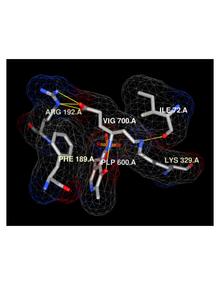
Crystal Structure (pdb:1OHW) showing vigabatrin binding to specific residues in the active site of GABA-AT, based off experiments by Storici et al.[20]

Pharmacokinetics

With most drugs, elimination half-life is a useful predictor of dosing schedules and the time needed to reach steady state concentrations. In the case of vigabatrin, however, it has been found that the half-life of biologic activity is far longer than the elimination half-life.[21]

For vigabatrin, there is no range of target concentrations because researchers found no difference between the serum concentration levels of responders and those of non-responders.[22] Instead, the duration of action is believed to be more a function of the GABA-T resynthesis rate; levels of GABA-T do not usually return to their normal state until six days after stopping the medication.[19]

History

Vigabatrin was developed in the 1980s with the specific goal of increasing GABA concentrations in the brain in order to stop an epileptic seizure. To do this, the drug was designed to irreversibly inhibit the GABA transaminase, which degrades the GABA substrate. Although the drug was approved for treatment in the United Kingdom in 1989, the authorized use of Vigabatrin by US Food and Drug Administration was delayed twice in the United States before 2009. It was delayed in 1983 because animal trials produced intramyelinic edema, however, the effects were not apparent in human trials so the drug design continued. In 1997, the trials were temporarily suspended because it was linked to peripheral visual field defects in humans.[23]

Society and culture

Brand Names

Vigabatrin is sold as Sabril in Canada,[24] Mexico,[2] and the United Kingdom.[25] The brand name in Denmark is Sabrilex. Sabril was approved in the United States on August 21, 2009 and is currently marketed in the U.S. by Lundbeck Inc., which acquired Ovation Pharmaceuticals, the U.S. sponsor in March 2009.

Synthesis

http://www.drugfuture.com/synth/syndata.aspx?ID=90252

This compound can be prepared in two different ways: 1) The reaction of 1,4-dichloro-2-butene (I) with diethyl malonate (II) by means of sodium ethoxide in refluxing ethanol gives 1,1-bis(ethoxycarbonyl)-2-vinylcyclopropane (III), which by reaction with ammonia gas in DMF at 120 C is converted into 3-carboxamido-5-vinyl-2-pyrrolidone (IV). Finally, this compound is treated with concentrated HCl in refluxing acetic acid. 2) The treatment of (IV) with sodium ethoxide in refluxing ethanol gives 3-carboxy-5-vinyl-2-pyrrolidone (V), which is decarboxylated by treatment with refluxing acetic acid to afford 5-vinyl-2-pyrrolidone (VI). The bromination of (VI) with Br2 in CCl4 yields 5-(1,2-dibromoethyl)-2-pyrrolidone (VII), which by treatment with Na in liquid NH3 in a pressure vessel at 25 C is converted into 4-aminohex-5-inoic acid (VIII). Finally, this compound is partially reduced with H2 over a suitable catalyst.

The synthesis of [14C]-labeled vigabatrin has been described: The reduction by known methods of pyroglutamic acid (I) to the alcohol (II) and its acylation with p-toluenesulfonyl chloride gives 5-(tosyloxymethyl)pyrrolidin-2-one (III), which by reaction with [14C]-labeled sodium cyanide in hot DMF yields 5-([14C]-cyanomethyl)pyrrolidin-2-one (IV). The reduction of (VI) with H2 over Pd/Al2O3 and treatment with dimethylamine affords 5-[2-(dimethylamino)ethyl]pyrrolidin-2-one (VI), which is oxidized with H2O2 in water to the N-oxide (VI). The treatment of (VI) with K2CO3 in refluxing xylene affords 5-([14C]-vinyl)pyrrolidin-2-one (VII), which is finally submitted to ring opening with hot 5 M aqueous HCl, followed by neutralization with triethylamine.

An efficient new synthesis for [14C]-labeled vigabatrin has been described: The reaction of triphenylphosphine (I) with [14C]-labeled methyl iodide (II) in benzene gives the corresponding phosphonium salt (III), which is submitted to a Wittig condensation with 1-(1-butenyl)-5-oxopiperidin-2-carbaldehyde (IV) to afford the vinylpyrrolidone (V). Finally, this compound is hydrolyzed with 6N HCl at 95 C.

The enantiocontrolled addition of phthalimide (I) to 1,3-butadiene monoepoxide (II) with a chiral palladium catalyst and Na2CO3 in dichloromethane gives N-(2-hydroxy-1(S)-vinylethyl)phthalimide (III), which is treated with triflic anhydride and TEA in dichloromethane to yield the triflate (IV). The condensation of (IV) with dimethyl malonate (V) by means of NaH in THF affords the alkylated malonate (VI), which is finally decarboxylated and deprotected by a treatment with aqueous refluxing HCl. Note that the synthesis of the biologically active (S)-enantiomer simply requires a change in the chirality of the Pd catalyst used in the first step of the synthesis.

The reaction of 3-aminotetrahydrofuran-2-one (I) with benzyloxycarbonyl chloride (II) and TEA in chloroform gives the carbamate (III), which is reduced to the lactol (IV) by means of DIBAL in toluene. It has been observed that lactol (IV) is in equilibrium with its tautomeric open chain aldehydic form.(V). The reaction of (IV)??(V) with phosphonium bromide (VI) by means of Bu-Li in THF yields 3-amino-4-penten-1-ol (VII), which is reprotected with benzyloxycarbonyl chloride (II) and TEA to afford the carbamate (VIII). The reaction of (VIII) with CBr4 and PPh3 in dichloromethane provides the pentenyl bromide (IX), which is treated with LiCN in THF to give 4-(benzyloxycarbonylamino)-5-hexenenitrile (X). Finally this compound is hydrolyzed with conc. HCl to yield the target 4-amino-5-hexenoic acid.

Title: Vigabatrin
CAS Registry Number: 60643-86-9
CAS Name: 4-Amino-5-hexenoic acid
Additional Names: g-vinyl-g-aminobutyric acid; gamma-vinyl GABA; g-vinyl GABA; GVG
Manufacturers’ Codes: MDL-71754; RMI-71754
Trademarks: Sabril (HMR)
Molecular Formula: C6H11NO2
Molecular Weight: 129.16
Percent Composition: C 55.79%, H 8.58%, N 10.84%, O 24.77%
Literature References: Irreversible inhibitor of g-aminobutyric acid transaminase, the enzyme responsible for the degradation of the neurotransmitter g-aminobutyric acid (GABA). Prepn: B. W. Metcalf, M. Jung, US 3960927 (1976 to Richardson-Merrell); and in vitro enzyme inactivation: B. Lippert et al., Eur. J. Biochem. 74, 441 (1977). Mechanism of action study: P. J. Schechter et al., Eur. J. Pharmacol. 45, 319 (1977). Anticonvulsant activity and toxicity studies: W. Löscher, Neuropharmacology 21, 803 (1982). HPLC determn in plasma and urine: J. A. Smithers et al., J. Chromatogr. 341, 232 (1985). The S(+)-enantiomer is the pharmacologically active form. Pharmacokinetics of enantiomers in humans: K. D. Haegele, P. J. Schechter, Clin. Pharmacol. Ther. 40, 581 (1986). Clinical studies in treatment resistant epilepsy: C. A. Tassinari et al., Arch. Neurol. 44, 907 (1987); T. R. Browne et al., Neurology37, 184 (1987). Series of articles on clinical use in adult and childhood epilepsy: J. Child Neurol. 6, Suppl. 2, S3-S69 (1991). Reviews of early literature and mechanism of action: M. J. Iadarola, K. Gale, Mol. Cell. Biochem. 39, 305-330 (1981); of pharmacology and toxicology: E. J. Hammond, B. J. Wilder, Clin. Neuropharmacol. 8, 1-12 (1985). Review: S. M. Grant, R. C. Heel, Drugs 41, 889-926 (1991).
Properties: Crystals from acetone/water, mp 209°. Freely sol in water. LD50 i.p. in mice: >2500 mg/kg (Löscher).
Melting point: mp 209°
Toxicity data: LD50 i.p. in mice: >2500 mg/kg (Löscher)
Therap-Cat: Anticonvulsant.
Keywords: Anticonvulsant.

References

  1. Jump up to:a b c d e f g h i Long, Phillip W. “Vigabatrin.” Archived April 23, 2006, at the Wayback Machine. Internet Mental Health. 1995–2003.
  2. Jump up to:a b c DEF Mexico: Sabril Archived September 14, 2005, at the Wayback MachineDiccionario de Especialdades Farmaceuticas. Edicion 49, 2003.
  3. Jump up^ Feucht M, Brantner-Inthaler S (1994). “Gamma-vinyl-GABA (vigabatrin) in the therapy of Lennox-Gastaut syndrome: an open study” (PDF). Epilepsia35 (5): 993–8. doi:10.1111/j.1528-1157.1994.tb02544.xPMID 7925171. Retrieved 2006-05-25.
  4. Jump up^ Zwanzger P, Baghai TC, Schuele C, Strohle A, Padberg F, Kathmann N, Schwarz M, Moller HJ, Rupprecht R (2001). “Vigabatrin decreases cholecystokinin-tetrapeptide (CCK-4) induced panic in healthy volunteers”. Neuropsychopharmacology25 (5): 699–703. doi:10.1016/S0893-133X(01)00266-4PMID 11682253.
  5. Jump up^ Pearl, Phillip L; Robbins, Emily; Capp, Philip K; Gasior, Maciej; Gibson, K Michael (May 5, 2004). “Succinic Semialdehyde Dehydrogenase Deficiency”GeneReviews. Seattle, Washington: University of Washington. Retrieved September 6, 2010.
  6. Jump up^ Sander JW, Hart YM (1990). “Vigabatrin and behaviour disturbance”. Lancet335 (8680): 57. doi:10.1016/0140-6736(90)90190-GPMID 1967367.
  7. Jump up^ Chiaretti A, Castorina M, Tortorolo L, Piastra M, Polidori G (1994). “[Acute psychosis and vigabatrin in childhood]”. La Pediatria Medica e Chirurgica : Medical and surgical pediatrics16 (5): 489–90. [Article in Italian] PMID 7885961
  8. Jump up^ Sander JW, Hart YM, Trimble MR, Shorvon SD (1991). “Vigabatrin and psychosis”Journal of Neurology, Neurosurgery, and Psychiatry54 (5): 435–9. doi:10.1136/jnnp.54.5.435PMC 488544Freely accessiblePMID 1865207.
  9. Jump up^ Abdulrazzaq YM, Padmanabhan R, Bastaki SM, Ibrahim A, Bener A (2001). “Placental transfer of vigabatrin (gamma-vinyl GABA) and its effect on concentration of amino acids in the embryo of TO mice”. Teratology63 (3): 127–33. doi:10.1002/tera.1023PMID 11283969.
  10. Jump up^ Lombardo SA, Leanza G, Meli C, Lombardo ME, Mazzone L, Vincenti I, Cioni M (2005). “Maternal exposure to the antiepileptic drug vigabatrin affects postnatal development in the rat”. Neurological Sciences26 (2): 89–94. doi:10.1007/s10072-005-0441-6PMID 15995825.
  11. Jump up^ Frisén L, Malmgren K (2003). “Characterization of vigabatrin-associated optic atrophy”. Acta Ophthalmologica Scandinavica81 (5): 466–73. doi:10.1034/j.1600-0420.2003.00125.xPMID 14510793.
  12. Jump up^ Buncic JR, Westall CA, Panton CM, Munn JR, MacKeen LD, Logan WJ (2004). “Characteristic retinal atrophy with secondary “inverse” optic atrophy identifies vigabatrin toxicity in children”Ophthalmology111 (10): 1935–42. doi:10.1016/j.ophtha.2004.03.036PMC 3880364Freely accessiblePMID 15465561.
  13. Jump up^ Gaucher D; Arnault E; Husson Z; et al. (November 2012). “Taurine deficiency damages retinal neurones: cone photoreceptors and retinal ganglion cells”Amino Acids43 (5): 1979–1993. doi:10.1007/s00726-012-1273-3PMC 3472058Freely accessiblePMID 22476345.
  14. Jump up^ Sanchez-Alcaraz, Agustín; Quintana MB; Lopez E; Rodriguez I; Llopis P (2002). “Effect of vigabatrin on the pharmacokinetics of carbamazepine”. Journal of Clinical Pharmacology and Therapeutics27 (6): 427–30. doi:10.1046/j.1365-2710.2002.00441.xPMID 12472982.
  15. Jump up^ Rimmer EM, Richens A (1984). “Double-blind study of gamma-vinyl GABA in patients with refractory epilepsy”. Lancet1 (8370): 189–90. doi:10.1016/S0140-6736(84)92112-3PMID 6141335.
  16. Jump up^ Rimmer EM, Richens A (1989). “Interaction between vigabatrin and phenytoin”British Journal of Clinical Pharmacology27 (Suppl 1): 27S–33S. doi:10.1111/j.1365-2125.1989.tb03458.xPMC 1379676Freely accessiblePMID 2757906.
  17. Jump up^ Rogawski MA, Löscher W (2004). “The neurobiology of antiepileptic drugs”. Nat Rev Neurosci5 (7): 553–564. doi:10.1038/nrn1430PMID 15208697.
  18. Jump up^ Sheean, G.; Schramm T; Anderson DS; Eadie MJ. (1992). “Vigabatrin–plasma enantiomer concentrations and clinical effects”. Clinical and Experimental Neurology29: 107–16. PMID 1343855.
  19. Jump up to:a b Gram L, Larsson OM, Johnsen A, Schousboe A (1989). “Experimental studies of the influence of vigabatrin on the GABA system”British Journal of Clinical Pharmacology27(Suppl 1): 13S–17S. doi:10.1111/j.1365-2125.1989.tb03455.xPMC 1379673Freely accessiblePMID 2757904.
  20. Jump up^ Storici Paola; De Biase D; Bossa F; Bruno S; Mozzarelli A; Peneff C; Silverman R; Schirmer T. (2003). “Structures of γ-Aminobutyric Acid (GABA) Aminotransferase, a Pyridoxal 5′-Phosphate, and [2Fe-2S] Cluster-containing Enzyme, Complexed with γ-Ethynyl-GABA and with the Antiepilepsy Drug Vigabatrin”. The Journal of Biochemistry279(1): 363–73. doi:10.1074/jbc.M305884200PMID 14534310.
  21. Jump up^ Browne TR (1998). “Pharmacokinetics of antiepileptic drugs”. Neurology51 (5 suppl 4): S2–7. doi:10.1212/wnl.51.5_suppl_4.s2PMID 9818917.
  22. Jump up^ Lindberger M, Luhr O, Johannessen SI, Larsson S, Tomson T (2003). “Serum concentrations and effects of gabapentin and vigabatrin: observations from a dose titration study”. Therapeutic Drug Monitoring25 (4): 457–62. doi:10.1097/00007691-200308000-00007PMID 12883229.
  23. Jump up^ Ben-Menachem E. (2011). “Mechanism of Action of vigabatrin: correcting misperceptions”. Acta Neurologica Scandinavica124: 5. doi:10.1111/j.1600-0404.2011.01596.x.
  24. Jump up^ drugs.com Vigabatrin Drug Information
  25. Jump up^ Treatments for Epilepsy – Vigabatrin Norfolk and Waveney Mental Health Partnership NHS Trust

///////////Vigabatrin, ビガバトリン , MDL-71754; RMI-71754, orphan drug designation

Vigabatrin
Vigabatrin2DCSD.svg
Vigabatrin ball-and-stick.png
Clinical data
Trade names Sabril
Synonyms γ-Vinyl-GABA
AHFS/Drugs.com Consumer Drug Information
MedlinePlus a610016
Pregnancy
category
  • AU: D
  • US: D (Evidence of risk)
Routes of
administration
Oral
ATC code
Legal status
Legal status
Pharmacokinetic data
Bioavailability 80–90%
Protein binding 0%
Metabolism not metabolized
Biological half-life 5–8 hours in young adults, 12–13 hours in the elderly.
Excretion Renal
Identifiers
CAS Number
PubChem CID
IUPHAR/BPS
DrugBank
ChemSpider
UNII
KEGG
ChEMBL
ECHA InfoCard 100.165.122 Edit this at Wikidata
Chemical and physical data
Formula C6H11NO2
Molar mass 129.157 g/mol
3D model (JSmol)
Melting point 171 to 177 °C (340 to 351 °F)

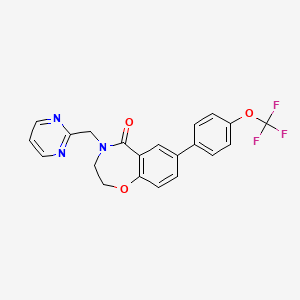
ELECLAZINE, элеклазин , إيليكلازين , 依来克秦 , REVISITED


Eleclazine.pngChemSpider 2D Image | eleclazine | C21H16F3N3O3

ELECLAZINE

GS-6615

Molecular Formula: C21H16F3N3O3
Molecular Weight: 415.372 g/mol

1443211-72-0

4-(pyrimidin-2-ylmethyl)-7-[4-(trifluoromethoxy)phenyl]-2,3-dihydro-1,4-benzoxazepin-5-one

4-(pyrimidin-2-ylmethyl)-7-[4-(trifluoromethoxy)phenyl]-2,3,4,5- tetrahydro-1,4- benzoxazepin-5-one

7-(4-(Trifluoromethoxy)phenyl)-3,4-dihydrobenzo[f][1,4]oxazepin-5(2H)-one

1,4-Benzoxazepin-5(2H)-one, 3,4-dihydro-4-(2-pyrimidinylmethyl)-7-[4-(trifluoromethoxy)phenyl]-

Eleclazine; UNII-PUY08529FK; 1443211-72-0; GS-6615; PUY08529FK; 4-(pyrimidin-2-ylmethyl)-7-(4-(trifluoromethoxy)phenyl)-3,4-dihydrobenzo[f][1,4]oxazepin-5(2H)-on

элеклазин [Russian] [INN]
إيليكلازين [Arabic] [INN]
依来克秦 [Chinese] [INN]
  • Phase III Long QT syndrome
INGREDIENT UNII CAS
Eleclazine Hydrochloride 4R1JP3Q4HI 1448754-43-5

Eleclazine has been used in trials studying the treatment of LQT2 Syndrome, Long QT Syndrome, Ischemic Heart Disease, Ventricular Arrhythmia, and Long QT Syndrome Type 3, among others.

In 2015, orphan drug designation was assigned to the product by the FDA for the treatment of congenital long QT syndrome.

  • Originator Gilead Sciences
  • Class Antiarrhythmics; Ischaemic heart disorder therapies; Pyrimidines; Small molecules; Vasodilators
  • Mechanism of Action Sodium channel antagonists

Highest Development Phases

  • Phase III  Long QT syndrome
  • Phase II/III Hypertrophic cardiomyopathy
  • Phase II Ventricular arrhythmias
  • No development reported Ischaemic heart disorders

Most Recent Events

  • 15 Nov 2017 Gilead Sciences presents safety and adverse events data from a phase III trial in Long QT syndrome type 3 at the 90th Annual Scientific Sessions of the American Heart Association (AHA-2017)
  • 11 Nov 2017 Efficacy data from the phase II TEMPO trial in Ventricular arrthymmia presented at the 90th Annual Scientific Sessions of the American Heart Association
  • 17 Feb 2017 Gilead Sciences terminates a phase II/III trial in Hypertrophic cardiomyopathy in Australia, France, Germany, Israel, Italy, Netherlands, USA and United Kingdom (NCT02291237)
  • Gilead Sciences was developing eleclazine (GS-6615), a late sodium current inhibitor, for the potential oral (tablet) treatment of hypertrophic cardiomyopathy and arrhythmias including long QT-3 (LQT3) syndrome.

Image result

Image result for Long QT syndrome

Image result for Long QT syndrome

Image result for Long QT syndrome

Image result for Long QT syndrome

Image result for Long QT syndrome

Long QT syndrome

The late sodium current (INaL) is a component of the fast Na+ current of cardiac myocytes and neurons. Late sodium current in cardiac cells is small compared with the fast component, but it may make a large contribution to sodium loading during each cardiac cycle. Impaired sodium channel function contributes to pathologic increase of the late sodium current, sodium overload, and sodium-induced calcium overload by way of the sodium-calcium exchanger. Calcium overload causes impaired diastolic relaxation, which increases diastolic wall tension, increases myocardial oxygen demand, reduces myocardial blood flow and oxygen supply, microvascular perfusion, and worsens ischemia and angina. Many common neurological and cardiac conditions are associated with abnormal (INaL) augmentation, which contributes to the pathogenesis of both electrical and contractile dysfunction in mammals. Inhibiting the late sodium current can lead to reductions in elevated intracellular calcium levels, which, in turn, may lead to reduced tension in the heart wall and reduced oxygen requirements for the heart muscle. Inhibition of cardiac late sodium current is a strategy used to suppress arrhythmias and sodium -dependent calcium overload associated with myocardial i schemia and heart failures. Thus, compounds that selectively inhibit the iate sodium current (INaL) in mammals may be useful in treating such disease states.

Eleclazine (4-(pyrimidin-2-ylmethyl)-7-(4-(trifluoromethoxy)pheny l)-3,4-dihydrobenzo[b]oxepin-5(2H)-one]; CAS # 144321 1-72-0) is an inhibitor of the late sodium current, Eleclazine is being investigated for the treatment of cardiomyopathy, specifically hypertrophic cardiomyopathy, as well as additional cardiovascular indications, including angina, heart failure, atrial fibrillation (AF), ischemic heart disorders, atrial premature beats (APBs), myocardial isch mia, and arrhythmias.

Eleclazine

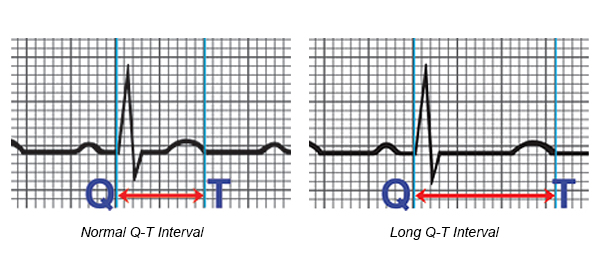
Eleclazine shows a shortening of the QTc interval (the time interval between the start of the Q-wave and the end of T-wave in the electrical cycle of the heart) in patients with QT-3 (LQT3) sydrome. LQTS is a genetic disorder that prolongs the heart’s QTc interval and can cause life-threatening cardiac arrhythmias. Therefore, eleclazine is also being investigated for treatment of long QT syndrome.

Eleclazine may be metabolized in the liver and may be subject to extensive cytochrome P450-mediated oxidative metabolism. Eleclazine is metabolized predominantly by N-dealkylation, and elimination is principally in the bile and gastrointestinal tract. The primary metabolite of eleclazine is GS-623134

Adverse effects associated with eleclazine may include dizziness, dry mouth, nausea, weakness, ringing in ears, tremors, and the like. Additionally, some metabolites of eleclazine, particularly the metabolite GS 623134, may have undesirable side effects.

PATENT

PRODUCT, WO 2013112932, WO 2013006485

WO 2013006463

https://patentscope.wipo.int/search/en/detail.jsf?docId=WO2013006463&recNum=1&maxRec=&office=&prevFilter=&sortOption=&queryString=&tab=PCTDescription

WO 2013006463 , ( US8962610 ) hold protection in the EU states until 2032 and in US until 2033 with US154 extension.

PATENT

WO 2015017661

https://patentscope.wipo.int/search/en/detail.jsf?docId=WO2015017661

Provided herein is a method for reducing the prolongation of the QT interval in a human patient, said method comprising administering to the patient an effective amount of Compound 1:

Example 1: 4-(pyrimidin-2-ylmethyl)-7-(4-(trifluoromethoxy)phenyl)-3,4- dihydrobenzo[f][1,4]oxazepin-5(2H)-one (Compound 1)

To a solution of Compound 1-A (20 g, 0.083 mol, 1 eq.) and Compound 1-B (25 g, 0.15 mol, 1.8 eq.) in DMF (150 mL), NaOH solution (20 mL, 10 M, 5 eq.) was slowly added at room temperature (slightly exothermic) and stirred at r.t. for 10 min, followed by heating at 95 °C for 2 h. After cooling the reaction mixture, ethyl acetate (200 mL) was added and the organic layer was separated. The organics was washed with water (20 mL), brine, dried over sodium sulphate and concentrated.

The residue was dissolved in 1,4-dioxane (50 mL) and to this 4 N HCl in dioxane (50 mL) and cone. HCl ( 2 mL) was added and stirred at room temperature for 4 h, filtered the precipitate, washed with ethyl acetate and dried. Compound 1-C was obtained (30 g) as a light yellow solid.

To the bromide (15 g, 0.04 mol, 1 eq), boronic acid (12.5 g, 0.06 mol, 1.5 eq) and potassium carbonate (22 g, 0.16 mol, 4 eq) in a round bottom flask, solvent (150 mL, toluene/isopropanol/water : 2/1/1) was added and stirred under nitrogen for 10 min. To the above solution the palladium catalyst (1 g, 0.012 mol, 0.02 eq) was added and heated at 85 °C for 2h. The reaction mixture was diluted with ethyl acetate, separated the organic layer and filtered the organic layer through a plug of celite and silica gel and concentrated. Column purification on silica gel using ethyl acetate/hexane as eluent provided Compound 1 (13 g).

To a solution of Compound 1 (26 g) in 1,4-dioxane (25 mL), 4N HCl/dioxane (25 mL) was added followed by cone. HCl (2 mL) and stirred at room temperature for 4h. Solvent was distilled off, dichlorom ethane was added and distilled off and to the residue, ethyl acetate (150 mL) was added and stirred at room temperature overnight and filtered the precipitate, washed with ethyl acetate, hexane and dried under vacuum. Compound 1-HCl obtained (24.8 g) was a white solid.

1H-NMR (CDCl3) 5 8.72 (d, 2H, J= 5.2 Hz), 8.17 (d, 1H, J= 2.4 Hz), 7.59-7.63 (m, 3H), 7.26 (d, 2H, J= 3.2 Hz), 7.22 (t, 1H, J= 4.8 Hz), 7.10 (d, 1H, J= 8.4 Hz), 5.10 (s, 2H), 4.56 (t, 2H, J = 5.0 Hz), 3.77 (t, 2H, J= 5.0 Hz); MS m/z 416.1 (M+H).

PATENT

WO-2018048977

https://patentscope.wipo.int/search/en/detail.jsf?docId=WO2018048977&redirectedID=true

Novel deuterated analogs of a substituted oxazepin compounds, particularly eleclazine and their salts, esters, prodrugs and solvates and compositions and combinations comprising them are claimed. Also claim is their use for treating a late sodium current-mediated disorder, such as acute coronary syndrome, angina, congestive heart disease, myocardial infraction, diabetes, ischemic heart disorders, inflammatory diseases and cancers.

EXAMPLE 1- COMPARATIVE

[00297] 4-(pyrimidin-2-ylmethyl)-7-[4-(trifluorome4hoxy)phenyl]-2,3,4,5-tetrahydro-l,4- benzoxazepin-5-one [Eleclazine]

[00299] To a solution of 5-bromo-2-hydroxybenzoate (10 g, 43.28 mmol, 1.00 equiv) in DMA (100 ml.) was added potassium carbonate (9 g, 65, 12 mmol, 1.50 equiv) and 2-chloroacetonitrile (3.4 mL, 1.25 equiv). The resulting suspension was stirred overnight. The solids were filtered out. The filtrate was washed with water. The resulting solution was extracted with ethyl acetate (3 x 50 mL). The organic layers were dried over anhydrous sodium sulfate and concentrated under vacuum to afford 1 1 g (94%) of methyl 5-bromo-2-(cyanomethoxy)benzoate as a white solid, LC-MS: m/z = 270 [M+H]+.

[00300] Step 2: 7-bromo-2,3,4,5-tetrahydro-l,4-benzoxazepin-5-one

[00301] To a solution of 5-bromo-2-(cyanomethoxy)benzoate [Example 1 , Step 1 ] (4 g, 14.81 mmol, 1.00 equiv) in methanol (50 mL) was added saturated aq. NIL (4 mL) and Raney-Ni (2 mL) under a H2 atmosphere. The resulting solution was stirred overnight at room temperature. The catalyst was filtered out. The filtrate was concentrated under vacuum. The residue was purifsed by SiCte chromatography eluted with ethyl acetate/petroleum ether (1 : 1 ) to afford 530 mg (15%) of 7-bromo-2,3,4,5-tetrahydro-l,4-benzoxazepin-5-one as a yellow solid. LC-MS: m/z = 242 [M+H]+.

[00302] Step 3 : 7-bromo-4-(pyrimidin-2-ylmethyl)-2,3,4,5-tetrahydro-l,4-benzoxazepin-5- one

[00303] To a solution of 7-bromo-2,3,4,5-tetrahydro- l ,4-benzoxazepin-5-one [Example 1, Step 2] (530 mg, 2.19 mmol, 1.00 equiv) and 2-(chloromethyl)pyrimidine hydrochloride (650 mg, 3.96 mmol, 1.80 equiv) in DMF (10 mL), was slowly added a NaOH solution (0.55 mL, 10 M, 2.50 equiv), which was stirred at room temperature for 10 min. Then the mixture was stirred at 95°C for 2 h. After cooling the reaction mixture, ethyl acetate (30 mL) was added and the organic layer was separated. The organic layers were washed with water, brine, dried over anhydrous sodium sulfate, and concentrated under vacuum to afford 600 mg (82%) of 7-bromo- 4-(pyrimidin-2-ylmethyl)-2,3,4,5-tetrahydro-l,4-benzoxazepin-5-one as light yellow oil . LC-MS: m/z = 334 [M+H]+.

[00304] Step 4: 4-(pyrimidin-2-ylmethyl)-7-[4-(trifluoromethoxy)phenyl]-2,3,4,5-tetrahydro- 1 ,4-benzoxazepin-5-one

[00305] To a solution of 7-bromo-4-(pyriraidin-2-ylmethyl)-2,3,4,5-tetrahydro-l,4- benzoxaze- pin-5-one [Example 1, Step 3] (277 mg, 0.83 mmol, 1.00 equiv) in Toluene/iPrOH/thO (2: 1 : 1, 4 mL) was added potassium carbonate (459 mg, 3.32 mmol, 4.00 equiv) and [4-(trifluoromethoxy)phenyl]boronic acid (257 mg, 1.25 mmol, 1.50 equiv). The mixture was stirred for 10 min at room temperature. Then Pd(dppf)Ch (12 mg, 0.02 equiv) was added to the solution. The mixture was stirred at 85°C for 2 h. After cooling the reaction mixture, ethyl acetate (30 mL) was added, and the organic layer was separated. The organic layer was washed with water, brine, dried over anhydrous sodium sulfate, and concentrated under vacuum. The crude product was purified by Prep-HPLC with the following conditions: Column, XBridge Prep C18 OBD Column, Sum, 19*150mm; mobile phase, Water (10 mmol/L NH4HCO3) and CH3CN (50,0% CH3CN up to 52.0% in 7 min); Detector, UV 254, 220nra to afford 190 mg (55%) of 4-(pyrimidin-2-ylmethyl)-7-[4-(trifluoromethoxy)phenyl]-2,3,4,5- tetrahydro-1,4- benzoxazepin-5-one as a white solid. LC-MS: m/z = 416 [M+H]+

[00306] 1H NMR (400 MHz, Chloroform-t/) δ 8.75-8.74 (m, 2H), 8.20-8. 19 (m, IH), 7.66- 7,61 (m, 3H), 7,29-7,28 (m, IH), 7.27-7.26 (m, IH), 7.24-7.23 (m, I H), 7.13-7.1 1 (m, IH), 5.12 (s, 2H), 4.60-4.57 (m, 2H), 3.81 -3.78 (m, 2H).

PAPER

Journal of Medicinal Chemistry (2016), 59(19), 9005-9017

Abstract Image

Late sodium current (late INa) is enhanced during ischemia by reactive oxygen species (ROS) modifying the Nav 1.5 channel, resulting in incomplete inactivation. Compound 4 (GS-6615, eleclazine) a novel, potent, and selective inhibitor of late INa, is currently in clinical development for treatment of long QT-3 syndrome (LQT-3), hypertrophic cardiomyopathy (HCM), and ventricular tachycardia–ventricular fibrillation (VT–VF). We will describe structure–activity relationship (SAR) leading to the discovery of 4 that is vastly improved from the first generation late INa inhibitor 1(ranolazine). Compound 4 was 42 times more potent than 1 in reducing ischemic burden in vivo (S–T segment elevation, 15 min left anteriorior descending, LAD, occlusion in rabbits) with EC50values of 190 and 8000 nM, respectively. Compound 4 represents a new class of potent late INainhibitors that will be useful in delineating the role of inhibitors of this current in the treatment of patients.

Discovery of Dihydrobenzoxazepinone (GS-6615) Late Sodium Current Inhibitor (Late INai), a Phase II Agent with Demonstrated Preclinical Anti-Ischemic and Antiarrhythmic Properties

Medicinal Chemistry, Drug Metabolism, §Drug Safety Evaluation, Formulation and Process Development, and Structural Chemistry, Gilead Sciences Inc., 333 Lakeside Drive, Foster City, California 94404, United States
# Biology, Gilead Sciences Inc., 7601 Dumbarton Circle, Fremont, California 94555, United States
J. Med. Chem.201659 (19), pp 9005
7-(4-(Trifluoromethoxy)phenyl)-3,4-dihydrobenzo[f][1,4]oxazepin-5(2H)-one 4
Compound 4 HCl obtained (24.8 g) was obtained as a white solid. Anal. HPLC 100% (6.78 min).
 
 1H NMR (CDCl3) δ 8.72 (d, 2H, J = 5.2 Hz), 8.17 (d, 1H, J = 2.4 Hz), 7.59–7.63 (m, 3H), 7.26 (d, 2H, J = 3.2 Hz), 7.22 (t, 1H, J = 4.8 Hz), 7.10 (d, 1H, J = 8.4 Hz), 5.10 (s, 2H), 4.56 (t, 2H, J = 5.0 Hz), 3.77 (t, 2H, J = 5.0 Hz). LCMS m/z 416.1 (M + H).
HRMS-ESI+: [M + H]+ calcd for C21H16F3N3O3, 416.1217; found, 416.1215.
PAPER
Inhibition of late sodium current suppresses calcium-related ventricular arrhythmias by reducing the phosphorylation of CaMK-II and sodium channel expressions
Scientific Reports (2017), 7, (1), 1-11.
PATENT
US 20180064726
PATENTS
Patent ID

Patent Title

Submitted Date

Granted Date

US9126989 COMPOUND AND METHODS FOR TREATING LONG QT SYNDROME
2014-07-31
2015-02-05
US9193694 FUSED HETEROCYCLIC COMPOUNDS AS ION CHANNEL MODULATORS
2013-09-26
2014-05-15
US9125916 METHODS OF TREATING HYPERTROPHIC CARDIOMYOPATHY
2014-07-28
2015-02-05
US2016332976 PROCESSES FOR PREPARING FUSED HETEROCYCLIC ION CHANNEL MODULATORS
2016-05-02
US2015283149 METHODS OF TREATING PATIENTS HAVING IMPLANTABLE CARDIAC DEVICES
2015-03-20
2015-10-08
Patent ID

Patent Title

Submitted Date

Granted Date

US2015045305 COMBINATION THERAPIES USING LATE SODIUM ION CHANNEL BLOCKERS AND POTASSIUM ION CHANNEL BLOCKERS
2013-01-25
2015-02-12
US2016332977 PROCESSES FOR PREPARING FUSED HETEROCYCLIC ION CHANNEL MODULATORS
2016-05-02
US9598435 FUSED HETEROCYCLIC COMPOUNDS AS ION CHANNEL MODULATORS
2015-10-01
2016-04-07
US2015225384 PROCESSES FOR PREPARING FUSED HETEROCYCLIC ION CHANNEL MODULATORS
2015-02-13
2015-08-13
US9273038 SOLID FORMS OF AN ION CHANNEL MODULATOR
2015-02-12
2015-08-13
Patent ID

Patent Title

Submitted Date

Granted Date

US9676760 FUSED HETEROCYCLIC COMPOUNDS AS ION CHANNEL MODULATORS
2016-05-11
US8697863 Fused heterocyclic compounds as ion channel modulators
2013-03-07
2014-04-15
US8586732 Fused heterocyclic compounds as ion channel modulators
2012-06-29
2013-11-19
US2017007617 INTRAVENOUS FORMULATIONS OF A LATE SODIUM CURRENT INHIBITOR
2016-07-06
US2014329755 COMBINATION THERAPY FOR THE TREATMENT OF ARRHYTHMIAS OR HEART FAILURE
2014-04-30
2014-11-06

/////////////////ELECLAZINE, GS-6615, GS 6615, элеклазин إيليكلازين 依来克秦 Phase III,  Long QT syndrome, orphan drug designation, Long QT syndrome

C1COC2=C(C=C(C=C2)C3=CC=C(C=C3)OC(F)(F)F)C(=O)N1CC4=NC=CC=N4

FDA approves new HIV treatment Trogarzo (ibalizumab-uiyk) for patients who have limited treatment options


Image result for ibalizumab-uiykImage result for taiMed Biologics USA Corp

FDA approves new HIV treatment Trogarzo (ibalizumab-uiyk),for patients who have limited treatment options

Today, the U.S. Food and Drug Administration approved Trogarzo (ibalizumab-uiyk), a new type of antiretroviral medication for adult patients living with HIV who have tried multiple HIV medications in the past (heavily treatment-experienced) and whose HIV infections cannot be successfully treated with other currently available therapies (multidrug resistant HIV, or MDR HIV).Trogarzo is administered intravenously once every 14 days by a trained medical professional and used in combination with other antiretroviral medications. Continue reading.


March 6, 2018

Release

Today, the U.S. Food and Drug Administration approved Trogarzo (ibalizumab-uiyk), a new type of antiretroviral medication for adult patients living with HIV who have tried multiple HIV medications in the past (heavily treatment-experienced) and whose HIV infections cannot be successfully treated with other currently available therapies (multidrug resistant HIV, or MDR HIV).Trogarzo is administered intravenously once every 14 days by a trained medical professional and used in combination with other antiretroviral medications.

“While most patients living with HIV can be successfully treated using a combination of two or more antiretroviral drugs, a small percentage of patients who have taken many HIV drugs in the past have multidrug resistant HIV, limiting their treatment options and putting them at a high risk of HIV-related complications and progression to death,” said Jeff Murray, M.D., deputy director of the Division of Antiviral Products in the FDA’s Center for Drug Evaluation and Research. “Trogarzo is the first drug in a new class of antiretroviral medications that can provide significant benefit to patients who have run out of HIV treatment options. New treatment options may be able to improve their outcomes.”

The safety and efficacy of Trogarzo were evaluated in a clinical trial of 40 heavily treatment-experienced patients with MDR HIV-1 who continued to have high levels of virus (HIV-RNA) in their blood despite being on antiretroviral drugs. Many of the participants had previously been treated with 10 or more antiretroviral drugs. The majority of participants experienced a significant decrease in their HIV-RNA levels one week after Trogarzo was added to their failing antiretroviral regimens. After 24 weeks of Trogarzo plus other antiretroviral drugs, 43 percent of the trial’s participants achieved HIV RNA suppression.

The clinical trial focused on the small patient population with limited treatment options and demonstrated the benefit of Trogarzo in achieving reduction of HIV RNA. The seriousness of the disease, the need to individualize other drugs in the treatment regimen, and safety data from other trials were considered in evaluating the Trogarzo development program.

A total of 292 patients with HIV-1 infection have been exposed to Trogarzo IV infusion. The most common adverse reactions to Trogarzo were diarrhea, dizziness, nausea and rash. Severe side effects included rash and changes in the immune system (immune reconstitution syndrome).
The FDA granted this application Fast TrackPriority Review and Breakthrough Therapy designations. Trogarzo also received Orphan Drug designation, which provides incentives to assist and encourage the development of drugs for rare diseases.

The FDA granted approval of Trogarzo to TaiMed Biologics USA Corp.

Theratechnologies Announces FDA Approval of Breakthrough Therapy, Trogarzo™ (ibalizumab-uiyk) Injection, the First HIV-1 Inhibitor and Long-Acting Monoclonal Antibody for Multidrug Resistant HIV-1


NEWS PROVIDED BY

Theratechnologies Inc. 


  •  First HIV treatment approved with a new mechanism of action in more than 10 years
  • Infused every two weeks, only antiretroviral treatment (ART) that does not require daily dosing
  • Trogarzo™ has no drug-drug interactions and no cross-resistance with other ARTs

MONTREALMarch 6, 2018 /PRNewswire/ – Theratechnologies Inc. (Theratechnologies) (TSX: TH) and its partner TaiMed Biologics, Inc. (TaiMed) today announced that the U.S. Food and Drug Administration (FDA) has granted approval of Trogarzo™ (ibalizumab-uiyk) Injection. In combination with other ARTs, Trogarzo™ is indicated for the treatment of human immunodeficiency virus type 1 (HIV-1) infection in heavily treatment-experienced adults with multidrug resistant HIV-1 infection failing their current antiretroviral regimen.1

Trogarzo™ represents a critical new treatment advance as the first HIV therapy with a new mechanism of action approved in 10 years and proven effectiveness in difficult-to-treat patients with limited options. Unlike all other classes of ARTs, Trogarzo™ is a CD4-directed post-attachment HIV-1 inhibitor that binds to CD4+ receptors on host cells and blocks the HIV virus from infecting the cells.1

“Today’s approval of Trogarzo™ by the FDA is great news for people infected with difficult-to-treat multidrug resistant HIV. We look forward to bringing this much-needed therapy to patients in the U.S within six weeks,” said Luc Tanguay, President and Chief Executive Officer, Theratechnologies Inc. “We are grateful to the patients, investigators, as well as the FDA who supported the clinical development of Trogarzo™, and are helping address this critical unmet medical need.”

Trogarzo™ previously received Breakthrough Therapy and Orphan Drug designations as well as Priority Review status from the FDA, underscoring the significance of the treatment for this patient population.

“I witnessed some of the earliest cases of HIV and AIDS, at a time when the diagnosis was terrifying to patients because in many cases it was a death sentence,” said David Ho, M.D., chief scientific advisor of TaiMed and scientific director and CEO of the Aaron Diamond AIDS Research Center. “Since then, treatment advances and the discovery that combinations of ARTs was the best way to bring viral load below the level of detection have allowed most people to manage HIV like a chronic condition and live long, healthy lives. However, this is not the reality for people whose HIV is resistant to multiple drugs and whose viral load is not controlled, which is why TaiMed dedicated the past decade to advancing ibalizumab in the clinic. For these patients, it represents the next breakthrough.”

Up to 25,000 Americans with HIV are currently multidrug resistant, of which 12,000 are in urgent need of a new treatment option because their current treatment regimen is failing them and their viral load has risen to detectable levels, jeopardizing their health and making HIV transmittable.2-13 The best way to prevent the transmission of multidrug resistant HIV is to control the virus in those living with it. According to new guidance from the Centers for Disease Control and Prevention (CDC), the HIV virus cannot be transmitted if it is being fully suppressed.13

“I’ve struggled with multidrug resistant HIV for almost 30 years and it was completely debilitating to feel like I had run out of options – I made no long-term plans,” said Nelson Vergel, founder of the Program for Wellness Restoration (PoWeR) and Trogarzo™ patient. “Since starting treatment with Trogarzo™ six years ago and getting my viral load to an undetectable level, I have been my happiest, most productive self. Trogarzo™ is a new source of hope and peace of mind for people whose treatments have failed them, and I feel incredibly lucky to have been able to participate in the clinical trial program.”

TaiMed and Theratechnologies partnered on the development of Trogarzo™ so patients who can benefit from the treatment have access to it. For patients who need assistance accessing Trogarzo™ or who face challenges affording medicines, Theratechnologies has a team of patient care coordinators available to help. Patients can get assistance and expert support by contacting THERA patient support™ at 1-833-23-THERA (84372).

“In Phase 3 ibalizumab trials, we saw marked improvements in patients’ health who not only were heavily treatment-experienced and had limited remaining treatment options, but in cases they also had extremely high viral loads and significantly impaired immune systems,” said Edwin DeJesus, M.D., Medical Director for the Orlando Immunology Center. “As an investigator for ibalizumab clinical trials over nearly 10 years, it was remarkable and inspiring to see the dramatic effect ibalizumab had on such vulnerable patients. As a clinician, I am excited that we will now have another option with a different mechanism of action for our heavily pretreated patients who are struggling to keep their viral load below detection because their HIV is resistant to multiple drugs.”

Clinical Trial Findings

Clinical studies show that Trogarzo™, in combination with other ARTs, significantly reduces viral load and increases CD4+ (T-cell) count among patients with multidrug resistant HIV-1.

The Phase 3 trial showed:1

  • Trogarzo™ significantly reduced viral load within seven days after the first dose of functional monotherapy and maintained the treatment response when combined with an optimized background regimen that included at least one other active ART for up to 24 weeks of treatment, while being safe and well tolerated.
  • More than 80% of patients achieved the study’s primary endpoint – at least a 0.5 log10 (or 70%) viral load reduction from baseline seven days after receiving a 2,000 mg loading dose of Trogarzo™ and no adjustment to the failing background regimen.
  • The average viral load reduction after 24 weeks was 1.6 log10 with 43% of patients achieving undetectable viral loads.

Patients experienced a clinically-significant mean increase in CD4+ T-cells of 44 cells/mm3, and increases varied based on T-cell count at baseline. Rebuilding the immune system by increasing T-cell count is particularly important as people with multidrug resistant HIV-1 often have the most advanced form of HIV.1

The most common drug-related adverse reactions (incidence ≥ 5%) were diarrhea (8%), dizziness (8%), nausea (5%) and rash (5%). No drug-drug interactions were reported with other ARTs or medications, and no cross-resistance with other ARTs were observed.1

About Trogarzo™ (ibalizumab-uiyk) Injection

Trogarzo™ is a humanized monoclonal antibody for the treatment of multidrug resistant HIV-1 infection. Trogarzo™ binds primarily to the second extracellular domain of the CD4+ T receptor, away from major histocompatibility complex II molecule binding sites. It prevents HIV from infecting CD4+ immune cells while preserving normal immunological function.

IMPORTANT SAFETY INFORMATION

Trogarzo™ is a prescription HIV medicine that is used with other antiretroviral medicines to treat human immunodeficiency virus-1 (HIV-1) infections in adults.

Trogarzo™ blocks HIV from infecting certain cells of the immune system. This prevents HIV from multiplying and can reduce the amount of HIV in the body.

Before you receive Trogarzo™, tell your healthcare provider if you:

  • are pregnant or plan to become pregnant. It is not known if Trogarzo™ may harm your unborn baby.
  • are breastfeeding or plan to breastfeed. It is not known if Trogarzo™ passes into breast milk.

Tell your healthcare provider about all the medicines you take, including all prescription and over-the-counter medicines, vitamins, and herbal supplements.

Trogarzo™ can cause serious side effects, including:

Changes in your immune system (Immune Reconstitution Inflammatory Syndrome) can happen when you start taking HIV-1 medicines.  Your immune system might get stronger and begin to fight infections that have been hidden in your body for a long time.  Tell your health care provider right away if you start having new symptoms after starting your HIV-1 medicine.

The most common side effects of Trogarzo™ include:

  • Diarrhea
  • Dizziness
  • Nausea
  • Rash

Tell your healthcare provider if you have any side effect that bothers you or that does not go away. These are not all the possible side effects of Trogarzo™. For more information, ask your healthcare provider or pharmacist.

Call your doctor for medical advice about side effects. You may report side effects to FDA at 1-800-FDA-1088.  You may also report side effects to at 1-833-23THERA (1-833-238-4372).


About Theratechnologies

Theratechnologies (TSX: TH) is a specialty pharmaceutical company addressing unmet medical needs to promote healthy living and an improved quality of life among HIV patients. Further information about Theratechnologies is available on the Company’s website at www.theratech.com and on SEDAR at www.sedar.com.

/////Trogarzo, ibalizumab-uiyk, fda 2018, Fast TrackPriority Review, Breakthrough Therapy designations,  Orphan Drug designation

FDA approves new treatment Hemlibra (emicizumab-kxwh) to prevent bleeding in certain patients with hemophilia A


FDA approves new treatment to prevent bleeding in certain patients with hemophilia A

The U.S. Food and Drug Administration today approved Hemlibra (emicizumab-kxwh) to prevent or reduce the frequency of bleeding episodes in adult and pediatric patients with hemophilia A who have developed antibodies called Factor VIII (FVIII) inhibitors.Continue reading.


November 16, 2017

Summary

FDA approves new treatment to prevent or reduce frequency of bleeding episodes in patients with hemophilia A who have Factor VIII inhibitors.

Release

The U.S. Food and Drug Administration today approved Hemlibra (emicizumab-kxwh) to prevent or reduce the frequency of bleeding episodes in adult and pediatric patients with hemophilia A who have developed antibodies called Factor VIII (FVIII) inhibitors.

“Reducing the frequency or preventing bleeding episodes is an important part of disease management for patients with hemophilia. Today’s approval provides a new preventative treatment that has been shown to significantly reduce the number of bleeding episodes in patients with hemophilia A with Factor VIII inhibitors,” said Richard Pazdur, M.D., acting director of the Office of Hematology and Oncology Products in the FDA’s Center for Drug Evaluation and Research and director of the FDA’s Oncology Center of Excellence. “In addition, patients treated with Hemlibra reported an improvement in their physical functioning.”

Hemophilia A is an inherited blood-clotting disorder that primarily affects males. According to the National Institutes of Health, hemophilia affects one in every 5,000 males born in the United States, approximately 80 percent of whom have hemophilia A. Patients with hemophilia A are missing a gene which produces Factor VIII, a protein that enables blood to clot. Patients may experience repeated episodes of serious bleeding, primarily into their joints, which can be severely damaged as a result. Some patients develop an immune response known as a FVIII inhibitor or antibody. The antibody interferes with the effectiveness of currently available treatments for hemophilia.

Hemlibra is a first-in-class therapy that works by bridging other Factors in the blood to restore blood clotting for these patients. Hemlibra is a preventative (prophylactic) treatment given weekly via injection under the skin (subcutaneous).

The safety and efficacy of Hemlibra was based on data from two clinical trials. The first was a trial that included 109 males aged 12 and older with hemophilia A with FVIII inhibitors. The randomized portion of the trial compared Hemlibra to no prophylactic treatment in 53 patients who were previously treated with on-demand therapy with a bypassing agent before enrolling in the trial. Patients taking Hemlibra experienced approximately 2.9 treated bleeding episodes per year compared to approximately 23.3 treated bleeding episodes per year for patients who did not receive prophylactic treatment. This represents an 87 percent reduction in the rate of treated bleeds. The trial also included patient-reported Quality of Life metrics on physical health. Patients treated with Hemlibra reported an improvement in hemophilia-related symptoms (painful swellings and joint pain) and physical functioning (pain with movement and difficulty walking) compared to patients who did not receive prophylactic treatment.

The second trial was a single arm trial of 23 males under the age of 12 with hemophilia A with FVIII inhibitors. During the trial, 87 percent of the patients taking Hemlibra did not experience a bleeding episode that required treatment.

Common side effects of Hemlibra include injection site reactions, headache, and joint pain (arthralgia).

The labeling for Hemlibra contains a boxed warning to alert healthcare professionals and patients that severe blood clots (thrombotic microangiopathy and thromboembolism) have been observed in patients who were also given a rescue treatment (activated prothrombin complex concentrate) to treat bleeds for 24 hours or more while taking Hemlibra.

The FDA granted this application Priority Review and Breakthrough Therapydesignations. Hemlibra also received Orphan Drug designation, which provides incentives to assist and encourage the development of drugs for rare diseases.

The FDA granted the approval of Hemlibra to Genentech, Inc.

///////Hemlibra, emicizumab-kxwh, FDA 2017, hemophilia A, Priority Review and Breakthrough Therapy designation,  Orphan Drug designation


“NEW DRUG APPROVALS” CATERS TO EDUCATION GLOBALLY, No commercial exploits are done or advertisements added by me. This is a compilation for educational purposes only. P.S. : The views expressed are my personal and in no-way suggest the views of the professional body or the company that I represent

Pracinostat


Pracinostat.svg

ChemSpider 2D Image | Pracinostat | C20H30N4O2

Pracinostat.png

2D chemical structure of 929016-96-6

Pracinostat

  • Molecular Formula C20H30N4O2
  • Average mass 358.478 Da
2-Propenamide, 3-[2-butyl-1-[2-(diethylamino)ethyl]-1H-benzimidazol-5-yl]-N-hydroxy-, (2E)-
929016-96-6 [RN]
SB939
(2E)-3-{2-butyl-1-[2-(diethylamino)ethyl]-1,3-benzodiazol-5-yl}-N-hydroxyprop-2-enamide
N-hydroxy-1-[(4-methoxyphenyl)methyl]-1H-indole-6-carboxamide
PCI 34051,  UNII: GPO2JN4UON
929016-98-8 DI HCl salt, C20 H30 N4 O2 . 2 Cl H, 431.4
929016-96-6 (free base)
929016-97-7 (trifluoroacetate)
S*BIO (Originator)
Leukemia, acute myeloid, phase 3, helsinn
Image result for S*BIO
str1
CAS 929016-98-8 DI HCl salt, C20 H30 N4 O2 . 2 Cl H, 431.4
E)-3-[2-Butyl-1-(2-diethylaminoethyl)-1H-benzimidazol-5-yl]-N-hydroxyacrylamide Dihydrochloride Salt

Pracinostat (SB939) is an orally bioavailable, small-molecule histone deacetylase (HDAC) inhibitor based on hydroxamic acid with potential anti-tumor activity characterized by favorable physicochemical, pharmaceutical, and pharmacokinetic properties.

WO-2017192451  describes Novel polymorphic crystalline forms of pracinostat (designated as Form 3) and their hydrates, processes for their preparation and compositions and combination comprising them are claimed. Also claimed is their use for inhibiting histone deacetylase and treating cancer, such as myelodysplastic syndrome (MDS), acute myeloid leukemia (AML), breast cancer, colon cancer, prostate cancer, pancreas cancer, leukemia, lymphoma, ovary cancer, melanoma and neuroblastoma.

See WO2014070948 ,  Helsinn , under sub-license from MEI Pharma (under license from S*Bio), is developing pracinostat, an oral HDAC inhibitor, for treating hematological tumors, including AML, MDS and myelofibrosis.

The oncolytic agent pracinostat hydrochloride is an antagonist of histone deacetylase 1 (HDAC1) and 2 (HDAC2) that was discovered by the Singapore-based company S*BIO. Helsinn obtained the exlusive development and commercialization rights in July 2016, and is conducting phase III clinical trials in combination with azacitidine in adults with newly diagnosed acute myeloid leukemia. Phase II trials are also under way for the treatment of previously untreated intermediate-2 or high risk myelodysplastic syndrome patients and for the treatment of primary or post essential thrombocythemia/polycythemia vera) in combination with ruxolitinib.In North America, S*BIO had been conducting phase II clinical trials of pracinostat hydrochloride in patients with solid tumors and for the treatment of myeloproliferative diseases and phase I clinical trials in patients with leukemia; however, recent progress reports are not available at present. The University of Queensland had been evaluating the compound in preclinical studies for malaria.

Image result for University of Queensland

University of Queensland

Image result for MEI Pharma

MEI Pharma

The Canadian Cancer Society Research Institute (the research branch of the Canadian Cancer Society upon its integration with the National Cancer Institute of Canada to form the new Canadian Cancer Society) is conducting phase II clinical trials in Canada for the treatment of recurrent or metastatic prostate cancer.

Image result for Canadian Cancer Society Research Institute

Canadian Cancer Society Research Institute

In 2012, the product was licensed to MEI Pharma by S*BIO on a worldwide basis. In 2016, MEI Pharma and Helsinn entered into a licensing, development and commercialization agreement by which Helsinn obtained exclusive worldwide rights (including manufacturing and commercialization rights).

Image result for HELSINN

HELSINN

In 2014, the FDA assigned an orphan drug designation to MEI Pharma for the treatment of acute myeloid leukemia. In 2016, the product received breakthrough therapy designation in the U.S. in combination with azacitidine for the treatment of patients with newly diagnosed acute myeloid leukemia (AML) who are older than 75 years of age or unfit for intensive chemotherapy.

Pracinostat is an orally available, small-molecule histone deacetylase (HDAC) inhibitor with potential antineoplastic activity. Pracinostat inhibits HDACs, which may result in the accumulation of highly acetylated histones, followed by the induction of chromatin remodeling; the selective transcription of tumor suppressor genes; the tumor suppressor protein-mediated inhibition of tumor cell division; and, finally, the induction of tumor cell apoptosis. This agent may possess improved metabolic, pharmacokinetic and pharmacological properties compared to other HDAC inhibitors.

Pracinostat is a novel HDAC inhibitor with improved in vivo properties compared to other HDAC inhibitors currently in clinical trials, allowing oral dosing. Data demonstrate that Pracinostat is a potent and effective anti-tumor drug with potential as an oral therapy for a variety of human hematological and solid tumors

SYNTHESIS

Figure

Clinically tested HDAC inhibitors.

Activity

Pracinostat selectively inhibits HDAC class I,II,IV without class III and HDAC6 in class IV,[1] but has no effect on other Zn-binding enzymes, receptors, and ion channels. It accumulates in tumor cells and exerts a continuous inhibition to histone deacetylase,resulting in acetylated histones accumulation, chromatin remodeling, tumor suppressor genes transcription, and ultimately, apoptosis of tumor cells.[2]

Clinical medication

Clinical studies suggests that pracinostat has potential best pharmacokinetic properties when compared to other oral HDAC inhibitors.[3]In March 2014, pracinostat has granted Orphan Drug for acute myelocytic leukemia (AML) and for the treatment of T-cell lymphoma by the Food and Drug Administration.

Clinical Trials

CTID Title Phase Status Date
NCT03151304 A Safety and Efficacy Study of Pracinostat and Azacitidine in Patients With High Risk Myelodysplastic Syndromes 2 Recruiting
2017-10-27
NCT03151408 An Efficacy and Safety Study Of Pracinostat In Combination With Azacitidine In Adults With Acute Myeloid Leukemia 3 Recruiting
2017-10-17
NCT02267278 Ruxolitinib and Pracinostat Combination Therapy for Patients With Myelofibrosis (MF) 2 Active, not recruiting
2017-04-27
NCT01873703 Phase 2 Study of Pracinostat With Azacitidine in Patients With Previously Untreated Myelodysplastic Syndrome 2 Active, not recruiting
2017-04-21
NCT02118909 Evaluate the Effects of Itraconazole and Ciprofloxacin on Single-Dose PK of Pracinostat in Healthy Nonsmoking Subjects 1 Completed
2017-02-22
NCT02058784 Study to Evaluate the Food Effect of Single-dose Bioavailability of Pracinostat in Healthy Adult Subjects 1 Completed
2017-02-22
NCT01993641 Phase 2 Study Adding Pracinostat to a Hypomethylating Agent (HMA) in Patients With MDS Who Failed to Respond to Single Agent HMA 2 Completed
2017-02-22
NCT01112384 A Study of SB939 in Patients With Translocation-Associated Recurrent/Metastatic Sarcomas 2 Completed
2016-11-25
NCT01184274 A Phase I Study of SB939 in Pediatric Patients With Refractory Solid Tumours and Leukemia 1 Completed
2014-01-16
NCT01200498 Study of SB939 in Subjects With Myelofibrosis 2 Completed
2013-12-13

PATENT

WO2005028447

Inventors Dizhong ChenWeiping DengKanda SangthongpitagHong Yan SongEric T. SunNiefang YuYong Zou
Applicant S*Bio Pte Ltd

Scheme I

Figure imgf000041_0001

Scheme II

Figure imgf000042_0001Scheme III

Figure imgf000043_0001Scheme IV

Figure imgf000044_0001 Scheme V

Figure imgf000045_0001

PAPER

Discovery of (2E)-3-{2-Butyl-1-[2-(diethylamino)ethyl]-1H-benzimidazol-5-yl}-N-hydroxyacrylamide (SB939), an Orally Active Histone Deacetylase Inhibitor with a Superior Preclinical Profile

Chemistry Discovery, Biology Discovery, and §Pre-Clinical Development, S*BIO Pte Ltd., 1 Science Park Road, No. 05-09 The Capricorn, Singapore Science Park II, Singapore 117528, Singapore
J. Med. Chem.201154 (13), pp 4694–4720
DOI: 10.1021/jm2003552
Phone: +65-68275019. Fax: +65-68275005. E-mail: haishan_wang@sbio.com.

Abstract

Abstract Image

A series of 3-(1,2-disubstituted-1H-benzimidazol-5-yl)-N-hydroxyacrylamides (1) were designed and synthesized as HDAC inhibitors. Extensive SARs have been established for in vitro potency (HDAC1 enzyme and COLO 205 cellular IC50), liver microsomal stability (t1/2), cytochrome P450 inhibitory (3A4 IC50), and clogP, among others. These parameters were fine-tuned by carefully adjusting the substituents at positions 1 and 2 of the benzimidazole ring. After comprehensive in vitro and in vivo profiling of the selected compounds, SB939 (3) was identified as a preclinical development candidate. 3 is a potent pan-HDAC inhibitor with excellent druglike properties, is highly efficacious in in vivo tumor models (HCT-116, PC-3, A2780, MV4-11, Ramos), and has high and dose-proportional oral exposures and very good ADME, safety, and pharmaceutical properties. When orally dosed to tumor-bearing mice, 3 is enriched in tumor tissue which may contribute to its potent antitumor activity and prolonged duration of action. 3 is currently being tested in phase I and phase II clinical trials.

(E)-3-[2-Butyl-1-(2-diethylaminoethyl)-1H-benzimidazol-5-yl]-N-hydroxyacrylamide Dihydrochloride Salt (3)

The freebase of 3 was prepared according to procedure D. The hydroxamic acid moiety was identified by 1H–15N HSQC (DMSO-d6) with δN = 169.0 ppm (CONHOH). Other nitrogens in 3were identified by 1H–15N HMBC (DMSO-d6) with δN of 241.4 ppm for N3 of the benzimidazole ring, 152.3 ppm for N1, and 41.3 ppm for the diethylamino group (reference to nitromethane δN = 380.0 ppm in CDCl3). The dihydrochloride salt of 3 was prepared according to procedure D as white or off-white solid or powder in ∼60% yield from 9 in two steps. LC–MS m/z 359.2 ([M + H]+).
1H NMR (DMSO-d6) δ 11.79 (brs, 1H, NH or OH), 10.92 (very br s, 1H), 8.18 (d, J = 8.6 Hz, 1H), 7.97 (s, 1H), 7.79 (d, J = 8.6 Hz, 1H), 7.64 (d, J = 15.8 Hz, 1H), 6.65 (d, J = 15.8 Hz, 1H), 5.01 (t-like, J = 7.7 Hz, 2H), 3.48 (m, 2H), 3.30–3.19 (m, 6H), 1.87 (quintet, J = 7.8 Hz, 2H), 1.47 (sextet, J = 7.5 Hz, 2H), 1.29 (t, J = 7.2 Hz, 6H), 0.97 (t, J = 7.3 Hz, 3H);
13C NMR (DMSO-d6) δ 162.3, 156.0, 137.3 (CH), 132.8, 132.3, 132.0 (br, identified by HMBC), 124.7 (CH), 120.2 (CH), 113.1 (2 × CH), 48.2, 46.3, 39.0, 28.1, 25.0, 21.7, 13.6, 8.3.
Anal. (C20H30N4O2·2HCl·0.265H2O) C, H, N, Cl. Water content = 1.09% (Karl Fisher method). HRMS (ESI) m/z [M + H]+ calcd for C20H31N4O2, 359.2442; found, 359.2449.

PATENT

WO 2007030080

http://google.com/patents/WO2007030080A1?cl=en

 
Inventors Dizhong ChenWeiping DengKen Chi Lik LeePek Ling LyeEric T. SunHaishan WangNiefang Yu
Applicant S*Bio Pte Ltd

SEE

WO 2008108741

WO 2014070948

Patent

WO-2017192451

References

  1. Jump up^ “In vitro enzyme activity of SB939 and SAHA”. 22 Aug 2014.
  2. Jump up^ “The oral HDAC inhibitor pracinostat (SB939) is efficacious and synergistic with the JAK2 inhibitor pacritinib (SB1518) in preclinical models of AML”. Blood Cancer Journaldoi:10.1038/bcj.2012.14.
  3. Jump up^ Veronica Novotny-Diermayr; et al. (March 9, 2010). “SB939, a Novel Potent and Orally Active Histone Deacetylase Inhibitor with High Tumor Exposure and Efficacy in Mouse Models of Colorectal Cancer”Mol Cancer Therdoi:10.1158/1535-7163.MCT-09-0689.
PATENT 
Cited Patent Filing date Publication date Applicant Title
WO2005028447A1 * Sep 21, 2004 Mar 31, 2005 S*Bio Pte Ltd Benzimidazole derivates: preparation and pharmaceutical applications
US20050137234 * Dec 14, 2004 Jun 23, 2005 Syrrx, Inc. Histone deacetylase inhibitors
Reference
1 None
2 See also references of EP1937650A1
Citing Patent Filing date Publication date Applicant Title
WO2009084544A1 * Dec 24, 2008 Jul 9, 2009 Idemitsu Kosan Co., Ltd. Nitrogen-containing heterocyclic derivative and organic electroluminescent device using the same
WO2010043953A2 * Oct 14, 2009 Apr 22, 2010 Orchid Research Laboratories Ltd. Novel bridged cyclic compounds as histone deacetylase inhibitors
WO2010043953A3 * Oct 14, 2009 Mar 24, 2011 Orchid Research Laboratories Ltd. Novel bridged cyclic compounds as histone deacetylase inhibitors
WO2017030938A1 * Aug 12, 2016 Feb 23, 2017 Incyte Corporation Heterocyclic compounds and uses thereof
DE102007037579A1 Aug 9, 2007 Feb 19, 2009 Emc Microcollections Gmbh Neue Benzimidazol-2-yl-alkylamine und ihre Anwendung als mikrobizide Wirkstoffe
US8865912 Jan 27, 2014 Oct 21, 2014 Glaxosmithkline Llc Benzimidazole derivatives as PI3 kinase inhibitors
US9024029 Sep 3, 2013 May 5, 2015 Mei Pharma, Inc. Benzimidazole derivatives: preparation and pharmaceutical applications
US9062003 Sep 9, 2014 Jun 23, 2015 Glaxosmithkline Llc Benzimidazole derivatives as PI3 kinase inhibitors
US9156797 May 15, 2015 Oct 13, 2015 Glaxosmithkline Llc Benzimidazole derivatives as PI3 kinase inhibitors
US9402829 Feb 20, 2015 Aug 2, 2016 Mei Pharma, Inc. Benzimidazole derivatives: preparation and pharmaceutical applications
US9717713 Jun 10, 2016 Aug 1, 2017 Mei Pharma, Inc. Benzimidazole derivatives: preparation and pharmaceutical applications
Patent ID

Patent Title

Submitted Date

Granted Date

US2016158186 USE OF DIANHYDROGALACTITOL AND ANALOGS AND DERIVATIVES THEREOF TO TREAT RECURRENT MALIGNANT GLIOMA OR PROGRESSIVE SECONDARY BRAIN TUMOR
2015-04-09
2016-06-09
US2015051288 Methods and Compositions for Treatment of Autism
2014-10-10
2015-02-19
US2017128534 TREATING ROTATOR CUFF CONDITIONS
2015-07-09
Patent ID

Patent Title

Submitted Date

Granted Date

US2014235649 USE OF PHOSPHATASE INHIBITORS OR HISTONE DEACETYLASE INHIBITORS TO TREAT DISEASES CHARACTERIZED BY LOSS OF PROTEIN FUNCTION
2012-05-24
2014-08-21
US2013102595 TREATMENT OF CANCERS HAVING K-RAS MUTATIONS
2012-10-15
2013-04-25
US9624515 System and Method of Producing Volatile Organic Compounds from Fungi
2013-02-01
2013-05-30
US2014349938 METHODS OF DIAGNOSING AND TREATING AMYOTROPHIC LATERAL SCLEROSIS
2012-06-01
2014-11-27
US2017100354 COMPOSITIONS AND METHODS FOR TREATING KABUKI SYNDROME AND RELATED DISORDERS
2015-05-29
Patent ID

Patent Title

Submitted Date

Granted Date

US9387263 RbAp48 TRANSGENIC MICE FOR DRUG DISCOVERY IN AGE-RELATED MEMORY DECLINE
2012-08-02
2014-10-02
US2014051716 COMPOUNDS AND METHODS FOR IMPROVING IMPAIRED ENDOGENOUS FIBRINOLYSIS USING HISTONE DEACETYLASE INHIBITORS
2012-03-09
2014-02-20
US2010098691 COMBINATION OF BENZIMIDAZOLE ANTI-CANCER AGENT AND A SECOND ANTI-CANCER AGENT
2010-04-22
US2016069887 BIOMARKERS FOR PROGNOSIS
2014-04-08
2016-03-10
US8937050 Methods and compositions for treatment of autism
2012-10-31
2015-01-20
Patent ID

Patent Title

Submitted Date

Granted Date

US2017049784 METHOD OF TREATING ACUTE MYELOID LEUKEMIA AND/OR ACUTE LYMPHOBLASTIC LEUKEMIA USING THIENOTRIAZOLODIAZEPINE COMPOUNDS
2015-05-01
US2017095484 METHOD OF TREATING RESISTANT NON-HODGKIN LYMPHOMA, MEDULLOBLASTOMA, AND/OR ALK+NON-SMALL CELL LUNG CANCER USING THIENOTRIAZOLODIAZEPINE COMPOUNDS
2015-05-01
US2017157141 METHOD OF TREATING LEUKEMIA USING PHARMACEUTICAL FORMULATION CONTAINING THIENOTRIAZOLODIAZEPINE COMPOUNDS
2014-11-26
US2015258068 COMBINATION THERAPIES
2013-10-30
2015-09-17
US2015182490 METHODS FOR TREATING TYROSINE-KINASE-INHIBITOR-RESISTANT MALIGNANCIES IN PATIENTS WITH GENETIC POLYMORPHISMS OR AHI1 DYSREGULATIONS OR MUTATIONS EMPLOYING DIANHYDROGALACTITOL, DIACETYLDIANHYDROGALACTITOL, DIBROMODULCITOL, OR ANALOGS OR DERIVATIVES THEREOF
2013-06-24
2015-07-02
Patent ID

Patent Title

Submitted Date

Granted Date

US8143282 Heterocyclic Compounds
2009-02-19
2012-03-27
US2017020874 COMPOUNDS AND METHODS FOR IMPROVING IMPAIRED ENDOGENOUS FIBRINOLYSIS USING HISTONE DEACETYLASE INHIBITORS
2015-12-01
US2017231931 PRODUCTS FOR THE TREATMENT AND PREVENTION OF NEUROLOGICAL DISORDERS COURSING WITH A COGNITION DEFICIT OR IMPAIRMENT, AND OF NEURODEGENERATIVE DISEASES
2015-08-25
US2017273988 METHODS OF TREATING LYMPHOMA USING THIENOTRIAZOLODIAZEPINE COMPOUNDS
2015-08-19
US2017095436 METHODS FOR TREATING MENDELIAN DISORDERS OF THE EPIGENETIC MACHINERY
2015-05-29
Pracinostat
Pracinostat.svg
Names
IUPAC name

(E)-3-(2-Butyl-1-(2-(diethylamino)ethyl)-1H-benzo[d]imidazol-5-yl)-N-hydroxyacrylamide
Other names

Pracinostat
Identifiers
3D model (JSmol)
ChemSpider
PubChem CID
Properties
C20H30N4O2
Molar mass 358.49 g·mol−1
Density 1.1±0.1 g/cm3
Except where otherwise noted, data are given for materials in their standard state (at 25 °C [77 °F], 100 kPa).

//////////////Pracinostat, PCI 34051, SB939, orphan drug designation, Leukemia, acute myeloid, phase 3, helsinn

CCCCC1=NC2=C(N1CCN(CC)CC)C=CC(=C2)C=CC(=O)NO


“NEW DRUG APPROVALS” CATERS TO EDUCATION GLOBALLY, No commercial exploits are done or advertisements added by me. This is a compilation for educational purposes only. P.S. : The views expressed are my personal and in no-way suggest the views of the professional body or the company that I represent

FDA approves new treatment Endari (L-glutamine oral powder) for sickle cell disease


Image result for sickle cell disease
07/07/2017
The U.S. Food and Drug Administration today approved Endari (L-glutamine oral powder) for patients age five years and older with sickle cell disease to reduce severe complications associated with the blood disorder.

July 7, 2017

Release

The U.S. Food and Drug Administration today approved Endari (L-glutamine oral powder) for patients age five years and older with sickle cell disease to reduce severe complications associated with the blood disorder.

“Endari is the first treatment approved for patients with sickle cell disease in almost 20 years,” said Richard Pazdur, M.D., acting director of the Office of Hematology and Oncology Products in the FDA’s Center for Drug Evaluation and Research and director of the FDA’s Oncology Center of Excellence. “Until now, only one other drug was approved for patients living with this serious, debilitating condition.”

Sickle cell disease is an inherited blood disorder in which the red blood cells are abnormally shaped (in a crescent, or “sickle,” shape). This restricts the flow in blood vessels and limits oxygen delivery to the body’s tissues, leading to severe pain and organ damage. According to the National Institutes of Health, approximately 100,000 people in the United States have sickle cell disease. The disease occurs most often in African-Americans, Latinos and other minority groups. The average life expectancy for patients with sickle cell disease in the United States is approximately 40 to 60 years.

The safety and efficacy of Endari were studied in a randomized trial of patients ages five to 58 years old with sickle cell disease who had two or more painful crises within the 12 months prior to enrollment in the trial. Patients were assigned randomly to treatment with Endari or placebo, and the effect of treatment was evaluated over 48 weeks. Patients who were treated with Endari experienced fewer hospital visits for pain treated with a parenterally administered narcotic or ketorolac (sickle cell crises), on average, compared to patients who received a placebo (median 3 vs. median 4), fewer hospitalizations for sickle cell pain (median 2 vs. median 3), and fewer days in the hospital (median 6.5 days vs. median 11 days).  Patients who received Endari also had fewer occurrences of acute chest syndrome (a life-threatening complication of sickle cell disease) compared with patients who received a placebo (8.6 percent vs. 23.1 percent).

Common side effects of Endari include constipation, nausea, headache, abdominal pain, cough, pain in the extremities, back pain and chest pain.

Endari received Orphan Drug designation for this use, which provides incentives to assist and encourage the development of drugs for rare diseases.  In addition, development of this drug was in part supported by the FDA Orphan Products Grants Program, which provides grants for clinical studies on safety and/or effectiveness of products for use in rare diseases or conditions.

The FDA granted the approval of Endari to Emmaus Medical Inc.

Image result for Emmaus Medical Inc

Image result for sickle cell disease

/////////////FDA2017, Endari, Orphan Drug designation,  Emmaus Medical Inc., L-glutamine oral powder

FDA approves drug to treat ALS, Radicava (Edaravone) , эдаравон, إيدارافون , 依达拉奉 ,ラジカット,


Edaravone.svg

05/05/2017
The U.S. Food and Drug Administration today approved Radicava (edaravone) to treat patients with amyotrophic lateral sclerosis (ALS), commonly referred to as Lou Gehrig’s disease.

May 5, 2017

Release

The U.S. Food and Drug Administration today approved Radicava (edaravone) to treat patients with amyotrophic lateral sclerosis (ALS), commonly referred to as Lou Gehrig’s disease.

“After learning about the use of edaravone to treat ALS in Japan, we rapidly engaged with the drug developer about filing a marketing application in the United States,” said Eric Bastings, M.D., deputy director of the Division of Neurology Products in the FDA’s Center for Drug Evaluation and Research. “This is the first new treatment approved by the FDA for ALS in many years, and we are pleased that people with ALS will now have an additional option.”

ALS is a rare disease that attacks and kills the nerve cells that control voluntary muscles. Voluntary muscles produce movements such as chewing, walking, breathing and talking. The nerves lose the ability to activate specific muscles, which causes the muscles to become weak and leads to paralysis. ALS is progressive, meaning it gets worse over time. The Centers for Disease Control and Prevention estimates that approximately 12,000-15,000 Americans have ALS. Most people with ALS die from respiratory failure, usually within three to five years from when the symptoms first appear.

Radicava is an intravenous infusion given by a health care professional. It is administered with an initial treatment cycle of daily dosing for 14 days, followed by a 14-day drug-free period. Subsequent treatment cycles consist of dosing on 10 of 14 days, followed by 14 days drug-free.

The efficacy of edaravone for the treatment of ALS was demonstrated in a six-month clinical trial conducted in Japan. In the trial, 137 participants were randomized to receive edaravone or placebo. At Week 24, individuals receiving edaravone declined less on a clinical assessment of daily functioning compared to those receiving a placebo.

The most common adverse reactions reported by clinical trial participants receiving edaravone were bruising (contusion) and gait disturbance.

Radicava is also associated with serious risks that require immediate medical care, such as hives, swelling, or shortness of breath, and allergic reactions to sodium bisulfite, an ingredient in the drug. Sodium bisulfite may cause anaphylactic symptoms that can be life-threatening in people with sulfite sensitivity.

The FDA granted this drug orphan drug designation, which provides incentives to assist and encourage the development of drugs for rare diseases.

The FDA granted approval of Radicava to Mitsubishi Tanabe Pharma America, Inc,

ChemSpider 2D Image | Edaravone | C10H10N2O

1-Phenyl-3-methyl-5-pyrazolone
3H-Pyrazol-3-one, 2,4-dihydro-5-methyl-2-phenyl- [ACD/Index Name]
89-25-8 [RN]
эдаравон [Russian]
إيدارافون [Arabic]
依达拉奉 [Chinese]
ラジカット,
MCI-186

Edaravone (brand name ラジカット, Radicut) is a nootropic and neuroprotective agent used for the purpose of aiding neurological recovery following acute brain ischemia and subsequent cerebral infarction.[1] It acts as a potent antioxidant and strongly scavenges free radicals, protecting against oxidative stress and neuronal apoptosis.[2][3][4] It has been marketed solely in Japan by Mitsubishi Pharma since 2001.[1] It is also marketed in India by Edinburgh Pharmaceuticals by the brand name Arone.

On June 26, 2015, Mitsubishi Tanabe Pharma Corporation announced it has received approval to market Radicut for treatment of ALS in Japan. The phase III clinical trial began in 2011 in Japan. The company was awarded Orphan Drug Designation for Radicut by the FDA and EU in 2015. Radicut is an intravenous drug and administrated 14 days followed by 14 days drug holiday.

The biotech company Treeway is developing an oral formulation of edaravone (TW001) and is currently in clinical development. Treeway was awarded orphan drug designation for edaravone by the EMA in November 2014 and FDA in January 2015.

Edaravone has been shown to attenuate methamphetamine– and 6-OHDA-induced dopaminergic neurotoxicity in the striatum and substantia nigra, and does not affect methamphetamine-induced dopamine release or hyperthermia.[5][6] It has also been demonstrated to protect against MPTP-mediated dopaminergic neurotoxicity to the substantia nigra, though notably not to the striatum.[7][8][9]

Image result for edaravone synthesis

Edaravone (CAS NO.: 89-25-8), with other name of 3-Methyl-1-phenyl-2-pyrazolin-5-one, could be produced through many synthetic methods.

Following is one of the synthesis routes: By direct cyclization of phenylhydrazine (I) with ethyl acetoacetate (II) in refluxing ethanol.

SYNTHESIS

Edaravone, chemical name: 3-methyl-1-phenyl-2-pyrazoline-5-one, of the formula: Formula: CiciHltlN2O, molecular weight: 174.20, the formula:


Figure CN101830852BD00031

[0004] Edaravone is a brain-protecting agent (free radical scavenger). Clinical studies suggest that N- acetyl aspartate (NAA) is a specific sign of the survival of nerve cells, dramatically reducing the initial content of cerebral infarction. In patients with acute cerebral infarction Edaravone suppressed reduce peri-infarct regional cerebral blood flow, so that the first concept of days after the onset of brain NAA glycerol content than the control group significantly increased. Preclinical studies suggest that rats after ischemia / reperfusion of ischemic intravenous edaravone, can prevent the progress of cerebral edema and cerebral infarction, and relieve the accompanying neurological symptoms, suppress delayed neuronal death. Mechanism studies suggest that edaravone can scavenge free radicals, inhibiting lipid peroxidation, thereby inhibiting brain cells, endothelial cells, oxidative damage nerve cells.

For the synthesis of edaravone reported some use of benzene and methyl ethyl ketone amide corpus obtained, but methyl ethyl ketone amide difficult to obtain and slow reaction, which now has basically been abandoned; some use benzene corpus and ethyl acetoacetate in ethanol (see US4857542A, Synthesis Example 1) or water (Dykhanov NN Ethyl and butyl acetoacetates, Med Prom SSSR, 1961,15 (1):. 42-45) refluxing the reaction of the reaction The resulting purity edaravone poor, and the yield is not high, only about 70%.

Edaravone, chemical name: 2,4_-dihydro-5-methyl-2-phenyl pyrazole -3H- – one, of the formula: CiciHltlN2O, molecular weight: 174.20, the formula:

Figure CN102285920BD00031

edaravone is a clear cerebral infarction harmful factors (free radicals), protection of new therapeutic agents for cerebral infarction nerve cells. Clinical studies have shown that N- acetyl aspartate (NAA) is a specific sign of the survival of nerve cells, dramatically reducing the initial content of cerebral infarction. When patients with acute cerebral infarction Edaravone, peri-infarct rCBF decrease has improved, and the first 28 days after the onset of brain NAA content was significantly higher than that in the control group glycerol. Mechanism studies suggest that edaravone can clear the brain is highly cytotoxic hydroxyl radicals, inhibiting the synthesis of lipids free radicals, which can suppress brain infarction after reperfusion edema, protecting brain from damage and improve nerve impairment symptoms, and the delayed neuronal death inhibition, to protect the brain.

 The first is by phenylhydrazine and methyl ethyl ketone amide (National API process compilation, 1980.737-739) condensation reaction in water at 50 ° C, a yield of up to 97%, but the raw material ketone amide ( CH3C0CH2C0NH2) are not readily available. Formula I

Edaravone synthetic route for the reaction:

Figure CN102285920BD00032

[0008] The second is to phenylhydrazine and ethyl acetoacetate in ethanol or water at reflux the reaction, sodium bisulfite as the preparation of the catalyst. From the perspective of the chemical reaction, acetyl ethyl ketone amide more than hydrazine reacted with benzene and ethyl acetoacetate more readily available, the price is cheaper, but lower reaction yield of about 70%. Formula 2 for the synthesis route Edaravone reaction formula:

Figure CN102285920BD00041

PATENT

https://www.google.com/patents/CN101830852B?cl=en

Figure CN101830852BD00041

1 Edaravone Synthesis Example [0023] Example

[0024] (1) Weigh benzene hydrochloride corpus 13. 5g (94mmol), was added to IOOml water, stirred for 0.5 hours, sodium hydroxide was added an equimolar 3. 76g, stirred for 0.5 hours; [0025] ( 2) To the reaction solution was added dropwise ethyl acetoacetate 11. 7g (90mmol), the reaction exotherm, the reaction was heated to reflux for 2.5 hours, heating was stopped, cooled to room temperature with stirring, filtered and dried to give a pale yellow granular crude 15. 5g;

[0026] (3) The crude product was added 30ml volume ratio of 2: 1 isopropanol – water, 2g of activated carbon was added and refluxed for 1 hour, filtered hot, cooled to room temperature a white solid was precipitated to give 14 a white crystalline powder. 8g, yield 90%, mpU9 ° C, with a purity of 99.9% 0

2 Edaravone Synthesis Example [0027] Example

[0028] (1) Weigh 15g of benzene hydrochloride corpus (I (Mmmol), was added to 120ml of water and stirred for 0.5 hours, sodium hydroxide was added an equimolar 4. 16g, stirred for 0.5 hours;

[0029] (2) To the reaction solution was added dropwise 13g of ethyl acetoacetate (lOOmmol), the reaction exotherm, the reaction was heated to reflux for 2.5 hours, heating was stopped, cooled to room temperature with stirring, filtered and dried to give a pale yellow granular crude 16. 7g;

(3) The crude product was added 40ml volume ratio of 2: 1 isopropanol – water, 2. 5g of activated carbon was added and refluxed for 1 hour, filtered hot, cooled to room temperature to precipitate a white solid, as a white crystalline powder 16. lg, a yield of 88.9%, mpU8 ° C, with a purity of 99.9% 0

3 Edaravone Synthesis Example [0031] Example

[0032] (1) Weigh 22g of benzene hydrochloride corpus (152mm0l), was added to 200ml of water and stirred for 0.5 hours, sodium hydroxide was added an equimolar 6. 08g, stirred for 0.5 hours;

[0033] (2) To the reaction solution was added dropwise 19g of ethyl acetoacetate (146mm0l), the reaction exotherm, the reaction was heated to reflux for 3 hours, heating was stopped, cooled to room temperature with stirring, filtered and dried to give a pale yellow granular crude 24. Sg;

[0034] (3) The crude product was added 50ml volume ratio of 2: 1 isopropanol – water, 3g of activated carbon was added and refluxed for 1 hour, filtered hot, cooled to room temperature a white solid was precipitated to give 23 a white crystalline powder. 2g, a yield of 87. 8%, mpU8 ° C, with a purity of 99.9% 0

[0035] Comparative Example

[0036] The ethyl acetoacetate 65g (0. 5mol) and 180ml of anhydrous ethanol mixed, with stirring at 50 ° C was added dropwise benzyl corpus 54g (0. 5mol) and a solution consisting of 30ml absolute ethanol, dropwise at reflux for 2 Bi hours, ethanol was distilled off 60ml, cooled, suction filtered, washed crystals with cold absolute ethanol twice, and dried in vacuo to give pale yellow crystals 70g. Recrystallized twice from absolute ethanol to give pale yellowish white crystals 56g (yield 65%).

PATENT

https://www.google.com/patents/CN102285920B?cl=en

Example 1: Preparation of phenylhydrazine edaravone.

[0024] a. Weigh 5.1g phenylhydrazine (47mmol), was added under stirring to water containing 45mL round-bottom flask, take appropriate concentrated hydrochloric acid solution was adjusted to pH 6.0 with PH meter.

[0025] b. To the above solution was slowly added dropwise ethyl acetoacetate 5.85g (45mmol), the reaction exotherm, was added 1.5g sodium dithionite (Na2S2O6), heated to 105 ° C to room temperature until reflux After 3h, heating was stopped, and then stirred, cooling, filtration, and dried to give a pale yellow granular edaravone crude.

[0026] c. With anhydrous ethanol recrystallization, filtration, and dried to obtain a white crystalline powder that is refined edaravone, 85% yield, 99.2% purity 0

[0027] Example 2: Preparation of phenylhydrazine hydrochloride edaravone.

[0028] a. Weigh 6.8g phenylhydrazine hydrochloride (47mmol), was added under stirring to water containing 45mL round-bottomed flask, the pH of the solution adjusted to 6.0 with aqueous ammonia.

[0029] b. To the above solution was slowly added dropwise ethyl acetoacetate 5.85g (45mmol), the reaction exotherm, 1.25g was added sodium dithionite (Na2S2O6), heated to 105 ° C to room temperature until reflux After 3h, heating was stopped, and then stirred, cooling, filtration, and dried to give a pale yellow granular edaravone crude.

[0030] c. With anhydrous ethanol recrystallization, filtration, and dried to obtain a white crystalline powder that is refined edaravone, 84% yield, with a purity of 99.2%. [0031] Comparative Example:

Under the [0032] state of agitation will phenylhydrazine 10.2g (94mmol) added to a round bottom flask equipped with IOOmL water in an appropriate amount of concentrated hydrochloric acid was dubbed the volume ratio of 1: 1 aqueous hydrochloric acid, with a PH adjusting pH of the solution was measured 6.0. After weighing Ethylacetoacetate 11.7g (90mmol) added to the reaction mixture, the reaction was exothermic and cooling to room temperature, sodium bisulfite (NaHSO3), heated to 105 ° C under reflux for 3h, the hot solution Water was added into the beaker and mechanical stirring, cooling, filtration, and dried to give the yellow edaravone crude, 73% yield, with a purity of 99.1%.

Figure CN102285920BD00042

CLIP

http://www.rsc.org/suppdata/books/184973/9781849739634/bk9781849739634-chapter%204.2.3.pdf

Edaravone:

IR (KBr) max/cm-1 : 3431, 3129, 1602, 1599, 1580;

1 H NMR (300 MHz, CDCl3): δ 7.86 (d, J = 7.5 Hz, 2H, ArH), 7.40 (m, 2H, ArH), 7.18 (m, 1H, ArH), 3.41 (d, J =0.6 Hz, 2H, CH2), 2.19 (s, 3H, CH3);

13C NMR (75 MHz, CDCl3): 170.6, 156.4, 130.1, 128.8, 125.0, 118.9, 43.1, 17.0;

1 H NMR (300 MHz, DMSO-d6): δ 11.5 (bs, 1H, NH), 7.71 (m, 2H, ArH), 7.40 (m, 2H, ArH), 7.22 (m, 1H, ArH), 5.36 (s, 1H, CH), 2.12 (s, 3H, CH3);

13C NMR (75 MHz, DMSO-d6):171.7, 158.9, 148.7, 139.2, 138.6, 129.3,125.4, 124.8, 118.4, 43.5, 17.1, 14.2.

These values are in accordance with the previous published in literature1 .

In the carbon spectrum in DMSO presented in Figure SM 4.2.3.1.8 is evident the presence of the two major tautomeric structures of edaravone, signals are identified by different colours in both structures in the figure. Also in the IR analysis of the solid material (Figure SM 4.2.3.1.9) is possible to see either the NH form (max/cm-1, 3129), the OH form (max/cm- 1 , 3431) and the C=O (max/cm-1, 1599) of the enol and keto tautomeric forms of edaravone.

1. S. Pal, J. Mareddy and N. S. Devi, J.  Braz. Chem. Soc., 2008, 19, 1207.

CLIP

http://www.scielo.br/scielo.php?script=sci_arttext&pid=S0103-50532008000600023

We have shown that the short reaction time, in combination with good yields can make microwave assisted reaction of hydrazines with β-ketoesters ideal for a rapid entry to pyrazolones. All the compounds synthesized are characterized by spectroscopic (1H NMR, IR and MS) data. While determination of tautomeric composition of compound 3 is quite challenging as eight possible tautomeric forms need to be considered, interestingly, two major tautomeric forms of compound 3a was observed in two different solvents. For example, it exists as 1,2-dihydro pyrazolone (T-1Figure 2) in DMSO and 2,4-dihydro form (T-2Figure 2) in chloroform as indicated by 1H NMR spectra (Figure 3). The olefinic proton of T-1 appeared at 5.36 δ whereas the methylene hydrogens appeared at 3.43 δ in case of T-2. Additionally, the NH proton of T-1 at 11.40 δ was not observed incase of T-2 confirmed the absence of NH in the 2,4-dihydro form. Existence of two major tautomeric forms was also observed in case compound 3b (see 1H NMR data in the experimental section). However, X-ray study on single crystal of 2-(4-chlorophenyl)-5-methyl-1,2-dihydro pyrazol-3-one (3i) indicates that 2-aryl pyrazol-3-ones e.g. 3a-b3e-f and 3i exist as 1,2-dihydro form in crystal state. 27 It is mention worthy that the aryl ring of all these 2-aryl pyrazol-3-ones remain twisted with respect to the pyrazole plane as indicated by the crystallographic data of 3i [the dihedral angle between the pyrazole and benzene ring planes was found to be 15.81 (11)º].27


5-Methyl-2-phenyl-1,2-dihydro pyrazol-3-one (3a)

mp 125-127 ºC (lit21 126-130 ºC); 

IR (KBr) νmax/cm-1: 3127, 1597, 1525, 1498, 1454;

 1H NMR (400 MHz, DMSO-d6δ 11.40 (bs, 1H), 7.71-7.69 (m, 2H), 7.42-7.38 (m, 2H), 7.21-7.18 (m, 1H), 5.36 (s, 1H), 2.10 (s, 3H); 

13C NMR (50 MHz, DMSO-d6δ 170.6, 156.2, 138.1, 128.8 (2C), 124.9, 118.9 (2C), 43.1, 16.9; 

Mass (CI, m/z) 175 (M+1, 100).

1H NMR (400 MHz, CDCl3)δ 7.85 (d, J 8.3 Hz, 2H), 7.40-7.37 (m, 2H), 7.24-7.18 (m, 1H), 3.43 (s, 2H), 2.20 (s, 3H).

21. Makhija, M. T.; Kasliwal, R. T.; Kulkarni, V. M.; Neamati, N.; Bioorg. Med. Chem. 200412, 2317.         [ Links ]

CN101830852A Mar 22, 2010 Sep 15, 2010 海南美兰史克制药有限公司 Edaravone compound synthesized by new method
CN102060771A Nov 18, 2009 May 18, 2011 南京长澳制药有限公司 Edaravone crystal form and preparation method thereof
CN102180834A Mar 24, 2011 Sep 14, 2011 江苏正大丰海制药有限公司 Preparation method for edaravone

References

  1. ^ Jump up to:a b Doherty, Annette M. (2002). Annual Reports in Medicinal Chemistry, Volume 37 (Annual Reports in Medicinal Chemistry). Boston: Academic Press. ISBN 0-12-040537-7.
  2. Jump up^ Watanabe T, Tanaka M, Watanabe K, Takamatsu Y, Tobe A (March 2004). “[Research and development of the free radical scavenger edaravone as a neuroprotectant]”. Yakugaku Zasshi (in Japanese). 124 (3): 99–111. doi:10.1248/yakushi.124.99. PMID 15049127.
  3. Jump up^ Higashi Y, Jitsuiki D, Chayama K, Yoshizumi M (January 2006). “Edaravone (3-methyl-1-phenyl-2-pyrazolin-5-one), a novel free radical scavenger, for treatment of cardiovascular diseases”. Recent Patents on Cardiovascular Drug Discovery. 1 (1): 85–93. doi:10.2174/157489006775244191. PMID 18221078.
  4. Jump up^ Yoshida H, Yanai H, Namiki Y, Fukatsu-Sasaki K, Furutani N, Tada N (2006). “Neuroprotective effects of edaravone: a novel free radical scavenger in cerebrovascular injury”. CNS Drug Reviews. 12 (1): 9–20. doi:10.1111/j.1527-3458.2006.00009.x. PMID 16834755.
  5. Jump up^ Yuan WJ, Yasuhara T, Shingo T, et al. (2008). “Neuroprotective effects of edaravone-administration on 6-OHDA-treated dopaminergic neurons”. BMC Neuroscience. 9: 75. doi:10.1186/1471-2202-9-75. PMC 2533664Freely accessible. PMID 18671880.
  6. Jump up^ Kawasaki T, Ishihara K, Ago Y, et al. (August 2006). “Protective effect of the radical scavenger edaravone against methamphetamine-induced dopaminergic neurotoxicity in mouse striatum”. European Journal of Pharmacology. 542 (1-3): 92–9. doi:10.1016/j.ejphar.2006.05.012. PMID 16784740.
  7. Jump up^ Kawasaki T, Ishihara K, Ago Y, Baba A, Matsuda T (July 2007). “Edaravone (3-methyl-1-phenyl-2-pyrazolin-5-one), a radical scavenger, prevents 1-methyl-4-phenyl-1,2,3,6-tetrahydropyridine-induced neurotoxicity in the substantia nigra but not the striatum”. The Journal of Pharmacology and Experimental Therapeutics. 322 (1): 274–81. doi:10.1124/jpet.106.119206. PMID 17429058.
  8. Jump up^ Yokoyama H, Takagi S, Watanabe Y, Kato H, Araki T (June 2008). “Role of reactive nitrogen and reactive oxygen species against MPTP neurotoxicity in mice”. Journal of Neural Transmission (Vienna, Austria : 1996). 115 (6): 831–42. doi:10.1007/s00702-008-0019-6. PMID 18235988.
  9. Jump up^ Yokoyama H, Yano R, Aoki E, Kato H, Araki T (September 2008). “Comparative pharmacological study of free radical scavenger, nitric oxide synthase inhibitor, nitric oxide synthase activator and cyclooxygenase inhibitor against MPTP neurotoxicity in mice”. Metabolic Brain Disease. 23 (3): 335–49. doi:10.1007/s11011-008-9096-3. PMID 18648914.

External links

Edaravone
Edaravone.svg
Edaravone ball-and-stick model.png
Clinical data
Trade names Radicut
Routes of
administration
Oral
ATC code
  • none
Legal status
Legal status
  • Rx-only (JP)
Identifiers
Synonyms MCI-186
CAS Number
PubChem CID
ChemSpider
UNII
KEGG
ChEBI
ChEMBL
ECHA InfoCard 100.001.719
Chemical and physical data
Formula C10H10N2O
Molar mass 174.20 g/mol
3D model (Jmol)
////////// Radicava, edaravone, fda 2017, Lou Gehrig’s disease, amyotrophic lateral sclerosis,  Mitsubishi Tanabe, orphan drug designation89-25-8, эдаравон, إيدارافون , 依达拉奉 ,ラジカット,
O=C1CC(=NN1c1ccccc1)C

FDA approves first treatment for a form of Batten disease, Brineura (cerliponase alfa)


Image result
04/27/2017
The U.S. Food and Drug Administration today approved Brineura (cerliponase alfa) as a treatment for a specific form of Batten disease. Brineura is the first FDA-approved treatment to slow loss of walking ability (ambulation) in symptomatic pediatric patients 3 years of age and older with late infantile neuronal ceroid lipofuscinosis type 2 (CLN2), also known as tripeptidyl peptidase-1 (TPP1) deficiency.

The U.S. Food and Drug Administration today approved Brineura (cerliponase alfa) as a treatment for a specific form of Batten disease. Brineura is the first FDA-approved treatment to slow loss of walking ability (ambulation) in symptomatic pediatric patients 3 years of age and older with late infantile neuronal ceroid lipofuscinosis type 2 (CLN2), also known as tripeptidyl peptidase-1 (TPP1) deficiency.

“The FDA is committed to approving new and innovative therapies for patients with rare diseases, particularly where there are no approved treatment options,” said Julie Beitz, M.D., director of the Office of Drug Evaluation III in the FDA’s Center for Drug Evaluation and Research. “Approving the first drug for the treatment of this form of Batten disease is an important advance for patients suffering with this condition.”

CLN2 disease is one of a group of disorders known as neuronal ceroid lipofuscinoses (NCLs), collectively referred to as Batten disease. CLN2 disease is a rare inherited disorder that primarily affects the nervous system. In the late infantile form of the disease, signs and symptoms typically begin between ages 2 and 4. The initial symptoms usually include language delay, recurrent seizures (epilepsy) and difficulty coordinating movements (ataxia). Affected children also develop muscle twitches (myoclonus) and vision loss. CLN2 disease affects essential motor skills, such as sitting and walking. Individuals with this condition often require the use of a wheelchair by late childhood and typically do not survive past their teens. Batten disease is relatively rare, occurring in an estimated two to four of every 100,000 live births in the United States.

Brineura is an enzyme replacement therapy. Its active ingredient (cerliponase alfa) is a recombinant form of human TPP1, the enzyme deficient in patients with CLN2 disease. Brineura is administered into the cerebrospinal fluid (CSF) by infusion via a specific surgically implanted reservoir and catheter in the head (intraventricular access device). Brineura must be administered under sterile conditions to reduce the risk of infections, and treatment should be managed by a health care professional knowledgeable in intraventricular administration. The recommended dose of Brineura in pediatric patients 3 years of age and older is 300 mg administered once every other week by intraventricular infusion, followed by an infusion of electrolytes. The complete Brineura infusion, including the required infusion of intraventricular electrolytes, lasts approximately 4.5 hours. Pre-treatment of patients with antihistamines with or without antipyretics (drugs for prevention or treatment of fever) or corticosteroids is recommended 30 to 60 minutes prior to the start of the infusion.

The efficacy of Brineura was established in a non-randomized, single-arm dose escalation clinical study in 22 symptomatic pediatric patients with CLN2 disease and compared to 42 untreated patients with CLN2 disease from a natural history cohort (an independent historical control group) who were at least 3 years old and had motor or language symptoms. Taking into account age, baseline walking ability and genotype, Brineura-treated patients demonstrated fewer declines in walking ability compared to untreated patients in the natural history cohort.

The safety of Brineura was evaluated in 24 patients with CLN2 disease aged 3 to 8 years who received at least one dose of Brineura in clinical studies. The safety and effectiveness of Brineura have not been established in patients less than 3 years of age.

The most common adverse reactions in patients treated with Brineura include fever, ECG abnormalities including slow heart rate (bradycardia), hypersensitivity, decrease or increase in CSF protein, vomiting, seizures, hematoma (abnormal collection of blood outside of a blood vessel), headache, irritability, increased CSF white blood cell count (pleocytosis), device-related infection, feeling jittery and low blood pressure.

Brineura should not be administered to patients if there are signs of acute intraventricular access device-related complications (e.g., leakage, device failure or signs of device-related infection such as swelling, erythema of the scalp, extravasation of fluid, or bulging of the scalp around or above the intraventricular access device). In case of intraventricular access device complications, health care providers should discontinue infusion of Brineura and refer to the device manufacturer’s labeling for further instructions. Additionally, health care providers should routinely test patient CSF samples to detect device infections. Brineura should also not be used in patients with ventriculoperitoneal shunts (medical devices that relieve pressure on the brain caused by fluid accumulation).

Health care providers should also monitor vital signs (blood pressure, heart rate, etc.) before the infusion starts, periodically during infusion and post-infusion in a health care setting. Health care providers should perform electrocardiogram (ECG) monitoring during infusion in patients with a history of slow heart rate (bradycardia), conduction disorder (impaired progression of electrical impulses through the heart) or structural heart disease (defect or abnormality of the heart), as some patients with CLN2 disease can develop conduction disorders or heart disease. Hypersensitivity reactions have also been reported in Brineura-treated patients. Due to the potential for anaphylaxis, appropriate medical support should be readily available when Brineura is administered. If anaphylaxis occurs, infusion should be immediately discontinued and appropriate treatment should be initiated.

The FDA will require the Brineura manufacturer to further evaluate the safety of Brineura in CLN2 patients below the age of 2 years, including device related adverse events and complications with routine use. In addition, a long-term safety study will assess Brineura treated CLN2 patients for a minimum of 10 years.

The FDA granted this application Priority Review and Breakthrough Therapydesignations. Brineura also received Orphan Drug designation, which provides incentives to assist and encourage the development of drugs for rare diseases.

The sponsor is also receiving a Rare Pediatric Disease Priority Review Voucherunder a program intended to encourage development of new drugs and biologics for the prevention and treatment of rare pediatric diseases. A voucher can be redeemed by a sponsor at a later date to receive Priority Review of a subsequent marketing application for a different product. This is the tenth rare pediatric disease priority review voucher issued by the FDA since the program began.

The FDA granted approval of Brineura to BioMarin Pharmaceutical Inc.

////////Brineura, cerliponase alfa, fda 2017, Batten disease, BioMarin Pharmaceutical Inc, Priority Review,  Breakthrough Therapy designations, Orphan Drug designation,