
Home » Posts tagged 'medicinal chemistry' (Page 20)
Tag Archives: medicinal chemistry
 DRUG APPROVALS BY DR ANTHONY MELVIN CRASTO
.....FOR BLOG HOME CLICK HERE
DRUG APPROVALS BY DR ANTHONY MELVIN CRASTO
.....FOR BLOG HOME CLICK HEREFlag and hits
ORGANIC SPECTROSCOPY

SUBSCRIBE

 Subscribe in a reader
Enter your email address:
Delivered by FeedBurner
Subscribe to New Drug Approvals by Email


Recent Comments
 | shivkr2 on SPSR Excellence Award 2025 – S… |
 | Bonkasaurus on Infigratinib phosphate |
 | PALOVAROTENE | ORGAN… on Palovarotene |
| Pfizer just purchase… on Temanogrel | |
| Pfizer To Cash In On… on Temanogrel |
New Drug Shows Promise for Type 2 Diabetes
TUESDAY Sept. 3, 2013 — An injectable drug that mimics the action of a little-known hormone may hold promise for patients with type 2 diabetes.
The experimental drug, called LY, is a copy of a hormone called fibroblast growth factor 21 (FGF21), and researchers report that it seems to help protect against obesity and may boost the action of insulin.
READ ALL AT
http://www.drugs.com/news/new-shows-promise-type-2-diabetes-47140.html
FGF21
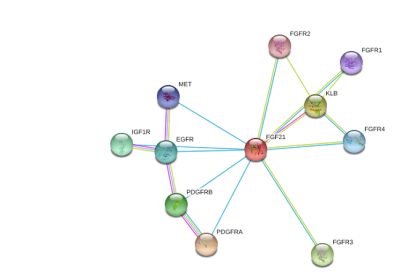
http://alfin2600.blogspot.in/2012/10/fgf21-learning-to-live-longer-from.html
Fibroblast growth factor-21 (FGF21) is a hormone secreted by the liver during fasting that elicits diverse aspects of the adaptive starvation response. Among its effects, FGF21 induces hepatic fatty acid oxidation and ketogenesis, increases insulin sensitivity, blocks somatic growth and causes bone loss. Here we show that transgenic overexpression of FGF21 markedly extends lifespan in mice without reducing food intake or affecting markers of NAD+ metabolism or AMP kinase and mTOR signaling. Transcriptomic analysis suggests that FGF21 acts primarily by blunting the growth hormone/insulin-like growth factor-1 signaling pathway in liver. These findings raise the possibility that FGF21 can be used to extend lifespan in other species
Type II diabetes is the most prevalent form of diabetes. The disease is caused by insulin resistance and pancreatic β cell failure, which results in decreased glucose-stimulated insulin secretion. Fibroblast growth factor (FGF) 21, a member of the FGF family, has been identified as a metabolic regulator and is preferentially expressed in the liver and adipose tissue and exerts its biological activities through the cell surface receptor composed of FGFR1c and β-Klotho on target cells such as liver and adipose tissues (WO0136640, and WO0118172).
The receptor complex is thought to trigger cytoplasmic signaling and to up-regulate the GLUT1 expression through the Ras/MAP kinase pathway.
Its abilities to provide sustained glucose and lipid control, and improve insulin sensitivity and β-cell function, without causing any apparent adverse effects in preclinical settings, have made FGF21 an attractive therapeutic agent for type-2 diabetes and associated metabolic disorders.
There have been a number of efforts towards developing therapies based on FGF21. WO2006065582, WO2006028714, WO2006028595, and WO2005061712 relate to muteins of FGF21, comprising individual amino-acid substitutions. WO2006078463 is directed towards a method of treating cardiovascular disease using FGF21. WO2005072769 relates to methods of treating diabetes using combinations of FGF21 and thiazolidinedione. WO03059270 relates to methods of reducing the mortality of critically ill patients comprising administering FGF21. WO03011213 relates to a method of treating diabetes and obesity comprising administering FGF21.
However, many of these proposed therapies suffer from the problem that FGF21 has an in-vivo half-life of between 1.5 and 2 hrs in humans. Some attempts have been made to overcome this drawback. WO2005091944, WO2006050247 and WO2008121563 disclose FGF21 molecules linked to PEG via lysine or cysteine residues, glycosyl groups and non-natural amino acid residues, respectively. WO2005113606 describes FGF21 molecules recombinantly fused via their C-terminus to albumin and immunoglobulin molecules using polyglycine linkers.
However, developing protein conjugates into useful, cost-effective pharmaceuticals presents a number of significant and oftentimes competing challenges: a balance must be struck between in vivo efficacy, in vivo half-life, stability for in vitro storage, and ease and efficiency of manufacture, including conjugation efficiency and specificity. In general, it is an imperative that the conjugation process does not eliminate or significantly reduce the desired biological action of the protein in question.
The protein-protein interactions required for function may require multiple regions of the protein to act in concert, and perturbing any of these with the nearby presence of a conjugate may interfere with the active site(s), or cause sufficient alterations to the tertiary structure so as to reduce active-site function. Unless the conjugation is through the N′ or C′ terminus, internal mutations to facilitate the linkage may be required. These mutations can have unpredictable effects on protein structure and function. There therefore continues to be a need for alternative FGF21-based therapeutics.
The reference to any art in this specification is not, and should not be taken as, an acknowledgement of any form or suggestion that the referenced art forms part of the common general knowledge.
The Claimed Intermediate database by Tcipatent Ltd

Eddie Kehoe
Principal & Technical Director at Tcipatent Ltd
Hove, Brighton and Hove, United KingdomPharmaceuticalsThe Claimed Intermediate – a Structure Searchable Process Patent Database for Marketed Pharmaceutical Drugs (INNs).
Patent examining, searching, analysis and abstracting especially in the Chemical subject area.


The Claimed Intermediate is an online database
which covers Process Patents for Named Marketed Pharmaceutical Drugs – whether intermediates are claimed or not – for a low-cost subscription.
- Structure Searchable
- Includes INNs in at least one major Market
- Includes Drug Synthesis often buried in a Plethora of Patents
- Informs Pipeline decisions
- Provides targeted Patent data in a Visual form
- Informs Commercial Synthesis profitability

shared message from Eddie Kehoe
If anybody would like a trial of the database they could contact either myself eddie.kehoe@tcipatent.com, or my wife and fellow director, Pat Kehoe (pat.kehoe@tcipatent.com).
Here are temporary logons , please request trial
(deactivated automatically in five working days):
Link: Link: www.tcipatent.com/tcidb/
Structure Searchable Patent Database for Processes covering Named Marketed Pharmaceutical Drugs (INNs). The database is an ongoing Watching Service combined with a Backward Drug Service.
Eddie Kehoe
Principal & Technical Director
Tcipatent Ltd
www.tcipatent.com
info@tcipatent.om
tcipatent.com
Office: +44 (0)1273 736080
43 Farm Road, Hove, BN3 1FD, United Kingdom
Eddie Kehoe:
eddie.kehoe@tcipatent.com
Mobile – 07425629637
Skype – eddieskihoe
TWITTER-TCIPATENT
Pat Kehoe:
pat.kehoe@tcipatent.com
Mobile – 07585295531
Skype – patkehoe170348

Database Updates:
Recently Added Records
| Aliskiren | Ambrisentan |
| Asenapine | Atorvastatin |
| Bosentan | Cabazitaxel |
| Cefamandole | Dasatinib |
| Desogestrel | Dexmedetomidine |
| Docetaxel | Doripenem |
| Doxapram | Duloxetine |
| Etonogestrel | Etoricoxib |
| Etravirine | Fluvastatin |
| Gefitinib | Iodixanol |
| Iohexol | Iopamidol |
| Linagliptin | Mitiglinide |
| Montelukast | Moxonidine |
| Oseltamivir | Paclitaxel |
| Perampanel | Pitavastatin |
| Pravastatin | Praziquantel |
| Ritodrine | Rosuvastatin |
| Silodosin | Sitagliptin |
| Ticagrelor | Ulipristal |
| Zidovudine |
………..

photo
Coopers Cask – Pub in Hove BN3 1FB
Eddie is closeby
HOME REMEDIES FOR CHOLESTEROL

Home Remedies for Cholesterol: Onions contain high levels of quercetin, an important flavonoid that reduces cholesterol. high concentrations of the compound quercetin hinderS the oxidation process of LDL, or “bad,” cholesterol, which help prevent the negative effects of this type of cholesterol.
===> http://www.askveda.in/ – Ayurveda health-tips, home remedies & expert advice
Antibody lipid treatments enter final furlong
A tiny pain-free jab every two weeks could be the future of cholesterol-lowering for high-risk patients, according to clinical researchers gathered in Amsterdam for the European Society of Cardiology congress.
Eli Roth at the University of Cincinnati said that two companies are currently neck and neck in the race to bring the first PCSK9 antibody to market. Partners Sanofi and Regeneron may have the edge, with Phase III data on their fully human monoclonal antibody alirocumab slated to be presented before the end of the year, while the chief competition comes from Amgen with its antibody AMG 145, said Dr Roth. Both antibodies can be delivered via subcutaneous auto-injectors, which many patients say they prefer to taking daily pills, he added.
http://www.pharmatimes.com/Article/13-09-02/Antibody_lipid_treatments_enter_final_furlong.aspx
Alirocumab is a human monoclonal antibody designed for the treatment ofhypercholesterolemia.[1]
This drug was discovered by Regeneron Pharmaceuticals and is being co-developed by Regeron and Sanofi.
THERAPEUTIC CLAIM Treatment of hypercholesterolemia
CHEMICAL NAMES
1. Immunoglobulin G1, anti-(human neural apoptosis-regulated proteinase 1) (human
REGN727 heavy chain), disulfide with human REGN727 κ-chain, dimer
2. Immunoglobulin G1, anti-(human proprotein convertase subtilisin/kexin type 9
(EC=3.4.21.-, neural apoptosis-regulated convertase 1, proprotein convertase 9,
subtilisin/kexin-like protease PC9)); human monoclonal REGN727 des-448-
lysine(CH3-K107)-1 heavy chain (221-220′)-disulfide with human monoclonal
REGN727 light chain dimer (227-227”:230-230”)-bisdisulfide
MOLECULAR FORMULA C6472H9996N1736O2032S42
MOLECULAR WEIGHT 146.0 kDa
SPONSOR Regeneron Pharmaceuticals
CODE DESIGNATION REGN727, SAR236553
CAS REGISTRY NUMBER 1245916-14-6
Drug Developers Need to More Fully Identify And Address Root Causes Of R&D Inefficiency, According To Tufts Center For The Study Of Drug Development
Boston, MA–(Marketwire) – While patent expirations on many top selling medicines are spurring the research-based drug industry to embrace new development paradigms to replenish sparse R&D pipelines, drug developers need to more fully identify and address root causes of R&D inefficiency, according to the Tufts Center for the Study of Drug Development.
read all at
The Cost Of Creating A New Drug Now $5 Billion, Pushing Big Pharma To Change

Susan Desmond-Hellmann
There’s one factor that, as much as anything else, determines how many medicines are invented, what diseases they treat, and, to an extent, what price patients must pay for them: the cost of inventing and developing a new drug, a cost driven by the uncomfortable fact than 95% of the experimental medicines that are studied in humans fail to be both effective and safe.
A new analysis conducted at Forbes puts grim numbers on these costs. A company hoping to get a single drug to market can expect to have spent $350 million before the medicine is available for sale. In part because so many drugs fail, large pharmaceutical companies that are working on dozens of drug projects at once spend $5 billion per new medicine.
read all at
How Much They Cost: R&D Spending Per New Drug
| Company | Number of new drugs | 10 year R&D spending ($MIL) | R&D per drug ($MIL) | |
| 1 | Abbott | 1 | 13183 | 13183 |
| 2 | Sanofi | 6 | 60768 | 10128 |
| 3 | AstraZeneca | 4 | 38245 | 9561 |
| 4 | Hoffmann-La Roche | 8 | 70928 | 8866 |
| 5 | Pfizer | 10 | 77786 | 7779 |
| 6 | Wyeth | 3 | 22702 | 7567 |
| 7 | Eli Lilly | 4 | 26710 | 6678 |
| 8 | Bayer | 5 | 33118 | 6624 |
| 9 | Schering-Plough | 3 | 18845 | 6282 |
| 10 | Novartis | 10 | 60727 | 6073 |
| 11 | Takeda | 4 | 24132 | 6033 |
| 12 | Merck&Co | 9 | 49133 | 5459 |
| 13 | GlaxoSmithKline | 11 | 57595 | 5236 |
| 14 | J&J | 13 | 67624 | 5202 |
| 15 | Novo Nordisk | 2 | 9251 | 4625 |
| 16 | UCB | 1 | 4325 | 4325 |
| 17 | Yamanouchi | 1 | 4321 | 4321 |
| 18 | Fujisawa | 1 | 4286 | 4286 |
| 19 | Amgen | 5 | 21350 | 4270 |
| 20 | Astellas | 3 | 12582 | 4194 |
| 21 | Shionogi | 1 | 3854 | 3854 |
| 22 | Celgene | 2 | 7193 | 3596 |
| 23 | Bristol-Myers Squibb | 9 | 30352 | 3372 |
| 24 | Eisai | 4 | 11534 | 2883 |
| 25 | Teva | 2 | 5763 | 2881 |
| 26 | Biogen Idec | 4 | 9470 | 2368 |
| 27 | Vertex | 2 | 4140 | 2070 |
| 28 | Sunovion | 1 | 1967 | 1967 |
| 29 | Human Genome Sciences | 1 | 1954 | 1954 |
| 30 | Elan | 1 | 1903 | 1903 |
| 31 | Gilead | 3 | 5527 | 1842 |
| 32 | Exelixis | 1 | 1789 | 1789 |
| 33 | Lundbeck | 2 | 3527 | 1763 |
| 34 | Millennium | 1 | 1593 | 1593 |
| 35 | Genentech | 4 | 6277 | 1569 |
| 36 | Allergan | 1 | 1559 | 1559 |
| 37 | Baxter | 3 | 4627 | 1542 |
| 38 | Ipsen | 1 | 1459 | 1459 |
| 39 | Forest | 4 | 5184 | 1296 |
| 40 | Cephalon | 1 | 1221 | 1221 |
| 41 | Onyx | 1 | 1219 | 1219 |
| 42 | Sepracor | 1 | 1170 | 1170 |
| 43 | Alcon | 1 | 1133 | 1133 |
| 44 | Theravance | 1 | 1010 | 1010 |
| 45 | Genzyme | 5 | 4814 | 963 |
| 46 | Shire | 4 | 3827 | 957 |
| 47 | Arena | 1 | 934 | 934 |
| 48 | Watson | 1 | 930 | 930 |
| 49 | Adolor | 1 | 877 | 877 |
| 50 | Valeant | 1 | 844 | 844 |
| 51 | Schwarz | 2 | 1545 | 772 |
| 52 | NPS | 1 | 756 | 756 |
| 53 | Regeneron | 3 | 2149 | 716 |
| 54 | Affymax | 1 | 660 | 660 |
| 55 | Seattle Genetics | 1 | 610 | 610 |
| 56 | CV Therapeutics | 1 | 599 | 599 |
| 57 | ImClone | 1 | 517 | 517 |
| 58 | Dendreon | 1 | 509 | 509 |
| 59 | Alexion | 1 | 490 | 490 |
| 60 | The Medicines Company | 1 | 455 | 455 |
| 61 | Ariad | 1 | 444 | 444 |
| 62 | OSI | 1 | 402 | 402 |
| 63 | Talecris | 1 | 396 | 396 |
| 64 | Progenics | 1 | 356 | 356 |
| 65 | Actelion | 1 | 346 | 346 |
| 66 | Savient | 1 | 339 | 339 |
| 67 | Praecis | 1 | 311 | 311 |
| 68 | Vivus | 1 | 309 | 309 |
| 69 | MGI | 1 | 294 | 294 |
| 70 | Vicuron | 1 | 286 | 286 |
| 71 | Salix | 2 | 560 | 280 |
| 72 | Idenix | 1 | 280 | 280 |
| 73 | Mylan | 3 | 762 | 254 |
| 74 | Discovery Laboratories | 1 | 228 | 228 |
| 75 | Indevus | 1 | 222 | 222 |
| 76 | Cubist | 1 | 220 | 220 |
| 77 | Acorda | 1 | 185 | 185 |
| 78 | Ista | 1 | 171 | 171 |
| 79 | Optimer | 1 | 171 | 171 |
| 80 | Theratechnologies | 1 | 164 | 164 |
| 81 | MediGene | 1 | 155 | 155 |
| 82 | Vanda | 1 | 150 | 150 |
| 83 | Eyetech | 1 | 144 | 144 |
| 84 | ThromboGenics | 1 | 137 | 137 |
| 85 | BioMarin | 3 | 403 | 134 |
| 86 | Protalix | 1 | 125 | 125 |
| 87 | Amarin | 1 | 122 | 122 |
| 88 | Insmed | 1 | 118 | 118 |
| 89 | NeurogesX | 1 | 89 | 89 |
| 90 | Hyperion | 1 | 87 | 87 |
| 91 | Cypress Bioscience | 1 | 82 | 82 |
| 92 | New River | 1 | 79 | 79 |
| 93 | Aegerion | 1 | 74 | 74 |
| 94 | Sucampo | 1 | 62 | 62 |
| 95 | Fibrocell | 1 | 62 | 62 |
| 96 | Tercica | 1 | 49 | 49 |
| 97 | Pharmion | 1 | 47 | 47 |
| 98 | Kamada | 1 | 37 | 37 |
| 99 | Lev | 1 | 26 | 26 |
| 100 | OMRIX | 1 | 15 | 15 |
Hope In A Pill- A crop of small-molecule drugs in development could double the treatment options for people with multiple sclerosis in coming years


 EMD Serono
Otsuka Receives Complete Response Letter From U.S. Food And Drug Administration For Tolvaptan For Use In Patients With Autosomal Dominant Polycystic Kidney Disease
Otsuka Pharmaceutical Submits New Drug Application in Japan for Tolvaptan for the Treatment of Autosomal Dominant Polycystic Kidney Disease (ADPKD)

TOLVAPTAN
may 30 2013
- Tolvaptan was discovered by Otsuka in Japan, and its primary results from a global clinical trial involving 1,400 ADPKD patients from 15 countries, which demonstrated a statistically significant reduction in the rate of total kidney volume, were published in New England Journal of Medicine in 2012. It is also currently under a fast track review in the US, following our announcement of FDA accepting to review the application in April 2013.
- ADPKD is a hereditary and often physically and mentally burdensome disease characterized by the development of multiple cysts in the kidneys. ADPKD is often associated with pain, hypertension, decreased kidney function and ultimately, kidney failure that may result in hemodialysis or kidney transplantation.
- There are estimated to be approximately 31,000 ADPKD patients in Japan, and the diagnosed prevalence is estimated to be between 1:1000 and 1:4000 globally.
(Tokyo, Japan, May 30, 2013) – Otsuka Pharmaceutical Co., Ltd. Today announced it filed an application with the Pharmaceutical and Medical Devices Agency in Japan (PMDA) to market its novel compound tolvaptan for the treatment of Autosomal Dominant Polycystic Kidney Disease (ADPKD). Phase III clinical trial results that form the basis of the regulatory filing were published in the New England Journal of Medicine in November 2012. The MHLW has designated tolvaptan as an Orphan Drug.http://www.otsuka.co.jp/en/release/2013/0603_02.html
Tolvaptan (INN), also known as OPC-41061, is a selective, competitive vasopressin receptor 2 antagonist used to treat hyponatremia (low blood sodium levels) associated withcongestive heart failure, cirrhosis, and the syndrome of inappropriate antidiuretic hormone(SIADH). Tolvaptan was approved by the U.S. Food and Drug Administration (FDA) on May 19, 2009, and is sold by Otsuka Pharmaceutical Co. under the trade name Samsca and in India is manufactured & sold by MSN laboratories Ltd. under the trade name Tolvat & Tolsama.
Tolvaptan is also in fast-track clinical trials[2] for polycystic kidney disease. In a 2004 trial, tolvaptan, when administered with traditional diuretics, was noted to increase excretion of excess fluids and improve blood sodium levels in patients with heart failure without producing side effects such as hypotension (low blood pressure) or hypokalemia(decreased blood levels of potassium) and without having an adverse effect on kidney function.[3] In a recently published trial (TEMPO 3:4 ClinicalTrials.gov number, NCT00428948) the study met its primary and secondary end points. Tolvaptan, when given at an average dose of 95 mg per day over a 3-year period, slowed the usual increase in kidney volume by 50% compared to placebo (2.80% per year versus 5.51% per year, respectively, p<0.001) and reduced the decline in kidney function when compared with that of placebo-treated patients by approximately 30% (reciprocal serum creatinine, -2.61 versus -3.81 (mg/mL)-1 per year, p <0.001)[4]
Chemical synthesis:[5] 
- Shoaf S, Elizari M, Wang Z, et al. (2005). “Tolvaptan administration does not affect steady state amiodarone concentrations in patients with cardiac arrhythmias”. J Cardiovasc Pharmacol Ther 10 (3): 165–71. doi:10.1177/107424840501000304. PMID 16211205.
- Otsuka Maryland Research Institute, Inc.
- Gheorghiade M, Gattis W, O’Connor C, et al. (2004). “Effects of tolvaptan, a vasopressin antagonist, in patients hospitalized with worsening heart failure: a randomized controlled trial”. JAMA 291 (16): 1963–71. doi:10.1001/jama.291.16.1963. PMID 15113814.
- (2012) Tolvaptan in Patients with Autosomal Dominant Polycystic Kidney Disease
- Kondo, K.; Ogawa, H.; Yamashita, H.; Miyamoto, H.; Tanaka, M.; Nakaya, K.; Kitano, K.; Yamamura, Y.; Nakamura, S.; Onogawa, T.; et al.; Bioor. Med. Chem. 1999, 7, 1743.
- http://www.fda.gov/Safety/MedWatch/SafetyInformation/SafetyAlertsforHumanMedicalProducts/ucm350185.htm?source=govdelivery
- Gheorghiade M, Niazi I, Ouyang J et al. (2003). “Vasopressin V2-receptor blockade with tolvaptan in patients with chronic heart failure: results from a double-blind, randomized trial”. Circulation 107 (21): 2690–6. doi:10.1161/01.CIR.0000070422.41439.04.PMID 12742979.
Drug firms and cancer………… Lucrative lifesavers

The hopes and perils of betting on cancer treatments

NEW weapons are emerging in the war on cancer. That is good news not just for patients but also for drug companies. The biggest ones, faced with falling sales as their existing medicines go off-patent, are investing in smaller firms with promising cancer treatments under development, hoping to secure the next blockbuster.
FDA grants priority review to Pharmacyclics drug

ibrutinib
FDA grants priority review to Pharmacyclics drug

Pharmacyclics is getting a priority review of its blood cancer treatment by federal regulators. A priority review shortens a drug evaluation by the U.S. Food and Drug Administration from 10 months to six. The acceptance of the application triggers a $75 million milestone payment to Pharmacyclics from Johnson & Johnson’s Janssen unit.

Ibrutinib (USAN[1]), also known as PCI-32765, is an experimental drug candidate for the treatment of various types of cancer. It is an orally-administered, selective and covalent inhibitor of the enzyme Bruton tyrosine kinase (Btk).[2][3][4] Ibrutinib is currently under development by Pharmacyclics, Inc and Johnson & Johnson’s Janssen Pharmaceutical division for B-cell malignancies including chronic lymphocytic leukemia, mantle cell lymphoma, diffuse large B-cell lymphoma, and multiple myeloma.[6][7][8]. Ibrutinib was first designed and synthesized at Celera Genomics by Zhengying Pan, who along with a team of chemists and biologists reported in 2007 a structure-based approach for creating a series of small molecules that inactivate BTK through covalent binding to cysteine-481 near the ATP binding domain of BTK[2]. These small molecules irreversibly inhibited BTK by using a Michael acceptor for binding to the target cysteine. In April 2006, Pharmacyclics acquired Celera’s small molecule BTK inhibitor discovery program, which included a compound, PCI-32765 (known as compound 13 in the Pan et al paper) that was subsequently chosen for further preclinical development based on the discovery of anti-lymphoma properties in vivo [5]. Since 2006, Pharmacyclics’ scientists have advanced the molecule into clinical trials and identified specific clinical indications for the drug. [2][3][4] [5] [6][7][8] It also has potential effects against autoimmune arthritis.[9]
Clinical trials
It has given good results in two phase II clinical trials.[10]
Mechanism
In preclinical studies on chronic lymphocytic leukemia (CLL) cells, ibrutinib has been reported to promote apoptosis, inhibit proliferation, and also prevent CLL cells from responding to survival stimuli provided by the microenvironment.[11] In this study, treatment of activated CLL cells with ibrutinib resulted in inhibition of Btk tyrosine phosphorylation and also effectively abrogated downstream survival pathways activated by this kinase including ERK1/2, PI3K, and NF-κB. Additionally, ibrutinib inhibited proliferation of CLL cells in vitro, effectively blocking survival signals provided externally to CLL cells from the microenvironment including soluble factors (CD40L, BAFF, IL-6, IL-4, and TNF-α), fibronectin engagement and stromal cell contact.
In early clinical studies, the activity of ibrutinib has been described to include a rapid reduction in lymphadenopathy accompanied by a transient lymphocytosis, suggesting that the drug might have direct effects on cell homing or migration to factors in tissue microenvironments.[12]
Ibrutinib has been reported to reduce CLL cell chemotaxis towards the chemokines CXCL12 and CXCL13, and inhibit cellular adhesion following stimulation at the B cell receptor.[13][14] Together, these data are consistent with a mechanistic model whereby ibrutinib blocks BCR signaling, which drives cells into apoptosis and/or disrupts cell migration and adherence to protective tumor microenvironments.
References
- ^ Statement on a Nonproprietary Name Adopted by the USAN Council
- ^ Pan, Z; Scheerens, H; Li, SJ; Schultz, BE; Sprengeler, PA; Burrill, LC; Mendonca, RV; Sweeney, MD et al. (2007). “Discovery of selective irreversible inhibitors for Bruton’s tyrosine kinase”. ChemMedChem 2 (1): 58–61. doi:10.1002/cmdc.200600221. PMID 17154430.
|displayauthors=suggested (help) - ^ Celera Genomics Announces Sale of Therapeutic Programs to Pharmacyclics
- ^ United States patent 7514444
- ^ Honigberg, LA; Smith, AM; Sirisawad, M; Verner, E; Loury, D; Chang, B; Li, S; Pan, Z; Thamm, DH; Miller, RA; Buggy (2010). “The Bruton tyrosine kinase inhibitor PCI-32765 blocks B-cell activation and is efficacious in models of autoimmune disease and B-cell malignancy”. Proceedings of the National Academy of Sciences of the United States of America 107 (29): 13075–80. doi:10.1073/pnas.1004594107. PMID 20615965. Unknown parameter
|firs11=ignored (help) - ^ Janssen Biotech, Inc. Announces Collaborative Development and Worldwide License Agreement for Investigational Anti-Cancer Drug, PCI-32765
- ^ Clinical trials involve PCI-32765
- ^ Clinical trials involve ibrutinib
- ^ Chang, BY; Huang, MM; Francesco, M; Chen, J; Sokolove, J; Magadala, P; Robinson, WH; Buggy, JJ (2011). “The Bruton tyrosine kinase inhibitor PCI-32765 ameliorates autoimmune arthritis by inhibition of multiple effector cells”. Arthritis Research & Therapy 13 (4): R115. doi:10.1186/ar3400. PMID 21752263.
- ^ Good News Continues for Ibrutinib in CLL. 8 Dec 2012
- ^ Herman SE, Gordon AL, Hertlein E, Ramanunni A, Zhang X, Jaglowski S, Flynn J, Jones J, Blum KA, Buggy J.J., Hamdy A, Johnson AJ, Byrd JC. (2011) Bruton’s tyrosine kinase represents a promising therapeutic target for treatment of chronic lymphocytic leukemia and is effectively targeted by PCI-32765. Blood 117: 6287-6296
- ^ The Bruton’s tyrosine kinase (BTK) inhibitor PCI-32765 (P) in treatment-naive (TN) chronic lymphocytic leukemia (CLL) patients (pts): Interim results of a phase Ib/II study.J Clin Oncol 30, 2012 (suppl; abstr 6507)
- ^ Ponader S, Chen SS, Buggy JJ, Balakrishnan K, Gandhi V, Wierda WG, Keating MJ, O’Brien S, Chiorazzi N, Burger JA. (2012) The Bruton tyrosine kinase inhibitor PCI-32765 thwarts chronic lymphocytic leukemia cell survival and tissue homing in vitro and in vivo. Blood 119: 1182-1189.
- ^ de Rooij MF, Kuil A, Geest CR, Eldering E, Chang BY, Buggy JJ, Pals ST, Spaargaren M. (2012) The clinically active BTK inhibitor PCI-32765 targets B-cell receptor (BCR)- and chemokine-controlled adhesion and migration in chronic lymphocytic leukemia. Blood 119: 2590-2594.
External links
- BTK inhibitor PCI-32765, National Cancer Institute Drug Dictionary


 New Drug Approvals