New Drug Approvals
Follow New Drug Approvals on WordPress.com

FLAGS AND HITS

Flag Counter
DRUG APPROVALS BY DR ANTHONY MELVIN CRASTO

Archives

Categories

Join me on Linkedin

View Anthony Melvin Crasto Ph.D's profile on LinkedIn

Join me on Researchgate

Anthony Melvin Crasto Dr.

  Join me on Facebook FACEBOOK   ...................................................................Join me on twitter Follow amcrasto on Twitter     ..................................................................Join me on google plus Googleplus

MYSELF

DR ANTHONY MELVIN CRASTO Ph.D ( ICT, Mumbai) , INDIA 36Yrs Exp. in the feld of Organic Chemistry,Working for AFRICURE PHARMA as ADVISOR earlier with GLENMARK PHARMA at Navi Mumbai, INDIA. Serving chemists around the world. Helping them with websites on Chemistry.Million hits on google, NO ADVERTISEMENTS , ACADEMIC , NON COMMERCIAL SITE, world acclamation from industry, academia, drug authorities for websites, blogs and educational contribution, ........amcrasto@gmail.com..........+91 9323115463, Skype amcrasto64 View Anthony Melvin Crasto Ph.D's profile on LinkedIn Anthony Melvin Crasto Dr.

Enter your email address to follow this blog and receive notifications of new posts by email.

Join 37.9K other subscribers
DR ANTHONY MELVIN CRASTO Ph.D

DR ANTHONY MELVIN CRASTO Ph.D

DR ANTHONY MELVIN CRASTO, Born in Mumbai in 1964 and graduated from Mumbai University, Completed his Ph.D from ICT, 1991,Matunga, Mumbai, India, in Organic Chemistry, The thesis topic was Synthesis of Novel Pyrethroid Analogues, Currently he is working with AFRICURE PHARMA, ROW2TECH, NIPER-G, Department of Pharmaceuticals, Ministry of Chemicals and Fertilizers, Govt. of India as ADVISOR, earlier assignment was with GLENMARK LIFE SCIENCES LTD, as CONSUlTANT, Retired from GLENMARK in Jan2022 Research Centre as Principal Scientist, Process Research (bulk actives) at Mahape, Navi Mumbai, India. Total Industry exp 32 plus yrs, Prior to joining Glenmark, he has worked with major multinationals like Hoechst Marion Roussel, now Sanofi, Searle India Ltd, now RPG lifesciences, etc. He has worked with notable scientists like Dr K Nagarajan, Dr Ralph Stapel, Prof S Seshadri, etc, He did custom synthesis for major multinationals in his career like BASF, Novartis, Sanofi, etc., He has worked in Discovery, Natural products, Bulk drugs, Generics, Intermediates, Fine chemicals, Neutraceuticals, GMP, Scaleups, etc, he is now helping millions, has 9 million plus hits on Google on all Organic chemistry websites. His friends call him Open superstar worlddrugtracker. His New Drug Approvals, Green Chemistry International, All about drugs, Eurekamoments, Organic spectroscopy international, etc in organic chemistry are some most read blogs He has hands on experience in initiation and developing novel routes for drug molecules and implementation them on commercial scale over a 32 PLUS year tenure till date Feb 2023, Around 35 plus products in his career. He has good knowledge of IPM, GMP, Regulatory aspects, he has several International patents published worldwide . He has good proficiency in Technology transfer, Spectroscopy, Stereochemistry, Synthesis, Polymorphism etc., He suffered a paralytic stroke/ Acute Transverse mylitis in Dec 2007 and is 90 %Paralysed, He is bound to a wheelchair, this seems to have injected feul in him to help chemists all around the world, he is more active than before and is pushing boundaries, He has 100 million plus hits on Google, 2.5 lakh plus connections on all networking sites, 100 Lakh plus views on dozen plus blogs, 227 countries, 7 continents, He makes himself available to all, contact him on +91 9323115463, email amcrasto@gmail.com, Twitter, @amcrasto , He lives and will die for his family, 90% paralysis cannot kill his soul., Notably he has 38 lakh plus views on New Drug Approvals Blog in 227 countries......https://newdrugapprovals.wordpress.com/ , He appreciates the help he gets from one and all, Friends, Family, Glenmark, Readers, Wellwishers, Doctors, Drug authorities, His Contacts, Physiotherapist, etc He has total of 32 International and Indian awards

Verified Services

View Full Profile →

Recent Posts

FDA approves Intrarosa for postmenopausal women experiencing pain during sex


str0

FDA approves Intrarosa for postmenopausal women experiencing pain during sex

The U.S. Food and Drug Administration approved Intrarosa (prasterone) to treat women experiencing moderate to severe pain during sexual intercourse (dyspareunia), a symptom of vulvar and vaginal atrophy (VVA), due to menopause. Intrarosa is the first FDA approved product containing the active ingredient prasterone, which is also known as dehydroepiandrosterone (DHEA).

Read more

http://www.fda.gov/newsevents/newsroom/pressannouncements/UCM529641.htm?source=govdelivery&utm_medium=email&utm_source=govdelivery

For Immediate Release

November 17, 2016

Release

The U.S. Food and Drug Administration approved Intrarosa (prasterone) to treat women experiencing moderate to severe pain during sexual intercourse (dyspareunia), a symptom of vulvar and vaginal atrophy (VVA), due to menopause. Intrarosa is the first FDA approved product containing the active ingredient prasterone, which is also known as dehydroepiandrosterone (DHEA).

During menopause, levels of estrogen decline in vaginal tissues, which may cause a condition known as VVA, leading to symptoms such as pain during sexual intercourse.

“Pain during sexual intercourse is one of the most frequent symptoms of VVA reported by postmenopausal women,” said Audrey Gassman, M.D., deputy director of the Division of Bone, Reproductive, and Urologic Products (DBRUP) in the Office of Drug Evaluation III in the FDA’s Center for Drug Evaluation and Research (CDER). “Intrarosa provides an additional treatment option for women seeking relief of dyspareunia caused by VVA.”

Efficacy of Intrarosa, a once-daily vaginal insert, was established in two 12-week placebo-controlled clinical trials of 406 healthy postmenopausal women, 40 to 80 years of age, who identified moderate to severe pain during sexual intercourse as their most bothersome symptom of VVA. Women were randomly assigned to receive Intrarosa or a placebo vaginal insert. Intrarosa, when compared to placebo, was shown to reduce the severity of pain experienced during sexual intercourse.

The safety of Intrarosa was established in four 12-week placebo-controlled trials and one 52-week open-label trial. The most common adverse reactions were vaginal discharge and abnormal Pap smear.

Although DHEA is included in some dietary supplements, the efficacy and safety of those products have not been established for diagnosing, curing, mitigating, treating or preventing any disease.

Intrarosa is marketed by Quebec-based Endoceutics Inc.

The FDA, an agency within the U.S. Department of Health and Human Services, protects the public health by assuring the safety, effectiveness, and security of human and veterinary drugs, vaccines and other biological products for human use, and medical devices. The agency also is responsible for the safety and security of our nation’s food supply, cosmetics, dietary supplements, products that give off electronic radiation, and for regulating tobacco products.

Dehydroepiandrosterone
Dehydroepiandrosteron.svg
Dehidroepiandrosterona3D.png
Systematic (IUPAC) name
(3S,8R,9S,10R,13S,14S)-3-hydroxy-10,13-dimethyl-1,2,3,4,7,8,9,11,12,14,15,16-dodecahydrocyclopenta[a]phenanthren-17-one; (1S,2R,5S,10R,11S,15S)-5-Hydroxy-2,15-dimethyltetracyclo[8.7.0.02,7.011,15]heptadec-7-en-14-one
Clinical data
Routes of
administration
Oral
Legal status
Legal status
Pharmacokinetic data
Metabolism Hepatic
Biological half-life 12 hours
Excretion Urinary:?%
Identifiers
CAS Number 53-43-0 Yes
ATC code A14AA07 (WHO)
G03EA03 (WHO) (combination with estrogen)
PubChem CID 5881
IUPHAR/BPS 2370
DrugBank DB01708 Yes
ChemSpider 5670 Yes
UNII 459AG36T1B Yes
ChEBI CHEBI:28689 Yes
ChEMBL CHEMBL90593 Yes
Synonyms (3β)-3-Hydroxyandrost-5-en-17-one
Chemical data
Formula C19H28O2
Molar mass 288.424 g/mol
3D model (Jmol) Interactive image
 //////////////////
 FDA,  approves,  Intrarosa, postmenopausal women, pain during sex, prasterone, dehydroepiandrosterone,  (DHEA).

Page Last Updated: 11/17/2016
Note: If you need help accessing information in different file formats, see Ins

SUGAMMADEX (Org 25969, Bridion)


SUGAMMADEX

CAS number 343306-71-8
Weight Average: 2002.12
Monoisotopic: 2000.408874758
Chemical Formula C72H112O48S8

WATCH OUT POST WILL BE UPDATED………

Sugammadex sodium.svg

SUGAMMADEX

343306-71-8 cas  free

Sugammadex sodium

343306-79-6
MF: C72H104O48S8.8Na
MW: 2178.01

Image result for SUGAMMADEX SYNTHESIS

Bridion; UNII-ERJ6X2MXV7; Suγdex Sodium; Suγdex; 343306-79-6; Org 25969;Org25969; Org-25969; Org 25969; 361LPM2T56

Sugammadex (Org 25969, Bridion) is chemically known as Cyclooctakis-(l-→4)-[6-S-(2-carboxyethyl)-6-thio-a-D-glucopyranosyl].

SugammadexSugammadex sodium 3D front view.png

Sugammadex sodium343306-79-6

CAS No.:343306-71-8 free

Molecular Weight:2178.01

Molecular Formula:C72H104Na8O48S8

CAS 343306-79-6 sodium salt
Octanatrium-3,3′,3”,3”’,3””,3””’,3”””,3”””’-{[(1S,3S,5S,6S,8S,10S,11S,13S,15S,16S,18S,20S,21S,23S,25S,26S,28S,30S,31S,33S,35S,36S,38S,40S,41R,42R,43R,44R,45R,46R,47R,48R,49R,50R,51R,52R,53 ;R,54R,55R,56R)-41,42,43,44,45,46,47,48,49,50,51,52,53,54,55,56-hexadecahydroxy-2,4,7,9,12,14,17,19,22,24,27,29,32,34,37,39-hexadecaoxanonacyclo[36.2.2.23,6.28,11.213,16.218,21.223,26.228,31 .233,36]hexapentacontan-5,10,15,20,25,30,
Octasodium 3,3′,3”,3”’,3””,3””’,3”””,3”””’-{[(1S,3S,5S,6S,8S,10S,11S,13S,15S,16S,18S,20S,21S,23S,25S,26S,28S,30S,31S,33S,35S,36S,38S,40S,41R,42R,43R,44R,45R,46R,47R,48R,49R,50R,51R,52R,53R ;,54R,55R,56R)-41,42,43,44,45,46,47,48,49,50,51,52,53,54,55,56-hexadecahydroxy-2,4,7,9,12,14,17,19,22,24,27,29,32,34,37,39-hexadecaoxanonacyclo[36.2.2.23,6.28,11.213,16.218,21.223,26.228,31 .233,36]hexapentacontane-5,10,15,20,25,30,
Sugammadex Sodium
D05940, 
SUYDEX SODIUM
UNII-ERJ6X2MXV7
Sugammadex (brand name Bridion) is marketed by Merck Sharp and Dohme, and was approved by the United States FDA on December 15, 2015.

Sugammadex sodium was first approved by European Medicine Agency (EMA) on July 25, 2008, then approved by Pharmaceuticals and Medical Devices Agency of Japan (PMDA) on Jan 20, 2010, and approved by the US. food and drug administration (FDA) on Dec 15, 2015. It was developed and marketed as Bridion® by Merck Sharp & Dohme.

Sugammadex is reversal of neuromuscular blockade without relying on inhibition of acetylcholinesterase. It is the first selective relaxant binding agent (SRBA). It is indicated in neuromuscular blockade induced by rocuronium or vecuronium in adults.

Bridion® is available as injection solution for intravenous use, containing 100 mg /mL of free Sugammadex. The recommended dose is 4 mg/kg for adults if recovery has reached at least 1-2 post-tetanic counts (PTC) following rocuronium or vecuronium induced blockade.

Sugammadex (Org 25969, tradename Bridion) is an agent for reversal of neuromuscular blockade by the agent rocuronium in general anaesthesia. It is the first selective relaxant binding agent (SRBA).

Sugammadex.png

Sugammadex Sodium is the sodium salt form of the biologically inert, selective relaxant binding agent (SRBA) sugammadex, a modified, anionic gamma cyclodextrinderivative containing a hydrophilic exterior and a hydrophobic core, with neuromuscular blocking drug (NMBD) reversal activity. Upon administration, the negatively charged carboxyl-thio-ether groups of sugammadex selectively and reversibly bind to the positively charged quaternary nitrogen of a steroidal NMBD, which was administered at an earlier time for anesthetic purposes. The encapsulation of the NMBD by sugammadex blocks its ability to bind to nicotinic receptors in the neuromuscular junction and thereby reverses the NMBD-induced neuromuscular blockade. Sugammadex binds rocuronium, vecuronium, and to a lesser extent pancuronium.

 Sugammadex is a selective relaxant binding agent indicated for reversal of neuromuscular blockade induced by rocuronium bromide and vecuronium bromide during surgery in adults. Rocuronium bromide and vecuronium bromide are neuromuscular blocking medications that cause temporary paralysis and are especially useful for general anesthesia, ventilation, or tracheal intubation that patients may require for surgery. Sugammadex provides a new treatment option to reverse the effects of those medications and possibly help patients recover sooner post-surgery. Sugammadex (brand name Bridion) is marketed by Merck Sharp and Dohme, and was approved by the United States FDA on December 15, 2015.

Sugammadex is used to reverse neuromuscular blockade after administration of non-depolarizing neuromuscular-blocking agentssuch as vecuronium or rocuronium.

Image result for sugammadex chemical reviews

Pharmacology

Pharmacodynamics

Sugammadex is a modified γ-cyclodextrin, with a lipophilic core and a hydrophilic periphery. This gamma cyclodextrin has been modified from its natural state by placing eight carboxyl thio ether groups at the sixth carbon positions. These extensions extend the cavity size allowing greater encapsulation of the rocuronium molecule. These negatively charged extensions electrostatically bind to the quaternary nitrogen of the target as well as contribute to the aqueous nature of the cyclodextrin. Sugammadex’s binding encapsulation of rocuronium is one of the strongest among cyclodextrins and their guest molecules. The rocuronium molecule (a modified steroid) bound within sugammadex’s lipophilic core, is rendered unavailable to bind to the acetylcholine receptor at the neuromuscular junction.

Schematic diagram of sugammadex encapsulating a rocuronium molecule
Sugammadex sodium 3D three quarters view.png
Left: Schematic of a sugammadex molecule encapsulating a rocuronium molecule.
Right: Space-filling model of a sugammadex sodium molecule in the same orientation.

Sugammadex, unlike neostigmine, does not inhibit acetylcholinesterase so cholinergic effects are not produced and co-administration of an antimuscarinicagent (glycopyrronium bromide or atropine) is not needed. Sugammadex might therefore be expected to have fewer adverse effects than the traditional reversal agents.

When muscle relaxant with rapid onset and short duration of action is required, there has been little choice apart from suxamethonium but this drug has important contraindications; for example, it can trigger malignant hyperthermia in susceptible individuals, it has a prolonged duration of action in patients with pseudocholinesterase deficiency and it causes an increase in plasma potassium concentration which is dangerous in some circumstances. Rocuronium has a comparably quick onset in high dose (0.6 mg kg−1 to 1 mg kg−1) and can be rapidly reversed with sugammadex (16 mg kg−1), so this drug combination offers an alternative to suxamethonium.

‘Recurarisation’, a phenomenon of recurrence of neuromuscular block, may occur where the reversal agents wear off before a neuromuscular blocking drug is completely cleared. This is very unusual with all but the longest acting neuromuscular blocking drugs (such as gallamine, pancuronium or tubocurarine). It has been demonstrated to occur only rarely with sugammadex, and only when insufficient doses were administered.[1] The underlying mechanism is thought to be related to redistribution of relaxant after reversal. It may occur for a limited range of sugammadex doses which are sufficient for complex formation with relaxant in the central compartment, but insufficient for additional relaxant returning to central from peripheral compartments.[2]

Sugammadex has been shown to have affinity for two other aminosteroid neuromuscular blocking agents, vecuronium and pancuronium. Although sugammadex has a lower affinity for vecuronium than for rocuronium, reversal of vecuronium is still effective because fewer vecuronium molecules are present in vivo for equivalent blockade: vecuronium is approximately seven times more potent than rocuronium. Sugammadex encapsulates with a 1:1 ratio and therefore will adequately reverse vecuronium as there are fewer molecules to bind compared to rocuronium.[3] Shallow pancuronium blockade has been successfully reversed by sugammadex in phase III clinical trials.[4]

Efficacy

A study was carried out in Europe looking at its suitability in rapid sequence induction. It found that sugammadex provides a rapid and dose-dependent reversal of neuromuscular blockade induced by high-dose rocuronium.[5]

A Cochrane review on sugammadex concluded that “sugammadex was shown to be more effective than placebo (no medication) or neostigmine in reversing muscle relaxation caused by neuromuscular blockade during surgery and is relatively safe. Serious complications occurred in less than 1% of the patients who received sugammadex. The results of this review article (especially the safety results) need to be confirmed by future trials on larger patient populations”.[6]

Tolerability

Sugammadex was generally well tolerated in clinical trials in surgical patients or healthy volunteers. In pooled analyses, the tolerability profile of sugammadex was generally similar to that of placebo or neostigmine plus glycopyrrolate.[7]

History

Sugammadex was discovered by the pharmaceutical company Organon at the Newhouse Research Site in Scotland.[8] Organon was acquired by Schering-Plough in 2007; Schering-Plough merged with Merck in 2009. Sugammadex is now owned and sold by Merck.

The US Food and Drug Administration (FDA) initially rejected Schering-Plough’s New Drug Application for sugammadex in 2008,[9] but finally approved the medication for use in the United States on December 15, 2015.[10] Sugammadex was approved for use in the European Union on July 29, 2008.[11]

SYNTHESIS

Sugammadex (Trade name: Bridion) is first disclosed in US6670340 assigned to Akzo Nobel. Sugammadex sodium was approved in EMEA as an agent for reversal of neuromuscular blockade by the agent rocuronium in general anaesthesia in 2008 and is the first selective relaxant binding agent (SRBA).

Figure imgf000002_0001

Sugammadex sodium contains 8 recurring glucose units each with 5 asymmetric carbon atoms, in total 40 asymmetric carbon atoms for the whole molecule. Sugammadex is a modified γ-cyclodextrin, with a lipophilic core and a hydrophilic periphery. The gamma cyclodextrin has been modified from its natural state by placing eight carboxyl thio ether groups at the sixth carbon positions.

The US Patent 6670340 assigned to Akzo Nobel discloses a process for preparing Sugammadex sodium as depicted in Scheme-I:

Scheme-I

Figure imgf000003_0001

Sugammadex Sodium The first step in the process in the scheme-I involves the preparation of Vilsmeier Hack reagent by the reaction , of DMF, triphenylphosphine and Iodine. The triphenylphosphine oxide is formed as a byproduct of the first step. Removal of triphenylphosphine oxide from the product is very difficult from the reaction mass as it requires repeated washing with DMF under argon atmosphere, which leads to inconsistency in yield of final product Sugammadex. The second step involves the reaction of 6-perdeoxy-6-per-Iodo-Gamma cyclodextrin with 3-mercapto propionic acid in presence of alkali metal hydrides in an organic solvent to give 6-per-deoxy-6-per-(2-carboxyethyl)thio-y- cyclodextrin sodium salt.

The PCT publication WO2012/025937 discloses preparation of Sugammadex involving the reaction of gamma cyclodextrin with phosphorous halide in presence of organic solvent, thereby overcomes the formation of triphenyl phosphine oxide. The publication also discloses the use of 6-per deoxy-6-per- chloro-y-cyclodextrin in the preparation of the Sugammadex.

The purification techniques in the prior arts employ column chromatographic / membrane dialysis techniques which are costly and not convenient in large scale operations.

Image result for SUGAMMADEX SYNTHESIS

File:Sugammadex synthesis.svg

Sugammadex is a modified γ-cyclodextrin, with a lipophilic core and a hydrophilic periphery.

Figure imgf000002_0001

Sugammadex (designation Org 25969, trade name Bridion) is an agent for reversal of neuromuscular blockade by the agent rocuronium in general anaesthesia. It is the first selective relaxant binding agent (SRBA). This gamma cyclodextrin has been modified from its natural state by placing eight carboxyl thio ether groups at the sixth earbon positions. These extensions extend the cavity size allowing greater encapsulation of the rocuronium molecule. These negatively charged extensions electrostatically bind to the positively charged ammonium group as well as contribute to the aqueous nature of the cyclodextrin. Sugammadex’s binding encapsulation of rocuronium is one of the strongest among cyclodextrins and their guest molecules. The rocuronium molecule (a modified steroid) bound within Sugammadex’s lipophilic core, is rendered unavailable to bind to the acetylcholine receptor at the neuromuscular junction. Sugammadex sodium contains 8 recurring glucose units each with 5 asymmetric carbon atoms, in total 40 asymmetric carbon atoms for the whole molecule.

The Sugammadex was disclosed in US6670340 by Akzo Nobel. The process for preparing Sugammadex is there outlined as follows: (Scheme-I)

Figure imgf000004_0001
Figure imgf000004_0002

Scheme – 1 Suggamadex

above process step-1 involves the preparation of Vilsmeier Hack reagent by the reaction of DMF, triphenylphosphine and Iodine. Drawback associated with this step is formation of triphenylphosphine oxide as a byproduct. Removal of triphenylphosphine oxide is very difficult from the reaction; it requires repeated washing with DMF under argon atmosphere and leads to inconsistency in yield of final product. Due to this, process is lengthy and not feasible on commercial scale.

PATENT

https://www.google.com/patents/WO2012025937A1?cl=en

Image result for SUGAMMADEX SYNTHESIS

Figure imgf000006_0002

Suggamadex

The process of the invention is depicted in following

Figure imgf000007_0001

Formula – 1 Formula – lla

Scheme – III

scheme-IV

Figure imgf000008_0001

Suggamadex

Scheme – IV

[0018] The alkali metal hydrides are selected from the group consisting of sodium hydride, lithium hydride, potassium hydride preferably sodium hydride. [0019] The advantage of the present process is there that there is no formation of by product such as triphenylphosphine oxide, as present in prior art process. So, purification is not required which leads to better purity and yields for the intermediate as well as for final product.

[0020] Another advantage of the present invention is the significant difference between molecular weight of 6-per deoxy-6-per-chloro-y-cyclodextrin (Mol. wt. 1444) and the final product (Mol. wt. 2178). The use of 6-per deoxy-6-per- chforo-y-cyclodextrin instead of 6-per deoxy-6-per-bromo-y-cyclodextrin (Mol. wt. 1800) in the final stage of the process would extend the scope of selection of appropriate dialysis membranes with precise molecular weight cut off and there by facilitate efficient purification of Sugammadex. The invention is further illustrated with following non-limiting examples:

Example: 1 Preparation of 6-perdeoxy-6-per-bromo Gamma Cyclodextrin

[0021] A portion of phosphorous pentachloride (256.5 g) was added in DMF (300 ml) at 0-5°C. Mixture was stirred at 20-25°C for lhr. A solution of gamma- cyclodextrin (50 g) in DMF (400ml) was added to above solution at 5-10°C under nitrogen. Mixture was stirred at 65 -70°C 14 hrs. The reaction mixture was cooled to 20 – 25°C and DMF was removed under vacuum. The viscous residue was diluted with water. 5M NaOH solution was added dropwise to the above solution at 5-10°C until PH=8, the resulting slurry was stirred for one hour at 20-25°C. The slurry was filtered under vacuum and washed with water and dried. The crude product was diluted with water and resulting slurry was stirred at 20-25uC for one hour. The slurry was filtered under vacuum and the solid dried at 55- 60°C under vacuum for 12hrs. (Yield – 94 – 98%, purity-98.5% by HPLC) Example: 2 Preparation of Sugammadax

[0022] To a mixture of sodium hydride (24.4 g) in DMF (150 ml) at 0-5°C, a solution of 3-mercapto propionic acid (23.7 ml, 10 eq) in DMF (50 ml) was added slowly under argon maintaining the temperature below 10 C. The resulting mixture was stirred at 20 -25°C for 30 mins. Then 6-deoxy-6-chloro gamma cyclodextrin (40 g) in DMF (400 ml) was added slowly at 5-10°C under argon and the resulting mixture was heated to 70-75°C for 12 hrs. Reaction mixture was cooled to 20 -25°C and DMF removed partially under vacuum and the reaction mixture is diluted with ethanol (600 ml). The resulting precipitate was stirred at 20 – 25°C for 1 hr and filtered under vacuum and the solid dried to afford the crude Sugammadex (wet) (100 g). The crude product was purified over silica gel and sephadex G-25 column using water as eluent. (Yield 60%)

CLIP

Sugammadex Sodium

    • Synonyms:ORG-25969
    • ATC:V03AB35
  • Use:Lorem
  • Chemical name:Lorem ipsum dolor sit amet, consetetur sadipscing elitr, sed diam
  • Formula:Lorem ipsum dolor sit amet,
    • MW:2178.02 g/mol
    • CAS-RN:343306-79-6

    Derivatives

    free acid

    • Formula:C72H112O48S8
    • MW:2002.17 g/mol
    • CAS-RN:343306-71-8

    Substance Classes

    Synthesis Path

    Substances Referenced in Synthesis Path

    CAS-RN Formula Chemical Name CAS Index Name
    17465-86-0 C48H80O40 γ-cyclodextrin
    107-96-0 C3H6O2S 3-mercaptopropionic acid Propanoic acid, 3-mercapto-
    53784-84-2 C48H72Br8O32 6A,6B,6C,6D,6E,6F,6G,6H-octabromo-A,6B,6C,6D,6E,6F,6G,6H-octadeoxy-γ-cyclodextrin
    168296-33-1 C48H72I8O32 6A,6B,6C,6D,6E,6F,6G,6H-octadeoxy-A,6B,6C,6D,6E,6F,6G,6H-octaiodo-γ-cyclodextrin

    Trade Names

    Country Trade Name Vendor Annotation
    D Lorem Lorem ,2008
    GB Lorem Lorem ,2008
    USA Lorem Lorem

    Formulations

    • Loremipsumdolor

    References

      • Adam, J. M. et al.: J. Med. Chem. (JMCMAR) 45, 1806-1818 (2002).
      • Bom, A. et al.: Angew. Chem. Int. Ed. (ACIEF5) 41, 266-270 (2002)
      • US 9 999 999 (Akzo Nobel; 30.12.2003; appl. 19.8.2002; EP-prior. 29.11.1999)

    PATENT

    http://www.google.co.in/patents/WO2001040316A1?cl=en

    str1

    PATENT

    https://www.google.com/patents/WO2014125501A1?cl=enhttps://www.google.com/patents/WO2014125501A1?cl=en

    EXAMPLES Example: 1 Preparation of 6-perdeoxy-6-per-chloro Gamma Cyclodextrin

    256.8 g (0.62 Moles) of Phosphorous pentachloride was added to 400 ml of Dimethyformamide (DMF) at 25-30 °C and mixture was maintained for 1 hour at the same temperature. 100 g (0.04 Moles) of Gamma-cyclodextrin was gradually added to the reaction mixture at 25-30 °C under nitrogen. The temperature of the reaction mixture was raised to 65 -70 °C and maintained at the same temperature for 14 to 16 hrs. The reaction mixture was then slowly added to chilled water at 0- 15 °C. The pH of the reaction mass was adjusted to 7-8 with 30% solution of sodium hydroxide in water. The contents were stirred at 25-30 °C at 2 hours. The resultant solid was filtered and washed with water (200 ml). The wet solid was repeatedly washed with purified water at 25-30 °C and dried at 65-70 °C till the moisture level was reduced to less than 4.0%. The yield of the obtained product was 90% Example: 2 Preparation of Sugammadex sodium

    To a mixture of 1 10.2 g, (15 equ.) 3-mercapto propionic acid and 800 ml Dimethyl formamide (DMF) , a 30% solution of sodium methoxide (373.9 g, 30 equ) in methanol was added at 20-25°C and stirred for 1 hour at the same temperature. The compound from example- 1 (100 g) was added to the reaction mixture at 25-30°Cand heated to 75-80°C and maintained at the 75-80°C for 12 to 14 hours. After completion of the reaction, the reaction mass was cooled to 20- 25°C, then methanol (1000 ml) was added to the reaction mass and stirred for 2 hours at the same temperature. The resultant solid was filtered, washed with methanol (200 ml) and dried for 60-65°C for 8 hrs.

    The crude product was dissolved in water (294 ml) and methanol (294 ml), treated with activated carbon (39.2 g, 20 % w/w) and was filtered through celite, washed the carbon cake with purified water (98 ml). The filtrate was heated to 50-55°C and slowly methanol (2646 ml) was added at the same temperature. The contents were cooled to 20 to 25°C and stirred for 2 hours at the same temperature. The resulted solid was washed with methanol (200 ml) and dried under vacuum at 60-65°C for 14 hours. The obtained product had yield of 70.34% and HPLC purity of 99.43 %.

    Example-3

    The Sugammadex prepared from example-2 was, dissolved in water ( 150 ml) and methanol (1 50 ml), treated with activated carbon (20 g) and filtered the carbon cake through celite bed and the carbon cake was washed with purified water (50 mL). The filtrate was heated to 50-55°C and added methanol (1350 ml) at the same temperature. The contents were cooled to 20 to 25°C and stirred for 2 hours at the same temperature. The resultant solid was washed with methanol (200 ml) and dried in vacuum at 70 – 75°C for 24 hrs. The obtained yield was 63%.

    CLIP
    ugammadex [6A,6B,6C,6D,6E,6F,6G,6H-octakis-S- (2-carboxyethyl)-6A,6B,6C,6D,6E,6F,6G,6H- octathio-γ-cyclodextrin octasodium salt] is a modified γ-cyclodextrin [Figure 1]. Chemical formula is C 72 H 104 Na 8 O 48 S 8. “Su” stands for sugar and “gammadex” stands for structural molecule gamma-cyclodextrin. [1] Cyclodextrins are cyclic dextrose units joined through 1-4 glycosyl bonds that are produced from starch or starch derivates using cyclodextrin glycosyltransferase. The three natural unmodified cyclodextrins are α-, β-or γ-cyclodextrin. Compared with α-and β-cyclodextrins, γ-cyclodextrin exhibits more favorable properties in terms of the size of its internal cavity, water solubility and bioavailability. To have a better fit of the larger rigid structure of the aminosteroid muscle relaxant molecule (e.g., rocuronium or vecuronium) within the cavity of γ-cyclodextrin, the latter was modified by adding eight side chains to extend the cavity. This modification allowed the four hydrophobic steroidal rings of rocuronium to be better accommodated within the hydrophobic cavity. In addition, adding negatively charged carboxyl groups at the end of the eight side chains served two purposes. First, the repellent forces of the negative charges keep propionic acid side chains from being disordered, thereby allowing the cavity to remain open and maintain structural integrity. Second, adding these negatively charged carboxyl groups enhances electrostatic binding to the positively charged quaternary nitrogen of rocuronium [Figure 1]. Three-dimensional structure resembles a hollow, truncated cone or a doughnut. [9]
    Clip
    Sugammadex (Bridion®)
    Schering-Plough’s sugammadex sodium, the first selective relaxant binding agent (SRBA), was approved last year
    in the European Union. Sugammadex is a drug-specific cyclodextrin designed specifically to reverse the effects of the muscle relaxant rocuronium bromide (Esmeron®/Zemuron®) when used as a component of general anesthesia during surgical procedures. Unlike other reversal agents, sugammadex can achieve reversal following rocuronium bromide administration within three minutes, regardless of the depth of block. Schering-Plough, which acquired the product via its acquisition of Organon BioSciences in late 2007, began marketing sugammadex in Sweden in September, 2008.
    There are several reports on the syntheses of sugammadex, all following a similar three-step procedure [72-74]. Bromination of 􀀁-cyclodexdrin 127 with the Vilsmeier-Haack reagent prepared by reaction of bromine with triphenylphospine in DMF gave the per-6-bromo-􀀁-cyclodextrin 128 in 95-98% yield [73]. Nucleophilic displacement of the bromines of 128 with methyl 3-mercaptopropionate (129) and cesium carbonate at 50 °C in DMF gave 6-perdeoxy-6-per(2-methoxycarbonylethyl) thio-􀀁-cyclodextrin 130 as a white powder.
    Saponification of the esters of 130 was accomplished by reaction with aqueous sodium hydroxide solution to provide
    sugammadex (XVII) as a glassy solid in 52% yield for the 2 steps [72,74].
    Adam, J. M.; Bennett, D. J.; Bom, A.; Clark, J. K.; Feilden, H.;
    72 Hutchinson, E. J.; Palin, R.; Prosser, A.; Rees, D. C.; Rosair, G.M.; Stevenson, D.; Tarver, G. J.; Ming-Qiang Zhang, M.-Q. Cyclodextrin-Derived Host Molecules as Reversal Agents for the Neuromuscular
    Blocker Rocuronium Bromide: Synthesis and Structure􀀁Activity Relationships J. Med. Chem., 2002, 45, 1806-
    1816.
    [73] Gorin, B. I.; Riopelle, R. J.; Thatcher, G. R. J. Efficient perfacial derivatization of cyclodextrins at the primary face. Tetrahedron Lett., 1996, 37, 4647-4650.
    [74] Zhang, M.-Q.; Palin, R.; Bennet, D. J. 6-Mercaptocyclodextrin derivatives, their preparation, and the use as reversal agents for drug-induced neuromuscular block. WO 0140316 A1, 2001.


    PATENT
    SEE
    CN 105348412
    NEW PATENT, SUGAMMADEX, WO 2016194001
    WO2016194001,  PROCESSES FOR PREPARATION OF SUGAMMADEX AND INTERMEDIATES THEREOF
    ALAPARTHI, Lakshmi Prasad; (IN).
    PAL, Palash; (IN).
    GINJUPALLI, Sadasiva Rao; (IN).
    SHARMA, Uday; (IN).
    CHOWDARY, Talluri Bhushaiah; (IN).
    MANTRI, Anand Vijaykumar; (IN).
    GADE, Bharath Reddy; (IN).
    KULKARNI, Gaurav; (IN)
    LINK

    Sugammadex (Org 25969, Bridion) is chemically known as Cyclooctakis-(l-→4)-[6-S-(2-carboxyethyl)-6-thio-a-D-glucopyranosyl]. Sugammadex is an agent for reversal of neuromuscular blockade by the neuromuscular blocking agents (NMBAs) rocuronium, vecuronium, pancuronium in general anesthesia. It is the first selective relaxant binding agent (SRBA). SRBAs are a new class of drugs that selectively encapsulates and binds NMBAs.

    The word Sugammadex is derived from Su= Sugar and Gamma cyclodex = Cyclodextrin. Sugammadex is inert chemically and does not bind to any receptor. It acts by rapidly encapsulating steroidal NMBDs to form a stable complex at a 1 : 1 ratio and thus decreasing the free concentration of the drug from the plasma. This creates a concentration gradient favoring the movement of the remaining rocuronium molecules from the neuromuscular junction back into the plasma, where they are encapsulated by free Sugammadex molecules. The latter molecules also enter the tissues and form a complex with rocuronium. Therefore, the neuromuscular blockade of rocuronium is terminated rapidly by the diffusion of rocuronium away from the neuromuscular junction back into the plasma.

    NMBDs are quaternary ammonium compounds with at least one charged nitrogen atom. Cyclodextrins have a lipophilic center but a hydrophilic outer core, attributable to negatively charged ions on their surface. These negatively charged ions on the surface of Sugammadex attract the positive charges of the quaternary ammonium relaxant, drawing the drug in to the central core of the cyclodextrin. The binding of the guest molecule into the host cyclodextrin occurs because of vander waal’s forces, hydrophobic and electrostatic interactions. The structure of the cyclodextrin is such that all four hydrophobic rings of the steroidal relaxant fit tightly within the concentric doughnut forming an inclusion complex. This has been confirmed by calorimetry and X-ray crystallography. Such a reaction occurs in the plasma not at the neuromuscular junction and the concentration of free rocuronium in the plasma decrease rapidly after Sugammadex administration.

    [0004] US 6670340 disclose process for preparation of Sugammadex sodium. The process as disclosed in example 4 of this patent involves reaction of iodo γ-cyclodextrin intermediate with 3-mercapto propionic acid in presence of sodium hydride and DMF to give 6-per-deoxy-6-per-(3-carboxyethyl)thio-Y-cyclodextrin, sodium salt (Sugammadex sodium). The preparation of iodo intermediate, 6-per-deoxy-6-per-iodo-y-cyclodextrin is as given in example 3 which involves reaction of γ-cyclodextrin with iodine in presence of triphenylphosphine (PPh3) and DMF. In practice, and to develop a process that has to be taken from lab scale to manufacturing scale, purity is one of the most important criteria. Since this process involves use of triphenylphosphine reagent there is formation of triphenylphosphine oxide as a by-product. Removal of triphenylphosphine oxide from the reaction mass is very difficult as it requires repeated washing with the solvent, which leads to inconsistency in yield of final product Sugammadex sodium. Furthermore, the product was dialysed for 36 hours to get pure compound. The dialysis purification is expensive and provides product in lower yield and hence such processes are not feasible and economical at industrial scale.

    [0005] Another process for preparing the intermediate compound, 6-perdeoxy-6-per-chloro gamma cyclodextrin as disclosed in WO2012025937 involves use of phosphorous halide in particular, phosphorous pentachloride. WO2012025937 also disclose process for preparation of Sugammadex sodium using this intermediate which involves a) reaction of gamma-cyclodextrin with phosphorous pentachloride and dimethylformamide to obtain 6-perdeoxy-6-per-chloro gamma cyclodextrin and b) reaction of 6-perdeoxy-6-per-chloro gamma cyclodextrin with 3-mercapto propionic acid in presence of alkali metal hydrides and an organic solvent to give Sugammadex sodium. Preparation of chloro gamma cyclodextrine intermediate using phosphorous pentachloride is associated with formation of phosphorous impurities during the reaction, which are difficult to remove and also it involves tedious workup procedure.

    [0006] WO2014125501 discloses preparation of 6-perdeoxy-6-per-chloro gamma cyclodextrin using phosphorous pentachloride (see example 1). The process as given in example 1 of this patent application was repeated by the present inventors. The first step provided yellow to brown mass which lacked the powder form and the flow properties. The mass was pasty at times and difficult to filter. Thus the process was unclean and tedious. Overall, no consistent product was obtained. WO2014125501 also disclose preparation of Sugammadex sodium using this intermediate which involves reaction of 6-perdeoxy-6-per-halo-gamma-cyclodextrin with 3-mercapto propionic acid in presence of alkali metal alkoxide such as sodium methoxide and organic solvent, the drawback of this this reaction is that it needs anhydrous conditions for completion of the reaction.

    [0007] It has been reported that the generation of impurities and obtaining less pure compounds are major concerns with Sugammadex. Applicant Nippon Organon K.K.in their “Report on the Deliberation Results” submitted to Evaluation and Licensing Division, Pharmaceutical and Food Safety Bureau, Ministry of Health, Labour and Welfare, mentions as follows:

    For related substances, specifications for 14 different related substances (Related Substance A, Org 48301, Related Substance B, Related Substance D, Related Substance E, Related Substance F, Related Substance G, Related Substance H, Related Substance I, Related Substance J, Related Substance K, Related Substance L, Related Substance M, Related Substance N), other individual related substances, and total related substances have been set. In the course of regulatory review, the specifications limit for 4 different related substances (Related Substance A, Related Substance D, Related Substance F, Related Substance G) have been changed based on the results of batch analyses. For related substances (degradation products), specifications for Related Substance E, Related Substance I, Related Substance C, Related Substance G, Related Substance D, Related Substance K, other individual degradation products, and total degradation products have been established. In the course of regulatory review, a specification for Impurity A which arises in *** (hidden part) step has been newly set and the specification limits for individual degradation products have been changed based on the results of batch analyses and stability studies.

    The cause for change of the colour of the drug product (the light yellow-brown colour darkened) was investigated using liquid chromatography -ultraviolet-visible spectrophotometry (LC-UV/VIS) and liquid chromatography-mass spectrometry (LC-MS), which suggested that trace amounts of varieties of unspecified degradation products (unidentified), instead of a single degradation product, were involved and in addition to *** investigated in formulation development, *** and *** content of the drug substance, *** and *** during the manufacture of the drug product, and *** were considered to affect the color of the drug product. Therefore, *** and *** have been included in the drug substance specification and the relevant manufacturing process steps have been improved.

    [0008] In view of the above it is clear that Sugammadex is not only prone to degradation but traces of degradation impurities affect and change the colour to yellowish brown and makes it unacceptable in quality. Therefore, it is crucial to carefully select the process to prepare pure Sugammadex sodium.

    [0009] The reported purification techniques for Sugammadex sodium employ column chromatographic and membrane dialysis which are costly and not convenient in large scale operations. Therefore, the reported processes for preparation of Sugammadex sodium as discussed herein are time consuming and not economically and industrially viable.

    Thus, there exist a need to provide a process of preparation of Sugammadex sodium which is simple, convenient, with easy work up procedure, economically efficient and the one which provides Sugammadex sodium in good yield and high purity.

    str0

    Figure 2 is 1HNMR of 6-perdeoxy-6-per-chloro gamma cyclodextrin

    str0

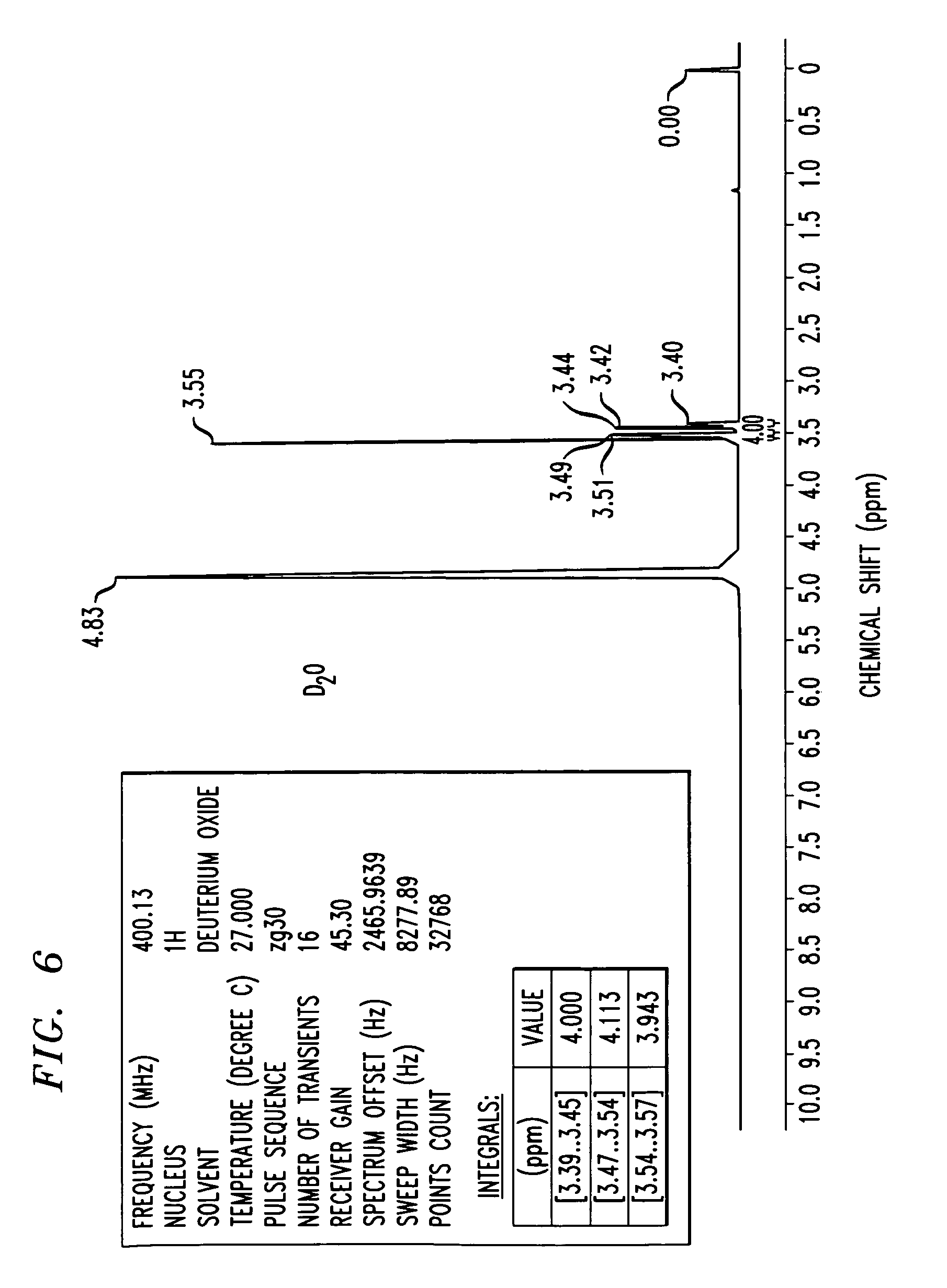
    Figure 6 is 1HNMR of Sugammadex prepared according to example 6

    str0

    Figure 7 is 13CNMR of Sugammadex prepared according to example 6

    str0

    Figure 12 is 1HNMR of Sugammadex prepared according to example 8

    SEE PATENT PLEASE

    Figure 13 is HPLC profile of Sugammadex prepared according to process of example 1 of WO2014125501.

    scheme 1.

    scheme 2.

    the process for preparation of Sugammadex sodium comprising reaction of 6-perdeoxy-6-per-chloro gamma cyclodextrin (Formula II) with 3-mercaptopropionic acid in presence of alkali metal amide selected from lithium amide, sodium amide (sodamide) or potassium amide to get Sugammadex sodium.

    Sugammadex Sodium

    scheme 4.

    the present invention provides process for preparation of Sugammadex comprising reacting the acid of Sugammadex of formula (IV) with sodium hydroxide to form Sugammadex sodium of formula (I).

    Formula IV Formula I

    Scheme 6

    scheme 7.

    scheme 8.

    scheme 9.

    Examples

    Example 1

    [0079] Preparation of 6-perdeoxy-6-per-chloro gammacyclodextrin

    In a four-neck round bottomed flask (2L) equipped with mechanical stirrer, thermometer pocket in a tub charged anhydrous DMF (250ml) under nitrogen atmosphere. Triphosgene (36.5g, 0.123mol) was added to the flask at 0-15°C and the mixture was stirred for lh. Dry gamma cyclodextrin (20g, 0.015mol) was added to the obtained slurry with stirring for 30 min followed by addition of DMF (50ml). The reaction mixture was heated at 65-70°C 16 h. After the completion of reaction, the reaction mixture was cooled and diisopropyl ether (800ml) was charged to the mixture to precipitate out the material. The solvent mixture of DMF and diisopropyl ether was decanted off from the reaction mixture to obtain gummy brown mass. The reaction mass was treated with saturated sodium bicarbonate solution (800ml) which leads to precipitation of the solid. The precipitated solid was filtered, washed with the water (250x3ml) and dried. This compound was used for the next step without any purification.

    Yield: 95%, HPLC Purity: 99%

    Example 2

    [0080] Preparation of 6-perdeoxy-6-per-chloro gamma-cyclodextrin

    In a 5L four-necked flask equipped with stirrer, dropping funnel, nitrogen inlet, and thermometer with pocket, oxalyl chloride (293.8g, 198.5ml, 2315mmol) was added to DMF (1200 ml) and maintained the mixture at 0-5°C under nitrogen followed by stirring at 20-25°C for lhr. A solution of gamma-cyclodextrin (lOOg, 77.16mmol) in DMF (500ml) was added to above mixture at 5-10°C under nitrogen. The mixture was stirred at 65-70°C for 14- 16 hr. After the completion of reaction, the reaction mixture was cooled to 20-25°C and diluted with diisopropyl ether (1.2L). The organic layer was decanted and the viscous residue was treated with 10% NaOH solution at 5- 10°C until PH = 8. The resulting slurry was stirred for one hour at 20-25°C. The slurry was filtered under vacuum and the solid was washed with water (3 x 500ml) and dried under vacuum. The crude material was suspended in methanol (750ml), stirred for 30min, filtered under vacuum and washed with diisopropyl ether (500ml). The solid obtained was dried at 55- 60°C in an oven for 12-16hr to afford the titled compound (95g).

    Yield: 85%, Purity: 98%, melting point: 226-228°C

    lH NMR (400 MHz, DMSO-d6): δ 6.0 (br s., 16 H), 4.99 (m, 8 H), 4.04 (d, J = 10 Hz, 8 H), 3.87

    – 3.78 (m, 16H), 3.64 – 3.56 (m, 8 H), 3.46 – 3.34 (m, 16 H) ppm.

    13C NMR (100 MHz, DMSO-d6): δ 101.98, 82.93, 72.30, 72.16, 71.11, 44.92 ppm.

    Mass: m/z (M+Na)+ calcd for
    1463.14; found: 1463.06.

    Example 3

    [0081] Preparation of 6-perdeoxy-6-per-chloro gamma-cyclodextrin

    In a clean, dried 50L glass reactor equipped with stirrer, dropping funnel, nitrogen inlet, and thermometer with pocket was charged anhydrous dimethylformamide (15L, moisture content NMT 0.4%) while maintaining the temperature at 0-5°C (using dry ice acetone bath). Oxalyl chloride (2L, 23635mmol, 30eq) was added slowly over a period 4-5hr (while maintaining the temperature below 5°C) and stirring was continued for lhr at the same temperature. A solution of dry gamma-cyclodextrin (1.0kg, 770.94mmol) dissolved in dimethylformamide (5L) was added slowly into the above reaction mixture. The solution was heated at 65-70°C for 16hr. The reaction was monitored by TLC at regular intervals. After the completion of reaction, the reaction mixture was cooled to room temperature and diisopropyl ether (10L) was added to the reaction mixture with stirring. The gummy solid precipitate out. The upper layer solvent was decanted, the gummy brown material was cooled to 0 to 5°C and was neutralized (pH 8.0) with slow addition of aqueous sodium hydroxide solution (20%, 5L) with stirring. The slurry obtained was stirred for lhr at temperature 0 to 5°C. The precipitate was filtered, washed with the water (3 x 2L) and dried under vacuum. The wet cake was suspended into methanol (10L), stirred, filtered, washed with diisopropyl ether (2L) and dried in oven at 60°C for 14-16hr to give the titled compound (980g). Yield: 87.9%, Purity: 98.1% as measured by HPLC.

    Example 4

    [0082] Preparation of Sugammadex sodium

    In a four-neck round bottomed flask (3L) equipped with mechanical stirrer, thermometer pocket in a tub under the nitrogen atmosphere, anhydrous DMF (300ml) and 3-Mercaptopropionic acid (18.3g, 0.172mol) were charged at 0-5°C followed by addition of sodamide (20g, O.38mol). The reaction mixture was stirred at the same temperature for lh. 6-perdeoxy-6-per-chloro gamma cyclodextrin (25g, 0.017mol, as obtained in example 1) was charged slowly. The reaction mixture was heated at 90-95°C for 16h. After completion of reaction, the reaction mixture was cooled to room temperature and methanol (300ml) was added to it. The mixture was stirred and the precipitated material was filtered off. The precipitated material was dissolved in a mixture of methanol (50ml) and water (50ml) and re-precipitated with the excess addition of methanol (450ml). The solid was filtered and dried. Yield: 76%

    The dried solid was purified by the preparative HPLC method using formic acid buffer in mixture of acetonitrile and water (80:20%) followed by lyophilization to get acid of Sugammadex which is further converted to Sugammadex sodium using sodium hydroxide.

    Example 5

    [0083] Preparation of Sugammadex sodium

    In a four-neck round bottomed flask (5L) equipped with mechanical stirrer, thermometer pocket in a tub under the nitrogen atmosphere, anhydrous DMF (1500ml) and 3-mercaptopropionic acid (HOg, 1038mmol) were charged at 0-5°C followed by addition of sodamide (81g, 2077mmol). The mixture was stirred at the same temperature for lh. 6-perdeoxy-6-per-chloro gamma cyclodextrin (lOOg, 69.25mmol, as obtained in example 1) was charged slowly. Extra DMF (500ml) was added to the mixture. The temperature of the mixture was raised to 80-85°C and maintained for 16h. After completion of reaction, the reaction mixture was cooled to room temperature and methanol (1500 ml) was added to it. The mixture was stirred and the precipitated material was filtered off. The precipitated material (wet cake) was dissolved in a mixture of methanol (800ml) and water (800ml). Charcoal (50g) was added and the mixture was stirred for 30mins at 50-55°C. The solution was filtered off through a pad of celite. Methanol (2500ml) was added the solution and precipitated solid was filtered and dried furnishing the titled compound (105g). Yield: 69.6%, Purity: 85.3%.

    Example 6

    [0084] Preparation of Sugammadex sodium

    A clean, dried 10L four neck flask equipped with stirrer, dropping funnel, nitrogen inlet, and thermometer with pocket, was charged with a solution of sodium hydroxide (83g, 2077mmol) dissolved in water (100ml) followed by addition of anhydrous DMF (2L) maintained under inert atmosphere using nitrogen. A solution of 3-mercapto propionic acid (HOg, 1037mmol) in DMF (1L) was added slowly under nitrogen maintaining the temperature between 0-5°C. The mixture was stirred for another lhr at this temperature. A mixture of 6-deoxy-6-chloro gamma cyclodextrin (lOOg, 69mmol) in DMF (1L) was added slowly at 5-10°C. The resulting mixture was heated to 75-80°C for 16-20hr. After the completion of reaction, the reaction mixture was cooled to 25-30°C and methanol (1.5L) was added into the reaction mixture, the resulting precipitate was stirred at 20-25°C, filtered, and dried under vacuum. The dried solid was dissolved in water (1L), treated with activated carbon (50 g, 5%) at 50°C, stirred and filtered through celite. The filtrate was stirred at 60°C and excess methanol (2.5L) was added slowly to the filtrate to get the precipitate. The precipitated material was filtered under vacuum as white solid, washed with methanol (500ml) and dried in oven to give pure Sugammadex sodium (90 g).

    Yield: 90 g, Purity: 91.2%.

    lU NMR (400 MHz, D20): δ 5.09 (m, 8H); 3.98-3.94 (m, 8H); 3.88-3.83 (m, 8H); 3.58-3.52 (m, 16H); 3.07-3.01 (m, 8H); 2.92-2.87 (m, 8H); 2.78-2.74 (m, 16H); 2.34-2.47 (m, 16H) ppm.

    13C NMR (100 MHz, D20): δ 180.18, 100.60, 81.96, 72.14, 71.84, 70.72, 37.24, 32.83, 29.06 ppm. Mass: m/z (M-Na7+H6)+ calcd for C72HnoNa048S8: 2023.12; found: 2023.39.

    Example 7

    Preparation of Sugammadex acid (Compound of formula IV)

    In a clean, dried 5L four neck flask equipped with stirrer, dropping funnel, nitrogen inlet, and thermometer with pocket was charged dimethylformamide (1500ml) followed by addition of potassium hydroxide (194.0 g, 3464mmol) and the mixture maintained at 0-5°C. A solution of 3-mercapto propionic acid (186.35g, 153.0ml, 1756mmol) in DMF (500ml) was added to the reactor over a period of 30 minutes under nitrogen while maintaining the temperature between 0-5°C. The

    resulting mixture was stirred at this temperature for 60 minutes. A solution of 6-deoxy-6-chloro gamma cyclodextrin (lOOg, 69.22mmol) in DMF (500ml) was added to the flask. The resulting mixture was heated at 110-120°C for 1.5-2hr while monitoring the progress of the reaction through HPLC. After completion of the reaction, the temperature of the reaction mixture was brought to 40-50°C and methanol (1000ml) was added to the mixture. The resulted precipitate was stirred at 20-25°C for lhr, filtered under vacuum and washed with methanol (500ml). The wet solid was dissolved in water (2000ml) with vigorous stirring and the solution was acidified with concentrated hydrochloric acid to give the white solid precipitate. The precipitated solid was filtered and suspended in ethyl acetate (500 ml), stirred for 30 minutes and filtered. The solid was dried to afford the titled compound (75g).

    Yield: 55%, Purity: 95.8% as measured by HPLC.

    lH NMR (400 MHz, DMSO-d6): δ 5.94 (br. s, 16H), 3.82-3.73 (m, 8H), 3.63-3.54 (m, 8H), 3.43-3.32 (m, 16H), 3.08-3.02 (m, 8H), 2.89-2.81 (m, 8H), 2.78-2.72 (m, 16H), 2.55-2.43 (m, 16H) ppm.

    13C NMR (100 MHz, DMSO-d6): δ 173.00, 102.01, 83.94, 72.45, 72.33, 71.36, 34.53, 33.08, 27.87 ppm.

    Mass: m/z (M-H2+K) + calcd for C72Hno048S8K: 2039.24; found: 2039.26.

    Example 8

    Preparation of Sugammadex Sodium

    In a clean, dried 3L four neck flask equipped with stirrer, dropping funnel, nitrogen inlet, and thermometer with pocket, the compound (75g) as obtained in example 4 was dissolved in solution of sodium hydroxide (37.5g, 0.937mol) in water (100ml) and methanol (100ml). The pH of resultant mixture was maintained between 8-10. To this mixture methanol (1.5L) was slowly added at room temperature and the mixture was stirred for additional 30 minutes. The precipitated white solid was filtered off under vacuum and thoroughly washed with methanol (500ml). The solid was dried at 50°C under vacuum oven for 24hr to afford Sugammadex sodium (79g).

    Yield: 96.9%, Purity: 95.5% measured by HPLC.

    PATENT
    Cited Patent Filing date Publication date Applicant Title
    WO2012025937A1 Aug 23, 2011 Mar 1, 2012 Ramamohan Rao Davuluri Improved process for preparation of sugammadex
    US5569756 * Mar 21, 1995 Oct 29, 1996 American Maize-Products Company Purification of chemically modified cyclodextrins
    US6670340 Nov 23, 2000 Dec 30, 2003 Akzo Nobel 6-Mercapto-cyclodextrin derivatives:reversal agents for drug-induced neuromuscular block
    Cited Patent Filing date Publication date Applicant Title
    WO2001040316A1 * Nov 23, 2000 Jun 7, 2001 Akzo Nobel N.V. 6-mercapto-cyclodextrin derivatives: reversal agents for drug-induced neuromuscular block
    US6670340 Nov 23, 2000 Dec 30, 2003 Akzo Nobel 6-Mercapto-cyclodextrin derivatives:reversal agents for drug-induced neuromuscular block
    Reference
    1 * KAZIMIERZ CHMURSKI ET AL.: “An Improved Synthesis of 6-Deoxyhalo Cyclodextrins via Halomethylenemorpholinium Halides Vilsmeier-Haack Type Reagents.“, TETRAHEDRON LETTERS, vol. 38, no. 42, 1997, pages 7365 – 7368, XP004111215
    2 * See also references of EP2609120A4
    Citing Patent Filing date Publication date Applicant Title
    WO2014125501A1 Apr 8, 2013 Aug 21, 2014 Neuland Laboratories Limited An improved process for preparation of sugammadex sodium
    WO2015181224A1 May 27, 2015 Dec 3, 2015 Universitaet Des Saarlandes Novel water soluble 6-thioalkyl-cyclodextrins and uses thereof

    FDA Orange Book Patents

    FDA Orange Book Patents: 1 of 3
    Patent 6949527
    Expiration Jan 27, 2021
    Applicant ORGANON SUB MERCK
    Drug Application N022225 (Prescription Drug: BRIDION. Ingredients: SUGAMMADEX SODIUM)
    FDA Orange Book Patents: 2 of 3
    Patent 7265099
    Expiration Aug 7, 2020
    Applicant ORGANON SUB MERCK
    Drug Application N022225 (Prescription Drug: BRIDION. Ingredients: SUGAMMADEX SODIUM)
    FDA Orange Book Patents: 3 of 3
    Patent RE44733
    Expiration Jan 27, 2021
    Applicant ORGANON SUB MERCK
    Drug Application N022225 (Prescription Drug: BRIDION. Ingredients: SUGAMMADEX SODIUM)

    References

    1. Jump up^ Miller R (2007). “Sugammadex: an opportunity to change the practice of anesthesiology?”. Anesth Analg. 104 (3): 477–8. doi:10.1213/01.ane.0000255645.64583.e8. PMID 17312188.
    2. Jump up^ Eleveld DJ; Kuizenga, K; Proost, JH; Wierda, JM (2008). “A Temporary Decrease in Twitch Response During Reversal of Rocuronium-Induced Muscle Relaxation with a Small Dose of Sugammadex”. Anesth Analg. 104 (3): 582–4. doi:10.1213/01.ane.0000250617.79166.7f. PMID 17312212.
    3. Jump up^ Welliver M (2006). “New drug sugammadex; A selective relaxant binding agent”. AANA J 74(5): 357–363. PMID 17048555
    4. Jump up^ Decoopman M (2007). “Reversal of pancuronium-induced block by the selective relaxant binding agent sugammadex”. Eur J Anaesthesiol. 24(Suppl 39):110-111.
    5. Jump up^ Pühringer FK, Rex C, Sielenkämper AW, et al. (August 2008). “Reversal of profound, high-dose rocuronium-induced neuromuscular blockade by sugammadex at two different time points: an international, multicenter, randomized, dose-finding, safety assessor-blinded, phase II trial”. Anesthesiology. 109 (2): 188–97. doi:10.1097/ALN.0b013e31817f5bc7. PMID 18648227.
    6. Jump up^ Abrishami A, Ho J, Wong J, Yin L, Chung F. (October 2009). Abrishami, Amir, ed. “Sugammadex, a selective reversal medication for preventing postoperative residual neuromuscular blockade”. Cochrane Database of Systematic Reviews (4): CD007362. doi:10.1002/14651858.CD007362.pub2. PMID 19821409.
    7. Jump up^ Yang LPH, Keam SJ.[1].Drugs 2009;69(7):919-942. doi:10.2165/00003495-200969070-00008.
    8. Jump up^ Naguib M (2007). “Sugammadex: another milestone in clinical neuromuscular pharmacology.”. Anesth Analg 104(3): 575–81. PMID 17312211
    9. Jump up^ “U.S. FDA Issues Action Letter for Sugammadex” (Press release). Schering-Plough. 2008-08-01. Retrieved 2008-08-02.
    10. Jump up^ “FDA approves Bridion to reverse effects of neuromuscular blocking drugs used during surgery” (Press release). Food and Drug Administration. 2015-12-15. Retrieved 2015-12-15.
    11. Jump up^ “BRIDION(R) (sugammadex) Injection – First and Only Selective Relaxant Binding Agent – Approved in European Union” (Press release). Schering-Plough. 2008-07-29. Retrieved 2008-08-02.
    12. http://www.aana.com/newsandjournal/documents/p357-363_sugammadex.pdf

    REFERENCES

    1: Takazawa T, Mitsuhata H, Mertes PM. Sugammadex and rocuronium-induced anaphylaxis. J Anesth. 2016 Apr;30(2):290-7. doi: 10.1007/s00540-015-2105-x. Epub 2015 Dec 8. Review. PubMed PMID: 26646837; PubMed Central PMCID: PMC4819478.

    2: Abad-Gurumeta A, Ripollés-Melchor J, Casans-Francés R, Espinosa A, Martínez-Hurtado E, Fernández-Pérez C, Ramírez JM, López-Timoneda F, Calvo-Vecino JM; Evidence Anaesthesia Review Group. A systematic review of sugammadex vs neostigmine for reversal of neuromuscular blockade. Anaesthesia. 2015 Dec;70(12):1441-52. doi: 10.1111/anae.13277. Review. PubMed PMID: 26558858.

    3: Ledowski T. Sugammadex: what do we know and what do we still need to know? A review of the recent (2013 to 2014) literature. Anaesth Intensive Care. 2015 Jan;43(1):14-22. Review. PubMed PMID: 25579285.

    4: Partownavid P, Romito BT, Ching W, Berry AA, Barkulis CT, Nguyen KP, Jahr JS. Sugammadex: A Comprehensive Review of the Published Human Science, Including Renal Studies. Am J Ther. 2015 Jul-Aug;22(4):298-317. doi: 10.1097/MJT.0000000000000103. Review. PubMed PMID: 25299638.

    5: Jahr JS, Miller JE, Hiruma J, Emaus K, You M, Meistelman C. Sugammadex: A Scientific Review Including Safety and Efficacy, Update on Regulatory Issues, and Clinical Use in Europe. Am J Ther. 2015 Jul-Aug;22(4):288-97. doi: 10.1097/MJT.0000000000000092. Review. PubMed PMID: 25299637.

    6: de Boer HD, Shields MO, Booij LH. Reversal of neuromuscular blockade with sugammadex in patients with myasthenia gravis: a case series of 21 patients and review of the literature. Eur J Anaesthesiol. 2014 Dec;31(12):715-21. doi: 10.1097/EJA.0000000000000153. Review. PubMed PMID: 25192270.

    7: Tsur A, Kalansky A. Hypersensitivity associated with sugammadex administration: a systematic review. Anaesthesia. 2014 Nov;69(11):1251-7. doi: 10.1111/anae.12736. Epub 2014 May 22. Review. PubMed PMID: 24848211.

    8: Luxen J, Trentzsch H, Urban B. [Rocuronium and sugammadex in emergency medicine: requirements of a muscle relaxant for rapid sequence induction]. Anaesthesist. 2014 Apr;63(4):331-7. doi: 10.1007/s00101-014-2303-1. Review. German. PubMed PMID: 24595442.

    9: Fuchs-Buder T, Meistelman C, Raft J. Sugammadex: clinical development and practical use. Korean J Anesthesiol. 2013 Dec;65(6):495-500. doi: 10.4097/kjae.2013.65.6.495. Epub 2013 Dec 26. Review. PubMed PMID: 24427454; PubMed Central PMCID: PMC3888841.

    10: Dubois PE, Mulier JP. A review of the interest of sugammadex for deep neuromuscular blockade management in Belgium. Acta Anaesthesiol Belg. 2013;64(2):49-60. Review. PubMed PMID: 24191526.

    11: Van Gestel L, Cammu G. Is the effect of sugammadex always rapid in onset? Acta Anaesthesiol Belg. 2013;64(2):41-7. Review. PubMed PMID: 24191525.

    12: Schaller SJ, Fink H. Sugammadex as a reversal agent for neuromuscular block: an evidence-based review. Core Evid. 2013;8:57-67. doi: 10.2147/CE.S35675. Epub 2013 Sep 25. Review. PubMed PMID: 24098155; PubMed Central PMCID: PMC3789633.

    13: Nag K, Singh DR, Shetti AN, Kumar H, Sivashanmugam T, Parthasarathy S. Sugammadex: A revolutionary drug in neuromuscular pharmacology. Anesth Essays Res. 2013 Sep-Dec;7(3):302-6. doi: 10.4103/0259-1162.123211. Review. PubMed PMID: 25885973; PubMed Central PMCID: PMC4173552.

    14: Karalapillai D, Kaufman M, Weinberg L. Sugammadex. Crit Care Resusc. 2013 Mar;15(1):57-62. Review. PubMed PMID: 23432503.

    15: Øberg E, Claudius C. [Possible clinical potential in reverting muscular block with sugammadex in anaesthesia and surgery]. Ugeskr Laeger. 2013 Feb 11;175(7):428-32. Review. Danish. PubMed PMID: 23402253.

    16: Della Rocca G, Di Marco P, Beretta L, De Gaudio AR, Ori C, Mastronardi P. Do we need to use sugammadex at the end of a general anesthesia to reverse the action of neuromuscular bloking agents? Position Paper on Sugammadex use. Minerva Anestesiol. 2013 Jun;79(6):661-6. Epub 2012 Nov 29. Review. PubMed PMID: 23192221.

    17: Stair C, Fernandez-Bustamante A. Sugammadex, the first selective relaxant binding agent for neuromuscular block reversal. Drugs Today (Barc). 2012 Jun;48(6):405-13. doi: 10.1358/dot.2012.48.6.1813474. Review. PubMed PMID: 22745926.

    18: Baldo BA, McDonnell NJ, Pham NH. The cyclodextrin sugammadex and anaphylaxis to rocuronium: is rocuronium still potentially allergenic in the inclusion complex form? Mini Rev Med Chem. 2012 Jul;12(8):701-12. Review. PubMed PMID: 22512555.

    19: Fuchs-Buder T, Meistelman C, Schreiber JU. Is sugammadex economically viable for routine use. Curr Opin Anaesthesiol. 2012 Apr;25(2):217-20. doi: 10.1097/ACO.0b013e32834f012d. Review. PubMed PMID: 22157200.

    20: Baldo BA, McDonnell NJ, Pham NH. Drug-specific cyclodextrins with emphasis on sugammadex, the neuromuscular blocker rocuronium and perioperative anaphylaxis: implications for drug allergy. Clin Exp Allergy. 2011 Dec;41(12):1663-78. doi: 10.1111/j.1365-2222.2011.03805.x. Epub 2011 Jul 7. Review. PubMed PMID: 21732999.


    BRIDION (sugammadex) injection, for intravenous use, contains sugammadex sodium, a modified gamma cyclodextrin chemically designated as 6A,6B,6C,6D,6E,6F,6G,6H-Octakis-S-(2-carboxyethyl)6A,6B,6C,6D,6E,6F,6G,6H-octathio-γ-cyclodextrin sodium salt (1:8) with a molecular weight of 2178.01. The structural formula is:

    Gamma cyclodextrin - Structural Formula Illustration

    BRIDION is supplied as a sterile, non-pyrogenic aqueous solution that is clear, colorless to slightly yellow-brown for intravenous injection only. Each mL contains 100 mg sugammadex, which is equivalent to 108.8 mg sugammadex sodium. The aqueous solution is adjusted to a pH of between 7 and 8 with hydrochloric acid and/or sodium hydroxide. The osmolality of the product is between 300 and 500 mOsmol/kg.

    BRIDION may contain up to 7 mg/mL of the mono OH-derivative of sugammadex [see CLINICAL PHARMACOLOGY]. This derivative is chemically designated as 6A,6B,6C,6D,6E,6F,6G-Heptakis-S-(2carboxyethyl)-6A,6B,6C,6D,6E,6F,6G-heptathio-γ-cyclodextrin sodium salt (1:7) with a molecular weight of 2067.90. The structural formula is:

    Sugammadex - Structural Formula Illustration
    Sugammadex
    Sugammadex sodium.svg
    Sugammadex sodium 3D front view.png
    Clinical data
    AHFS/Drugs.com International Drug Names
    License data
    Routes of
    administration
    Intravenous
    Legal status
    Legal status
    Identifiers
    CAS Number 343306-79-6 
    ATC code V03AB35 (WHO)
    PubChem CID 6918584
    ChemSpider 5293781 
    UNII 361LPM2T56 Yes
    KEGG D05940 Yes
    ChEBI CHEBI:90952 
    Chemical data
    Formula C72H104Na8O48S8
    Molar mass 2178 g/mol
    3D model (Jmol) Interactive image

    /////////SUGAMMADEX, Sugammadex Sodium, D05940, SUYDEX SODIUM, UNII-ERJ6X2MXV7, fda 2015, bridion, Org25969,  Org-25969, Org 25969,  361LPM2T56

    O[C@@H]1[C@@H](O)[C@@H]2O[C@H]3O[C@H](CSCCC(O)=O)[C@@H](O[C@H]4O[C@H](CSCCC(O)=O)[C@@H](O[C@H]5O[C@H](CSCCC(O)=O)[C@@H](O[C@H]6O[C@H](CSCCC(O)=O)[C@@H](O[C@H]7O[C@H](CSCCC(O)=O)[C@@H](O[C@H]8O[C@H](CSCCC(O)=O)[C@@H](O[C@H]9O[C@H](CSCCC(O)=O)[C@@H](O[C@H]1O[C@@H]2CSCCC(O)=O)[C@H](O)[C@H]9O)[C@H](O)[C@H]8O)[C@H](O)[C@H]7O)[C@H](O)[C@H]6O)[C@H](O)[C@H]5O)[C@H](O)[C@H]4O)[C@H](O)[C@H]3O

    O=C(O[Na])CCSC[C@@H]1OC(O[C@@H]2[C@H]([C@H](O)C(O[C@H]3[C@H](CSCCC(O[Na])=O)OC(O[C@H]4[C@H](CSCCC(O[Na])=O)OC5[C@@H](O)[C@@H]4O)[C@@H](O)[C@@H]3O)O[C@H]2CSCCC(O[Na])=O)O)[C@@H](O)[C@H](O)[C@H]1OC(O[C@@H](CSCCC(O[Na])=O)[C@H](OC6[C@@H](O)[C@H](O)[C@@H](OC7[C@@H](O)[C@H](O)[C@@H](OC8[C@@H](O)[C@H](O)[C@@H](O5)[C@H](CSCCC(O[Na])=O)O8)[C@H](CSCCC(O[Na])=O)O7)[C@H](CSCCC(O[Na])=O)O6)[C@H]9O)[C@H]9O

    C(CSCC1C2C(C(C(O1)OC3C(OC(C(C3O)O)OC4C(OC(C(C4O)O)OC5C(OC(C(C5O)O)OC6C(OC(C(C6O)O)OC7C(OC(C(C7O)O)OC8C(OC(C(C8O)O)OC9C(OC(O2)C(C9O)O)CSCCC(=O)[O-])CSCCC(=O)[O-])CSCCC(=O)[O-])CSCCC(=O)[O-])CSCCC(=O)[O-])CSCCC(=O)[O-])CSCCC(=O)[O-])O)O)C(=O)[O-].[Na+].[Na+].[Na+].[Na+].[Na+].[Na+].[Na+].[Na+]

    A PRESENTATION


    Image result for waitThe presentation will load below

    Sigma-concepts.com a Website for excellent reading with figures & diagrams


    6sigmaconceptsstr0

    READ  http://6sigma-concepts.com/

    Dr. Amrendra Kumar Roy

    Dr. Amrendra Kumar Roy

    QbD Head, Jubilant Generics, NOIDA

    A Six-sigma and QbD professional

    sigma-concepts.com WEBSITE

    https://www.facebook.com/6sigmaconcepts/

    Resistive Technosource Private Limited

    206 II floor Devika Chamber, RDC, Hapur Rd, Block 1, P & T Colony, Raj Nagar, Ghaziabad, Uttar Pradesh 201002
    QUOTE………..

    OUR VISION


    We would like to share our ~13 yrs of practical experience in the field of product development using statistical tools. But first, what compelled us to pursue six-sigma. Most of us started our career as a process chemist after completing PhD and it was during those initial days we realized the importance of “first time right” during commercialization. This enabled not only first mover advantage but also ensured timely and un-interrupted supply of our products into the market. Another aspect of the process development is its robustness, which ensures sustainable margins in whatever products we manufacture. Above achievement was possible only because of the six-sigma tools that we learned and applied at R&D stage. Latter we shifted our focus to the legacy products running in the plants, which we again studied using six-sigma tools to beat the eroding margins and this was possible because of few chemical engineers with six-sigma black belt joined the team.

    As a chemist we were never trained on statistical tools hence, it was really a Herculean task for us to understand it. Another problem we faced was the statistical software, we would like to confess that we were never comfortable using these software as we were aware of “garbage in and garbage out” concept very well. We were never confident of the calculations thrown by software because we were not acquainted with the statistics. To site some examples

    We were using regression analysis on five variables and found that we were getting an R Sq. of ~0.99 by including all five variables. We were happy about the results but we failed to realize that Adj. R Sq. has decreased while we added 4th and 5th variable, ending with a regression equation with un-necessary terms in it. As a result, we un-necessarily proposed control strategies for those insignificant variables which involved investment.

    Another mistake we often made is to ignore the outliers during the Design of Experiments (DOE)! But we always wonder why we were ignoring these outliers? Just because we wanted to have a good regression equation? Are we not doubting our own experimental data? Later on we learned that if we keep ignoring the outliers just to have a good model, we would ultimately be modeling the system noise rather than modeling the effect. It is better to investigate the cause of outlier rather than ignoring it.

    Above examples made us realize that having theoretical knowledge of six-sigma is not enough, it is the practical experience that really matters. Real challenge is the correct analysis of the experiments data so that the product could be scaled up without any problem. Learning to do the correct statistical analysis using any software was the mantra of the game. We should be confident that whatever output we are getting from the software is correct and this is possible only if we have good understanding of the statistical concepts. We are not saying that we should master the statistics but we must have clear understanding of the concepts before we use any software. It took us too long to understand these fundamentals aspects of applied statistics, main reason being the absence of statistical guru with adequate industrial experience. But major hurdle was to find a good tutor or at least a good book which can explain the concepts without involving too much of the statistics. We started looking for applied statistics courses and we found some solace in the “research methodology” module of MBA courses. Having gone through it, it gave us the confidence that six sigma tools can be learned without having in-depth knowledge of statistics.

    During last 7-8 years we developed our own way of learning applied statistics with the help of diagrams and figures. During this journey we also found that each statistical topic have some connections with other topics and we can’t study any topic in isolation.

    How normal distribution and hypothesis testing is working behind the scene in ANOVA, DoE, regression analysis and control charts. 

    Having gone through these hardship, I decided to share the experience with all those who like to understand the six sigma tools but are reluctant in doing so because of the statistics involved. Our website would help all six-sigma aspirants to understand the statistical concepts with the help of figures and diagrams. We would also be helping you in understanding the relationship between two unrelated topics like hypothesis testing and control charts.

    Another feature that will help you is the solved example from the industry. Hence this would be an ideal website if you wish to appear for green/black belt exam from a reputed institute. We are saying this because we ourselves are ASQ certified six-sigma black belt and we want to share one important thing about the exam that we experienced, you can’t clear the exam unless you have understood the statistical concepts behind every six sigma tools. When we are saying understanding the statistical concepts, it doesn’t means learning pure statistics but only the concepts behind any tool, their advantages and limitations. This becomes important as ASQ never asks direct questions but questions are applied in nature. For example

    A bulb production process found to follow normal distribution. A sample of 100 bulbs were drawn from a batch of 1000000 at random and found to have a mean life time of 1525 hrs. Historical mean life time was found to be 1548 hrs. with a standard deviation of 200 hrs. What is the percentage of bulbs having a life span of exactly 1548 hrs. from the current batch?

    A manufacturing process was under optimization in a plant and a sample to 10 bags were selected at random from each batch. There were 5 batches in total and the mean weight (in Kgs) of the samples (10 bags) withdrawn are 100.5, 101.1, 99.8, 100.2 and 99.95. The range (in Kg) for these consecutive 5 batches were found to be 0.7, 0.9, 0.8, 0.9 and 1 Kg. Calculate the control limits for the  chart.

    Problem looks simple, in first case just calculate the z-value to tell the percentage and in the second case appears to be a direct question where we can easily calculate the control limits. But there is a catch, in first case probability for z = any number is zero! it is always about finding the probability between two numbers for a continuous probability distribution. In second case, if you missed the opening statement “under optimization” you are wasting your time in calculating the control limits, as control charts are always calculated for the stable process. In either of the question if you start the calculation, we can ensure that you won’t be finishing the exam in time!

    Another major issue during applying six-sigma is the “use of right tool at the right place”. Hence our focus would not only to understand the concepts behind any statistical tools but also about selecting an appropriate tool for a given situation.

    This website will start posting the six sigma topics (mainly statistical portion) from first week of January, 2017. Hence get registered on this course as soon as possible. The way we are planning to run the course is by posting one topic every week so that we can understand it well before taking subsequent topic. We are doing it in a slow pace because once we are on some advanced topic say “normal distribution” then at that time we should not be struggling with topics like variance, mean, z-transformation etc. Each topic will be followed by real life examples so that one can understand not only the concepts but also the use of appropriate tools. At the end of each topic we will also be demonstrating the use of excel sheet in resolving statistical problems. We are emphasizing on excel sheet as it is available to all. This would be our main USP during the course.

    UNQUOTE………

    //////////QBD, 6sigma-concepts.com, AMRENDRA ROY

    New EDQM’s Public Document informs about the Details required in a New CEP Application for already Referenced Substances


    DR ANTHONY MELVIN CRASTO Ph.D's avatarDRUG REGULATORY AFFAIRS INTERNATIONAL

    Image result for CEP EDQM

    A Policy Document recently published by the EDQM describes regulations for referencing already existing CEPs in an application for a new CEP. Read more about how the certificates of an intermediate or starting material have to be used in new applications for a CEP.

    click

    http://www.gmp-compliance.org/enews_05624_New-EDQM-s-Public-Document-informs-about-the-Details-required-in-a-New-CEP-Application-for-already-Referenced-Substances_15429,15332,15982,15721,S-WKS_n.html

    When applying for a Certificate of Suitability (CEP) for an API, detailed information has to be provided regarding the synthesis stages, the starting material and the intermediates. In the event that the starting materials or the intermediates are already covered by a CEP, the EDQM has recently published a “Public Document” entitled “Use of a CEP to describe a material used in an application for another CEP”. The document contains regulations on how to reference the “CEP X” of a starting material or an intermediate in the application for the “CEP Y” of an API. The requirements for both scenarios are described as follows:

    View original post 290 more words

    Acetylcholine Chloride


    Acetylcholine Chloride

    2-acetyloxyethyl(trimethyl)azanium;chloride

    60-31-1

    Molecular Formula: C7H16ClNO2
    Molecular Weight: 181.66 g/mol

    Acetylcholine chloride is obtained as white or off-white hygroscopic crystals, or as a crystalline powder. The salt is odorless, or nearly odorless, and is a very deliquescent powder. Acetylcholine bromide is obtained as deliquescent crystals, or as a white crystalline powder. The substance is hydrolyzed by hot water and alkali

    Image result for acetylcholine chloride

    Acetylcholine is an organic chemical that functions in the brain and body of many types of animals, including humans, as a neurotransmitter—a chemical released by nerve cells to send signals to other cells. Its name is derived from its chemical structure: it is an ester of acetic acid and choline. Parts in the body that use or are affected by acetylcholine are referred to as cholinergic. Substances that interfere with acetylcholine activity are called anticholinergics.

    Acetylcholine is the neurotransmitter used at the neuromuscular junction—in other words, it is the chemical that motor neurons of the nervous system release in order to activate muscles. This property means that drugs that affect cholinergic systems can have very dangerous effects ranging from paralysis to convulsions. Acetylcholine is also used as a neurotransmitter in the autonomic nervous system, both as an internal transmitter for the sympathetic nervous system and as the final product released by the parasympathetic nervous system.

    Inside the brain, acetylcholine functions as a neuromodulator—a chemical that alters the way other brain structures process information rather than a chemical used to transmit information from point to point. The brain contains a number of cholinergic areas, each with distinct functions. They play an important role in arousal, attention, and motivation.

    Partly because of its muscle-activating function, but also because of its functions in the autonomic nervous system and brain, a large number of important drugs exert their effects by altering cholinergic transmission. Numerous venoms and toxins produced by plants, animals, and bacteria, as well as chemical nerve agents such as Sarin, cause harm by inactivating or hyperactivating muscles via their influences on the neuromuscular junction. Drugs that act on muscarinic acetylcholine receptors, such as atropine, can be poisonous in large quantities, but in smaller doses they are commonly used to treat certain heart conditions and eye problems. Scopolamine, which acts mainly on muscarinic receptors in the brain, can cause delirium and amnesia. The addictive qualities of nicotine derive from its effects on nicotinic acetylcholine receptors in the brain.

    Chemistry

    Acetylcholine is a choline molecule that has been acetylated at the oxygen atom. Because of the presence of a highly polar, charged ammonium group, acetylcholine does not penetrate lipid membranes. Because of this, when the drug is introduced externally, it remains in the extracellular space and does not pass through the blood–brain barrier. A synonym of this drug is miochol.

    History

    Acetylcholine (ACh) was first identified in 1915 by Henry Hallett Dale for its actions on heart tissue. It was confirmed as a neurotransmitter by Otto Loewi, who initially gave it the name Vagusstoff because it was released from the vagus nerve. Both received the 1936 Nobel Prize in Physiology or Medicine for their work. Acetylcholine was also the first neurotransmitter to be identified.

    Image result for acetylcholine chloride

    CLIP

    Laboratory Synthesis Of Acetylcholine chloride

    Acetylcholine chloride Chemical Name: 2- (acetyl oxy)- N ,N ,N- tri methyl ethan aminium chloride

    Acetylcholine chloride Use: parasympathomimetic, miotic, vasodilator (peripheral)

    Acetylcholine chloride MW: 181.66

    Acetylcholine chloride MF: C7H16ClNO2

    Acetylcholine chloride LD50: 10 mg/kg (M, i.v.); 3 g/kg (M, p.o.);

    22 mg/kg (R, i.v.); 2500 mg/kg (R, p.o.)

    Reference(s):

    1. Baeyer, A. v.: Justus Liebigs Ann. Chem. (JLACBF) 142, 235 (1867).
    2. Nothnagel: Arch. Pharm. (Weinheim, Ger.) (ARPMAS) 232, 265 (1894).
    3. Fourneau, E.; Page, H.J.: Bull. Soc. Chim. Fr. (BSCFAS) [4] 15, 544 (1914).
    4. DE 801 210 (BASF; appl. 1948).
    5. US 1 957 443 (Merck & Co.; 1934; appl. 1931).
    6. US 2 012 268 (Merck & Co.; 1935; appl. 1931).
    7. US 2 013 536 (Merck & Co.; 1935; appl. 1931).

    Image result for acetylcholine chloride

    Acetylcholine
    Acetylcholine.svg
    IUPAC name 2-Acetoxy-N,N,N-trimethylethanaminium
    Abbreviation ACh
    Sources motor neuronsparasympathetic nervous system, brain
    Targets skeletal muscles, brain, many other organs
    Receptors nicotinicmuscarinic
    Agonists nicotinemuscarinecholinesterase inhibitors
    Antagonists tubocurarineatropine
    Precursor cholineacetyl-CoA
    Synthesizing enzyme choline acetyltransferase
    Metabolizing enzyme acetylcholinesterase
    Database links
    CAS Number 51-84-3 Yes
    PubChem CID: 187
    IUPHAR/BPS 294
    DrugBank EXPT00412 Yes
    ChemSpider 182 Yes
    KEGG C01996 

    Image result for acetylcholine chloride

    Image result for acetylcholine chloride

    1H NMR PREDICT


    13 C NMR PREDICT


    /////////CC(=O)OCC[N+](C)(C)C.[Cl-]

    Valdetamide


    Image result for Valdetamide

    CAS Registry Number: 512-48-1

    CAS Name: 2,2-Diethyl-4-pentenamide

    Additional Names: diethylallylacetamide

    Trademarks: Novonal (Hoechst)

    Molecular Formula: C9H17NO

    Molecular Weight: 155.24

    Percent Composition: C 69.63%, H 11.04%, N 9.02%, O 10.31%

    Literature References: Description: Bockmühl, Schaumann, Dtsch. Med. Wochenschr. 54, 270 (1928). Pharmacokinetics and metabolism: H. Uehleke, M. Brinkschulte-Freitas, Arch. Pharmacol. 302, 11 (1978). TLC determn in urine: E. Klug, P. Toffel, Arzneim.-Forsch. 29, 1651 (1979).

    Properties: White powder, mp 75-76°. Sol in 120 parts water; freely sol in alcohol, ether.

    Melting point: mp 75-76°

    Therap-Cat: Sedative, hypnotic.

    Keywords: Sedative/Hypnotic; Amides.

    Valdetamid (Valdetamide)

    Structural formula

    UV – spectrum

    Conditions : Concentration – 50 mg / 100 ml
    The solvent designation schedule methanol

    Water

    0.1 M HCl

    0.1M NaOH

    maximum absorption
    ε

    IR – spectrum

    Wavelength (μm)
    Wave number (cm -1 )

    Range
    10 largest peaks:
    Peak 53 55 57 67 69 81 112 126 127 140
    Value 152 848 115 141 929 156 286 999 338 238

    References

    • UV and IR Spectra. H.-W. Dibbern, RM Muller, E. Wirbitzki, 2002 ECV

    • NIST / EPA / NIH Mass Spectral Library 2008

    • Handbook of Organic Compounds. NIR, IR, Raman, and UV-Vis Spectra Featuring Polymers and Surfactants, Jr., Jerry Workman.Academic Press, 2000.

    • Handbook of ultraviolet and visible absorption spectra of organic compounds, K. Hirayama. Plenum Press Data Division, 1967.

    Brief background information

    Salt ATC Formula MM CAS
    N05C 9 H 17 NO 155.24 g / mol 512-48-1

    Using

    • hypnotic

    Classes substance

    • Amides

    Synthesis Way

    Synthesis of a)

    Trade names

    A country Tradename Manufacturer
    Germany Arantxa Hoechst
    Betadorm-H Woelm
    insomnia ICN
    Nokturetten Starke
    New Dolestan Much
    Ukraine no no

    Formulations

    • dragees 50 mg;

    • 300 mg Tablets

    References

    • DRP 473 329 (IG Farben; appl 1925.).

    • DRP 616 876 (IG Farben; appl 1930.).

    • DRP 622 875 (IG Farben; appl 1931.).

    • GB 253,950 (IG Farben; appl 1926;.. D-prior 1925).

    1H NMR PREDICT

    13C NMR PREDICT

    /////////

    Зопиклон , Zopiclone, زوبيكلون , 佐匹克隆


    Zopiclone structure.svg

    ZOPICLONE

    зопиклон
    زوبيكلون
    佐匹克隆
    (±)-Zopiclone
    1-Piperazinecarboxylic acid, 4-methyl-, 6-(5-chloro-2-pyridinyl)-6,7-dihydro-7-oxo-5H-pyrrolo[3,4-b]pyrazin-5-yl ester
    256-138-9 [EINECS]
    43200-80-2 [RN]

    Structural formula

    UV- Spectrum

    Conditions : Concentration – 1 mg / 100 ml
    The solvent designation schedule methanol 

    water 

    0.1М HCl

    0.1M NaOH

    maximum absorption There 

    decay

    303 nm 304 nm 277 nm 

    237 nm

    362 364 199

    390

    e 10500 10500 5800

    11300

    IR – spectrum

    Wavelength (μm)
    Wave number (cm -1 )

    MASS spectrum

    Range
    10 largest peaks:
    Peak 42 56 99 112 139 143 217 245 246 247
    Value 155 231 280 283 209 999 279 719 156 250

    References

    • UV and IR Spectra. H.-W. Dibbern, R.M. Muller, E. Wirbitzki, 2002 ECV

    • NIST/EPA/NIH Mass Spectral Library 2008

    • Handbook of Organic Compounds. NIR, IR, Raman, and UV-Vis Spectra Featuring Polymers and Surfactants, Jr., Jerry Workman. Academic Press, 2000.

    • Handbook of ultraviolet and visible absorption spectra of organic compounds, K. Hirayama. Plenum Press Data Division, 1967.

    Brief background information

    Salt ATC formula MM CASE
    N05CF01 17 H 17 ClN 6 O 3 388.82 g / mol 43200-80-2

    Application

    • sedative

    • hypnotic

    Classes substance

    • chlorine compounds

      • oxo

        • Esters of 1-piperazinecarboxylate

          • pyridines

            • Pirrolo [3,4-b] piraziny

    Synthesis Way

    Синтез a)

    Trade names

    country Tradename Manufacturer
    Germany Optydorm DOLORGIET
    Somnosan Hormos
    Ksimovan Sanofi-Aventis
    Zop HEXAL
    Zopi-cigar Actavis
    various generic drugs
    France imovane SanofiAventis
    Noktireks Sanofi-Synthélabo
    United Kingdom Snowman SanofiAventis
    Italy imovane SanofiAventis
    tion THERE
    Japan Amoʙan Sanofi-Aventis; Chugai; Mitsubishi
    Ukraine imovane Sanofi Winthrop Indastria, France
    various generic drugs

    Formulations

    • coated tablets 7.5 mg;

    • Tablets 7.5 mg, 10 mg

    References

    • DOS 2 300 491 (Rhône-Poulenc; appl. 5.1.1973; F-prior. 7.1.1972, 9.9.1972).

    • US 3 862 149 (Rhône-Poulenc; 21.1.1975; F-prior. 7.1.1972, 9.9.1972).

    Two major zopiclone metabolites.

    Two major zopiclone metabolites.

    CAS Registry No.: 43200-80-2
    Molecular Formula: C17H17ClN6O3 Molecular Weight: 388.8
    ChemicalStructure
    Compound Name:
    zopiclone

    1-piperazinecarboxylic acid, 4-methyl-, 6-(5-chloro-2-pyridinyl)-6,7-dihydro-7-oxo-5H-pyrrolo(3,4-b)pyrazin-5-yl ester

    4-methyl-1-piperazinecarboxylic acid 6-(5-chloro-2-pyridinyl)-6,7-dihydro-7-oxo-5H-pyrrolo(3,4-b)-pyrazin-5-yl ester

    4-methyl-1-piperazinecarboxylic acid-6-(5-chloro-2-pyridinyl)-6,7-dihydro-7-oxo-5H-pyrrolo(3,4-b)-pyrazin-5-yl ester

    6-(5-chloro-2-pyridyl)-6,7-dihydro-7-oxo-5H-pyrrolo(3,4-b)pyrazin-5-yl 4-methyl-1-piperazinecarboxylate

    6-(5-chloro-pyridin-2-yl)-5((4-methyl-1-piperazinyl)carbonyloxy)-7-oxo-6,7-dihydro-5H-pyrrolo(3,4-b)pyrazine

    6-(5-chloropyridin-2-yl)-7-oxo-6,7-dihydro-5H-pyrrolo(3,4-b)pyrazin-5-yl 4-methylpiperazine-1-carboxylate

    amoban (R)

    imovane

    Zopiclone (Imovance), 4-methyl-1-piperzinecarboxylic acid 6-(5-chloro-2- pyridinyl)-6,7-dihydro-7-oxo-5H-pyrrolo[3,4-b]pyrazin-5-yl ester (Figure 1) is one of the non benzodiazepine sedative-hypnotics of the cyclopyrrolone class, sold by Rhone-Poulene Company in France since 1987. Although structurally unrelated to benzodiazepines, its pharmacological profile is similar, exhibiting sedative-hypnotic, anxiolytic, myorelaxant, and anticonvulsant activity.[1] Other than the first generation barbiturates and the second-generation benzodiazepines, zopiclone, which is widely used in Europe as well as other regions worldwide,[2,3] as a representative of the third generation sedative-hypnotic drugs, has been shown to be free from residual effects on performance and psychological function the day after intake and from the risks of accumulation because of its short elimination half-life (3.5 to 6.5 hours).[3,4] It is indicated for the short term treatment of insomnia, transient, situational or chronic insomnia, and insomnia secondary to psychiatric disturbances.[3]

    REFERENCES 1. Mann, K.; Bauer, H.; Hiemke, C.; Ro¨schke, J.; Wetzel, H.; Benkert, O. Acute, subchronic and discontinuation effects of zopiclone on sleep EEG and nocturnal melatonin secretion. Eur. Neuropsychopharm. 1996, 6 (3), 163– 168. Structure Elucidation of Sedative-Hypnotic Zopiclone 359 Downloaded by [Dalhousie University] at 22:10 19 December 2012

    2. Le´ger, D.; Janus, C.; Pellois, A.; Quera-Salva, M.A.; Dreyfus, J.P. Sleep, morning alertness and quality of life in subjects treated with zopiclone and in good sleepers. study comparing 167 patients and 381 good sleepers. Eur. Psychiat. 1995, 10 (973) Suppl. 3, 99s – 102s.

    3. Piperaki, S.; Parissi-Poulou, M. Enantiomeric separation of zopiclone, its metabolites and products of degradation on a b-cyclodextrin bonded phase. J. Chromatogr. A 1996, 729 (1 – 2), 19 – 28

    Spectral Data Analyses and Structure Elucidation of Sedative‐Hypnotic Zopiclone

    Pages 349-360 | Received 10 Sep 2006, Accepted 18 Oct 2006, Published online: 13 Oct 2010

    Zopiclone
    Zopiclone structure.svg
    Zopiclone ball-and-stick.png
    Systematic (IUPAC) name

    (RS)-6-(5-chloropyridin-2-yl)-7-oxo-6,7-dihydro-5H-pyrrolo[3,4-b]pyrazin-5-yl 4-methylpiperazine-1-carboxylate

    Clinical data
    Trade names Imovane, Zimovane
    AHFS/Drugs.com International Drug Names
    Pregnancy
    category
    • AU: C
    • US: C (Risk not ruled out)
    Routes of
    administration
    Oral tablets, 3.75 mg (UK), 5 or 7.5 mg
    Legal status
    Legal status
    • AU: S4 (Prescription only)
    • UK: Class C (POM)
    • US: Schedule IV
    Pharmacokinetic data
    Bioavailability 75-80%[1]
    Protein binding 52–59%
    Metabolism Hepatic through CYP3A4and CYP2E1
    Biological half-life ~5 hours (3.5–6.5 hours)

    ~7–9 hours for over 65

    Excretion Urine (80%)
    Identifiers
    CAS Number 43200-80-2 Yes
    ATC code N05CF01 (WHO)
    PubChem CID 5735
    IUPHAR/BPS 7430
    DrugBank DB01198 Yes
    ChemSpider 5533 Yes
    UNII 03A5ORL08Q Yes
    KEGG D01372 Yes
    ChEBI CHEBI:32315 Yes
    ChEMBL CHEMBL135400 Yes
    PDB ligand ID ZPC (PDBeRCSB PDB)
    Chemical data
    Formula C17H17ClN6O3
    Molar mass 388.808 g/mol
    3D model (Jmol) Interactive image

    ////////////

    ENHANCED ANALYTICAL METHOD CONTROL STRATEGY CONCEPT


    DR ANTHONY MELVIN CRASTO Ph.D's avatarDRUG REGULATORY AFFAIRS INTERNATIONAL

    Image result for ANALYTICAL METHOD CONTROL STRATEGY

    ENHANCED ANALYTICAL METHOD CONTROL STRATEGY CONCEPT

    The benefits of quality by design (QbD) concepts related to both product (ICH Q8)1 and drug substance (ICH Q11)2 are well-established, particularly in regards to the potential to use knowledge to affect process changes without major regulatory hurdles, i.e., revalidation/regulatory filing, etc. Less wellestablished, but potentially of significant value, is the application of the same concepts to analytical methods.

    Analytical methods play an obvious key role in establishing the quality of final product as they establish conformance with product acceptance criteria (i.e., specifications) and indicate the integrity of the product through indication of product stability. Analytical methods are validated, like manufacturing processes, but what if the operational ranges could be established during method validation when demonstrating fitness for purpose?

    Would it be possible to drive method improvement, especially post validation in the same way that the concept of continuous improvement is a key driver for…

    View original post 414 more words

    Discovery of Pyrazolopyrimidine Derivatives as Novel Dual Inhibitors of BTK and PI3Kδ


    str2

    (-)-32 as an off-white solid.
    Analytical data
    LCMS 418 [M+H]+1
    H NMR (400 MHz, DMSO-d6) δ 8.23 (s, 1H), 6.88 (d, J = 8.0 Hz, 1H), 6.68 (s, 1H), 6.61 (dd,J = 11.2, 2.0 Hz, 1H), 6.49-6.38 (m, 2H), 6.33 (s, 1H), 5.61 (m, 1H), 4.88 (s, 2H), 4.20(t, J = 4.3 Hz, 2H), 3.35-3.18 (m, 6H).
    Optical rotation [α]D20 -38.5° (c = 0.107, DMSO)


    PAPER

    Discovery of Pyrazolopyrimidine Derivatives as Novel Dual Inhibitors of BTK and PI3Kδ

    Medivation, Inc., 525 Market Street, 36th Floor, San Francisco, California 94105, United States
    Integral BioSciences, Pvt. Ltd., C-64, Hosiery Complex Phase II Extension, Noida, Uttar Pradesh 201306, India
    § Curadev, Pvt. Ltd., B-87, Sector 83, Noida, Uttar Pradesh 201305, India
    Fundación Ciencia y Vida, Avenida Zañartu 1482, Ñuñoa, Santiago 7780272, Chile
    Departamento de Ciencias Biológicas, Facultad de Ciencias Biológicas, Universidad Andrés Bello, Santiago 8370146, Chile
    ACS Med. Chem. Lett., Article ASAP
    DOI: 10.1021/acsmedchemlett.6b00356

    Image result for Medivation, Inc

    Son Pham

    Son Pham

    Associate Director, Medicinal Chemistry at Medivation

    Roopa Rai

    Roopa Rai

    Sr. Director, Medicinal Chemistry at Medivation

     str0

    Brahmam Pujala

    Brahmam Pujala

    Senior Research Scientist at Integral Biosciences

    Ashu Gupta

    Ashu Gupta

    Research Scientist at Integral Biosciences

    rambabu guguloth

    Rambabu guguloth

    Abstract

    Abstract Image

    The aberrant activation of B-cells has been implicated in several types of cancers and hematological disorders. BTK and PI3Kδ are kinases responsible for B-cell signal transduction, and inhibitors of these enzymes have demonstrated clinical benefit in certain types of lymphoma. Simultaneous inhibition of these pathways could result in more robust responses or overcome resistance as observed in single agent use. We report a series of novel compounds that have low nanomolar potency against both BTK and PI3Kδ as well as acceptable PK properties that could be useful in the development of treatments against B-cell related diseases.

    Image result for Curadev

    Monali Banerjee

    Director, R&D

    Ms. Banerjee has more than 10 years of research experience, during which she has held positions of increasing responsibility. Her past organizations include TCG Lifesciences (Chembiotek) and Sphaera Pharma. Ms. Banerjee is a versatile scientist with a deep understanding of the fundamental issues that underlie various aspects of drug discovery. At Curadev, she has been responsible for target selection, patent analysis, pharmacophore design, assay development, ADME/PK and in vivo and in vitro pharmacology. Ms. Banerjee holds a Masters in Biochemistry and a Bachelors in Chemistry both from Kolkata University.

    Nidhi Adlaka & Neha Munjal are developing a bioprocess for butanediol. Over the next few decades, chemical routes of manufacture will gradually be replaced by more environment friendly biological methods.Nidhi Adlaka & Neha Munjal are developing a bioprocess for butanediol. Over the next few decades, chemical routes of manufacture will gradually be replaced by more environment friendly biological methods.

    Image result for Arjun Surya CURADEV

    Dr. Arjun Surya, CSO, Curadev enthralling participants with anecdotes of his entrepreneurial jrney in drugdiscovery

    Manish Tandon

    Manish Tandon

    Co-founder Curadev Pharma Pvt Ltd

    //////////////B-cell BCR BTK inhibitor p110δ PI3K pyrazolopyrimidineNovel Dual Inhibitors, BTK , PI3Kδ, Medivation, Integral BioSciences,  Curadev, Fundación Ciencia y Vida, Departamento de Ciencias Biológicas,

    Nc1ccc2CC(Cc2c1)n6nc(c3cc(F)c4OCCNc4c3)c5c(N)ncnc56

    PF 06273340


    str2img

    PF-06273340

    N-(5-(2-amino-7-(1-hydroxy-2-methylpropan-2-yl)-7H-pyrrolo[2,3-d]pyrimidine-5-carbonyl)pyridin-3-yl)-2-(5-chloropyridin-2-yl)acetamide

    CAS 1402438-74-7
    Chemical Formula: C23H22ClN7O3
    Molecular Weight: 479.925

    • Originator Pfizer
    • ClassAnalgesics; Small molecules
    • Mechanism of ActionUndefined mechanism
    • 06 Oct 2014 Pfizer plans a phase I trial in Pain (In volunteers) in the Netherlands (NCT02260947)
    • 07 Aug 2014 Discontinued – Phase-I for Pain (In volunteers) in Belgium (PO)
    • 07 Aug 2014 Discontinued – Phase-I for Pain (In volunteers) in Singapore (PO)

    PF-06273340 is a Potent, Selective, and Peripherally Restricted Pan-Trk Inhibitor with an excellent LipE profile (IC50 value: Trk-A = 6 nM; Trk-B = 4 nM; Trk-C = 3 nM). PF-06273340 has low metabolic turnover in HLM and hHep is a good substrate for efflux transporters P-gp (ER = 35.7) and BCRP (ER = 4.0) and has moderate passive permeability (RRCK Papp = 5.4 × 10⁻⁶ cm s−1). PF-06273340 is well-tolerated was selected as a candidate for clinical development.

    ChemSpider 2D Image | N-(5-{[2-Amino-7-(1-hydroxy-2-methyl-2-propanyl)-7H-pyrrolo[2,3-d]pyrimidin-5-yl]carbonyl}-3-pyridinyl)-2-(5-chloro-2-pyridinyl)acetamide | C23H22ClN7O3

    Tropomyosin-related kinases (Trks) are a family of receptor tyrosine kinases activated by neurotrophins. Trks play important roles in pain sensation as well as tumour cell growth and survival signaling. Thus, inhibitors of Trk receptor kinases might provide targeted treatments for conditions such as pain and cancer. Recent developments in this field have been reviewed by Wang et al in Expert Opin. Ther.

    Patents (2009) 19(3): 305-319 and an extract is reproduced below.

    “1.1 Trk receptors

    As one of the largest family of proteins encoded by the human genome, protein kinases are the central regulators of signal transduction as well as control of various complex cell processes. Receptor tyrosine kinases (RTKs) are a subfamily of protein kinases (up to 100 members) bound to the cell membrane that specifically act on the tyrosine residues of proteins. One small group within this subfamily is the Trk kinases, with three highly homologous isoforms: TrkA, TrkB, and TrkC. All three isofonns are activated by high affinity growth factors named neurotrophins (NT): i) nerve growth factor (NGF), which activates TrkA; ii) brain-derived neurotrophic factor (BDNF) and NT-4/5, which activate TrkB; and iii) NT-3, which activates TrkC. The binding of neurotrophins to the extracellular domain of Trks causes the Trk kinase to autophosphorylate at several intracellular tyrosine sites and triggers downstream signal transduction pathways. Trks and neurotrophins are well known for their effects on neuronal growth and survival.

    1.2 Trks and cancer

    Originally isolated from neuronal tissues, Trks were thought to mainly affect the maintenance and survival of neuronal cells. However, in the past 20 years, increasing evidence has suggested that Trks play key roles in malignant transformation, chemotaxis, metastasis, and survival signaling in human tumors. The association between Trks and cancer focused on prostate cancer in earlier years and the topic has been reviewed. For example, it was reported that malignant prostate epithelial cells secrete a series of neurotrophins and at least one Trks. In pancreatic cancer, it was proposed that paracrine and/or autocrine neurotrophin-Trk interactions may influence the invasive behavior of the cancer. TrkB was also reported to be overexpressed in metastatic human pancreatic cancer cells. Recently, there have been a number of new findings in other cancer settings. For example, a translocation leads to expression of a fusion protein derived from the W-terminus of the ETV9 transcription factor and the C-terminal kinase domain of TrkC. The resulting ETV6-TrkC fusions are oncogenic in vitro and appear causative in secretory breast carcinoma and some acute myelogenous leukemias (AML). Constitutively active TrkA fusions occurred in a subset of papillary thyroid cancers and colon carcinomas. In neuroblastoma, TrkB expression was reported to be a strong predictor of aggressive tumor growth and poor prognosis, and TrkB overexpression was also associated with increased resistance to chemotherapy in neuroblastoma tumor cells in vitro. One report showed that a novel splice variant of TrkA called TrkAIII signaled in the absence of neurotrophins through the inositol phosphate-AKT pathway in a subset of neuroblastoma. Also, mutational analysis of the tyrosine kinome revealed that Trk mutations occurred in colorectal and lung cancers. In summary, Trks have been linked to a variety of human cancers, and discovering a Trk inhibitor and testing it clinically might provide further insight to the biological and medical hypothesis of treating cancer with targeted therapies.

    1.3 Trks and pain

    Besides the newly developed association with cancer, Trks are also being recognized as an important mediator of pain sensation. Congenital insensitivity to pain with anhidrosis (CIPA) is a disorder of the peripheral nerves (and normally innervated sweat glands) that prevents the patient from either being able to adequately perceive painful stimuli or to sweat. TrkA defects have been shown to cause CIPA in various ethnic groups.

    Currently, non-steroidal anti-inflammatory drugs (NSAIDs) and opiates have low efficacy and/or side effects (e.g., gastrointestinal/renal and psychotropic side effects, respectively) against neuropathic pain and therefore development of novel pain treatments is highly desired. It has been recognized that NGF levels are elevated in response to chronic pain, injury and inflammation and the administration of exogenous NGF increases pain hypersensitivity. In addition, inhibition of NGF function with either anti- NGF antibodies or non-selective small molecule Trk inhibitors has been shown to have effects on pain in animal models. It appears that a selective Trk inhibitor (inhibiting at least NGF’s target, the TrkA receptor) might provide clinical benefit for the treatment of pain. Excellent earlier reviews have covered targeting NGF/BDNF for the treatment of pain so this review will only focus on small molecule Trk kinase inhibitors claimed against cancer and pain. However, it is notable that the NGF antibody tanezumab was very recently reported to show good efficacy in a Phase II trial against osteoarthritic knee pain.”

    International Patent Application publication number WO2009/012283 refers to various fluorophenyl compounds as Trk inhibitors; International Patent Application publication numbers WO2009/152087, WO2008/080015 and WO2008/08001 and WO2009/152083 refer to various fused pyrroles as kinase modulators; International Patent Application publication numbers WO2009/143024 and WO2009/143018 refer to various pyrrolo[2,3-d]pyrimidines substituted as Trk inhibitors; International Patent Application publication numbers WO2004/056830 and WO2005/1 16035 describe various 4-amino-pyrrolo[2,3- d]pyrimidines as Trk inhibitors. International Patent Application publication number WO201 1/133637 describes various pyrrolo[2,3-d]pyrimidines and pyrrolo[2,3-b]pyridines as inhibitors of various kinases.

    US provisional application US61/471758 was filed 5th April 2012 and the whole contents of that application in it’s entirety are herewith included by reference thereto.

    Thus Trk inhibitors have a wide variety of potential medical uses. There is a need to provide new Trk inhibitors that are good drug candidates. In particular, compounds should preferably bind potently to the Trk receptors in a selective manner compared to other receptors, whilst showing little affinity for other receptors, including other kinase and / or GPC receptors, and show functional activity as Trk receptor antagonists. They should be non-toxic and demonstrate few side-effects. Furthermore, the ideal drug candidate will exist in a physical form that is stable, non-hygroscopic and easily formulated. They should preferably be e.g. well absorbed from the gastrointestinal tract, and / or be injectable directly into the bloodstream, muscle, or subcutaneously, and / or be metabolically stable and possess favourable pharmacokinetic properties.

    Among the aims of this invention are to provide orally-active, efficacious, compounds and salts which can be used as active drug substances, particularly Trk antagonists, i.e. that block the intracellular kinase activity of the Trk, e.g. TrkA (NGF) receptor. Other desirable features include good HLM/hepatocyte stability, oral bioavailability, metabolic stability, absorption, selectivity over other types of kinase, dofetilide selectivity. Preferable compounds and salts will show a lack of CYP inhibition/induction, and be CNS- sparing.

    str1


    Figure
    N-(5-{[2-Amino-7-(2-hydroxy-1,1-dimethylethyl)-7H-pyrrolo[2,3-d]pyrimidin-5-yl]carbonyl}pyridin-3-yl)-2-(5-chloropyridin-2-yl)acetamide
    Scheme 1. Synthesis of 14a

    aReagents and conditions:

    (i) NIS, MeCN, 12 °C to rt, 1 h, 82%;

    (ii) BrMe2CO2Me, KI, Cs2CO3, DMF, 60°C, 19 h, 92%;

    (iii) LiOH, THF/H2O, 60 °C, 3 h, 90%;

    (iv) DIBAL-H, THF, 0 °C, 1.5 h, 56%;

    (v) TBMS-Cl, imidazole, DMF, 0 °C to rt, 16 h, 96%;

    (vi) benzophenone imine, Pd2(dba)3, K3PO4, DME, 50 °C, 17 h, 51%;

    (vii) 20, i-PrMgCl, THF, 0 °C, then 22, THF, 0 °C to rt, 16 h, 66%;

    (viii) 2,4-dimethoxybenzylamine, DMAP, 1,4-dioxane, reflux, 2 d, then citric acid, THF, rt, 5 h, 78%;

    (viiii) 2-(5-chloropyridin-2-yl)acetic acid, T3P, Et3N, THF, rt, 2 h, then TFA, 50°C, 3 h, then K2CO3, MeOH, rt, 16 h, 48%.

    1H NMR (400 MHz, DMSO-d6) δ: 1.64 (s, 6H), 3.90 (d, J = 5.5, 2H), 3.95 (s, 2H), 5.05 (dd, J = 5.7, 5.5, 1H), 6.54 (br s, 2H), 7.49 (d, J = 8.4, 1H), 7.69 (s, 1H), 7.92 (dd, J = 8.3, 2.4, 1H), 8.40 (m, 1H), 8.56 (d, J = 2.5, 1H), 8.64 (d, J = 1.8, 1H), 8.94 (d, J = 2.2, 1H), 8.96 (s, 1H), 10.71 (s, 1H). HPLC (6 min, acid) Rt 1.26 min; UV 220 nM 100% purity; LC-MS (ES) m/z 478 (M – H+); HRMS (ES+) m/z 480.15468 (M + H+).

    SYNTHESIS

    WO-2012137089-A1

    https://www.google.com/patents/WO2012137089A1?cl=enhttps://www.google.com/patents/WO2012137089A1?cl=en

    Mark David Andrews, Sharanjeet Kaur Bagal,Karl Richard Gibson, Kiyoyuki OMOTO,Thomas Ryckmans, Sarah Elizabeth Skerratt, Paul Anthony Stupple
    Applicant Pfizer Limited

    Mark Andrews

    MARK ANDREWS


    Image result for PF-06273340

    Sharanjeet Kaur Bagal,

    Karl Gibson

    Karl Gibson

    Image result for Kiyoyuki OMOTO

    Kiyoyuki OMOTO


    Thomas Ryckmans

    Thomas Ryckmans,

    Example 46: N-(5-{[2-Amino-7-(2-hydroxy-1 ,1-dimethylethyl)-7H-pyrrolo[2,3-d]pyrimidin-5- yl]carbonyl}pyridin-3-yl)-2-(5-chloropyridin-2-yl)acetamide

    Figure imgf000055_0001

    (5-Chloropyridin-2-yl)acetic acid (26.1 g, 152 mmol) (see Preparation 90) was added to (5-aminopyridin- 3-yl){7-(2-{[ferf-butyl(dimethyl)silyl]oxy}-1 , 1-dimethylethyl)-2-[(2,4-dimethoxybenzyl)ami

    d]pyrimidin-5-yl}methanone (75.0 g, 130 mmol ) (see Preparation 51 ), 1-propylphosphonic acid cyclic anhydride (187 mL, 317 mmol, 50% solution in EtOAc) and triethylamine (61.9 mL, 444 mmol ) in THF (423 mL). The mixture was stirred at 25°C for 2 hours then saturated aqueous sodium bicarbonate (400 mL) was added and the organic layer was separated. The aqueous phase was extracted with EtOAc (400 mL) and all organic phases were combined and dried over sodium sulfate then evaporated in vacuo. The residue brown solid was dissolved in trifluoroacetic acid (300 mL) and the solution was stirred at 50°C for 3 hours then evaporated in vacuo. Methanol (1800 mL) was added to the residue and the mixture was filtered. The filtrate was evaporated in vacuo and azeotroped with ethanol (3 x 200 mL).

    Potassium carbonate (87.7 g, mmol) was added to the crude trifluoroacetamide in methanol (300 mL) and the mixture was stirred at room temperature for 16 hours. The mixture was poured into water (2000 mL) and filtered. The solid was washed with water (200 mL) then triturated with ethanol (2 x 200 mL at room temperature then 380 mL at 50°C) to afford the title compound as a yellow solid in 48% yield, 29.9 g. H NMR (400 MHz, DMSO-c/6) δ: 1.64 (s, 6H), 3.90 (d, 2H), 3.95 (s, 2H), 5.05 (t, 1 H), 6.54 (br s, 2H), 7.49 (d, 1 H), 7.69 (s, 1 H), 7.92 (dd, 1 H), 8.40 (m, 1 H), 8.56 (m, 1 H), 8.64 (d, 1 H), 8.94 (d, 1 H), 8.96 (s, 1 H), 10.71 (s, 1 H); LCMS (System 3): Rt = 9.92 min; m/z 480 [M+H]+.

    str1str0

    PAPER

    The Discovery of a Potent, Selective, and Peripherally Restricted Pan-Trk Inhibitor (PF-06273340) for the Treatment of Pain

    Pfizer Global Research & Development, The Portway Building, Granta Park, Great Abington, Cambridge, CB21 6GS, U.K.
    Pfizer Global Research & Development, Ramsgate Road, Sandwich CT13 9NJ, U.K.
    J. Med. Chem., Article ASAP
    DOI: 10.1021/acs.jmedchem.6b00850
    *Phone: +44 7584159616. E-mail: sarahskerratt1@gmail.com.

    ACS Editors’ Choice – This is an open access article published under an ACS AuthorChoice License, which permits copying and redistribution of the article or any adaptations for non-commercial purposes.

    Image result

    Sarah Skerratt, FRSC

    Sarah E. Skerratt


    Mark Andrews

    MARK ANDREWS


    Abstract

    Abstract Image

    The neurotrophin family of growth factors, comprised of nerve growth factor (NGF), brain derived neurotrophic factor (BDNF), neurotrophin 3 (NT3), and neurotrophin 4 (NT4), is implicated in the physiology of chronic pain. Given the clinical efficacy of anti-NGF monoclonal antibody (mAb) therapies, there is significant interest in the development of small molecule modulators of neurotrophin activity. Neurotrophins signal through the tropomyosin related kinase (Trk) family of tyrosine kinase receptors, hence Trk kinase inhibition represents a potentially “druggable” point of intervention. To deliver the safety profile required for chronic, nonlife threatening pain indications, highly kinase-selective Trk inhibitors with minimal brain availability are sought. Herein we describe how the use of SBDD, 2D QSAR models, and matched molecular pair data in compound design enabled the delivery of the highly potent, kinase-selective, and peripherally restricted clinical candidate PF-06273340.

    ADDITIONAL INFORMATION

    The aqueous solubility of PF-06273340 is 131 μM, much improved over previous analogues, it is highly kinase-selective (Gini score of 0.92) and has no measurable activity at the hERG channel. PF-06273340 was profiled in a series of in vitro safety assays, showing little cytotoxicity in THLE or HepG2 cell lines (IC50 > 42 μM and >300 μM, respectively) and was evaluated for broader pharmacological activity in a panel of receptors, ion channels, and enzymes. In this broad panel, all IC50/Ki values were >10 μM except for COX-1 (IC50 = 2.7 μM) and dopamine transporter assays (Ki = 5.2 μM) and PDEs 4D, 5A, 7B, 8B, and 11 (54−89% inhibition at 10 μM). PF-06273340 was screened in the Invitrogen wide kinase panel of 309 kinases, and all were inhibited by <40% when tested at 1 μM except the following: MUSK (IC50 53 nM), FLT-3 (IC50 395 nM), IRAK1 (IC50 2.5 μM), MKK (90% @ 1 μM), and DDR1 (60% @ 1 μM).

    REFERENCES

    1: Skerratt SE, Andrews MD, Bagal SK, Bilsland J, Brown D, Bungay PJ, Cole S,
    Gibson KR, Jones R, Morao I, Nedderman A, Omoto K, Robinson C, Ryckmans T,
    Skinner K, Stupple PA, Waldron G. The Discovery of a Potent, Selective and
    Peripherally Restricted Pan-Trk Inhibitor (PF-06273340) for the Treatment of
    Pain. J Med Chem. 2016 Oct 21. [Epub ahead of print] PubMed PMID: 27766865.


    Gareth Waldron

    Gareth Waldron

    Paul Stupple

    Paul Stupple

    /////////

    CC(C)(CO)n1cc(C(=O)c2cncc(NC(=O)Cc3ccc(Cl)cn3)c2)c4cnc(N)nc14

    Follow New Drug Approvals on WordPress.com

    Enter your email address to follow this blog and receive notifications of new posts by email.

    Join 37.9K other subscribers

    ORGANIC SPECTROSCOPY

    Read all about Organic Spectroscopy on ORGANIC SPECTROSCOPY INTERNATIONAL 

    DISCLAIMER

    I , Dr A.M.Crasto is writing this blog to share the knowledge/views, after reading Scientific Journals/Articles/News Articles/Wikipedia. My views/comments are based on the results /conclusions by the authors(researchers). I do mention either the link or reference of the article(s) in my blog and hope those interested can read for details. I am briefly summarising the remarks or conclusions of the authors (researchers). If one believe that their intellectual property right /copyright is infringed by any content on this blog, please contact or leave message at below email address amcrasto@gmail.com. It will be removed ASAP