
Home » Uncategorized (Page 11)
Category Archives: Uncategorized
 DRUG APPROVALS BY DR ANTHONY MELVIN CRASTO
.....FOR BLOG HOME CLICK HERE
DRUG APPROVALS BY DR ANTHONY MELVIN CRASTO
.....FOR BLOG HOME CLICK HEREFlag and hits
ORGANIC SPECTROSCOPY

SUBSCRIBE

 Subscribe in a reader
Enter your email address:
Delivered by FeedBurner
Subscribe to New Drug Approvals by Email


Recent Comments
 | shivkr2 on SPSR Excellence Award 2025 – S… |
 | Bonkasaurus on Infigratinib phosphate |
 | PALOVAROTENE | ORGAN… on Palovarotene |
| Pfizer just purchase… on Temanogrel | |
| Pfizer To Cash In On… on Temanogrel |
Probenecid


Probenecid
- 57-66-9
- 4-(Dipropylsulfamoyl)benzoic acid
- Probenecid acid
- Benemid
4-(dipropylsulfamoyl)benzoic acid
C13H19NO4S, 285.359
HC 5006- NSC-18786
FDA APPROVED, 10/25/2024, sulopenem etzadroxil, probenecid, Orlynvah, To treat uncomplicated urinary tract infections (uUTI)
Drug Trial Snapshot
Probenecid, also sold under the brand name Probalan, is a medication that increases uric acid excretion in the urine. It is primarily used in treating gout and hyperuricemia.
Probenecid was developed as an alternative to caronamide[1] to competitively inhibit renal excretion of some drugs, thereby increasing their plasma concentration and prolonging their effects.
Experimental Properties
| Property | Value | Source |
|---|---|---|
| melting point (°C) | 195 °C | PhysProp |
| water solubility | 27.1 mg/L | Not Available |
| logP | 3.21 | HANSCH,C ET AL. (1995) |
| pKa | 3.4 | SANGSTER (1994) |
| Patent Number | Pediatric Extension | Approved | Expires (estimated) | |
|---|---|---|---|---|
| US12109197 | No | 2024-10-08 | 2039-04-01 |  |
| US11554112 | No | 2023-01-17 | 2039-04-01 | |
| US11478428 | No | 2022-10-25 | 2039-12-23 | |
| US7795243 | No | 2010-09-14 | 2029-06-03 | |

PATENT
https://patents.google.com/patent/CN103613521A/en
At present, the production technique of probenecid mainly contains two kinds:
(1) p-methyl benzenesulfonic acid-dipropyl amine method
Take p-methyl benzenesulfonic acid as raw material, through potassium bichromate or potassium permanganate oxidation, then react generation with chlorsulfonic acid generation sulfonating chlorinating to carboxyl benzene sulfonyl chloride, amidate action occurs then in organic solvent and obtain the finished product probenecid.Reaction process route is as follows:

This technique in a large number with an organic solvent, seriously polluted; Heavy metal recovery and treatment cost are high; Chlorsulfonic acid transportation, storage and use are dangerous large, and acid mist is obvious.Along with the increasing of environmental protection pressure, people increase severely day by day to the concern of environment, and this route is substantially in end-of-life state.
(2) to methyl benzenesulfonamide-Halopropane method
To methyl benzenesulfonamide, through potassium bichromate or potassium permanganate oxidation, be P―Carboxybenzenesulfonamide, under the effect of alkali, with Halopropane generation alkylated reaction, after acidifying, obtain probenecid.Reaction process route is as follows:

This process using sodium dichromate 99 or potassium permanganate oxidation are to methyl benzenesulfonamide, and yield is on the low side (lower than 50%).In addition, the waste water that contains chromium or manganese is difficult to dispose, and these have all seriously restricted further developing of this technique.
Reaction scheme of the present invention is as follows:

embodiment 1
(1) diazotization reaction
Get 68.6g para-amino benzoic acid (0.5mol), 250g water and 127.4ml hydrochloric acid (31%, 1.25mol) join in 2000ml there-necked flask, in ice-water bath, stir, be cooled to 0-5 ℃, drip sodium nitrite solution (34.5g Sodium Nitrite, 0.5mol, be dissolved in 190g water), control temperature at 10-20 ℃, it is 4 hours that time for adding is controlled, after dropping finishes, at this temperature, continue reaction 1 hour, obtain diazotization reaction liquid.
(2) sulfonating chlorinating reaction
In 5000ml there-necked flask, add 250g water, 765ml hydrochloric acid (31%, 7.5mol), in ice-water bath, stir, be cooled to-5 ℃, start to pass into liquid sulfur dioxide, control temperature at-3–1 ℃, when passing into 64g sulfurous gas (1mol), sulfurous gas absorbs complete, obtains sulfonating chlorinating reagent.
In sulfonating chlorinating reagent, add diazotization reaction liquid, adding the time control of diazotization reaction liquid is 5 hours, is warming up to gradually 5-10 ℃, continues reaction 8 hours at this temperature; Filtration obtains 121g to carboxyl benzene sulfonyl chloride.
(3) synthetic probenecid reaction
In 1000ml there-necked flask, add 350g water, 152g dipropyl amine (1.5mol), open and stir, when temperature is greater than 15 ℃, start to divide gradually 40 batches add step (2) gained to carboxyl benzene sulfonyl chloride, temperature control 40-50 ℃, adds and at this temperature, stirs 3 hours continuing after carboxyl benzene sulfonyl chloride.Drip hydrochloric acid (31%), regulate pH value to 2-3, continue to stir 1 hour.Filter, obtain 135g probenecid crude product, put in 500ml pure water, agitator treating 1 hour, heavy 122.8g after filtering, being dried, yield 86.2%(is in para-amino benzoic acid), purity 98.2%.
embodiment 2
(1) diazotization reaction
Get 68.6g para-amino benzoic acid (0.5mol), 250g water and 152.9ml hydrochloric acid (31%, 1.5mol) join in 2000ml there-necked flask, in ice-water bath, stir, be cooled to 0-5 ℃, drip sodium nitrite solution (36.0g Sodium Nitrite, 0.52mol, be dissolved in 190g water), control temperature at 0-10 ℃, it is 3 hours that time for adding is controlled, after dropping finishes, at this temperature, continue reaction 1 hour, obtain diazotization reaction liquid.
(2) sulfonating chlorinating reaction
In 5000ml there-necked flask, add 250g water, 887ml hydrochloric acid (31%, 8.7mol), in ice-water bath, stir, be cooled to-5 ℃, start to pass into liquid sulfur dioxide, control temperature at 0-5 ℃, when passing into 112g sulfurous gas (1.75mol), sulfurous gas absorbs complete, obtains sulfonating chlorinating reagent.
In sulfonating chlorinating reagent, add diazotization reaction liquid, adding the time control of diazotization reaction liquid is 4 hours, is warming up to gradually 5-15 ℃, continues reaction 5 hours at this temperature; Filtration obtains 150g to carboxyl benzene sulfonyl chloride.
(3) synthetic probenecid reaction
In 1000ml there-necked flask, add 350g water, 192g dipropyl amine (1.9mol), open and stir, when temperature is greater than 15 ℃, start to divide gradually 35 batches add step (2) gained to carboxyl benzene sulfonyl chloride, temperature control 40-50 ℃, adds and at this temperature, stirs 2 hours continuing after carboxyl benzene sulfonyl chloride.Drip hydrochloric acid (31%), regulate pH value to 2-3, continue to stir 1 hour.Filter, obtain 155.4g probenecid crude product, put in 500ml pure water, agitator treating 1 hour, heavy 129.5g after filtering, being dried, yield 90.9%(is in para-amino benzoic acid), purity 98.7%.
embodiment 3
(1) diazotization reaction
Get 68.6g para-amino benzoic acid (0.5mol), 250g water and 203.9ml hydrochloric acid (31%, 2mol) join in 2000ml there-necked flask, in ice-water bath, stir, be cooled to-10–5 ℃, drip sodium nitrite solution (38.0g Sodium Nitrite, 0.55mol, be dissolved in 190g water), control temperature at 0-10 ℃, it is 5 hours that time for adding is controlled, after dropping finishes, at this temperature, continue reaction 1 hour, obtain diazotization reaction liquid.
(2) sulfonating chlorinating reaction
In 5000ml there-necked flask, add 250g water, 968ml hydrochloric acid (31%, 9.5mol), in ice-water bath, stir, be cooled to-5 ℃, start to pass into liquid sulfur dioxide, control temperature at 5-10 ℃, when passing into 160g sulfurous gas (2.5mol), sulfurous gas absorbs complete, obtains sulfonating chlorinating reagent.
In sulfonating chlorinating reagent, add diazotization reaction liquid, adding the time control of diazotization reaction liquid is 3 hours, is warming up to gradually 10-15 ℃, continues reaction 20 hours at this temperature; Filtration obtains 146.7g to carboxyl benzene sulfonyl chloride, needn’t be dried, and directly enters next step reaction.
(3) synthetic probenecid reaction
In 1000ml there-necked flask, add 350g water, 202g dipropyl amine (2mol), open to stir, when temperature is greater than 30 ℃, start to divide gradually 30 batches add step (2) gained to carboxyl benzene sulfonyl chloride, temperature control 40-50 ℃, adds and at this temperature, stirs 4 hours continuing after carboxyl benzene sulfonyl chloride.Drip hydrochloric acid (31%), regulate pH value to 2-3, continue to stir 1 hour.Filtration obtains 151.7g probenecid crude product, puts in 500ml pure water, and agitator treating 1 hour, heavy 128.5g after filtering, being dried, yield 90.2%(is in para-amino benzoic acid), purity 98.8%.Medical uses
Probenecid is primarily used to treat gout and hyperuricemia.
Probenecid is sometimes used to increase the concentration of some antibiotics and to protect the kidneys when given with cidofovir. Specifically, a small amount of evidence supports the use of intravenous cefazolin once rather than three times a day when it is combined with probenecid.[2]
It has also found use as a masking agent,[3] potentially helping athletes using performance-enhancing substances to avoid detection by drug tests.
Adverse effects
Mild symptoms such as nausea, loss of appetite, dizziness, vomiting, headache, sore gums, or frequent urination are common with this medication. Life-threatening side effects such as thrombocytopenia, hemolytic anemia, leukemia and encephalopathy are extremely rare.[4] Theoretically probenecid can increase the risk of uric acid kidney stones.
Drug interactions
Some of the important clinical interactions of probenecid include those with captopril, indomethacin, ketoprofen, ketorolac, naproxen, cephalosporins, quinolones, penicillins, methotrexate, zidovudine, ganciclovir, lorazepam, and acyclovir. In all these interactions, the excretion of these drugs is reduced due to probenecid, which in turn can lead to increased concentrations of these.[5]
Pharmacology
Pharmacodynamics
In gout, probenecid competitively inhibits the reabsorption of uric acid through the organic anion transporter (OAT) at the proximal tubules. This leads to preferential reabsorption of probenecid back into plasma and excretion of uric acid in urine,[6] thus reducing blood uric acid levels and reducing its deposition in various tissues.
Probenecid also inhibits pannexin 1.[7] Pannexin 1 is involved in the activation of inflammasomes and subsequent release of interleukin-1β causing inflammation. Inhibition of pannexin 1 thus reduces inflammation, which is the core pathology of gout.[7]
Pharmacokinetics
In the kidneys, probenecid is filtered at the glomerulus, secreted in the proximal tubule and reabsorbed in the distal tubule. Probenicid lowers the concentration of certain drugs in urine drug screens by reducing renal excretion of these drugs.
Historically, probenecid has been used to increase the duration of action of drugs such as penicillin and other beta-lactam antibiotics. Penicillins are excreted in the urine at proximal and distal convoluted tubules through the same organic anion transporter (OAT) as seen in gout. Probenecid competes with penicillin for excretion at the OAT, which in turn increases the plasma concentration of penicillin.[8]
History
During World War II, probenecid was used to extend limited supplies of penicillin. This use exploited probenecid’s interference with drug elimination (via urinary excretion) in the kidneys and allowed lower doses of penicillin to be used.[9]
Probenecid was added to the International Olympic Committee‘s list of banned substances in January 1988, due to its use as a masking agent.[10]
References
- ^ Mason RM (June 1954). “Studies on the effect of probenecid (benemid) in gout”. Annals of the Rheumatic Diseases. 13 (2): 120–130. doi:10.1136/ard.13.2.120. PMC 1030399. PMID 13171805.
- ^ Cox VC, Zed PJ (March 2004). “Once-daily cefazolin and probenecid for skin and soft tissue infections”. The Annals of Pharmacotherapy. 38 (3): 458–463. doi:10.1345/aph.1d251. PMID 14970368. S2CID 11449580.
- ^ Morra V, Davit P, Capra P, Vincenti M, Di Stilo A, Botrè F (December 2006). “Fast gas chromatographic/mass spectrometric determination of diuretics and masking agents in human urine: Development and validation of a productive screening protocol for antidoping analysis”. Journal of Chromatography A. 1135 (2): 219–229. doi:10.1016/j.chroma.2006.09.034. hdl:2318/40201. PMID 17027009. S2CID 20282106.
- ^ Kydd AS, Seth R, Buchbinder R, Edwards CJ, Bombardier C (November 2014). “Uricosuric medications for chronic gout”. The Cochrane Database of Systematic Reviews (11): CD010457. doi:10.1002/14651858.CD010457.pub2. PMC 11262558. PMID 25392987.
- ^ Cunningham RF, Israili ZH, Dayton PG (March–April 1981). “Clinical pharmacokinetics of probenecid”. Clinical Pharmacokinetics. 6 (2): 135–151. doi:10.2165/00003088-198106020-00004. PMID 7011657. S2CID 24497865.
- ^ “Probenecid”. PubChem. U.S. National Library of Medicine. Retrieved 2022-06-12.
- ^ Jump up to:a b Silverman W, Locovei S, Dahl G (September 2008). “Probenecid, a gout remedy, inhibits pannexin 1 channels”. American Journal of Physiology. Cell Physiology. 295 (3): C761 – C767. doi:10.1152/ajpcell.00227.2008. PMC 2544448. PMID 18596212.
- ^ Ho RH (January 2010). “4.25 – Uptake Transporters”. In McQueen CA, Kim RB (eds.). Comprehensive Toxicology (Second ed.). Oxford: Elsevier. pp. 519–556. doi:10.1016/B978-0-08-046884-6.00425-5. ISBN 978-0-08-046884-6.
- ^ Butler D (November 2005). “Wartime tactic doubles power of scarce bird-flu drug”. Nature. 438 (7064): 6. Bibcode:2005Natur.438….6B. doi:10.1038/438006a. PMID 16267514.
- ^ Wilson W, Derse E, eds. (2001). Doping in Elite Sport: The Politics of Drugs in the Olympic Movement. Human Kinetics. p. 86. ISBN 0-7360-0329-0.
| Clinical data | |
|---|---|
| Trade names | Probalan |
| AHFS/Drugs.com | Monograph |
| MedlinePlus | a682395 |
| Routes of administration | By mouth |
| ATC code | M04AB01 (WHO) |
| Legal status | |
| Legal status | In general: ℞ (Prescription only) |
| Pharmacokinetic data | |
| Protein binding | 75-95% |
| Elimination half-life | 2-6 hours (dose: 0.5-1 g) |
| Excretion | kidney (77-88%) |
| Identifiers | |
| showIUPAC name | |
| CAS Number | 57-66-9 |
| PubChem CID | 4911 |
| IUPHAR/BPS | 4357 |
| DrugBank | DB01032 |
| ChemSpider | 4742 |
| UNII | PO572Z7917 |
| KEGG | D00475 |
| ChEMBL | ChEMBL897 |
| CompTox Dashboard (EPA) | DTXSID9021188 |
| ECHA InfoCard | 100.000.313 |
| Chemical and physical data | |
| Formula | C13H19NO4S |
| Molar mass | 285.36 g·mol−1 |
| 3D model (JSmol) | Interactive image |
| showSMILES | |
| showInChI | |
/////////probenecid, APPROVALS 2024, FDA 2024, Orlynvah, HC 5006, NSC-18786
#probenecid, #APPROVALS 2024, #FDA 2024, #Orlynvah, #HC 5006, #NSC-18786
Bleximenib


Bleximenib
CAS 2654081-35-1
WeightAverage: 599.796
Monoisotopic: 599.395916661
Chemical FormulaC32H50FN7O3
- CS-0636752
- DA-55335
- HY-148669
- PHASE 3
- JNJ-75276617; Menin-MLL inhibitor 24
- Benzamide, N-ethyl-5-fluoro-2-[[5-[2-[(1R)-4-[(2-methoxyethyl)methylamino]-1-(1-methylethyl)butyl]-2,6-diazaspiro[3.4]oct-6-yl]-1,2,4-triazin-6-yl]oxy]-N-(1-methylethyl)-
- N-ethyl-5-fluoro-2-{[5-(2-{(3R)-6-[(2-methoxyethyl)(methyl)amino]-2-methylhexan-3-yl}-2,6-diazaspiro[3.4]octan-6-yl)-1,2,4-triazin-6-yl]oxy}-N-(propan-2-yl)benzamide

2866179-95-3 (oxalate)
(R)-N-ethyl-5-fluoro-N-isopropyl-2-((5-(2-(6-((2-methoxyethyl)(methyl)amino)-2-methylhexan-3-yl)-2,6-diazaspiro[3.4]octan-6-yl)-1,2,4-triazin-6-yl)oxy)benzamide oxalate
Chemical Formula: C34H52FN7O7
Exact Mass: 689.39
Molecular Weight: 689.830
Elemental Analysis: C, 59.20; H, 7.60; F, 2.75; N, 14.21; O, 16.23
\Bleximenib is under investigation in clinical trials NCT04811560 (A Phase 1/2 Study of Bleximenib in Participants With Acute Leukemia) and NCT05453903 (A Study of Bleximenib in Combination With Acute Myeloid Leukemia (AML) Directed Therapies)
Bleximenib (JNJ-75276617) is an orally active and selective menin-KMT2A inhibitor, with IC50 values of 0.1 nM, 0.045 nM, and ≤0.066 nM for humans, mice, and dogs, respectively. Bleximenib can inhibit the proliferation and induce apoptosis and differentiation of tumor cells. Bleximenib can be used in the research of tumors such as leukemia.
Bleximenib is an orally bioavailable protein-protein interaction (PPI) inhibitor of the menin-mixed lineage leukemia (MLL; mixed-lineage leukemia 1; MLL1; myeloid/lymphoid leukemia; histone-lysine N-methyltransferase 2A; KMT2A) proteins, with potential antineoplastic activity. Upon oral administration, bleximenib inhibits the interaction between the two proteins menin and MLL and the formation of the menin-MLL complex. This reduces the expression of downstream target genes and results in an inhibition of the proliferation of leukemic cells with either KMT2A alterations such as gene rearrangements (KMT2A-r), duplications, and amplification, or nucleophosmin 1 gene (NPM1) alterations. The menin-MLL complex plays a key role in the survival, growth, transformation and proliferation of certain kinds of leukemia cells.
SCHEME

SIDECHAIN

PATENTS
Janssen Pharmaceutica NV; Johnson & Johnson (China) Investment Ltd.
WO2021121327
WO2022237719
PATENT
WO2022237720

PATENTS
PATENT
Compound A—(R)-N-ethyl-5-fluoro-N-isopropyl-2-((5-(2-(6-((2-methoxyethyl) (methyl)amino)-2-methylhexan-3-yl)-2,6-diazaspiro[3.4]octan-6-yl)-1,2,4-triazin-6-yl)oxy) benzamide
PATENT
WO2022262796
The present invention is directed to (R) -N-ethyl-5-fluoro-N-isopropyl-2- ( (5- (2- (6- ( (2-methoxyethyl) (methyl) amino) -2-methylhexan-3-yl) -2, 6-diazaspiro [3.4] octan-6-yl) -1, 2, 4-triazin-6-yl) oxy) benzamide besylate salt (benzenesulfonate salt) :
[0011]
[0140]
tert-butyl (4- (6- (6- (2- (ethyl (isopropyl) carbamoyl) -4-fluorophenoxy) -1, 2, 4-triazin-5-yl) -2, 6-diazaspiro [3.4] octan-2-yl) -5-methylhexyl) carbamate
[0141]
[0142]
The mixture 2- ( (5- (2, 6-diazaspiro [3.4] octan-6-yl) -1, 2, 4-triazin-6-yl) oxy) -N-ethyl-5-fluoro-N-isopropylbenzamide (intermediate 3) (1.0 g, 2.4 mmol) , tert-butyl (5-methyl-4-oxohexyl) carbamate (intermediate 1) (830 mg, 3.62 mmol) and ZnCl 2(660 mg, 4.84 mmol) in MeOH (15 mL) was stirred at 80 ℃ for 0.5 h. Then NaBH 3CN (310 mg, 4.93 mmol) was added and the resulting mixture was stirred at 80 ℃ for 6 h. After cooled to RT, the mixture was concentrated under reduced pressure to give the crude product, which was further purified by preparative HPLC using a Waters Xbridge Prep OBD (column: C18 150×40 mm 10 um; eluent: ACN/H 2O (0.05%ammonia) from 45%to 75%v/v) to afford the title compound (700 mg, 46%yield) as colorless oil.
reparation of Compounds 62 and 63
[0144]
tert-butyl (R) – (4- (6- (6- (2- (ethyl (isopropyl) carbamoyl) -4-fluorophenoxy) -1, 2, 4-triazin-5-yl) -2, 6-diazaspiro [3.4] octan-2-yl) -5-methylhexyl) carbamate
[0145]
tert-butyl (S) – (4- (6- (6- (2- (ethyl (isopropyl) carbamoyl) -4-fluorophenoxy) -1, 2, 4-triazin-5-yl) -2, 6-diazaspiro [3.4] octan-2-yl) -5-methylhexyl) carbamate
[0146]
[0147]
tert-butyl (4- (6- (6- (2- (ethyl (isopropyl) carbamoyl) -4-fluorophenoxy) -1, 2, 4-triazin-5-yl) -2, 6-diazaspiro [3.4] octan-2-yl) -5-methylhexyl) carbamate (Compound 61) (200 mg, 0.319 mmol) was purified by SFC over DAICEL CHIRALPAK IG (column: 250×30 mm 10 um; isocratic elution: EtOH (containing 0.1%of 25%ammonia) : supercritical CO 2, 40%: 60% (v/v) ) to afford the title compounds (Compound 62) (85 mg, 42%yield) and (Compound 63) (80 mg, 40%yield) both as light yellow oil.
[0148]
[0149]
(R) -2- ( (5- (2- (6-amino-2-methylhexan-3-yl) -2, 6-diazaspiro [3.4] octan-6-yl) -1, 2, 4-triazin-6-yl) oxy) -N-ethyl-5-fluoro-N-isopropylbenzamide
[0150]
[0151]
To the solution of tert-butyl (R) – (4- (6- (6- (2- (ethyl (isopropyl) carbamoyl) -4-fluorophenoxy) -1, 2, 4-triazin-5-yl) -2, 6-diazaspiro [3.4] octan-2-yl) -5-methylhexyl) carbamate (Compound 62) (550 mg, 0.876 mmol) in DCM (4 mL) was slowly added TFA (4 mL) , and the resulting mixture was stirred at 25 ℃ for 1 h. The reaction mixture was concentrated under reduced pressure to give a residue. The residue was diluted in DCM (40 mL) and the pH value was adjusted to around 12 by aq. NaOH (2 M, 16 mL) solution. The aqueous layer was extracted with DCM (10 mL x 2) . The combined organic layers were dried over anhydrous Na 2SO 4, filtered and concentrated in vacuo to afford the title compound (460 mg, crude) as yellow solid, which was used directly in next step without further purification.
[0152]
[0153]
(R) -N-ethyl-5-fluoro-N-isopropyl-2- ( (5- (2- (6- ( (2-methoxyethyl) amino) -2-methylhexan-3-yl) -2, 6-diazaspiro [3.4] octan-6-yl) -1, 2, 4-triazin-6-yl) oxy) benzamide
[0154]
[0155]
The mixture of (R) -2- ( (5- (2- (6-amino-2-methylhexan-3-yl) -2, 6-diazaspiro [3.4] octan-6-yl) -1, 2, 4-triazin-6-yl) oxy) -N-ethyl-5-fluoro-N-isopropylbenzamide (Compound 64) (120 mg, crude) , 1-bromo-2-methoxyethane (32 mg, 0.23 mmol) , Cs 2CO 3(222 mg, 0.681 mmol) , NaI (102 mg, 0.680 mmol) in DMF (1 mL) was stirred at 80 ℃ via microwave irradiation for 1 h. After cooling to RT, the mixture was diluted with H 2O (10 mL) and extracted with EtOAc (3 x 10 mL) . The combined organic layers were washed with H 2O (10 mL) , dried over Na 2SO 4, filtered and concentrated under reduced pressure to afford the crude product which was further purified by HPLC over a Phenomenex Gemini-NX (column: 150×30 mm 5 μm; eluent: ACN/H 2O (10mM NH 4HCO 3) from 51%to 71% (v/v) ) and further purified by SFC over DAICEL CHIRALCEL OD-H (column: 250×30 mm 5 um; eluent: supercritical CO 2in EtOH (0.1%v/v ammonia) 25/25, v/v) to afford the title compound (5.13 mg, 96%purity) as yellow solid.
[0156]
LC-MS (ESI) (Method 1) : R t= 2.997 min, m/z found 586.3 [M+H] +.
[0157]
[0158]
(R) -N-ethyl-5-fluoro-N-isopropyl-2- ( (5- (2- (6- ( (2-methoxyethyl) (methyl) amino) -2-methylhexan-3-yl) -2, 6-diazaspiro [3.4] octan-6-yl) -1, 2, 4-triazin-6-yl) oxy) benzamide
[0159]
[0160]
The mixture of (R) -N-ethyl-5-fluoro-N-isopropyl-2- ( (5- (2- (6- ( (2-methoxyethyl) amino) -2- methylhexan-3-yl) -2, 6-diazaspiro [3.4] octan-6-yl) -1, 2, 4-triazin-6-yl) oxy) benzamide (Compound 11) (40.0 mg, 0.068 mmol) , formaldehyde (55.4 mg, 0.683 mol, 37%in water) and AcOH (8.2 mg, 0.137 mmol) in anhydrous MeOH (2 mL) was stirred at 45 ℃ for 1 h. Then, NaBH 3CN (8.6 mg, 0.137 mmol) was added to the mixture and the resulting mixture was stirred at 45 ℃ for another 1 h. After cooling to RT, the reaction mixture was treated with sat. aq. NaHCO 3(40 mL) to adjust the pH value to about 8 and further extracted with DCM (20 mL x 3) . The combined organic layers were dried over anhydrous Na 2SO 4, filtered and concentrated under reduced pressure to give the crude which was purified by preparative HPLC over Boston Prime (column: C18 150x30mm 5um, Mobile Phase A: H 2O (0.04%ammonia+10mM NH 4HCO 3) , Mobile Phase B: ACN, Flow rate: 25 mL/min, gradient condition B/A from 50%to 80% (50%B to 80%B) ) to afford the title compound (9.62 mg, 99.10%purity, 23.3%yield) as yellow oil.
- [1]. Kwon MC, et al. Preclinical efficacy of the potent, selective menin-KMT2A inhibitor JNJ-75276617 (bleximenib) in KMT2A- and NPM1-altered leukemias. Blood. 2024 Sep 12;144(11):1206-1220. [Content Brief][2]. Hogeling SM, et al. Bleximenib, the novel menin-KMT2A inhibitor JNJ-75276617, impairs long-term proliferation and immune evasion in acute myeloid leukemia. Haematologica. 2024 Dec 19. [Content Brief]
////////Bleximenib, CS-0636752, DA-55335, HY-148669, JNJ-75276617, Menin-MLL inhibitor 24
Tegomil fumarate


Tegomil fumarate
cas 1817769-42-8
dimethyl (2E,19E)-4,18-dioxo-5,8,11,14,17-pentaoxahenicosa-2,19-diene-1,21-dioate
4-O-[2-[2-[2-[2-[(E)-4-methoxy-4-oxobut-2-enoyl]oxyethoxy]ethoxy]ethoxy]ethyl] 1-O-methyl (E)-but-2-enedioate
- 1,21-Dimethyl (2E,19E)-4,18-dioxo-5,8,11,14,17-pentaoxaheneicosa-2,19-dienedioate
- 5,8,11,14,17-Pentaoxaheneicosa-2,19-dienedioic acid, 4,18-dioxo-, 1,21-dimethyl ester, (2E,19E)-
Chemical Formula: C18H26O11
Exact Mass: 418.15
Molecular Weight: 418.395
Elemental Analysis: C, 51.67; H, 6.26; O, 42.06
SCHEME

Patent
- Method for producing monomethyl fumarate compoundsPublication Number: WO-2017108960-A1Priority Date: 2015-12-22
- Mmf-derivatives of ethyleneglycolsPublication Number: EP-3131633-A1Priority Date: 2014-04-17
- Mmf-derivatives of ethyleneglycolsPublication Number: EP-3131633-B1Priority Date: 2014-04-17Grant Date: 2020-03-04
- Mmf-derivatives of ethyleneglycolsPublication Number: US-2017029357-A1Priority Date: 2014-04-17
- MMF-derivatives of ethyleneglycolsPublication Number: US-9969674-B2Priority Date: 2014-04-17Grant Date: 2018-05-15
Ratiopharm GmbH, WO2015158817
PATENT
WO2017108960
https://patentscope.wipo.int/search/en/detail.jsf?docId=WO2017108960
Scheme 2: Synthesis of (E)-But-2-enedioic acid 2-(2-{2-[2-((E)-3-methoxycarbonyl- acryloyloxy)-ethoxy]-ethoxy}-ethoxy)-ethyl ester methyl ester
Step 1: Synthesis of (Z)-But-2-enedioic acid mono-[2-(2-{2-[2-((Z)-3- carboxy-acryloyloxy)-ethoxy]-ethoxy}-ethoxy)-ethyl] ester


///////////Tegomil fumarate, MXD6KMG2ZP
Bivamelagon


Bivamelagon
CAS 2641595-54-0
NO1Y8WRA8N, 629.3 g/mol, C35H53ClN4O4
MC-4R Agonist 2
- N-[(3S,5S)-1-[[(3S,4R)-4-(4-Chlorophenyl)-1-(1,1-dimethylethyl)-3-pyrrolidinyl]carbonyl]-5-(4-morpholinylcarbonyl)-3-pyrrolidinyl]-2-methyl-N-(cis-4-methylcyclohexyl)propanamide
- N-((3S,5S)-1-((3S,4R)-1-(tert-Butyl)-4-(4-chlorophenyl)pyrrolidine-3-carbonyl)-5-(morpholine-4-carbonyl)pyrrolidin-3-yl)-N-(cis-4-methylcyclohexyl)isobutyramide
- N-[(3S,5S)-1-[(3S,4R)-1-tert-butyl-4-(4-chlorophenyl)pyrrolidine-3-carbonyl]-5-(morpholine-4-carbonyl)pyrrolidin-3-yl]-2-methyl-N-(4-methylcyclohexyl)propanamide
LB54640; LB-54640; LR-19021; LR19021
MC-4R Agonist 2 (Example 1) is a MC4R agonist. MC-4R Agonist 2 can be used in the study of obesity, diabetes, inflammation, and erectile dysfunction[1].
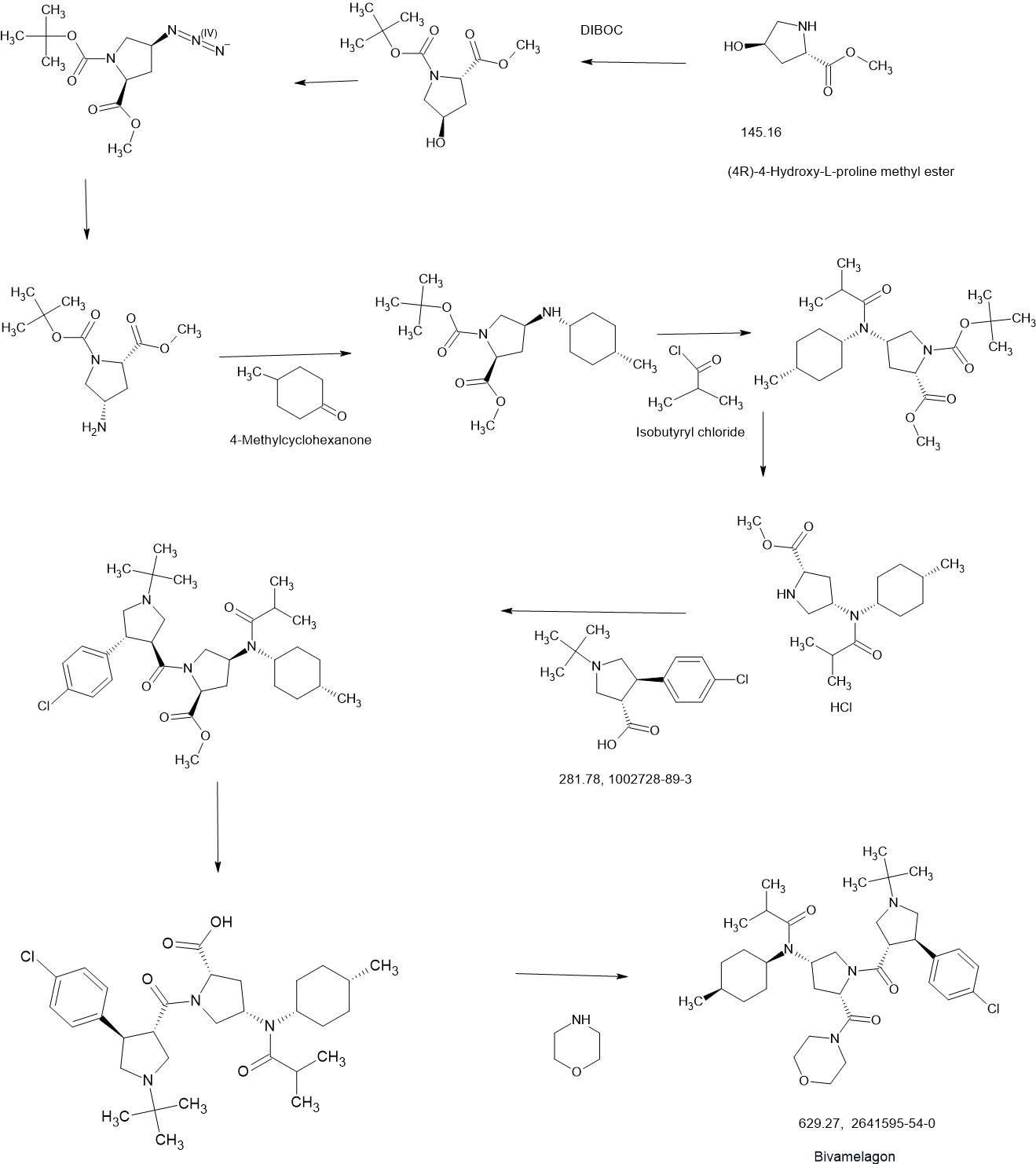
SCHEME

PATENT
WO2021091283A1.
https://patentscope.wipo.int/search/en/detail.jsf?docId=WO2021091283&_cid=P21-M9NZN0-90342-1
Step D: Preparation of N -((3 S ,5 S )-1-((3 S ,4 R )-1-( tert -butyl)-4-(4-chlorophenyl)pyrrolidine-3-carbonyl)-5-(morpholine-4-carbonyl)pyrrolidin-3-yl)- N -((1 s ,4 R )-4-methylcyclohexyl)isobutyramide hydrochloride
[173]
N -((3 S ,5 S )-1-((3 S ,4 R )-1-( tert -butyl)-4-(4-chlorophenyl)pyrrolidine-3-carbonyl)-5-(morpholine-4-carbonyl)pyrrolidin-3-yl)- N -((1 s ,4 R )-4-methylcyclohexyl)isobutyramide (5.0 g, 7.95 mmol) obtained in Step C was dissolved in ethyl acetate (50 ml), and a 2N hydrochloric acid ethyl acetate solution (3.97 ml, 15.89 mmol) was slowly added. After stirring at room temperature for 30 minutes, the reaction solvent was concentrated under reduced pressure. The resulting crude solid was purified by trituration using hexane and diethyl ether to obtain the title compound (5.23 g, 99%).
[174]
[175]
1H NMR (500 MHz, CD 3OD) δ 7.49-7.44 (m, 4H), 4.83 (m, 1H), 4.23-4.20 (m, 1H), 3.95-3.91 (m, 2H), 3.79-3.47 (m, 14H), 3.03-3.00 (m, 1H), 2.86-2.82 (m, 1H), 2.73-2.67 (m, 1H), 2.20-2.14 (m, 1H), 1.97 (m, 1H), 1.80-1.62 (m, 5H), 1.50 (s, 9H), 1.44-1.27 (m, 3H), 1.06-1.04 (m, 9H)
PATENT
WO2022235103
https://patentscope.wipo.int/search/en/detail.jsf?docId=WO2022235103&_cid=P21-M9NZHZ-87240-1
Preparation of cyclohexyl-3-carbonyl-l)-5-(morpholine-4-carbonyl)pyrrolidin-3-yl)-N-((1s,4R)-4-methylcyclohexyl)isobutyramide (MC70)
[141]
[142]The title compound was obtained through the following steps A, B, and C.
[143]
Step A: Preparation of methyl (2S,4S)-1-((3S,4R)-1-(tert-butyl)-4-(4-chlorophenyl)pyrrolidine-3-carbonyl)-4-(N-((1s,4R)-4-methylcyclohexyl)isobutyramido)pyrrolidine-2-carboxylate
[144]Methyl (2S,4S)-4-(N-((1s,4R)-4-methylcyclohexyl)isobutyramido)pyrrolidine-2-carboxylate hydrochloride (28.7 g, 82.73 mmol) obtained in Manufacturing Example 1, (3S,4R)-1-(tert-butyl)-4-(4-chlorophenyl)pyrrolidine-3-carboxylic acid (24.5 g, 86.87 mmol), 1-(3-dimethylaminopropyl)-3-ethylcarbodiimide hydrochloride (22.2 g, 115.83 mmol) and 1-hydroxybenzotriazole hydrate (15.7 g, 115.83 mmol) obtained in Manufacturing Example 2 were dissolved in N,N’-dimethylformamide (400 ml) and N,N’-diisopropylethylamine (72.0 ml, 413.66 mmol) was slowly added. The mixture was stirred at room temperature for 16 hours and the reaction solvent was concentrated under reduced pressure. A 0.5 N aqueous sodium hydroxide solution was added, and extraction was performed twice with ethyl acetate. The organic layer was washed twice with an aqueous sodium chloride solution and water, dried over anhydrous magnesium sulfate, and filtered. The filtrate was concentrated under reduced pressure, and the residue was purified by column chromatography to obtain methyl (2S,4S)-1-((3S,4R)-1-(tert-butyl)-4-(4-chlorophenyl)pyrrolidine-3-carbonyl)-4-(N-((1s,4R)-4-methylcyclohexyl)isobutyramido)pyrrolidine-2-carboxylate (41.19 g, 87%).
[145]
[146]
Step B: Preparation of (2S,4S)-1-((3S,4R)-1-(tert-butyl)-4-(4-chlorophenyl)pyrrolidine-3-carbonyl)-4-(N-((1s,4R)-4-methylcyclohexyl)isobutyramido)pyrrolidine-2-carboxylic acid
[147]Methyl (2S,4S)-1-((3S,4R)-1-(tert-butyl)-4-(4-chlorophenyl)pyrrolidine-3-carbonyl)-4-(N-((1s,4R)-4-methylcyclohexyl)isobutyramido)pyrrolidine-2-carboxylate (39.4 g, 68.62 mmol) obtained in the above step A was dissolved in methanol (450 ml), and 6N sodium hydroxide aqueous solution (57.2 ml, 343.09 mmol) was added. The mixture was stirred at room temperature for 16 hours, and the pH was adjusted to about 5 with 6N hydrochloric acid aqueous solution, and then the reaction solution was concentrated under reduced pressure. The concentrate was dissolved in dichloromethane, and the insoluble solid was filtered through a paper filter. The filtrate was concentrated under reduced pressure to obtain the crude title compound (38.4 g, 99%), which was used in the next step without purification.
[148]
[149]
Step C: Preparation of N-((3S,5S)-1-((3S,4R)-1-(tert-butyl)-4-(4-chlorophenyl)pyrrolidine-3-carbonyl)-5-(morpholine-4-carbonyl)pyrrolidin-3-yl)-N-((1s,4R)-4-methylcyclohexyl)isobutyramide
[150](2S,4S)-1-((3S,4R)-1-(tert-butyl)-4-(4-chlorophenyl)pyrrolidine-3-carbonyl)-4-(N-((1s,4R)-4-methylcyclohexyl)isobutyramido)pyrrolidine-2-carboxylic acid (38.4 g, 68.60 mmol), 1-(3-dimethylaminopropyl)-3-ethylcarbodiimide hydrochloride (18.4 g, 96.04 mmol) and 1-hydroxybenzotriazole hydrate (13.0 g, 96.04 mmol) obtained in the above step B were dissolved in N,N’-dimethylformamide (200 ml), and then morpholine (5.9 ml, 68.80 mmol) and N,N’-diisopropylethylamine were sequentially added. (59.7 ml, 343.02 mmol) was slowly added. The mixture was stirred at room temperature for 16 hours and the reaction solution was concentrated under reduced pressure, 0.5 N aqueous sodium hydroxide solution was added, and extraction was performed twice with ethyl acetate. The organic layer was washed twice with aqueous sodium chloride solution and water, dried over anhydrous magnesium sulfate, and filtered. The filtrate was concentrated under reduced pressure and purified by column chromatography to obtain N-((3S,5S)-1-((3S,4R)-1-(tert-butyl)-4-(4-chlorophenyl)pyrrolidine-3-carbonyl)-5-(morpholine-4-carbonyl)pyrrolidin-3-yl)-N-((1s,4R)-4-methylcyclohexyl)isobutyramide (37.05 g, 86%,
[151]
MS [M+H] = 630 (M+1)
Bivamelagon (INNTooltip International Nonproprietary Name; developmental code names LB54640, LR-19021) is a small-molecule melanocortin MC4 receptor agonist under development by LG Chem Life Sciences for the treatment of hypothalamic obesity, .[1][2] Unlike the older drug with the same mechanism of action, setmelanotide, it can be taken orally.[3][4][5] As of March 2024, it is in phase 2 clinical trials.[1]
References
- ^ Jump up to:a b “Rhythm Pharmaceuticals”. AdisInsight. 13 March 2024. Retrieved 25 February 2025.
- ^ “Delving into the Latest Updates on Bivamelagon with Synapse”. Synapse. 23 January 2025. Retrieved 25 February 2025.
- ^ Aronne, Sarah R. Barenbaum, Louis J. (2023). “Antiobesity Medications on the Horizon”. Handbook of Obesity – Volume 2 (5 ed.). CRC Press. pp. 394–401. doi:10.1201/9781003432807-42. ISBN 978-1-003-43280-7.
- ^ First-in-Human Study of Safety, Pharmacodynamics of LB54640, An Oral Melanocortin-4 Receptor Agonist Mirza, Victoria, MD, MPH; Lee, Jisoo, MD; Gwak, Heemin; Yang, Yunjeong; Kim, Mina. Obesity; Silver Spring Vol. 30, (Nov 2022): 145-146.
- ^ Piper, Noah B.C.; Whitfield, Emily A.; Stewart, Gregory D.; Xu, Xiaomeng; Furness, Sebastian G.B. (August 2022). “Targeting appetite and satiety in diabetes and obesity, via G protein-coupled receptors”. Biochemical Pharmacology. 202: 115115. doi:10.1016/j.bcp.2022.115115. PMID 35671790. S2CID 249452717.
| Clinical data | |
|---|---|
| Other names | LB54640; LB-54640; LR-19021; LR19021 |
| Routes of administration | Oral |
| Drug class | Melanocortin MC4 receptor agonist |
| Legal status | |
| Legal status | Investigational |
| Identifiers | |
| showIUPAC name | |
| CAS Number | 2641595-54-0 |
| PubChem CID | 165152355 |
| DrugBank | DB18331 |
| ChemSpider | 129440355 |
| UNII | NO1Y8WRA8N |
| Chemical and physical data | |
| Formula | C35H53ClN4O4 |
| Molar mass | 629.28 g·mol−1 |
| 3D model (JSmol) | Interactive image |
| showSMILES | |
| showInChI | |
[1]. Seung Wan Kang, et al. Melanocortin-4 receptor agonists. Patent WO2021091283A1.
////////Bivamelagon, LB54640, LB-54640, LR-19021, LR19021, NO1Y8WRA8N
Tisolagiline


Tisolagiline
CAS 1894207-44-3
PCH79KLX33
(2S)-2-[[4-[4-(trifluoromethyl)phenyl]phenyl]methylamino]propanamide
322.32 g/mol
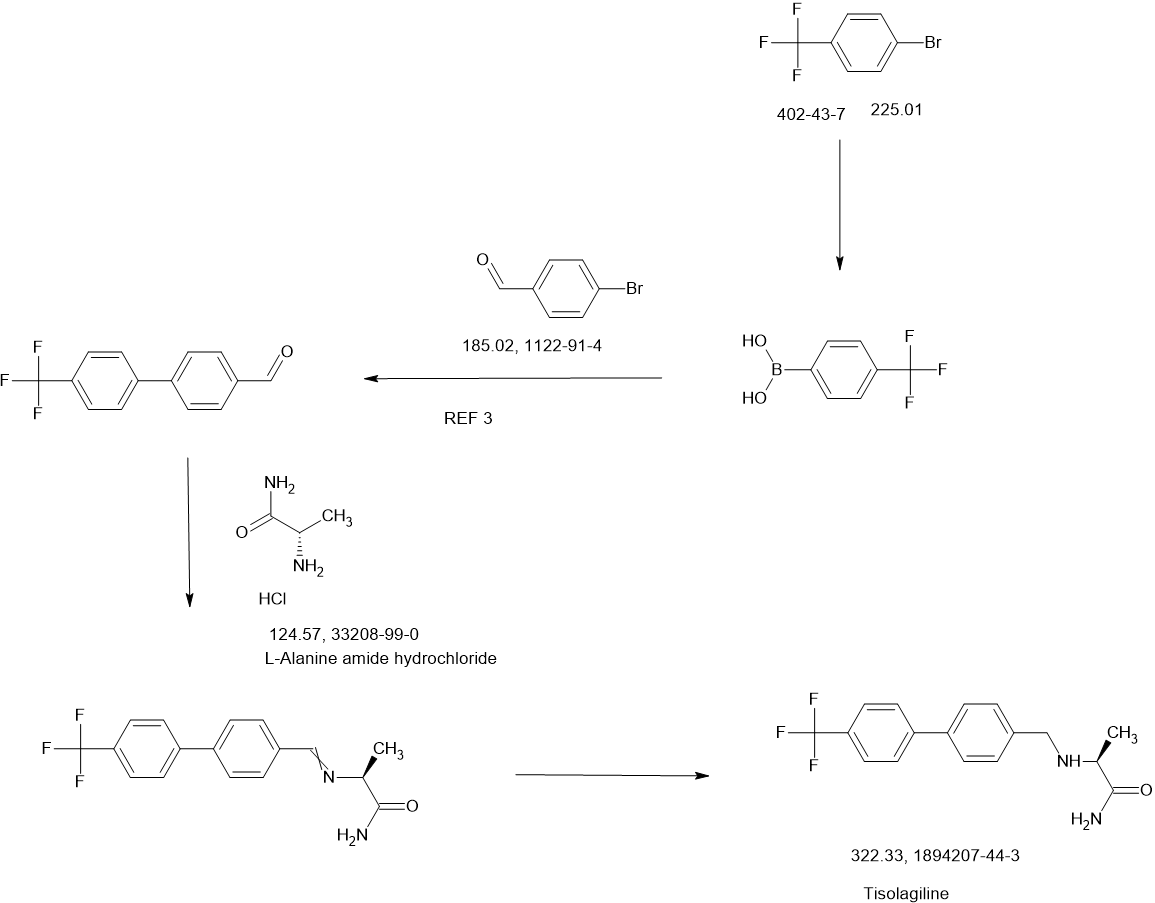
SCHEME
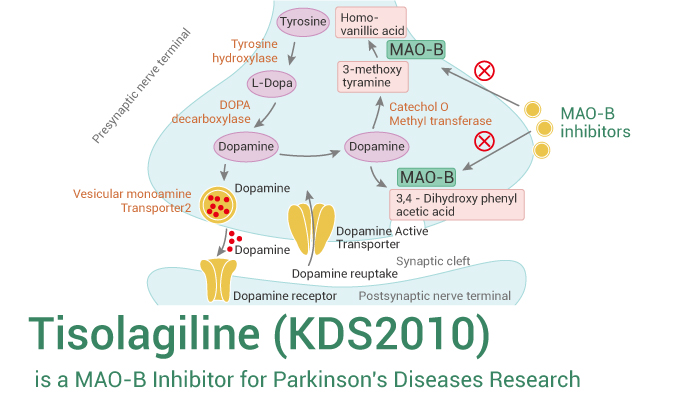
Tisolagiline (INNTooltip International Nonproprietary Name; developmental code names KDS-2010, SeReMABI) is a potent, highly selective, and reversible monoamine oxidase B (MAO-B) inhibitor which is under development for the treatment of Alzheimer’s disease and obesity.[1][2][3][4] It is taken by mouth.[1] Tisolagiline is being developed by NEUROBiOGEN and Scilex Bio.[1][2] As of December 2024, it is in phase 2 clinical trials for Alzheimer’s disease and obesity.[1][2]
Parkinson’s disease is a progressive disease that ranks second among degenerative neurological diseases, and the incidence rate is estimated to be about 6.3 million patients worldwide, and about 1 in 1,000 people develop Parkinson’s disease. The incidence rate is usually higher in the elderly, but it is now developing in young people as well. Parkinson’s disease is not easy to distinguish from other diseases because the symptoms progress slowly, and it is difficult to detect in the early stages. Clinical characteristics include tremors, rigidity, bradykinesia, postural instability, stooped posture, freezing of gait, depression, sleep disorders, urination disorders, and dementia.
[3]Parkinson’s disease has an unknown cause, but it is known to be a disease that occurs when nerve cells that secrete the neurotransmitter dopamine in the brain are destroyed, resulting in a lack of dopamine. The most widely developed and used drug is levodopa therapy, which is generally administered by administering levodopa, which is converted into dopamine in the body. Levodopa is the most effective treatment for Parkinson’s disease, but there are cases where the drug-related effects decrease or various movement disorders occur during the treatment process. Other drugs used include COMT inhibitors and MAO-B inhibitors, which suppress dopamine metabolism and maintain the concentration of dopamine in the brain.
[4]MAO-B is known to play an important role in dopamine metabolism in the brain and to suppress damage to brain neurons. Although there is no clear evidence that MAO-B inhibitors actually slow down the progression of Parkinson’s disease, it is known that inhibiting MAO-B has an effect of suppressing degeneration or death of dopamine neurons, as it plays an important role in the development of Parkinson’s disease caused by MPTP or similar environmental toxicants. In addition, evidence from animal and clinical trials suggests that MAO-B inhibitors have a brain protective effect, unlike other drugs.
[5]The most representative MAO-B inhibitor approved is selegiline, which is prescribed as a treatment for Parkinson’s disease, but when taken, it is metabolized into amphetamine in the body, causing liver toxicity, and as an irreversible inhibitor, it has various side effects. Azilect, which contains rasagiline, was first marketed in Israel in 2005 and has recently been released in about 50 countries including Europe and the United States. Azilect does not have amphetamine side effects in the body when taken and is said to be more effective than other dopaminergic drugs. However, rasagiline, like selegiline, is an irreversible MAO-B inhibitor, so although it has an excellent MAO-B inhibition effect, it has the disadvantage of safety issues. Therefore, recently, drugs that are effective and can reversibly inhibit activity are being developed as alternatives to complement these shortcomings, but no notable reversible inhibitors have been prescribed to date.
[6]Meanwhile, obesity is a medical condition in which excessive fat accumulates in the body to the extent that it has a negative impact on health. Excessive weight can appear in combination with various diseases as the remaining energy is accumulated excessively due to the difference between energy consumed and energy used.
[7]Previous studies on the hypothalamus in relation to food regulation have focused on neurons that make up a portion of the brain, which has limited our understanding of the brain’s function in controlling food and obesity. Therefore, in order to comprehensively understand brain function, studies on glial cells, which make up the majority, must also be conducted in parallel. In addition, astrocytes, which are the most numerous among glial cells, have recently emerged as cells that can activate or inhibit surrounding neurons by secreting various signaling substances such as GABA (gamma-aminobutyric acid), glutamate, D-serine, and ATP. Astrocytes in the hypothalamus also interact closely with POMC (pro-opiomelanocortin) neurons and express leptin receptors, which can contribute to leptin signaling.
[8]There are two groups of POMC neurons in the hypothalamus: those that induce appetite reduction and those that induce energy consumption. Under normal circumstances, astrocytes help activate nearby POMC neurons that induce energy consumption. However, in obese states, unlike normal astrocytes, they are transformed into reactive astrocytes due to excessive leptin signals, and putrescine is converted into GABA by MAO-B (mono-aminoxidase B) and secreted. In addition, POMC neurons that induce energy consumption express GABAa receptors outside the synapse containing a4, a5, and a6 subunits due to excessive leptin signals, and are affected by persistent GABA secreted from anti-responsive astrocytes. As a result, POMC neurons are inhibited, energy consumption is reduced, and fat accumulation occurs.
[9]At this time, if MAOBI, the causal enzyme of GABA production, is inhibited, GABA production and secretion are inhibited, the inhibition of POMC neurons is relieved, and they are reactivated to promote energy consumption. However, POMC neurons that induce appetite reduction do not express GABAa receptors outside the synapse, so they are not continuously affected by GABA. Therefore, MAOBI inhibitors selectively act on POMC neurons that induce energy consumption and exhibit the effect of obesity treatment. However, most of the existing MAOBI inhibitors are irreversible inhibitors, and there is a problem that they are accompanied by various side effects. Accordingly, drugs that can reversibly inhibit MAOBI are being researched and developed, but no notable reversible MAOBI inhibitor that can effectively act on obesity has been prescribed to date.
REF
Regulatory Toxicology and Pharmacology (2020), 117, 104733
Toxicological Research (Cham, Switzerland) (2023), 39(4), 693-709
Combinatorial Chemistry & High Throughput Screening (2020), 23(9), 836-841
KR2023027416,
WO2023022256
WO2023022256
WO2016052928
PATENT
WO2016052928
https://patentscope.wipo.int/search/en/detail.jsf?docId=WO2016052928&_cid=P20-M8XX0L-81795-1


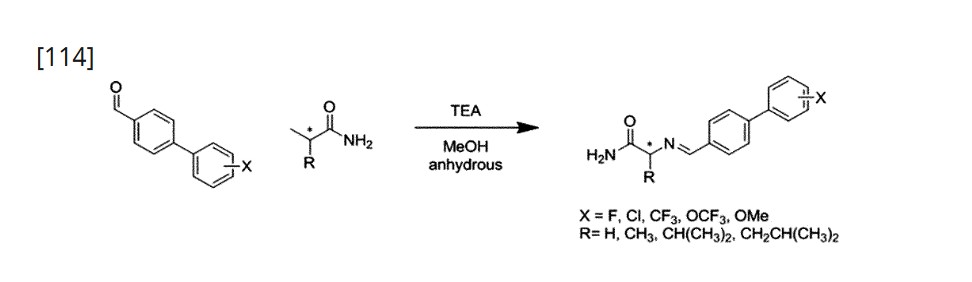
Using L-Alaninamide hydrochloride or D-Alaninamide hydrochloride, a reductive amination reaction was performed with the compound of step (a) to obtain an imine compound (step b, reaction scheme 1b), which was then reduced with sodium cyanoborohydride to obtain an amine compound (step c, reaction scheme 1c).
[112]Add 1.2 equivalents of Glycinamide hydrochloride or L-Alaninamide hydrochloride or D-Alaninamide hydrochloride or L-Valinamide hydrochloride or L-Leucinamide hydrochloride to anhydrous methanol at a concentration of 0.92 molar, and then add 1.5 equivalents of triethylamine. When the solution becomes transparent, add 1.0 equivalent of the aldehyde synthesized in step (a). After two hours, wash with ethyl acetate and distilled water. Dry the organic layer with sodium sulfate and concentrate in vacuo. Dissolve the concentrated reaction solution in anhydrous methanol at a concentration of 1.0 molar, and add 4.0 equivalents of sodium cyanoborohydride at 0 ℃. Then, react at room temperature for 18 hours, and after completion of the reaction, wash the reaction solution with ethyl acetate and distilled water. The organic layer was dried over sodium sulfate, concentrated in vacuo, and separated and purified using silica gel column chromatography.
References
- ^ Jump up to:a b c d “KDS 2010”. AdisInsight. 6 February 2025. Retrieved 24 February 2025.
- ^ Jump up to:a b c “Delving into the Latest Updates on KDS-2010 with Synapse”. Synapse. 23 January 2025. Retrieved 24 February 2025.
- ^ Nam MH, Sa M, Ju YH, Park MG, Lee CJ (April 2022). “Revisiting the Role of Astrocytic MAOB in Parkinson’s Disease”. International Journal of Molecular Sciences. 23 (8): 4453. doi:10.3390/ijms23084453. PMC 9028367. PMID 35457272.
4.4. KDS2010 A recently developed KDS2010, which is ~12,500-fold more selective to MAOB than MAOA, differentiates the role of MAOB from MAOA and reports that MAOB does not contribute to DA degradation [39]. KDS2010 is a potent (IC50 = 7.6 nM), and selective MAOB inhibitor named shows no known off-target effect (no other enzymes or channels causing >40% inhibition) or toxicity for 4 weeks of repeated dosing in non-human primates [16,41]. KDS2010 was turned out to be highly effective for alleviating the PD-related motor symptoms and PD-like pathology, including reactive astrogliosis, excessive astrocytic GABA, and nigrostriatal DAergic neuronal loss in multiple rodent models of PD [41]. Its clinical efficacy is still waiting to be tested in future studies.
- ^ Duarte P, Cuadrado A, León R (2021). “Monoamine Oxidase Inhibitors: From Classic to New Clinical Approaches”. Handbook of Experimental Pharmacology. 264: 229–259. doi:10.1007/164_2020_384. ISBN 978-3-030-68509-6. PMID 32852645.
KDS2010 is a novel compound highly potent and selective reversible MAO-B inhibitor (Fig. 2). It has demonstrated learning and memory improvements, promotion of synaptic transmission, and reduction of astrogliosis and astrocytic GABA levels in APP/presenilin 1 mice (Park et al. 2019).
| Clinical data | |
|---|---|
| Other names | KDS-2010; KDS2010; SeReMABI |
| Drug class | Reversible monoamine oxidase B (MAO-B) inhibitor |
| Identifiers | |
| showIUPAC name | |
| CAS Number | 1894207-44-3 |
| PubChem CID | 132023446 |
| ChemSpider | 128942408 |
| UNII | PCH79KLX33 |
| ChEMBL | ChEMBL5314546 |
| Chemical and physical data | |
| Formula | C17H17F3N2O |
| Molar mass | 322.331 g·mol−1 |
| 3D model (JSmol) | Interactive image |
| showSMILES | |
| showInChI | |
///////////Tisolagiline, PCH79KLX33
Bemfivastatin, PPD 10558, RBx 10558


Bemfivastatin, PPD 10558, RBx 10558
cas 805241-79-6
| Molecular Weight | 588.67 |
|---|---|
| Formula | C34H37FN2O6 |


- PPD-10558 calcium salt
- Ppd-10558(calcium salt)
- 805241-64-9
- ppd-10558 calcium
- 3I8G750MW3
- calcium;(3R,5R)-7-[2-(4-fluorophenyl)-4-[[4-(hydroxymethyl)phenyl]carbamoyl]-3-phenyl-5-propan-2-ylpyrrol-1-yl]-3,5-dihydroxyheptanoate
- C68H72CaF2N4O12
- 1H-PYRROLE-1-HEPTANOIC ACID, 2-(4-FLUOROPHENYL)-.BETA.,.DELTA.-DIHYDROXY-4-(((4-(HYDROXYMETHYL)PHENYL)AMINO)CARBONYL)-5-(1-METHYLETHYL)-3-PHENYL-, CALCIUM SALT (2:1), (.BETA.R,.DELTA.R)-
- calcium;(3R,5R)-7-[2-(4-fluorophenyl)-4-[[4-(hydroxymethyl)phenyl]carbamoyl]-3-phenyl-5-propan-2-ylpyrrol-1-yl]-3,5-dihydroxyheptanoate
- UNII-3I8G750MW3
- 1H-Pyrrole-1-heptanoic acid, 2-(4-fluorophenyl)-beta,delta-dihydroxy-4-(((4-(hydroxymethyl)phenyl)amino)carbonyl)-5-(1-methylethyl)-3-phenyl-, calcium salt (2:1), (betaR,deltaR)-
- Bemfivastatin calcium
- Bemfivastatin hemicalcium
Bemfivastatin (PPD 10558) is an orally active, HMG-CoA Reductase (HMGCR) inhibitor, also known as Statin. Bemfivastatin enhances the activity of liver extraction. Bemfivastatin exhibits little developmental toxicity effects in pregnant rats and rabbits via daily oral doses during organogenesis period. The no observed adverse effect level (NOAEL) are ≥320 mg/kg/day for rats developmental toxicity, 12.5 mg/kg/day for rabbits maternal toxicity, and 25 mg/kg/day for rabbits developmental toxicity, respectively. Bemfivastatin can be used for research on Statin-related hypercholesterolemic myalgia with inability to tolerate statins.
Korean Patent No. 10-1329113 describes a method for preparing (3R,5R)-7-[2-(4-fluorophenyl)-5-isopropyl-3-phenyl-4-[(4-hydroxymethylphenylamino)carbonyl]-pyrrol-1-yl]-3,5-dihydroxy-heptanoic acid hemicalcium salt, as shown in the following reaction scheme.


SCHEME

MAIN

PATENT
WO2020040614
https://patentscope.wipo.int/search/en/detail.jsf?docId=WO2020040614&_cid=P11-M8VDBE-14315-1
Step 3: Preparation of tert-butyl (3R,5R)-7-(2-(4-fluorophenyl)-4-((4-(hydroxymethyl)phenyl)carbamoyl)-5-isopropyl-3-phenyl-1H-pyrrol-1-yl)-3,5-dihydroxyheptanoate
[499]In step 2, tert-butyl 2-((4R,6R)-6-(2-(3-((4-(((tert-butyldimethylsilyl)oxy)methyl)phenyl)carbamoyl)-5-(4-fluorophenyl)-2-isopropyl-4-phenyl-1H-pyrrol-1-yl)ethyl)-2,2-dimethyl-1,3-dioxan-4-yl)acetate (5 g) was dissolved in methanol (37 ml) and THF (37 ml), 1 N HCl aqueous solution (37 ml) was added, and the mixture was stirred at room temperature for 2 hours. EA was added to the reaction solution, diluted, and washed several times with distilled water and brine. The extracted organic layer was dried over Na
2 SO
4 and filtered under reduced pressure. The filtrate was concentrated under reduced pressure, EA and hexane were added, and the mixture was purified by recrystallization to obtain the title compound.
[500]White solid 4.6 g (yield quantitative);
[501]
1H NMR (500 MHz, CDCl 3): 7.24-7.14 (m, 9H), 7.06 (d, J = 8.5 Hz, 2H), 6.99 (t, J = 8.5 Hz, 2H), 6.87 (br s, 1H), 4.57 (s, 2H), 4.45-4.08 (m, 2H), 3.96-3.90 (m, 1H), 3.75-3.71 (m, 1H), 3.58 (sep, J = 7.0 Hz, 1H), 2.32 (d, J = 6.5 Hz, 2H), 1.73-1.65 (m, 1H), 1.64-1.58 (m, 1H), 1.54 (d, J = 7.0 Hz, 6H), 1.45 (s, 9H), 1.27-1.22 (m, 2H), MH+ 645.
Step 4: Preparation of (3R,5R)-7-(2-(4-fluorophenyl)-5-isopropyl-3-phenyl-4-((4-hydroxymethylphenylamino)carbonyl)-pyrrol-1-yl)-3,5-dihydroxyheptanoic acid hemicalcium salt
[503]In step 3, tert-butyl (3R,5R)-7-(2-(4-fluorophenyl)-4-((4-(hydroxymethyl)phenyl)carbamoyl)-5-isopropyl-3-phenyl-1H-pyrrol-1-yl)-3,5-dihydroxyheptanoate (4.19 g) obtained was dissolved in MeOH (65 ml) and THF (65 ml), and stirred in an ice bath. NaOH pellets (5 eq, 1.3 g) were added, and the mixture was stirred for 1 more hour at room temperature. After concentrating the reaction solution under reduced pressure, distilled water (44 ml) was added until the formed solid was completely dissolved. After concentrating the reaction solution under reduced pressure, distilled water (430 ml) was added until the solid was completely dissolved. 1 M Ca(OAc)
2 aqueous solution (3.6 ml) was slowly added dropwise, and the mixture was stirred for 15.5 hours at room temperature. After the generated solid was filtered under reduced pressure, it was washed several times with distilled water and the filtered solid was dried in an oven.
[504]2.98 g of white solid (yield 76%);
[505]
1H NMR (500 MHz, DMSO-d 6) δ 9.78 (br s, 1H), 7.46 (d, J = 8.5 Hz, 2H), 7.26-7.23 (m, 2H), 7.19 (t, J = 9.0 Hz, 2H), 7.15 (d, J = 8.5 Hz, 2H), 7.09-7.05 (m, 4H), 7.02-6.98 (m, 1H), 6.41 (br s, 1H), 5.04 (t, J = 5.5 Hz, 1H), 4.75 (br s, 1H), 4.39 (d, J = 5.5 Hz, 2H), 3.98-3.91 (m, 1H), 3.79-3.69 (m, 2H), 3.55-3.50 (m, 1H), 3.22 (sep, J = 7.0 Hz, 1H), 2.03 (dd, J = 15.0 Hz, 4.0 Hz, 1H), 1.90 (dd, J = 15.0 Hz, 8.0 Hz, 1H), 1.63-1.57 (m, 1H), 1.54-1.47 (m, 1H), 1.41-1.36 (m, 1H), 1.37 (d, J = 7.0 Hz, 6H), 1.23-1.16 (m, 1H), MH+ (acid+1) 589.
Step 5: Preparation of (3R,5R)-7-(2-(4-fluorophenyl)-5-isopropyl-3-phenyl-4-((4-hydroxymethylphenylamino)carbonyl)-pyrrol-1-yl)-3,5-dihydroxyheptanoic acid hemicalcium salt
[540]The title compound was prepared in the same manner as in step 4 of Example 15.
[541]
1H NMR (500 MHz, DMSO-d 6) δ 9.78 (br s, 1H), 7.46 (d, J = 8.5 Hz, 2H), 7.26-7.23 (m, 2H), 7.19 (t, J = 9.0 Hz, 2H), 7.15 (d, J = 8.5 Hz, 2H), 7.09-7.05 (m, 4H), 7.02-6.98 (m, 1H), 6.41 (br s, 1H), 5.04 (t, J = 5.5 Hz, 1H), 4.75 (br s, 1H), 4.39 (d, J = 5.5 Hz, 2H), 3.98-3.91 (m, 1H), 3.79-3.69 (m, 2H), 3.55-3.50 (m, 1H), 3.22 (sep, J = 7.0 Hz, 1H), 2.03 (dd, J = 15.0 Hz, 4.0 Hz, 1H), 1.90 (dd, J = 15.0 Hz, 8.0 Hz, 1H), 1.63-1.57 (m, 1H), 1.54-1.47 (m, 1H), 1.41-1.36 (m, 1H), 1.37 (d, J = 7.0 Hz, 6H), 1.23-1.16 (m, 1H), MH+ (acid+1) 589.
KR2001835 63%
KR2016103248
- [1]. Faqi AS, et al. Developmental toxicity of the HMG-CoA reductase inhibitor (PPD10558) in rats and rabbits. Birth Defects Res B Dev Reprod Toxicol. 2012 Feb;95(1):23-37. [Content Brief][2]. Wierzbicki A, et al. Drugs in development for the management of dyslipidaemia[J]. Future Prescriber, 2012, 13(2): 12-15.
/////////Bemfivastatin, PPD 10558, PPD-10558, RBx-10558; PPD10558, RBx10558, PPD 10558, RBx 10558, bemfivastatin CA, RBx 10558
Umifoxolaner, ML 878


Umifoxolaner, ML 878
CAS 2021230-37-3
| Molecular Weight | 643.86 |
|---|---|
| Formula | C26H16ClF10N3O3 |
- 4-[(5S)-5-[3-Chloro-4-fluoro-5-(trifluoromethyl)phenyl]-4,5-dihydro-5-(trifluoromethyl)-3-isoxazolyl]-N-[2-oxo-2-[(2,2,2-trifluoroethyl)amino]ethyl]-1-naphthalenecarboxamide (ACI)
- 4-{(5S)-5-[3-chloro-4-fluoro-5-(trifluoromethyl)phenyl]-5-(trifluoromethyl)-4,5-dihydroisoxazol-3-yl}-N-{2-oxo-2-[(2,2,2-trifluoroethyl)amino]ethyl}naphthalene-1-carboxamide
- ML 878
- 4-[(5S)-5-[3-chloro-4-fluoro-5-(trifluoromethyl)phenyl]-5-(trifluoromethyl)-4H-1,2-oxazol-3-yl]-N-[2-oxo-2-(2,2,2-trifluoroethylamino)ethyl]naphthalene-1-carboxamide
- WHO 11642
umifoxolaner (ML-878) is a γ-aminobutyric acid (GABA) regulated chloride channels antagonist. Umifoxolaner is an anti-parasitic agent
Animals such as mammals and birds are often susceptible to parasite infestations/infections. These parasites may be ectoparasites, such as insects, and endoparasites such as filariae and other worms. Domesticated animals, such as cats and dogs, are often infested with one or more of the following ectoparasites:
– fleas (e.g. Ctenocephalides spp., such as Ctenocephalides felis and the like);
– ticks (e.g. Rhipicephalus spp., Ixodes spp., Dermacentor spp., Amblyomma spp., and the like);
– mites (e.g. Demodex spp., Sarcoptes spp., Otodectes spp., and the like);
– lice (e.g. Trichodectes spp., Cheyletiella spp., Linognathus spp. and the like);
– mosquitoes (Aedes spp., Culex spp., Anopheles spp. and the like); and
– flies (Haematobia spp., Musca spp., Stomoxys spp., Dermatobia spp., Cochliomyia spp. and the like).
Fleas are a particular problem because not only do they adversely affect the health of the animal or human, but they also cause a great deal of psychological stress. Moreover, fleas are also vectors of pathogenic agents in animals and humans, such as dog tapeworm {Dipylidium caninum).
Similarly, ticks are also harmful to the physical and psychological health of the animal or human. However, the most serious problem associated with ticks is that they are the vector of pathogenic agents in both humans and animals. Major diseases which are caused by ticks include borreliosis (Lyme disease caused by Borrelia burgdorferi), babesiosis (or piroplasmosis caused by Babesia spp.) and rickettsioses (also known as Rocky Mountain spotted fever). Ticks also release toxins which cause inflammation or paralysis in the host. Occasionally, these toxins are fatal to the host.
Likewise, farm animals are also susceptible to parasite infestations. For example, cattle are affected by a large number of parasites. A parasite which is very prevalent among farm animals is the tick genus Rhipicephalus {Boophilus), especially those of the species microplus (cattle tick), decolor atus and annulatus. Ticks, such as Rhipicephalus {Boophilus) microplus, are particularly difficult to control because they live in the pasture where farm animals graze.
Animals and humans also suffer from endoparasitic infections including, for example, helminthiasis which is most frequently caused by a group of parasitic worms categorized as cestodes (tapeworm), nematodes (roundworm) and trematodes (flatworm or flukes). These parasites adversely affect the nutrition of the animal and cause severe economic losses in pigs, sheep, horses, and cattle as well as affecting domestic animals and poultry. Other parasites which occur in the gastrointestinal tract of animals and humans include Ancylostoma, Necator, Ascaris, Strongyloides, Trichinella, Capillaria, Toxocara, Toxascaris, Trichuris, Enterobius and parasites which are found in the blood or other tissues and organs such as filarial worms and the extra intestinal stages of Strongyloides, Toxocara and Trichinella.
SCHEME

Patents
WO2017176948
https://patentscope.wipo.int/search/en/detail.jsf?docId=WO2017176948&_cid=P12-M8S60W-88110-1
Cinchonanium, 9-hydroxy-6′-methoxy-1-[[3,4,5-tris(phenylmethoxy)phenyl]methyl]-, chloride (1:1), (8α,9R)- 2138407-51-7, HYDROXYL AMINE, NAOH, MDC , WATER]


Example 5: Synthesis of (R)-IA-3 using chiral phase transfer catalyst (IIIb-13-1)
Step 1 : Synthesis of intermediate 4-2.
1) The substituted iodobenzene starting material (SM) (200.0 g, 1.0 eq.) and THF (400 ml, 10 volumes) were placed into a 1 L reactor and the mixture was cooled to -10 to -5° C.
2) /‘-PrMgCl (340 ml, 1.1 eq.) added dropwise over 1.5 hours at -10 to -5°C to the mixture. 3) After the addition was complete, the mixture was stirred for 1 h at -10 to -5°C.
4) TLC analysis showed the complete consumption of SM (quenching sample with 1 M HCl).
5) CF3COOMe (94.7 g, 1.2 eq.) was added over an hour at -10~-5°C to the reaction mixture.
6) The mixture was stirred for another 12 hours -10~-5°C.
7) TLC analysis showed the almost complete consumption of intermediate 4-1 (quench with 1M HCl).
8) 1 M HCl 1000 ml was added dropwise to the reaction mixture slowly at 0~5°C over 2 hours.
9) The reaction mixture was extracted with hexane twice (1000 ml, 500 ml).
10) Add ^-toluenesulfonic acid 1.0 g to the organic layer and then the mixture was refluxed for 30 min.
11) The resulting mixture was then concentrated under vacuum at 20~25°C to remove the hexane.
12) Sodium bicarbonate (NaHC03, 300mg) was added and the mixture distilled in vacuum to afford compound 4-2 at 80~82°C, as a red liquid (85.0 grams, purity was 92.5% by HPLC, and the yield was 47.0%).
Step 2: Preparation of the compound of Formula (IIA-3):
4-1 IIA-3
1) Compound 4-2 (70.0 g, 1.0 eq.) and acetonitrile (ACN, 350ml, 5 volumes) were placed into a 1 L reactor. The solid was dissolved completely.
2) Compound 4-1 (70.2 g, 1.2 eq.) was then added to the mixture, and the mixture was heated to 90-95° C.
3) The ACN/water azeotrope was removed by distillation (b.p. 79°C).
4) K2C03 (2.0 g, 0.1 eq.) was then added to the mixture.
5) Distillation was continued to remove ACN/water at 90~95°C for about 6 hours.
6) After this time, about 28% Compound 4-2 remained by HPLC.
7) The mixture was cooled to 15~20°C over 1.5 hours and solid precipitated.
8) Water (50 ml) was added and then the mixture was cooled further to 0° C over 40 min.
9) The mixture was then held at 0° C for 40 minutes.
10) The mixture was filtered and the cake was washed with 100 ml of cold ACN/water (ACN/water, 25:6v/v) to yield 75.0 g of a yellow solid after drying (purity: 95.1%, yield: 50.0%).
Step 3 : Preparation of (R)-IA-3 using chiral phase transfer catalyst IIIb-13-1
1) The Compound of Formula IIA-3 (40.0 g, 1.0 eq.) and DCM (1.2 L, 30 volumes) were placed into a 2 L reactor; the solid was dissolved completely.
2) The mixture was cooled to 0° C and some starting material precipitated out.
3) The catalyst of formula IIIb-13-1 (1.47g, 3% mol) was added to the mixture and the mixture was cooled to -10° C.
4) Hydroxylamine (21. Og, 5.0 eq., 50% in water) was added to a solution of NaOH (15.3 g, 6.0 eq., in 5 volumes of water) in another reactor and stirred for 30 minutes.
5) The hydroxylamine/NaOH solution was then added dropwise to the 2 L reactor over about 4 hours.
6) The resulting reaction mixture was stirred for 16 h at -10°C.
7) In-process samples were taken and analyzed by HPLC until the content of starting material was < 1.0%.
8) When the reaction was complete, the mixture was warmed to 10°C and 200 ml of water was added. The mixture was stirred for 10 minutes.
9) After mixing, the mixture was allowed to stand to separate the aqueous and organic layers and the organic layer was collected.
10) The organic layer was washed with 200 ml of 5% KH2PO4.
11) The two layers were allowed to separate and organic layer was collected.
12) The organic layer was then washed with 200 ml brine, the two layers allowed to separate and the organic layer was again collected.
13) The resulting organic layer was concentrated under vacuum at 25-30°C to about 2 volumes.
14) Toluene (400 ml, 10 volumes) was charged to the vessel and concentration under vacuum was continued at 40~45°C to about 3 volumes. The solvent exchange was repeated twice more using the same procedure.
15) When the solvent exchange was complete, the solution was heated to 55-60°C.
16) The mixture was then cooled to 40° C over 1.5 hours and stirred at 40°C for 3 hours.
17) The mixture was then cooled to 25°C over 2 hours and stirred at 25°C for 3hours.
18) The mixture was finally cooled to 5-10°C over 1 hour and stirred at 8° C for 12 hours.
19) After this time, the mixture was filtered and the filter cake was washed with cold toluene (80 ml, 2 volumes).
20) The product was dried under vacuum at 70~75°C for 12h to yield a white solid (22.0 g, chiral purity: 98.0% by area using the chiral HPLC method described in Example 3, chemical purity: 97.1% by area (HPLC), yield: 48.8%). The 1H MR and LCMS spectra are consistent with the structure of the product.
Example 6: Preparation of (S)-IA-3 using chiral phase transfer catalyst IIIa-13-1
) The compound of Formula IIA-3 (11.6 g, 1.0 eq.) and DCM 360 ml, 30 volumes) were placed into a 1 L reactor; the solid was dissolved completely.
) The mixture was cooled to 0°C and some starting material was precipitated out.
) The catalyst (0.43 g, 3% mol) was added to the resulting mixture, and the mixture was cooled to -10° C.
) Hydroxylamine (6.1 g, 5.0 eq., 50% in water) was added to a solution of NaOH (4.4 g, 6.0 eq., in 5 volumes of water) in another reactor, and the mixture was stirred for 30 minutes.
) The hydroxylamine and NaOH solution was added dropwise to the 1 L reactor over about 2 hours, after which the mixture was stirred for 16 h at -10° C.
) Samples were taken and analyzed by HPLC to monitor the extent of reaction until the content of starting material was < 1.0%.
) When the reaction was complete, the mixture was warmed to 10°C and 50 ml of water was added. The mixture was stirred for 10 minutes.
) The mixture was allowed to settle to separate the aqueous and organic layers and the organic layer was collected.
) The organic layer was washed with 50 ml of 5% KH2PO4.
0) The mixture was allowed to separate and the organic layer was collected.
1) The organic layer was washed with 50 ml brine and the organic layer was again collected. 2) The organic layer was concentrated under vacuum at 25-30°C to about 2 volumes.
3) Toluene (230 ml, 10 volumes) was charged and concentration under vacuum was continued at 40~45°C to about 3 volumes. The solvent exchange was repeated twice more using the same procedure.
14) After the solvent exchange was complete, the solution was heated to 55-60°C.
15) The mixture was then cooled to 40° C over 1.5 hours and stirred at 40° C for 3 hours.
16) The mixture was cooled to 25° C over 2 hours and stirred at 25° C for 3 hours.
17) Finally, the mixture was cooled to 5-10° C over 1 hour and stirred at 8° C for 12 hours, after which the mixture was filtered.
18) The filter cake was washed with cold toluene (25 ml, 2 volumes).
19) The product was dried under vacuum at 85~90°C for 24h, resulting in the product as a white solid (6.8 g, chiral purity: 98.7% by area using the chiral FTPLC method described in Example 3, chemical purity: 99.3% by area (FTPLC), yield: 52.1%).

SEE ALSO US20170239218
//////////Umifoxolaner, ML 878, ML878, CS072E2C38, ML-878, WHO 11642
Bavtavirine


Bavtavirine, CAS 1956373-71-9
- KAJ2CK6ZYE
- 4-((4-Amino-8-(4-((1E)-2-cyanoethenyl)-2,6-dimethylphenyl)-2-quinazolinyl)amino)benzonitrile
- Benzonitrile, 4-((4-amino-8-(4-((1E)-2-cyanoethenyl)-2,6-dimethylphenyl)-2-quinazolinyl)amino)-
C26H20N6 416.48
Benzonitrile, 4-[[4-amino-8-[4-[(1E)-2-cyanoethenyl]-2,6-dimethylphenyl]-2-quinazolinyl]amino]-
Gilead Sciences, Inc.; Institute of Organic Chemistry and Biochemistry of the AS CR, v.v.i.
Bavtavirine is a potent non-nucleoside reverse transcriptase inhibitors (NNRTIs). Bavtavirine is part of highly active antitiretroviral therapy (HAART) treatment regimen. Bavtavirine can be used for HIV disease research.
SCHEME

PATENT
WO2016105564
https://patentscope.wipo.int/search/en/detail.jsf?docId=WO2016105564&_cid=P11-M8QXHF-67832-1
A mixture of compound 2a (100 mg, 0.30 mmol), 4-cyanoaniline (46 mg, 0.388 mmol, Sigma-Aldrich) and hydrogen chloride solution in 1,4-dioxane (4M, 7 μL, 0.03 mmol) in dry N-methyl-2-pyrrolidone (2 mL) was heated at 120 °C for 2 hours. The reaction mixture was cooled down to room temperature and triethylamine (0.1 mL, 0.72 mmol) was added. After 15 minutes, water (5 mL) was added and the solid product was filtered off and washed with water. The crude residue was taken up in a mixture of dichloromethane and diethyl ether (1:1,5 mL) and then treated in a sonic bath for 3 minutes. The solid compound was filtered off and washed with diethyl ether (5 mL) to afford the title compound 2. 1H NMR (400 MHz, DMSO-d6) δ 9.44 (s, 1H), 8.18 (dd, J = 8.2, 1.5 Hz, 1H), 7.74 (d, J = 16.7 Hz, 1H), 7.70 (d, J = 8.9 Hz, 2H), 7.51 (s, 2H), 7.48 (dd, J = 7.1, 1.3 Hz, 1H), 7.34 (dd, J = 8.2, 7.1 Hz, 1H), 7.26 (d, J = 8.9 Hz, 2H), 6.54 (d, J = 16.7 Hz, 1H), 1.91 (s, 6H). HRMS: (ESI+) calculated for C26H2,N6 [M+H] 417.1822, found 417.1820. LCMS (m/z) 417.2 [M+H], Tr = 4.68 min (LCMS method 1).
////////////Bavtavirine
Uplarafenib


Uplarafenib
1425485-87-5
494.5 g/mol
| Molecular Formula | C22H21F3N4O4S |
| Molecular Weight | 494.487 |
- B-Raf IN 10
- TQU3V7CXC3
- N-[2,4,5-trifluoro-3-(3-morpholin-4-ylquinoxaline-6-carbonyl)phenyl]propane-1-sulfonamide
- B-Raf IN 10; B-Raf IN-10; B-Raf-IN-10
UPLARAFENIB is a small molecule drug with a maximum clinical trial phase of II and has 1 investigational indication. Neupharma, Inc.
There are at least 400 enzymes identified as protein kinases. These enzymes catalyze the phosphorylation of target protein substrates. The phosphorylation is usually a transfer reaction of a phosphate group from ATP to the protein substrate. The specific structure in the target substrate to which the phosphate is transferred is a tyrosine, serine or threonine residue. Since these amino acid residues are the target structures for the phosphoryl transfer, these protein kinase enzymes are commonly referred to as tyrosine kinases or serine/threonine kinases.
The phosphorylation reactions, and counteracting phosphatase reactions, at the tyrosine, serine and threonine residues are involved in countless cellular processes that underlie responses to diverse intracellular signals (typically mediated through cellular receptors), regulation of cellular functions, and activation or deactivation of cellular processes. A cascade of protein kinases often participate in intracellular signal transduction and are necessary for the realization of these cellular processes. Because of their ubiquity in these processes, the protein kinases can be found as an integral part of the plasma membrane or as cytoplasmic enzymes or localized in the nucleus, often as components of enzyme complexes. In many instances, these protein kinases are an essential element of enzyme and structural protein complexes that determine where and when a cellular process occurs within a cell.
The identification of effective small compounds which specifically inhibit signal transduction and cellular proliferation by modulating the activity of tyrosine and serine/threonine kinases to regulate and modulate abnormal or inappropriate cell proliferation, differentiation, or metabolism is therefore desirable. In particular, the identification of compounds that specifically inhibit the function of a kinase which is essential for processes leading to cancer would be beneficial
SCHEME


Patent
WO2022119905 69%
https://patentscope.wipo.int/search/en/detail.jsf?docId=WO2022119905&_cid=P20-M8O7NY-07177-1

Example 1: Preparation of N-(2,4,5-trifluoro-3-(3-morpholinoquinoxaline-6-carbonyl)phenyl)propane-l-sulfonamide (Compound A)
[181] Step l : To a solution of quinoxalin-2(lH)-one (54.64 g, 374 mmol, 1.0 eq.) in HO Ac (1000 mL) was added a solution of Bn (19.18 mL, 374 mmol, 1.0 eq.) in HOAc (200 mL) dropwise. The resulting mixture was stirred at rt for 12 h, then poured into ice-water. The precipitate was collected by filtration and dried to afford 7-bromoquinoxalin-2(lH)-one as an off-white solid (74 g, 88%).
[182] Step l : To a suspension of 7-bromoquinoxalin-2(lH)-one (224 g, 1 mol, 1.0 eq.) in POCl3 (1000 mL) was added DMF (3.65 g, 0.05 mol, 0.05 eq.). The resulting mixture was stirred at 120 °C for 2 h, then cooled to rt and slowly poured into ice-water with vigorous stirring. The precipitate was collected by filtration and dried to afford 7-bromo-2-chloroquinoxaline as brown solid (180 g, 75%).
[183] Step 3 : To a solution of 7-bromo-2-chloroquinoxaline (50 g, 0.2mol, 1.0 eq.) in CH3CN (200 mL) were added morpholine (89 g, 1.02 mol, 5.0 eq.) and K2CO3 (85 g, 0.61mol, 3.0 eq). The resulting mixture was stirred at 90 °C for 2 h, then cooled and filtered. The filtrate was concentrated and the residue was re-crystallized from EA to afford 4-(7-bromoquinoxalin-2-yl)morpholine (59 g, 98.3%).
[184] Step 4 : To a solution of 4-(7-bromoquinoxalin-2-yl)morpholine (59 g, 0.2 mol, 1.0 eq.) in DMF (500 mL) was added TEA (139 mL, 1.0 mol, 5.0 eq.), EtsSiH (127 mL, 0.8 mol, 4.0 eq) and Pd(dppf)C12.CH2C12 (8.16 g, 0.01 mol, 0.05 eq.). The resulting mixture was stirred at 90 °C for 12h in an autoclave under CO (1 MPa), then cooled and concentrated. The resulting residue was purified by flash column chromatography(EA/PE=l/l) to afford 3-morpholinoquinoxaline-6-carbaldehyde as a yellow solid (40 g, 82.3%).
[185] Step 5 : To a solution of N-(2,4,5-trifluorophenyl)pivalamide (550 mg, 2.4 mmol, E2 eq.) in THF (30 mL) cooled at -78 °C was added LDA (4.1 mL, 4.8mmol, 2.4 eq.) dropwise. The resulting mixture was stirred at -78 °C for 1 h, then a solution of 3-morpholinoquinoxaline-6-carbaldehyde (486 mg, 2.0 mol, 1.0 eq.) in THF (20 mL) was added dropwise. The resulting mixture was stirred at -78 °C for 1 h, then quenched by the addition of NH4CI solution. The mixture was extracted with EA (20 mL X 3) and the combined organic layers were dried over Na2SO4 and concentrated. The resulting residue was purified by flash column chromatography (MeOH/DCM=l/50, v/v) to afford N-(2,4,5-trifluoro-3-(hydroxy(3-morpholinoquinoxalin-6-yl)methyl)phenyl)pivalamide (620 mg, 65.2%).
[186] Step 6 : The solution of N-(2,4,5-trifluoro-3-(hydroxy(3-morpholinoquinoxalin-6-yl)methyl)phenyl)pivalamide (620 mg, 1.3 mmol, 1.0 eq.) in DCM (10 mL) was added MnCb (358 mg, 6.5 mmol, 5.0 eq.). The resulting mixture was stirred at 50 °C overnight, then cooled and filtered. The filtrate was concentrated and the residue was purified by flash column chromatography (PE/EA=l/2,v/v) to afford N-(2,4,5-trifluoro-3-(3-morpholinoquinoxaline-6-carbonyl)phenyl)pivalamide (560 mg, 90%).
[187] Step 7 : To a solution of N-(2,4,5-trifluoro-3-(3-morpholinoquinoxaline-6-carbonyl)phenyl)pivalamide (560 mg , 1.2 mmol, 1.0 eq. ) in HO Ac (10 mL) was added cone. HC1 (50 mL). The mixture was stirred at 110 °C for 4h, then poured onto ice. The mixture was adjusted to pH 10 by the addition of IN NaOH solution, then extracted with DCM (100 mL X 3). The combined organic layers were dried over Na2SO4 and concentrated. The resulting residue was purified by flash column chromatography (PE/EA=l/4,v/v) to afford (3-amino-2,5,6-trifluorophenyl)(3-morpholinoquinoxalin-6-yl)methanone as brown solid (410 mg, 88 % yield).
[188] Step 8 : To a solution of (3-amino-2,5,6-trifluorophenyl)(3-morpholinoquinoxalin-6-yl)methanone (40 mg, 0.1 mmol, 1.0 eq.) in DCM (10 mL) was added TEA (101 mg, 1 mol, 10 eq.) and propane- 1 -sulfonyl chloride (0.5 mL, 0.5 mmol, 5.0 eq.). The resulting mixture was stirred at rt for 1 h, then washed with water and extracted with DCM (lOmL X 3). The combined organic layers were dried over Na2SO4, filtered and concentrated. The resulting residue was purified by flash column chromatography (PE/EA=2/1, v/v) to afford N-(propylsulfonyl)-N-(2,4,5-trifluoro-3-(3-morpholinoquinoxaline-6-carbonyl)phenyl)propane-l-sulfonamide (41 mg, 62.2%).
[189] Step 9 : To a solution of N-(propylsulfonyl)-N-(2,4,5-trifluoro-3-(3-morpholinoquinoxaline-6-carbonyl)phenyl)propane-l -sulfonamide (41 mg, 0.068 mmol, 1.0 eq.) in MeOH/THF (10 mL /10 mL) was added 1 N NaOH (0.15 mmol, 2.2 eq.). The resulting mixture was stirred at rt for 1 h, then concentrated. The resulting residue was purified by flash column chromatography (PE/EA=l/l,v/v) to afford N-(2,4,5-trifluoro-3-(3-morpholinoquinoxaline-6-carbonyl)phenyl)propane-l -sulfonamide (Compound A) (23 mg, 68.9%). LRMS (M+H+) m/z calculated 495.1, found 495.1. XH NMR (CDCh, 400 MHz) 8 8.67 (s, 1 H), 7.98-8.03 (m, 3 H), 7.66-7.73 (m, 1 H), 6.72 (s, 1 H), 3.78-3.88 (m, 8H), 3.12-3.16 (t, 2 H), 1.87-1.92 (q, 2 H), 1.05-1.09 (t, 3 H).
Example 2. Preparation of Crystalline Form I of Compound A
[190] N-(2,4,5-trifluoro-3-(3-morpholinoquinoxaline-6-carbonyl)phenyl)propane-l-sulfonamide (2.53 kg) and ethyl acetate (EA) (9.1 kg) were added to the reactor. The mixture was stirred under refluxing for 2h. The solution was cooled to room temperature. The resulting precipitate was filtered, washed with EA (1 kg), and dried under vacuum at 45 °C to afford Crystalline Form I of N-(2,4,5-trifluoro-3-(3-morpholinoquinoxaline-6-carbonyl)phenyl)propane-1-sulfonamide (1.94 kg, 76.7%).
Example 3. Preparation of Crystalline Form II of Compound A
[191] N-(2,4,5-trifluoro-3-(3-morpholinoquinoxaline-6-carbonyl)phenyl)propane-l-sulfonamide (4.01 kg) was dissolved in EA (60 kg), and water (20 kg) was added. The organic phase was separated and concentrated to 4-6 kg under vacuum at 40-45 °C. The resulting residue was dissolved in EA (6 kg) and stirred for 4 hours at 10-20 oC. The solid was filtered, washed with EA (1.5 kg), and dried under vacuum at 50-55 oC to afford Crystalline Form II of N-(2,4,5-trifluoro-3 -(3 -morpholinoquinoxaline-6-carbonyl)phenyl)propane- 1 -sulfonami de (3.15 kg, 78.6%).
SEE
US20130053384 69%
Avenciguat


Avenciguat, 1579514-06-9
BI-685509, 582.7 g/mol, C34H38N4O5
UNII ZA7KTB4PSP
5-ethoxy-1-[6-[3-methyl-2-[[5-methyl-2-(oxan-4-yl)-3,4-dihydro-1H-isoquinolin-6-yl]methoxy]phenyl]pyridin-2-yl]pyrazole-4-carboxylic acid
Avenciguat (BI-685509) is a potent and orally active sGC activator. Avenciguat restores cyclic guanosine monophosphate (cGMP) and improves functionality of nitric oxide (NO) pathways. Avenciguat can be used in research of chronic kidney disease (CKD) and diabetic kidney disease (DKD).
Avenciguat is under investigation in clinical trial NCT05282121 (A Study to Test Whether BI 685509 Alone or in Combination With Empagliflozin Helps People With Liver Cirrhosis Caused by Viral Hepatitis or Non-alcoholic Steatohepatitis (NASH) Who Have High Blood Pressure in the Portal Vein (Main Vessel Going to the Liver)).
Avenciguat (development name BI 685509) is a soluble guanylate cyclase activator developed by Boehringer Ingelheim for kidney disease,[1][2] and cirrhosis.[3][4][5]
SCHEME

Ref
PAPER
Journal of Pharmacology and Experimental Therapeutics (2023), 384(3), 382-39
PATENT
Boehringer Ingelheim International GmbH
WO2014039434
https://patentscope.wipo.int/search/en/detail.jsf?docId=WO2014039434&_cid=P12-M29UB4-37937-1

PATENT
US20230293513
WO2020011804
| Clinical data | |
|---|---|
| Other names | BI 685509 |
| Legal status | |
| Legal status | Investigational |
| Identifiers | |
| showIUPAC name | |
| CAS Number | 1579514-06-9 |
| PubChem CID | 89992620 |
| UNII | ZA7KTB4PSP |
| Chemical and physical data | |
| Formula | C34H38N4O5 |
| Molar mass | 582.701 g·mol−1 |
| 3D model (JSmol) | Interactive image |
| showSMILES | |
| showInChI | |
^ Cherney, David Z. I.; de Zeeuw, Dick; Heerspink, Hiddo J. L.; Cardona, Jose; Desch, Marc; Wenz, Arne; Schulze, Friedrich; Nangaku, Masaomi (August 2023). “Safety, tolerability, pharmacodynamics and pharmacokinetics of the soluble guanylyl cyclase activator BI 685509 in patients with diabetic kidney disease: A randomized trial”. Diabetes, Obesity and Metabolism. 25 (8): 2218–2226. doi:10.1111/dom.15099. PMID 37232058. S2CID 258909393.
^ Reinhart, Glenn A.; Harrison, Paul C.; Lincoln, Kathleen; Chen, Hongxing; Sun, Peng; Hill, Jon; Qian, Hu Sheng; McHugh, Mark C.; Clifford, Holly; Ng, Khing Jow; Wang, Hong; Fowler, Danielle; Gueneva-Boucheva, Kristina; Brenneman, Jehrod B.; Bosanac, Todd; Wong, Diane; Fryer, Ryan M.; Sarko, Chris; Boustany-Kari, Carine M.; Pullen, Steven S. (March 2023). “The Novel, Clinical-Stage Soluble Guanylate Cyclase Activator BI 685509 Protects from Disease Progression in Models of Renal Injury and Disease”. Journal of Pharmacology and Experimental Therapeutics. 384 (3): 382–392. doi:10.1124/jpet.122.001423. PMID 36507845. S2CID 254387173.
^ Lawitz, Eric J.; Reiberger, Thomas; Schattenberg, Jörn M.; Schoelch, Corinna; Coxson, Harvey O.; Wong, Diane; Ertle, Judith (November 2023). “Safety and pharmacokinetics of BI 685509, a soluble guanylyl cyclase activator, in patients with cirrhosis: A randomized Phase Ib study”. Hepatology Communications. 7 (11). doi:10.1097/HC9.0000000000000276. PMC 10615399. PMID 37889522.
^ Jones, Amanda K.; Chen, Hongxing; Ng, Khing Jow; Villalona, Jorge; McHugh, Mark; Zeveleva, Svetlana; Wilks, James; Brilisauer, Klaus; Bretschneider, Tom; Qian, Hu Sheng; Fryer, Ryan M. (July 2023). “Soluble Guanylyl Cyclase Activator BI 685509 Reduces Portal Hypertension and Portosystemic Shunting in a Rat Thioacetamide-Induced Cirrhosis Model”. Journal of Pharmacology and Experimental Therapeutics. 386 (1): 70–79. doi:10.1124/jpet.122.001532. PMID 37230799. S2CID 258909514.
^ Reiberger, Thomas; Berzigotti, Annalisa; Trebicka, Jonel; Ertle, Judith; Gashaw, Isabella; Swallow, Ros; Tomisser, Andrea (24 April 2023). “The rationale and study design of two phase II trials examining the effects of BI 685509, a soluble guanylyl cyclase activator, on clinically significant portal hypertension in patients with compensated cirrhosis”. Trials. 24 (1): 293. doi:10.1186/s13063-023-07291-3. PMC 10123479. PMID 37095557.
////////////Avenciguat, 1579514-06-9, BI 685509,


 New Drug Approvals


