
Home » Monoclonal antibody (Page 5)
Category Archives: Monoclonal antibody
 DRUG APPROVALS BY DR ANTHONY MELVIN CRASTO
.....FOR BLOG HOME CLICK HERE
DRUG APPROVALS BY DR ANTHONY MELVIN CRASTO
.....FOR BLOG HOME CLICK HEREFlag and hits
ORGANIC SPECTROSCOPY

SUBSCRIBE

 Subscribe in a reader
Enter your email address:
Delivered by FeedBurner
Subscribe to New Drug Approvals by Email


Recent Comments
 | shivkr2 on SPSR Excellence Award 2025 – S… |
 | Bonkasaurus on Infigratinib phosphate |
 | PALOVAROTENE | ORGAN… on Palovarotene |
| Pfizer just purchase… on Temanogrel | |
| Pfizer To Cash In On… on Temanogrel |
Teva’s Asthma Drug ‘Significantly’ Improves Lung Function In Phase 3 Trials

//
Reslizumab is a humanized monoclonal antibody intended for the treatment of eosinophil-meditated inflammations of the airways, skinand gastrointestinal tract.[1] As of September 2009, the drug is undergoing Phase II/III clinical trials.[2]
Treatment of bronchial asthma as well as a pharmacological tool to elucidate the role of IL-5 in human eosinophilic diseases
References
- Walsh, GM (2009). “Reslizumab, a humanized anti-IL-5 mAb for the treatment of eosinophil-mediated inflammatory conditions”. Current opinion in molecular therapeutics 11 (3): 329–36. PMID 19479666.
- ClinicalTrials.gov
FDA approves Keytruda for advanced melanoma, First PD-1 blocking drug to receive agency approval

September 4, 2014
FDA Release
The U.S. Food and Drug Administration today granted accelerated approval to Keytruda (pembrolizumab) for treatment of patients with advanced or unresectable melanoma who are no longer responding to other drugs.
Melanoma, which accounts for approximately 5 percent of all new cancers in the United States, occurs when cancer cells form in skin cells that make the pigment responsible for color in the skin. According to the National Cancer Institute, an estimated 76,100 Americans will be diagnosed with melanoma and 9,710 will die from the disease this year.
Keytruda is the first approved drug that blocks a cellular pathway known as PD-1, which restricts the body’s immune system from attacking melanoma cells. Keytruda is intended for use following treatment with ipilimumab, a type of immunotherapy. For melanoma patients whose tumors express a gene mutation called BRAF V600, Keytruda is intended for use after treatment with ipilimumab and a BRAF inhibitor, a therapy that blocks activity of BRAF gene mutations.
“Keytruda is the sixth new melanoma treatment approved since 2011, a result of promising advances in melanoma research,” said Richard Pazdur, M.D., director of the Office of Hematology and Oncology Products in the FDA’s Center for Drug Evaluation and Research. “Many of these treatments have different mechanisms of action and bring new options to patients with melanoma.”
The five prior FDA approvals for melanoma include: ipilimumab (2011), peginterferon alfa-2b (2011), vemurafenib (2011), dabrafenib (2013), and trametinib (2013).
The FDA granted Keytruda breakthrough therapy designation because the sponsor demonstrated through preliminary clinical evidence that the drug may offer a substantial improvement over available therapies. It also received priority review and orphan product designation. Priority review is granted to drugs that have the potential, at the time the application was submitted, to be a significant improvement in safety or effectiveness in the treatment of a serious condition. Orphan product designation is given to drugs intended to treat rare diseases.
The FDA action was taken under the agency’s accelerated approval program, which allows approval of a drug to treat a serious or life-threatening disease based on clinical data showing the drug has an effect on a surrogate endpoint reasonably likely to predict clinical benefit to patients. This program provides earlier patient access to promising new drugs while the company conducts confirmatory clinical trials. An improvement in survival or disease-related symptoms has not yet been established.
Keytruda’s efficacy was established in 173 clinical trial participants with advanced melanoma whose disease progressed after prior treatment. All participants were treated with Keytruda, either at the recommended dose of 2 milligrams per kilogram (mg/kg) or at a higher dose of 10 mg/kg. In the half of the participants who received Keytruda at the recommended dose of 2 mg/kg, approximately 24 percent had their tumors shrink. This effect lasted at least 1.4 to 8.5 months and continued beyond this period in most patients. A similar percentage of patients had their tumor shrink at the 10 mg/kg dose.
Keytruda’s safety was established in the trial population of 411 participants with advanced melanoma. The most common side effects of Keytruda were fatigue, cough, nausea, itchy skin (pruritus), rash, decreased appetite, constipation, joint pain (arthralgia) and diarrhea. Keytruda also has the potential for severe immune-mediated side effects. In the 411 participants with advanced melanoma, severe immune-mediated side effects involving healthy organs, including the lung, colon, hormone-producing glands and liver, occurred uncommonly.
Keytruda is marketed by Merck & Co., based in Whitehouse Station, New Jersey.


Pembrolizumab, Lambrolizumab, MK-3475
STRUCTURAL FORMULA
Heavy chain
QVQLVQSGVE VKKPGASVKV SCKASGYTFT NYYMYWVRQA PGQGLEWMGG 50
INPSNGGTNF NEKFKNRVTL TTDSSTTTAY MELKSLQFDD TAVYYCARRD 100
YRFDMGFDYW GQGTTVTVSS ASTKGPSVFP LAPCSRSTSE STAALGCLVK 150
DYFPEPVTVS WNSGALTSGV HTFPAVLQSS GLYSLSSVVT VPSSSLGTKT 200
YTCNVDHKPS NTKVDKRVES KYGPPCPPCP APEFLGGPSV FLFPPKPKDT 250
LMISRTPEVT CVVVDVSQED PEVQFNWYVD GVEVHNAKTK PREEQFNSTY 300
RVVSVLTVLH QDWLNGKEYK CKVSNKGLPS SIEKTISKAK GQPREPQVYT 350
LPPSQEEMTK NQVSLTCLVK GFYPSDIAVE WESNGQPENN YKTTPPVLDS 400
DGSFFLYSRL TVDKSRWQEG NVFSCSVMHE ALHNHYTQKS LSLSLGK 447
Light chain
EIVLTQSPAT LSLSPGERAT LSCRASKGVS TSGYSYLHWY QQKPGQAPRL 50′
LIYLASYLES GVPARFSGSG SGTDFTLTIS SLEPEDFAVY YCQHSRDLPL 100′
TFGGGTKVEI KRTVAAPSVF IFPPSDEQLK SGTASVVCLL NNFYPREAKV 150′
QWKVDNALQS GNSQESVTEQ DSKDSTYSLS STLTLSKADY EKHKVYACEV 200′
THQGLSSPVT KSFNRGEC 218′
Disulfide bridges
22-96 22”-96” 23′-92′ 23”’-92”’ 134-218′ 134”-218”’ 138′-198′ 138”’-198”’
147-203 147”-203” 226-226” 229-229” 261-321 261”-321” 367-425 367”-425”
Glycosylation sites (N)
Asn-297 Asn-297”
lambrolizumab, or MK-3475
| C6504H10004N1716O2036S46 (peptide) | |
| MOL. MASS | 146.3 kDa (peptide) |
Pembrolizumab, Lambrolizumab (also known as MK-3475) is a drug in development by Merck that targets the PD-1 receptor. The drug is intended for use in treating metastatic melanoma.
http://www.ama-assn.org/resources/doc/usan/lambrolizumab.pdf structureof lambrolizumab, or MK-3475
https://download.ama-assn.org/resources/doc/usan/x-pub/pembrolizumab.pdf
Statement on a Nonproprietary Name Adopted by the USAN Council. November 27, 2013.
see above link for change in name
may 2, 2013,
An experimental drug from Merck that unleashes the body’s immune system significantly shrank tumors in 38 percent of patients with advanced melanoma, putting the company squarely in the race to bring to market one of what many experts view as the most promising class of drugs in years.
The drugs are attracting attention here at the annual meeting of the American Society of Clinical Oncology, even though they are still in the early stage of testing. Data from drugs developed by Bristol-Myers Squibb and by Roche had already been released.
The drugs work by disabling a brake that prevents the immune system from attacking cancer cells. The brake is a protein on immune system cells called programmed death 1 receptor, or PD-1.
Merck’s study, which was presented here Sunday and also published in the New England Journal of Medicine, involved 135 patients. While tumors shrank in 38 percent of the patients over all, the rate was 52 percent for patients who got the highest dose of the drug, which is called lambrolizumab, or MK-3475.
But that is what is disclosed tonight, as to pembrolizumab, or MK-3475. Wow. With over $44 billion in 2013 worldwide revenue, that disclosure implies (to seasoned SEC lawyers) that spending on this one drug (or, biologic, to be more technical about it — but remember 40 years ago, Merck had no protein chain biologics research & development programs in its pipe — only chemical drug compounds). . . is material, to that number. Normally that would, in turn, mean that the spending is approaching 5 per cent of revenue. So — Merck may be spending $2.2 billion over the next 12 rolling months, on MK-3475. That’s one BIGhairy science bet, given that Whitehouse Station likely already had over $2 billion invested in the program, at year end 2013.


About Pembrolizumab
Pembrolizumab (MK-3475) is an investigational selective, humanized monoclonal anti-PD-1 antibody designed to block the interaction of PD-1 on T-cells with its ligands, PD-L1 and PD-L2, to reactivate anti-tumor immunity. Pembrolizumab exerts dual ligand blockade of PD-1 pathway.
Today, pembrolizumab is being evaluated across more than 30 types of cancers, as monotherapy and in combination. It is anticipated that by the end of 2014, the pembrolizumab development program will grow to more than 24 clinical trials across 30 different tumor types, enrolling an estimated 6,000 patients at nearly 300 clinical trial sites worldwide, including new Phase 3 studies in head and neck and other cancers. For information about Merck’s oncology clinical studies, please click here.
The Biologics License Application (BLA) for pembrolizumab is under priority review with the U.S. Food and Drug Administration (FDA) for the proposed indication for the treatment of patients with advanced melanoma previously-treated with ipilimumab; the PDUFA date is October 28, 2014. Pembrolizumab has been granted FDA’s Breakthrough Therapy designation for advanced melanoma. If approved by the FDA, pembrolizumab has the potential to be the first PD-1 immune checkpoint modulator approved in this class. The company plans to file a Marketing Authorization Application in Europe for pembrolizumab for advanced melanoma in 2014.
About Head and Neck Cancer
Head and neck cancers are a related group of cancers that involve the oral cavity, pharynx and larynx. Most head and neck cancers are squamous cell carcinomas that begin in the flat, squamous cells that make up the thin surface layer (epithelium) of the head and neck (called the). The leading risk factors for head and neck cancer include tobacco and alcohol use. Infection with certain types of HPV, also called human papillomaviruses, is a risk factor for some types of head and neck cancer, specifically cancer of the oropharynx, which is the middle part of the throat including the soft palate, the base of the tongue, and the tonsils. Each year there are approximately 400,000 cases of cancer of the oral cavity and pharynx, with 160,000 cancers of the larynx, resulting in approximately 300,000 deaths.

About Merck Oncology: A Focus on Immuno-Oncology
At Merck Oncology, our goal is to translate breakthrough science into biomedical innovations to help people with cancer worldwide. Harnessing immune mechanisms to fight cancer is the priority focus of our oncology research and development program. The Company is advancing a pipeline of immunotherapy candidates and combination regimens. Cancer is one of the world’s most urgent unmet medical needs. Helping to empower people to fight cancer is our passion. For information about Merck’s commitment to Oncology visit the Oncology Information Center at http://www.mercknewsroom.com/oncology-infocenter.
About Merck
Today’s Merck is a global healthcare leader working to help the world be well. Merck is known as MSD outside the United States and Canada. Through our prescription medicines, vaccines, biologic therapies, and consumer care and animal health products, we work with customers and operate in more than 140 countries to deliver innovative health solutions. We also demonstrate our commitment to increasing access to healthcare through far-reaching policies, programs and partnerships. For more information, visit http://www.merck.com and connect with us on Twitter, Facebook and YouTube.
Hamid, O; Robert, C; Daud, A; Hodi, F. S.; Hwu, W. J.; Kefford, R; Wolchok, J. D.; Hersey, P; Joseph, R. W.; Weber, J. S.; Dronca, R; Gangadhar, T. C.; Patnaik, A; Zarour, H; Joshua, A. M.; Gergich, K; Elassaiss-Schaap, J; Algazi, A; Mateus, C; Boasberg, P; Tumeh, P. C.; Chmielowski, B; Ebbinghaus, S. W.; Li, X. N.; Kang, S. P.; Ribas, A (2013). “Safety and tumor responses with lambrolizumab (anti-PD-1) in melanoma”. New England Journal of Medicine 369 (2): 134–44. doi:10.1056/NEJMoa1305133. PMID 23724846

key words
FDA, approved, Keytruda, advanced melanoma, PD-1 blocking drug, pembrolizumab, Lambrolizumab, MK-3475, Monoclonal antibody



Celltrion files Remsima in the United States

Celltrion files Remsima in the United States:
Celltrion announced that the company, on August 8, 2014, completed the filing procedure to obtain US FDA approval for its infliximab biosimilar. This marks the first 351(k) biosimilar mAb application to be filed in the U.S.A. and the second application for a biosimilar to be filed through the US BPCIA.


REFLECTION PAPER ON NANOTECHNOLOGY-BASED MEDICINAL PRODUCTS FOR HUMAN USE
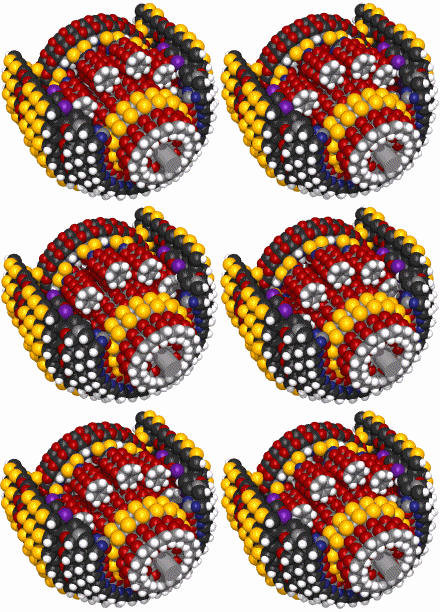
Nanotechnology
Nanotechnology is the use of tiny structures – less than 1,000 nanometres across – that are designed to have specific properties. Nanotechnology is an emerging field in science that is used in a wide range of applications, from consumer goods to health products.

In medicine, nanotechnology has only partially been exploited. It is being investigated as a way to improve the properties of medicines, such as their solubility or stability, and to develop medicines that may provide new ways to:
- deliver medicines to the body;
- target medicines in the body more accurately;
- diagnose and treat diseases;
- support the regeneration of cells and tissues.

Activities at the European Medicines Agency
The European Medicines Agency follows the latest developments in nanotechnology that are relevant to the development of medicines. Recommendations from the Agency’sCommittee for Medicinal Products for Human Use (CHMP) have already led to the approval of a number of medicines based on nanotechnology. These include medicines containing:

- liposomes (microscopic fatty structures containing the active substance), such asCaelyx (doxorubicin), Mepact (mifamurtide) and Myocet (doxorubicin);
- nano-scale particles of the active substance, such as Abraxane (paclitaxel), Emend(aprepitant) and Rapamune (sirolimus).
The development of medicines using newer, innovative nanotechnology techniques may raise new challenges for the Agency in the future. These include discussions on whether the current regulatory framework is appropriate for these medicines and whether existing guidelines and requirements on the way the medicines are assessed and monitored are adequate.
The Agency also needs to consider the acceptability of new testing methods and the availability of experts to guide the Agency’s opinion-making.
An overview of the initiatives taken by European Union (EU) regulators in relation to the development and evaluation of nanomedicines and nanosimilars was published in the scientific journal Nanomedicines. The article describes the regulatory challenges and perspectives in this field:

Ad hoc expert group on nanomedicines
In 2009, the CHMP established an ad hoc expert group on nanomedicines.
This group includes selected experts from academia and the European regulatory network, who support the Agency’s activities by providing specialist input on new scientific knowledge and who help with the review of guidelines on nanomedicines. The group also helps the Agency’s discussions with international partners on issues concerning nanomedicines.
The group held the first ad hoc expert group meeting on nanomedicines on 29 April 2009.
Reflection papers on nanomedicines
In 2011, the CHMP began to develop in 2011 a series of four reflection papers on nanomedicines to provide guidance to sponsors developing nanomedicines.

These documents cover the development both of new nanomedicines and of nanosimilars (nanomedicines that are claimed to be similar to a reference nanomedicine), since the first generation of nanomedicines, including liposomal formulations, iron-based preparations and nanocrystal-based medicines, have started to come off patent:
- joint Ministry of Health, Labour and Welfare / European Medicines Agency reflection paper on the development of block-copolymer-micelle medicinal products, published for a six-month public consultation in January 2013;
- reflection paper on the data requirements for intravenous liposomal products developed with reference to an innovator liposomal product, published in February 2013;
- reflection paper on surface coatings: general issues for consideration regarding parenteral administration of coated nanomedicine products, published in August 2013.

The fourth document, a draft reflection paper on the data requirements for intravenous iron-based nanocolloidal products developed with reference to an innovator medicine, will be released for a six-month public consultation in 2013.
International workshops on nanomedicines
The Agency organises workshops on nanomedicines to explore the scientific aspects of nanomedicines and enable the sharing of experience at an international level, in order to assist future developments in the field:
- First international workshop on nanomedicines (02-03/09/2010)
REFLECTION PAPER ON NANOTECHNOLOGY-BASED MEDICINAL PRODUCTS FOR
HUMAN USE
Related information

Higher-Order Structure Comparability: Case Studies of Biosimilar Monoclonal Antibodies

Figure 1a: Diagram of the antibody array enzyme-linked immunosorbent assay (ELISA)

Figure 1b: ELISA format for the antibody array technology
Great successes for monoclonal antibody (MAb)–based biologics over the past decade have provided many valuable options for patients combating some of the most serious diseases in the world, including cancer and autoimmune diseases. MAbs and antibody–drug conjugates (ADCs) are among the fastest growing biologic segments in development, with hundreds of candidates currently under clinical study.
read at
http://www.bioprocessintl.com/manufacturing/biosimilars/higher-order-structure-comparability/
FDA approves Avastin to treat patients with aggressive and late-stage cervical cancer

August 14, 2014
The U.S. Food and Drug Administration today approved a new use for Avastin (bevacizumab) to treat patients with persistent, recurrent or late-stage (metastatic) cervical cancer.
Cervical cancer grows in the tissues of the lower part of the uterus known as the cervix. It commonly occurs when human papillomaviruses (HPV), a virus that spreads through sexual contact, cause cells to become cancerous. Although there are two licensed vaccines available to prevent many types of HPV that can cause cervical cancer, the National Cancer Institute estimates that 12,360 American women will be diagnosed with cervical cancer and 4,020 will die from the disease in 2014.
Avastin works by interfering with the blood vessels that fuel the development of cancerous cells. The new indication for cervical cancer is approved for use in combination with chemotherapy drugs paclitaxel and cisplatin or in combination with paclitaxel and topotecan.
“Avastin is the first drug approved for patients with late-stage cervical cancer since the 2006 approval of topotecan with cisplatin,” said Richard Pazdur, M.D., director of the Office of Hematology and Oncology Products in the FDA’s Center for Drug Evaluation and Research. “It is also the first biologic agent approved for patients with late-stage cervical cancer and was approved in less than four months under the FDA’s priority review program, demonstrating the agency’s commitment to making promising therapies available to patients faster.”
The FDA reviewed Avastin for treatment of patients with cervical cancer under its priority review program because the drug demonstrated the potential to be a significant improvement in safety or effectiveness over available therapy in the treatment of a serious condition. Priority review provides an expedited review of a drug’s application.
The safety and effectiveness of Avastin for treatment of patients with cervical cancer was evaluated in a clinical study involving 452 participants with persistent, recurrent, or late-stage disease. Participants were randomly assigned to receive paclitaxel and cisplatin with or without Avastin or paclitaxel and topotecan with or without Avastin. Results showed an increase in overall survival to 16.8 months in participants who received chemotherapy in combination with Avastin as compared to 12.9 months for those receiving chemotherapy alone.
The most common side effects associated with use of Avastin in patients with cervical cancer include fatigue, decreased appetite, high blood pressure (hypertension), increased glucose in the blood (hyperglycemia), decreased magnesium in the blood (hypomagnesemia), urinary tract infection, headache and decreased weight. Perforations of the gastrointestinal tract and abnormal openings between the gastrointestinal tract and vagina (enterovaginal fistula) also were observed in Avastin-treated patients.
Avastin is marketed by South San Francisco, California-based Genentech, a member of the Roche Group.
| Country | Patent Number | Approved | Expires (estimated) |
|---|---|---|---|
| Canada | 2286330 | 2008-06-10 | 2018-04-03 |
| Canada | 2145985 | 2003-09-16 | 2012-10-28 |
| Property | Value | Source |
|---|---|---|
| melting point | 61 °C (FAB fragment), 71 °C (whole mAb) | Vermeer, A.W.P. & Norde, W., Biophys. J. 78:394-404 (2000) |

| Protein chemical formula | C6538H10034N1716O2033S44 |
|---|---|
| Protein average weight | 149 kDa |
A recombinant humanized monoclonal IgG1 antibody that binds to and inhibits the biologic activity of human vascular endothelial growth factor (VEGF). Bevacizumab contains human framework regions and the complementarity-determining regions of a murine antibody that binds to VEGF. Bevacizumab is produced in a Chinese Hamster Ovary mammalian cell expression system in a nutrient medium containing the antibiotic gentamicin and has a molecular weight of approximately 149 kilodaltons.
sequence
>"Bevacizumab light chain"
DIQMTQSPSSLSASVGDRVTITCSASQDISNYLNWYQQKPGKAPKVLIYFTSSLHSGVPS
RFSGSGSGTDFTLTISSLQPEDFATYYCQQYSTVPWTFGQGTKVEIKRTVAAPSVFIFPP
SDEQLKSGTASVVCLLNNFYPREAKVQWKVDNALQSGNSQESVTEQDSKDSTYSLSSTLT
LSKADYEKHKVYACEVTHQGLSSPVTKSFNRGEC
>"Bevacizumab heavy chain"
EVQLVESGGGLVQPGGSLRLSCAASGYTFTNYGMNWVRQAPGKGLEWVGWINTYTGEPTY
AADFKRRFTFSLDTSKSTAYLQMNSLRAEDTAVYYCAKYPHYYGSSHWYFDVWGQGTLVT
VSSASTKGPSVFPLAPSSKSTSGGTAALGCLVKDYFPEPVTVSWNSGALTSGVHTFPAVL
QSSGLYSLSSVVTVPSSSLGTQTYICNVNHKPSNTKVDKKVEPKSCDKTHTCPPCPAPEL
LGGPSVFLFPPKPKDTLMISRTPEVTCVVVDVSHEDPEVKFNWYVDGVEVHNAKTKPREE
QYNSTYRVVSVLTVLHQDWLNGKEYKCKVSNKALPAPIEKTISKAKGQPREPQVYTLPPS
REEMTKNQVSLTCLVKGFYPSDIAVEWESNGQPENNYKTTPPVLDSDGSFFLYSKLTVDK
SRWQQGNVFSCSVMHEALHNHYTQKSLSLSPGK
| Monoclonal antibody | |
|---|---|
| Type | Whole antibody |
| Source | Humanized (from mouse) |
| Target | VEGF-A |
| Clinical data | |
| Trade names | Avastin |
| AHFS/Drugs.com | monograph |
| Licence data | EMA:Link, US FDA:link |
| Pregnancy cat. | C (US) |
| Legal status | ℞ Prescription only |
| Routes | Intravenous |
| Pharmacokinetic data | |
| Bioavailability | 100% (IV only) |
| Half-life | 20 days (range: 11–50 days) |
| Identifiers | |
| CAS number | 216974-75-3  |
| ATC code | L01XC07 |
| DrugBank | DB00112 |
| UNII | 2S9ZZM9Q9V |
| KEGG | D06409 |
| ChEMBL | CHEMBL1201583  |
| Chemical data | |
| Formula | C6638H10160N1720O2108S44 |
| Mol. mass | approx. 149 kDa |
AbbVie’s glioblastoma multiforme therapy receives orphan drug designation
ABT-414 is in phase I/II clinical development at AbbVie for the treatment of squamous cell carcinoma. The product is also in early clinical development for the treatment of glioblastoma multiforme.
In 2014, orphan drug designation was received in the U.S. and E.U. by AbbVie for the treatment of glioblastoma multiforme.
EGFR antibody-drug conjugate (cancer), Abbott; ABT-414; EGFR antibody-drug conjugate (cancer), AbbVie; EGFR-ADC (cancer), AbbVie; ABT-806-MMAF conjugate; anti-EGFR antibody-MMAF conjugate, AbbVie; EGFR-ADC (cancer), Abbott
AbbVie’s glioblastoma multiforme therapy receives orphan drug designation
AbbVie has obtained orphan drug designation from the European Medicines Agency (EMA) and the US FDA for its anti-epidermal growth factor receptor monoclonal antibody drug conjugate, ABT-414, as a treatment for glioblastoma multiforme.
AbbVie has obtained orphan drug designation from the European Medicines Agency (EMA) and the US FDA for its anti-epidermal growth factor receptor monoclonal antibody drug conjugate, ABT-414, as a treatment for glioblastoma multiforme.
read at
AbbVie’s ABT-414 Receives FDA and EMA Orphan Drug Designation
AbbVie announced that the EMA and the FDA have granted orphan drug status to its investigational compound ABT-414, an anti-epidermal growth factor receptor antibody drug conjugate. It is currently being evaluated for safety and efficacy in patients with glioblastoma multiforme. Glioblastoma multiforme is the most common and most aggressive type of malignant primary brain tumor. Each year in the United States and Europe, two to three out of every 100,000 people are diagnosed with glioblastoma multiforme, which has a five-year survival rate of approximately 4 percent.
“The orphan drug designation is an important regulatory advancement as we further our development in recurrent glioblastoma multiforme, a disease that is uniformly fatal with limited treatment options,” said Gary Gordon, M.D., vice president, oncology clinical development, AbbVie. “We are pleased to continue developing ABT-414 in Phase II trials in patients with glioblastoma multiforme based on the results of our Phase I program.” Read the press release
AbbVie oncology clinical development vice-president Gary Gordon said: “The orphan drug designation is an important regulatory advancement as we further our development in recurrent glioblastoma multiforme, a disease that is uniformly fatal with limited treatment options.
“We are pleased to continue developing ABT-414 in Phase II trials in patients with glioblastoma multiforme based on the results of our Phase I programme.”
AbbVie is currently evaluating the safety and efficacy of ABT-414 in patients with glioblastoma multiforme, the most aggressive type of malignant primary brain tumour.
In May, the company presented results from the Phase I clinical trial evaluating ABT-414 in combination with temozolomide in patients with recurrent or unresectable glioblastoma multiforme.
The Phase I trial was designed to assess the toxicities, pharmacokinetics and recommended Phase II dose of ABT-414 when administered every other week in combination with temozolomide.
Other important assessments included adverse events, pharmacokinetic parameters, objective response and tumour tissue epidermal growth factor receptor biomarkers.
The study results showed four objective responses, including one complete response.
AbbVie has developed ABT-414 with components in-licenced from Life Science Pharmaceuticals and Seattle Genetics.
ABT-414 is also being evaluated in clinical trials for the treatment of patients with squamous cell tumours.
About ABT-414
ABT-414 is an anti-EGFR (epidermal growth factor receptor) monoclonal antibody drug conjugate (ADC). As an ADC, ABT-414 is designed to be stable in the bloodstream and only release the potent cytotoxic agent once inside targeted cancer cells. Developed by AbbVie researchers with components in-licensed from Life Science Pharmaceuticals, ABT-414 is currently being investigated for the treatment of glioblastoma multiforme, the most common and most aggressive malignant primary brain tumor. ABT-414 is also in clinical trials for the treatment of patients with squamous cell tumors. ABT-414 is an investigational compound and its efficacy and safety have not been established by the FDA.
About Glioblastoma Multiforme
Glioblastoma is the most common and most aggressive type of malignant primary brain tumor. Each year in the U.S. and Europe, two to three out of every 100,000 people are diagnosed with glioblastoma, which has a five year survival rate of less than 3 percent. Prior to diagnosis, most patients experience a serious symptom of glioblastoma, such as a seizure. Typically patients succumb to the disease approximately 15 months after diagnosis. Treatment for glioblastoma remains challenging and no long-term treatments are currently available. Standard treatment is surgical resection, radiotherapy and concomitant adjunctive chemotherapy. More than 8,700 patients are enrolled in industry-sponsored clinical studies.
ref………
A phase 1 study evaluating ABT-414 in combination with temozolomide (TMZ) for subjects with recurrent or unresectable glioblastoma (GBM)
50th Annu Meet Am Soc Clin Oncol (ASCO) (May 30-June 3, Chicago) 2014, Abst 2021
ABT-414: An anti-EGFR antibody drug conjugate for the treatment of glioblastoma patients
18th Annu Sci Meet Soc Neuro-Oncol (November 21-24, San Francisco) 2013, Abst ET-079
ABT-414: An anti-EGFR antibody-drug conjugate as a potential therapeutic for the treatment of patients with squamous cell tumors
25th EORTC-NCI-AACR Symp Mol Targets Cancer Ther (October 19-23, Boston) 2013, Abst A250
A Phase I/II Study Evaluating the Safety, Pharmacokinetics and Efficacy of ABT-414 in Subjects With Advanced Solid Tumors Likely to Over-Express the Epidermal Growth Factor Receptor (EGFR) (NCT01741727)
ClinicalTrials.gov Web Site 2012, December 07
FDA grants breakthrough therapy designation to Boehringer’s Idarucizumab, BI 655075

- 1-225-Immunoglobulin G1, anti-(dabigatran) (human-Mus musculus γ1-chain) (225→219′)-disulfide with immunoglobulin G1, anti-(dabigatran) (human-Mus musculus κ-chain)Protein SequenceSequence Length: 444, 225, 219
BI 655075, Idarucizumab
- Idarucizumab [INN]
- UNII-97RWB5S1U6
CAS 1362509-93-0
Treatment of dabigatran associated haemorrhage

The US Food and Drug Administration (FDA) has granted breakthrough therapy designation for Boehringer Ingelheim Pharmaceuticals’ idarucizumab, an investigational fully humanised antibody fragment being studied as a specific antidote for Pradaxa.
Boehringer Ingelheim Pharmaceuticals Medicine & Regulatory Affairs senior vice-president Sabine Luik said: “We are committed to innovative research and to advancing care in patients taking Pradaxa.
http://apps.who.int/trialsearch/Trial.aspx?TrialID=EUCTR2013-004813-41-EE
- IDARUCIZUMAB (BI 655075)
- What is it? It is a humanized antibody fragment directed against dabigatran; generated from mouse monoclonal antibody against dabigatran; humanized and reduced to a FAb fragment.
- What anticoagulant drugs might it reverse? Dabigatran.
- Clinical trial status: (a) A phase 3 study of patients on dabigatran with major bleeding or needing emergency surgery is in the planning stages and will likely start in 2014. (b) A phase 1 study to determine the effect of idarucizumab on coagulation tests in dabigatran-treated healthy volunteers has been completed (NCT01688830), another two are ongoing (NCT01955720; NCT02028780).

June 26, 2014
Pradaxa Antidote, Idarucizumab Designated Breakthrough Therapy
Boehringer Ingelheim announced that the FDA has granted Breakthrough Therapy designation to idarucizumab, an investigational fully humanized antibody fragment (Fab), being evaluated as a specific antidote for Pradaxa (dabigatran etexilate mesylate).
Data from a Phase 1 trial demonstrated that idarucizumab was able to achieve immediate, complete, and sustained reversal of dabigatran-induced anticoagulation in healthy humans. The on-set of action of the antidote was detected immediately following a 5-minute infusion while thrombin time was reversed with idarucizumab. Reversal of the anticoagulation effect was complete and sustained in 7 of 9 subjects who received the 2g dose and in 8 out of 8 subjects who received the 4g dose. The 1g dose resulted in complete reversal of anticoagulation effect; however, after approximately 30 minutes there was some return of the anticoagulation effects of dabigatran.
RELATED: Anticoagulant Dosing Conversions
A global Phase 3 study, RE-VERSE AD, is underway in patients taking Pradaxa who have uncontrolled bleeding or require emergency surgery or procedures. Currently there are no specific antidotes for newer oral anticoagulants.
Pradaxa is approved to reduce the risk of stroke and systemic embolism in non-valvular atrial fibrillation (AF). Treatment of deep vein thrombosis (DVT) and pulmonary embolism (PE) in patients who have been treated with parenteral anticoagulant for 5–10 days. To reduce risk of recurrent DVT/PE in patients who have been previously treated.
For more information call (800) 542-6257 or visit Boehringer-Ingelheim.com.
Sanofi gives back rights to Merrimack cancer drug
After a series of late-stage failures, Sanofi has returned the rights to the cancer compound MM-121 to Merrimack Pharmaceuticals.
MM-121, a monoclonal antibody designed to block ErbB3 activation in patients with heregulin-positive tumours, has been tested in Phase II trials in partnership with the French giant in ovarian, breast and lung cancer. However, none of them have met their primary endpoints and Sanofi has decided to pull the plug, although it will continue to fund the existing MM-121 Phase II programme for the next six months.

BI-836845 a fully human mAb targeting IGF-1 created using HuCAL technology from Morphosys, for the potential iv infusion treatment of cancer, including solid tumors and breast cancer.

BI-836845
Human monoclonal IgG1 lambda antibody against IGF-1 (insulin growth factor-1) and IGF-2
| IGF pathway modulator (iv, cancer), Boehringer Ingelheim; |
Phase 2 Clinical
Anticancer protein kinase inhibitor; Anticancer monoclonal antibody
WO-2008155387
Boehringer Ingelheim International Gmbh

Boehringer Ingelheim is developing BI-836845, a fully human mAb targeting IGF-1 created using HuCAL technology from Morphosys, for the potential iv infusion treatment of cancer, including solid tumors and breast cancer.
In April 2011, a phase I trial was initiated in the UK . In October 2011, another phase I trial was initiated in Taiwan. In February 2014, recruitment was ongoing. At that time, the trial was expected to be completed in March 2015 In June 2014, the drug was listed as being in phase I development for solid tumors in Japan and for breast cancer
In May 2014, an open-label, randomized, parallel-assigned, phase II trial (NCT02123823; 1280.4; 2013-001110-15) to evaluate the safety and efficacy of BI-836845 and everolimus in combination with exemestane in women with breast cancer (expected n = 198) was planned to be initiated in Belgium, France and the Netherlands. At that time, the trial was expected to complete in December 2017
In June 2014, an open-label, single-group assigned, phase I trial (NCT02145741; 1280.15) to evaluate BI-836845 in Japanese patients (expected n = 18) with advanced solid tumors was planned to be initiated in Japan. At that time, the trial was expected to complete in June 2015
In March 2011, a non-randomized, open-label, phase I study (NCT01317420; 1280.2; 2010-021714-29) was planned to begin later that month in patients with solid tumors (expected n = 70) in the UK, to assess the safety, efficacy, pharmacokinetics, pharmacodynamics and pharmacogenomics of BI-836845. The study began in April 2011; at that time, completion was expected in March 2013 .
In June 2012, preclinical data were presented at the 48th ASCO meeting in Chicago, IL. In the study, the combination of BI-836845 plus rapamycin was more effective than single agent therapy at inhibiting Ewing’s sarcoma cell proliferation in vitro and in a nude mouse xenograft model .

In November 2011, preclinical data were presented at the 23rd AACR-NCI-EORTC International Conference in San Francisco, CA. BI-836845 potently inhibited proliferation of the multiple myeloma cell line LP-1 with an EC50 of 0.4 nM.
BI-836845 is a human monoclonal IgG1 lambda antibody against IGF-1 (insulin growth factor-1) and IGF-2 (insulin growth factor-2). Phase II clinical trials are ongoing at Boehringer Ingelheim for the treatment of patients with breast cancer, and phase I clinical trials are ongoing with patients with advanced solid tumors.
Insulin-like growth factor-1 (IGF-1; a 70 amino-acid polypeptide) and insulin-like growth factor-2 (IGF-2; a 67 amino-acid polypeptide) are 7.5-kD soluble factors present in serum that can potently stimulate the growth of many mammalian cells (reviewed by Pollack et al., 2004). Although IGFs can be detectable in a number of tissues the main source of circulating IGFs is the liver which secretes the IGFs and IGF binding proteins (IGFBPs) in response to a complex signaling pathway that is initiated in the pituitary gland and transduced via growth hormone. On secretion into the bloodstream the IGFs form complexes with the IGFBPs which not only protects them from proteolytic degradation in the serum en route to their target tissues but also prevents their association with the IGF receptors. In addition to this endocrine source of IGFs they are also known to be secreted in an autocrine or paracrine manner in target tissues themselves. This is known to occur during normal fetal development where the IGFs play a key role in the growth of tissues, bone and organs. It is also seen in many cancer tissues where there is thought to be paracrine signaling between tumour cells and stromal cells or autocrine IGF production by the tumour cells themselves (reviewed by LeRoith D, 2003).
30 May 2014
MEDIA ALERT
ASCO 2014: Boehringer Ingelheim to present latest oncology research, including overall survival results
• Highly anticipated new overall survival data for Giotrif® (afatinib*) to be presented on June 2nd (3:00 – 6:00 PM, E Hall D2 [Abstract #8004 scheduled for 4:00 – 4:12 PM])
• 7 total abstracts accepted for Giotrif® (afatinib*), nintedanib** and BI 836845**: 1 for oral presentation and 6 posters
| BI 836845 (IGF ligand antibody)** | ||
| A Phase I dose escalation study of weekly BI 836845, a fully human, affinity-optimized, insulin-like growth factor (IGF) ligand neutralizing antibody, in patients with advanced solid cancers | Chia-Chi Lin, Kwang-Yu Chang, Dennis Chin-Lun Huang, Vicky Marriott, Ludy van Beijsterveldt, Li-Tzong Chen, Ann-Lii Cheng | Sunday, June 1 8:00 – 11:45 AM S Hall A2 (Abstract #2617 Poster #80) |
| Phase I dose escalation study of 3-weekly BI 836845, a fully human, affinity optimized, insulin-like growth factor (IGF) ligand neutralizing antibody, in patients with advanced solid tumours | Rihawi K, Ong M, Michalarea V, Bent L, Buschke S4, Bogenrieder T, Anthoney A, de Bono J, Twelves CJ | Sunday, June 1 8:00 – 11:45 AM S Hall A2 (Abstract #2622 Poster #85) |
The activity of the IGFs is thought to be regulated by a complex and relatively poorly understood interaction involving seven different IGFBPs and other serum proteins. Activation of the IGFs involves their release from this ternary complex after proteolytic release of the serum binding protein and IGFBPs, this is thought to occur in close proximity to cell surfaces where the IGFs are then free to bind to their receptors and transduce intracellular signals that ultimately leads to cellular proliferation and the inhibition of apoptosis. IGF-1 and IGF-2 are able to bind to the IGF-1 receptor (IGF-1R) expressed on many normal tissues, which functionally is a 460 kD heterotetramer consisting of a dimerised alpha- and beta-subunit, with similar affinities (Rubin et al., 1995). IGF-2 can also bind to the IGF-2 receptor (also know as the mannose-6-phosphate receptor) which does not have any known signaling function, rather it is thought to act as a sink for IGF-2 and prevent it from binding and signaling through the IGF-1R. In this respect the IGF-2R has been demonstrated to be a tumour suppressor protein. The IGF-1R is structurally similar to the insulin receptor which exists in two forms, IR-A and IR-B, which differ by an alternatively spliced 12 amino acid exon deletion in the extracellular domain of IR-A. IR-B is the predominant IR isoform expressed in most normal adult tissues where it acts to mediate the effects of insulin on metabolism. IR-A on the other hand is known to be highly expressed in developing fetal tissues but not in adult normal tissues. Recent studies have also shown that IR-A, but not IR-B, is highly expressed in some cancers. The exon deletion in IR-A has no impact on insulin binding but does cause a small conformational change that allows IGF-2 to bind with much higher affinity than for IR-B (Frasca et al., 1999; Pandini et al., 2002). Thus, because of it’s expression in cancer tissues and increase propensity for IGF-2 binding, IR-A may be as important as IGF1-R in mediating the mitogenic effects of IGF-2 in cancer.
Binding of the IGFs to IGF-1R triggers a complex intracellular signaling cascade which results in activation of proteins that stimulate growth and inhibit apoptosis (reviewed by Pollack et al., 2004). In terms of growth, upregulated translation is induced by the activation of p70 S6 kinase, which in turn phosphorylates the S6 ribosomal protein (Dufner and Thomas, 1999). Thus, IGF-stimulated cell growth can be measured by the rapid increase in phosphorylated S6 ribosomal protein.
Unlike the EGFR and Her2neu receptors there is no known amplification of the IGF1-R or IR-A receptors in cancers indicating that receptor activation is controlled by the presence of active ligand. There is a very large body of scientific, epidemiological and clinical literature implicating a role for the IGFs in the development, progression and metastasis of many different cancer types (reviewed by Jerome et al., 2003; and Pollack et al., 2004).
For example, in colorectal cancer the expression of IGF-2 mRNA and protein is elevated in clinical colorectal tumour specimens compared with adjacent normal tissue (Freier et al., 1999; Li et al., 2004). There is also a positive correlation of elevated IGF serum levels with proliferating cell index in patients with colorectal neoplasia (Zhao et al., 2005). In addition, elevated circulating levels of IGF-2 correlate with an increased risk of developing colorectal cancers and adenomas (Renehan et al., 2000a) and b); Hassan et al., 2000). Loss of parental imprinting (LOI) of the IGF-2 gene, an epigenetic alteration that results in elevated IGF-2 expression, is a heritable molecular trait that has recently been identified in patients with colorectal and other tumour types. Loss of IGF-2 imprinting has been shown to be associated with a five-fold risk of colorectal neoplasia (Cui et al., 2003; Cruz-Correa et al., 2004) and adenomas (Woodson et al., 2004). Antibodies targeting the alpha-subunit of the IGF-1R which block IGF binding and internalize the receptor have been shown to delay the growth of the xenografted colon cancer-derived cell lines such as COLO 205 (Burtrum et al., 2003).
Elevated levels of IGFs are associated with a poor prognosis in human pulmonary adenocarcinomas (Takanami et al., 1996) and IGFs are expressed and secreted by many SCLC— and NSCLC-derived cell lines (Quinn et al., 1996). Transgenic over-expression of IGF-2 induces spontaneous lung tumours in a murine model (Moorhead et al., 2003). In terms of hepatocellular carcinoma (HCC), human clinical specimens and animal models of HCC express higher levels of IGF mRNA and protein than corresponding normal tissues and this has been correlated with increased tumour growth (Wang et al., 2003; Ng et al., 1998). IGF-2 has also been shown to be a serological marker of HCC with elevated levels in the serum of HCC patients compared with controls (Tsai et al., 2005). An orthotopic xenograft tumour model of HCC was established using Hep 3B cells, and used to demonstrate that inhibition of IGF-2 expression using a methylated oligonucleotide enhances survival (Yao et al., 2003a) and b).
Many childhood solid tumours such as Ewing sarcoma and rhabdomyosarcoma appear to be particularly dependent on the IGF signaling pathway for their growth (Scotlandi et al., 1996). LOI of the IGF-2 gene has been implicated as a primary genetic event in the development for embryonal rhabdomyosarcoma (Fukuzawa et al., 1999). Autocrine IGF signaling is also thought to strongly influence the growth of Ewing sarcoma in cases where the type-1 EWS-FLI1 chimeric transcription factor is expressed through a chromosomal translocation resulting in elevated expression of target genes including the IGF ligands and IGF-1R, and reduced expression of IGFBP-3. Antibodies and small molecule compounds targeting the IGF-1R have been shown to reduce the growth of xenografted pediatric solid tumour derived cell lines (Kolb et al., 2008; Manara et al., 2007).
Using IGF ligand-specific antibodies it has been demonstrated that the growth of human prostate cancer cells in adult human bone implanted into SCID mice can be inhibited (Goya et al., 2004). In addition, it was demonstrated that the same IGF ligand antibodies could block the paracrine supply of IGF and suppress the liver metastasis of human colorectal cancer cells in a murine xenograft system (Miyamoto et al., 2005).
There is also considerable evidence suggesting that the IGF signaling system reduces the sensitivity of cancers to chemotherapeutic agents and radiation. One of the earliest findings in this respect was the demonstration that IGF-1R knock-out mouse embryos are refractory to transformation by viruses, oncogenes and over-expressed growth factor receptors (Sell et al., 1993; Sell et al., 1994) and that over-expression of IGF-1R protects cells from UV irradiation and gamma radiation-induced apoptosis (Kulik et al., 1997). Furthermore, using liver tumour cell lines that secrete large amounts of IGF-2, it was found that neutralization of IGF-2 significantly increased response to chemotherapeutic agents such as cisplatin and etoposide in vitro, especially at lower, cytostatic doses, suggesting that IGF-2 can reduce the susceptibility to chemotherapeutic agents (Lund et al., 2004). Consistent with these findings it has been demonstrated that antibodies targeting the IGF-1R increase the susceptibility of tumour xenografts to growth inhibition by chemotherapeutic drugs and radiation (Goetsch et al., 2005).
A number of antibodies that show cross-reactive binding to human IGF-1 and human IGF-2 have been reported. Antibody sm1. was raised against human IGF-1 and shows 40% cross-reactivity to human IGF-2 and was shown to inhibit the proliferation of a mouse fibroblast cell line BALB/c3T3 which was stimulated with 20 ng/ml human IGF-1 (Russell et al., 1984). In a study designed to functionally epitope map IGF-1 by raising monoclonal antibodies to whole IGF-1 protein and portions of the protein a number of antibodies where identified that cross reacted with IGF-2 (Manes et al., 1997). The percent cross-reactivity with IGF-2 ranged from 0 to 800% and several antibodies were identified which were equally IGF-1 and IGF-2 reactive. KM1486 is a rat monoclonal antibody that cross-reacts with human IGF-1 and IGF-2 and it was demonstrated that KM1486 can inhibit growth of human prostate cancer cells in human adult bone implanted into nonobese diabetic/severe combined immunodeficient mice (Goya et al., 2004). In addition, it was demonstrated that KM1486 suppresses the liver metastasis of human colorectal cancers (Miyamoto et al., 2005). KM1486 has also been described in WO 03/093317, JP 2003-310275, WO 2005/018671, WO 2005/028515, and WO 2005/027970.
For the treatment of human disease an antibody with a fully human sequence is highly desirable in order to minimize the risk of generating a human anti-antibody reaction and neutralizing antibodies that will rapidly eliminate the administered antibody from the body and thereby reduce the therapeutic effect. As such, and given the roles of IGF-1 and IGF-2 dependent signaling in the development and progression of cancers it would be desirable to obtain high affinity fully human antibodies that co-neutralise the mitogenic effects of both ligands.
In addition, to maximize the therapeutic potential of such an antibody, it is important to have a suitably long terminal half life (T1/2). Prior to terminal half life determination in human subjects, the most accurate estimation of an antibody’s human terminal half life can be obtained from administration to non-human primates such as cynomolgus monkeys. For example, bevacizumab, a registered humanized monoclonal antibody against vascular endothelial growth factor (VEGF) used for the treatment of several human cancers, has a terminal half-life in cynomolgus monkeys of 8.57±0.38 days (Lin et al., 1999), which translates to a terminal half life in humans of approximately 20 days allowing for a single administration once every two weeks (Lu et al., 2008).

It was a further object of the invention to obtain an antibody that does not affect binding of insulin to its receptor.
The clinical development of therapeutic agents is supported by pharmacodynamic biomarkers of drug activity. Clinical studies with antibodies targeting the IGF-1R have demonstrated that an increase in total serum IGF-1 levels may be a useful pharmacodynamic marker for these agents (Pollack et al., 2007). The reason for the increase in total serum IGF-1 levels is likely due to a feedback mechanism involving pituitary growth hormone (GH) secretion which releases both IGF-1 and IGFBPs from the liver. Indeed, in humans it has been demonstrated that free or bioactive IGF-1, which represents only around 1% of total IGF-1 levels, determines the feedback response (Chen et al., 2005). The inventors thus sought to confirm whether total serum IGF-1 levels are also a useful pharmacodynamic marker for the activity of a therapeutic anti-IGF antibody. In this case it would be desirable for such antibody to be cross-reactive with IGFs from a suitable animal species, e.g. mouse or rat, such that a pharmacodynamic effect can already be tested pre-clinically.

Boehringer Ingelheim
The Boehringer Ingelheim group is one of the world’s 20 leading pharmaceutical companies. Headquartered in Ingelheim, Germany, Boehringer Ingelheim operates globally with 142 affiliates and a total of more than 47,400 employees. The focus of the family-owned company, founded in 1885, is researching, developing, manufacturing and marketing new medications of high therapeutic value for human and veterinary medicine.
Taking social responsibility is an important element of the corporate culture at Boehringer Ingelheim. This includes worldwide involvement in social projects, such as the initiative “Making more Health” and caring for the employees. Respect, equal opportunities and reconciling career and family form the foundation of the mutual cooperation. In everything it does, the company focuses on environmental protection and sustainability.
In 2013, Boehringer Ingelheim achieved net sales of about 14.1 billion euros. R&D expenditure corresponds to 19.5% of its net sales.

Fig.1 Production of MAb
| Adam, P.J.; Friedbichler, K.; Hofmann, M.H.; Bogenrieder, T.; Borges, E.; Adolf, G.R. BI 836845, a fully human IGF ligand neutralizing antibody, to improve the efficacy of rapamycin by blocking rapamycin-induced AKT activation 48th Annu Meet Am Soc Clin Oncol (ASCO) (June 1-5, Chicago) 2012, Abst 3092 |
| Lin, C.-C.; Chang, K.-Y.; Huang, D.C.; Marriott, V.; Van Beijsterveldt, L.; Chen, L.-T.; Cheng, A.-L. A phase I dose escalation study of weekly BI 836845, a fully human, affinity-optimized, insulin-like growth factor (IGF) ligand neutralizing antibody, in patients with advanced solid cancers 50th Annu Meet Am Soc Clin Oncol (ASCO) (May 30-June 3, Chicago) 2014, Abst 2617 |
Adam, P.J.; Ostermann, E.; Lamche, H.R.; Hofmann, M.H.; Kroez, M.; Borges, E.; Adolf, G.R.
Pharmacodynamic properties and anti-tumor efficacy of BI 836845, a fully human IGF ligand neutralizing antibody
AACR-NCI-EORTC Int Conf Mol Targets Cancer Ther (November 12-16, San Francisco) 2011, Abst A208
| Rihawi, K.; Ong, M.; Michalarea, V.; et al. Phase I dose escalation study of 3-weekly BI 836845, a fully human, affinity optimized, insulin-like growth factor (IGF) ligand neutralizing antibody, in patients with advanced solid tumors 50th Annu Meet Am Soc Clin Oncol (ASCO) (May 30-June 3, Chicago) 2014, Abst 2622 |


 New Drug Approvals
