
Home » EU PIPELINE (Page 6)
Category Archives: EU PIPELINE
 DRUG APPROVALS BY DR ANTHONY MELVIN CRASTO
.....FOR BLOG HOME CLICK HERE
DRUG APPROVALS BY DR ANTHONY MELVIN CRASTO
.....FOR BLOG HOME CLICK HEREFlag and hits
ORGANIC SPECTROSCOPY

SUBSCRIBE

 Subscribe in a reader
Enter your email address:
Delivered by FeedBurner
Subscribe to New Drug Approvals by Email


Recent Comments
 | shivkr2 on SPSR Excellence Award 2025 – S… |
 | Bonkasaurus on Infigratinib phosphate |
 | PALOVAROTENE | ORGAN… on Palovarotene |
| Pfizer just purchase… on Temanogrel | |
| Pfizer To Cash In On… on Temanogrel |


GSK announces regulatory submission for umeclidinium monotherapy in European Union
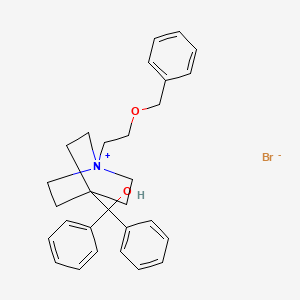
Umeclidinium bromide
http://www.ama-assn.org/resources/doc/usan/umeclidinium-bromide.pdf
26 April 2013
GlaxoSmithKline plc today announced the submission of a regulatory application in the European Union for the investigational once-daily medicine, umeclidinium bromide (UMEC), for patients with chronic obstructive pulmonary disease (COPD).
UMEC is an investigational bronchodilator molecule (formerly known as GSK573719), a long-acting muscarinic antagonist (LAMA), administered using the ELLIPTA™ inhaler.
A Marketing Authorisation Application (MAA) for UMEC monotherapy (55 mcg delivered dose) has been submitted to the European Medicines Agency (EMA), for a maintenance bronchodilator treatment to relieve symptoms in adult patients with COPD.
Regulatory filings for UMEC monotherapy are imminent in the US and planned in other countries during the course of 2013.
EMA- Committee for Medicinal Products for Human Use (CHMP) adopted a positive opinion, recommending the granting of a marketing authorisation for Spedra, for the treatment of erectile dysfunction in adult men.

AVANAFIL, SPEDRA
On 25 April 2013, the Committee for Medicinal Products for Human Use (CHMP) adopted a positive opinion, recommending the granting of a marketing authorisation for the medicinal product Spedra, 50 mg, 100 mg, 200 mg, tablet intended for the treatment of erectile dysfunction in adult men.
The applicant for this medicinal product is VIVUS BV.
They may request a re-examination of any CHMP opinion, provided they notify the European Medicines Agency in writing of their intention within 15 days of receipt of the opinion. The active substance of Spedra is avanafil, a selective phosphodiesterase (PDE) type 5 inhibitor that leads to higher cyclic guanosine monophosphate (cGMP)-specific PDE5 levels. This enhances smooth muscle relaxation, which results in an inflow of blood into the penile tissues, thereby producing an erection. The benefit with Spedra is its effect on the ability of men with erectile dysfunction to achieve and maintain an erection sufficient for satisfactory sexual activity. It was observed in clinical trials that Spedra increased the percentage of sexual attempts resulting in successful intercourse by roughly 20-30% over placebo in the general population of adult men with erectile dysfunction. The most common side effects are headache, flushing, nasal and sinus congestion, dyspepsia and back pain. A pharmacovigilance plan for Spedra will be implemented as part of the marketing authorisation. The approved indication is: “Treatment of erectile dysfunction in adult men. In order for Spedra to be effective, sexual stimulation is required.” Detailed recommendations for the use of this product will be described in the summary of product characteristics (SmPC), which will be published in the European public assessment report (EPAR) and made available in all official European Union languages after the marketing authorisation has been granted by the European Commission. The CHMP, on the basis of quality, safety and efficacy data submitted, considers there to be a favourable benefit-to-risk balance for Spedra and therefore recommends the granting of the marketing authorisation.
Avanafil is a PDE5 inhibitor approved for erectile dysfunction on April 27, 2012.[1] Avanafil is known by the trademark name Stendra and was developed by Vivus Inc. It acts by inhibiting a specific phosphodiesterase type 5 enzyme which is found in various body tissues, but primarily in the corpus cavernosum penis, as well as the retina. Other similar drugs are sildenafil, tadalafil and vardenafil. The advantage of avanafil is that it has very fast onset of action compared with other PDE5 inhibitors.
Avanafil can be synthesized from a benzylamine derivative and a pyrimidine derivative:

“FDA approves Stendra for erectile dysfunction” (Press release). Food and Drug Administration (FDA). April 27, 2012.
Yamada, K.; Matsuki, K.; Omori, K.; Kikkawa, K.; 2004, U.S. Patent 6,797,709
A cutting that phenanthrene by a methylthio urea ( a ) and ethoxy methylene malonate ( 2 ) cyclization of 3 , chloride, phosphorus oxychloride get 4 , 4 with benzyl amine 5 occurred SNAr the reaction product after oxidation with mCPBA 6 . In pyrimidine, if the 2 – and 4 – positions are active simultaneously the same leaving group in the case, SNAr reaction occurs preferentially at 4 – position, but does not guarantee the 2 – side reaction does not occur. Here is an activity of the poor leaving group sulfide spans 2 – bit, and a good leaving group active chlorine occupy four – position, thus ensuring a high regioselectivity of the reaction. 4 – position after completion of the reaction, then the 2 – position of the group activation, where sulfide sulfoxide better than the leaving group. Amino alcohols 7 and 6 recurrence SNAr reaction 8 , 8 after alkaline hydrolysis and acid alpha amidation get that phenanthrene.
European Medicines Agency recommends approval of first treatment for pseudobulbar affect
26/04/2013

Dextromethorphan

Quinidine
European Medicines Agency recommends approval of first treatment for pseudobulbar affect
Medicine to help curb bouts of uncontrolled emotional expression in patients with certain neurological disorders
The European Medicines Agency’s Committee for Medicinal Products for Human Use (CHMP) has recommended the granting of a marketing authorisation for Nuedexta, a medicine for the treatment of pseudobulbar affect in adults.
Pseudobulbar affect is a medical condition in which patients experience sudden and uncontrollable bouts of laughing or crying unrelated or disproportionate to their emotional state. It occurs when certain neurological disorders, such as multiple sclerosis (MS) and amyotrophic lateral sclerosis (ALS) or a stroke, damage areas of the brain that are involved in the control of normal expression of emotion. This damage can disrupt brain signalling, resulting in the alteration or loss of control of emotional expression.
Although pseudobulbar affect is a non-life-threatening condition, it can have a significant impact on an individual’s ability to interact normally in society and on their relationships with others. There is currently no treatment approved for pseudobulbar affect in the European Union.
Nuedexta is a combination of two known active substances, dextromethorphan hydrobromide and quinidine sulphate. In studies, treatment with these medicines significantly decreased episodes of involuntary, uncontrollable laughing or crying.
Pseudobulbar affect is observed in a number of neurological conditions. Nuedexta has currently only been studied in patients with MS and ALS. Nuedexta is not suitable for treating episodes of laughing or crying brought on by mood swings and not due to pseudobulbar affect.
The CHMP’s opinion on Nuedexta will now be sent to the European Commission for the adoption of a marketing authorisation.
Note
- The marketing authorisation holder for Nuedexta is Jenson Pharmaceutical Services Ltd.
Dextromethorphan/quinidine (trade name Nuedexta) is a combination drug containing the active ingredients dextromethorphan and quinidine. It was the first FDA-approved drug for the treatment of pseudobulbar affect (PBA).
In a 12 week randomized, double-blind trial, amyotrophic lateral sclerosis and multiple sclerosis patients with significant PBA were given either Nudexta 30/10 mg or placebo. In 326 randomized patients, the PBA-episode daily rate was 46.9% (p < 0.0001) lower for Nudexta than for placebo.
Nuedexta was approved in February 2011 and is marketed in the United States by Avanir Pharmaceuticals.
EU OKs Sanofi’s 6 in 1 Pediatric Vaccine
Hexyon/ Hexyon/Hexyon/Hexyon/ Hexacima Hexacima Hexacima 6-in -1 Pediatric Vaccine 1 Pediatric Vaccine 1 Pediatric Vaccine1 Pediatric Vaccine 1 Pediatric Vaccine Approved in Europe
Hexyon/Hexacima is the only fully liquid, ready-to-use, 6-in-1 pediatric vaccine –
Lyon, France – April 22, 2013 – Sanofi Pasteur, the vaccines division of Sanofi (EURONEXT: SAN and NYSE: SNY), announced today that the European Commission approved Sanofi Pasteur’s 6-in-1 pediatric vaccine HexyonTM/Hexacima® (DTaP-IPV-Hib-HepB vaccine) for primary and booster vaccination of infants from six weeks of age.
HexyonTM/Hexacima® is the only fully liquid, ready-to-use, 6-in-1 vaccine to protect infants against diphtheria, tetanus, pertussis (whooping cough), Hepatitis B, poliomyelitis and invasive infections caused by Haemophilus influenzae type b…………………….read more at pharmalive
http://www.pharmalive.com/eu-oks-sanofis-6-in-1-pediatric-vaccine
also read at
Biogen’s Tecfidera MS Drug Wins EU Agency’s Backing

Tecfidera
Biogen Idec Inc. won European Union backing for Tecfidera, one of the first therapies for multiple sclerosis available in an easy-to-take pill that analysts say may generate $3.25 billion in annual sales.
Current MS drugs, including Biogen’s Avonex and Tysabri, are given by injection or intravenous infusion, and patient anticipation for Tecfidera may drive it to capture as much as 20 percent of the market within a year, according to Eric Schmidt of Cowen & Co. Sanofi (SAN)’s oral MS drug, Aubagio, was also recommended for marketing authorization today in Europe.
Biogen’s drug, formerly known as BG-12, will follow Novartis AG’s Gilenya to the market in the EU as an oral option for the treatment of MS. Because of its safety profile and efficacy, Weston, Massachusetts-based Biogen’s Tecfidera may generate $3.25 billion by 2017
EU PIPELINE – Clinigen, Theravance sign Vibativ (telavancin) commercialization deal

Vibativ (telavancin)

12 MAR 2013
Clinigen Group and Theravance have signed an exclusive commercialization agreement for Vibativ (telavancin) in the EU and few other countries located in Europe.
The bactericidal, once-daily injectable lipoglycopeptide antibacterial agent is indicated for nosocomial pneumonia, including ventilator-associated pneumonia, believed to be caused by methicillin resistant Staphylococcus aureus when no other alternatives are suitable.
Clinigen chief executive officer Peter George said, “VIBATIV is a second product for Clinigen’s Specialty Pharmaceuticals (SP) portfolio, complementing the division’santi-viral product, Foscavir.”
Under the deal, Clinigen will make 5m upfront payment to Theravance that is even entitled to earn sales based royalties.
The agreement is signed for a minimum of 15 years, with an option to extend exercisable by Clinigen.
Theravance chief executive officer Rick Winningham said, “We look forward to working with Clinigen in making VIBATIV available to patients with nosocomial pneumonia in the EU.”
Telavancin (trade name Vibativ) is a bactericidal lipoglycopeptide for use in MRSA or other Gram-positive infections. Telavancin is a semi-synthetic derivative of vancomycin.[1][2]
The FDA approved the drug in September 2009 for complicated skin and skin structure infections (cSSSI).[3]
On 19 November 2008, an FDA antiinfective drug advisory committee concluded that they would recommend telavancin be approved by the FDA.
The FDA approved the drug on 11 September 2009 for complicated skin and skin structure infections (cSSSI).[3]
Theravance has also submitted telavancin to the FDA in a second indication, nosocomial pneumonia, sometimes referred to as hospital-acquired pneumonia, or HAP. On 30 November 2012, an FDA advisory panel endorsed approval of a once-daily formulation of telavancin for nosocomial pneumonia when other alternatives are not suitable. However, telavancin did not win the advisory committee’s recommendation as first-line therapy for this indication. The committe indicated that the trial data did not prove “substantial evidence” of telavancin’s safety and efficacy in hospital-acquired pneumonia, including ventilator-associated pneumonia caused by Gram-positive organisms Staphylococcus aureus and Streptococcus pneumoniae.[5]
Like vancomycin, telavancin inhibits bacterial cell wall synthesis by binding to the D-Ala-D-Ala terminus of the peptidoglycan in the growing cell wall (see Pharmacology and chemistry of vancomycin). In addition, it disrupts bacterial membranes by depolarization.[2][6]
Telavancin has a higher rate of kidney failure than vancomycin in two clinical trials.[7] It showed teratogenic effects in animal studies.
- Astellas, Inc. VIBATIV prescribing information, 9/2009.
- Higgins, DL; Chang, R; Debabov, DV; Leung, J; Wu, T; Krause, KM; Sandvik, E; Hubbard, JM et al. (2005). “Telavancin, a Multifunctional Lipoglycopeptide, Disrupts both Cell Wall Synthesis and Cell Membrane Integrity in Methicillin-Resistant Staphylococcus aureus”. Antimicrobial Agents and Chemotherapy 49 (3): 1127–1134. doi:10.1128/AAC.49.3.1127-1134.2005. PMC 549257.PMID 15728913.
- “Theravance and Astellas Announce FDA Approval of Vibativ (telavancin) for the Treatment of Complicated Skin and Skin Structure Infections” (Press release). Theravance, Inc. and Astellas Pharma US, Inc.. 2009-09-11. Retrieved 16 September 2009.
- “Drugs.com, FDA Accepts for Review Response to Approvable Letter for Telavancin”. Retrieved 2008-03-08.
- [1] FDA advisory group gives mixed review of Theravance pneumonia treatment . American City Business Journals/San Francisco/BiotechSF blog (11/30)
- H. Spreitzer (2 February 2009). “Neue Wirkstoffe – Telavancin” (in German). Österreichische Apothekerzeitung (3/2009).
- Saravolatz LD, Stein GE, Leonard B. Johnson LB. “Telavancin: a novel lipoglycopeptide”. Clinical Infectious Diseases 49 (12): 1908–1914. doi:10.1086/648438.
10 MAR 2013, MAA EU SUBMITTED, APPROVED US, CANADA, LURASIDONE, LATUDA, SCHIZOPRENIA, DAINIPPON SUMITOMO

LURASIDONE
(3aR,4S,7R,7aS)-2-[((1R,2R)-2-{[4-(1,2-benzisothiazol-3-yl)-piperazin-1-yl]methyl}cyclohexyl)methyl]hexahydro-1H-4,7-methanisoindol-1,3-dione
STATUS AS ON 10 MARCH 2012
Lurasidone (trade name Latuda) is an atypical antipsychotic developed by Dainippon Sumitomo Pharma.[1] It was approved by the U.S. Food and Drug Administration (FDA) for treatment of schizophrenia on October 28, 2010[2] after a review that found that two of the four Phase III clinical trials supported efficacy, while one showed only marginal efficacy and one was not interpretable because of high drop-out rates.[3] It is currently pending approval for the treatment of bipolar disorder in the United States.
Clinical effects
In clinical studies, lurasidone alleviates positive symptoms (e.g., hallucinations, delusions) without inducing extrapyramidal side effects except for akathisia,[4] despite its potent D2 antagonistic actions. Effectiveness against negative symptoms of schizophrenia has yet to be established.
Lurasidone may be useful for treating the cognitive and memory deficits seen in schizophrenia. In animal studies, it reversed dizocilpine-induced learning and memory impairment and was found to be superior in doing this to all of the other antipsychotics examined, including risperidone, olanzapine, quetiapine, clozapine, aripiprazole, and haloperidol.[5][6] Lurasidone has activity at several serotonin receptors that are involved in learning and memory, and unlike most other antipsychotics, lacks any anticholinergic effects (which are known to impair cognitive processes and memory).[5] These properties may underlie its improved effectiveness in treating these symptoms relative to older agents.[5]
References
- Meyer JM, Loebel AD, Schweizer E (September 2009). “Lurasidone: a new drug in development for schizophrenia”. Expert Opinion on Investigational Drugs 18 (11): 1715–26. doi:10.1517/13543780903286388. PMID 19780705.
- “FDA approves Latuda to treat schizophrenia in adults” (Press release). USFDA. 2010-10-28. Retrieved October 29, 2010.
- FDA Clinical Review of lurasidone for the treatment of schizophrenia Nakamura M, Ogasa M, Guarino J, et al. (June 2009).
- “Lurasidone in the treatment of acute schizophrenia: a double-blind, placebo-controlled trial”. The Journal of Clinical Psychiatry 70 (6): 829–36. doi:10.4088/JCP.08m04905. PMID 19497249.
- Ishiyama T, Tokuda K, Ishibashi T, Ito A, Toma S, Ohno Y (October 2007). “Lurasidone (SM-13496), a novel atypical antipsychotic drug, reverses MK-801-induced impairment of learning and memory in the rat passive-avoidance test”. European Journal of Pharmacology 572 (2-3): 160–70. doi:10.1016/j.ejphar.2007.06.058. PMID 17662268.
- Enomoto T, Ishibashi T, Tokuda K, Ishiyama T, Toma S, Ito A (January 2008). “Lurasidone reverses MK-801-induced impairment of learning and memory in the Morris water maze and radial-arm maze tests in rats”. Behavioural Brain Research 186 (2): 197–207. doi:10.1016/j.bbr.2007.08.012. PMID 17881065.
- Dainippon Sumitomo Pharma (August 26, 2009). “Lurasidone Demonstrated Efficacy in Treating Patients with Schizophrenia in Pivotal Phase III Study”.
- “Latuda: Prescribing Information”. Psychotherapeutic Drugs. Retrieved 2010-12-17.
- “Latuda”. Drugs.com. Retrieved 2010-12-17.
- “Atypical antipsychotics and risk of cerebrovascular accidents”. Retrieved 28 July 2012.
LATUDA® (lurasidone hydrochloride) Schizophrenia,Bipolar disorder
- Developed in-house
- LATUDA® (lurasidone hydrochloride) is an atypical antipsychotic agent which is believed to have an affinity for dopamine D2, serotonin 5-HT2A and serotonin 5-HT7 receptors where it has antagonist effects. In addition, LATUDA is a partial agonist at the serotonin 5-HT1A receptor and has no appreciable affinity for histamine or muscarinic receptors. In the clinical trials supporting the U.S. FDA approval, the efficacy of LATUDA for the treatment of schizophrenia was established in four, short-term (6-week), placebo-controlled clinical studies in adult patients who met DSM-IV criteria for schizophrenia. In these studies, LATUDA demonstrated significantly greater improvement versus placebo on the primary efficacy measures [the Positive and Negative Syndrome Scale (PANSS) total score and the Brief Psychiatric Rating Scale-derived from PANSS (BPRSd)] at study endpoint. A total of five short-term placebo controlled clinical trials contributed to the understanding of the tolerability and safety profile of LATUDA. LATUDA was approved for the treatment of schizophrenia by the U.S. Food and Drug Administration (FDA) in October 2010, and launched by Sunovion in February 2011 in the U.S. Launched in Canada for the treatment of schizophrenia in September 2012.
- Development stage:
Schizophrenia: Submitted MAA (Europe: Co-development with Takeda Pharmaceutical)
Phase III in Japan
In addition, Phase III study is ongoing in the U.S., Europe, etc. to test the hypothesis that LATUDA is effective in the long term maintenance treatment of schizophrenia.Bipolar I Depression: Submitted in the U.S. and Canada.
In addition, plans to submit an MAA in Europe through Co-development with Takeda Pharmaceutical. (Phase III in Europe).Bipolar Maintenance: Phase III in the U.S. and Europe, etc. MDD with mixed features: Phase III in the U.S
Sanofi Pasteur has received a positive opinion from the European Medicines Agency’s Committee for Medicinal Products for Human Use (CHMP) recommending market approval for Sanofi Pasteur’s 6-in-1 pediatric vaccine Hexyon/Hexacima (DTaP-IPV-Hib-HepB vaccine).
FEB22,2013
French drug major Sanofi’s vaccines subsidiary Sanofi Pasteur has received a positive opinion from the European Medicines Agency’s Committee for Medicinal Products for Human Use (CHMP) recommending market approval for Sanofi Pasteur’s 6-in-1 pediatric vaccine Hexyon/Hexacima (DTaP-IPV-Hib-HepB vaccine).
Hexyon/Hexacima is the only fully liquid, ready-to-use, 6-in-1 vaccine to protect infants against diphtheria, tetanus, pertussis (whooping cough), Hepatitis B, poliomyelitis and invasive infections caused by Haemophilus influenzae type b.
The new vaccine will be commercialized under the brand name Hexyon in Western European countries by Sanofi Pasteur MSD, the joint venture between US pharma giant Merck & Co and Sanofi Pasteur, and under the brand name Hexacima in Eastern European countries by Sanofi Pasteur.
“Availability of Hexyon/Hexacima ready-to-use, 6-in-1 pediatric vaccine will raise the standard of care of vaccination for millions of children. It reduces the number of vaccination visits for infants and it is more convenient for parents to complete the recommended vaccination schedule and thus better protect their children against six major childhood diseases,” said Olivier Charmeil, president and chief executive of Sanofi Pasteur, adding: “Upon licensure, we intend to introduce Hexyon/Hexacima vaccine in countries that are looking for improved and effective solutions for public immunization programs.”
Key benefits of Hexyon/Hexacima vaccine
According to Sanofi, the key benefits of Hexyon/Hexacima include the following:
• Hexyon/Hexacima is a fully liquid, ready-to-use vaccine; no reconstitution is needed prior to administration, which improves convenience for health care professionals. It is available in vial and pre-filled syringe presentations;
• by combining six vaccines into one, the vaccine reduces the number of injections, which improves comfort and vaccination compliance for infants, and
• the use of acP (acellular pertussis) antigens and IPV (inactivated poliovirus vaccine) improves safety and reduces reactogenicity as compared to wcP (whole cell pertussis)-containing vaccines and OPV (oral polio vaccine).
Assuming licensure, Hexyon/Hexacima would be indicated for primary and booster vaccination of infants from six weeks of age in accordance with official recommendations. The CHMP positive opinion is supported by results of multi-center clinical studies involving around 5,000 infants. Phase III clinical studies comparing Hexyon/Hexacima to licensed combination vaccines demonstrated that the vaccine is safe and induces a robust immune response against all six targeted diseases.
Novartis gets European approval for first Meningitis B vaccine

Bexero is a vaccine indicated for the treatment of the meningococal gp B disease
Novartis has received approval from the European Commission for the first vaccine to protect children against Meningitis B.
Bexsero (4CMenB) will be used in Europe to prevent meningococcal B meningitis (MenB), one of the most common and deadly forms of the disease in babies and infants under five years of age.
There is currently no approved vaccine offering protection against this particular type of meningitis.
Novartis has committed to making the Bexsero available as soon as possible, the firm said in a statement on Tuesday.
Meningitis UK is today urging the government to introduce the vaccine into the UK, which has one of the highest incidence rates for MenB in the world.
Meningitis UK Founder Steve Dayman said; “The Government must introduce the Meningitis B vaccine into the immunisation schedule as soon as possible – it will save thousands of lives and spare families so much suffering.
“Any delay means lives will be lost.”
The Joint Committee on Vaccination and Immunisation (JCVI), which advises the government, plans to meet in June 2013 to discuss the vaccine.
MenB is caused by bacteria, leading to inflammation of the lining around the brain and spinal cord. It can kill within 24 hours.
In December 2010, Novartis submitted a Marketing Authorisation Application (MAA) to the European Medicines Agency (EMA) for bexsero based on positive results from Phase III trials.
In November 2012, the Committee for Medicinal Products for Human Use (CHMP) of EMA adopted a positive opinion for approval of the MAA.
Novartis plans to submit marketing applications in Asia, Latin America and North America.
Meningococcal is a life threatening disease which can lead to death within 24 to 48 hours of the first symptoms. The disease manifests in the form of bacterial meningitis, which leads to an infection of the membrane around the brain and spine and a bloodstream infection called sepsis.
The bacteria which causes meningococcal disease is called meningococcus and is divided into five main groups, called serogroups, namely A, B, C, W135 and Y. MenB is the most common type of bacteria causing meningococcal disease.
MenB strains can mutate making it very difficult to diagnose and treat. It has led to several outbreaks across the world. The highest rates of the disease occur in the semi-arid and sub-Saharan Africa region.
Most of the MenB cases occur in healthy patients. A person can carry the bacteria for up to six months. It is easily transmitted through physical contact, coughing and sneezing. Infants and adolescents are the most vulnerable groups of the disease.
Initial symptoms of the disease are flu-like and hence difficult to diagnose. The main symptoms such as neck stiffness and rashes appear at a later stage of the illness. Existing treatments for the disease include hospitalisation and antimicrobial therapy. The disease, however, is difficult to treat due to its rapid rate of progression.
An estimated 20,000 to 80,000 cases of MenB are reported every year. About 5-10% of the people die even after being diagnosed and treated. Those who survive the disease suffer from severe complications such as brain damage, learning disabilities, behavioural problems and hearing loss.
DR ANTHONY MELVIN CRASTO Ph.D


 New Drug Approvals