New Drug Approvals

Home » AYURVEDA (Page 6)

Category Archives: AYURVEDA

DRUG APPROVALS BY DR ANTHONY MELVIN CRASTO .....FOR BLOG HOME CLICK HERE

Blog Stats

  • 4,853,002 hits

Flag and hits

Flag Counter

Enter your email address to follow this blog and receive notifications of new posts by email.

Join 37.9K other subscribers
Follow New Drug Approvals on WordPress.com

Archives

Categories

Recent Posts

Flag Counter

ORGANIC SPECTROSCOPY

Read all about Organic Spectroscopy on ORGANIC SPECTROSCOPY INTERNATIONAL 

Enter your email address to follow this blog and receive notifications of new posts by email.

Join 37.9K other subscribers
DR ANTHONY MELVIN CRASTO Ph.D

DR ANTHONY MELVIN CRASTO Ph.D

DR ANTHONY MELVIN CRASTO, Born in Mumbai in 1964 and graduated from Mumbai University, Completed his Ph.D from ICT, 1991,Matunga, Mumbai, India, in Organic Chemistry, The thesis topic was Synthesis of Novel Pyrethroid Analogues, Currently he is working with AFRICURE PHARMA, ROW2TECH, NIPER-G, Department of Pharmaceuticals, Ministry of Chemicals and Fertilizers, Govt. of India as ADVISOR, earlier assignment was with GLENMARK LIFE SCIENCES LTD, as CONSUlTANT, Retired from GLENMARK in Jan2022 Research Centre as Principal Scientist, Process Research (bulk actives) at Mahape, Navi Mumbai, India. Total Industry exp 32 plus yrs, Prior to joining Glenmark, he has worked with major multinationals like Hoechst Marion Roussel, now Sanofi, Searle India Ltd, now RPG lifesciences, etc. He has worked with notable scientists like Dr K Nagarajan, Dr Ralph Stapel, Prof S Seshadri, etc, He did custom synthesis for major multinationals in his career like BASF, Novartis, Sanofi, etc., He has worked in Discovery, Natural products, Bulk drugs, Generics, Intermediates, Fine chemicals, Neutraceuticals, GMP, Scaleups, etc, he is now helping millions, has 9 million plus hits on Google on all Organic chemistry websites. His friends call him Open superstar worlddrugtracker. His New Drug Approvals, Green Chemistry International, All about drugs, Eurekamoments, Organic spectroscopy international, etc in organic chemistry are some most read blogs He has hands on experience in initiation and developing novel routes for drug molecules and implementation them on commercial scale over a 32 PLUS year tenure till date Feb 2023, Around 35 plus products in his career. He has good knowledge of IPM, GMP, Regulatory aspects, he has several International patents published worldwide . He has good proficiency in Technology transfer, Spectroscopy, Stereochemistry, Synthesis, Polymorphism etc., He suffered a paralytic stroke/ Acute Transverse mylitis in Dec 2007 and is 90 %Paralysed, He is bound to a wheelchair, this seems to have injected feul in him to help chemists all around the world, he is more active than before and is pushing boundaries, He has 100 million plus hits on Google, 2.5 lakh plus connections on all networking sites, 100 Lakh plus views on dozen plus blogs, 227 countries, 7 continents, He makes himself available to all, contact him on +91 9323115463, email amcrasto@gmail.com, Twitter, @amcrasto , He lives and will die for his family, 90% paralysis cannot kill his soul., Notably he has 38 lakh plus views on New Drug Approvals Blog in 227 countries......https://newdrugapprovals.wordpress.com/ , He appreciates the help he gets from one and all, Friends, Family, Glenmark, Readers, Wellwishers, Doctors, Drug authorities, His Contacts, Physiotherapist, etc He has total of 32 International and Indian awards

Verified Services

View Full Profile →

Archives

Categories

Flag Counter

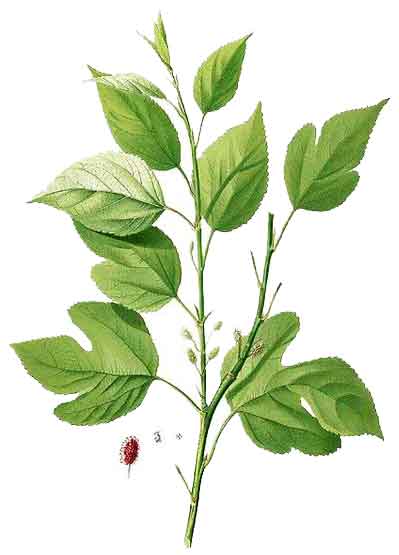
ANTHELMINTIC ACTIVITY OF THE LEAVES OF MORUS ALBA LINN


桑 Morus alba Linn.

Abstract
Present study was carried out to scientifically evaluate the anthelmintic potential of the methanolic extract of leaves of the plant morus alba(L) as it is used by the tribal community of different states and this is also highlighted in traditional uses of the plant.

Activity was performed using adult earthworms and albendazole was used as a standard. Various doses (2.5, 5, 10 mg/ml) of methanolic extracts of leaves  were used for the study.

From results of the study it is clear that potency of the extracts is inversely proportional to the time taken for paralysis and death of worms.

All the tested doses showed significant activity (P<0.01) compared to the standard and activity also confirms dose dependant nature of the extracts.


read all at

http://www.pharmatutor.org/articles/anthelmintic-activity-leaves-of-morus-alba-linn

桑 Morus alba Linn.


Research Suggests Fatty Acids Could Aid Cancer Prevention and Treatment


http://scicasts.com/cancer-research/6382-research-suggests-fatty-acids-could-aid-cancer-prevention-and-treatment

This shows untreated cancer keratonicytes. Image: Queen Mary, University of London

London, UK (Scicasts) – Omega-3 fatty acids, contained in oily fish such as salmon and trout, selectively inhibit growth and induce cell death in early and late-stage oral and skin cancers, according to new research from scientists at Queen Mary, University of London.

In vitro tests showed omega-3 fatty acids induced cell death in malignant and pre-malignant cells at doses which did not affect normal cells, suggesting they have the potential to be used in both the treatment and prevention of certain skin and oral cancers. Omega-3 polyunsaturated fatty acids cannot be made by humans in large quantities and so we must acquire them from our diet.

http://scicasts.com/cancer-research/6382-research-suggests-fatty-acids-could-aid-cancer-prevention-and-treatment

Onion: Health Benefits and Medical Uses ( acts as blood thinner)


Picture of onion

Onion is a commonly known plant. The part used is the bulb, which grows underground. It is an essential part of our kitchen herbs and spices. Onion is used in lots of recipes all over the world particularly in South Asia. It is both herb and vegetable used in all seasons. It has been part of many herbal preparations particularly sexual medicines since ages due to its medical properties. Apart from the chemistry of onion, it has dry-warm characteristics, which are used to treat various ailments. It is a boon for those having wet-cold constitutions. Many diseases associated with wet-cold group can be treated with onion. In homeopathy it comes under the name Allium Cepa and is used for a multitude of symptoms. Following are some of the common uses: –

  • Asthma
  • Cholera
    It is an excellent first aid for cholera. In most cases, a teaspoonful of onion juice can give immediate relief.
  • Diabetes Mellitus
    Very useful in lowering the level of blood sugar.

– See more at:

http://www.homeopathy.com.pk/kitchen-herbs/onion-health-benefits-medical-uses.php

http://www.homeopathy.com.pk/kitchen-herbs/onion-health-benefits-medical-uses.php#sthash.vmiEqWJl.dpuf

webmd info

Onion is a plant. The bulb (rounded underground part) of the onion is used to make medicine.

Onion is used for treating digestion problems including loss of appetite, upsetstomach, and gallbladder disorders; for treating heart and blood vessel problems including chest pain (angina) and high blood pressure; and for preventing “hardening of the arteries” (atherosclerosis). It is also used for treating sore mouth and throat,whooping coughbronchitisasthmadehydration, intestinal gas, parasitic worms, and diabetes. Some people use it as a diuretic to increase urine output.

Onion is applied directly to the skin for insect bites, wounds, light burns, boils, warts, and bruises.

In foods, onion is used in many recipes.

In manufacturing, the oil is used to flavor foods.

How does it work?

Onion might help reduce cholesterol levels, a risk factor for hardening of the arteries. There is some evidence that onion might also reduce lung tightness in people with asthma.

MEDICINAL QUALITIES OF ONION

Research shows that onions may help guard against many chronic diseases.  That’s probably because onions contain generous amounts of the flavonoid quercetin.  Studies have shown that quercetin protects against cataracts, cardiovascular disease, and cancer.  In addition, onions contain a variety of other naturally occurring chemicals known as organosulfur com-pounds that have been linked to lowering blood pressure and cholesterol levels.7Onions contain 25 active compounds that appear to inhibit the growth of cancerous cells alliin being the main constituent.  Onion has been found to help combat heart disease, inhibit strokes, lower blood pressure and cholesterol, and stimulate the immune system.  The potassium salts and the flavonoides that are present perform an anti-inflammatory action.  The essential oil is an expectorant, antiseptic, antifungal, anticoagulant, high-blood pressure, antithelmitic, balsamic, rubefciant, and has analgesic properties

In investigating the use of onion in medicinal terms, the onion is found to be a remedy for conditions with symptoms like those which are caused by exposure to onions, such as watering eyes, and a burning and running nose.  When looking at the symptoms of cold, it is ironic that we would treat this ailment with an almost like-with-like therapy. Alliums are antibacterial and anti-fungal, so they can help ward off colds and treat colds with sinus congestion that shifts from side to side in the head.  Onion will relieve coughs that cause a ripping or tearing pain in the throat or a cough that is merely an irritating dry tickle.  The watery and inflamed eyes due to sinus con-gestion and hay fever will be greatly relieved with onion.

The onions ability to relieve congestions especially in the lungs and bronchial tract, is hard to believe until you have actually witnessed the results.  The drawing of infection, congestion and colds out of the ear is also remarkable.

The onion will relieve stomach upset and other gastrointestinal disorders and it will also strengthen the appetite.

Onions help prevent thrombosis and reduce hypertension, according to the American Heart Association. 8  The natural constituents of yellow or white onions can “…raise HDL cholesterol by 30% over time”, according to Dr. Victor Gurewich of Tufts University.9

The onion is being used for compresses to be applied to the skin for acne, arthritis, and congestion, and used internally for worms.  The onion is also known for its diuretic properties.

There have been cases in which the onion has been proven to be so effective as an antiviral that a cut piece of onion placed in a closed off room will prevent the person in the room to be safe from viruses.

Onion will relieve headache centered behind the forehead; earache in children and adults; stuffed up nose with discharge that makes nostrils and upper lip sore or stuffed up nose with discharge from the alternate nostril; toothache, especially in the molar area or the shifting from side to side or from one tooth to another; hoarseness and the early stages of laryngitis; abdominal colic in babies.

Keeping cooler rooms in the home, and getting plenty of fresh air may prevent the symptoms of a stuffy nose and hoarseness

Never mind the tears they bring on—onions are an ace ally in your fight against disease. A prized member of the lily family, they lavish you with health benefits while adding oodles of taste to your food.

A quick glimpse at their incredible health benefits:

  • The phytochemicals in onions improve the working of Vitamin C in the body, thus gifting you with improved immunity.
  • Onions contain chromium, which assists in regulating blood sugar.
  • For centuries, onions have been used to reduce inflammation and heal infections.
  • Do you enjoy sliced onions with your food? If yes, rejoice! Raw onion encourages the production of good cholesterol (HDL), thus keeping your heart healthy.
  • A powerful compound called quercetin in onions is known to play a significant role in preventing cancer.
  • Got bitten by a honeybee? Apply onion juice on the area for immediate relief from the pain and burning sensation.
  • Onions scavenge free radicals, thereby reducing your risk of developing gastric ulcers.
  • Those bright green tops of green onions are rich in Vitamin A, so do use them often.

My favorite way to enjoy onions is to slice them really thin, squeeze some lemon juice on top and add a little salt. Sprinkling a few freshly washed cilantro leaves adds fragrance and flavor to this simple, quick salad, without which no dinner of mine is complete.


The rind of the Vrikshamla (Garcinia/Garcinia indica) fruit contains an active component called hydroxycitric acid (HCA), which supports normal fat and carbohydrate metabolism, a healthy appetite level and optimum body weight


Kokum fruits, seeds, pulp and rinds.jpg


The rind of the Vrikshamla (Garcinia/Garcinia indica) fruit contains an active component called hydroxycitric acid (HCA), which supports normal fat and carbohydrate metabolism, a healthy appetite level and optimum body weight. The Department of Physiology researchers at the Georgetown University Medical Center in Washington DC, called Vrikshamla a safe, natural supplement for normal weight support. In an eight-week study of 60 volunteers, they reported Vrikshamla’s effectiveness in supporting normal weight, cholesterol, triglyceride and serum lipid levels.

hydroxycitric acid (HCA)


Vrikshamla grows in India the evergreen forests of the Western Ghats, the Southern Konkan region and in Goa. It is also cultivated in the Southern districts of Maharashtra and on the lower slopes of the Nilgiris mountains.

Active constituents:

The active constituent in this herb, HCA, helps weight loss by promoting normal appetite levels and by reducing the body’s ability to form adipose (fatty) tissue. HCA also reduces blood lipid levels and naturally lowers cholesterol. Other useful phytochemicals in Vrikshamla are garcinol, isogarcinol, xanthochymol and isoxanthochymol.

Herb Functions:

Weight management: The herb known to slow down the body’s ability to store fat, potentially enabling more fat from foods to pass through the body without being stored. Additionally, HCA blocks the production and storage of fat and cholesterol when calorie consumption exceeds healthy levels. The herb is also known to reduce blood lipid levels and to naturally lower cholesterol.

read at

http://www.himalayahealthcare.com/products/pharmaceuticals/vrikshamla.htm

Garcinia indica, a plant in the mangosteen family (Clusiaceae), commonly known askokum, punar puli (tulu language), is a fruit-bearing tree that has culinary, pharmaceutical, and industrial uses.

The genus Garcinia, belonging to the family Clusiaceae, includes about 200 species found in the Old World tropics, mostly in Asia and Africa. Garcinia indica is indigenous to theWestern Ghats region of India located along the western coast of the country. Of the 35 species found in India, 17 are endemic. Of these, seven are endemic to the Western Ghats, six in the Andaman and Nicobar Islands and four in the northeastern region of India.

Garcinia indica is found in forest lands, riversides and wastelands. These plants preferevergreen forests, but sometimes they also thrive in areas with relatively low rainfall. It is also cultivated on a small scale. It does not require irrigation, spraying of pesticides or fertilizers.

Garcinia indica is known by various names across India, including aamsol, aamsul, bindin, biran, bhirand,bhrinda, brinda, bin’na, kokum (alternate spellings kokam and cocum), katambi, looikya, sour apple, panarpuli, ratamba, thekera (in Assam) and many others.

The dried skin of kokum fruits

The outer cover of fruit is dried in the sun to get aamsul or kokam. It is used as a slightly sour spice in recipes from Maharashtra. Kokum yields a peculiar flavour and blackish red colour. It is a preferred substitute for tamarind in curries and other dishes from the Konkanregion. It is also used in cuisine from Gujarat, where it is frequently used to add flavor and tartness to dal (lentil soup) for flavor balance, and parts of South India.

The vessel on the left contains syrup which is obtained from the vessel containing kokum rinds, on the right. The syrup is used to make kokum sherbet

Kokum squash or kokum concentrate is used in preparing a drink (sherbet) which is bright red in colour. Kokum sherbet improves digestion and cools the body during summers[citation needed].

Further, the extract/ concentrate of this fruit is called aagal in Konkani and Marathi. It is to added during the preparation of solkadhi, along with coconut milk.

Industrial uses

The seed of Garcinia indica contains 23–26% oil, which remains solid at room temperature. It is used in the preparation of confectionery, medicines and cosmetics.

Recently, industries have started extracting hydroxycitric acid (HCA) from the rind of the fruit.[citation needed]

The tree is ornamental, with a dense canopy of green leaves and red-tinged, tender, young leaves. The oily extract called kokum tel is used in foot massage.


Ayurveda- Obesity control


Currently, Indian anti-obesity drug market is bifurcated into prescription and non-prescription. Amongst the prescription anti-obesity drug market there is only one drug – Orlistat that is been used globally. While the other anti-obesity drugs, Rimonabant and Sibutramine were banned by Indian government in 2009 and 2010 as side-effects were found in those drugs.

According to the experts, the market size of anti-obesity for prescription drug (generic Orlistat) is Rs 40 crore. While market size of non-prescription drug mostly herbal and ayurvedic drugs is estimated at Rs 500 crore in India. The global anti-obesity drug market is expected to reach $11 billion by 2017.

Orlistat is originally made by multinational drug company Roche that markets the prescription drug under the brand/trade name Xenical. The drug’s patent protection ended in 2009. Currently, there is plethora of generic drug makers like Ranbaxy, Intas Pharma, Biocon Ltd, Torrent Pharma, Troikaa Pharma and Mankind Pharmaceuticals that makes generic copies of Orlistat in India.

http://ijrap.net/admin/php/uploads/870_pdf.pdf 

http://www.docstoc.com/docs/19918481/Evaluation-of-certain-medicinal-plants-for-antiobesity-properties

http://nopr.niscair.res.in/bitstream/123456789/6269/1/IJTK%208(4)%20602-605.pdf

anti obesity drugs

Obesity is a medical condition in which excess body fat has accumulated to the extent that it may have an adverse effect on health, leading to reduced life expectancy and/or increased health problems. Body mass index (BMI), a measurement which compares weight and height, defines people as overweight (pre-obese) when their BMI is between 25 kg/m2 and 30 kg/m2, and obese when it is greater than 30 kg/m

Obesity increases the likelihood of various diseases, particularly heart disease, type 2 diabetes, breathing difficulties during sleep, certain types of cancer, and osteoarthritis. Obesity is most commonly caused by a combination of excessive dietary calories, lack of physical activity, and genetic susceptibility, although a few cases are caused primarily by genes, endocrine disorders, medications or psychiatric illness. Evidence to support the view that some obese people eat little yet gain weight due to a slow metabolism is limited; on average obese people have a greater energy expenditure than their thin counterparts due to the energy required to maintain an increased body mass.

The primary treatment for obesity is dieting and physical exercise. To supplement this, or in case of failure, anti-obesity drugs may be taken to reduce appetite or inhibit fat absorption. In severe cases, surgery is performed or an intragastric balloon is placed to reduce stomach volume and/or bowel length, leading to earlier satiation and reduced ability to absorb nutrients from food.

Obesity is a leading preventable cause of death worldwide, with increasing prevalence in adults and children, and authorities view it as one of the most serious public health problems of the 21st century. Obesity is stigmatized in the modern Western world, though it has been perceived as a symbol of wealth and fertility at other times in history, and still is in many parts of Africa.[

Excessive body weight is associated with various diseases, particularly cardiovascular diseases, diabetes mellitus type 2, obstructive sleep apnea, certain types of cancer, and osteoarthritis. As a result, obesity has been found to reduce life expectancy.

Obesity is one of the leading preventable causes of death worldwide. Large-scale American and European studies have found that mortality risk is lowest at a BMI of 22.5–25 kg/m in non-smokers and at 24–27 kg/m2 in current smokers, with risk increasing along with changes in either direction. A BMI above 32 has been associated with a doubled mortality rate among women over a 16-year period. In the United States obesity is estimated to cause an excess 111,909 to 365,000 death per year, while 1 million (7.7%) of deaths in the European Union are attributed to excess weight On average, obesity reduces life expectancy by six to seven years: a BMI of 30–35 reduces life expectancy by two to four years, while severe obesity (BMI > 40) reduces life expectancy by 10 year

Causes

At an individual level, a combination of excessive caloric intake and a lack of physical activity is thought to explain most cases of obesity. A limited number of cases are due primarily to genetics, medical reasons, or psychiatric illness. In contrast, increasing rates of obesity at a societal level are felt to be due to an easily accessible and palatable diet,[64] increased reliance on cars, and mechanized manufacturing. A 2006 review identified ten other possible contributors to the recent increase of obesity: (1) insufficient sleep, (2) endocrine disruptors (environmental pollutants that interfere with lipid metabolism), (3) decreased variability in ambient temperature, (4) decreased rates of smoking, because smoking suppresses appetite, (5) increased use of medications that can cause weight gain (e.g., atypical antipsychotic), (6) proportional increases in ethnic and age groups that tend to be heavier, (7) pregnancy at a later age (which may cause susceptibility to obesity in children), (8) epigenetic risk factors passed on gene rationally, (9) natural selection for higher BMI, and (10) assortative mating leading to increased concentration of obesity risk factors (this would not necessarily increase the number of obese people, but would increase the average population weight).[67] While there is substantial evidence supporting the influence of these mechanisms on the increased prevalence of obesity, the evidence is still inconclusive, and the authors state that these are probably less influential than the ones discussed in the previous paragraph.

Ways of preventing Obesity

Dieting

Main article: Dieting

Diets to promote weight loss are generally divided into four categories: low-fat, low-carbohydrate, low-calorie, and very low calorie. A meta-analysis of six randomized controlled trials found no difference between three of the main diet types (low calorie, low carbohydrate, and low fat), with a 2–4 kilogram (4.4–8.8 lb) weight loss in all studies. At two years these three methods resulted in similar weight loss irrespective of the macronutrients emphasized.[132]

Very low calorie diets provide 200–800 kcal/day, maintaining protein intake but limiting calories from both fat and carbohydrates. They subject the body to starvation and produce an average weekly weight loss of 1.5–2.5 kilograms (3.3–5.5 lb). These diets are not recommended for general use as they are associated with adverse side effects such as loss of lean muscle mass, increased risks of gout, and electrolyte imbalances. People attempting these diets must be monitored closely by a physician to prevent complications.

Exercise

With use, muscles consume energy derived from both fat and glycogen. Due to the large size of leg muscles, walking, running, and cycling are the most effective means of exercise to reduce body fat. Exercise affects macronutrient balance. During moderate exercise, equivalent to a brisk walk, there is a shift to greater use of fat as a fuel. To maintain health the American Heart Association recommends a minimum of 30 minutes of moderate exercise at least 5 days a week.

A meta-analysis of 43 randomized controlled trials by the Cochrane Collaboration found that exercising alone led to limited weight loss. In combination with diet, however, it resulted in a 1 kilogram weight loss over dieting alone. A 1.5 kilogram (3.3 lb) loss was observed with a greater degree of exercise. Even though exercise as carried out in the general population has only modest effects, a dose response curve is found, and very intense exercise can lead to substantial weight loss. During 20 weeks of basic military training with no dietary restriction, obese military recruits lost 12.5 kg (27.6 lb). High levels of physical activity seem to be necessary to maintain weight loss. A pedometer appears useful for motivation. Over an average of 18-weeks of use physical activity increased by 27% resulting in a 0.38 decreased in BMI.

Signs that encourage the use of stairs as well as community campaigns have been shown to be effective in increasing exercise in a population. The city of Bogota, Colombia for example blocks off 113 kilometers (70 miles) of roads every Sunday and on holidays to make it easier for its citizens to get exercise. These pedestrian zones are part of an effort to combat chronic diseases, including obesity.

Weight loss programs

Weight loss programs often promote lifestyle changes and diet modification. This may involve eating smaller meals, cutting down on certain types of food, and making a conscious effort to exercise more. These programs also enable people to connect with a group of others who are attempting to lose weight, in the hopes that participants will form mutually motivating and encouraging relationships.

A number of popular programs exist, including Weight Watchers, Overeaters Anonymous, and Jenny Craig. These appear to provide modest weight loss (2.9 kg, 6.4 lb) over dieting on one’s own (0.2 kg, 0.4 lb) over a two year period. Internet-based programs appear to be ineffective. The Chinese government has introduced a number of “fat farms” where obese children go for reinforced exercise, and has passed a law which requires students to exercise or play sports for an hour a day at school (see Obesity in China).

Medication

Main article: Anti-obesity medication

The two most commonly used medications to treat obesity: orlistat (Xenical) and sibutramine (Meridia)

Only two anti-obesity medications are currently approved by the FDA for long term use.[147] One is orlistat (Xenical), which reduces intestinal fat absorption by inhibiting pancreatic lipase; the other is sibutramine (Meridia), which acts in the brain to inhibit deactivation of the neurotransmitters norepinephrine, serotonin, and dopamine (very similar to some anti-depressants), therefore decreasing appetite. Rimonabant (Acomplia), a third drug, works via a specific blockade of the endocannabinoid system. It has been developed from the knowledge that cannabis smokers often experience hunger, which is often referred to as “the munchies”. It had been approved in Europe for the treatment of obesity but has not received approval in the United States or Canada due to safety concerns.[148][149] European Medicines Agency in October 2008 recommended the suspension of the sale of rimonabant as the risk seem to be greater than the benefits.

Weight loss with these drugs is modest. Over the longer term, average weight loss on orlistat is 2.9 kg (6.4 lb), sibutramine is 4.2 kg (9.3 lb) and rimonabant is 4.7 kg (10.4 lb). Orlistat and rimonabant lead to a reduced incidence of diabetes, and all three drugs have some effect on cholesterol. However, there is little information on how these drugs affect the longer-term complications or outcomes of obesity. In 2010 the FDA noted concerns that sibutramine increases the risk of heart attacks and strokes in patients with a history of cardiovascular disease.

There are a number of less commonly used medications. Some are only approved for short term use, others are used off-label, and still others are used illegally. Most are appetite suppressants that act on one or more neurotransmitters. Phendimetrazine (Bontril), diethylpropion (Tenuate), and phentermine (Adipex-P) are approved by the FDA for short term use, while bupropion (Wellbutrin), topiramate (Topamax), and zonisamide (Zonegran) are sometimes used off-label.

The usefulness of certain drugs depends upon the comorbities present. Metformin (Glucophage) is preferred in overweight diabetics, as it may lead to mild weight loss in comparison to sulfonylureas or insulin. The thiazolidinediones, on the other hand, may cause weight gain, but decrease central obesity.[155] Diabetics also achieve modest weight loss with fluoxetine (Prozac), orlistat and sibutramine over 12–57 weeks. Preliminary evidence has however found higher number of cardiovascular events in people taking sibutramine verses control (11.4% vs. 10.0%). The long-term health benefits of these treatments remain unclear.

Fenfluramine and dexfenfluramine were withdrawn from the market in 1997, while ephedrine (found in the traditional Chinese herbal medicine má huáng made from the Ephedra sinica) was removed from the market in 2004. Dexamphetamines are not approved by the FDA for the treatment of obesity due to concerns regarding addiction.[147] the use of these drugs is not recommended due to potential side effects. However, people do occasionally use these drugs illegally.

Surgery

Main article: Bariatric surgery

Bariatric surgery (“weight loss surgery”) is the use of surgical intervention in the treatment of obesity. As every operation may have complications, surgery is only recommended for severely obese people (BMI > 40) who have failed to lose weight following dietary modification and pharmacological treatment. Weight loss surgery relies on various principles: the two most common approaches are reducing the volume of the stomach (e.g. by adjustable gastric banding and vertical banded gastroplasty), which produces an earlier sense of satiation, and reducing the length of bowel that comes into contact with food (gastric bypass surgery), which directly reduces absorption. Band surgery is reversible, while bowel shortening operations are not. Some procedures can be performed laparoscopically. Complications from weight loss surgery are frequent.

Surgery for severe obesity is associated with long-term weight loss and decreased overall mortality. One study found a weight loss of between 14% and 25% (depending on the type of procedure performed) at 10 years, and a 29% reduction in all cause mortality when compared to standard weight loss measures. A marked decrease in the risk of diabetes mellitus, cardiovascular disease and cancer has also been found after bariatric surgery. Marked weight loss occurs during the first few months after surgery, and the loss is sustained in the long term. In one study there was an unexplained increase in deaths from accidents and suicide, but this did not outweigh the benefit in terms of disease prevention. When the two main techniques are compared, gastric bypass procedures are found to lead to 30% more weight loss than banding procedures one year after surgery.

The effects of liposuction on obesity are less well determined. Some small studies show benefits while others show none. A treatment involving the placement of an intragastric balloon via gastroscopy has shown promise. One type of balloon lead to a weight loss of 5.7 BMI units over 6 months or 14.7 kg (32.4 lb). Regaining lost weight is common after removal, however, and 4.2% of people were intolerant of the device.

Other Home Remedies

Honey: Mix one teaspoon of honey with two teaspoons of lime juice and some pepper. Drink this at least once a day.

Boiled Water: Drink a glass of boiled water every day after a meal.

Ginger Tea: Drink ginger tea 2-3 times a day.

Black Pepper: Seasoning foods with black pepper will decrease the need for salts and fats, and will still add flavor to foods. This will also help reduce weight.

Cinnamon: This spice can act as a low calorie sweetener to help reduce the amount of sugar needed in a recipe. It also adds a unique flavor to most cookie recipes.

Shudh Guggulu: Take Guggulu with a teaspoon of ginger and honey twice a day. This helps increase a body’s metabolism.

Trifla: This is another diet aid that contains amalaki, bibbitaki, and haritaki. This should be taken at least once a day if one chooses to use this supplement.

Raw or Cooked Cabbage: The intake of cabbage reduces the conversion of sugars to fat. Therefore, eating plenty of this well help increase the body’s ability to metabolize fatty foods.

Vitamin B-12: Take a vitamin B-12 tablet at least once daily. For further information on vitamin usage, read the directions on the vitamin bottle, and consult a doctor for more information. This vitamin comes also in leafy dark green vegetables, so eat many of these as often as possible.

Ayurvedic Medicines for Obesity

  • Traphala Capsules
  • Shuddha Guggulu Capsules
  • Morslim-Z slimming Capsules of Obesity

When one follow the above diet recommendations and partake in one or more of the ayurvedic remedies, that person will be cured from obesity.

When not sure about how to apply herbal remedies or diet tablets, one should consult an ayurvedic specialist who is trained to help people in determining correct dosage. This is especially true for children inflicted with any disease, but is true for everyone. All medicines should be taken within the recommended guidelines.


Commiphora mukul ,Guggul

  • as a binding agent only from modern perspective. Ayurveda mentions its use as anti-inflammatory, anti-obesity, uterine tonic, anti-hypercholesterolemic and immodulatory
  • dose of the gum resin is from 5 to 50 grain used in placenta previa,amenorrhoea,dysmenorrhoea sore nipples,gonorrhea and ringworm
  • how it is purified for gynecological disorders and what is the anupana
  • purification of gum guggul (loban in unani medicine) – resin is soaked in water and left for some time . the supernatant water is decanted off. this process may be repeated once again. the vessel containing the dissolved resin is placed in the open and dried, that is the water is allowed to evaporate. drying may effected mechanically also.the resin to be employed will be in the form of an extract.
  • Guggulu is considered to be a binding agent, though they have not used this term.
    Acharya Sharangadhara mentions in Madhyama khanda 7/3….
    Kuryad Avahnisiddena kwachid Gugguluna vatim!!
    To prepare tablets without application of heat, Guggulu is added and tablets are advised to prepare. Here Guggulu acts as a binding agent only.
  • Lipid-lowering effects: Guggul (gum guggul) is a resin produced by the mukul mirth tree. Guggulipid is extracted from guggul using ethyl acetate. The preparation produced by extraction with petroleum ether is called a fraction A. Typical guggulipid preparations contain 2.5-5% of the plant sterols guggulsterones E and Z. These two components have been reported to exert effects on lipids.Several hypotheses have been advanced to explain these effects on lipids. Guggulsterones, particularly guggulsterone -pregnadiene-3,16-dione), have been reported to function as antagonists of the farsenoid X receptor (FXR) and the bile acid receptor (BAR), nuclear hormones which are involved with cholesterol metabolism and bile acid regulation. It has been reported that guggulsterone does not exert its lipid effects on mice lacking FXR. Other publications have proposed that guggul may inhibit lipogenic enzymes and HMG-Co A reductase in the liver. increase uptake of cholesterol by the liver via stimulation of LDL receptor binding. directly activate the thyroid gland and/or increase biliary and fecal excretion of cholesterol.
  • Antioxidant effects: Guggul extracts have been reported to possess antioxidant properties possibly mediating protection against myocardial necrosis
  • Platelet effects: Guggulipid has been found to inhibit platelet aggregation and increase fibrinolysis
  • Anti-inflammatory: the results of several studies suggest possible anti-inflammatory and antiarthritic activities of guggul. On a per-microgram basis, guggulipid appears to be significantly less potent than indomethacin or hydrocortisone. Possible effects on high-sensitivity C-reactive protein (hs-CRP) have recently been observed in a clinical trial.
  • Guggul has been a key component in ancient Indian Ayurvedic system of medicine. But has become so scarce because of its overuse in its two habitats in India where it is found — Gujarat and Rajasthan that the World Conservation Union (IUCN) has enlisted it in its Red Data List of endangered species.Guggul produces a resinous sap known as gum guggul. The extract of this gum, called gugulipid, guggulipid or guglipid, has been used in Ayurvedic medicine, a traditional Hindu medicine, for nearly 3,000 years in India. The active ingredient in the extract is the steroid guggulsterone, which acts as an antagonist of the farnesoid X receptor, once believed to result in decreased cholesterol synthesis in the liver. However, several studies have been published that indicate no overall reduction in total cholesterol occurs using various dosages of guggulsterone, and levels of low-density lipoprotein (“bad cholesterol”) increased in many people.
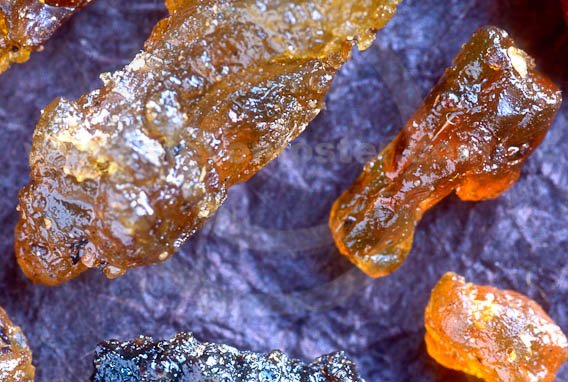
  • Guggul is sought for its gummy resin, which is harvested from the plant’s bark through the process of tapping. In India and Pakistan, guggul is cultivated commercially. The resin of the guggul plant, known as gum guggulu, has a fragrance similar to that of myrrh and is commonly used in incense and perfumes. It is the same product that was known in Hebrew, ancient Greek and Latin sources as bdellium.Guggul can be purchased in a loosely packed form called dhoop, an incense from India, which is burned over hot coals. This produces a fragrant, dense smoke. The burning coals which let out the smoke are then carried around to different rooms and held in all corners for a few seconds. This is said to drive away evil spirits as well as remove the evil eye from the home and its family members.

Improve Immunity Through Ayurveda


allow slideshare to load………..

Tribulus terrestris-considered as an energizer and vitalizer in the indigenous system of medicine


Tribulus terrestris

Tribulus terrestris is a flowering plant in the family Zygophyllaceae, native to warm temperate and tropical regions of the Old World in southern Europe, southern Asia, throughout Africa, and Australia. It can thrive even in desert climates and poor soil. Like many weedy species, this plant has many common names, including bindiibullheadburra gokharucaltropcat’s headdevil’s eyelashesdevil’s thorndevil’s weedgoatheadpuncturevine, and tackweed.

In traditional Chinese medicine Tribulus terrestris is known under the name bai ji li (白蒺藜). According to Bensky and Clavey, 2004 (Materia medica 3rd edition, pp. 975–976) Tribulus terrestris is ci ji li (刺蒺藜). “Confusion with Astragali complanati Semen (sha yuan zi) originally known as white ji li (白蒺藜 bai ji li), led some writers to attribute tonifying properties to this herb…”

T. terrestris has long been a constituent in tonics in Indian Ayurveda practice, where it is known by its Sanskrit name, “gokshura/ sarrata” It is also used in Unani, another medical system of India.

Apart from its claims for improvement of sexual functions in men, the puncturevine plant (Tribulus terrestris: TT) has long been considered as an energizer and vitalizer in the indigenous system of medicine. Sexual behavior and intracavernous pressure (ICP) measurements were taken in rats to scientifically validate the claim of TT [containing protodioscin (PTN)] as an aphrodisiac.

http://www.ncbi.nlm.nih.gov/pubmed/12804079

Tribulus has chemicals that might increase some hormones in animals. However, it doesn’t appear to increase male hormones (testosterone) in humans.

Chemical control is generally recommended for home control of T. terrestris. There are few pre-emergent herbicides that are effective. Products containing oryzalinbenefin, or trifluralin will provide partial control of germinating seeds. These must be applied prior to germination (late winter to midspring).

After plants have emerged from the soil (postemergent), products containing 2,4-dichlorophenoxyacetic acid (“2,4-D”), glyphosate, anddicamba are effective on T. terrestris. Like most postemergents, they are more effectively maintained when caught small and young. Dicamba and 2,4-D will cause harm to most broad-leaved plants, so the user should take care to avoid over-application. They can be applied to lawns without injuring the desired grass. Glyphosate will kill or injure most plants, so it should only be used as a spot treatment or on solid stands of the weed.

Simmer 500 mg of powered tribulus in organic milk or almond milk, stirring constantly for 5 minutes. You can add 500 mg of standardized maca to enhance the effect. This blend is particularly nourishing and is recommended for both men and women who have lowered libido

Tribulus is a plant that produces fruit covered with spines. Rumor has it that tribulus is also known as puncture vine because the spines are so sharp they can flatten bicycle tires. People use the fruit, leaf, and root as medicine for wide-ranging complaints.

Tribulus is used for kidney problems, including kidney stones, painful urination, a kidney disorder called Bright’s disease, and as a “water pill” (diuretic) to increase urination; for skin disorders, including eczema (atopic dermatitis), psoriasis, andscabies; for male sexual problems, including erectile dysfunction (ED), involuntary release of semen without orgasm (spermatorrhea), and to increase sexual desire; for heart and circulatory system problems, including chest pain, high blood pressure,high cholesterol, and “tired blood” (anemia); for problems with digestion, including colic, intestinal gas (flatulence), constipation, and to expel intestinal parasitic worms; for pain and swelling (inflammation) of the tissue lining the mouth (stomatitis) andsore throat; and for cancer, especially nose tumors.

Women use tribulus to tone muscles before childbirth, to cause an abortion, and to stimulate milk flow.

Some people use tribulus for gonorrhea, liver disease (hepatitis), inflammation, joint pain (rheumatism), leprosy, coughs, headache, dizziness (vertigo), chronic fatiguesyndrome (CFS), and enhancing athletic performance. It is also used for stimulating appetite and as an astringent, tonic, and mood enhancer.

recap

Tribulus terrestris, also known as puncture vine, is a herb that has been used in the traditional medicine of China and India for centuries.

In the mid-1990s, tribulus terrestris became known in North America after Eastern European Olympic athletes said that taking tribulus helped their performance.

The active compounds in tribulus are called steroidal saponins. Two types, called furostanol glycosides and spirostanol glycosides, appear to be involved with the effects of tribulus. These saponins are found primarily in the leaf.

Why Do People Use Tribulus?

Tribulus is most often used for infertility, erectile dysfunction, and low libido. In the last decade, it has become popular to improve sports performance.

Tribulus has been marketed these conditions because research performed in Bulgaria and Russia indicates that tribulus increases levels of the hormones testosterone (by increasing luteinizing hormone), DHEA, and estrogen. The design of these research studies, however, has been questioned.

A more recent study found that four weeks of tribulus supplements (at 10 to 20 milligrams per kg of body weight daily) had no effect on male sex hormones testosterone, androstenedione, or luteinizing hormone compared to people who did not take tribulus.

1) Erectile Dysfunction

Preliminary animal studies found that tribulus heightened sexual behavior and increased intracavernous pressure. This was attributed to increases in testosterone. There haven’t been any well-designed human studies to confirm these early findings.

Ayurveda Herbs : Medicinal uses of Turmeric


http://www.slideshare.net/drdbbajpai/ayurveda-herbs-medicinal-uses-of-turmeric?from_search=2

………………

Composition

Curcumin keto form

Curcumin enol form

Turmeric contains up to 5% essential oils and curcumin of about three percent by weight, a polyphenol. Curcumin is the active substance of turmeric and curcumin is known as C.I. 75300, or Natural Yellow 3. The systematic chemical name is (1E,6E)-1,7-bis(4-hydroxy-3-methoxyphenyl)-1,6-heptadiene-3,5-dione.

It can exist at least in two tautomeric forms, keto and enol. Curcumin is a pH indicator. In acidic solutions (pH <7.4) it turns yellow, whereas in basic (pH > 8.6) solutions it turns bright red.

Drug to ‘cure’ cravings-compound found in the bark of an African bush may hold clues to the development of drugs for reversing a host of addictive behaviours from drug


(–)-18-Methoxycoronaridine (18-MC)

A compound found in the bark of an African bush may hold clues to the development of drugs for reversing a host of addictive behaviours from drug and alcohol abuse and even smoking and compulsive over-eating, scientists reported at the BIO convention in Chicago, US, in April 2013.

read all at

http://www.soci.org/Chemistry-and-Industry/CnI-Data/2013/5/Drug-to-cure-cravings

18-Methoxycoronaridine

(–)-18-Methoxycoronaridine (18-MC) is a derivative of ibogaine invented in 1996 by the research team around the pharmacologist Stanley D. Glick from the Albany Medical College and the chemist Martin E. Kuehne from the University of Vermont. In animal studies it has proved to be effective at reducing self-administration of morphine, cocaine, methamphetamine, nicotine and sucrose. 18-MC is a selective α3β4 nicotinic antagonist and, in contrast to ibogaine, has no affinity at the α4β2 subtype nor at NMDA-channels nor at the serotonin transporter, and has significantly reduced affinity for sodium channels and for the σ receptor, but retains modest affinity for the μ and κ opioid receptors. The sites of action in the brain include the medial habenula, interpeduncular nucleus, dorsolateral tegmentum and basolateral amygdala. It has also been shown to produce anorectic effects in obese rats, most likely due to the same actions on the reward system which underlie its anti-addictive effects against drug addiction.

18-MC has not yet been tested in humans. In 2002 the research team started trying to raise funds for human trials, but were unable to secure the estimated $5 million needed. Efforts to raise funds for future trials are still ongoing. In January 2010, Obiter Research, a chemical manufacturer in Champaign, Illinois, signed a patent license with Albany Medical College and the University of Vermont allowing them the right to synthesize and market 18-MC and other congeners.

A number of derivatives of 18-MC have also been developed, with several of them being superior to 18-MC itself, the methoxyethyl congener ME-18-MC being more potent than 18-MC but with similar efficacy, and the methylamino analogue 18-MAC being more effective than 18-MC but with around the same potency. These compounds were also found to act as selective α3β4 nicotinic acetylcholine antagonists, with little or no effect on NMDA receptors.

Iboga alkaloids.png


BY WORLD DRUG TRACKER

AYURVEDA-Yograj and Mahayograj Guggul are very famous Ayurvedic medicines used mainly in the treatment of arthritis. Though the names are quite similar, there are many differences between the two.


seagull

DEAR READER, I picked this from below link, arthritis can be combatted with this

http://networkedblogs.com/LF5dr

more info

Commiphora wightii resin (guggul)

Guggul has been a key component in ancient Indian Ayurvedic system of medicine. But has become so scarce because of its overuse in its two habitats in India where it is found — Gujarat and Rajasthan that the World Conservation Union (IUCN) has enlisted it in its Red Data List of endangered species.

Guggul produces a resinous sap known as gum guggul. The extract of this gum, called gugulipid, guggulipid or guglipid, has been used in UNANI & Ayurvedic medicine, a traditional UNANI medicine, for nearly 3,000 years in India.The active ingredient in the extract is the steroid guggulsterone, which acts as an antagonist of the farnesoid X receptor, once believed to result in decreased cholesterol synthesis in the liver. However, several studies have been published that indicate no overall reduction in total cholesterol occurs using various dosages of guggulsterone, and levels of low-density lipoprotein (“bad cholesterol”) increased in many people.

Cultivation and other uses

Guggul is sought for its gummy resin, which is harvested from the plant’s bark through the process of tapping. In India and Pakistan, guggul is cultivated commercially. The resin of the guggul plant, known as gum guggulu, has a fragrance similar to that of myrrh and is commonly used in incense and perfumes. It is the same product that was known in Hebrew, ancient Greek and Latin sources as bdellium.

Guggul can be purchased in a loosely packed form called dhoop, an incense from India, which is burned over hot coals. This produces a fragrant, dense smoke. The burning coals which let out the smoke are then carried around to different rooms and held in all corners for a few seconds. This is said to drive away evil spirits as well as remove the evil eye from the home and its family members.

Endangerment and rescue

‘Save Guggul Movement’ in Rajasthan, India

Because of its medicinal properties, guggul has been overharvested in much of its habitat, and has been listed on the IUCN Red List of threatened species.[4] Several efforts are in place to address this situation. India’s National Medicinal Plants Board launched a project in Kutch District to cultivate 500 to 800 hectares (1,200 to 2,000 acres) of guggal,while a grass-roots conservation movement, led by IUCN associate Vineet Soni, has been started to educate guggal growers and harvesters in safe, sustainable harvesting methods.

Commiphora wightii (Guggal, Guggul or Mukul myrrh tree) is a flowering plant in the family Burseraceae. The guggul plant may be found from northern Africa to central Asia, but is most common in northern India. It prefers arid and semi-arid climates and is tolerant of poor soil.

It is a shrub or small tree, reaching a maximum height of 4 m, with thin papery bark. The branches are thorny. The leaves are simple or trifoliate, the leaflets ovate, 1–5 cm long, 0.5–2.5 cm broad, irregularly toothed. It is gynodioecious, with some plants bearing bisexual and male flowers, and others with female flowers. The individual flowers are red to pink, with four small petals.