
Home » Articles posted by DR ANTHONY MELVIN CRASTO Ph.D (Page 400)
Author Archives: DR ANTHONY MELVIN CRASTO Ph.D
 DRUG APPROVALS BY DR ANTHONY MELVIN CRASTO
.....FOR BLOG HOME CLICK HERE
DRUG APPROVALS BY DR ANTHONY MELVIN CRASTO
.....FOR BLOG HOME CLICK HEREFlag and hits
ORGANIC SPECTROSCOPY

SUBSCRIBE

 Subscribe in a reader
Enter your email address:
Delivered by FeedBurner
Subscribe to New Drug Approvals by Email


Recent Comments
 | shivkr2 on SPSR Excellence Award 2025 – S… |
 | Bonkasaurus on Infigratinib phosphate |
 | PALOVAROTENE | ORGAN… on Palovarotene |
| Pfizer just purchase… on Temanogrel | |
| Pfizer To Cash In On… on Temanogrel |
Fish oil may stall effects of junk food on brain

Fish oils may take the brakes off the detrimental effects of some of the processes triggered in the brain by high-fat diets
READ AN ORIGINAL ARTICLE AT
http://news.liv.ac.uk/2013/05/14/fish-oil-may-stall-effects-of-junk-food-on-brain/
Bitter Melon (Momordica charantia Linn.)(fruit) Dried water extract).help steady your blood sugar levels

Helps support normal blood sugar levels with compounds called charantin and momordicin. Additional key compounds such as vicine, peptides, and polypeptide-p (plant insulin) also work together to give Bitter Melon its potency.
Bitter Melon (Momordica charantia Linn.)(fruit) Dried water extract).
The balance between the good things and bad things you eat is sometimes hard to keep steady. Bitter Melon is a natural fruit that can help steady your blood sugar levels, as it works to promote normal blood sugar levels in your body. Thus it is a reliable safety net when you need glycemic control.
Bitter Melon is different than many other herbs in that it is often eaten as a dish. Thus it is proven safe to ingest. Bitter Melon is an unique fruit with good nutritional value, which is why Health Canada recommends it on their website as a way to “Treat Your Taste Buds” (Health Canada, Feb. 2008).
Bitter Melon was studied in a randomized, double-blind, placebo-controlled trial. Before beginning the trial, 40 subjects had various chemical parameters such as fasting blood sugar, cholesterol, weight, and glycosylated HG (Alc) measured. The subjects were separated into a placebo group and a Bitter Melon group. The results of the study show that the Bitter Melon group had positive indications such as it supporting Alc. At the same time there were no negative side effects reported.
Key Benefits of Bitter Melon:
• Helps achieve normal blood sugar levels – This is mainly achieved with charantin and momordicin compounds. The effectiveness is improved with other important compounds including vicine, peptides, and polypeptide-p (plant insulin).
• Aids in keeping the level of triglycerides and cholesterol in the liver and blood within normal range.
• Promotes normal function of the immune system.
Fish Oil Pills Might Cut Diabetes Risk, Researchers Say (Drugs.com)
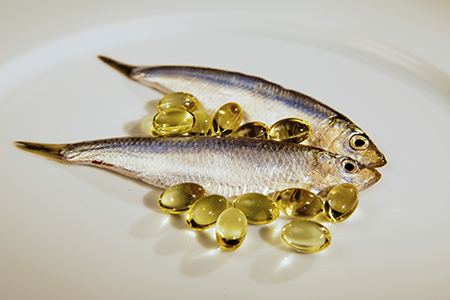
Fish oil supplements could help reduce the risk for type 2 diabetes, new research suggests.
The supplements, also known as omega-3 fatty acids, increase levels of a hormone called adiponectin that’s linked to insulin sensitivity, Harvard researchers found. Higher levels of this hormone in the bloodstream have also been linked to a lower risk for heart disease.
read all at Drugs.com
http://www.drugs.com/news/fish-oil-pills-might-cut-diabetes-risk-researchers-say-44671.html
Sanofi and Regeneron’s dupilumab for asthma. The partners have unveiled Phase IIa data at the American Thoracic Society meeting in Philadelphia on dupilumab, an interleukin 4 receptor which modulates signalling of both the IL-4 and IL-13 proteins, which are linked to inflammation

Dupilumab is a monoclonal antibody designed for the treatment of atopic diseases.It binds to the alpha subunit of the interleukin-4 receptor. Through blockade of IL-4R alpha, dupilumab modulates signaling of both the IL-4 and IL-13 pathway, which have been implicated in the pathophysiology of allergic disease.
This drug was developed by Regeneron Pharmaceuticals.
On May 21/2013 mid-stage data was presented at the American Thoracic Society meeting and published in the NEJM demonstrating a 87% reduction in asthma exacerbations in patients with moderate-to-severe allergic asthma.
The long-standing alliance between Sanofi and Regeneron looks to have scored another clinical goal, this time with dupilumab for asthma.
The partners have unveiled Phase IIa data at the American Thoracic Society meeting in Philadelphia on dupilumab, an interleukin 4 receptor which modulates signalling of both the IL-4 and IL-13 proteins, which are linked to inflammation. The 104-patient study enrolled 104 patients with moderate-to-severe, persistent asthma that was not well controlled with inhaled glucocorticosteroids (ICS) and long-acting beta agonist (LABA) therapy, and who had elevated blood or sputum eosinophils
FDA Gives Pediatric Approval to Japanese Encephalitis Vaccine
Intercell Announces Pediatric Approval of its Japanese Encephalitis Vaccine in the U.S.
read at
http://www.pharmalive.com/fda-gives-pediatric-approval-to-japanese-encephalitis-vaccine
B4U22AHZFPTW
Capsaicin- CONTROL RIOTS and has ANTICANCER PROPERTIES
Capsaicin

| Capsaicin | |
|---|---|
 |
|
 |
|
|
|
| Heat | Above Peak (SR: 15,000,000-16,000,000) |
|---|---|
Capsaicin (pron.: /kæpˈseɪ.ɨsɪn/; 8-methyl-N-vanillyl-6-nonenamide, ( (CH3)2CHCH=CH(CH2)4CONHCH2C6H3-4-(OH)-3-(OCH3) ) is the active component of chili peppers, which are plants belonging to the genus Capsicum. It is an irritant for mammals, including humans, and produces a sensation of burning in any tissue with which it comes into contact. Capsaicin and several related compounds are called capsaicinoids and are produced as secondary metabolites by chili peppers, probably as deterrents against certain mammals and fungi.[2] Pure capsaicin is a volatile, hydrophobic, colorless, odorless, crystalline to waxy compound.
The compound was first extracted (albeit in impure form) in 1816 by Christian Friedrich Bucholz (1770–1818). He called it “capsicin,” after the genus Capsicum from which it was extracted. John Clough Thresh (1850–1932), who had isolated capsaicin in almost pure form, gave it the name “capsaicin” in 1876. But it was Karl Micko who first isolated capsaicin in pure form in 1898. Capsaicin’s empirical formula (chemical composition) was first determined by E. K. Nelson in 1919; he also partially elucidated capsaicin’s chemical structure. Capsaicin was first synthesized in 1930 by E. Spath and S. F. Darling.In 1961, similar substances were isolated from chili peppers by the Japanese chemists S. Kosuge and Y. Inagaki, who named them capsaicinoids.
In 1873 German pharmacologist Rudolf Buchheim(1820–1879) and in 1878 the Hungarian doctor Endre Hőgyesstated that “capsicol” (partially purified capsaicin) caused the burning feeling when in contact with mucous membranes and increased secretion of gastric juice.
Capsaicin is the main capsaicinoid in chili peppers, followed by dihydrocapsaicin. These two compounds are also about twice as potent to the taste and nerves as the minor capsaicinoids nordihydrocapsaicin, homodihydrocapsaicin, and homocapsaicin. Dilute solutions of pure capsaicinoids produced different types of pungency; however, these differences were not noted using more concentrated solutions.
Capsaicin is believed to be synthesized in the interlocular septum of chili peppers by addition of a branched-chain fatty acid to vanillylamine; specifically, capsaicin is made from vanillylamine and 8-methyl-6-nonenoyl CoA. Biosynthesis depends on the gene AT3, which resides at the pun1 locus, and which encodes a putative acyltransferase.
Besides the six natural capsaicinoids, one synthetic member of the capsaicinoid family exists. Vanillylamide of n-nonanoic acid (VNA, also PAVA) is used as a reference substance for determining the relative pungency of capsaicinoids.
| Capsaicinoid name | Abbrev. | Typical relative amount |
Scoville heat units |
Chemical structure |
|---|---|---|---|---|
| Capsaicin | C | 69% | 16,000,000 |  |
| Dihydrocapsaicin | DHC | 22% | 15,000,000 |  |
| Nordihydrocapsaicin | NDHC | 7% | 9,100,000 |  |
| Homodihydrocapsaicin | HDHC | 1% | 8,600,000 |  |
| Homocapsaicin | HC | 1% | 8,600,000 |  |
| Nonivamide | PAVA | 9,200,000 |  |
Capsaicin is present in large quantities in the placental tissue (which holds the seeds), the internal membranes and, to a lesser extent, the other fleshy parts of the fruits of plants in the genus Capsicum. The seeds themselves do not produce any capsaicin, although the highest concentration of capsaicin can be found in the white pith of the inner wall, where the seeds are attached.
The seeds of Capsicum plants are predominantly dispersed by birds. The TRPV1 channel to which capsaicin binds does not respond to capsaicin and related chemicals in birds (avian vs mammalian TRPV1 show functional diversity and selective sensitivity). Chili pepper seeds consumed by birds pass through the digestive tract and can germinate later, but mammals have molar teeth, which destroy seeds and prevent them from germinating. Thus, natural selection may have led to increasing capsaicin production because it makes the plant less likely to be eaten by animals that do not help it reproduce.In addition, there is evidence that capsaicin evolved as an anti-fungal agent. The fungal pathogen, Fusarium, is known to infect wild chilies which reduces seed viability. Capsaicin deters the fungus, and in doing so limits this form of predispersal seed mortality.
In 2006, it was discovered that the venom of a certain tarantula species activates the same pathway of pain as is activated by capsaicin, the first demonstrated case of such a shared pathway in both plant and animal anti-mammal defense.
Food
Because of the burning sensation caused by capsaicin when it comes in contact with mucous membranes, it is commonly used in food products to give them added spice or “heat” (piquancy). In high concentrations, capsaicin will also cause a burning effect on other sensitive areas of skin. The degree of heat found within a food is often measured on the Scoville scale. In some cases people enjoy the heat; there has long been a demand for capsaicin-spiced food and beverages. There are many cuisines and food products featuring capsaicin such as hot sauce, salsa, and beverages.
For information on treatment, see the section Treatment after exposure.
It is common for people to experience pleasurable and even euphoriant effects from ingesting capsaicin. Folklore among self-described “chiliheads” attributes this to pain-stimulated release of endorphins, a different mechanism from the local receptor overload that makes capsaicin effective as a topical analgesic. In support of this theory, there is some evidence that the effect can be blocked by naloxone and other compounds that compete for receptor sites with endorphins and opiates.
Capsaicin is currently used in topical ointments, as well as a high-dose dermal patch (trade name Qutenza), to relieve the pain of peripheral neuropathy such as post-herpetic neuralgia caused by shingles It may be used in concentrations of between 0.025% and 0.25%. It may be used as a cream for the temporary relief of minor aches and pains of muscles and joints associated with arthritis, simple backache, strains and sprains, often in compounds with other rubefacients.[The treatment typically involves the application of a topical anesthetic until the area is numb. Then the capsaicin is applied by a therapist wearing rubber gloves and a face mask. The capsaicin remains on the skin until the patient starts to feel the “heat”, at which point it is promptly removed. Capsaicin is also available in large bandages (plasters) that can be applied to the back.
Capsaicin creams are used to treat psoriasis as an effective way to reduce itching and inflammation
According to animal and human studies, the oral intake of capsaicin may increase the production of heat by the body for a short time. Due to the effect on the carbohydrates breakdown after a meal, cayenne may also be used to regulate blood sugar levels
Capsaicin selectively binds to a protein known as TRPV1 that resides on the membranes of pain and heat sensing neurons TRPV1 is a heat activated calcium channel, which opens between 37 and 45 °C (98.6 and 113 °F, respectively). When capsaicin binds to TRPV1, it causes the channel to open below 37 °C (normal human body temperature), which is why capsaicin is linked to the sensation of heat. Prolonged activation of these neurons by capsaicin depletes presynaptic substance P, one of the body’s neurotransmitters for pain and heat. Neurons that do not contain TRPV1 are unaffected.
The result appears to be that the chemical mimics a burning sensation, the nerves are overwhelmed by the influx, and are unable to report pain for an extended period of time. With chronic exposure to capsaicin, neurons are depleted of neurotransmitters, leading to reduction in sensation of pain and blockade of neurogenic inflammation. If capsaicin is removed, the neurons recover.
The American Association for Cancer Research reports studies suggesting capsaicin is able to kill prostate cancer and lung cancer cells by causing them to undergo apoptosis.The studies were performed on tumors formed by human prostate cancer cell cultures grown in mouse models, and showed tumors treated with capsaicin were about one-fifth the size of the untreated tumors. There have been several mouse studies conducted in Japan and China that showed natural capsaicin directly inhibits the growth of leukemic cells. Capsaicin may be able to trigger apoptosis in human lung cancer cells as well.
Capsaicin is also the key ingredient in the experimental drug Adlea, which is in Phase 2 trials as a long-acting analgesic to treat post-surgical and osteoarthritic pain for weeks to months after a single injection to the site of pain. Moreover, it reduces pain resulting from rheumatoid arthritis as well as joint or muscle pain from fibromyalgia or other causes.
Less-lethal force
Capsaicin is also the active ingredient in riot control and personal defense pepper spray chemical agents. When the spray comes in contact with skin, especially eyes or mucous membranes, it is very painful, and breathing small particles of it as it disperses can cause breathing difficulty, which serves to discourage assailants. Refer to the Scoville scale for a comparison of pepper spray to other sources of capsaicin.
In large quantities, capsaicin can cause death. Symptoms of overdose include difficulty breathing, blue skin, and convulsions.The large amount needed to kill an adult human and the low concentration of capsaicin in chillies make the risk of accidental poisoning by chilli consumption negligible.
Ranbaxy Laboratories gets tentative approval for HIV combination therapy

pic credit-www.pharmaceutical-technology.com
or
The US Food and Drug Administration has granted tentative approval for a fixed dose formulation of two generic drugs for use in combination with antiretrovirals.
Lamivudine and tenofovir disoproxil fumarate tablets, manufactured by India’s Ranbaxy Laboratories, will not be available for marketing in the US because of existing patent protections, but will be eligible for purchase elsewhere under the President’s Emergency Plan for Aids Relief programme.

lamuvudine
Lamivudine (2′,3′-dideoxy-3′-thiacytidine, commonly called 3TC) is a potent nucleoside analog reverse transcriptase inhibitor (nRTI).
It is marketed by GlaxoSmithKline with the brand names Zeffix, Heptovir, Epivir, and Epivir-HBV.
Lamivudine has been used for treatment of chronic hepatitis B at a lower dose than for treatment of HIV. It improves the seroconversion of e-antigen positive hepatitis B and also improves histology staging of the liver. Long term use of lamivudine unfortunately leads to emergence of a resistant hepatitis B virus (YMDD) mutant. Despite this, lamivudine is still used widely as it is well tolerated.

tenofovir disoproxil fumarate
Tenofovir disoproxil fumarate (TDF or PMPA), marketed by Gilead Sciences under the trade name Viread, belongs to a class of antiretroviral drugs known as nucleotide analogue reverse transcriptase inhibitors (NRTIs), which block reverse transcriptase, a crucial virus enzyme in human immunodeficiency virus 1 (HIV-1) and hepatitis B virus infections.

Transverse Myelitis PDFs and free access published articles

Transverse Myelitis PDFs and free access published articles
Transverse myelitis is a neurological disorder caused by inflammation across both sides of one level, or segment, of the spinal cord. The segment of the spinal cord at which the damage occurs determines which parts of the body are affected.
Transverse myelitis
http://eradiology.bidmc.harvard.edu/LearningLab/central/Kaufman.pdf
Recurrent Myelitis Associated With Hepatitis C Infection
www.bcm.edu/neurology/pdf/poster_other_RecurrentMyelitis.pdf
Neuro MRI Ordering Guide
MRI_Ordering_Guide2_1_.pdf
General Information Regarding MS
General_information_regarding_ms.pdf
NMO-IgG predicts the outcome of recurrent optic neuritis
NMO-IgG Rose-Innes_article1.pdf
Aquaporin-4 Antibodies in Neuromyelitis Optica and Longitudinally Extensive Transverse Myelitis
Patrick Waters, PhD; Sven Jarius, MD; Edward Littleton, MBBS, DPhil; Maria Isabel Leite, MD etal
Aquaporin-4 Antibodies in Neuromyelitis.pdf
Transverse myelitis – Case study
Transverse myelitis.pdf
Diagnosis of Transverse Myelitis: An Evaluation of the factors leading to Spinal Dysfunction
Including a Review of one patients’ experience
Diagnosis of Transverse Myelitis.pdf
Imaging Sciences Interesting Cases
Jacinto Camarena III, MD
IS_Case12.pdf
50 Free scholarly articles on Transverse myelitis
- Idiopathic transverse myelitis and neuromyelitis optica: clinical profiles, pathophysiology and therapeutic choices.
- Urinary retention in immunocompetent patient: acute transverse myelitis.
- Acute transverse myelitis in Buenos Aires, Argentina. A retrospective cohort study of 8 years follow up.
- Rhabdomyolysis, acute kidney injury and transverse myelitis due to naive heroin exposure.
- Longitudinally extensive transverse myelitis: a catastrophic presentation of a flare-up of systemic lupus erythematosus.
- Primary HIV infection with acute transverse myelitis.
- H1N1 vaccine-related acute transverse myelitis.
- Acute transverse myelitis following vaccination against H1N1 influenza: a case report.
- Acute transverse myelitis and acute motor axonal neuropathy developed after vaccinations against seasonal and 2009 A/H1N1 influenza.
- Optical coherence tomography evaluation of retinal nerve fiber layer in longitudinally extensive transverse myelitis.
- Clinical analysis of 6 cases of systemic lupus erythematosus complicated by transverse myelitis.
- Mycobacteria infection in incomplete transverse myelitis is refractory to steroids: a pilot study.
- Acute transverse myelitis associated with dengue viral infection.
- Idiopathic acute transverse myelitis in children: an analysis and discussion of MRI findings.
- Longitudinally extensive transverse myelitis following vaccination with nasal attenuated novel influenza A(H1N1) vaccine.
- Transverse myelitis associated with chronic viral hepatitis C.
- High-level cervical spinal cord stimulation used to treat intractable pain arising from transverse myelitis caused by schistosomiasis.
- Acute transverse myelitis: treatment of pain.
- Transverse myelitis associated to HCV infection.
- Acute transverse myelitis: a clinical review and algorithm for diagnostic intervention.
- Priapism in infantile transverse myelitis.
- Transverse myelitis spectrum disorders.
- Transverse myelitis as a presenting feature of late onset systemic lupus erythematosus.
- Acute transverse myelitis and Guillain-Barre overlap syndrome following influenza infection.
- Diffusion tensor imaging in idiopathic acute transverse myelitis.
- Aquaporin-4 antibodies in neuromyelitis optica and longitudinally extensive transverse myelitis.
- Transverse myelitis due to human herpesvirus 6.
- Subacute transverse myelitis with Lyme profile dissociation.
- Transverse myelitis associated with systemic lupus erythematosus.
- Idiopathic recurrent transverse myelitis with syringomyelia: a case report.
- Acute transverse myelitis at the conus medullaris level after rabies vaccination in a patient with Behçet’s disease.
- Transverse myelitis in a patient with severe lupus nephritis: a case report.
- Transverse myelitis in 2 patients with Bartonella henselae infection (cat scratch disease).
- Transverse myelitis caused by varicella zoster: case reports.
- Transverse myelitis in systemic lupus erythematosus.
- Acute transverse myelitis following typhoid vaccination.
- Transverse myelitis following spinal anesthesia.
- Neuromyelitis optica IgG status in acute partial transverse myelitis.
- Neurosyphilis manifesting as spinal transverse myelitis.
- Etanercept induced multiple sclerosis and transverse myelitis.
- Acute transverse myelitis following hepatitis E virus infection.
- Transverse myelitis due to trypanosomiasis in a middle aged Tanzanian man.
- Rapid recovery from acute transverse myelitis in an elite female swimmer.
- IL-6 induces regionally selective spinal cord injury in patients with the neuroinflammatory disorder transverse myelitis.
- Acute transverse myelitis and hepatitis C virus.
- Transverse myelitis and chronic urticaria in systemic lupus erythematosus. Case report.
- Primary biliary cirrhosis complicated by transverse myelitis in a patient without Sjögren’s syndrome.
- Transverse myelitis in immunocompetent children.
- Early-onset acute transverse myelitis following hepatitis B vaccination and respiratory infection: case report.
- Acute transverse myelitis: important role of biology in diagnosis.


 New Drug Approvals