New Drug Approvals

Home » 2014 (Page 4)

Yearly Archives: 2014

DRUG APPROVALS BY DR ANTHONY MELVIN CRASTO .....FOR BLOG HOME CLICK HERE

Blog Stats

  • 4,803,442 hits

Flag and hits

Flag Counter

Enter your email address to follow this blog and receive notifications of new posts by email.

Join 37.9K other subscribers
Follow New Drug Approvals on WordPress.com

Archives

Categories

Recent Posts

Flag Counter

ORGANIC SPECTROSCOPY

Read all about Organic Spectroscopy on ORGANIC SPECTROSCOPY INTERNATIONAL 

Enter your email address to follow this blog and receive notifications of new posts by email.

Join 37.9K other subscribers
DR ANTHONY MELVIN CRASTO Ph.D

DR ANTHONY MELVIN CRASTO Ph.D

DR ANTHONY MELVIN CRASTO, Born in Mumbai in 1964 and graduated from Mumbai University, Completed his Ph.D from ICT, 1991,Matunga, Mumbai, India, in Organic Chemistry, The thesis topic was Synthesis of Novel Pyrethroid Analogues, Currently he is working with AFRICURE PHARMA, ROW2TECH, NIPER-G, Department of Pharmaceuticals, Ministry of Chemicals and Fertilizers, Govt. of India as ADVISOR, earlier assignment was with GLENMARK LIFE SCIENCES LTD, as CONSUlTANT, Retired from GLENMARK in Jan2022 Research Centre as Principal Scientist, Process Research (bulk actives) at Mahape, Navi Mumbai, India. Total Industry exp 32 plus yrs, Prior to joining Glenmark, he has worked with major multinationals like Hoechst Marion Roussel, now Sanofi, Searle India Ltd, now RPG lifesciences, etc. He has worked with notable scientists like Dr K Nagarajan, Dr Ralph Stapel, Prof S Seshadri, etc, He did custom synthesis for major multinationals in his career like BASF, Novartis, Sanofi, etc., He has worked in Discovery, Natural products, Bulk drugs, Generics, Intermediates, Fine chemicals, Neutraceuticals, GMP, Scaleups, etc, he is now helping millions, has 9 million plus hits on Google on all Organic chemistry websites. His friends call him Open superstar worlddrugtracker. His New Drug Approvals, Green Chemistry International, All about drugs, Eurekamoments, Organic spectroscopy international, etc in organic chemistry are some most read blogs He has hands on experience in initiation and developing novel routes for drug molecules and implementation them on commercial scale over a 32 PLUS year tenure till date Feb 2023, Around 35 plus products in his career. He has good knowledge of IPM, GMP, Regulatory aspects, he has several International patents published worldwide . He has good proficiency in Technology transfer, Spectroscopy, Stereochemistry, Synthesis, Polymorphism etc., He suffered a paralytic stroke/ Acute Transverse mylitis in Dec 2007 and is 90 %Paralysed, He is bound to a wheelchair, this seems to have injected feul in him to help chemists all around the world, he is more active than before and is pushing boundaries, He has 100 million plus hits on Google, 2.5 lakh plus connections on all networking sites, 100 Lakh plus views on dozen plus blogs, 227 countries, 7 continents, He makes himself available to all, contact him on +91 9323115463, email amcrasto@gmail.com, Twitter, @amcrasto , He lives and will die for his family, 90% paralysis cannot kill his soul., Notably he has 38 lakh plus views on New Drug Approvals Blog in 227 countries......https://newdrugapprovals.wordpress.com/ , He appreciates the help he gets from one and all, Friends, Family, Glenmark, Readers, Wellwishers, Doctors, Drug authorities, His Contacts, Physiotherapist, etc He has total of 32 International and Indian awards

Verified Services

View Full Profile →

Archives

Categories

Flag Counter

Total synthesis of the proposed structure of Astakolactin……….Dr Corey Johnson


picture credit…………Dr Corey johnson

Astakolactin is a sesterpene from the Ionian Sea near Greece possessing considerable biological properties. Hence, that’s why the authors decided to synthesize it, and also why the we’re all interested in its structure. In the conclusion of this paper, no biological studies were performed, but the characterization matches that of the natural product, which is a big deal.

read at

http://chemistrycorey.blogspot.in/2014/11/total-synthesis-of-proposed-structure.html

A lovely blog and its great author

My Photo

Philly native, JCSU alumnus, Brandeis alumnus, Co-author of several scholarly journal articles…

http://scholar.google.com/citations?user=fJre6fAAAAAJ

https://plus.google.com/+CoreyRJohnson19144/about

CATALYSIS CONSULTING ………..DR PAUL MURRAY ON A ROLL IN CATALYSIS ARENA


DR ANTHONY MELVIN CRASTO Ph.D's avatarORGANIC CHEMISTRY SELECT

WP_000231

DR PAUL MURRAY  LEFTSIDE IN BLACK SUIT

NICE TO MEET HIM AT SCIENTIFIC UPDATE OPRD CONFERENCE IN PUNE INDIA DEC 5 2014.

WEBSITE

http://www.catalysisconsulting.co.uk/

Paul Murray Catalysis Consulting helps companies to save money and resources through more efficient chemical processes.

About

Dr Paul Murray is a world leading consultant scientist, providing expertise and training in the fields of Catalysis, Design of Experiments and Principal Component Analysis. Paul is an experienced scientist with an additional expertise in automation, multivariate data analysis, process development and problem solving. Paul has a proven track record of the timely delivery of innovative solutions to client projects resulting in significant reductions in costs and resources to customers.

Dr Paul Murray

Paul Murray Catalysis Consulting provides expertise in:

  • The development and optimisation of challenging catalytic reactions.
  • The use of Principal Component Analysis (PCA) to optimise ligand and solvent selection.
  • The use of advanced experimental design linking DoE with PCA for efficient…

View original post 268 more words

At Scientific Update Organic Process Research and Development Conference, NCL, PUNE, INDIA, 5 TH DEC 2014


WP_000231

I am seated left with DR PAUL MURRAY, DR JOHN KNIGHT, DR WILL WATSON, At Scientific Update Organic Process Research and Dev Conference, NCL, PUNE ,INDIA, 5 TH DEC 2014

WP_000228

DR WILL AND DR JOHN IN A DISCUSSION

WP_000235

A SLIDE

PROCESS CHEMISTRY CONFERENCES SCHEDULE

EVENT

Organic Process Research & Development - India

Title:
Organic Process Research & Development – India
Subtitle:
The 32nd International Conference and Exhibition
When:
04.12.2014 – 05.12.2014
Where:
National Chemical Laboratory – Pune
Brochure:
View Brochure

http://scientificupdate.co.uk/conferences/conferences-and-workshops/details/224-organic-process-research-and-development-conference-india.html

WP_000230

poster by DR PRAVIN KENDREKAR

PUNE CITY

NCL

MUMBAI PUNE EXPRESSWAY

PUNE FC


Volkswagen India Plant and offices in Pune

From top: Fergusson College, Mahatma Gandhi Road(left), Shaniwarwada (right), the HSBC Global Technology India Headquarters, and the National War Memorial Southern Command

From top: Fergusson College, Mahatma Gandhi Road (left), Shaniwarwada (right), the HSBC Global Technology India Headquarters, and the National War Memorial Southern Command

Time to back in the flow of things ;)


totallymicrowave's avatarSynthFlow

OK it was an extended time away from posting — I totally blame the Turkey, Ham, Beer, Stuffing, Pie — at least I have tapered off over the years.

So what’s sitting on my desk — after several pontifications, I have gotten back to thinking about how chemists think about their chemistry and where it can go in flow processes — so, OK, retrosynthesis — but I often think in classes of fragments and what they can do (think of it as a review on enaminone transformations so to speak). In this case, Ian Baxendale got me thinking about ynones or alpha, beta-acteylenic ketones — used quite a bit right? furans, flavones, pyrazoles, pyrimidines and heck back at Bayer I used them in a number of dipolarcycloadditions and intramolecular cyclizations to isoxazoles and pyrroles……you get the point……if interested in a nice article on using a flow approach to ynones and…

View original post 204 more words

APD 334 to treat to autoimmune diseases


Figure


APD 334

Arena Pharmaceuticals, Inc.  innovator

2-[7-[4-Cyclopentyl-3-(trifluoromethyl)benzyloxy]-1,2,3,4-tetrahydrocyclopenta[b]indol-3(R)-yl]acetic acid

Company Arena Pharmaceuticals Inc.
Description Sphingosine 1-phosphate receptor 1 (S1PR1; S1P1; EDG1) agonist
Molecular Target Sphingosine 1-phosphate receptor 1 (S1PR1) (S1P1) (EDG1)
Mechanism of Action Sphingosine 1-phosphate (S1P) receptor agonist
Therapeutic Modality Small molecule
Latest Stage of Development Phase I
Standard Indication Autoimmune (unspecified)
Indication Details Treat autoimmune diseases

APD334, an orally available agonist of the S1P1 receptor, is an internally discovered investigational drug candidate intended for the potential treatment of a number of conditions related to autoimmune diseases, including multiple sclerosis, psoriasis and rheumatoid arthritis. S1P1 receptors have been demonstrated to be involved in the modulation of several biological responses, including lymphocyte trafficking from lymph nodes to the peripheral blood. By isolating lymphocytes in lymph nodes, fewer immune cells are available in the circulating blood to effect tissue damage. We have optimized APD334 as a potent and selective small molecule S1P1 receptor agonist that reduces the severity of disease in preclinical autoimmune disease models.

Autoimmune diseases are characterized by an inappropriate immune response against substances and tissues that are normally present in the body. In an autoimmune reaction, a person’s antibodies and immune cells target healthy tissues, triggering an inflammatory response. Reducing the immune and/or inflammatory response is an important goal in the treatment of autoimmune disease.

ACS Med. Chem. Lett., Article ASAP
DOI: 10.1021/ml500389m
APD334 was discovered as part of our internal effort to identify potent, centrally available, functional antagonists of the S1P1 receptor for use as next generation therapeutics for treating multiple sclerosis (MS) and other autoimmune diseases. APD334 is a potent functional antagonist of S1P1 and has a favorable PK/PD profile, producing robust lymphocyte lowering at relatively low plasma concentrations in several preclinical species. This new agent was efficacious in a mouse experimental autoimmune encephalomyelitis (EAE) model of MS and a rat collagen induced arthritis (CIA) model and was found to have appreciable central exposure.
……………….
compd 3
Figure US08580841-20131112-C00018
(R)-2-(7-(4-cyclopentyl-3- (trifluoromethyl)benzyloxy)- 1,2,3,4- tetrahydrocyclopenta[b] indol-3-yl)acetic acid
………………………
WO 2011094008
L-arginine salt of (R)-2-(7-(4-cyclopentyl-3-
(trifluoromethyl)benzyloxy)-l ,2,3,4-tetrahydrocyclopenta[b]indol-3-yl)acetic acid of Formula (la):
Figure imgf000111_0001

The present invention relates to processes and intermediates useful in the preparation of of (R)-2-(7-(4-cyclopentyl-3-(trifluoromethyl)benzyloxy)-l,2,3,4-tetrahydrocyclopenta[b]indol- 3-yl)acetic acid of Formula (la) or salts thereof, an SlPl receptor modulator that is useful in the treatment of SlPl receptor-associated disorders, for example, diseases and disorders mediated by lymphocytes, transplant rejection, autoimmune diseases and disorders, inflammatory diseases and disorders (e.g. , acute and chronic inflammatory conditions), cancer, and conditions characterized by an underlying defect in vascular integrity or that are associated with angiogenesis such as may be pathologic (e.g. , as may occur in inflammation, tumor development and atherosclerosis).

BACKGROUND OF THE INVENTION

SlPl receptor agonists have been shown to possess at least immunosuppressive, antiinflammatory, and/or hemostatic activities, e.g. by virtue of modulating leukocyte trafficking, sequestering lymphocytes in secondary lymphoid tissues, and/or enhancing vascular integrity. Accordingly, SlPl receptor agonists can be useful as immunosuppressive agents for at least autoimmune diseases and disorders, inflammatory diseases and disorders (e.g. , acute and chronic inflammatory conditions), transplant rejection, cancer, and/or conditions that have an underlying defect in vascular integrity or that are associated with angiogenesis such as may be pathologic (e.g., as may occur in inflammation, tumor development, and atherosclerosis) with fewer side effects such as the impairment of immune responses to systemic infection.

The sphingosine-1 -phosphate (SIP) receptors 1-5 constitute a family of G protein- coupled receptors containing a seven-transmembrane domain. These receptors, referred to as SlPl to S1P5 (formerly termed endothelial differentiation gene (EDG) receptor-1, -5, -3, -6, and -8, respectively; Chun et al., Pharmacological Reviews, 54:265-269, 2002), are activated via binding by sphingosine-1 -phosphate, which is produced by the sphingosine kmase-catalyzed phosphorylation of sphingosine. SlPl, S1P4, and S1P5 receptors activate Gi but not Gq, whereas S1P2 and S1P3 receptors activate both Gi and Gq. The S1P3 receptor, but not the SlPl receptor, responds to an agonist with an increase in intracellular calcium.

In view of the growing demand for S 1P1 agonists useful in the treatment of S 1P1 receptor-associated disorders, the compound (R)-2-(7-(4-cyclopentyl-3- (trifluoromethyl)benzyloxy)-l ,2,3,4-tetrahydrocyclopenta[b]indol-3-yl)acetic acid of Formula

(la):

Figure imgf000003_0001

has emerged as an important new compound, see PCT patent application, Serial No.

PCTVUS2009/004265 hereby incorporated by reference in its entirety. Accordingly, new and efficient routes leading to (R)-2-(7-(4-cyclopentyl-3-(trifluoromethyl)benzyloxy)-l, 2,3,4- tetrahydrocyclopenta[b]indol-3-yl)acetic acid of Formula (la), salts, and intermediates related thereto are needed. The processes and compounds described herein help meet these and other needs.

Example 7: Preparation of (i?)-2-(7-(4-Cyclopentyl-3-(trifluoromethyl)benzyloxy)-l,2,3,4- tetrahydrocyclopenta[b]indol-3-yl)acetic acid (Compound of Formula (la)) and L-Arginine Salt of (JR)-2-(7-(4-cyclopentyl-3-(trifluoromethyl)benzyloxy)-l,2,3,4- tetrahydrocyclopenta[b]indol-3-yl)acetic acid (Compound of Formula (la)).

Method 1

Preparation of (/?)-2-(7-(4-Cyclopentyl-3-(trifluoromethyl)benzyloxy)-l ,2,3,4- tetrahydrocyclopenta[b]indol-3-yl)acetic acid (Compound of Formula (la)) and L-Arginine Salt Thereof.

Step A: Preparation of (i?)-2-(7-(4-cyclopentyl-3-(trifluoromethyl)benzyloxy)-l,2,3,4- tetrahydrocyclopenta [b] indol-3-yl)acetic acid.

To a solution of rac-ethyl 2-(7-(4-cyclopentyl-3-(trifluoromethyl)benzyloxy)-l,2,3,4- tetrahydrocyclopenta[b]indol-3-yl)acetate (20.00 g, 41.19 mmol) in acetonitrile (185 ml) in a 500 mL three-neck RBF equipped with magnetic stir bar, N2 inlet, thermocouple, and condenser was added potassium phosphate buffer (15 ml, 1.0 M, pH = 7.80) and followed by addition of lipase B, Candida antarctica, immobilized recombinant from yeast (1.0 g, 5865 U/g, 5865 U). The resultant yellow suspension was stirred at about 40 °C under N2 for 16 hours. To the mixture, 1 M citric acid was added to adjust the pH to 3.96 which was then filtered on a Whatman filter cup. The solids were washed with ACN (3 x 15 mL). The combined filtrate and washings were concentrated at about 30 °C under vacuum to give an orange residue, which was partitioned between EtOAc (60 mL) and brine (60 mL). The layers were separated and the aqueous layer was extracted with EtOAc (2 x 40 mL). The combined organic layers were washed with H20 (2 x 80 mL), brine (2 x 80 mL), dried over Na2S04, decanted, and concentrated at 30 °C under vacuum to give an orange oil, which was dried under vacuum at room temperature overnight to give a light orange oil (22.203 g) containing (R)-2-(7-(4-cyclopentyl-3-(trifluoromethyl)benzyloxy)-l ,2,3,4-tetrahydrocyclopenta|¾]indol-3- yl)acetic acid. The crude was assayed to be 41.41 wt % (9.194 g) with 99.42% ee.

Step B: Preparation of L-Arginine Salt of (i?)-2-(7-(4-Cyclopentyl-3- (trifluoromethyl)benzyloxy)-l,2,3,4-tetrahydrocyclopenta[b]indol-3-yl)acetic acid (Compound of Formula (la)).

To the crude (21.837 g) (R)-2-(7-(4-cyclopentyl-3-(trifluoromethyl)benzyloxy)-l,2,3,4- tetrahydrocyclopenta[b]indol-3-yl)acetic acid (41.41 %w/w; 9.043 g, 19.77 mmol) containing the (5)-isomer as the ester impurity in a 200 mL round bottom flask was added IPA (150.72 mL). The mixture was heated at 60 °C under N2 till the oily residue dissolved completely. The resultant orange solution was heated at about 60 °C for 5 min. Seeds of L-arginine salt of (R)-2- (7-(4-cyclopentyl-3-(trifluoromethyl)benzyloxy)-l,2,3,4-tetrahydrocyclopenta[b]indol-3- yl)acetate (362 mg) were added. The seeds were suspended in the orange solution. A 2.27 M aqueous solution of L-arginine (8.709 mL, 3.44 g, 19.77 mmol) pre-warmed to about 60 °C was added into the mixture dropwise over 30 min. A light yellow precipitate formed gradually during the addition. The suspension was stirred for about an additional 30 min. The temperature of the suspension was allowed to drop at about 0.4 °C per minute to room temperature. The mixture was agitated occasionally at room temperature overnight. The suspension was filtered and the cake was washed with IP A (3 6 mL) and EtOAc (3 x 15 mL). The filter cake was dried at room temperature under vacuum overnight to give L-arginine salt of (R)-2-(7-(4- cyclopentyl-3-(trifluoromethyl)benzyloxy)-l,2,3,4-tetrahydrocyclopenta[b]indol-3-yl)acetate as a white solid (11.631 g, 44.7%): HPLC 99.38 Area %, 99.6 % ee. TGA, PXRD, PLM, SEM and DSC indicated the solid as a non-solvated, crystalline compound with an average aggregates size of 18.05 microns and a melting point of 202.69 °C.

Ή NMR (400 MHz, DMSO-d6) δ ppm 1.53-1.80 (m, 8H), 1.81-1.92 (m, 2H), 1.93-2.13 (m, 3H), 2.19 (dd, J= 15.12, 8.18 Hz, 1H), 2.46 (dd, J= 15.12, 6.61 Hz, 1H), 2.57-2.77 (m, 3H), 3.03-3.19 (m, 2H), 3.21-3.35 (m, 2H), 3.39-3.51 (m, 1H), 5.13 (s, 2H), 6.70 (dd, J= 8.75, 2.40 Hz, 1H), 6.93 (d, J= 2.40 Hz, 1H), 7.23 (d, 7= 8.75 Hz, 1H), 7.64 (d, J= 8.08 Hz, 1H), 7.72 (d, 7= 8.08 Hz, 1H), 7.74 (s, 1 H), 7.10-8.70 (br. s, 6H), 10.49 (s, 1H). LCMS m/z calcd for C32H40F3N5O5: 631.69, found: 632.1 (Msalt+H)+, 458.3 (100, (Macid+H)+).

Method 2

Preparation of (l?)-2-(7-(4-Cyclopentyl-3-(trifluoromethyl)benzyloxy)-l ,2,3,4- tetrahydrocyclopenta[b]indol-3-yl)acetic acid (Compound of Formula (la)).

Additional procedures to prepare (R)-2-(7-(4-Cyclopentyl-3- (1xiiluoromethyl)benzyloxy)-l,2,3,4-tetrahydrocyclopenta[b]indol-3-yl)acetic acid (Compound of Formula (la)) using other lipases were utilized, for example, the following were shown to hydrolyze rac-ethyl 2-(7-(4-cyclopentyl-3-(trifluoromethyl)benzyloxy)-l ,2,3,4- tetrahydrocyclopenta[b]indol-3-yl)acetate to (R)-2-(7-(4-Cyclopentyl-3- (trifluoromethyl)benzyloxy)-l ,2,3,4-tetrahydrocyclopenta[b]indol-3-yl)acetic acid (Compound of Formula (la)). General hydrolysis conditions and % enantiomeric excess (% ee) are shown below for the following enzymes, lipase B Candida Antarctica, lipase Mucor miehei (MML), and P. fluorescens.

Figure imgf000095_0001

5% DMF inP. fluorescens 7.5 30 C 19-20 phosphate Buffer

Free enzyme (i.e., non-immoblized)

Each of the above enzymes provided the desired (R)-2-(7-(4-Cyclopentyl-3- (trifluoromethyl)benzyloxy)-l ,2,3,4-tetrahydrocyclopenta[b]indol-3-yl)acetic acid (Compound of Formula (la)) with varying degrees of % ee.

Example 8: Preparation of L-Arginine Salt of (l?)-2-(7-(4-Cyclopentyl-3- (trifluoromethyl)benzyloxy)-l,2,3,4-tetrahydrocyclopenta[b]indol-3-yl)acetic acid.

Method 1

(R)-2-(7-(4-Cyclopentyl-3-(trifluoromethyl)benzyloxy)-l,2,3,4- tetrahydrocyclopenta[b]indol-3-yl)acetic acid (174.7 mg, 0.381 mmol) was dissolved in EPA (1.57 mL) and L-arginine (66.4 mg, 0.381 mmol) was added as a solution in water (263 μΕ,). The homogeneous solution was warmed to 40 °C. After 15 min at this temperature, a precipitate had formed. The reaction mixture was warmed to 70 °C causing the precipitate to dissolve. The heat bath was turned off. A precipitate began to form at 40 °C and the reaction mixture was allowed to cool to about 28 °C before collecting the solids by filtration. The solids were washed with 14% water in EPA to give the L-arginine salt of (R)-2-(7-(4-cyclopentyl-3- (1riiluoromethyl)benzyloxy)-l,2,3,4-tetrahydrocyclopenta[b]indol-3-yl)acetic acid (130 mg).

Method 2

Example 8: Preparation of L-Arginine Salt of (i?)-2-(7-(4-Cyclopentyl-3- (trifluoromethyl)benzyloxy)-l,2,3,4-tetrahydrocyclopenta[b]indol-3-yl)acetic acid.

Step A: Preparation of l-Cyclopentyl-2-(trifluoromethyl)benzene (Compound of Formula (lib)).

Figure imgf000096_0001

To a 50 L three-neck round-bottom flask equipped with a mechanical stirrer, thermocouple, and nitrogen inlet, was added dry THF (35 L) and cooled to 0-5 °C. To the flask was added Iron (III) chloride (2.7 kg, 0.15 eq) portion wise over 30-60 min. and stirred for 15- 30 min. resulting in a clear greenish solution. Under a nitrogen atmosphere in a dry 100 gallon glass lined reactor was added THF (87.5 L) and magnesium turnings (4.05 kg, 1.5 eq), and cooled to 0-5 °C. To the THF and magnesium mixture was added the solution of FeCl3 in THF at a rate to maintain the internal temperature below 10 °C. To the resulting yellow/green mixture was added TMEDA (15.5 kg, 1.2 eq) at a rate to maintain the internal temperature below 20 °C. The resulting reaction mixture was heated to 40-45 °C for 1 hour and a mixture of 1 bromo-2-

(trifluoromethyl) benzene (25 kg, 1.0 eq) and bromocyclopentane (19.9 kg, 1.2 eq) was added to the reaction mixture at a rate to maintain an internal temperature below 25 °C. The resulting reaction mixture was allowed to stir at room temperature overnight and subsequently cooled to an internal temperature of 0-5 °C. To the resulting mixture was added 6 N HC1 (100 L, 1.5 h) at such a rate as to maintain the internal temperature below 15 °C (caution, very exothermic). After the quench, MTBE (200 L) was added and the reactor contents was stirred for 30 min. The phases were separated and the aqueous layer back extracted with MTBE (75 L). The combined organic layers were washed with H20 (50 L), brine (50 L) and dried (MgS04). The mixture was filtered through an in-line (1 micron) filter cartridge followed by an additional in-line (0.45 micron) filter cartridge into a clean dry reactor. The solvent was evaporated under vacuum (jacket < 30 °C) and co-evaporated with heptanes (2 x 25 L) to provide a viscous liquid. The viscous liquid was dissolved in heptanes (100 L) and passed through a silica plug (25 kg). The silica plug was eluted with heptanes (TLC, Rf ~ 0.8, silica gel, heptanes) and the fractions containing the product were evaporated to provide the title compound as a yellow liquid, 11.7 kg (49.2%), purity as determined by HPLC was 94.1%. Ή NMR conforms to reference standard.

Step B: Preparation of 4-(Chloromethyl)-l-cyclopentyl-2-(trifluoromethyl)benzene (Compound of Formula (He)).

Figure imgf000097_0001

To a 100 gallon glass lined reactor equipped with a stirrer was added concentrated sulphuric acid (48.6 L) and cooled to an internal temperature between about -5 to -10 °C under an atmosphere of N2. To the sulfuric acid was added thionyl chloride (26.99 kg, 2 eq) at a rate to maintain the internal temperature below -5 °C. To the resulting mixture 1,3,5-trioxane (15.3 kg, 1.5 eq) was added portion wise at a rate to maintain the internal temperature below -5 °C. After the addition of 1,3,5-trioxane, l-cyclopentyl-2-(trifluoromethyl) benzene (24.0 kg) was added drop wise over a period of approximately 2-3 hours. The reaction mixture was stirred at 0 °C for approximately 3-4 hours, allowed to warm to room temperature overnight and subsequently cooled to an internal temperature of 0-5 °C. To the resulting mixture was added water (316 L) drop wise over a period of approximately 5-6 hours (Note: Very exothermic). After the quench with water, the resulting aqueous mixture was extracted with MTBE (243 L and 123 L). The combined organics were washed with saturated NaHC03 (100 L), brine (100 L), water (100 L), brine (100 L), and dried (MgS04). The mixture was filtered through an in-line (1 micron) filter cartridge followed by an additional in-line (0.45 micron) filter cartridge into a clean dry reactor. The solvent was evaporated under vacuum (jacket < 30 °C) and further evaporated under vacuum at 35-40 °C. The resulting oil was distilled under high vacuum to provide the title compound as a yellow liquid, 24.8 kg (83%), purity as determined by HPLC was 99.47%. Ή

NMR conforms to reference standard.

Step C: Preparation of Ethyl 2-(2-Morpholinocyclopent-2-enylidene)acetate (Compound of Formula (Kg), Whe

Figure imgf000098_0001

Cyclopentanone (22.00 kg), morpholine (22.88 kg) and cyclohexane (43.78 kg) were charged to a 400 L glass-lined reactor equipped with overhead agitation, jacket temperature control, a nitrogen inlet, and a Dean-Stark trap. The reactor contents were heated to about 85 °C to 95 °C for approximately 26 h while removing water using the Dean-Stark trap. The reaction to form the enamine (i.e., 4-cyclopentenylmorpholine, Compound of Formula (lie) wherein R1 and R2 together with the nitrogen atom form a morpholine ring) is deemed complete when the morpholine amount is verified to be < 3% by GC peak area.

The reactor contents were cooled to about 60 °C and ethyl glyoxalate (Compound of Formula (ΠΤ) wherein R3 is ethyl; 58.74 kg, 50% solution in toluene) was added to the mixture slowly so as to maintain an internal temperature of < 80 °C. The reactor contents were heated to about 85 °C to 95 °C for at least 25 hours while removing water using the Dean-Stark trap. The reaction was deemed complete when the eneamine (i.e., 4-cyclopentenylmorpholine) amount by GC was verified to be less than 0.5% by GC peak area. The cyclohexane/toluene mixture was distilled under vacuum, ethanol (261.80kg) was charged to the reactor, and the resulting solution was again distilled under vacuum. Ethanol (34.76 kg) and water 44.00 kg) were charged to the reactor and the reactor contents stirred at 25 °C. The mixture was stirred further for 6 h at about 0-5 °C.

The resulting product slurry was collected by filtration, washed with aqueous ethanol (34.76 kg ethanol dissolved in 176.00 kg water). The filter-cake was further washed with water (110.00 kg), dried initially at approximately 36 °C for 1 hour under vacuum and subsequently at approximately 50 °C under vacuum for 17 h. The title compound was obtained as a tan solid (23.48 kg, 37.8% yield).

Step D: Preparation of Ζί/ZEthyl 2-(7-(Benzyloxy)-l,2-dihydrocyclopenta[b]indol- 3(4H)-ylidene)acetate

Figure imgf000098_0002

To a 400 L glass-lined reactor equipped with overhead agitation, jacket temperature control, and a nitrogen inlet was added (4-(benzyloxy)phenyl)hydrazine hydrochloride (21.08 kg, 1.000 mole equiv.), ethyl 2-(2-mo holinocyclopent-2-en lidene)acetate (22.02 kg, 1.104 mole equiv.), ethanol (51.2 kg, 2.429 mass equiv.), and acetic acid (36.8 kg, 1.746 mass eq.). After the reactor contents are allowed to stand for 10 minutes, agitation and then heating to 60°C to 65°C (60°C target) was started. While stirring at that temperature, samples of the reaction mixture were taken over intervals of approximately 30 minutes and analyzed by HPLC for (4-

(benzyloxy)phenyl)hydrazine, ethyl 2-(2-morpholinocyclopent-2-enylidene)acetate, and hydrazone content. When (4-(benzyloxy)phenyl)hydrazine HPLC % area was < 1, TFA (11.6 kg, 101.7 mol, 1.200 mole equiv., 0.550 mass equiv.) was charged over approximately 1 hour while the stirred reaction mixture was maintained at 60°C ± 5°C with reactor jacket cooling. As stirring at 60°C to 65°C was continued, the hydrazone and imine content of the reaction mixture was monitored by HPLC. After stirring at 60°C to 65°C for at least 12 hours the imine content of the reaction mixture was < 5% area by HPLC, and the stirred reaction mixture was cooled to 20°C to 25°C over approximately 3 hours. Stirring was maintained at that temperature to allow isomerization of the Z isomer to the desired E isomer. The E isomer crystallizes from the reaction mixture. The Z isomer and E isomer % area content of the reaction mixture was monitored by HPLC during this period of stirring at 20°C to 25°C, which was continued until the Z-isomer content of the reaction mixture was < 15% area by HPLC.

The stirred reaction mixture was cooled (0°C to 5°C) over at least 2 hours and then filtered. The reactor was charged with ethanol (27.4 kg, 1.300 mass equiv.), which was stirred and chilled to 0°C to 5°C and then used in two approximately equal portions to slurry-wash the product filter cake twice. The reactor was charged with ethanol (13.8 kg, 0.655 mass equiv.), which was stirred and chilled to 0°C to 5°C and then used to wash the product filter cake by displacement. The reactor was charged with USP purified water (100 kg, 4.744 mass equiv.), and the temperature was adjusted to 20°C to 25°C. The USP purified water was then used in three approximately equal portions to wash the product filter cake three times, the first two by reslurrying and the third by displacement. The reactor was charged with ethanol (16.4 kg, 0.778 mass equiv.), stirred and chilled to 0°C to 5°C, and then used to wash the product filter cake by displacement. The washed product filter cake was dried under full vacuum first with a jacket temperature of 35°C for 1 hour and then with a jacket temperature of 50°C. While drying continues with a jacket temperature of 50°C, the product solids are turned over every 1 hour to 3 hours, and product samples are analyzed for loss on drying (LOD) every >4 hours. When LOD was < 1%, the product was cooled to < 30°C. The yield of the title compound was 13.06 kg (37.59 mol, 44.7%). Step E: Preparation of Ethyl 2-(7-Hydroxy-l,2,3,4-tetrahydrocyclopenta[b]indol-3- yl)acetate.

Figure imgf000100_0001

To a 200 liter Hastelloy reactor was added ethyl 2-(7-(benzyloxy)-l ,2- dihydrocyclopenta[b]indol-3(4H)-ylidene)acetate (E/Z mixture, 12 kg), 10% Pd/C (50% wet with H20; 1.80 kg) and ethyl acetate (108 kg). The suspension was degassed 3x with N2 and triethylamine (1.76 kg) was added. To the resulting mixture was added formic acid (3.34 kg) while maintaining the internal temperature at below 35 °C. The reaction progression was followed by HPLC to monitor the complete consumption of starting material (i.e., E/Z mixture of ethyl 2-(7-(benzyloxy)-l ,2-dihydrocyclopenta[b]indol-3(4H)-ylidene)acetate) and the debenzylated intermediate. After approximately 30 minutes an additional amount of formic acid (0.50 kg) was added and the combined peak area of ethyl 2-(7-(benzyloxy)-l ,2- dihydrocyclopenta[b]indol-3(4H)-ylidene)acetate and the related debenzylated intermediate was determined to be < 1 % area by HPLC. The reactor contents were filtered through a 1.2 μιη cartridge filter followed by an in-line 0.2 μπι inline polishing filter. To the filtrate was added water (60 kg) and the biphasic mixture was partitioned. The organics were separated and concentrated under vacuum at approximately 60°C ± 5°C to a minimum stir volume, ethyl acetate (21.6 kg) was added and the mixture was further concentrated under vacuum to a minimum stir volume. Once again ethyl acetate (16.8 kg) was charged to the crude mixture and the resulting solution was heated to approximately 60 °C. Heptanes (37.2 kg) were charged maintaining the internal temperature at 60 °C. The solution was slowly cooled to approximately 0 to 5 °C and approximately 2-3 hr to facilitate crystallization. The slurry was filtered, the filter cake was reslurried in heptanes (27.12 kg) and ethyl acetate (7.08 kg). The resulting suspension was filtered and the solids dried under vacuum at approximately 40 ± 5 °C (until the loss on drying (LOD) is < 1%) to afford the title compound (6.23 kg, 70.3 % yield) as a solid.

Step F: Preparation of ( ft^-Ethyl 2-(7-(4-Cyclopentyl-3- (trifluoromethyl)benzyloxy)-l,2,3,4-tetrahydrocyclopenta[b]indol-3-yl)acetate (Compound of Formula (Ilk), Wher

Figure imgf000100_0002

To a 50 liter glass reactor containing ethyl 2-(7 -hydroxy- 1 ,2,3, 4- tetrahydrocyclopenta[b]indol-3-yl)acetate (2.000 kg, 1.000 equiv.) was added cesium carbonate

(3.266 kg, 1.300 equiv.) and acetonitrile (15.720 kg) under nitrogen. To the resulting mixture was added 4-(chloromethyl)-l-cyclopentyl-2-(trifluoromethyl)benzene (2.228 kg, 1.100 equiv.) over approximately one hour while maintaining the stirred reactor contents at 40°C ± 5°C. After the addition of 4-(chloromethyl)-l-cyclopentyl-2-(trifluoromethyl)benzene the reactor contents were heated to 65°C ± 5°C with stirring until the concentration of ethyl 2-(7-hydroxy-l , 2,3,4- tetrahydrocyclopenta[b]indol-3-yl)acetate in the reaction mixture was less than 2.0 % area by

HPLC. The reaction mixture was cooled to 50°C ± 5°C and filtered under nitrogen through a fine filter cloth with suction to remove cesium salts (Note: ethyl 2-(7-(4-cyclopentyl-3-

(trifluoromethyl)benzyloxy)-l ,2,3,4-tetrahydrocyclopenta[b]indol-3-yl)acetate may precipitate below 30 °C). The filter cake was washed with fresh hot (50°C ± 5 °C) acetonitrile (5.658 kg divided in approximately three equal portions). The filtrates were returned to the reactor. The combined filtrates were concentrated by vacuum distillation with a jacket temperature of 60°C ± 10°C. To the reactor was added ethyl alcohol (3.156 kg) and once again concentrated with stirring by vacuum distillation with a jacket temperature of 60°C ± 10 °C. Once again, ethyl alcohol (3.156 kg) was added to the reactor and the contents were concentrated by vacuum distillation with a jacket temperature of 60 °C ± 10 °C to a reactor volume of approximately 14 L. The stirred reactor contents were cooled to 0 °C ± 5°C and the temperature maintained for 4 hours to facilitate the crystallization of the product. The resulting slurry was filtered. The filter cake was washed with cold 0 °C ± 5 °C ethyl alcohol (2 x 3.156 kg). The filter cake was dried under vacuum at 35 °C ± 5 °C until the weight loss over >1 hour was <2% to provide 3.0943 kg (81.0% yield) of the title compound as a solid.

Step G: Preparation of (!?)-2-(7-(4-cyclopentyl-3-(trifluoromethyl)benzyloxy)- l,2,3,4-tetrahydrocyclo

Figure imgf000101_0001

A 1.0 M buffer solution was prepared containing potassium phosphate monobasic (29.1 g, 0.0335 equiv.) in USP purified water (213 g) and potassium phosphate dibasic (368.2 g, 0.331 equiv.) in USP purified water (2.107 g). To a 50 liter glass reactor was added ethyl 2-(7-(4- cyclopentyl-3-(trifluoromethyl)benzyloxy)-l,2,3,4-tetrahydrocyclopenta[b]indol-3-yl)acetate

(3.094 kg, 1.000 equiv.), Lipase B, Candida antarctica, immobilized (88.18 g, 293250 units/kg of ethyl ester starting material) and acetonitrile (22.32 kg). To the stirred contents of the reactor was added the previously prepared 1.0 M potassium phosphate buffer. The resulting mixture was stirred under nitrogen at a temperature of 40°C ± 5°C until the (R)-2-(7-(4-cyclopentyl-3-

(rrifluoromethyl)benzyloxy)-l ,2,3,4-tetrahydrocyclopenta[b]indol-3-yl)acetic acid concentration was >35% area as determined by HPLC (Note: although the reaction usually is complete after about 10 hours, the reaction mixture may be held at 40°C ± 5°C overnight). The stirred reactor contents were cooled to 25 °C ± 5°C and the pH was adjusted to between 4 and 5 by addition of a solution of citric acid (278.5 g, 0.228 equiv.) dissolved in USP purified water (1.454 kg). The reactor contents were filtered to remove immobilized lipase and phosphate and citrate salts. The reactor and solids were washed with acetonitrile (4.827 kg) and the combined filtrates were added backed into the reactor. The stirred reactor contents were concentrated to a volume of 1.0 L to 2.0 L by vacuum distillation at a jacket temperature of 55 °C ± 5°C. To the reactor was added ethyl acetate (5.582 kg) and USP purified water (6.188 kg). The contents were stirred at 20°C ± 5°C for at least 10 minutes and a solution of sodium chloride (1 kg) in USP purified water (1 kg) was added to facilitate phase separation. After phase separation was complete, the lower aqueous layer was drained. A solution of sodium chloride (5.569 kg) in USP purified water (12.38 kg) was divided in two approximately equal portions and the ethyl acetate phase was washed (2x). The ethyl acetate phase was transferred into a carboy and the reactor was rinsed with ethyl acetate (838.5 g) and added to the carboy containing the ethyl acetate phase. The reactor was washed sequentially with USP purified water (12.38 kg), acetone (4.907 kg), and ethyl acetate (838.5 g) and the ethyl acetate mixture from the carboy was transferred back to the reactor and concentrated with stirring to a volume of 1 L to 2 L by vacuum distillation at a jacket temperature of 55°C ± 5°C. To the reactor was added 2-propanol (14.67 kg) and after stirring the resulting mixture was concentrated to a volume of 1 L to 2 L by vacuum distillation at a jacket temperature of 55°C ± 5°C. To the reactor was added 2-propanol (7.333 kg) and heated with stirring at 60°C ± 5°C until the contents dissolved. The stirred reactor contents were cooled to 20°C ± 5°C and filtered through a medium-porosity fritted-glass filter to remove any inorganic solids to provide a 2-propanol solution containing 1.3188 kg of the title compound.

Step H: Preparation of L-Arginine Salt of (i?)-2-(7-(4-Cyclopentyl-3- (trifluoromethyl)benzyloxy)-l ,2,3?4-tetrahydrocyclopenta [b] indol-3-yl)acetic acid

(Compound of For

Figure imgf000102_0001

To a 50 liter glass reactor containing the 2-propanol solution prepared in Step G of (R)- 2-(7-(4-cyclopen1yl-3-(trifluoromethyl)ben2yloxy)-l,2,3,4-tetrahydrocyclopenta[b]indol-3- yl)acetic acid (1.3188 kg, 1.000 equiv.) was added an additional amount of 2-propanol (6.3389 kg) to adjust the total volume to approximately 16.7 L/kg of (R)-2-(7-(4-cyclopentyl-3- (trifluoromethyl)benzyloxy)-l,2,3,4-tetrahydrocyclopenta[b]indol-3-yl)acetic acid. The reactor contents were stirred and heated to 60 °C ± 5 °C. To the reactor was added seed material (L- arginine salt of (R)-2-(7-(4-cyclopentyl-3-(trifluoromethyl)benzyloxy)-l , 2,3,4- tetrahydrocyclopenta[b]indol-3-yl)acetic acid, 26.4 g, 0.0145 equiv.). The reactor contents were stirred for approximately 5 minutes at 60 °C ± 5 °C and a solution of L-arginine (502.5 g, 1.000 equiv.) in USP purified water (1.27 kg) preheated to 60°C ± 5°C was added over approximately

1 hour while maintaining the stirred reactor contents at 60°C ± 5°C. The stirring of the reactor contents at 60°C ± 5°C was maintained for approximately 1 hour and then allowed to cool at an approximate rate of 0.2°C/min to 1.0°C/min. to a temperature of 25°C ± 5°C. Once at approximately 25°C the contents of the reactor were stirred for approximately 1 hour maintaining the temperature of 25°C ± 5°C. The resulting slurry was filtered and the filter cake was washed with 2- propanol (6.2511 kg divided in three approximately equal portions) and with ethyl acetate (13.560 kg divided in six approximately equal portions. The filter cake was dried under vacuum at 40°C ± 5°C (until the weight loss over >1 hour is <2%) to provide 1.657 kg of the title compound (32.9% yield) as a crystalline solid.

HPLC purity: 99.64 Area %; Enantiomeric purity: 99.3%; DSC melting onset temperature 203.46 °C; TGA Weight Loss out to ~1 10 °C was 0.05%. NMR confirms the structure of the L-salt.

Five additional lots of the L-arg salt have been prepared using substantially this same synthetic method as described above, the DSC melting onset temperatures for a sample from each of the lots is as follows: 203.96 °C, 203.00 °C, 203.11 °C, 203.79 °C and 203.97 °C; the TGA Weight Loss out to ~1 10 °C for a sample from each of the lots is as follows: 0.04%, 0.04%, 0.03%, 0.10%, and 0.12%.


WO2009078983A1 * Dec 15, 2008 Jun 25, 2009 Arena Pharm Inc Tetrahydrocyclopenta[b]indol-3-yl carboxylic acid derivatives useful in the treatment of autoimmune and inflammatory disorders
WO2010011316A1 * Jul 22, 2009 Jan 28, 2010 Arena Pharmaceuticals, Inc. SUBSTITUTED 1,2,3,4- TETRAHYDROCYCLOPENTA[b]INDOL-3-YL) ACETIC ACID DERIVATIVES USEFUL IN THE TREATMENT OF AUTOIMMUNE AND INFLAMMATORY DISORDERS
US20090004265 Jan 19, 2006 Jan 1, 2009 Bayer Healthcare Ag Prevention and Treatment of Thromboembolic Disorders

FDA Approves Blincyto (blinatumomab) for Precursor B-Cell Acute Lymphoblastic Leukemia


Blinatumomab linking a T cell to a malignant B cell.

FDA Approves Blincyto (blinatumomab) for Precursor B-Cell Acute Lymphoblastic Leukemia

December 3, 2014 — The U.S. Food and Drug Administration today

approved Blincyto (blinatumomab) to treat patients with Philadelphia

chromosome-negative precursor B-cell acute lymphoblastic leukemia

(B-cell ALL), an uncommon form of ALL.

http://www.drugs.com/newdrugs/fda-approves-blincyto-blinatumomab-precursor-b-cell-acute-lymphoblastic-leukemia-4115.html?utm_source=ddc&utm_medium=email&utm_campaign=Today%27s+news+summary+-+December+3%2C+2014&utm_content=FDA+Approves+Blincyto+%28blinatumomab%29+for+Precursor+B-Cell+Acute+Lymphoblastic+Leukemia


Blinatumomab (AMG103) is a drug that has anti-cancer properties. It belongs to a new class of constructed monoclonal antibodies,bi-specific T-cell engagers (BiTEs), that exert action selectively and direct the human immune system to act against tumor cells. Blinatumomab specifically targets the CD19 antigen present on B cells.[1]

The drug was developed by a German-American company Micromet, Inc. in cooperation with Lonza; Micromet was later purchases by Amgen, which has furthered the drug’s clinical trials. In July 2014, the FDA granted breakthrough therapy status to blinatumomab for the treatment of acute lymphoblastic leukemia (ALL).[2] In October 2014, Amgen’s Biologics License Application for blinatumomab was granted priority review designation by the FDA, thus establishing a deadline of May 19, 2015 for completion of the FDA review process.[3]

Structure and mechanism of action

Blinatumomab linking a T cell to a malignant B cell.

Blinatumomab enables a patient’s T cells to recognize malignant B cells. A molecule of blinatumomab combines two binding sites: a CD3site for T cells and a CD19 site for the target B cells. CD3 is part of the T cell receptor. The drug works by linking these two cell types andactivating the T cell to exert cytotoxic activity on the target cell.[4] CD3 and CD19 are expressed in both pediatric and adult patients, making blinatumomab a potential therapeutic option for both pediatric and adult populations.[5]

Therapeutic use

Clinical trials

In a phase 1 clinical study with blinatumomab, patients with non-Hodgkin’s lymphoma showed tumor regression, and in some cases complete remission.[6] There are ongoing phase 1 and phase 2 clinical trials of blinatumomab in patients with acute lymphoblastic leukemia (ALL).[7] One phase II trial for ALL reported good results in 2010 and another is starting.[8]

Adverse effects

Common side effects observed in Phase 2 trials are listed below; they were temporary and typically occurred during the first treatment cycle:[5]

  • Flu-like symptoms (i.e. fever, headache, and fatigue)
  • Tremor
  • Weight increase
  • Hypokalemia
  • Decrease of blood immunoglobulin

CNS effects were also observed during clinical trials and were treated via a lower dose of blinatumomab, administration of dexamethasone, or treatment discontinuation. Because the side effects were reversible, early monitoring for the CNS symptoms listed below is important:[5]

  • Seizure
  • Encephalopathy
  • Tremor
  • Apraxia
  • Speech disorders
  • Disorientation

Less common side effects include cytokine release syndrome and immunogenicity.[5]

References

External links


Blinatumomab 
Monoclonal antibody
Type Bi-specific T-cell engager
Source Mouse
Target CD19, CD3
Clinical data
Legal status
?
Identifiers
CAS number 853426-35-4 
ATC code None
UNII 4FR53SIF3A Yes
Chemical data
Formula C2367H3577N649O772S19 
Mol. mass 54.1 kDa

US FDA issued a Warning Letter to the company Hikma Pharmaceuticals


DR ANTHONY MELVIN CRASTO Ph.D's avatarDRUG REGULATORY AFFAIRS INTERNATIONAL

Warning Letter: Deficiencies in Visual Inspection
In October 2014, the US FDA issued a Warning Letter to the company Hikma Pharmaceuticals justified by deficiencies in the visual inspection of vials. Read more here.

In October 2014, the US FDA issued a Warning Letter to the company Hikma Pharmaceuticals because of deficiencies in the visual inspection of vials and environmental monitoring.

Already in a Warning Letter issued in 2011, a deficiency in the visual inspection was noted as the detection and evaluation of particulate matter failed to be sufficient. Now, the current complaint in the area of visual control explicitly refers to the qualification of staff for the performance of the manual visual inspection. Here, the FDA inspectors noticed that visible markings were present on the qualifcation test sets which enabled operators for visual inspection to recognize – thanks to these markings – vials with particles. The qualification of staff…

View original post 52 more words

Pi-Process Intensification Experts LLP at CPhI Mumbai India 3rd Dec 2014…My visit


 WP_000223
I (Dr Anthony) seated with Dr Vijay Kirpalani CEO of Pi-Process Intensification Experts LLP
at CPhI Mumbai India 3rd Dec 2014
Pi-Process Intensification Experts LLP
provide

Process Intensification

Creating competitive advantage through Improved and consistent quality, high efficiencies and maximum flexibility.

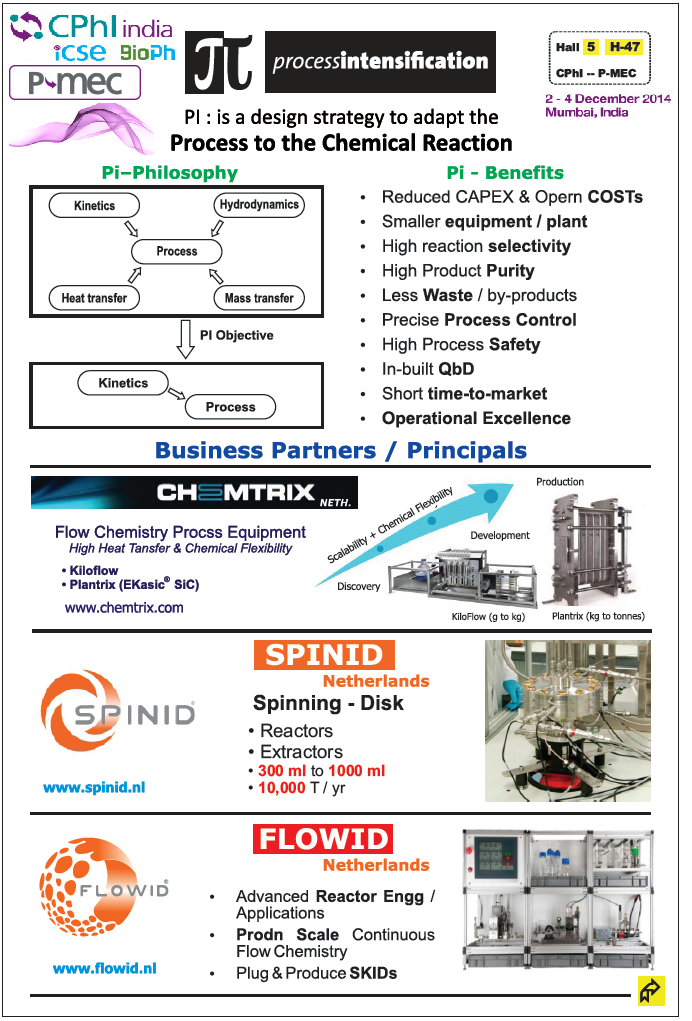
Safer, Cleaner, Smaller, Cheaper and Smarter processes , The basic principle of Process Intensification is to fit the equipment to the process and not process to the equipment, as is the case now.

Process Intensification can achieve drastic improvement in the time cycle and yields as well as converting batch processes to continuous process using specialized set of equipment. The design philosophy in process intensification is to design a process which has Chemical Kinetics as its only limitation. See the illustration below

“Process Intensification by Kinetics alone controlling the reaction, using specialized equipments; modification / telescoping of process steps achieves drastic reduction in time cycles and converts batch processes to continuous ; Reduced energy consumption, Reduced by-product formation; sustainability , hazard-containment, compliance to QbD and PAT and importantly a much faster time-to-market”

Illustrative examples are as follows:

  • Watt’s aldol reaction: Time needed to reach 100 % conversion 20 minutes against 24 hours in batch process
  • Fisher Esterification: Pi gives 83% yield against 15% in batch process
  • Grignard Reaction: Pi gives 78% yield against 49% in batch process
  • Nitration Reaction: Product purity increase from 56% to 78% and yield of mononitrate increases 55% to 75%.
Benefits of Process Intensification (PI) Techniques

Benefits of Process Intensification (PI) Techniques

Sponsored Projects

Scale-up for Retrofitting in existing plant as well as greenfield projects based on flow chemistry data generated in our laboratory. A well-equipped Laboratory and Pilot Plant set-up is available at our “Pi-Lab” for carrying out “FLOW Chemistry” based Reactions and utilizing numerous Process Intensification techniquesfor Unit-Processes & Unit-Operations for the industry to reap the benefits of Process Intensification.

The laboratory and pilot plant data will be utilized to provide the plant scale design using specialized equipments like micro-reactors, micro-plate-reactors in SiC, monolithic loop reactors, spinning disk reactors-cum-heat exchangers, FUMI reactors, dynamic mixing reactors, oscillatory baffled reactors (OBR), Bio-catalytic impregnated membrane Reactors, and other modern state-of-the-art equipments enabling conversion of batch to continuous flow processes.

We handle hazardous chemistries with very high exotherms (upto 1300 J/gm) safely in the range of -70oC to + 250oC with pressures upto 200 bar, and with reaction times from 0.03 sec to 1 hour and reactor volumes from 0.2 ml to 100 ml (Lab) and 1 L (Pilot) — yielding from 20 gms to 8 Kgs/hour (Lab) and 500 gms to 200 Kgs/hour (Pilot).


Scale Up – Flexibility & Adaptability

Pi …… will provide all the services for scale up to the sizes desired by clients by utilizing data from Laboratory trials.

Rental

A range of Flow Chemistry and Process Intensification equipments can be offered on rent. This enables the users to get the hands-on experience so as to select the apt equipments for their needs.

Vijay Kirpalani
CEO
Pi-Process Intensification Experts LLP
Plot-W-33,  M.I.D.C. Industrial Area
TALOJA – 410208, Navi Mumbai, INDIA
email : vk@pi-inc.co
www.pi-inc.co
Tel: +91-9321342022 // +91-9821342022

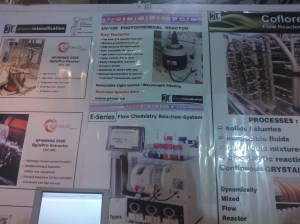
some pics from hall 5 -H-47 at cphi mumbai india dec 3 2014

WP_000221

WP_000226

WP_000224

CphI-2014-Fa


Sanofi Gets US FDA Approval For Priftin, Rifapentine 利福喷汀 Tablets To Treat Latent TB Infection


French drug maker Sanofi  Tuesday said it has received approval from the U.S. Food and Drug Administration for its Priftin (rifapentine) tablets to treat latent tuberculosis infection, or LTBI.

CID 5462354.png

Following a priority review, FDA has approved Priftin in combination with isoniazid, or INH, for a new indication for treatment of LTBI in patients two years of age and older at high risk of progression to tuberculosis or TB disease.

http://www.rttnews.com/2424574/sanofi-gets-us-fda-approval-for-priftin-tablets-to-treat-latent-tb-infection.aspx#.VH4RHVxo9iA.linkedin

Rifapentine.svg

Rifapentine

Antibiotic DL 473IT;Cyclopentylrifampicin;DL 473;KTC 1;MDL 473;Prifitin;Priftin;R 77-3;Rifamycin AF/ACPP;

Rifapentine is an antibiotic drug used in the treatment of tuberculosis. It inhibits DNA-dependent RNA polymerase activity in susceptible cells. Specifically, it interacts with bacterial RNA polymerase but does not inhibit the mammalian enzyme.

For the treatment of pulmonary tuberculosis

3-(((4-Cyclopentyl-1-piperazinyl)imino)methyl)rifamycin

C47H64N4O12
61379-65-5
Rifapentine
Rifapentine.svg
Systematic (IUPAC) name
(7S,9E,11S,12R,13S,14R,15R,16R,17S,18S,19E,21Z,26E)-26-{[(4-cyclopentylpiperazin-1-yl)amino]methylidene}-2,15,17,29-tetrahydroxy-11-methoxy-3,7,12,14,16,18,22-heptamethyl-6,23,27-trioxo-8,30-dioxa-24-azatetracyclo[23.3.1.14,7.05,28]triaconta-1(28),2,4,9,19,21,25(29)-heptaen-13-yl acetate
Clinical data
AHFS/Drugs.com monograph
MedlinePlus a602026
Legal status
?
Pharmacokinetic data
Bioavailability increases when administered with food
Identifiers
CAS number 61379-65-5 Yes
ATC code J04AB05
PubChem CID 5462354
DrugBank DB01201
ChemSpider 10482075 Yes
UNII XJM390A33U Yes
KEGG D00879 Yes
ChEBI CHEBI:45304 Yes
ChEMBL CHEMBL1660 Yes
NIAID ChemDB 007686
Synonyms 3{[(4-cyclopentyl-1-piperazinyl)imino]methyl}rifamycin
Chemical data
Formula C47H64N4O12 
Mol. mass 877.031 g/mol

Rifapentine (INN, marketed under the brand name Priftin by Sanofi-Aventis) is an antibiotic drug used in the treatment of tuberculosis.

Rifapentine was first synthesized in 1965 by the same company that produced rifampin. The drug was approved by the Food and Drug Administration (FDA) in June 1998.


Medical uses

A review of alternative regimens for prevention of active tuberculosis in HIV-negative individuals with latent TB found that a weekly, directly observed regimen of rifapentine with isoniazid for three months was as effective as a daily, self -administered regimen of isoniazid for nine months. But the rifapentine-isoniazid regimen had higher rates of treatment completion and lower rates of hepatotoxicity. However, the rate of treatment-limiting adverse events was higher in the rifapentine-isoniazid regimen. [1]

PRIFTIN (rifapentine) for oral administration contains 150 mg of the active ingredient rifapentine per tablet.

The 150 mg tablets also contain, as inactive ingredients: calcium stearate, disodium EDTA, FD&C Blue No. 2 aluminum lake, hydroxypropyl cellulose, hypromellose USP, microcrystalline cellulose, polyethylene glycol, pregelatinized starch, propylene glycol, sodium ascorbate, sodium lauryl sulfate, sodium starch glycolate, synthetic red iron oxide, and titanium dioxide.

Rifapentine is a rifamycin derivative antibiotic and has a similar profile of microbiological activity to rifampin (rifampicin). The molecular weight is 877.04.

The molecular formula is C47H64N4O12.

The chemical name for rifapentine is rifamycin, 3-[[(4-cyclopentyl-1-piperazinyl)imino]methyl]-or 3-[N-(4-Cyclopentyl – 1-piperazinyl)formimidoyl] rifamycin or 5,6,9,17,19,21-hexahydroxy-23-methoxy-2,4,12,16,18,20,22-heptamethyl-8-[N-(4-cyclopentyl-l-piperazinyl)-formimidoyl]-2,7-(epoxypentadeca[1,11,13]trienimino)naphtho[2,1-b]furan-1,11(2H)-dione 21-acetate. It has the following structure:

PRIFTIN (rifapentine) structural formula illustration


Use in special populations

Pregnancy

Rifapentine has been assigned a Pregnancy Category C by the FDA. Rifapentine in pregnant women has not been studied, but animal reproduction studies have resulted in fetal harm and were teratogenic. If rifapentine and rifampin are used together in pregnancy, coagulation should be monitored due to a possible increased risk of maternal postpartum hemorrhage and infant bleeding. [2]

Adverse effects

Common side effects are hyperuricemia, pyuria, hematuria, urinary tract infection, proteinuria, neutropenia, anemia, and hypoglycemia. [2]

Contraindications

Rifapentine should be avoided in patients with an allergy to the rifamycin class of drugs. [2] This drug class includes rifampin and rifabutin. [3]

Interactions

Rifapentine induces metabolism by CYP3A4, CYP2C8 and CYP2C9 enzymes. It may be necessary to adjust the dosage of drugs metabolized by these enzymes if they are taken with rifapentine. Examples of drugs that may be affected by rifapentine include warfarin, propranolol, digoxin, protease inhibitors and oral contraceptives.[2]

History

Rifapentine was first synthesized in 1965 by the same company that produced rifampin. The drug was approved by the Food and Drug Administration (FDA) in June 1998. It is synthesized in one step from rifampicine.


Rifapentine was first synthesized in 1965 by the same company that produced rifampin. The drug was approved by the Food and Drug Administration (FDA) in June 1998.

(7S,11S,12S,13S,14R,15S,16R,17R,18R,26E)-26-{[(4-Cyclopentyl-1-piperazinyl)amino]methylene}-2,15,17,29-tetrahydroxy-11-methoxy-3,7,12,14,16,18,22-heptamethyl-6,23,27-trioxo-8,30-dioxa-24-azatetracyclo [23.3.1.14,7.05,28]triaconta-1(28),2,4,9,19,21,25(29)-heptaen-13-yl acetate. Rifapentine is an antibiotic drug used in the treatment of tuberculosis.

Preparation of Rifapentine: this chemical can be prepared by 3-aldehyde rifamycin SV with 1-Amino-4-cyclopentylpiperazine. This reaction needs reagent tetrahydrofuran. The yield is 55 %

References

  1. Sharma SK et al . (2013). “Rifamycins (rifampicin, rifabutin and rifapentine) compared to isoniazid for preventing tuberculosis in HIV-negative people at risk of active TB.”. Cochrane Database of Systematic Reviews 7: CD007545. doi:10.1002/14651858.CD007545.pub2. PMID 23828580.
  2. Sanofi-Aventis. (2010) Priftin (rifapentine): Highlights of Prescribing Information. Retrieved from http://products.sanofi.us/priftin/Priftin.pdf.
  3. CDC. (2013) Core Curriculum on Tuberculosis: What the Clinician Should Know. Retrieved from http://www.cdc.gov/TB/education/corecurr/default.htm
  4. http://www.mdpi.com/1424-8247/5/7/690/htm

IMPROVED CONTINUOUS FLOW PROCESSING: BENZIMIDAZOLE RING FORMATION VIA CATALYTIC HYDROGENATION OF AN AROMATIC NITRO COMPOUND


DR ANTHONY MELVIN CRASTO Ph.D's avatarORGANIC CHEMISTRY SELECT

Figure

Improved Continuous Flow Processing: Benzimidazole Ring Formation via Catalytic Hydrogenation of an Aromatic Nitro Compound

http://pubs.acs.org/doi/full/10.1021/op400179f

pp 1427–1433
Publication Date (Web): August 6, 2013 (Article)
DOI: 10.1021/op400179f

In the development of a new route to bendamustine hydrochloride, the API in Treanda, the key benzimidazole intermediate 5 was generated via catalytic heterogeneous hydrogenation of an aromatic nitro compound using a batch reactor. Because of safety concerns and a site limitation on hydrogenation at scale, a continuous flow hydrogenation for the reaction was investigated at lab scale using the commercially available H-Cube. The process was then scaled successfully, generating kilogram quantities on the H-Cube Midi. This flow process eliminated the safety concerns about the use of hydrogen gas and pyrophoric catalysts and also showed 1200-fold increase in…

View original post 6 more words