
Home » Posts tagged 'organic chemistry' (Page 29)
Tag Archives: organic chemistry
 DRUG APPROVALS BY DR ANTHONY MELVIN CRASTO
.....FOR BLOG HOME CLICK HERE
DRUG APPROVALS BY DR ANTHONY MELVIN CRASTO
.....FOR BLOG HOME CLICK HEREFlag and hits
ORGANIC SPECTROSCOPY

SUBSCRIBE

 Subscribe in a reader
Enter your email address:
Delivered by FeedBurner
Subscribe to New Drug Approvals by Email


Recent Comments
 | shivkr2 on SPSR Excellence Award 2025 – S… |
 | Bonkasaurus on Infigratinib phosphate |
 | PALOVAROTENE | ORGAN… on Palovarotene |
| Pfizer just purchase… on Temanogrel | |
| Pfizer To Cash In On… on Temanogrel |
Sihuan Pharma Receives OK from CFDA for Trials of Novel PPI Drug

http://www.telegraphindia.com/pressrelease/prnw/prna_086_1306033.html
Sihuan Pharma Receives OK from CFDA for Trials of Novel PPI Drug
HONG KONG, July 18, 2013 Sihuan Pharmaceutical Holdings Group Ltd. (“Sihuan Pharmaceutical” or the “Company”), a leading pharmaceutical company with the largest cardio-cerebral vascular (“CCV”) drug franchise in China’s prescription market, today announced that Anaprazole Sodium, a Category 1.1 new drug received the Approval for Clinical Studies from the State Food and Drug Administration (“SFDA”) of the People’s Republic of China. Anaprazole Sodium is the fifth Category 1 innovative drug in respect of which the Company has received approval for Clinical Studies, applications for patents have been made in China, the United States, Japan and Europe.
Anaprazole Sodium is a new generation of proton pump inhibitors (“PPIs”) which treats ulcers quickly and efficiently by inhibiting gastric acid secretion and eradicating Helicobacter pylori. Preclinical studies have shown that the new drug covalently binds to proton pump, thus providing substantially stronger and longer inhibitory effects when compared to other PPI drugs, traditional H2-receptor antagonists and antacids currently available in the market. Therefore, it can effectively treat various gastric acid diseases
The clinical benefit of high-dose toremifene for metastatic breast cancer

http://www.ncbi.nlm.nih.gov/pubmed/23863727
Source
Dept. of Surgery, Saga University Faculty of Medicine.
Abstract
Introduction: Toremifene(TOR)is a selective estrogen receptor modulator(SERM). A high dose of 120 mg TOR(HD-TOR) has been used for recurrent breast cancer in Japan, but there is still insufficient evidence regarding the efficacy of HD-TOR. Patients and methods: HD-TOR was administered for recurrent or metastatic breast cancer between January 2003 and May 2012. The primary end point of the study was the tumor response rate. Bone metastasis cases were excluded from the efficacy analysis, but were included in the safety population. Results: A total of 21 patients registered in the study and the 2 patients with bone metastasis only were excluded from the efficacy analysis. The median follow-up period was 8. 3 months. None of the patients in the study had a CR, 4 had a PR(21. 1%), 9 had SD(47. 4%), and 6 had PD(31. 6%). Eight of the 9 SD cases had a long-term SD. The ORR was 21. 1% and the CB rate was 63. 2%. The median TTP of CB cases was 18. 3 months. None of the patients discontinued treatment because of a grade 3 or grade 4 adverse effects. Conclusion: In summary, the current study showed that HD-TOR may lead to a CB for recurrent breast cancer in first- or second-line treatment rather than thirdline. In particular, HD-TOR may give a benefit in highly endocrine-sensitive cases.

toremifene
Toremifene citrate is an oral selective estrogen receptor modulator (SERM) which helps oppose the actions of estrogen in the body. Licensed in the United States under the brand name Fareston, toremifene citrate is FDA-approved for use in advanced (metastatic)breast cancer. It is also being evaluated for prevention of prostate cancer under the brand name Acapodene.[1]
In 2007 the pharmaceutical company GTx, Inc was conducting two different phase 3clinical trials; First, a pivotal Phase clinical trial for the treatment of serious side effects ofandrogen deprivation therapy (ADT) (especially vertebral/spine fractures and hot flashes, lipid profile, and gynecomastia) for advanced prostate cancer, and second, a pivotal Phase III clinical trial for the prevention of prostate cancer in high risk men with high gradeprostatic intraepithelial neoplasia, or PIN. Results of these trials are expected by first quarter of 2008[2]
An NDA for the first application (relief of prostate cancer ADT side effects) was submitted in Feb 2009,[3] and in Oct 2009 the FDA said they would need more clinical data, e.g. another phase III trial.[4]
- Price N, Sartor O, Hutson T, Mariani S. Role of 5a-reductase inhibitors and selective estrogen receptor modulators as potential chemopreventive agents for prostate cancer.Clin Prostate Cancer 2005;3:211-4. PMID 15882476
- “GTx’s Phase III Clinical Development of ACAPODENE on Course Following Planned Safety Review” (Press release). GTx Inc. 2007-07-12. Retrieved 2006-07-14.
- “GTx Announces Toremifene 80 mg NDA Accepted for Review by FDA” (Press release).
- “GTx and Ipsen End Prostate Cancer Collaboration due to Costs of FDA-Requested Phase III Study”. 2 Mar 2011.

Breast Cancer Drugs in Late-Stage Development/Recently Approved
The article is 2012-2013 based and reader discretion is sought to ascertian the stage of approval

Afinitor® (everolimus)
https://newdrugapprovals.wordpress.com/2013/04/27/drug-spotlight-afinitor-everolimus-novartis/
Sponsor: Novartis
Method of Action: Mammalian target of rapamycin (mTOR) inhibitor
Indications/Phase of Trial: Hepatocellular carcinoma; human epidermal growth factor receptor 2-positive (HER2+) breast cancer first-line and second-line; lymphoma; nonfunctional carcinoid tumor (Phase III; all new indications)
Approved in July in U.S., EU for advanced hormone-receptor-positive (HR+) and human epidermal growth factor Receptor 2-negative (HER2-) metastatic breast cancer with exemestane in postmenopausal women who have already received certain other medicines for their cancer
Approved earlier for adults with pancreatic neuroendocrine tumors (PNET) that cannot be treated with surgery; adults with advanced renal cell carcinoma (RCC) when certain other medicines have not worked; adults with angiomyolipoma, seen with tuberous sclerosis complex (TSC), when surgery is not required immediately; and adults and children with TSC who have a brain tumor called subependymal giant cell astrocytoma (SEGA) that cannot be removed completely by surgery
Avastin (Bevacizumab; RG435)
Sponsor: Roche/Genentech
Method of Action: Monoclonal antibody; Vascular endothelial growth factor (VEGF) inhibitor
Indications/Phase of Trial: U.S.: Relapsed ovarian cancer, platinum-sensitive (Registration); first-line metastatic breast cancer and first-line metastatic ovarian cancer (both Phase III).
EU: Relapsed platinum-resistance ovarian cancer (Phase III)
Metastatic colorectal cancer, treatment beyond progression (Registration); adjuvant breast cancer, HER2- and HER2+; adjuvant NSCLC; first-line glioblastoma (GBM) multiforme; high-risk carcinoid (all Phase III)
Approved for metastatic colorectal cancer (mCRC) when started with the first or second intravenous 5-FU–based chemotherapy for metastatic cancer; advanced nonsquamous non-small-cell lung cancer (NSCLC) with carboplatin and paclitaxel in people who have not received chemotherapy for their advanced disease; metastatic RCC (mRCC) with interferon alfa; and GBM in adult patients whose cancer has progressed after prior treatment. Effectiveness based on tumor response, as no data have shown whether Avastin improves disease-related symptoms or survival in people previously treated for GBM
Approval conditionally granted in 2008 and withdrawn November 2011 for HER2- metastatic breast cancer (mBC) with Paclitaxel

Buparlisib (BKM120)
Sponsor: Novartis
Method of Action: Pan-PI3K inhibitor
Indications/Phase of Trial: mBC (Phase III and confirmatory Phase I/II); with Fulvestrant, in postmenopausal women with hormone receptor-positive HER2- locally advanced or mBC which progressed on or after aromatase inhibitor (AI) treatment (Phase III; BELLE-2 study recruiting as of November 2012); with Fulvestrant, in postmenopausal women with hormone receptor-positive HER2- AI-treated, locally-advanced or mBC who progressed on or after mTOR inhibitor-based treatment (Phase III; BELLE-3 study, recruiting as of October 2012); with Paclitaxel in patients with HER2- inoperable locally advanced or mBC, with or without PI3K pathway activation (Phase III; BELLE-4 study, recruiting as of November); metastatic castration-resistant prostate cancer (CRPC; Phase II; recruiting as of October); recurrent glioblastoma (Phase II; recruiting as of November); recurrent/metastatic head and neck squamous cell carcinoma (Phase II; recruiting as of October); endometrial cancer (Phase I/II); NSCLC (Phase I/II); prostate cancer (Phase I/II); GBM multiforme (Phase I/II); with Fulvestrant in postmenopausal women with estrogen receptor-positive metastatic breast cancer (Phase I); previously treated advanced colorectal cancer (Phase I)

Faslodex (Fulvestrant Injection)
Sponsor: AstraZeneca
Method of Action: Estrogen receptor antagonist
Indications/Phase of Trial: First line HR+ mBC (Phase III; FALCON study commenced Oct. 29)
Approved for HR+ mBC in women who have experienced menopause and whose breast cancer has worsened after they were treated with antiestrogen medications

Herceptin (Trastuzumab; RG597)
Sponsor: Roche, in partnership with Halozyme
Method of Action: Humanized monoclonal antibody designed to target and block the function of HER2+
Indications/Phase of Trial: EU: Early HER2+ breast cancer, subcutaneous formulation (Registration)
Approved for early-stage HER2+ breast cancer that has spread into the lymph nodes, and HER2+ breast cancer that has not spread into the lymph nodes and is estrogen receptor/progesterone receptor-negative (ER-/PR-) or have one high-risk feature. High-risk is defined as estrogen receptor/progesterone receptor-positive (ER+/PR+) with one of the following features: tumor size >2 cm, age <35 years, or tumor grade 2 or 3. Can be used with Adriamycin® (doxorubicin), Cytoxan® (cyclophosphamide), and either Taxol® (paclitaxel) or Taxotere® (docetaxel); or with Taxotere and Paraplatin® (carboplatin); or alone after treatment with multiple other therapies, including an anthracycline (Adriamycin)-based chemotherapy
Also approved alone for the treatment of HER2+ breast cancer in patients who have received one or more chemotherapy courses for metastatic disease; and with paclitaxel for first-line treatment of HER2+ mBC

Iniparib (Tivolza; BSI-201; SAR240550)
Sponsor: Sanofi, through acquisition of original developer BiPar Sciences
Method of Action: Poly (ADP-ribose) polymerase 1 (PARP1) inhibitor
Indications/Phase of Trial: Stage IV squamous NSCLC (Phase III; NME); solid tumors such as sarcoma and breast, uterine, lung, and ovarian cancers (Phase I/II)
Phase III trial in breast cancer failed January 2011 by failing to improve survival and progression-free survival (PFS) in breast cancer patients

Nexavar® (Sorafenib)
https://newdrugapprovals.wordpress.com/2013/07/16/nexavar-sorafenib/
Sponsor: Onyx Pharmaceuticals
Method of Action: Dual-action inhibitor that targets RAF/MEK/ERK pathway in tumor cells and tyrosine kinases
Indications/Phase of Trial: Liver cancer adjuvant (Phase III; STORM study); kidney cancer adjuvant (Phase III; SORCE/ASSURE study); thyroid cancer monotherapy (Phase III; DECISION study); breast cancer with capecitabine (Phase III; RESILIENCE study)
Approved for hepatocellular carcinoma (HCC) and RCC

Perjeta (Pertuzumab; RG1273)
Sponsor: Roche/Genentech
Method of Action: HER2/neu receptor antagonist
Indications/Phase of Trial: EU: With Herceptin and docetaxel chemotherapy for previously-untreated HER2+ mBC or locally recurrent, inoperable breast cancer in patients who have not received previous treatment or whose disease has returned after treatment in the early-stage setting (Registration)
U.S.: Approved June 2012 for HER2+ mBC with Herceptin (trastuzumab) and docetaxel, in patients who have not received prior anti-HER2 therapy or chemotherapy for metastatic disease
Switzerland: Approved August 2012 for HER2+ breast cancer with Herceptin (trastuzumab) and docetaxel in patients with advanced or locally recurring breast cancer that has not previously been treated with chemotherapy

Ridaforolimus (MK-8669; AP23573; formerly Deforolimus)
Sponsor: Merck, under exclusive worldwide license agreement with Ariad Pharmaceuticals
Method of Action: Oral inhibitor of mammalian target of rapamycin inhibitor (mTOR)
Indications/Phase of Trial: Maintenance therapy for metastatic soft-tissue sarcoma and bone sarcomas after at least four chemotherapy cycles (under review after receiving Complete Response letter from FDA in June; NME); breast cancer with exemestane, compared to breast cancer with dalotuzumab and exemestane (Phase II; recruiting as of November); advanced head and neck cancer, NSCLC and colon cancer, with cetuximab (Phase II); pediatric patients with advanced solid tumors (Phase I; recruiting as of September); with dalotuzumab in pediatric patients with advanced solid tumors (Phase I; recruiting as of August); advanced RCC, with vorinostat (Phase I; recruiting as of October 2012); breast cancer, with dalotuzumab (Phase I: recruiting as of September); endometrial and ovarian cancers, with paclitaxel and carboplatin (Phase I; recruiting as of September 2012); advanced cancer, with MK-2206 and MK-0752 (Phase I: recruiting as of September 2012); advanced cancer, with dalotuzumab, MK-2206 and MK-0752 (Phase I: recruiting as of August 2012)
Tivozanib (ASP4130; AV-951)
Sponsor: Aveo Oncology and Astellas
Method of Action: Tyrosine kinase inhibitor; inhibits VEGF receptor 1, 2, and 3
Indications/Phase of Trial: U.S.: Advanced RCC (Registration; NDA filed September 2012); tivozanib biomarkers in solid tumors (Phase II; BATON study); stage IV metastatic colorectal cancer (mCRC), with mFOLFOX6, and compared with bevacizumab and mFOLFOX6 (Phase II; recruiting as of November); additional data as first-line therapy for advanced RCC, followed by sunitinib (Phase II; TAURUS study, enrollment initiated in October 2012); advanced solid tumors, with capecitabine (Xeloda®; Phase I; recruiting as of October)
EU: Advanced RCC (Phase III)
Trastuzumab-DM1 (T-DM1; Trastuzumab emtansine; RG3502)
Sponsor: Roche, with linker technology developed by ImmunoGen
Method of Action: Antibody-drug conjugate, consisting of the antibody trastuzumab and the chemotherapy DM1 attached via a stable linker
Indications/Phase of Trial: U.S.: HER2+, unresectable locally-advanced or mBC who have received prior treatment with Herceptin (trastuzumab) and a taxane chemotherapy (Registration; Priority review approved Nov. 7; action date Feb. 26, 2013)
EU: Marketing Authorization Application for HER2+ mBC accepted for review by European Medicines Agency

Tyverb/Tykerb (lapatinib)
Sponsor: GlaxoSmithKline
Method of Action: Human epidermal growth factor receptor-2 (Her2) and epidermal growth factor receptor (EGFR) dual kinase inhibitor
Indications/Phase of Trial: mBC with trastuzumab (Registration); breast cancer, adjuvant therapy (Phase III); Gastric cancer (Phase III); head & neck squamous cell carcinoma, resectable disease (Phase III)
Xgeva (denosumab)
Sponsor: Amgen, with commercialization by GlaxoSmithKline in countries where Amgen has no presence
Method of Action: Fully human monoclonal antibody that specifically targets a ligand known as RANKL that binds to a receptor known as RANK
Indications/Phase of Trial: Delay or prevention of bone metastases in breast cancer (Phase III); delay or prevention of bone metastases in prostate cancer (Phase III)
Approved for prevention of fractures in men with advanced prostate cancer
Rejected in April for supplemental Biologics License Application to treat men with CRPC at high risk of developing bone metastases

Yondelis® (trabectedin)
Sponsor: Johnson & Johnson; developed in collaboration with PharmaMar
Method of Action: Binds to minor groove of DNA, interfering with the cell division and gene transcription processes, as well as DNA’s repair machinery
Indications/Phase of Trial: U.S.: Locally advanced or metastatic soft tissue sarcoma excluding leiomyosarcoma and liposarcoma who have relapsed or are refractory to standard-of-care treatment (Phase III; recruiting as of November); soft tissue sarcoma, excluding liposarcoma and leiomyosarcoma (L-type sarcoma), in previously-treated patients who cannot be expected to benefit from currently available therapeutic options (Phase III; recruiting as of November); locally advanced or metastatic L-sarcoma (liposarcoma or leiomyosarcoma) who were previously treated with at least an anthracycline and ifosfamide-containing regimen, or an anthracycline-containing regimen and one additional cytotoxic chemotherapy regimen, compared with dacarbazine group (Phase III; recruiting as of November); breast cancer and pediatric tumors (Phase II); Advanced malignancies and liver dysfunction (Phase I; recruiting as of November)
EU: Approved for advanced or metastatic soft tissue sarcoma, and for relapsed platinum-sensitive ovarian cancer, with DOXIL®/Caelyx®

Xtandi® Capsules (Enzalutamide; formerly MDV3100)
Sponsor: Medivation in collaboration with Astellas
Method of Action: Androgen receptor inhibitor
Indications/Phase of Trial: Prechemotherapy CRPC in patients who have failed luteinizing hormone-releasing hormone (LHRH) analog treatment only, as well as patients who have failed both LHRH analog and anti-androgen treatment. (Phase III; PREVAIL study); prostate cancer neoadjuvant therapy (Phase II); prechemo metastatic prostate cancer in Europe (Phase II; TERRAIN); prechemo metastatic and nonmetastatic prostate cancer patients in U.S. (Phase II; STRIVE); prostate cancer Hormone-naïve (Phase II; ASPIRE); prostate cancer with docetaxel (Phase I); breast cancer (Phase I)
EU: Marketing Authorization Application submitted June 2012 to European Medicines Agency, for patients with metastatic CRPC who have received docetaxel-based chemotherapy
Japan: Metastatic CRPC who have received docetaxel-based chemotherapy (Phase II)
Approved Aug. 31 for patients with metastatic CRPC who have previously received docetaxel. As a post-marketing requirement, Medivation and Astellas agreed to conduct an open-label safety study of Xtandi (160 mg/day) in patients at high risk for seizure, with data to be submitted to FDA in 2019
FDA gives tentative approval to Perrigo s ANDA for generic version of Prandin Tablets

repaglinide

Perrigo Company (Nasdaq: PRGO; TASE) today announced that it has received tentative approval from the U.S. Food & Drug Administration (FDA) for its abbreviated new drug application (ANDA) for repaglinide tablets, the generic equivalent to Prandin® Tablets (repaglinide tablets).
Prandin® tablets (repaglinide tablets), are indicated as an adjunct to diet and exercise to improve glycemic control in adults with type-2 diabetes mellitus and have annual sales of approximately $250 million, as measured by Symphony Health Solutions.
Repaglinide is an antidiabetic drug in the class of medications known as meglitinides, and was invented in 1983. It is sold byNovo Nordisk under the name of Prandin in the U.S., GlucoNorm in Canada, Surepost in Japan, Repaglinide in Egypt by EIPICO, and NovoNorm elsewhere. In Japan it is produced by Dainippon Sumitomo Pharma.
Repaglinide lowers blood glucose by stimulating the release of insulin from the pancreas. It achieves this by closing ATP-dependent potassium channels in the membrane of the beta cells. This depolarizes the beta cells, opening the cells’ calcium channels, and the resulting calcium influx induces insulin secretion.

Recent Progress in the Synthesis of Tamiflu

| ABOVE PICTURE-The synthetic route to tamiflu reported by M. Shibasaki starting from 1,4-cyclohexadiene. See JACS 2006, 128, 6312-6313 |
|
|
||||||
 |
|||||||
| Abstract Tamiflu, one of the most common orally drugs for the treatment and prevention of influenza, has attracted extensive interests of synthetic chemists all over the world.Concise, efficient, and scalable synthetic approaches toward this molecule have been a very active field in recent years, and many diverse synthetic routes have been developed to date.In this review, representative synthetic routes employing chiral starting material or catalytic asymmetric reactions are briefly summarized. |
|
||||
| Fund:Project supported by the National Natural Science Foundation of China (Nos.20972059, 21290180), the Program for Changjiang Scholars and Innovative Research Team in University (No.IRT1138) and the Fundamental Research Funds for the Central Universities (No.lzujbky-2013-ct02). | |||||
| Cite this article: |
| Zhang Tiancai,Lu Hui,Zhang Fu-Min et al. Recent Progress in the Synthesis of Tamiflu[J]. Chin. J. Org. Chem., 2013, 33(06): 1235-1243. |
| http://sioc-journal.cn/Jwk_yjhx/EN/abstract/abstract342132.shtml# |
| URL: |
| http://sioc-journal.cn/Jwk_yjhx/EN/10.6023/cjoc201303044 OR http://sioc-journal.cn/Jwk_yjhx/EN/Y2013/V33/I06/1235 |

Oseltamivir total synthesis concerns the total synthesis of the antiinfluenza drug oseltamivirmarketed by Hoffmann-La Roche under the trade name Tamiflu. Its commercial production starts from the biomolecule shikimic acid harvested from Chinese star anise with a limited worldwide supply. Due to its limited supply, searches for alternative synthetic routes preferably not requiring shikimic acid are underway and to date several such routes have been published. Control of stereochemistry is important: the molecule has three stereocenters and the sought-after isomer is only 1 of 8 stereoisomers.
Commercial production
The current production method is based on the first scalable synthesis developed by Gilead Sciences [1] starting from naturally occurring quinic acid or shikimic acid. Due to lower yields and the extra steps required (because of the additional dehydration), the quinic acid route was dropped in favour of the one based on shikimic acid, which received further improvements by Hoffmann-La Roche.[2][3] The current industrial synthesis is summarised below:

Karpf / Trussardi synthesis
The current production method includes two reaction steps with potentially hazardous azides. A reported azide-free Roche synthesis of tamiflu is summarised graphically below:[4]

The synthesis commences from naturally available (−)-shikimic acid. The 3,4-pentylidene acetal mesylate is prepared in three steps: esterification with ethanol and thionyl chloride; ketalization with p-toluenesulfonic acid and 3-pentanone; and mesylation with triethylamine and methanesulfonyl chloride. Reductive opening of the ketal under modified Hunter conditions[5] in dichloromethane yields an inseparable mixture of isomeric mesylates. The corresponding epoxide is formed under basic conditions withpotassium bicarbonate. Using the inexpensive Lewis acid magnesium bromide diethyl etherate (commonly prepared fresh by the addition of magnesium turnings to 1,2-dibromoethane in benzene:diethyl ether), the epoxide is opened with allyl amine to yield the corresponding 1,2-amino alcohol. The water-immiscible solvents methyl tert-butyl ether and acetonitrile are used to simplify the workup procedure, which involved stirring with 1 M aqueous ammonium sulfate. Reduction on palladium, promoted byethanolamine, followed by acidic workup yielded the deprotected 1,2-aminoalcohol. The aminoalcohol was converted directly to the corresponding allyl-diamine in an interesting cascade sequence that commences with the unselective imination of benzaldehyde with azeotropic water removal in methyl tert-butyl ether. Mesylation, followed by removal of the solid byproduct triethylamine hydrochloride, results in an intermediate that was poised to undergo aziridination upon transimination with another equivalent of allylamine. With the librated methanesulfonic acid, the aziridine opens cleanly to yield a diamine that immediately undergoes a second transimination. Acidic hydrolysis then removed the imine. Selective acylation with acetic anhydride (under buffered conditions, the 5-amino group is protonated owing to a considerable difference in pKa, 4.2 vs 7.9, preventing acetylation) yields the desired N-acetylated product in crystalline form upon extractive workup. Finally, deallylation as above, yielded the freebase of oseltamivir, which was converted to the desired oseltamivir phosphate by treatment with phosphoric acid. The final product is obtained in high purity (99.7%) and an overall yield of 17-22% from (−)-shikimic acid. It is noted that the synthesis avoids the use of potentially explosive azide reagents and intermediates; however, the synthesis actually used by Roche uses azides. Roche has other routes to oseltamivir that do not involve the use of (−)-shikimic acid as a chiral pool starting material, such as a Diels-Alder route involving furan and ethyl acrylate or an isophthalic acid route, which involves catalytic hydrogenation and enzymatic desymmetrization.
Corey synthesis
In 2006 the group of E.J. Corey published a novel route bypassing shikimic acid starting from butadiene and acrylic acid.[6] The inventors chose not to patent this procedure which is described below.

Butadiene 1 reacts in an asymmetric Diels-Alder reaction with the esterfication product of acrylic acid and 2,2,2-Trifluoroethanol 2 catalysed by the CBS catalyst. The ester 3 is converted into an amide in 4 by reaction with ammonia and the next step to lactam 5 is an iodolactamization with iodine initiated by trimethylsilyltriflate. The amide group is fitted with a BOC protective group by reaction with Boc anhydride in 6 and the iodine substituent is removed in an elimination reaction with DBU to the alkene 7. Bromine is introduced in 8 by an allylic bromination with NBS and the amide group is cleaved with ethanol and caesium carbonate accompanied by elimination of bromide to the diene ethyl ester 9. The newly formed double bond is functionalized with N-bromoacetamide 10 catalyzed with Tin(IV) bromide with complete control of stereochemistry. In the next step the bromine atom in 11 is displaced by the nitrogen atom in the amide group with the strong base KHMDS to the aziridine 12 which in turn is opened by reaction with 3-pentanol 13 to the ether 14. In the final step the BOC group is removed with phosphoric acid and the oseltamivir phosphate 15 is formed.
Shibasaki synthesis
Also in 2006 the group of Masakatsu Shibasaki of the University of Tokyo published a synthesis again bypassing shikimic acid.[7][8]
 |
 |
|
| Shibasaki Tamiflu synthesis Part I | Part II |
An improved method published in 2007 starts with the enantioselective desymmetrization of aziridine 1 with trimethylsilyl azide (TMSN3) and a chiral catalyst to the azide 2. Theamide group is protected as a BOC group with Boc anhydride and DMAP in 3 and iodolactamization with iodine and potassium carbonate first gives the unstable intermediate 4and then stable cyclic carbamate 5 after elimination of hydrogen iodide with DBU.
The amide group is reprotected as BOC 6 and the azide group converted to the amide 7 by reductive acylation with thioacetic acid and 2,6-lutidine. Caesium carbonateaccomplishes the hydrolysis of the carbamate group to the alcohol 8 which is subsequently oxidized to ketone 9 with Dess-Martin periodinane. Cyanophosphorylation withdiethyl phosphorocyanidate (DEPC) modifies the ketone group to the cyanophosphate 10 paving the way for an intramolecular allylic rearrangement to unstable β-allylphosphate 11 (toluene, sealed tube) which is hydrolyzed to alcohol 12 with ammonium chloride. This hydroxyl group has the wrong stereochemistry and is therefore inverted in a Mitsunobu reaction with p-nitrobenzoic acid followed by hydrolysis of the p-nitrobenzoate to 13.
A second Mitsunobu reaction then forms the aziridine 14 available for ring-opening reaction with 3-pentanol catalyzed by boron trifluoride to ether 15. In the final step the BOC group is removed (HCl) and phosphoric acid added to objective 16.
Fukuyama synthesis
An approach published in 2007 [9] like Corey’s starts by an asymmetric Diels-Alder reaction this time with starting materials pyridine and acrolein.
 |
 |
|
| Fukuyama Tamiflu synthesis Part I | Part II |
Pyridine (1) is reduced with sodium borohydride in presence of benzyl chloroformate to the Cbz protected dihydropyridine 2. The asymmetric Diels-Alder reaction with acrolein3 is carried out with the McMillan catalyst to the aldehyde 4 as the endo isomer which is oxidized to the carboxylic acid 5 with sodium chlorite, Monopotassium phosphate and 2-methyl-2-butene. Addition of bromine gives halolactonization product 6 and after replacement of the Cbz protective group by a BOC protective group in 7 (hydrogenolysis in the presence of Di-tert-butyl dicarbonate) a carbonyl group is introduced in intermediate 8 by catalytic ruthenium(IV) oxide and sacrificial catalyst sodium periodate. Addition ofammonia cleaves the ester group to form amide 9 the alcohol group of which is mesylated to compound 10. In the next step iodobenzene diacetate is added, converting the amide in a Hofmann rearrangement to the allyl carbamate 12 after capturing the intermediate isocyanate with allyl alcohol 11. On addition of sodium ethoxide in ethanol three reactions take place simultaneously: cleavage of the amide to form new an ethyl ester group, displacement of the mesyl group by newly formed BOC protected amine to anaziridine group and an elimination reaction forming the alkene group in 13 with liberation of HBr. In the final two steps the aziridine ring is opened by 3-pentanol 14 and boron trifluoride to aminoether 15 with the BOC group replaced by an acyl group and on removal of the other amine protecting group (Pd/C, Ph3P, and 1,3-dimethylbarbituric acid in ethanol) and addition of phosphoric acid oseltamivir 16 is obtained.
Trost synthesis
In 2008 the group of Barry M. Trost of Stanford University published the shortest synthetic route to date.[10]

- Rohloff John C., Kent Kenneth M., Postich Michael J., Becker Mark W., Chapman Harlan H., Kelly Daphne E., Lew Willard, Louie Michael S., McGee Lawrence R. et al. (1998). “Practical Total Synthesis of the Anti-Influenza Drug GS-4104”. J. Org. Chem. 63 (13): 4545–4550. doi:10.1021/jo980330q.
- Federspiel M., Fischer R., Hennig M., Mair H.-J., Oberhauser T., Rimmler G., Albiez T., Bruhin J., Estermann H. et al. (1999). “Industrial Synthesis of the Key Precursor in the Synthesis of the Anti-Influenza Drug Oseltamivir Phosphate (Ro 64-0796/002, GS-4104-02) Ethyl (3R,4S,5S)-4,5-epoxy-3-(1-ethyl-propoxy)-cyclohex-1-ene-1-carboxylate”. Org. Process Res. Dev. 3: 266–274. doi:10.1021/op9900176.
- Abrecht S., Federspiel M. C., Estermann H., Fischer R., Karpf M., Mair H.-J., Oberhauser T., Rimmler G., Trussardi R. et al.. “The Synthetic-Technical Development of Oseltamivir Phosphate Tamiflu™: A Race against Time Chimia”. 2007; 61: 93–99. doi:10.2533/chimia.2007.93.
- New, Azide-Free Transformation of Epoxides into 1,2-Diamino Compounds: Synthesis of the Anti-Influenza Neuraminidase Inhibitor Oseltamivir Phosphate (Tamiflu) Martin Karpf and René Trussardi J. Org. Chem.; 2001; 66(6) pp 2044 – 2051; (Article) doi:10.1021/jo005702l PMID 11300898.
- Birgit Bartels and Roger Hunter (1993). “A selectivity study of activated ketal reduction with borane dimethyl sulfide”. J. Org. Chem. 58 (24): 6756. doi:10.1021/jo00076a041.
- A Short Enantioselective Pathway for the Synthesis of the Anti-Influenza Neuramidase Inhibitor Oseltamivir from 1,3-Butadiene and Acrylic Acid Ying-Yeung Yeung, Sungwoo Hong, and E. J. Corey J. Am. Chem. Soc.; 2006; 128(19) pp 6310 – 6311; (Communication) doi:10.1021/ja0616433
- De Novo Synthesis of Tamiflu via a Catalytic Asymmetric Ring-Opening of meso-Aziridines with TMSN3 Yuhei Fukuta, Tsuyoshi Mita, Nobuhisa Fukuda, Motomu Kanai, and Masakatsu Shibasaki J. Am. Chem. Soc.; 2006; 128(19) pp 6312 – 6313; doi:10.1021/ja061696k
- Second Generation Catalytic Asymmetric Synthesis of Tamiflu: Allylic Substitution Route Tsuyoshi Mita, Nobuhisa Fukuda, Francesc X. Roca, Motomu Kanai, and Masakatsu Shibasaki Org. Lett.; 2007; 9(2) pp 259 – 262; (Letter) doi:10.1021/ol062663c
- A Practical Synthesis of (-)-Oseltamivir Nobuhiro Satoh, Takahiro Akiba, Satoshi Yokoshima, Tohru Fukuyama Angew. Chem. Int. Ed. 2007, 46, 5734 –5736doi:10.1002/anie.200701754
- A Concise Synthesis of (−)-Oseltamivir Barry M.Trost, Ting Zhang Angew. Chem. Int. Ed. 2008, 47, 1-4 doi:10.1002/anie.200800282
Menarini launches premature ejaculation drug in Singapore

DAPOXETINE
Menarini has launched dapoxetine for premature ejaculation in Singapore, having recently published a survey highlighting the rising problem of sexual dissatisfaction in the Asia-Pacific region.
The Italian drugmaker acquired Priligy (dapoxetine)from Johnson & Johnson last year and the drug is now approved in over 50 countries. It estimates that PE affects 34% of men in Singapore at some point in their lives.
READ ALL AT
Dapoxetine, marketed as Priligy (among and other brands) is the first compound developed specially for the treatment of premature ejaculation (PE) in men 18–64 years old.Dapoxetine works by inhibiting the serotonin transporter, increasing serotonin’s action at the post synaptic cleft, and as a consequence promoting ejaculatory delay. As a member of selective serotonin reuptake inhibitor (SSRI) family, dapoxetine was initially created as an antidepressant. However, unlike other SSRIs, dapoxetine is absorbed and eliminated rapidly in the body. Its fast acting property makes it suitable for the treatment of PE but not as an antidepressant.[3]
Originally created by Eli Lilly pharmaceutical company, dapoxetine was sold to Johnson & Johnson in 2003 and submitted as a new drug application to the Food and Drug Administration (FDA) for the treatment of PE in 2004. Dapoxetine has been sold in several European and Asian countries, and lately in Mexico. In the US, dapoxetine is in phase III development and expected to be marketed soon. In 2012, Menarini acquired the rights to commercialise Priligy in Europe, most of Asia, Africa, Latin America and the Middle East.

Premature ejaculation
Randomized, double blind, placebo-controlled trials have confirmed the efficacy of dapoxetine for the treatment of PE. Different dosage has different impacts on different type of PE. Dapoxetine 60 mg significantly improves the mean intravaginal ejaculation latency time (IELT) compare to that of dapoxetine 30 mg in men with lifelong PE, but there is no different in men with acquired PE. Dapoxetine, given 1–3 hours before sexual episode, prolongs IELT, increases the sense of control and sexual satisfaction in men of 18 to 64 years of age with PE. Since PE is associated with personal distress, interrelationship difficulty, dapoxetine provides help for men with PE to overcome this condition.Because lack of specific approval treatment for PE in the US and some other countries, other SSRIs such as fluoxetine, paroxetine, sertraline, fluvoxamine, and citalopram have been used as off label drugs to treat PE. Waldinger’s meta analysis shows that the use of these conventional antidepressants increasing IELT from two to ninefold above base line in comparison of three to eightfold when dapoxetine is used. However, these SSRIs must be taken daily in order to achieve meaningful efficacy, and the long half-life increases the risk of the drug accumulation and as a consequence increased of adverse effects such as decreasing sexual libido and causing erectile dysfunction. Dapoxetine, on the other hand, is a fast-acting SSRI. It is rapidly absorbed and eliminated from the body within a few hours. This favorable pharmacokinetics minimizes the risk of the drug’s accumulation in the body, and therefore reducing side effects.
African medicine-cyclotides as an aid during child birth
 |
| Oldenlandia affinis was used by native women in the Zaire as an aid during childbirth. A tea was made of the leaves and imbibed during labour. |
Cyclotides are plant-derived peptides of approximately 30 amino acids. They have the characteristic structural features of a head-to-tail cyclized backbone and a cystine knot arrangement of their three conserved disulfide bonds. Their unique structural features lead to exceptional stability. This and their amenability to chemical synthesis have made it possible to use cyclotides as templates in protein engineering and drug design applications.
David J Craik, University of Queensland, Brisbane, Australia, whose laboratory is working over 20 years in the field, summarizes the history of cyclotides
http://www.chemistryviews.org/details/news/5012211/History_of_Cyclotides.html
more info on cyclotides
This is how it was discovered: a physician working in the Democratic Republic of Congo noticed that laboring women were drinking tea made from Oleanda affinis to induce childbirth. Theactive ingredient was the first cyclotide to be discovered. Since then, cyclotides have been shown to be antibiotic, antiviral and insecticidal.

Figure 1. Structure and sequence of the prototypic cyclotide kalata B1
Cyclotides are small disulfide-rich proteins that have the unusual feature of a cyclic backbone (hence the name cyclo – peptides). They contain six conserved cystine residues that are arranged in a cystine knot topology in which two disulfide bonds and their connecting backbone segments form an embedded ring in the structure that is penetrated by a third disulfide bond, as shown below.
Cyclotides have a range of interesting biological activities including anti-HIV and neurotensin inhibition, anti-microbial activity and insecticidal activity. They are found in a variety of tropical plants from the Rubiaceae and Violaceae families.
 |
| The structure of kalata B1 showing the distorted beta-sheet topology and the loop nomenclature enabled by the cyclic backbone. |
Cyclotides are small disulfide rich peptides isolated from plants.Typically containing 28-37 amino acids, they are characterized by their head-to-tail cyclised peptide backbone and the interlocking arrangement of their three disulfide bonds. These combined features have been termed the cyclic cystine knot (CCK) motif (Figure 1). To date, over 100 cyclotides have been isolated and characterized from species of the Rubiaceae, Violaceae, and Cucurbitaceae families. Cyclotides have also been identified in agriculturally important families such as the Fabaceae and Poaceae.,
Cyclotides have been reported to have a wide range of biological activities, including anti-HIV, insecticidal, anti-tumour, antifouling, anti-microbial, hemolytic, neurotensinantagonism, trypsin inhibition, and uterotonic activities. An ability to induceuterine contractions was what prompted the initial discovery of kalata B1.
The potent insecticidal activity of cyclotides kalata B1 and kalata B2 has prompted the belief that cyclotides act as plant host-defence agents (Figure 2). The observations that dozens or more cyclotides may be present in a single plant and the cyclotide architecture comprises a conserved core onto which a series of hypervariable loops is displayed suggest that, cyclotides may be able to target many pests/pathogens simultaneously.
The cyclotides have been recognised as a family of novel circular proteins only in the last few years but the discovery of the first member of this family may be traced back to reports of native medicine applications in the early 1970s.
Kalata B1, was discovered because it is an active ingredient in a herbal medicine used by African women to assist childbirth . While on a Red Cross relief effort in the Congo region in the 1960s a Norwegian doctor, Lorents Gran, noted that during labour African women often ingested a tea made from leaves of the plant Oldenlandia affinis because of its uterotonic effects. The active ingredient was determined to be a peptide that was named kalata B1, after the local name for the native medicine. Subsequent in vivo studies in rats confirmed uterotonic activity of the purified peptide but it was not characterised as a macrocyclic peptide until some 20 year later.
The mid-1990�s was a key period in the discovery of macrocyclic peptides, with several independent groups discovering such peptides while screening for various biological activities and our group determining the three dimensional structure of kalata B1 . In the first fortuitous discovery Sch�pke et al., examined Viola arvensis and V. tricolor in a study aimed at the discovery of new saponins. While assaying for the usual hemolytic activity of saponins they discovered a macrocyclic peptide, violapeptide I, with hemolytic activity. At around the same time bio-assay driven screens for anti-HIV and anti-neurotensin activity led to the discovery of the circulins and cyclopsychotride A respectively.
 |
| Viola arvensis a cyclotide containing plant. Member of the violaceae family and found in temperate regions of Australia and Europe. |
With our report of the three dimensional structure of kalata B1 in 1995 and its sequence homology with the circulins and cyclopsychotride A, we became convinced that macrocyclic peptides might be more common than had earlier been thought and we began searching for other examples. Several other macrocyclic peptides were found in the late 1990s and it became clear that the peptides formed part of a family that we subsequently named the cyclotides.
Several novel cyclotide sequences have been discovered in the last few years , with the known sequences now exceeding 45 and many more currently being characterized in our laboratories. A large proportion of the new cyclotides have been discovered based on their structural properties rather than biological activities. The cyclotides are relatively hydrophobic and can be readily identified from crude plant extracts by their characteristically late elution on RP-HPLC.
The cyclotides described above, all come from plants in the Rubiaceae or Violaceae families but the prevalence of macrocyclic peptides has recently been expanded to include the Cucurbitaceae family. This is based on the discovery of the trypsin inhibitors MCoTI-I and MCoTI-II, 34 residue macrocyclic peptides, from Momordica cochinchinensis . They have no sequence homology to the previously characterized cyclotides, with the exception of the six cysteine residues, but are of a similar size and contain a cystine knot motif (Felizmenio-Quimio, 2001). The MCoTI peptides were originally isolated based on their trypsin inhibitory activity and are homologous to linear cystine knot peptides from the squash family of trypsin inhibitors such as EETI-II and CMTI.
References
Bokesch HR, Pannell LK, Cochran PK, Sowder RC, 2nd, McKee TC and Boyd MR: A novel anti-HIV macrocyclic peptide from Palicourea condensata. J. Nat. Prod. (2001) 64:249-250.
Broussalis AM, Goransson U, Coussio JD, Ferraro G, Martino V and Claeson P: First cyclotide from Hybanthus (Violaceae). Phytochemistry (2001) 58:47-51.
Claeson P, G�ransson U, Johansson S, Luijendijk T and Bohlin L: Fractionation protocol for the isolation of polypeptides from plant biomass. J. Nat. Prod. (1998) 61:77-81.
Craik DJ, Daly NL, Bond T and Waine C: Plant cyclotides: A unique family of cyclic and knotted proteins that defines the cyclic cystine knot structural motif. J. Mol. Biol. (1999) 294:1327-1336.
G�ransson U, Luijendijk T, Johansson S, Bohlin L and Claeson P: Seven novel macrocyclic polypeptides from Viola arvensis. J. Nat. Prod. (1999) 62:283-286.
Gran L: Isolation of oxytocic peptides from Oldenlandia affinis by solvent extraction of tetraphenylborate complexes and chromatography on sephadex LH-20. Lloydia (1973a) 36:207-208.
Gran L: On the effect of a polypeptide isolated from “Kalata-Kalata” (Oldenlandia affinis DC) on the oestrogen dominated uterus. Acta Pharmacol. Toxicol. (1973b) 33:400-408.
Gustafson KR, Sowder II RC, Henderson LE, Parsons IC, Kashman Y, Cardellina II JH, McMahon JB, Buckheit Jr. RW, Pannell LK and Boyd MR: Circulins A and B: Novel HIV-inhibitory macrocyclic peptides from the tropical tree Chassalia parvifolia. J. Am. Chem. Soc. (1994) 116:9337-9338.
Hallock YF, Sowder RCI, Pannell LK, Hughes CB, Johnson DG, Gulakowski R, Cardellina JHI and Boyd MR: Cycloviolins A-D, anti-HIV macrocyclic peptides from Leonia cymosa. J. Org. Chem.(2000) 65:124-128.
Hernandez JF, Gagnon J, Chiche L, Nguyen TM, Andrieu JP, Heitz A, Trinh Hong T, Pham TT and Le Nguyen D: Squash trypsin inhibitors from Momordica cochinchinensis exhibit an atypical macrocyclic structure. Biochemistry (2000) 39:5722-5730.
Saether O, Craik DJ, Campbell ID, Sletten K, Juul J and Norman DG: Elucidation of the primary and three-dimensional structure of the uterotonic polypeptide kalata B1. Biochemistry (1995) 34:4147-4158.
Sch�pke T, Hasan Agha MI, Kraft R, Otto A and Hiller K: H�molytisch aktive komponenten aus Viola tricolor L. und Viola arvensis Murray. Sci. Pharm. (1993) 61:145-153.
Witherup KM, Bogusky MJ, Anderson PS, Ramjit H, Ransom RW, Wood T and Sardana M: Cyclopsychotride A, A biologically active, 31-residue cyclic peptide isolated from Psychotria Longipes. J. Nat. Prod. (1994) 57:1619-1625.
Extracting the Medicine from Traditional Chinese Medicine-Used as sedative and a painkiller in Oriental medicine

Nardostachys chinensis.

Extracting the Medicine from Traditional Chinese Medicine
Nardostachys chinensis or “Gansong” – a medicinal plant in the family Valerianaceae – is used as a sedative and a painkiller in Oriental medicine. Jun Zhou, Chinese Academy of Sciences, Kunming, and colleagues have isolated a new type of sesquieterpenoid–chalcone hybrid, containing a 2,3-dihydrofuran ring fused to an aristolane-type sesquiterpenoid and a chalcone, nardokanshone A (pictured).
- Zhang, X; Lan Z, Dong XP, Deng Y, Hu XM, Peng T, Guo P. (January 2007). “Study on the active components of Nardostachys chinensis”. Zhong Yao Cai: 38–41. PMID 17539300. Retrieved 12 June 2013.
Merck and Lupin collaborate to co-market Merck’s Pneumovax 23 Pneumococcal polysacharide vaccine for Indian market
%200.5%20mL407.GIF)
Pneumococcal polysaccharide vaccine (PPSV) — the latest version is known asPneumovax 23 (PPV-23) — is the first pneumococcal vaccine, the first vaccine derived from a capsular polysaccharide, and an important landmark in medical history. The polysaccharide antigens were used to induce type-specific antibodies that enhanced opsonization, phagocytosis, and killing of pneumococci by phagocytic cells. The pneumococcal polysaccharide vaccine is widely used in high-risk adults. As a result, there have been important reductions in the incidence, morbidity, and mortality from pneumococcal pneumoniae and invasive pneumococcal disease.
First used in 1945, the tetravalent vaccine was not widely distributed, since its deployment coincided with the discovery of penicillin. In the 1970s, Robert Austrian championed the manufacture and distribution of a 14-valent PPSV. This evolved in 1983 to a 23-valent formulation (PPSV23). A significant breakthrough impacting the burden of pneumococcal disease was the licensing of a protein conjugate heptavalent vaccine (PCV7) beginning in February 2000.
Ayurveda- Obesity control

Currently, Indian anti-obesity drug market is bifurcated into prescription and non-prescription. Amongst the prescription anti-obesity drug market there is only one drug – Orlistat that is been used globally. While the other anti-obesity drugs, Rimonabant and Sibutramine were banned by Indian government in 2009 and 2010 as side-effects were found in those drugs.
According to the experts, the market size of anti-obesity for prescription drug (generic Orlistat) is Rs 40 crore. While market size of non-prescription drug mostly herbal and ayurvedic drugs is estimated at Rs 500 crore in India. The global anti-obesity drug market is expected to reach $11 billion by 2017.
Orlistat is originally made by multinational drug company Roche that markets the prescription drug under the brand/trade name Xenical. The drug’s patent protection ended in 2009. Currently, there is plethora of generic drug makers like Ranbaxy, Intas Pharma, Biocon Ltd, Torrent Pharma, Troikaa Pharma and Mankind Pharmaceuticals that makes generic copies of Orlistat in India.
http://ijrap.net/admin/php/uploads/870_pdf.pdf
http://nopr.niscair.res.in/bitstream/123456789/6269/1/IJTK%208(4)%20602-605.pdf
anti obesity drugs
Obesity is a medical condition in which excess body fat has accumulated to the extent that it may have an adverse effect on health, leading to reduced life expectancy and/or increased health problems. Body mass index (BMI), a measurement which compares weight and height, defines people as overweight (pre-obese) when their BMI is between 25 kg/m2 and 30 kg/m2, and obese when it is greater than 30 kg/m
Obesity increases the likelihood of various diseases, particularly heart disease, type 2 diabetes, breathing difficulties during sleep, certain types of cancer, and osteoarthritis. Obesity is most commonly caused by a combination of excessive dietary calories, lack of physical activity, and genetic susceptibility, although a few cases are caused primarily by genes, endocrine disorders, medications or psychiatric illness. Evidence to support the view that some obese people eat little yet gain weight due to a slow metabolism is limited; on average obese people have a greater energy expenditure than their thin counterparts due to the energy required to maintain an increased body mass.
The primary treatment for obesity is dieting and physical exercise. To supplement this, or in case of failure, anti-obesity drugs may be taken to reduce appetite or inhibit fat absorption. In severe cases, surgery is performed or an intragastric balloon is placed to reduce stomach volume and/or bowel length, leading to earlier satiation and reduced ability to absorb nutrients from food.
Obesity is a leading preventable cause of death worldwide, with increasing prevalence in adults and children, and authorities view it as one of the most serious public health problems of the 21st century. Obesity is stigmatized in the modern Western world, though it has been perceived as a symbol of wealth and fertility at other times in history, and still is in many parts of Africa.[
Excessive body weight is associated with various diseases, particularly cardiovascular diseases, diabetes mellitus type 2, obstructive sleep apnea, certain types of cancer, and osteoarthritis. As a result, obesity has been found to reduce life expectancy.
Obesity is one of the leading preventable causes of death worldwide. Large-scale American and European studies have found that mortality risk is lowest at a BMI of 22.5–25 kg/m in non-smokers and at 24–27 kg/m2 in current smokers, with risk increasing along with changes in either direction. A BMI above 32 has been associated with a doubled mortality rate among women over a 16-year period. In the United States obesity is estimated to cause an excess 111,909 to 365,000 death per year, while 1 million (7.7%) of deaths in the European Union are attributed to excess weight On average, obesity reduces life expectancy by six to seven years: a BMI of 30–35 reduces life expectancy by two to four years, while severe obesity (BMI > 40) reduces life expectancy by 10 year
Causes
At an individual level, a combination of excessive caloric intake and a lack of physical activity is thought to explain most cases of obesity. A limited number of cases are due primarily to genetics, medical reasons, or psychiatric illness. In contrast, increasing rates of obesity at a societal level are felt to be due to an easily accessible and palatable diet,[64] increased reliance on cars, and mechanized manufacturing. A 2006 review identified ten other possible contributors to the recent increase of obesity: (1) insufficient sleep, (2) endocrine disruptors (environmental pollutants that interfere with lipid metabolism), (3) decreased variability in ambient temperature, (4) decreased rates of smoking, because smoking suppresses appetite, (5) increased use of medications that can cause weight gain (e.g., atypical antipsychotic), (6) proportional increases in ethnic and age groups that tend to be heavier, (7) pregnancy at a later age (which may cause susceptibility to obesity in children), (8) epigenetic risk factors passed on gene rationally, (9) natural selection for higher BMI, and (10) assortative mating leading to increased concentration of obesity risk factors (this would not necessarily increase the number of obese people, but would increase the average population weight).[67] While there is substantial evidence supporting the influence of these mechanisms on the increased prevalence of obesity, the evidence is still inconclusive, and the authors state that these are probably less influential than the ones discussed in the previous paragraph.
Ways of preventing Obesity
Dieting
Main article: Dieting
Diets to promote weight loss are generally divided into four categories: low-fat, low-carbohydrate, low-calorie, and very low calorie. A meta-analysis of six randomized controlled trials found no difference between three of the main diet types (low calorie, low carbohydrate, and low fat), with a 2–4 kilogram (4.4–8.8 lb) weight loss in all studies. At two years these three methods resulted in similar weight loss irrespective of the macronutrients emphasized.[132]
Very low calorie diets provide 200–800 kcal/day, maintaining protein intake but limiting calories from both fat and carbohydrates. They subject the body to starvation and produce an average weekly weight loss of 1.5–2.5 kilograms (3.3–5.5 lb). These diets are not recommended for general use as they are associated with adverse side effects such as loss of lean muscle mass, increased risks of gout, and electrolyte imbalances. People attempting these diets must be monitored closely by a physician to prevent complications.
Exercise
With use, muscles consume energy derived from both fat and glycogen. Due to the large size of leg muscles, walking, running, and cycling are the most effective means of exercise to reduce body fat. Exercise affects macronutrient balance. During moderate exercise, equivalent to a brisk walk, there is a shift to greater use of fat as a fuel. To maintain health the American Heart Association recommends a minimum of 30 minutes of moderate exercise at least 5 days a week.
A meta-analysis of 43 randomized controlled trials by the Cochrane Collaboration found that exercising alone led to limited weight loss. In combination with diet, however, it resulted in a 1 kilogram weight loss over dieting alone. A 1.5 kilogram (3.3 lb) loss was observed with a greater degree of exercise. Even though exercise as carried out in the general population has only modest effects, a dose response curve is found, and very intense exercise can lead to substantial weight loss. During 20 weeks of basic military training with no dietary restriction, obese military recruits lost 12.5 kg (27.6 lb). High levels of physical activity seem to be necessary to maintain weight loss. A pedometer appears useful for motivation. Over an average of 18-weeks of use physical activity increased by 27% resulting in a 0.38 decreased in BMI.
Signs that encourage the use of stairs as well as community campaigns have been shown to be effective in increasing exercise in a population. The city of Bogota, Colombia for example blocks off 113 kilometers (70 miles) of roads every Sunday and on holidays to make it easier for its citizens to get exercise. These pedestrian zones are part of an effort to combat chronic diseases, including obesity.
Weight loss programs
Weight loss programs often promote lifestyle changes and diet modification. This may involve eating smaller meals, cutting down on certain types of food, and making a conscious effort to exercise more. These programs also enable people to connect with a group of others who are attempting to lose weight, in the hopes that participants will form mutually motivating and encouraging relationships.
A number of popular programs exist, including Weight Watchers, Overeaters Anonymous, and Jenny Craig. These appear to provide modest weight loss (2.9 kg, 6.4 lb) over dieting on one’s own (0.2 kg, 0.4 lb) over a two year period. Internet-based programs appear to be ineffective. The Chinese government has introduced a number of “fat farms” where obese children go for reinforced exercise, and has passed a law which requires students to exercise or play sports for an hour a day at school (see Obesity in China).
Medication
Main article: Anti-obesity medication
The two most commonly used medications to treat obesity: orlistat (Xenical) and sibutramine (Meridia)
Only two anti-obesity medications are currently approved by the FDA for long term use.[147] One is orlistat (Xenical), which reduces intestinal fat absorption by inhibiting pancreatic lipase; the other is sibutramine (Meridia), which acts in the brain to inhibit deactivation of the neurotransmitters norepinephrine, serotonin, and dopamine (very similar to some anti-depressants), therefore decreasing appetite. Rimonabant (Acomplia), a third drug, works via a specific blockade of the endocannabinoid system. It has been developed from the knowledge that cannabis smokers often experience hunger, which is often referred to as “the munchies”. It had been approved in Europe for the treatment of obesity but has not received approval in the United States or Canada due to safety concerns.[148][149] European Medicines Agency in October 2008 recommended the suspension of the sale of rimonabant as the risk seem to be greater than the benefits.
Weight loss with these drugs is modest. Over the longer term, average weight loss on orlistat is 2.9 kg (6.4 lb), sibutramine is 4.2 kg (9.3 lb) and rimonabant is 4.7 kg (10.4 lb). Orlistat and rimonabant lead to a reduced incidence of diabetes, and all three drugs have some effect on cholesterol. However, there is little information on how these drugs affect the longer-term complications or outcomes of obesity. In 2010 the FDA noted concerns that sibutramine increases the risk of heart attacks and strokes in patients with a history of cardiovascular disease.
There are a number of less commonly used medications. Some are only approved for short term use, others are used off-label, and still others are used illegally. Most are appetite suppressants that act on one or more neurotransmitters. Phendimetrazine (Bontril), diethylpropion (Tenuate), and phentermine (Adipex-P) are approved by the FDA for short term use, while bupropion (Wellbutrin), topiramate (Topamax), and zonisamide (Zonegran) are sometimes used off-label.
The usefulness of certain drugs depends upon the comorbities present. Metformin (Glucophage) is preferred in overweight diabetics, as it may lead to mild weight loss in comparison to sulfonylureas or insulin. The thiazolidinediones, on the other hand, may cause weight gain, but decrease central obesity.[155] Diabetics also achieve modest weight loss with fluoxetine (Prozac), orlistat and sibutramine over 12–57 weeks. Preliminary evidence has however found higher number of cardiovascular events in people taking sibutramine verses control (11.4% vs. 10.0%). The long-term health benefits of these treatments remain unclear.
Fenfluramine and dexfenfluramine were withdrawn from the market in 1997, while ephedrine (found in the traditional Chinese herbal medicine má huáng made from the Ephedra sinica) was removed from the market in 2004. Dexamphetamines are not approved by the FDA for the treatment of obesity due to concerns regarding addiction.[147] the use of these drugs is not recommended due to potential side effects. However, people do occasionally use these drugs illegally.
Surgery
Main article: Bariatric surgery
Bariatric surgery (“weight loss surgery”) is the use of surgical intervention in the treatment of obesity. As every operation may have complications, surgery is only recommended for severely obese people (BMI > 40) who have failed to lose weight following dietary modification and pharmacological treatment. Weight loss surgery relies on various principles: the two most common approaches are reducing the volume of the stomach (e.g. by adjustable gastric banding and vertical banded gastroplasty), which produces an earlier sense of satiation, and reducing the length of bowel that comes into contact with food (gastric bypass surgery), which directly reduces absorption. Band surgery is reversible, while bowel shortening operations are not. Some procedures can be performed laparoscopically. Complications from weight loss surgery are frequent.
Surgery for severe obesity is associated with long-term weight loss and decreased overall mortality. One study found a weight loss of between 14% and 25% (depending on the type of procedure performed) at 10 years, and a 29% reduction in all cause mortality when compared to standard weight loss measures. A marked decrease in the risk of diabetes mellitus, cardiovascular disease and cancer has also been found after bariatric surgery. Marked weight loss occurs during the first few months after surgery, and the loss is sustained in the long term. In one study there was an unexplained increase in deaths from accidents and suicide, but this did not outweigh the benefit in terms of disease prevention. When the two main techniques are compared, gastric bypass procedures are found to lead to 30% more weight loss than banding procedures one year after surgery.
The effects of liposuction on obesity are less well determined. Some small studies show benefits while others show none. A treatment involving the placement of an intragastric balloon via gastroscopy has shown promise. One type of balloon lead to a weight loss of 5.7 BMI units over 6 months or 14.7 kg (32.4 lb). Regaining lost weight is common after removal, however, and 4.2% of people were intolerant of the device.
Other Home Remedies
Honey: Mix one teaspoon of honey with two teaspoons of lime juice and some pepper. Drink this at least once a day.
Boiled Water: Drink a glass of boiled water every day after a meal.
Ginger Tea: Drink ginger tea 2-3 times a day.
Black Pepper: Seasoning foods with black pepper will decrease the need for salts and fats, and will still add flavor to foods. This will also help reduce weight.
Cinnamon: This spice can act as a low calorie sweetener to help reduce the amount of sugar needed in a recipe. It also adds a unique flavor to most cookie recipes.
Shudh Guggulu: Take Guggulu with a teaspoon of ginger and honey twice a day. This helps increase a body’s metabolism.
Trifla: This is another diet aid that contains amalaki, bibbitaki, and haritaki. This should be taken at least once a day if one chooses to use this supplement.
Raw or Cooked Cabbage: The intake of cabbage reduces the conversion of sugars to fat. Therefore, eating plenty of this well help increase the body’s ability to metabolize fatty foods.
Vitamin B-12: Take a vitamin B-12 tablet at least once daily. For further information on vitamin usage, read the directions on the vitamin bottle, and consult a doctor for more information. This vitamin comes also in leafy dark green vegetables, so eat many of these as often as possible.
Ayurvedic Medicines for Obesity
- Traphala Capsules
- Shuddha Guggulu Capsules
- Morslim-Z slimming Capsules of Obesity
When one follow the above diet recommendations and partake in one or more of the ayurvedic remedies, that person will be cured from obesity.
When not sure about how to apply herbal remedies or diet tablets, one should consult an ayurvedic specialist who is trained to help people in determining correct dosage. This is especially true for children inflicted with any disease, but is true for everyone. All medicines should be taken within the recommended guidelines.

Commiphora mukul ,Guggul
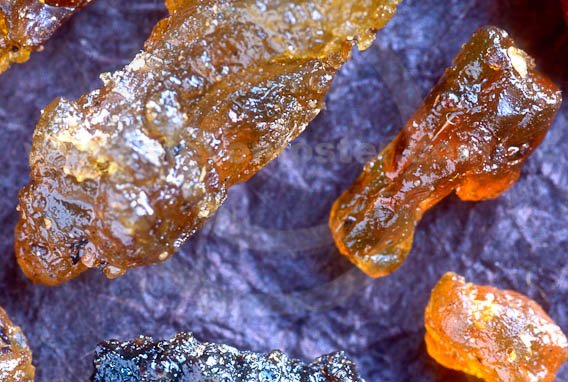
- as a binding agent only from modern perspective. Ayurveda mentions its use as anti-inflammatory, anti-obesity, uterine tonic, anti-hypercholesterolemic and immodulatory
- dose of the gum resin is from 5 to 50 grain used in placenta previa,amenorrhoea,dysmenorrhoea sore nipples,gonorrhea and ringworm
- how it is purified for gynecological disorders and what is the anupana
- purification of gum guggul (loban in unani medicine) – resin is soaked in water and left for some time . the supernatant water is decanted off. this process may be repeated once again. the vessel containing the dissolved resin is placed in the open and dried, that is the water is allowed to evaporate. drying may effected mechanically also.the resin to be employed will be in the form of an extract.
- Guggulu is considered to be a binding agent, though they have not used this term.
Acharya Sharangadhara mentions in Madhyama khanda 7/3….
Kuryad Avahnisiddena kwachid Gugguluna vatim!!
To prepare tablets without application of heat, Guggulu is added and tablets are advised to prepare. Here Guggulu acts as a binding agent only. - Lipid-lowering effects: Guggul (gum guggul) is a resin produced by the mukul mirth tree. Guggulipid is extracted from guggul using ethyl acetate. The preparation produced by extraction with petroleum ether is called a fraction A. Typical guggulipid preparations contain 2.5-5% of the plant sterols guggulsterones E and Z. These two components have been reported to exert effects on lipids.Several hypotheses have been advanced to explain these effects on lipids. Guggulsterones, particularly guggulsterone -pregnadiene-3,16-dione), have been reported to function as antagonists of the farsenoid X receptor (FXR) and the bile acid receptor (BAR), nuclear hormones which are involved with cholesterol metabolism and bile acid regulation. It has been reported that guggulsterone does not exert its lipid effects on mice lacking FXR. Other publications have proposed that guggul may inhibit lipogenic enzymes and HMG-Co A reductase in the liver. increase uptake of cholesterol by the liver via stimulation of LDL receptor binding. directly activate the thyroid gland and/or increase biliary and fecal excretion of cholesterol.
- Antioxidant effects: Guggul extracts have been reported to possess antioxidant properties possibly mediating protection against myocardial necrosis
- Platelet effects: Guggulipid has been found to inhibit platelet aggregation and increase fibrinolysis
- Anti-inflammatory: the results of several studies suggest possible anti-inflammatory and antiarthritic activities of guggul. On a per-microgram basis, guggulipid appears to be significantly less potent than indomethacin or hydrocortisone. Possible effects on high-sensitivity C-reactive protein (hs-CRP) have recently been observed in a clinical trial.
- Guggul has been a key component in ancient Indian Ayurvedic system of medicine. But has become so scarce because of its overuse in its two habitats in India where it is found — Gujarat and Rajasthan that the World Conservation Union (IUCN) has enlisted it in its Red Data List of endangered species.Guggul produces a resinous sap known as gum guggul. The extract of this gum, called gugulipid, guggulipid or guglipid, has been used in Ayurvedic medicine, a traditional Hindu medicine, for nearly 3,000 years in India. The active ingredient in the extract is the steroid guggulsterone, which acts as an antagonist of the farnesoid X receptor, once believed to result in decreased cholesterol synthesis in the liver. However, several studies have been published that indicate no overall reduction in total cholesterol occurs using various dosages of guggulsterone, and levels of low-density lipoprotein (“bad cholesterol”) increased in many people.
- Guggul is sought for its gummy resin, which is harvested from the plant’s bark through the process of tapping. In India and Pakistan, guggul is cultivated commercially. The resin of the guggul plant, known as gum guggulu, has a fragrance similar to that of myrrh and is commonly used in incense and perfumes. It is the same product that was known in Hebrew, ancient Greek and Latin sources as bdellium.Guggul can be purchased in a loosely packed form called dhoop, an incense from India, which is burned over hot coals. This produces a fragrant, dense smoke. The burning coals which let out the smoke are then carried around to different rooms and held in all corners for a few seconds. This is said to drive away evil spirits as well as remove the evil eye from the home and its family members.


 New Drug Approvals